
Choosing the right wall finish changes how a color looks, how light moves through a room, and how easily the surface can be maintained. These 30 paint finishes for walls range from familiar flat, eggshell, and satin sheens to decorative treatments such as limewash, Roman clay, metallic paint, and Venetian plaster. Low-sheen surfaces create softness and help disguise minor imperfections, while glossier finishes reflect more light and require smoother preparation. Textured applications can add movement, age, or architectural depth without introducing busy patterns. () Each section below presents a complete room concept, including color, furniture, lighting, and materials, so you can picture the finish in a realistic home. Explore these practical and decorative **30 paint finishes for walls**.
1. Flat Wall Paint Finish
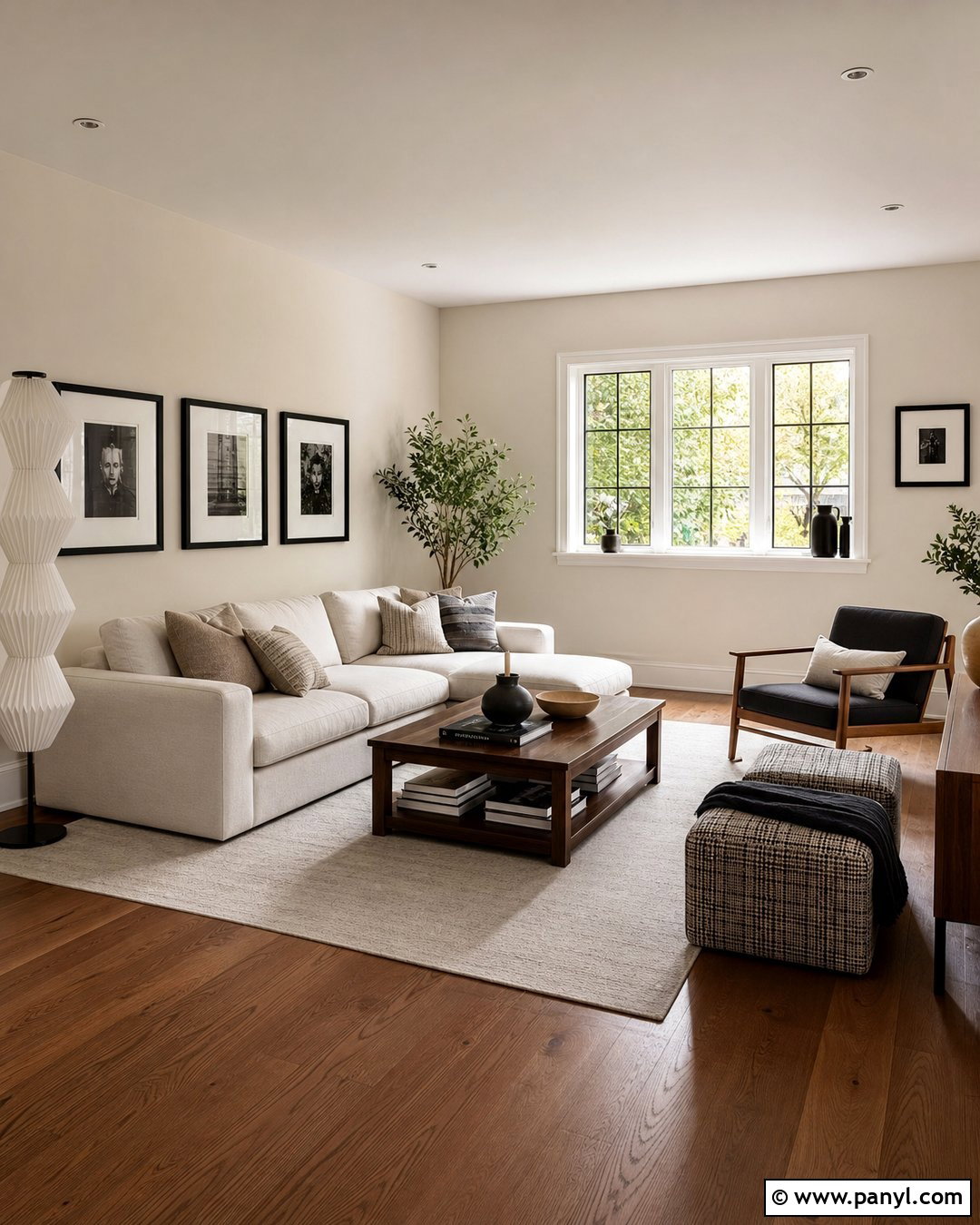
A flat wall paint finish creates a calm, nonreflective background that works beautifully in low-traffic bedrooms and formal living rooms. Try warm ivory flat paint across the walls and ceiling for a seamless, cocooning effect. Add medium-tone oak flooring, a cream linen sofa, and a low walnut coffee table to keep the room natural and relaxed. Black picture frames and a sculptural white floor lamp provide crisp contrast. Because flat paint absorbs rather than reflects much light, it can soften uneven drywall and make deep colors appear richer. It is less resistant to frequent scrubbing, so reserve it for spaces without sticky hands, splashes, or constant contact. Use washable flat formulas where added durability is important.
2. Matte Wall Paint Finish
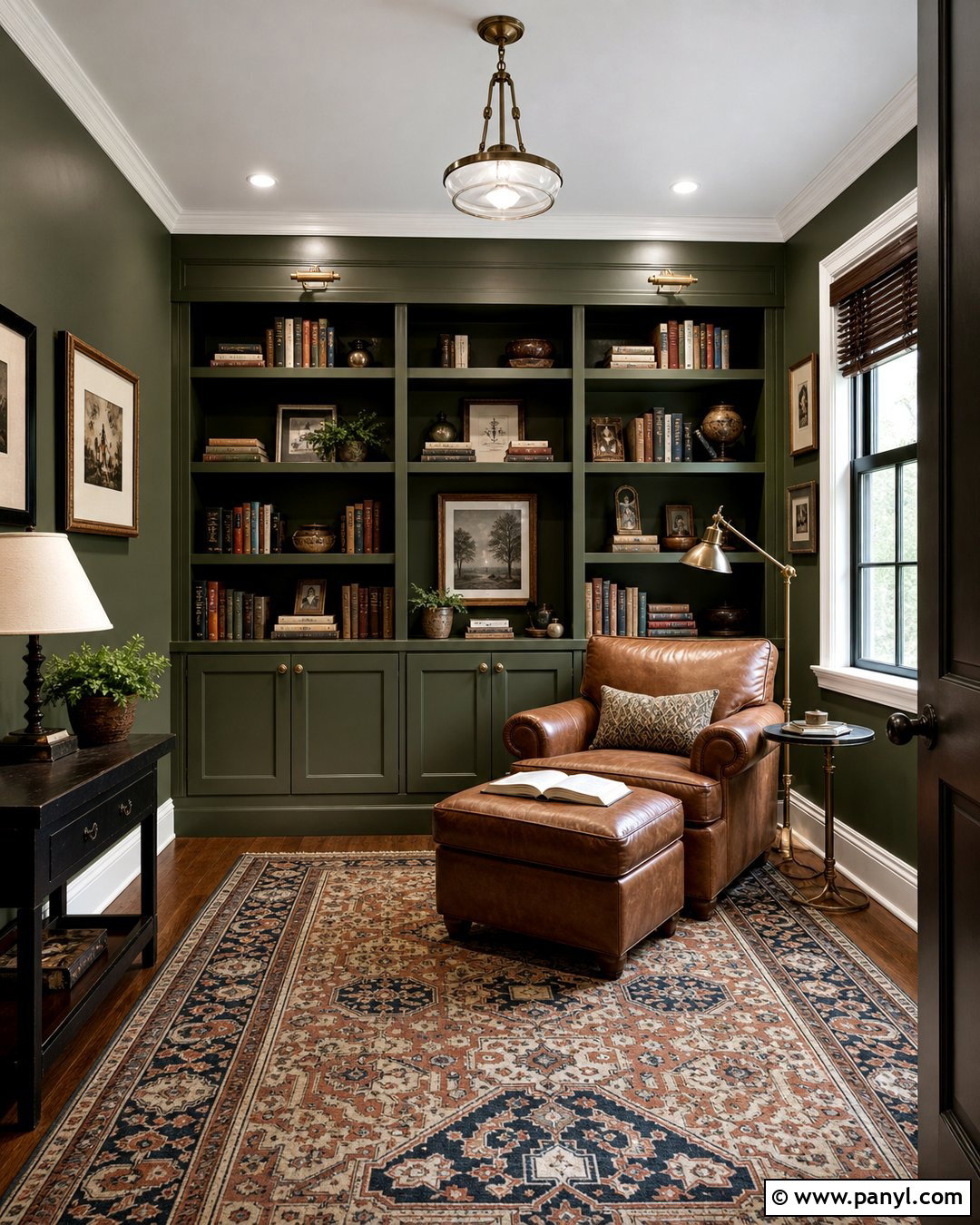
Matte paint offers the velvety appearance of flat paint with slightly better durability, making it suitable for bedrooms, dining rooms, and sophisticated living spaces. Create a complete reading room with deep olive matte walls, built-in bookcases painted the same color, and warm white trim. A caramel leather chair, patterned wool rug, and antique brass reading lamp will bring warmth to the rich green background. Matte paint minimizes glare, allowing artwork and natural wood furniture to stand out instead of competing with reflected light. It also makes saturated colors feel especially deep. Prepare and prime patched areas carefully because inconsistent porosity can affect the final appearance. Choose a scrubbable premium matte formula for hallways or family rooms that receive moderate daily use.
3. Velvet Wall Paint Finish
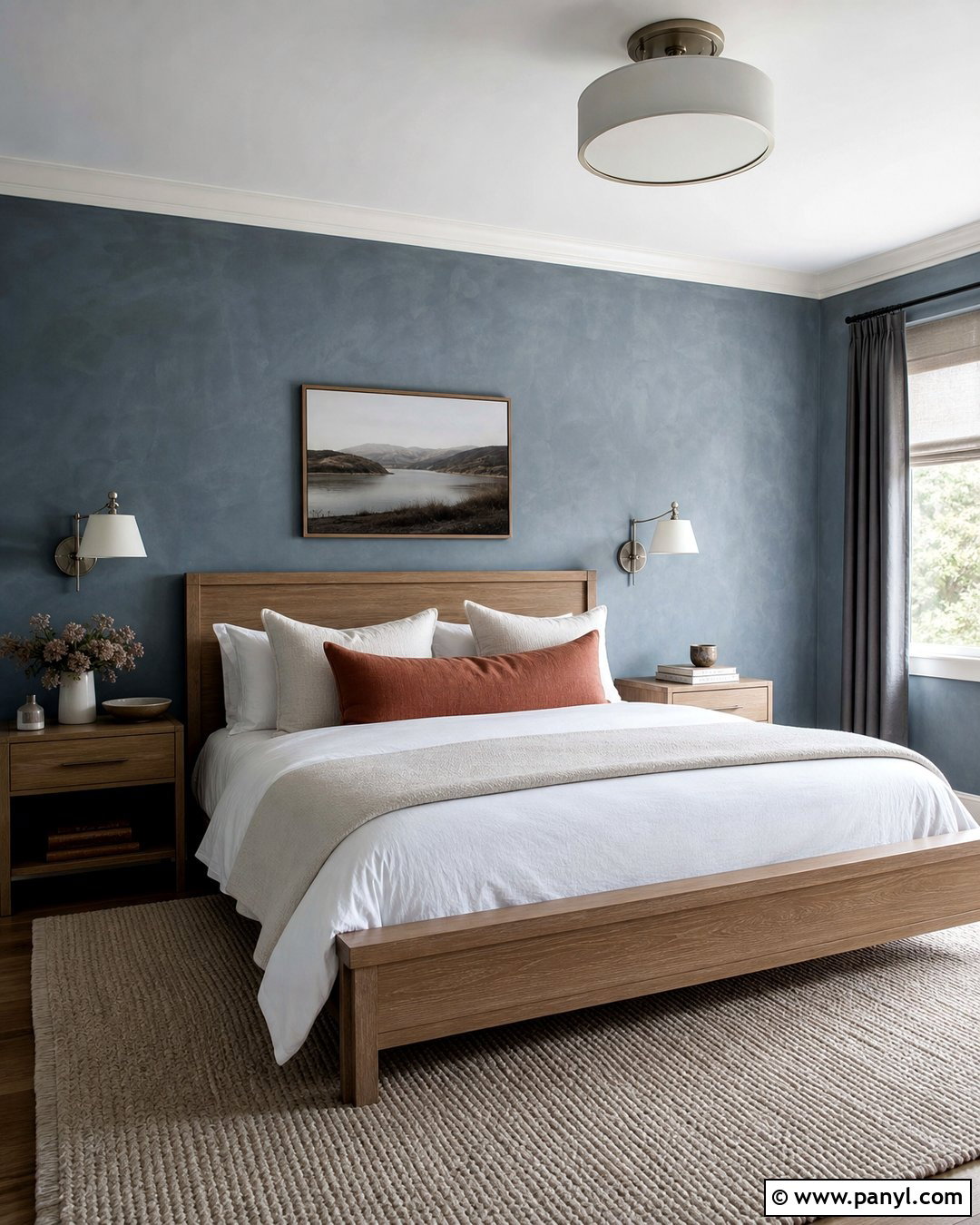
Velvet wall paint falls between matte and eggshell, providing a gentle glow without looking obviously shiny. It suits a polished primary bedroom where softness and practical cleaning are equally important. Cover the walls in dusty blue velvet-finish paint, then pair them with a light oak bed, white linen bedding, and muted rust accent pillows. A wool area rug and brushed nickel sconces complete the quiet palette. During the day, the surface subtly changes as sunlight travels across it, making the color appear layered rather than flat. Use consistent roller strokes and maintain a wet edge because overlapping can become visible in side lighting. This balanced sheen works well on smooth walls and brings an understated, tailored quality to traditional or transitional rooms.
4. Eggshell Wall Paint Finish
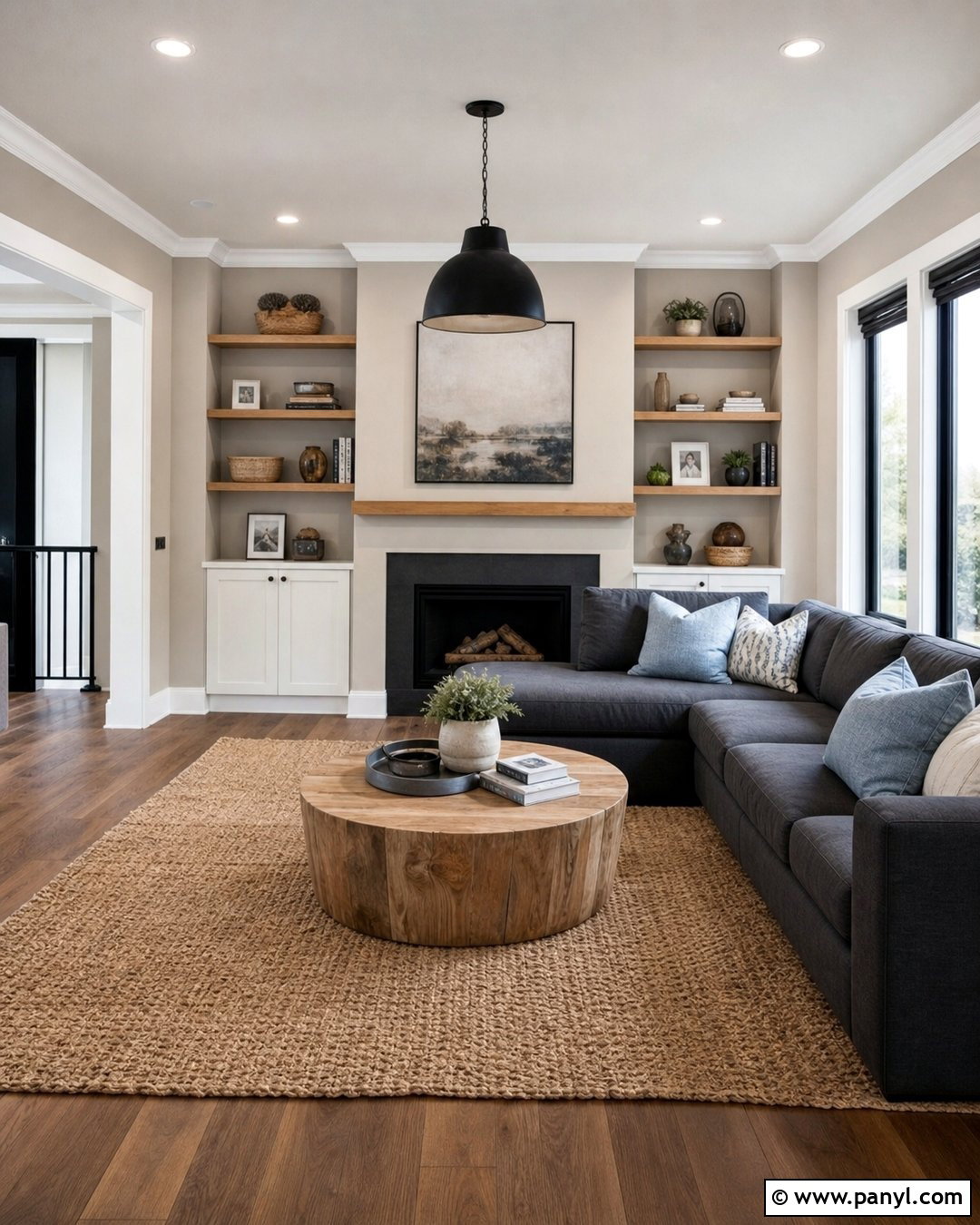
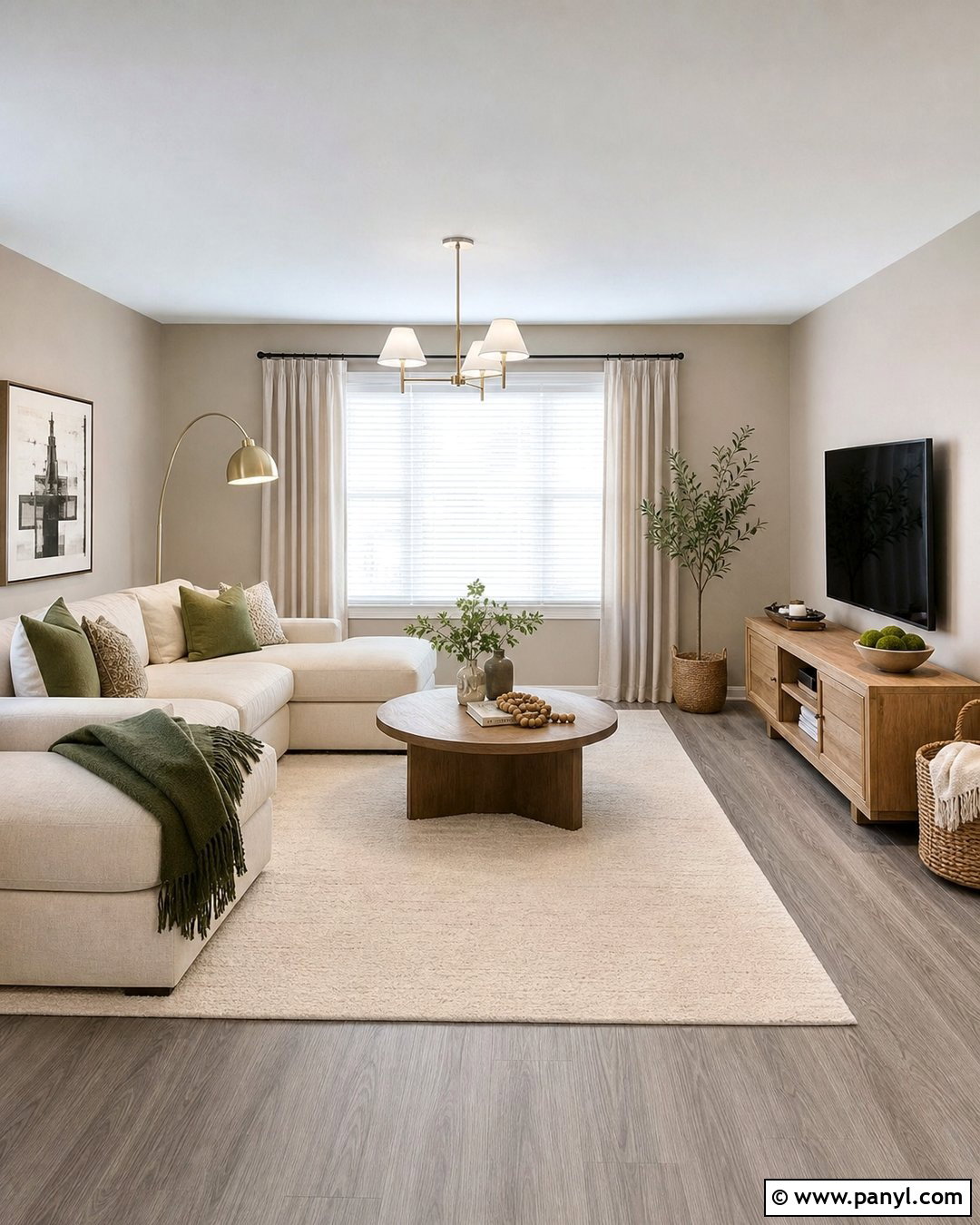
Eggshell is an adaptable choice for living rooms, dining areas, bedrooms, and open-plan interiors. Its low luster reflects a small amount of light while retaining a soft overall appearance. For a welcoming family room, use warm greige eggshell walls with crisp white baseboards, a charcoal sectional, and natural oak shelving. Layer in a woven jute rug, blue-gray pillows, and matte black lighting for contrast. The gentle sheen helps the space feel brighter and is typically easier to wipe than flat paint, although sheen levels can vary between manufacturers. () Eggshell looks best when walls are patched, sanded, and primed evenly. It is a dependable option when you want one finish to connect several adjoining rooms without appearing either dull or glossy.
5. Satin Wall Paint Finish
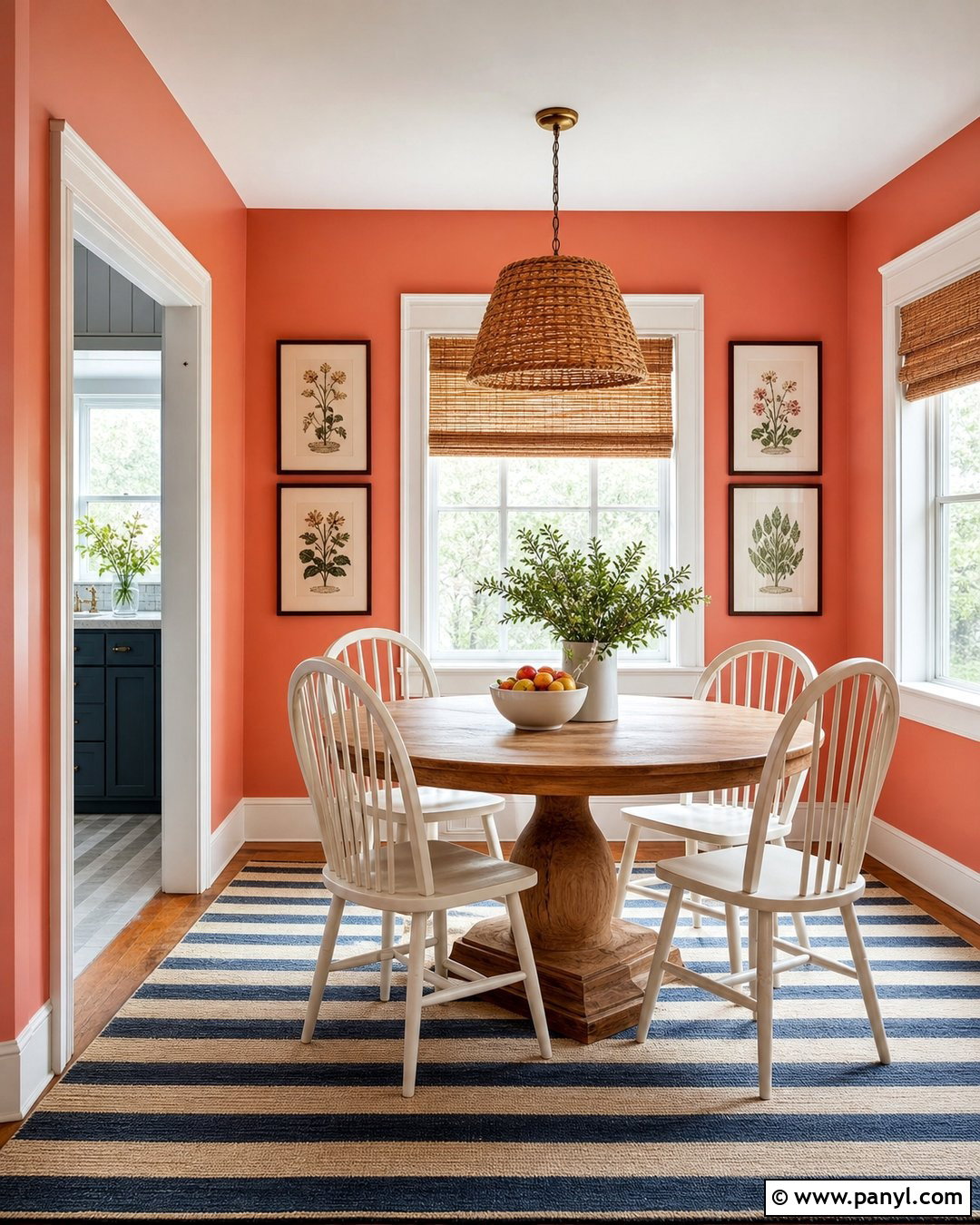
Softly reflective satin paint is useful in kitchens, bathrooms, children’s rooms, and busy hallways. Build a cheerful breakfast room with muted coral satin walls, white-painted trim, a round oak table, and spindle-back chairs in warm cream. Add a washable striped rug, woven pendant, and simple botanical prints. The satin finish catches daylight and supports the lively color without becoming mirror-like. Its smoother surface generally handles moisture and routine wiping better than lower-sheen options, making it practical around everyday activity. Careful wall preparation remains essential because the added reflection can reveal bumps or sanding marks. Apply two thin coats with a quality roller, working from top to bottom. Avoid repeatedly rolling paint that has already started drying, which may leave uneven sheen.
6. Pearl Wall Paint Finish
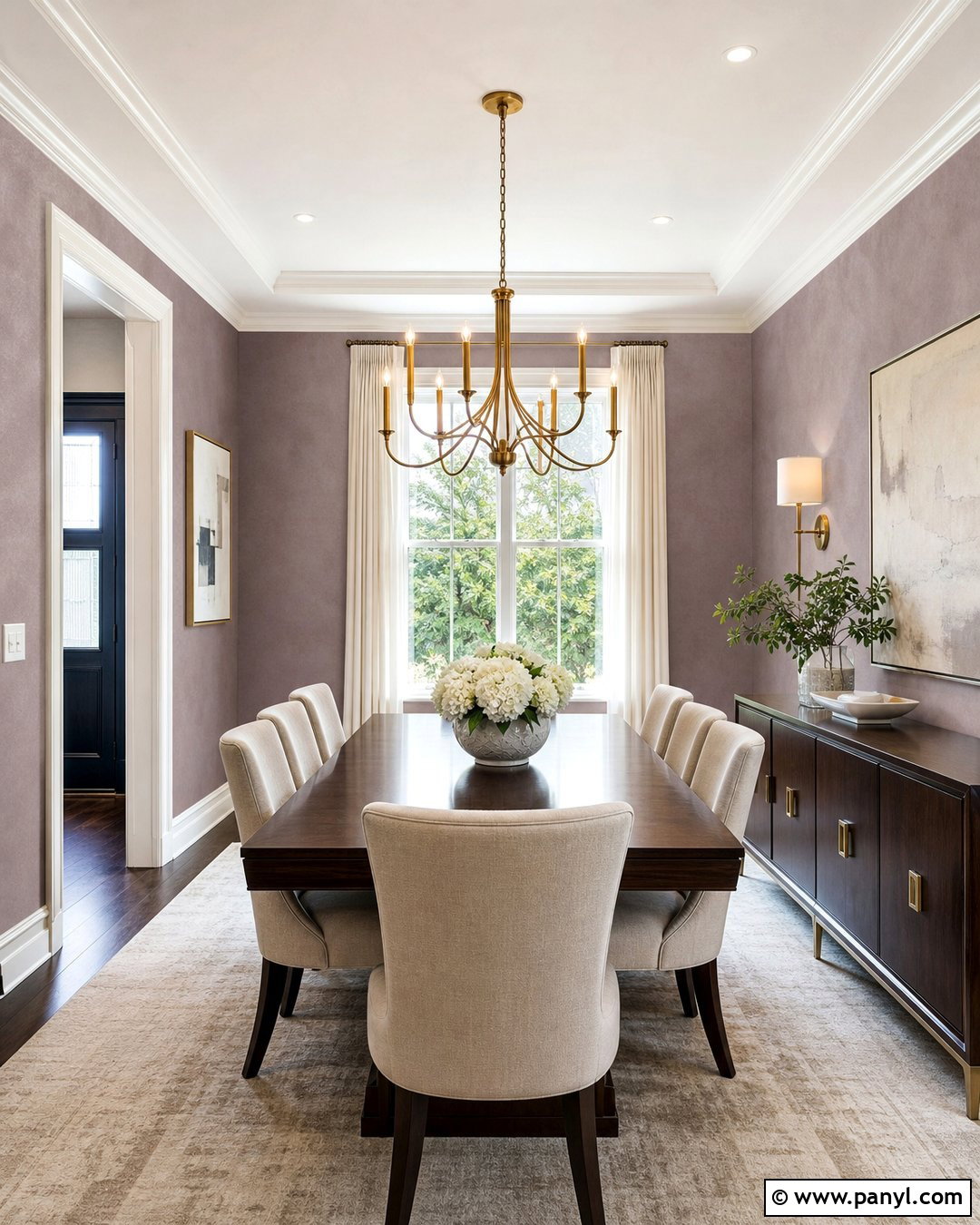
Pearl paint introduces a refined, medium-low shimmer that feels softer than semigloss and more luminous than eggshell. It is especially effective in a formal dining room where layered lighting can reveal its subtle character. Choose smoky lavender pearl walls, ivory trim, a dark walnut dining table, and upholstered oatmeal chairs. A brushed brass chandelier and pale abstract artwork will echo the finish without making the room feel overly decorative. Keep window treatments simple with floor-length natural linen panels. Pearl paint needs a smooth, well-primed wall because reflected light can emphasize dents and inconsistent patches. Use it throughout a small room for an enveloping effect or on the main dining wall while carrying a coordinating matte shade onto adjacent surfaces.
7. Semigloss Wall Paint Finish
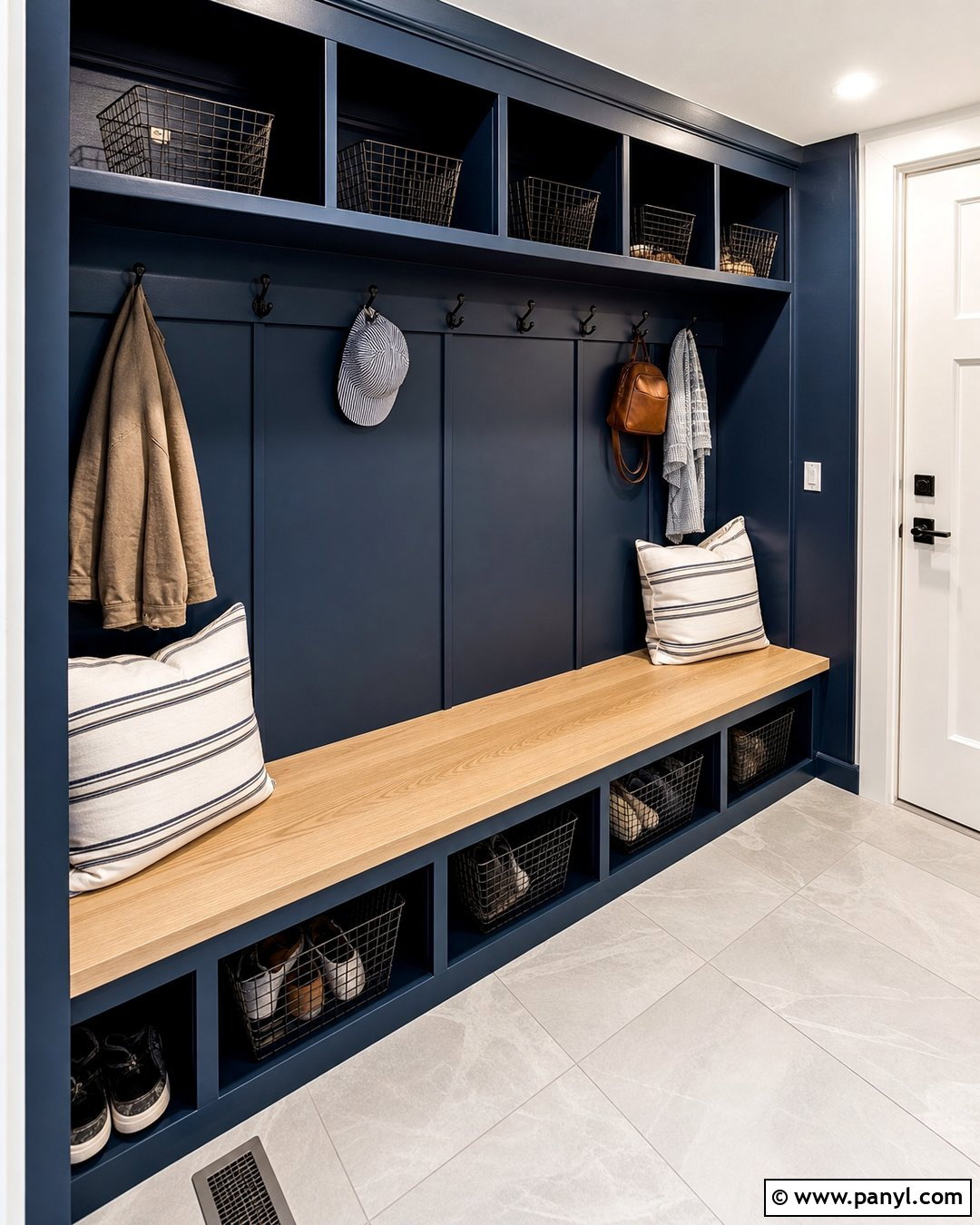
Semigloss walls can create a sharp, durable look in mudrooms, compact bathrooms, and hardworking utility areas. For a clean mudroom, paint the walls and paneled storage in medium navy semigloss, then add pale gray porcelain flooring and a built-in white oak bench. Matte black hooks, wire baskets, and striped seat cushions balance the polished surface. The noticeable sheen brightens the narrow space and makes fingerprints or mud easier to address. However, it also highlights drywall flaws, so skim-coating, sanding, and priming may be necessary before painting. Use smooth roller covers and thin, even applications to reduce stipple. Keeping the walls, molding, and cabinetry in one color produces a cohesive color-drenched effect while subtle sheen changes reveal the architectural details.

8. High-Gloss Wall Paint Finish
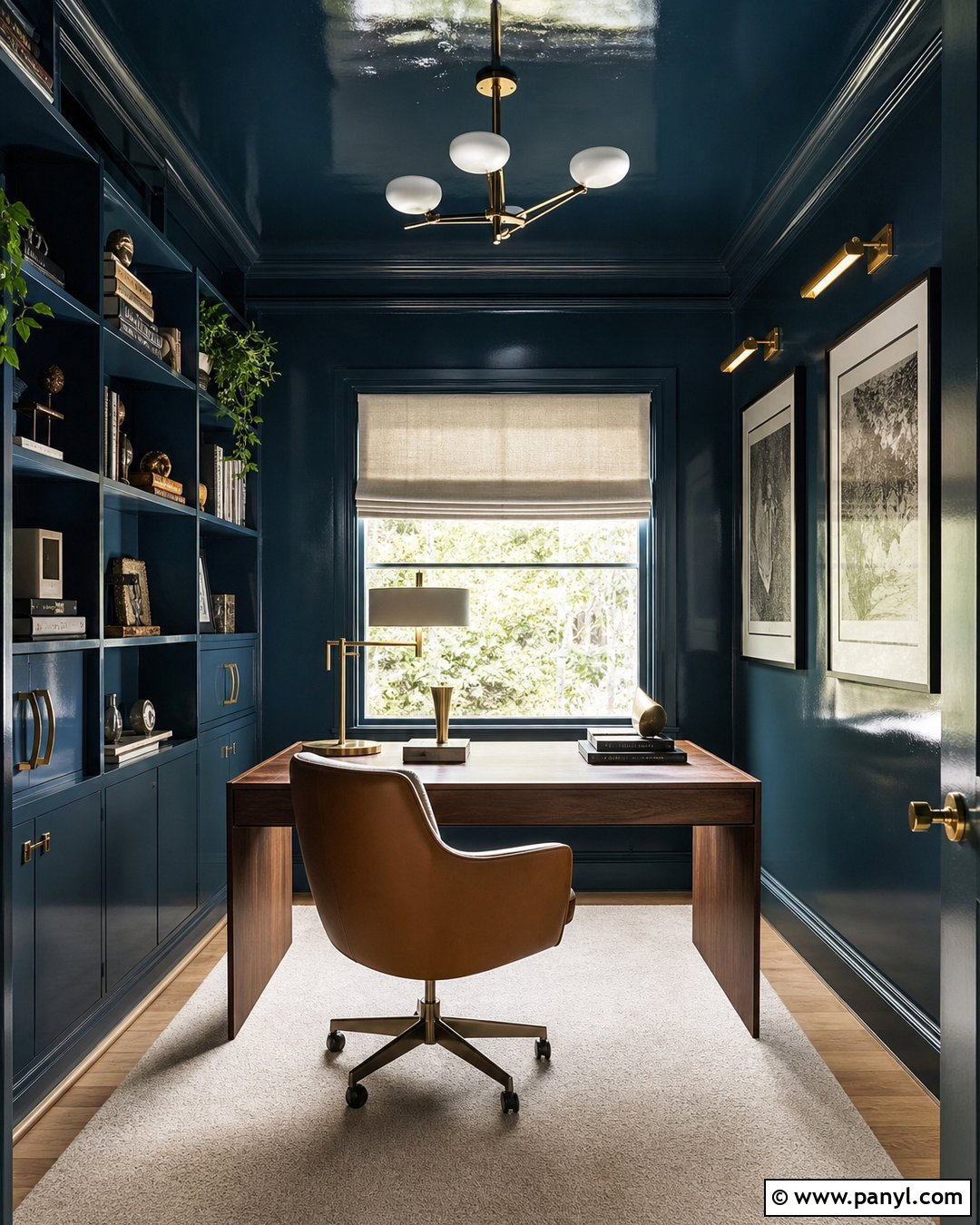
High-gloss paint delivers a bold, lacquer-like surface that transforms an ordinary room into a dramatic architectural statement. Use deep teal high-gloss paint across the walls and ceiling of a compact study. Balance the reflective shell with a streamlined walnut desk, camel leather chair, cream wool rug, and tailored Roman shade. Brass picture lights and framed black-and-white art will glow against the saturated background. Because high gloss reveals nearly every dent, seam, and brush mark, professional-level surface preparation is often the key to success. Walls should be smooth, clean, and carefully primed before several thin coats are applied. This finish works especially well in smaller rooms, where its reflections can visually expand the space and make artificial and natural light feel more dynamic.
9. Lacquered Wall Paint Finish
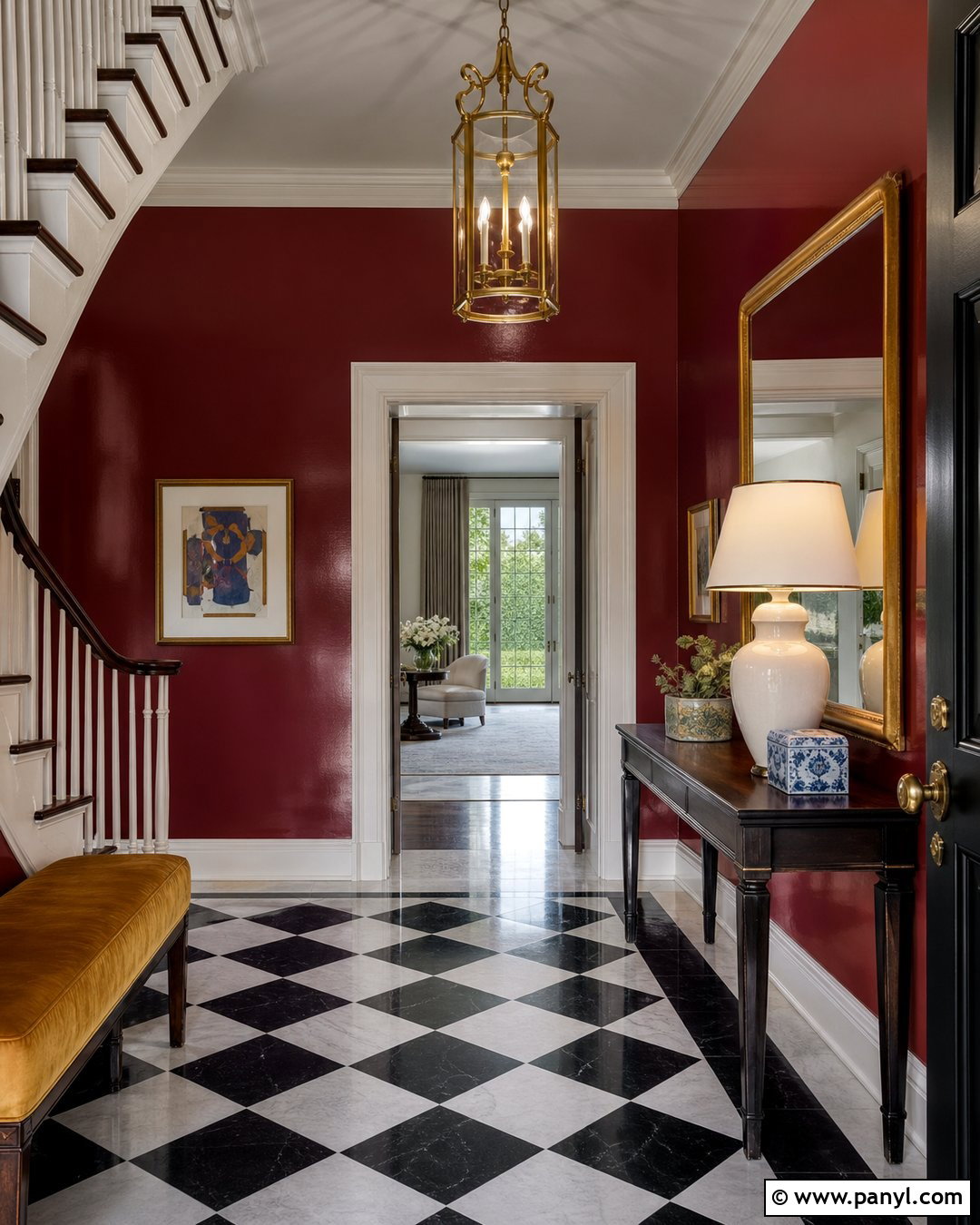
Lacquered walls offer a glassy, furniture-quality appearance with exceptional visual depth. Create an elegant entry in warm oxblood red, applying a compatible high-build coating system over perfectly prepared walls. Ground the room with black-and-white stone flooring, a narrow dark wood console, and a large brass-framed mirror. A cream ceramic lamp and one structured vase keep the styling restrained. Lacquered surfaces are most convincing when the ceiling, doors, and trim participate in the design, either in matching red or controlled contrasting neutrals. Multiple smooth layers and careful sanding may be required, so this is often better handled by an experienced finisher. The final surface magnifies light, enriches the red tone, and turns a pass-through space into a memorable part of the home.
10. Limewash Wall Paint Finish
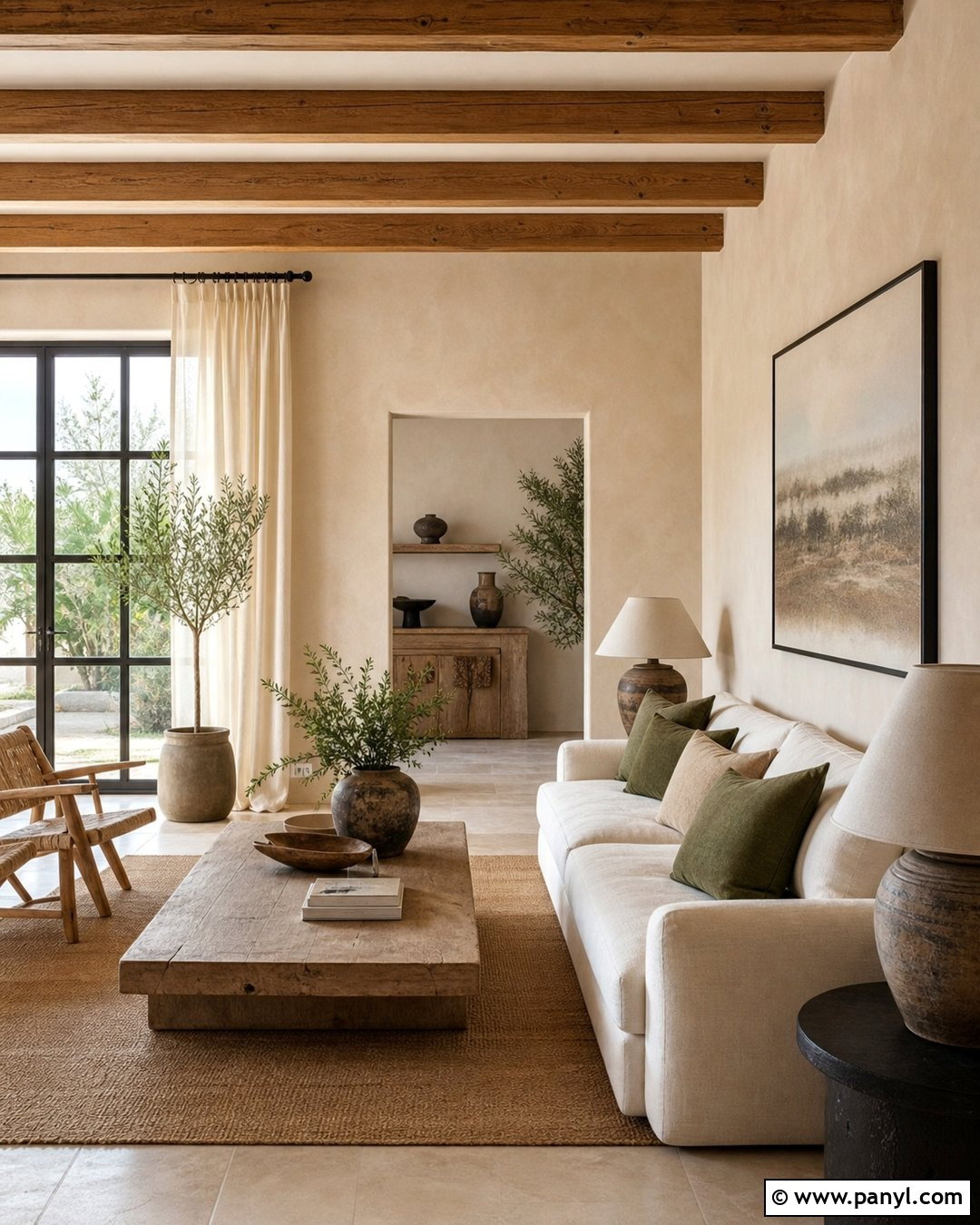
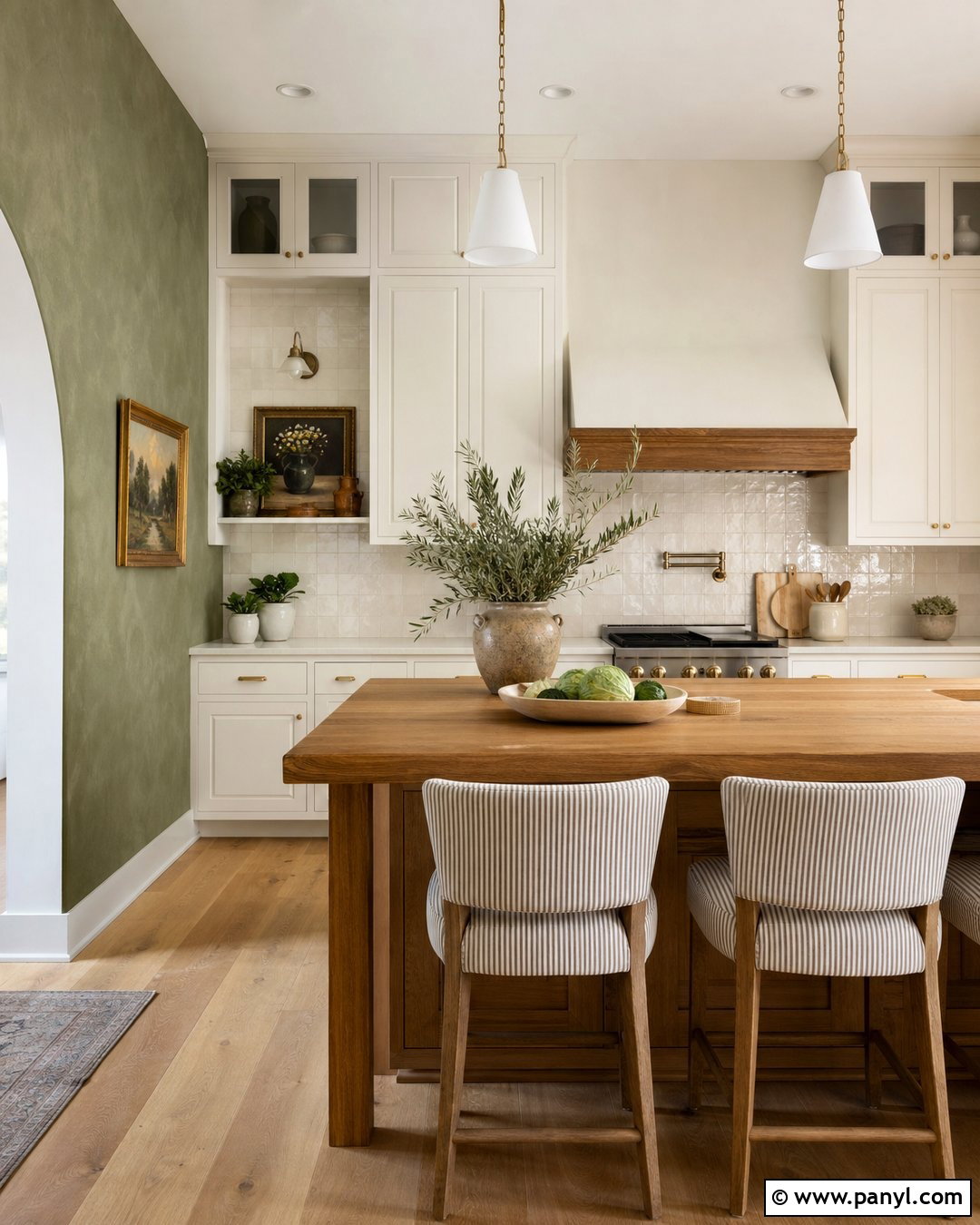
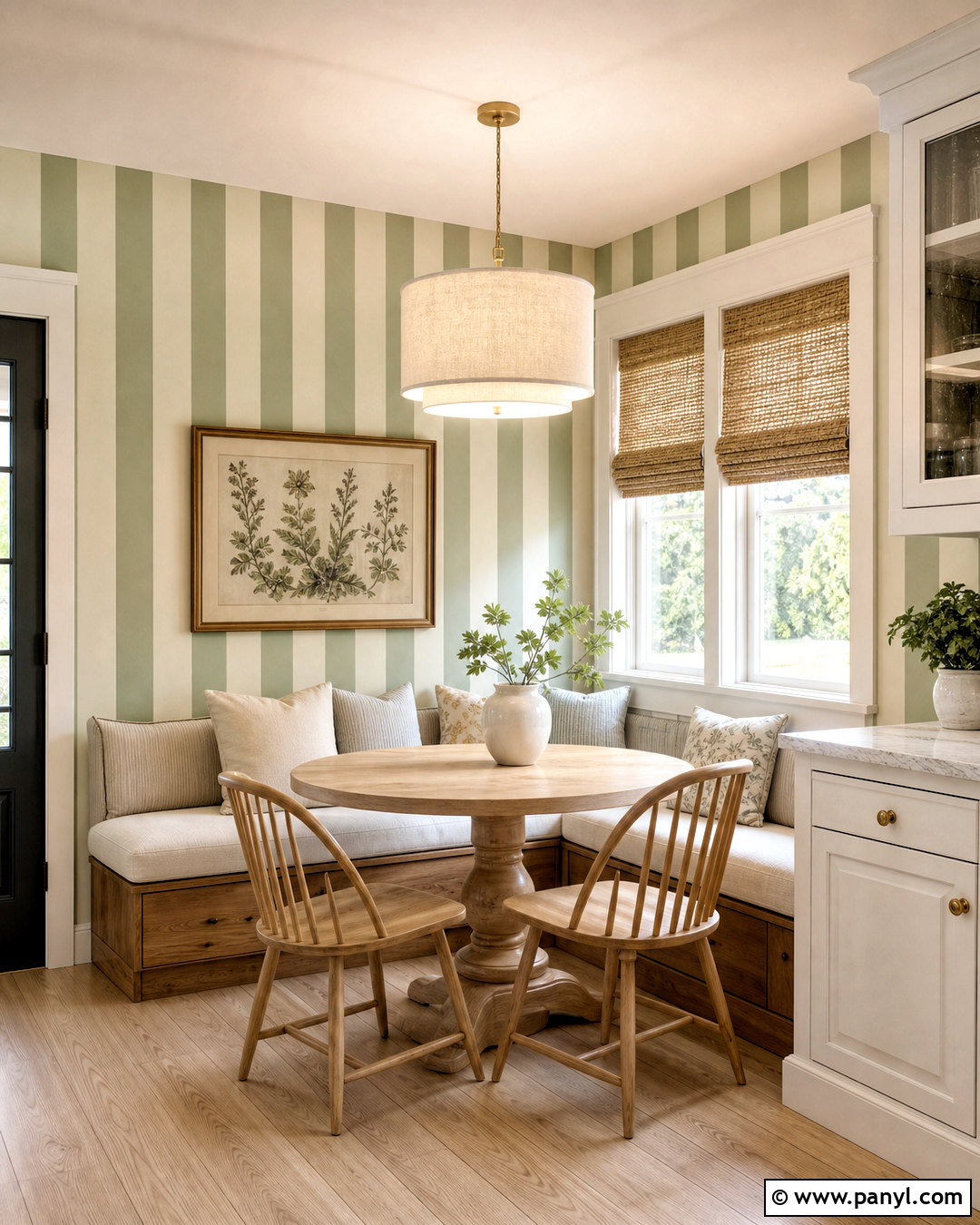
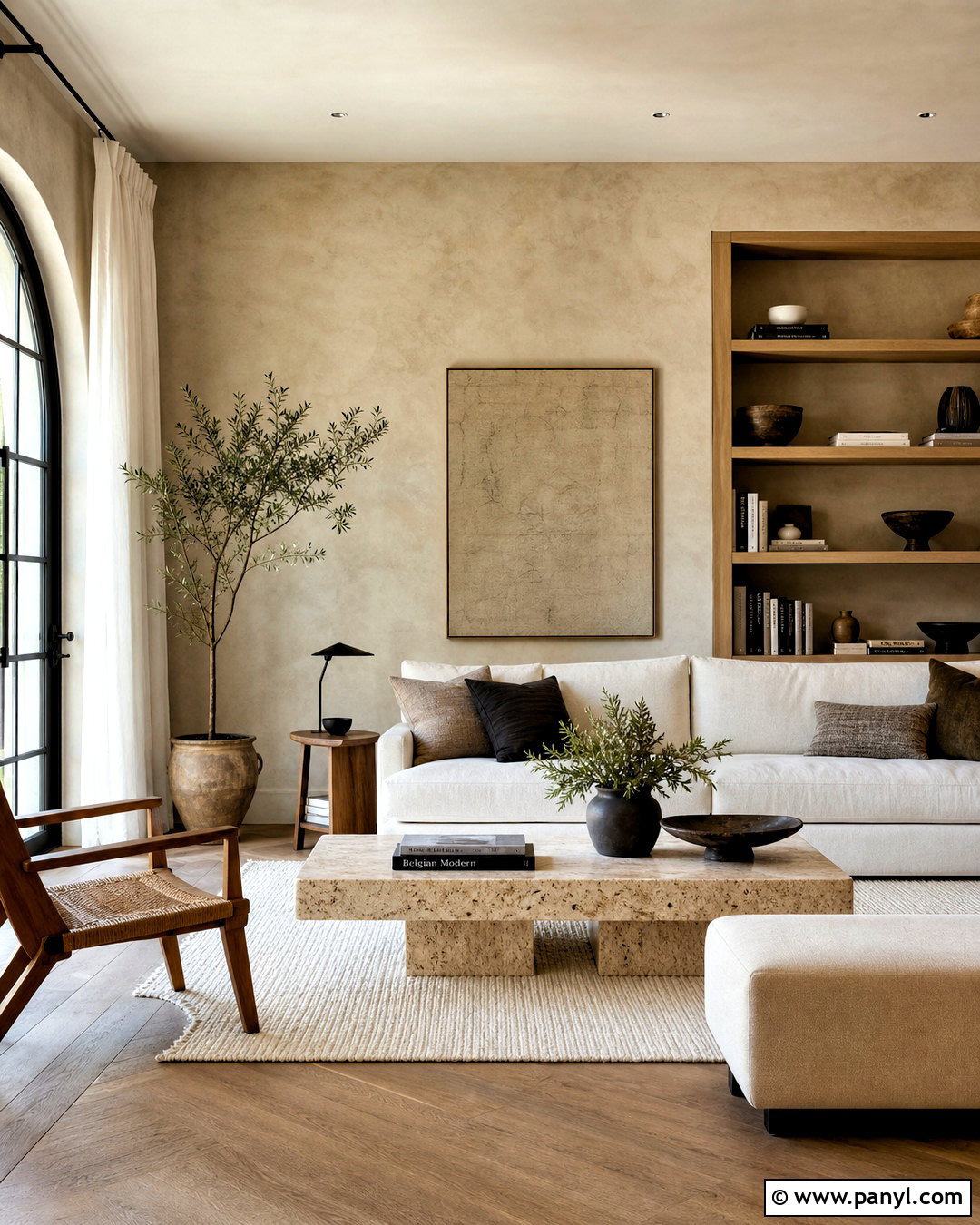
Cloudy color variation gives limewash walls an aged, mineral character that feels relaxed rather than manufactured. Design a Mediterranean-inspired living room with warm beige limewash, creamy plaster-toned trim, and pale limestone flooring. Add a low oatmeal sofa, weathered oak coffee table, hand-thrown ceramic lamps, and olive green cushions. Apply the limewash in loose crosshatch strokes so the tonal movement remains organic across the entire wall. Traditional limewash performs best on compatible porous mineral surfaces, while drywall installations may require a manufacturer-recommended primer. Its chalky, matte appearance responds beautifully to daylight, revealing gentle changes in depth as the sun moves. () Test a large sample because brush technique, substrate, and lighting can significantly influence the finished color.
11. Roman Clay Wall Paint Finish
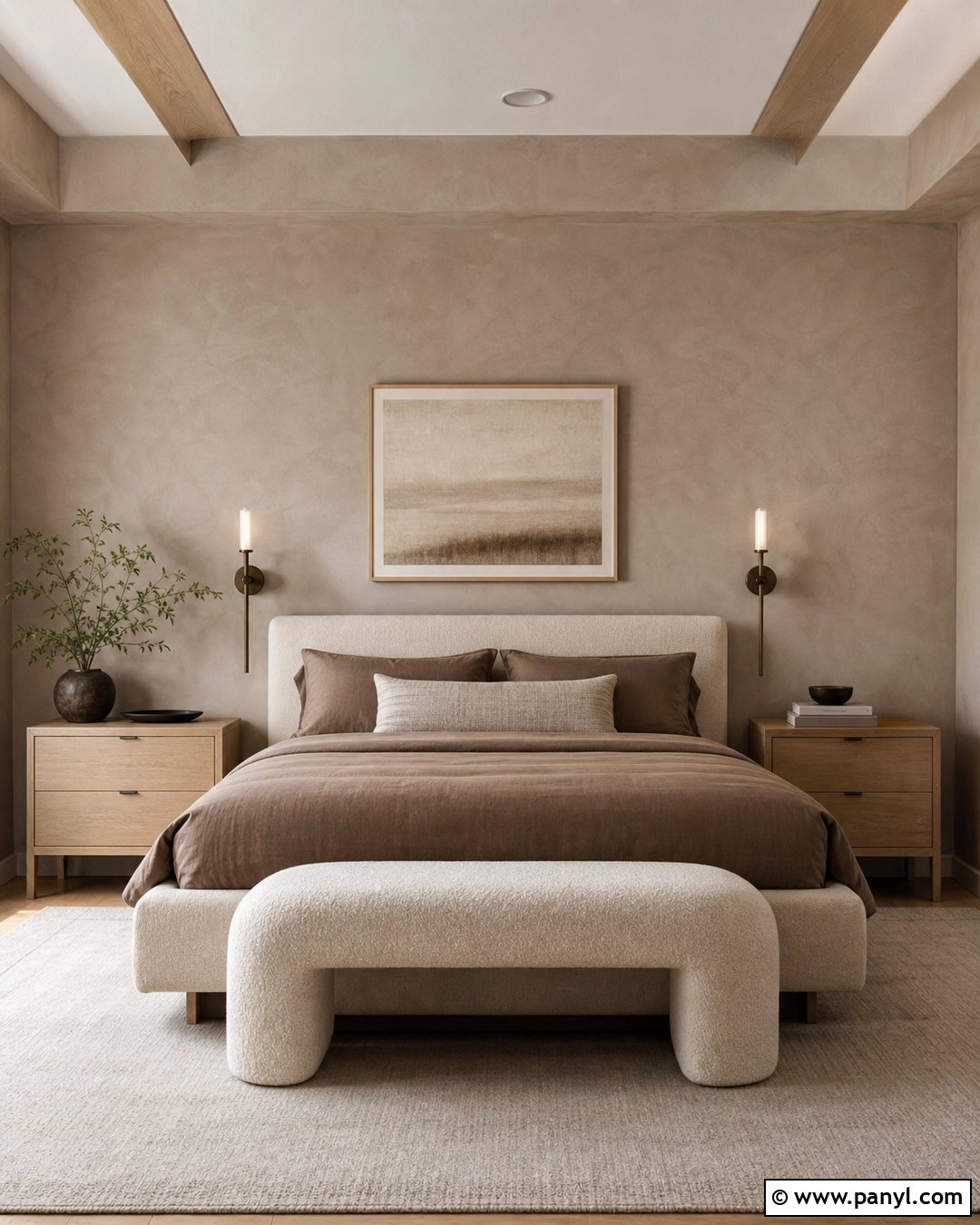
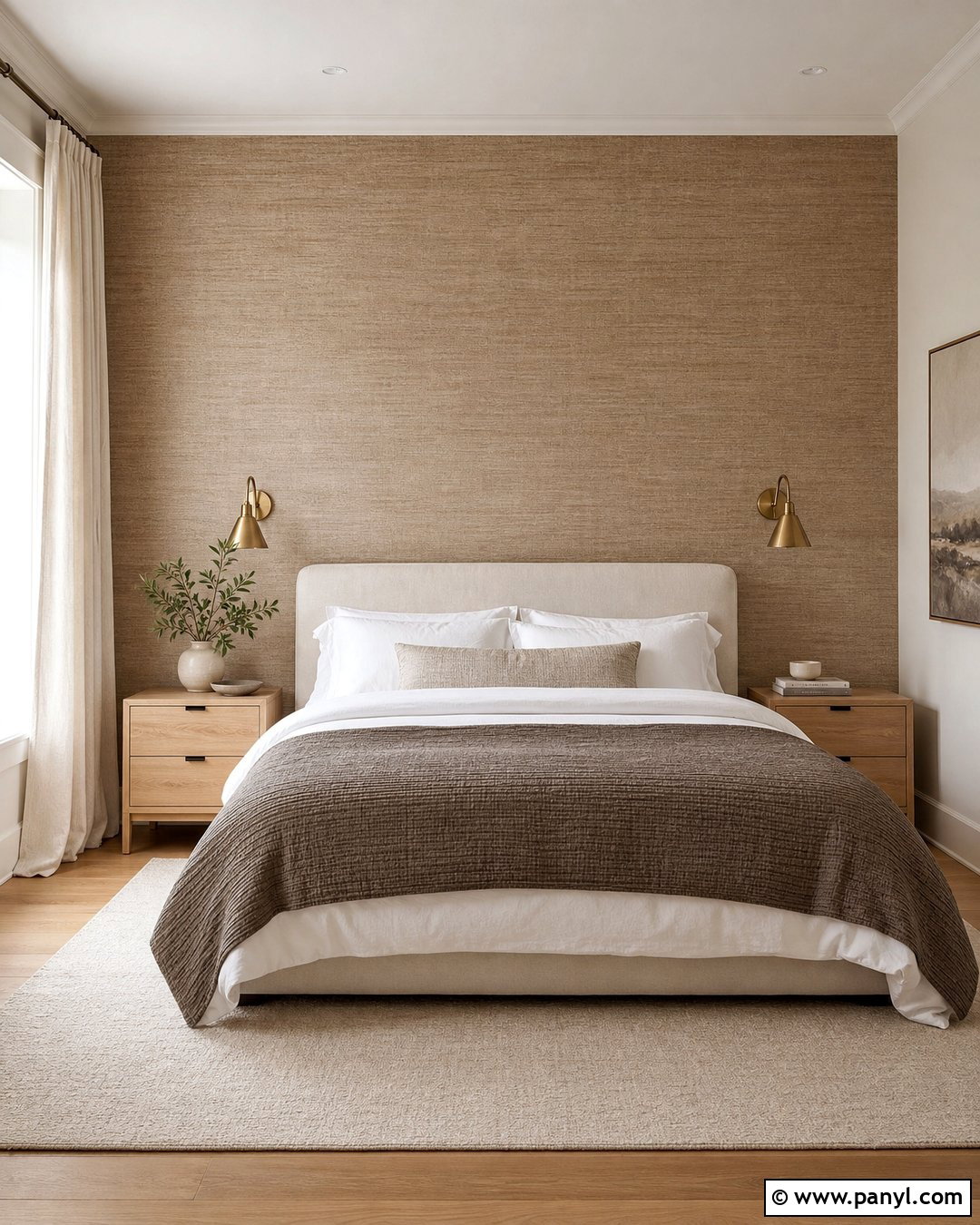
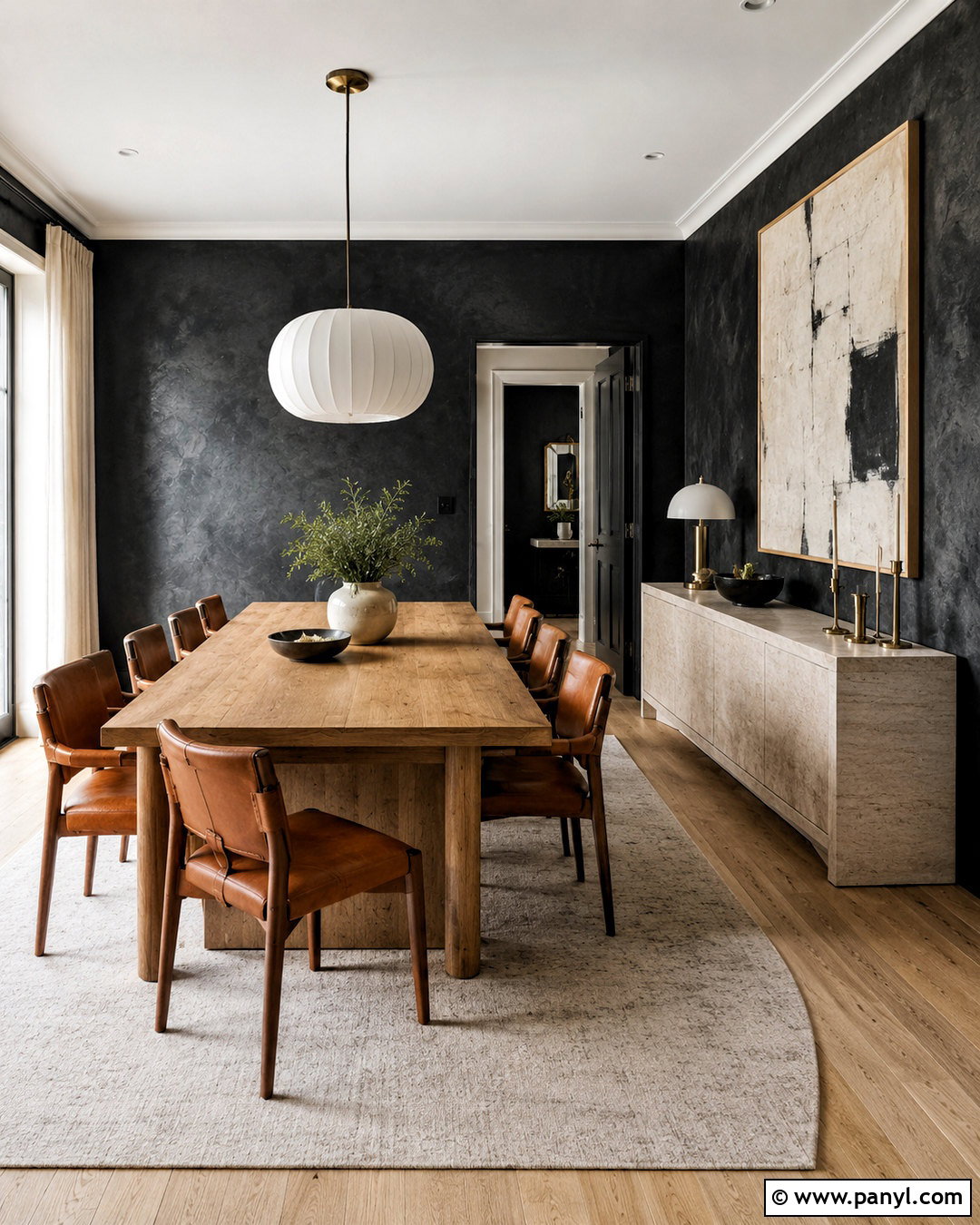
Roman clay creates a smooth, softly mottled surface that brings depth to minimalist rooms without adding shine. Use sandy taupe Roman clay across a serene bedroom, including the wall behind a simple upholstered platform bed. Complete the look with white oak nightstands, mushroom-colored bedding, a cream boucle bench, and bronze wall sconces. A trowel or broad blade creates overlapping movements that give the wall its quiet, handcrafted variation. Compared with highly polished plaster, the finished appearance is generally softer and more matte. Corners, repairs, and large uninterrupted walls require careful application, so practice on sample boards first. Keep artwork limited and choose tactile natural materials throughout the room. This allows the clay-like walls to provide the primary visual texture while the furnishings remain calm and uncluttered.
12. Mineral Wall Paint Finish
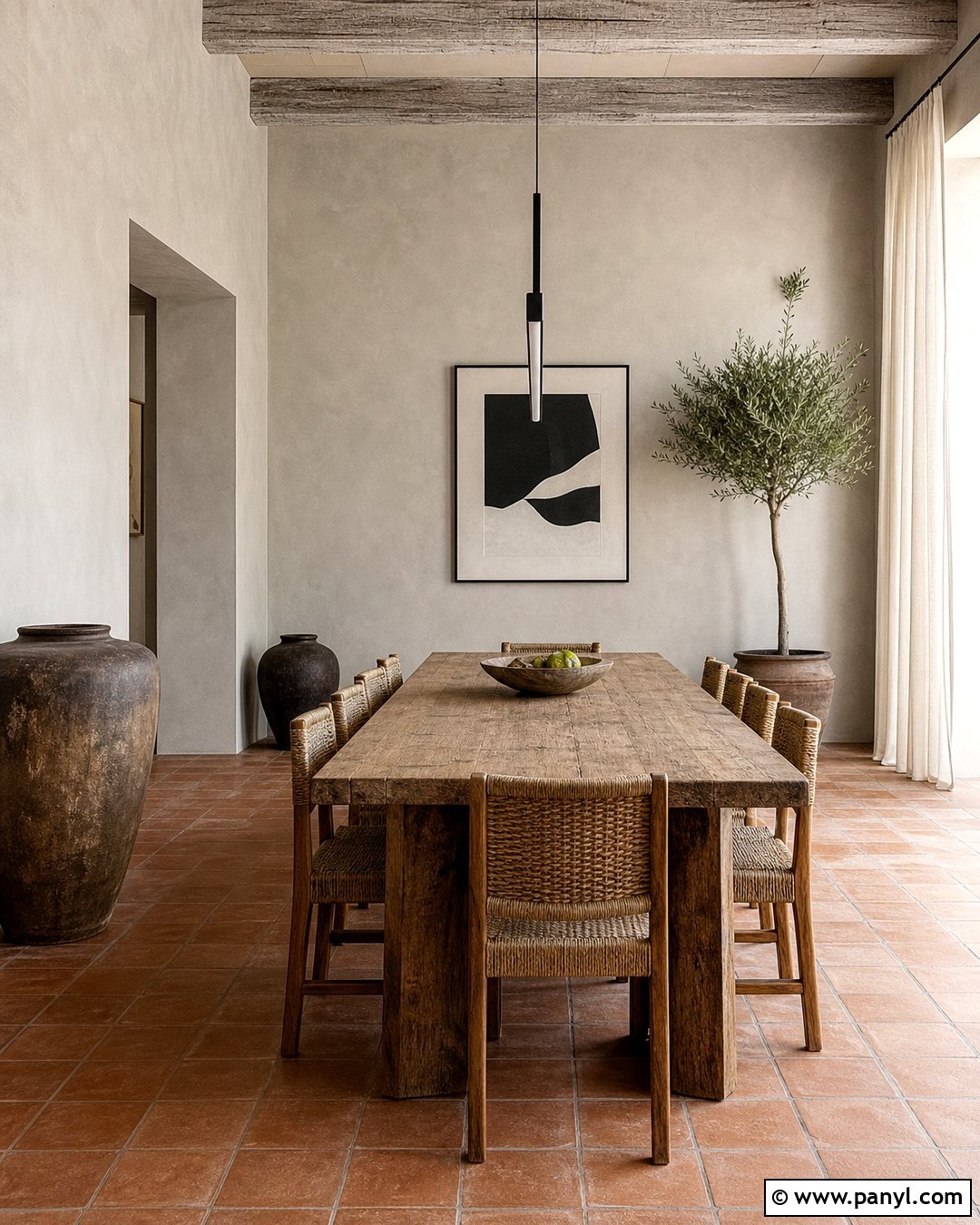
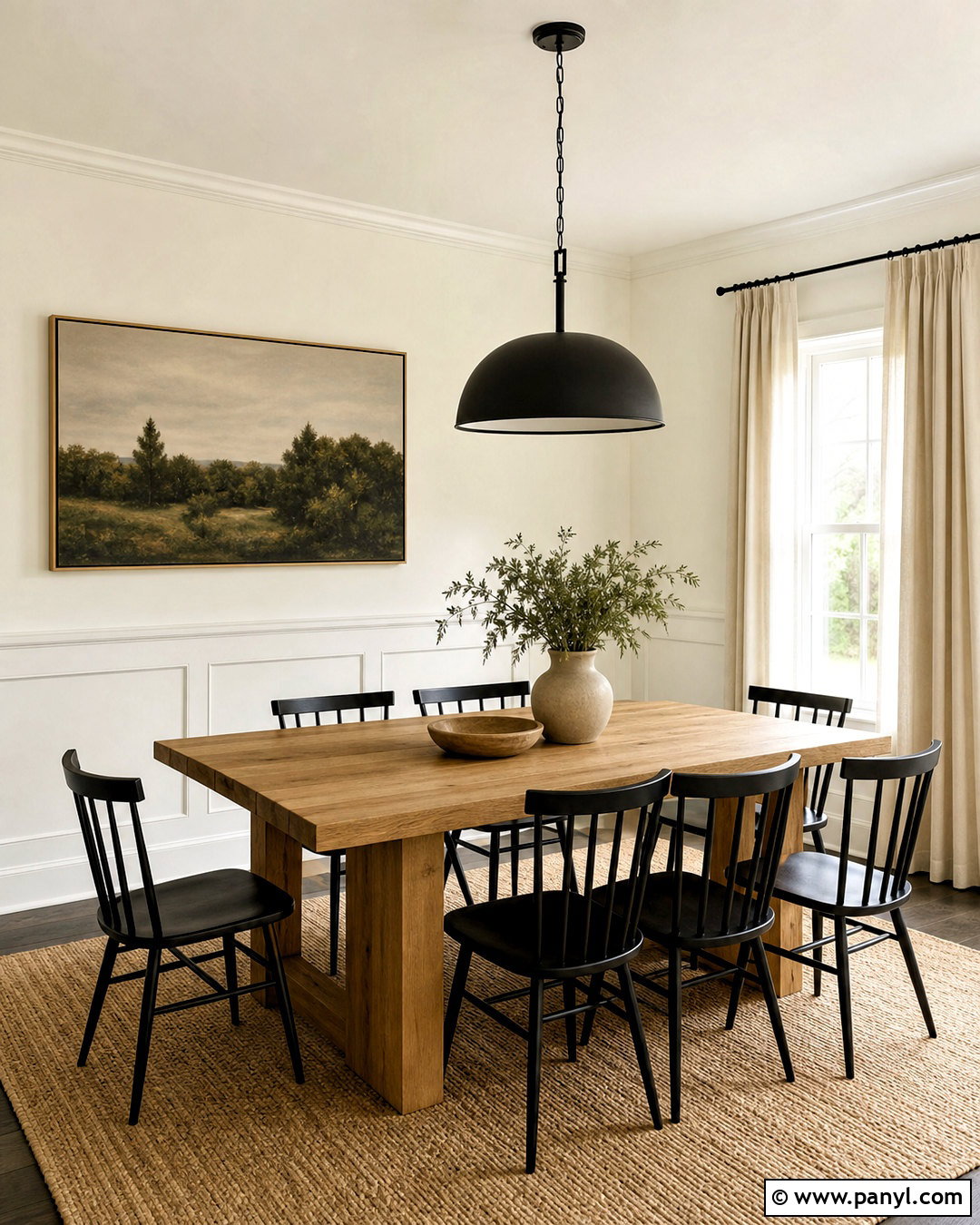
Mineral paint gives walls a breathable-looking, ultra-matte surface that complements plaster, masonry, and historically influenced interiors. For a warm modern dining room, select pale putty mineral paint and pair it with a long reclaimed oak table, woven dining chairs, and a black linear pendant. Terracotta flooring, off-white linen curtains, and oversized earthenware vessels reinforce the natural palette. The finish should feel substantial and chalky rather than slick, allowing small shifts in the wall surface to become part of the room’s character. Confirm that the primer and substrate are compatible with the selected mineral system. On standard drywall, specialized preparation may be needed. Keep trim in a slightly warmer off-white matte paint so the room feels connected without flattening every architectural edge into one color.
13. Chalky Wall Paint Finish
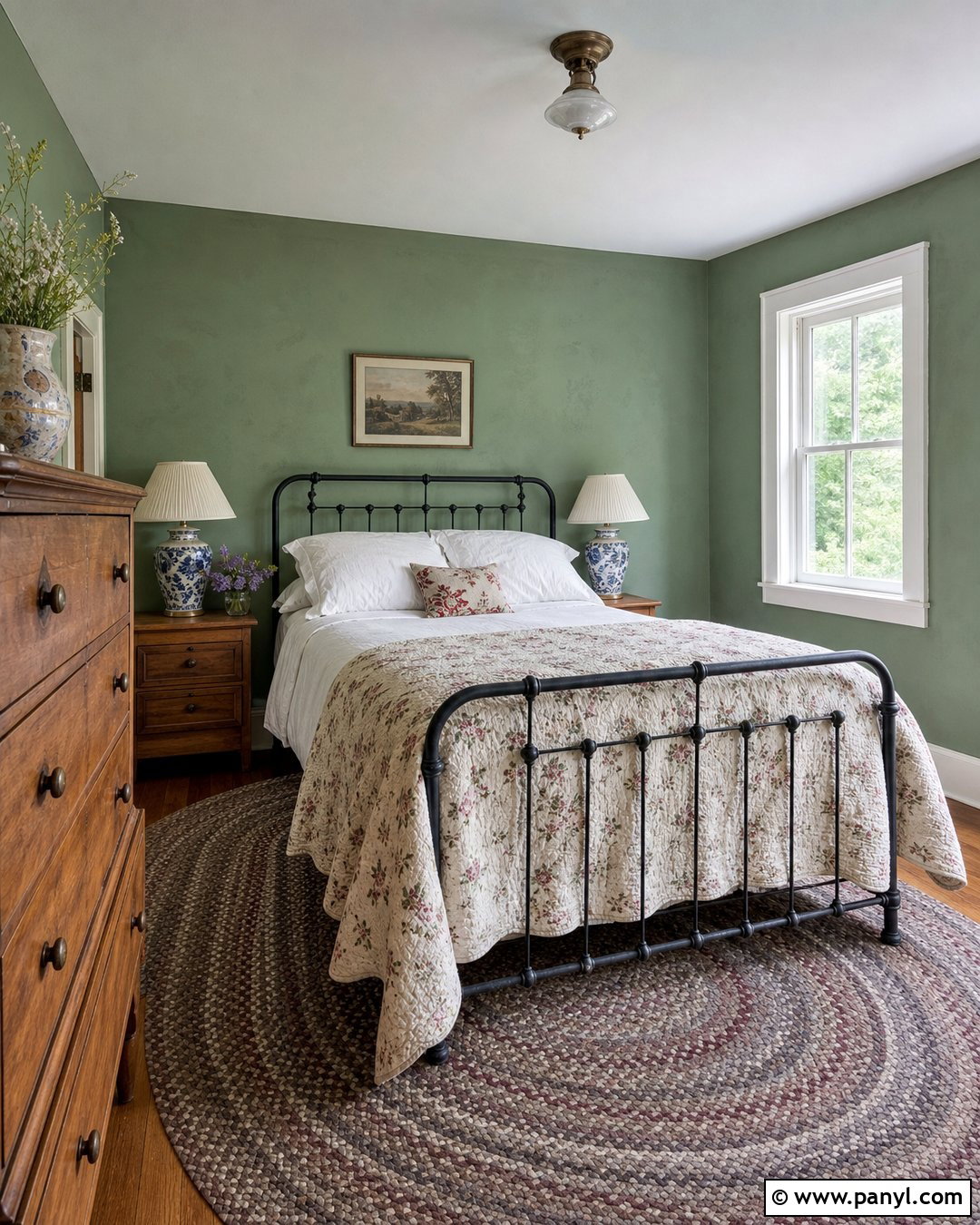
A chalky wall finish creates a powdery, low-reflection backdrop suited to cottage rooms and casual vintage interiors. Paint a small guest bedroom muted sage green, then introduce a black iron bed, an antique pine dresser, and crisp white cotton bedding. A faded floral quilt, braided rug, and simple ceramic bedside lamps make the space comfortable without becoming themed. The wall color should appear softly aged, with an even finish rather than heavy distressing. Since highly porous chalk-style coatings may mark or absorb moisture, check whether the product needs a protective topcoat for your intended room. A matte clear sealer can improve practicality but may deepen the color or alter the sheen. Test the full coating system before committing to every wall, especially with darker pigments.
14. Milk Paint Wall Finish
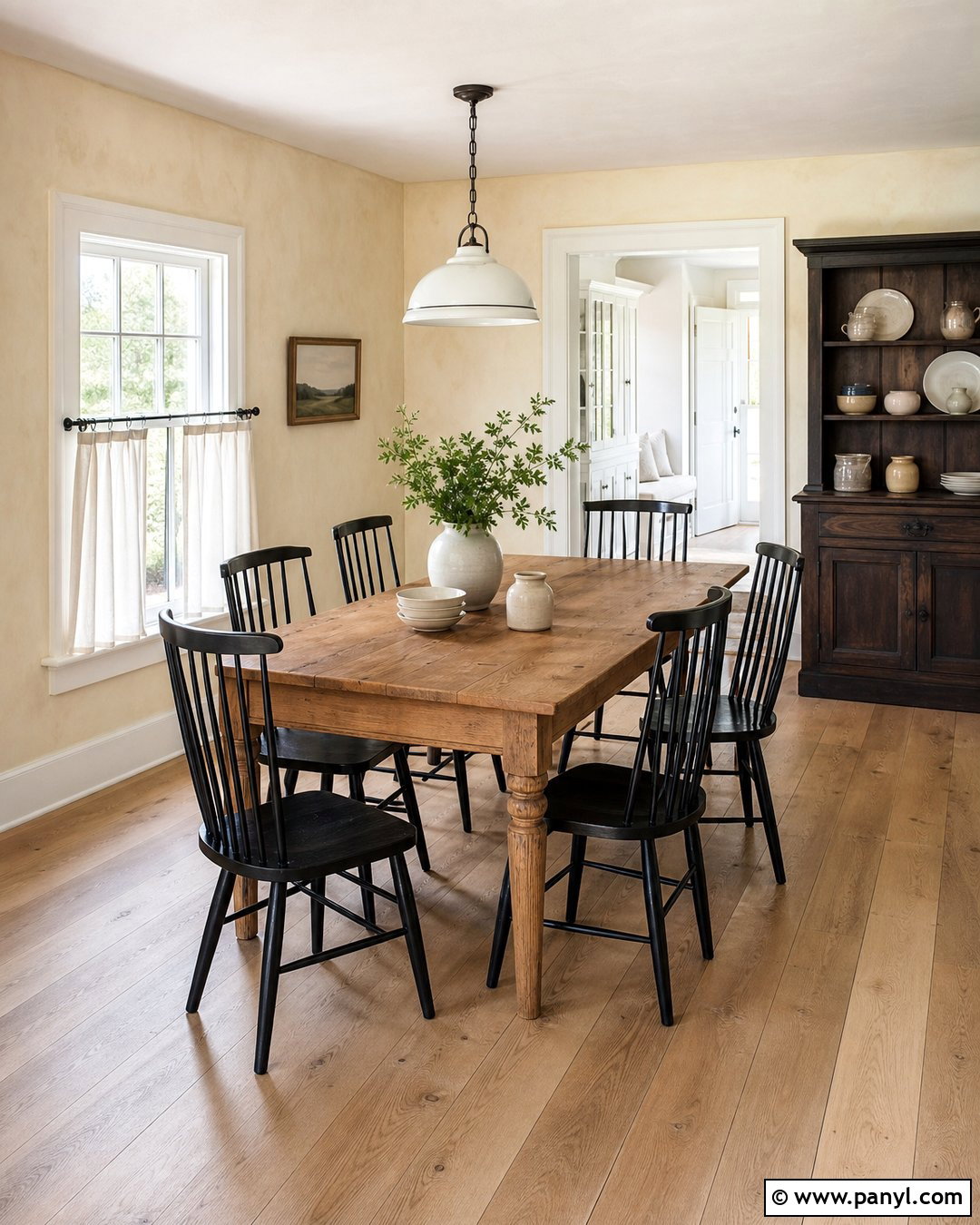
Milk paint provides a traditional, naturally varied appearance that works well in farmhouse dining rooms and restored older homes. Cover plaster walls in a muted buttercream milk-paint tone, allowing subtle brush movement to remain visible. Add a long maple table, mismatched spindle chairs painted soft black, and a vintage-inspired pendant with a white enamel shade. Wide-plank oak flooring and simple linen cafe curtains complete the honest, unfussy design. Milk paint behaves differently depending on the surface beneath it, so follow the manufacturer’s directions for bonding agents, primers, and sealing. On walls, aim for gentle tonal variation rather than the heavily chipped effect often used on furniture. The warm, softly matte result pairs naturally with handmade ceramics, woven baskets, and other pieces that show texture and craftsmanship.
15. Distemper Wall Paint Finish
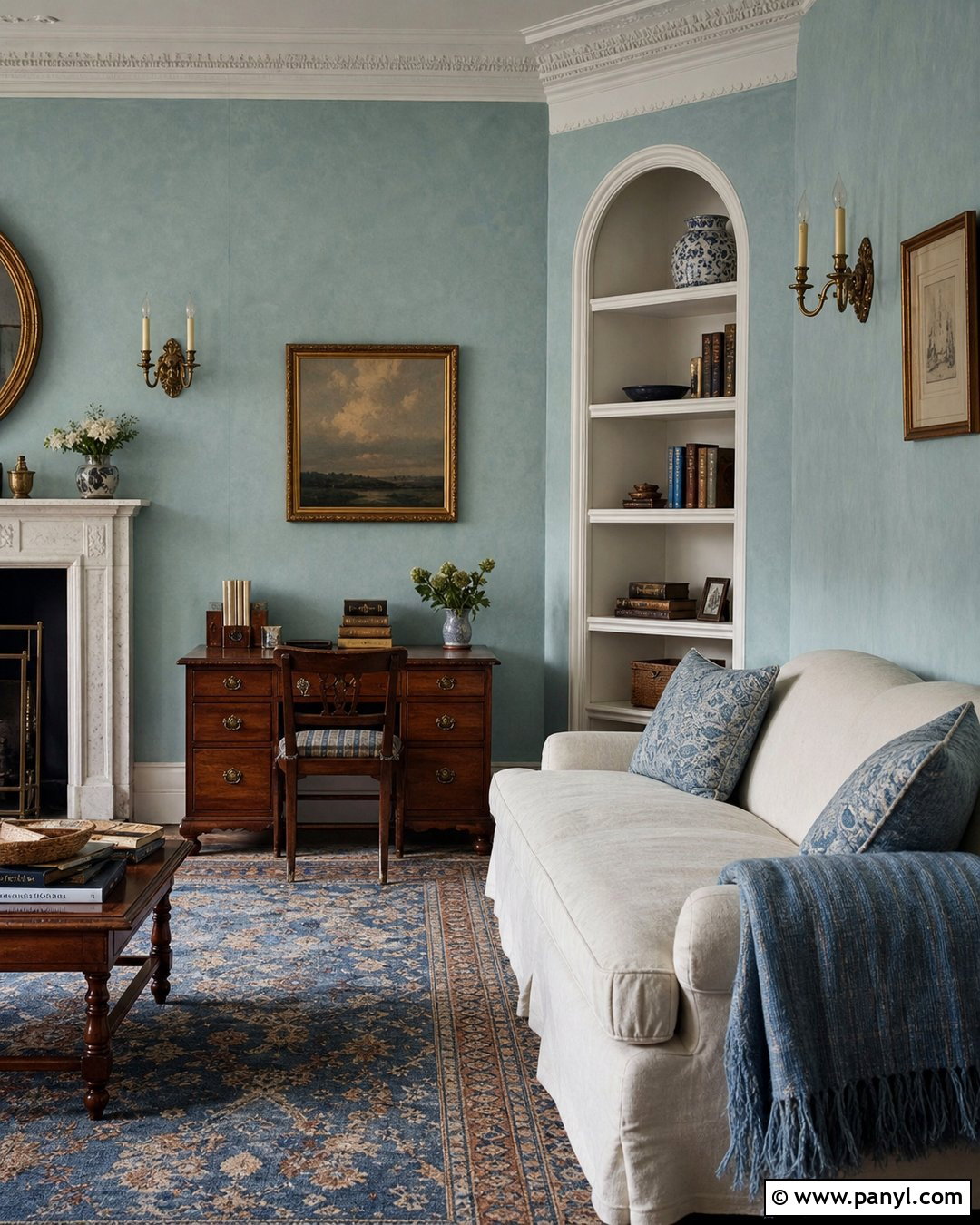
Distemper offers an exceptionally soft, powdery look associated with traditional plaster interiors. Use pale duck-egg blue distemper in a quiet sitting room with original molding, a cream slipcovered sofa, and an aged oak writing desk. Add faded blue textiles, a small patterned wool rug, and antique brass sconces to support the historic character. The finish is most appropriate for compatible interior surfaces in low-wear rooms because traditional formulas can be delicate and less washable than modern acrylic paint. Existing coatings must be evaluated before application, particularly in an older house with layered wall treatments. Keep trim and ceiling details in warm white to preserve their definition. The final scheme should appear gently faded and graceful, as though every material has developed naturally over time.
16. Venetian Plaster Wall Finish
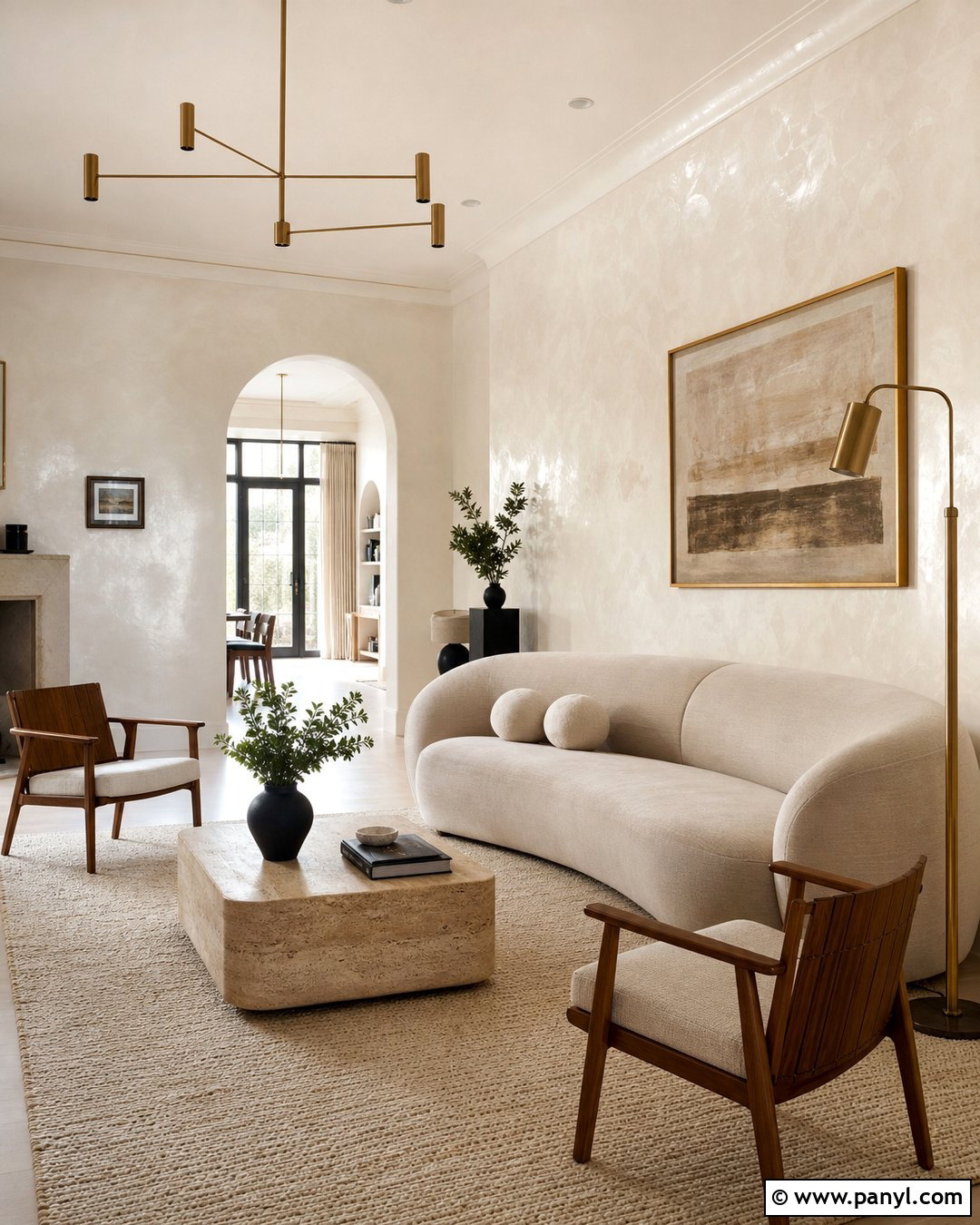
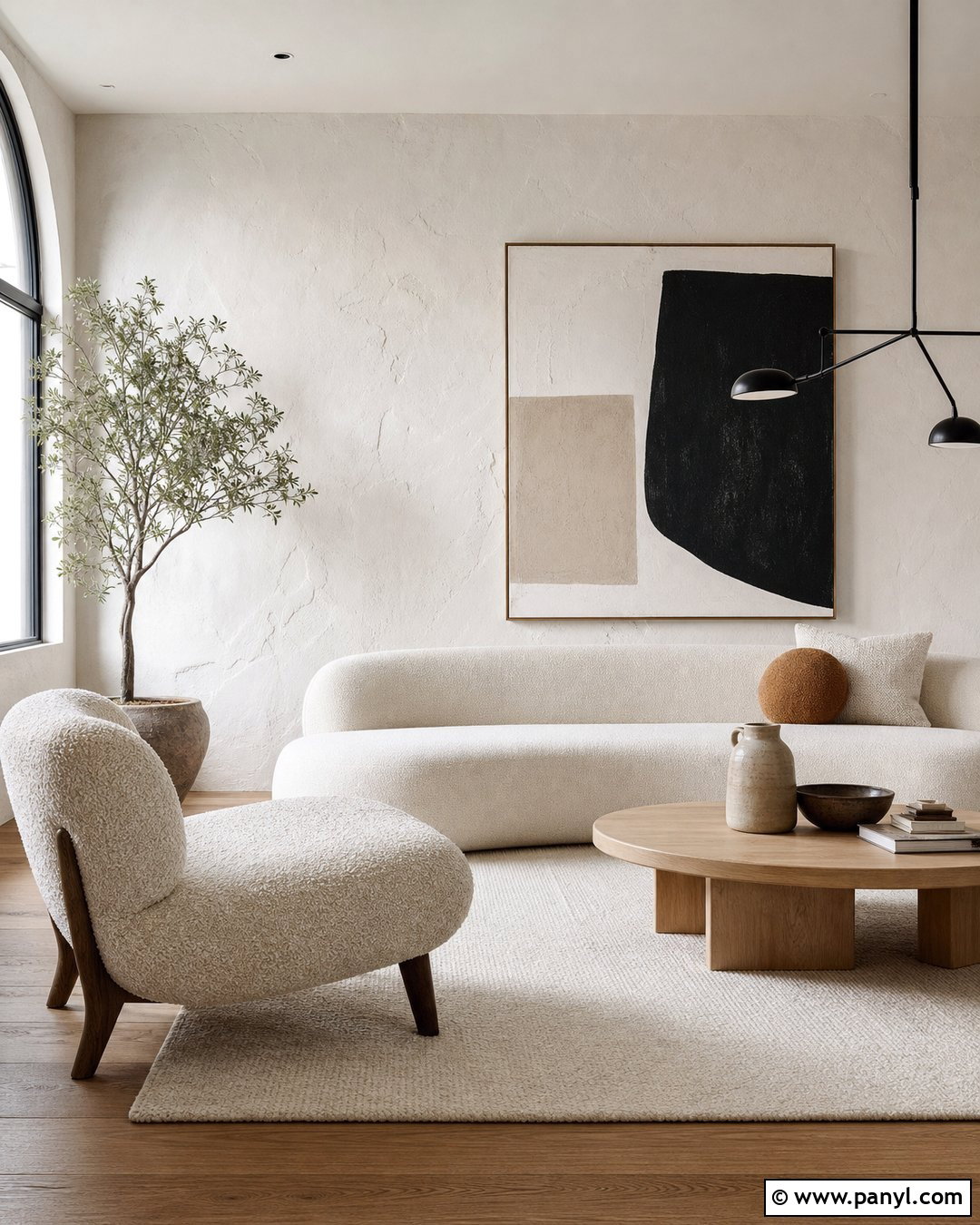
Venetian plaster creates luminous depth through multiple thin, troweled layers that can be burnished into a marble-like surface. Build a luxurious but restrained living room around warm ivory plaster walls. Choose a curved beige sofa, travertine coffee table, walnut side chairs, and a large textured cream rug. Minimal brass lighting will bring out the polished movement without overwhelming it. The finish depends heavily on skilled preparation and application, particularly across large walls and around corners. Use it throughout the room for seamless architectural richness, or feature it on the fireplace wall while coordinating the remaining walls in matte ivory. Venetian plaster is notably smoother and more reflective than cloudier limewash, creating controlled tonal variation that looks especially striking under indirect daylight and carefully positioned wall lighting. ()
17. Marmorino Wall Finish
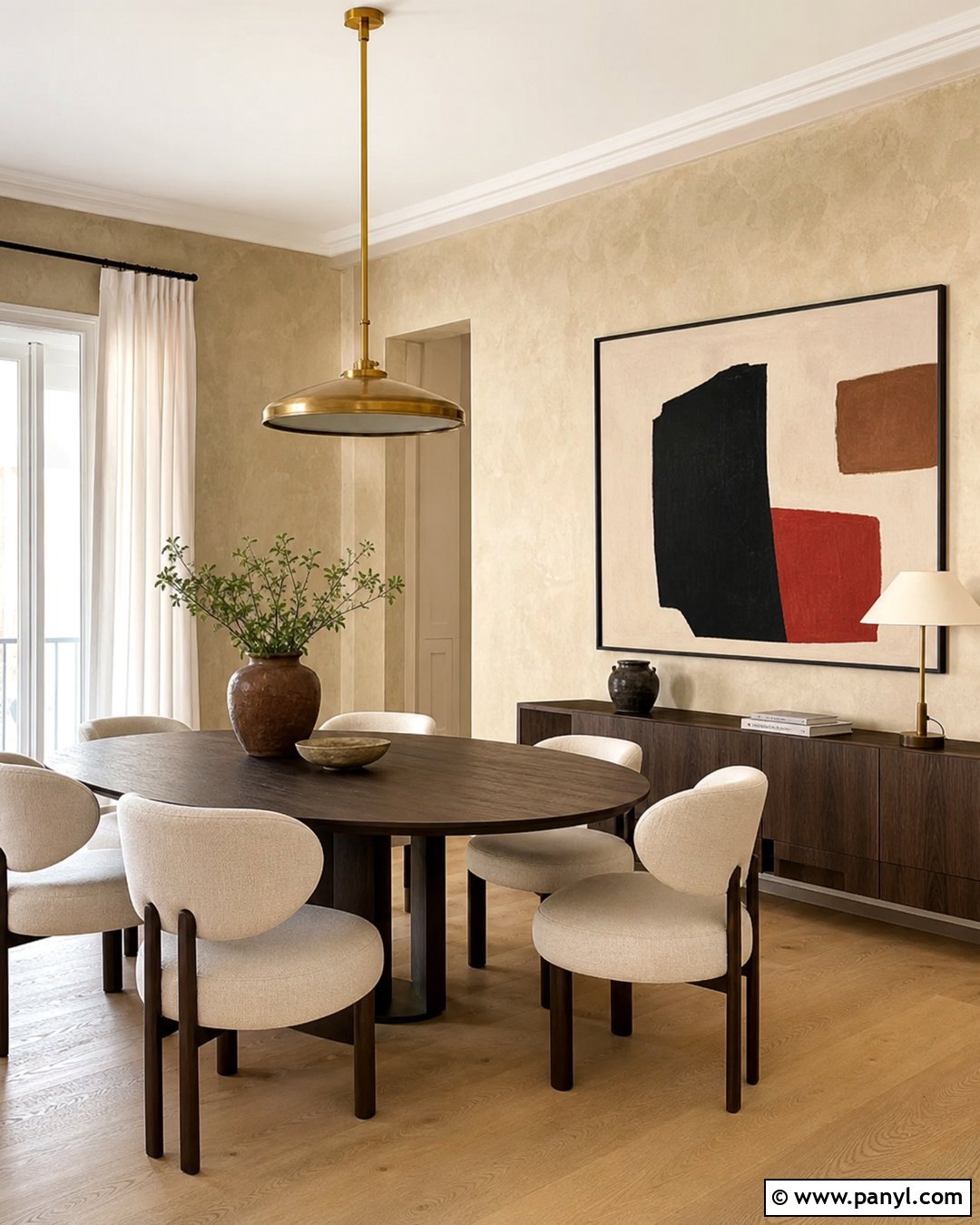
Marmorino combines mineral softness with visible stone-like grain, making it ideal for an understated Italian-inspired dining space. Apply warm limestone-colored Marmorino to every wall, using broad trowel movements that produce gentle natural variation. Pair the finish with a round smoked-oak table, cream upholstered chairs, and a substantial aged brass pendant. Pale oak flooring, sheer curtains, and one oversized abstract canvas keep the room contemporary. Depending on the product and application, Marmorino may look matte, satin-like, or lightly polished. Choose the texture level before work begins and approve a large sample under the room’s actual lighting. Avoid filling the space with numerous small accessories. The walls already supply pattern and movement, so a few strong furniture forms will produce a calmer and more complete design.
18. Tadelakt Wall Finish
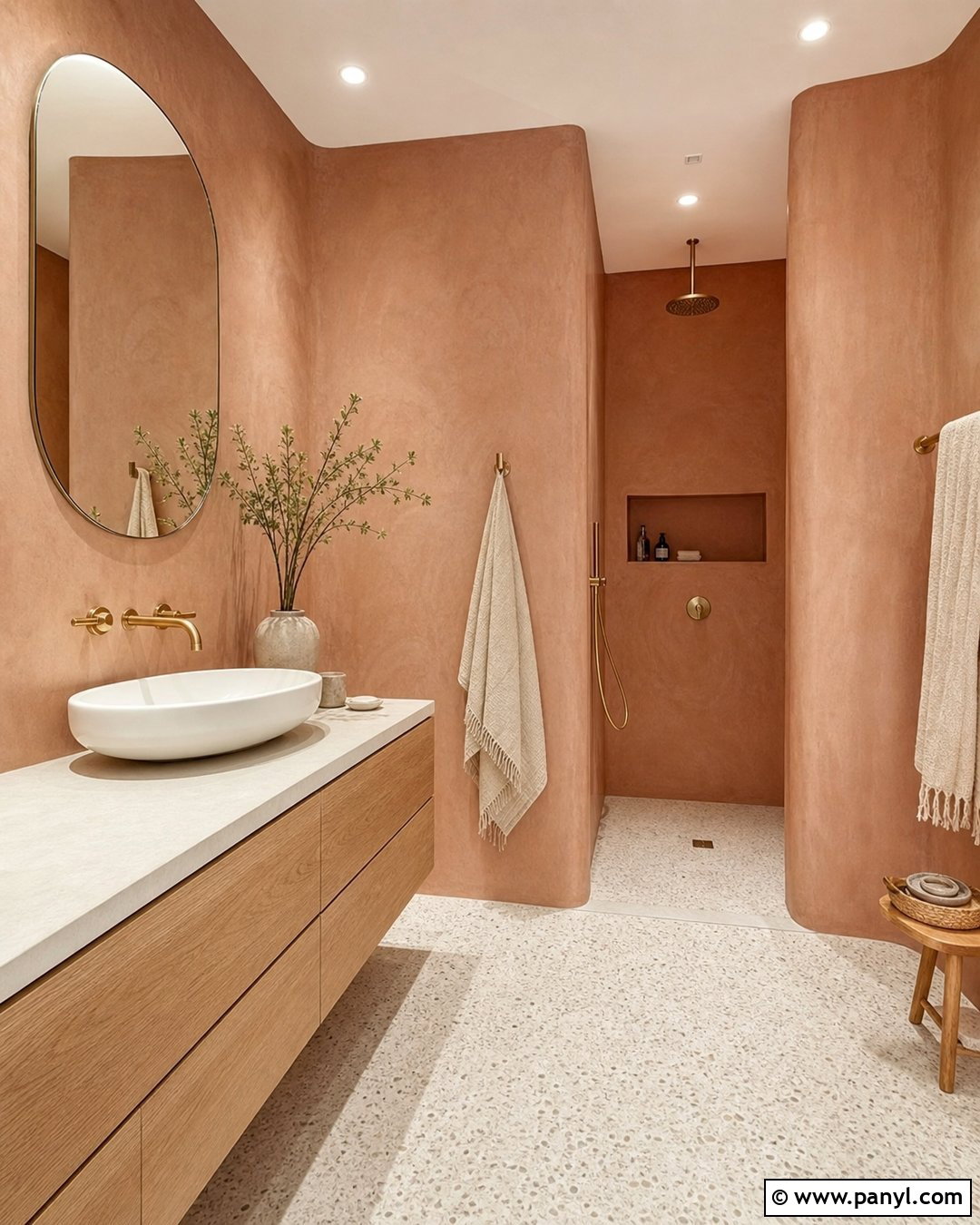
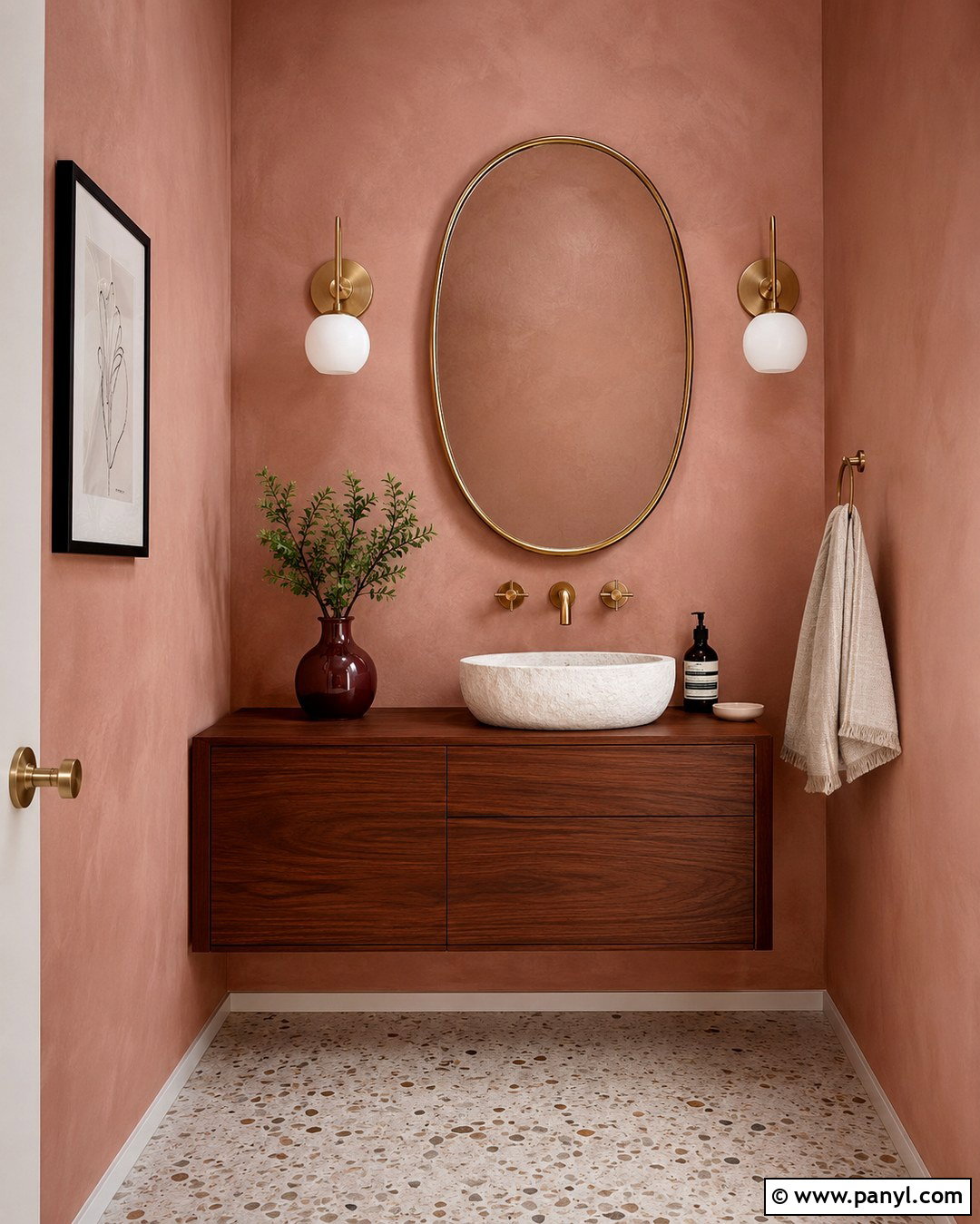
Seamless Tadelakt brings a smooth, gently undulating mineral surface to spa-like bathrooms. Cover the shower enclosure and surrounding walls in warm clay-pink Tadelakt, then use pale terrazzo flooring and a floating white oak vanity. A vessel sink, unlacquered brass faucet, frameless mirror, and neatly folded cream towels complete the natural scheme. Rounded corners and built-in niches emphasize the continuous handcrafted finish. Traditional Tadelakt installation involves specialized materials, compression, polishing, and sealing methods, so experienced application is valuable, particularly in wet locations. Confirm that the entire substrate and waterproofing assembly are suitable rather than relying on the decorative finish alone. Keep accessories minimal and select moisture-tolerant wood details. The finished bathroom should feel warm, tactile, and unified instead of cold or heavily tiled.
19. Microcement Wall Finish
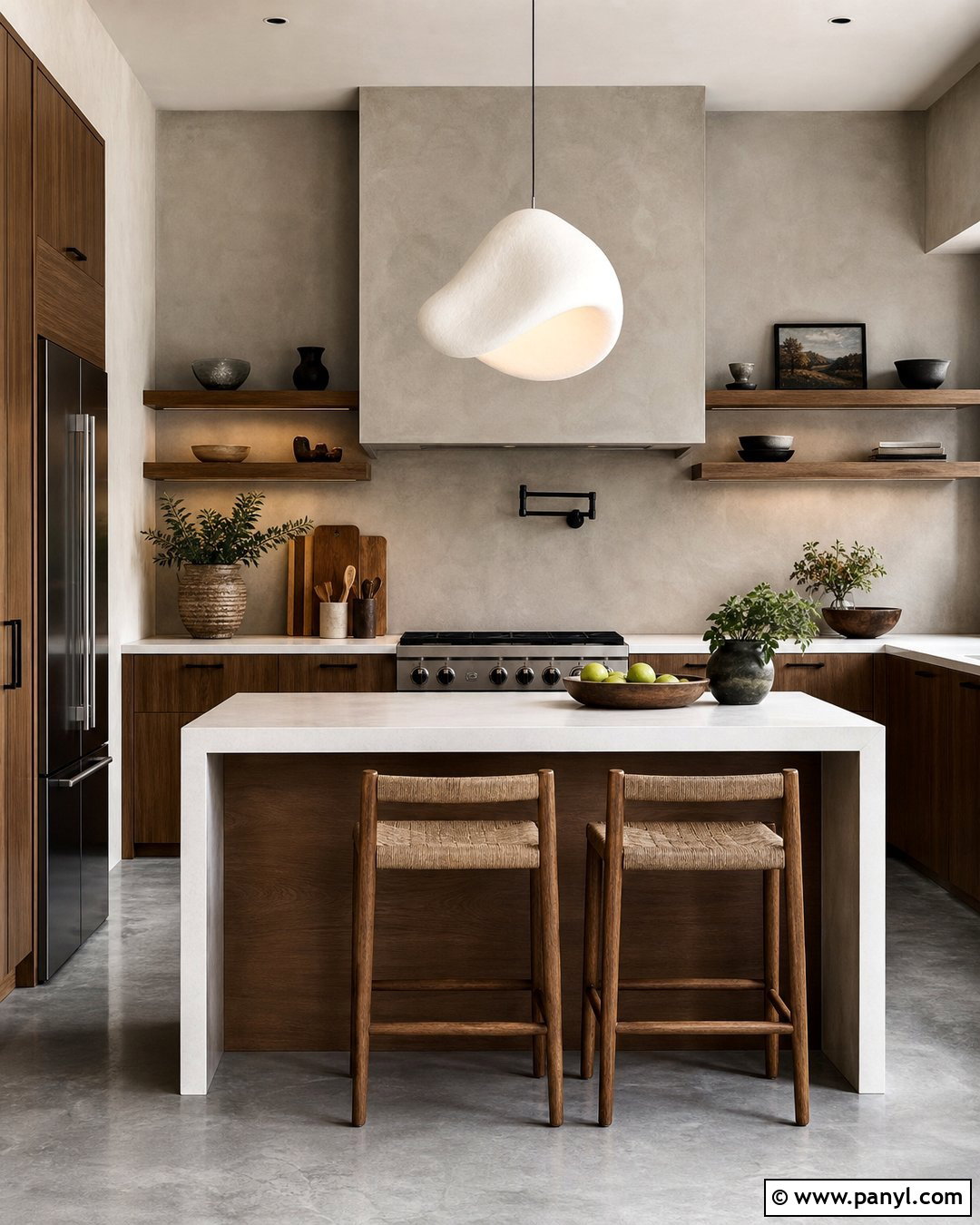
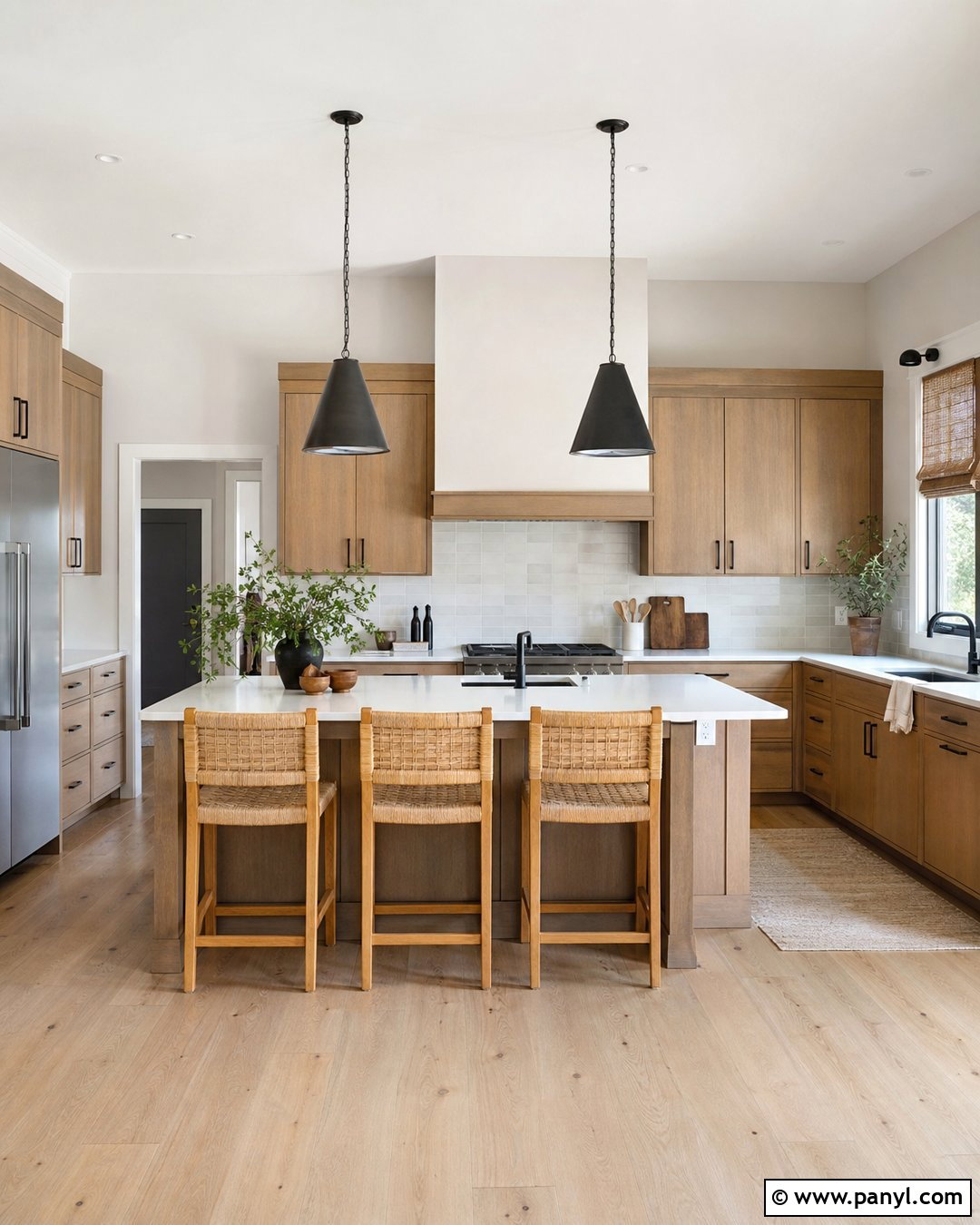
Microcement provides a seamless concrete-like appearance that suits modern kitchens and bathrooms. Create a compact contemporary kitchen with warm gray microcement walls, flat-panel walnut cabinets, and honed white quartz counters. Continue the finish behind open oak shelves for a clean backsplash without visual grout lines. Matte black hardware, light concrete-look flooring, and a sculptural white pendant sharpen the composition. The subtle movement of the walls prevents the minimalist room from feeling sterile. Because installation involves substrate preparation, layered application, and a compatible protective sealer, follow a complete professional system rather than mixing unrelated products. Pay particular attention to corners, splash zones, and movement cracks. The room will feel most balanced when the concrete effect is warmed with real wood, soft textiles, and a small amount of greenery.
20. Concrete Effect Wall Paint Finish
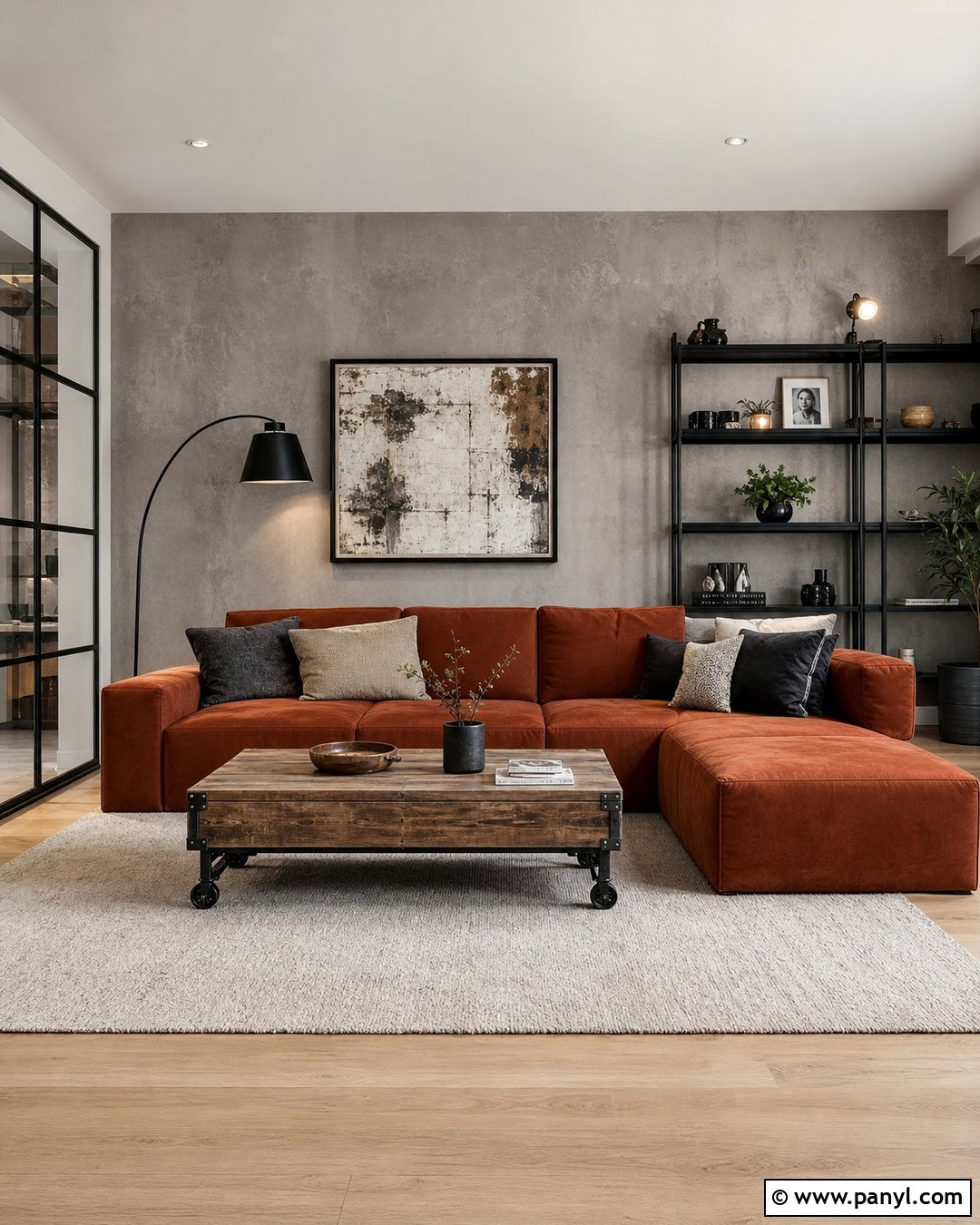
Concrete-effect paint recreates the tonal movement of cast concrete without requiring a full cement-based coating. Use medium warm gray across a loft-style living room, applying the decorative layers with a broad trowel or specialty tool. Add a rust-colored modular sofa, black steel shelving, and a reclaimed wood coffee table. Pale oak flooring and a large cream rug will soften the industrial background. Keep the ceiling bright white so the room remains open and residential. Sample the finish on a large board to control the amount of contrast; overly dark patches can look accidental rather than architectural. Seal only if recommended, since a topcoat may change the color and sheen. A balanced application should suggest smooth poured concrete while still feeling appropriate for an everyday family home.
21. Suede Wall Paint Finish
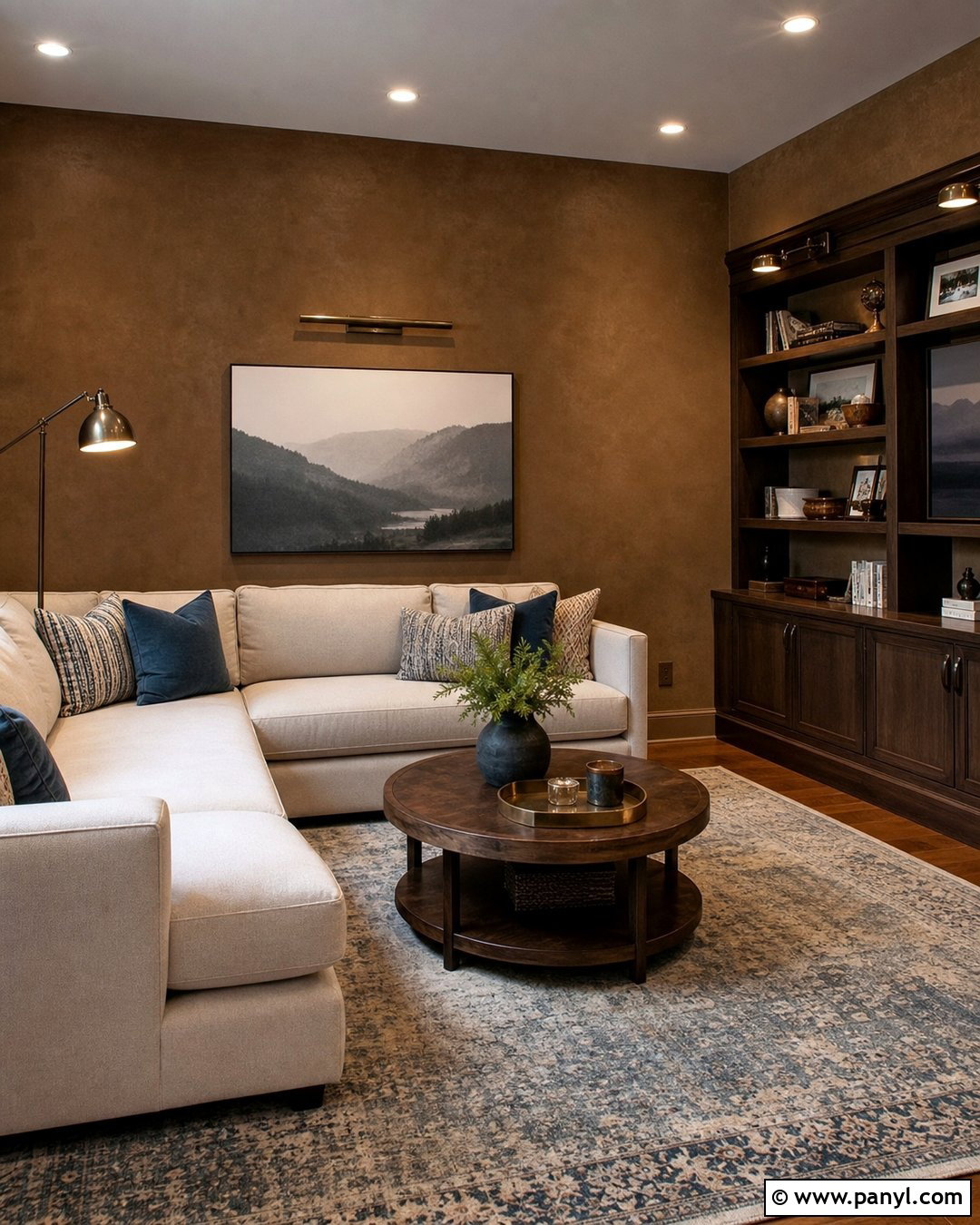
Suede-effect paint gives walls a brushed, tactile appearance that shifts gently under side lighting. Create a comfortable den with warm tobacco-brown suede walls, a deep cream sectional, and walnut built-in shelving. Layer a patterned wool rug, bronze reading lamps, and muted blue pillows to prevent the brown palette from feeling heavy. The decorative finish should cover all walls consistently, turning the room into a soft envelope rather than creating a disconnected accent. Directional brush strokes are part of the effect, so follow the recommended application pattern and avoid random repairs. Wall sconces or lamps positioned near the surface will reveal the subtle texture after sunset. Choose smooth leather, wool, linen, and wood furnishings that complement the finish instead of adding competing glossy materials or elaborate patterns.
22. Metallic Wall Paint Finish
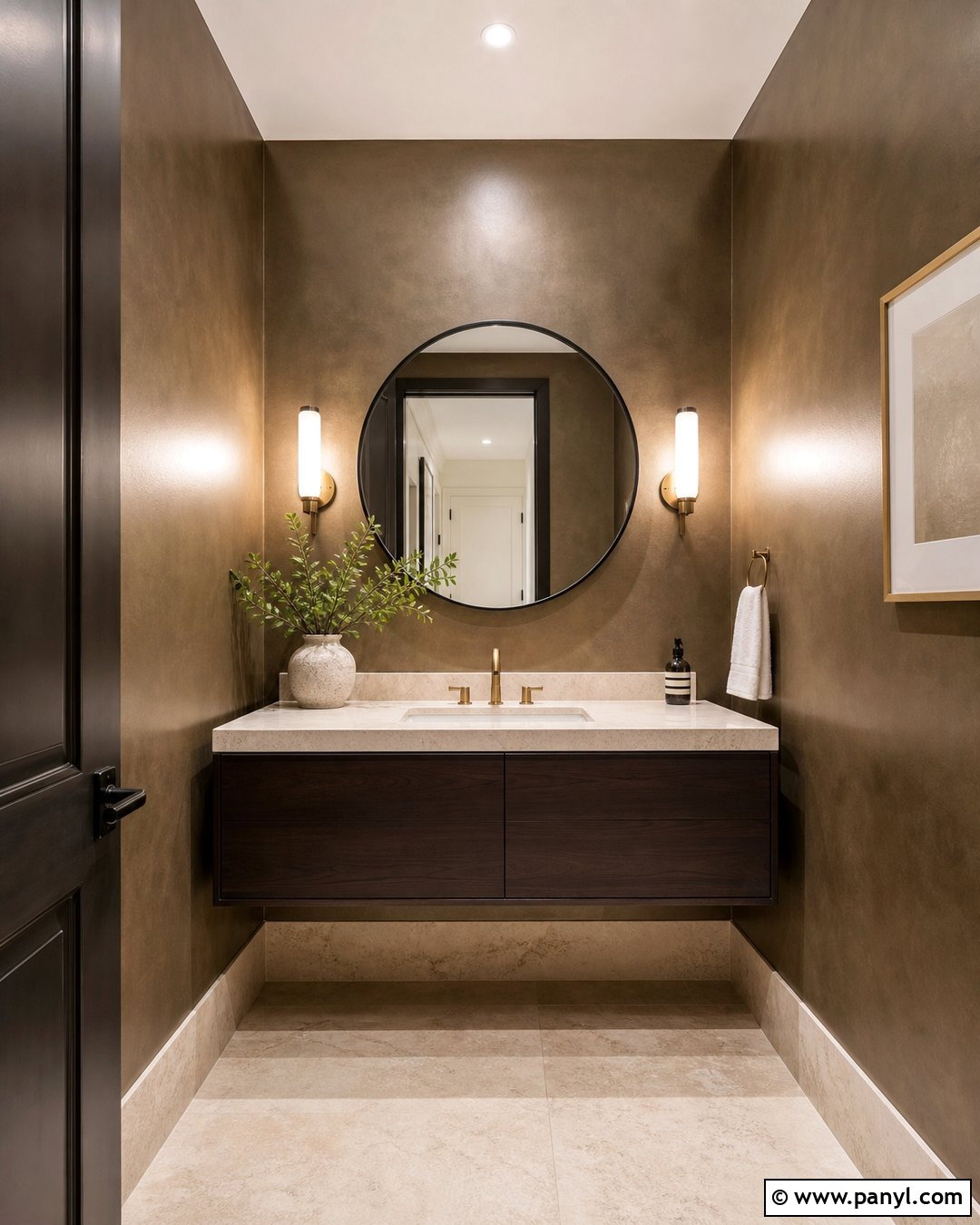
Metallic paint can feel refined when its shimmer is limited and supported by simple furnishings. Use muted bronze metallic paint throughout a formal powder room, pairing it with a floating dark oak vanity and a cream stone countertop. Add a round black-framed mirror, brushed brass faucet, and pale limestone floor. Two frosted glass sconces will illuminate the reflective walls evenly and reveal their soft movement. Metallic coatings can show lap marks, so careful priming and controlled application are essential. A specialty roller, sprayer, or crosshatch technique may be recommended depending on the product. Avoid bright gold accessories everywhere; the bronze walls should remain the main statement. The completed room will feel polished and dramatic while retaining enough neutral stone and wood to stay tasteful and approachable.
23. Pearlescent Wall Paint Finish
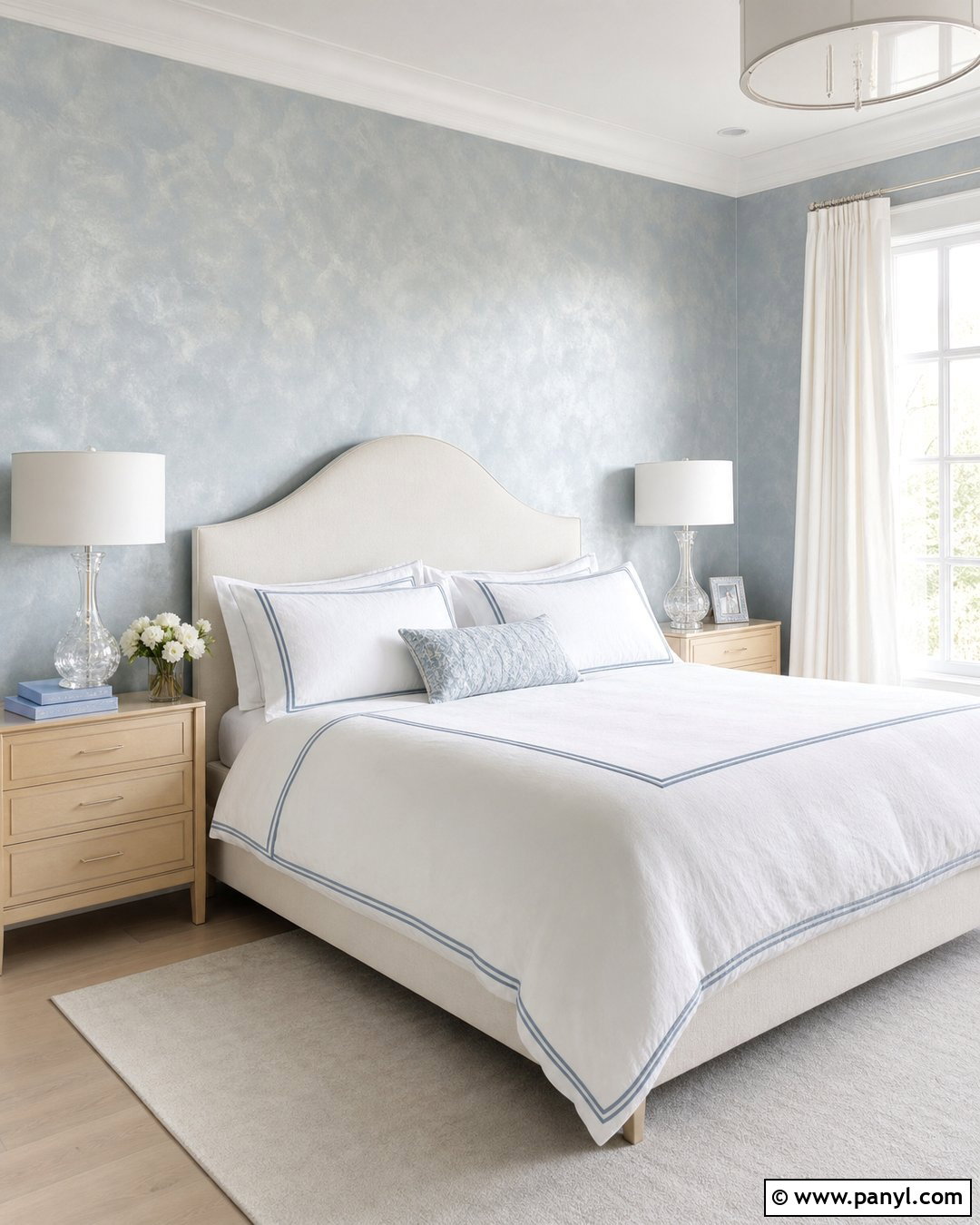
Pearlescent paint reflects light with a soft, shell-like glow rather than an obvious metallic sparkle. It works beautifully in a pale bedroom where the effect can remain delicate. Choose misty blue-gray pearlescent walls, a curved ivory headboard, light maple nightstands, and white bedding with subtle silver-blue piping. Add translucent glass lamps, a pale wool rug, and airy white drapery. Keep artwork quiet so the changing wall surface provides the visual interest. Pearlescent products may require a coordinating base color and thin decorative top layers, so test the complete system in both daylight and artificial light. Apply the finish consistently across the whole room. Strong directional marks or patchy areas will become more noticeable as light travels over the gently reflective surface.
24. Color Wash Wall Paint Finish
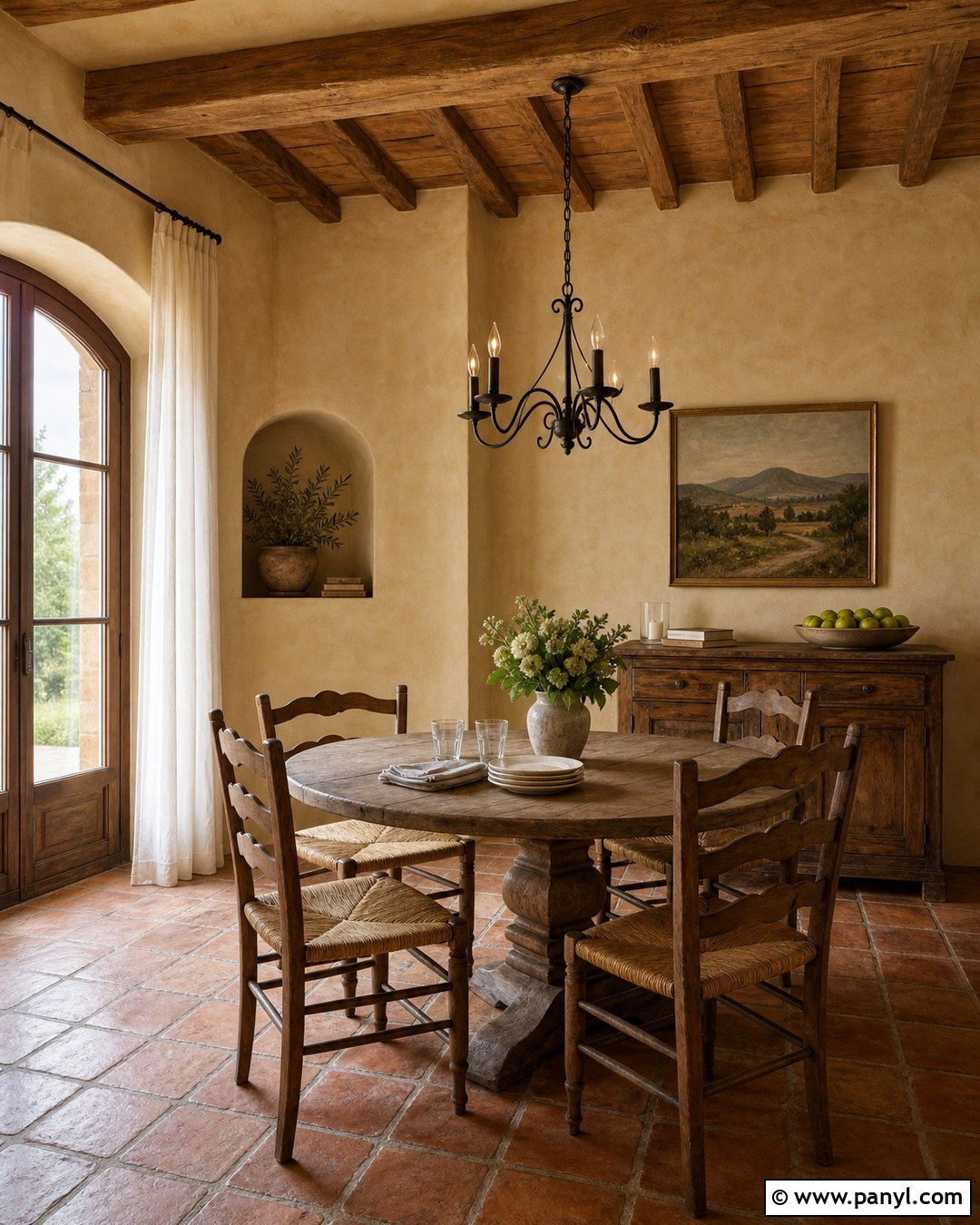
A color wash layers translucent glaze over a prepared base coat, creating cloudy depth and an aged appearance. Design a relaxed Tuscan-style breakfast room with a creamy base and warm ocher glaze applied in overlapping movements. Add a round weathered oak table, woven rush chairs, terracotta tile, and simple linen curtains. Black iron lighting provides structure against the warm walls. Keep the glaze subtle, with closely related tones rather than harsh brown streaks. Work in manageable sections and soften edges before they dry to prevent obvious stop lines. Corners should blend naturally into adjoining walls. Although this finish has traditional roots, clean-lined furniture keeps it from feeling dated. The complete room should resemble sun-warmed plaster, supported by honest natural materials and restrained decorative accents.
25. Rag-Rolled Wall Paint Finish
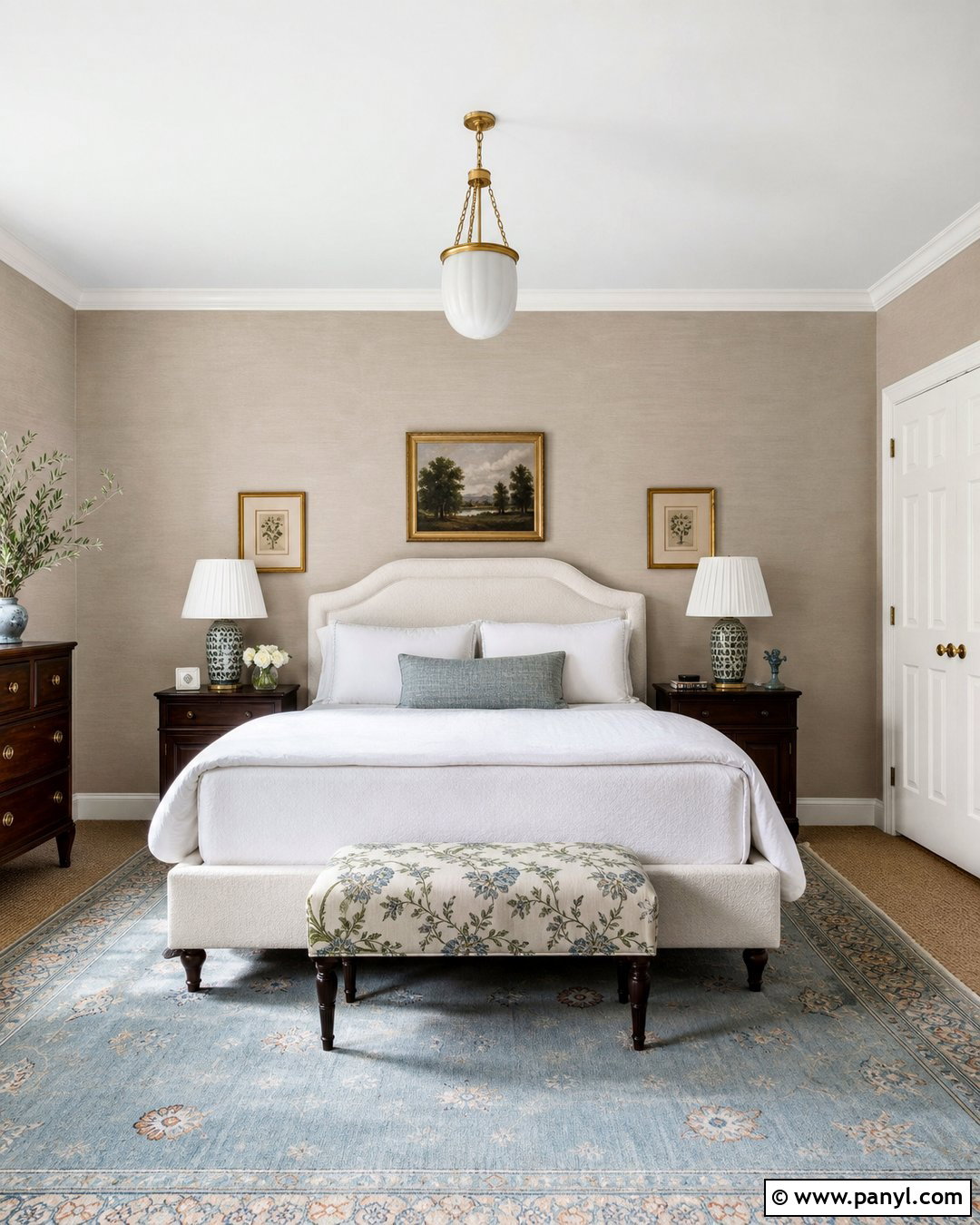
Rag rolling creates layered, irregular marks that can add depth when the colors remain close in value. Use a pale mushroom base coat with a slightly deeper taupe glaze in a traditional guest room. Pair the walls with an upholstered oatmeal bed, dark wood nightstands, white bedding, and a small botanical-print bench. A muted blue rug and ceramic lamps introduce gentle color without competing with the patterned surface. Apply the glaze with a lint-free cloth rolled consistently across each wall, maintaining similar pressure and spacing. Practice first because oversized marks or strong contrast can make the finish appear busy. Paint the trim warm white and keep the ceiling plain. The result should read as soft texture from across the room rather than a clearly stamped decorative pattern.
26. Sponge-Painted Wall Finish
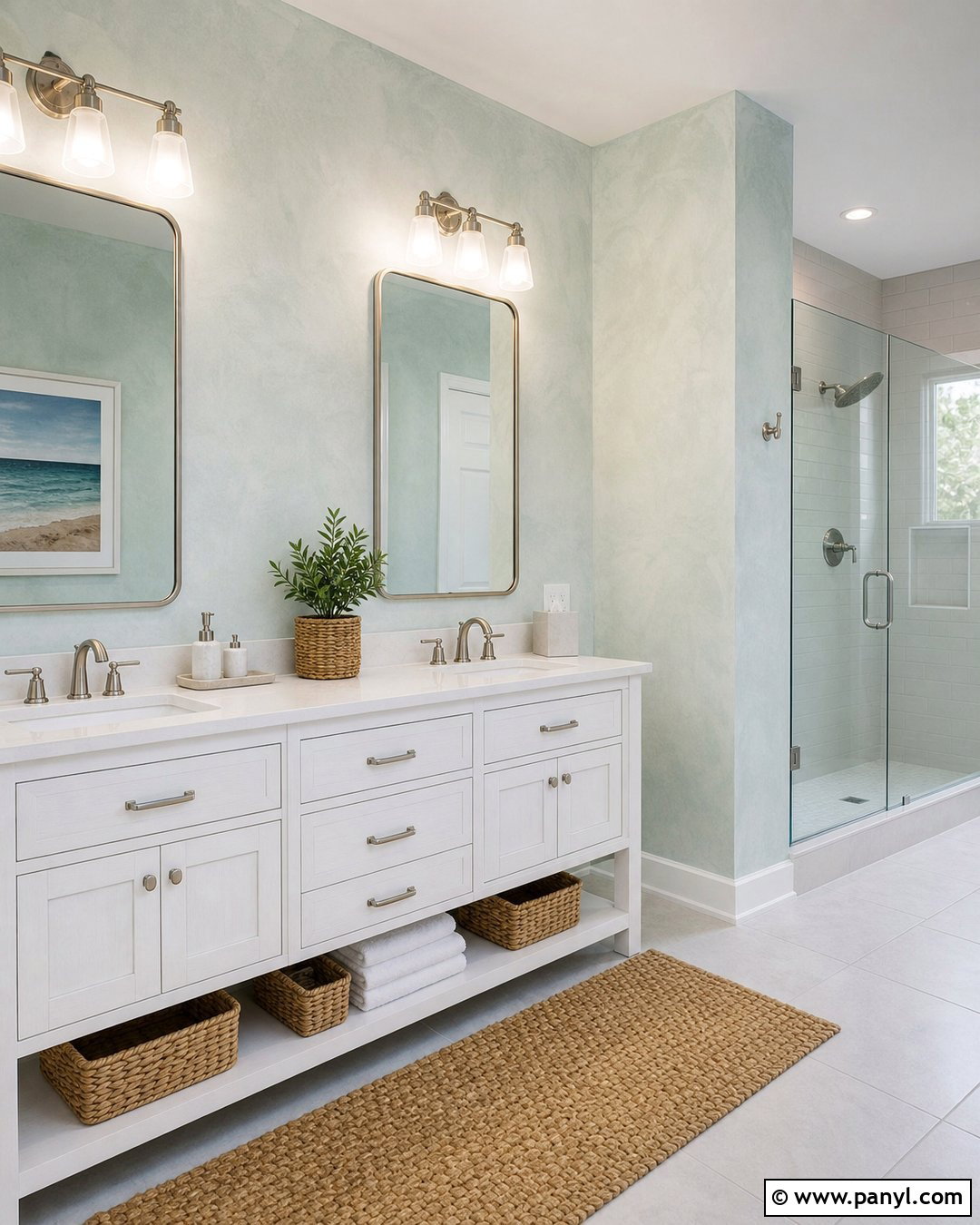
Modern sponge painting works best with restrained colors and a fine, irregular texture. Create a breezy coastal bathroom using a soft white base with pale sea-glass green layered lightly over it. Add a white oak vanity, brushed nickel fixtures, off-white porcelain flooring, and a frameless glass shower. Woven baskets and crisp white towels support the fresh palette. Use a natural sea sponge and rotate it frequently so repeated shapes do not form a visible grid. Blend the effect around corners and keep the contrast subtle enough to resemble mineral variation. A washable protective finish may be useful in humid areas if it is compatible with the decorative layers. The completed bathroom should feel airy and contemporary, not like the heavily patterned sponge treatments associated with older interiors.
27. Stippled Wall Paint Finish
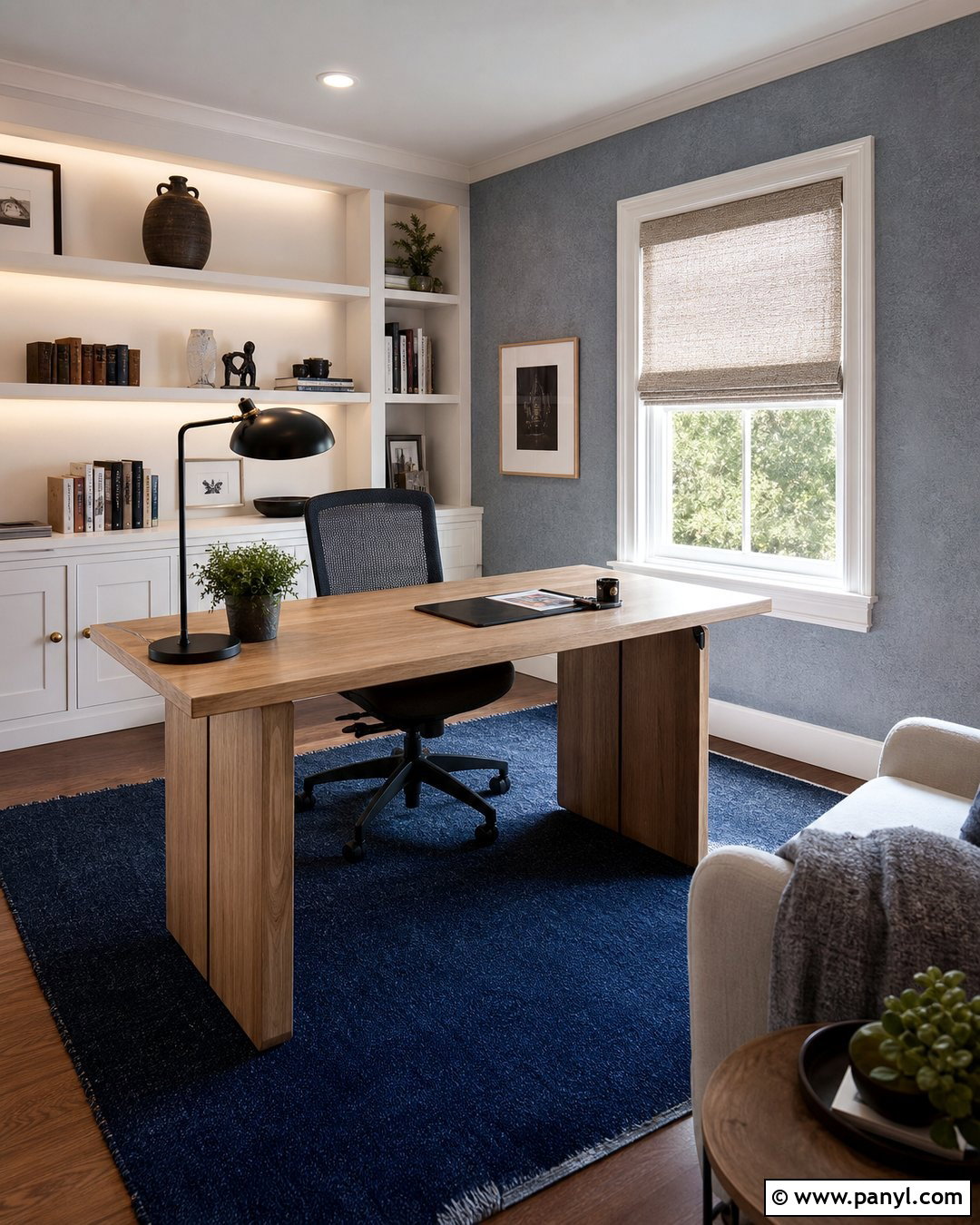
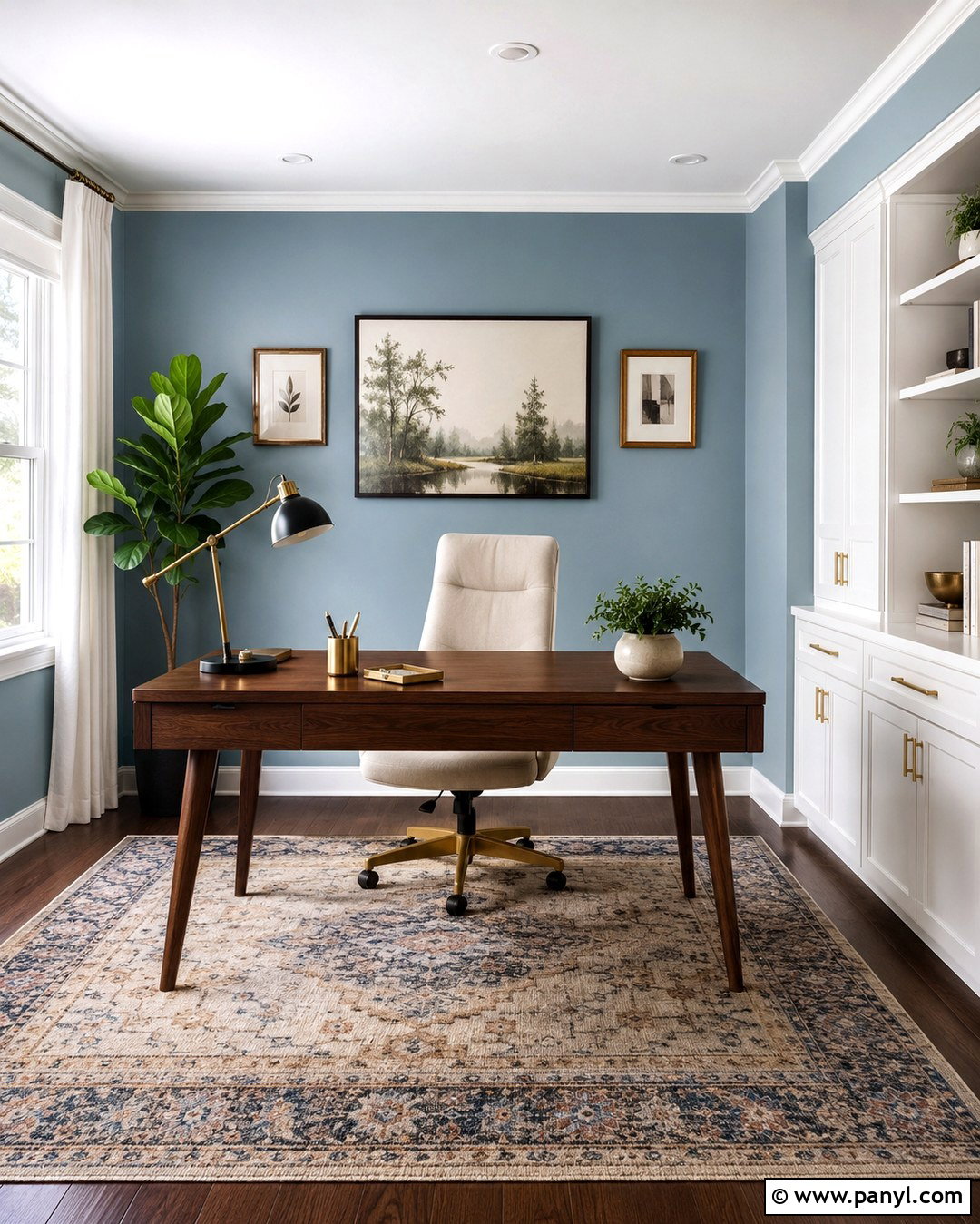
Stippling produces a fine field of small marks that gives walls quiet texture and helps large surfaces feel less plain. Use soft blue-gray stippled paint in a home office with a white oak desk, charcoal task chair, and built-in shelving painted warm white. Add a navy wool rug, linen window shade, and matte black desk lamp. Keep the wall pattern consistent and low contrast so it supports concentration instead of distracting from the workspace. A stippling brush or specialty roller can create the effect, depending on the chosen product. Test your rhythm and pressure before beginning. Strong light from windows can reveal every transition, so complete full wall sections while maintaining wet edges. The finish should appear softly textured from nearby and almost solid from across the room.
28. Strié Wall Paint Finish
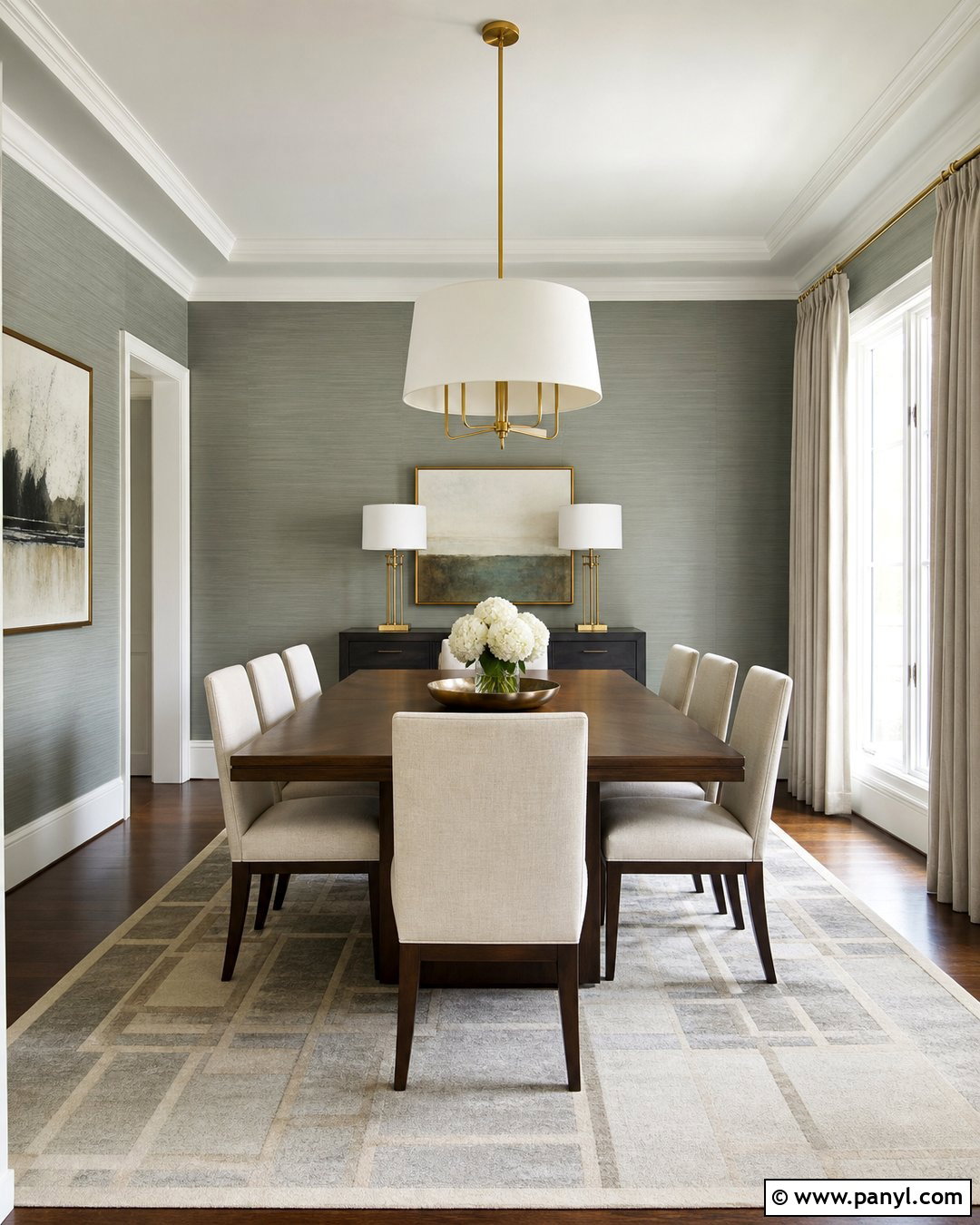
Strié paint uses fine vertical or horizontal lines to imitate the tailored texture of woven fabric. Apply pale gray-green strié walls in a formal dining room, keeping the lines vertical to visually emphasize ceiling height. Add a rectangular walnut table, ivory upholstered chairs, and a cream drum pendant with brass details. Floor-length oatmeal curtains and a muted geometric rug reinforce the elegant, linear effect. Begin with a smooth base coat, then pull a dry specialty brush through the glaze in long, steady strokes. Work in narrow sections and keep the lines aligned from ceiling to baseboard. Uneven starts and stops will be easy to see. A low-contrast glaze produces the most versatile result, allowing the complete room to feel textured and tailored without resembling striped wallpaper.
29. Ombré Wall Paint Finish
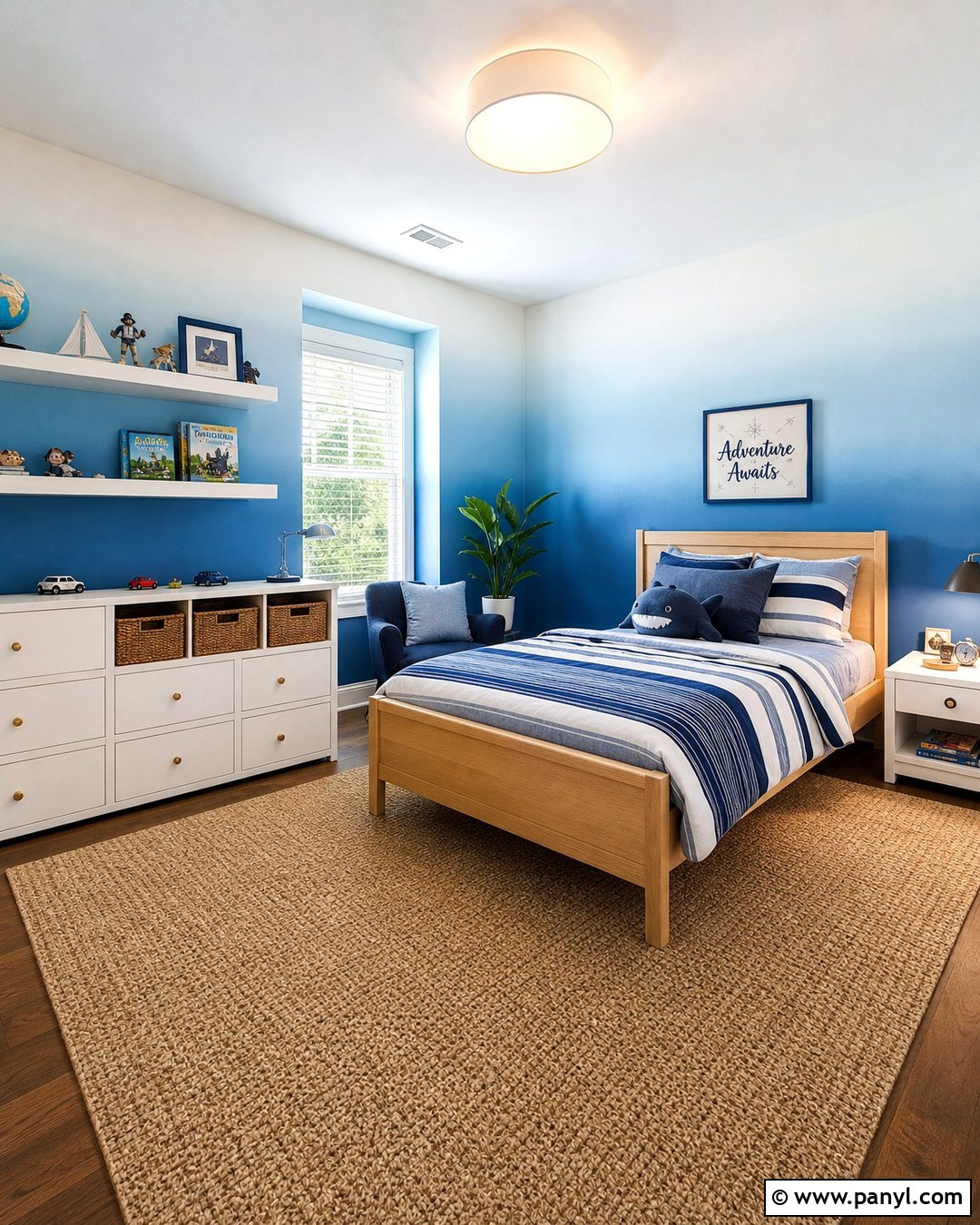
An ombré wall finish creates a gradual transition between related colors, giving a room atmosphere without a hard dividing line. In a child’s bedroom, blend deep sky blue near the floor into pale blue and finally soft white near the ceiling. Use a light maple bed, white storage cabinets, a navy reading chair, and a natural woven rug. Simple cloud-shaped cushions and blue-striped bedding can repeat the palette without overwhelming it. Blend the paint while the sections remain workable, using broad brushes or rollers to soften every transition. Avoid narrow, obvious bands; the shift should feel wide and gradual. Carry the effect across all major walls for a cohesive environment. The lighter upper area will visually lift the ceiling and keep the saturated lower color grounded.
30. Sand Texture Wall Paint Finish
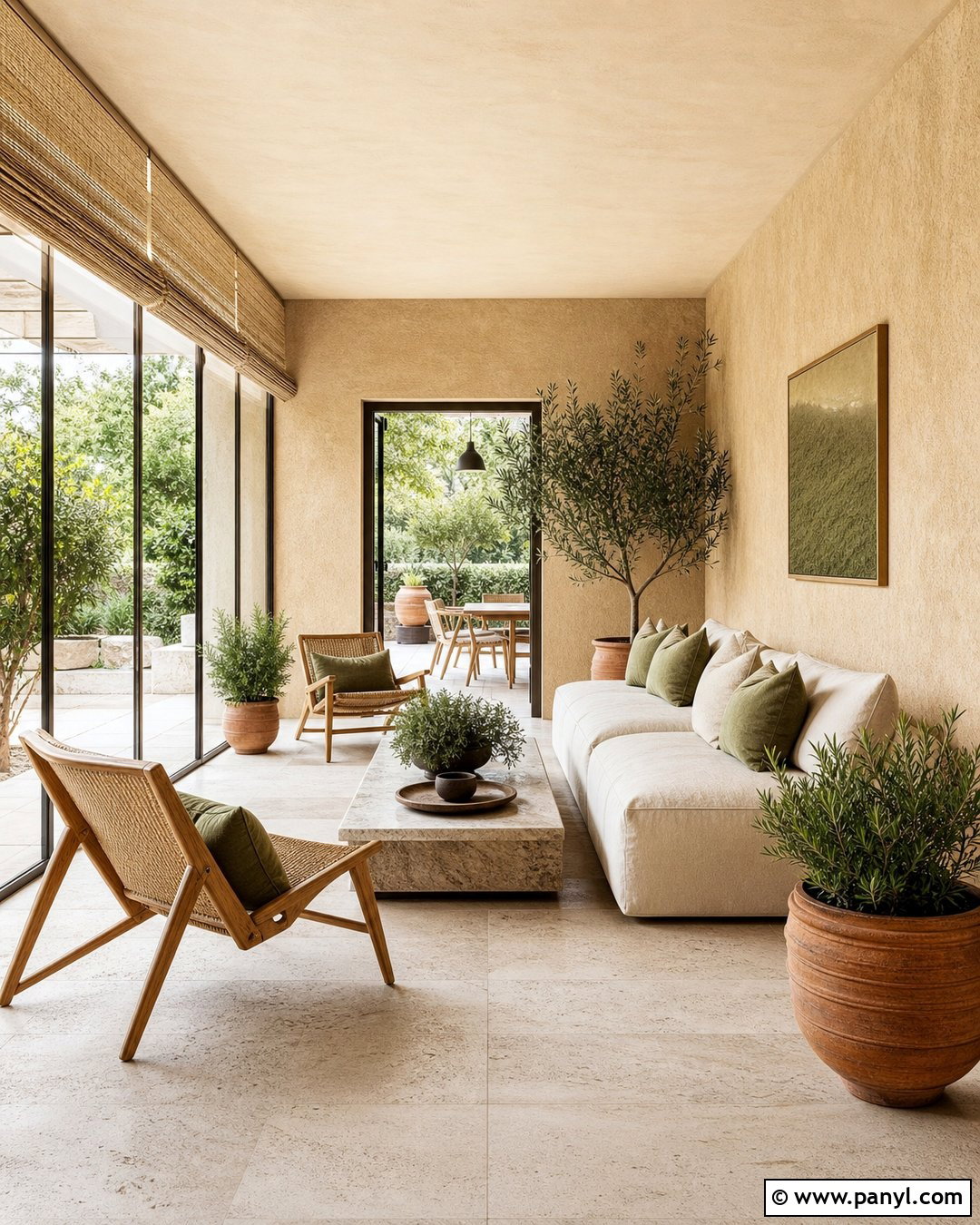
Sand-textured paint adds a fine mineral grain that suits rustic modern rooms and can make broad walls feel more substantial. Cover a sunroom in warm sandstone beige, choosing a uniform fine texture rather than an aggressively rough surface. Add a relaxed cream sofa, teak lounge chairs, a low stone coffee table, and woven natural-fiber shades. Terracotta planters and olive green cushions connect the interior to the garden outside. Apply the coating over properly repaired and primed walls, following the recommended roller type and coverage rate. Keep the texture consistent around windows and corners. Since rough finishes can hold dust and complicate future repainting, avoid excessive buildup. The completed sunroom should feel warm and earthy, with the grain supporting the natural materials rather than dominating them.
Conclusion:
The best finish balances appearance, wall condition, lighting, maintenance, and the way a room is used. Flat and matte surfaces create softness, while eggshell and satin provide practical durability for many everyday spaces. Glossy coatings deliver stronger reflection but demand careful preparation. Decorative treatments such as limewash, Roman clay, Venetian plaster, and microcement introduce depth that ordinary solid paint cannot fully reproduce. Before making a final choice, prepare several large sample boards and view them throughout the day. Confirm primer, application, and sealing requirements with the product manufacturer, especially in kitchens, bathrooms, and other demanding areas. With thoughtful colors and coordinated furnishings, these **30 paint finishes for walls** can inspire complete, realistic rooms rather than isolated decorative effects.

Related Ideas and Inspiration:
Leave a Reply