
Flat paint is practical, but it cannot always deliver the depth, movement, and character that make a room feel memorable. These 20 faux painting walls transform ordinary drywall into surfaces that resemble limewash, polished plaster, concrete, linen, marble, stone, and other distinctive materials. Each look pairs a decorative painting technique with a complete room scheme, including furniture, flooring, lighting, textiles, and accents. Some finishes are forgiving enough for a patient beginner, while detailed marble veining and burnished plaster may justify professional help. Always repair the wall, apply the recommended primer, and practice the finish on sample boards before covering a full room. Explore these versatile 20 faux painting walls to find a cohesive look that fits your home and decorating style.

1. Faux Limewash Living Room Walls
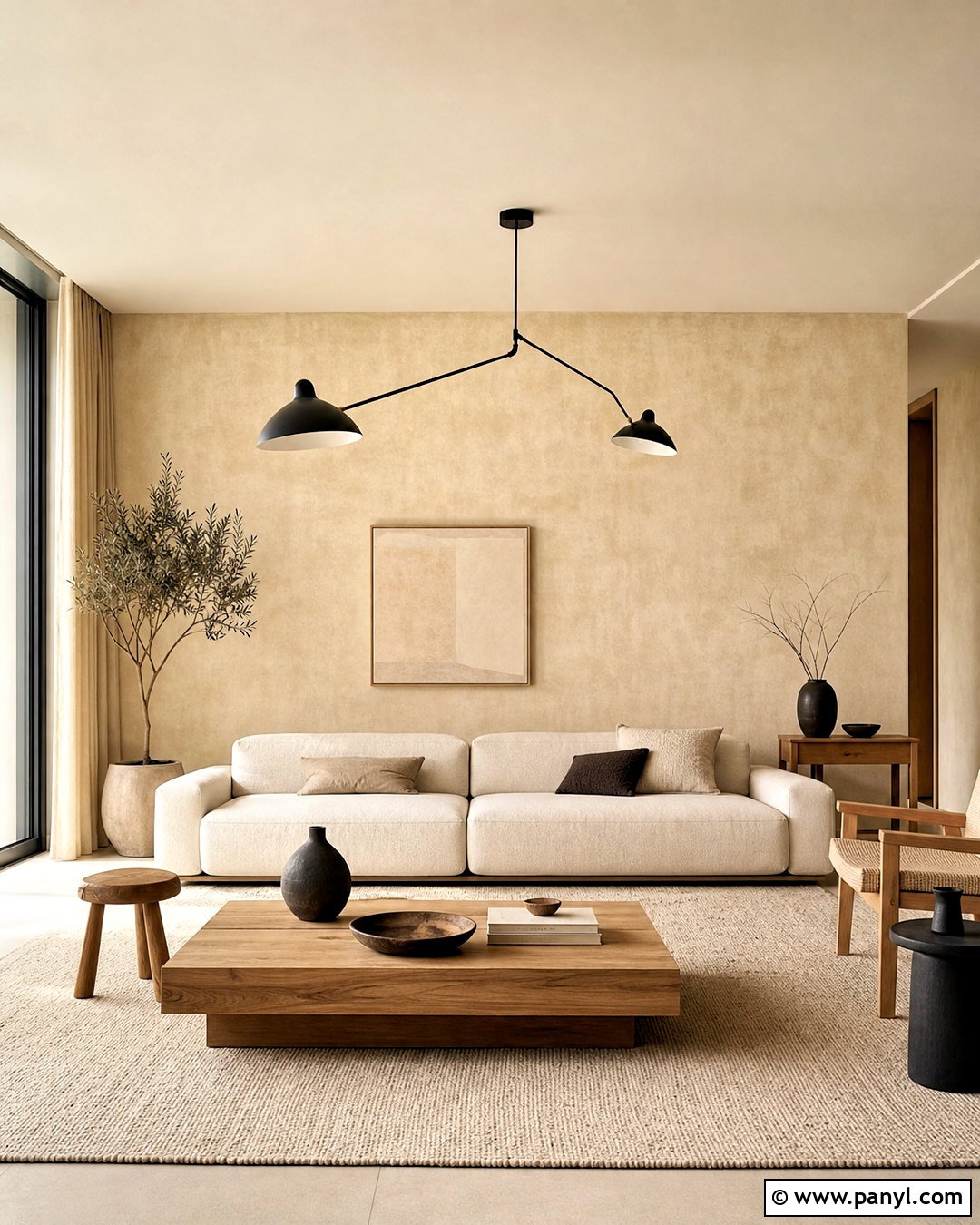
Soft beige faux limewash gives a living room gentle movement without making it feel busy. Begin with a warm off-white base, then crosshatch two closely related beige tones using a wide mineral brush. Keep the color variation subtle, especially across large walls. Complete the room with a low cream sofa, an oatmeal wool rug, pale oak tables, and textured linen curtains. A rounded plaster-look coffee table reinforces the organic finish, while matte black lighting adds crisp contrast. Use ceramic vessels, woven baskets, and a few olive branches rather than crowded wall decor. The cloudy walls should remain the main feature. This tonal approach works especially well in bright rooms where natural light reveals the soft brushwork throughout the day.
2. Venetian Plaster Dining Room Walls
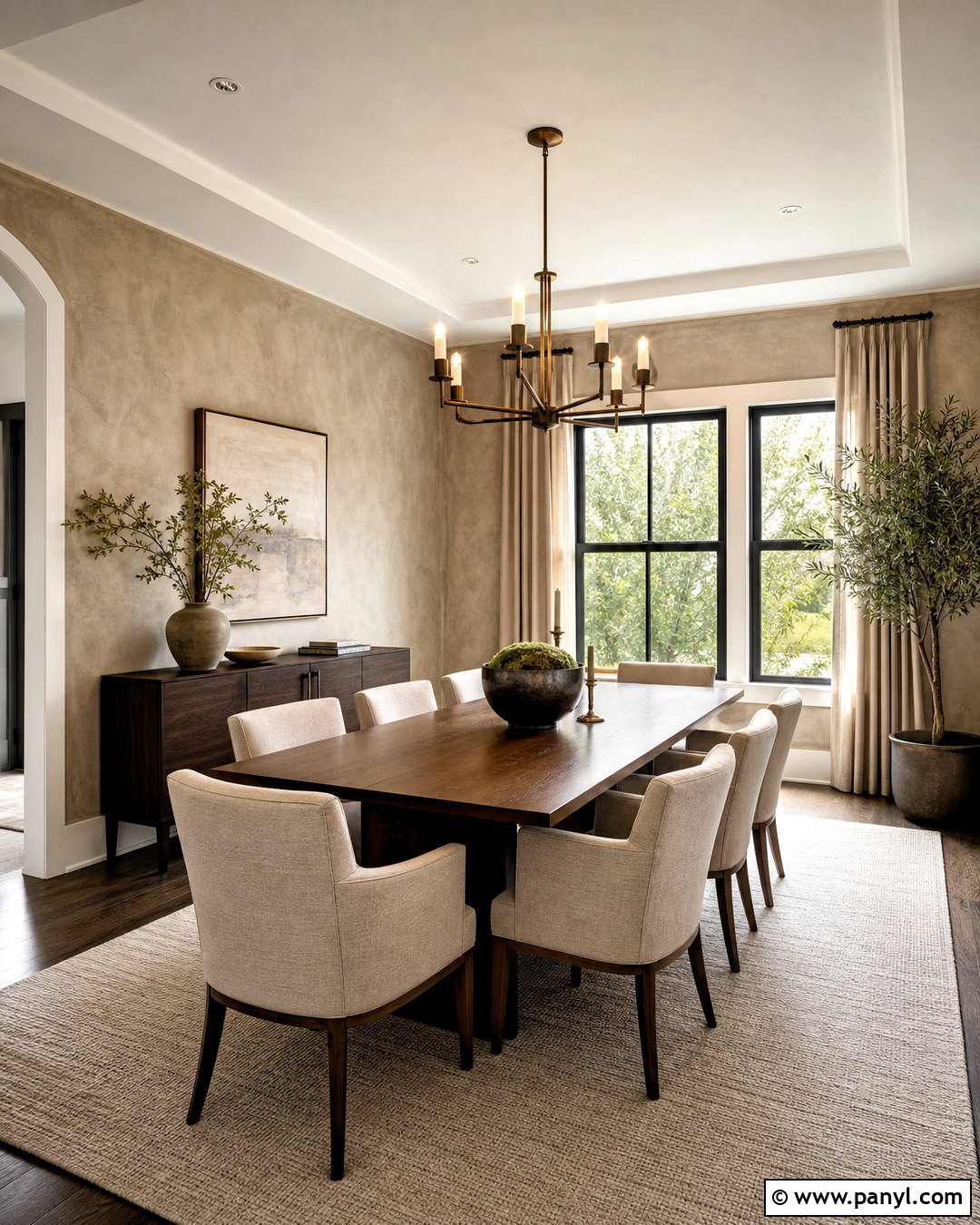
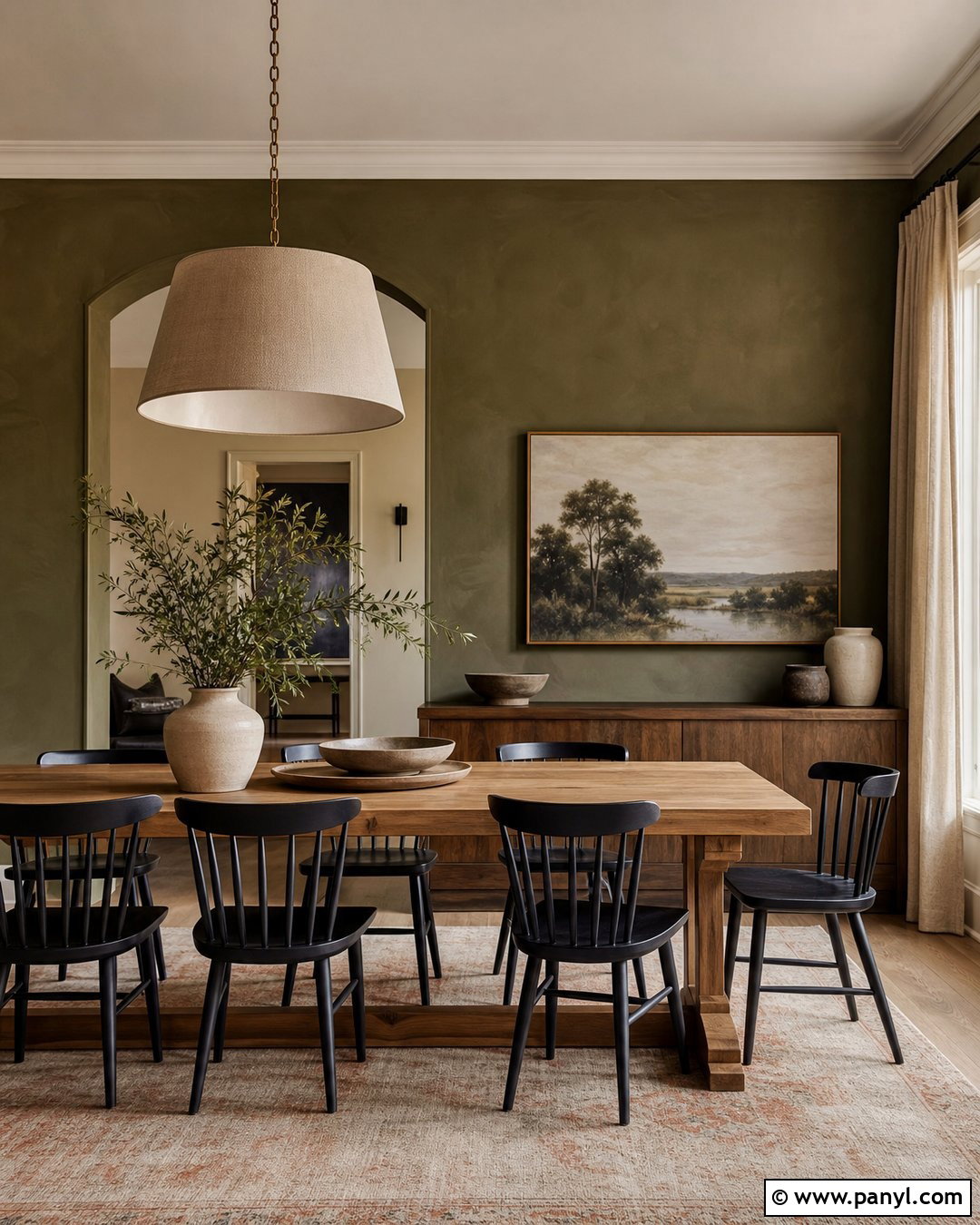
Polished Venetian plaster can make a modest dining room feel refined and architectural. Choose a warm greige finish with restrained tonal movement instead of a highly dramatic pattern. Apply multiple thin layers with a trowel, then burnish selected areas to create the subtle sheen of natural stone. Center a medium-toned walnut table beneath a simple aged-brass chandelier. Upholstered oatmeal chairs soften the harder surfaces, while a flat-weave rug visually anchors the dining area. Add linen drapery, a dark wood sideboard, and one oversized abstract artwork with muted cream and charcoal details. The balanced mix of polished walls, warm wood, and matte fabric prevents the space from feeling formal or cold. Use protective wax where extra durability is needed.
3. Color Washed Bedroom Walls
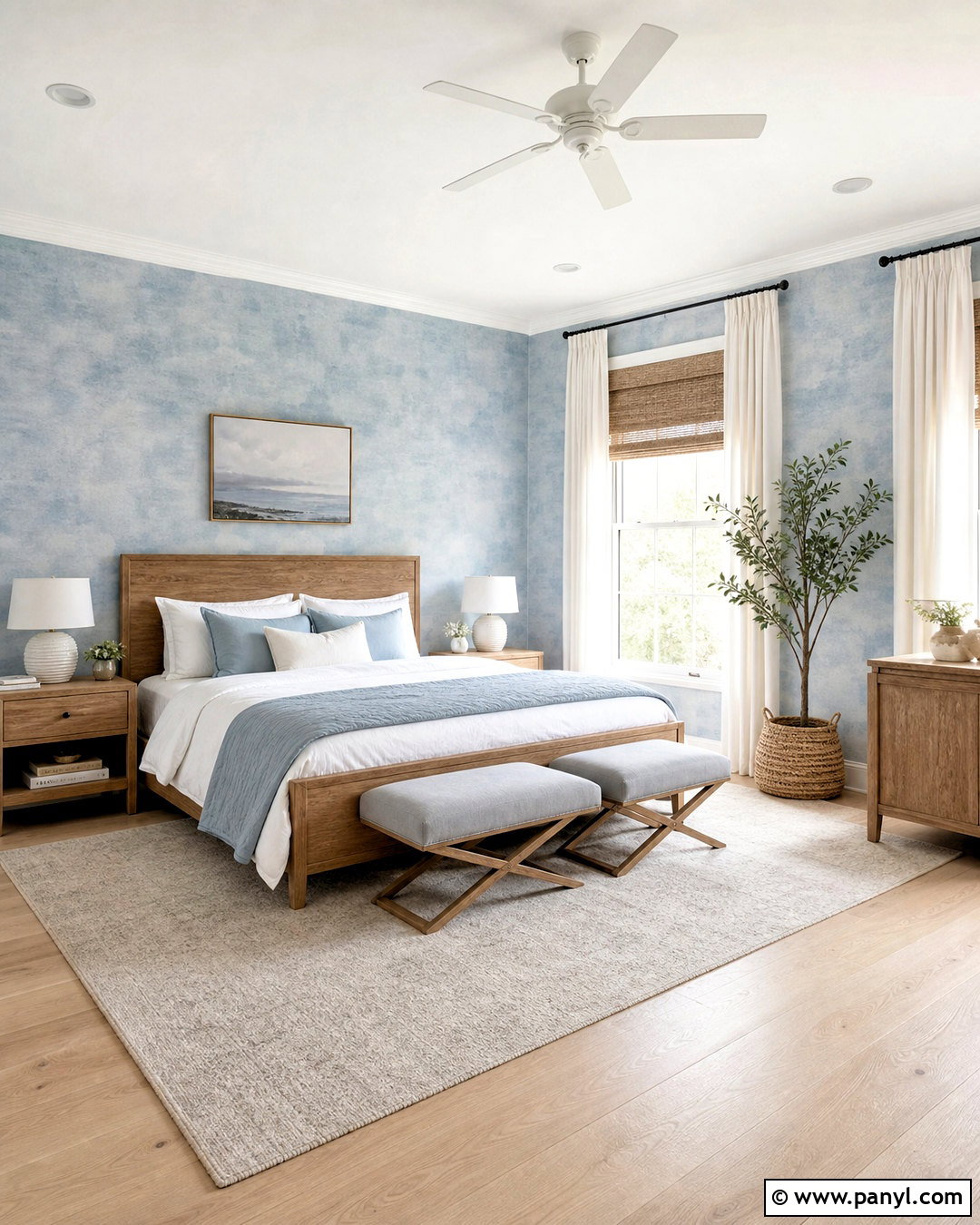
Imagine waking up surrounded by walls that resemble a soft watercolor rather than a solid block of paint. A muted dusty-blue color wash creates this calming effect when layered over a pale blue-gray base. Use loose, overlapping brushstrokes and blend visible edges before the glaze begins to dry. Pair the finish with a natural oak bed, crisp white bedding, a quilted blue coverlet, and warm gray upholstered benches. Woven shades and ivory curtains filter the daylight while complementing the walls’ movement. Keep bedside tables simple and add small ceramic lamps with linen shades. Light oak flooring and a cream area rug maintain an airy foundation. Minimal framed artwork lets the nuanced wall color become the bedroom’s most distinctive decorative feature.
4. Sponge Painted Bathroom Walls
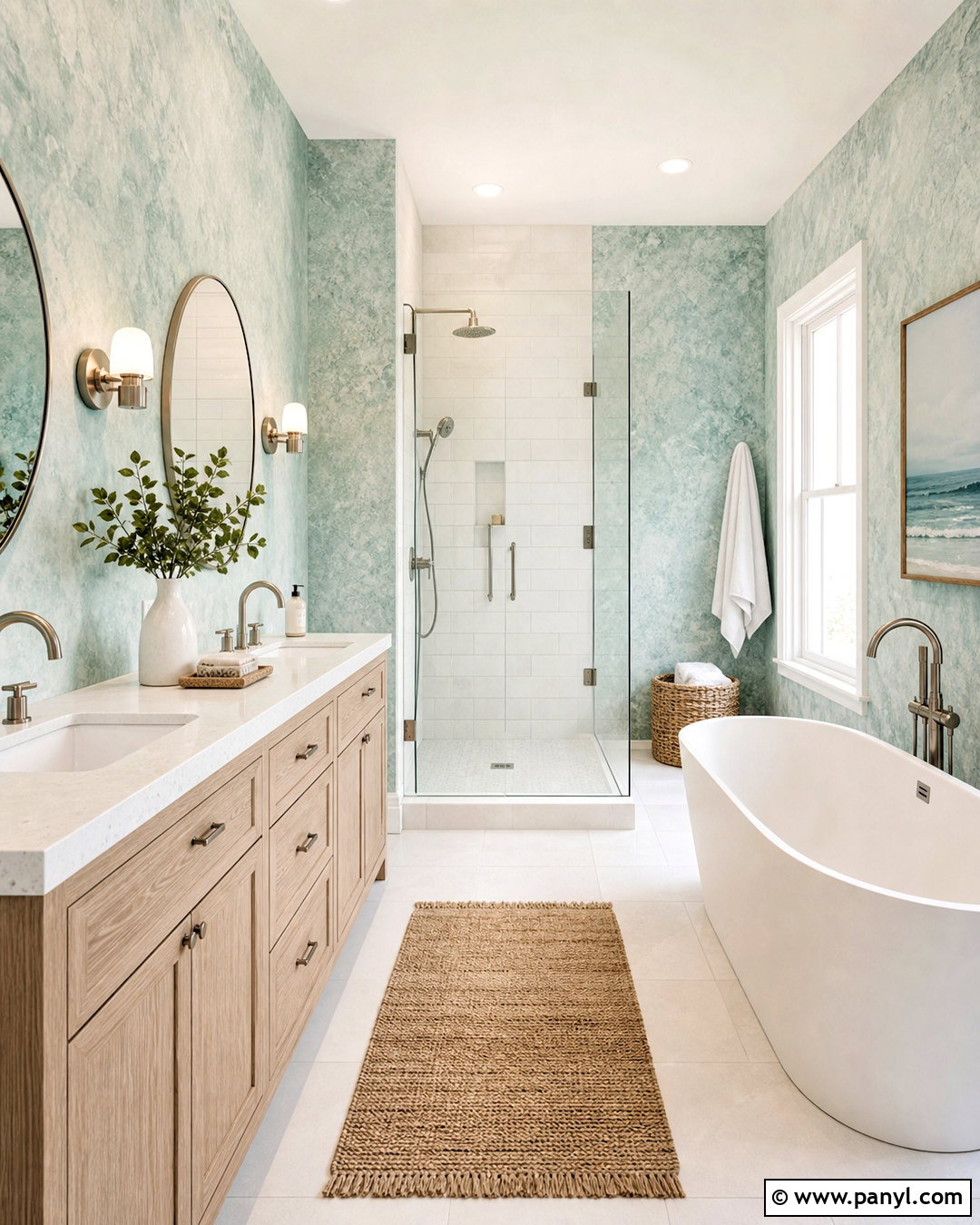
Modern sponge-painted walls look best when the colors remain close in value. For an updated bathroom, layer pale sea-glass green glaze over a warm white base using a natural sea sponge. Rotate the sponge frequently and leave plenty of the base coat visible to prevent a dense, repetitive pattern. Complete the room with a white oak vanity, a clean white quartz counter, brushed nickel fixtures, and simple oval mirrors. Matte white floor tile provides a quiet backdrop, while soft green towels connect the wall treatment to the rest of the palette. Use clear glass shower panels and streamlined lighting to keep the room fresh. In splash-prone areas, protect the dried finish with an appropriate clear, low-sheen topcoat recommended for bathrooms.
5. Rag Rolled Entryway Walls
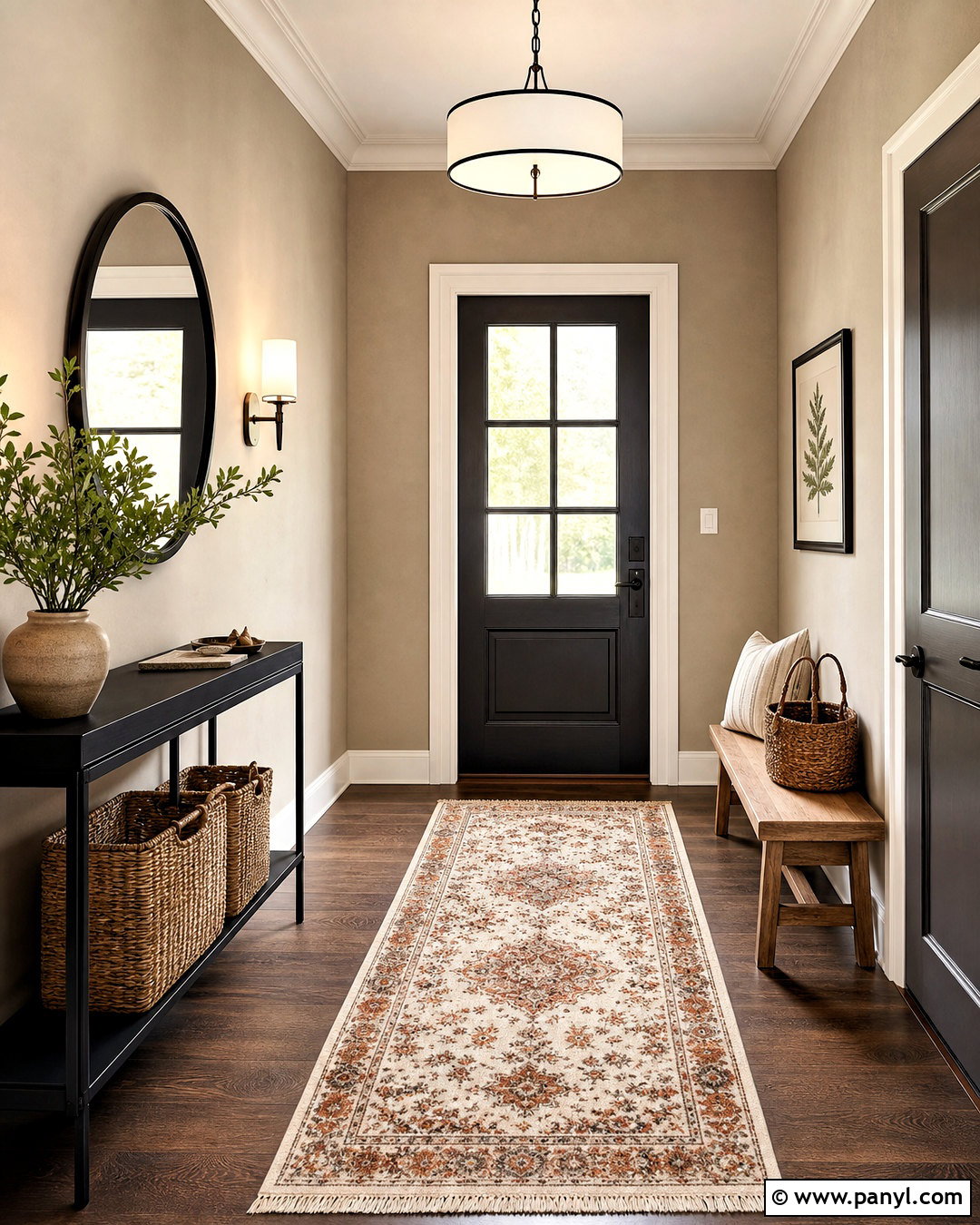
A rag-rolled finish brings tailored texture to an entryway while disguising minor wall imperfections. Start with a light taupe base and roll a slightly deeper mushroom-colored glaze across it using a clean, twisted cotton rag. Vary the direction and pressure so the markings resemble woven fabric rather than repeated stripes. Ground the entry with a slim black console, a large round mirror, and a durable patterned runner in cream, rust, and taupe. An oak bench offers practical seating, while woven storage baskets hold shoes and everyday accessories. Add a shaded bronze wall sconce and one leafy plant for warmth. The completed space feels welcoming and polished, yet every item remains useful. Choose scrubbable products because entry walls receive frequent contact.
6. Faux Concrete Home Office Walls
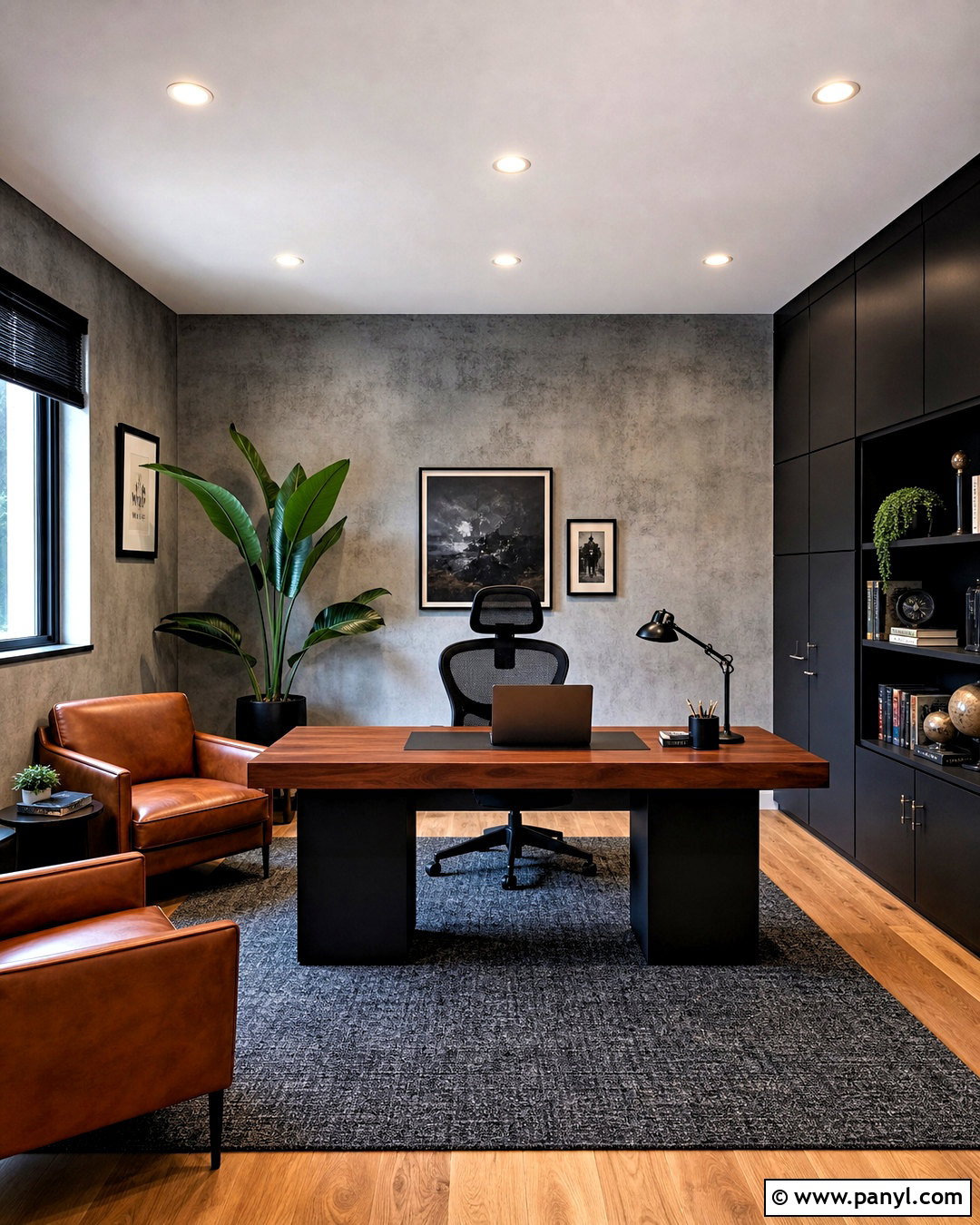
Faux concrete walls create an understated industrial background without the cost or weight of poured concrete. Layer cool gray, pale charcoal, and small touches of warm gray with a broad trowel, keeping the finish smooth and softly mottled. Avoid heavy grooves that could make the walls resemble unfinished construction. Furnish the office with a streamlined walnut desk, a black ergonomic chair, and closed matte-black storage cabinets. A cognac leather guest chair introduces warmth, while a charcoal wool rug improves comfort and acoustics. Use an adjustable black task lamp and simple floating shelves for books and ceramics. Natural oak flooring prevents the gray palette from becoming stark. The resulting workspace feels focused, contemporary, and comfortable enough for long working days.
7. Faux Marble Powder Room Walls
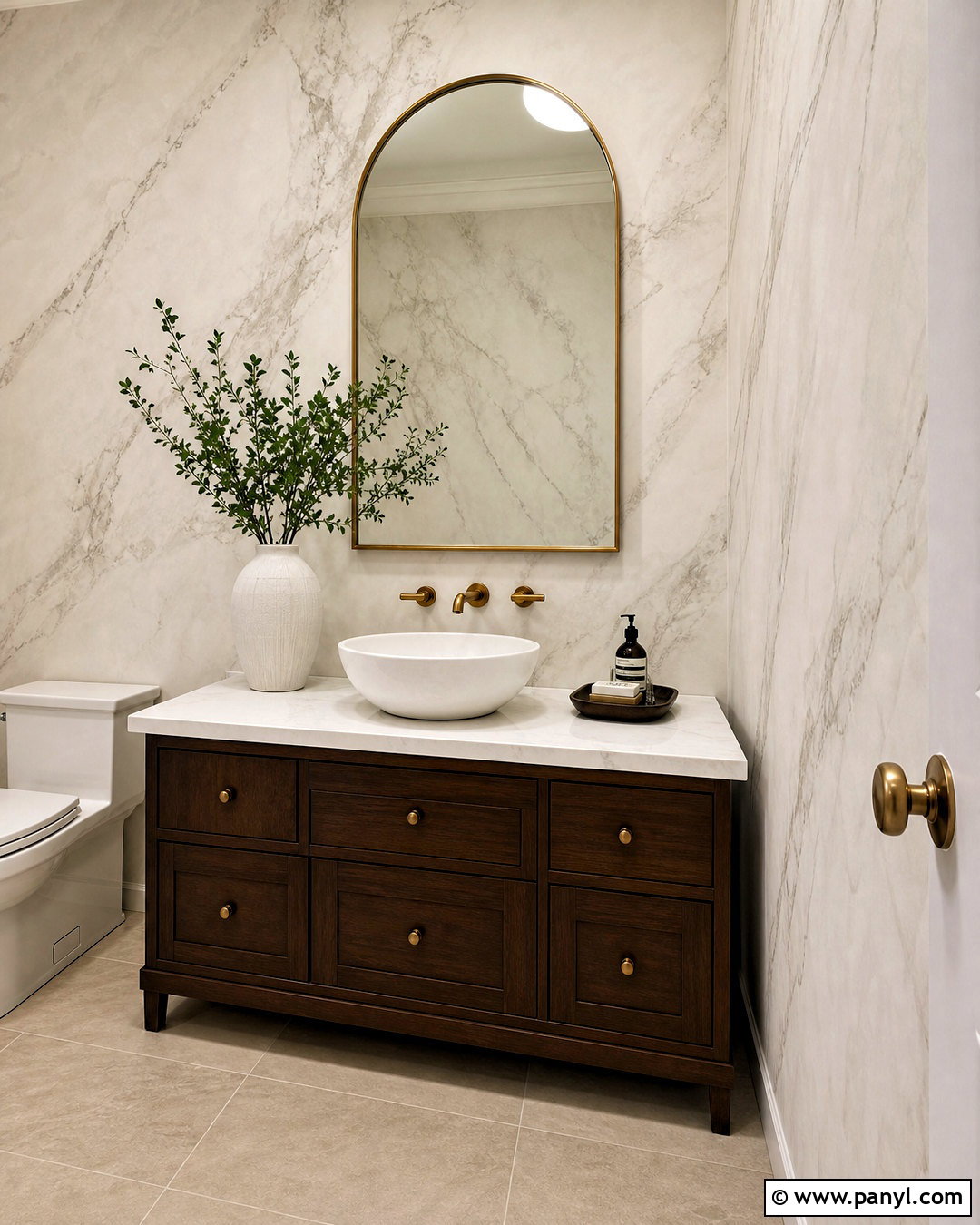
A small powder room is an ideal place to use dramatic faux marble because the limited wall area keeps the pattern controlled. Paint a creamy white background, build faint gray clouding, and add thin taupe-gray veins that change direction naturally. Soften each vein before it dries rather than leaving sharp, uniform lines. Pair the walls with a compact dark walnut vanity, a white stone countertop, and an arched antiqued-brass mirror. A brass wall-mounted faucet and matching sconces add warmth without competing with the painted surface. Choose pale limestone-look flooring and a simple white vessel sink. Keep accessories minimal, perhaps a folded hand towel and one small branch arrangement. A satin protective glaze gives the room practical wipeability and a stone-like finish.
8. Faux Linen Guest Room Walls
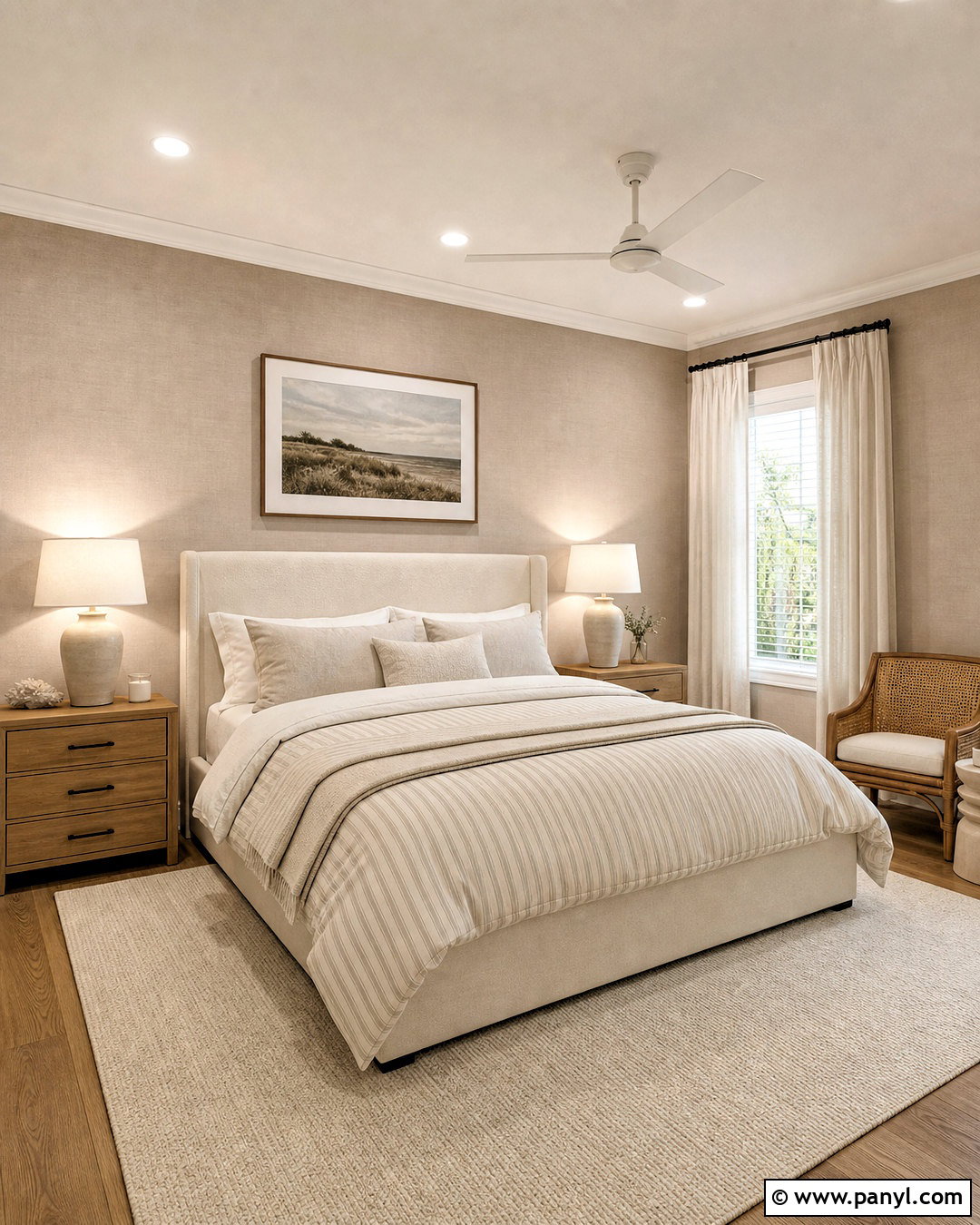
Faux linen walls give a guest room quiet texture that feels warmer than plain paint and calmer than patterned wallpaper. Use a soft putty-colored base with a slightly darker beige glaze. Pull a dry wallpaper brush vertically through the wet glaze, allow it to dry, and repeat horizontally to create a fine woven effect. Style the room with an upholstered ivory bed, striped flax bedding, light oak nightstands, and compact ceramic lamps. A warm cream rug softens medium-toned wood floors, while full-length natural linen curtains continue the textile theme. Add a small cane chair, one landscape print, and a folded sage-green throw for muted color. The completed room feels restful and considered, with enough detail to welcome guests without overwhelming a smaller space.
9. Faux Suede Library Walls
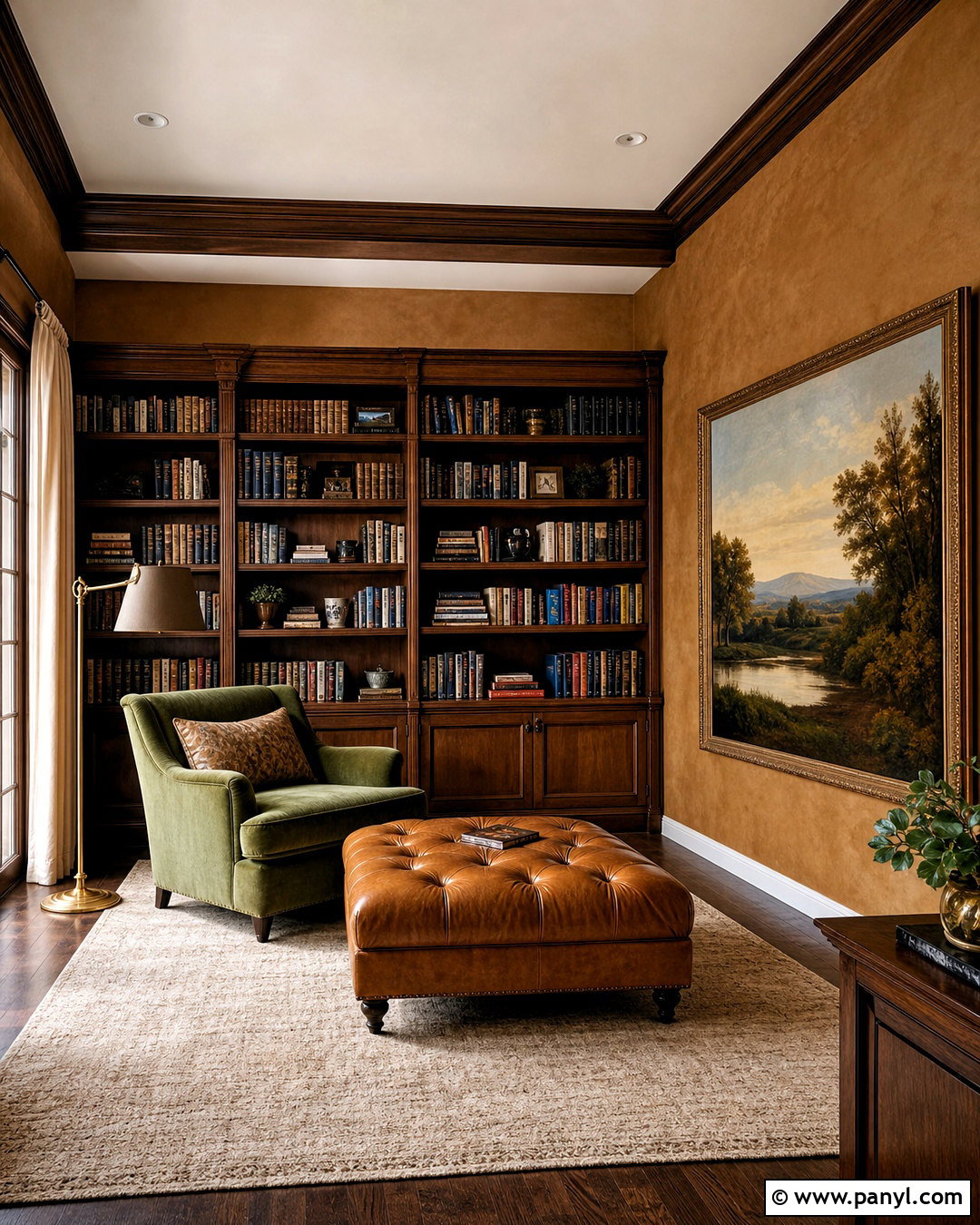
Deep camel faux suede walls can make a reading room feel enveloping without relying on dark lighting. Create the velvety appearance with a specialized glaze applied in overlapping, curved strokes, maintaining a soft matte finish. Build the rest of the library around walnut bookcases, a comfortable olive-green reading chair, and a caramel leather ottoman. Place a cream wool rug over dark oak flooring to brighten the center of the room. An aged-brass floor lamp provides focused reading light, while ivory curtains soften the window. Mix books with a few stoneware objects so the shelves do not appear cluttered. The warm wall finish, wood grain, and tactile upholstery form one cohesive palette. Test the technique first because uneven lap marks can be difficult to correct.
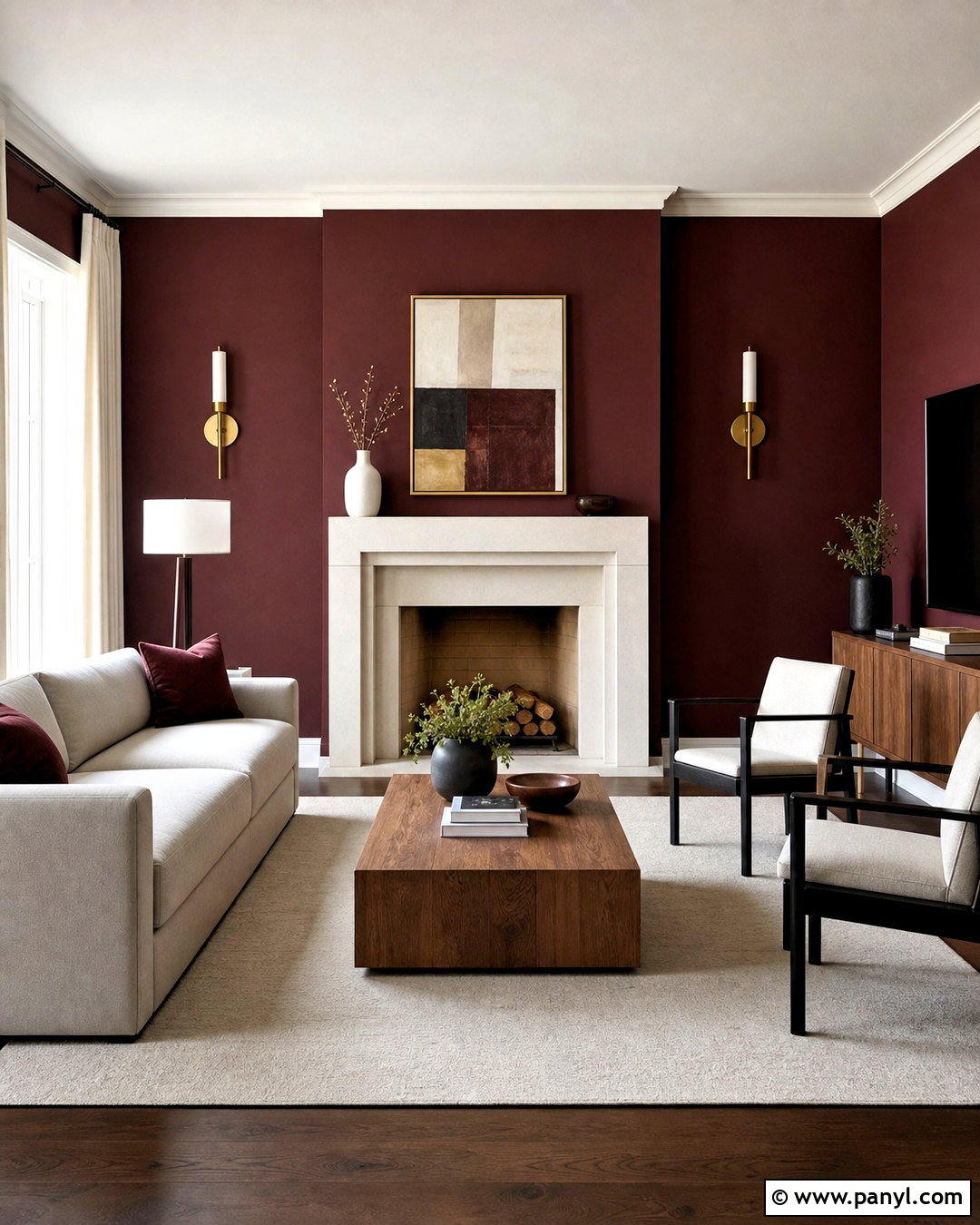
10. Faux Brick Kitchen Walls
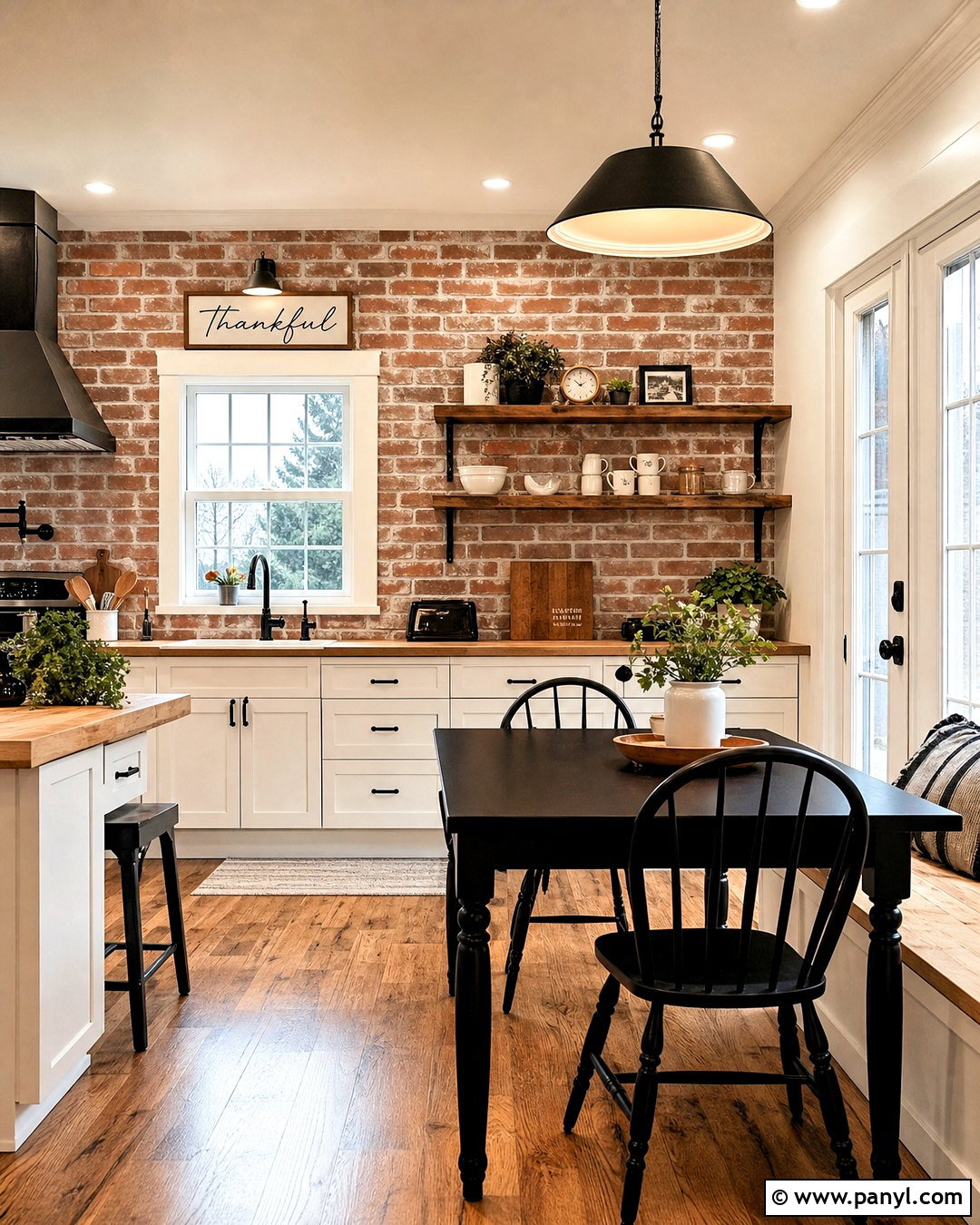
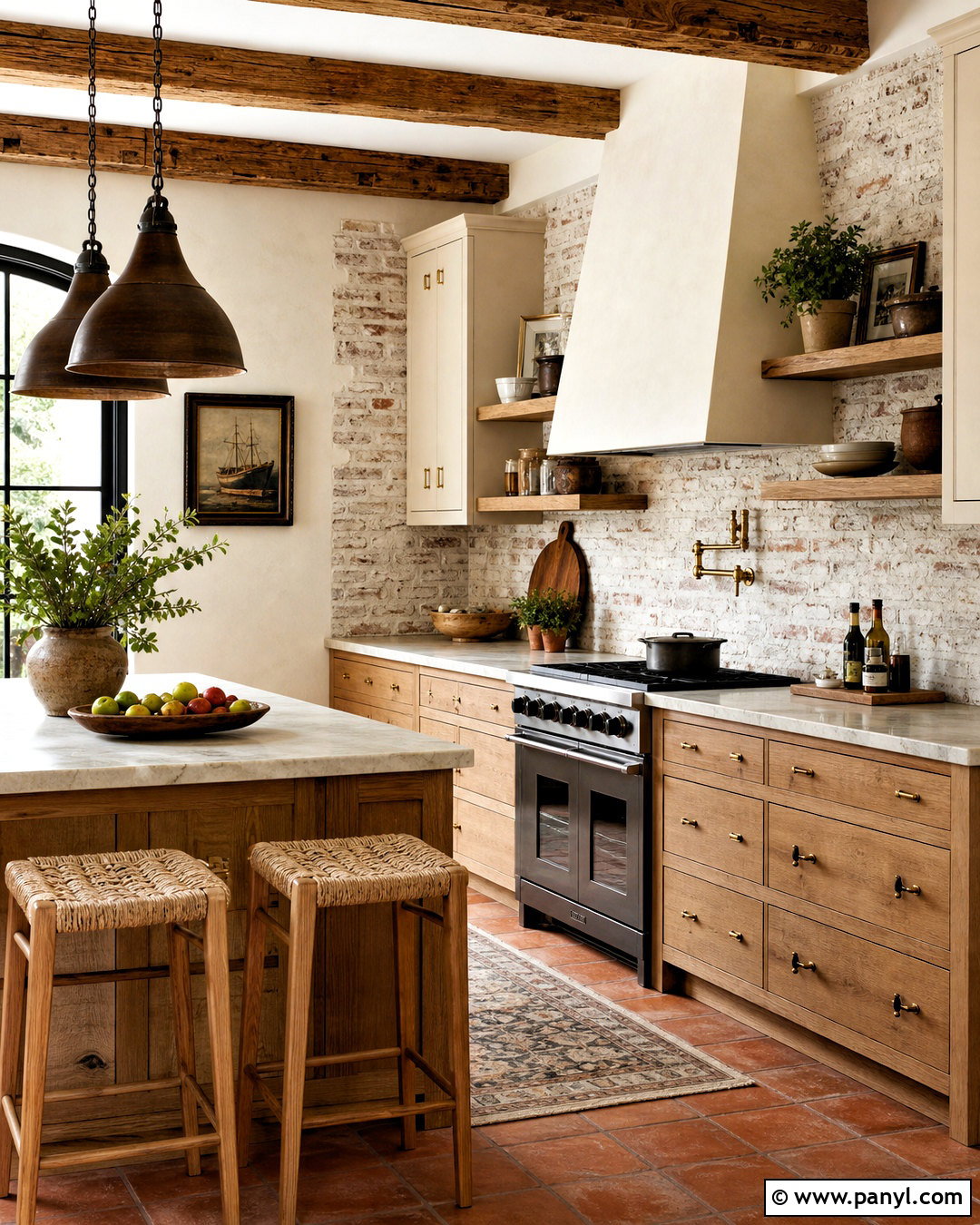
Faux brick can add architectural character to a kitchen when real masonry is unavailable. Paint a full breakfast wall with irregular warm red, muted terracotta, and brown bricks separated by soft gray-beige mortar lines. Lightly dry-brush cream over selected areas to suggest an aged, limewashed surface. Pair the wall with warm white Shaker cabinets, butcher-block counters, black metal hardware, and medium oak flooring. A compact black-framed breakfast table with spindle-back chairs keeps the look casual. Open wood shelves can display white dishes and small herb pots without hiding the painted brickwork. Use simple black pendants and off-white Roman shades for a clean finish. Careful shading around individual bricks adds convincing depth, while an overall matte surface prevents an artificial shine.
11. Faux Stone Fireplace Walls
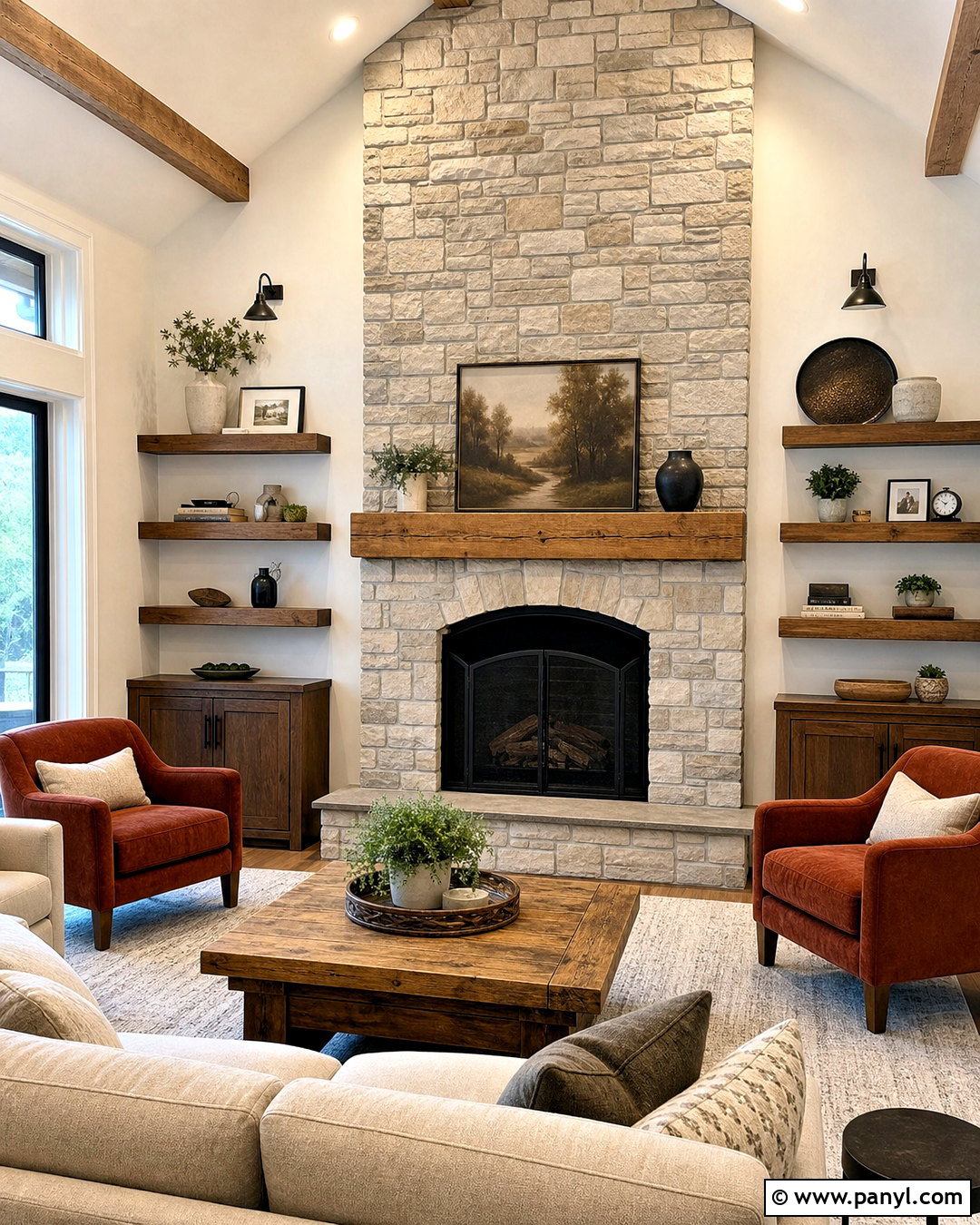
A floor-to-ceiling faux stone fireplace creates a strong living room focal point without requiring structural masonry. Use layered gray-beige, sandy taupe, and muted charcoal paint to form irregular stones with recessed-looking mortar joints. Keep the stone sizes varied but believable, and wrap the pattern naturally around corners. Add a thick reclaimed-oak mantel and a simple black firebox surround. Arrange a cream sectional and two rust-colored accent chairs around a substantial oak coffee table. A textured neutral rug and linen curtains soften the rugged fireplace treatment. Place a large ceramic vessel and restrained greenery on the mantel rather than numerous small accessories. The completed room balances rustic texture with modern furniture, making the painted stone feel purposeful instead of decorative or theatrical.
12. Faux Wood Plank Basement Walls
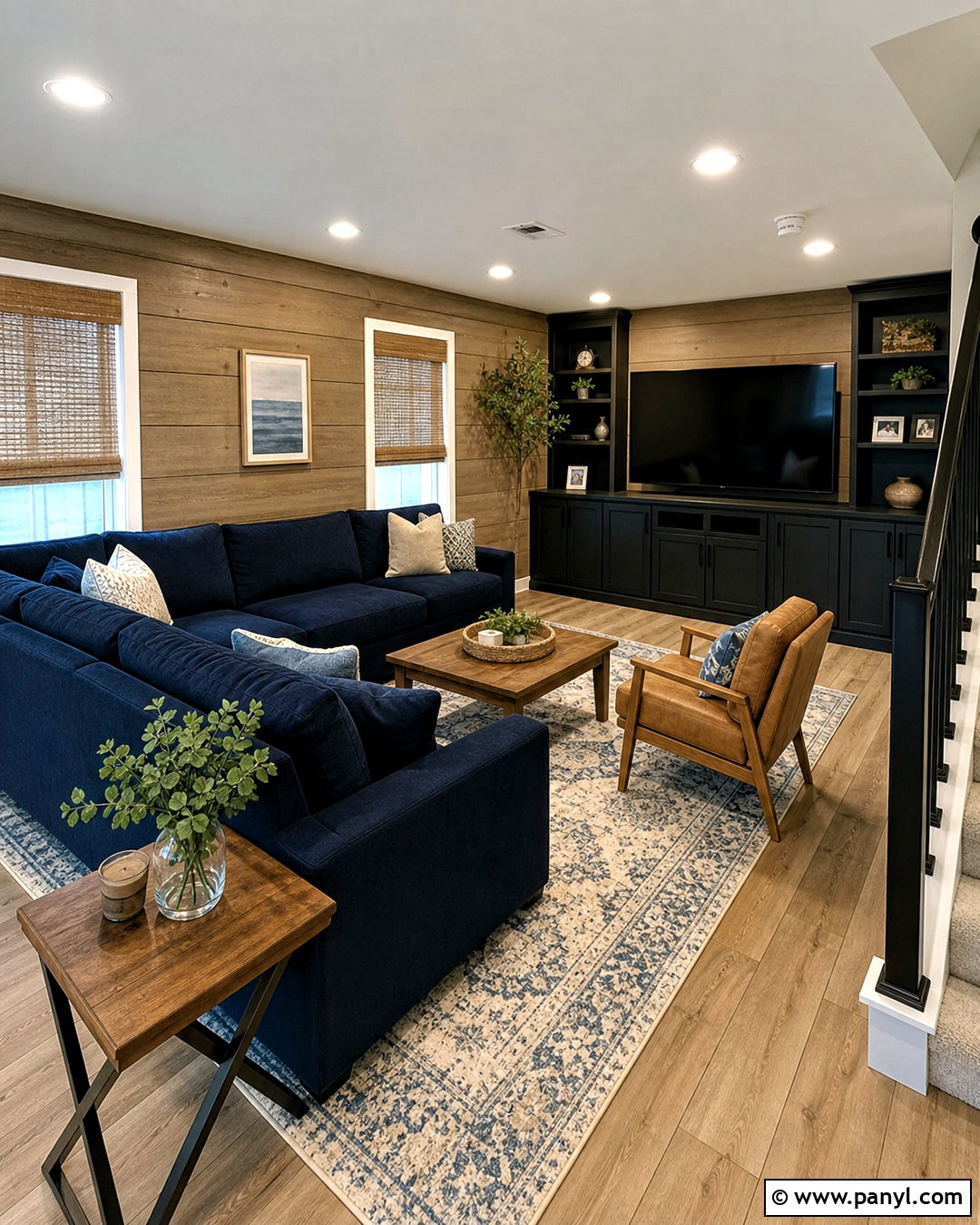
Warm faux wood plank walls can turn a plain basement lounge into a comfortable retreat. Paint one long focal wall with horizontal medium-oak boards, including restrained grain lines, subtle knots, and narrow shadowed seams. Maintain consistent board widths so the illusion looks intentional. Use the treatment with a deep navy sectional, a camel-colored lounge chair, and a large cream-and-blue patterned rug. Black media cabinetry visually grounds the wall, while oak nesting tables repeat its warmth. Install simple black ceiling lights and add woven window shades if the basement has small windows. The remaining walls should stay warm white to prevent the lower-level space from feeling enclosed. A matte clear coat protects the artwork and keeps the faux grain from developing an unrealistic glossy appearance.
13. Metallic Glaze Dining Room Walls
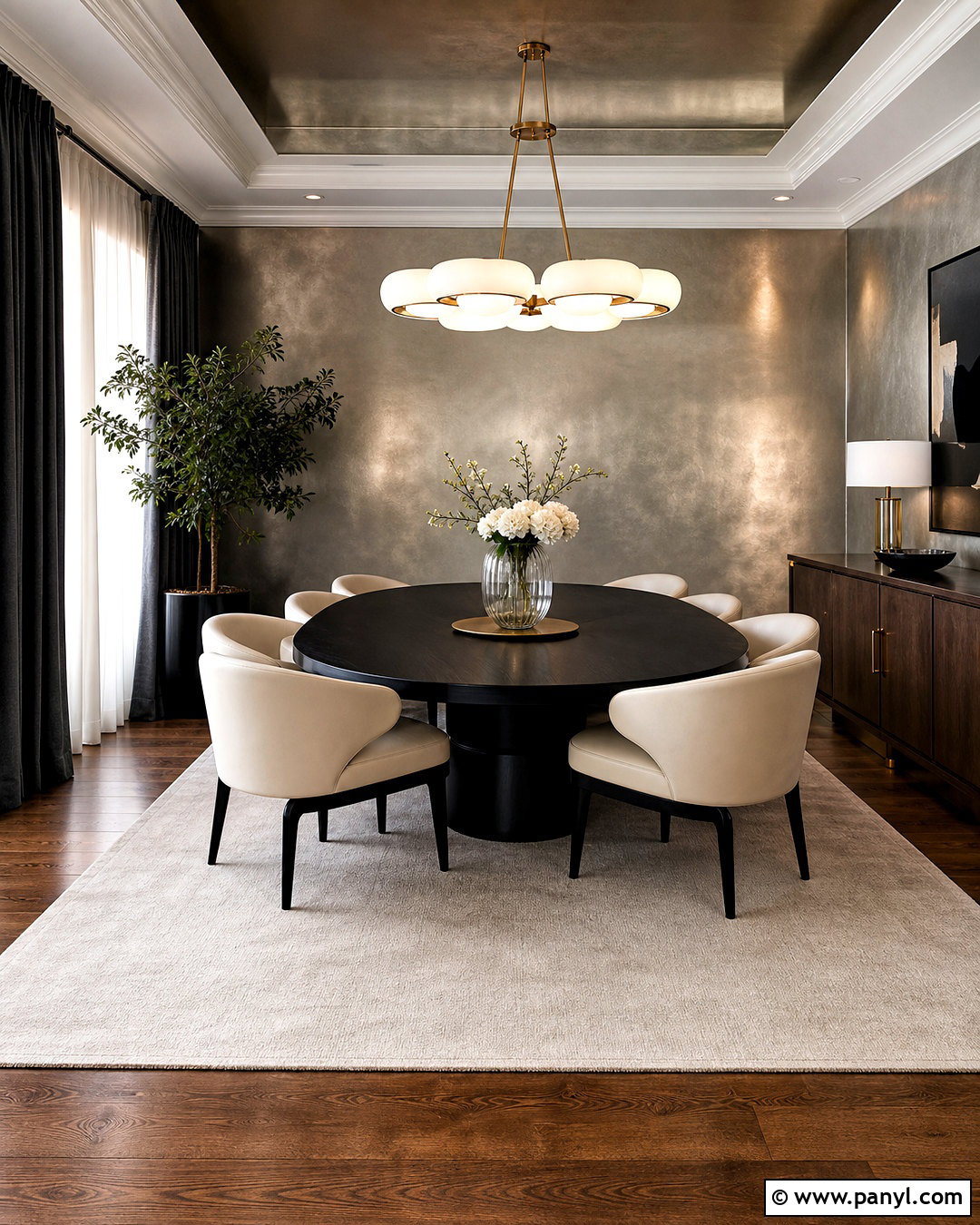
A soft metallic glaze reflects light beautifully when it is used with restraint. Cover dining room walls in a warm pewter base, then sweep a diluted champagne-bronze glaze across the surface with broad, irregular strokes. The finished walls should shimmer gently as people move through the room, not sparkle like craft paint. Combine them with a black oval dining table, curved cream chairs, and a sculptural milk-glass chandelier. Medium walnut flooring and an ivory rug add natural warmth beneath the cooler wall tone. Use full-length charcoal curtains and a streamlined walnut credenza for visual balance. Matte ceramics and simple glassware keep the overall scheme sophisticated. Sample the glaze under daytime and evening lighting because metallic color can shift noticeably depending on the room’s exposure.
14. Faux Ombre Nursery Walls
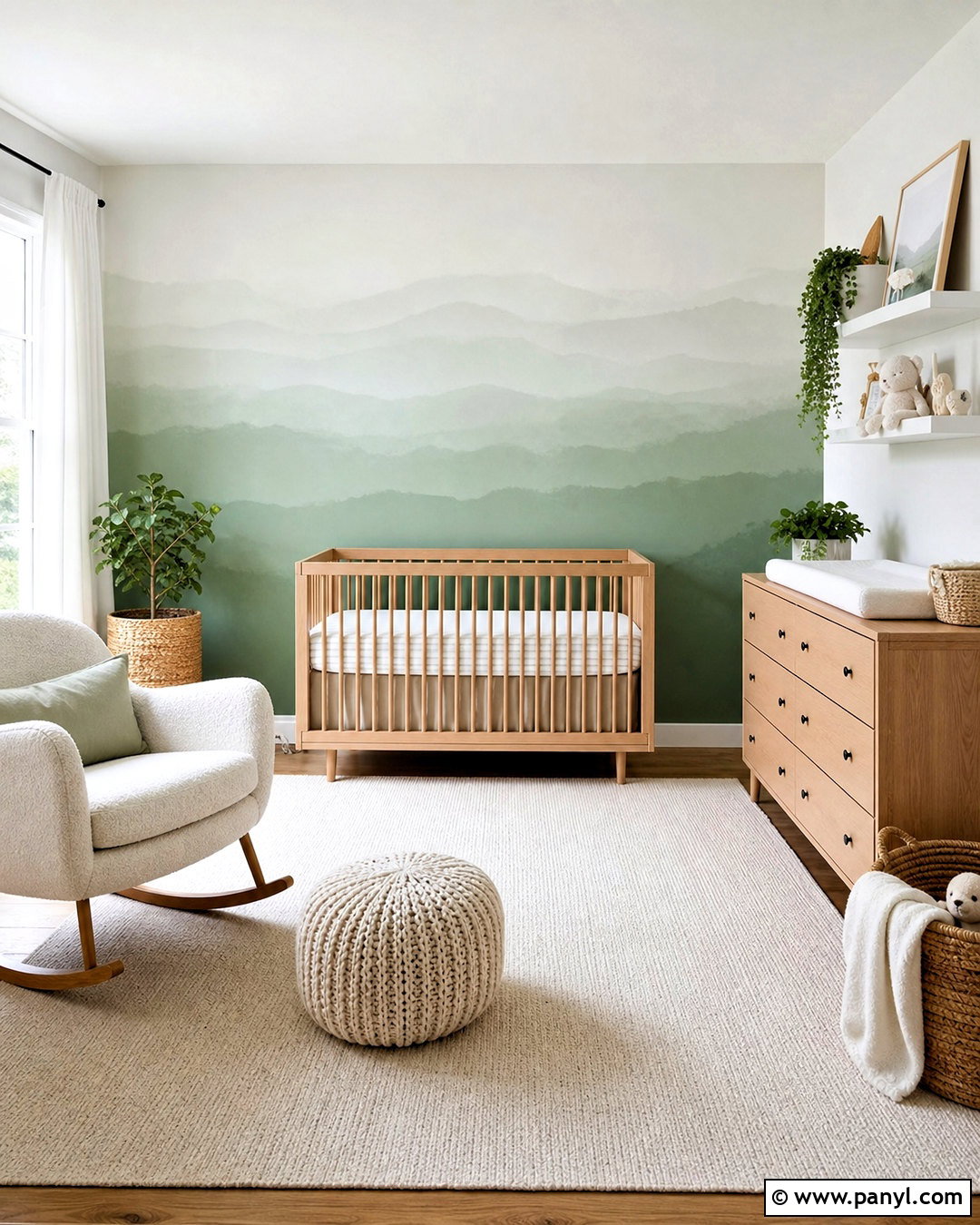
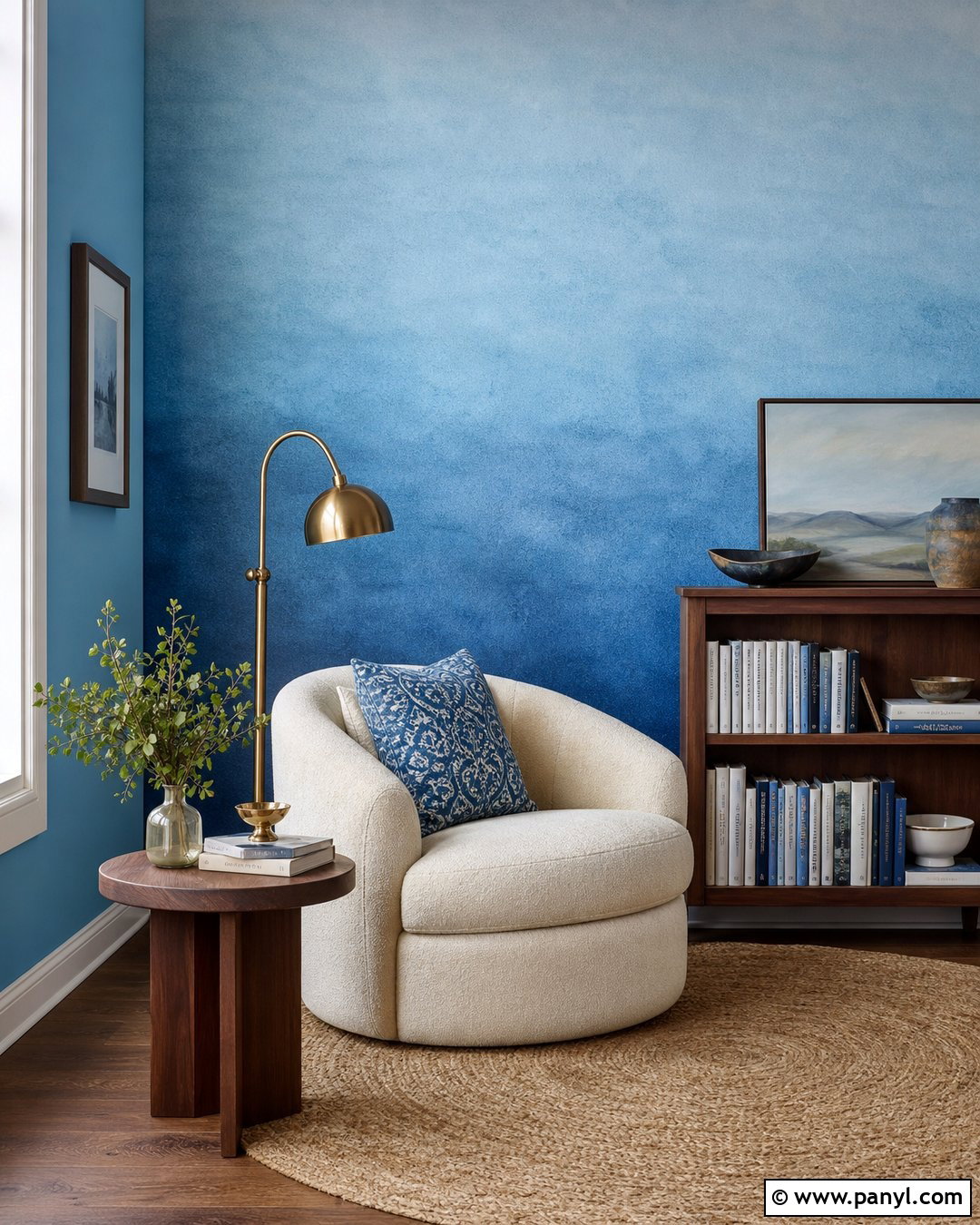
A pale green ombre treatment gives a nursery color and movement while preserving a peaceful atmosphere. Start with soft sage near the lower wall, transition through misty green, and finish with warm white close to the ceiling. Blend the sections while they remain workable so there are no obvious horizontal bands. Complete the nursery with a natural maple crib, an ivory boucle rocking chair, and a low oak dresser fitted with simple brass knobs. Use a washable cream rug, white cotton curtains, and woven baskets for practical storage. A small botanical print and a leaf-shaped mobile can reinforce the nature-inspired palette. Keep the lightest color around the upper half of the room to maintain brightness. Low-odor, child-appropriate interior products are essential for this complete look.
15. Strié Painted Hallway Walls
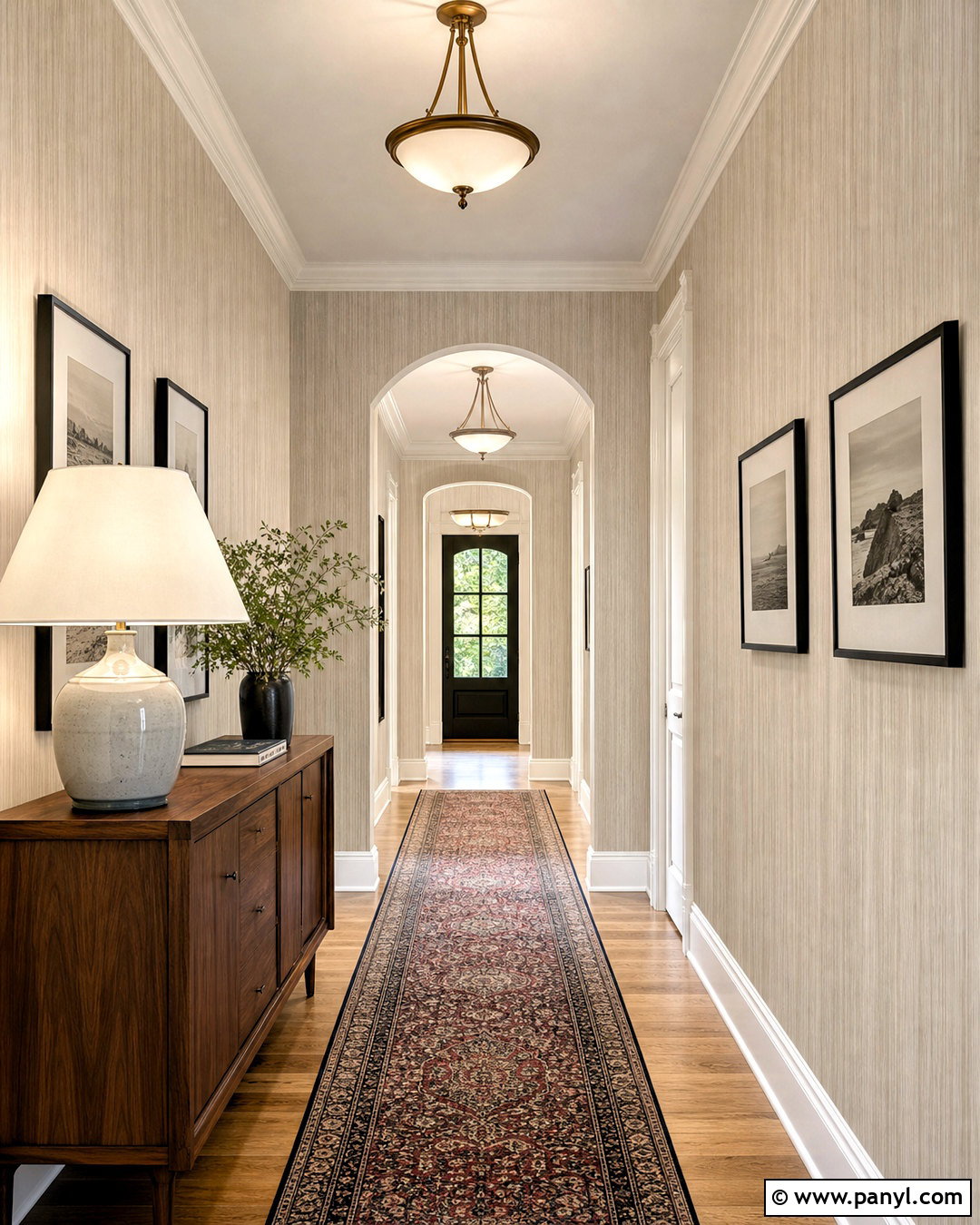
Vertical strié painting can make a short hallway appear taller and more polished. Apply a warm ivory base, cover manageable sections with light greige glaze, and pull a long dry brush downward in continuous strokes. Fine variations are desirable, but crooked lines and obvious stopping points should be avoided. Finish the hallway with pale oak flooring, a narrow vintage-style runner, and a row of black-framed artwork hung at a consistent height. A slim walnut console can fit at the widest point, paired with a ceramic lamp and small catchall tray. Use simple aged-brass ceiling fixtures for gentle contrast. White trim keeps the edges crisp and makes the textured walls easier to appreciate. This fabric-like finish adds interest without visually narrowing an already compact circulation space.
16. Faux Fresco Kitchen Nook Walls
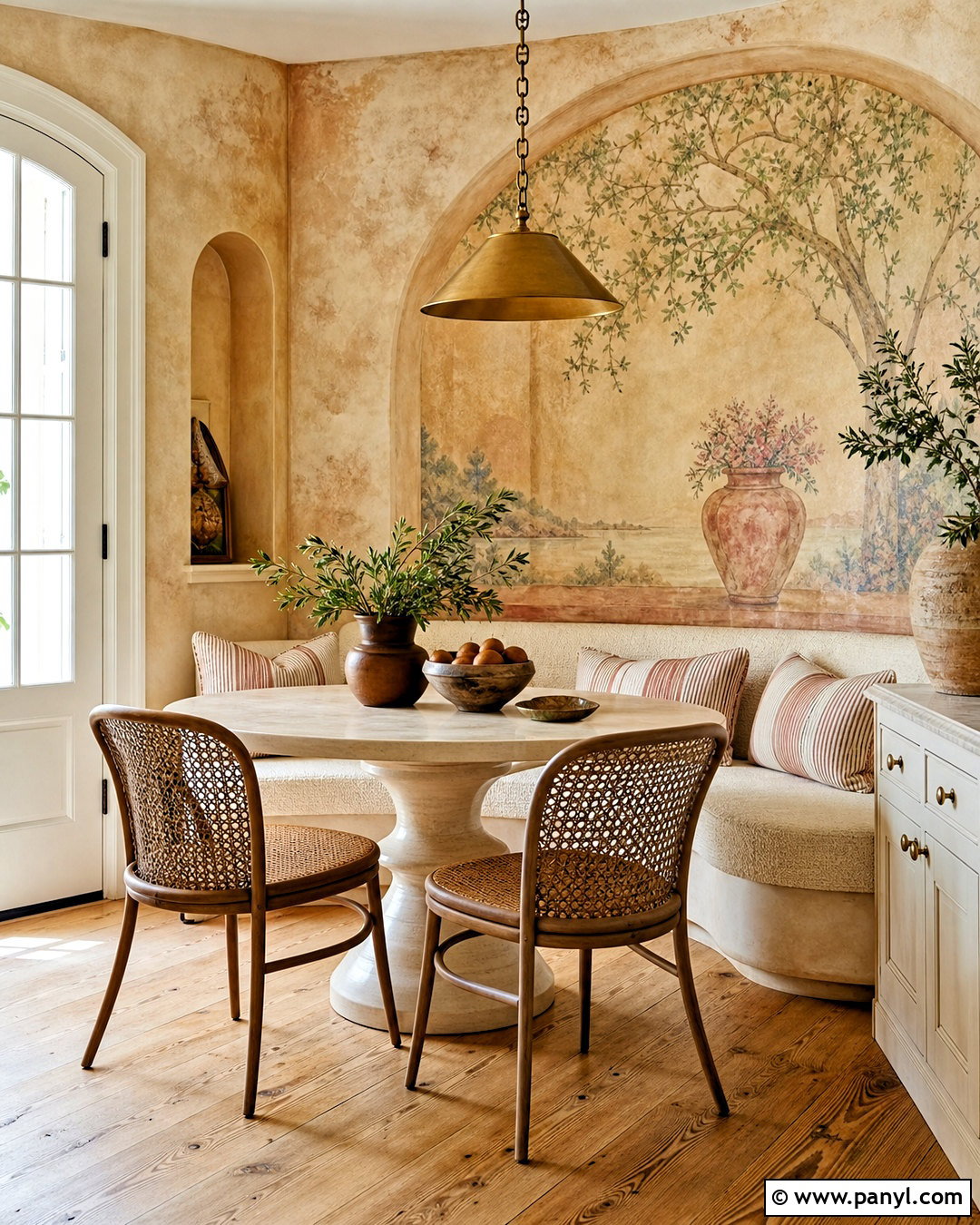
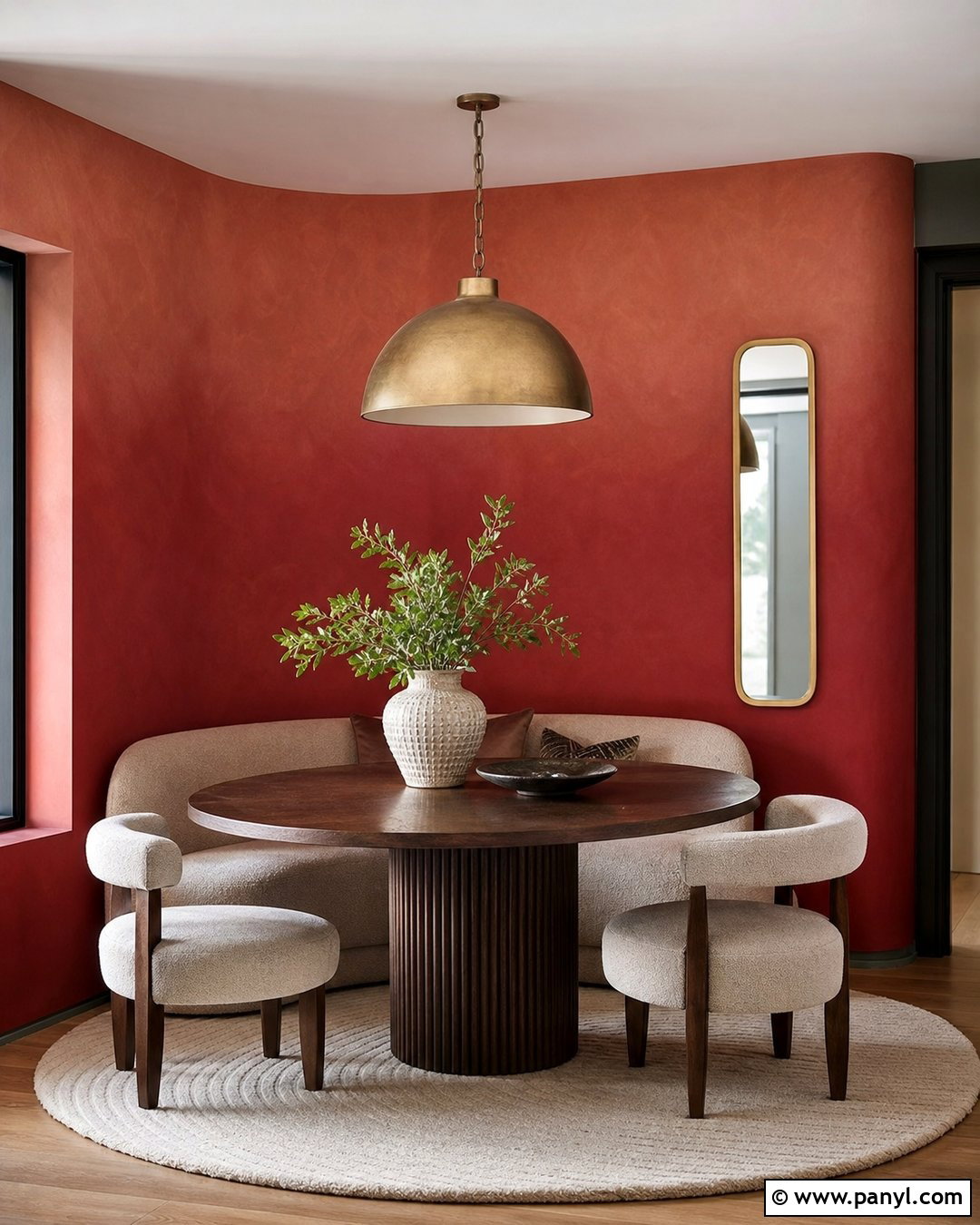
Sun-washed faux fresco walls can give a breakfast nook the relaxed character of an older plastered home. Layer warm cream, pale ocher, and muted terracotta using loose brush and trowel marks. Blend most transitions while allowing a few lighter patches to remain visible around corners and windows. Place a round pedestal table at the center with woven cane chairs and washable ivory seat cushions. A built-in cream banquette provides additional seating, while a striped rust-and-beige cushion connects with the fresco colors. Choose honey-toned wood flooring, an aged-brass pendant, and simple off-white Roman shades. Handmade ceramic dishes and a small bowl of citrus add useful color. The complete nook feels collected and sunny, but the restrained palette keeps the aged effect believable.
17. Aged Plaster Stairway Walls
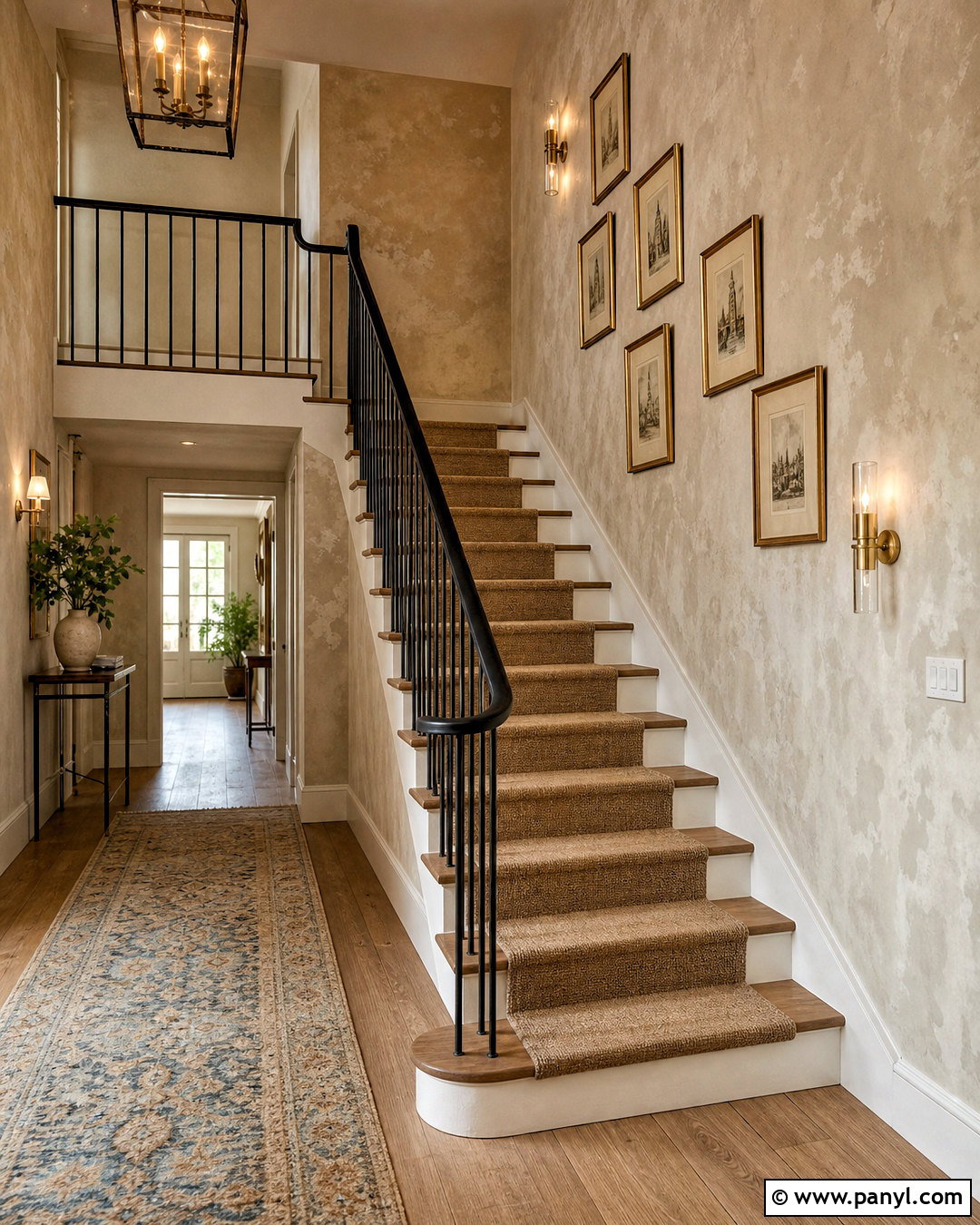
An aged plaster finish helps a stairway feel like an intentional architectural space instead of a forgotten passage. Use warm gray-beige as the base, then trowel on translucent layers of cream, putty, and pale brown. Concentrate darker variation lightly around corners, while avoiding fake cracks or overly distressed patches. Pair the walls with natural oak stair treads, warm white risers, and a simple matte-black railing. Hang a measured gallery of sepia photographs in thin black frames along the incline. A woven landing runner and a small antique oak stool bring softness without blocking circulation. Install clear-glass brass sconces to highlight the plaster’s movement. Durable low-sheen protection is useful here because narrow stair walls often experience scuffs, fingerprints, and frequent everyday contact.
18. Faux Leather Office Walls
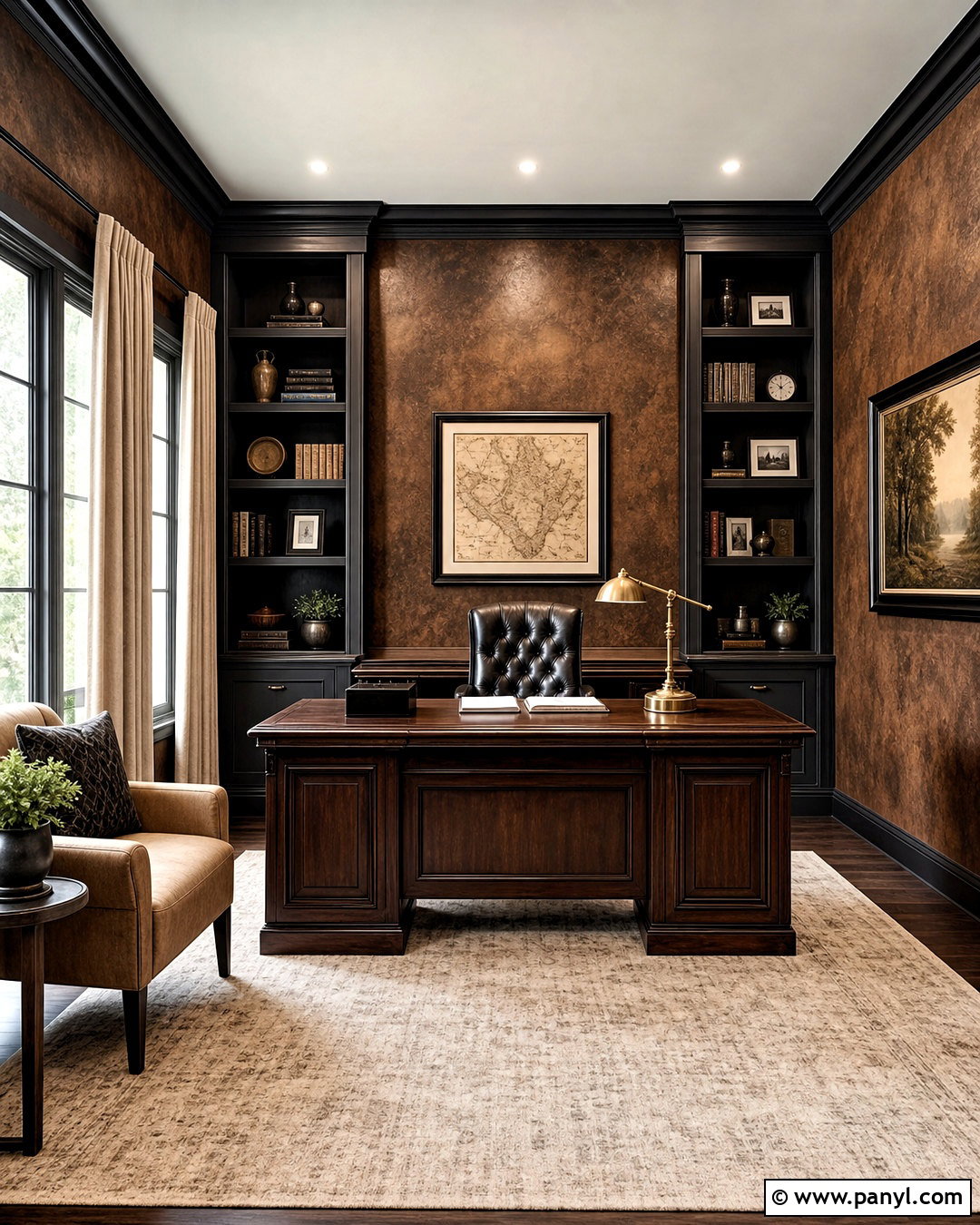
Faux leather walls bring richness to a traditional office without covering the room in actual hide. Begin with a warm chestnut base and work a deeper brown glaze across it using soft, overlapping ragging motions. Add very subtle darker shading at the wall edges to increase depth. Furnish the room with a substantial dark oak desk, a tailored black desk chair, and built-in bookcases painted muted charcoal. A brass library lamp and warm ivory rug lighten the darker palette. Include a tan upholstered guest chair and linen window panels to prevent the room from feeling heavy. The painted walls should resemble softly worn leather from a distance rather than a literal repeated grain. Seal the finish with a matte or satin product that will not create a plastic-looking shine.
19. Stenciled Damask Bedroom Walls
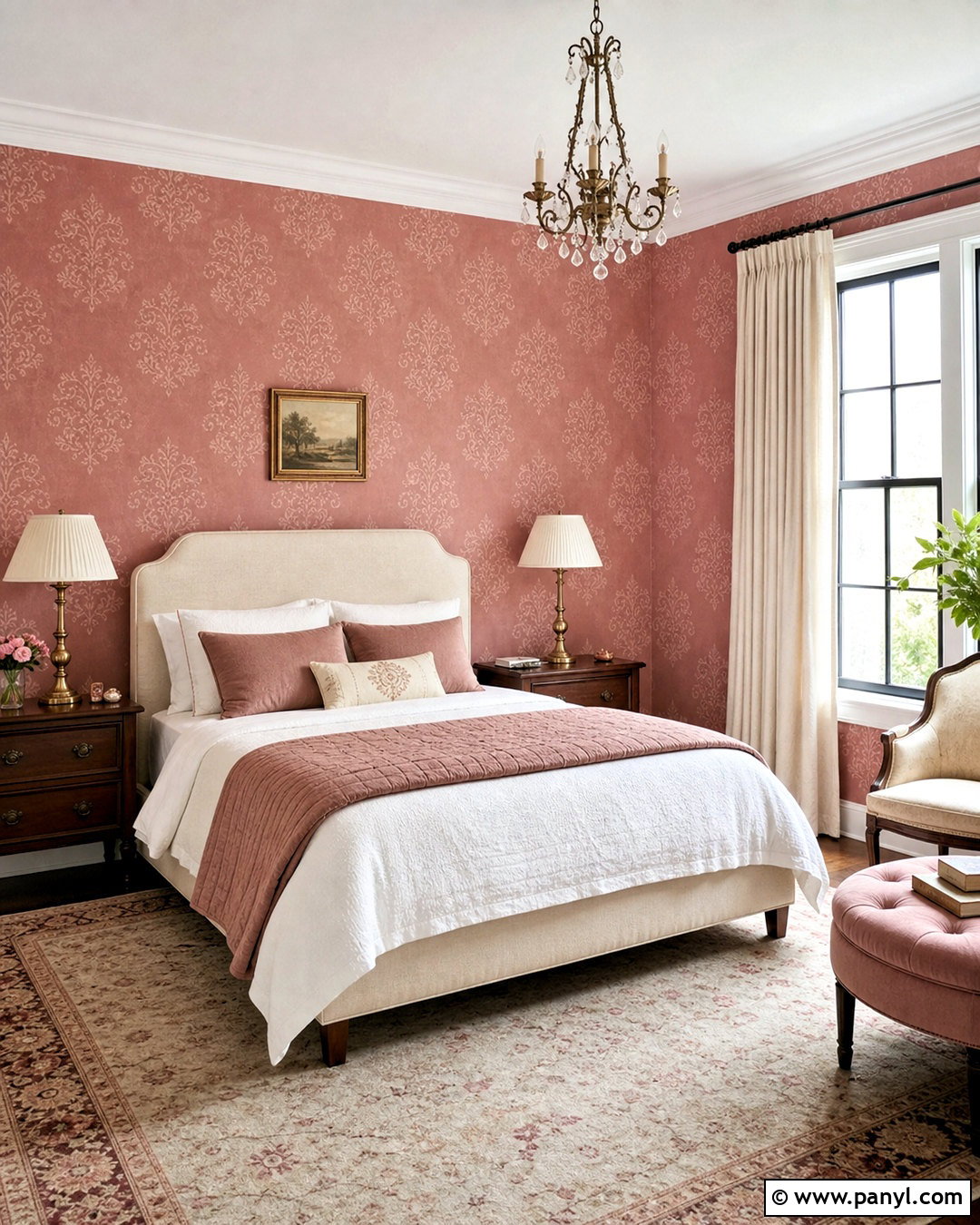
A large damask stencil can create the effect of custom wallpaper while allowing complete control over the color palette. Use a matte dusty-rose base and apply the oversized pattern in a slightly lighter blush glaze. Keep the contrast low so the design reads softly across all four walls. Pair it with an ivory upholstered bed, medium walnut nightstands, and antique-brass lamps. White bedding with a muted rose coverlet prevents the room from becoming overly ornate. Add warm oak flooring, a faded cream rug, and natural linen curtains for balance. One vintage-inspired mirror and a simple bench complete the design. Measure the stencil placement carefully from the room’s main focal point, and use minimal paint on the roller to maintain clean edges without visible drips.
20. Faux Cloud Finish Sunroom Walls
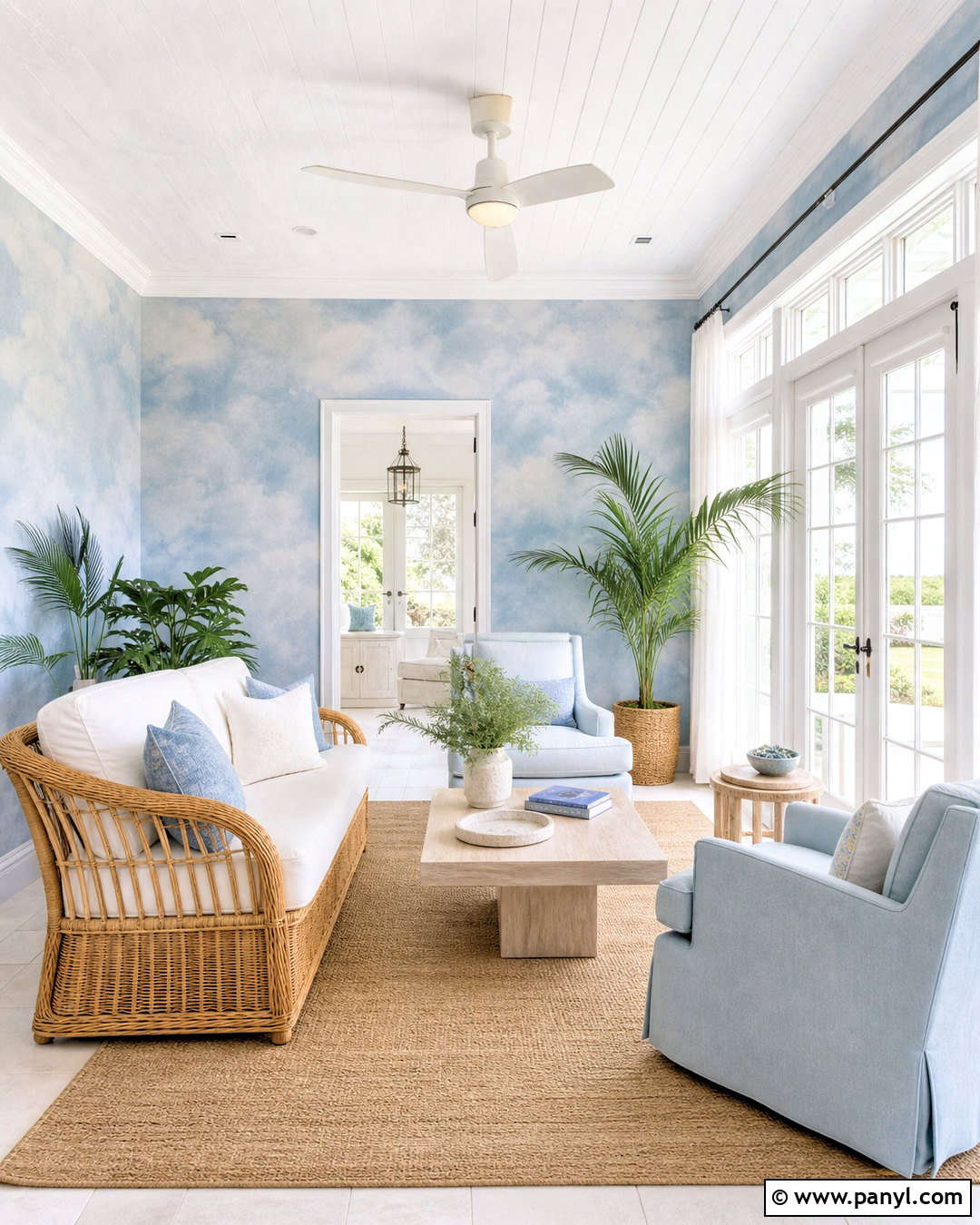
A clouded paint finish suits a sunroom because changing daylight continually reveals its subtle layers. Build the walls with warm white, pale sky blue, and misty blue-gray, blending the colors into broad, irregular areas rather than painting recognizable clouds. Furnish the space with a light rattan sofa, washable ivory cushions, two pale blue lounge chairs, and a natural jute rug. White oak side tables and woven storage baskets continue the casual palette. Use sheer white curtains that diffuse glare without blocking the view outdoors. Group several leafy plants in simple terracotta and cream pots to connect the room with the garden. The completed sunroom feels bright and fresh, while the softly mottled walls add enough movement to make the minimal furniture arrangement feel layered.
Conclusion:
Decorative paint works best when the wall treatment supports the entire room rather than competing with it. These 20 faux painting walls show how color, texture, furniture, flooring, lighting, and accessories can work together as a complete design. Subtle finishes such as linen, limewash, and strié are versatile, while faux marble, brick, leather, and stone create stronger focal points. Begin by repairing and priming the surface, then practice colors and application methods on large sample boards. View every sample in daylight and artificial light before committing. Whether you choose a simple sponge technique or hire an artisan for polished plaster, thoughtful planning will help the finished walls look dimensional, balanced, and appropriate for your home.

Related Ideas and Inspiration:
Leave a Reply