
Sponge painting can give plain rooms soft movement, layered color, and a handcrafted finish without the cost or commitment of wallpaper. Today’s best sponge-painted surfaces look more refined than the high-contrast patterns once associated with this technique. They use related hues, light glaze layers, and irregular natural-sea-sponge marks to create subtle depth. A base coat, one or two complementary top colors, and balanced coverage can produce finishes resembling aged plaster, limestone, clouds, or watercolor. Natural sea sponges are especially useful because their varied pores prevent the pattern from looking mechanically repeated. () Whether you are updating a bedroom, bathroom, hallway, or statement wall, these **20 sponge painting walls** offer complete color schemes and room designs worth recreating.

1. Soft Greige Sponge Painted Living Room Wall
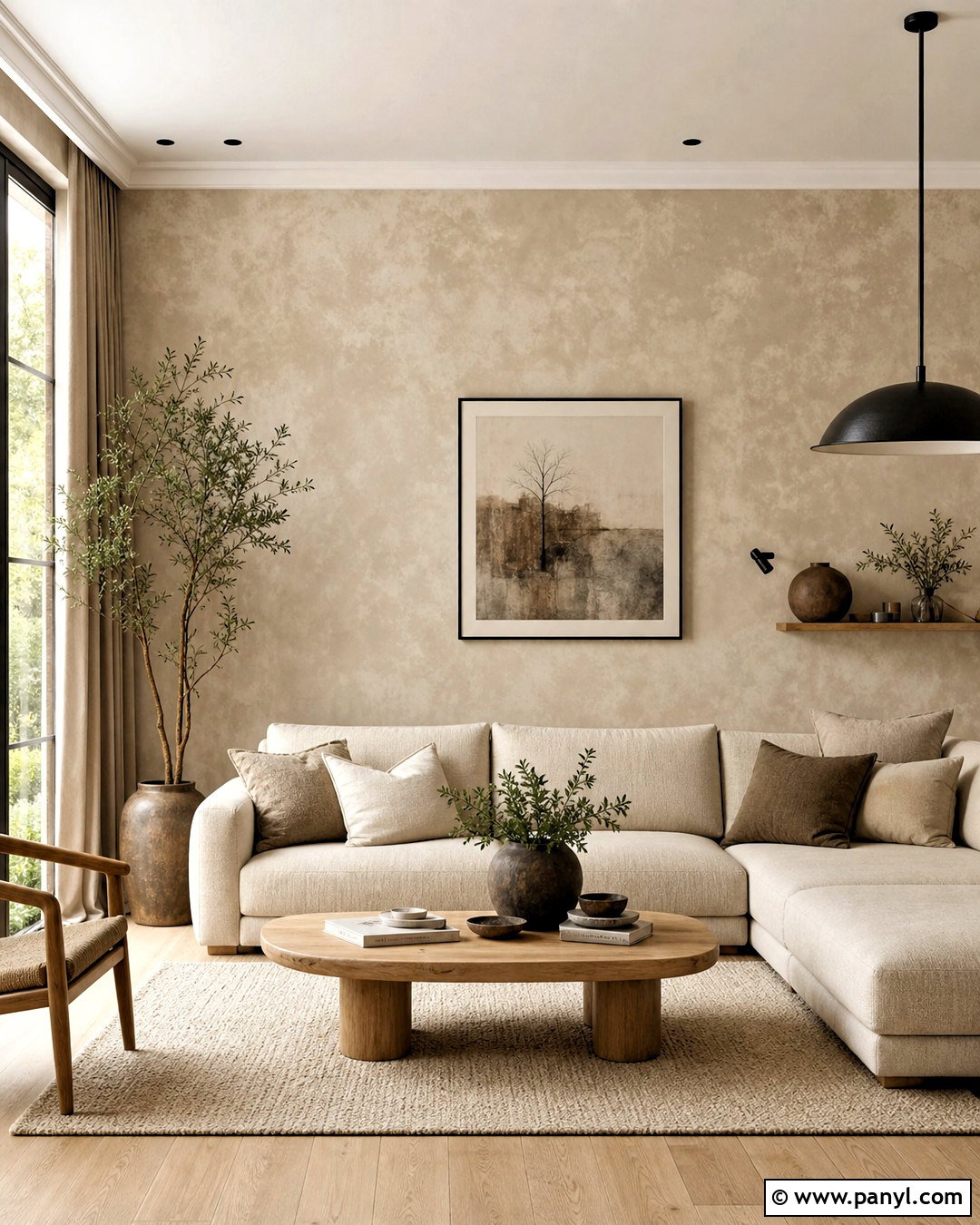
A soft greige finish gives sponge painting a clean, current appearance that works beautifully in an everyday living room. Begin with a warm off-white base, then lightly sponge on a transparent mushroom-greige glaze. Keep the application open and irregular so plenty of the lighter foundation remains visible. Furnish the room with an oatmeal-colored sofa, pale oak coffee table, and textured ivory rug. Matte black curtain rods and a slim floor lamp add definition without overwhelming the quiet walls. Finish the layout with taupe linen curtains, cream pillows, and a few earthy ceramic pieces. The close color relationship creates texture from a distance without producing harsh spots, making this complete look comfortable, polished, and easy to decorate over time.
2. Blue Sponge Painted Bedroom Wall
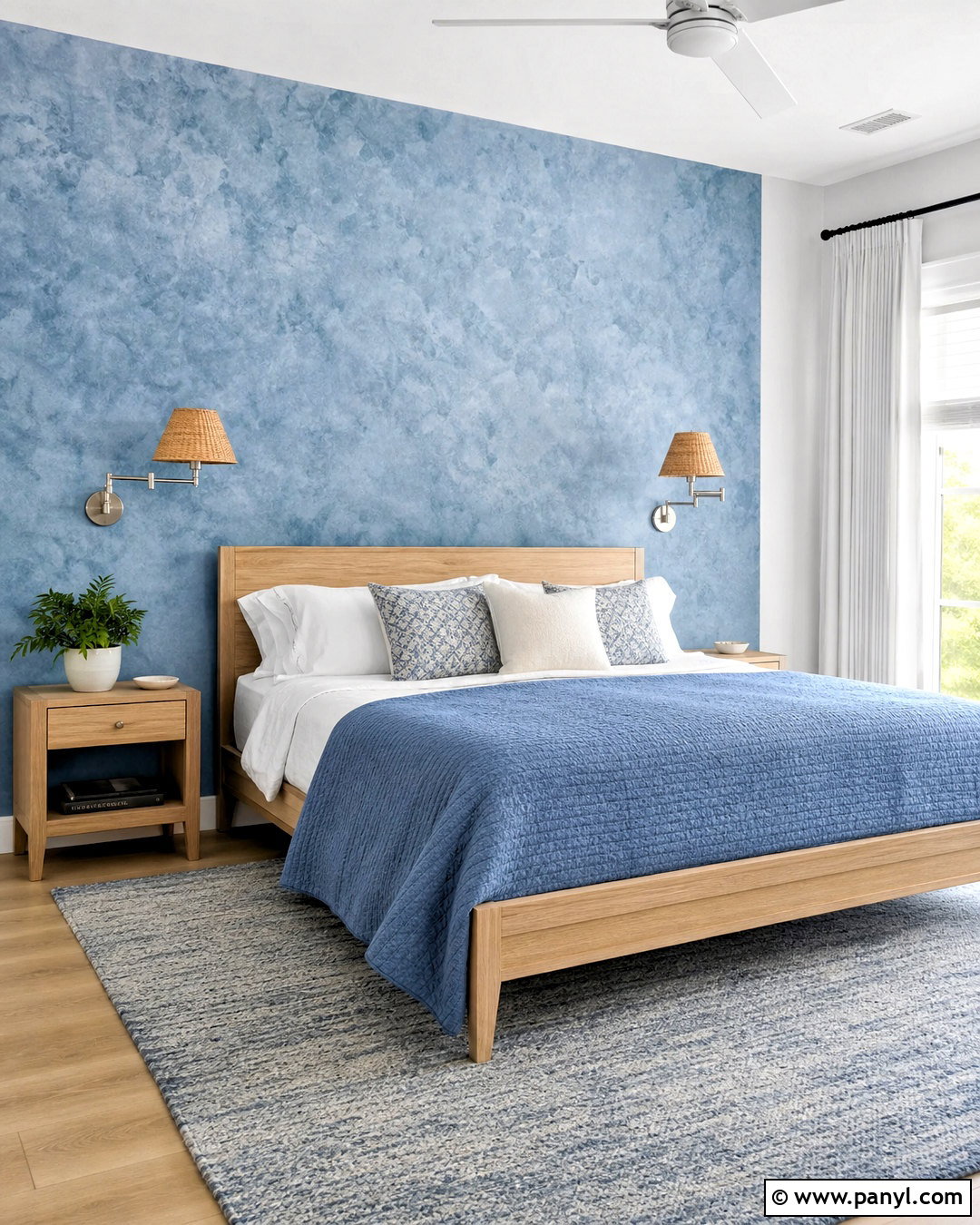
Imagine waking up beside a wall with the soft movement of a hazy blue sky. Paint the bedroom wall a pale misty blue, then apply a thin glaze in a slightly deeper slate-blue shade. Concentrate the texture behind the bed while keeping the remaining walls a simple cool white. A light oak bed, crisp white bedding, and a dusty blue quilt maintain the restful palette. Add brushed nickel sconces, natural woven shades, and a gray-blue area rug to balance the finish. Avoid strong navy patches that could make the sponging appear busy. Instead, turn the sponge frequently and soften overlapping marks. The completed bedroom feels airy and tranquil, with enough visual depth to make the headboard wall a natural focal point.
3. Sage Green Sponge Painted Dining Room Wall
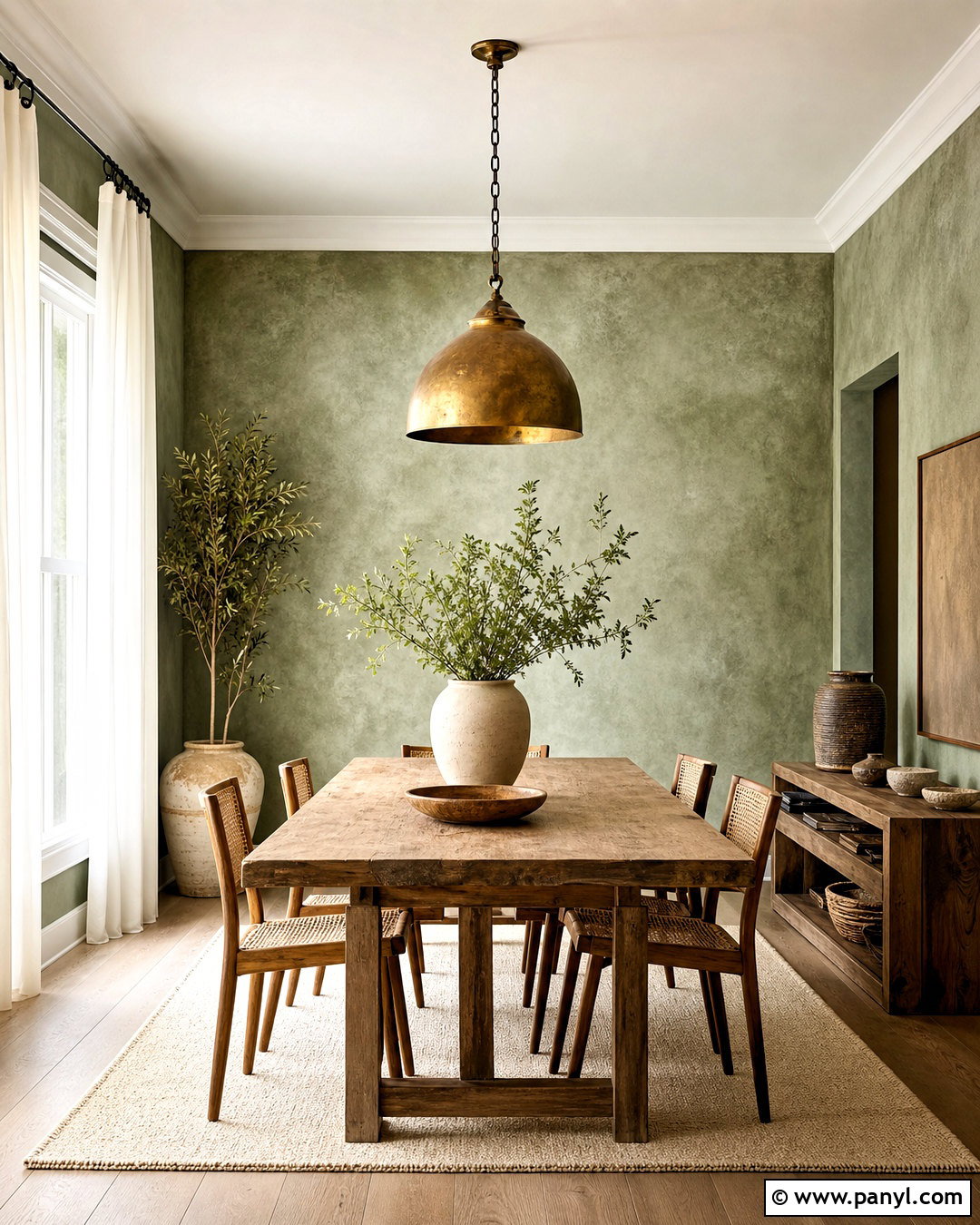
Soft sage green creates an earthy dining room that feels fresh rather than overly themed. Start with a pale gray-green base coat and sponge a muted olive-sage glaze across every wall. Apply the glaze sparingly around windows so incoming daylight can reveal the layered surface. Pair the walls with a medium-tone oak dining table, woven cane chairs, and a simple cream wool rug. An aged brass pendant adds warmth, while white linen curtains prevent the green palette from becoming heavy. Display handmade pottery and leafy branches on a low wooden sideboard. The organic wall texture complements natural materials throughout the room. Because both paint colors share similar undertones, the finished sponge effect resembles softly aged plaster instead of a sharp decorative pattern.
4. Terracotta Sponge Painted Entryway Wall
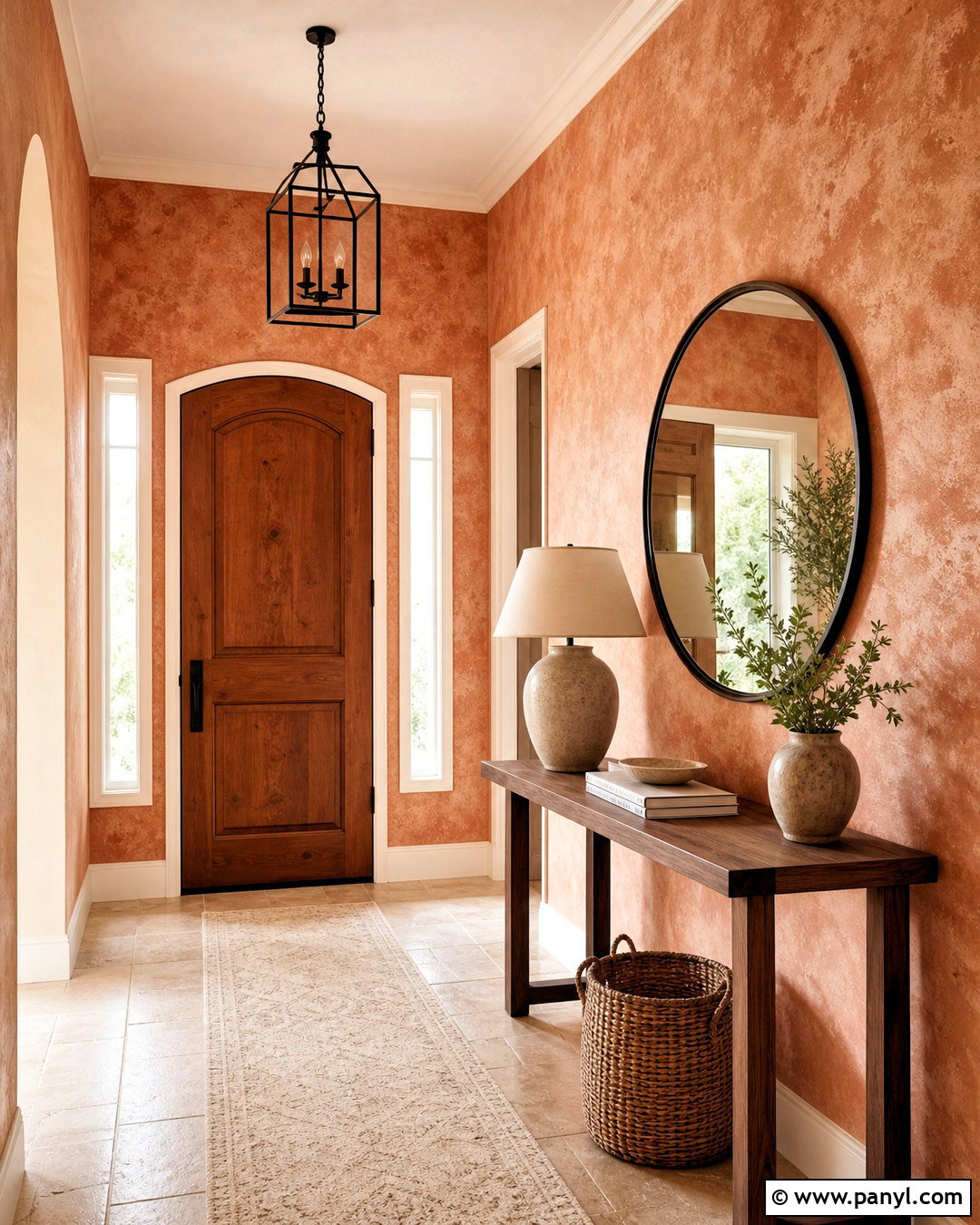
A warm terracotta wall can turn a plain entryway into an inviting transition space. Use a light clay-colored base and sponge on a translucent burnt-orange glaze, leaving uneven areas that suggest sun-washed Mediterranean plaster. Ground the look with a narrow walnut console, a round black-framed mirror, and a flat-woven cream runner. A woven basket provides practical storage for shoes or accessories, while a small ceramic lamp contributes gentle contrast. Keep doors, baseboards, and surrounding trim warm white for a crisp boundary around the textured color. Limit artwork so the wall finish remains visible. The finished entryway feels warm and collected, yet its simple furniture and controlled palette ensure the sponge painting looks intentional rather than rustic or dated.
5. Beige Sponge Painted Hallway Wall
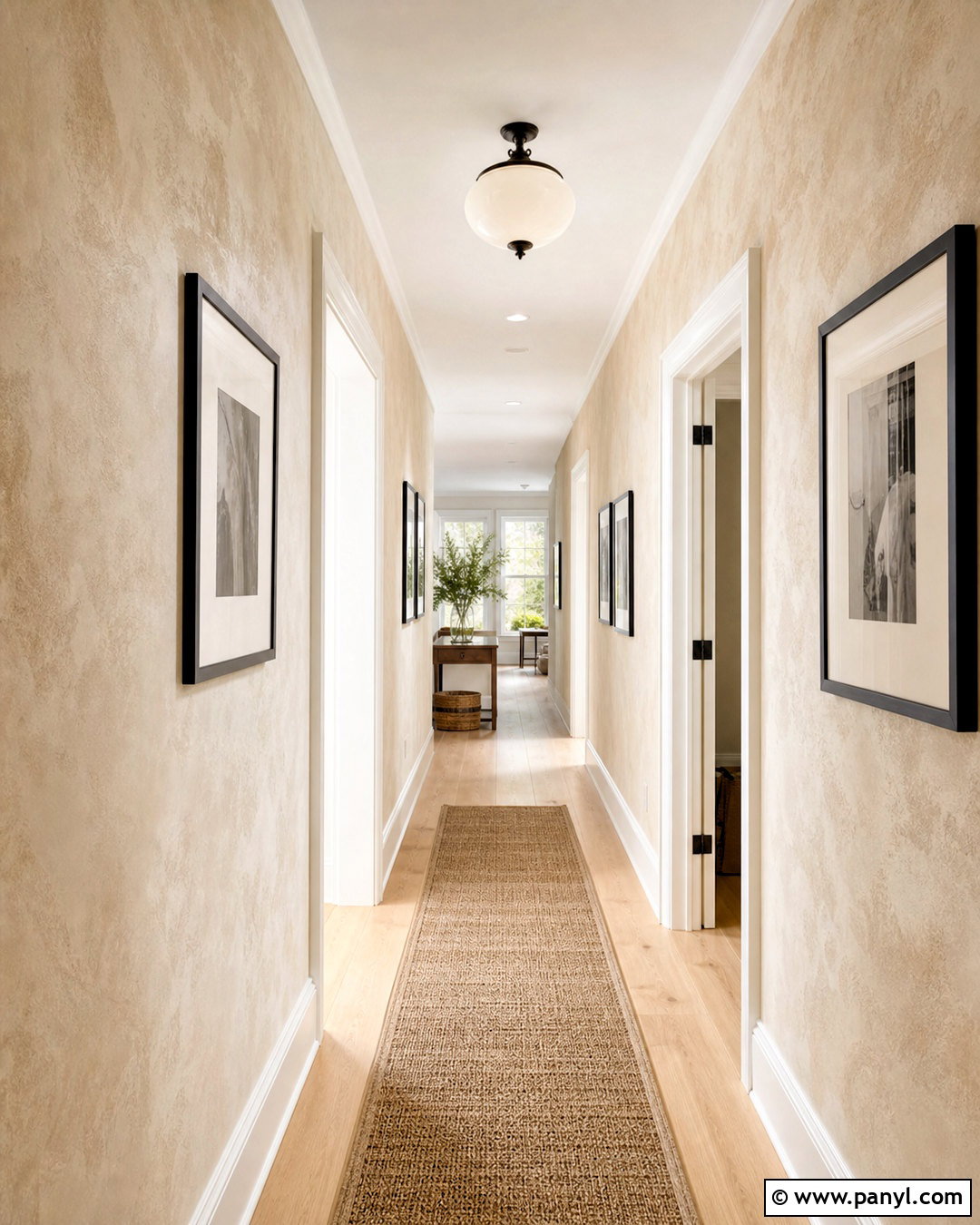
A narrow hallway benefits from quiet texture that adds character without visually reducing the available space. Paint the walls creamy ivory, then sponge on a light sand-beige glaze with broad, lightly pressed marks. Maintain softer coverage near the ceiling and corners to prevent dark outlines from forming. Warm white trim, pale wood flooring, and a long natural-fiber runner keep the passage bright. Add two or three black-framed prints with generous white mats instead of crowding the walls with a large gallery. A flush-mount opal glass light distributes clean illumination along the finish. This complete scheme makes an overlooked hallway feel thoughtfully decorated. The close beige tones also disguise minor surface irregularities while producing a calm, limestone-inspired background for adjoining rooms.
6. Charcoal Sponge Painted Home Office Wall
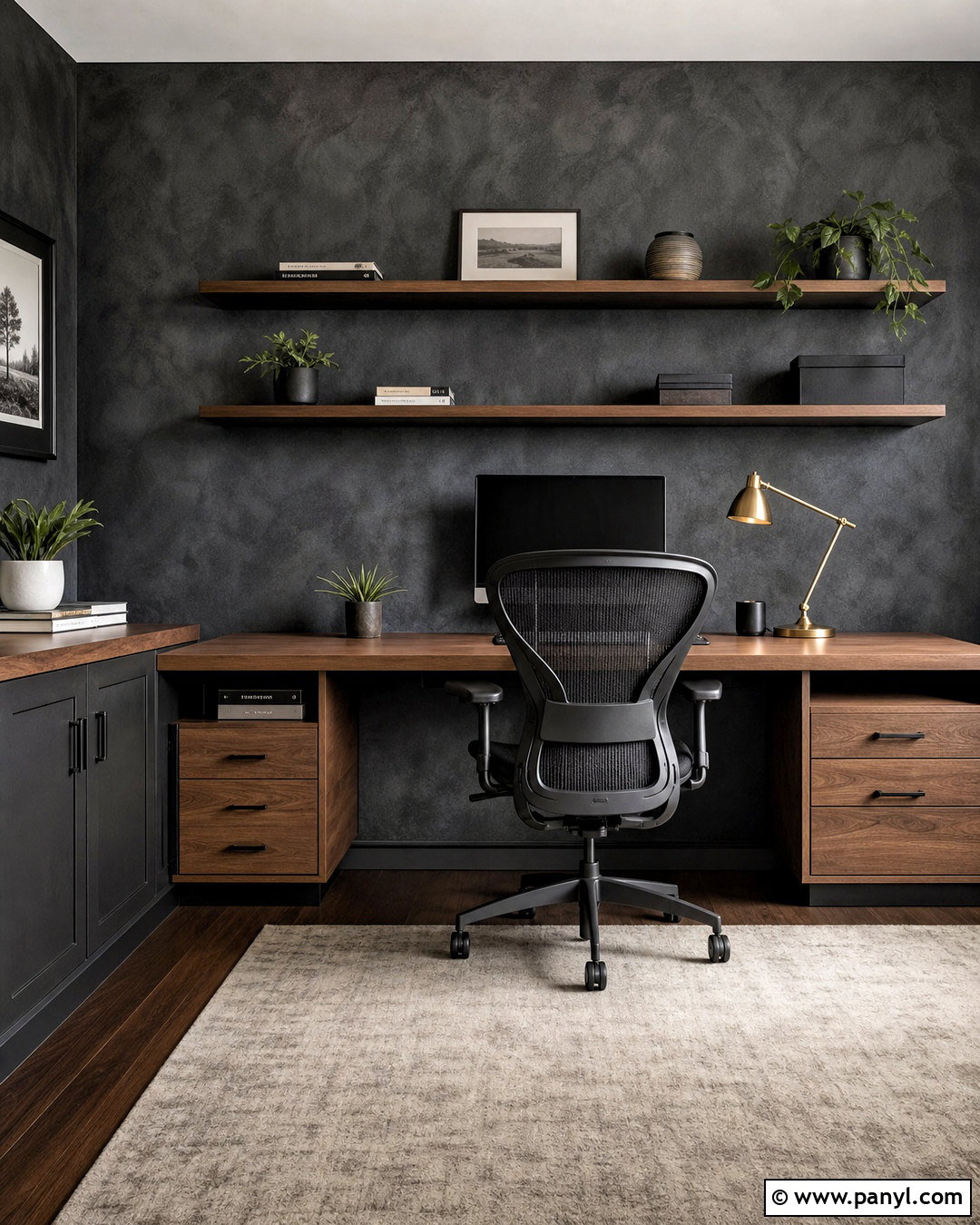
Could a dark sponge finish still feel professional and uncluttered? A charcoal home office proves that it can. Cover the focal wall with medium graphite paint, then apply a sheer deep-charcoal glaze using widely spaced sponge marks. The subtle tonal shift creates dimension without introducing a second obvious color. Position a walnut desk against the wall and add a black ergonomic chair, floating wood shelves, and a compact cream rug. Use an adjustable brass desk lamp to bring warmth to the darker background. Keep adjacent walls soft white and choose simple storage cabinets with clean fronts. The result is a focused workspace with architectural depth. Sparse artwork and concealed office supplies allow the textured wall, rich wood, and practical furnishings to work as one balanced design.
7. Blush Pink Sponge Painted Nursery Wall
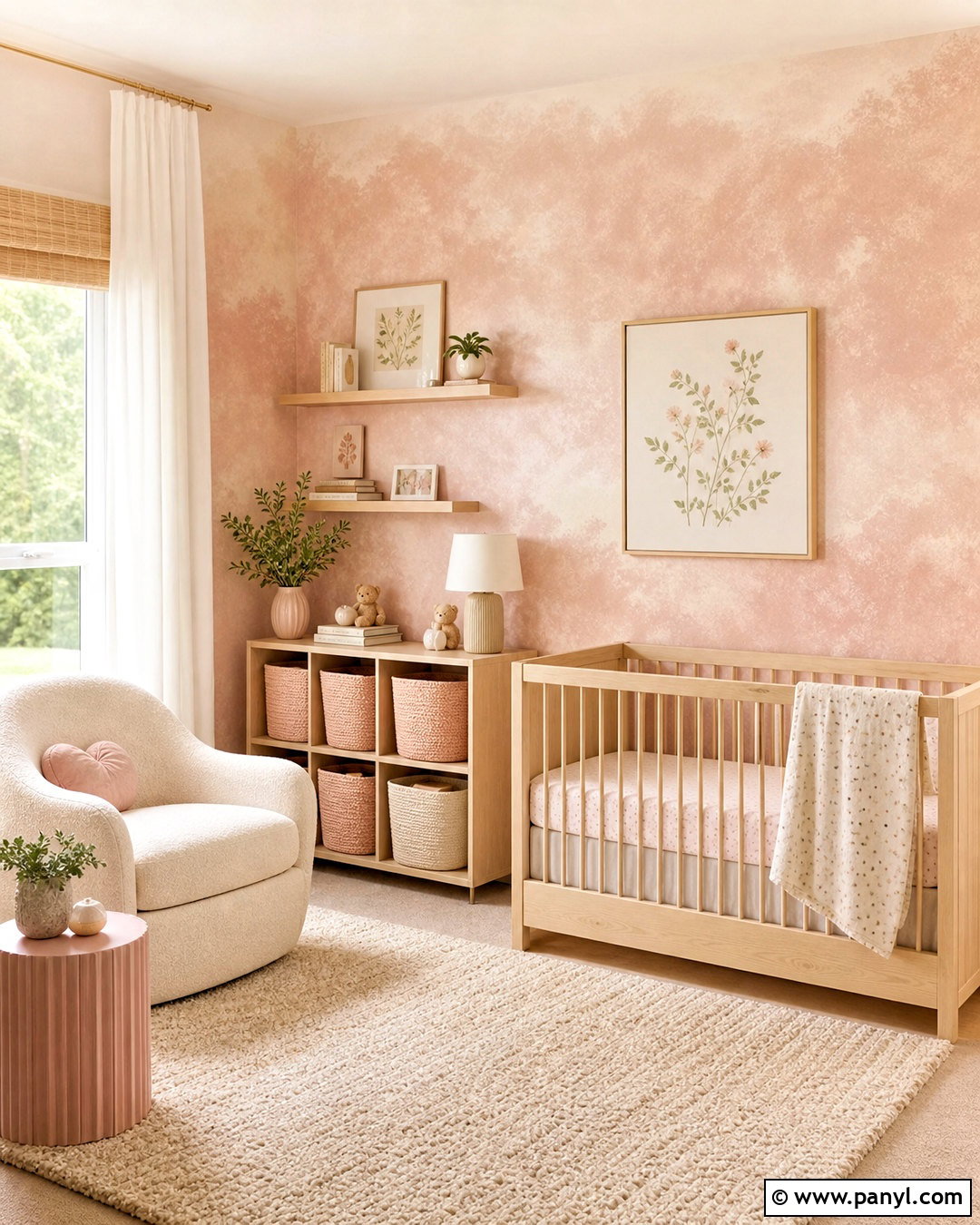
A blush sponge-painted wall can give a nursery gentle personality while remaining adaptable as the child grows. Begin with a warm ivory base and dab on a diluted dusty-rose glaze. Keep the pattern soft and cloudlike, especially around the crib, with no heavy clusters or recognizable repeated shapes. Choose a natural maple crib, cream boucle chair, and washable beige rug for a neutral foundation. White curtains, light wood shelves, and muted peach storage baskets continue the relaxed color story. Add a simple ceiling fixture and a few framed botanical illustrations for definition. The finished nursery feels sweet but not overly decorative. Because the pink appears in transparent layers, the walls coordinate easily with future bedding, toys, and age-appropriate furniture updates.
8. Coastal Aqua Sponge Painted Bathroom Wall
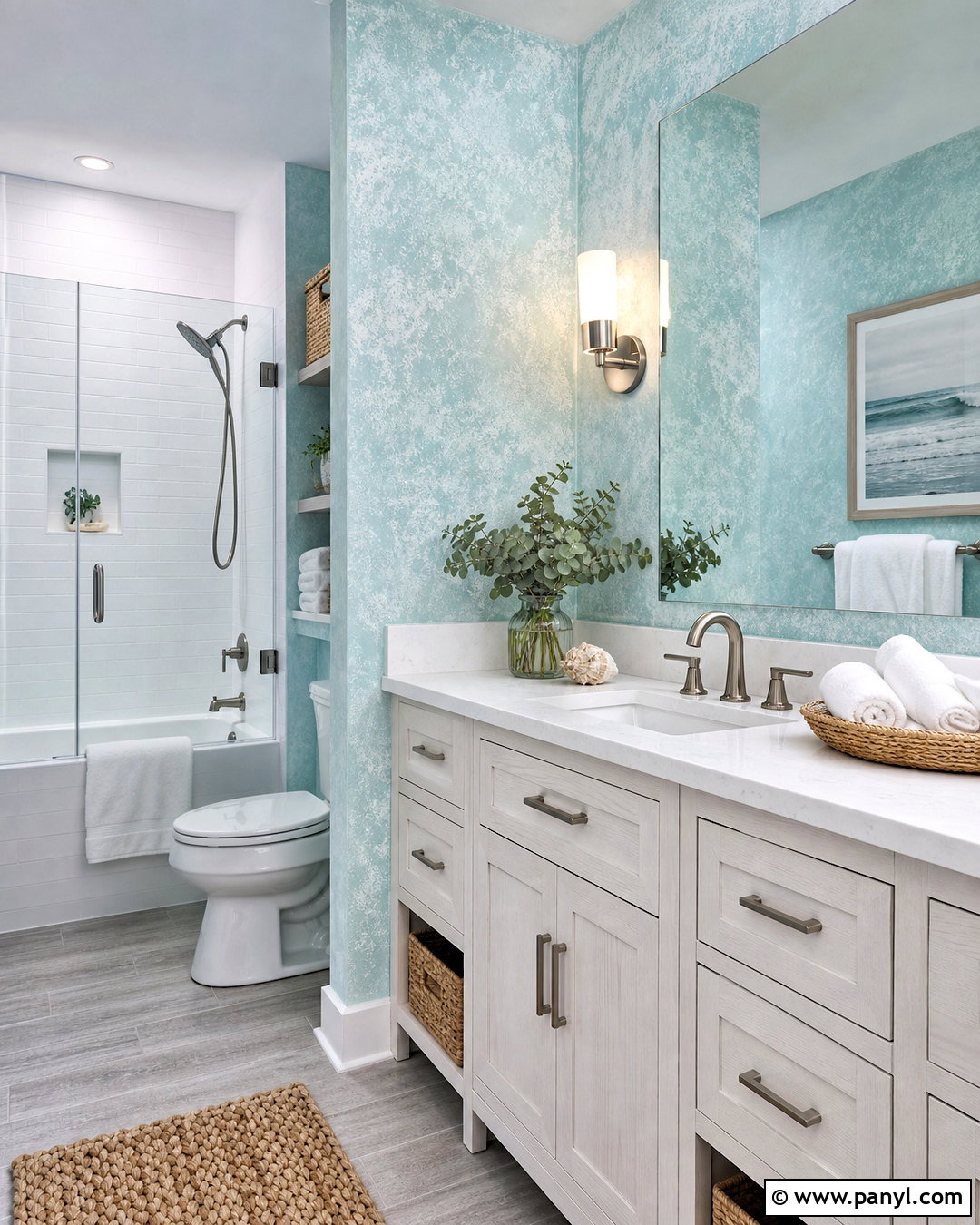
Bring a fresh coastal feeling into a bathroom with pale aqua walls and a watery, low-contrast sponge finish. Apply a soft blue-white base, followed by a translucent sea-glass glaze in muted aqua. Use small, controlled sponge impressions around the vanity and larger blended marks on open wall areas. Pair the finish with a white oak vanity, white quartz counter, brushed nickel faucet, and frameless mirror. Light gray porcelain floor tile keeps the room practical while echoing the cool undertones. Add white towels, woven storage baskets, and one small green plant for natural color. Choose bathroom-appropriate paint with a washable finish, particularly near moisture-prone areas. The full scheme feels bright, clean, and coastal without relying on obvious nautical decorations.
9. Cream Sponge Painted Kitchen Wall
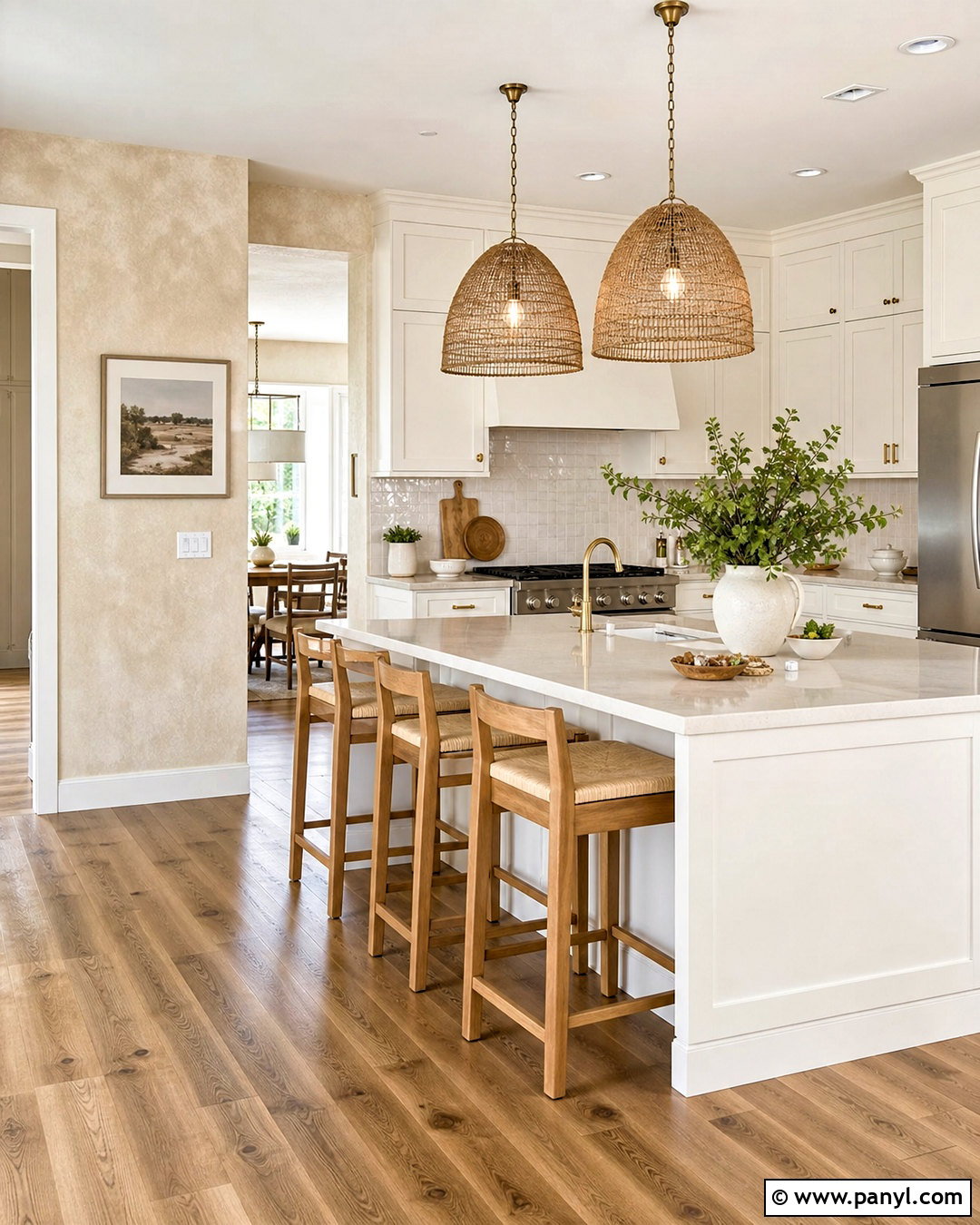
Cream sponge painting introduces warmth to a kitchen while allowing cabinetry and counters to remain the primary features. Start with a soft white base and apply a buttery cream glaze in delicate, scattered layers. Use the technique on open walls and a breakfast nook rather than directly behind high-splash cooking areas. Combine it with warm white Shaker cabinets, brushed brass hardware, pale quartz counters, and a simple off-white tile backsplash. Natural oak stools and woven pendant lights reinforce the comfortable palette. A washable satin finish makes routine cleaning easier in a hardworking room. () Keep the sponging faint enough to read as texture rather than mottling. The completed kitchen looks sunny and welcoming, with consistent warm undertones connecting the painted walls, wood accents, and creamy surfaces.
10. Lavender Sponge Painted Guest Room Wall
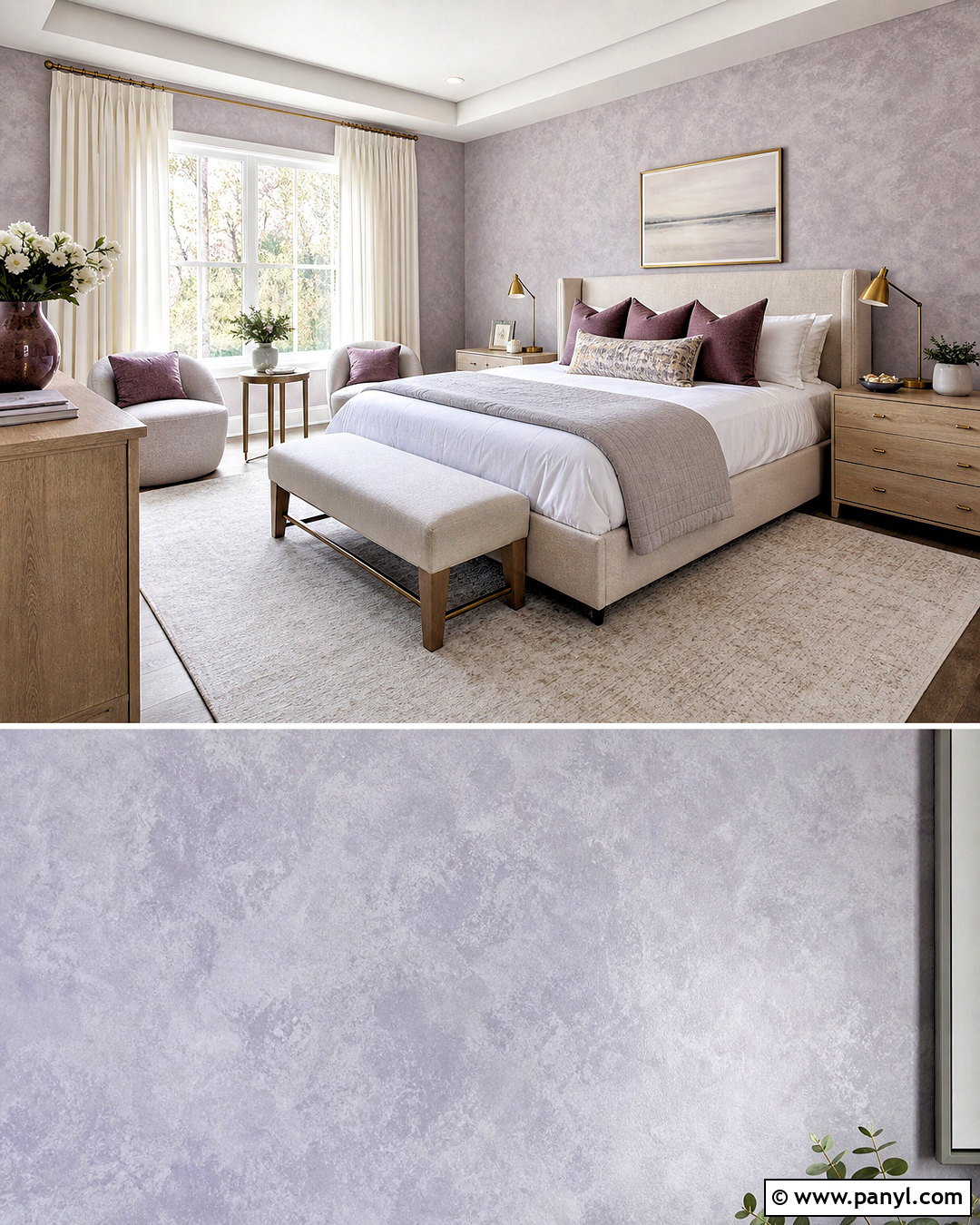
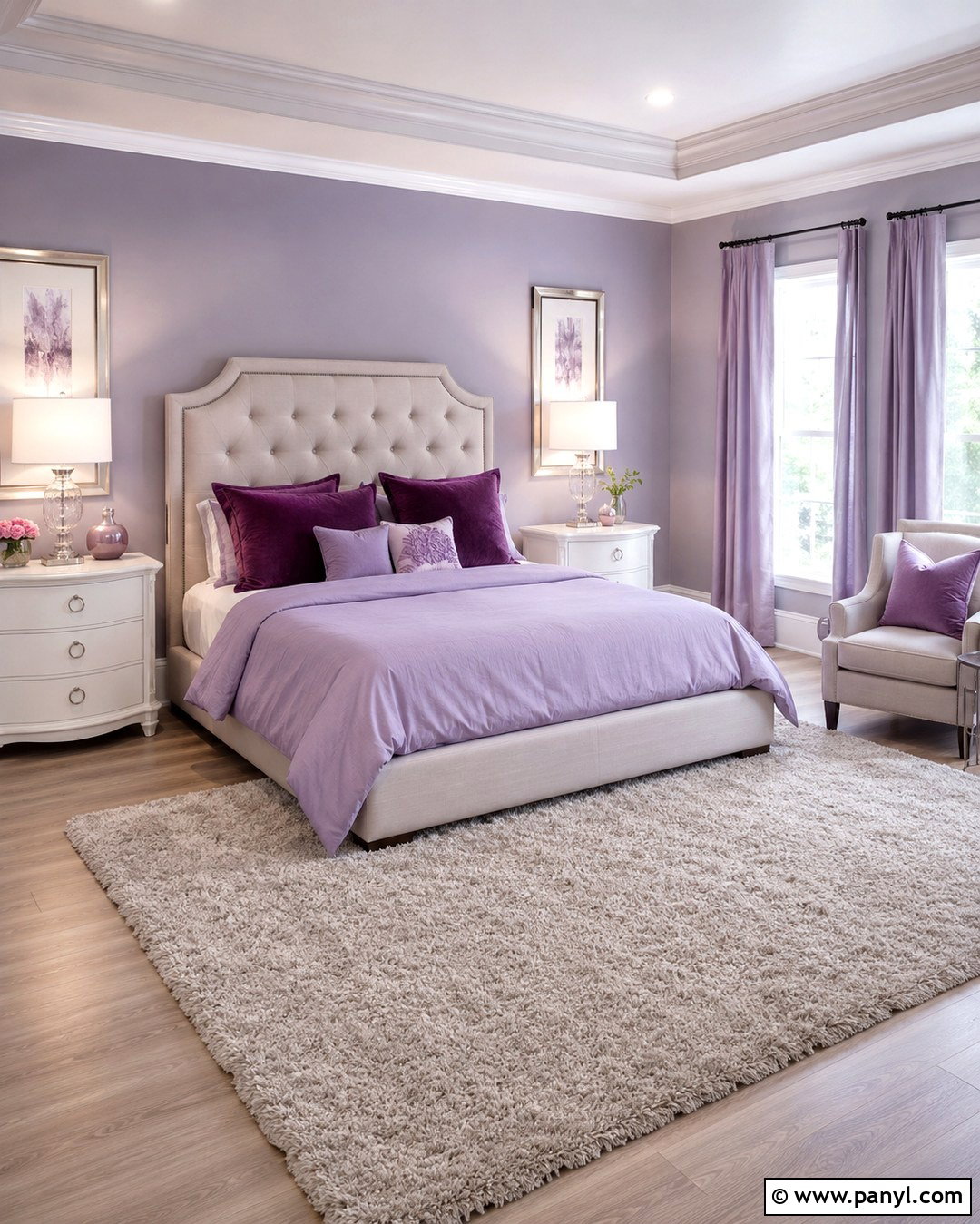
Soft lavender creates a guest room that feels restful, polished, and a little unexpected. Paint the walls a pale gray-lavender, then sponge on a sheer mauve-gray glaze. Focus on soft transitions and rotate the sponge between impressions so the pattern stays random. Dress a simple upholstered bed in white sheets, a light gray coverlet, and two muted plum pillows. Add pale oak nightstands, brushed brass reading lamps, and an ivory rug with a restrained geometric pattern. Warm white curtains soften the cooler wall color and make the room feel more welcoming. A small landscape print above the bed provides a finished focal point. The subdued palette ensures the sponge treatment adds atmospheric depth without making visitors feel surrounded by strong purple.
11. Olive Sponge Painted Powder Room Wall
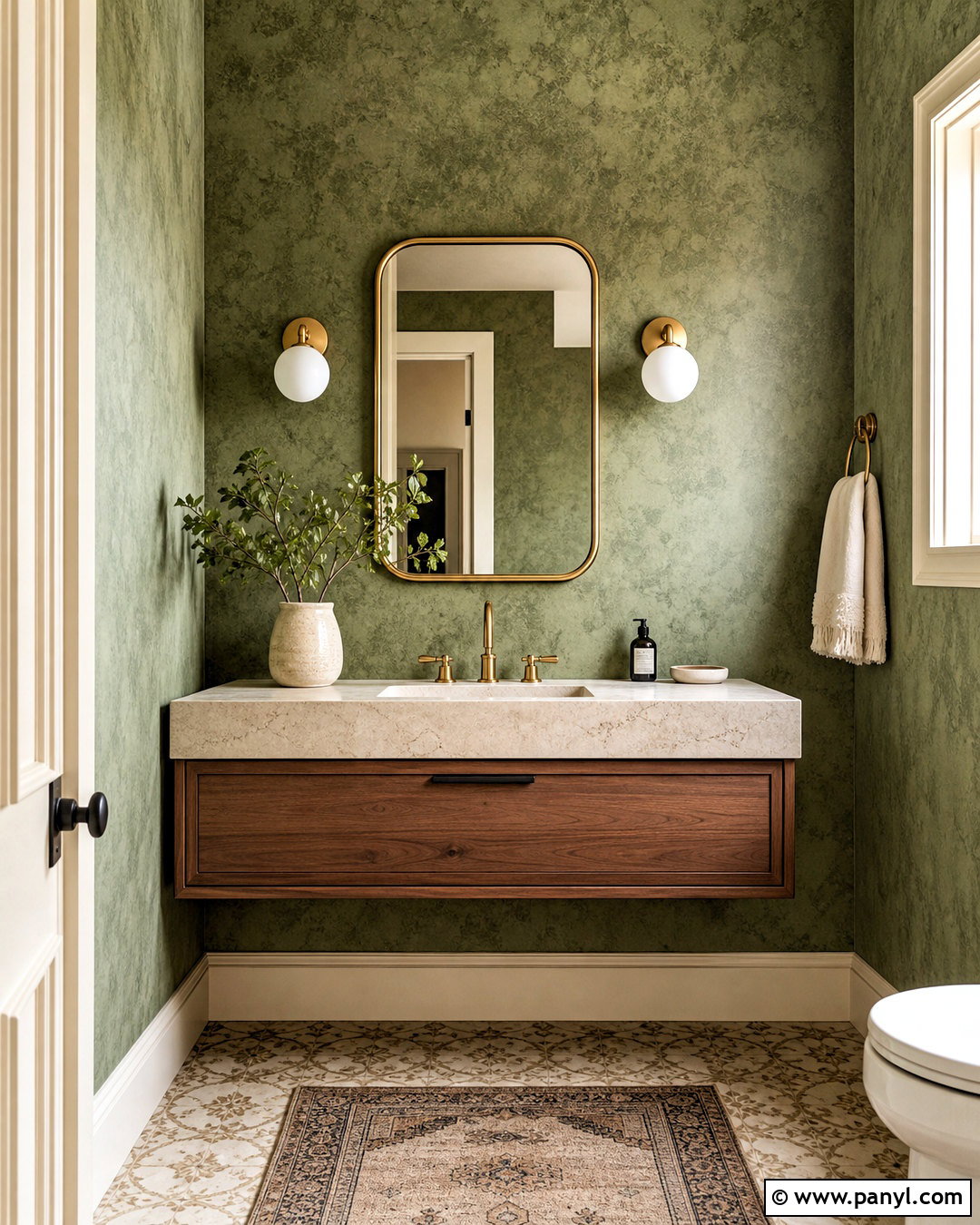
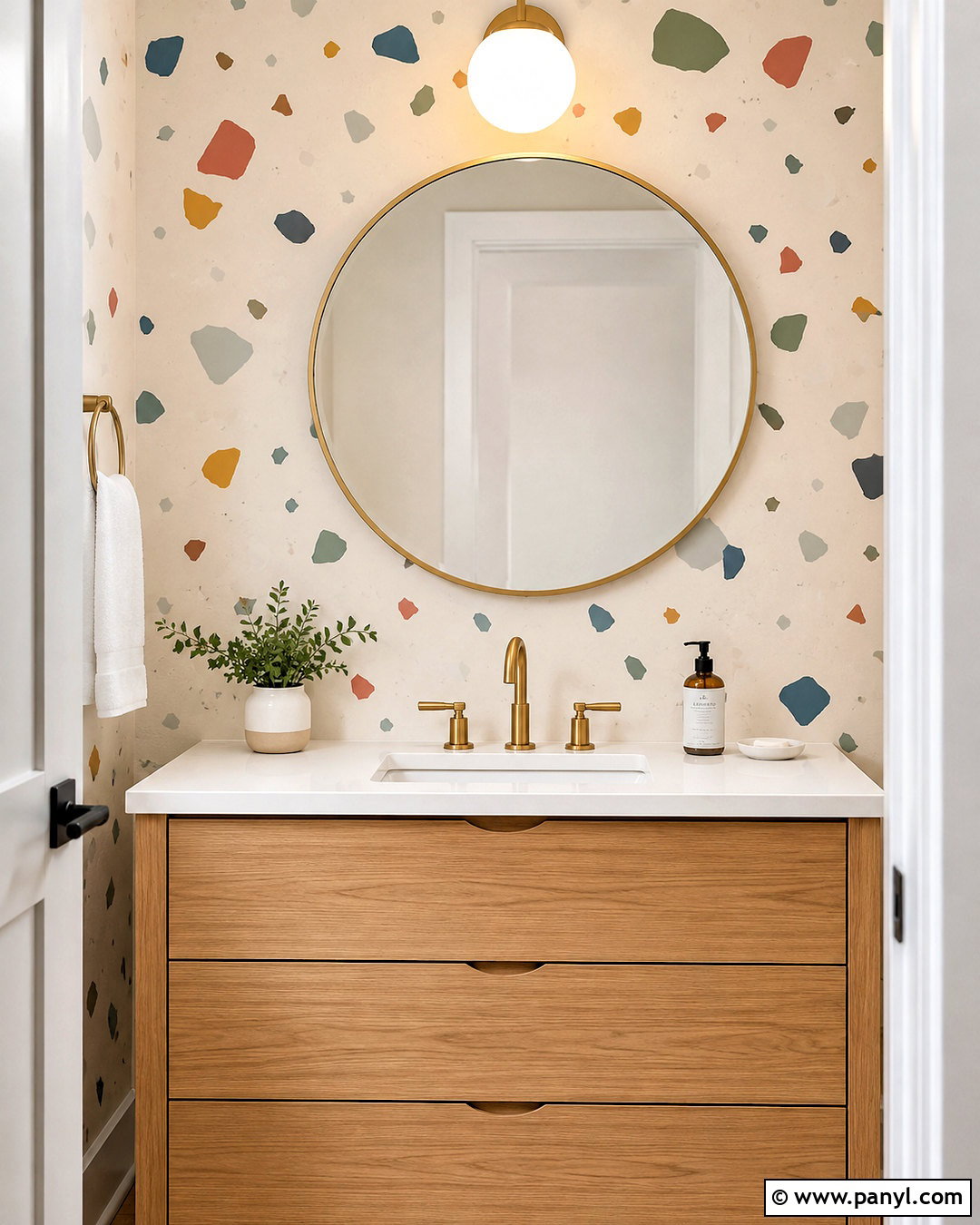
A powder room is an ideal place to experiment with a richer sponge-painted finish. Use a medium olive base, then layer a deeper moss-green glaze over it with a natural sea sponge. Leave occasional lighter areas to prevent the compact room from becoming visually flat. A wall-mounted walnut vanity, creamy stone sink, and aged brass faucet create an earthy, sophisticated combination. Install a rounded brass mirror and warm white globe sconces to reflect light across the varied surface. Keep the ceiling, door, and trim creamy white for contrast. A small patterned floor tile in beige and charcoal anchors the scheme. The completed powder room feels dramatic but coordinated, with every material supporting the green wall treatment instead of competing with its noticeable texture.
12. White Sponge Painted Minimalist Wall
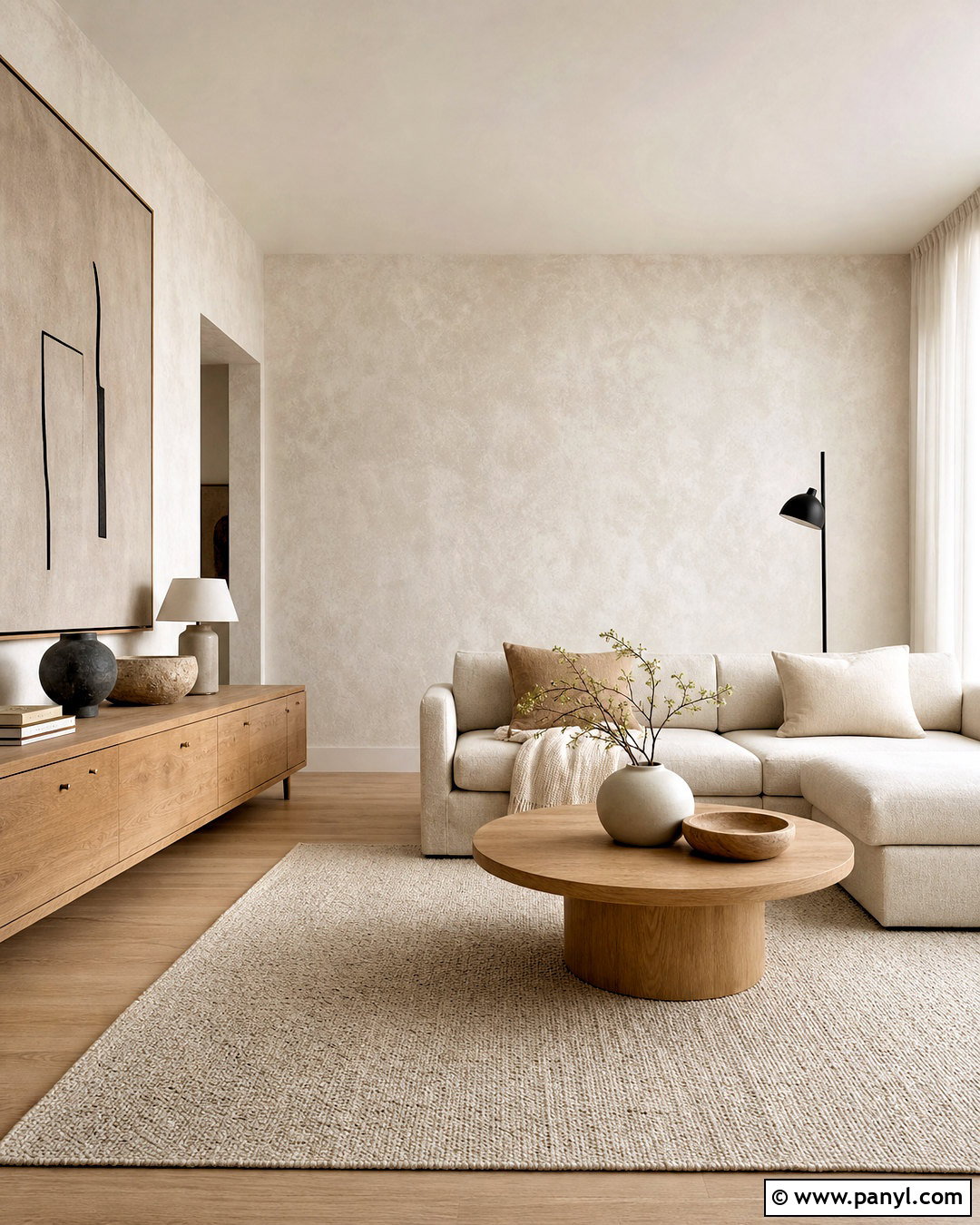
White-on-white sponge painting offers understated dimension for anyone who likes minimalist rooms but finds plain walls too stark. Roll on a warm white base, then use a glaze in a slightly cooler chalk-white tone. Apply it lightly across one living or bedroom wall, allowing the subtle difference in undertones to become visible as daylight changes. Pair the finish with a low-profile beige sofa or bed, pale oak furniture, and an ivory textured rug. Black accents should be limited to one lamp or a narrow picture frame. Add linen curtains and sculptural ceramic decor for softness. The finished surface resembles hand-worked plaster without requiring strong color. Its quiet variation adds depth while preserving the clean, uncluttered character expected from a minimalist interior.
13. Golden Yellow Sponge Painted Breakfast Nook Wall
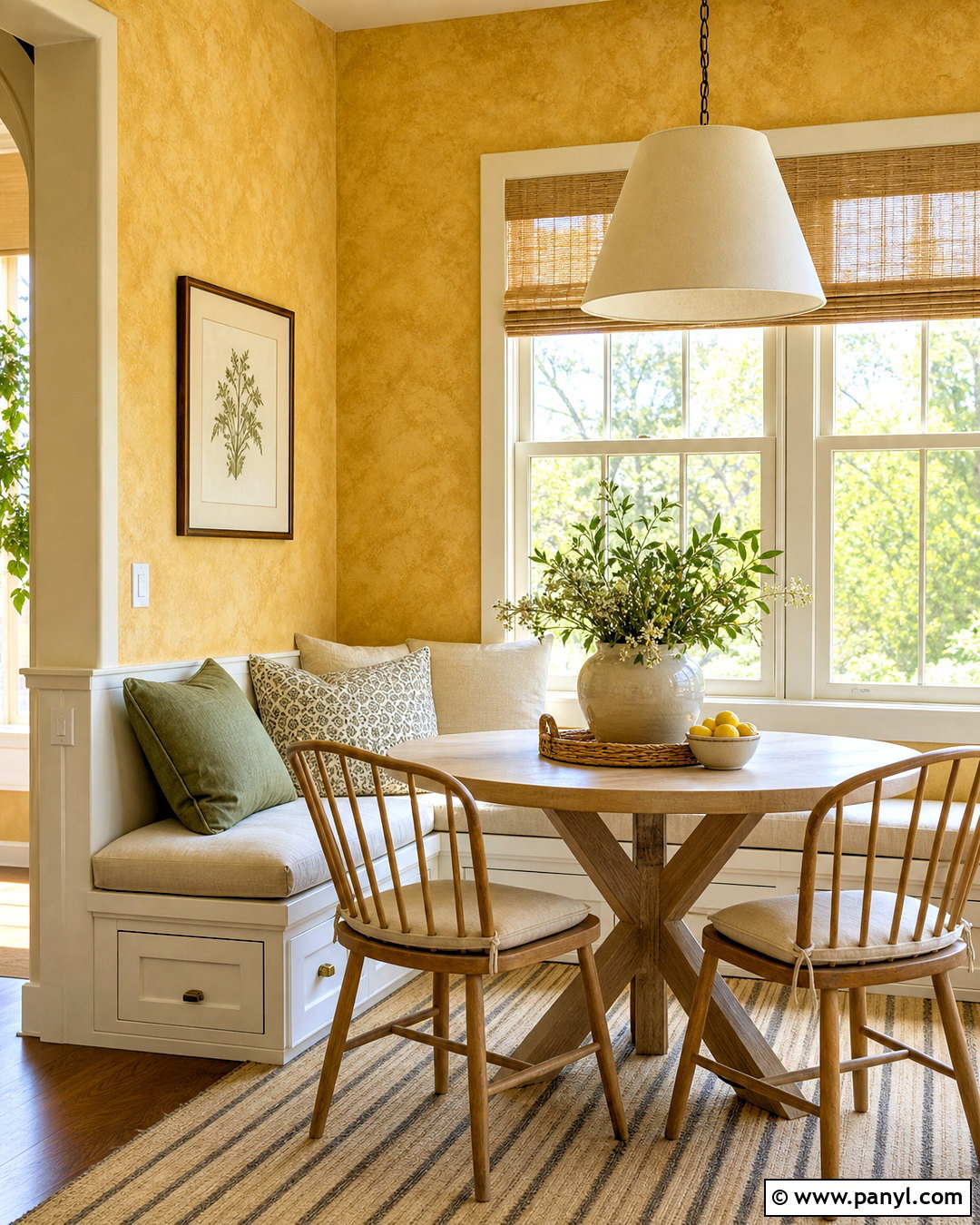
Golden yellow can make a breakfast nook feel cheerful when it is softened with glaze and balanced by natural materials. Begin with a pale wheat base, then sponge on a transparent honey-yellow layer. Spread the color loosely, keeping the strongest coverage below eye level and around the seating area. Add a round white oak table, curved spindle-back chairs, and a built-in bench with cream cushions. Woven shades and an off-white pendant temper the warmth, while a washable striped rug introduces subtle pattern. Display a small vase of greenery rather than several competing accessories. The layered yellow finish reflects morning light beautifully and gives the nook a sunny identity. Similar undertones throughout the scheme prevent the room from looking overly bright or childish.
14. Navy Sponge Painted Media Room Wall
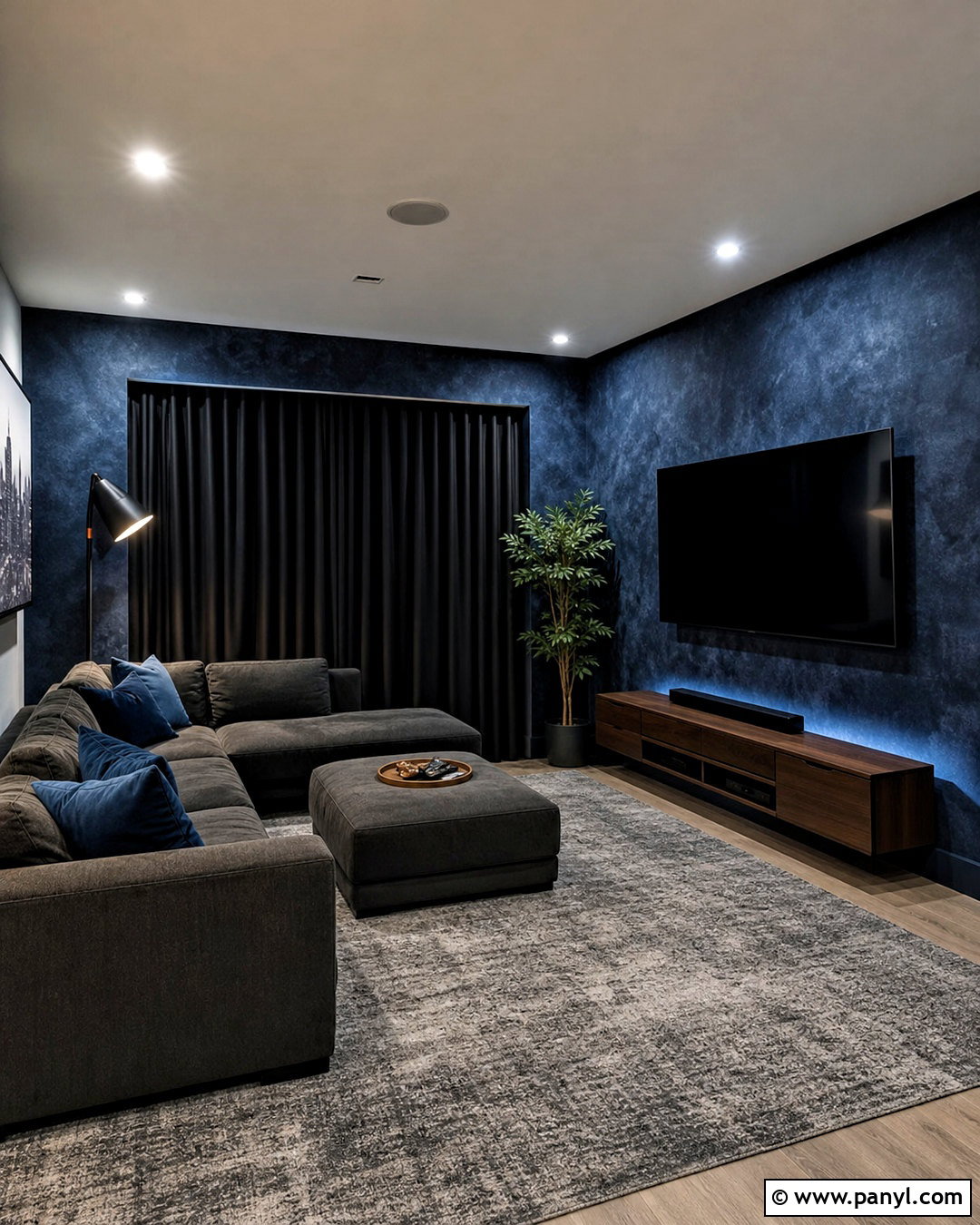
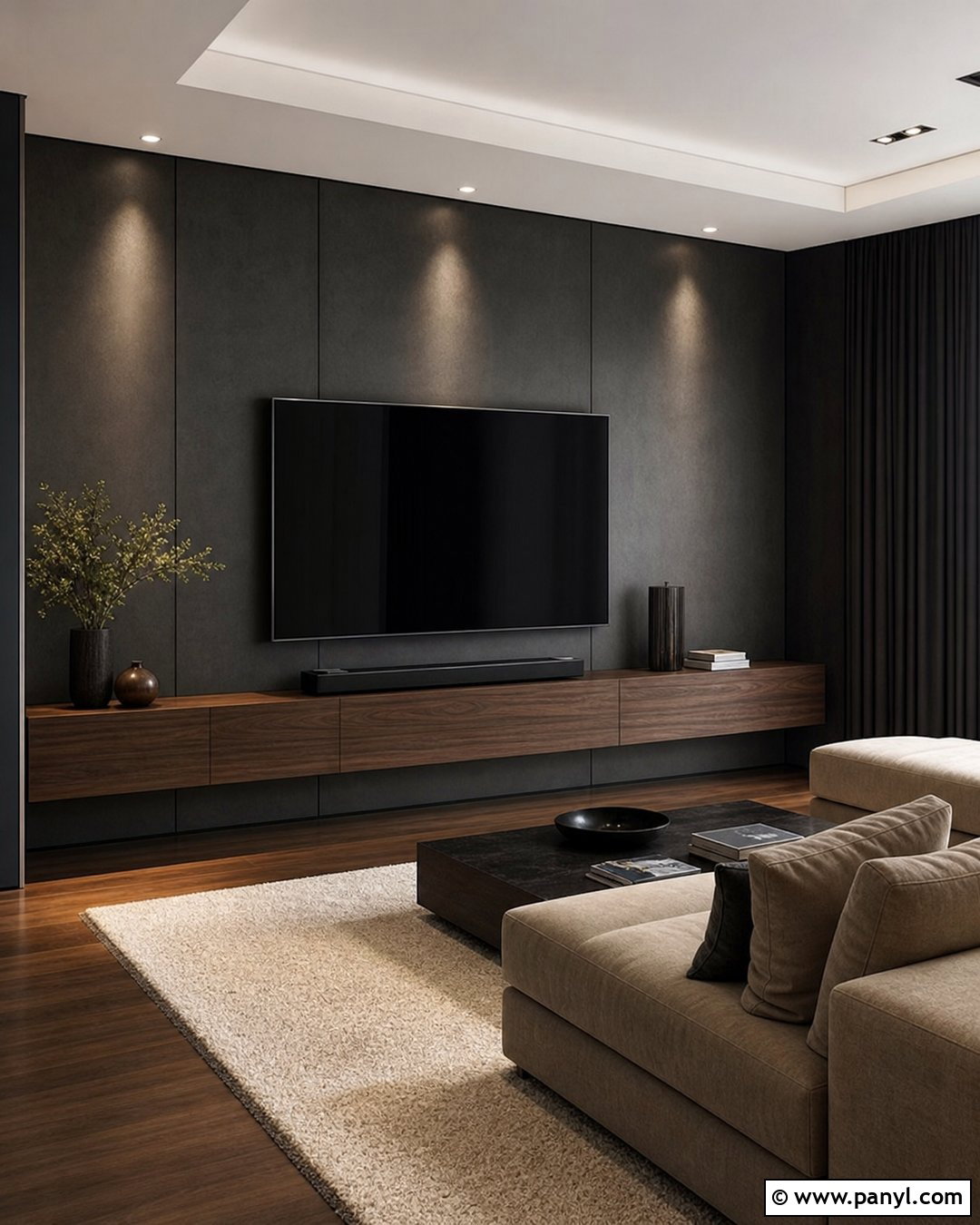
Deep navy sponge painting can create an immersive media room without leaving the walls looking completely solid. Apply a muted blue-black base, followed by a glaze in a slightly lighter inky navy. Use dense but irregular impressions so the tonal movement remains visible under wall sconces. Arrange a charcoal sectional opposite a streamlined media console in dark walnut. Add an oversized gray rug, blackout curtains, and a few muted blue cushions for comfort. Keep cords and devices hidden so visual clutter does not compete with the finish. A matte black ceiling light and simple acoustic panels can blend into the dark palette. The complete room feels cozy and intentional, while the subtle sponging prevents the expansive navy surface from appearing cold, flat, or unfinished.
15. Peach Sponge Painted Kids Room Wall
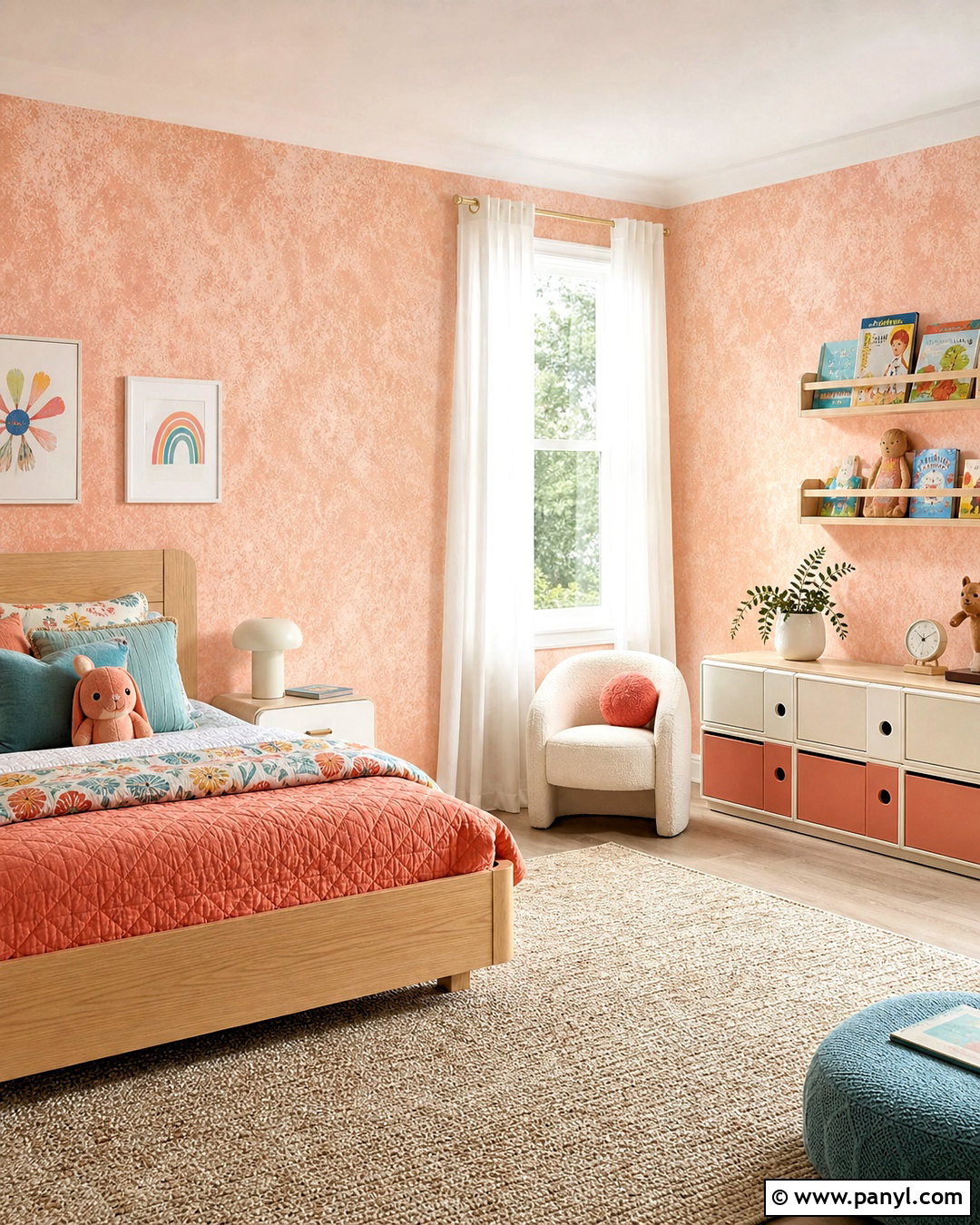
For a playful room that can mature gracefully, use pale peach sponge painting instead of a highly specific theme. Start with a creamy blush base and sponge on a soft apricot glaze, creating loose, overlapping marks with plenty of breathing room. Add a white or light maple bed, an oatmeal rug, and storage furniture with simple rounded handles. Bedding in coral, cream, and muted teal brings cheerful contrast without overpowering the walls. Include a child-height reading corner with a small upholstered chair and accessible book ledges. White trim and curtains keep the peach treatment light. The complete room feels energetic in daylight but remains comfortable at bedtime. As tastes change, the adaptable wall palette can support different artwork, textiles, and furniture arrangements.
16. Taupe Sponge Painted Stairway Wall
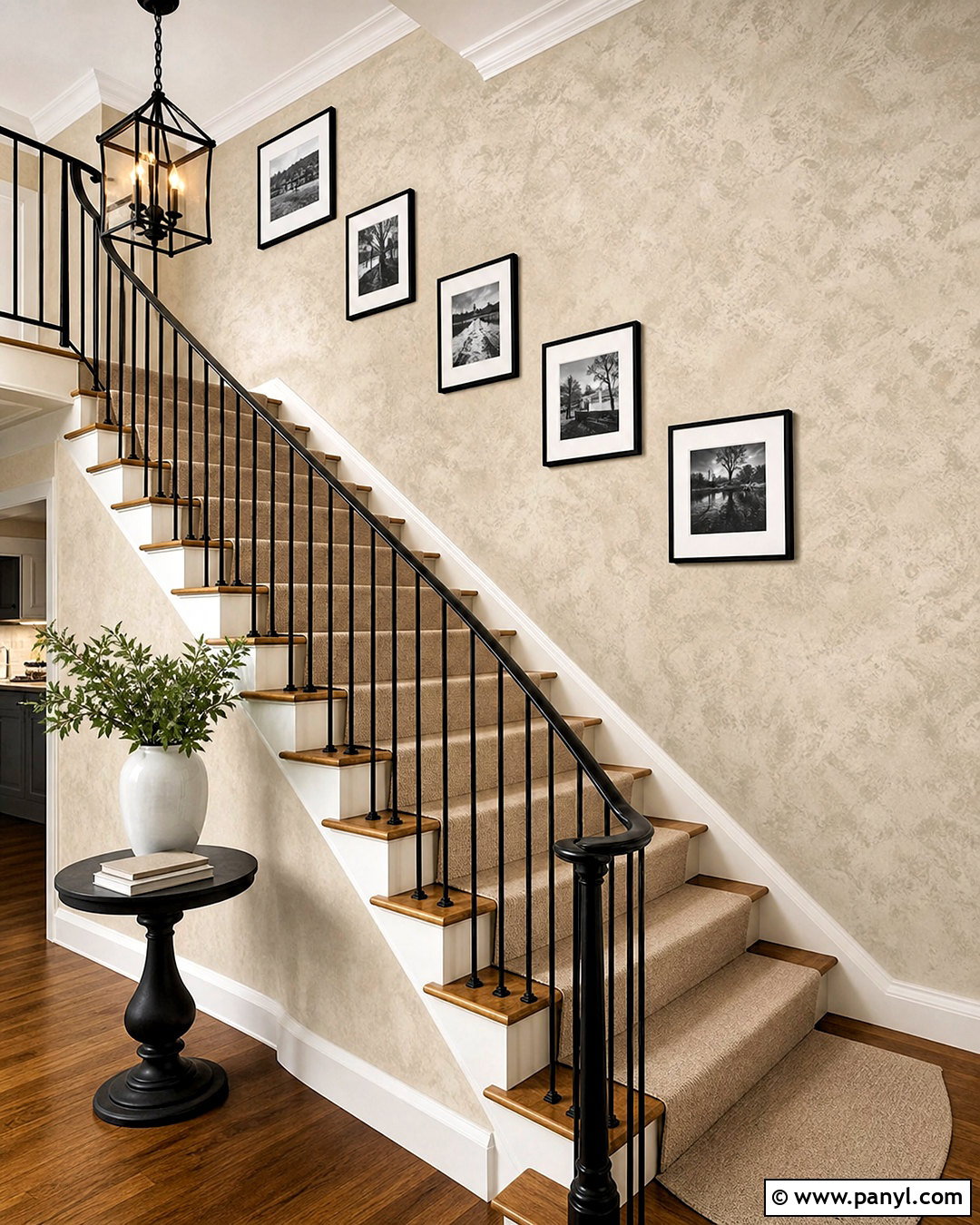
A stairway wall offers enough uninterrupted surface to showcase a subtle layered finish. Cover it with pale taupe paint, then sponge on a transparent medium-taupe glaze using broad, widely spaced impressions. Step back regularly to make sure no dark diagonal bands form along the stairs. Paint the railing matte black or deep bronze and keep the stair risers warm white for strong architectural contrast. Natural oak treads and a neutral runner introduce warmth and improve visual continuity. Arrange several black-and-white photographs in matching thin frames, leaving generous space around each piece. A simple lantern pendant completes the transitional look. The softly varied wall disguises everyday scuffs better than a very pale solid color while giving the entire stairway a more finished, connected appearance.
17. Stone Gray Sponge Painted Fireplace Wall
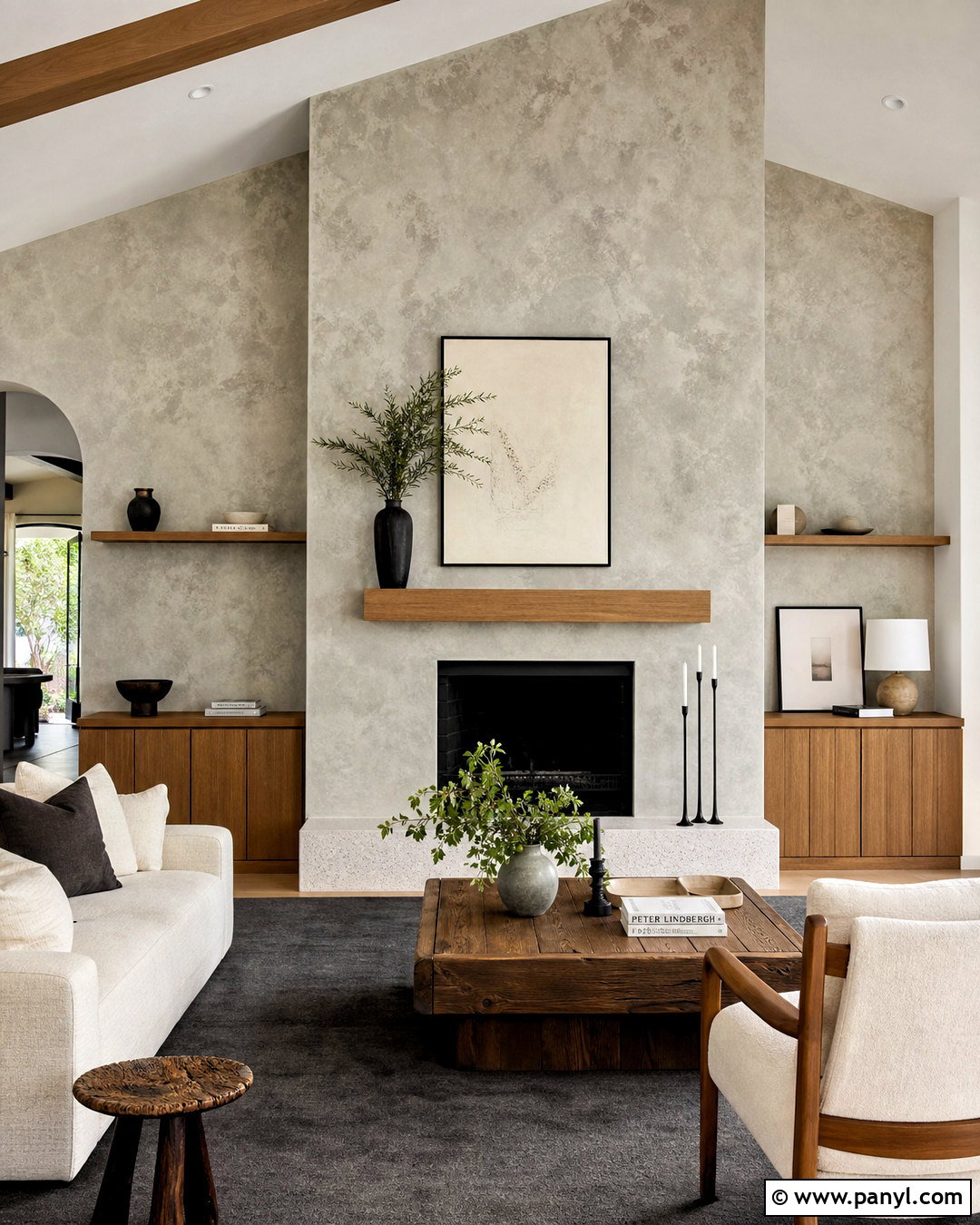
A stone-inspired sponge finish can make a standard fireplace wall feel more substantial without pretending to be real masonry. Paint the full wall a light warm gray, then layer medium gray and soft greige glazes with separate sponges. Blend the edges while preserving irregular variation across the surface. Center a simple white oak mantel around a black firebox and use a smooth limestone or porcelain hearth. Place symmetrical built-in cabinets or low storage units on either side to create a complete composition. Furnish the surrounding room with a cream sofa, walnut tables, and a charcoal rug. Avoid outlining artificial stone blocks. Instead, let the layered colors suggest natural mineral movement, giving the fireplace wall depth while maintaining a clean contemporary appearance.
18. Teal Sponge Painted Reading Nook Wall
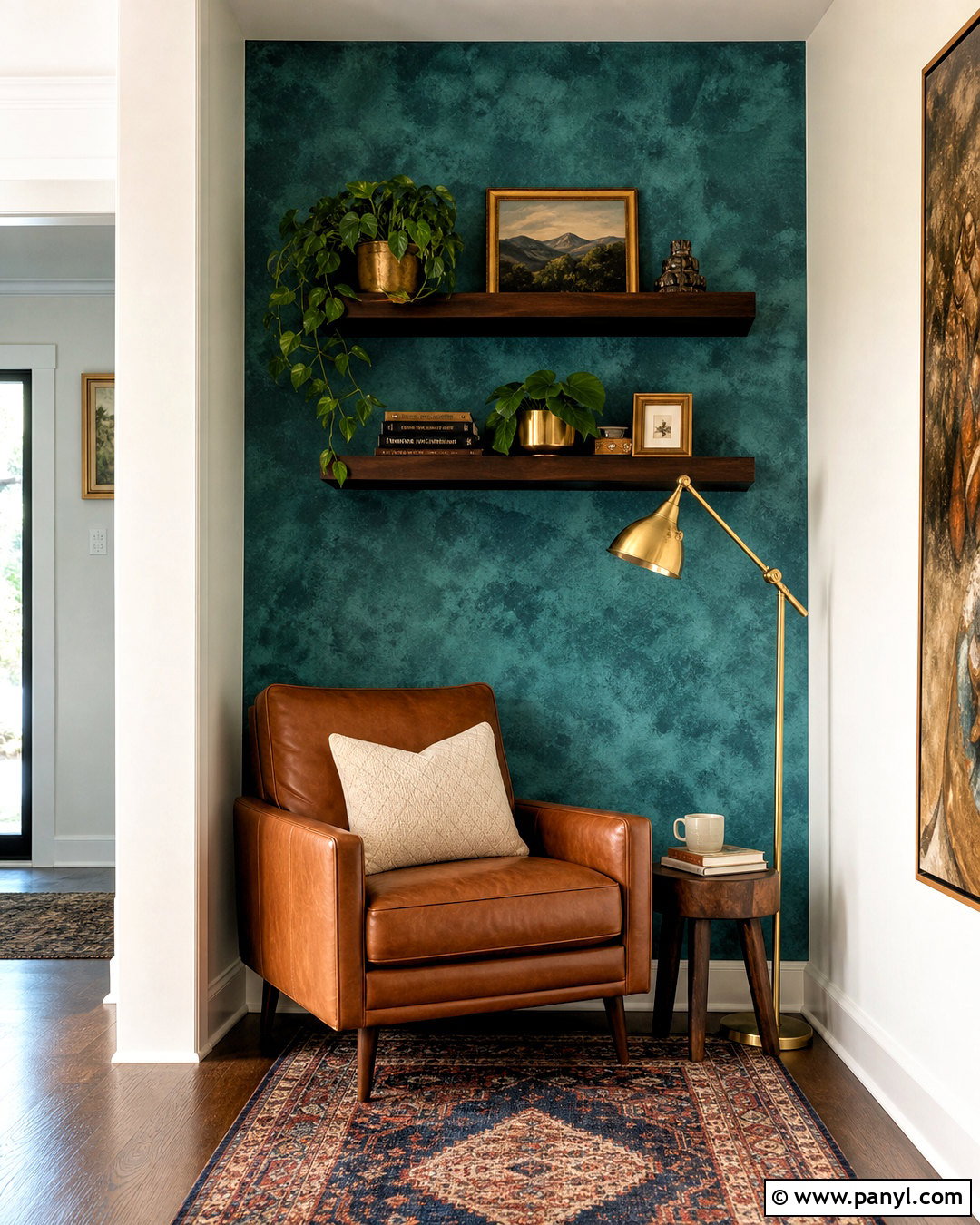
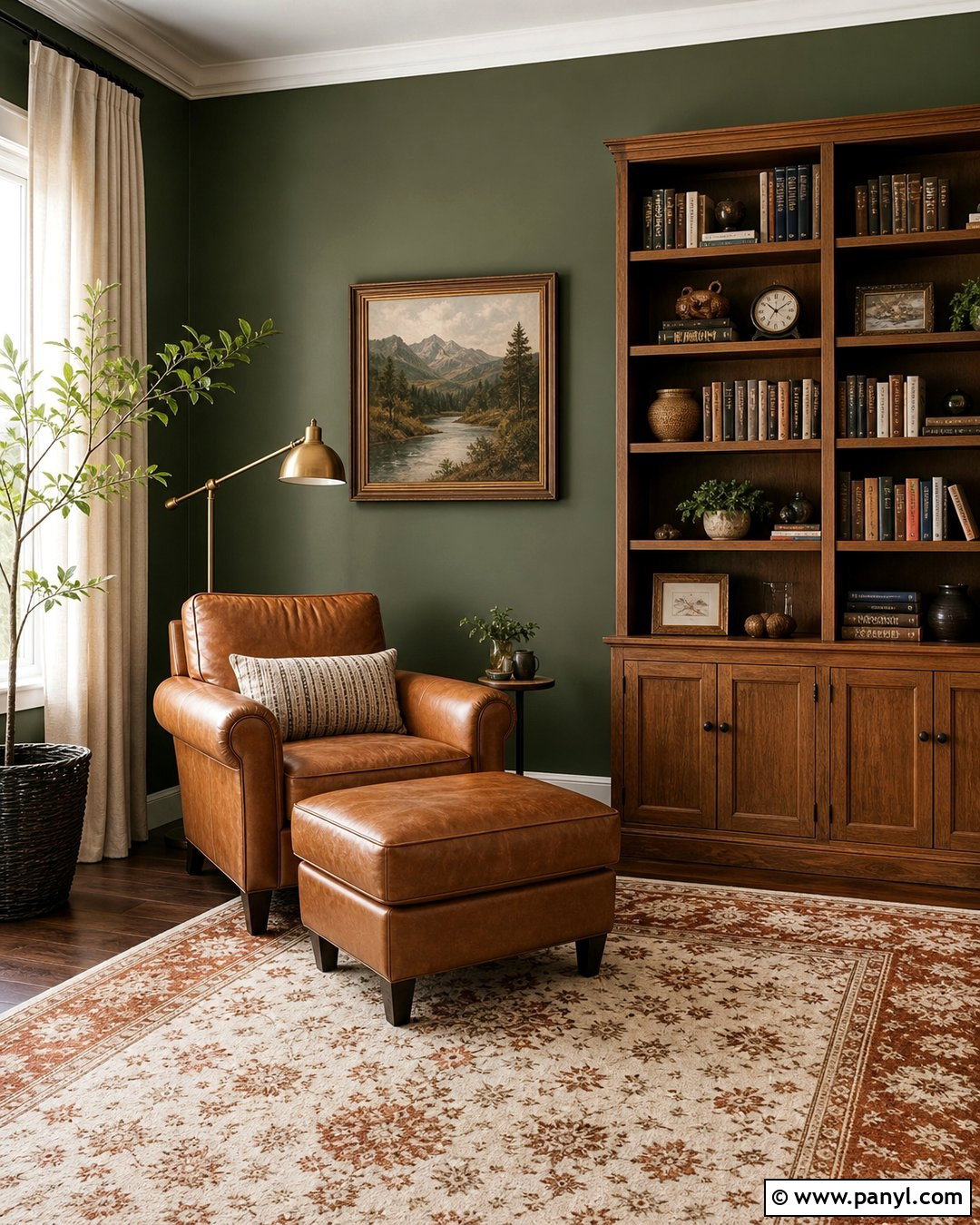
A saturated teal finish can define a reading nook within a larger bedroom, office, or living room. Apply a medium blue-green base, then sponge a dark peacock-teal glaze over the recessed wall. Keep the color concentrated inside the nook and paint surrounding walls warm white to sharpen the boundary. Add a caramel leather chair or compact tan upholstered seat, a walnut side table, and a slim brass floor lamp. A cream pillow and small patterned rug brighten the deeper backdrop. Floating shelves in dark wood provide space for books without hiding too much of the texture. The finished nook feels enclosed and comfortable, yet the mix of teal, warm brown, brass, and ivory keeps the arrangement vibrant rather than heavy.
19. Ombre Sponge Painted Accent Wall
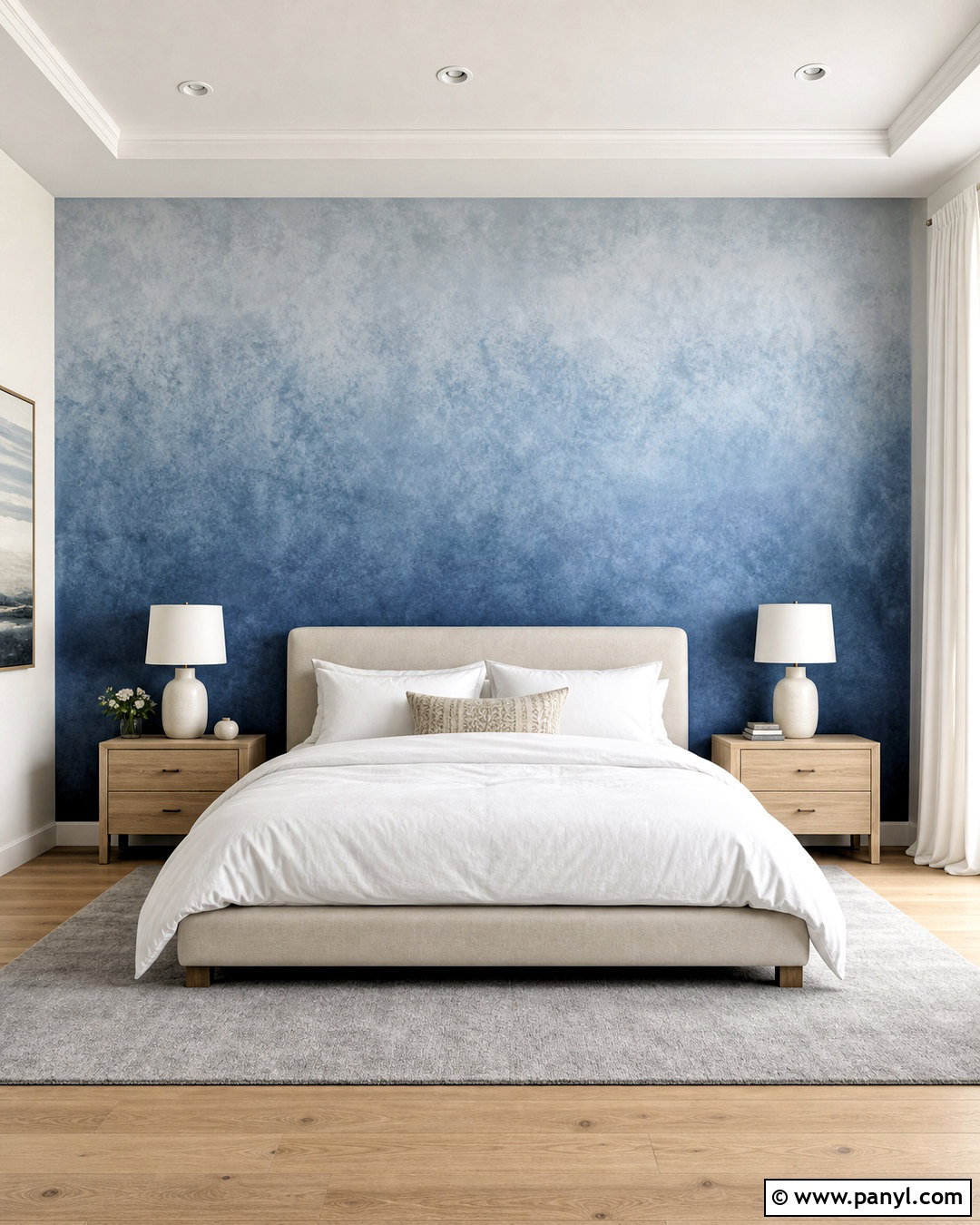
An ombre sponge-painted wall creates gradual movement when its color transitions are carefully controlled. Begin with pale blue-gray at the top, shift through dusty blue in the middle, and finish with muted navy near the base. Use damp sponges to blend the boundaries while each section remains workable, avoiding abrupt horizontal lines. Tonal colors from the same family generally create the smoothest progression. () Place a low cream bed or sofa against the wall so most of the gradient stays visible. Add light wood furniture, white curtains, and a soft gray rug. Keep artwork minimal because the wall already serves as the main feature. The completed design feels contemporary and atmospheric, with a balanced fade that resembles a distant sky meeting deep water.
20. Metallic Sponge Painted Accent Wall
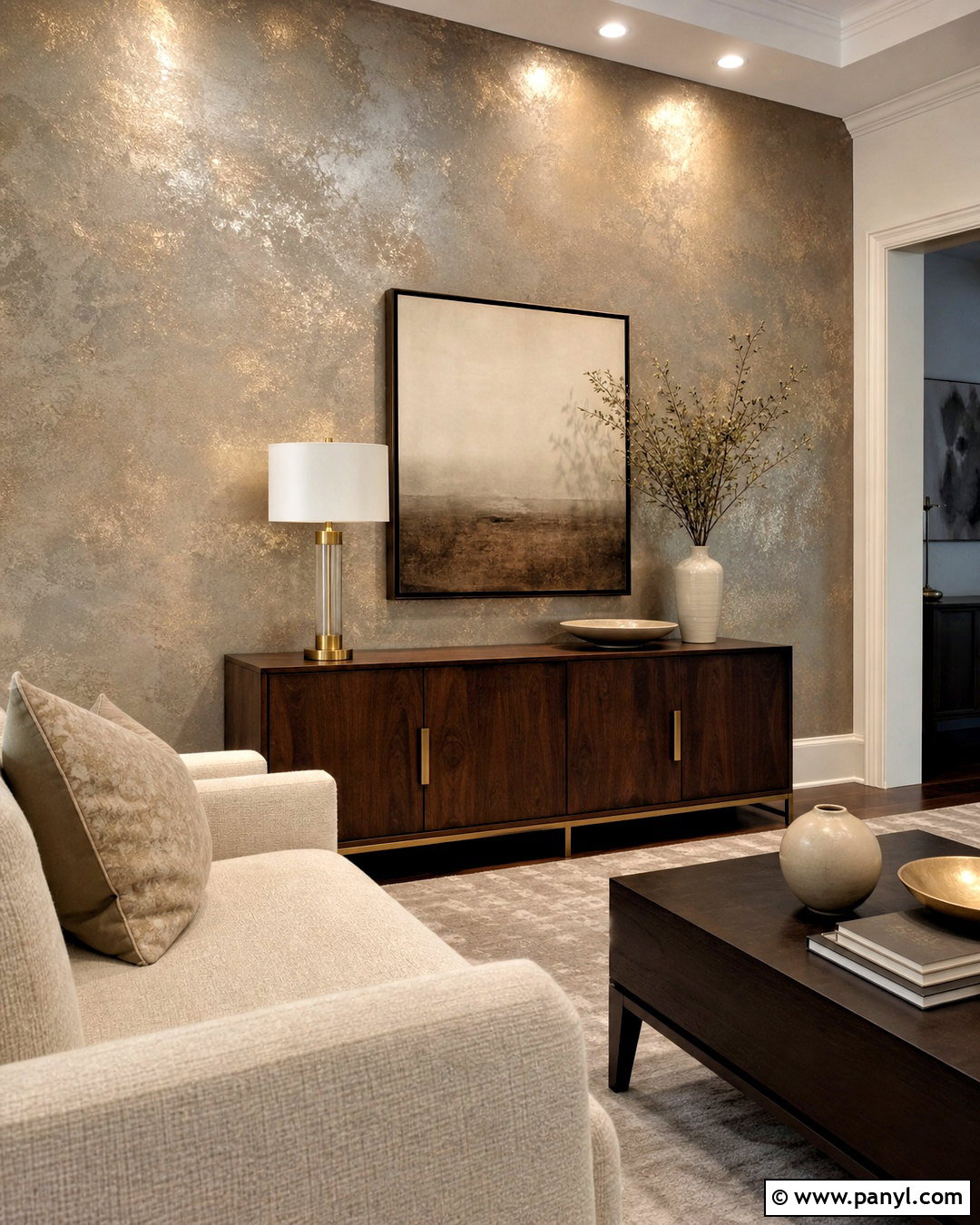
Metallic glaze works best as a restrained final layer rather than an opaque wall color. Start with a warm mushroom-gray base and add a taupe sponge layer for depth. Once dry, lightly touch selected areas with a soft champagne metallic glaze, allowing it to catch light without covering the underlying finish. Create the wall behind a console, dining sideboard, or upholstered bed where controlled lighting can reveal the sheen. Pair it with dark walnut furniture, cream textiles, brushed brass details, and a neutral rug. Test the full sequence on sample board first because glaze transparency and sponge pressure can change the result considerably. A practice surface also helps establish consistent spacing before the wall is started. () The finished wall should shimmer subtly, never sparkle heavily.
Conclusion:
These **20 sponge painting walls** show how versatile this approachable decorative technique can be. The most successful rooms use closely related colors, transparent layers, and furnishings that reinforce the wall palette. Prepare the surface carefully, test your combination on sample board, and use a damp natural sea sponge for varied impressions. Turn the sponge often and work in manageable sections so the finish stays irregular and blended. Whether you prefer quiet white texture, earthy sage, dramatic navy, or a subtle metallic glaze, sponge painting can give an ordinary room a distinctive handcrafted character. By treating the wall, furniture, lighting, flooring, and accessories as one complete scheme, you can create a finish that feels current, coordinated, and personal.

Related Ideas and Inspiration:
Leave a Reply