
Washed wall paint brings soft movement, layered color, and handcrafted character to rooms that might otherwise feel flat. Depending on the application, the finish can resemble aged plaster, limewash, watercolor, weathered stone, or softly faded pigment. It also works across many decorating directions, from relaxed coastal rooms to warm Mediterranean interiors and clean contemporary spaces. The most successful treatments coordinate the wall color with flooring, furniture, lighting, and textiles, creating a complete room rather than a decorative surface that feels disconnected. Subtle neutral washes offer flexibility, while terracotta, blue, green, and charcoal create stronger focal points. The following complete room designs provide practical inspiration for choosing colors, furnishings, and finishes around 20 washed wall paint effect ideas.

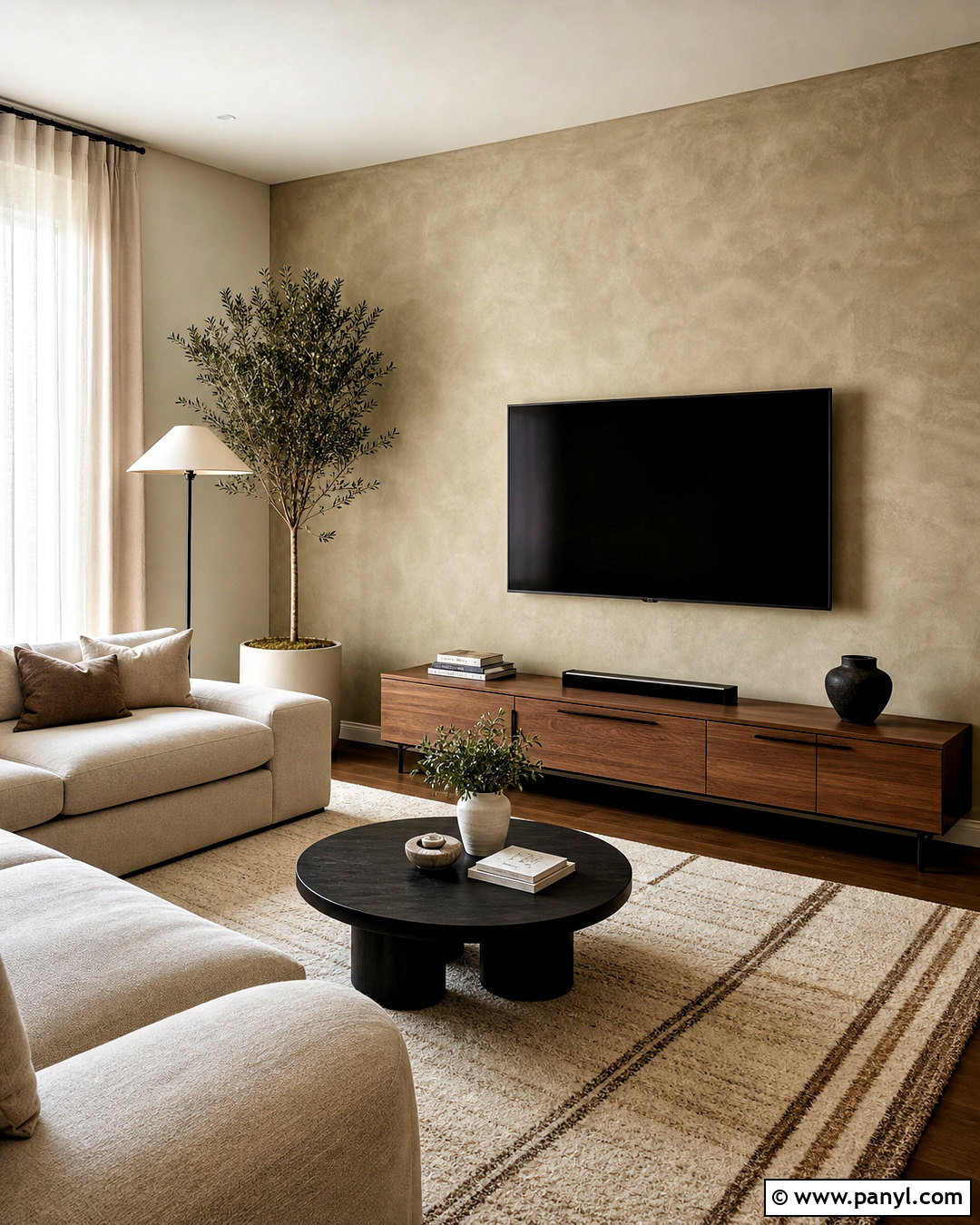
1. Beige Limewashed Living Room
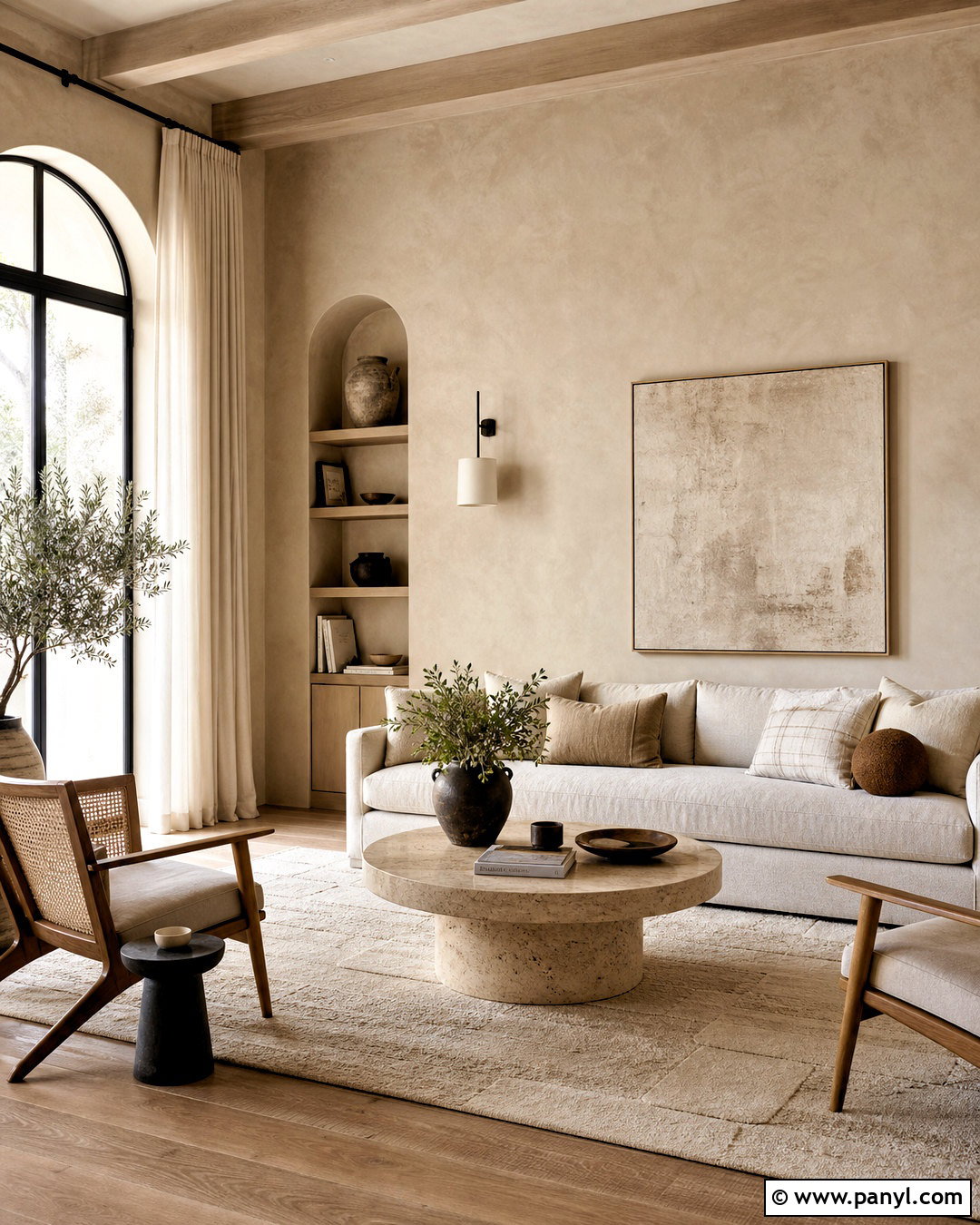
A warm beige wash creates an inviting living room without making the walls look heavy or overly rustic. Begin with a creamy beige base, then layer a slightly deeper sand-colored wash using broad, irregular brushstrokes. Keep the finish matte so the overlapping tones remain soft. Add a low oatmeal sofa, two oak-framed lounge chairs, and a textured ivory rug to support the natural palette. A rounded travertine coffee table introduces subtle stone variation without competing with the walls. Finish the room with linen curtains, dark bronze lighting, handmade ceramic vessels, and one large landscape print. Medium-toned wood flooring grounds the pale colors and prevents the completed space from looking washed out.
2. Gray Washed Wall Bedroom
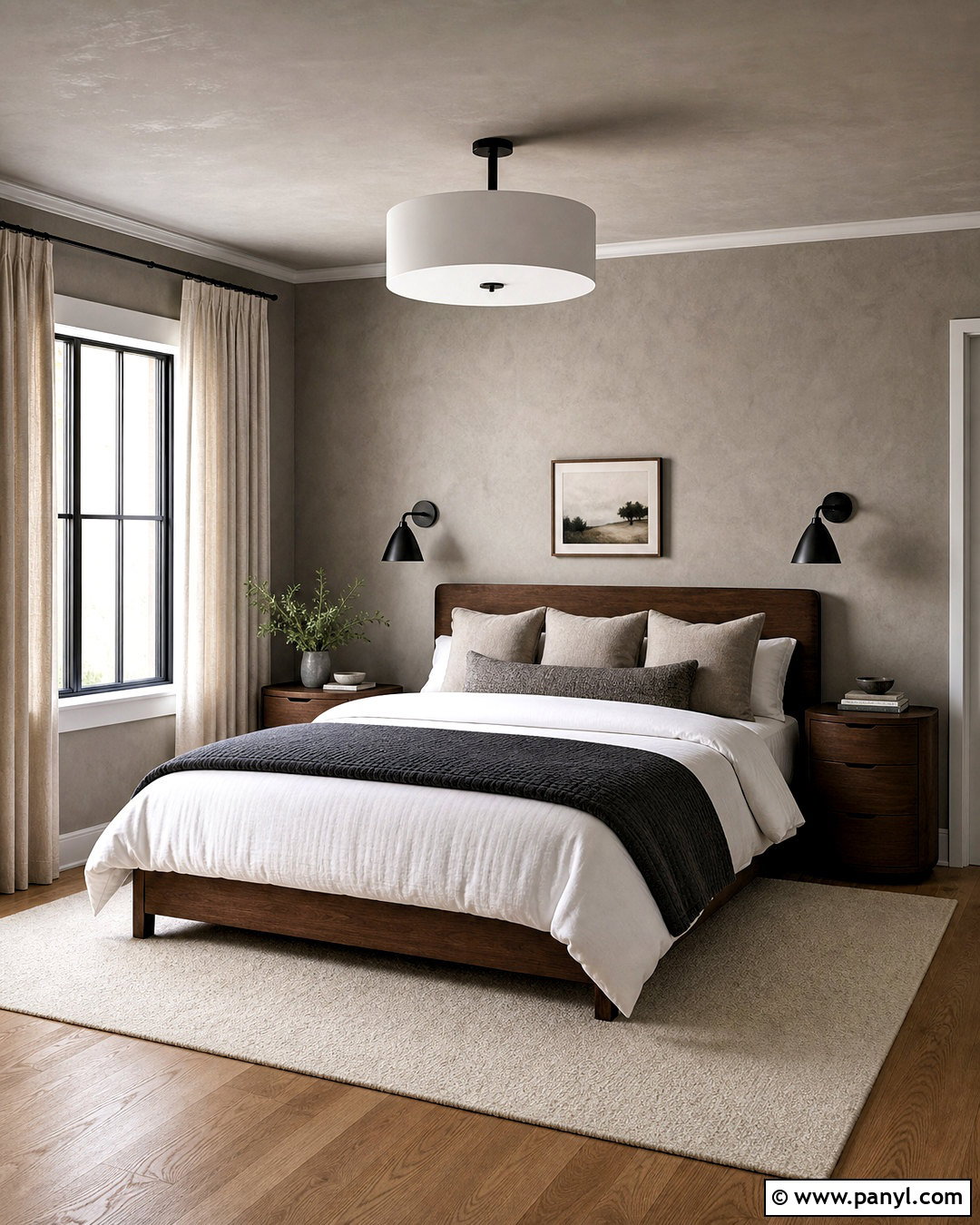
Soft gray washed walls can make a bedroom feel calm, layered, and more interesting than standard solid gray paint. Choose a warm gray base rather than a cool silver shade, then brush a lighter gray glaze across it in loose crossed strokes. Pair the finish with a simple walnut bed, white cotton bedding, and a folded charcoal coverlet. Natural linen curtains soften the windows, while black bedside sconces add useful contrast. Keep the floor warm with medium oak boards and a cream wool rug placed beneath the bed. A plaster pendant light, curved nightstands, and minimal framed artwork complete the balanced design. The result feels contemporary but still comfortable, with enough tonal movement to give the bedroom depth.
3. Sage Green Washed Dining Room
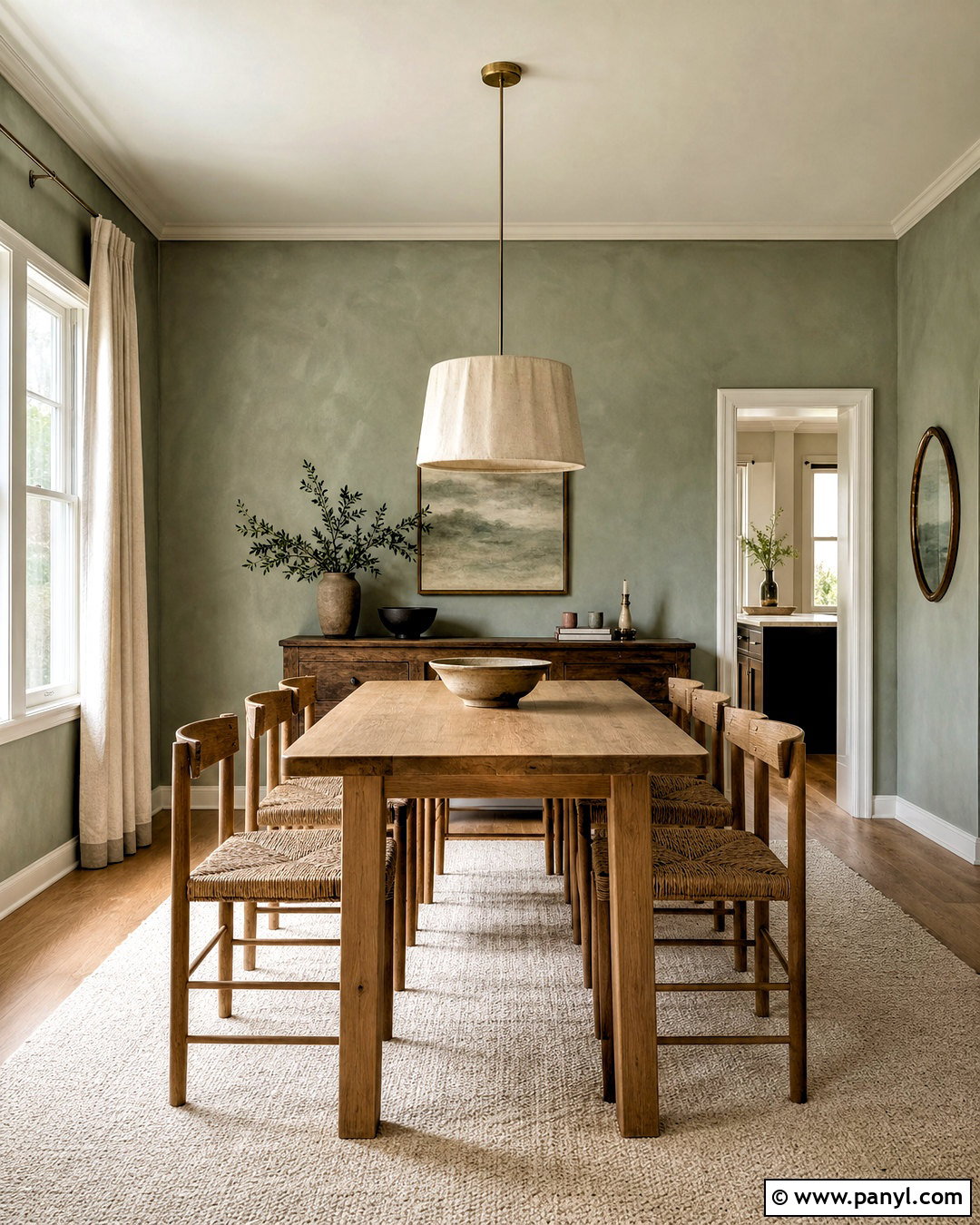
Imagine a dining room wrapped in muted sage green with soft, cloudy variations across every wall. Use a pale mineral green base and add a deeper olive-sage wash sparingly, keeping the corners and transitions blended. Center the room with a rectangular natural oak table and woven rush-seat chairs. A softly shaped linen pendant creates a relaxed focal point above the table without hiding the painted surface. Choose an off-white wool rug, cream drapery, and an aged wood sideboard to maintain an earthy look. Ceramic bowls, leafy branches, and brushed brass candleholders provide simple finishing details. This full scheme works especially well in a room receiving natural light because the green shifts gently throughout the day.
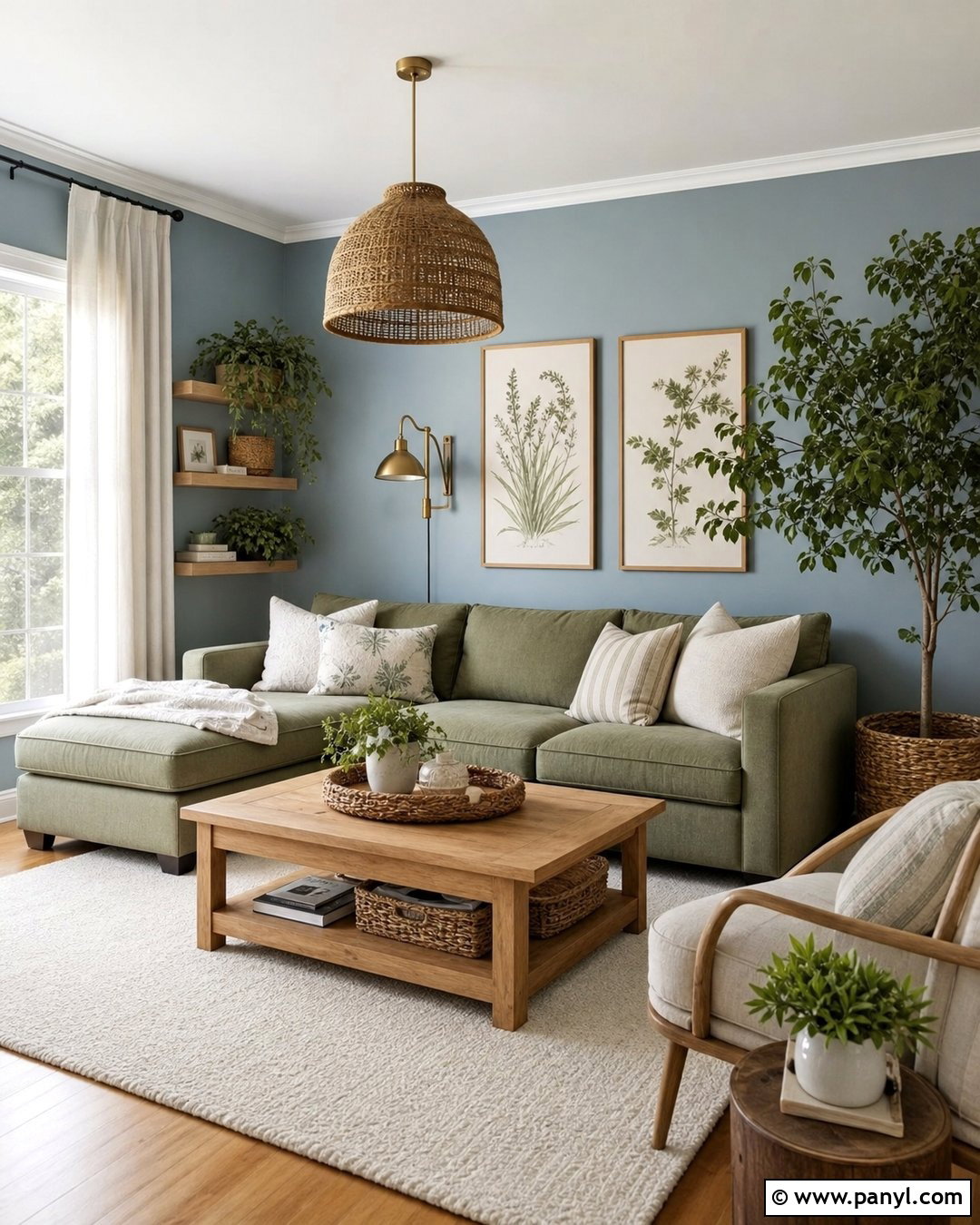
4. Dusty Blue Washed Bathroom
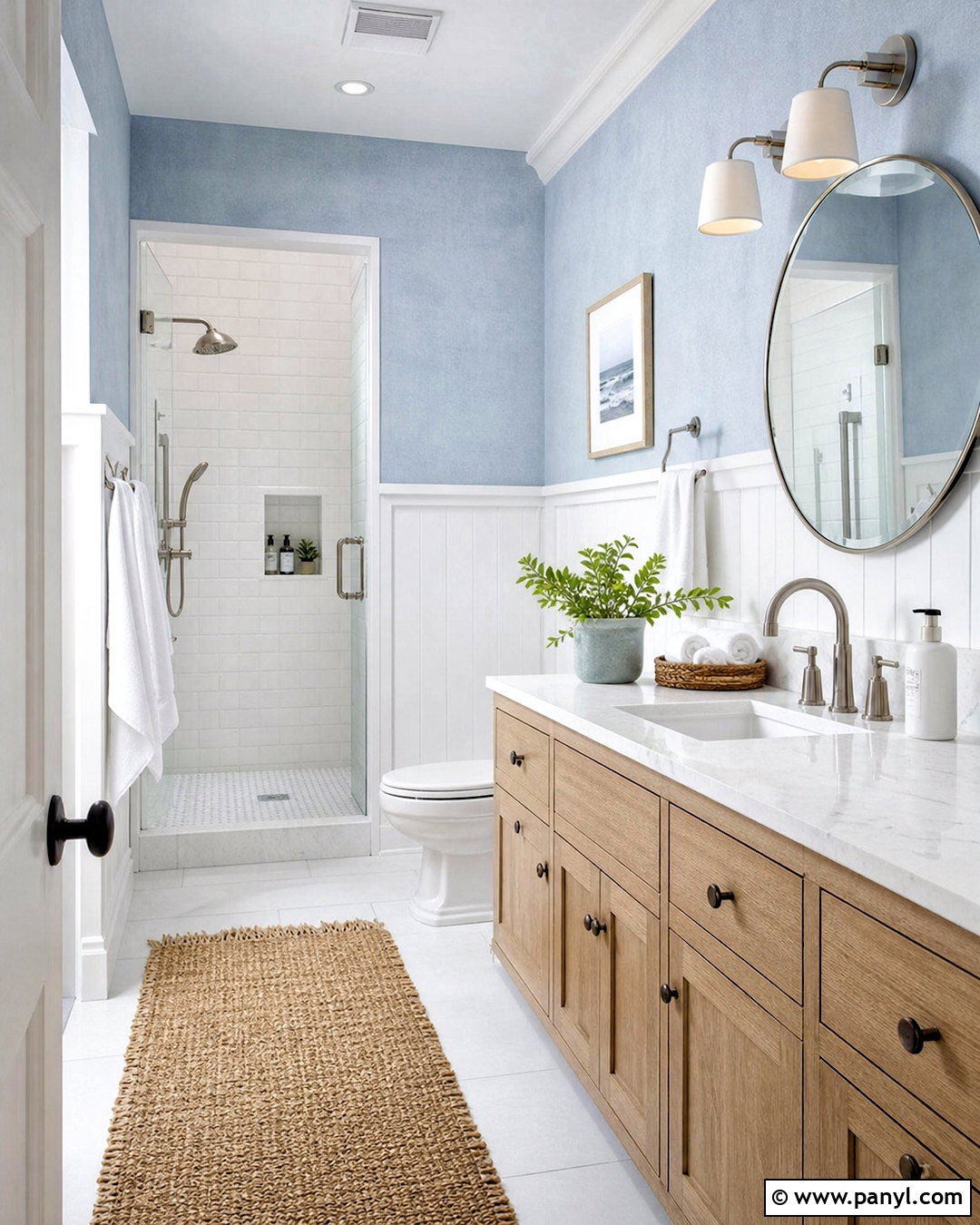
A dusty blue wash gives a bathroom the softness of faded watercolor while maintaining a fresh, clean atmosphere. Apply the effect above white vertical wall paneling or tile so the color has a crisp architectural boundary. A pale blue-gray base with slightly deeper slate-blue brushwork creates visible depth without becoming busy. Install a light oak vanity with a white quartz counter, brushed nickel fixtures, and a rounded frameless mirror. White floor tile keeps the smaller space bright, while a woven runner adds warmth underfoot. Complete the design with white towels, clear glass accessories, and a simple ceramic wall light. The combined palette feels coastal and soothing without relying on themed decorations or overly bright nautical blue.
5. Terracotta Washed Kitchen
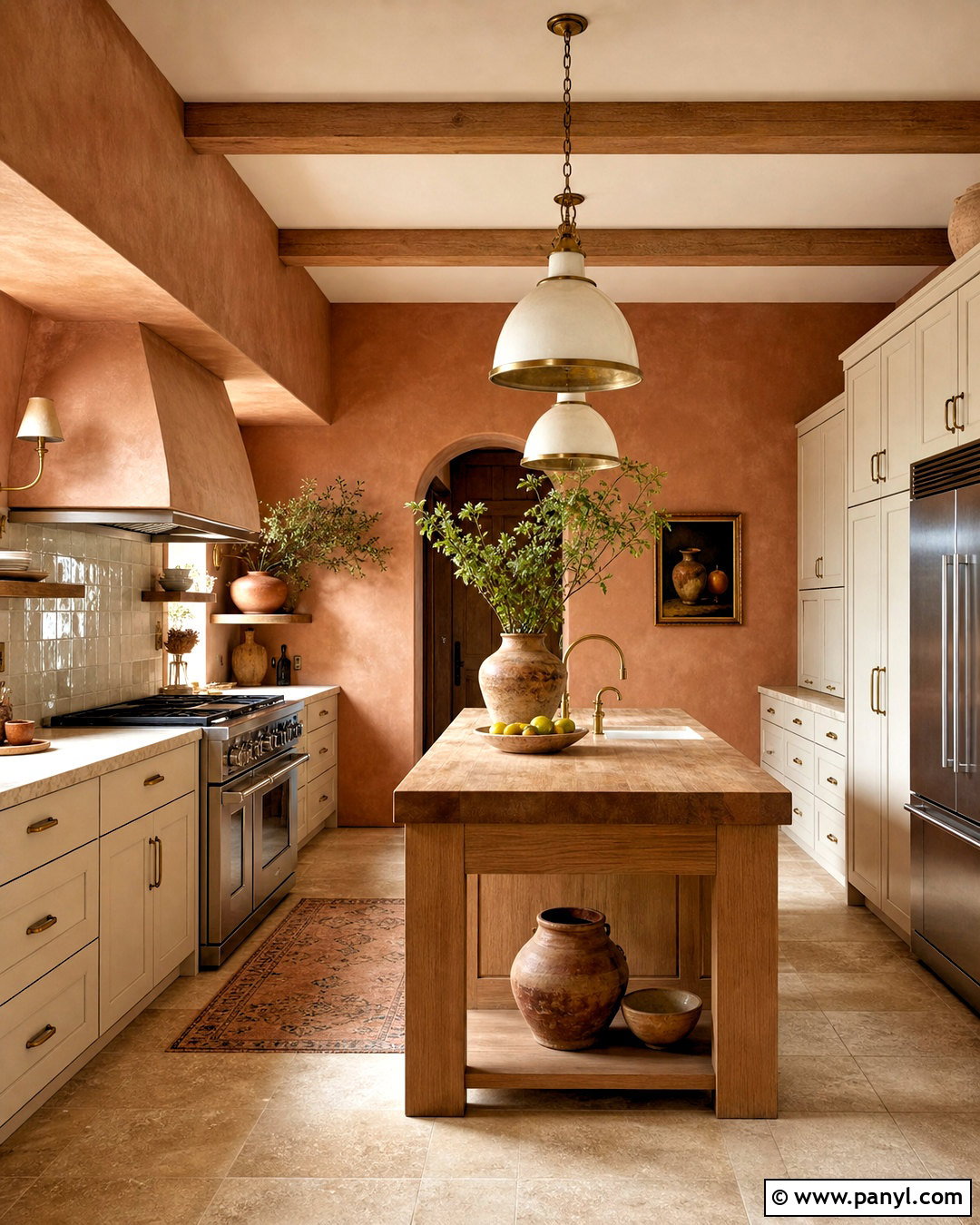
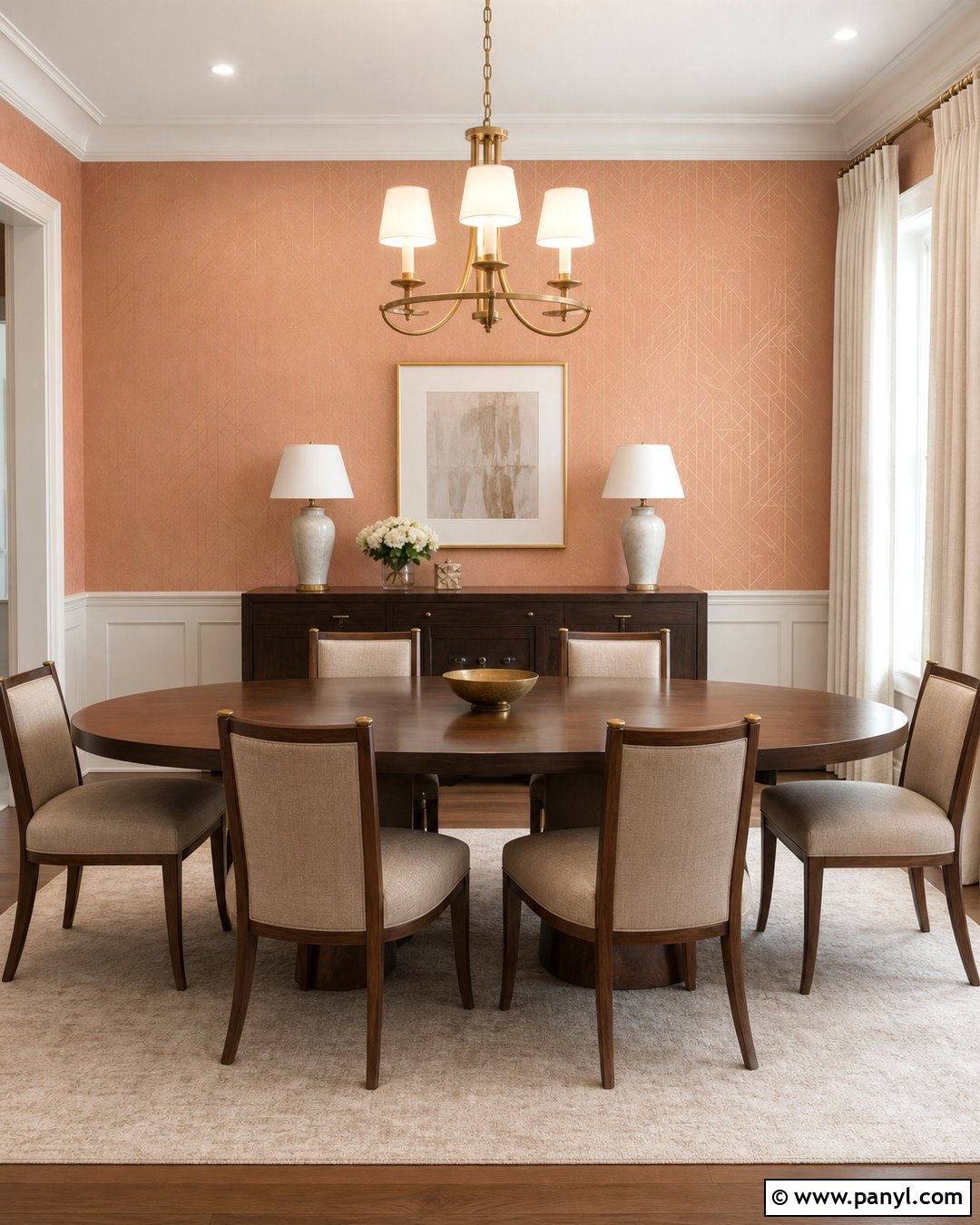
Warm terracotta washed walls can turn an ordinary kitchen into a comfortable, sun-baked gathering space. Select a muted clay base with a diluted rust-orange layer rather than a strong red finish. Balance that warmth with creamy off-white cabinets, light stone countertops, and a handmade ivory tile backsplash. Natural oak shelves can display neutral dishes, wood cutting boards, and a few earthenware pieces. Use aged brass hardware and simple dome pendants to continue the mellow color story. A small vintage-style wood table or butcher-block island adds function and character in the center. Keep the flooring understated with pale limestone-look tile. The complete kitchen should feel warm and collected, with the softly mottled walls providing atmosphere rather than overpowering the cabinetry.
6. Blush Pink Washed Bedroom
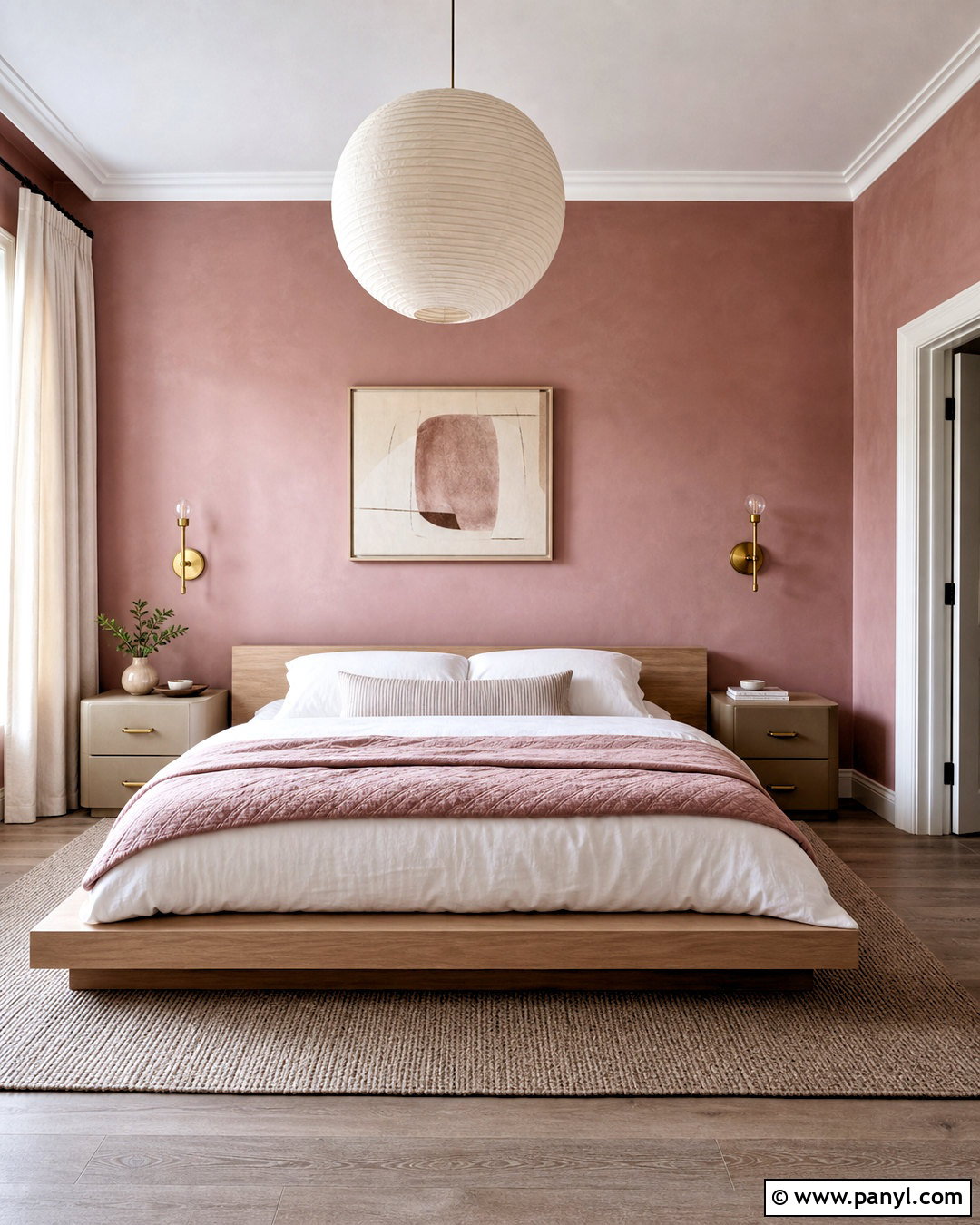
Blush washed walls provide gentle color while avoiding the overly sweet appearance of flat pastel paint. Start with a warm off-white base and layer a dusty pink glaze using wide, softly crossing strokes. Furnish the bedroom with a light oak platform bed, crisp white sheets, and a muted rose quilt. Mushroom-colored nightstands help neutralize the pink, while ivory curtains keep the window treatment airy. Add a sculptural paper pendant, small brass sconces, and an abstract artwork containing cream, brown, and faded burgundy. A natural jute or wool rug gives the room grounding texture. This coordinated approach produces an adult, restful bedroom where the washed finish feels refined, subtle, and easy to update with seasonal bedding.
7. Whitewashed Coastal Living Room
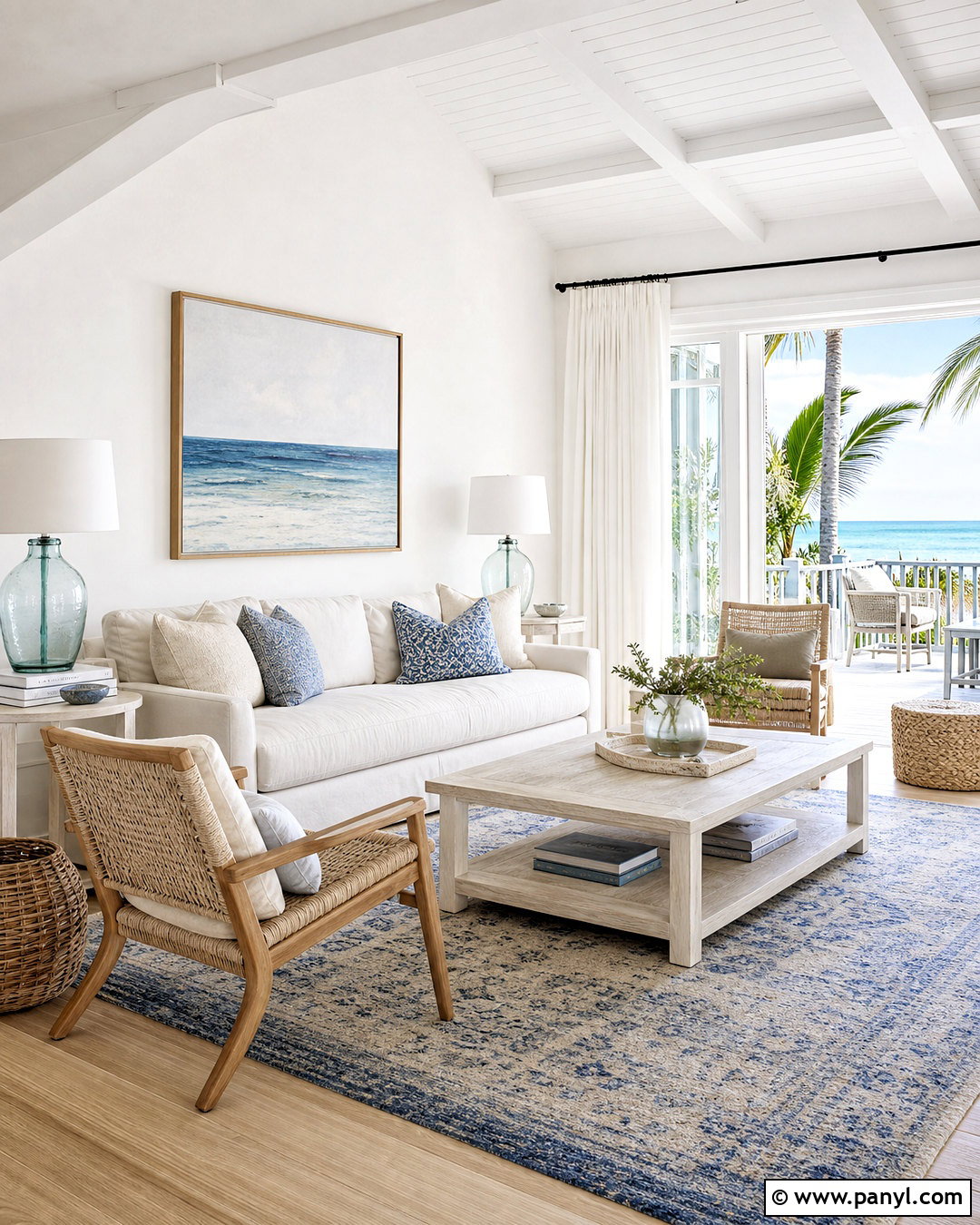
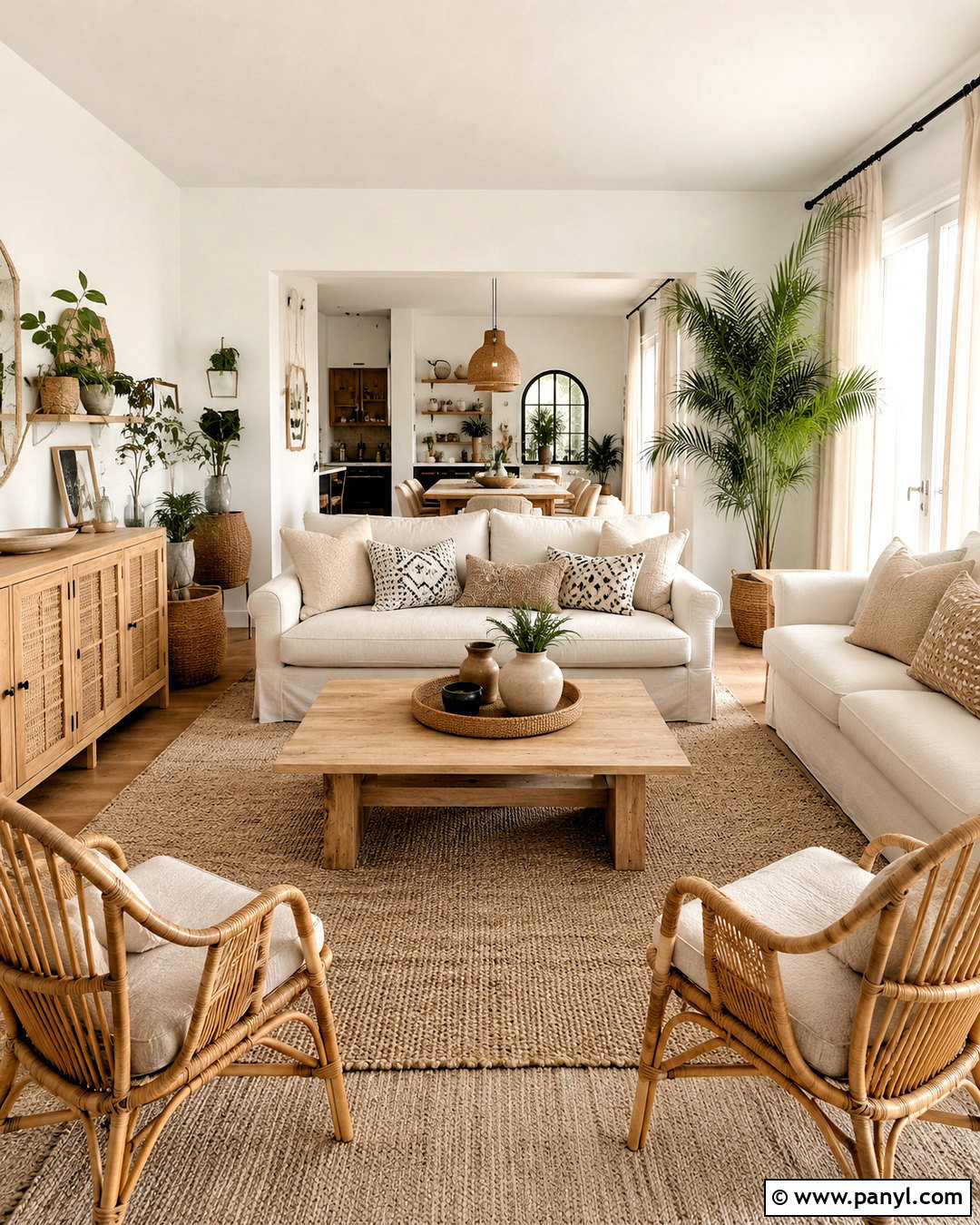
For an airy coastal room, use layered white paint to create walls that resemble softly weathered plaster. Combine a warm ivory base with a thin chalky white wash, allowing quiet brush variation to remain visible. Arrange a slipcovered cream sofa opposite two pale wood chairs with woven seats. A faded blue rug adds restrained color, while a white oak coffee table keeps the center visually light. Hang natural linen curtains near the ceiling to make the room feel taller and brighter. Decorative accents can include blue-gray cushions, clear glass lamps, rope-textured baskets, and simple seascape artwork. Avoid obvious themed signs or collections. The finished space should suggest a relaxed shoreline home through color, texture, and natural materials alone.
8. Greige Washed Entryway
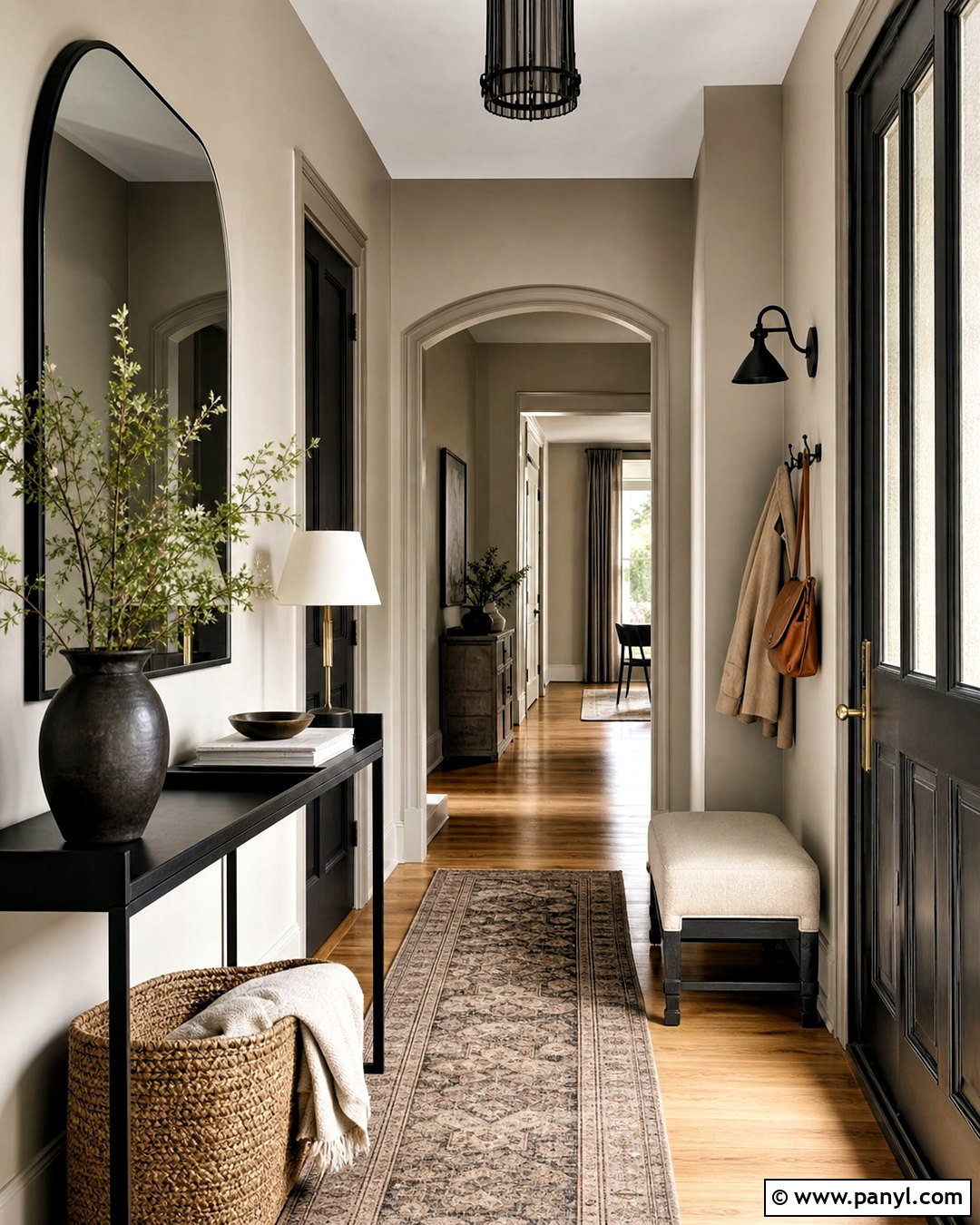
Could your entryway feel warmer without adding more furniture or accessories? A greige washed wall treatment supplies depth while keeping the narrow area visually open. Use a light mushroom base and brush on a slightly darker taupe-gray layer, blending obvious edges as you work. Place a slim black console against the longest wall and hang an oversized rounded mirror above it. A washable vintage-pattern runner introduces muted brown, cream, and charcoal tones. Include a small upholstered bench, wall hooks, and a woven storage basket for practical organization. Matte black lighting provides definition against the pale walls. The entire entry should remain uncluttered, allowing the subtle paint movement to create the welcoming first impression.
9. Charcoal Washed Home Office
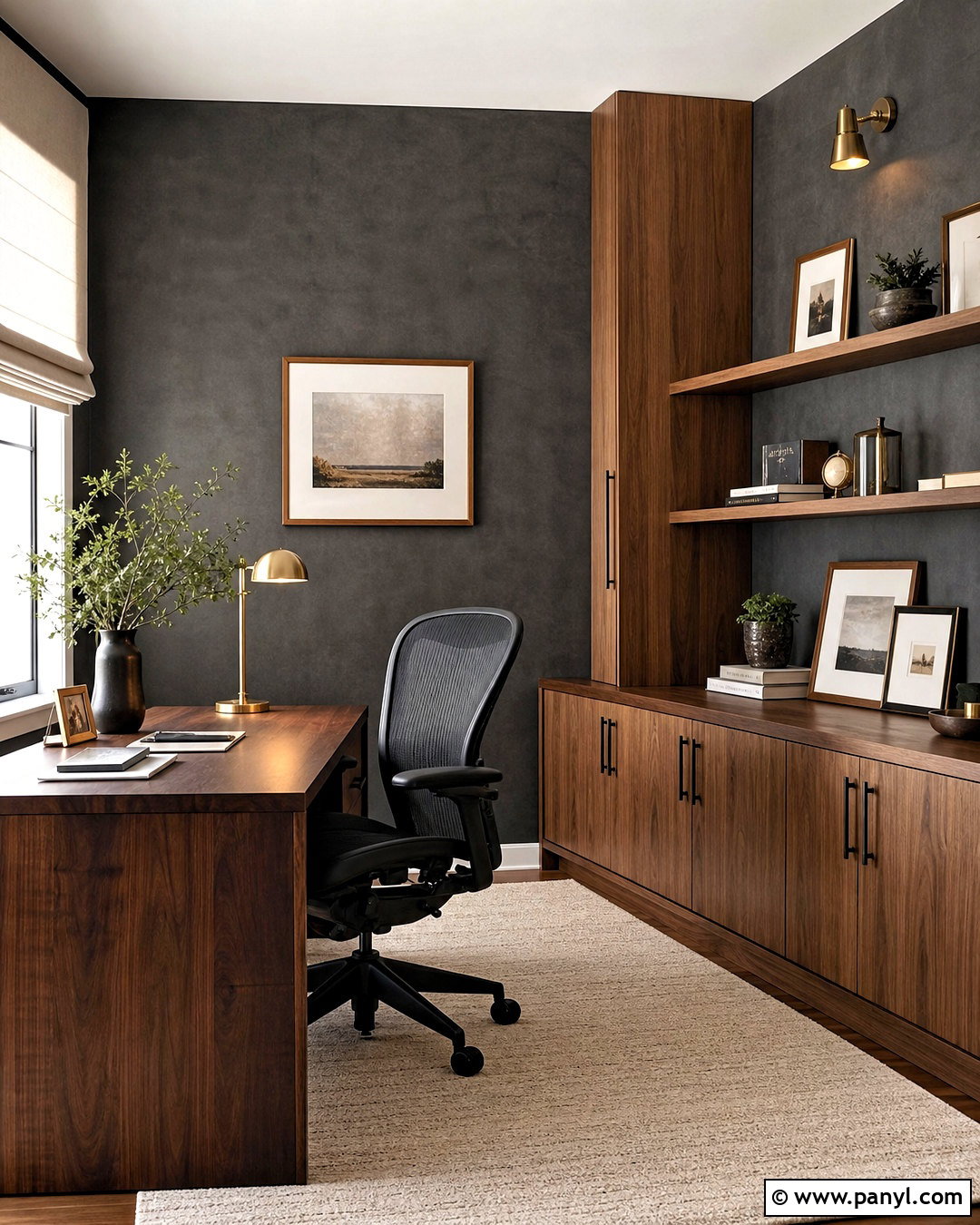
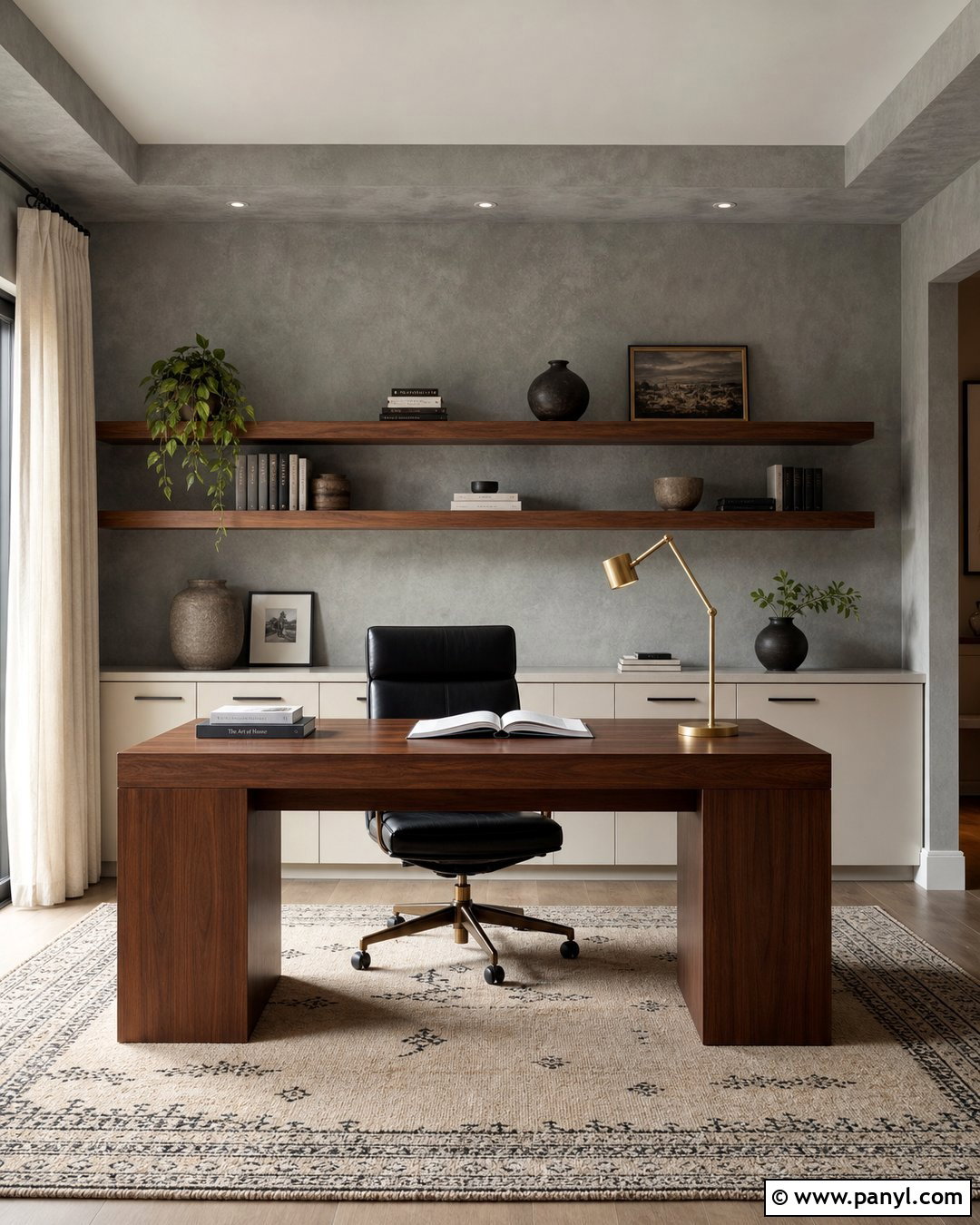
A charcoal washed home office can feel focused and sophisticated without becoming dark or severe. Limit the deeper treatment to the desk wall, using a medium gray base with translucent charcoal strokes layered across it. Paint the remaining walls a warm white to maintain brightness. Position a walnut desk against the washed surface and pair it with a black ergonomic chair. Closed oak storage keeps paperwork controlled, while two floating shelves provide space for books and restrained decor. Add a cream flat-weave rug and a linen Roman shade to soften the strong wall color. A brass desk lamp and warm wood frames introduce contrast. Bright task lighting is essential for keeping the finished workspace comfortable, practical, and visually balanced.
10. Olive Green Washed Reading Nook
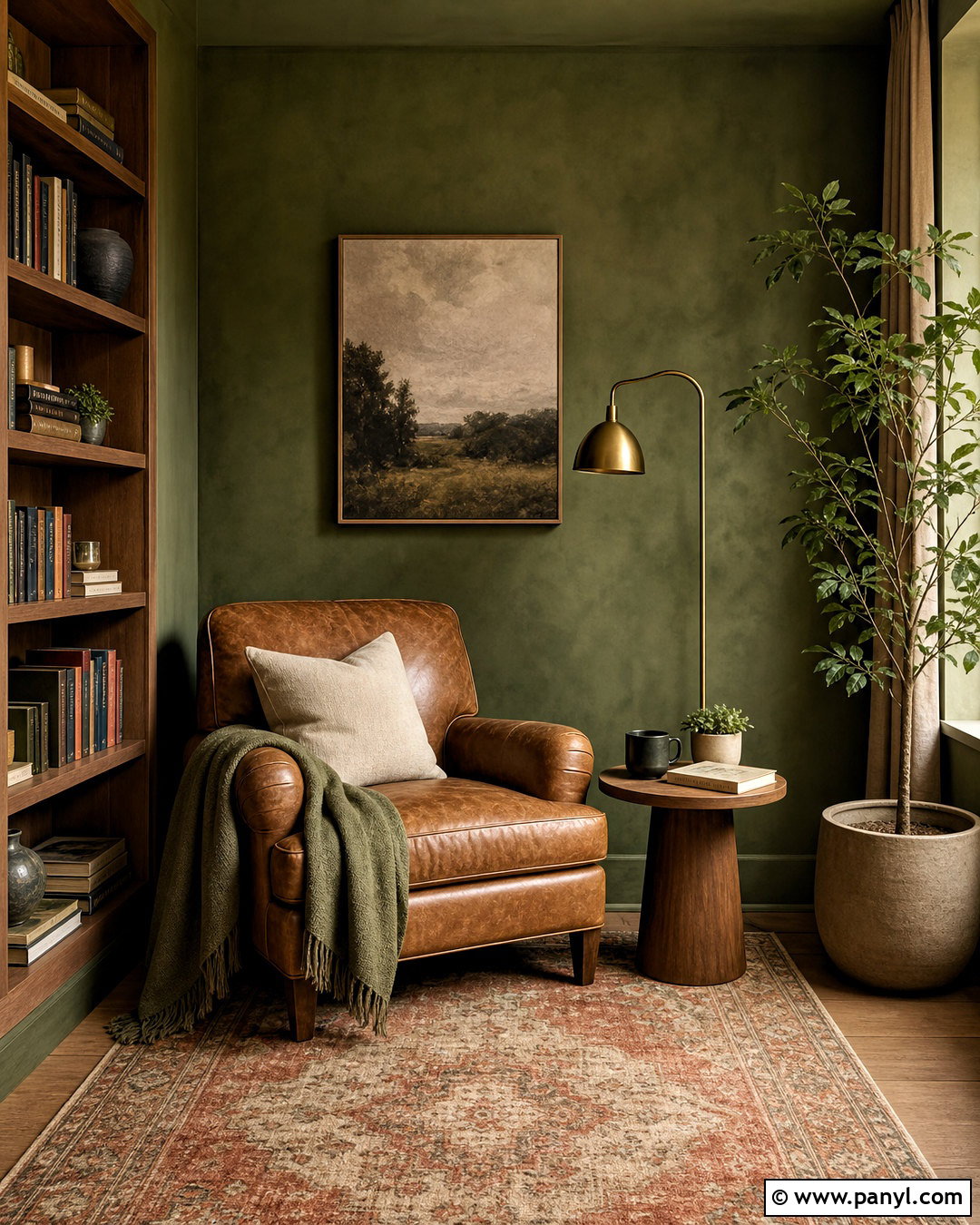
Deep olive washed walls can transform a forgotten corner into a cozy reading nook with a complete, intentional identity. Layer muted moss and olive tones across the walls, keeping some lighter areas visible near the window. Add a generously sized caramel leather chair or a cushioned oak armchair with neutral upholstery. A small round wood table offers space for a book and lamp, while a brass floor light provides focused illumination. Place a faded rust-and-cream rug beneath the chair to warm the dark green surroundings. Built-in or freestanding walnut shelves can frame the nook and supply useful storage. Finish with a linen cushion, wool throw, and one leafy plant, leaving enough open space for the walls to remain noticeable.
11. Blue Ombre Washed Bedroom
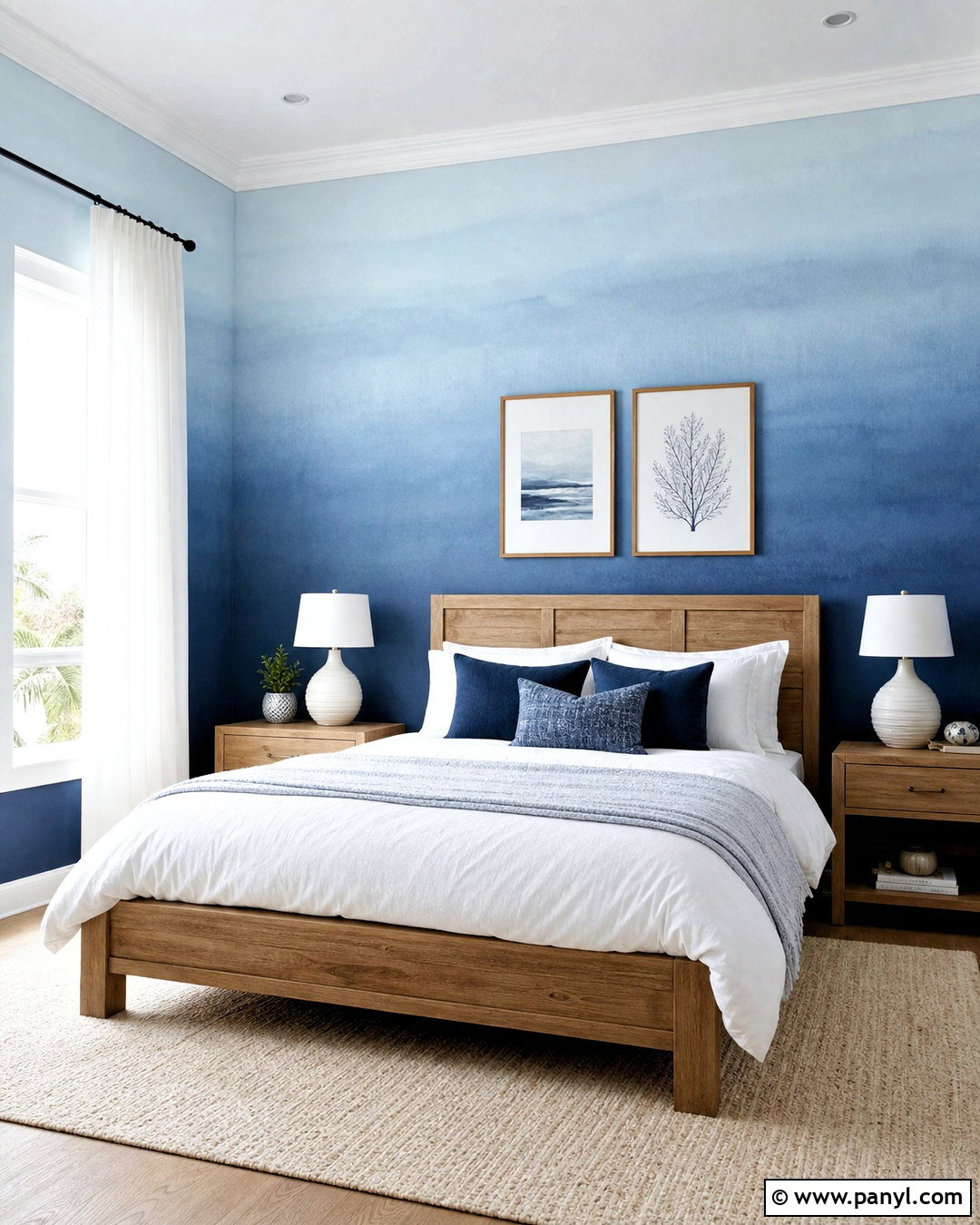
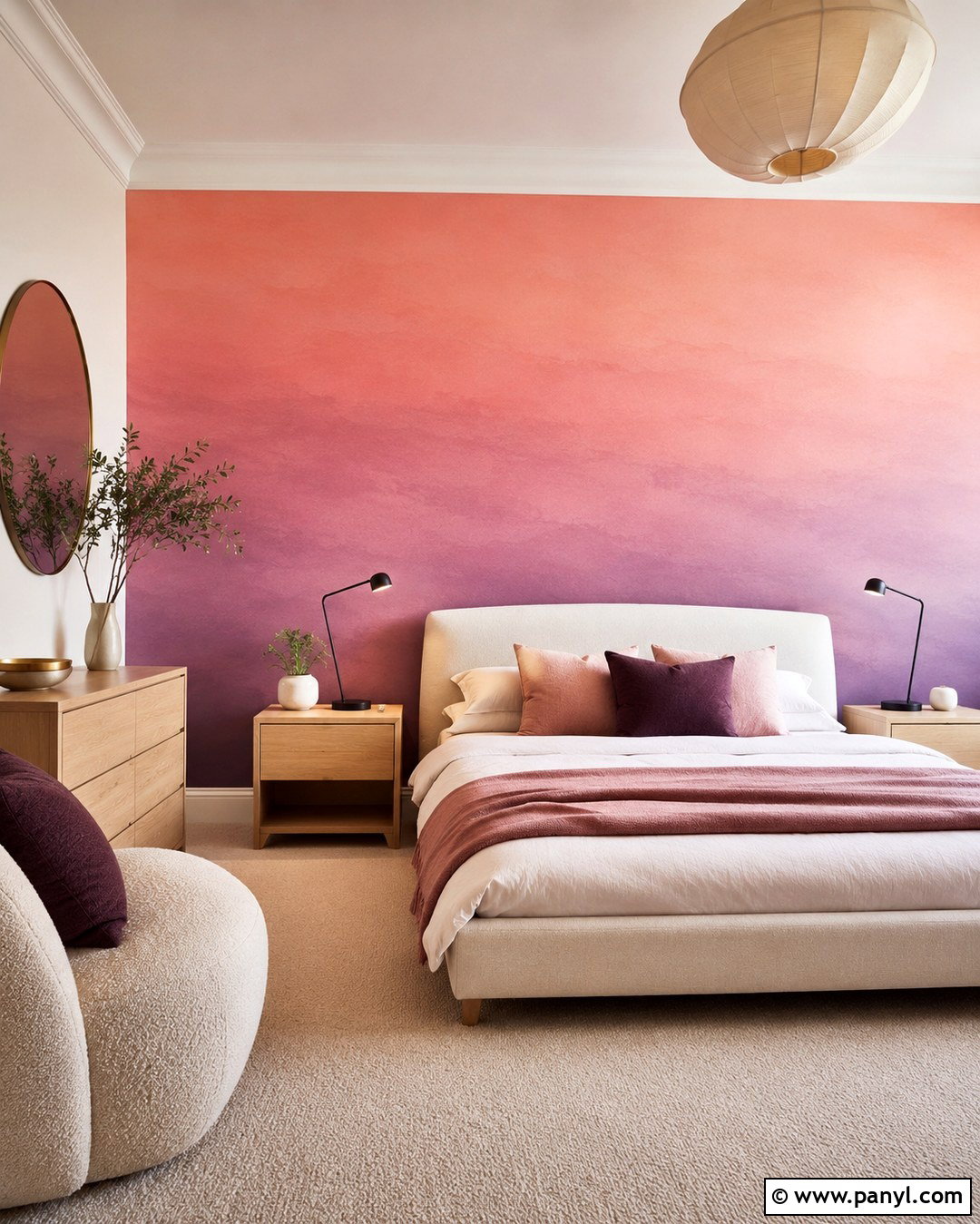
A blue ombre wash creates a bedroom feature wall that feels atmospheric rather than sharply patterned. Begin with pale sky blue near the ceiling, blend into smoky denim through the center, and finish with medium navy near the floor. Keep each transition wide and irregular so the finished gradient resembles distant mist. A simple natural wood bed allows the color to remain the focal point. Choose white bedding, a light gray quilt, and navy accent pillows to repeat the wall tones. Pale oak nightstands and white ceramic lamps prevent the lower section from feeling too dark. Complete the design with a soft cream rug, sheer curtains, and minimal artwork. The remaining walls should stay warm white for visual breathing room.
12. Cloud White Washed Nursery
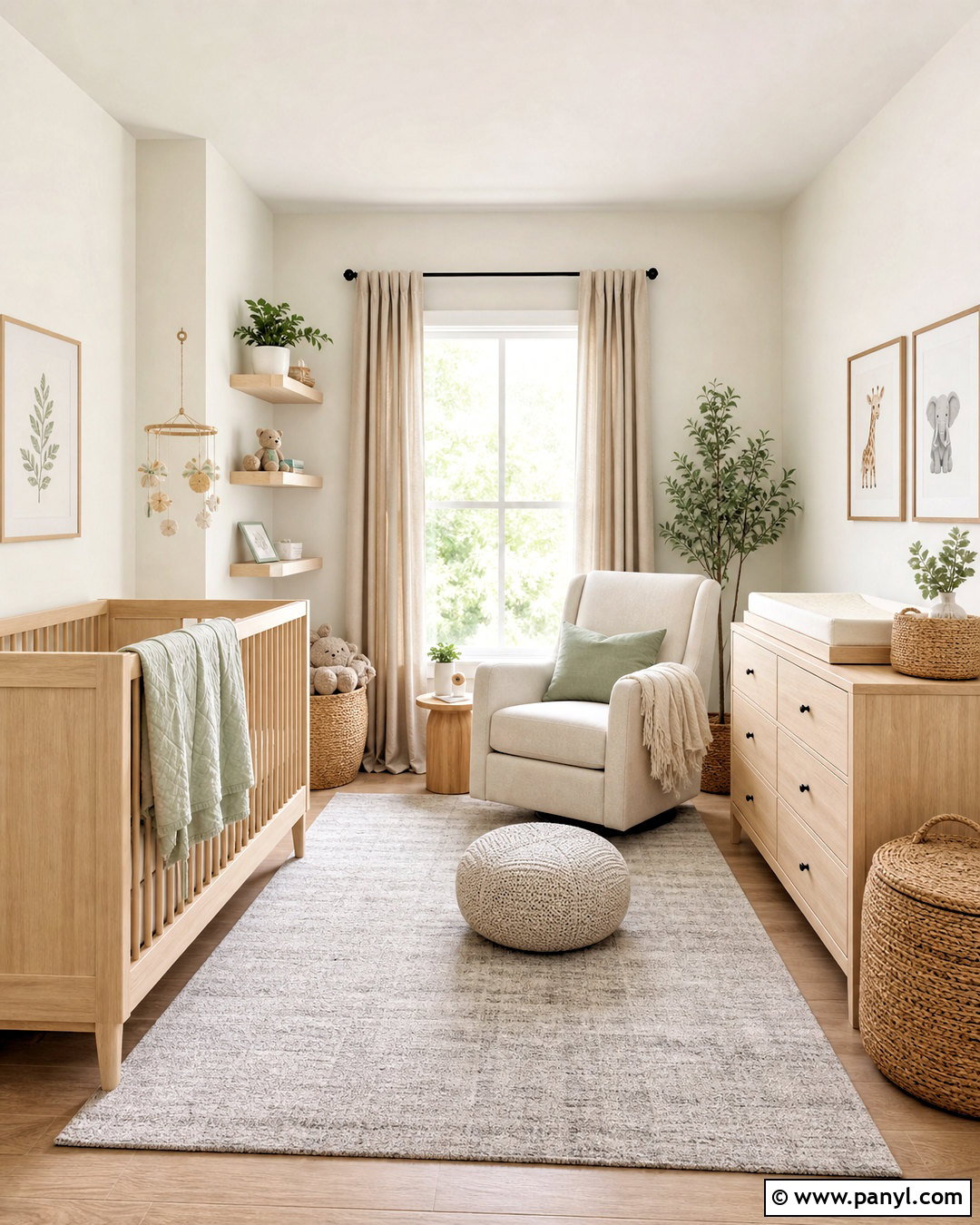
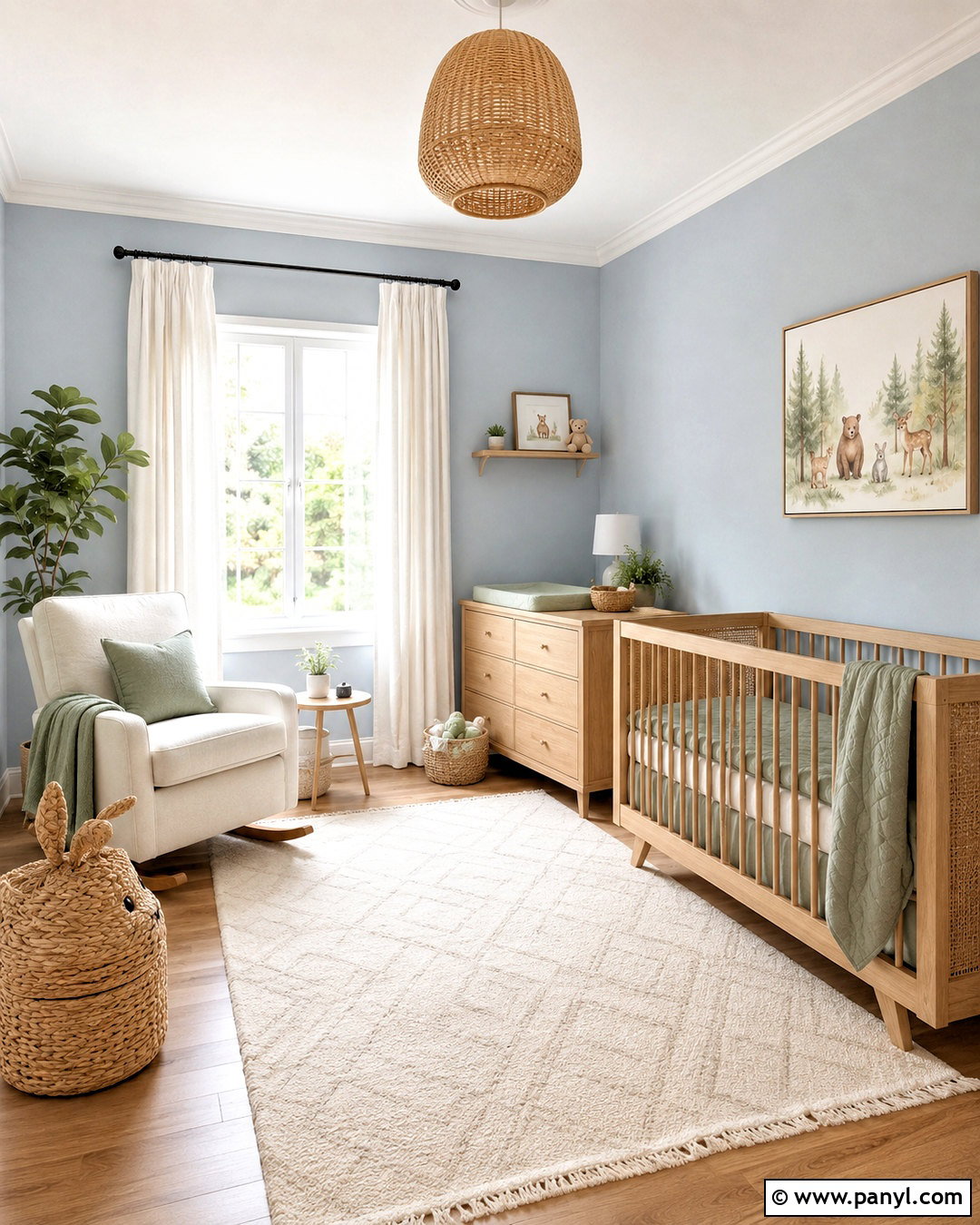
Cloudy white washed walls offer gentle movement in a nursery without relying on a strong color or decorative theme. Apply a soft ivory base, followed by an irregular warm white layer that leaves faint tonal variation across the room. Choose a natural maple crib, a comfortable cream glider, and a low matching dresser with rounded corners. A washable pale gray rug adds softness while keeping the overall palette practical. Use blackout curtains in oatmeal linen and install a dimmable white ceiling light for flexible illumination. Muted sage, tan, or dusty blue can appear through a blanket, storage baskets, and simple framed prints. This complete neutral room remains peaceful and adaptable as the child grows, while the walls provide quiet visual interest.
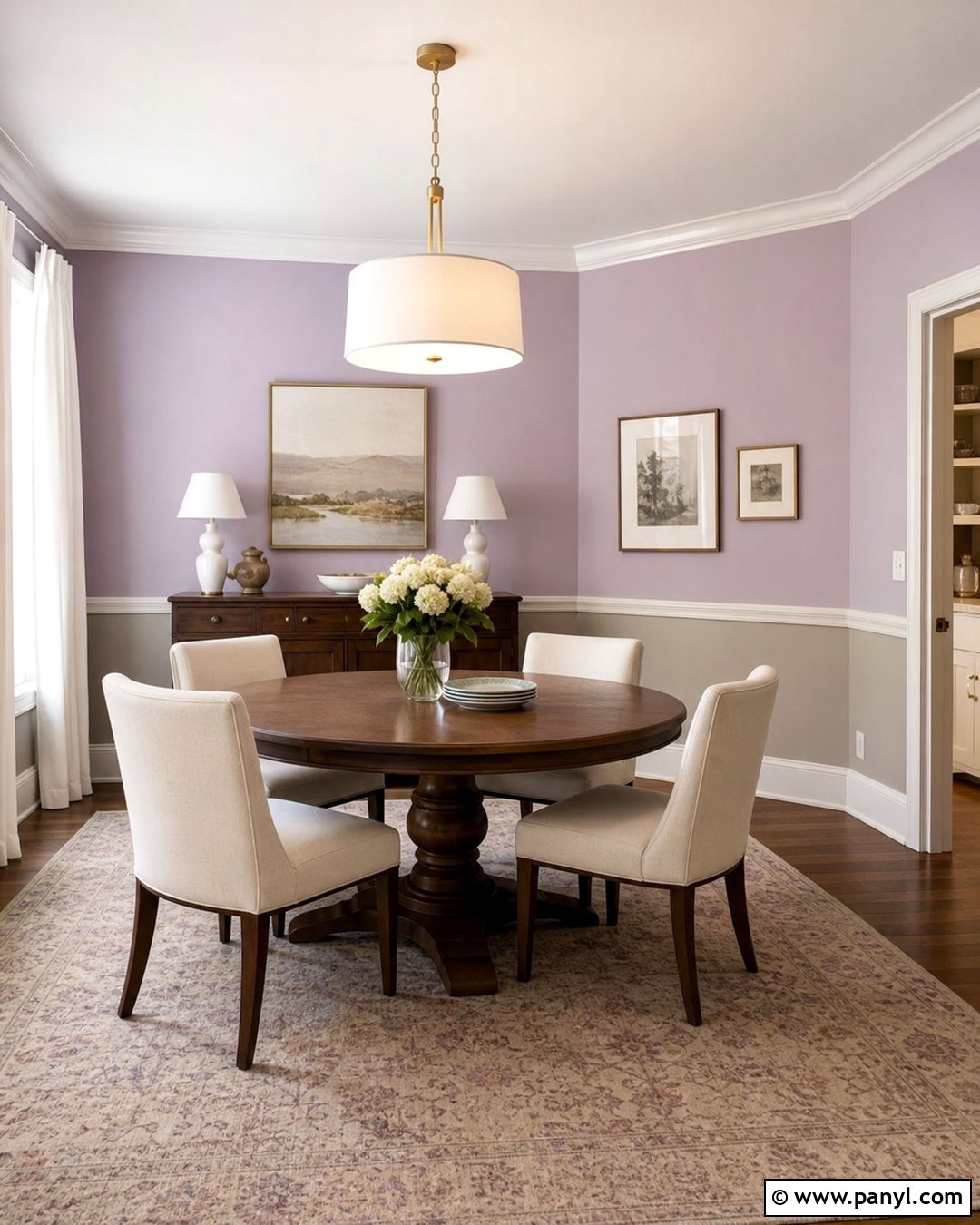
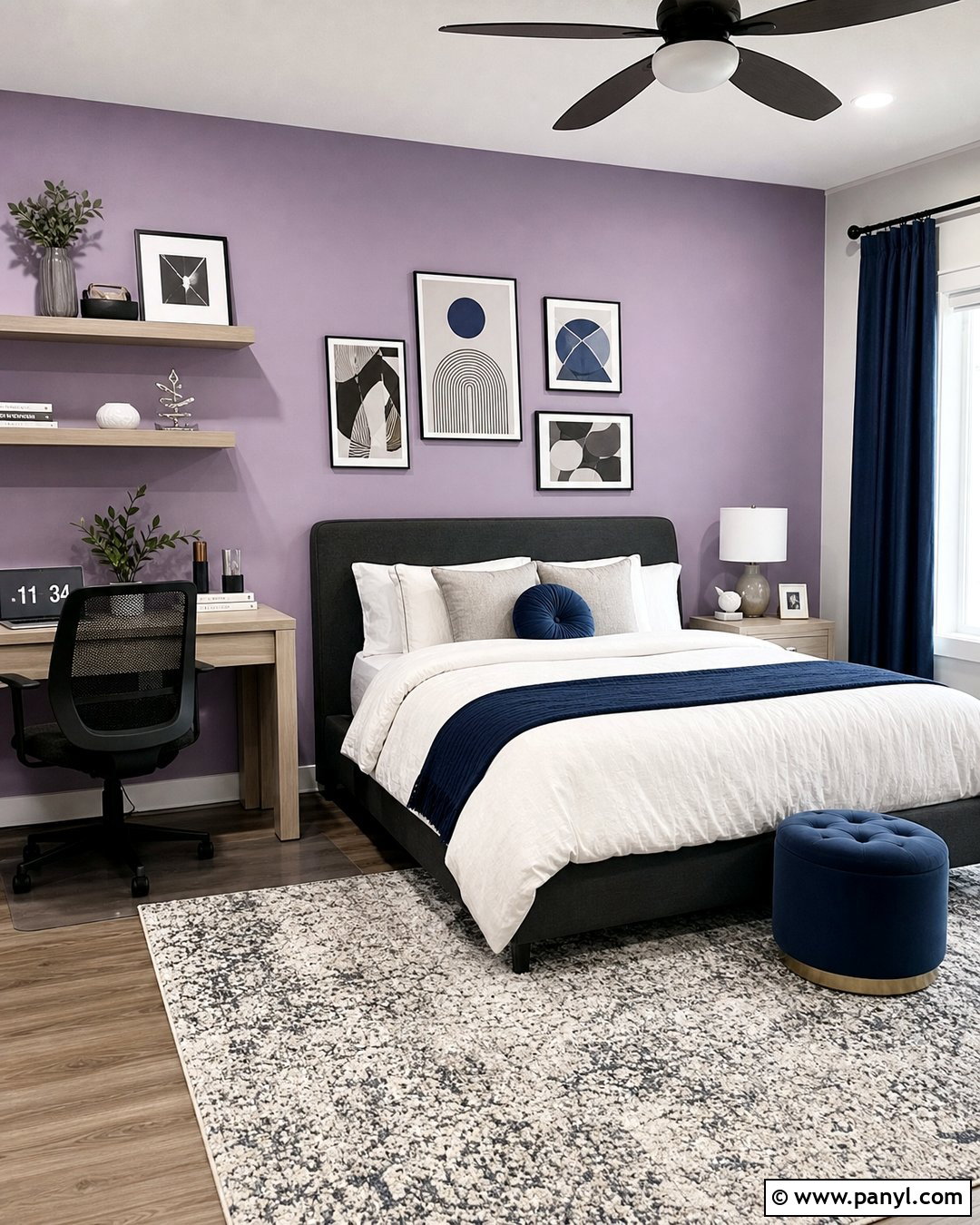
13. Lavender Washed Guest Room
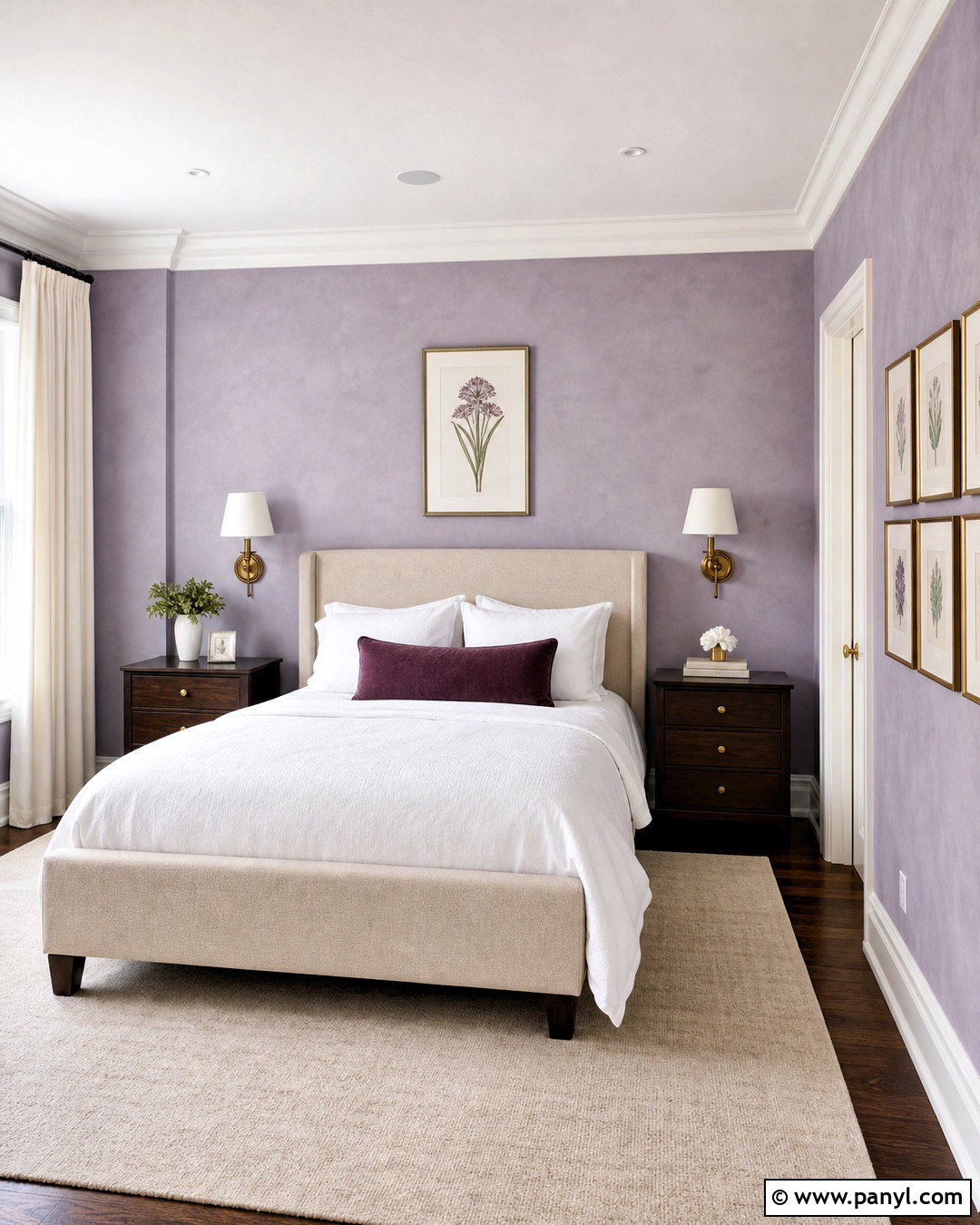
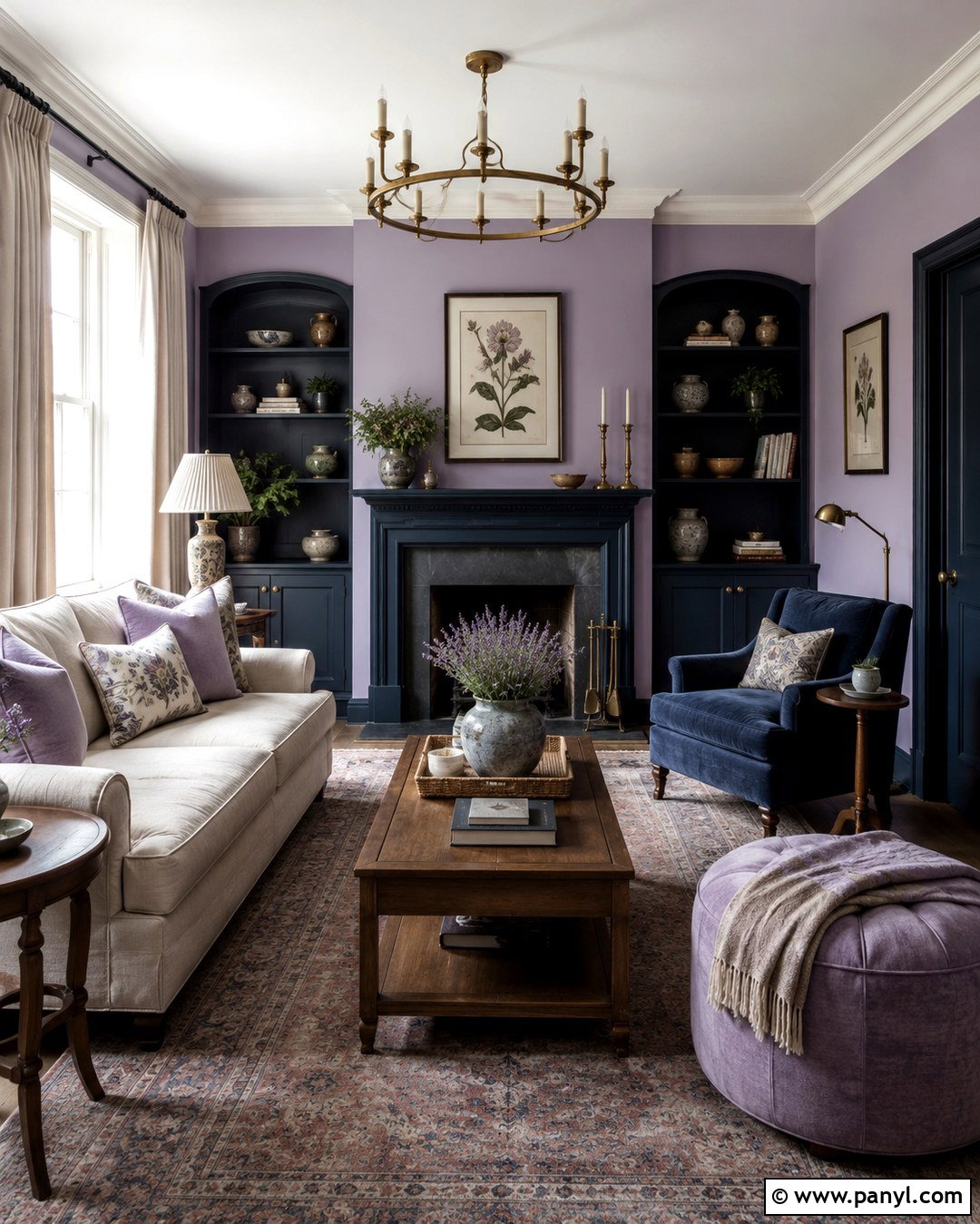
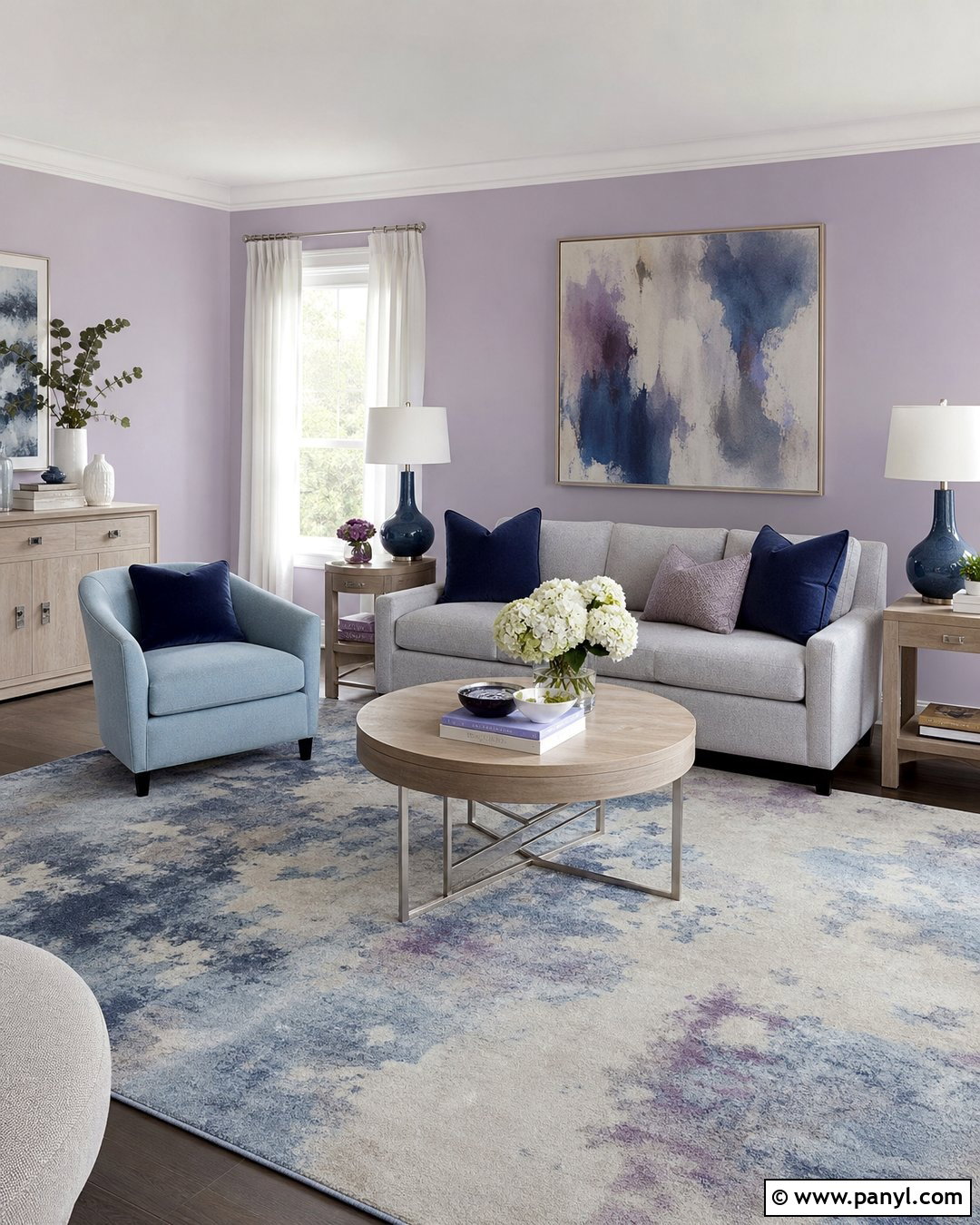
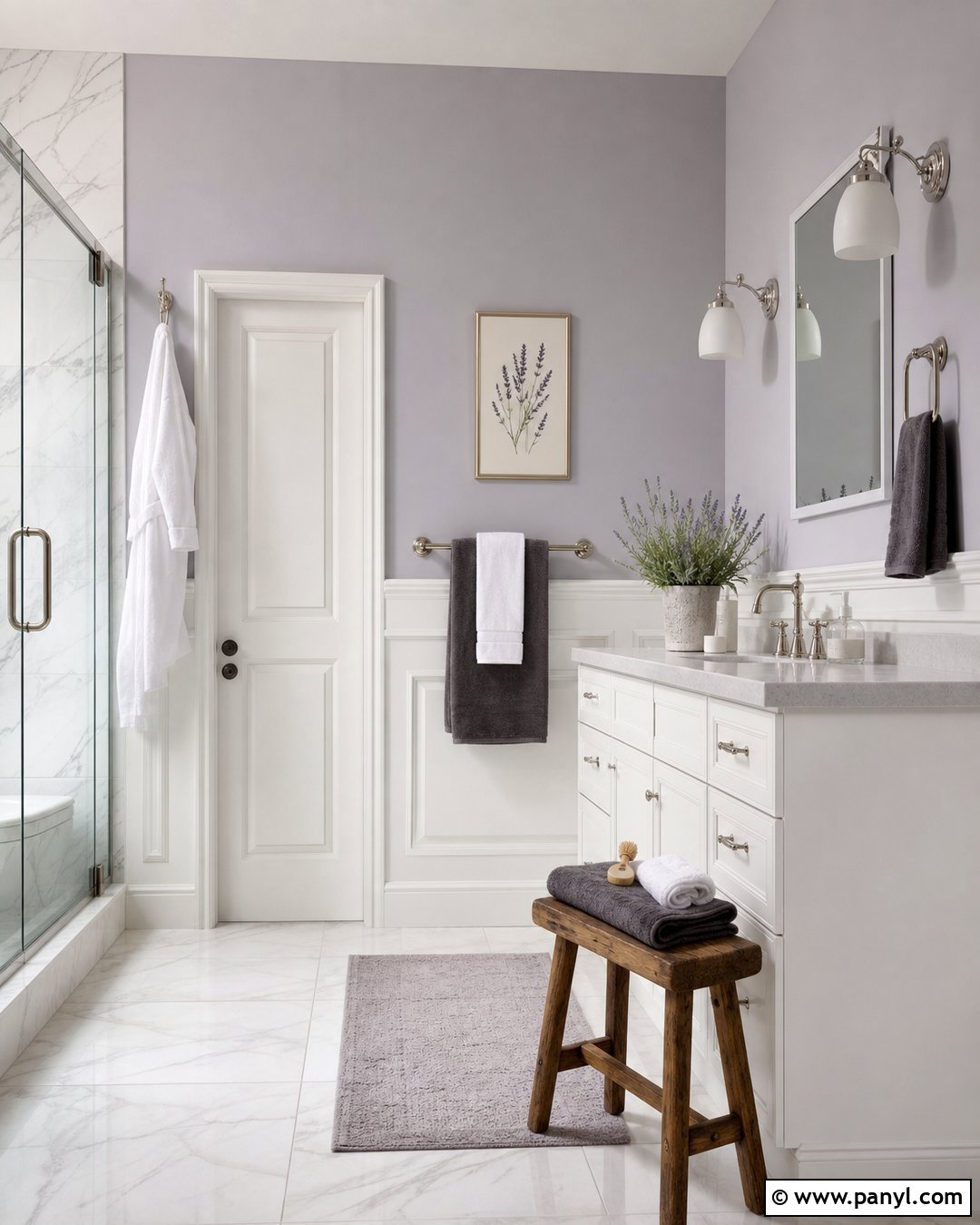
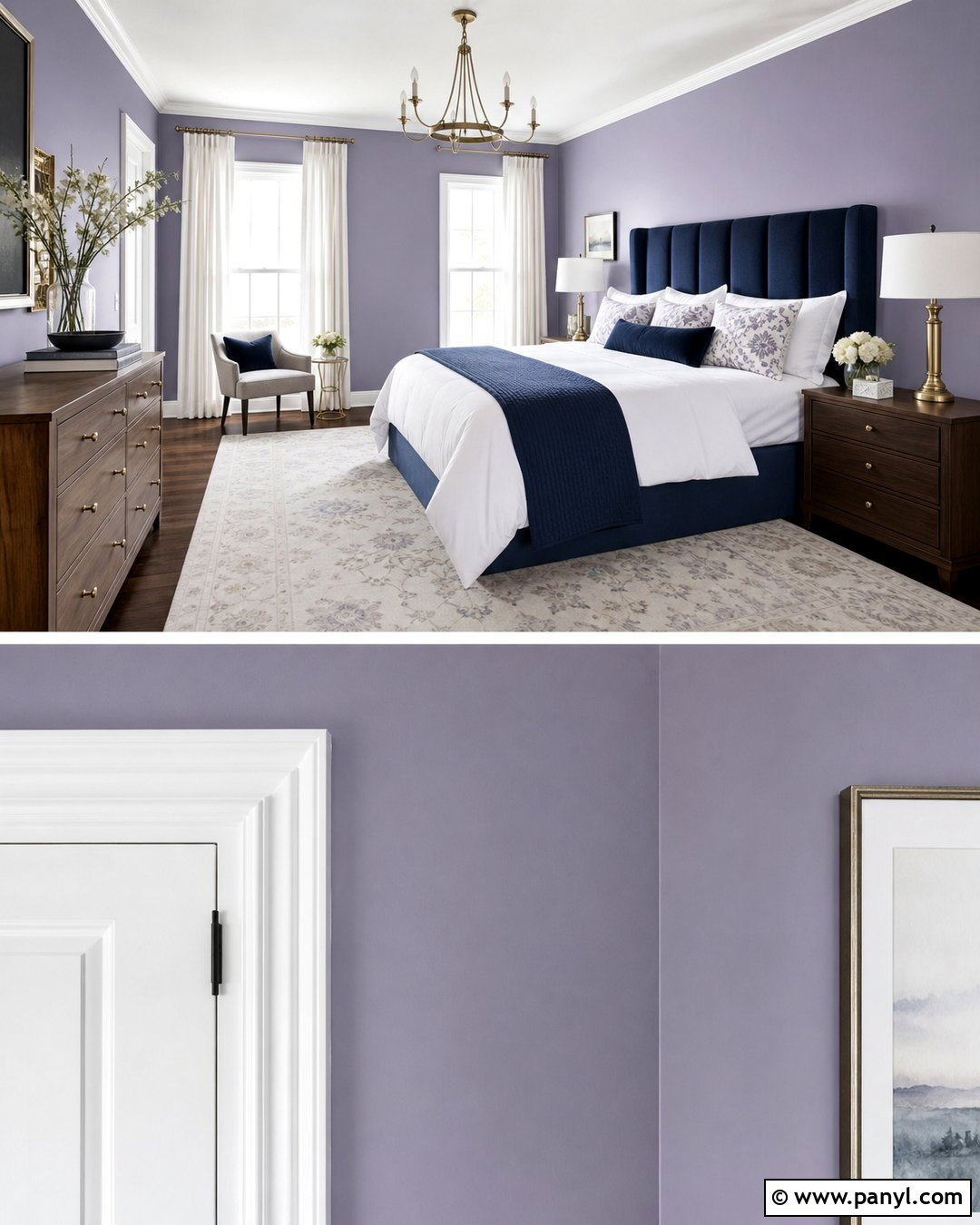
A muted lavender wash can make a guest bedroom feel distinctive while remaining restful and welcoming. Choose a gray-based lavender rather than a bright purple, then blend a lighter lilac glaze across it with loose brushwork. Anchor the room with an upholstered oatmeal bed and layer it with white bedding, a plum lumbar pillow, and a soft taupe throw. Dark walnut nightstands create contrast and keep the pastel color from feeling youthful. Add aged brass sconces, cream curtains, and a warm ivory rug. Botanical artwork containing green and muted violet can connect the furnishings to the walls. With simple furniture and controlled color repetition, the finished room feels polished, comfortable, and suitable for guests with different tastes.
14. Ochre Washed Dining Room
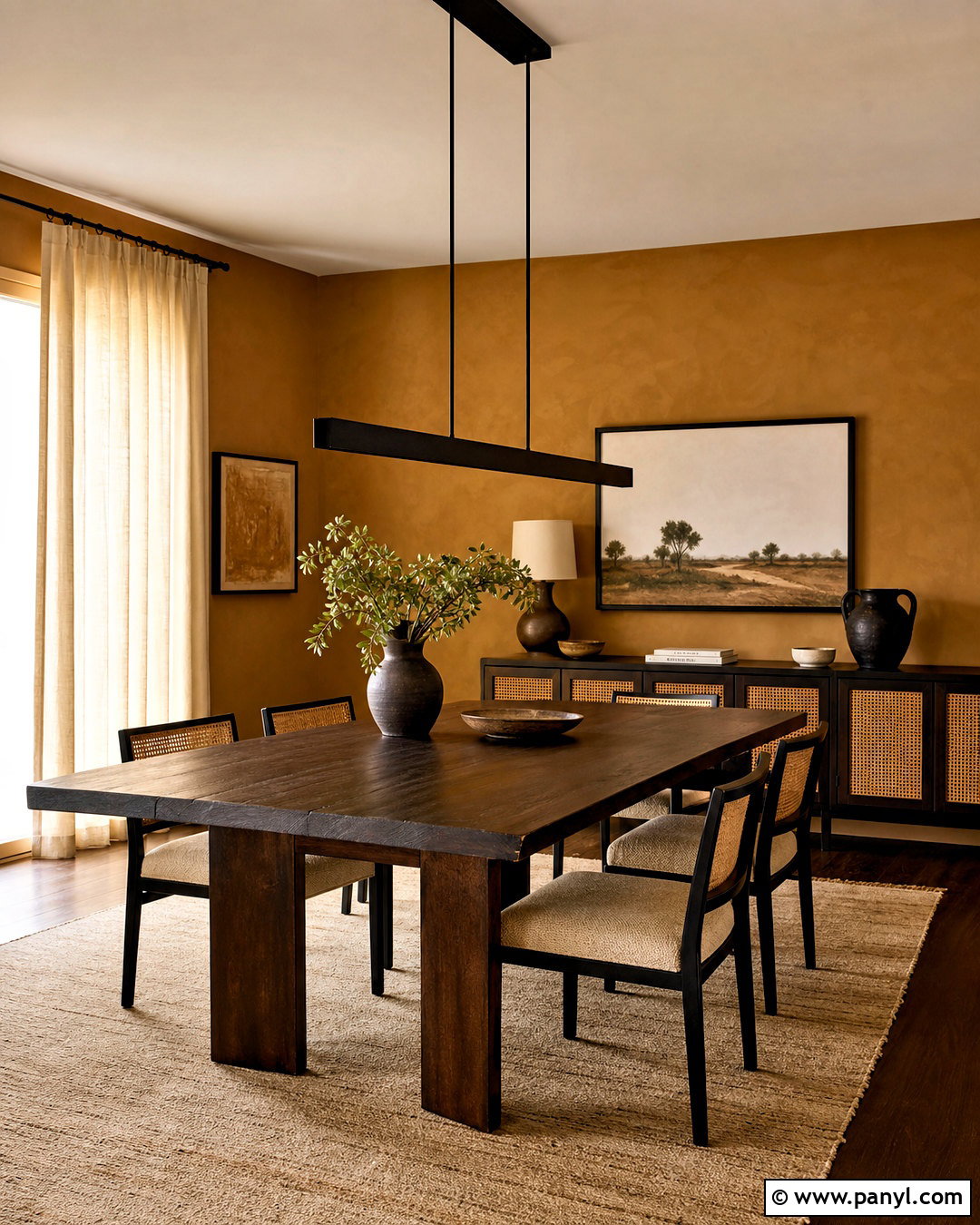
Golden ochre washed walls create a cheerful dining room that feels warm even when the furnishings are simple. Use a muted wheat-colored base, then blend a diluted ochre layer with broad brush movements. Avoid bright yellow, which can overwhelm the softly aged effect. A dark wood dining table creates a strong center, surrounded by chairs upholstered in natural linen or woven cane. Hang a matte black linear pendant above the table for clean contrast. Cream curtains and a faded beige rug keep the surrounding palette light. Style a low sideboard with dark pottery, framed art, and a single bowl of greenery. The finished room combines earthy color, practical furniture, and modern accents without looking heavily traditional or overly rustic.
15. Taupe Rag Washed Hallway
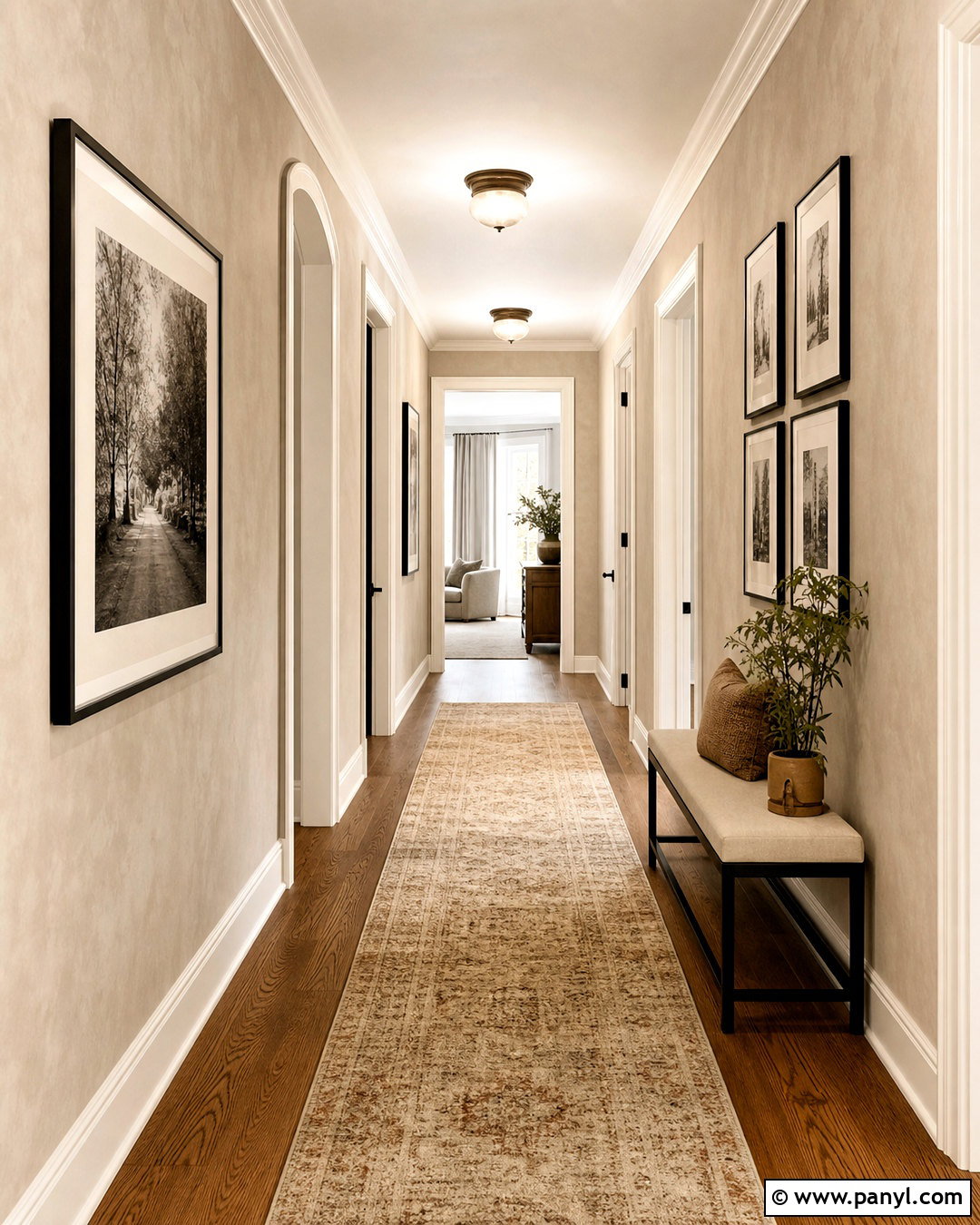
A rag-washed taupe finish adds subtle pattern to a hallway where bulky decoration would reduce usable space. Paint the walls a light warm beige, then apply a thin taupe glaze and soften it with a bunched lint-free cloth. Keep the markings random and restrained rather than forming repeated circles. Add a long natural runner with a small-scale cream and brown pattern. Slim black picture frames can form a tidy gallery along one side without hiding too much of the finish. Use simple flush-mount lights, white trim, and medium oak flooring for a clean transition into adjoining rooms. A narrow bench at the end of the hall provides function and a focal point. The coordinated look makes a basic passage feel thoughtfully designed.
16. Seafoam Sponge Washed Bathroom
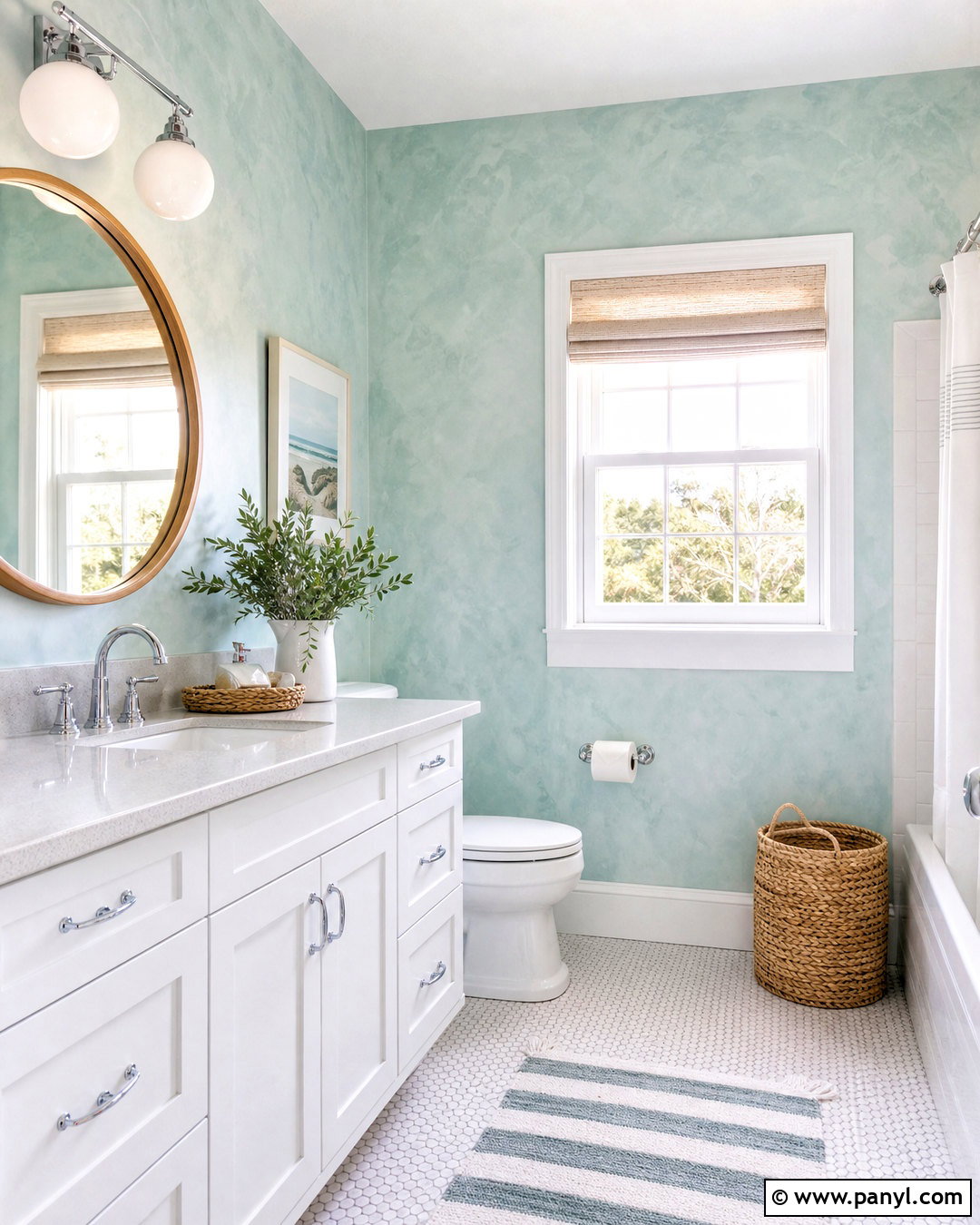
Seafoam green washed walls bring light color and movement to a compact bathroom, especially when paired with crisp white fixtures. Use a pale blue-green base and apply a slightly deeper seafoam glaze with a natural sponge. Rotate the sponge frequently and blend harsh marks so the surface remains cloudy rather than dotted. A white vanity with a light gray quartz top keeps the room fresh. Add polished chrome fixtures, a round oak-framed mirror, and white globe lights for a balanced mix of warm and cool materials. Small white floor tiles support the clean palette, while a striped cotton mat introduces pattern. Natural baskets, white towels, and one small plant complete this bright, approachable bathroom design.
17. Rust Washed Fireplace Wall
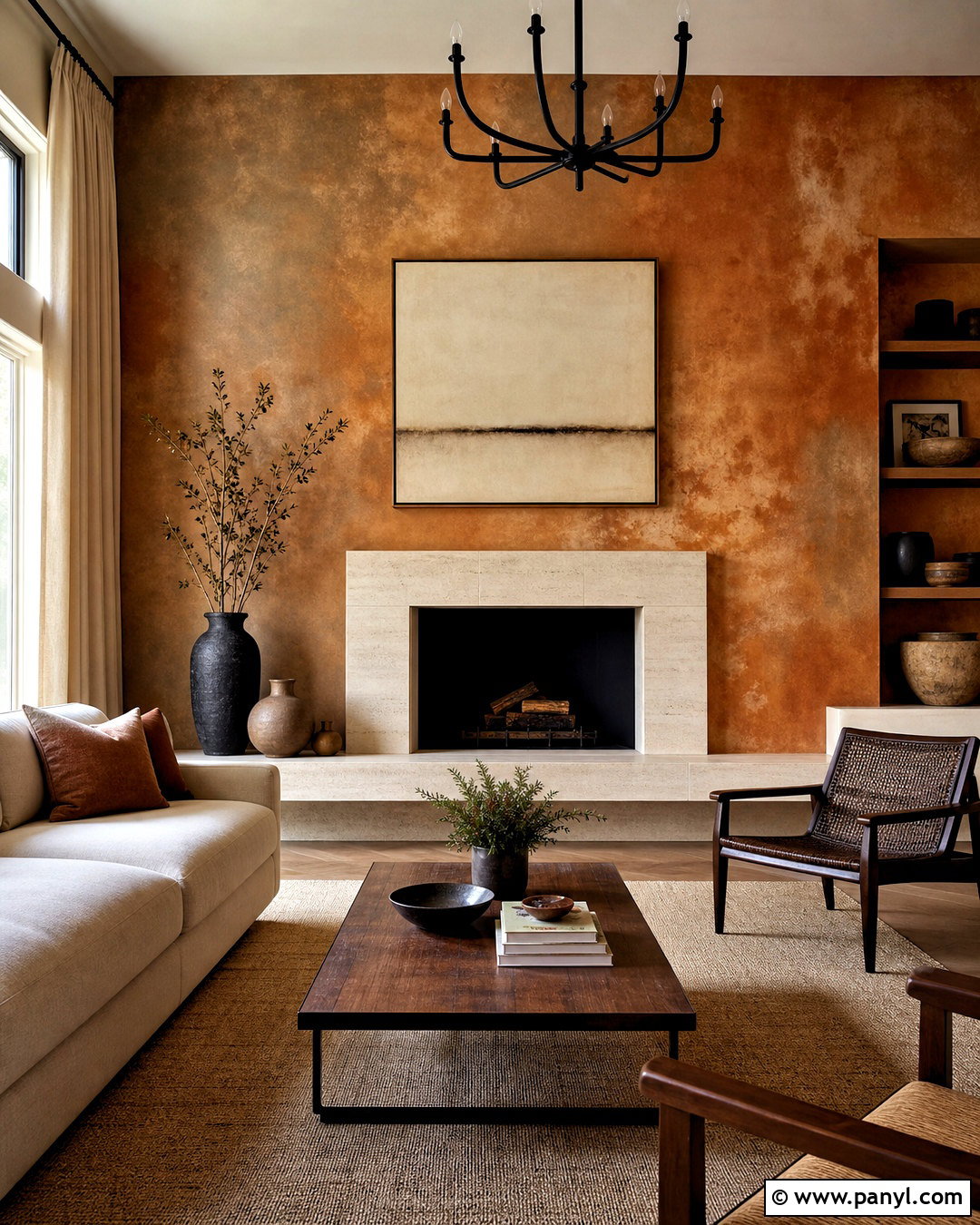
A rust-colored wash can turn a plain fireplace wall into a warm architectural focal point. Apply a muted brown-orange base across the full chimney breast, then layer burnt sienna and soft clay tones around it. Keep the fireplace surround simple with pale limestone, smooth concrete, or matte ivory tile. Position a cream sofa and two dark wood chairs around a low rectangular coffee table to create a complete conversation area. A beige rug with faded rust details repeats the wall color without making the room monochromatic. Use black metal lighting and restrained pottery for definition. Rather than crowding the mantel, display one large neutral artwork and a small ceramic vessel. The finished composition feels grounded, textured, and comfortably modern.
18. Navy Washed Media Room
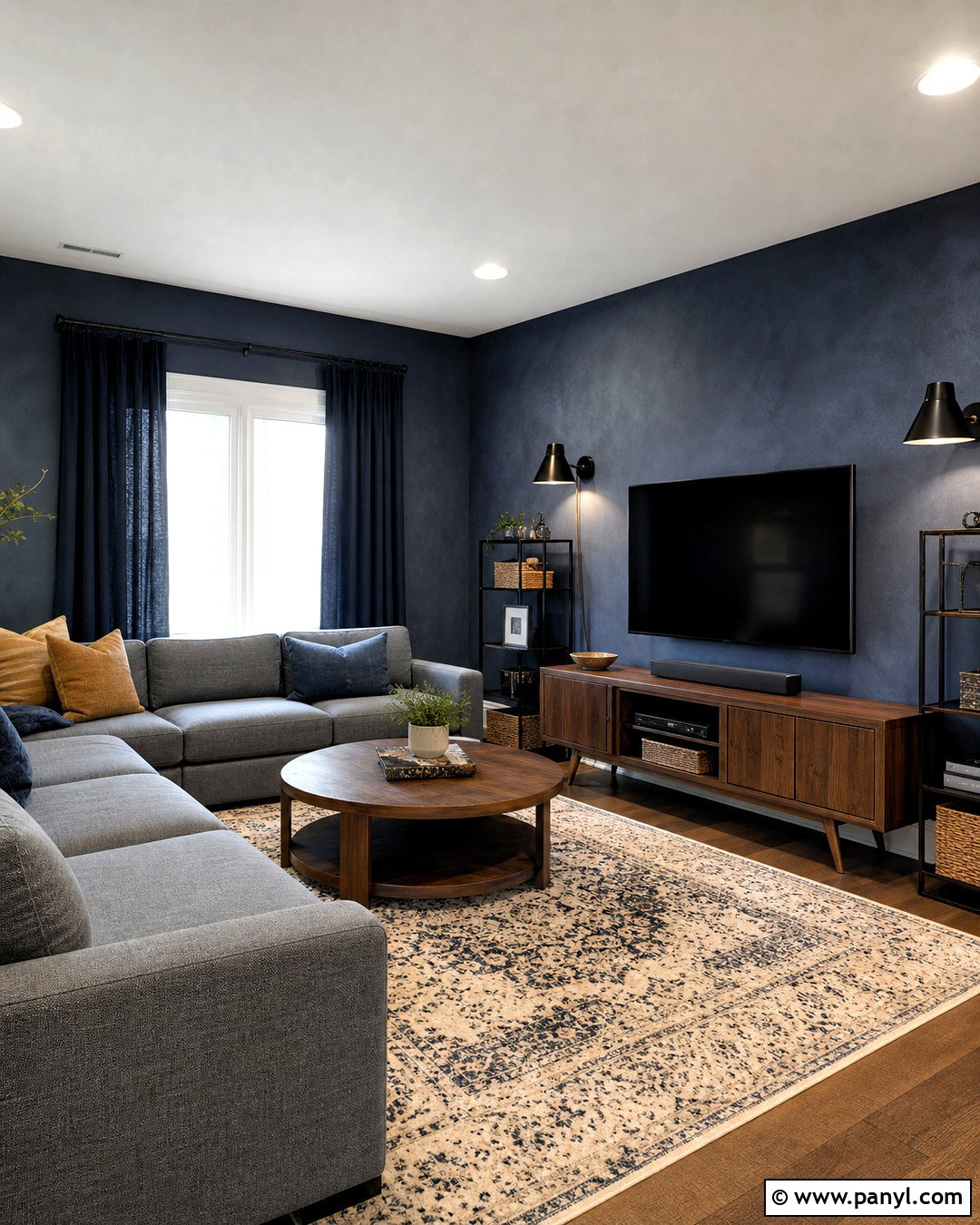
Navy washed walls provide an immersive background for a media room while looking softer than a flat dark paint finish. Use deep blue as the base and blend in slightly lighter ink-blue strokes to create movement. Continue the effect across all walls for a cohesive, enclosed feeling, but keep the ceiling warm white to prevent visual heaviness. Add a comfortable medium-gray sectional, a large cream-and-navy rug, and a low walnut media console. Matte black wall sconces can supply controlled lighting without reflecting on the television. Use navy curtains with blackout lining and include rust or caramel pillows for warmth. A round wood coffee table and woven storage baskets keep the finished room relaxed, organized, and suitable for everyday family use.
19. Peach Watercolor Washed Sunroom
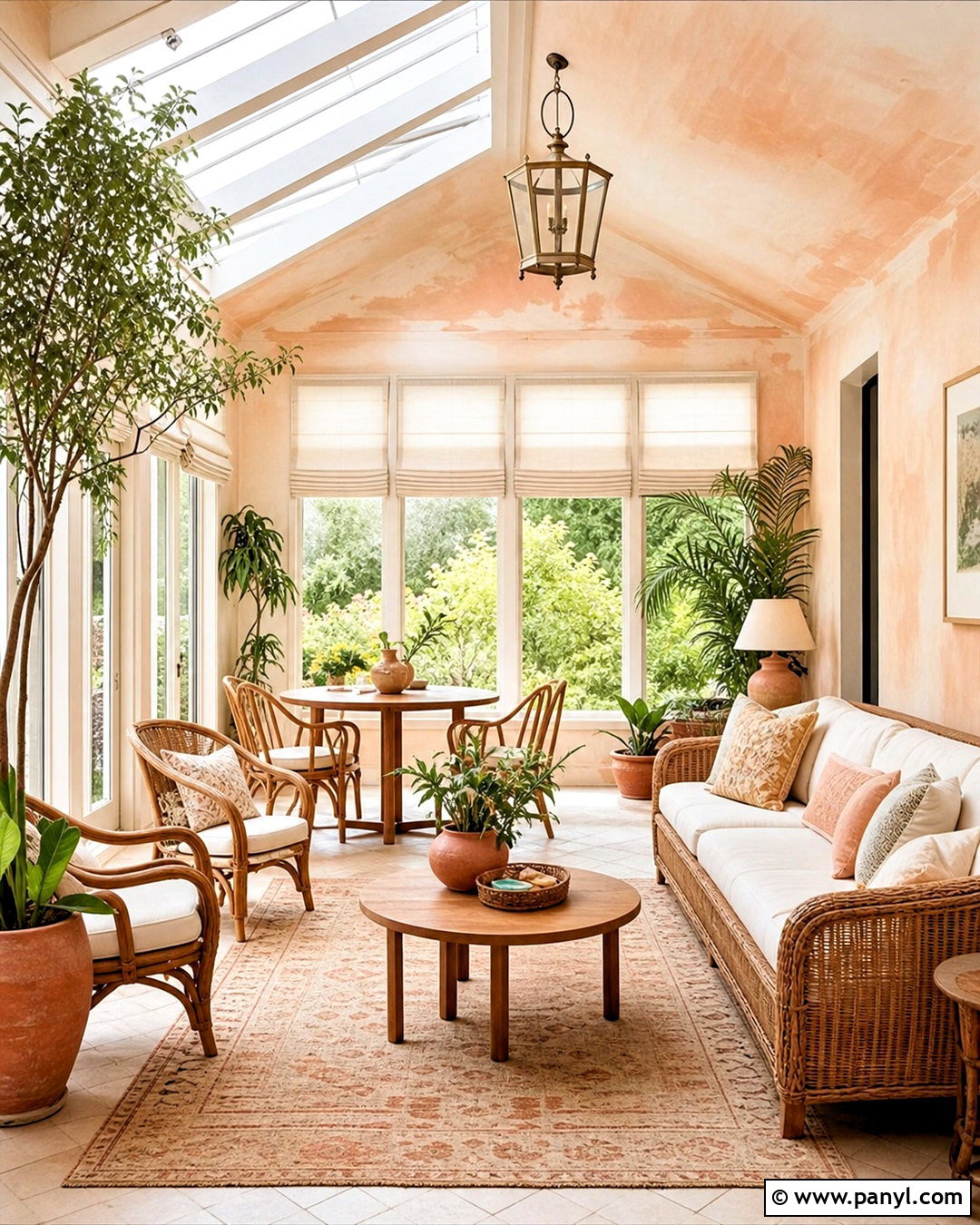
A pale peach watercolor wash enhances the natural brightness of a sunroom and creates a warm backdrop for relaxed furnishings. Start with creamy white walls, then feather diluted peach and soft apricot tones across them in broad, translucent patches. Keep the strongest color near the lower half so the upper walls remain open and light. Furnish the room with a natural rattan sofa, ivory seat cushions, and two curved wood chairs. Add a flat-weave rug featuring sand, blush, and muted green. White linen shades soften direct sunlight without making the room feel enclosed. Terracotta planters, leafy plants, and a small round oak table complete the design. The result feels sunny and expressive without becoming overly colorful.
20. Two-Tone Washed Staircase
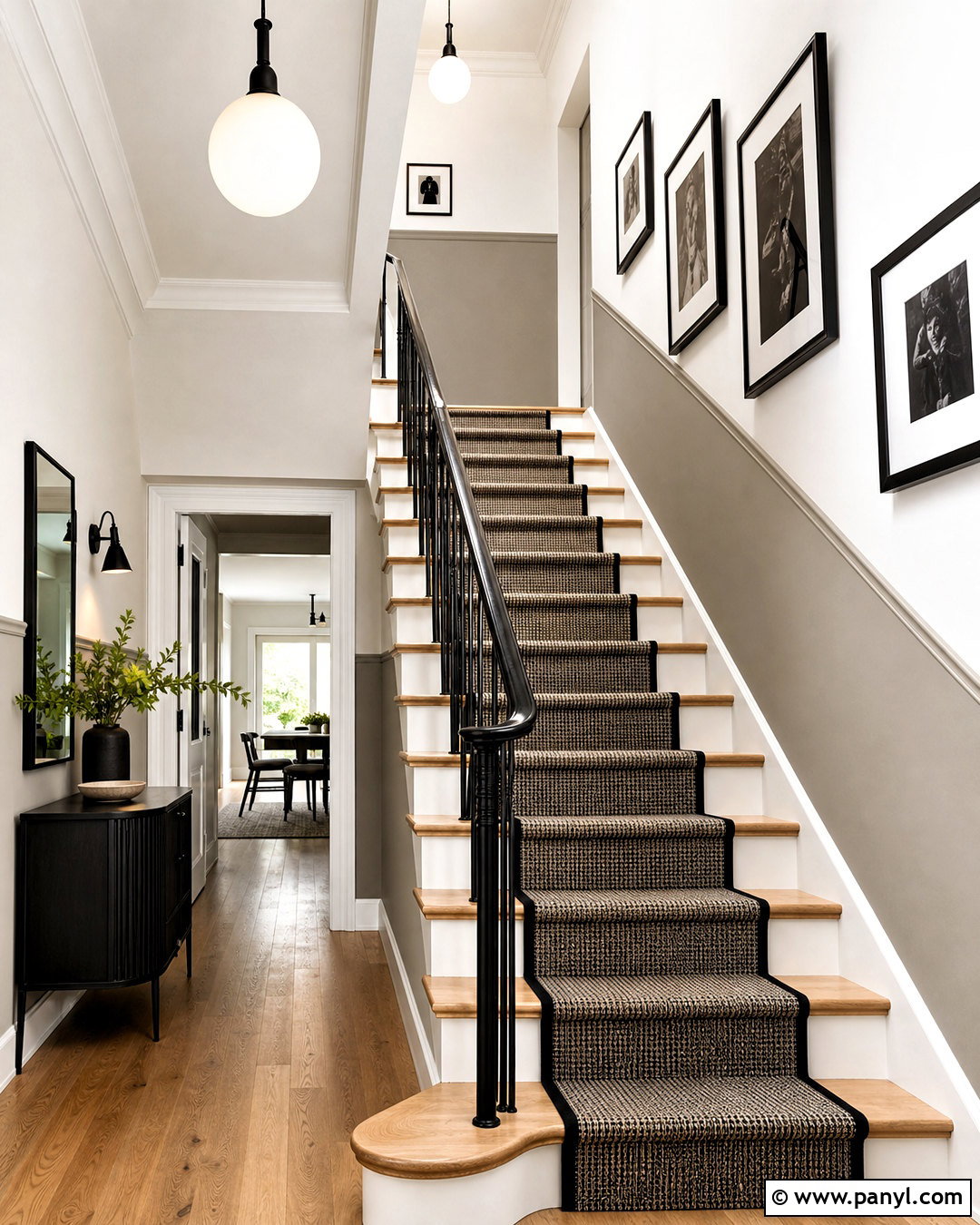
A two-tone washed staircase treatment can visually define the walls while making a tall transitional area feel connected. Use warm greige on the lower portion and a lighter cream wash above, joining the colors with a soft, uneven transition rather than a sharp painted line. Continue the treatment along the full stair wall for a consistent effect. Pair it with natural oak treads, white risers, and a slim matte black railing. A woven runner in beige and charcoal adds safety and pattern. Hang a simple arrangement of black-framed artwork that follows the staircase angle. Bright globe lighting keeps the vertical space clear and welcoming. The completed design adds movement, architectural interest, and practical durability to an often-overlooked area.
Conclusion:
The best 20 washed wall paint effect ideas combine artistic color variation with a well-planned room design. Instead of treating the walls as a separate DIY feature, coordinate them with flooring, furniture, window treatments, lighting, and smaller decorative accents. Warm neutrals provide the easiest starting point, while sage, terracotta, blue, rust, and charcoal create more noticeable transformations. Always test the base color and translucent layer together because the completed appearance depends on their interaction. Work in manageable areas, maintain soft transitions, and avoid repeating obvious marks. Whether you choose subtle limewashed neutrals or a dramatic ombre finish, washed paint can give an ordinary room depth, warmth, and an appealing handcrafted character.

Related Ideas and Inspiration:
Leave a Reply