
Choosing among **20 faux finishes for walls** is easier when you consider the entire room, not just the wall treatment. The best finish should support the furniture, flooring, lighting, textiles, and overall mood. Today’s most appealing applications range from softly mottled limewash and smooth Roman clay to realistic marble, concrete, wood, and aged metal effects. Many techniques use layered paint or glaze, while others rely on specialty plaster, mineral coatings, or lightweight panels. Proper surface preparation and a sample board are essential because color, sheen, and texture can shift under different lighting. Faux finishes can transform plain drywall, highlight architecture, and give an ordinary room a more custom appearance. Explore these complete room looks featuring **20 faux finishes for walls**. ()

1. Venetian Plaster Wall Finish
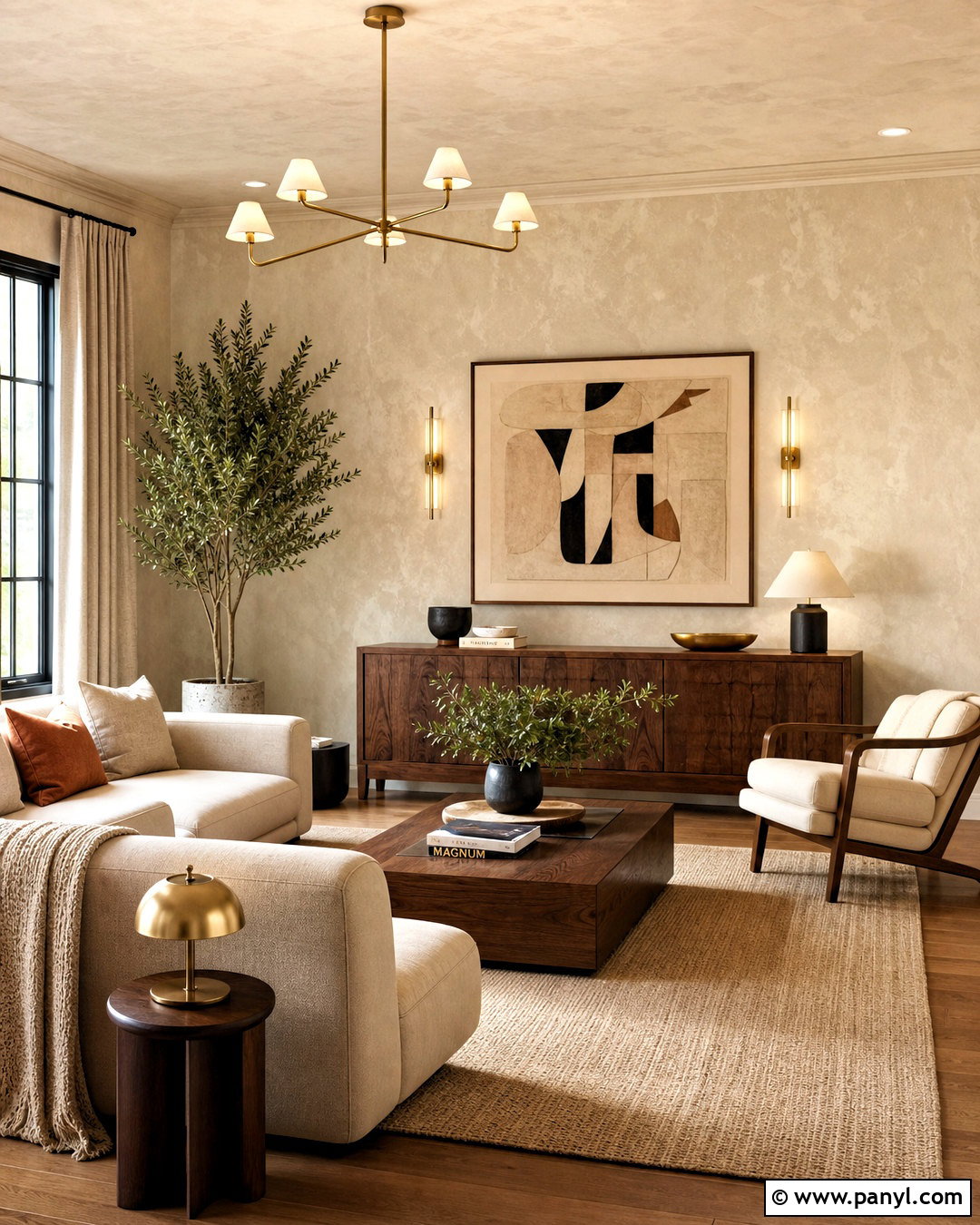
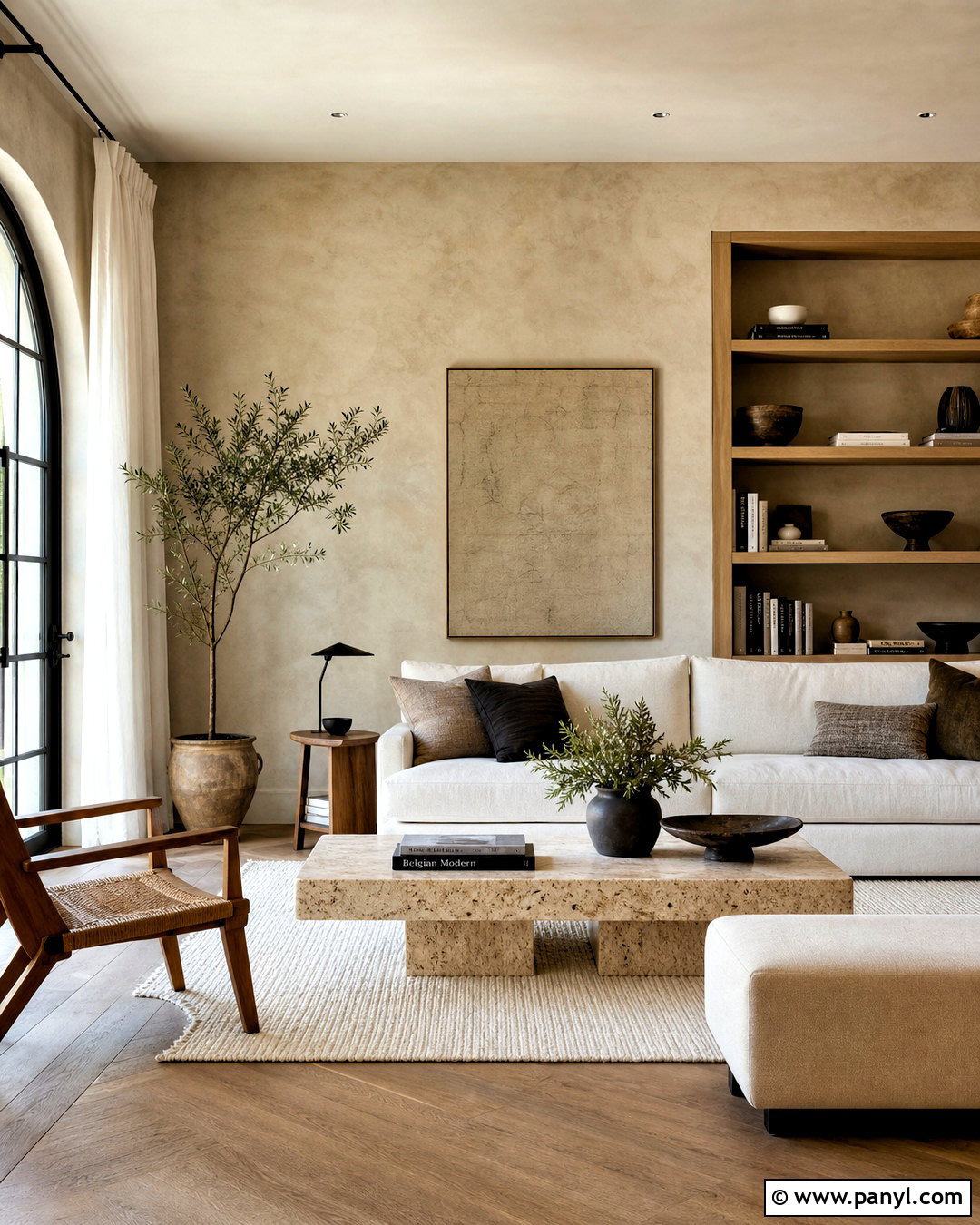
Venetian plaster brings smooth movement and subtle polish to a sophisticated living room. Choose warm ivory or pale greige plaster with gentle tonal variations rather than dramatic contrast. Apply it across every wall so the finish feels architectural, not decorative. Pair it with a low cream sofa, walnut coffee table, sculptural beige chairs, and an oatmeal wool rug. Brushed brass lighting introduces warmth, while off-white linen curtains soften the natural shine. Keep artwork large and minimal because crowded frames compete with the plaster’s movement. Medium oak flooring grounds the pale palette without making the room feel formal. Burnishing selected areas can create a stone-like glow, while an appropriate clear sealer may provide additional protection where needed. ()
2. Limewash Wall Finish
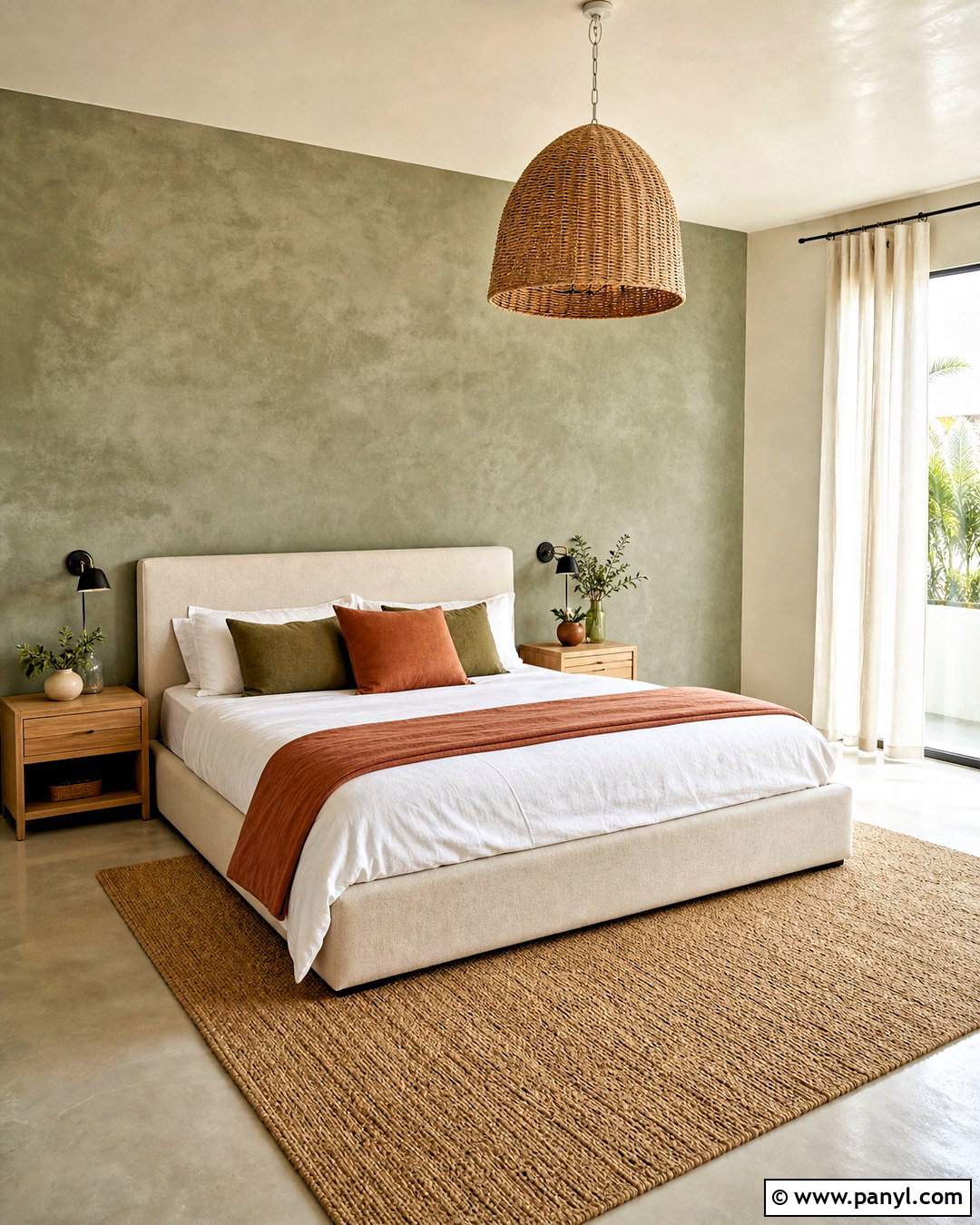
Soft sage limewash creates a calm bedroom with cloudy color variation and a natural, lightly weathered character. Cover all four walls to make the treatment feel immersive, then balance it with an upholstered oatmeal bed and simple oak nightstands. Choose warm white bedding, a muted olive throw, and small touches of faded terracotta. A woven pendant and linen curtains reinforce the relaxed texture without turning the room rustic. Keep the ceiling, baseboards, and doors soft white for clean definition. Limewash is generally brushed on in overlapping, irregular strokes, so transitions should remain loose rather than perfectly uniform. Because the final appearance depends on the substrate and application, test the complete system, including the recommended primer, before treating the room. ()
3. Roman Clay Wall Finish
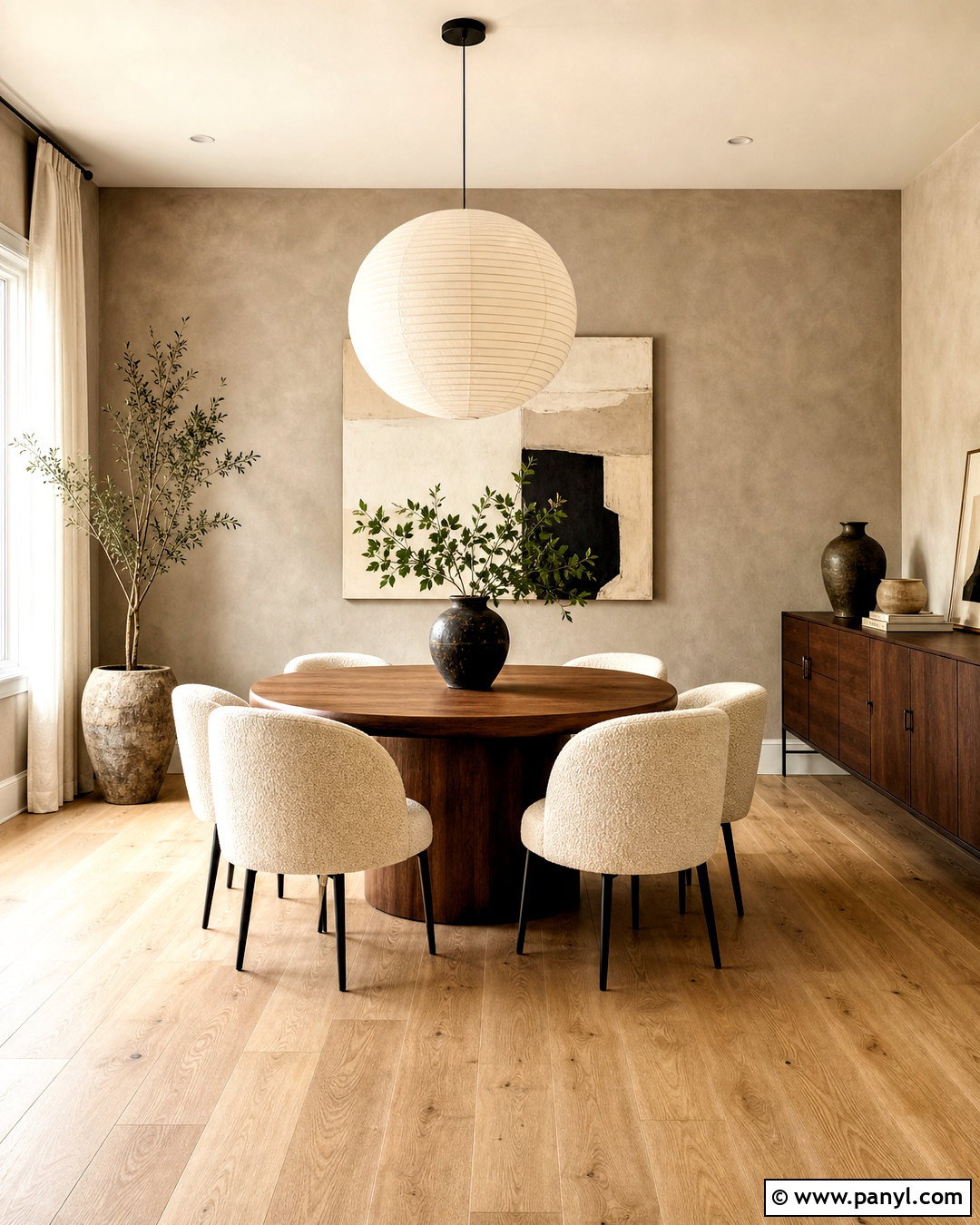
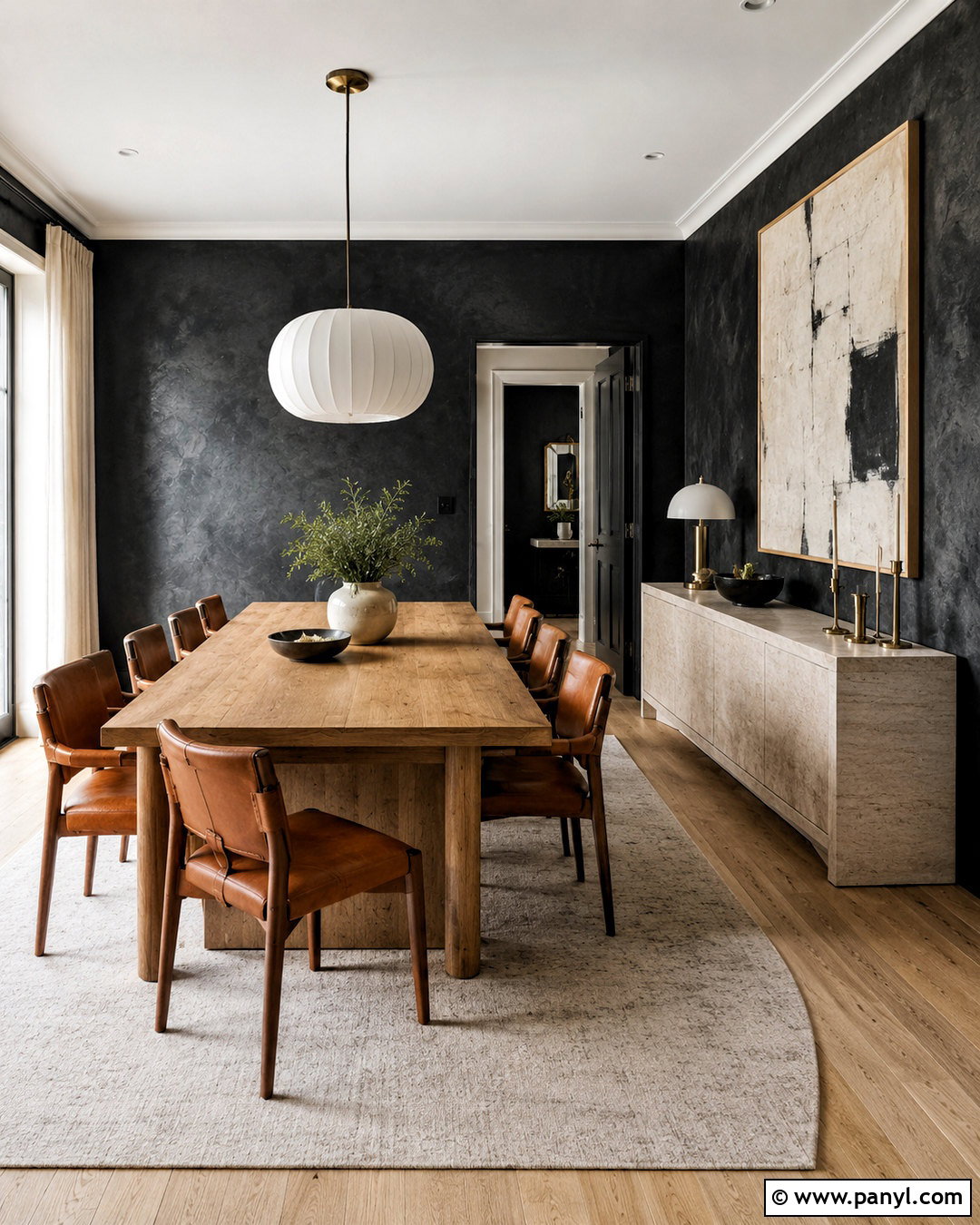
Roman clay suits a warm minimalist dining room where quiet texture matters more than shine. Select a muted mushroom tone and spread it in thin, overlapping passes to produce smooth movement across the walls. Add a rounded walnut dining table, cream bouclé chairs, and a large paper lantern pendant. Pale oak flooring and natural linen drapes prevent the darker walls from feeling heavy. Display one oversized abstract canvas and a handmade ceramic bowl rather than several small accessories. The combination feels modern but still comfortable enough for everyday meals. Roman clay is applied with a putty knife and can produce a softly marbled appearance on a properly prepared smooth surface. In busy dining areas, consider the manufacturer’s compatible topcoat for greater durability and easier maintenance. ()
4. Concrete Effect Wall Finish
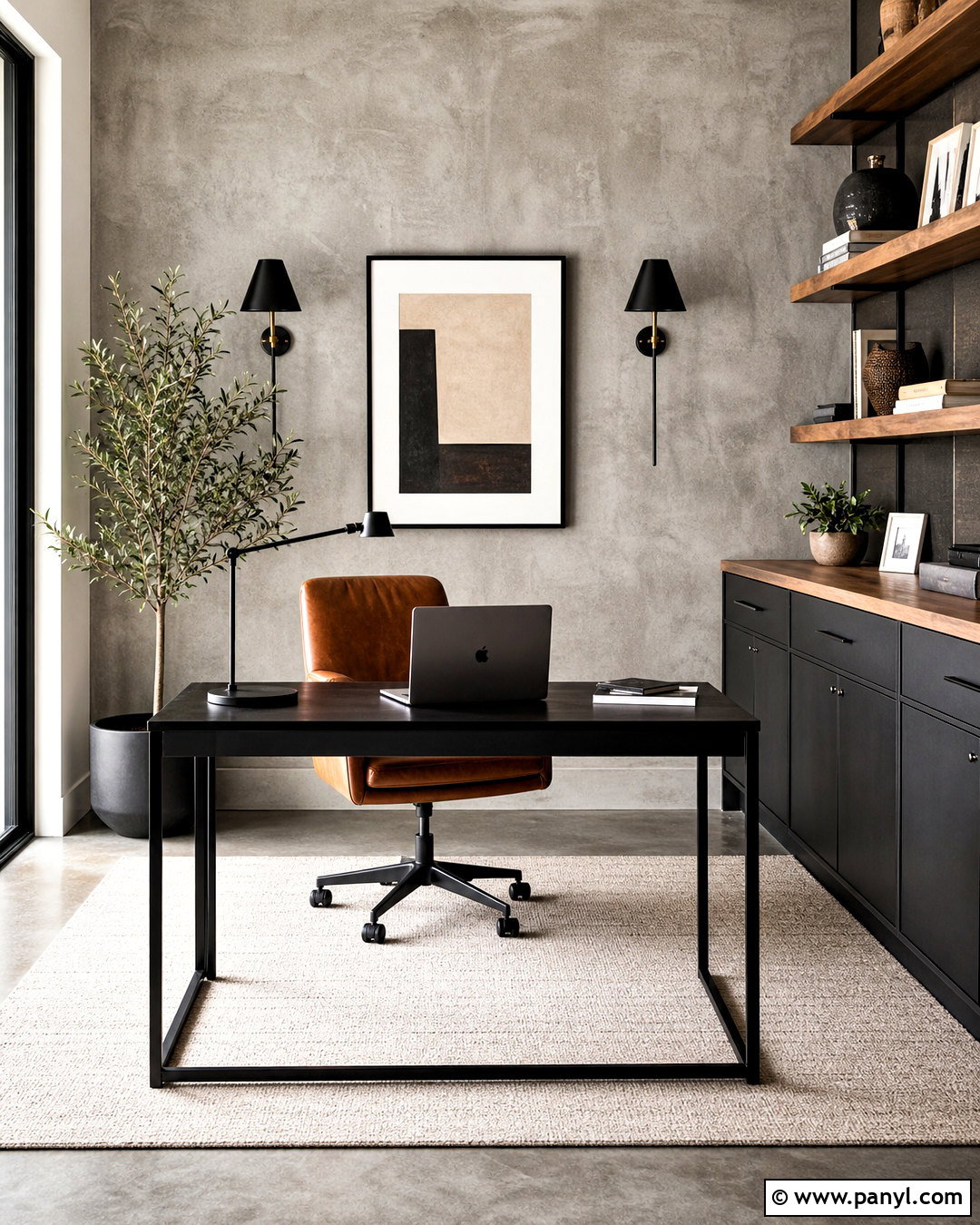
A concrete effect gives a home office an industrial look without leaving the space cold or unfinished. Use a medium warm gray finish with broad, irregular trowel marks on the main wall and a slightly lighter gray on the remaining walls. Furnish the room with a black metal desk, cognac leather chair, oak shelving, and a low charcoal storage cabinet. Add a flat-woven cream rug and white roller shade to brighten the palette. Matte black sconces strengthen the industrial direction, while a leafy plant introduces an organic shape. The finish should show restrained tonal movement instead of deep pits or exaggerated patches. Faux concrete looks can be created with specialty coatings or layered plaster products, depending on the desired depth and texture. ()
5. Faux Marble Wall Finish
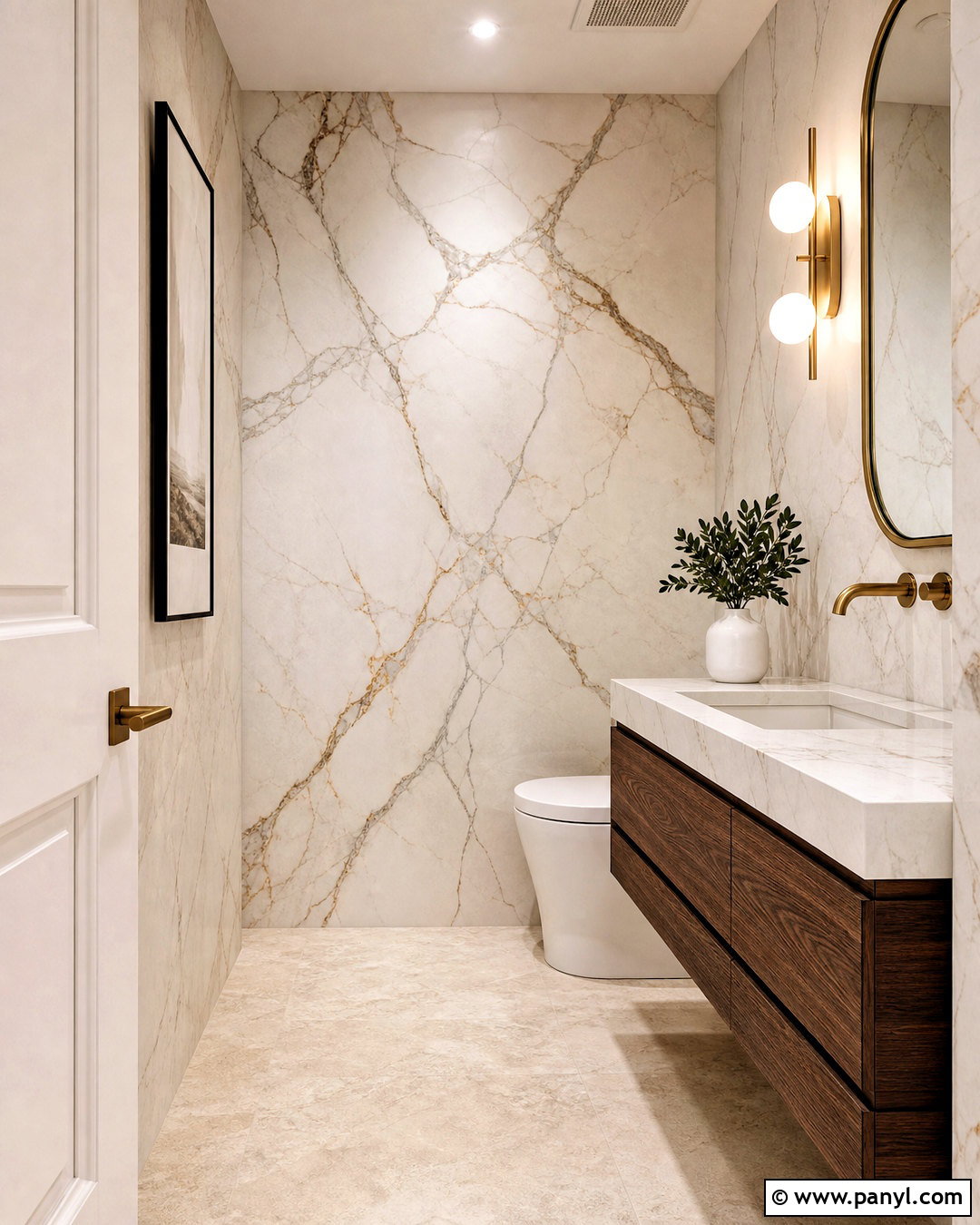
Faux marble can turn a powder room into a polished focal point when the veining remains controlled. Begin with a warm white base and add fine gray lines with a few muted taupe fractures. Continue the finish around the room rather than stopping abruptly behind the vanity. A walnut floating vanity, white quartz sink, brushed brass faucet, and rounded brass mirror complement the elegant surface. Use pale stone flooring and simple globe sconces to maintain brightness. Avoid ornate accessories because the painted marble already provides visual movement. Faux marbling typically combines a solid base color with painted fractures, veins, and softened transitions. Practice the pattern on a large sample board so the scale looks believable before moving to the walls. ()
6. Color Wash Wall Finish
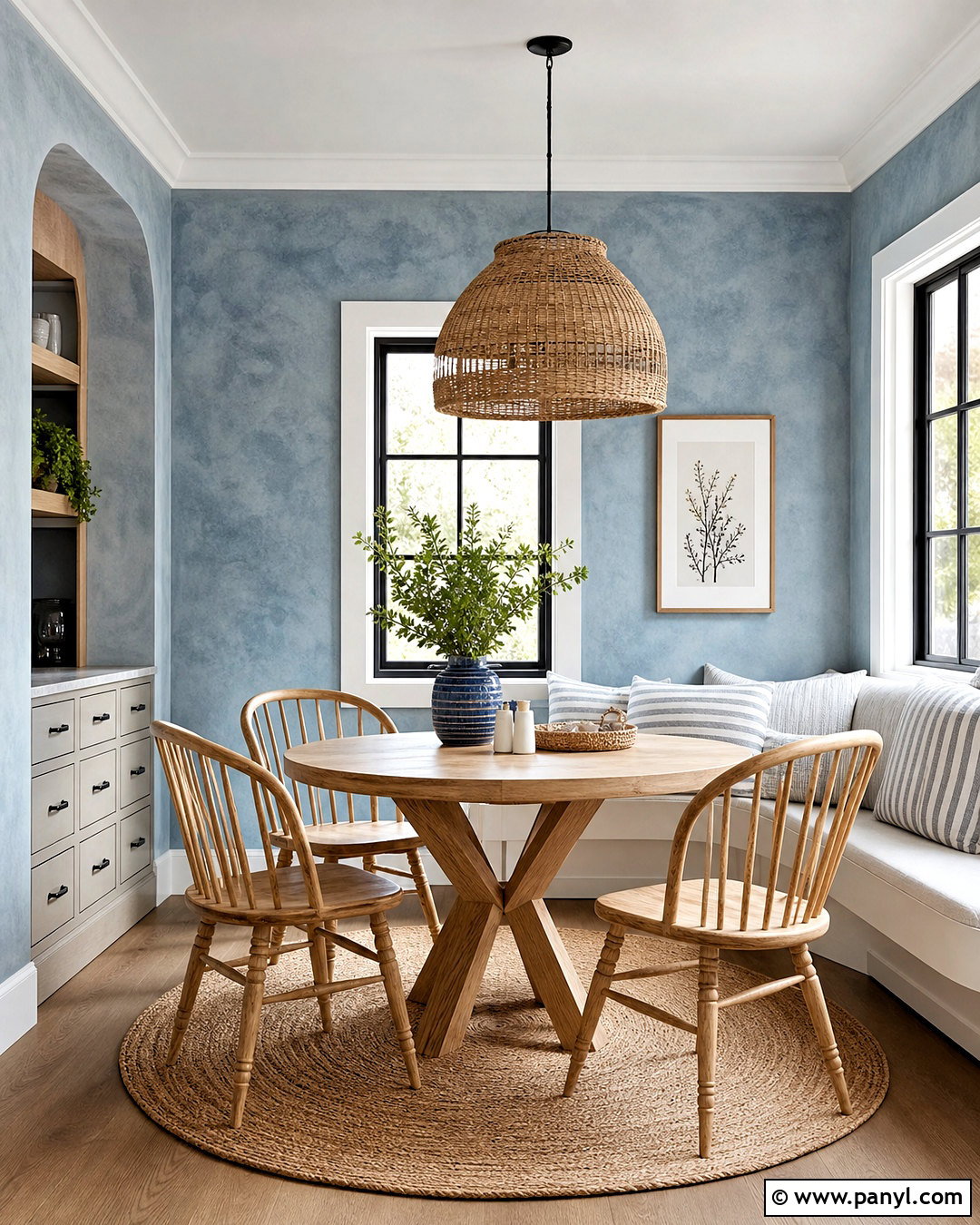
A blue-gray color wash gives a breakfast nook a soft, layered background that changes gently throughout the day. Start with a light blue-gray base, then work a slightly deeper translucent glaze over it using broad, loose strokes. Add a round white oak table, spindle-back chairs, a built-in cream bench, and striped linen cushions. A woven pendant and pale jute rug create warmth against the cool walls. Keep window treatments airy so daylight can reveal the finish’s subtle variations. Color washing works especially well when the base and glaze colors are closely related. Brushes produce stronger visible texture, while sponges or soft rags create a more diffused result. Complete one manageable area at a time to avoid obvious dried edges. ()
7. Rag-Rolled Wall Finish
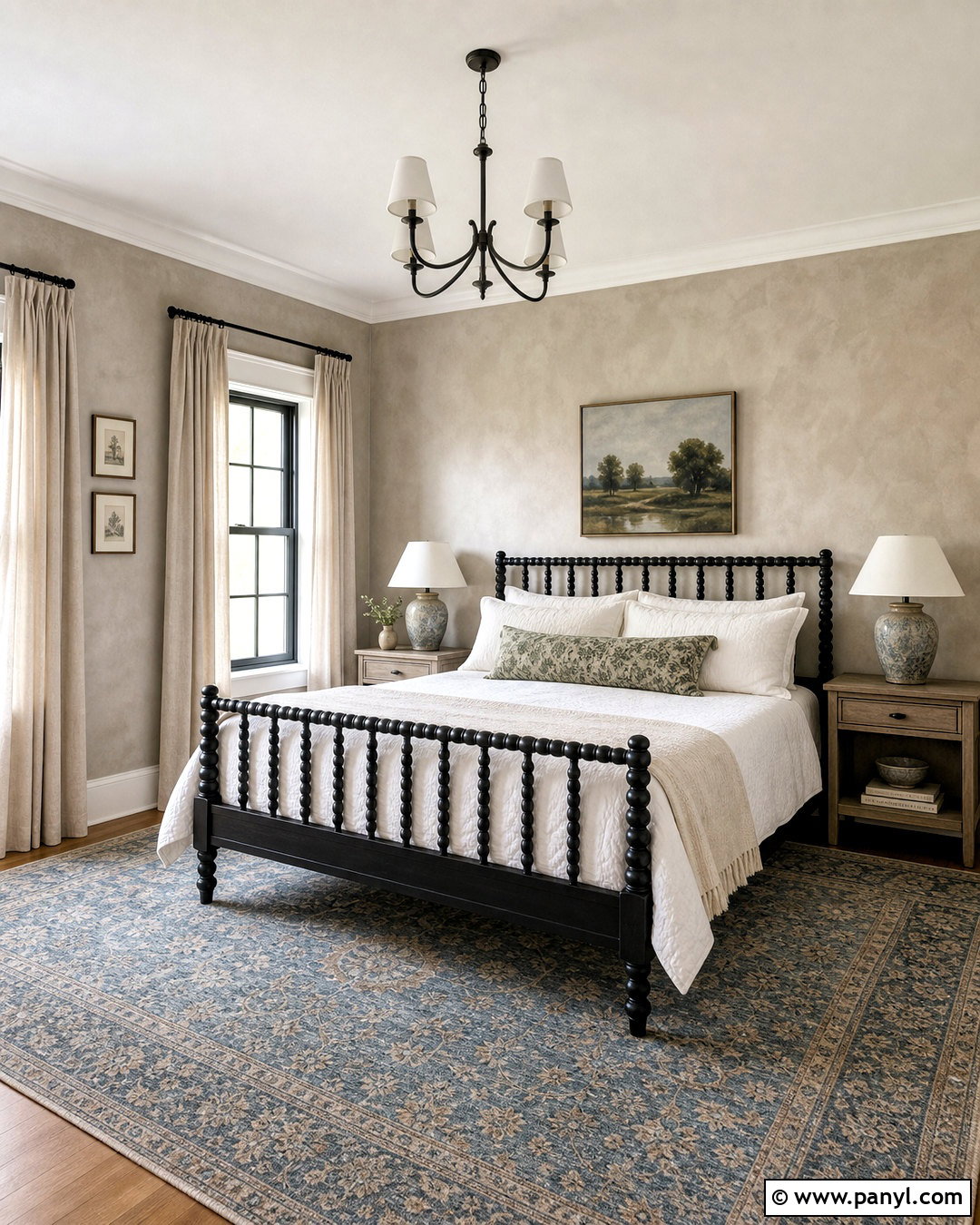
Rag rolling can feel current when the colors are quiet and the surrounding room is simple. In a guest bedroom, combine a pale taupe base with a slightly darker mushroom glaze. Roll a soft cotton rag through the wet layer, changing direction frequently to avoid repeated stripes. Pair the finished walls with a black spindle bed, white bedding, flax-colored curtains, and weathered oak nightstands. A faded blue rug adds gentle contrast, while ceramic lamps keep the look casual. Limit the treatment to subtle, low-contrast movement; strong color differences can make the pattern appear busy. Different fabrics create different marks, so test cotton, linen, or cheesecloth first. Maintain a wet edge and step back often to check the overall balance. ()
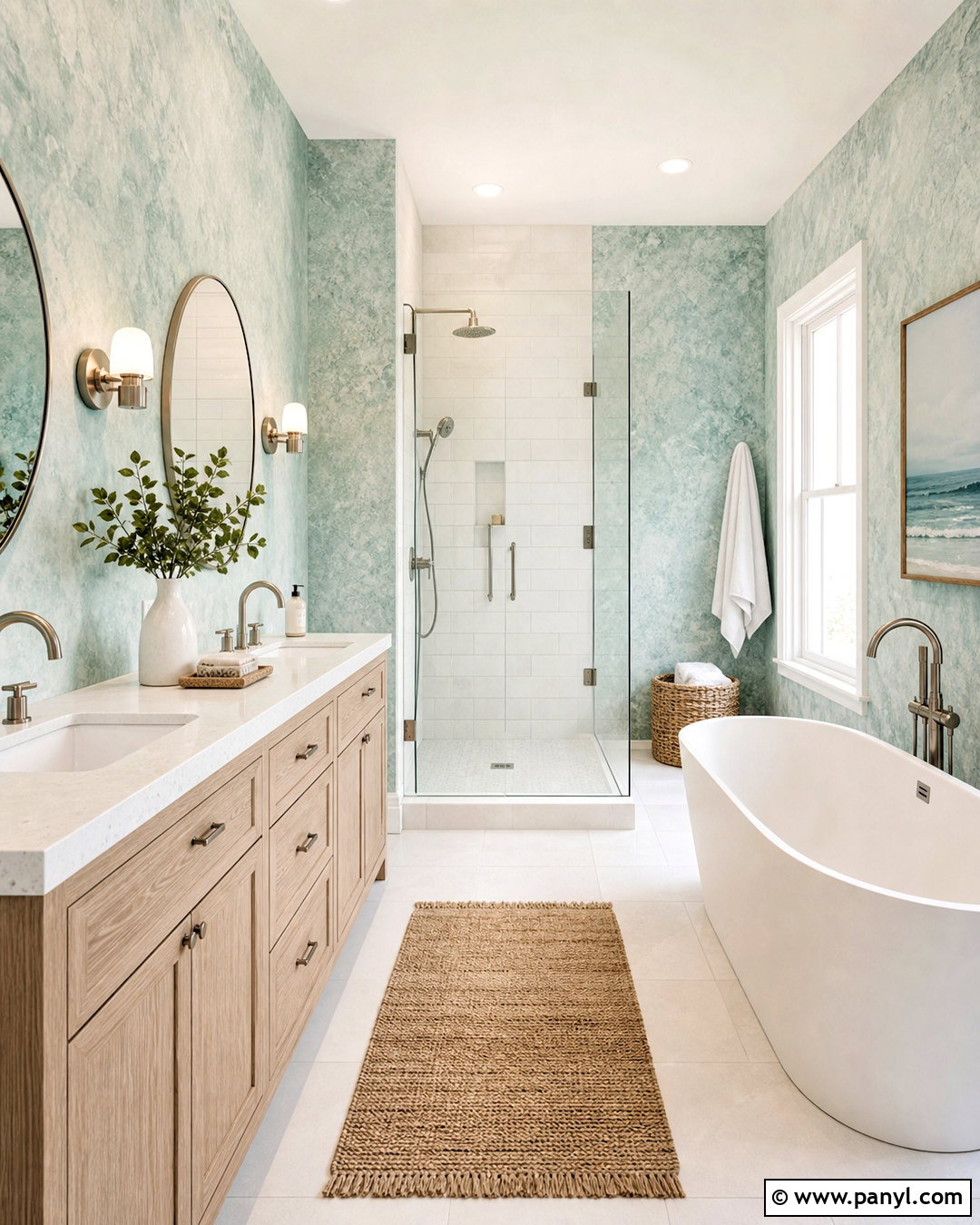
8. Sponge-Painted Wall Finish
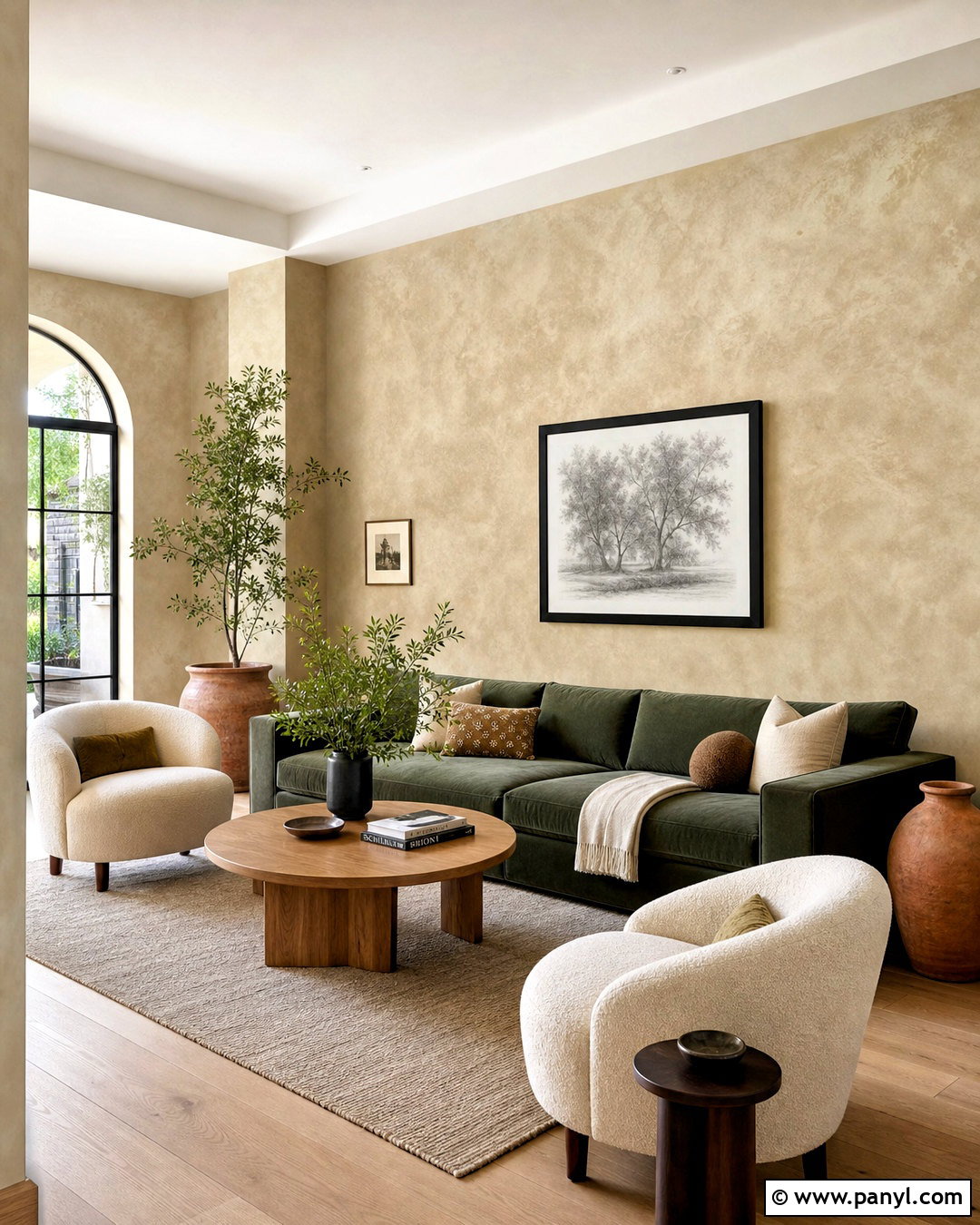
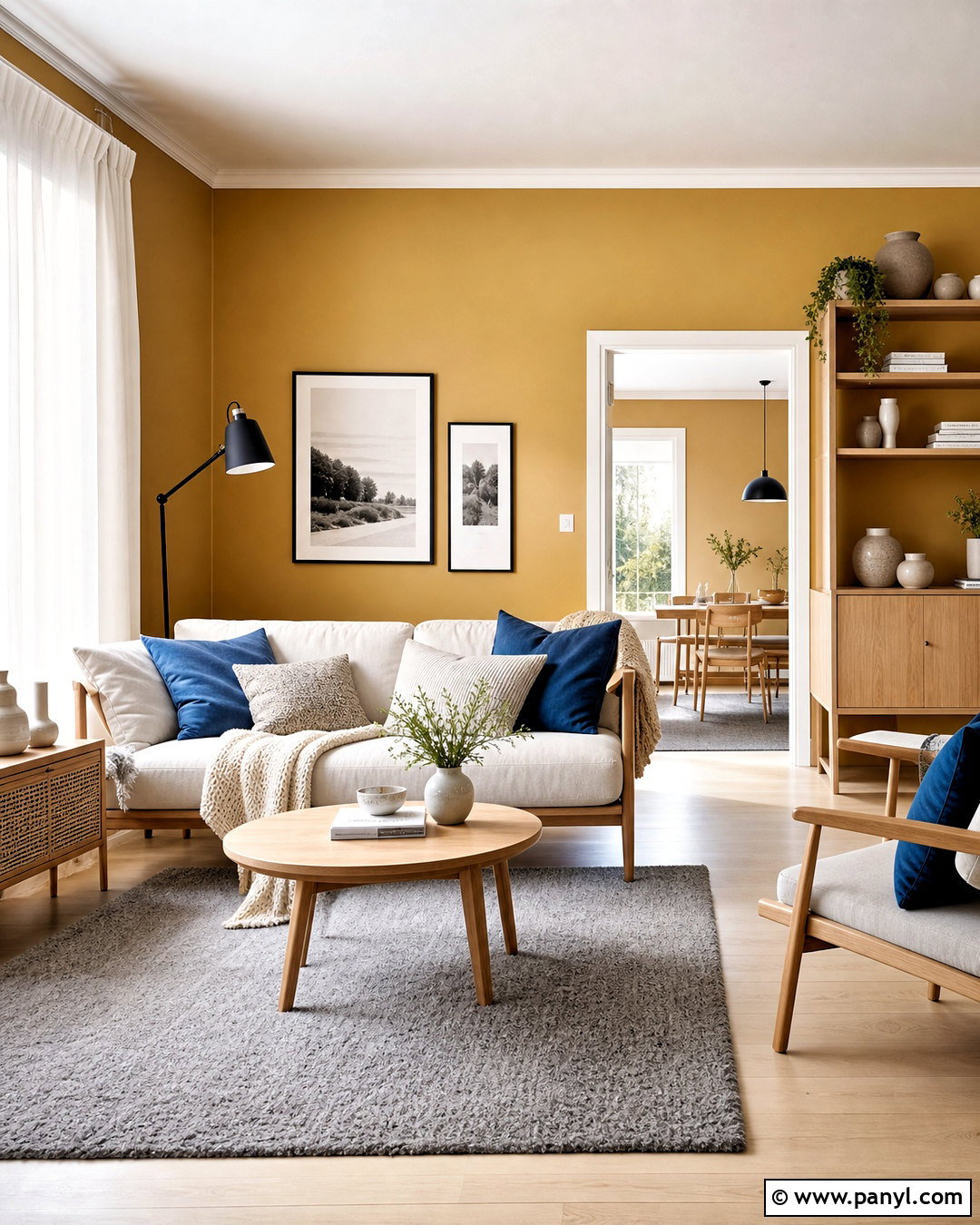
A modern sponge-painted living room relies on tonal layering rather than high-contrast speckles. Begin with a creamy beige base and dab on a warm sand glaze using a natural sea sponge. Rotate the sponge after every few impressions and soften crowded areas before they dry. Furnish the room with a deep olive sofa, two cream armchairs, a round oak coffee table, and a large neutral rug. Black-framed artwork and a slim floor lamp add structure. White oak flooring keeps the room light, while terracotta pottery connects with the warm wall tones. Sponging can build depth through multiple related colors, but the pattern should remain irregular and blended. A practice panel will help determine the correct pressure and spacing. ()
9. Suede Wall Finish
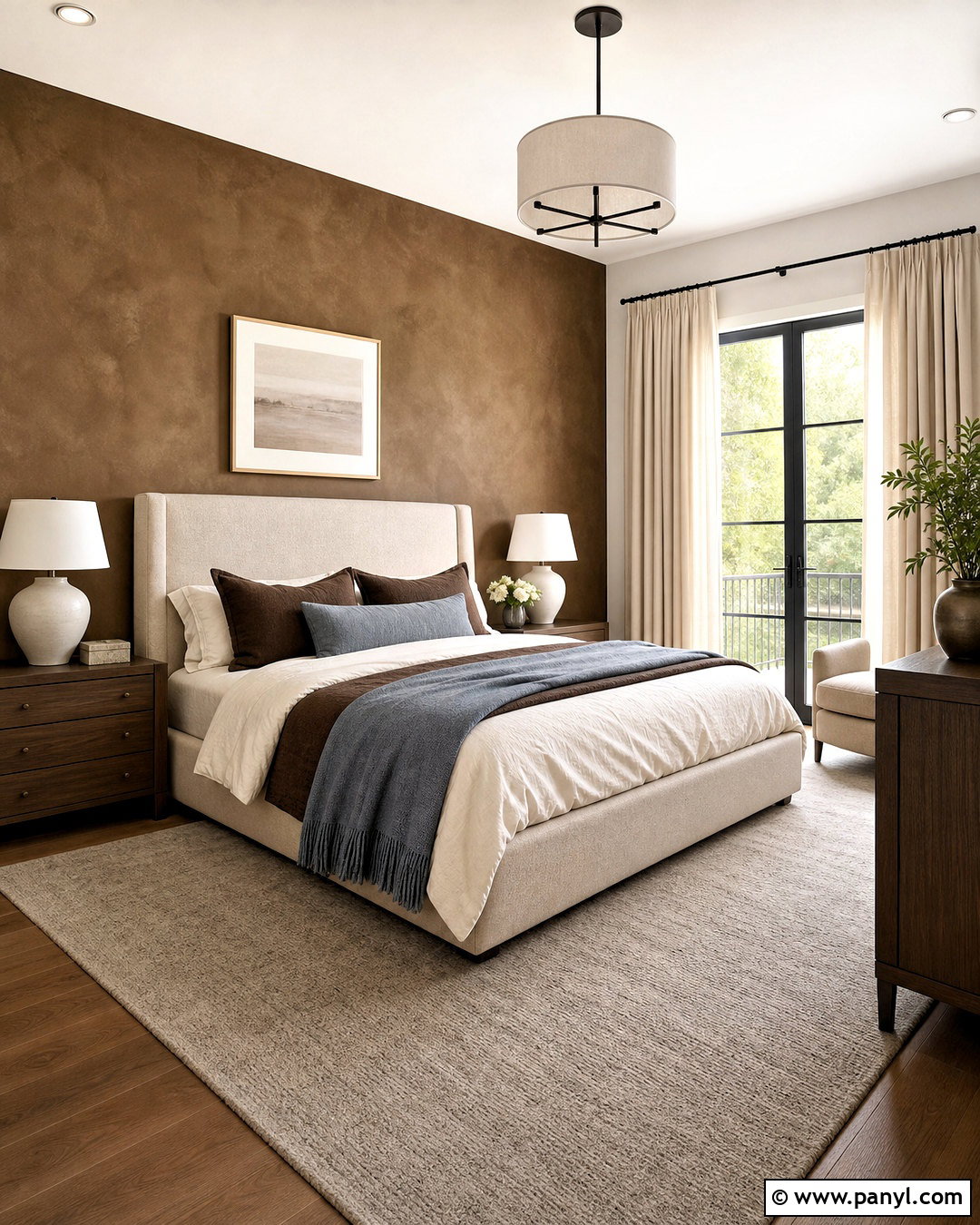
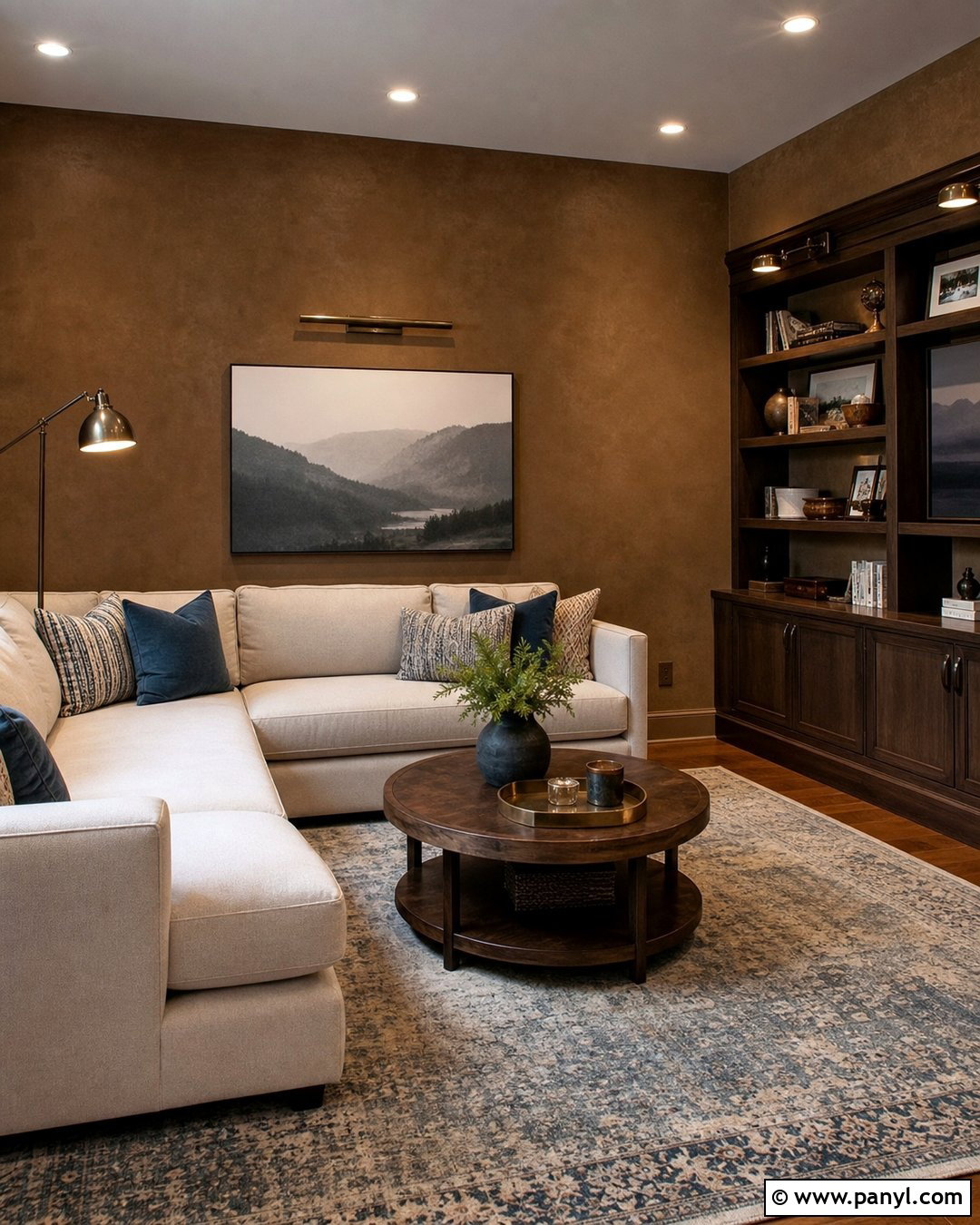
A muted cocoa suede finish wraps a primary bedroom in soft-looking texture without requiring a dark color scheme. Apply the finish to every wall for an even, cocooning effect, then use warm white on the ceiling and trim. Center a tall oatmeal upholstered bed against the longest wall and add walnut nightstands with simple ceramic lamps. Layer ivory bedding, a chocolate throw, and dusty blue pillows for controlled contrast. A large wool rug and linen curtains reinforce the tactile quality of the room. Keep metal accents matte or brushed because glossy chrome can feel disconnected from the velvety wall appearance. Position lamps at different heights so their light reveals the subtle movement while avoiding harsh glare across the surface.
10. Metallic Wall Finish
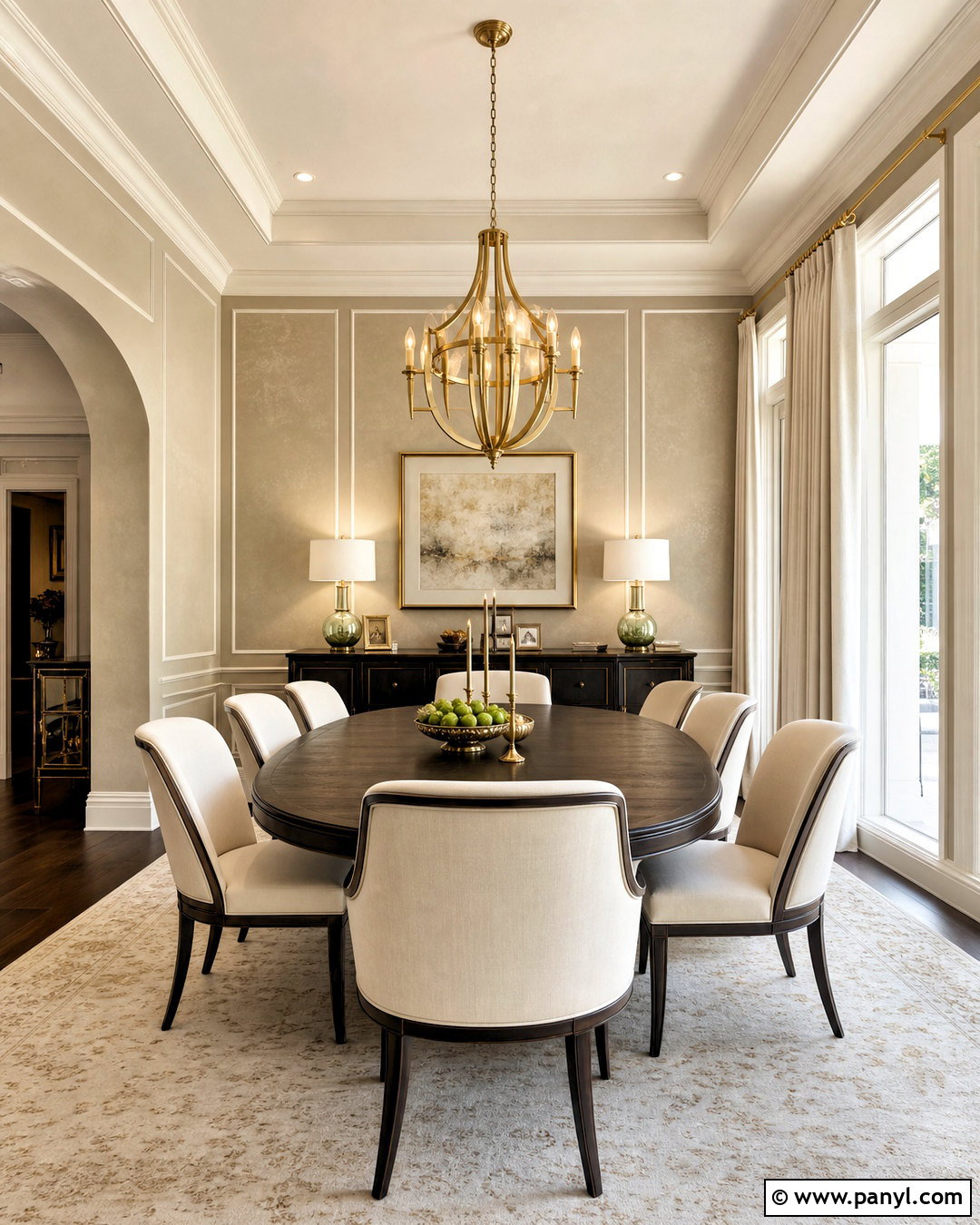
A champagne metallic finish can brighten a dining room without making it look flashy. Use it on the upper walls and pair it with warm white picture-frame molding below. The fine shimmer should catch light softly rather than resemble glitter. Add an oval dark oak table, cream upholstered chairs, a sculptural brass chandelier, and full-length ivory drapes. A pale patterned rug will soften sound and keep the furniture visually grounded. Limit additional reflective materials so the walls remain the main luminous element. Metallic coatings interact strongly with natural and artificial light, making a sample essential. Apply the finish consistently and inspect it from several angles. A compatible satin clear coat can offer added protection in active areas. ()
11. Brushed Pearl Wall Finish
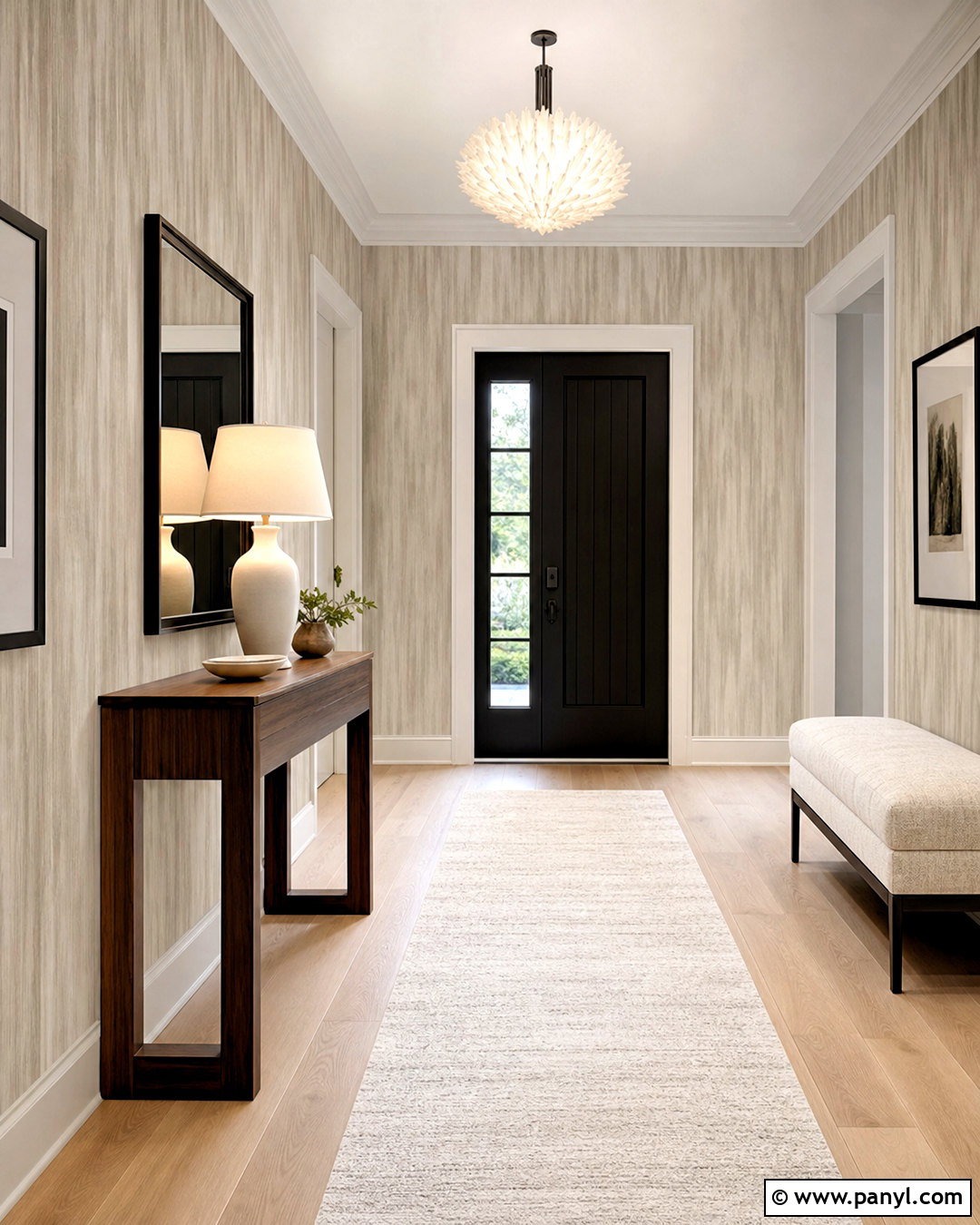
Brushed pearl gives an entryway subtle luster and visible linear movement. Choose a pale silver-beige finish and brush it vertically from ceiling to baseboard to make the space appear taller. Pair the walls with a narrow walnut console, a large black-framed mirror, and a cream upholstered bench. Light oak flooring, an ivory runner, and a white ceiling keep the entrance bright. Add a single ceramic lamp and a shallow bowl for keys rather than filling the console with decorations. The finish should appear softly reflective when viewed from the side, yet remain calm from the front. Work in full-height sections and follow one direction consistently. Strong overhead lighting can expose irregular marks, so evaluate your sample under the entry’s actual fixtures.
12. Raw Silk Wall Finish
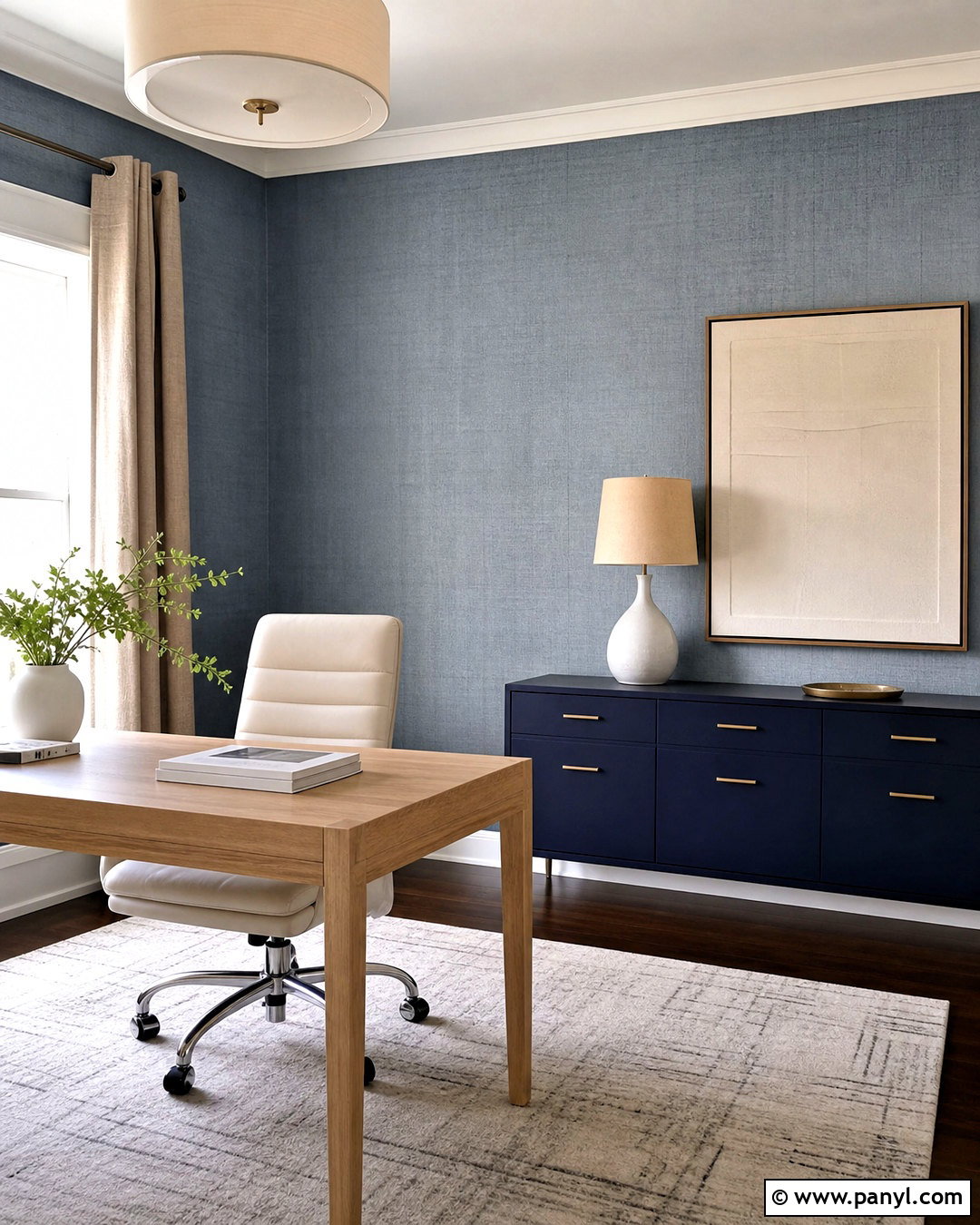
A raw silk finish creates refined vertical texture in a quiet home office or formal sitting room. Use dusty blue-gray as both the base and glaze family so the fibers appear understated. Drag the selected texturing tool vertically through the wet glaze, keeping the lines fine and mostly parallel. Complete the room with a white oak desk, cream swivel chair, low navy cabinet, and natural linen window shade. A brushed nickel lamp repeats the finish’s restrained sheen. Choose simple artwork with broad areas of white to keep the room from becoming visually crowded. Raw silk effects are commonly formed by pulling a coarse tool through glaze. Consistent pressure and closely related colors help the completed wall look like fabric rather than stripes. ()
13. Linen Wall Finish
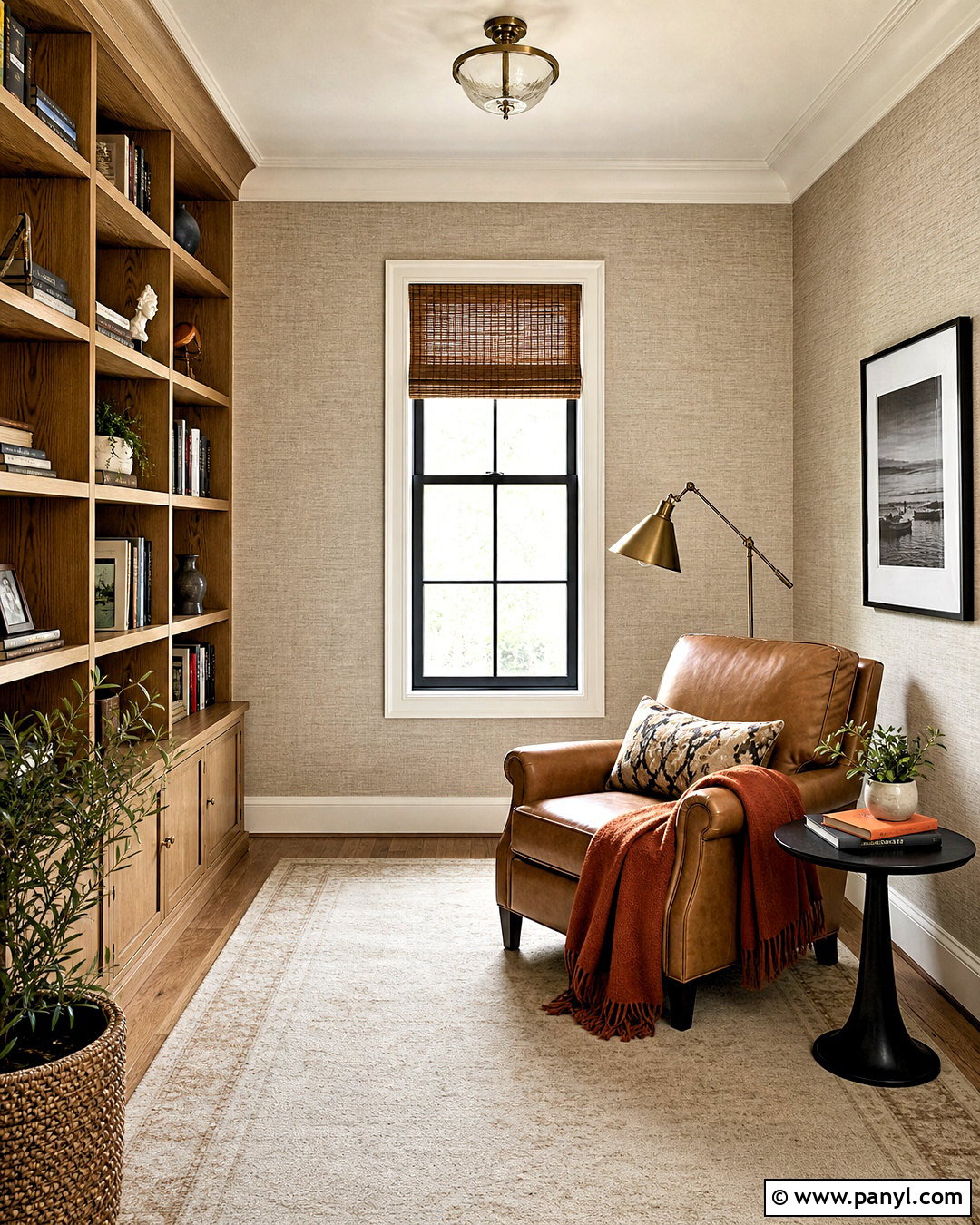
A linen wall finish brings tailored texture to a reading room without the installation or seams of real fabric. Start with a warm off-white base and apply a light greige glaze. Pull a fine comb vertically through the wet glaze, allow it to dry, and then repeat horizontally for a woven appearance. Add a caramel armchair, oak bookcases, a small black side table, and an adjustable brass reading lamp. A cream rug and muted rust throw add warmth while maintaining the understated palette. Keep the lines delicate because deep grooves can make the finish feel overly decorative. Divide the wall into manageable sections and use guides to keep the pattern level. Paint combs with different spacing can create anything from fine linen to broader textile effects. ()
14. Faux Brick Wall Finish
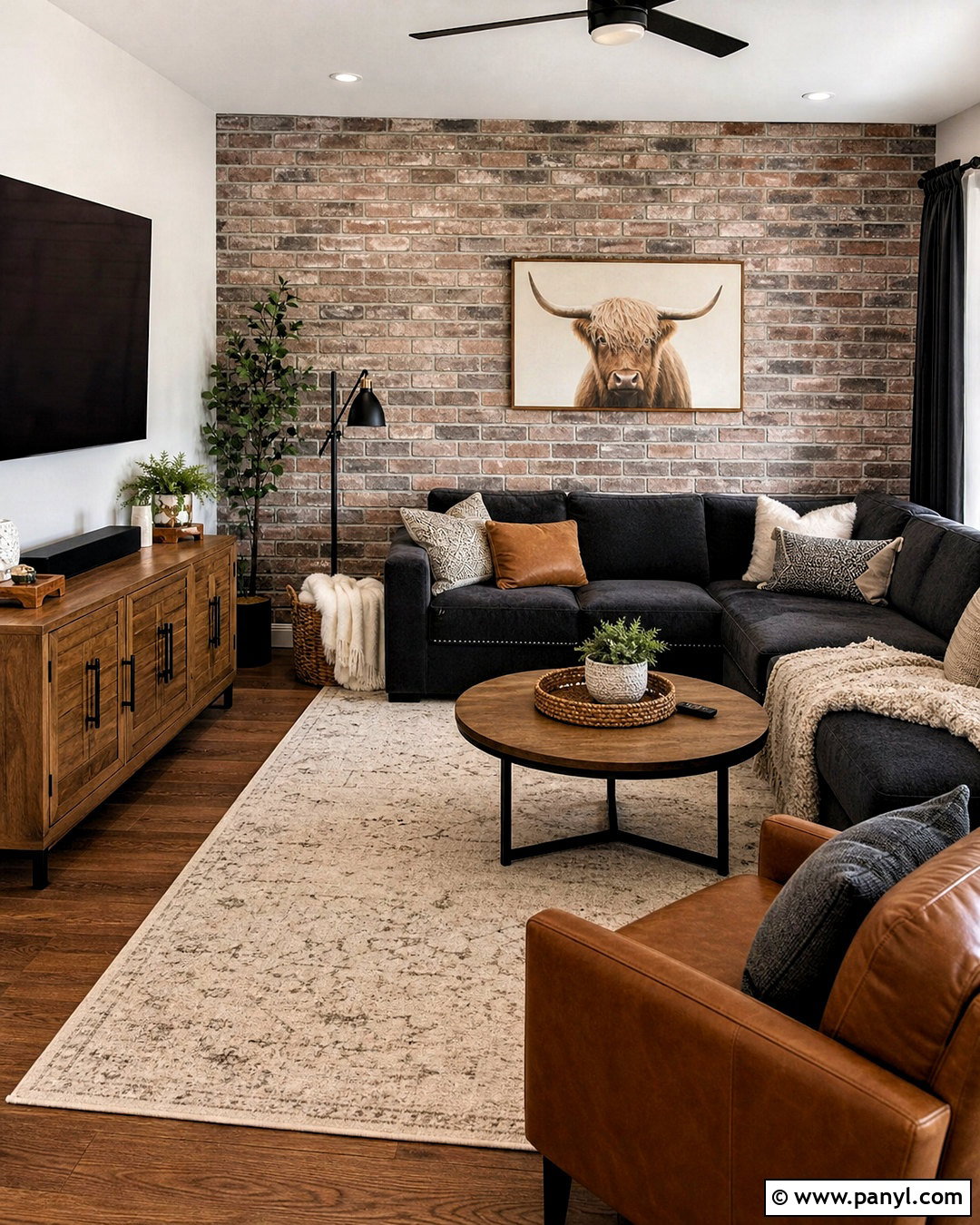
A painted faux brick wall gives a family room architectural character without overwhelming an average-size home. Use embossed brick panels in a running bond pattern, then finish them in muted red, brown, and faded clay tones. Soften the color with a thin warm white wash that leaves darker variation around selected edges. Furnish the room with a charcoal sectional, cognac chair, oak media console, and cream rug. Black metal sconces and linen curtains balance the rustic wall with cleaner modern elements. Conceal panel seams carefully before painting so the surface reads as one continuous wall. Sponging and light sanding can introduce mottling and distressed color, but the mortar lines should remain clearly visible for a believable result. ()
15. Faux Stone Wall Finish
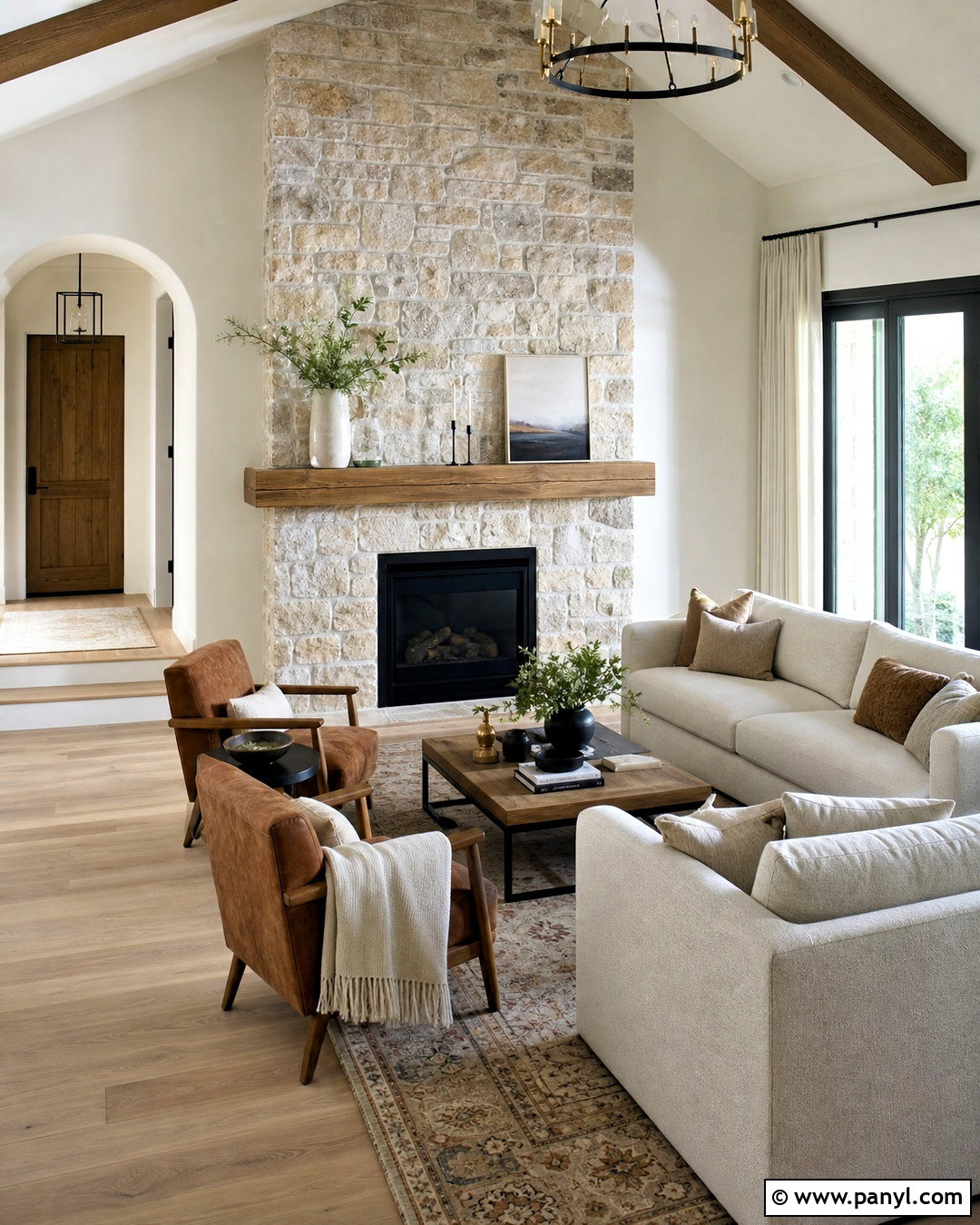
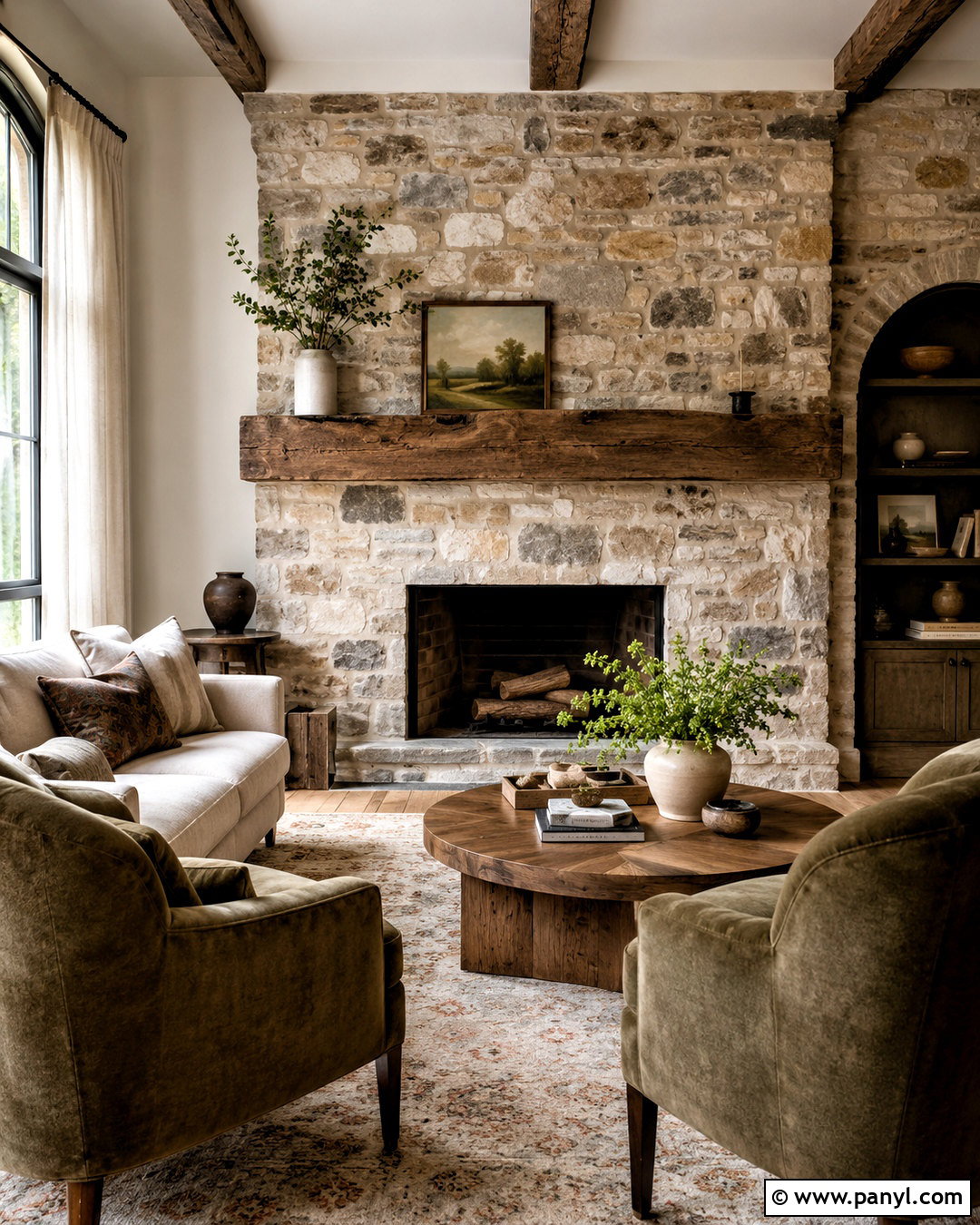
A faux stone fireplace wall can anchor a relaxed living room while keeping construction manageable. Select a warm limestone look with irregular cream, beige, and pale gray pieces rather than dark stacked stone. Run the finish from floor to ceiling around a simple black fireplace insert. Add a thick reclaimed oak mantel, oatmeal sofa, two light brown chairs, and a large textured rug. Cream curtains and pale oak flooring brighten the heavier architectural feature. Repeat the stone colors through pottery and pillows, but avoid adding several competing rustic materials. Lightweight veneer systems can be installed over suitable prepared surfaces, including drywall, depending on the product. Mix sizes and offset the seams to prevent the wall from appearing like repeated panels. ()
16. Faux Wood Grain Wall Finish
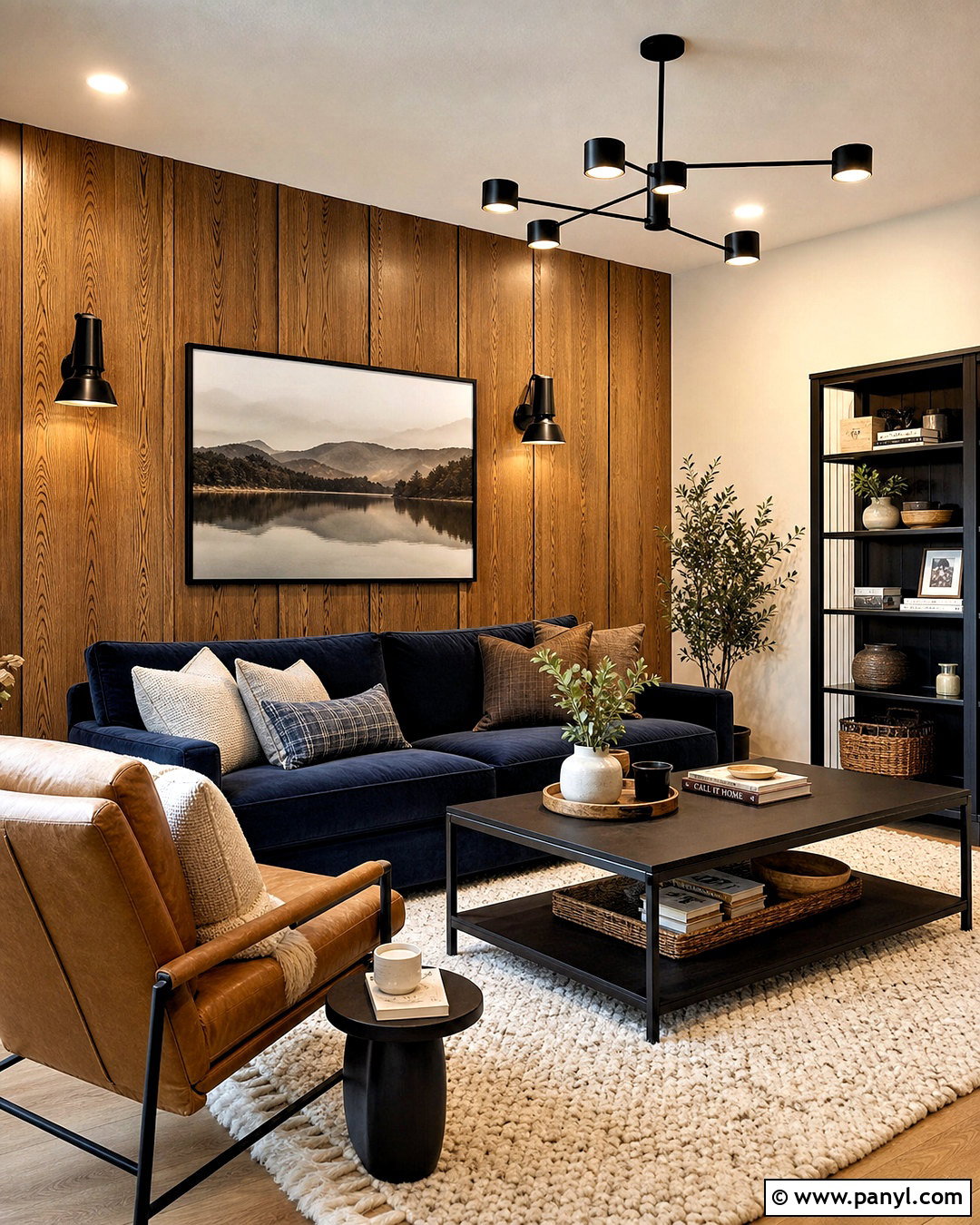
Faux wood grain turns a plain den into a warm, paneled-looking retreat without covering every surface in lumber. Use a honey oak base with a medium walnut glaze, then pull a wood-graining rocker vertically through each narrow section. Alternate arched cathedral grain with straighter lines to create more natural variation. Pair the feature wall with a deep navy sofa, tan lounge chair, black floor lamp, and cream wool rug. Paint the remaining walls warm white and keep the ceiling bright. Walnut shelves can echo the finish without needing to match it exactly. Work in long, controlled strips and wipe the tool frequently. Practicing the rocking motion first will help prevent obvious repetition across the completed wall. ()
17. Rust Patina Wall Finish
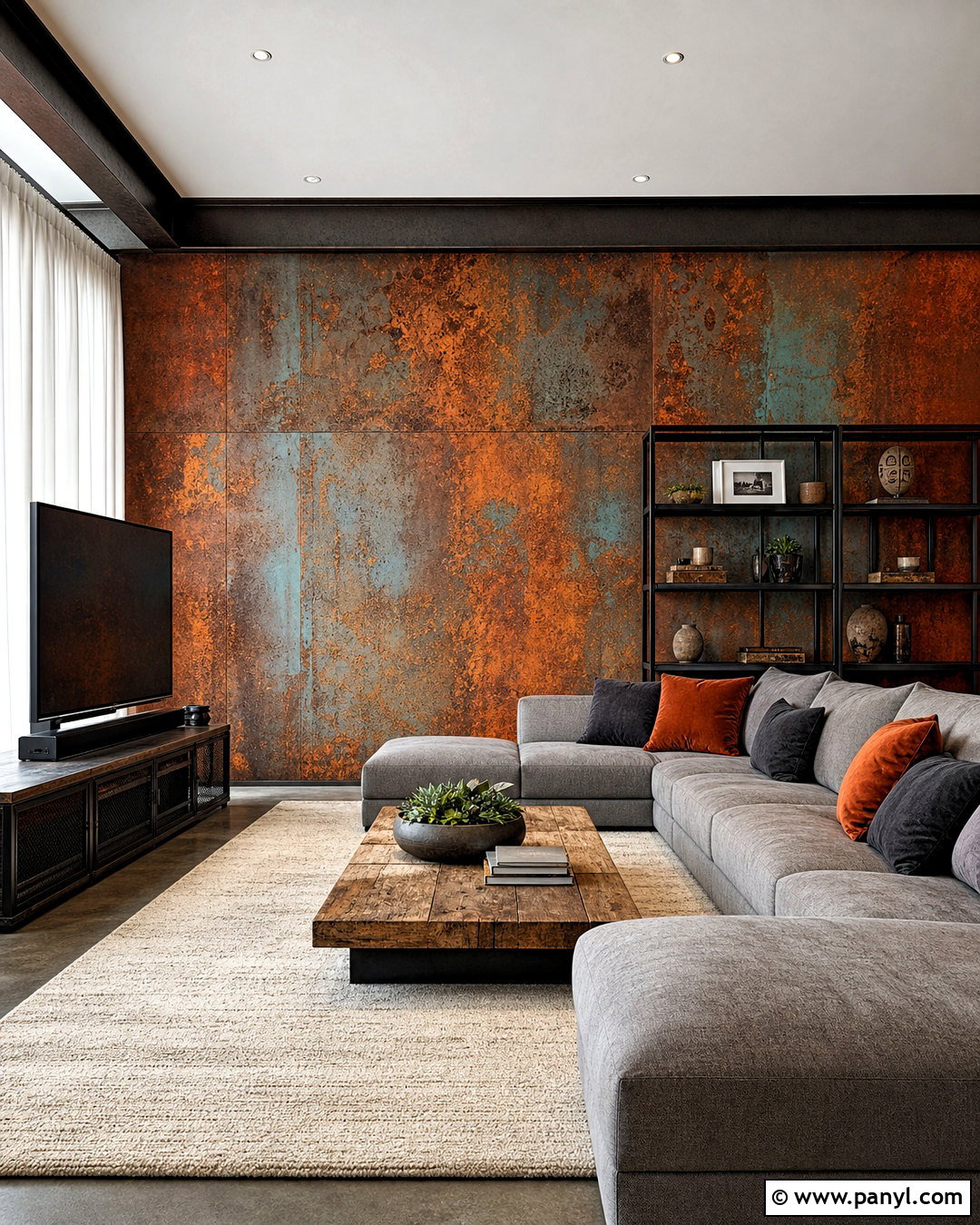
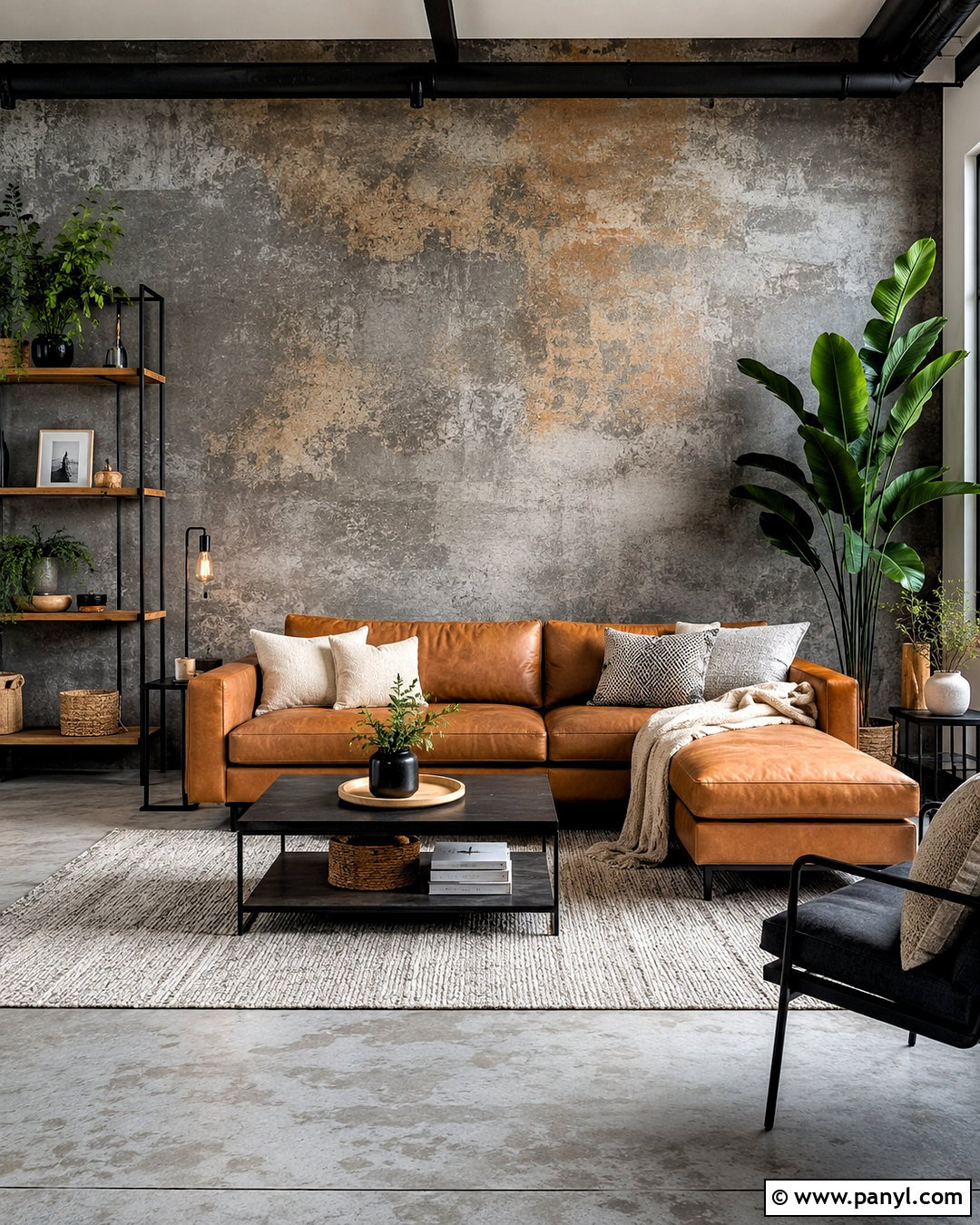
A rust patina wall gives an industrial loft or modern media room dramatic color without using heavy metal panels. Build the effect with deep charcoal, burnt orange, reddish brown, and small touches of muted turquoise oxidation. Apply the layers irregularly, concentrating darker tones near edges and corners. Balance the wall with a low gray sectional, black steel shelving, a reclaimed oak coffee table, and a large cream rug. White curtains and light flooring will prevent the room from becoming too dark. Keep other patterns minimal because the patina already acts like oversized artwork. Metallic or textured decorative coatings can help create an aged-metal appearance. Finish a large sample first, since small swatches cannot show how the colors will flow across the wall. ()
18. Aged Plaster Wall Finish
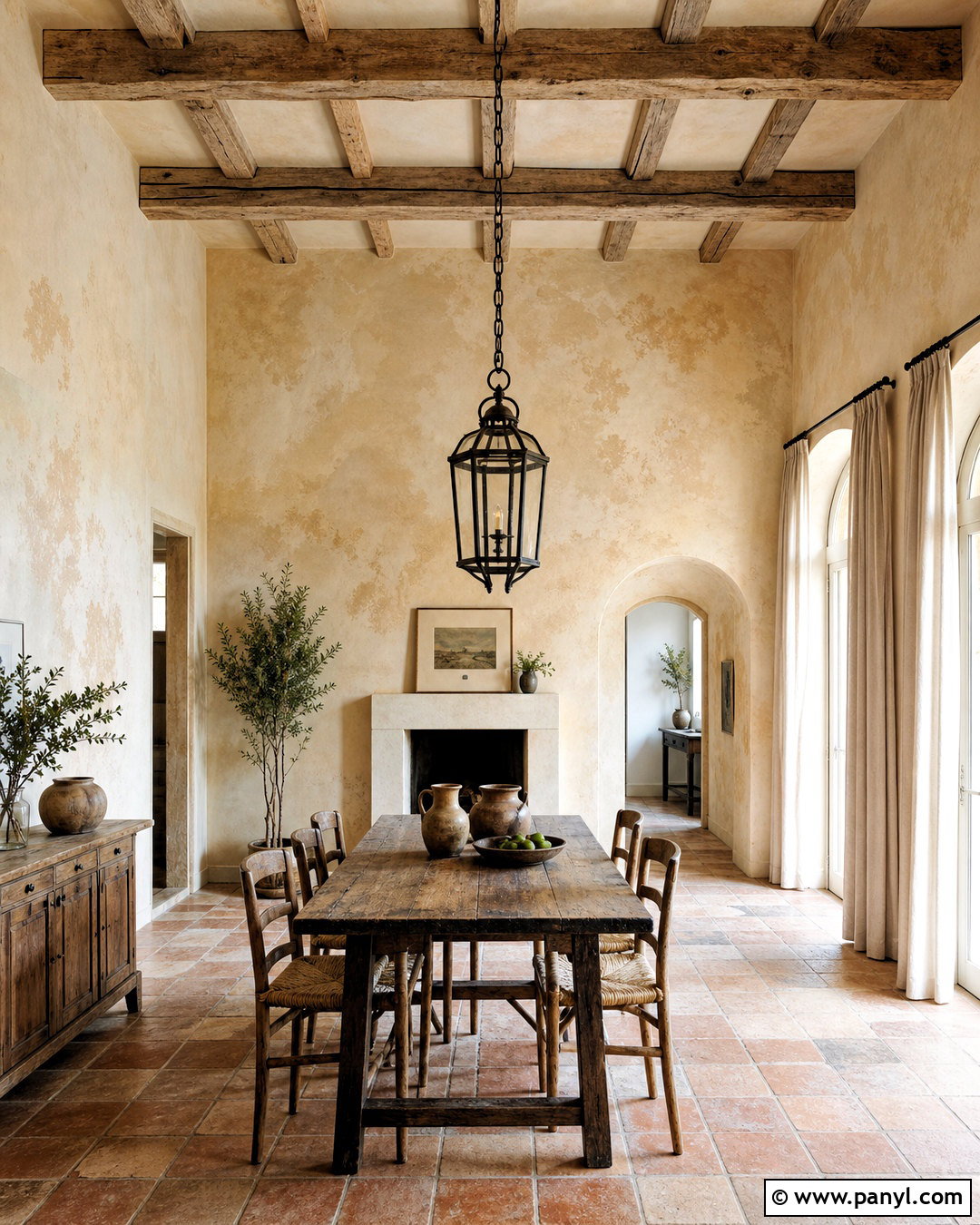
An aged plaster finish gives a Mediterranean dining room a collected, timeworn appearance. Begin with a creamy sand base, then layer diluted taupe and pale ocher in broad, uneven areas. Feather the edges so the surface appears naturally worn rather than intentionally spotted. Add a long weathered oak table, rush-seat chairs, an iron lantern pendant, and unlined linen curtains. Terracotta floor tiles and handmade cream pottery complete the warm palette. Keep the architecture simple, allowing variations around corners and shallow niches to create depth. Color washing with multiple related glazes can build richer aged character, while troweled products provide more physical texture. Protect high-contact areas only with a compatible sealer that will not create an unwanted glossy appearance. ()
19. Crackle Wall Finish
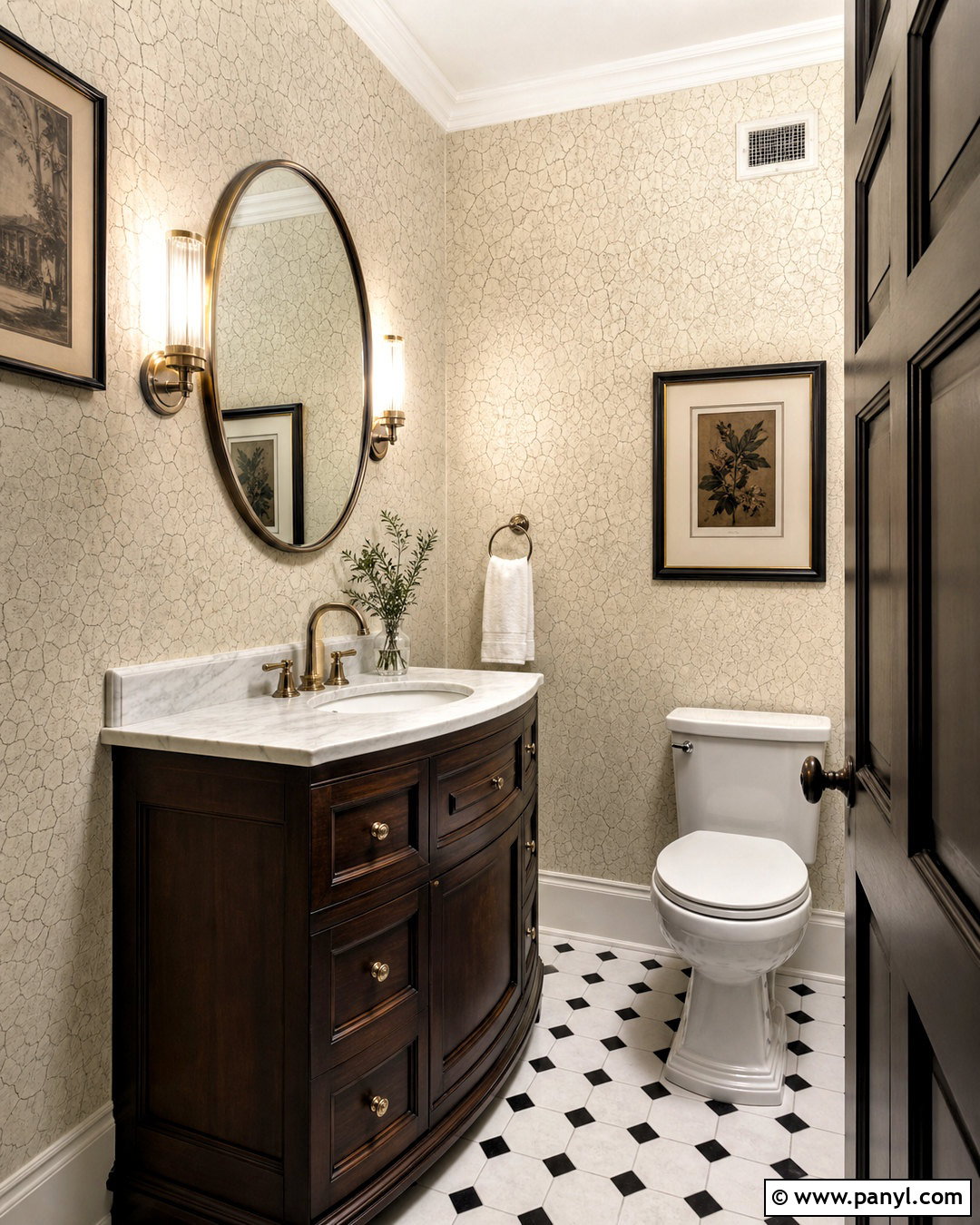
A crackle finish works best in a vintage powder room or compact hallway where the pattern can be appreciated at close range. Use a muted sage base, apply the crackle medium, and cover it with a warm ivory topcoat. The lower color will appear through the separated surface, creating controlled age and contrast. Pair the walls with a dark wood vanity, unlacquered brass faucet, marble-look counter, and rounded antique-style mirror. Small black-and-white floor tiles provide structure beneath the distressed walls. Keep the ceiling and trim clean ivory so the room still feels cared for. Crackle finishes rely on a medium placed between contrasting coats. Always test the products together because application thickness can affect the scale of the cracks. ()
20. Ombre Wall Finish
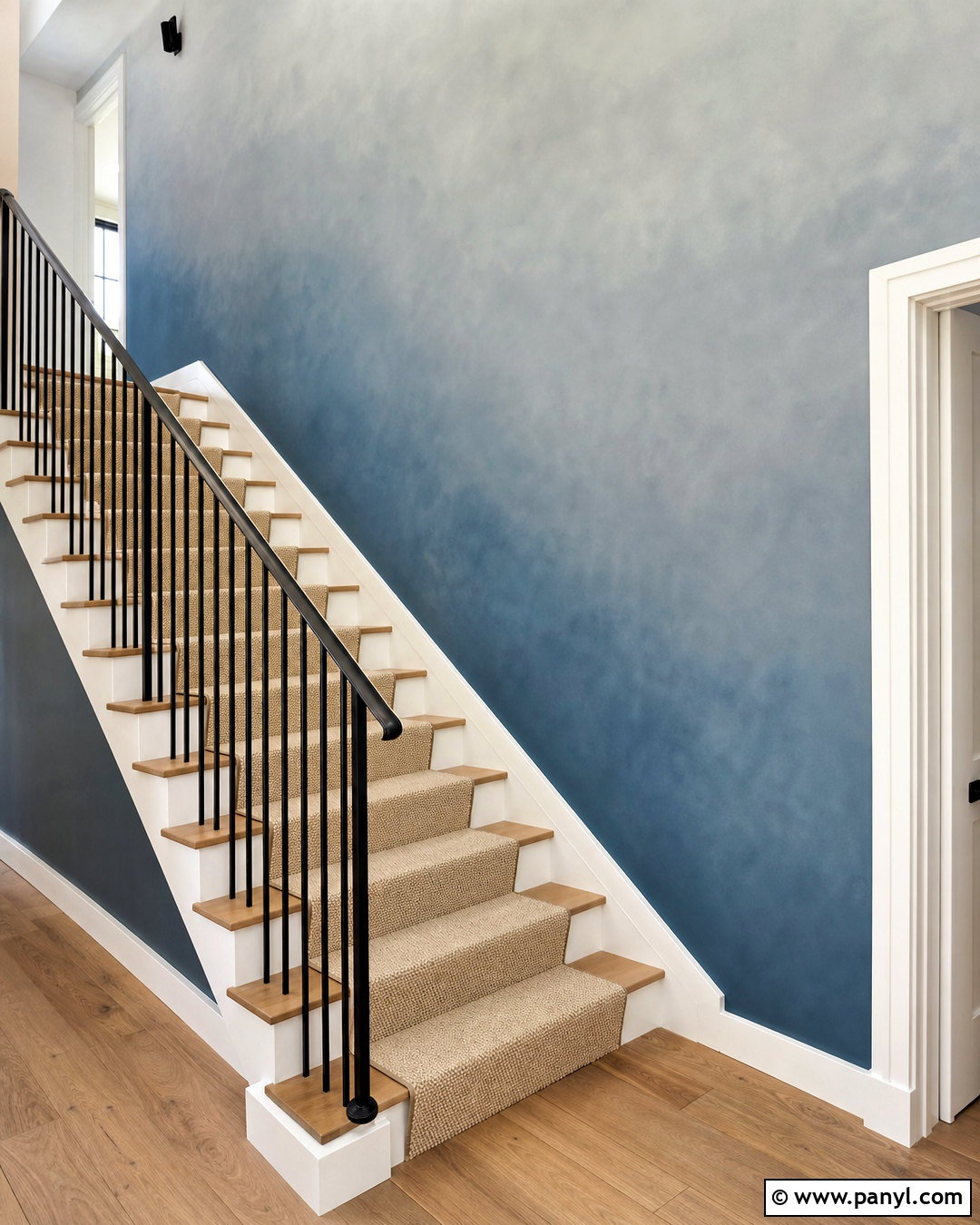
An ombre wall finish can visually expand a staircase or narrow hallway when the transition is gentle. Begin with deep dusty blue near the baseboards, blend through medium blue-gray, and finish with pale mist blue near the ceiling. Use wide horizontal bands and soften each meeting point while the paint remains workable. Pair the walls with white oak stair treads, slim black railings, and simple white trim. Add one large abstract artwork at the landing and a woven runner in cream and blue. Keep doors and ceilings bright white to frame the gradient. The most convincing result uses related colors with gradual value changes. Large sample boards will reveal whether the transition feels smooth from both nearby and adjoining rooms.
Conclusion:
These **20 faux finishes for walls** show how color, texture, furniture, and lighting can work together to create a complete interior. Soft limewash, Roman clay, and color washing suit calm, natural rooms, while concrete, rust, brick, and stone offer stronger architectural character. Metallic, pearl, silk, and marble treatments bring a more polished look. Begin with clean, properly prepared walls and create a large sample before committing. Examine it during the day and under your room’s evening lighting. Keep color differences restrained when using active patterns, and let dramatic finishes replace extra decoration. With thoughtful planning, even simple paint and glaze can make ordinary walls feel layered, distinctive, and intentionally designed.

Related Ideas and Inspiration:
Leave a Reply