
These 20 distressed walls show how aged texture can make a home feel warmer, more personal, and visually layered. The look can range from soft limewash and timeworn plaster to weathered wood, exposed brick, faded wallpaper, and worn concrete. Textured finishes such as limewash, applied plaster, and wood cladding remain especially relevant because they bring depth to spaces that might otherwise feel flat. () The key is building a complete room around the wall rather than treating distressing as random damage. Balanced furniture, simple textiles, thoughtful lighting, and restrained decor keep every finish intentional. Whether your taste leans farmhouse, industrial, coastal, vintage, or modern rustic, you can find a practical direction among these 20 distressed walls.

1. Distressed Limewash Living Room Wall
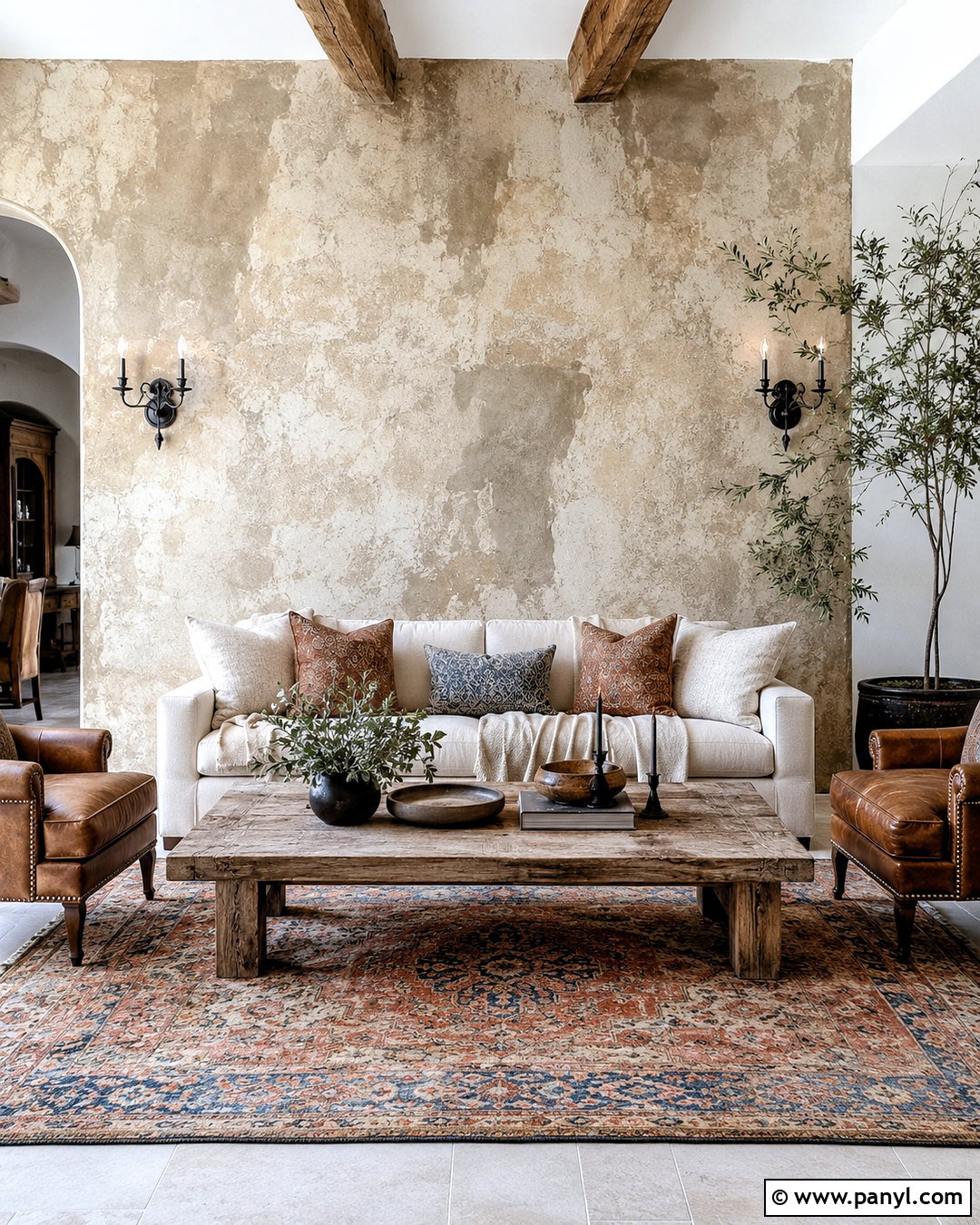
Soft beige limewash creates a calm foundation for a living room that feels aged without looking neglected. Apply the finish across the main wall and continue it around a fireplace or shallow alcove for a connected look. Choose a cream linen sofa, two cognac leather chairs, and a low reclaimed oak coffee table. A faded rust-and-blue area rug adds color while supporting the wall’s natural variation. Keep window treatments light and simple so daylight can reveal the cloudy brush movement. Black iron sconces, oversized pottery, and one landscape painting provide structure without covering too much texture. Finish the room with warm oak flooring and a few olive branches for a relaxed European farmhouse atmosphere.
2. Distressed Plaster Dining Room Wall
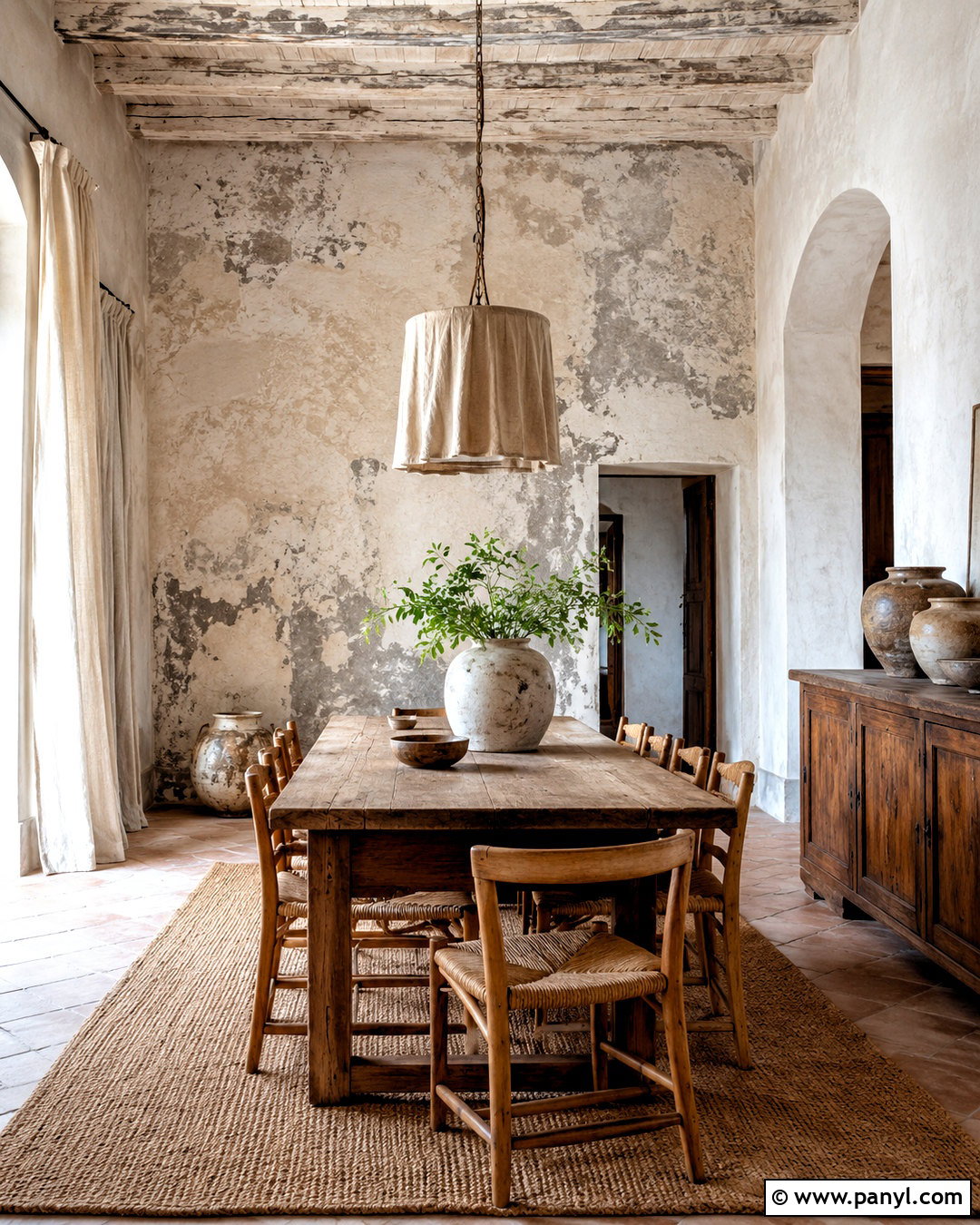
Imagine a dining room wrapped in chalky plaster with irregular patches of warm white, pale taupe, and exposed gray undertones. This layered wall finish works beautifully with a substantial oak dining table placed in the center of the room. Surround it with woven rush chairs or simple black spindle-back seating for contrast. Hang a large linen pendant low over the table to soften the rough surface. A vintage sideboard can hold ceramic lamps, stacked serving pieces, and one leaning mirror. Use natural linen curtains and an understated jute rug to maintain the earthy palette. Rather than filling every wall, allow the worn plaster to serve as the main artwork and give the room its historic character.
3. Distressed Brick Loft Wall
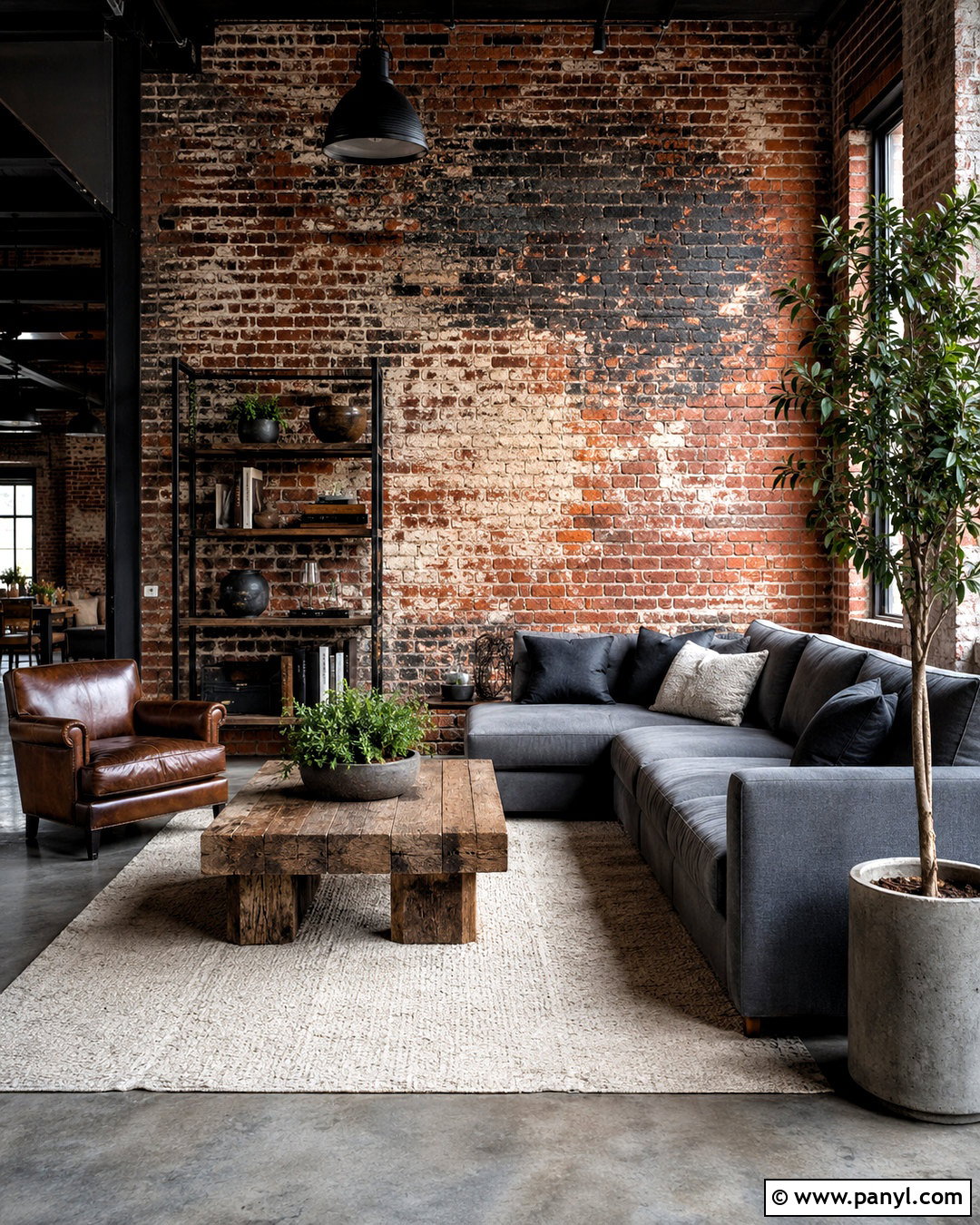
An exposed brick wall instantly gives a loft-style living space a strong architectural anchor. Choose brick with varied red, brown, charcoal, and faded cream tones rather than one uniform color. Place a deep gray sectional parallel to the wall and add a slim black metal console behind it. A worn leather lounge chair, industrial floor lamp, and reclaimed timber coffee table complete the seating area. Balance the rugged materials with a large ivory rug and full-length cotton curtains. Minimal framed artwork prevents the brick from feeling crowded. Matte black ceiling fixtures and visible metal details strengthen the industrial look, while plants in concrete pots introduce softness. The finished room should feel open, comfortable, and collected over time.
4. Distressed Wood Bedroom Wall
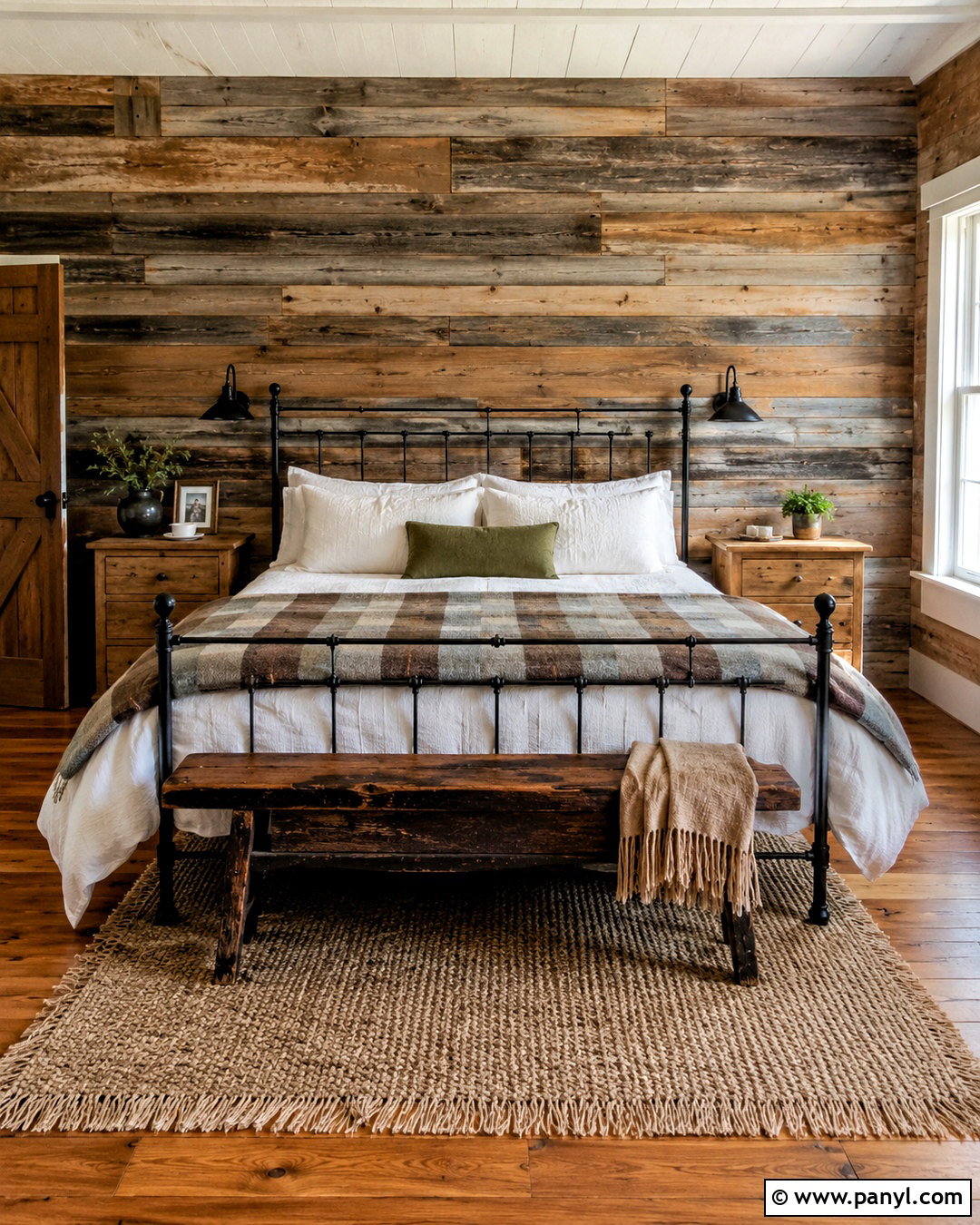
Weathered wood planks can turn an ordinary bedroom into a warm rustic retreat. Cover the wall behind the bed with mixed-width boards in faded brown, gray, and sun-bleached beige. Position a simple black metal bed against the planks and dress it with white linen, a muted plaid blanket, and textured neutral pillows. Matching oak nightstands create balance without competing with the uneven wood. Add small ceramic lamps or black swing-arm sconces for focused lighting. The remaining walls should stay warm white, while a natural wool rug softens the floor. Complete the room with an antique bench, linen curtains, and restrained botanical prints. This keeps the reclaimed surface distinctive while making the bedroom restful and practical.
5. Distressed Paint Entryway Wall
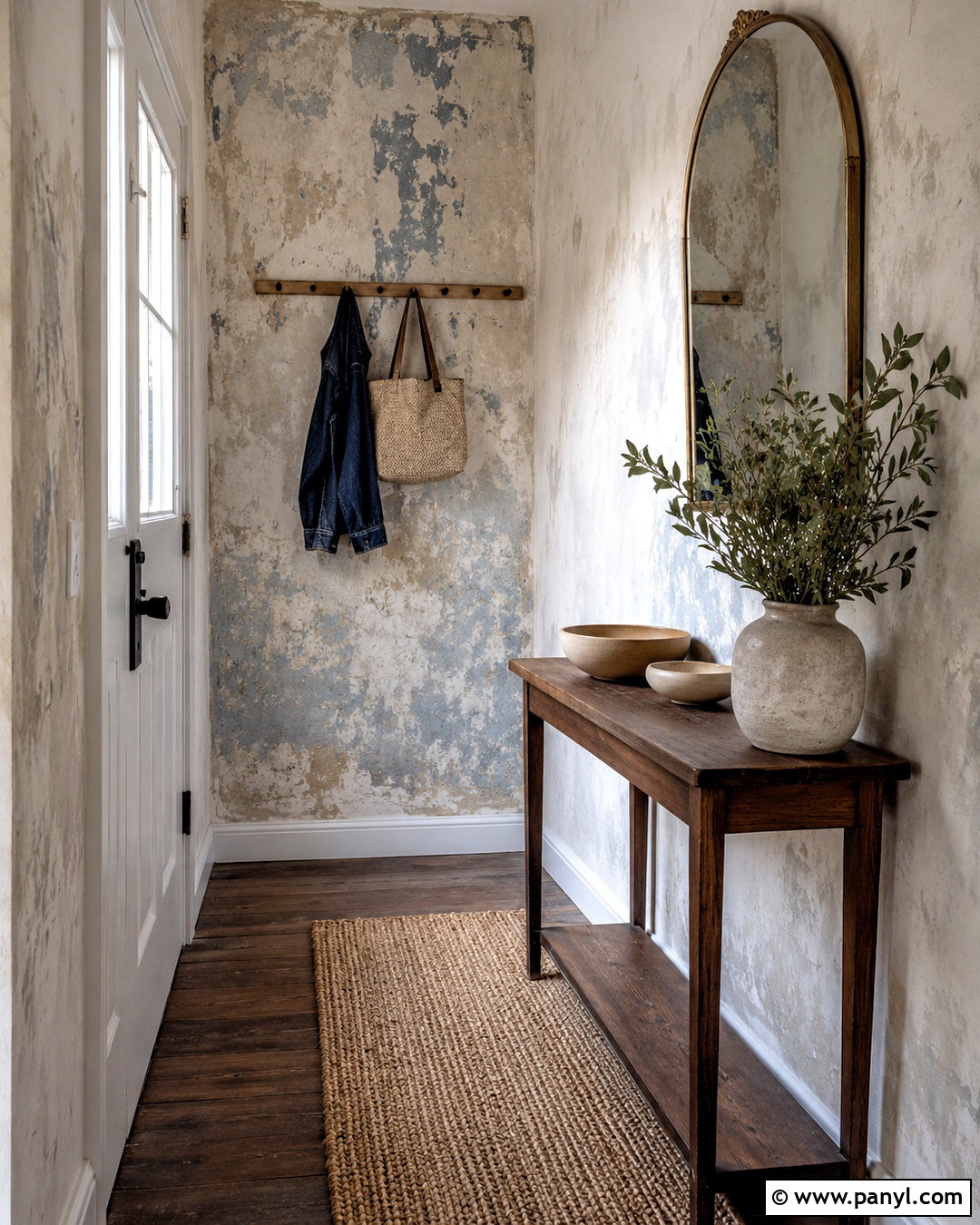
A narrow entryway becomes memorable when the walls appear layered with faded paint from different eras. Create the effect with controlled patches of muted blue, warm gray, and creamy white rather than actual loose or crumbling paint. Add a slim walnut console table, an aged brass mirror, and a small shaded lamp to make the entrance useful. A woven runner should guide the eye through the space and introduce a softer texture underfoot. Include wall hooks or a simple peg rail for everyday storage, but keep coats and accessories edited. One ceramic vessel and a shallow wooden bowl are enough for decoration. Black door hardware and white-painted trim give the distressed finish a clean, intentional boundary.
6. Distressed Concrete Home Office Wall
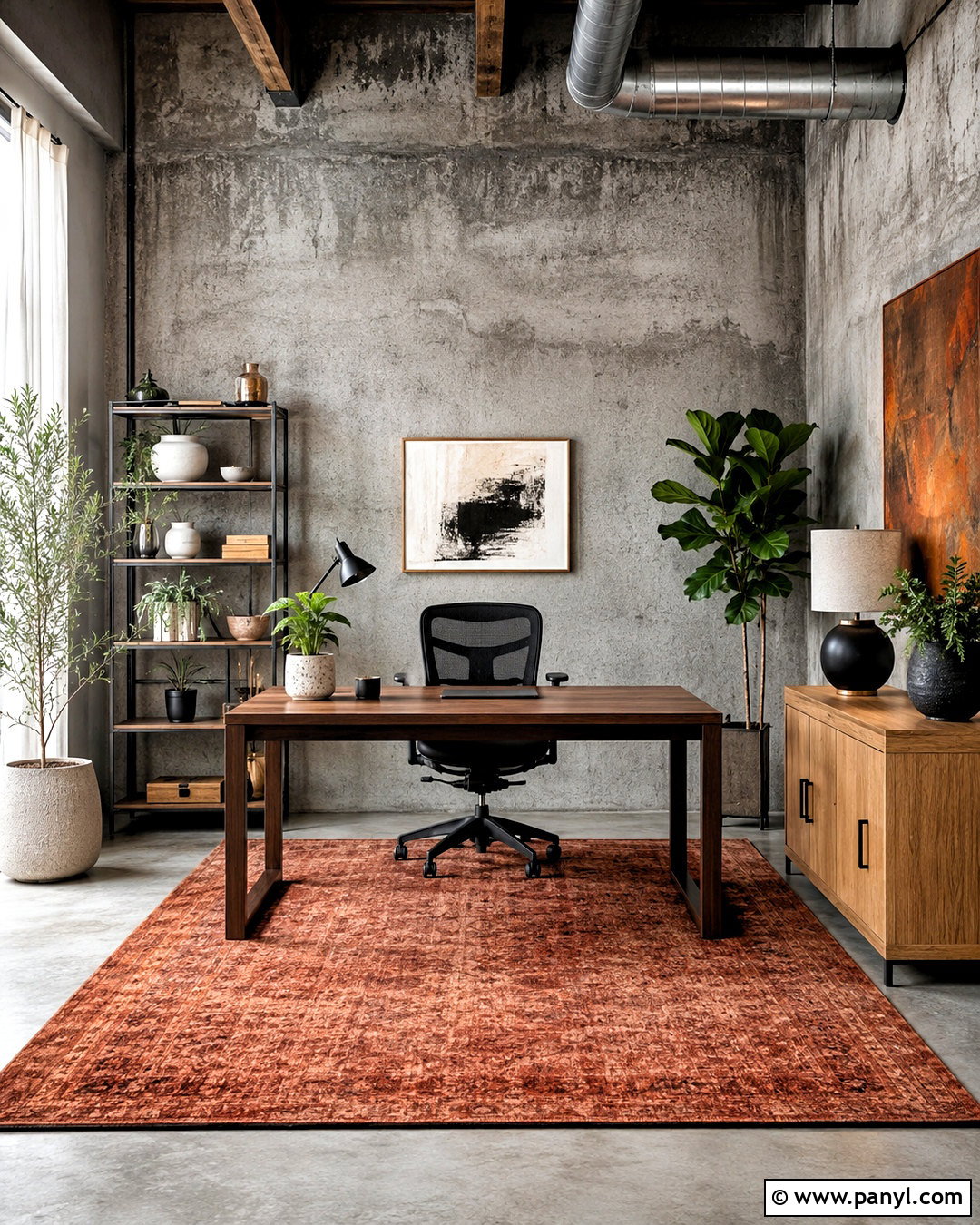
Cool gray concrete can create a focused home office when it is balanced with warm materials. Use a mottled finish with visible trowel marks behind a streamlined walnut desk. Position the desk facing into the room so the textured wall becomes a strong background without interfering with work. Add a black ergonomic chair, a low oak cabinet, and open metal shelving for practical storage. A rust-colored wool rug brings warmth to the gray palette, while white curtains prevent the room from feeling severe. Choose one sculptural desk lamp and a few neatly arranged books instead of excessive accessories. Green plants in matte ceramic pots soften the industrial surface and make the complete workspace feel comfortable, modern, and productive.
7. Distressed White Brick Kitchen Wall
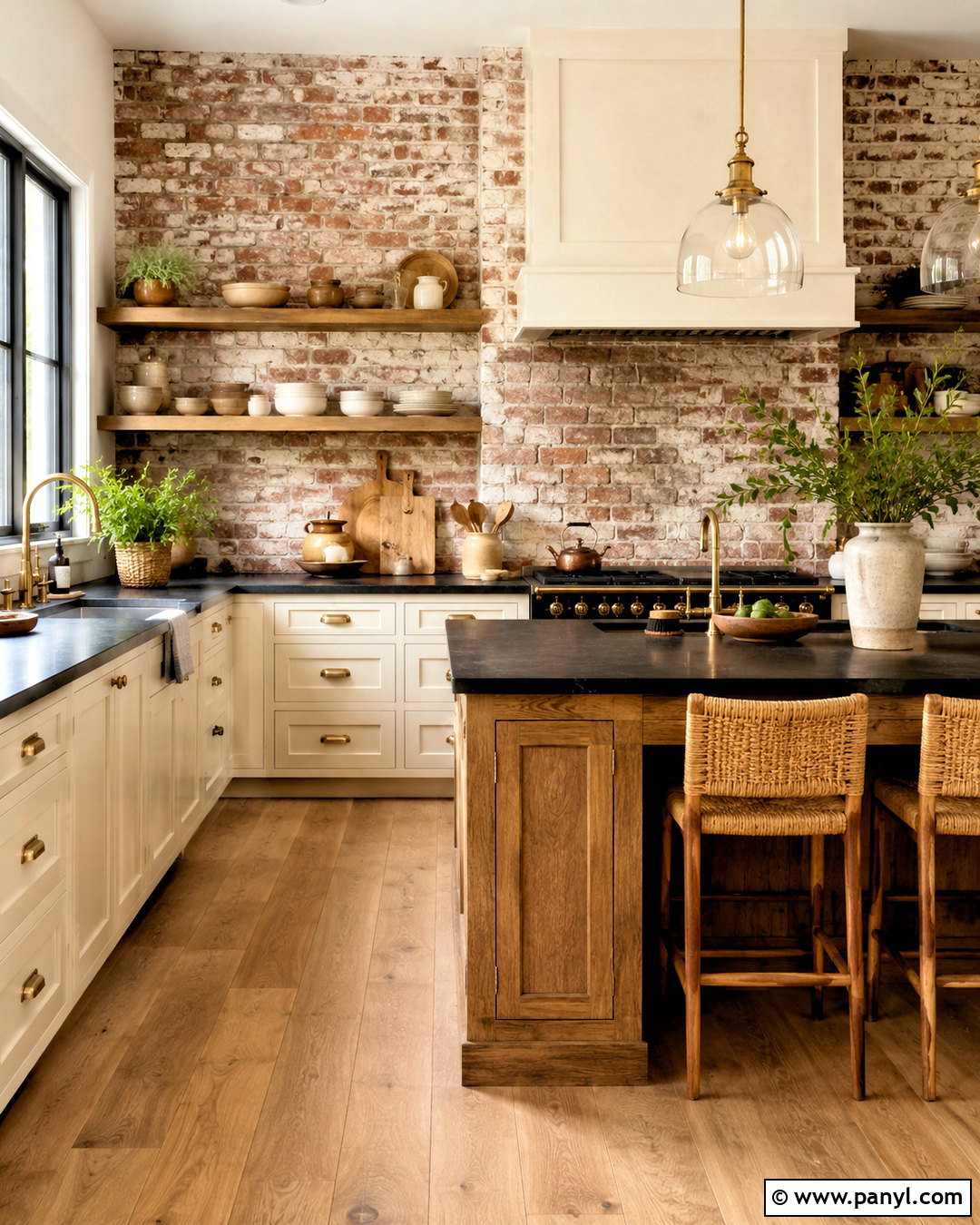
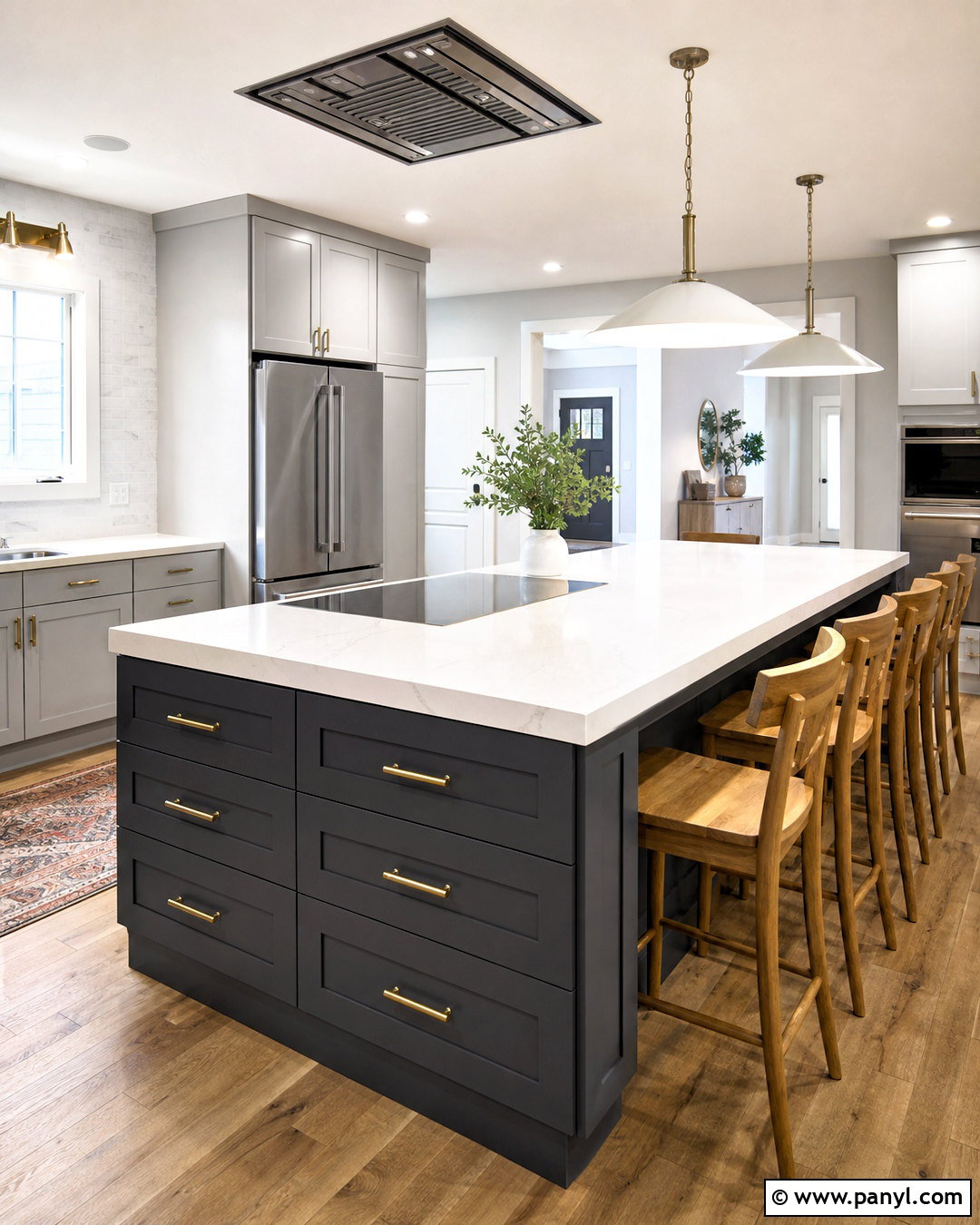
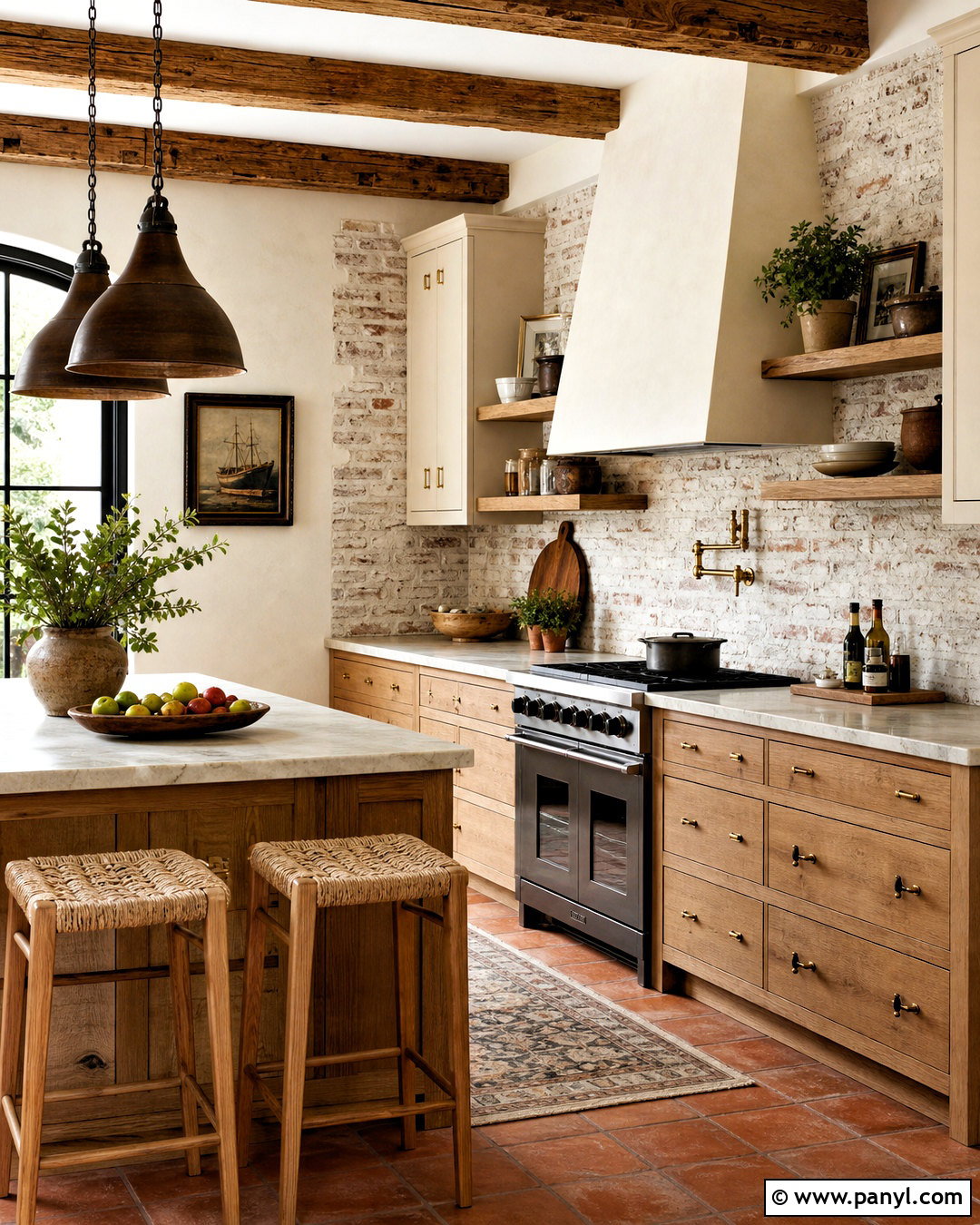
A whitewashed brick wall gives a kitchen texture while keeping the space bright. Let warm red and sandy brick tones show through the uneven white finish so the surface still feels authentic. Pair it with off-white Shaker cabinets, honed black countertops, and a medium oak island. Aged brass hardware introduces warmth, while simple globe pendants keep the room approachable. Use open oak shelves sparingly on the brick wall to display cream dishes, glass jars, and a few handmade bowls. Wide-plank flooring and woven counter stools complete the relaxed farmhouse setting. Keep the backsplash and surrounding finishes quiet so the brick remains the main feature. The final kitchen should feel practical, welcoming, and naturally timeworn.
8. Distressed Venetian Plaster Bathroom Wall
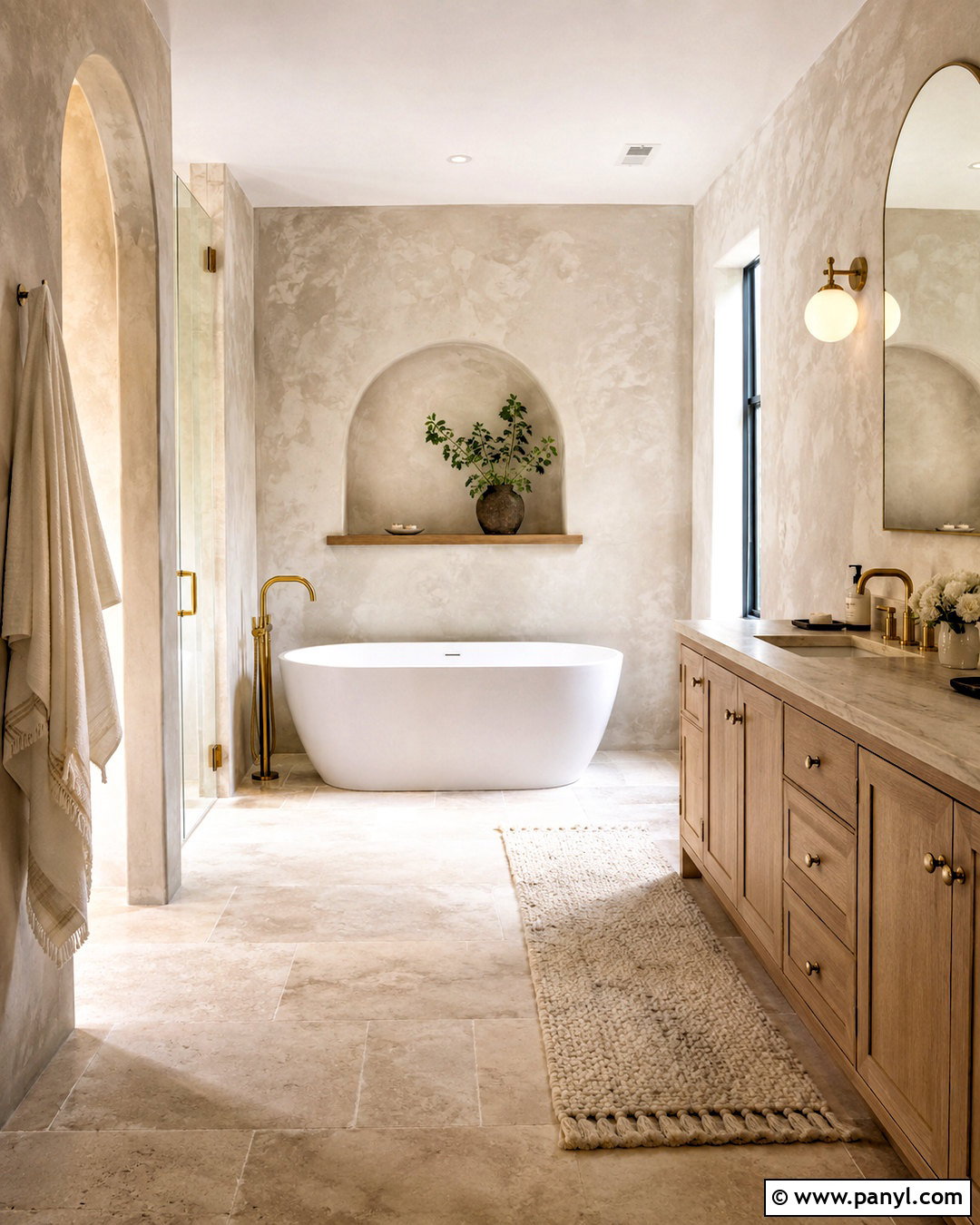
A softly distressed Venetian plaster finish can make a bathroom feel refined without becoming overly formal. Choose pale greige plaster with subtle stone-like movement and use it behind a freestanding white tub. Continue the finish around an arched niche to create a seamless focal area. Pair it with limestone floor tile, a light oak vanity, and brushed brass fixtures. A frameless mirror and simple globe sconces add clean lines that balance the aged surface. Keep towels, bath mats, and window coverings in cream or warm white. One wooden stool and a small ceramic planter provide enough decoration. Use a suitable protective finish in splash-prone areas so the completed bathroom remains both beautiful and functional.
9. Distressed Terracotta Bedroom Wall
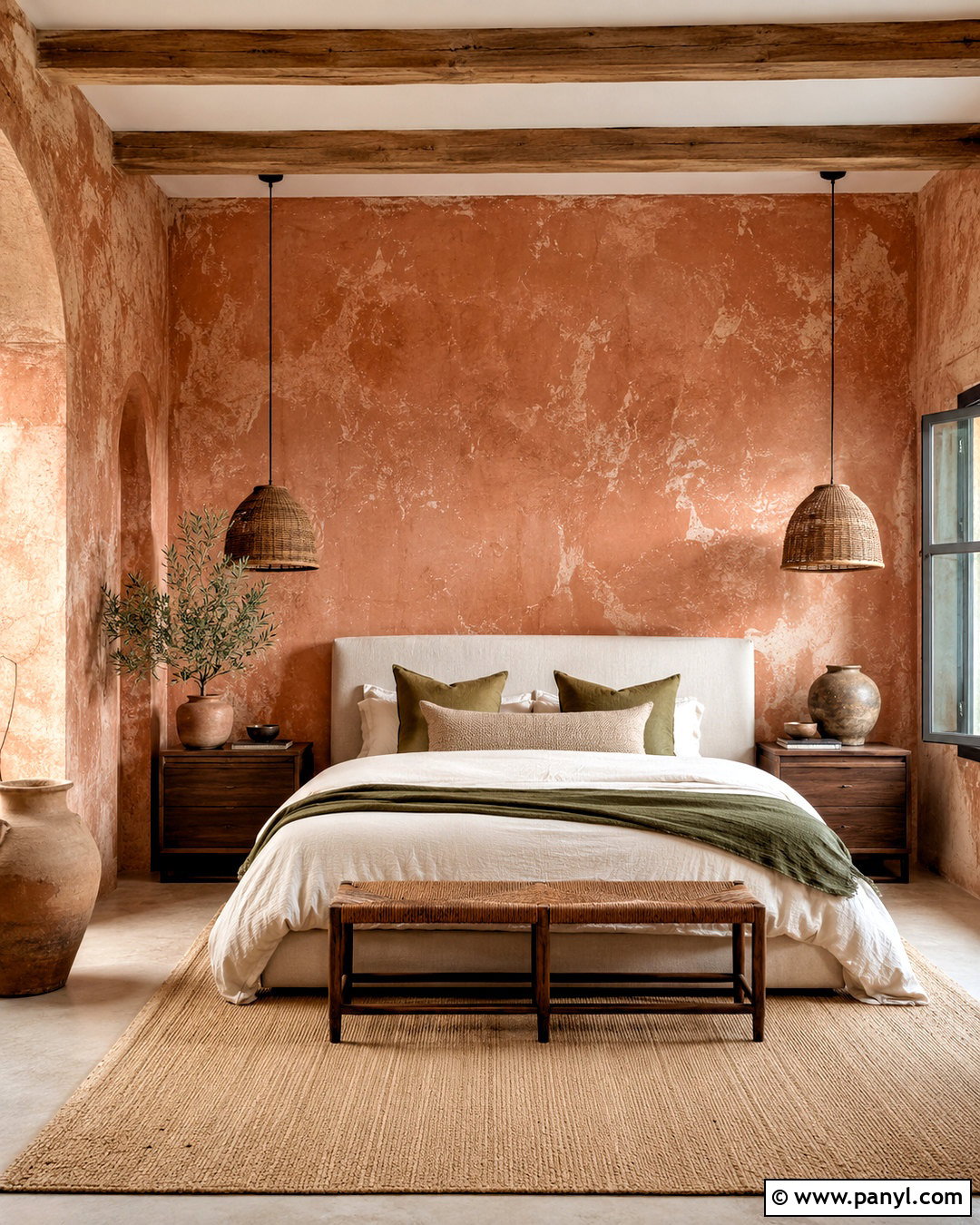
Warm terracotta walls create a bedroom that feels sunbaked, earthy, and comforting. Choose a distressed finish with muted clay, dusty peach, and pale mineral streaks rather than a flat orange color. Place an upholstered oatmeal bed against the main wall and layer it with ivory bedding, striped cushions, and a deep brown throw. Dark walnut nightstands ground the palette, while woven pendant lights add natural texture. Use pale oak flooring and a large cream rug to prevent the room from becoming too heavy. Arched artwork, handmade pottery, and olive-green accents support the Mediterranean influence. Leave plenty of open wall visible so the shifting color remains the focus and gives the entire bedroom a handcrafted quality.
10. Distressed Blue Bathroom Wall
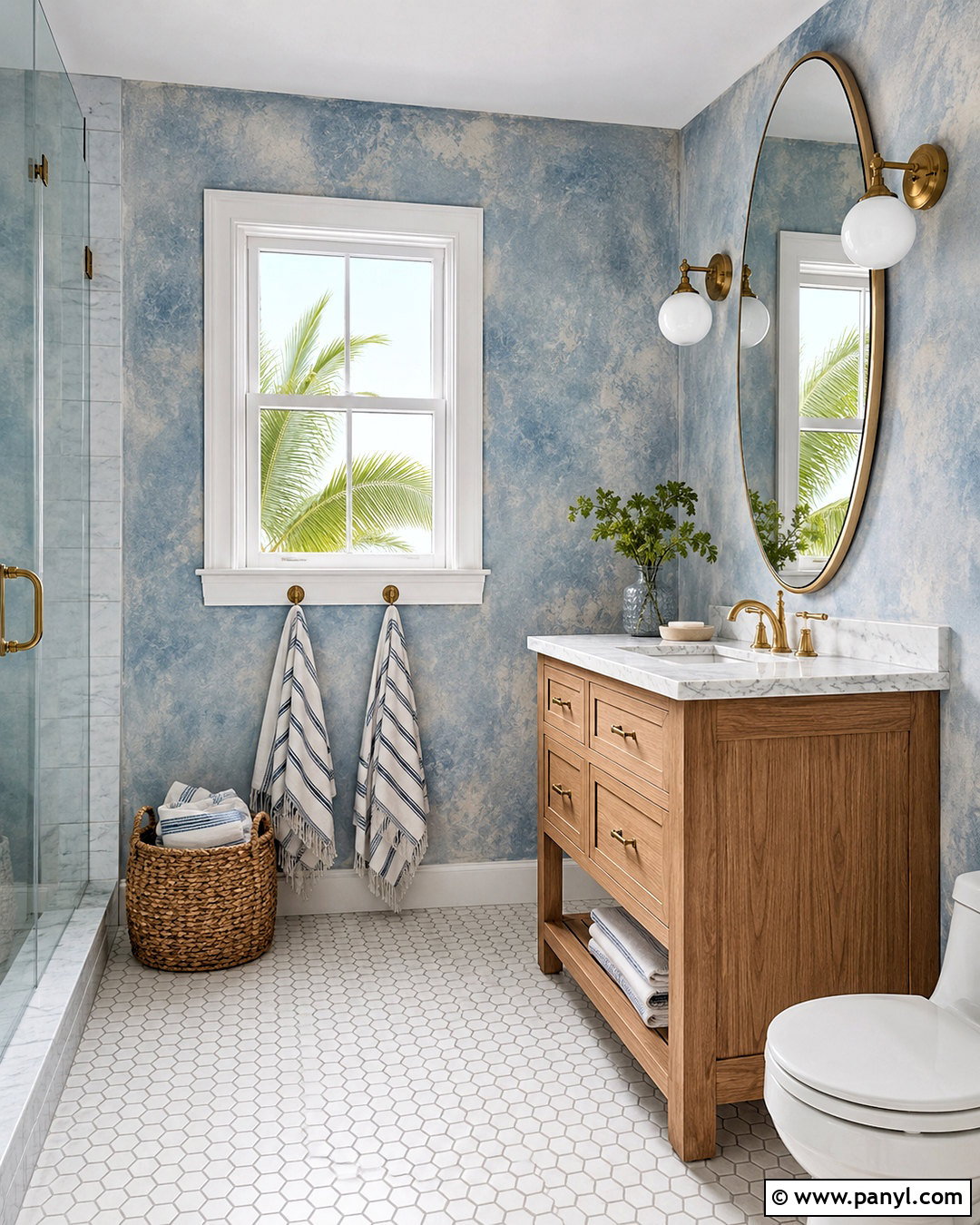
Would a faded blue wall make your bathroom feel like an old coastal cottage? Use a moisture-appropriate finish that combines dusty blue, soft gray, and small areas of warm white variation. Place a white pedestal sink or compact oak vanity against the textured surface. Add unlacquered brass fixtures, a rounded mirror, and two milk-glass sconces for vintage character. Small white floor tiles with dark grout provide a crisp counterpoint to the painterly wall. A narrow wood cabinet can store towels and toiletries without overwhelming the room. Finish with striped cotton towels, a woven basket, and one framed coastal print. The complete scheme should feel fresh and nostalgic rather than themed or overly decorative.
11. Distressed Staircase Wall
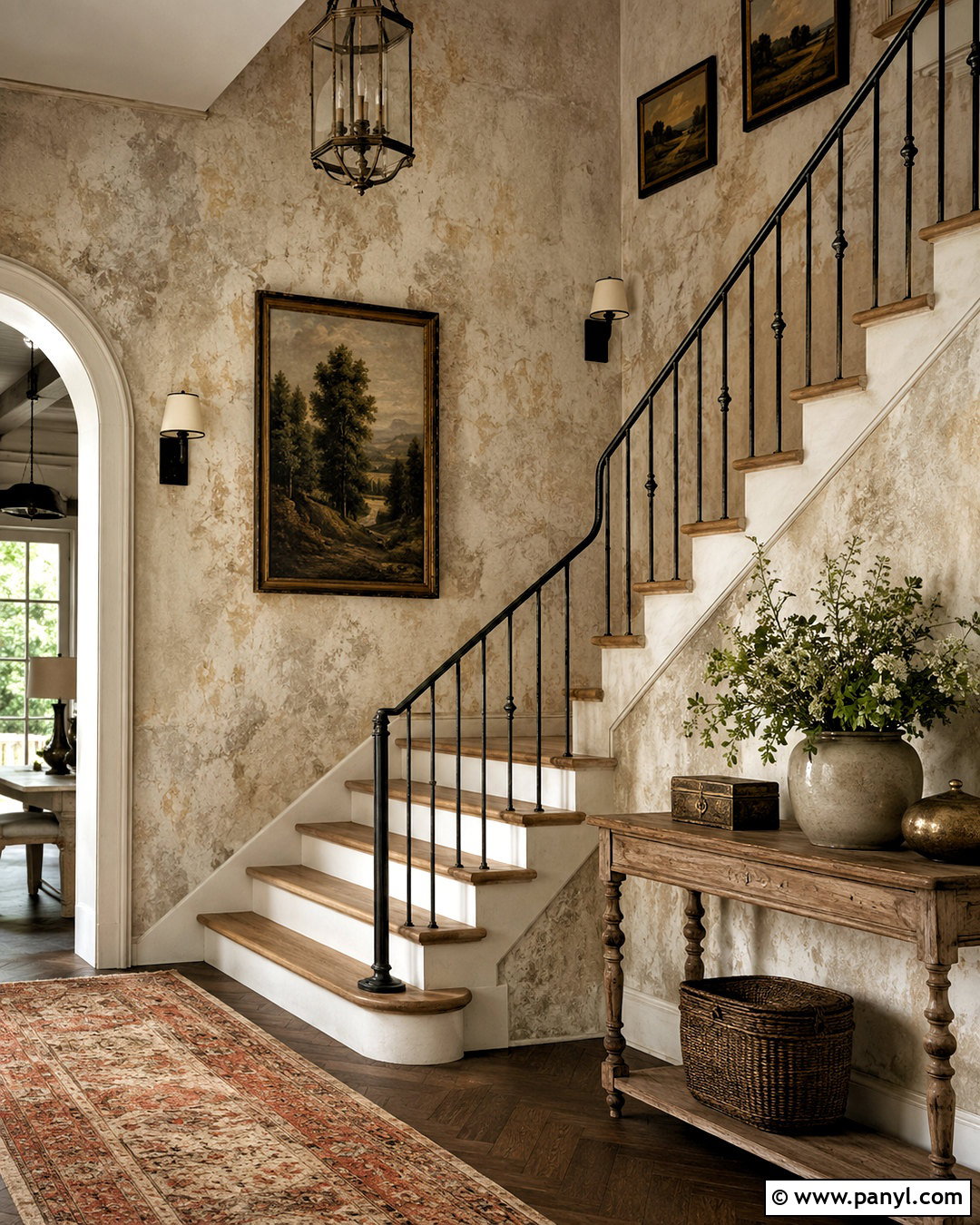
A tall staircase wall offers enough surface area for a dramatic layered finish. Combine warm gray plaster, worn ivory paint, and subtle brown undertones to create the impression of an older European home. Keep the staircase itself simple with natural oak treads, white risers, and a slim black iron railing. Arrange a restrained gallery of vintage landscapes in mismatched wood and brass frames, leaving generous space between pieces. A narrow console at the bottom of the stairs can hold a lamp and shallow bowl. Add a faded runner in rust, beige, and charcoal for comfort and continuity. Soft wall sconces highlight the texture as the stairs rise, turning a transitional area into a complete architectural feature.
12. Distressed Farmhouse Kitchen Wall
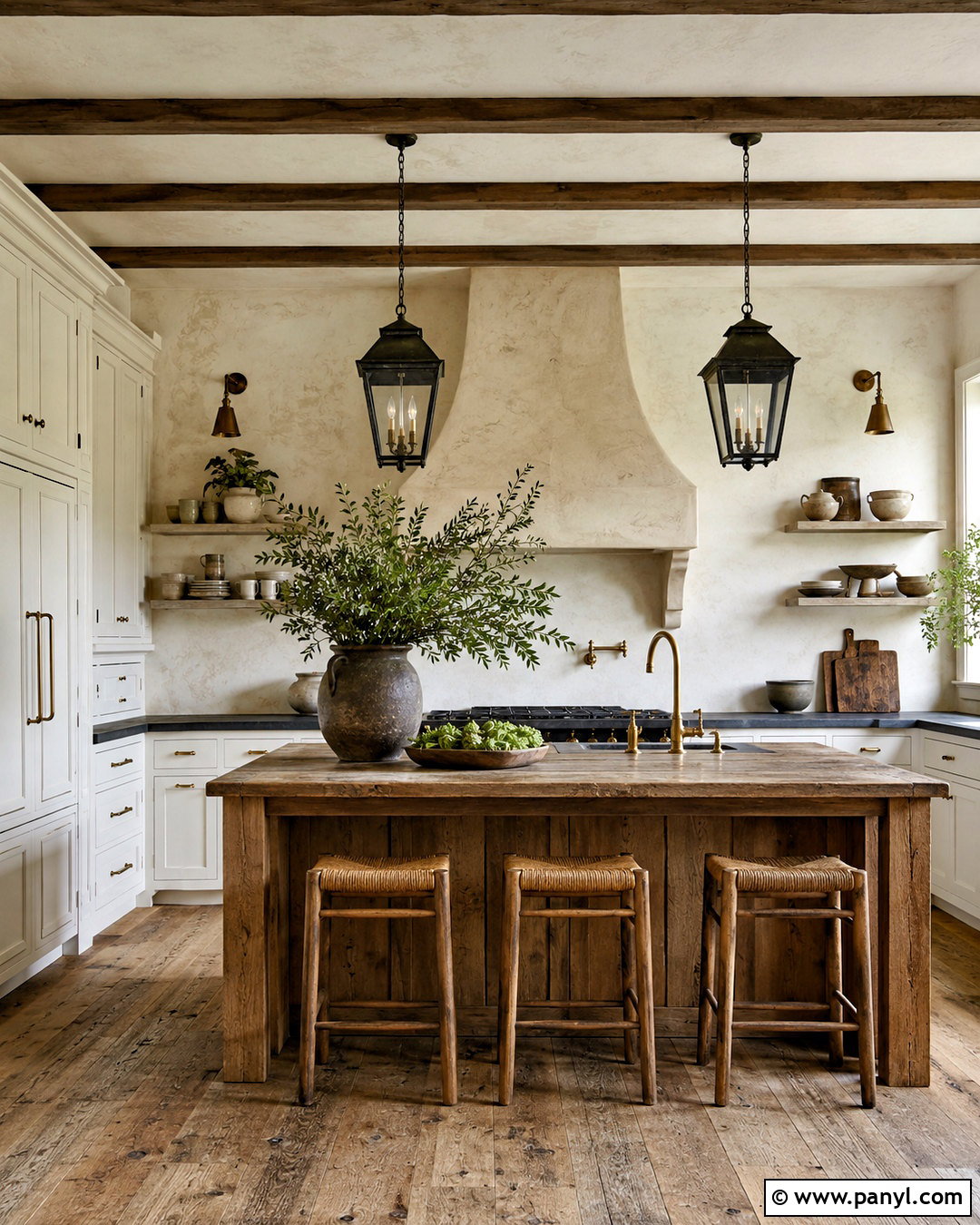
Layered cream plaster brings convincing age to a farmhouse kitchen without requiring every surface to look rustic. Use the distressed wall behind a large range and surround it with warm white cabinetry. A reclaimed oak island, soapstone counters, and a simple plaster range hood create a balanced material palette. Choose aged brass knobs, bridge-style faucets, and iron pendant lights for subtle vintage detail. Open shelves can display practical white dishes and stoneware, while woven stools add softness. Keep flooring in weathered oak or muted limestone to support the natural colors. Fresh herbs, wooden boards, and linen towels are enough decoration. The entire kitchen should look functional and established, not artificially worn or overloaded with farmhouse signs.
13. Distressed Stone Fireplace Wall
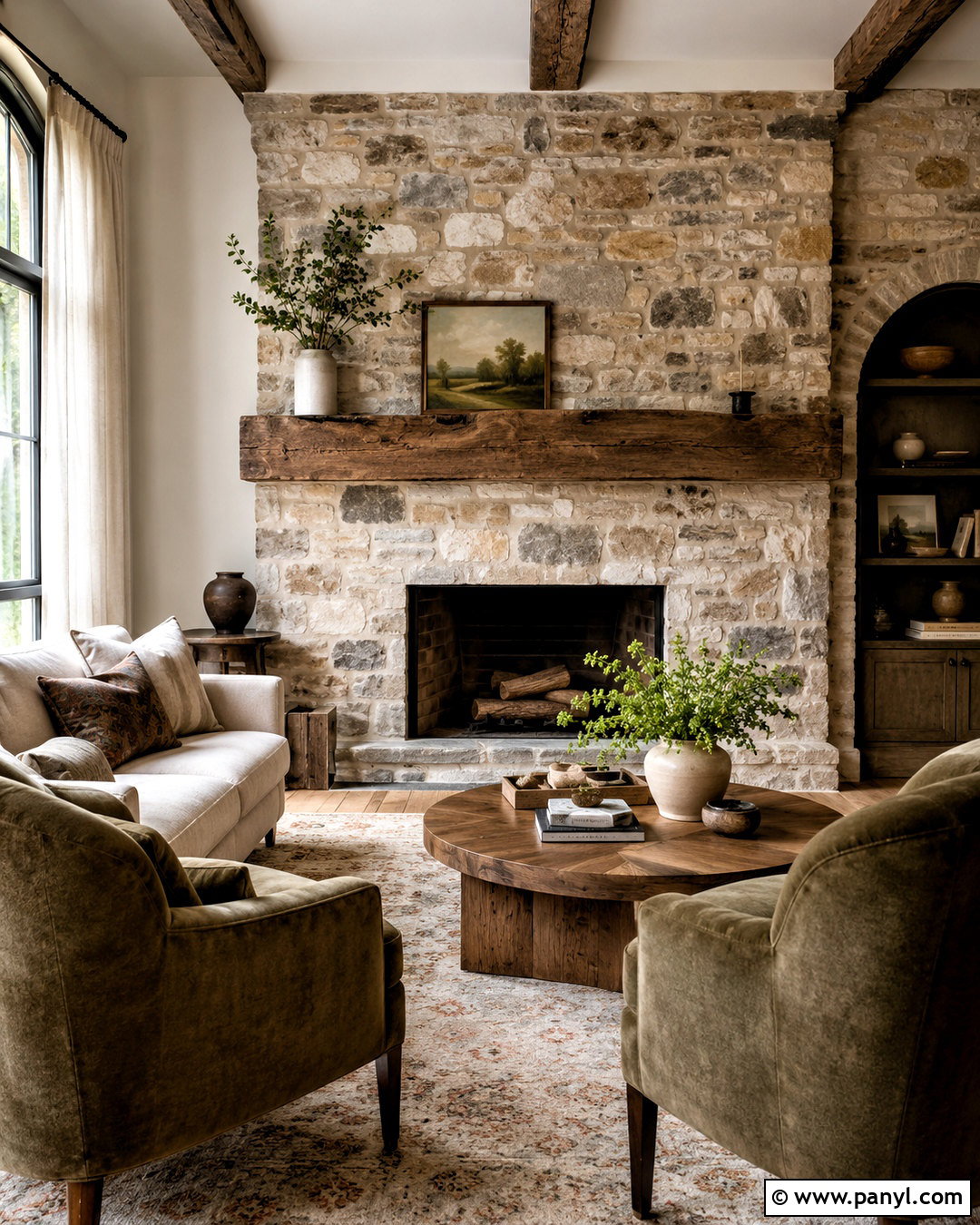
Rough stone becomes more inviting when it is treated as part of a complete living room rather than an isolated feature. Build the fireplace wall with irregular gray, beige, and warm brown stone, then soften selected areas with a thin, uneven cream wash. Add a substantial reclaimed oak mantel and a simple black firebox. Arrange an oatmeal sofa and two olive-green chairs around a round wood coffee table to create conversation-friendly seating. A faded traditional rug connects the earth tones. Use linen curtains, ceramic table lamps, and a few dark metal accents throughout the room. Keep mantel decor low and minimal so the stone texture remains visible. The finished look feels rustic, balanced, and comfortable throughout the year.
14. Distressed Wallpaper Bedroom Wall
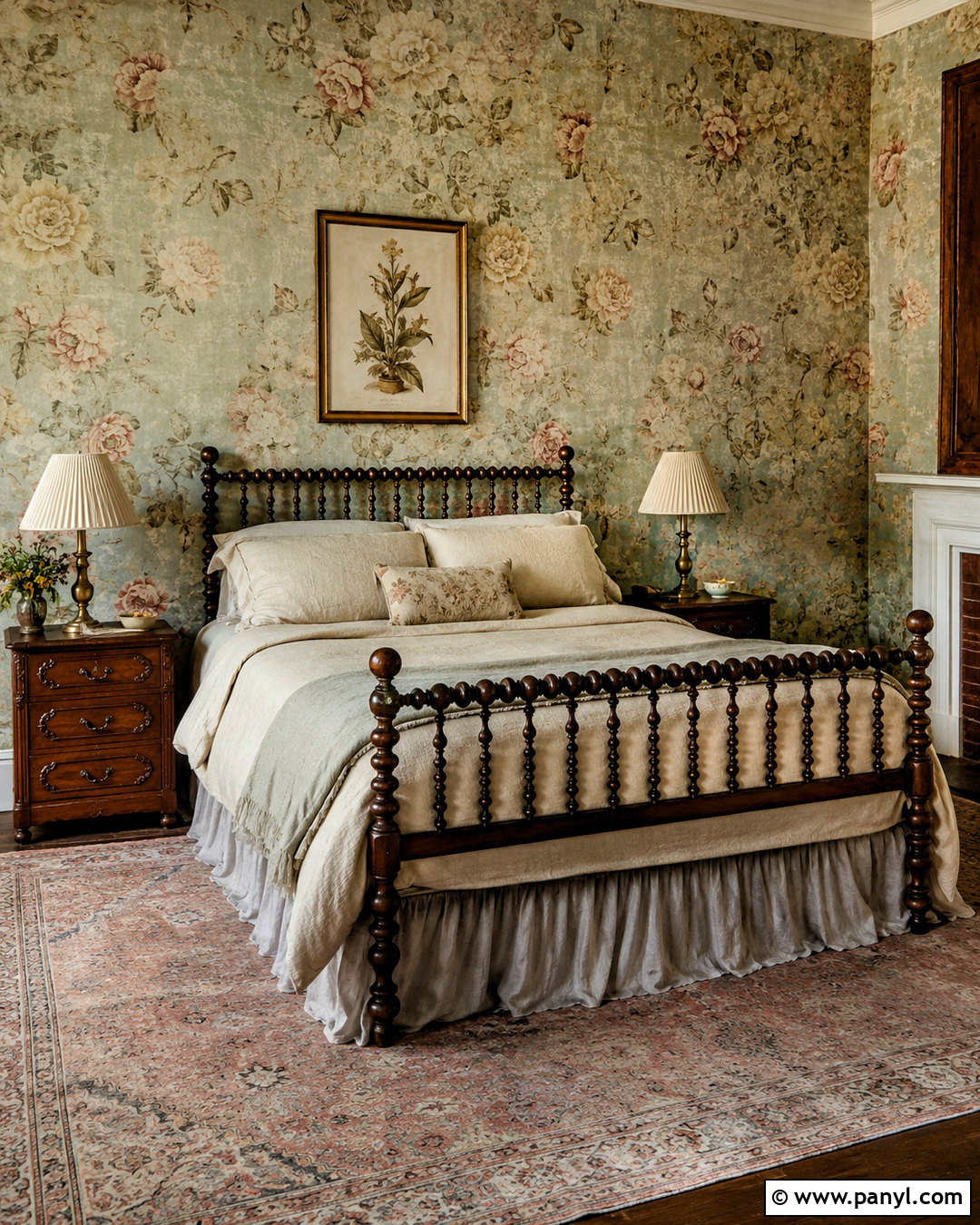
Faded floral wallpaper can create a romantic bedroom when its worn appearance is carefully controlled. Choose a design with muted sage, dusty rose, cream, and soft brown on an aged-looking background. Install it behind a dark wood spindle bed, using printed distressing rather than genuinely loose paper. Dress the bed in natural linen with a quilt that repeats one or two wallpaper colors. Add antique-style nightstands, pleated lampshades, and a small upholstered bench. The remaining walls should be painted quiet cream to keep the pattern from taking over. A faded rug and simple cotton curtains complete the room. Limit accessories to framed botanical art and pottery, allowing the wallpaper to provide most of the visual detail.
15. Distressed Charcoal Media Wall
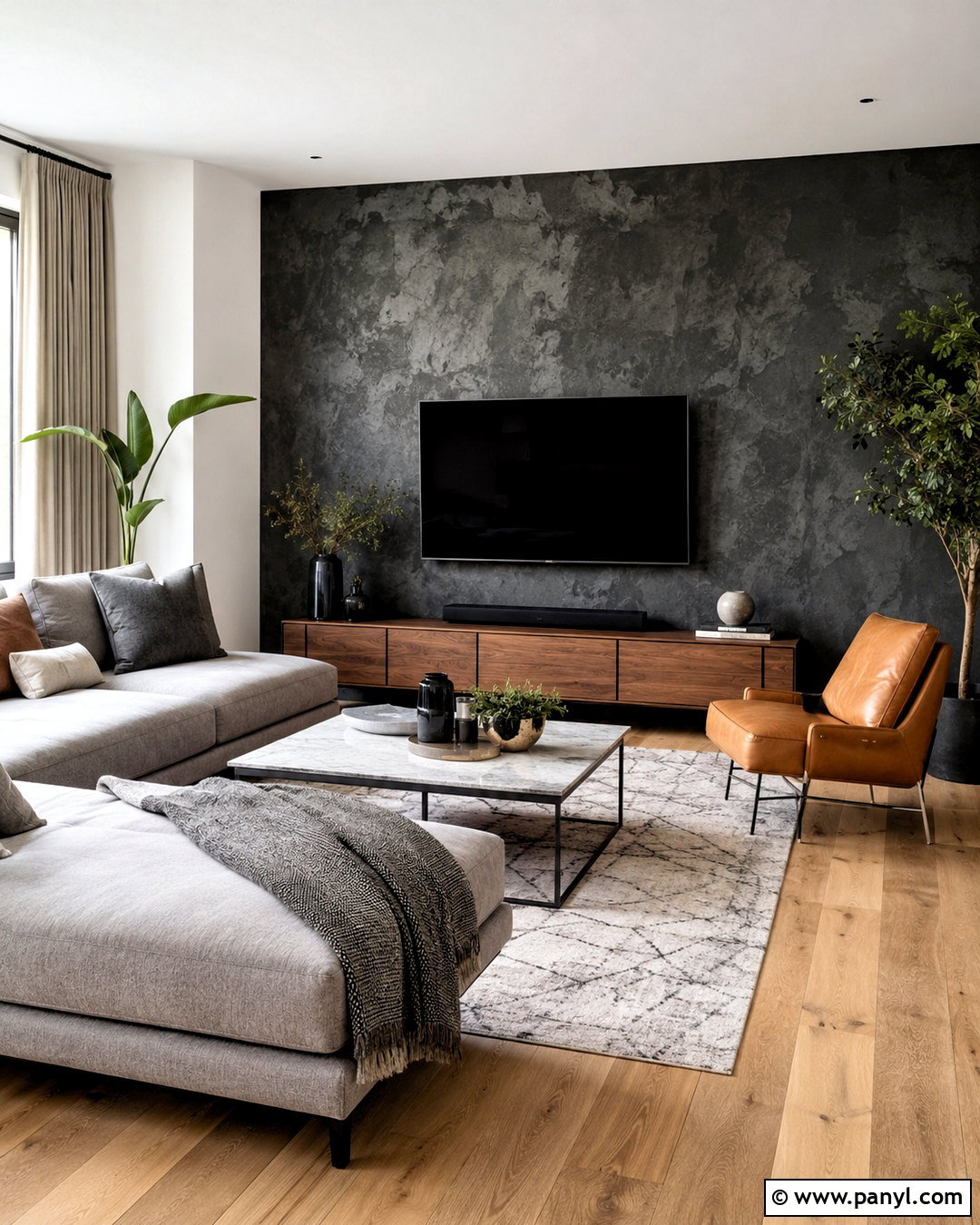
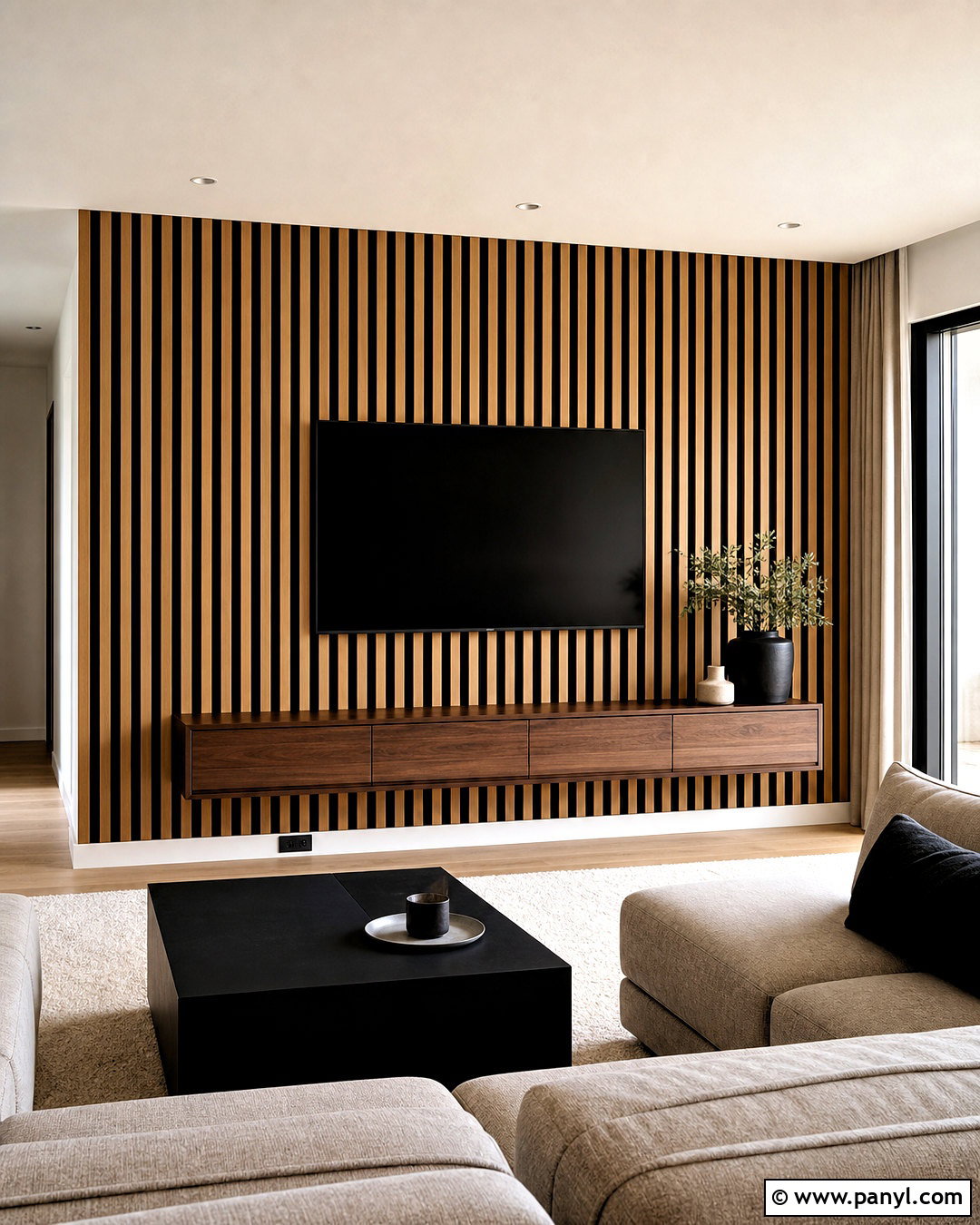
Deep charcoal distressing gives a media wall character while helping a television blend into the room. Use layered black, graphite, and smoky gray plaster across the entire feature wall. Mount the screen above a long, low walnut cabinet with closed storage for equipment and cords. Add a light gray sectional facing the wall, plus a camel leather chair angled toward the seating area. A pale geometric rug keeps the room from feeling too dark. Choose slim black sconces or subtle ceiling lighting instead of placing many objects around the screen. Natural oak flooring, linen curtains, and large green plants introduce warmth. The completed space should feel modern and relaxed, with the distressed surface adding depth instead of visual clutter.
16. Distressed Sage Green Nursery Wall
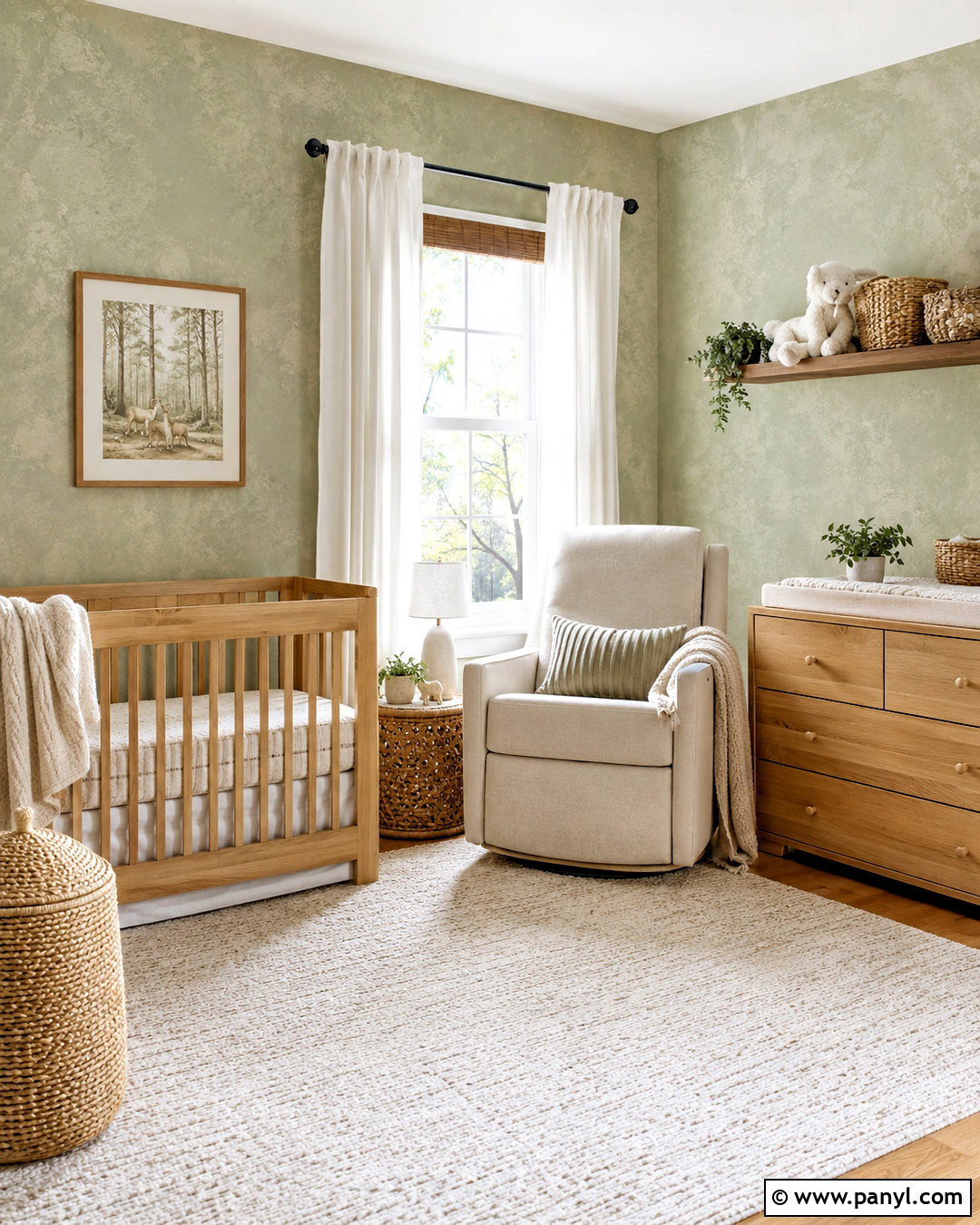
Muted sage green offers a gentle way to use distressed walls in a nursery or young child’s room. Create soft variation with pale olive, warm gray, and creamy brush marks, keeping the finish smooth and easy to maintain. Place a natural maple crib against the feature wall with a comfortable oatmeal glider nearby. Add a low dresser with rounded corners, woven storage baskets, and a washable ivory rug. Cotton curtains in warm white allow plenty of daylight to reach the textured surface. Simple woodland artwork and a small wooden book ledge bring personality without crowding the room. Keep bedding and accessories minimal, using tan, cream, and dusty blue accents for a calm, complete space that can mature over time.
17. Distressed Ochre Dining Room Wall
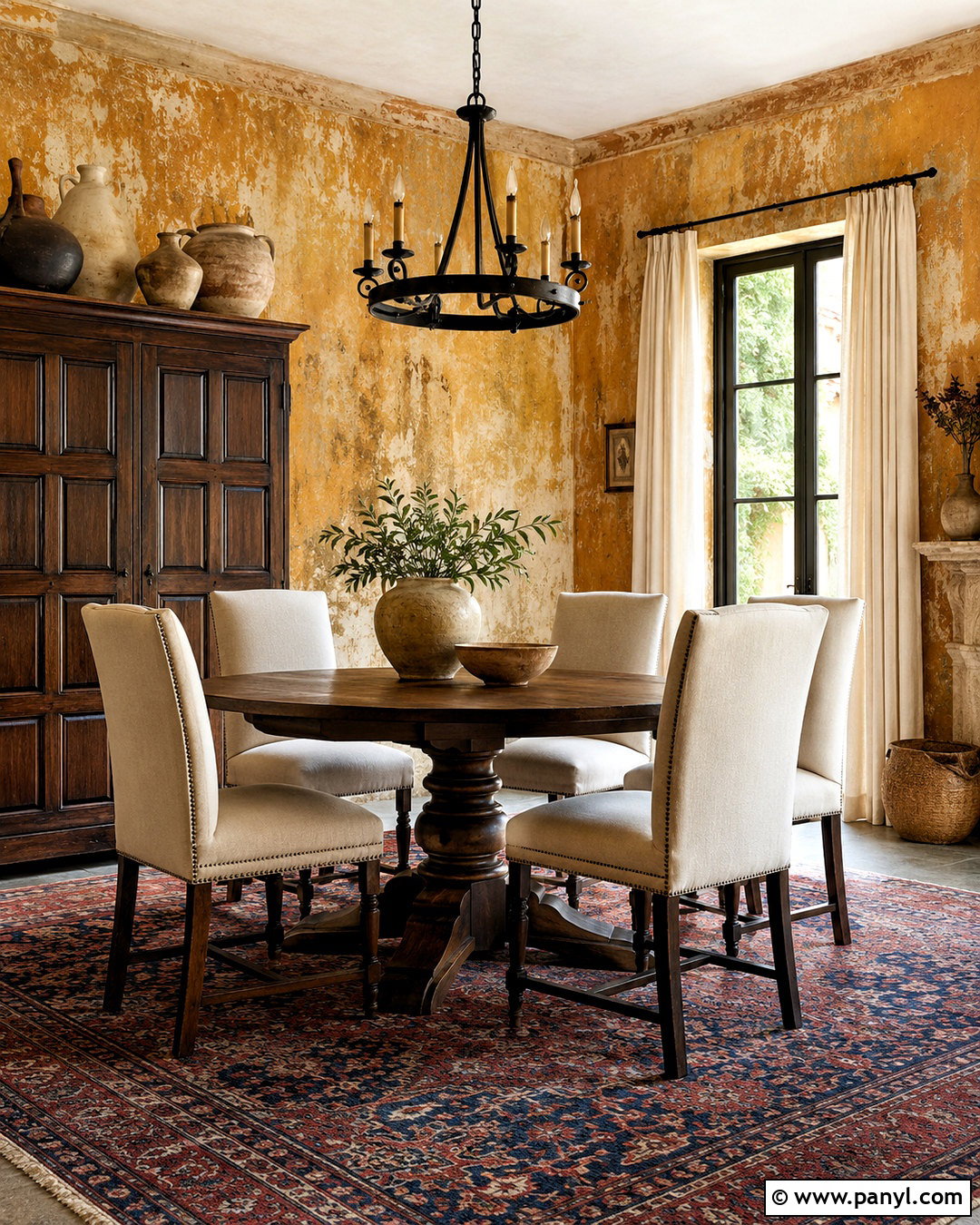
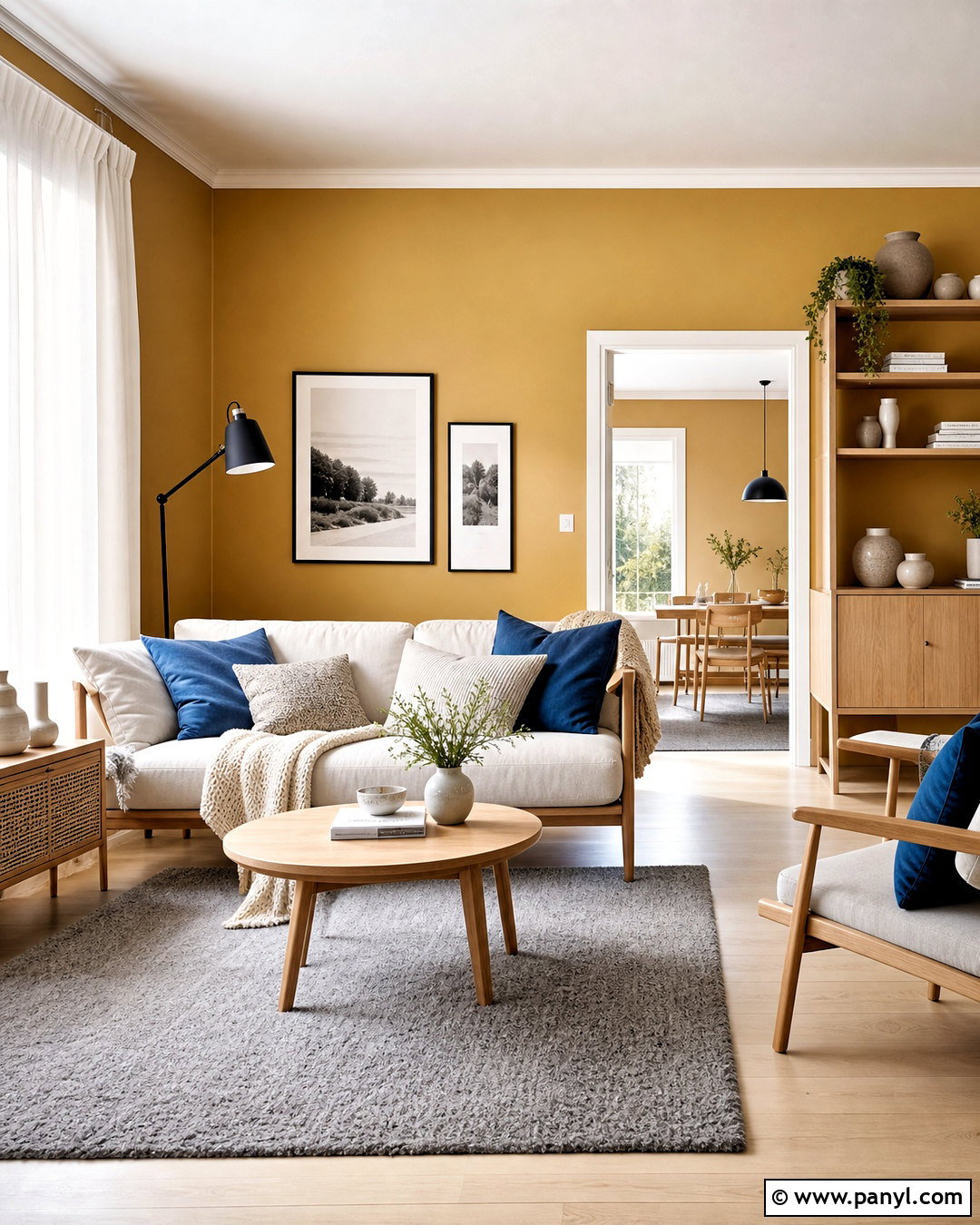
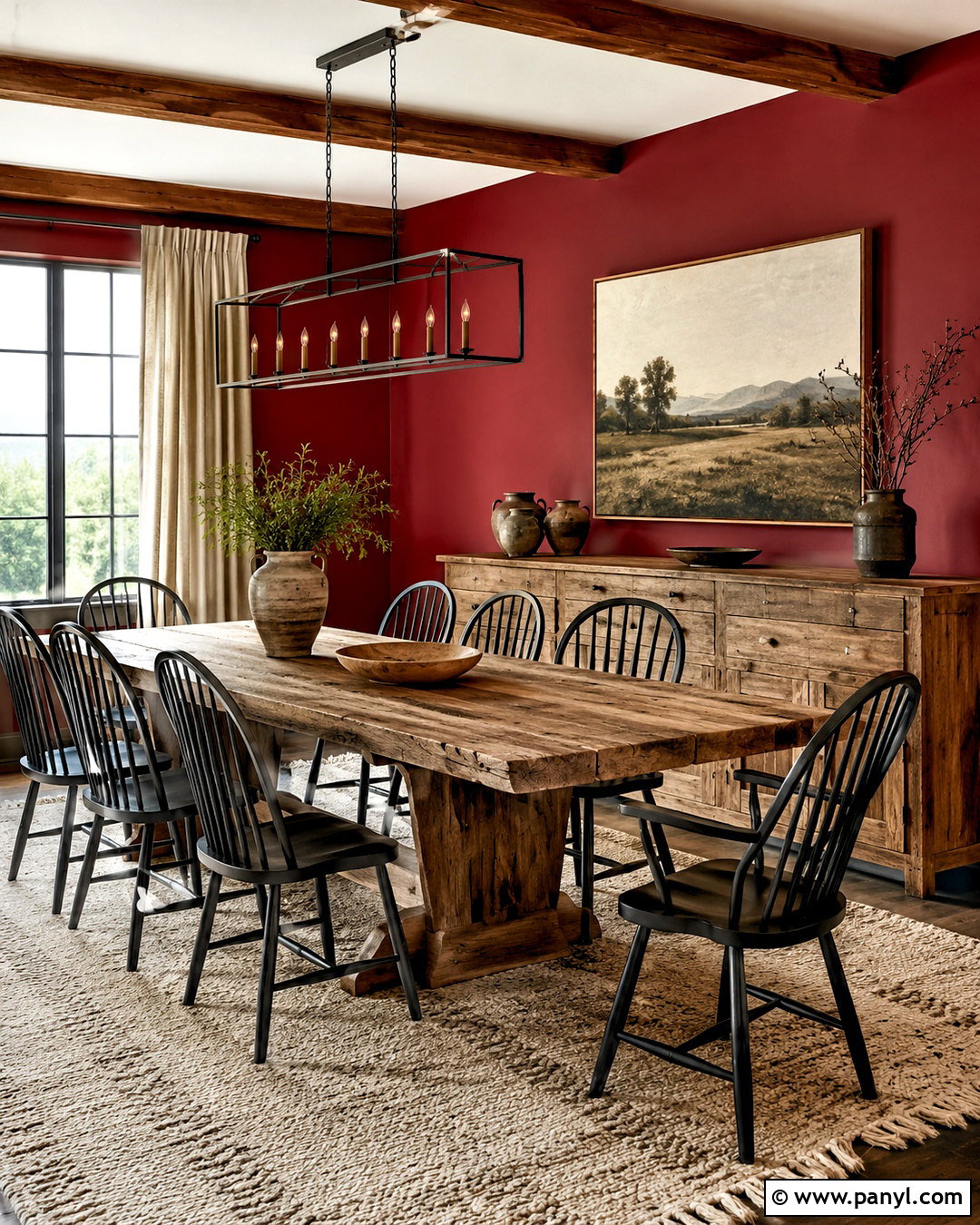
Golden ochre plaster can make a dining room glow even when the furniture is simple. Choose a chalky finish with mustard, sandy beige, and faded brown variation. Center a dark wood pedestal table in the room and surround it with upholstered cream chairs or woven cane seating. A large black iron chandelier provides sharp contrast against the warm walls. Use a vintage cabinet for concealed storage and display only a few pieces of earthenware on top. A muted red and indigo rug adds history without fighting the ochre color. Finish the windows with relaxed linen panels and place one oversized landscape painting on the main wall. The result feels warm, established, and suitable for both everyday meals and gatherings.
18. Distressed Coastal Shiplap Wall
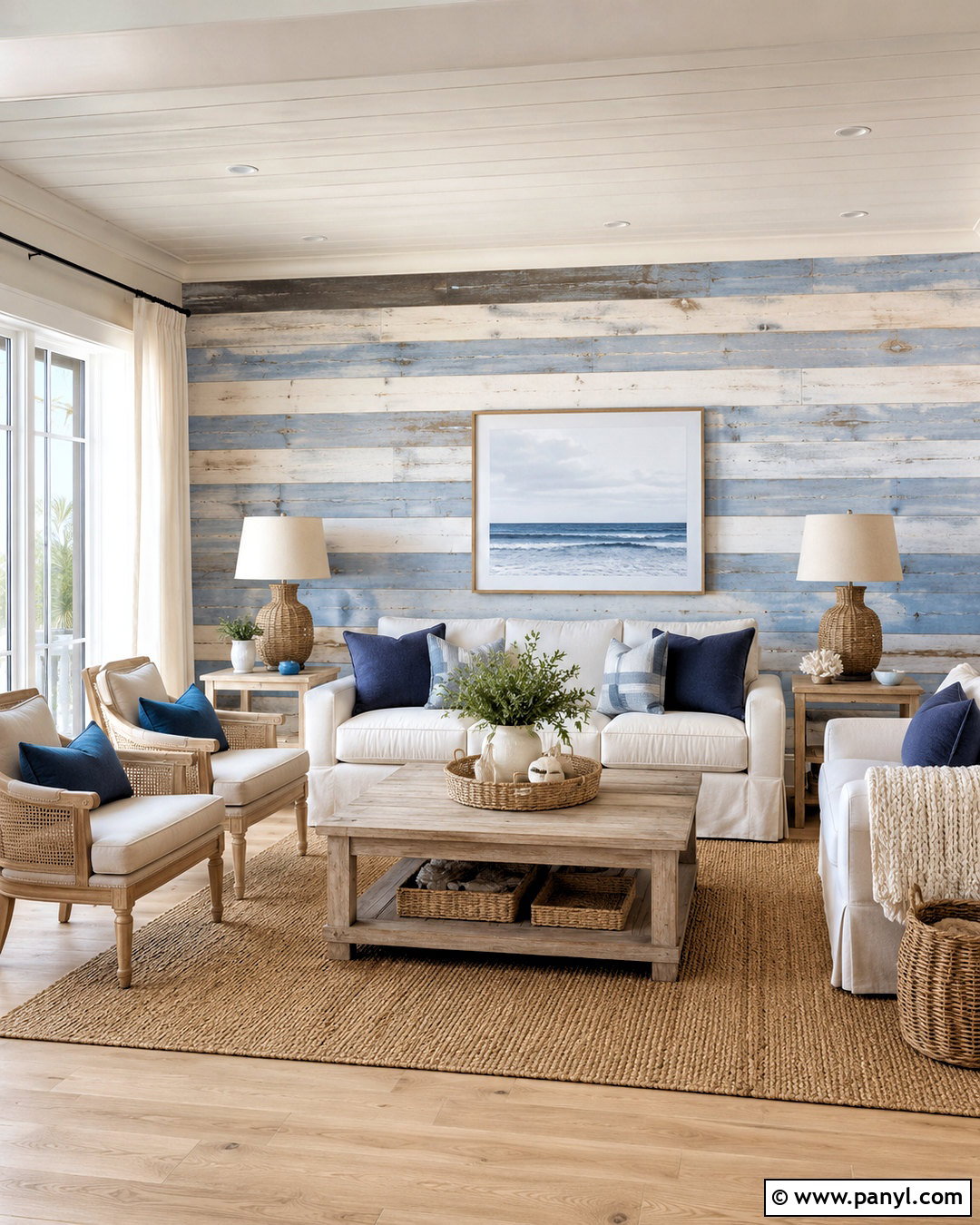
Sun-faded shiplap brings coastal character to a room without relying on obvious beach decorations. Paint horizontal boards in a distressed combination of pale blue, weathered gray, and soft white. Use the wall behind a slipcovered ivory sofa, then add two light oak chairs with navy cushions. A woven jute rug, whitewashed coffee table, and linen curtains create a breezy material mix. Include striped textiles in small amounts and choose clear glass or ceramic lamps for understated color. Natural baskets can provide practical storage beside a built-in cabinet. Keep artwork abstract or landscape-based rather than using signs and nautical symbols. This produces a complete coastal living room that feels relaxed, bright, and appropriate beyond a waterfront home.
19. Distressed Black And White Office Wall
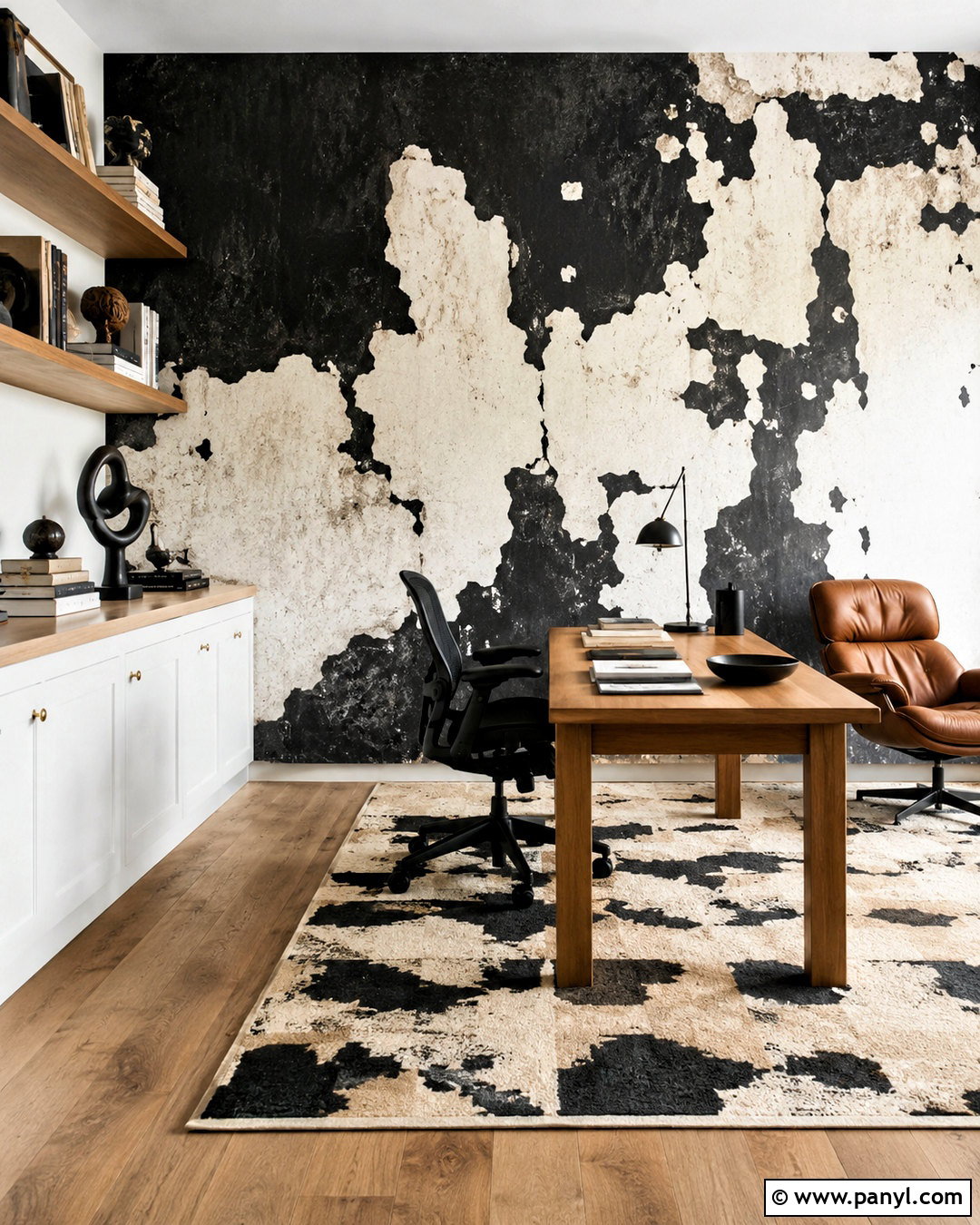
A black-and-white distressed wall can create a bold office without introducing too many competing colors. Start with a warm white background and add broken charcoal layers that resemble worn plaster or aged graphic paint. Position a simple oak desk in front of the wall with a black task chair and matching metal lamp. Closed white cabinets keep office supplies hidden, while one open shelf provides space for books and sculptural objects. Add a flat-woven rug in cream and black to connect the palette. A leather lounge chair in warm tan prevents the room from feeling cold. Finish with white curtains and natural wood flooring, creating a sharp but comfortable workspace with a strong visual identity.
20. Distressed Arched Plaster Wall
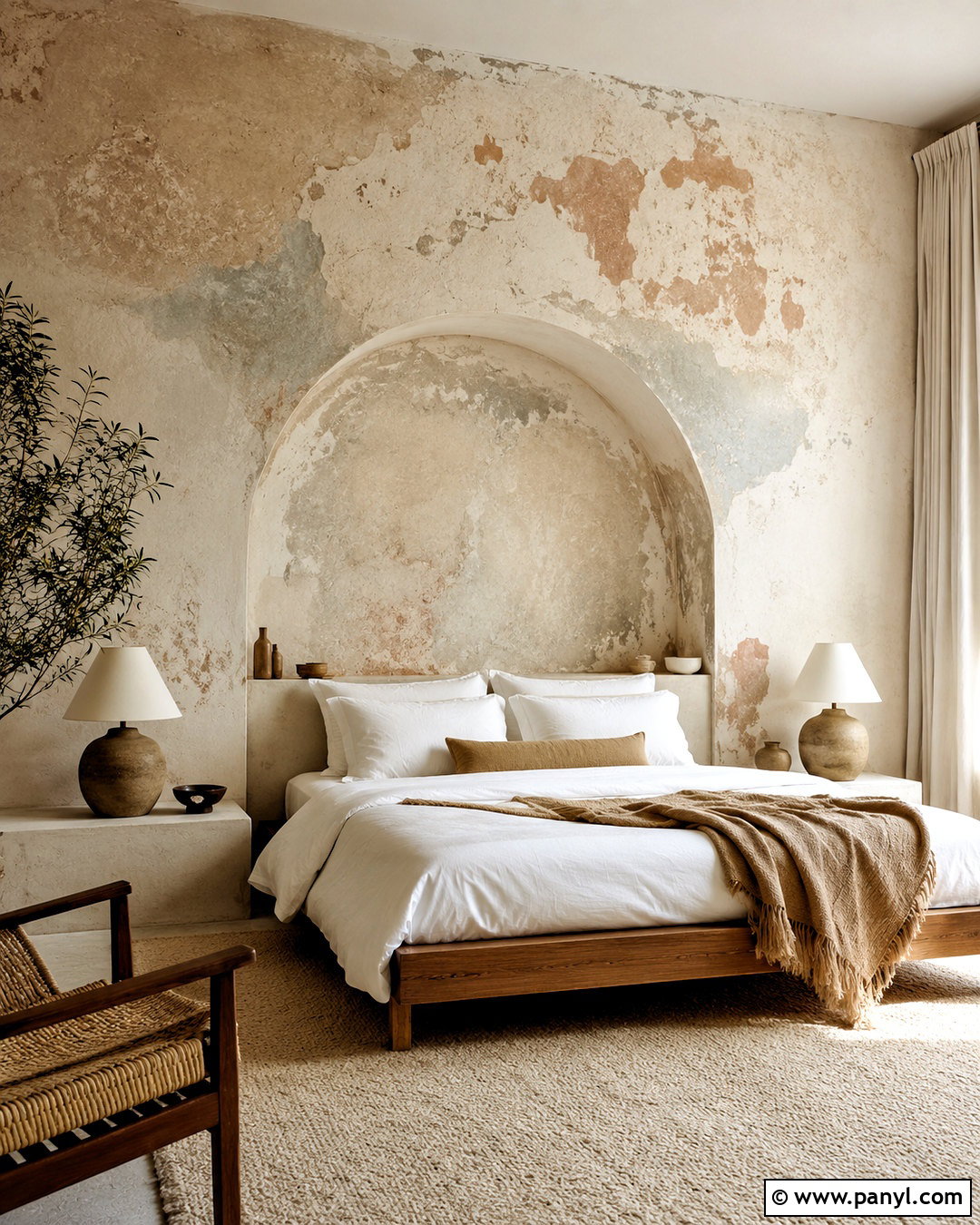
An arched plaster feature creates a quiet focal point for a bedroom or reading room. Form a wide recessed arch and cover the entire wall in soft ivory plaster with patches of beige, pale gray, and subtle clay. Place a low oak bed or upholstered daybed within the arch so the architecture frames the furniture. Use relaxed white bedding, a camel throw, and textured neutral pillows. Small built-in ledges can replace bulky nightstands and hold compact ceramic lamps. Add a thick wool rug and light linen curtains to soften the space further. Keep artwork minimal because the shape and worn finish already provide interest. The final room should feel serene, handcrafted, and gently influenced by Mediterranean interiors.
Conclusion:
Distressed walls work best when their colors, textures, furniture, and surrounding finishes tell one clear design story. A faded wall does not need to make the whole room look old. Clean upholstery, practical storage, modern lighting, and simple decor can balance even the roughest brick or plaster surface. Begin with the mood you want, then choose a finish suited to that room’s light, activity, and existing materials. Test colors before covering a large area, and keep artificial distressing controlled so it looks intentional. From warm farmhouse kitchens to calm plaster bedrooms and dramatic modern offices, these 20 distressed walls provide complete looks that can be adjusted for different homes, budgets, and decorating preferences.

Related Ideas and Inspiration:
Leave a Reply