
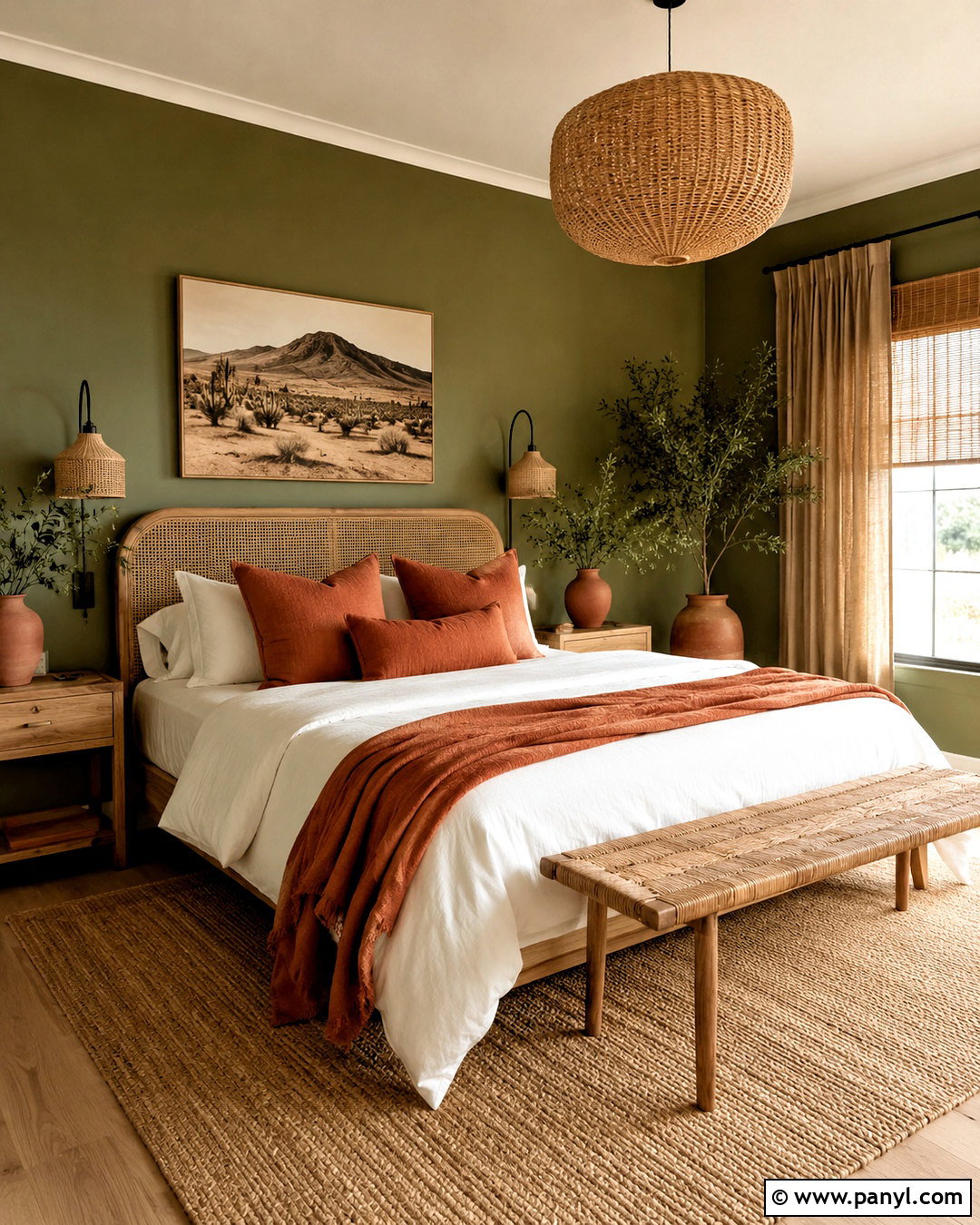
A bedroom accent wall can turn a plain sleeping space into a finished, personal retreat without requiring a full remodel. The best projects do more than decorate one surface. They connect the wall treatment with the bed, nightstands, lighting, textiles, and color palette. Paint remains an approachable budget option, while wood trim, wallpaper, slats, and textured finishes add architectural character. The wall behind the headboard is usually the natural focal point, but a window wall or small bedroom nook can also work beautifully. Careful measuring, balanced spacing, and clean finishing make even inexpensive materials look polished. () Use these 20 diy accent wall bedroom ideas to create a complete look that suits your room, skills, and budget.

1. Board And Batten Accent Wall
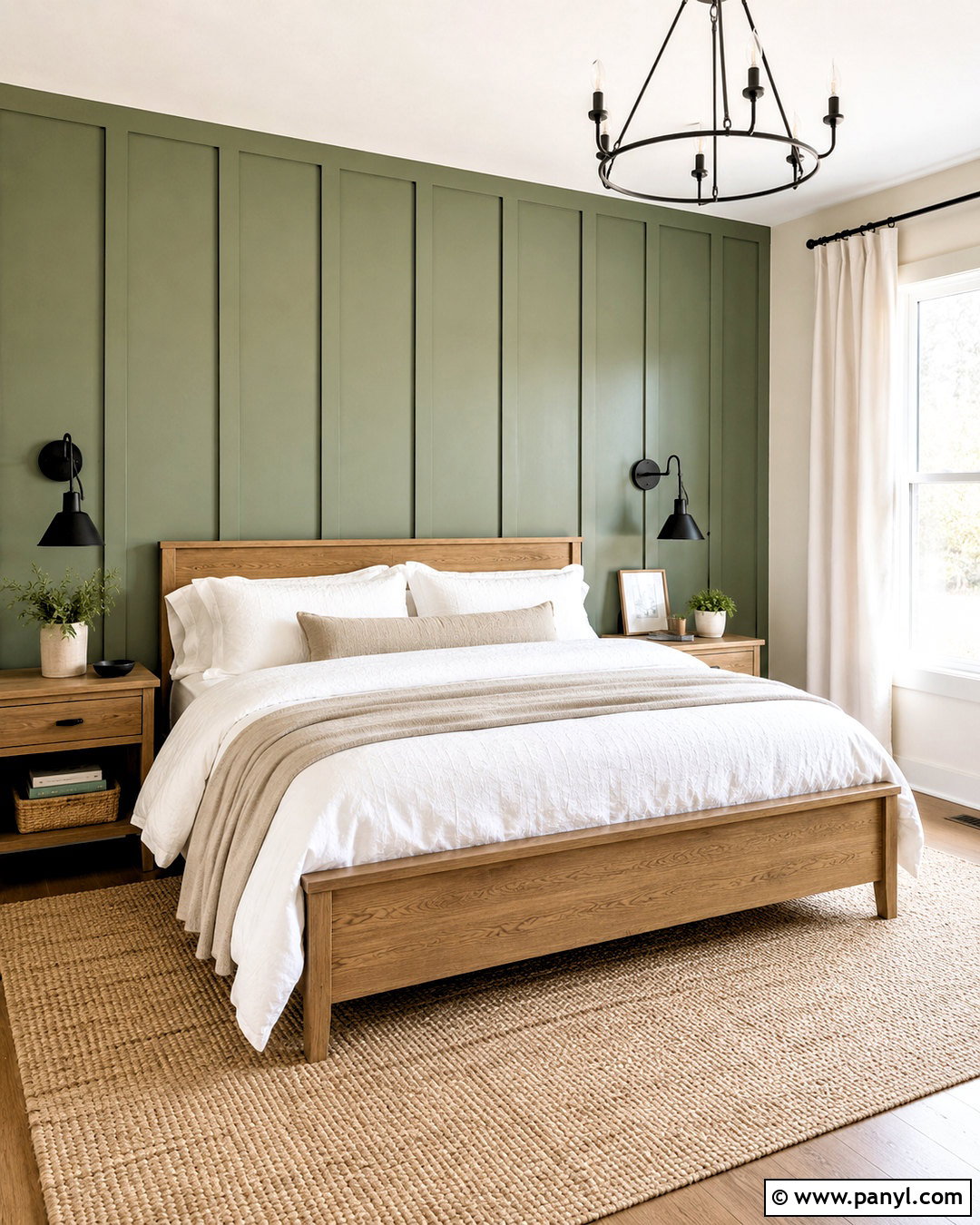
Board and batten gives a bedroom clean architectural detail without making the room feel overly formal. Center the bed first, then plan evenly spaced vertical MDF strips behind it. Add a horizontal top rail near the ceiling for a full-height treatment. Paint the wall and trim together in warm sage green, dusty blue, or soft greige. A natural oak bed, white bedding, and black reading sconces create a balanced modern farmhouse look. Keep the nightstands simple so the wall remains the main feature. Fill nail holes, sand every joint, and use paintable caulk along the edges before painting. MDF is a practical, paintable alternative to solid wood for this type of project. ()
2. Vertical Wood Slat Accent Wall
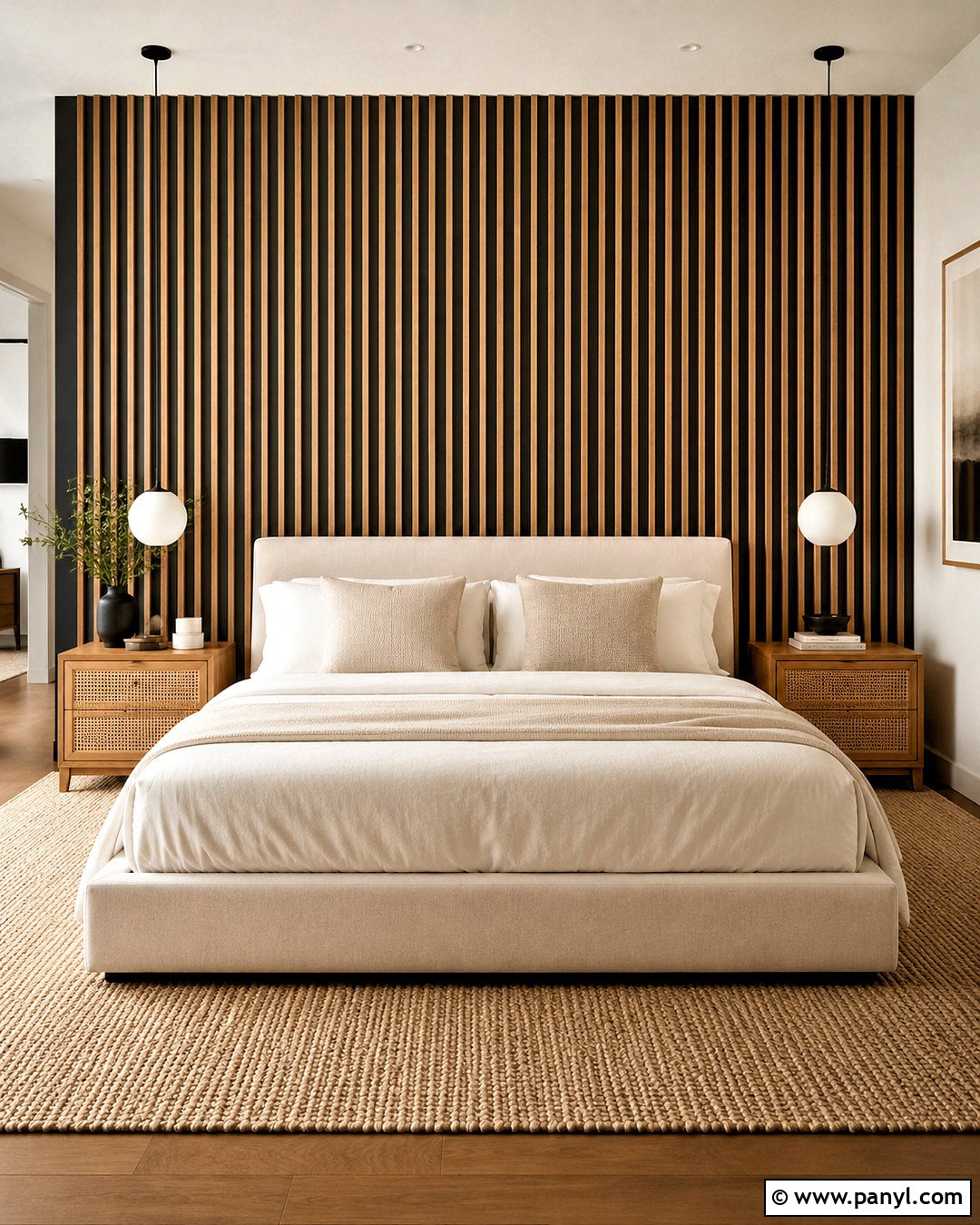
Warm wood slats bring natural texture to a bedroom while making a low ceiling appear taller. Install narrow oak or pine strips vertically across the headboard wall, leaving small, consistent gaps between them. A matte black or deep charcoal background makes light wood stand out, while a warm beige background produces a softer effect. Pair the feature with a low upholstered bed, cream bedding, woven nightstands, and simple globe pendants. Extending the slats slightly beyond the bed visually frames the sleeping area without covering the entire wall. Sand and seal each piece before installation for a smoother finish. Keep artwork minimal because the repeating wood pattern already gives the room plenty of depth and movement.
3. Painted Arch Accent Wall
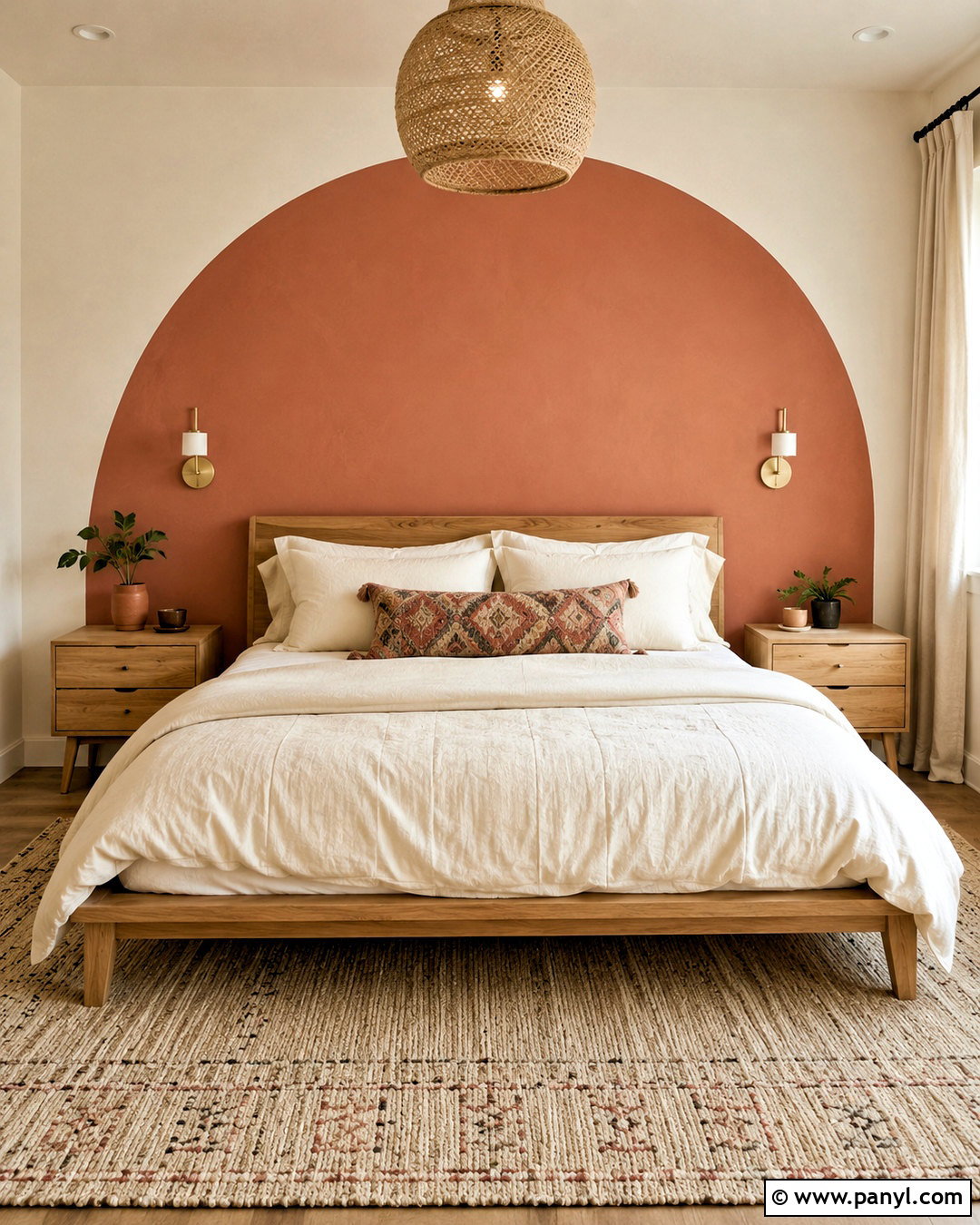
A painted arch creates the appearance of a custom headboard surround using only painter’s tape, a pencil, string, and paint. Draw a wide arch that begins slightly outside the nightstands and rises well above the headboard. Terracotta, muted mustard, warm blush, or olive green works well against creamy white walls. Place a simple wood or upholstered bed inside the painted shape, then add matching bedside tables and compact wall sconces. Repeat the arch color in one throw blanket or patterned pillow to connect the room. Keep the remaining furniture light and neutral so the curved feature looks intentional. For crisp edges, remove the painter’s tape while the final coat is still slightly damp rather than waiting until it fully dries.
4. Geometric Wood Trim Accent Wall
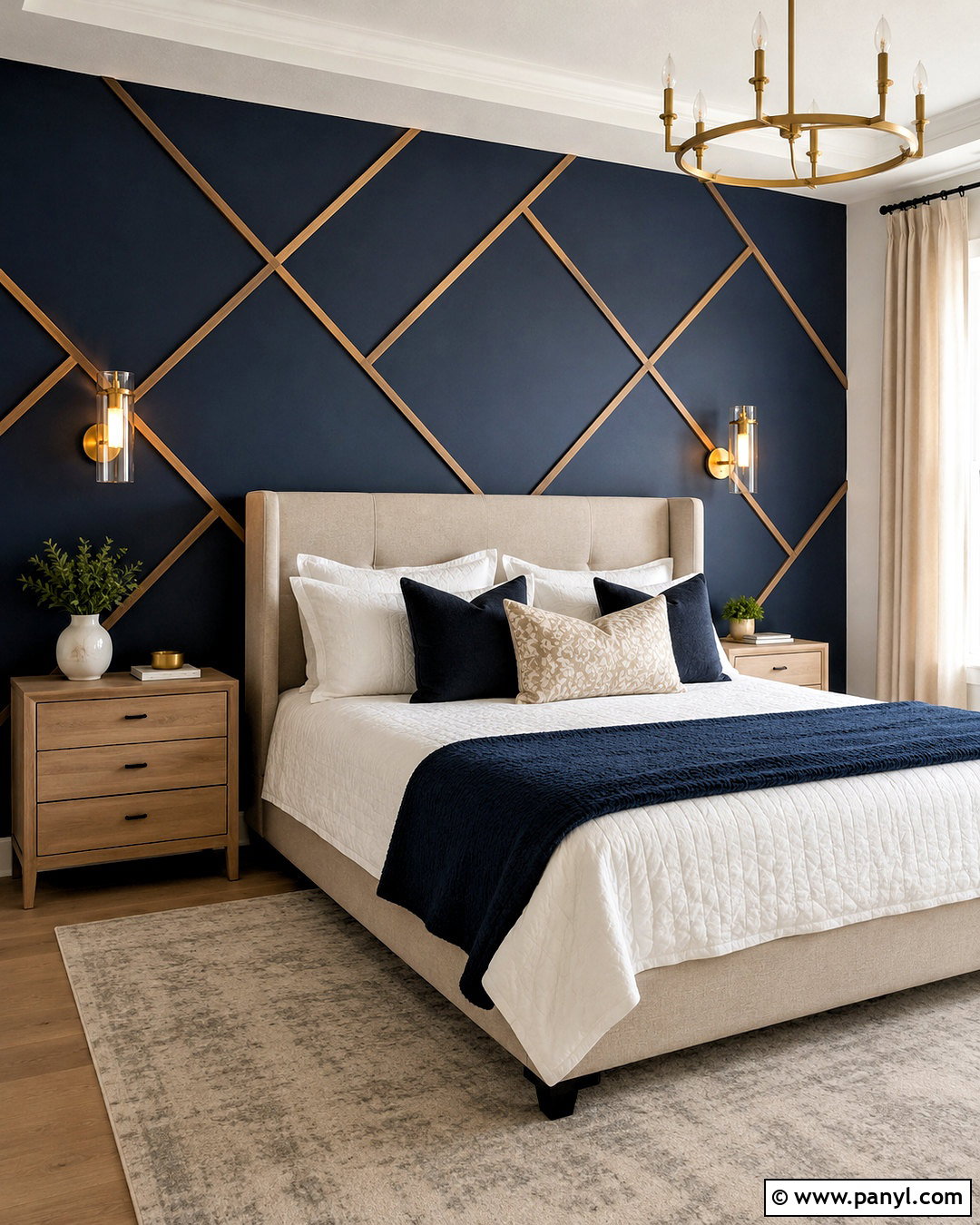
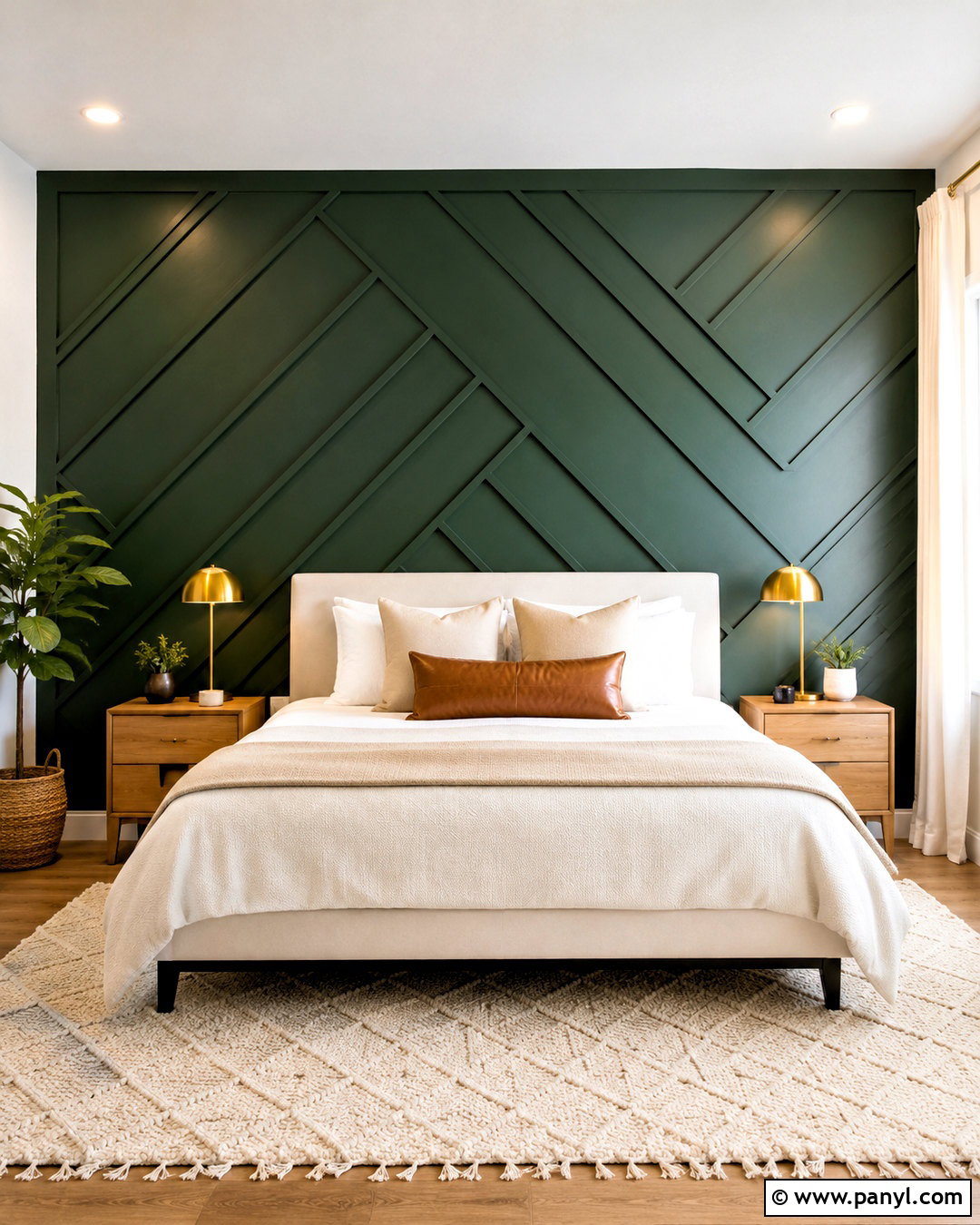
Thin wood strips can transform a flat bedroom wall into a bold geometric feature. Plan the pattern on paper before cutting anything, then arrange diagonal and horizontal pieces around the centered bed. Avoid placing tiny shapes near outlets or wall corners, since those areas can look visually crowded. Paint the trim and wall in one deep navy blue, forest green, or charcoal shade for a seamless finish. Balance the strong lines with a beige upholstered bed, pale oak nightstands, white bedding, and soft linen curtains. Brass sconces add warmth without competing with the pattern. Use a level throughout installation and dry-fit every piece. Filling seams and sanding carefully is essential because darker paint makes uneven joints and rough edges more noticeable.
5. Peel And Stick Wallpaper Accent Wall
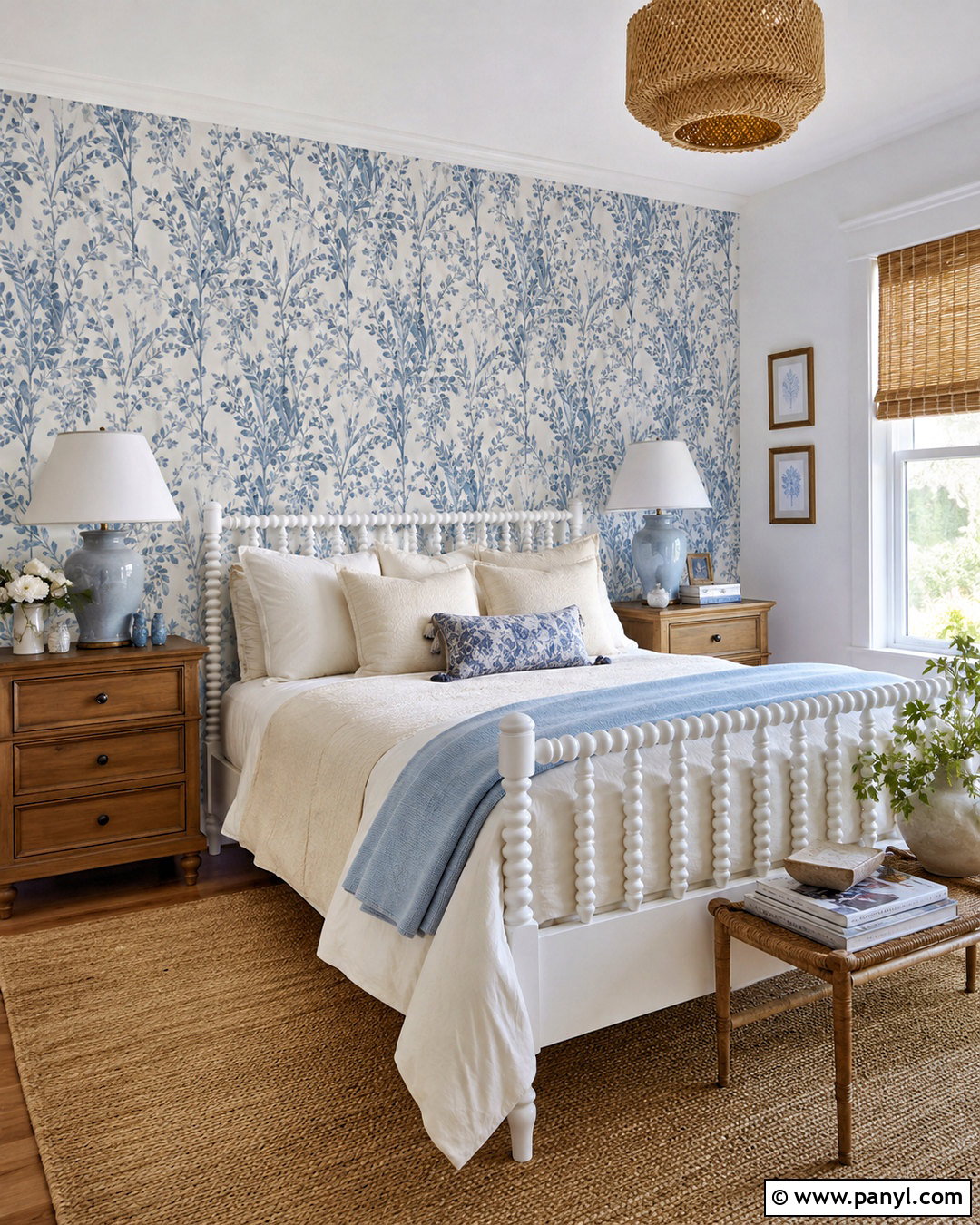
Peel-and-stick wallpaper offers color and pattern without the long-term commitment of traditional wallcovering. Choose a botanical, block-print, striped, or small geometric design that complements the bedroom rather than overwhelming it. Begin with a clean, smooth wall and position the first panel with a level. Center the wallpaper pattern behind the bed so both sides appear balanced. A soft blue floral print pairs beautifully with a white spindle bed, warm wood nightstands, ivory bedding, and woven shades. Pull one or two colors from the wallpaper into pillows and lamps for a coordinated room. Apply panels slowly from top to bottom, smoothing outward as you work. Order extra material from the same batch to accommodate pattern matching and trimming mistakes.
6. Limewash Accent Wall
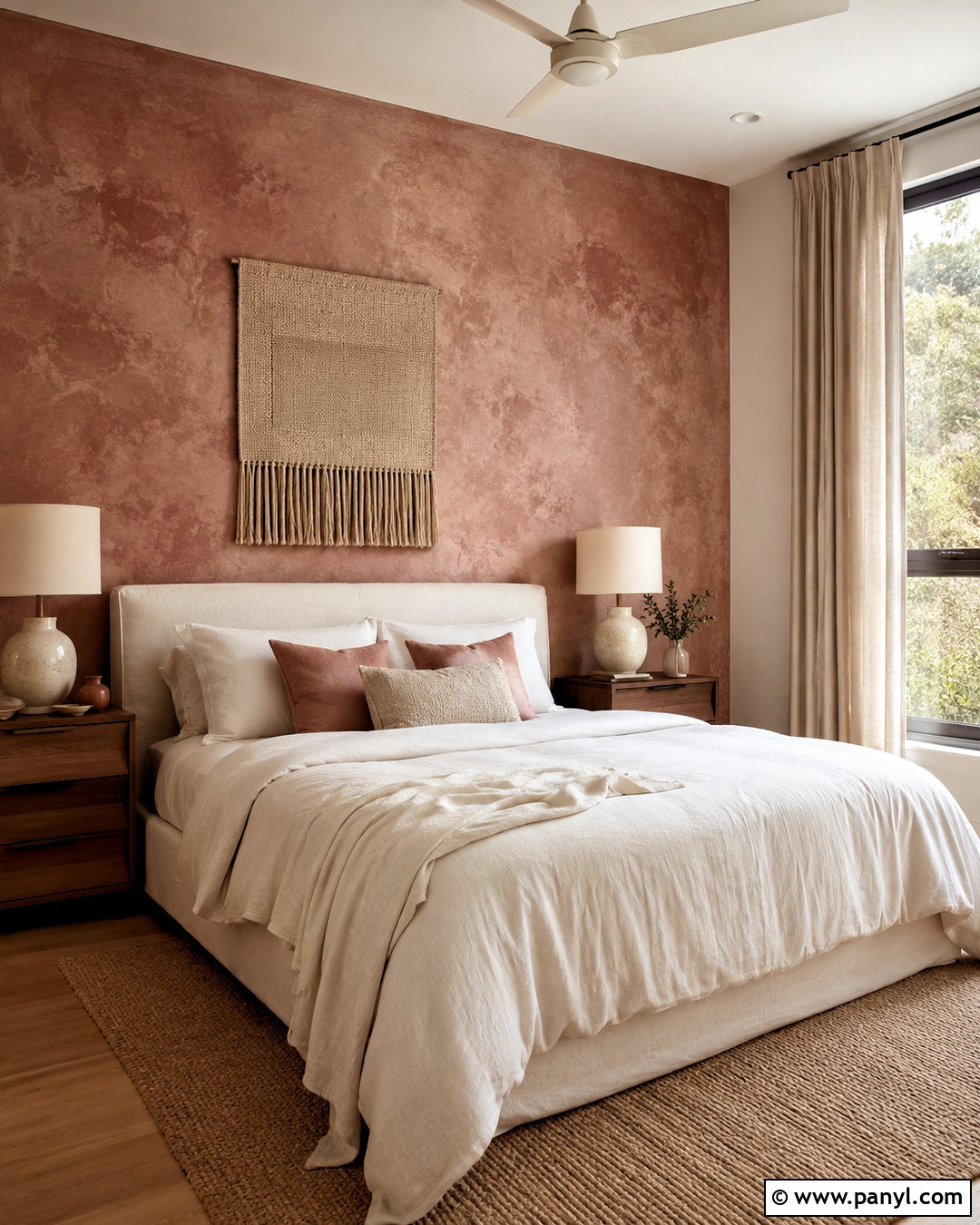
Cloudy layers of limewash-inspired color give a bedroom depth while maintaining a quiet, restful atmosphere. For an accessible DIY version, use a specialty limewash paint or create a similar appearance with two close paint colors and a large masonry brush. Apply loose, overlapping strokes instead of smooth roller passes. Warm taupe, clay, mushroom, and dusty rose work especially well with natural materials. Complete the room with a linen-covered bed, walnut nightstands, ceramic lamps, and oatmeal curtains. Avoid busy artwork that could interrupt the soft movement of the finish. A single oversized textile or simple framed piece is enough. Test the technique on a sample board first because the final appearance depends on brush direction, paint dilution, wall texture, and drying time.
7. Half Wall Panel Accent Wall
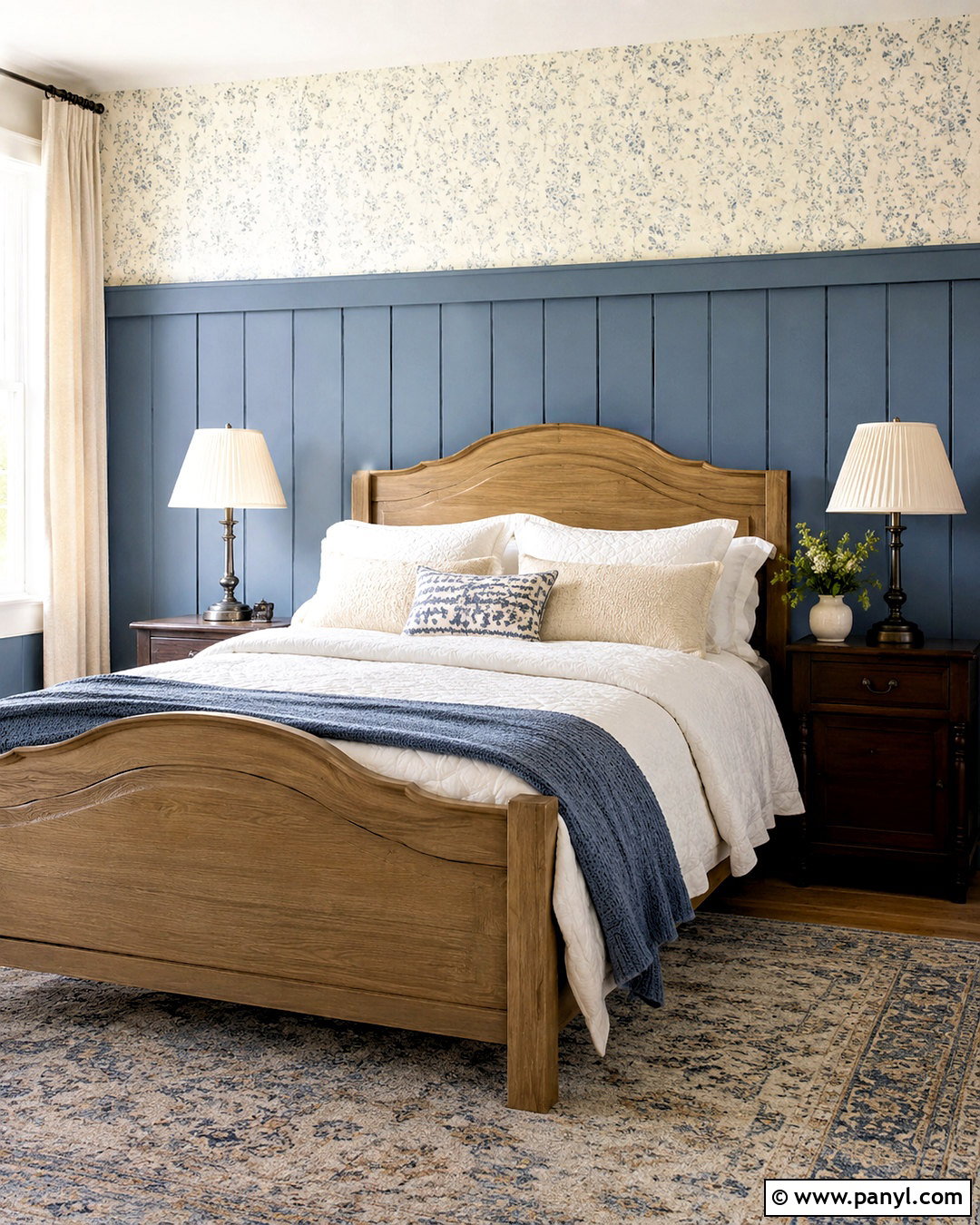
Half-wall paneling adds structure behind the bed while leaving space for paint or wallpaper above it. Install simple vertical battens from the baseboard to a horizontal cap positioned around two-thirds of the way up the wall. Paint the lower section dusty blue, warm white, or muted green. Above it, use creamy paint or subtle patterned wallpaper. A wood bed with a gently curved headboard keeps the paneled section visible, while traditional nightstands and pleated lamps complete the cozy look. Align battens with the bed and furniture rather than starting randomly at one corner. The upper ledge can hold a few lightweight frames, but keep displays sparse. Caulk the trim, prime raw materials, and apply two thin finish coats for a built-in appearance.
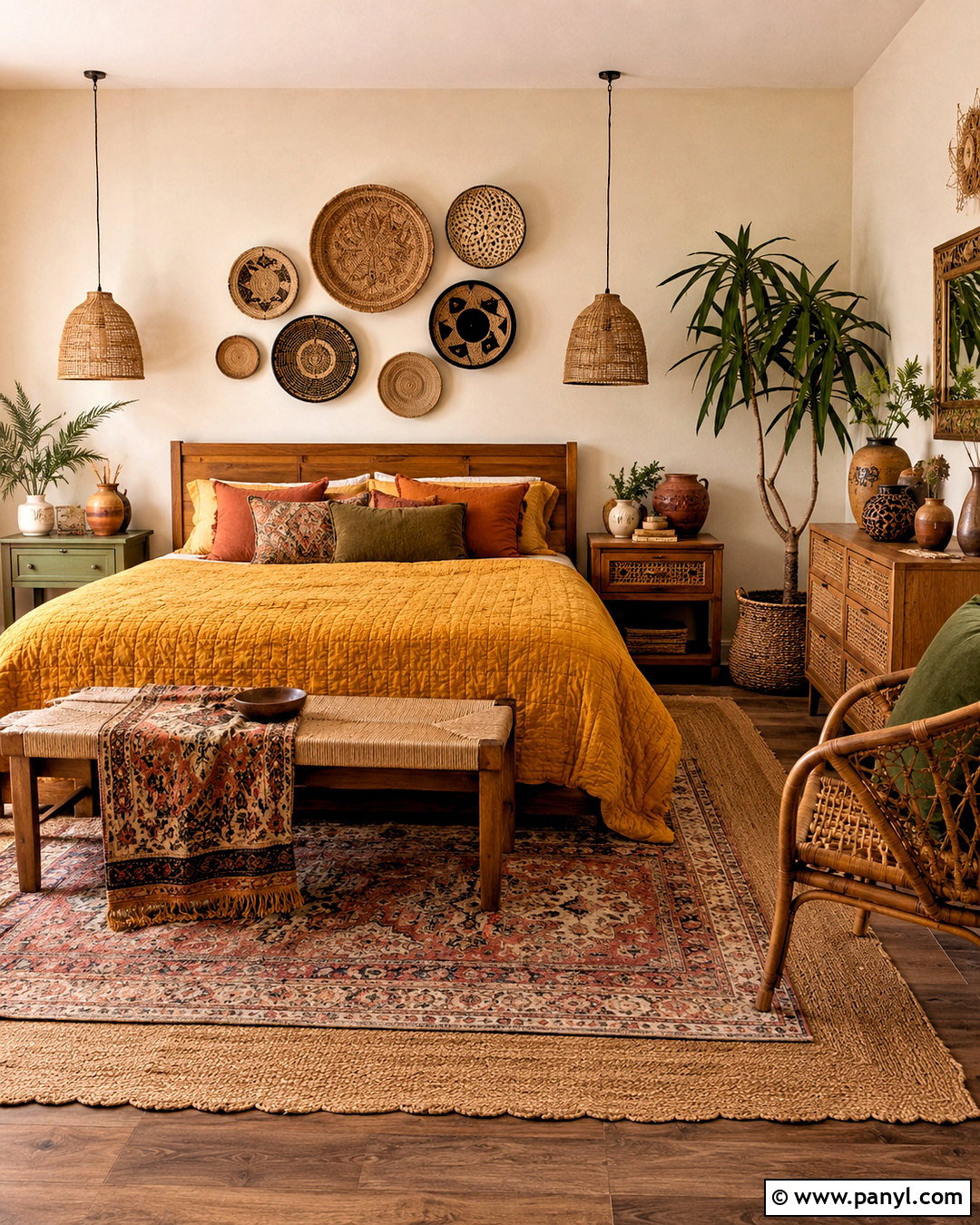
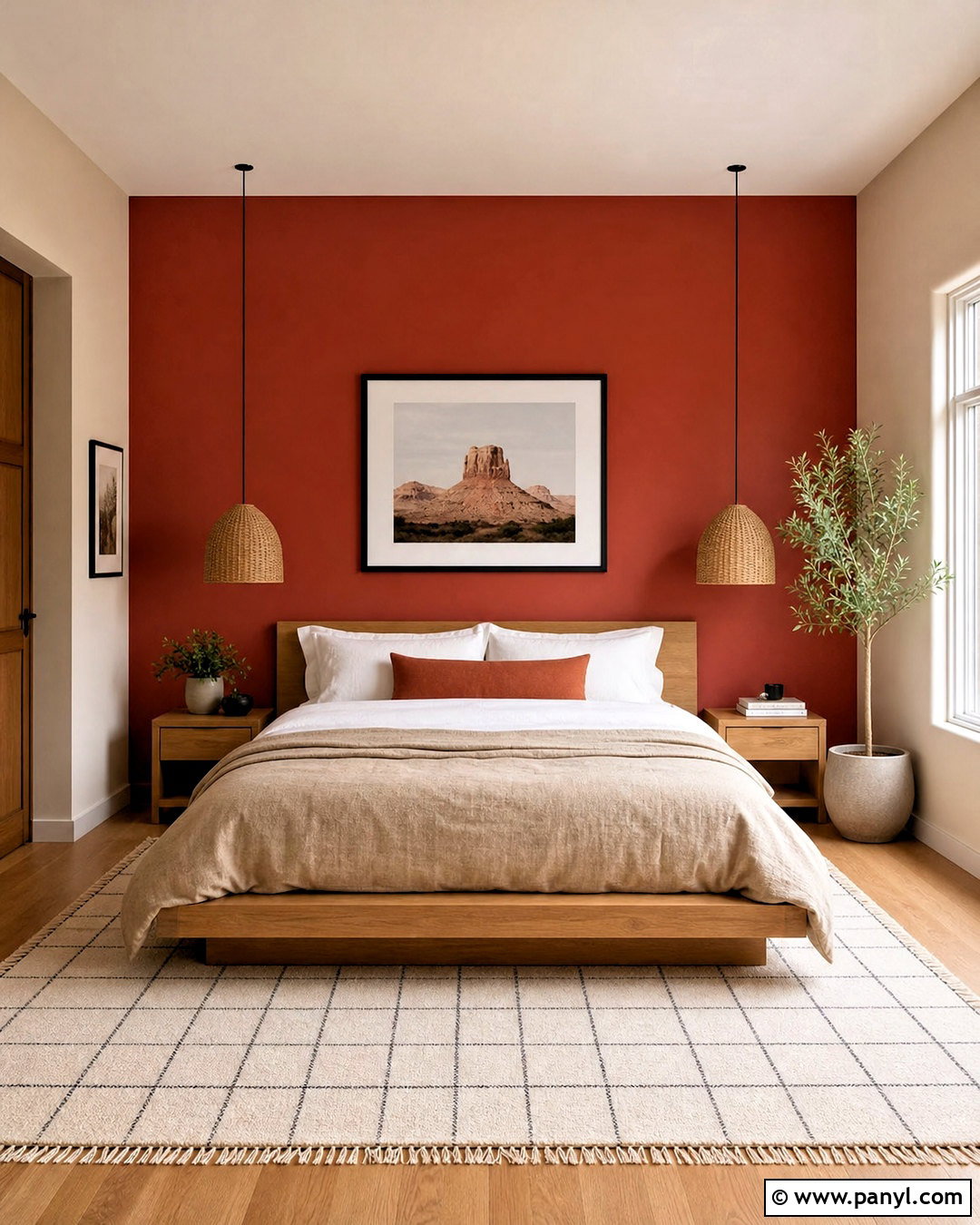
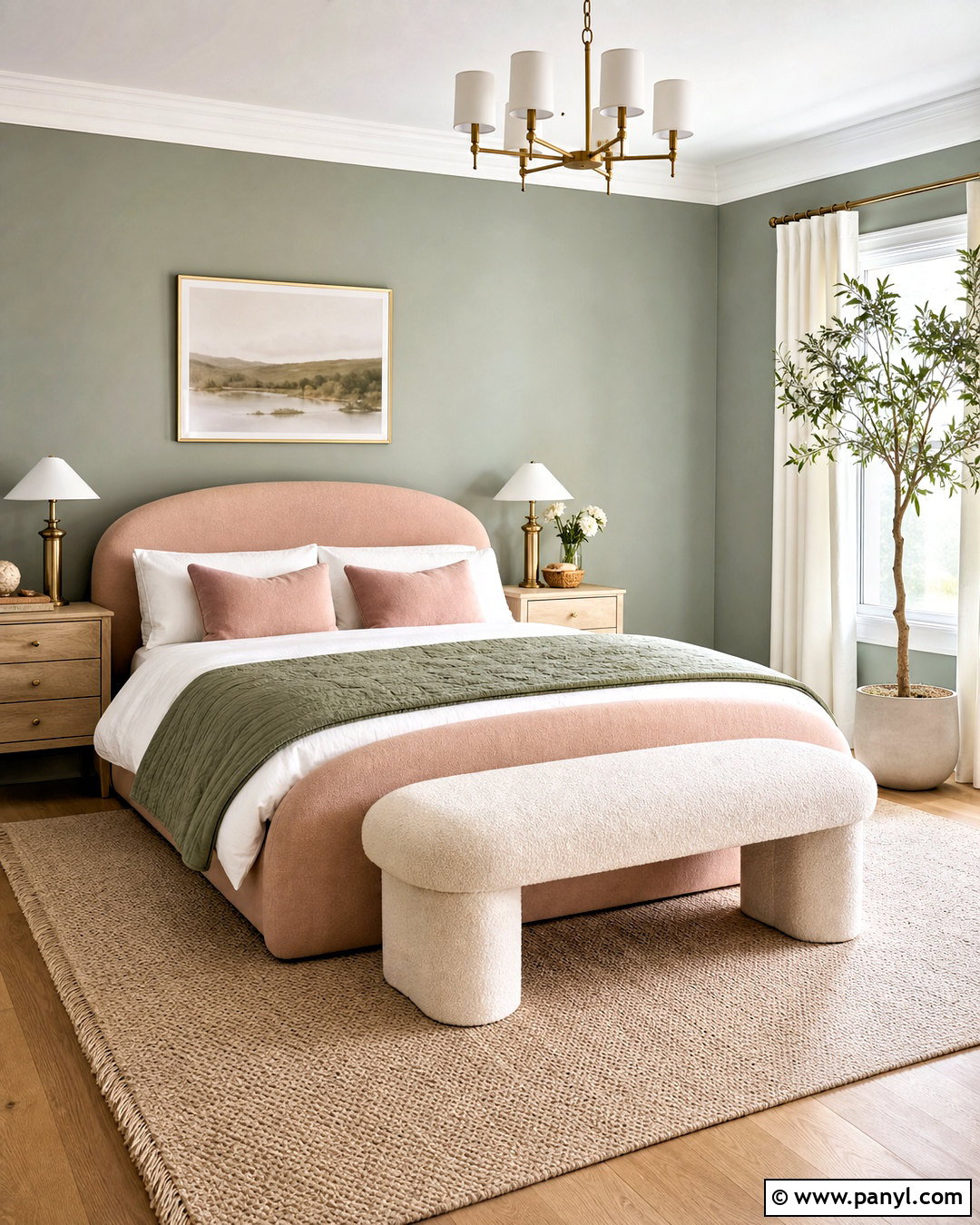
8. Color Block Accent Wall
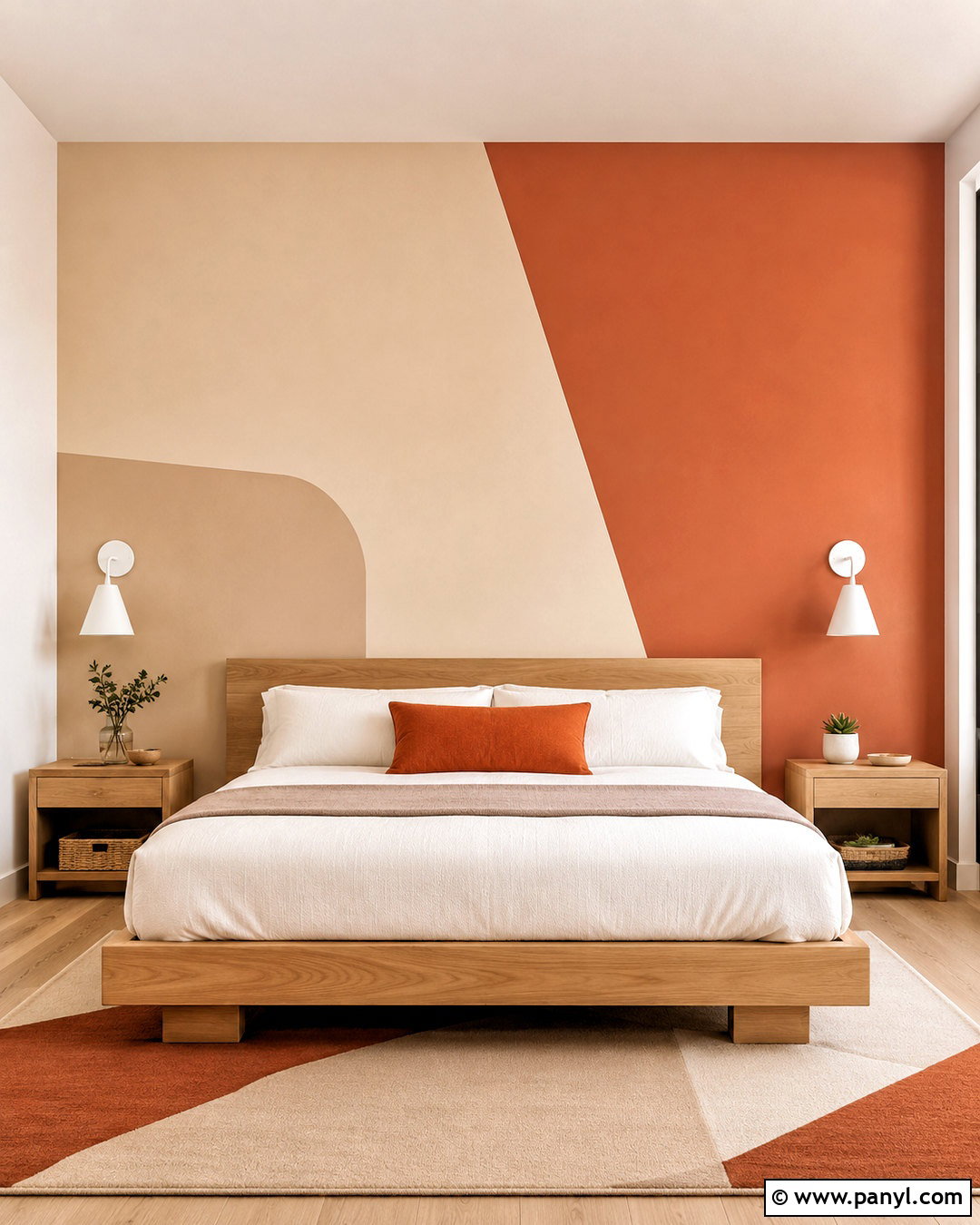
Color blocking brings energy to a bedroom through paint alone, making it useful for renters or quick weekend updates. Divide the headboard wall into broad vertical sections, an offset rectangle, or two asymmetrical shapes. Choose three related shades, such as sand, terracotta, and warm cream, so the design feels cohesive. Position the darkest color behind the headboard and use lighter shades toward the wall edges. A simple platform bed, white bedding, and pale wood nightstands prevent the room from becoming too busy. Add one rug or throw that repeats all three colors. Sketch the layout to scale before taping. Seal each tape edge with the base wall color before adding the new shade, which helps prevent paint from bleeding underneath and creates sharper lines.
9. Picture Frame Molding Accent Wall
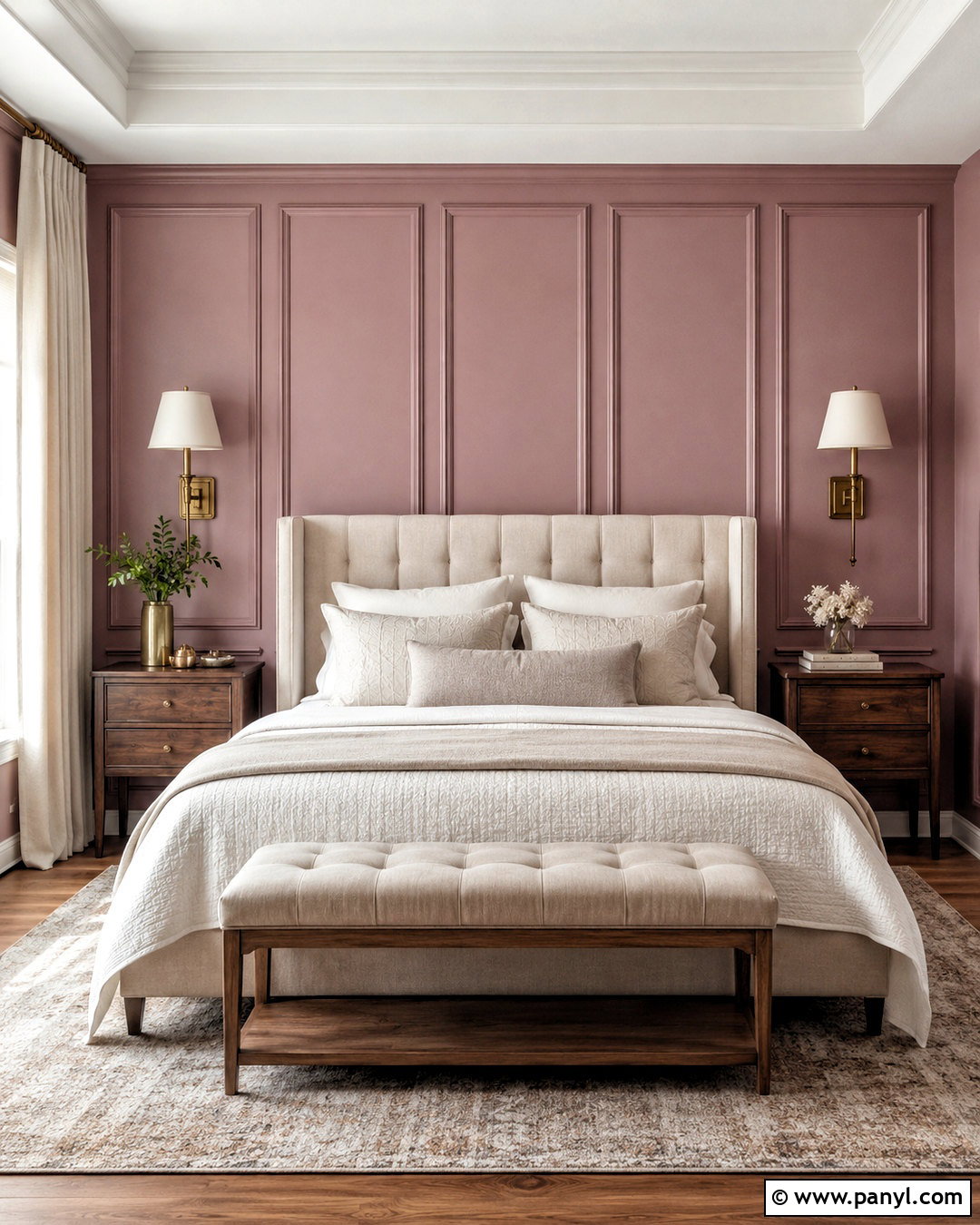
Picture frame molding gives a bedroom elegant detail using affordable trim and one unified paint color. Create three or five large rectangular frames across the headboard wall, keeping the center frame aligned with the bed. Leave equal margins around the ceiling, baseboard, and corners for a balanced arrangement. Paint everything in muted mauve, soft greige, deep blue, or creamy white. Pair the molding with a tall upholstered bed, matching nightstands, shaded sconces, and layered neutral bedding. A small framed artwork can sit inside the center panel, but empty frames often look cleaner. Cut trim with accurate mitered corners and assemble each rectangle before attaching it when possible. Caulk small gaps carefully, then use a smooth finish paint that highlights the molding without excessive shine.
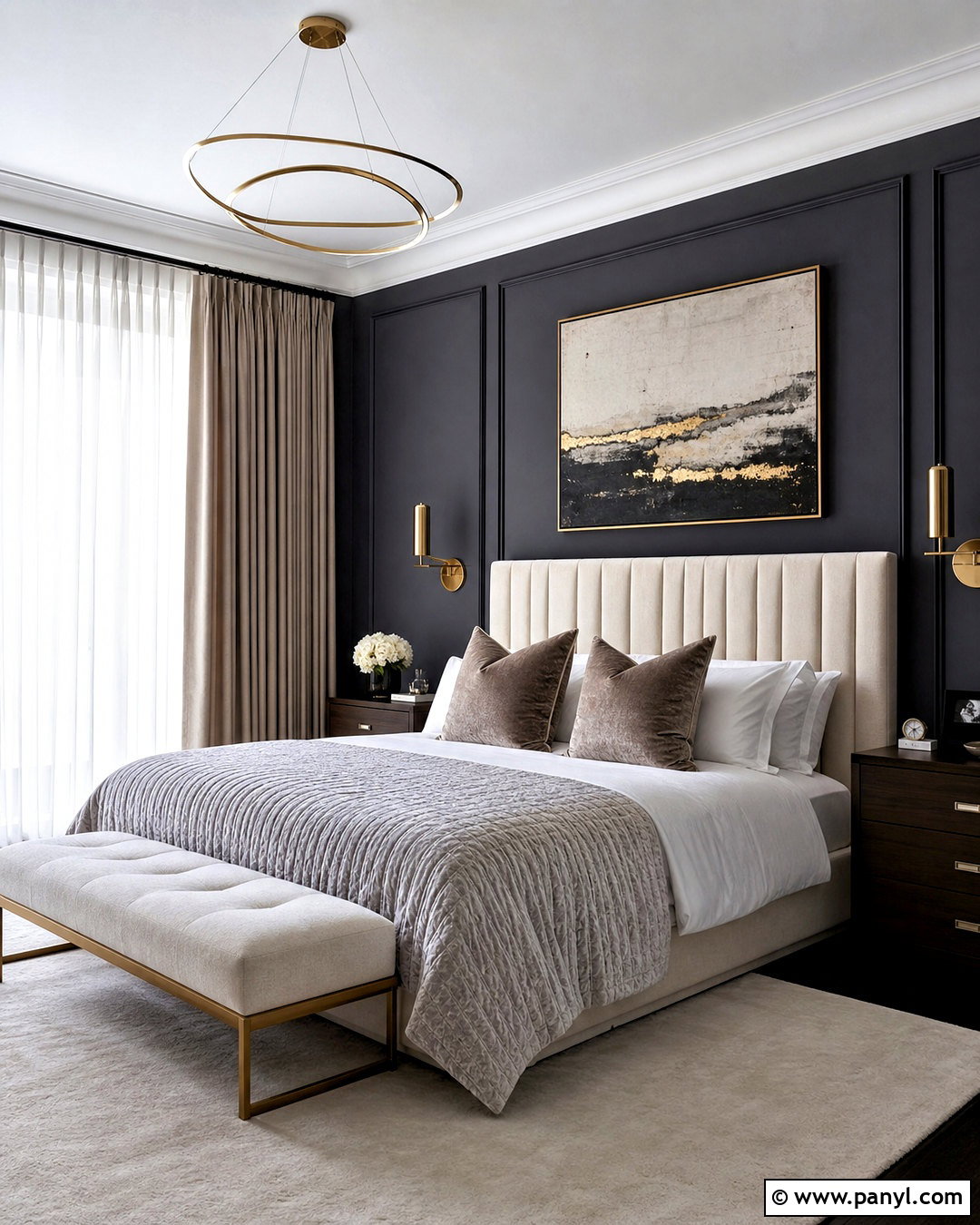
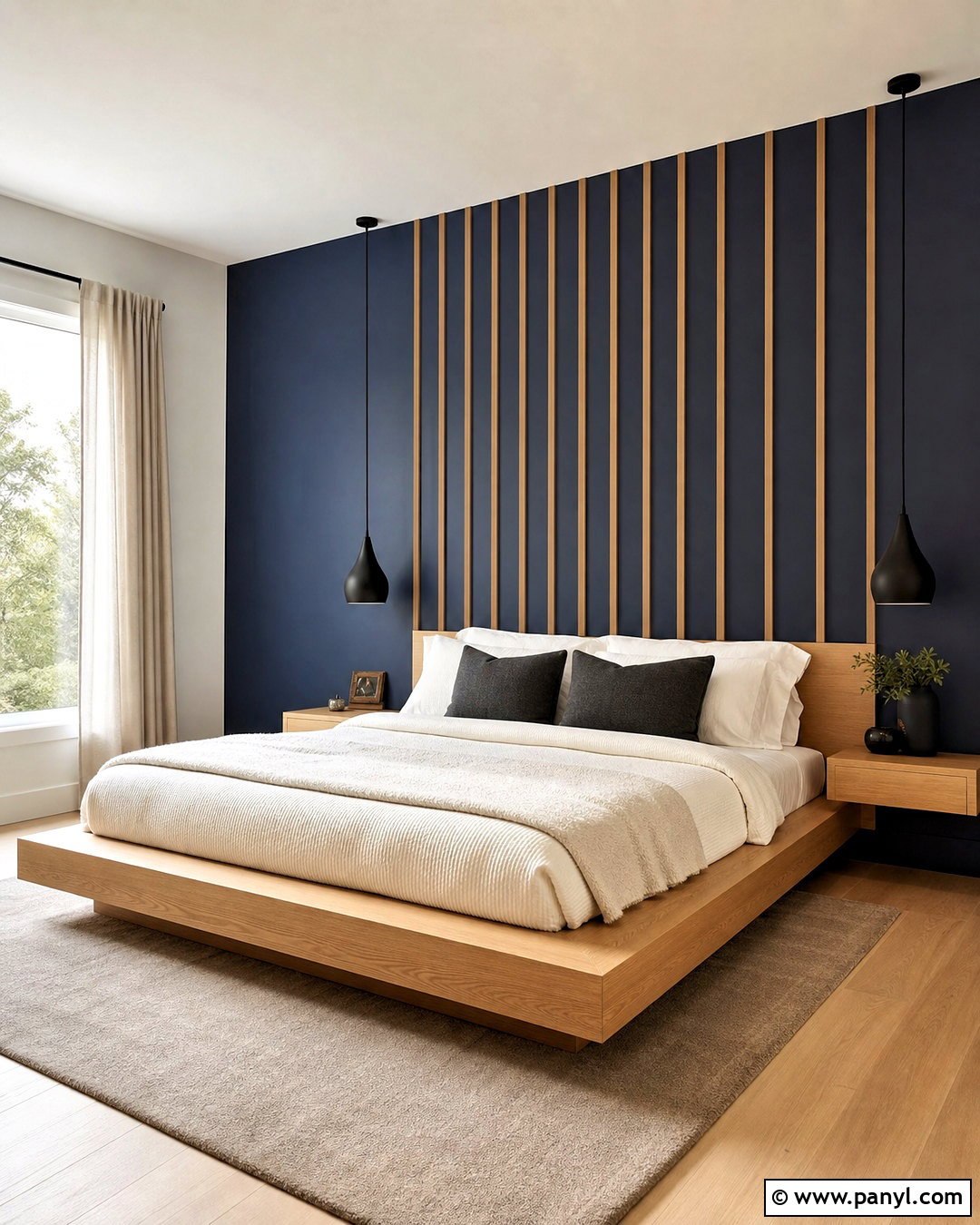
10. Painted Headboard Accent Wall
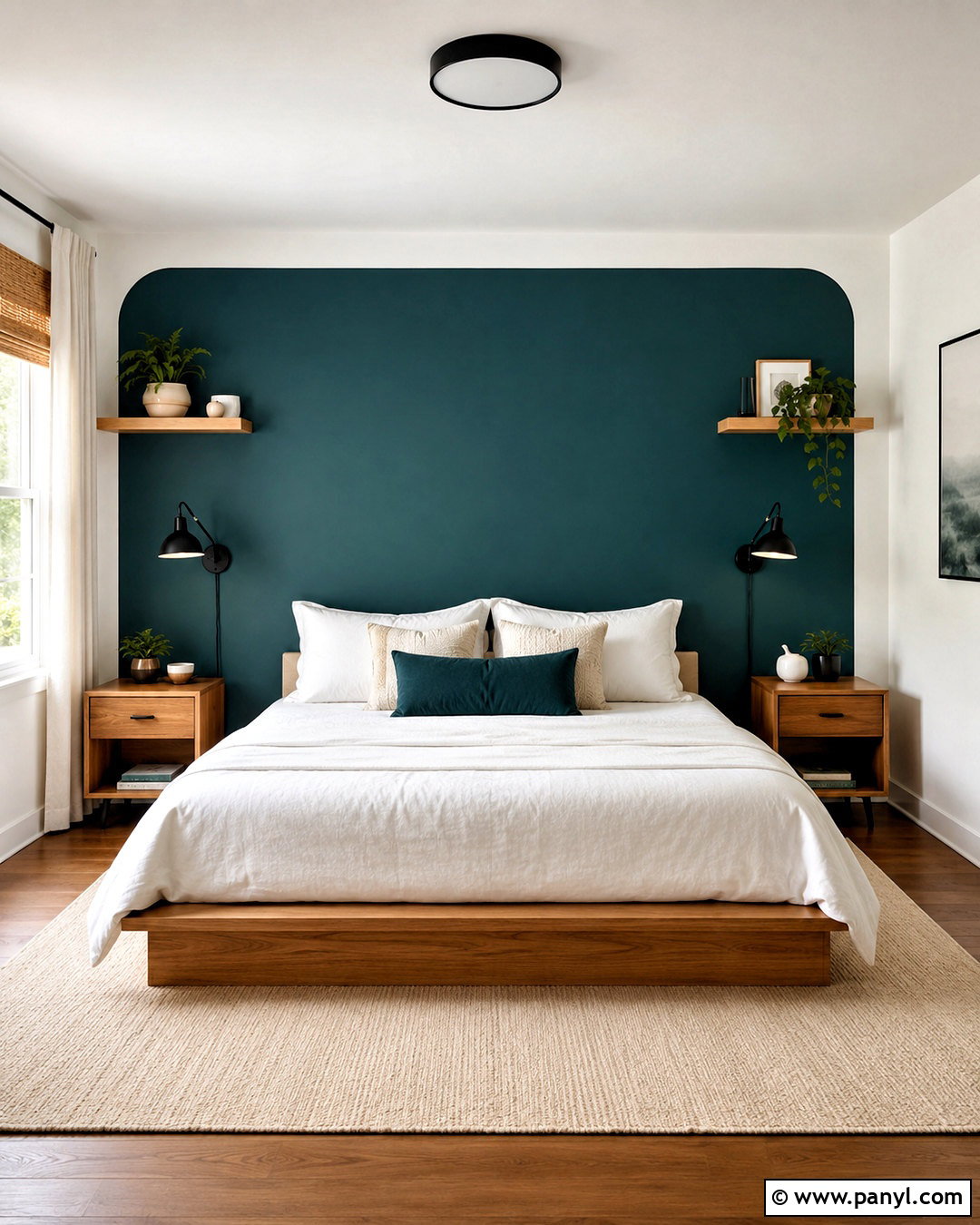
A painted headboard can define the bed area when a bulky furniture headboard is not practical. Create a wide rectangle that begins behind the bed and reaches approximately halfway or two-thirds up the wall. Round the upper corners for a softer shape, or keep straight edges for a modern look. Deep teal, rust, caramel, or sage adds contrast against light neutral walls. Use a simple frameless platform bed, crisp white linens, floating shelves, and plug-in sconces to save floor space. The painted section should extend at least several inches beyond each side of the mattress. Add a narrow wood ledge along its upper edge if you want extra dimension. Keep accessories symmetrical to make the low-cost treatment feel polished, centered, and deliberately connected to the furniture layout.
11. Herringbone Wood Accent Wall
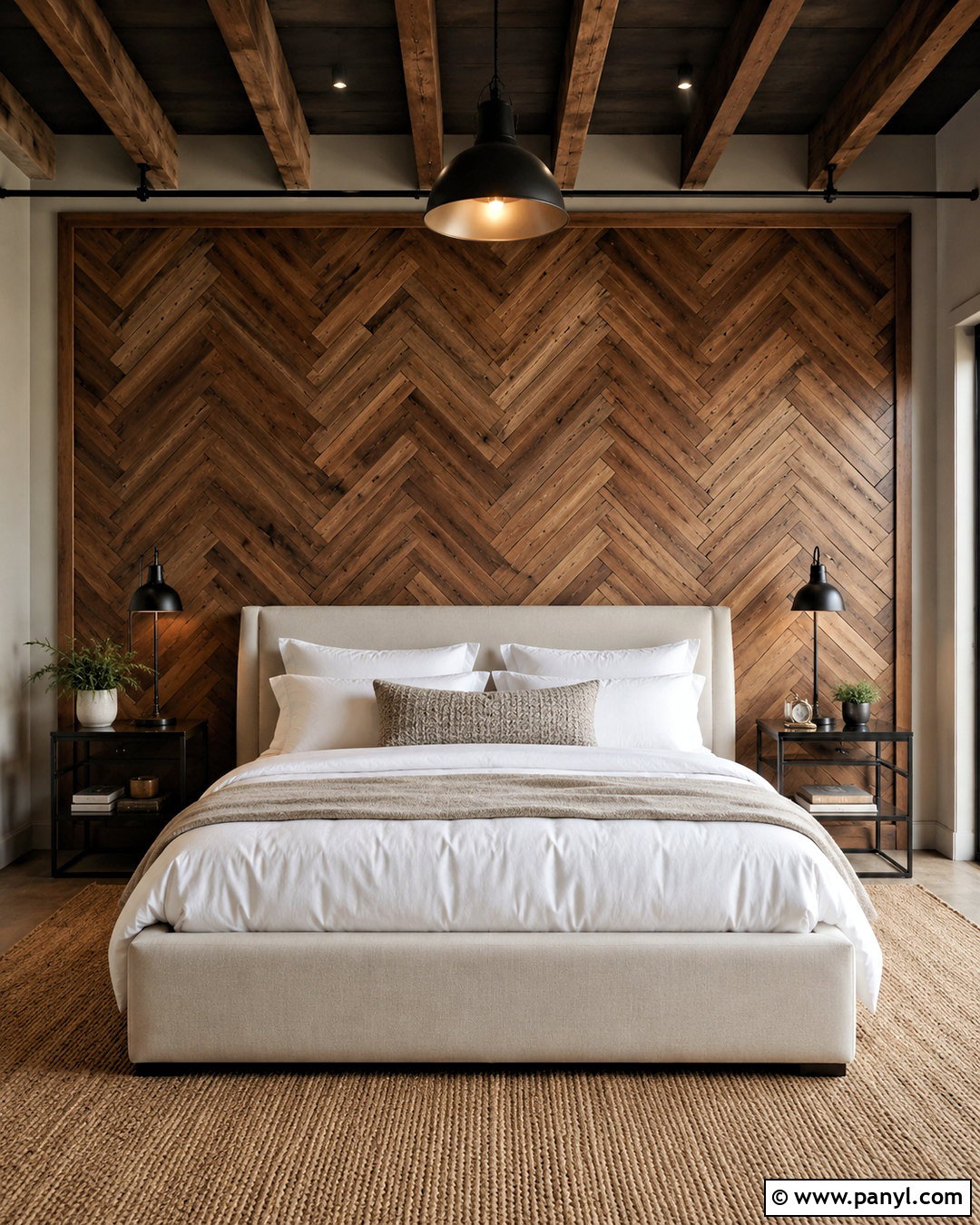
A herringbone wall creates a handcrafted focal point with strong movement and natural warmth. Use thin pine planks, reclaimed wood, or wood-look peel-and-stick boards cut to equal lengths. Establish a centered vertical guideline behind the bed, then build the angled pattern outward from that point. A medium walnut stain produces a cozy appearance, while pale white oak feels lighter and more contemporary. Finish the bedroom with a cream upholstered bed, black metal nightstands, white bedding, and a textured neutral rug. Because the wall is visually active, choose simple lamps and limited artwork. Lay several rows on the floor before installation to confirm the angles and color variation. Frame the outside edges with straight trim for a cleaner transition between the patterned wood and adjacent painted walls.
12. Ombre Painted Accent Wall
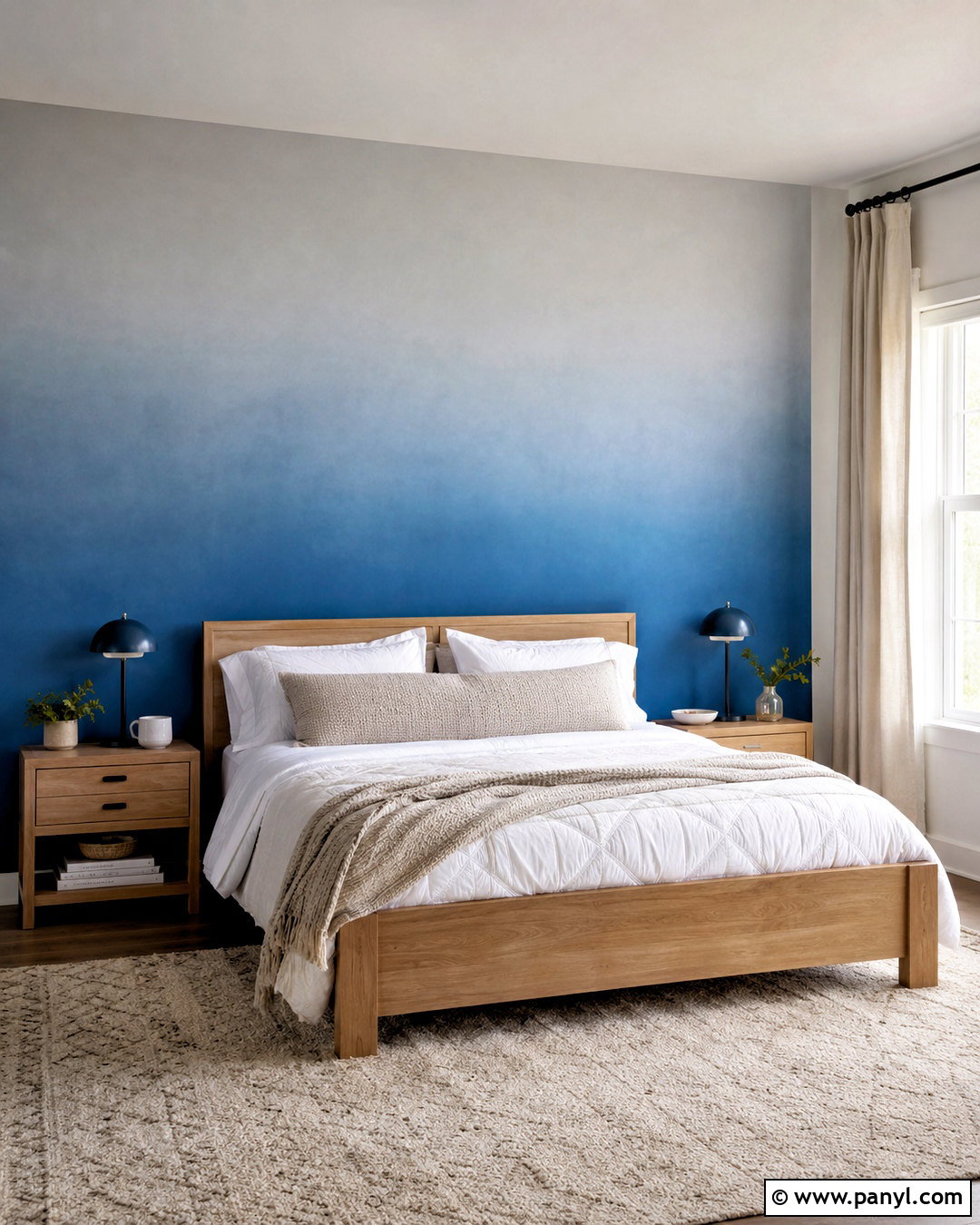
An ombre wall introduces gradual color without the hard divisions of standard color blocking. Start with the deepest shade near the floor and transition to the lightest tone toward the ceiling. Dusty blue fading into pale gray creates an airy room, while terracotta blending into warm cream feels earthy and welcoming. Work in horizontal sections while the paint remains wet, blending each boundary with a clean brush or sponge. Place a light wood bed against the wall and use white bedding so the color shift remains visible. Add small accents in the darkest shade through pillows or lamps. Keep the rug and curtains neutral. Practice the blending method on cardboard first, and mix enough paint for the entire wall to avoid obvious changes in color between batches.
13. Fabric Panel Accent Wall
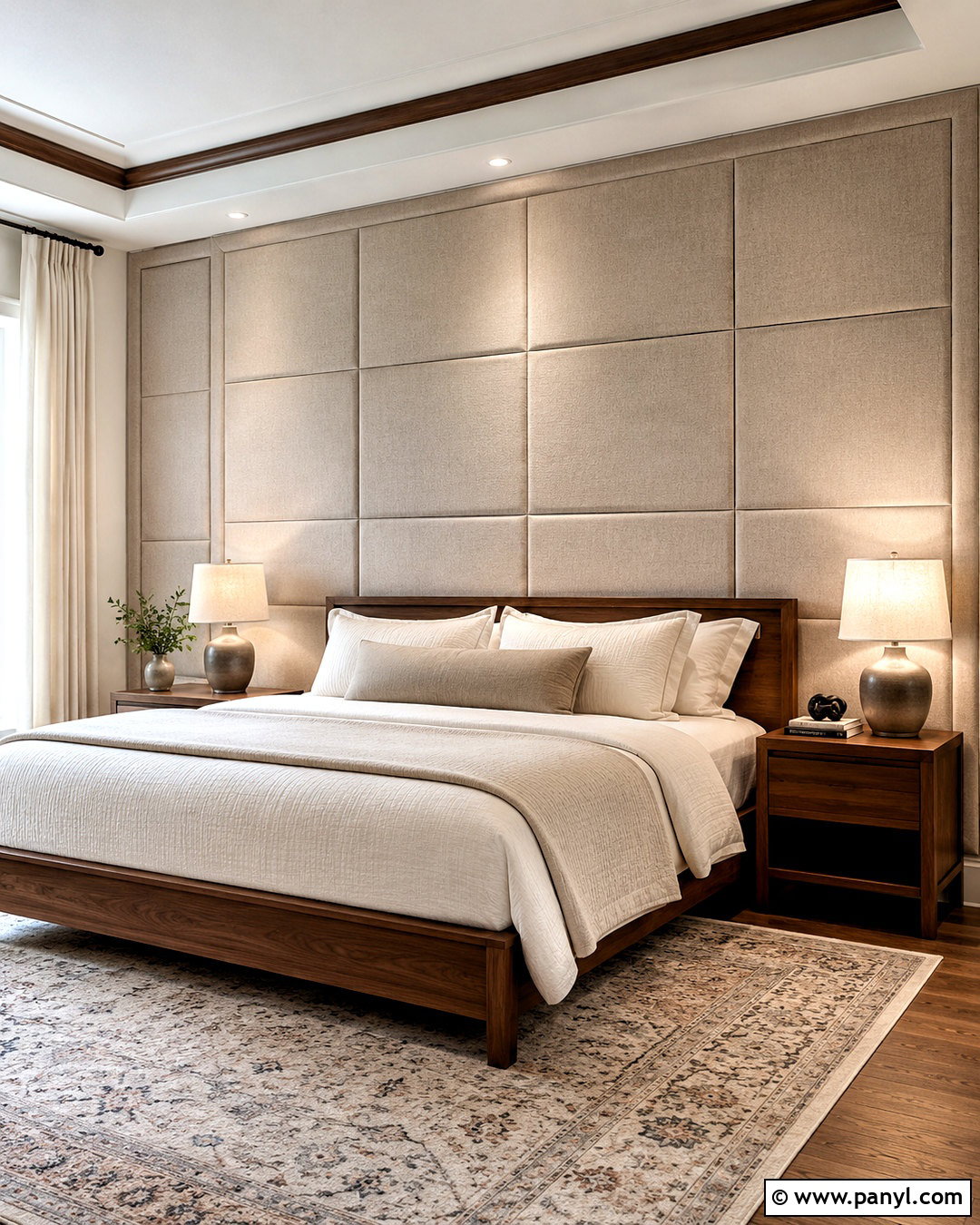
Fabric-covered panels make a bedroom feel softer while adding both pattern and dimension behind the bed. Wrap lightweight plywood or rigid insulation panels with batting and durable upholstery fabric, securing the material neatly on the back. Install several large panels in a symmetrical grid from just above the baseboard to near the ceiling. Choose oatmeal linen for a quiet look, blue ticking stripe for cottage character, or muted green velvet for richer color. A simple wood bed frame, solid bedding, and compact nightstands allow the panels to remain visible. Use French cleats or another suitable mounting method so each panel sits securely and evenly. Avoid loose weaves that stretch during installation. Matching the fabric pattern carefully across adjoining panels will make the finished wall appear professionally planned.
14. Stenciled Accent Wall
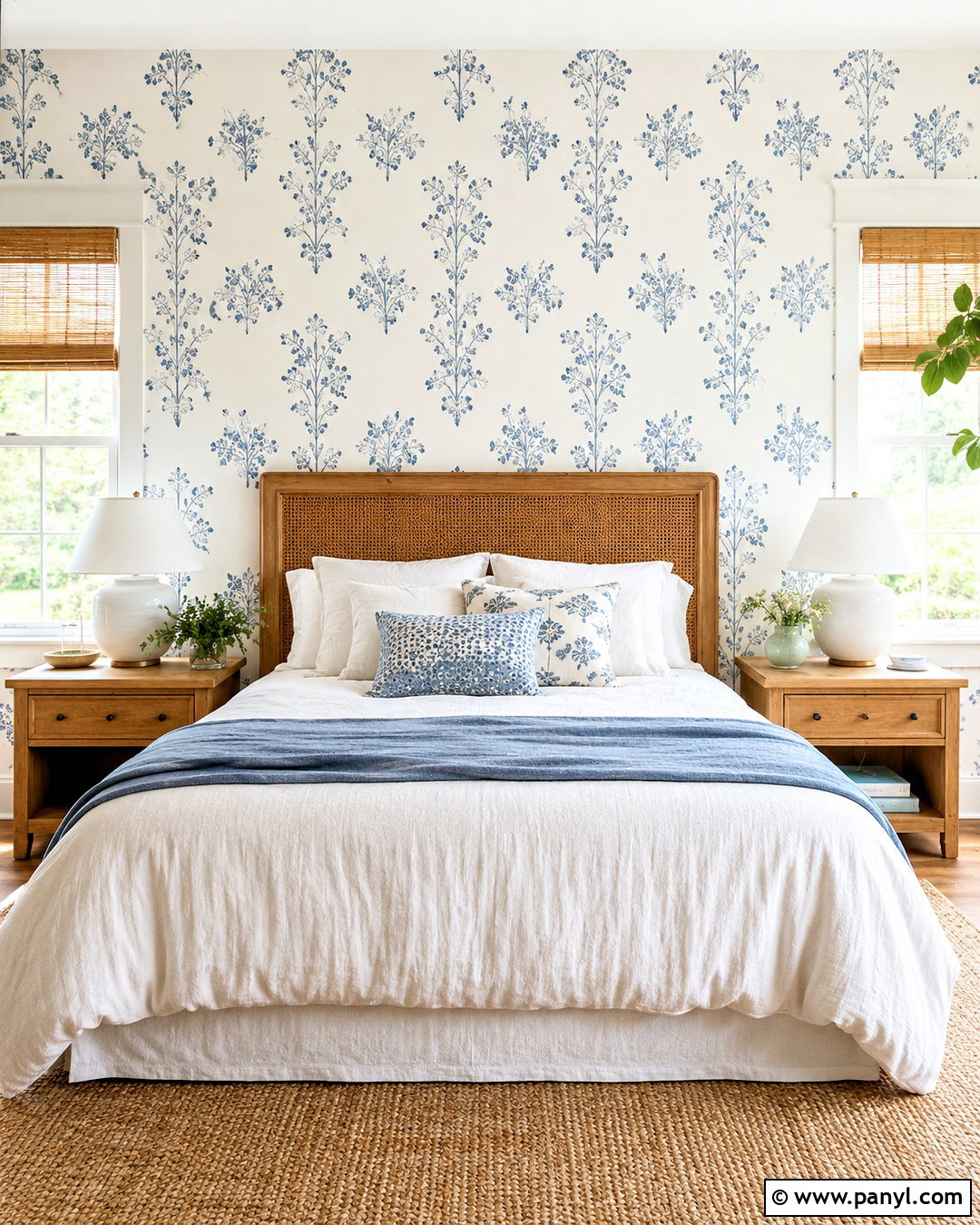
A wall stencil can imitate wallpaper while giving you complete control over color and placement. Select a repeating botanical, scalloped, or geometric pattern with enough open space to remain restful. Paint the base wall warm white, pale taupe, or light blue, then apply the stencil in a slightly deeper coordinating shade. Start at the center above the bed so the pattern appears balanced on both sides. Complete the room with a cane headboard, natural wood nightstands, linen bedding, and woven window shades. Use a nearly dry foam roller to prevent paint from seeping under the stencil. Mark registration points lightly with a pencil as you move across the wall. Small imperfections usually blend into the overall pattern, but checking alignment every few rows prevents noticeable drifting near the corners.
15. Fluted Panel Accent Wall
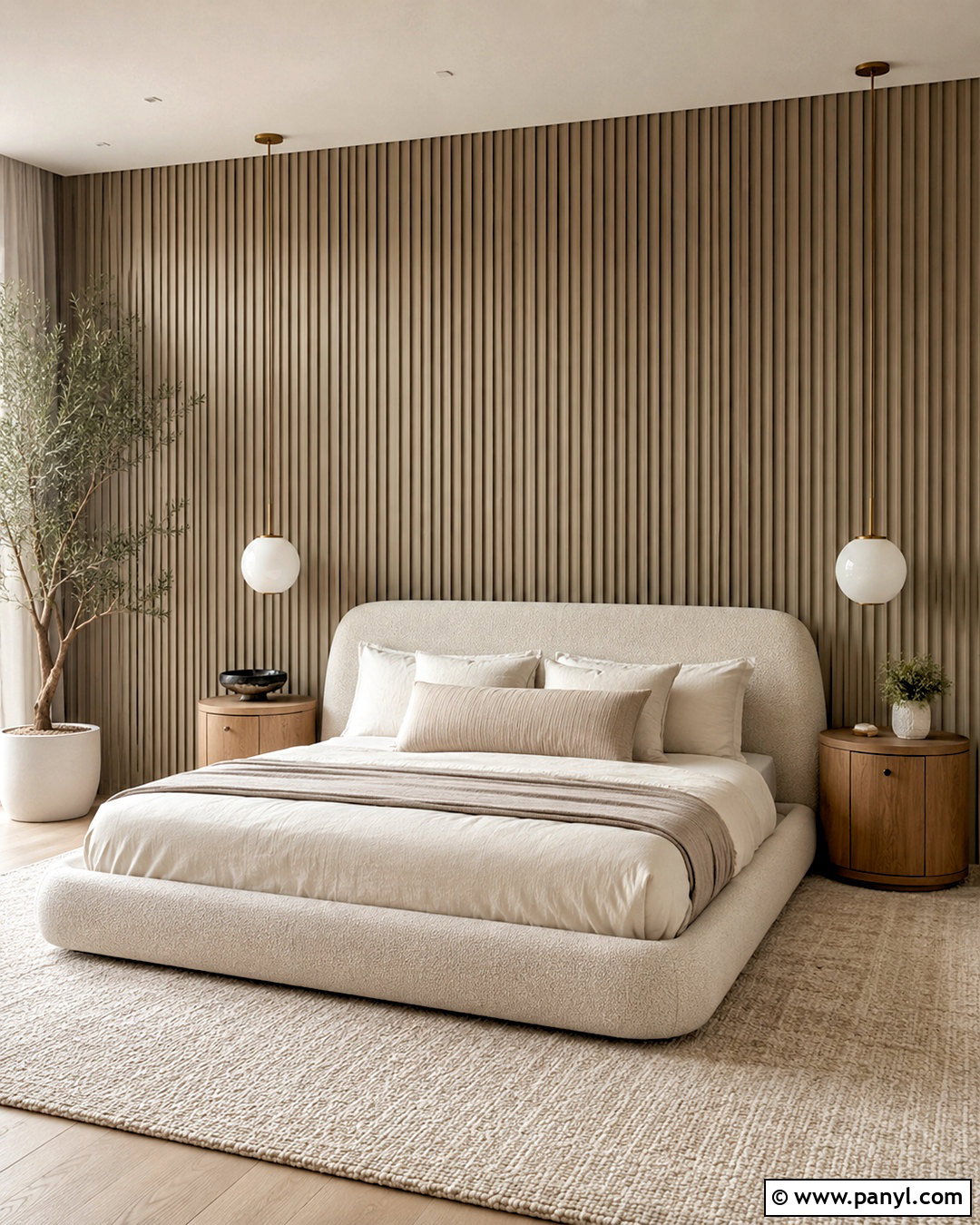
Fluted panels create narrow vertical grooves that add shadow, rhythm, and a refined modern finish. Use ready-made paintable panels or build the look with evenly spaced half-round molding. Cover the entire headboard wall for maximum impact, then paint it warm greige, soft mushroom, muted clay, or deep olive. A low boucle bed and rounded nightstands complement the wall’s vertical lines without repeating them too literally. Add simple globe pendants and ivory bedding to keep the room calm. If using molding, establish spacing with a small wood block rather than measuring every gap separately. Prime cut ends and raw surfaces before assembly. Leave enough clearance around outlets and switches, and make sure electrical covers sit properly against the finished surface rather than becoming recessed behind the added material.
16. Shiplap Accent Wall
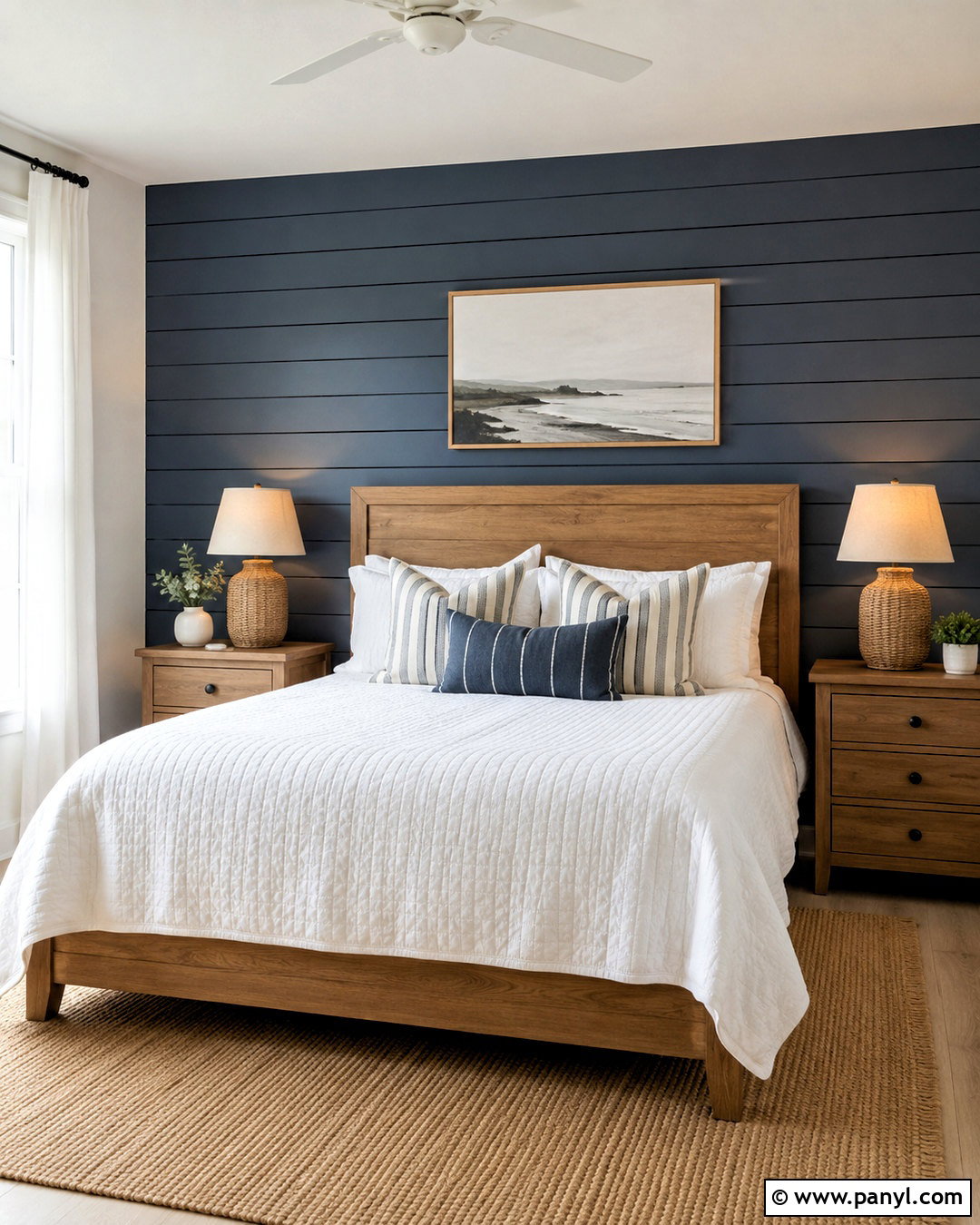
Horizontal shiplap can make a narrow bedroom appear wider while introducing relaxed cottage character. Install primed planks behind the bed, using consistent spacers to create clean shadow lines. Paint the wall warm white for a light coastal room, muted navy for contrast, or soft sage for an updated farmhouse look. Combine it with a natural wood bed, white quilts, striped pillows, woven lamps, and simple oak nightstands. Vertical artwork above the headboard helps balance the strong horizontal direction. For a less permanent option, use thin plywood strips rather than heavy tongue-and-groove boards. Locate wall studs before installation and plan where each plank will end. Staggering seams can look casual, while using full wall-width pieces creates a cleaner finish when the room dimensions and material lengths allow it.
17. Arched Wood Panel Accent Wall
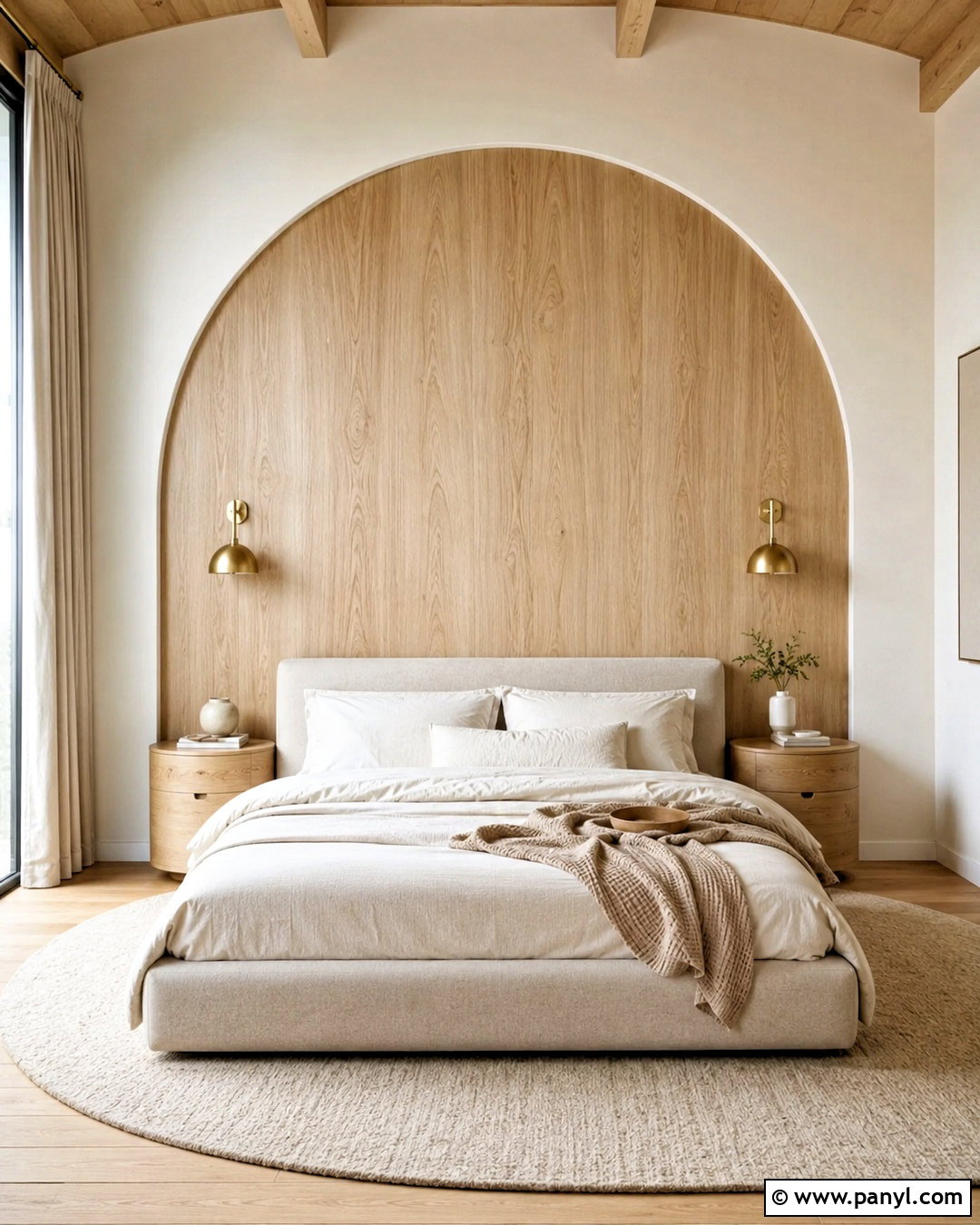
An arched wood panel combines the softness of a painted curve with the texture of natural timber. Cut a large arch from thin plywood, or join several lightweight wood panels before tracing and cutting the shape. Mount it behind a low bed so the curved top remains clearly visible. Use light oak for a Scandinavian room, medium walnut for warmth, or paint-grade plywood in dusty green for an affordable alternative. Pair it with cream bedding, rounded nightstands, and simple brass sconces. Repeat the arch through a curved rug or circular mirror elsewhere in the bedroom, but avoid too many matching shapes. Sand the cut edge thoroughly and finish it with thin flexible trim if needed. Secure the panel into studs or use hardware rated for its finished weight.
18. Two Tone Painted Accent Wall
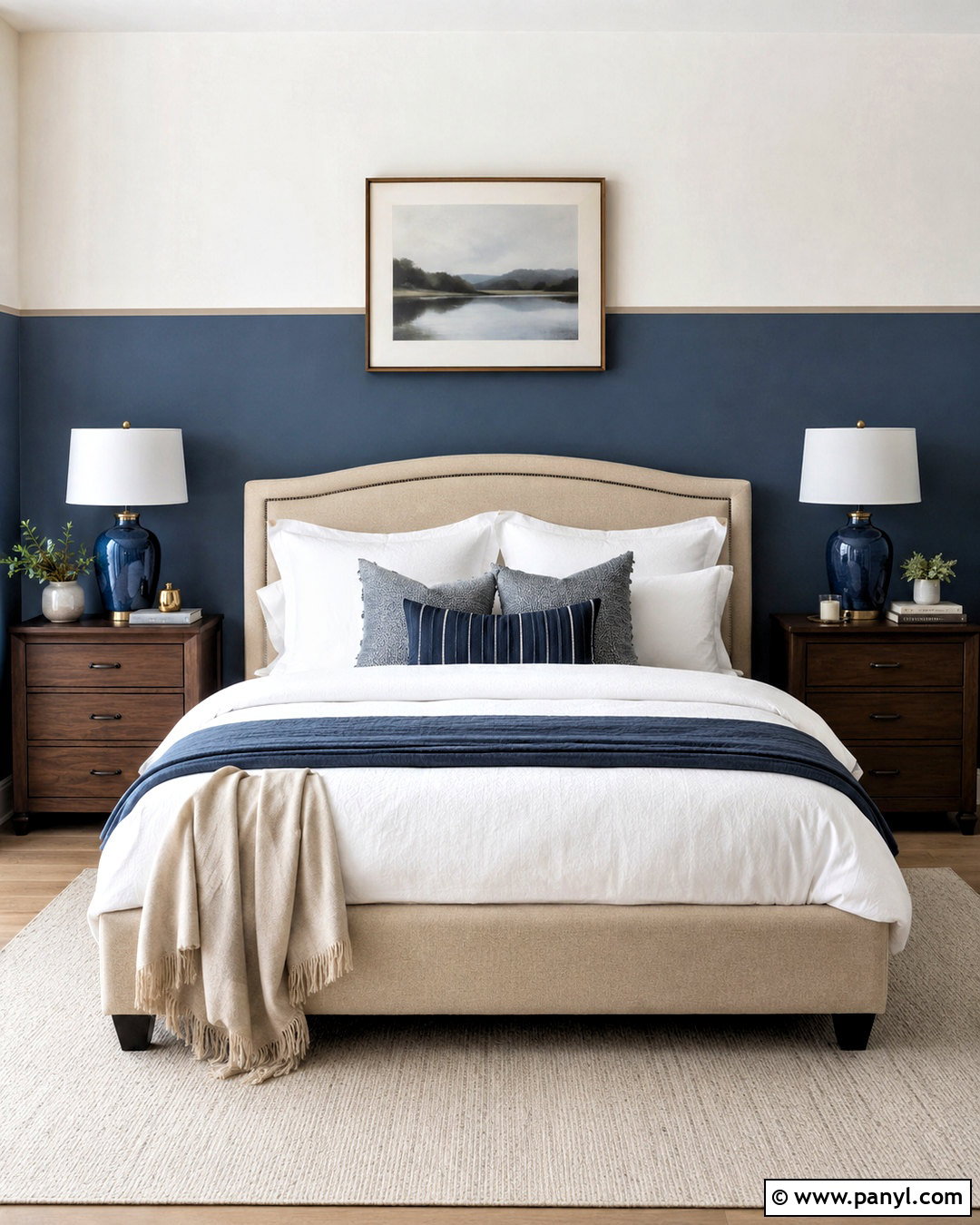
A two-tone wall offers a clean update that works in bedrooms of almost any size. Paint the lower half a grounding color such as olive green, smoky blue, warm taupe, or muted burgundy. Keep the upper half soft white or a lighter version of the same hue. Separate the colors with a thin chair rail for traditional character, or leave a crisp painted line for a modern result. Center an upholstered bed against the wall and coordinate the lower color with a blanket, rug, or lampshade. Hang artwork so it crosses the dividing line slightly, visually connecting both sections. Measure upward from the floor at several points rather than relying on the ceiling, which may not be perfectly level. A laser level makes taping the boundary quicker and more accurate.
19. Wallpaper And Panel Accent Wall
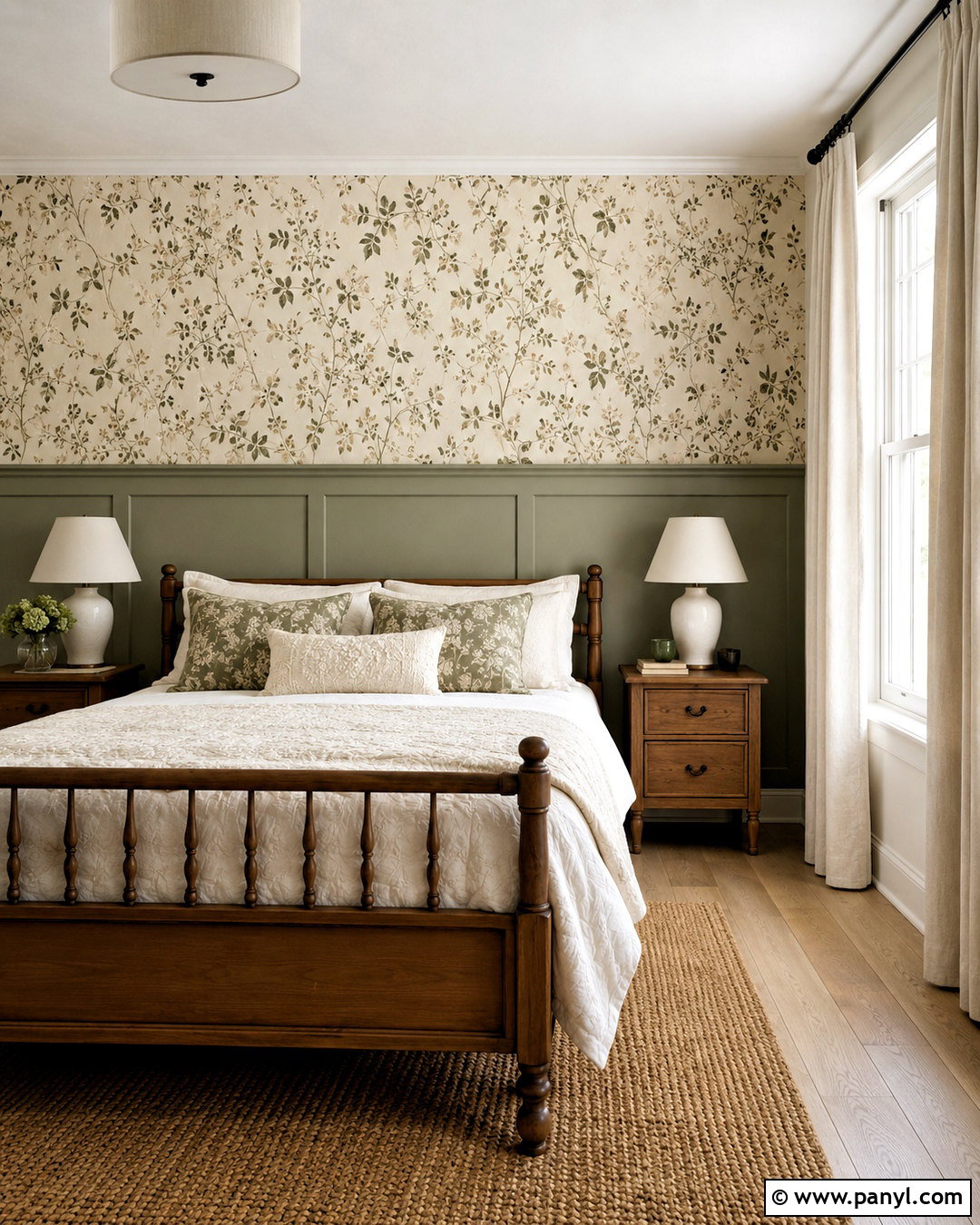
Combining wallpaper with lower wall paneling creates a layered bedroom feature that feels custom and complete. Install board and batten or beadboard across the bottom portion, then apply wallpaper above the top rail. Paint the paneling in a color pulled directly from the wallpaper, such as muted green beneath a botanical print or dusty blue beneath a small floral pattern. Choose an upholstered or wood bed that does not cover the entire treatment. Traditional nightstands, linen shades, and solid bedding keep the pattern under control. Position the top rail slightly above the headboard for clear separation. Install the wallpaper first if the molding edge will cover its lower cut line. Keep the remaining bedroom walls simple so this detailed combination stays focused around the bed rather than competing with other surfaces.
20. Painted Sunburst Accent Wall
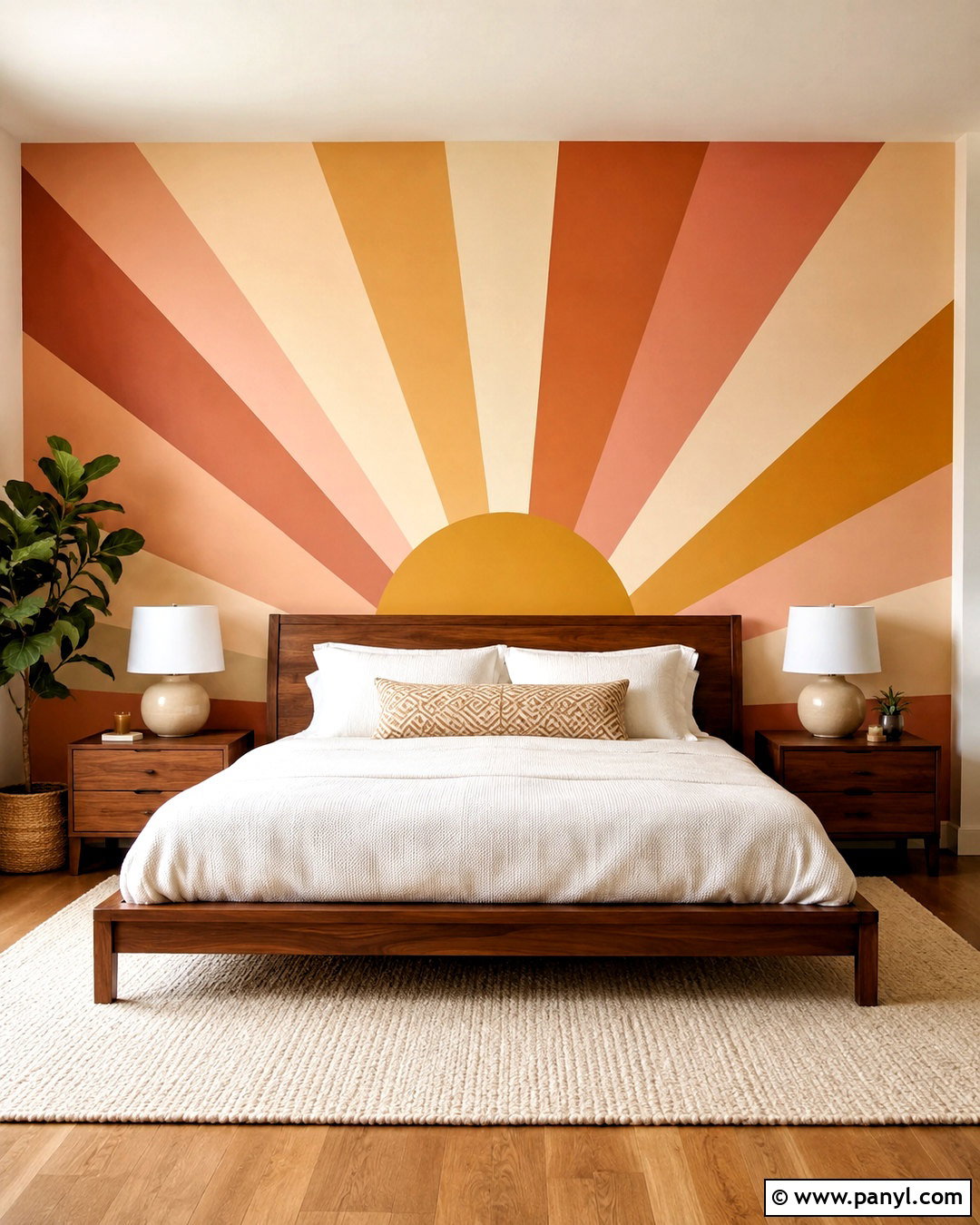
A painted sunburst creates a cheerful focal point using a small collection of coordinated colors. Mark a center point behind the bed, then run painter’s tape outward toward the ceiling and wall edges to form wide rays. Use warm cream, ochre, clay, blush, and muted rust for a retro-inspired palette, or several blue tones for a calmer interpretation. Keep the bed frame simple and low so the center of the design remains visible. Add plain white bedding, walnut nightstands, and minimal ceramic lamps. Limit extra artwork because the painted wall already functions like a mural. Alternate broad and narrow rays for a more natural composition. Number each taped section before painting, and remove the tape carefully while the final coats are slightly damp to preserve clean, sharp boundaries.
Conclusion:
These 20 diy accent wall bedroom ideas show how paint, trim, wood, wallpaper, and fabric can reshape an entire room without a major renovation. Begin by choosing the wall that naturally attracts attention, then design the bed, lighting, furniture, and textiles around that feature. Painted arches and color blocks are approachable for beginners, while molding, slats, and patterned wood offer a more involved weekend project. Whatever treatment you choose, careful measuring and surface preparation will have a major effect on the result. Test colors and materials in the actual bedroom before committing. A successful accent wall should feel connected to the space, complement its proportions, and create a comfortable focal point rather than simply filling an empty surface.

Related Ideas and Inspiration:
Leave a Reply