
A wood feature wall can make an ordinary room feel warmer, more finished, and far more personal without requiring a full renovation. These 20 DIY wood accent wall ideas cover approachable projects for bedrooms, living rooms, dining spaces, entryways, offices, and more. You will find clean vertical slats, classic paneling, natural planks, painted trim patterns, and budget-friendly plywood treatments. Each look includes a complete room direction, helping you coordinate the wall with furniture, flooring, lighting, and decor instead of treating it as an isolated project. Before building, measure carefully, locate studs, plan around outlets, and test your finish on scrap wood. Explore these practical 20 DIY wood accent wall ideas to find a design that fits your home, skill level, and budget.

1. Vertical Wood Slat Accent Wall
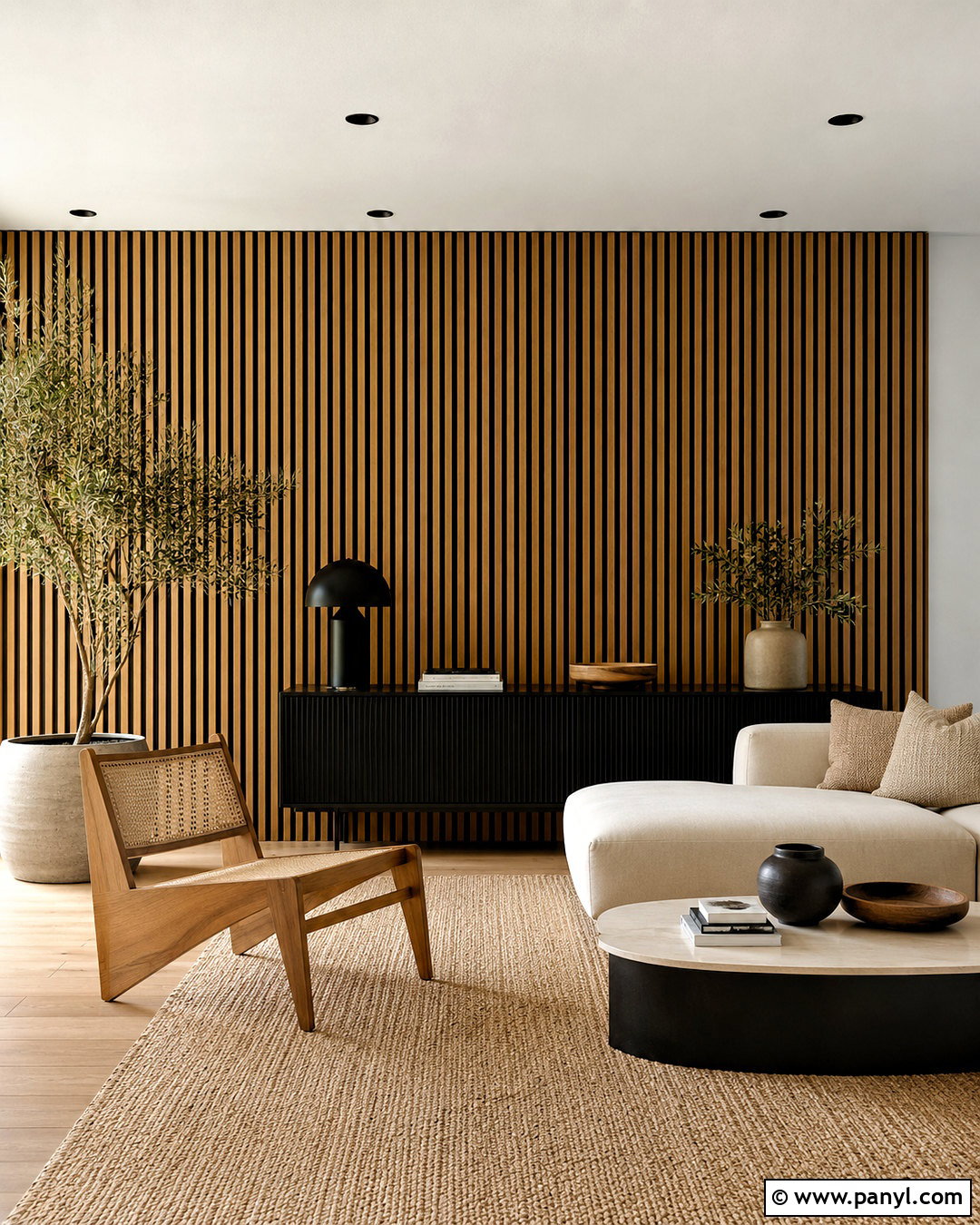
Vertical slats create clean lines that can make a low ceiling appear taller. Start with a matte black, charcoal, or deep brown wall, then attach evenly spaced oak or pine strips from baseboard to ceiling. Use a spacer block to keep every gap consistent. A clear matte finish preserves the natural grain without adding unwanted shine. Build the complete living room around the wall with a low-profile cream sofa, a textured neutral rug, and simple black lighting. Keep artwork minimal because the repeated wood pattern already supplies movement. This project looks especially balanced behind a television or console. Paint the outlets to match the background, and carefully notch the slats around them for a polished, built-in result.
2. Horizontal Shiplap Wood Accent Wall
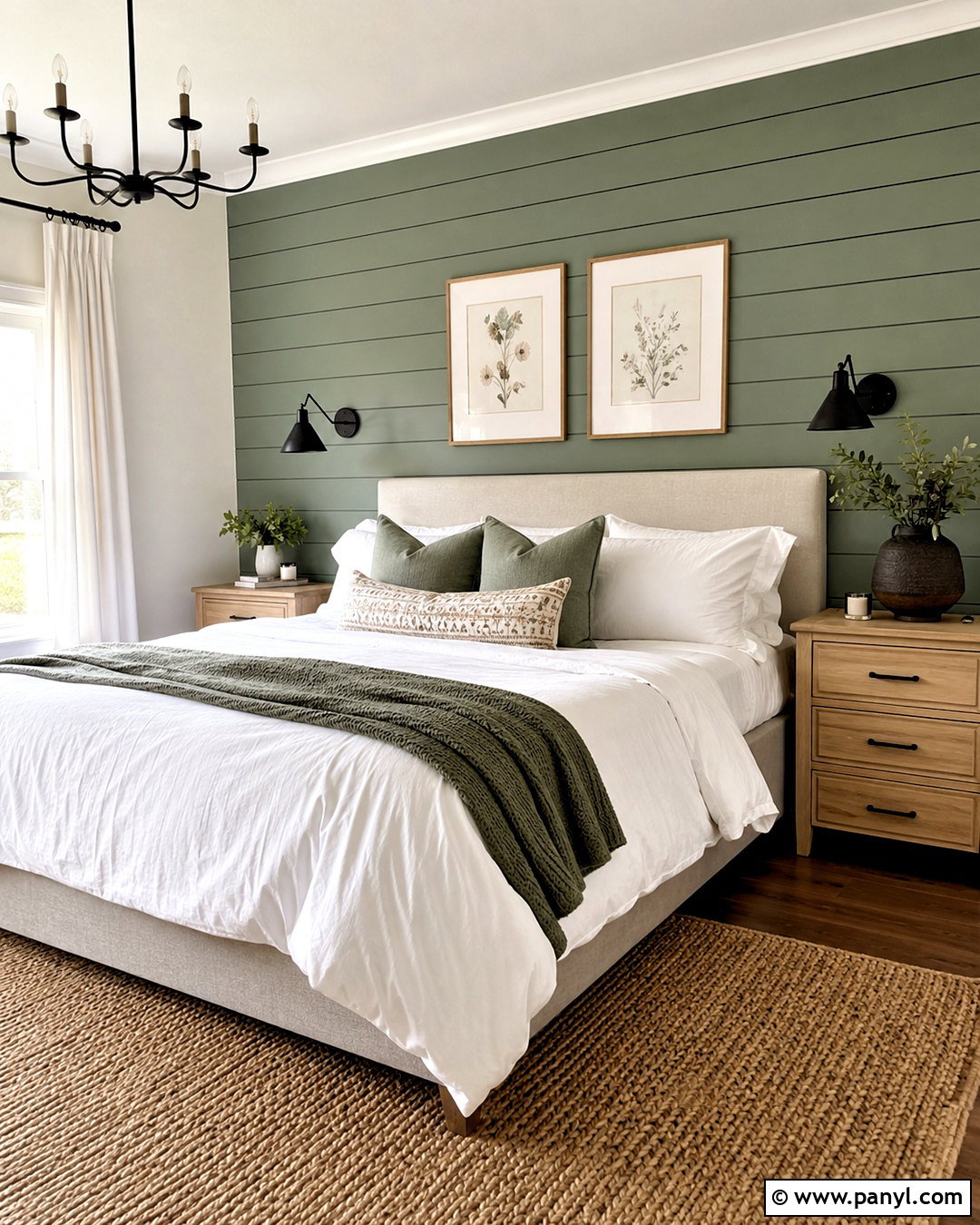
Horizontal shiplap gives a bedroom or living room a relaxed, structured backdrop. For an updated look, choose wider boards and paint them soft white, warm greige, muted sage, or deep navy blue. Leave a narrow, consistent reveal between each board so the horizontal lines remain visible. In a bedroom, center the bed against the wall and add light oak nightstands, simple sconces, and layered linen bedding. A woven rug and restrained artwork keep the room comfortable rather than overly themed. Start installation at the bottom, checking each row with a level before moving upward. Finish the outside edges with narrow trim boards, then fill nail holes and caulk perimeter gaps before applying the final paint coat.
3. Grid Board And Batten Wood Accent Wall
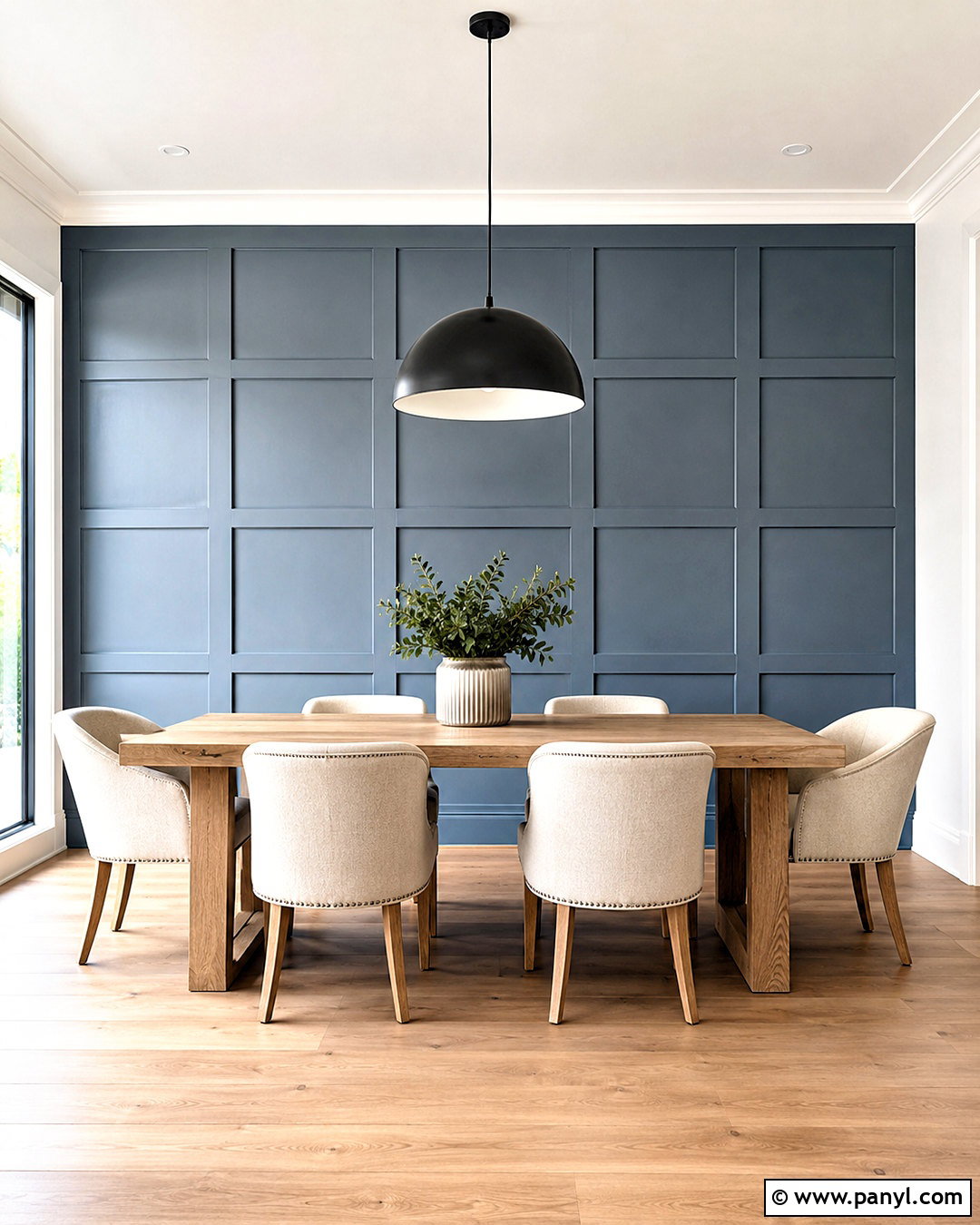
A full grid wall brings architectural order to a dining room, bedroom, or home office. Thin MDF or poplar boards are easier to cut and install than thick lumber, especially when the entire wall will be painted. Map the layout on paper first so the boxes remain balanced around corners, switches, and furniture. Paint the wall and trim one color, such as dusty blue, olive green, mushroom beige, or crisp white. Complete the room with clean-lined furniture, a large central light fixture, and simple textiles that do not compete with the grid. For professional-looking intersections, sand every cut, fill nail holes, and caulk where boards meet. A satin or durable eggshell finish makes the detailed surface easier to clean.
4. Half Wall Board And Batten Accent Wall
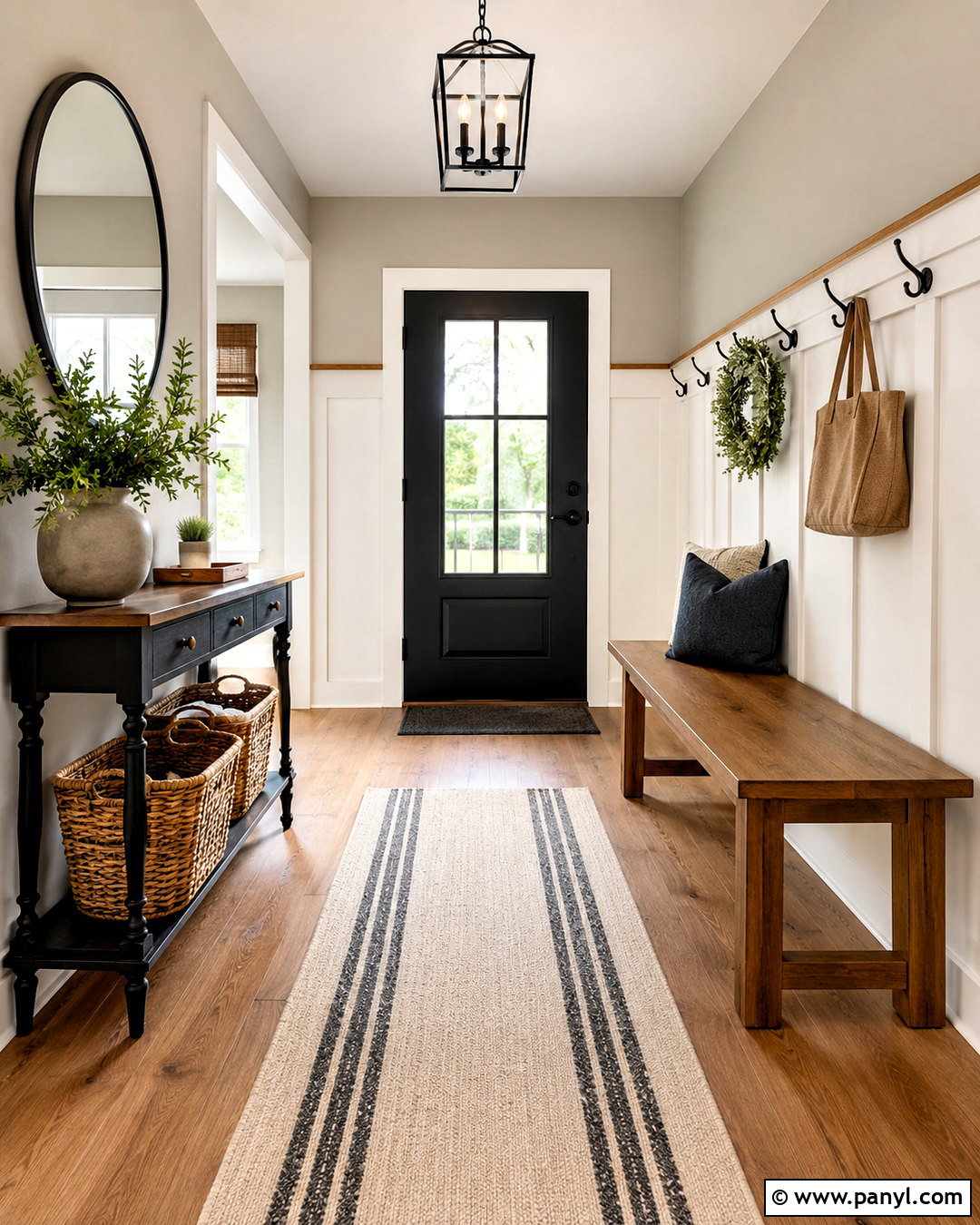
Half-height board and batten adds character while leaving space above for artwork, mirrors, or wallpaper. Install a horizontal top rail approximately one-third to halfway up the wall, then place evenly spaced vertical battens below it. A small ledge on the top rail can hold lightweight framed art, but keep it narrow enough to avoid becoming a clutter shelf. Paint the paneling warm white, pale taupe, muted green, or smoky blue. In a dining room, pair it with a natural wood table, upholstered chairs, and a simple pendant. In an entryway, add a slim bench and woven baskets. Measure from the center outward so the first and last sections look intentional rather than noticeably uneven.
5. Geometric Wood Trim Accent Wall
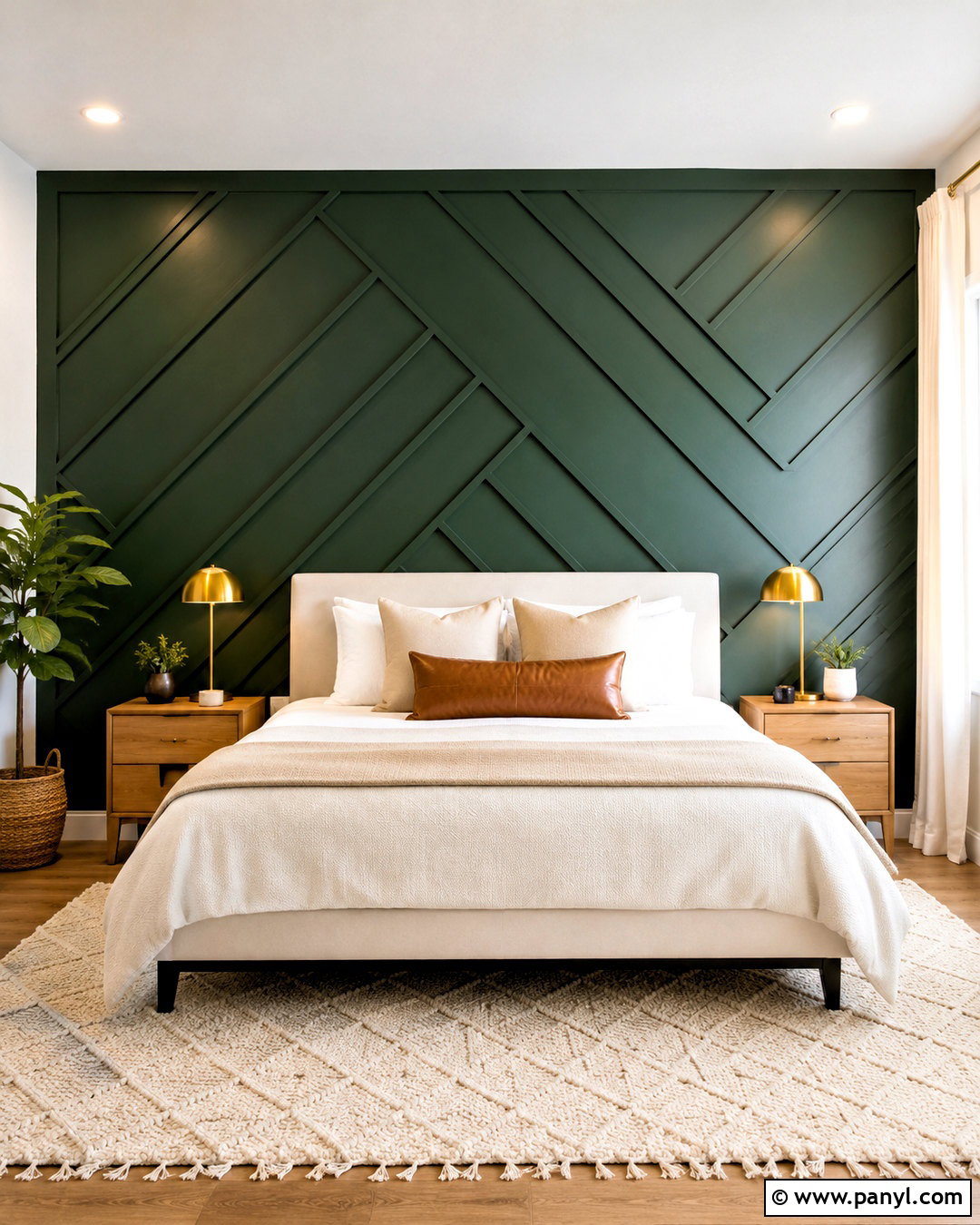
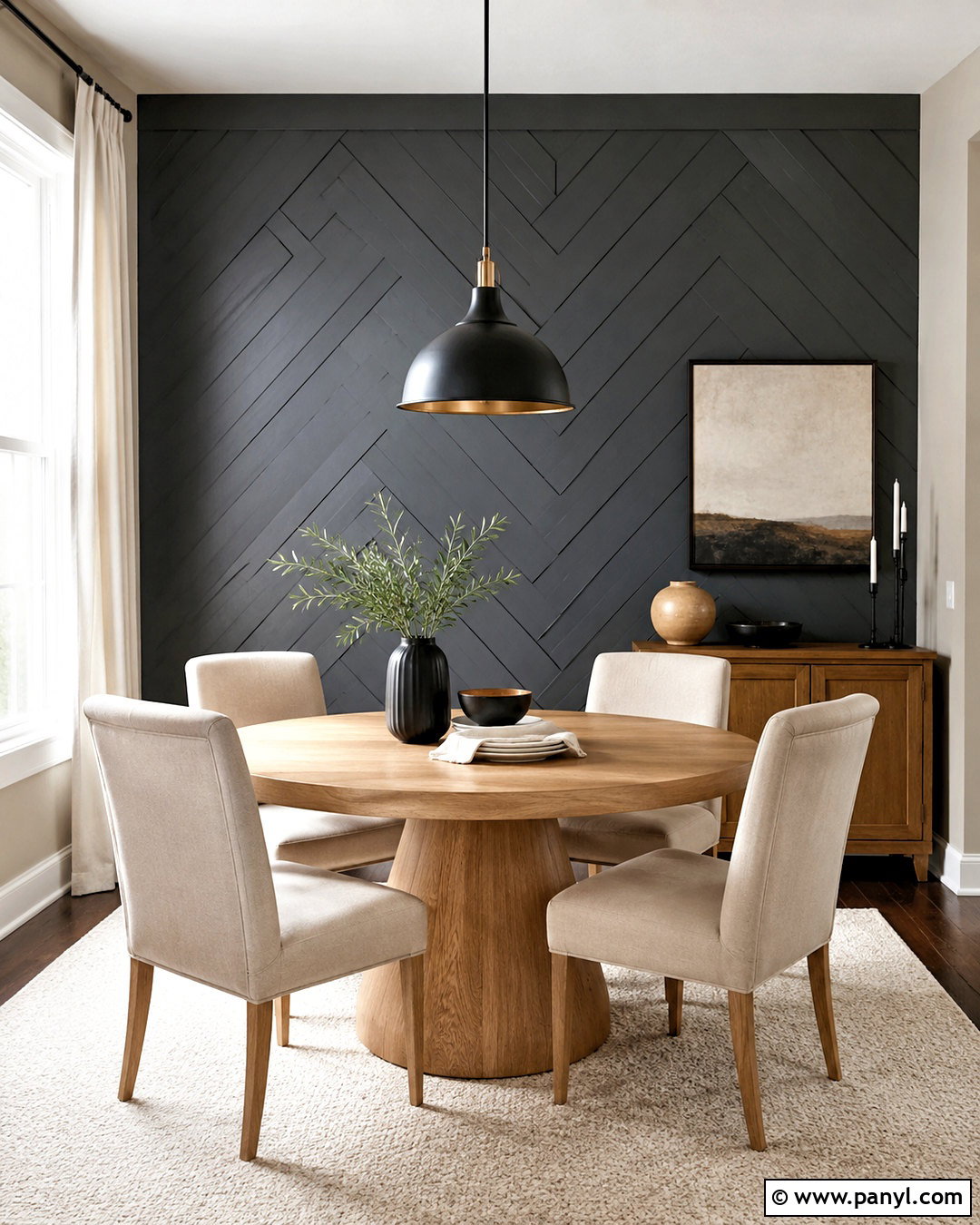
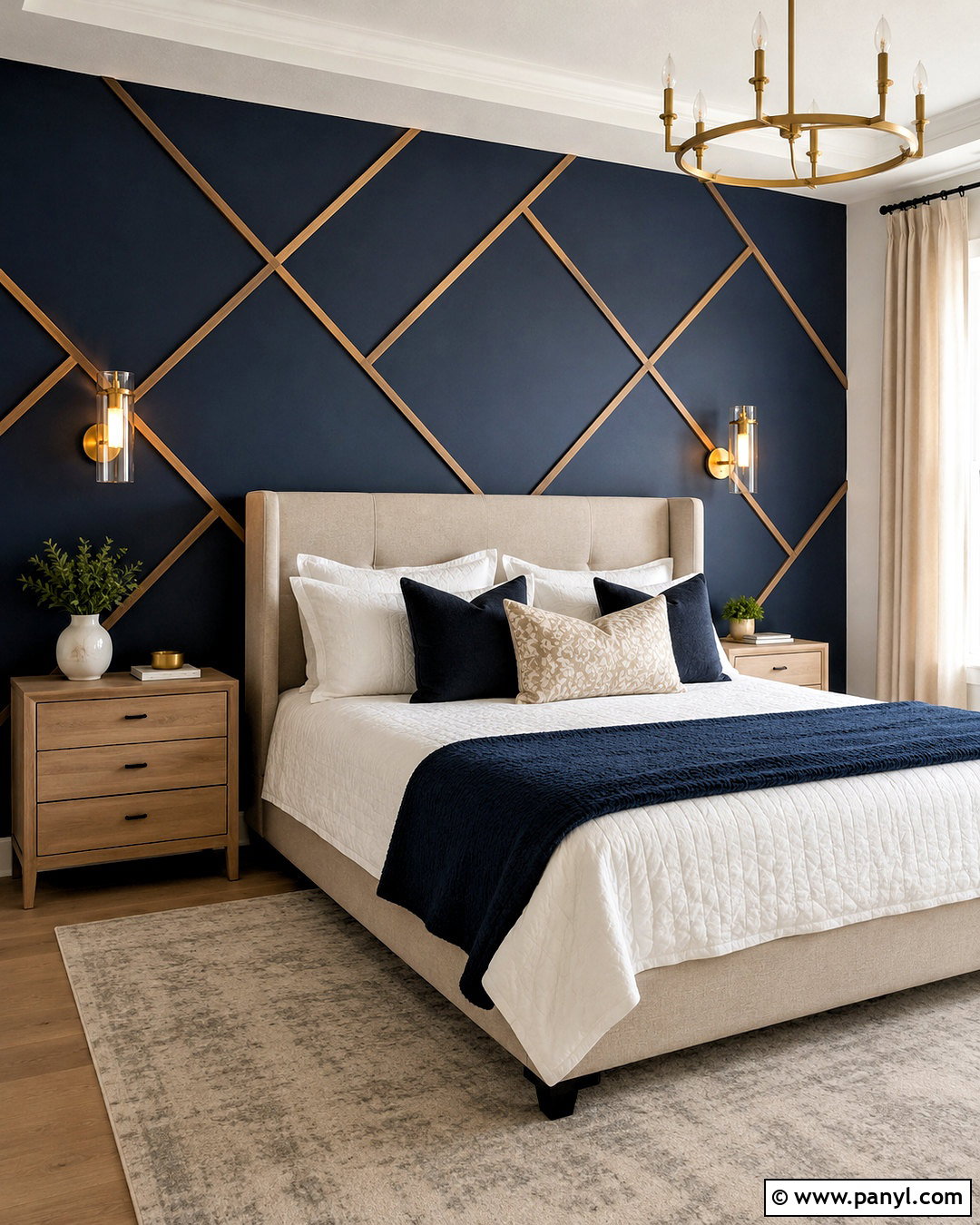
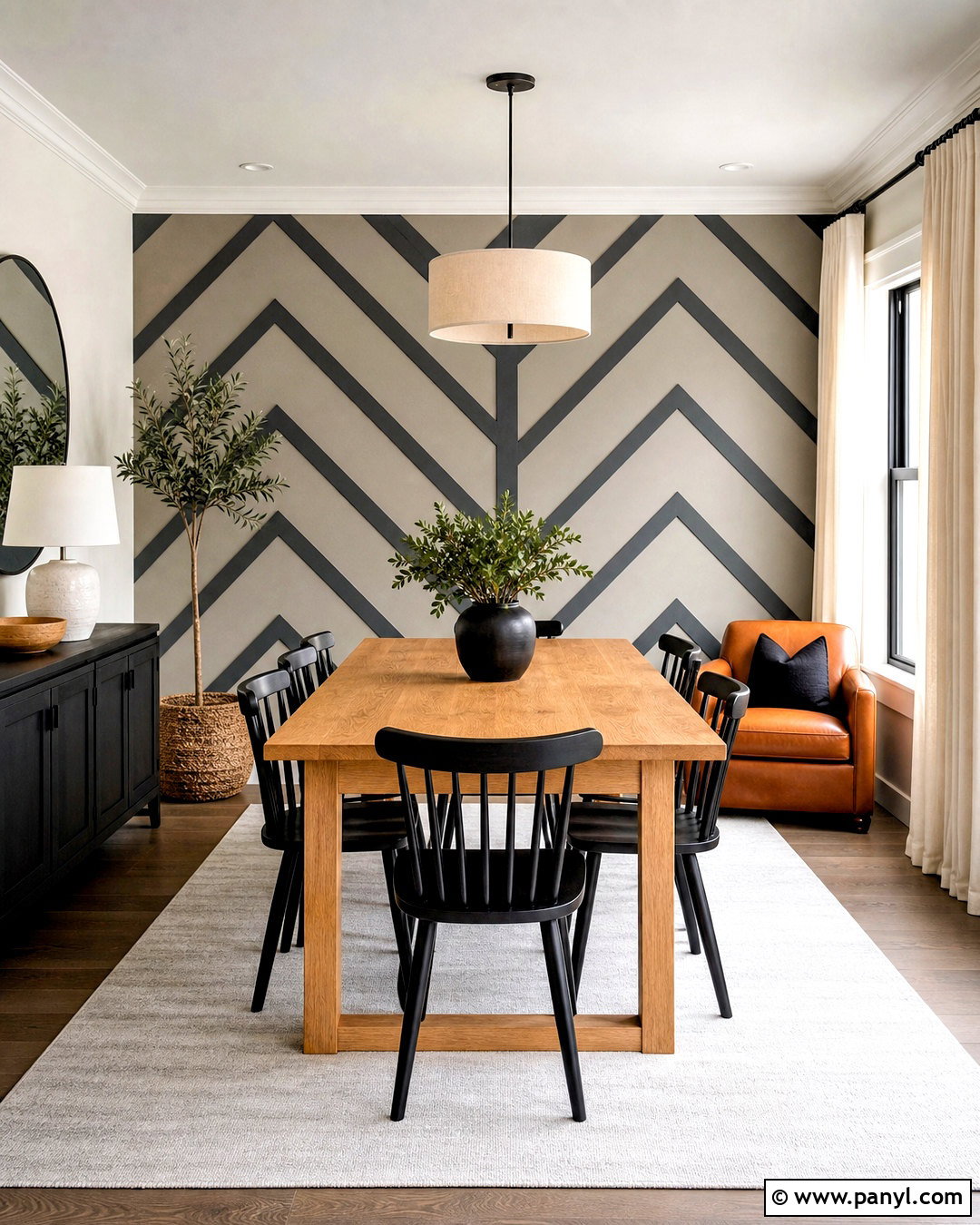
A geometric trim wall turns inexpensive lumber into a large architectural feature. Begin with a painted wall, then arrange thin wood strips into angled lines, oversized triangles, or an asymmetrical pattern. Sketch the design and mark every board location with painter’s tape before making cuts. Painting the trim and wall the same color creates subtle dimension, while natural wood over a dark background produces stronger contrast. Use this look behind a bed with simple bedding, matching nightstands, and streamlined lamps. The pattern should remain concentrated around the room’s focal point instead of spreading randomly across the surface. Cut accurate angles with a miter saw, sand rough edges, and fill visible seams before applying a smooth final finish.
6. Herringbone Wood Plank Accent Wall
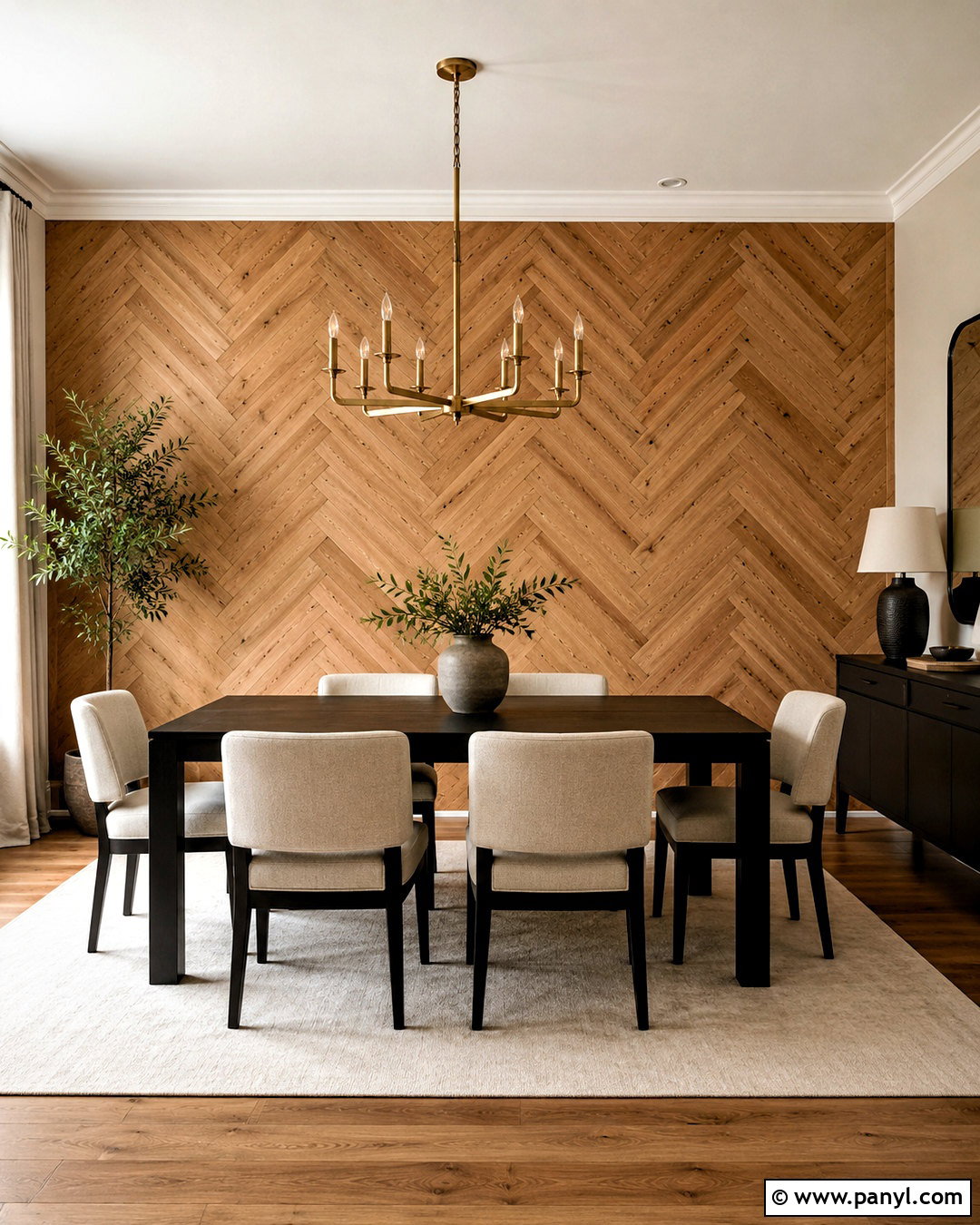
Herringbone planks create movement and craftsmanship, making them well suited to a dining room or bedroom focal wall. Establish one straight vertical centerline, then build outward with equal-length boards placed at matching angles. Thin oak, pine, or reclaimed veneer keeps the finished wall from becoming excessively heavy. Choose one medium stain for a calm appearance or combine closely related natural tones for more depth. Complete the room with solid-colored upholstery, a restrained rug, and warm metal lighting. Since the pattern is visually active, avoid adding a crowded gallery wall. Dry-fit several rows on the floor first. This helps you confirm the angle, board length, color distribution, and placement before attaching anything permanently.
7. Chevron Wood Accent Wall
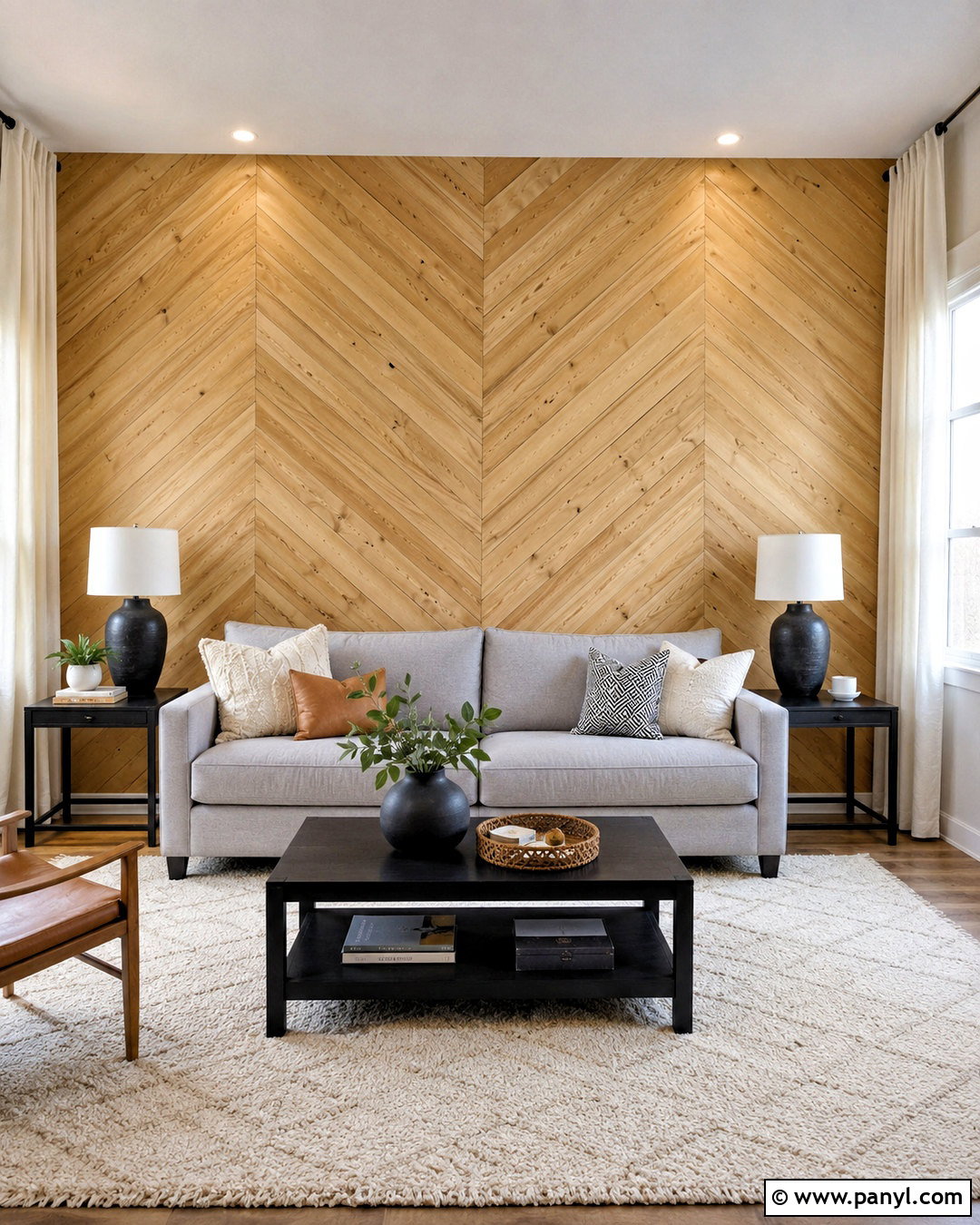
A chevron wall uses angled boards that meet in continuous points, producing a cleaner and more directional pattern than herringbone. It works beautifully behind a sofa, bed, or dining table where the center of the design can align with the furniture. Use smooth pine boards for a painted treatment or white oak planks for a natural finish. A light honey stain creates warmth, while black or forest green paint makes the pattern feel graphic. Keep surrounding furniture simple and symmetrical to reinforce the wall’s strong centerline. Build a temporary guide for the first V-shaped row, since small errors will become more noticeable as the pattern expands. Frame the completed wall with narrow matching trim for crisp edges.
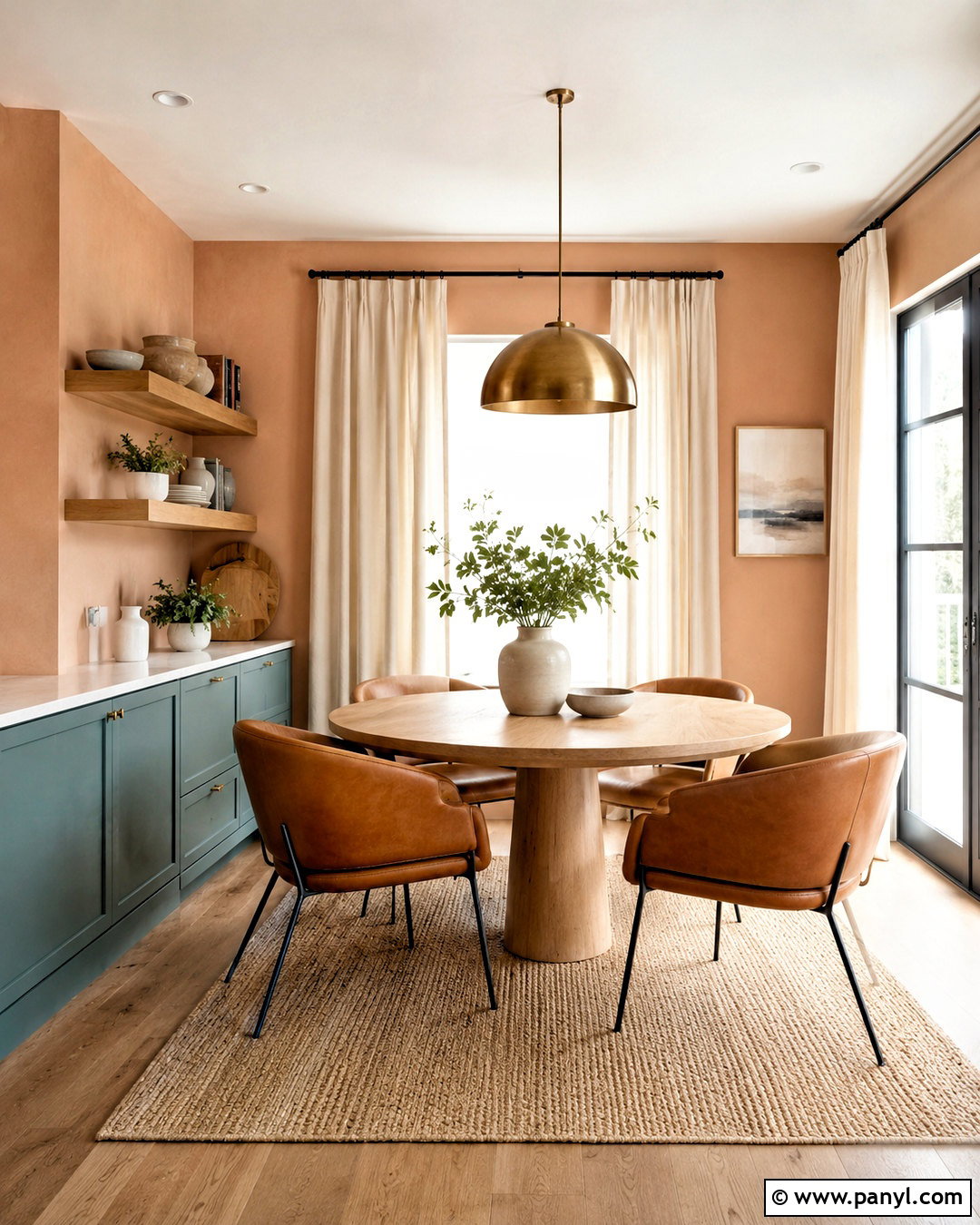
8. Reclaimed Wood Accent Wall
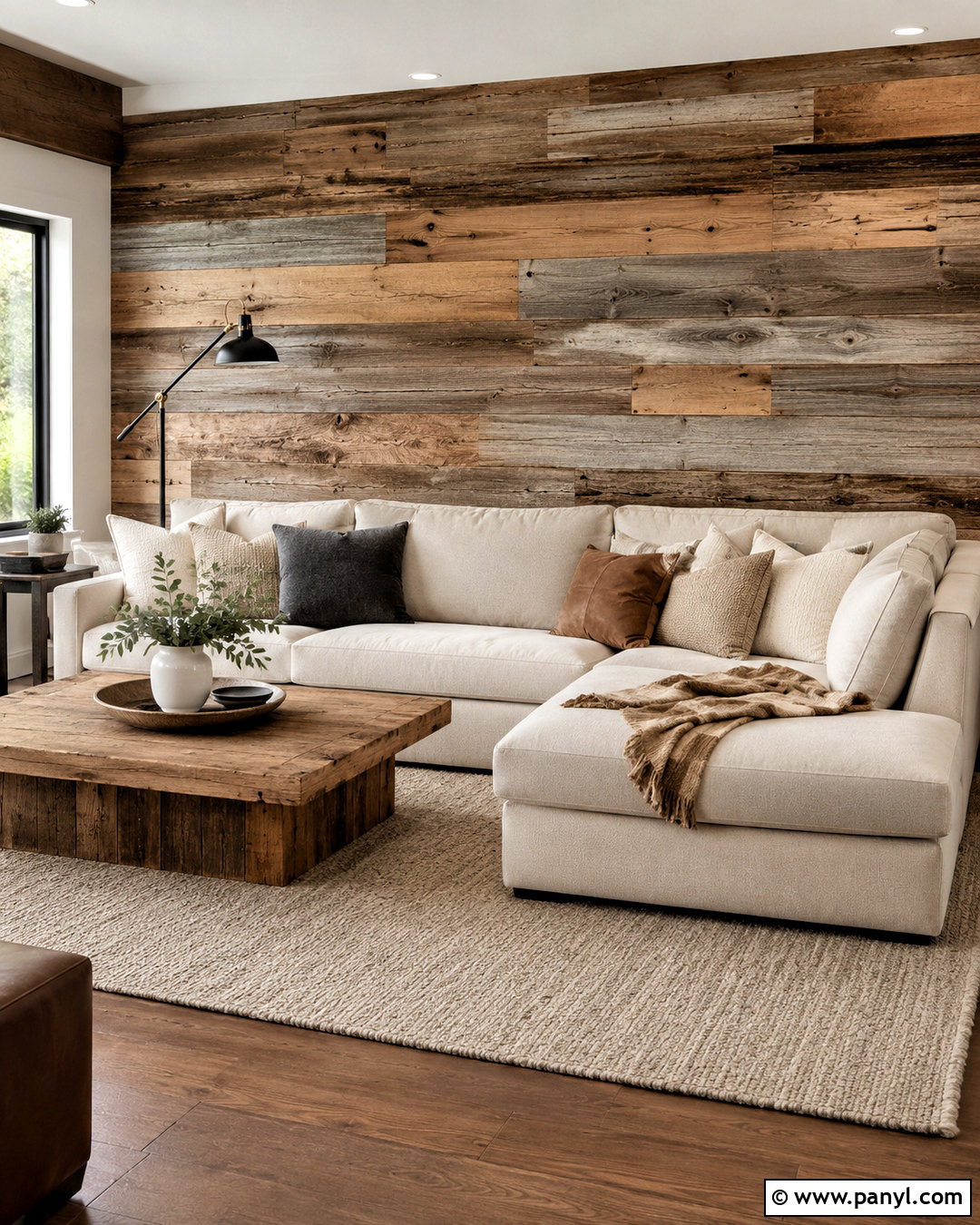
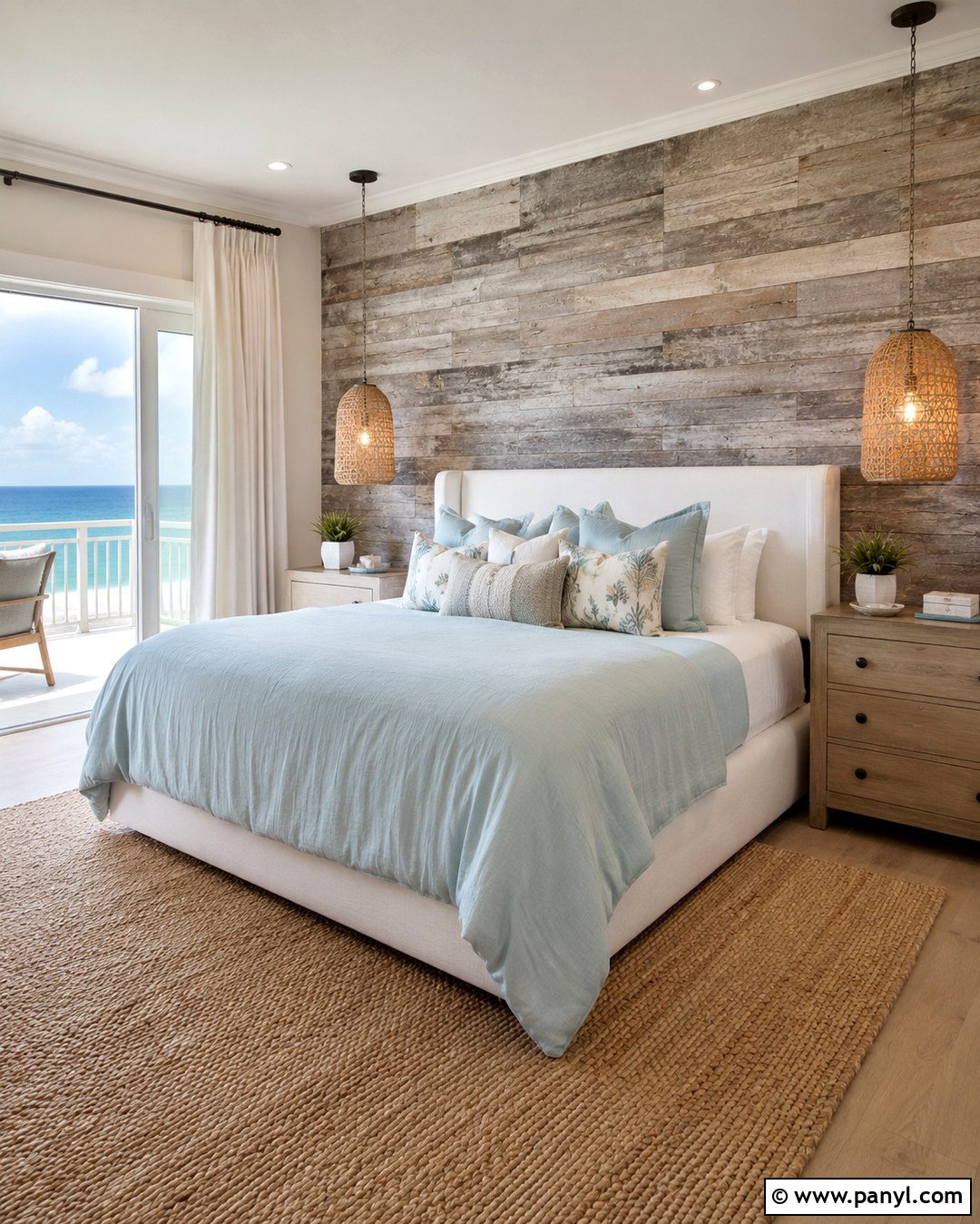
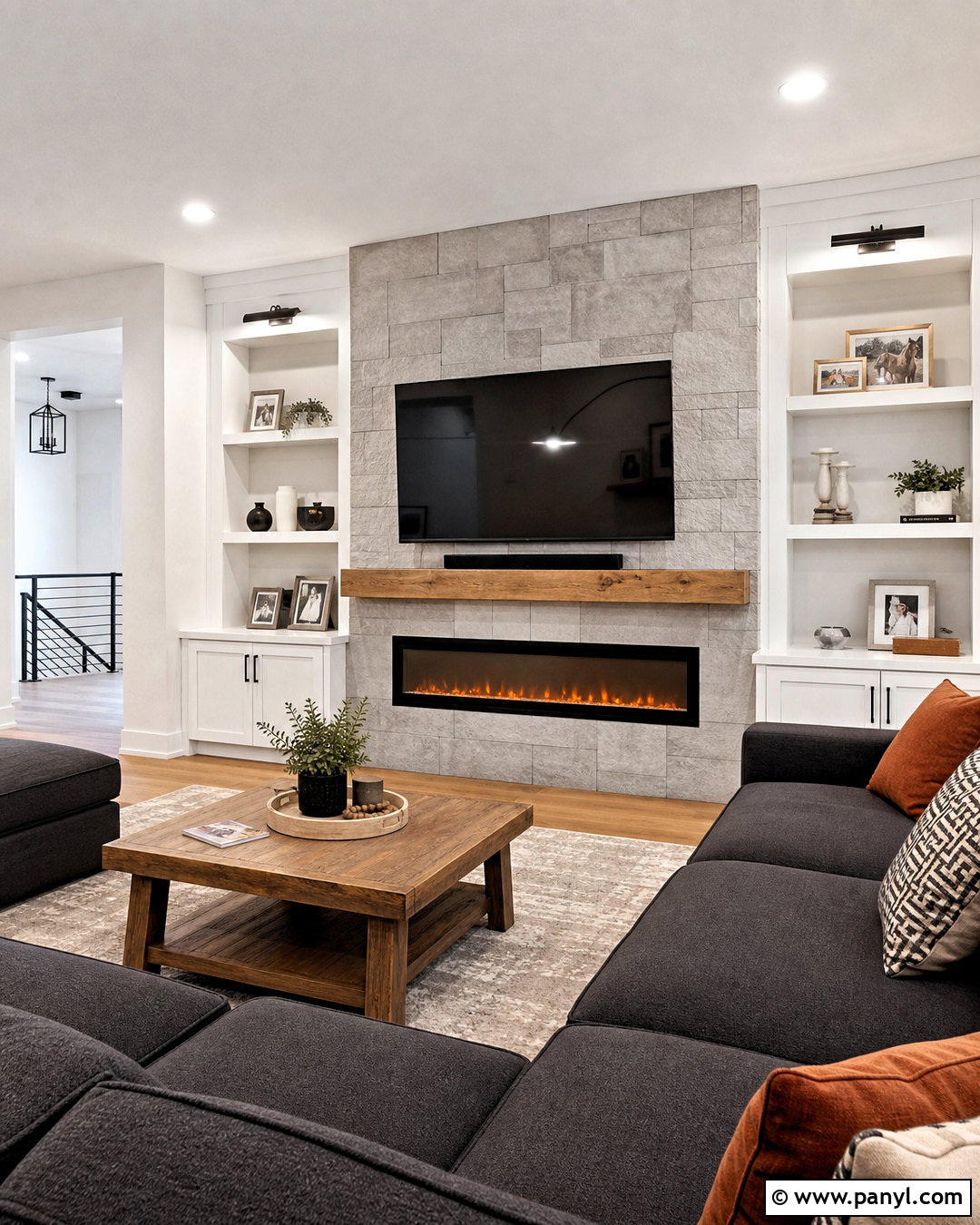
Weathered boards bring authentic texture to a family room, bedroom, or home office. Select reclaimed wood with varied brown, gray, and faded tan tones, but avoid pieces with loose splinters, strong odors, or unknown surface residue. Clean and sand each board before installation, then seal it with a low-sheen clear finish. Arrange the planks on the floor first so darker boards and knots remain evenly distributed. Pair the wall with a simple oatmeal sofa, black metal lighting, and a solid wool rug for a balanced rustic-modern room. Use reclaimed wood on one focal wall only, allowing nearby walls to stay light and quiet. Hidden fasteners or carefully placed finish nails help preserve the naturally aged appearance.
9. Plywood Strip Wood Accent Wall
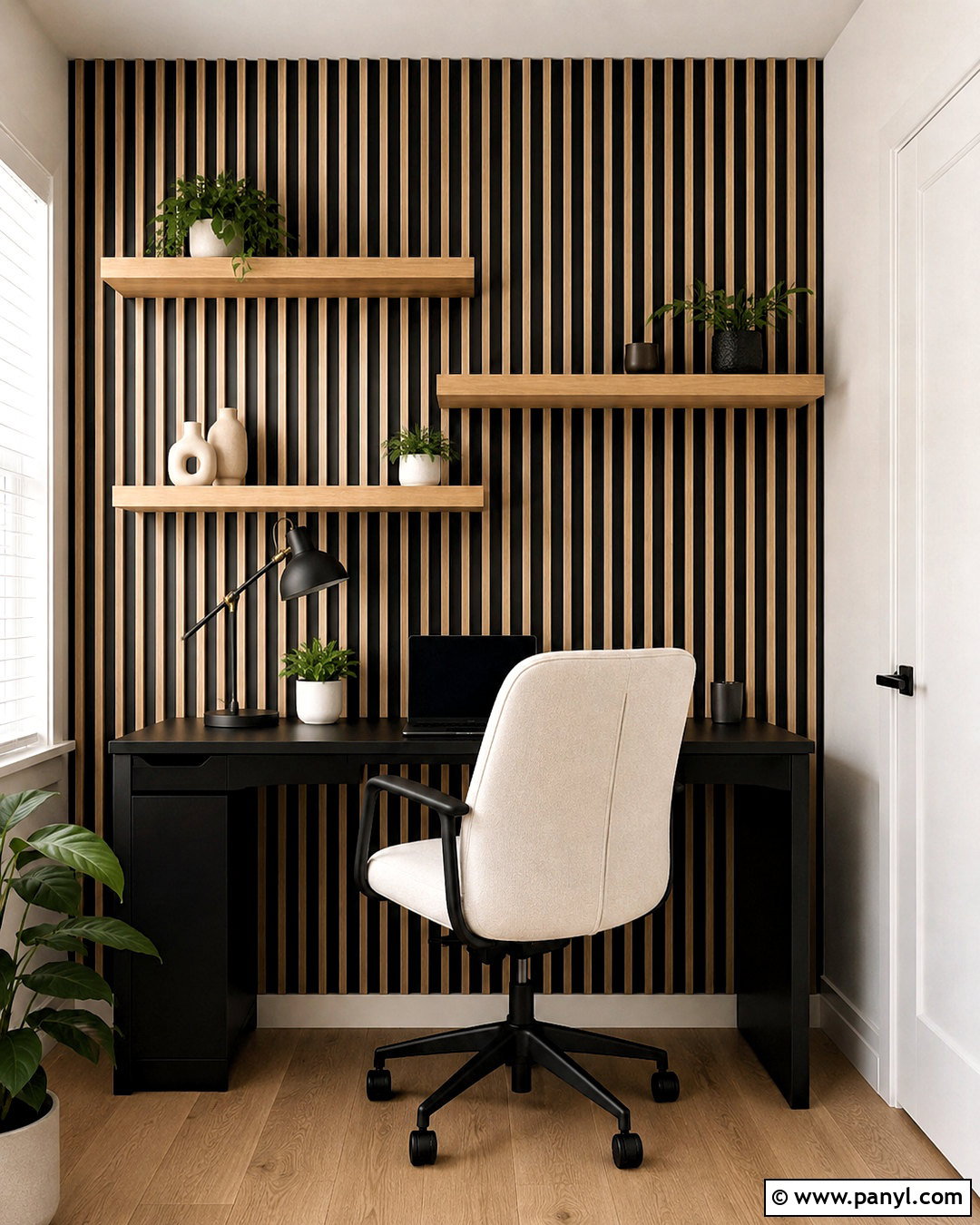
Plywood sheets can become a modern wood wall without the cost of individual hardwood boards. Rip furniture-grade plywood into uniform strips, lightly sand the edges, and install the pieces vertically with narrow gaps. A clear matte sealer highlights the layered edges and subtle grain, while a pale oak stain creates a more consistent tone. This treatment works well in a home office with a compact desk, floating shelves, and matte black hardware. Carry the strips from baseboard to ceiling to strengthen the room’s height. Paint the wall behind them deep gray or black for visible shadow lines. Choose smooth, flat plywood rather than construction sheathing, and test cuts first to reduce splintering along the finished faces.
10. Peel And Stick Wood Accent Wall
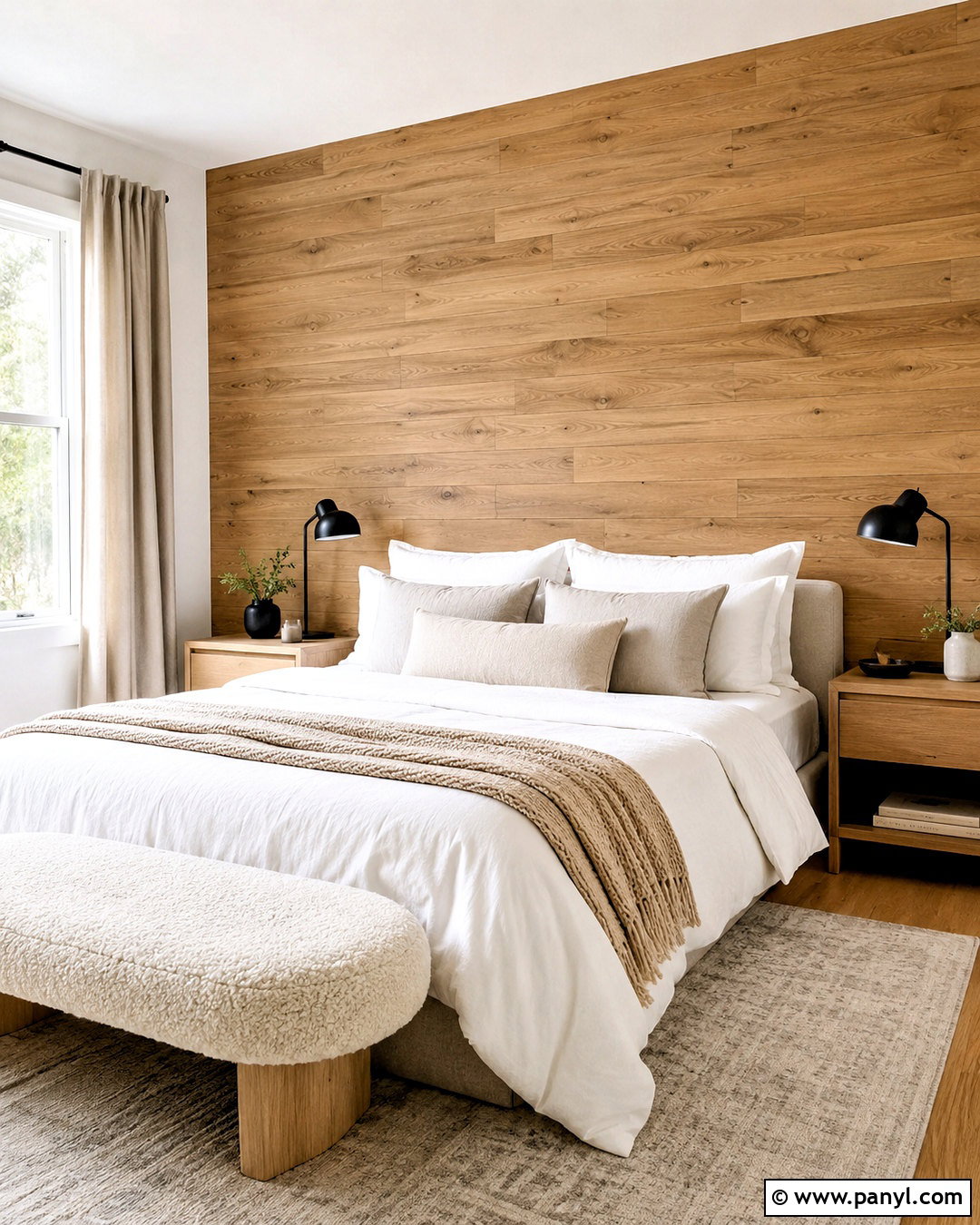
Peel-and-stick wood planks offer a manageable option for beginners and spaces where power tools are limited. Apply them to a clean, smooth, fully cured wall, following the manufacturer’s preparation requirements. Stagger board lengths to avoid obvious vertical seams, and mix planks from several boxes for balanced color variation. A warm natural oak finish works well behind a bed with white bedding, boucle accents, and light wood furniture. For a living room, combine medium walnut planks with a cream sofa and black floor lamp. Keep the surface away from excessive moisture or heat unless the product is rated for those conditions. Use a roller to press each plank firmly, paying extra attention to corners and edges.
11. Tongue And Groove Wood Accent Wall
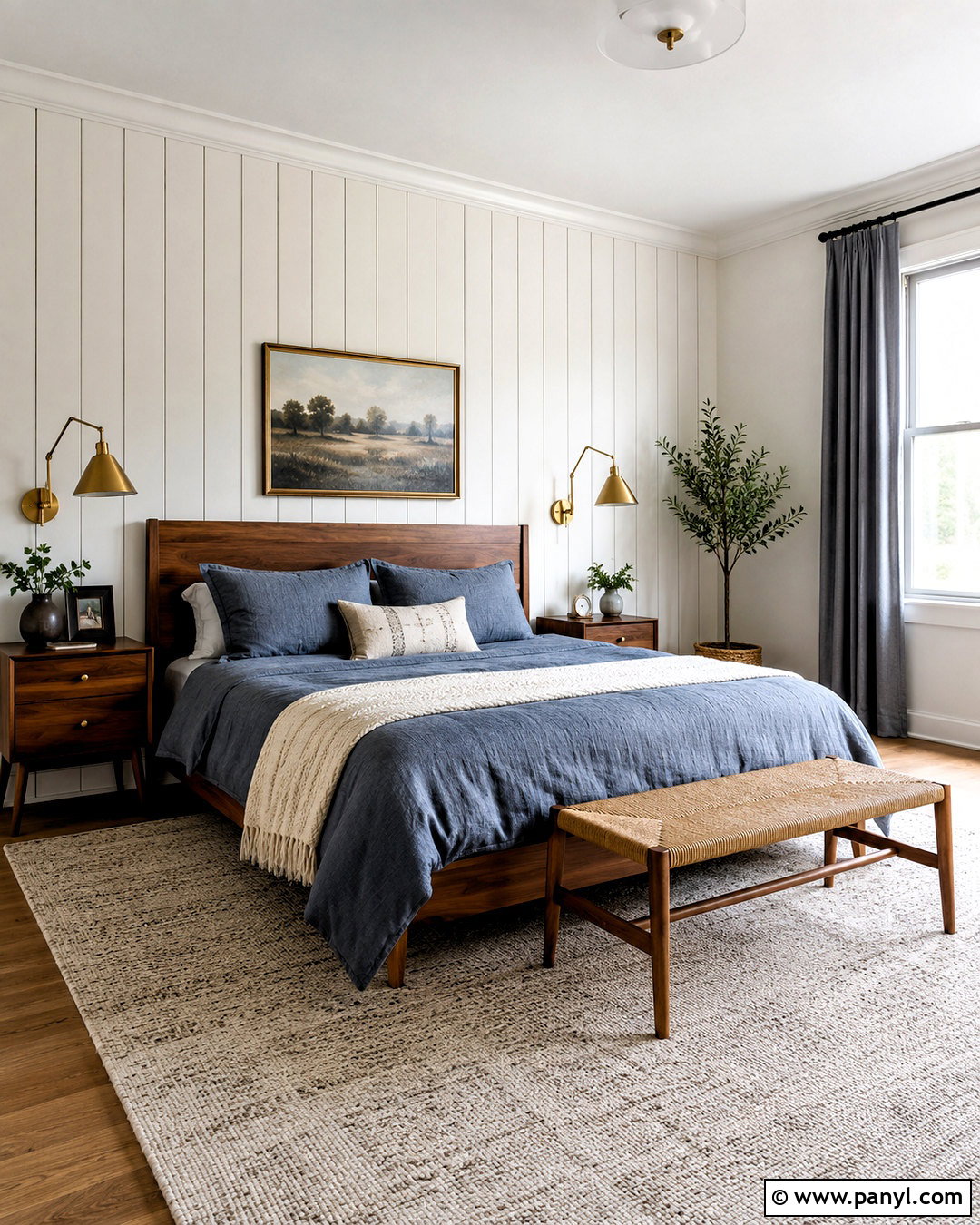
Tongue-and-groove boards form a fitted surface with fine, orderly lines. Install them vertically for a taller-looking room or horizontally to make a narrow room feel wider. Natural pine creates a casual cabin influence, while painted poplar offers a cleaner transitional finish. In a bedroom, use warm white vertical boards behind the bed, then add walnut nightstands, brass sconces, and soft blue-gray bedding. In a den, choose clear-coated cedar with leather seating and a flat-weave rug. Let unfinished boards acclimate inside the room before installation. Attach each piece securely while keeping the first board perfectly level or plumb. Finish exposed ends with matching trim so the installation looks intentional from every viewing angle.
12. Fluted Wood Panel Accent Wall
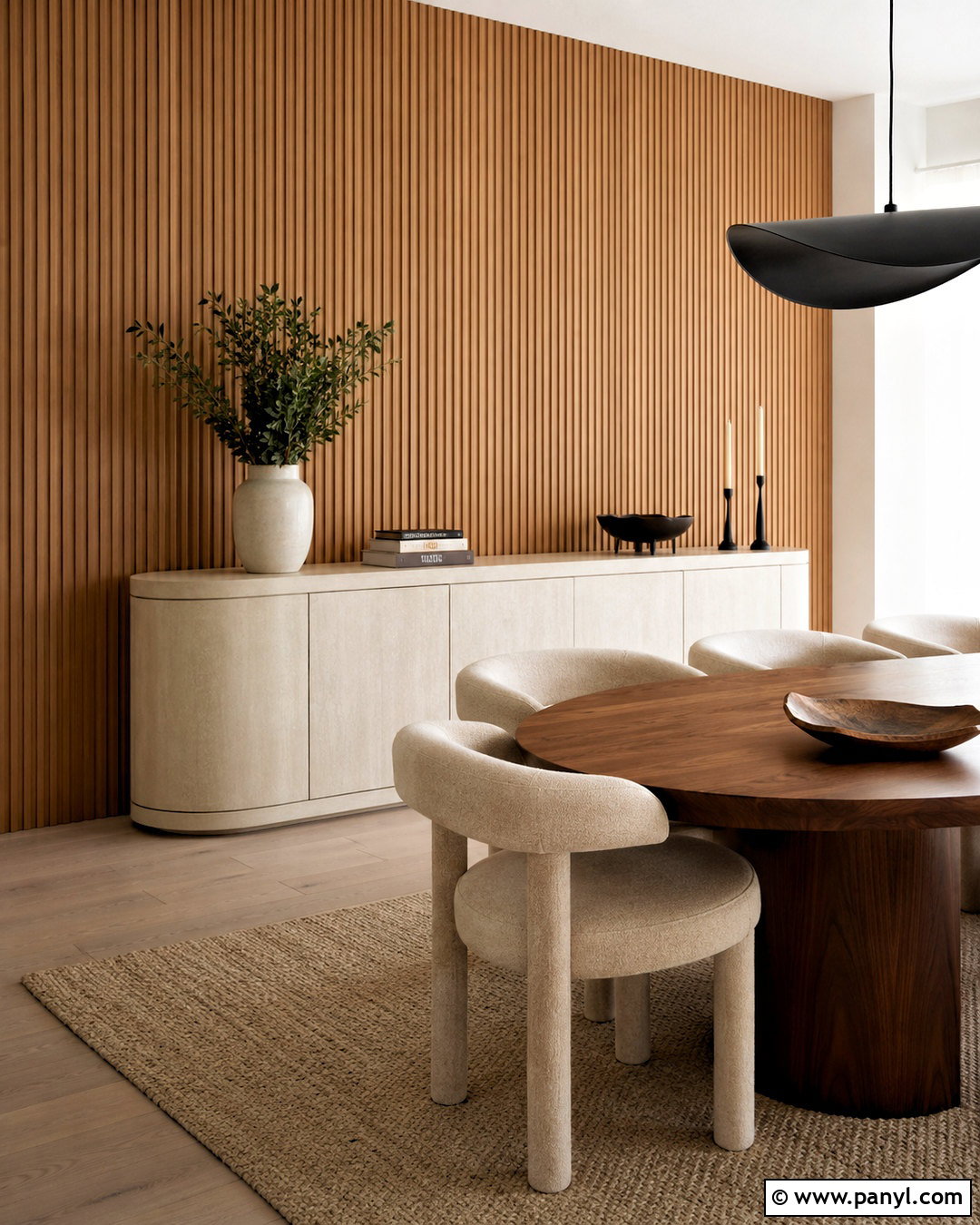
Fluted paneling introduces narrow vertical ridges that cast gentle shadows across the wall. You can create the effect with half-round molding, reeded trim, or ready-made wood panels. Use it behind a dining room sideboard, bedroom headboard, or entry console where the texture can remain visible. Paint the entire wall soft clay, muted olive, creamy beige, or charcoal for a seamless appearance. Natural oak fluting also pairs well with white walls, stone surfaces, and rounded furniture. Complete the space with a sculptural pendant, simple ceramic decor, and a low-pile rug. Because narrow grooves collect dust, avoid overly complicated ledges and decorations. Careful spacing and smooth end cuts are essential for maintaining an even rhythm.
13. Picture Frame Wood Molding Accent Wall
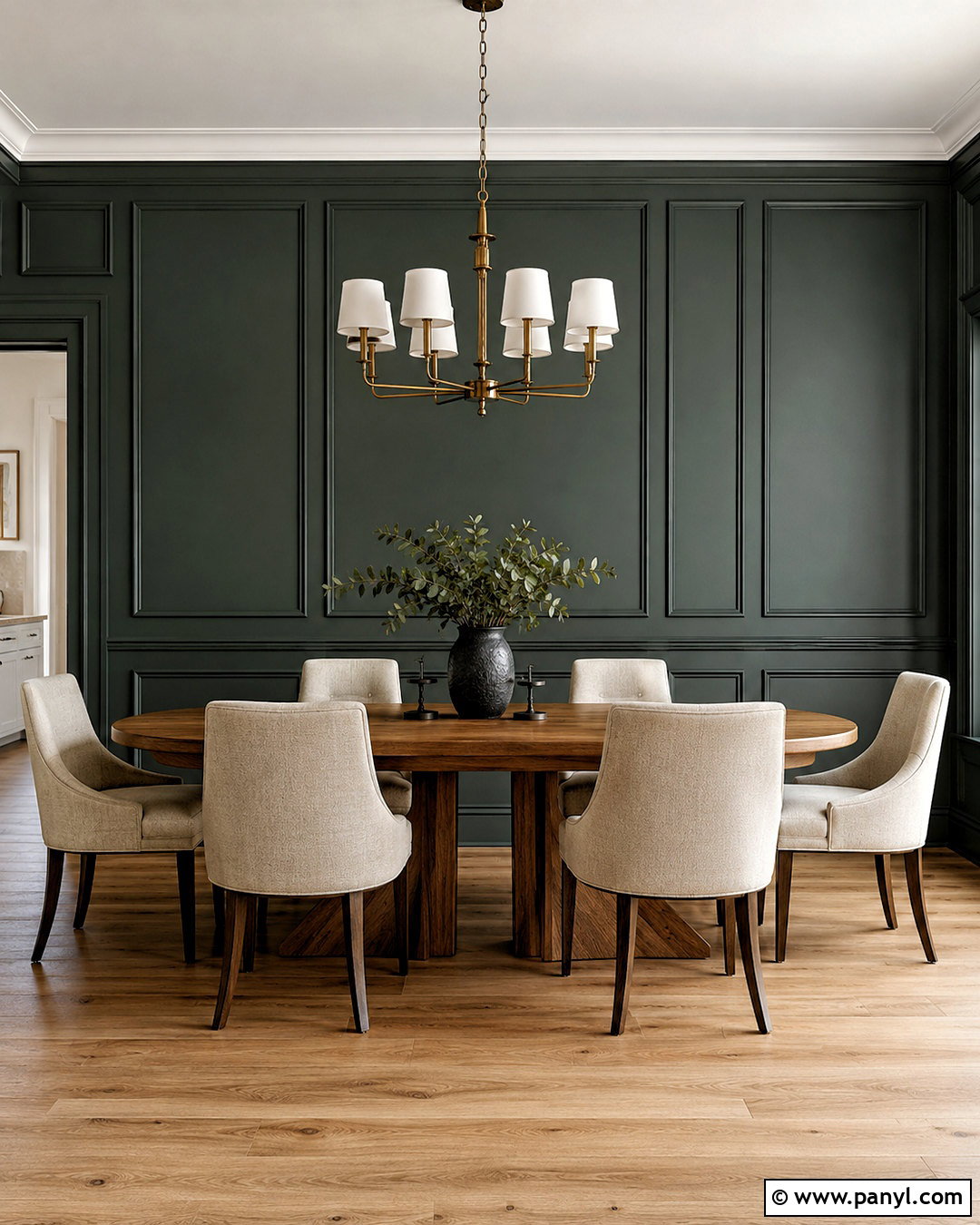
Picture frame molding provides a refined wood accent wall using slim trim rather than full planks. Arrange large rectangular frames across the wall, keeping the margins and spaces between boxes consistent. Paint the molding and wall together in warm white, greige, pale blue, or deep green. The finished look suits a dining room with an oval wood table, upholstered chairs, and a modern chandelier. It also works behind a bed when the center frame aligns with the headboard. Use a level and laser line to prevent slightly crooked boxes from becoming obvious. Cut clean 45-degree corners, attach the trim with finish nails, and caulk fine gaps. Minimal artwork allows the balanced molding layout to remain the main feature.
14. Walnut Slat Media Wall
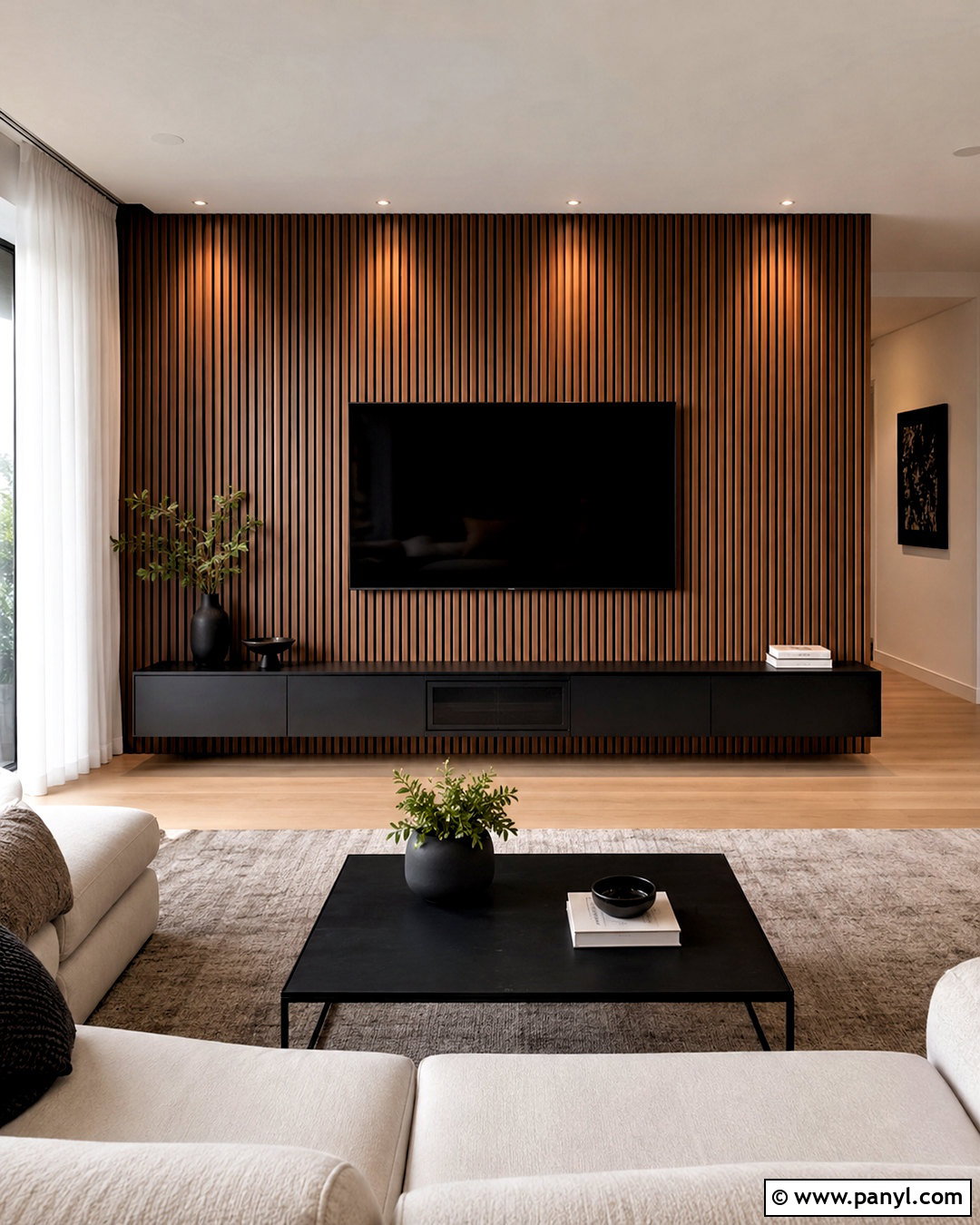
A walnut slat media wall makes a television area look planned rather than pieced together. Install narrow walnut-finished slats over a black or dark brown backing, then center the television and a long floating console on the wall. Conceal cables inside a code-compliant channel or properly planned wall chase before completing the woodwork. Add closed storage below to prevent electronics and accessories from creating visual clutter. A cream sectional, warm gray rug, and black metal coffee table complete the modern living room. Leave breathing room around the screen so the slats remain visible. If solid walnut exceeds the budget, use walnut veneer panels or stain clear pine after testing several color samples for an even, realistic finish.
15. Oak Fireplace Wood Accent Wall
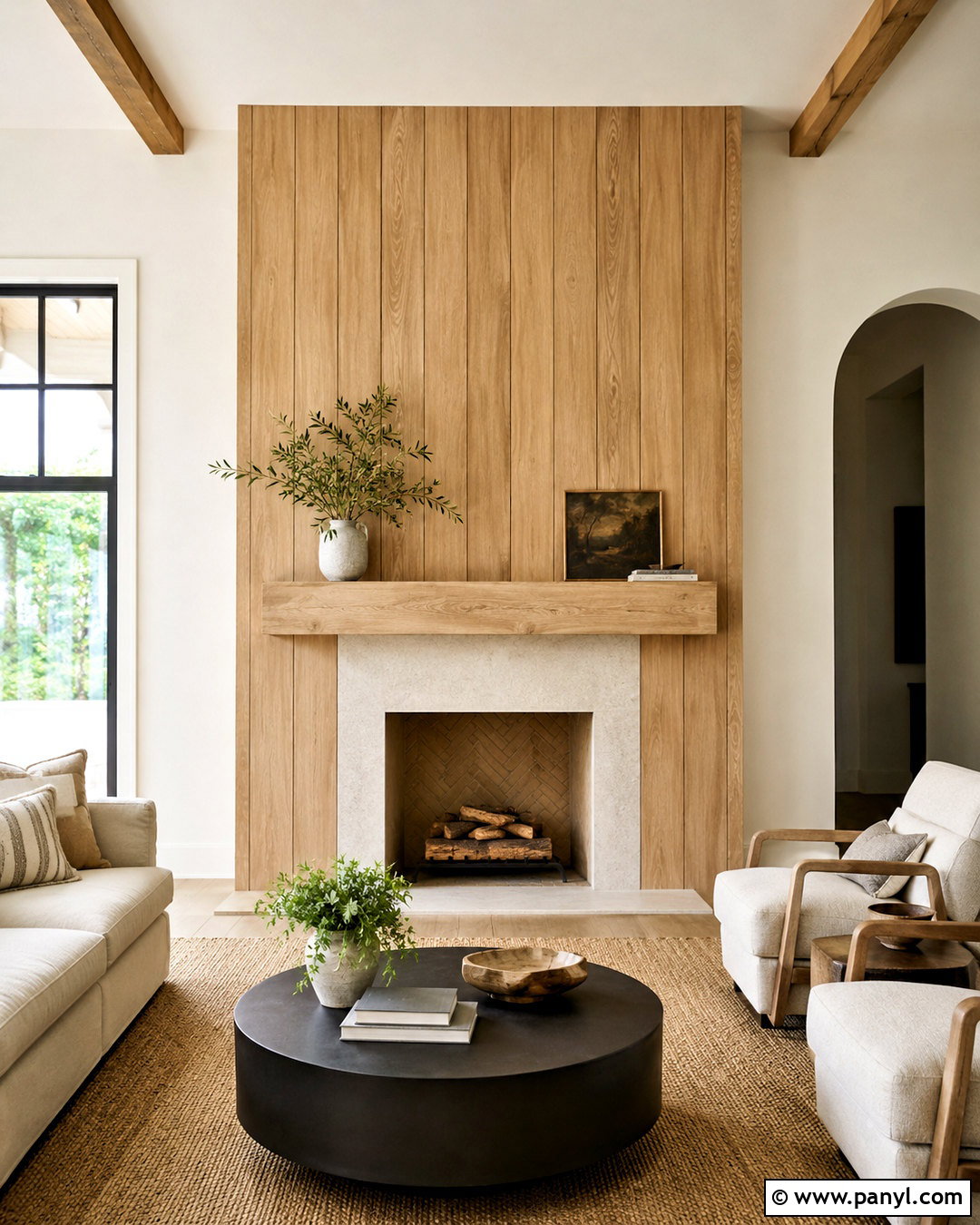
Natural oak can turn a plain fireplace wall into a warm living room centerpiece. Frame the firebox or noncombustible surround with vertical oak slats, smooth oak panels, or narrow tongue-and-groove boards. Keep all wood outside required clearances and follow the fireplace manufacturer’s instructions and applicable building codes. Pair pale oak with a light stone hearth, creamy walls, and a substantial mantel in a coordinating finish. Arrange a neutral sofa, two compact chairs, and a textured rug around the fireplace to reinforce it as the room’s focal point. Avoid crowding the wall with small decorations. One large artwork piece or television may be enough. Use matte clear sealer to protect the oak while preserving its natural color.
16. Wood Headboard Accent Wall
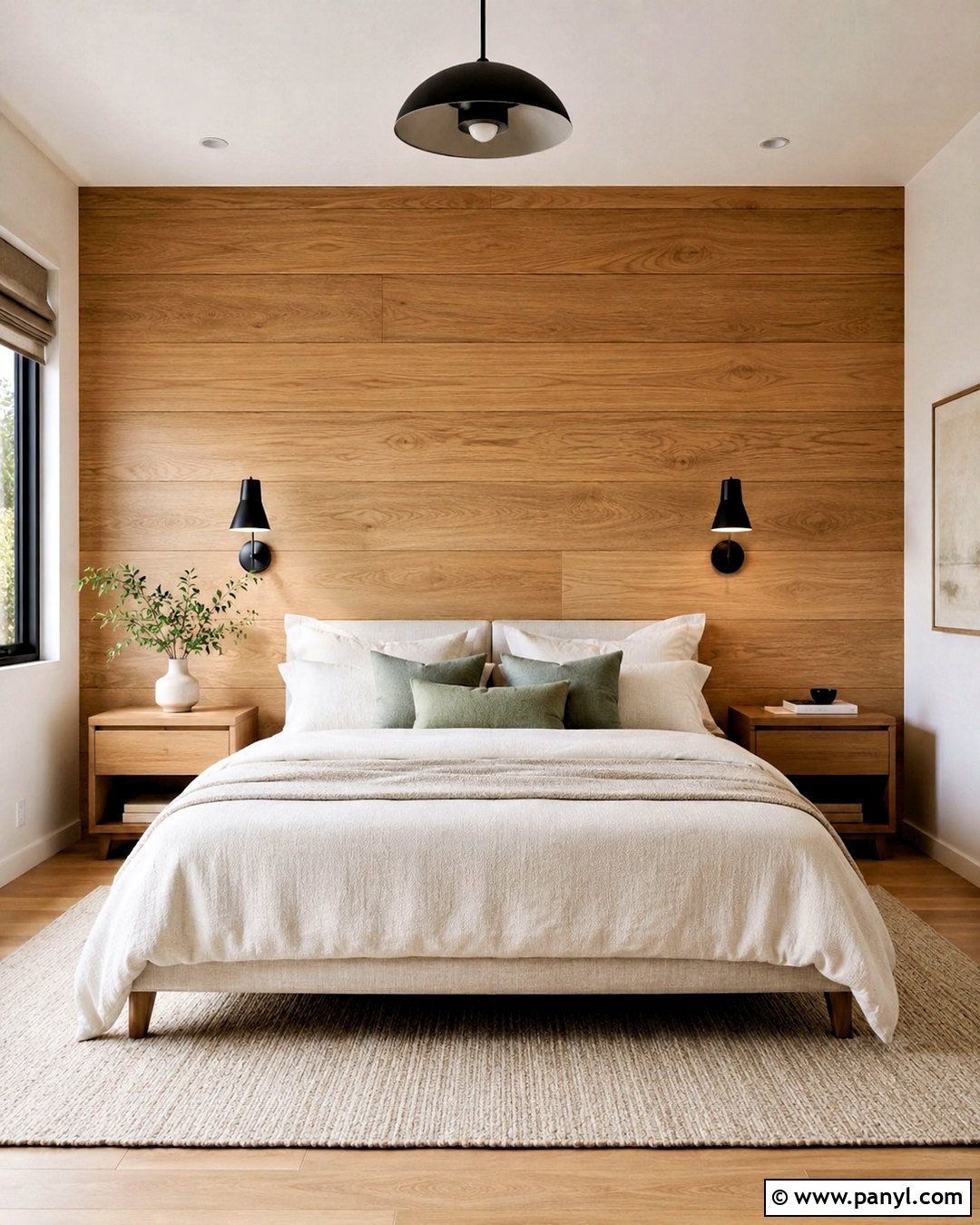
A wall-mounted wood headboard can extend beyond the bed and create a complete bedroom focal point. Use smooth oak, birch plywood, or pine boards to build a wide horizontal panel reaching behind both nightstands. Add a narrow ledge only if it will not sit directly above sleepers. Integrated plug-in sconces can provide symmetry without requiring extensive electrical work. Pair the warm wood with creamy bedding, muted rust or sage accents, and a soft neutral rug. Keep the remaining walls a quiet off-white or pale greige. Round the exposed edges and sand the surface carefully so it feels smooth. Secure the structure into studs with an appropriate mounting system rather than relying on adhesive or drywall anchors alone.
17. Scalloped Plywood Wood Accent Wall
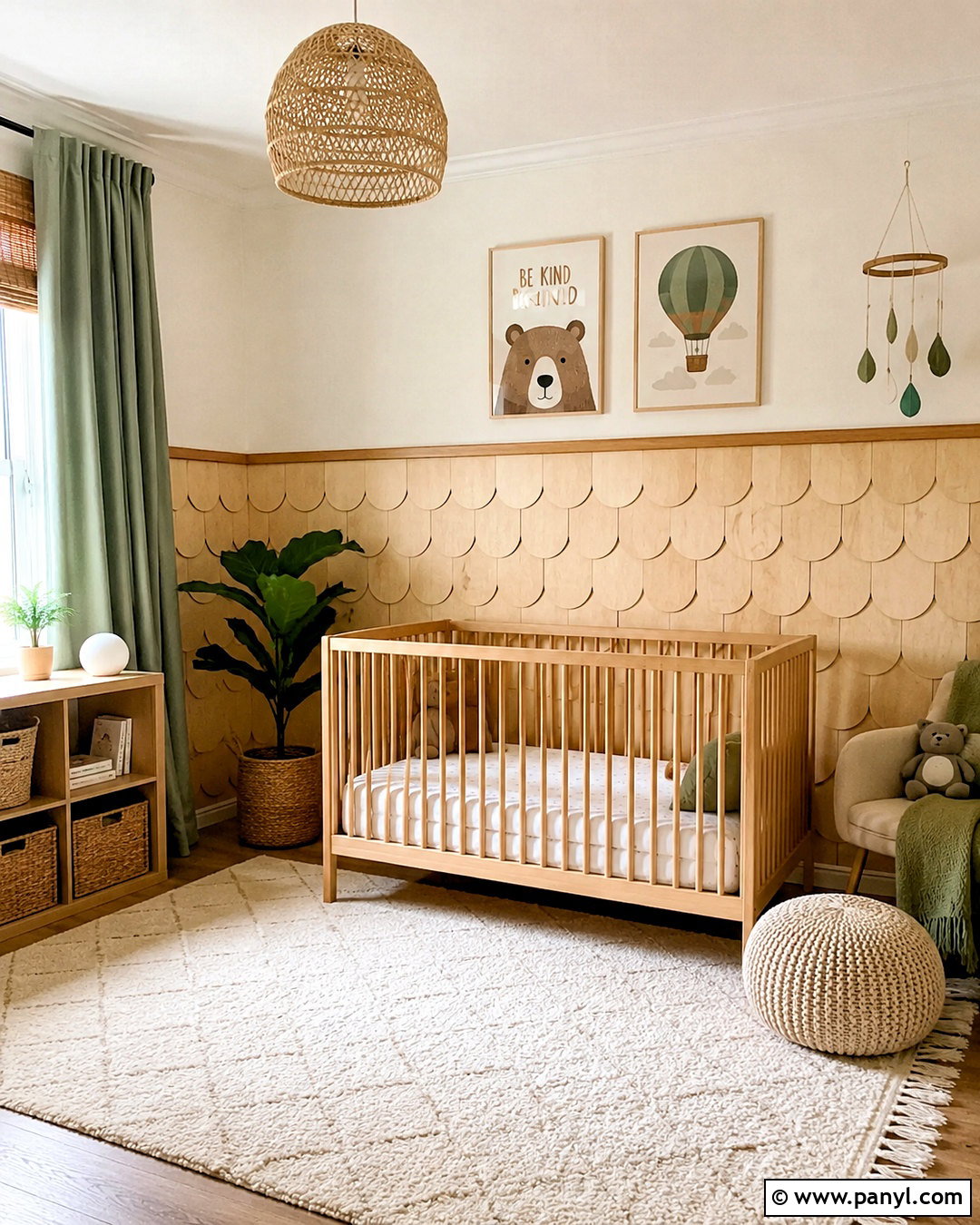
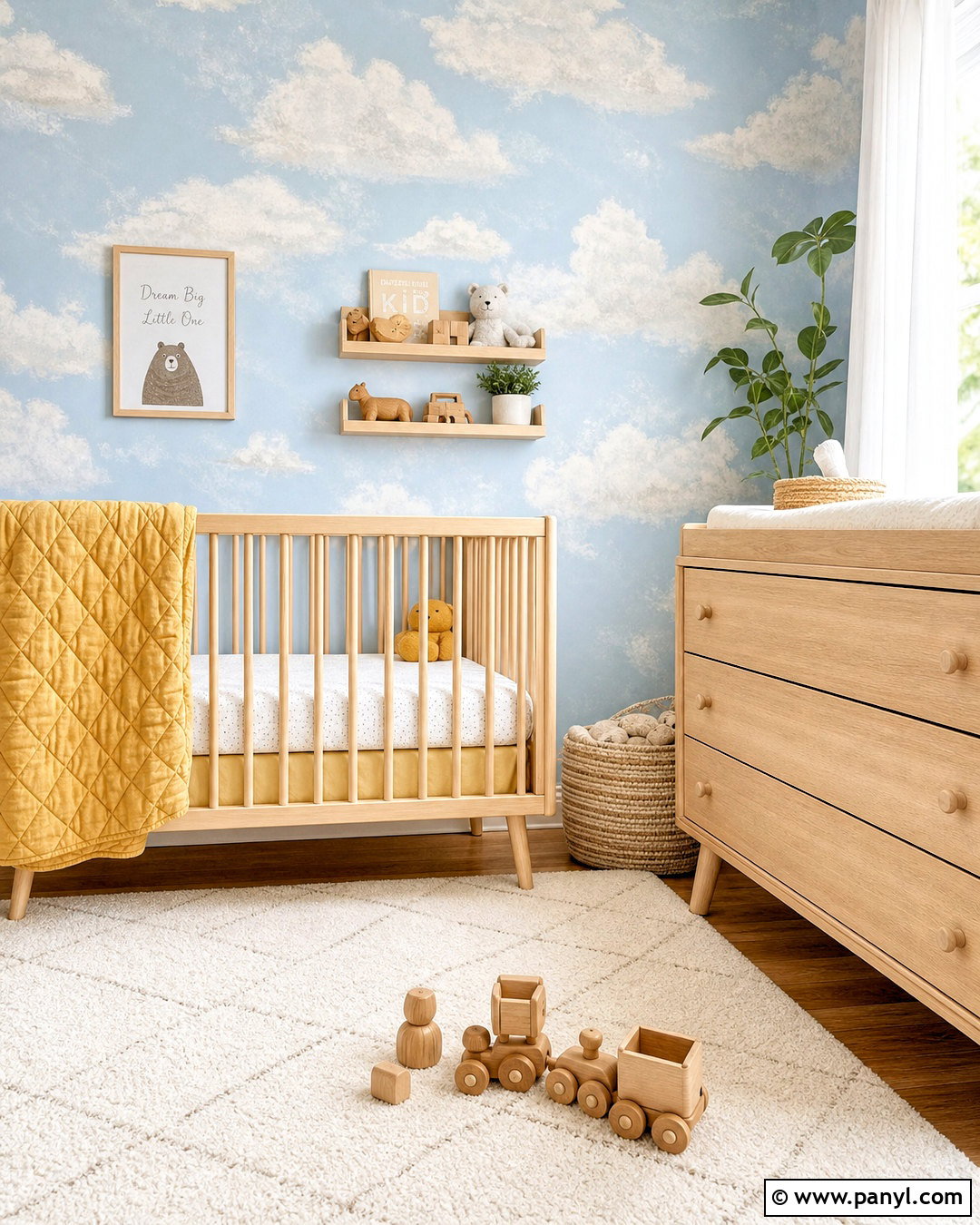
Scalloped plywood gives a nursery, playroom, or cheerful guest room a softer alternative to straight paneling. Cut repeated rounded shapes from thin, smooth plywood, then layer or line them up across the lower portion of the wall. Seal the natural wood or paint it muted peach, warm white, pale green, or dusty blue. Finish the top with a slim wood rail for a neat transition. In a nursery, coordinate the wall with a light oak crib, washable cream rug, woven storage, and simple blackout curtains. Keep furniture from blocking too much of the pattern. Use a cardboard template to make every curve consistent, sand all edges thoroughly, and attach each piece securely so no sharp corners or loose sections remain.
18. Entryway Peg Rail Wood Accent Wall
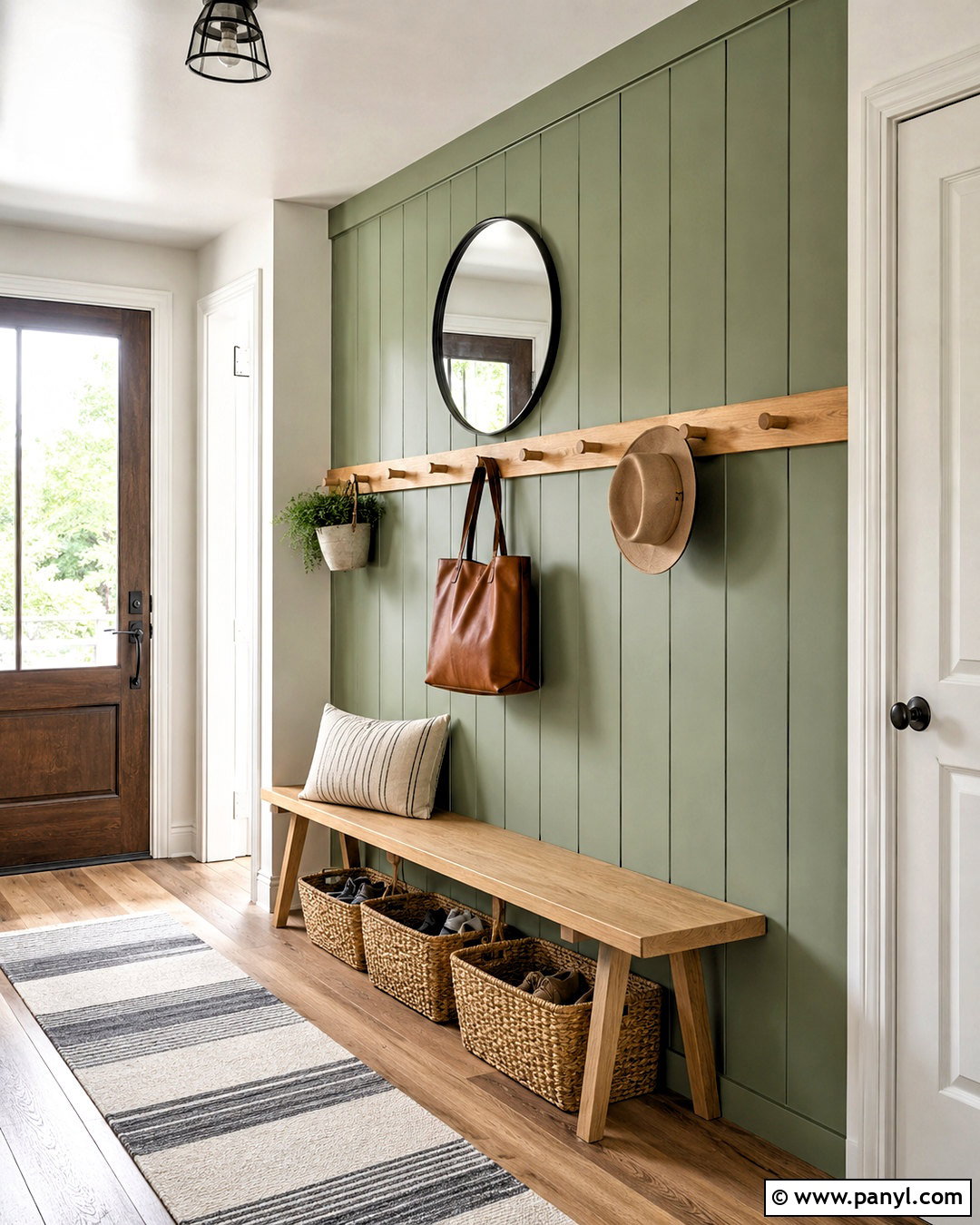
Combine vertical wood paneling with a peg rail to create an entryway wall that looks attractive and works hard. Install painted tongue-and-groove boards or slim plywood strips from the baseboard to shoulder height, then cap them with a sturdy wood rail. Space solid pegs for jackets, hats, and reusable bags without overcrowding the wall. Add a narrow bench, shoe baskets, and a durable runner to complete the hardworking zone. Warm white, sage green, and medium blue are practical panel colors, while a natural oak rail adds contrast. Anchor the rail into studs or secure blocking because hooks experience repeated weight and movement. Keep the upper wall simple with one mirror or a single framed print.
19. Stairway Wood Slat Accent Wall
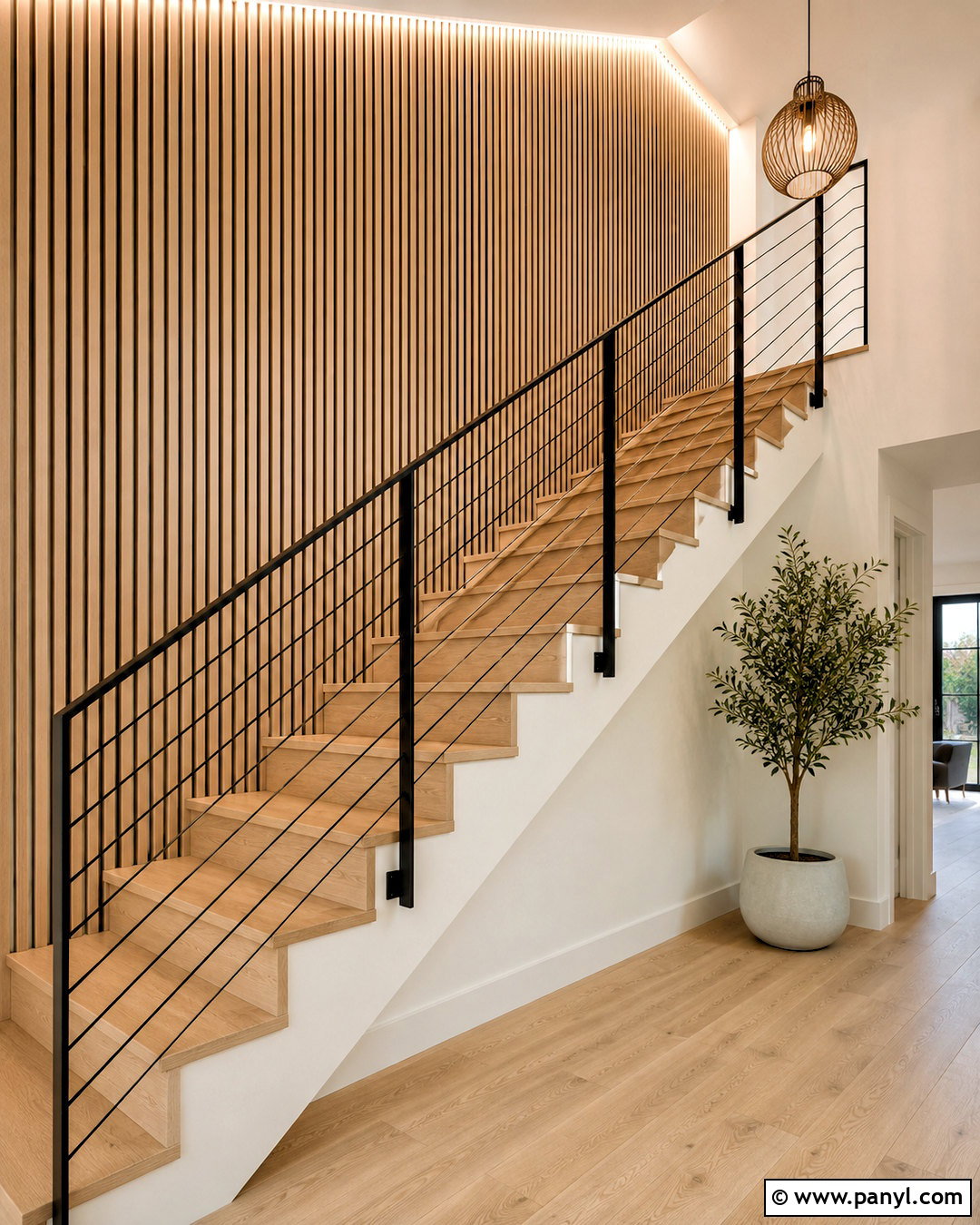
A staircase wall offers enough height to make diagonal or vertical wood slats especially dramatic. Follow the stair angle with parallel strips for a dynamic look, or install floor-to-ceiling vertical slats to emphasize height. Use natural white oak against a warm white wall for gentle contrast, or paint both the wall and trim deep charcoal for a unified architectural effect. Complete the area with a simple black handrail, light wood treads, and one understated pendant above the landing. Create a full-size taped layout before cutting because the stair slope changes board lengths. Maintain safe handrail access, switches, and walking clearance. Secure every slat firmly and soften exposed edges, particularly where children or pets may pass nearby.
20. Mixed Tone Scrap Wood Accent Wall
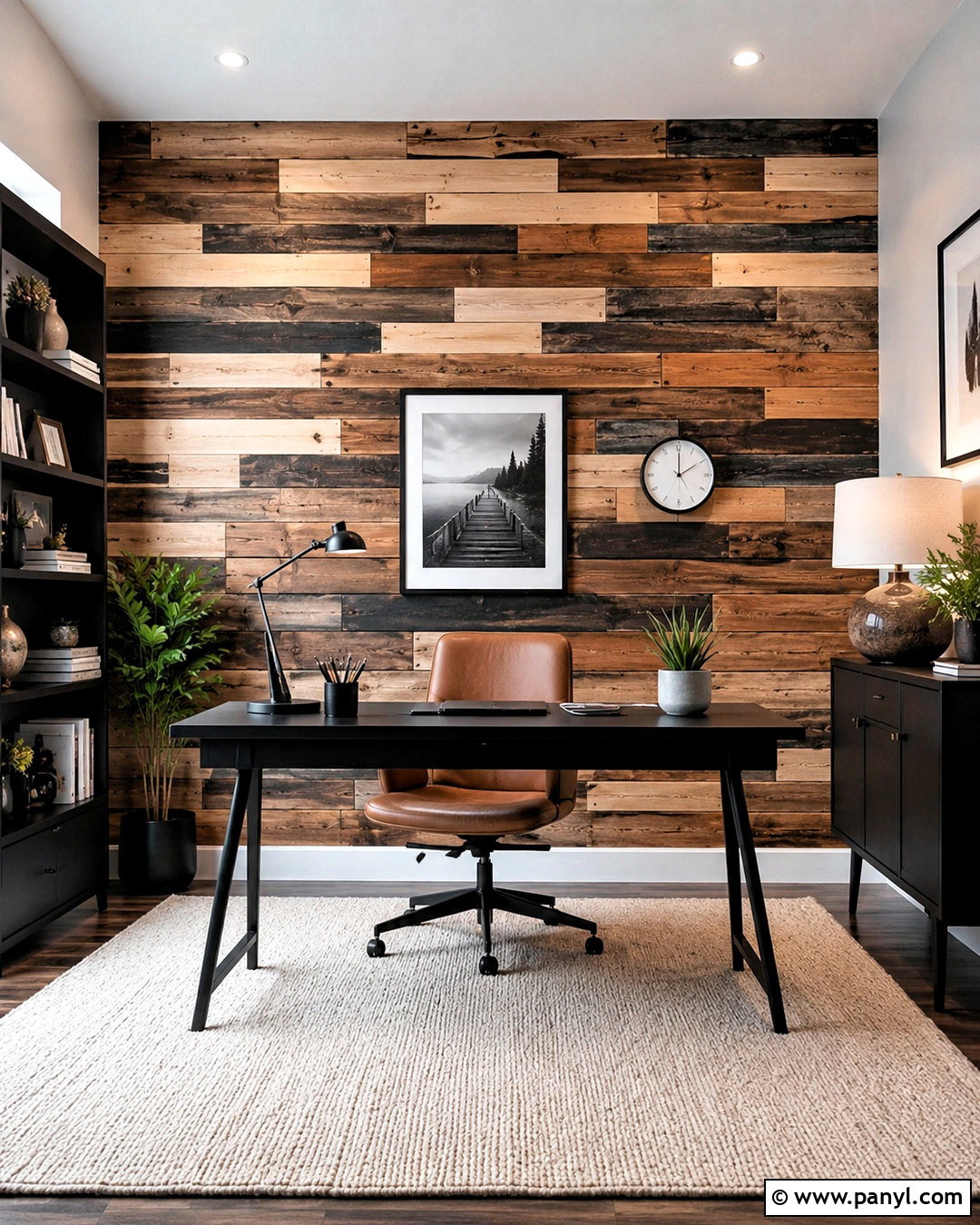
Small leftover boards can create a distinctive wall when their colors and proportions are carefully controlled. Cut scrap wood into repeatable lengths, then arrange it in horizontal rows, staggered blocks, or a simple mosaic. Limit the palette to three or four related tones, such as pale oak, honey brown, medium walnut, and charcoal. This prevents the wall from looking random. Use it in a creative office or casual den with a streamlined desk, solid-colored seating, and uncluttered storage. Lay out the entire composition on the floor before installation, distributing knots and dark pieces evenly. Sand every board, seal questionable surfaces, and use consistent gaps. A narrow wood frame around the perimeter gives the finished project clean visual boundaries.
Conclusion:
The best wood feature wall should complement the room rather than overwhelm it. Begin by considering the wall’s size, existing furniture, natural light, and the amount of pattern already present. Simple vertical slats or painted board and batten suit beginners, while chevron and herringbone layouts require more precise planning. Natural oak brings warmth, reclaimed boards add character, and painted molding offers flexible color. Whatever design you choose, careful measuring, smooth preparation, and secure installation will make the biggest difference. Test stains and paint before committing, and account for outlets, trim, and corners in advance. With these 20 DIY wood accent wall ideas, you can create a polished focal point that feels purposeful and personal.

Related Ideas and Inspiration:
Leave a Reply