
Choosing the right stain can turn rough reclaimed boards into a polished focal point that fits your home. These 20 Pallet Wall Stain Colors range from light natural finishes to deep dramatic tones, with options for farmhouse, coastal, modern, rustic, and industrial rooms. Because pallet boards vary in species, age, and porosity, every stain develops differently. Test several prepared offcuts before covering the full wall. You can also mix stronger and lighter applications to emphasize the reclaimed character. Each look below combines the stained planks with coordinating wall colors, furniture, flooring, lighting, and decor. This makes it easier to picture a complete room rather than choosing color in isolation. Explore these practical, stylish, and achievable 20 Pallet Wall Stain Colors.

1. Natural Oak Pallet Wall
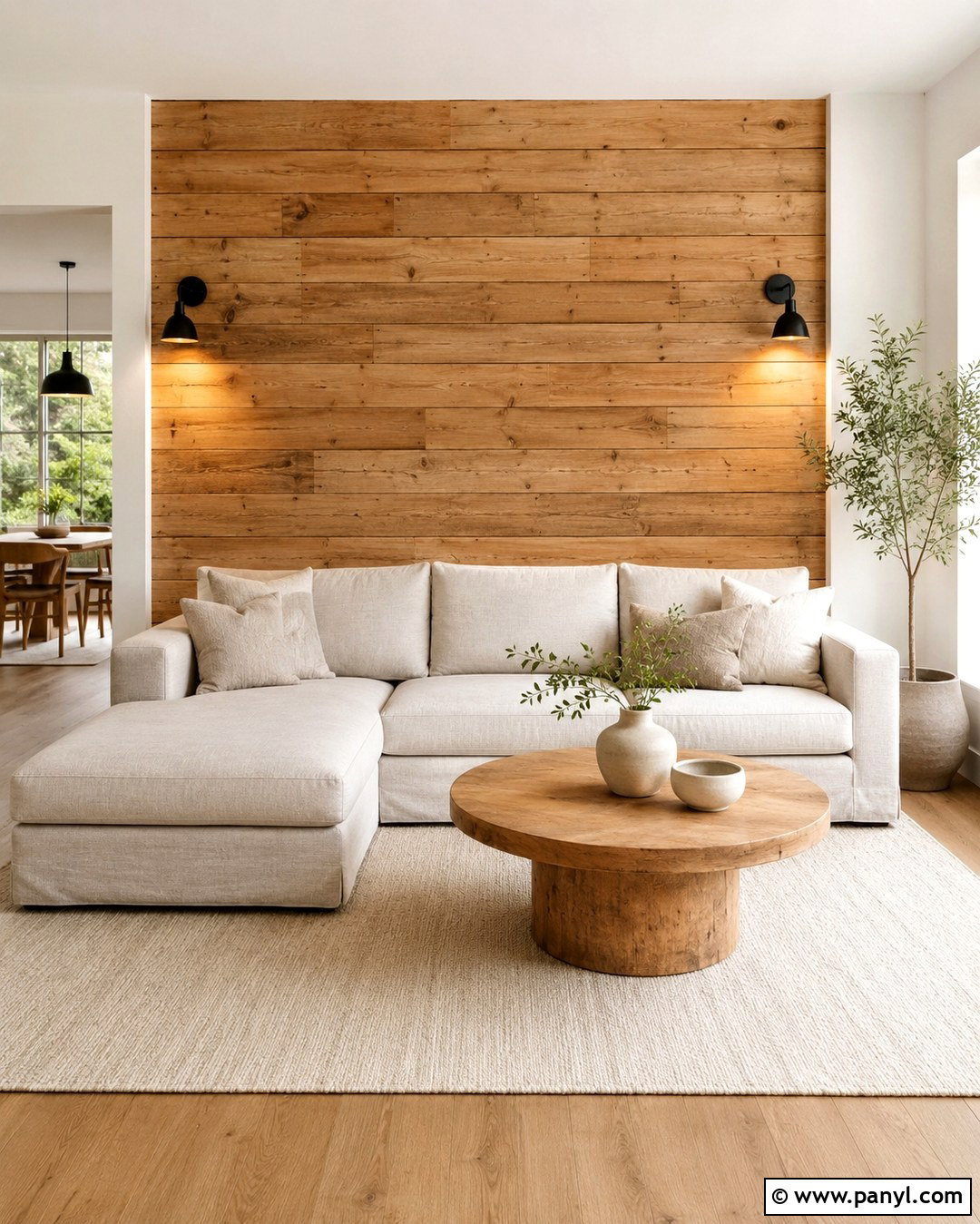
A natural oak stain gives pallet boards a clean, light golden finish without hiding their knots and saw marks. Use it across a full living room wall with the planks installed horizontally to make the space appear wider. Soft white paint on the remaining walls keeps the room bright, while a cream linen sofa and pale oatmeal rug continue the relaxed palette. Choose medium-toned oak flooring so the wall remains visible instead of blending into the floor. Matte black sconces provide crisp contrast, and simple ceramic decor prevents the room from feeling overly rustic. Apply a clear matte topcoat after staining to protect the wood without adding unwanted shine. This complete look suits casual modern, Scandinavian, and updated farmhouse interiors.
2. Honey Pine Pallet Wall
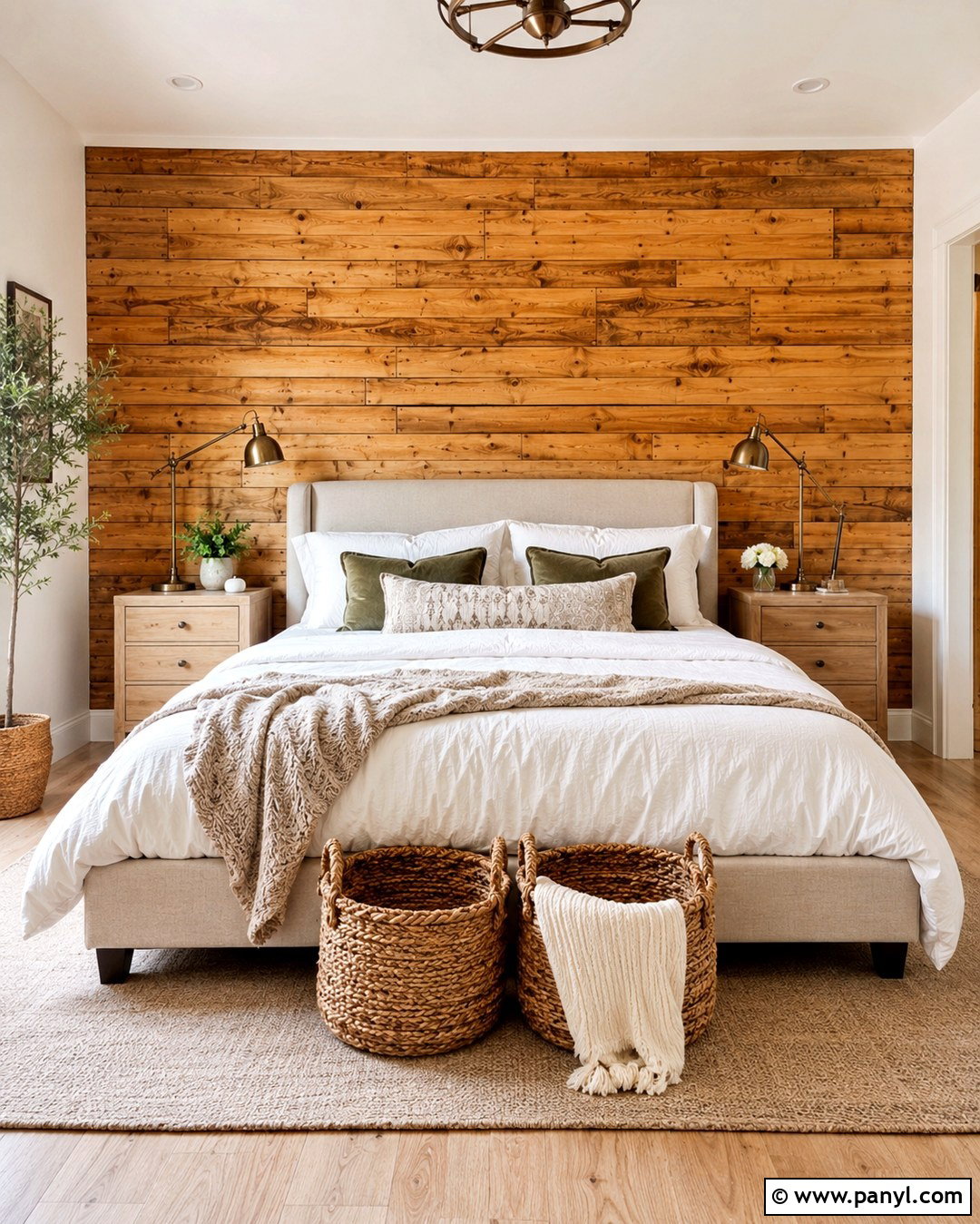
Honey pine brings out the sunny yellow and amber notes often hidden in unfinished pallet wood. It works especially well behind a bed, where the glowing wood creates a warm and comfortable backdrop. Arrange boards in staggered horizontal rows, blending lighter pieces with a few darker planks for natural variation. Pair the wall with warm white paint, an upholstered beige bed, crisp white bedding, and muted olive pillows. Light oak nightstands will coordinate without creating a heavy wall of wood. Add aged brass lamps and woven baskets for subtle texture. Keep the flooring neutral with a soft beige carpet or pale wood. A satin-clear finish enhances the golden color, but avoid glossy coatings that could make the pine appear orange.
3. Golden Pecan Pallet Wall
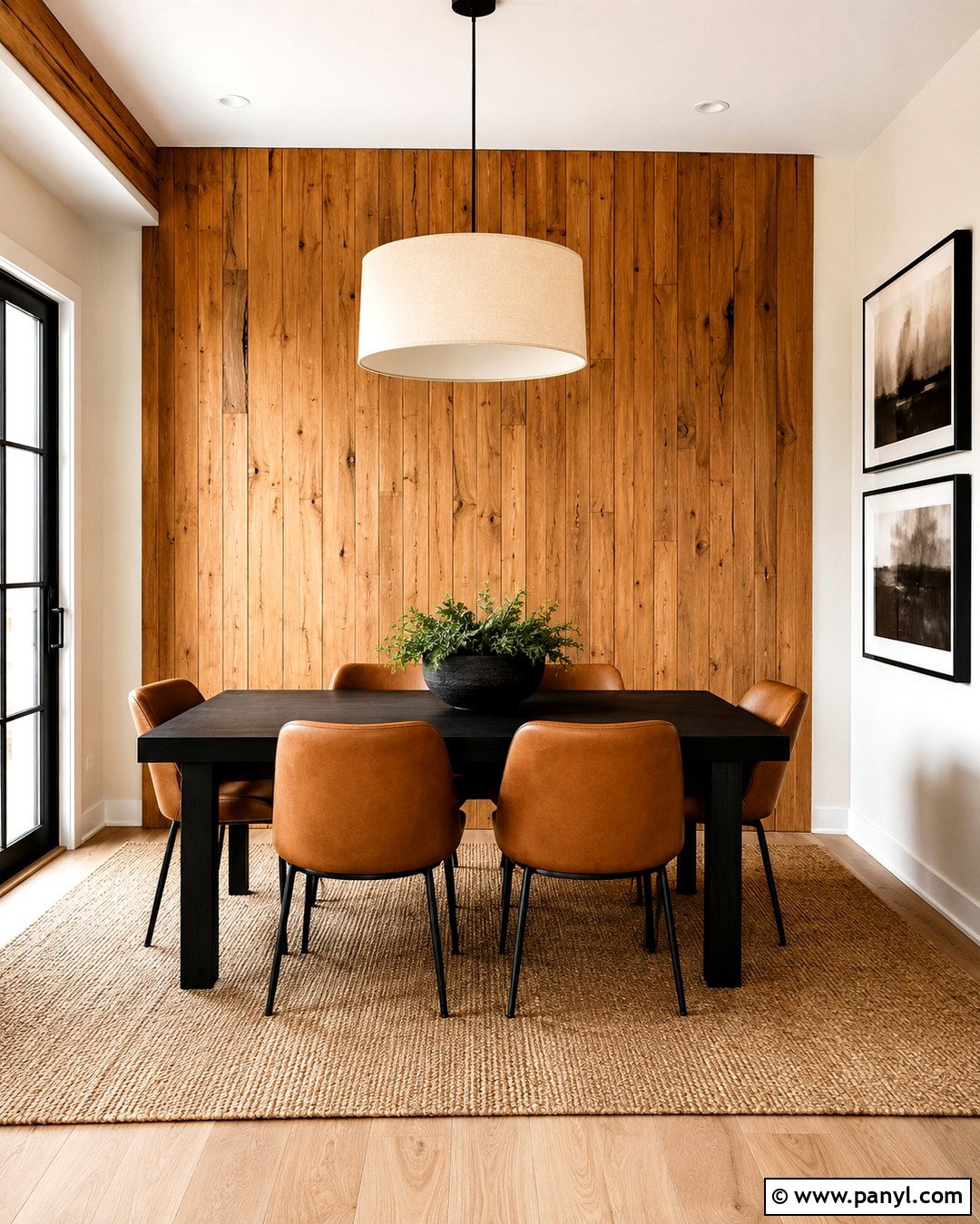
Golden pecan stain creates a balanced medium wood tone with warm brown and lightly toasted undertones. Use it for a dining room pallet wall where the color can complement both casual meals and more polished gatherings. Install the planks vertically to visually raise the ceiling and give the reclaimed wood a cleaner architectural appearance. A black rectangular dining table, camel-colored chairs, and a natural jute rug ground the warm wall. Paint the surrounding surfaces creamy off-white and use simple black-framed artwork for contrast. A wide linen pendant softens the harder wood and metal finishes. Select a low-sheen protective coat so the grain stays prominent. This scheme feels welcoming and current without leaning too heavily toward farmhouse decor.
4. Warm Cedar Pallet Wall
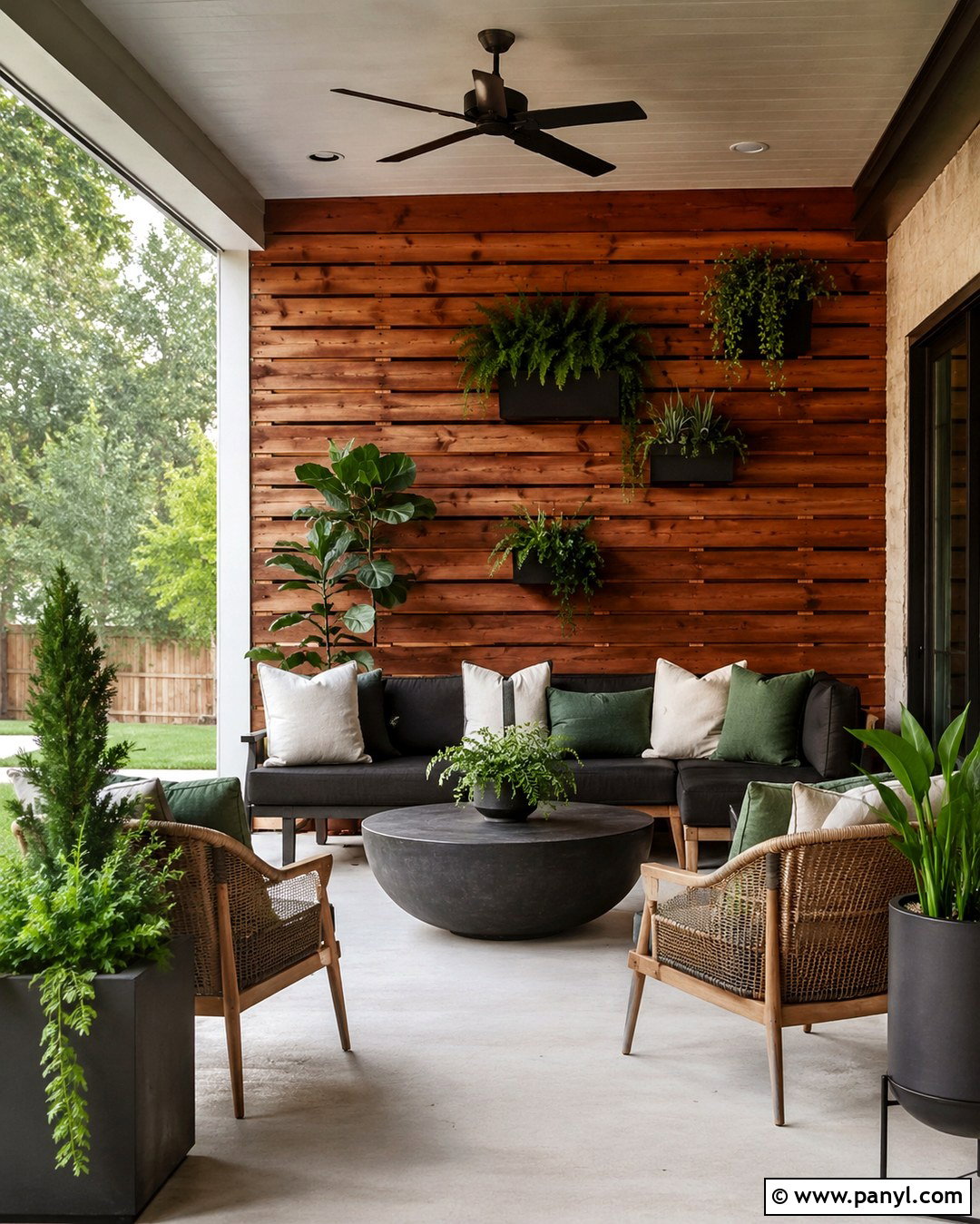
Warm cedar stain emphasizes red-brown undertones and gives an ordinary pallet wall the character of naturally aged lumber. It looks particularly inviting in a covered patio or sunroom surrounded by greenery. Run the boards horizontally behind a charcoal outdoor sofa, then layer the seating with cream cushions and forest green pillows. A light concrete floor prevents the rich cedar color from overwhelming the space. Black metal planters, woven lounge chairs, and a simple ceiling fan complete the relaxed outdoor room. Use an exterior-rated semi-transparent stain when the wall is exposed to humidity or changing temperatures. Spread the stain thinly to avoid intensifying the red undertones too much. The resulting design feels warm, organic, and connected to the surrounding landscape.
5. Provincial Brown Pallet Wall
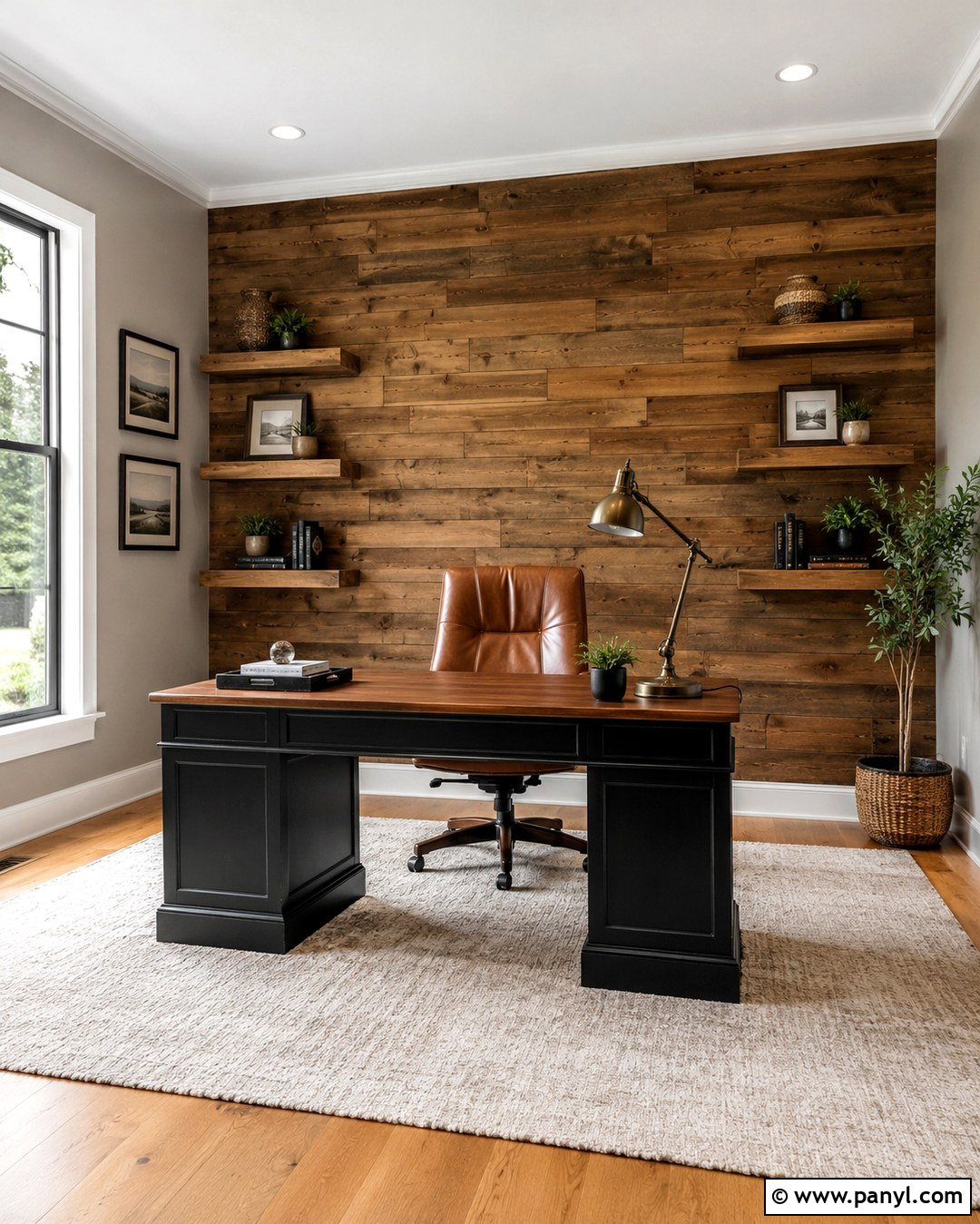
Provincial brown offers the familiar warmth of traditional furniture without becoming as dark as walnut. It is a practical choice for a home office because it adds depth while keeping the grain visible. Place the pallet wall behind a simple desk and install the boards in alternating lengths for an authentic reclaimed pattern. Soft greige side walls, medium oak flooring, and an ivory flat-weave rug keep the room balanced. Choose a black desk with a wood top, a cognac leather chair, and brushed bronze task lighting. Floating shelves stained to match can make the wall more useful without covering its texture. Finish with a few books and ceramic pieces, leaving open space so the complete office remains calm and organized.
6. Early American Pallet Wall
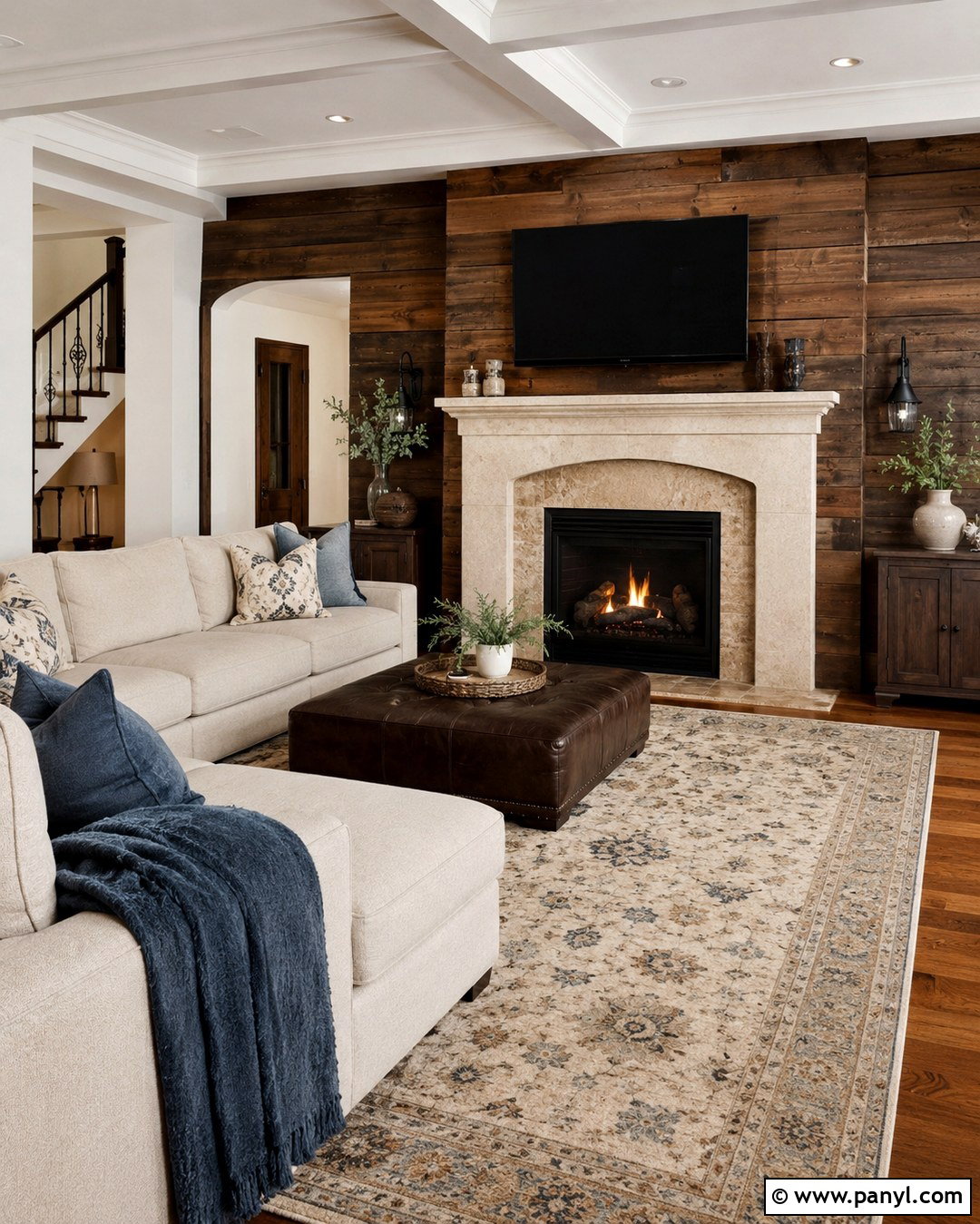
Early American stain creates a mellow brown finish with subtle amber undertones that works beautifully in traditional and rustic rooms. Build the look around a family room fireplace, covering the wall from floor to ceiling while leaving the firebox and mantel clearly defined. A simple limestone surround will lighten the wood and provide a durable focal point. Add a deep cream sectional, brown leather ottoman, patterned beige rug, and muted blue pillows. Warm white paint on adjoining walls keeps the medium-brown planks from closing in the space. Use black iron fireplace tools and understated framed artwork for definition. A matte finish is best because it maintains the aged quality of the pallet boards while reducing reflections around the television or fireplace lighting.
7. Special Walnut Pallet Wall
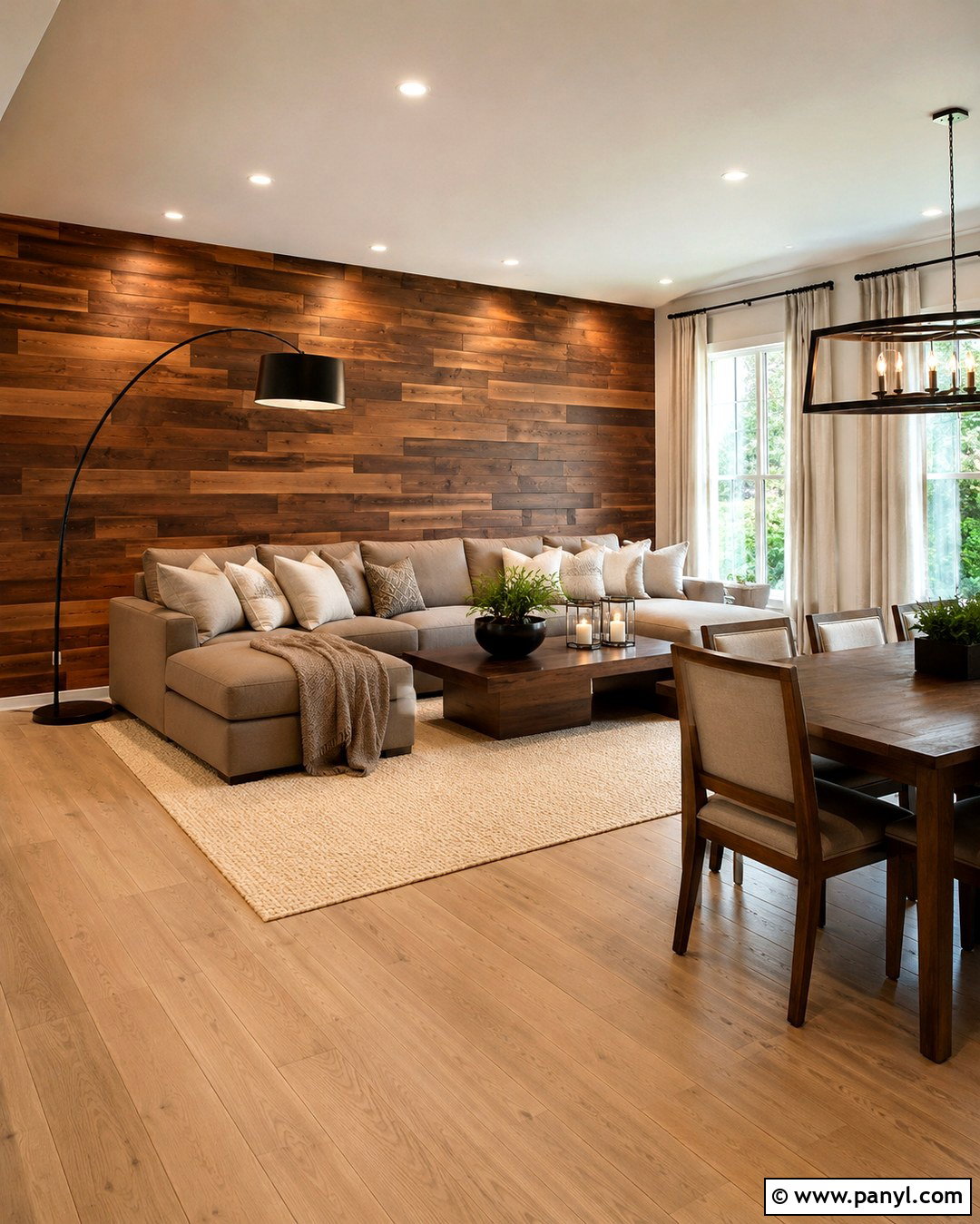
Special walnut stain delivers a versatile medium brown that can unify pallet boards with noticeably different natural colors. It suits an open living and dining space where the feature wall needs to feel refined rather than overly rugged. Sand the visible faces evenly, then install the boards in long horizontal runs behind a low-profile taupe sectional. Pair the wall with warm white paint, pale oak flooring, and a large ivory rug. Walnut dining furniture can repeat the color across the room, while matte black lighting adds modern structure. Keep textiles light with linen curtains, cream pillows, and a soft tan throw. Apply one thin coat first because porous boards may darken quickly. This complete palette creates a warm transitional room with subtle reclaimed texture.
8. Dark Walnut Pallet Wall
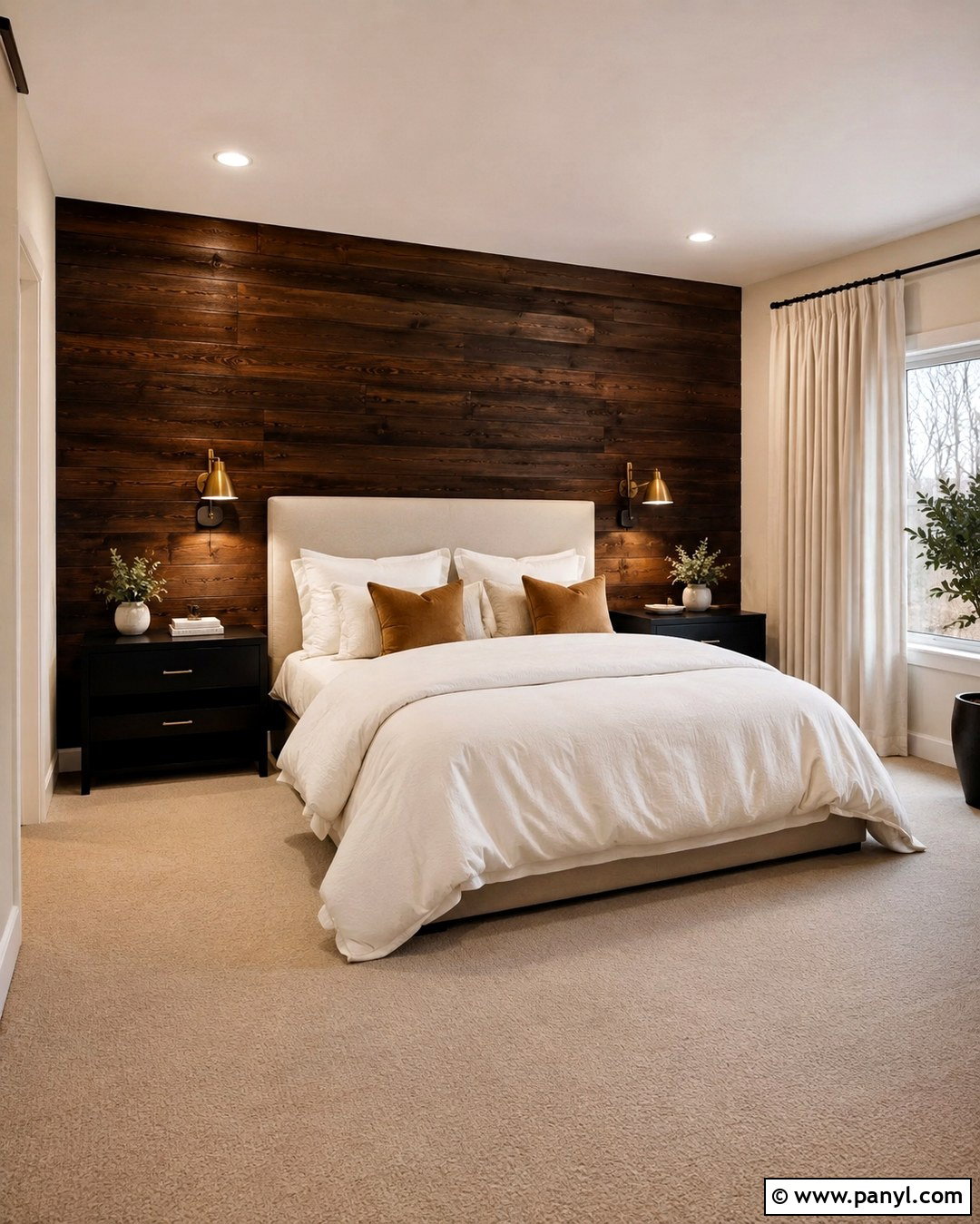
Dark walnut stain creates a rich chocolate-brown pallet wall that feels dramatic, tailored, and substantial. Use it behind a light upholstered headboard so the bed remains clearly outlined against the darker wood. Wider planks and a mostly uniform stain application will make the wall look more contemporary. Surround it with soft ivory paint, medium brown flooring, and a large beige rug to prevent the bedroom from feeling dim. Add white bedding, camel pillows, black nightstands, and brushed brass reading lights. Keep window treatments light and full length to introduce softness beside the rugged boards. A matte or low-satin sealer preserves the deep color without making the surface glossy. This combination works especially well in spacious bedrooms with generous natural light.
9. Espresso Pallet Wall
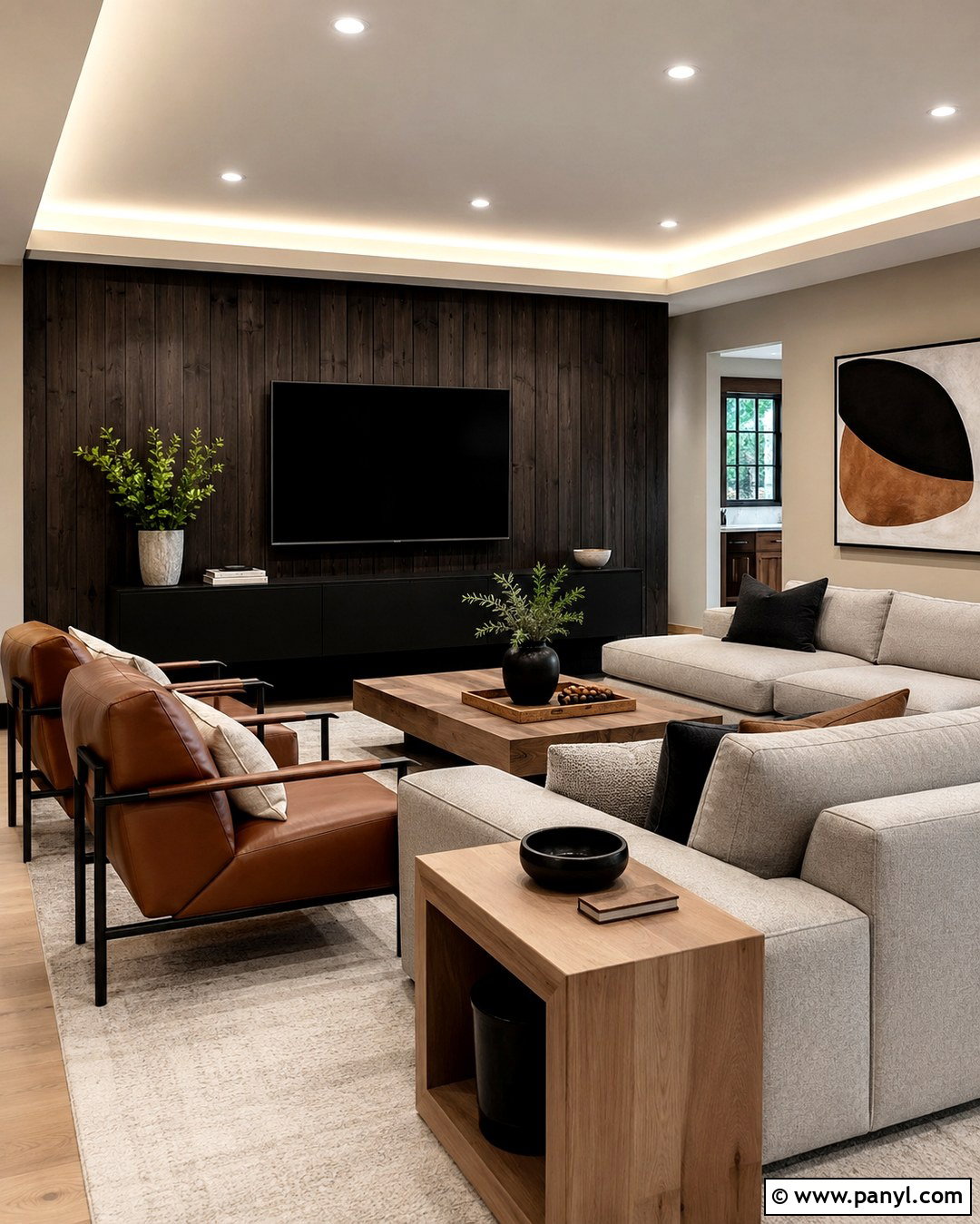
Espresso stain transforms pallet boards into a nearly black-brown architectural surface while allowing close-up grain and knots to remain visible. It makes a sophisticated backdrop for a media room or modern den. Install narrow planks vertically behind the television to create height and reduce the busy appearance that reclaimed wood can sometimes have. Use warm greige on nearby walls, a light gray sectional, and an ivory textured rug to balance the dark feature. A slim black console will blend into the pallet wall, keeping electronics visually organized. Add cognac leather chairs and light oak side tables for warmth. Concealed LED lighting along the ceiling can reveal the wall texture. Choose a matte topcoat to control glare and maintain the deep espresso finish.
10. Ebony Pallet Wall
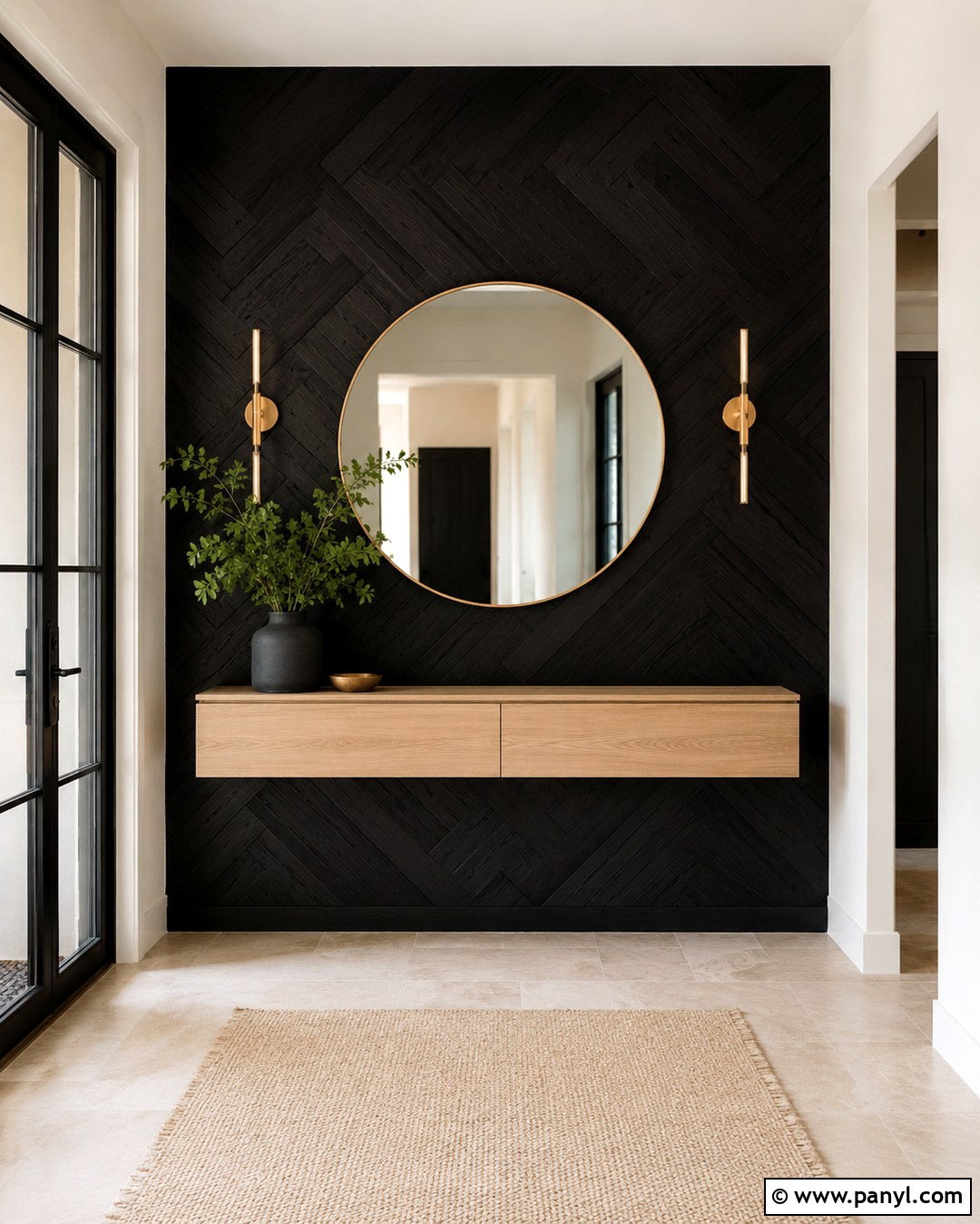
Ebony stain creates the boldest pallet wall, combining black color with faint variations in the underlying wood grain. This finish works well in a contemporary entry where a compact surface can make a strong first impression. Cover the wall behind a floating white oak console and arrange the boards in a clean herringbone pattern. Paint the remaining walls bright warm white and use pale stone flooring to keep the entry open. A large round mirror, slim brass sconces, and a neutral runner soften the black background. Limit small accessories to a ceramic bowl, a simple vase, and one leafy plant. Careful sanding is important because rough areas may absorb too much pigment. A clear matte sealer will protect the wall while preserving its understated texture.
11. Charcoal Gray Pallet Wall
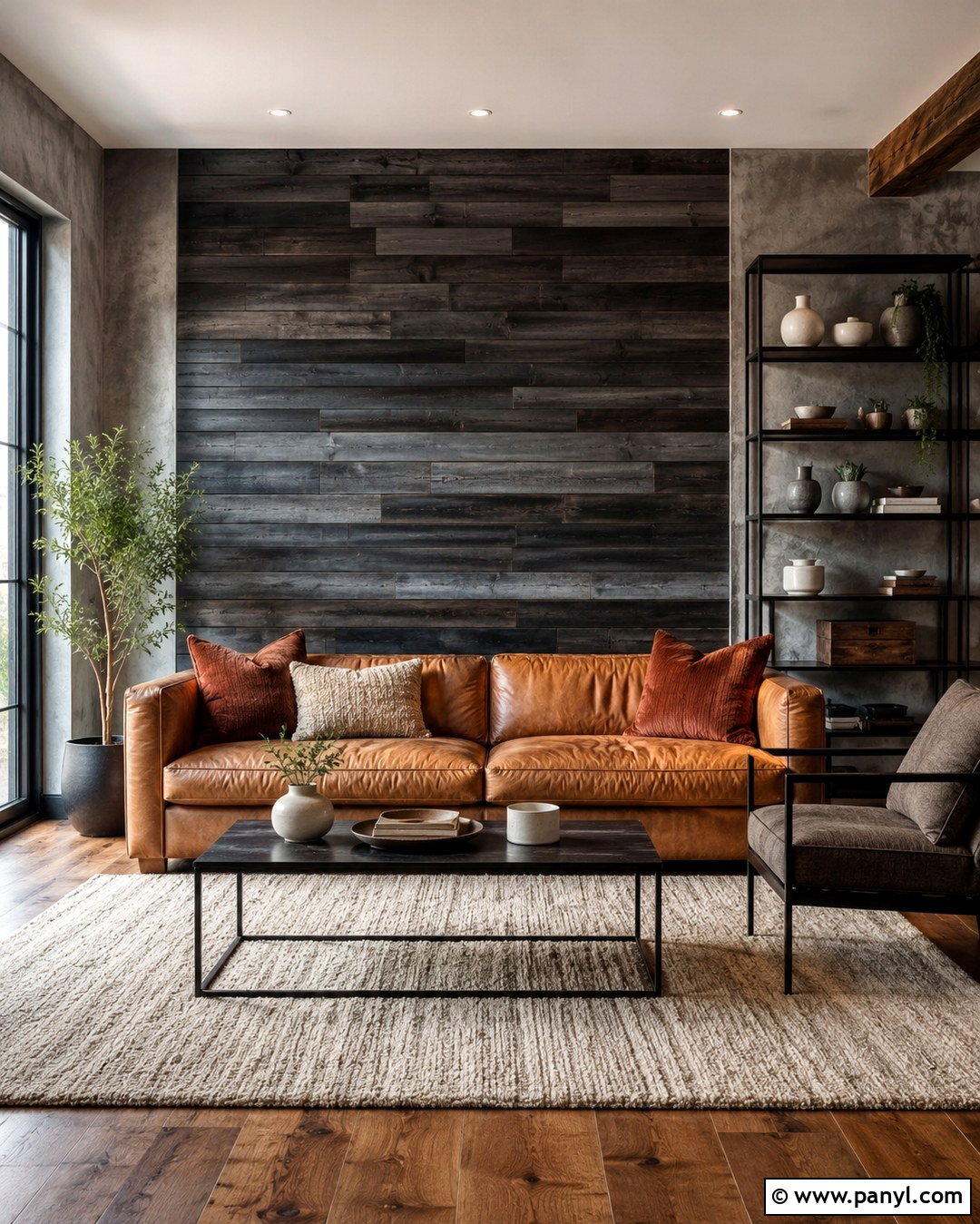
Charcoal gray stain introduces cool depth without completely covering the reclaimed grain. Create a modern industrial living room by installing the boards horizontally behind a streamlined camel leather sofa. Soft concrete-gray walls, medium oak flooring, and a cream wool rug will prevent the room from appearing cold. Use matte black shelving, an iron coffee table, and simple white ceramics to reinforce the clean palette. Rust-colored pillows can add controlled warmth without competing with the wall. Blend a few slightly lighter gray boards among the charcoal pieces to emphasize the pallet construction. Select a stain with semi-transparent coverage, then finish with a flat protective coating. This look feels structured and modern while preserving enough variation to celebrate the wood’s original character.
12. Weathered Gray Pallet Wall
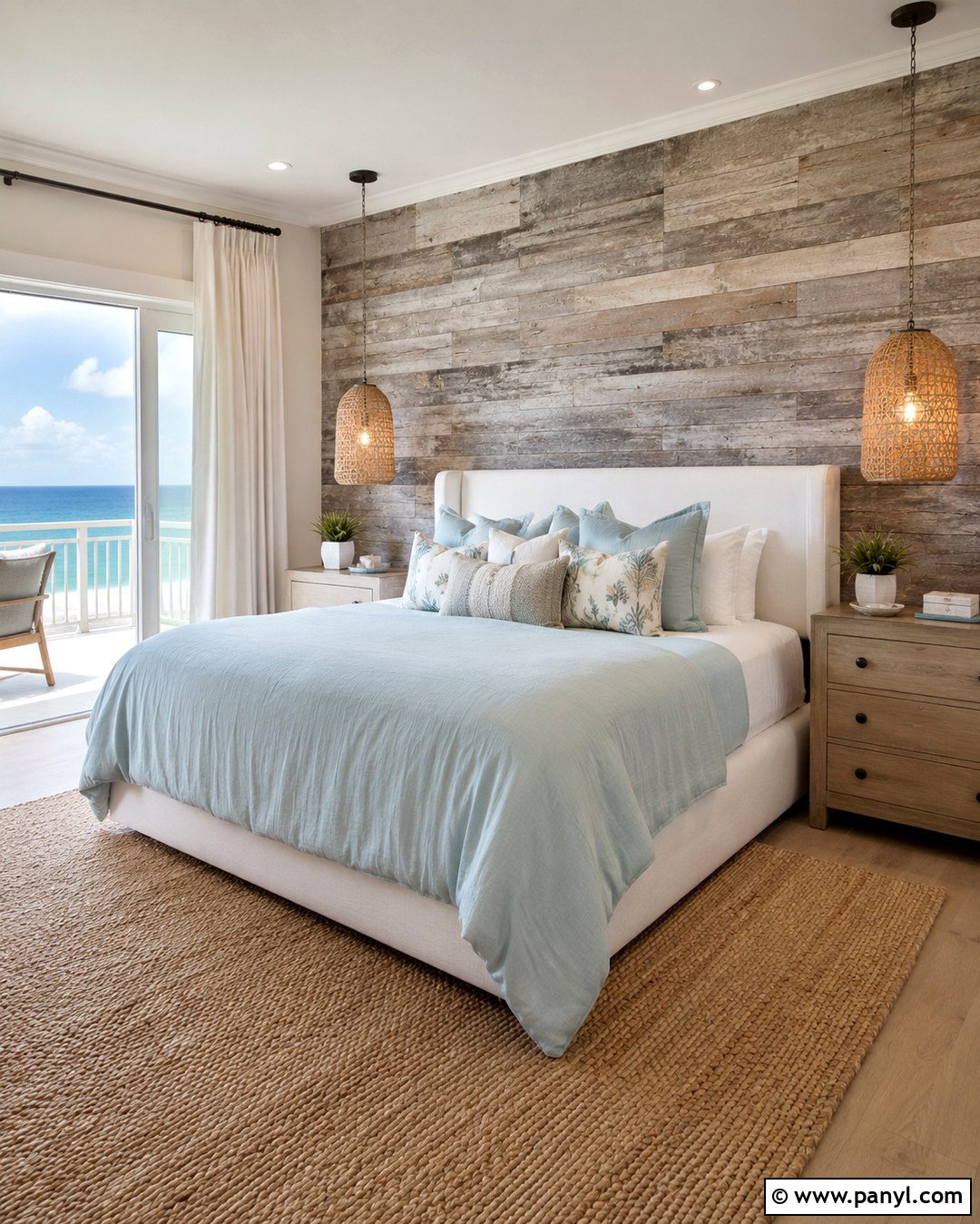
Weathered gray stain gives fresh pallet boards the silvery appearance of wood naturally aged outdoors. It is an appealing choice for a coastal bedroom when paired with soft colors and comfortable materials. Install mixed-width planks behind a white upholstered bed, allowing gray, taupe, and faint beige undertones to remain visible. Paint the surrounding walls a gentle warm white rather than a cool blue-white. Add pale blue bedding, sand-colored pillows, bleached oak nightstands, and woven pendant lights. A light beige rug will warm the overall palette. Apply the gray stain lightly with a cloth so the wall does not become flat or opaque. Finish with a clear matte coat, keeping the grain, knots, and rough visual texture central to the completed room.
13. Driftwood Pallet Wall
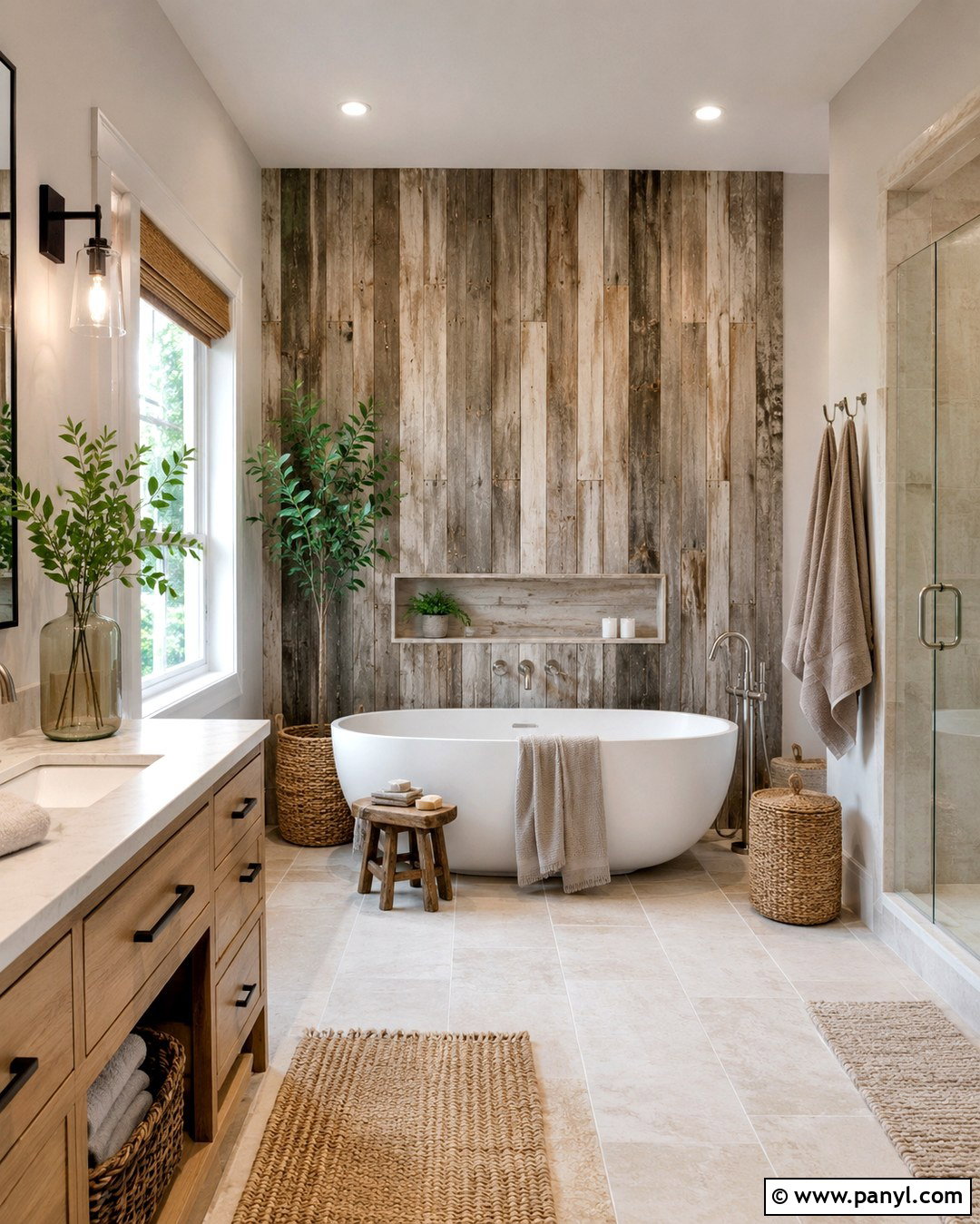
Driftwood stain combines soft gray, faded brown, and muted beige for a relaxed neutral pallet wall. Use it in a bright bathroom behind a freestanding white tub, provided the boards are properly sealed and positioned away from direct water contact. A vertical layout can make the ceiling feel taller while giving the rustic wood a more tailored appearance. Pair it with warm white walls, pale limestone-look tile, a light oak vanity, and brushed nickel fixtures. Add oatmeal towels, woven storage baskets, and simple greenery to complete the natural palette. Apply stain unevenly across selected boards to recreate the varied look of sun-washed timber. Several moisture-resistant clear coats will help protect the wall while maintaining its soft, low-sheen driftwood appearance.
14. Whitewashed Pallet Wall
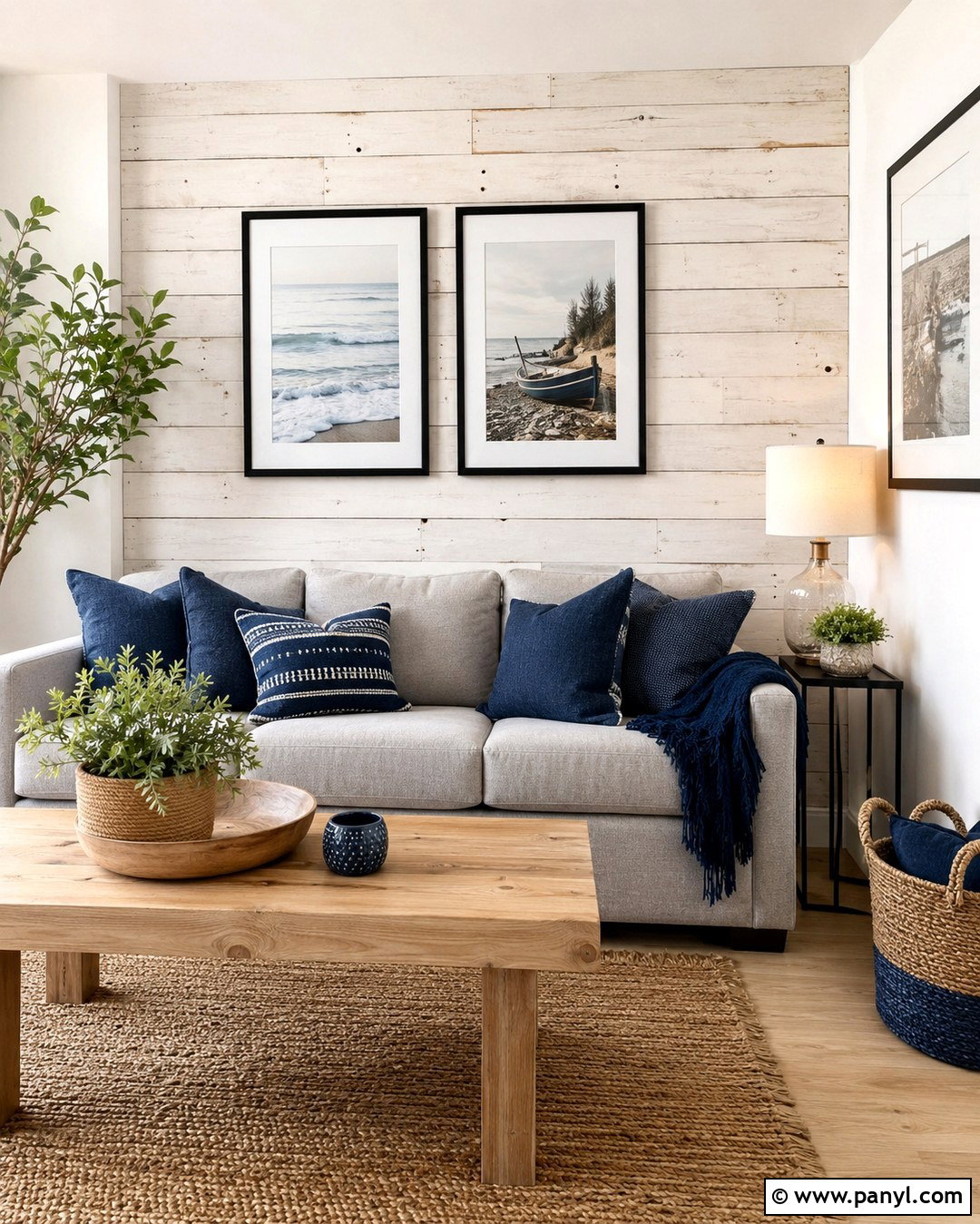
A whitewashed stain softens busy pallet boards while allowing knots, grain, and small color changes to show through. This finish is ideal for a compact living room because it adds texture without making the wall visually heavy. Cover the wall behind a light gray sofa and arrange the planks horizontally for a wider appearance. Warm white side walls, pale oak flooring, and a natural woven rug create a bright foundation. Introduce muted navy pillows, a light wood coffee table, and black picture frames for definition. Apply the white stain in thin layers, wiping each board before it dries to avoid an opaque painted effect. Seal it with a non-yellowing matte product. The completed room feels casual, airy, and more polished than unfinished reclaimed wood.
15. Greige Pallet Wall
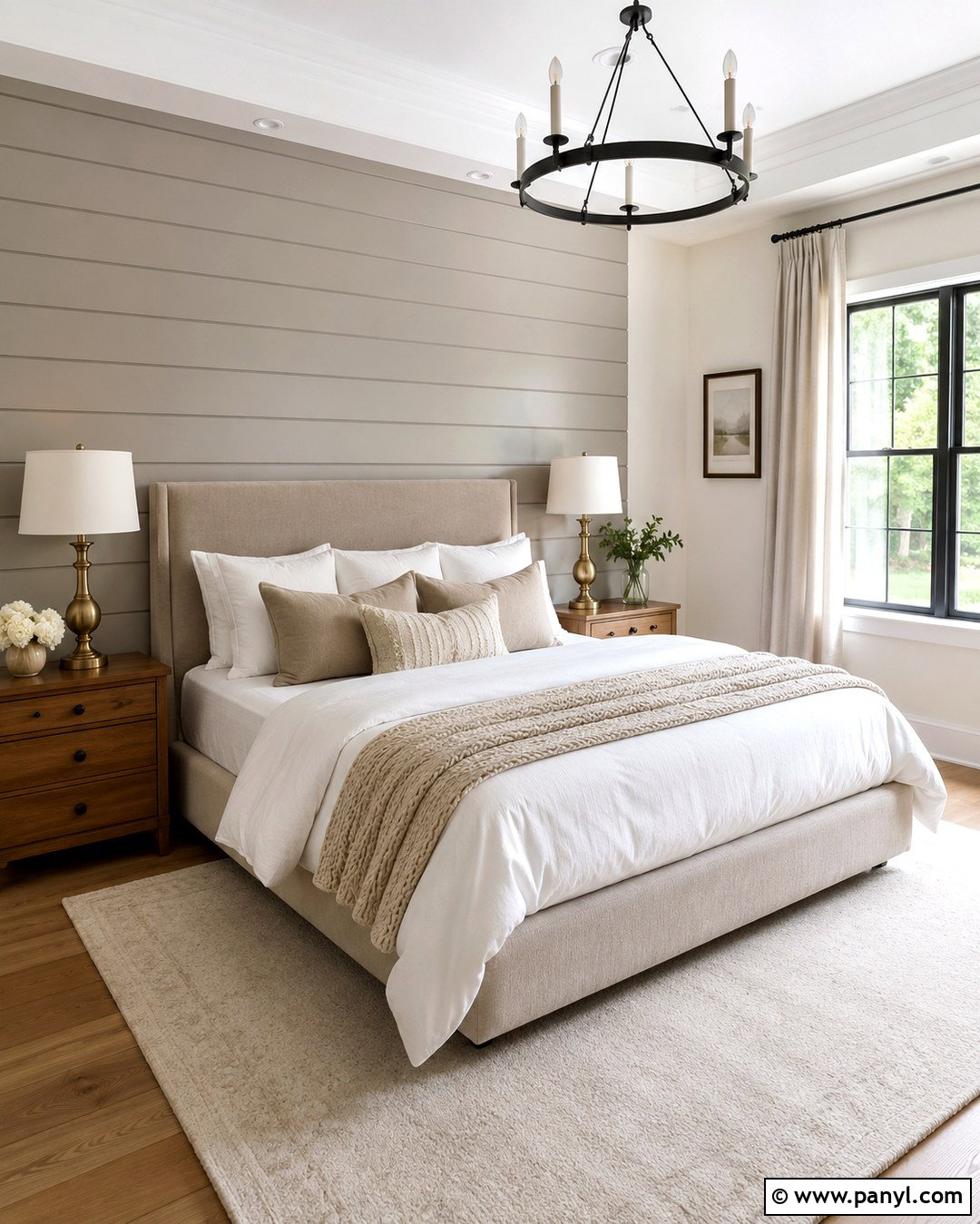
Greige stain blends gray and beige, making it one of the easiest pallet wall colors to coordinate with existing neutral furnishings. Create a calm transitional bedroom with the greige planks installed in an orderly horizontal layout behind the bed. Pair them with creamy walls, a taupe upholstered headboard, white bedding, and layered beige textiles. Medium oak nightstands will add warmth without clashing with the gray undertones. Use antique brass lamps and soft black curtain rods for restrained contrast. A large ivory rug can connect the bed area to medium-toned hardwood flooring. Choose a semi-transparent stain that tones down orange wood while preserving visible grain. Testing is essential, since naturally red pallet boards may require a light conditioning coat before the greige color is applied.
16. Warm Taupe Pallet Wall
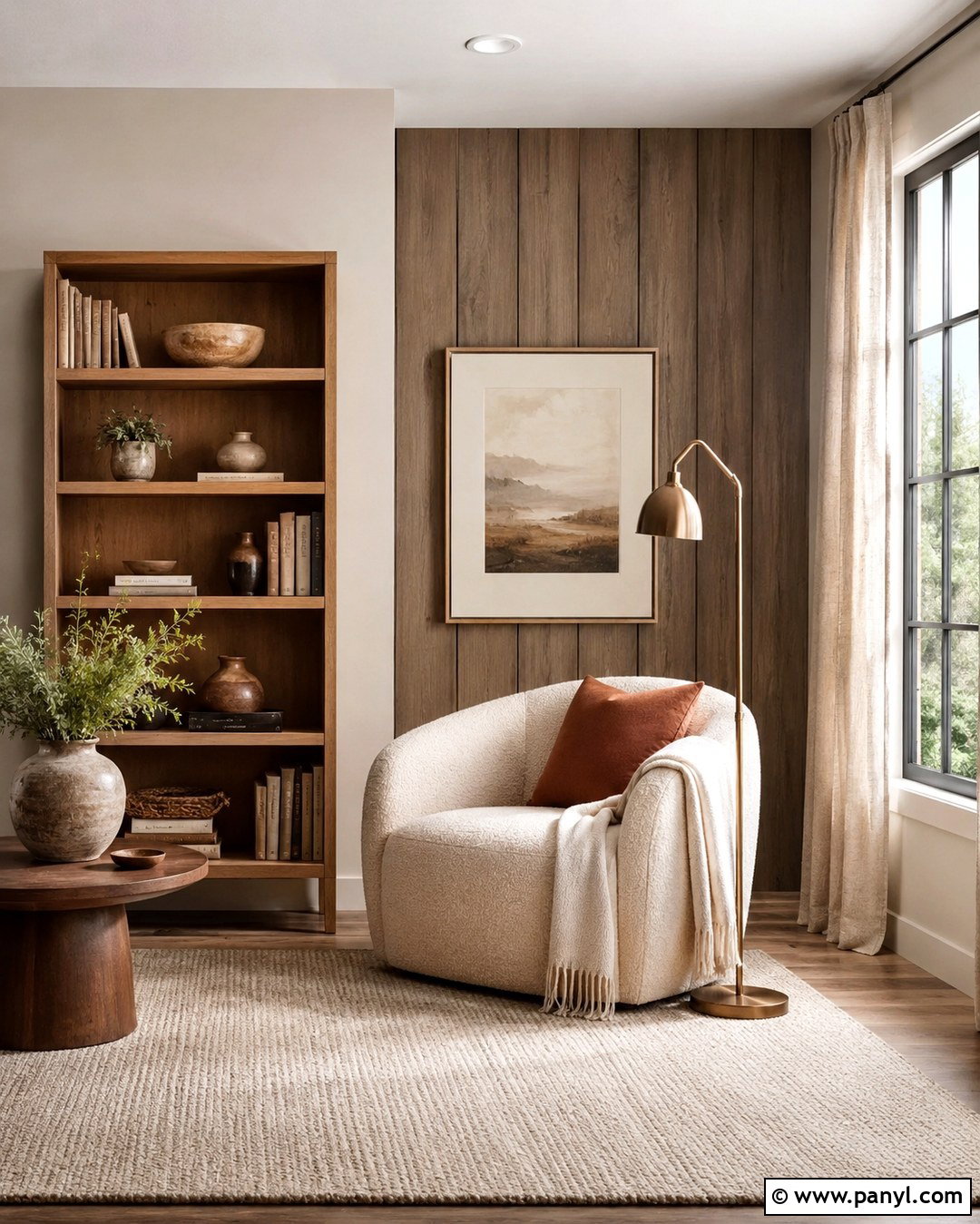
Warm taupe stain creates an earthy brown-gray wall that sits comfortably between light driftwood and deeper walnut. It works beautifully in a quiet reading room where softness matters more than high contrast. Cover one wall with vertically installed pallet boards and place a cream boucle chair near a slim oak bookcase. Paint the other walls a pale mushroom shade to build a tonal, enveloping palette. Add an oatmeal rug, bronze floor lamp, linen curtains, and muted terracotta pillows for gentle warmth. Keep the ceiling and trim soft white so the room still feels fresh. Apply the stain evenly, but retain a few lighter boards to reveal the reclaimed construction. A matte water-based sealer will protect the finish without changing its balanced taupe color.
17. Sage Green Pallet Wall
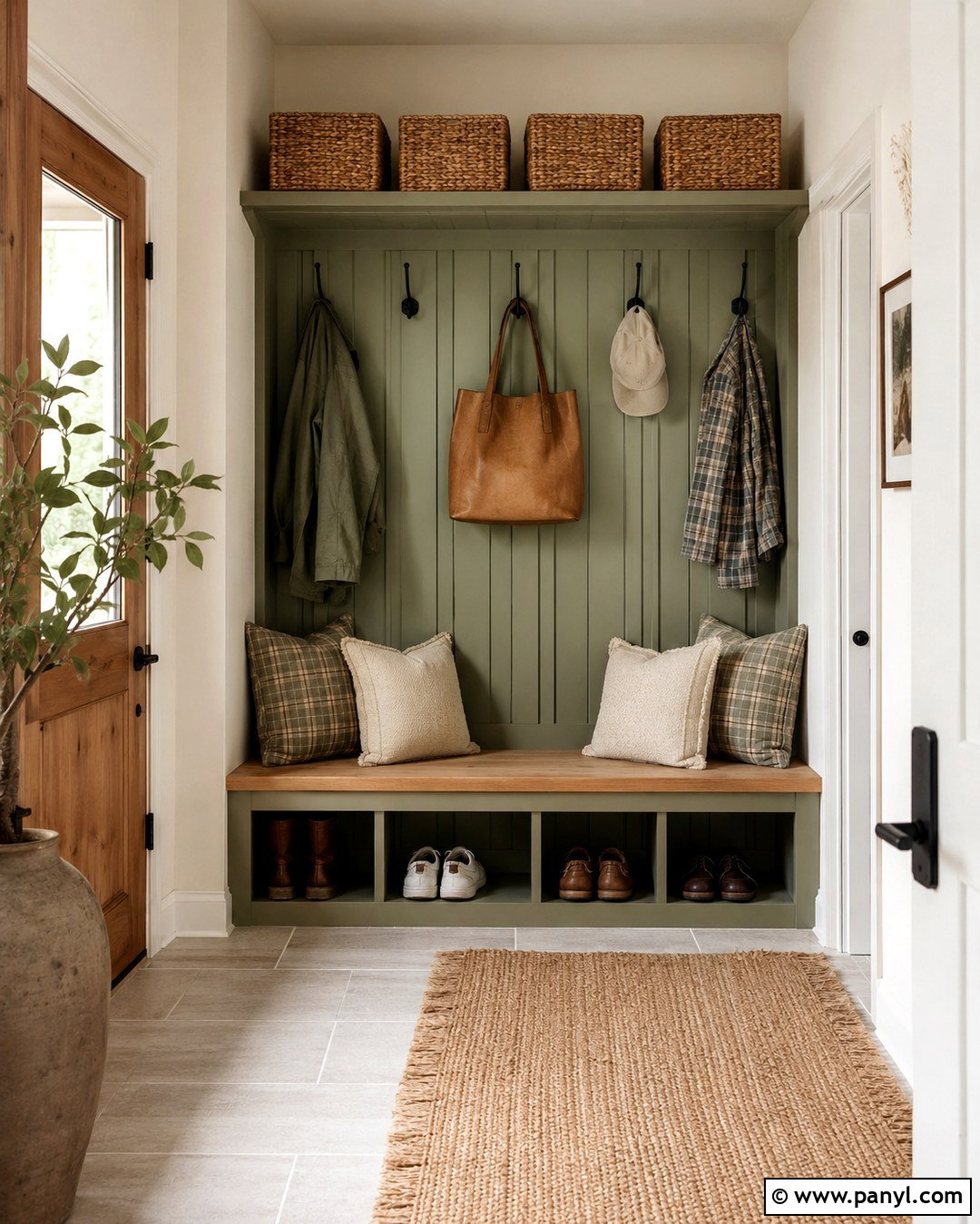
Sage green stain brings subdued color to pallet wood while keeping the grain visible beneath the finish. Use it in a mudroom where the natural green creates an easy connection with outdoor spaces. Install the boards vertically behind a built-in oak bench with open shoe storage and black coat hooks. Warm white walls, light stone-look flooring, and woven baskets keep the practical room bright. Add cream seat cushions and a few muted plaid pillows to make the bench comfortable. Choose a dusty, warm sage rather than a bright green so the wall complements the reclaimed texture. Semi-transparent coverage will produce slight variations from board to board. Protect the lower portion with a washable low-sheen topcoat, especially where shoes, bags, and jackets may touch the surface.
18. Slate Blue Pallet Wall
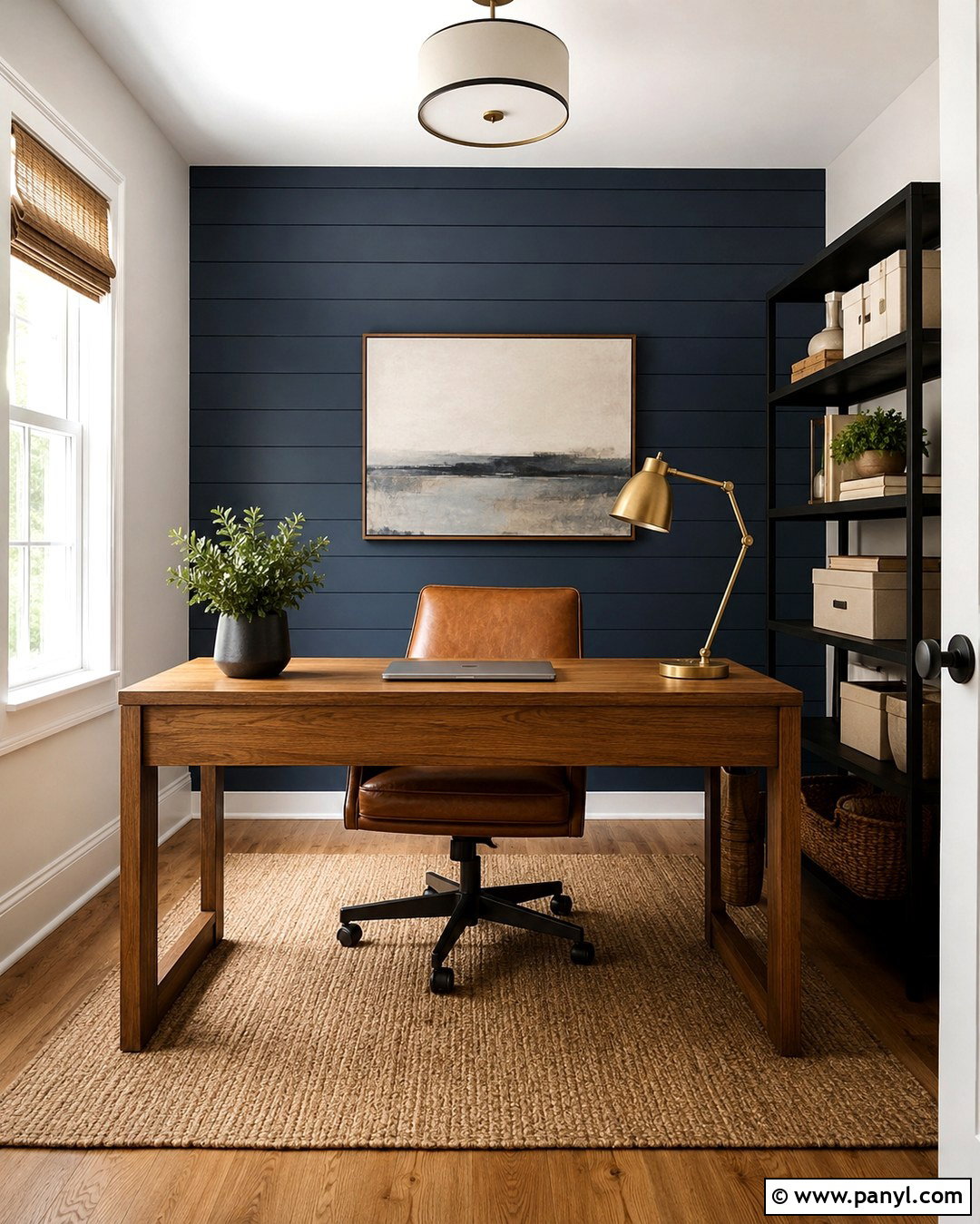
Slate blue stain adds a cool blue-gray layer while showcasing the knots and uneven grain that make pallet walls distinctive. Build a complete home office around this finish by installing the boards horizontally behind a warm oak desk. Paint adjoining walls soft white and use a light natural rug over medium oak flooring. A cognac leather chair, matte black shelving, and brushed brass desk lamp balance the cool wall color. Keep storage boxes and accessories in navy, cream, and natural fiber tones for a coordinated appearance. Vary the stain strength slightly across several boards so the finished wall does not resemble flat painted paneling. A clear matte topcoat will maintain the muted slate color and protect the wood from everyday scuffs around the workspace.
19. Redwood Pallet Wall
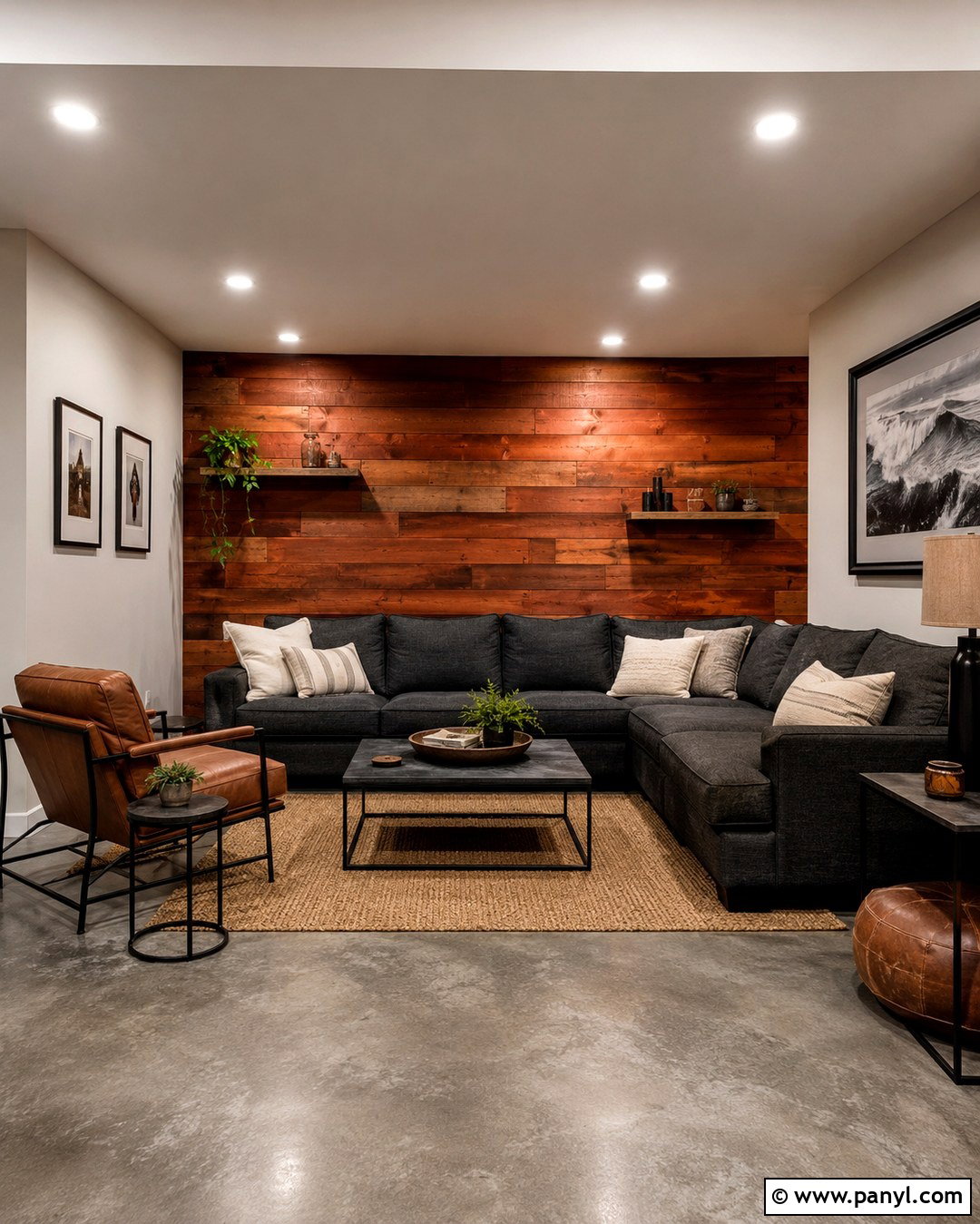
Redwood stain creates a warm red-brown pallet wall with the richness associated with cedar cabins and outdoor structures. Use it in a rustic-modern basement lounge where the strong color can be balanced with neutral furnishings. Install mixed-width boards behind a charcoal sectional, spacing darker and lighter pieces across the surface. Cream walls, polished concrete flooring, and a large tan rug will prevent the red tones from dominating. Add black metal tables, cognac leather accents, and simple linen pillows. Warm white recessed lighting will reveal the grain without exaggerating orange undertones. Apply the stain sparingly and wipe excess pigment from naturally red boards. Finish with a matte clear coat to create a durable, inviting wall that still feels authentically reclaimed.
20. Mixed Stain Pallet Wall
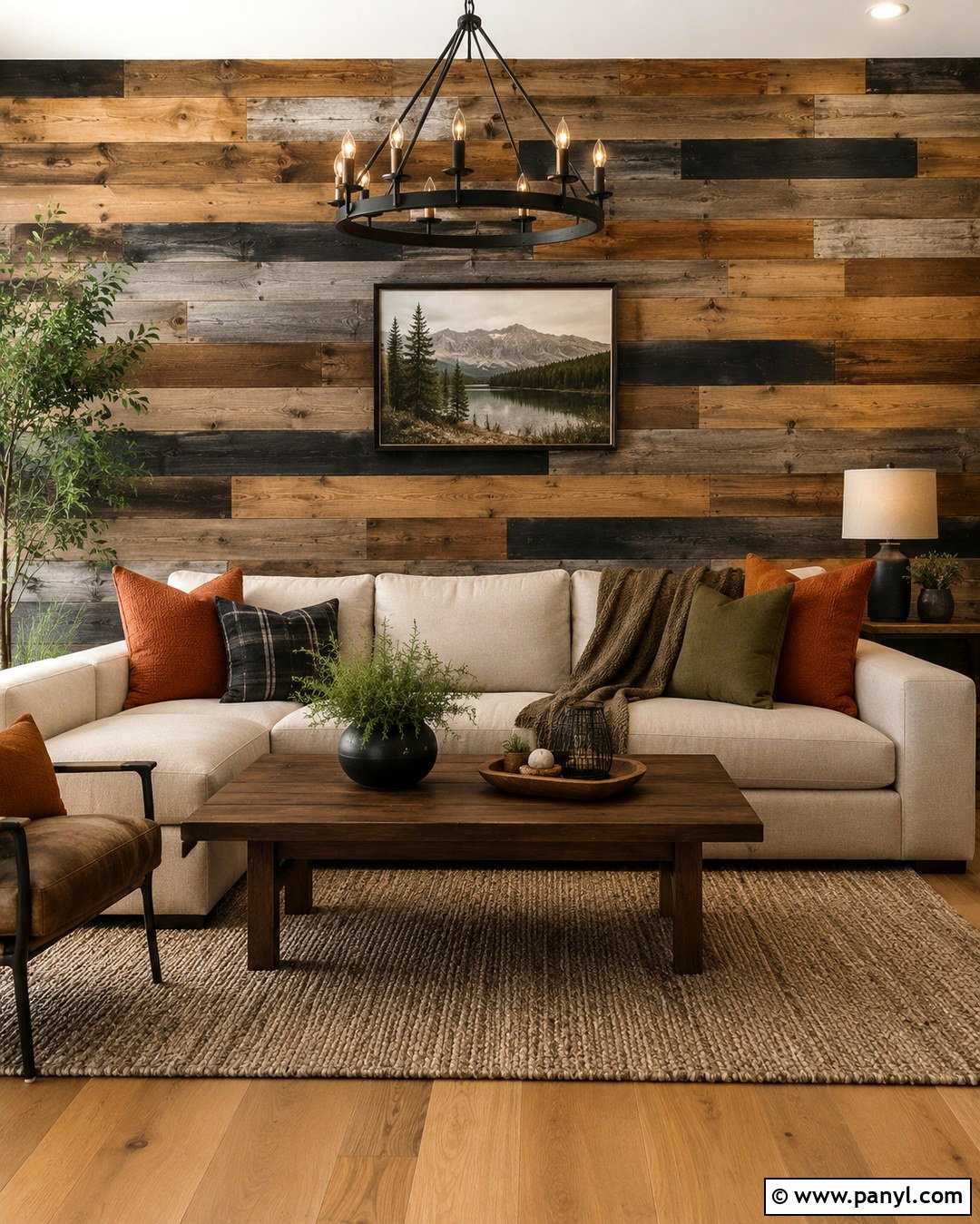
A mixed stain pallet wall combines several related wood tones for a layered reclaimed appearance. Limit the palette to natural oak, weathered gray, medium walnut, and a few charcoal boards so the finished wall remains cohesive. Lay every plank on the floor first, distributing the darkest colors evenly before installation. Use the design behind a simple cream sofa in a casual family room. Warm white walls, medium oak flooring, and a large beige rug will support the multicolored wood without introducing more visual competition. Choose black lighting, a walnut coffee table, and solid-color pillows in rust and olive. Repeat each stain at regular intervals and avoid placing too many dark boards together. A consistent matte topcoat will unify the varying colors and sheen levels.
Conclusion:
The best pallet wall stain does more than color reclaimed wood. It connects the feature wall to the room’s flooring, furniture, lighting, and overall atmosphere. Light oak, whitewash, driftwood, and greige keep smaller spaces open, while walnut, espresso, ebony, and charcoal create stronger contrast. Colored stains such as sage green and slate blue offer personality without completely hiding the grain. Before committing, clean and sand the boards, test each finish on multiple pieces, and view the samples throughout the day. Remember that different boards may absorb the same product unevenly. That variation is part of the appeal. Use these 20 Pallet Wall Stain Colors to create a complete, coordinated space with authentic reclaimed character.

Related Ideas and Inspiration:
Leave a Reply