
A well-planned accent wall can give an ordinary room a clear focal point without requiring a complete renovation. The best projects connect wall color, texture, furniture, lighting, and decor so the finished space feels intentional rather than unfinished. These 20 DIY accent wall ideas include approachable paint treatments, removable wallpaper, wood trim, dimensional panels, fabric, cork, and practical storage. Some can be completed in an afternoon, while others make satisfying weekend woodworking projects. Before beginning, measure carefully, test colors in the room’s natural light, and map out every pattern with painter’s tape. Choose a wall that already attracts attention, such as the surface behind a bed, sofa, dining table, or desk. Explore these 20 DIY accent wall ideas to find a complete look that suits your room, experience level, and budget.

1. Painted Color Block Accent Wall
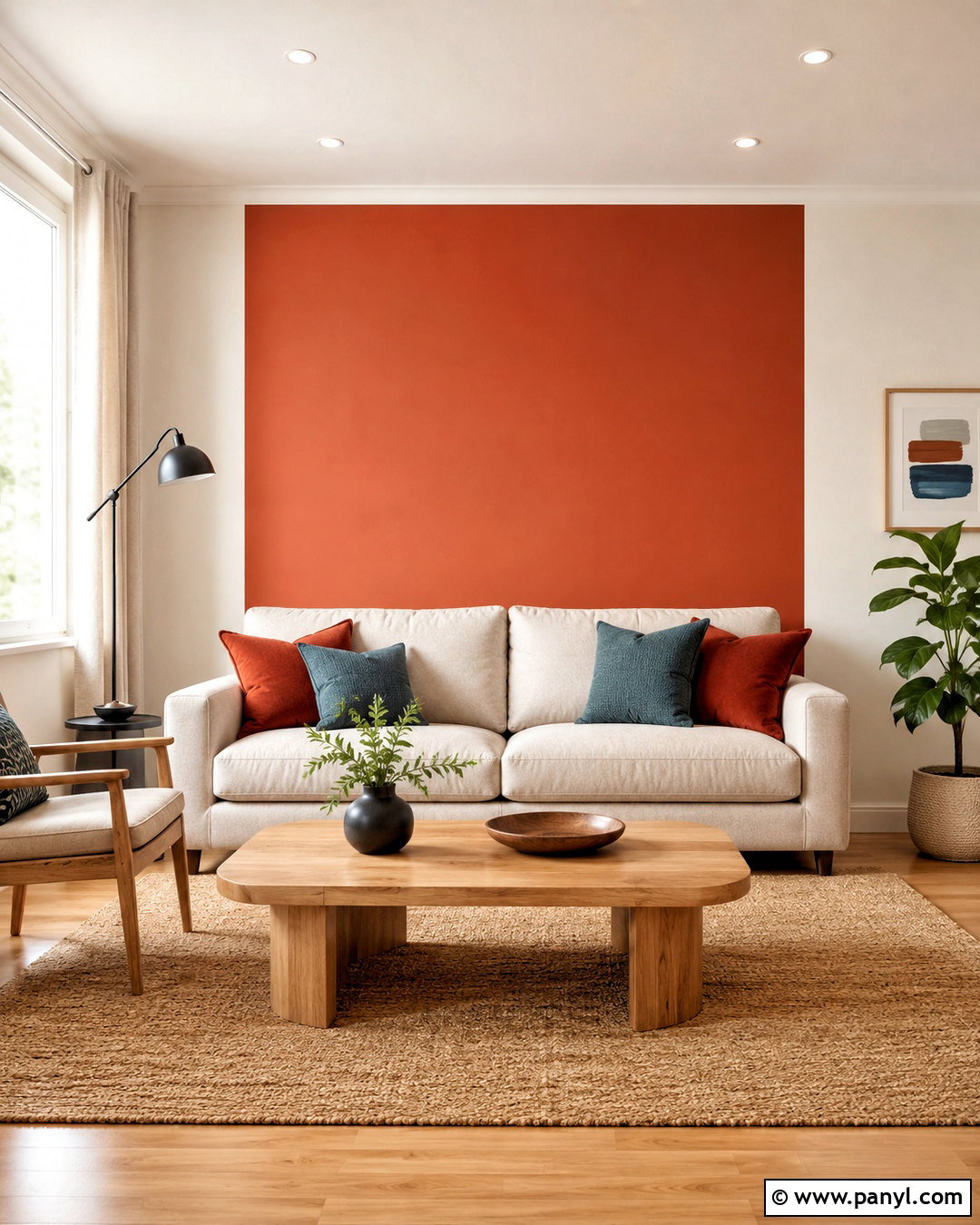
A painted color block creates architectural interest using little more than paint and careful planning. In a modern living room, paint a large warm terracotta rectangle behind a low cream sofa while leaving a wide border of soft white around it. Center the shape with the furniture instead of the entire wall so the layout feels balanced. Add an oak coffee table, woven rug, black floor lamp, and pillows in rust, tan, and muted blue. Use a level, tape measure, and quality painter’s tape to make clean lines. Press the tape firmly before painting, then remove it while the final coat is slightly damp. This simple accent wall looks especially polished when its dimensions visually frame the sofa and nearby artwork.
2. Board And Batten Accent Wall
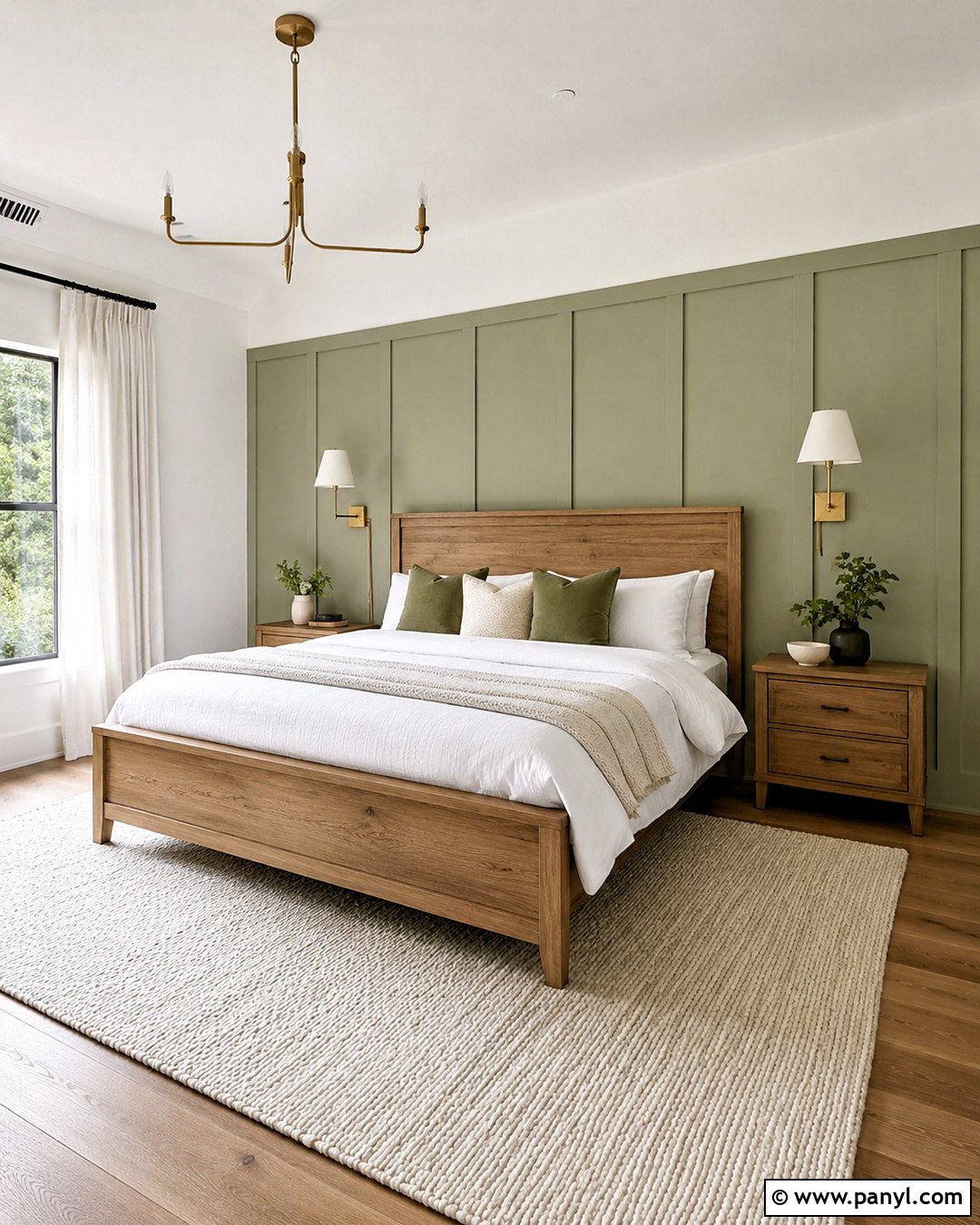
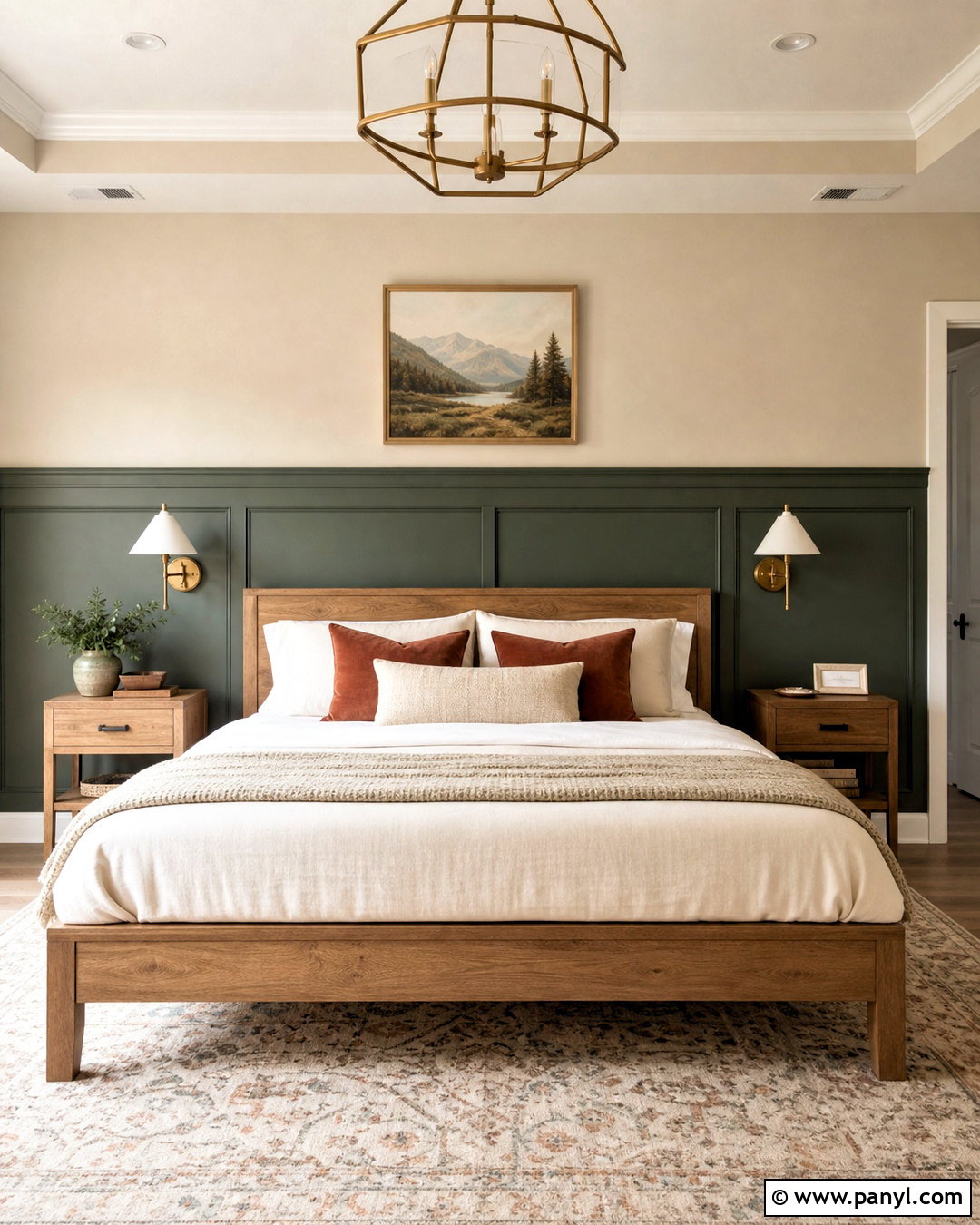
Board and batten can turn a plain bedroom into a tailored, comfortable retreat. Install evenly spaced vertical MDF strips from the baseboard to a horizontal top rail, filling holes and caulking seams before painting everything one color. A muted sage green finish creates a calming backdrop for a natural oak bed with white bedding and olive accents. Position the top rail about two-thirds of the way up the wall, leaving the upper portion warm white to keep the room feeling open. Complete the look with matching nightstands, simple brass sconces, linen curtains, and a textured cream rug. Plan the batten spacing around electrical outlets before cutting. This helps the finished accent wall appear symmetrical and professionally installed rather than awkwardly interrupted.
3. Vertical Slat Wood Accent Wall
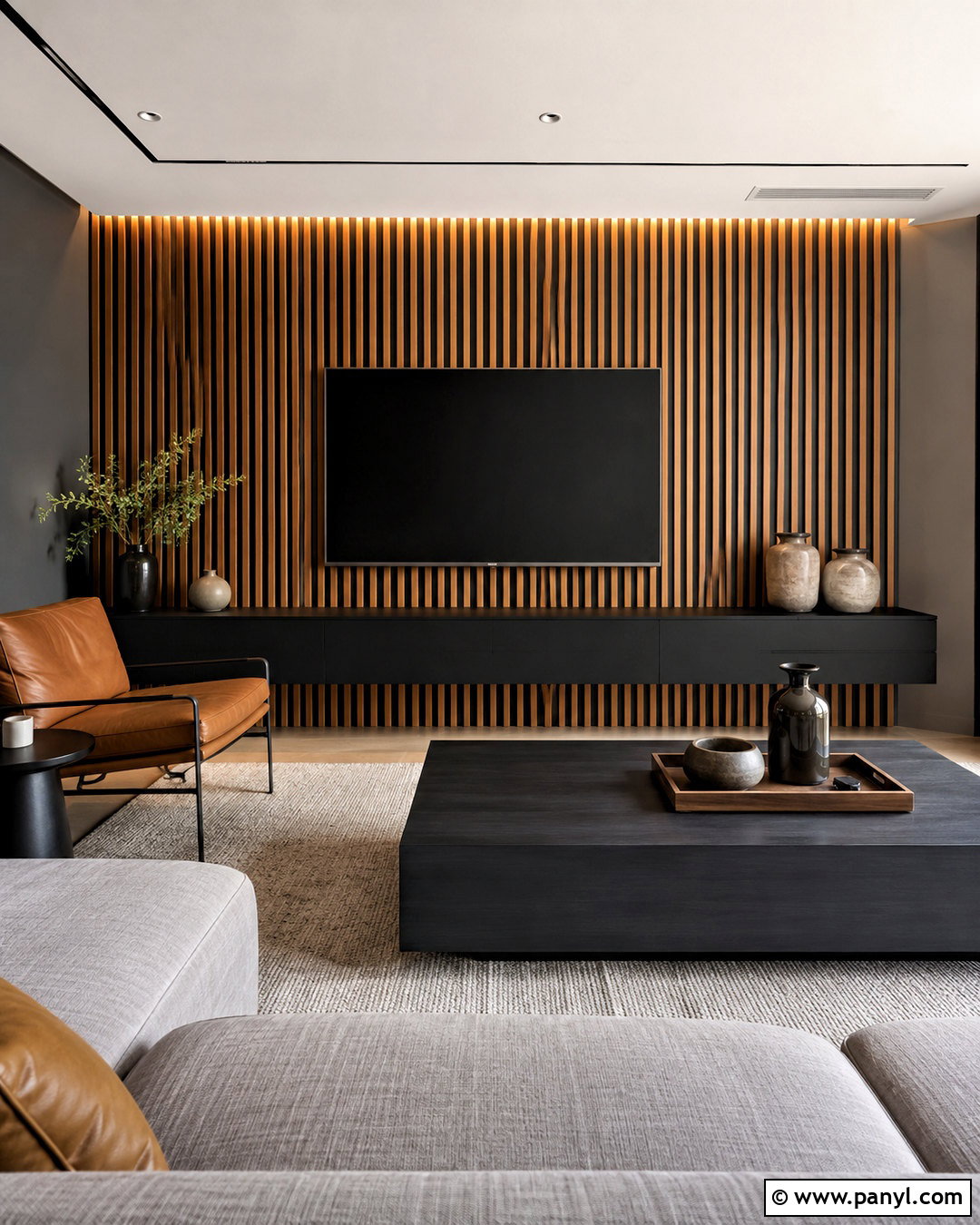
Slim vertical wood slats bring warmth and rhythm to a contemporary TV room. Start with a matte charcoal wall, then attach narrow oak strips with consistent gaps so the darker background remains visible. Cover the full wall or create a wide centered section that extends slightly beyond the media console. A floating black cabinet keeps the floor clear, while a light gray sectional, caramel leather chair, and neutral rug soften the strong lines. Conceal media cables before installing the wood, and use a spacer block to maintain even spacing. Clear matte sealer preserves the oak’s natural appearance without adding shine. Warm white lamps, a few ceramic accessories, and one leafy plant complete this DIY accent wall without competing with its linear texture.
4. Peel And Stick Wallpaper Accent Wall
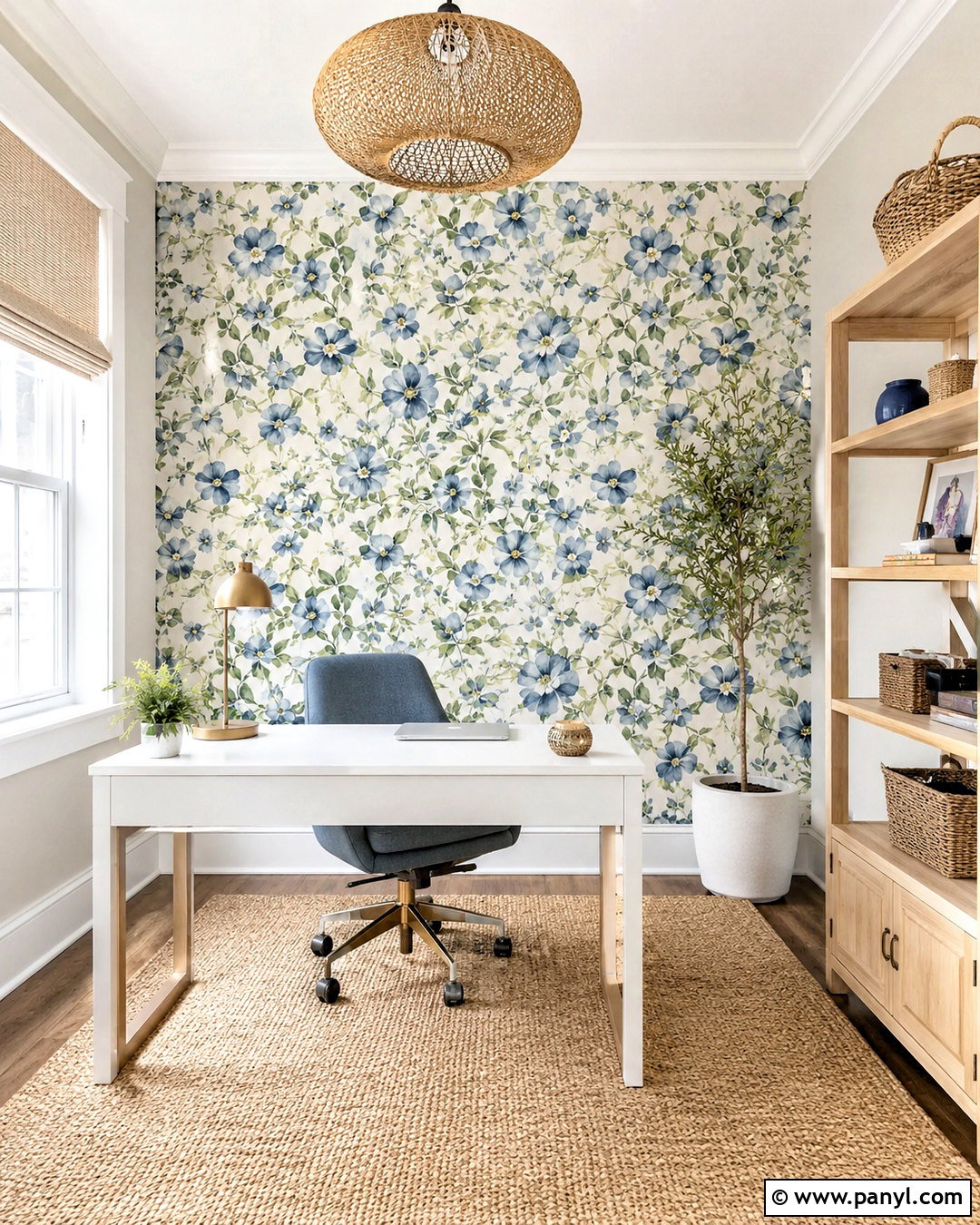
Peel-and-stick wallpaper offers a colorful transformation without permanent construction. For a cheerful home office, cover the wall behind the desk with a botanical pattern featuring soft green leaves, dusty blue flowers, and a warm cream background. Pair it with a simple white desk, an upholstered blue chair, light oak shelves, and woven storage baskets. Keep the remaining walls pale cream so the pattern remains the main focal point. Begin installation at the center or a carefully leveled edge, depending on the pattern, and smooth each section gradually to reduce bubbles. Match the design before trimming around outlets and baseboards. A brass desk lamp, linen window shade, and minimal framed artwork create a complete workspace that feels fresh, organized, and comfortably layered.
5. Geometric Tape Paint Accent Wall
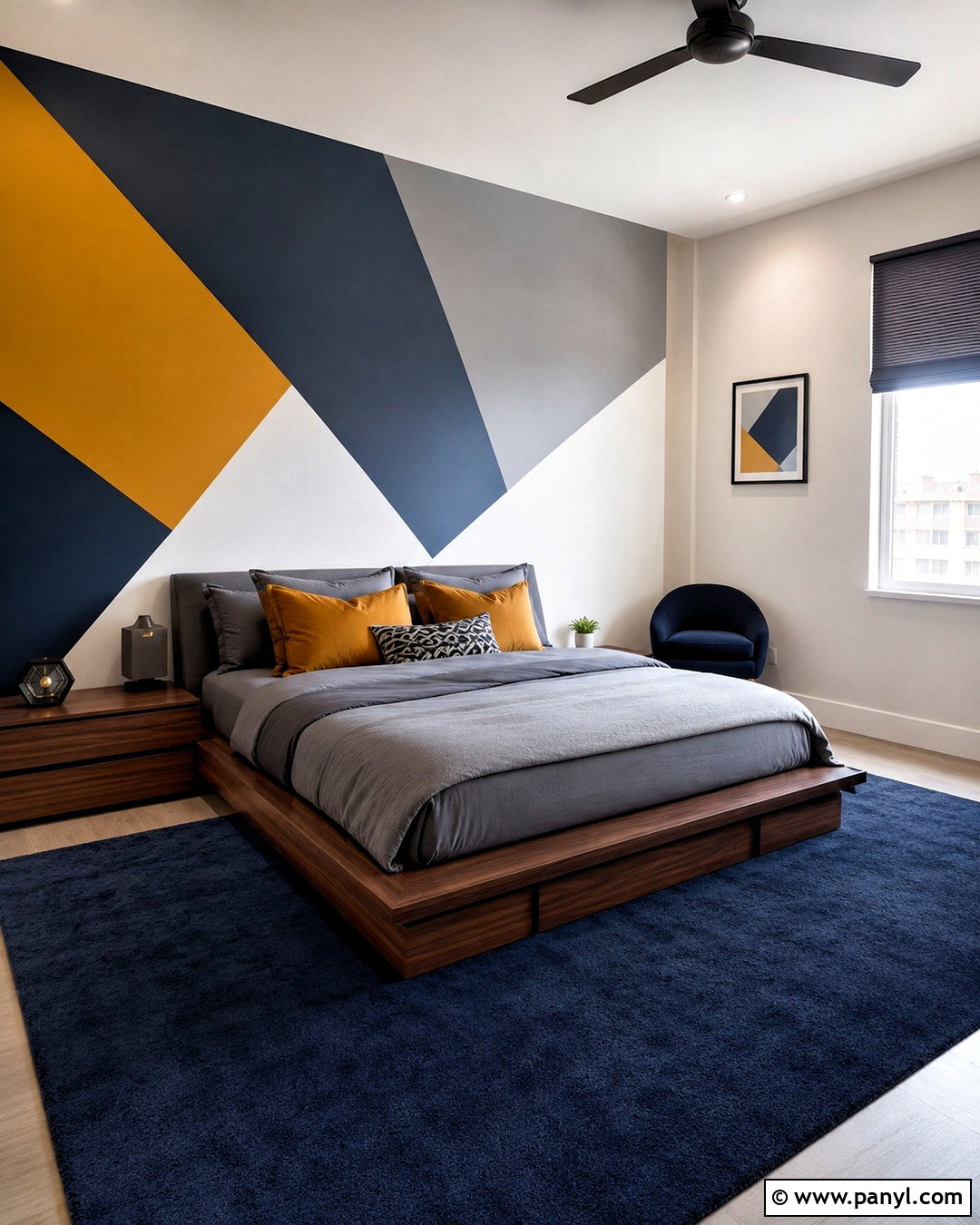
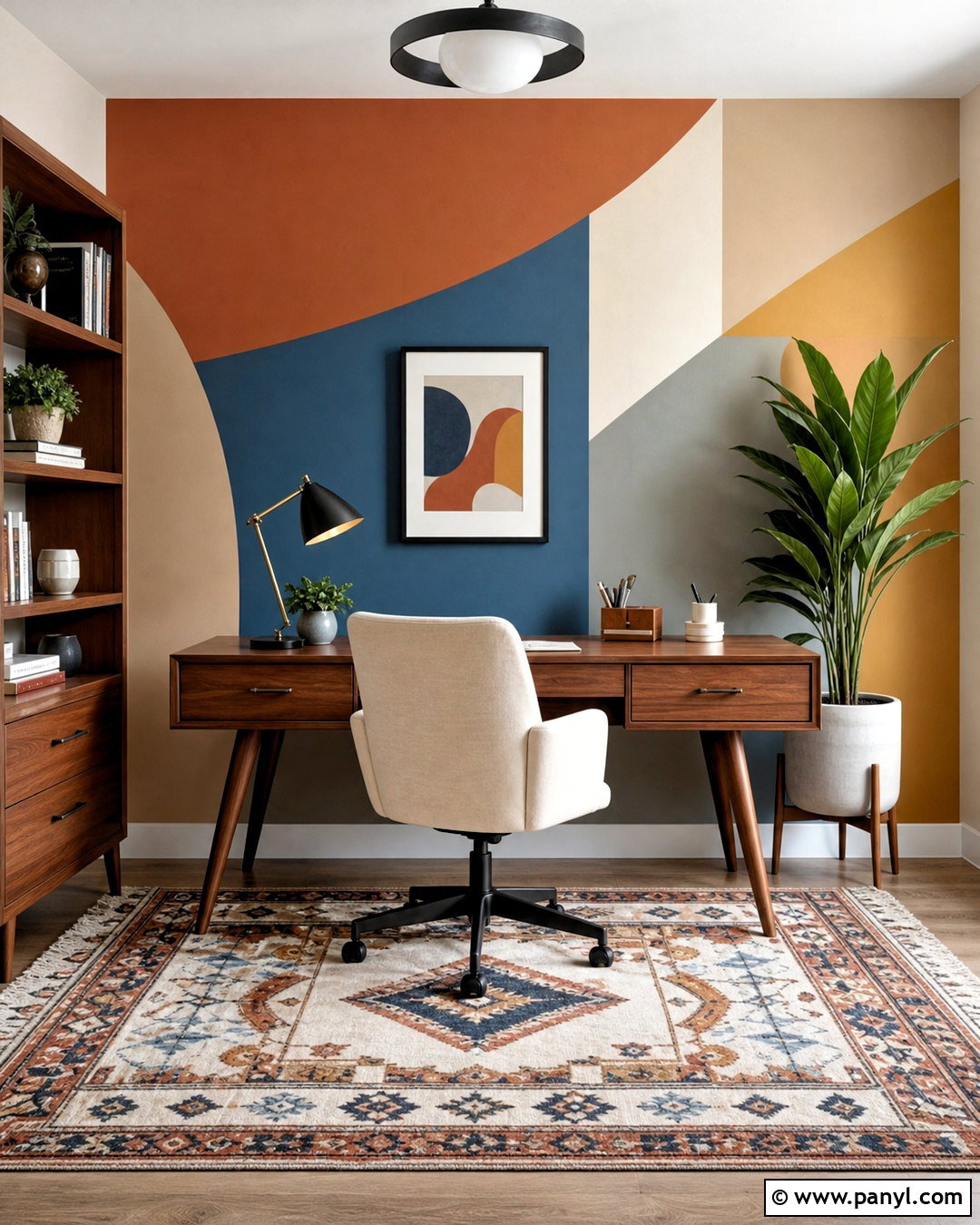
Painter’s tape can create a bold geometric accent wall with crisp, energetic lines. In a teenager’s bedroom or creative studio, divide the wall behind the bed into large angular shapes using deep navy blue, muted mustard, pale gray, and clean white. Limit the palette to three or four coordinated colors so the pattern looks intentional. Balance the wall with a simple wood platform bed, solid gray bedding, mustard pillows, and a navy area rug. Sketch the layout on paper first, then use a level and long strips of tape to transfer it to the wall. Paint lighter colors before darker ones and allow each section to dry. Plain furniture and uncluttered decor prevent the graphic background from making the room feel visually crowded.
6. Picture Frame Molding Accent Wall
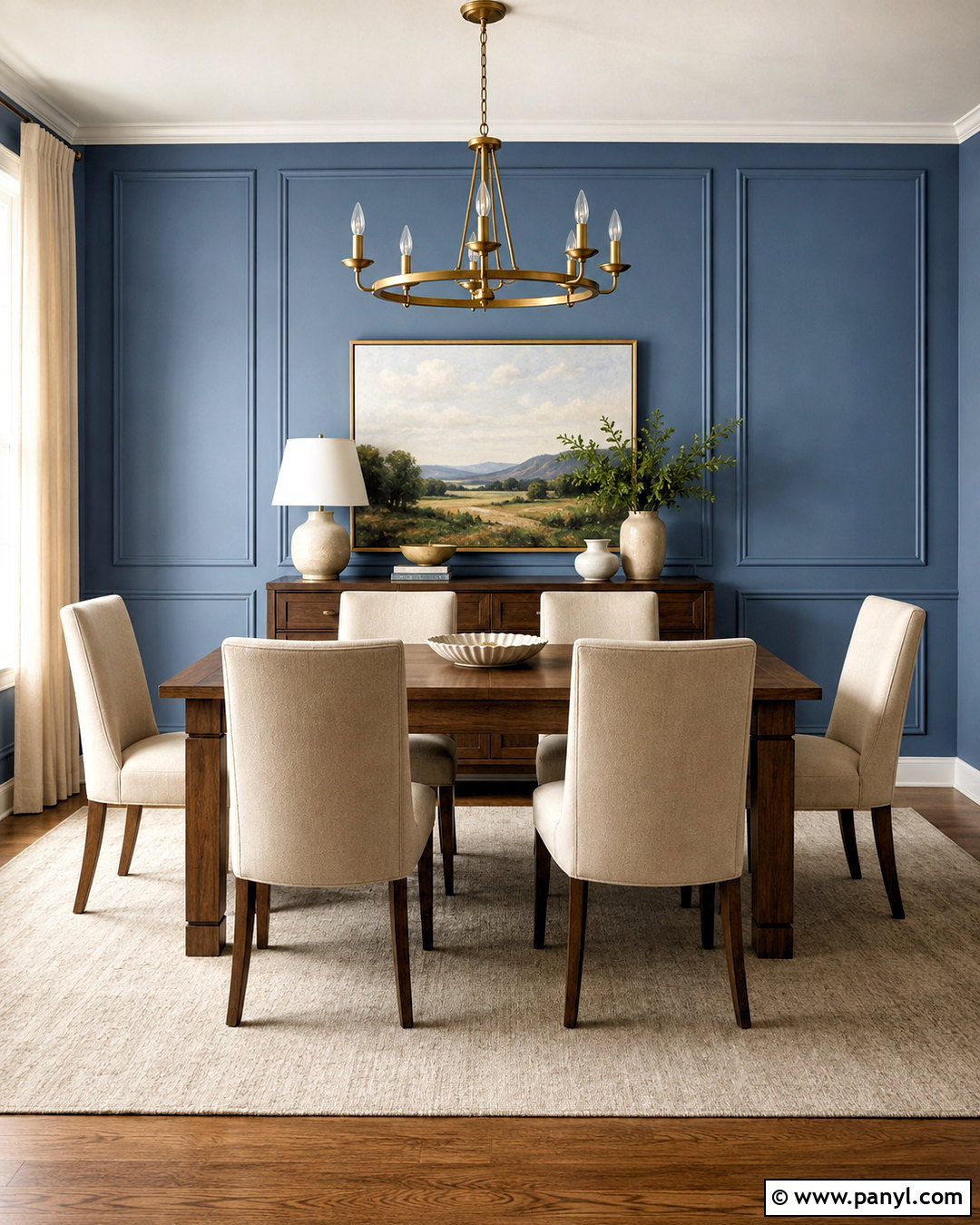
Picture frame molding gives a dining room classic character without requiring expensive wall panels. Create three or four large rectangular frames from narrow trim, keeping the spacing consistent around the wall edges and between each box. Paint the wall and molding together in a rich dusty blue for a seamless finish. Center a medium-tone wood dining table beneath a simple brass chandelier, then add cream upholstered chairs and an ivory rug. A slim sideboard, ceramic lamp, and one oversized landscape painting complete the room. Use a miter saw or miter box for clean corners, and fill every nail hole before painting. This accent wall works best when the molding pattern aligns with the furniture arrangement, creating a balanced background instead of random decorative rectangles.
7. Limewash Accent Wall
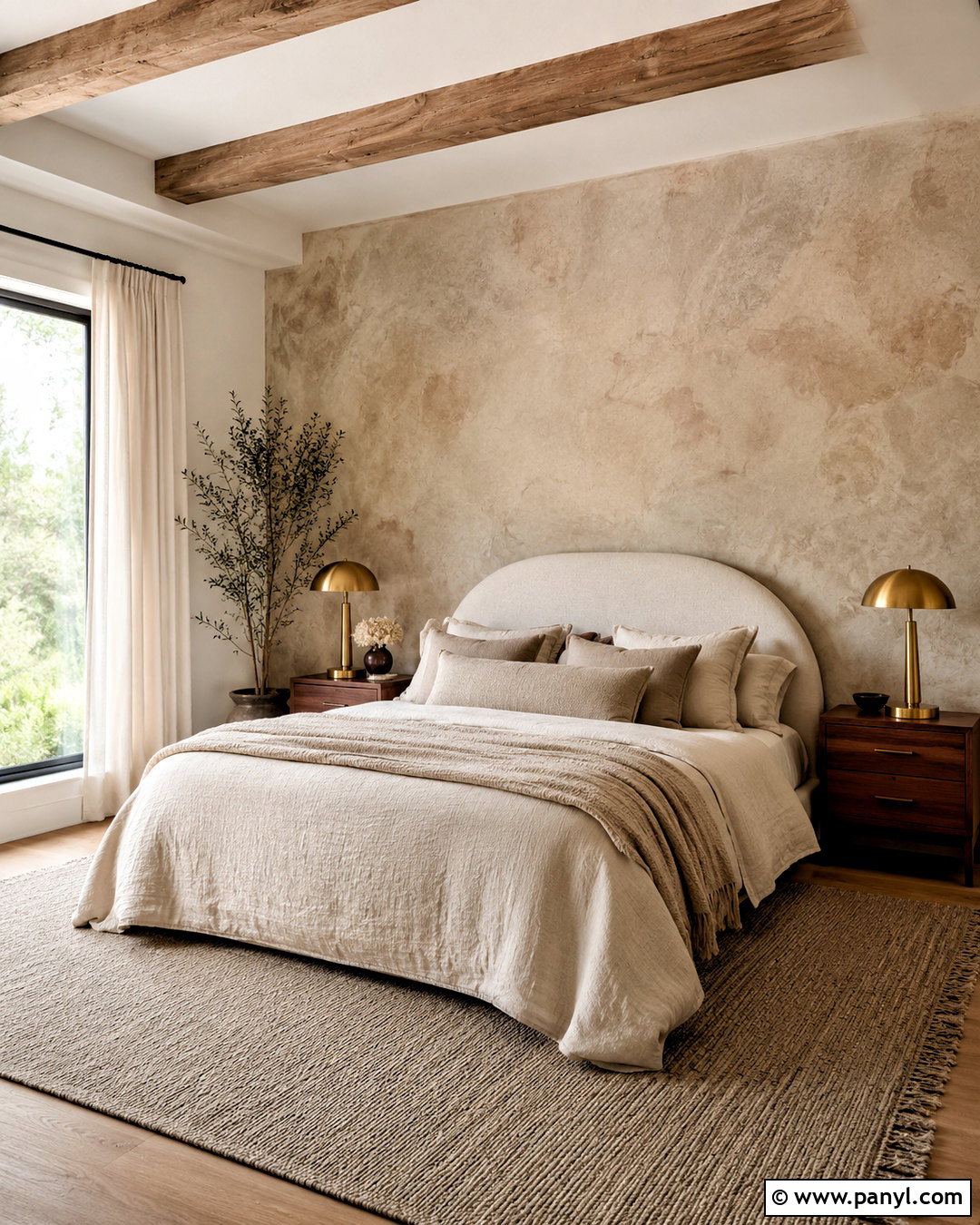
A limewash-inspired finish gives a bedroom soft movement and an organic, timeworn appearance. Create the look behind the bed using overlapping brushstrokes in a warm greige or muted clay tone. Keep the variation gentle rather than highly contrasted, allowing the texture to complement a curved linen headboard, oatmeal bedding, and walnut nightstands. Add off-white curtains, aged brass lamps, and a flat-woven rug with subtle brown details. Follow the finish manufacturer’s preparation and application directions, since compatible primers and techniques may differ. Apply the material in loose crossing strokes and work in manageable sections to avoid harsh edges. The completed accent wall should feel quietly textured, with simple furnishings and natural materials reinforcing its relaxed, earthy character throughout the room.
8. Shiplap Accent Wall
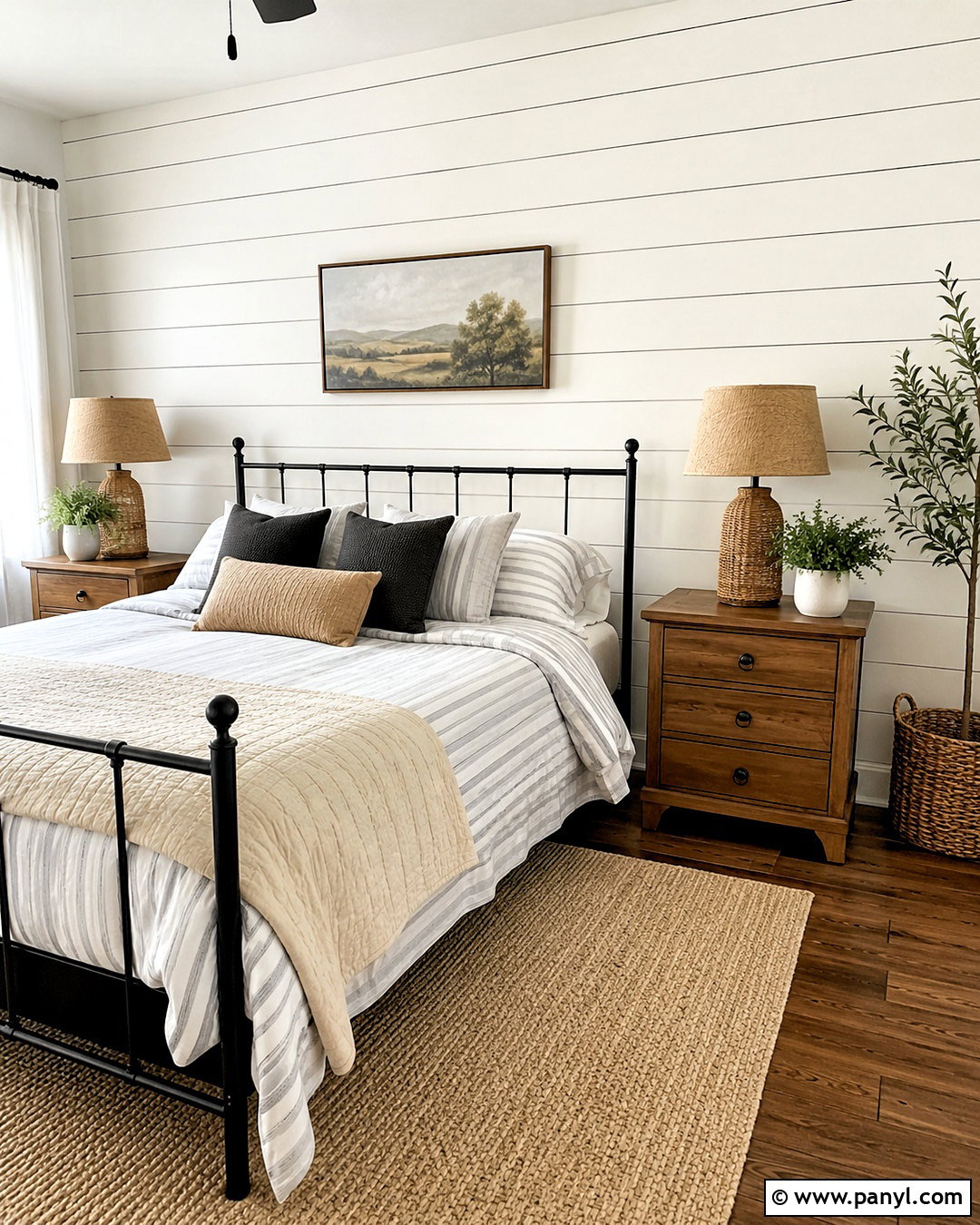
Horizontal shiplap can make a small guest room feel wider while adding clean farmhouse detail. Install ready-made planks behind the bed and paint them soft white or pale greige to maintain a light atmosphere. A black metal bed provides contrast, while striped linen bedding, warm wood nightstands, and woven lamps add comfortable texture. Continue the plank treatment from baseboard to ceiling for a finished built-in appearance. Mark stud locations before installation and check each row with a level, since small alignment errors become more visible as the wall grows. Keep accessories restrained with one landscape print, a ceramic vase, and a folded neutral quilt. The finished accent wall feels inviting and practical without overwhelming the room with heavy rustic decoration.
9. Faux Brick Accent Wall
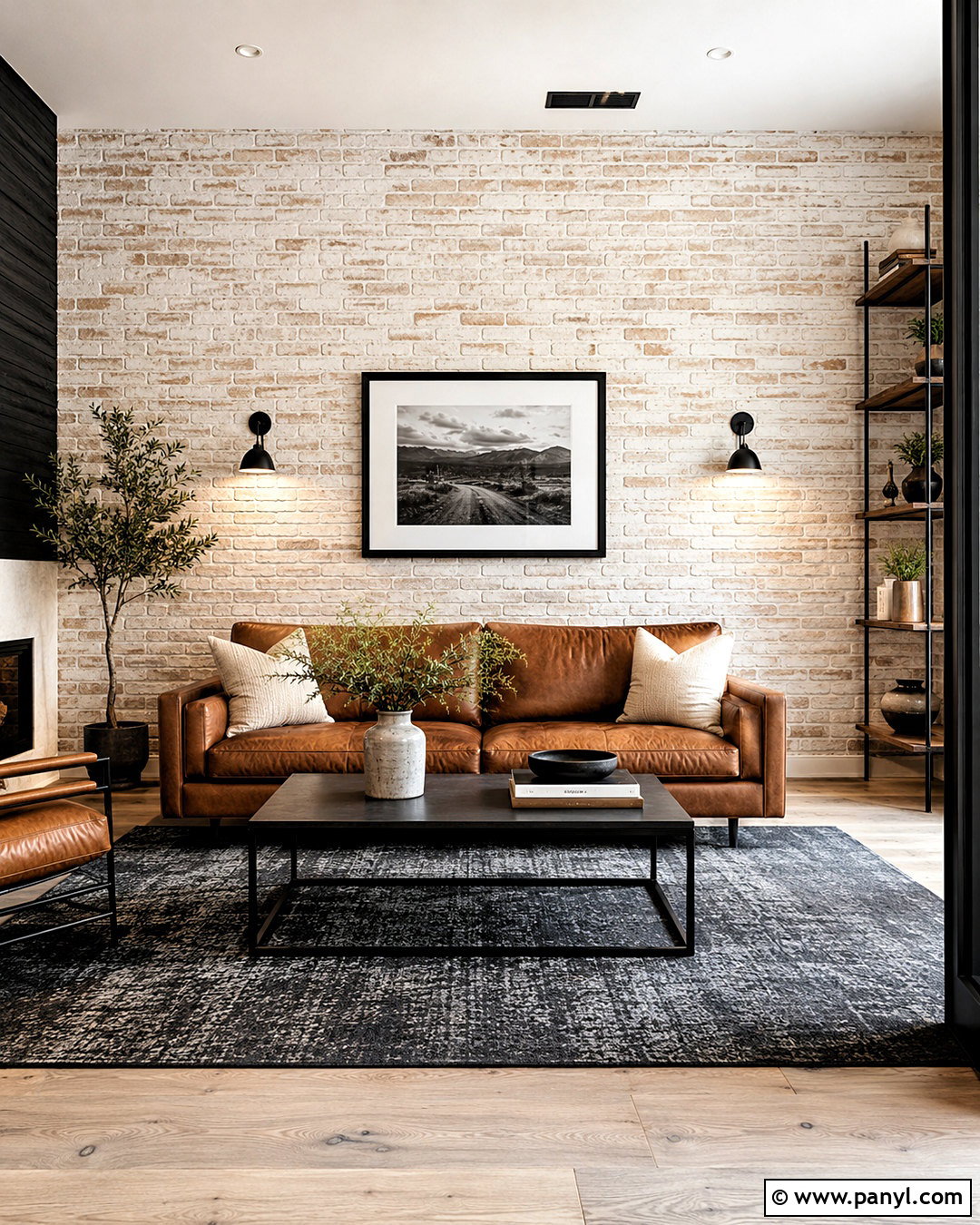
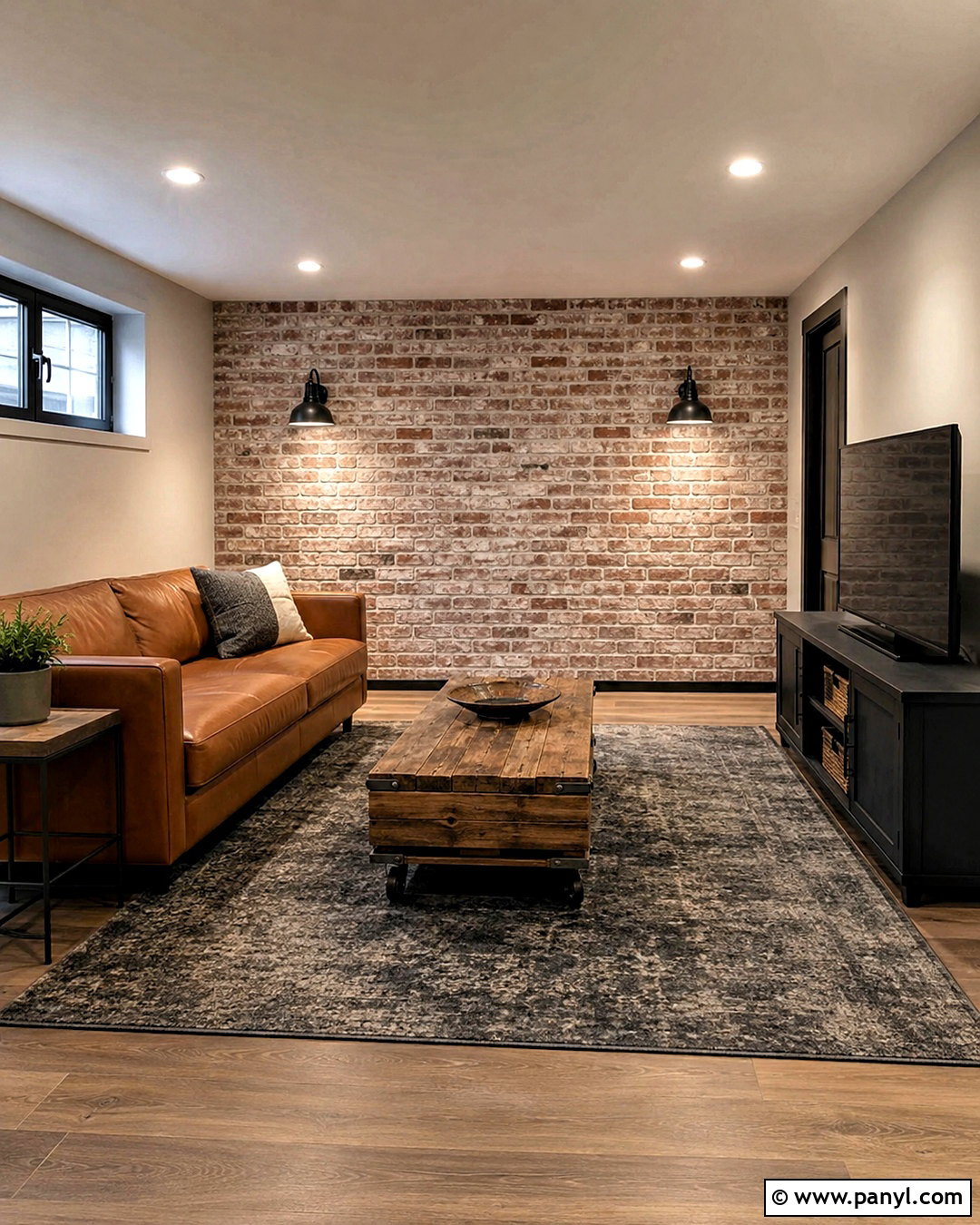
Faux brick panels can add loft-inspired texture to a living room, office, or basement lounge. Install panels across the wall behind a cognac leather sofa, carefully matching the brick pattern and disguising seams with lightweight patching material and paint. A warm off-white brick finish looks brighter and more versatile than dark red, especially in a smaller room. Pair it with a charcoal rug, black metal coffee table, cream pillows, and natural wood shelving. Paint individual bricks with slightly different neutral tones if greater depth is needed, but keep the variation subtle. Wall-mounted sconces can emphasize the texture, while framed black-and-white artwork gives the surface a finished purpose. The surrounding furniture should remain simple so the brick provides character without making the space feel busy.
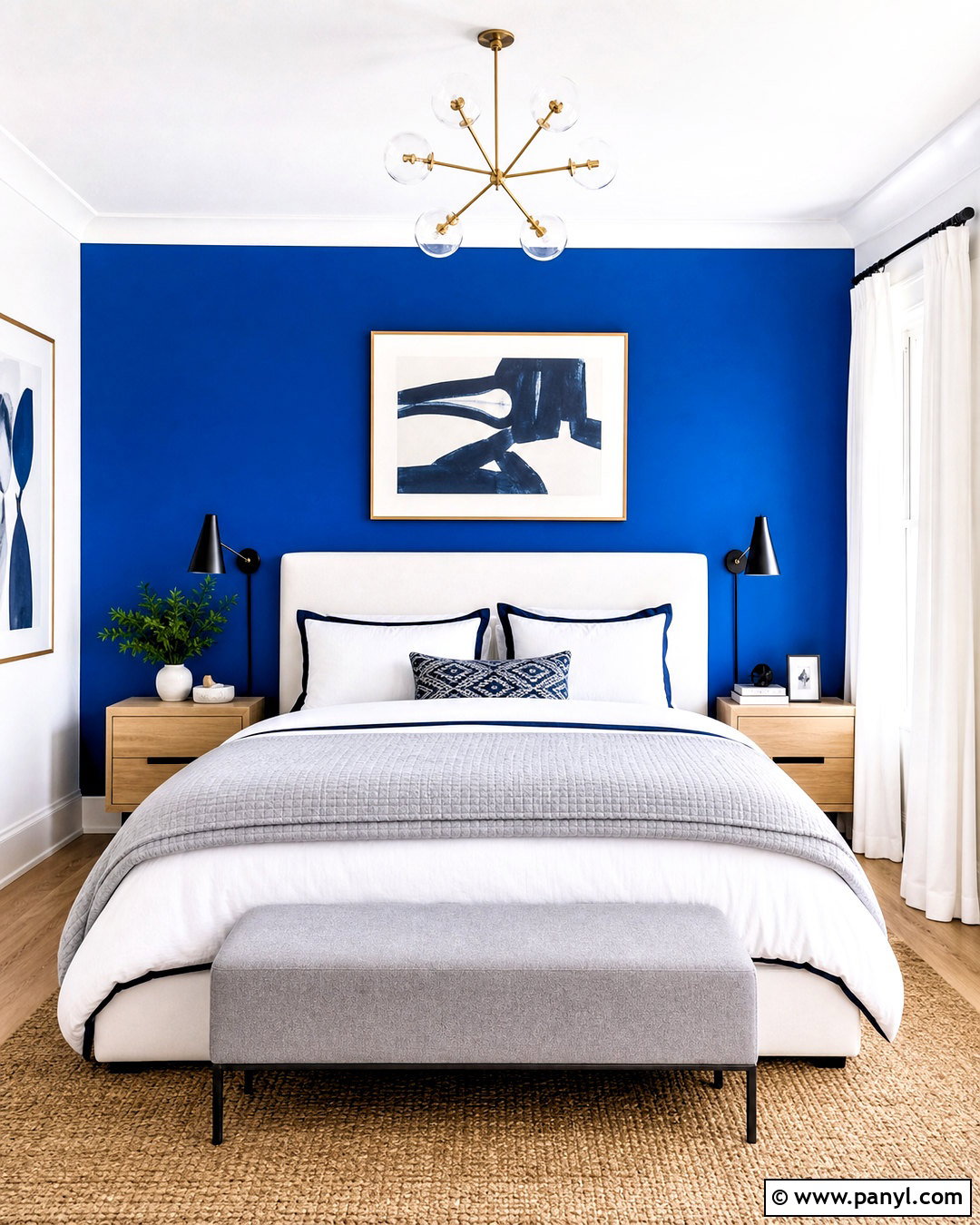
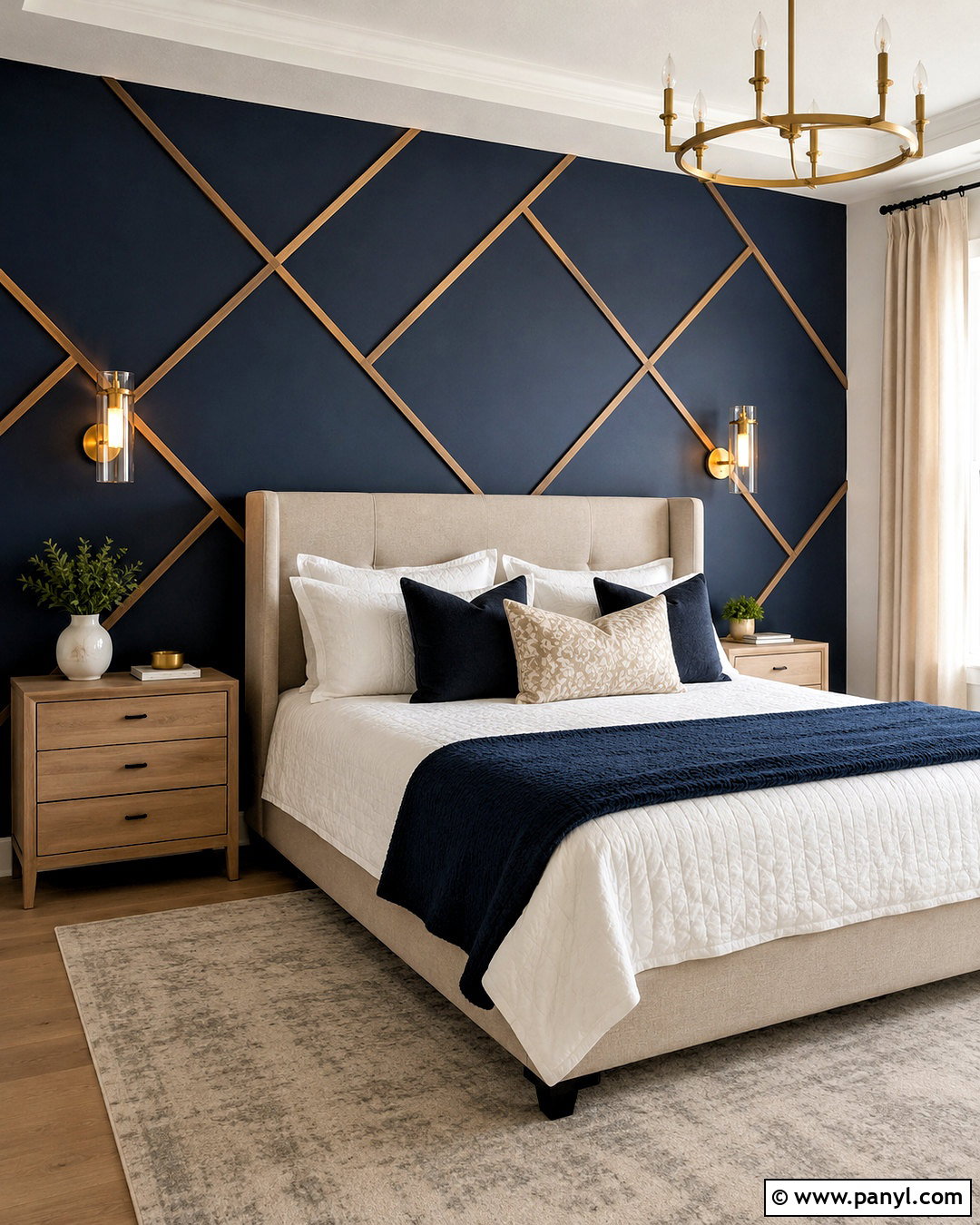
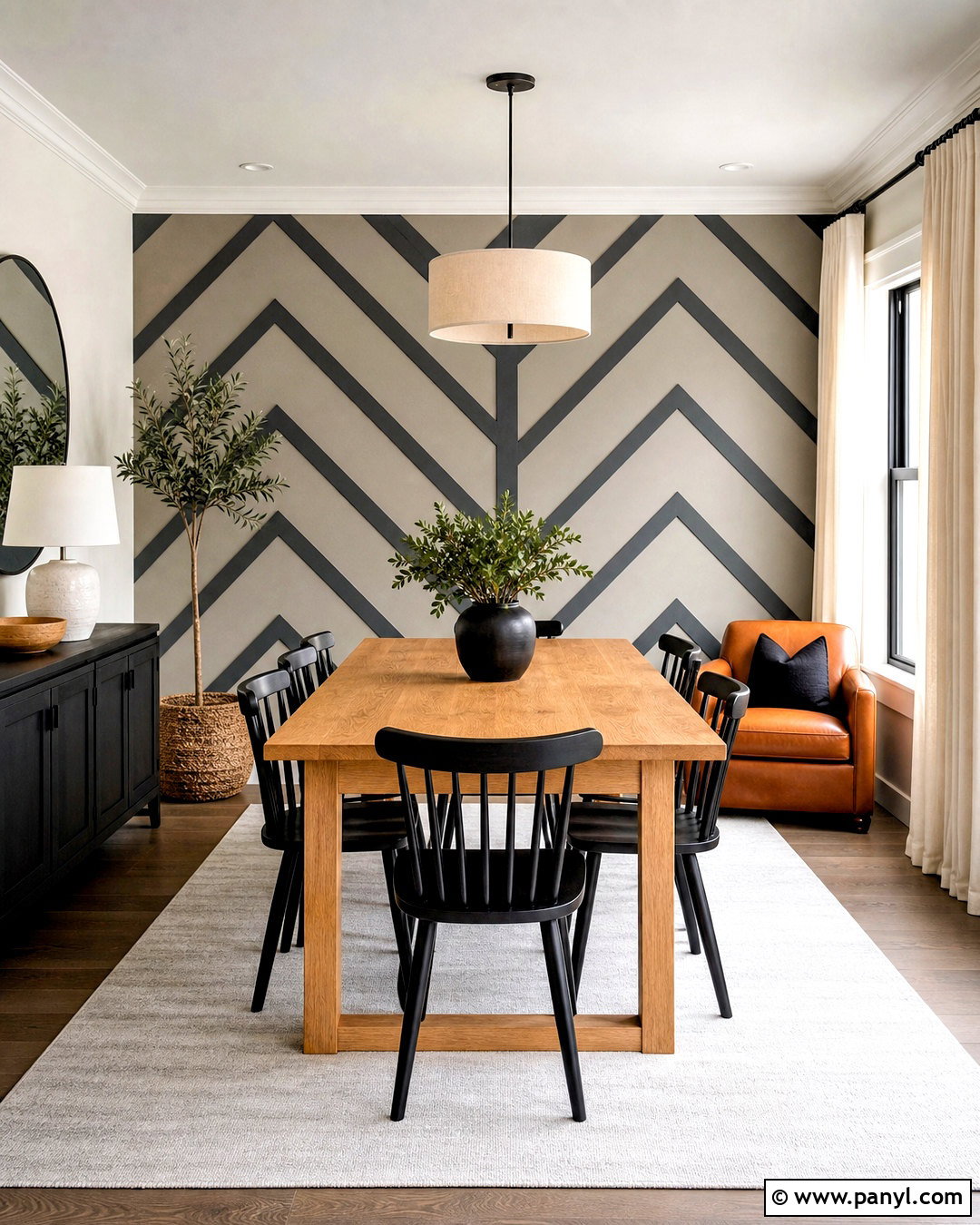
10. Arch Painted Accent Wall
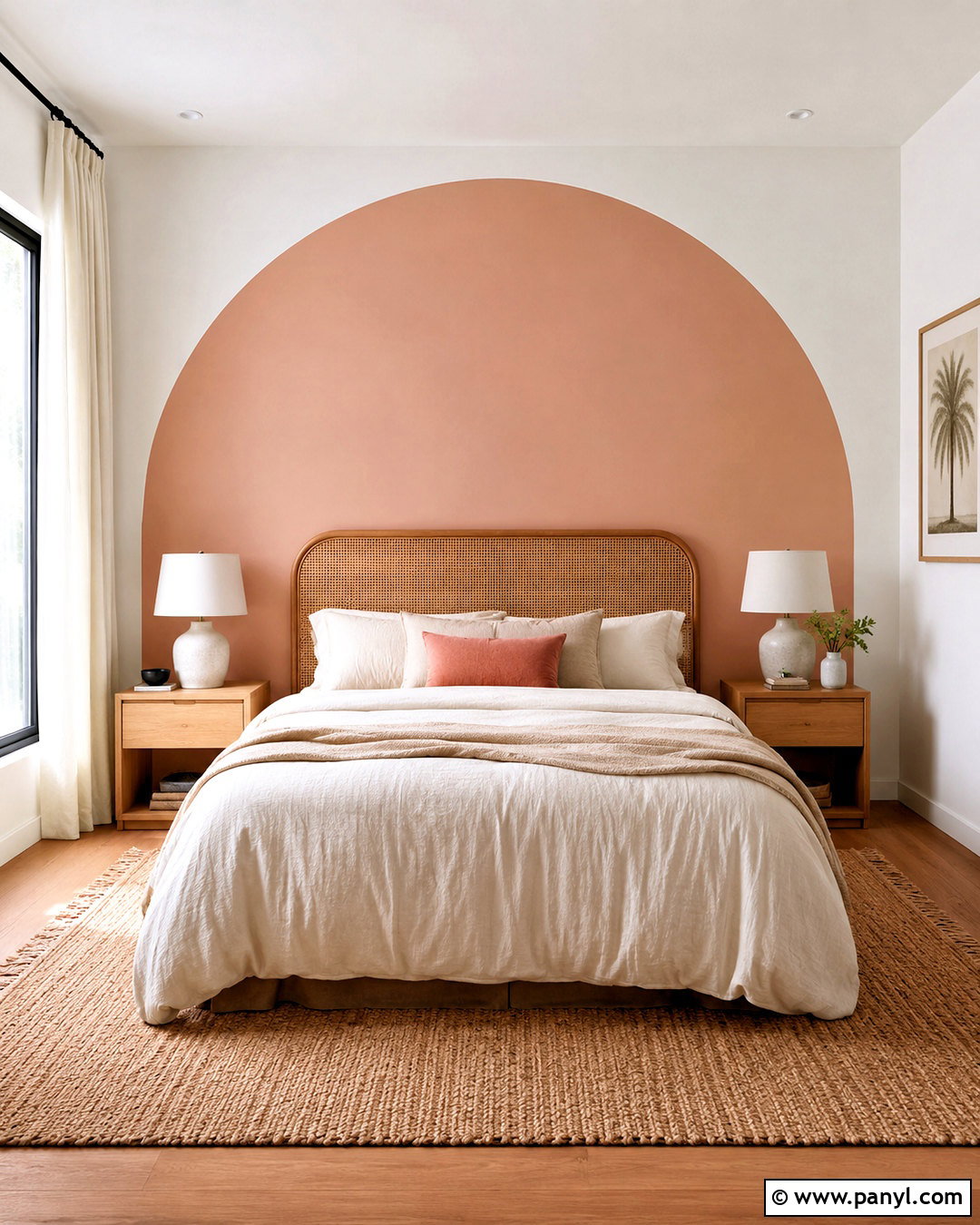
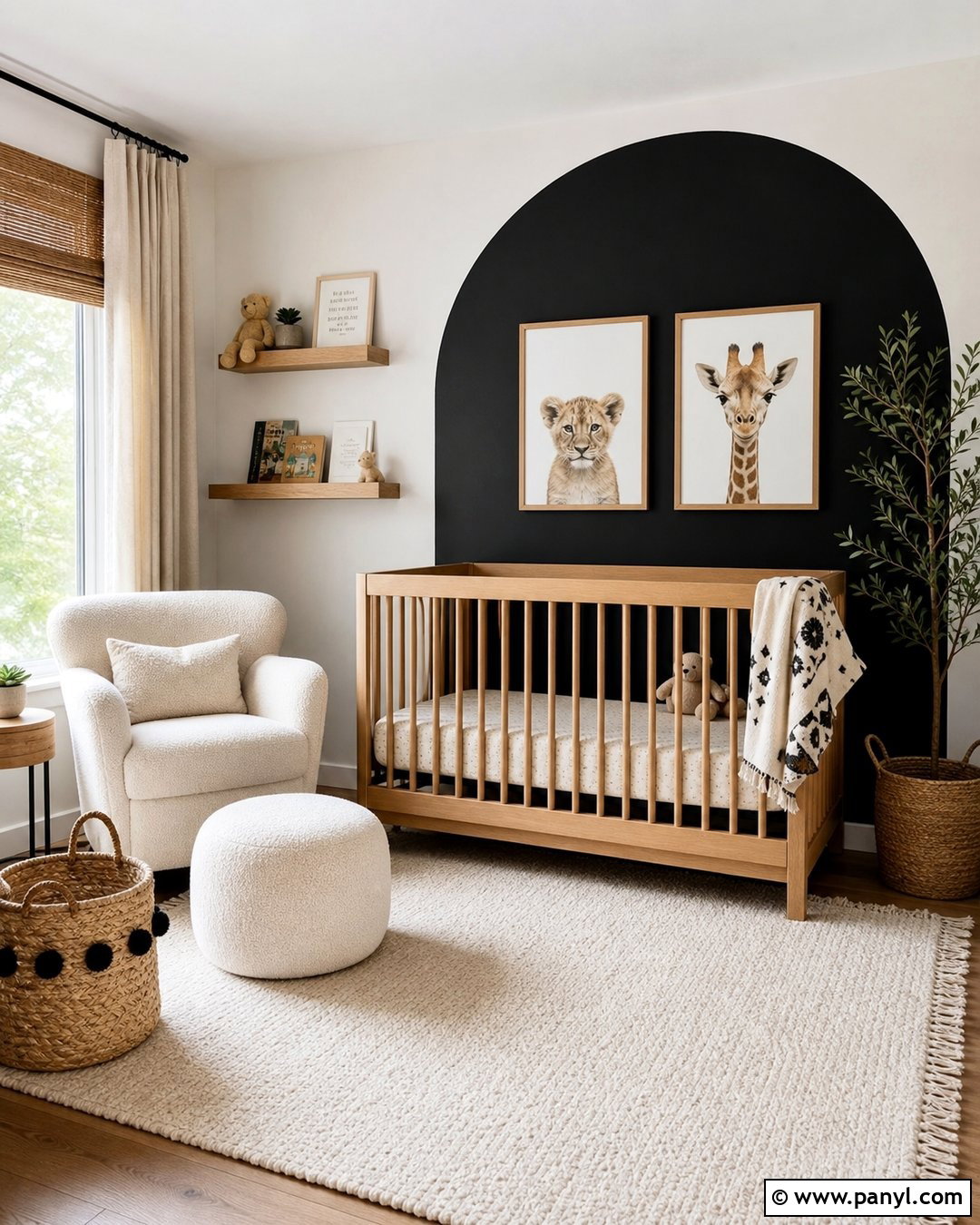
A painted arch creates a soft focal point behind a bed, reading chair, console, or nursery crib. In a small bedroom, use muted peach paint to form a wide arch that rises above a simple cane headboard. Keep the surrounding walls warm white and repeat the peach tone through one pillow and a small ceramic lamp. Light oak nightstands, cream bedding, and a woven rug maintain the airy look. Make a string-and-pencil compass to draw the curved top, then use a small angled brush along the outline before filling the center with a roller. The arch should be wider than the main furniture piece so it visually frames the arrangement. Minimal artwork and symmetrical lighting help this inexpensive DIY accent wall feel deliberate and complete.
11. Stencil Pattern Accent Wall
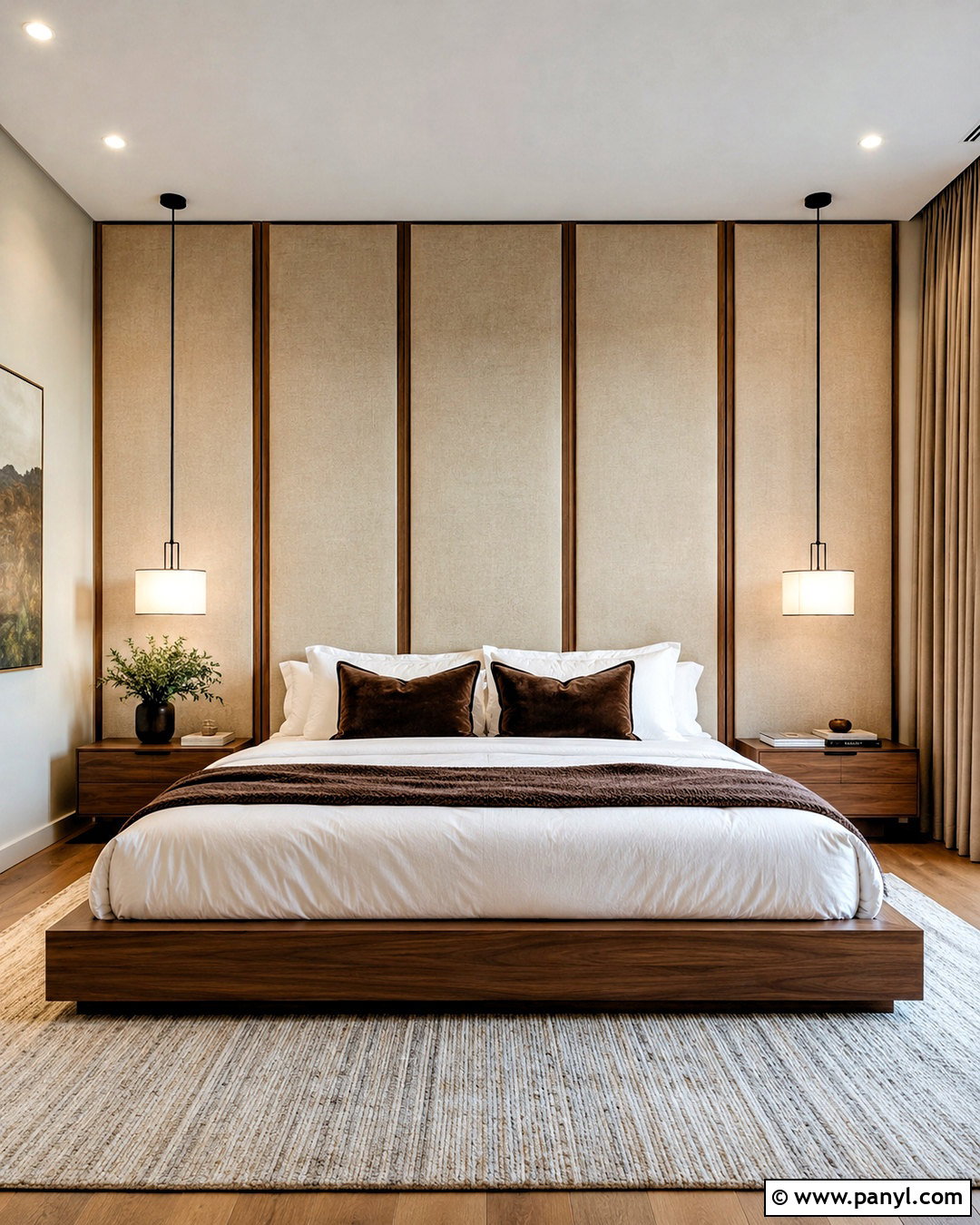
A reusable stencil can produce the effect of patterned wallpaper using paint and patience. For a welcoming entryway, apply a simple white botanical stencil over a muted olive green wall. Keep the pattern evenly spaced and relatively large so the finished surface feels modern rather than overly detailed. Place a narrow oak console against the wall with a round black mirror, a ceramic table lamp, and two woven baskets below. A natural runner and black coat hooks carry the palette through the entry. Use a level to establish the first row, remove excess paint from the stencil roller, and reposition the template carefully. Small irregularities will blend into the overall pattern, especially when the surrounding decor remains clean, practical, and coordinated.
12. Upholstered Panel Accent Wall
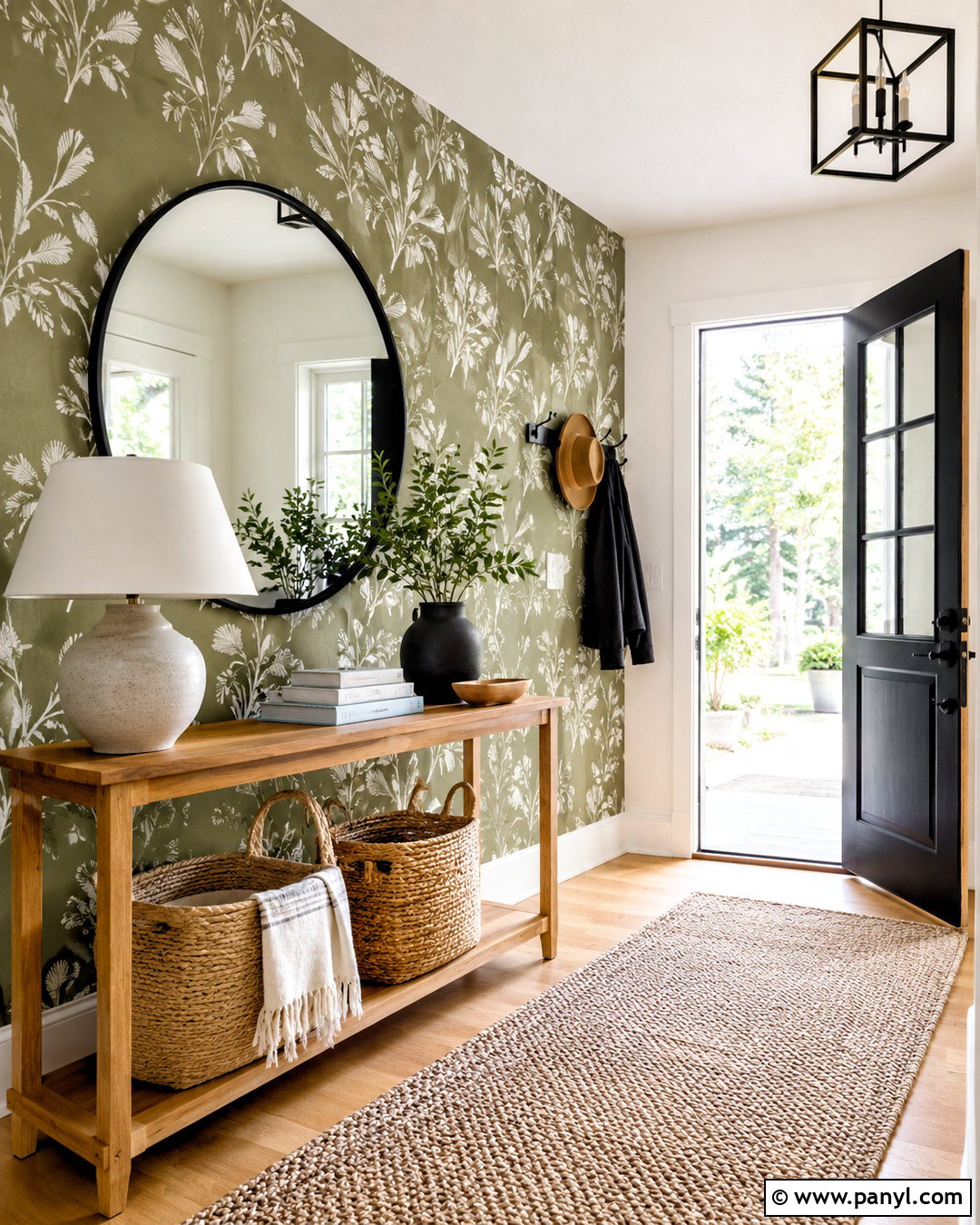
Upholstered wall panels create a comfortable, sound-softening backdrop that works beautifully behind a bed. Build several tall rectangular panels from thin plywood, batting, and durable oatmeal-colored fabric, then mount them side by side across the center of the wall. Frame the installation with narrow walnut trim for a clean, tailored edge. Complete the bedroom with a walnut platform bed, crisp white bedding, chocolate brown pillows, and matching pendant lights. Keep the remaining walls pale beige and choose a thick neutral rug to continue the softness. Wrap fabric tightly and secure it evenly at the back so the panel fronts remain smooth. This accent wall combines decoration and headboard function, giving the entire sleeping area a warm, finished, hotel-inspired appearance.
13. Plywood Grid Accent Wall
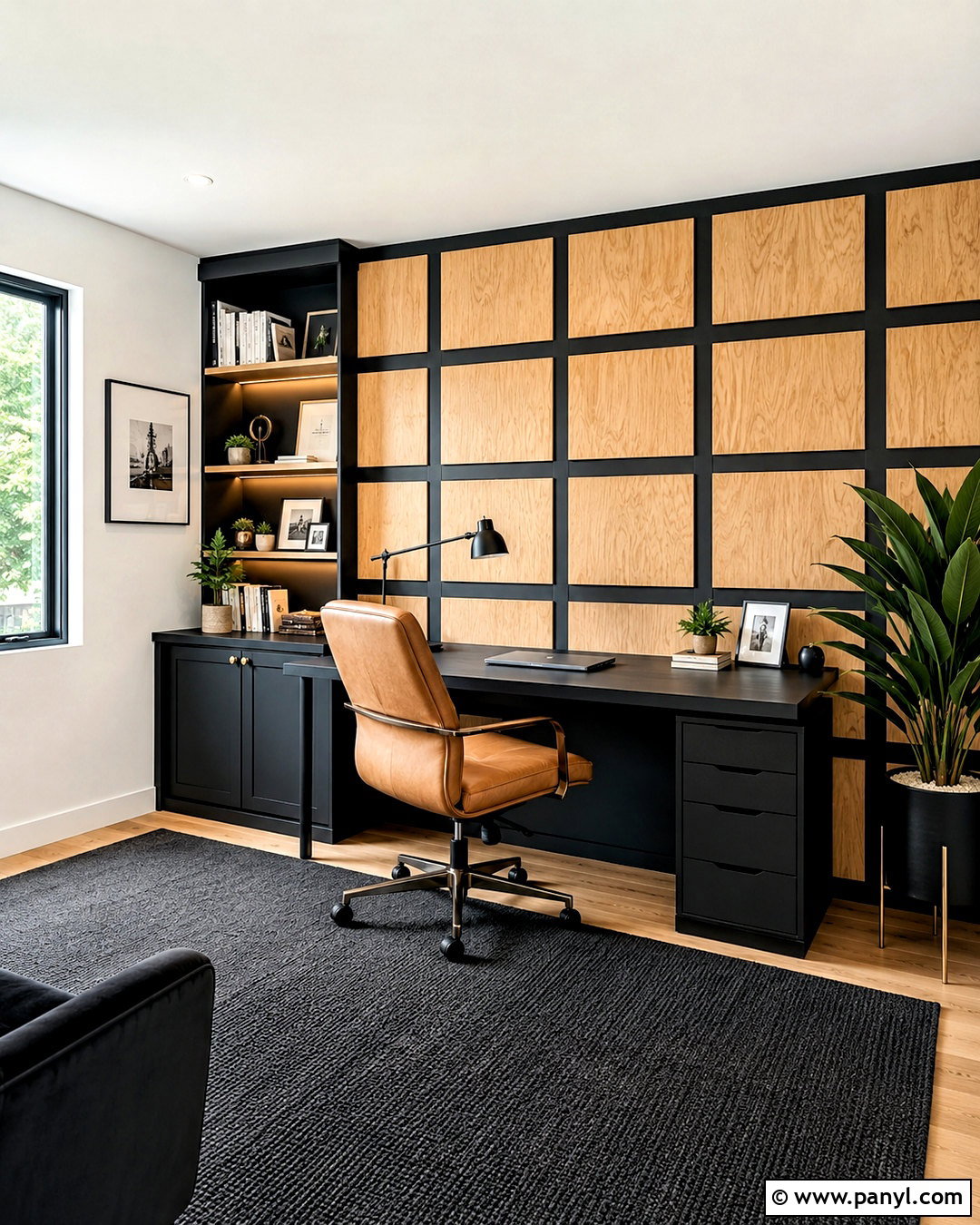
A plywood grid wall brings graphic structure and natural warmth to a home office. Cut smooth plywood into equal square panels, lightly sand the edges, and mount them in an orderly grid with narrow gaps between each piece. Finish the panels with a clear matte sealer or a pale honey stain. Place a long black desk in front of the wall, adding a camel desk chair, matte black task lamp, and closed storage cabinets. One or two panels can hold compact shelves, but most should remain visible to preserve the pattern. Paint the wall behind the grid dark charcoal so the gaps appear crisp. Accurate measuring is essential, so lay out centerlines first. The complete workspace feels modern, organized, and warmer than a standard painted office.
14. Reclaimed Wood Accent Wall
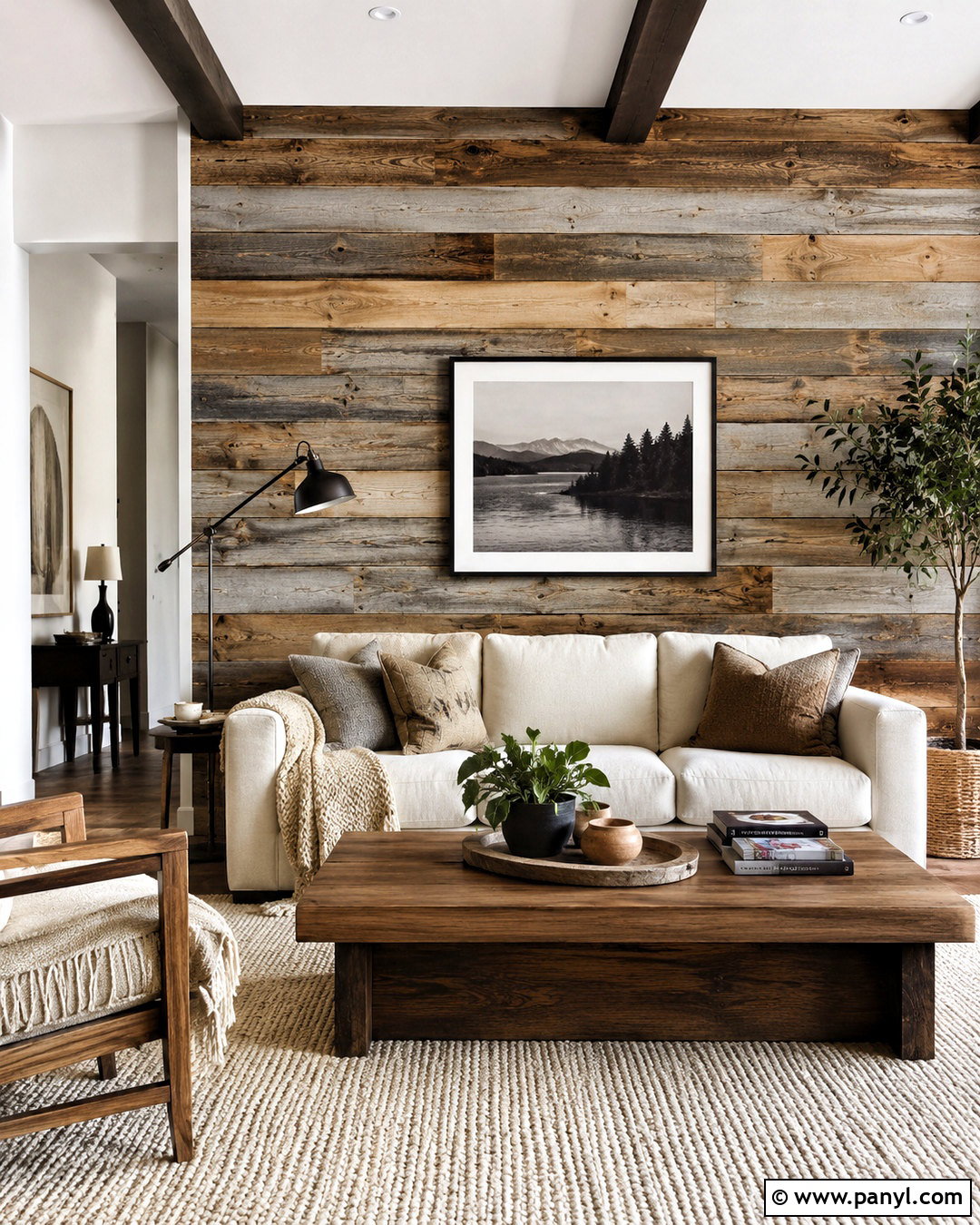
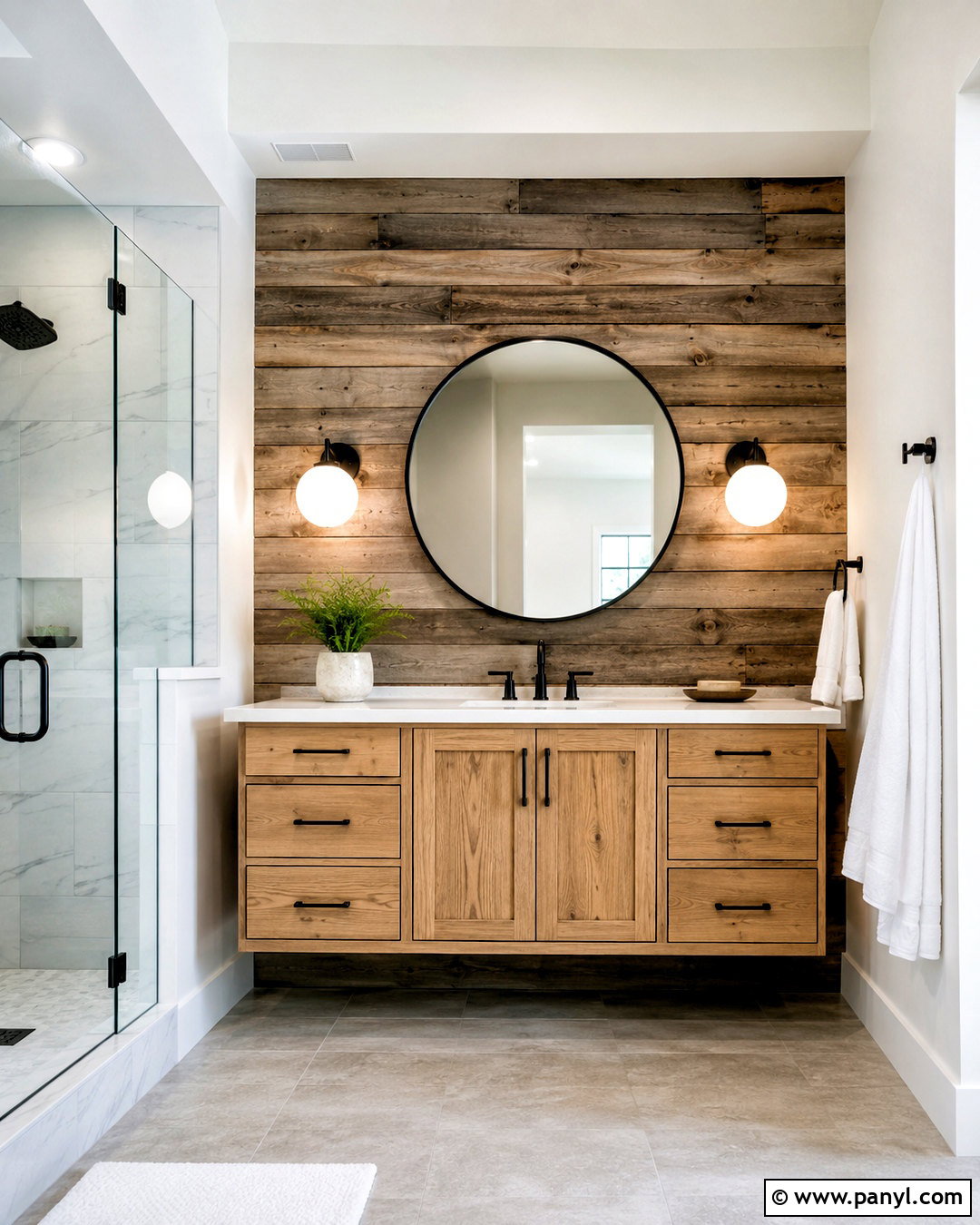
Weathered wood creates a cozy accent wall when its colors and textures are carefully controlled. Cover the fireplace or sofa wall with reclaimed boards in soft brown, gray, and faded tan tones, arranging them horizontally for a calm, grounded appearance. Remove loose material, sand rough edges, and seal the boards before installation. Pair the wall with a cream sofa, dark bronze floor lamp, chunky wool rug, and simple black-framed artwork. A low walnut coffee table repeats the natural wood without matching it exactly. Avoid filling the room with additional distressed furniture, which can make the look feel overly themed. Clean-lined seating and neutral textiles balance the rustic surface, creating a complete living room that feels warm, relaxed, and intentionally updated.
15. Fluted Panel Accent Wall
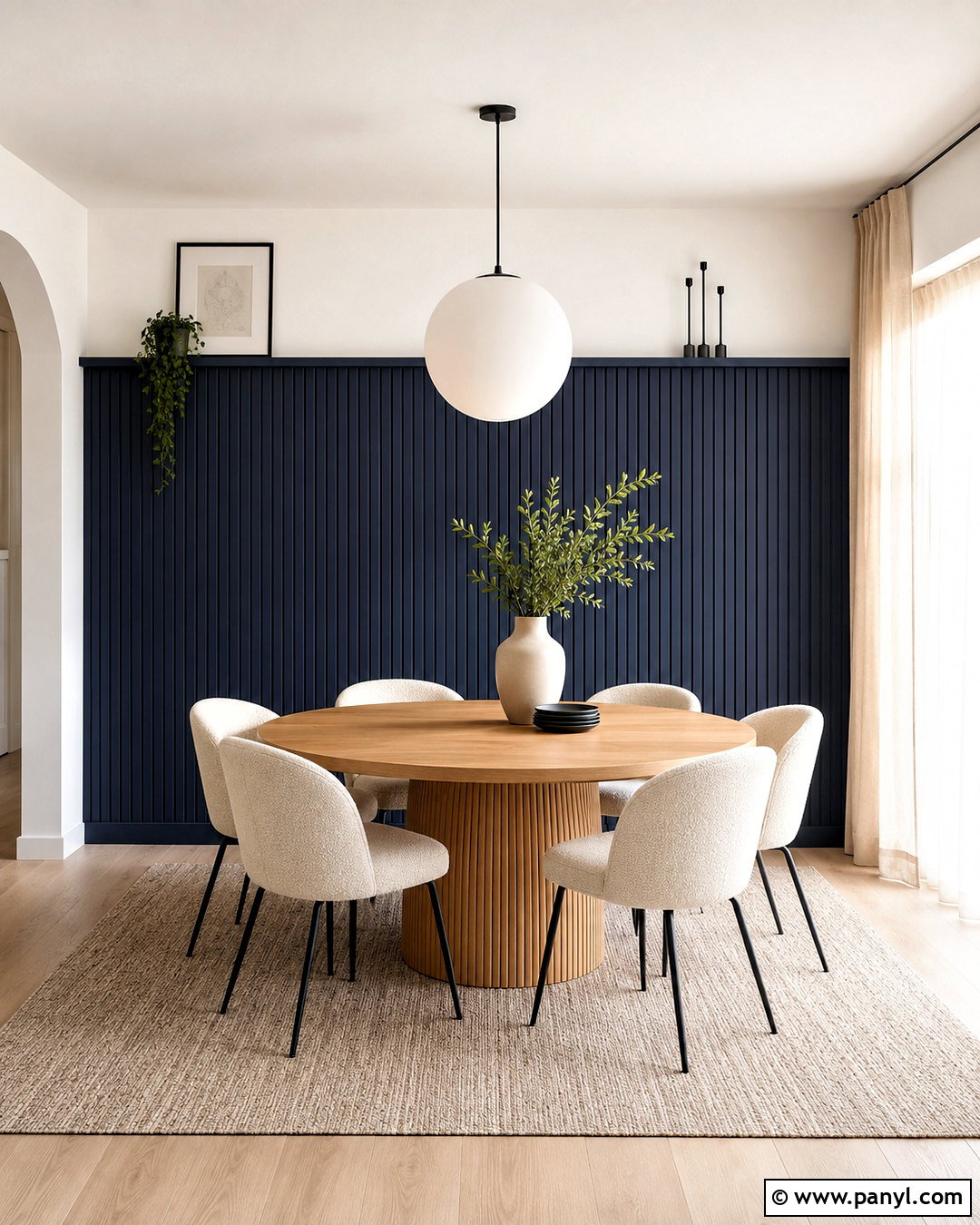
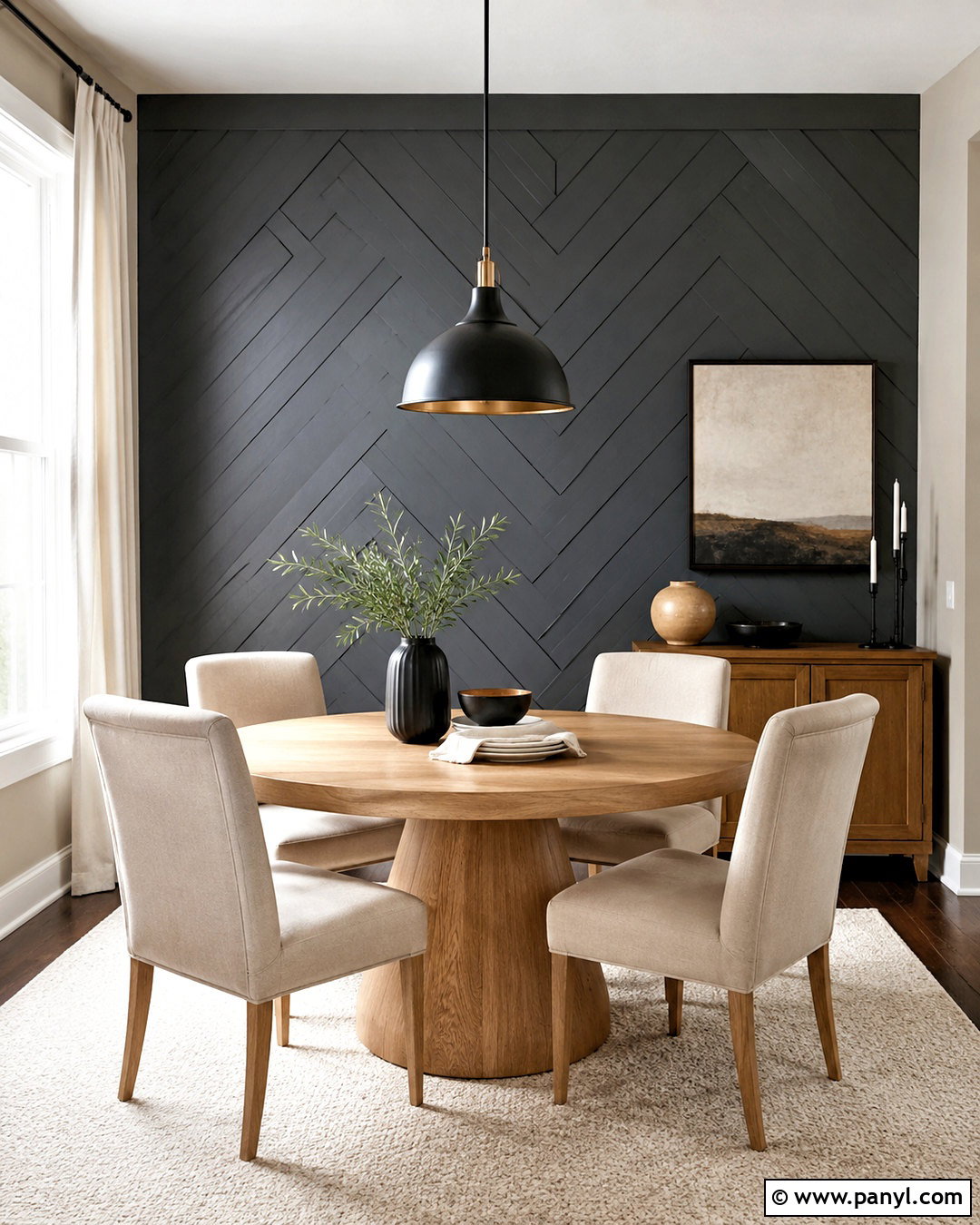
Fluted wall panels add refined dimension to a bedroom, dining room, or modern entry. Install narrow half-round molding or ready-made fluted panels across the lower two-thirds of the wall, then finish the top with a slim ledge. Paint the entire treatment deep navy blue for a dramatic but orderly background. In a dining room, add a round oak table, cream boucle chairs, a white globe pendant, and light linen curtains. Keep table decor low and simple so the wall texture remains visible. Measure the panel width carefully to avoid ending with an awkwardly narrow strip at one corner. Filling seams and painting the panels in one consistent finish creates a custom appearance. Pale flooring and warm wood prevent the dark accent wall from feeling heavy.
16. Chalkboard Accent Wall
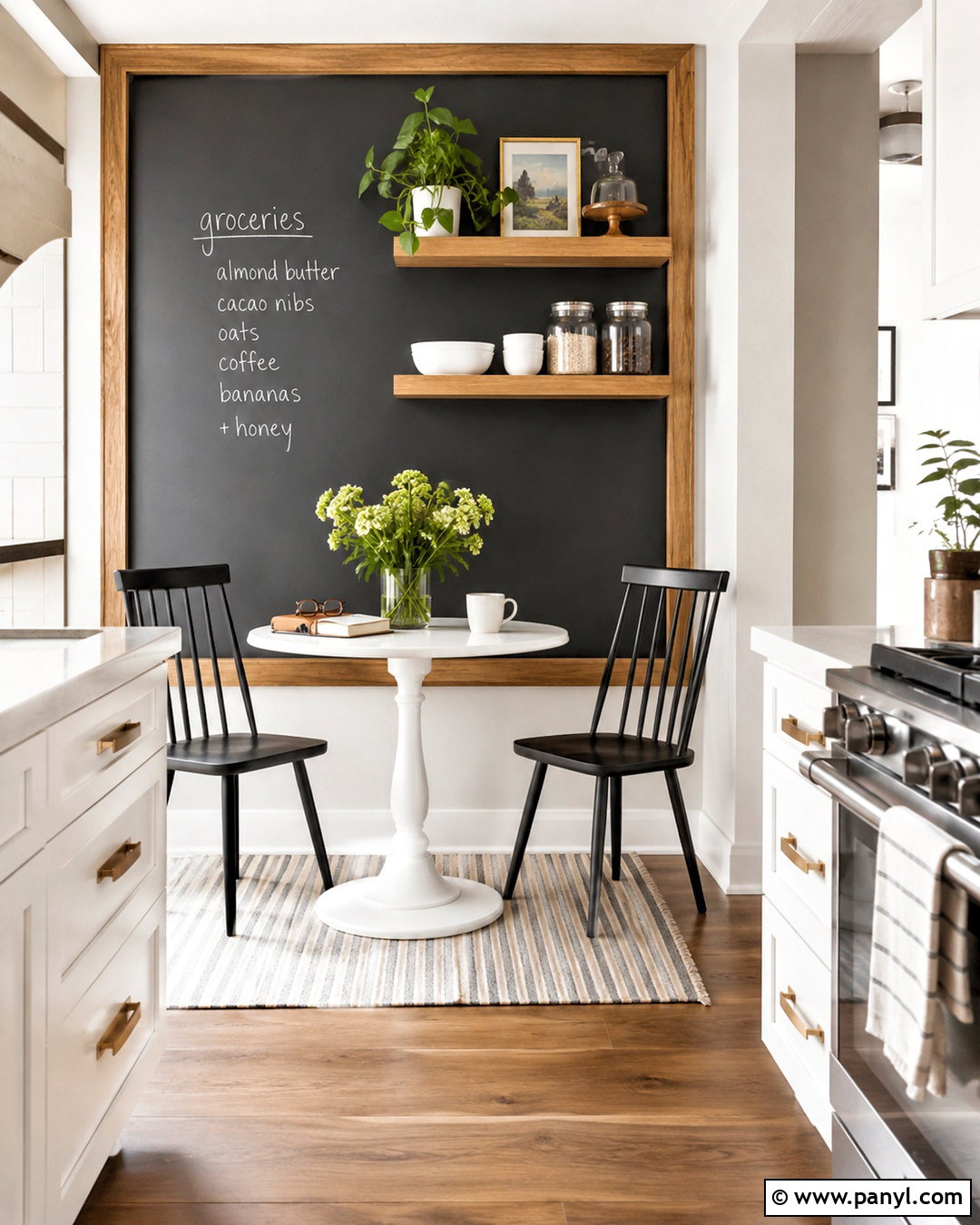
A chalkboard accent wall can make a kitchen breakfast nook both useful and attractive. Paint one compact wall with a smooth charcoal chalkboard finish, then frame it with simple natural oak trim. Position a small round pedestal table nearby with two spindle-back chairs and a washable striped rug. Use part of the wall for a weekly menu and leave the remaining area open for simple drawings or household notes. Floating oak shelves can hold white dishes, glass jars, and a small plant without covering too much writing space. Prepare the wall carefully because bumps become noticeable under the dark finish. Warm white cabinets, brushed brass hardware, and light wood details keep the complete nook bright, preventing the practical accent wall from dominating the kitchen.
17. Color Washed Accent Wall
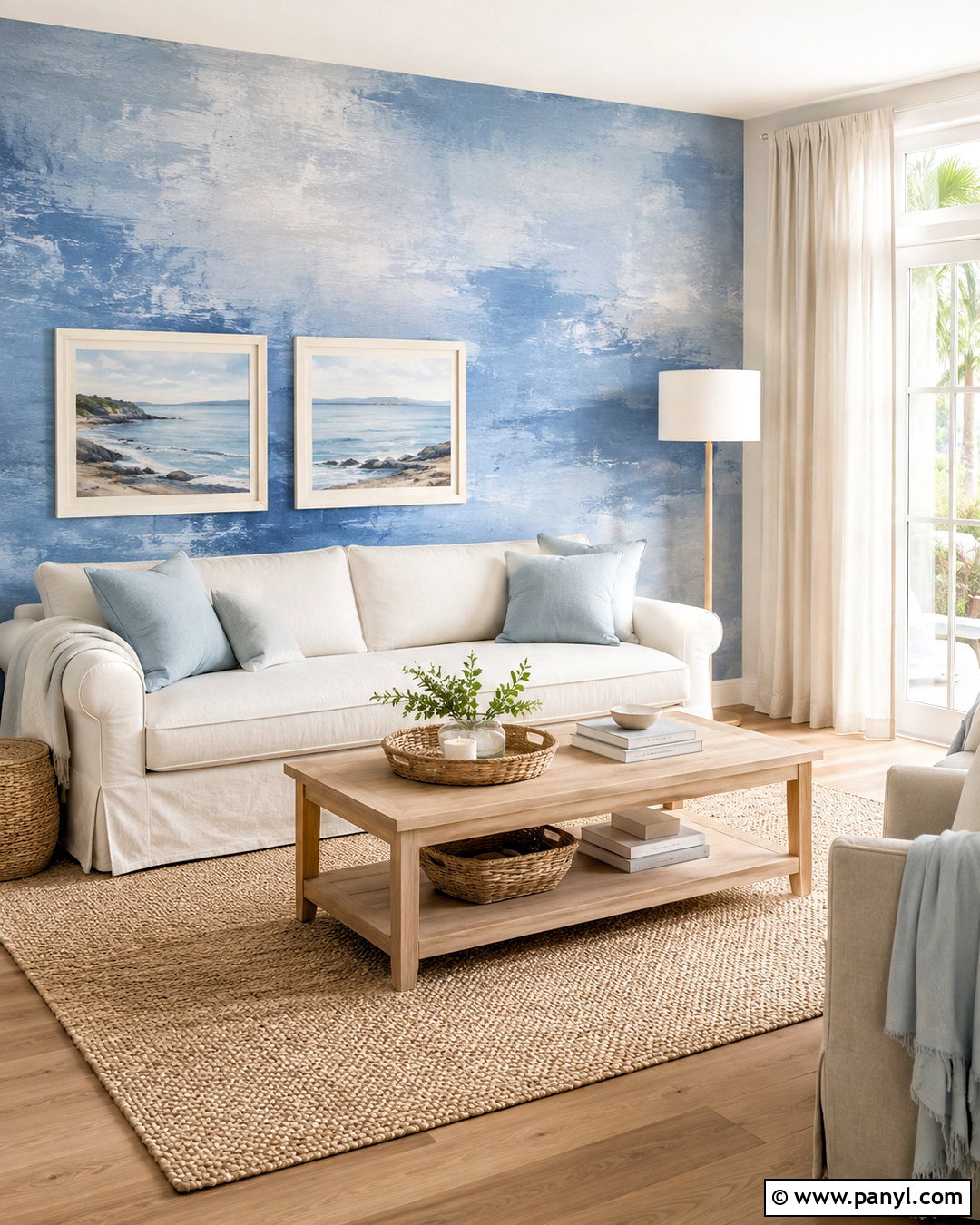
A color-washed wall gives a living room subtle depth without a sharp pattern. Begin with a pale blue-gray base, then apply a slightly deeper blue mixture in loose, overlapping strokes using a wide brush or soft cloth. Blend the edges while working so the wall develops gentle tonal movement. Place a cream slipcovered sofa against it, accompanied by a light oak coffee table, pale blue pillows, and a woven ivory rug. Add linen curtains, a sculptural white floor lamp, and a few coastal landscape prints in simple frames. Avoid obvious nautical accessories; natural textures and soft colors create a more relaxed result. The finished accent wall should resemble softly layered pigment, bringing quiet visual interest to an otherwise light and comfortable room.
18. Cork Tile Accent Wall
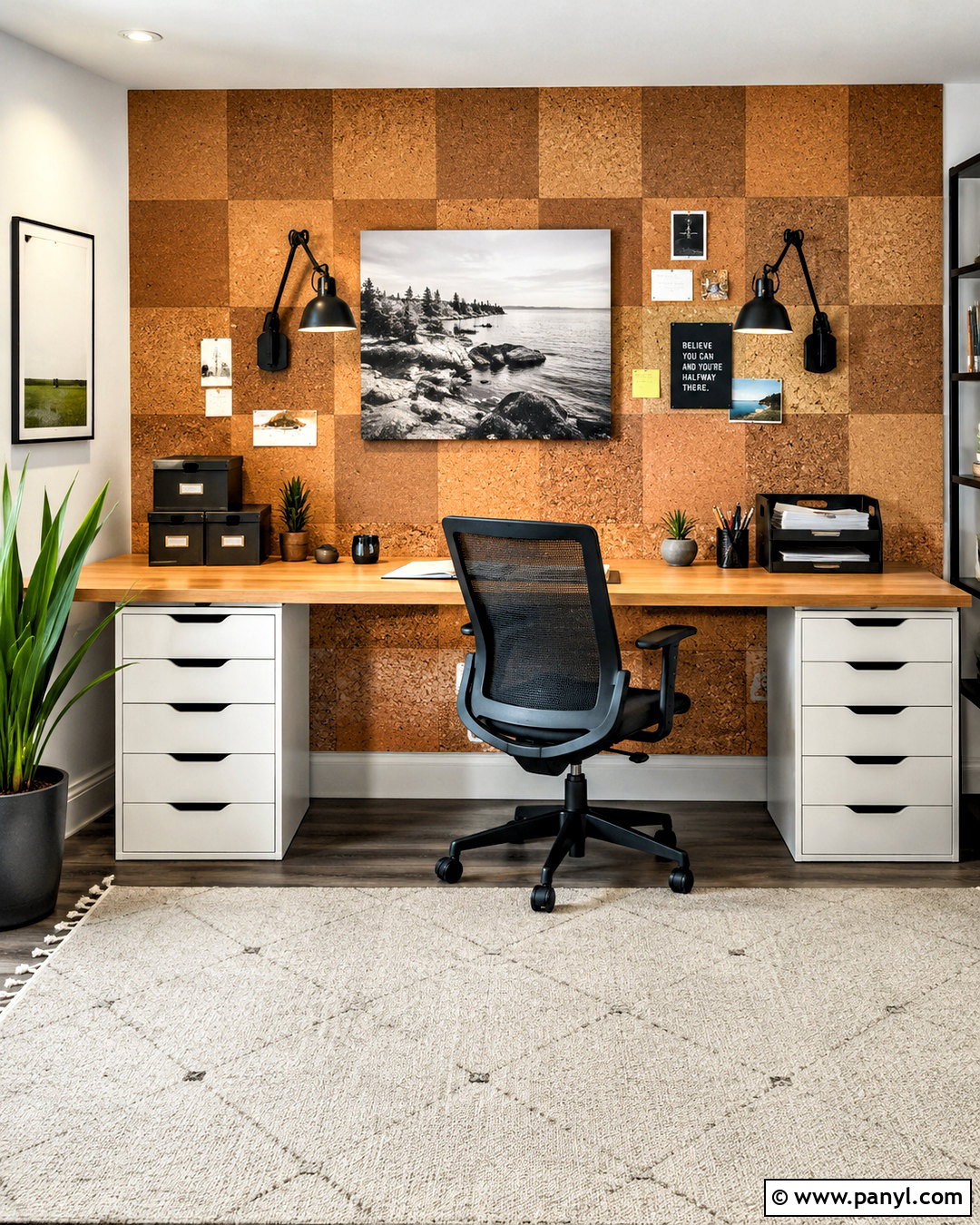
Cork tiles can create a warm, practical accent wall in a home office, craft room, or family command center. Cover the wall above a long white desk with square cork panels arranged in a clean grid. Mix natural tan cork with a few darker brown sections for subtle variation. Use the surface to display calendars, material samples, photographs, and lightweight organizers, but leave open areas so the wall does not feel cluttered. Add white drawer units, an oak desktop, black task lights, and matching storage boxes. Carefully mark a level starting line before attaching the tiles with the recommended adhesive. A washable neutral rug and simple roller chair complete the workspace. The result combines visual texture, organization, and a useful place for changing displays.
19. Built In Shelf Accent Wall
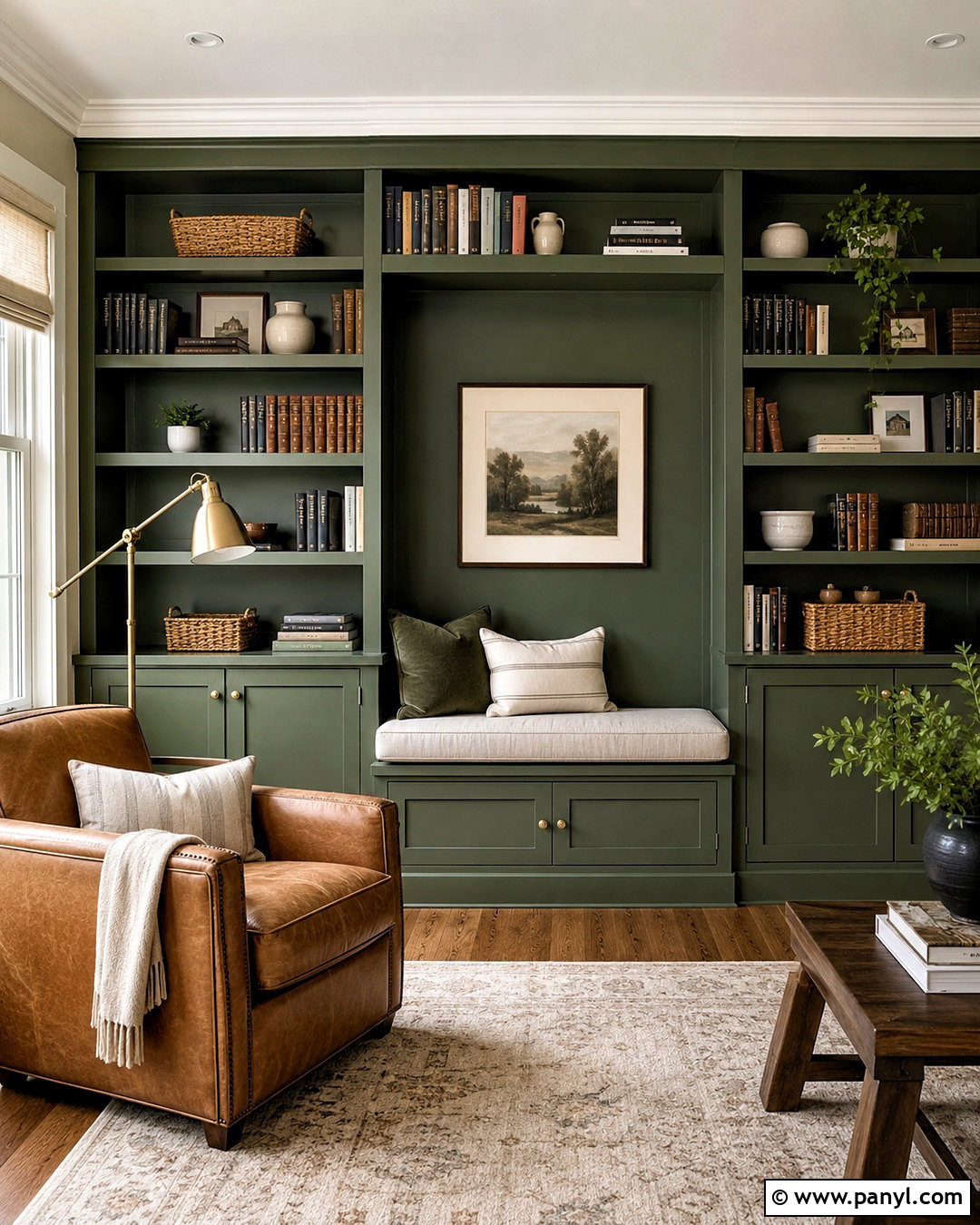
A wall of DIY shelving can become an architectural focal point while adding valuable storage. Build shallow floor-to-ceiling bookcases around a centered media cabinet or reading bench, then paint the shelves and back wall the same soft forest green. Use simple plywood boxes with face-frame trim for a clean built-in appearance. Style the shelves with books, cream ceramics, framed art, and woven baskets, leaving generous empty space between groups. A camel leather chair, brass floor lamp, and neutral rug create a comfortable reading area in front. Secure tall units properly and plan shelf spacing around the items you intend to display. Repeating wood, green, cream, and brass throughout the room makes this functional accent wall feel cohesive rather than crowded.
20. Fabric Accent Wall
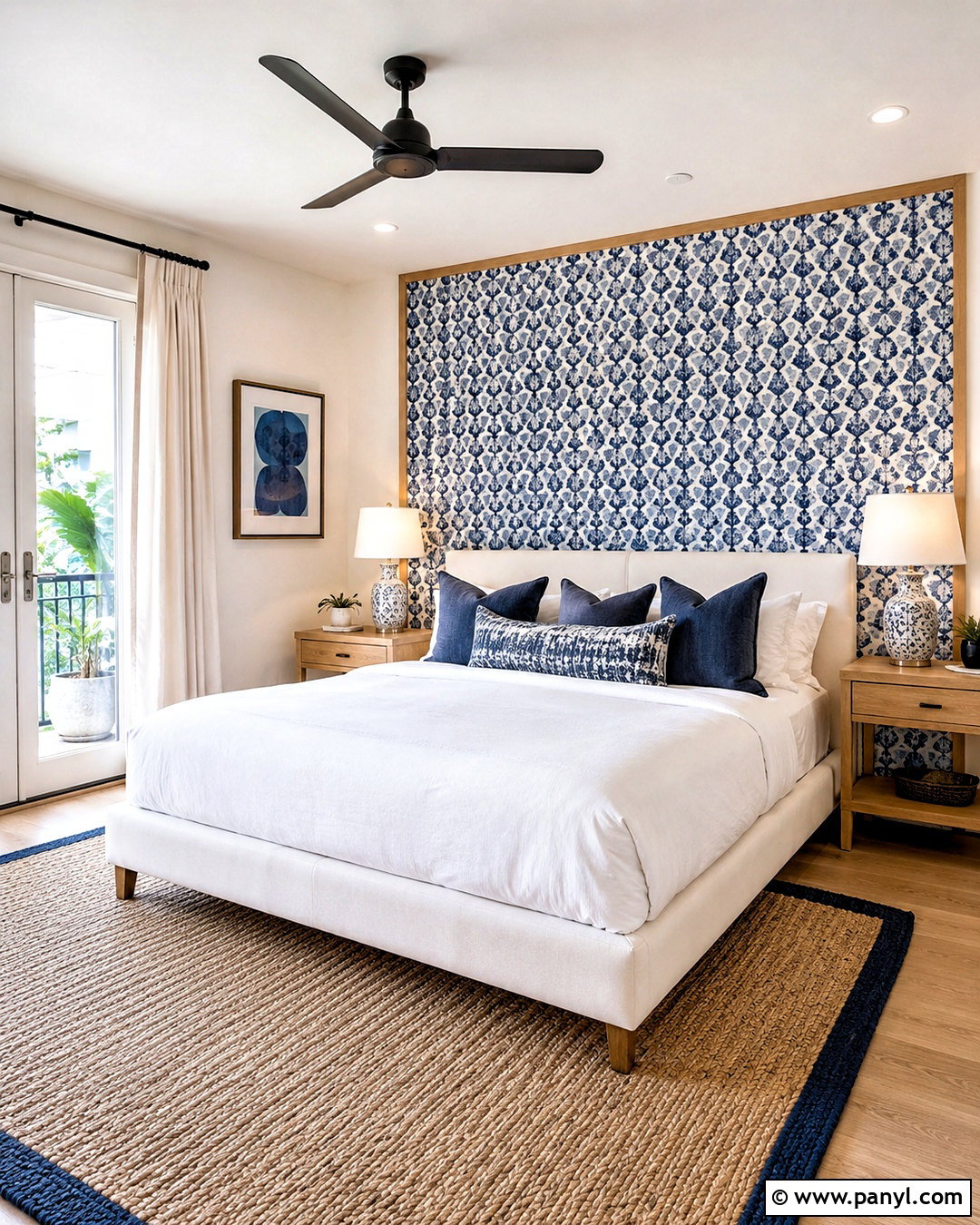
Fabric offers a renter-friendly way to introduce pattern, softness, and color on one wall. Stretch a large piece of blue-and-white block-printed cotton across the wall behind a bedroom headboard, securing it neatly with removable methods appropriate for the surface. Frame the edges with lightweight natural wood trim to give the installation a crisp, intentional boundary. Pair the fabric with a white upholstered bed, indigo pillows, pale oak nightstands, and simple ceramic lamps. Keep the remaining walls warm white and choose solid bedding so the pattern remains balanced. Smooth the material from the center outward to minimize ripples, and align the print before fastening the edges. The completed accent wall feels layered and distinctive while remaining easier to change than traditional wallpaper.
Conclusion:
The most successful accent wall is not simply a decorated surface. It supports the furniture arrangement, strengthens the room’s color palette, and creates a focal point that feels natural within the space. These 20 DIY accent wall ideas offer options for renters, beginner painters, confident woodworkers, and anyone working with a limited budget. Start by measuring the wall and considering how permanent you want the finished treatment to be. Paint and removable materials allow easy changes, while molding, shelving, and wood panels provide greater dimension. Whichever project you choose, repeat its colors or materials in a few nearby furnishings. That small step will help your new accent wall look connected, balanced, and intentionally designed.

Related Ideas and Inspiration:

Leave a Reply