
The right wall finish can change how an entire room feels without adding bulky decor or expensive architectural details. These 20 paint techniques for walls range from softly layered limewash to crisp stripes, murals, and polished faux finishes. Some methods create organic movement that helps disguise minor surface flaws. Others introduce strong pattern, define functional zones, or make plain rooms feel more thoughtfully designed. Before starting, repair damage, clean the surface, apply the correct primer, and test your colors on a large sample board. Decorative effects often look different after drying and under changing daylight. Whether you want a calm bedroom, playful child’s room, sophisticated dining area, or dramatic entryway, the complete looks below offer practical ways to use 20 paint techniques for walls. ()

1. Limewash Wall
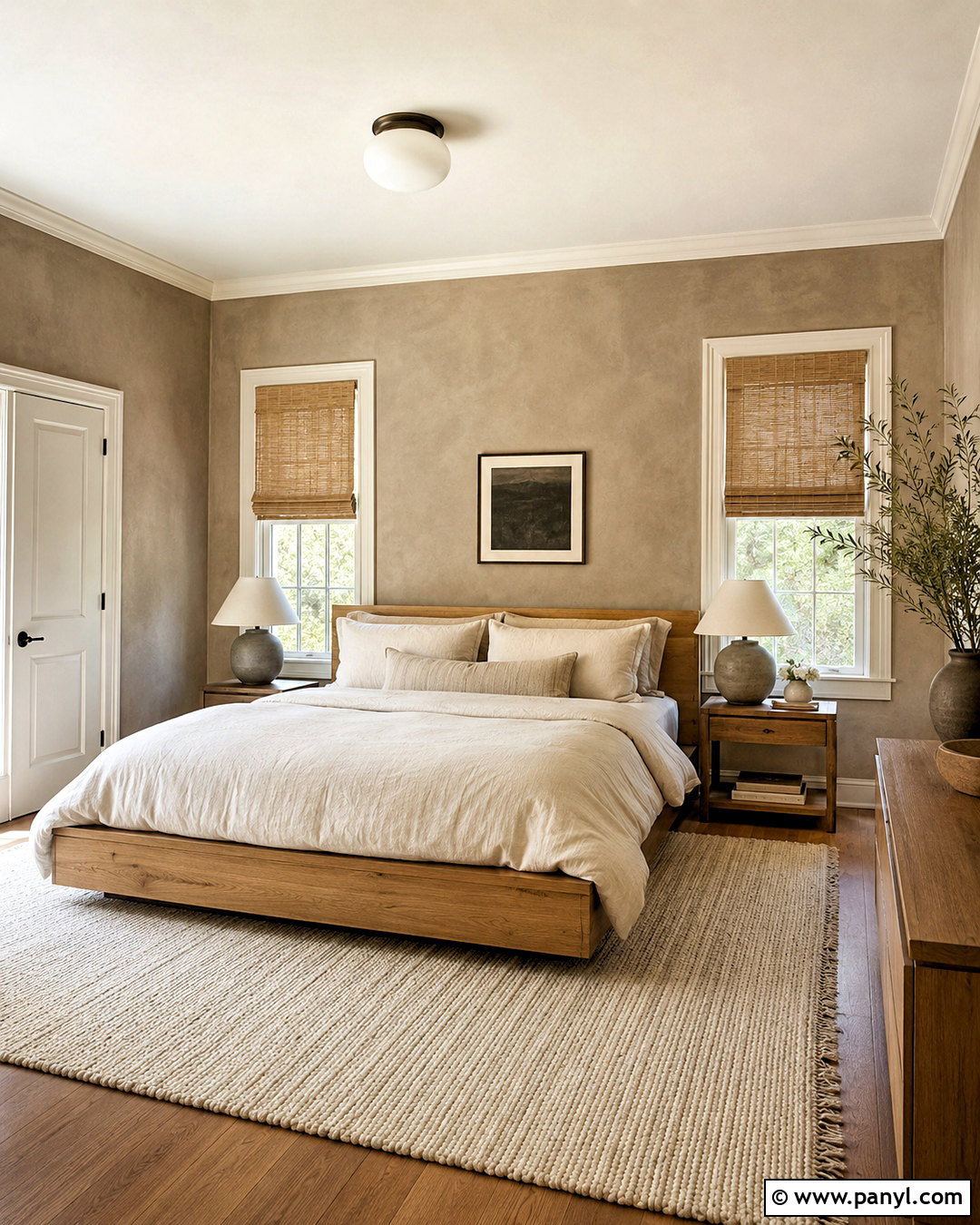
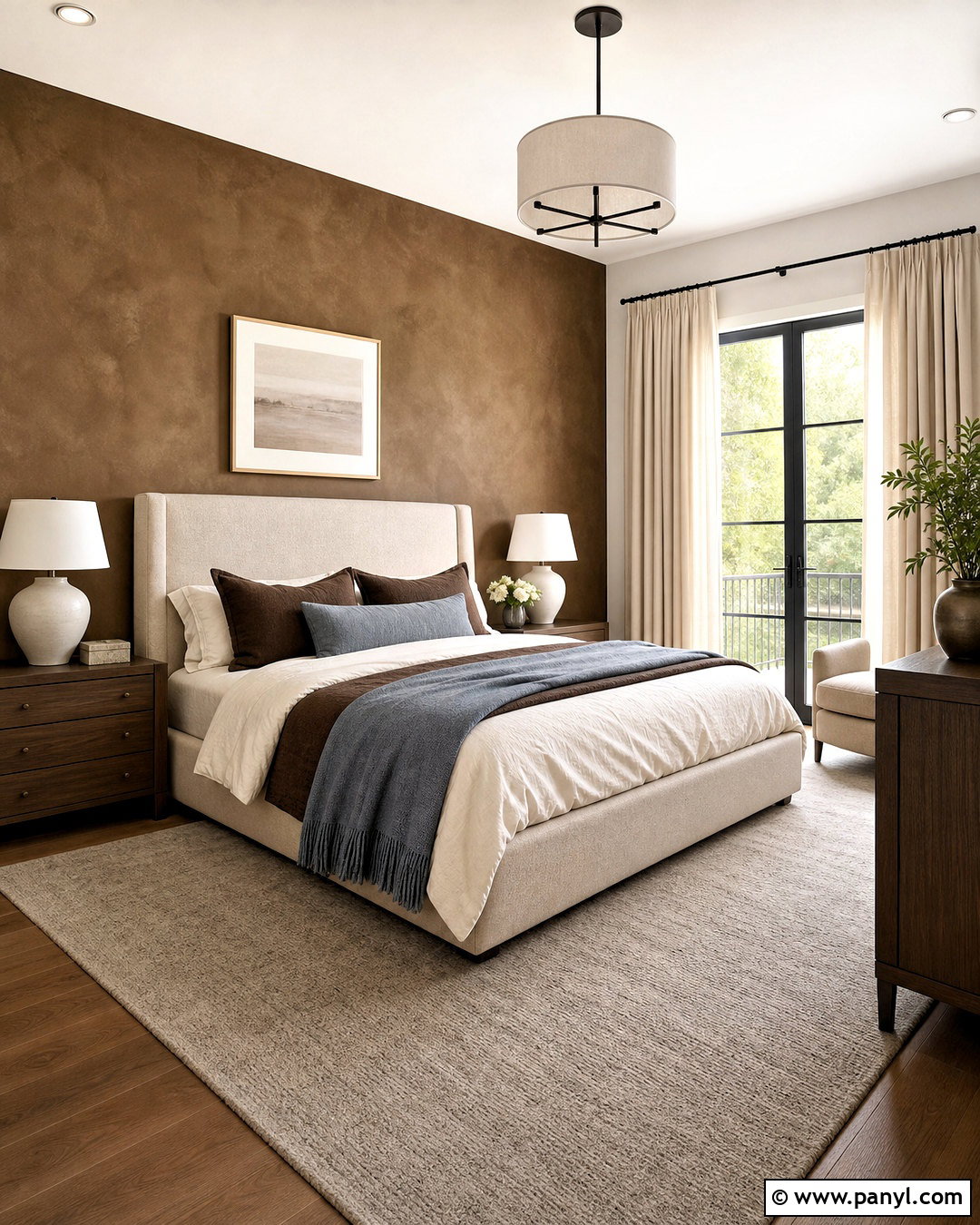
A limewash wall brings soft movement to a room through cloudy color variations and visible brushwork. Create a calming bedroom with warm taupe limewash on every wall, rather than limiting the treatment to one small feature. Pair it with a low natural-oak bed, oatmeal linen bedding, woven shades, and simple ceramic lamps. Apply the finish with a wide masonry brush, working in loose overlapping strokes so hard edges do not form. Because traditional limewash is mineral-based and behaves differently from standard latex paint, confirm that the surface and primer are compatible. Keep trim in a related creamy white for a gentle transition. The finished room should feel layered and relaxed, with restrained decor allowing the textured walls to remain the focal point. ()
2. Color Wash Wall
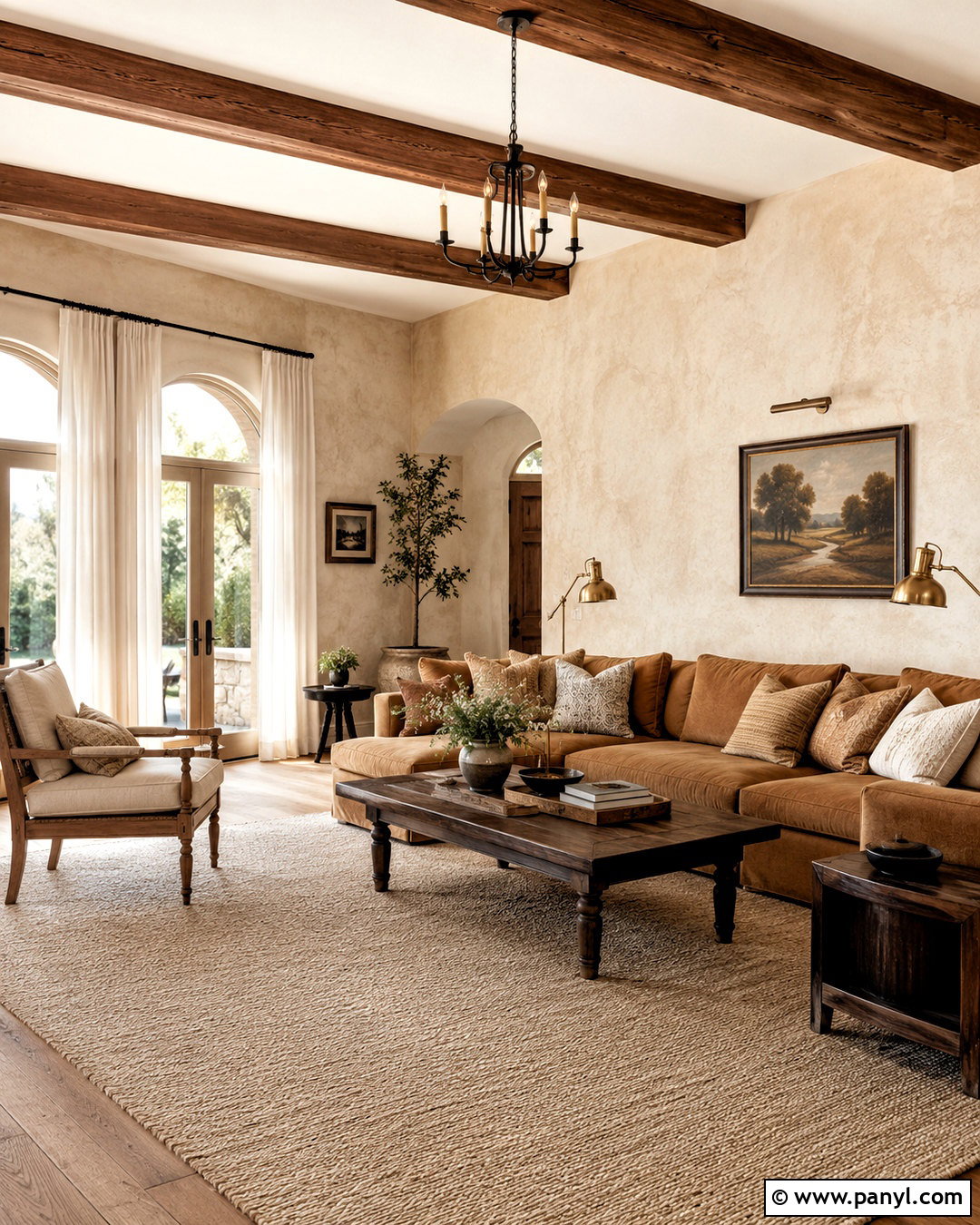
Color washing produces a translucent, softly aged finish that works especially well in comfortable living spaces. Begin with a muted cream base, then brush a clay-beige glaze over it using loose, crossing motions. Soften heavy marks immediately with a clean rag or sponge. Continue the treatment across all walls so the room feels cohesive instead of unfinished. A camel-colored sofa, walnut coffee table, ivory curtains, and antique-brass lighting complement the warm surface without making it overly traditional. Work in small sections and maintain a wet edge because dried boundaries can create obvious patches. Use two closely related colors for subtle depth or increase the contrast for a more rustic result. The complete scheme feels warm, inviting, and naturally imperfect. ()
3. Sponge Painted Wall
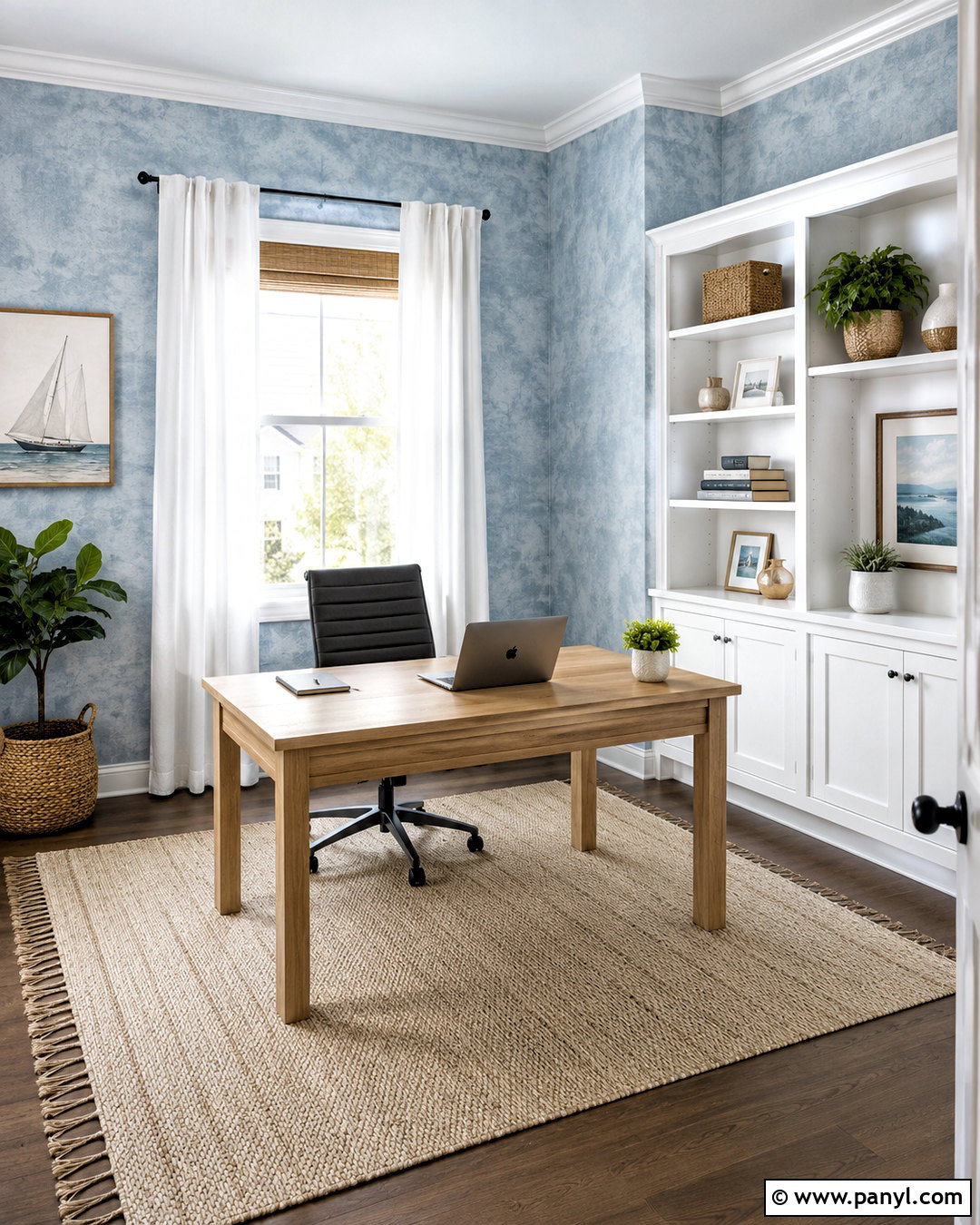
Sponge painting can look fresh when the colors are quiet and the application remains irregular. For an airy home office, cover the walls with a pale blue-gray base and dab on a slightly deeper blue-gray glaze using a damp natural sea sponge. Rotate the sponge after each impression and leave portions of the base visible. This prevents a repetitive stamped pattern. Complete the room with a light-oak desk, white shelving, a charcoal task chair, and a flat-woven cream rug. Practice on poster board before touching the wall so you can adjust pressure and paint quantity. Blend corners with a smaller sponge, then step back frequently to check the balance. The finished effect should resemble soft atmospheric texture rather than busy dots or heavy camouflage. ()
4. Rag Rolled Wall
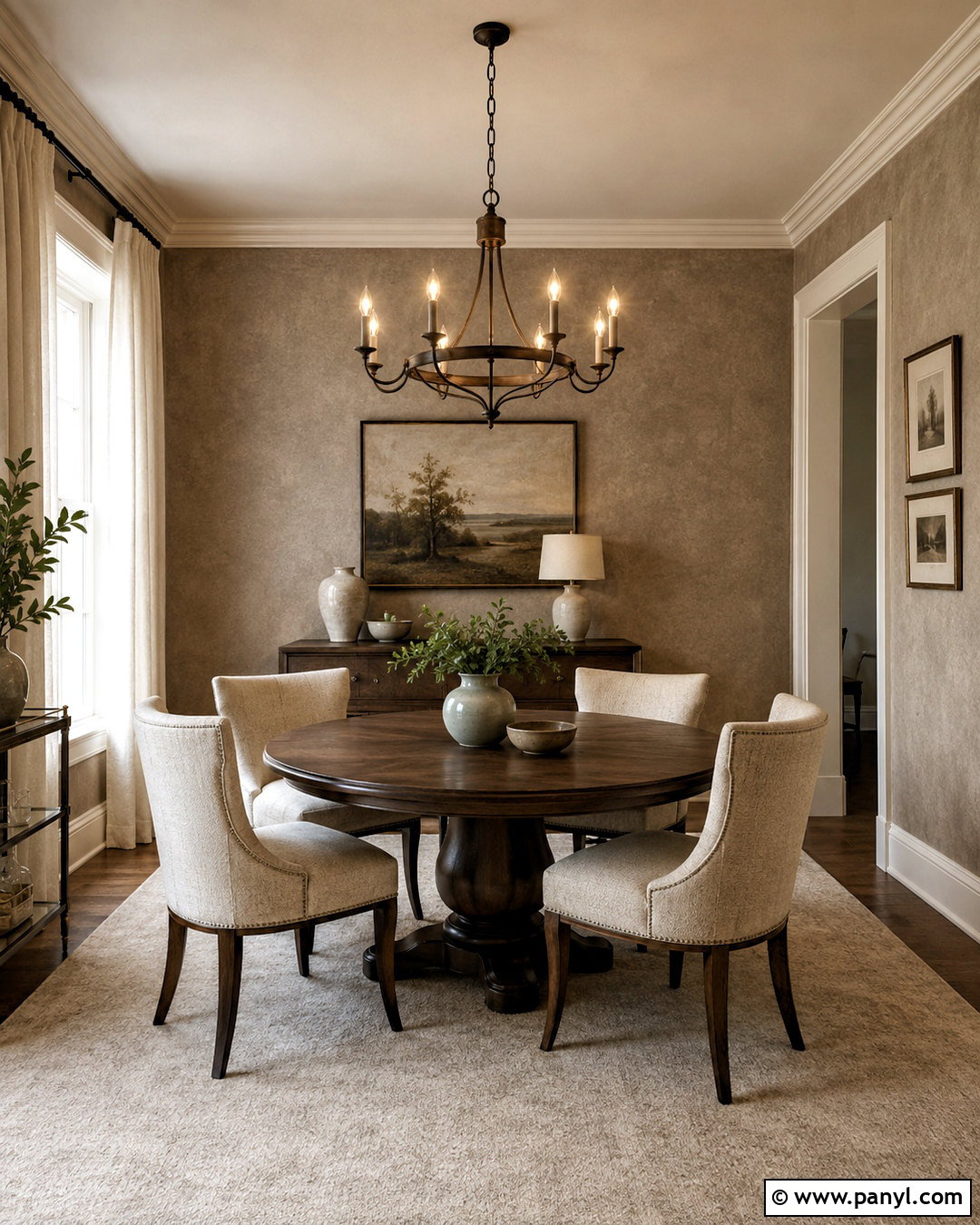
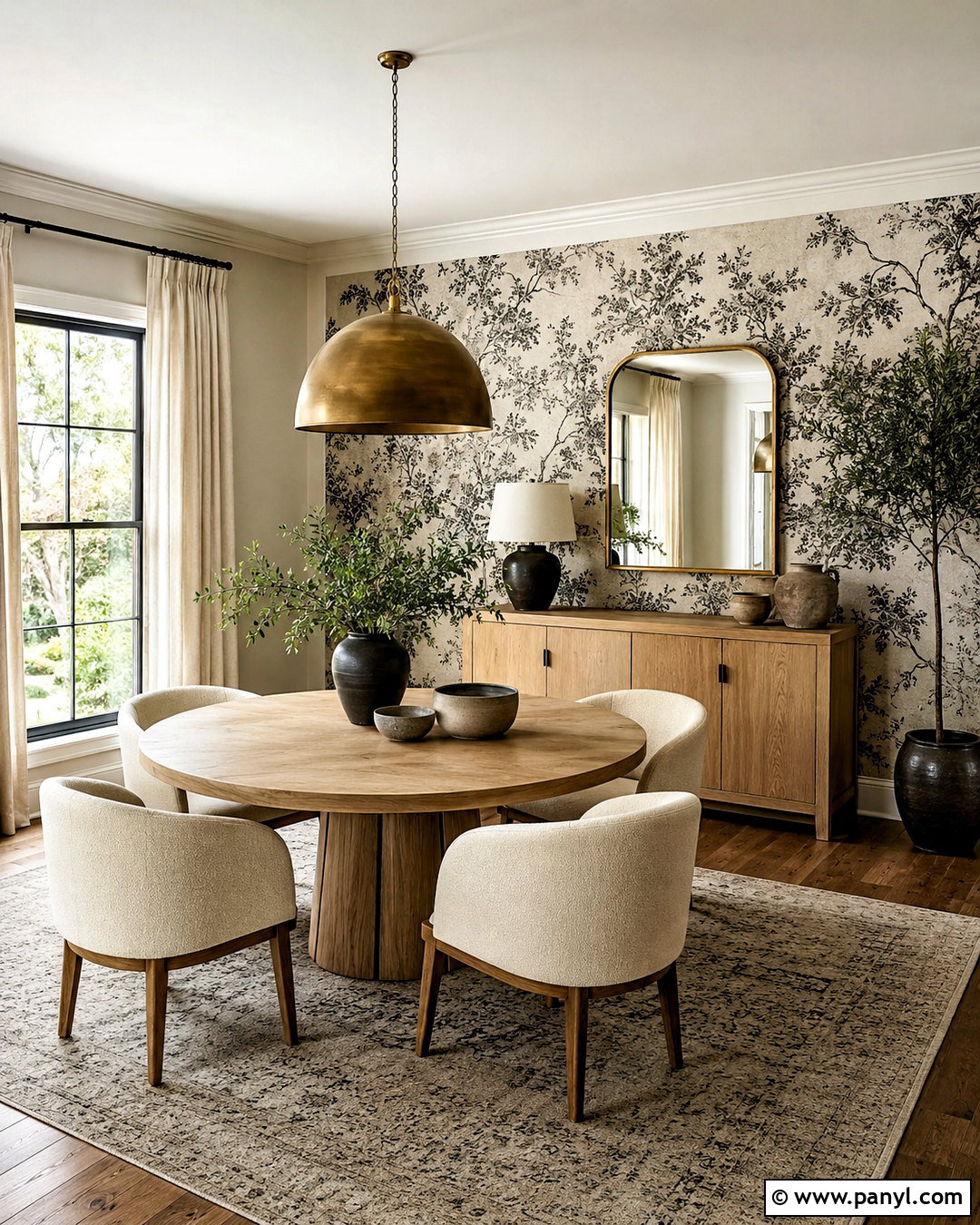
Rag rolling creates broken lines and organic folds that can give a dining room understated old-world character. Paint the walls a warm greige, then roll a loosely twisted cotton rag through a mushroom-colored glaze while the top layer remains workable. Change the rag’s direction and refold it often to avoid repeated marks. Use the finish throughout the dining area, balanced by a round walnut table, upholstered oatmeal chairs, a simple bronze chandelier, and full-length ivory curtains. Keep the ceiling and trim a soft white so the textured surface does not become overwhelming. Two people can make the process easier, with one applying glaze and the other rolling it away. The complete room will feel collected and sophisticated without depending on elaborate furniture or excessive wall art. ()
5. Ombre Wall
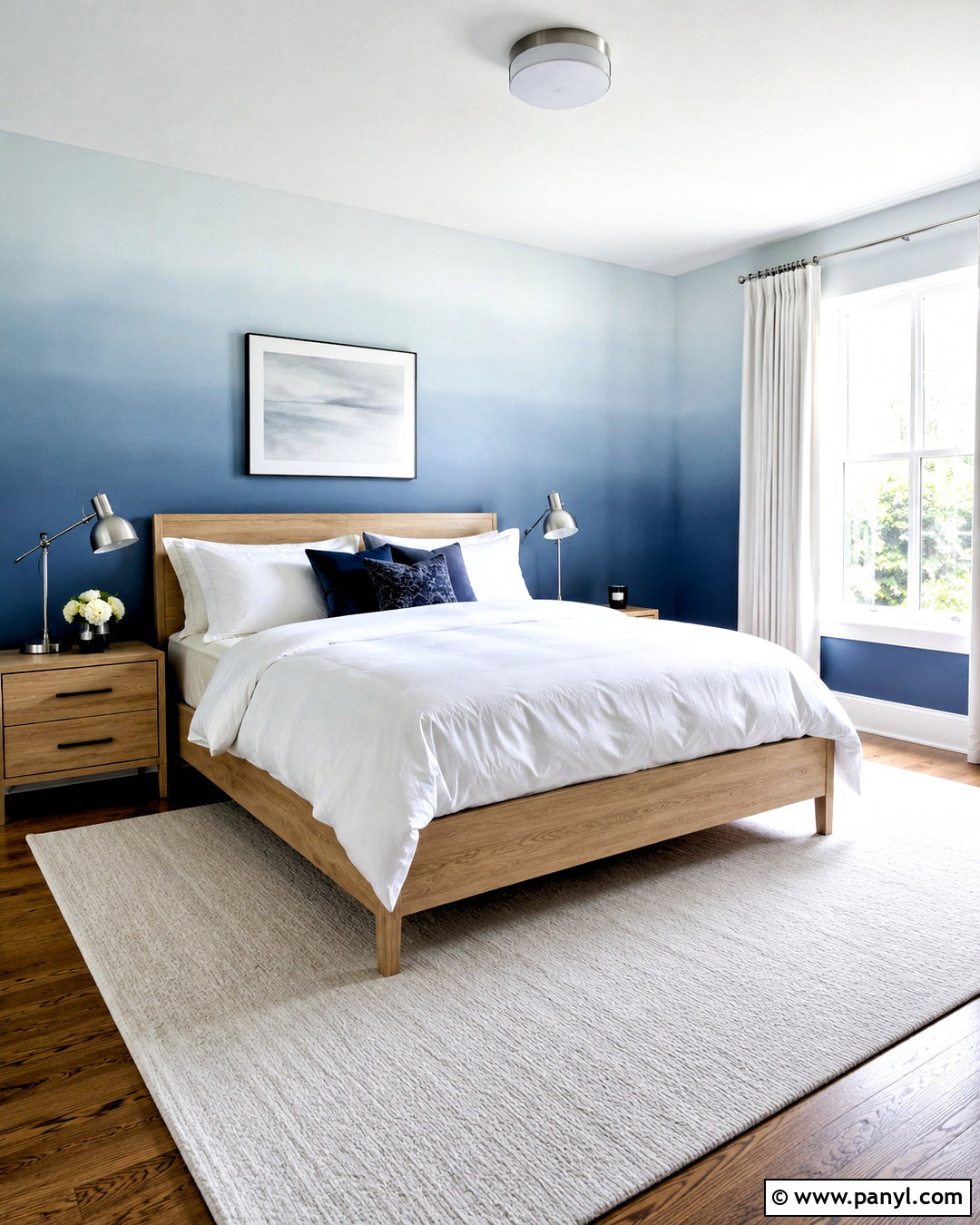
An ombre wall creates a gradual color transition that can make a bedroom feel dreamy and visually taller. Start with deep dusty blue near the floor, move through a medium blue at the center, and finish with pale misty blue near the ceiling. Divide the wall into broad horizontal bands, then blend adjoining colors while they are still wet. Use separate brushes for the main shades and a clean, dry brush for softening transitions. Carry the effect around the entire room for an immersive result, or use it behind the bed with coordinating solid walls elsewhere. Add white-oak furniture, crisp white bedding, navy accents, and brushed-nickel lighting. Avoid narrow, obvious bands. A successful gradient should appear smooth from normal viewing distance and complement the room’s furniture rather than compete with it.
6. Striped Wall
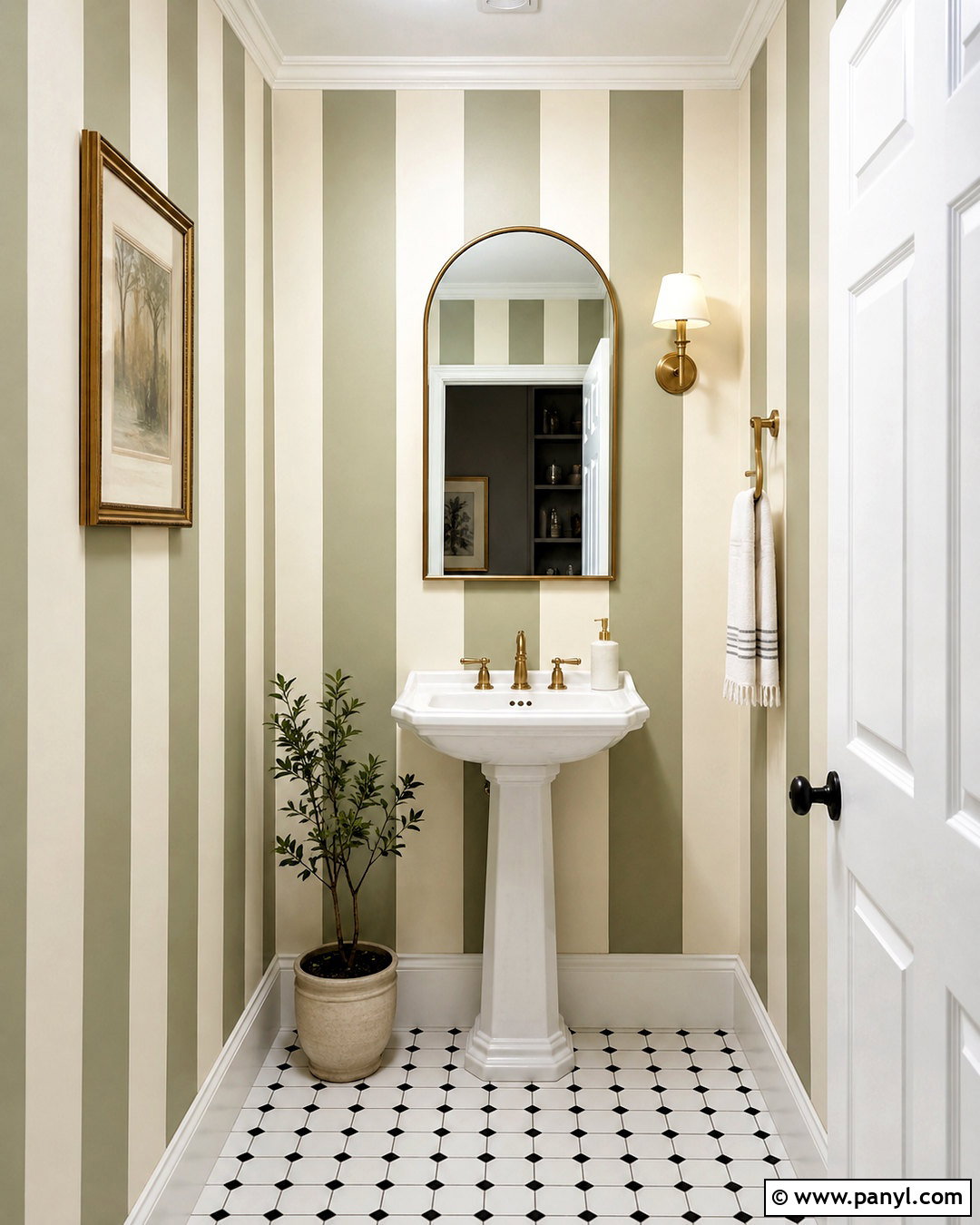
Painted stripes provide structure and can subtly alter the perceived proportions of a room. In a small powder room, use wide vertical stripes in soft sage green and warm white to draw attention upward. Add a white pedestal sink, unlacquered-brass faucet, arched mirror, and small black-and-white floor tiles for a complete traditional-meets-modern look. Apply the lighter color first and let it cure before measuring each stripe. Use a level or laser guide, press painter’s tape down firmly, and seal the tape edges with the base color before adding green paint. Remove the tape while the final coat is slightly wet. Keep the stripe widths consistent around corners and behind fixtures. The finished room feels taller, brighter, and more intentional without requiring patterned wallpaper.
7. Color Block Wall
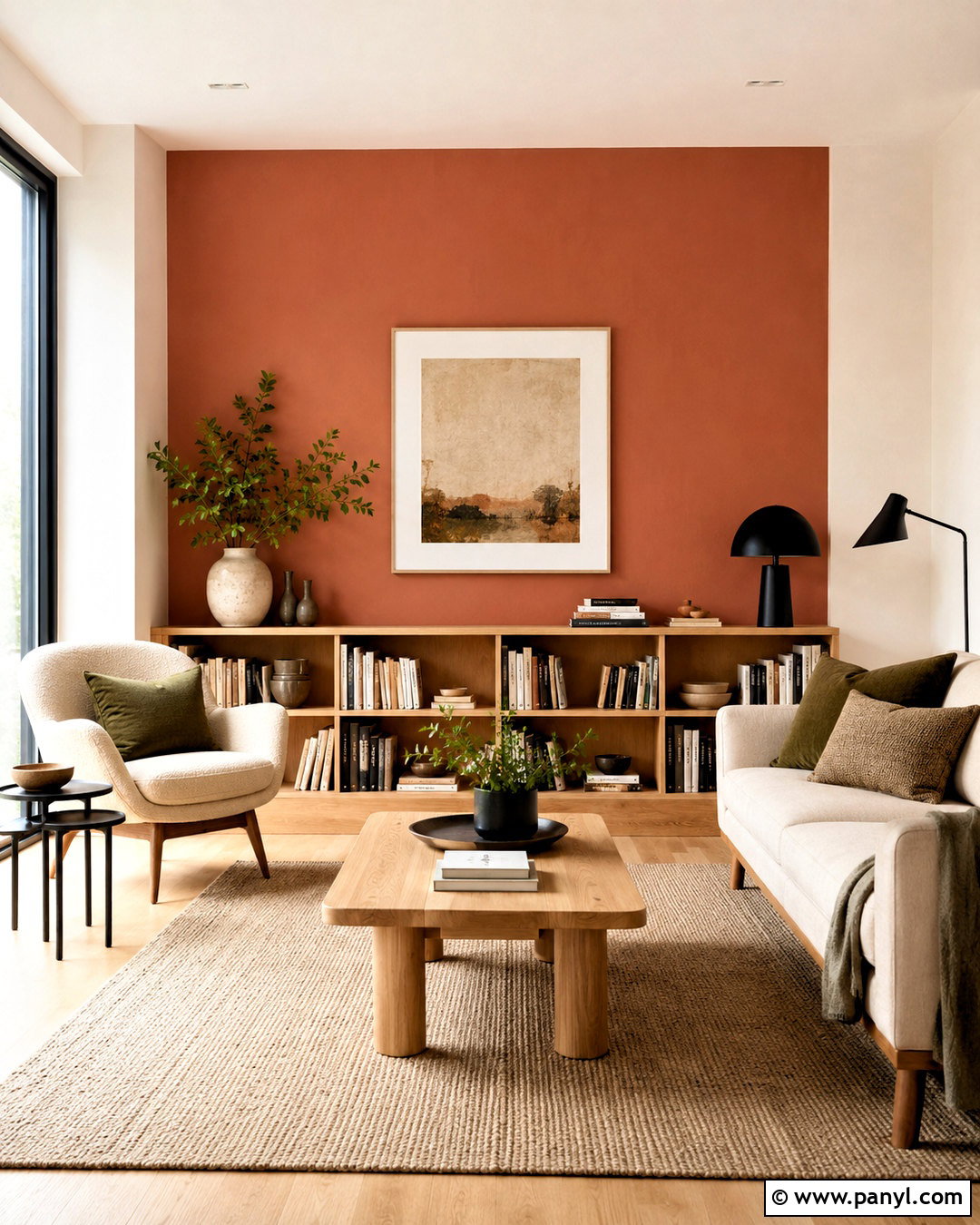
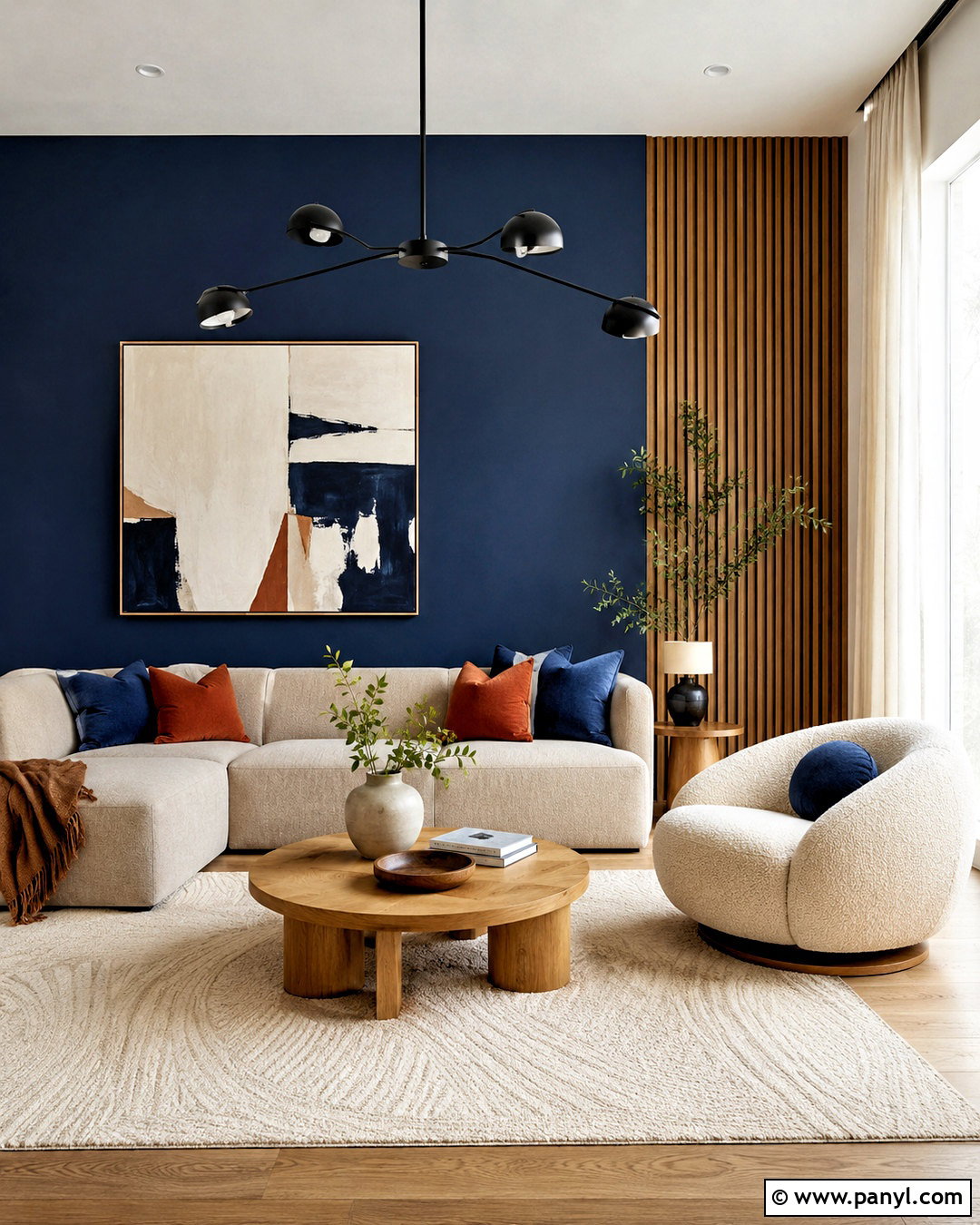
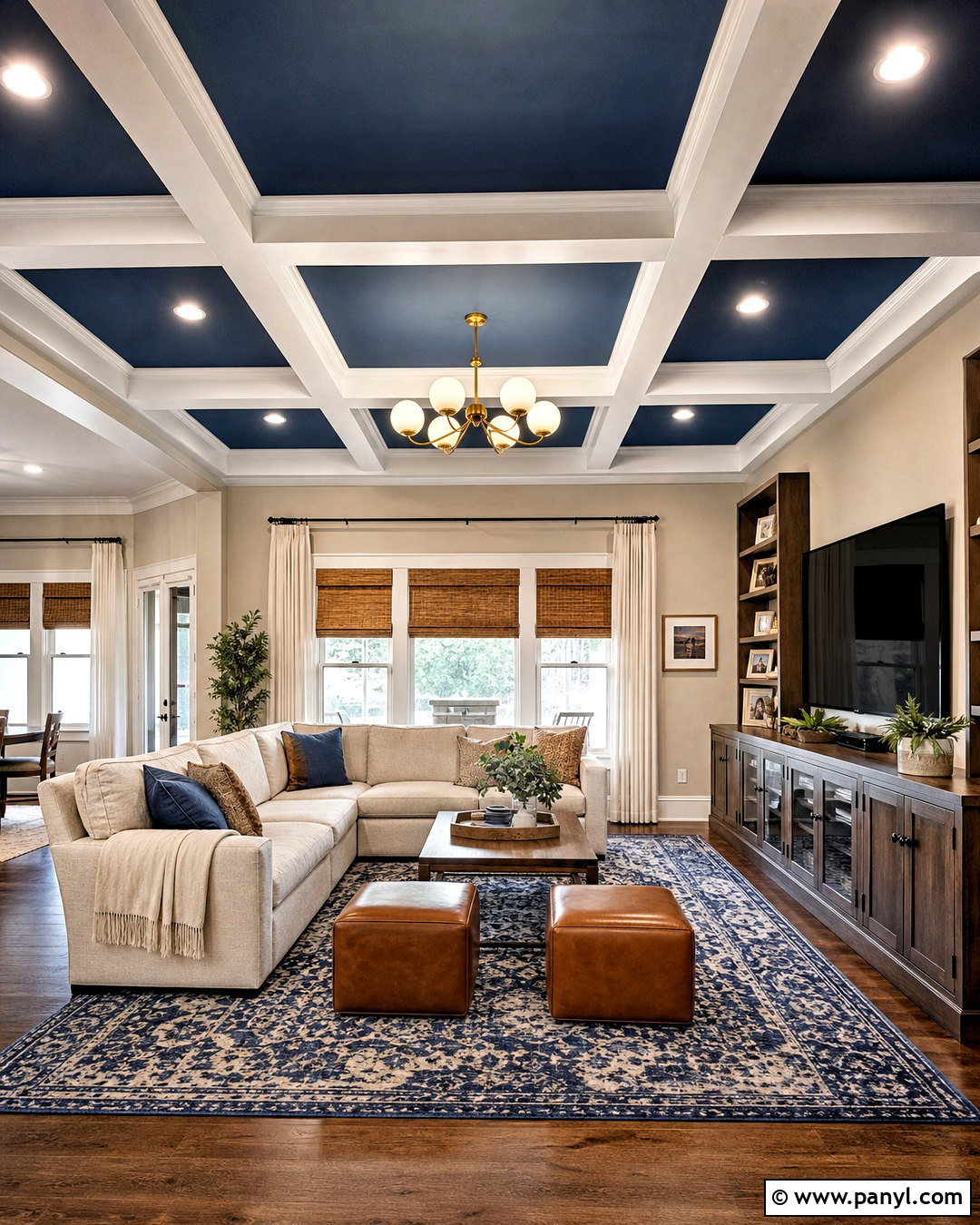
Color blocking defines different parts of an open room while adding clean, contemporary contrast. Create a reading area by painting a large terracotta rectangle behind a low bookcase and lounge chair. Surround it with warm off-white walls, then introduce olive-green cushions, a cream rug, pale-oak furniture, and matte-black lighting. The painted block should be wide enough to visually contain the furniture grouping, with its edges aligned to nearby shelves or architectural features. Measure carefully, use a level, and seal the tape to achieve crisp lines. Repeat the terracotta shade through two or three small accessories so the block feels connected to the room. This technique works best when the color serves a clear purpose, such as framing furniture, separating activities, or emphasizing a useful architectural zone.
8. Geometric Wall
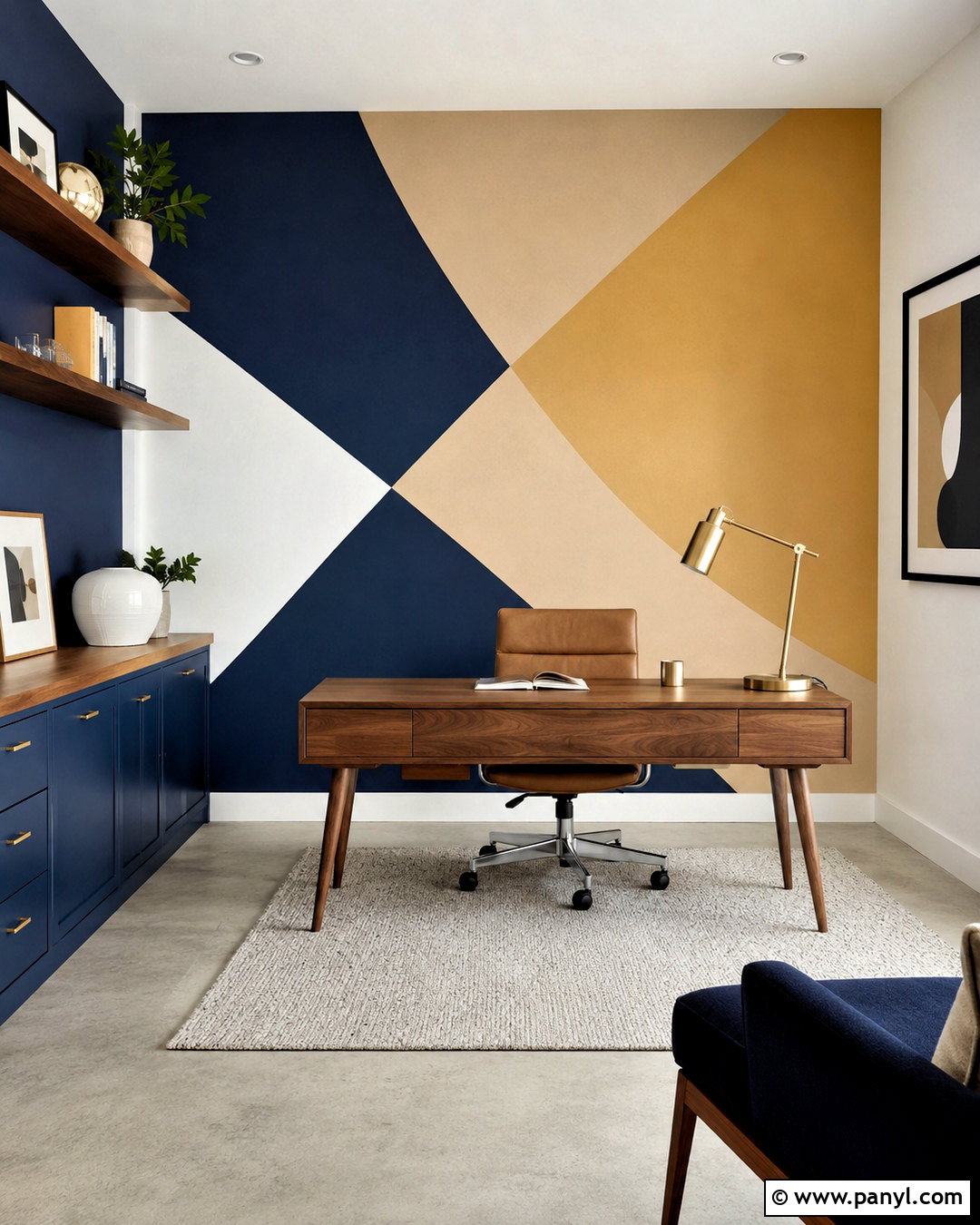
A geometric wall gives a simple bedroom or workspace a bold focal point without covering every surface in pattern. Behind a desk, combine large overlapping shapes in muted navy, dusty mustard, warm beige, and soft white. Keep the remaining walls neutral, then furnish the room with a walnut desk, tan leather chair, navy storage cabinet, and understated brass lamp. Sketch the arrangement on paper before transferring it to the wall with a level, pencil, and low-tack painter’s tape. Paint the lightest shape first and allow each area to dry before creating an overlapping section. Limit the palette to three or four coordinated colors so the result stays balanced. Larger shapes usually appear cleaner and more architectural than many tiny forms, especially in an average-size room.
9. Stenciled Wall
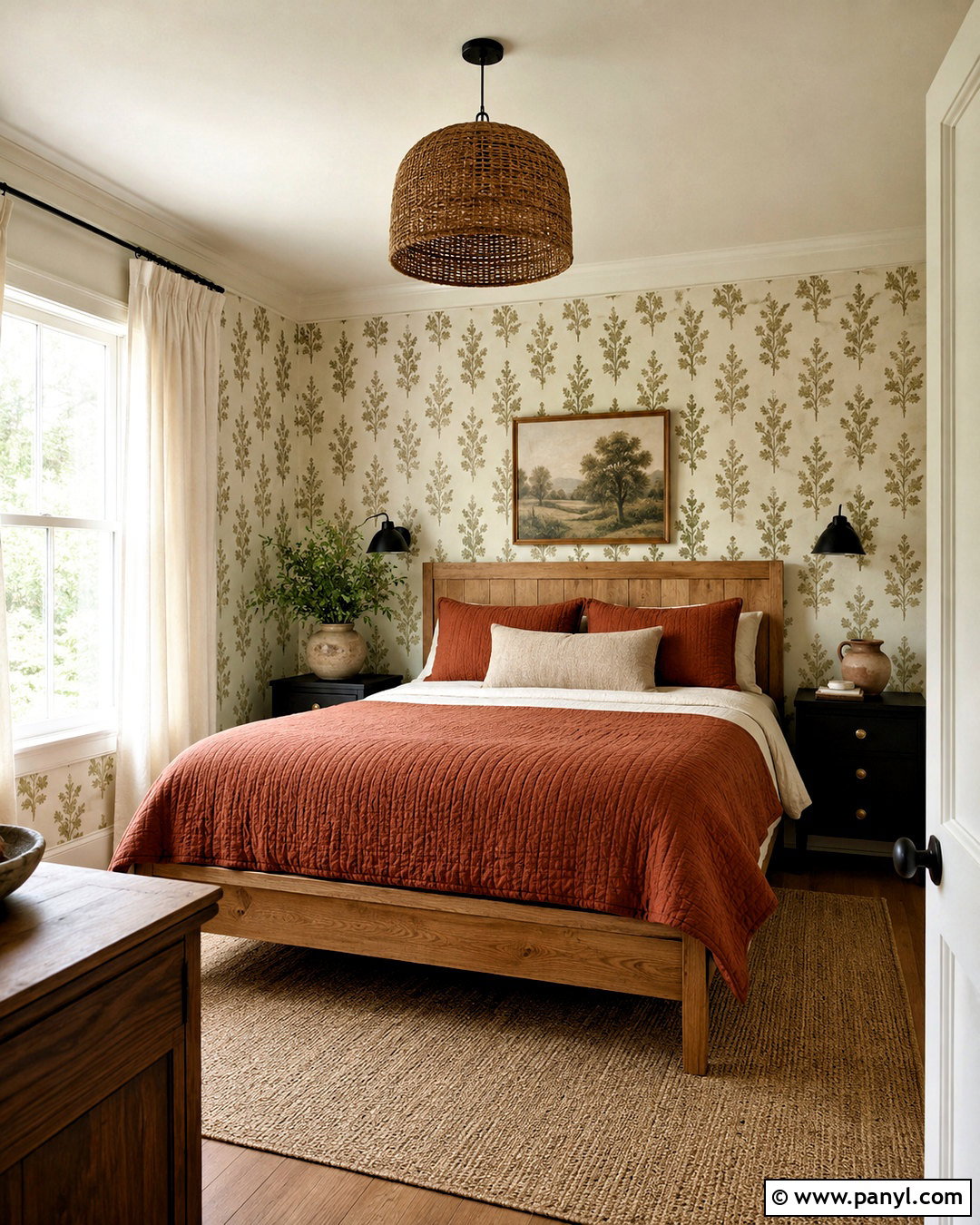
A stenciled wall can deliver the rhythm of wallpaper while allowing complete control over color and scale. Give a guest bedroom a relaxed botanical look with a repeating leafy stencil in muted olive over a creamy beige base. Pair it with an oak bed, rust-colored quilt, linen curtains, woven pendant light, and small black nightstands. Mark a level starting line near the center of the main wall, then work outward so partial repeats land in less noticeable corners. Apply paint with a nearly dry foam roller or stencil brush to prevent bleeding. Clean the stencil periodically and use registration marks to keep each repeat aligned. Continue the pattern across one focal wall while leaving the other walls creamy beige. The finished room feels detailed, welcoming, and carefully coordinated.
10. Hand Painted Wall Mural
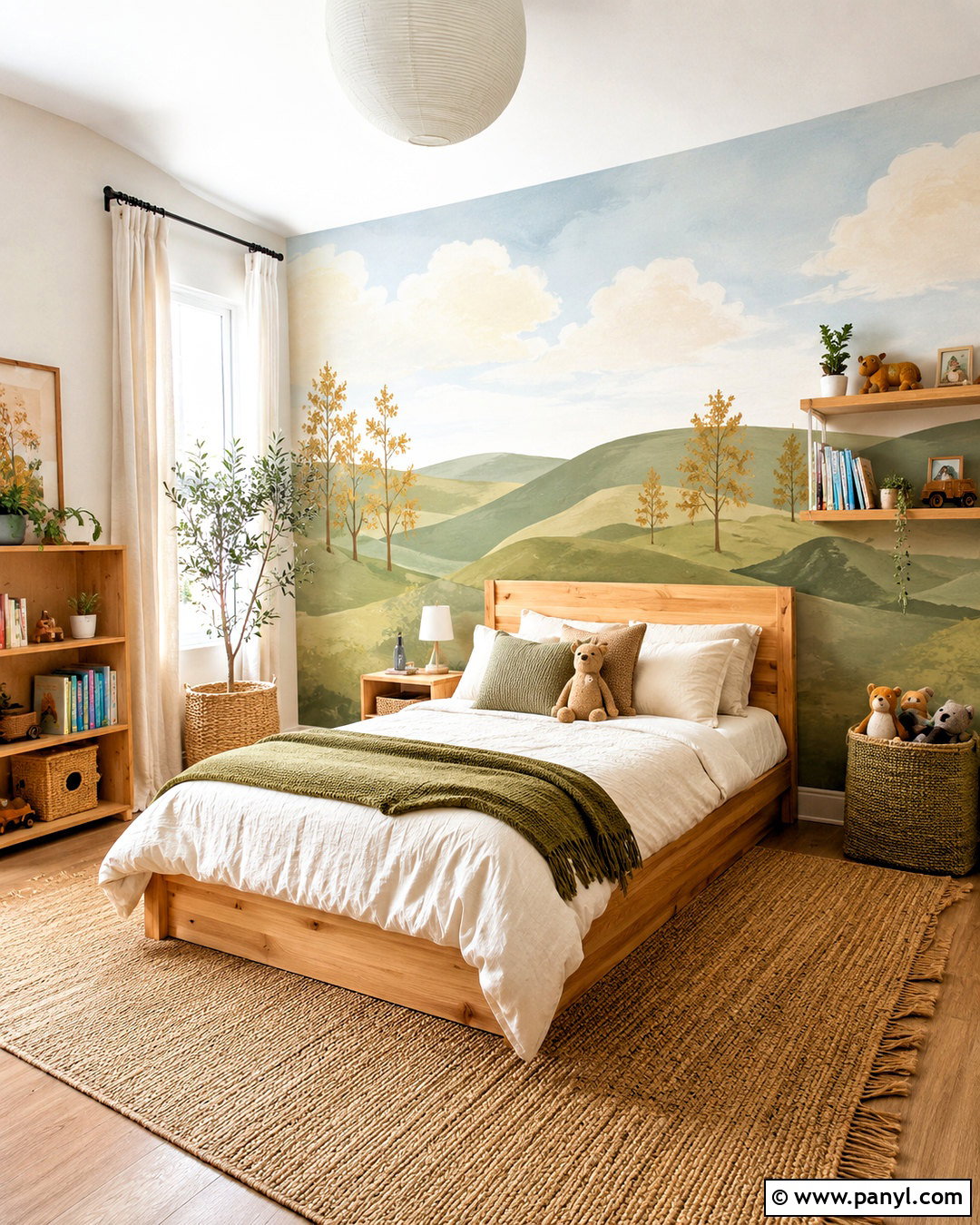
A hand-painted mural turns an ordinary wall into original artwork and can establish the color palette for the entire room. In a child’s bedroom, paint a simplified landscape with rolling sage hills, pale blue sky, warm cream clouds, and small ocher trees. Keep the shapes broad and graphic so the scene remains calm as furnishings change over time. Add a natural-wood bed, ivory bedding, olive storage baskets, and a washable tan rug. Begin with a scaled paper sketch, lightly transfer the main outlines, and paint background areas before foreground details. Use interior acrylic paint in sample-size containers for easy color coordination. Extend the mural from baseboard to ceiling on one wall, leaving adjacent walls warm white. The finished space feels imaginative without becoming cluttered or theme-heavy.
11. Faux Marble Wall
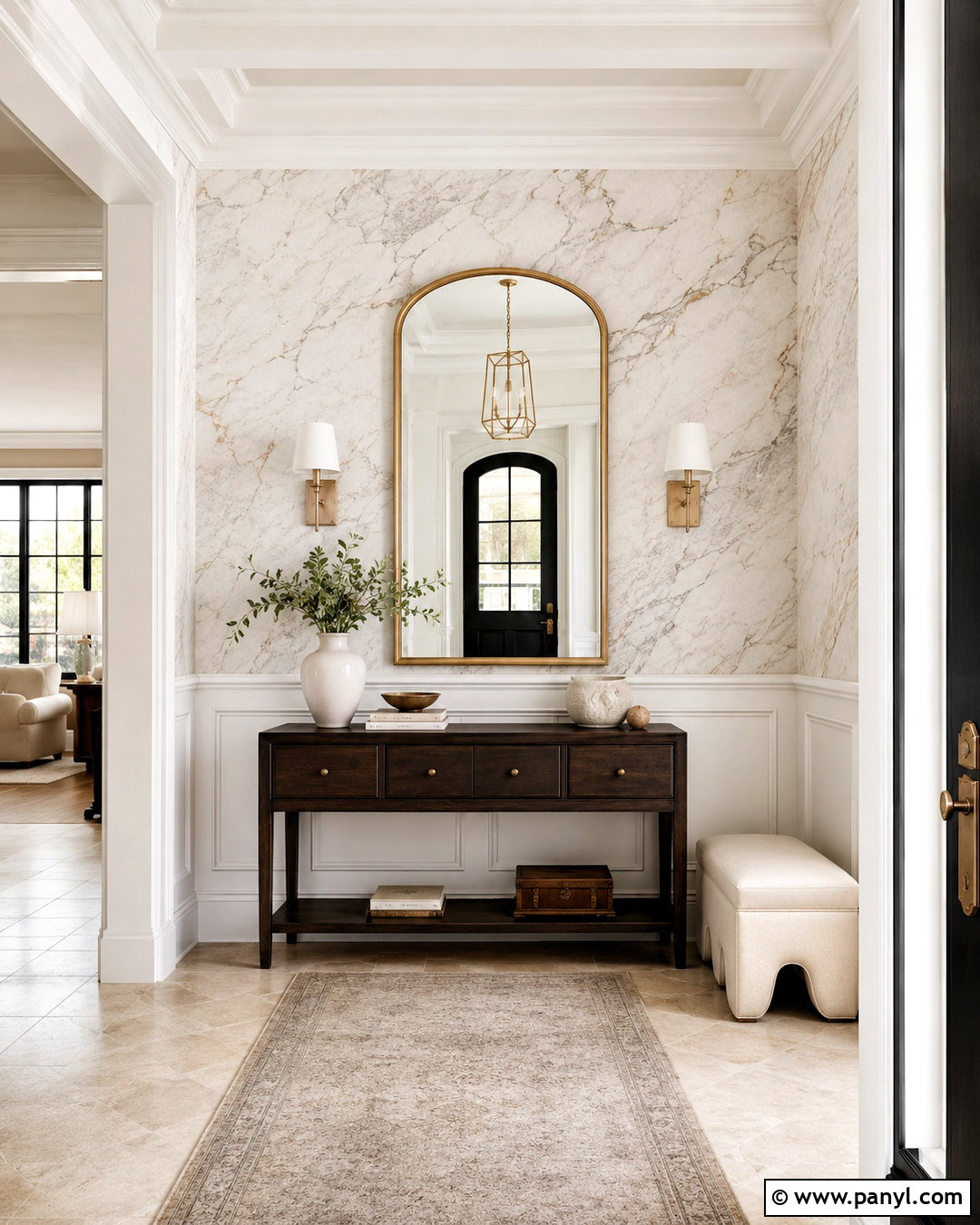
Faux marble painting gives an entryway or dining room a polished stone appearance without installing heavy slabs. Begin with a warm white base, then build subtle gray and taupe veining using a small artist’s brush, feather, and diluted glaze. Soften each line with a dry blending brush so the veins appear embedded rather than drawn on top. Use the technique on one large wall above simple white panel molding. Complete the room with a dark walnut console, rounded brass mirror, cream bench, and limestone-look flooring. Study real marble before painting because authentic veins branch, fade, and change direction. Avoid covering every inch with identical lines. A clear protective finish can add gentle depth where appropriate. The final wall should support the elegant room rather than resemble a theatrical backdrop.
12. Faux Concrete Wall
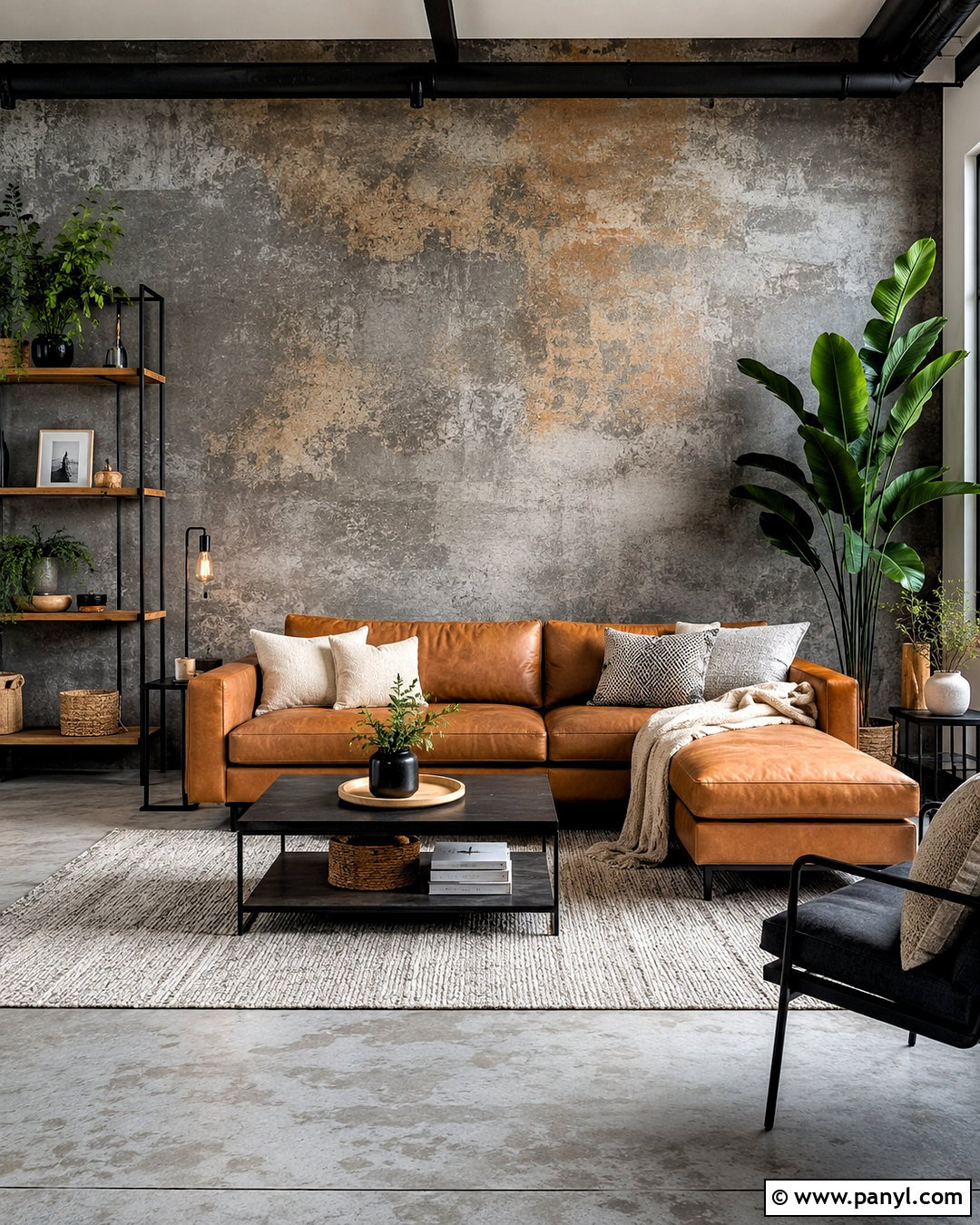
Faux concrete gives a living room an architectural edge while preserving the comfort of a painted surface. Apply medium-gray paint over a smooth base, then blend lighter gray, charcoal, and a touch of warm taupe with a trowel, sponge, or broad brush. Leave irregular cloudy areas and faint directional marks instead of creating uniform coverage. Use the finish on the television or fireplace wall, surrounded by warm white paint. Add a low caramel sofa, black metal tables, pale-oak shelving, cream textiles, and large green plants to soften the industrial influence. Test the layers first because excessive black can make the surface look dirty. The completed room should balance cool concrete tones with warm wood, tactile fabrics, and ample lighting, creating an urban appearance that still feels comfortable and livable.
13. Venetian Plaster Wall
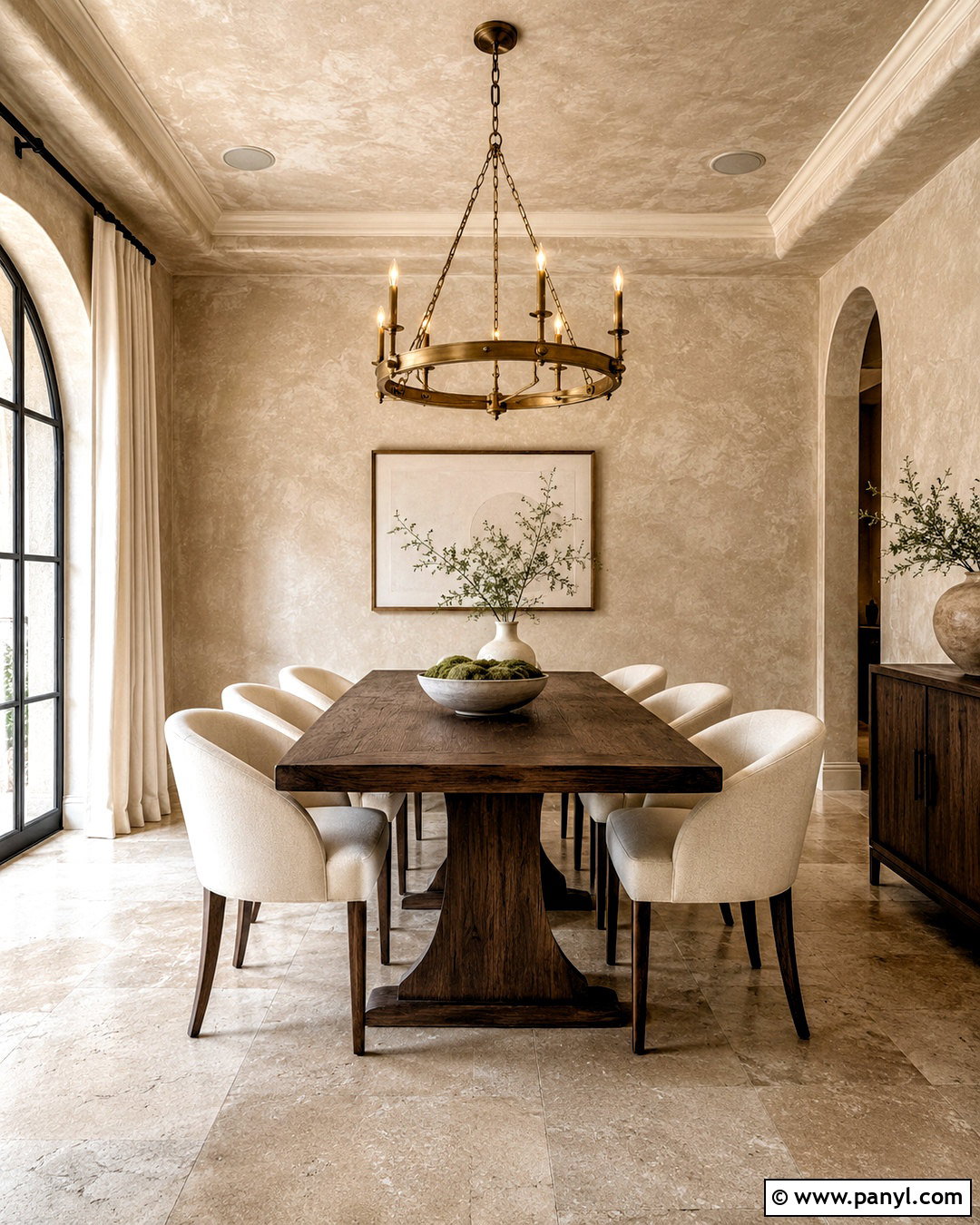
Venetian plaster creates a smooth, layered surface with subtle tonal depth and a softly polished appearance. Use a warm ivory finish throughout a formal dining room, applying several thin coats with a flexible steel trowel. Place each stroke at a slightly different angle, keeping the edges thin to avoid raised ridges. Once dry, burnish the surface according to the product instructions to reveal gentle variation and sheen. Complete the room with a dark-oak dining table, curved cream chairs, an aged-brass chandelier, and linen drapery. Minimal artwork allows the reflective wall finish to remain visible. Properly prepared, smooth walls are important because strong bumps may interfere with the polished result. This complete scheme feels refined and dimensional while relying on quiet colors, natural materials, and controlled decorative detail.
14. Strié Wall
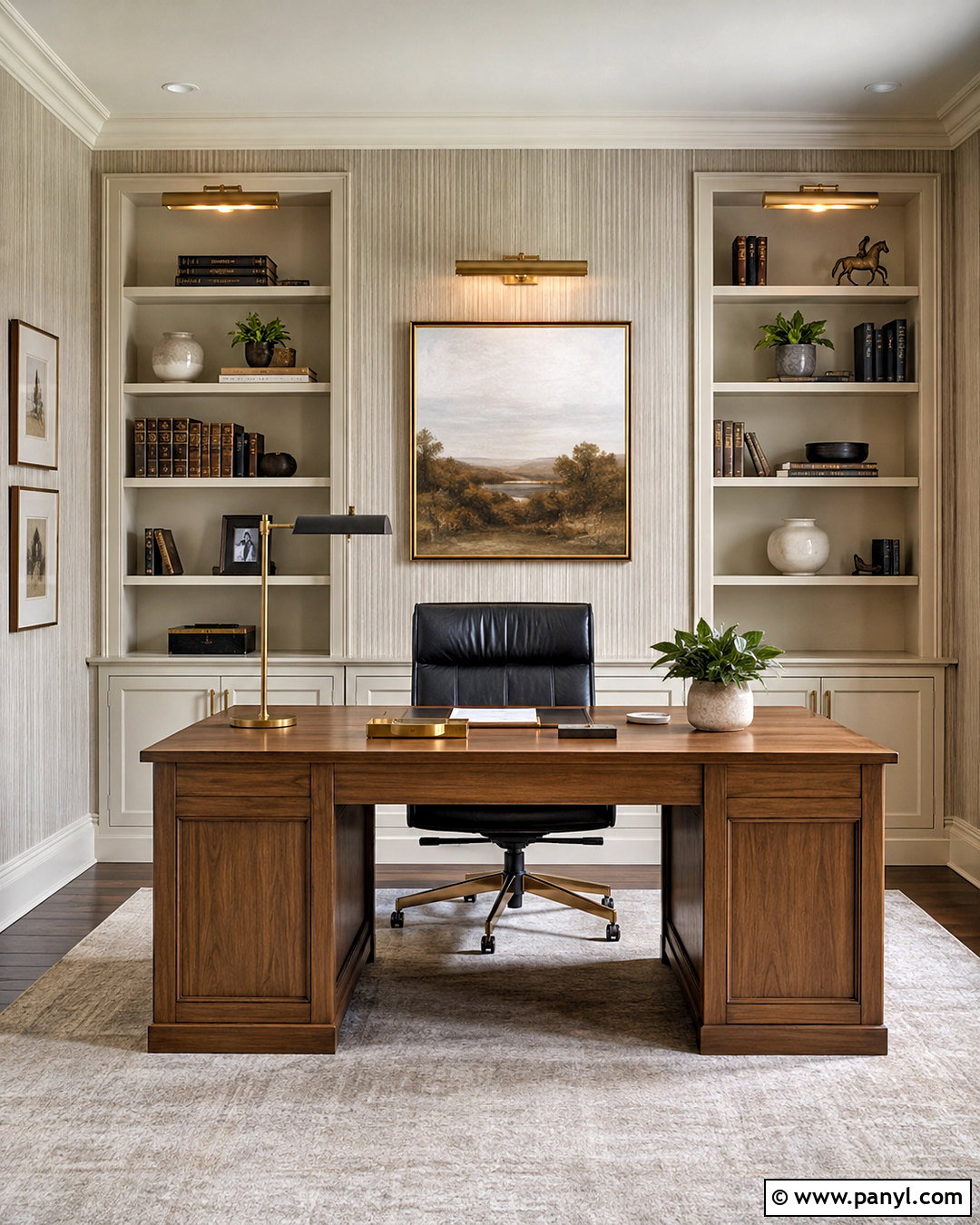
Strié painting creates fine vertical or horizontal lines that resemble woven fabric. It works beautifully in a tailored home office where texture is wanted without a bold pattern. Paint the walls a light mushroom color, then apply a slightly darker translucent glaze in manageable sections. Pull a dry wallpaper brush steadily from ceiling to floor to form narrow vertical lines. Wipe the brush frequently so excess glaze does not create heavy streaks. Furnish the office with built-in cream shelves, a medium-tone wood desk, a charcoal chair, and bronze picture lights. Keep the direction consistent and overlap sections carefully while the glaze remains workable. The completed wall treatment adds quiet movement and makes the room feel polished, structured, and warmer than a plain solid-color finish.
15. Combed Paint Wall
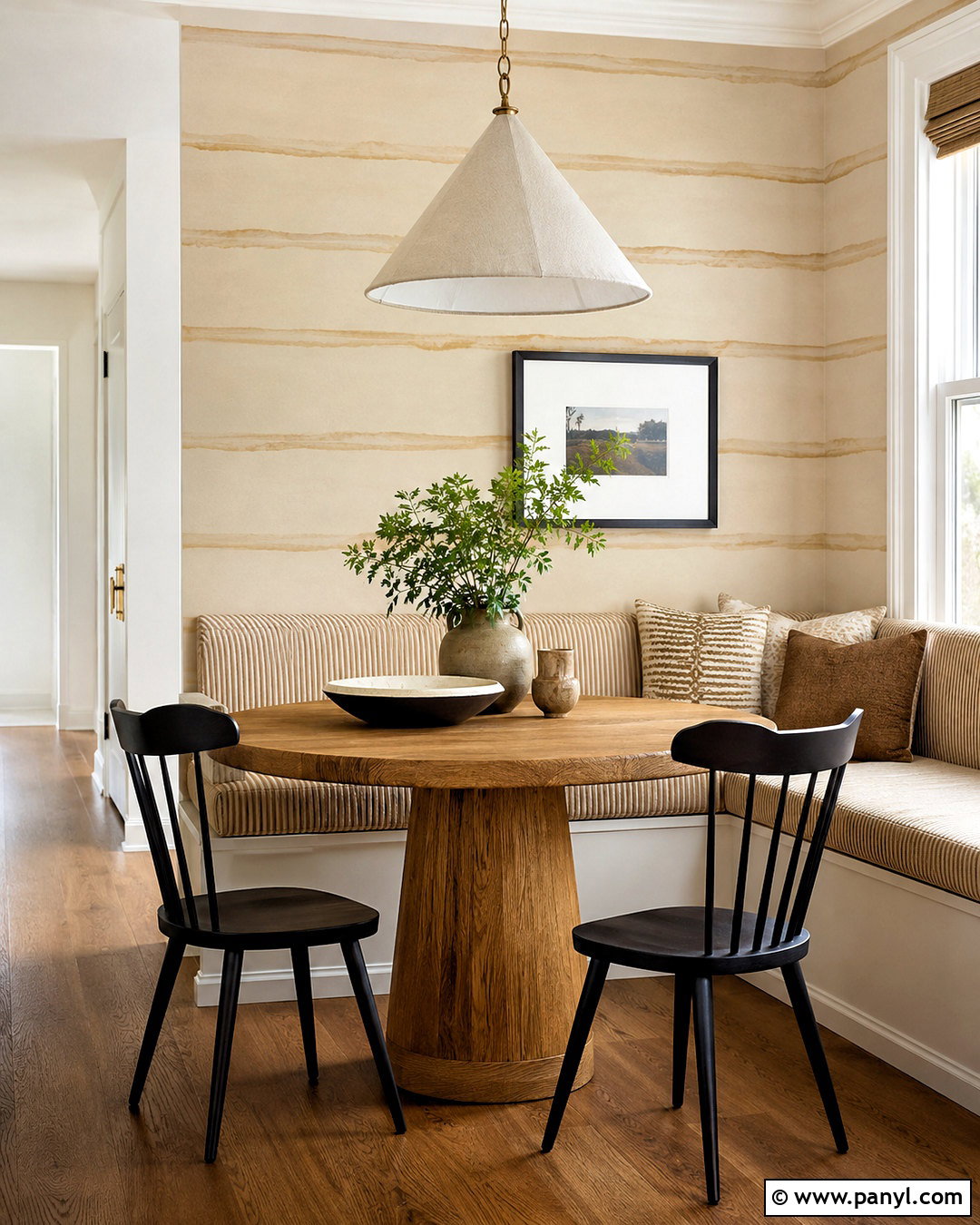
Combed paint uses a notched tool to form controlled lines in a wet glaze, creating a distinctive textured pattern. For a breakfast nook, apply a pale sandy base followed by a warm caramel glaze. Pull a wide decorative comb horizontally across the surface, gently wavering the tool to make relaxed lines rather than rigid stripes. Continue the treatment on the nook’s three surrounding walls to create a cozy, defined zone. Add a built-in cream bench, striped beige cushions, a round oak table, black chairs, and a simple linen pendant. Work in narrow sections because the glaze must stay wet while combing. Clean the tool after every pass and use a guide at the starting edge. The final setting feels handcrafted, sunny, and coordinated, with texture supporting the practical eating area.
16. Stippled Wall
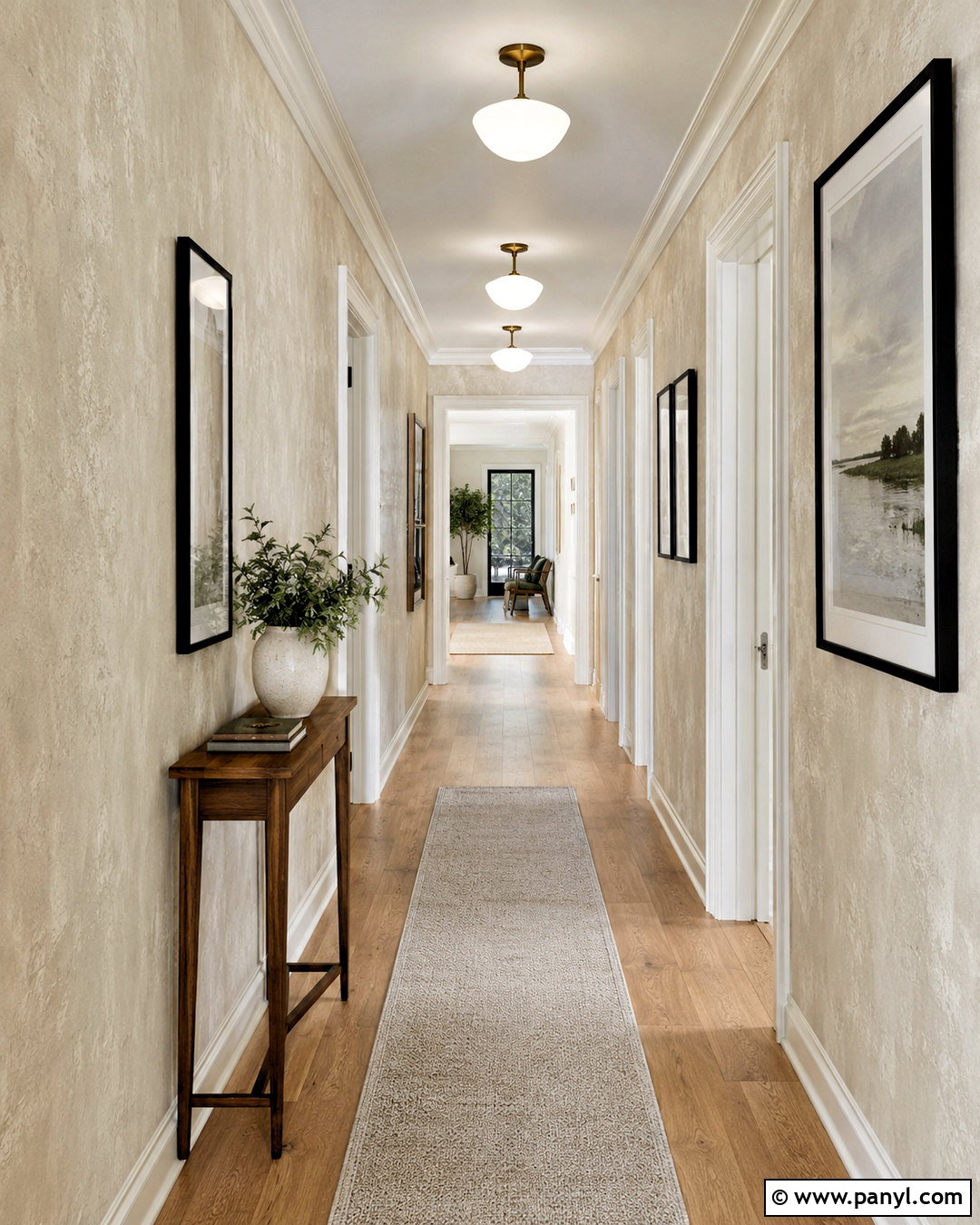
Stippling builds a fine, speckled texture through repeated tapping with a specialized brush. It can soften a hallway that would otherwise feel long and plain. Start with a light putty base, then apply a slightly deeper beige glaze in small sections. Tap the surface evenly with a clean stippling brush, rotating your wrist occasionally so the impressions remain organic. Paint the hallway walls from end to end, then add warm white trim, pale-oak flooring, black-framed artwork, and simple brass ceiling lights. Keep the contrast low so the texture appears subtle when viewed from a distance. Corners may require a smaller brush for consistent coverage. This full hallway treatment creates depth without introducing a strong motif, making it useful where furniture space is limited but visual character is still needed.
17. Checkerboard Wall
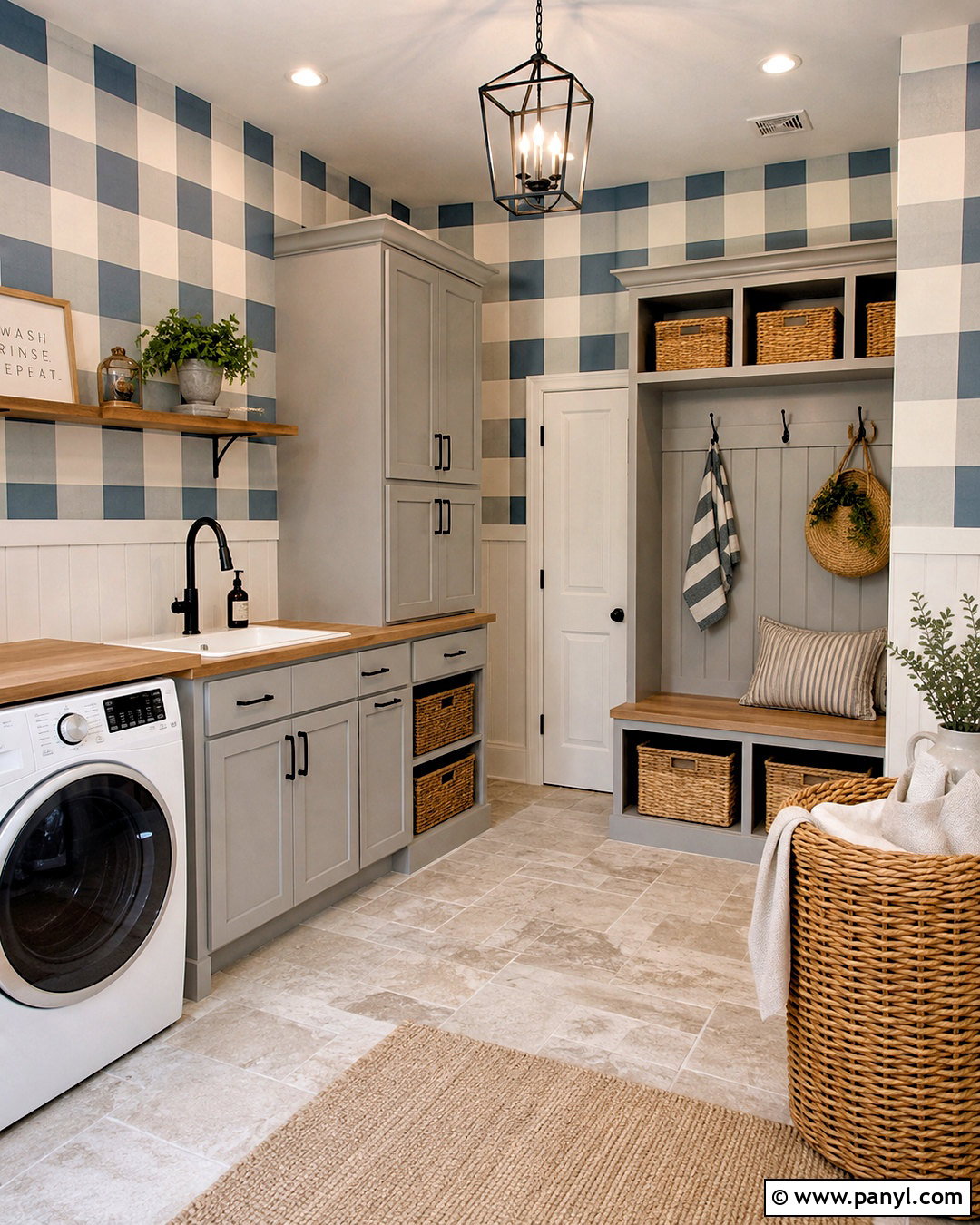
A painted checkerboard brings playful order to a laundry room, mudroom, or casual workspace. Use large squares in muted blue and warm white above simple white wainscoting. Complete the laundry room with shaker cabinets in pale gray, a natural-wood counter, woven storage baskets, matte-black hardware, and light stone-look flooring. Large checks feel cleaner and less visually busy than tiny ones. Measure the wall carefully, calculate equal square sizes, and draw the grid with a level. Paint the light base first, then tape and fill alternating blue squares. After drying, retape for the remaining sections if necessary. Repeat the blue through cabinet accessories or a small washable rug. The finished room feels cheerful and organized, while the limited palette prevents the graphic pattern from overwhelming a compact utility space.
18. Harlequin Wall
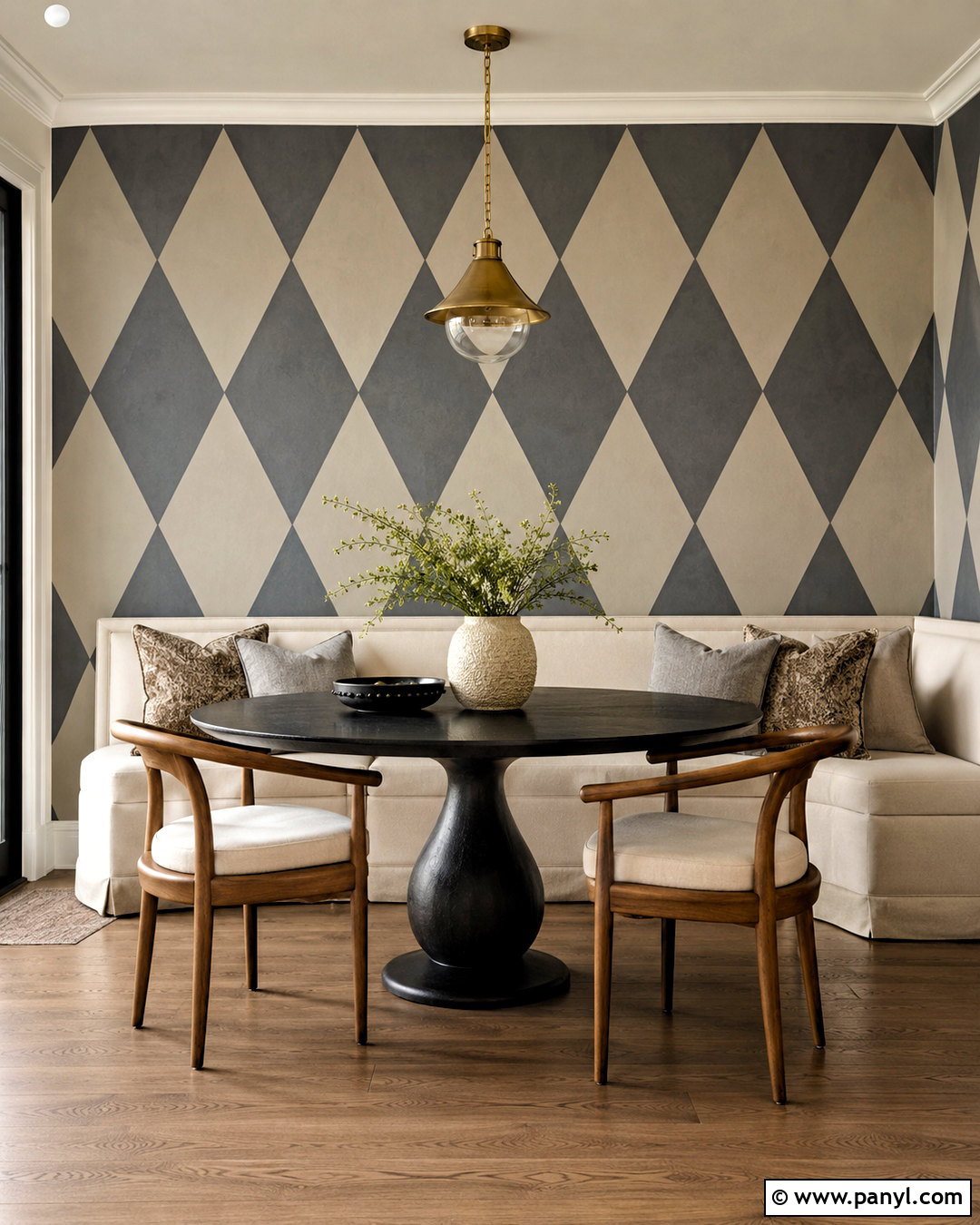
A harlequin wall features elongated diamond shapes that give a dining nook or powder room a classic graphic character. Choose soft charcoal and warm greige for a sophisticated, lower-contrast pattern. In a dining nook, combine the painted wall with a black pedestal table, curved wood chairs, a cream banquette, and a small brass pendant. Begin by marking evenly spaced vertical and horizontal points, then connect them to form balanced diamonds. Use painter’s tape for clean edges and paint every other shape before completing the remaining pattern. Add tiny brass-painted dots where the diamond corners meet if a more traditional detail is desired. Keep surrounding walls in solid greige. The complete space feels polished and distinctive, with the structured wall pattern balanced by simple furniture and restrained accessories.
19. Scalloped Wall Border
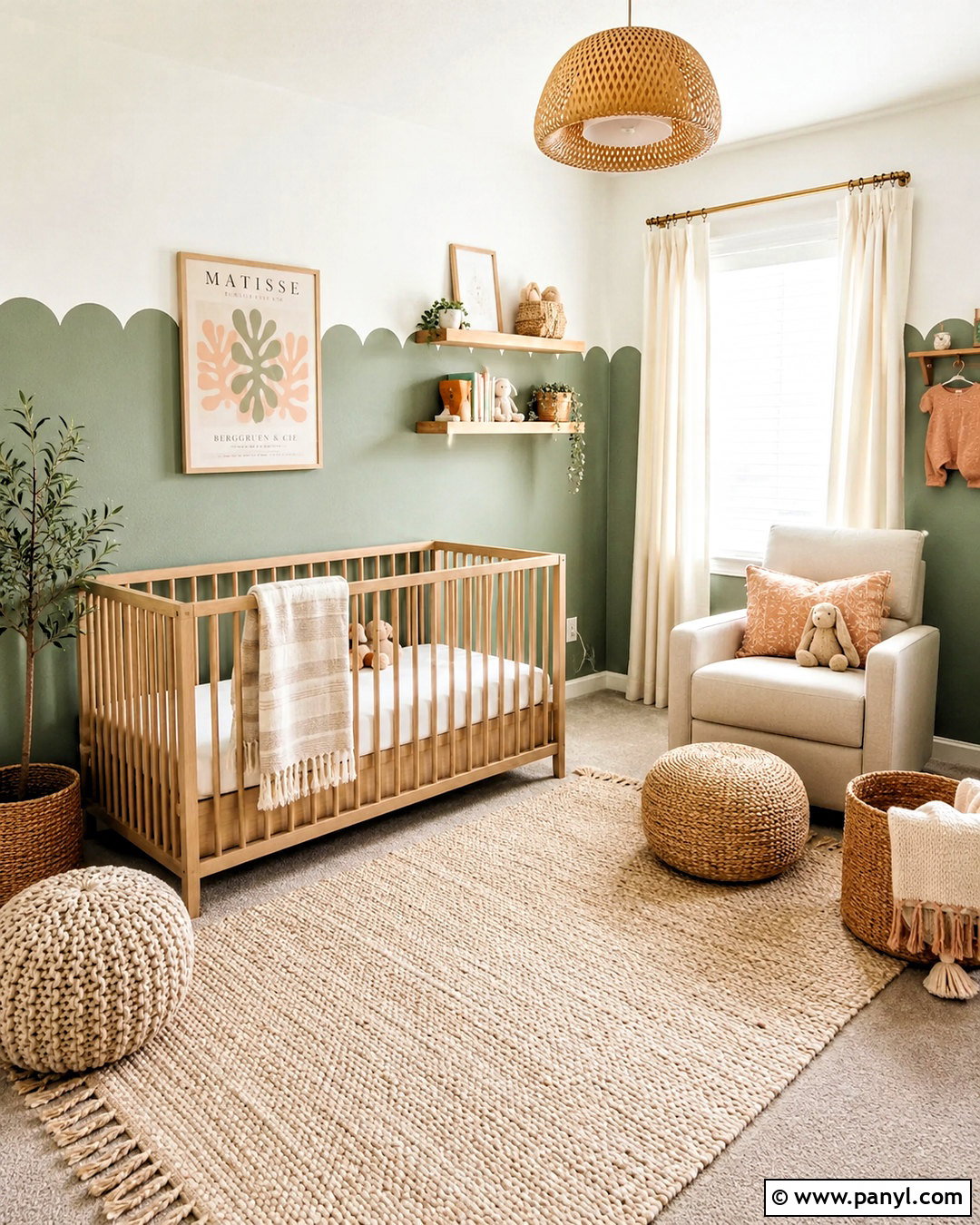
A painted scalloped border introduces a soft, cheerful detail while still shaping the entire room. In a nursery, paint the lower two-thirds of the walls warm sage green and keep the upper portion creamy white. Create an even row of sage scallops along the dividing line using a circular template. Finish the space with a light-oak crib, ivory curtains, a woven rug, natural baskets, and gentle peach accents. Measure the wall circumference before choosing the scallop width so the pattern ends neatly at corners. Trace each curve lightly in pencil, use a small angled brush along the outline, and fill below with a roller. Carry the border around all four walls for a cohesive effect. The finished nursery feels playful and calm without relying on removable decals or busy themed decorations.
20. Color Drenched Wall
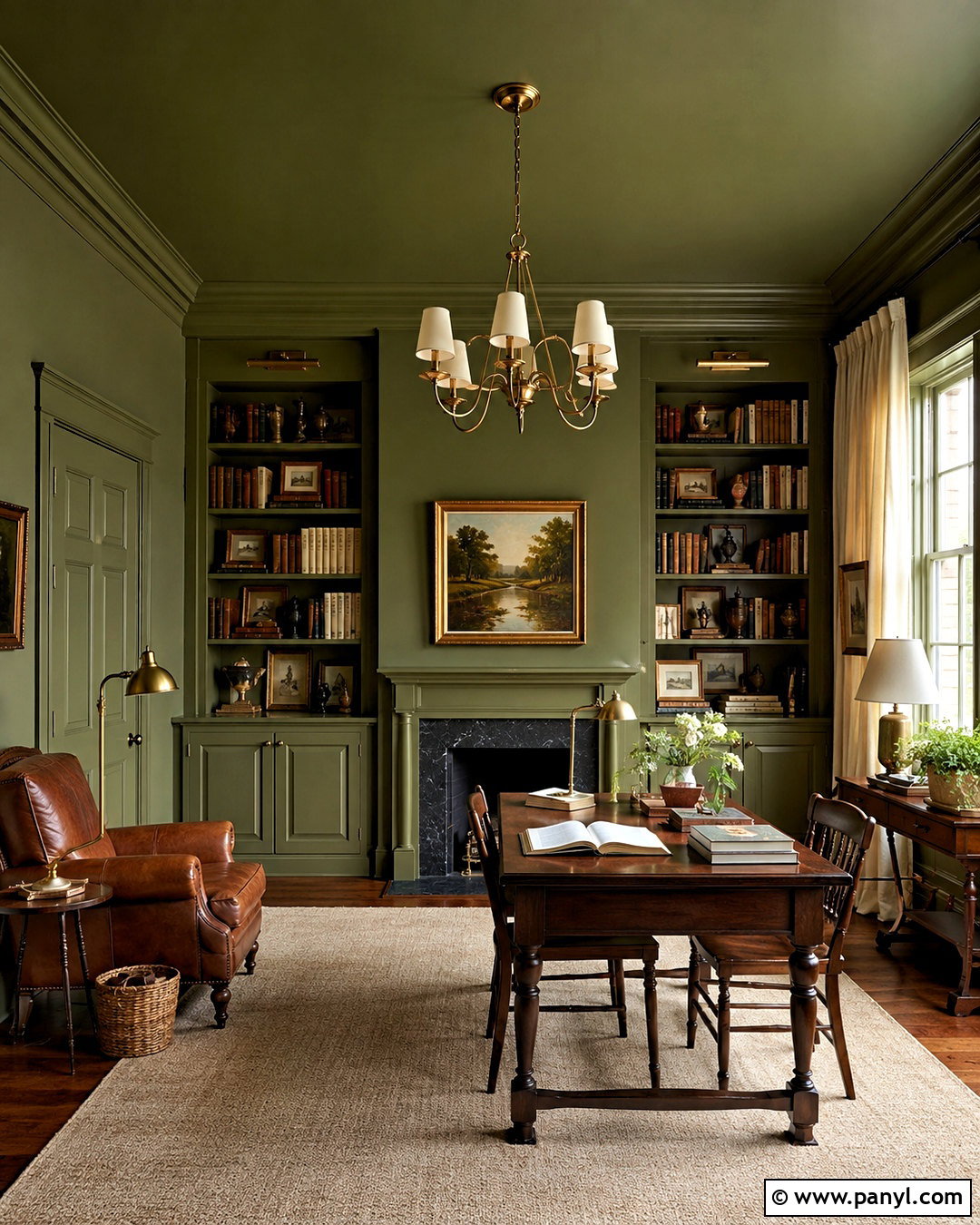
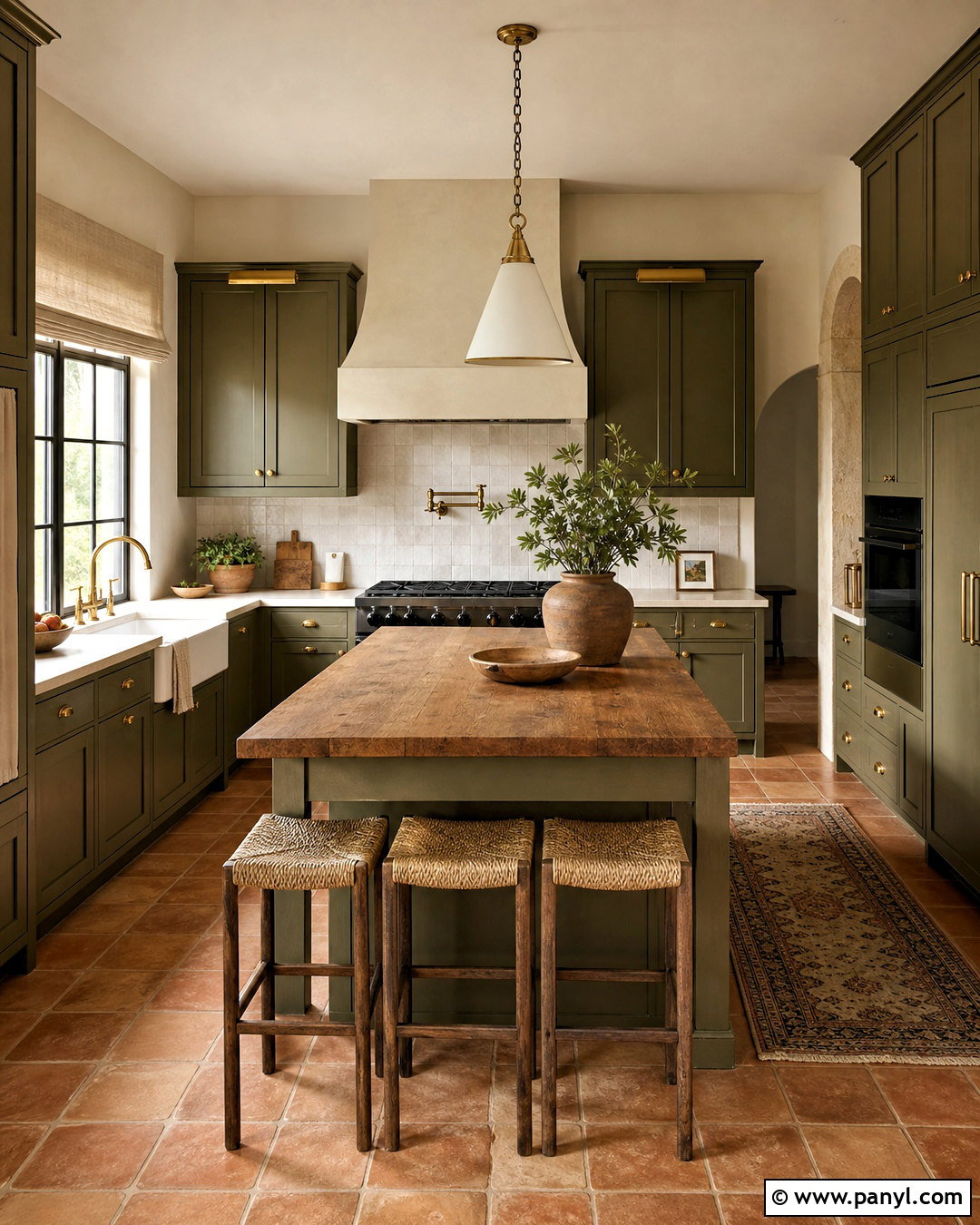
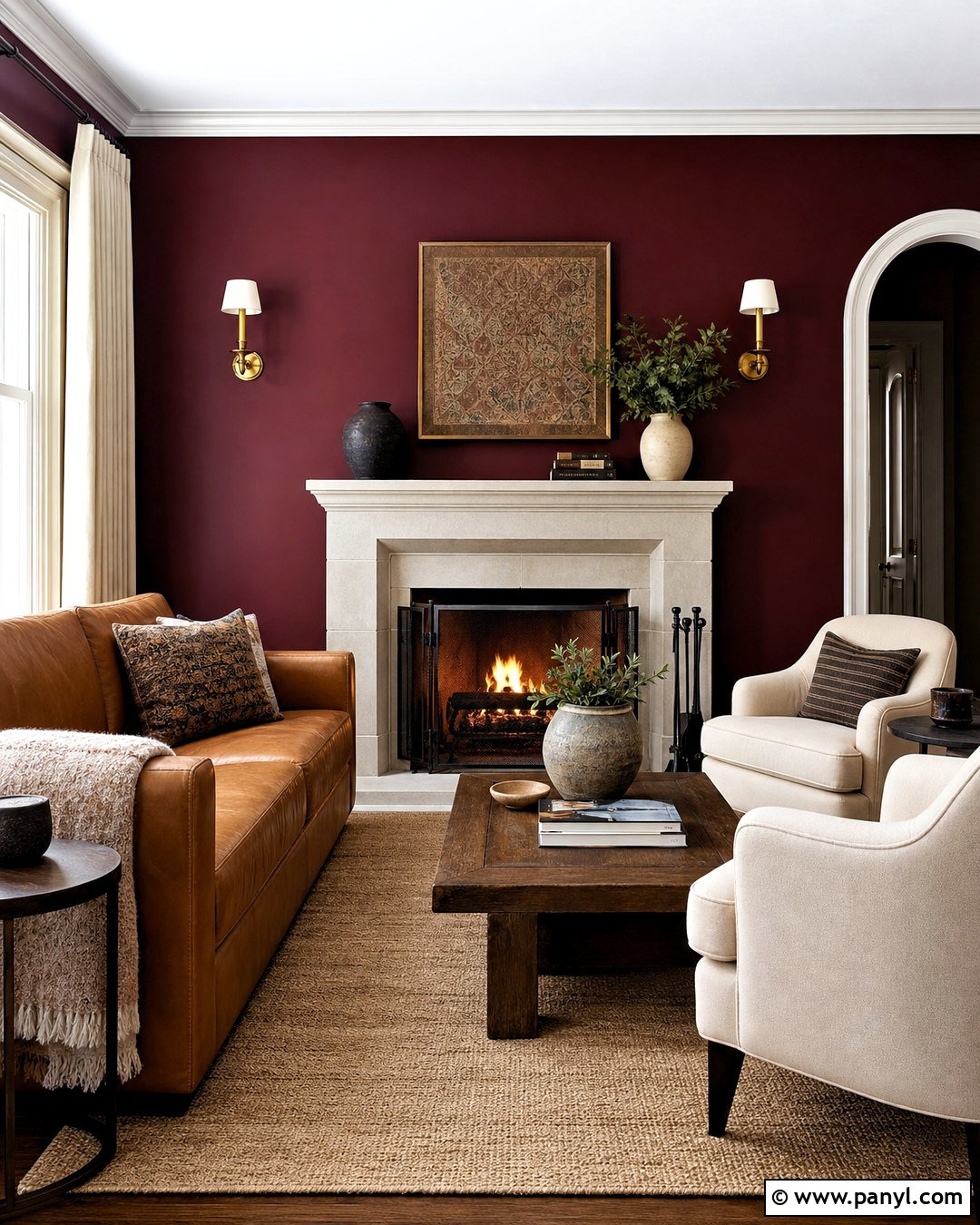
Color drenching uses one dominant shade across walls, trim, doors, and often the ceiling to create an enveloping room. Try deep olive green in a compact library or den, varying the sheen rather than the color. Use matte paint on the ceiling, washable eggshell on walls, and satin on built-ins and trim. Add a cognac leather chair, dark-oak shelves, an oatmeal rug, antique-brass lamps, and cream curtains to break up the saturated color. Carefully label each finish because matching colors can look different when the sheen changes. Good task lighting and reflective metal accents will keep the room functional. The completed design feels intentional because architectural elements blend into one continuous backdrop, allowing books, furniture, artwork, and natural textures to stand forward with greater clarity. ()
Conclusion:
These 20 paint techniques for walls prove that color can do much more than provide a flat background. It can create texture, establish zones, alter visual proportions, introduce pattern, or give an ordinary surface the appearance of stone, plaster, or fabric. Choose a technique that suits the room’s function, lighting, and existing furnishings. Quiet finishes such as limewash and strié are easier to use across several walls, while murals and geometric patterns often work best as focused features. Always prepare the surface, make a generous sample, and practice the application before beginning. With thoughtful colors and coordinated furnishings, even a simple painted treatment can produce a complete, personalized room that feels professionally designed.

Related Ideas and Inspiration:
Leave a Reply