
Paint can do far more than cover a wall with one flat color. With a few basic tools, you can create depth, pattern, movement, and architectural character without installing wallpaper or expensive wall panels. Popular decorative finishes range from soft color washing and limewash effects to crisp stripes, stencils, arches, and geometric patterns. The best results begin with a clean, repaired, properly primed surface and a small practice board for testing color combinations. Choose a technique that suits the room, your skill level, and the condition of the wall. Subtle finishes usually work well across an entire room, while bold patterns make stronger focal walls. Use these 20 diy wall painting techniques to create a complete look that feels intentional, practical, and personal. ()

1. Color Wash Wall Painting
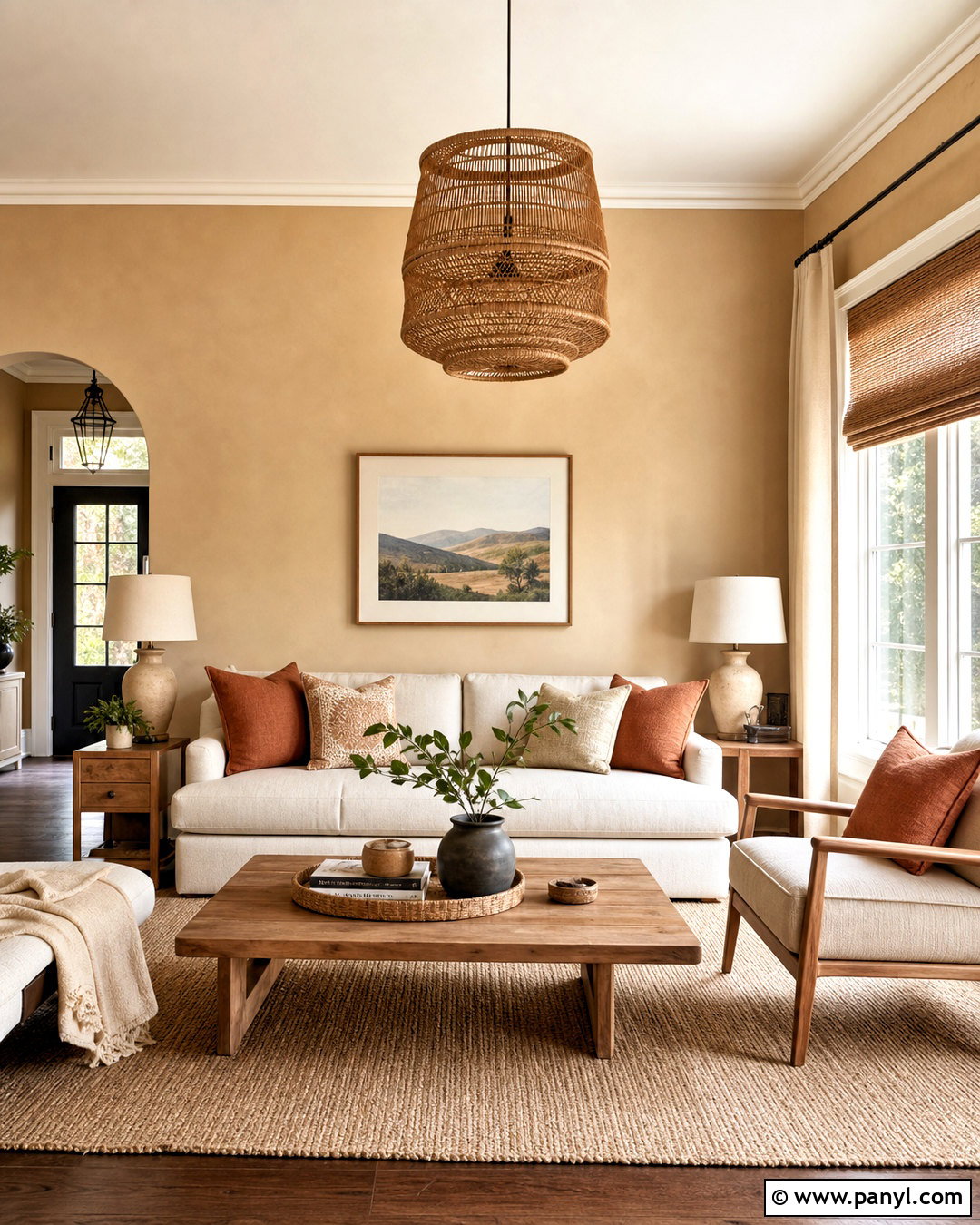
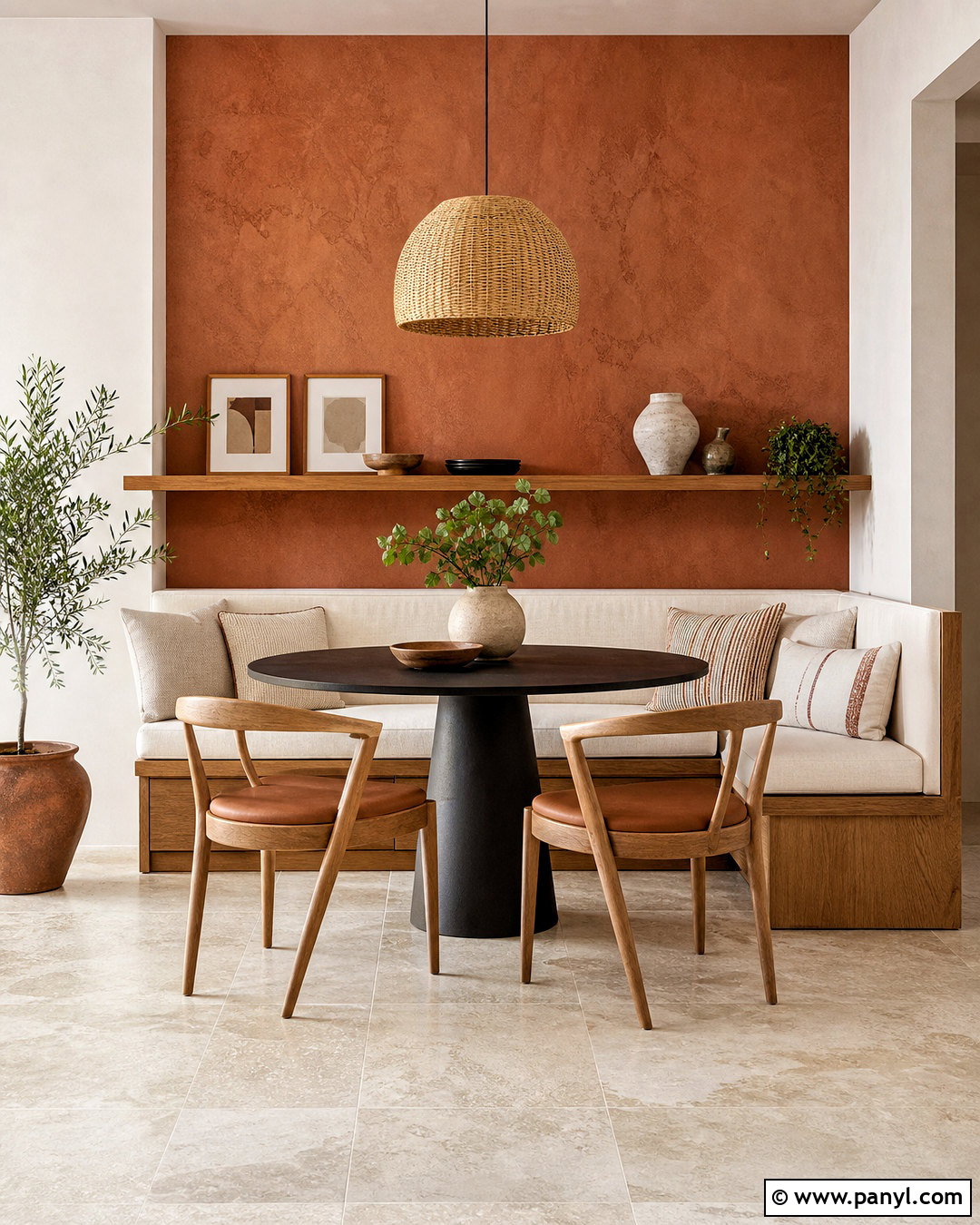
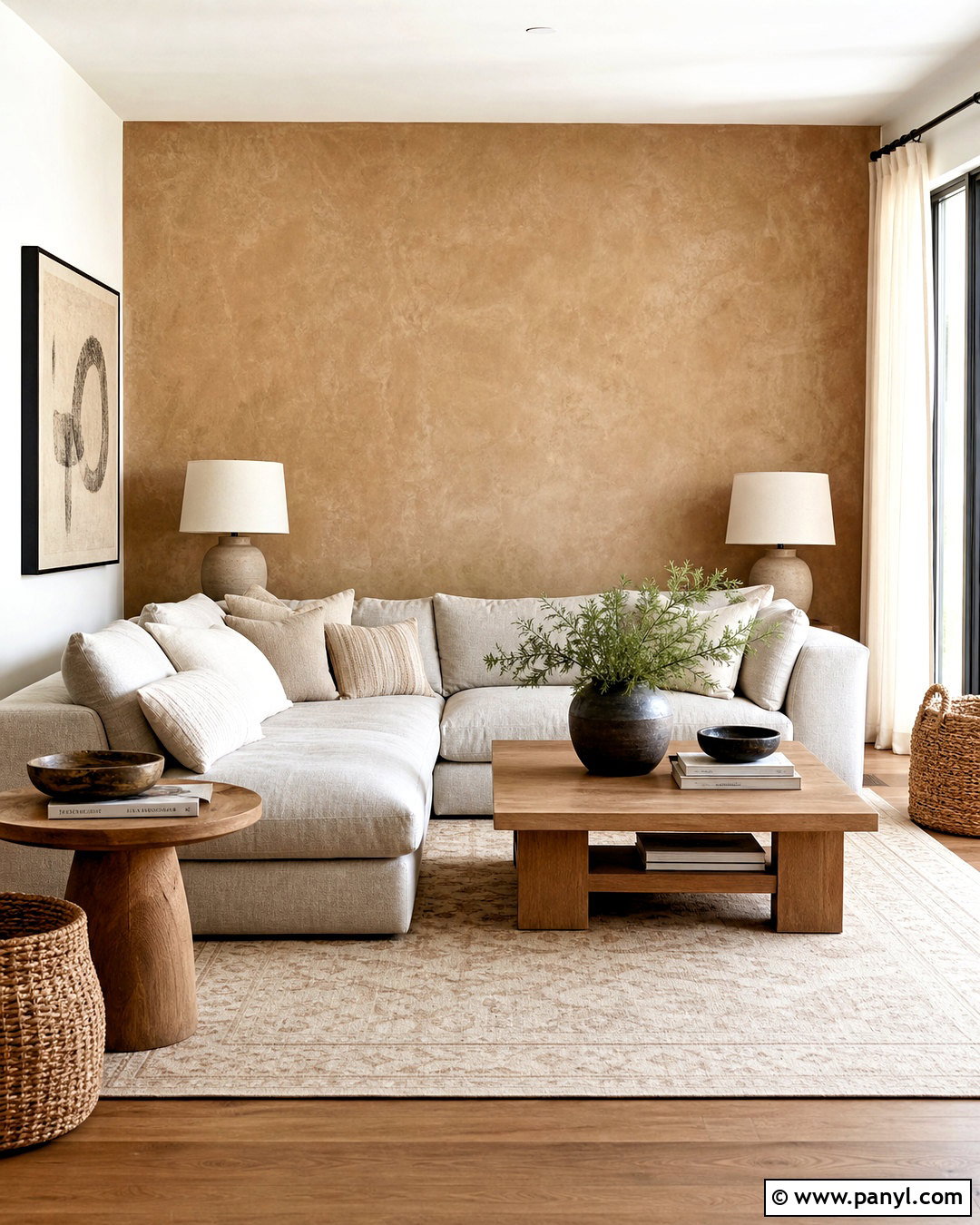
Color washing gives ordinary walls a soft, layered finish that resembles aged plaster or watercolor. Begin with a warm cream base coat, then apply a translucent clay-beige glaze using a wide brush or soft rag. Work in small sections with loose, overlapping strokes so the surface remains irregular but balanced. This finish works beautifully in a relaxed living room with a linen sofa, medium oak furniture, woven shades, and muted terracotta accents. Keep the ceiling and trim creamy white to frame the textured walls. Use matte fabrics and natural materials rather than shiny accessories. A glaze extends the working time, making it easier to soften obvious lines before they dry. Step back regularly to check that no area looks heavier than another. ()
2. Sponge Wall Painting
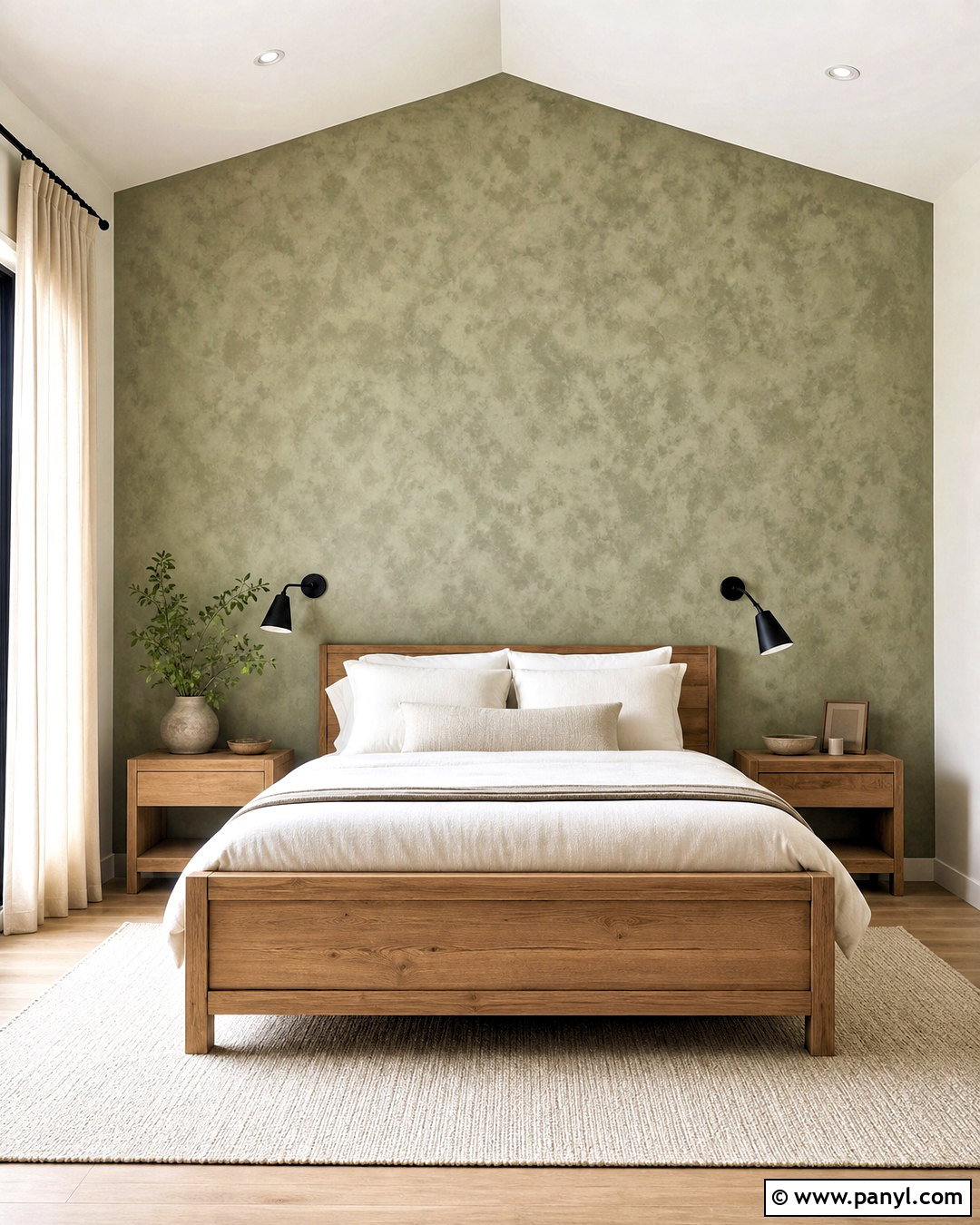
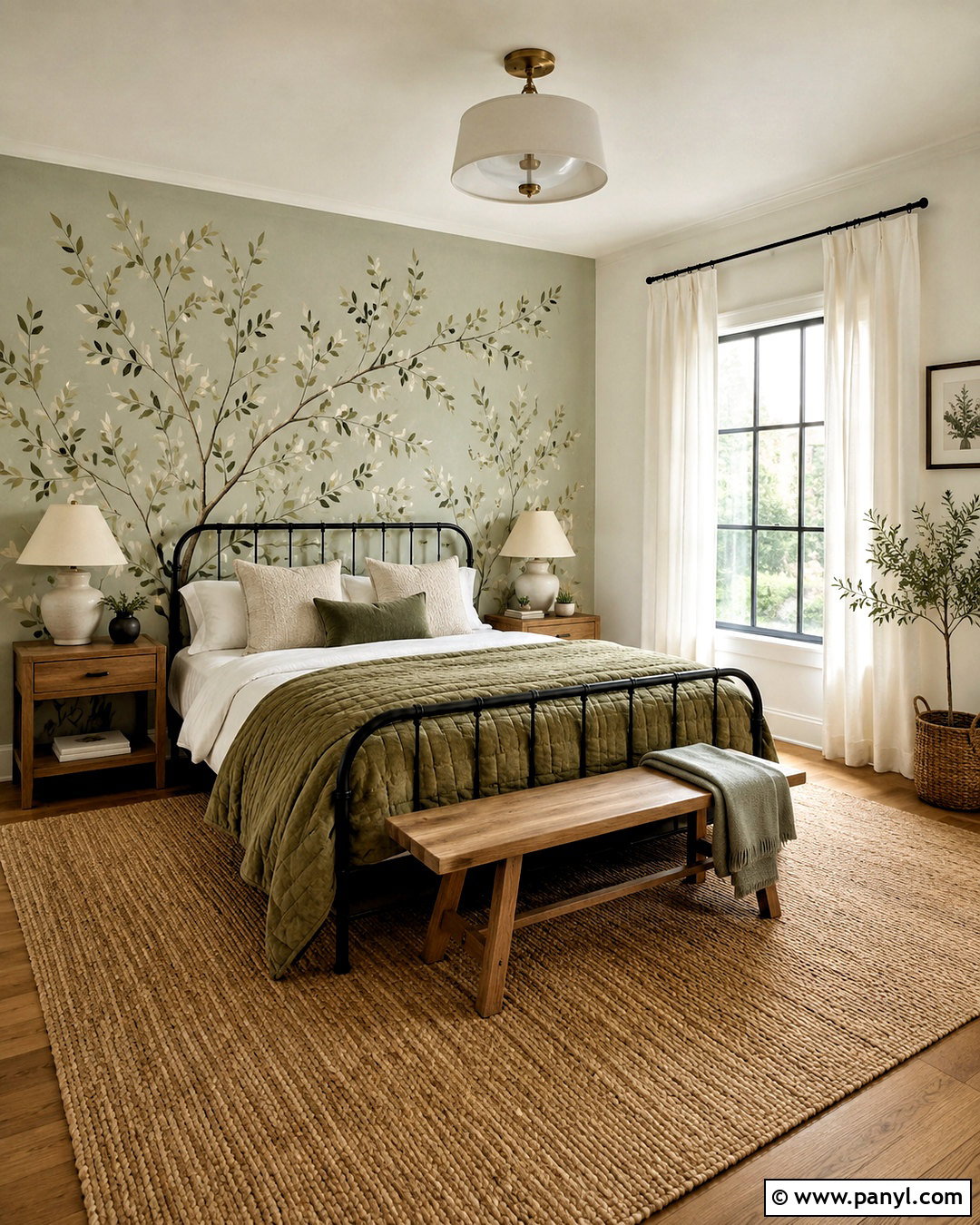
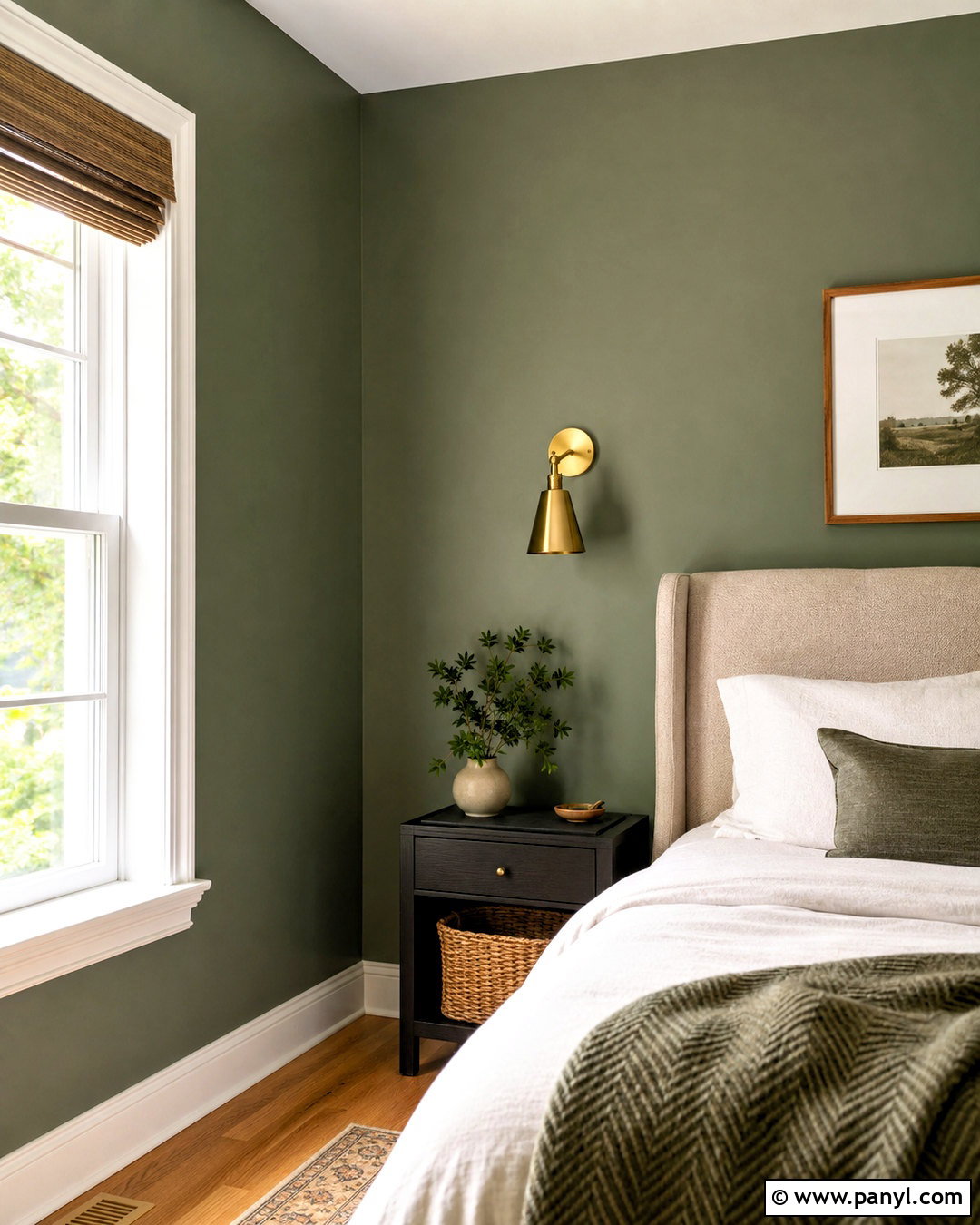
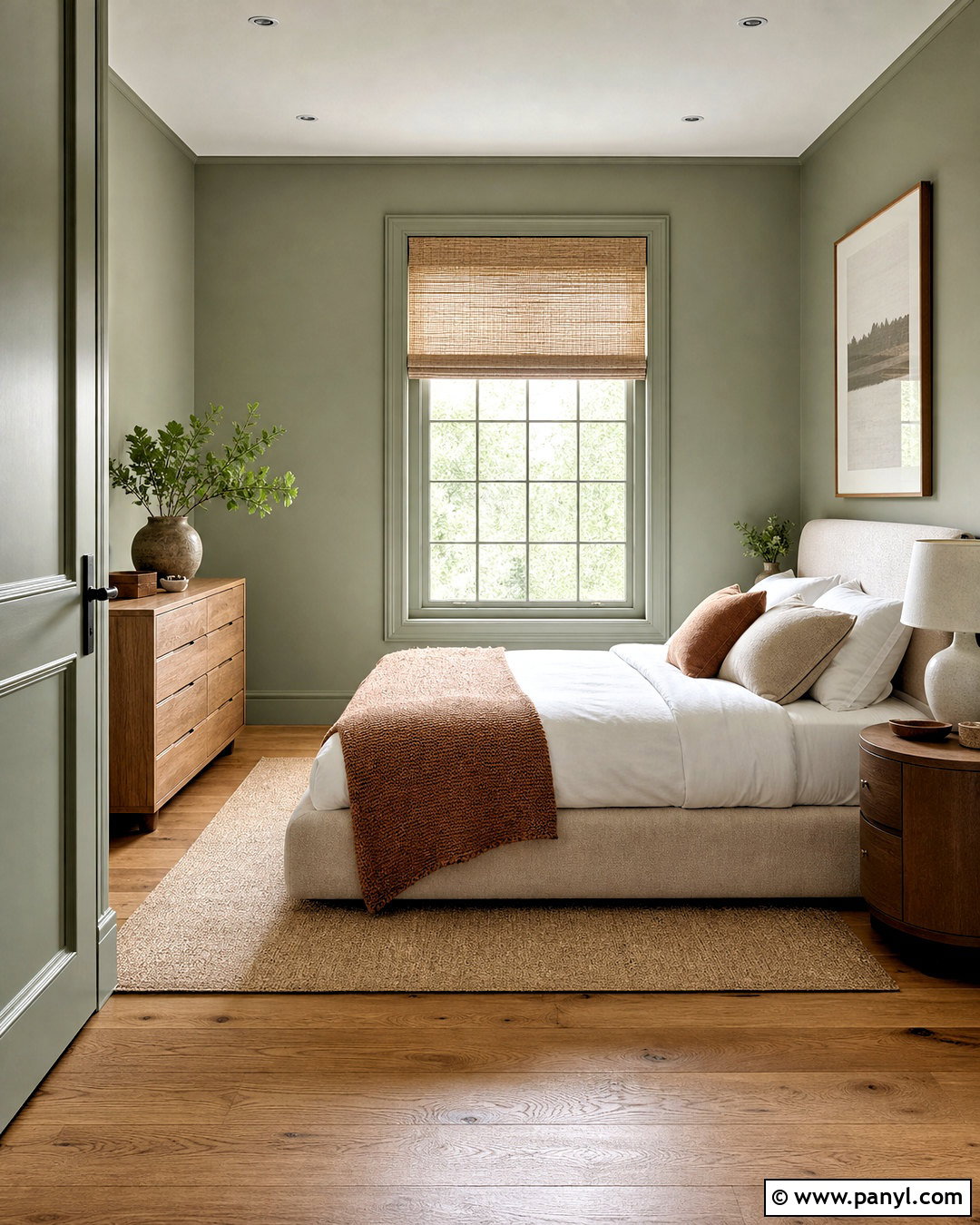
Sponge painting creates mottled color with an organic pattern that can feel modern when the shades are closely related. Paint a bedroom wall soft sage green, let it dry, and lightly dab a second muted olive tone over it with a damp natural sea sponge. Rotate the sponge after every few impressions to prevent repeated shapes. Blot excess paint on cardboard before touching the wall, and leave some of the base color visible. Complete the room with an oak bed, ivory bedding, linen curtains, and matte black reading lights. Limit the effect to the wall behind the headboard so it feels intentional rather than busy. Applying light pressure and working randomly produces a softer, more natural result than stamping in straight rows. ()
3. Rag Roll Wall Painting
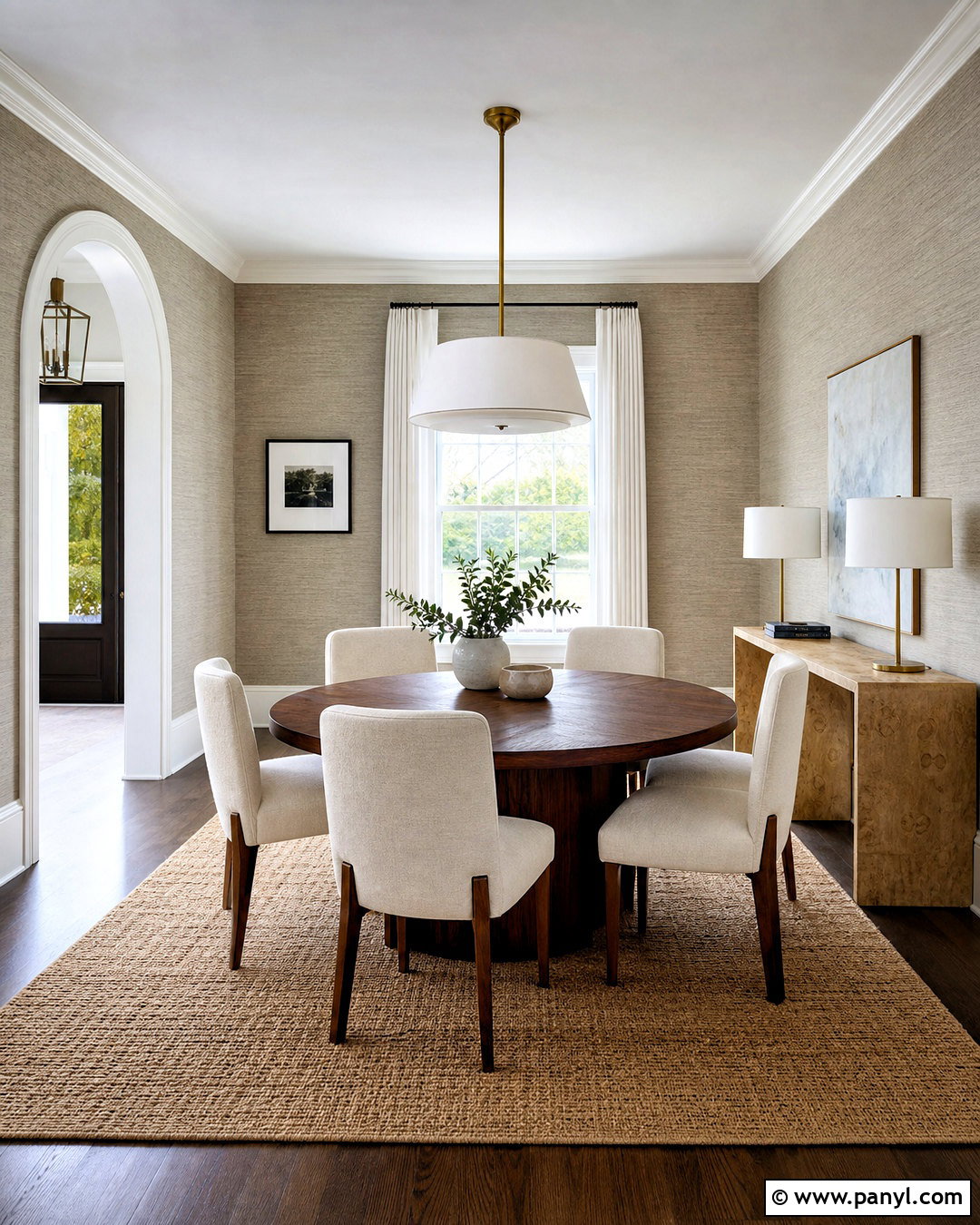
Rag rolling adds fine, uneven movement that can make a dining room feel warmer and more established. Start with a pale greige base, then roll a loosely twisted cotton rag through a thin mushroom-colored glaze. Move diagonally and vertically in short passes, changing the folds in the cloth often. Slightly overlap each section while the glaze remains workable, but avoid repeatedly rolling the same area. Pair the finished walls with a round walnut table, cream upholstered chairs, a simple brass pendant, and a low natural-fiber rug. White trim keeps the textured finish clean and current. Practice on painted cardboard first because different fabrics leave noticeably different marks. Cotton creates a soft pattern, while rougher cloth produces stronger texture. Keep several clean rags nearby so saturated material can be replaced quickly.
4. Ombré Wall Painting
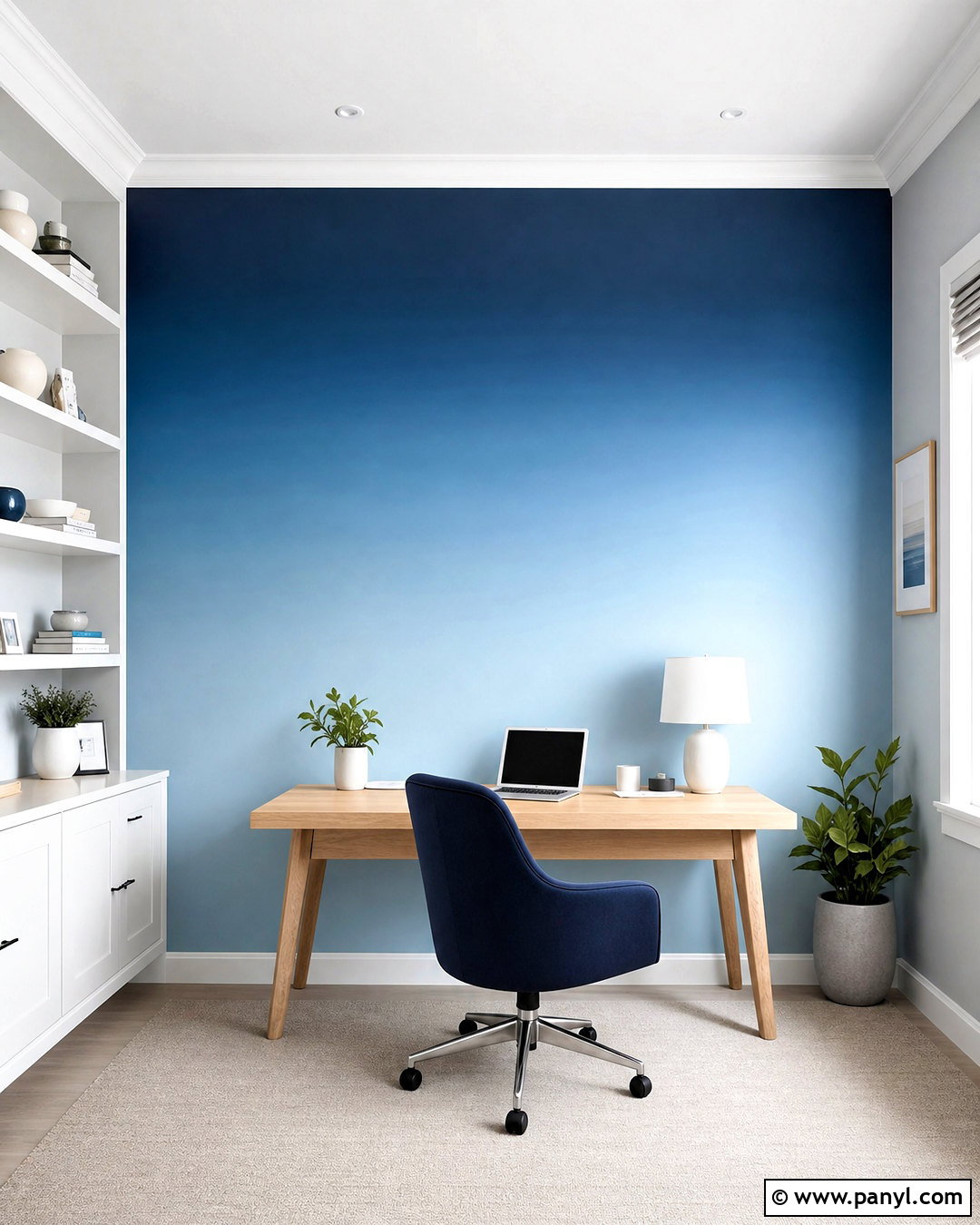
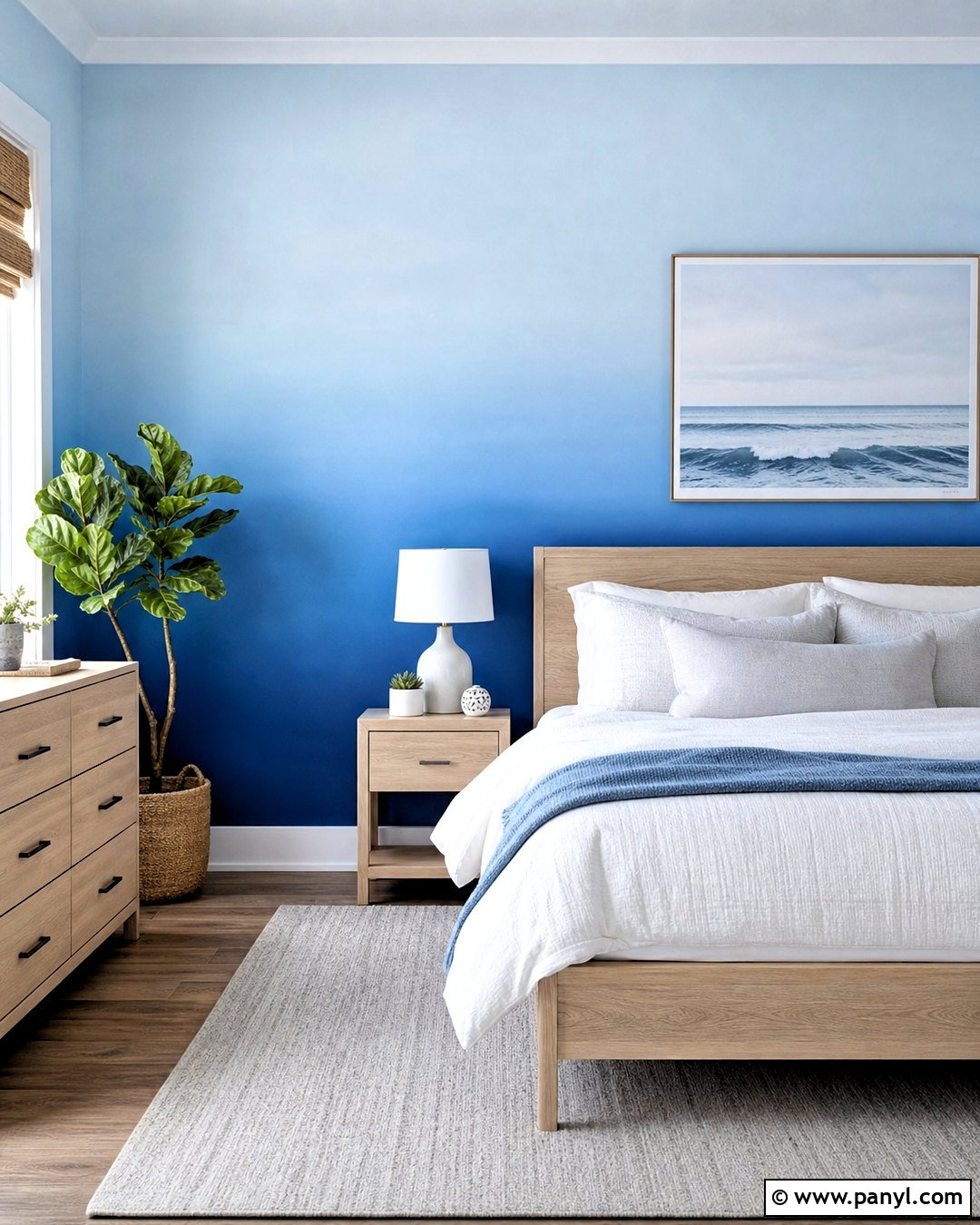
An ombré wall introduces gradual color without requiring detailed drawing skills. For a calm home office, transition from deep navy near the floor to medium blue and then pale sky blue near the ceiling. Divide the wall into broad horizontal sections and paint each color while leaving narrow blending zones between them. Mix neighboring shades in separate trays, then soften the transitions with clean brushes while the paint remains wet. Three related colors generally produce a smoother fade than two strongly contrasting shades. Place a light oak desk and white shelving against the wall so the gradient stays visible. Add a navy chair, simple ceramics, and neutral flooring. Keep adjoining walls white to prevent the room from feeling enclosed, and blend patiently rather than trying to finish the entire transition with one heavy coat. ()
5. Geometric Wall Painting
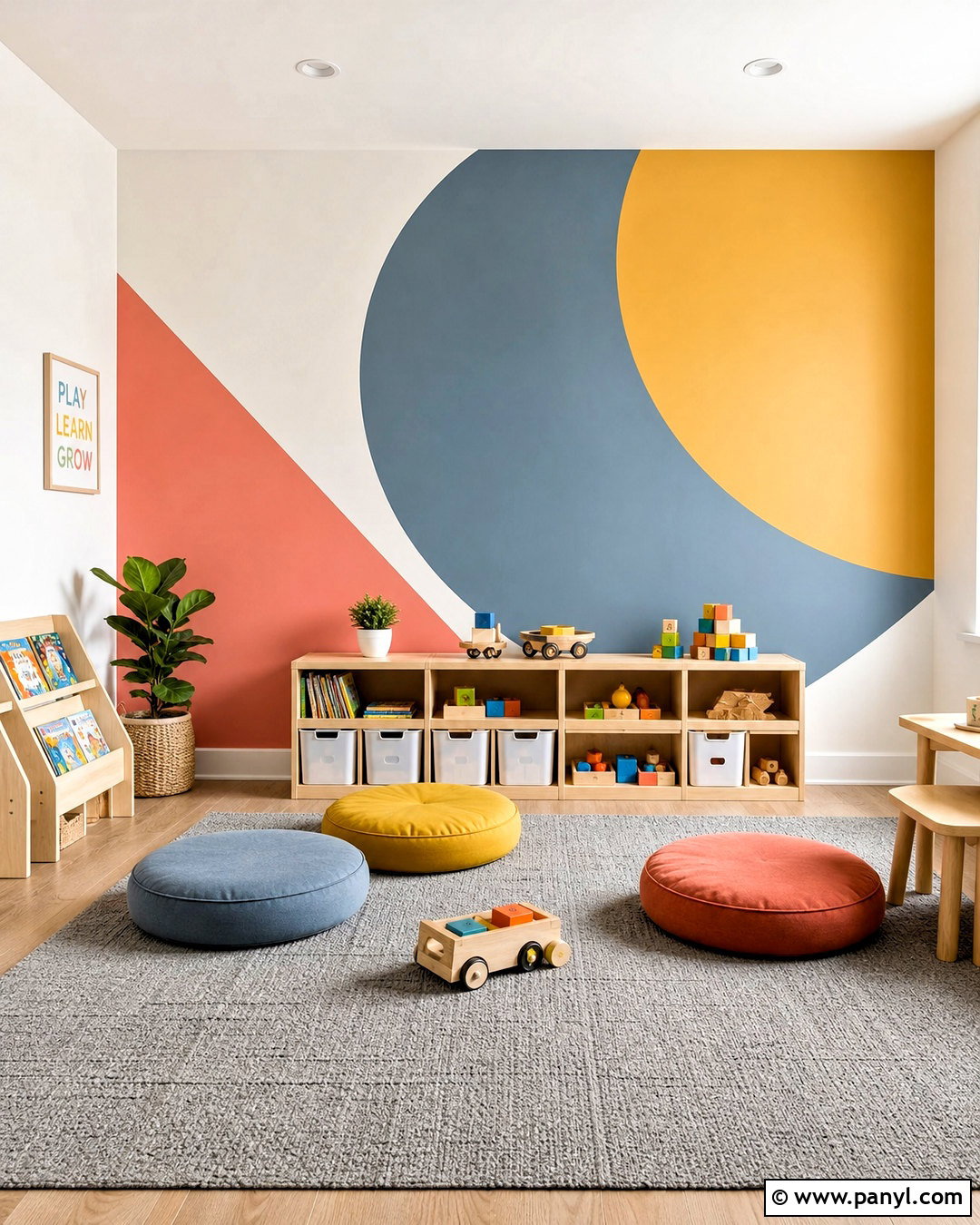
Painter’s tape can transform a plain wall into a sharp geometric feature with surprisingly simple materials. Create a modern playroom using large overlapping shapes in dusty blue, warm mustard, muted coral, and off-white. First paint the entire wall off-white and allow it to cure. Mark the pattern with a level, pencil, and low-tack tape. Seal each tape edge with a thin layer of the base color before adding the accent paint. This extra step helps create cleaner lines. Paint one color group at a time and remove the tape before the final coat becomes completely hard. Finish the room with low birch storage, a washable gray rug, and solid-colored cushions. Keep the shapes large and asymmetrical so the wall looks graphic without becoming visually cluttered.
6. Vertical Stripe Wall Painting
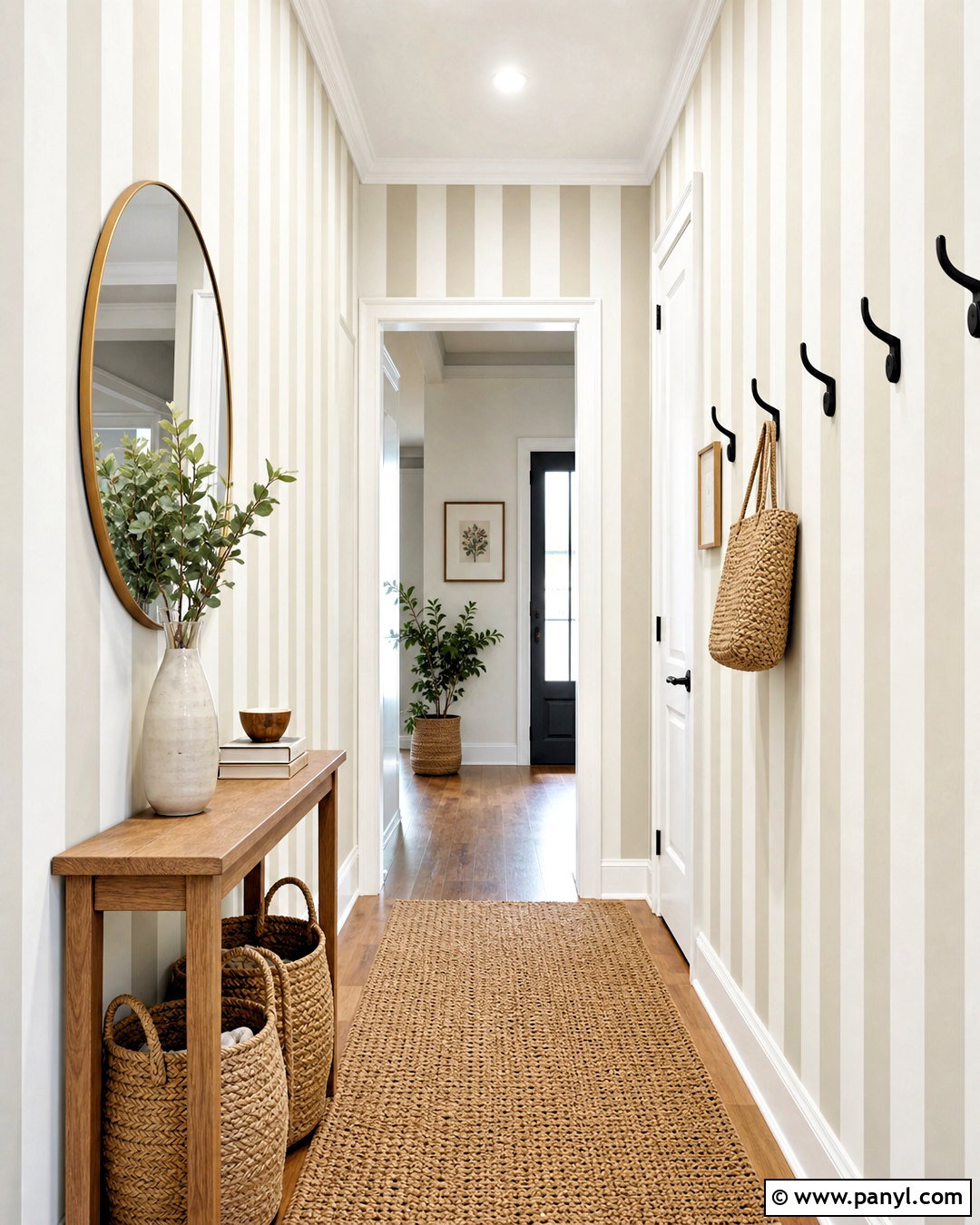
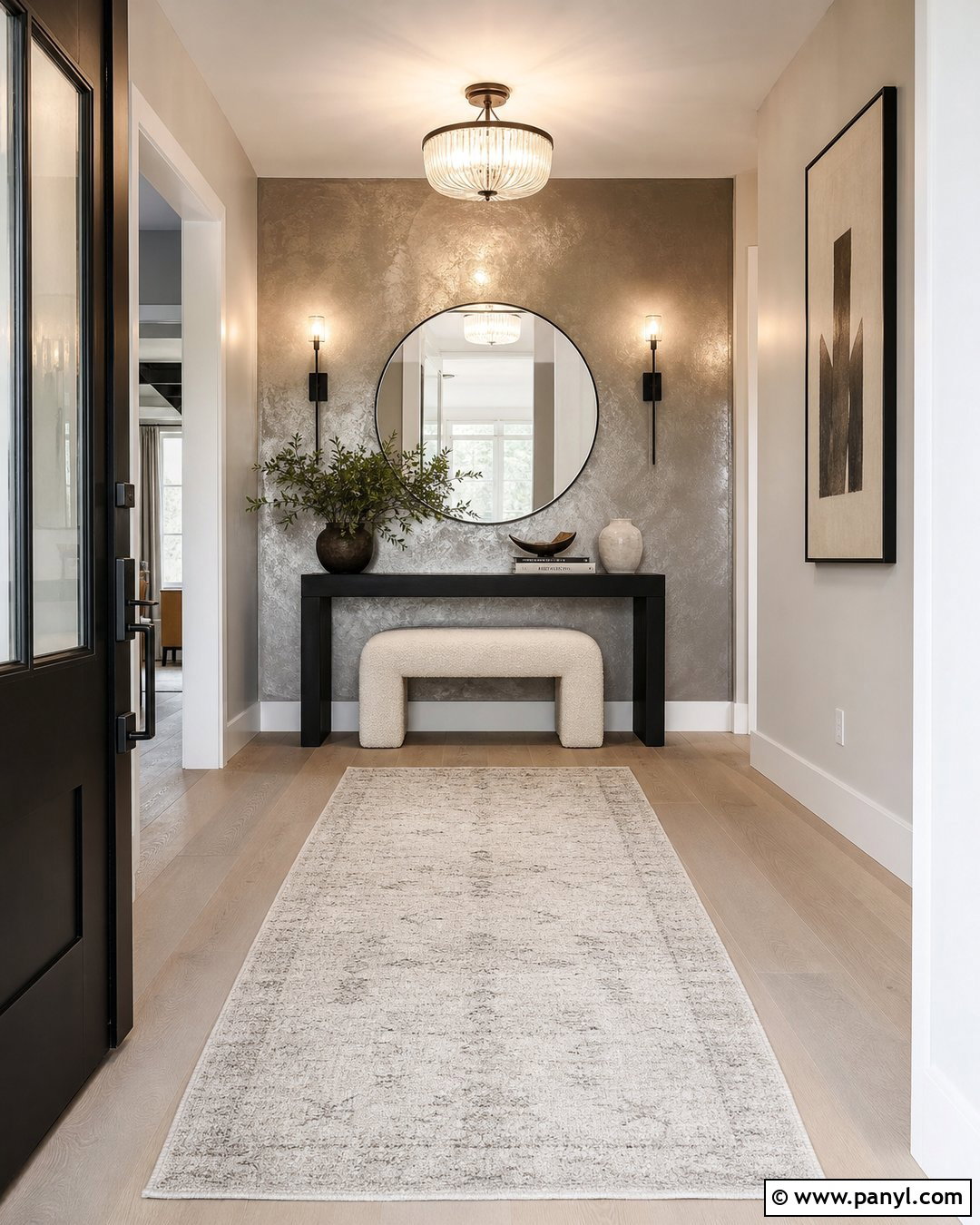
Vertical stripes visually emphasize height and bring an orderly rhythm to entryways, bedrooms, and compact powder rooms. For a welcoming hallway, alternate broad soft-white stripes with narrower warm greige stripes. Measure the wall carefully and plan the pattern from the center outward so awkward partial stripes fall near less noticeable corners. Use a laser level or long spirit level to mark straight vertical lines. Apply painter’s tape, seal the edges with the existing wall color, and roll on the greige with a small roller. Complete the hallway with a narrow oak console, a rounded mirror, a woven runner, and matte black hooks. Keep the stripe contrast gentle for a refined result. Strong black-and-white combinations can feel energetic, but low-contrast neutrals are easier to coordinate with adjoining rooms and changing seasonal decor.
7. Horizontal Stripe Wall Painting
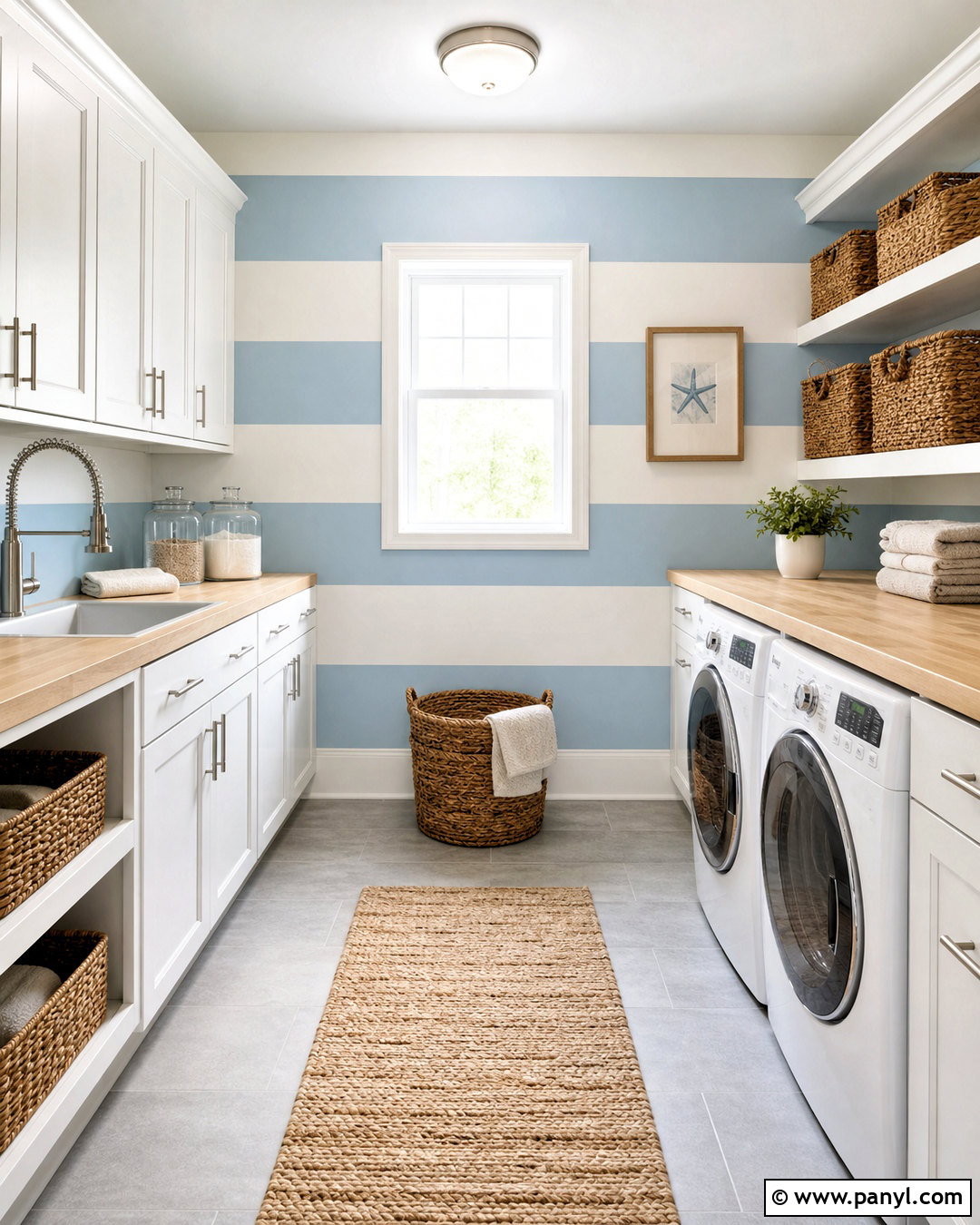
Horizontal stripes can make a narrow room appear wider when the bands run continuously across one main wall. Create a cheerful laundry room with wide pale blue and crisp white stripes. Start by measuring the full wall height and dividing it into equal bands. Mark the lines with a level, then tape outside the sections receiving blue paint. Seal the tape edges with white paint and allow that thin coat to dry before rolling the blue. Use a compact foam roller for smooth coverage around shelves and cabinets. Finish the room with white cabinetry, light butcher-block counters, woven baskets, and brushed nickel hardware. Limit accessories to simple glass containers and folded neutral towels. Wider stripes look calmer than narrow bands, while repeating the wall colors in small room details creates a finished, connected appearance.
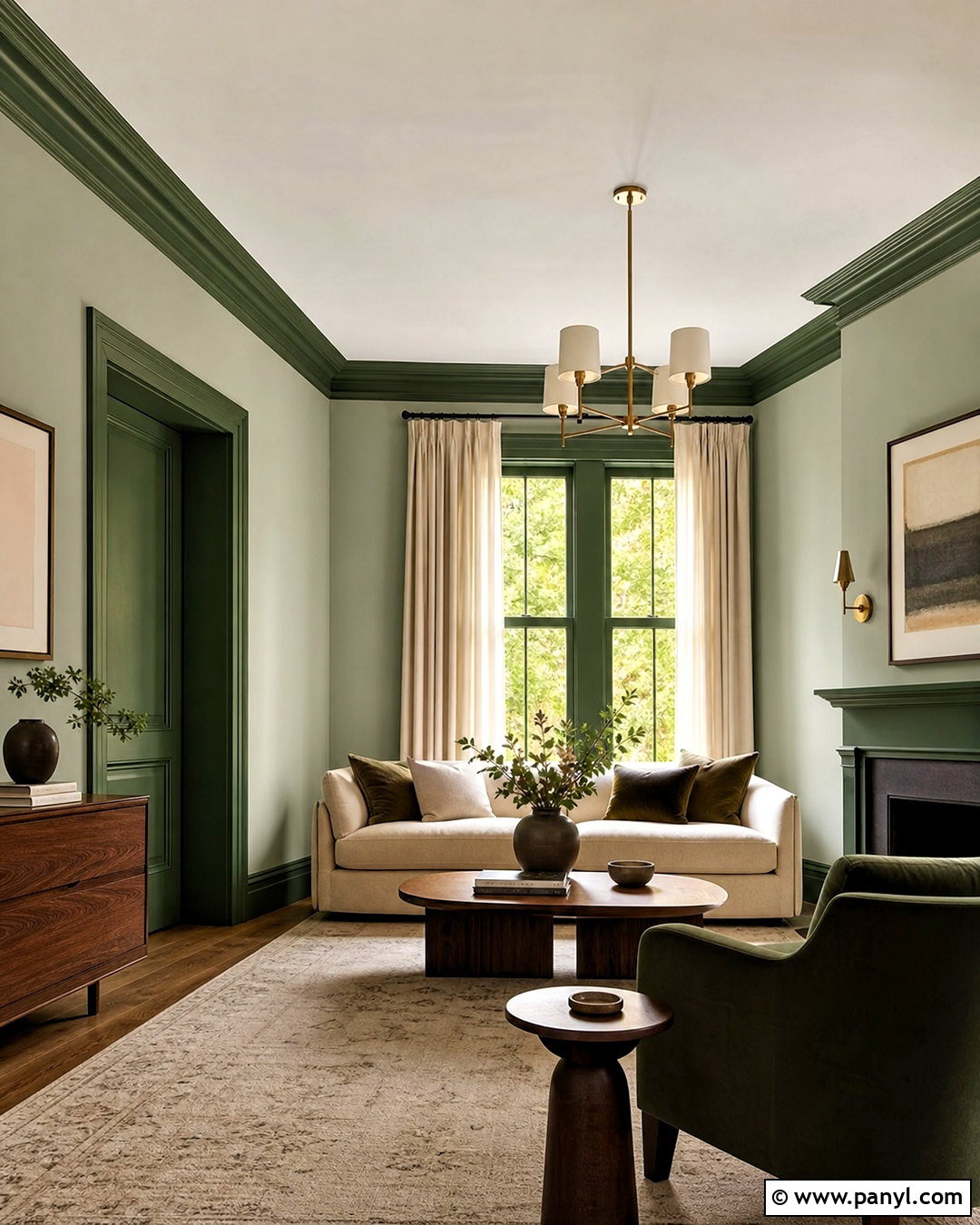
8. Checkerboard Wall Painting
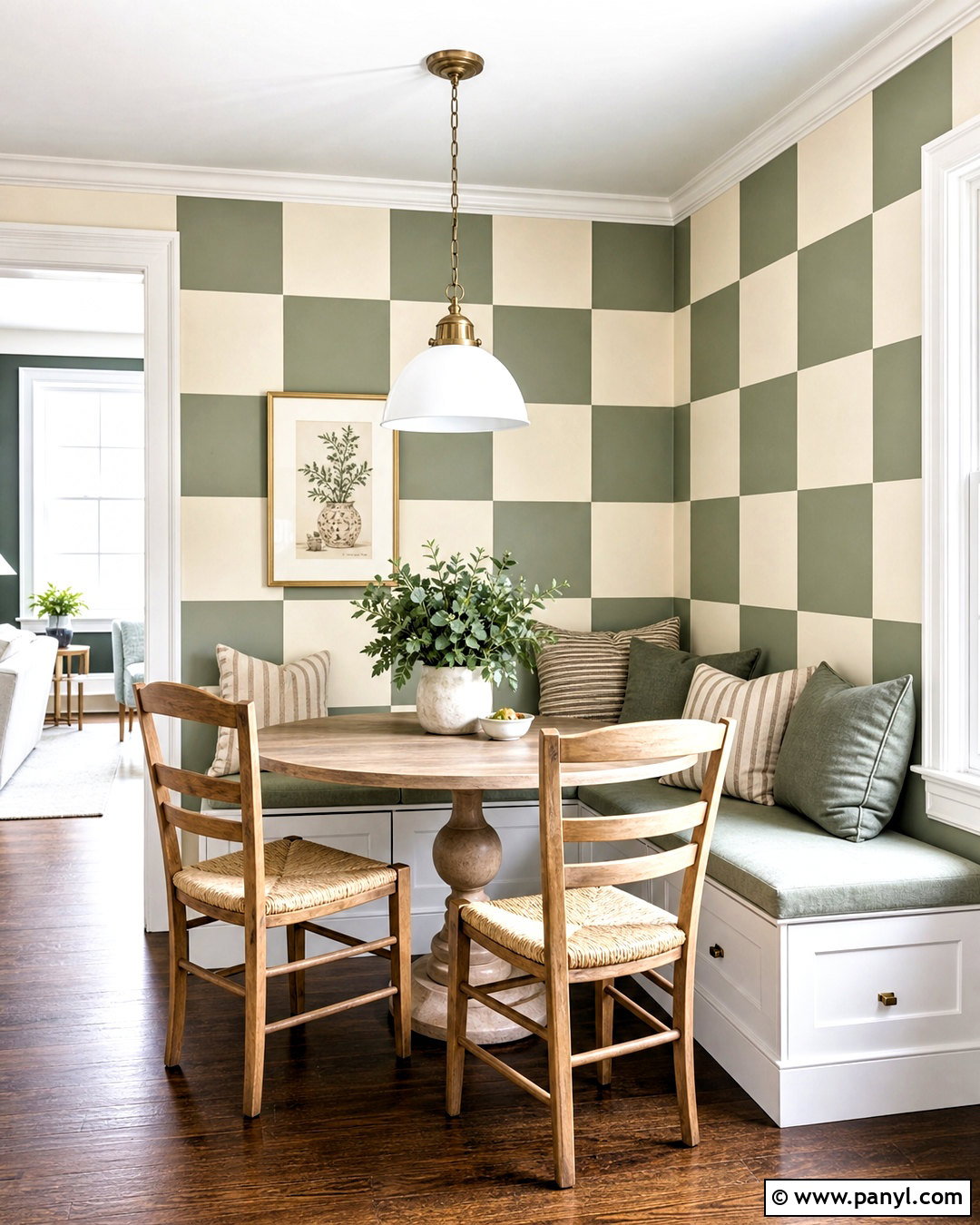
A painted checkerboard wall delivers the impact of wallpaper while allowing complete control over scale and color. For a cozy breakfast nook, combine muted cream and dusty green squares behind a built-in bench. Paint the cream base first, then use a level and measuring tape to create an accurate grid. Mark every green square with a small piece of tape so you do not accidentally paint the wrong block. Tape and paint alternating squares in stages, allowing each group to dry before repositioning the tape. Furnish the nook with a round pedestal table, natural wood chairs, striped cushions, and a simple white pendant. Choose larger squares for a relaxed, contemporary appearance. Small checks create more visual energy and require greater precision, making them better suited to a limited section rather than every wall.
9. Scalloped Wall Painting
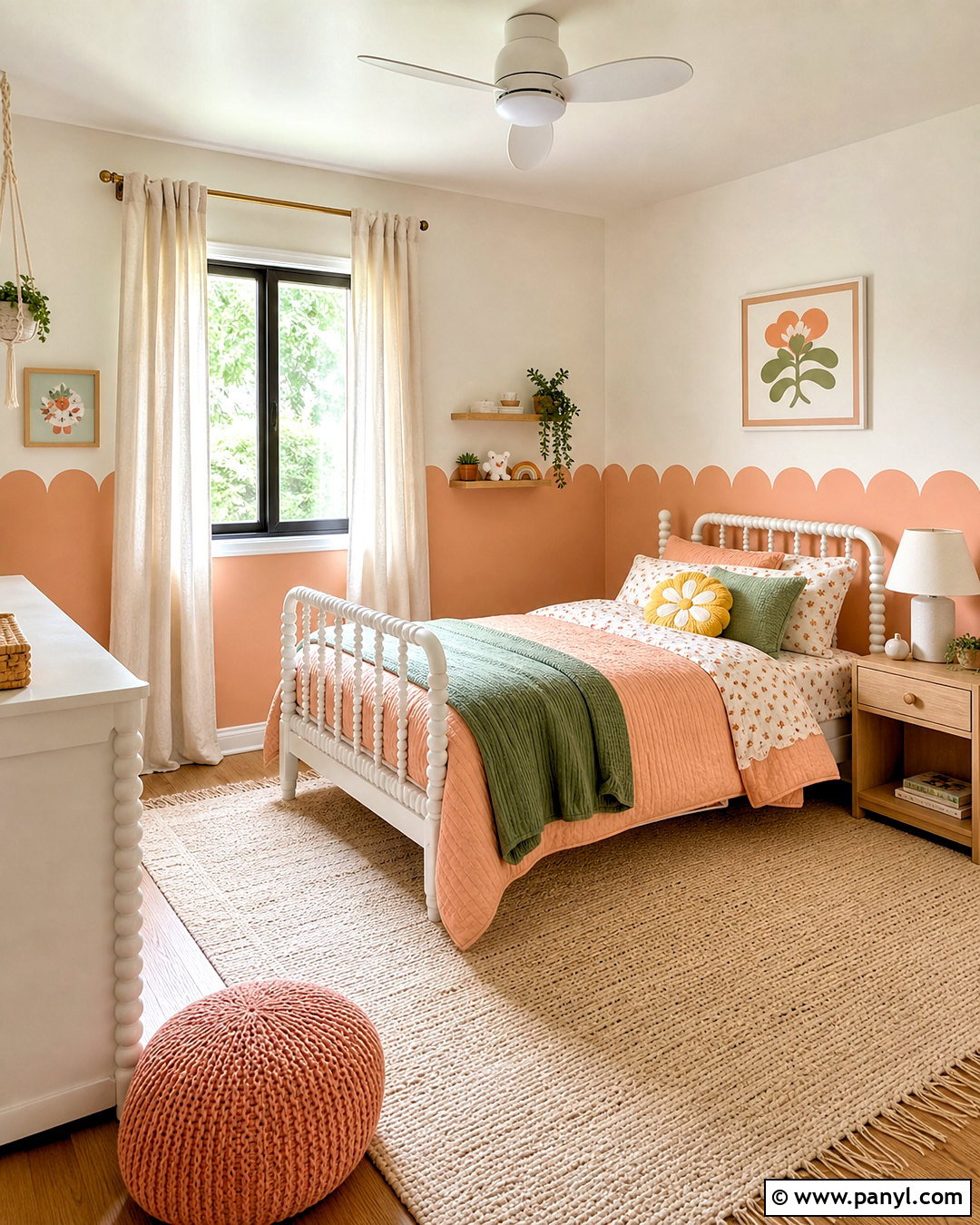
A scalloped border adds a playful edge without covering the entire wall in a strong pattern. In a child’s bedroom, paint the lower two-thirds of the walls muted peach and keep the upper section warm white. Use a round plate, cardboard template, or tied pencil compass to trace evenly spaced semicircles along the dividing line. Paint the scallops with a small angled brush before filling the lower wall with a roller. Complete the room with a white spindle bed, pale oak nightstand, cream rug, and bedding in peach, sage, and soft yellow. Carry the scalloped border around all four walls for a complete, enveloping effect. Keep furniture shapes simple so the painted detail remains noticeable. Measuring the starting height from several points helps the border stay level, even when floors or ceilings are slightly uneven.
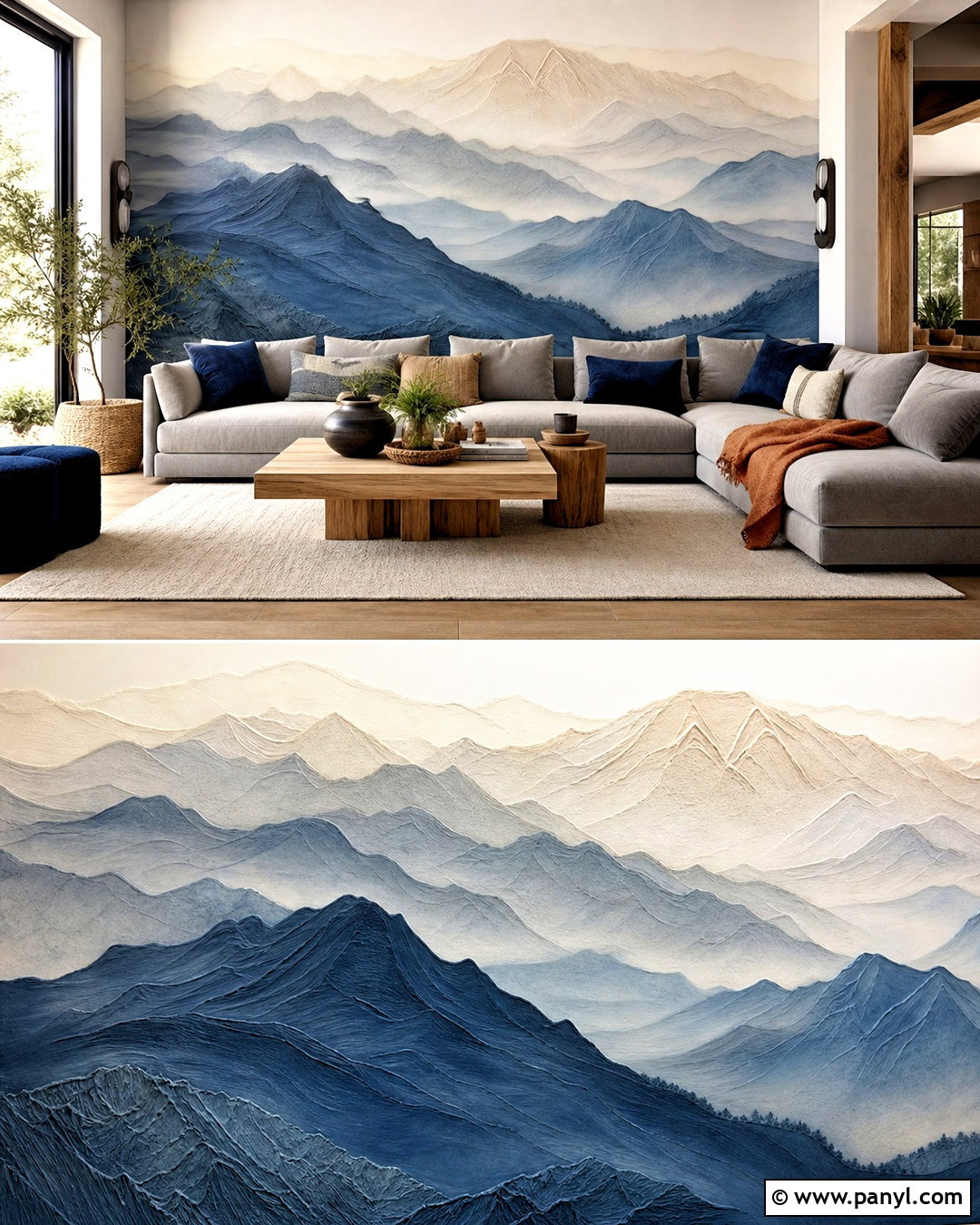
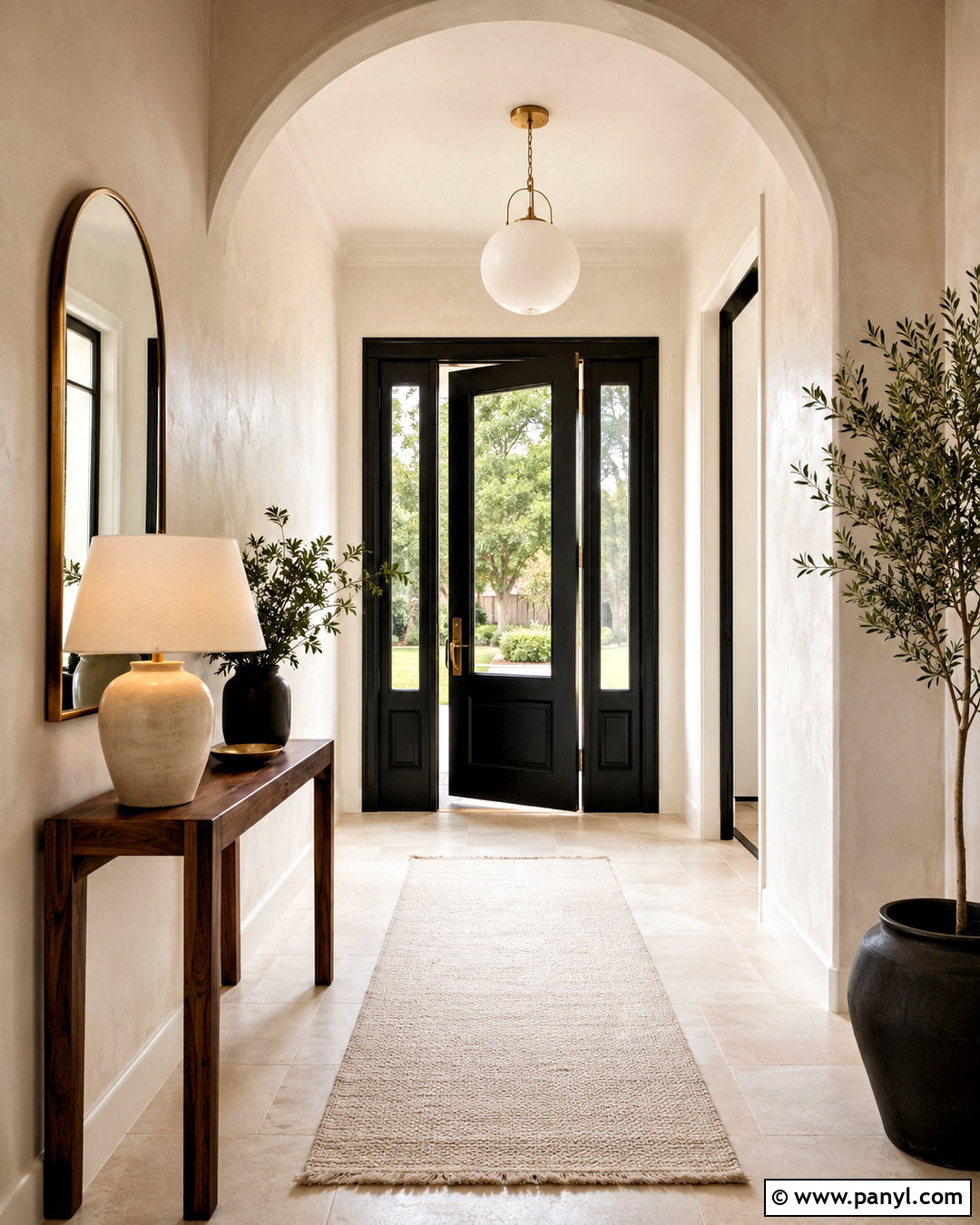
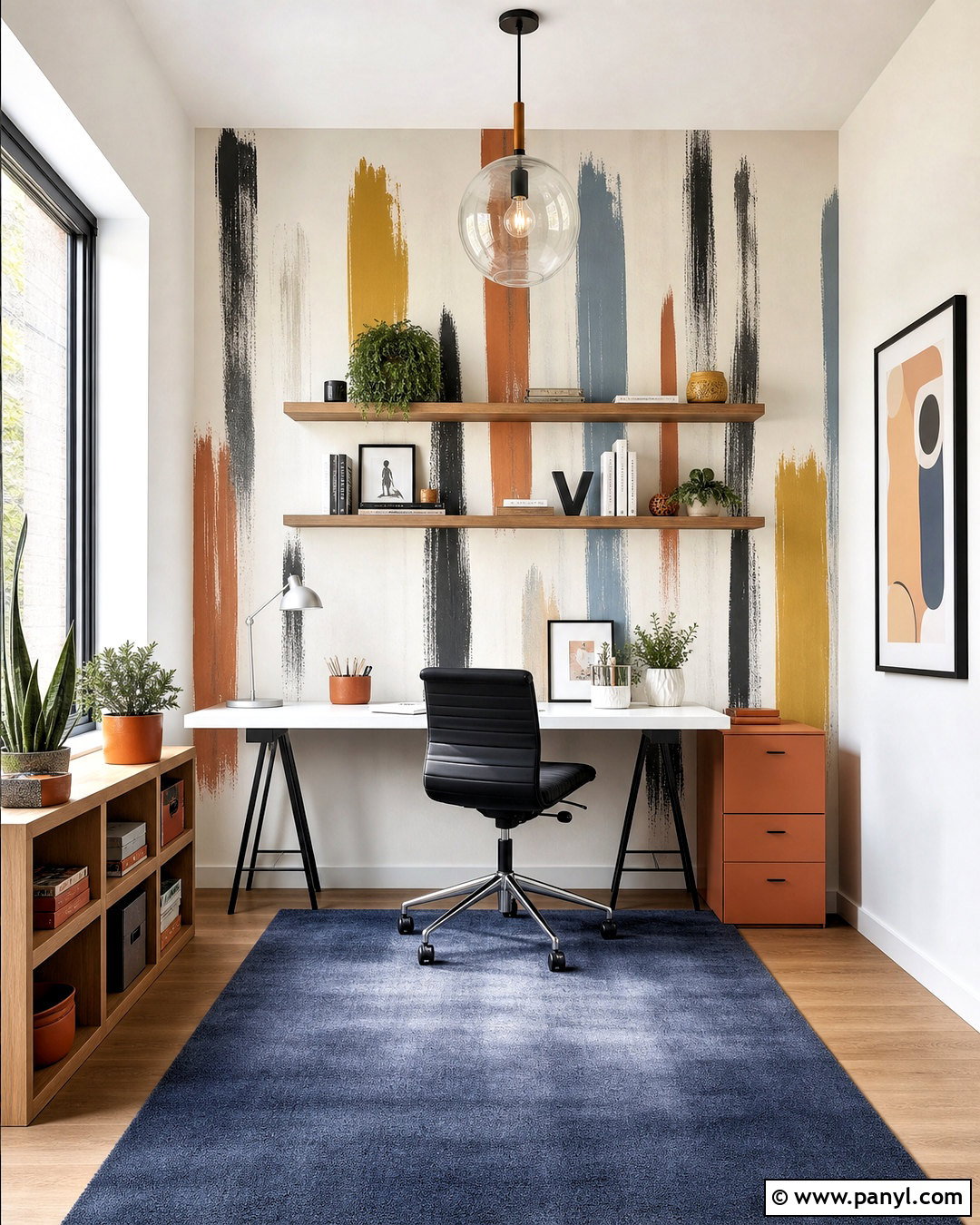
10. Painted Arch Wall
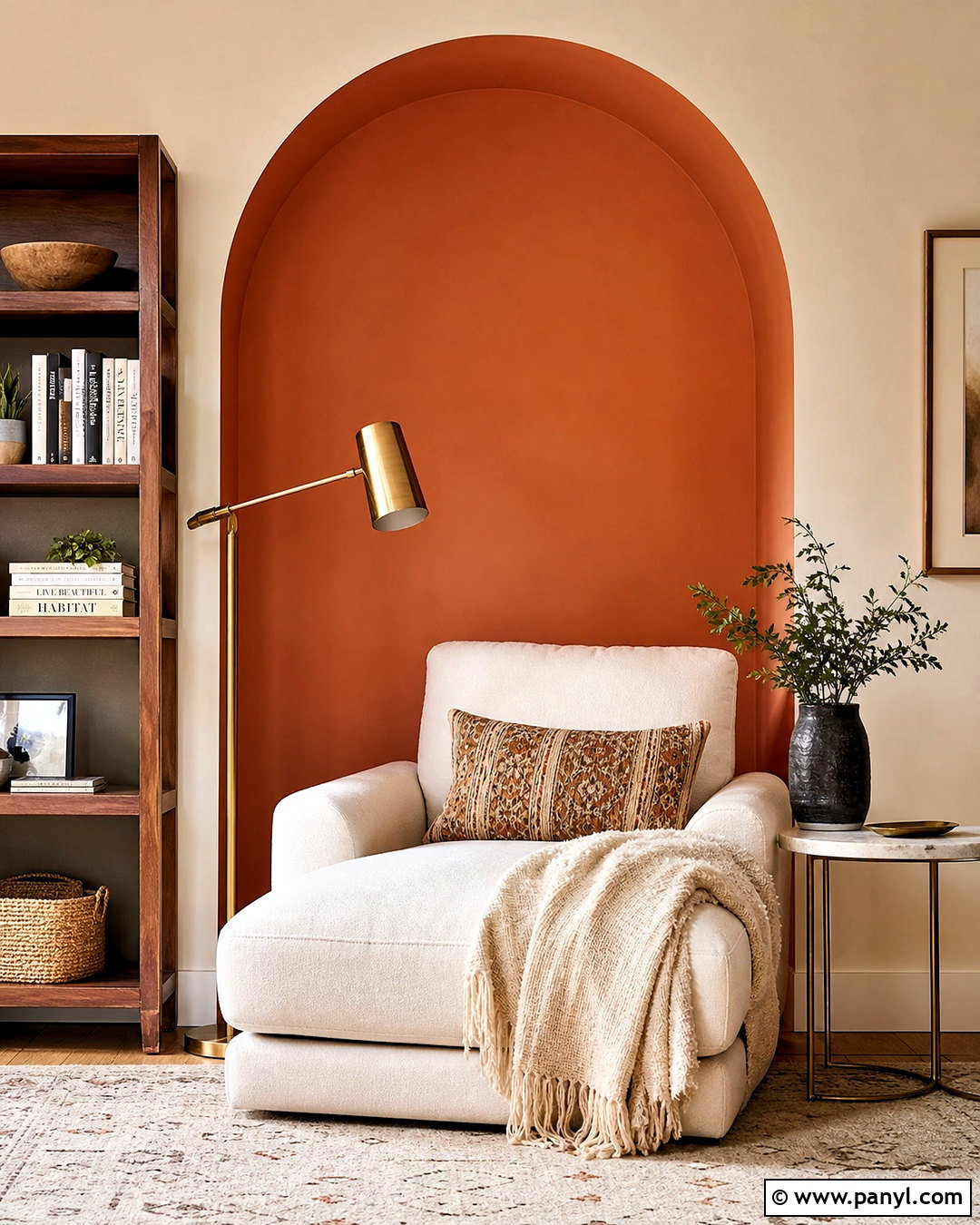
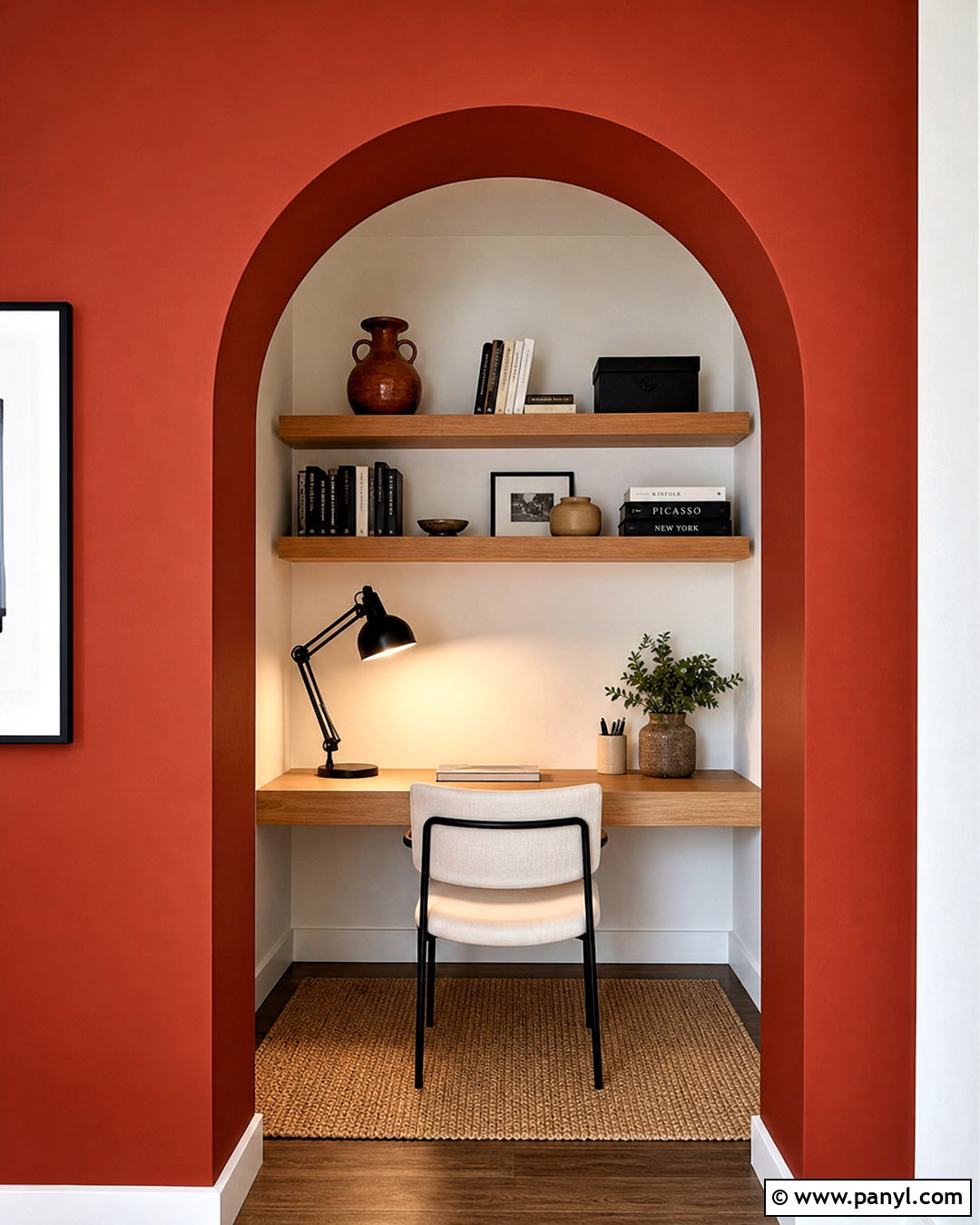
A painted arch creates the impression of an architectural niche behind furniture, shelving, or a decorative feature. Build a warm reading corner by painting a large terracotta arch behind a cream lounge chair and slim walnut bookcase. Use a level to mark the straight sides. Create the curved top with a pencil tied to a string anchored at the center point, then trace a smooth semicircle. Outline the curve slowly with an angled brush and fill the center using a small roller. Leave the surrounding wall soft beige to give the arch clear definition. Add a brass floor lamp, textured ivory throw, and a small round side table. Make the arch slightly wider than the furniture grouping so the composition feels balanced. Two light coats usually provide cleaner coverage than one thick application around the curved edge.
11. Stencil Wall Painting
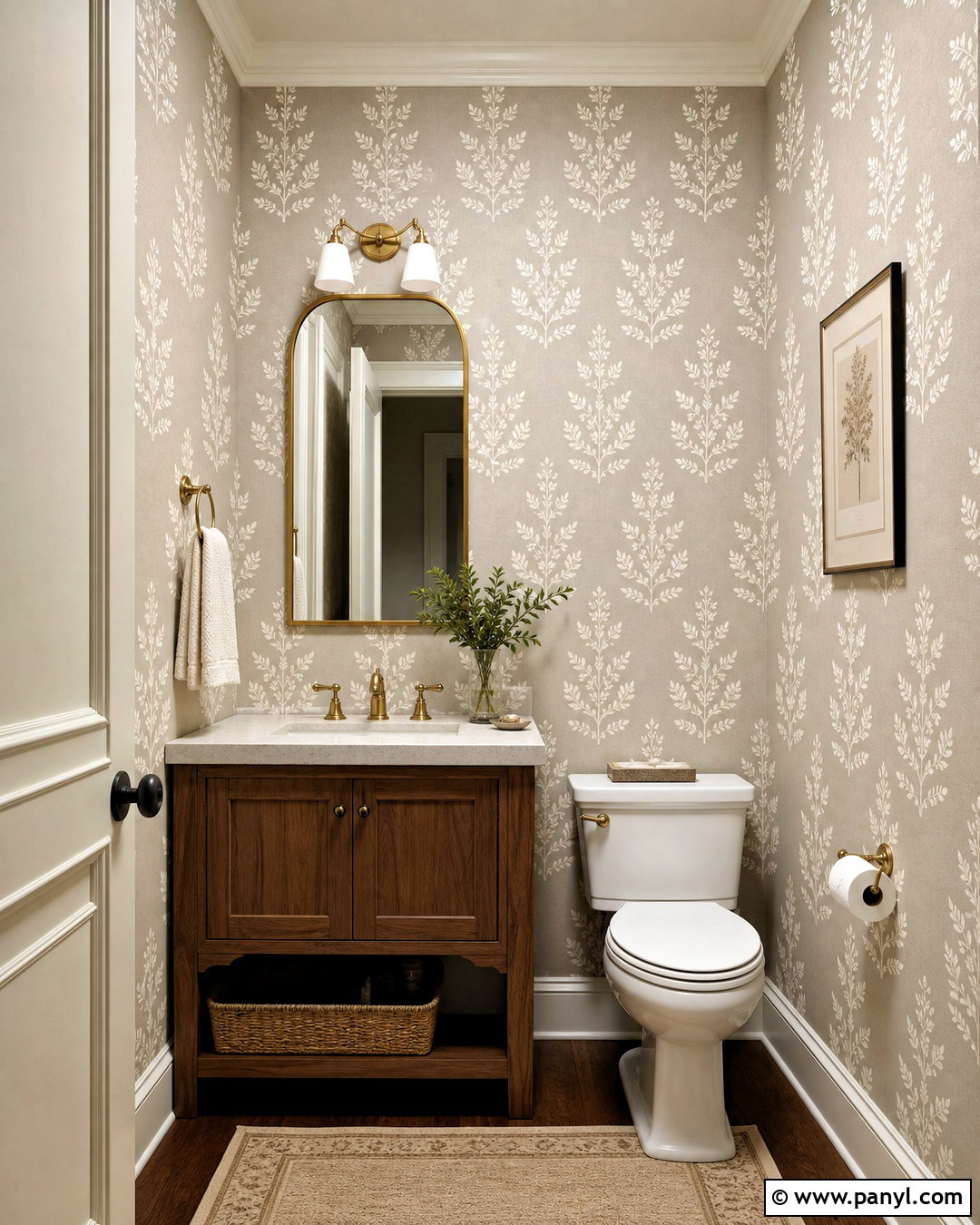
Wall stenciling can imitate patterned wallpaper while remaining easier to customize and repaint. Create an elegant powder room with a soft taupe base and an ivory repeating botanical stencil. Begin at the most visible center point and work outward, using registration marks to align each repeat. Secure the stencil with low-tack tape or repositionable adhesive. Load a dense foam roller lightly, remove excess paint, and apply several thin passes. Too much paint can seep underneath and blur the pattern. Complete the room with a walnut vanity, white stone counter, aged brass mirror, and simple cream hand towels. Keep the ceiling and trim ivory for continuity. Clean the stencil periodically so dried paint does not distort the edges. Corners may require bending the stencil or finishing incomplete sections with a small artist’s brush. ()
12. Limewash Wall Painting
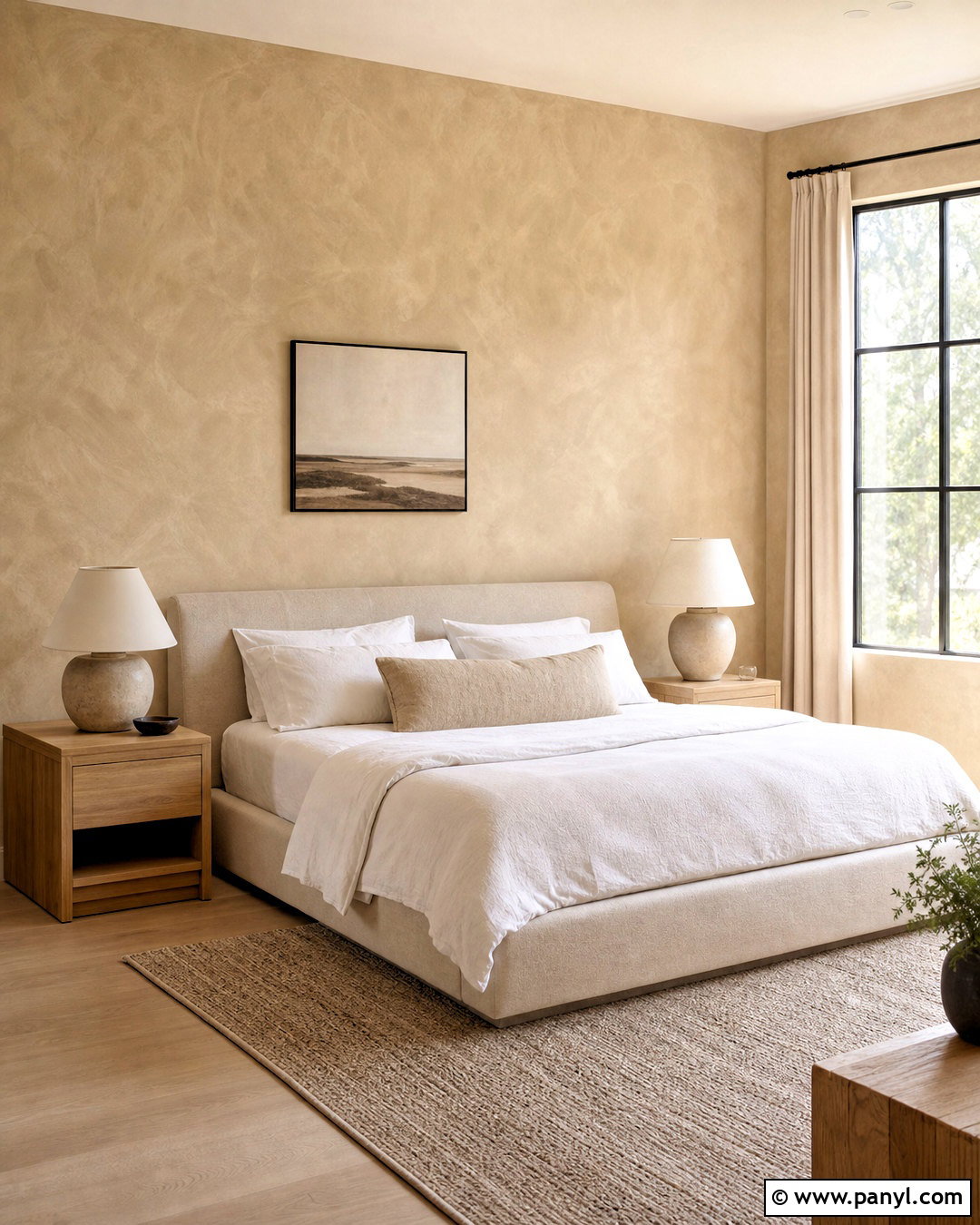
Limewash creates cloudy tonal variation and visible brush movement, making it suitable for calm bedrooms and organic modern living spaces. Cover a bedroom in warm mineral beige, using a compatible primer and the application system recommended for the chosen limewash product. Apply thin coats with a large masonry brush in overlapping crisscross strokes. Avoid creating obvious rows or repeatedly brushing areas that have begun drying. The finished walls pair naturally with an upholstered oatmeal bed, white linen bedding, pale oak nightstands, and hand-thrown ceramic lamps. Continue the same finish across every wall for an immersive effect, while keeping the ceiling a soft warm white. Because limewash can dry noticeably lighter than it appears when wet, always test the full coating system on a sample board before committing to the room.
13. Faux Concrete Wall Painting
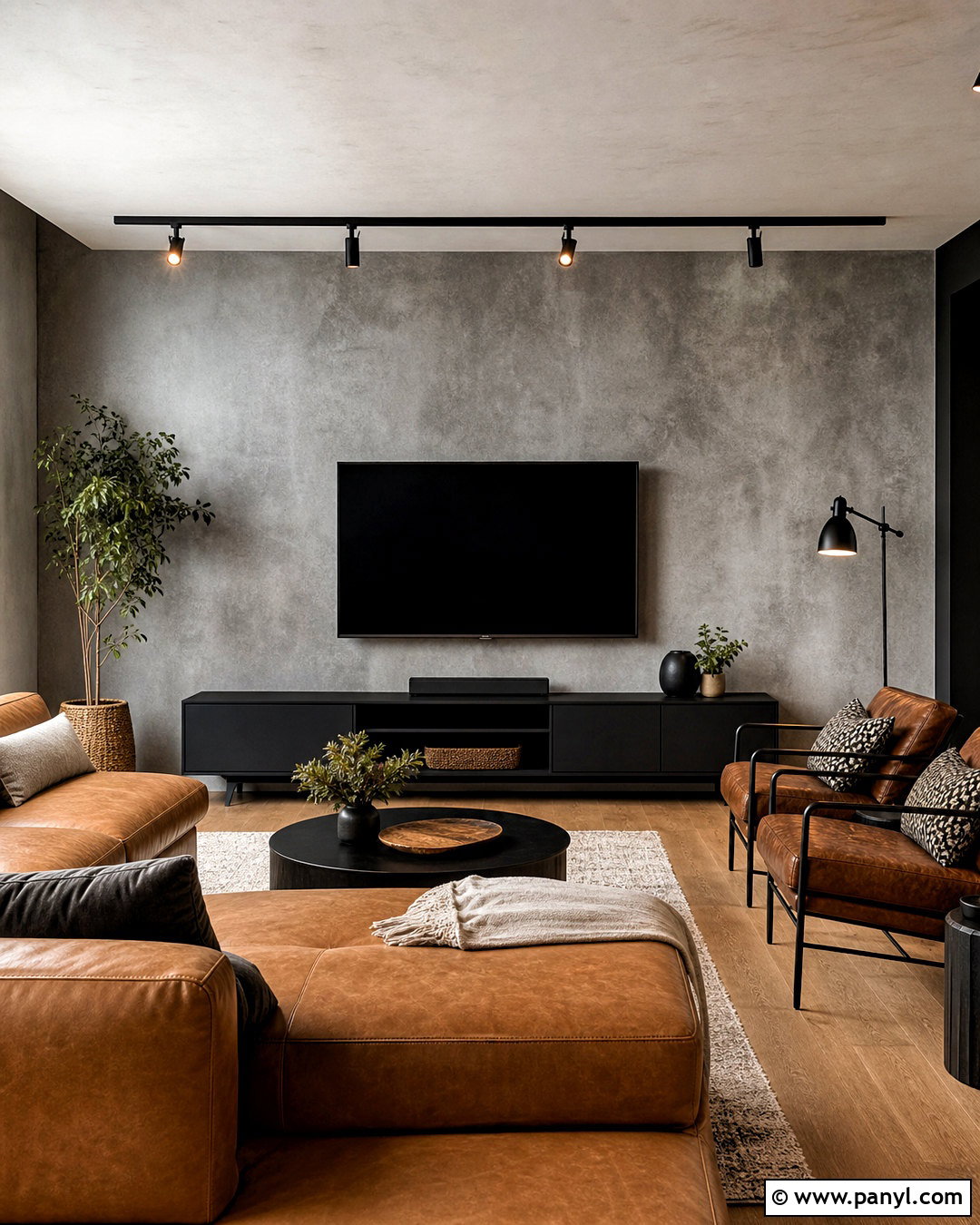
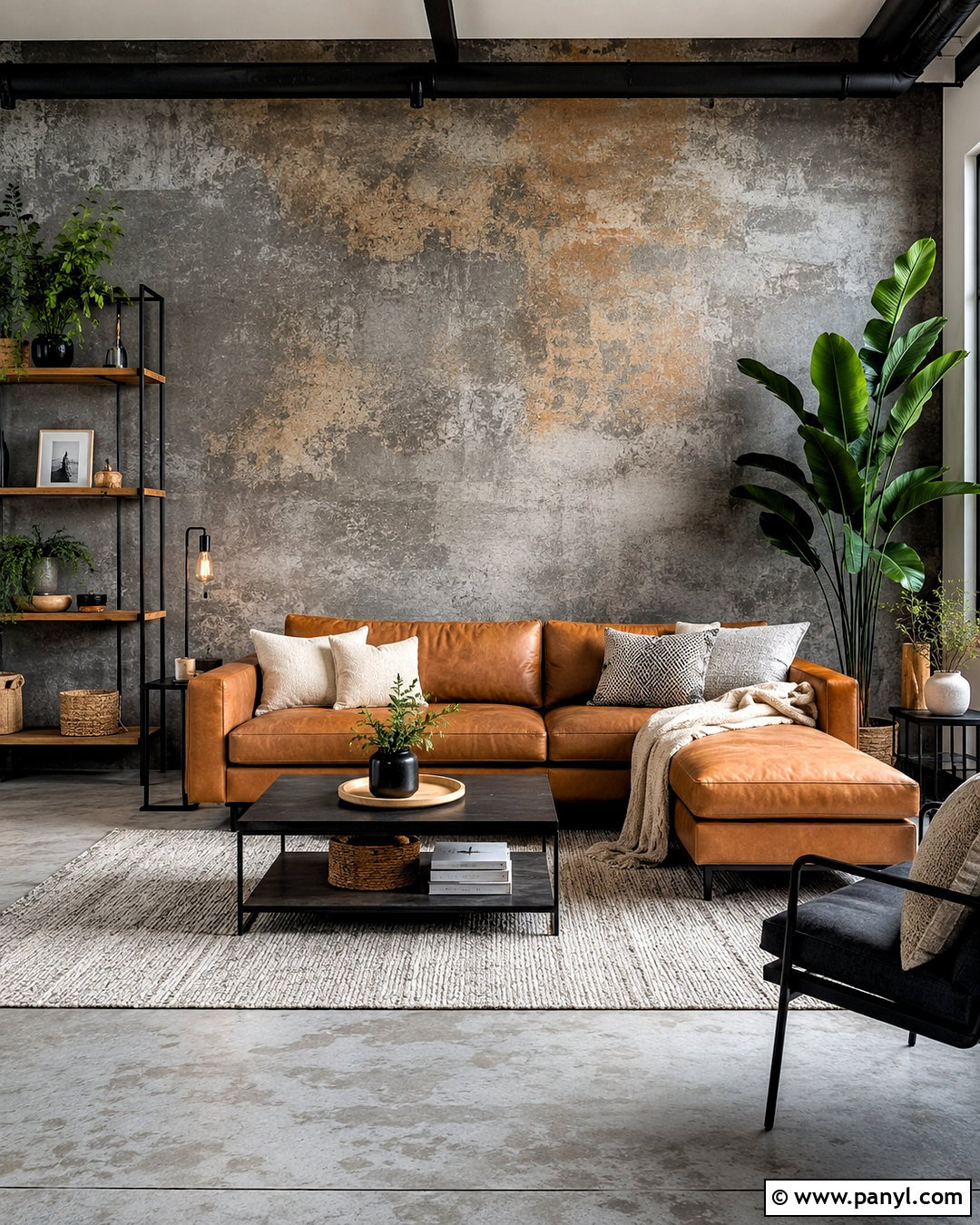
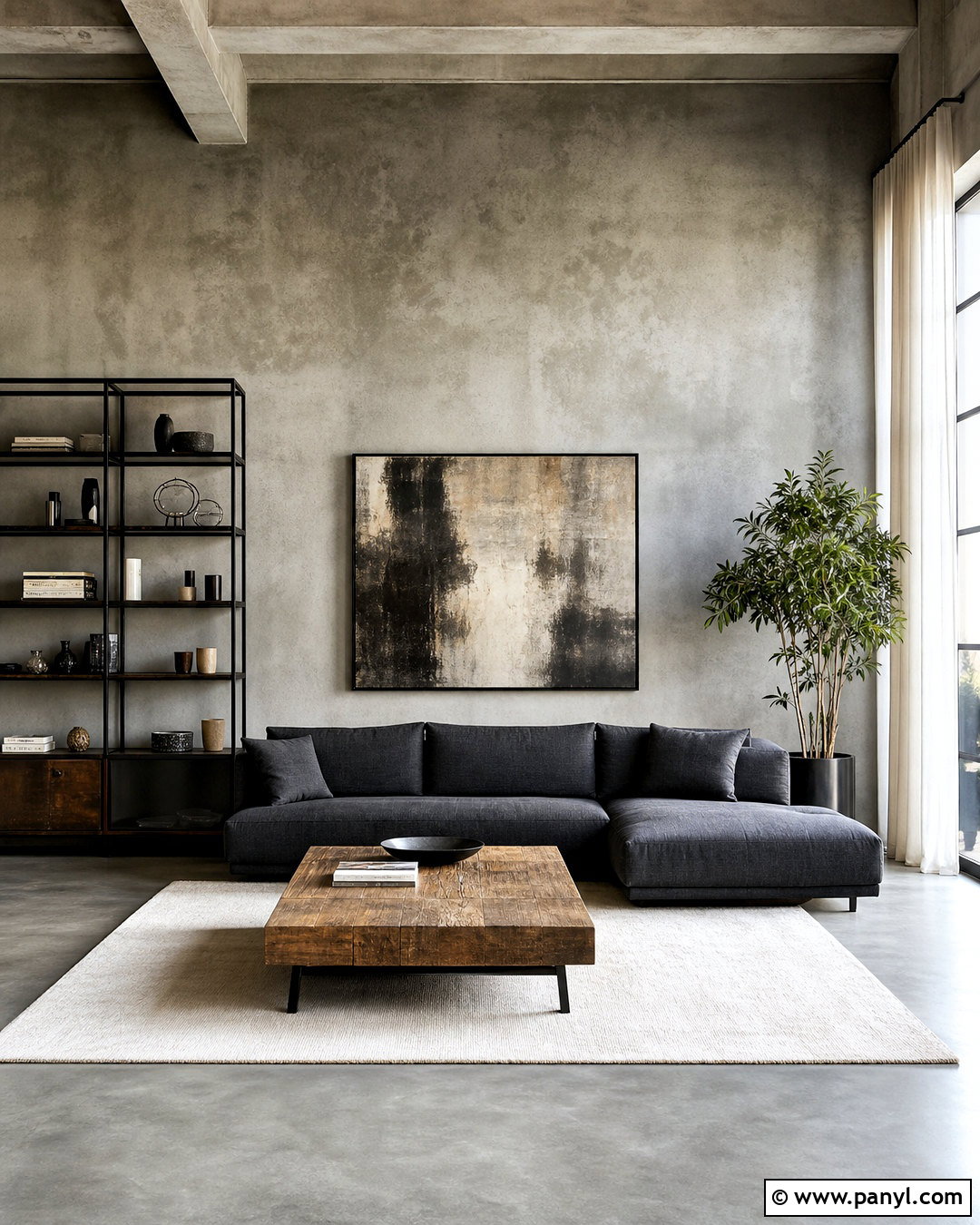
A faux concrete finish gives a media room or home office an industrial character without adding heavy panels. Begin with a medium gray base coat. Apply lighter and darker gray paint in irregular patches, then blend the colors with a wide brush, drywall knife, or damp sponge. Use broad movement rather than small repetitive marks. A few thin charcoal lines and softened cloudy areas can suggest natural variation, but restraint keeps the surface believable. Complete the room with a low black media console, caramel leather seating, oak flooring, and matte black lighting. Warm wood and textiles balance the cool wall color. Keep the effect on one broad uninterrupted wall, where furniture will not hide its texture. Practice the layering method first because successful faux concrete depends more on controlled variation than on adding numerous colors.
14. Faux Brick Wall Painting
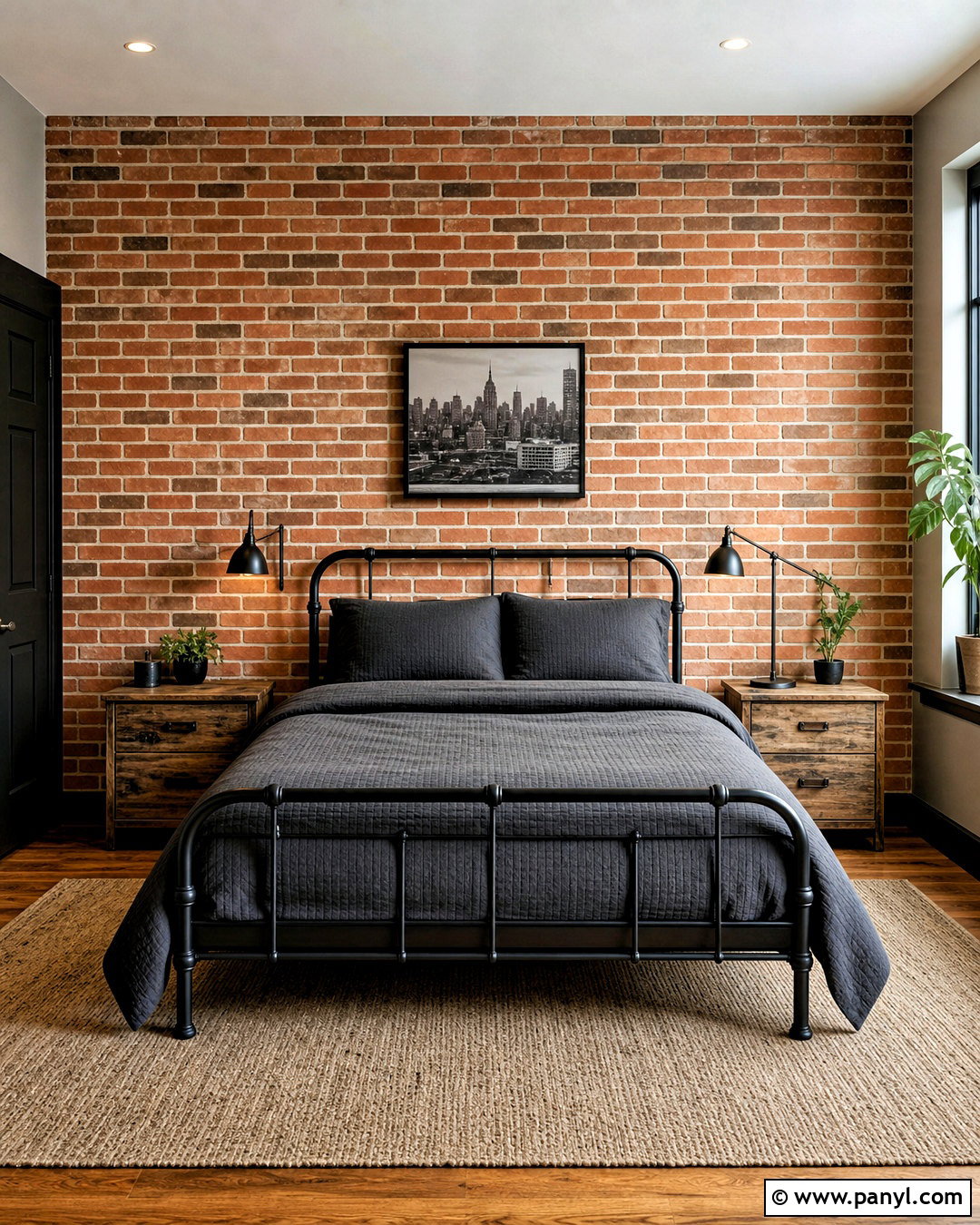
Painted faux brick can bring texture to a rental-friendly loft bedroom, basement lounge, or casual dining space. Start with a warm off-white background that will become the mortar lines. Use a brick stencil or carefully taped grid to form staggered rectangles. Apply several related colors, such as muted red, clay, rust, and brown, with a sponge so each brick develops slight variation. Soften selected edges rather than making every block identical. Finish the wall with a very light off-white dry brushing if you want an aged, painted-brick appearance. Pair it with a black metal bed, charcoal bedding, reclaimed wood nightstands, and a neutral rug. Keep the other walls plain and pale. Realistic spacing, staggered joints, and controlled color changes matter more than adding heavy surface texture.
15. Faux Marble Wall Painting
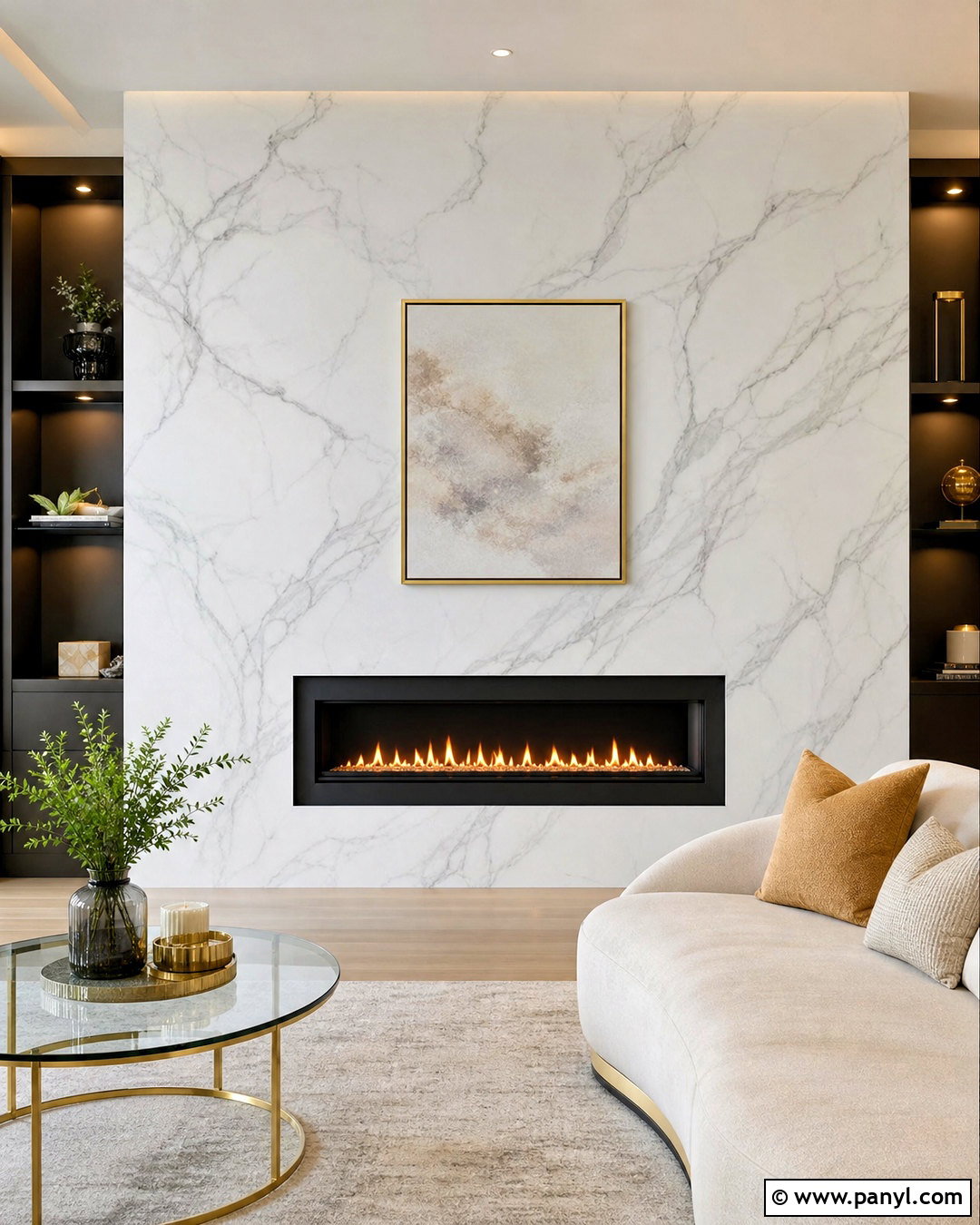
Faux marble creates an elegant focal point when it is limited to one carefully painted surface. Use the technique around a modern fireplace wall with a soft white base and delicate gray veining. Apply patches of pale gray glaze with a sea sponge, then soften them with a dry blending brush. Draw irregular veins using a fine artist’s brush or feather, varying their width and direction. Blur portions of each line so the veins appear embedded rather than sitting on top. Furnish the living room with a curved beige sofa, glass coffee table, light oak flooring, and brushed brass accents. Avoid covering the wall with evenly spaced lines because natural stone includes both open areas and concentrated movement. A clear protective finish may be useful on frequently touched surfaces, provided it is compatible with the underlying paint.
16. Wood Grain Wall Painting
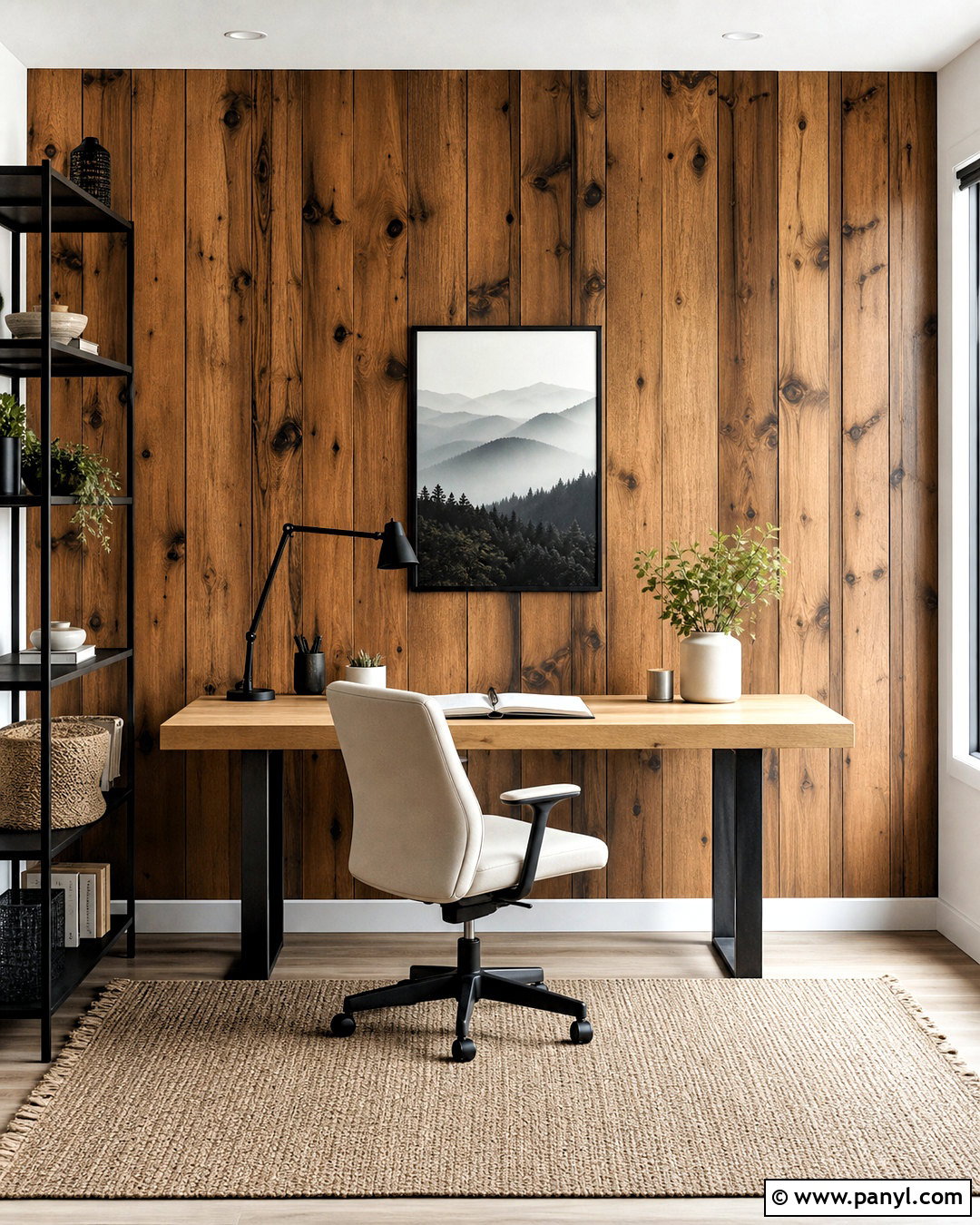
Wood grain painting can imitate warm paneling on a feature wall without the cost or thickness of real boards. Paint a home office wall medium caramel brown, then apply a darker brown glaze in manageable vertical sections. Pull a wood-graining rocker through the wet glaze, gently rocking the tool to create knots and flowing lines. Use a graining comb along selected areas to vary the pattern. Divide the wall into panel-width sections so the grain appears structurally believable. Complete the office with matte black shelving, a simple oak desk, a cream task chair, and a woven wool rug. Choose two browns with moderate contrast; extreme differences can look theatrical. Study real wood before painting, and alternate the location of knots so adjoining panels do not repeat the same pattern.
17. Strié Wall Painting
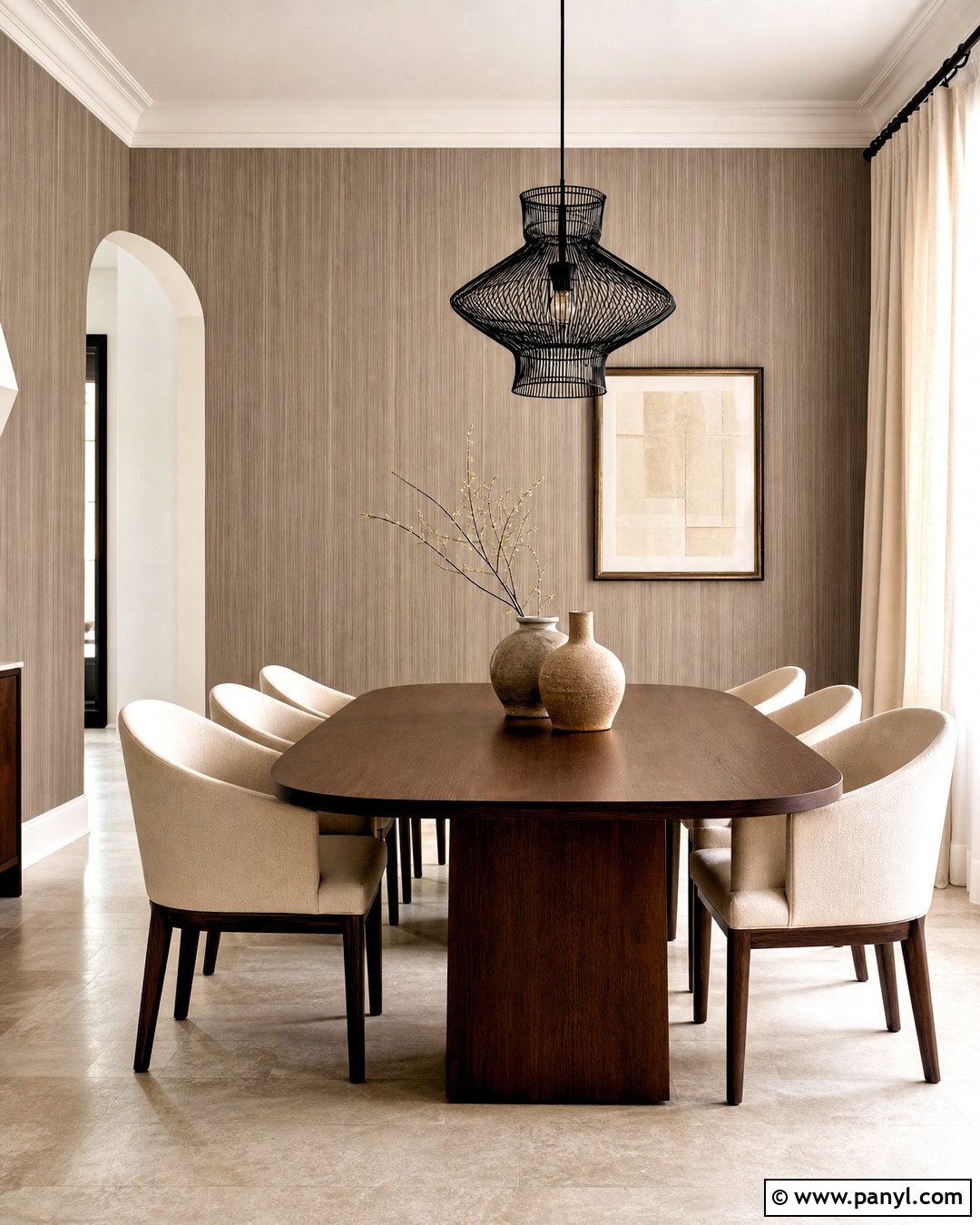
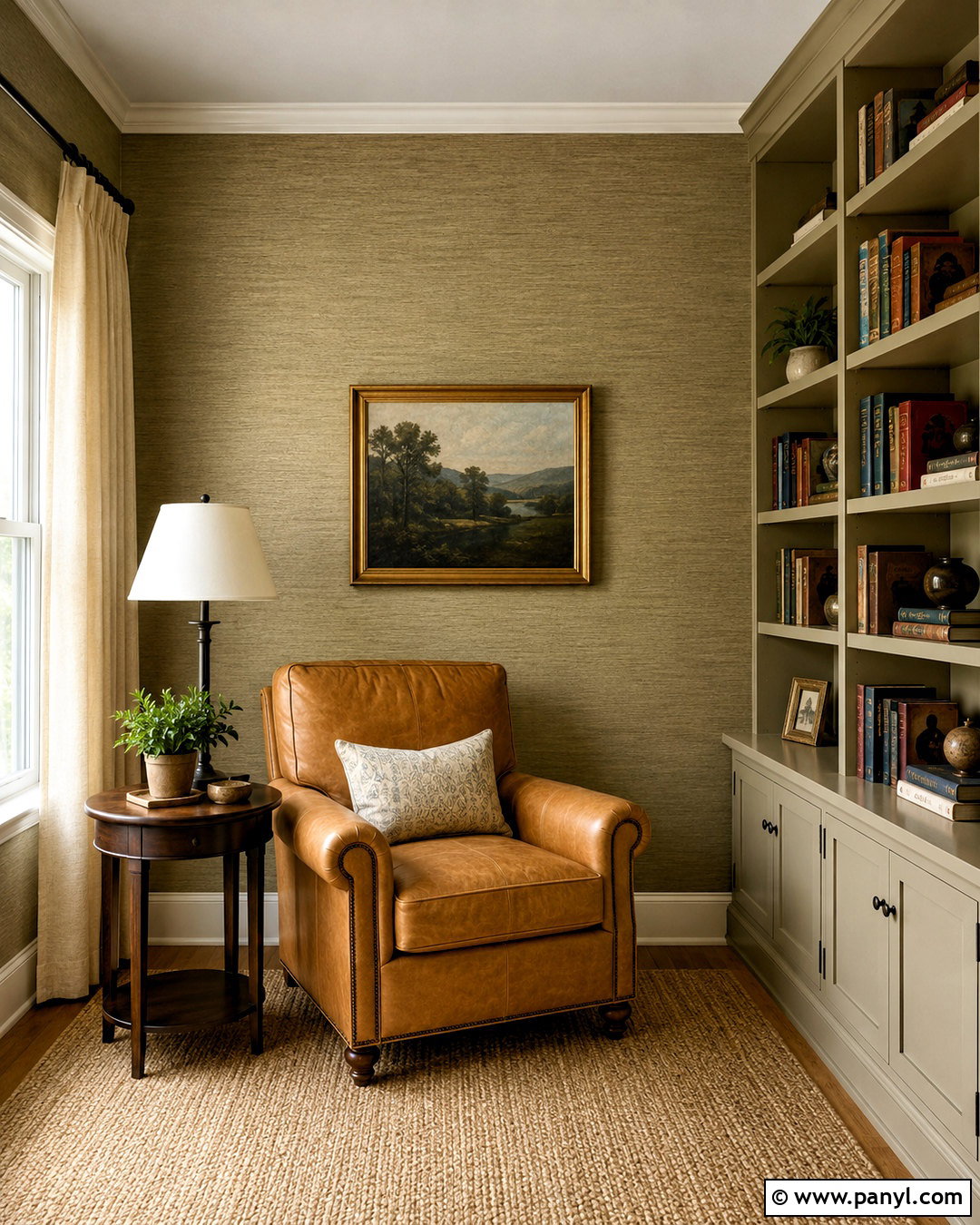
Strié painting produces fine linear texture that resembles grasscloth or brushed fabric. For a sophisticated dining room, apply a warm taupe base and cover a narrow wall section with slightly deeper taupe glaze. While the glaze is wet, pull a clean wallpaper brush or dry bristle brush steadily from ceiling to floor. Wipe the brush after each pass to prevent paint buildup. Work with a partner if possible, since the surface must remain wet while the lines are created. Pair the walls with a dark walnut dining table, cream chairs, linen drapery, and a sculptural black pendant. Vertical lines emphasize ceiling height, while horizontal strié can make a compact wall appear broader. Keep the surrounding decor restrained because the fine texture becomes more noticeable as light moves across the room.
18. Stipple Wall Painting
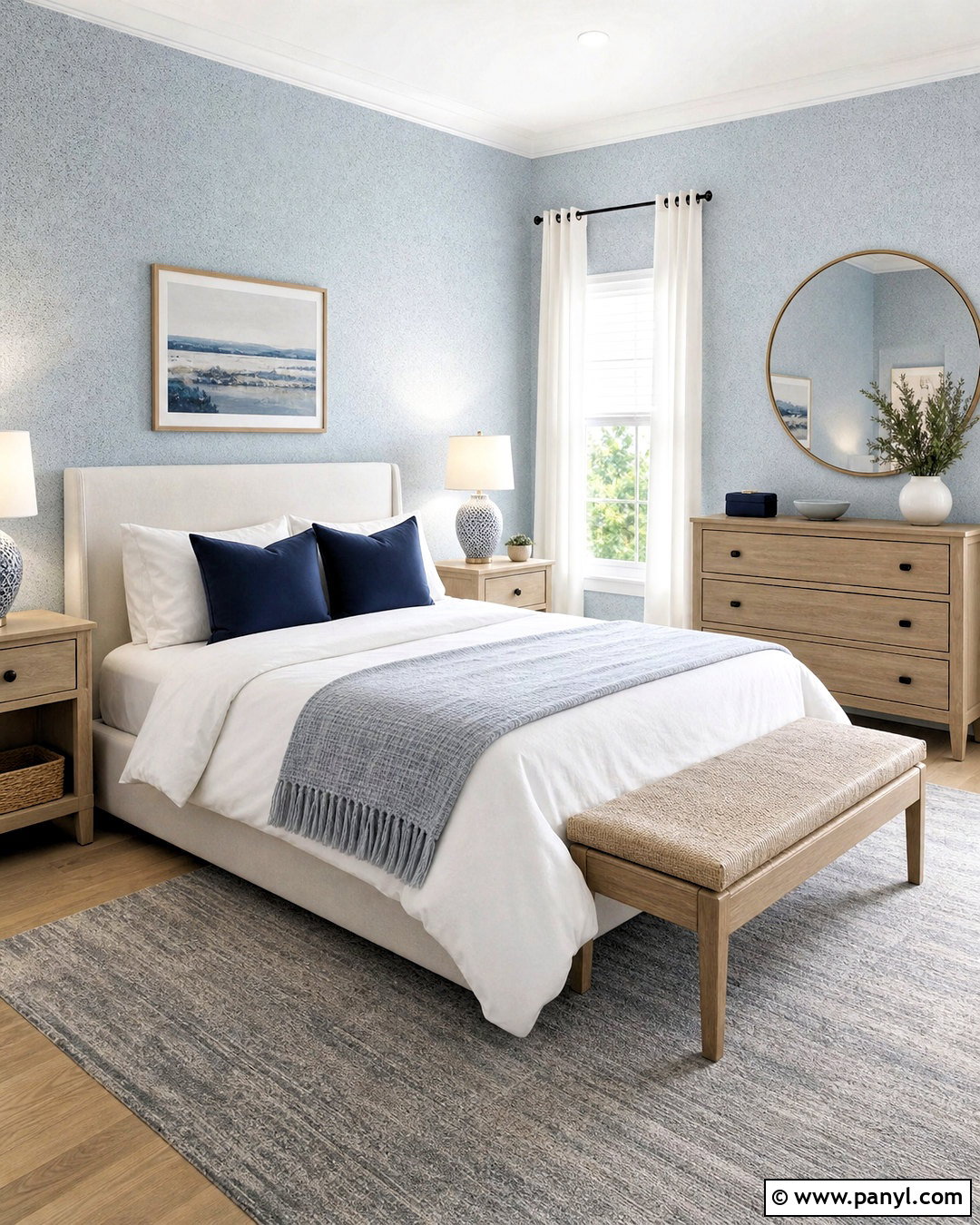
Stippling creates a fine speckled finish by repeatedly tapping wet glaze with the tips of a special brush. Use it in a quiet guest bedroom with a pale blue-gray base and a slightly deeper blue-gray top layer. Apply glaze to a small section, then hold the stippling brush perpendicular to the surface and tap evenly. Rotate or shift the brush often to prevent visible blocks and repeated outlines. Feather each section into the next while the edges remain wet. Finish the room with a white upholstered bed, washed oak dresser, soft gray rug, and navy accent pillows. The low-contrast palette keeps the dotted texture subtle and restful. Avoid dragging the brush, which creates smears instead of fine marks. Clean excess paint from the bristles periodically so the pattern stays light and consistent.
19. Dry Brush Wall Painting
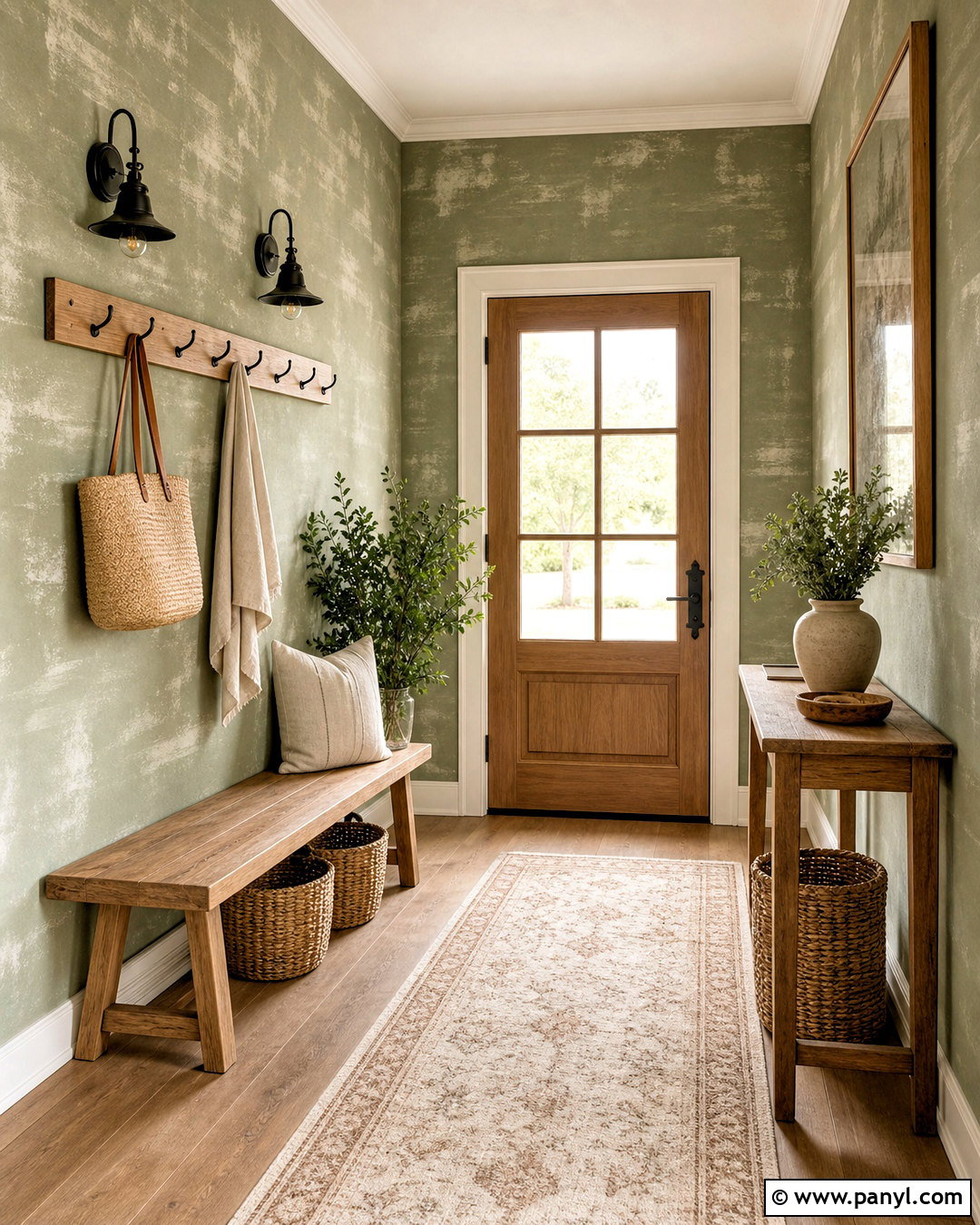
Dry brushing leaves broken, feathery strokes that reveal the base color beneath. It works well for an aged cottage finish in an entryway or breakfast area. Paint the wall muted sage green, then lightly drag a wide brush loaded with a small amount of creamy white paint across the surface. Remove most of the paint on a cloth before touching the wall. Change direction occasionally and leave open areas so the finish does not become a solid second coat. Complete the space with a natural oak bench, peg rail, woven baskets, black metal sconces, and a washable cream runner. Concentrate on broad, irregular movement rather than small scratches. Test the pressure first, because adding more paint is easy, while removing a heavy dry-brushed area usually requires repainting the base.
20. Paint Splatter Wall Painting
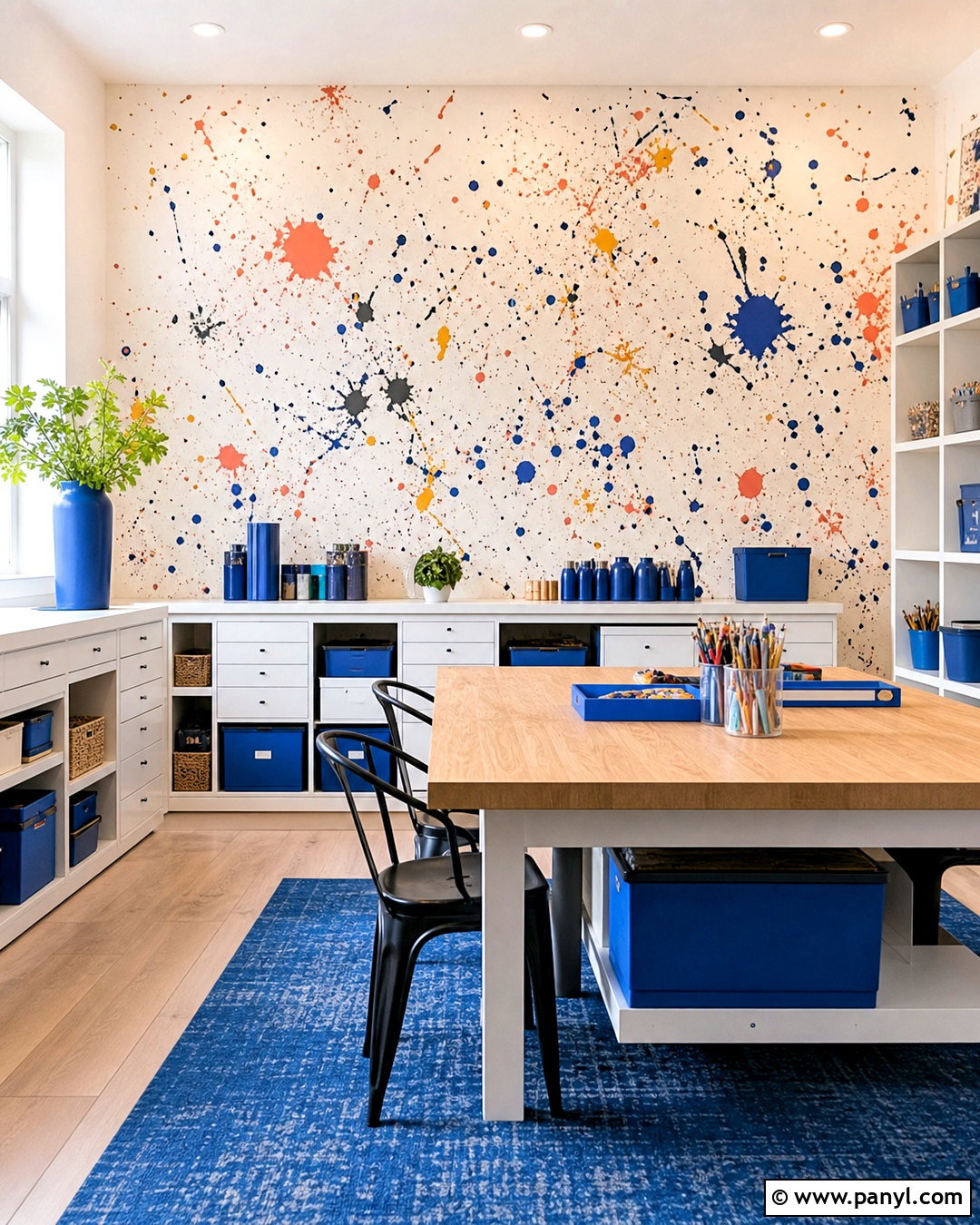
Paint splatter can create an energetic studio, craft room, or teen bedroom when the palette and application area are carefully controlled. Begin with a clean warm-white wall, then add small splashes of cobalt blue, coral, mustard yellow, and charcoal. Protect the ceiling, floor, trim, furniture, and neighboring walls with plastic and painter’s tape. Load a stiff brush lightly and flick the bristles toward the wall from a consistent distance. Build the pattern gradually, using one color at a time and allowing open white space to remain. Finish the room with white storage cabinets, a pale wood worktable, black chairs, and solid blue accessories. Restrict the splatter to one wall for a strong focal point. Test each paint’s consistency on cardboard to control droplet size and reduce unwanted drips.
Conclusion:
These 20 diy wall painting techniques show how color can create pattern, texture, depth, and architectural definition without a major renovation. Begin with thorough wall preparation, reliable painter’s tape, and a sample board. Choose closely related shades for subtle finishes or a controlled palette for bold patterns. Consider the entire room before selecting a technique, including furniture, flooring, lighting, trim, and nearby walls. Simple methods such as arches, stripes, and dry brushing suit beginners, while faux marble and wood grain require more practice. Work in manageable sections and check the wall from across the room often. Careful measuring, thin coats, and patient drying time will make even an affordable DIY project look polished and intentional.

Related Ideas and Inspiration:
Leave a Reply