
Wall texture can transform a plain room by adding depth, movement, and a more finished architectural feel. These 50 wall colour texture ideas explore complete looks built around limewash, Venetian plaster, Roman clay, concrete effects, dimensional paneling, textured wallpaper, and creative paint techniques. Hand-applied mineral finishes and tactile wall treatments remain especially relevant because they interact beautifully with changing natural light. () You will find restful neutral rooms, rich jewel-toned spaces, practical family-friendly finishes, and bold feature walls. Each design also includes furniture, flooring, lighting, and decor suggestions, making it easier to recreate the whole room rather than choosing a finish in isolation. Use these complete 50 wall colour texture ideas to find the right combination for your space.

1. Beige Limewash Wall Texture
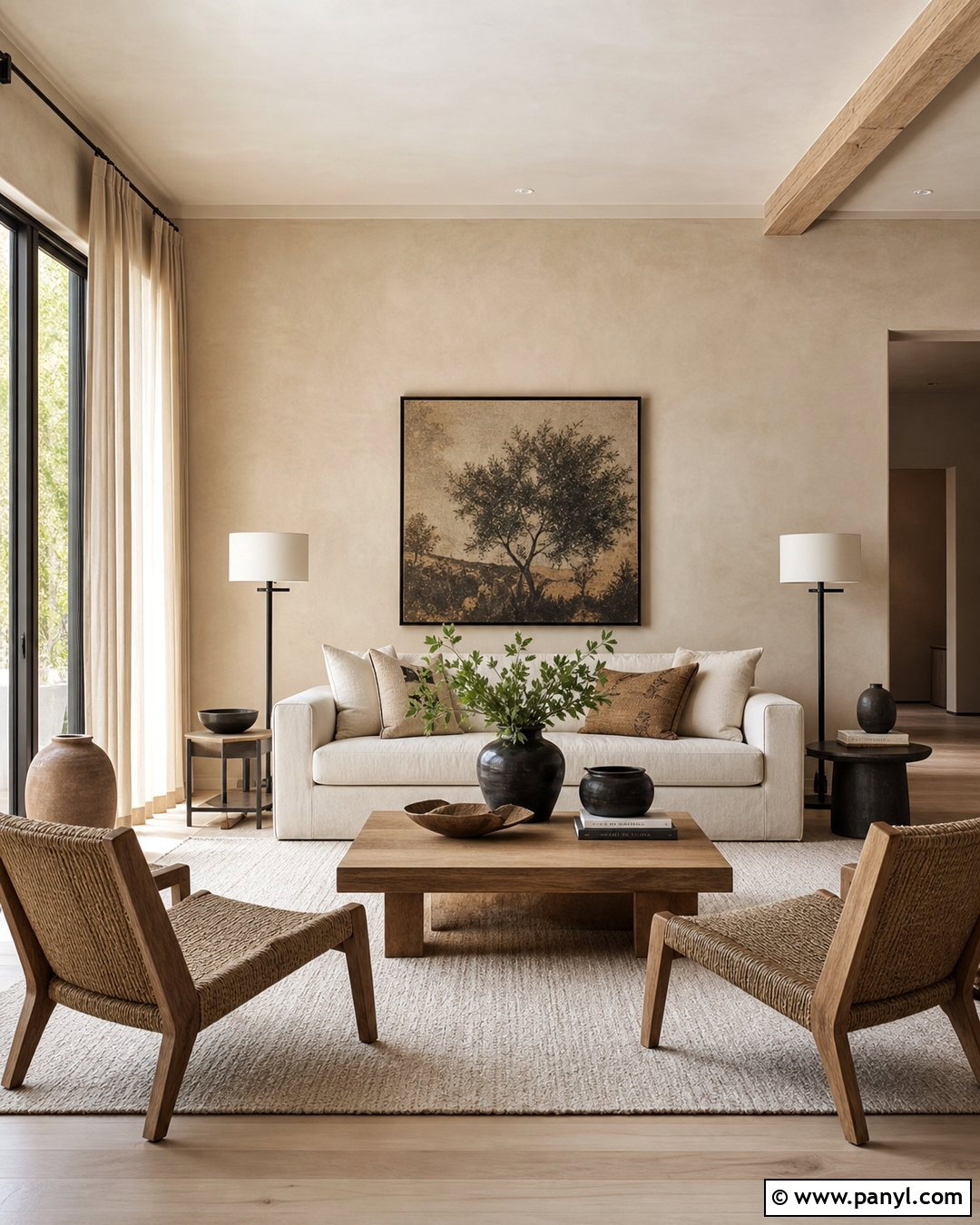
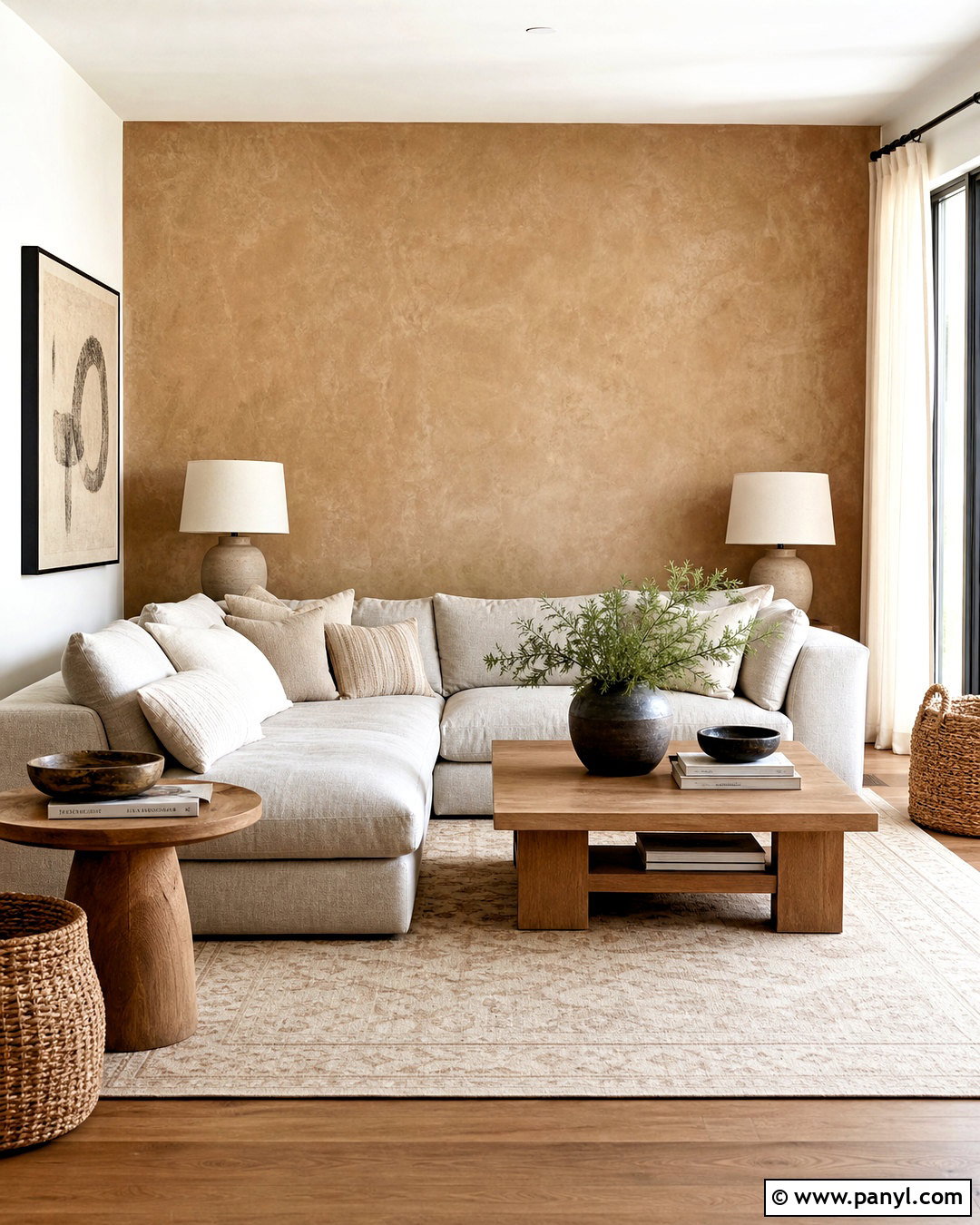
A warm beige limewash wall creates a relaxed living room that feels soft, natural, and comfortably lived in. Apply the finish across every wall rather than limiting it to one accent surface. Subtle brush movement will keep the neutral palette from appearing flat. Add a low cream sofa, an oak coffee table, and two woven lounge chairs to form a balanced conversation area. Ivory linen curtains can soften the windows without blocking daylight. Choose pale oak or warm limestone flooring, then ground the seating with a textured oatmeal rug. Black metal lamps and a few dark ceramic accessories provide useful contrast. Keep artwork simple, preferably in earthy rust, charcoal, and sand tones that complement the mineral appearance of the walls.
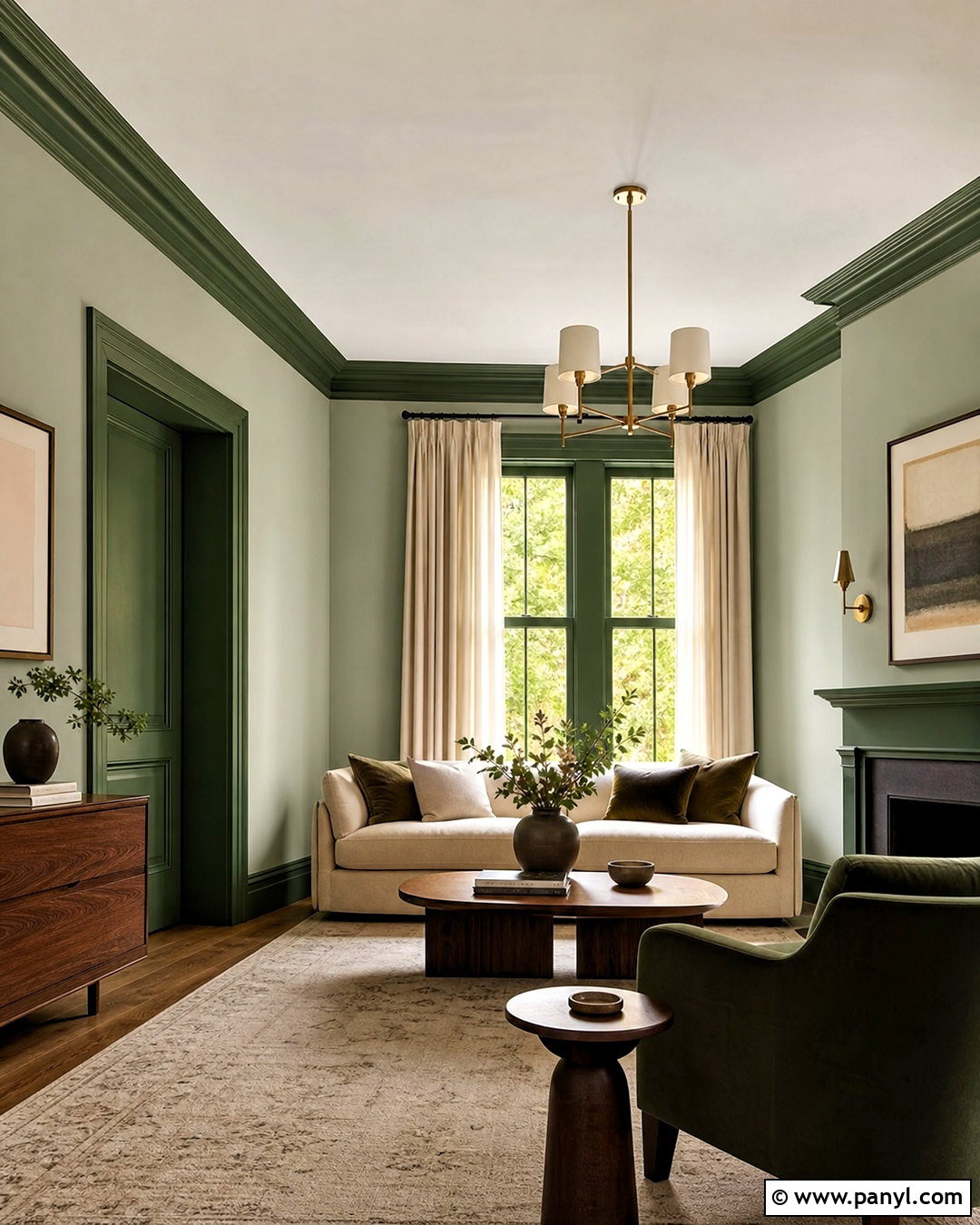
2. Sage Green Limewash Wall Texture
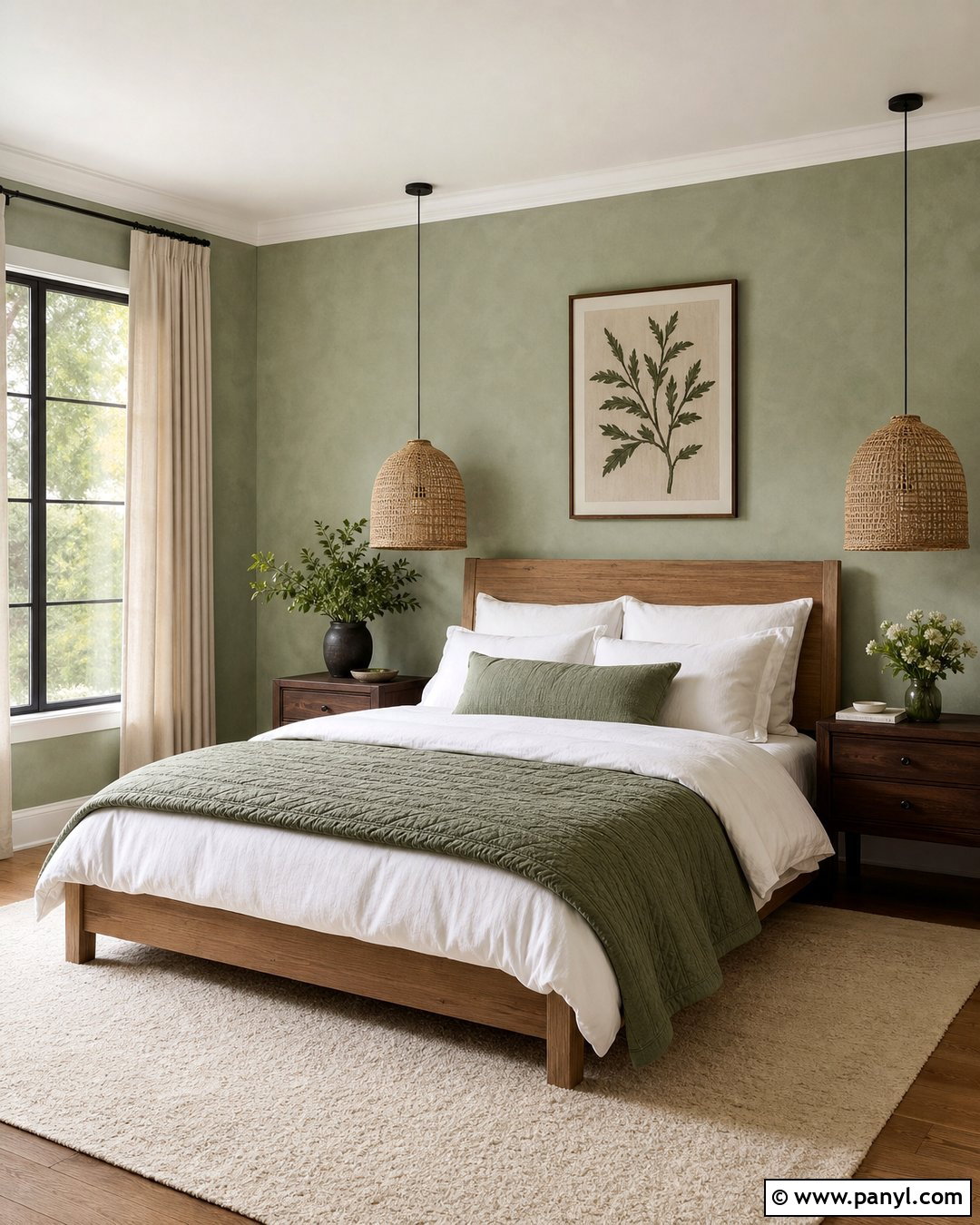
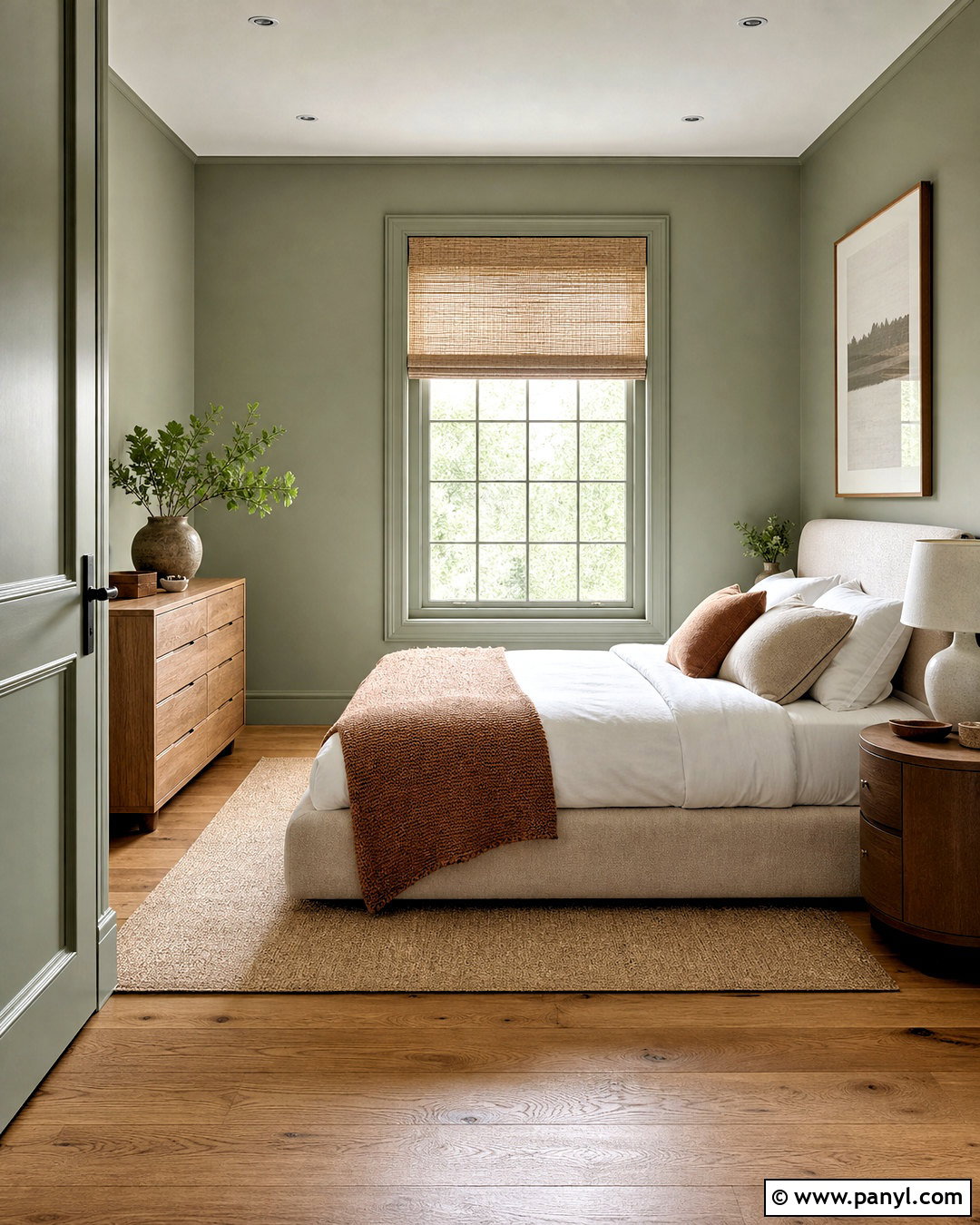
Soft sage limewash brings quiet color and organic movement to a restful bedroom. Use it on the wall behind the bed and continue it onto the adjoining walls for a more immersive result. A natural oak bed, crisp white sheets, and a quilt in muted olive will build a calm layered palette. Place small walnut nightstands on both sides to introduce depth without making the room feel heavy. Woven pendant lights free up the bedside surfaces and cast gentle shadows across the brushwork. Complete the room with oatmeal curtains, a vintage-style cream rug, and one botanical print. Keep the ceiling warm white so the sage remains fresh. Matte black hardware gives this natural bedroom a clean, contemporary edge.
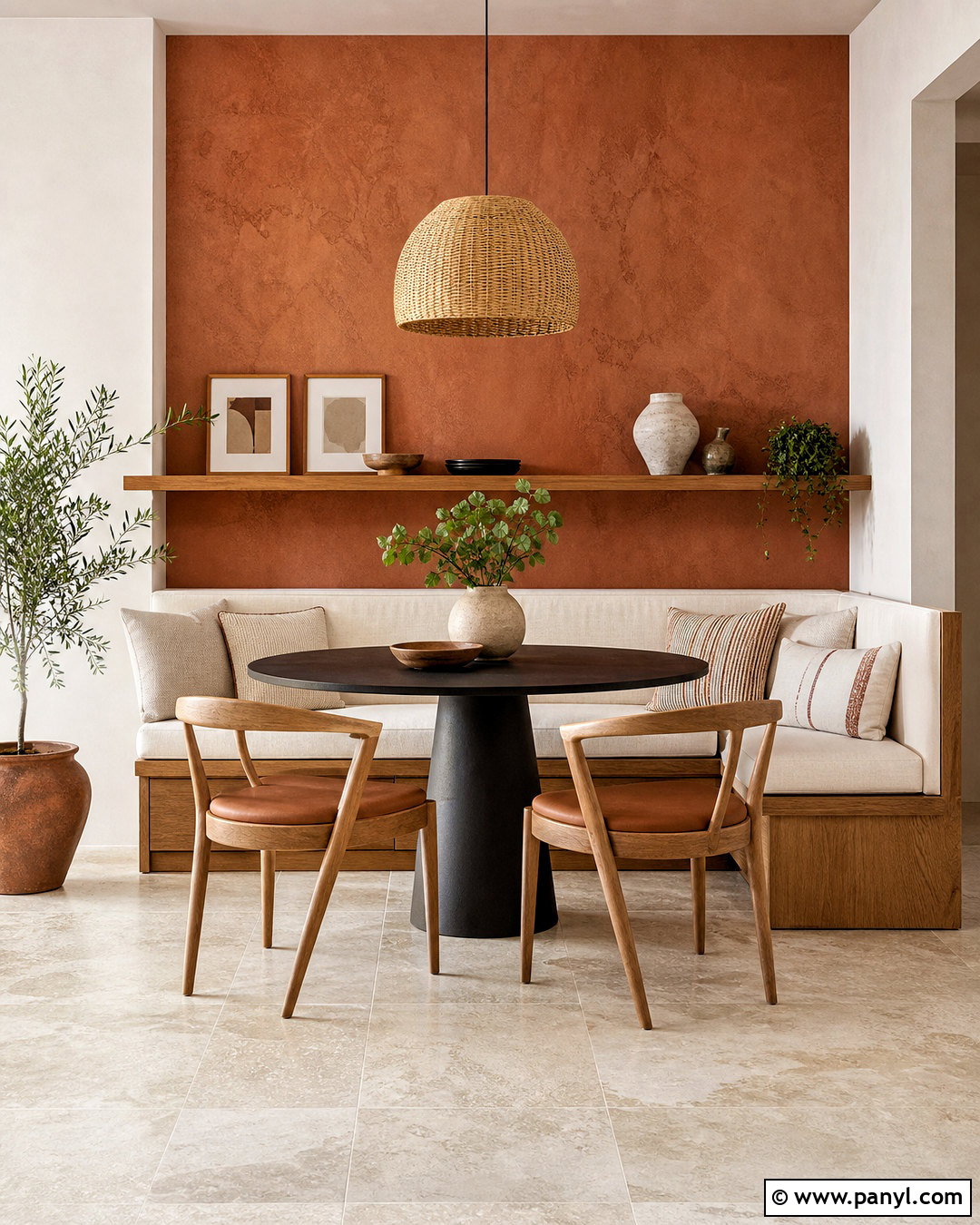
3. Terracotta Plaster Wall Texture
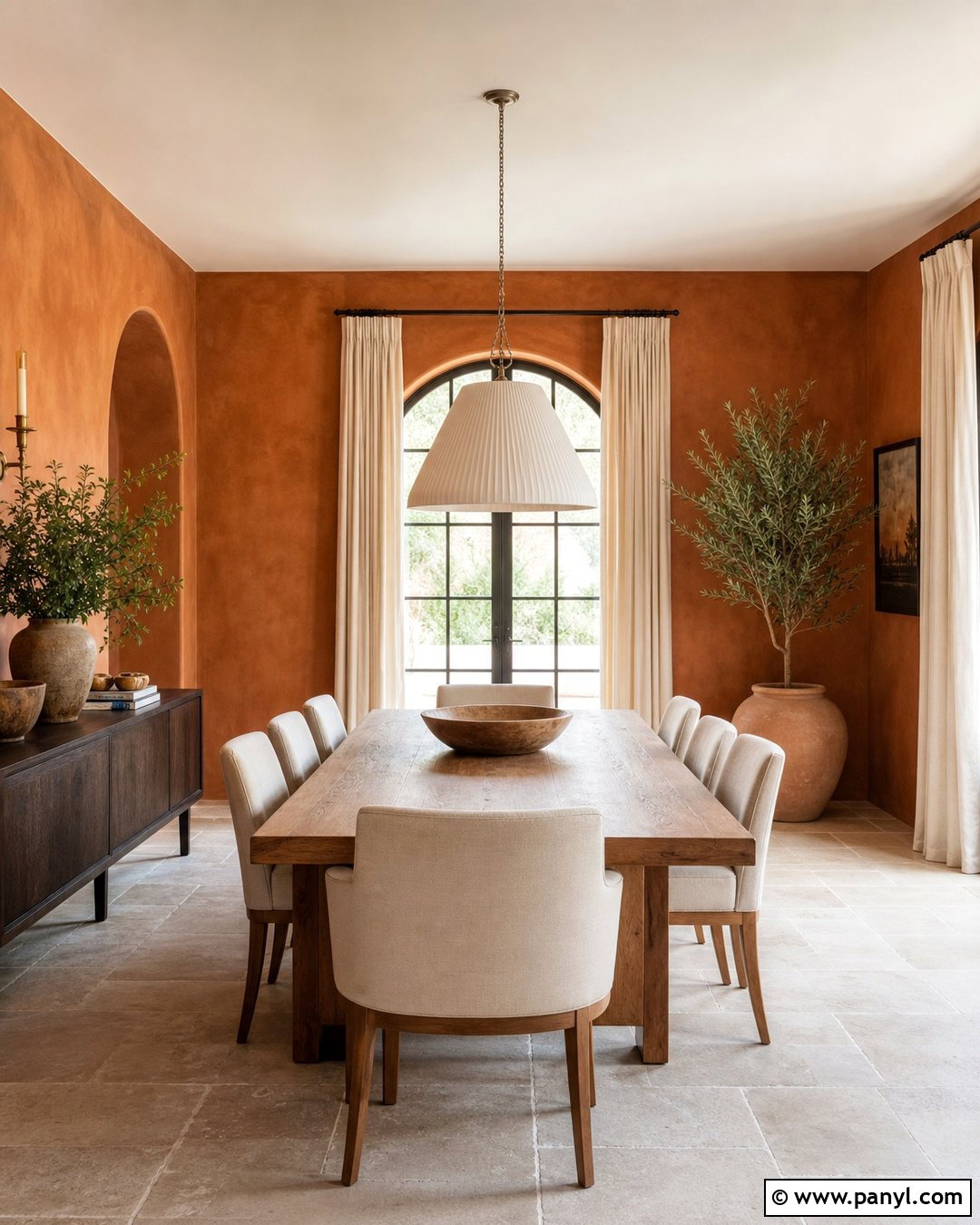
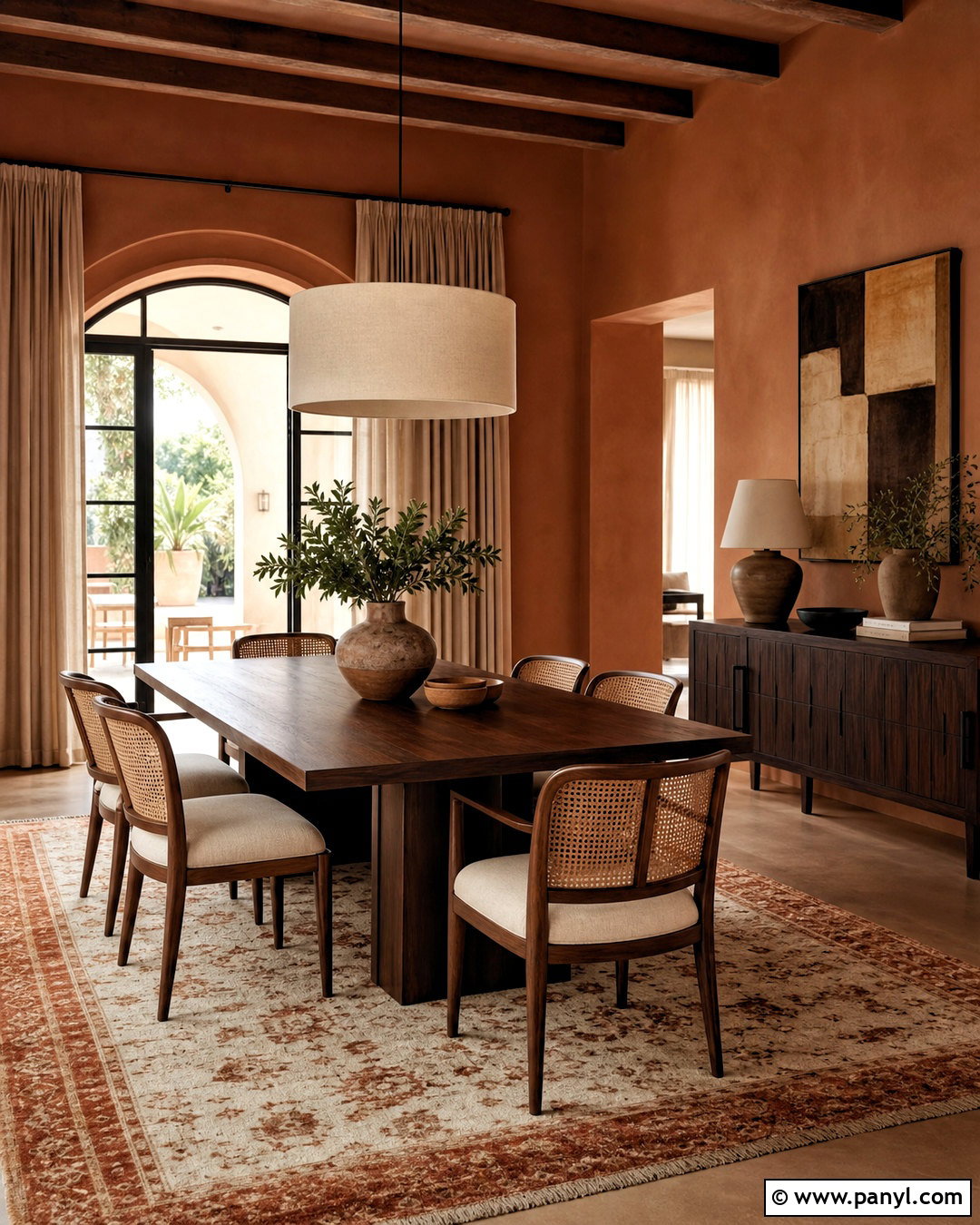
Terracotta plaster can turn a dining room into a warm, welcoming gathering space. Cover one long wall and the fireplace surround with a hand-troweled finish that includes lighter clay and deeper burnt-orange variation. Pair it with a substantial oak dining table and chairs upholstered in natural flax fabric. A sculptural off-white pendant will brighten the center of the room while allowing the walls to remain the visual focus. Choose limestone-look flooring or medium oak boards for an earthy foundation. Cream curtains and pale tableware prevent the scheme from becoming overly orange. Add a dark wood sideboard, aged brass candlesticks, and simple pottery. Repeating terracotta through small accessories will connect the textured wall naturally to the complete dining area.
4. Charcoal Concrete Wall Texture
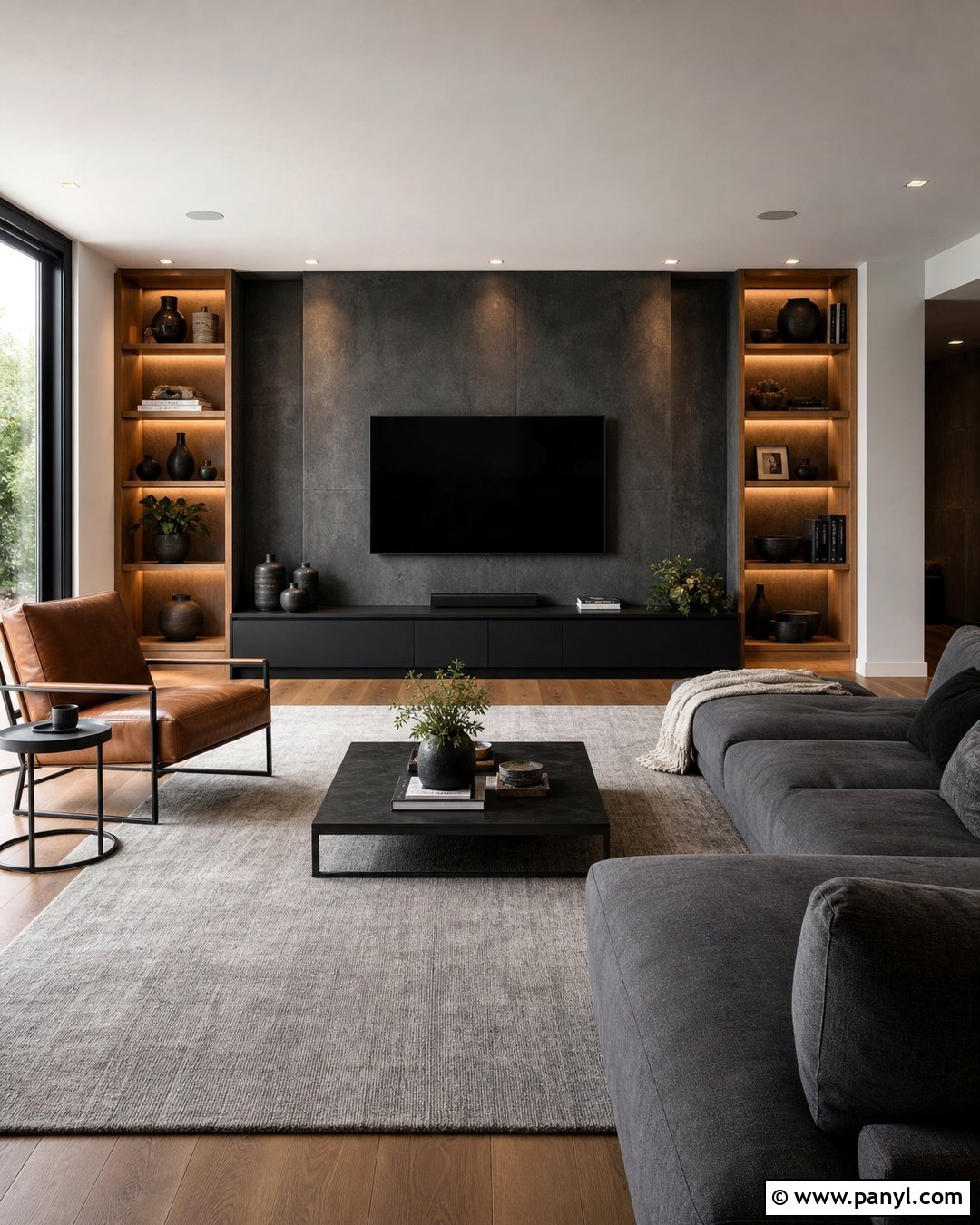
A charcoal concrete-effect wall gives a media room strong definition without requiring exposed structural concrete. Position the textured finish behind the television and extend it across built-in storage for a seamless architectural look. Choose a low black media cabinet that visually disappears against the wall. A deep gray sectional, light gray rug, and cognac leather chair will balance the dark focal point. Add medium oak flooring and matching floating shelves to warm the cooler palette. Recessed ceiling lights should provide even brightness, while a slim floor lamp supports reading. Keep decorative objects large and limited, using matte ceramics, greenery, and neutral books. Soft white surrounding walls will stop the charcoal surface from making the room feel enclosed.
5. Ivory Venetian Plaster Wall Texture
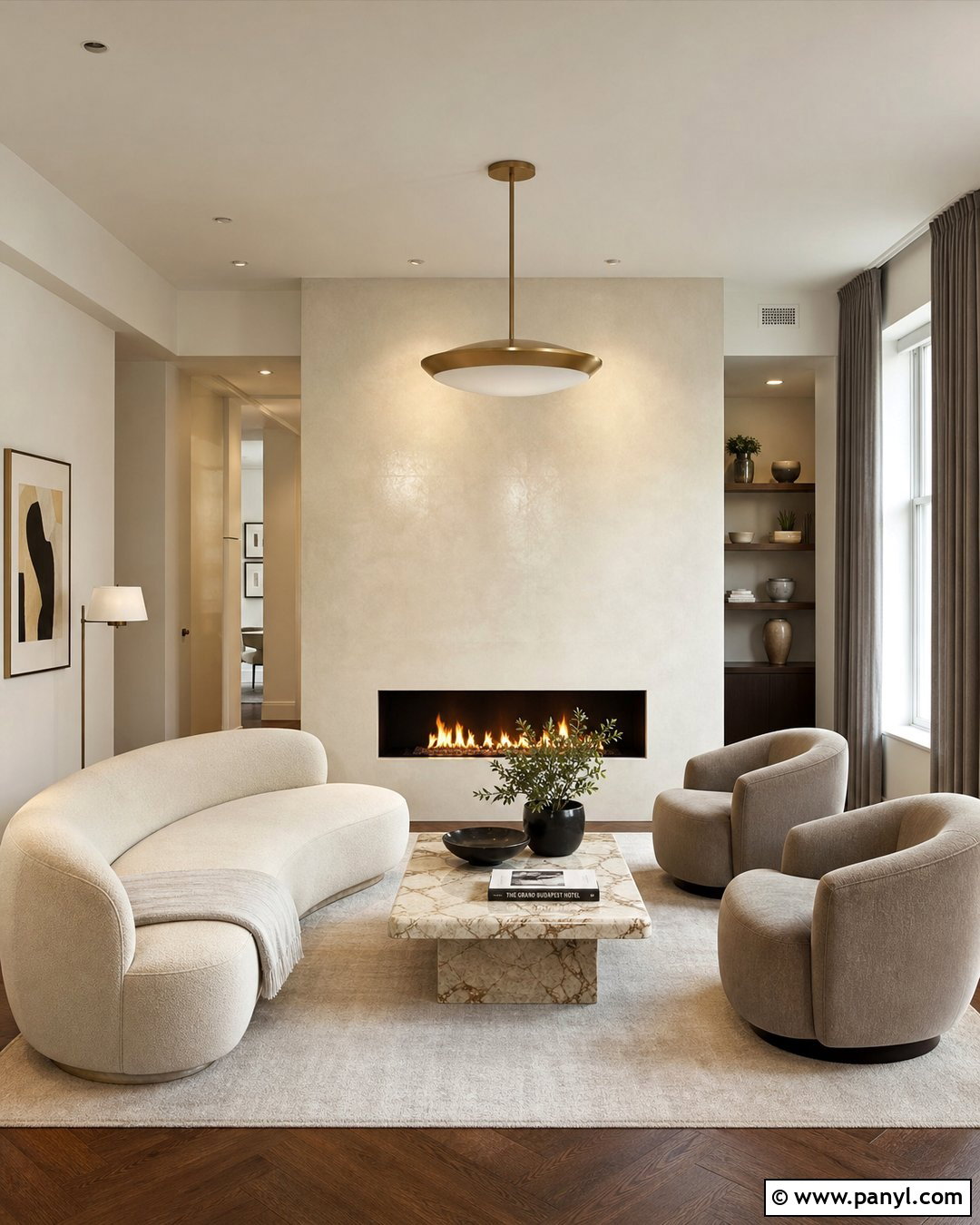
Ivory Venetian plaster gives a formal living room gentle polish without introducing a strong color. Its smooth, layered sheen works particularly well around a fireplace, where daylight and lamplight can reveal the hand-troweled movement. Continue the plaster across the entire chimney breast and nearby alcoves for a connected design. Arrange a curved cream sofa opposite two light taupe armchairs, then anchor them with a pale wool rug. A veined stone coffee table and brushed brass lighting reinforce the refined finish. Choose medium walnut flooring to prevent the ivory palette from feeling cold. Soft gray curtains, sculptural ceramics, and restrained abstract artwork complete the room. Avoid excessive glossy decor because the plaster already supplies an elegant reflective surface.
6. Dusty Blue Sponge Wall Texture
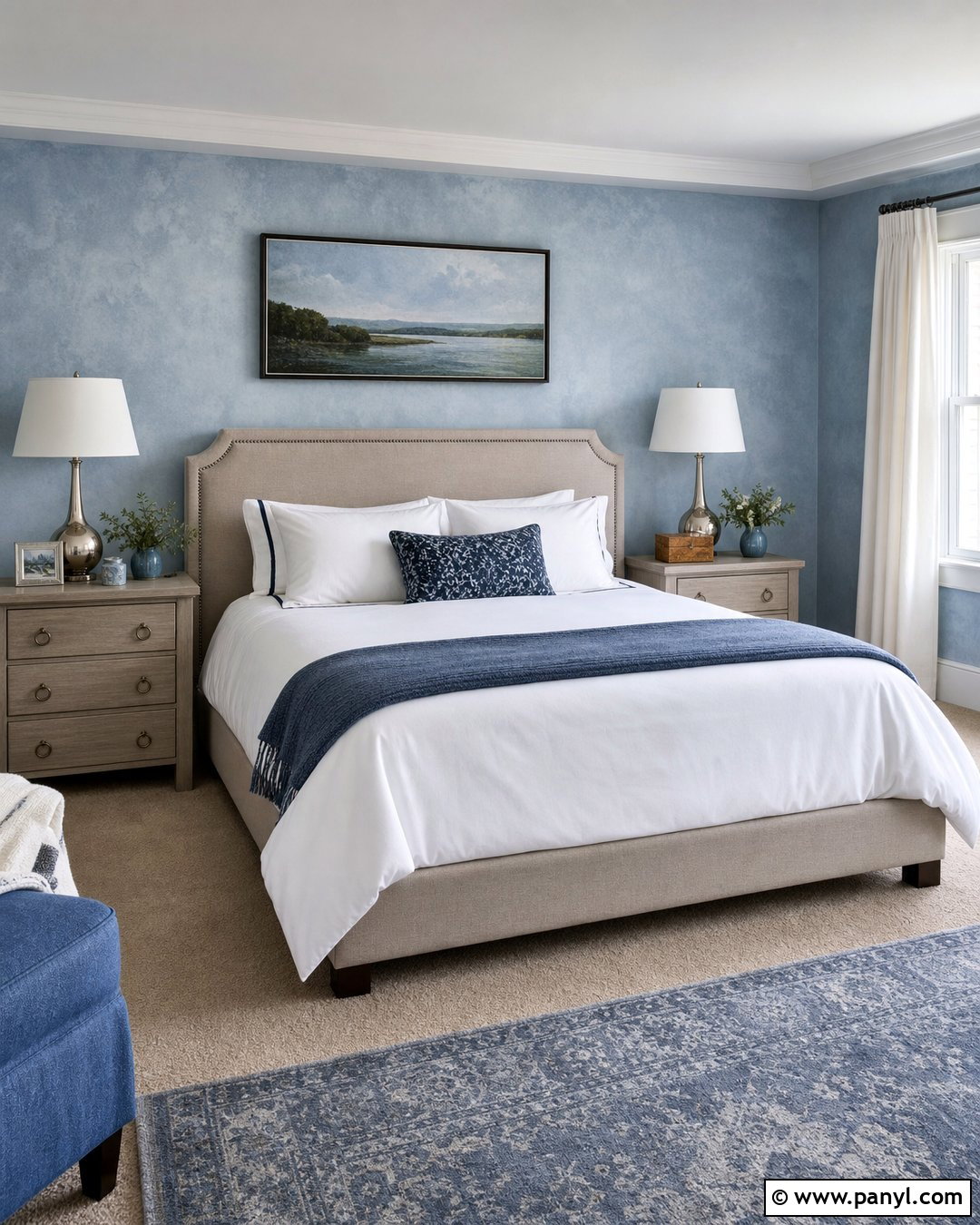
Dusty blue sponge painting can look sophisticated when the contrast between layers remains subtle. Start with a muted blue-gray base and apply a slightly lighter blue glaze using an irregular, blended pattern. Use the finish throughout a guest bedroom so it reads as atmospheric rather than decorative. An upholstered oatmeal bed and white bedding create a quiet center, while navy piping and a slate-blue throw strengthen the palette. Add pale wood nightstands, ceramic lamps, and brushed nickel hardware. Warm beige carpeting or a large natural-fiber rug will counterbalance the cool wall color. Finish with soft white curtains and coastal landscape artwork. The result should feel gently weathered and relaxing, without relying on obvious nautical decorations or sharply repeated sponge marks.
7. Greige Color Wash Wall Texture
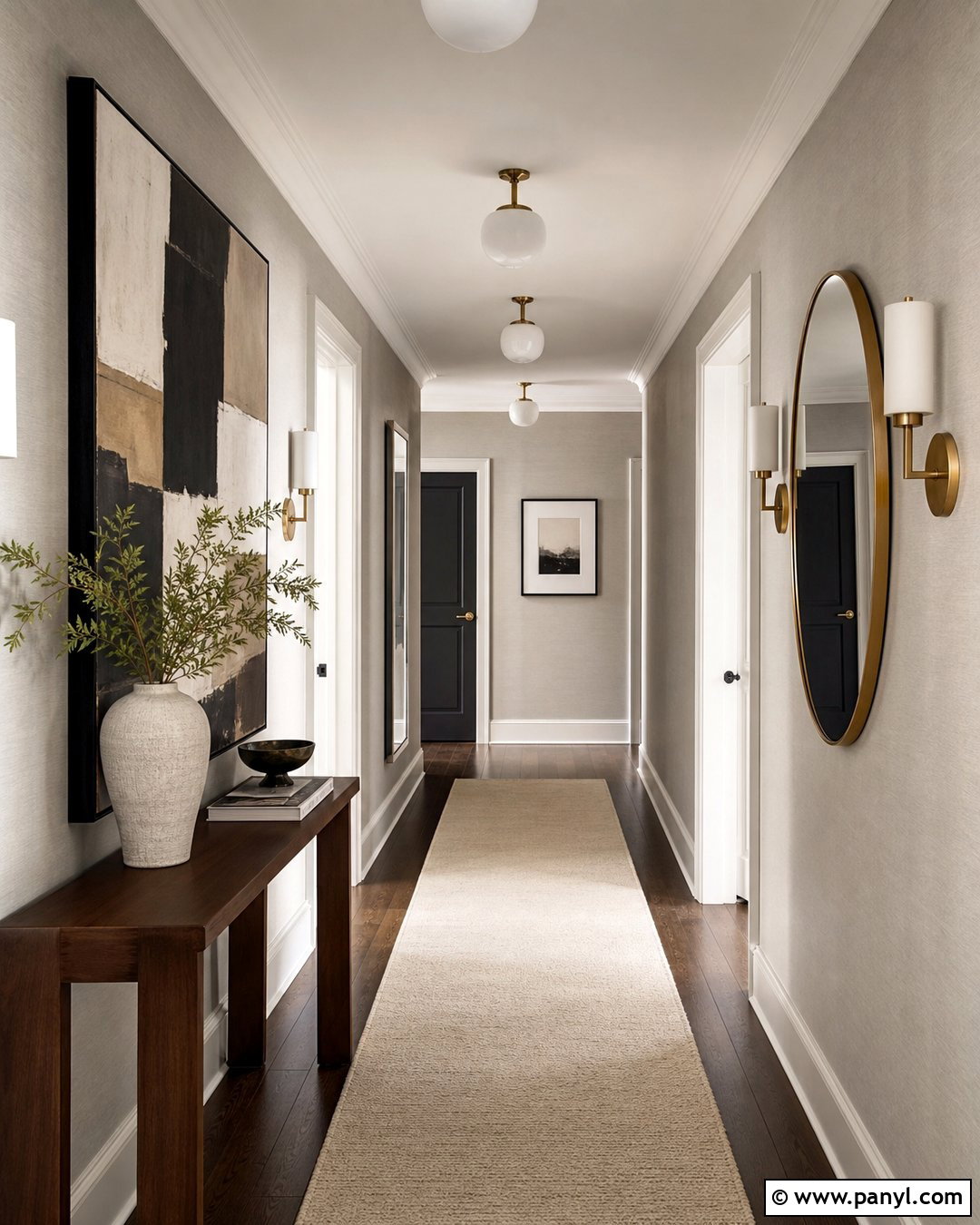
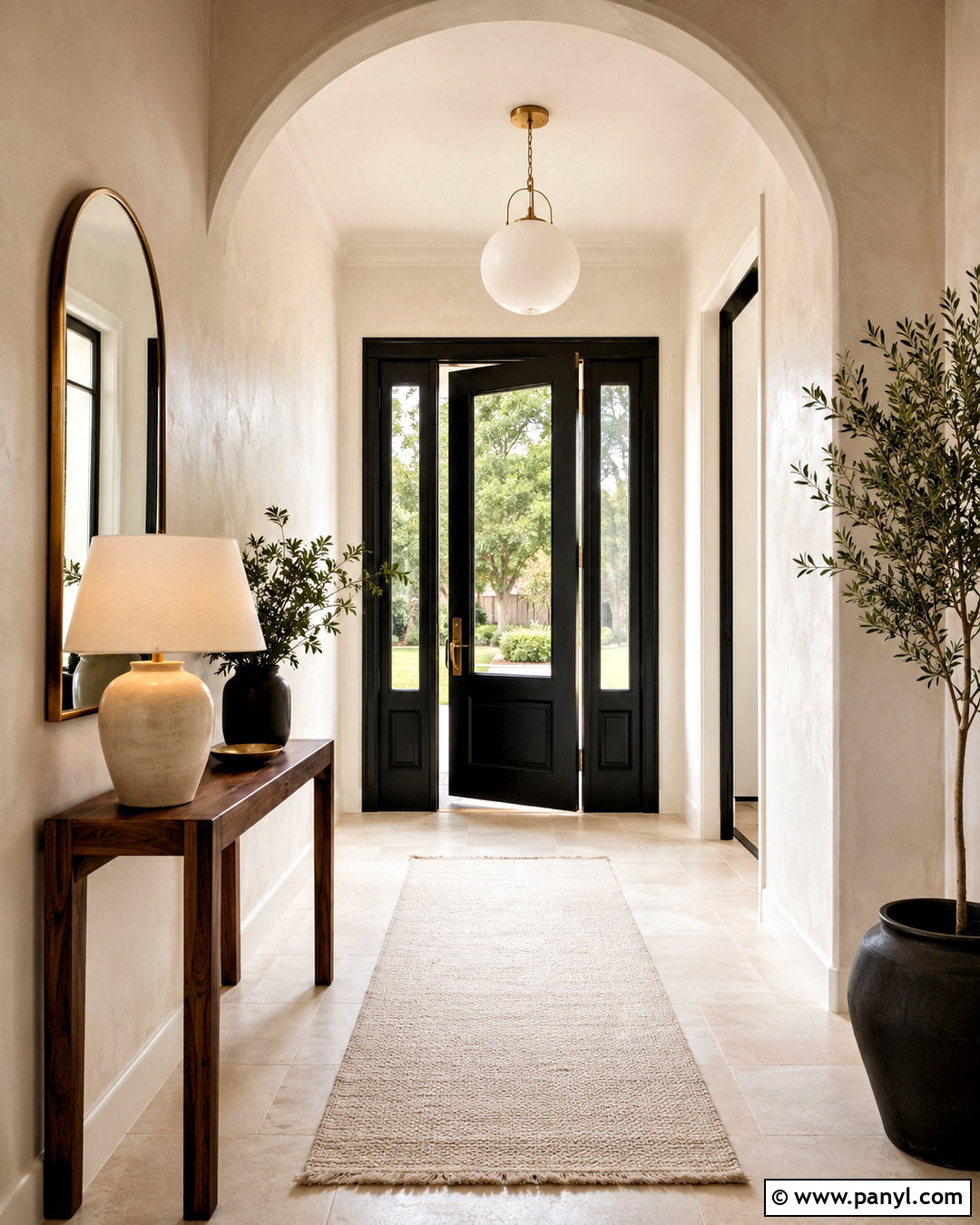
Greige color washing makes a narrow hallway feel layered while remaining light and versatile. Use a warm gray base with a translucent beige topcoat, blending the two in broad, loose strokes. Paint the walls from baseboard to ceiling so there are no abrupt visual breaks. A slim walnut console provides practical storage while adding necessary richness. Hang one oversized abstract piece rather than several small frames, which can make a tight passage look busy. Add an ivory runner, a rounded brass mirror, and two simple wall sconces. Keep doors, trim, and the ceiling in creamy white for definition. The gentle texture hides minor visual irregularities and gives the hallway character, while the limited furniture arrangement preserves an open, easy path between rooms.
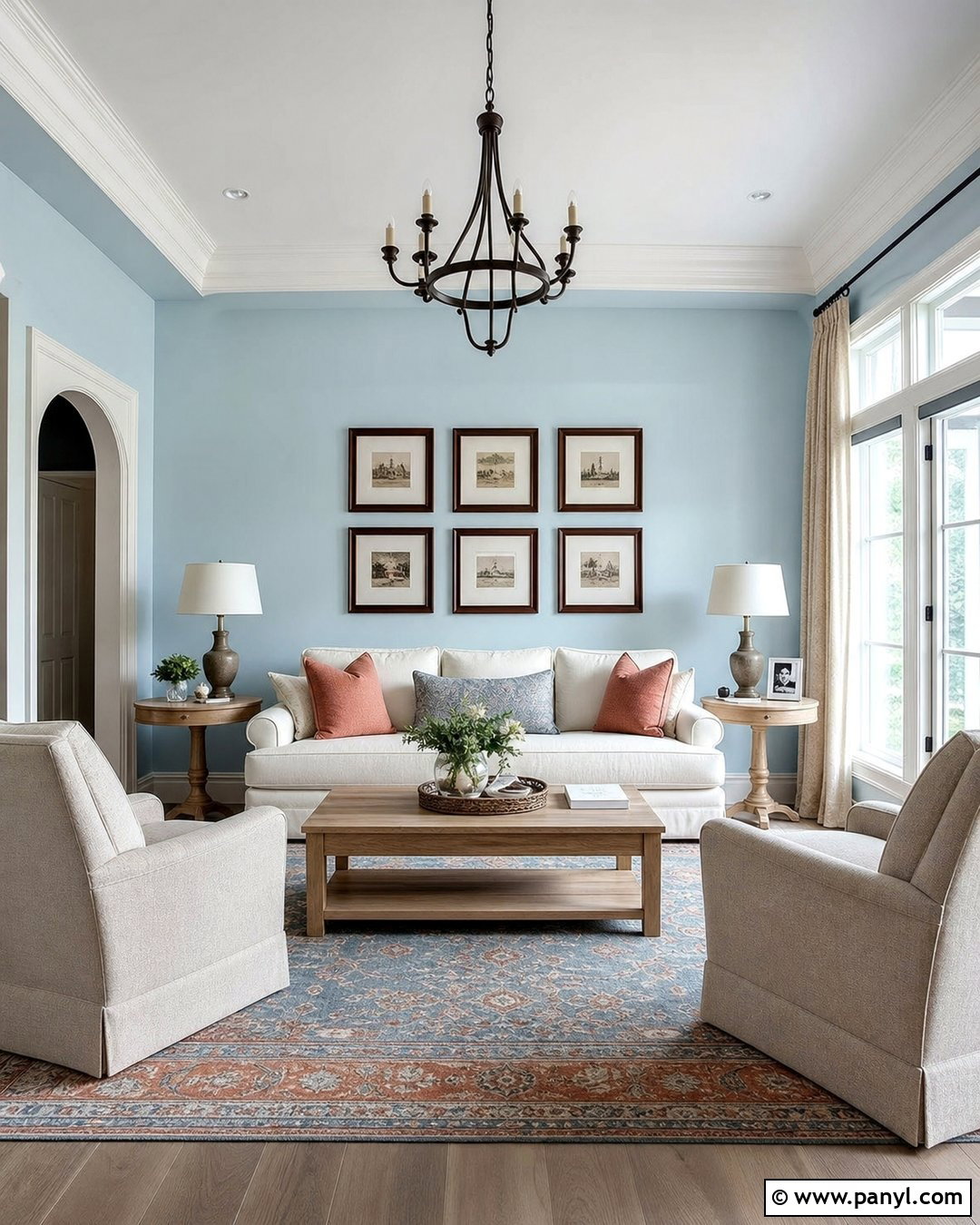
8. Navy Sand Wall Texture
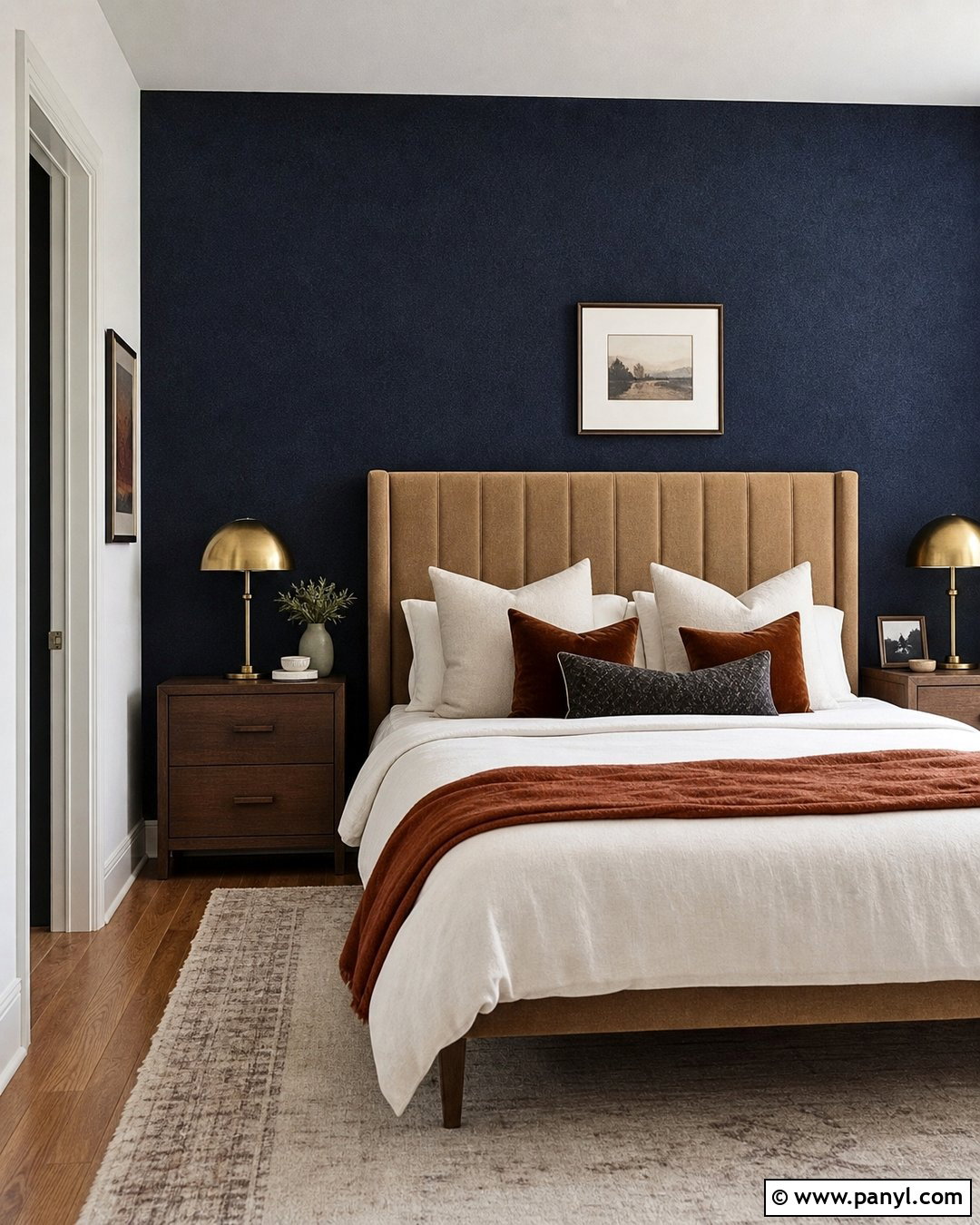
Fine sand-textured navy paint creates a striking bedroom backdrop with more dimension than ordinary dark paint. Apply it to the wall behind the bed and wrap it around shallow architectural returns to make the treatment feel intentional. Choose a tall camel-colored upholstered headboard that stands out clearly against the navy. White sheets, a rust throw, and patterned blue cushions can bridge the dark and warm tones. Add walnut nightstands with aged brass lamps for a classic finish. Keep the remaining walls soft warm white and use medium oak flooring to maintain brightness. A large cream rug will soften the room and balance the grainy surface. Minimal artwork is needed because directional lighting will make the fine wall texture decorative on its own.
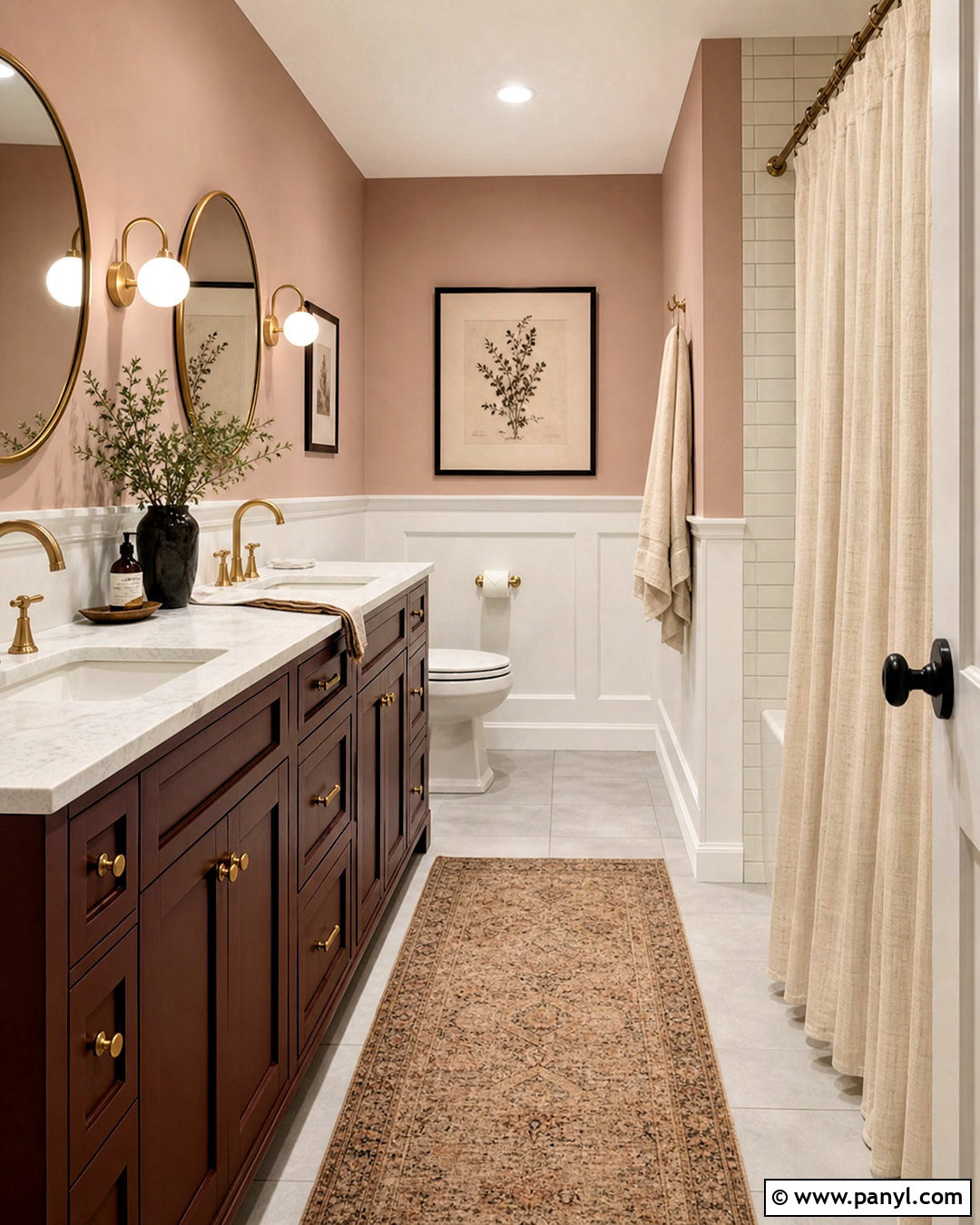
9. Blush Roman Clay Wall Texture
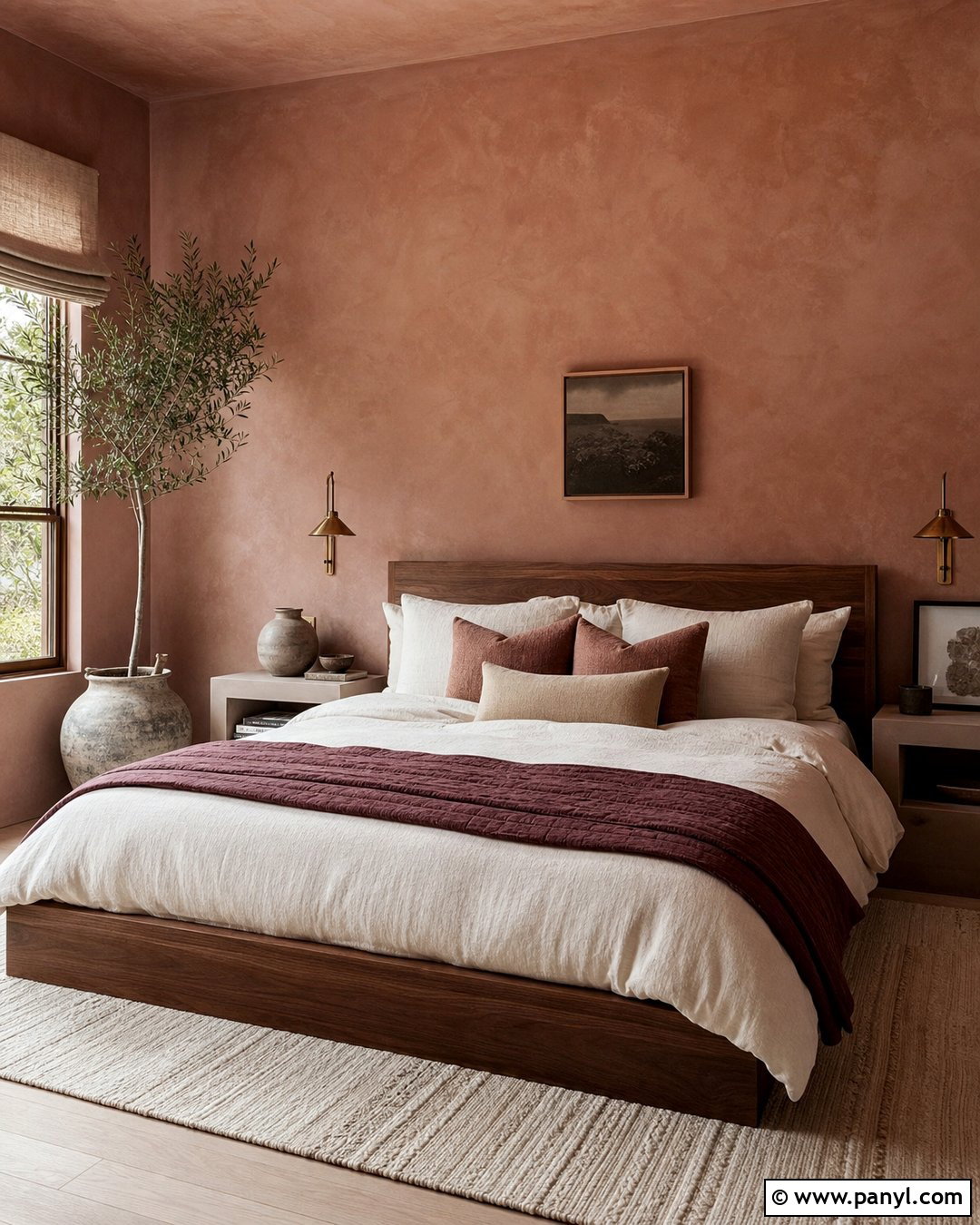
A muted blush Roman clay finish can make a bedroom feel warm without becoming overly sweet. Cover all four walls with softly overlapping trowel marks, choosing a dusty pink with brown or beige undertones. Pair it with a simple walnut bed and layered bedding in ivory, taupe, and muted burgundy. Small plaster bedside tables can echo the handcrafted character of the walls. Add linen Roman shades and a flat-woven cream rug for natural softness. An aged brass ceiling fixture and dark bronze reading lights bring structure to the delicate palette. Keep accessories restrained, using handmade pottery, one abstract print, and a small olive tree. The completed room will feel grounded, mature, and cozy while retaining the gentle glow associated with blush-colored interiors.
10. Olive Brushed Wall Texture
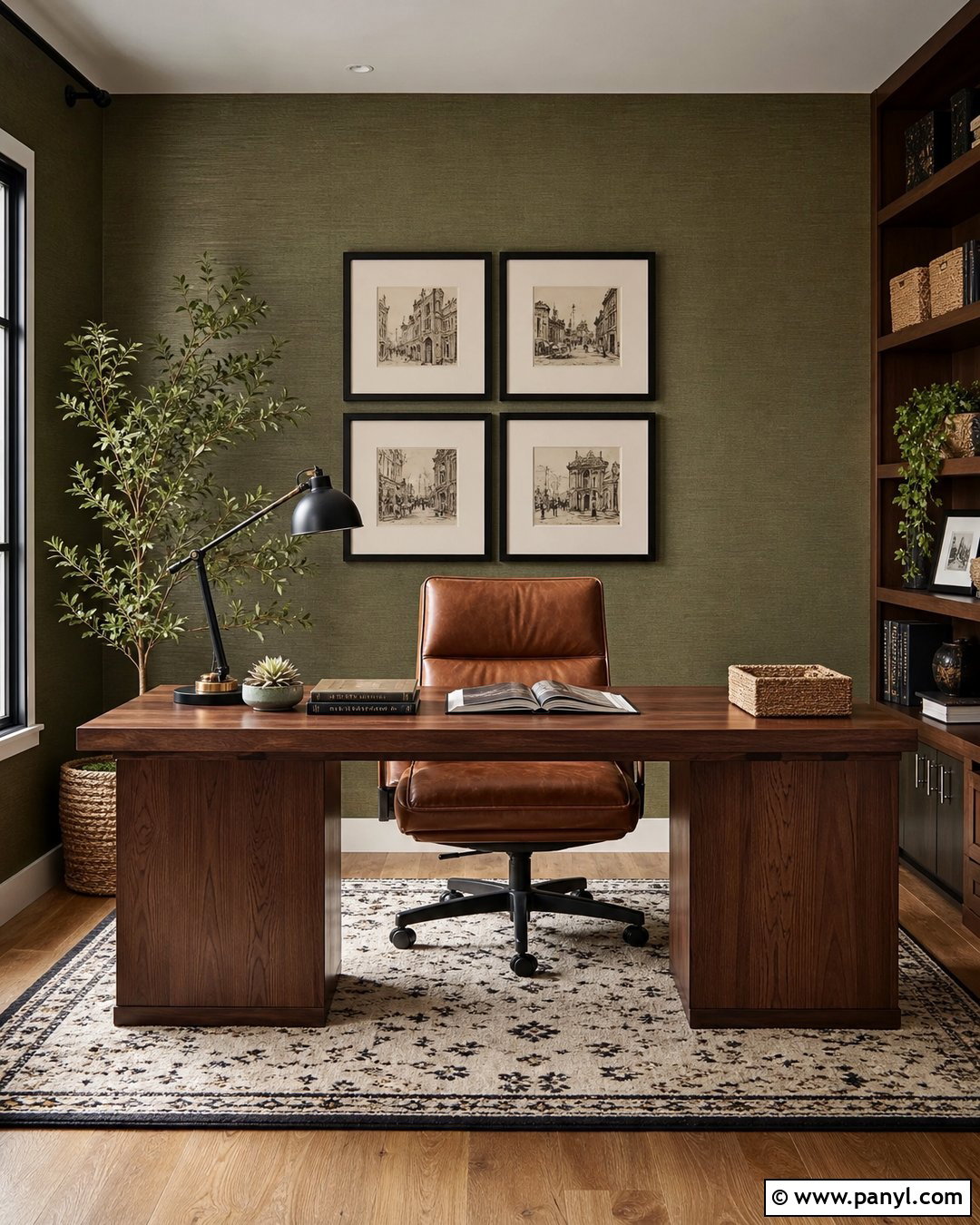
Olive brushed texture brings depth and concentration to a home office. Use a matte olive base followed by slightly darker glaze applied in long vertical strokes. This direction visually heightens the room and creates a subtle fabric-like quality. Position a substantial walnut desk against the textured wall, paired with a tan leather chair and black metal task lamp. Install open walnut shelves above the desk, leaving enough empty wall visible for the brushwork to register. A cream-and-black patterned rug can define the workspace over medium oak flooring. Paint adjacent walls in warm off-white to preserve natural light. Finish with woven baskets, framed sketches, and one trailing plant. The earthy colors support a focused atmosphere while making the office feel connected to the home.
11. Warm White Knockdown Wall Texture
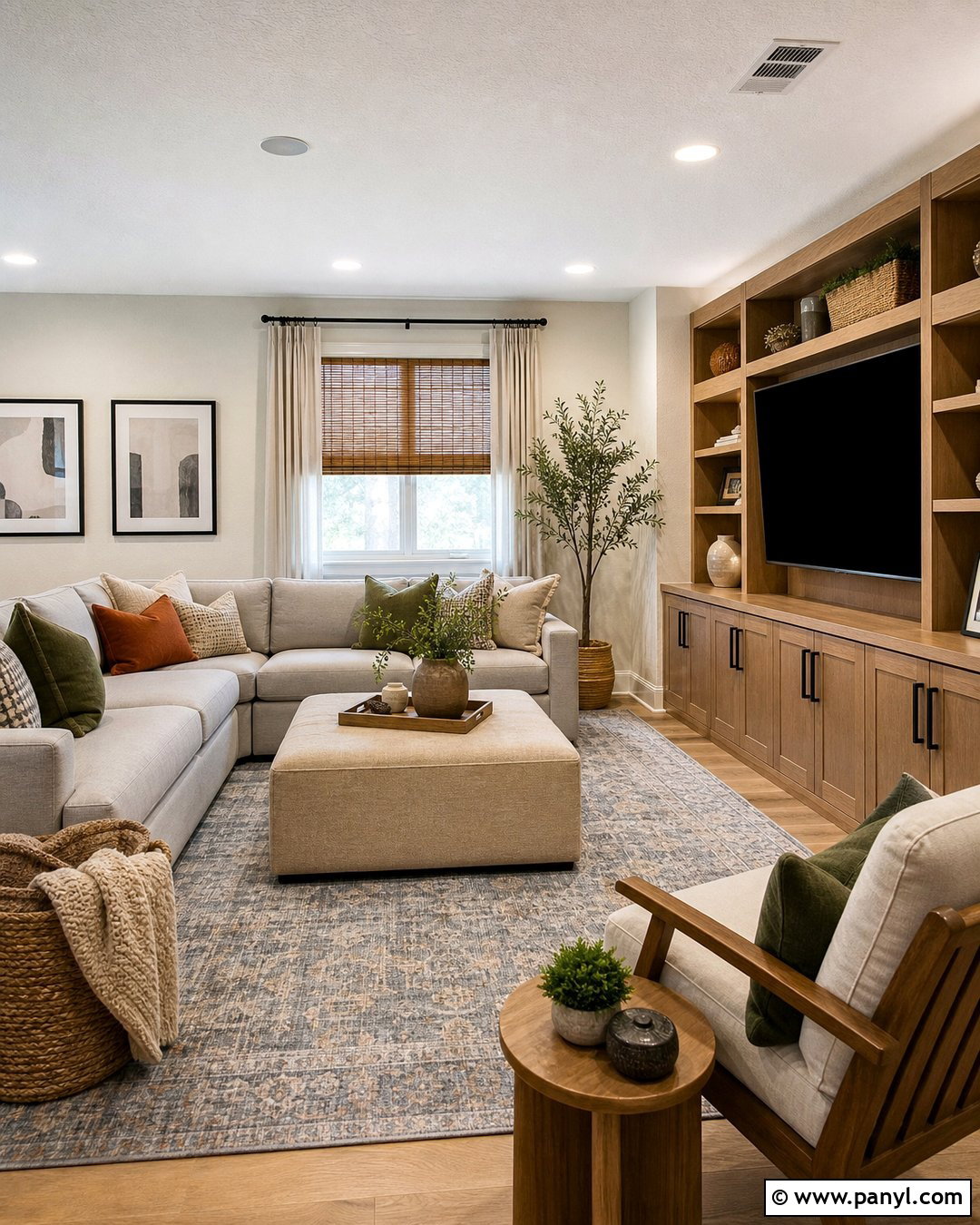
Warm white knockdown texture offers a practical solution for a casual family room where perfectly smooth walls would feel too formal. Use a fine, lightly flattened pattern rather than heavy peaks, then coat it in washable creamy white paint. Build the room around a comfortable light gray sectional and a durable beige performance-fabric ottoman. Pale oak built-ins can frame the television while providing closed storage for games and electronics. Add a washable blue-gray rug, woven shades, and layered cotton cushions for softness. Black curtain rods and cabinet handles introduce crisp contrast. Because the walls are understated, include color through rust, navy, and muted green accessories. Bright, even lighting will reveal the texture gently without creating harsh shadows across the broad surfaces.
12. Rust Troweled Wall Texture
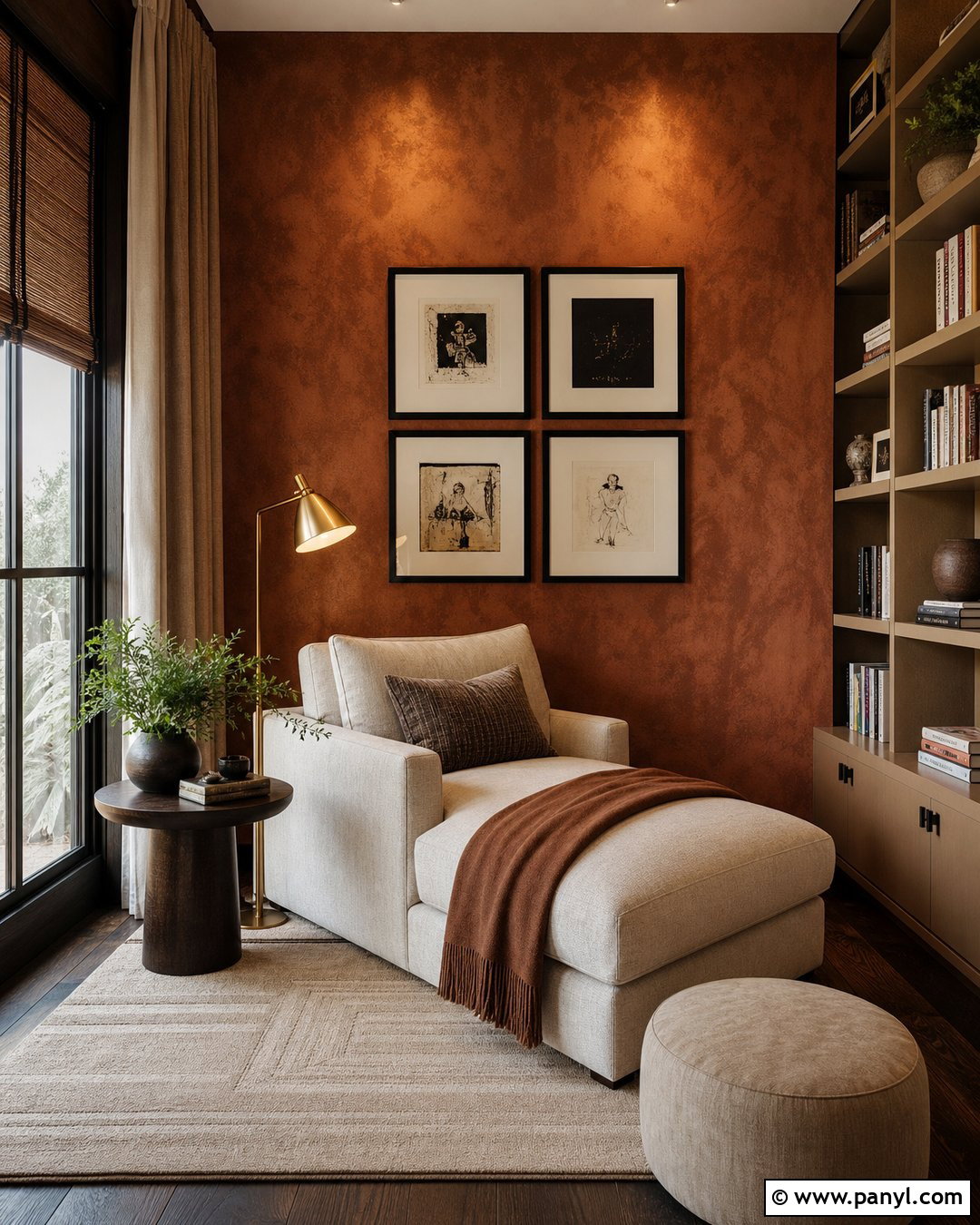
A rust-colored troweled wall makes an inviting backdrop for a modern reading room. Blend burnt sienna, brown, and muted orange tones so the surface resembles aged clay rather than bright paint. Place a deep cream chaise or lounge chair near the wall, accompanied by a dark wood side table and an adjustable brass reading lamp. Built-in shelves painted warm beige can occupy the adjoining wall and keep books visually organized. Choose smoked oak flooring and an understated geometric rug in cream and charcoal. A linen-covered ottoman adds comfort without competing with the feature surface. Finish with one large black-framed artwork and a tall leafy plant. The layered wall should provide most of the room’s color, allowing the furniture to stay simple and timeless.
13. Teal Metallic Wall Texture
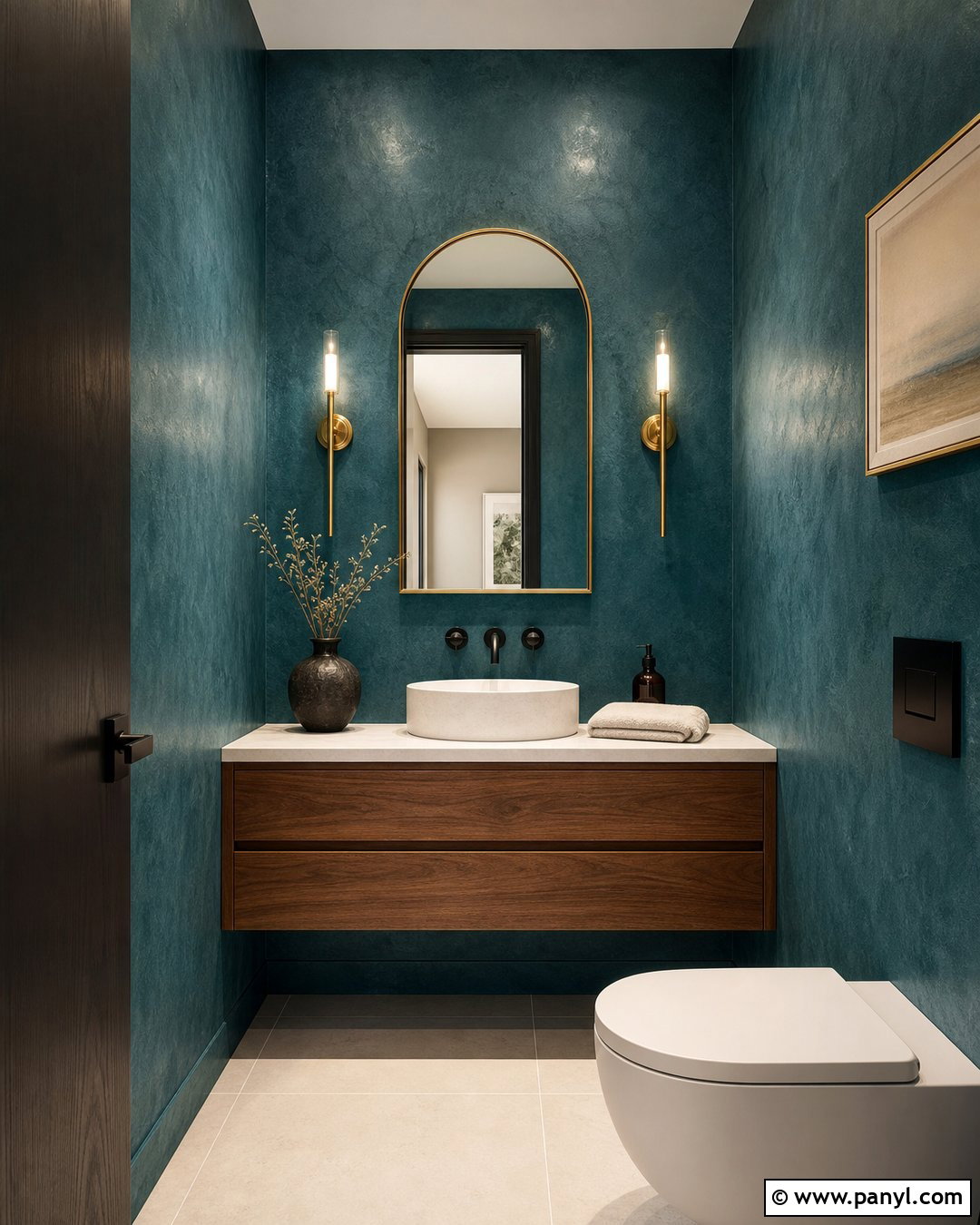
Deep teal metallic texture gives a powder room a memorable jewel-box appearance. Apply a subtle metallic plaster to every wall, keeping the sheen softly reflective rather than glittery. A floating walnut vanity will warm the rich blue-green background, while a white stone sink keeps the compact room bright. Install an arched brass mirror and matching sconces to repeat the gentle shimmer. Matte black plumbing fixtures can provide contemporary contrast without introducing another reflective finish. Choose small-format cream floor tiles with warm grout to balance the darker walls. A simple linen hand towel and one ceramic vessel are enough decoration. Since metallic finishes highlight surface flaws, careful preparation is essential. The completed powder room should feel rich, polished, and cohesive from every viewing angle.
14. Taupe Suede Wall Texture
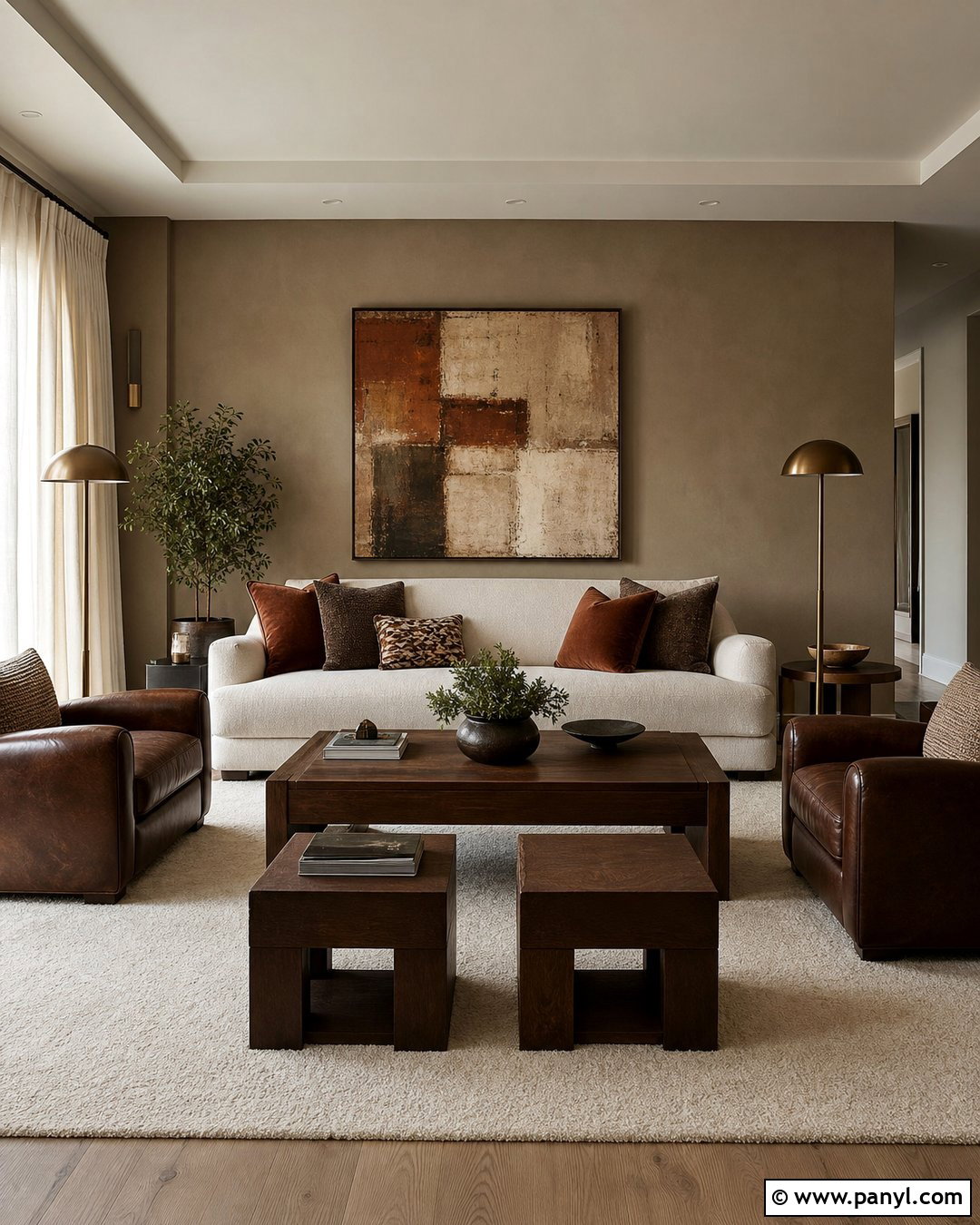
Taupe suede-effect paint creates a cocooning living room with a soft visual texture. Use the finish across all walls, applying it in overlapping strokes that imitate the directional appearance of brushed fabric. Pair the taupe background with a cream boucle sofa, walnut side tables, and a pair of dark brown leather chairs. A large wool rug in ivory and mushroom tones will connect the seating while keeping the palette quiet. Choose antique bronze floor lamps and warm white linen curtains for subtle contrast. Abstract artwork in black, tan, and muted rust prevents the neutral room from appearing washed out. Keep the ceiling and trim creamy white. The mixture of suede-like walls, tactile upholstery, natural wood, and soft textiles produces a complete, comfortably layered gathering space.
15. Black Venetian Plaster Wall Texture
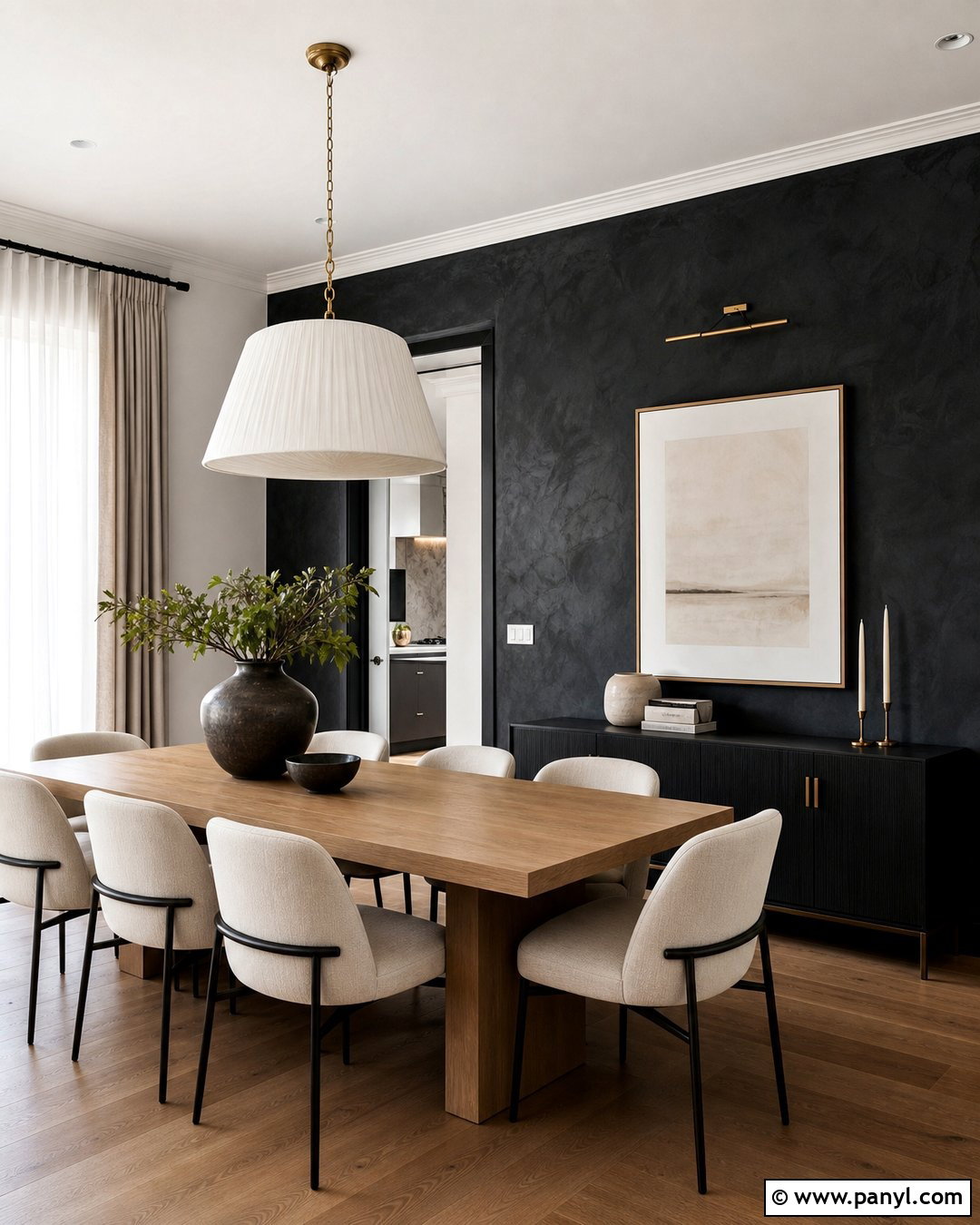
Black Venetian plaster can create a dramatic dining room when paired with enough pale material and direct lighting. Apply it to one uninterrupted wall, polishing selected areas so charcoal and near-black tones shift across the surface. Set a light oak dining table in front of it with cream upholstered chairs to create a clear visual contrast. A wide white linen pendant will brighten the table and soften the dark background. Use warm oak flooring, off-white side walls, and full-height sheer curtains to maintain balance. A low black sideboard can blend into the plaster, allowing ceramic serving pieces to stand out. Add brushed brass hardware and one large pale artwork. The finished scheme feels bold and elegant without making the entire dining area dark or overly formal.
16. Cream Travertine Wall Texture
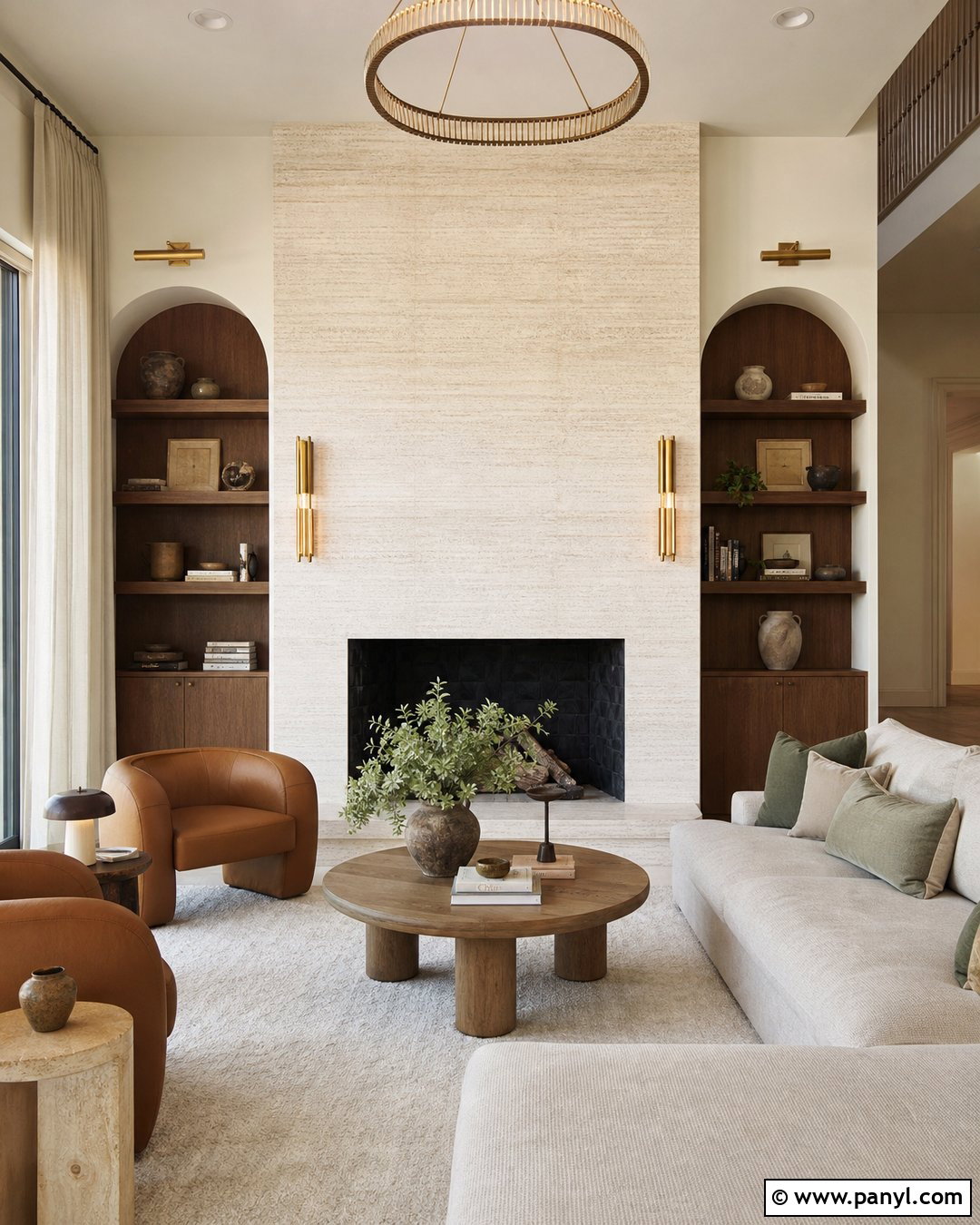
Cream travertine-effect plaster gives a living room the warmth of natural stone without covering every surface in heavy slabs. Apply the finish to a broad fireplace wall, adding subtle horizontal lines and tonal pores that suggest honed travertine. Keep the fireplace opening simple and dark for contrast. Arrange an oatmeal sectional, two caramel lounge chairs, and a rounded oak coffee table nearby. Pale limestone flooring or a large cream rug will extend the soft mineral palette. Add walnut shelving in one alcove and concealed storage in the other for a balanced composition. Linen curtains, brushed brass sconces, and olive-green cushions provide gentle color. The complete room should feel warm and architectural, with the travertine texture acting as a quiet focal point rather than a realistic imitation mural.
17. Gray Microcement Wall Texture
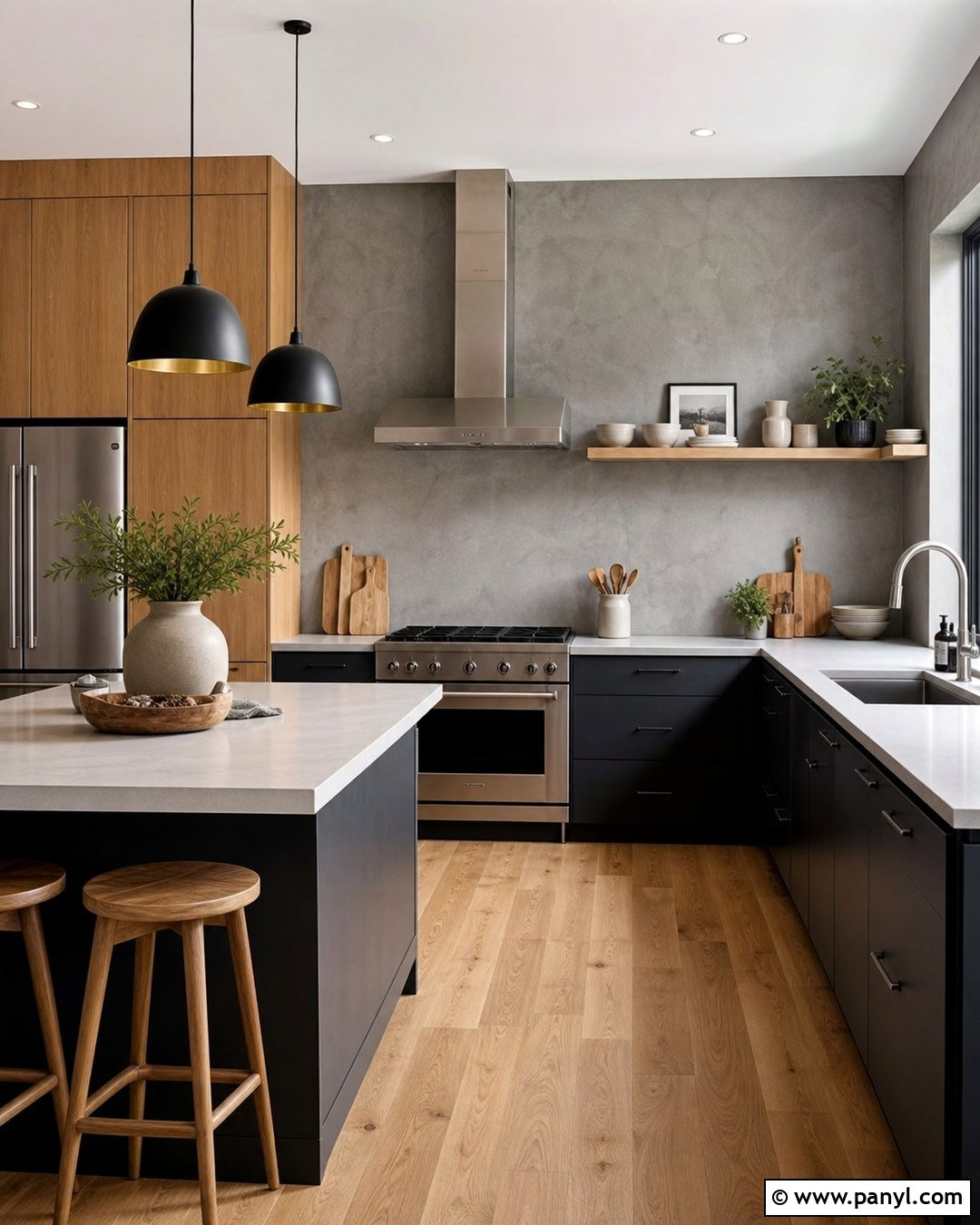
Gray microcement works beautifully in a modern kitchen when it is balanced with warm cabinetry and practical lighting. Use a sealed medium-gray finish on the main backsplash wall, continuing it behind open shelves and around the range hood. Flat-front oak cabinets will soften the industrial surface, while matte charcoal base cabinets add definition. Choose pale quartz counters to brighten food-preparation areas and keep the overall palette clean. Brushed stainless steel fixtures and black pendant lights reinforce the contemporary character. Warm oak flooring prevents the gray walls from feeling clinical. Display only a few cream ceramics and wood cutting boards on the shelves. Because kitchens require regular cleaning, select an appropriate protective sealer and keep heavily splashed areas easy to wipe without changing the finish’s natural matte appearance.
18. Ochre Stucco Wall Texture
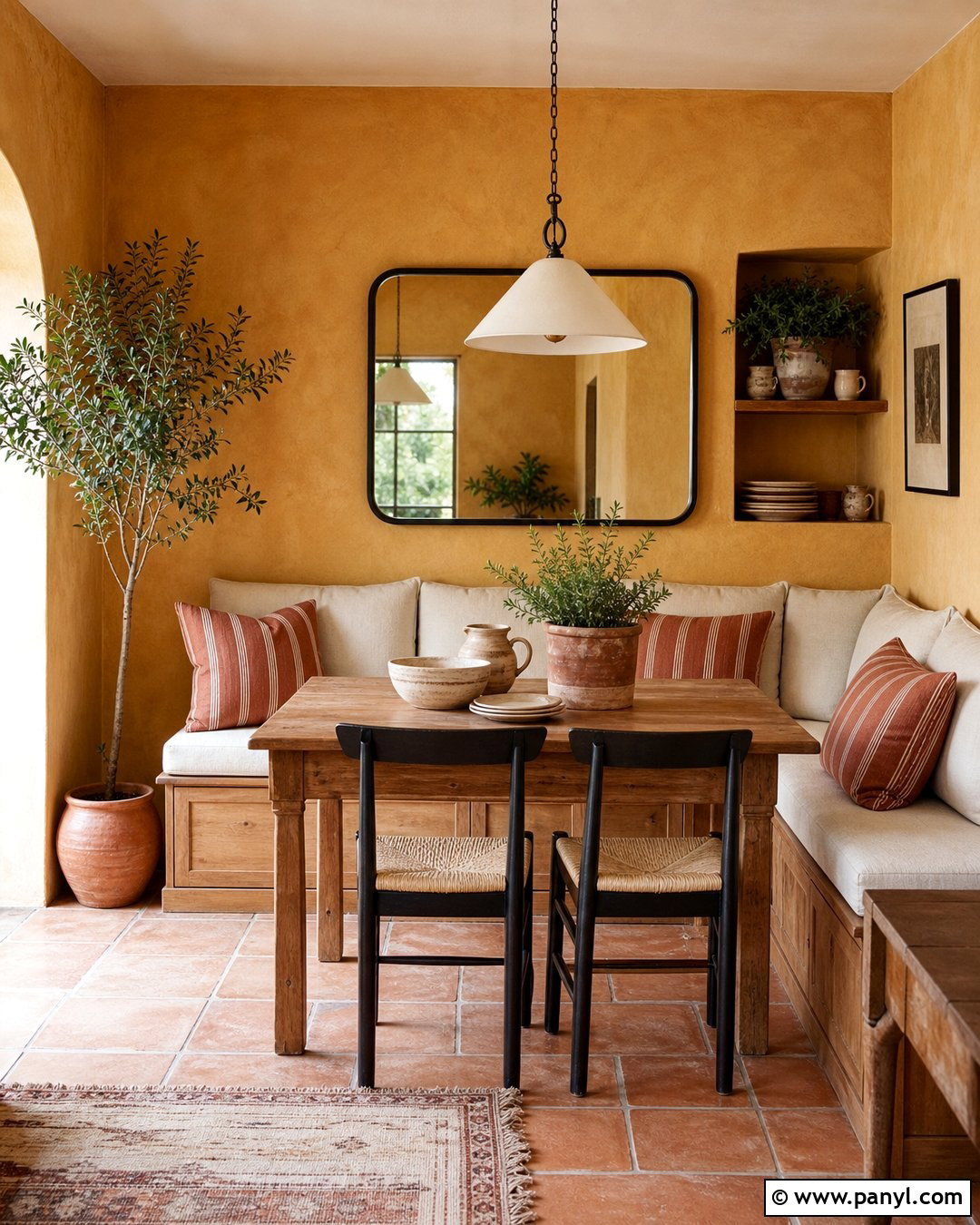
Ochre stucco can give a breakfast room a sunny, Mediterranean-inspired character. Choose a muted golden tone with visible hand-applied variation rather than a bright yellow finish. Cover the walls around a built-in banquette to make the dining nook feel enclosed and intentional. Use natural oak for the table and bench base, then add cream seat cushions and striped rust pillows. Terracotta floor tiles reinforce the earthy color story, while an ivory pendant provides a fresh focal point overhead. Include a small black-framed window or mirror for sharper contrast. Simple ceramic dishes and potted herbs are enough decoration. The textured walls should remain the dominant feature, supported by warm materials and relaxed furnishings that make everyday breakfasts feel comfortable, bright, and welcoming.
19. Lavender Cloud Wall Texture
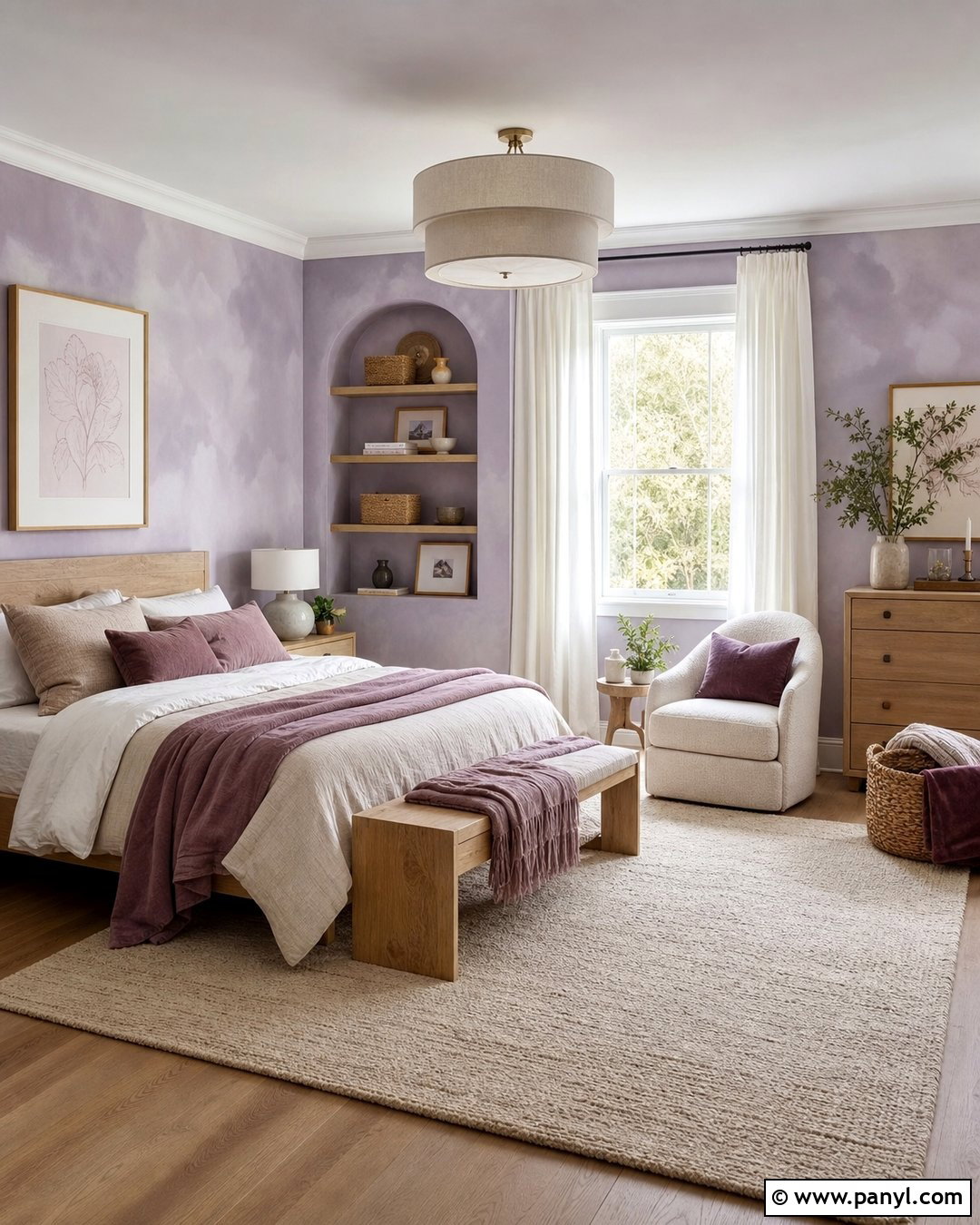
A pale lavender cloud finish introduces subtle color to a nursery or peaceful bedroom. Begin with a warm white base, then blend muted lavender and soft gray glaze in broad, hazy sections with no hard edges. Keep the effect restrained so the walls feel atmospheric rather than themed. Pair the finish with a natural maple crib or bed, an ivory upholstered chair, and a light wood dresser. White linen curtains and a cream wool rug maintain an airy foundation. Introduce dusty rose, misty blue, and muted plum through small textiles. A simple paper pendant and rounded wall shelves reinforce the room’s gentle character. Avoid overly detailed decorations; a few framed illustrations and woven baskets will keep the complete space calm, organized, and easy to update over time.
20. Forest Green Combed Wall Texture
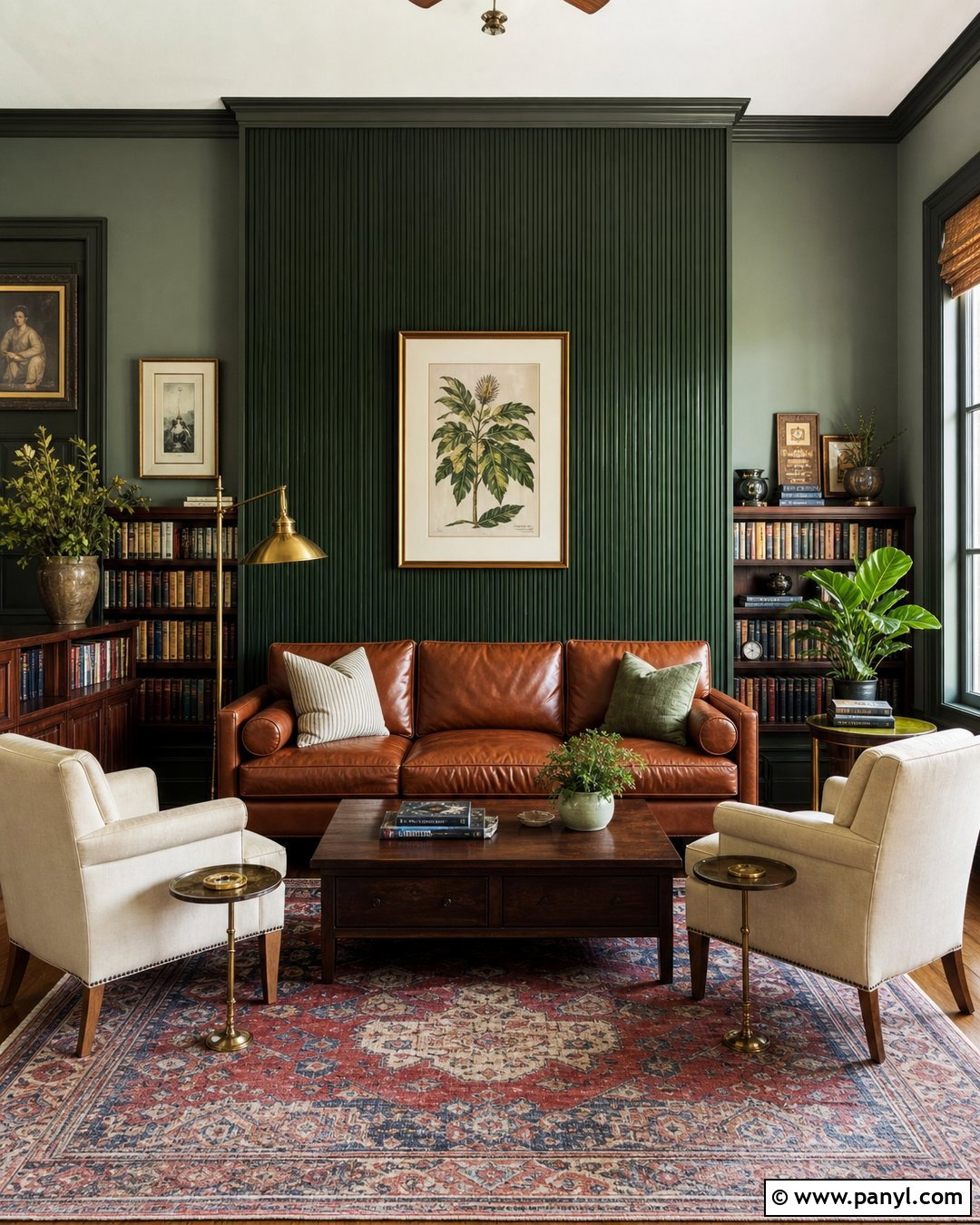
Forest green combed texture can give a library wall a rich architectural rhythm. Apply the deep green coating in straight vertical lines using a texture comb, keeping the grooves fine and consistently spaced. Install low walnut bookcases along the base so a generous section of the patterned wall remains visible. A cognac leather sofa and two cream armchairs create a comfortable reading arrangement. Add an antique-style brass floor lamp, dark wood coffee table, and a faded red-and-blue rug. Paint the remaining walls and ceiling in a softer green-gray to reduce contrast. Framed botanical prints can hang in a measured row above the shelves. The combination of vertical texture, substantial furniture, and layered lighting makes the room intimate while preserving a polished, orderly appearance.
21. Peach Ombre Wall Texture
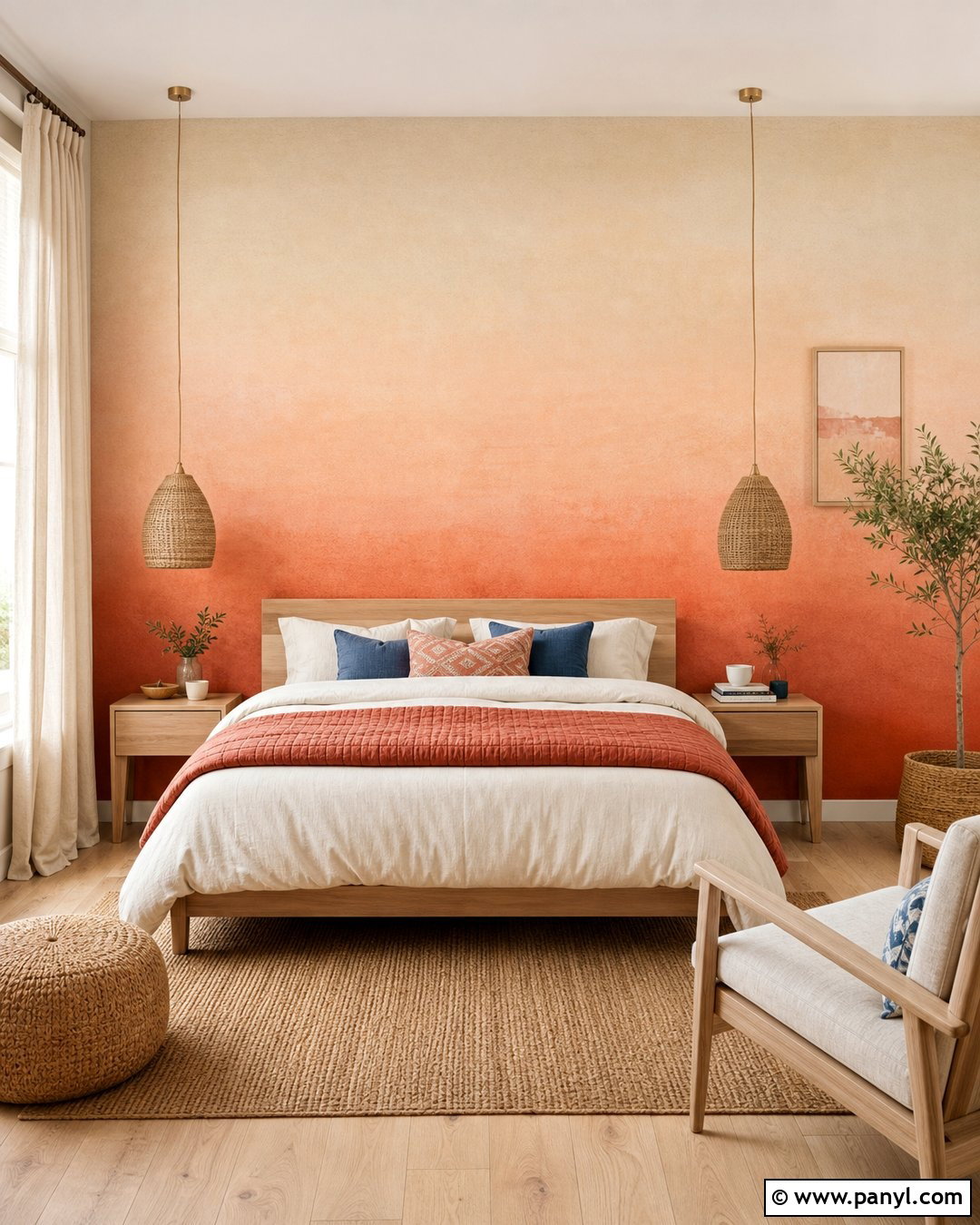
A peach ombre wall can warm a small bedroom when the color transition remains soft and natural. Begin with pale cream near the ceiling, move through muted peach at eye level, and finish with earthy coral near the floor. Blend the layers using broad, irregular strokes so the gradient has a handcrafted texture. Choose a white oak bed with simple ivory bedding and a cinnamon-colored quilt. Add woven bedside pendants, a pale jute rug, and light linen curtains. Keep furniture minimal to prevent the changing wall color from feeling busy. Small touches of muted blue through artwork or cushions can cool the palette. The finished room should resemble a gentle sunset without becoming literal, creating a bright and cheerful space that still feels restful.
22. Blue Geometric Wall Texture
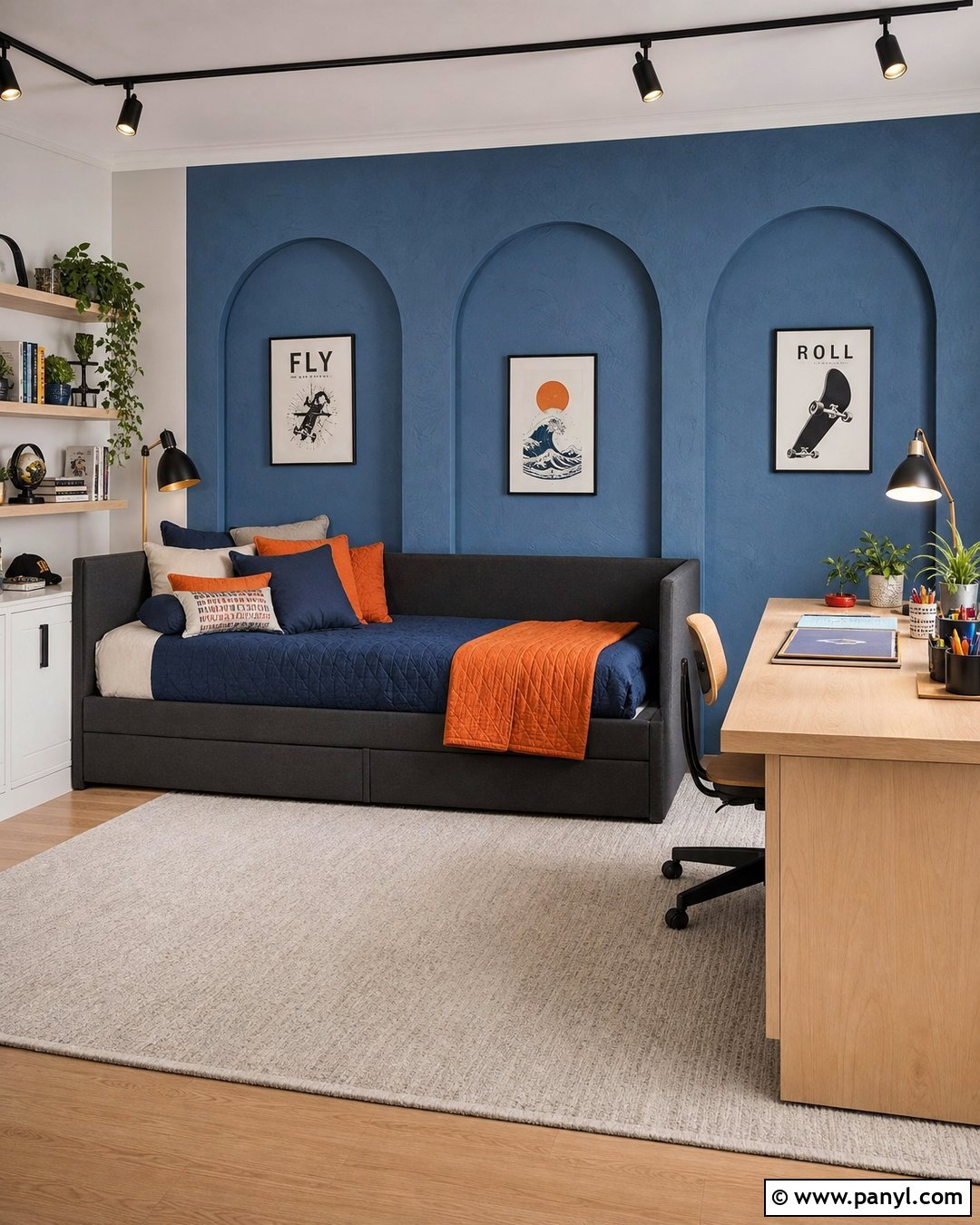
A geometric blue texture can bring energy to a teen bedroom or creative studio. Use shallow raised plaster lines to form large overlapping arches or angular blocks, then paint the full wall in medium denim blue. Keeping the color consistent allows light and shadow to reveal the pattern without making it overwhelming. Add a simple birch desk, white storage cabinets, and a charcoal upholstered daybed. Bedding in navy, cream, and muted orange will connect the feature wall to the rest of the room. Choose light wood flooring and a washable cream rug to maintain brightness. Black track lighting can emphasize the dimensional surface. Limit accessories to framed prints, organized supplies, and a few plants so the complete room remains practical, flexible, and visually controlled.
23. Whitewashed Brick Wall Texture
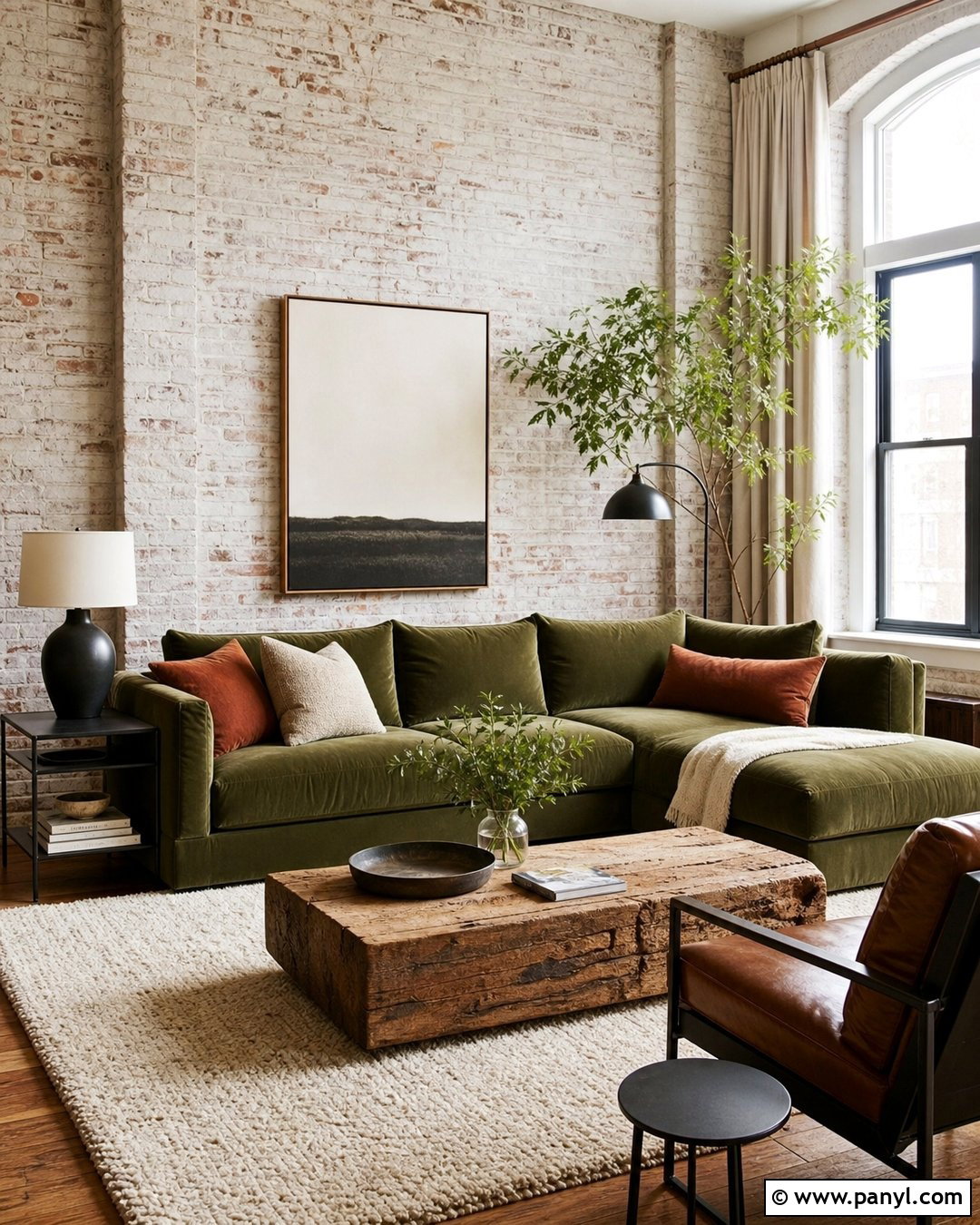
Whitewashed brick creates an airy loft-style living room while preserving the masonry’s irregular character. Apply a translucent warm white wash that allows hints of red, tan, and gray brick to remain visible. Place a deep olive sofa against the wall, leaving enough open brick around it to showcase the finish. Add a reclaimed oak coffee table, black metal side tables, and a large ivory rug. Soft linen curtains will contrast with the rough surface and improve the room’s comfort. Use black-framed artwork sparingly because the brick already supplies pattern. A leather lounge chair and rust-colored pillows can repeat the warmer tones showing through the wash. The resulting room combines urban texture with approachable, family-friendly furnishings instead of feeling cold or unfinished.
24. German Schmear Brick Wall Texture
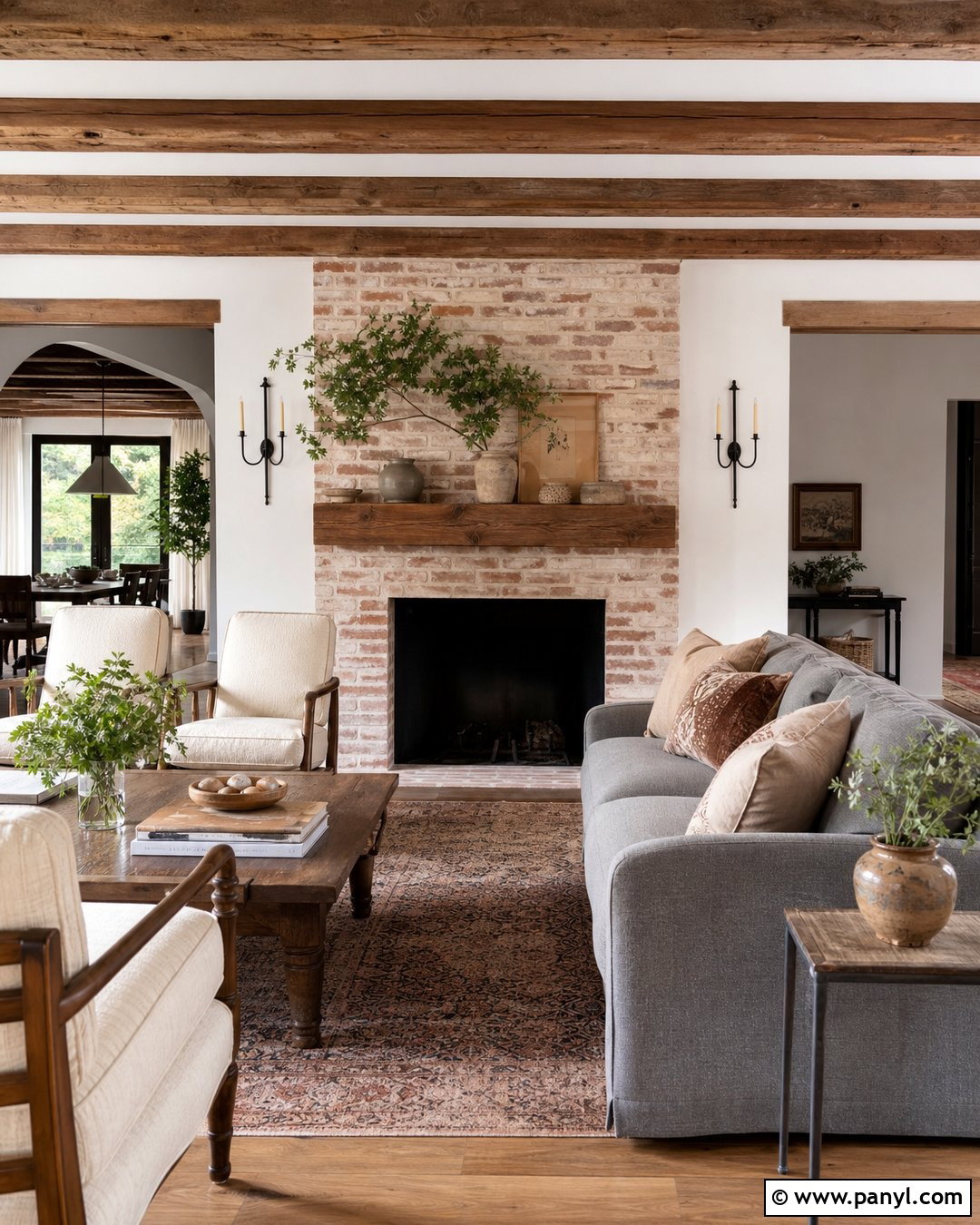
German schmear gives a brick fireplace wall a weathered European appearance with strong physical texture. Spread pale cream mortar irregularly across the brick, allowing selected red and brown sections to remain exposed. Extend the treatment from floor to ceiling so the fireplace gains more architectural presence. Pair it with a thick reclaimed wood mantel and a simple black firebox. Arrange a warm gray sofa, two slipcovered cream chairs, and a rustic oak coffee table around the hearth. Medium brown flooring and a muted vintage rug support the aged finish. Add black iron sconces, stoneware vessels, and restrained greenery. Keep adjoining walls in warm white. This complete living room feels established and comfortable, with the textured fireplace serving as its natural gathering point.
25. Natural Clay Plaster Wall Texture
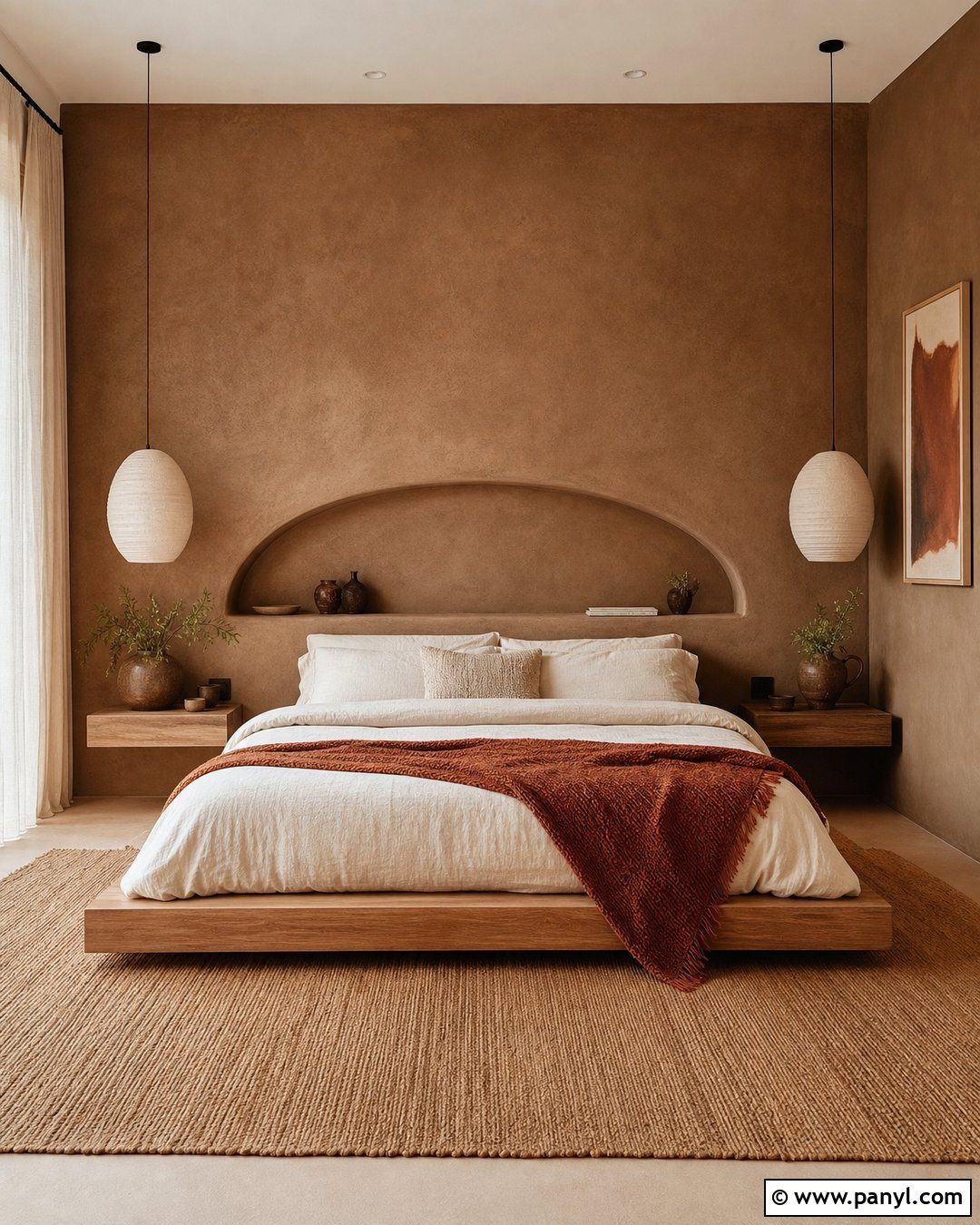
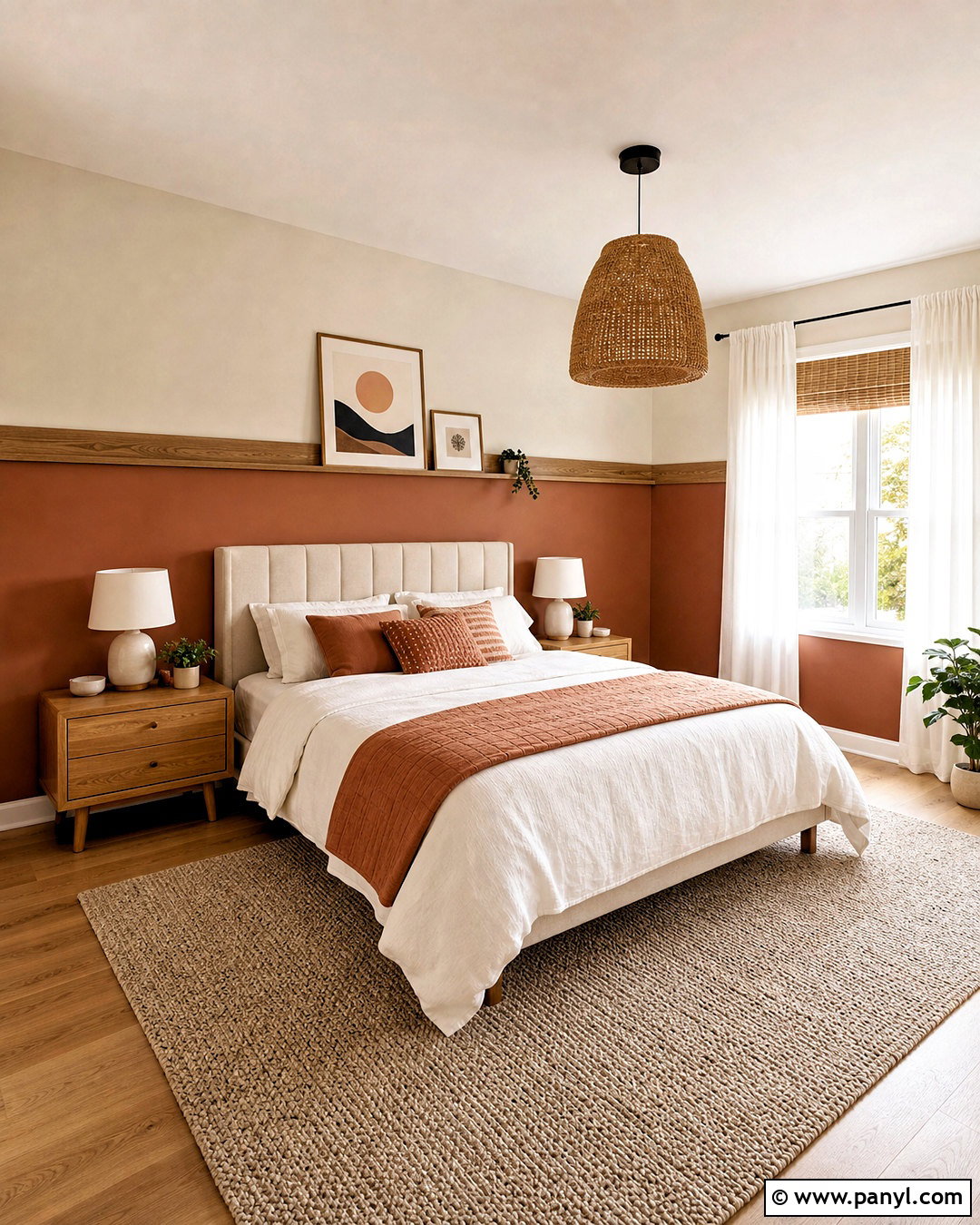
Natural clay plaster creates a grounded bedroom with earthy color and a visibly handcrafted surface. Choose a soft mushroom-brown tone and apply it across the walls and shallow headboard niche for continuous depth. Pair the finish with a low oak platform bed, undyed linen bedding, and a woven wool blanket in muted rust. Floating wood nightstands preserve the room’s uncluttered appearance. Add paper lantern pendants and warm white task lights for practical illumination. A natural fiber rug and simple cotton curtains build softness around the mineral walls. Keep decorative objects limited to handmade pottery and one tonal landscape print. The room should feel tactile but not rustic, combining clean furniture lines with irregular plaster movement for a balanced, modern organic interior.
26. Coral Rag Roll Wall Texture
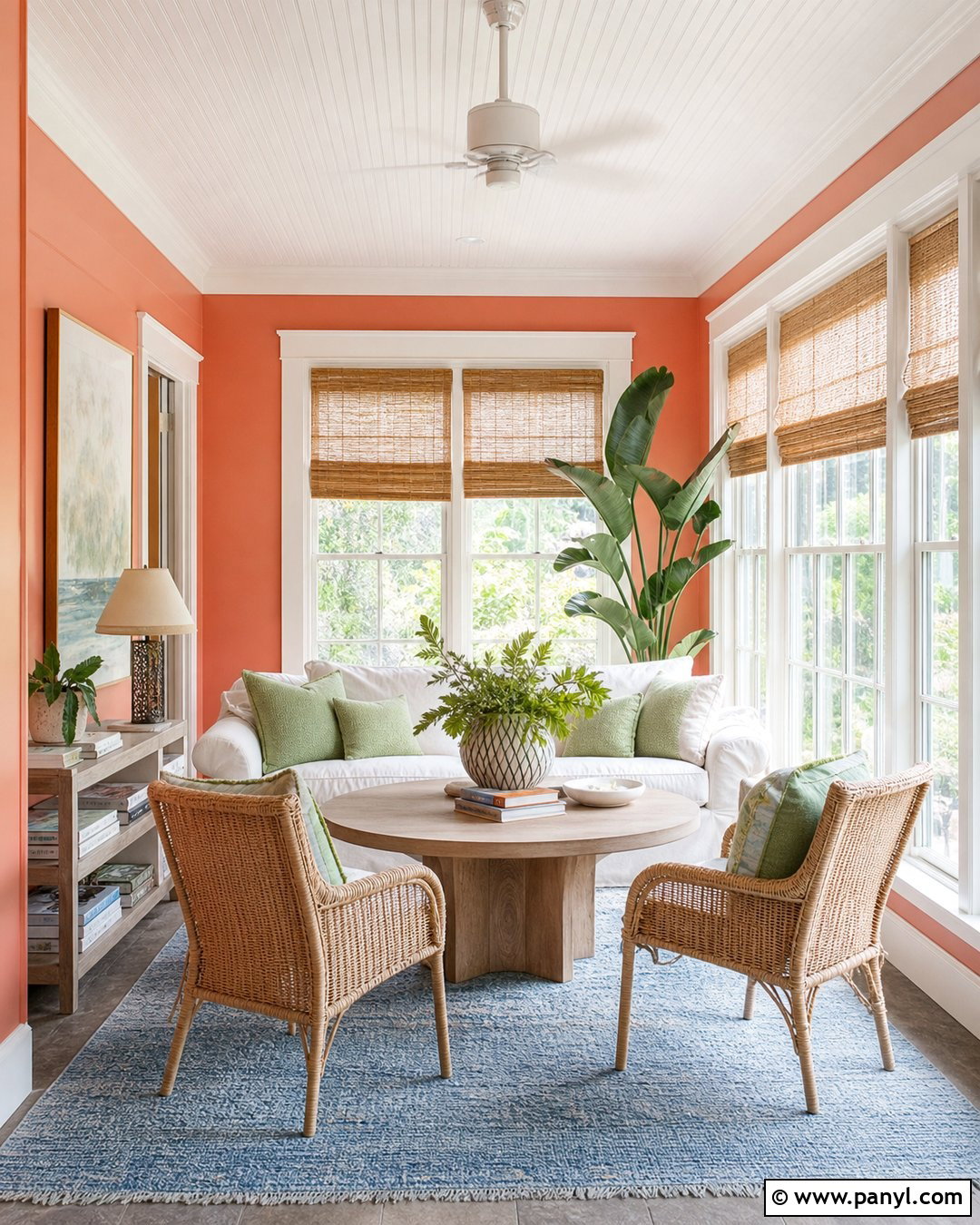
Muted coral rag rolling can make a sunroom lively while retaining a relaxed, handcrafted character. Apply a pale peach base, then roll a slightly deeper coral glaze across it with soft, overlapping impressions. Avoid strong contrast or tightly repeated marks. Furnish the room with a cream slipcovered sofa, two cane chairs, and a round white oak table. Natural woven shades will filter intense sunlight and complement the casual wall finish. Add a pale blue indoor-outdoor rug to cool the warm palette. Cushions in coral, sand, and leafy green connect the furnishings to the walls. White trim and a light ceiling keep everything fresh. The finished sunroom should feel bright and cheerful, with durable furniture and a color treatment suited to informal everyday use.
27. Mint Linen Wall Texture
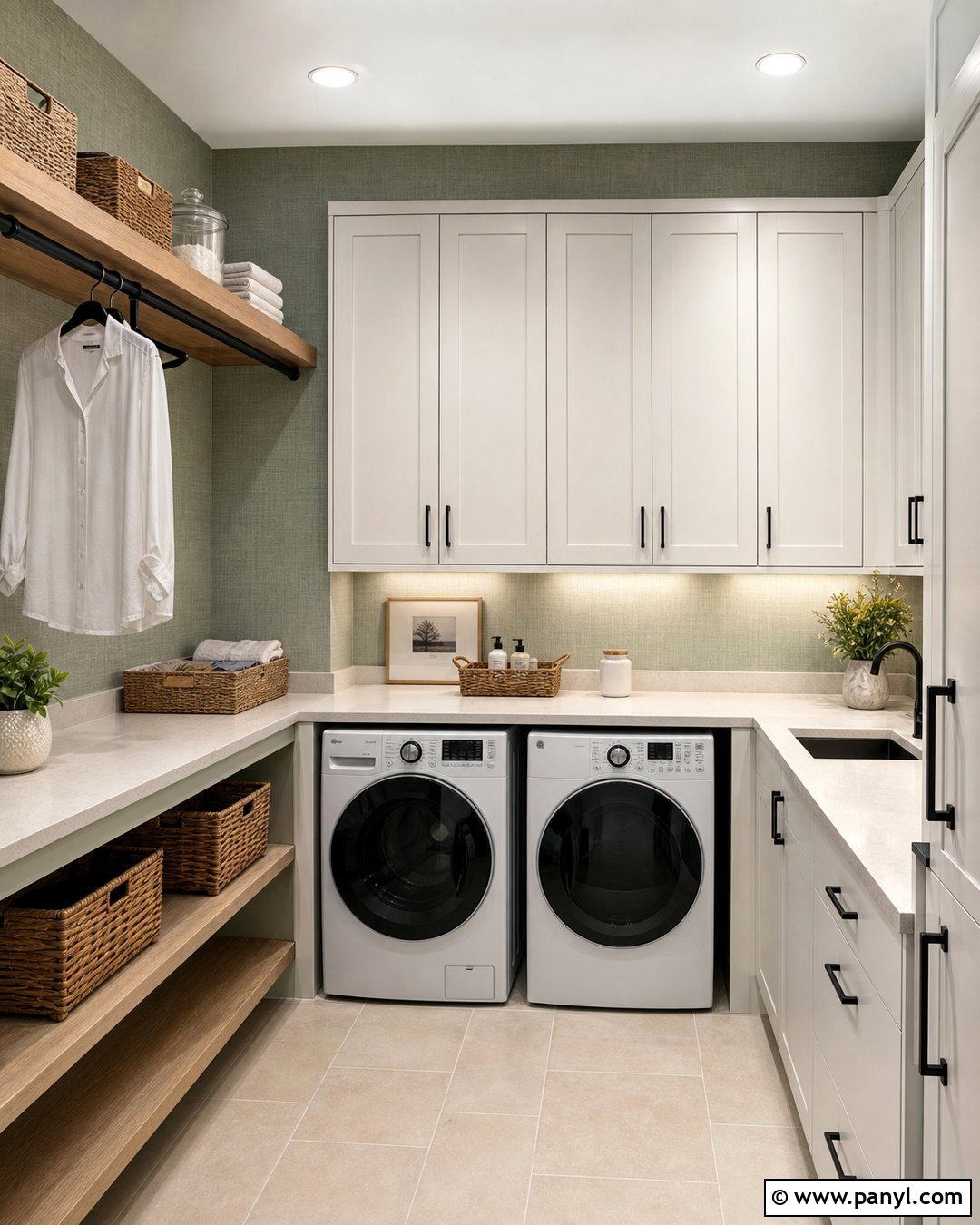
Mint linen-effect paint adds refreshing color to a laundry room while keeping the space polished and orderly. Use a fine crosshatched technique in soft gray-green so the wall resembles woven fabric from a distance. Pair it with white shaker cabinets, pale quartz counters, and a warm oak folding shelf. Matte black pulls and a black hanging rail provide clear definition. Choose small cream floor tiles with subtle gray grout for easy maintenance. Woven baskets can organize supplies while adding natural warmth. Keep detergent containers concealed or transferred into simple labeled storage inside cabinets. A white ceiling light and under-cabinet fixtures should illuminate the texture evenly. The finished laundry room feels clean and practical, yet the soft wall finish makes routine work areas more inviting.
28. Chocolate Leather Wall Texture
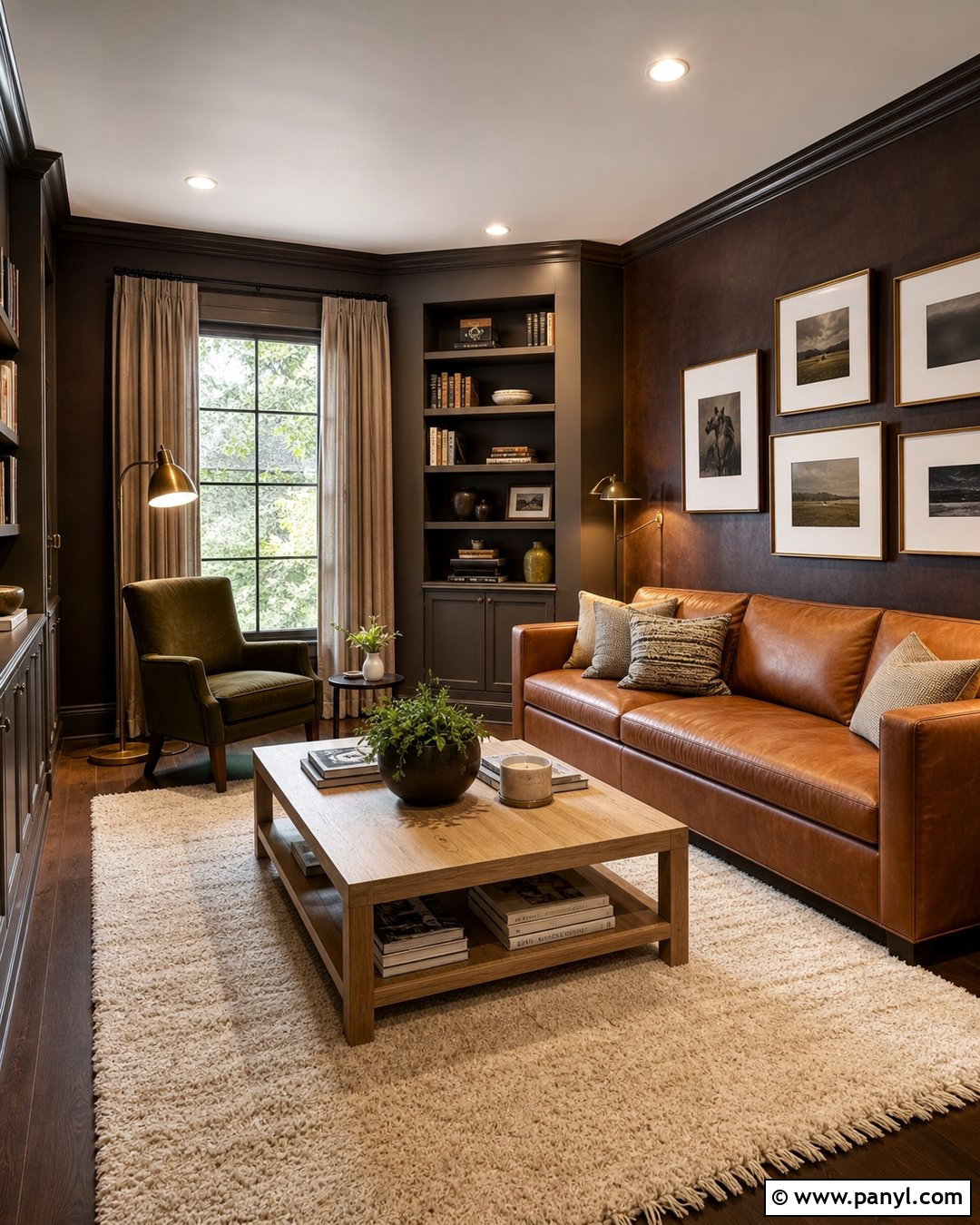
Chocolate-brown leather-effect paint creates a sophisticated den without requiring upholstered wall panels. Build the finish through layered brown glazes, adding restrained tonal creases rather than an obvious faux pattern. Use it on the wall behind a caramel sofa, framed by built-in bookcases painted deep taupe. A cream wool rug and pale oak coffee table will stop the space from becoming too dark. Add an olive lounge chair, bronze floor lamp, and linen curtains for warmth and balance. Artwork with ivory mats will stand out clearly against the rich wall. Keep the ceiling warm white and use several light sources instead of one central fixture. The completed den feels comfortable and tailored, with the textured brown surface acting as a warm architectural background.
29. Burgundy Silk Wall Texture
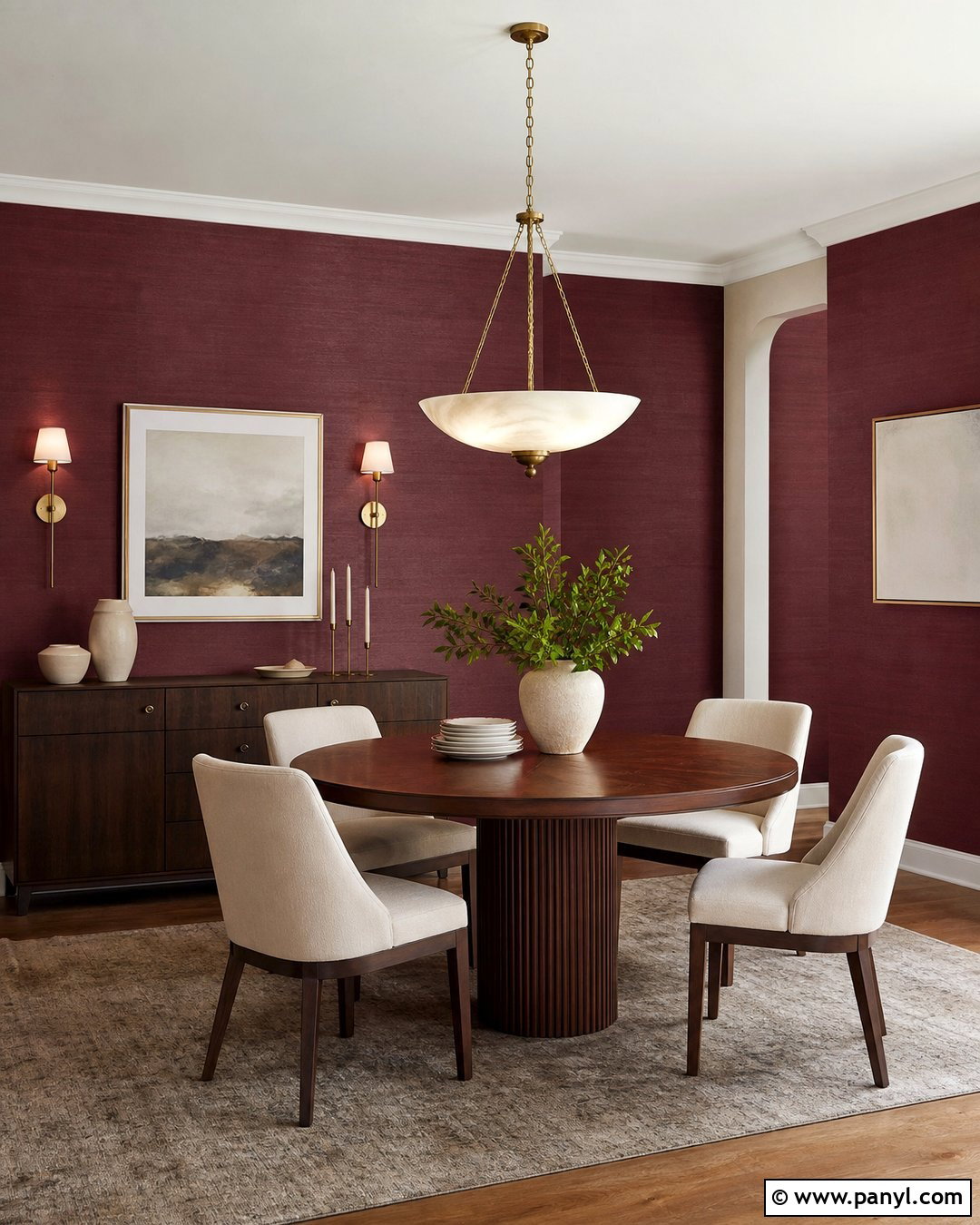
A burgundy silk-effect wall can create a refined dining room with subtle movement and depth. Apply the finish in long vertical strokes, combining wine-free red, plum, and brown undertones for a mature color. Use it behind a dark walnut sideboard while keeping the other walls pale mushroom. A round walnut table and ivory upholstered chairs balance the saturated backdrop. Choose a large alabaster pendant to distribute bright light across the table and reveal the wall’s directional sheen. Warm oak floors and a faded beige rug prevent the palette from becoming heavy. Complete the room with brushed brass sconces, cream ceramics, and one restrained abstract artwork. The final space feels rich and celebratory without relying on overly ornate furniture or excessive decorative accessories.
30. Cobalt Blue Stucco Wall Texture
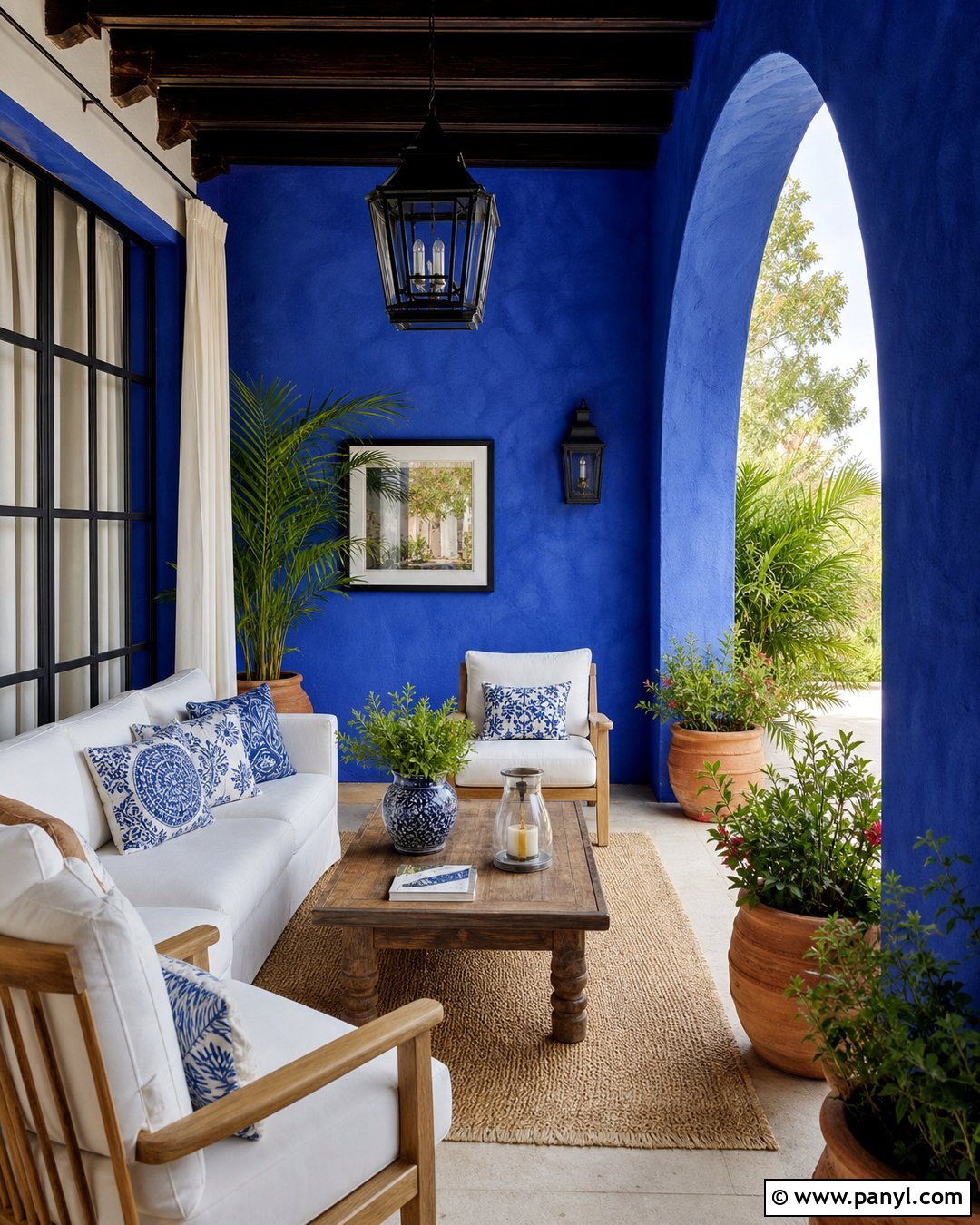
Cobalt blue stucco brings bold Mediterranean color to a compact patio room or enclosed porch. Apply the finish to one main wall and around an arched opening, allowing uneven trowel marks to catch the light. Balance the intense blue with a white slipcovered sofa, pale wood chairs, and a natural jute rug. Add terracotta planters filled with leafy green plants to introduce earthy warmth. A light oak coffee table and cream cotton curtains keep the room casual. Use matte black lantern-style fixtures for contrast, but ensure the overall lighting remains bright. Repeat cobalt only in small patterned cushions or ceramic pieces. The entire space should feel fresh and energetic, with the textured blue wall giving ordinary furnishings a distinctive architectural setting.
31. Mustard Sponge Wall Texture
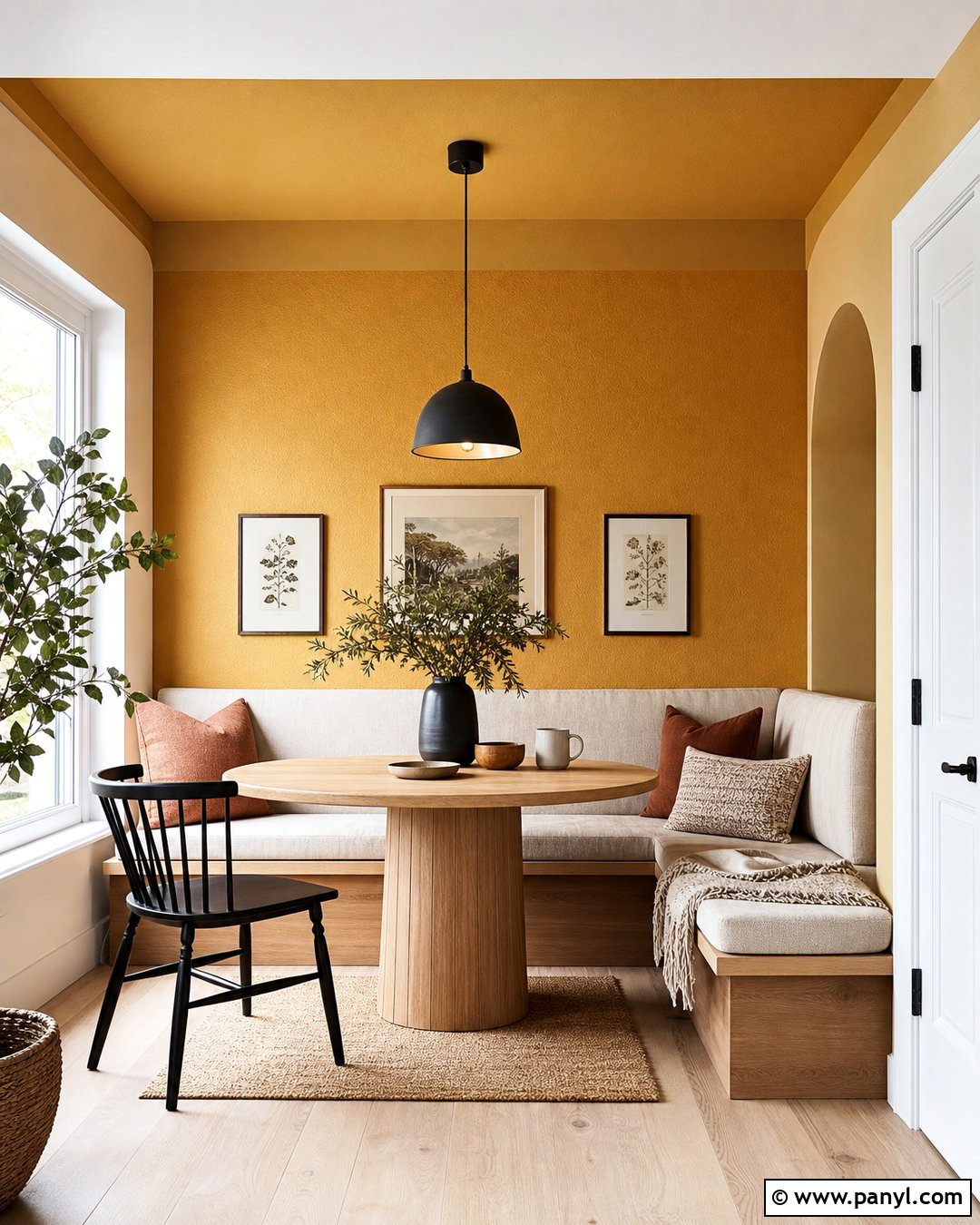
Mustard sponge texture can energize a breakfast nook when combined with calm neutral furnishings. Start with an ochre base and dab on a lighter golden glaze, blending each area before visible shapes become repetitive. Wrap the treatment around the built-in seating so the nook feels like a complete zone. Choose a white oak pedestal table and an L-shaped bench upholstered in practical oatmeal fabric. Add rust and cream cushions for warmth, plus a black metal pendant to sharpen the palette. Pale wood flooring and white trim will keep the mustard from dominating the small area. Display only a few framed prints and simple ceramics. This finished nook feels sunny throughout the day, even when natural light is limited, while remaining functional for meals and homework.
32. Silver Metallic Plaster Wall Texture
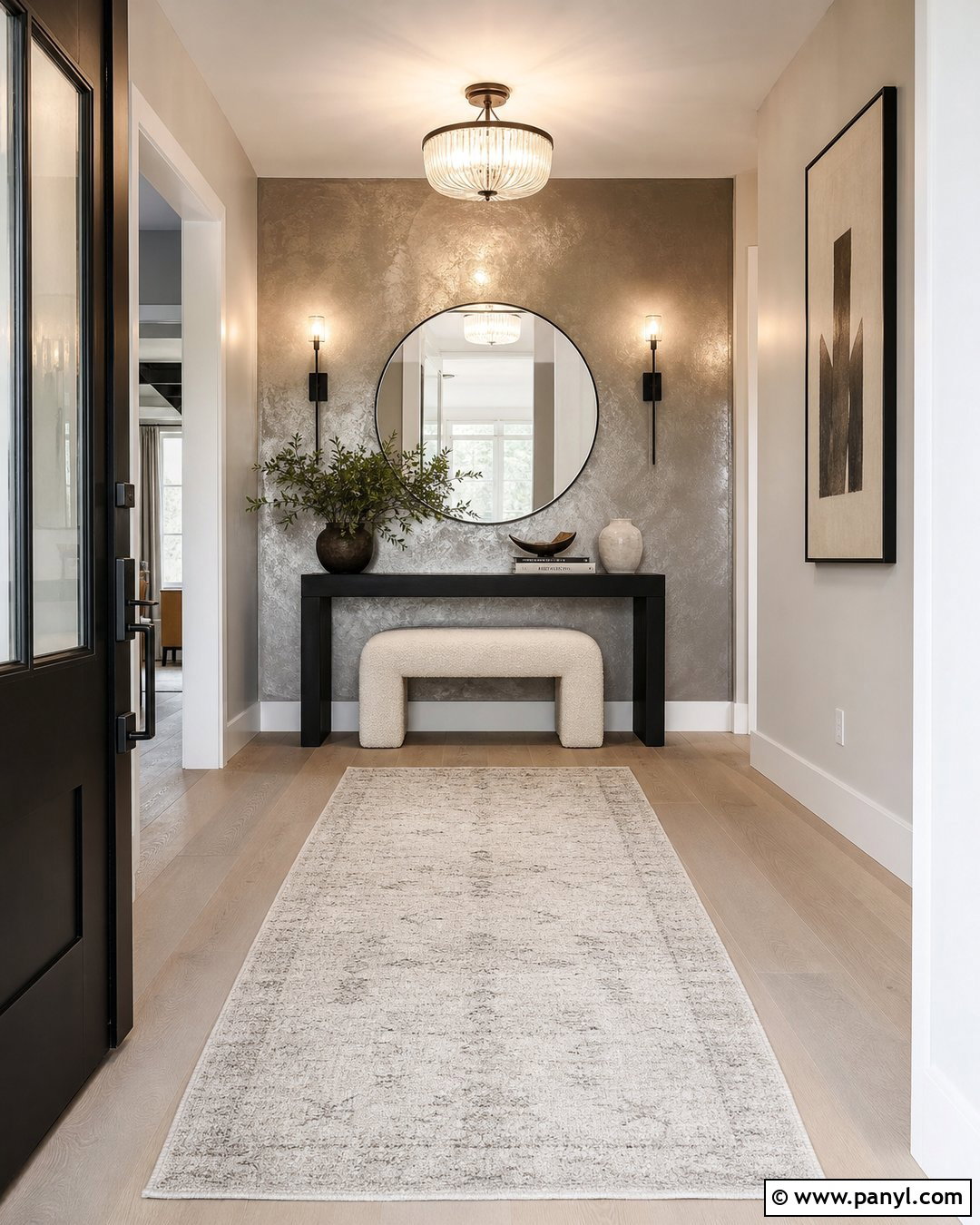
Silver metallic plaster can brighten a modern entryway without making it feel cold or overly glamorous. Select a warm pewter-silver finish with gentle trowel movement rather than a mirror-like shine. Apply it to the main wall behind a slim charcoal console and large rounded mirror. Add an ivory runner, light oak flooring, and a cream upholstered bench to soften the reflective surface. Black metal sconces provide contrast and illuminate the plaster from both sides. Keep surrounding walls pale gray and the ceiling clean white. A ceramic bowl, small stack of books, and leafy branch are enough decoration. The completed entry should feel open and polished, with the metallic wall reflecting daylight subtly while durable neutral furniture supports everyday arrivals and departures.
33. Copper Patina Wall Texture
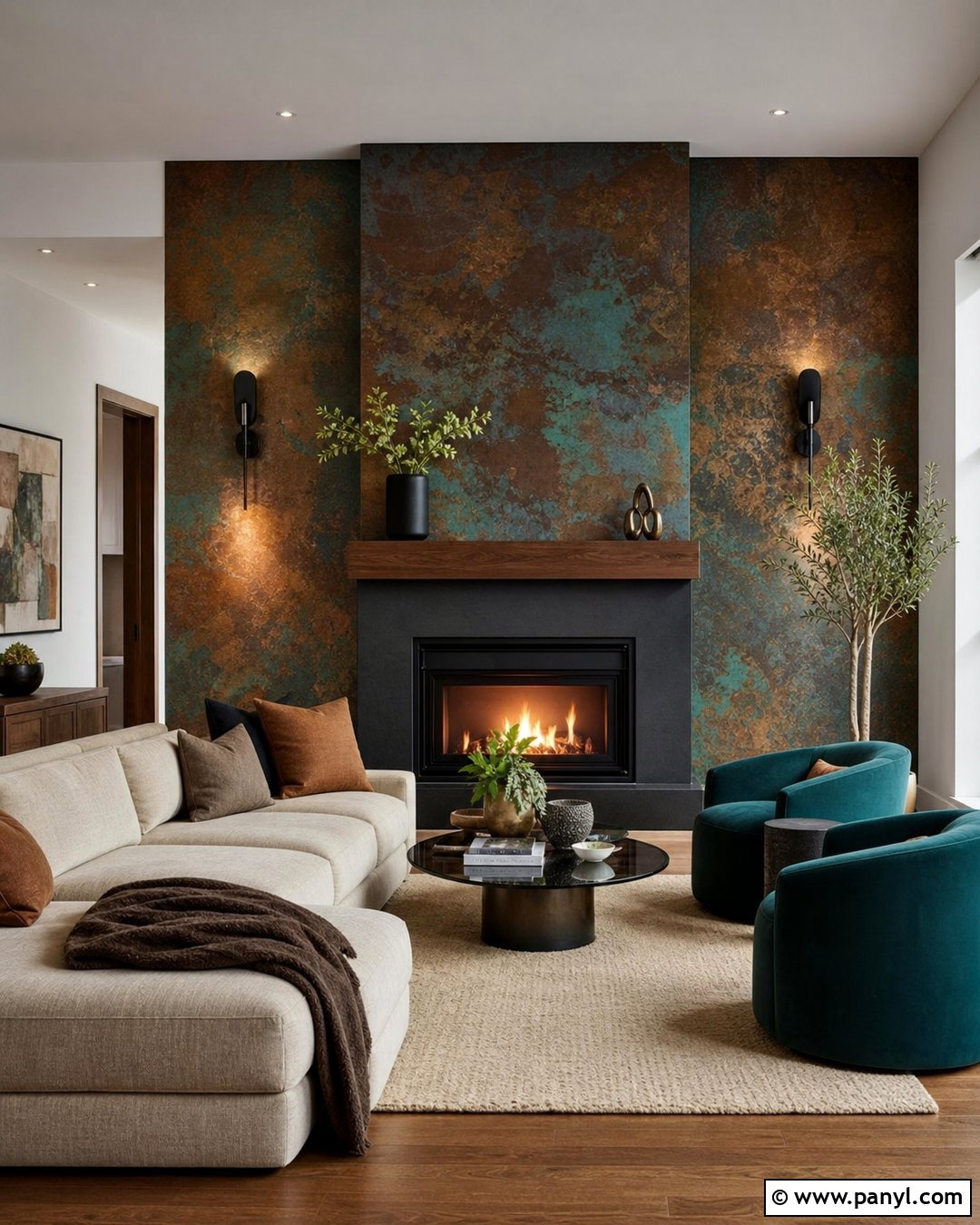
Copper patina texture creates a memorable fireplace wall with layered bronze, brown, and blue-green tones. Use a specialist decorative finish to build irregular oxidation effects, concentrating darker color around selected edges rather than covering the surface uniformly. Surround the fireplace with a slim matte black frame and a simple floating walnut mantel. A light beige sectional and two dark teal chairs will connect naturally to the patina palette. Add an ivory rug, smoked glass coffee table, and warm oak flooring for balance. Black sconces can highlight the wall’s changing color without introducing additional shine. Keep other walls soft cream and accessories minimal. The finished living room feels artistic and contemporary, with one carefully controlled textured surface anchoring the entire furniture arrangement.
34. Emerald Marble Wall Texture
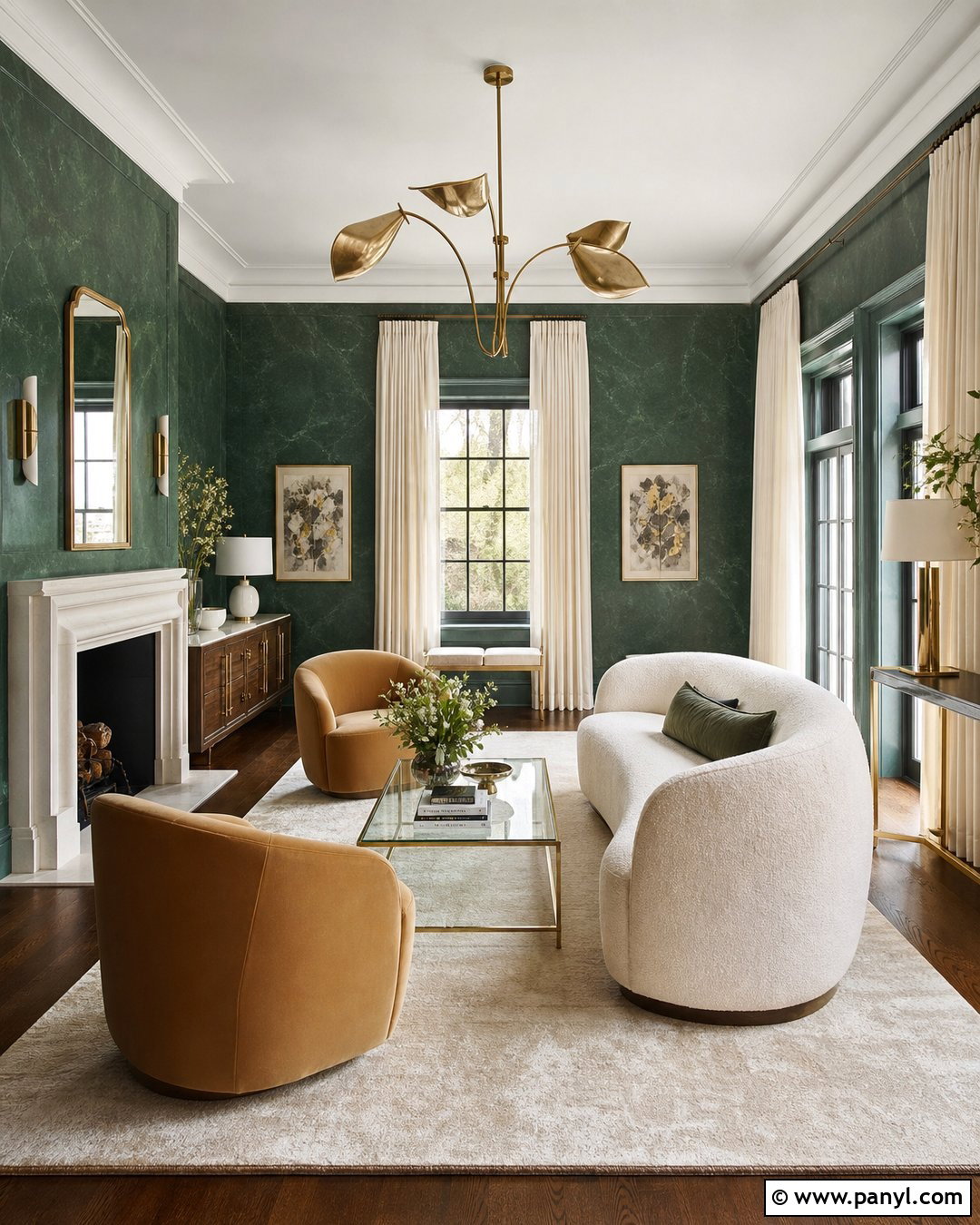
An emerald marble-effect wall can bring dramatic color to a formal sitting room without the cost or weight of full stone slabs. Build the finish with deep green plaster, subtle black shadows, and restrained cream veining. Use it on the fireplace wall and keep the mantel design simple. Pair the surface with a curved ivory sofa, brass-framed glass coffee table, and two camel velvet chairs. Dark walnut flooring will reinforce the room’s richness, while a large cream rug provides visual relief. Hang no artwork on the marble-effect wall; allow the texture to remain uninterrupted. Add warm white curtains and sculptural brass lighting. The completed room should feel polished and balanced, with every surrounding material selected to support the bold green focal point.
35. Sand Dune Relief Wall Texture
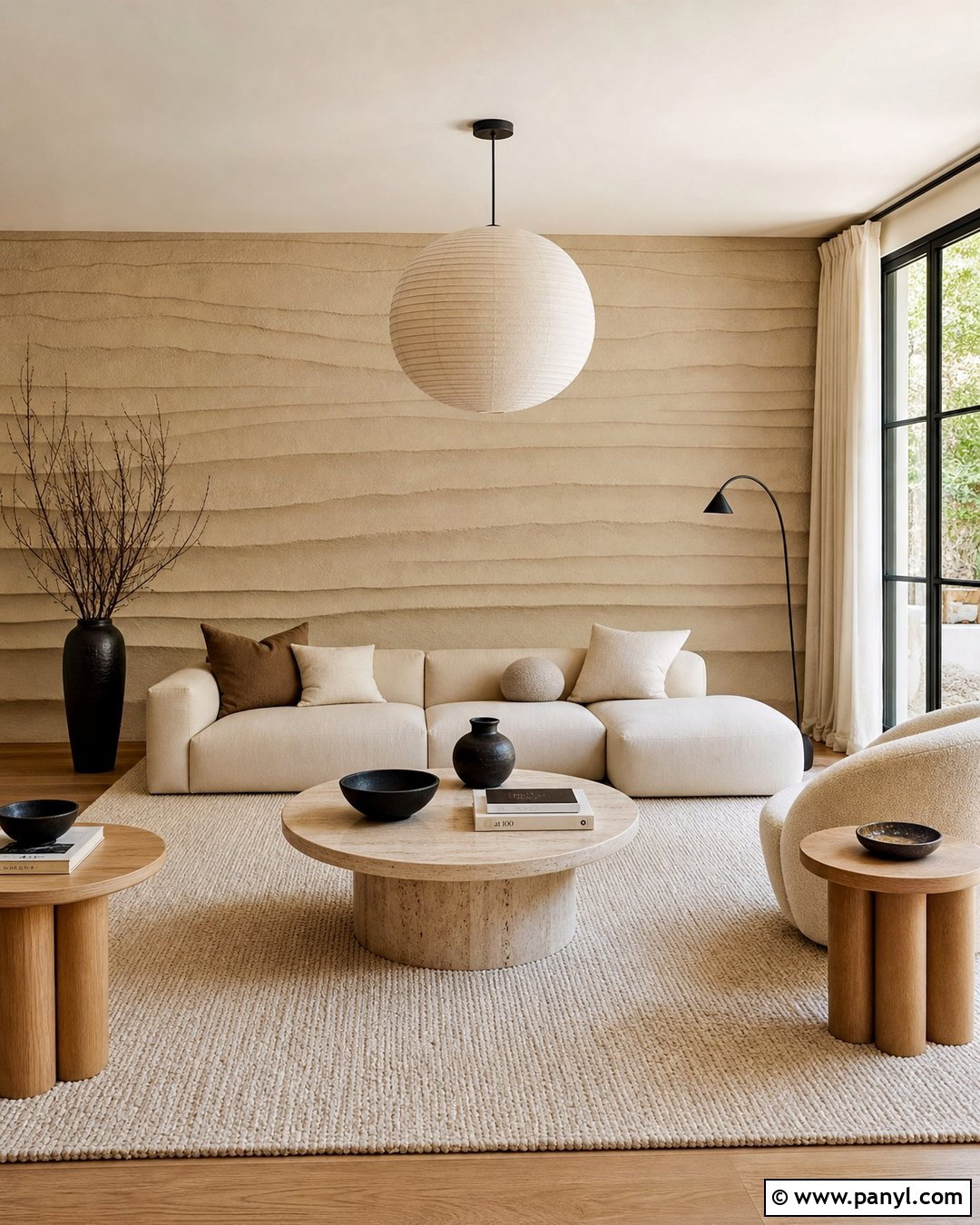
A sand-colored relief wall gives a minimalist living room movement without introducing a bold pattern. Form wide horizontal plaster ridges with gentle irregularity, then coat the entire surface in warm sandy beige. Position a low ivory sofa parallel to the lines so the furniture reinforces the calm direction. Add a rounded travertine coffee table, pale oak side tables, and a large cream wool rug. Soft linen curtains and a rice-paper pendant will continue the light, natural palette. Use one black floor lamp and a few dark ceramic vessels to prevent the room from appearing washed out. Keep surrounding walls smooth and warm white. The finished design feels quiet and sculptural, with daylight creating changing shadows across the broad hand-shaped wall texture.
36. Beige Fluted Wall Texture
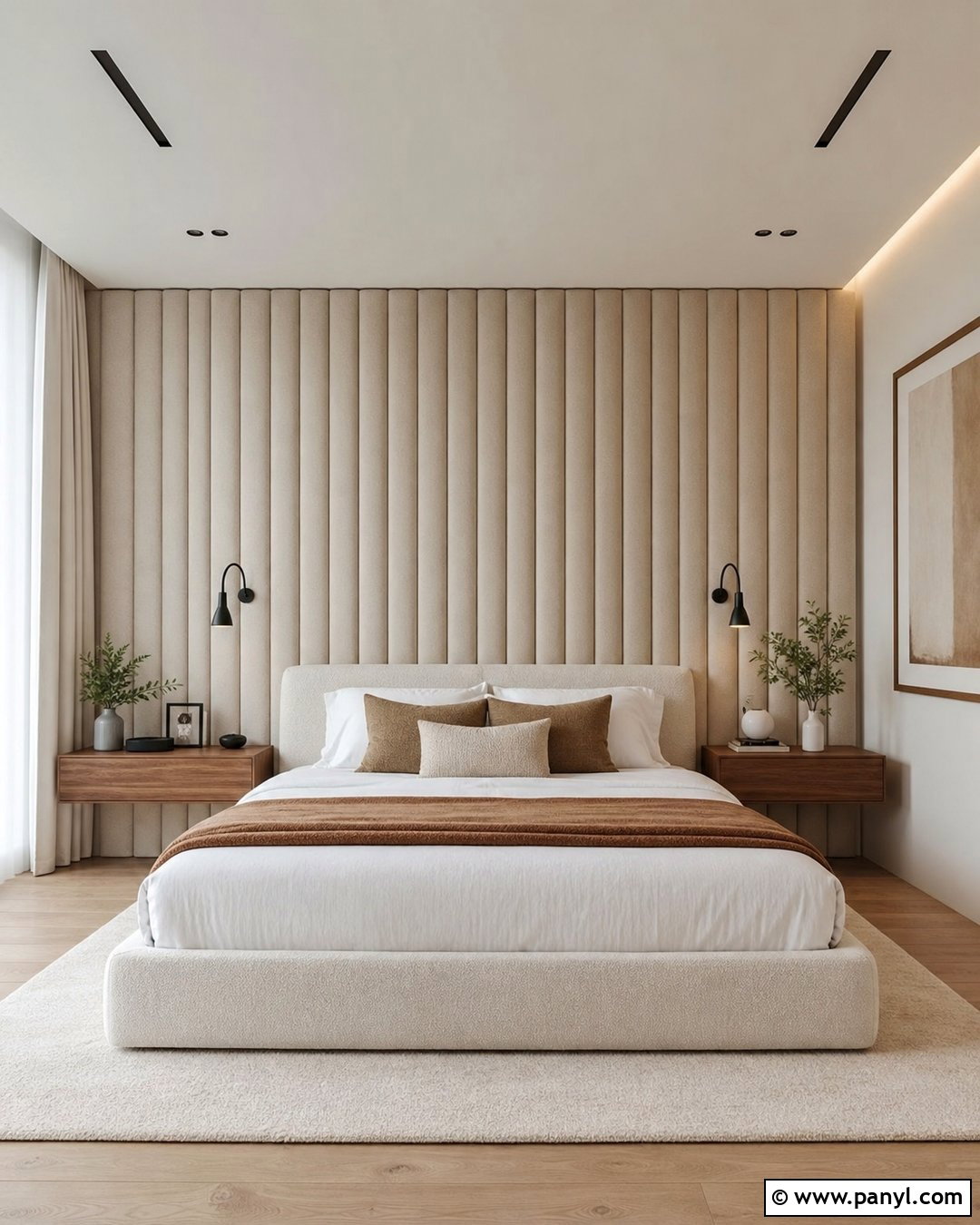
Beige fluted wall panels create an architectural bedroom feature with clean vertical depth. Install slim rounded panels from floor to ceiling behind the bed, then paint them in a warm beige matte finish. Extend the paneling slightly beyond both nightstands so it frames the complete sleeping area. Choose an upholstered cream bed, white bedding, and a caramel throw for subtle layering. Floating walnut nightstands and black reading sconces add contrast without interrupting the vertical pattern. Use pale oak flooring and an ivory rug to maintain an airy atmosphere. Paint the remaining walls in a closely matched lighter beige. A simple abstract artwork can hang on an adjoining wall. The completed bedroom feels tailored and calm, with paneling, furniture, and lighting working as one composition.
37. Blue Board And Batten Wall Texture
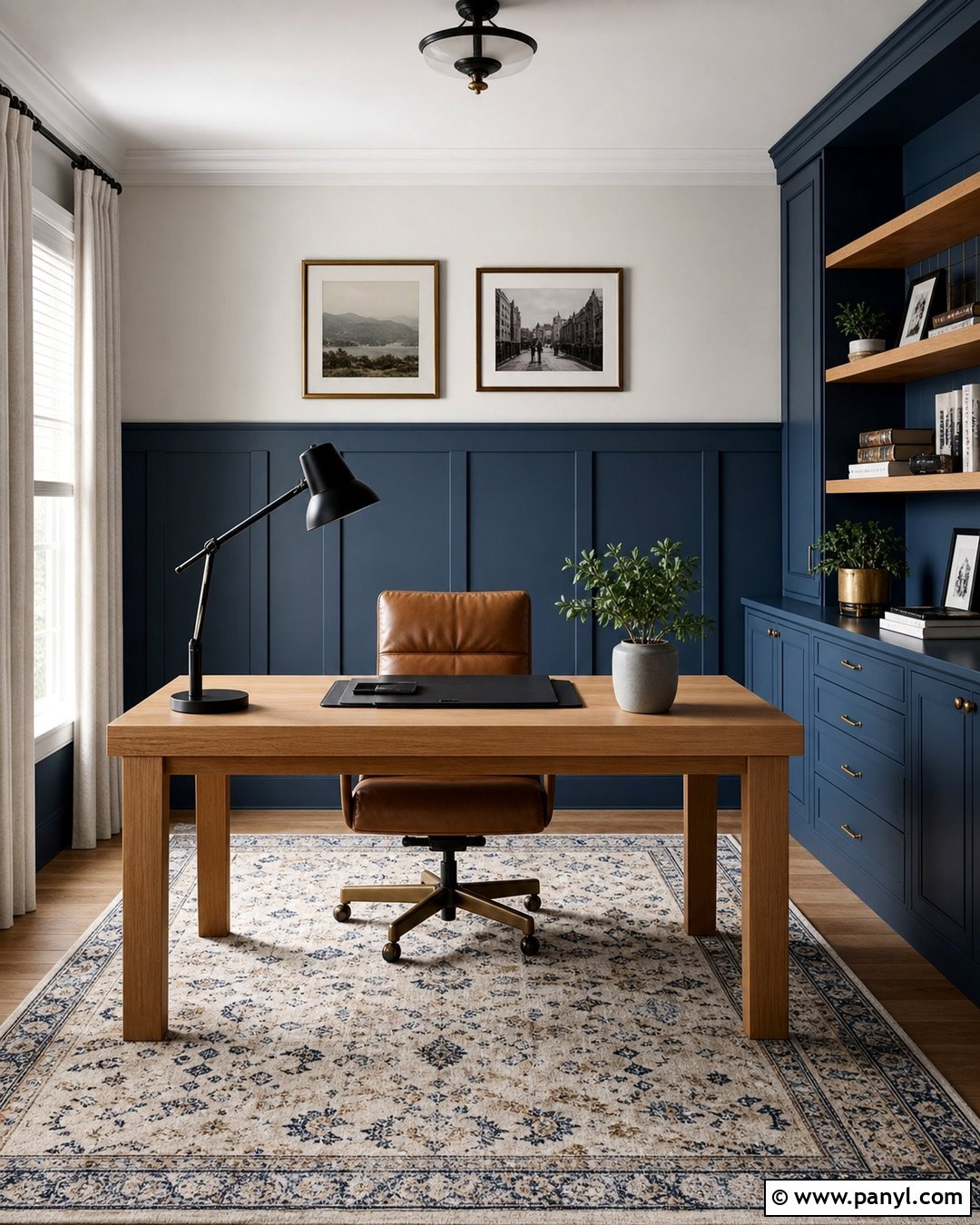
Blue board and batten paneling can give a home office useful structure and classic character. Install narrow vertical battens across the lower two-thirds of the walls, finishing them in muted navy-blue paint. Use warm white above the paneling and across the ceiling to keep the room bright. Position an oak desk against the paneled wall with a tan leather chair and a black adjustable lamp. Add closed navy storage cabinets along one side and open oak shelves above them. A cream patterned rug will soften the floor and connect the light and dark colors. Finish with linen curtains, brass cabinet pulls, and a few framed prints. The complete office feels organized and established, while the dimensional treatment provides more interest than a simple painted accent wall.
38. Plaster Arch Wall Texture
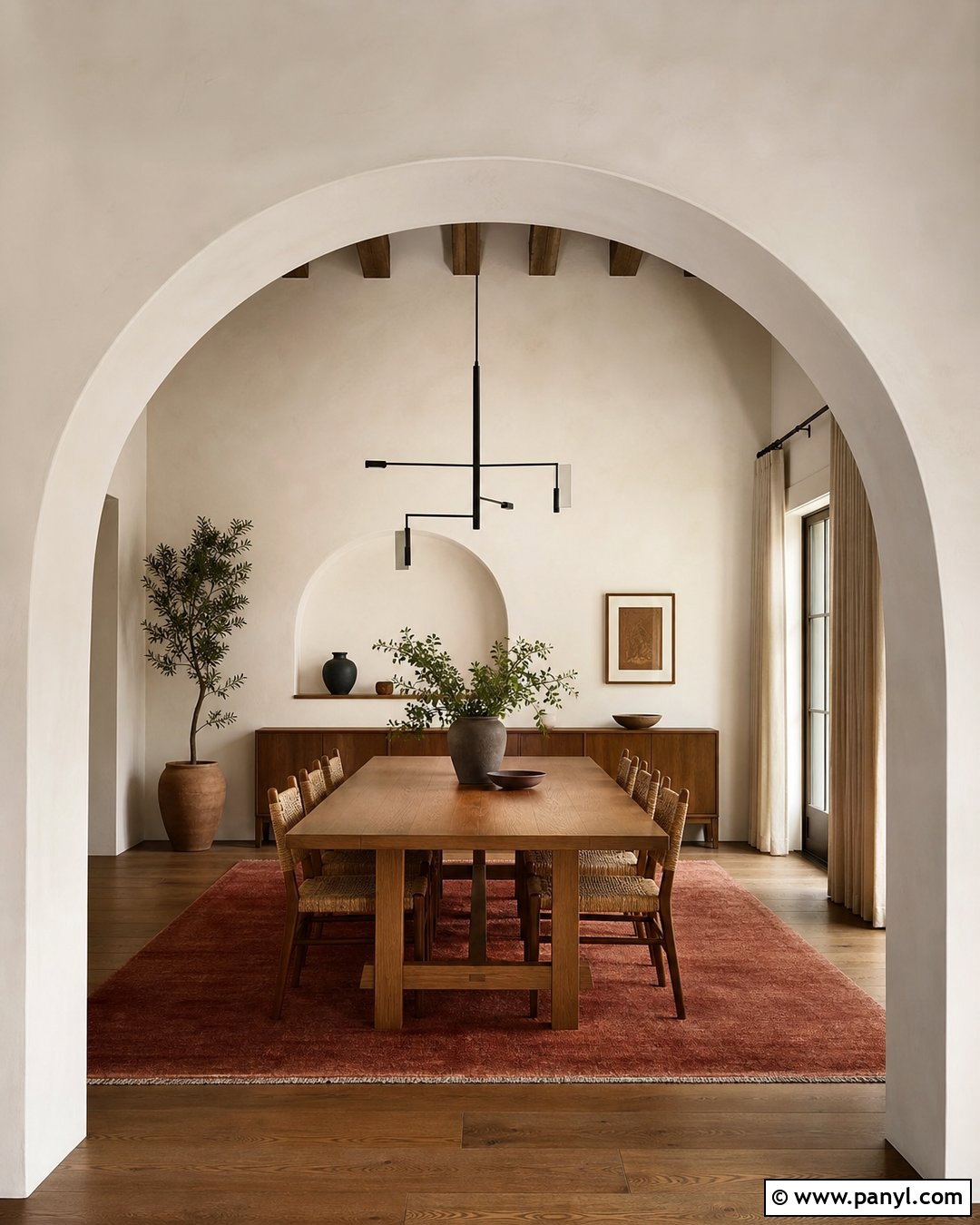
A textured plaster arch can turn a plain dining room wall into a functional architectural feature. Build a shallow arched niche and cover the full wall in warm off-white plaster with visible hand-troweled movement. Place a walnut sideboard inside the niche, leaving clear space above it for one large ceramic vessel or framed artwork. A medium oak dining table and woven chairs will continue the organic material palette. Add a black linear pendant for clean contrast and a muted rust rug beneath the table. Keep adjoining walls smooth but closely matched in color. Linen curtains and simple pottery complete the setting. The finished design feels custom without becoming ornate, and the combination of curved architecture and subtle texture gives the entire dining space a clear focal point.
39. Two Tone Wall Texture
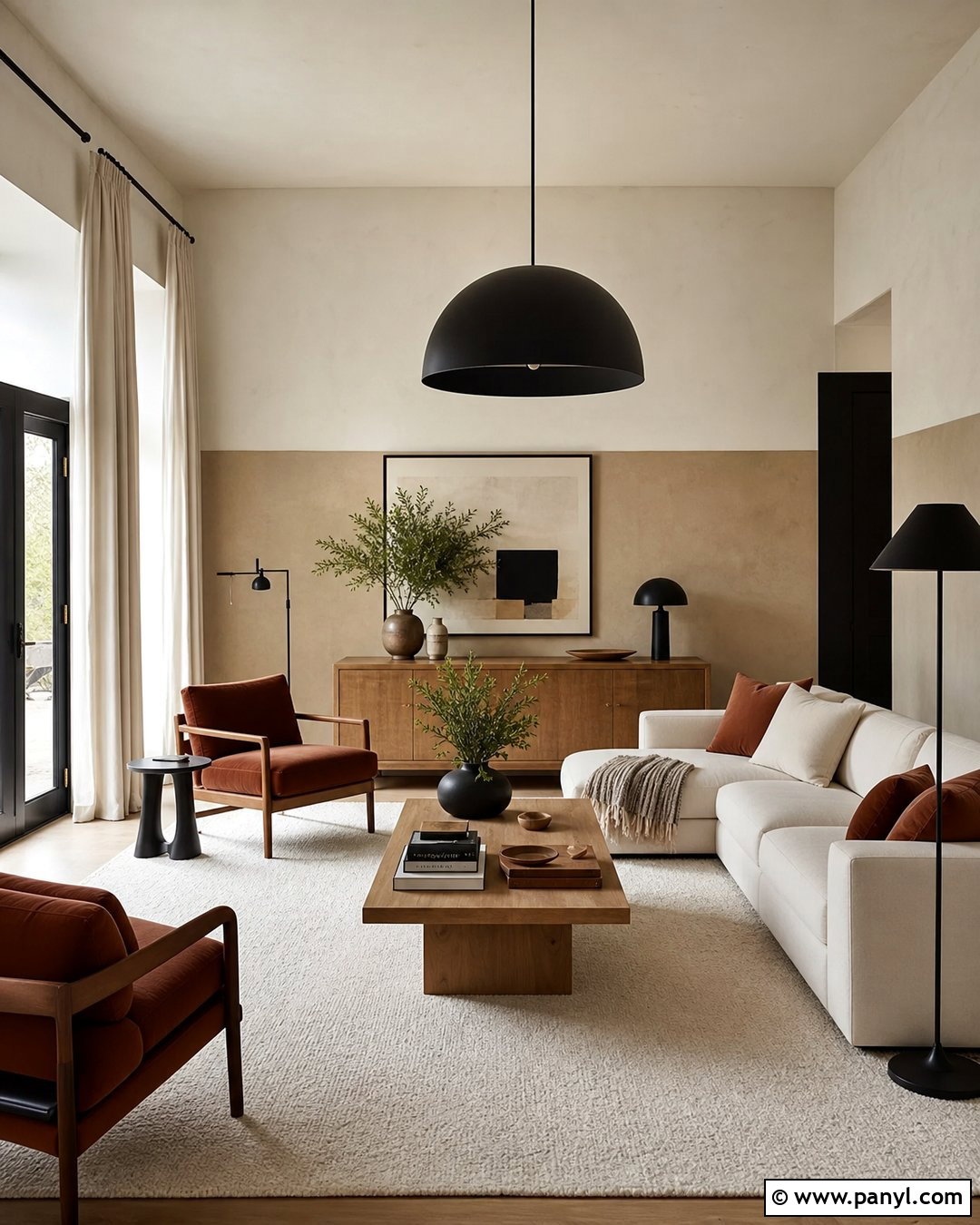
A two-tone textured wall can visually widen a small living room when the color division is carefully positioned. Apply sandy beige Roman clay to the lower two-thirds of the walls and warm white limewash above it. Use a soft, uneven transition rather than a sharp painted stripe. Choose a cream sofa, pale oak coffee table, and two rust-colored accent chairs to connect both wall tones. An oversized ivory rug will brighten the seating area, while black metal lamps add definition. Keep curtains close to the upper wall color so they visually extend the room’s height. Minimal abstract artwork should overlap neither finish boundary. The completed space feels layered but calm, using texture and proportion to create interest without filling the room with decorative objects.
40. Taupe Color Drenched Wall Texture
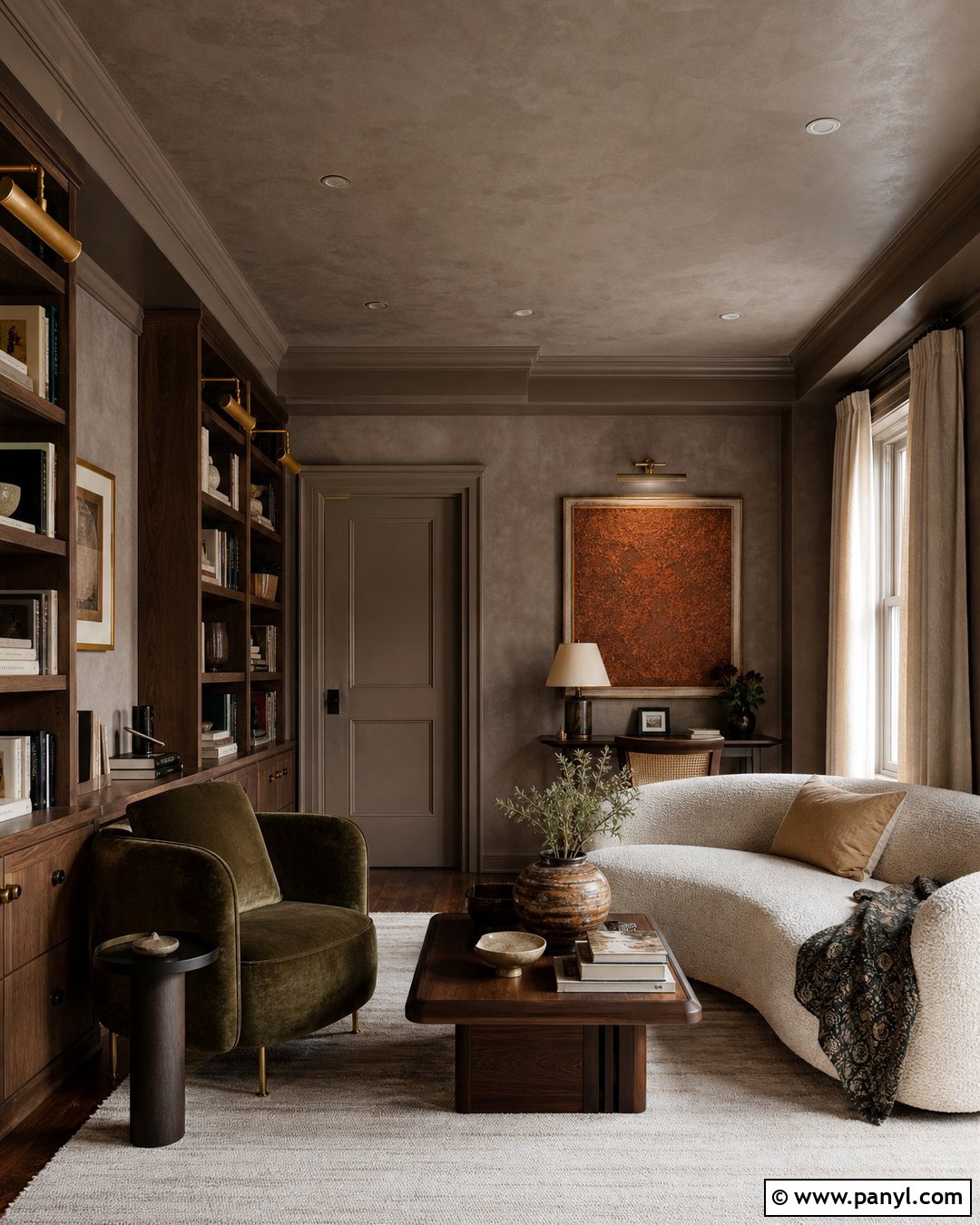
Taupe color drenching becomes more distinctive when walls and ceiling carry a softly mottled mineral texture. Select a medium mushroom taupe and apply it across walls, trim, doors, and ceiling, allowing subtle tonal movement on the broad surfaces. Use this immersive treatment in a snug or reading room with good layered lighting. Add a cream boucle loveseat, walnut bookshelves, and an olive velvet chair. A pale rug and ivory curtains provide relief while staying within the muted palette. Install bronze picture lights and a warm white floor lamp to brighten corners. Artwork in rust, black, and parchment tones adds controlled contrast. The completed room feels cozy and connected, with the continuous color softening visual boundaries while textured application prevents the enveloping taupe from looking flat.
41. Terrazzo Wall Texture
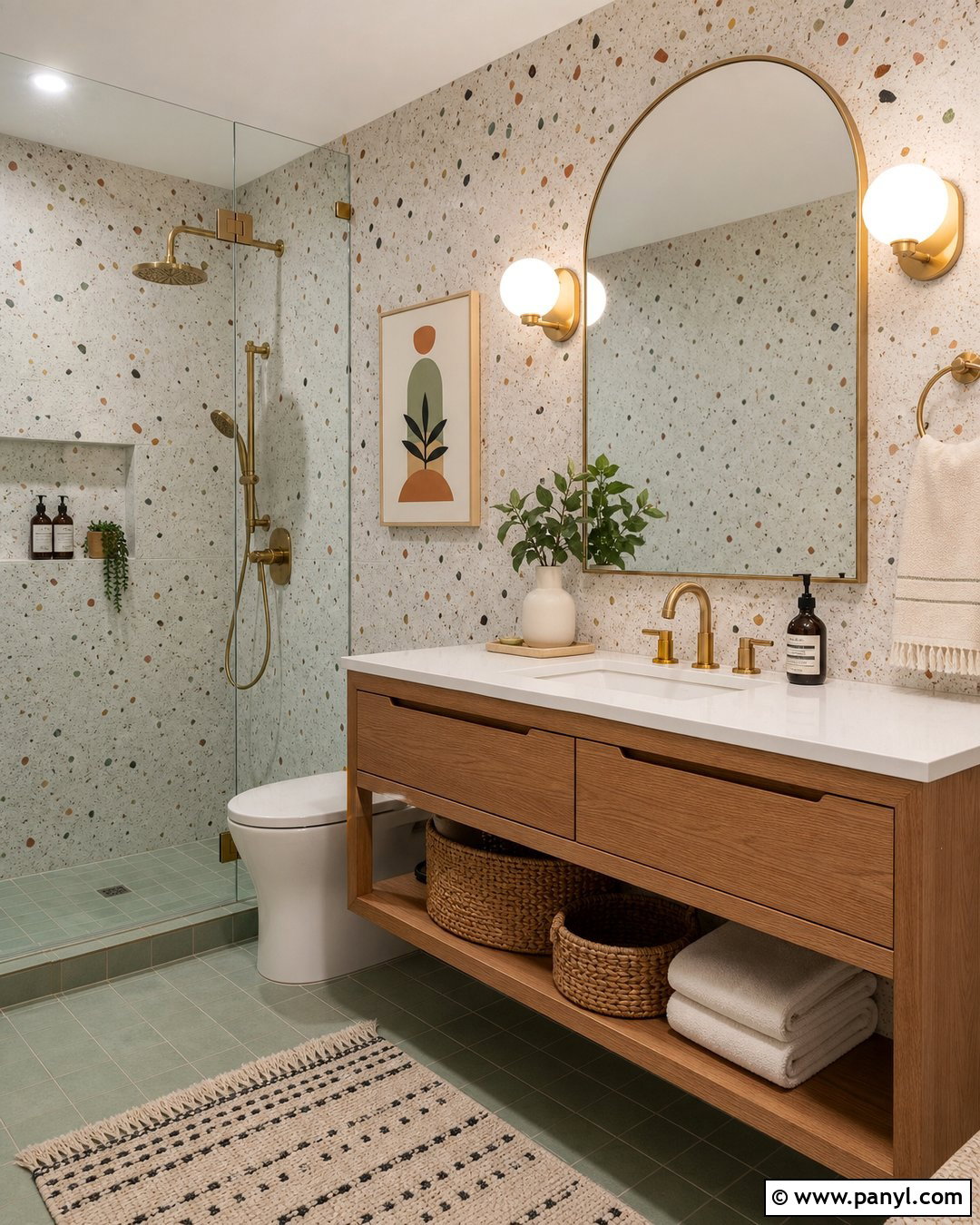
A terrazzo-effect wall brings playful pattern to a bathroom vanity area. Choose a warm white base scattered with small chips in terracotta, sage, tan, and charcoal. Keep the scale moderate so the surface looks detailed without becoming visually noisy. Use the finish behind a floating oak vanity and continue it around an arched mirror for a complete focal wall. A white countertop and brushed brass faucet will maintain brightness. Select pale sage floor tiles and warm white walls elsewhere to support the terrazzo colors. Add globe sconces, cream towels, and woven storage baskets. The surface should be properly sealed for the room’s conditions. The finished bathroom feels cheerful and contemporary, while its restrained palette allows the patterned texture to remain easy to coordinate.
42. Limestone Wall Texture
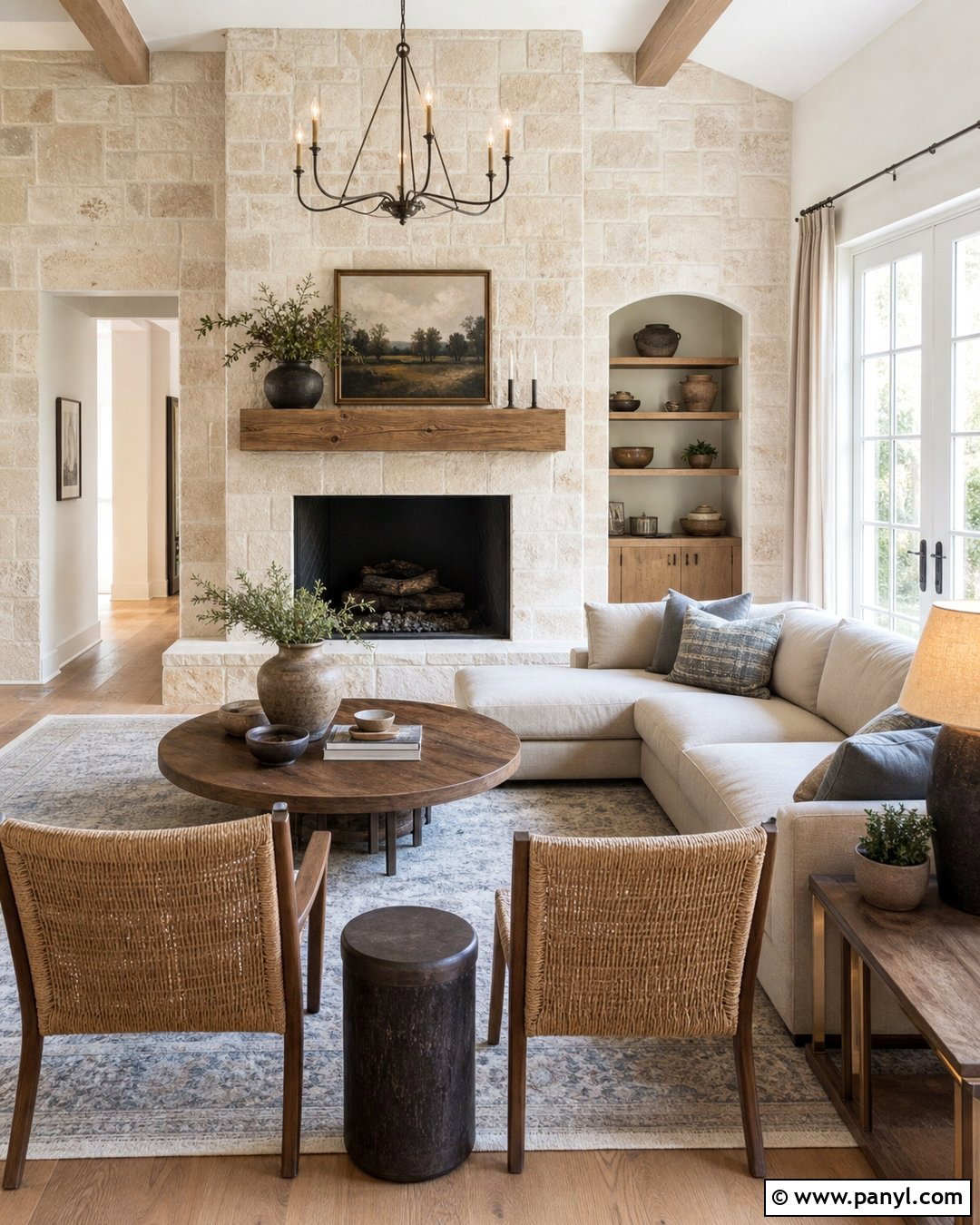
Limestone-effect texture creates a restful living room with the appearance of softly aged masonry. Form broad rectangular blocks using shallow plaster joints, then finish them in layered cream, pale beige, and light gray. Use the treatment on the fireplace wall or one uninterrupted structural wall. Add a simple oak mantel and dark firebox for definition. Furnish the room with a light taupe sectional, two woven chairs, and a rounded wood coffee table. A faded blue-gray rug can introduce quiet contrast beneath the seating. Choose linen curtains, bronze lamps, and minimal pottery to preserve the natural mood. The complete room should feel comfortable rather than formal, with the faux limestone adding architectural weight while the soft furniture and textiles make the space suitable for everyday living.
43. Concrete Block Wall Texture
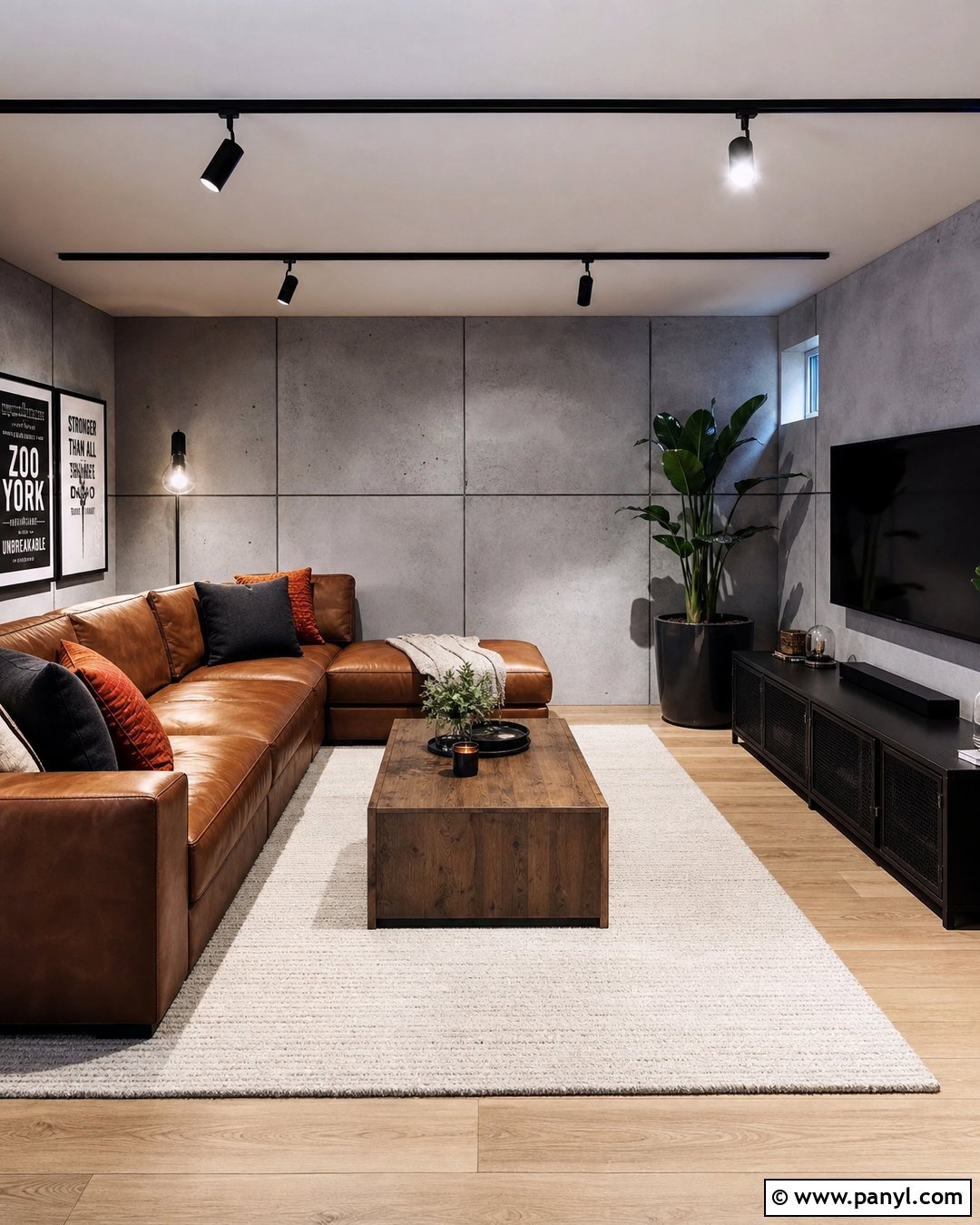
A concrete-block effect gives a basement lounge an intentional industrial character. Create large rectangular sections using medium-gray microcement and fine recessed joint lines. Keep the pattern aligned and restrained so it resembles architectural paneling rather than scenery. Place a cognac leather sectional against the wall and add a low black media cabinet. Warm the room with oak flooring, an oversized cream rug, and rust-colored cushions. Black track lighting can highlight the panel divisions while providing practical illumination. Add a solid wood coffee table and one tall plant to soften the hard surfaces. Paint adjacent walls warm white to avoid an overly gray interior. The complete lounge feels durable and contemporary, using balanced texture, warm materials, and comfortable seating instead of relying on decorative industrial clutter.
44. Coastal Blue Color Wash Wall Texture
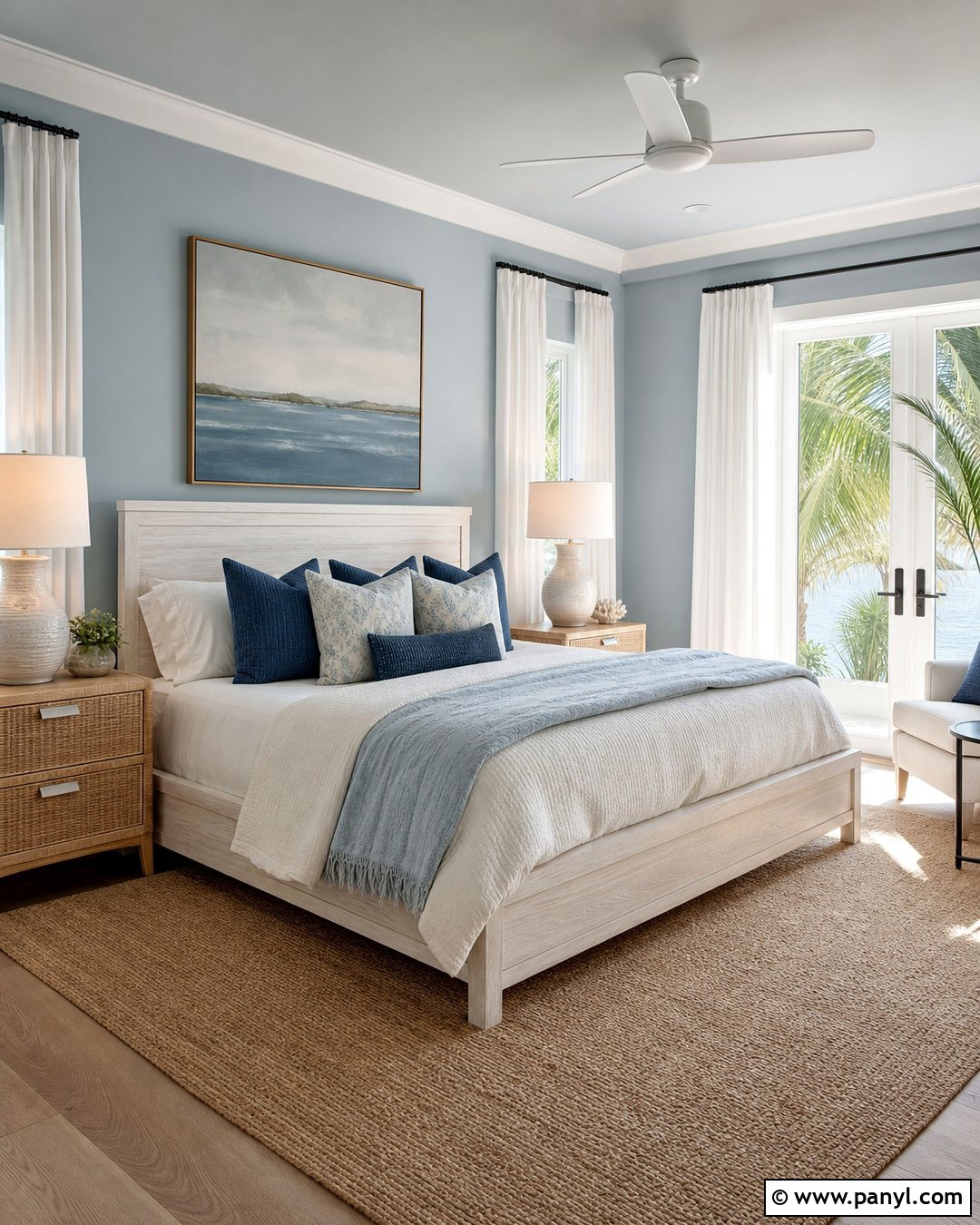
Coastal blue color washing creates a breezy bedroom without obvious seaside decorations. Use a pale blue-gray base with a translucent, slightly deeper blue glaze applied in loose crisscross strokes. Cover all walls to surround the room with gentle tonal movement. Choose a white oak bed, natural linen bedding, and an ivory quilt with subtle blue stitching. Woven nightstands and ceramic lamps will add relaxed texture. Keep the floor pale wood and place a soft sand-colored rug beneath the bed. White curtains should hang from ceiling height to maximize brightness. Add one large abstract landscape and a few muted navy cushions rather than shells or themed signs. The complete bedroom feels fresh and restful, with the wall treatment suggesting open sky and water in a subtle way.
45. Distressed White Wall Texture
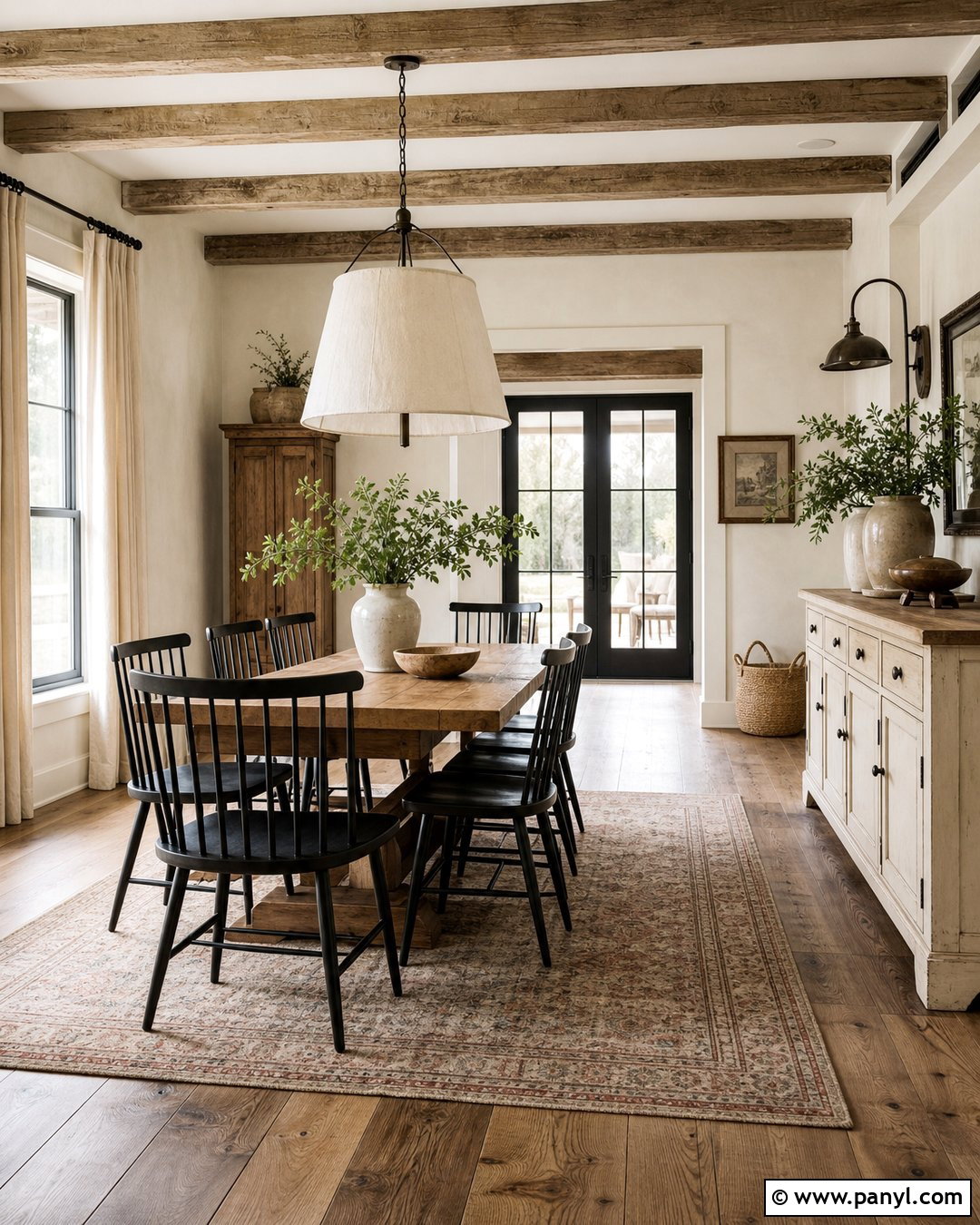
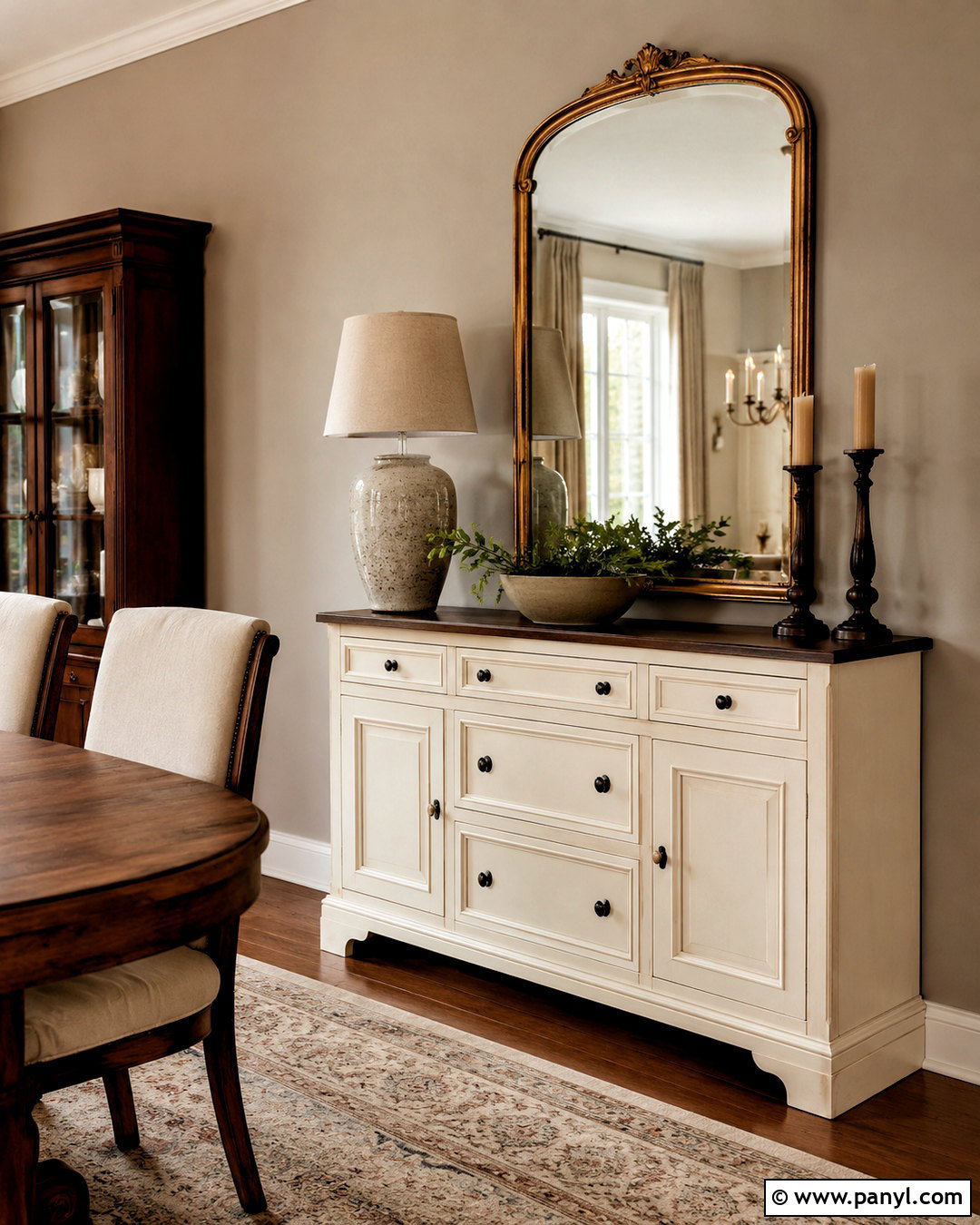
Distressed white walls can give a farmhouse dining room age and character without making it look neglected. Start with a warm cream base and layer chalky white paint over it, lightly exposing beige undertones along selected uneven areas. Keep the wear subtle and naturally dispersed. Pair the walls with a sturdy medium-oak table, spindle-back black chairs, and a simple linen pendant. Wide-plank wood flooring and a muted vintage rug will strengthen the comfortable, established appearance. Add a painted cream sideboard with dark metal hardware and display only a few stoneware pieces. Soft beige curtains prevent the room from feeling stark. The finished look should balance rustic texture with clean organization, avoiding excessive distressed furniture or decorative signs that could make the design feel overly themed.
46. Pastel Confetti Wall Texture
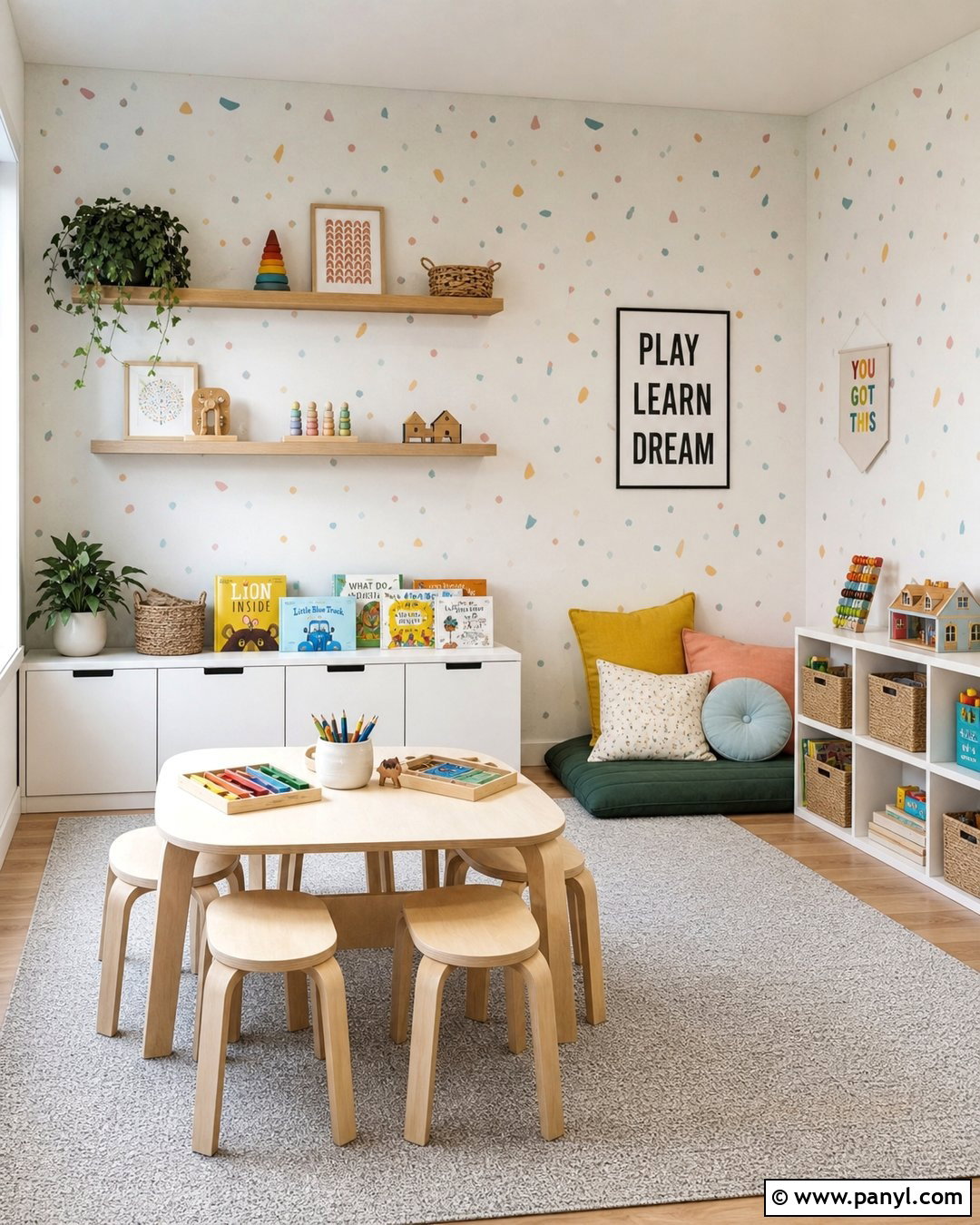
Pastel confetti texture gives a children’s playroom lively color while keeping the overall design flexible. Use a warm white wall base with small irregular flecks in muted coral, mustard, mint, and sky blue. Concentrate the texture on one broad activity wall and leave the remaining walls pale cream. Add low white storage cabinets, natural wood shelving, and labeled baskets for easy cleanup. A washable light gray rug provides a neutral surface for play, while small tables and chairs in natural birch maintain visual calm. Repeat the wall colors through a few cushions and storage bins rather than every furnishing. Bright ceiling lighting and large windows will keep the room clear and welcoming. The finished space feels playful, organized, and adaptable as children’s interests change.
47. Bronze Entryway Wall Texture
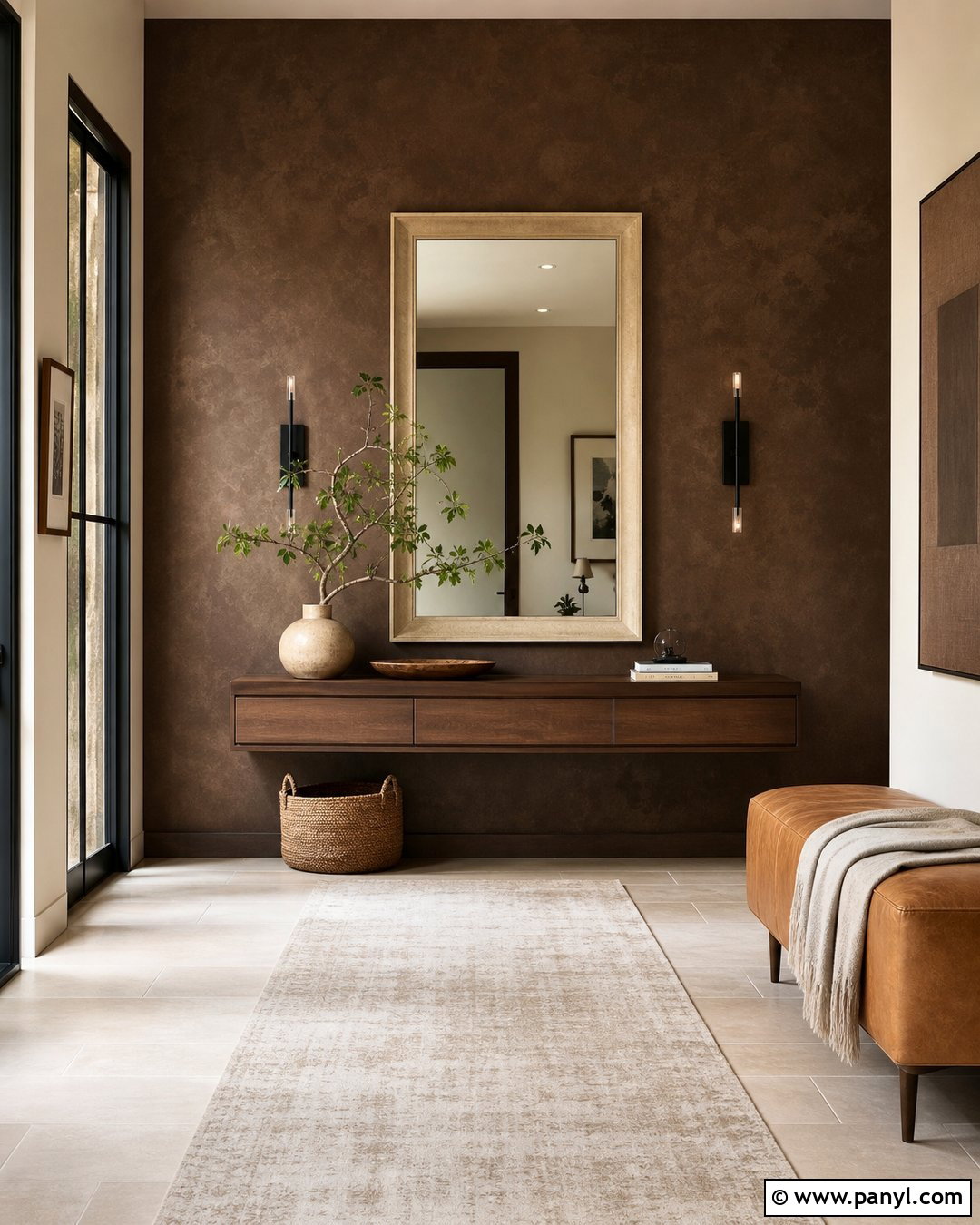
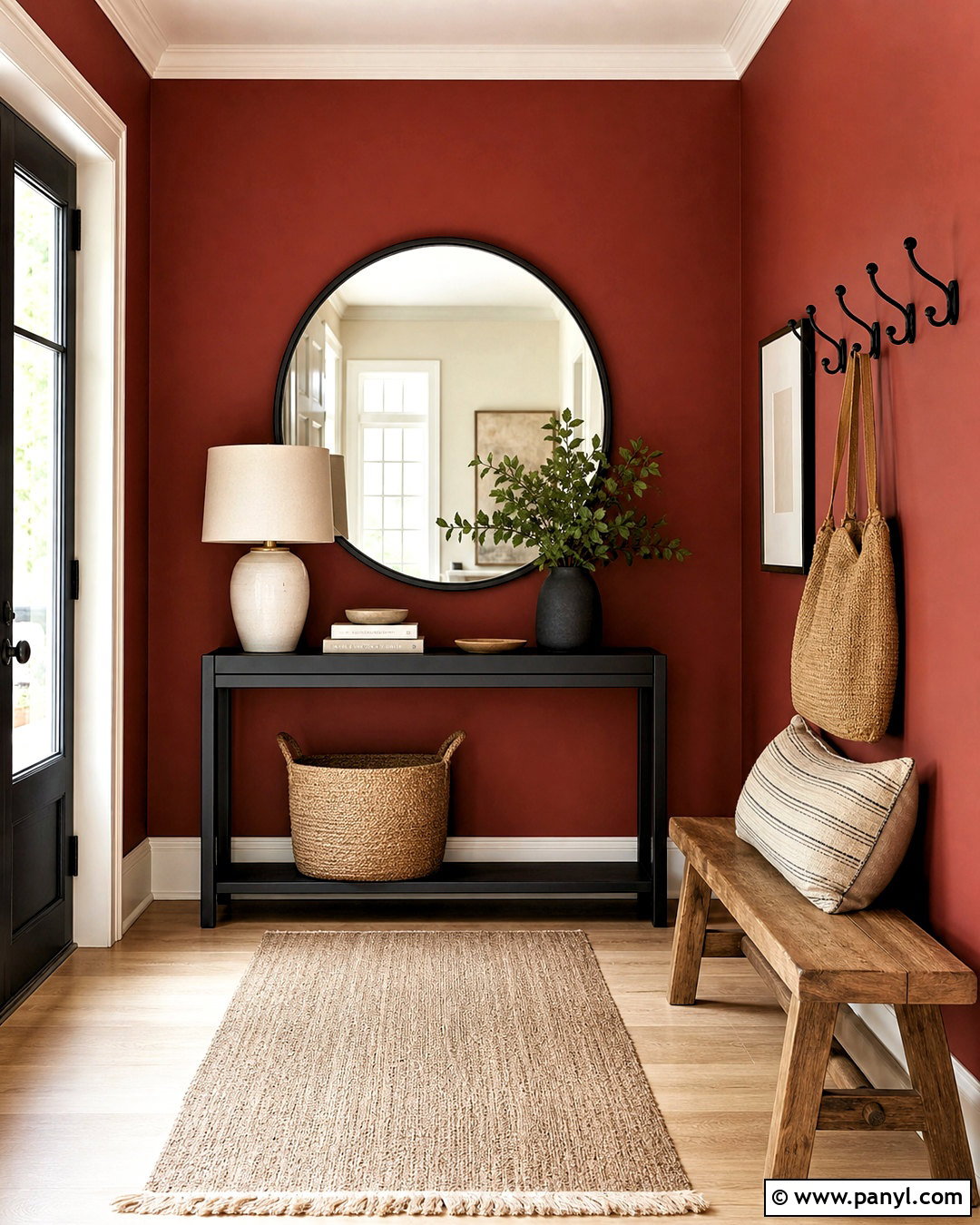
A bronze textured wall can give an ordinary entryway a warm and polished first impression. Choose a deep brown-bronze plaster with restrained metallic movement and apply it behind a floating walnut console. Add a large cream-framed mirror to brighten the wall and provide practical function. Pale stone flooring and a long ivory runner will balance the darker surface. Install two simple black sconces on either side of the mirror, directing light across the plaster to reveal its texture. A tan upholstered bench and woven storage basket can occupy the opposite wall. Keep adjoining spaces warm white for a gradual transition. Minimal decor, such as a ceramic bowl and leafy branch, allows the finish to remain prominent while preserving a clutter-free route through the entrance.
48. Aqua Microcement Wall Texture
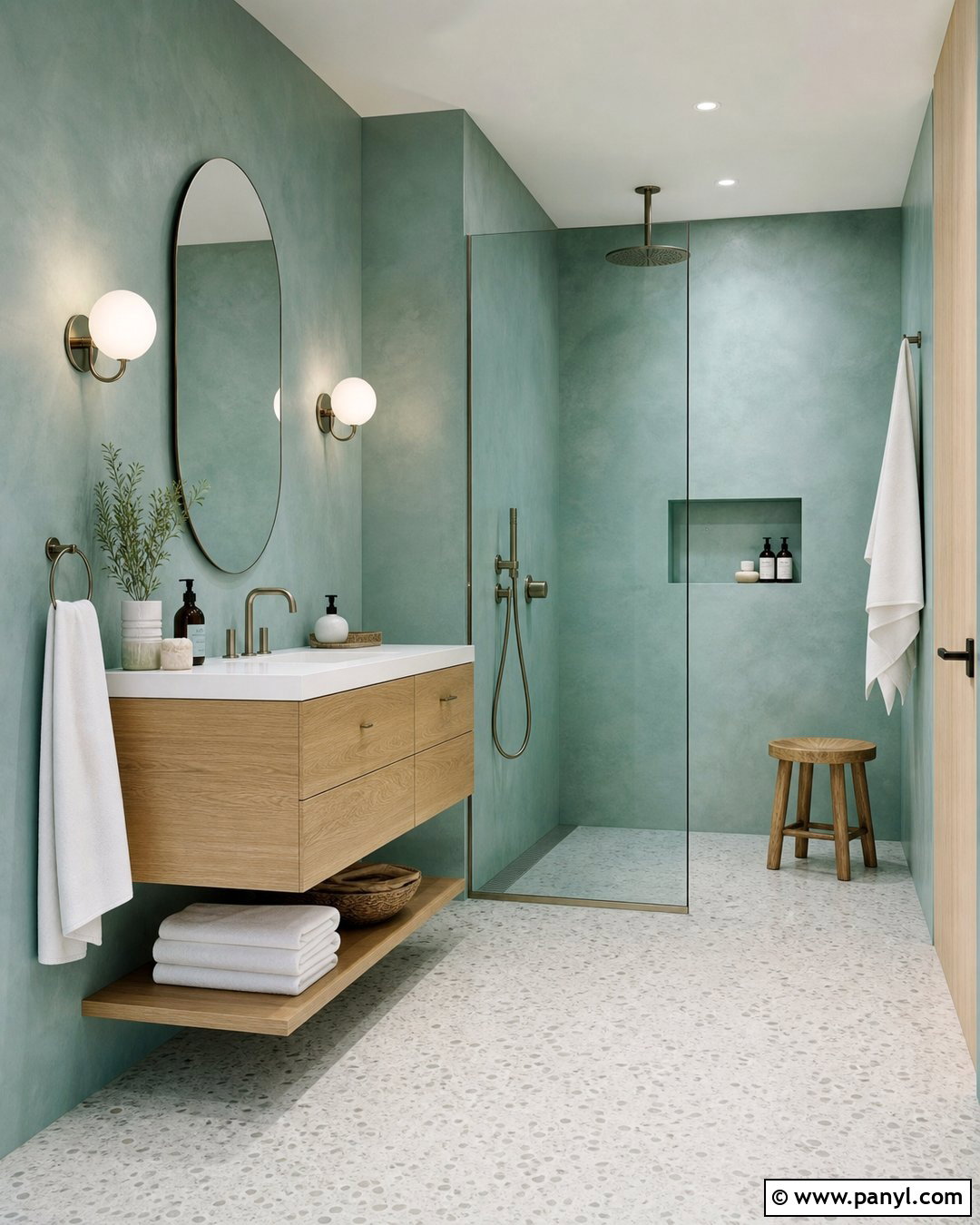
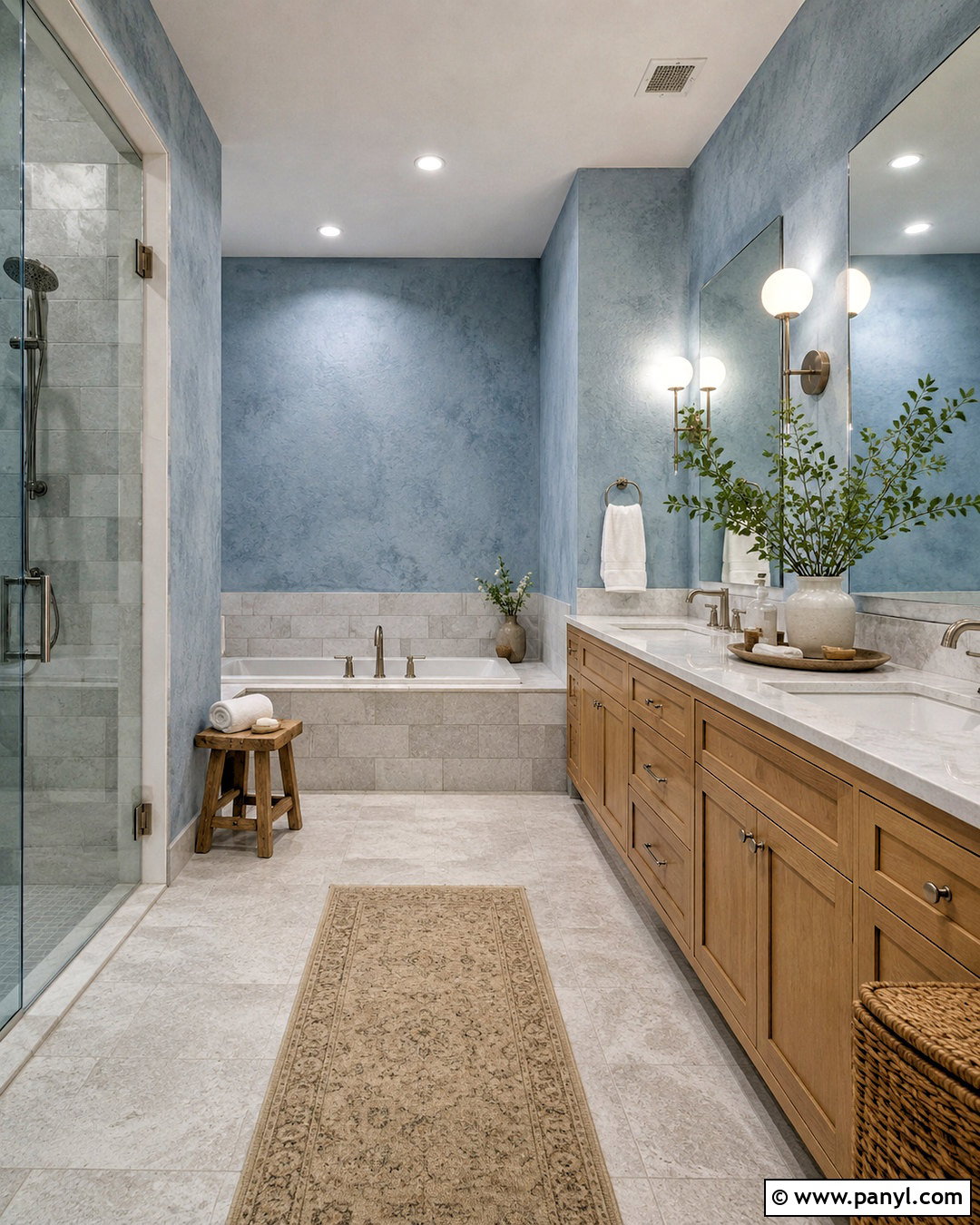
Soft aqua microcement can create a seamless bathroom that feels fresh, calm, and modern. Apply the sealed finish across the vanity wall and inside a properly constructed shower area, using subtle blue-green tonal variation. Pair it with a floating white oak vanity, white solid-surface counter, and brushed nickel fixtures. Choose a frameless shower screen to keep the continuous walls visible. Pale terrazzo flooring with beige and aqua chips will connect naturally to the finish. Add an oval mirror, globe sconces, white towels, and a small wood stool. Keep the ceiling crisp white for brightness. The completed bathroom feels open and spa-like, while warm wood and off-white accessories prevent the blue-green microcement from looking cold or overly clinical.
49. Greige Plaster Kitchen Wall Texture
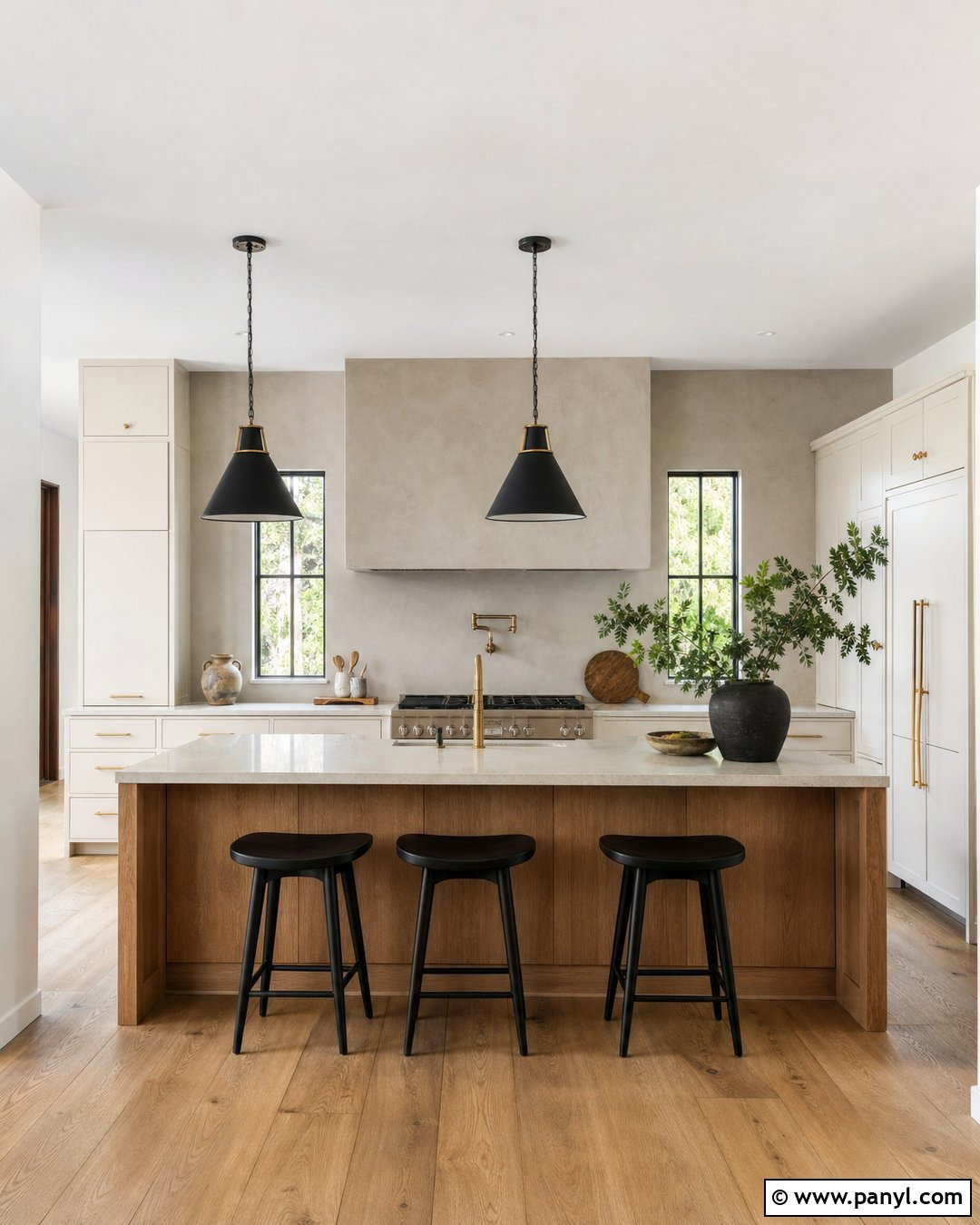
Greige plaster gives a kitchen warmth and visual depth while remaining easy to coordinate with changing decor. Apply a sealed, wipeable finish to the range wall and areas around open shelving, choosing a balanced mix of warm gray and beige. Pair it with flat-panel cream cabinets and a medium-oak island. Pale quartz counters will maintain clean work surfaces, while brushed brass hardware provides a soft highlight. Use simple cream tile behind areas exposed to heavy splashes if the plaster system is not rated for them. Black pendant lights and counter stools add necessary contrast. Wide-plank oak flooring connects the cabinetry and island. The complete kitchen feels relaxed and tailored, with textured walls softening the hard lines of appliances, counters, and storage.
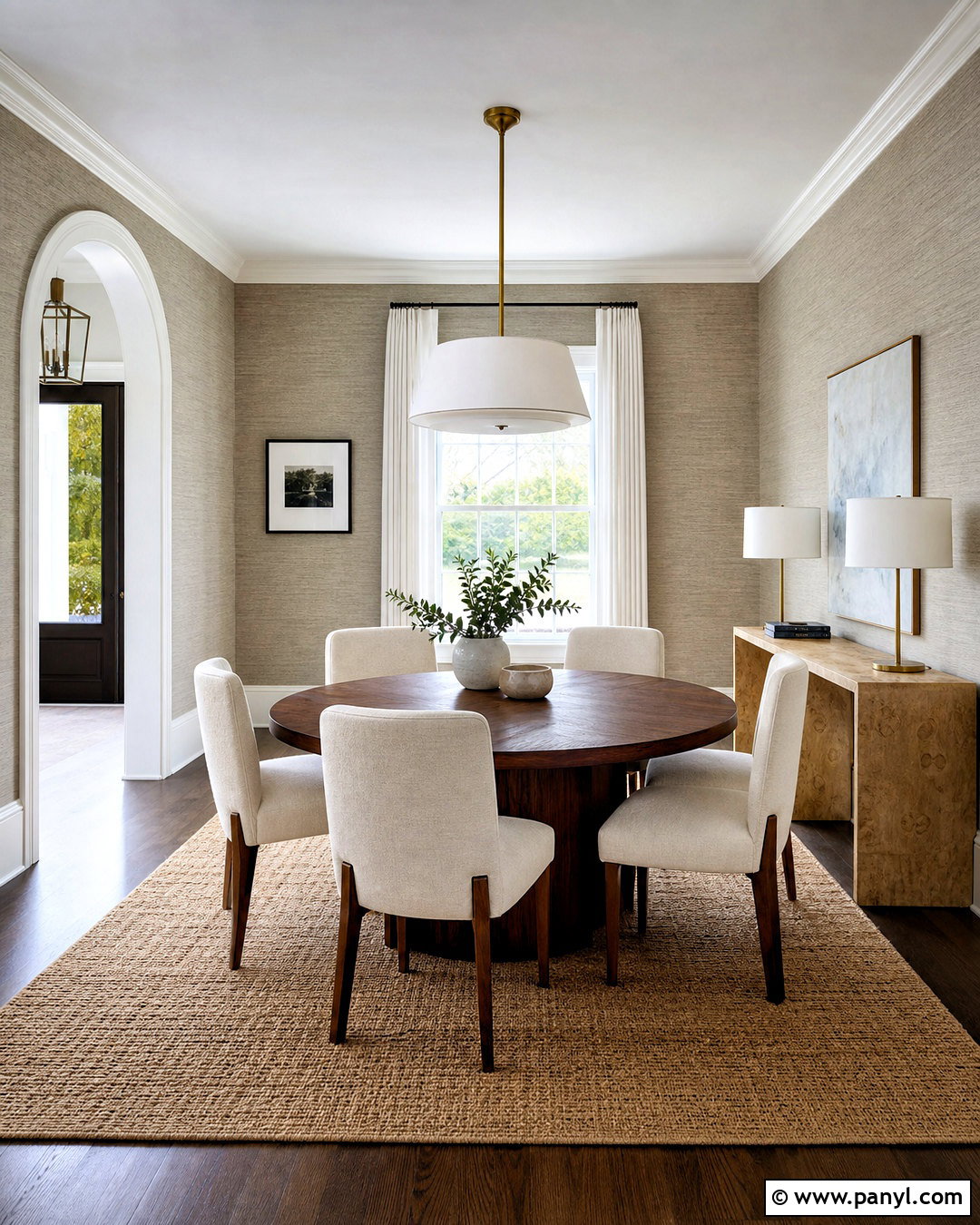
50. Textured Wallpaper Wall Finish
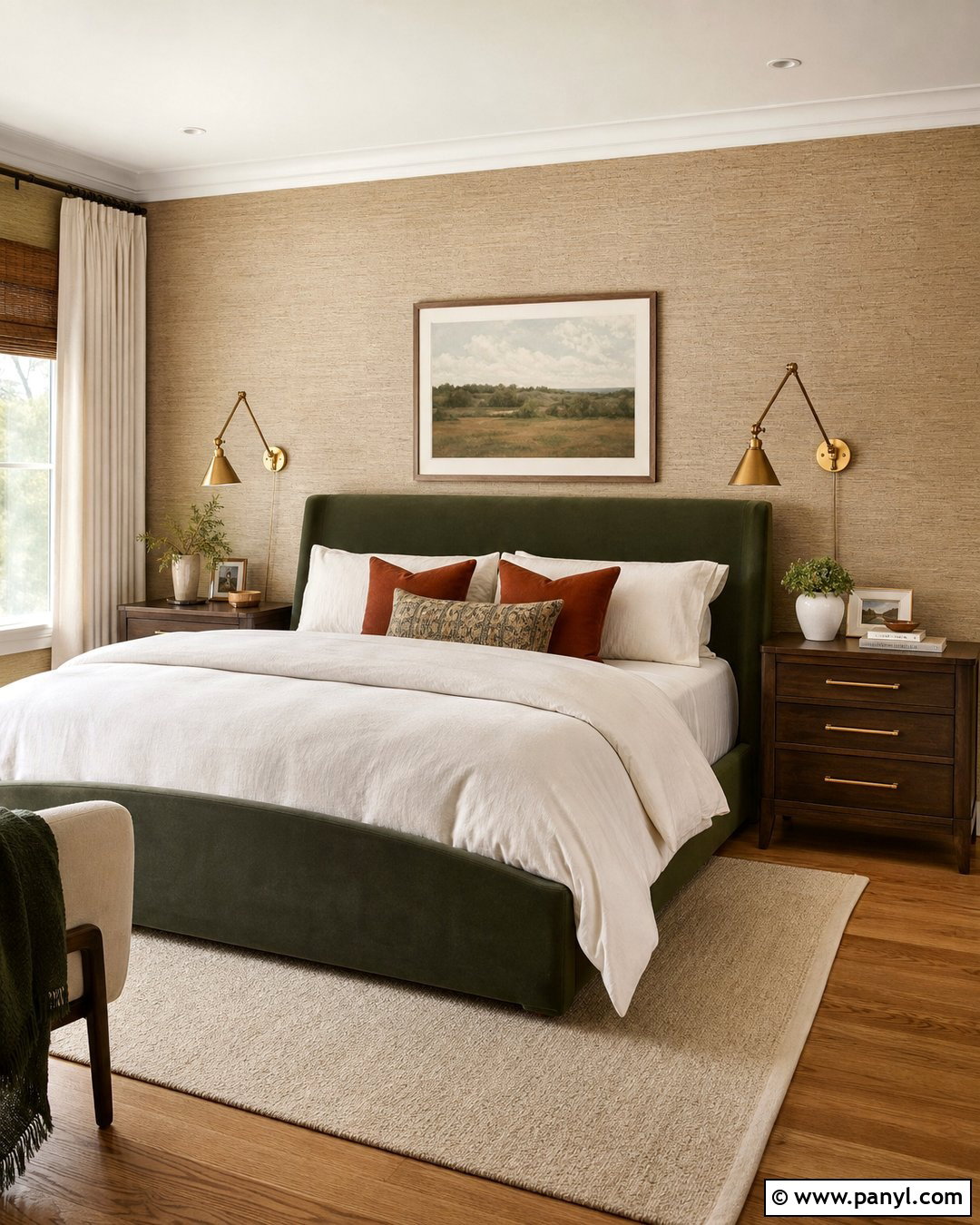
Textured wallpaper offers a practical way to add dimension when permanent plaster or masonry is not suitable. Choose a removable warm beige grasscloth-look paper with convincing woven variation and install it behind the bed. Pair it with a deep green upholstered headboard, walnut nightstands, and crisp ivory bedding. Brass reading sconces can frame the wall while drawing attention to the vertical fibers. Keep the remaining walls warm white and use medium oak flooring with a large cream rug. Add linen curtains, rust-colored cushions, and simple landscape artwork for a complete natural palette. Careful seam alignment is essential, especially under direct lighting. The finished bedroom gains depth and softness while remaining easier to update than many hand-applied or structurally dimensional wall treatments.
Conclusion:
The best textured walls do more than decorate a single surface. They establish the room’s palette, influence how light moves through the space, and help furniture, flooring, and accessories feel connected. These 50 wall colour texture ideas range from subtle beige limewash and natural clay plaster to dramatic emerald marble effects, fluted paneling, and rich metallic finishes. Before committing, test the color and texture on a large sample board and view it throughout the day. Consider cleaning needs, room humidity, wall condition, and whether professional application is required. By balancing tactile walls with practical furniture and restrained decor, you can create a complete interior that feels distinctive, comfortable, and thoughtfully designed.

Related Ideas and Inspiration:
Leave a Reply