
Patina style ideas bring warmth, history, and character into rooms that might otherwise feel too polished or newly decorated. The look celebrates surfaces that improve with age, including worn wood, oxidized copper, aged brass, faded paint, weathered stone, softened leather, and timeworn textiles. A successful patina-style home does not need to resemble an antique shop. The key is balancing old finishes with comfortable furniture, practical layouts, and cleaner modern elements. You can create the effect with authentic vintage pieces, reclaimed materials, or carefully chosen reproductions that show subtle variation rather than heavy distressing. From rustic kitchens to refined bathrooms and relaxed outdoor spaces, these complete **patina style ideas** offer approachable ways to give every area a collected, lived-in appearance.

1. Patina Living Room
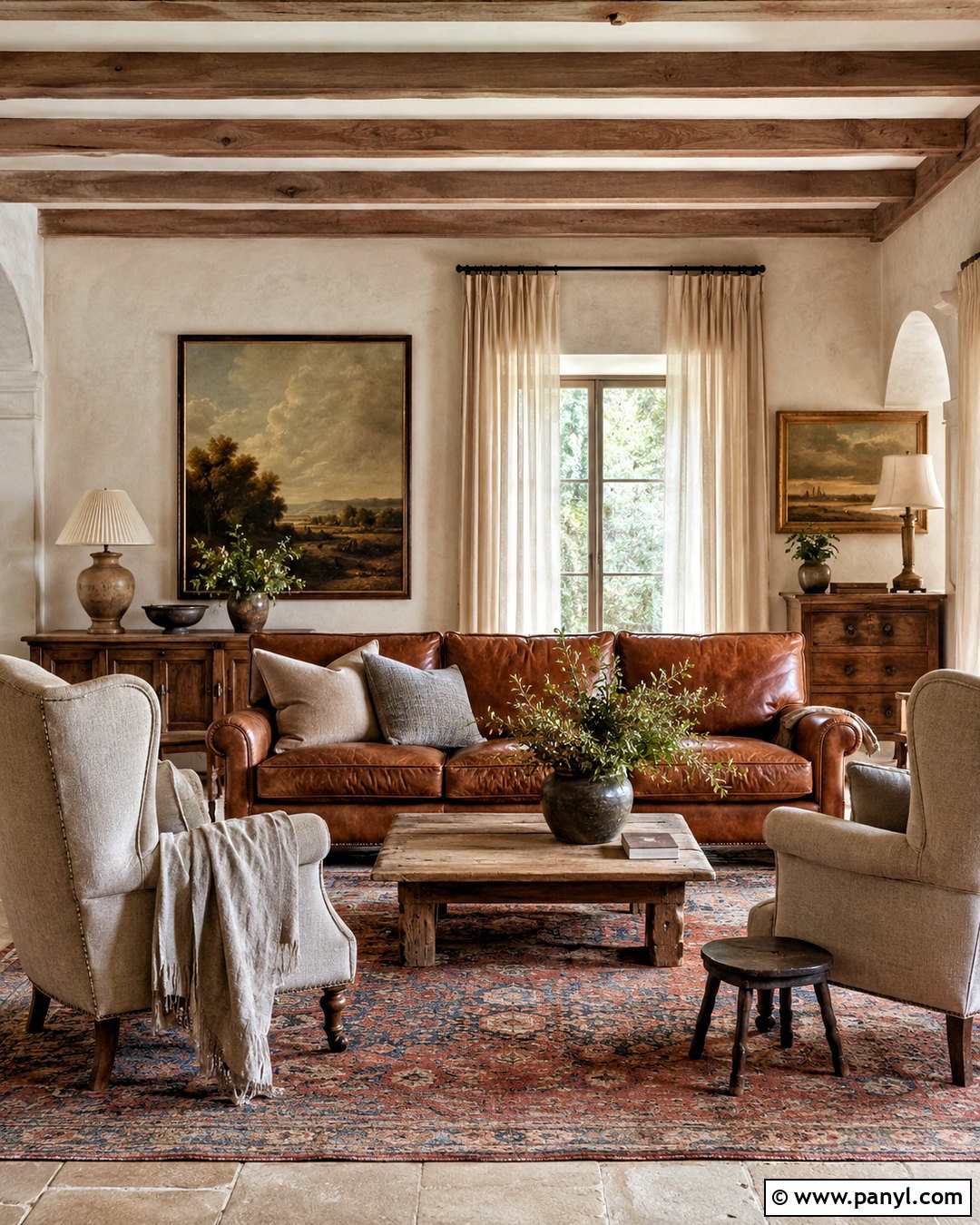
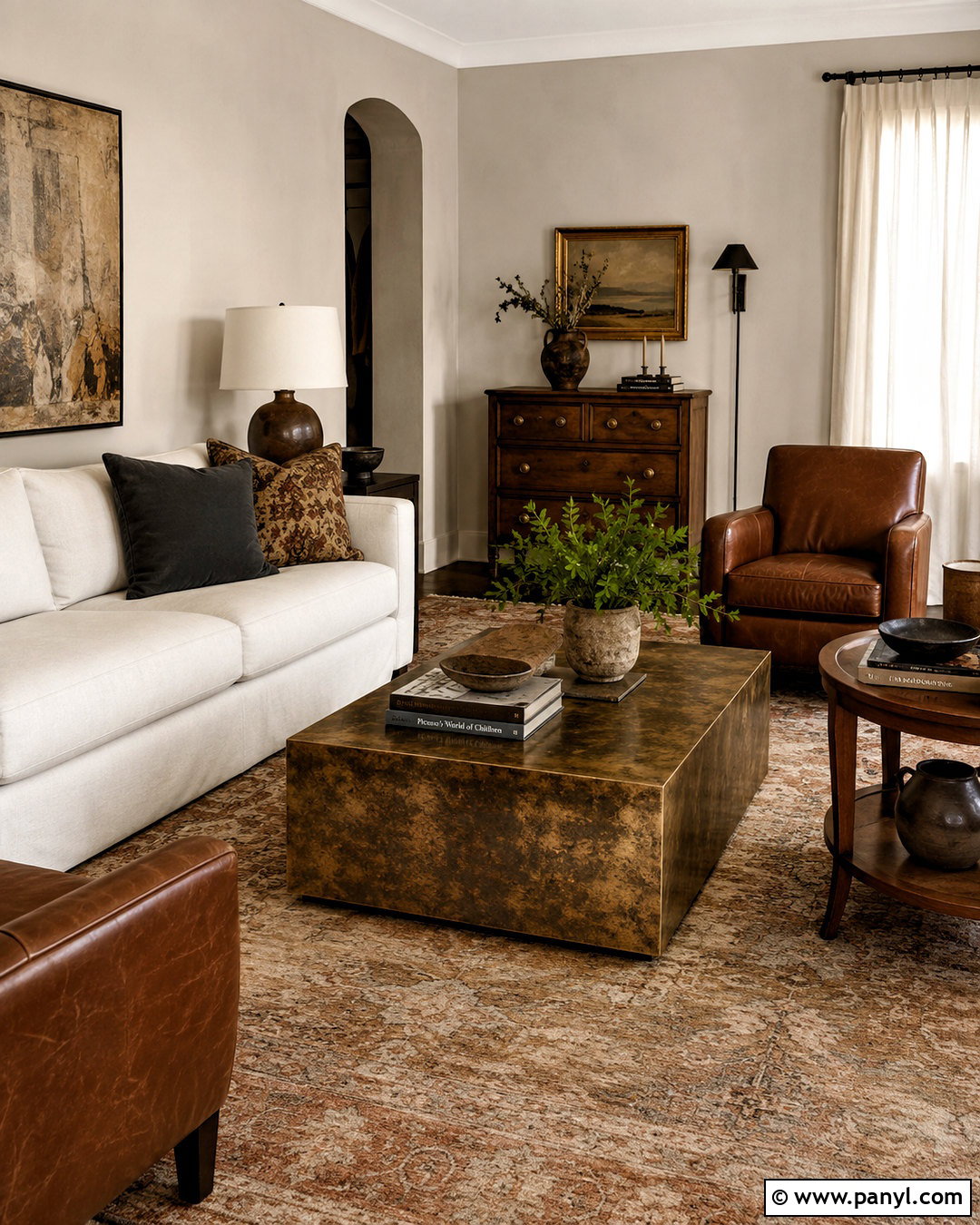
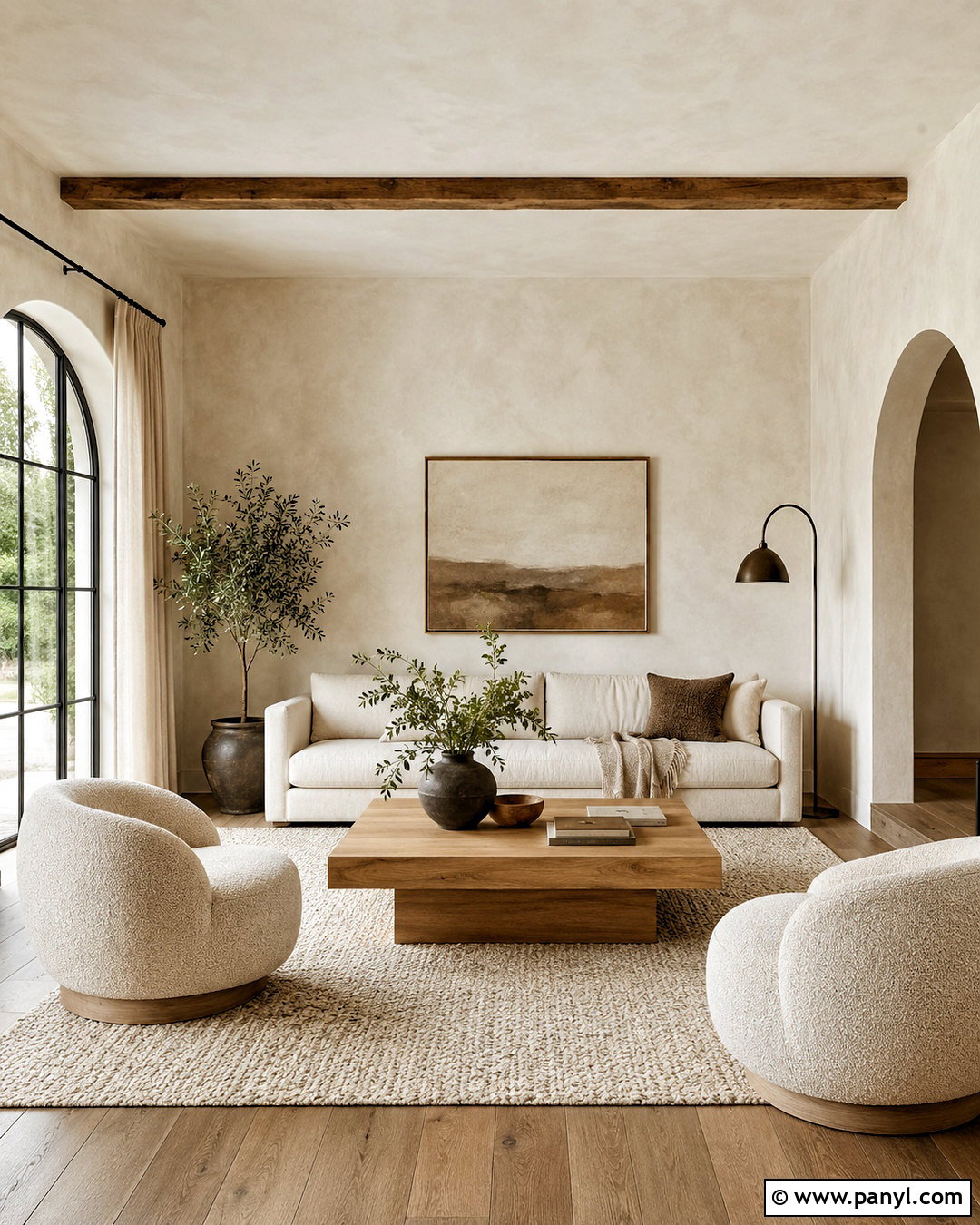
Build a patina living room around one substantial piece, such as a worn cognac leather sofa or an antique oak cabinet. Use warm plaster-colored walls and medium-toned wood flooring to create a quiet backdrop. Add a faded traditional rug containing rust, muted blue, and beige, then arrange linen armchairs around a distressed wood coffee table. Aged brass lamps, dark bronze curtain rods, and vintage landscape artwork introduce smaller layers of timeworn character. Keep the window treatments light and relaxed so the room does not feel heavy. One clean-lined side table or contemporary floor lamp can prevent the vintage pieces from looking overly themed. Finish with wool throws, handmade pottery, and a few weathered books for a comfortable, collected result.
2. Patina Kitchen
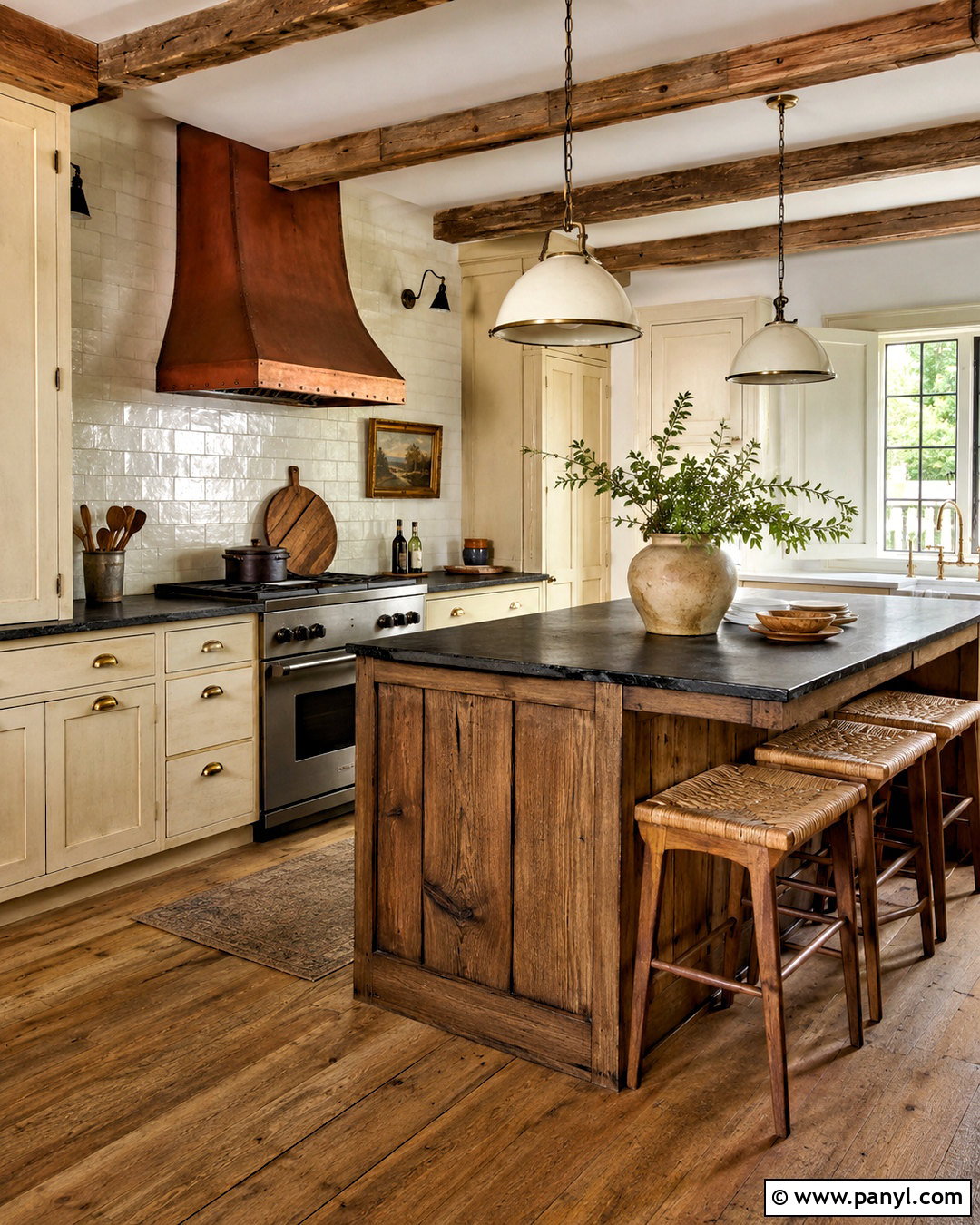
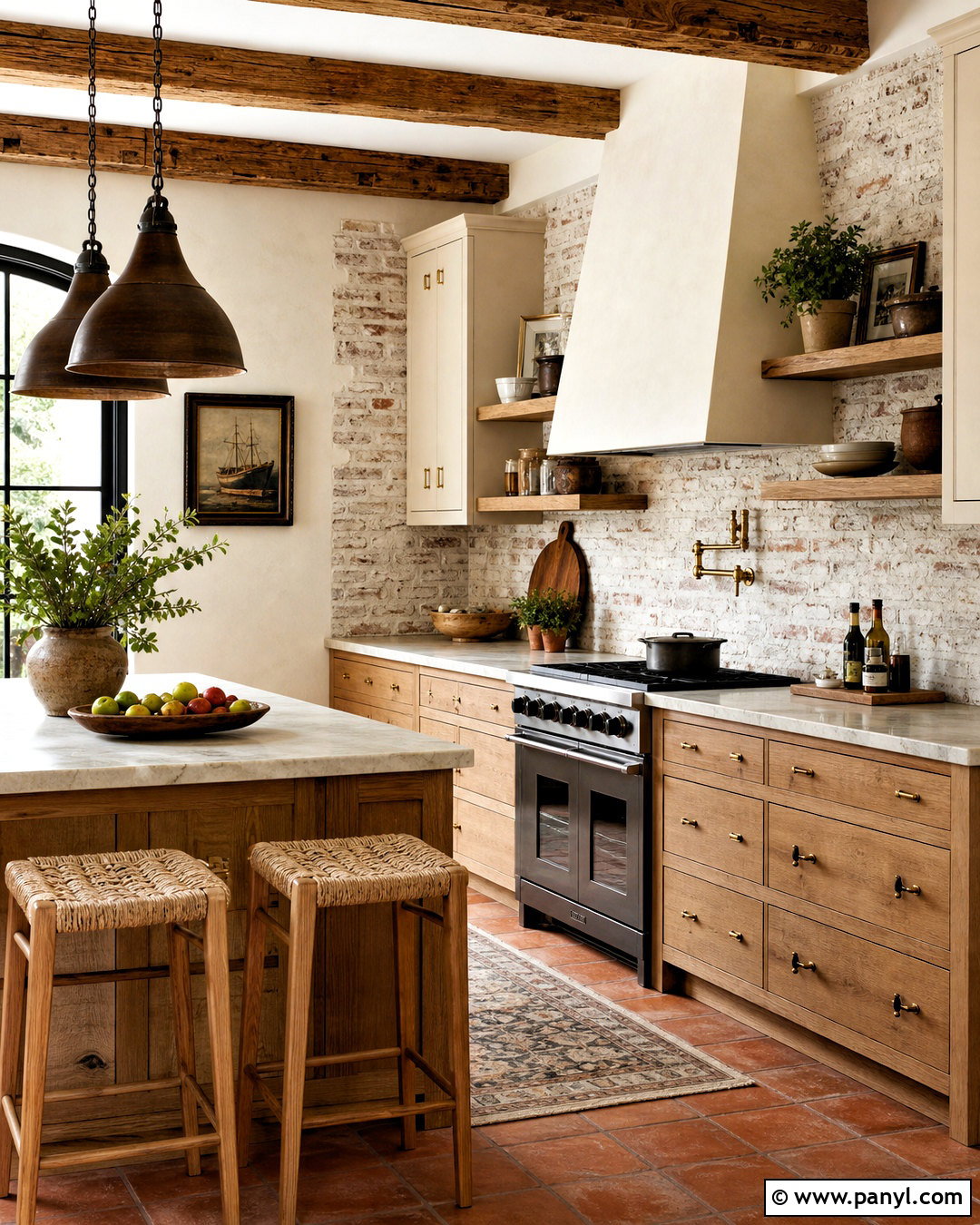
A warm patina kitchen can feel established without sacrificing everyday function. Start with cream-painted cabinets, aged brass hardware, and a reclaimed oak island showing visible grain and softened edges. Choose honed soapstone or lightly textured limestone counters rather than highly polished surfaces. A handcrafted backsplash in uneven off-white tile adds subtle movement behind the range. Introduce copper through hanging pans, a range hood, or pendant lights, allowing one important metal finish to command attention. Wide-plank floors and woven counter stools reinforce the natural palette. Balance these aged materials with modern appliances, simple cabinet profiles, and uncluttered work areas. Open shelving can display stoneware, wooden cutting boards, and useful cookware, creating a complete kitchen that feels layered rather than artificially distressed.
3. Patina Dining Room
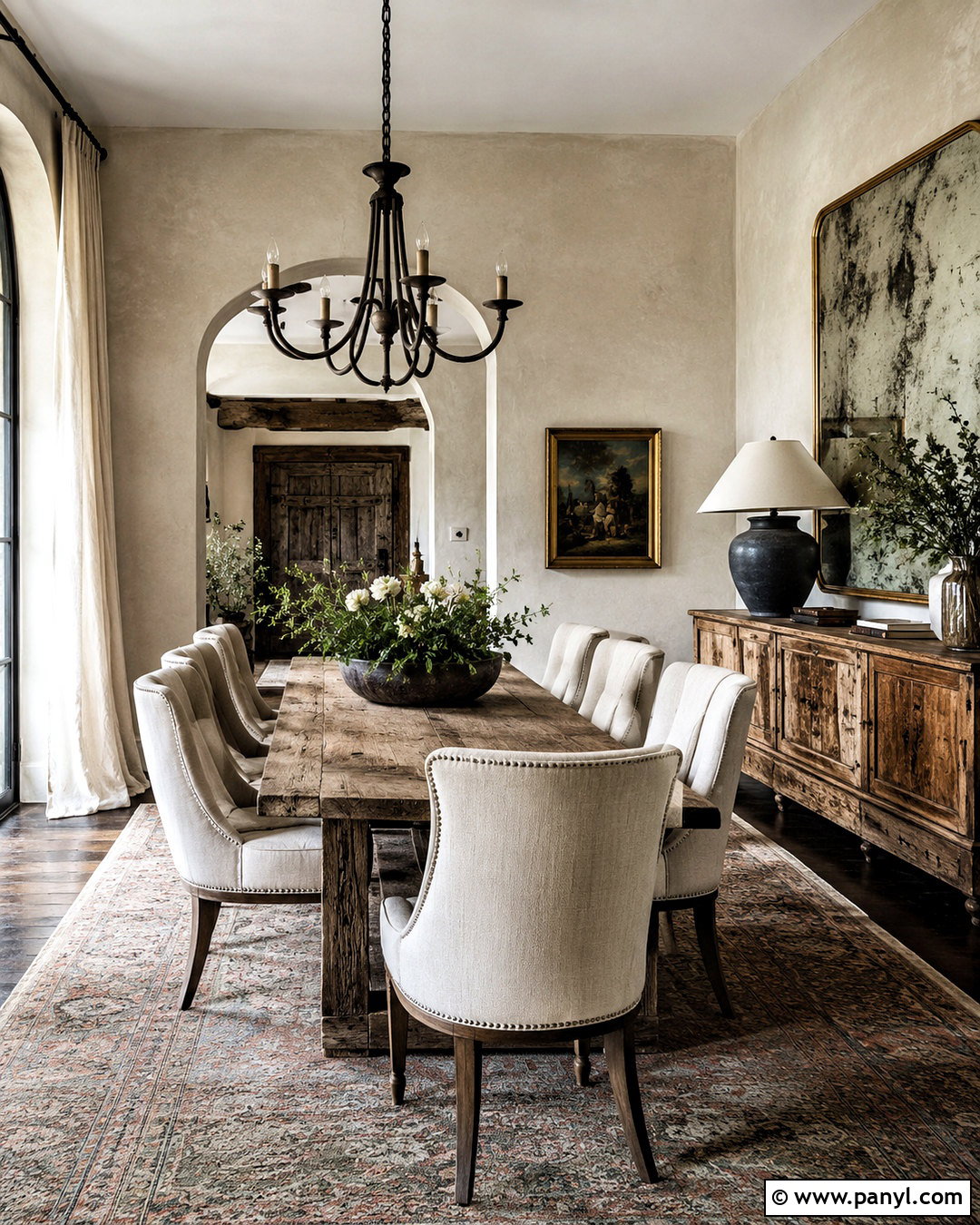
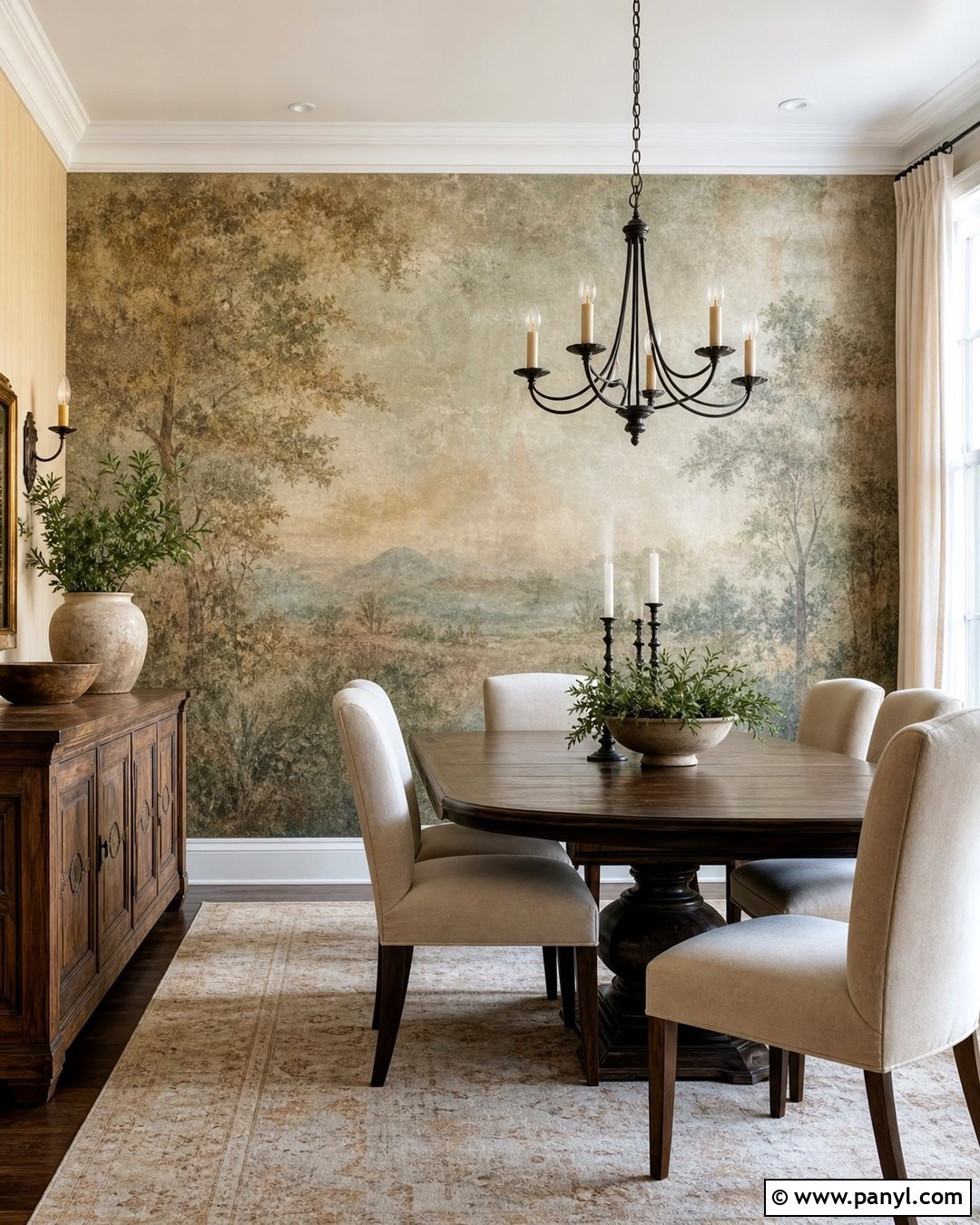
Imagine a dining room where every surface feels softened by years of gatherings. Center the space with a large farmhouse table made from reclaimed elm or oak, then combine it with simple upholstered chairs in oatmeal linen. A dark bronze chandelier gives the room structure without appearing shiny or formal. On the walls, use warm taupe paint, limewash, or subtly aged plaster. Ground the arrangement with a faded Persian-style rug in clay, olive, and dusty blue. An antique sideboard can hold ceramic serving pieces beneath a foxed mirror or a group of vintage prints. Keep the table decor uncomplicated with a weathered stone bowl and leafy branches. This balanced mix creates a welcoming patina dining room suited to daily meals and relaxed entertaining.
4. Patina Bedroom
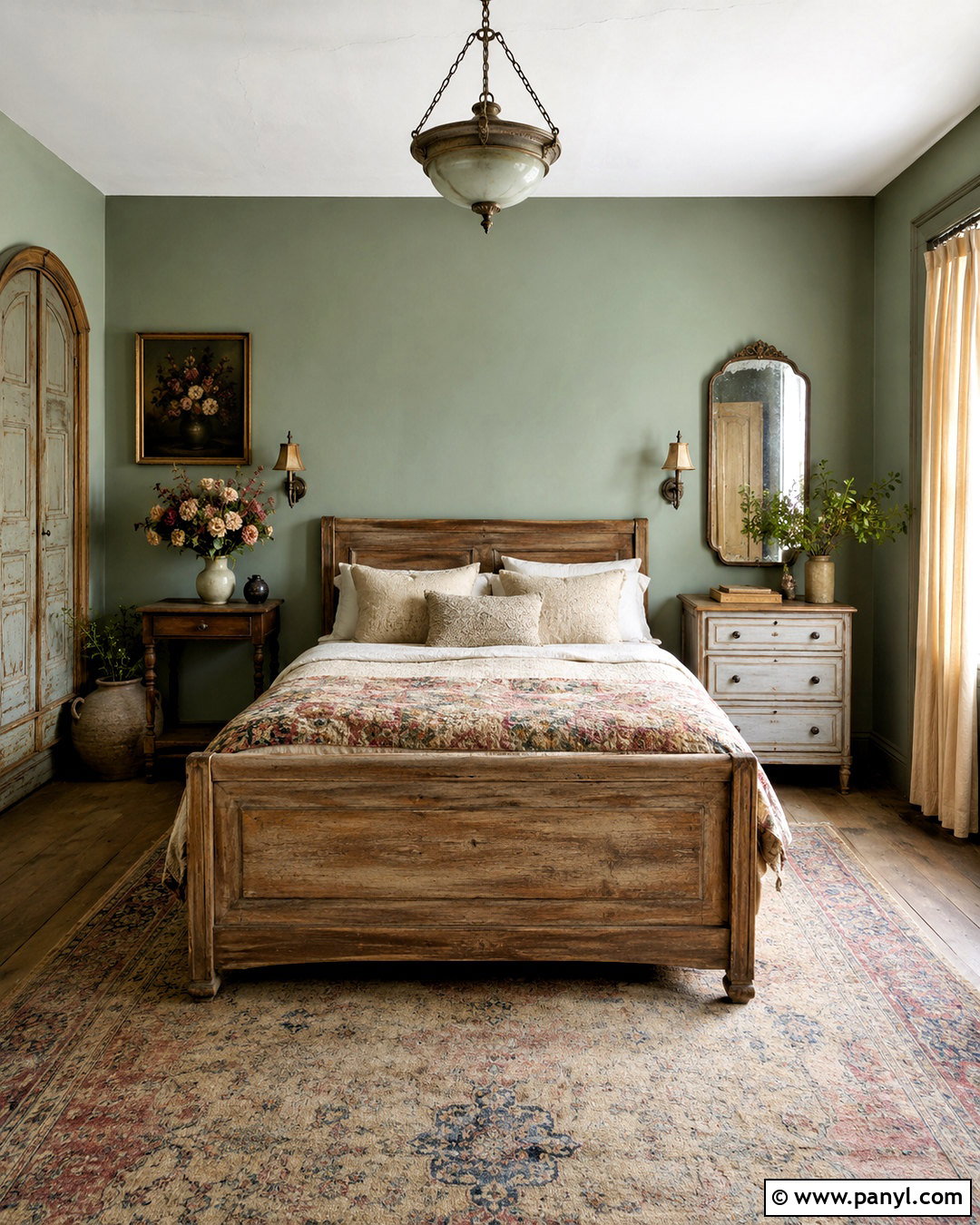
Soft, faded finishes make a patina bedroom especially restful. Place a weathered wood bed against a muted sage green, warm ivory, or chalky blue wall. Dress it with washed linen bedding in cream and natural flax, adding a faded floral quilt or wool blanket for gentle color. Mismatched antique nightstands can work beautifully when their proportions and wood tones feel related. Use aged brass wall sconces to free the tabletops and provide practical reading light. A vintage dresser, lightly worn rug, and full-length mirror with an oxidized metal frame complete the room. Avoid filling every surface with accessories. A ceramic lamp, small stack of books, and simple landscape painting are enough. The finished bedroom should feel calm, personal, and naturally layered over time.
5. Patina Bathroom
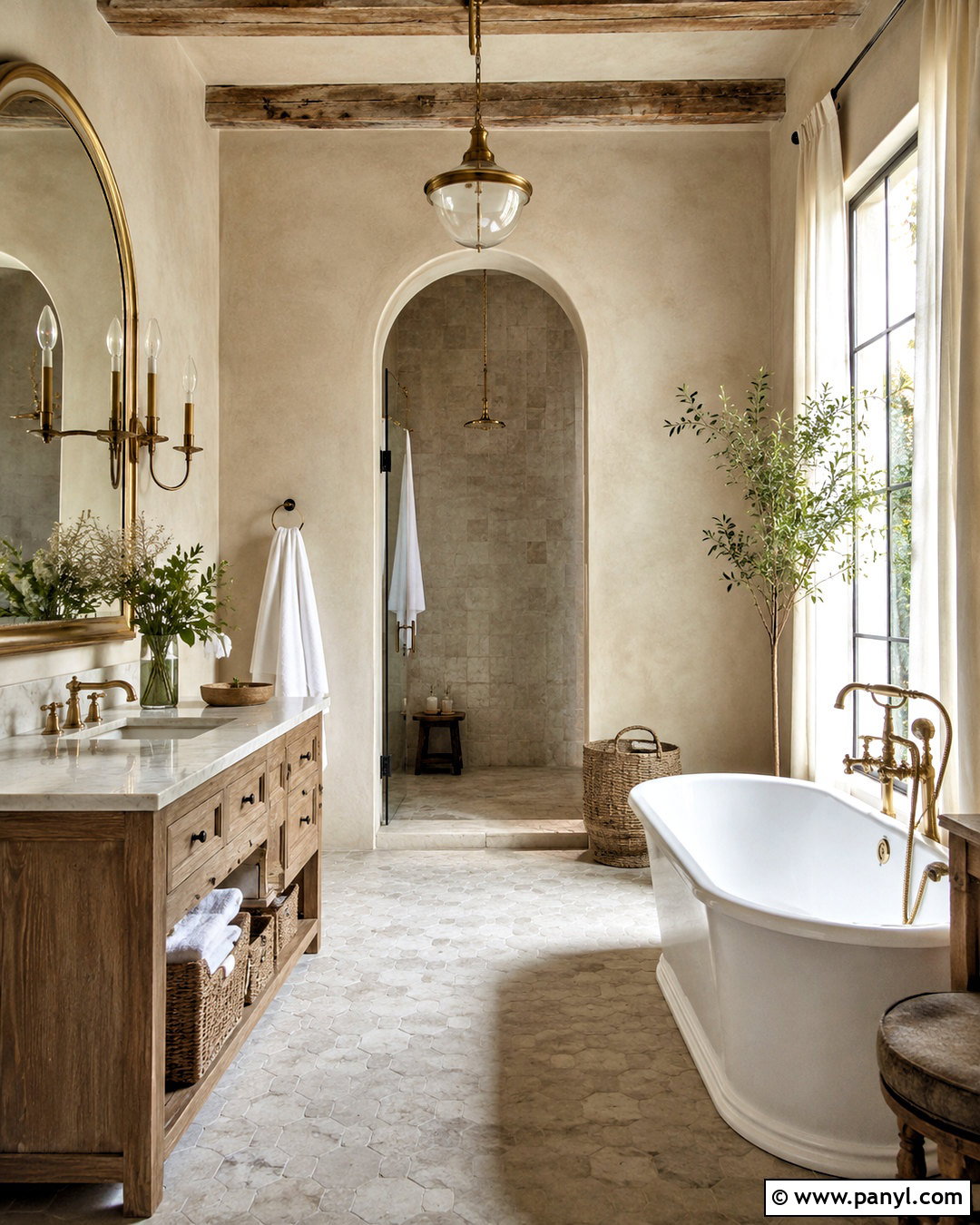
For a patina bathroom, combine hardworking modern fixtures with materials that show texture and age. A freestanding white tub can sit against creamy limewash walls, while a weathered oak vanity adds warmth and useful storage. Choose an unlacquered brass faucet, shower fittings, and cabinet pulls so the metal develops subtle variation through regular use. Honed marble, tumbled limestone, or handmade tile will complement the softer finish. Add a vintage-style mirror with a dark bronze frame and place woven baskets beneath the vanity for towels. Keep the floor practical with stone-look porcelain or sealed natural stone. Crisp white linens and clear glass prevent the room from feeling rustic or dim. The result is an elegant, comfortable bathroom with believable old-world character.
6. Patina Entryway
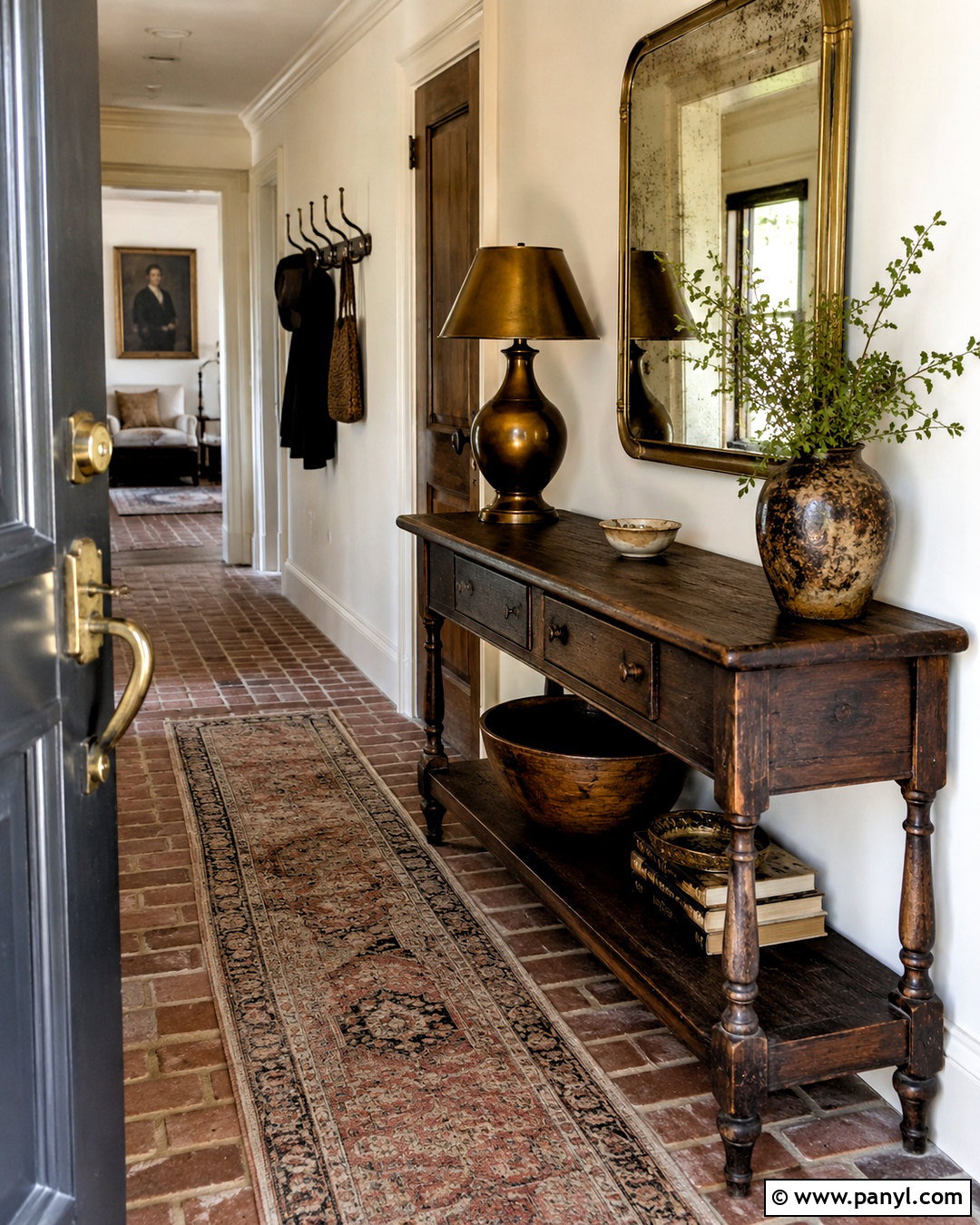
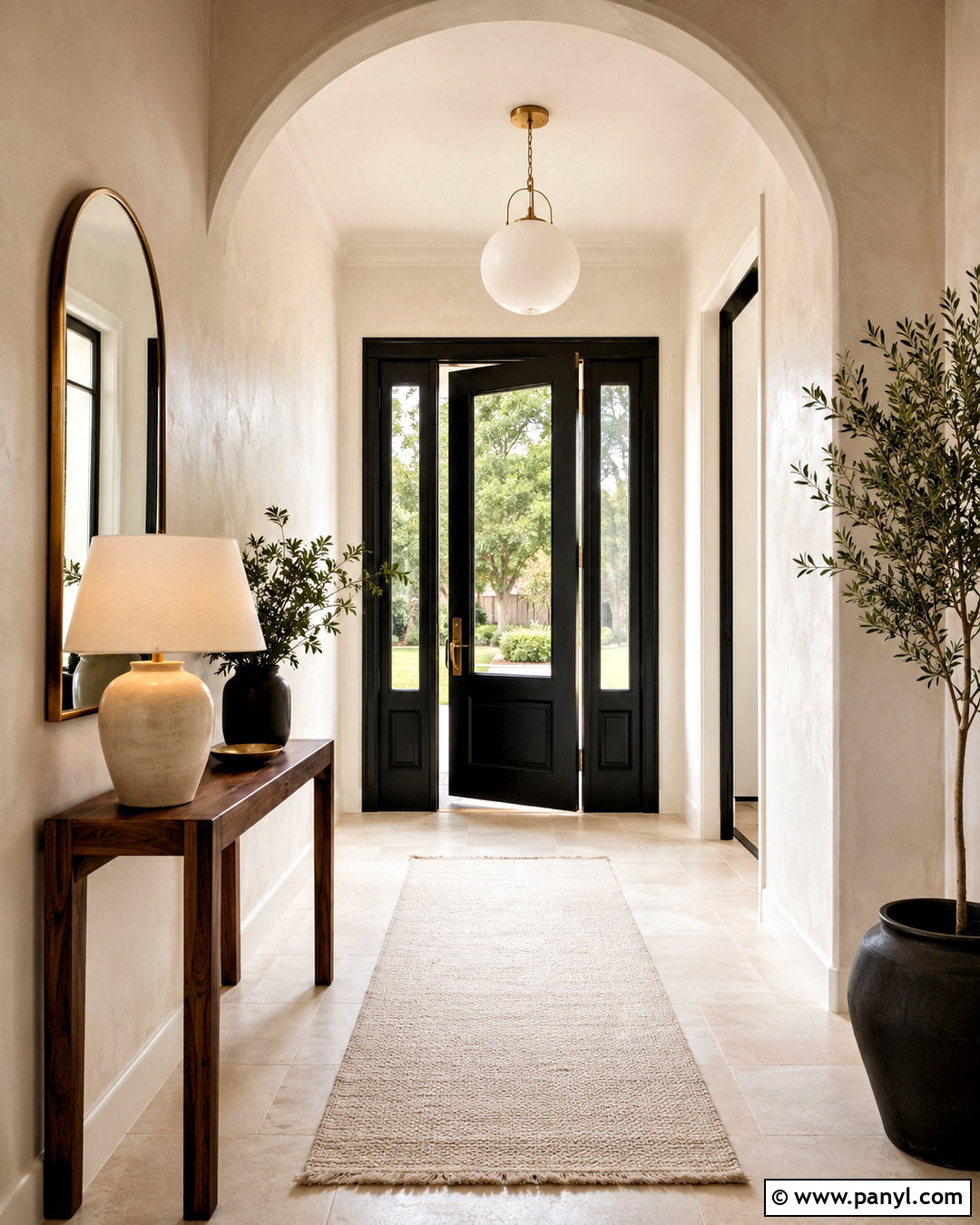
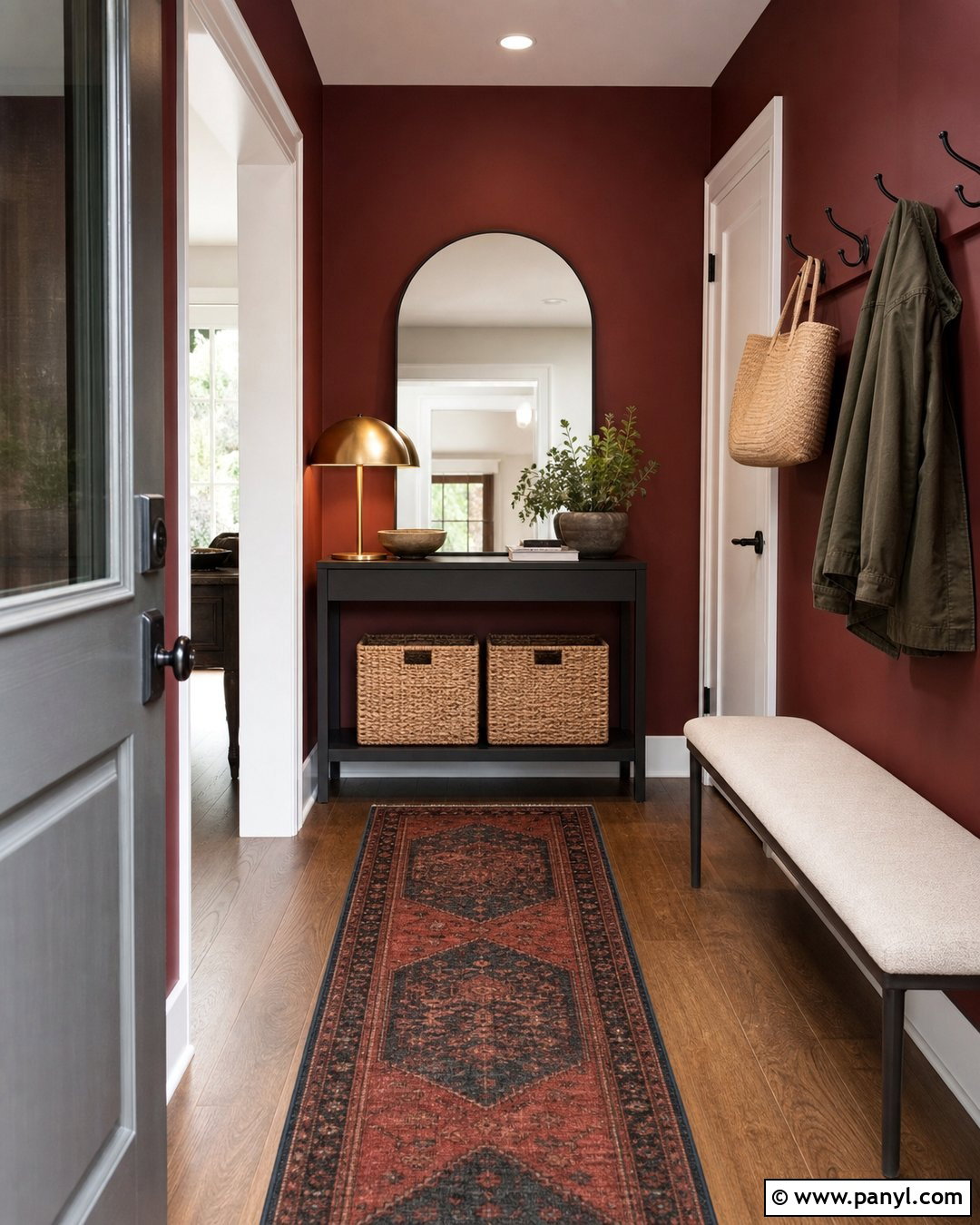
An entryway offers an easy place to introduce patina without redesigning a large room. Anchor the wall with a narrow antique console in dark, worn wood, leaving enough clearance for comfortable movement. Above it, hang a mottled vintage mirror or an aged brass-framed mirror that reflects light through the space. Use warm off-white walls and durable brick, stone, or medium oak flooring. A faded runner can guide the eye toward adjoining rooms while hiding everyday wear. Add a small bronze lamp, a handmade ceramic bowl for keys, and a weathered wooden stool for setting down bags. Hooks in blackened iron provide practical storage. Keep the remaining decor restrained so the authentic surfaces remain visible and the entrance feels welcoming rather than crowded.
7. Patina Home Office
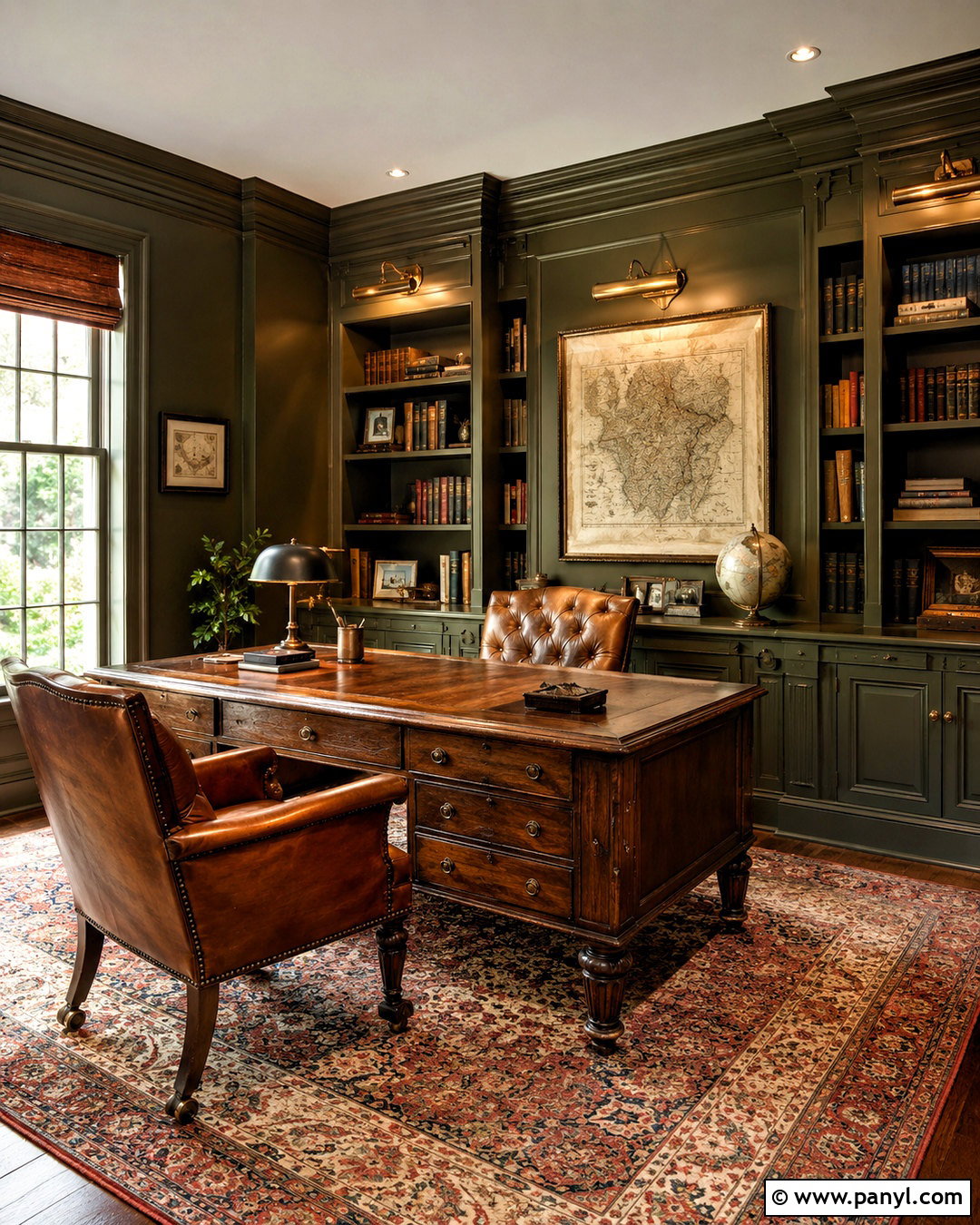
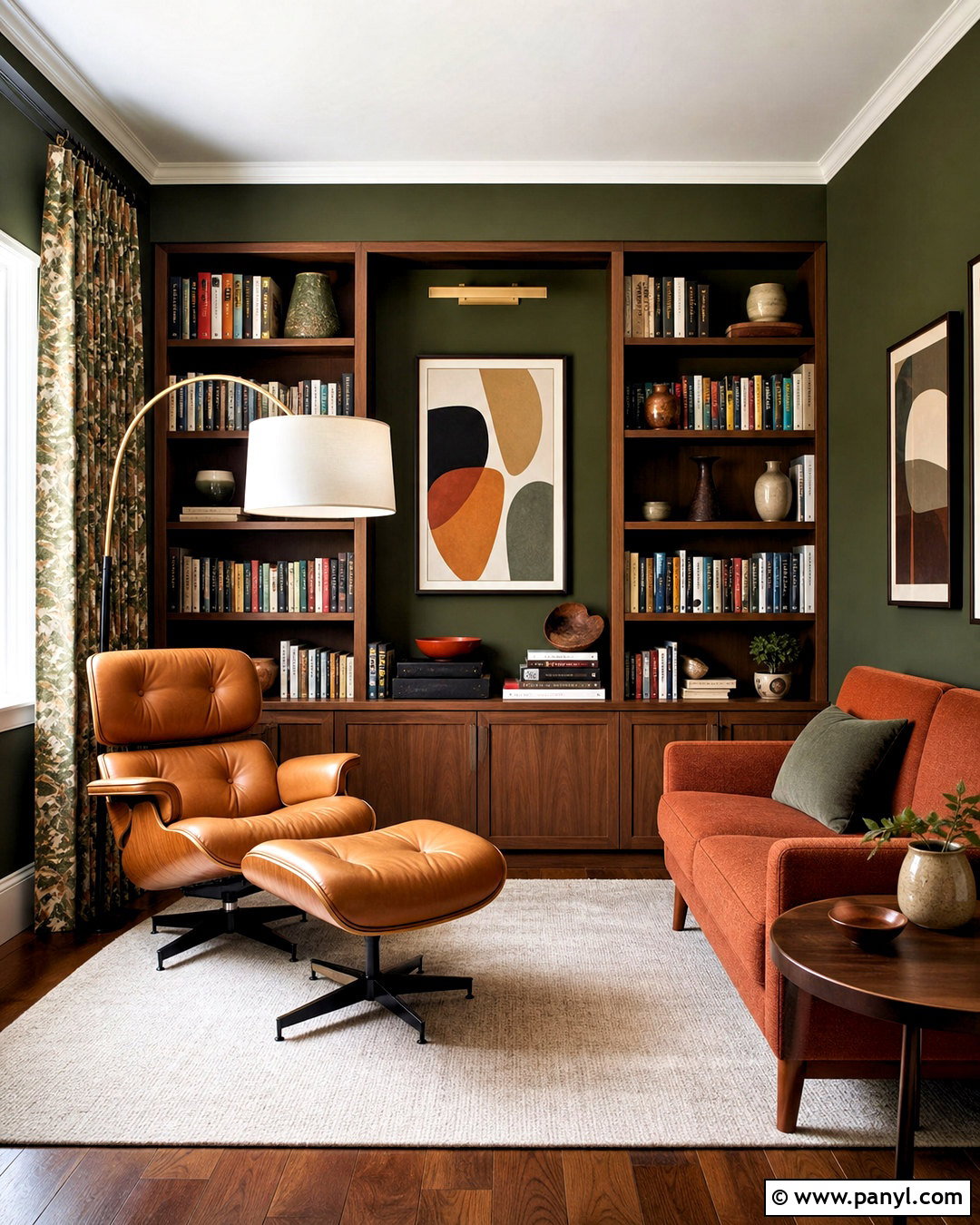
Can an office feel professional and comfortably timeworn at once? Start with a substantial vintage wood desk paired with an ergonomic chair upholstered in brown leather or neutral fabric. Install built-in bookcases painted deep olive, smoky blue, or warm charcoal, then use aged brass library lights for focused illumination. A distressed leather desk pad and bronze accessories can develop additional character through daily use. Place a faded rug beneath the desk to soften sound and define the work zone. Framed maps, botanical prints, and carefully arranged books add personality without creating distraction. Include closed storage for technology, paperwork, and charging equipment. With clean organization supporting the aged finishes, the complete patina home office feels thoughtful, functional, and grounded rather than cluttered or old-fashioned.
8. Patina Reading Nook
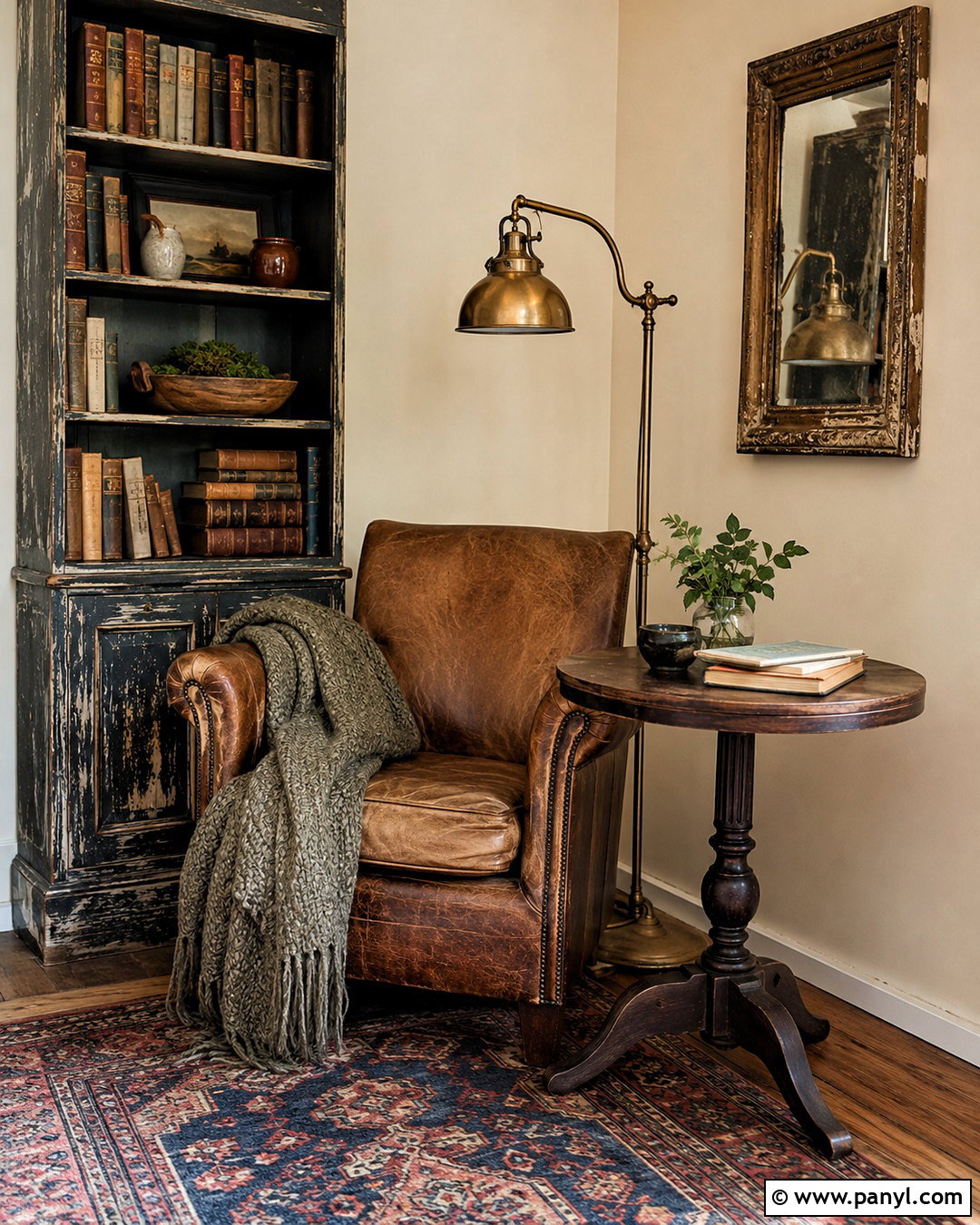
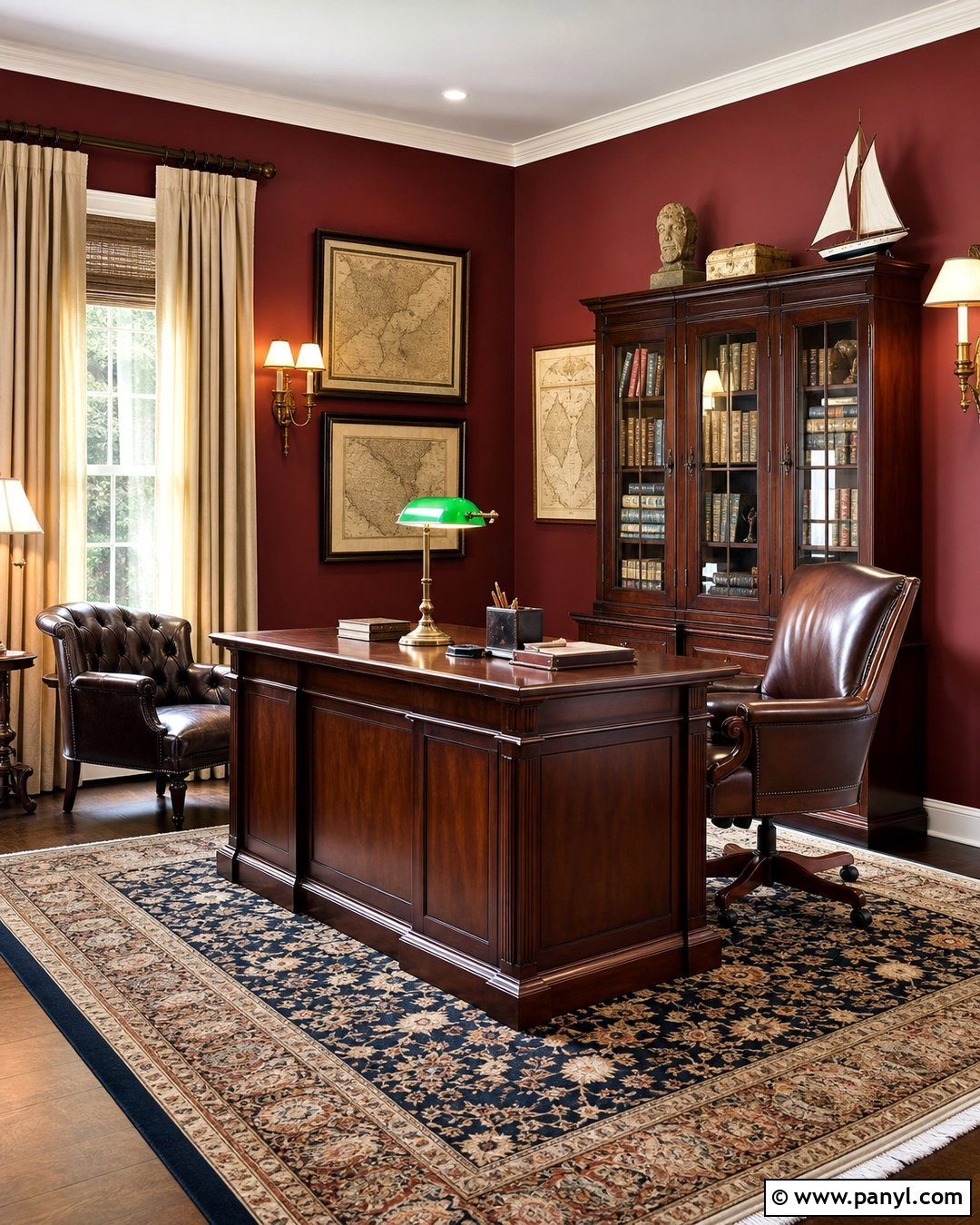
Create a compact patina reading nook in an unused corner, beside a window, or under a staircase. Choose a deep armchair upholstered in worn leather, faded velvet, or textured linen. Pair it with a small pedestal table in dark wood and an adjustable aged brass floor lamp. A narrow bookcase with a rubbed painted finish can hold favorite books alongside a few pottery pieces. Use warm cream walls and place a small vintage rug underfoot to visually define the nook. A lumbar pillow and lightweight wool throw provide comfort without hiding the chair’s character. If natural light is limited, add a softly reflective antique mirror nearby. The finished corner should feel secluded but connected to the surrounding room, offering a practical retreat with rich, timeworn detail.
9. Patina Laundry Room
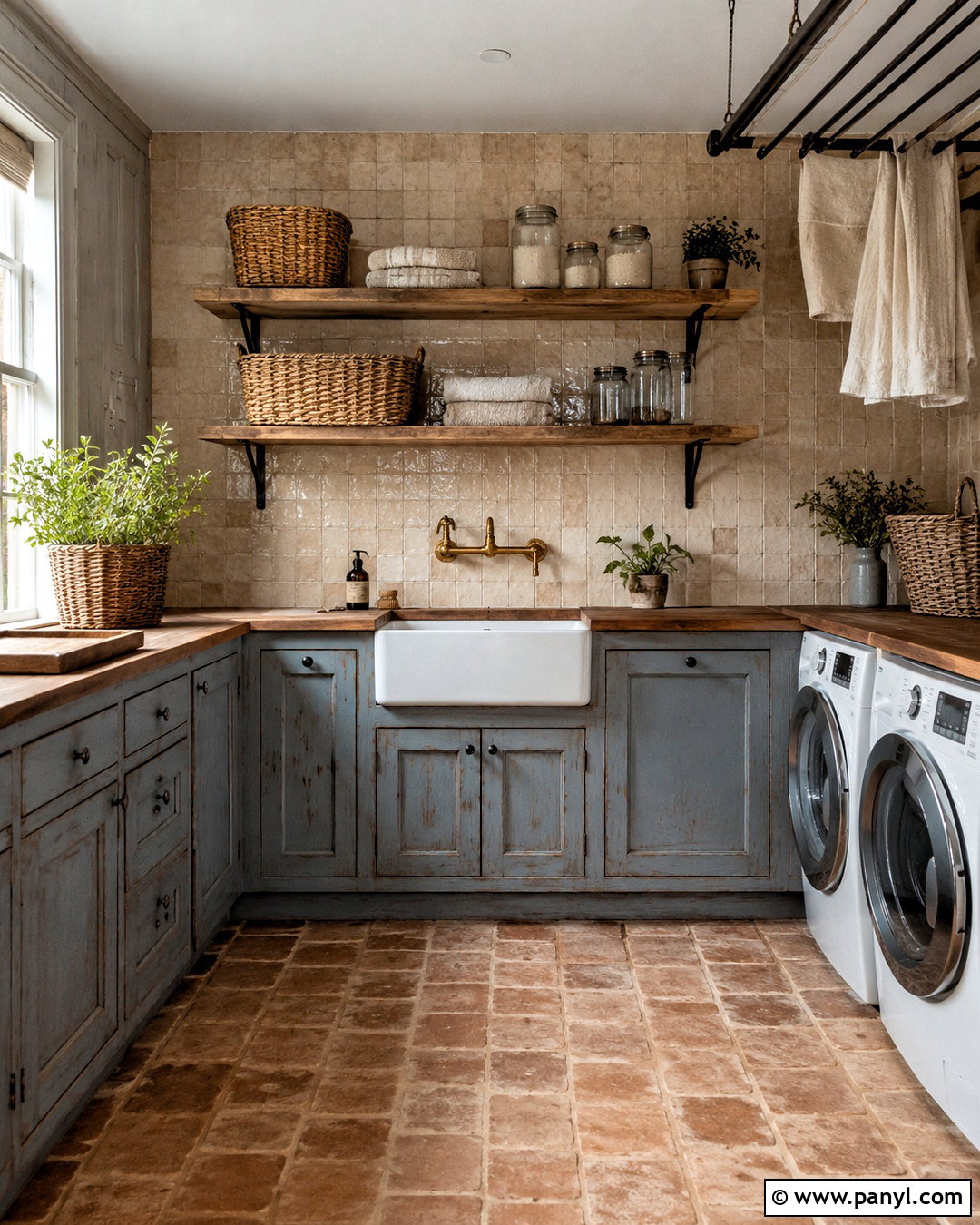
Even a hardworking laundry room can carry a warm patina look. Choose lower cabinets in muted blue-gray or warm olive, pairing them with an oak counter installed above front-loading machines. A deep farmhouse sink with an aged brass faucet adds utility and vintage character. Use handmade cream tile for the backsplash and durable brick-look porcelain on the floor. Open shelves can hold labeled glass jars, woven baskets, folded towels, and simple cleaning supplies. Add blackened metal hanging rails for air-drying clothes and a small vintage runner to soften the narrow space. Bright wall color and practical overhead lighting will balance the darker aged finishes. The completed room feels organized and welcoming while remaining durable enough for frequent washing, sorting, folding, and household storage.
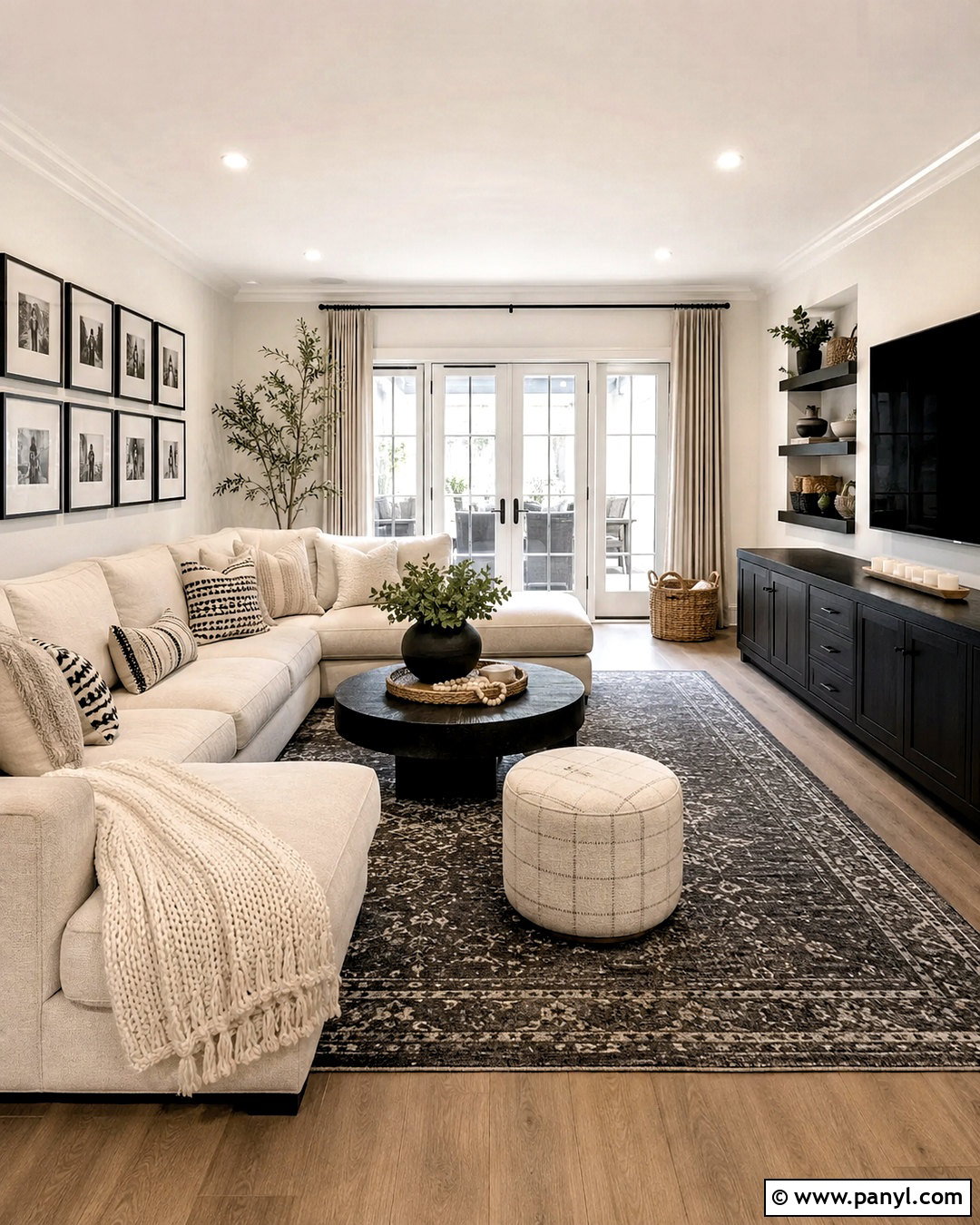
10. Patina Mudroom
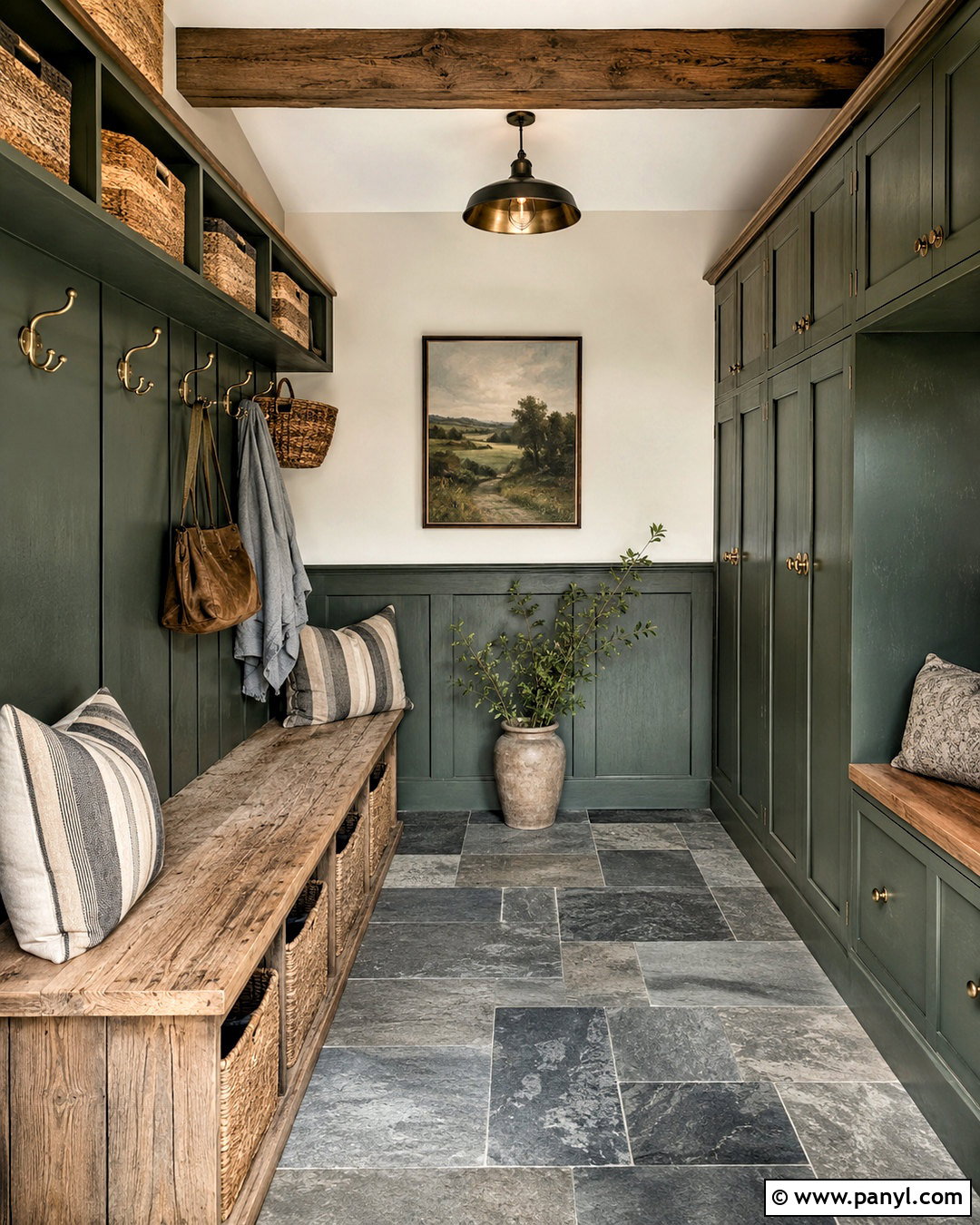
A family mudroom benefits from finishes that already embrace marks, scratches, and daily wear. Install a built-in bench in reclaimed oak with closed drawers below for shoes. Paint the surrounding lockers a muted forest green, warm gray, or dusty navy, then add aged brass or blackened iron hooks. A brick or slate floor provides a practical foundation and strengthens the established appearance. Include durable striped cushions and woven baskets for each household member. Above the bench, a vintage clock or simple landscape painting can make the utility area feel connected to the rest of the home. Good lighting remains essential, so combine a clear-glass ceiling fixture with a nearby window when possible. The full space should be easy to clean, organized, and comfortably weathered.
11. Patina Fireplace
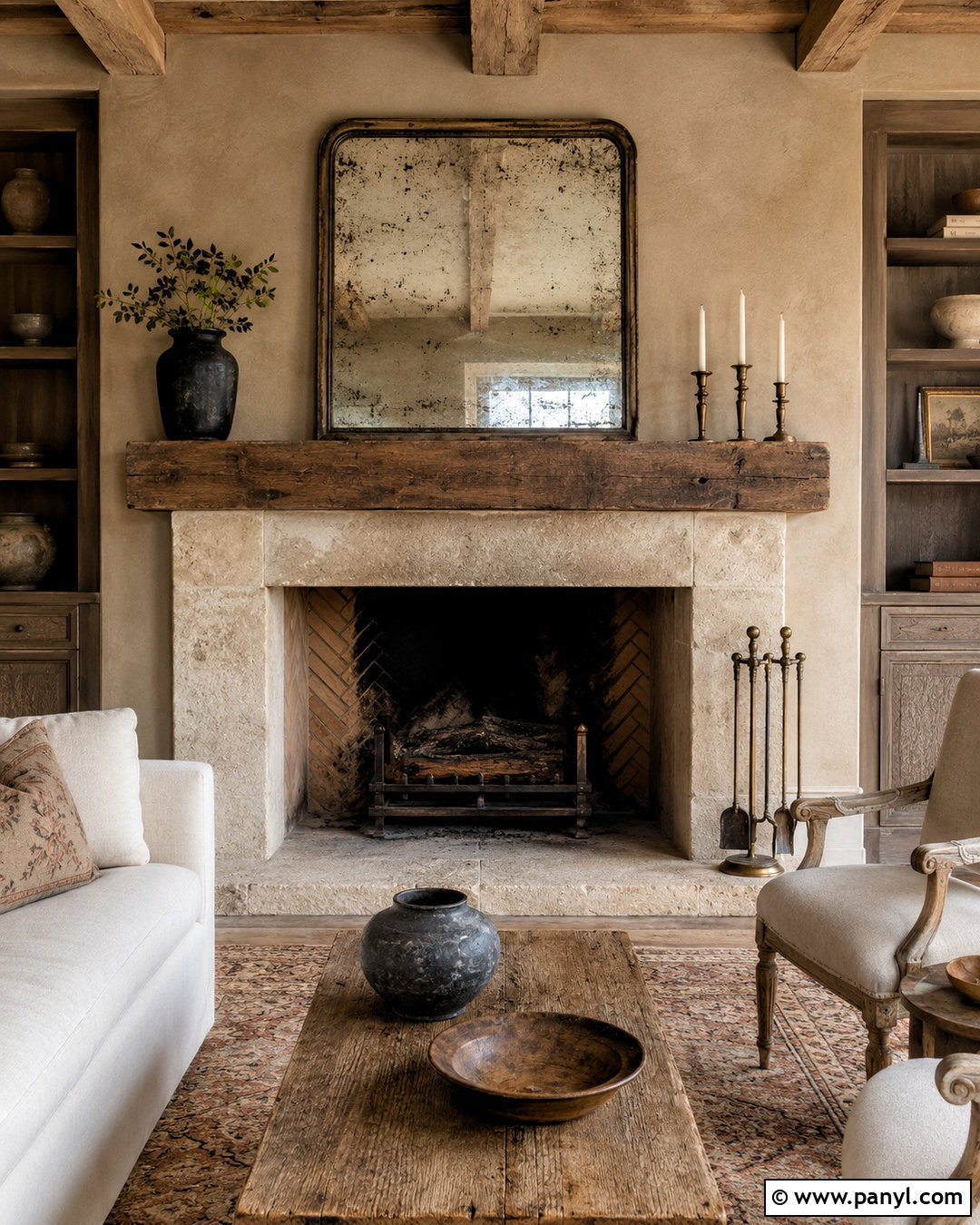
Make a patina fireplace the architectural center of a complete seating area. Surround the firebox with tumbled limestone, aged brick, or darkened metal, depending on the home’s style. Add a thick reclaimed timber mantel with visible grain, old knots, and gently worn corners. Paint the surrounding wall warm white or soft greige so the textured materials stand out clearly. Arrange a comfortable sofa and two armchairs toward the fireplace, grounding them with a faded rug and substantial wood coffee table. A blackened iron screen and aged brass fireplace tools provide practical finishing details. Keep mantel decor asymmetrical but simple, perhaps using a mottled mirror, ceramic vessels, and one framed artwork. This approach creates a believable focal point rather than a heavily decorated display.
12. Patina Accent Wall
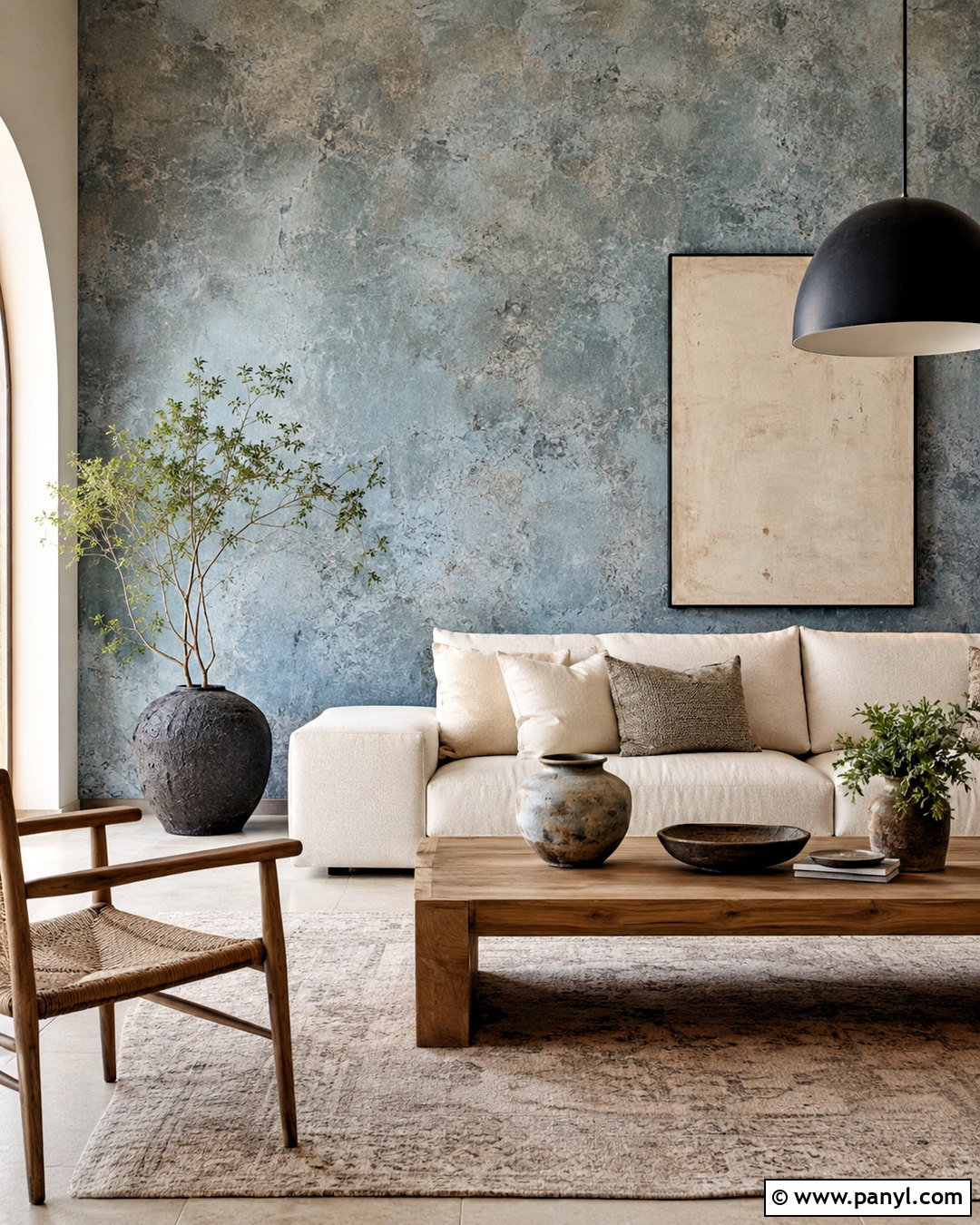
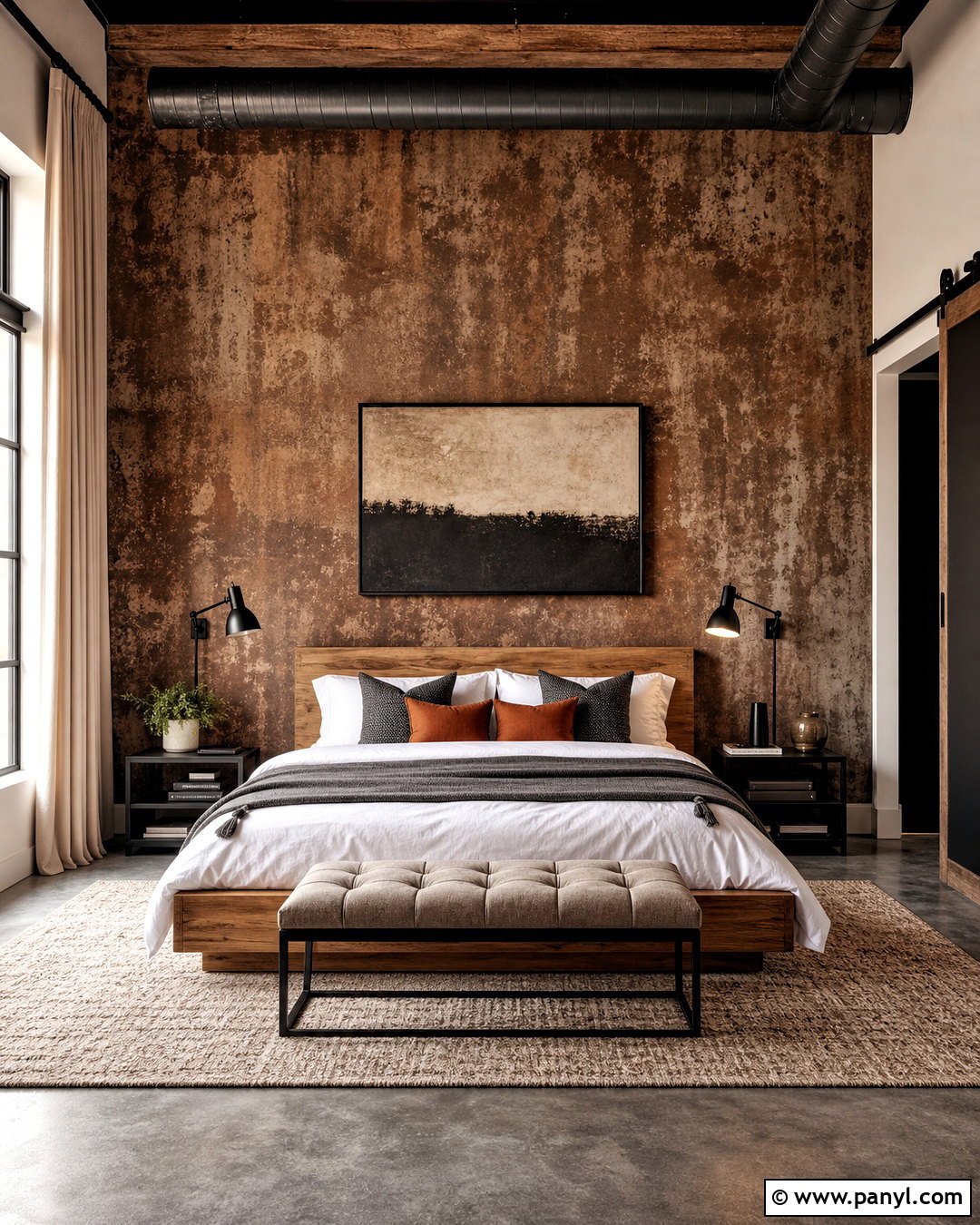
A patina accent wall works best when it supports the entire room rather than behaving like a separate decorative effect. Use limewash, Roman clay, oxidized metal panels, or a layered mineral finish in soft gray-green, warm taupe, or weathered blue. Place the wall behind a bed, sofa, dining table, or console so it has a clear purpose. Repeat its colors through a faded rug, linen pillows, pottery, and aged metal lighting. Keep nearby furniture simple, using natural oak, cream upholstery, and matte black accents to balance the movement on the surface. The finish should contain gradual tonal variation instead of sharp streaks or excessive faux distressing. With coordinated furnishings and restrained accessories, the accent wall gives the full space depth, softness, and architectural character.
13. Patina Furniture
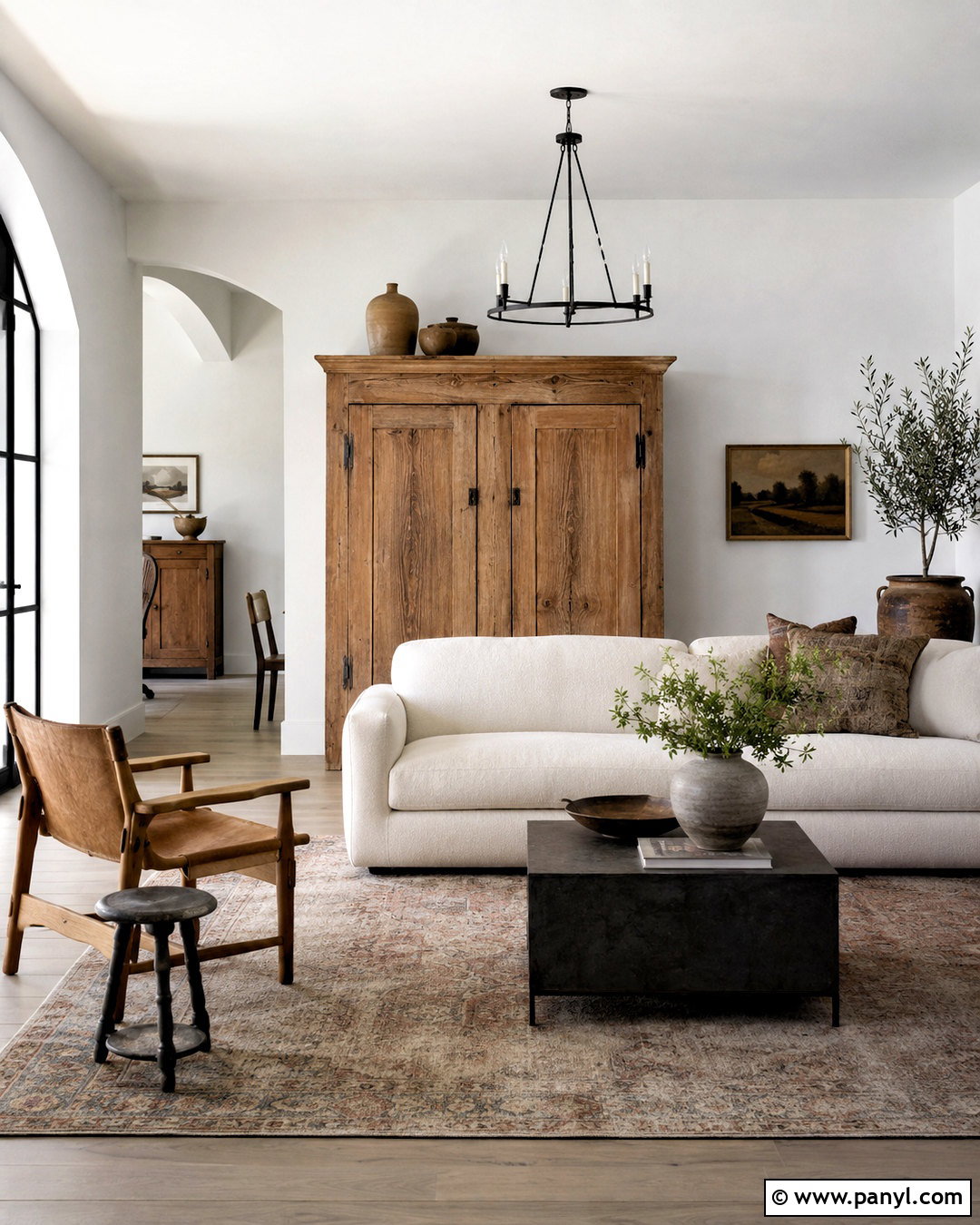
A furniture-focused patina room can mix multiple aged pieces without becoming visually chaotic. Begin with one dominant item, such as a distressed pine cabinet, painted dresser, or worn leather sofa. Add supporting furniture in quieter finishes, including natural oak, blackened steel, or neutral upholstery. Keep the walls soft white and use a muted rug to unite the different materials. Furniture shapes should vary in age but share a similar scale and level of formality. For example, an antique cabinet can sit comfortably beside a streamlined sofa when both have warm, understated colors. Avoid matching every finish or filling the room exclusively with distressed items. Space between pieces is important. The overall arrangement should look collected gradually, with each item serving a practical purpose.
14. Copper Patina Kitchen
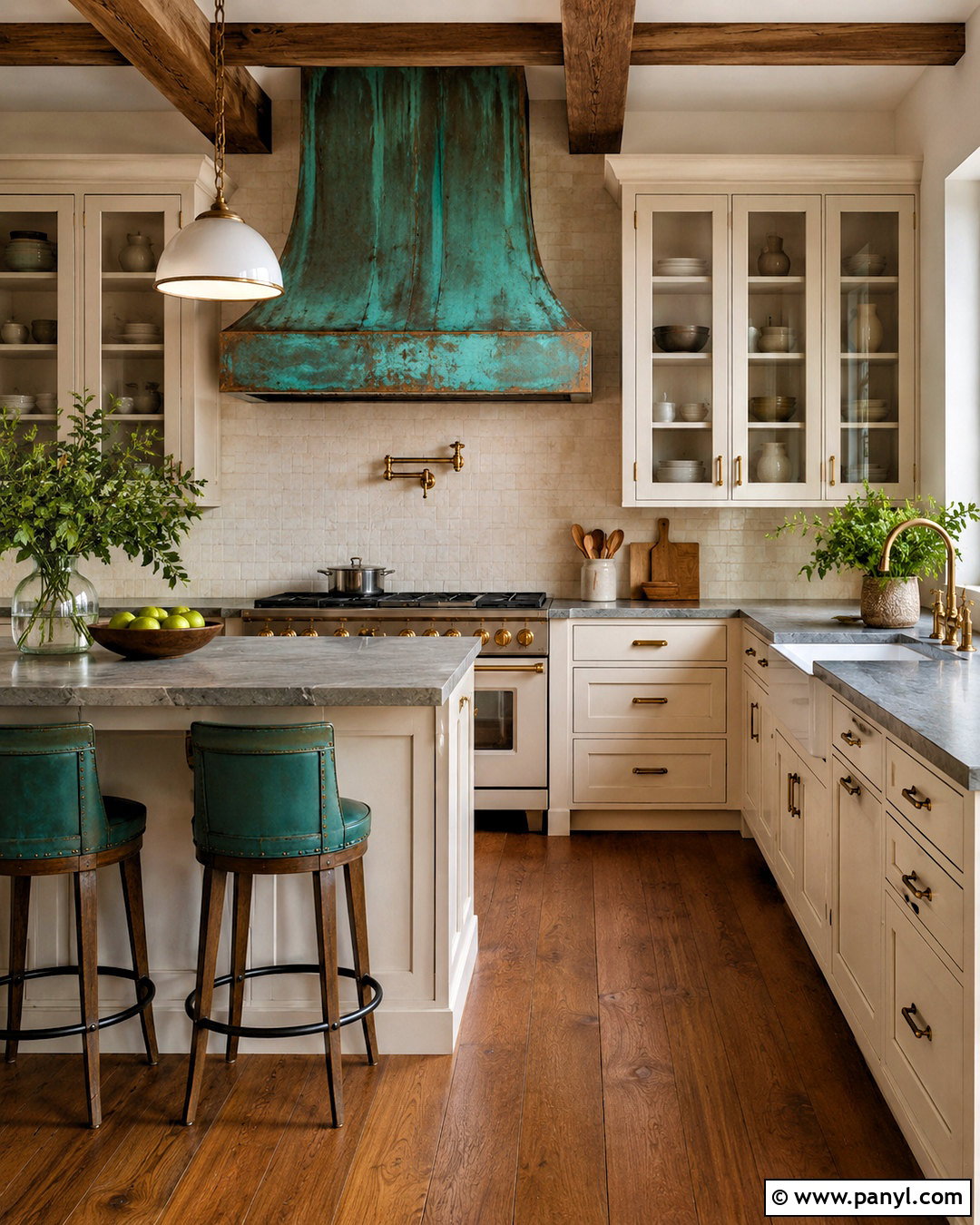
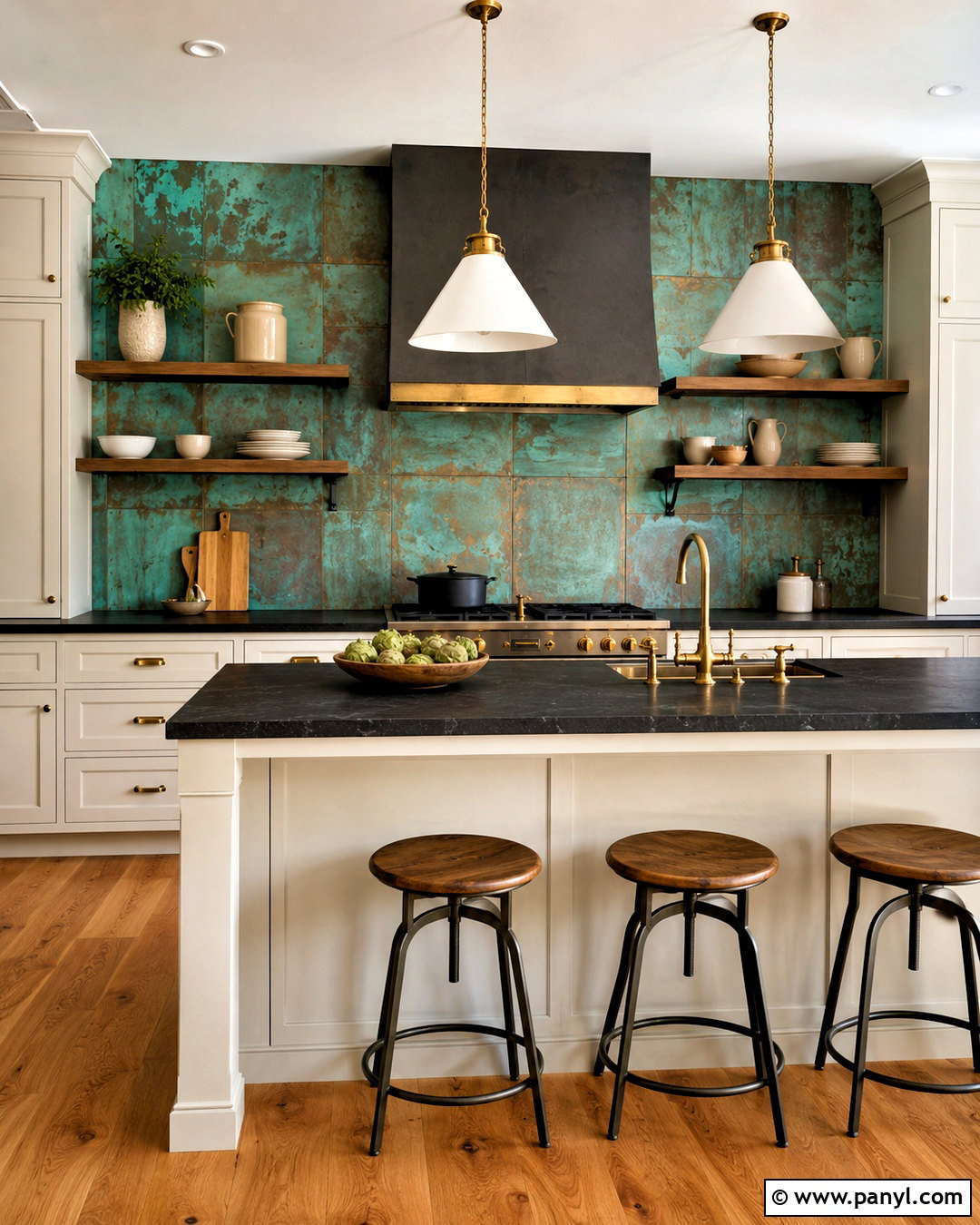
Blue-green copper can create a memorable kitchen when it appears in a controlled, complete scheme. Use a patinated copper range hood as the focal point and surround it with warm white cabinetry and handmade cream backsplash tile. Walnut or medium oak floors will echo the remaining copper tones, while honed gray stone counters provide a quieter surface. Repeat the verdigris color sparingly through bar stool upholstery, pottery, or a patterned runner. Choose aged brass cabinet hardware rather than polished chrome to maintain the warm metal story. Keep the island simple and generously sized for food preparation and seating. Plenty of bright lighting will reveal the copper’s natural color variation. This layout feels distinctive and layered without allowing the dramatic hood to overwhelm the room.
15. Brass Patina Bathroom
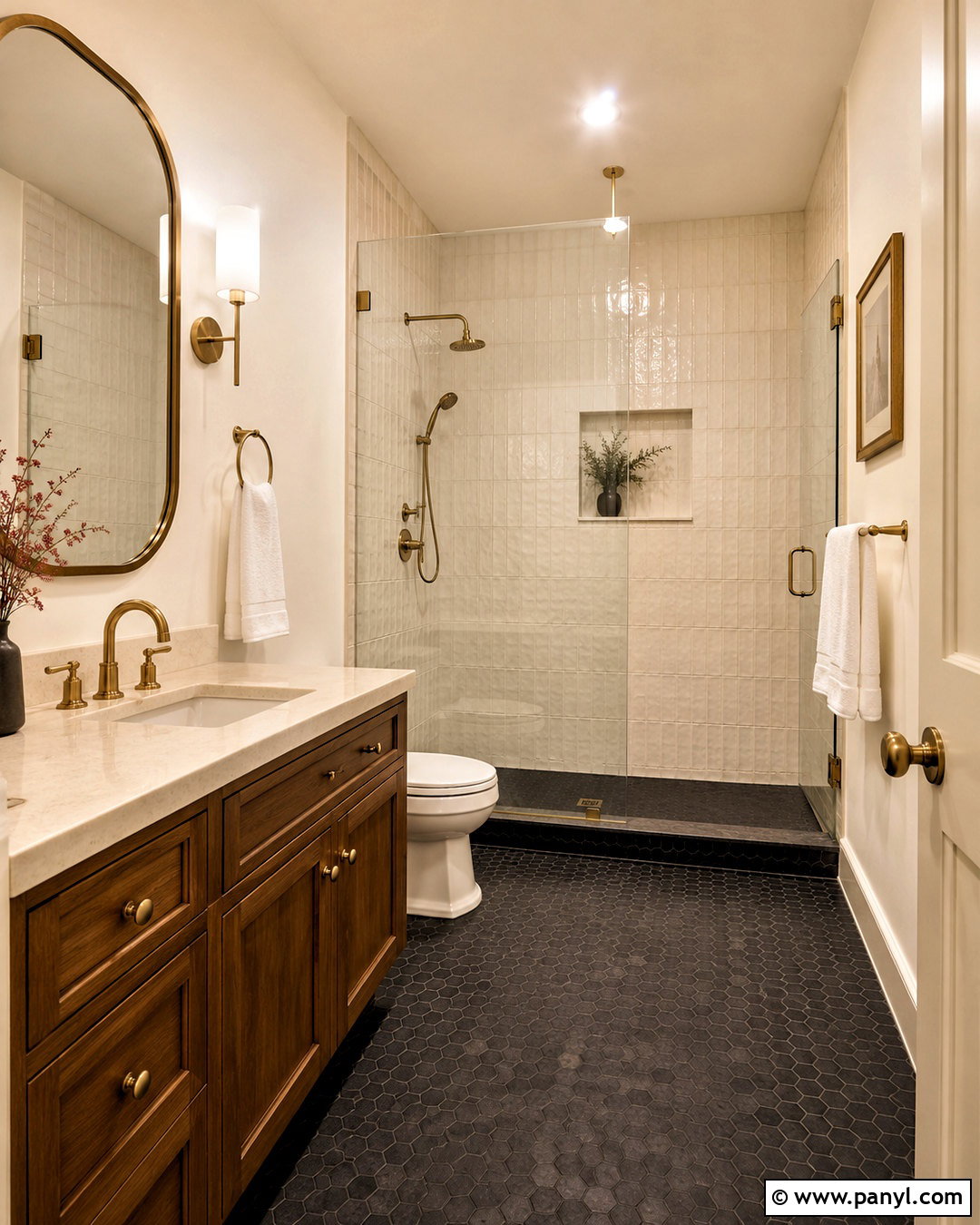
Unlacquered brass creates a refined patina bathroom that changes gently through everyday contact. Pair brass faucets, shower fittings, sconces, and cabinet hardware with a walnut vanity and creamy stone counter. Use ivory handmade tile in the shower, allowing slight surface variations to complement the evolving metal finish. A clear glass enclosure keeps the room open and places the hardware in full view. Ground the scheme with small-format charcoal floor tile or lightly veined gray stone. A rounded brass mirror can repeat the warmer finish without making the room look overly coordinated. Add white towels, a simple wood stool, and one leafy plant for freshness. The completed bathroom combines contemporary convenience with materials that develop depth, making normal wear part of the design.
16. Weathered Wood Kitchen
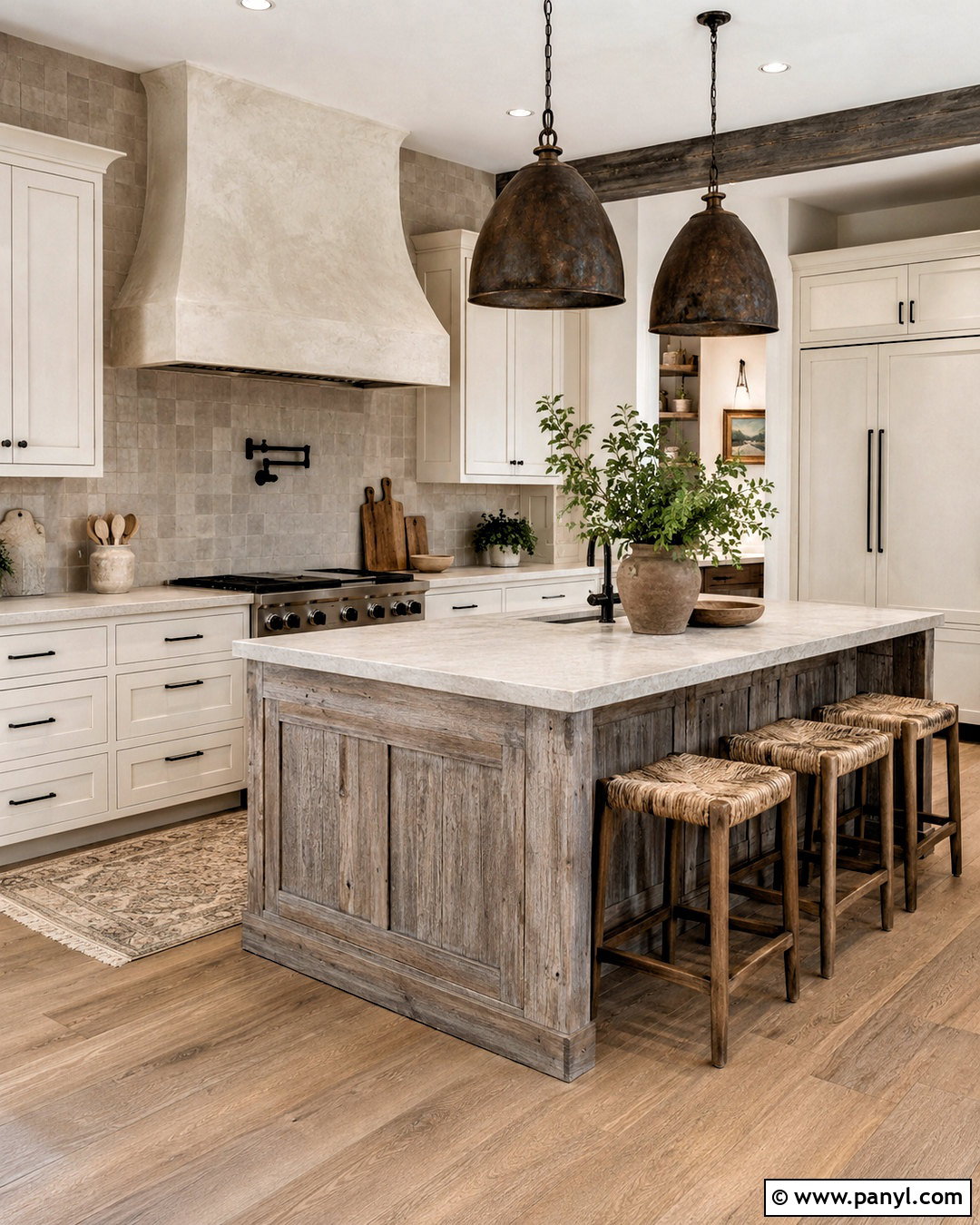
The soft grain and uneven coloring of weathered wood can shape an inviting kitchen with rustic character. Use reclaimed oak or gray-washed wood on the island, pantry doors, or ceiling beams rather than covering every cabinet. Pair it with simple warm white cabinetry, matte black hardware, and light quartz or honed limestone counters. A plaster range hood and handmade taupe backsplash tile will continue the natural, understated palette. Add counter stools with woven seats and pendant lights in aged iron or bronze. Keep appliances streamlined and storage well organized to offset the rougher wood surfaces. Medium-toned flooring creates a smooth transition between finishes. The final kitchen feels relaxed and established, yet its uncluttered layout and durable work areas remain practical for modern family life.
17. Patina Farmhouse Porch
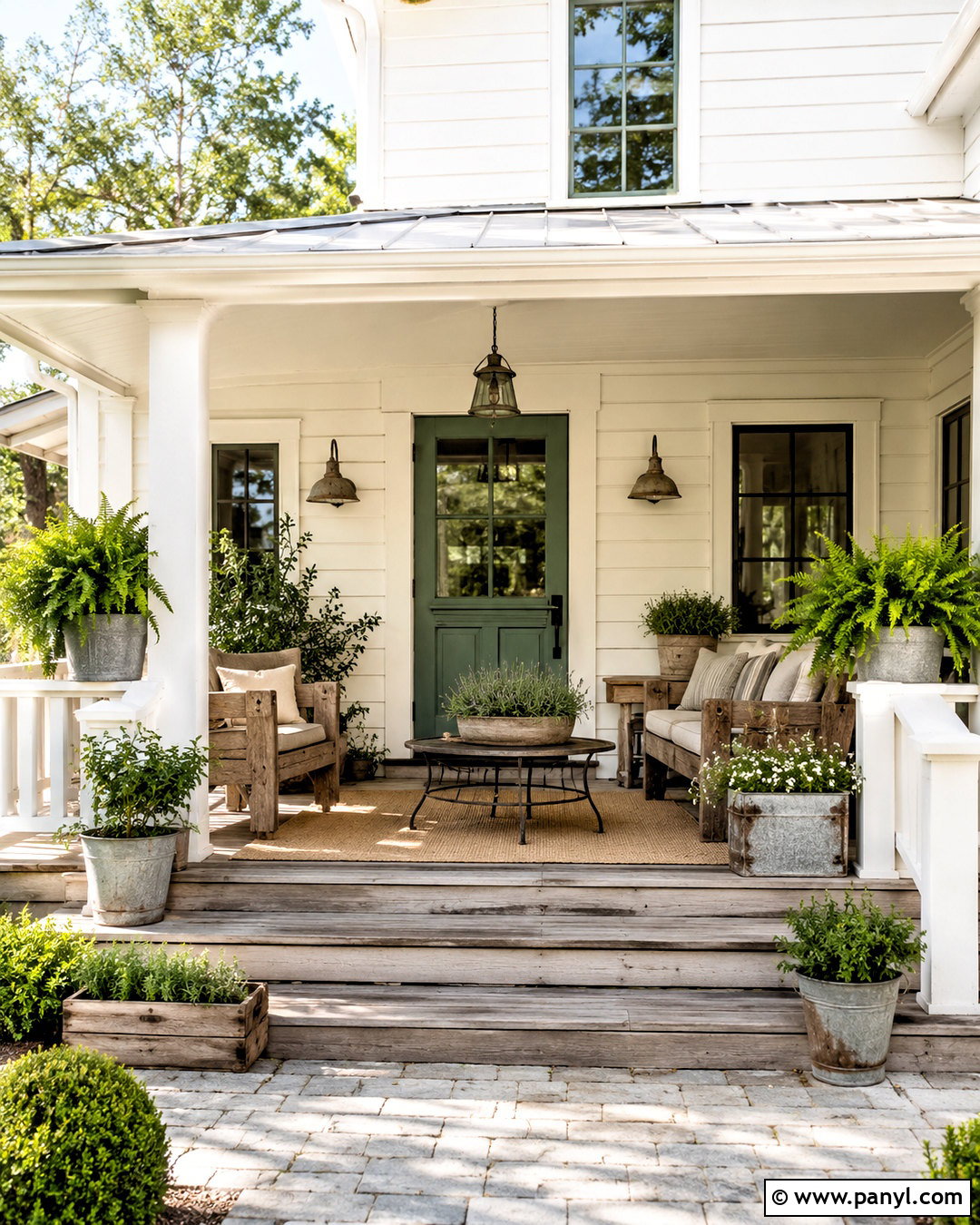
A covered farmhouse porch is an ideal setting for finishes that naturally weather. Begin with warm white siding, a muted blue-green front door, and aged galvanized metal lighting. Arrange two weathered teak chairs around a small blackened iron table, then add a porch swing with cream outdoor cushions if space allows. Use vintage-style planters filled with herbs, ferns, and loose seasonal greenery. A faded outdoor rug can define the seating area over painted wood or brick flooring. Keep the path open and maintain clear access to the entrance. Copper house numbers or a simple brass door knocker add subtle patina details near the door. The complete porch should feel approachable and functional, with durable materials that look better after exposure to regular outdoor use.
18. Patina Courtyard Garden
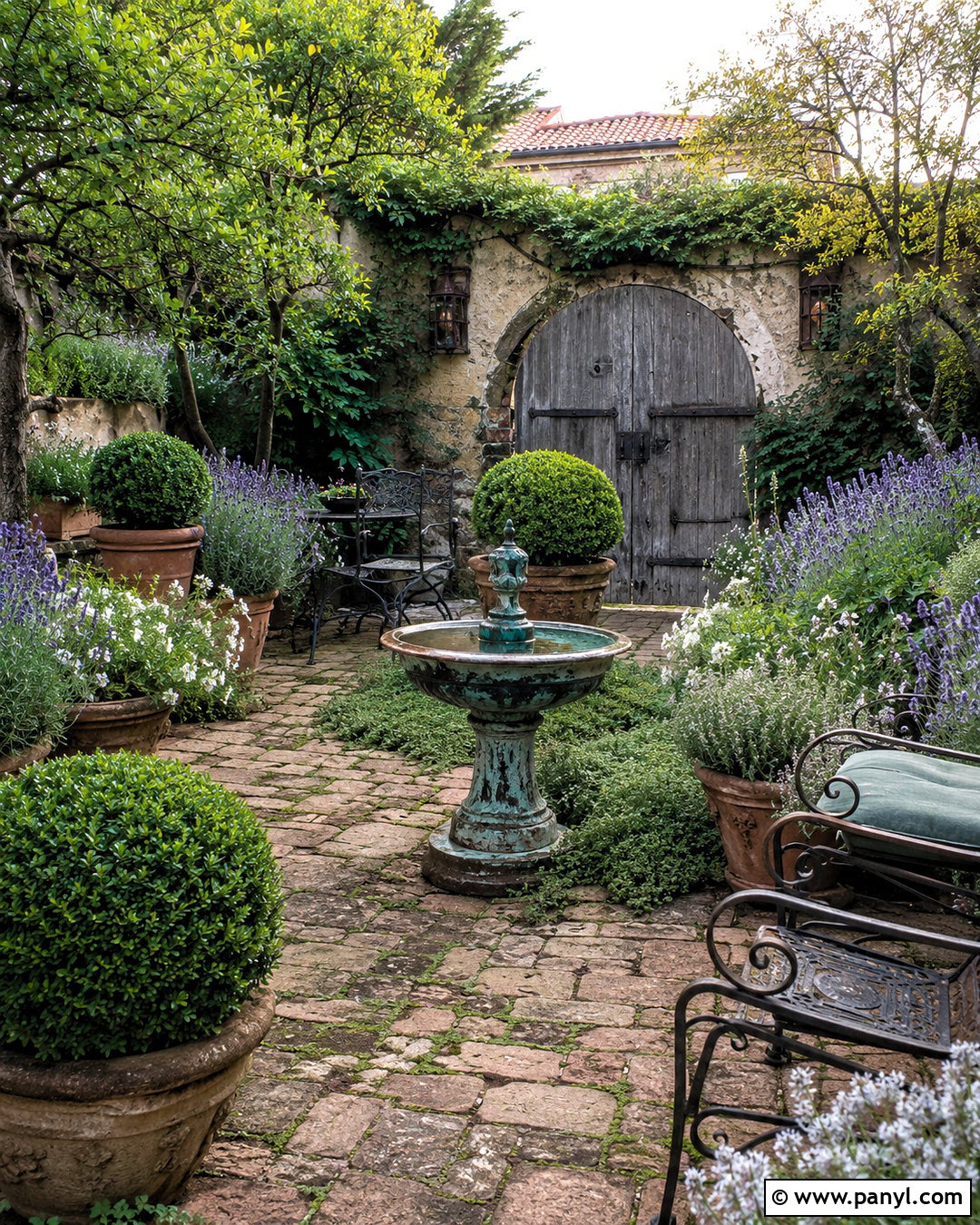
A patina courtyard garden feels intimate when planting, hardscape, and aged accents are carefully balanced. Use weathered brick or irregular limestone for the floor, leaving narrow joints where creeping thyme can soften the edges. Center the layout around a small verdigris fountain, copper planter, or oxidized metal bowl. Surround it with terracotta pots in varying sizes, filled with lavender, boxwood, herbs, and airy flowering plants. Add a compact wrought iron table with two comfortable outdoor chairs. An aged wood gate or climbing trellis can provide height and privacy. Keep the planting palette mostly green with touches of purple, white, and dusty pink. This complete arrangement creates a sheltered garden that feels established while remaining manageable for a modest residential courtyard.
19. Patina Modern Interior
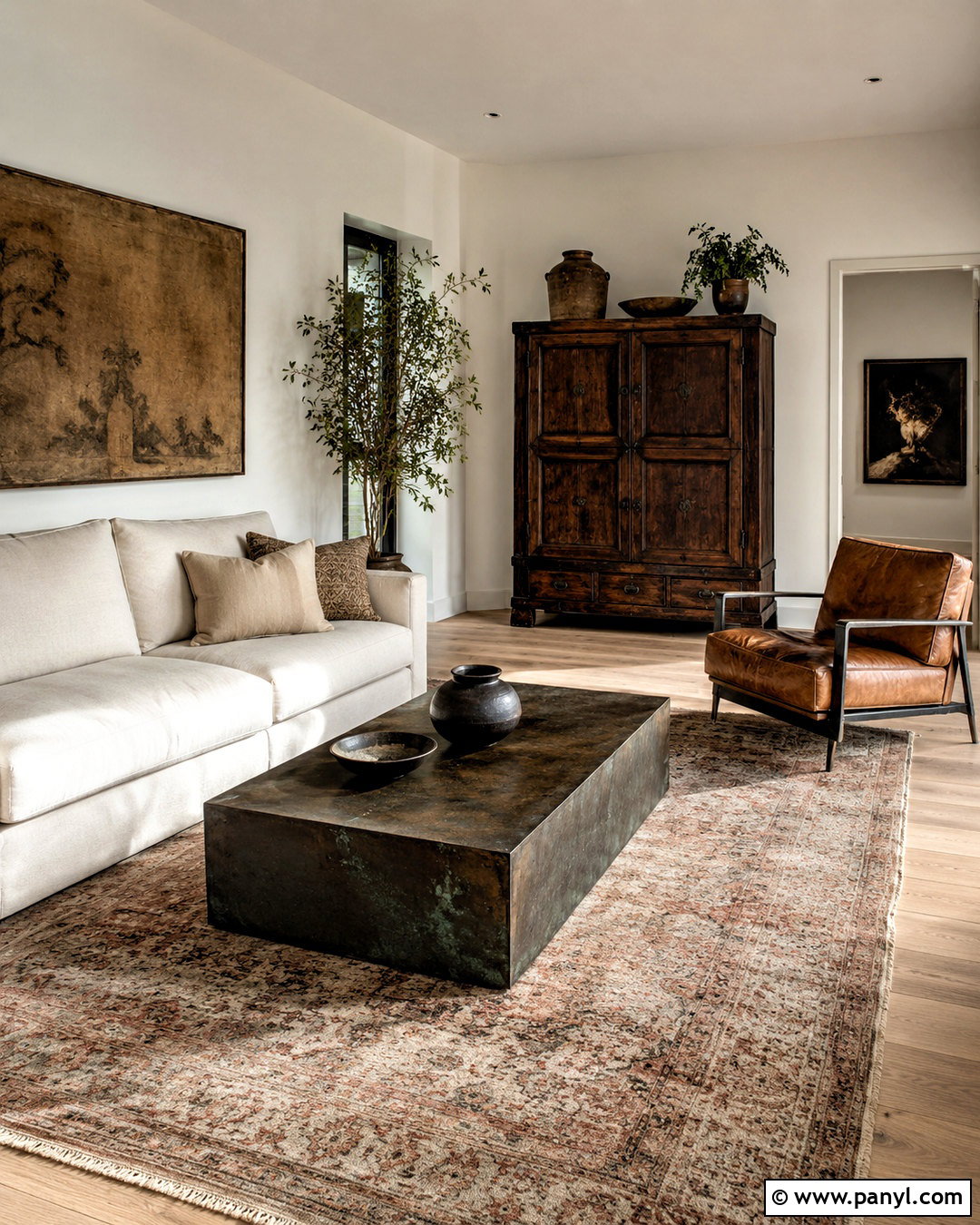
Patina can bring warmth to a modern interior without changing its clean architectural character. Start with pale walls, wide-plank oak flooring, and a streamlined cream sofa. Introduce age through a single dark wood cabinet, a worn leather lounge chair, and an oxidized bronze coffee table. Choose large abstract artwork containing earthy brown, muted teal, and charcoal to connect the old finishes with the contemporary setting. A low-pile vintage rug can soften the straight furniture lines while preserving an open layout. Use simple black lighting and minimal window treatments for contrast. Avoid small decorative clutter and let the material variation provide interest. The finished room feels current and calm, but the imperfect wood, leather, and metal surfaces prevent it from appearing cold or showroom-like.
20. Patina Bedroom Wall
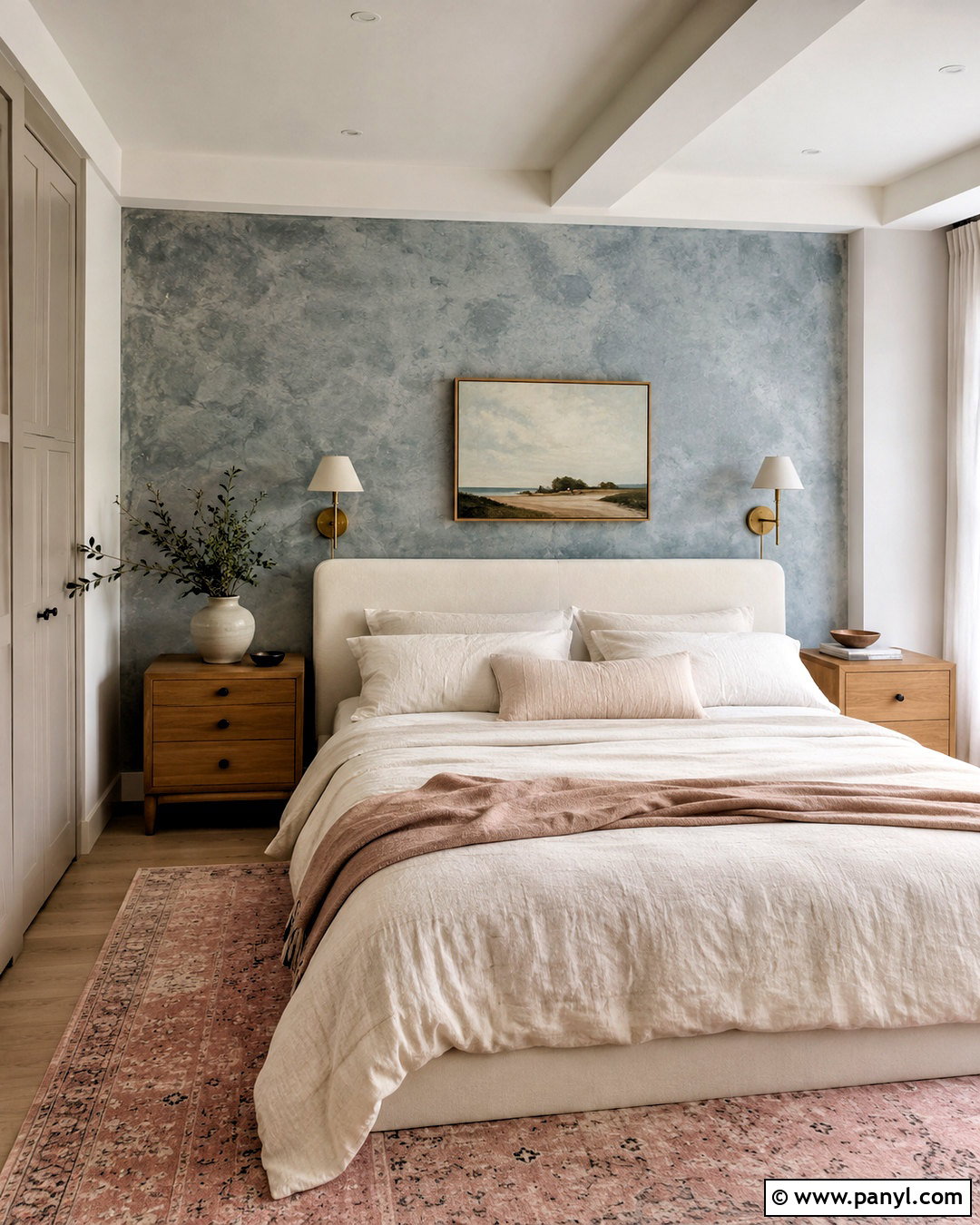
A textured patina bedroom wall can transform a basic sleeping space into a quiet, layered retreat. Apply limewash or mineral paint in faded blue-gray, warm mushroom, or muted olive behind the bed. Choose a simple upholstered headboard in natural linen so it does not compete with the tonal movement. Add oak nightstands, aged brass sconces, and washed cotton bedding in cream and soft taupe. A vintage rug with dusty rose or rust accents introduces gentle warmth underfoot. Keep the other walls lighter to preserve an airy atmosphere and repeat the feature color through only one or two accessories. The room should remain uncluttered, with concealed storage and uncomplicated artwork. This complete scheme makes the patinated surface feel intentional, restful, and connected to every furnishing.
Conclusion:
The most convincing **patina style ideas** combine aged character with comfort, balance, and practical planning. Rather than distressing every surface, choose a few authentic focal materials and give them room to stand out. Worn wood, faded textiles, mellow leather, handmade tile, weathered stone, and evolving metal finishes can work in traditional, farmhouse, modern, or transitional homes. Neutral backgrounds help these surfaces look intentional, while bright lighting keeps the overall design fresh. Remember that useful rooms still need clear walkways, organized storage, durable finishes, and comfortable furniture. Whether you begin with an antique cabinet, a copper hood, or a limewashed wall, thoughtful layering will create a home that feels personal, established, and naturally welcoming.

Related Ideas and Inspiration:
Leave a Reply