
Red brings warmth, history, and instant character to patterned fabric. These red vintage textile print ideas explore complete designs inspired by traditional florals, paisley, toile, chintz, block printing, ticking stripes, and folk motifs. Each look combines a clear color palette, motif scale, background tone, repeat style, and suitable fabric texture. Vintage prints and traditional block-print details remain especially appealing because they bring nostalgia and handcrafted variation into modern interiors. () Whether you are choosing curtains, upholstery, bedding, table linens, or decorative pillows, the right pattern can make the material feel collected rather than dated. Use the following designs as practical inspiration for creating, sourcing, or decorating with **red vintage textile print ideas**.
1. Red Vintage Floral Textile Print
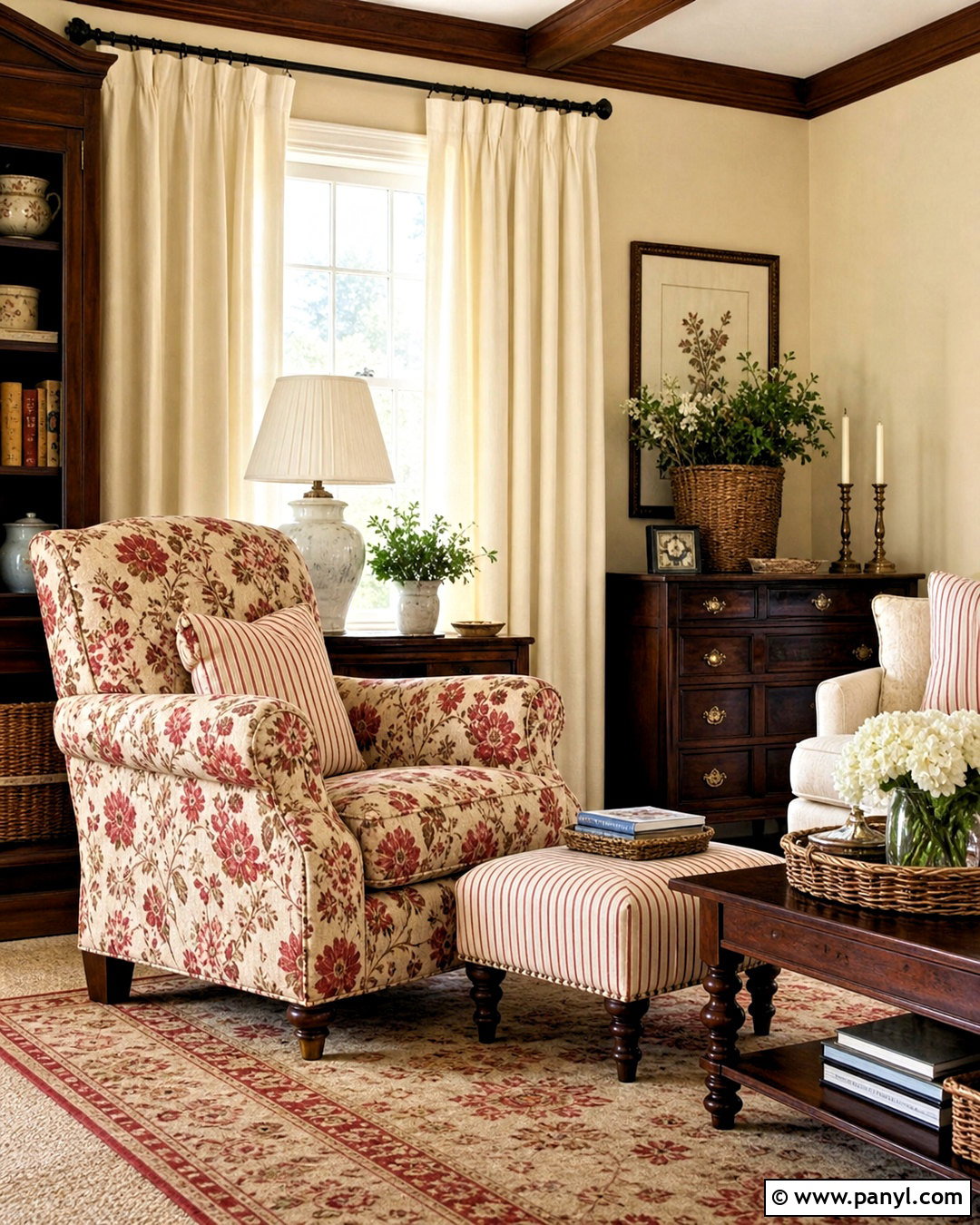
A warm ivory background gives this classic floral print a soft, timeworn foundation. Cover the surface with medium-scale crimson roses, faded coral buds, olive leaves, and slender brown stems. Keep the flowers loosely arranged rather than perfectly aligned so the pattern resembles an old hand-printed cotton. Small gaps between the botanical clusters prevent the red from overwhelming the design. A slightly distressed texture, uneven outlines, and muted pigment create believable age. This balanced print works especially well on cotton or linen curtains, gathered bed skirts, cushions, and relaxed slipcovers. Pair it with ticking stripes, antique wood, natural wicker, and creamy solids for a complete vintage room scheme that feels warm, approachable, and easy to layer.
2. Red Vintage Paisley Textile Print
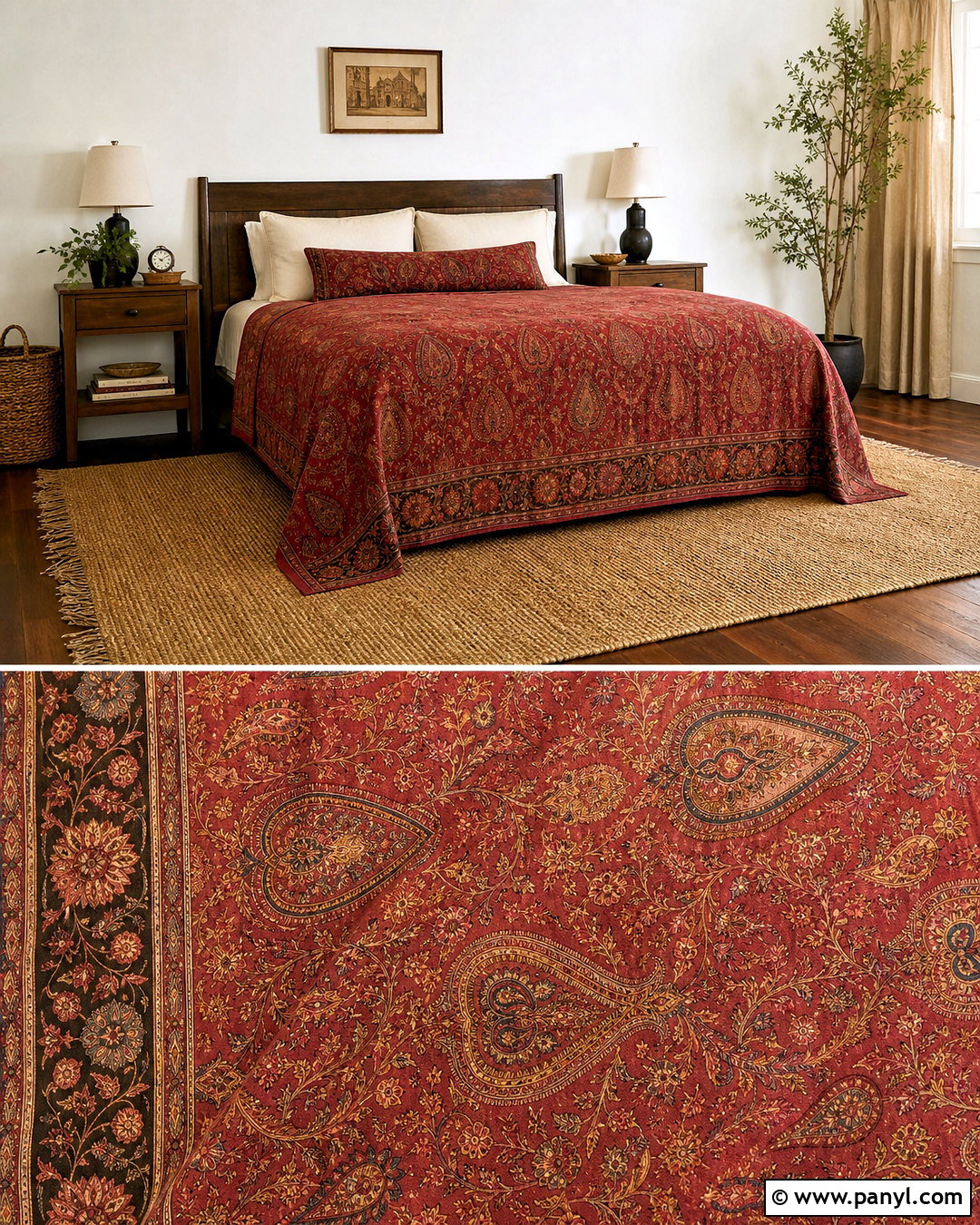
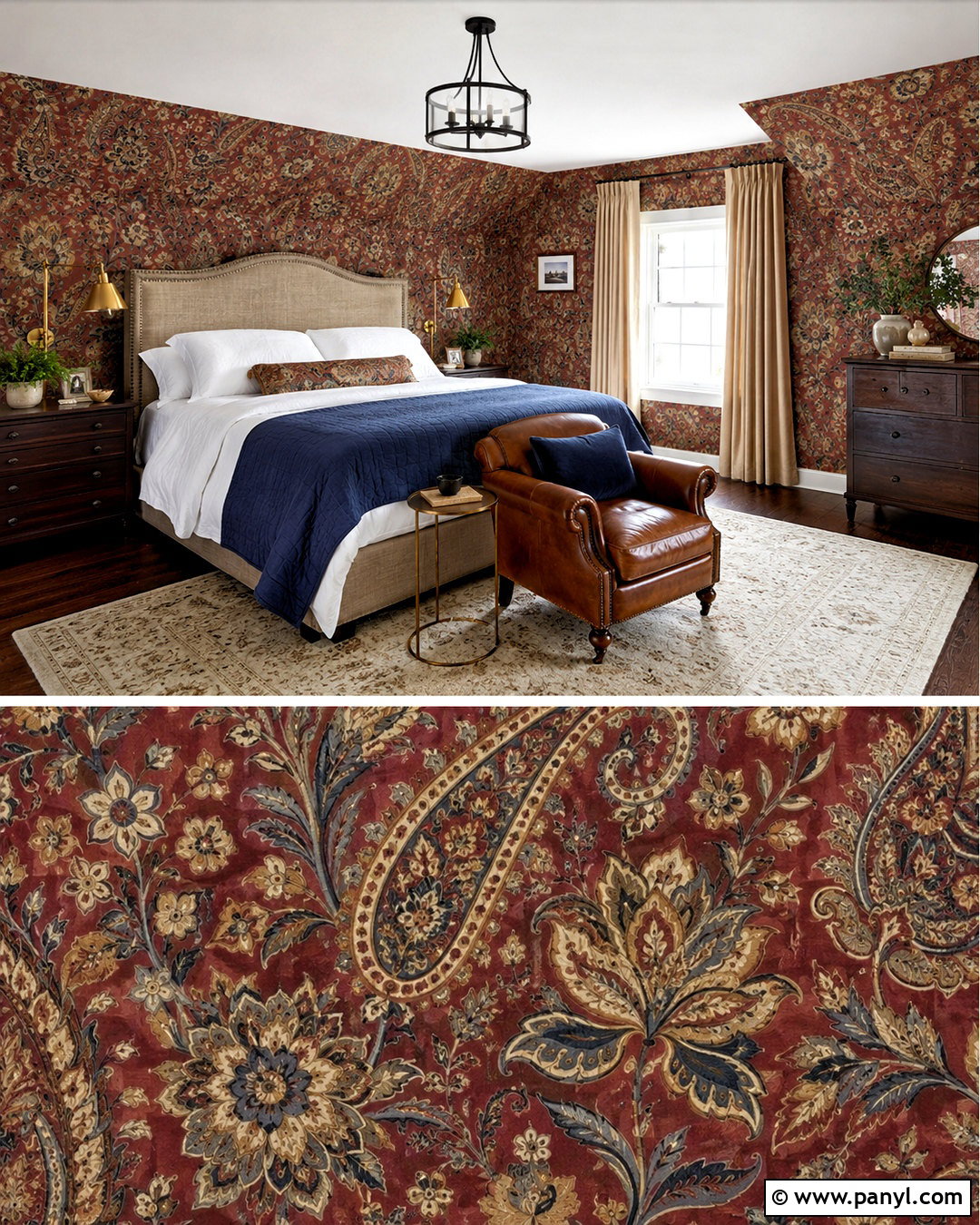
Deep brick red creates a dramatic base for an intricate paisley pattern with antique character. Arrange large curved teardrop motifs in a flowing diagonal repeat, filling each one with tiny flowers, leaves, and delicate linework. Use faded gold, dusty pink, dark brown, and muted indigo for the interior details. A narrow floral border can run along the edge of the textile, making the fabric suitable for curtains, tablecloths, or statement bedding. Choose washed cotton with visible weave and subtle printing irregularities instead of a shiny material. When used in a room, balance this dense print with warm white walls, walnut furniture, woven baskets, and simple solid upholstery. The result feels collected and traditional without becoming visually heavy.
3. Red Vintage Toile Textile Print
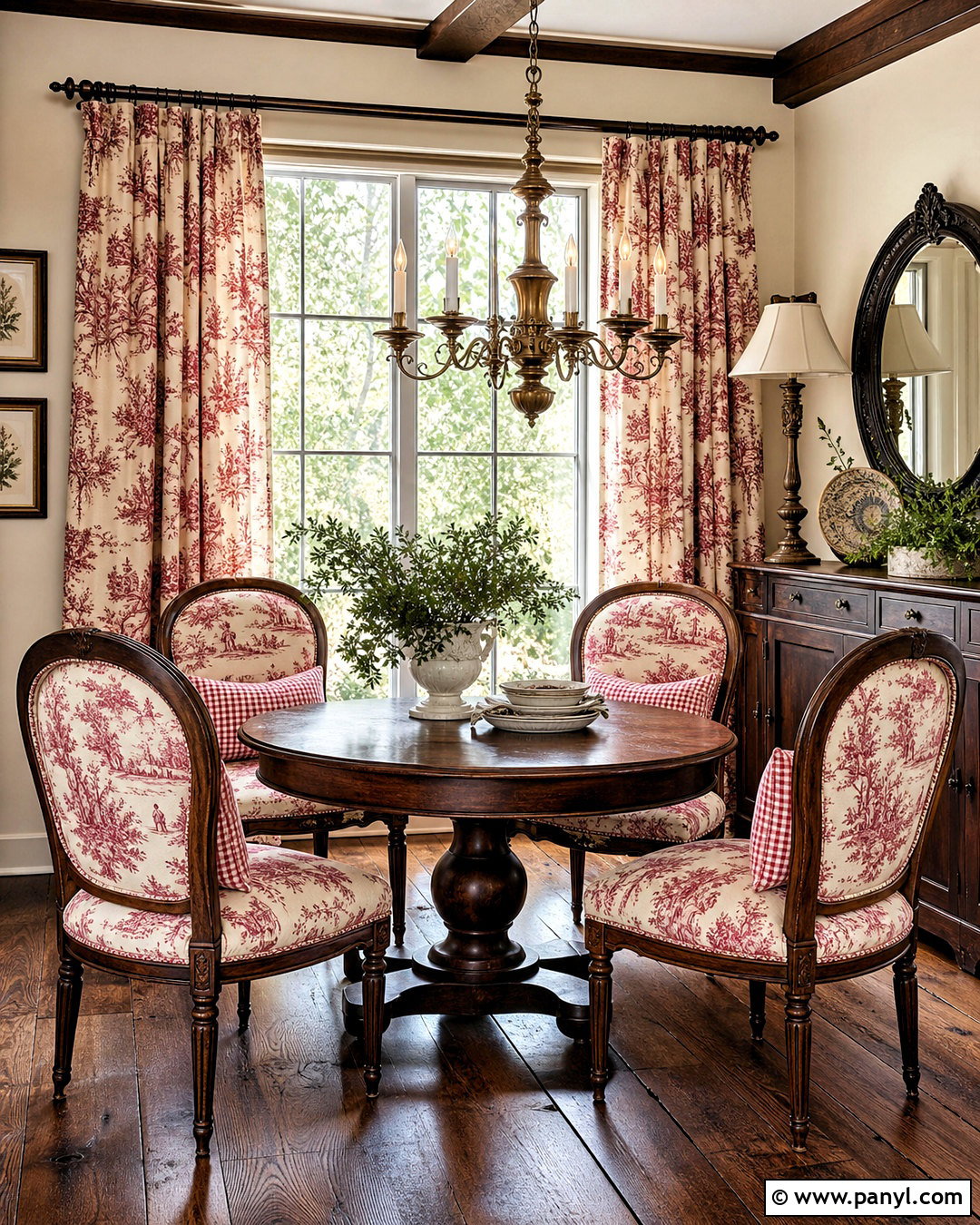
What makes toile feel instantly historic? Its detailed storytelling scenes and restrained two-color palette create a recognizable antique look. Use dark cranberry red illustrations on a warm cream background, showing small pastoral houses, leafy trees, garden paths, birds, and decorative landscape borders. Space the scenes evenly and connect them with delicate branches so the entire repeat feels cohesive. Fine engraved lines are important, but a lightly faded finish keeps the pattern from appearing too crisp or modern. Print it on cotton, linen, or a cotton-linen blend for curtains, upholstered chairs, wall panels, and bedding. Complete the setting with cream paint, dark wood, aged brass, and smaller red checks that echo the toile without competing with it.
4. Red Vintage Chintz Textile Print
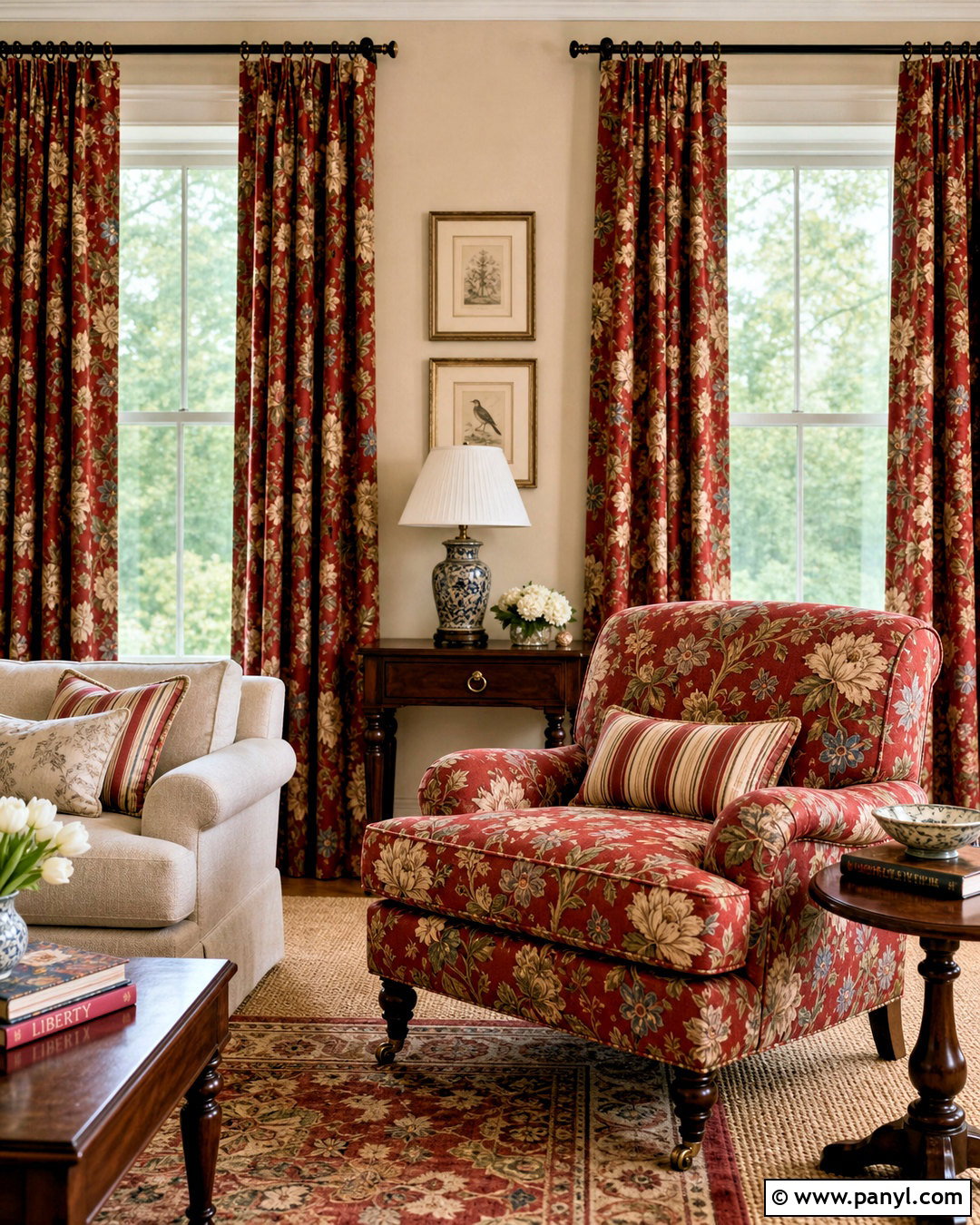
Generous flowers and rich color give traditional chintz its unmistakable decorative presence. Begin with a muted ruby-red ground, then layer large cream peonies, dusty blue blossoms, golden buds, and curling sage leaves across the fabric. Use graceful stems to connect the flowers in an open, meandering repeat. A gentle glazed finish can suggest historic polished cotton, while faint distressing prevents the surface from looking brand-new. This print is ideal for full-length drapes, upholstered armchairs, bed canopies, and large cushions because the broad motif needs space to be appreciated. Surround it with solid linen, warm beige walls, mahogany furniture, and restrained striped accents. The complete look should feel abundant, traditional, and intentionally layered rather than overly formal.
5. Red Vintage Block Print Textile
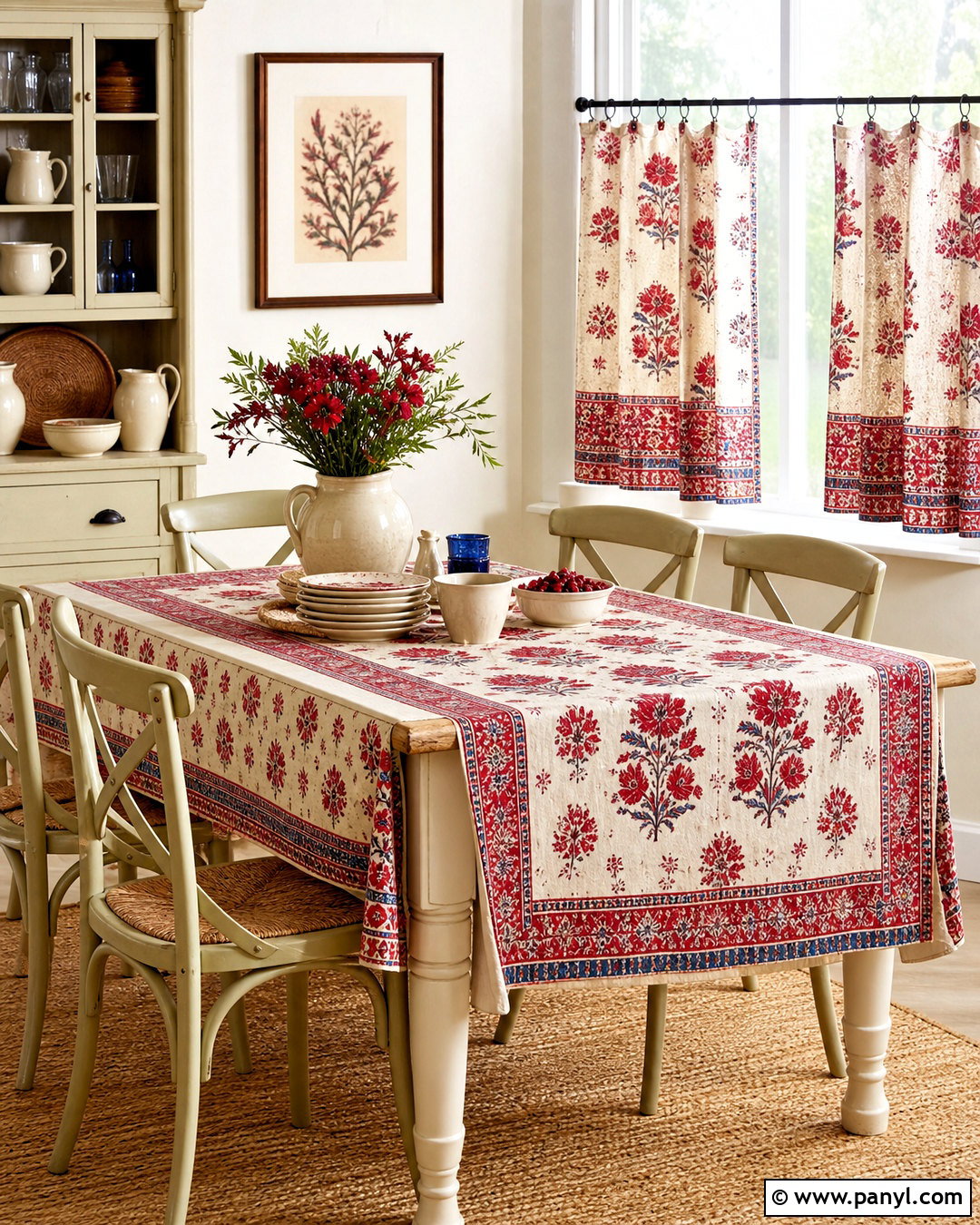
Small imperfections make this hand-block-inspired design especially charming. Use a natural oatmeal ground with repeating madder-red flowers, tiny rust leaves, and simple navy centers. Arrange each motif in a neat diamond grid, but allow slight variations in pigment density and outline placement to imitate handcrafted printing. Add a coordinating border featuring vines and narrow geometric bands along the textile edges. Lightweight cotton supports the casual character and works beautifully for café curtains, quilts, table linens, and gathered lampshades. In a finished space, combine the fabric with painted wood furniture, woven rugs, cream pottery, and a few navy accents. The overall scheme feels relaxed and heritage-inspired, with enough structure to look polished while retaining the warmth of traditional craftsmanship.
6. Red Vintage Rose Textile Print
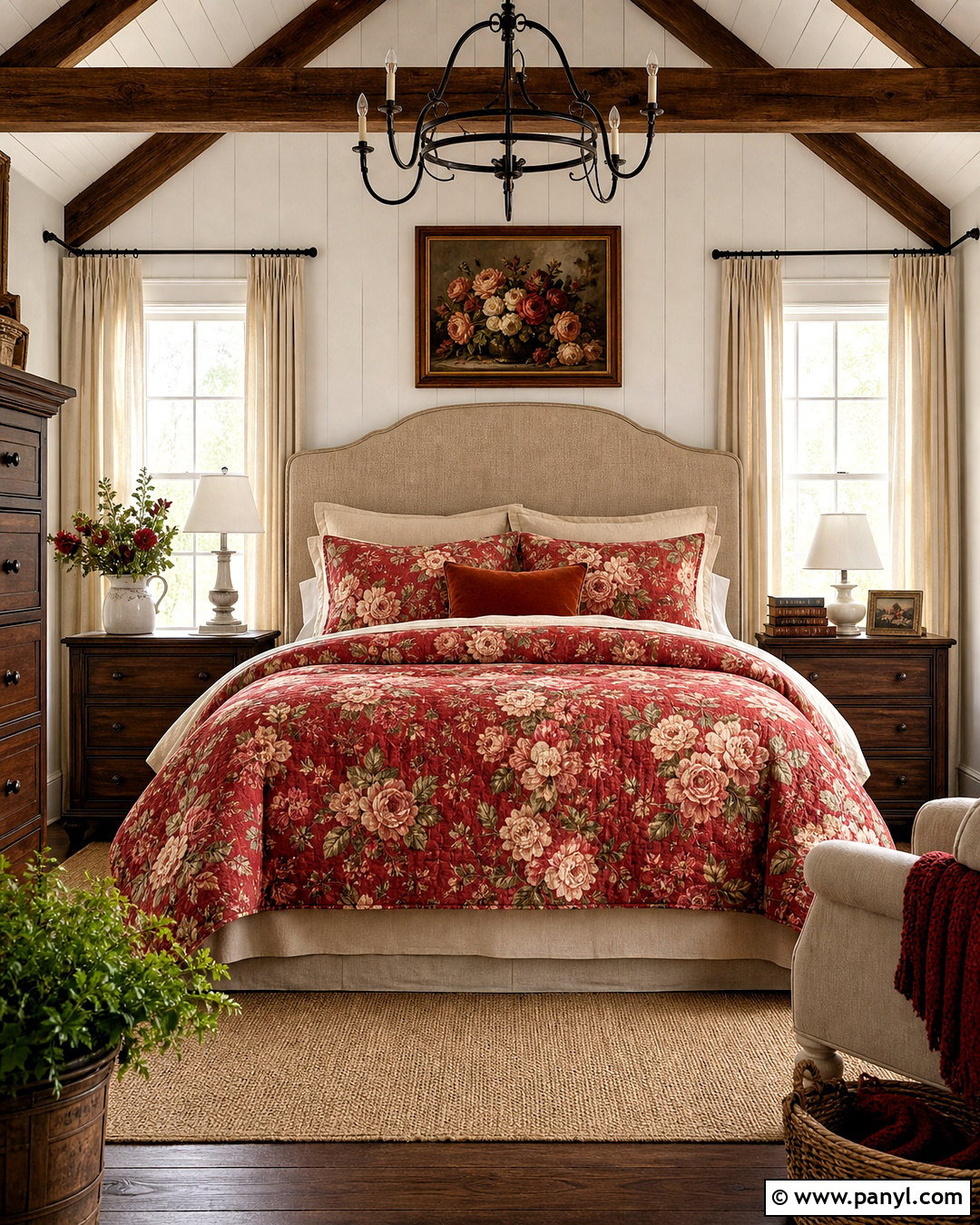
Soft cabbage roses create a romantic textile without requiring an overly delicate palette. Place large faded scarlet, blush, and cream roses across a warm beige background. Surround the blooms with eucalyptus-green leaves, small berry sprigs, and thin sepia stems. Give the flowers softly feathered edges, subtle shading, and occasional worn areas that resemble fabric kept in an antique trunk. An offset half-drop repeat makes the pattern flow naturally across wide curtains, upholstered headboards, and quilt covers. Ground the sweetness with dark walnut furniture, unbleached linen, aged metal lighting, and narrow red stripes. This complete combination gives the rose print depth and maturity, making it suitable for cottage, traditional, farmhouse, or grandmillennial interiors without feeling overly themed.
7. Red Vintage Geometric Textile Print
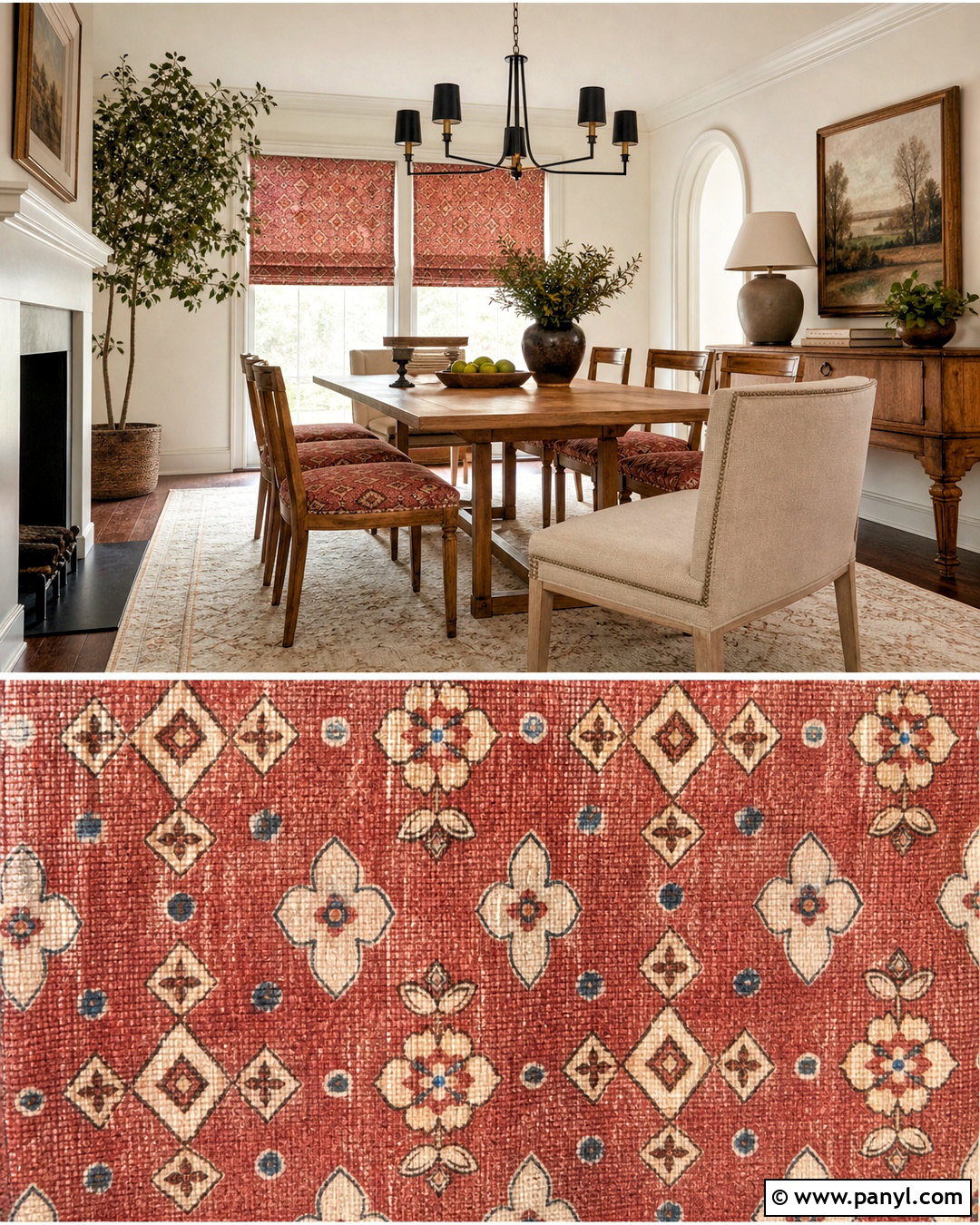
A geometric layout offers a cleaner alternative to elaborate vintage florals. Start with a faded tomato-red background and repeat small cream diamonds outlined in dark brown. Place a simple four-petal flower inside each diamond, then connect the shapes with thin tan lines. Add tiny blue dots at the intersections for subtle contrast. The repeat should be compact, consistent, and lightly distressed, resembling an old woven or roller-printed fabric. Use the pattern on sturdy cotton, linen, or canvas for dining chairs, Roman shades, bench cushions, and structured pillows. Pair it with plain cream upholstery, oak furniture, black metal details, and one larger floral fabric. The restrained scale allows the design to coordinate with other patterns while still contributing visible vintage character.
8. Red Vintage French Stripe Textile
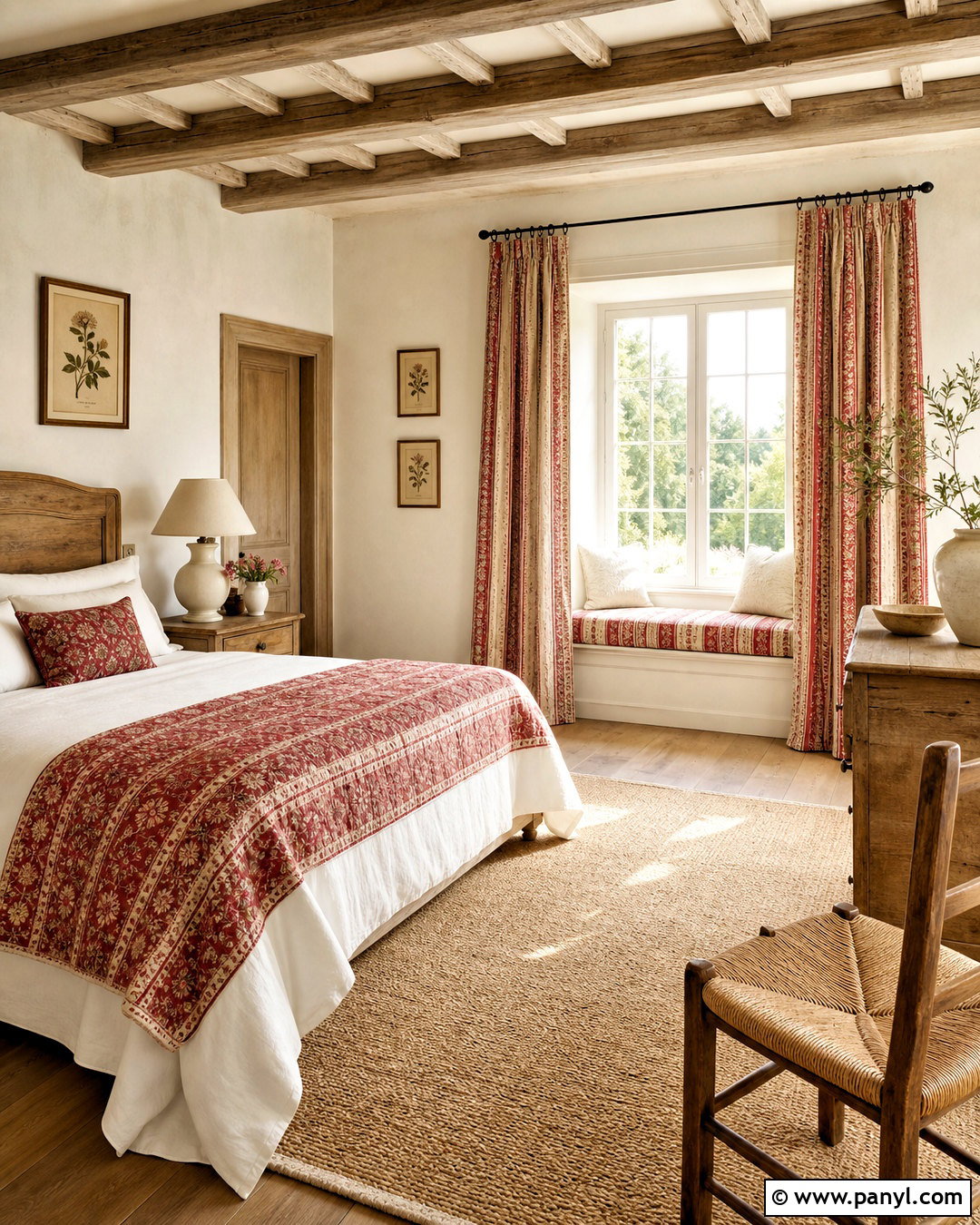
Alternating stripes can create a textile that looks simple from a distance and richly detailed up close. Use narrow burgundy lines, wider faded red bands, and thin flax-colored gaps on a creamy linen ground. Fill selected red stripes with miniature floral vines or tiny dotted motifs to introduce a decorative French influence. Keep the color slightly uneven and the edges softly irregular to suggest aged printing. Medium-weight linen is ideal for upholstered benches, curtains, table runners, and tailored cushions. Build the surrounding design with weathered oak, rush seating, cream ceramics, and understated botanical prints. The complete look feels orderly yet relaxed. Vertical placement lengthens curtains and chairs, while horizontal placement makes window seats and upholstered headboards appear wider.
9. Red Vintage Damask Textile Print
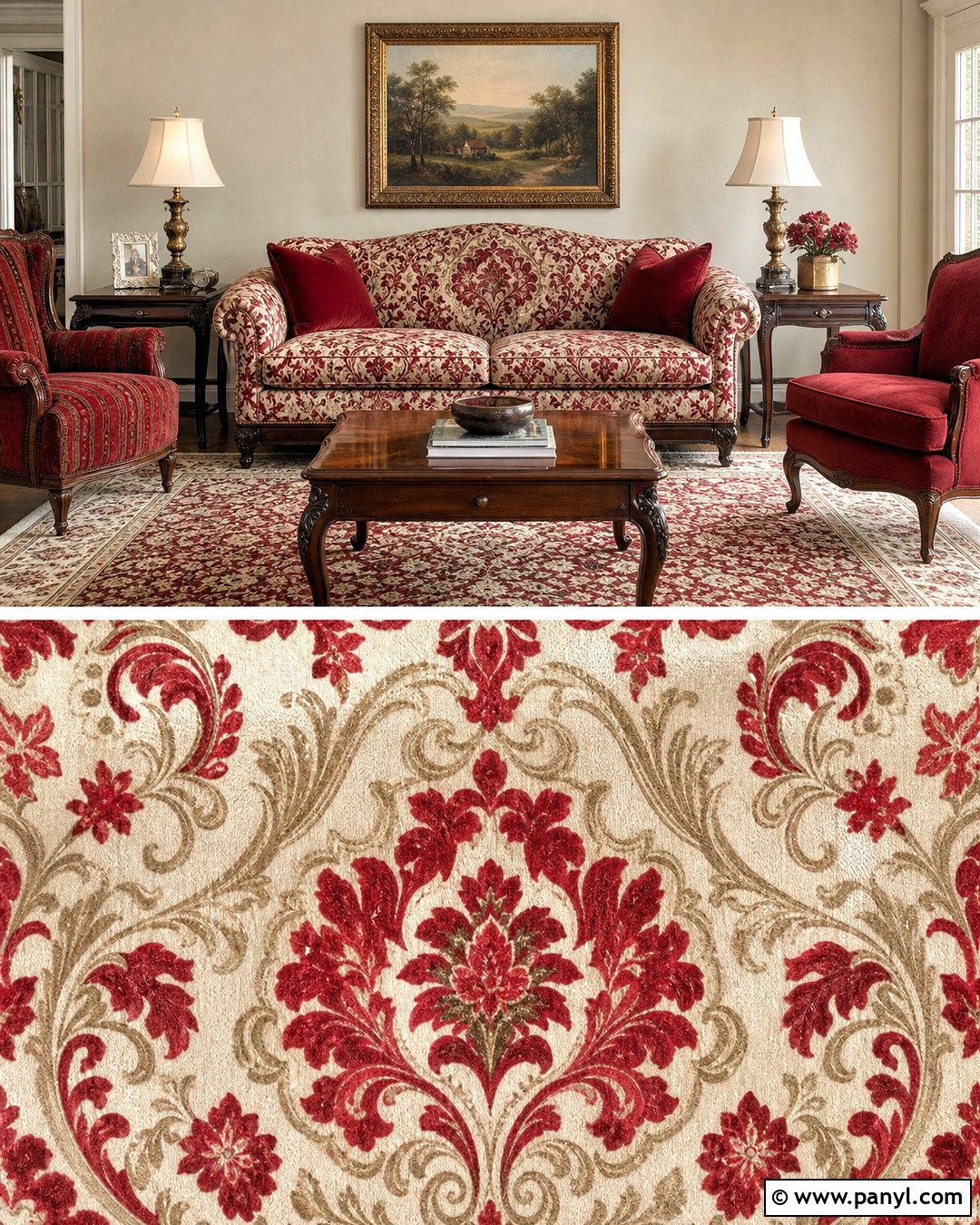
For a more formal result, develop a symmetrical damask print with a softly aged finish. Set large scrolling medallions in muted garnet red against an antique ivory background. Inside each medallion, combine acanthus leaves, small blossoms, and curved lattice details. Repeat the motifs vertically with generous spacing so the pattern feels elegant rather than crowded. Fine taupe shadows can create depth without making the textile resemble shiny modern brocade. Choose matte linen, cotton velvet, or heavyweight cotton for dining chairs, drapery, or a statement settee. Complete the room with warm neutral walls, dark wood, aged brass, and solid garnet cushions. These simpler surrounding materials allow the ornate textile to remain the focal point while maintaining a comfortable residential scale.
10. Red Vintage Folk Floral Textile
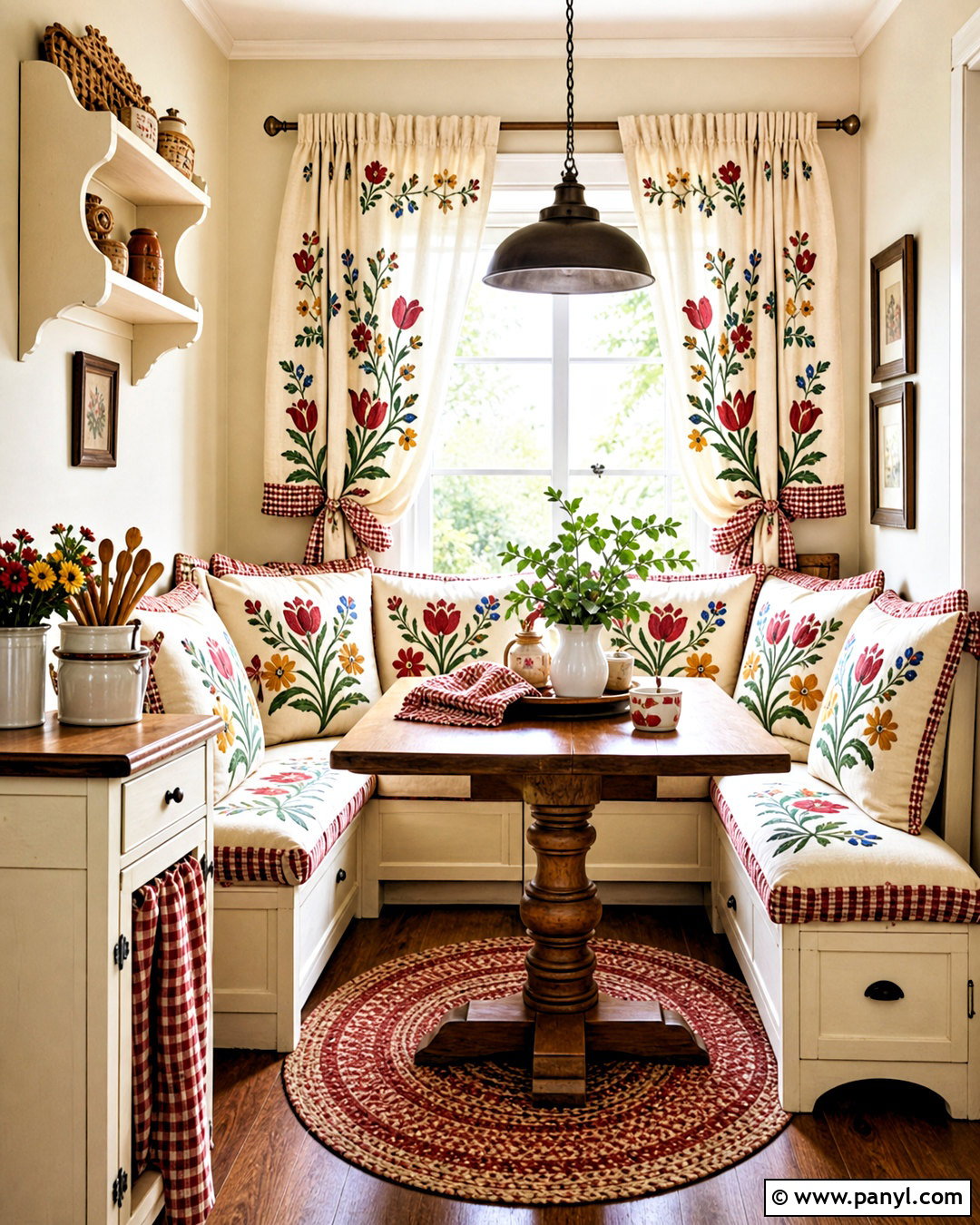
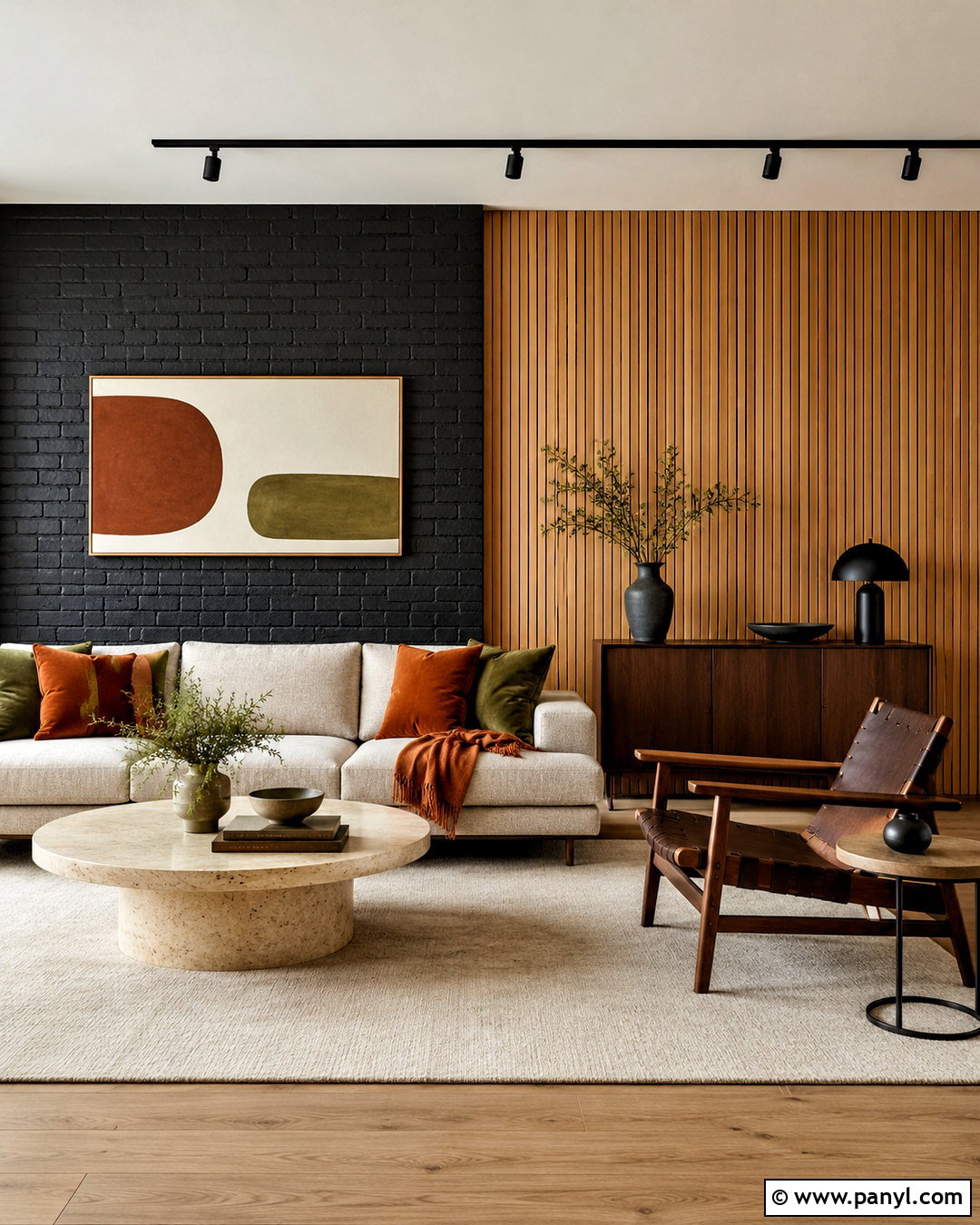
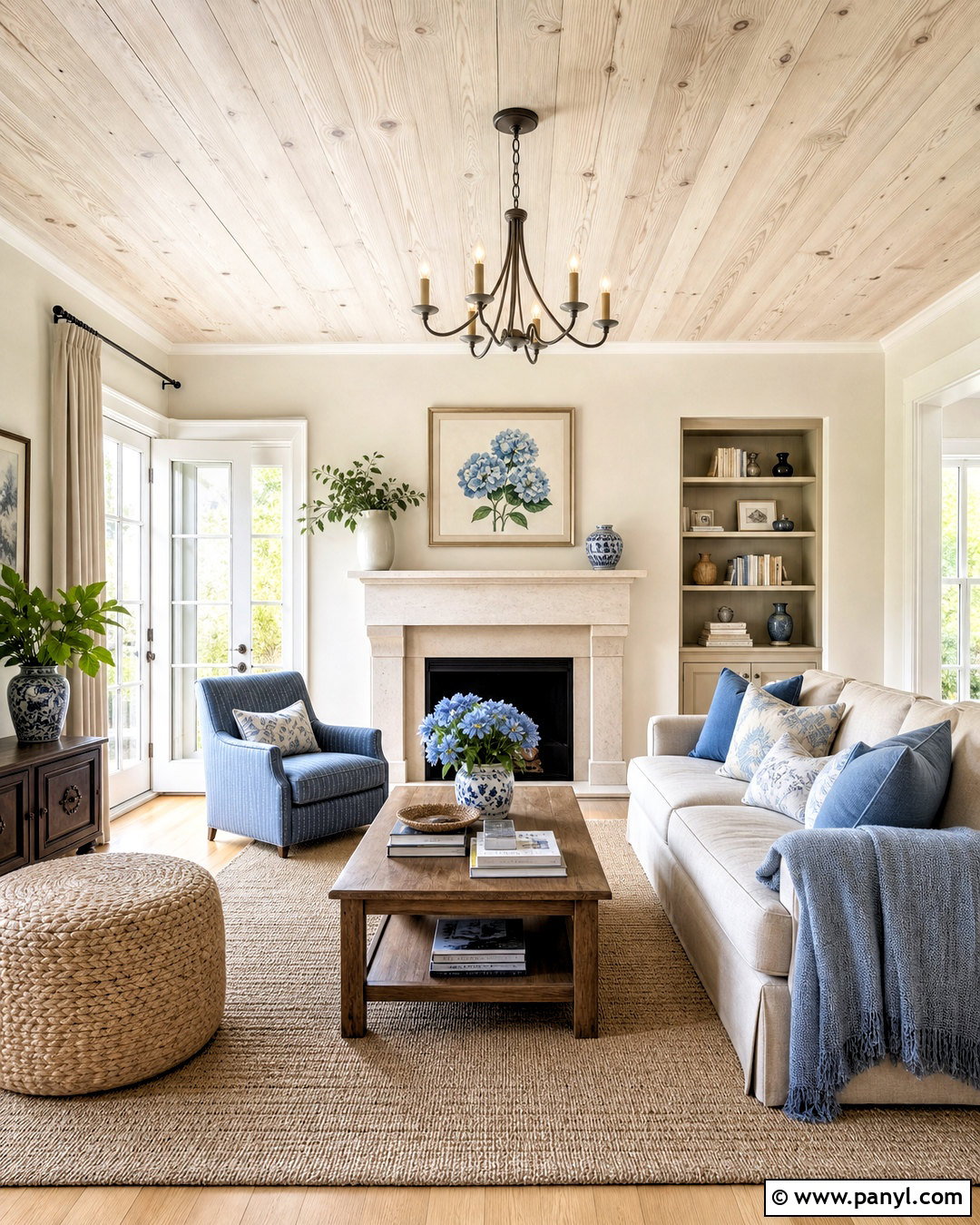
Cheerful symmetry defines this vintage folk-inspired print. Use a chalky cream ground covered with stylized red tulips, heart-shaped leaves, blue berries, golden star flowers, and dark green stems. Arrange the motifs in mirrored vertical clusters so each section feels balanced and handcrafted. Flat colors and bold outlines suit the folk character, but gentle fading and slightly rough edges keep the design from appearing graphic or new. Print it on sturdy cotton or linen for kitchen curtains, breakfast nook cushions, quilts, or decorative wall hangings. Combine it with painted cream furniture, medium-tone wood, woven baskets, and simple red gingham. This full scheme brings personality and heritage charm to casual rooms while remaining bright, practical, and easy to coordinate.
11. Red Vintage Pomegranate Textile Print
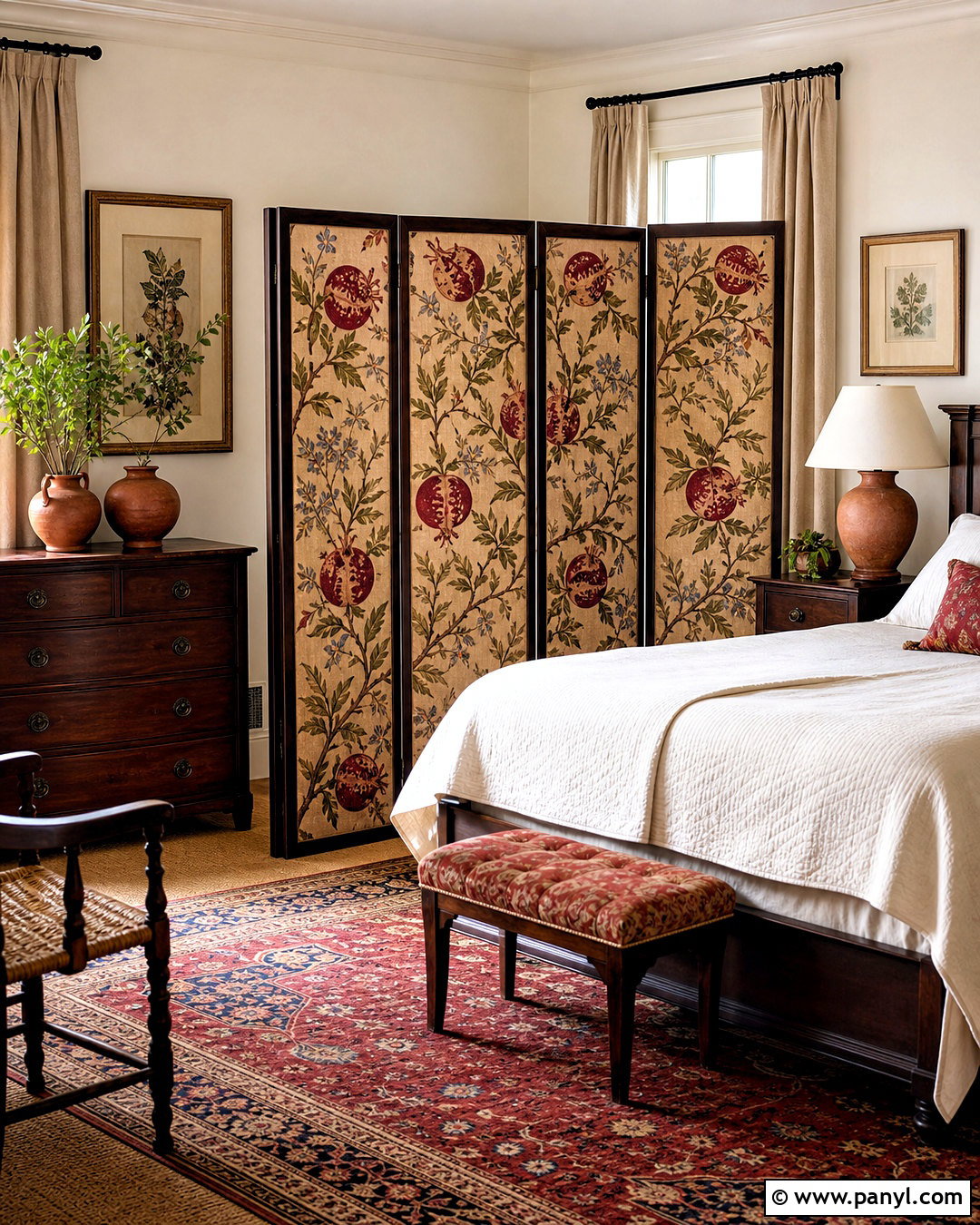
A pomegranate motif provides a bold botanical shape with historic appeal. Arrange ripe burgundy-red fruits, split pomegranates, cream seeds, and curling olive-green leaves across a muted tan ground. Use dark brown stems to form an orderly trailing repeat, adding small blue flowers between the larger fruits for color balance. The shapes should have hand-drawn outlines and uneven pigment coverage that mimic an older woodblock print. A medium or large scale works best for curtains, upholstered screens, bedspreads, and generously sized cushions. Complete the setting with cream linen, dark oak, terracotta pottery, and a narrow botanical border. The finished print feels abundant and decorative, yet its structured repeat prevents the rich red fruit from making the textile look too busy.
12. Red Vintage Bandana Textile Print
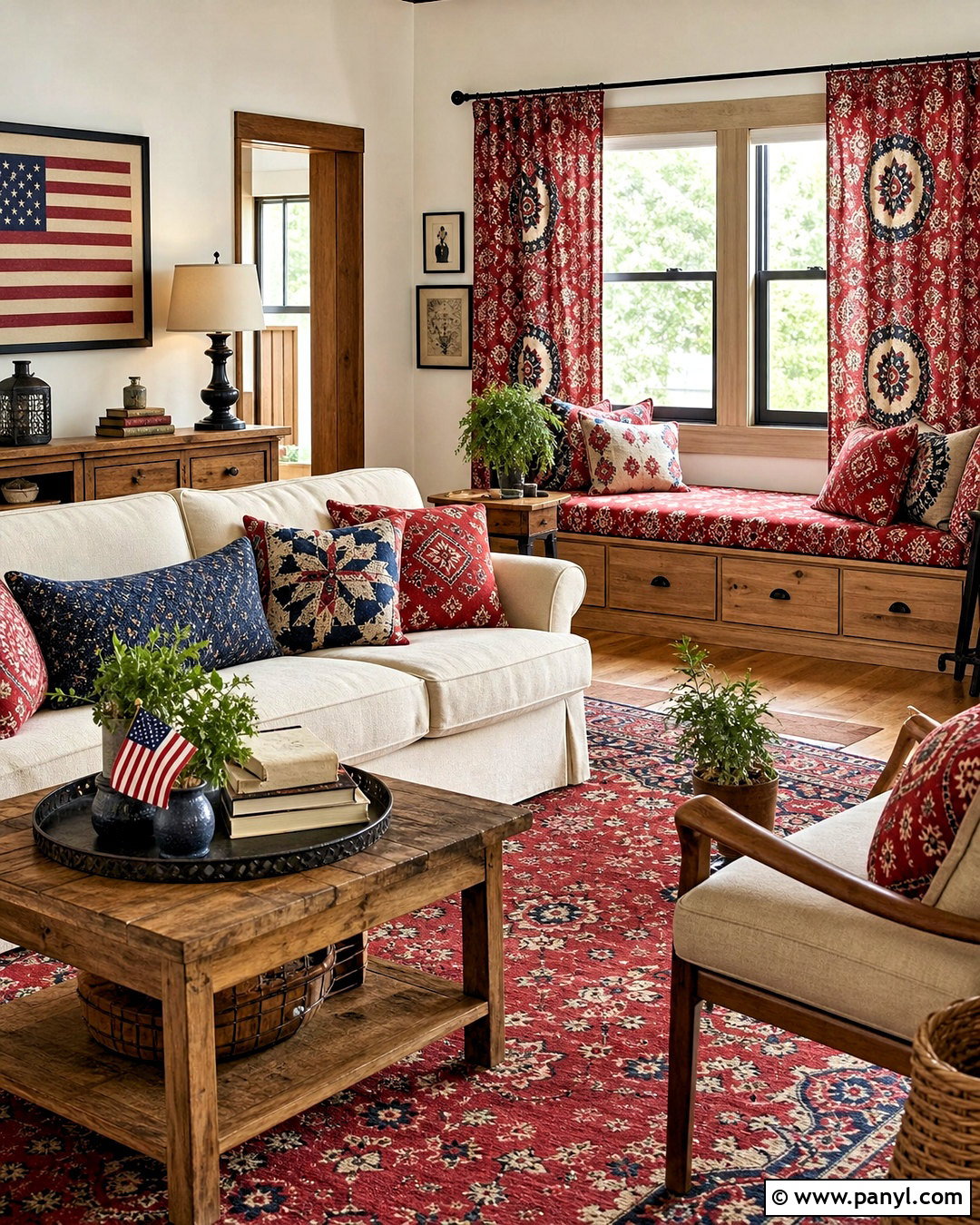
A familiar bandana pattern can become a versatile home textile when its scale and finish are carefully adjusted. Use a faded cherry-red ground with cream paisley corners, small rosettes, dots, and curved leaf motifs. Instead of creating one large square composition, build a seamless all-over repeat with occasional framed medallions. Add thin navy or charcoal details for definition. Washed cotton gives the print a casual, softened surface that suits quilts, café curtains, utility-room skirts, and relaxed pillows. Pair it with denim blue, natural canvas, warm oak, and matte black hardware. Used this way, the pattern feels vintage and practical rather than costume-like. Keep nearby furniture simple so the crisp ornamental details remain clear and visually balanced.
13. Red Vintage Jacobean Textile Print
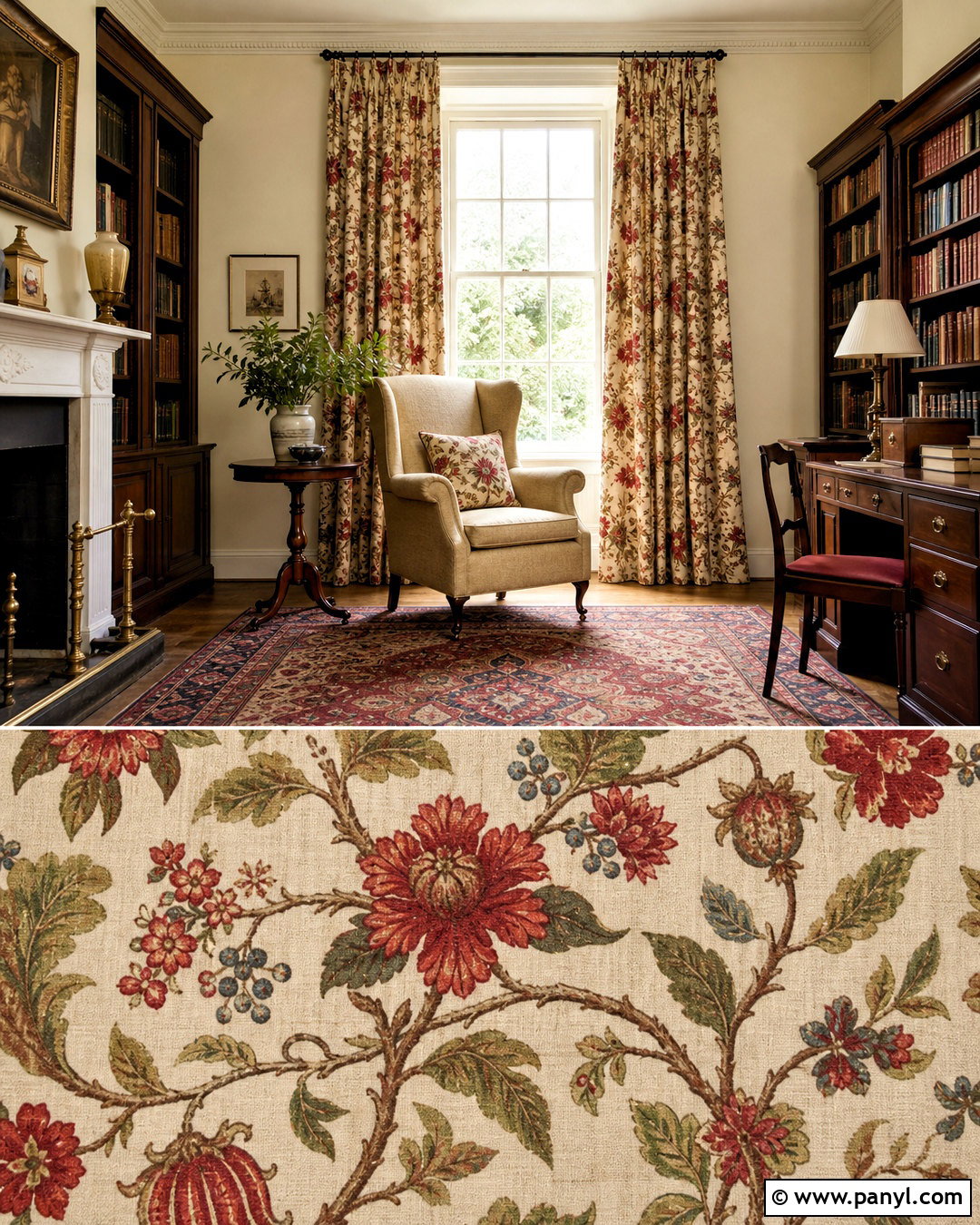
Sweeping vines and imaginary flowers produce a dramatic Jacobean-inspired textile. Begin with an aged parchment background, then create large crimson blossoms, rust seedpods, blue-gray berries, and moss-green leaves. Connect everything with dark brown scrolling branches that move diagonally across the cloth. Use an open repeat with enough negative space to display the sculptural shapes. Fine engraved texture and faded edges will make the print resemble an early decorative furnishing fabric. Heavy cotton or linen is suitable for curtains, wing chairs, window seats, and framed textile panels. Balance the large-scale pattern with solid oatmeal upholstery, dark timber, muted red trim, and traditional lighting. The complete design feels historic and artistic while remaining comfortable enough for an everyday living space.
14. Red Vintage Gingham Floral Textile
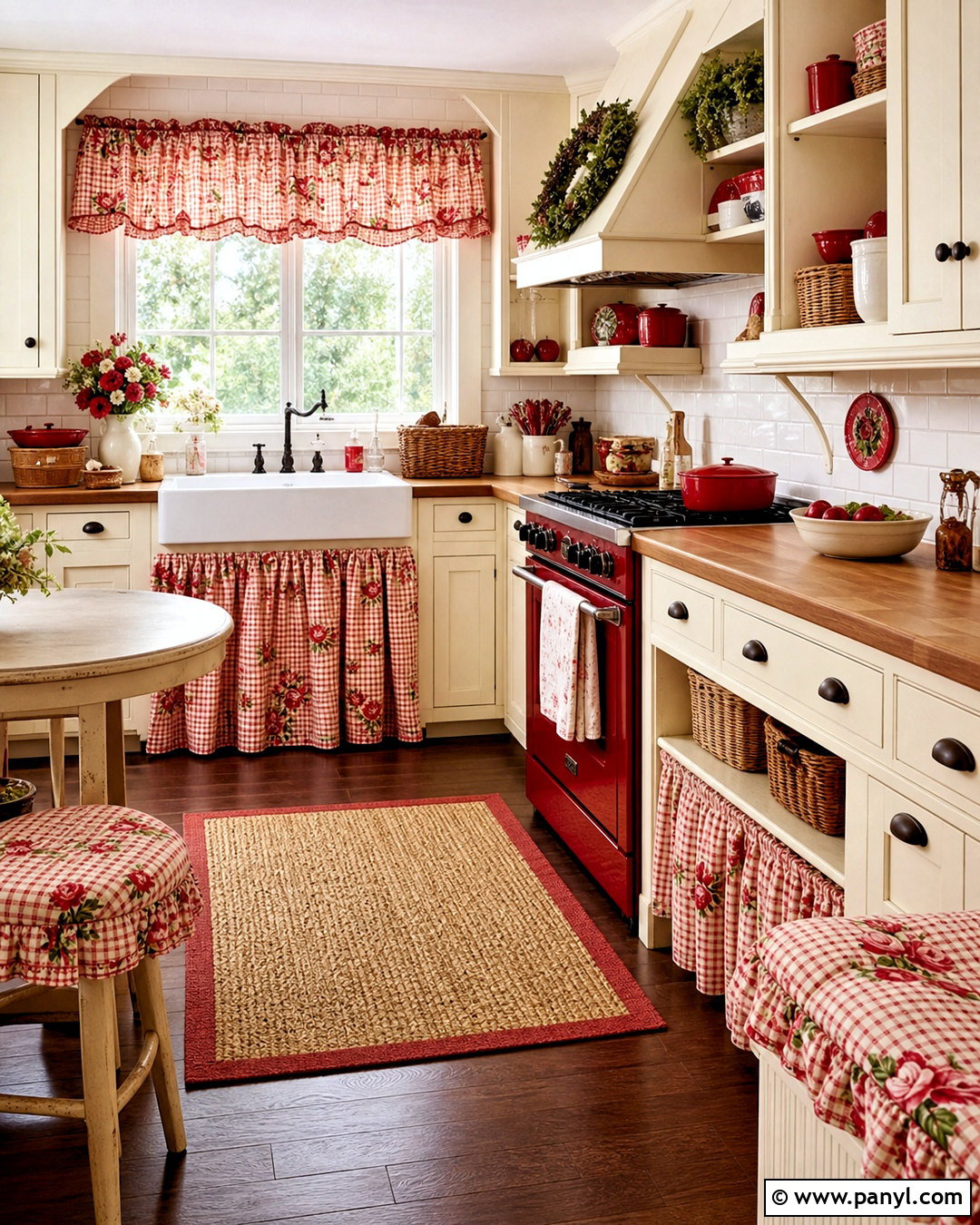
Two familiar patterns come together in this casual vintage design. Create a small cream and faded red gingham background, then place scattered clusters of miniature roses and green leaves over selected squares. Keep the floral layer loose and slightly irregular so it resembles an older kitchen or bedroom cotton rather than a precise digital pattern. Add tiny brown stems and pale pink buds for depth. Lightweight cotton works well for gathered curtains, cushion covers, shelf skirts, and quilt backing. Complete the look with cream-painted cabinets, warm butcher-block surfaces, woven accessories, and solid red details. The gingham supplies order while the flowers soften the grid. Together, they create a cheerful textile that feels nostalgic, useful, and visually light.
15. Red Vintage Medallion Textile Print
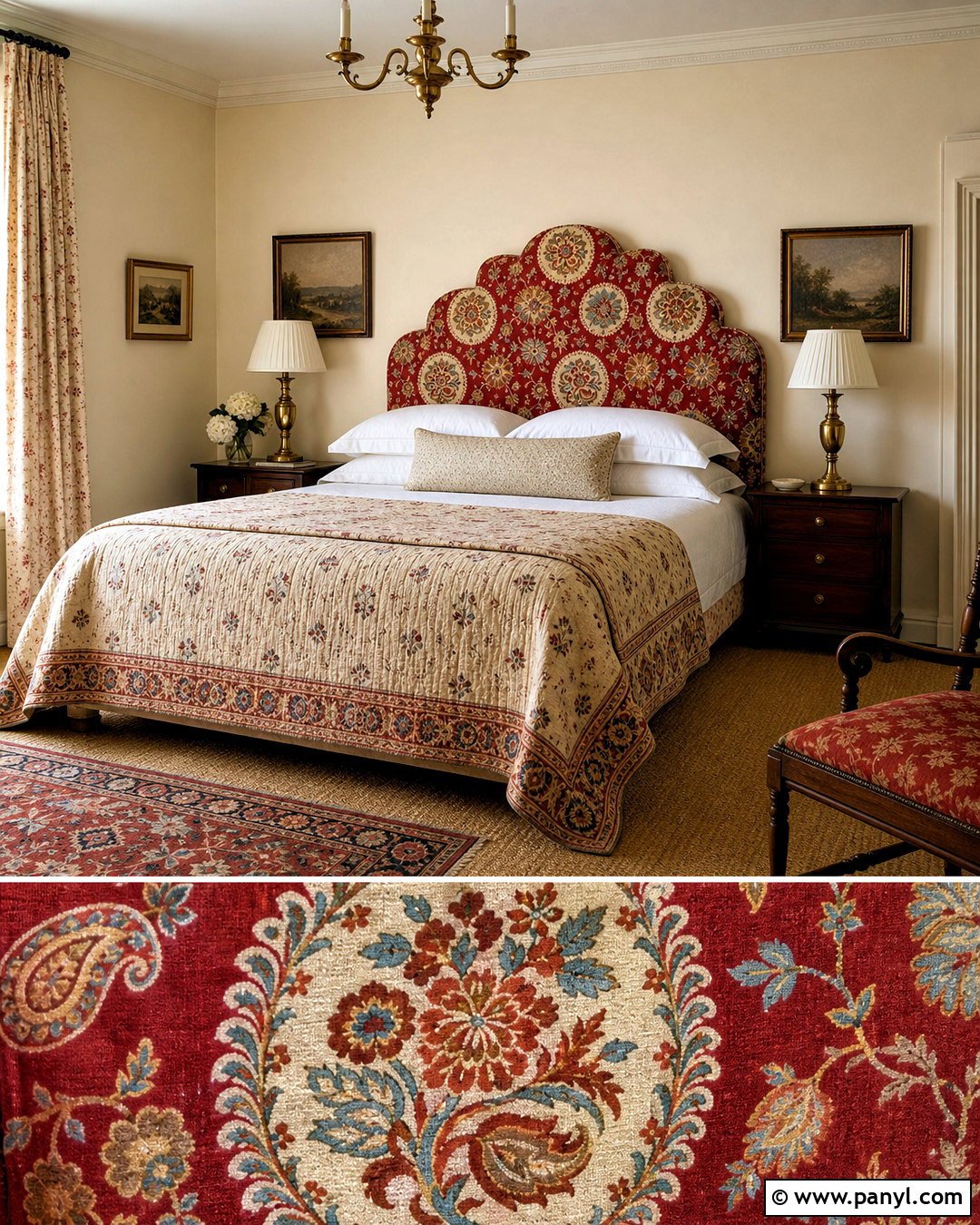
Large medallions can turn an ordinary piece of fabric into a striking decorative feature. Use a deep faded crimson background with round cream medallions spaced in a half-drop repeat. Fill each medallion with rust flowers, muted blue leaves, tan paisley shapes, and fine brown outlines. Place tiny botanical sprigs between the circles to prevent empty areas from feeling unfinished. A gently worn surface and softened colors give the textile an inherited appearance. Choose cotton velvet or thick linen for ottomans, accent chairs, curtains, and upholstered headboards. Surround the print with warm ivory walls, dark walnut, woven flooring, and simple brass lighting. This balanced room scheme supports the pattern’s strong scale without allowing the medallions to dominate every surface.
16. Red Vintage Ticking Textile Print
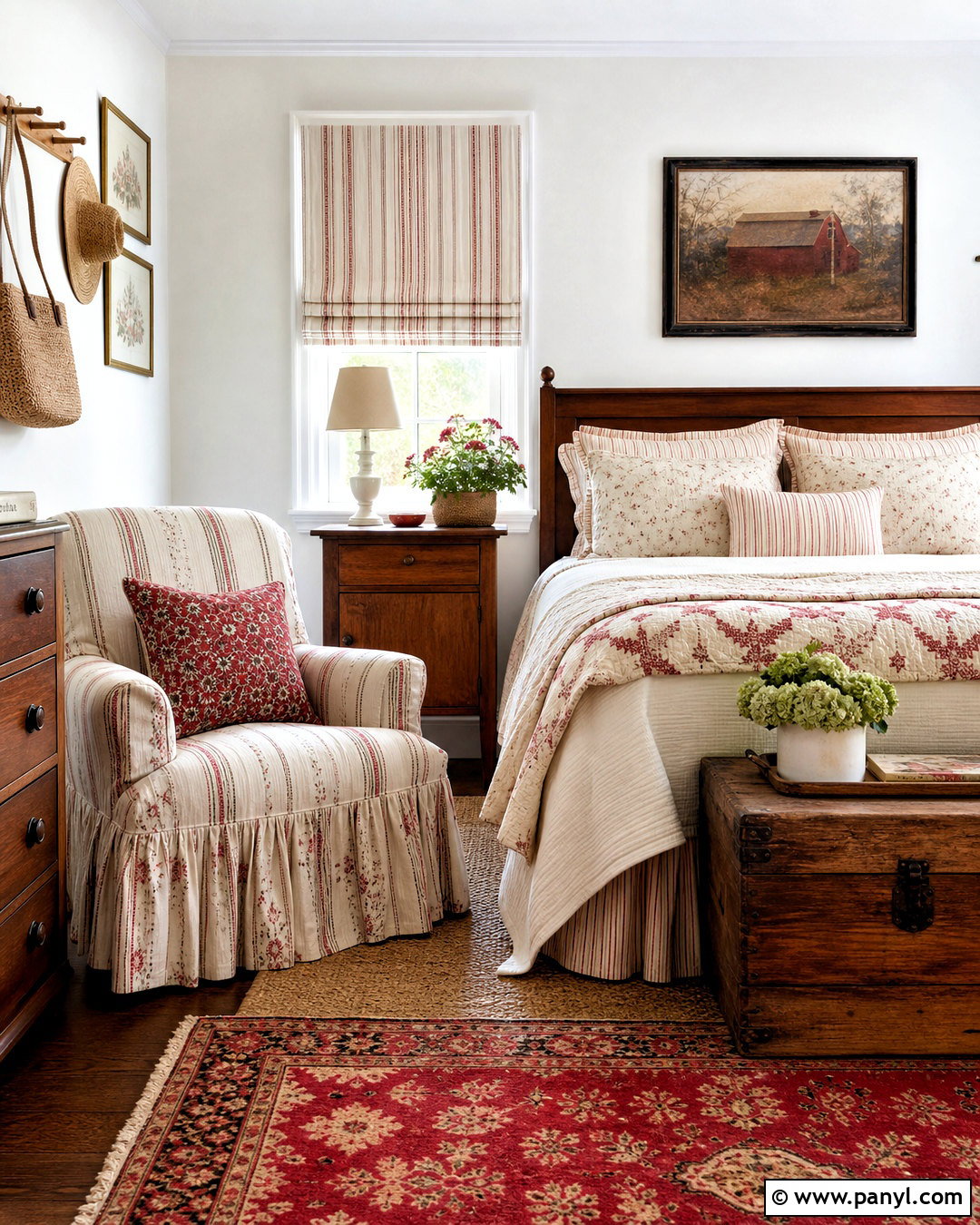
Classic ticking becomes more decorative when subtle motifs are woven into its stripe arrangement. Alternate narrow brick-red lines, thin charcoal pinstripes, and broad cream spaces. Place tiny faded floral sprigs inside every third cream stripe to soften the practical mattress-cloth appearance. The pattern should remain linear and understated, with a visible linen or cotton texture that adds tactile depth. Use it for slipcovered chairs, bed skirts, pillows, Roman shades, and upholstered stools. Combine the fabric with antique quilts, natural wood, off-white walls, and small-scale block prints. The stripes give the room structure, while the miniature flowers provide a gentle vintage detail. This makes the textile easy to use in farmhouse, cottage, coastal, and traditional settings.
17. Red Vintage Botanical Textile Print
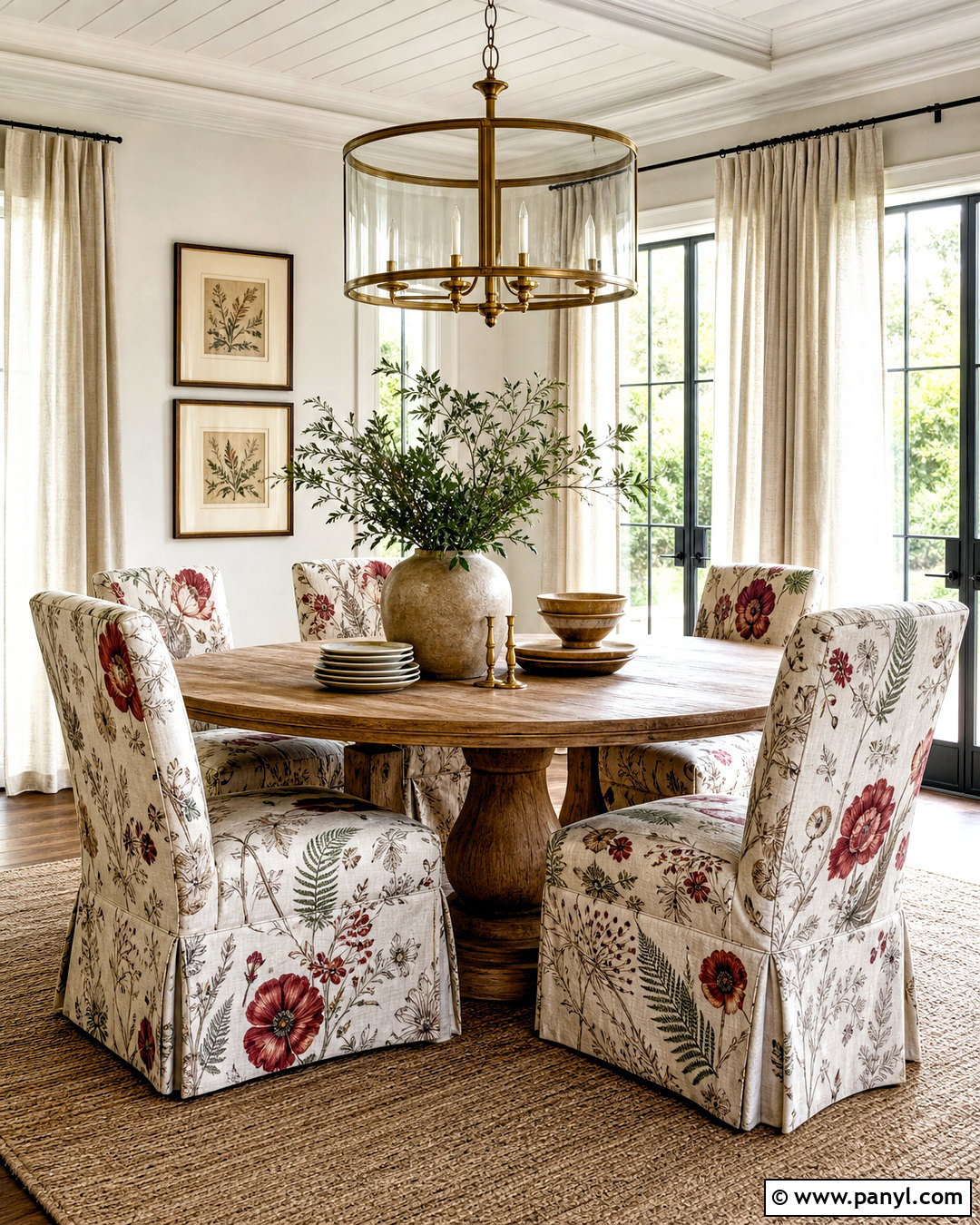
Detailed botanical drawings create a sophisticated red textile with an archival quality. Set dark red poppies, berry branches, fern leaves, and seed heads against a pale flax background. Render the motifs with fine brown outlines, crosshatched shading, and muted green foliage. Arrange the plants as individual specimens in a loose tossed repeat instead of connecting them with continuous vines. Small handwritten labels should be avoided so the fabric remains decorative and free of distracting text. A linen-cotton blend suits curtains, framed panels, tablecloths, and occasional chairs. Finish the room with natural oak, stoneware, aged brass, and solid burgundy accents. The result feels collected from nature, balancing scientific detail with the warmth and softness expected from vintage furnishing fabric.
18. Red Vintage Patchwork Textile Print
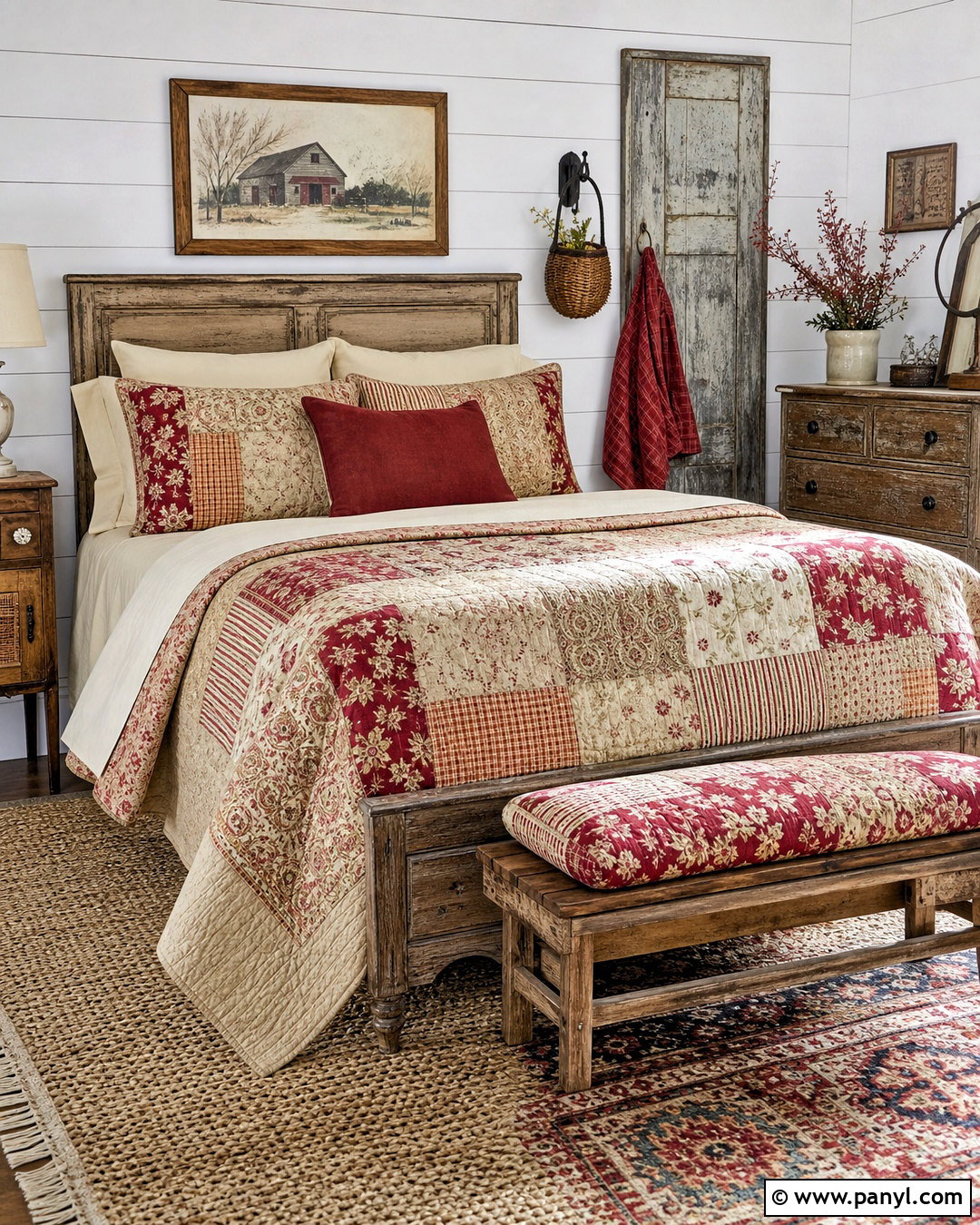
A printed patchwork design delivers layered character without requiring individually sewn pieces. Create an orderly grid of small squares containing cranberry florals, cream paisleys, red ticking, tiny checks, and rust geometric motifs. Separate the blocks with narrow faded tan lines that resemble old seams. Keep every pattern within the same muted palette so the textile looks coordinated rather than random. Light distressing across the entire surface helps unite the different sections. Use quilt-weight cotton for bed covers, seat cushions, storage baskets, and casual curtains. Surround it with solid cream bedding, weathered wood, woven rugs, and one dark red accent. This complete look feels handmade and nostalgic while remaining simpler to reproduce than traditional pieced patchwork.
19. Red Vintage Bird Textile Print
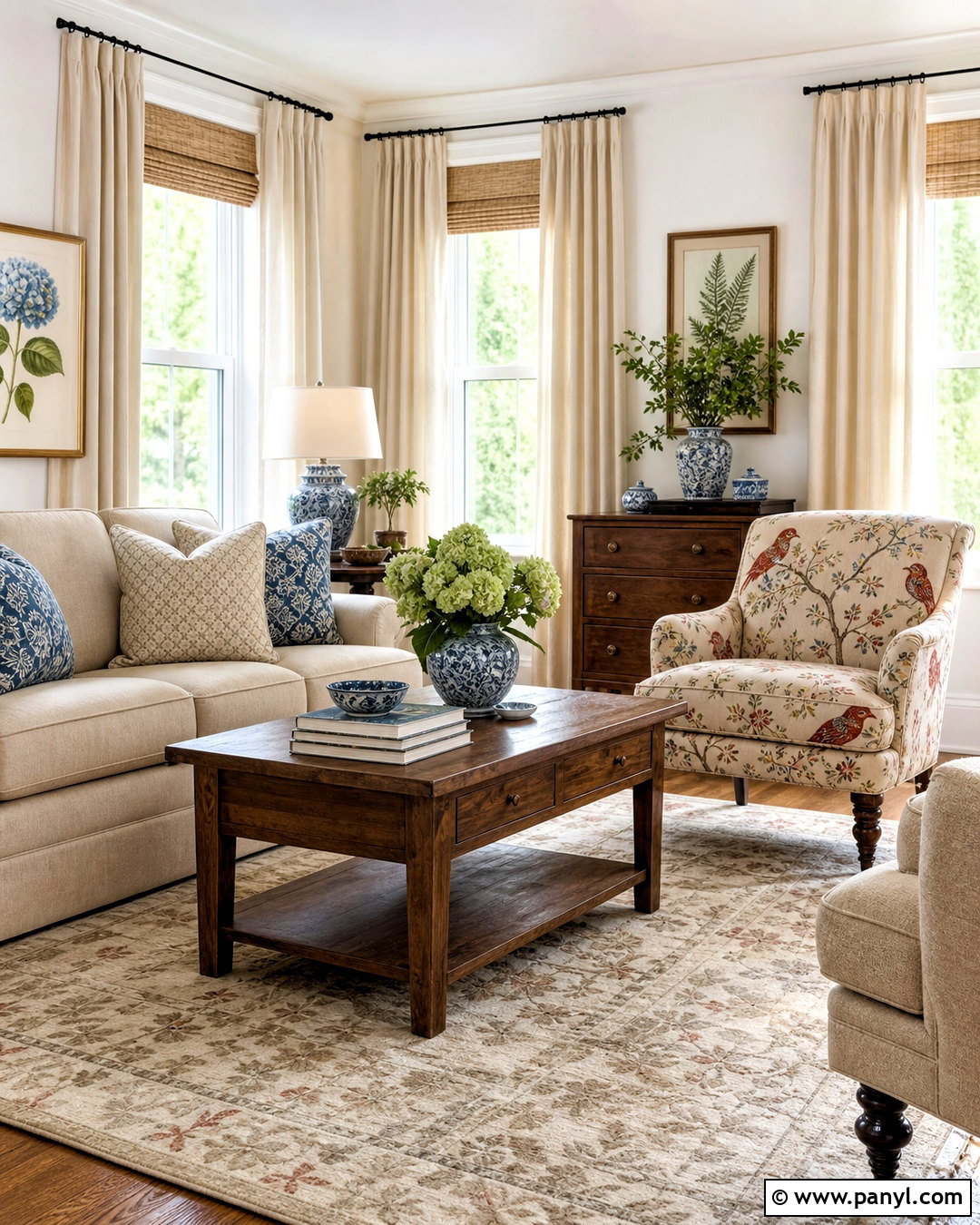
Small birds add movement and storytelling to a floral textile. Place rust-red songbirds among winding branches filled with cream flowers, faded blue berries, and sage-green leaves. Use a warm parchment ground to keep the design light, and vary the birds’ direction so the repeat does not feel rigid. Delicate brown linework, softly uneven color, and occasional distressed areas create convincing vintage texture. A medium scale allows the birds to remain visible on curtains, cushions, upholstered chairs, and bed linens. Pair the print with oatmeal fabrics, walnut furniture, woven shades, and restrained blue accents. The finished scheme feels lively but not childish because the mature palette and naturalistic drawing style give the birds an elegant, traditional presence.
20. Red Vintage Scallop Textile Print
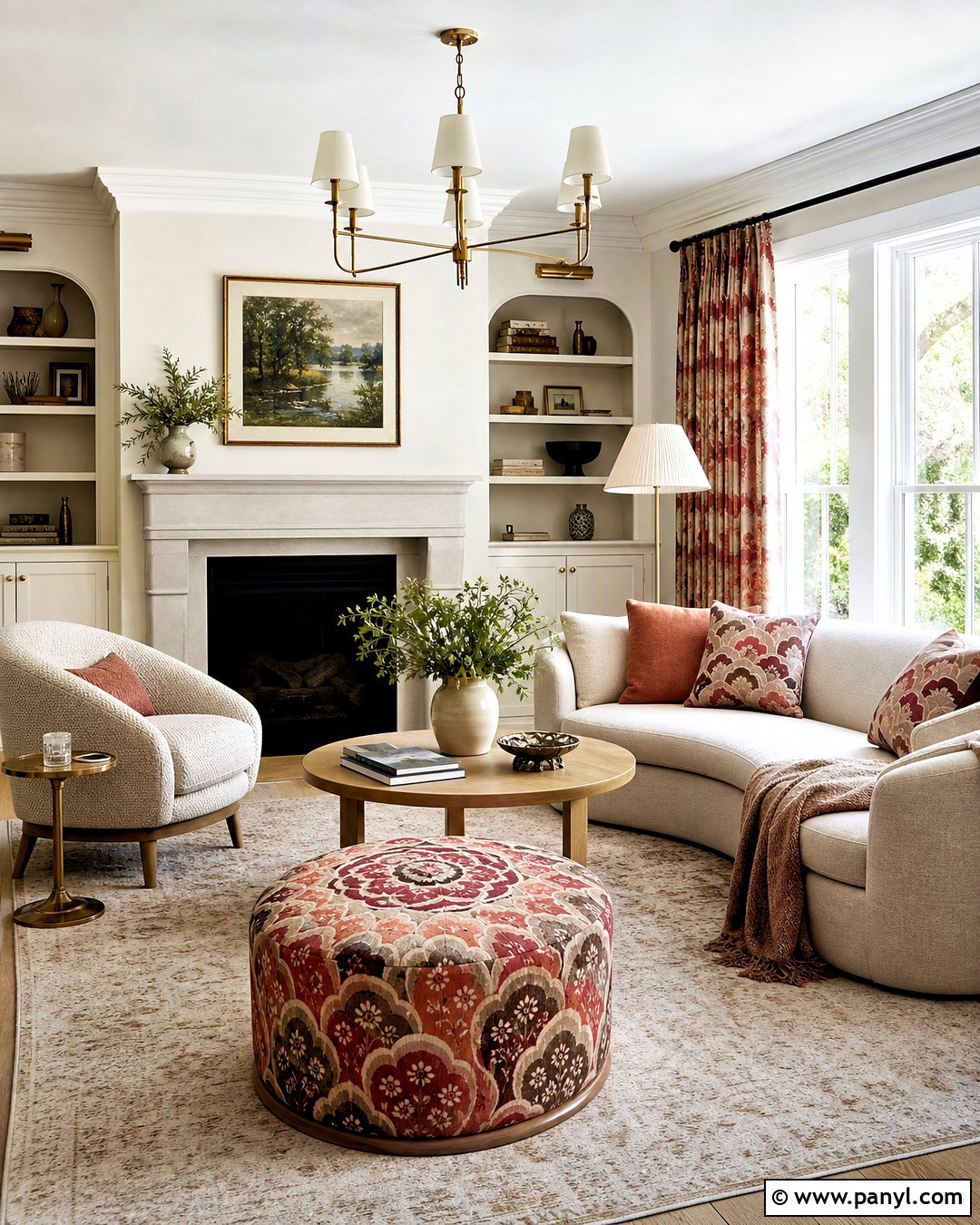
A scalloped repeat creates an orderly textile with subtle Art Deco and midcentury character. Form overlapping fan shapes in faded red, dusty coral, cream, and dark burgundy. Add a tiny floral sprig or simple leaf inside alternating scallops to connect the geometry with older botanical patterns. Fine tan outlines and a lightly crackled print texture will soften the precision of the repeat. Medium-weight cotton or linen makes the design suitable for curtains, upholstered stools, lampshades, and tailored pillows. Complete the room with pale oak, cream upholstery, rounded furniture, and small brass accents. The combination feels cleaner than a traditional floral but still carries vintage warmth, making it useful in transitional interiors that mix historic references with simple modern forms.
Conclusion:
The most successful **red vintage textile print ideas** combine rich color with thoughtful scale, coordinated supporting tones, and a finish that feels gently aged. Florals, paisleys, toile scenes, folk motifs, stripes, and geometric repeats each create a different atmosphere, but they work best when treated as part of a complete room. Consider where the pattern will appear, how much fabric will be visible, and which plain materials can provide visual rest. Large motifs suit curtains and statement upholstery, while smaller repeats are easier to layer on cushions and shades. By balancing red with cream, brown, blue, green, or natural flax, you can create a textile look that feels historic, warm, and highly usable.

Related Ideas and Inspiration:
Leave a Reply