
Flat paint can make a room feel unfinished, while the right color and surface treatment adds depth, warmth, and character. These 35 wall color texture ideas explore complete room looks using limewash, Roman clay, Venetian plaster, color washing, textured paint, panel molding, brick, grasscloth, and other layered finishes. Each design pairs a distinctive wall treatment with flooring, furniture, lighting, textiles, and decor, so you can visualize how the entire space works together. You will find calming neutrals, earthy shades, rich jewel tones, and playful colors for living rooms, bedrooms, kitchens, dining areas, bathrooms, and entryways. Whether you want subtle movement or a dramatic focal point, use these 35 wall color texture ideas to find a finish that fits your home.

1. Beige Limewash Wall Texture
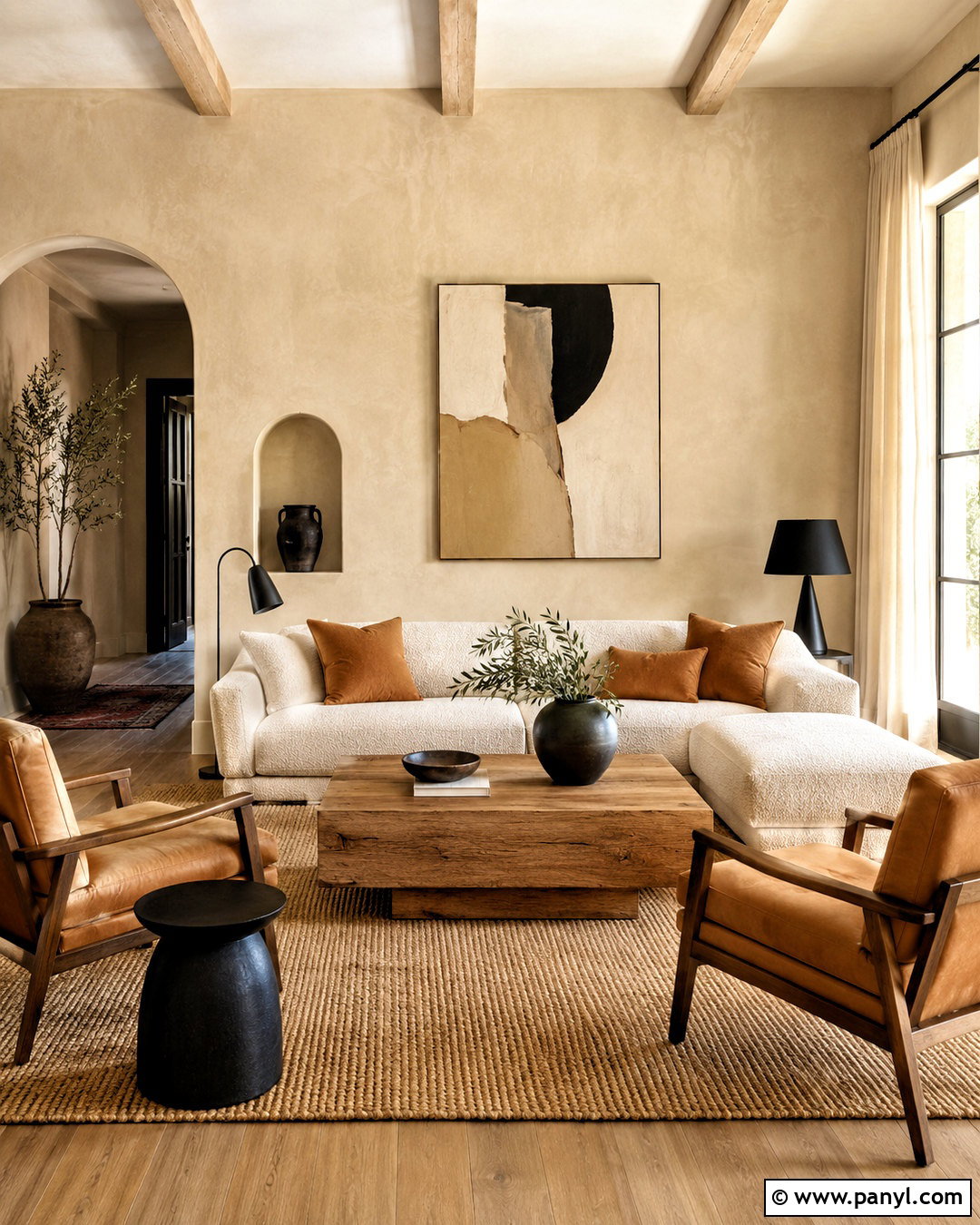
Warm beige limewash creates a soft, cloudlike backdrop that makes an everyday living room feel relaxed and thoughtfully finished. Apply it across every wall rather than limiting it to one accent surface. Pair the sandy beige variation with a cream boucle sofa, medium oak coffee table, and woven jute rug. Linen curtains in warm white keep the windows light, while matte black floor lamps add useful contrast. Choose pillows in caramel, oatmeal, and muted olive to reinforce the earthy palette. Keep artwork simple, using one oversized abstract piece in chalky neutral tones. Pale oak flooring completes this organic modern room without competing with the visible brush movement on the walls.
2. Sage Green Limewash Wall Texture
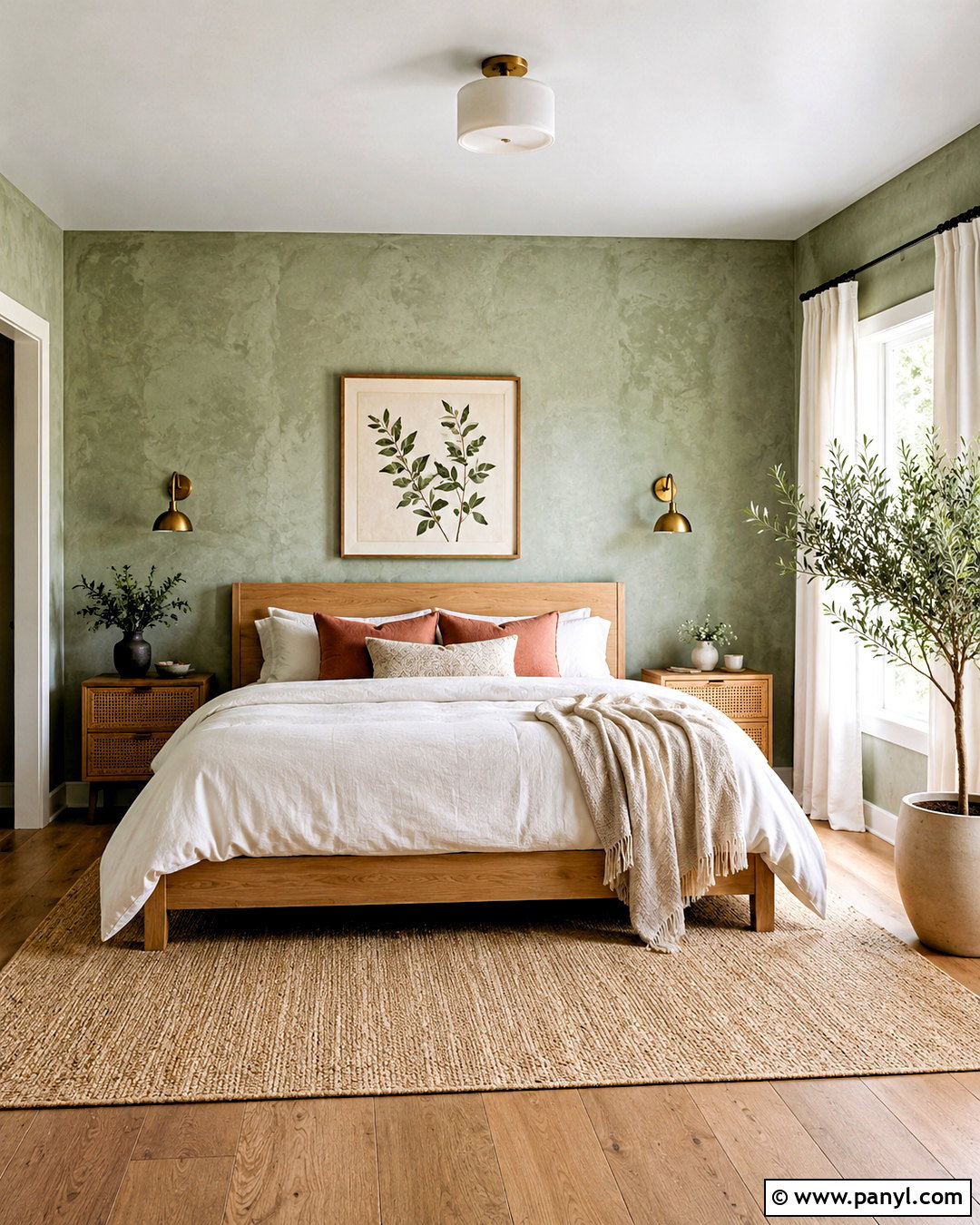
Imagine a quiet bedroom wrapped in soft sage green with gently mottled limewash movement. The muted wall color works beautifully with a natural oak bed, ivory linen bedding, and clay-colored accent pillows. Add woven nightstands and aged brass sconces to bring warmth into the cool green palette. A light wool rug beneath the bed softens the floor and keeps the room comfortable. Use simple botanical artwork with plenty of open space so the walls remain the main feature. Warm white trim provides a clean edge without creating harsh contrast. Finish the look with gauzy linen curtains and one medium-scale indoor tree in a handmade ceramic planter.
3. Terracotta Limewash Wall Texture
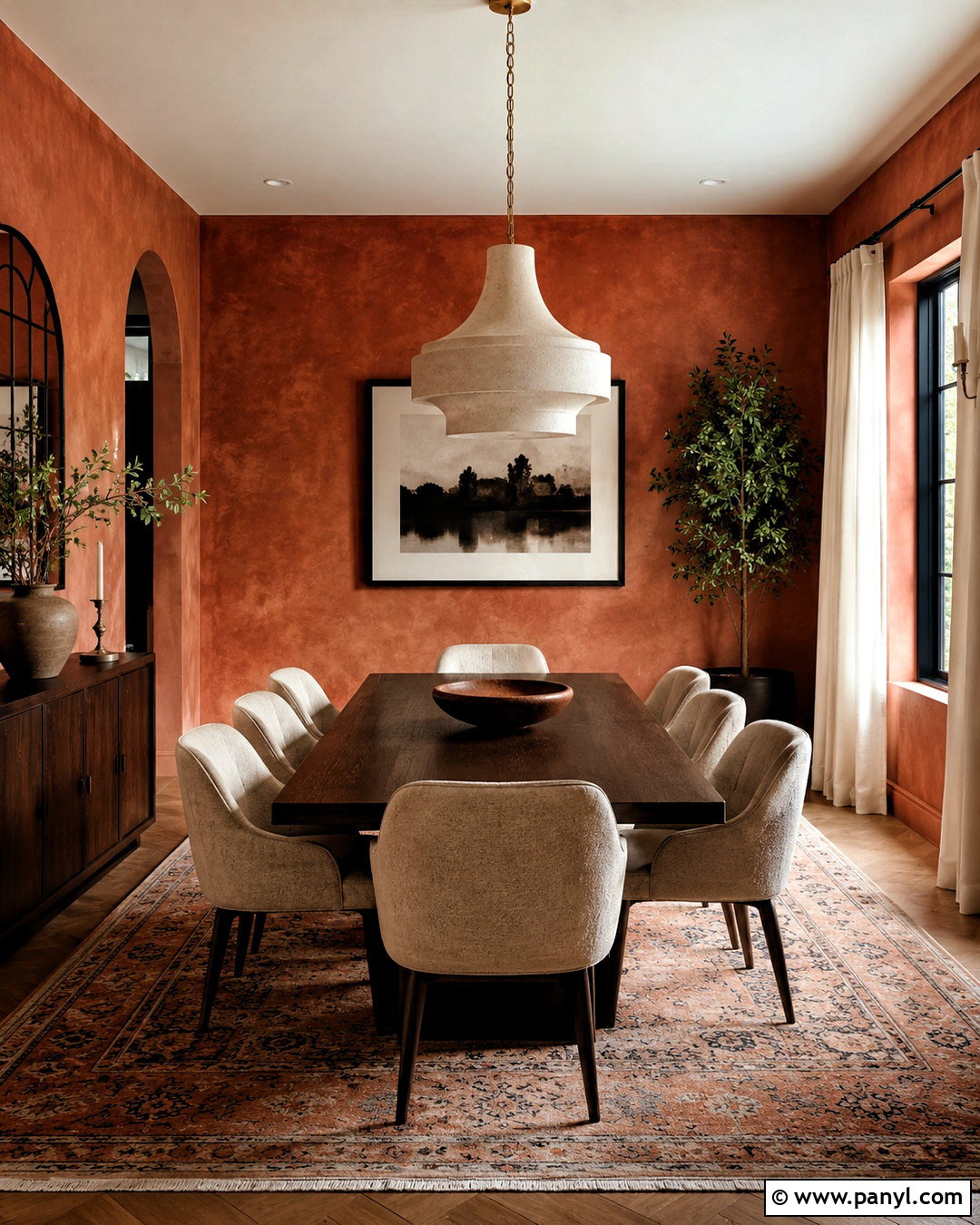
Terracotta limewash can turn a dining room into a warm, welcoming gathering space without feeling overly rustic. Cover the walls in a softened burnt-orange shade with natural tonal variation, then ground the room with a dark walnut dining table. Upholstered chairs in oatmeal fabric balance the stronger wall color. A sculptural plaster pendant brings another matte surface overhead, while cream curtains brighten the windows. Use a vintage-inspired rug with dusty red, tan, and faded blue details beneath the table. Black-framed artwork and dark bronze accessories sharpen the palette. Keep the ceiling and trim warm white so the terracotta remains rich, lively, and approachable.
4. Blue Gray Limewash Wall Texture
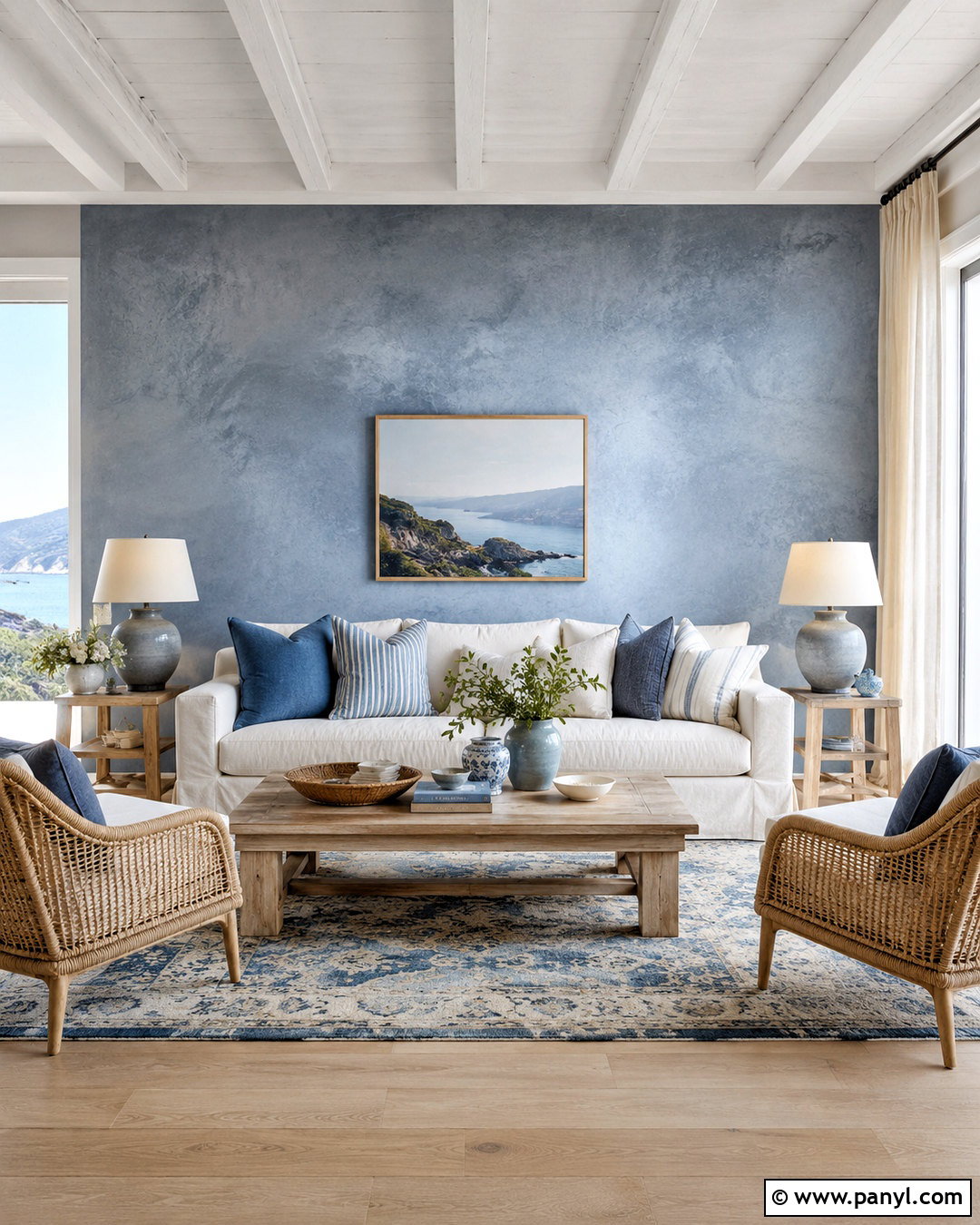
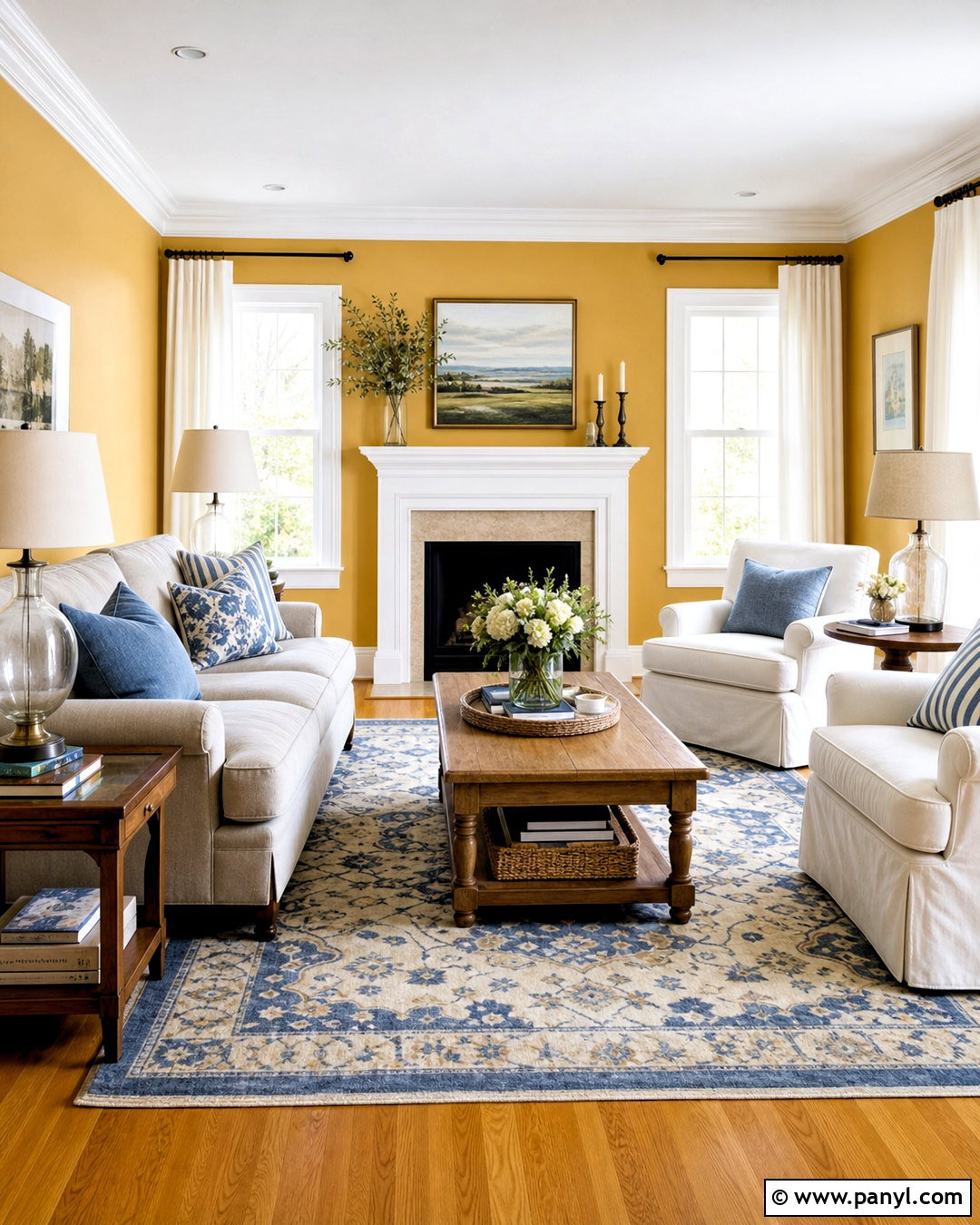
A blue-gray limewash finish brings peaceful color and subtle movement to a coastal living room. Choose a medium-light shade that feels more blue in daylight and slightly grayer in shaded corners. Build the room around a slipcovered white sofa, pale oak side tables, and two woven lounge chairs. A faded blue-and-cream rug connects the wall color to the seating area. Add white linen curtains, ceramic table lamps, and cushions with narrow indigo stripes. Instead of obvious nautical decorations, use simple landscapes, handmade pottery, and weathered wood accents. Natural textures keep the room casual, while crisp white trim gives the softly brushed walls a polished architectural outline.
5. Charcoal Limewash Wall Texture
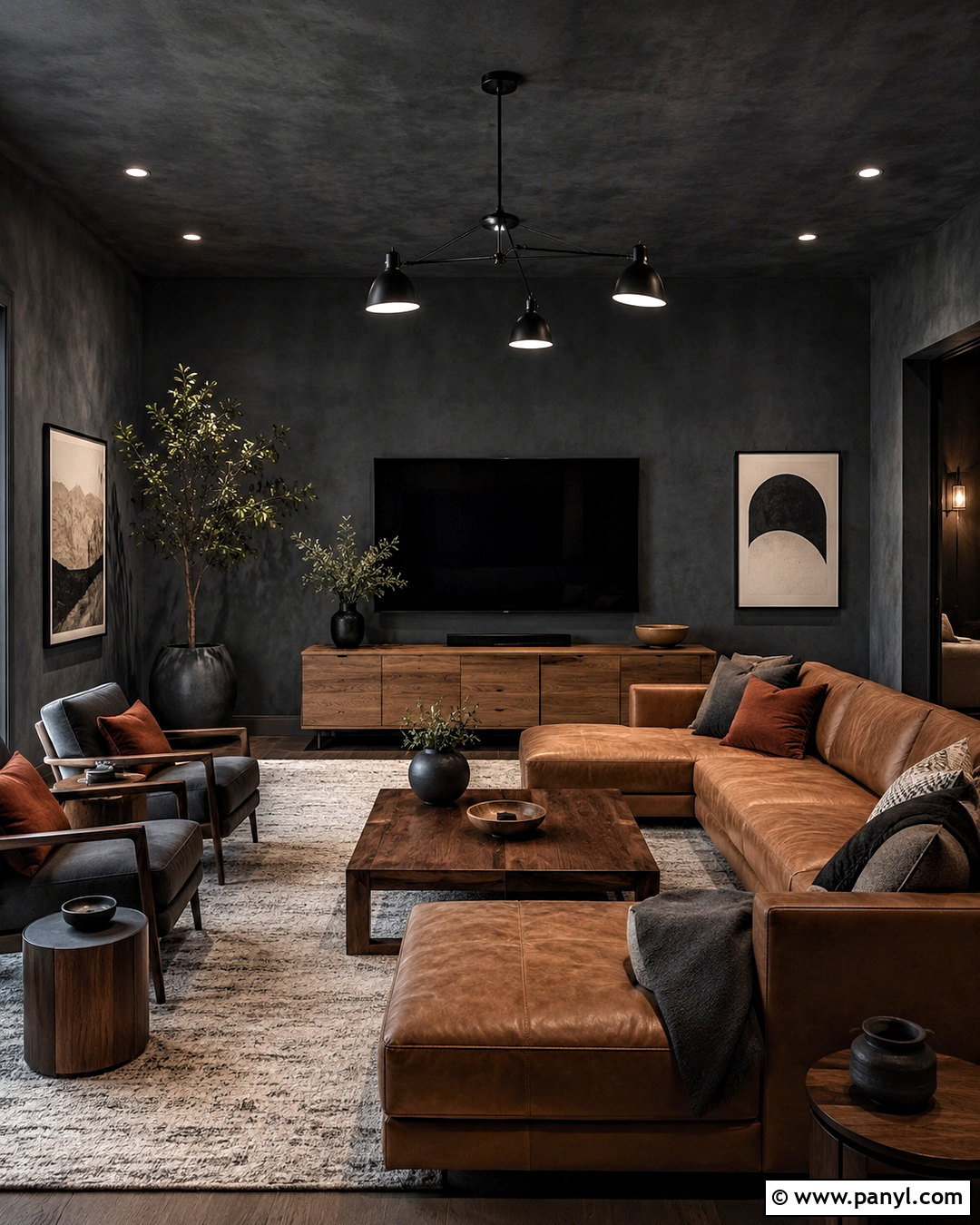
For a dramatic media room, charcoal limewash offers depth without the flat appearance of standard dark paint. Wrap every wall in a smoky charcoal finish and continue the color onto the ceiling for a cozy effect. Place a low-profile cognac leather sectional against one wall and add a substantial oak media console opposite it. A cream-and-gray textured rug keeps the floor from disappearing into the darker scheme. Use black metal lighting, walnut side tables, and rust-colored cushions for warmth. Minimal framed prints with wide ivory mats provide visual breathing room. Soft layered lamps will highlight the tonal wall variation while supporting comfortable movie nights and conversation.
6. Cream Roman Clay Wall Texture
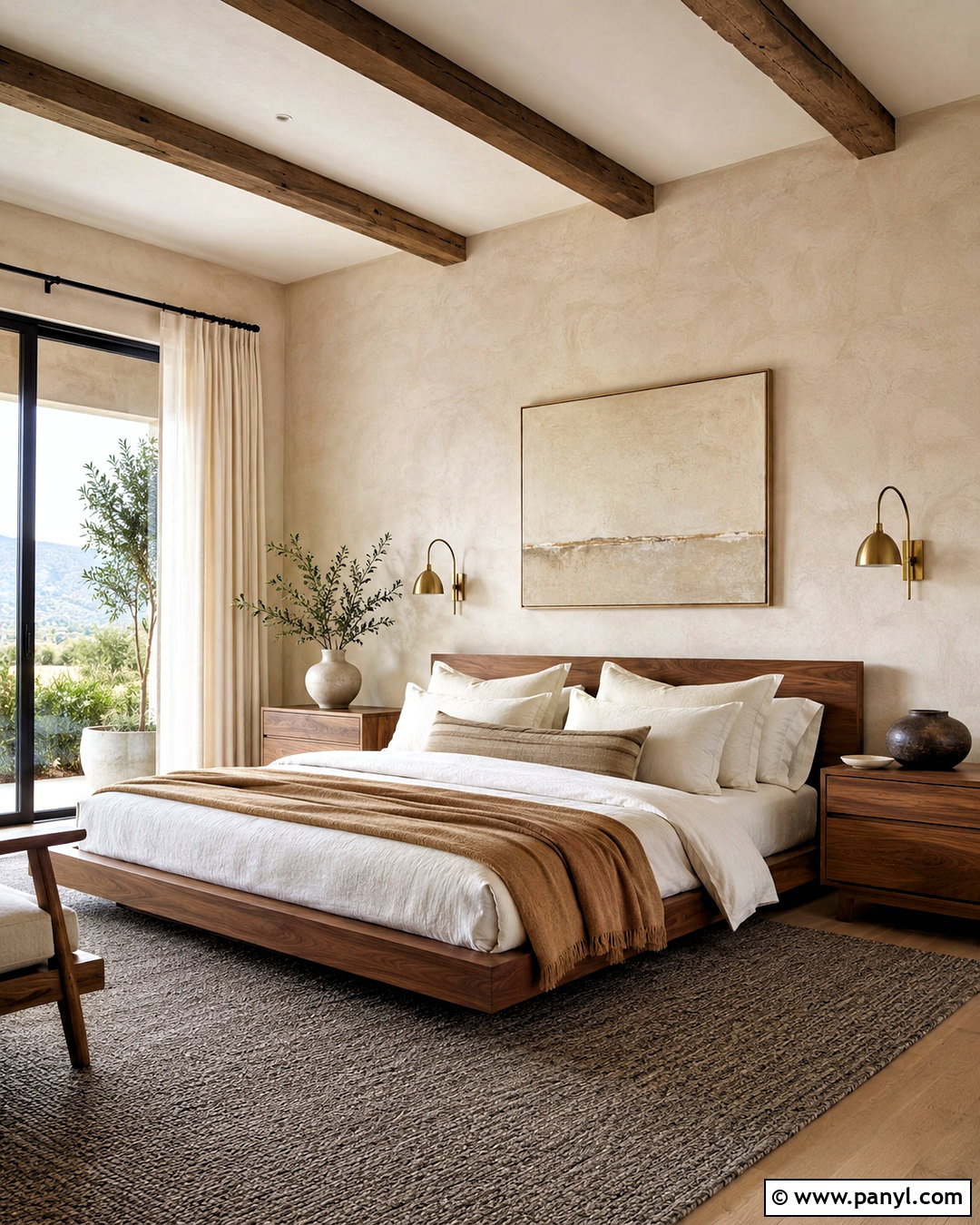
Cream Roman clay gives a primary bedroom a smooth, handcrafted appearance that feels warmer than plain white paint. Use the finish on every wall and pair it with a walnut platform bed for clear contrast. Layer the bed with white cotton sheets, a natural linen duvet, and a textured camel throw. Matching wood nightstands create symmetry, while brushed brass sconces add a gentle reflective detail. Choose a large wool rug in cream and taupe to soften the flooring. An upholstered bench at the foot of the bed completes the furniture arrangement. Keep window treatments simple with full-length ivory curtains, allowing daylight to reveal the quiet tonal movement in the clay finish.
7. Mushroom Roman Clay Wall Texture
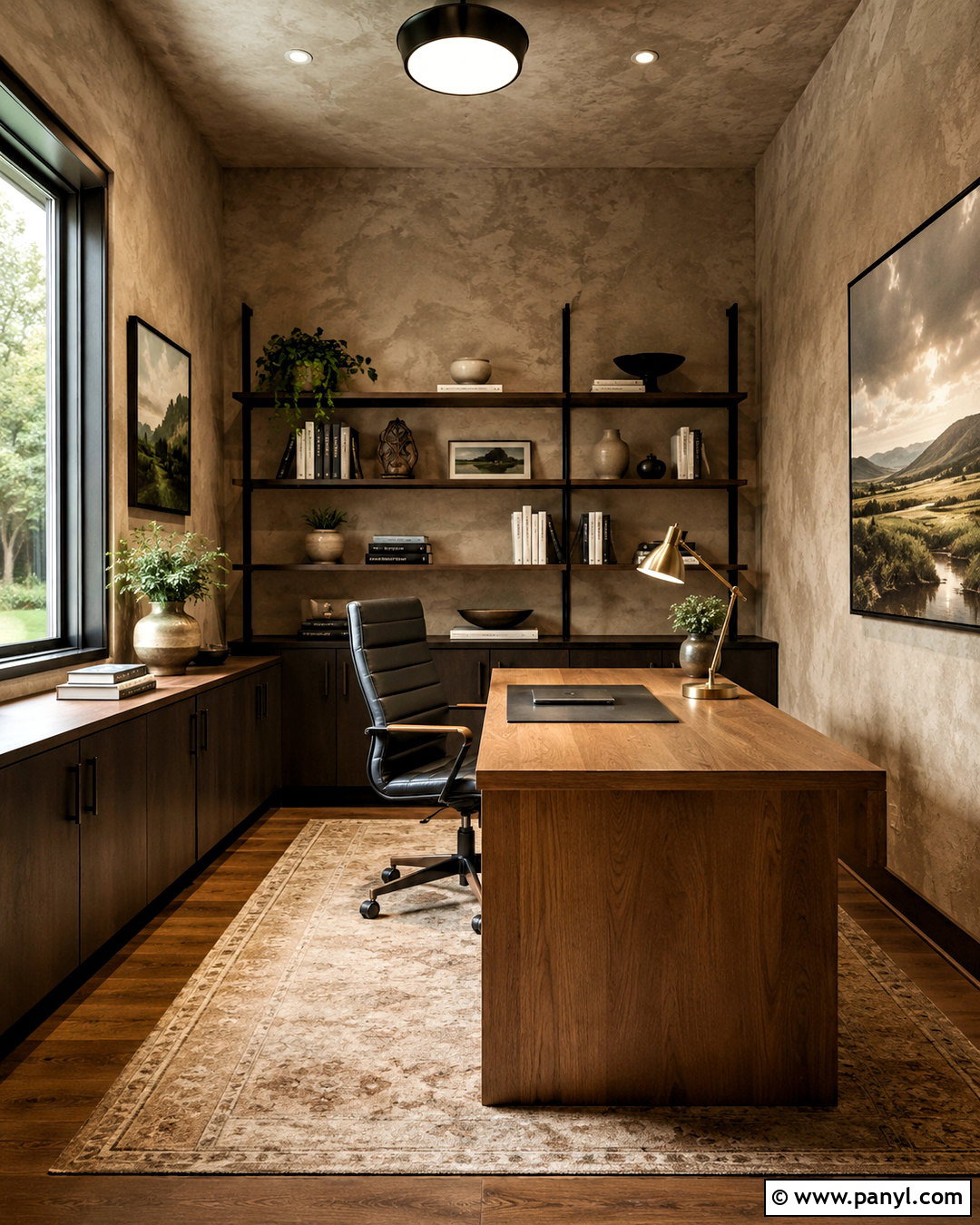
Mushroom-colored Roman clay creates a sophisticated neutral foundation for a compact home office. The balanced brown-gray tone feels grounded without making the workspace dark. Install the finish on all walls, then place a streamlined oak desk near the main window. A black leather desk chair and thin black shelving introduce structure. Add closed storage in a matching mushroom shade so practical elements blend into the room. Use a flat-woven rug with cream and brown geometry, plus linen Roman shades that softly filter daylight. One large landscape print can provide color without visual clutter. A brass task lamp and ceramic accessories finish this calm, professional workspace.
8. Dusty Rose Roman Clay Wall Texture
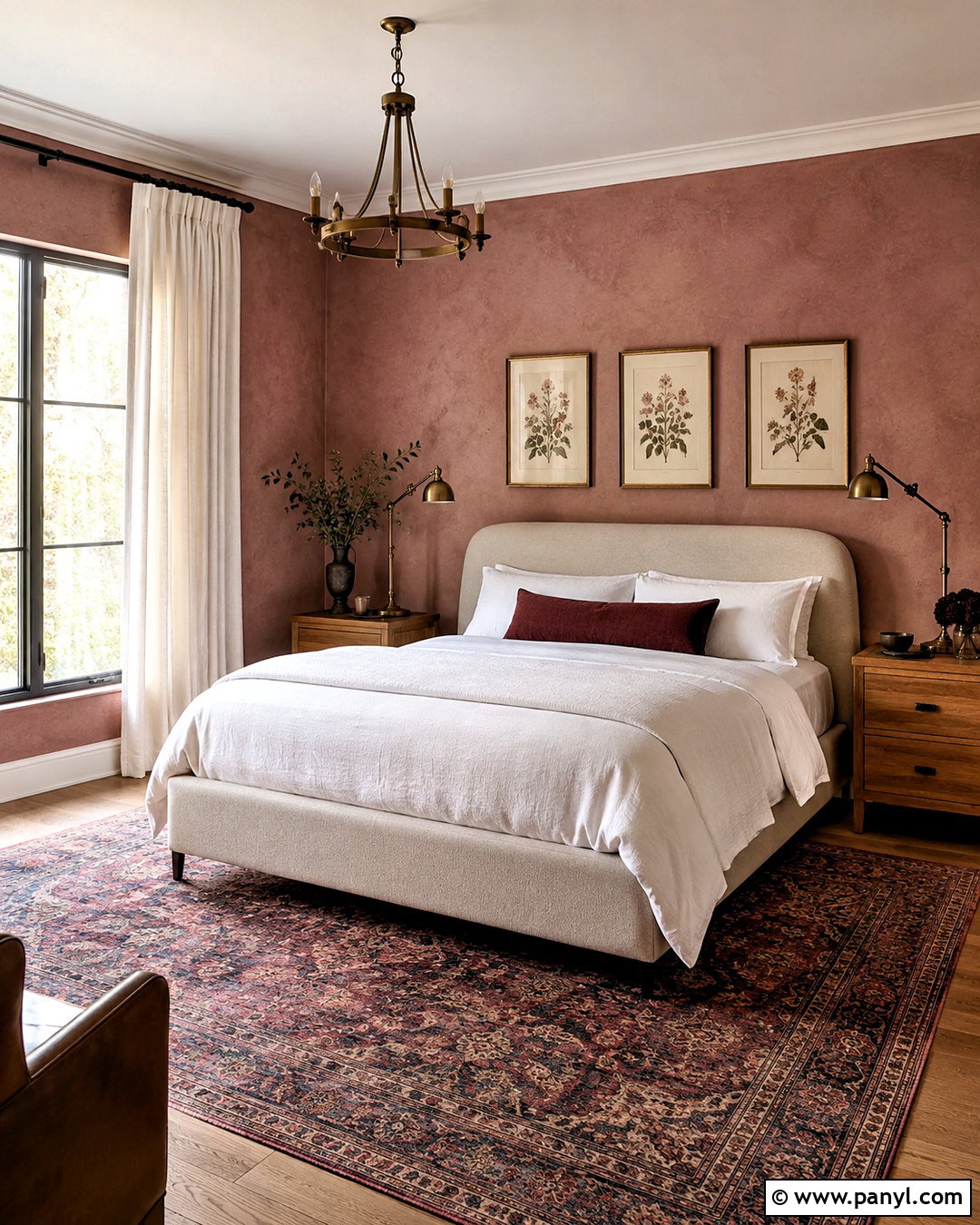
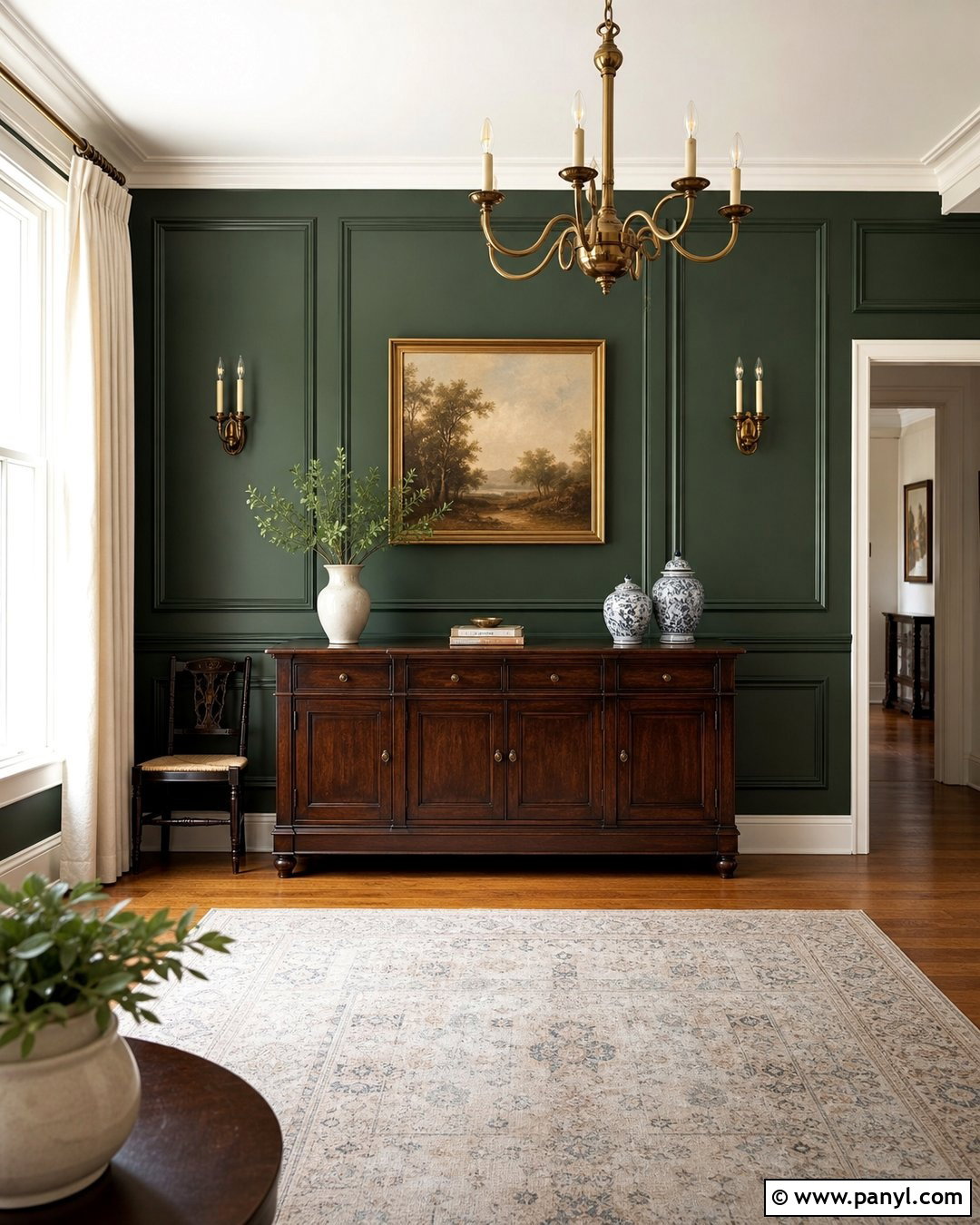
Dusty rose Roman clay gives a guest bedroom gentle color while maintaining a mature, restful look. Select a muted pink with brown undertones rather than a sugary pastel. Pair the walls with an upholstered oatmeal bed, crisp white sheets, and a deep burgundy lumbar pillow. Medium oak nightstands and antique brass lamps add warmth. A faded Persian-style rug introduces muted green, cream, and rose details across the floor. Hang one vintage botanical print above each nightstand to create balance around the bed. Ivory curtains and soft white trim keep the room fresh. The complete palette feels welcoming, layered, and suitable for guests with different decorating preferences.
9. Olive Green Roman Clay Wall Texture
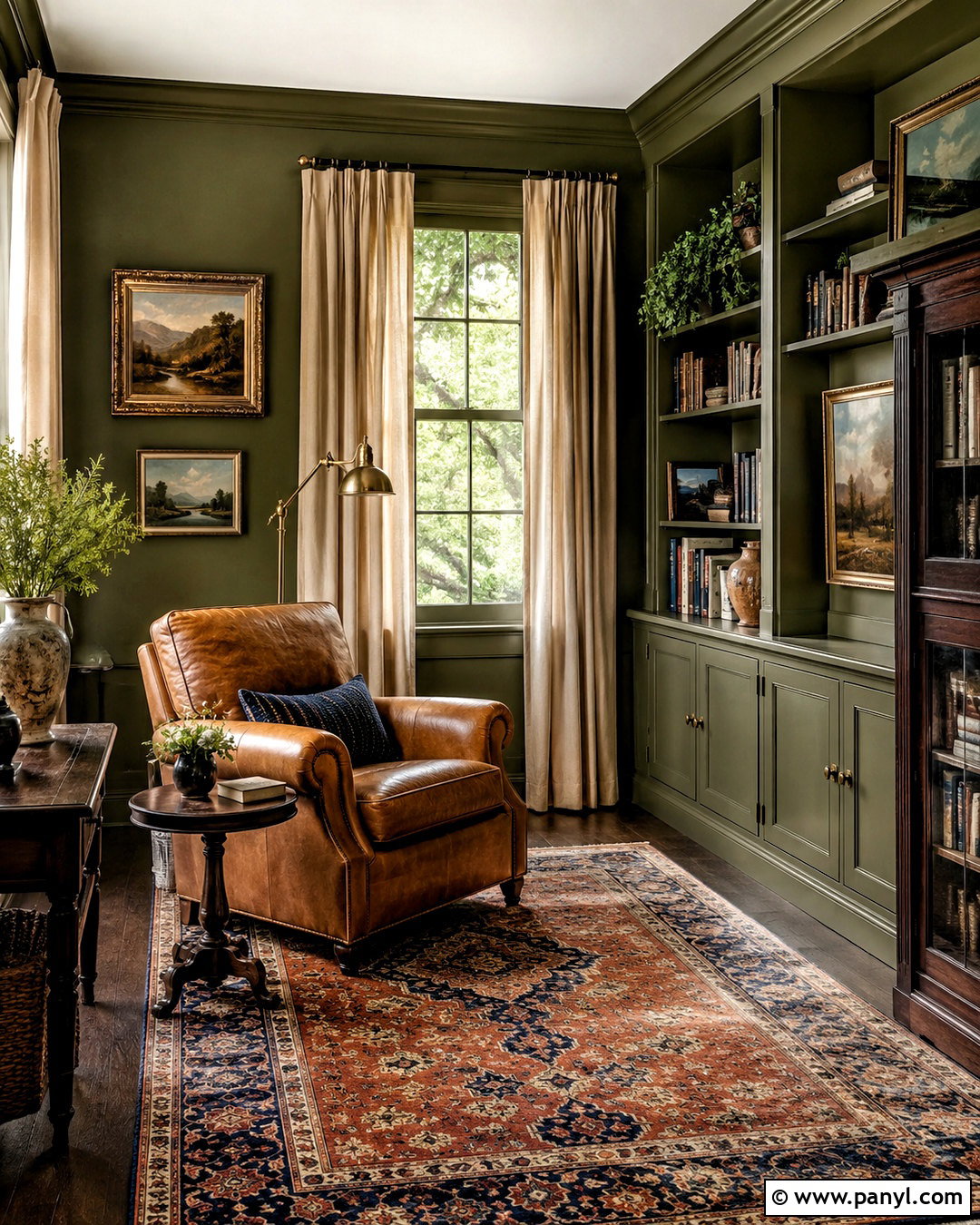
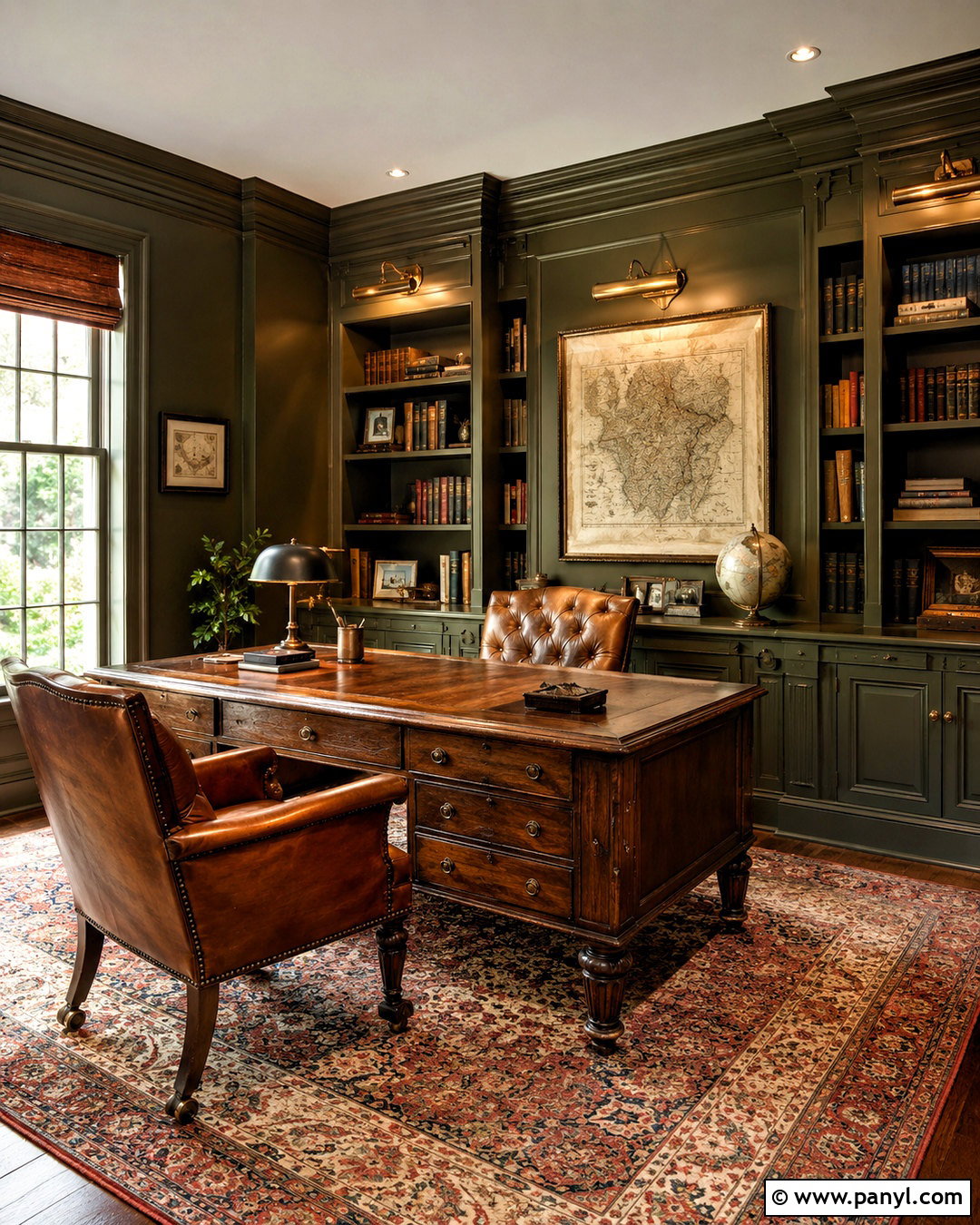
Deep olive Roman clay can make a reading room feel intimate, collected, and connected to nature. Apply the finish from baseboards to ceiling, including built-in shelving for a continuous color effect. Position a caramel leather chair beside a dark wood bookcase and add a curved brass floor lamp. A small walnut table provides room for books and a ceramic mug. Use a vintage rug with rust, gold, navy, and olive details to enrich the palette. Linen curtains in warm tan soften the windows without creating strong contrast. Finish with framed landscapes, pottery, and neatly arranged books. The subtle clay movement prevents the saturated green surfaces from looking heavy.
10. Warm White Venetian Plaster Wall Texture
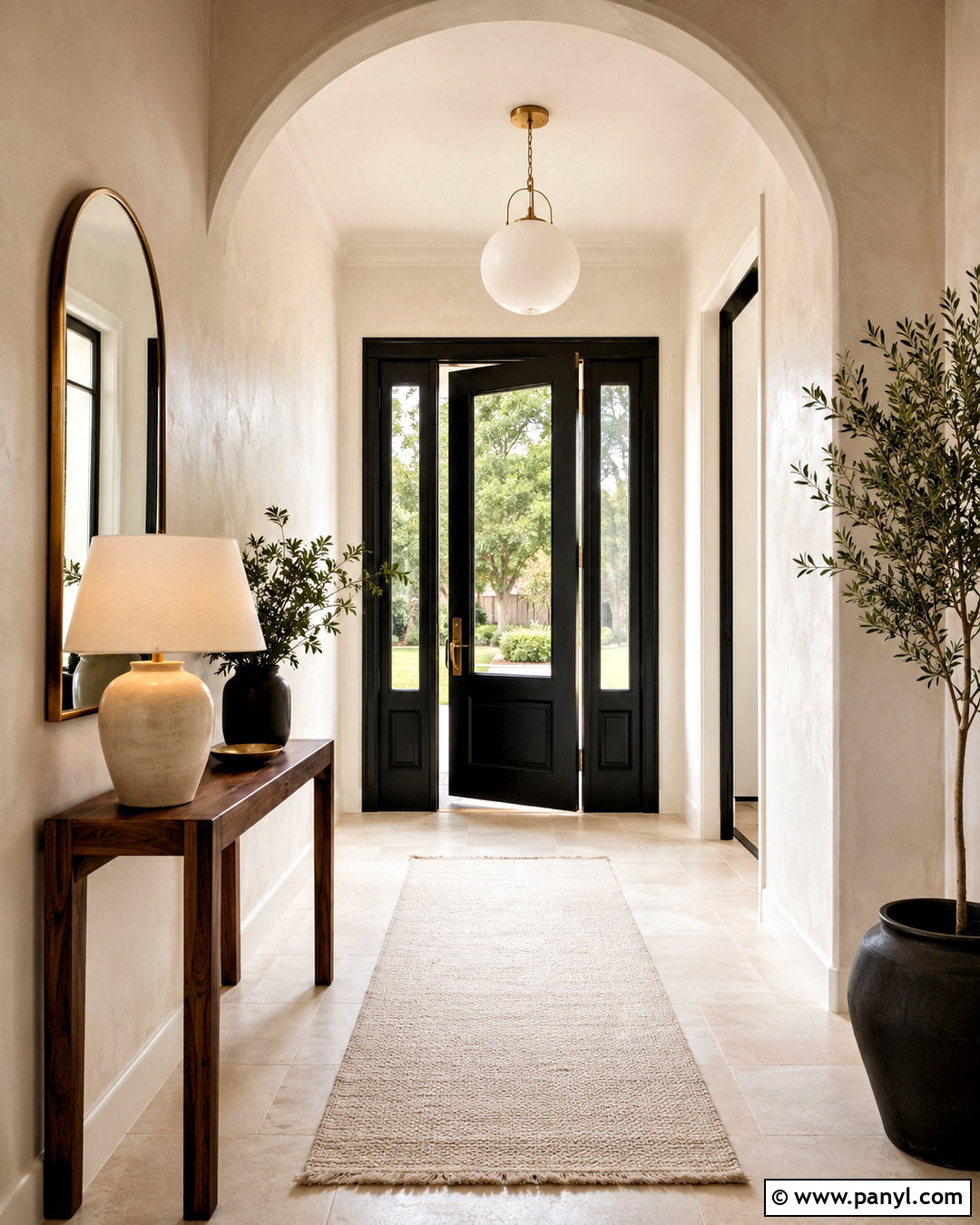
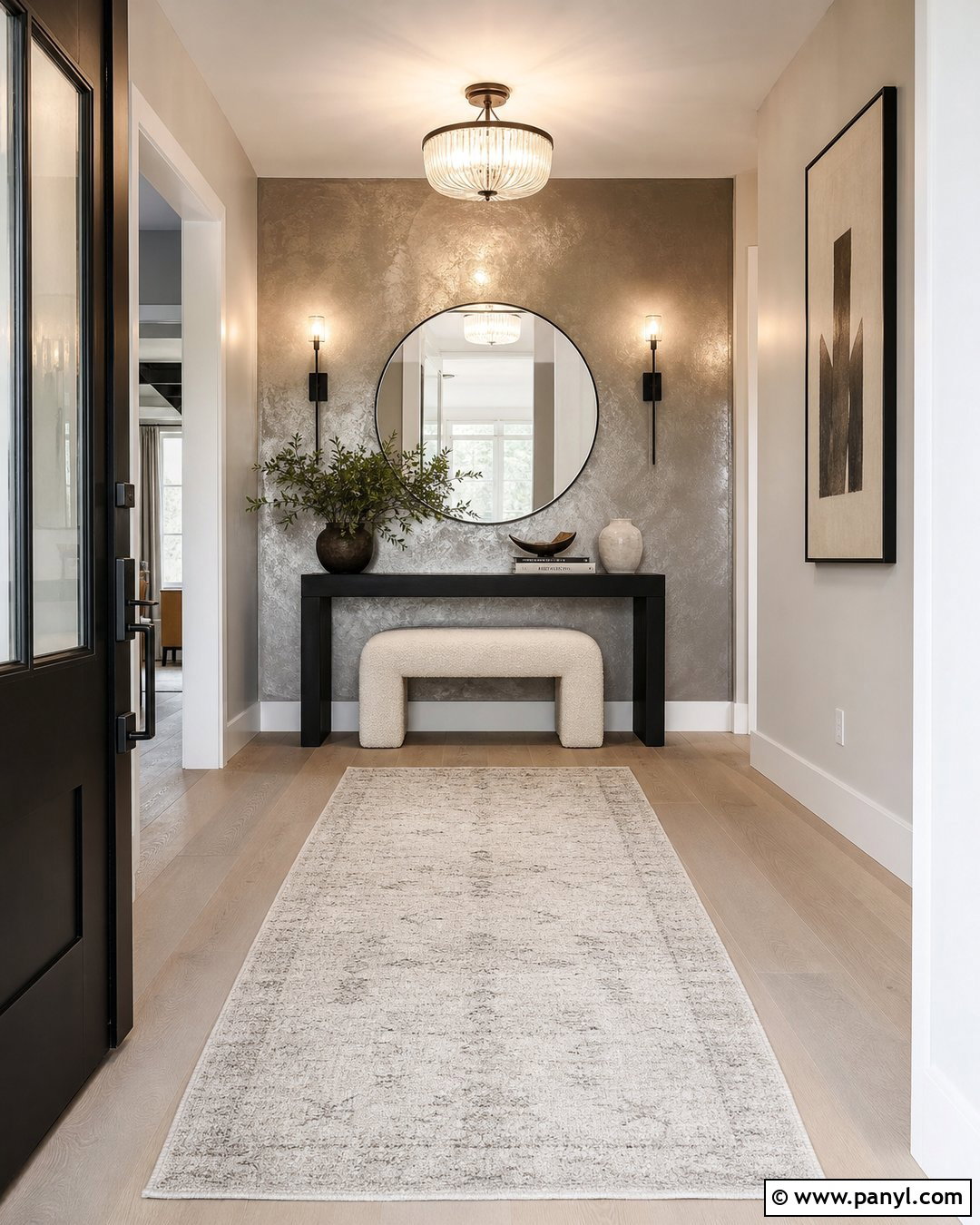
Warm white Venetian plaster brings polished depth to an elegant entryway while preserving a bright, open feeling. Use the finish across the main walls, allowing its gentle sheen to interact with daylight and decorative lighting. Place a narrow walnut console beneath a large arched mirror with an aged brass frame. A limestone-look floor or pale stone tile strengthens the refined material palette. Add a cream runner, sculptural ceramic lamp, and one substantial bowl for keys. Black interior doors can provide crisp architectural contrast. Keep accessories limited and intentional because the plaster itself supplies visual interest. A simple pendant overhead completes this welcoming entrance without blocking the view.
11. Taupe Venetian Plaster Wall Texture
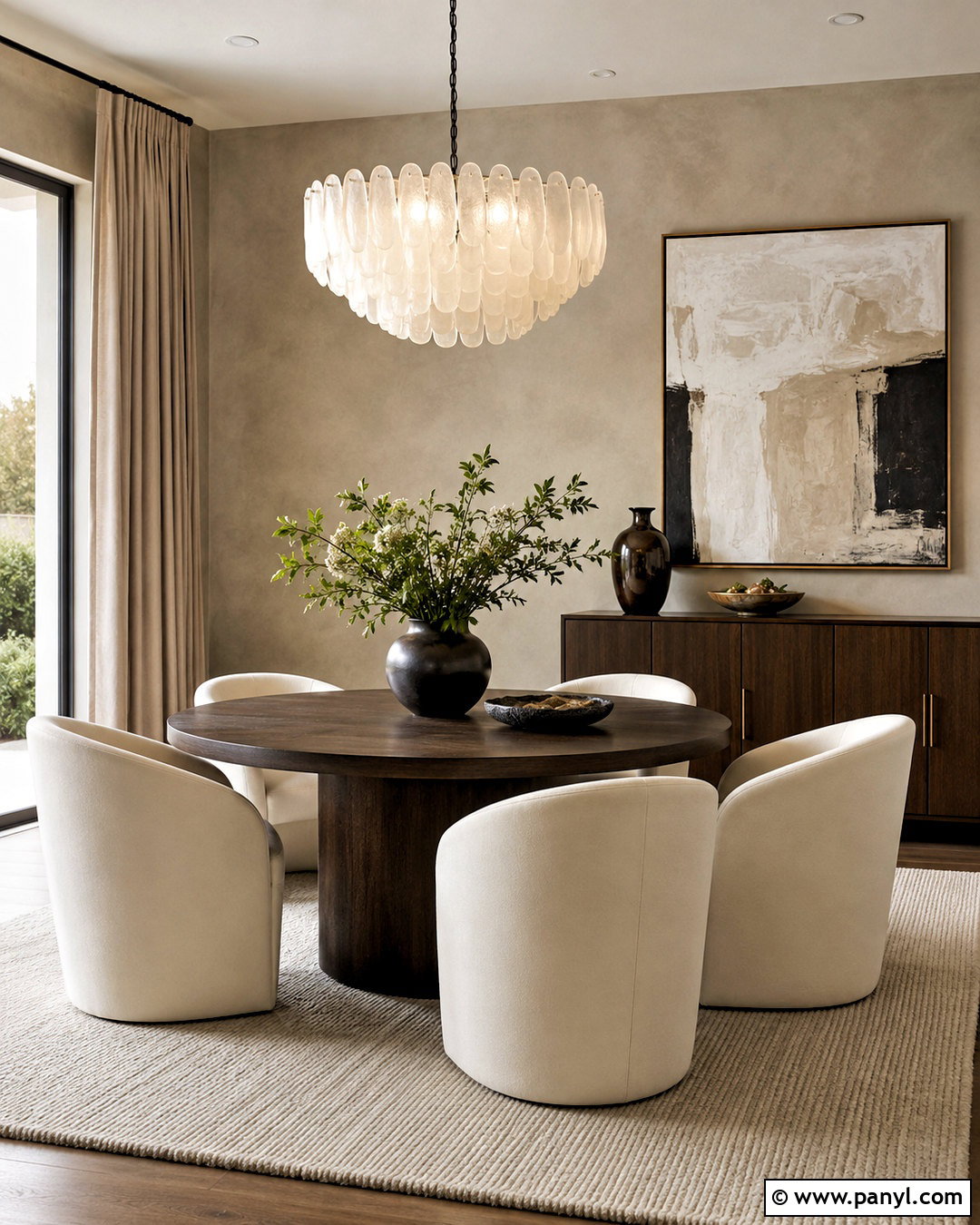
Taupe Venetian plaster creates a tailored dining room that balances modern simplicity with traditional warmth. Select a midtone taupe finish with restrained movement and a softly polished surface. Center a round dark oak table beneath a frosted glass chandelier, then surround it with curved chairs upholstered in ivory. A large wool rug in cream and tan defines the dining zone. Use full-length drapes in a slightly lighter taupe to continue the tonal effect. One oversized abstract artwork can introduce black, rust, and muted gold. Add a low walnut cabinet for serving pieces and storage. The coordinated materials produce an upscale room that still feels comfortable for everyday meals.
12. Deep Navy Venetian Plaster Wall Texture
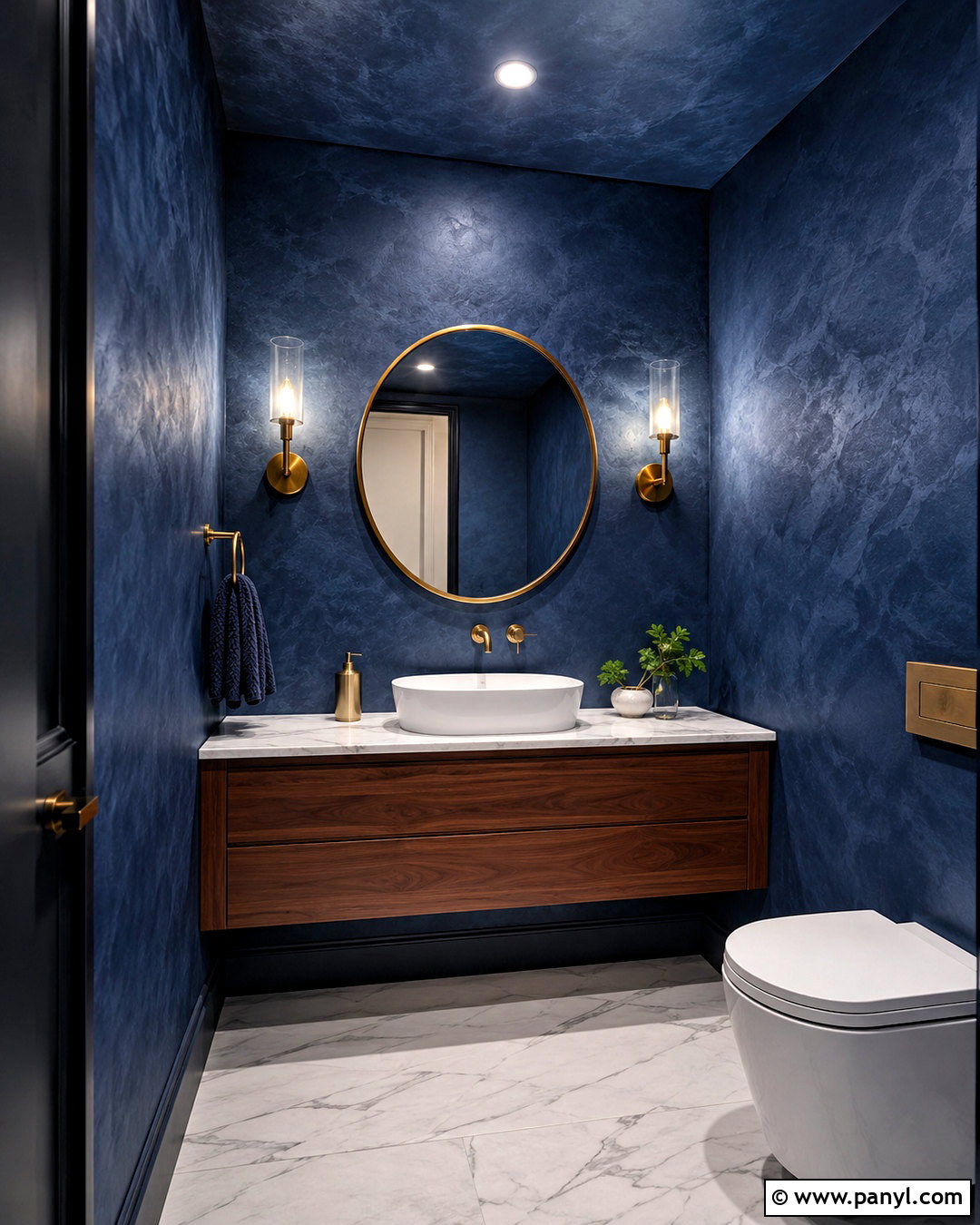
Deep navy Venetian plaster makes a powder room feel bold and carefully designed. Use the richly layered finish on every wall, paired with a floating walnut vanity and a white marble countertop. An oval brass mirror provides a warm metallic contrast, while matching sconces brighten the face and showcase the plaster’s variation. Choose a simple white vessel sink and wall-mounted brass faucet to keep the compact surface organized. Small-format marble floor tile introduces subtle pattern without fighting the walls. Add white towels and one rust-colored ceramic vase for a restrained accent. Painting the ceiling navy can complete the enveloping look, while clean white fixtures keep it balanced.
13. Emerald Venetian Plaster Wall Texture
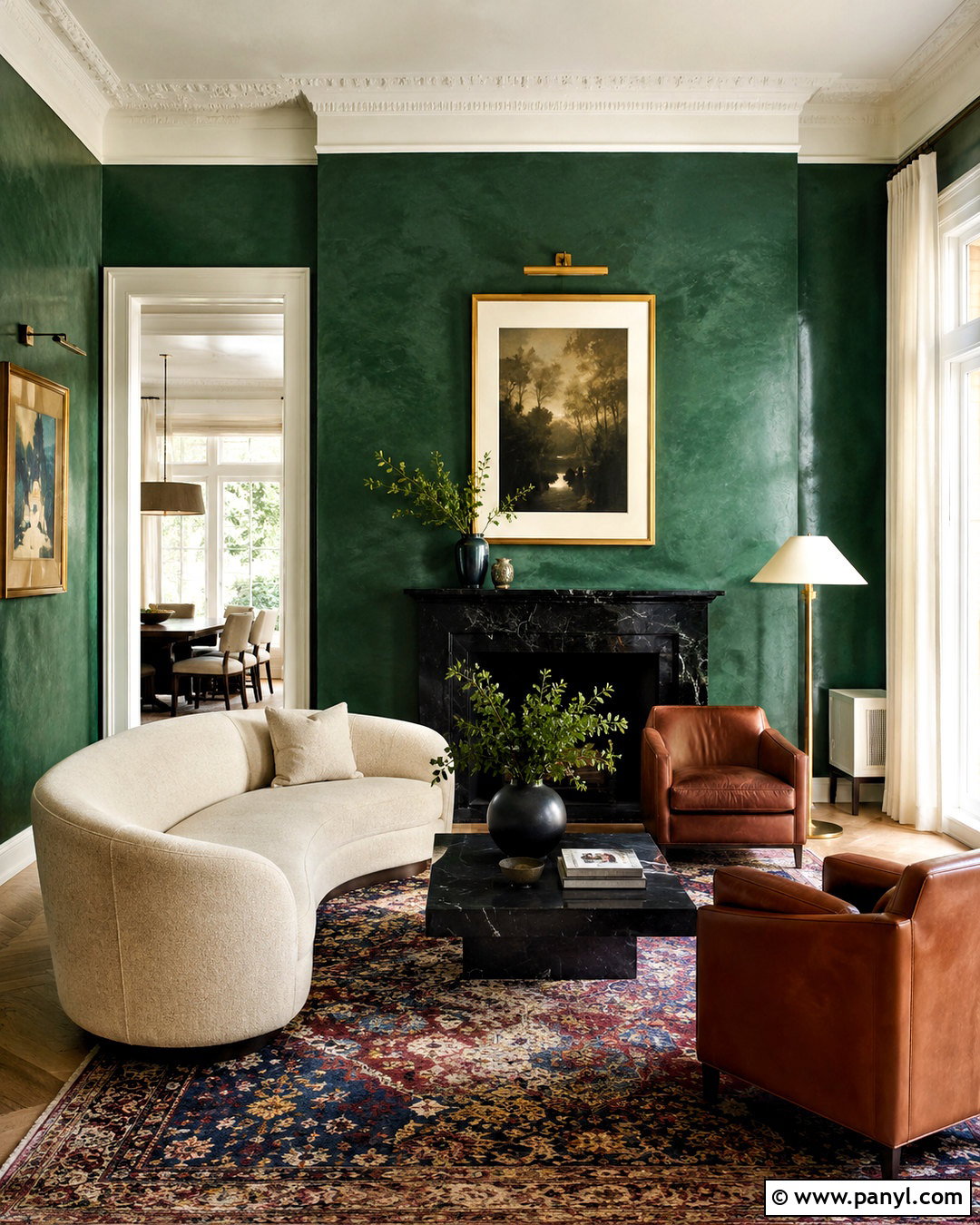
An emerald Venetian plaster wall can create a memorable formal living room with a jewel-box atmosphere. Apply the finish to the fireplace wall and continue it across the remaining walls for a complete, immersive scheme. Choose a curved cream sofa, two cognac leather chairs, and a black stone coffee table. A patterned rug with emerald, burgundy, and muted gold connects the furniture to the saturated walls. Brass picture lights and a sculptural chandelier bring warmth to the green backdrop. Hang traditional artwork in slim antique gold frames. Dark wood flooring supports the rich palette, while ivory curtains and a pale ceiling prevent the room from becoming visually overwhelming.
14. Clay Red Venetian Plaster Wall Texture
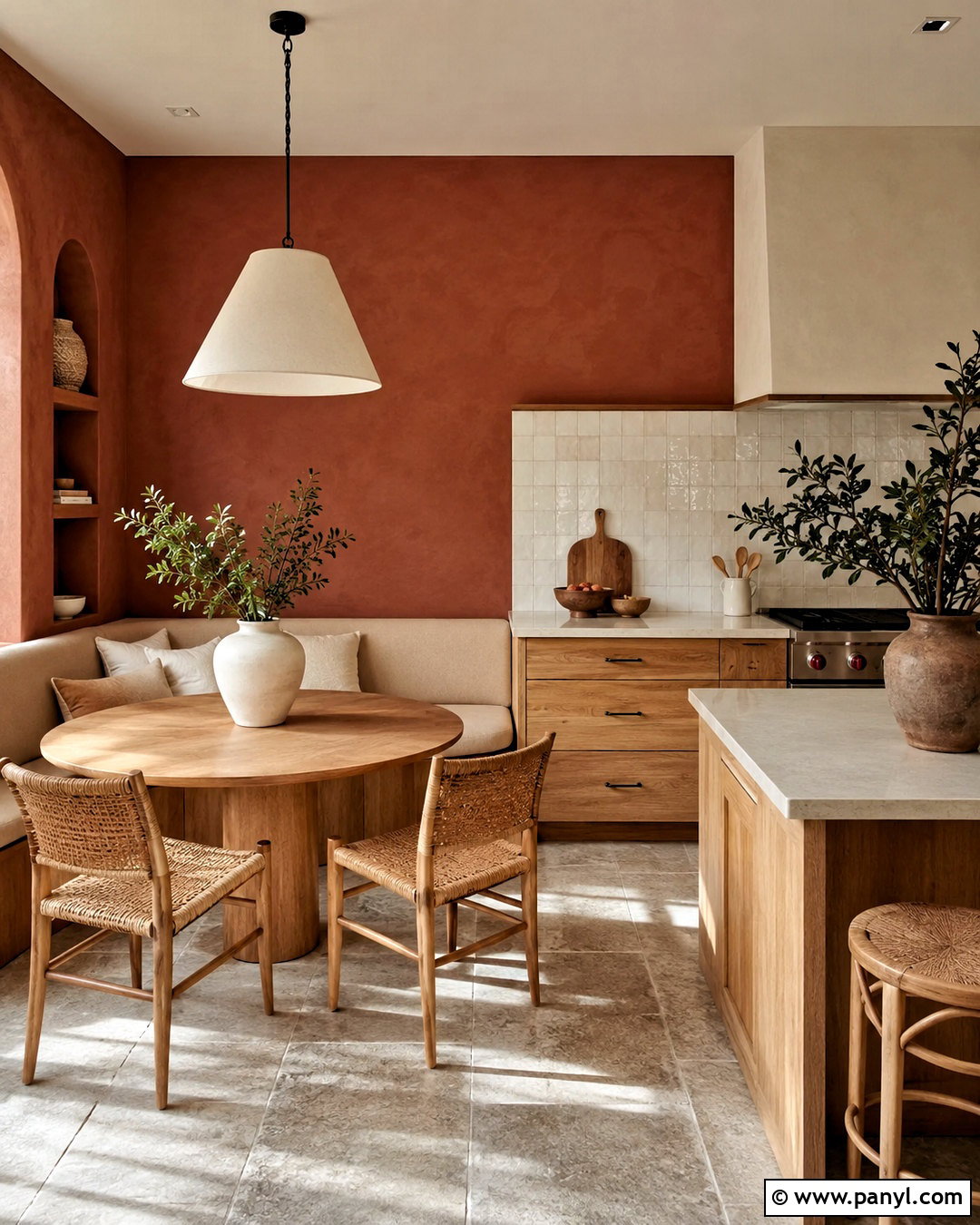
Clay-red Venetian plaster gives a kitchen dining nook earthy color and an artisanal finish. Use the warm red-brown texture on the main wall and repeat it around a shallow arched niche. Pair it with natural oak cabinetry, creamy quartz counters, and handmade off-white backsplash tile. A built-in bench upholstered in beige performance fabric makes the nook comfortable for daily use. Add a round oak pedestal table and woven dining chairs. A simple linen pendant keeps the lighting soft and casual. Use black window frames and small black accessories for definition. The completed palette blends warm wood, mineral color, and practical surfaces in a cozy, family-friendly arrangement.
15. Sand Color Wash Wall Texture
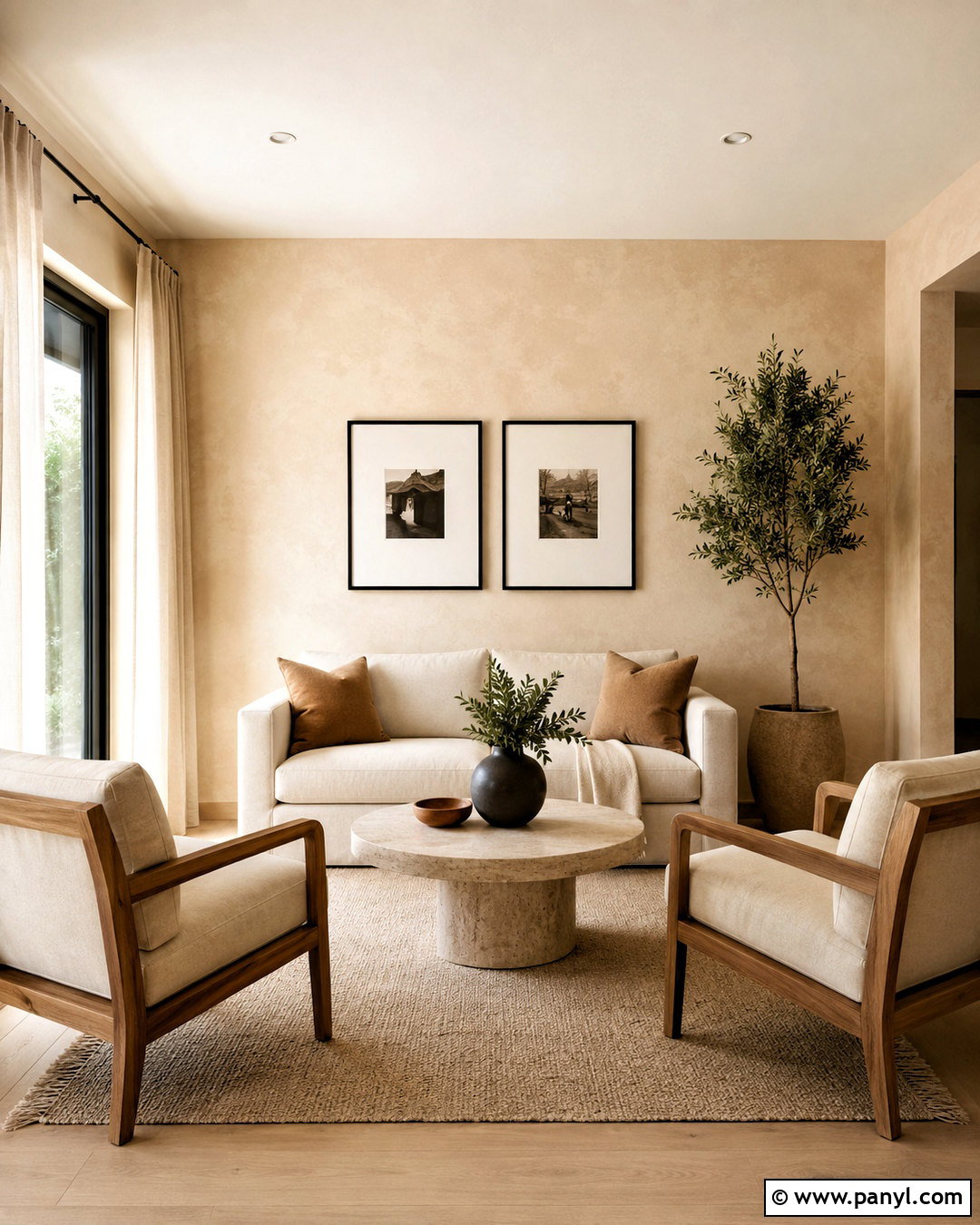
A sand-colored wash gives a small living room gentle variation while keeping it visually open. Begin with a warm ivory base, then layer a translucent sandy beige in loose, overlapping strokes. Furnish the room with a compact cream sofa, two oak-framed armchairs, and a round travertine coffee table. A flat-woven rug in beige and white defines the seating area without adding heavy pattern. Use linen curtains, ceramic lamps, and textured pillows in camel and soft brown. A few black accents, such as a thin curtain rod and picture frames, keep the neutral room from appearing washed out. Simple greenery adds freshness to the warm, sunlit palette.
16. Pale Blue Color Wash Wall Texture
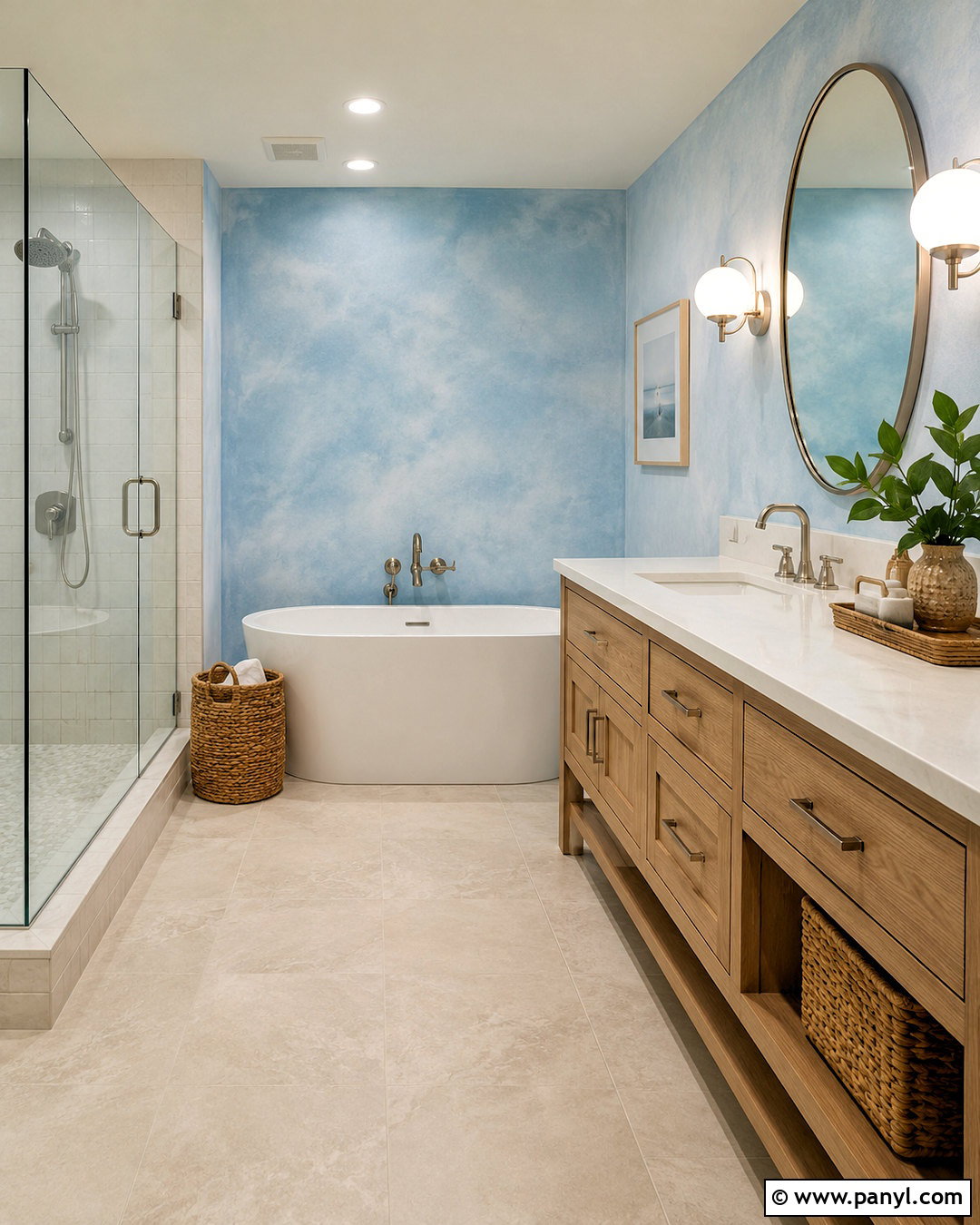
Pale blue color washing creates an airy bathroom that feels soft rather than sharply painted. Use an off-white base with overlapping layers of misty blue to produce gentle cloudlike variation. Pair the walls with a white oak vanity, honed white countertop, and brushed nickel fixtures. Large cream floor tiles keep the lower portion of the room quiet. Frame the shower with clear glass so the blue finish remains visible across the space. Add a rounded mirror, white globe sconces, and neatly folded towels in pale gray and blue. A woven laundry basket and small wooden stool bring natural warmth. The entire bathroom feels fresh, practical, and comfortably coastal.
17. Lavender Color Wash Wall Texture
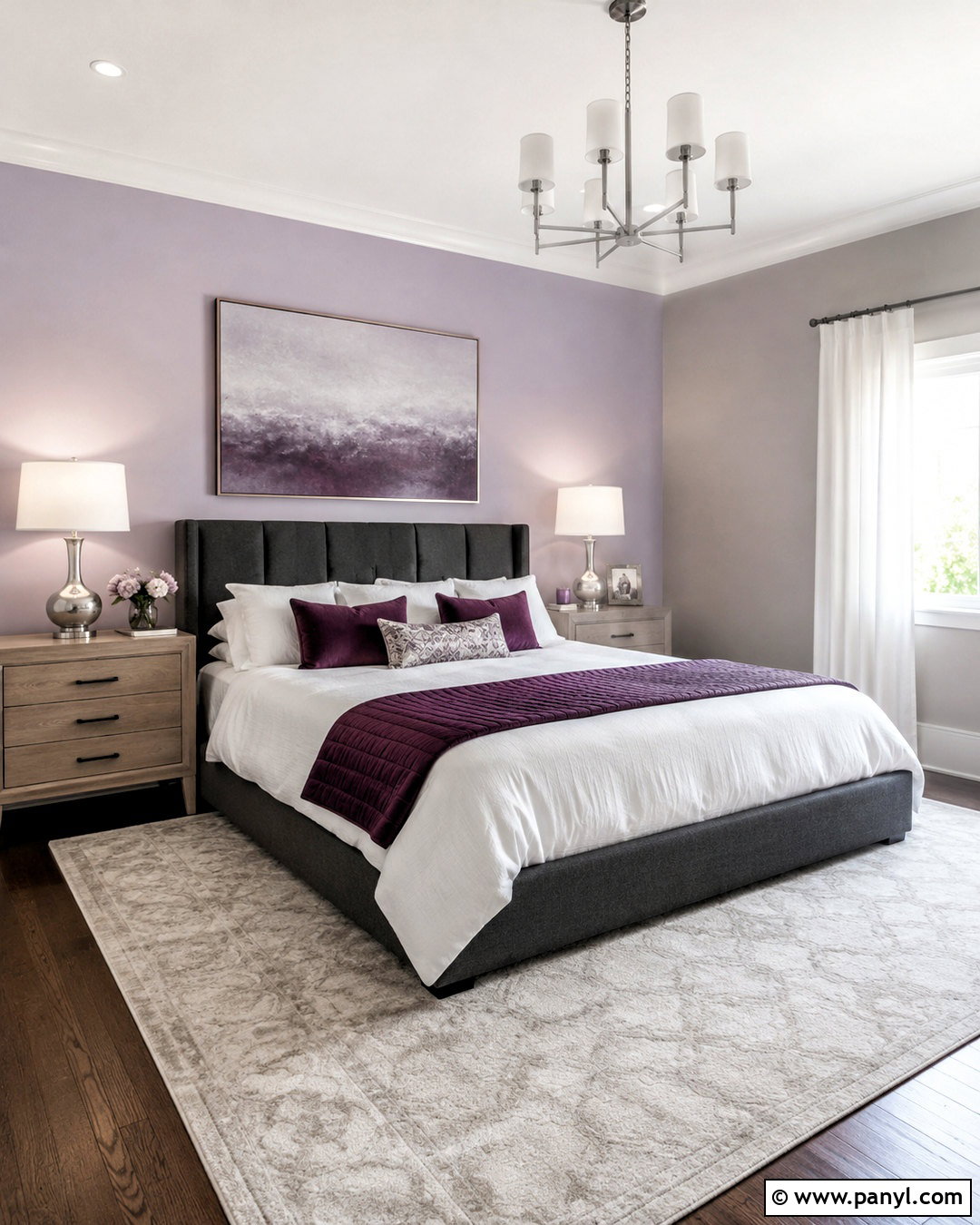
Soft lavender color washing offers a graceful approach to a bedroom without relying on bright purple. Layer muted lavender over a warm gray base so the walls display subtle movement and depth. Anchor the room with a charcoal upholstered bed and white bedding edged in plum. Pale oak nightstands add a lighter natural element, while brushed silver lamps provide a cool metallic finish. Choose a cream rug with faded lavender details and hang abstract artwork in gray, violet, and blush. Full-length white curtains help the room remain bright. A small upholstered chair in dusty blue finishes the corner and creates a useful spot for reading or getting ready.
18. Peach Color Wash Wall Texture
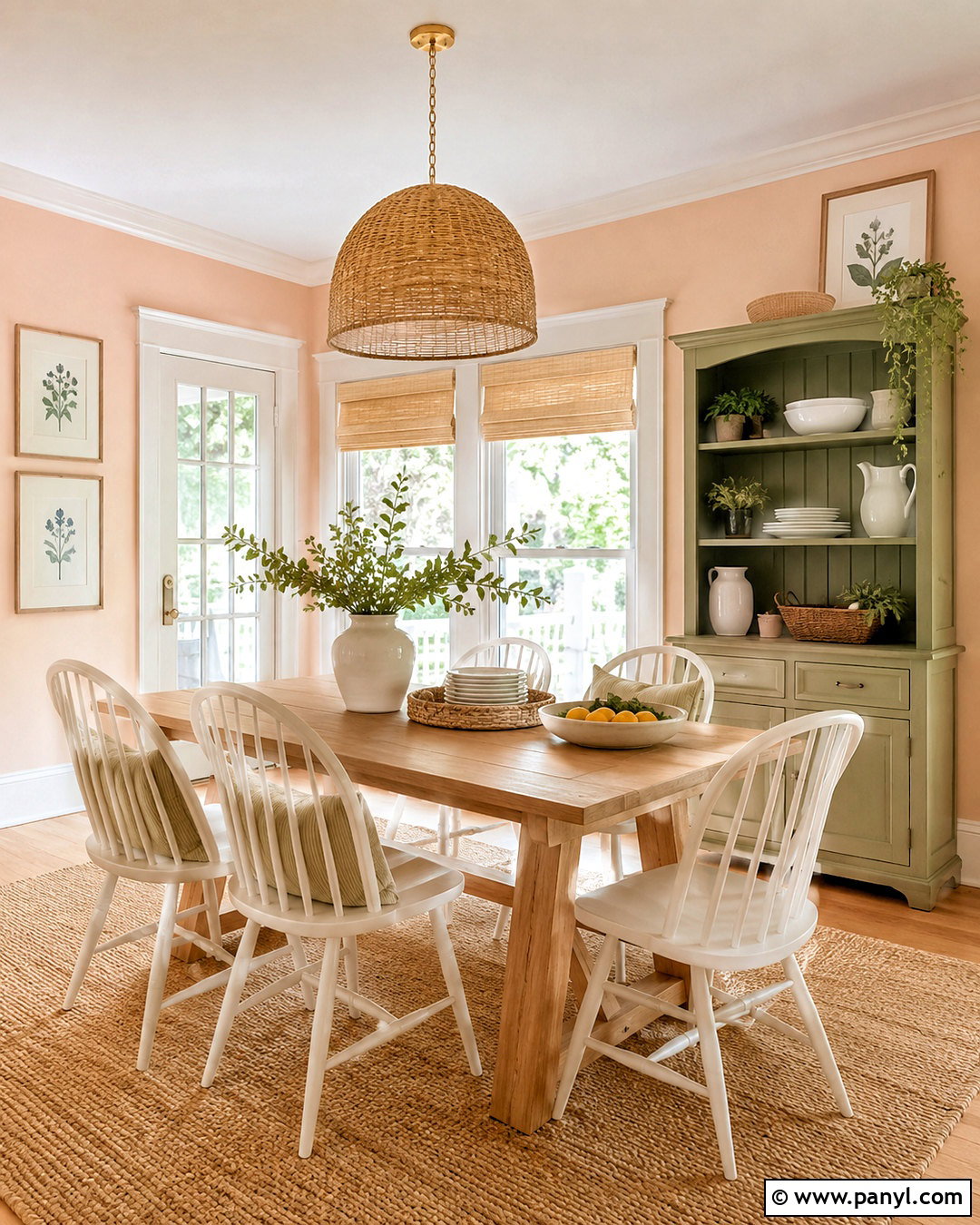
A peach color wash can bring warm, cheerful character to a breakfast room while staying softer than solid orange paint. Begin with a creamy white base and apply translucent pale peach in broad crossed strokes. Place a light oak table at the center with four white spindle-back chairs. A woven pendant and natural fiber rug reinforce the casual mood. Add a slim painted hutch in muted sage green to introduce complementary contrast and useful storage. Simple botanical prints, white ceramics, and linen seat cushions complete the walls and furniture. Keep the window treatments sheer so morning light can highlight the layered color and make the breakfast area feel welcoming.
19. Greige Suede Wall Texture
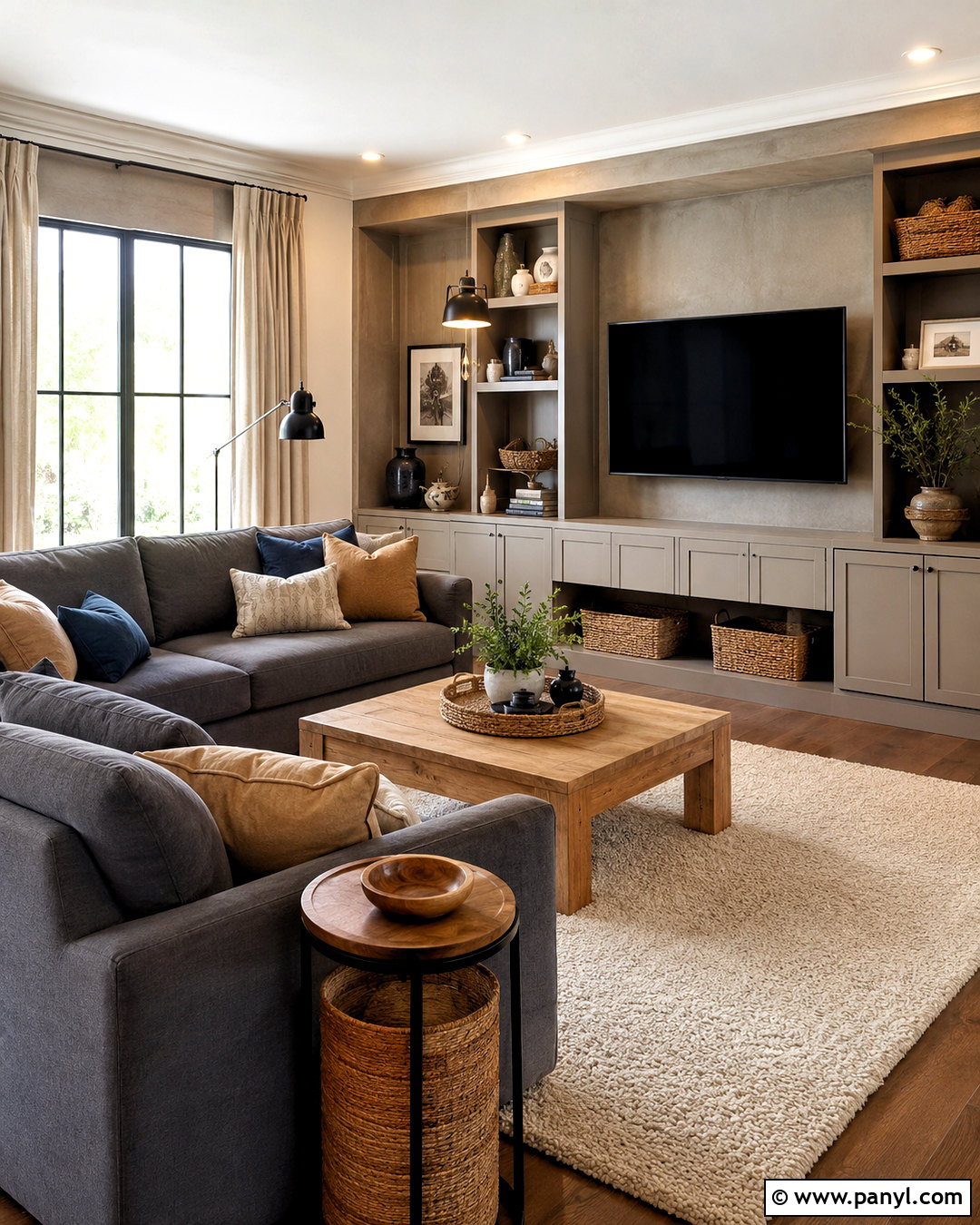
Greige suede-effect paint gives a family room a velvety appearance while maintaining a versatile neutral palette. Cover all walls in a medium-light greige finish with soft directional movement. Pair it with a deep sectional in warm gray, a substantial oak coffee table, and a large cream rug. Pillows in black, tan, ivory, and muted blue add controlled color. Install a low built-in media unit in a similar greige tone so storage blends into the architecture. Black metal lamps and hardware add definition, while linen curtains soften the windows. Finish with framed family photographs in consistent wood frames and a few woven baskets for practical, attractive organization.
20. Caramel Suede Wall Texture
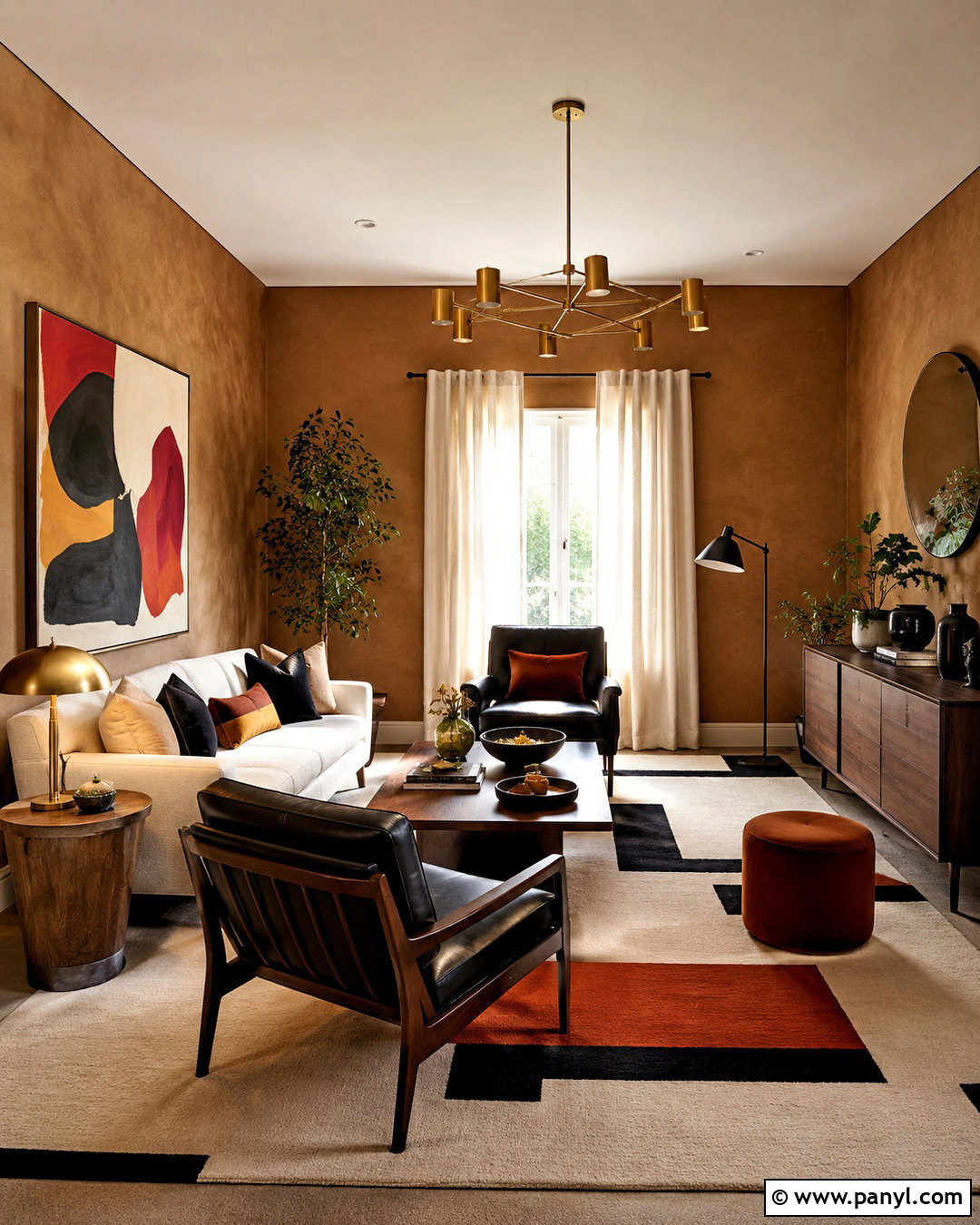
Caramel suede walls can turn a den into a warm retreat with comfortable, midcentury-inspired character. Choose a rich tan-brown finish and balance it with a cream sofa and two dark brown leather lounge chairs. A walnut media cabinet and oval wood coffee table continue the warm material story. Place a geometric rug in cream, black, and rust beneath the seating group. Use aged brass floor lamps and off-white curtains to brighten the deeper wall color. Abstract art with mustard, burgundy, and charcoal creates a strong focal point. Add a tall plant in a matte black planter to introduce an organic silhouette against the softly textured caramel backdrop.
21. Gray Concrete Wall Texture
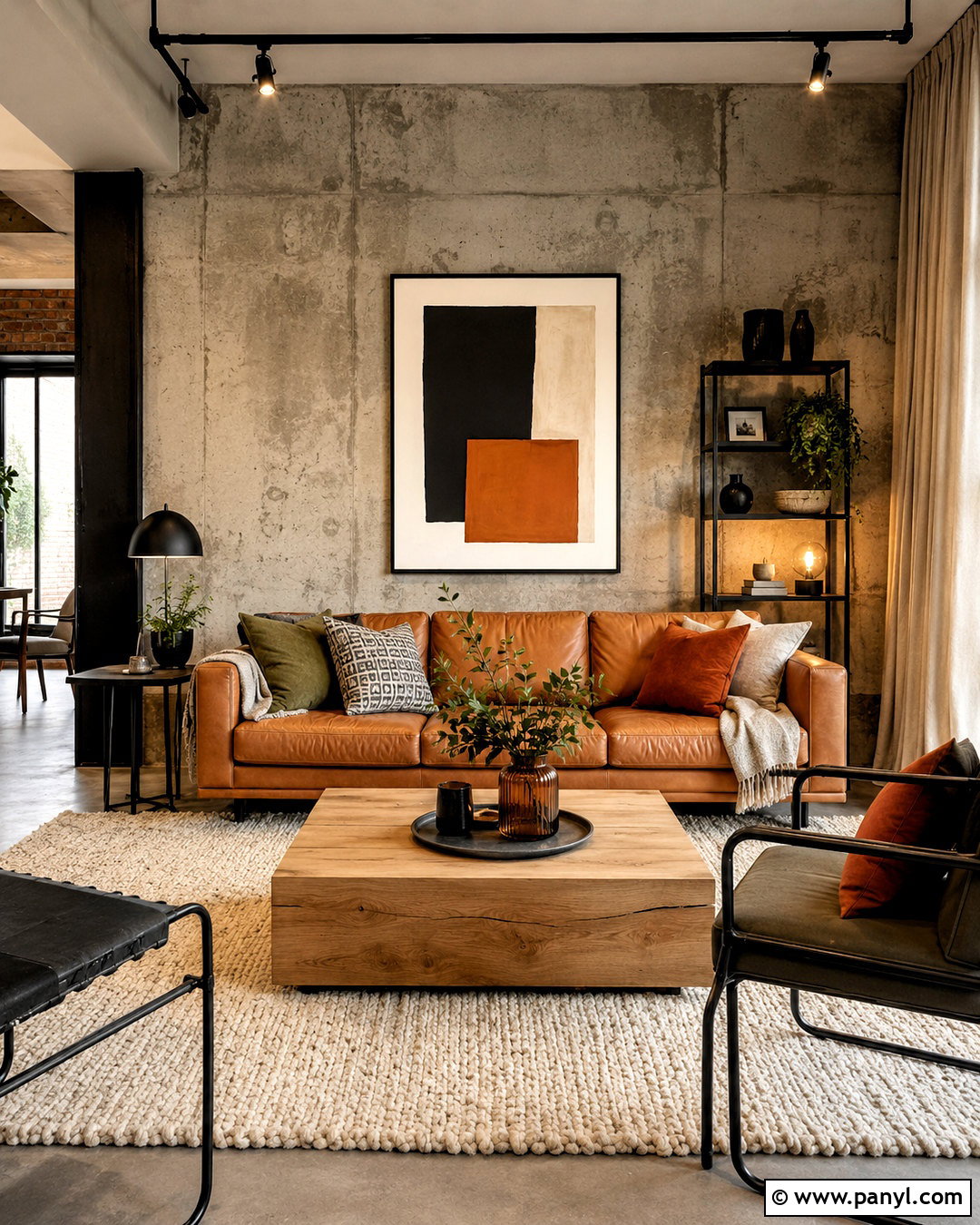
A light gray concrete-effect wall finish creates an urban living room without making an average home feel cold or industrial. Use the texture across one long wall and balance it with warm white paint on the remaining surfaces. Place a camel-colored sofa against the concrete, accompanied by black metal side tables and a pale oak coffee table. A thick cream rug softens the arrangement and offsets the hard visual texture. Add linen curtains, black track lighting, and simple graphic artwork. Cushions in olive, rust, and charcoal introduce grounded color. Warm wood flooring and natural woven accessories prevent the gray surface from dominating, creating a modern but livable room.
22. Charcoal Concrete Wall Texture
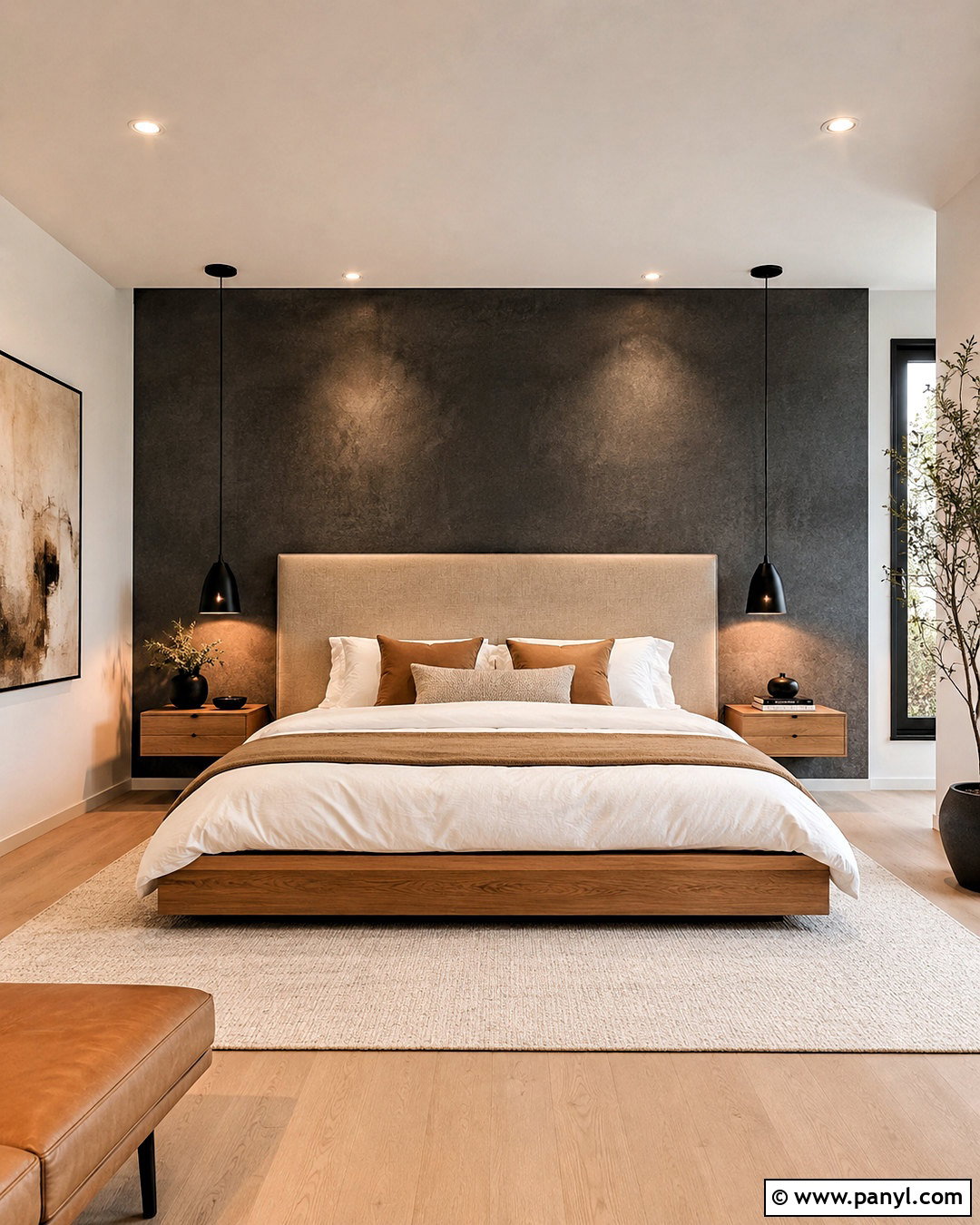
Charcoal concrete texture makes a striking backdrop for a modern bedroom when the rest of the space remains light and tactile. Position the bed against the finished wall and paint the other walls soft warm white. Choose a low oak bed with an oversized beige linen headboard for softness. Layer white bedding with charcoal, camel, and rust accents. Floating oak nightstands keep the floor open, while matte black pendant lights frame the bed. A large ivory rug brightens dark flooring and improves comfort. Use minimal artwork because the concrete wall already carries strong visual weight. Full-length oatmeal curtains complete the balanced, contemporary arrangement.
23. White Plaster Wall Texture
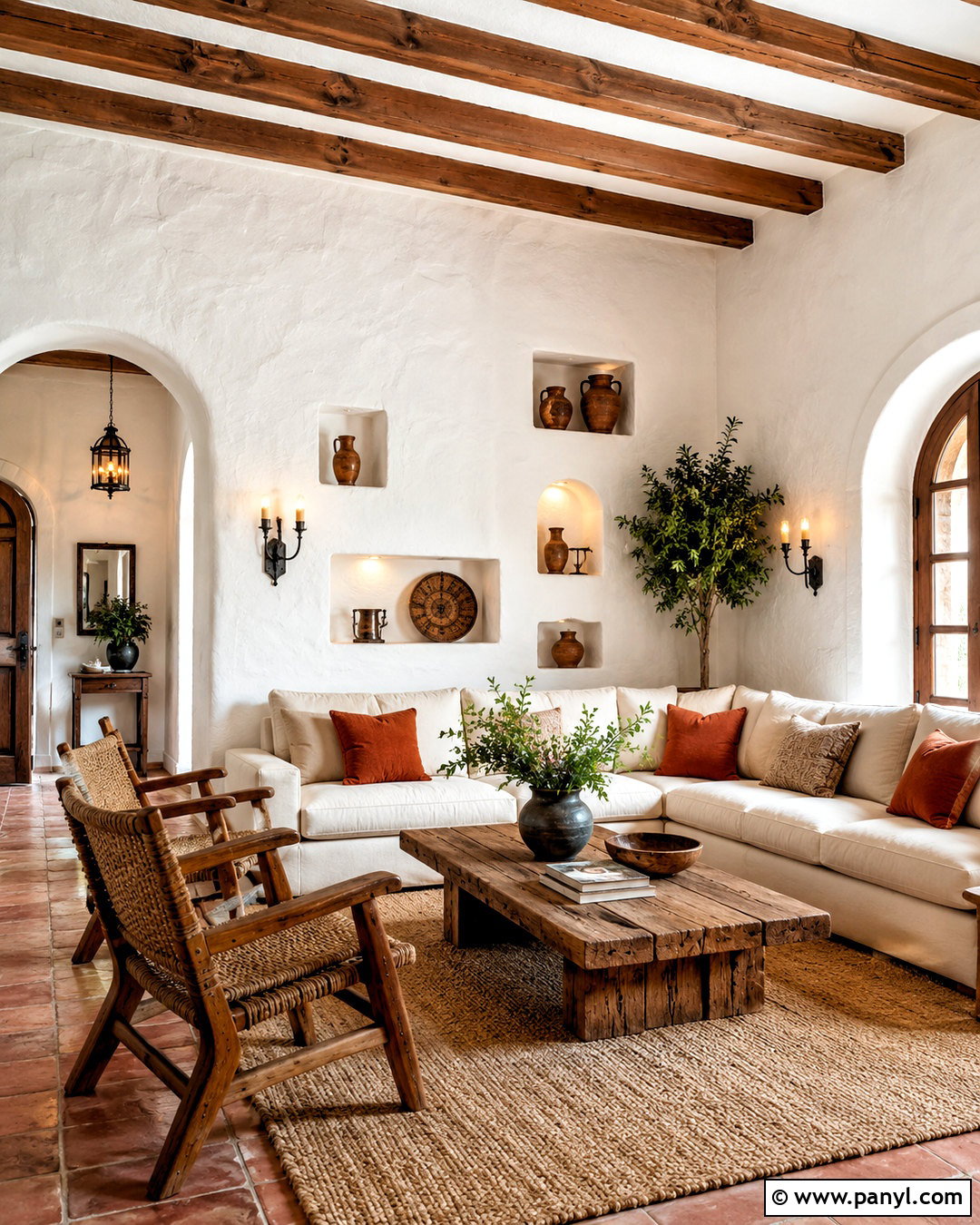
Irregular white plaster walls give a Mediterranean-inspired living room a handcrafted quality without requiring a colorful backdrop. Keep the plaster warm rather than stark, with softly rounded corners around doorways and niches. Furnish the room with a low cream linen sofa, chunky oak coffee table, and woven accent chairs. Terracotta floor tile introduces earthy color and practical durability. Add a large natural fiber rug, rust-colored pillows, and handmade ceramic vessels. Built-in plaster shelves can display a small selection of books and pottery. Linen curtains filter bright daylight, while black iron sconces provide contrast. The completed room feels airy, tactile, and intentionally simple.
24. Ochre Plaster Wall Texture
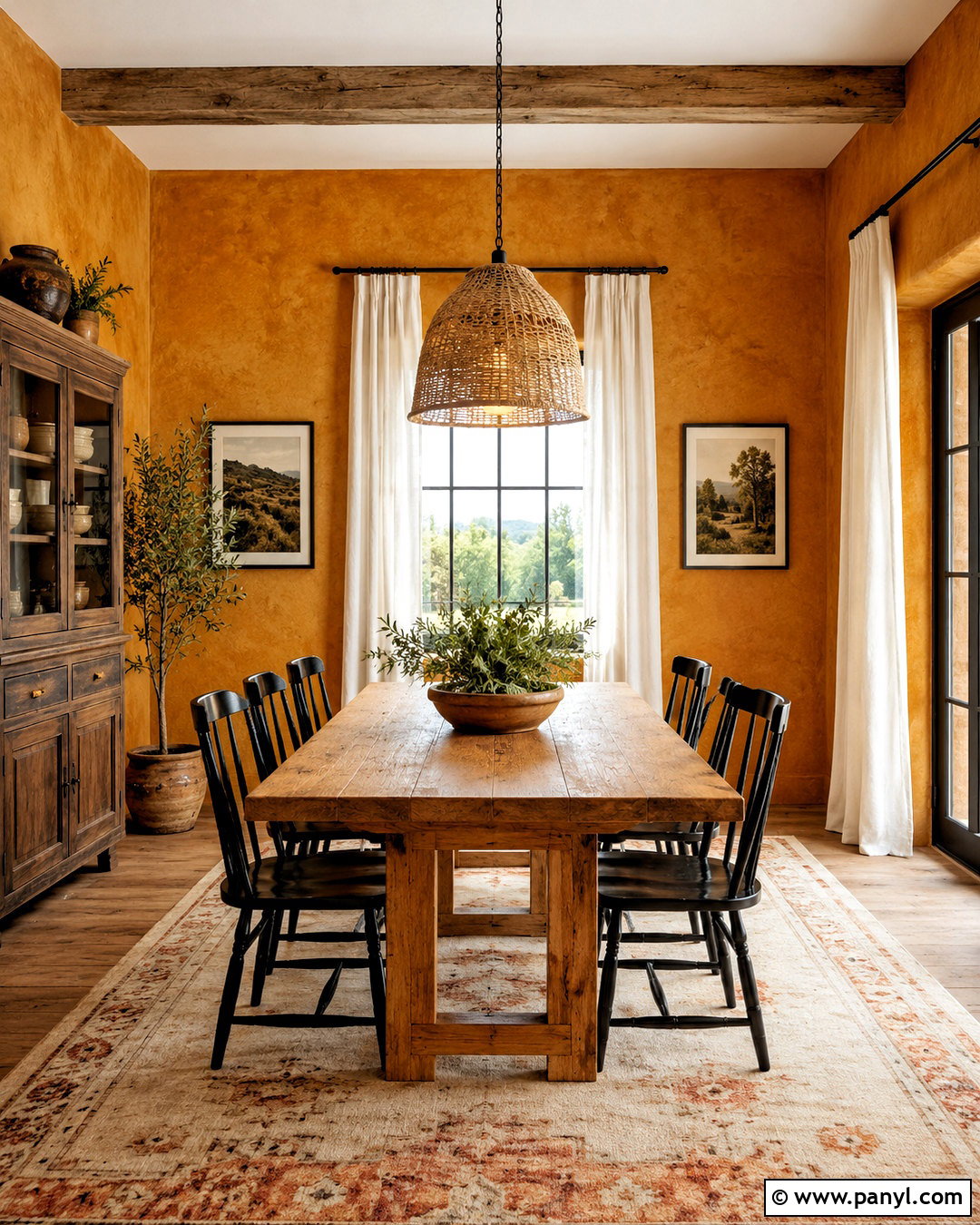
Golden ochre plaster brings a sunny, grounded atmosphere to a dining room. Use the warm yellow-brown finish across all walls and soften it with a white ceiling and creamy trim. Choose a long farmhouse-style table in medium oak with simple black dining chairs. A large woven pendant creates a natural focal point above the table. Underfoot, use a faded rug containing ivory, rust, and dark brown. Add linen curtains in warm white and a vintage wood cabinet for dishes. Black-framed landscapes complement the ochre without crowding it. Green branches in a broad ceramic vase provide a fresh accent and complete this welcoming room for casual dinners and gatherings.
25. Blush Textured Paint Wall
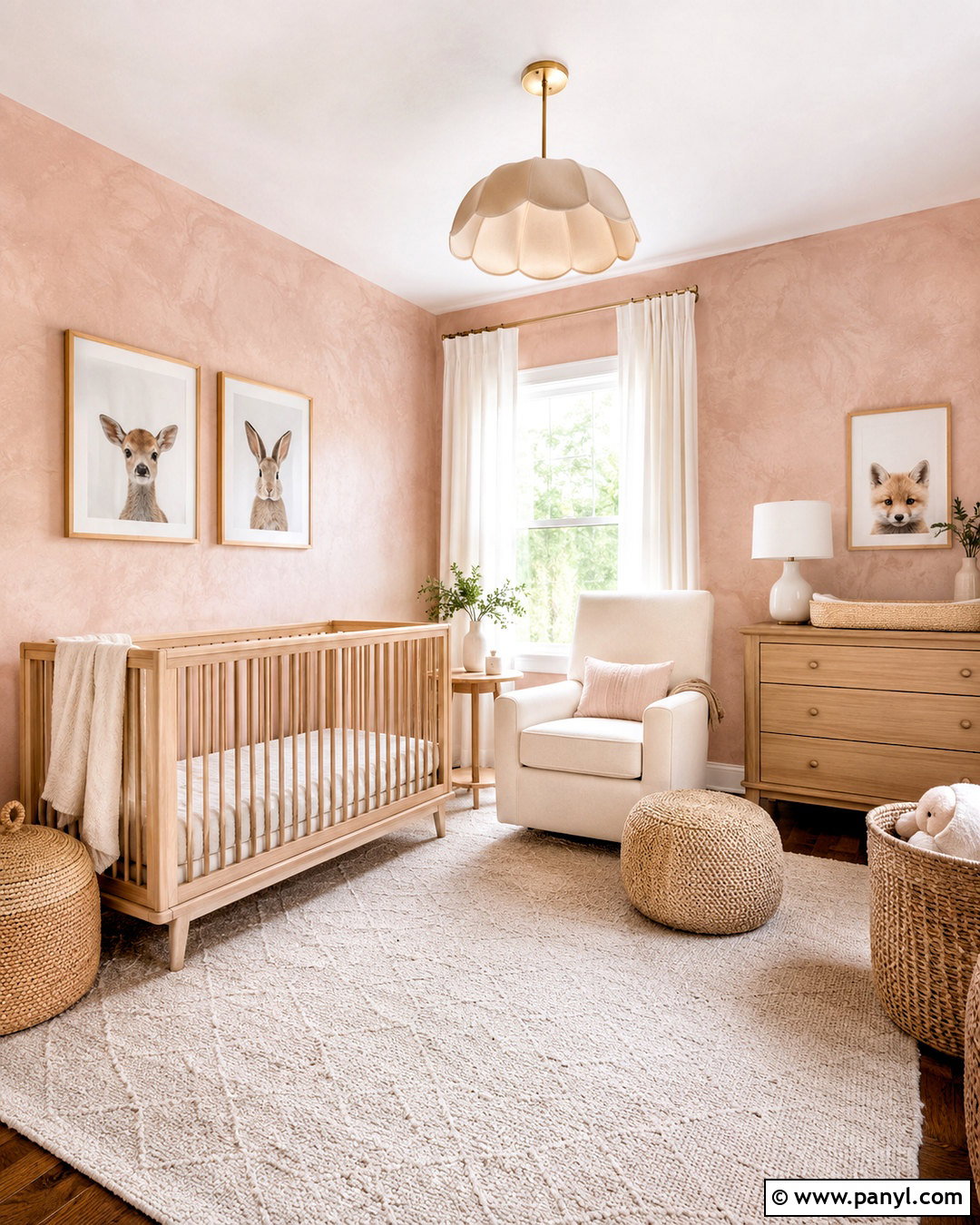
Blush textured paint can create a polished nursery that remains adaptable as the room changes over time. Select a dusty, beige-based pink with a fine mineral texture rather than a bright rosy shade. Pair it with a natural maple crib, cream glider, and pale oak dresser. A washable ivory rug keeps the floor comfortable, while woven baskets provide simple storage. Use white linen curtains and a scalloped ceiling light for gentle detail. Add framed animal illustrations in slim wood frames, along with touches of muted sage and warm brown. The understated wall texture gives the room dimension while allowing the practical furniture and soft textiles to remain calm and coordinated.
26. Soft Black Textured Paint Wall
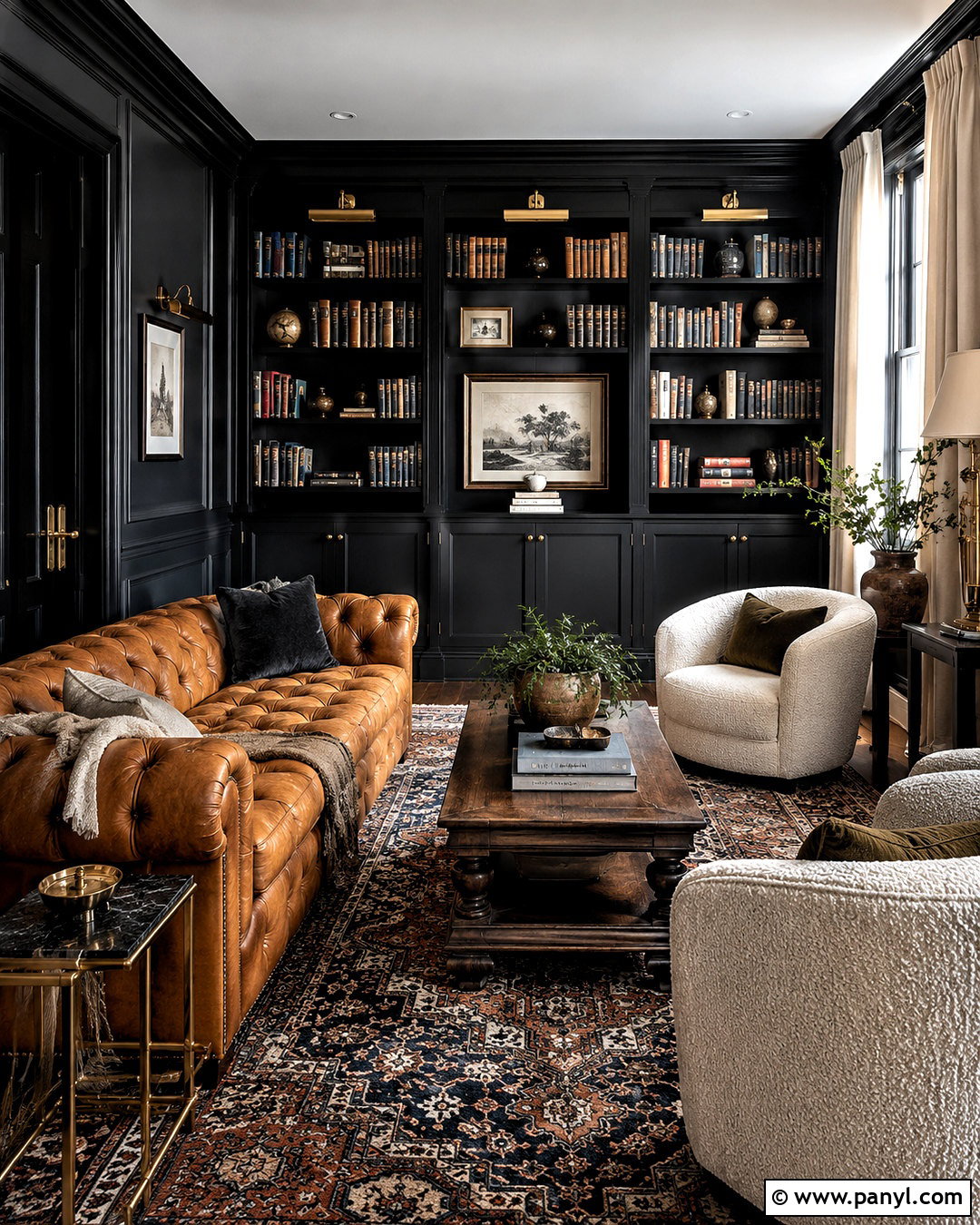
Soft black textured paint creates an effective backdrop for a sophisticated home library. Cover the walls and built-in bookcases in the same charcoal-black finish, allowing the slight texture to add movement. Place a tufted camel leather sofa in the center with two cream boucle chairs opposite it. A dark oak coffee table and patterned vintage rug establish a comfortable conversation area. Use brass library lights above the shelving and a warm white ceiling to prevent the room from feeling closed in. Display books with pottery and framed photographs rather than overcrowding every shelf. Ivory curtains and medium oak flooring provide enough brightness to balance the enveloping walls.
27. Navy Grasscloth Wall Texture
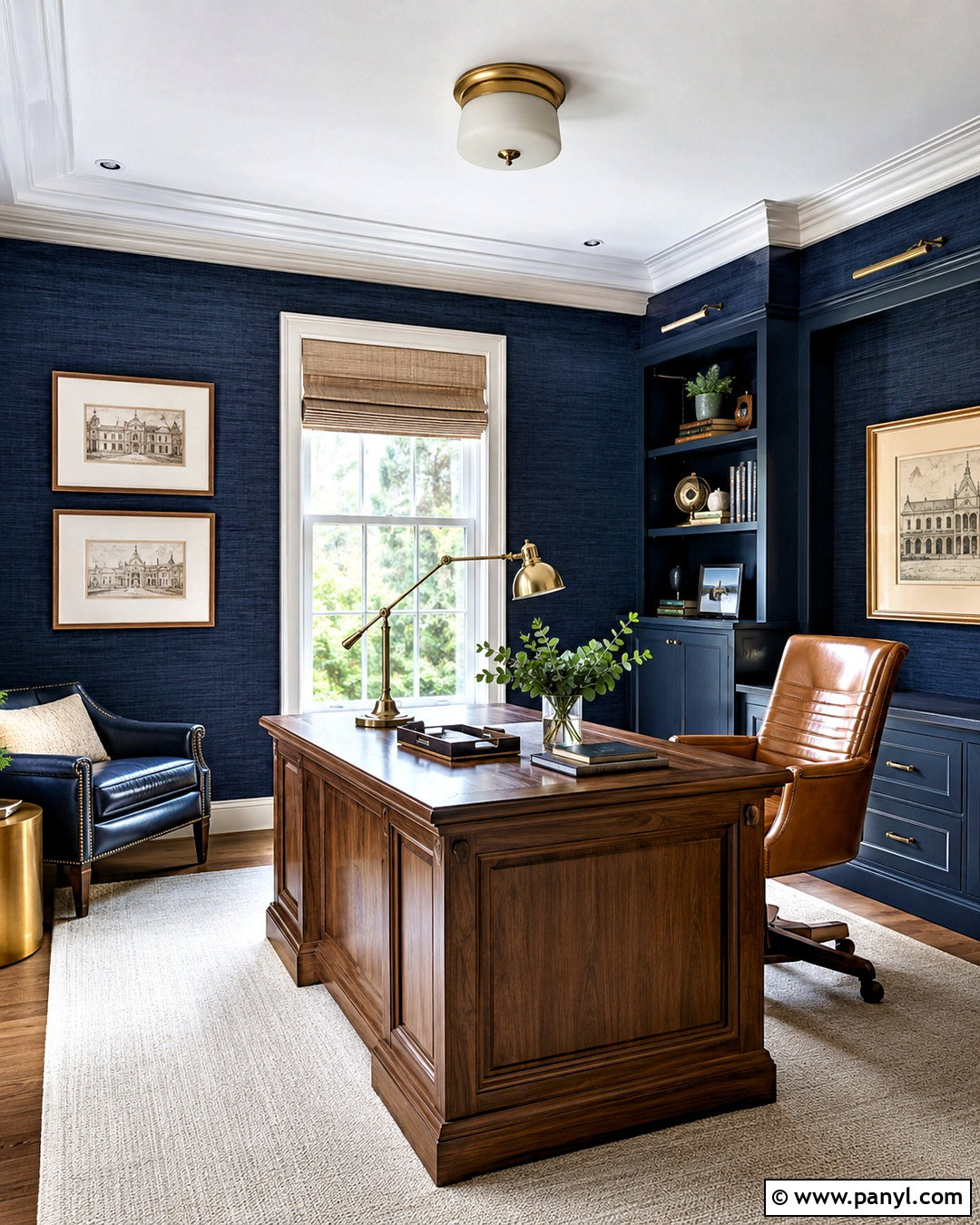
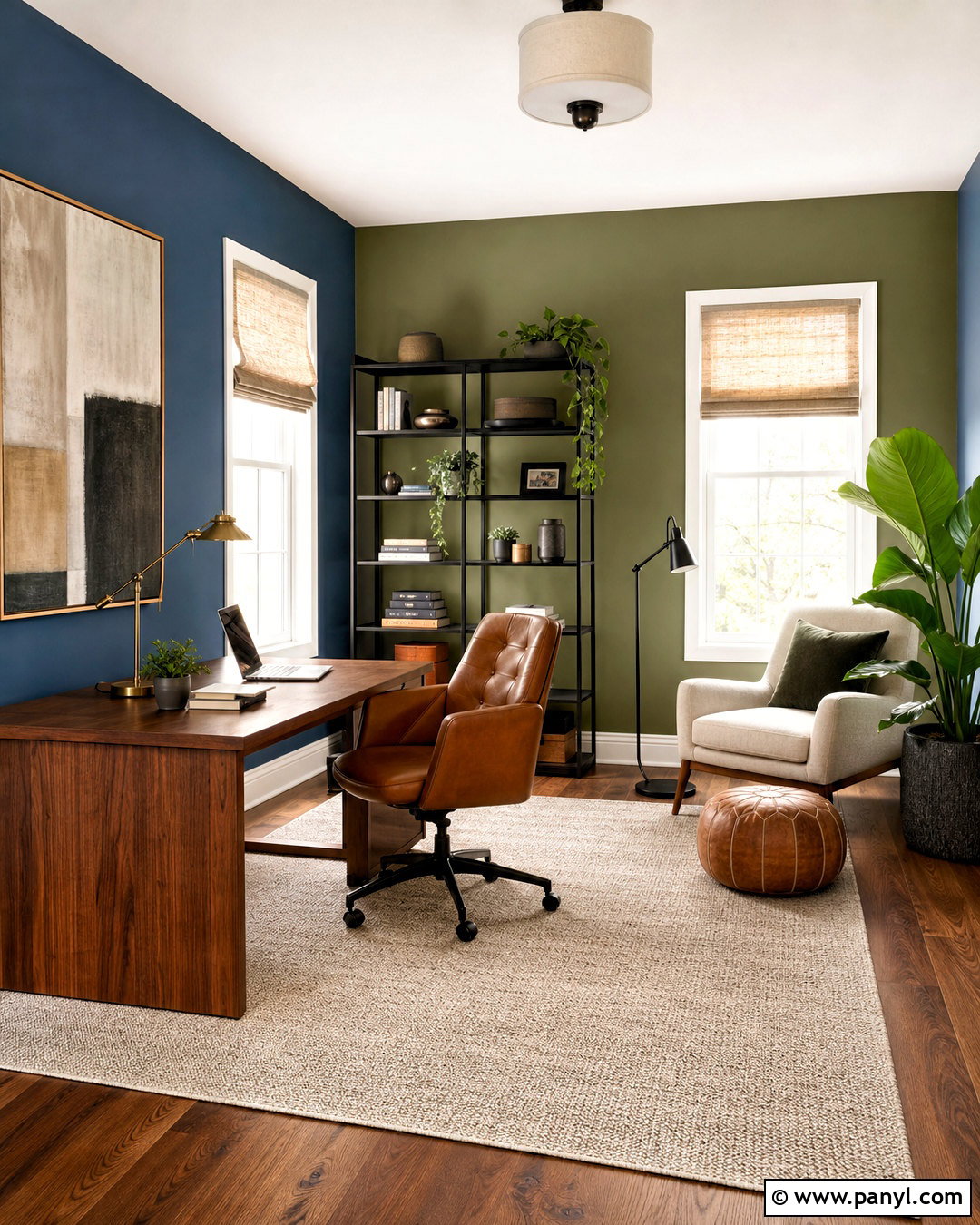
Navy grasscloth gives a home office rich color and visible woven texture. Cover every wall for a tailored, continuous backdrop, then use white trim to outline windows and doors. Position a substantial walnut desk near the center of the room with a cognac leather chair behind it. Built-in cabinetry in muted navy keeps paperwork organized without interrupting the palette. Add a cream wool rug, brass task lamp, and linen Roman shades. Framed architectural drawings in pale wood frames provide quiet decoration. A pair of upholstered guest chairs creates a useful meeting corner. The layered blue, brown, cream, and brass scheme feels professional, comfortable, and thoughtfully coordinated.
28. Natural Grasscloth Wall Texture
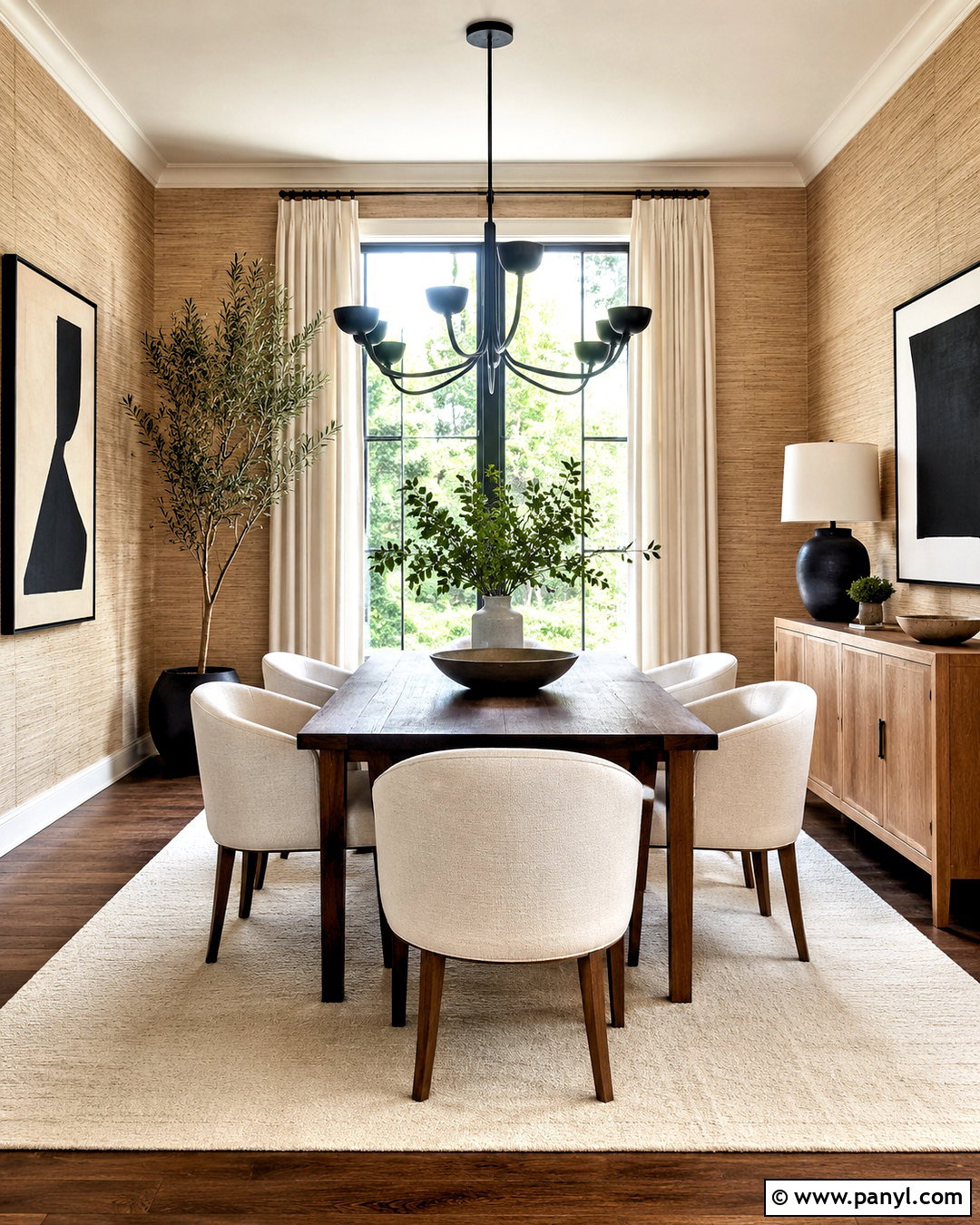
Natural grasscloth makes a dining room feel warmer through woven texture rather than strong color. Choose a light straw-beige wallcovering with subtle horizontal fibers. Pair it with a dark walnut dining table and curved chairs upholstered in cream performance fabric. A sculptural black chandelier introduces crisp contrast above the table. Use an ivory wool rug to define the dining area and soften wood flooring. Black-framed artwork, ceramic serving pieces, and a low oak sideboard complete the room without concealing too much of the grasscloth. Floor-length linen curtains maintain the organic palette. The result feels collected and refined while remaining practical for everyday meals and relaxed entertaining.
29. Green Grasscloth Wall Texture
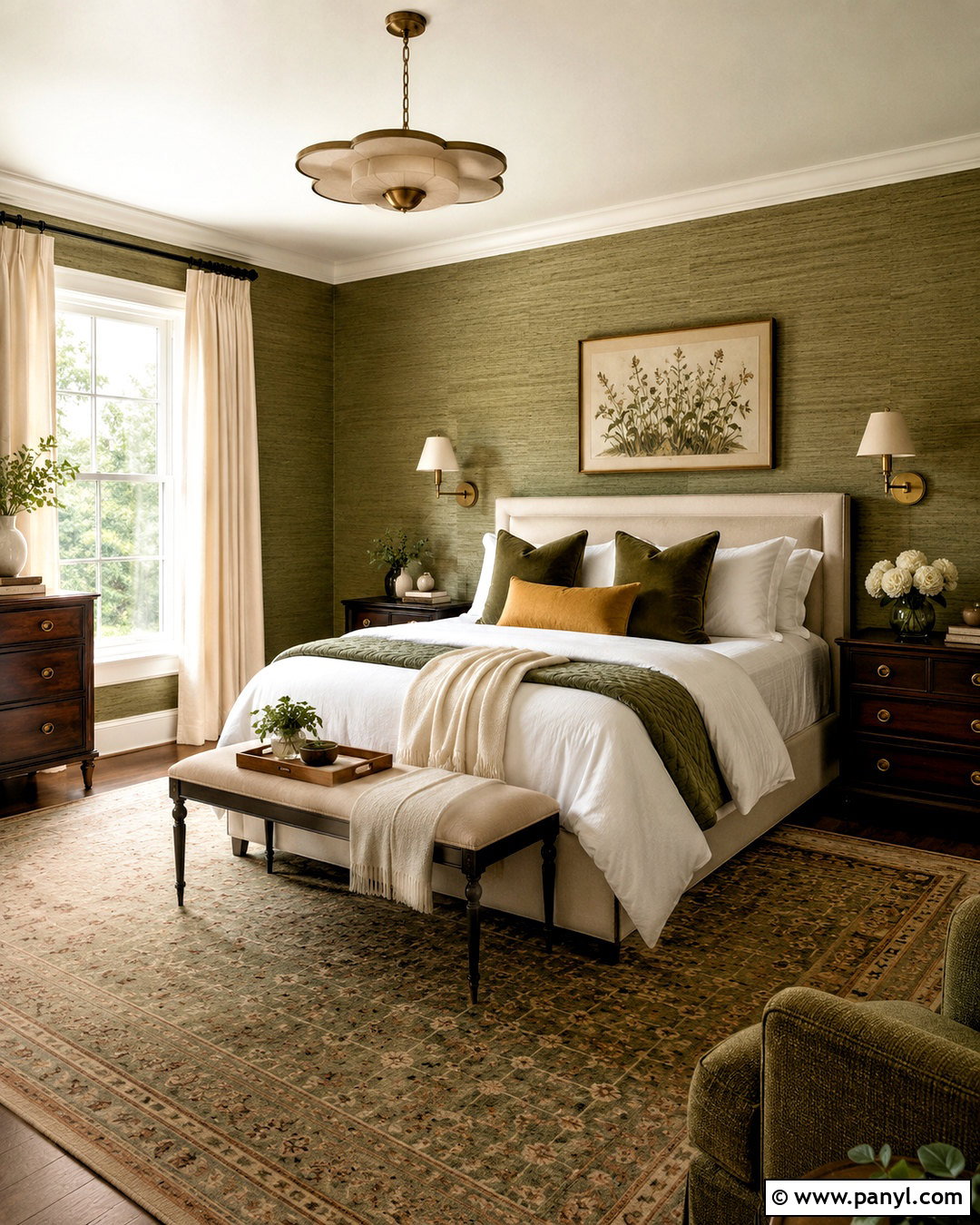
Muted green grasscloth can transform a bedroom into a comfortable, garden-inspired retreat. Select an olive-sage weave and use it across all walls, paired with warm white trim. An upholstered bed in oatmeal linen keeps the palette soft, while dark wood nightstands add definition. Layer white bedding with moss green, ochre, and cream pillows. Antique brass sconces bring subtle shine against the woven wall surface. Choose a traditional rug with faded green and rust details to anchor the bed. Botanical artwork in dark wood frames supports the natural theme without becoming too literal. Cream curtains and a simple upholstered bench complete the calm, cohesive arrangement.
30. Blue Ombre Wall Texture
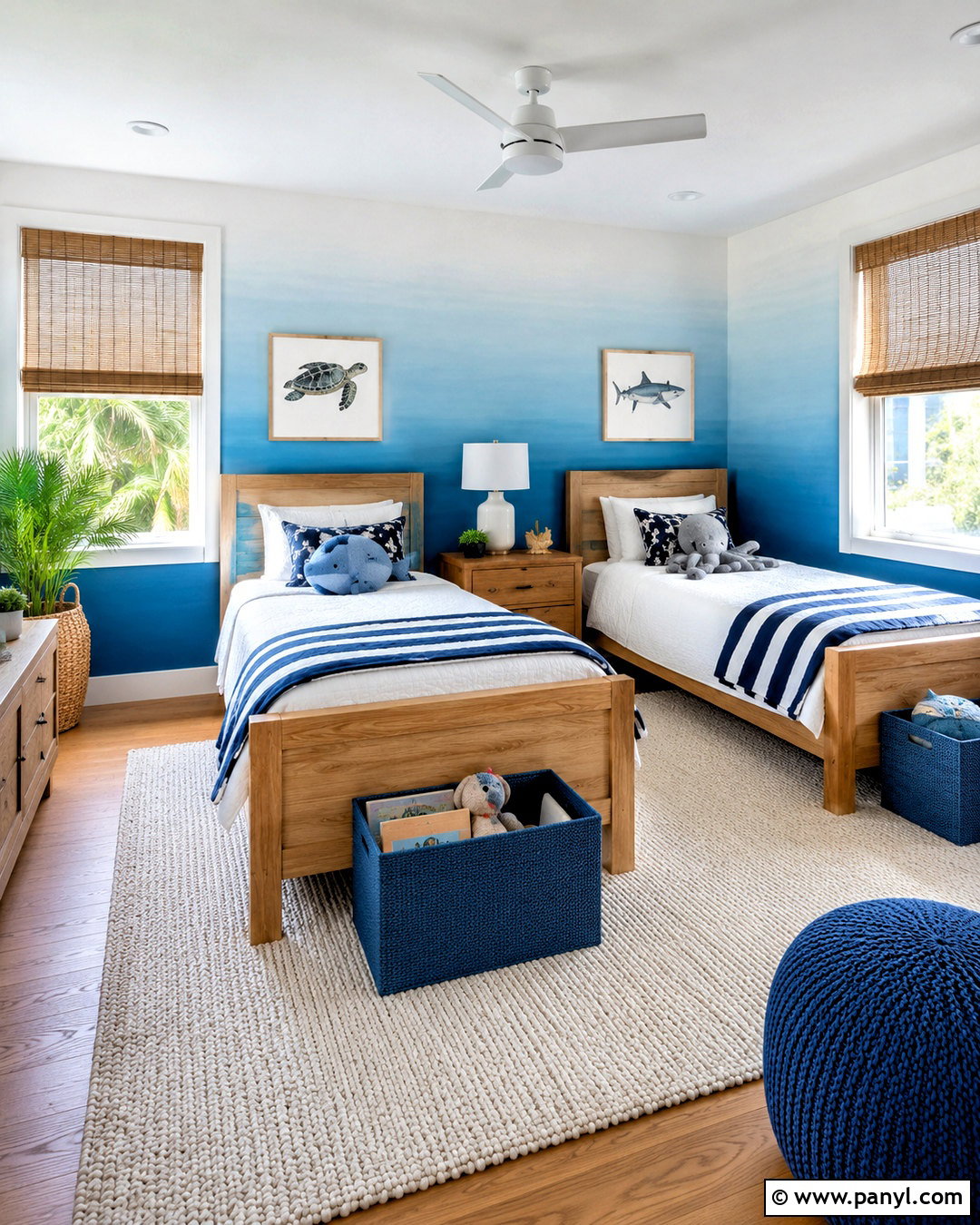
A blue ombre wall can create a playful yet calming children’s bedroom when the transition remains soft and balanced. Begin with medium ocean blue near the floor, blend through pale sky blue, and finish with warm white near the ceiling. Keep the gradient on every wall for an immersive appearance. Furnish the room with two natural wood beds, white bedding, and navy striped blankets. A washable cream rug brightens the center, while blue storage bins organize toys and books. Add simple white sconces, woven shades, and framed nature prints. Pale oak flooring and limited red accents keep the complete room cheerful without making the gradient feel visually busy.
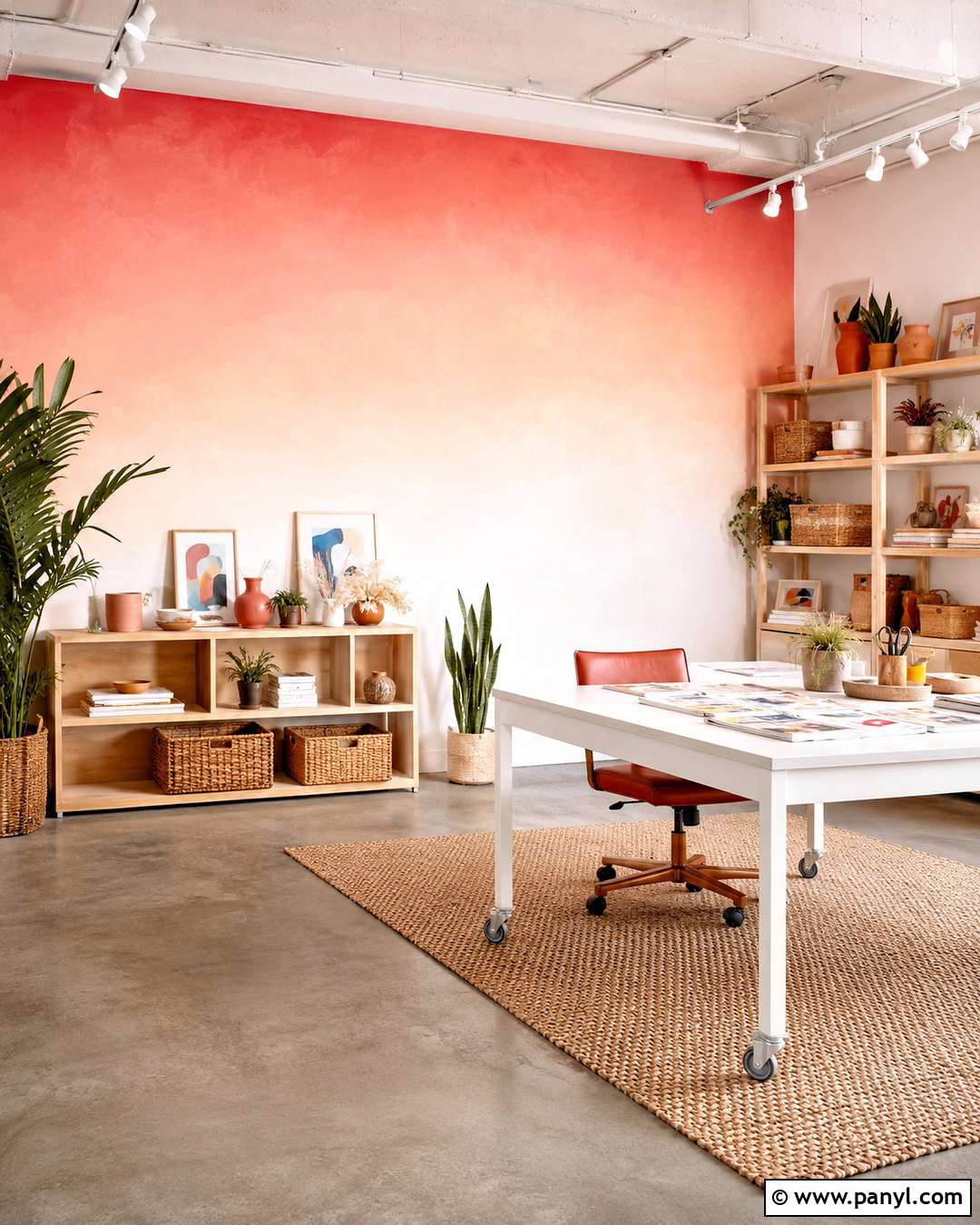
31. Sunset Ombre Wall Texture
A sunset ombre treatment brings creative energy to a hobby room or studio. Blend dusty coral near the lower wall into soft peach, pale blush, and creamy white at the top. Use the gradient around the entire room so it appears intentional rather than decorative in one isolated spot. Add a large white worktable, light oak shelving, and a comfortable rust-colored chair. Woven baskets provide attractive storage for supplies. A neutral flat-weave rug and white curtains keep the colorful room balanced. Choose adjustable black task lighting for practical contrast. Simple ceramic accessories in coral, terracotta, and ivory repeat the wall palette without creating unnecessary clutter.
32. Two Tone Textured Wall
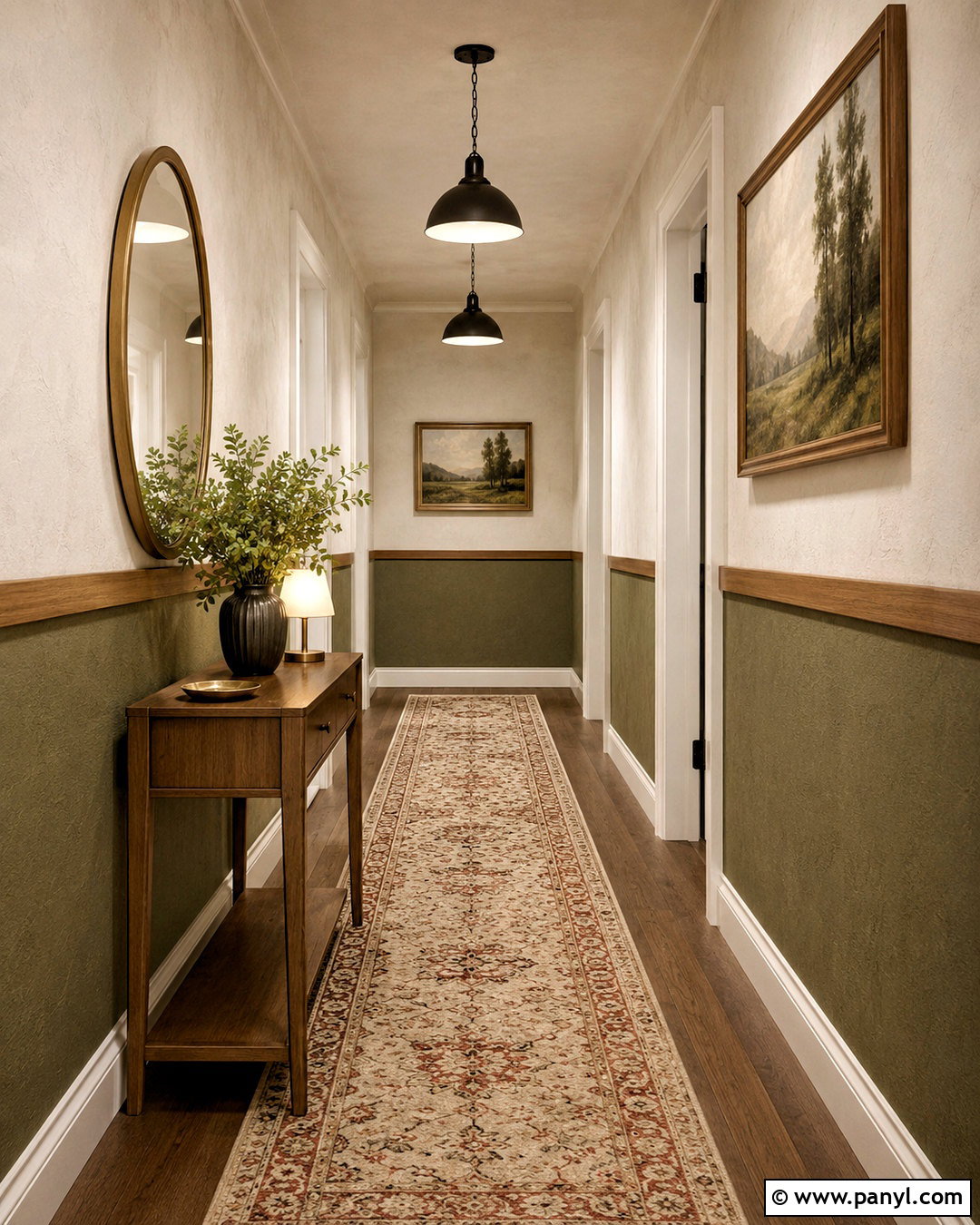
A two-tone textured wall treatment can give a hallway architectural character without installing full paneling. Cover the lower half in textured muted olive paint and the upper half in softly brushed warm white. Separate the colors with a narrow oak picture rail for a clean transition. Continue the treatment along the entire corridor to create rhythm. Add a slim wood console, round brass mirror, and woven runner in cream, olive, and rust. Black ceiling lights provide definition and even illumination. Hang a small collection of landscapes above the rail, using matching wood frames. The combined color, texture, and simple furniture make the hallway feel like a finished room.
33. Textured Panel Molding Wall
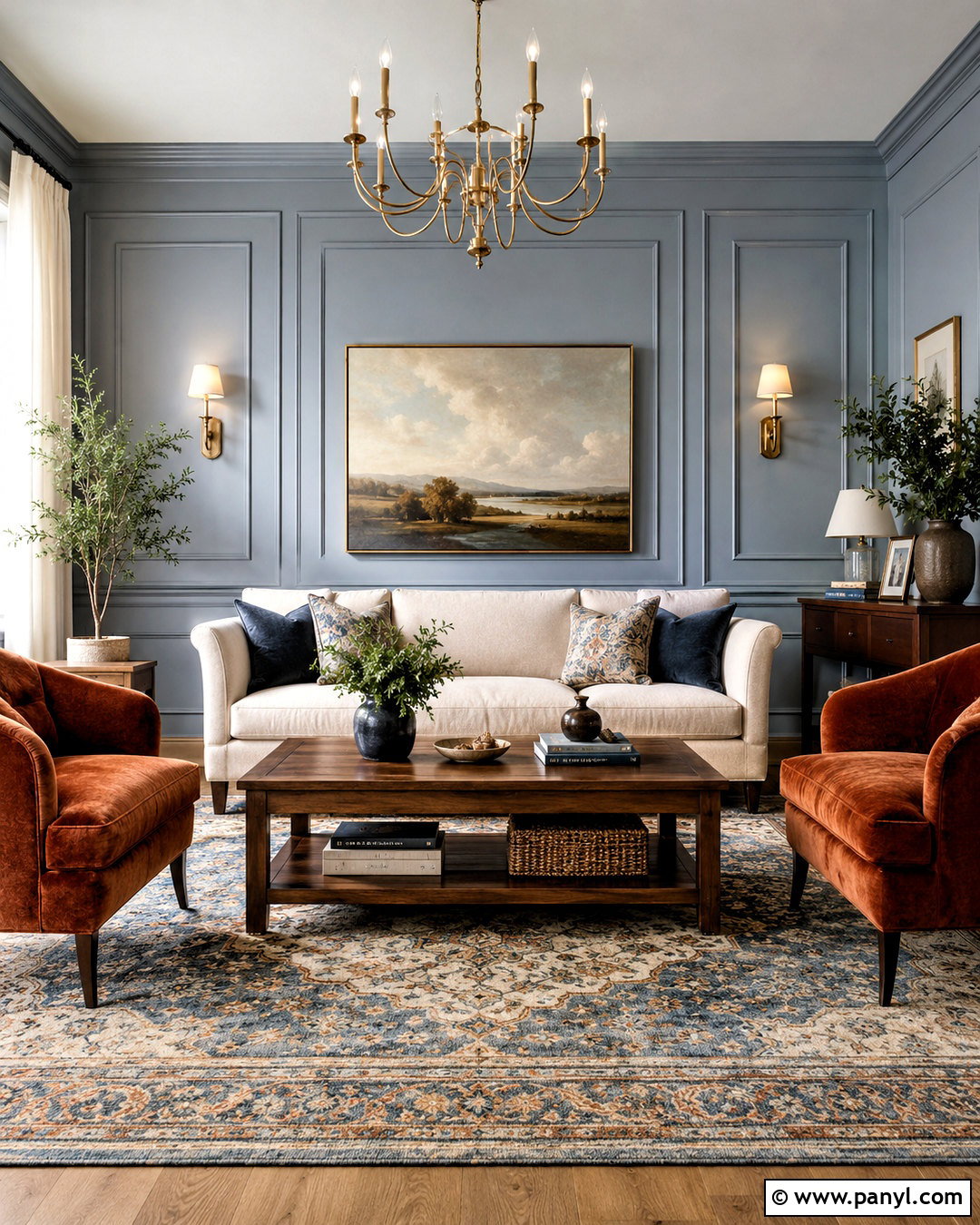
Painted panel molding adds structured wall texture to a living room while allowing color to remain the dominant feature. Install simple rectangular molding across every wall, then coat the walls, trim, and molding in dusty blue-gray. Pair the detailed backdrop with a cream sofa, walnut coffee table, and two rust velvet chairs. A patterned rug containing blue, beige, and brown ties the seating together. Choose aged brass sconces and a traditional chandelier to complement the molding. Linen curtains in warm white prevent the room from appearing formal or heavy. Use one large landscape painting above the sofa, allowing the surrounding panels to frame it naturally.
34. Textured Brick Wall Color
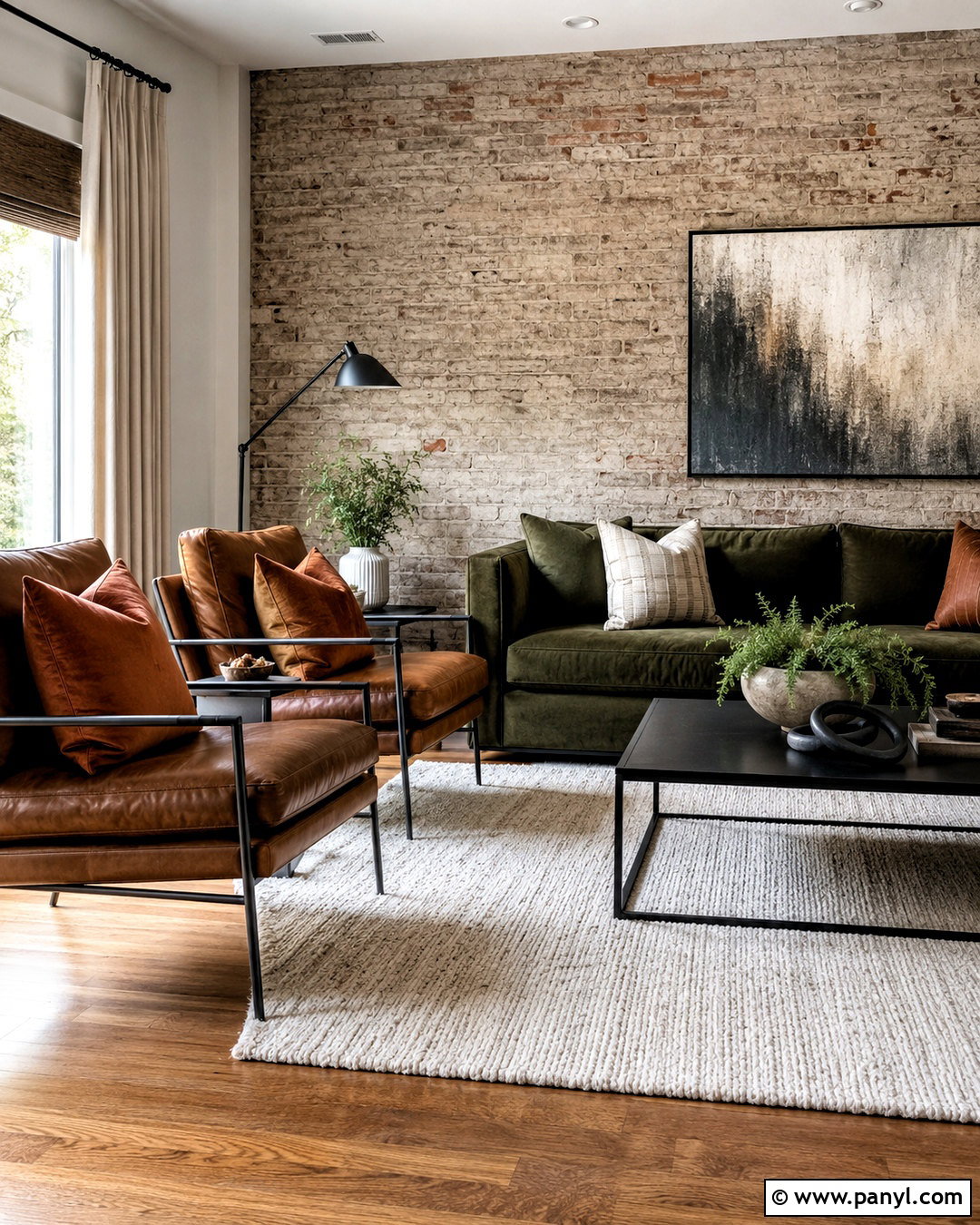
Painted brick creates a tactile focal point in a loft-inspired living room while remaining suitable for a standard home. Finish the brick in warm greige, allowing natural mortar lines and surface irregularities to remain visible. Paint the surrounding walls creamy white for balance. Place a deep olive sofa against the brick and add cognac leather chairs, a black metal coffee table, and a large ivory rug. Medium oak flooring softens the industrial material. Use black-framed artwork, linen curtains, and a tall floor lamp with a white shade. Rust and tan pillows connect the warm furniture tones, creating a relaxed room with clear visual depth.
35. Textured Color Drenched Wall
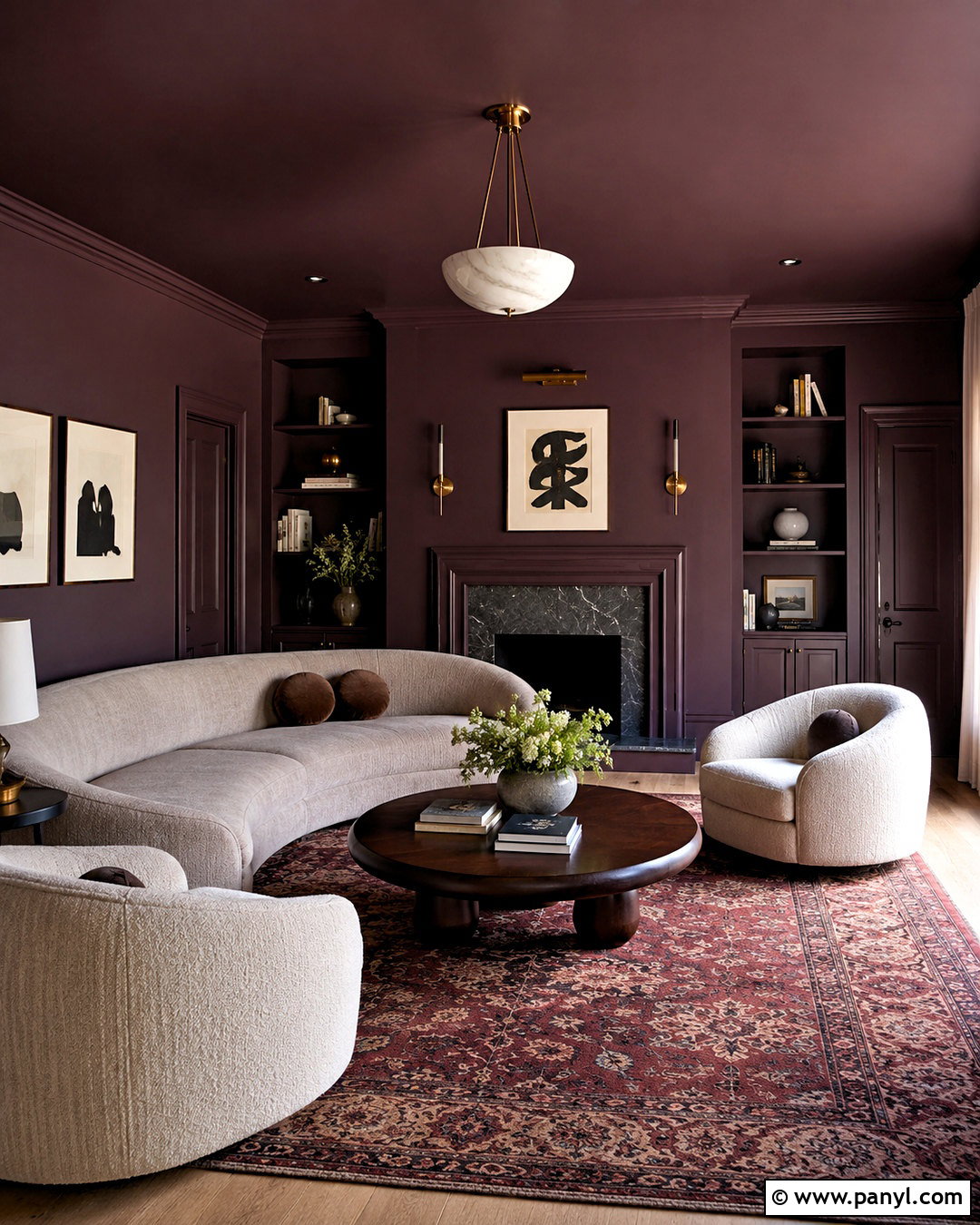
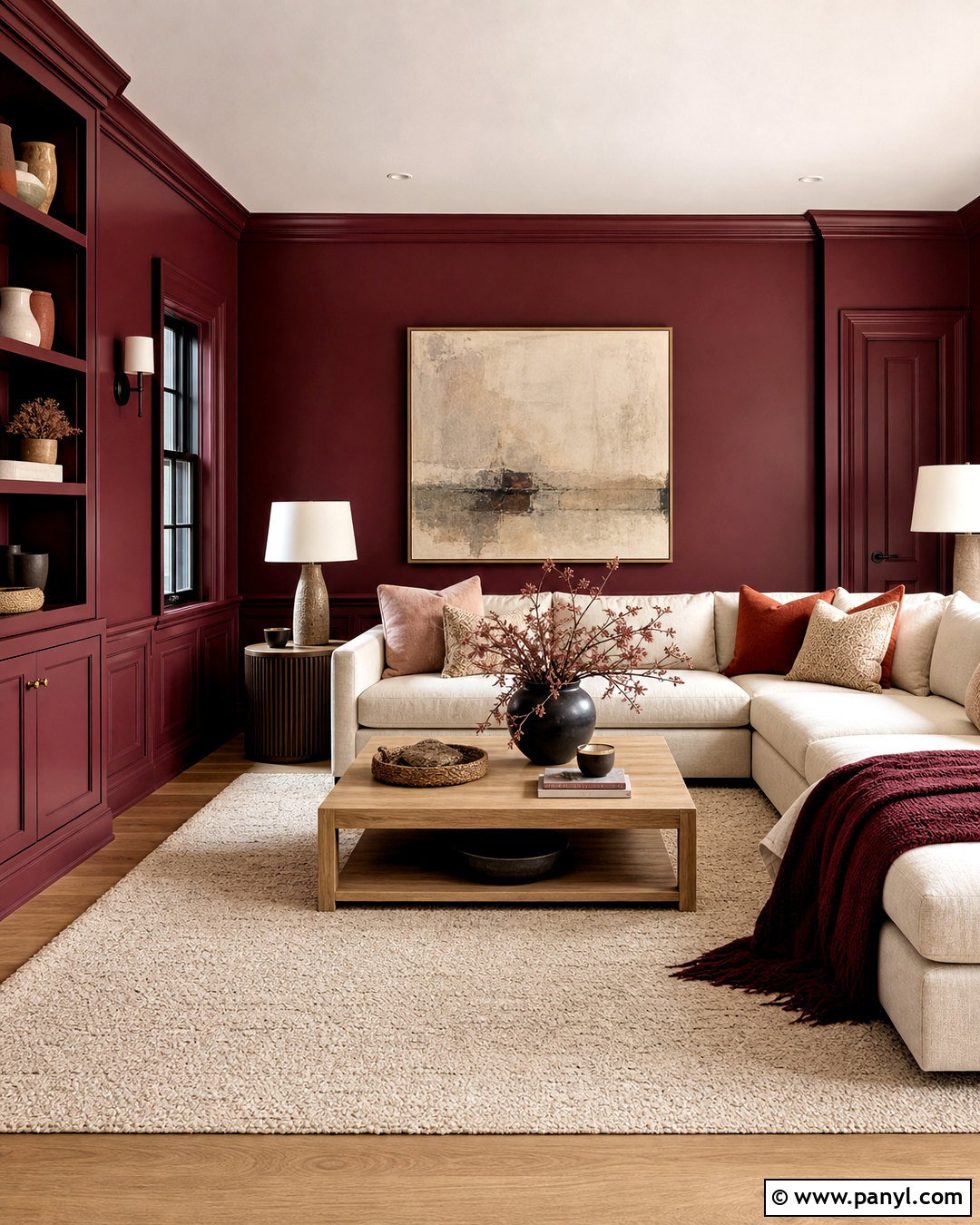
Color drenching becomes more interesting when a softly textured finish covers the walls, ceiling, trim, doors, and built-ins. For a cozy sitting room, choose a muted plum-brown shade with subtle brushed variation. Add a curved sofa in pale taupe, a dark walnut coffee table, and a pair of cream boucle chairs. A faded rug with burgundy, tan, and blue details breaks up the continuous color. Use aged brass wall lights and small table lamps to highlight the texture from several directions. Artwork with wide cream mats introduces visual pauses. Keeping furniture lighter than the walls ensures the room feels enveloping and sophisticated rather than dark or crowded.
Conclusion:
The best textured walls do more than decorate a surface. They help shape the color palette, atmosphere, and overall identity of a room. These 35 wall color texture ideas show how limewash, Roman clay, plaster, grasscloth, concrete effects, ombre treatments, and architectural details can work with furniture, flooring, lighting, and textiles. Before committing, test your chosen color and finish on a generous wall area. View it during the morning, afternoon, and evening because surface movement can look different as lighting changes. Whether you prefer pale neutrals or saturated colors, choose a complete design that supports the texture. A coordinated approach will make the finished room feel balanced, intentional, and personal.

Related Ideas and Inspiration:
Leave a Reply