
Two-tone paint can do more than add contrast. It can shape a room, highlight architecture, create a focal point, and connect furniture with surrounding decor. The best **two color wall ideas** treat both shades as parts of one complete scheme. Color blocking and subtle tonal combinations remain popular because they bring depth and personality without requiring complicated remodeling. () Before painting, consider natural light, ceiling height, flooring, and the undertones already present in the room. Sample both colors side by side, then view them throughout the day. You can divide walls horizontally, frame architectural details, create geometric sections, or use paneling for added dimension. The complete looks below turn practical color pairings into **20 two color wall ideas**.

1. Navy Blue And White Living Room Walls
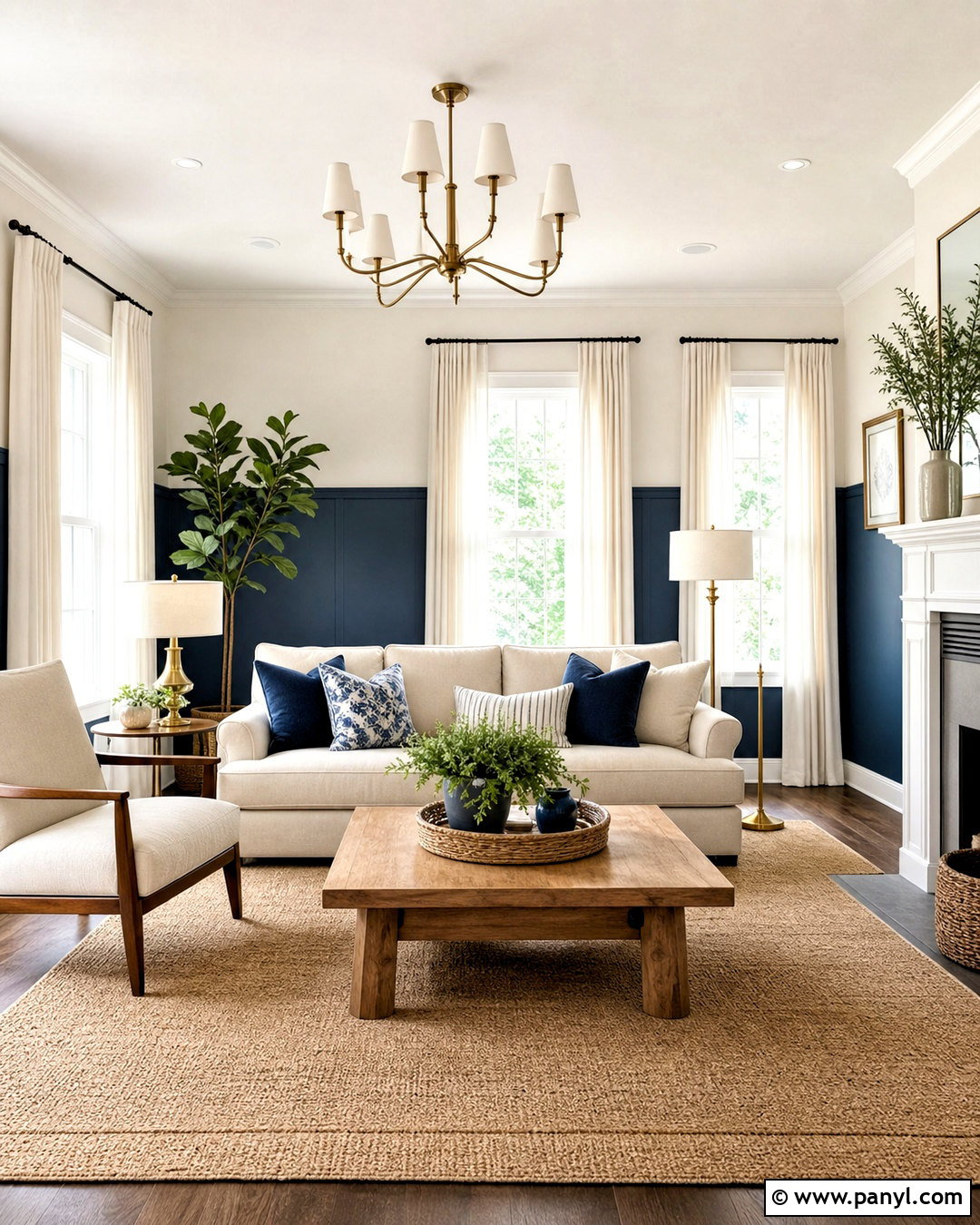
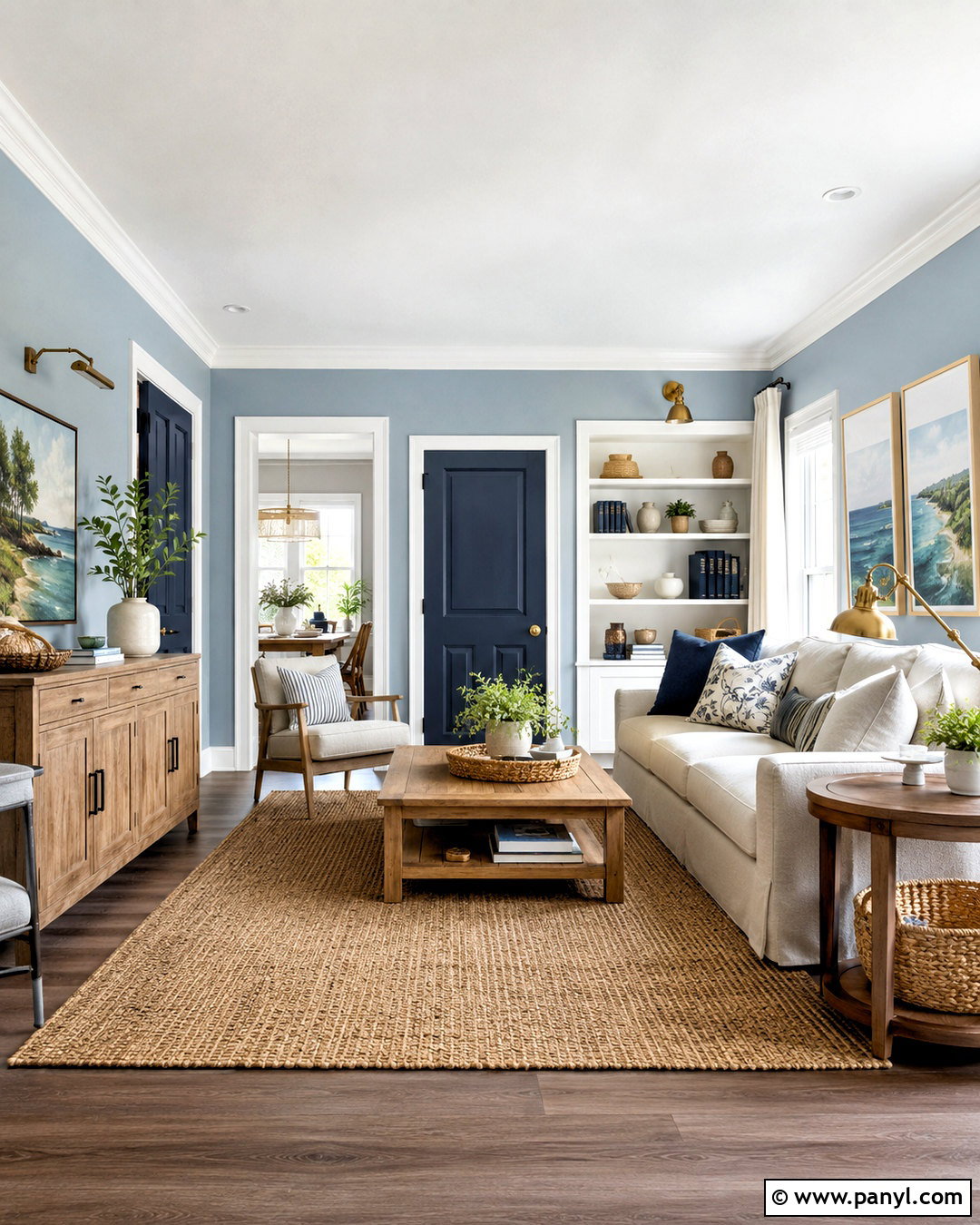
A navy blue lower wall gives a living room a grounded, tailored foundation, while warm white above keeps the space open. Place the dividing line around one-third of the way up the wall, then add simple white molding for a polished finish. Build the room around a light oatmeal sofa, medium oak coffee table, and natural woven rug. Blue patterned pillows and off-white curtains repeat the wall colors without making the design feel overly matched. Brushed brass lamps bring warmth, while black picture frames add crisp definition. This combination works especially well in rooms with substantial daylight. Use eggshell paint on the upper wall and a washable satin finish below, where fingerprints and furniture marks are more likely to appear.
2. Sage Green And Cream Bedroom Walls
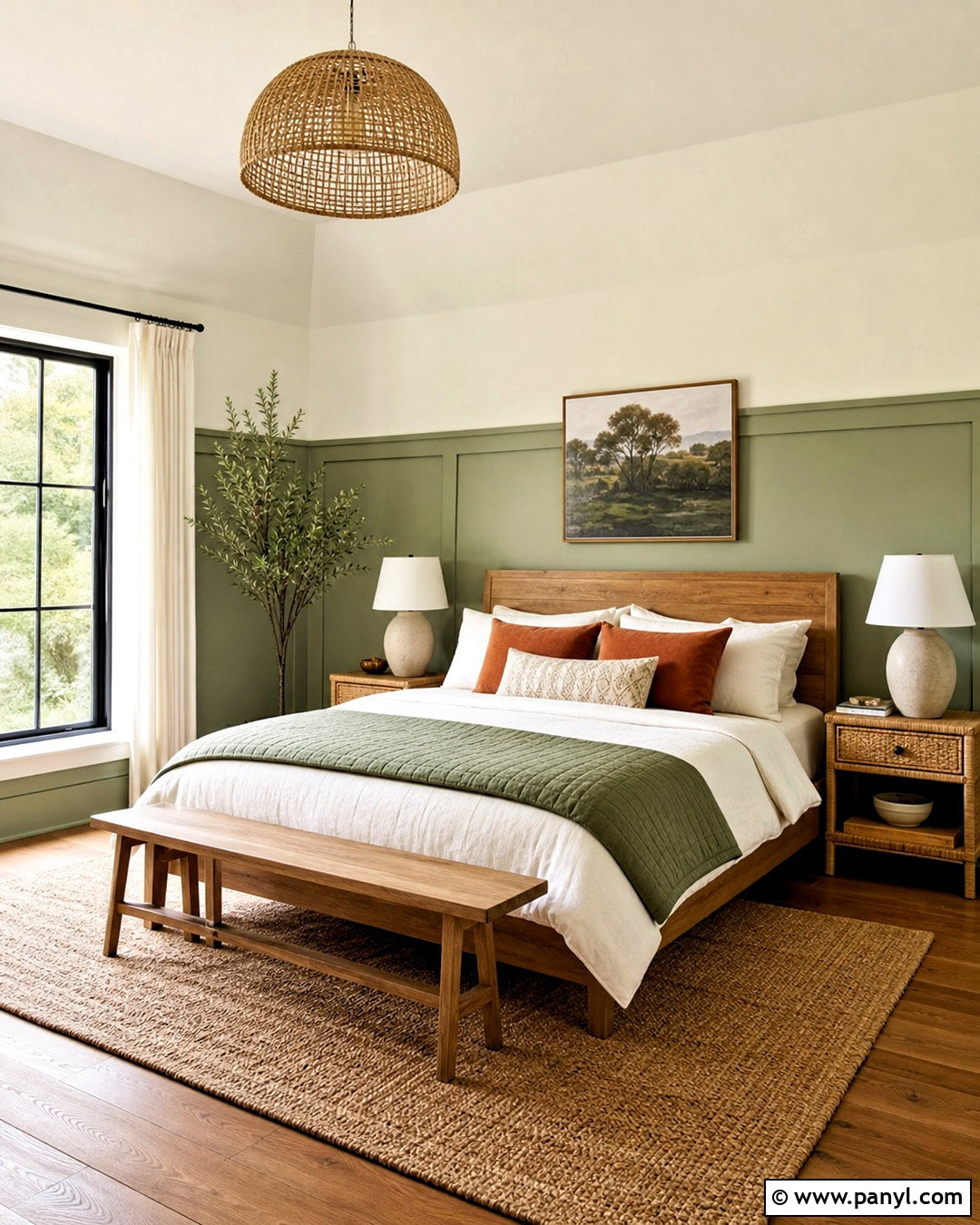
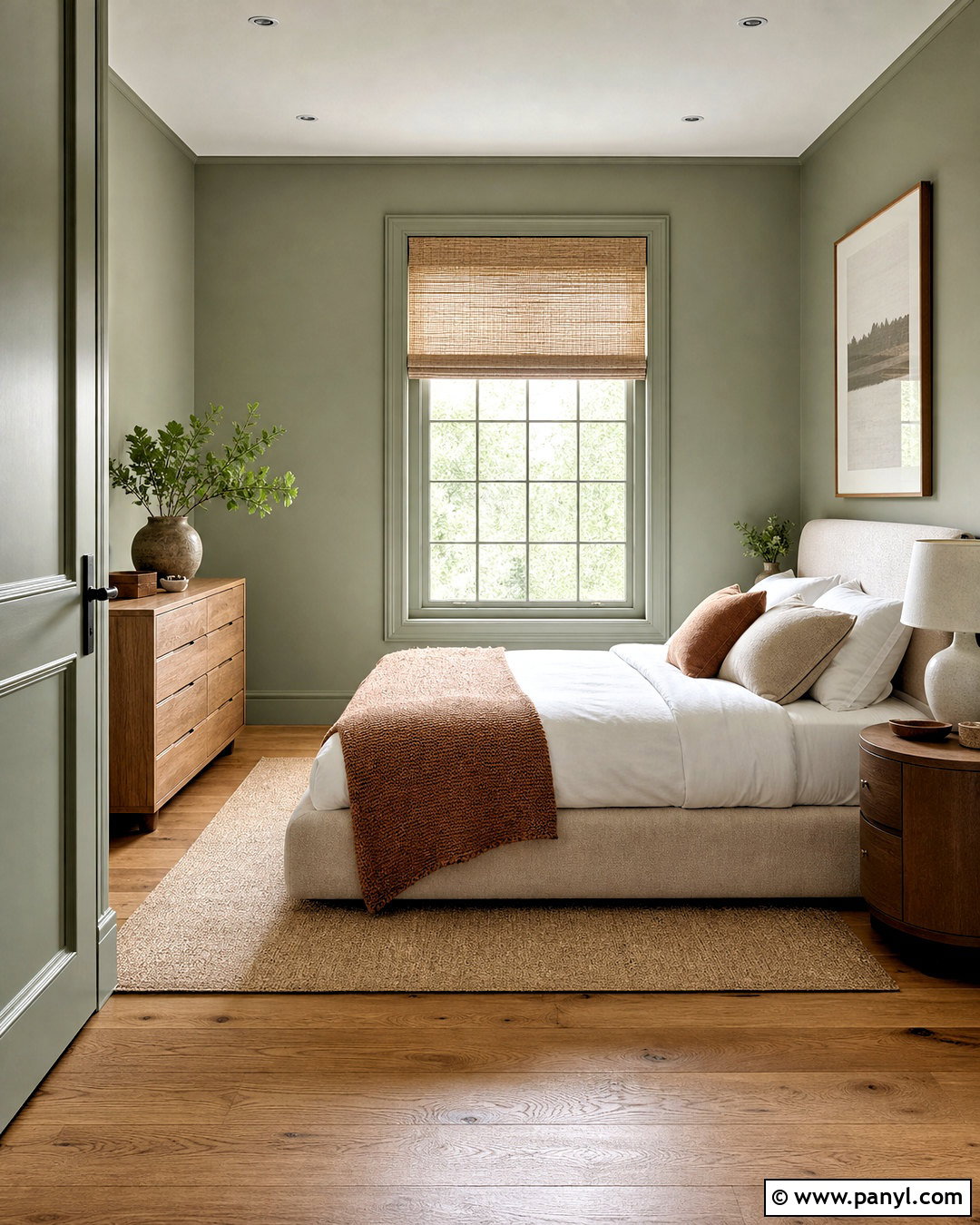
Soft sage green across the lower two-thirds of a bedroom creates a restful backdrop without feeling cold. Paint the remaining upper portion creamy white and continue that lighter color onto the ceiling. This makes the transition feel intentional and keeps the room visually balanced. Center a natural oak bed against the wall, then add ivory bedding, a muted green quilt, and rust-colored accent pillows for gentle warmth. Linen curtains, ceramic lamps, and woven nightstands reinforce the organic look. A narrow painted dividing line is enough, so decorative molding is optional. Choose sage with warm gray undertones rather than a sharp mint. The finished bedroom feels calm, layered, and comfortable, with enough color to look personal but not visually busy.
3. Terracotta And Blush Dining Room Walls
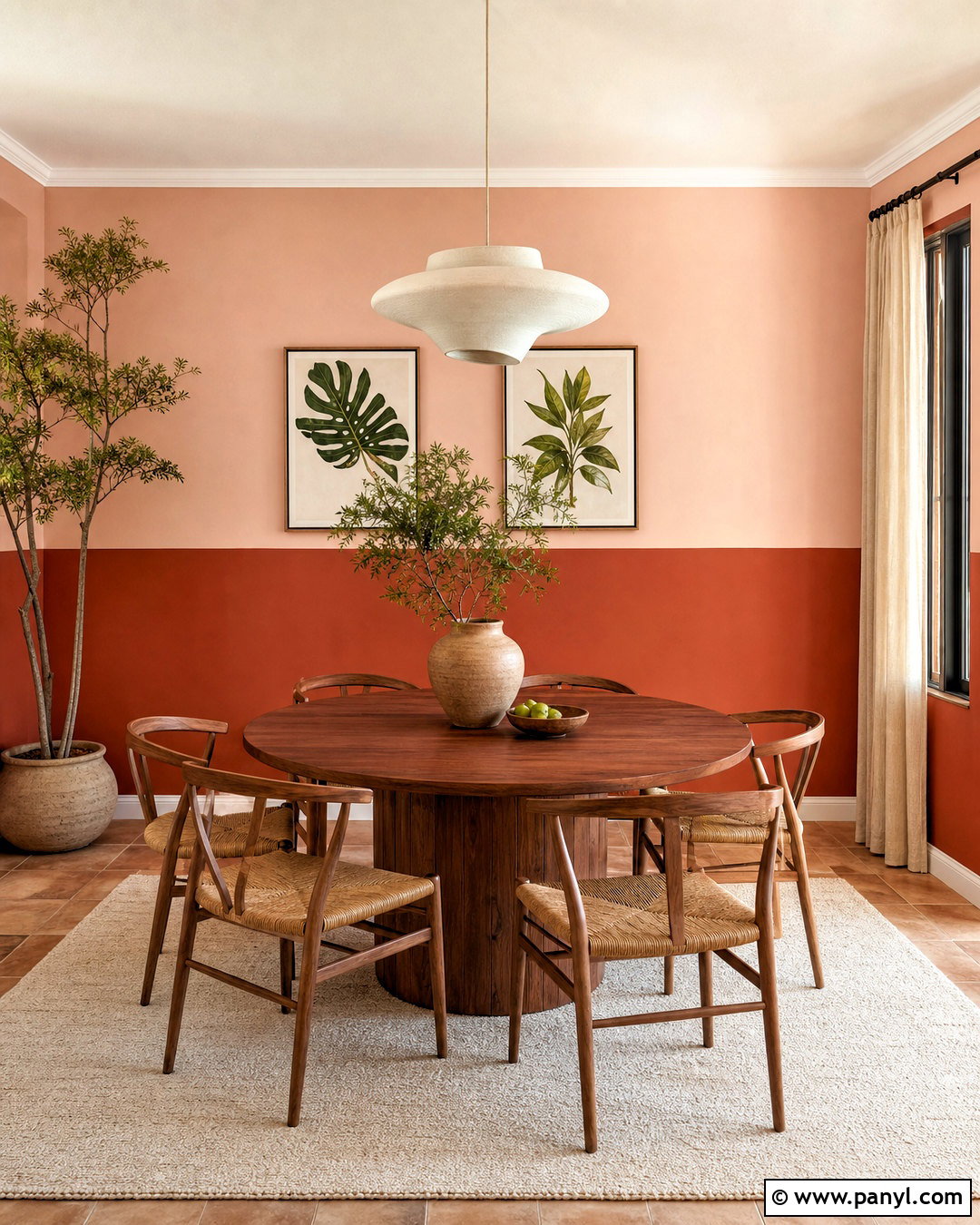
Imagine warm terracotta wrapping the lower half of a dining room beneath a soft blush upper wall. The combination feels sunny and welcoming, especially beside natural wood furniture. Use a thin chair rail painted in the terracotta shade to create a seamless transition. A round walnut dining table, woven-seat chairs, and an ivory textured rug provide an earthy base. Add a sculptural cream pendant light and simple botanical artwork with green accents. White oak flooring or light stone tile keeps the stronger wall color from becoming too heavy. Because both paints have warm undertones, they blend smoothly while remaining noticeably different. Finish with linen curtains in pale oatmeal and a few matte black details to sharpen the relaxed, Mediterranean-inspired room.
4. Black And White Entryway Walls
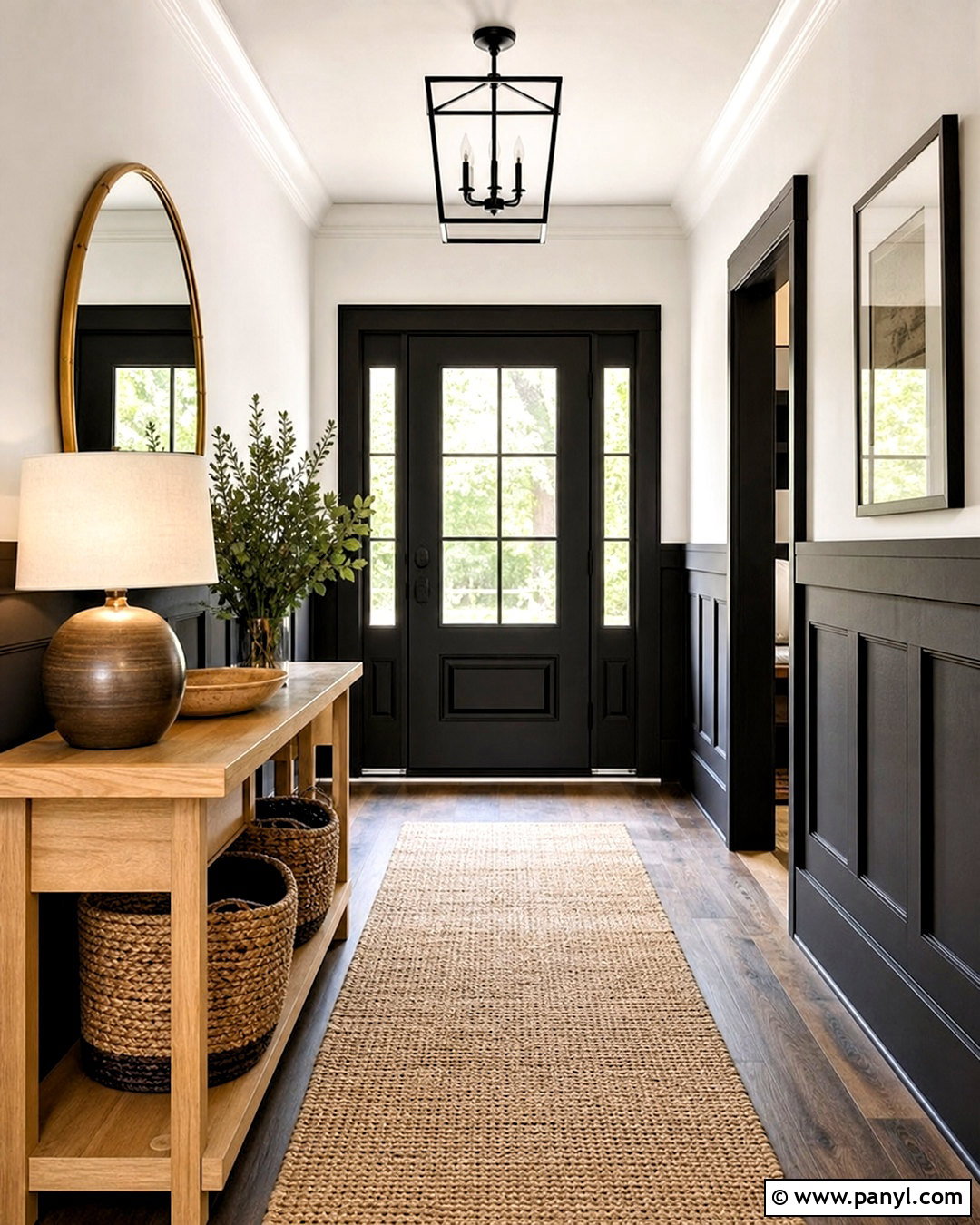
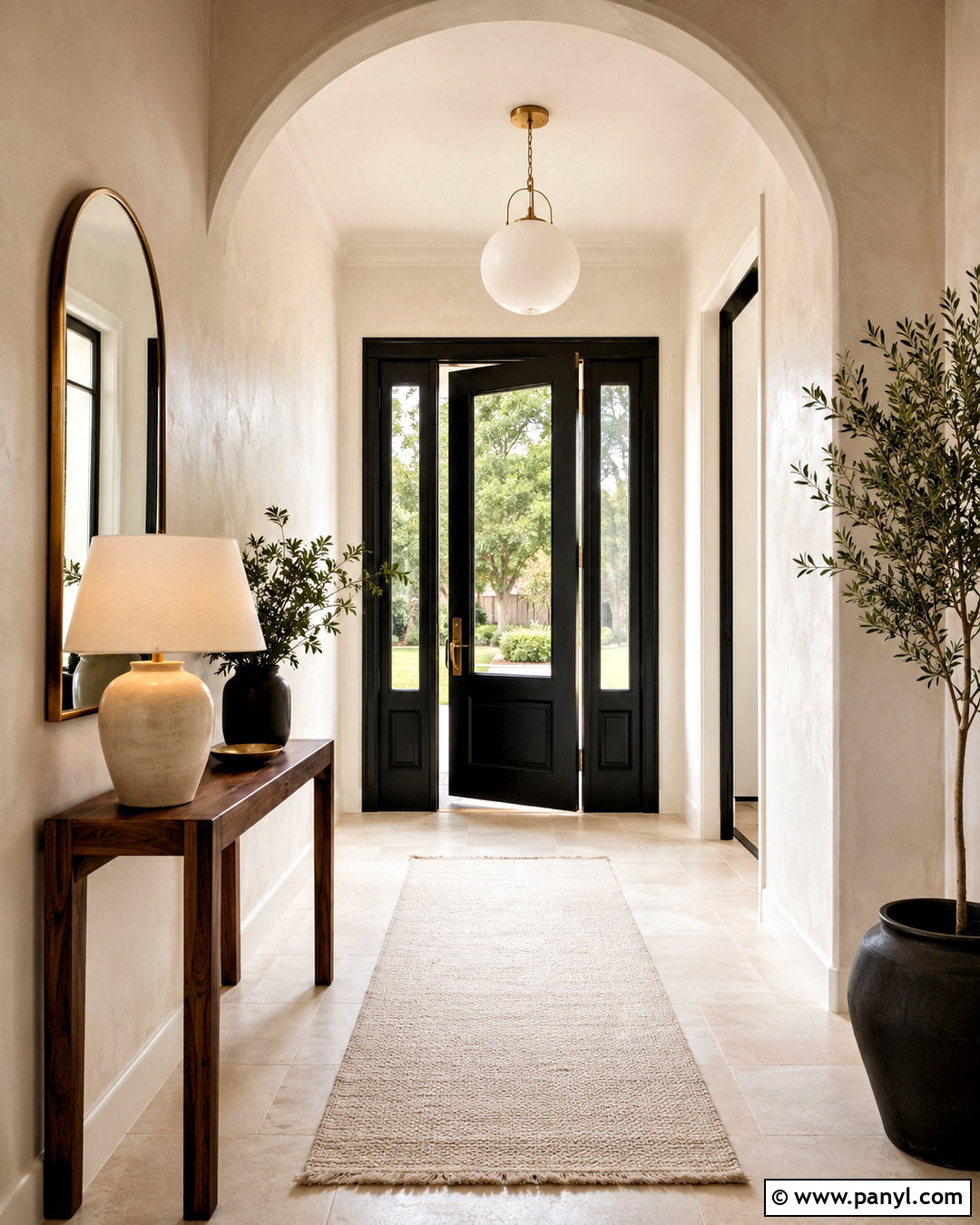
A black lower wall and bright white upper wall can make an ordinary entryway feel structured and architectural. Keep the black section below waist height so the room remains welcoming rather than enclosed. Install slim rectangular molding over the dark portion to add depth, then paint the baseboards black for a continuous finish. Against the wall, place a narrow light oak console with a round brass mirror above it. A neutral runner, woven baskets, and a small ceramic lamp soften the graphic contrast. Repeat black through door hardware and picture frames, but avoid filling every surface with dark accessories. The combination looks particularly clean beside pale wood flooring. It also provides a practical, forgiving finish in a busy area exposed to shoes, bags, and daily traffic.
5. Blue And Green Home Office Walls
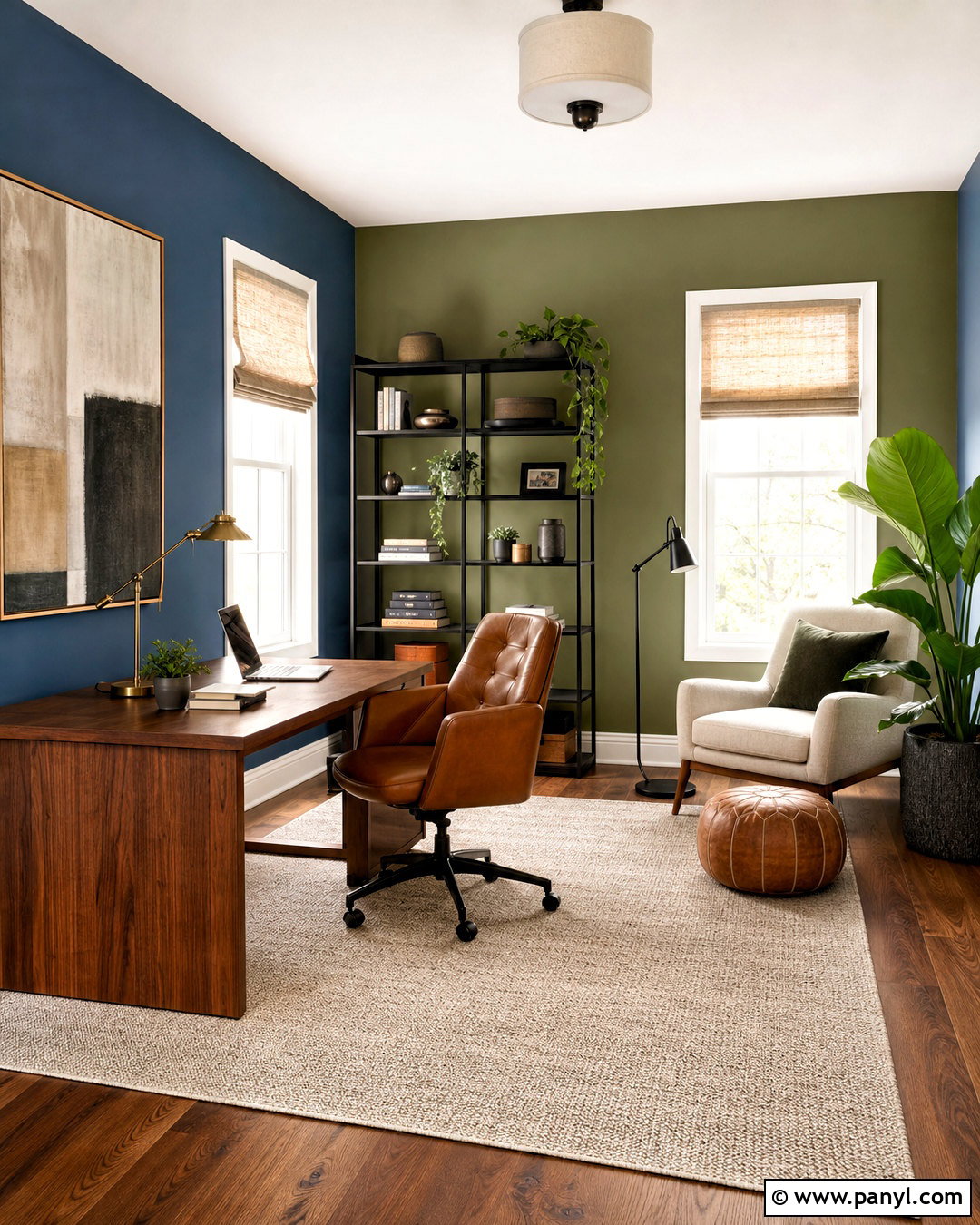
For an energizing home office, pair medium denim blue with muted olive green in a vertical color-blocked layout. Paint the wall behind the desk blue, then carry olive across the adjoining wall and around a reading corner. Rather than placing the transition directly in a corner, shift it several feet onto the main wall. This creates a stronger, more deliberate composition. Use a walnut desk, cognac leather chair, and cream wool rug to connect the cool wall colors with warmer materials. A black metal bookcase adds structure without competing for attention. Finish the room with linen shades, leafy plants, and abstract artwork containing both colors. The result feels creative and focused, while the uneven color placement gives different work zones their own visual identity.
6. Greige And White Hallway Walls
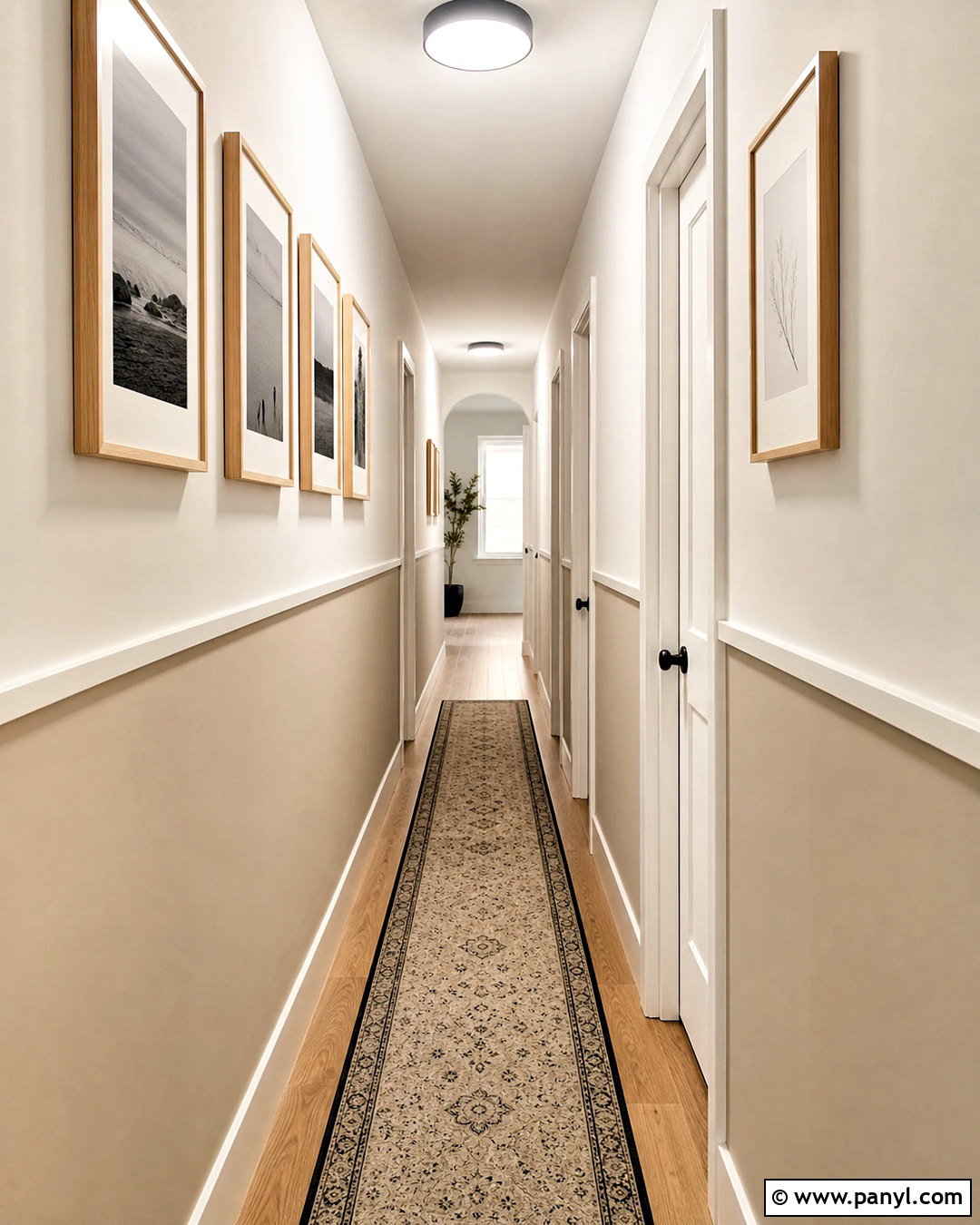
A narrow hallway benefits from a low-contrast combination of warm greige and clean white. Paint the lower 36 inches greige and the upper wall white, using a slim picture ledge as the dividing line. Wainscoting is commonly adapted within an approximately 30-to-40-inch range, making this proportion practical for many standard rooms. () Display small framed photographs and artwork along the ledge, keeping the frames consistent in light oak or matte black. A flat-woven runner with beige and charcoal details draws the eye forward. Add simple flush-mount lighting and paint the interior doors white to preserve brightness. The gentle contrast introduces architecture without visually narrowing the passage. It also creates a neutral background that can continue comfortably into nearby living spaces.
7. Mustard Yellow And Gray Kids Room Walls
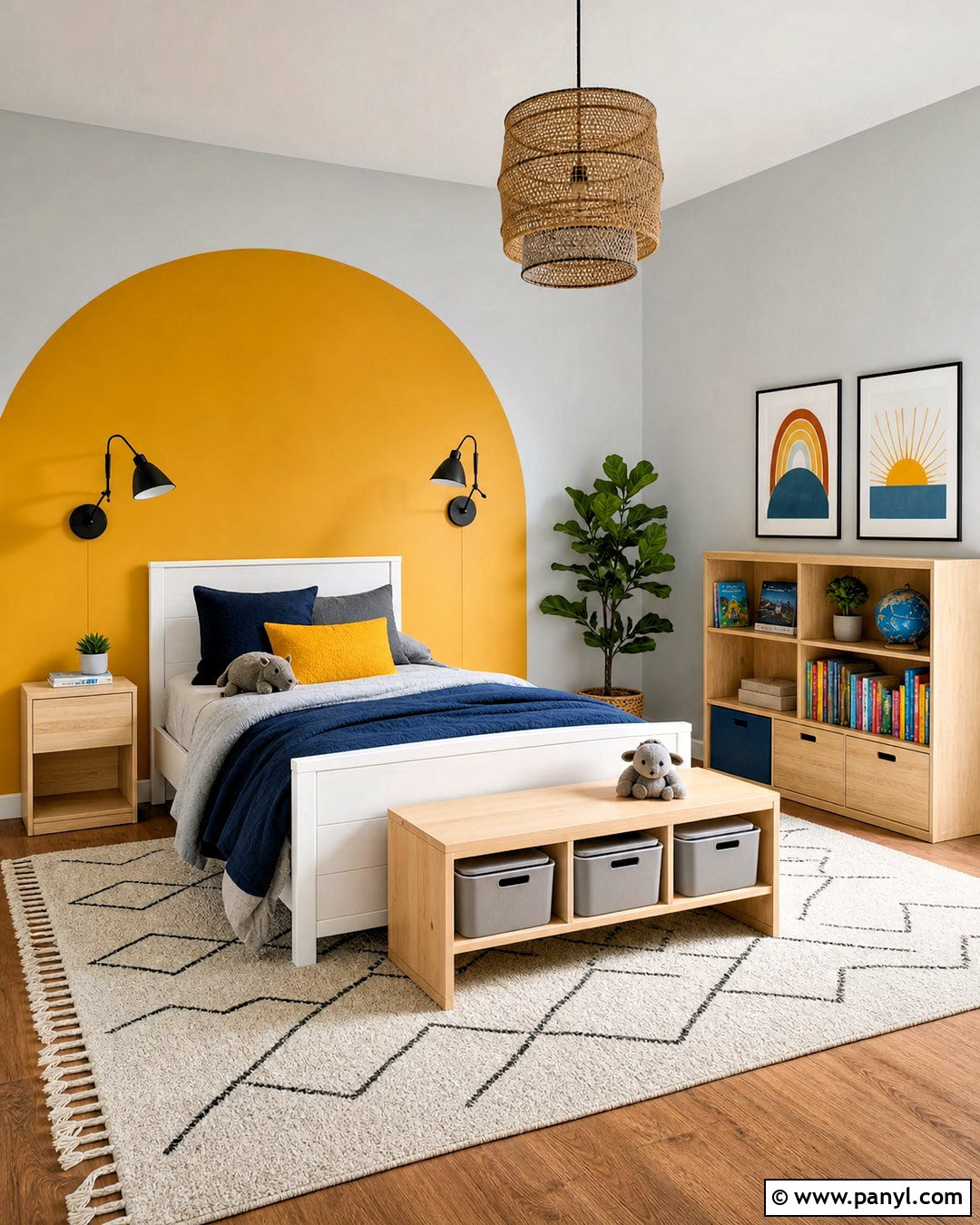
A playful kids room can combine warm mustard yellow with pale gray without looking overly themed. Paint gray across most of the walls, then create a broad mustard arch behind the bed or reading bench. Extend the painted shape almost to the ceiling so it has enough scale to anchor the room. Choose a simple white bed, light birch storage, and a washable cream rug with small geometric details. Bedding in gray, mustard, navy, and white brings the wall palette into the rest of the space. Keep toy bins and shelves streamlined so the large color block remains the main decorative feature. Black wall sconces add definition, while colorful books supply flexible accents. This layout is cheerful, practical, and easy to update as the child grows.
8. Teal And Warm White Bathroom Walls
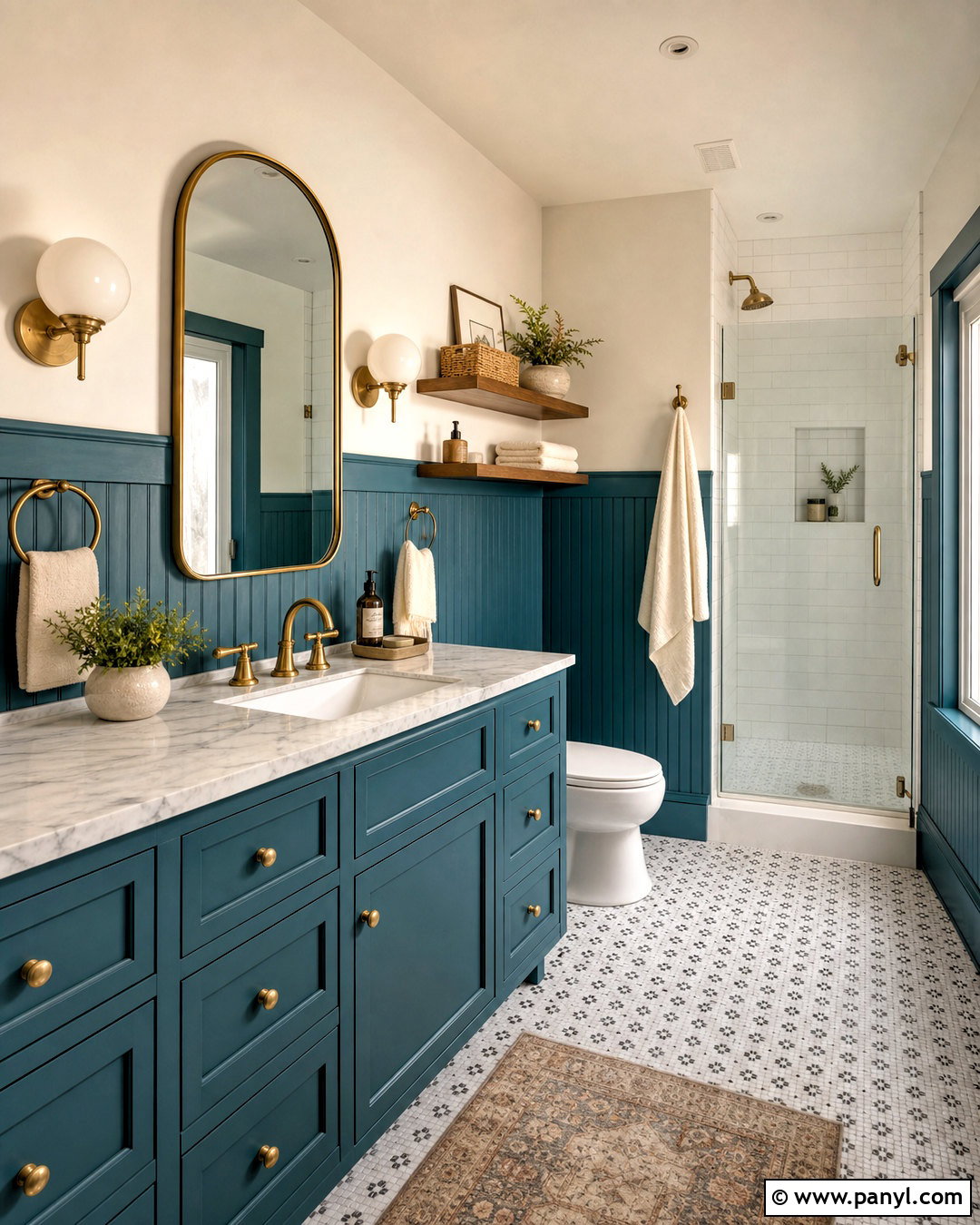
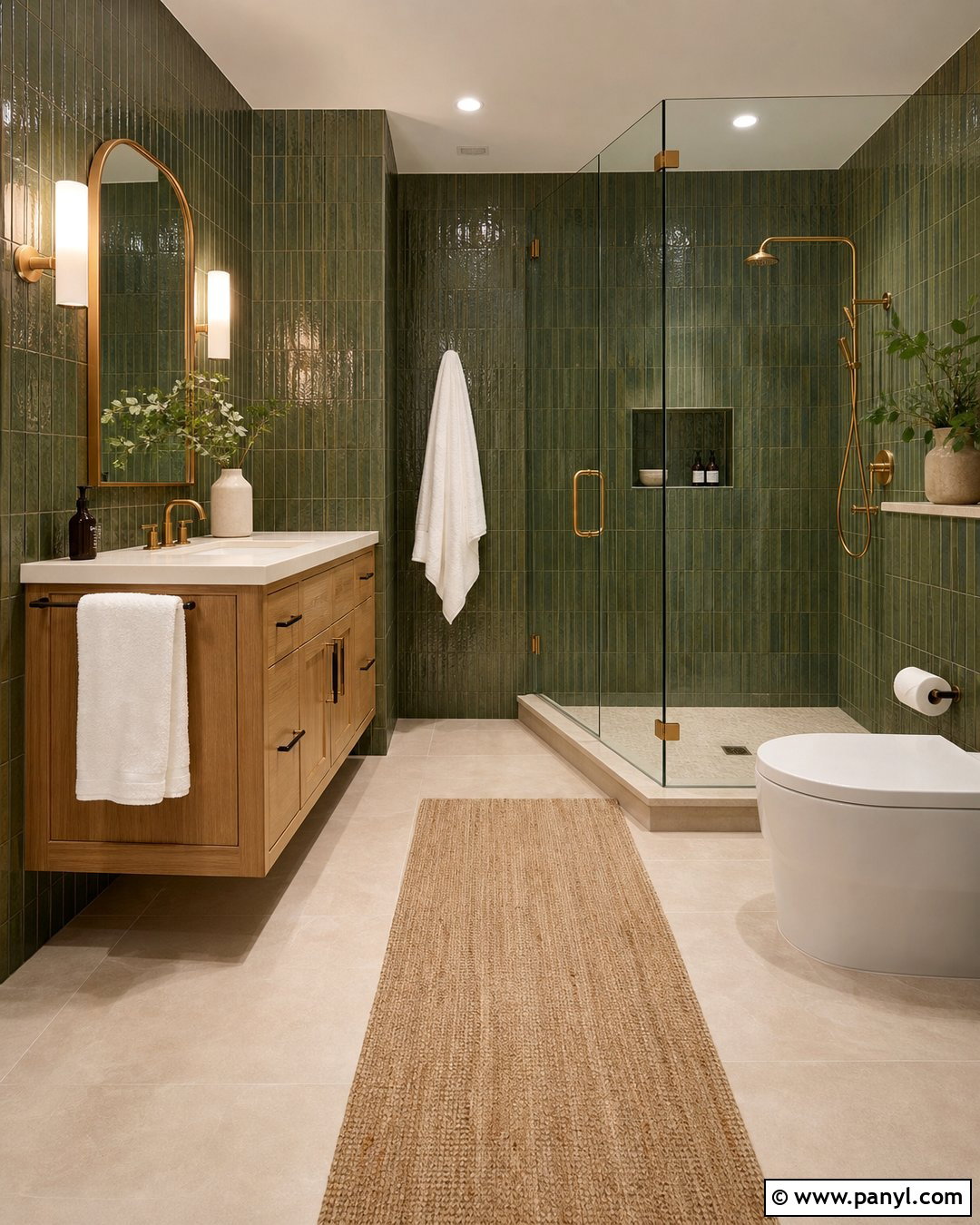
Deep teal paneling beneath warm white walls gives a bathroom color while maintaining a fresh, clean atmosphere. Use moisture-resistant beadboard or simple vertical panels on the lower half, then paint them in a durable satin or semi-gloss finish. Continue teal across the vanity for a coordinated built-in effect. Above it, warm white walls balance the intensity and complement marble-look countertops. Add brushed brass faucets, a curved brass mirror, and globe sconces for gentle shine. White tile flooring with small charcoal details keeps the palette crisp. Natural wood shelves and folded cream towels prevent the room from feeling formal. The finished bathroom combines classic paneling with modern fixtures, creating a complete look that feels colorful, practical, and easy to personalize with greenery or artwork.
9. Burgundy And Pink Bedroom Walls
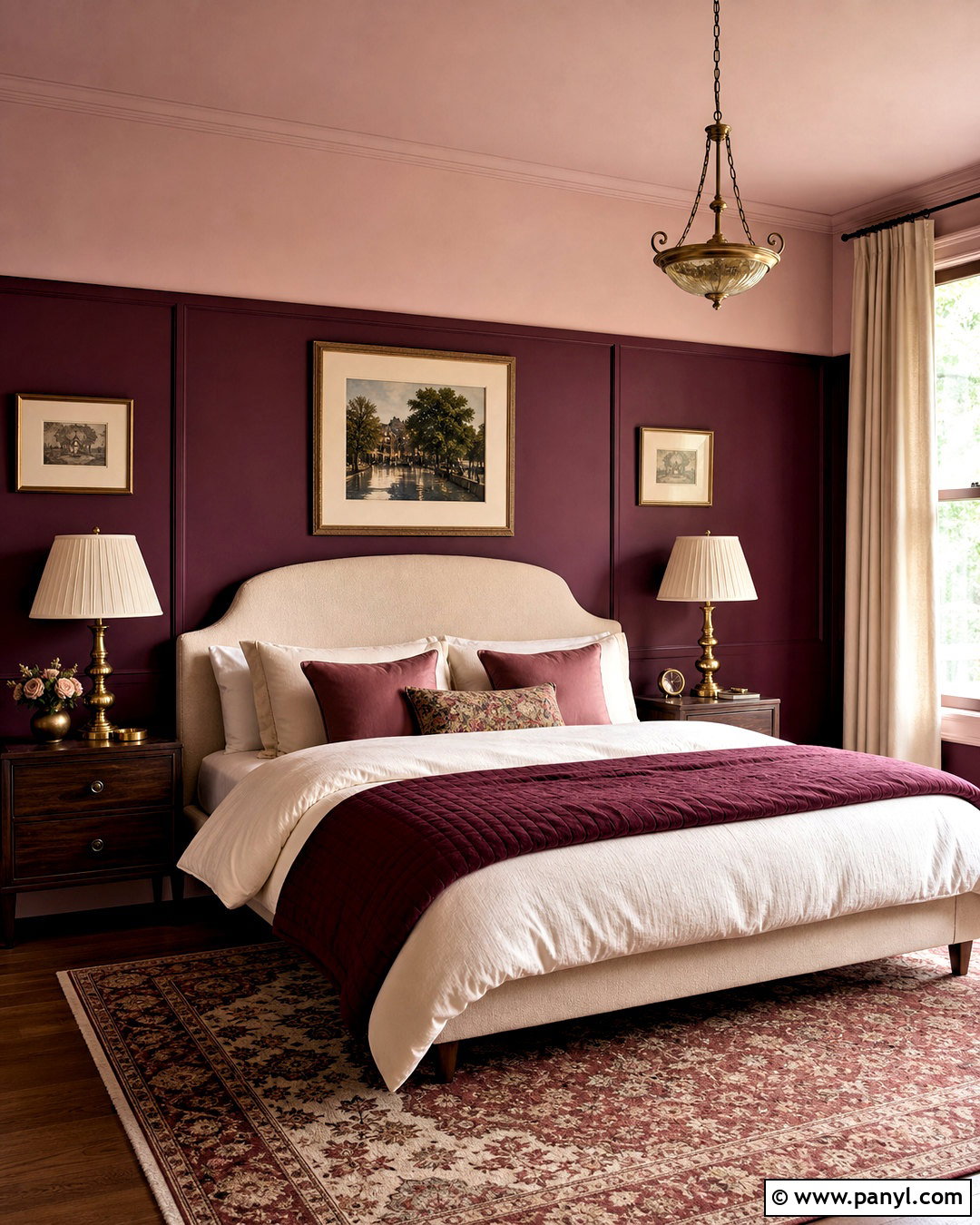
Rich burgundy and dusty pink can create a bedroom that feels enveloping rather than overly sweet. Paint the wall behind the bed burgundy from the floor upward, stopping approximately two-thirds of the way to the ceiling. Use dusty pink across the upper section and continue it around the remaining walls. A curved upholstered headboard in oatmeal fabric softens the strong color division. Layer the bed with cream sheets, a burgundy quilt, and muted rose pillows. Dark walnut nightstands, antique brass lamps, and a vintage-inspired rug bring depth and character. Keep window treatments pale and simple so daylight can balance the saturated tones. The uneven split makes the ceiling appear more connected to the room while turning the darker section into an expansive, sophisticated headboard backdrop.
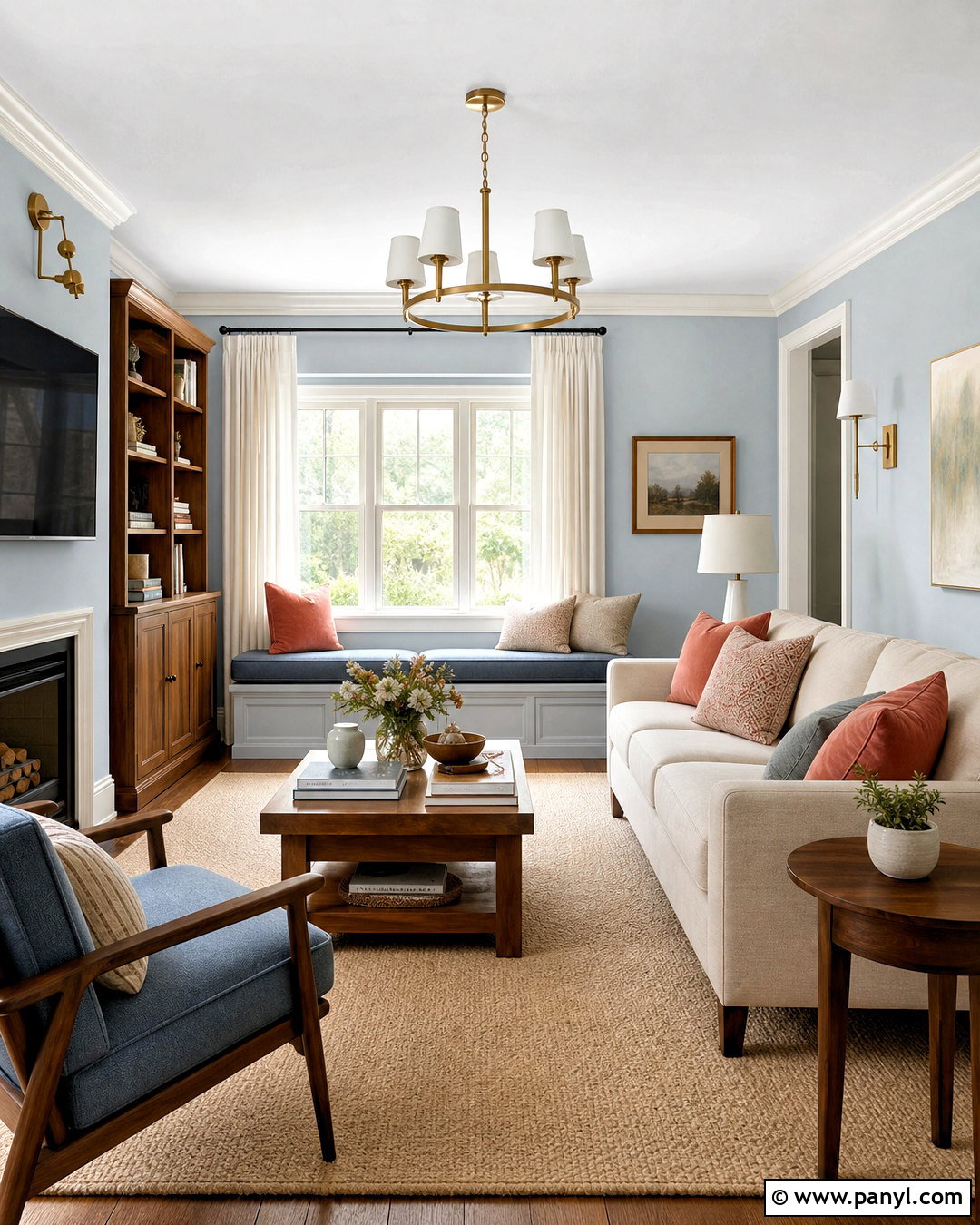
10. Olive Green And Beige Kitchen Walls
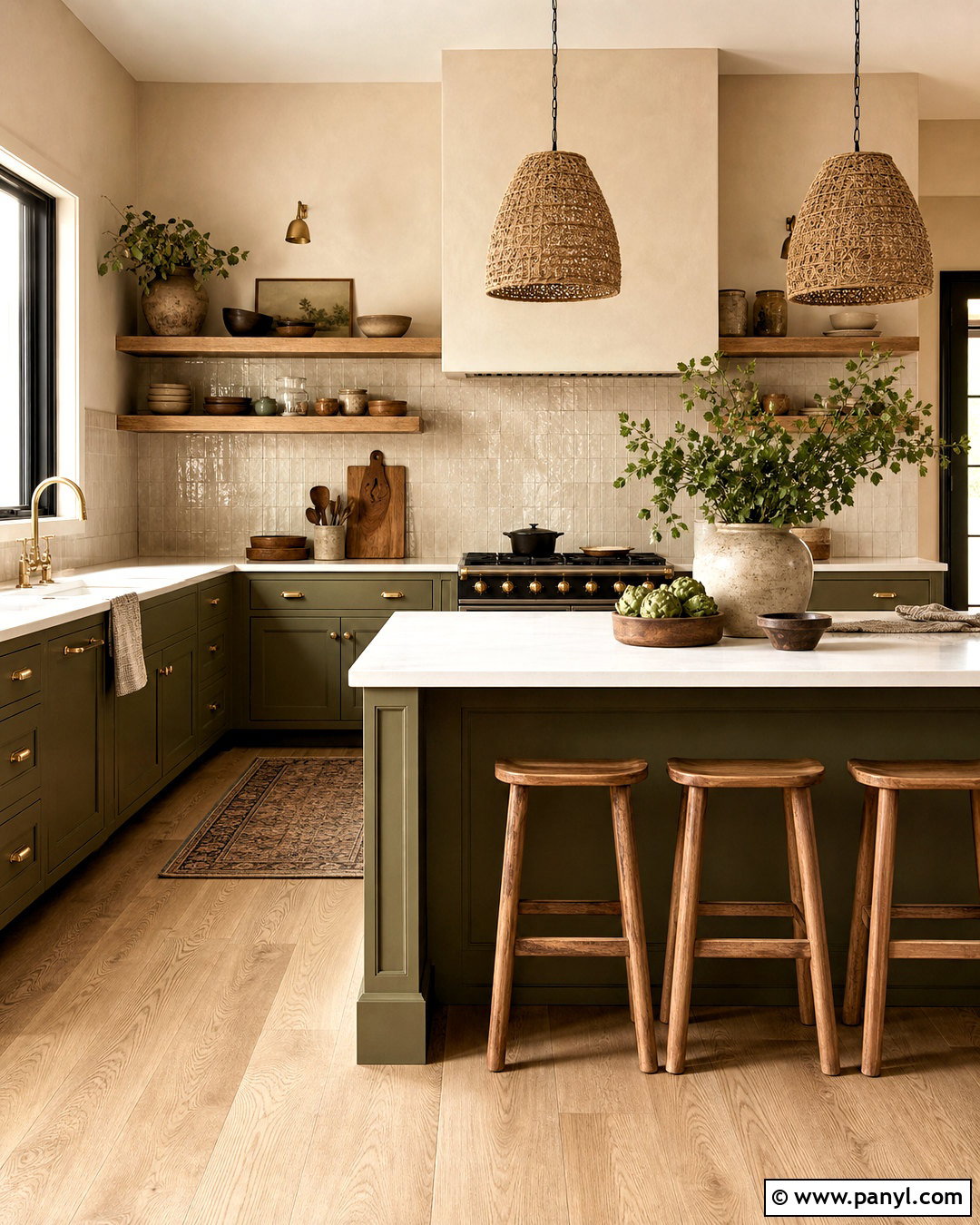
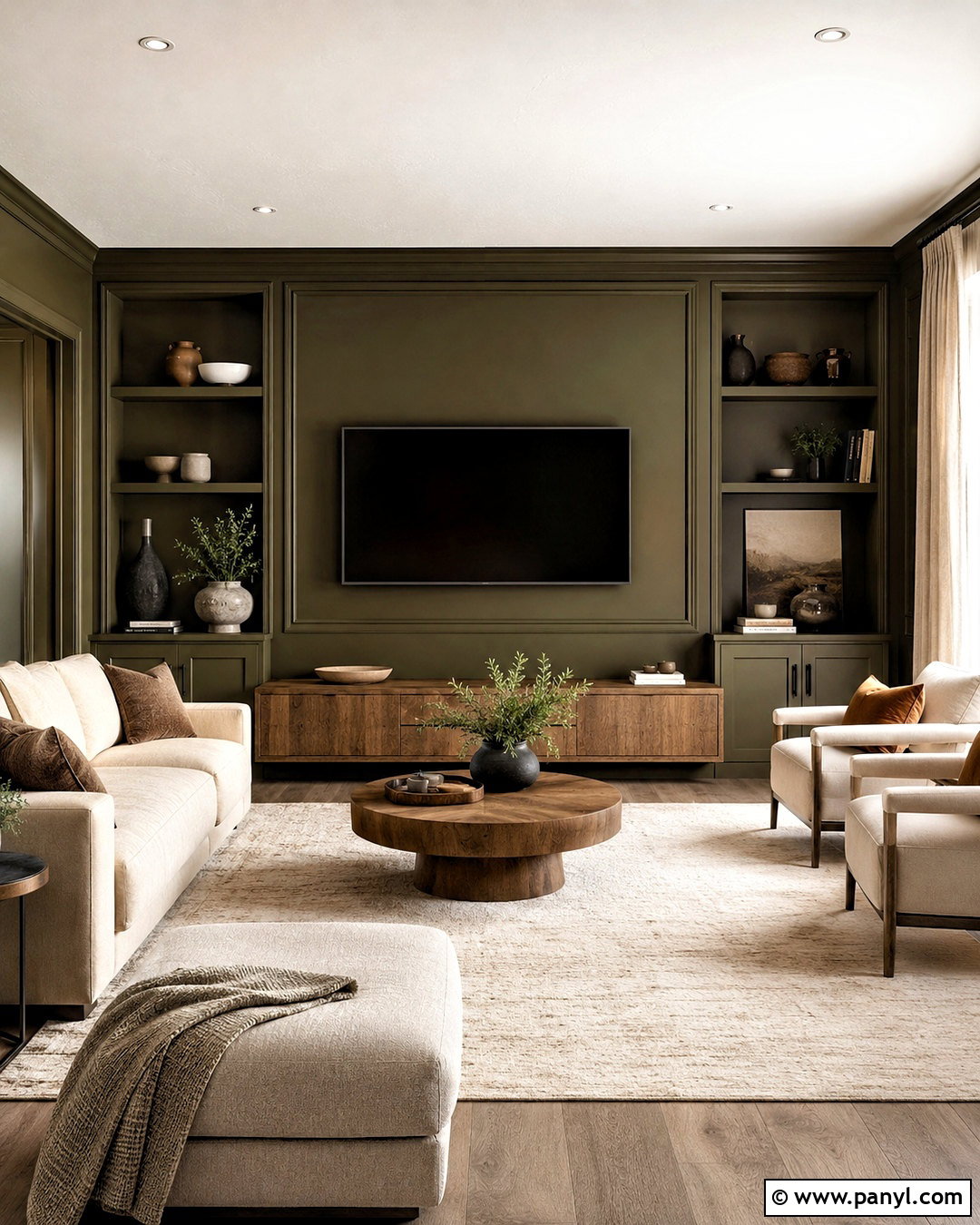
Olive green and sandy beige bring natural warmth to a kitchen without relying on an all-white palette. Paint the lower wall and base cabinetry olive, then use soft beige above the backsplash and around upper shelving. A cream zellige-style tile backsplash can bridge the two colors with subtle texture. Choose white oak open shelves, light quartz countertops, and aged brass hardware to complete the earthy scheme. Warm wood stools and woven pendant lights keep the kitchen approachable. Repeat olive through a pantry door or narrow trim detail so the darker color appears intentional throughout the room. The beige upper walls reflect light, while the grounded lower half visually connects with the cabinets. This complete arrangement suits traditional, farmhouse, organic modern, and relaxed contemporary kitchens.
11. Charcoal And Taupe Media Room Walls
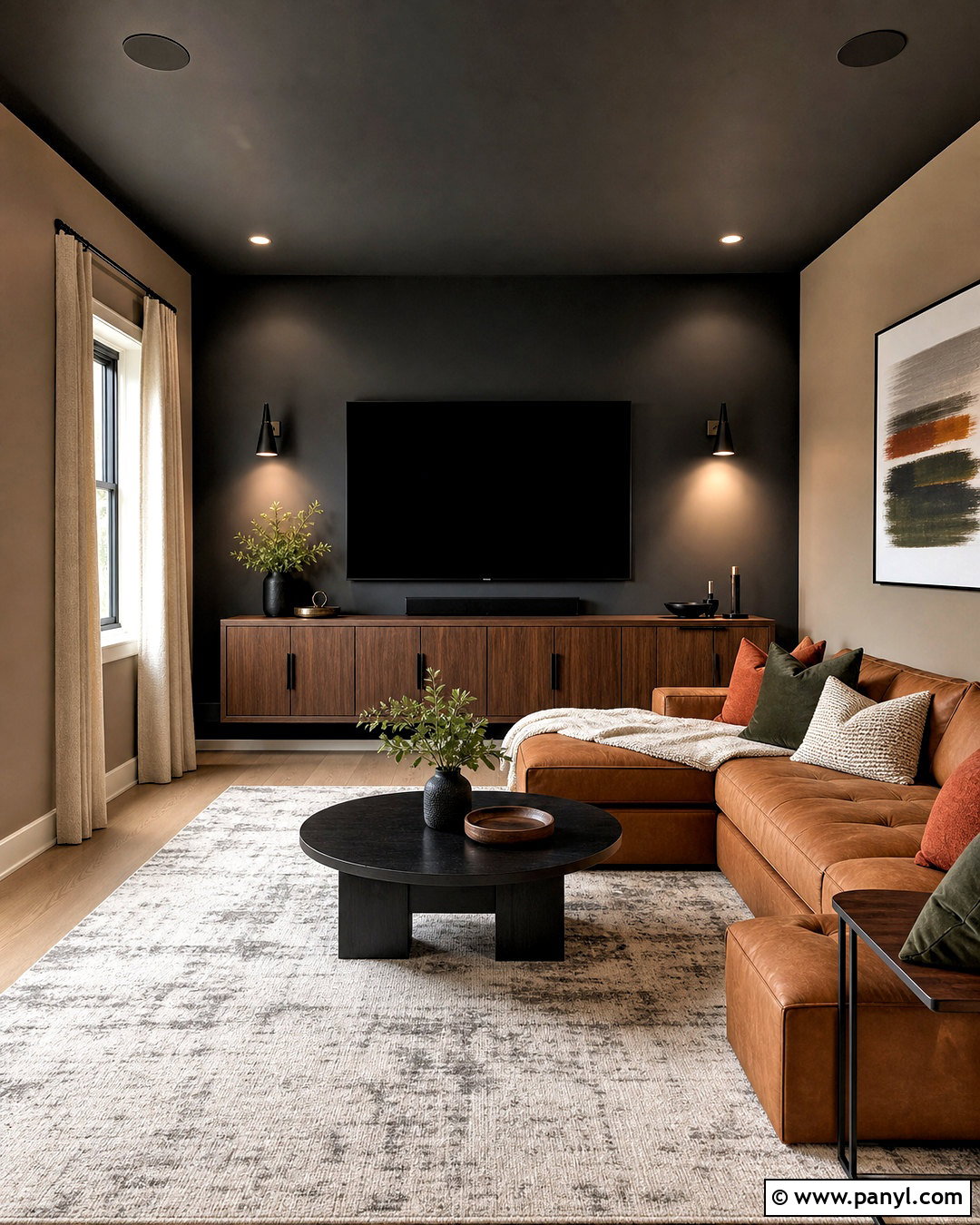
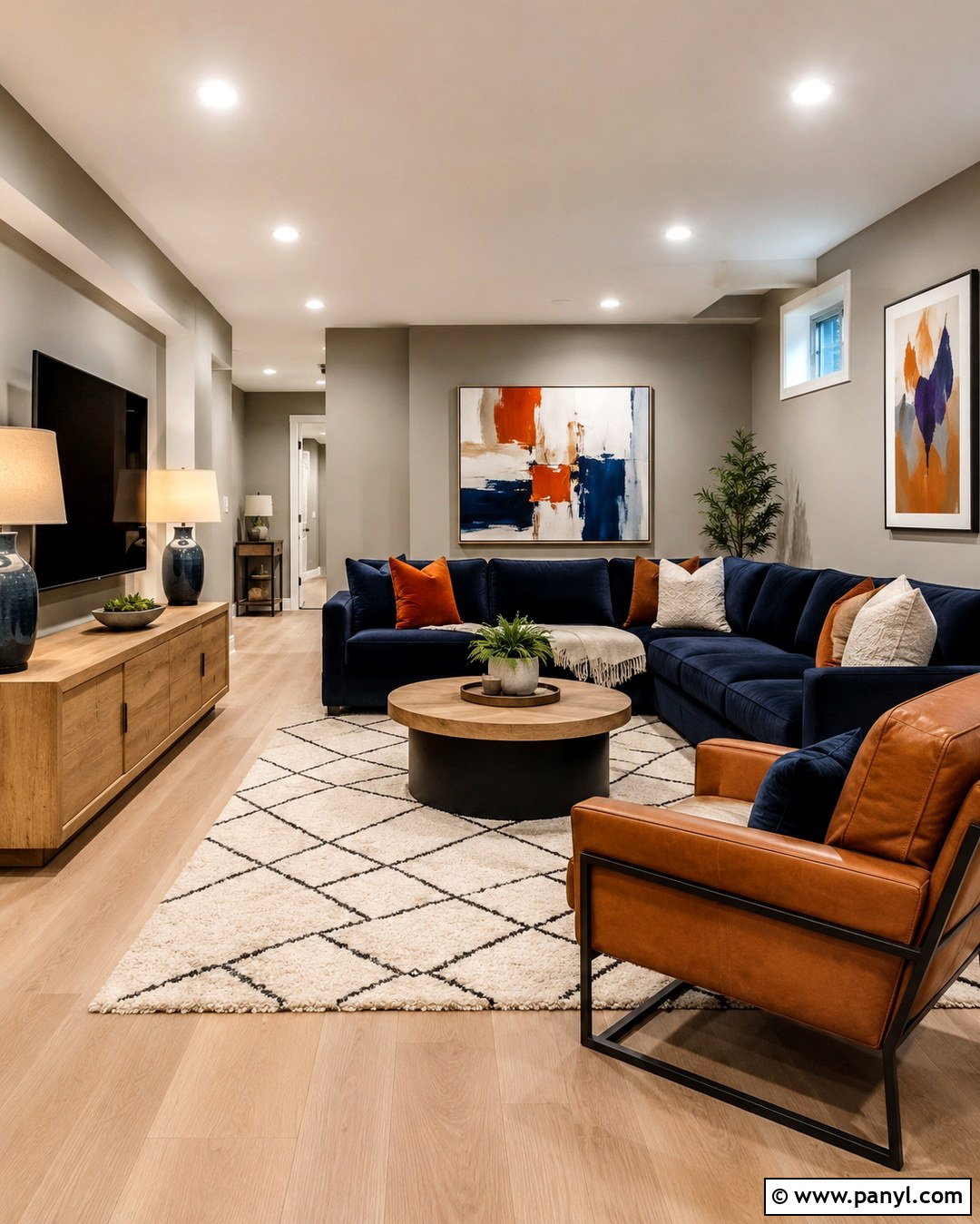
A media room can handle deeper color, but combining charcoal with warm taupe prevents the space from looking flat. Paint the screen or television wall matte charcoal, then extend that color onto the ceiling for an immersive effect. Cover the other walls in medium taupe to soften the transition and maintain warmth. Arrange a deep caramel sectional opposite the focal wall, with a large cream-and-gray rug beneath it. Walnut media storage, black sconces, and textured oatmeal curtains complete the room. Keep reflective surfaces limited around the television to reduce visual distractions. Add rust and olive pillows for subtle color. The charcoal zone defines the entertainment area, while the taupe walls keep the overall design relaxed enough for reading, conversation, and everyday family use.
12. Sky Blue And White Nursery Walls
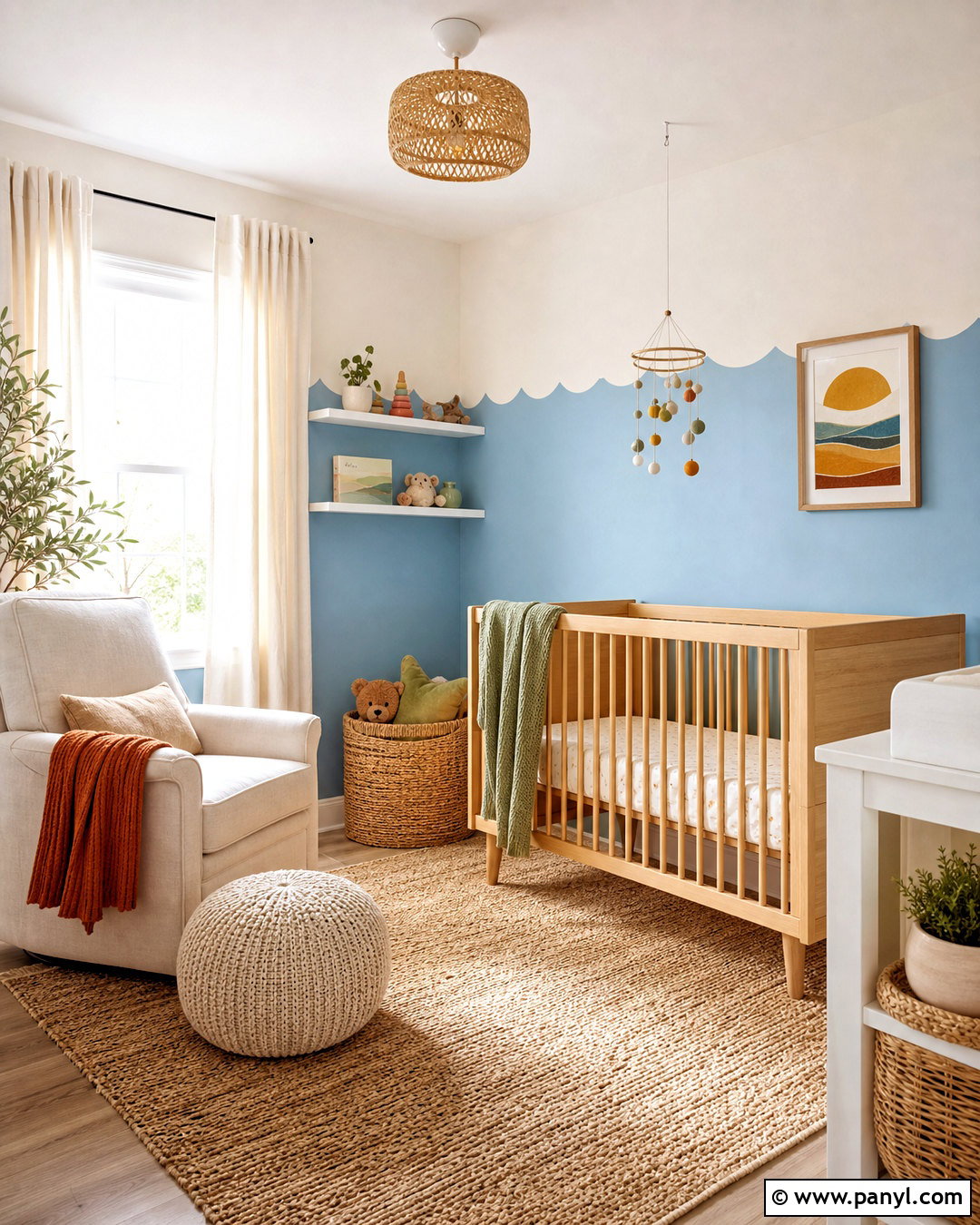
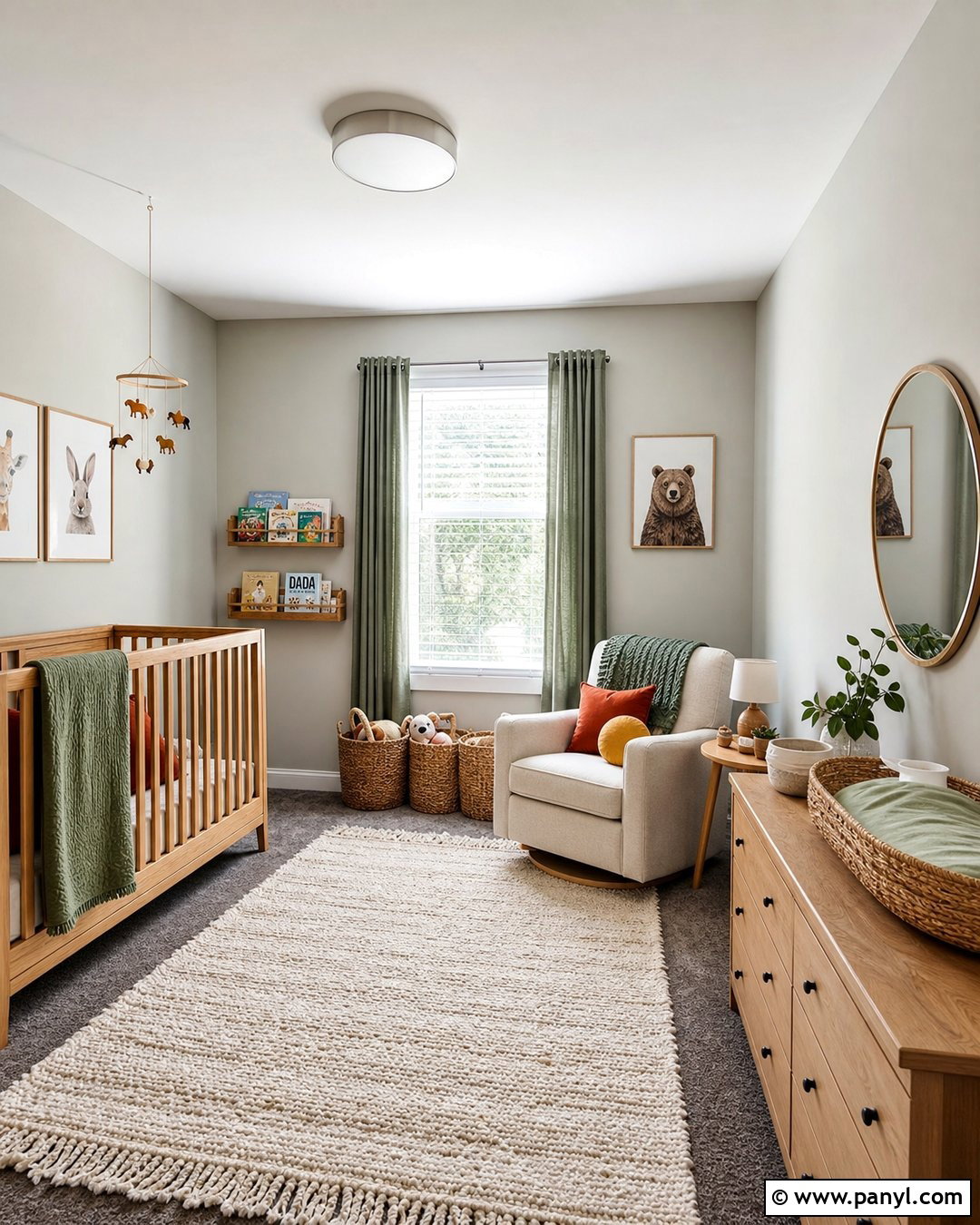
Sky blue lower walls and soft white upper walls create a nursery that feels airy, gentle, and adaptable. Instead of using a perfectly straight divide, add a simple scalloped painted edge around the room. Keep the scallops wide and shallow so they look polished rather than overly decorative. Place a natural maple crib against the blue section, then add a cream glider, ivory curtains, and a washable woven rug. Small touches of rust, mustard, and sage can appear in blankets, baskets, and framed artwork. Use white shelving above the color line to blend storage into the lighter background. The painted border provides enough personality without requiring wallpaper. As the child grows, the same room can easily transition into a cheerful bedroom with new textiles and age-appropriate furnishings.
13. Rust And Cream Reading Nook Walls
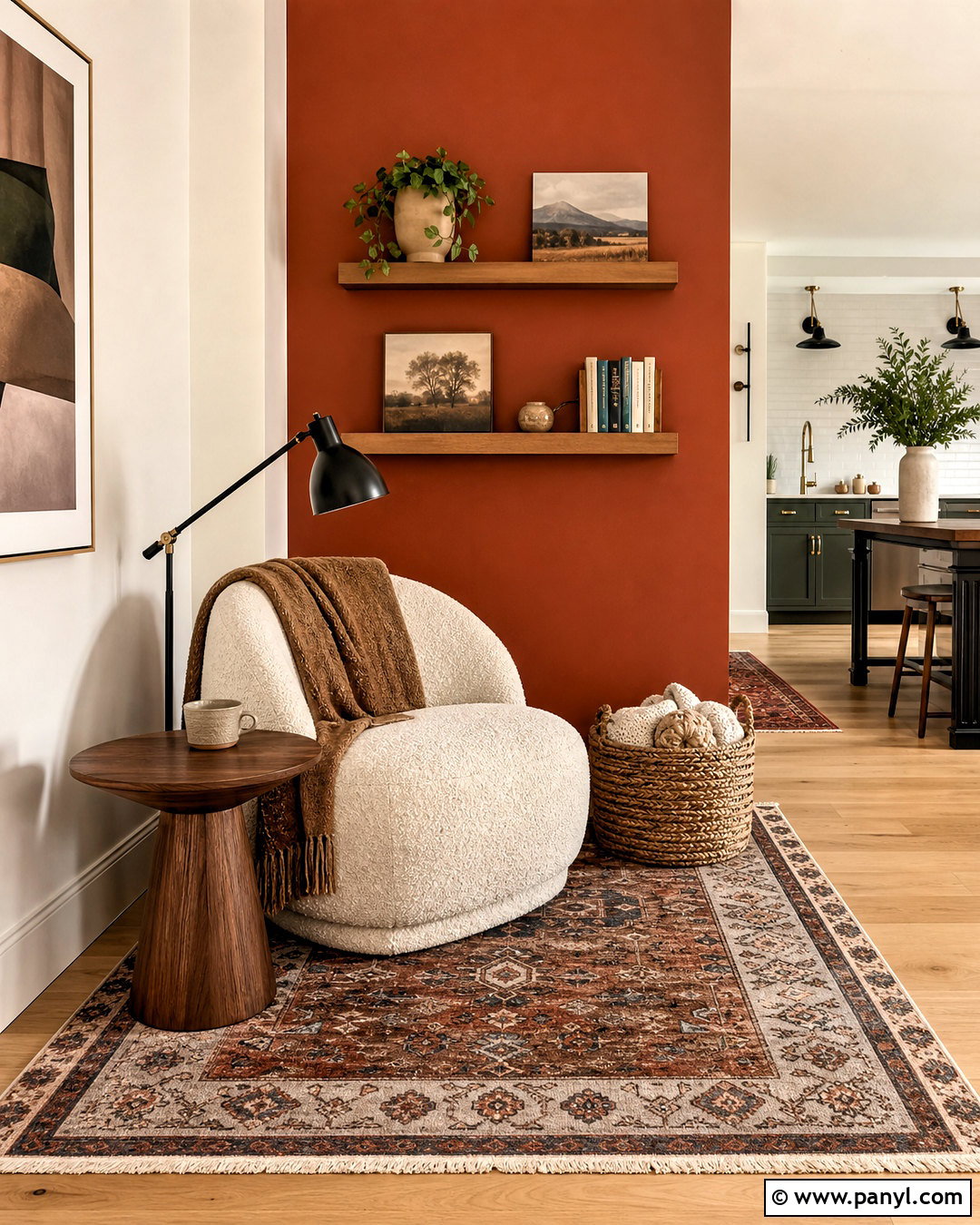
Turn an overlooked corner into a defined reading nook with a tall rust-colored block against creamy white surrounding walls. Paint the rust section slightly wider than the chair and extend it from the baseboard to the ceiling. This simple vertical shape creates the effect of a built-in zone without construction. Add a deep cream boucle chair, walnut side table, and adjustable black reading lamp. A small patterned rug containing rust, beige, and olive grounds the setup. Install two oak picture ledges within the color block for books and artwork, keeping their arrangement uncluttered. A woven basket can hold extra throws beside the chair. The completed nook feels warm and separate from the larger room, yet the restrained furniture palette helps it remain visually connected to the surrounding space.
14. Lavender And Gray Guest Room Walls
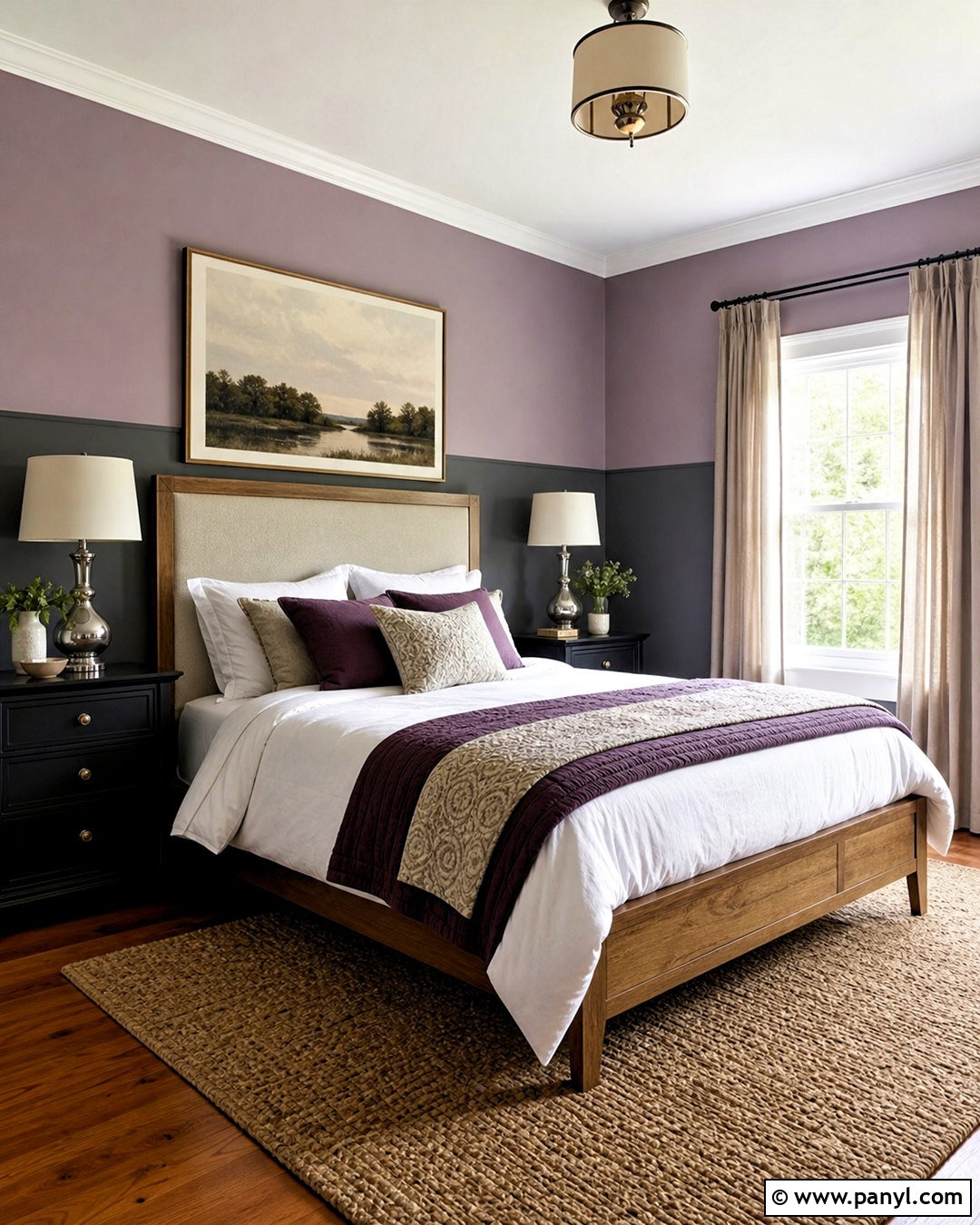
Lavender can look refined when paired with a warm, mushroom-toned gray. Paint the lower half gray and the upper half muted lavender, then use a thin lavender-painted molding strip at the transition. Choose a medium oak bed with a simple upholstered headboard, white bedding, and a quilt that combines plum, gray, and cream. Black bedside tables introduce contrast, while brushed nickel lamps maintain a cool, understated finish. Hang one large landscape print above the bed instead of several small pieces. Light gray curtains and a natural jute-blend rug keep the room balanced. Avoid icy lavender or blue-gray paint, which can make the combination feel chilly. Warmer versions of both colors create a comfortable guest bedroom that is distinctive, restful, and easy to coordinate.
15. Emerald Green And Ivory Dining Room Walls
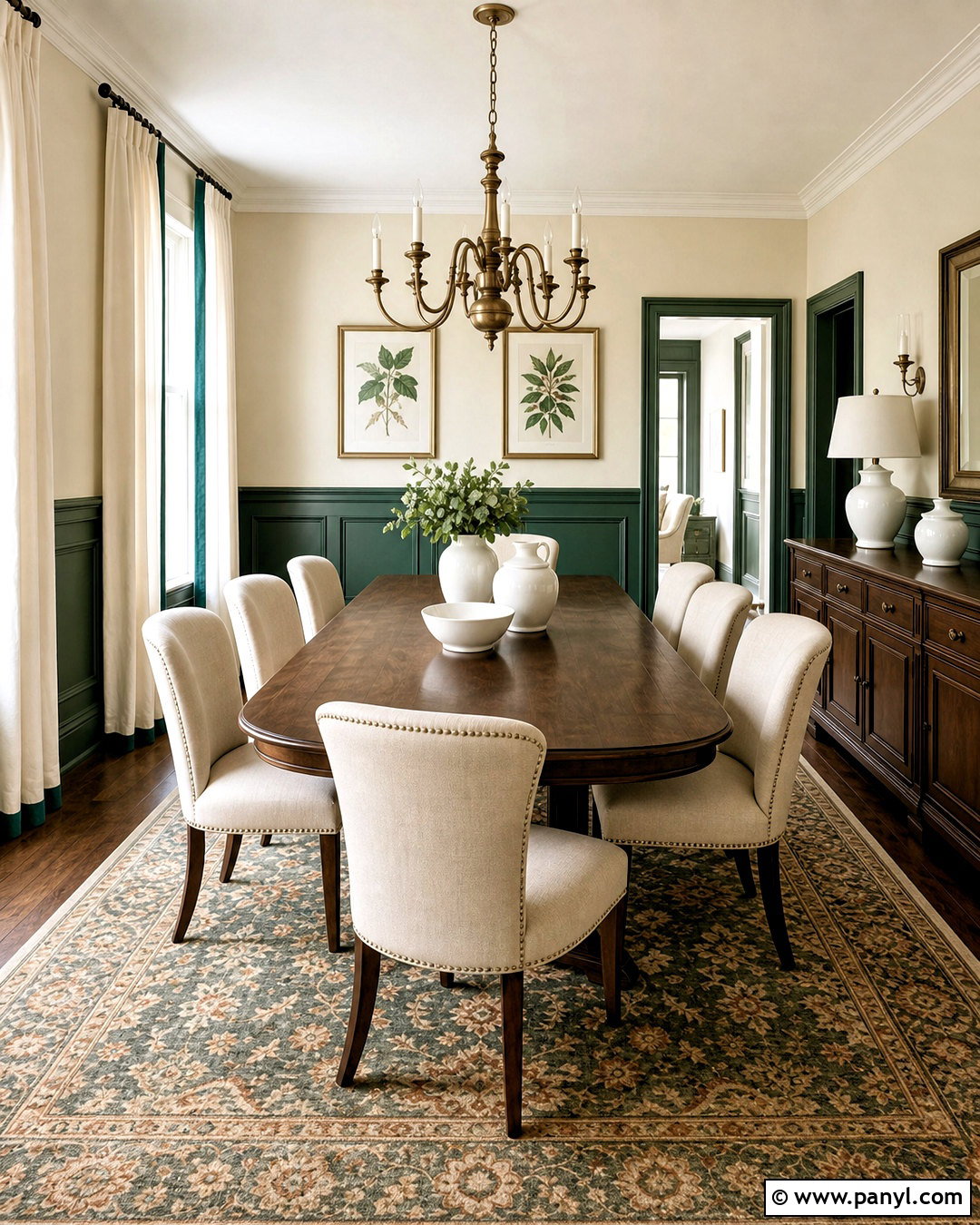
Emerald green below ivory walls creates a formal dining room with strong contrast and classic depth. Install box molding across the lower portion, painting the panels, baseboards, and chair rail in the same rich green. Keep the upper walls ivory to reflect light around the dining table. A dark walnut table, cream upholstered chairs, and an aged brass chandelier support the elegant palette. Add full-length ivory curtains with a subtle green border for a tailored connection between both wall colors. Botanical prints, white ceramics, and a patterned rug can introduce softer variations of the scheme. Keep the ceiling ivory rather than adding another bold surface. This complete look gives architectural presence to a plain room while remaining flexible enough for traditional, transitional, or modern furniture.
16. Peach And Mint Laundry Room Walls
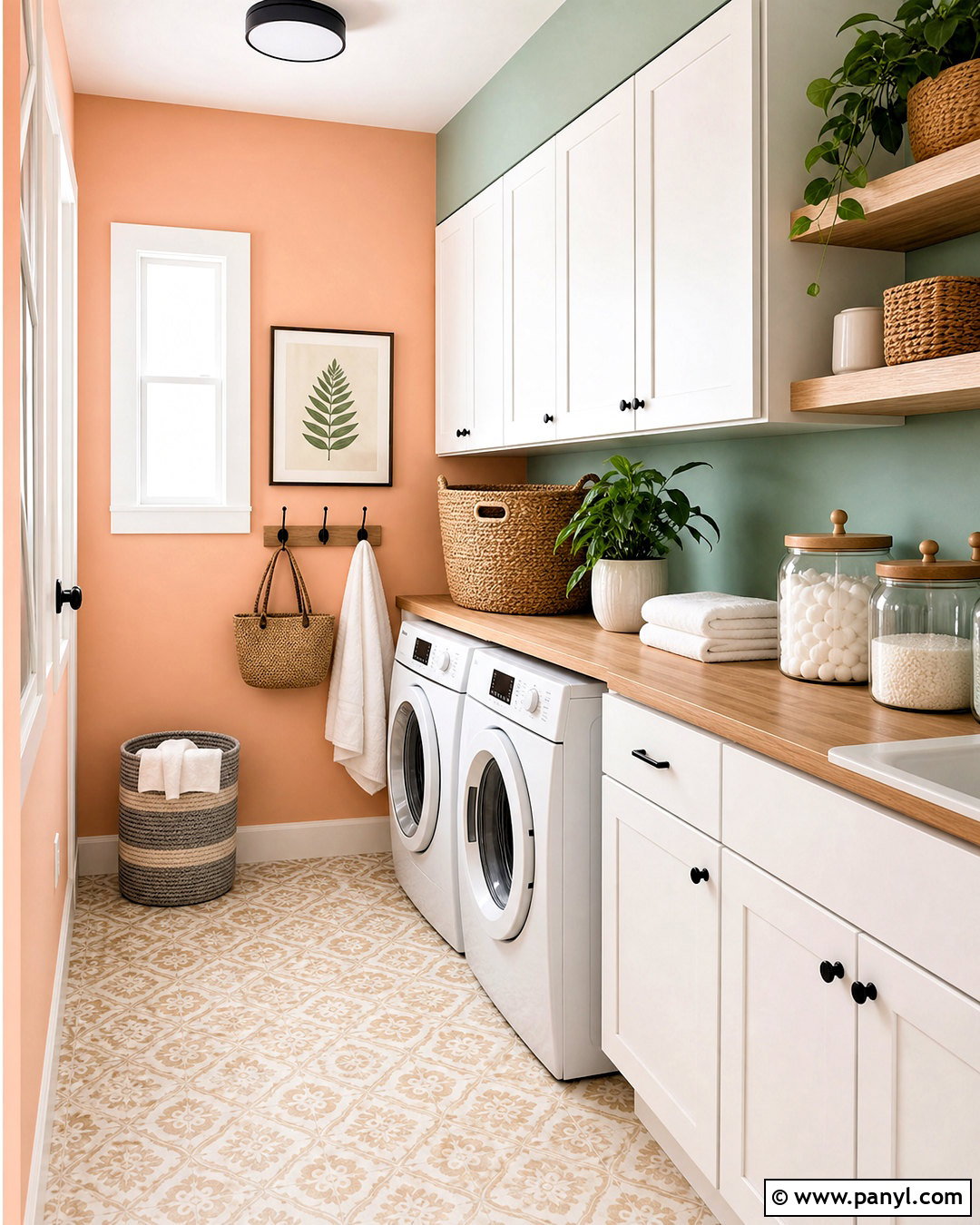
A compact laundry room becomes brighter and more cheerful with pale peach walls and muted mint color blocking. Use peach across the main walls, then paint the appliance wall mint from floor to ceiling. This makes the washer, dryer, and storage feel like one organized zone. Add white shaker cabinets, a light wood countertop, and matte black hooks for contrast. Small cream floor tiles with soft green details connect the two paint colors. Use woven baskets, glass containers, and simple floating shelves to keep everyday supplies orderly. If space allows, include a narrow hanging rail beneath an upper cabinet. Both colors should be slightly dusty rather than highly saturated. The finished room feels fresh and practical, with enough personality to make routine household tasks more pleasant.
17. Chocolate Brown And Sand Living Room Walls
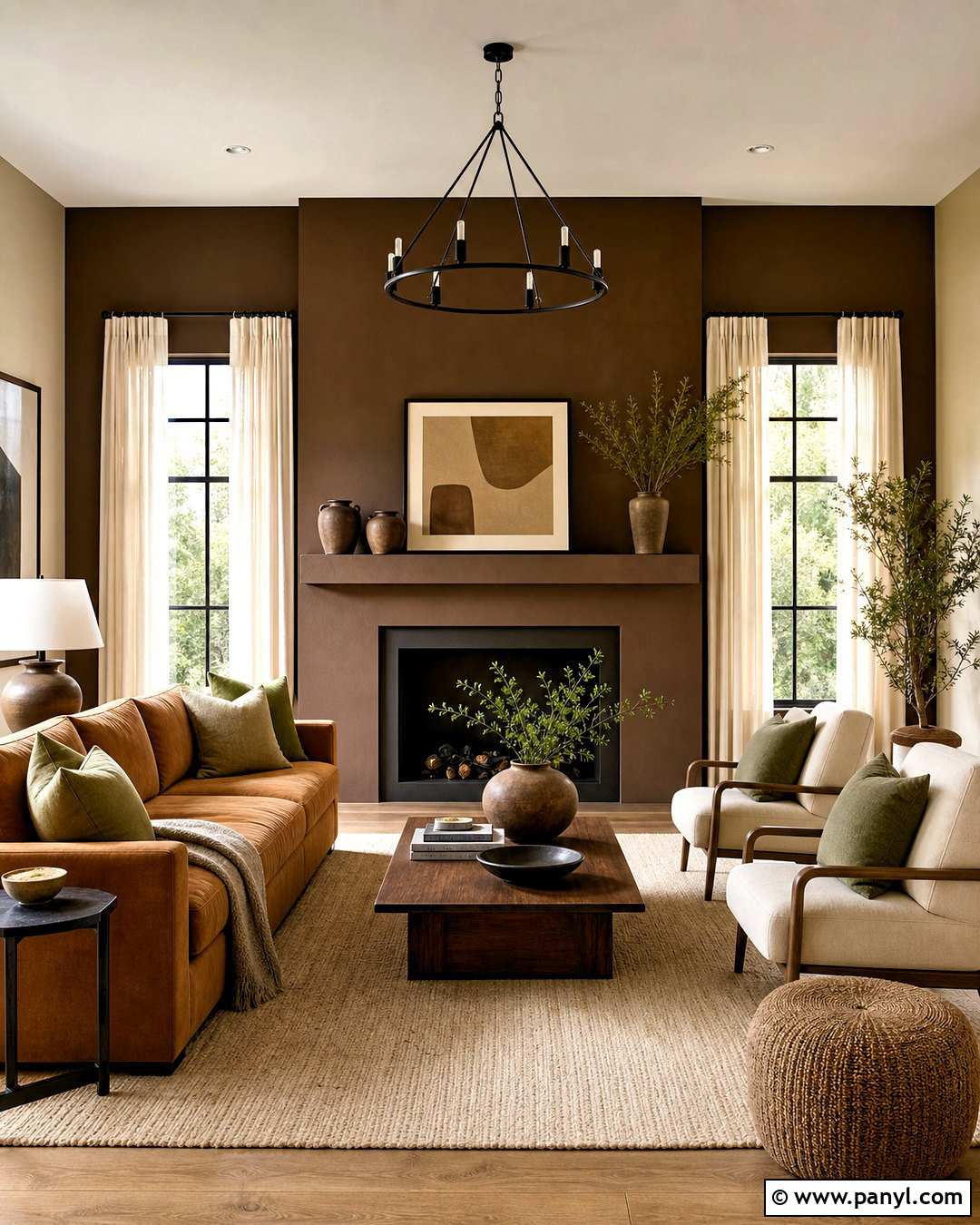
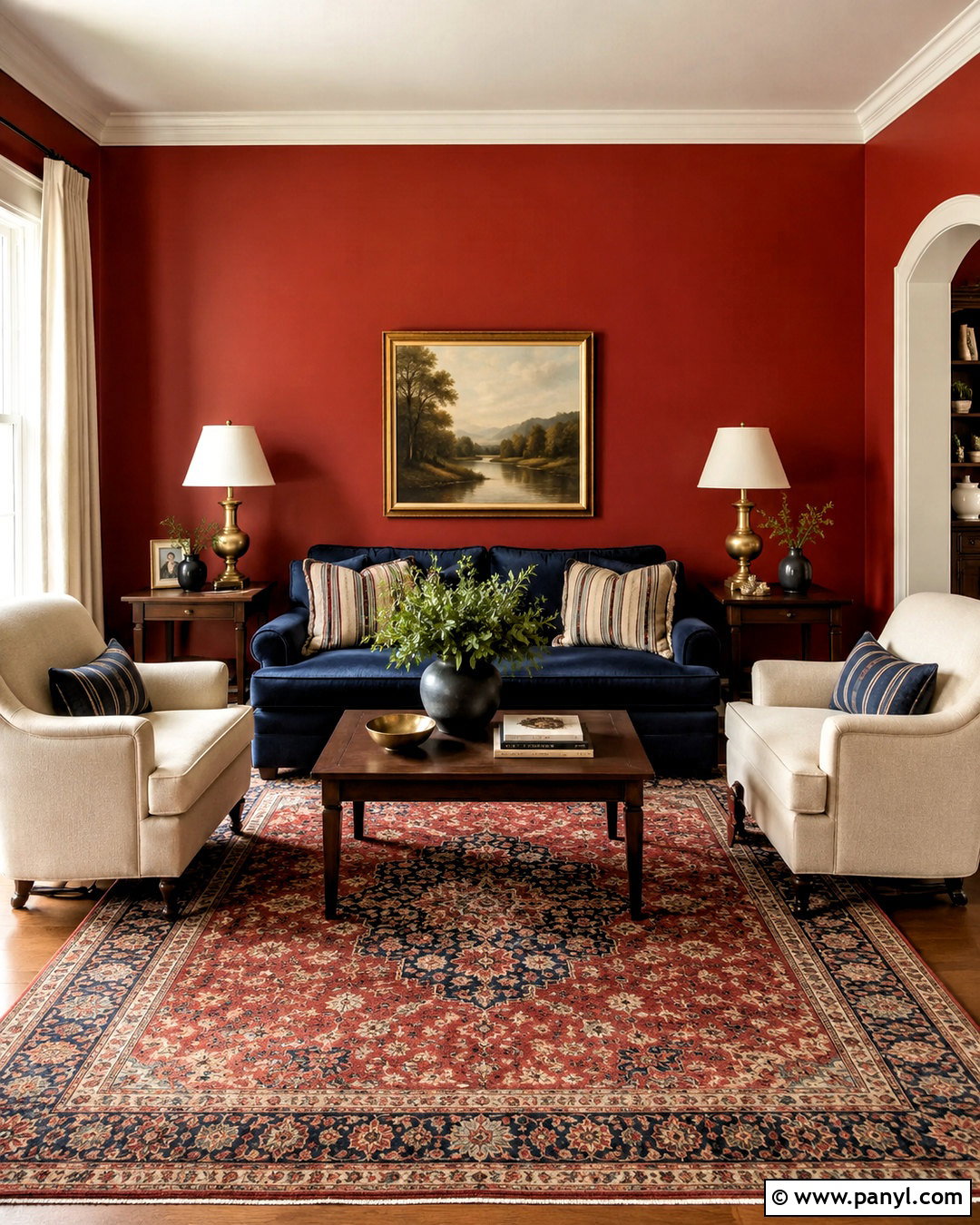
Chocolate brown and warm sand create an inviting living room rooted in natural, earthy color. Paint the fireplace wall deep brown, then wrap the remaining walls in a soft sand shade. Extend the brown slightly onto adjacent walls to form a wide central block rather than a narrow accent stripe. Arrange a camel-colored sofa facing the fireplace, accompanied by cream armchairs and a walnut coffee table. A textured ivory rug brightens the floor, while olive pillows and clay-colored ceramics add subtle variation. Choose linen curtains close to the sand wall color for a seamless look. Black metal lighting brings needed definition. With balanced light upholstery and pale textiles, the brown feels rich and comforting instead of heavy, giving the entire room a cohesive, modern organic character.
18. Cobalt Blue And Pale Blue Staircase Walls
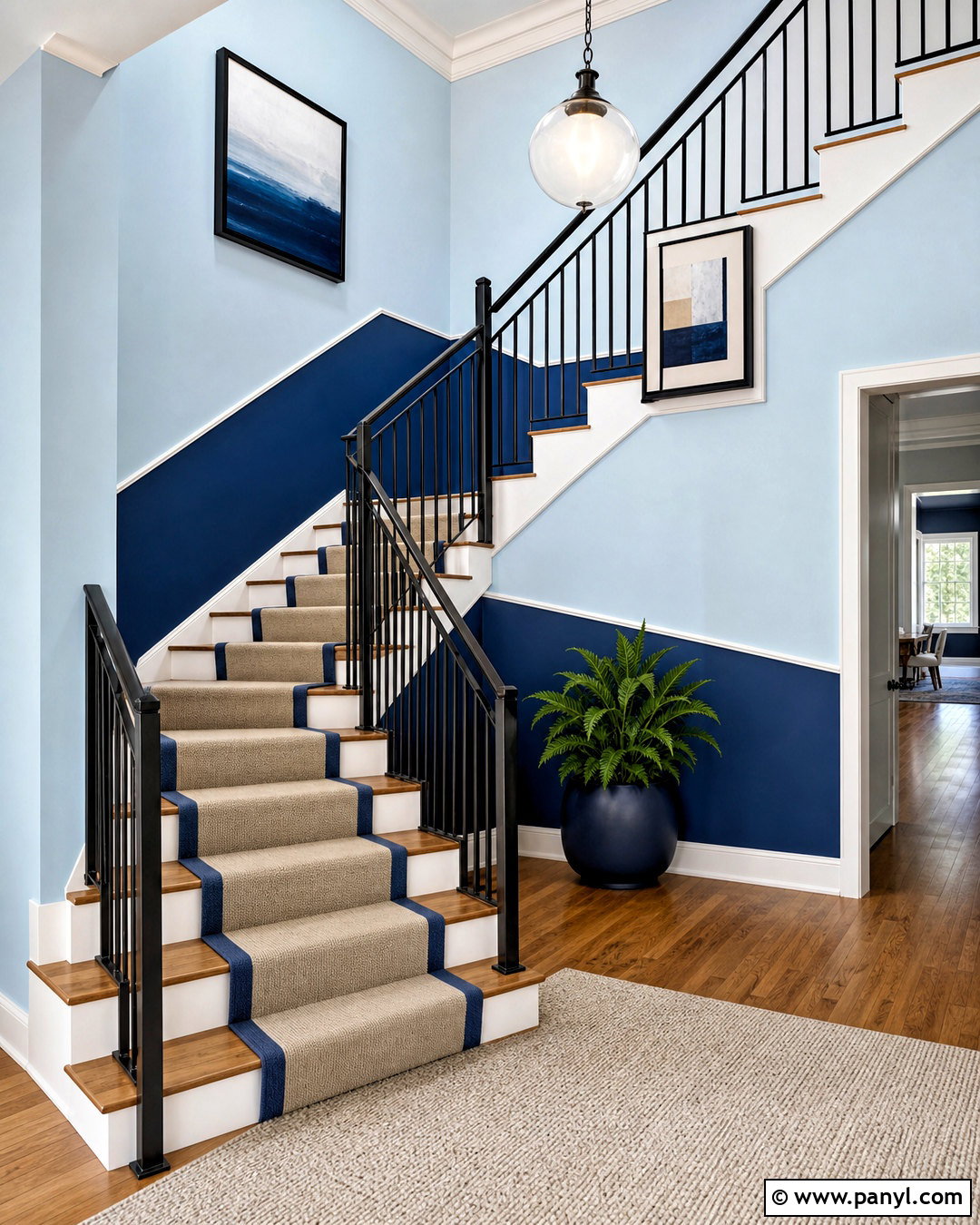
A staircase offers the perfect surface for a more graphic two-color treatment. Paint the lower wall cobalt blue, following the angle of the stairs, and use pale blue above it. Define the transition with a narrow white molding strip that rises parallel to the handrail. Keep the stair treads medium oak and paint the risers white for clean contrast. A natural runner with blue edging provides comfort and reinforces the palette. Hang framed artwork within the pale upper section, arranging it along the staircase slope. Use black metal railings and a simple globe pendant to modernize the look. The darker lower portion emphasizes movement through the space, while the lighter blue prevents the enclosed staircase from feeling too intense or visually crowded.
19. Coral And Navy Bedroom Walls
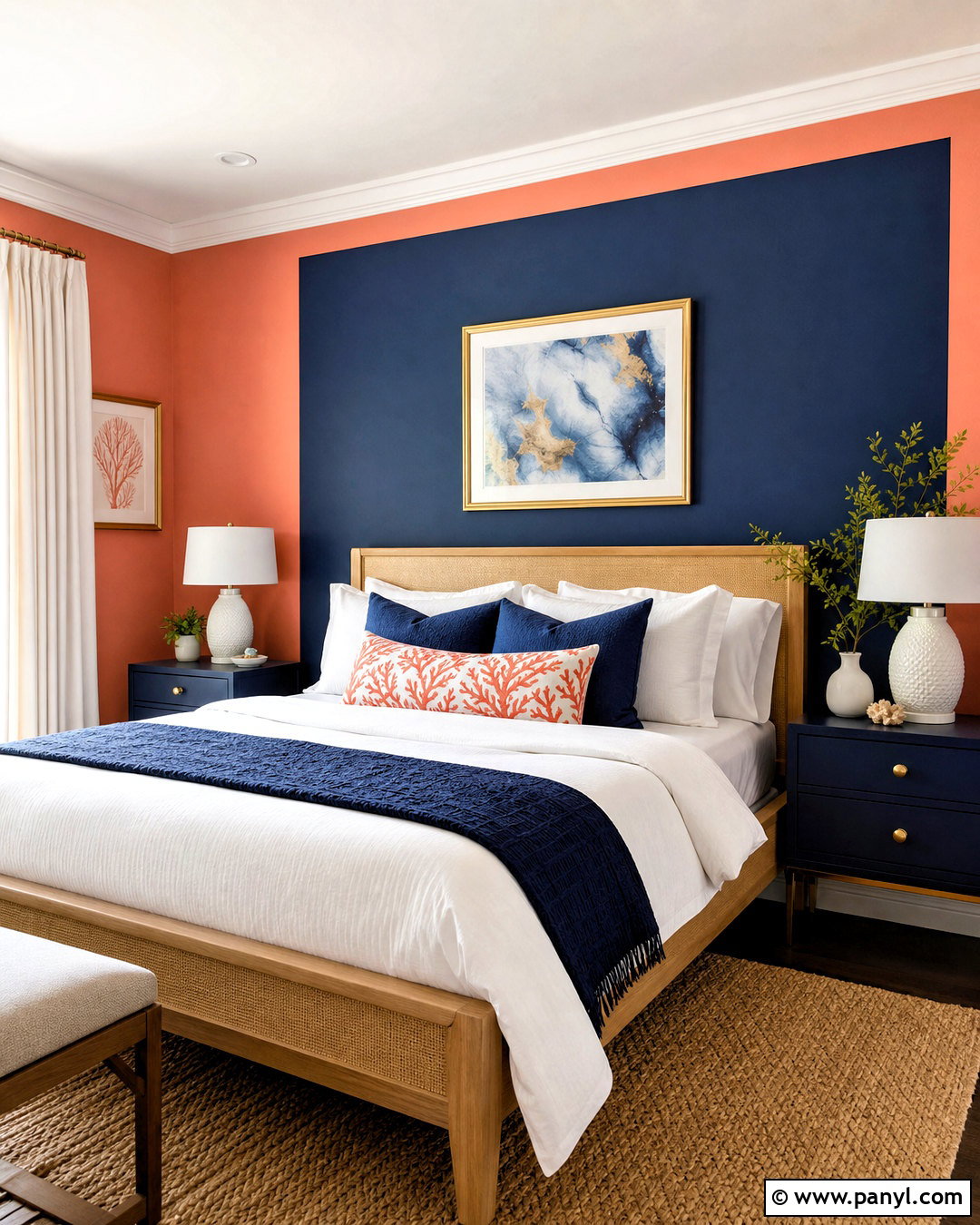
Coral and navy bring energetic contrast to a bedroom when their proportions are carefully controlled. Paint most walls a softened coral, then create a wide navy rectangle behind the bed. Make the block extend beyond both nightstands so it frames the entire sleeping area. A light oak bed, crisp white bedding, and a coral-patterned lumbar pillow keep the room bright. Add navy nightstands, white ceramic lamps, and a natural woven rug. Pale linen curtains reduce the visual weight of the stronger colors. A small amount of brushed brass in the hardware and picture frames adds warmth. By limiting navy to one generous shape, the room gains a clear focal point without becoming dark. The coral surrounding walls keep the finished bedroom upbeat and welcoming.
20. Red And Pink Powder Room Walls
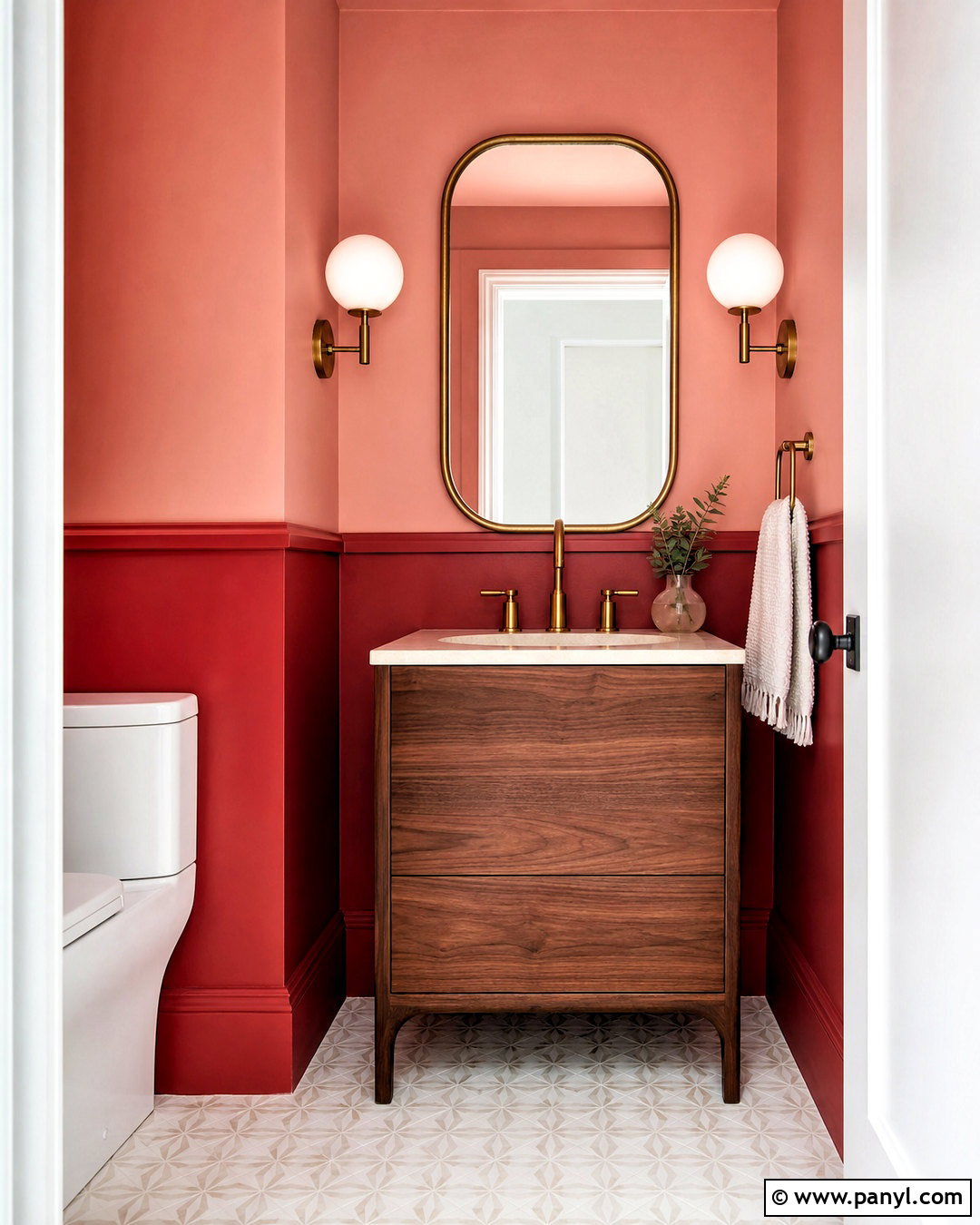
A powder room is an ideal place to use an adventurous pairing such as tomato red and warm pink. Paint the lower wall red and the upper portion pink, separating them with slim molding painted red. Add a compact walnut vanity, creamy stone countertop, and unlacquered brass faucet. A rounded brass mirror and simple white globe sconces provide polished contrast. Choose small ivory floor tiles with red accents to carry the wall palette downward. White towels and a pale ceramic sink give the eyes a quiet place to rest. Keep artwork minimal because the paint already supplies plenty of impact. The small room will feel intentional and memorable when both colors share warm undertones and the surrounding fixtures remain simple, functional, and well proportioned.
Conclusion:
Successful **two color wall ideas** begin with more than an attractive paint pairing. The placement, proportions, furniture, lighting, flooring, and decorative details should all support the same finished look. Use darker shades to define practical lower walls, architectural features, or focused zones. Reserve lighter colors for areas where you want an open, reflective effect. For bolder rooms, try arches, vertical blocks, scalloped borders, or ceiling extensions instead of a standard horizontal split. Always test large samples together and compare them with existing finishes before committing. Whether you prefer calm neutrals, earthy combinations, or vibrant contrast, a thoughtfully planned two-tone design can make an ordinary room feel layered, distinctive, and completely connected.

Related Ideas and Inspiration:
Leave a Reply