
Choosing wall, trim, and door paint together creates a room that feels finished rather than pieced together. The best combinations consider undertones, natural light, flooring, furniture, and the amount of contrast you want. This guide to **20 Wall Trim And Door Colors** includes soft neutrals, earthy greens, deep blues, warm reds, and dramatic dark shades. Some schemes use crisp contrast to highlight architectural details. Others take a tonal approach that makes small rooms feel calm and spacious. For lasting results, test each color beside your flooring and view it throughout the day. Use an eggshell finish on walls and a durable satin or semigloss finish on woodwork. Explore the complete room schemes below to find your favorite **20 Wall Trim And Door Colors**.

1. Warm White Walls With Greige Trim And Doors
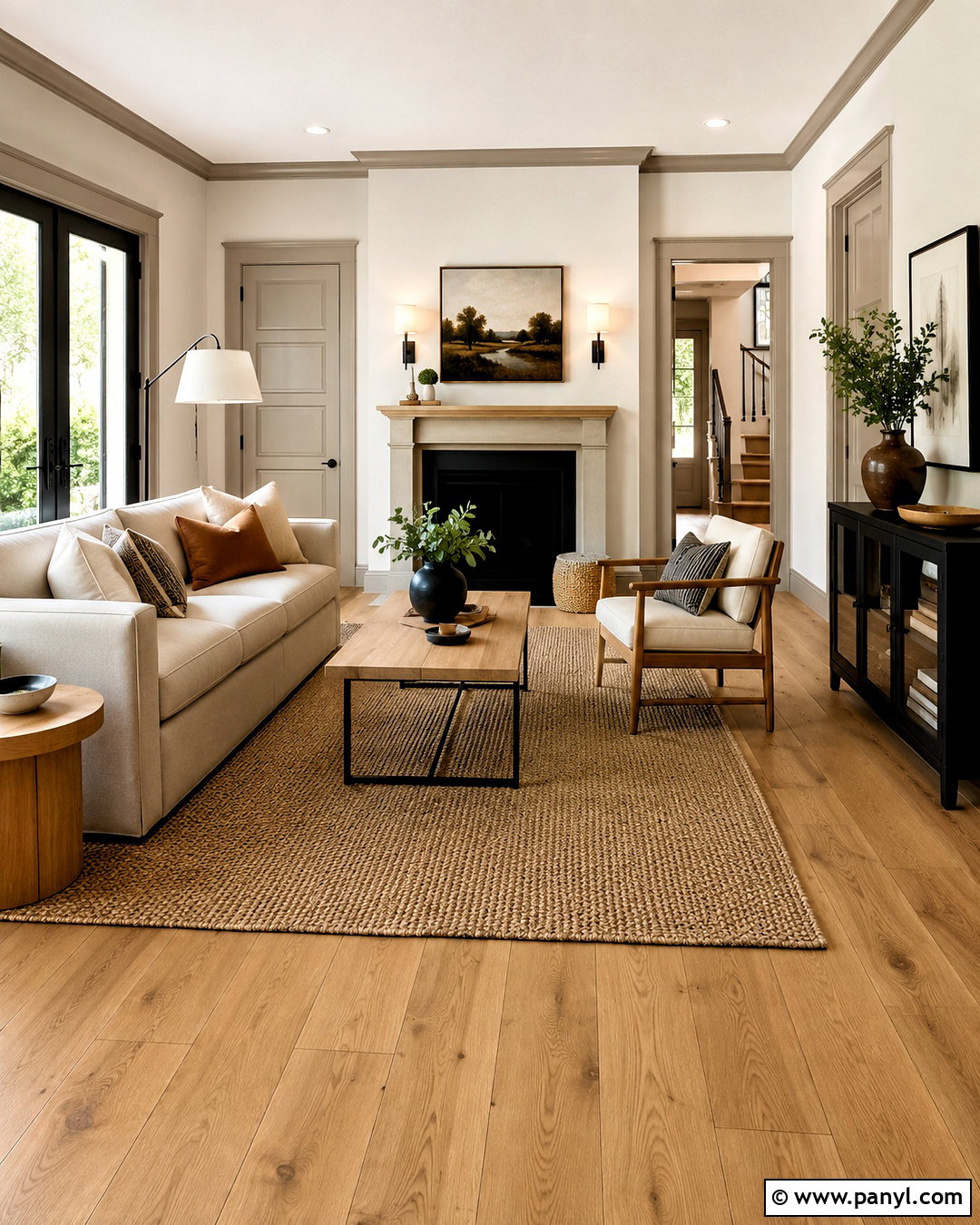
Warm white walls paired with soft greige trim and matching doors create a gentle, polished interior without sharp contrast. Choose a creamy white with subtle beige undertones for the walls, then use a medium-light greige on baseboards, window casings, crown molding, and doors. This scheme works beautifully in an entryway or living room with natural oak flooring. Add a flax-colored sofa, woven rug, light wood tables, and a few matte black accents for definition. Linen curtains keep the windows airy without competing with the painted trim. The greige woodwork should have enough depth to frame each opening clearly. Use eggshell on the walls and satin on the trim and doors so the tonal difference remains visible.
2. Soft Greige Walls With White Trim And Black Doors
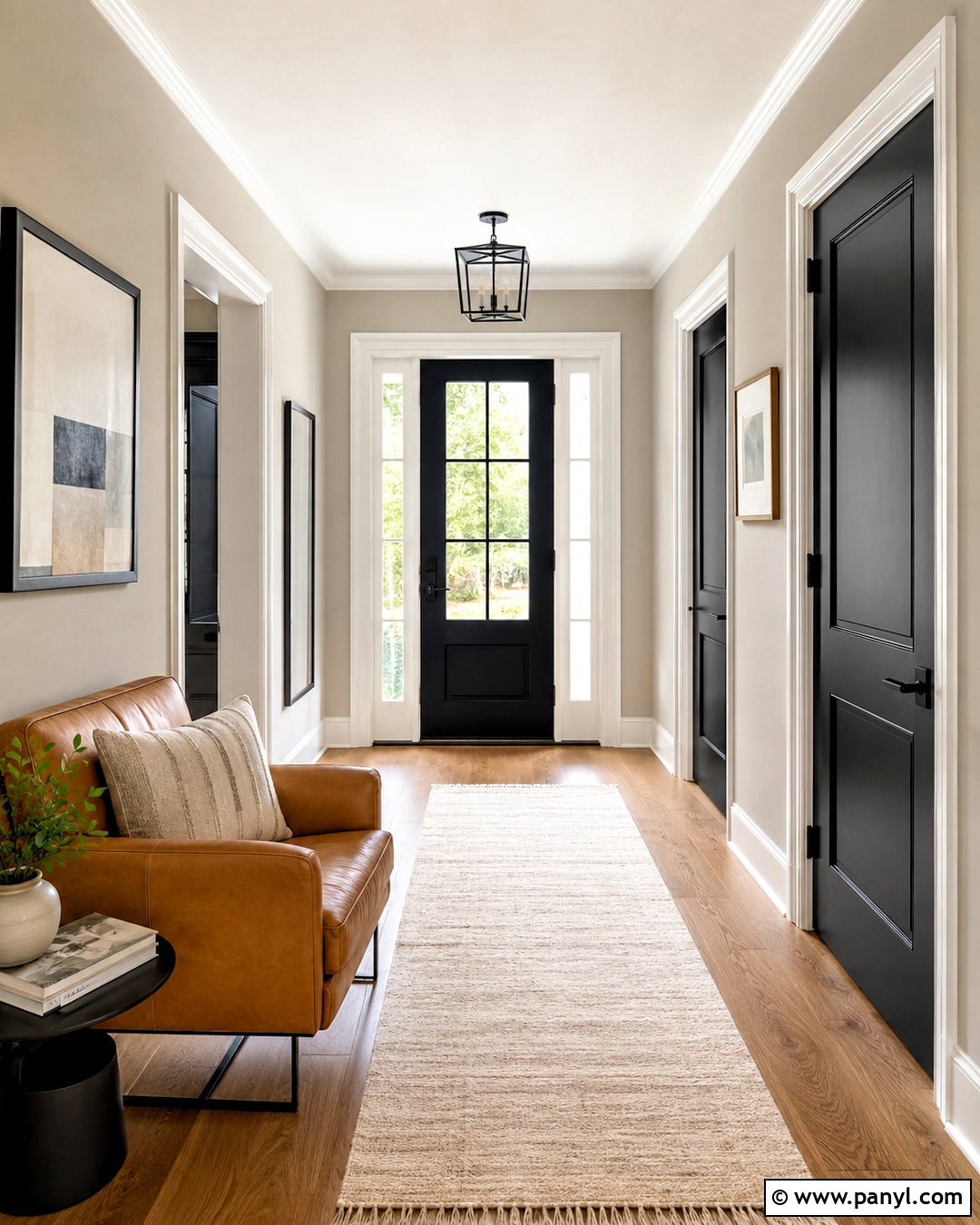
Do you want noticeable contrast without making the room feel dark? Soft greige walls, creamy white trim, and matte black doors provide a balanced solution. The greige creates a comfortable background, while the white baseboards and casings keep the architecture bright. Black doors become strong focal points and visually connect hardware, lighting, and furniture legs. Complete the room with medium oak flooring, a warm ivory rug, a camel leather chair, and textured neutral upholstery. Choose black levers or knobs for a seamless door finish. Avoid an icy white trim color, which can clash with a warm greige wall. A soft off-white provides a smoother transition and helps the overall palette remain welcoming, modern, and practical for busy family spaces.
3. Beige Walls With Ivory Trim And Dark Brown Doors
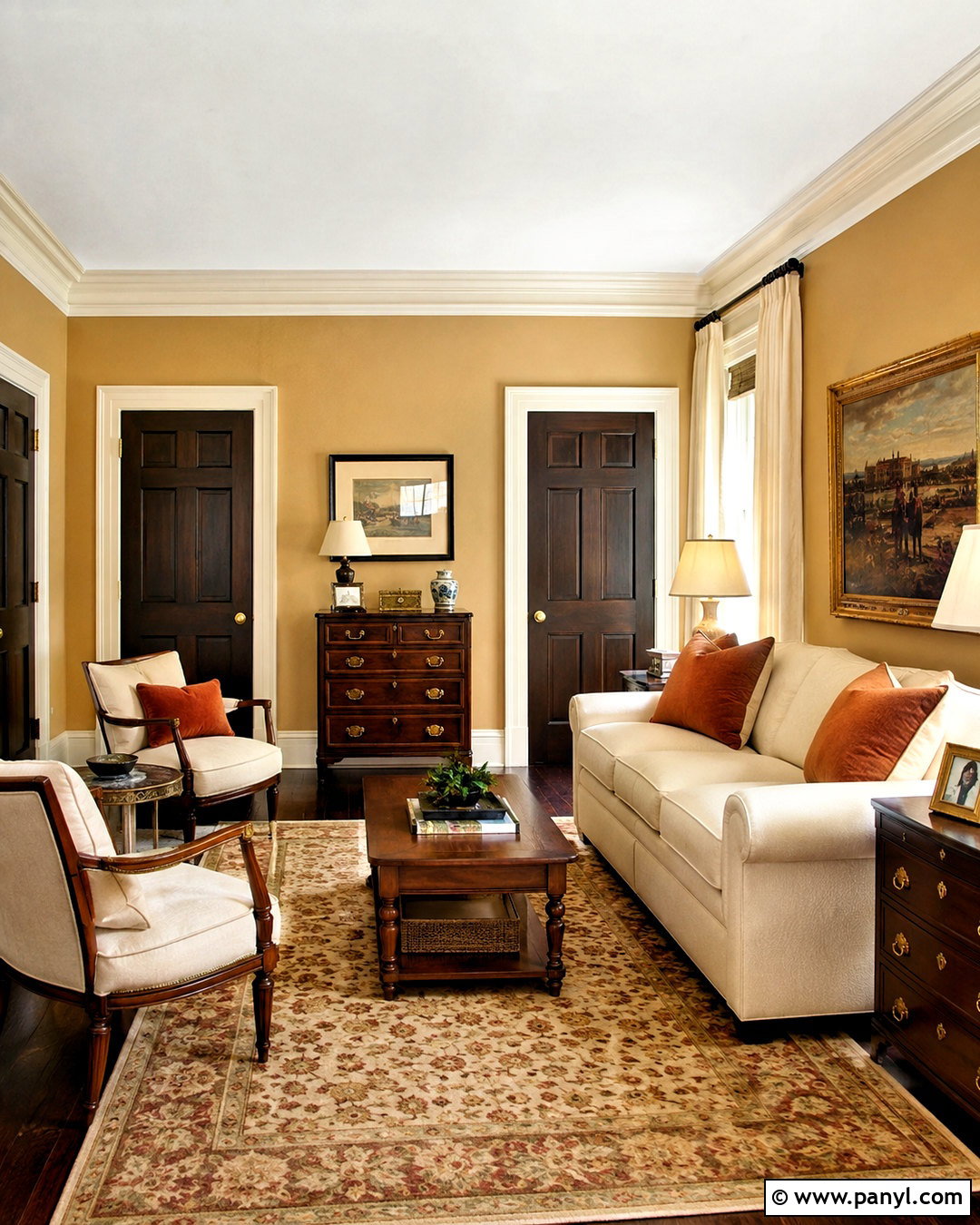
Sunlit beige walls feel richer when they are framed by ivory trim and grounded with dark brown doors. This warm combination suits traditional living rooms, hallways, and homes with wood floors. Select a beige with soft golden undertones rather than a gray-based version. Use a muted ivory on crown molding, baseboards, and window casings, then paint the doors a deep chocolate brown. Antique brass hardware adds warmth without looking overly formal. Finish the space with walnut furniture, cream upholstery, rust-colored pillows, and a patterned rug containing beige, brown, and faded blue. The dark doors provide contrast but feel softer than black. Keep ceilings close to the ivory trim color so the room maintains a continuous, well-planned frame.
4. Sage Green Walls With Cream Trim And Olive Doors
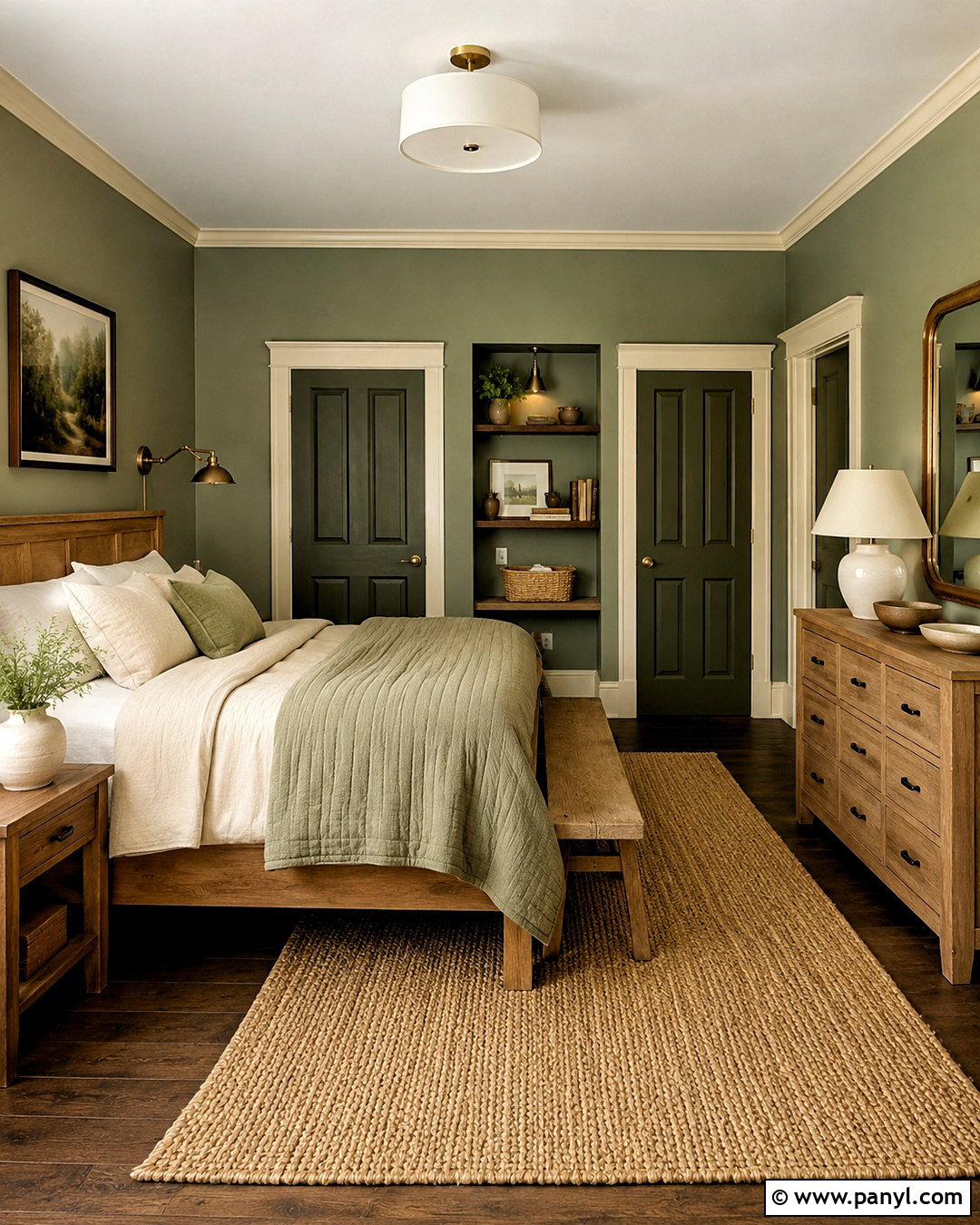
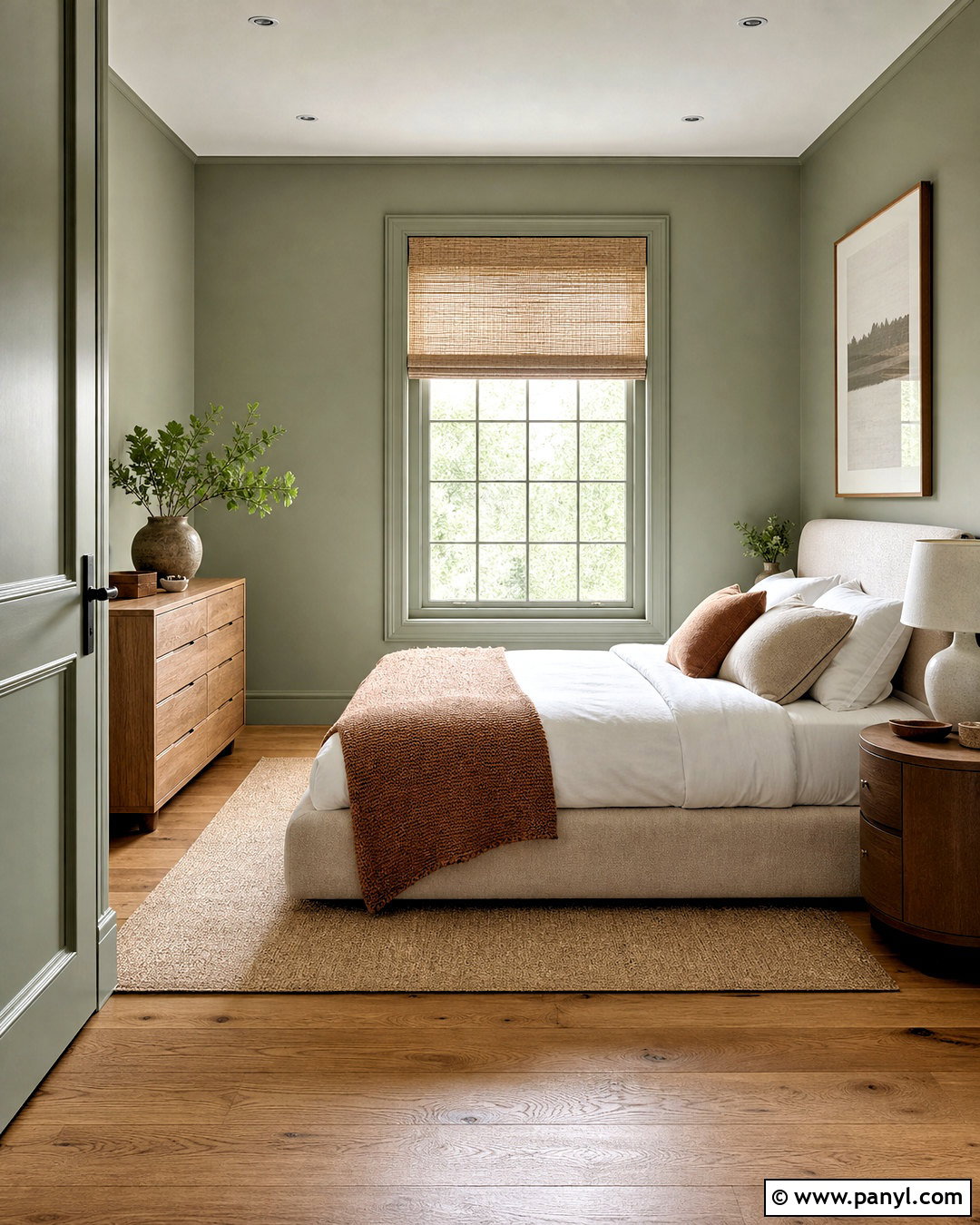
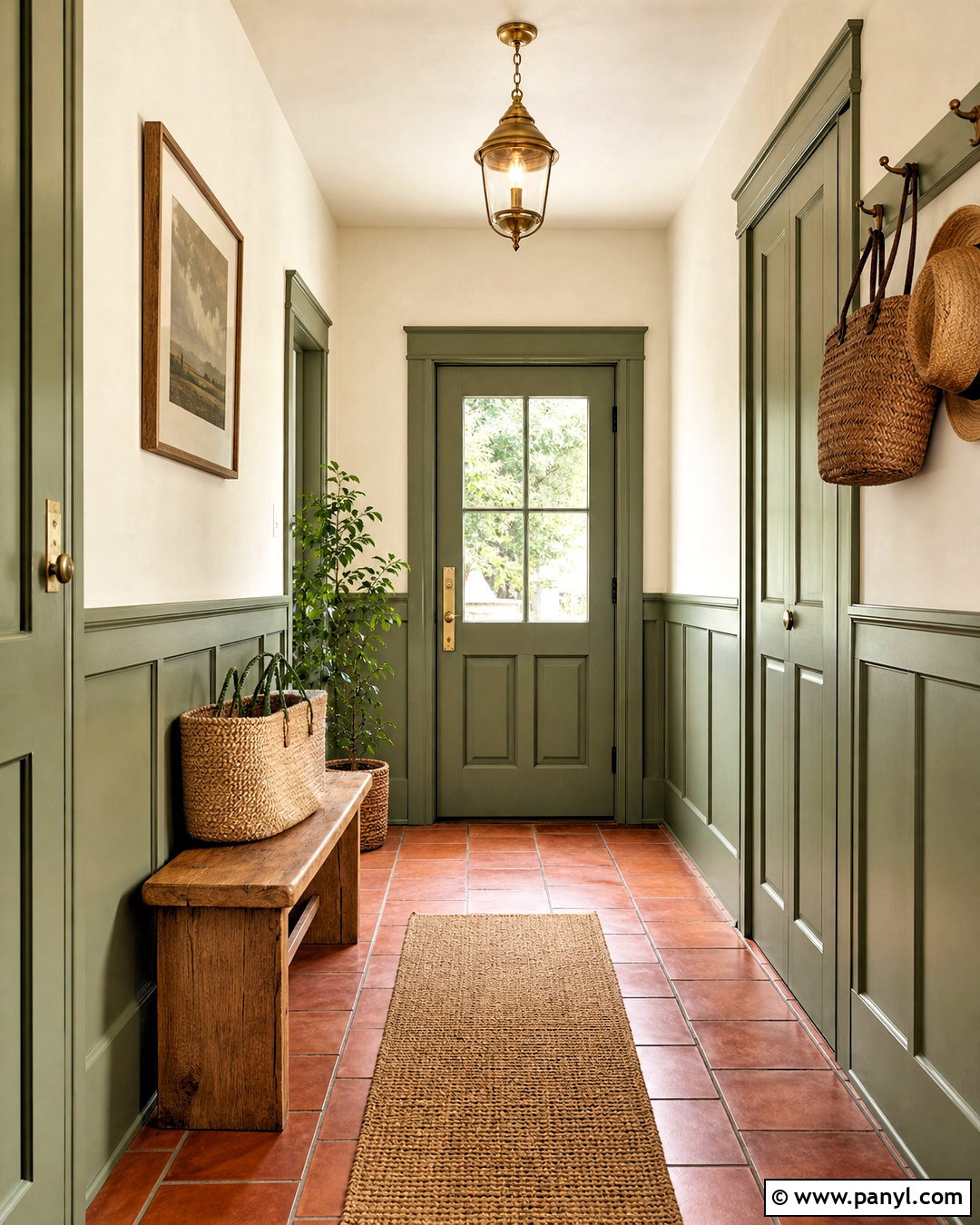
A quiet sage green wall color can make an entryway or bedroom feel connected to nature. Frame the walls with warm cream trim, then paint the doors a deeper olive green for a layered tonal effect. Choose sage with gray undertones if the room receives strong sunlight, or a warmer sage for a north-facing space. Natural oak furniture, woven baskets, linen curtains, and a jute-blend rug complete the relaxed look. Add aged brass lighting and ceramic decor in cream and brown. The olive doors should be noticeably darker than the walls without appearing nearly black. Carry the cream onto the ceiling for an open feeling. This combination works especially well beside natural stone, warm wood flooring, and simple botanical artwork.
5. Pale Blue Walls With White Trim And Navy Doors
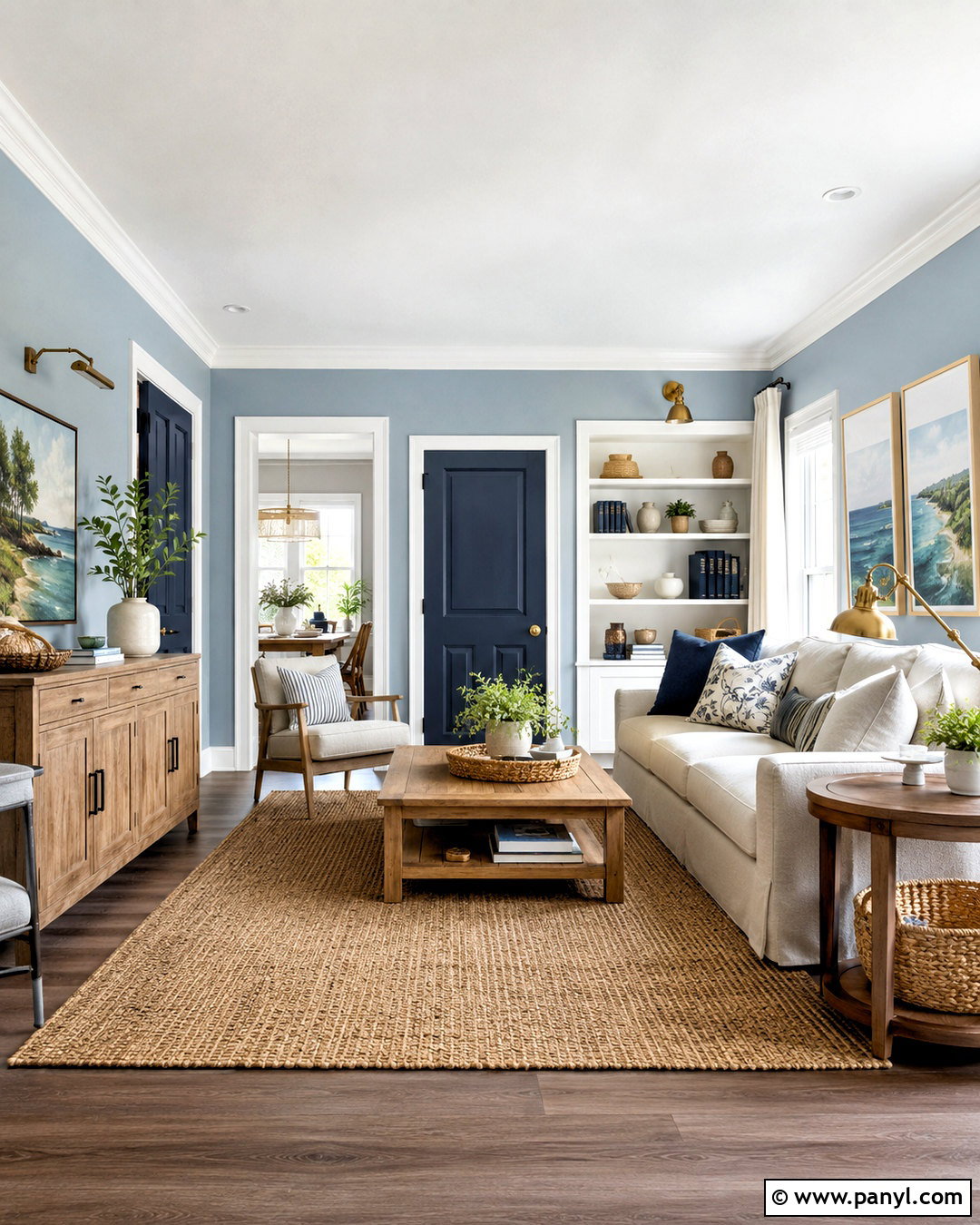
Crisp and refreshing, pale blue walls with soft white trim and navy doors create a classic coastal-inspired room without relying on themed decorations. Use a slightly muted blue on the walls so the color remains comfortable in changing daylight. Paint baseboards, window casings, and crown molding a clean but not overly bright white. Deep navy doors add structure and make brushed nickel or polished brass hardware stand out. Complete the space with a light beige sofa, white linen curtains, natural fiber rugs, and medium-toned wood furniture. Small accents in faded red or warm tan prevent the palette from feeling cold. This scheme is especially effective in a hallway, bedroom, or living room with generous windows and light-colored flooring.
6. Dusty Blue Walls With Taupe Trim And Doors
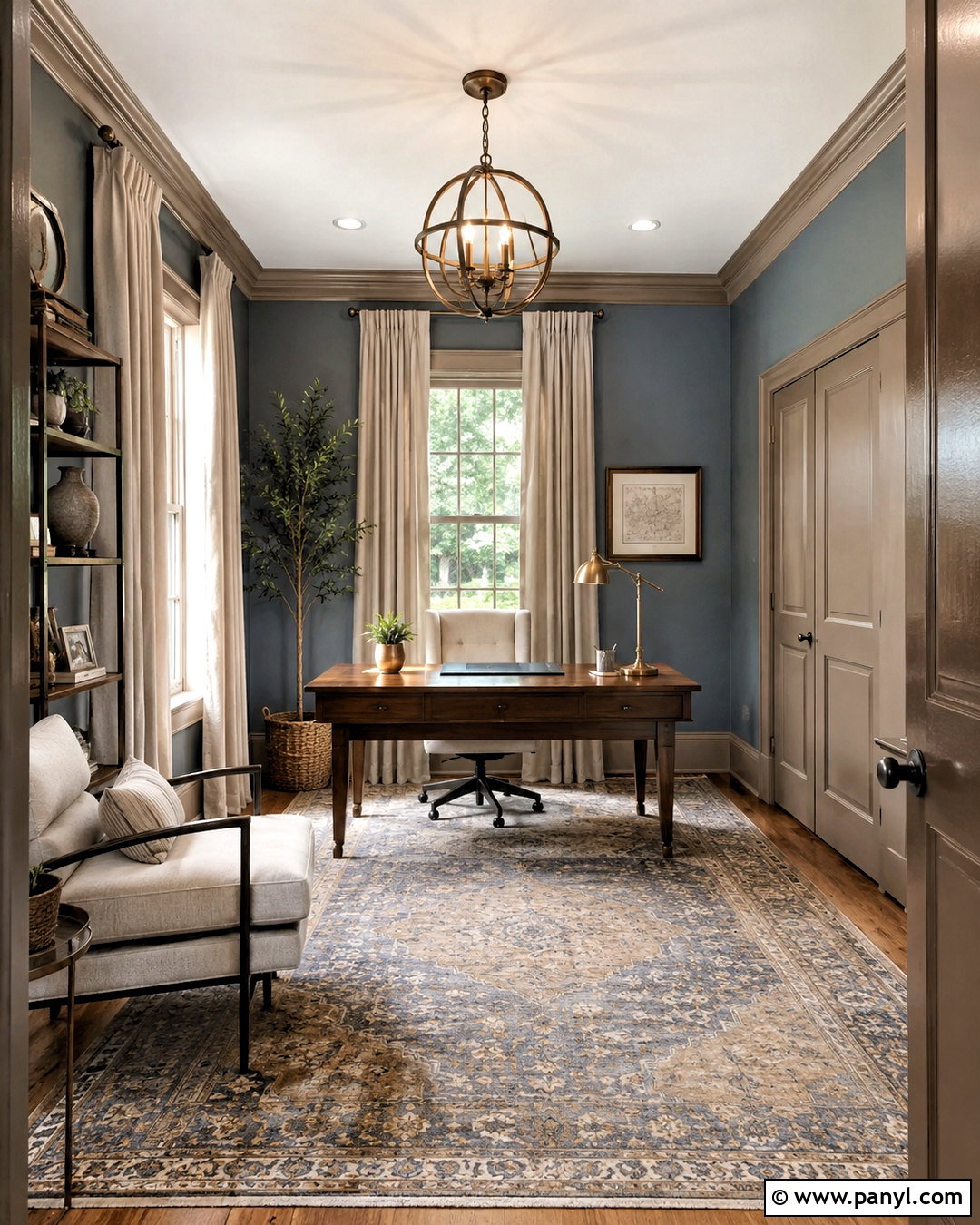
Dusty blue walls take on a sophisticated, grounded quality when paired with taupe trim and matching doors. Instead of outlining the room with white, the earthy taupe softens transitions and connects the cooler wall color to warm wood furnishings. Select a blue with noticeable gray undertones, then choose taupe that shares a similar muted intensity. Add a walnut console, oatmeal upholstery, bronze lighting, and a vintage-style rug containing blue, tan, and cream. Full-length neutral curtains make the room feel taller and more complete. Satin taupe paint gives doors and moldings a subtle sheen against eggshell walls. This refined color combination works well in dining rooms, bedrooms, and home offices where a calm yet distinctive atmosphere is desired.
7. Warm Gray Walls With White Trim And Charcoal Doors
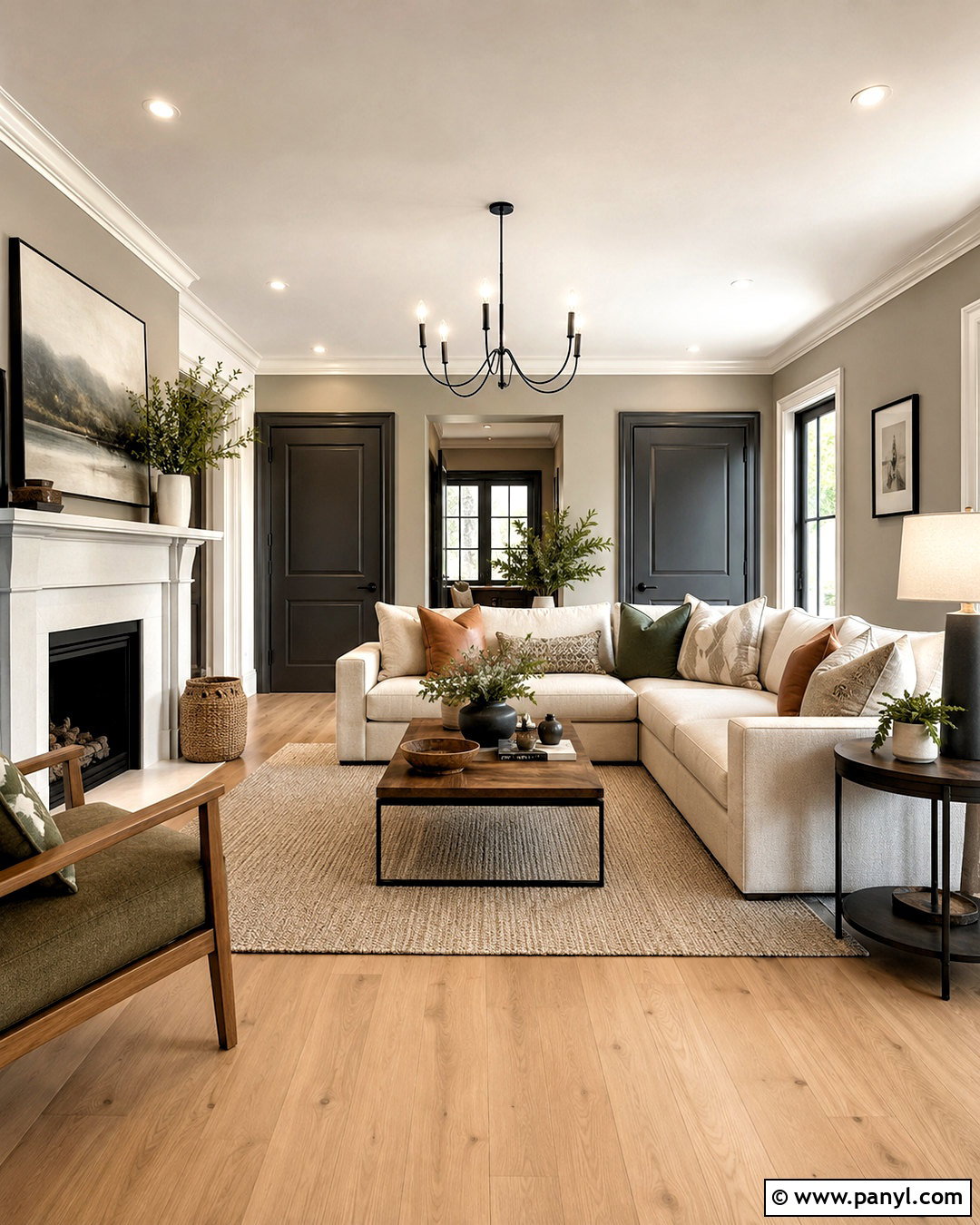
Warm gray walls offer an adaptable backdrop for crisp white trim and deep charcoal doors. Look for a gray with beige or brown undertones to avoid a cold, industrial appearance. Use soft white on the baseboards, window casings, and ceiling molding to provide clean separation. Charcoal doors introduce drama while feeling less severe than pure black. Bring the room together with white oak flooring, a cream sectional, black metal lighting, and cushions in camel, rust, or muted green. A large textured rug helps balance the strong door color. Repeat charcoal in two or three smaller details, such as picture frames or table legs. The finished scheme feels tailored, comfortable, and easy to update with seasonal textiles.
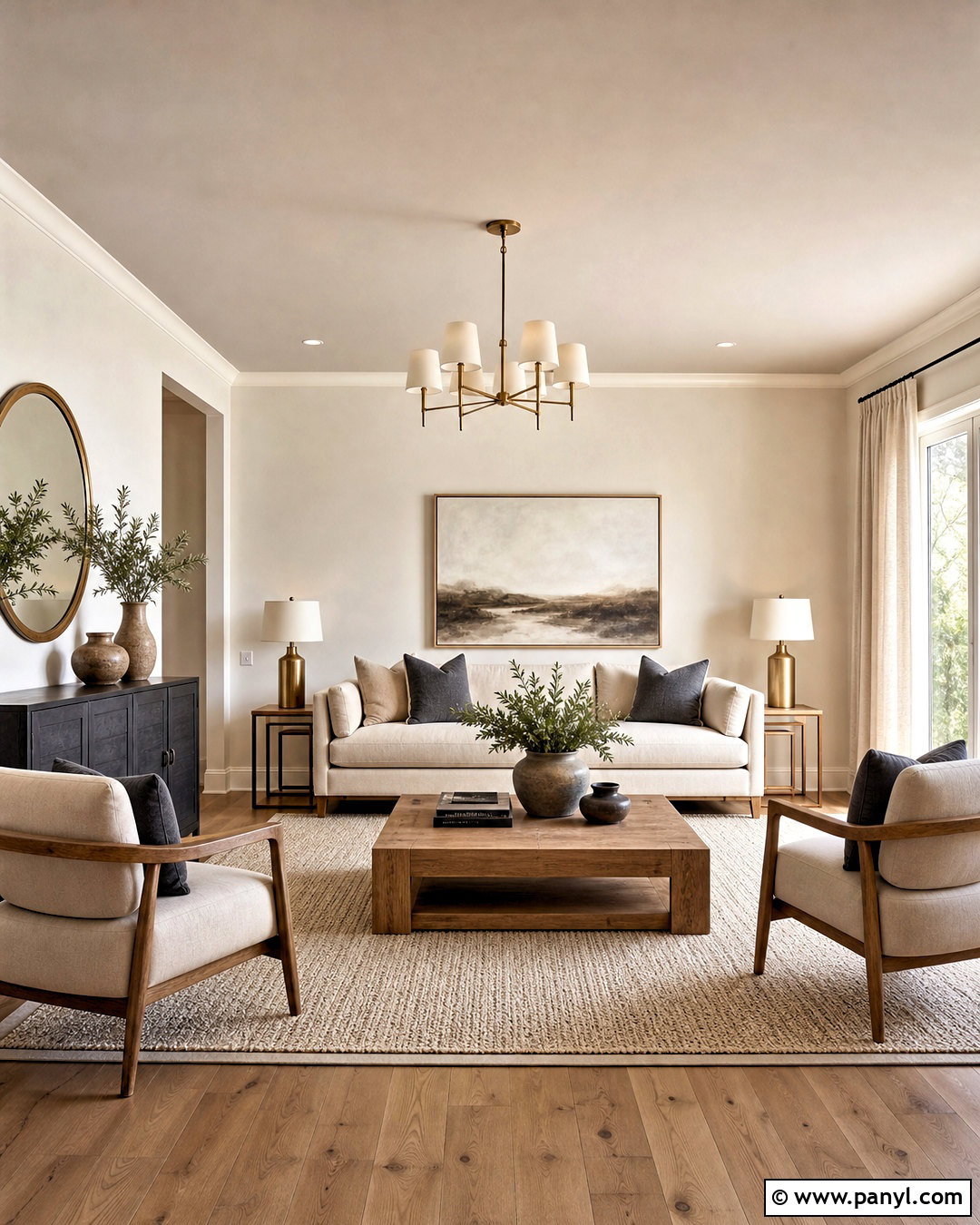
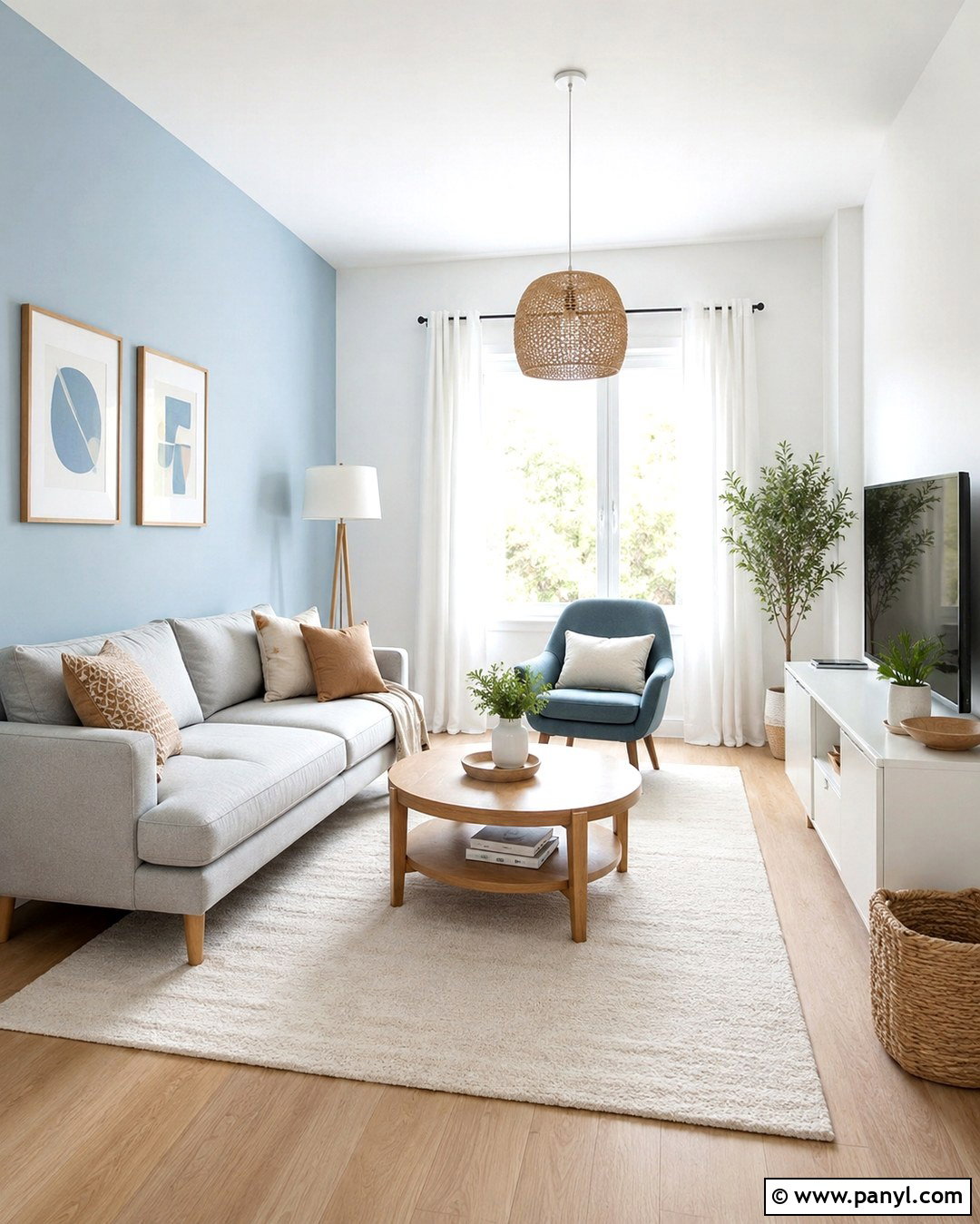
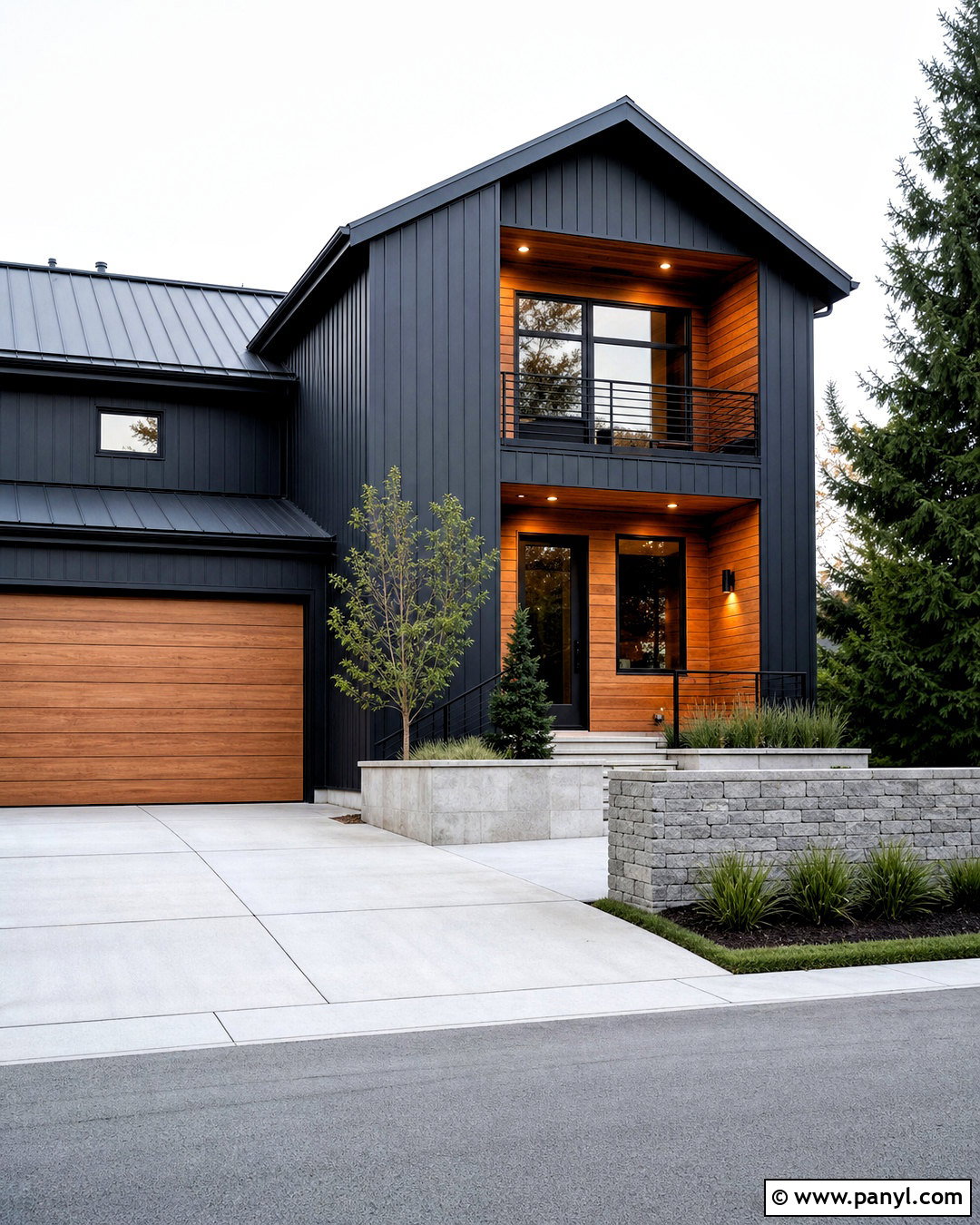
8. Charcoal Walls With Matching Trim And Oak Doors
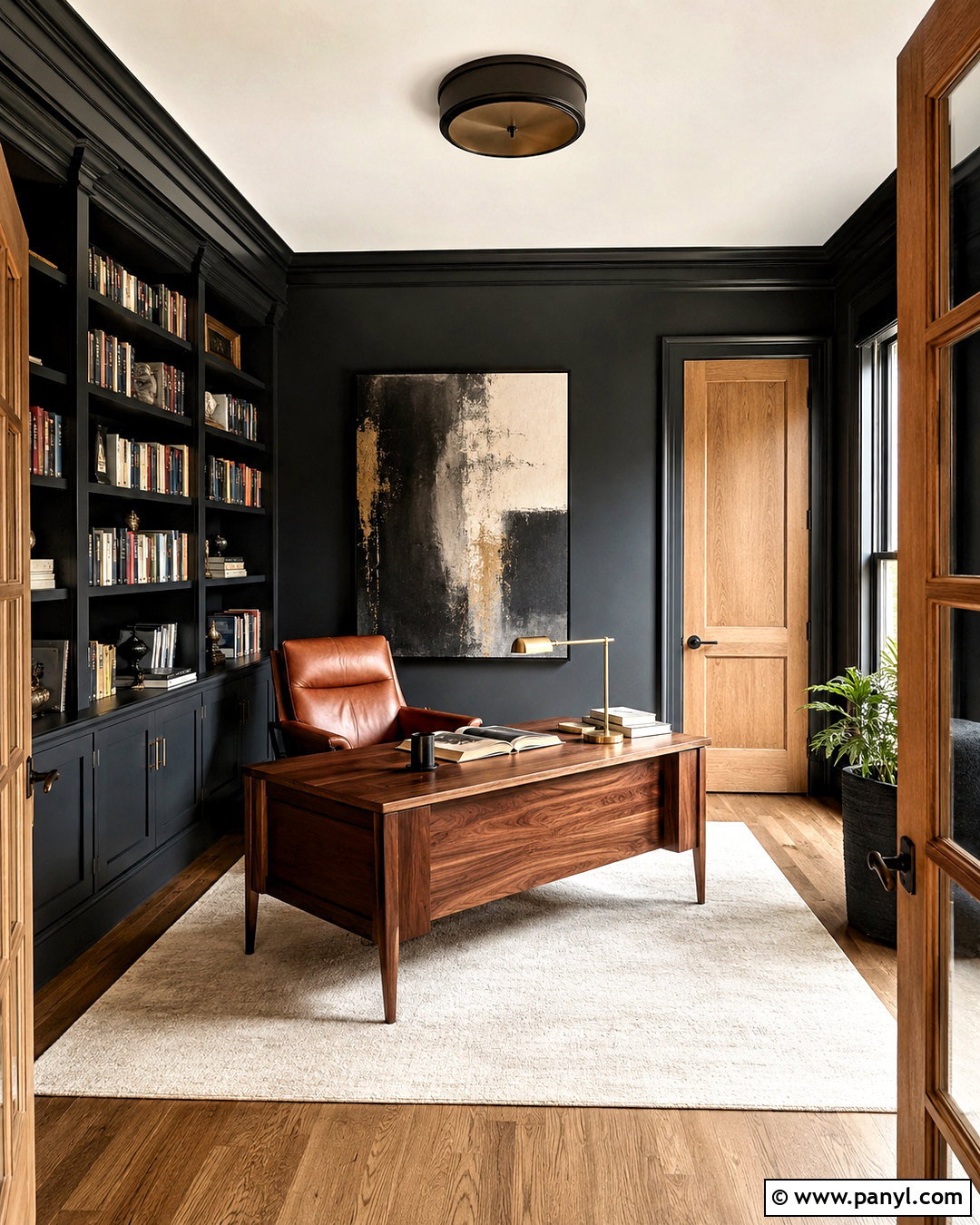
Deep charcoal walls and matching trim create an immersive background that allows natural oak doors to become the room’s warm focal points. This combination is ideal for a home office, library, or dining room with adequate natural or layered artificial light. Carry the charcoal across baseboards, casings, built-ins, and crown molding, but vary the finish. Use matte or eggshell on the walls and satin on the woodwork. Choose clear-finished oak doors with simple panels and dark bronze hardware. A cognac leather chair, walnut desk, cream rug, and oversized artwork keep the room balanced. Include pale curtains or woven shades to soften windows. The continuous dark envelope reduces visual interruptions, while the oak adds organic contrast and prevents the space from feeling flat.
9. Cream Walls With Tan Trim And Terracotta Doors
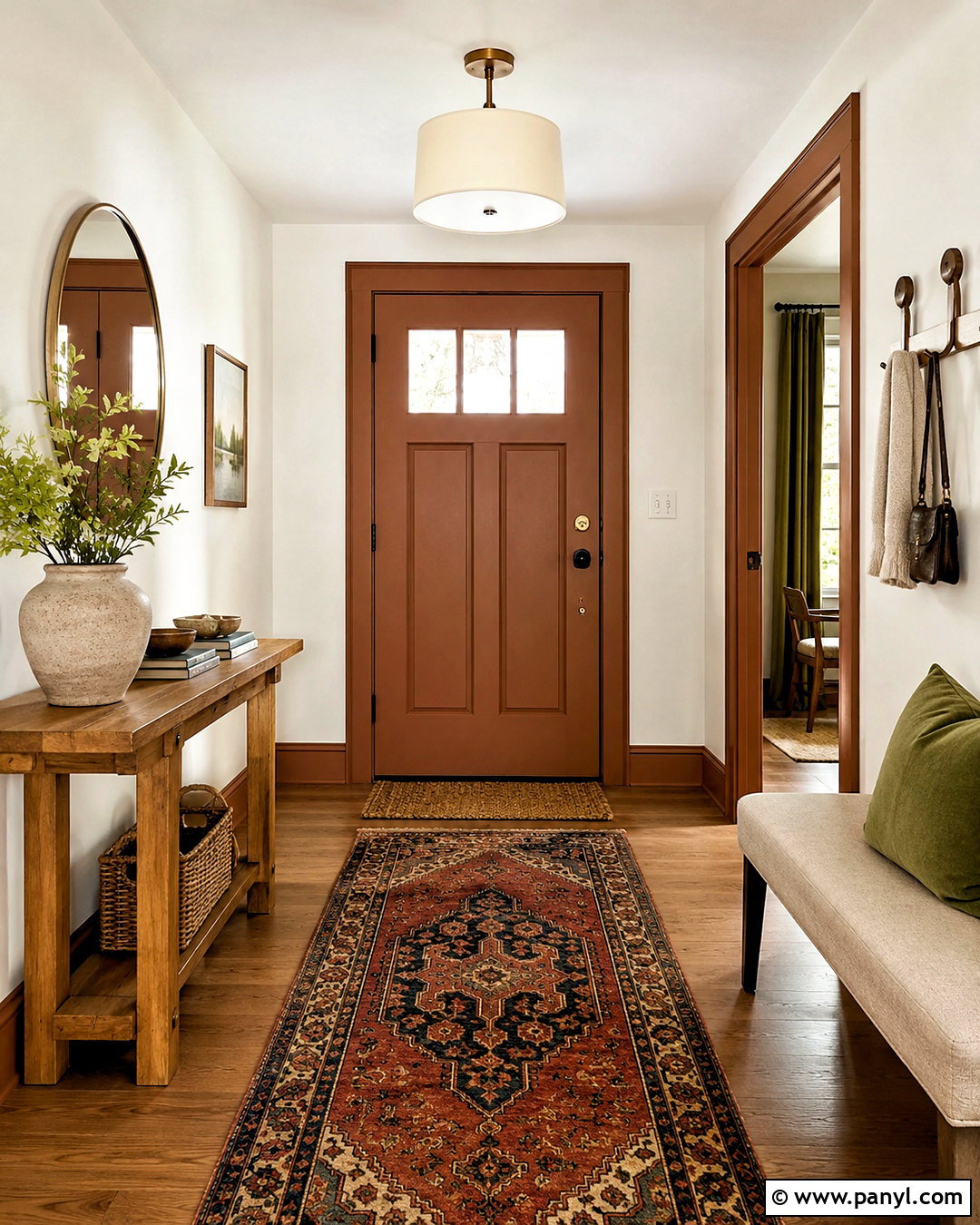
Cream walls, warm tan trim, and terracotta doors create an earthy interior that feels sunny throughout the year. Select a soft cream without a strong yellow cast, then use a clay-based tan on baseboards, casings, and crown molding. Muted terracotta gives each door character while coordinating naturally with wood and woven materials. Style the room with a beige linen sofa, warm oak tables, a patterned kilim-style rug, and pottery in rust, brown, and ivory. Brushed brass or aged bronze hardware complements the door color. Add olive green through plants or cushions for a balanced accent. This palette works especially well in an entryway or living area with warm tile, natural wood, or light neutral flooring.
10. Blush Walls With Burgundy Trim And Doors
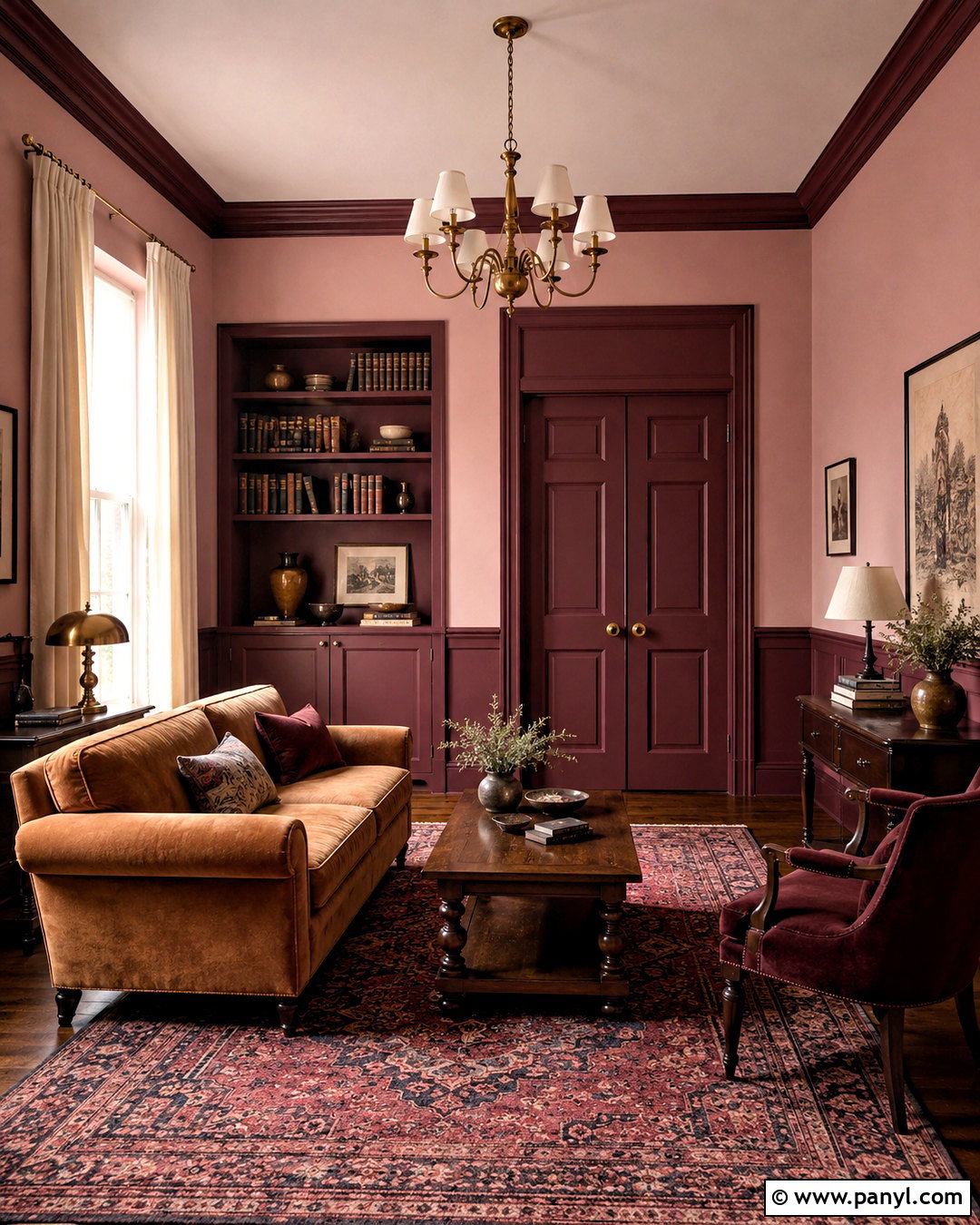
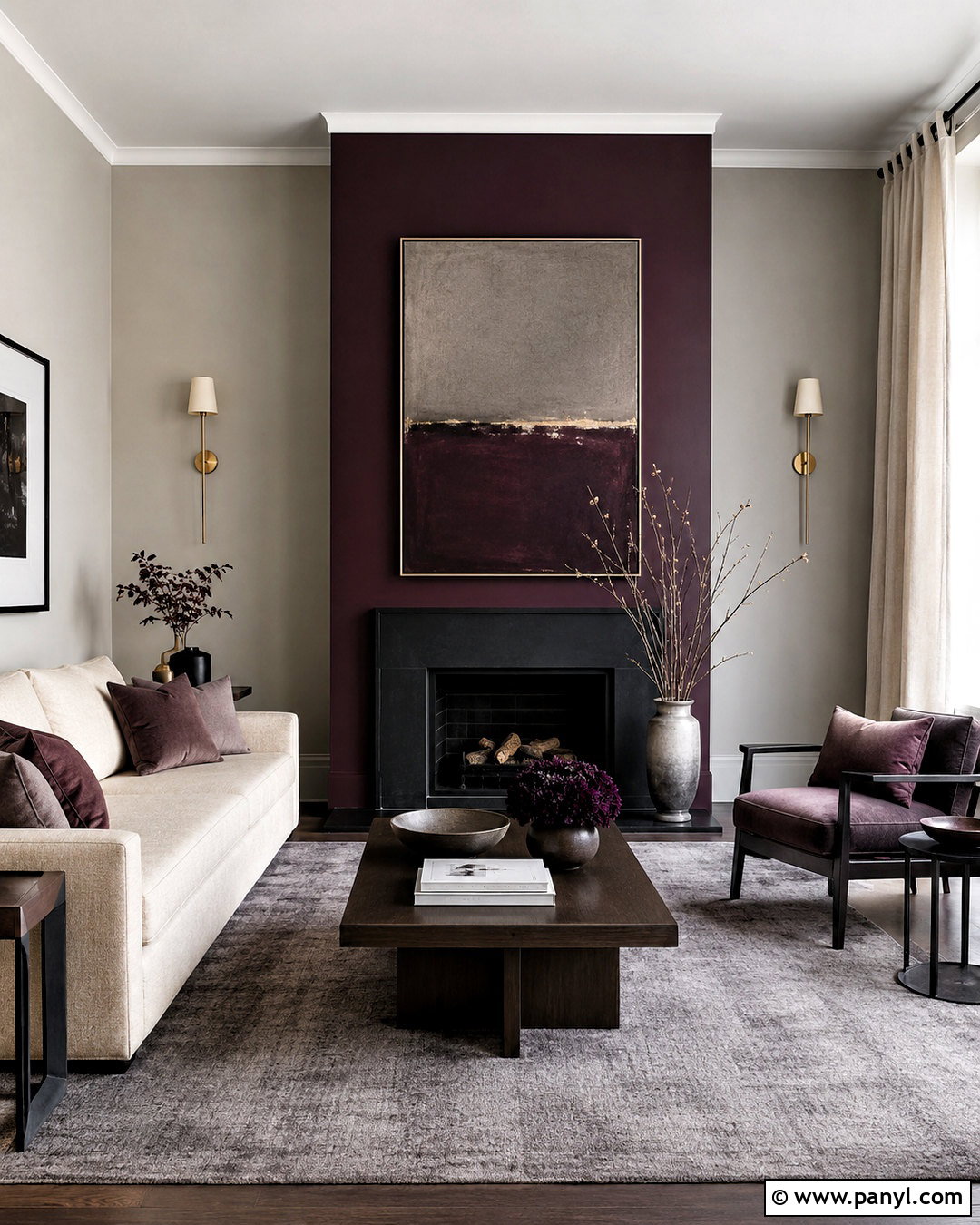
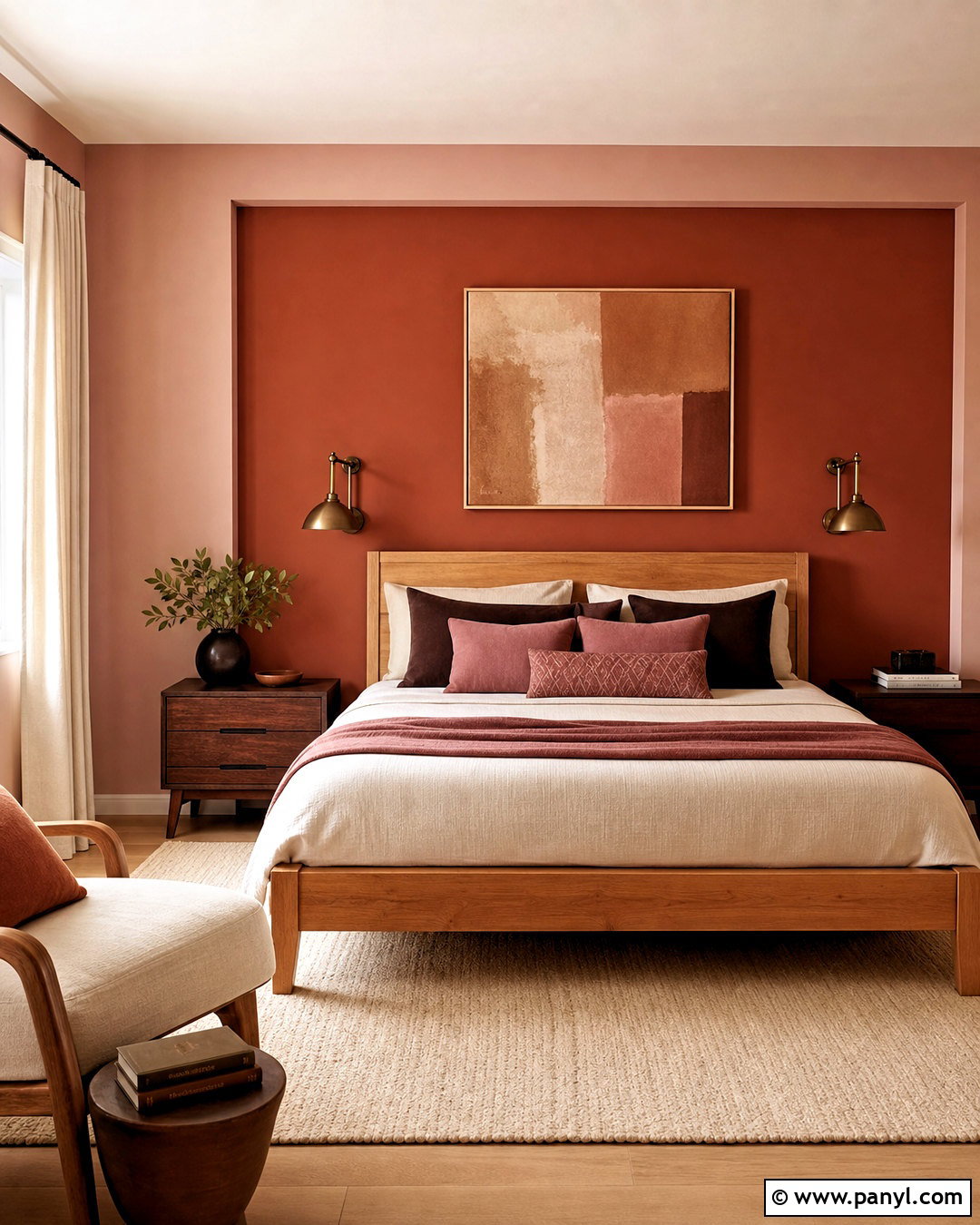
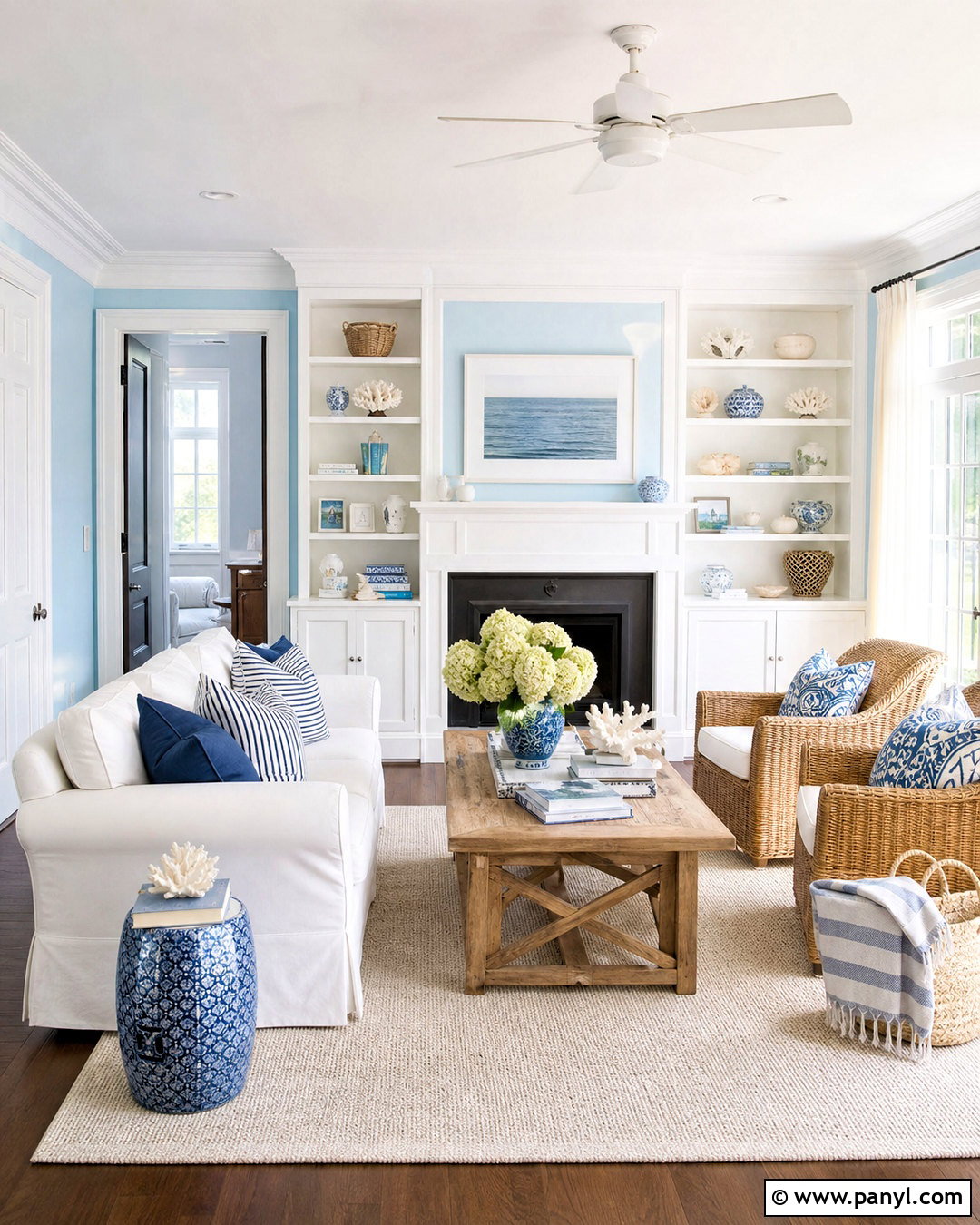
Soft blush walls become sophisticated rather than overly sweet when framed with burgundy trim and matching doors. Choose a dusty blush with beige or brown undertones, avoiding bright bubblegum pink. Use a deep, muted burgundy on baseboards, window casings, crown molding, and paneled doors. The darker woodwork creates a tailored outline and gives an ordinary room memorable architectural character. Complete the look with a camel sofa, dark wood furniture, cream curtains, and a vintage rug containing rose, burgundy, and faded blue. Antique brass lighting adds warmth and refinement. Keep the ceiling a gentle warm white to prevent the palette from feeling enclosed. This confident combination suits dining rooms, bedrooms, reading rooms, and creative home offices.
11. Terracotta Walls With Ivory Trim And Brown Doors
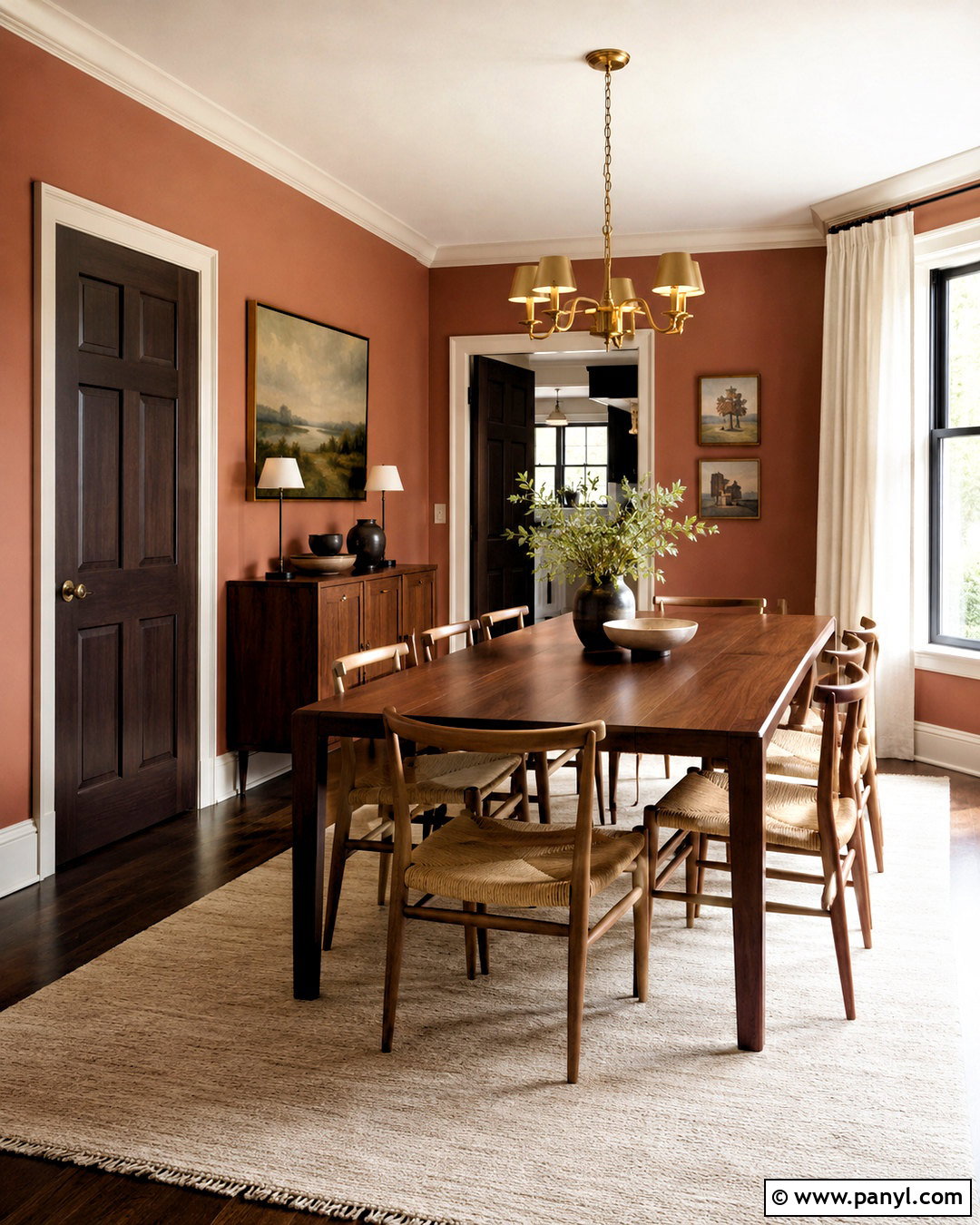
Imagine a dining room wrapped in muted terracotta, balanced by ivory trim and deep brown doors. The wall color brings warmth and energy, while the pale woodwork keeps the architecture crisp. Choose a softened clay shade rather than a vivid orange. Dark espresso-brown doors provide a grounding element and coordinate with walnut or mahogany furniture. Add an ivory area rug, linen curtains, woven dining chairs, and aged brass lighting. Artwork featuring cream, olive, and dusty blue creates a pleasing counterpoint to the warm walls. Paint the ceiling ivory to match the trim and reflect more light downward. The finished room feels welcoming and established, making this combination particularly suitable for spaces designed for meals, conversation, and relaxed gatherings.
12. Butter Yellow Walls With White Trim And Sage Doors
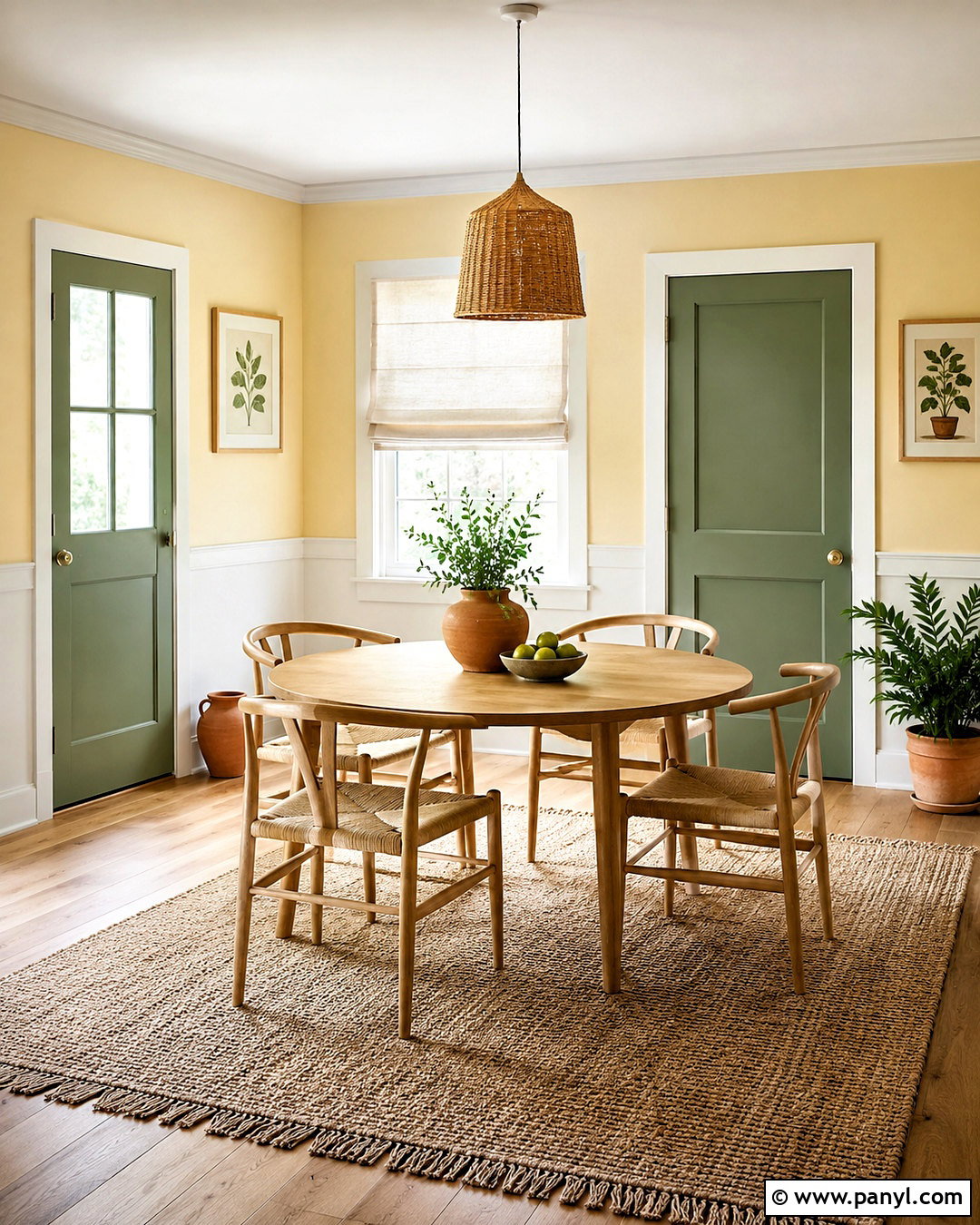
Butter yellow walls can brighten a kitchen or breakfast room without becoming overpowering. Select a pale, creamy yellow that looks warm in daylight, then pair it with soft white trim and muted sage green doors. The white baseboards and casings provide a clean frame, while the green doors bring in a natural, garden-inspired contrast. Complete the space with light oak furniture, woven pendant lights, cream Roman shades, and simple botanical artwork. Use unlacquered brass or brushed nickel hardware depending on the warmth of the flooring. Small accents in terracotta and blue add depth. Keep the yellow gentle enough to function like a warm neutral. This cheerful scheme works best when every color is slightly softened rather than bright or highly saturated.
13. Olive Green Walls With Cream Trim And Walnut Doors
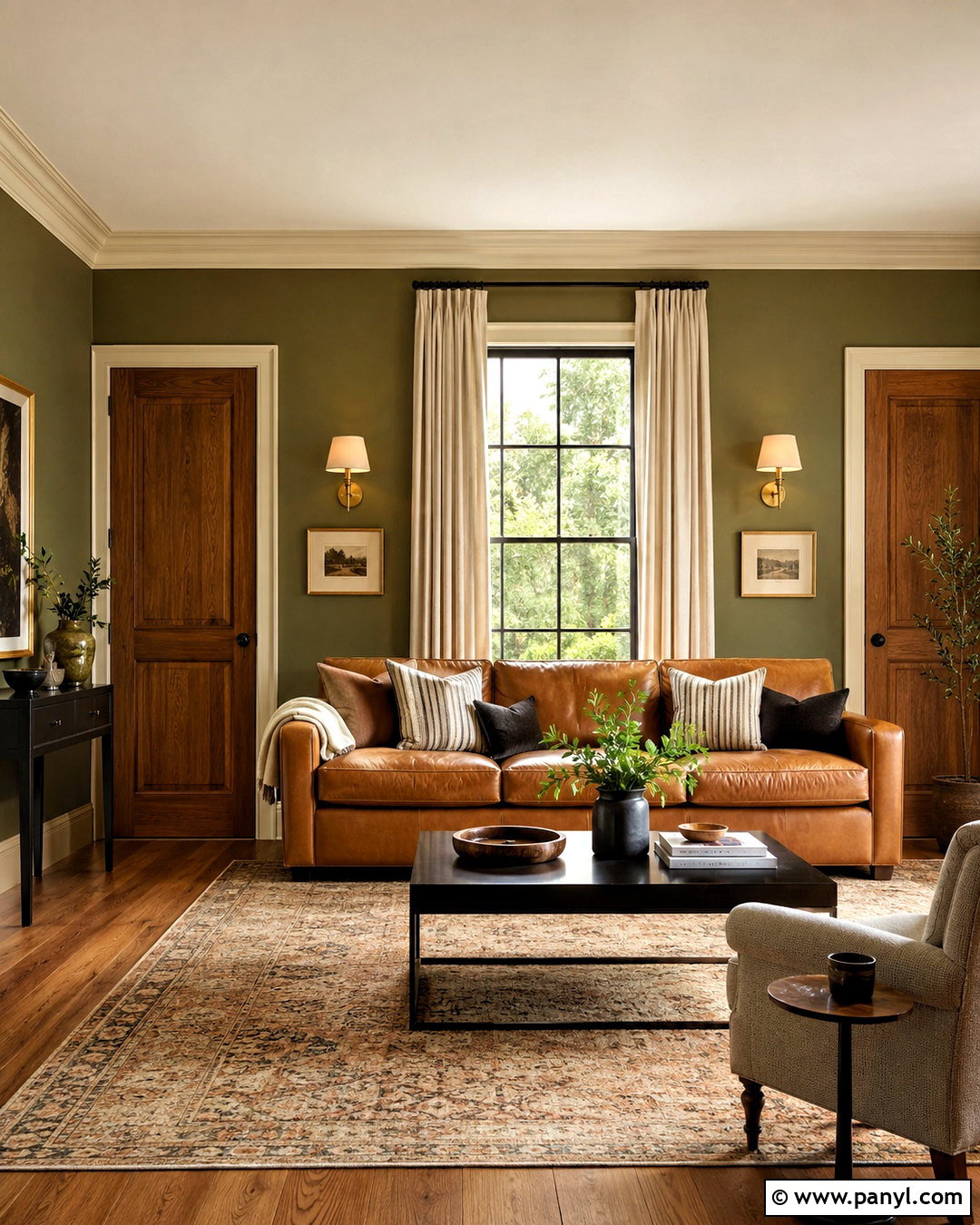
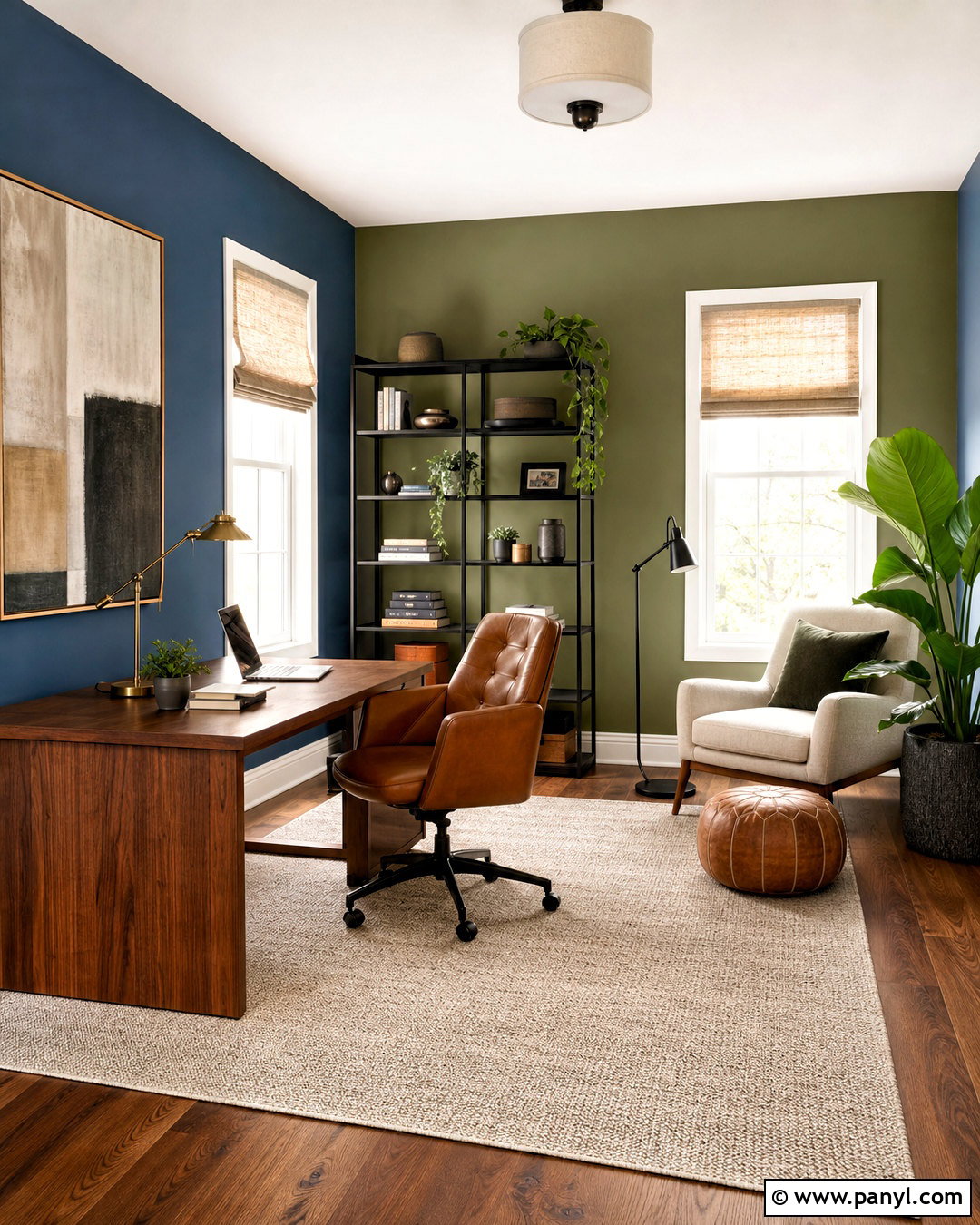
Olive green walls create a grounded, enveloping room when combined with creamy trim and natural walnut doors. Choose an olive with brown undertones so it feels warm beside wood flooring and leather furniture. Paint baseboards, crown molding, and window casings a mellow cream rather than stark white. Walnut doors with a clear matte finish supply natural variation and lasting character. Complete a living room with a tan leather sofa, oatmeal curtains, a warm patterned rug, and brass wall lights. Add black accents sparingly through frames or a coffee table base. The light trim prevents the olive from overwhelming the architecture, while the walnut repeats its earthy undertone. This full palette feels relaxed, substantial, and especially attractive in rooms overlooking greenery.
14. Forest Green Walls With Matching Trim And Doors
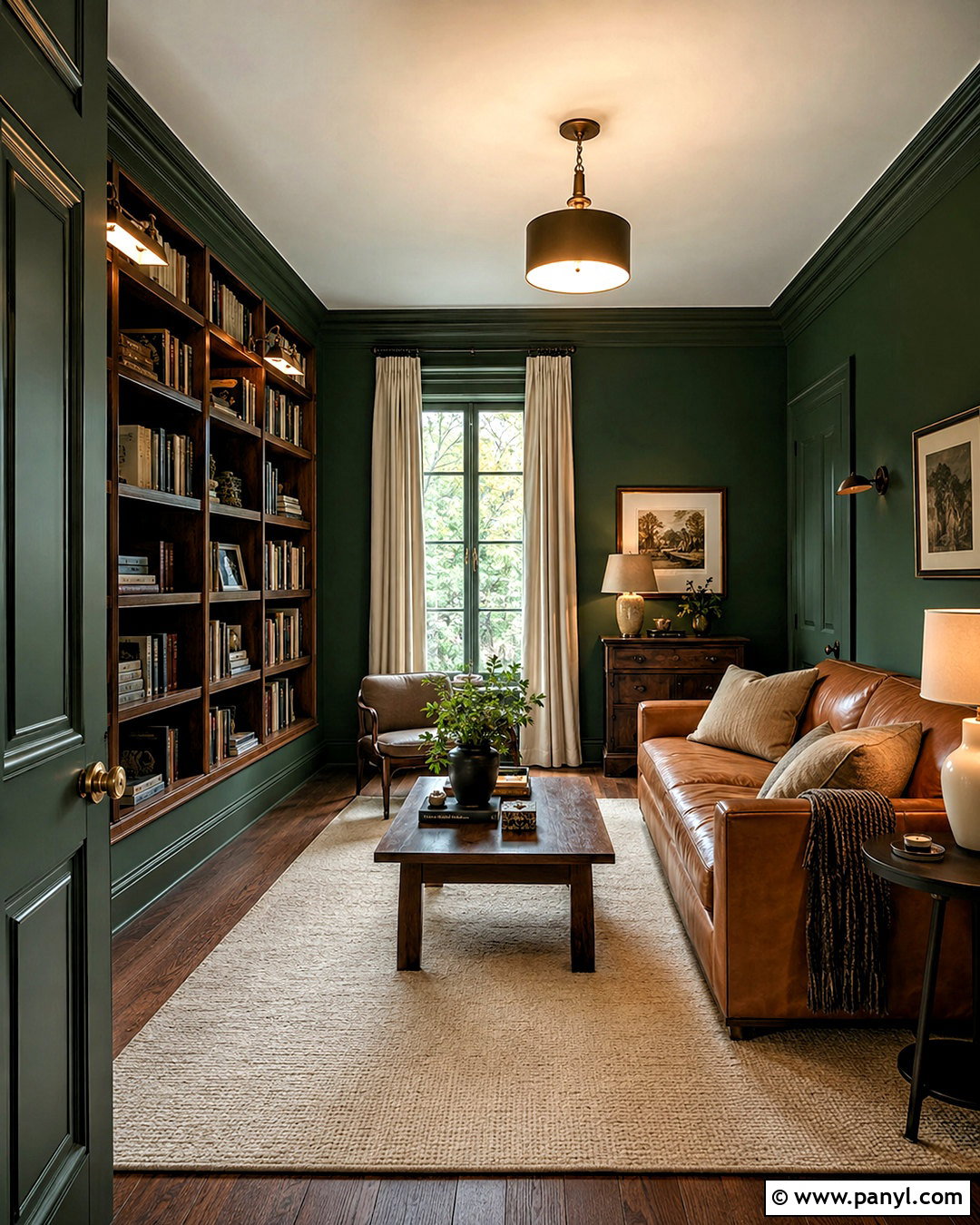
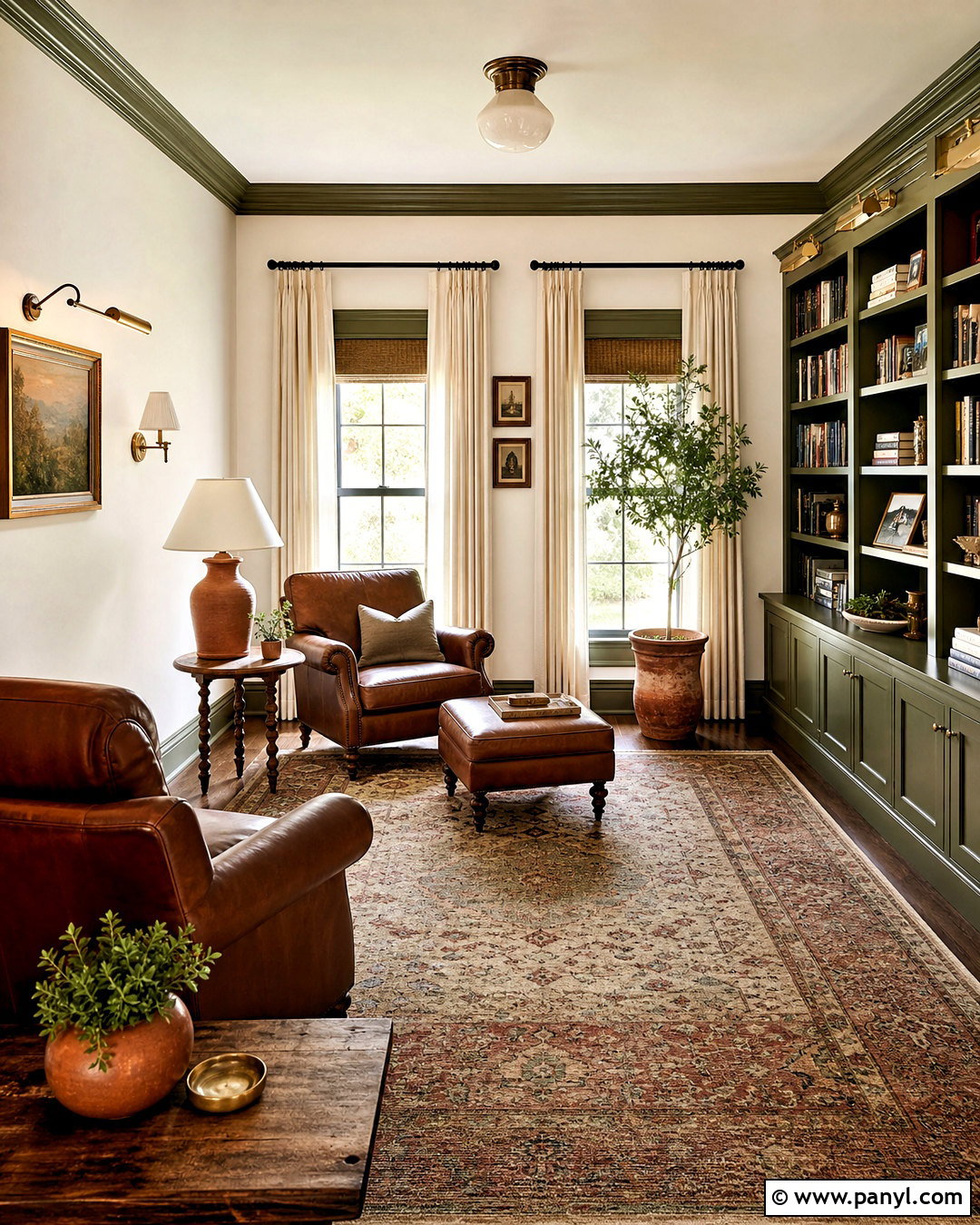
For a cozy library or formal sitting room, carry forest green across the walls, trim, and doors. This color-drenched treatment simplifies visual lines and makes moldings feel integrated instead of outlined. Choose a deep green with a slightly muted blue or gray undertone, then use different finishes to preserve dimension. Apply eggshell to the walls and satin or semigloss to baseboards, casings, and doors. Furnish the space with a cognac leather sofa, dark wood shelving, a cream wool rug, and warm brass lighting. Pale linen curtains provide essential contrast around the windows. Artwork with white or tan matting also breaks up the green. Layered table lamps and ceiling lighting ensure the saturated palette remains inviting during the evening.
15. Navy Walls With White Trim And Natural Wood Doors
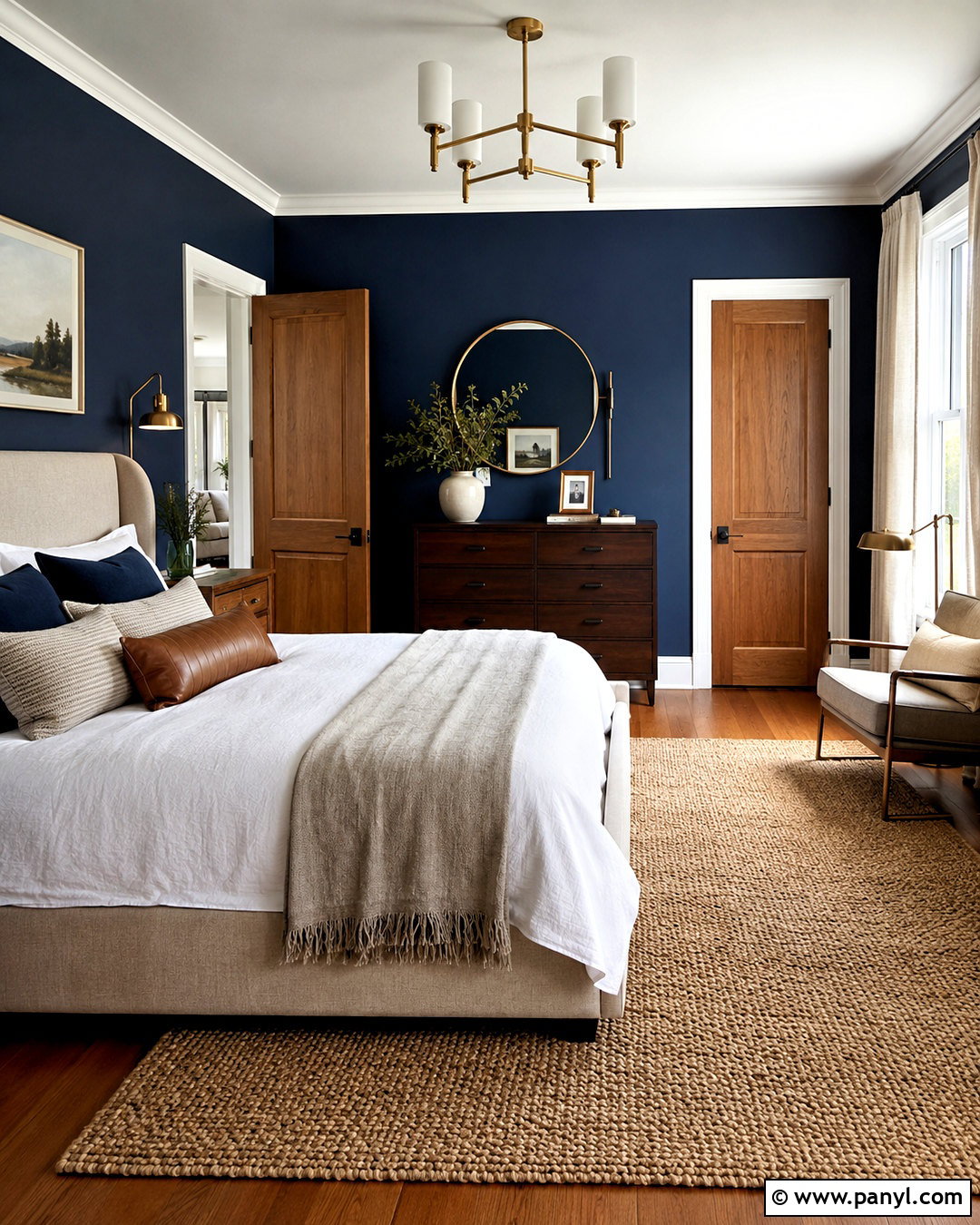
Navy walls create a crisp architectural backdrop when paired with soft white trim and natural wood doors. This combination gives a bedroom, office, or dining room strong color without losing brightness. Select a navy that remains clearly blue rather than turning black in low light. Use white on crown molding, baseboards, window frames, and the ceiling to define the room’s boundaries. Medium oak or walnut doors introduce warmth and prevent the blue-and-white palette from feeling overly nautical. Add a beige upholstered bed or sofa, a warm wool rug, brass lighting, and curtains in oatmeal linen. Repeat the wood tone through side tables or picture frames. The result feels tailored and enduring, with enough contrast to highlight both architecture and natural materials.
16. Light Taupe Walls With Mocha Trim And Doors
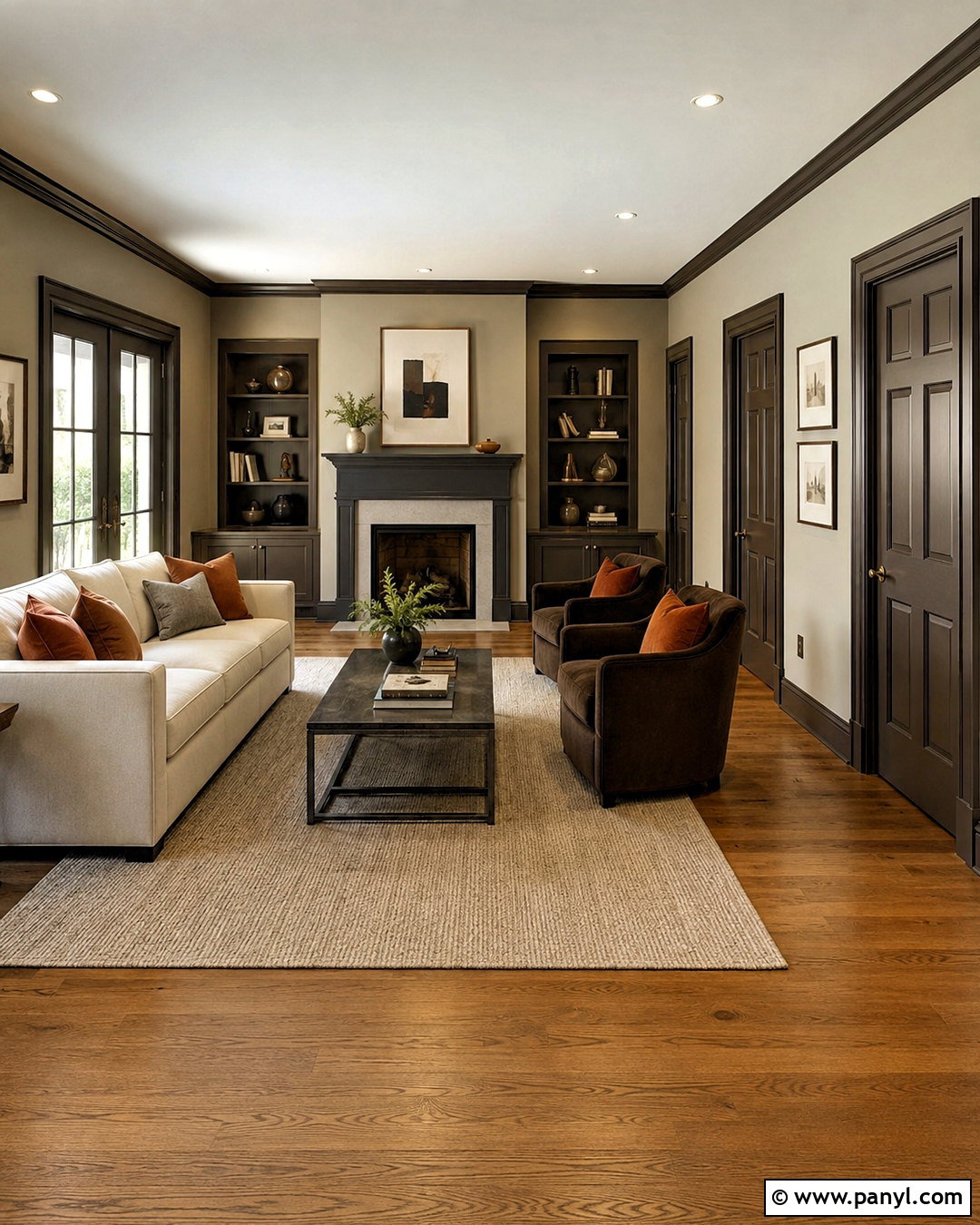
Light taupe walls and mocha woodwork form a comfortable tonal scheme with more character than standard beige and white. Choose a taupe that balances gray and brown, then use a deeper mocha on the trim and doors. The darker outline gives simple baseboards and casings greater presence without creating the sharpness of black. Build the room around an ivory sofa, medium oak flooring, chocolate accent chairs, and a large textured rug. Add rust or muted blue through cushions and artwork for controlled color. Bronze hardware blends naturally with the mocha doors. Keep window treatments close to the wall color so the darker trim remains the primary frame. This understated palette works in open living spaces, hallways, and bedrooms with warm natural light.
17. Mushroom Walls With Matching Trim And Doors
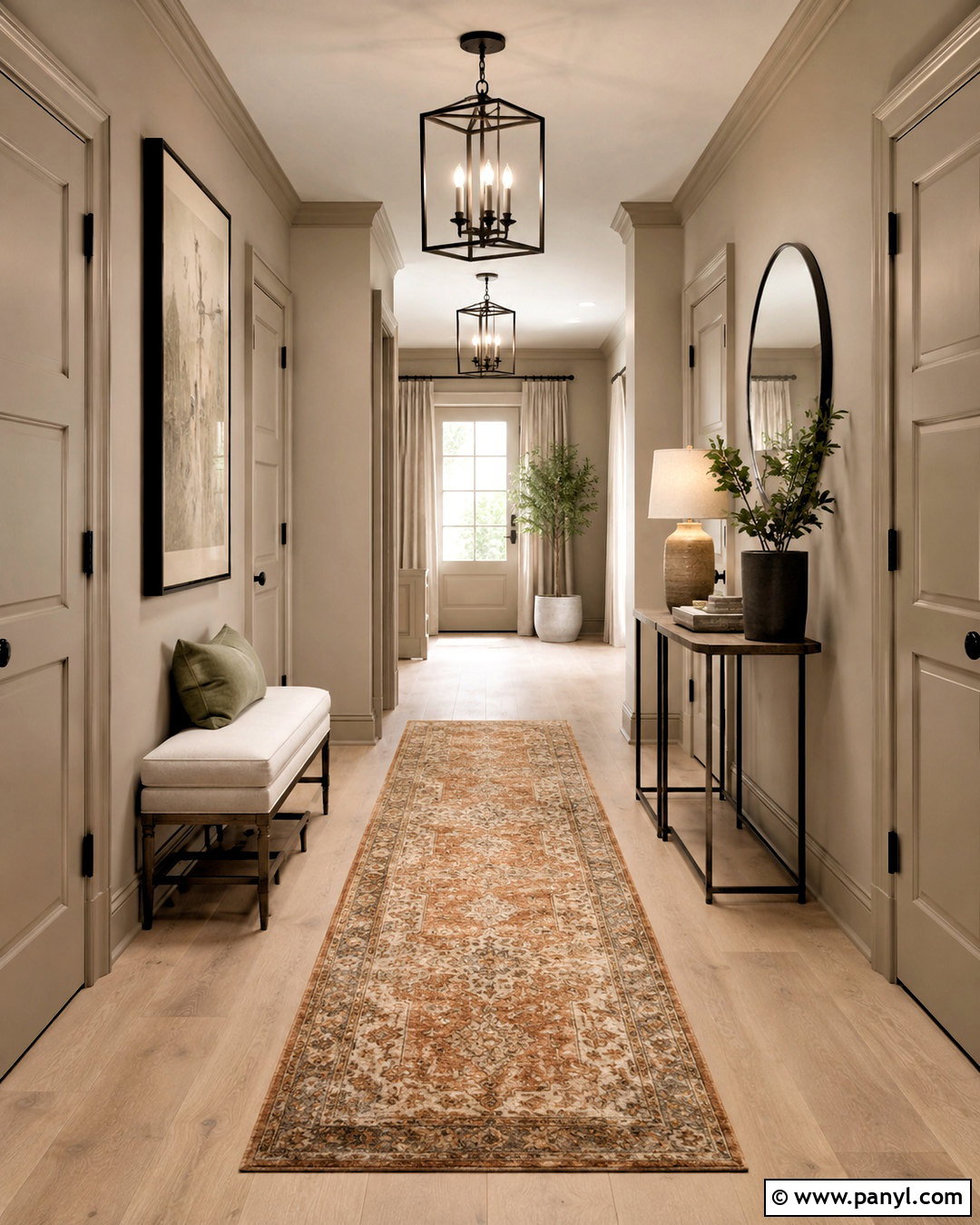
Mushroom paint offers a soft balance of beige, gray, and brown that works beautifully across walls, trim, and doors. Using one color throughout creates a smooth background and can make a compact room feel less divided. Maintain depth by applying flat or eggshell paint to the walls and satin paint to the woodwork. Pair the tonal envelope with pale oak flooring, cream upholstery, dark bronze lighting, and a patterned rug containing muted green and rust. Natural linen curtains add texture without introducing another strong color. Black hardware can provide a clean modern accent, while antique brass produces a warmer result. This scheme is especially useful in hallways or bedrooms where several doors would otherwise create distracting blocks of contrasting white.
18. White Walls With Black Trim And Wood Doors
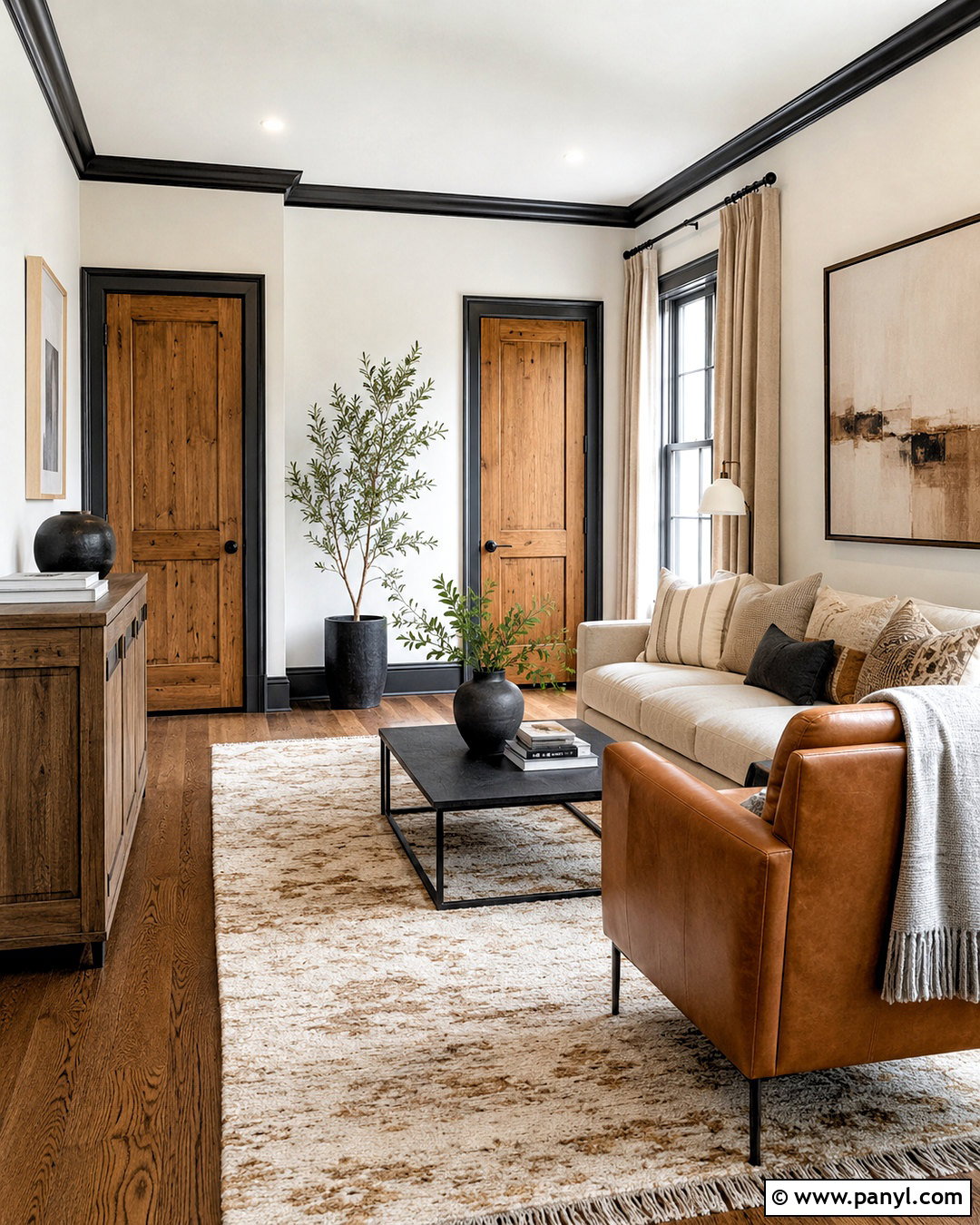
White walls framed by black trim create graphic contrast, while natural wood doors keep the finished room from appearing too stark. Use a warm, soft white on the walls and ceiling. Apply a near-black charcoal to baseboards, window casings, and door frames, then install or retain medium-toned oak doors. The black casing acts like a picture frame around the wood. Complete the space with a neutral sofa, cognac leather seating, a black metal coffee table, and a cream-and-tan rug. Keep curtains simple so they do not compete with the window trim. Repeat natural wood in shelving and side tables. This high-contrast combination works best in rooms with clean lines, uncluttered decor, and enough daylight to support the dark architectural accents.
19. Lavender Gray Walls With Cream Trim And Plum Doors
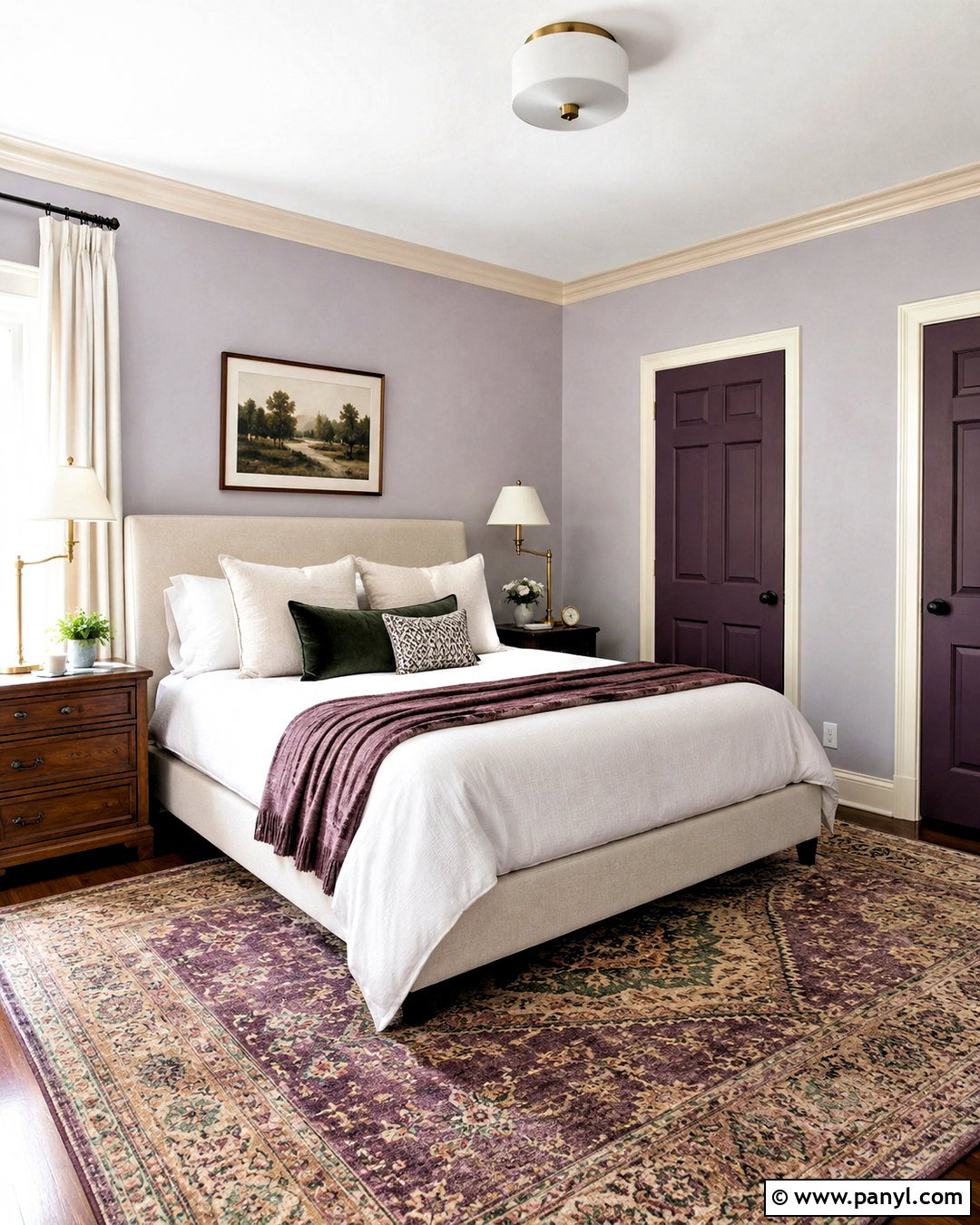
Lavender gray walls offer subtle color that changes gently as daylight moves through the room. Pair them with warm cream trim to soften the cool undertones, then add deep plum doors for a rich tonal accent. This combination works beautifully in a bedroom or quiet reading space. Choose a restrained lavender that reads mostly gray from a distance. Complete the room with an upholstered oatmeal bed, dark walnut nightstands, ivory curtains, and a vintage-inspired rug containing plum, tan, and muted green. Brass lamps warm the palette, while small black accents provide definition. Use cream on the ceiling as well as the moldings. The plum doors should feel deep and sophisticated, not bright purple, creating contrast that remains restful and coordinated.
20. Clay Pink Walls With Red Brown Trim And Doors
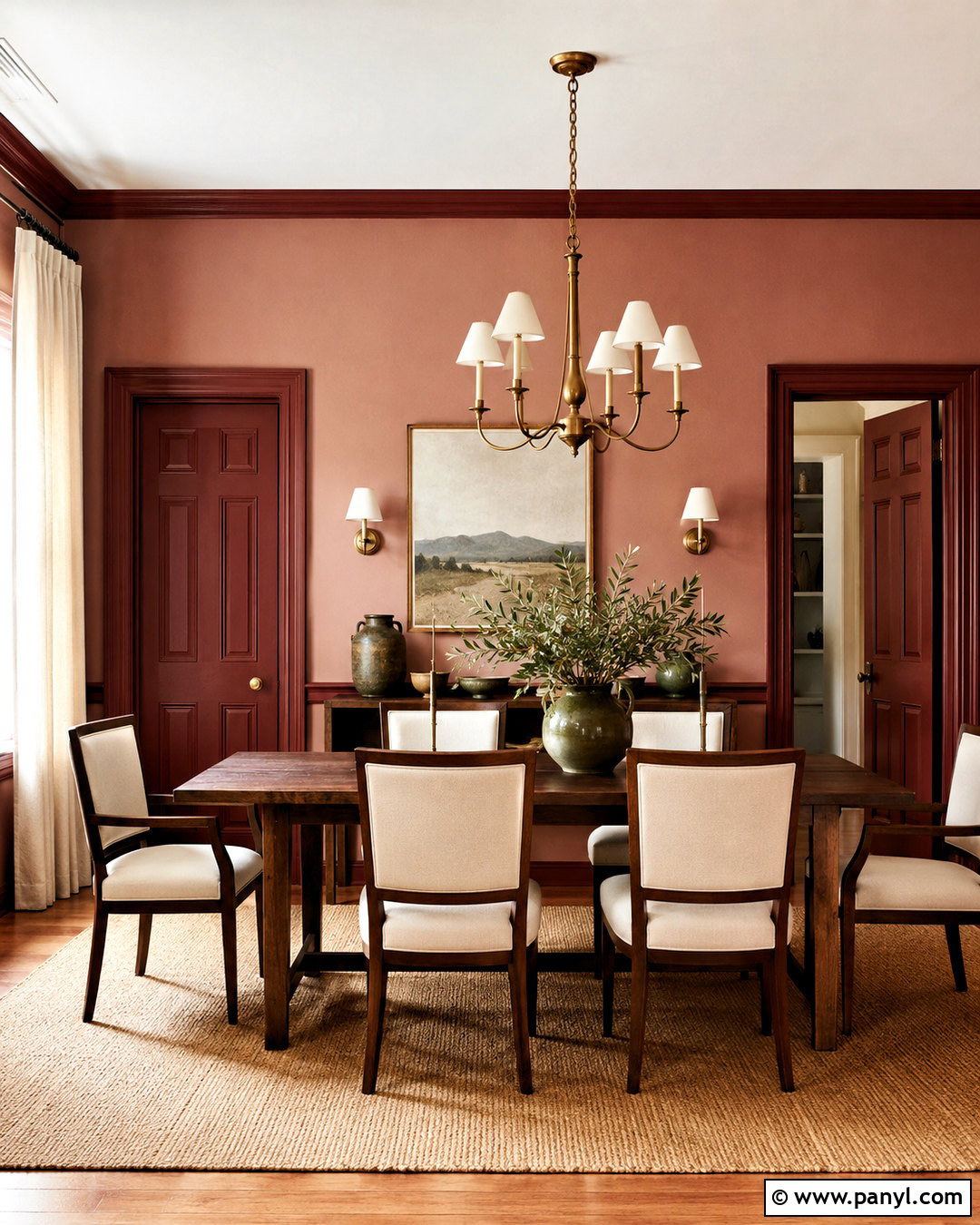
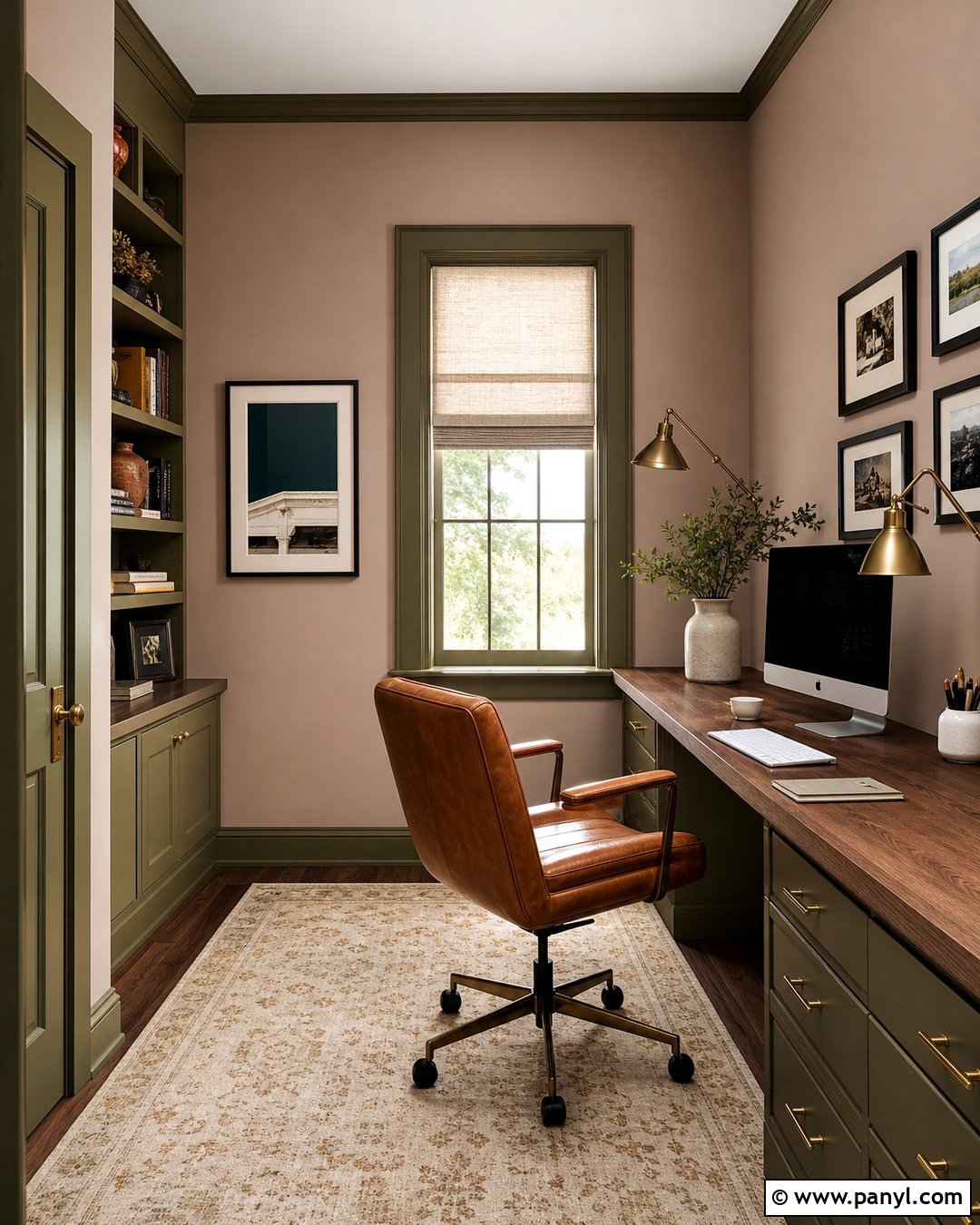
Clay pink walls paired with red-brown trim and doors create a warm, earthy room with distinctive character. The wall color should combine muted pink, beige, and terracotta undertones rather than looking sugary. Choose a deep red-brown for baseboards, casings, crown molding, and doors to produce a cohesive architectural frame. Complete the room with cream upholstery, dark wood furniture, a woven neutral rug, and aged brass lighting. Olive green cushions or ceramics provide a natural complementary accent. Use light linen curtains to balance the darker woodwork and maintain brightness around the windows. This palette feels especially welcoming in dining rooms, guest bedrooms, and reading spaces. Its related undertones help the contrasting colors look intentional instead of visually disconnected.
Conclusion:
The right wall, trim, and door combination can change how the entire room feels. Light trim defines architecture, dark doors add depth, and tonal paint treatments create a calm, continuous background. Before choosing from these **20 Wall Trim And Door Colors**, compare every shade with your flooring, fixed finishes, furniture, and natural light. Paint large sample areas near doors, windows, and baseboards, then check them in the morning and evening. Remember that sheen also affects the result. Eggshell walls look soft, while satin or semigloss woodwork provides durability and subtle contrast. Whether you prefer warm neutrals, nature-inspired greens, or saturated color, repeat each shade elsewhere in the room for a complete, balanced finish.

Related Ideas and Inspiration:
Leave a Reply