
White walls create a flexible backdrop, but the trim color determines whether a room feels crisp, cozy, dramatic, traditional, or modern. The strongest pairings consider undertones, natural light, flooring, furniture, and the amount of architectural detail in the space. Warm whites generally coordinate best with earthy trim colors, while neutral or cooler whites can support gray, blue, green, and black accents. Using the same white in different finishes creates quiet depth, while contrasting trim makes doors, windows, and molding more noticeable. Paint large samples beside the flooring and observe them throughout the day before committing, since changing light can shift how both colors appear. () Explore these 20 white wall and trim color combinations to find a complete, practical look for every room.

1. White Walls With Bright White Trim
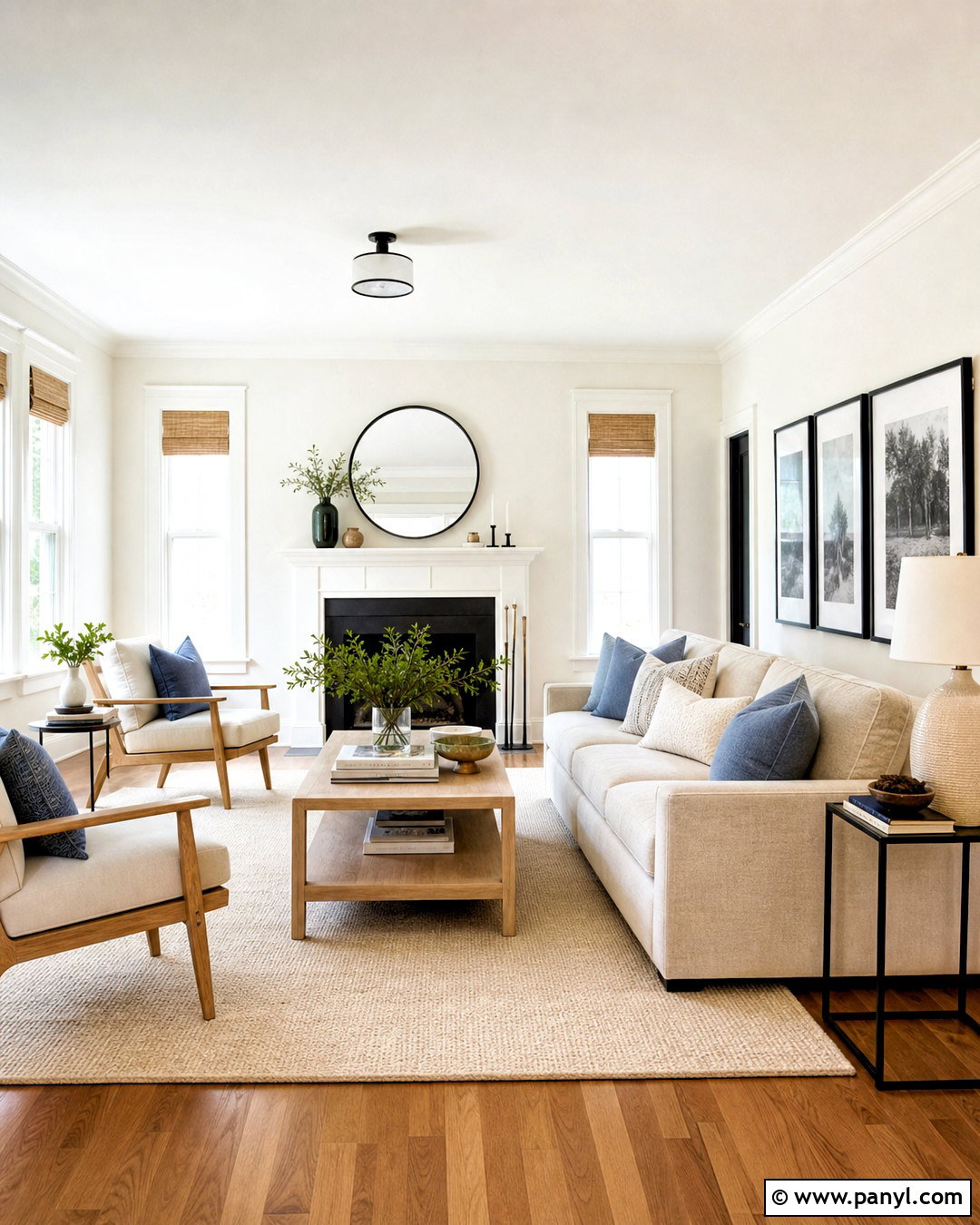
Soft white walls with bright white trim create a clean, layered room without introducing an obvious accent color. Choose warm white walls with gentle cream or beige undertones, then use a clearer neutral white on baseboards, crown molding, windows, and doors. The contrast should remain subtle but visible. Medium oak flooring, a natural linen sofa, woven shades, and pale wood tables keep the living room comfortable rather than clinical. Add muted blue pillows, simple black frames, and a textured ivory rug for definition. This combination works especially well in smaller rooms because the overall palette remains light. Use an eggshell finish on the walls and satin or semigloss on the trim so architectural details catch more light and resist everyday wear.
2. White Walls With Matching White Trim
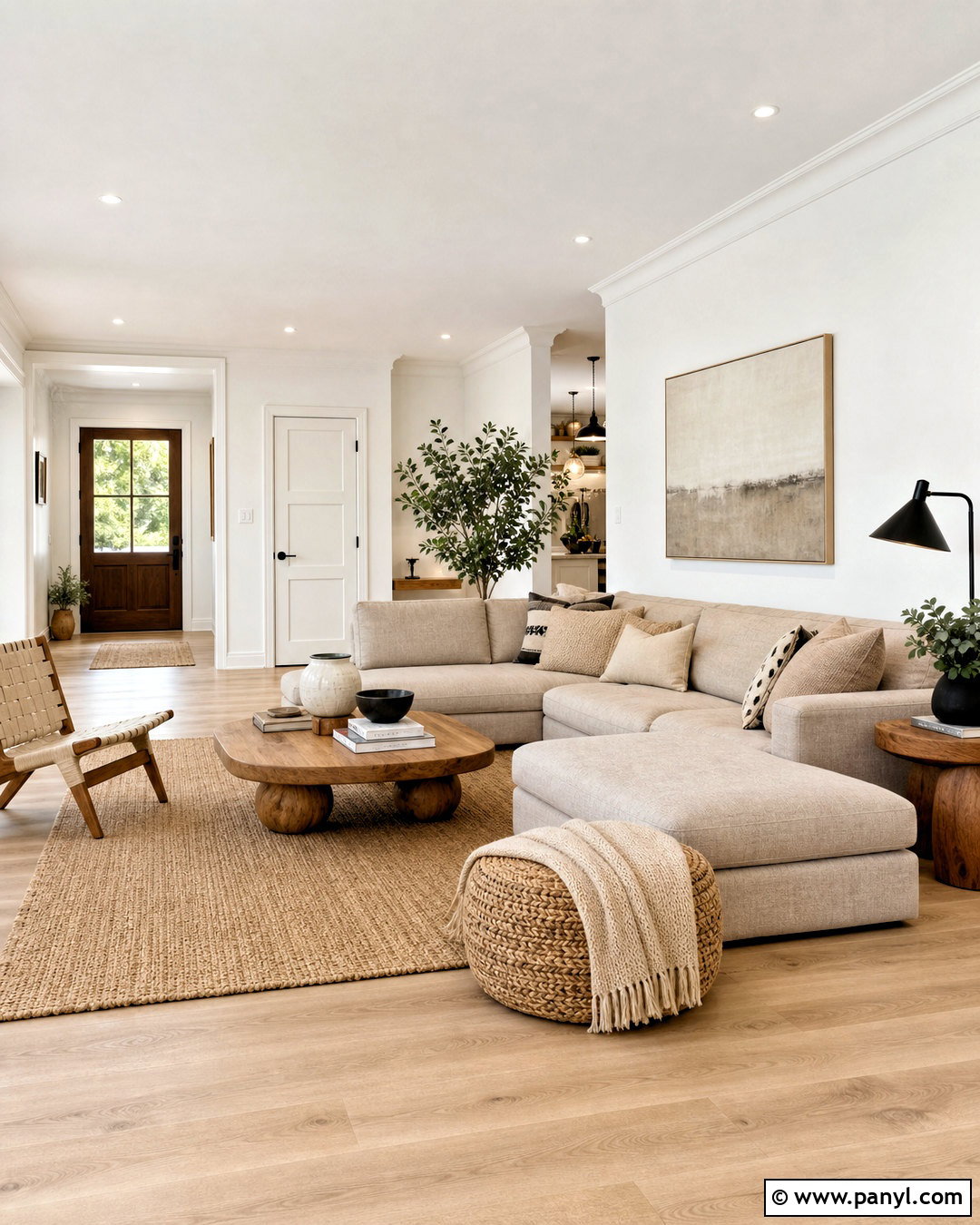
Using one white on both the walls and trim produces a calm, uninterrupted background that feels especially effective in simple contemporary rooms. The finish creates the distinction: apply matte or eggshell paint to the walls and satin paint to baseboards, casings, doors, and molding. Repeating one color also prevents competing undertones from making either surface appear unexpectedly yellow, gray, or pink. Complete the look with light oak flooring, a low-profile beige sectional, sculptural wood furniture, and warm woven textiles. Matte black lamps and a few green plants supply controlled contrast. This approach suits open layouts where several spaces need to connect visually. It also allows artwork, furniture, and natural materials to become the room’s strongest decorative features.
3. White Walls With Cream Trim
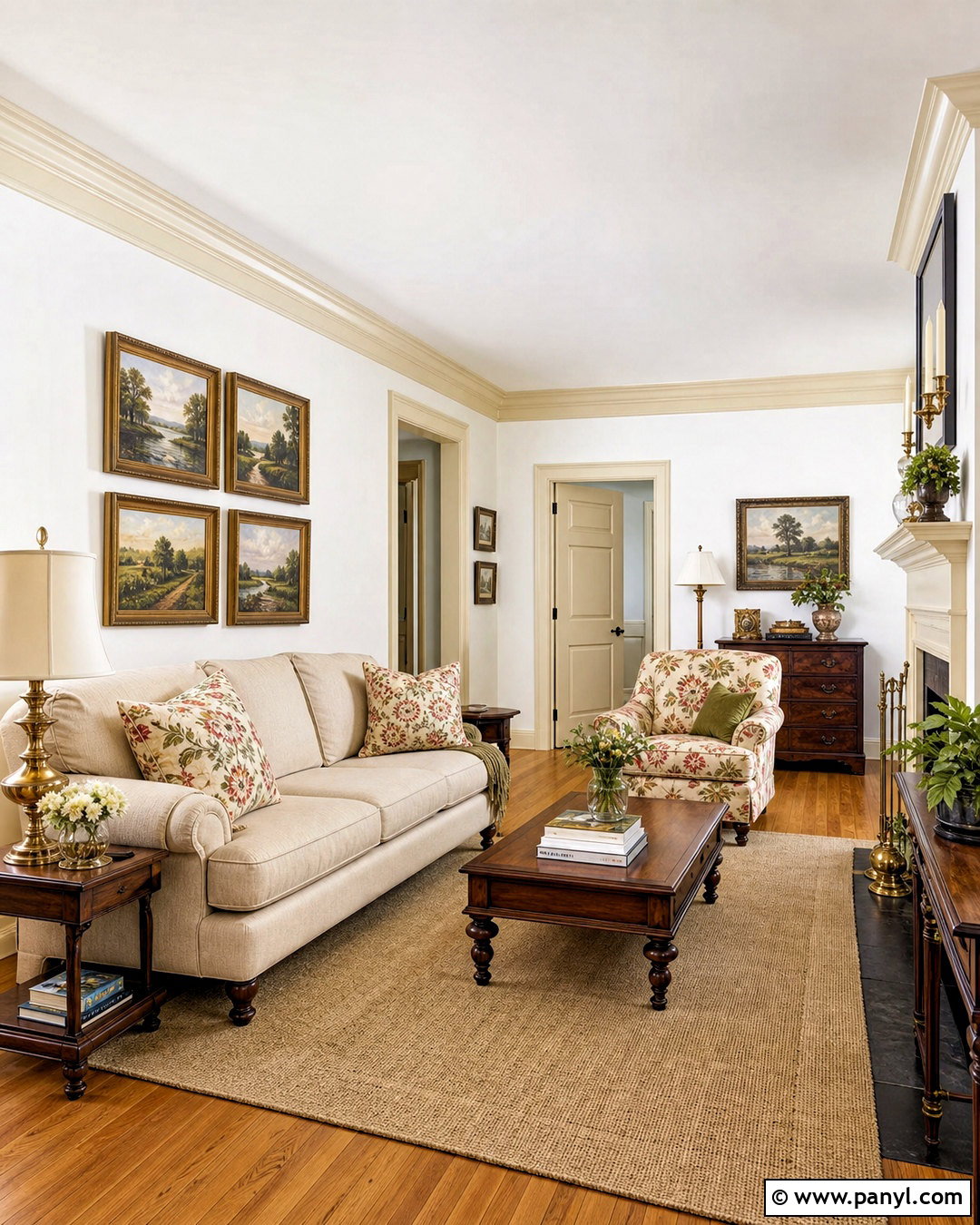
What makes an all-neutral room feel warm instead of plain? Pair balanced white walls with creamy trim that carries a soft yellow or buttery undertone. Use the cream across window casings, doors, baseboards, and crown molding to give the architecture a gently aged appearance. This scheme looks natural in a traditional living room with honey oak floors, an oatmeal sofa, antique brass lighting, and walnut side tables. Add muted floral textiles, framed landscapes, and a beige wool rug for a collected finish. Avoid very cool white walls, which can make cream trim look dingy. A neutral or slightly warm wall white will create a smoother transition. The result feels welcoming and familiar while remaining bright enough for everyday family spaces.
4. White Walls With Greige Trim
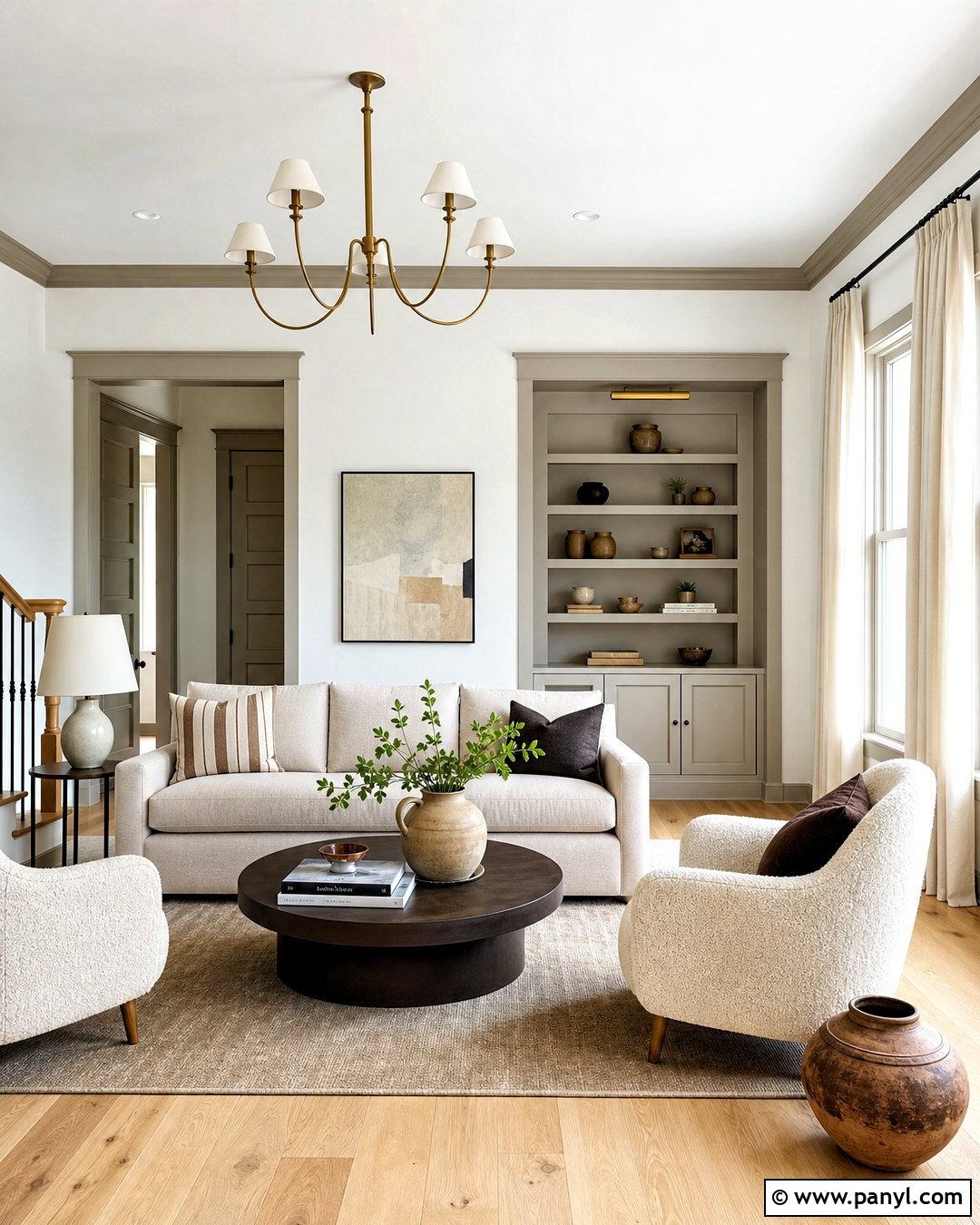
Greige trim gives white walls more definition without creating the sharp outline produced by charcoal or black. Select a warm white for the walls and a medium-light blend of gray and beige for the trim, doors, and built-in cabinetry. Carrying the greige onto every woodwork surface makes the room feel intentional rather than partially updated. In a transitional living room, combine the palette with white oak flooring, a stone-colored sofa, boucle chairs, and a dark bronze coffee table. Natural linen curtains should closely match the wall color so the windows remain visually open. Finish with clay pottery, subtle striped pillows, and warm metal lighting. The layered neutrals provide enough contrast to highlight molding while maintaining a quiet, comfortable atmosphere.
5. White Walls With Taupe Trim
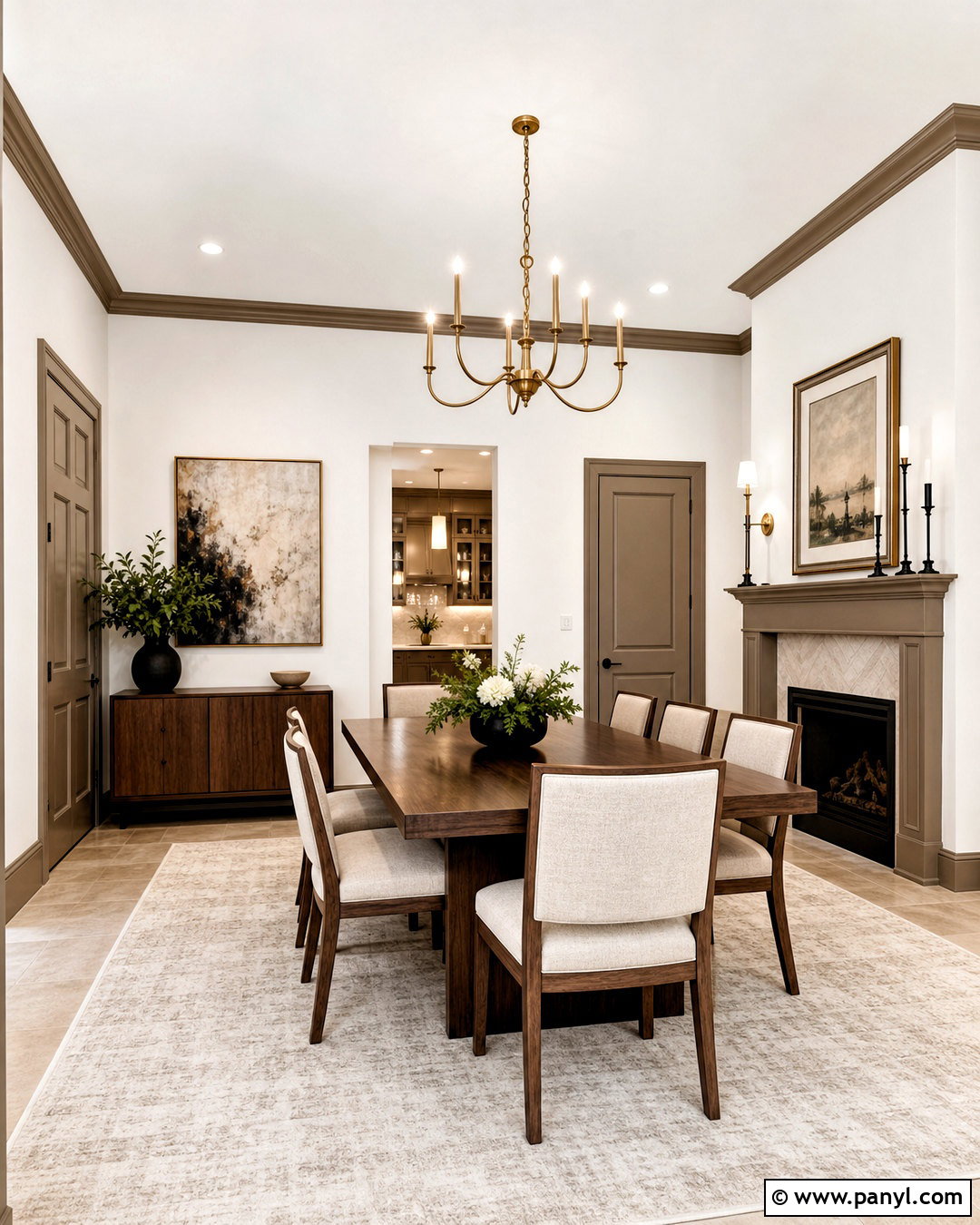
Taupe trim can ground white walls while preserving the softness of a neutral interior. Choose a medium taupe with balanced brown and gray undertones, then apply it to substantial baseboards, door casings, interior doors, and a fireplace mantel. The deeper woodwork looks particularly polished against warm white walls in a dining room or entry. Pair the colors with walnut furniture, warm stone flooring, an ivory rug, and brushed brass lighting. Black accents should be limited to small picture frames or hardware so they do not compete with the taupe. Upholstered chairs in oatmeal or muted camel complete the palette. This combination works best when the room includes several natural brown materials, allowing the trim to connect the walls with the flooring and furniture.
6. White Walls With Light Gray Trim
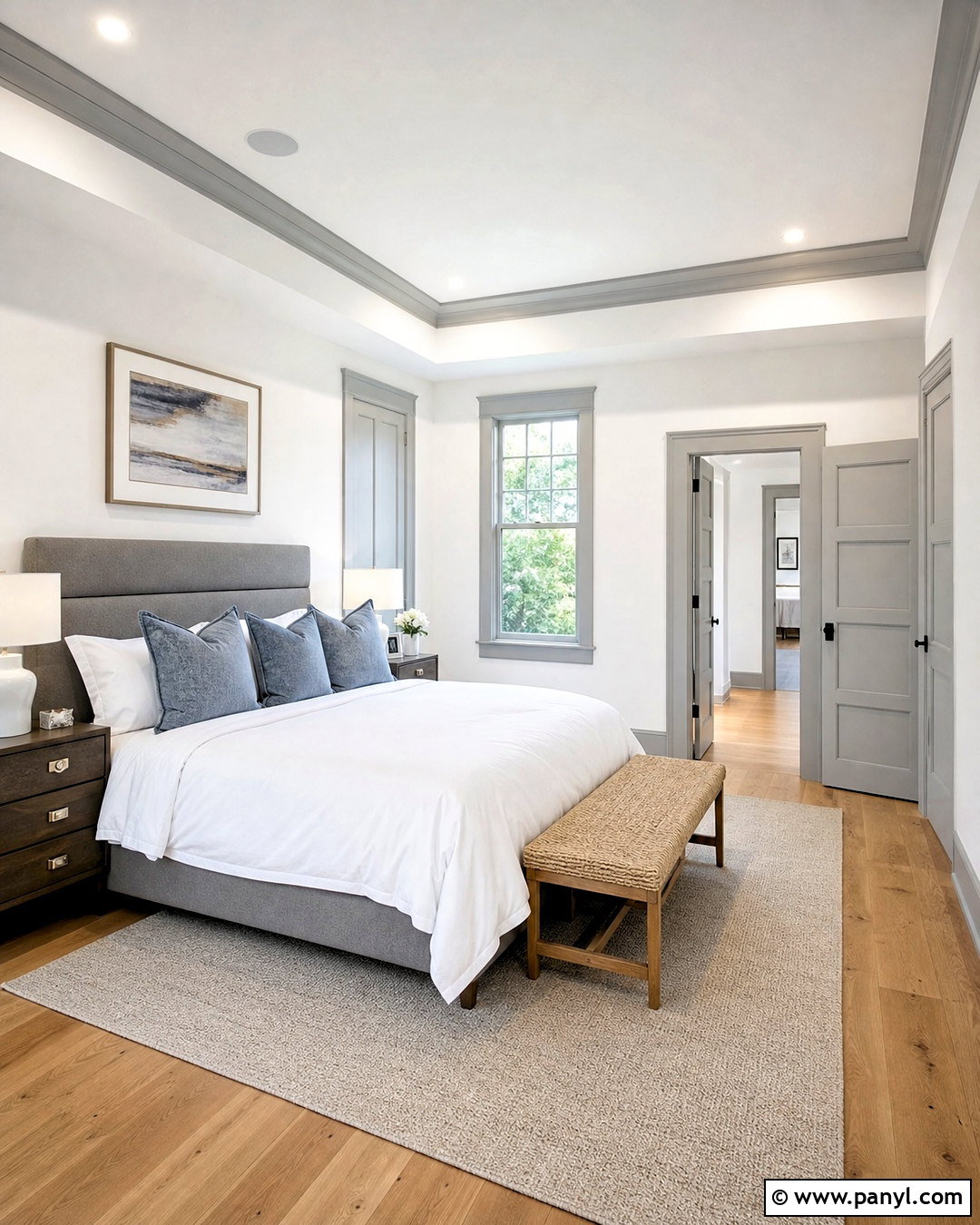
A wash of light gray around doors and windows gives white walls a tailored look without making the room feel noticeably darker. Choose a neutral white and a pale gray with matching cool or balanced undertones. Paint the baseboards, crown molding, doors, and window frames in satin gray for gentle separation from the walls. In a bright bedroom, combine this pairing with pale oak flooring, an upholstered gray bed, white bedding, and dusty blue accent pillows. Brushed nickel lighting and soft silver hardware reinforce the cooler palette. Add natural warmth through a woven bench and a light beige rug. This complete scheme feels fresh and orderly, making it suitable for rooms where you want visible architecture, restful colors, and an airy overall finish.
7. White Walls With Charcoal Trim
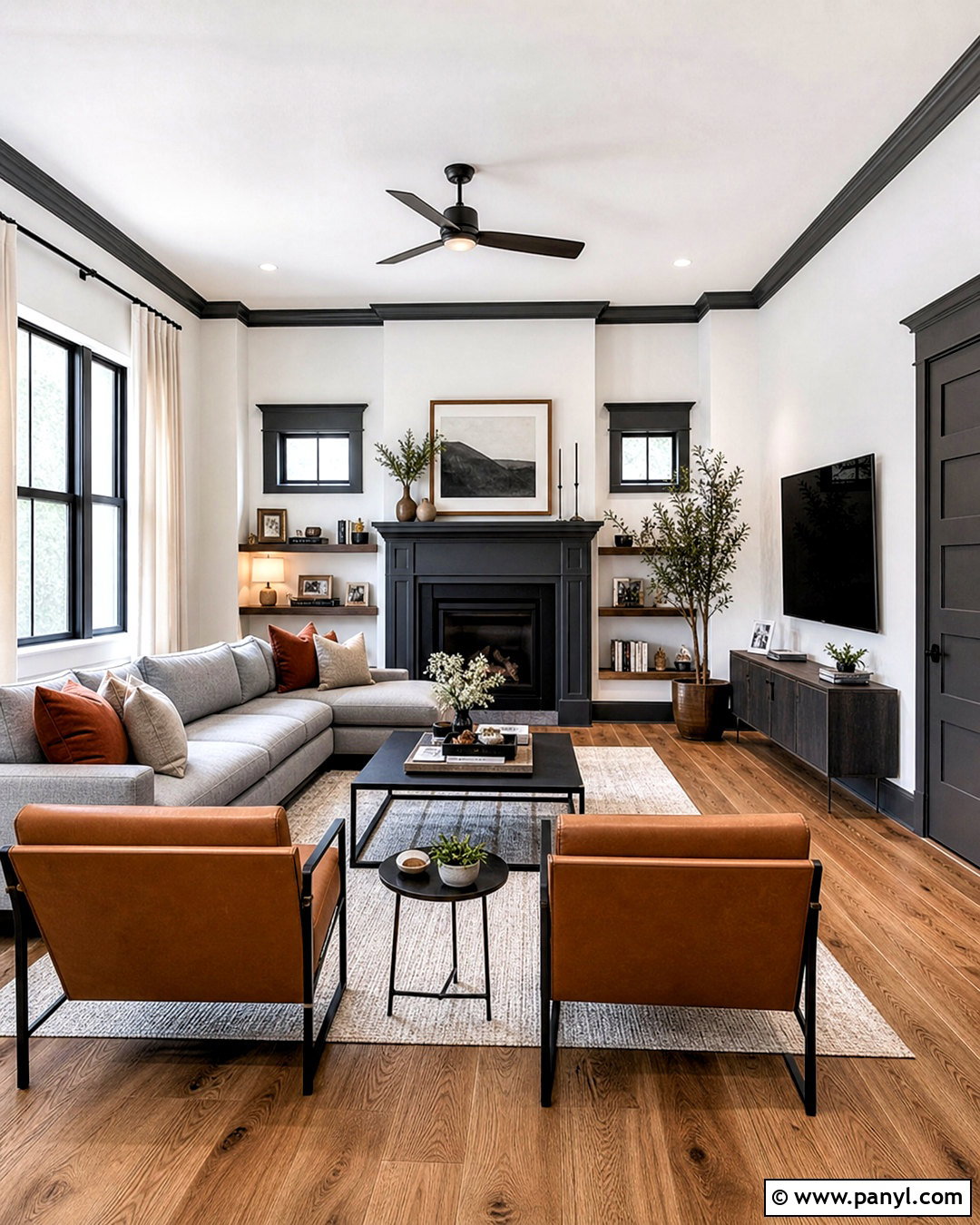
Charcoal trim provides strong architectural contrast while appearing slightly softer than pure black. Keep the walls a clear neutral white, then use deep charcoal on interior doors, window frames, baseboards, and a simple fireplace mantel. Repeating the dark color across several surfaces prevents any single feature from looking disconnected. Create a modern living room with medium oak floors, a light gray sectional, a black metal coffee table, and textured ivory curtains. Rust-colored pillows and warm leather chairs can soften the monochromatic base. Use charcoal selectively on crown molding in low-ceiling rooms because a continuous dark border may reduce the sense of height. With balanced placement, the combination produces a graphic, sophisticated room that still feels comfortable and practical.
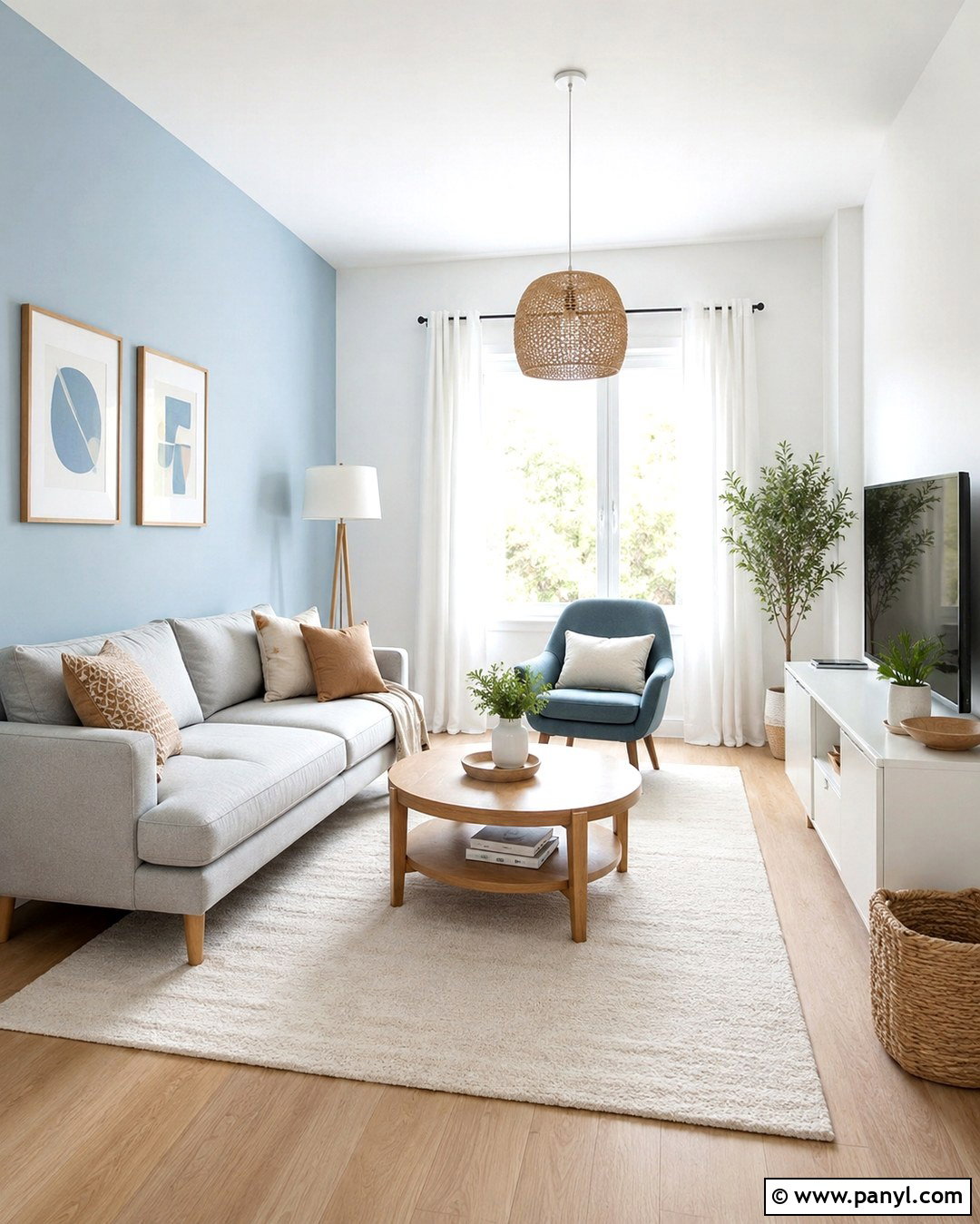
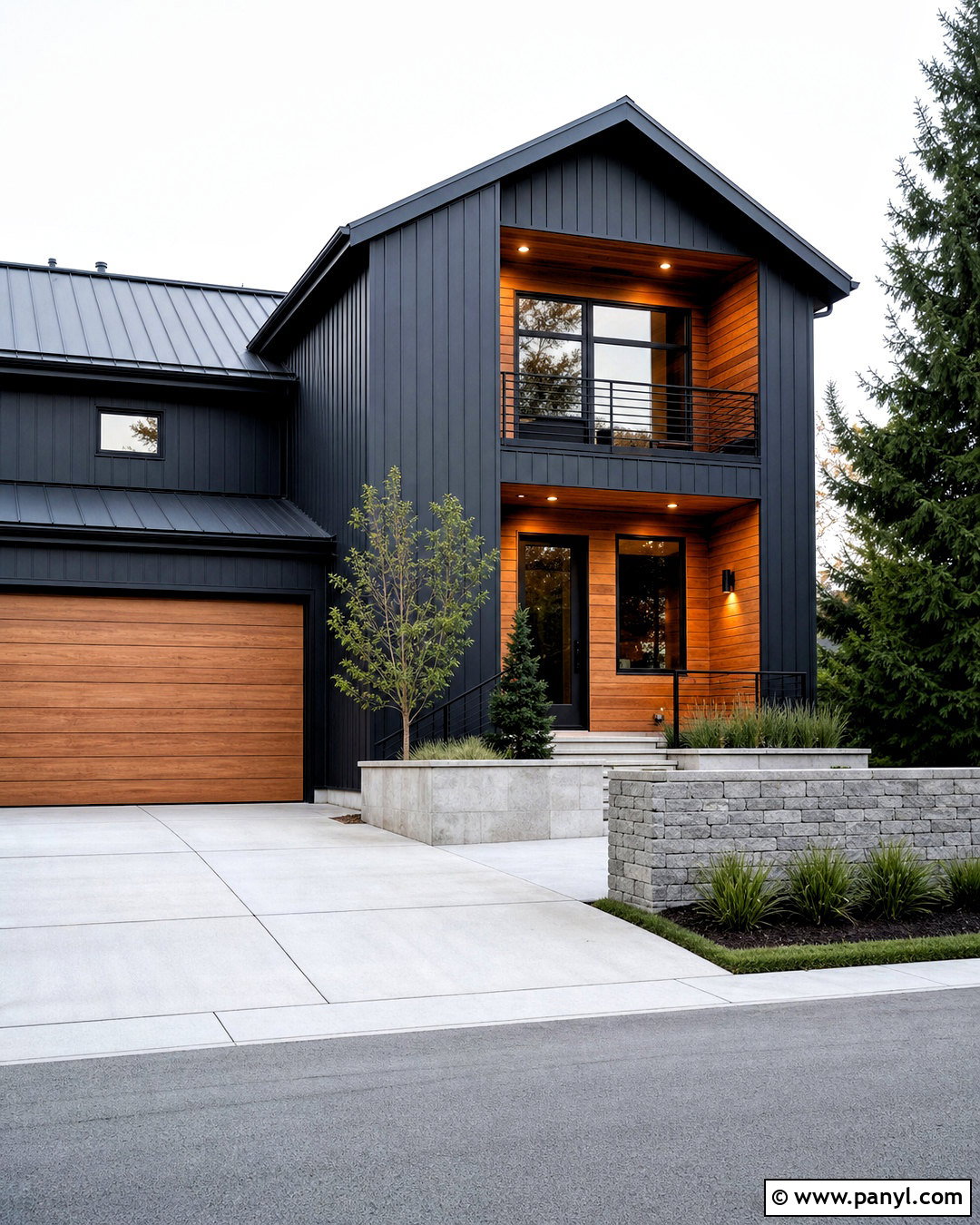
8. White Walls With Black Trim
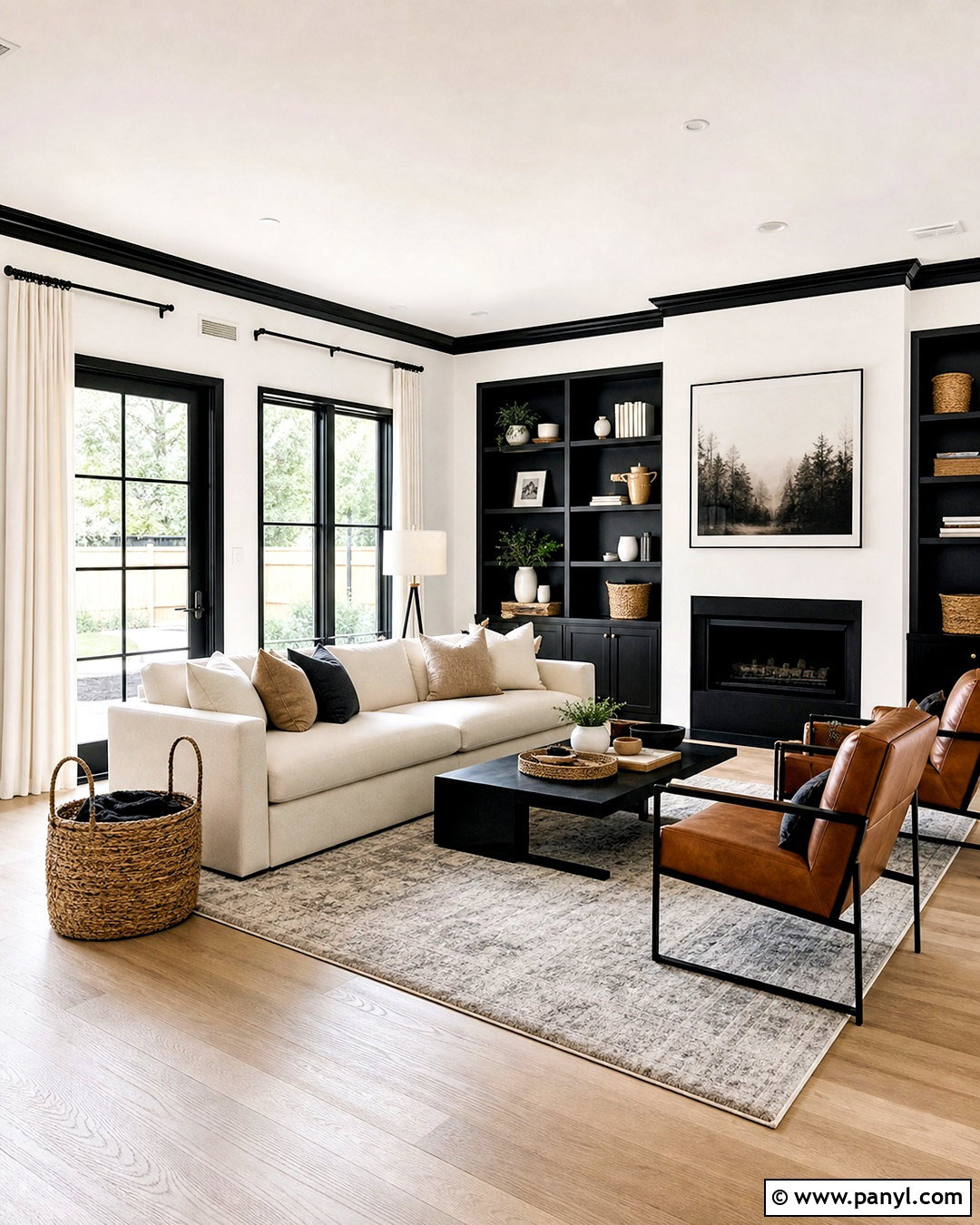
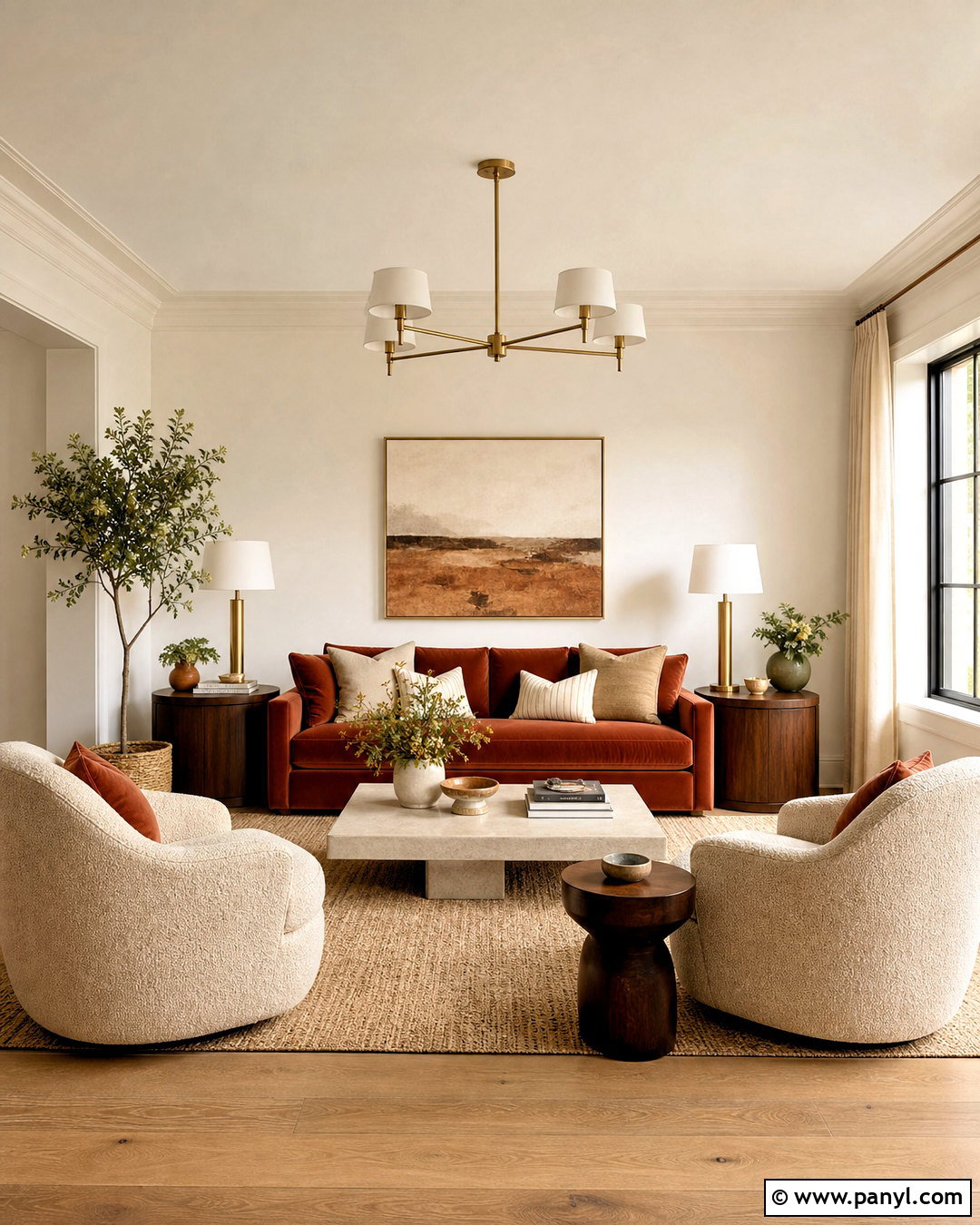
Sunlight makes black trim against white walls appear especially sharp and graphic. Use a clean white with limited undertones on the walls, then apply soft matte black or satin black to window frames, doors, baseboards, and built-in shelving. The high contrast suits a modern room with pale wood flooring, a streamlined cream sofa, and a large neutral rug. Repeat black through lighting, curtain rods, table legs, and thin picture frames to distribute the color evenly. Warm the scheme with cognac leather, woven baskets, and medium-toned wood furniture. If the room has ornate molding, consider painting only doors and window casings black while leaving detailed crown molding white. This keeps the finished design bold without allowing the dark trim to overwhelm the architecture.
9. White Walls With Navy Blue Trim
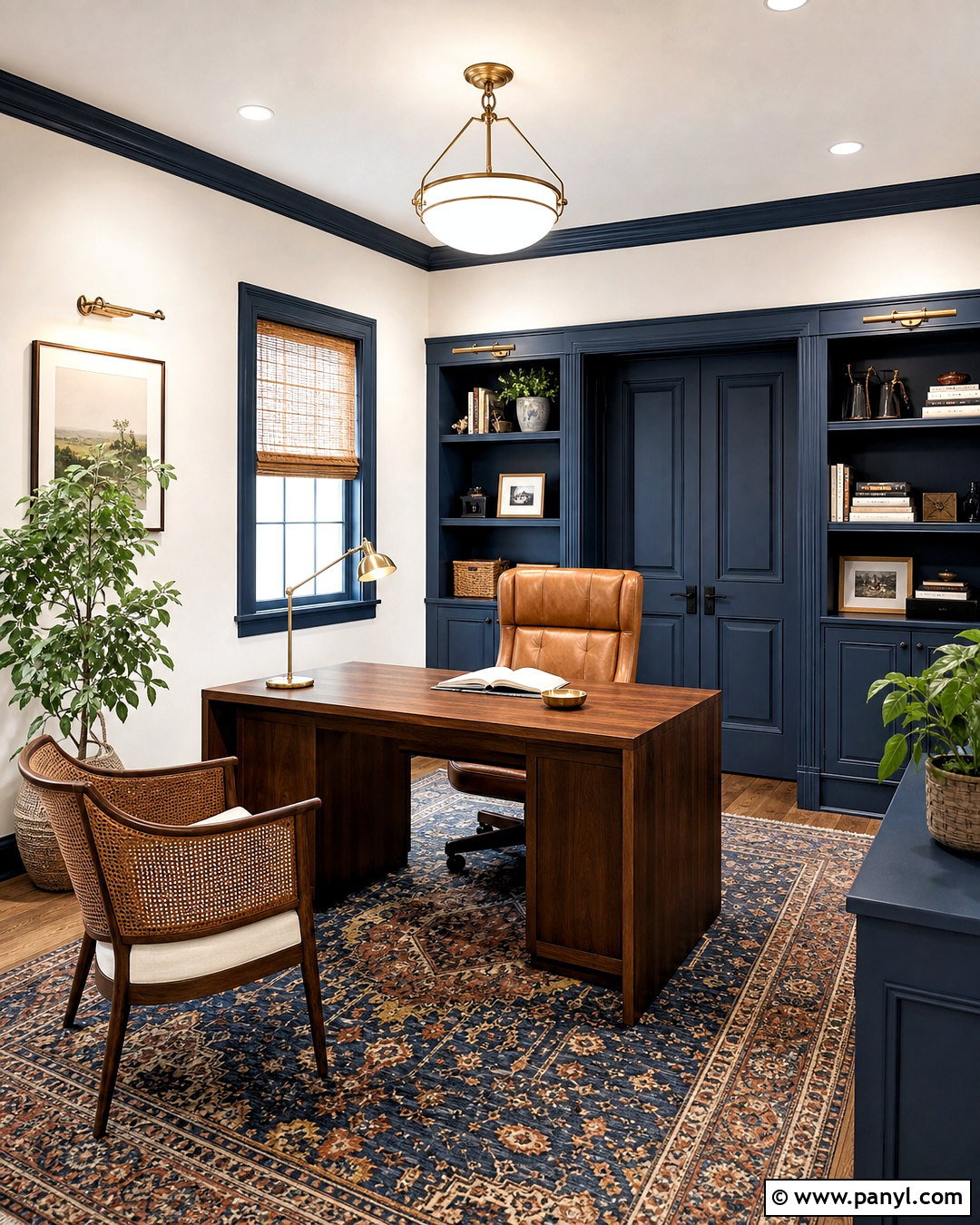
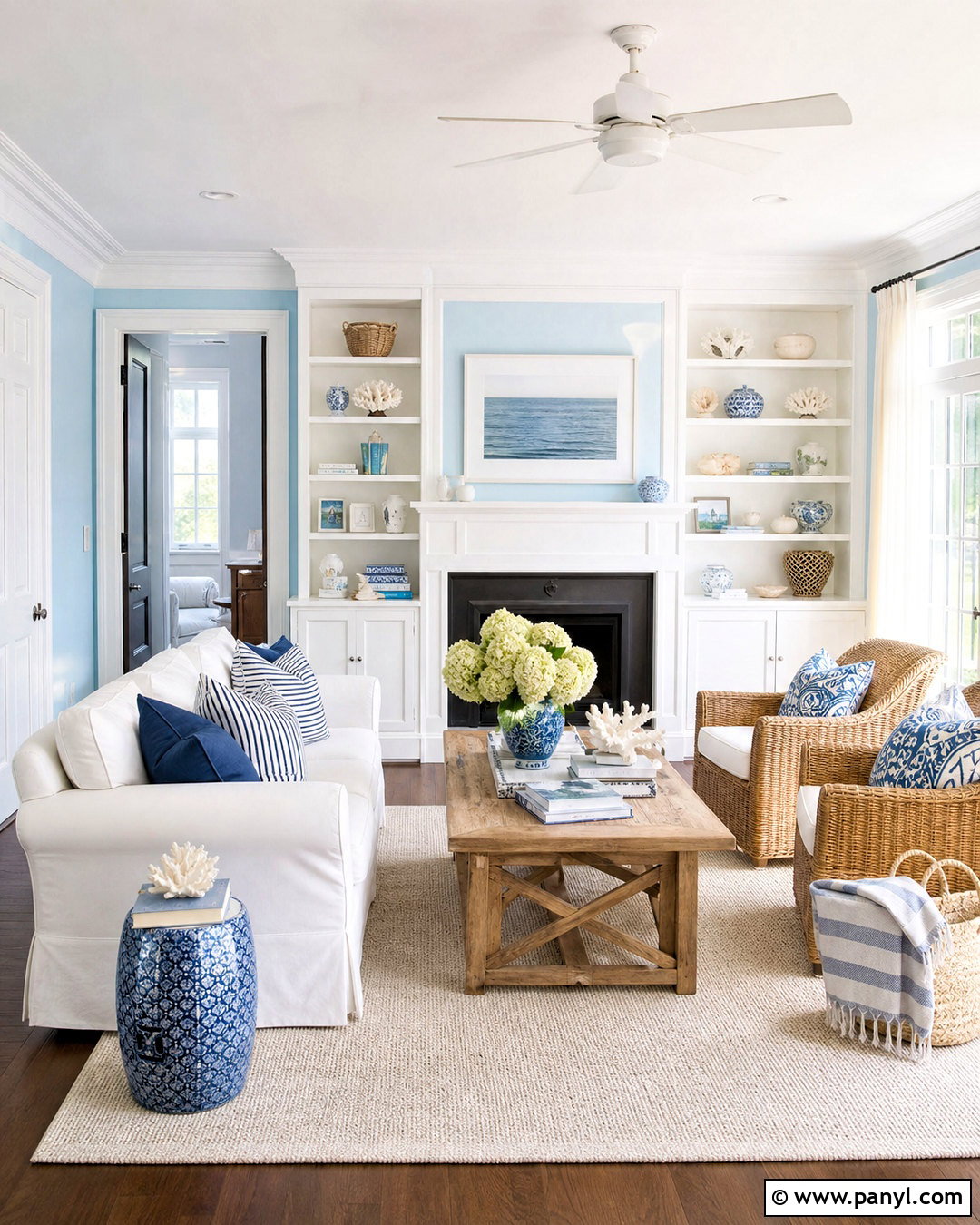
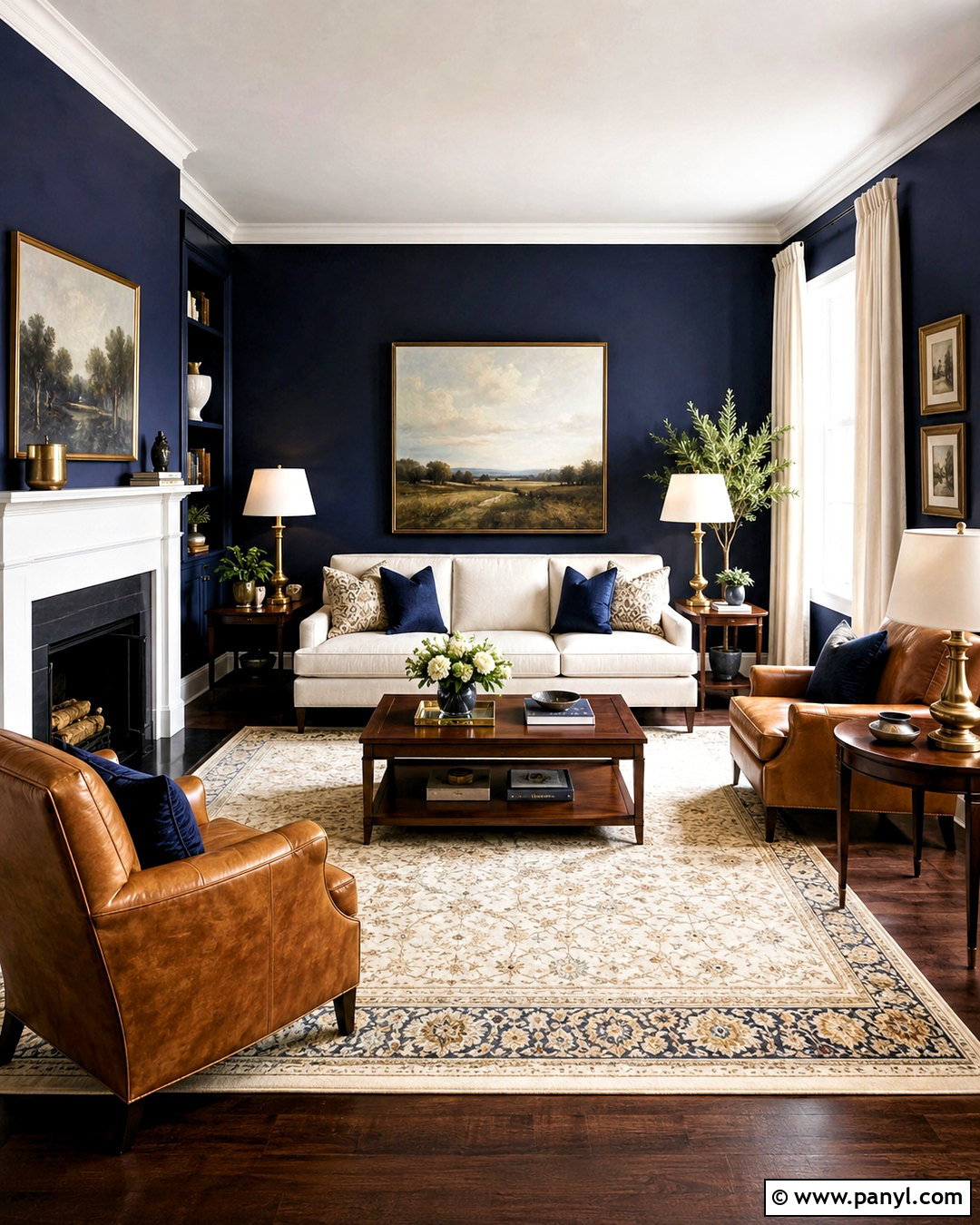
Deep navy trim brings color to white walls while retaining the polished character of a classic neutral. A warm or balanced white works well with a slightly muted navy that does not read as electric blue. Paint window casings, baseboards, interior doors, and built-in bookcases in the same satin navy for continuity. Complete a home office with a walnut desk, a camel leather chair, a vintage-inspired rug, and aged brass lighting. Natural woven shades add texture while keeping the windows casual. Introduce smaller navy details through books, patterned pillows, or storage boxes, but avoid filling every surface with blue. The finished room should balance rich trim with plenty of pale space, warm wood, and understated textiles for a comfortable, professional atmosphere.
10. White Walls With Slate Blue Trim
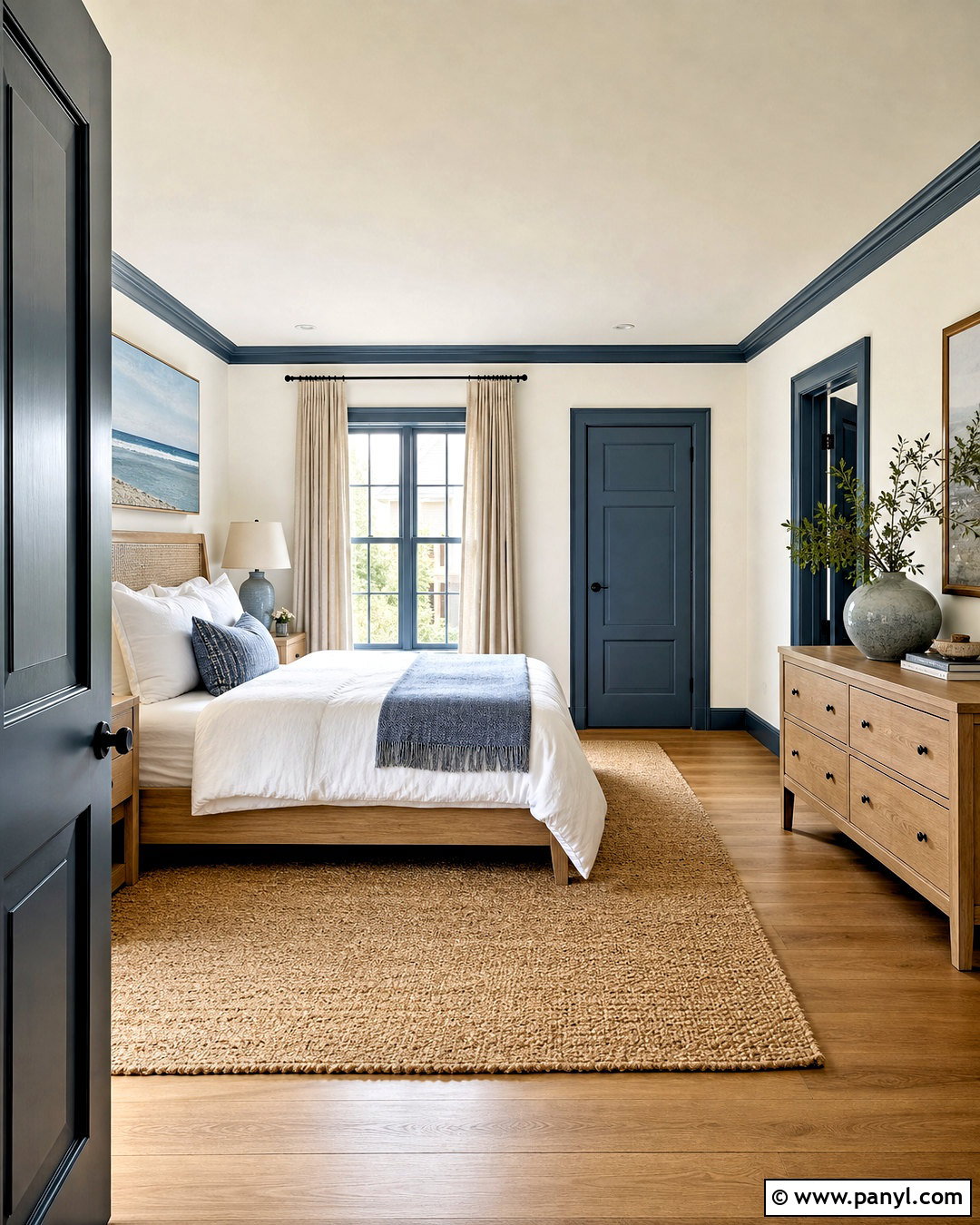
Slate blue trim creates a quieter contrast than navy and introduces a soft gray-blue note around white walls. Choose a muted blue with enough gray to feel grounded, then use it on doors, windows, baseboards, and simple wall paneling. In a coastal-inspired bedroom, pair the scheme with light oak furniture, crisp white bedding, a woven jute rug, and flax-colored curtains. Add faded blue pillows and ceramic lamps without relying on obvious nautical decorations. A warm neutral white prevents the room from feeling cold, while brushed nickel or antique pewter hardware supports the subdued trim color. This combination is particularly useful in spaces with moderate natural light because the blue remains visible but does not create the heaviness of a much darker accent.
11. White Walls With Dusty Blue Trim
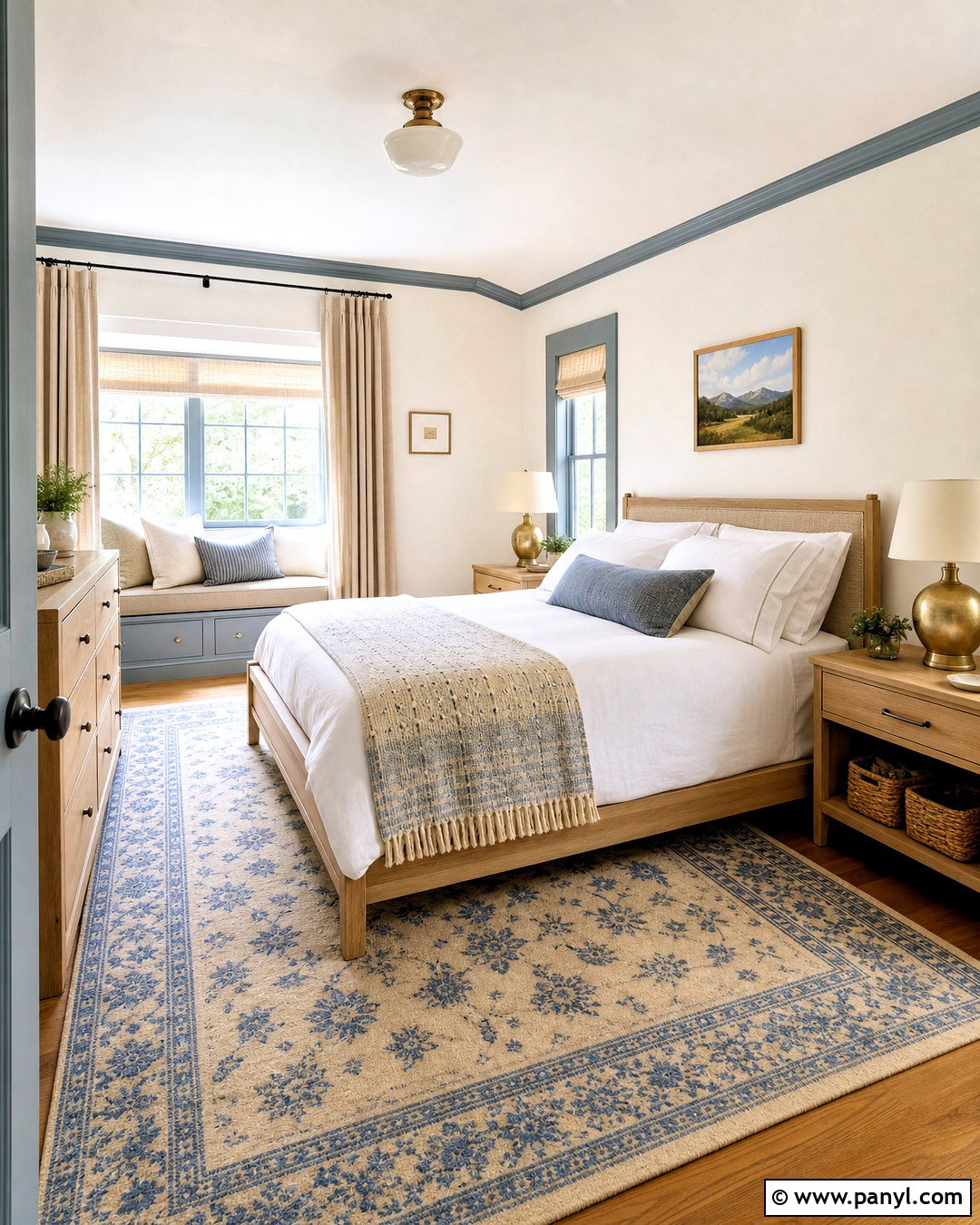
Dusty blue trim gives white walls a relaxed, approachable personality that works beautifully in bedrooms, nurseries, and casual sitting rooms. Select a gently muted blue with soft gray undertones rather than a bright pastel. Apply it consistently to baseboards, window casings, doors, and a built-in window seat. Complete the room with pale wood furniture, warm white upholstery, natural linen curtains, and a cream-and-blue patterned rug. Small accents in brushed brass add warmth, while woven baskets and light brown leather prevent the palette from appearing overly sweet. Keep the ceiling white to maintain an open feeling. The trim provides enough color to make architectural features visible, yet the overall room remains light, soothing, and easy to update with different textiles over time.
12. White Walls With Sage Green Trim
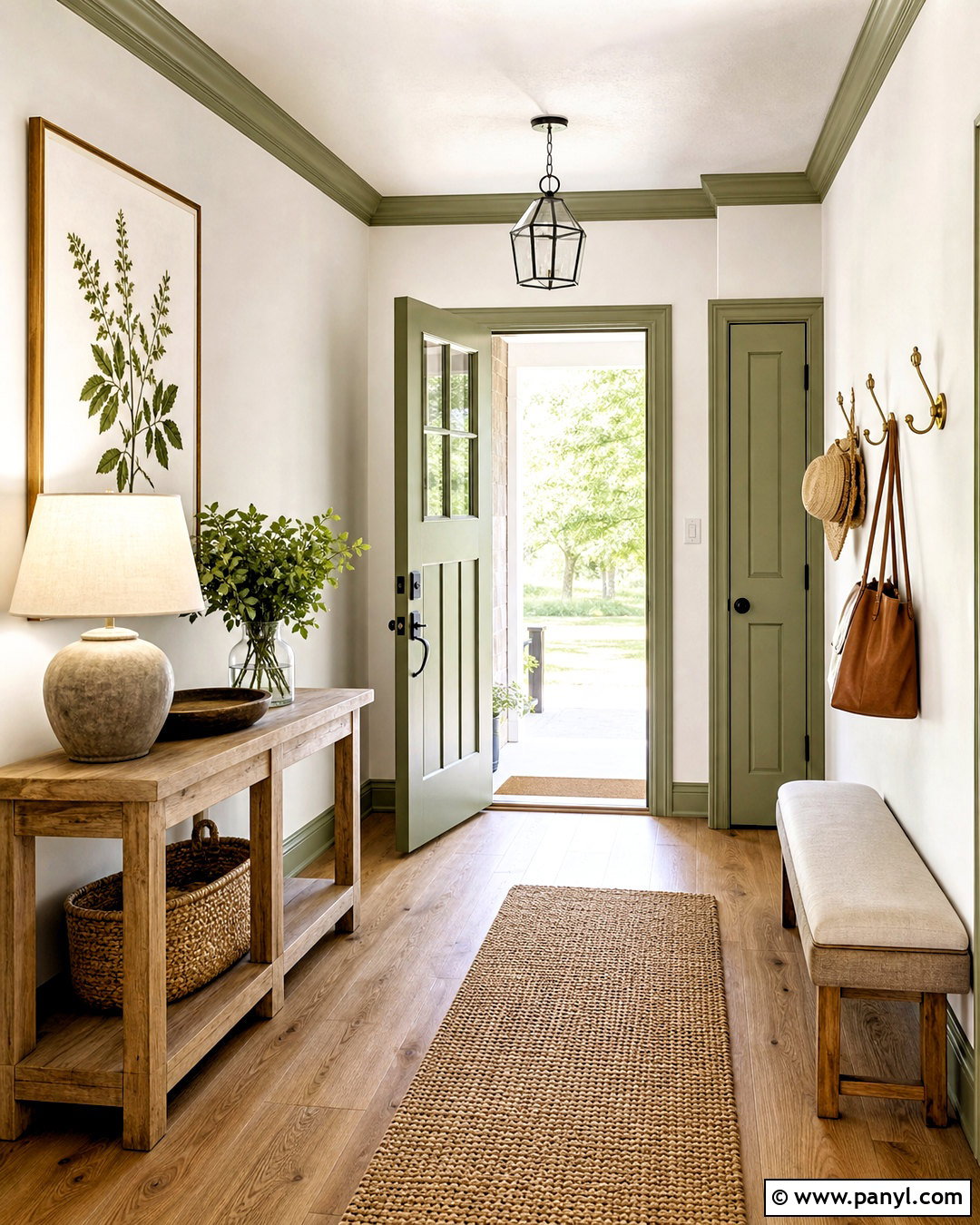
Sage green trim connects clean white walls with natural wood, woven textures, and garden-inspired colors. Use a warm white on the walls and a muted gray-green on the baseboards, doors, window casings, and built-in storage. In a welcoming entryway, combine this pairing with oak flooring, a simple wood console, a woven runner, and aged brass hooks. Add a linen bench cushion, ceramic table lamp, and restrained botanical artwork. The sage should be soft enough to function like a neutral but distinct enough to outline the architecture. Continue the green onto the interior side of the front door for a complete design. This palette creates a calm transition between outdoors and indoors without depending on bright, highly saturated color.
13. White Walls With Olive Green Trim
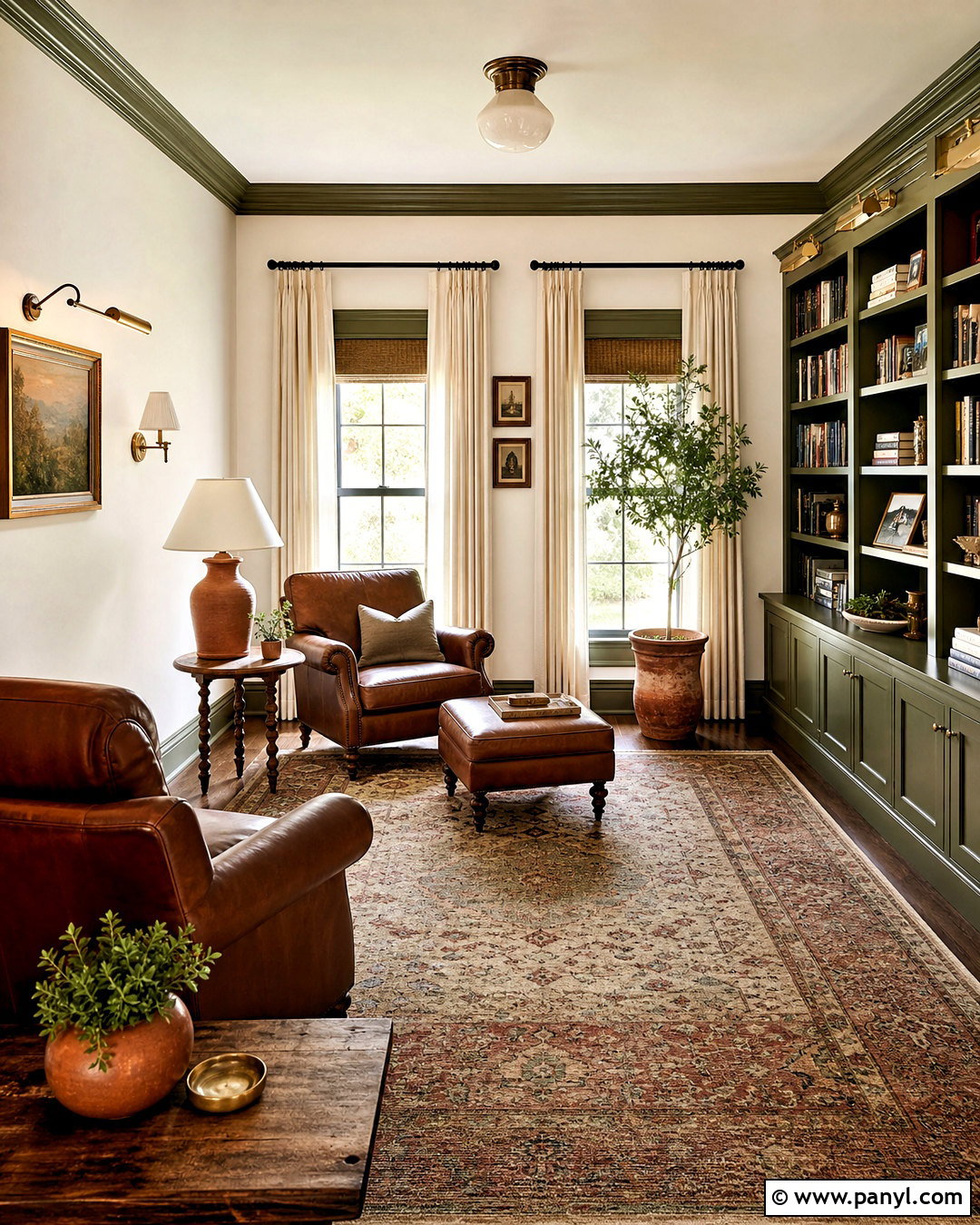
For a richer earth-toned interior, surround white walls with deep olive green trim. Choose a creamy white that complements the yellow and brown undertones commonly found in olive. Apply the green to substantial baseboards, paneled doors, window casings, and a built-in bookcase. A reading room feels complete with cognac leather seating, walnut tables, a vintage-patterned rug, and antique brass sconces. Linen curtains in warm ivory soften the windows without hiding the colored casings. Introduce terracotta pottery and a few leafy plants to reinforce the natural palette. Olive creates more visual weight than sage, so balance it with generous white wall space and a light ceiling. The result feels established, cozy, and suitable for both traditional and modern furnishings.
14. White Walls With Forest Green Trim
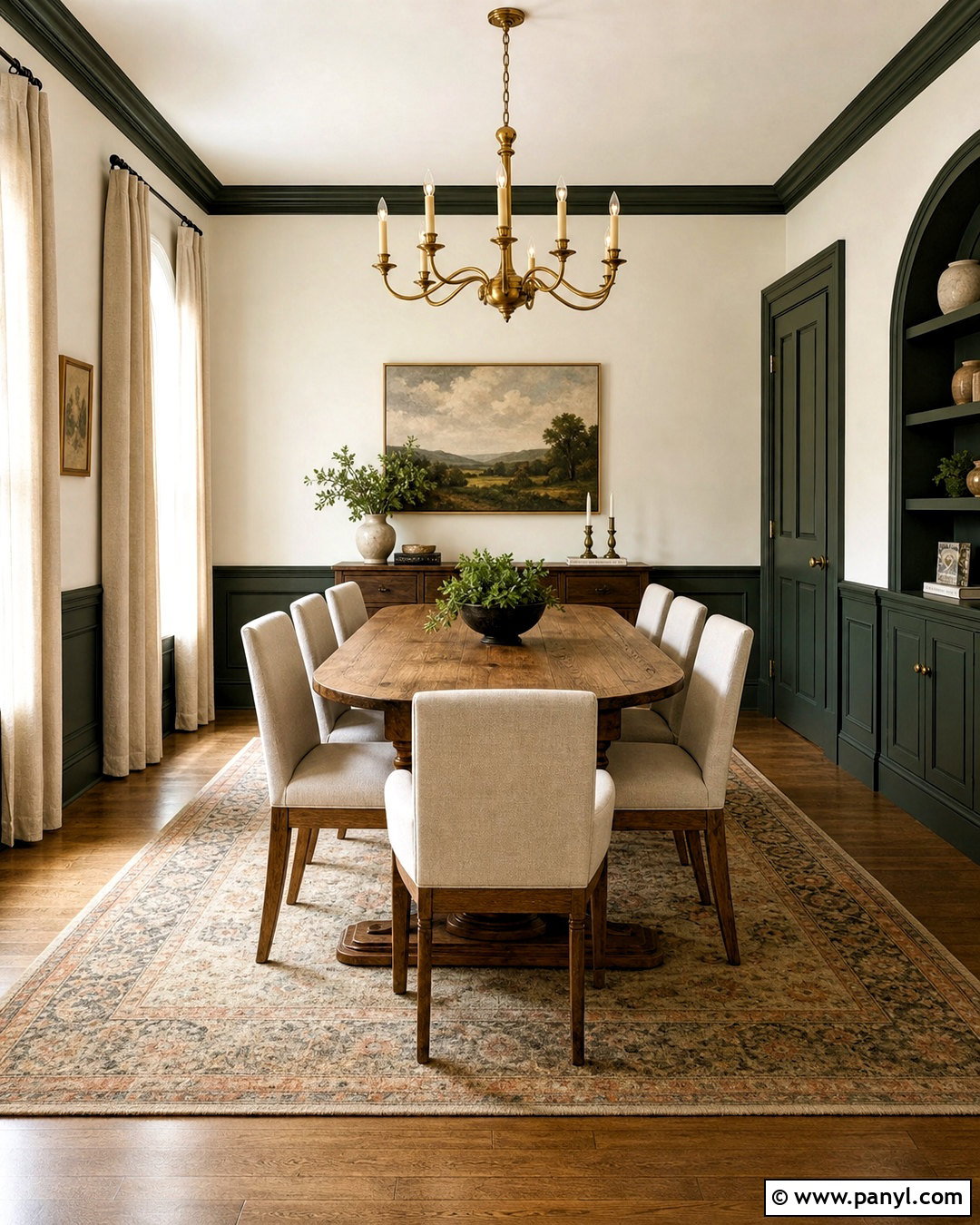
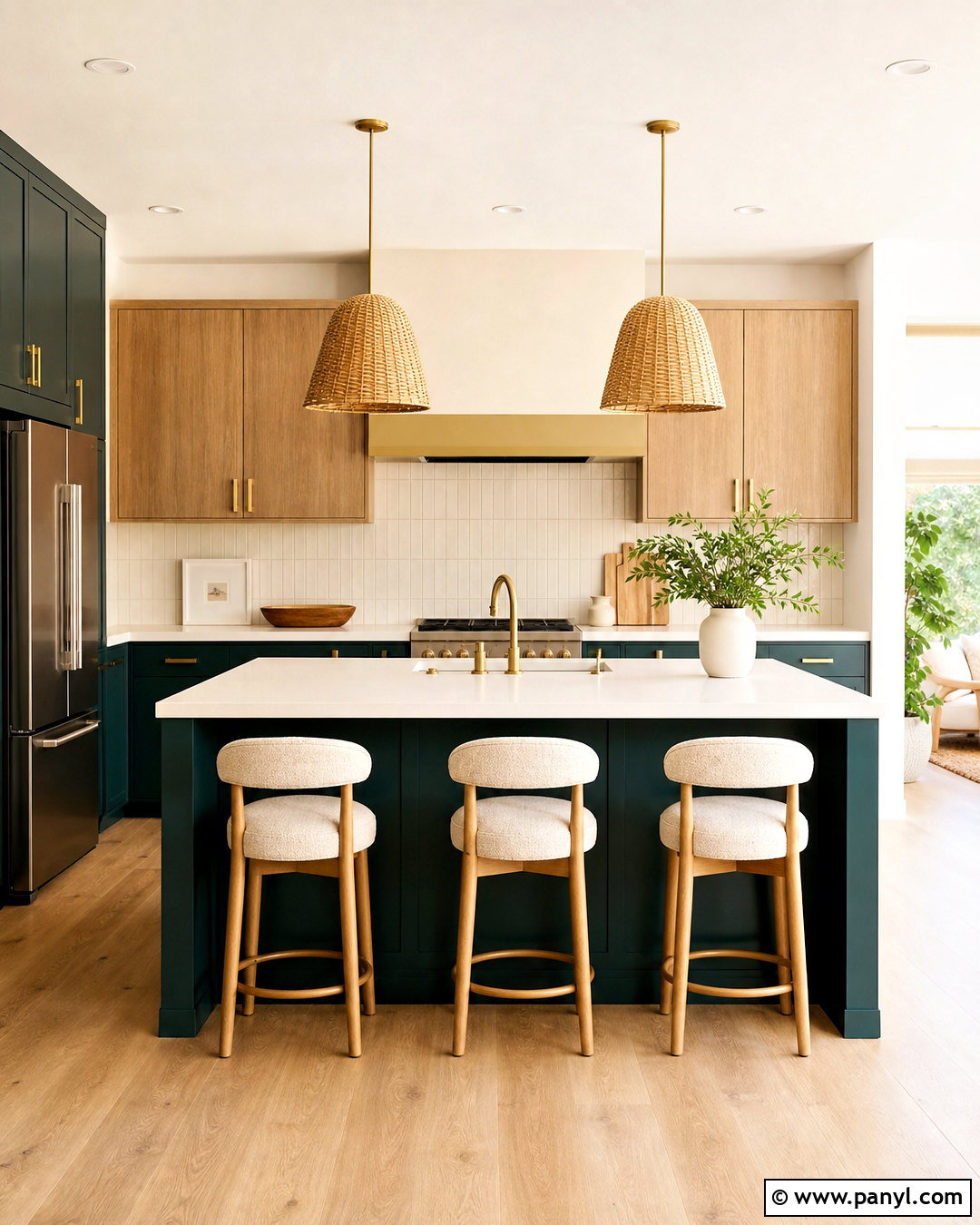
Forest green trim can transform plain white walls into a dramatic but livable interior. Keep the walls warm white, and paint the doors, baseboards, window frames, and built-in cabinetry a deep natural green. A dining room is an excellent setting because the strong woodwork creates an intimate frame around the gathering area. Add a solid oak table, cream upholstered chairs, a warm patterned rug, and aged brass lighting. Natural linen curtains and simple landscape artwork prevent the room from feeling formal or heavy. Repeat forest green sparingly in table linens or ceramics rather than matching every accessory. The combination works best in rooms with useful natural or layered artificial light, which reveals the green undertones and keeps the trim from looking nearly black.
15. White Walls With Terracotta Trim
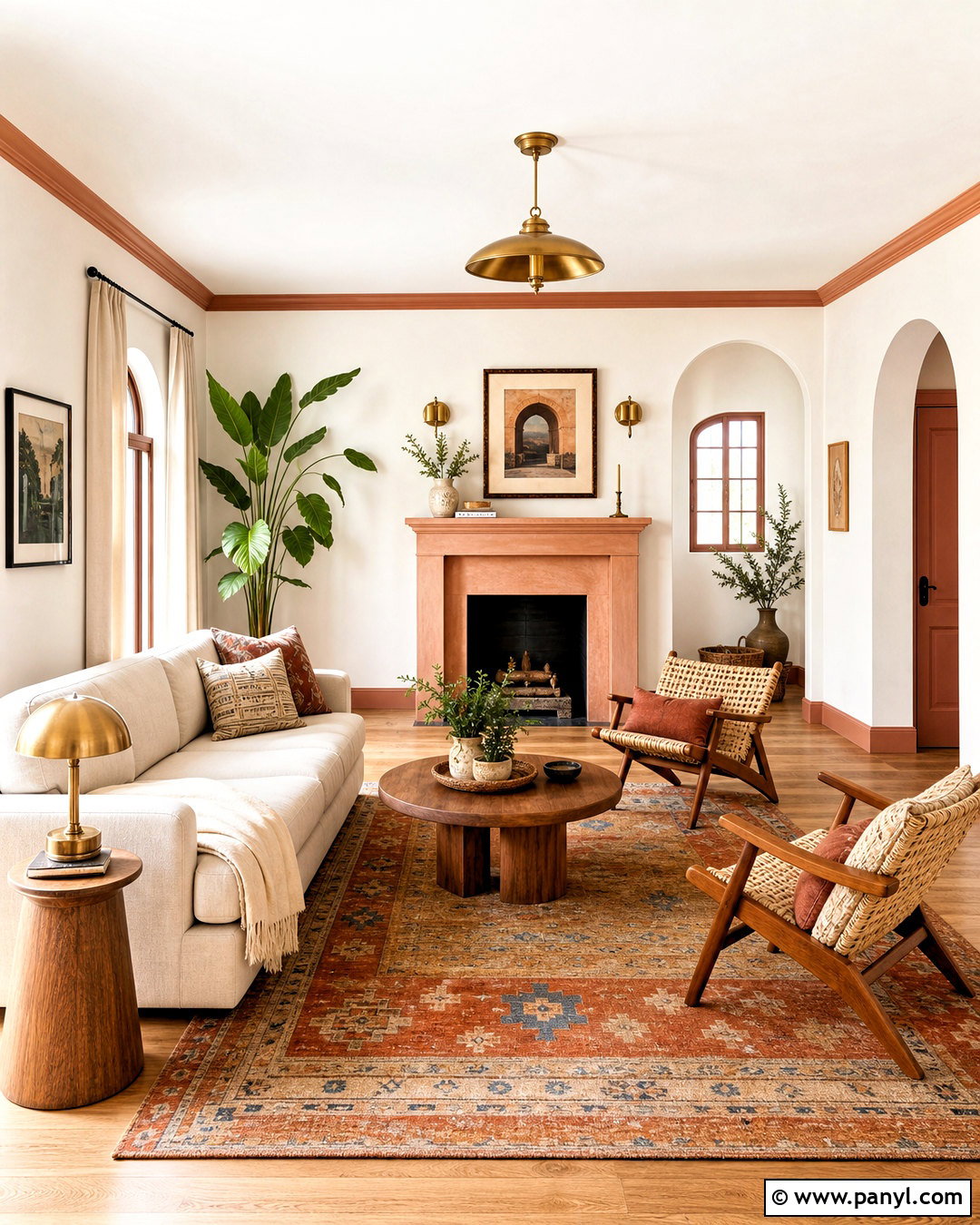
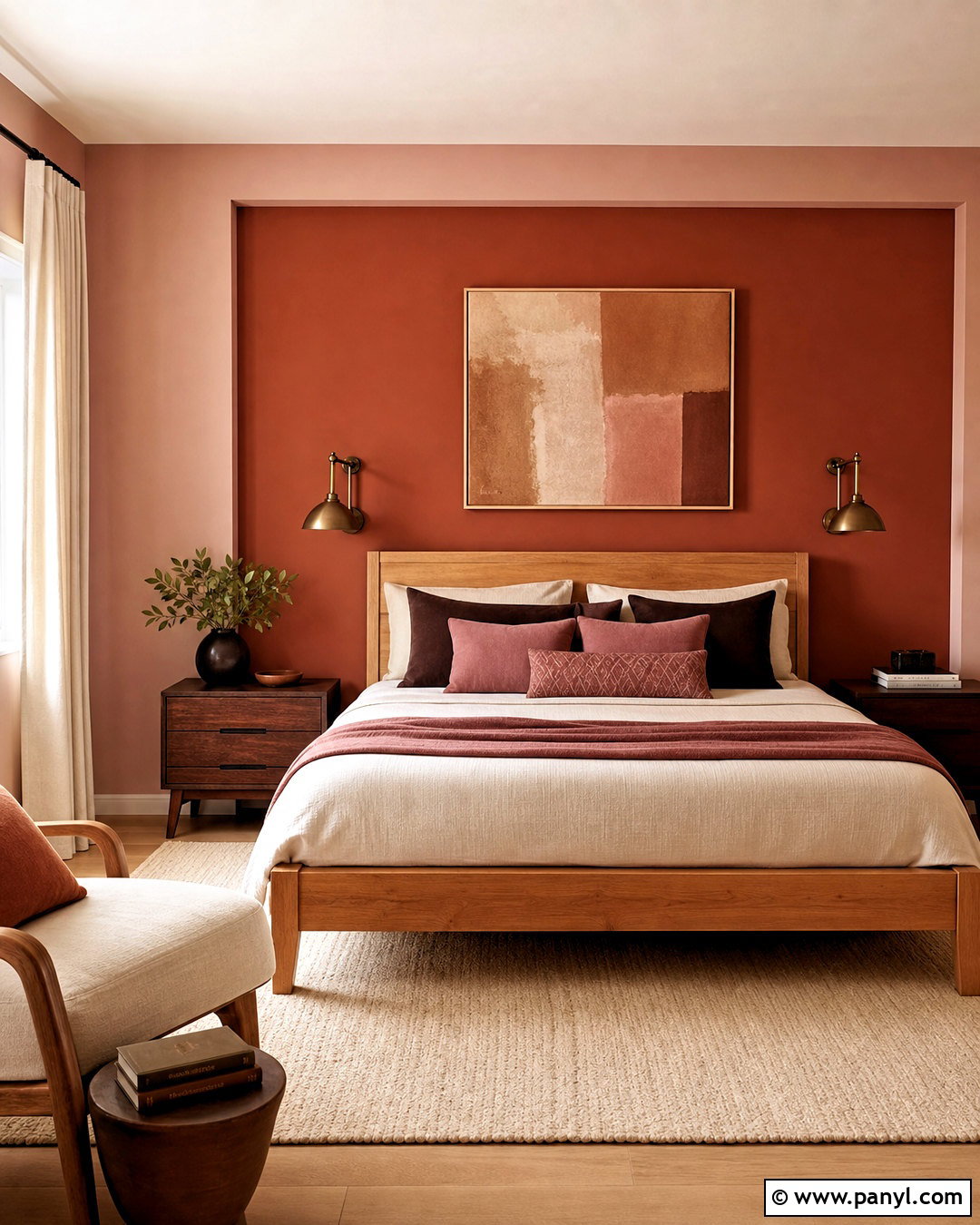
Terracotta trim introduces sunbaked warmth around white walls and makes an ordinary room feel personal without covering every surface in strong color. Use creamy white walls with muted clay-colored doors, window casings, baseboards, and a painted fireplace mantel. Build a welcoming living room with medium oak flooring, an ivory sofa, woven lounge chairs, and a flat-weave rug containing rust, beige, and faded blue. Brushed brass lighting supports the warmth, while soft green plants provide a cooling contrast. Keep window treatments natural and understated so the terracotta frames remain visible. Choose an earthy, subdued paint rather than a bright orange. This creates a grounded Mediterranean or Southwestern influence that can still feel natural in an average contemporary home.
16. White Walls With Burgundy Trim
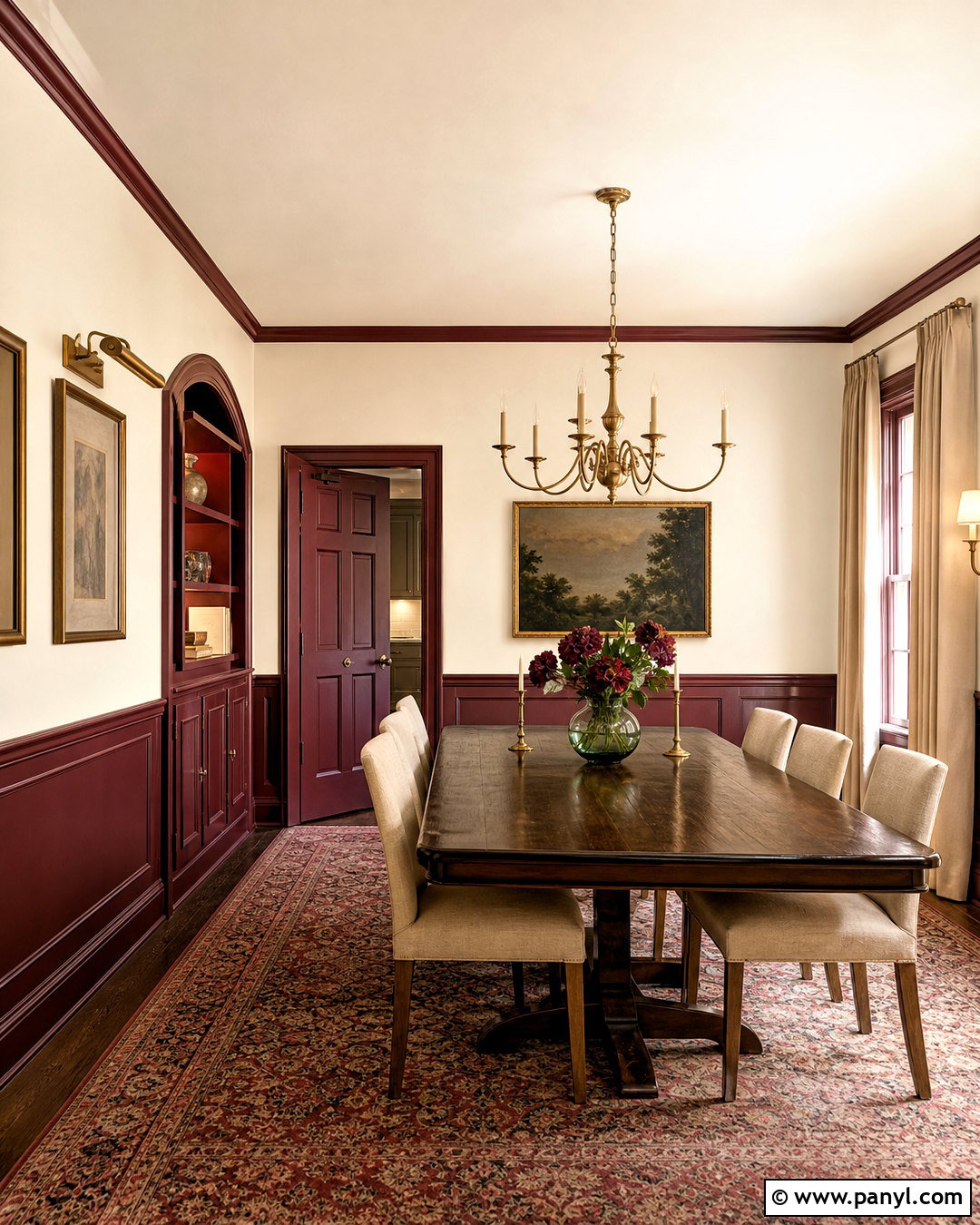
Burgundy trim delivers a sophisticated dose of color while allowing white walls to keep the room bright. Choose a deep muted red with brown or plum undertones, and pair it with a warm off-white rather than a stark blue-white. Use burgundy on baseboards, window casings, paneled doors, and a dining room built-in. Complete the space with a dark wood table, oatmeal upholstered chairs, an antique-style rug, and warm brass lighting. Soft beige curtains and understated artwork balance the saturated woodwork. Burgundy looks strongest when repeated in only a few small decorative details, such as a ceramic bowl or patterned textile. The finished room feels traditional and intimate, but the expansive white walls stop the rich trim from appearing overly formal or dated.
17. White Walls With Chocolate Brown Trim
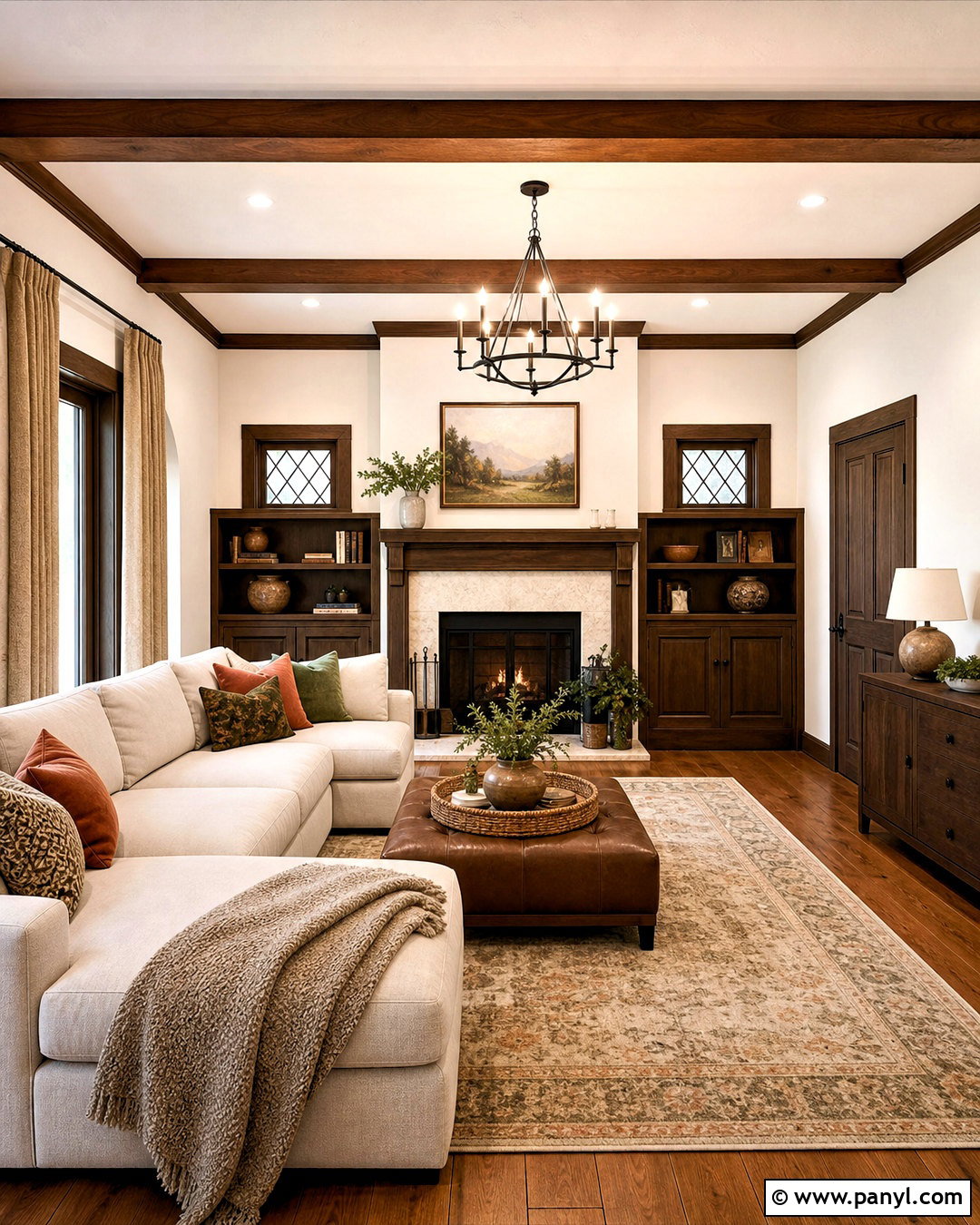
Chocolate brown trim offers the appearance of dark stained wood while delivering the consistent finish of paint. Pair a warm white wall color with a rich brown containing neutral or slightly reddish undertones. Cover interior doors, baseboards, window casings, beams, and a fireplace mantel to create a continuous architectural frame. In a comfortable family room, add a cream sectional, medium oak flooring, a tan leather ottoman, and textured beige curtains. Black metal lighting can add definition, but warm brass will produce a softer traditional look. Use rust, olive, and muted blue accents through pillows and artwork. The substantial brown trim anchors the pale room and coordinates especially well with homes that already contain dark wood furniture or cabinetry.
18. White Walls With Natural Wood Trim
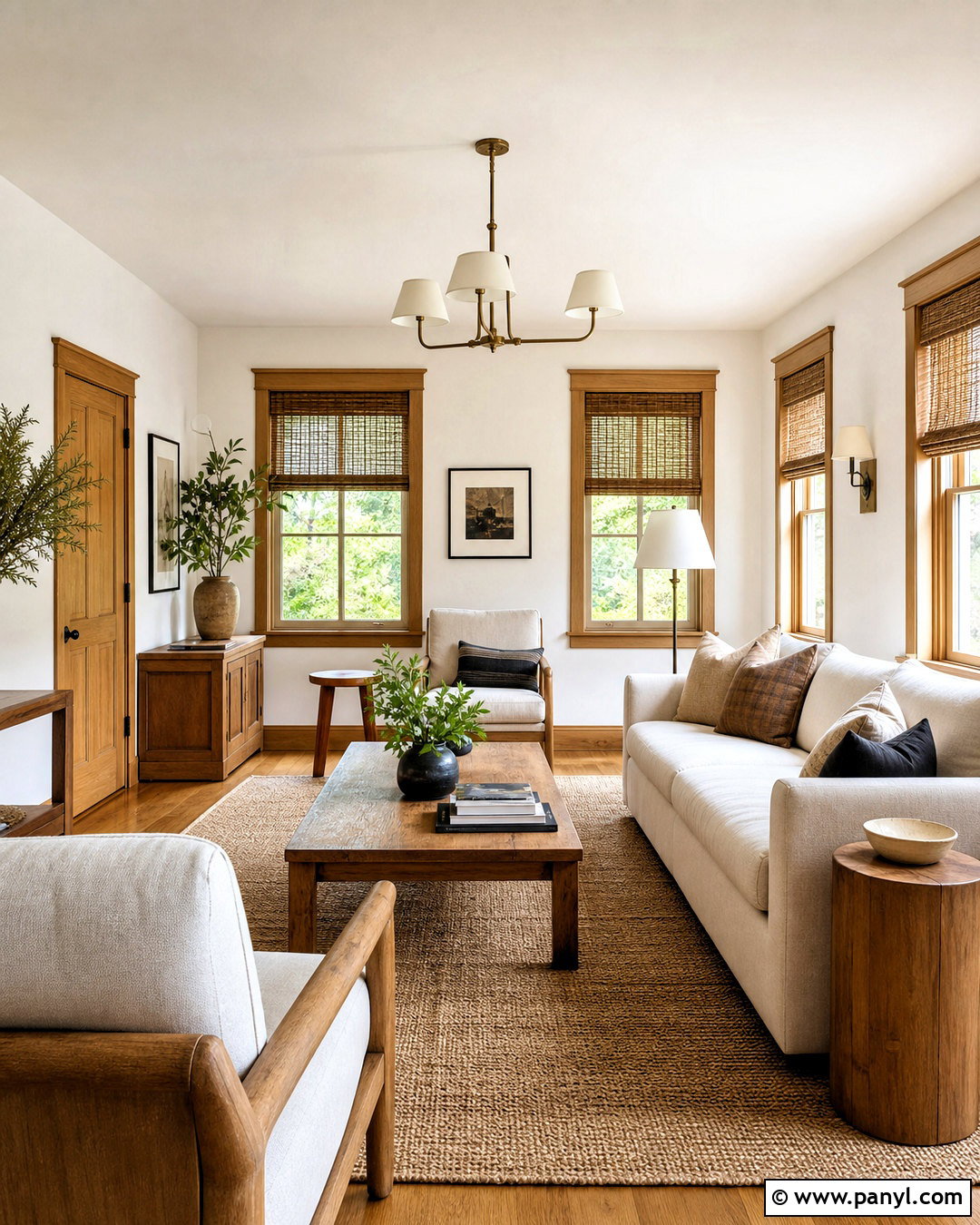
Natural wood trim brings warmth, grain, and visible texture to white walls without adding another painted color. Keep original oak, pine, walnut, or fir casings whenever the wood is in good condition, and select a white wall paint that complements its undertone. Honey oak suits creamy white, while cooler walnut can work with a more neutral white. Complete the room with matching or related wood furniture, simple linen seating, woven shades, and an understated wool rug. Avoid combining too many unrelated wood tones; repeat the trim color in two or three larger pieces to establish continuity. Matte black or aged brass lighting provides definition. This complete scheme feels relaxed and durable while allowing the home’s existing craftsmanship to remain an important decorative feature.
19. White Walls With Blush Trim
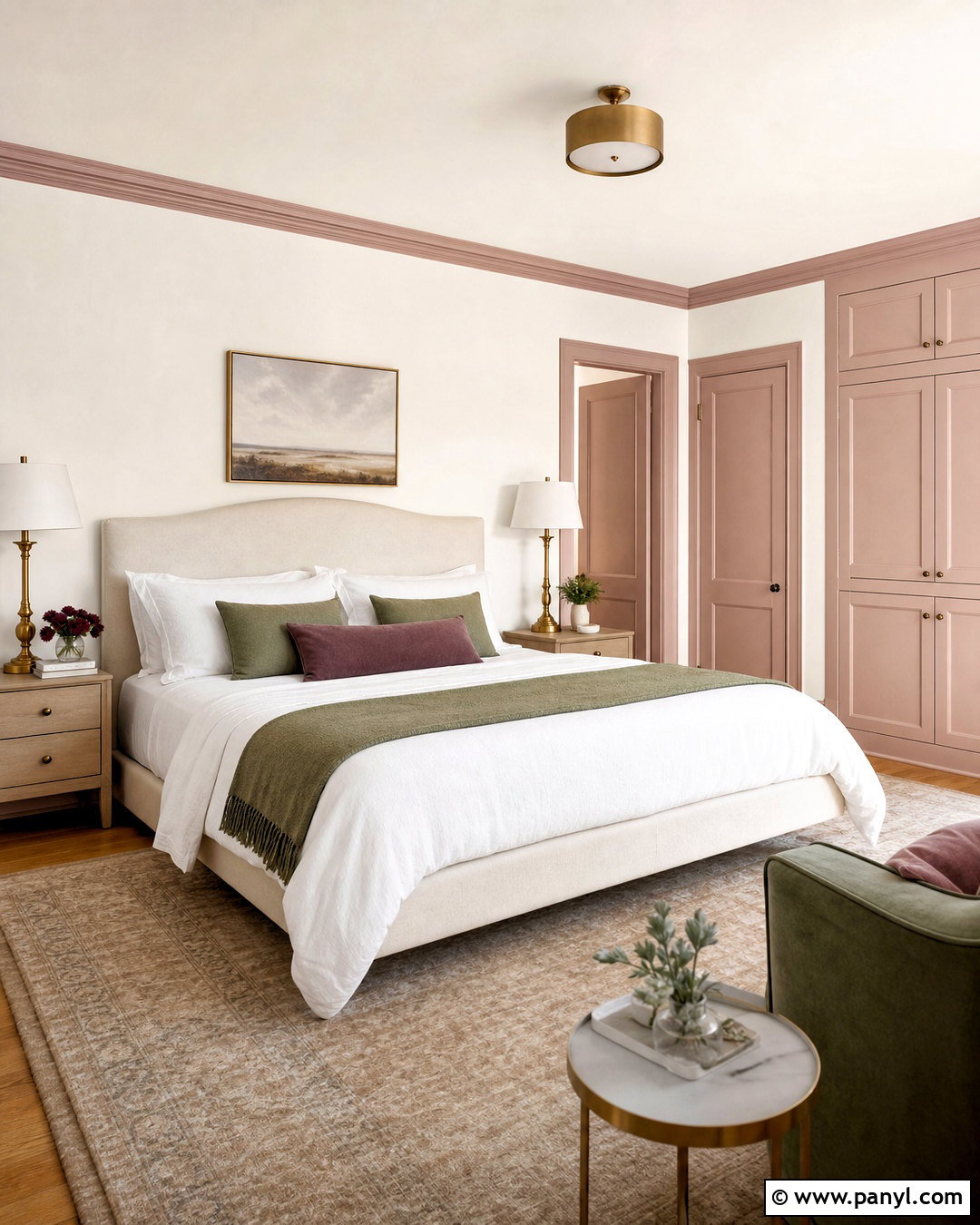
Soft blush trim adds gentle color to white walls without making the room feel overly themed. Select a dusty pink with beige or gray undertones, then pair it with a warm neutral white. Paint the baseboards, doors, window frames, and built-in wardrobe in the same blush shade for an integrated bedroom design. Use an ivory upholstered bed, pale oak nightstands, white linen bedding, and a textured beige rug. Accents in rust, muted plum, or sage green give the palette greater depth. Choose aged brass lighting and simple cream curtains to maintain warmth. Avoid bright candy pink, which can dominate the room. A subdued blush behaves more like a tinted neutral, creating a calm interior that feels polished, comfortable, and suitable for different ages.
20. White Walls With Mustard Trim
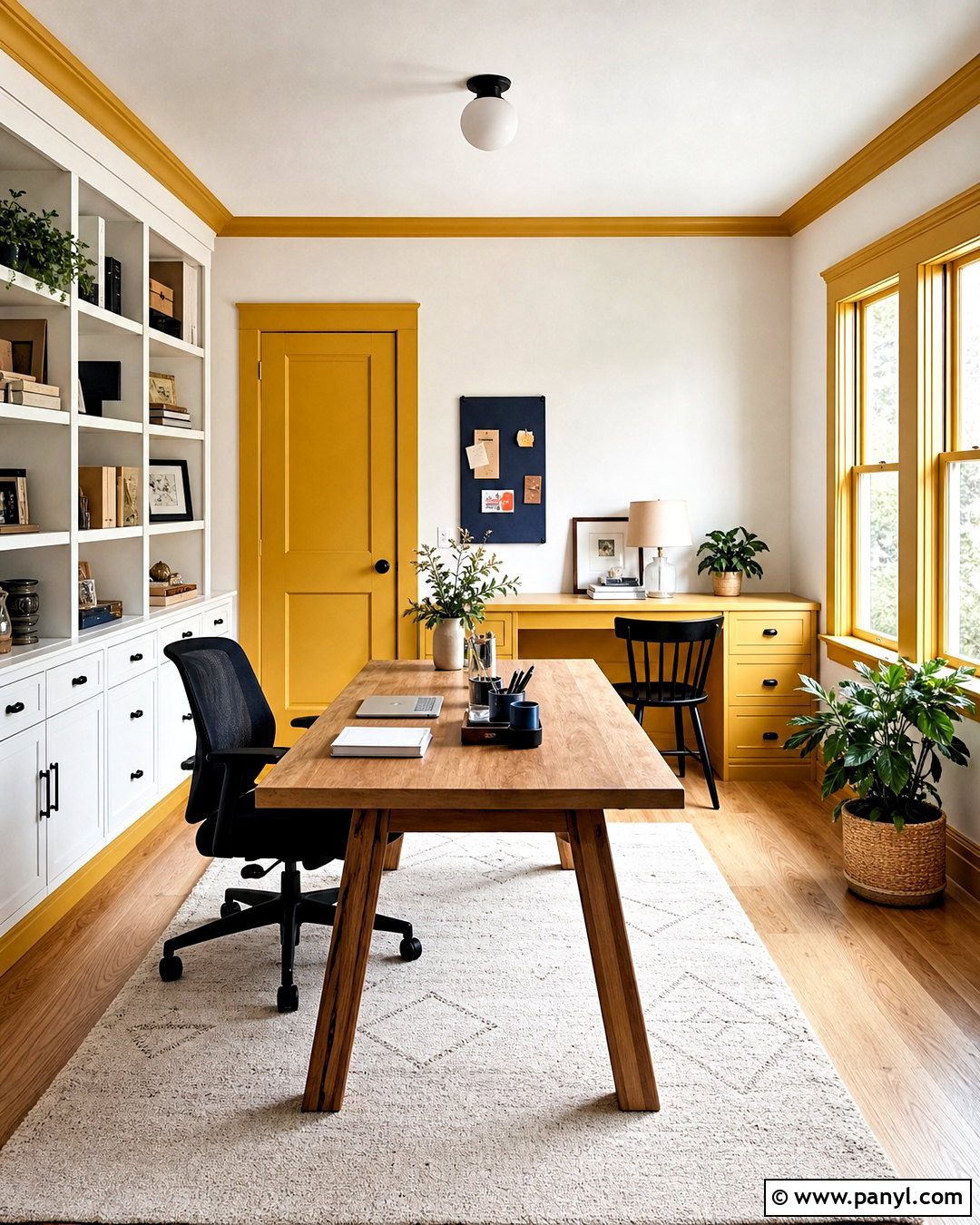
Mustard trim offers a cheerful alternative to conventional gray, beige, or black while keeping white walls at the center of the room. Choose a muted golden yellow with brown undertones and a warm white that does not appear bluish beside it. Use the mustard on doors, baseboards, window casings, and a built-in desk in a creative home office or playroom. Balance the color with natural oak flooring, a cream rug, white storage, and a simple wood worktable. Add navy, olive, and terracotta through small accessories for a grounded palette. Black hardware and lighting provide crisp definition. Keeping the furniture streamlined and the walls mostly undecorated lets the colorful trim look intentional, fresh, and organized instead of busy.
Conclusion:
Choosing among these 20 white wall and trim color combinations begins with understanding the room’s light, fixed materials, and desired atmosphere. Matching whites create a seamless modern background, while cream, greige, and taupe provide soft architectural definition. Black, navy, forest green, burgundy, and chocolate brown make doors and molding more prominent. Muted colors such as sage, dusty blue, blush, and terracotta add personality without overwhelming the white walls. Always compare large painted samples beside flooring, countertops, furniture, and fabrics during different times of day. Keep undertones compatible, repeat the trim color elsewhere in the room, and choose a more durable sheen for woodwork. These steps will help the finished combination feel balanced and connected.

Related Ideas and Inspiration:
Leave a Reply