
Choosing wall and ceiling colors together creates a more finished room than treating the ceiling as an afterthought. The right pairing can brighten a compact space, soften strong architecture, or make an ordinary room feel more intentional. Current interiors embrace both tonal palettes and bold ceiling treatments, giving homeowners more freedom beyond standard white overhead. () These 20 wall and ceiling color combinations include airy neutrals, earthy greens, dramatic blues, and warmer statement shades. Each complete look also considers flooring, furniture, trim, lighting, and decor, so you can picture how the colors will work in a real home. Use large paint samples and view them throughout the day before committing. Ahead, explore 20 wall and ceiling color combinations for rooms of every size and mood.

1. Warm White Walls With Greige Ceiling
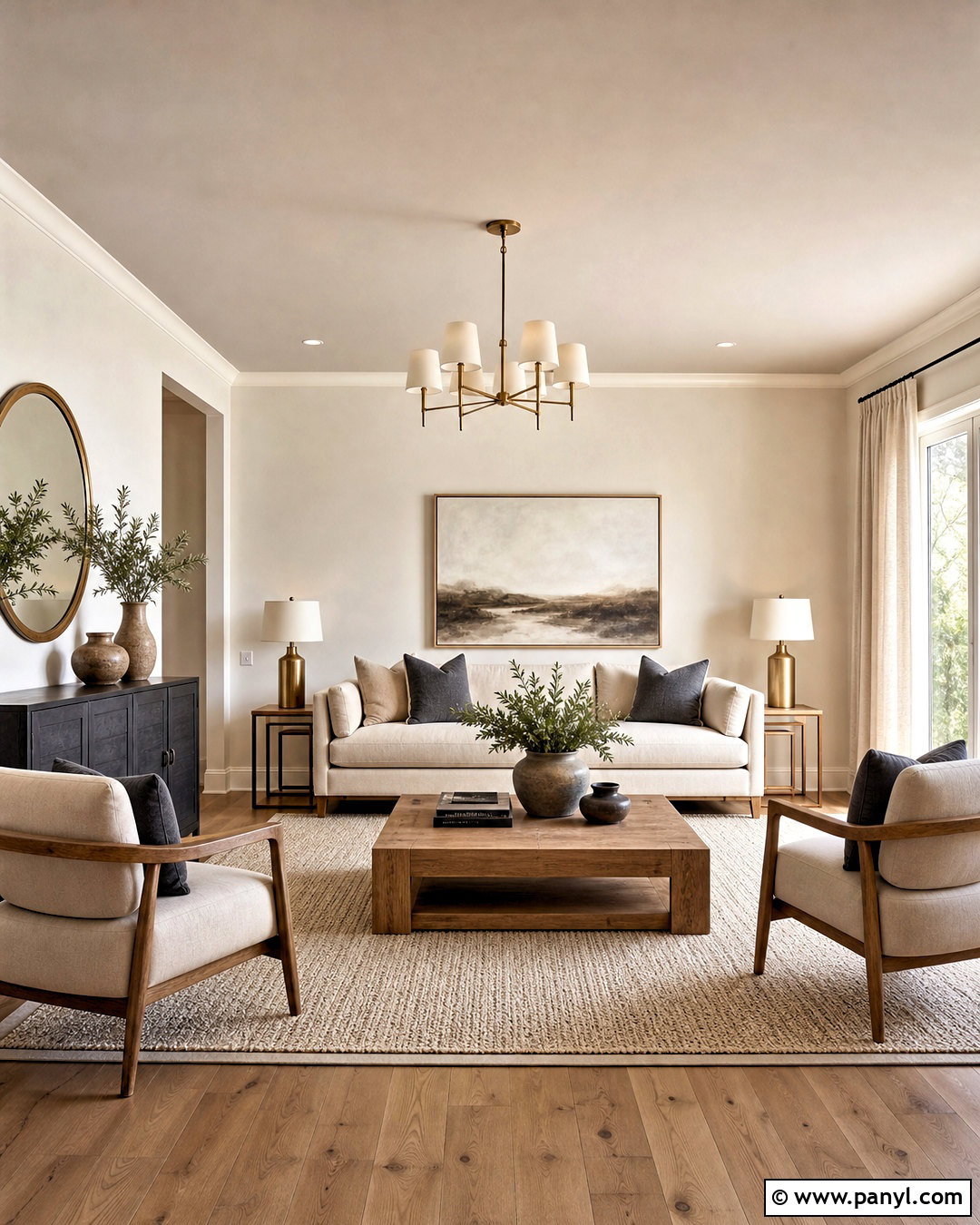
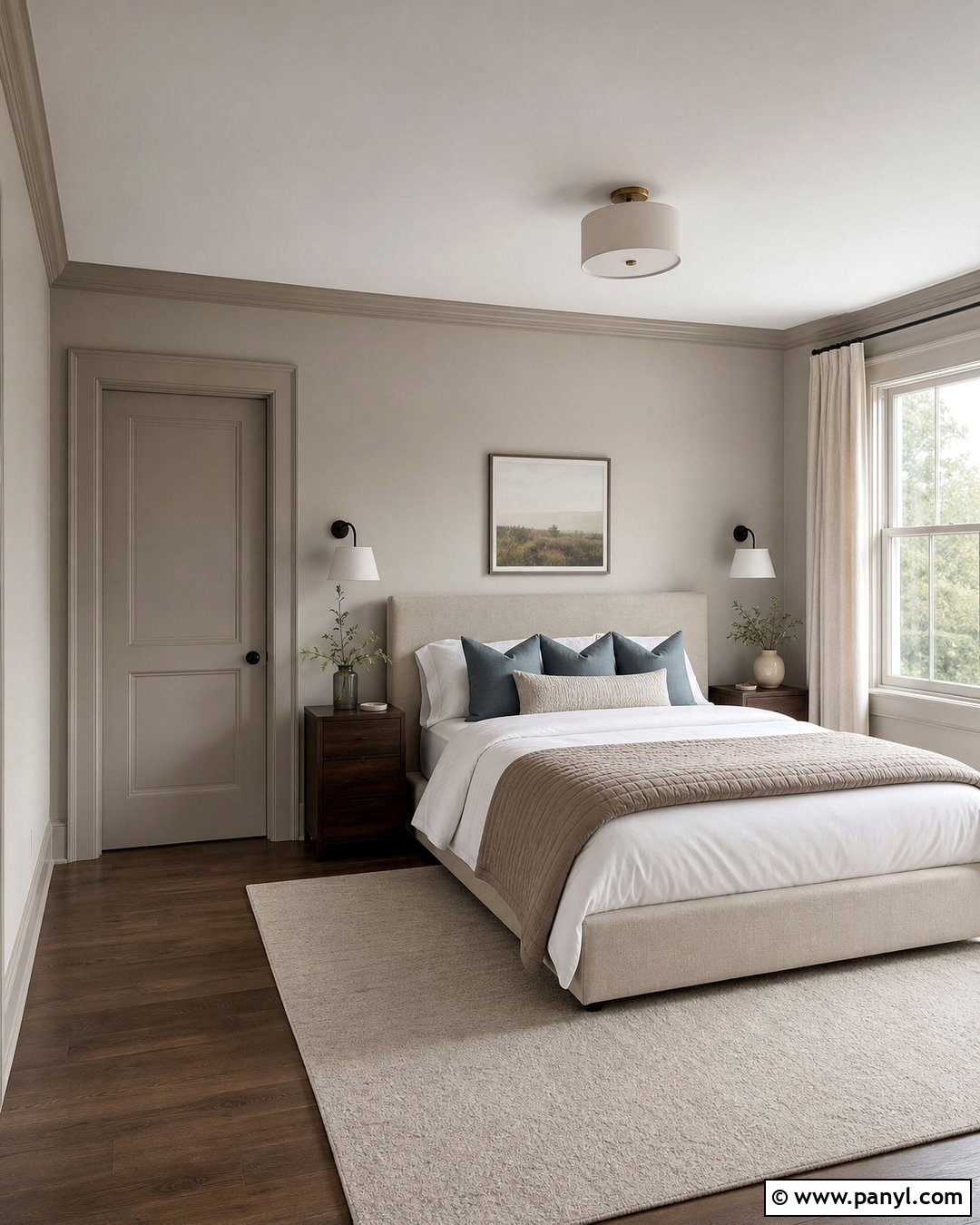
Warm white walls paired with a soft greige ceiling create a neutral room that feels layered rather than plain. Use creamy white on the walls and choose a ceiling color with balanced beige and gray undertones. Keep the trim close to the wall color for a smooth transition between surfaces. In a living room, add a light oak coffee table, oatmeal-colored sofa, woven shades, and charcoal accent pillows. Natural linen curtains reinforce the softness without making the palette look washed out. A flat finish helps the greige ceiling appear calm, while an eggshell wall finish provides practical durability. Complete the room with warm brass lighting, simple pottery, and a textured wool rug. This combination works especially well with medium-toned wood floors.
2. Sage Green Walls With Cream Ceiling

Imagine a restful bedroom wrapped in muted sage green, with a creamy ceiling gently reflecting the morning light. The green walls provide natural color without overwhelming the room, while the warm ceiling prevents the palette from feeling cold. Paint the baseboards and window trim in the same cream for a connected finish. Pair the colors with an oak bed, ivory bedding, a woven bench, and light beige curtains. Small accents in rust, aged brass, or dark brown give the room enough contrast. Choose a sage with soft gray undertones instead of a bright yellow-green. This makes the space easier to coordinate with natural materials. A jute rug, ceramic lamps, and leafy plants complete this comfortable organic look.
3. Navy Blue Walls With Pale Blue Ceiling
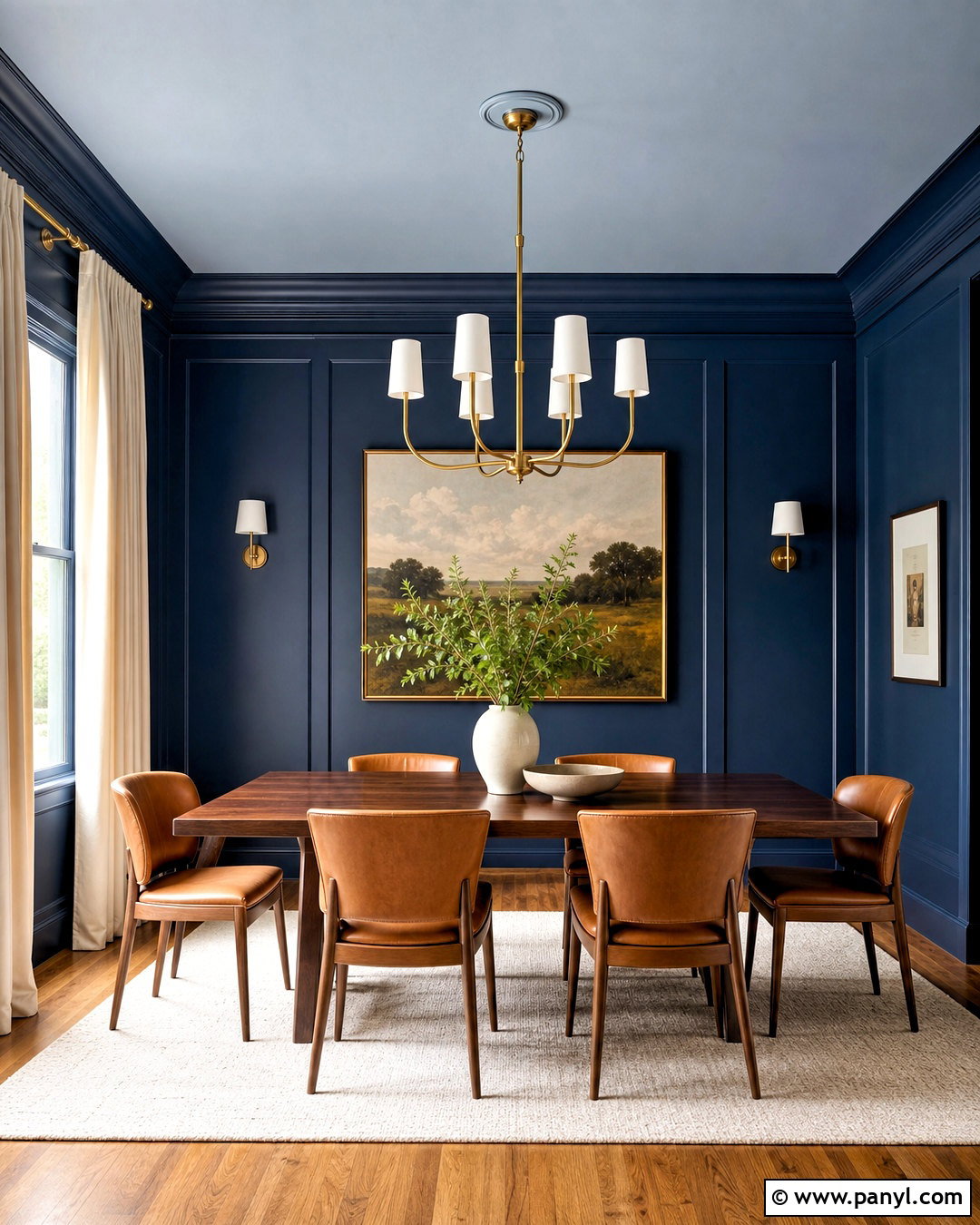
Deep navy walls and a pale blue ceiling can turn a dining room into a bold but balanced gathering space. The lighter color overhead adds a fresh visual break and keeps the navy from becoming too enclosed. Continue the pale blue onto simple crown molding if you want the ceiling to appear slightly wider. A walnut dining table, cognac leather chairs, and a cream area rug warm the cooler palette. Use a large white pendant or brushed brass chandelier to create a clear focal point. Framed artwork with ivory mats helps brighten the walls. This combination looks best when the room receives steady natural light. During the evening, layered sconces and warm bulbs soften the navy and bring out its richer undertones.
4. Dusty Rose Walls With Warm Ivory Ceiling
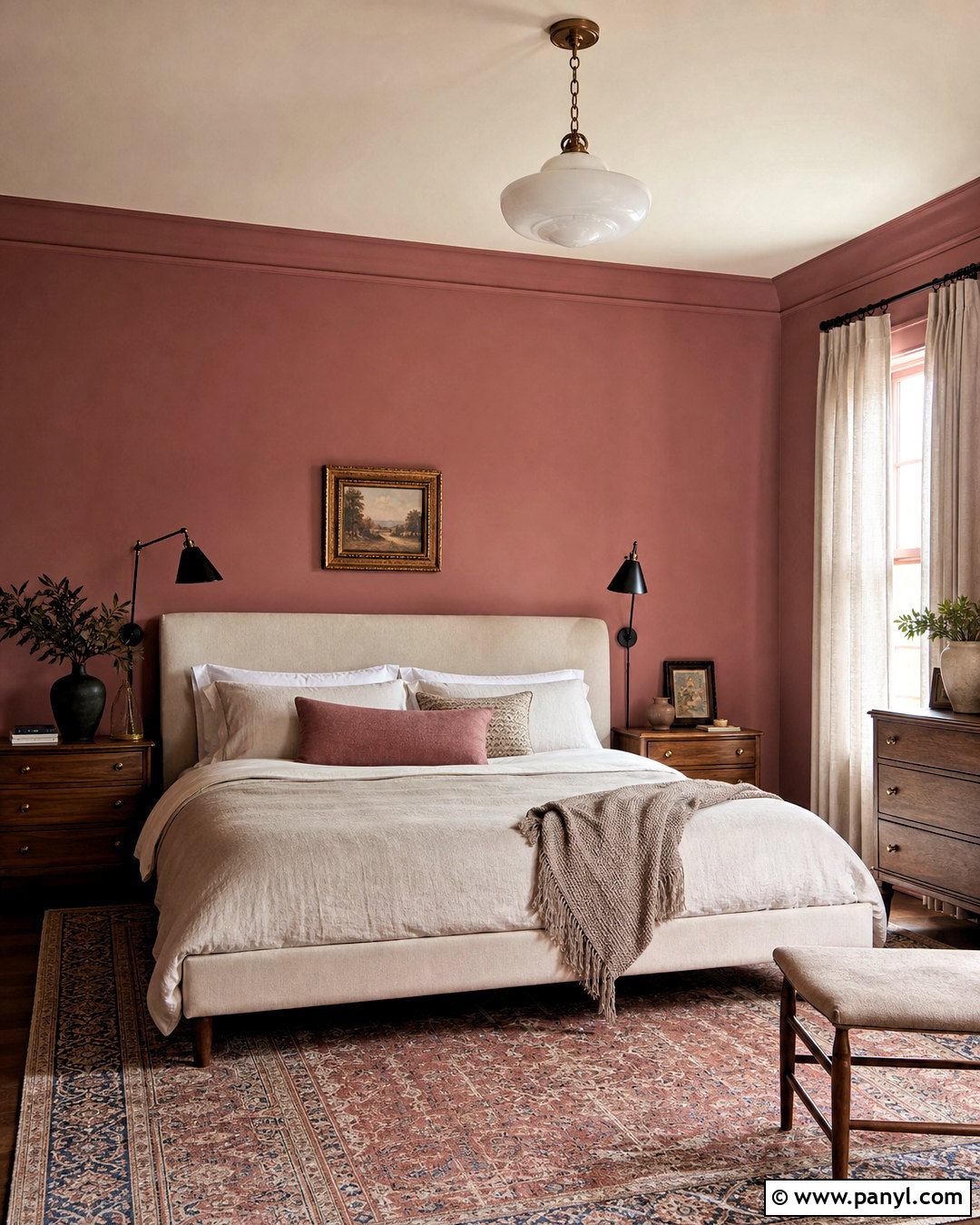
Dusty rose walls feel mature and versatile when balanced by a warm ivory ceiling. This pairing works beautifully in a bedroom, dressing room, or comfortable reading space. Select a muted rose with brown or gray undertones rather than a sugary pink. Add ivory trim to frame the room and connect the ceiling to the doors and windows. For a complete bedroom, use a beige upholstered bed, walnut nightstands, linen bedding, and a vintage-style rug containing faded rose and blue. Matte black lamps introduce a modern edge, while brass hardware provides subtle warmth. Keep decorative accessories restrained so the wall color remains the main feature. Soft natural fabrics and medium wood tones make this color combination feel relaxed, polished, and welcoming.
5. Terracotta Walls With Pale Peach Ceiling
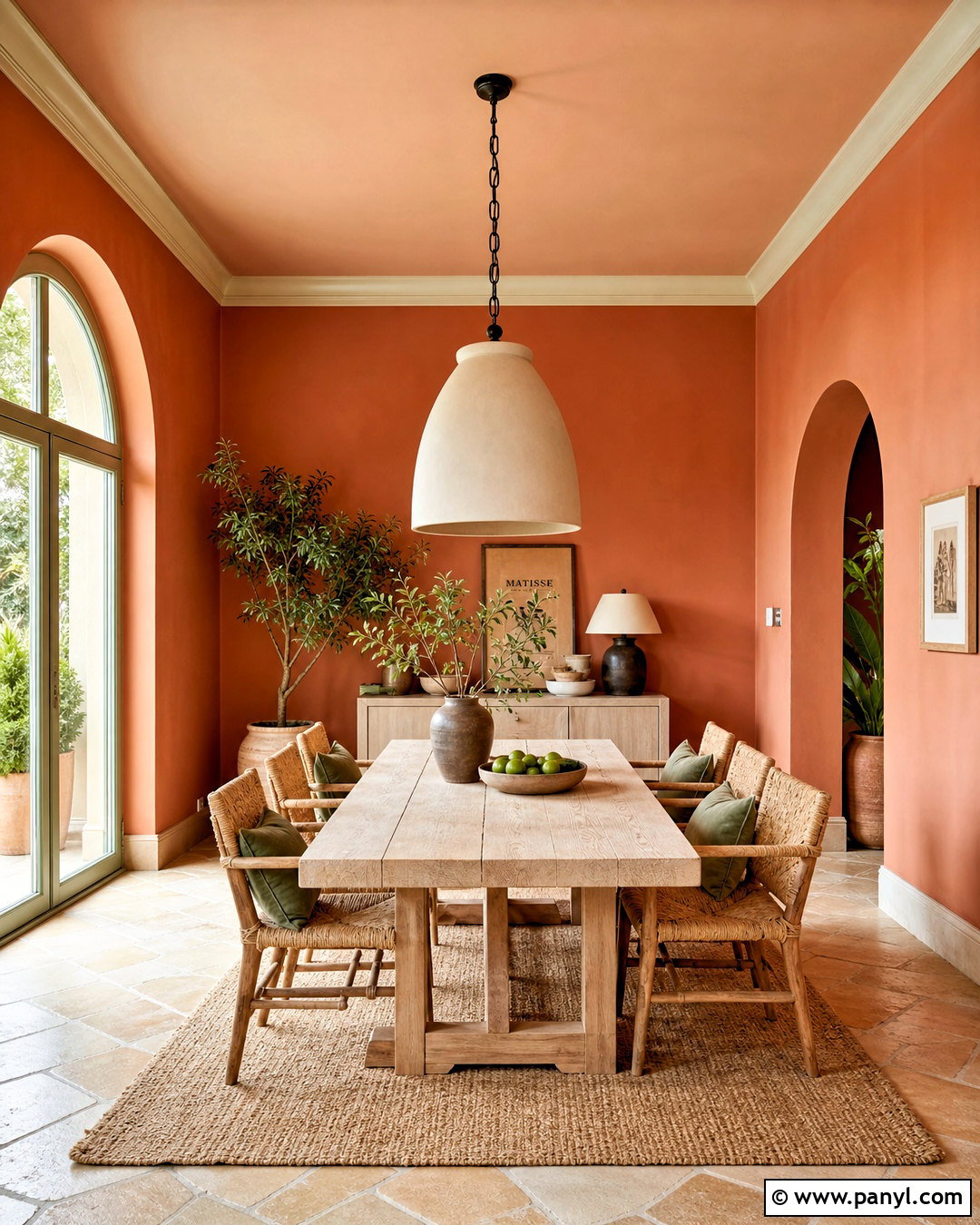
Terracotta walls and a pale peach ceiling create a sunny, earth-inspired room with plenty of warmth. The ceiling should be several shades lighter than the walls, allowing it to glow without looking separate from the overall palette. Use this combination in a breakfast room, sunroom, or casual dining area. White oak furniture, woven dining chairs, and a natural fiber rug bring out the organic character of terracotta. Add olive green cushions or plants for a cooling contrast. Cream trim will define the room more gently than bright white. Choose simple ceramic pendants or a plaster-style light fixture to reinforce the handcrafted feeling. Balanced with plenty of natural light and uncluttered decor, the finished room feels cheerful, comfortable, and grounded.
6. Charcoal Walls With Crisp White Ceiling
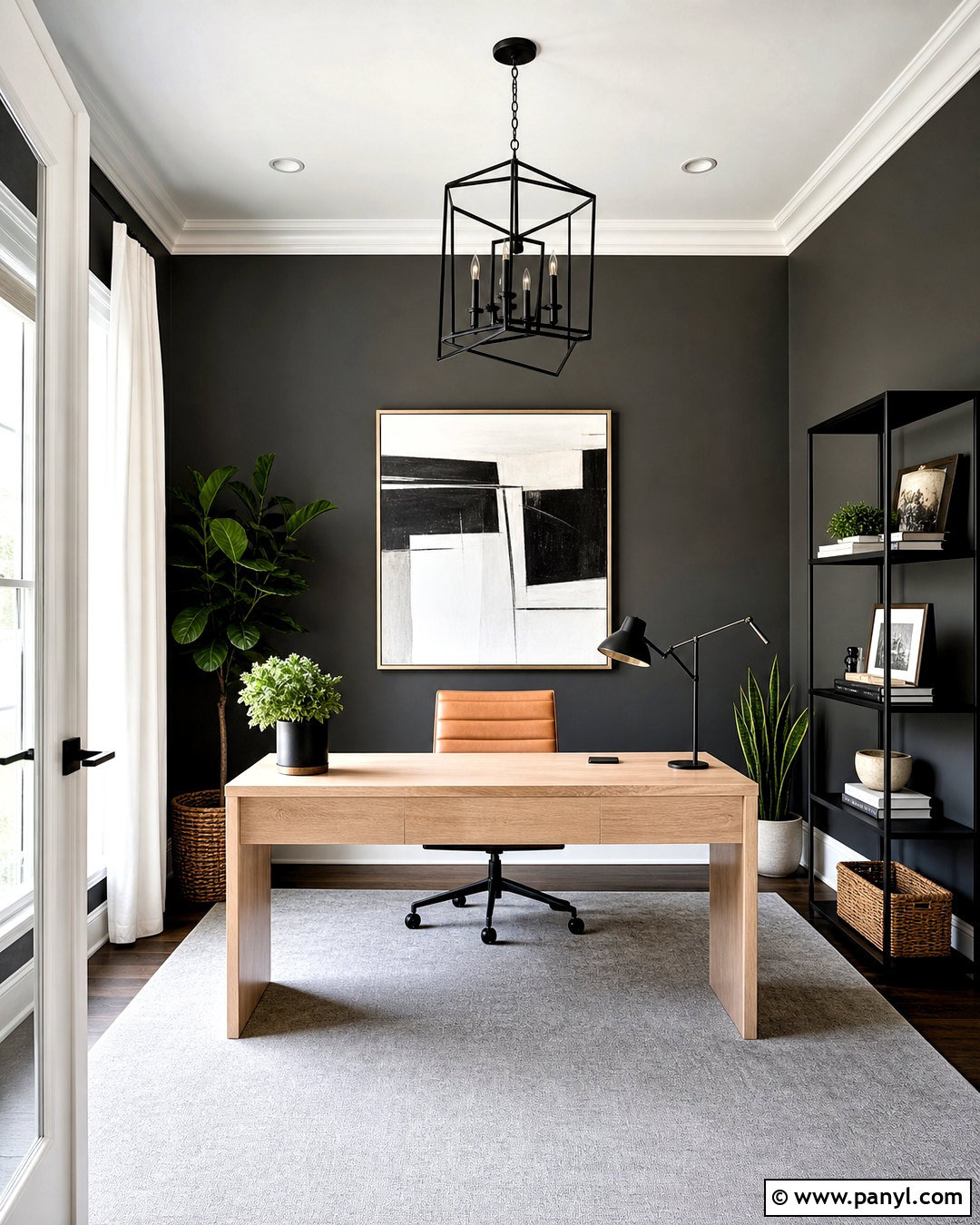
A room with charcoal walls and a crisp white ceiling feels dramatic, structured, and surprisingly clean. The strong overhead contrast works particularly well in a home office, media room, or modern living space with good windows. Paint the trim white to create a continuous frame around the darker walls. Furnish the room with a camel leather chair, pale oak desk, white curtains, and a light gray rug. These lighter pieces prevent the charcoal from dominating every surface. Matte walls hide glare and create depth, while the white ceiling can remain flat and understated. Add black metal lighting, abstract artwork, and one or two green plants. Keeping the flooring and larger furniture relatively light will make the final design feel sophisticated instead of heavy.
7. Pale Blue Walls With Cloud White Ceiling
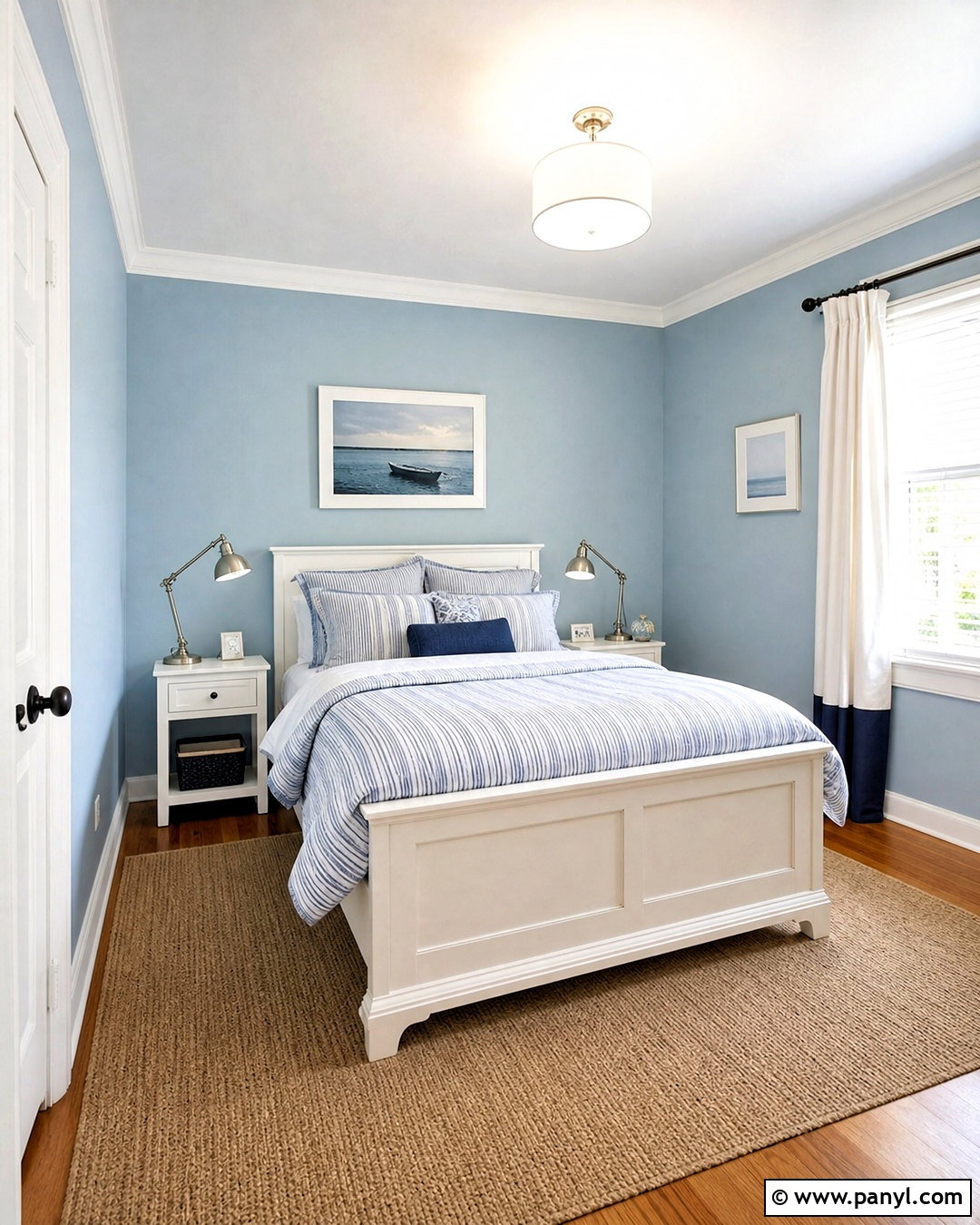
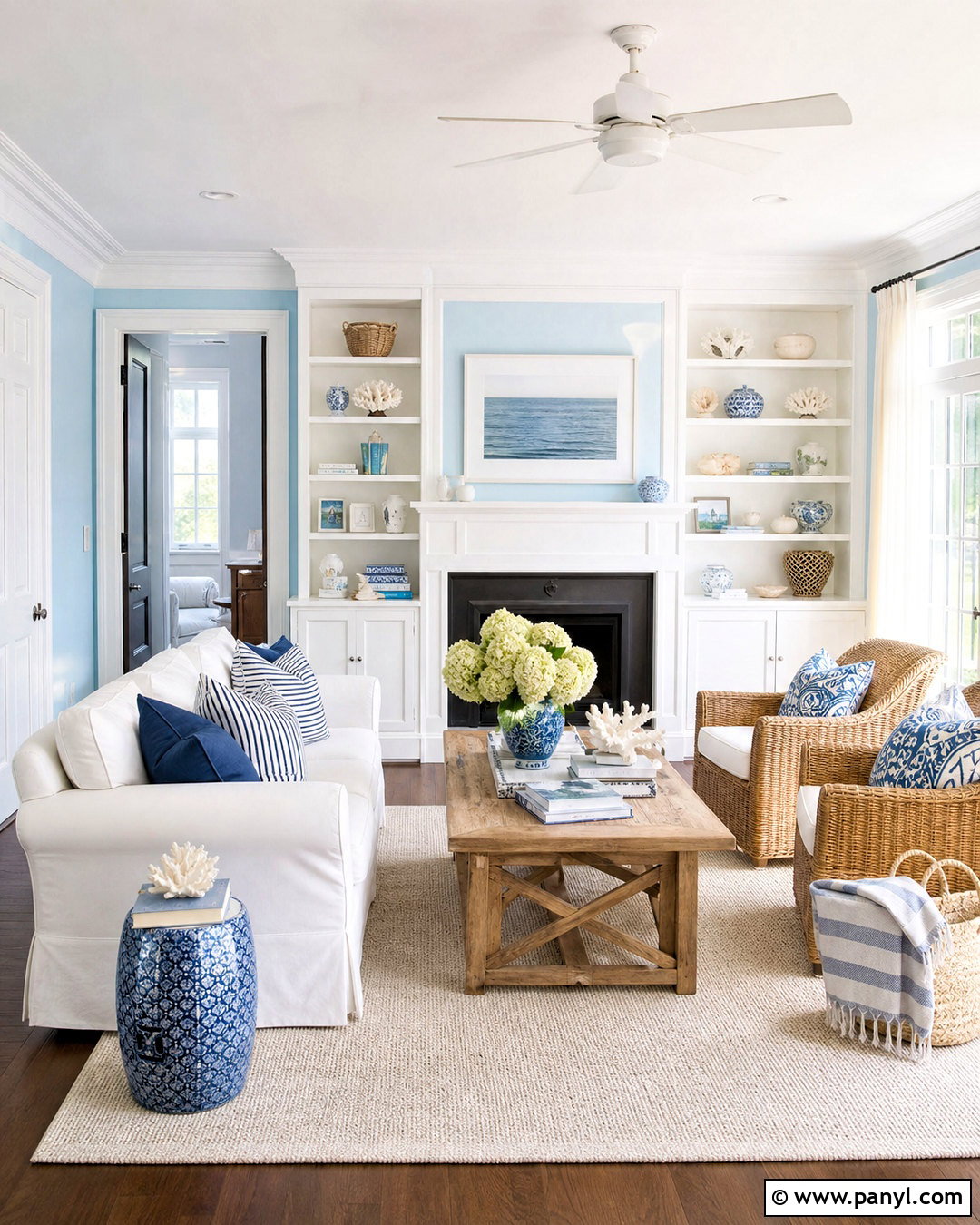
Pale blue walls under a cloud white ceiling give a small bedroom or bathroom an open, refreshing character. Choose a blue with a subtle gray base so it changes gently with natural and artificial light. A softer white ceiling will coordinate better than a stark, cool white. Carry that same white onto the trim, built-in cabinets, and interior doors for consistency. In a bedroom, combine the palette with a white oak bed, striped cotton bedding, and a light taupe rug. In a bathroom, use pale stone tile, brushed nickel fixtures, and a natural wood vanity. Navy accessories can provide definition in either setting. Keep window treatments simple and light, allowing the calming wall and ceiling combination to remain airy throughout the day.

8. Olive Green Walls With Warm Beige Ceiling

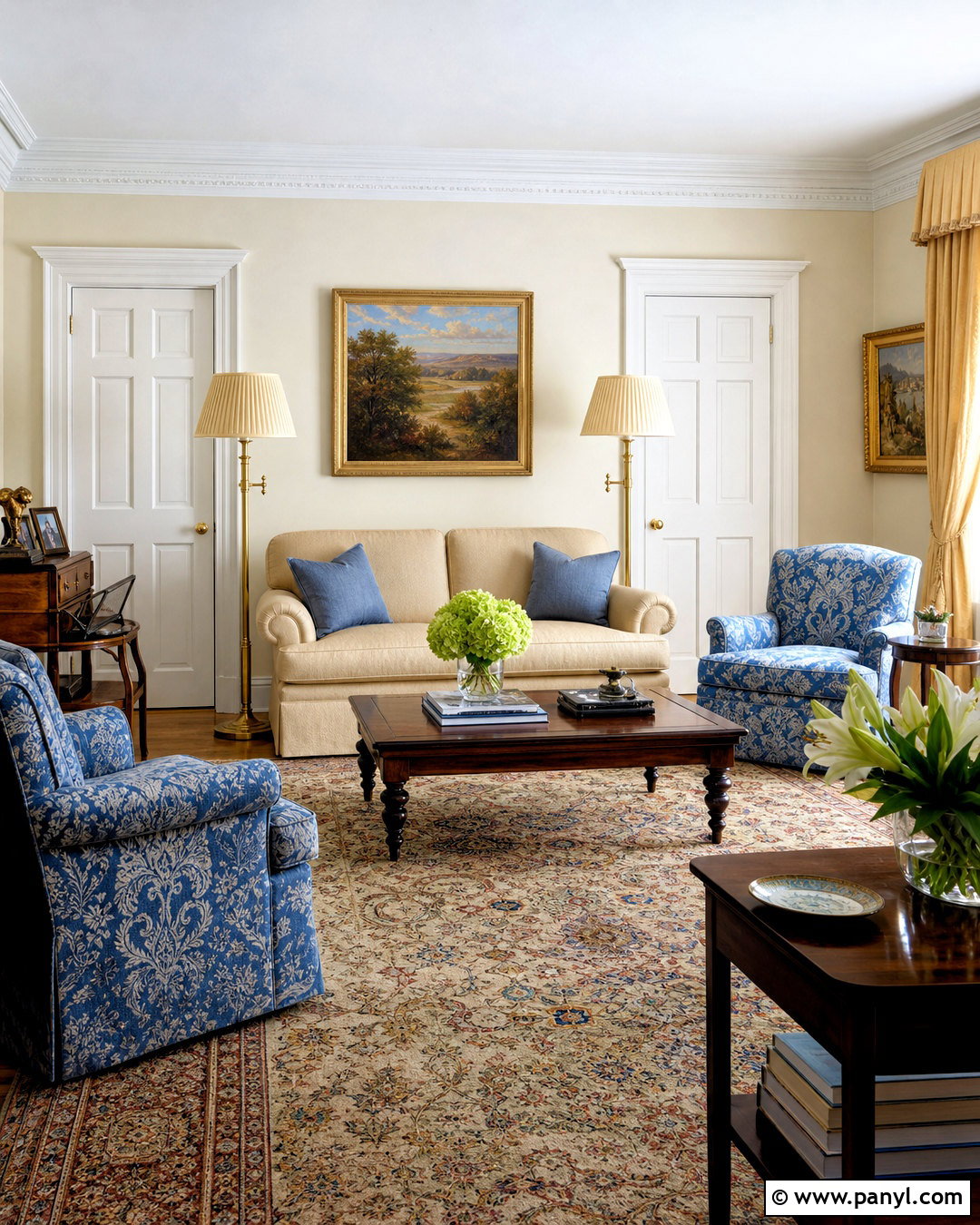
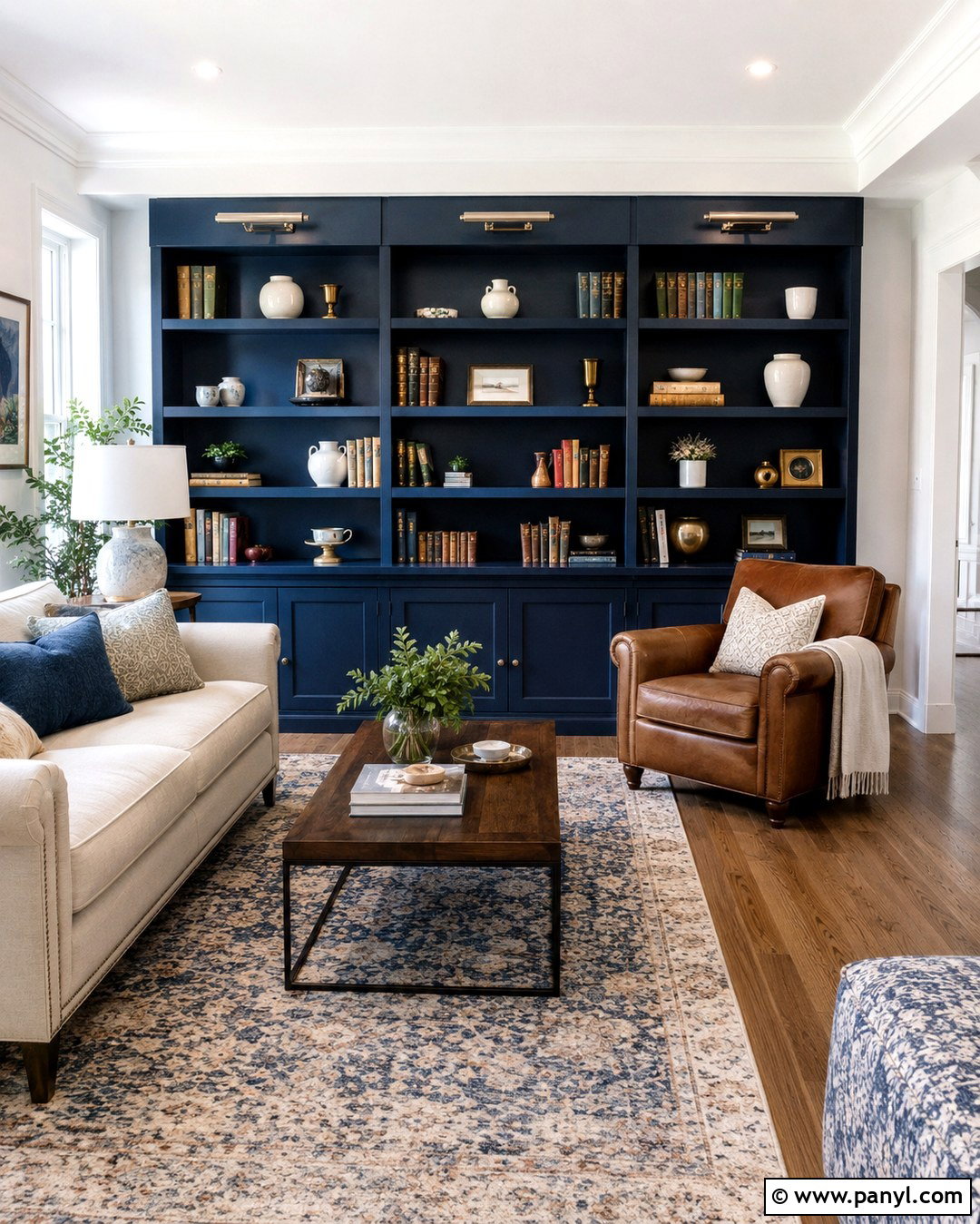
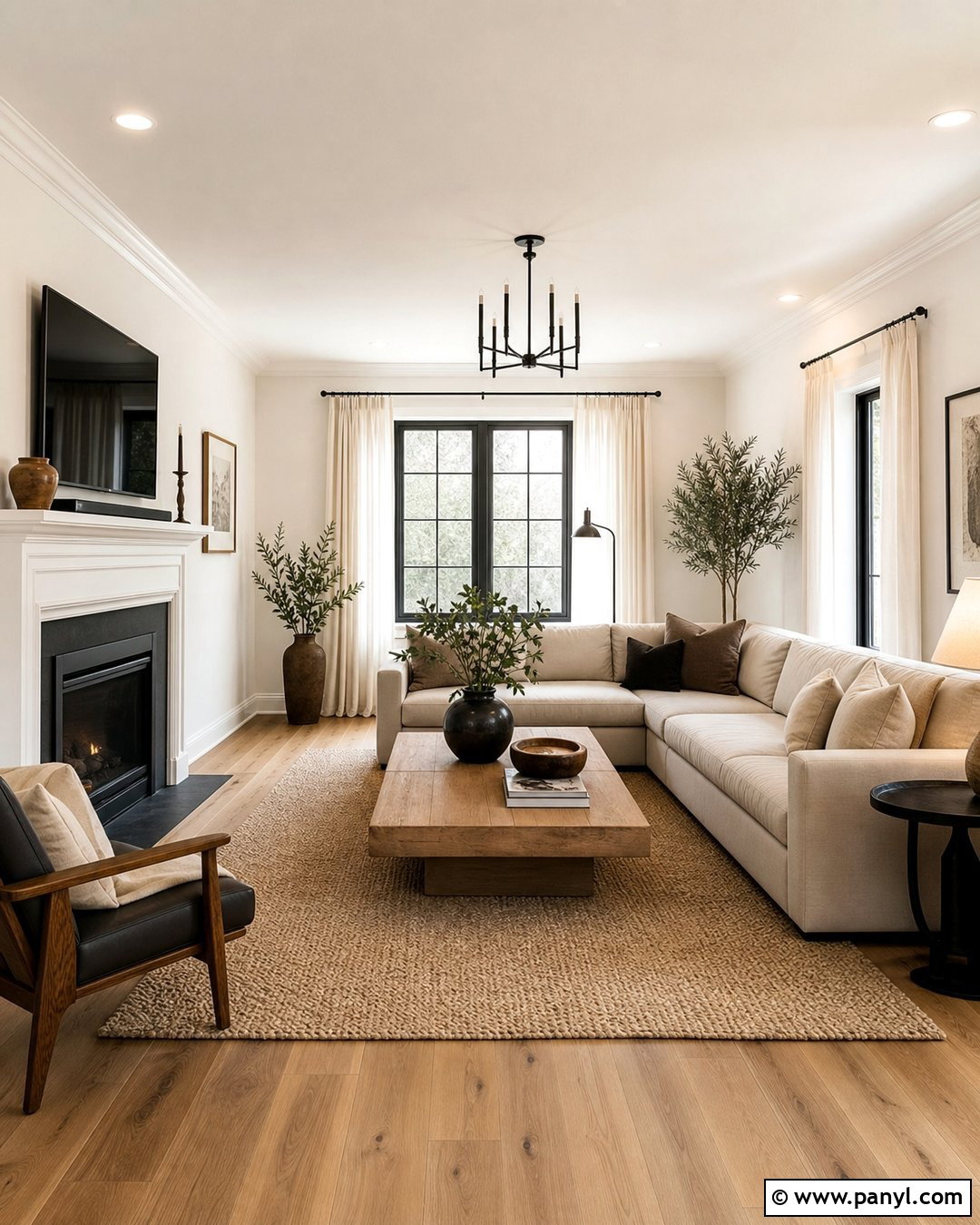
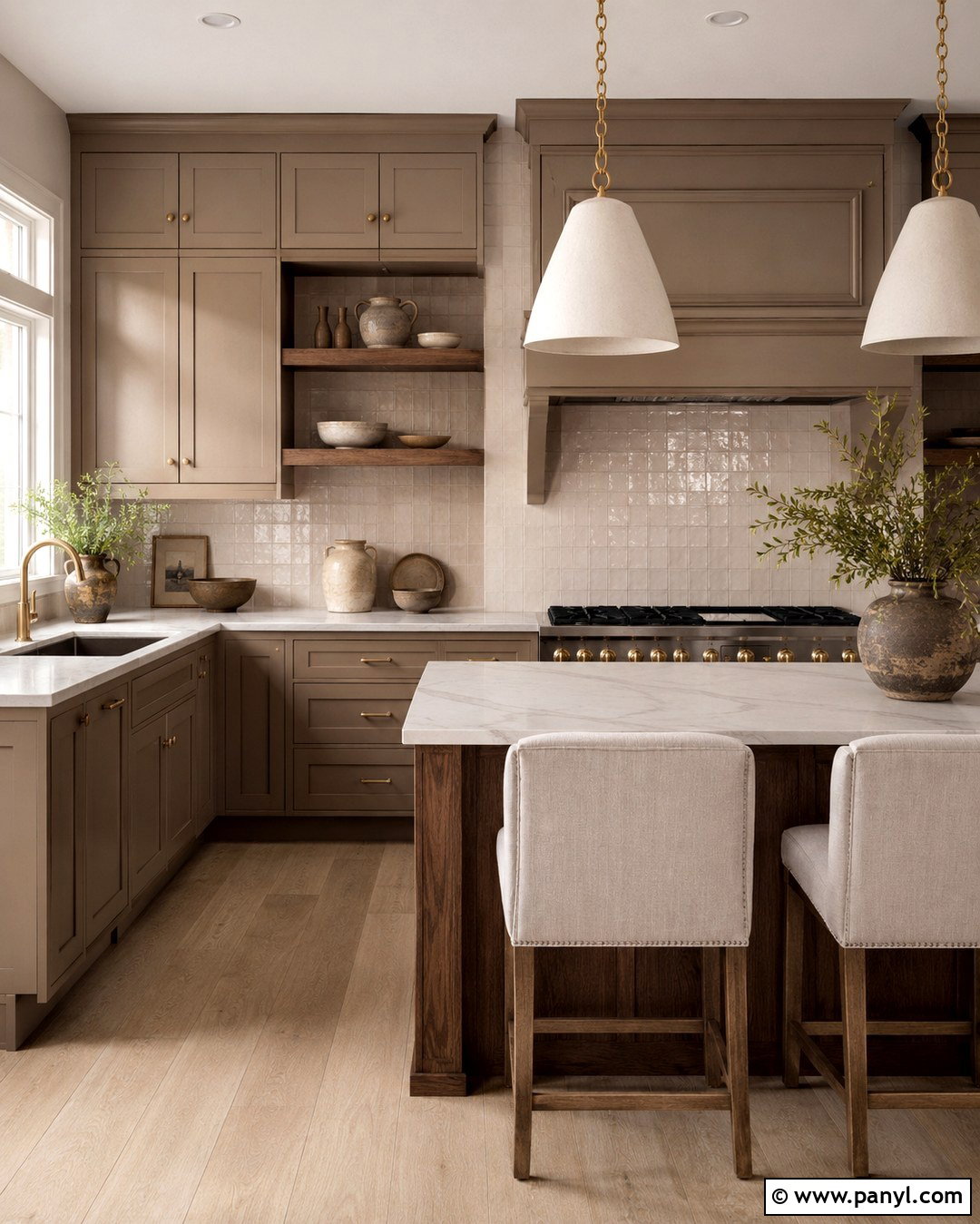
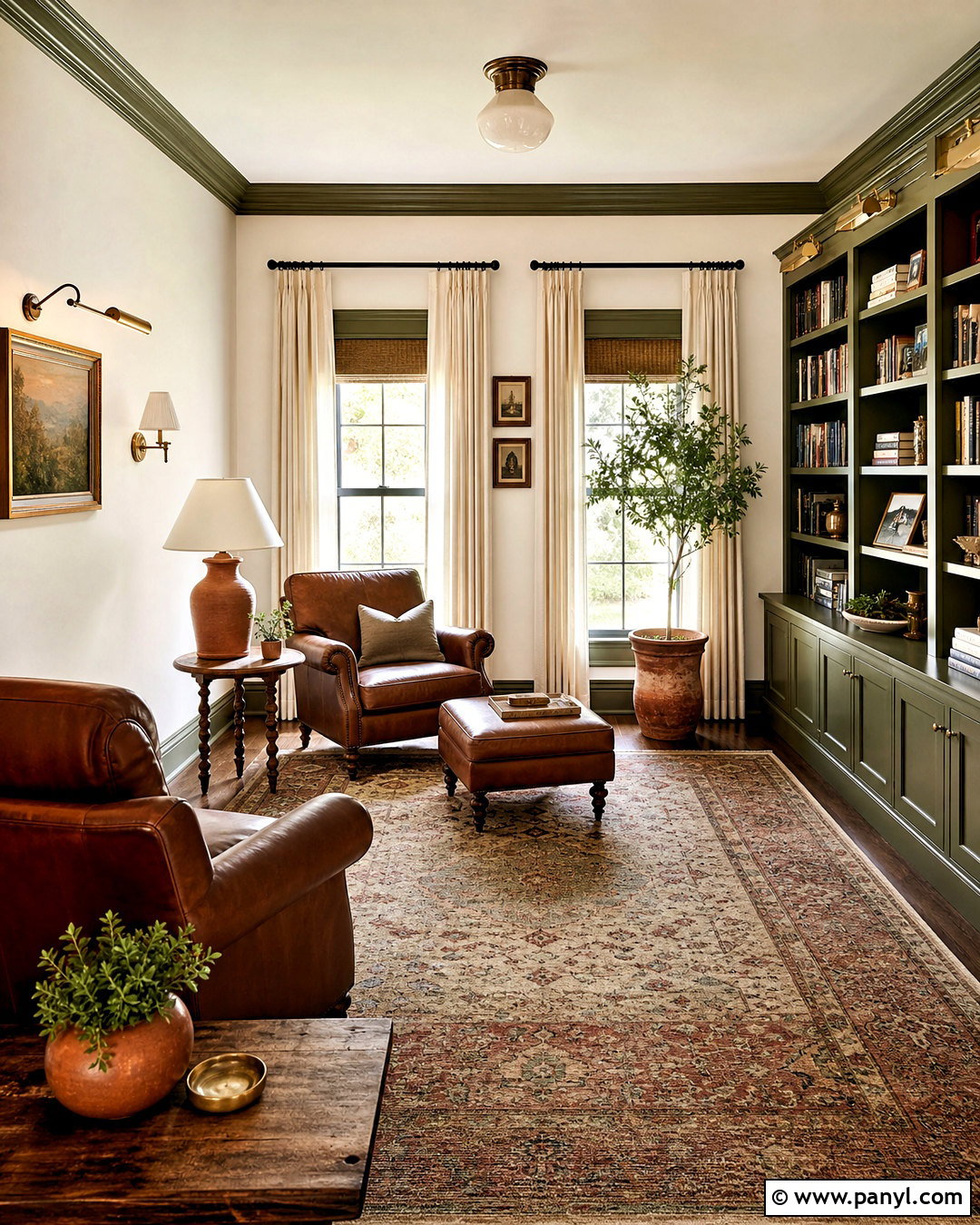
Olive green walls and a warm beige ceiling create an inviting, cocooning living room inspired by natural landscapes. Look for an olive shade with brown undertones, then choose a ceiling beige that feels lighter but equally earthy. Painting the crown molding beige will soften the boundary overhead. Build the room around a cream sofa, dark walnut tables, and a vintage rug with muted red, green, and tan. Linen curtains and woven baskets add casual texture. Use antique brass fixtures rather than shiny chrome, which may feel disconnected from the palette. A stone fireplace or warm brick feature fits naturally into this scheme. Finish with landscape artwork and sculptural pottery to create a comfortable room that feels collected without becoming visually crowded.
9. Taupe Walls With Blush Pink Ceiling
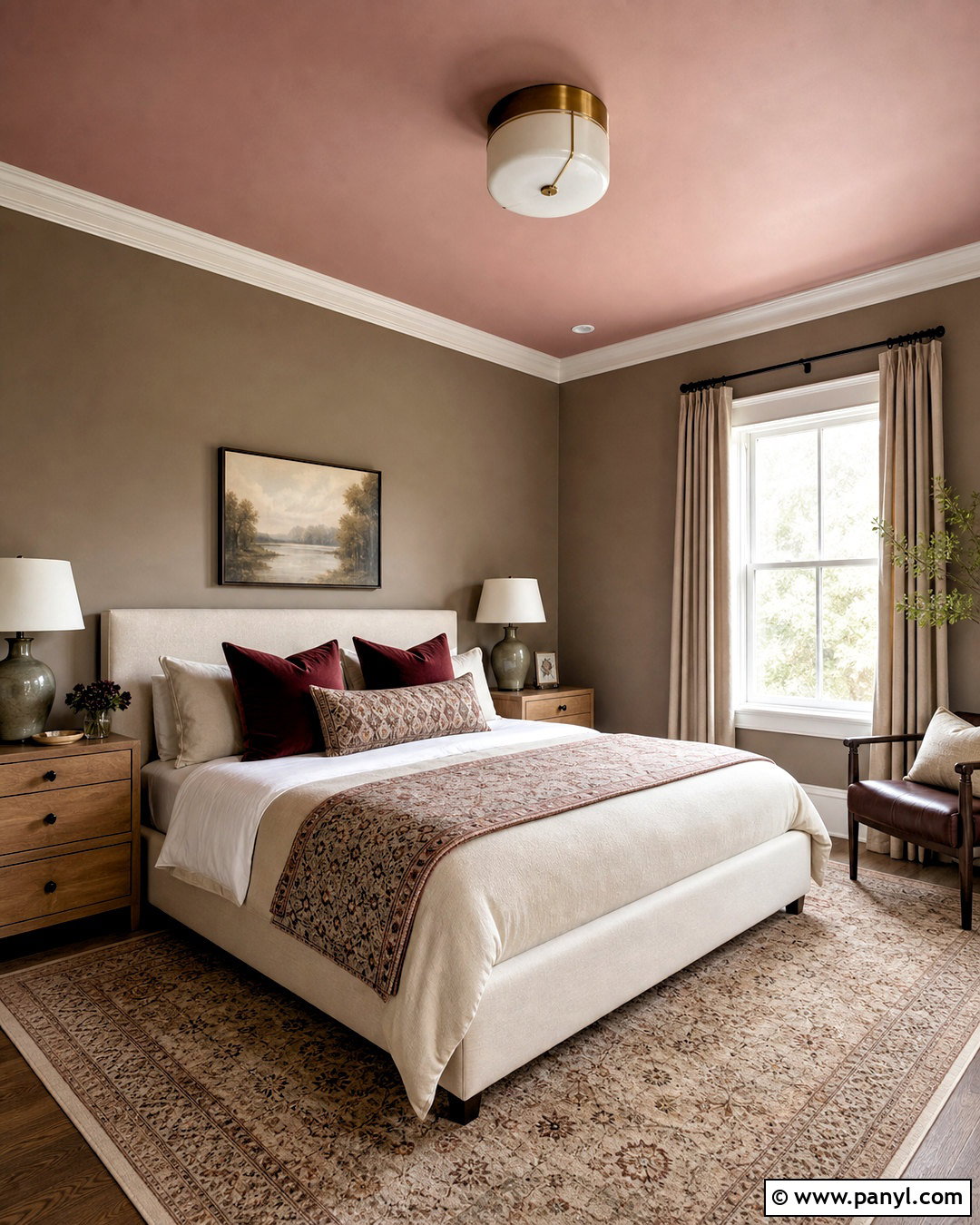
For a subtle surprise, pair warm taupe walls with a softly muted blush ceiling. The pink should have beige or gray undertones so it reads as an atmospheric neutral rather than a bright accent. This combination can add personality to a guest bedroom, nursery, or small sitting room. Paint the trim in warm white to separate the two colors with a clean line. Choose an ivory sofa or upholstered bed, light walnut furniture, and linen curtains in natural beige. Burgundy, plum, or dusty blue accessories can deepen the finished palette. A brass ceiling light will draw attention upward and highlight the blush color. Keep patterns small and understated, allowing the unusual ceiling treatment to feel refined, cohesive, and easy to live with.


10. Butter Yellow Walls With White Ceiling
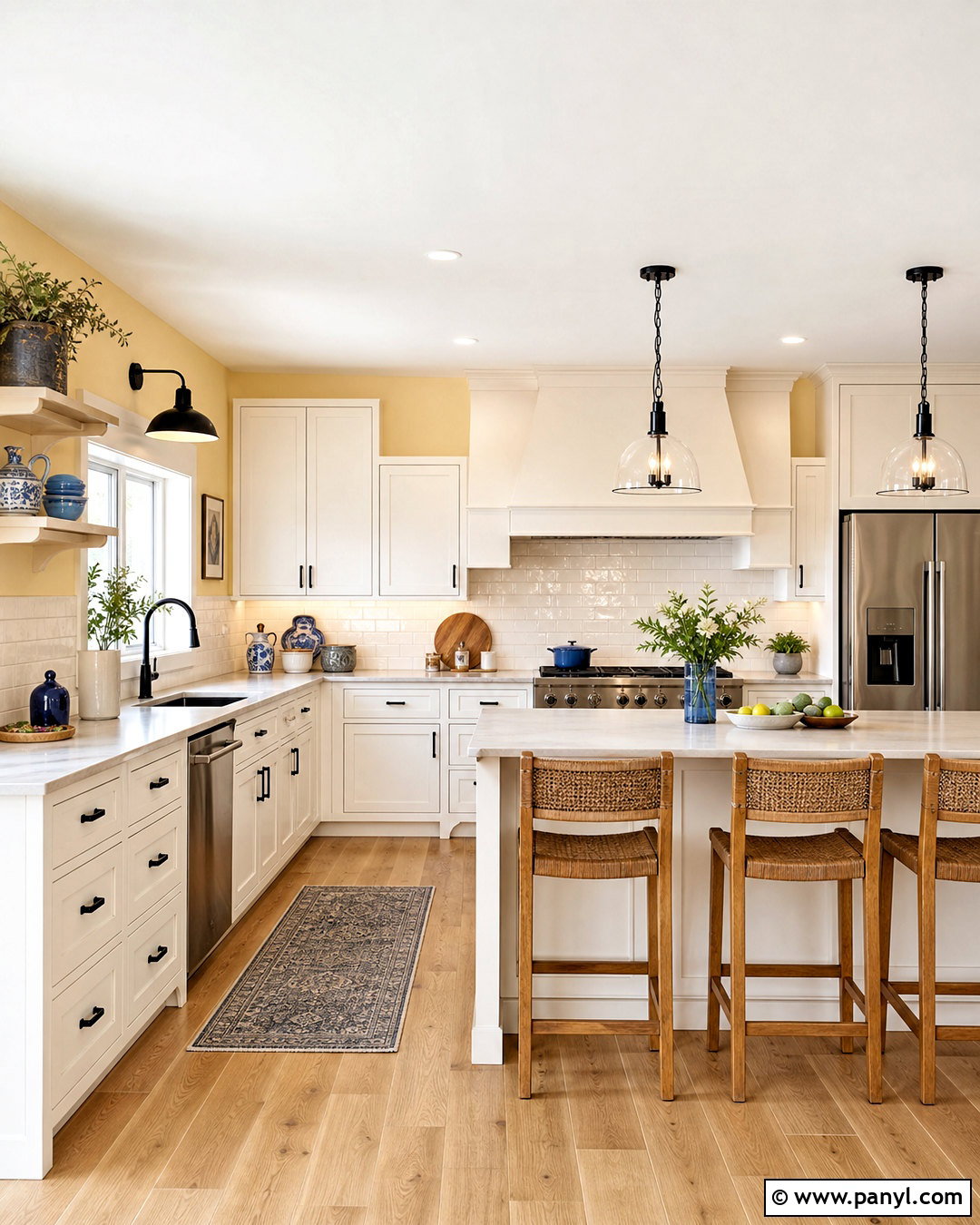
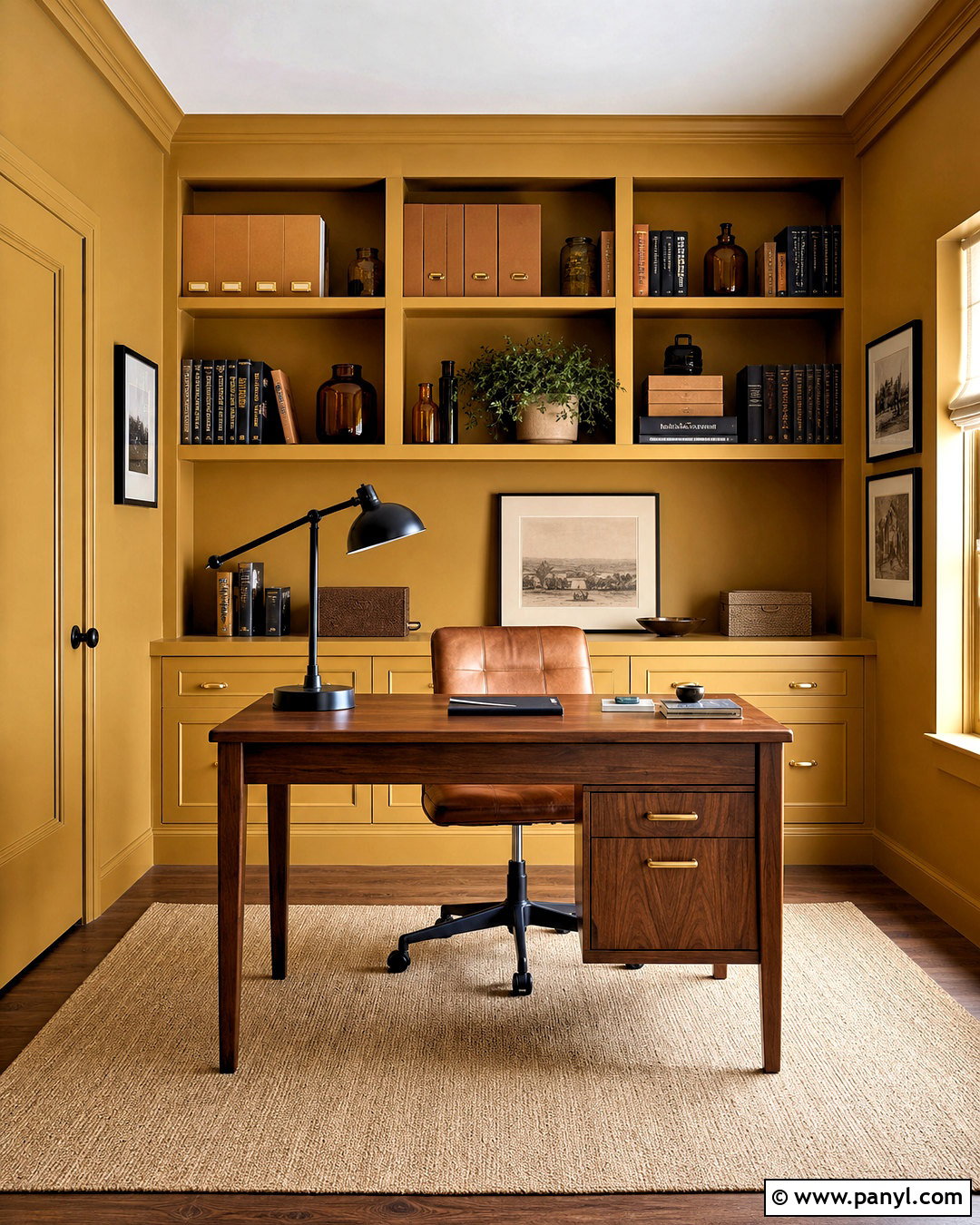
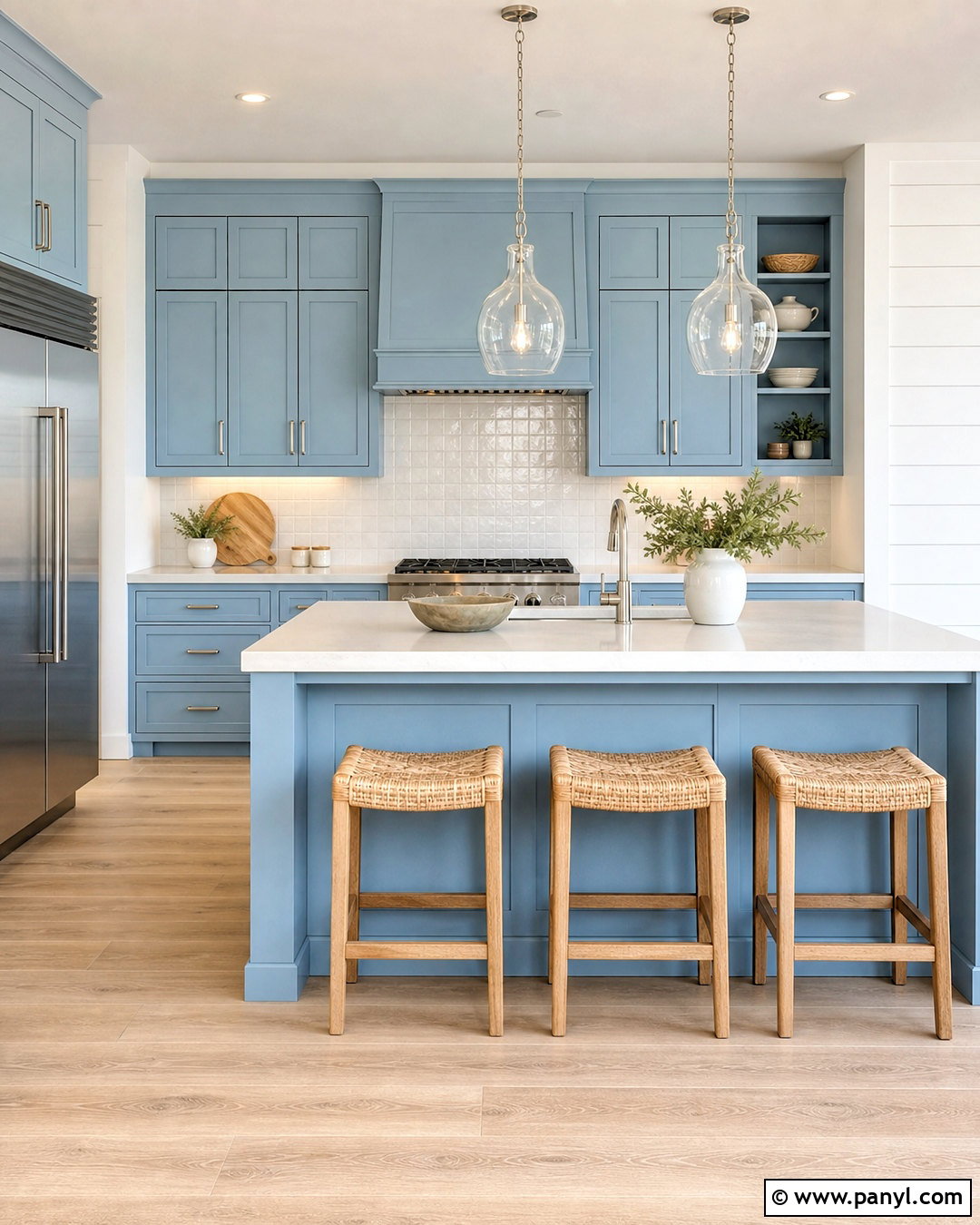
Butter yellow walls with a clear white ceiling can brighten a kitchen without making it feel overly colorful. Choose a soft, creamy yellow rather than a sharp lemon shade. The white ceiling, cabinetry, and trim will give the room a fresh architectural outline. Add light oak floors, honed white countertops, and a simple backsplash made from warm white tile. Black cabinet hardware and pendant lights provide crisp contrast. For seating, consider natural wood stools with woven seats or a compact breakfast table near a window. Blue-gray dishes and textiles introduce a complementary accent without competing with the walls. This complete palette feels especially pleasant in kitchens with northern exposure, where a gentle yellow can create a warmer and more welcoming visual impression.
11. Teal Walls With Pale Aqua Ceiling
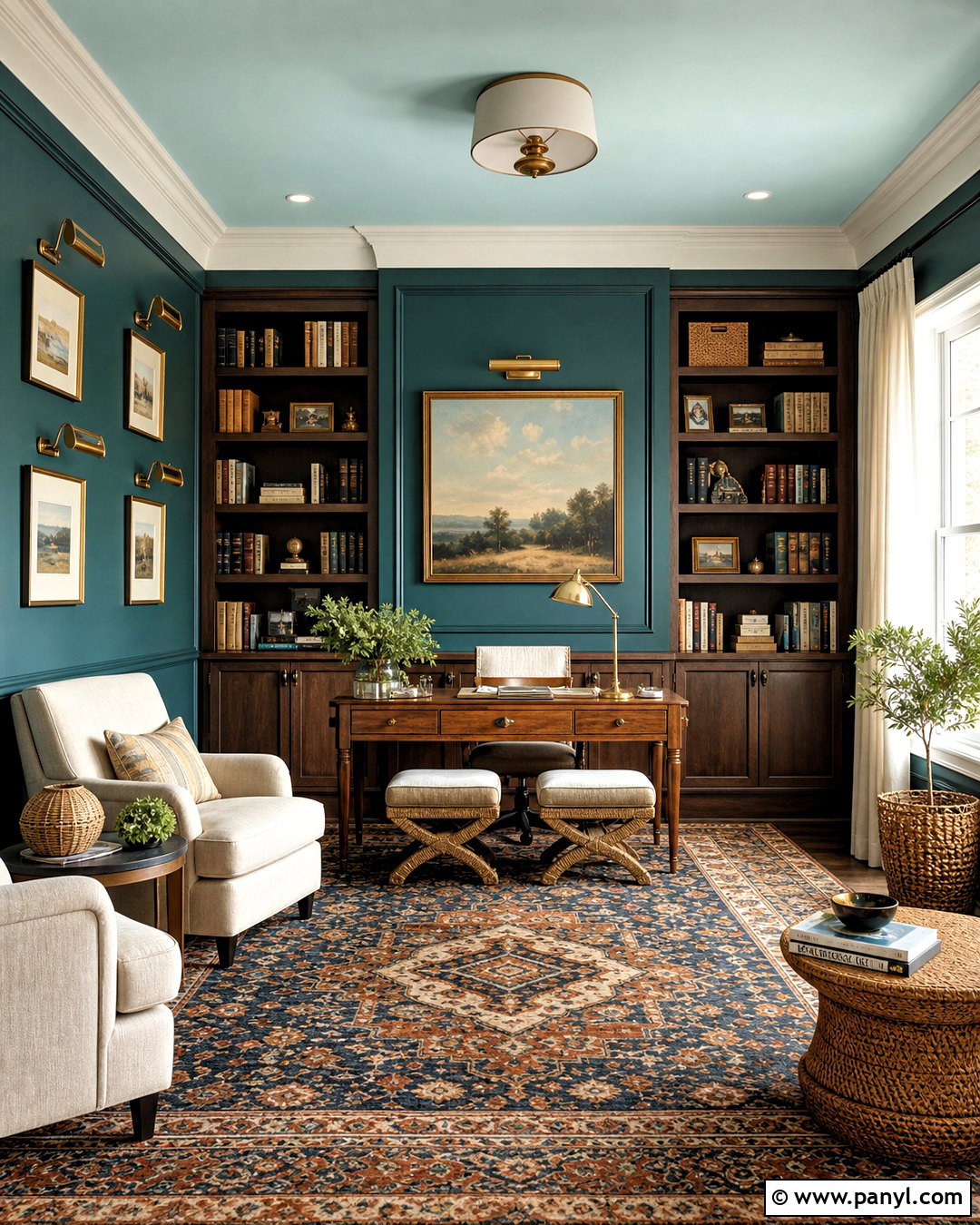
Rich teal walls and a pale aqua ceiling produce a confident room with a connected, tonal appearance. This pairing is ideal for a dining room, library, or creative workspace where stronger color feels appropriate. The ceiling should remain light and slightly muted, echoing the teal without matching its intensity. Use warm white trim for definition, or paint the molding aqua to extend the ceiling visually. Furnish the room with dark wood shelving, a cream upholstered chair, and a vintage-style rug containing blue, rust, and tan. Brass picture lights and hardware add warmth against the cool colors. Limit additional bright shades so the palette remains controlled. Natural wood, woven textures, and off-white fabrics will keep the finished space comfortable and balanced.
12. Burgundy Walls With Soft Pink Ceiling
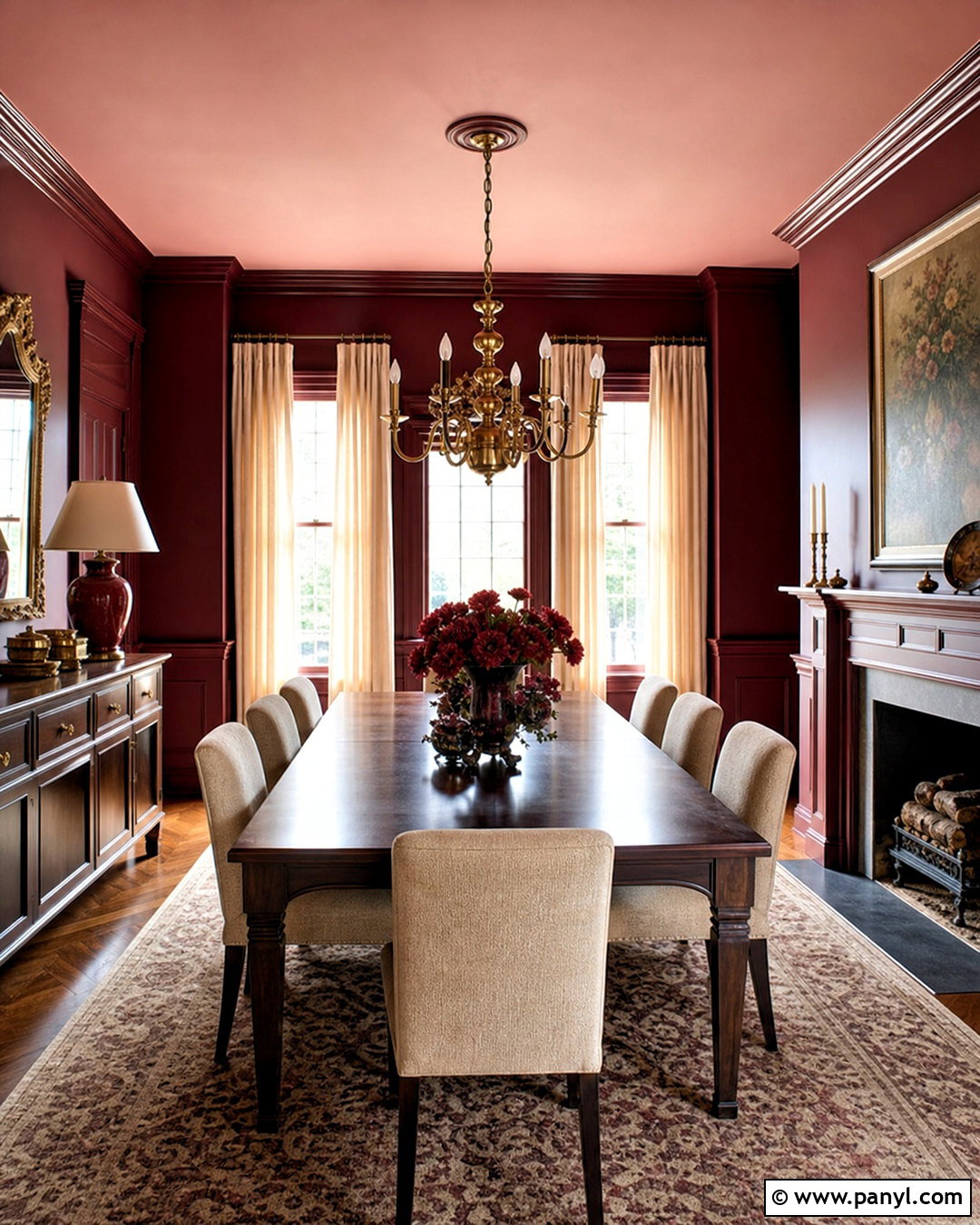
Burgundy walls become more approachable when paired with a pale, dusty pink ceiling. The result is a luxurious dining room or sitting room that feels colorful without relying on harsh contrast. Select a wine-toned burgundy with warm brown undertones, then use a restrained pink that is noticeably lighter. Paint the baseboards and door frames burgundy for a wrapped effect, while keeping crown molding pink to connect it with the ceiling. A dark oak table, oatmeal upholstery, and a patterned rug will ground the scheme. Add aged brass lighting and cream-colored curtains to brighten the room. Decorative objects should stay within a limited palette of ivory, brown, and muted red. This allows the wall and ceiling colors to look intentional rather than overly theatrical.
13. Chocolate Brown Walls With Caramel Ceiling
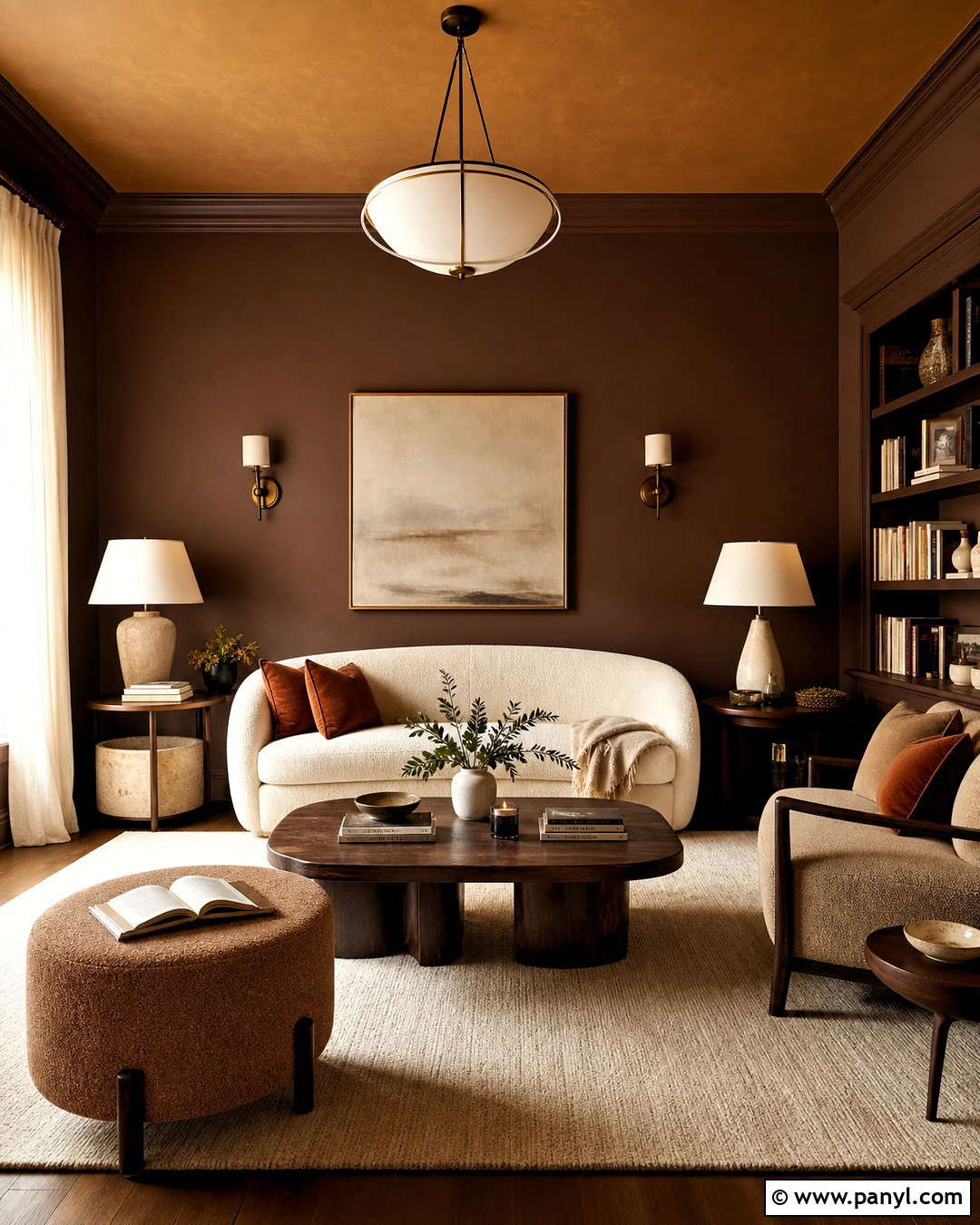
Chocolate brown walls with a caramel ceiling create a deeply warm room that works well for relaxing, reading, or entertaining. The ceiling color should resemble toasted beige rather than orange, providing a softer transition above the dark walls. Continue the caramel onto crown molding to emphasize the tonal relationship. A cream boucle sofa, walnut tables, and a warm ivory rug will prevent the room from looking too dim. Add rust-colored pillows, linen curtains, and bronze lighting for subtle variation. Artwork with large white or cream areas can break up the brown walls. This combination benefits from multiple light sources, including table lamps, sconces, and an overhead fixture. Together, the layered browns produce a comfortable space with depth, texture, and modern character.
14. Lavender Walls With Pale Gray Ceiling
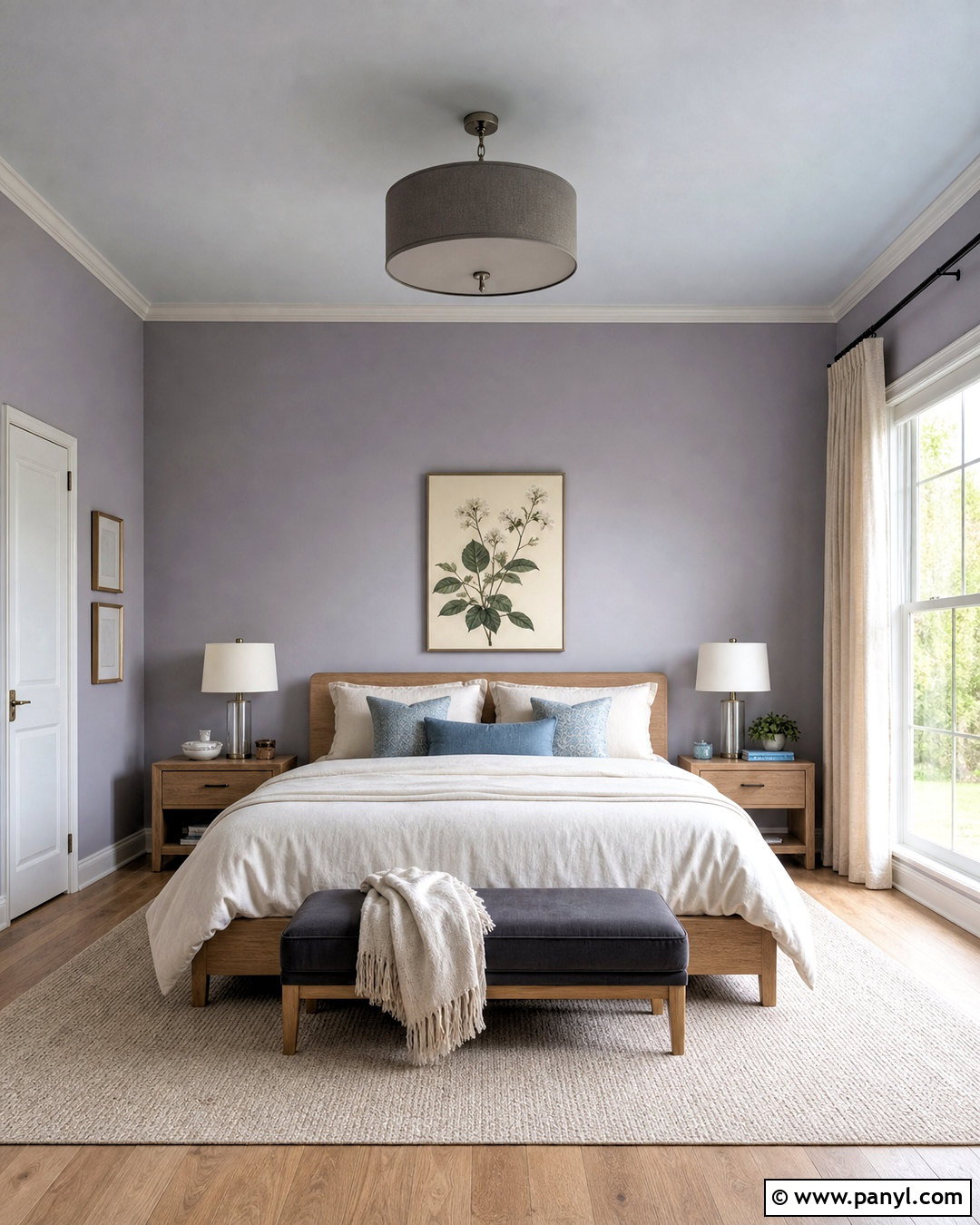
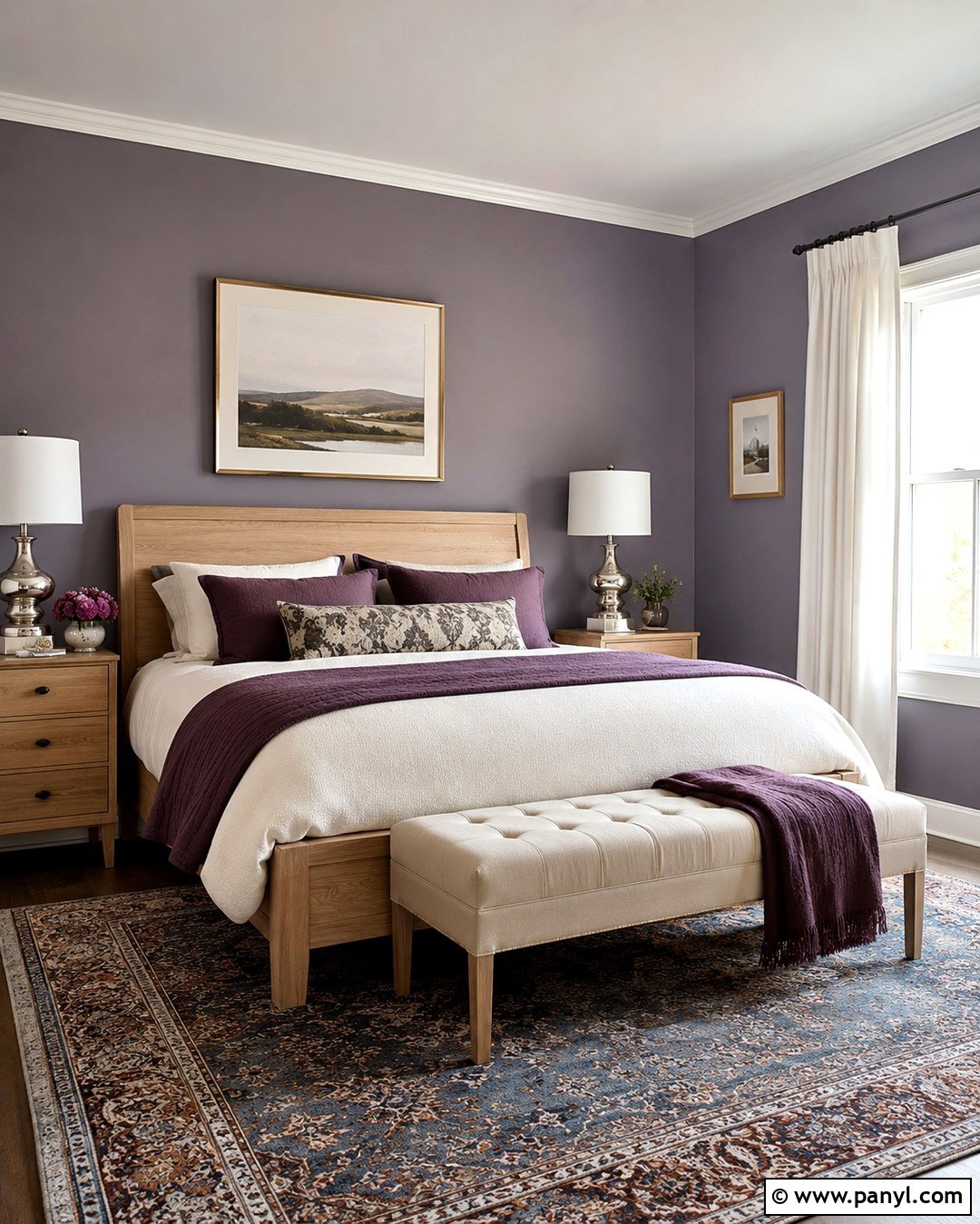
Soft lavender walls paired with a pale gray ceiling create a quiet bedroom that feels colorful yet restrained. Choose a lavender with noticeable gray undertones to avoid an overly sweet look. The ceiling gray should be light and slightly cool, creating a smooth connection with the walls. Use clean white trim around doors and windows for a tailored edge. Furnish the room with a light oak bed, ivory bedding, and a charcoal bench or dresser. Muted blue pillows and brushed nickel lamps support the cool palette. Add warmth through a beige wool rug and natural linen curtains. Simple botanical artwork can introduce gentle green accents. This balanced design works especially well for anyone who wants a restful alternative to standard blue or neutral bedroom colors.
15. Black Walls With Warm White Ceiling
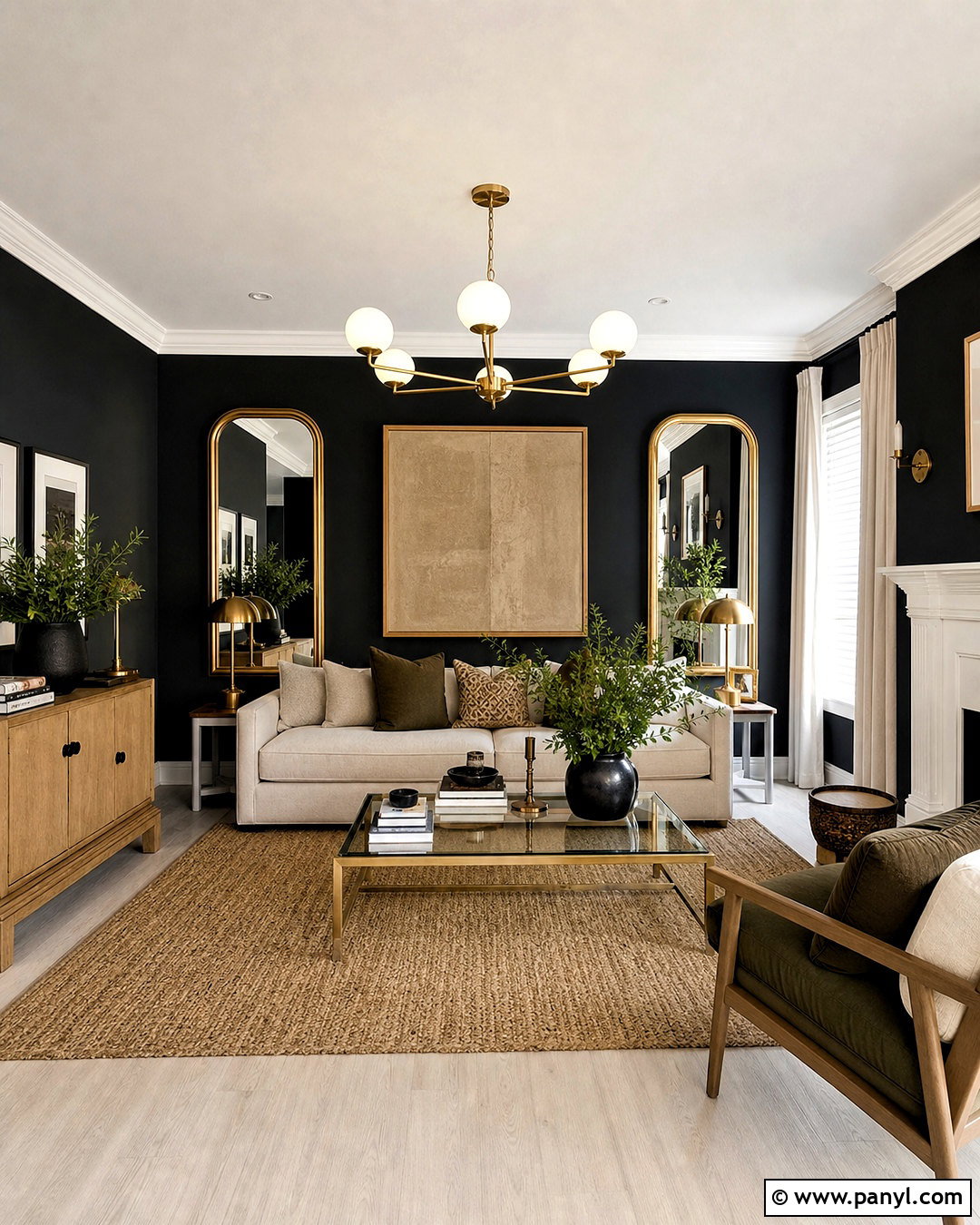
Would black walls make the room feel too dark? Not when they are balanced by a warm white ceiling, pale flooring, and thoughtfully selected furniture. This striking combination suits an entryway, office, or living room with strong natural light. Use a soft black with charcoal or brown undertones rather than a sharp blue-black. Keep the ceiling, trim, and doors warm white to form a bright framework. Add a cream sofa, light oak console, and natural woven rug. Large mirrors can reflect windows and break up broad areas of black. Choose brass or bronze lighting for warmth, then add greenery and neutral artwork. The finished room should feel graphic and polished, with enough pale surfaces to maintain visual breathing room.
16. Greige Walls With Lighter Greige Ceiling
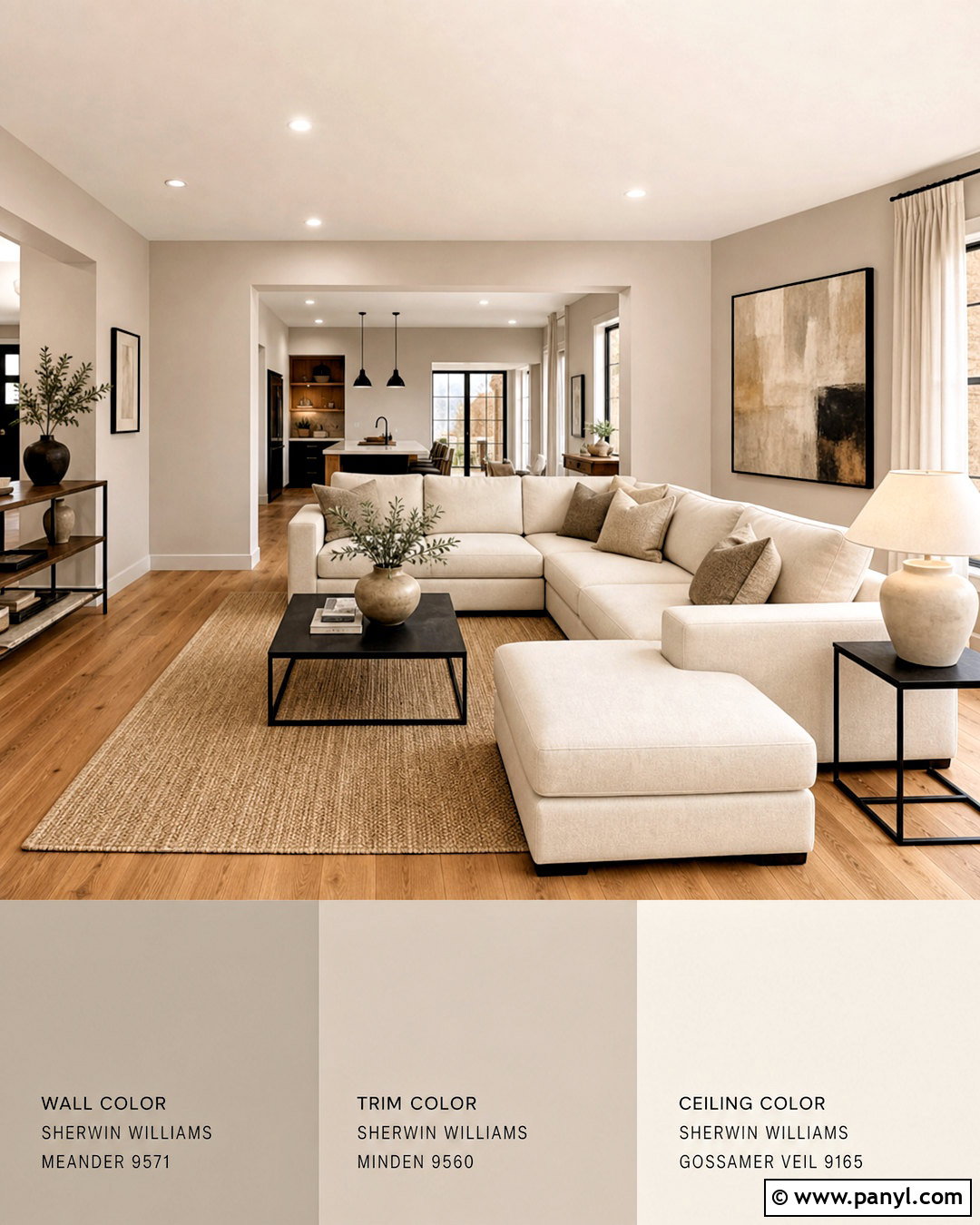
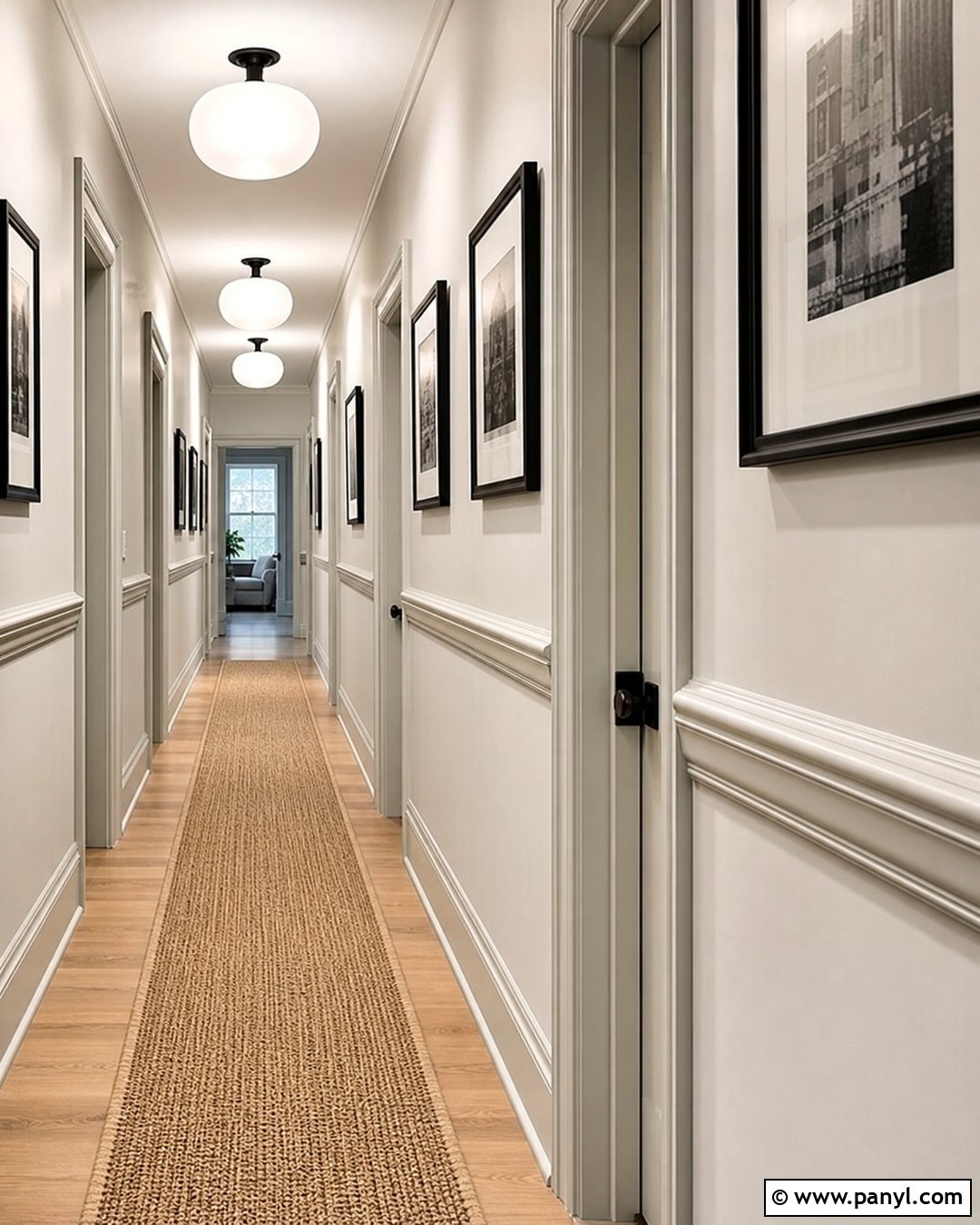
Using related shades of greige on the walls and ceiling creates a subtle tonal room with fewer visible boundaries. Select a mid-light greige for the walls and ask for a significantly lighter version for the ceiling. Both colors must share the same undertone to prevent an accidental mismatch. This combination is practical for an open living room where several materials need to work together. Pair it with an ivory sectional, medium oak flooring, black metal accents, and a textured beige rug. Paint the trim the wall color for a cleaner, more contemporary envelope. Add linen curtains, ceramic table lamps, and simple abstract art. The gentle shift between the surfaces provides depth while allowing furniture, architecture, and natural textures to remain prominent.
17. White Walls With Powder Blue Ceiling
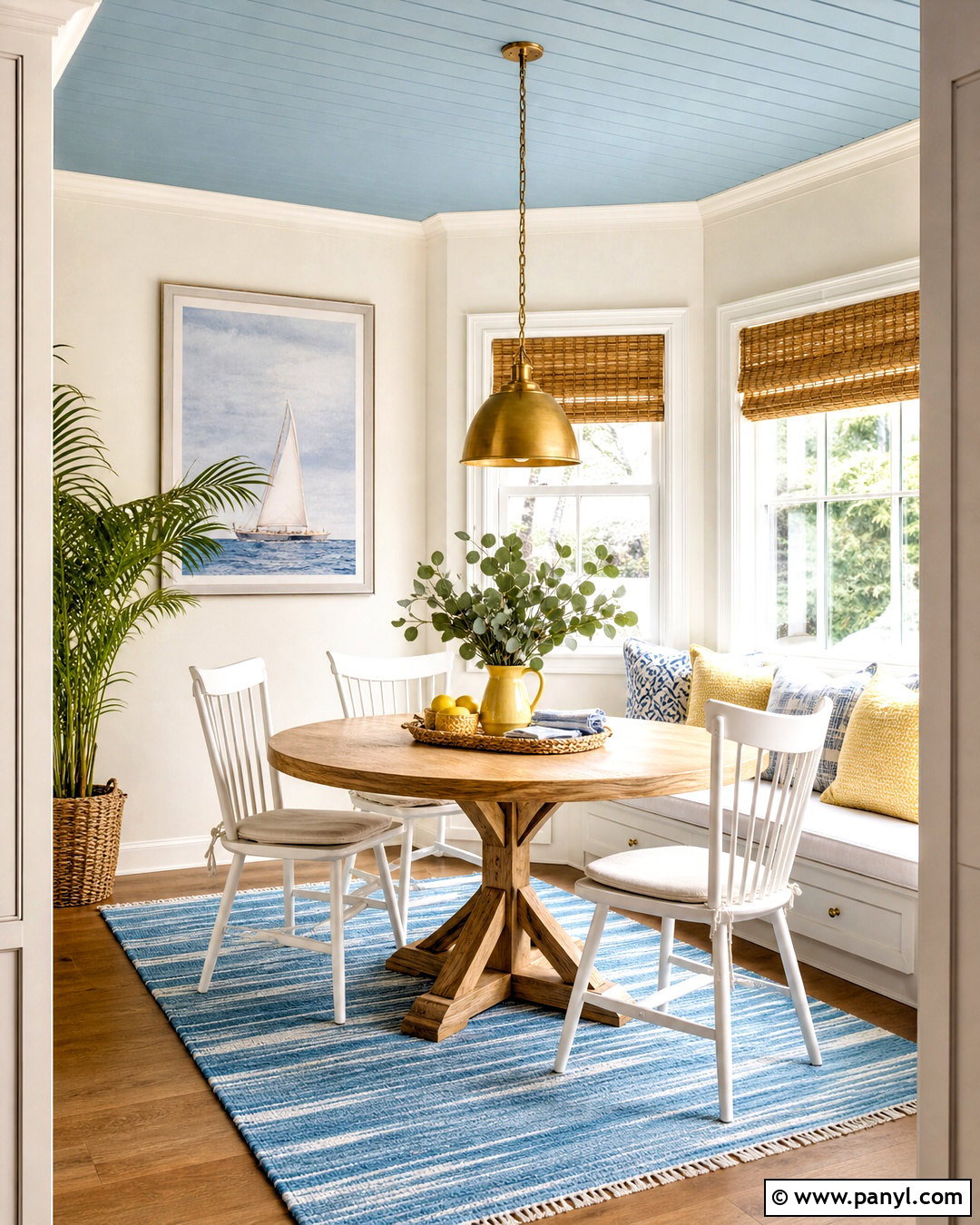
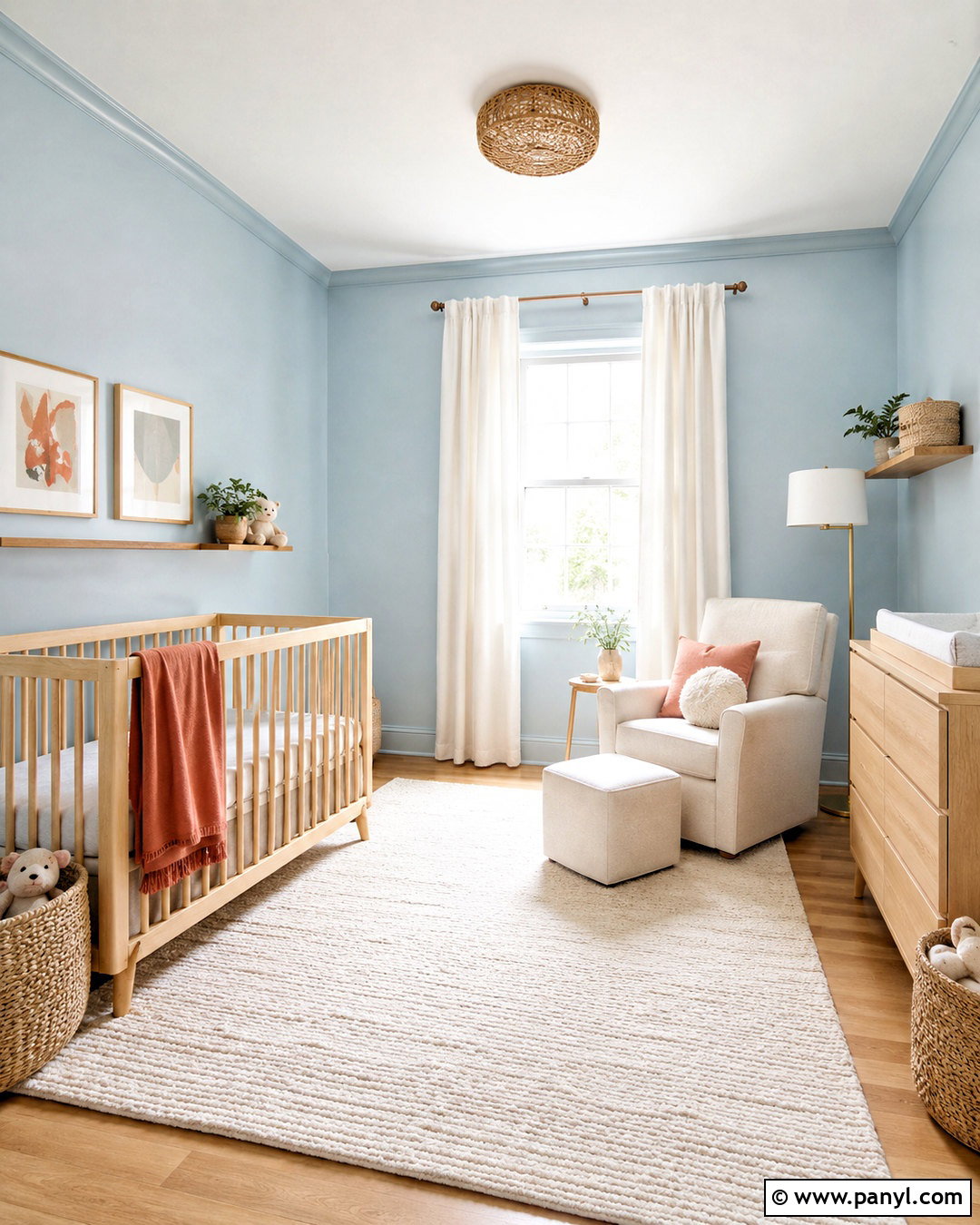
White walls and a powder blue ceiling offer an easy way to introduce color without surrounding the entire room. This pairing is especially effective in a kitchen, breakfast nook, sunroom, or child’s bedroom. Choose a warm or balanced white for the walls and trim, then use a clear but gentle blue overhead. The ceiling becomes a visible feature while the room stays light. In a breakfast nook, add a round oak table, white chairs, woven shades, and a striped blue rug. A simple brass pendant draws the eye upward. Natural greenery and soft yellow accents can keep the blue from feeling chilly. Avoid excessive blue furniture or decor; the ceiling should remain the distinctive, memorable part of the complete space.
18. Cream Walls With Muted Green Ceiling
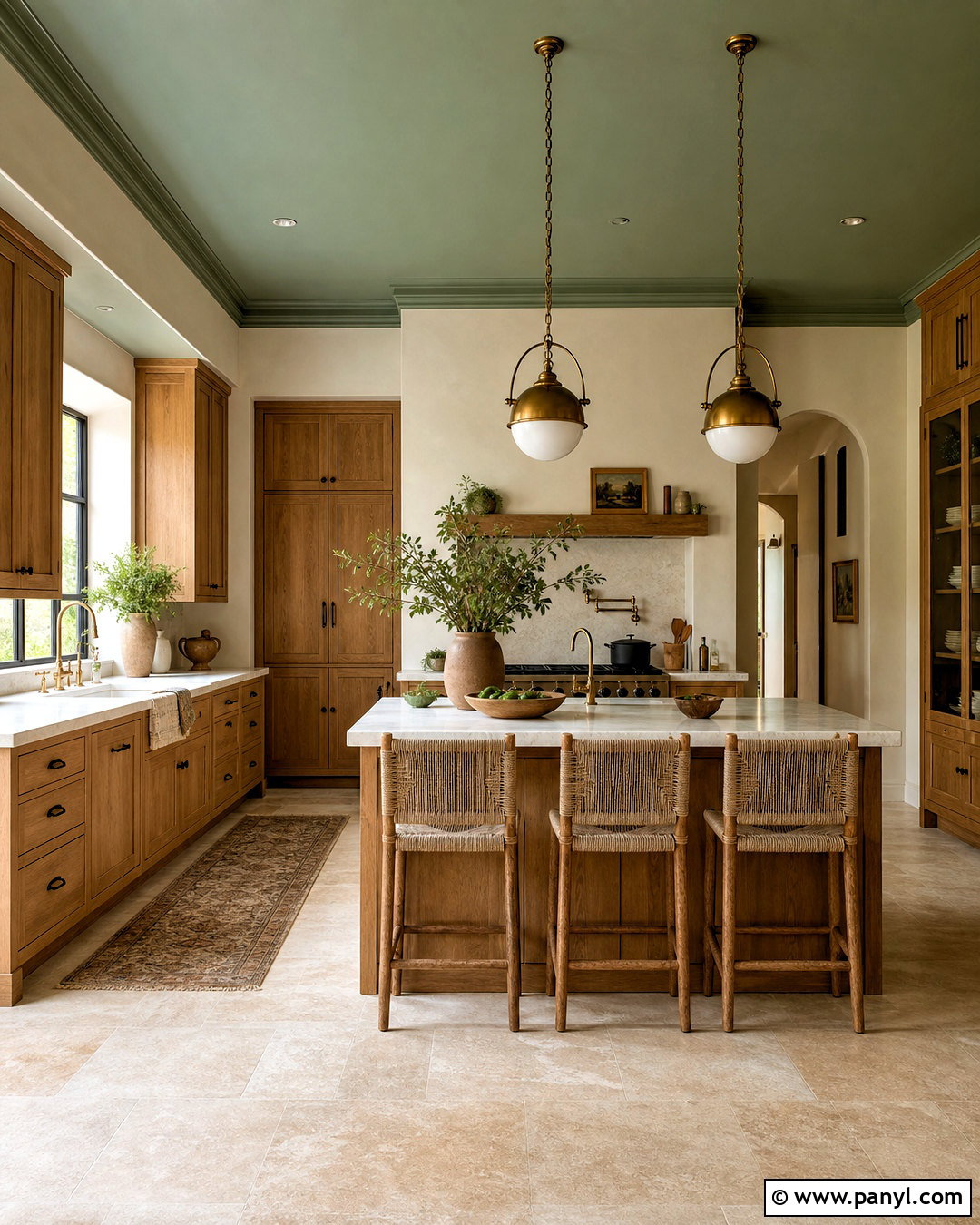
Cream walls topped by a muted green ceiling create a soft garden-inspired room with an unexpected overhead accent. Use warm cream on the walls, trim, and built-ins, then select a gray-green ceiling that resembles eucalyptus or dried herbs. This scheme feels at home in a kitchen, sunroom, or casual dining space. Pair it with natural oak cabinetry, warm white countertops, woven chairs, and pale stone flooring. Add matte black hardware for definition and terracotta pottery for warmth. A ceiling pendant in aged brass will complement the green without competing with it. Keep fabrics simple, using checks, narrow stripes, or solid linen. The finished room feels fresh and distinctive while remaining neutral enough for everyday family life.
19. Cobalt Blue Walls With Bright White Ceiling
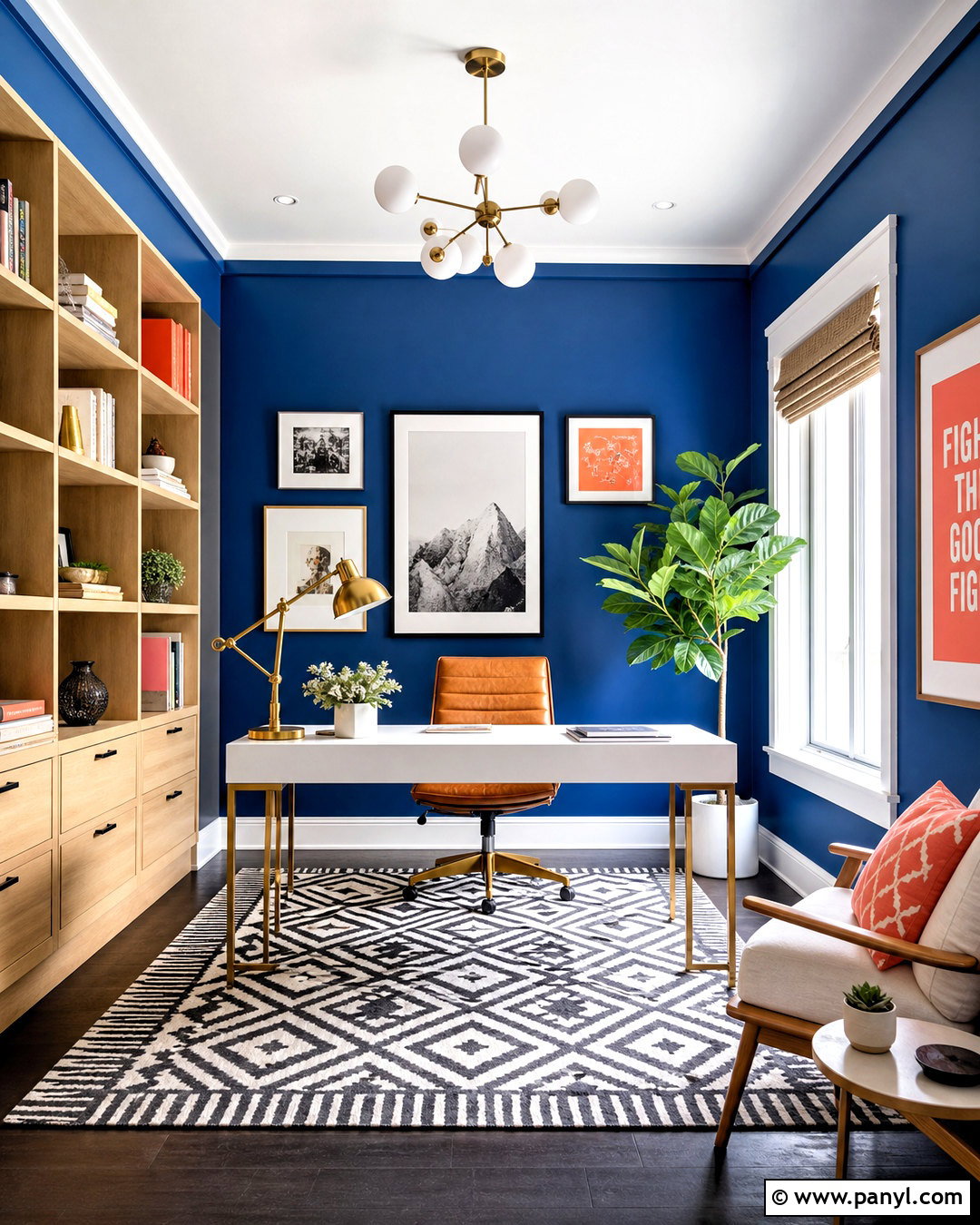
Cobalt blue walls and a bright white ceiling deliver energetic contrast in a room that can handle strong color. Consider this pairing for a compact powder room, creative studio, or lively home office. Keep the ceiling and trim consistently white to give the blue sharp, intentional borders. In an office, add a white desk, pale wood shelving, and a graphic black-and-white rug. Warm the design with cognac leather seating and brass task lighting. In a powder room, white tile, a walnut vanity, and polished nickel fixtures provide balance. Limit secondary colors to one or two controlled accents, such as coral or mustard. The complete design should feel crisp and expressive, with simple furniture shapes that let the saturated blue remain the main visual feature.
20. Soft Green Walls And Ceiling
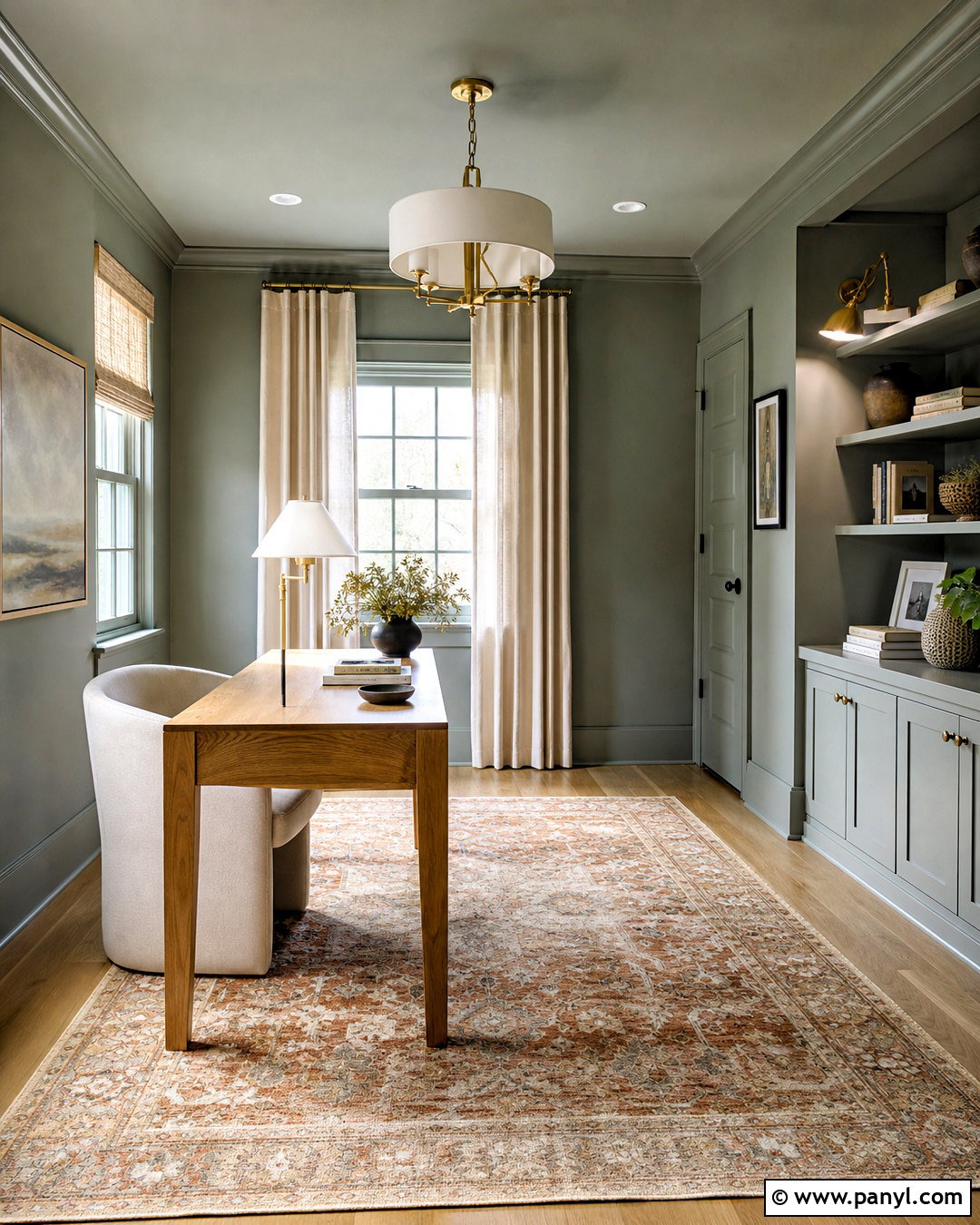
Painting both the walls and ceiling soft green creates a seamless, enveloping room that feels calm rather than overpowering. Choose a desaturated green with gray undertones and use a flat finish overhead. An eggshell finish on the walls provides a slight change in texture while preserving the continuous color. This approach works well in a bedroom, reading room, or small home office. Paint the trim and doors green too for a complete color-drenched effect, or use warm white trim for a lighter outline. Add a natural oak desk or bed, cream upholstery, flax linen curtains, and a patterned rug in muted rust and beige. Warm brass lighting and ceramic decor will bring enough contrast to keep the finished space dimensional and inviting.
Conclusion:
The best color pairing does more than coordinate two painted surfaces. It shapes the mood, highlights the architecture, and connects the room’s furniture and finishes. These 20 wall and ceiling color combinations offer choices for bright kitchens, restful bedrooms, dramatic dining rooms, and cozy living spaces. Begin with the room’s natural light, flooring, and fixed materials before selecting your shades. Then test large samples on both horizontal and vertical surfaces, since ceiling colors can appear darker than expected. Whether you prefer warm neutrals, layered greens, airy blues, or richer tonal treatments, use the entire room as your guide. A coordinated plan will make even an adventurous ceiling feel purposeful, balanced, and comfortable.

Related Ideas and Inspiration:
Leave a Reply