
The right paint pairing can make basic trim feel intentional, improve visual flow, and help furniture, flooring, and decor sit comfortably together. These 20 Wall And Baseboard Color Combinations cover timeless neutrals, nature-inspired shades, dramatic contrasts, and modern tone-on-tone treatments. Current decorating approaches include classic white trim, darker contrasting baseboards, and matching wall-and-trim colors differentiated by sheen. () Before choosing, compare large samples beside the flooring in morning and evening light. Pay close attention to undertones because a cool white may look harsh beside earthy paint, while creamy trim can appear yellow against icy gray. Each complete room look below includes furnishings, materials, and accents that make the palette easier to recreate. Explore these practical 20 Wall And Baseboard Color Combinations.

1. Soft White Walls With Bright White Baseboards
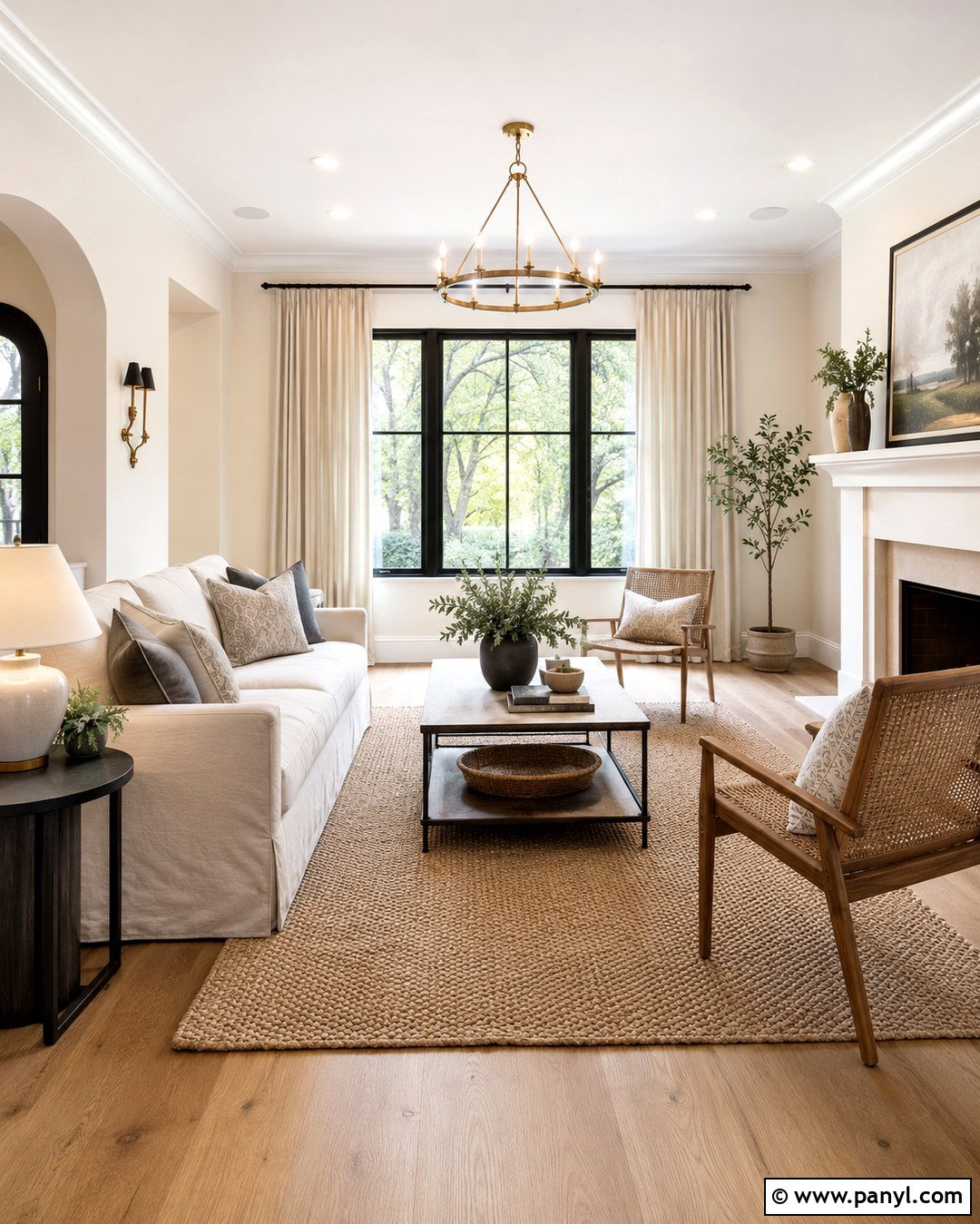
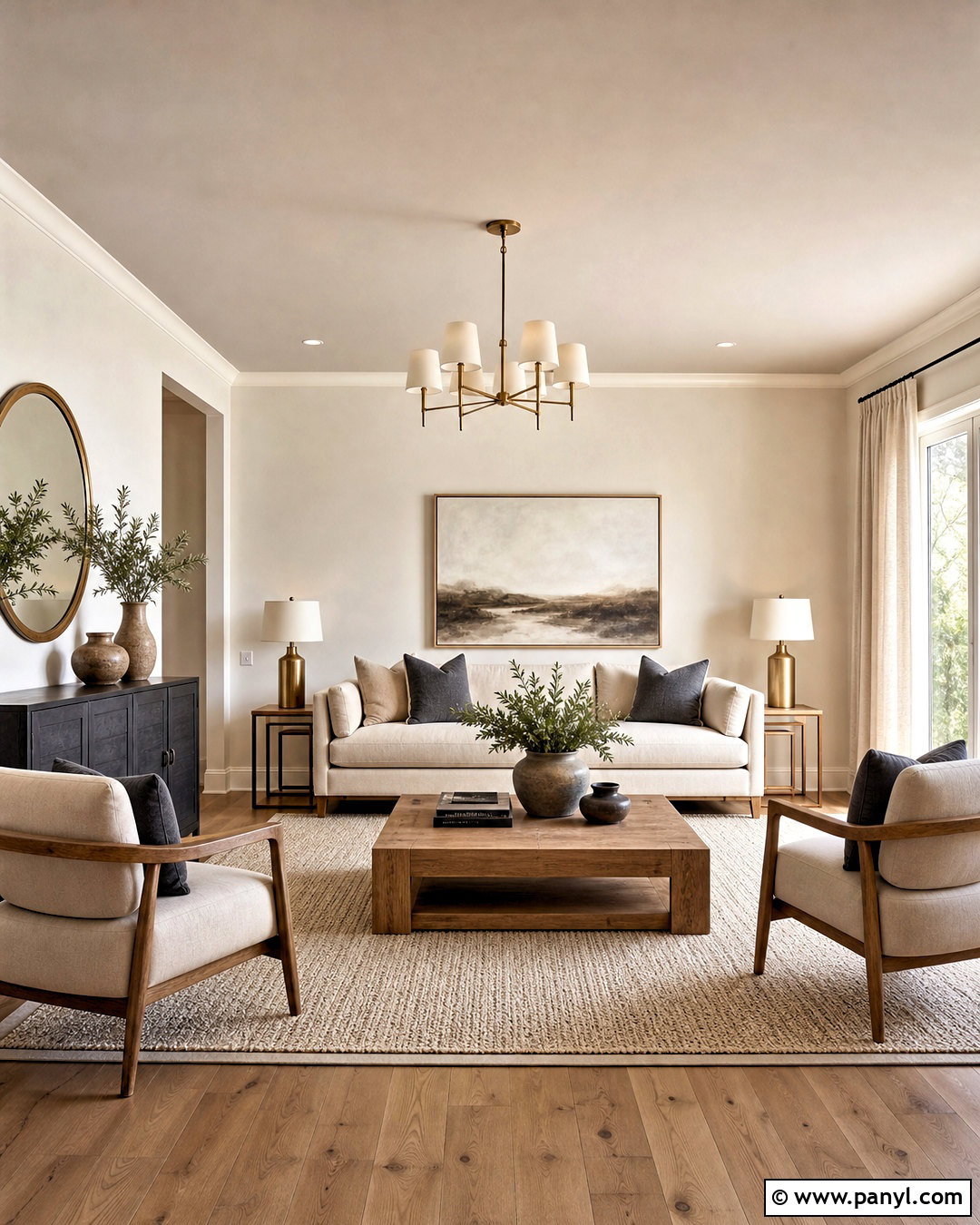
Soft white walls and brighter white baseboards create an airy, polished backdrop without making the room feel cold. Use a warm white with subtle cream undertones on the walls, then choose a cleaner white in satin or semi-gloss for the baseboards, doors, and window trim. This gentle contrast works beautifully in a small living room with pale oak flooring, a light beige sofa, and woven accent chairs. Add linen curtains, black-framed artwork, and brushed brass lighting for definition. A natural jute rug keeps the palette grounded. The brighter baseboards sharpen the room’s edges, while the softer walls prevent excessive glare. Repeat both whites in pillows and ceramics so the difference appears deliberate rather than mismatched.
2. Greige Walls With Warm White Baseboards

Greige walls paired with warm white baseboards offer an easy transition between cool gray furnishings and warmer wood finishes. Choose a balanced greige that does not lean heavily purple or green. Finish the baseboards, door casings, and crown molding in a creamy white with a compatible beige undertone. Build the room around a caramel leather sofa, medium oak coffee table, and oatmeal-colored rug. Black metal lamps and charcoal pillows provide crisp contrast without cooling the entire design. This combination is especially useful in open living and dining spaces because it supports several neutral materials at once. Keep the ceiling warm white as well. The continuous trim color connects adjacent areas, while the greige walls give each furniture arrangement a calm, softly defined background.
3. Beige Walls With Cream Baseboards
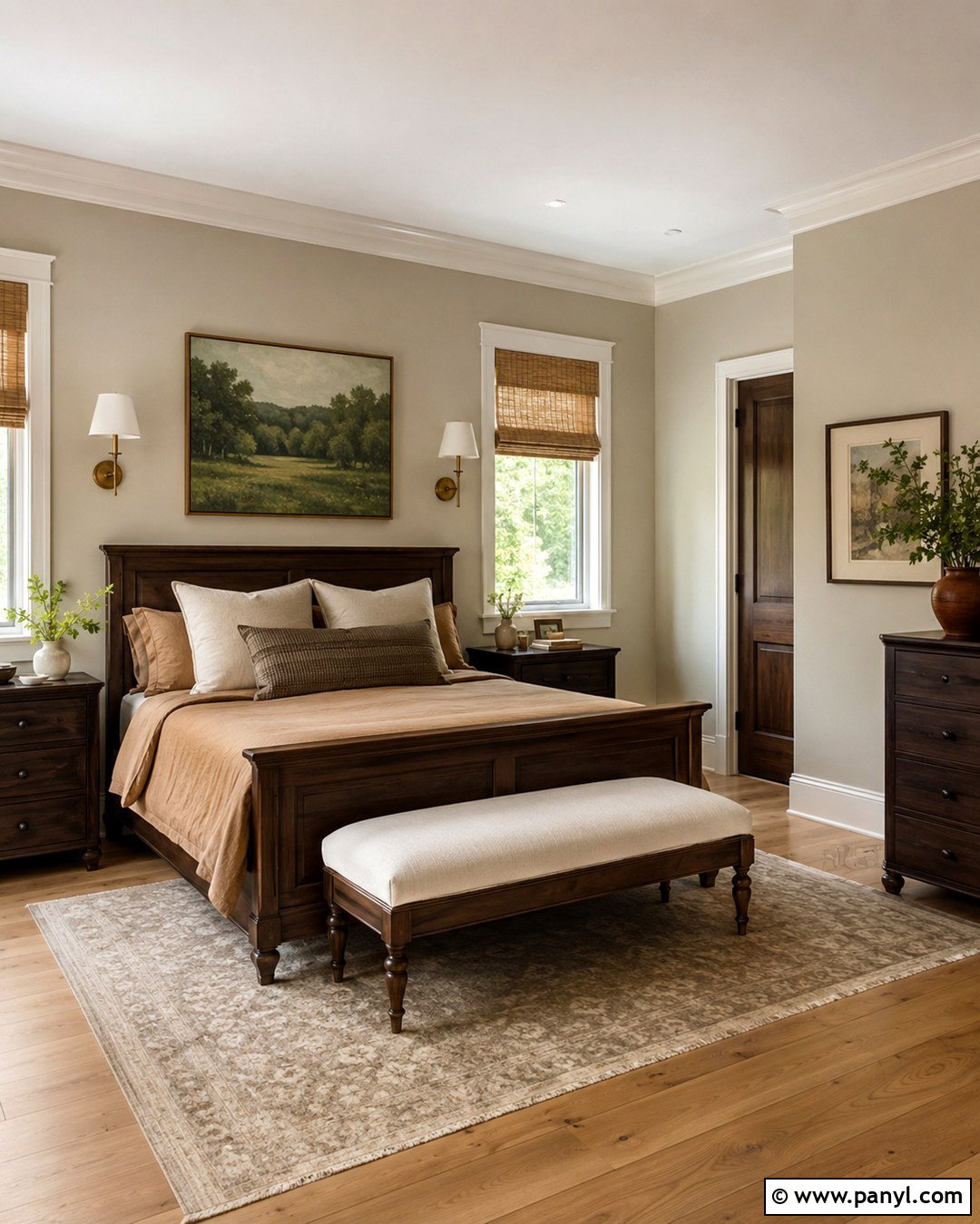
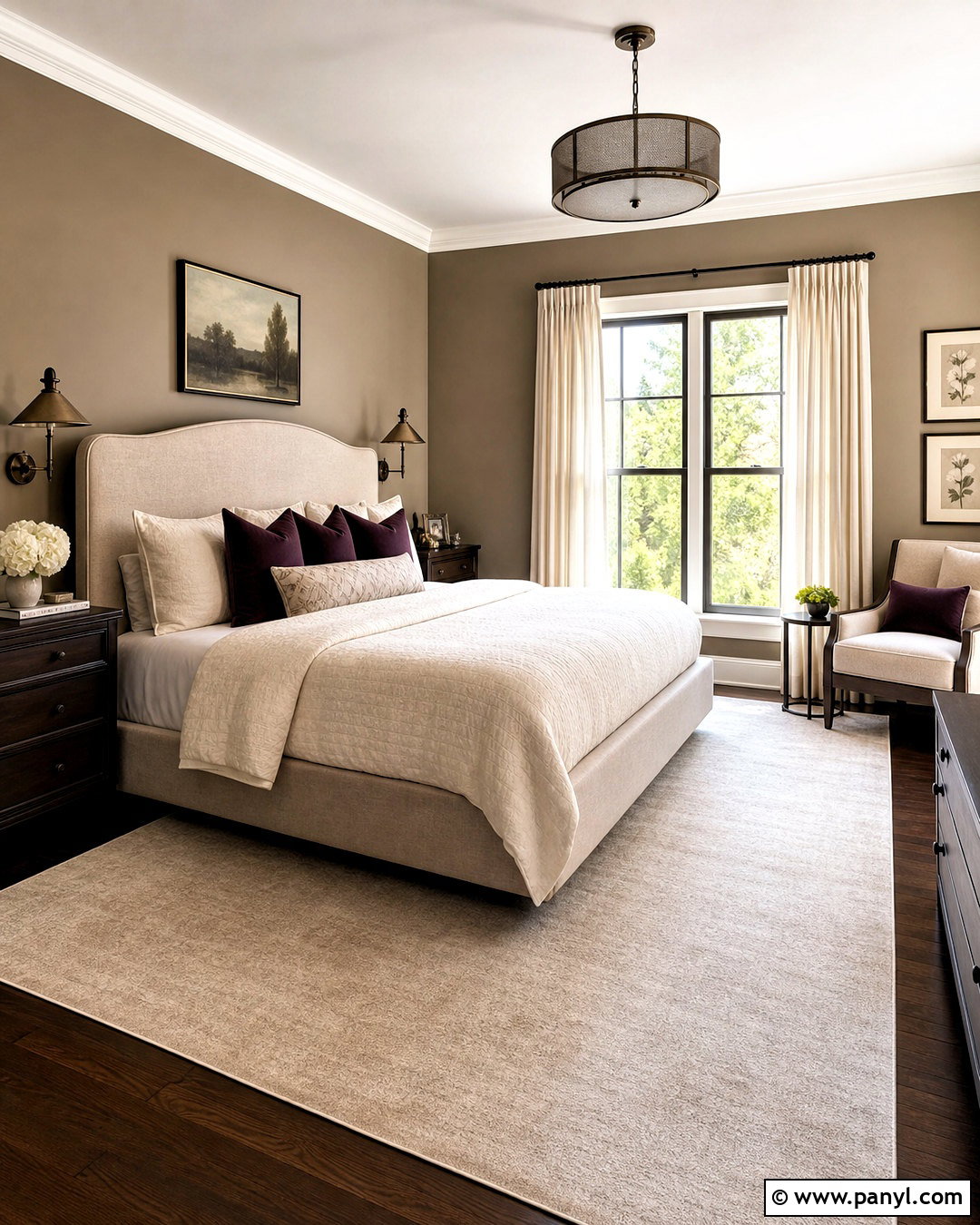
Warm beige walls and cream baseboards produce a welcoming room that feels comfortable rather than overly formal. Select a muted beige with soft tan undertones, avoiding anything too orange. Use a lighter cream on the baseboards, doors, and trim to create definition without a stark white outline. Complete the look with walnut furniture, an ivory upholstered bed, and layered bedding in camel, flax, and soft brown. Antique brass sconces and warm woven shades reinforce the cozy palette. For flooring, natural oak or a neutral wool carpet works well. Add muted green through a bench or botanical artwork for gentle contrast. This combination is ideal for a bedroom where soft color transitions and warm materials should encourage a relaxed, restful atmosphere.
4. Light Gray Walls With Crisp White Baseboards
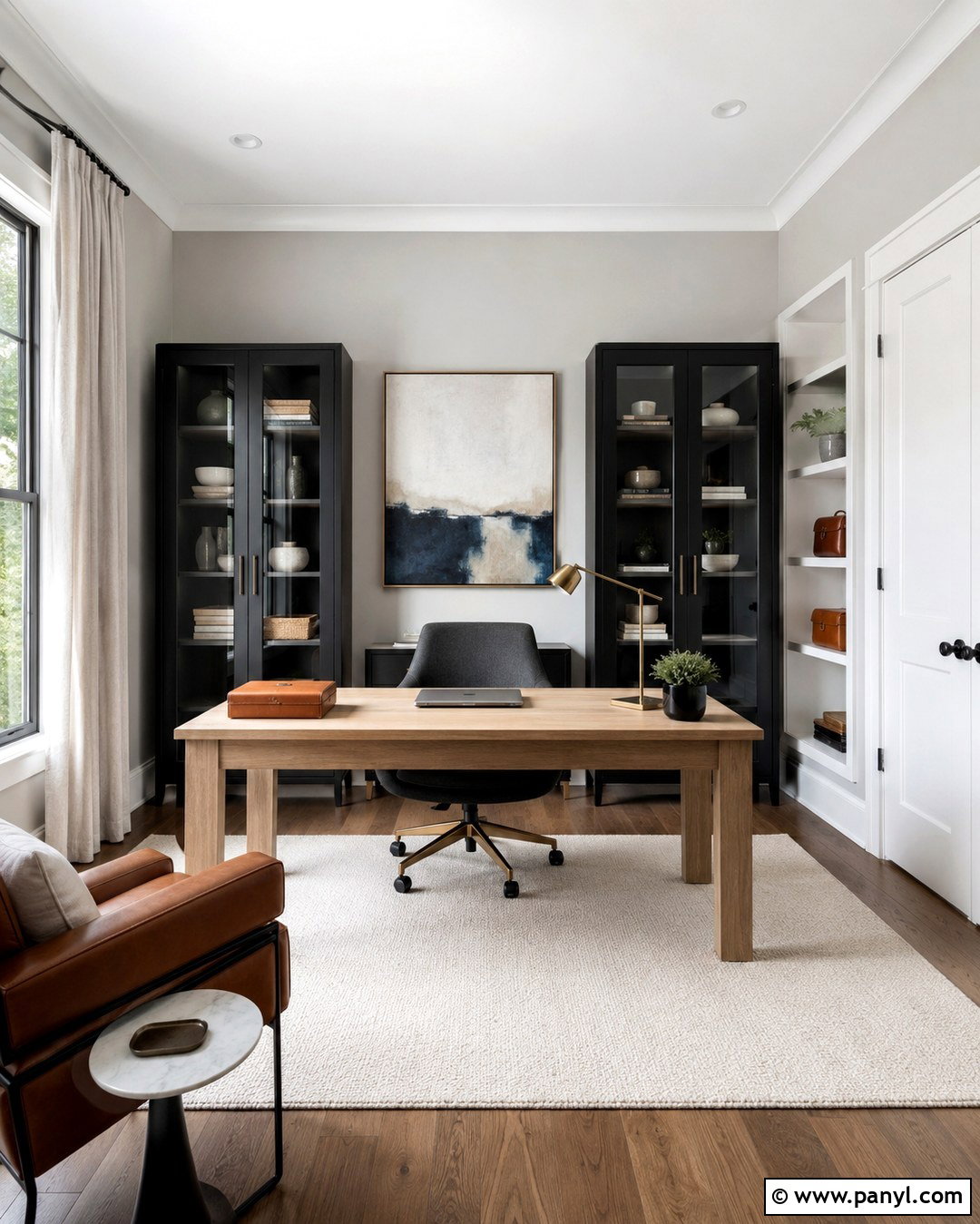
Light gray walls gain clean architectural structure when paired with crisp white baseboards. Choose a pale gray with a subtle blue undertone for a fresh home office or streamlined living area. Carry the bright white onto window casings, doors, shelving, and the ceiling to keep the space cohesive. Furnish the room with a white oak desk, a charcoal office chair, and matte black storage cabinets. A textured ivory rug and light linen curtains soften the cooler palette. Introduce warmth with cognac leather accessories or a small walnut side table. The white baseboards should have a satin finish so they remain practical and easy to clean. This restrained combination lets modern furniture, organized storage, and graphic artwork stand out without making the room appear busy.
5. Sage Green Walls With Cream Baseboards
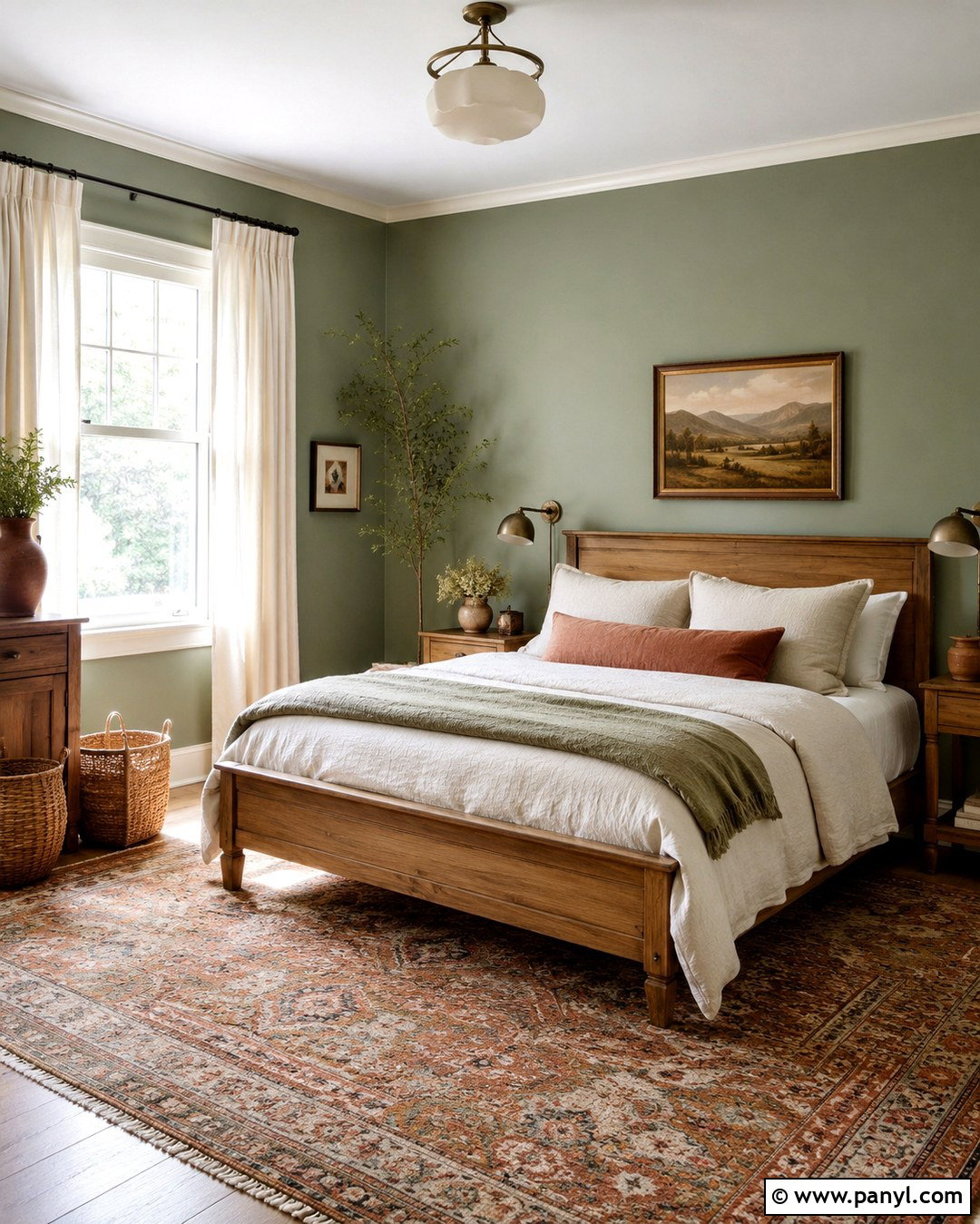
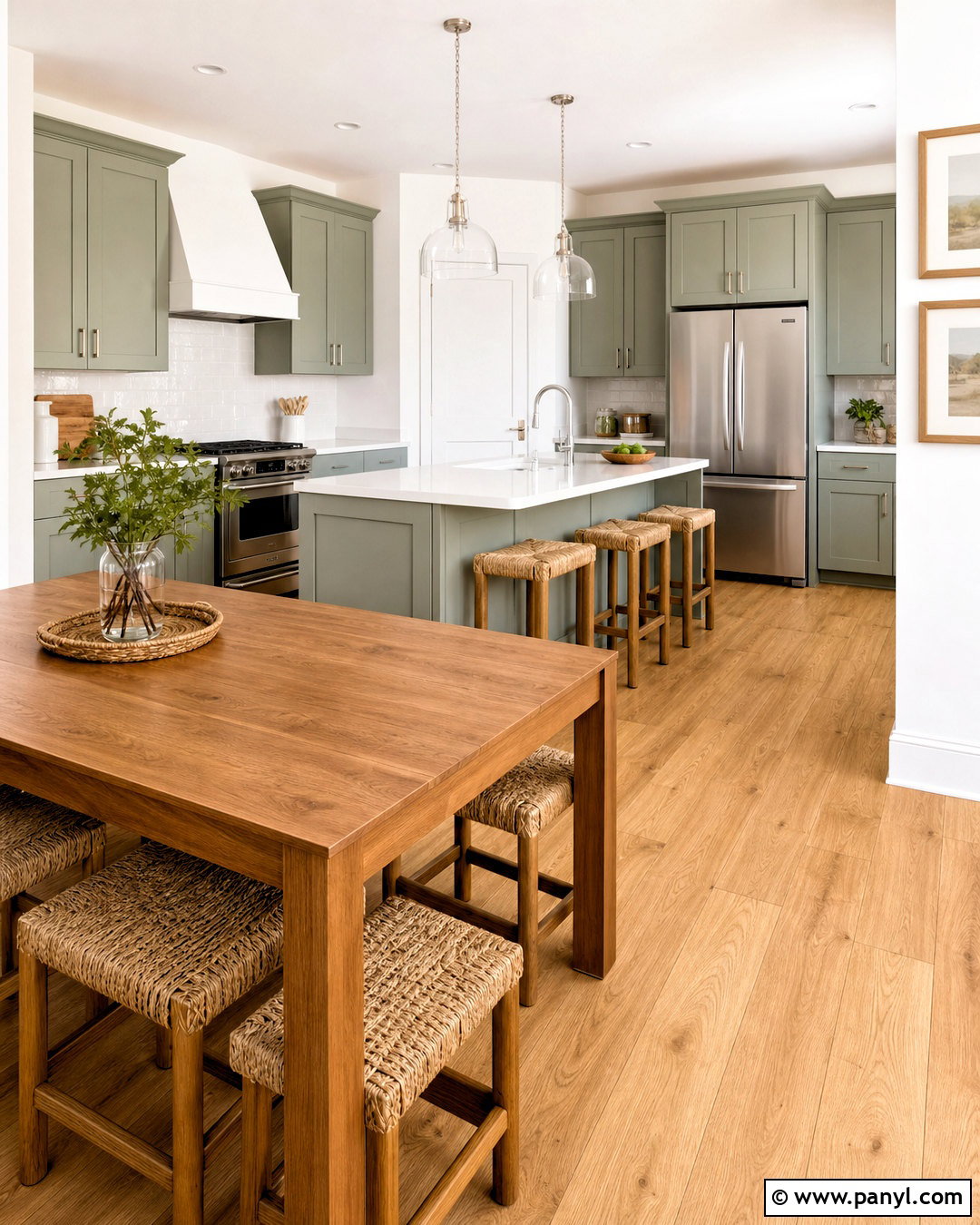
Sage green walls and cream baseboards bring a soft garden influence into a bedroom, reading room, or relaxed living space. Look for a muted sage with gray and yellow undertones rather than a bright mint. Pair it with gently warm cream trim to maintain the earthy character. Complete the room with an oak bed or bookcase, natural linen upholstery, and a vintage-style rug containing rust, beige, and faded green. Add aged brass lighting, woven baskets, and terracotta pottery for depth. Cream curtains can echo the baseboards and brighten the windows without creating harsh contrast. Keep larger furniture neutral so the wall color remains soothing. This complete palette feels collected and comfortable, especially when natural wood and tactile fabrics repeat its understated warmth.
6. Dusty Blue Walls With Soft White Baseboards
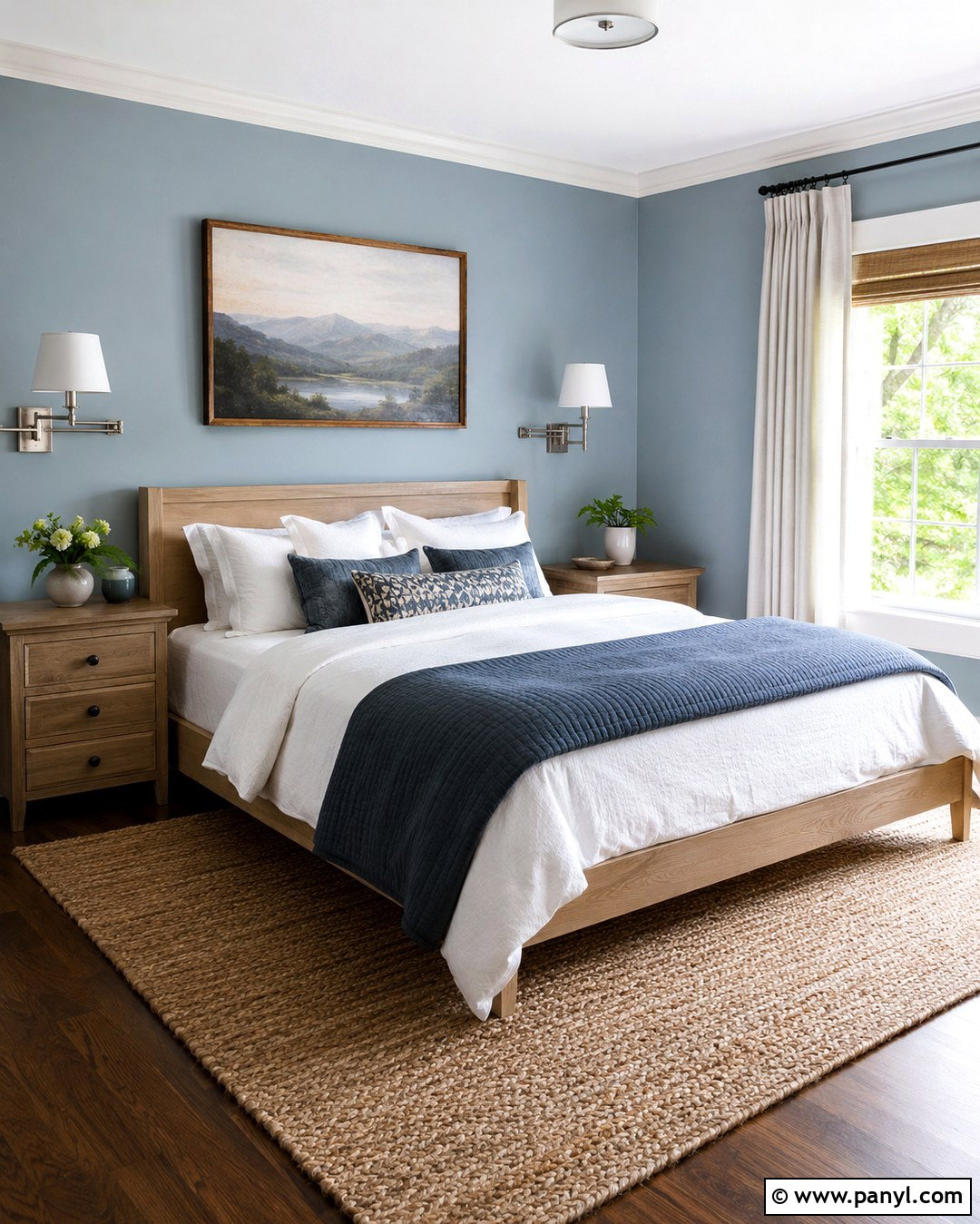
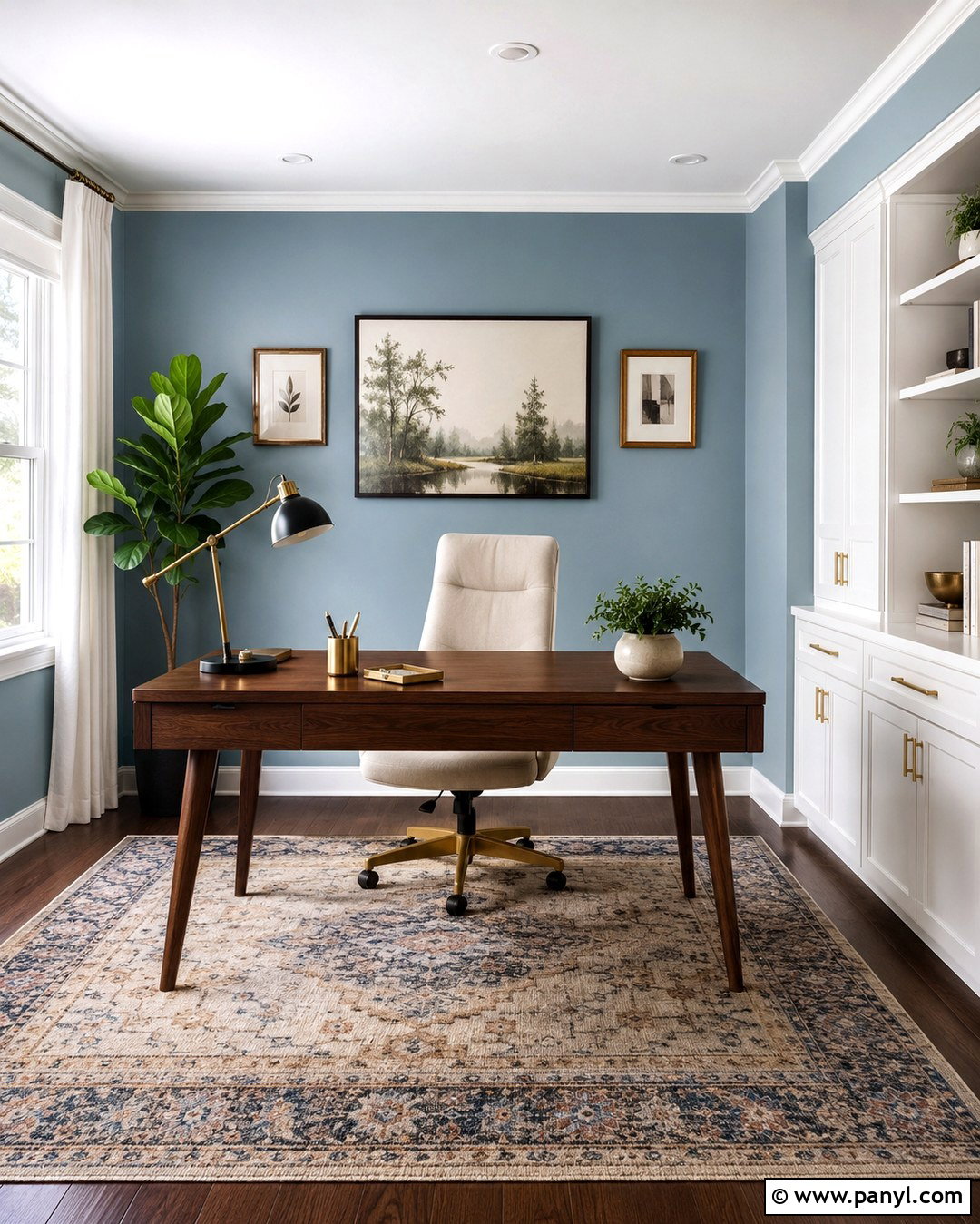
Dusty blue walls feel calm and versatile beside soft white baseboards, particularly in bedrooms and bathrooms. Choose a blue softened with enough gray to prevent it from looking overly sweet or coastal. Use an off-white with a neutral undertone for the baseboards, door trim, and ceiling. In a bedroom, add a light wood bed, white linen bedding, a slate blue quilt, and weathered oak nightstands. Polished nickel sconces provide a cooler metallic accent, while a beige rug introduces warmth underfoot. Hang simple landscape artwork that repeats blue, cream, and muted green. This pairing works best with uncluttered furnishings and light window treatments. The trim lifts the blue walls, and the natural materials keep the finished room relaxed, balanced, and approachable.
7. Navy Blue Walls With Bright White Baseboards
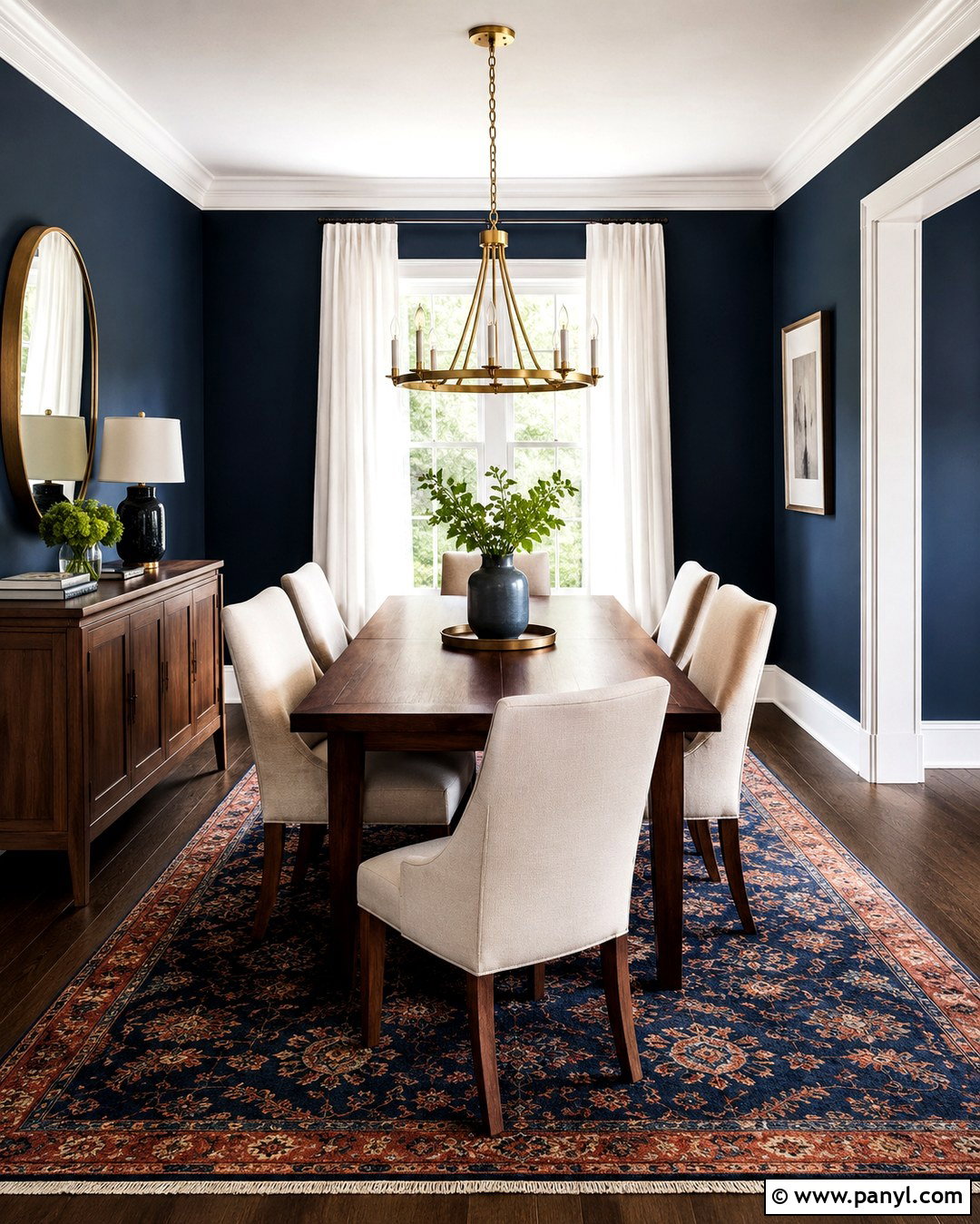
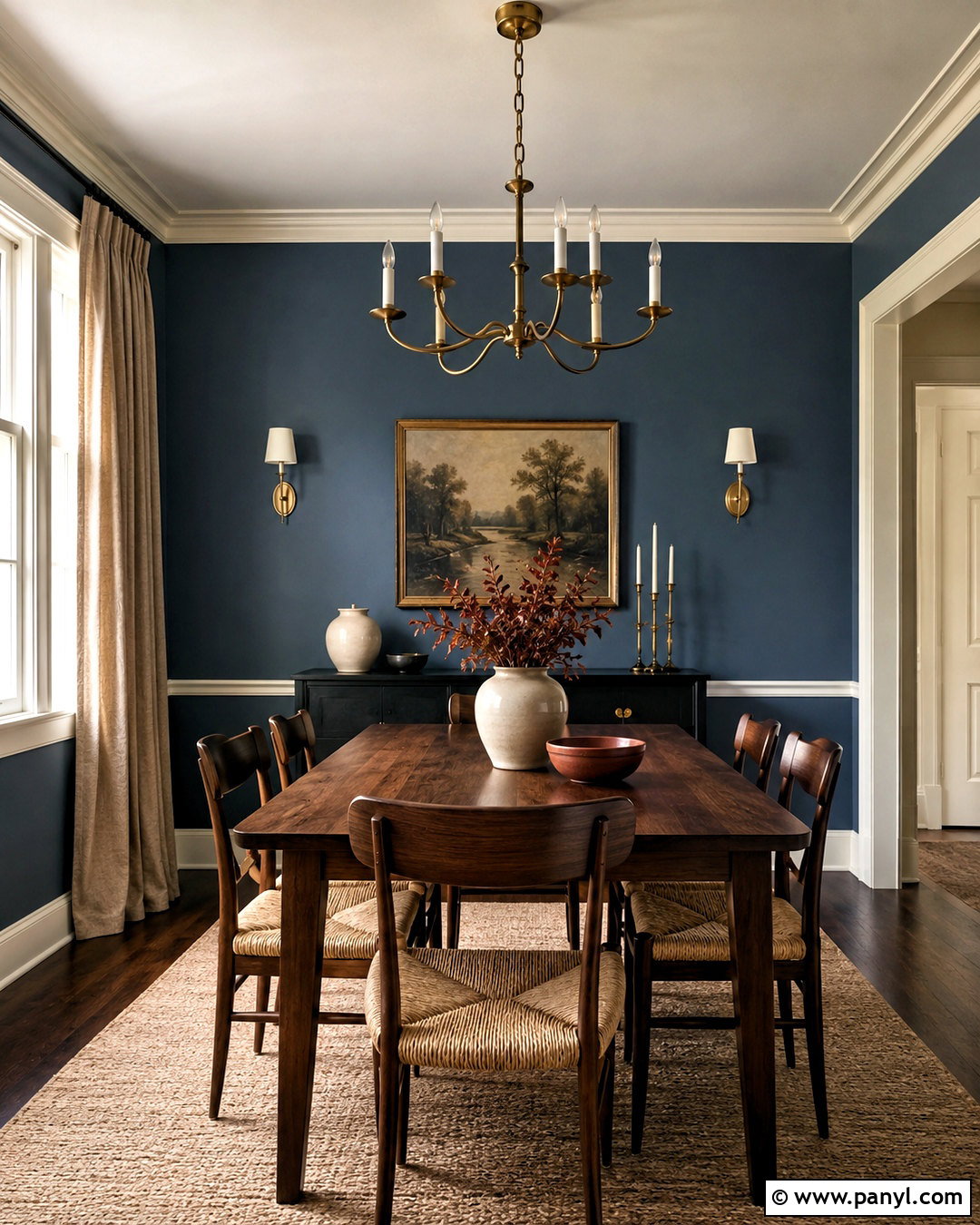
Navy blue walls and bright white baseboards create a bold, tailored room with strong architectural definition. Use this combination in a dining room, study, or living room that receives adequate natural light. Continue the white across door casings, windows, crown molding, and built-in shelves for a balanced frame around the darker walls. Furnish the space with a medium walnut table, cream upholstered chairs, and a patterned rug in navy, rust, and ivory. Brass lighting warms the deep blue, while white curtains connect visually to the trim. Include a large mirror to reflect light and prevent the palette from feeling enclosed. The finished design should mix dark and light elements evenly, allowing the navy to feel sophisticated while the baseboards keep every edge crisp and visible.
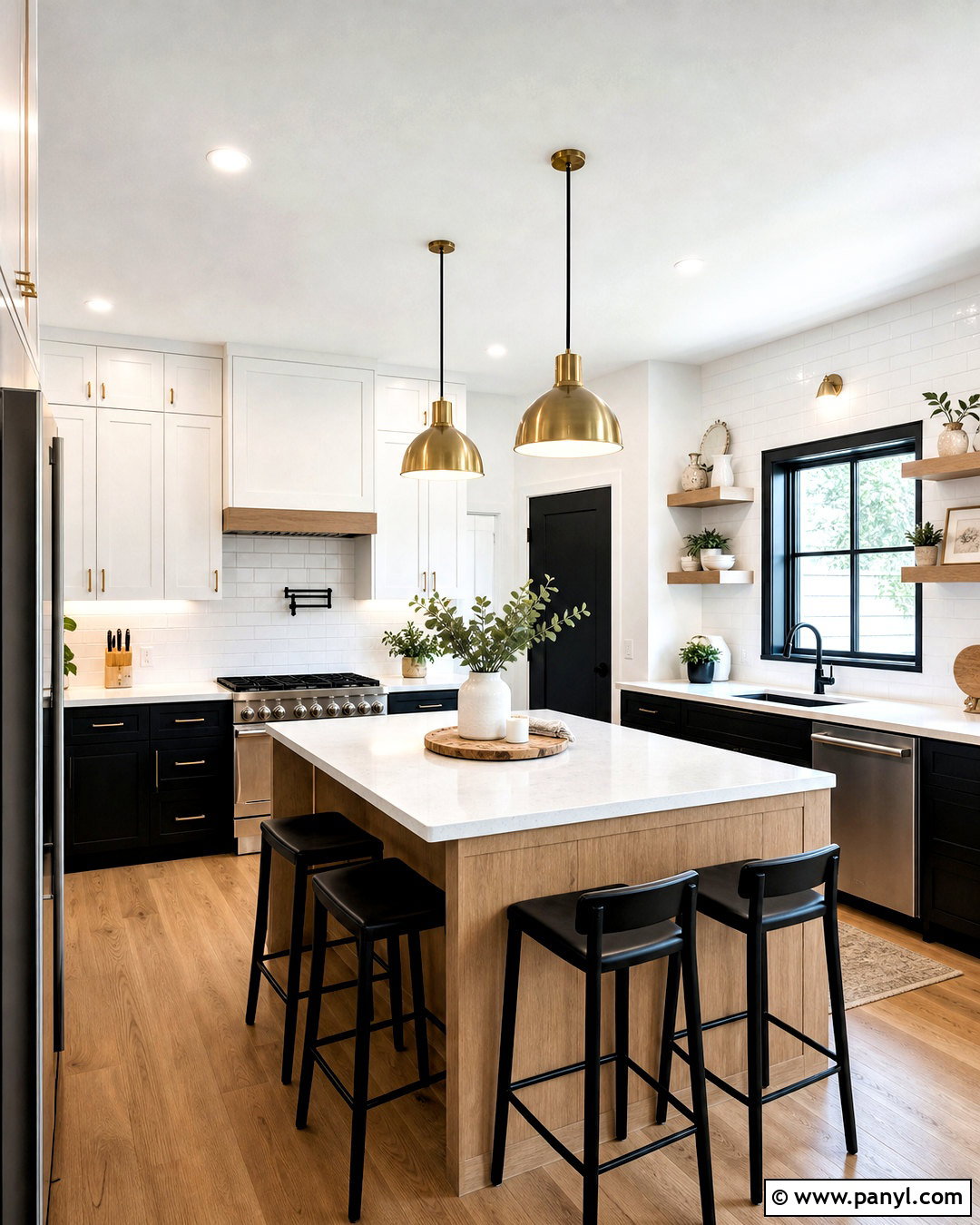
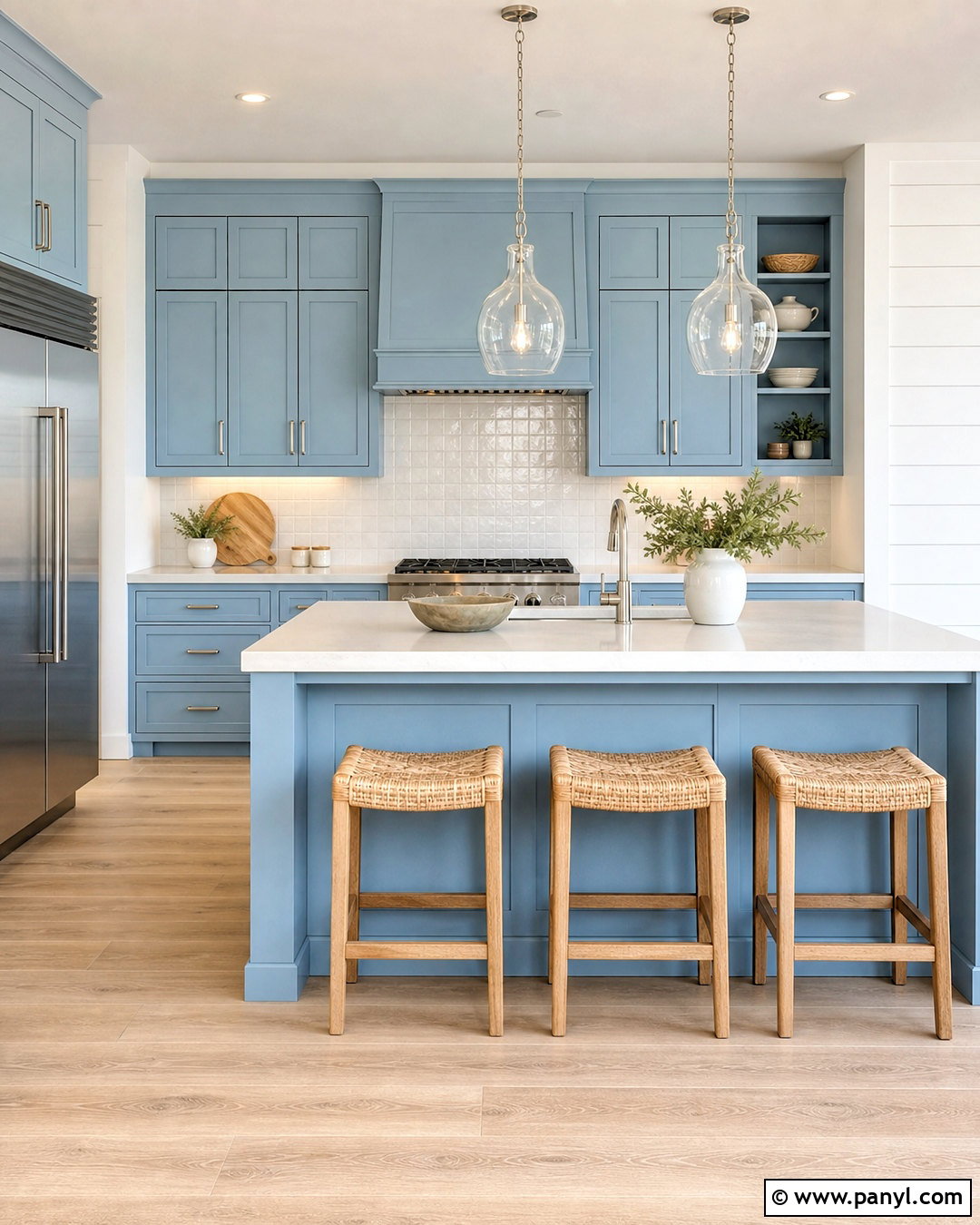

8. Charcoal Walls With Off-White Baseboards
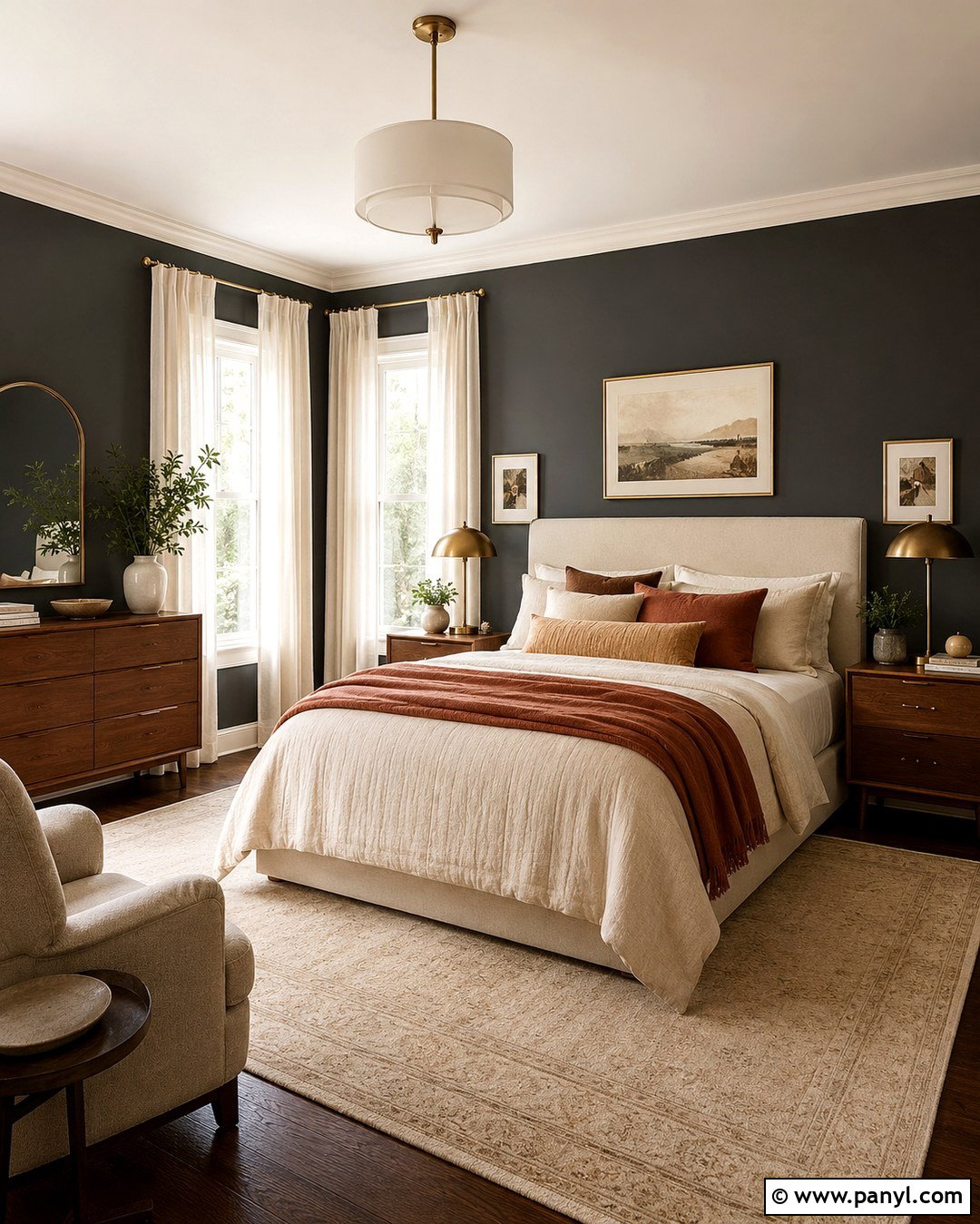
Charcoal walls become more livable when softened by off-white baseboards instead of sharp, brilliant white. Choose a charcoal with warm brown or green undertones, then pair it with creamy trim in a satin finish. This dramatic palette suits a cozy bedroom with an upholstered oatmeal headboard, walnut nightstands, and layered bedding in ivory, taupe, and muted rust. Add antique brass lamps and a large neutral rug to introduce warmth. Sheer off-white curtains should repeat the baseboard color and brighten the windows. Keep the ceiling light to balance the visual weight of the walls. Carefully placed artwork with pale mats also creates breathing room. The completed space feels intimate and grounded, while warm textiles and wood prevent the charcoal from appearing flat or severe.
9. Terracotta Walls With Cream Baseboards
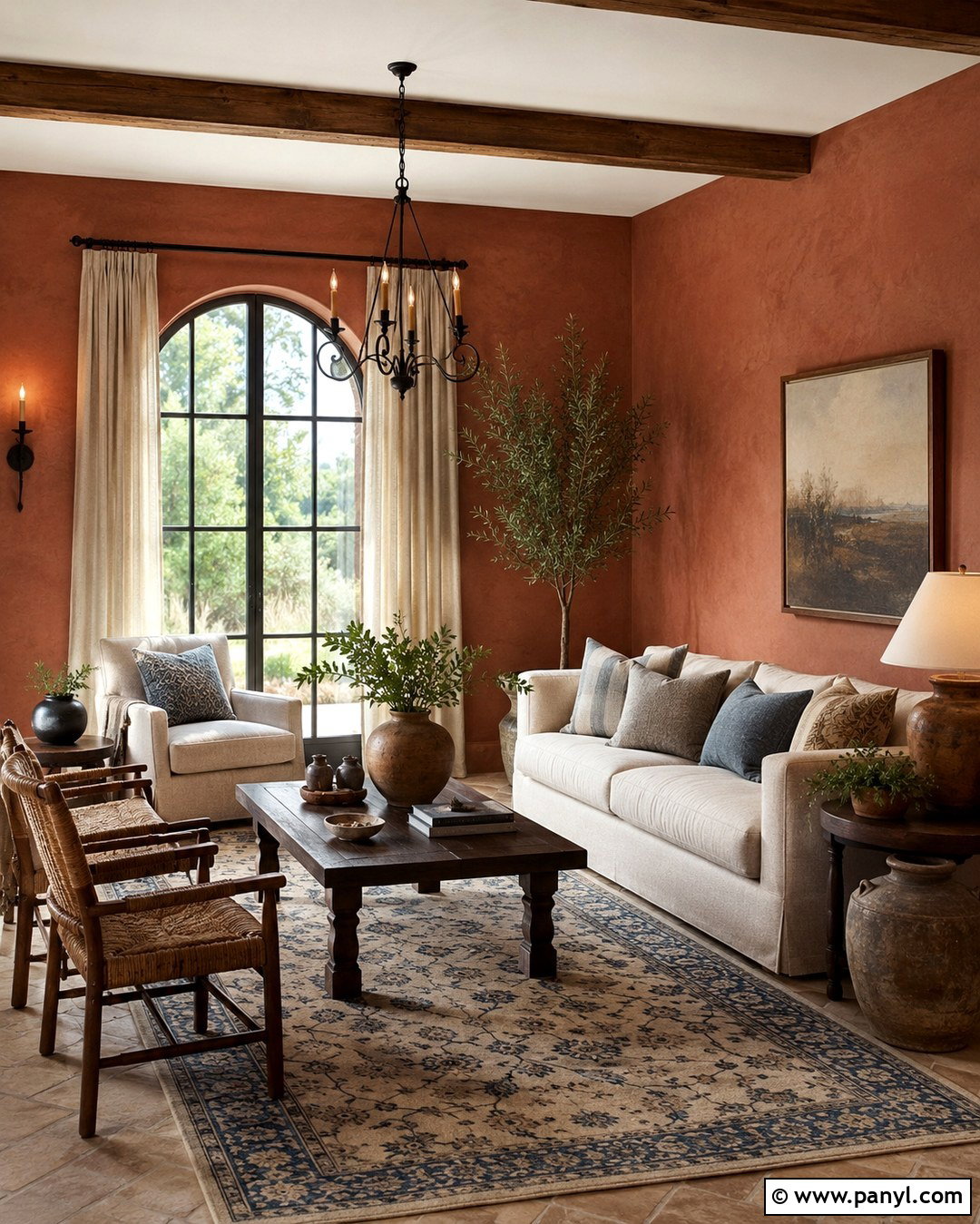
Terracotta walls and cream baseboards build a warm, sunbaked palette that feels inviting throughout the year. Select a muted clay shade with brown and peach undertones rather than a bright orange. Use rich cream on all baseboards, window trim, doors, and the ceiling. Complete a living room with a flax-colored sofa, dark wood coffee table, and woven chairs. A patterned rug featuring cream, faded blue, and rust gives the palette more dimension. Add linen curtains, handmade pottery, and black iron lighting for a balanced mix of softness and structure. Green plants can introduce a natural complementary color without overpowering the design. The creamy baseboards gently frame the terracotta, while neutral upholstery ensures the completed room remains comfortable, practical, and visually calm.

10. Warm White Walls With Greige Baseboards
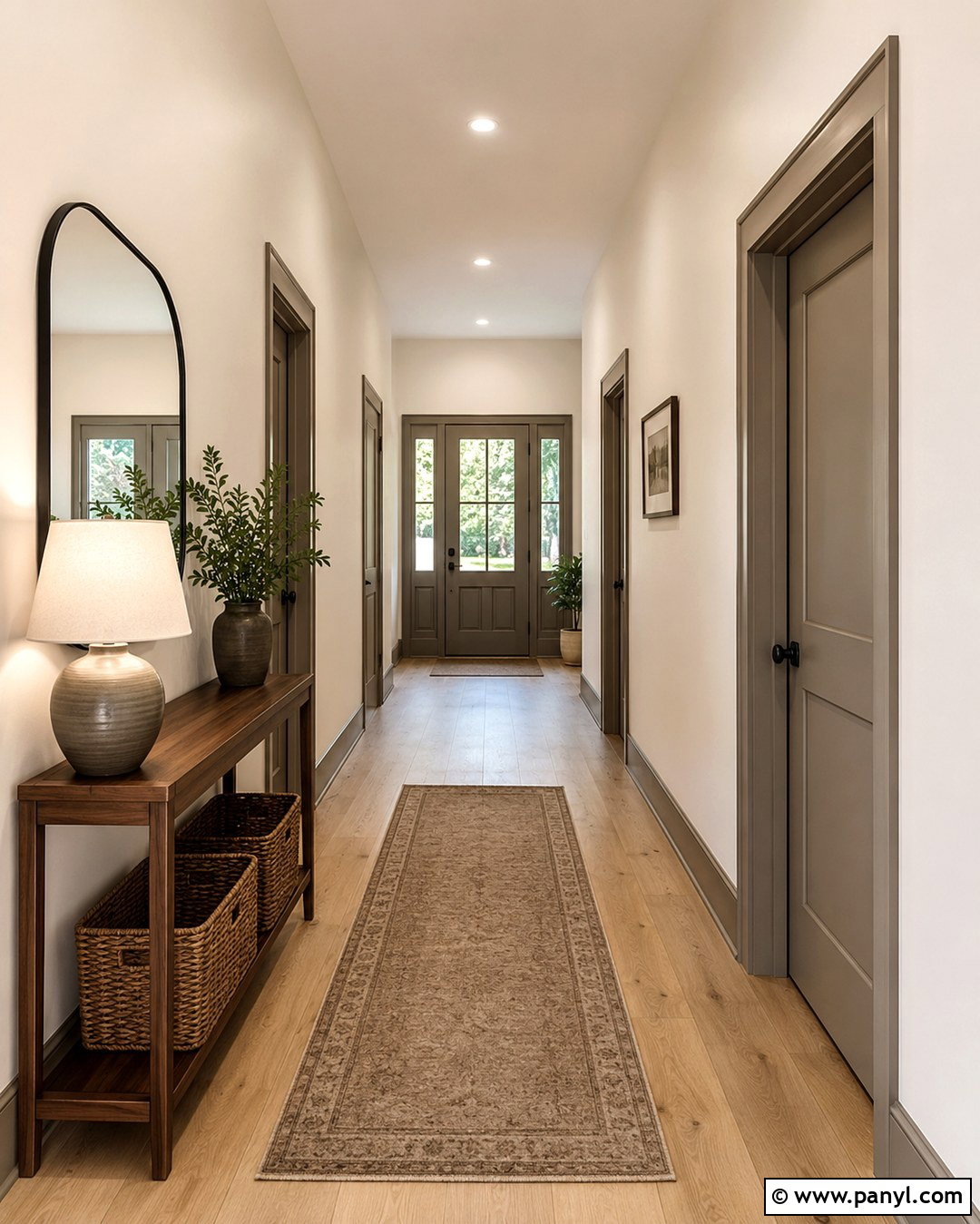
Reverse the traditional trim formula by pairing warm white walls with darker greige baseboards. The contrasting baseboards give a plain room stronger definition and make simple architectural details appear more substantial. Carry the greige onto door casings and interior doors for a cohesive, contemporary treatment. In an entryway, use light oak flooring, a slim walnut console, and a rounded black mirror. Add a neutral runner with taupe and charcoal details, plus a ceramic lamp and woven storage baskets. Keep the ceiling the same warm white as the walls to preserve brightness. This scheme is particularly effective when bright white trim feels too predictable. The greige creates a practical visual boundary near the floor while connecting naturally with stone, wood, black metal, and other everyday materials.
11. Ivory Walls With Black Baseboards
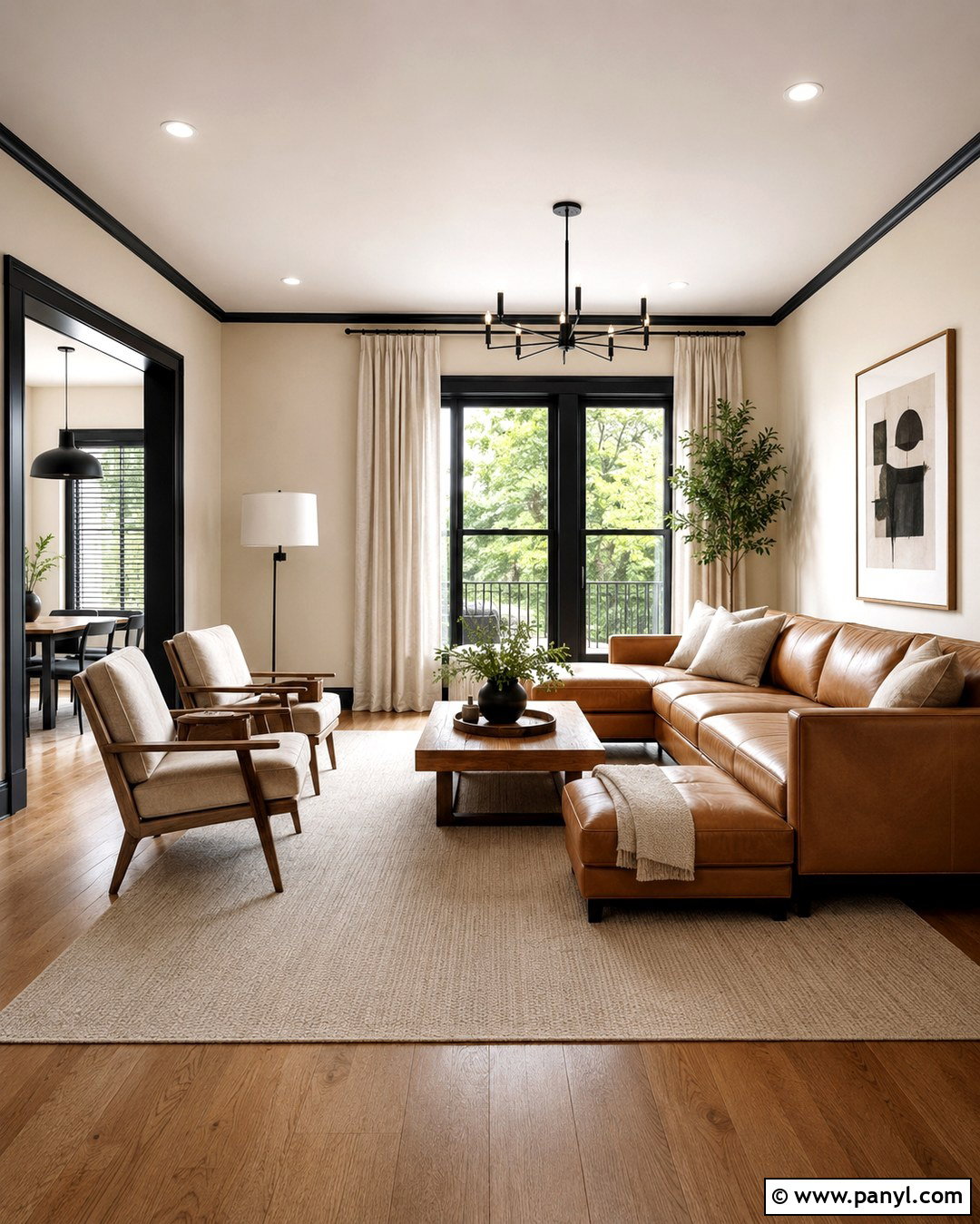
Ivory walls and black baseboards create a graphic combination that can make ordinary trim a purposeful feature. Choose a softened black rather than a blue-black, then repeat it on door casings, window frames, and one or two interior doors. Keep the walls warm ivory so the contrast feels inviting instead of clinical. Complete the room with a camel leather sofa, a cream rug, medium wood tables, and black metal lighting. Linen curtains can blend with the walls, allowing the darker architectural lines to remain visible. Use black sparingly elsewhere through frames, chair legs, and cabinet hardware. This complete living room look feels modern but not overly minimal. The warm materials soften the baseboards, while their dark outline adds rhythm and definition around the room.
12. White Walls With Matching White Baseboards
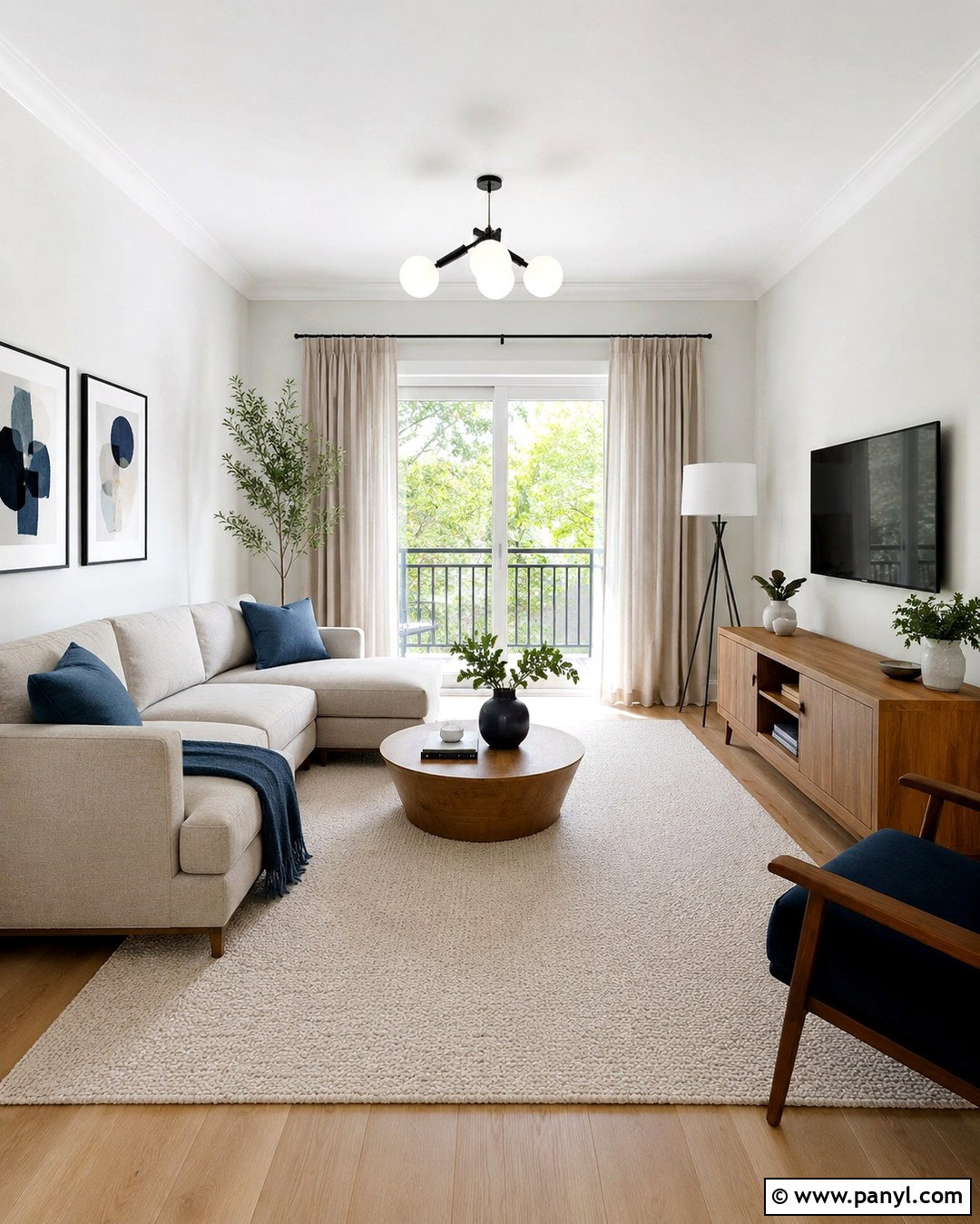
Painting white walls and baseboards the same color creates a seamless background that helps a small room feel less visually divided. Use matte or eggshell paint on the walls and a more durable satin or semi-gloss finish on the baseboards. The sheen change provides subtle definition even when the color remains identical. () Complete the room with pale oak flooring, a compact beige sofa, and a low-profile wood media cabinet. Layer an ivory textured rug, oatmeal curtains, and cushions in muted blue and tan. Black picture frames and a sculptural floor lamp add controlled contrast. This approach also minimizes plain or narrow baseboards that are not worth emphasizing. The finished space appears clean and continuous while furniture, art, and natural textures become the main visual focus.
13. Taupe Walls With Chocolate Brown Baseboards
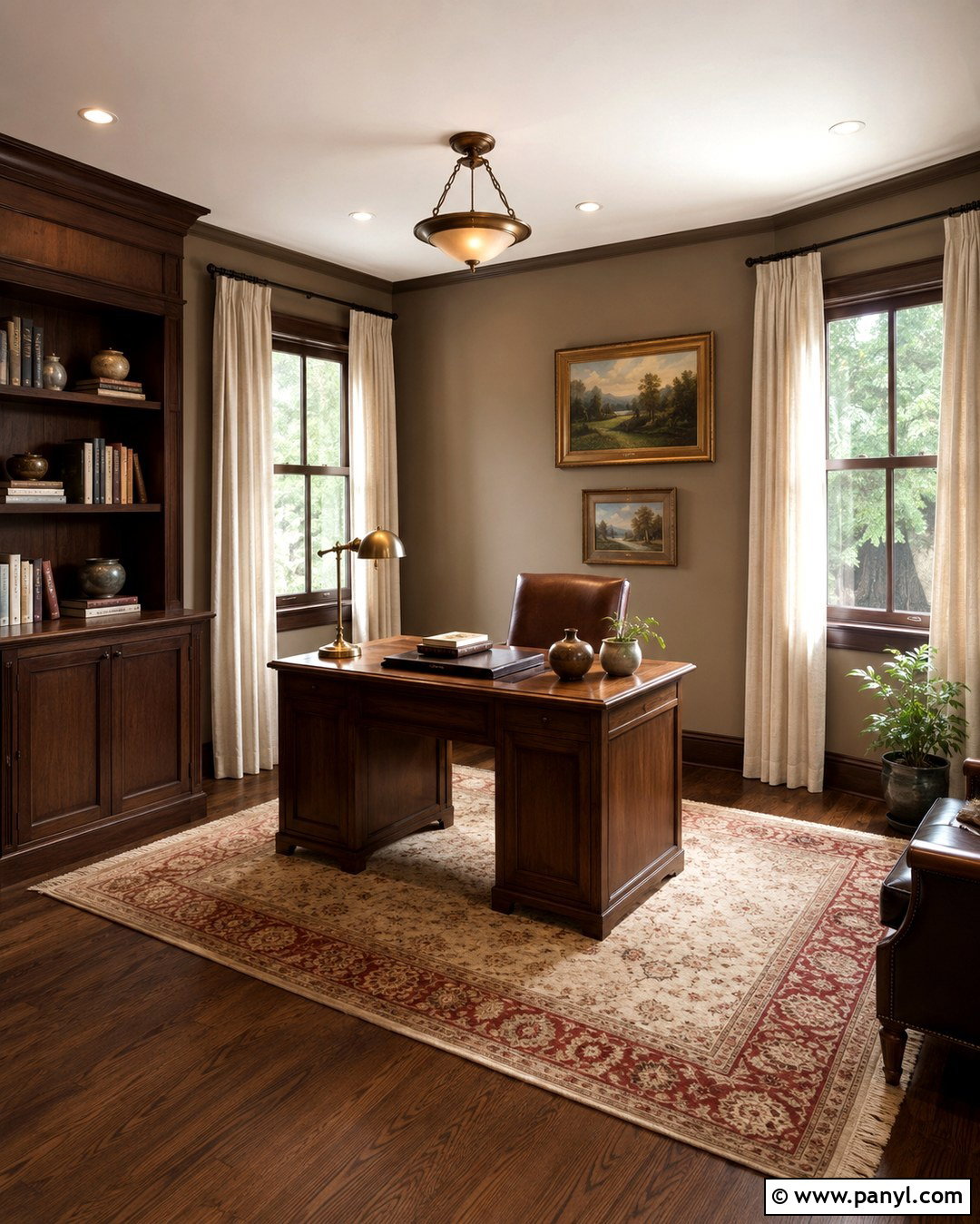
Taupe walls paired with chocolate brown baseboards create a rich, grounded interior inspired by traditional woodwork. Choose a medium taupe with warm gray undertones, then use deep brown on the baseboards, window trim, door casings, and built-in cabinetry. This pairing works especially well in a study with a walnut desk, brown leather chair, and wool rug in cream and faded red. Add aged brass lighting and off-white curtains to lift the darker colors. Books, framed landscapes, and ceramic accessories can give the room an established, collected character. Keep the ceiling a warm cream to avoid excessive heaviness. The dark baseboards should connect visibly with the furniture and flooring, making the contrast feel integrated rather than like an unrelated stripe around the room.
14. Olive Green Walls With Warm Beige Baseboards
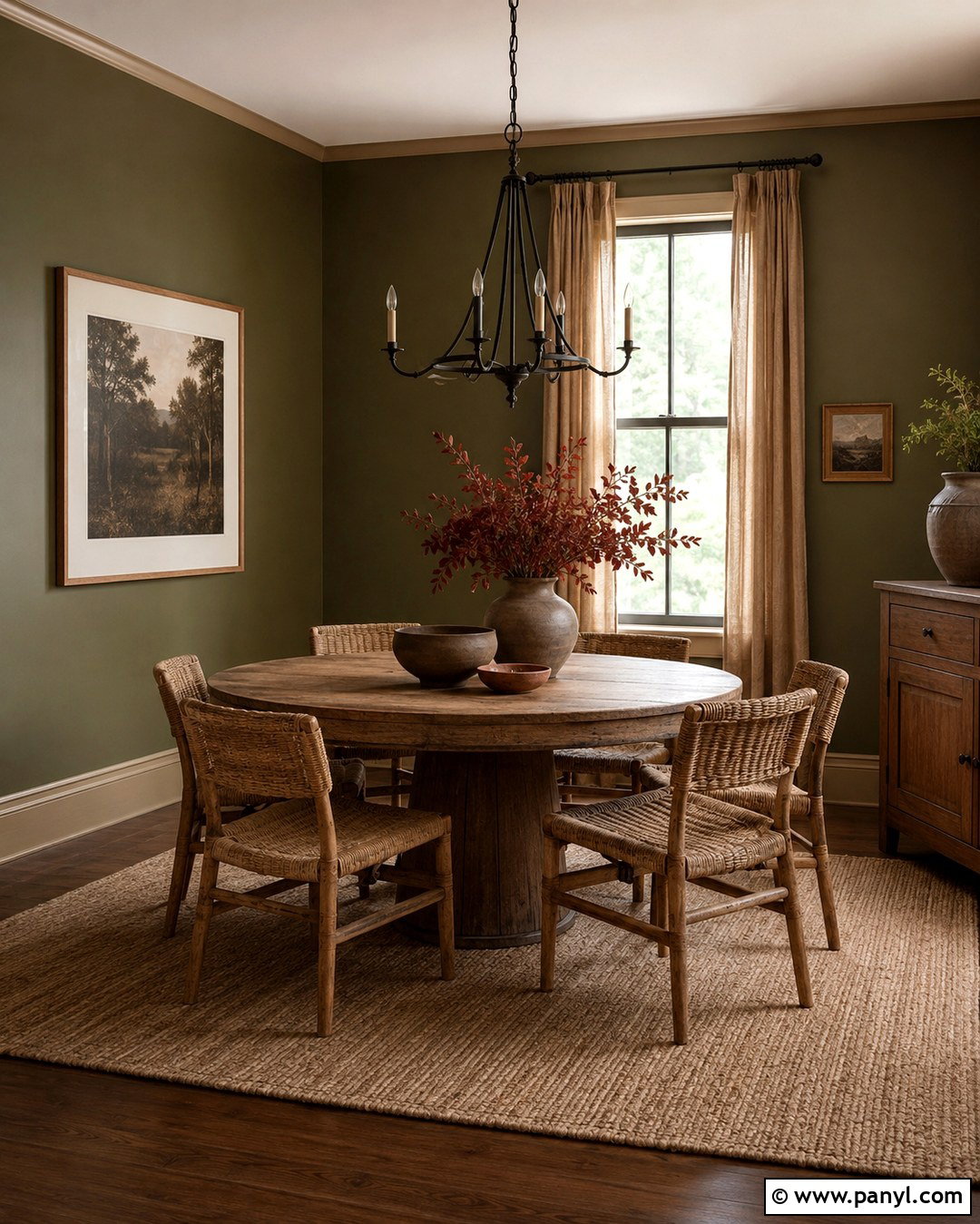
Olive green walls and warm beige baseboards offer an earthy alternative to standard green-and-white pairings. Select a softened olive with brown undertones, then choose a light mushroom beige for the baseboards, doors, and window casings. Complete a dining room with a round oak table, woven chairs, and a neutral flat-weave rug. Linen curtains in natural flax should relate closely to the trim color. Add black iron lighting, matte ceramic dinnerware, and warm wood frames for definition. A few rust or ochre accents can keep the green from feeling dull. The beige baseboards provide enough contrast to outline the room without interrupting its natural warmth. This finished palette suits traditional, organic modern, and relaxed farmhouse interiors while remaining distinctive and easy to coordinate.
15. Blush Pink Walls With Gray-Green Baseboards
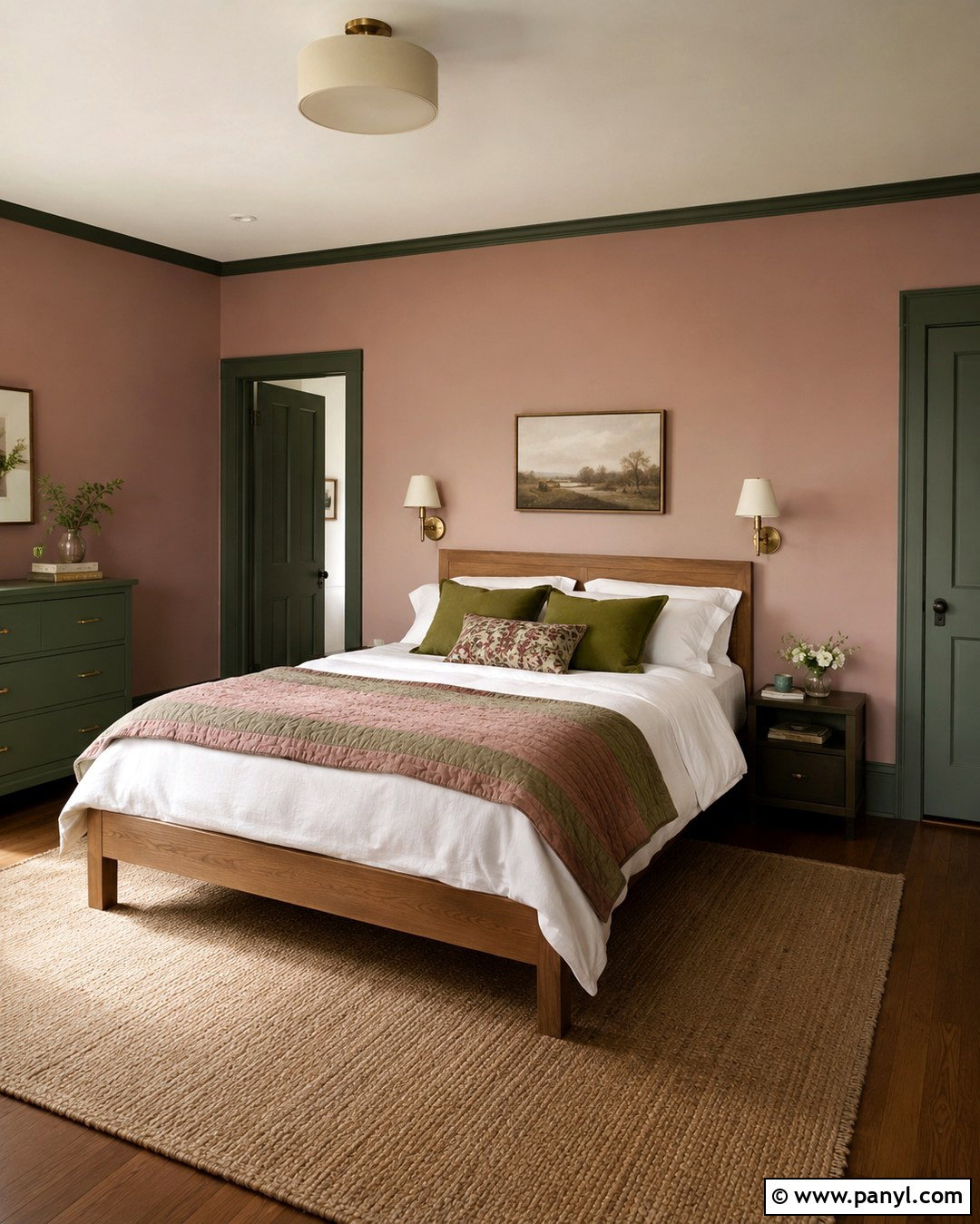
Soft blush walls become more sophisticated when grounded by gray-green baseboards. Choose a muted pink with beige or clay undertones, avoiding sugary pastel shades. Paint the baseboards, doors, and window trim in a deep, desaturated green with a noticeable gray cast. Complete the bedroom with an oak bed, ivory bedding, and a quilt in olive, rose, and cream. Add aged brass sconces, a natural fiber rug, and linen curtains that blend softly with the walls. Repeat the green in a bench or small dresser so the trim color connects with the furniture. The complementary relationship creates clear contrast, but the muted tones keep the room restful. This combination feels personal and creative while still supporting practical, timeless materials and uncomplicated decor.
16. Blue-Gray Walls With White Baseboards
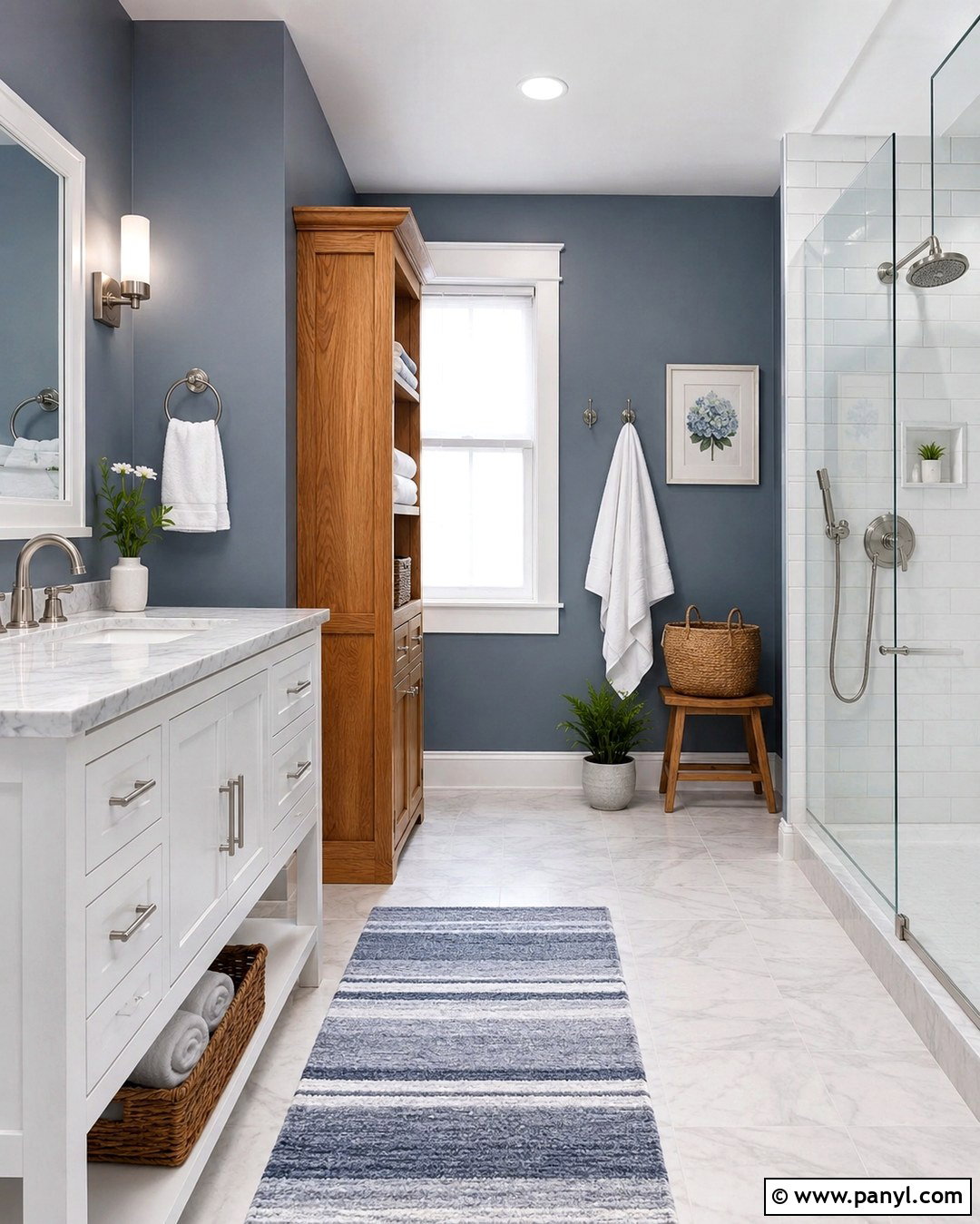
Blue-gray walls and clean white baseboards give bathrooms a fresh, composed appearance without relying on vivid color. Select a mid-light blue-gray that remains recognizable in both daylight and artificial light. Use neutral white on the baseboards, door casing, window trim, and vanity to create a connected frame. Finish the room with pale marble-look tile, brushed nickel fixtures, and a medium oak storage cabinet. White towels and a striped blue rug reinforce the palette, while woven baskets add necessary warmth. A frameless glass shower keeps the room open and allows the wall color to remain visible. Avoid mixing several different whites, which can make the scheme look accidental. The completed bathroom should feel bright and orderly, with natural wood balancing the cooler painted surfaces.
17. Deep Green Walls With Matching Green Baseboards
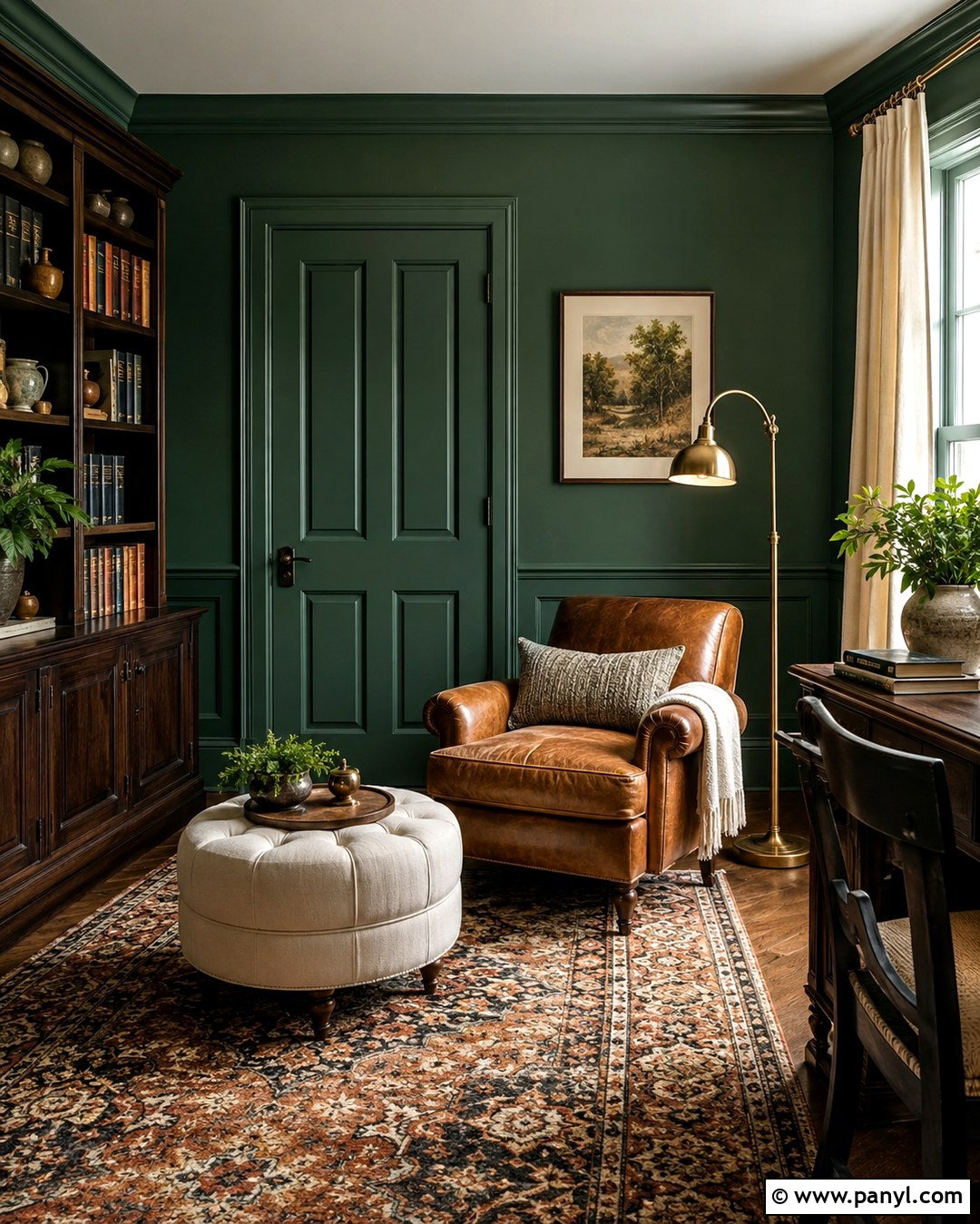
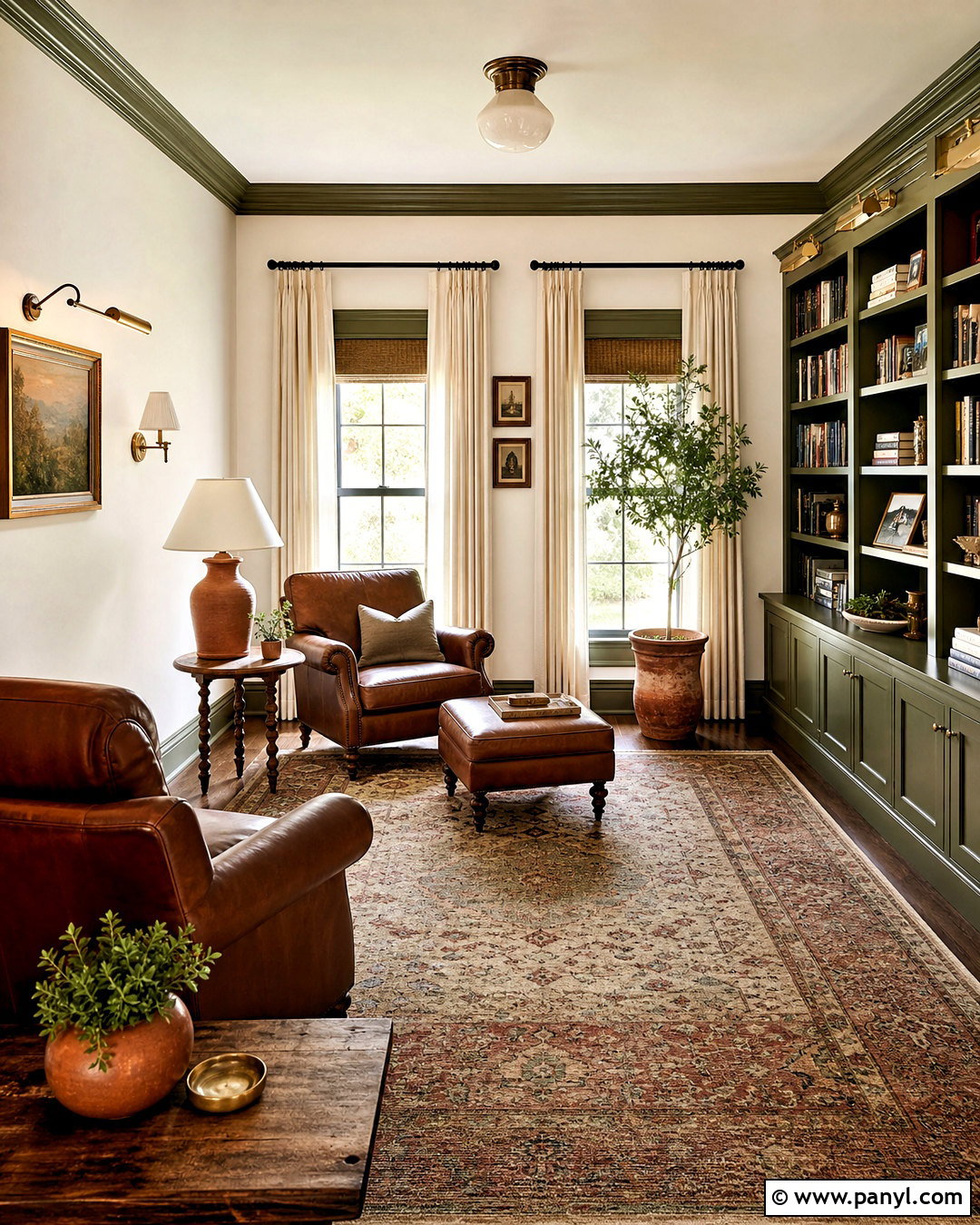
Deep green walls and matching green baseboards create an enveloping, color-drenched room with fewer visual interruptions. Apply the same forest or bottle green to the walls, baseboards, doors, and built-in shelves. Use a washable matte finish on the walls and satin on the trim for practical contrast. Complete a reading room with a cognac leather chair, dark wood bookcase, patterned rug, and warm brass floor lamp. Cream curtains and a pale upholstered ottoman provide relief from the saturated color. Display books and ceramics in restrained earth tones so the room remains organized. This combination is most successful when every painted architectural element follows the same plan. The finished space feels cohesive and intimate, while warm leather, brass, and textiles stop the green from becoming visually heavy.
18. Pale Yellow Walls With Warm White Baseboards
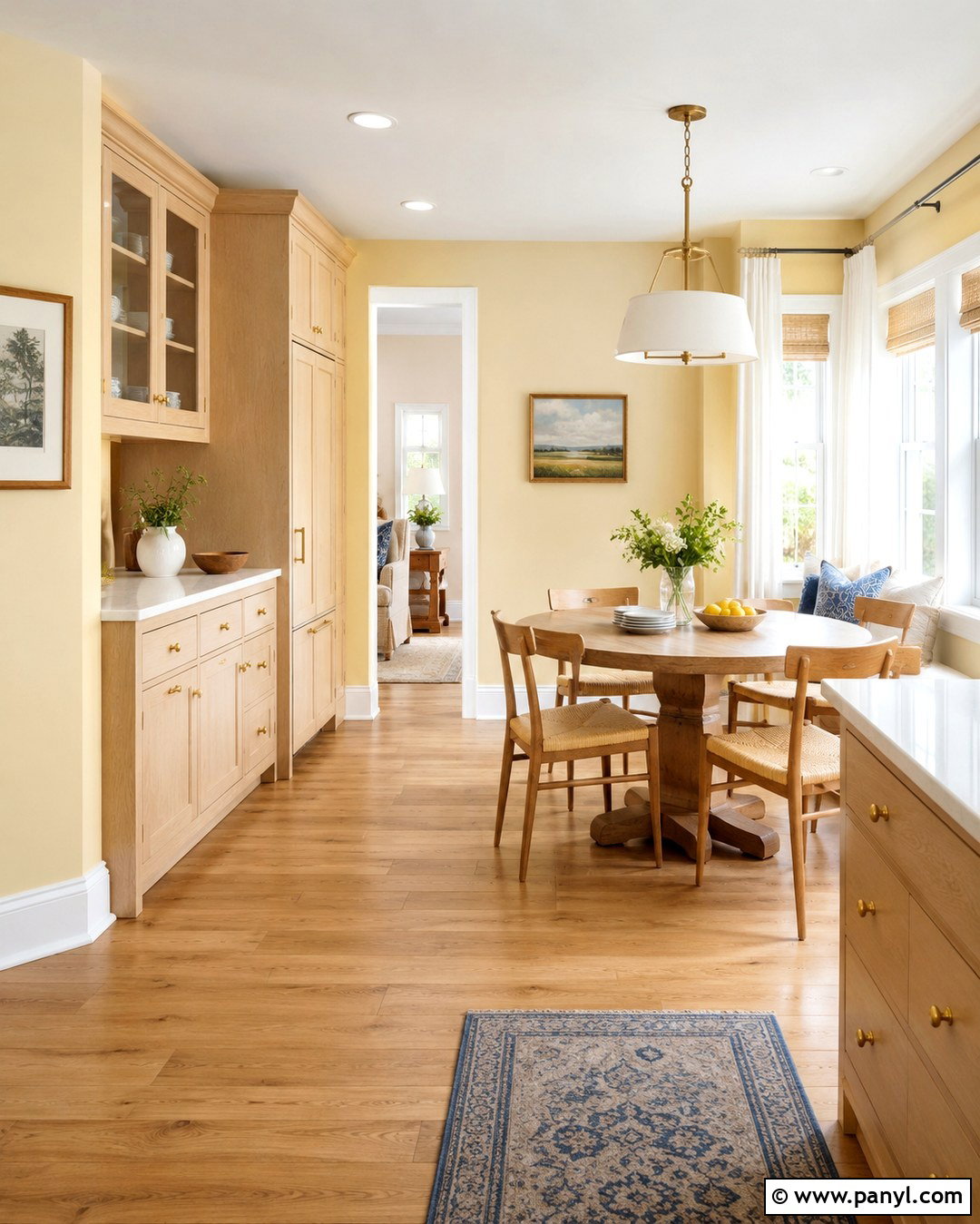
Pale yellow walls and warm white baseboards can brighten a breakfast room or kitchen without creating an overly colorful result. Choose a soft buttery yellow diluted with cream, then pair it with an off-white that shares the same warm undertone. Complete the space with white oak cabinetry, a round pedestal table, and woven-seat chairs. Use warm white curtains, light quartz counters, and brushed brass hardware to maintain a sunny, connected palette. Small accents in dusty blue or muted green add contrast while keeping the room relaxed. Natural wood flooring gives the light colors a solid foundation. Avoid icy white trim because it may make the yellow appear stronger. The finished room should feel fresh, cheerful, and comfortable under both natural and overhead lighting.
19. Lavender-Gray Walls With White Baseboards
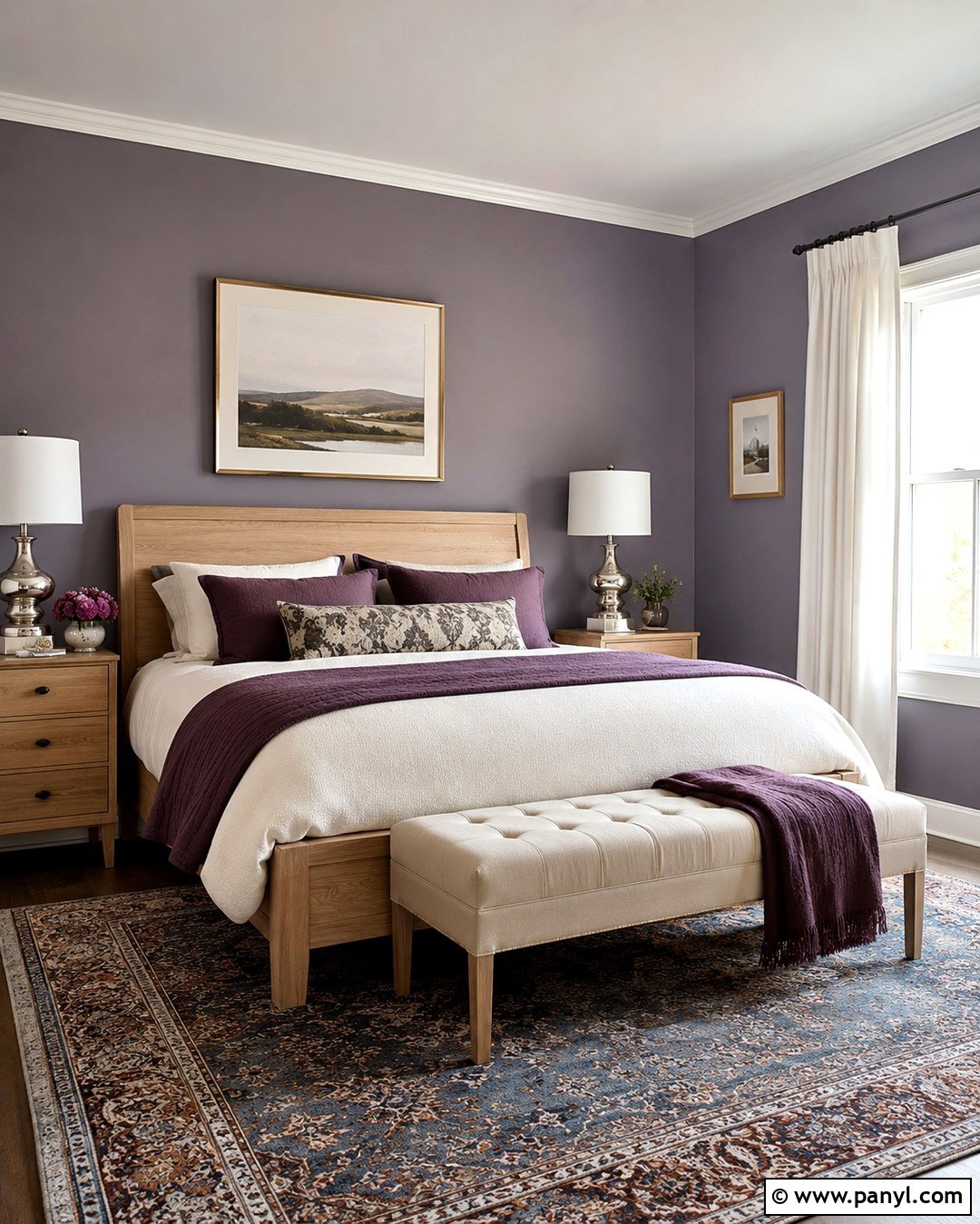
Lavender-gray walls and white baseboards form a quiet bedroom palette that feels gentle without appearing juvenile. Select a smoky lavender with a clear gray base, then use a soft neutral white on the baseboards, doors, and window casings. Complete the room with a light oak bed, ivory upholstered bench, and layered bedding in cream, plum, and muted taupe. Add polished nickel lamps and simple white curtains for a subtle cooler finish. A vintage-inspired rug can introduce faded blue and brown, grounding the purple undertones. Keep artwork minimal and choose frames in pale wood or white. The finished design balances softness with clean architectural lines. Natural materials and deeper plum details make the lavender walls feel intentional, grown-up, and easy to live with.
20. Cream Walls With Walnut Baseboards
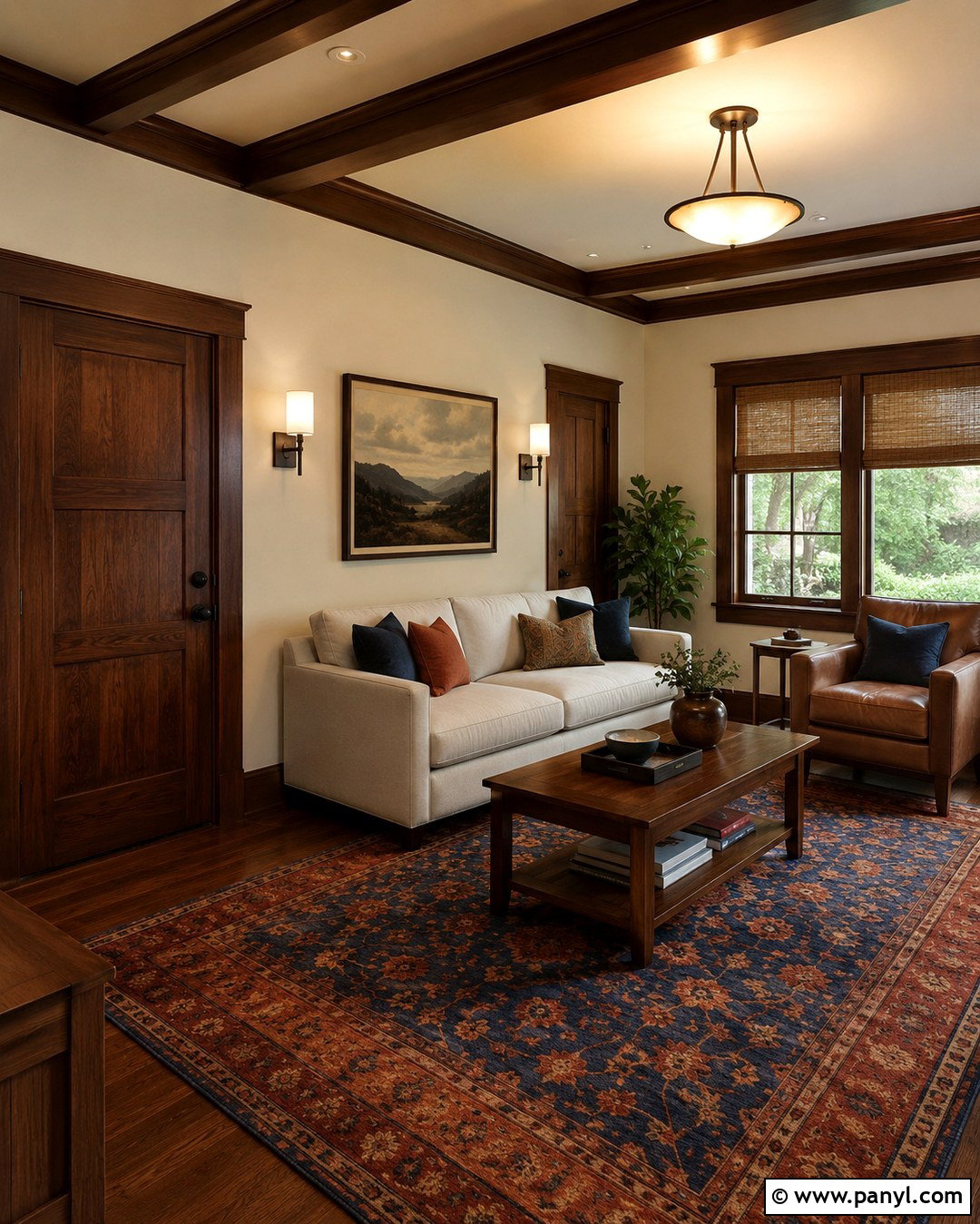
Cream walls with walnut-stained baseboards celebrate natural wood while creating a warm, character-rich room. Keep the wood baseboards, window casings, and doors consistent in tone, preferably a medium or dark walnut with visible grain. Choose creamy wall paint that complements the wood’s brown undertones rather than a cool, brilliant white. Complete a Craftsman-inspired living room with a linen sofa, leather armchair, walnut coffee table, and a patterned wool rug in rust, navy, and beige. Add bronze lighting and woven curtains for a layered finish. Do not crowd the room with too many competing wood stains. Repeating walnut through two or three furniture pieces makes the baseboards feel connected. The resulting space looks warm, established, and respectful of original architectural details.
Conclusion:
Choosing among these 20 Wall And Baseboard Color Combinations becomes easier when you consider the room’s light, flooring, furniture, and existing wood finishes together. Warm wall colors usually feel most harmonious with cream, beige, brown, or warm white baseboards. Cooler blues and grays often benefit from cleaner whites. Dark trim can highlight attractive architecture, while matching baseboards create a smoother, less interrupted background. Always test large painted samples directly above the flooring and beside the trim. Check them during the day and after turning on your usual lamps. Finally, use a tougher satin or semi-gloss finish on painted baseboards so the completed color scheme remains attractive and easier to maintain.

Related Ideas and Inspiration:

Leave a Reply