
Choosing wall color is only half the job. The finish changes how that color reflects light, hides flaws, and handles everyday cleaning. This guide to **20 Paint Sheen For Walls** pairs practical finishes with complete room looks, helping you choose between flat, matte, eggshell, satin, semi-gloss, and high-gloss paint. Lower sheens create a soft appearance and help disguise uneven drywall, while higher sheens offer greater washability but can emphasize dents, patches, and roller marks. Sheen names and gloss levels can also vary slightly among paint brands, so always compare physical samples before buying. () From calm bedrooms to hardworking kitchens, the following spaces show how color, lighting, furniture, and finish can work together in these **20 Paint Sheen For Walls**.

1. Flat Paint Sheen For Imperfect Living Room Walls
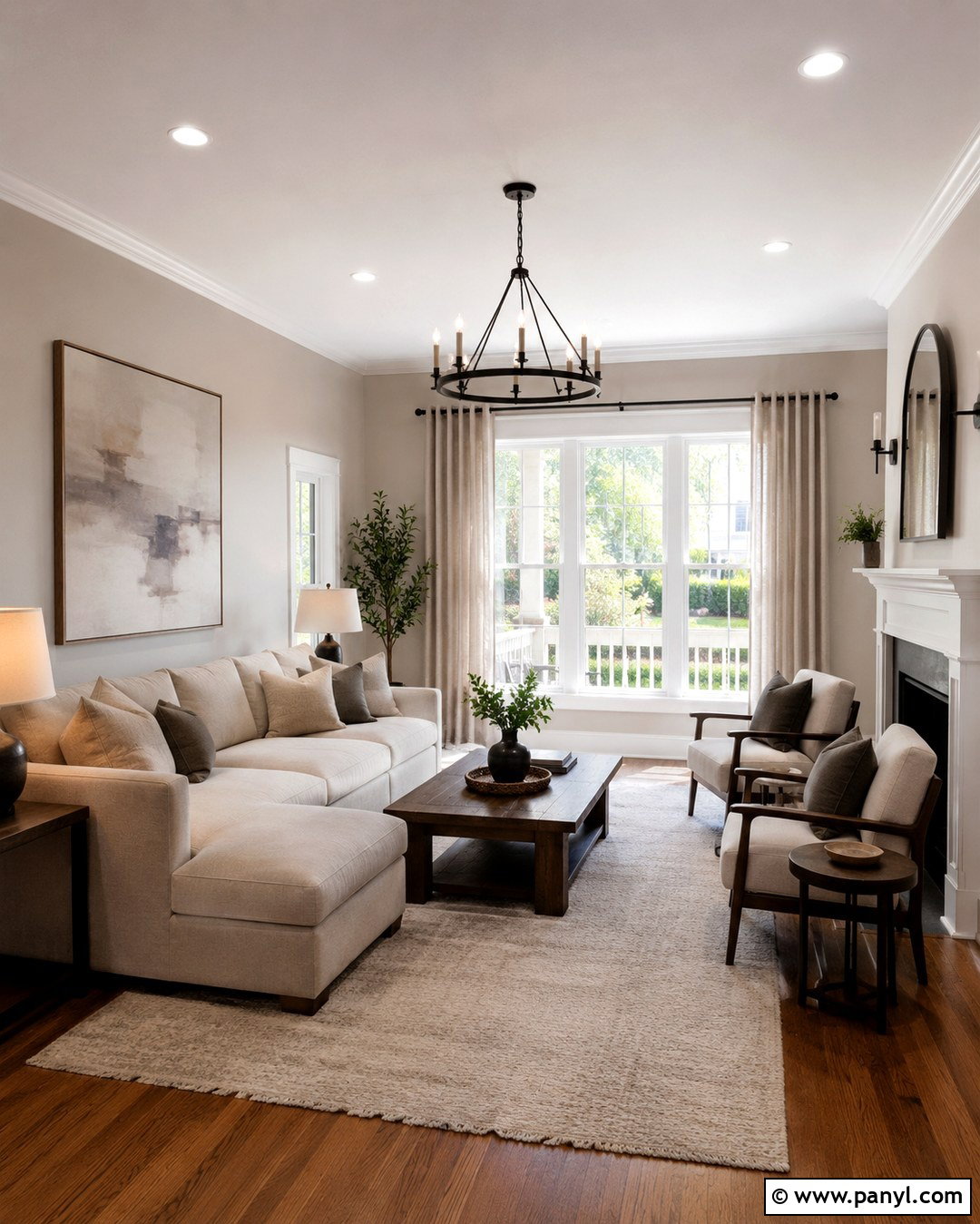
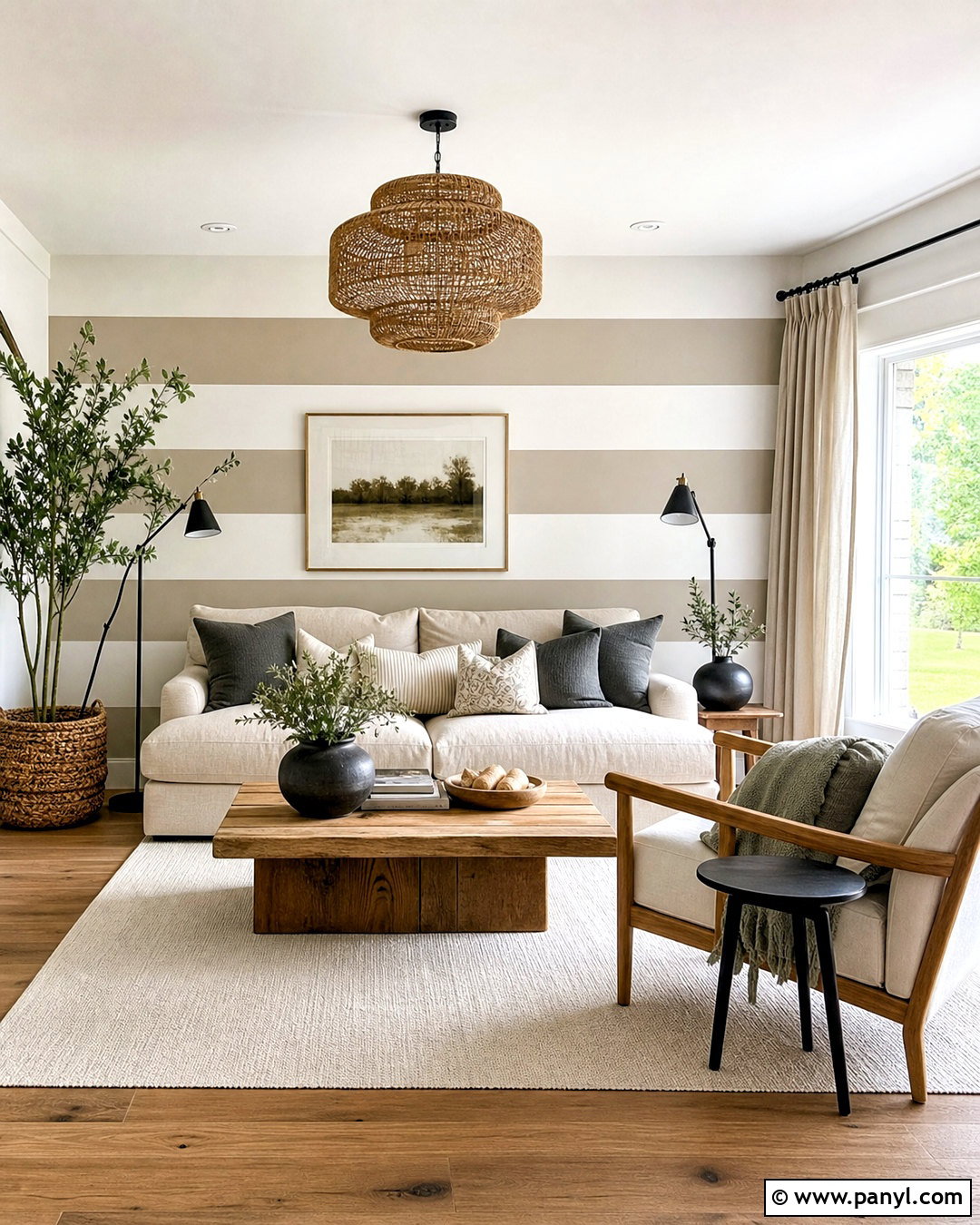
Older living room walls often have patched holes, shallow dents, or uneven drywall seams. A flat paint sheen helps soften those distractions because it absorbs light rather than creating noticeable reflections. Build a comfortable room around warm greige walls, an oatmeal-colored sofa, medium oak flooring, and simple linen curtains. Add matte black lighting and a textured wool rug for definition without introducing too much shine. Keep the trim in a slightly brighter white semi-gloss so the architecture still looks crisp. This combination is especially effective in a formal or low-traffic living room where the walls will not require frequent scrubbing. Use high-quality washable flat paint when possible, and keep leftover paint labeled for future touch-ups. Flat finishes generally hide minor surface imperfections well and are commonly recommended for quieter interior areas. ()
2. Matte Paint Sheen For Bedroom Walls
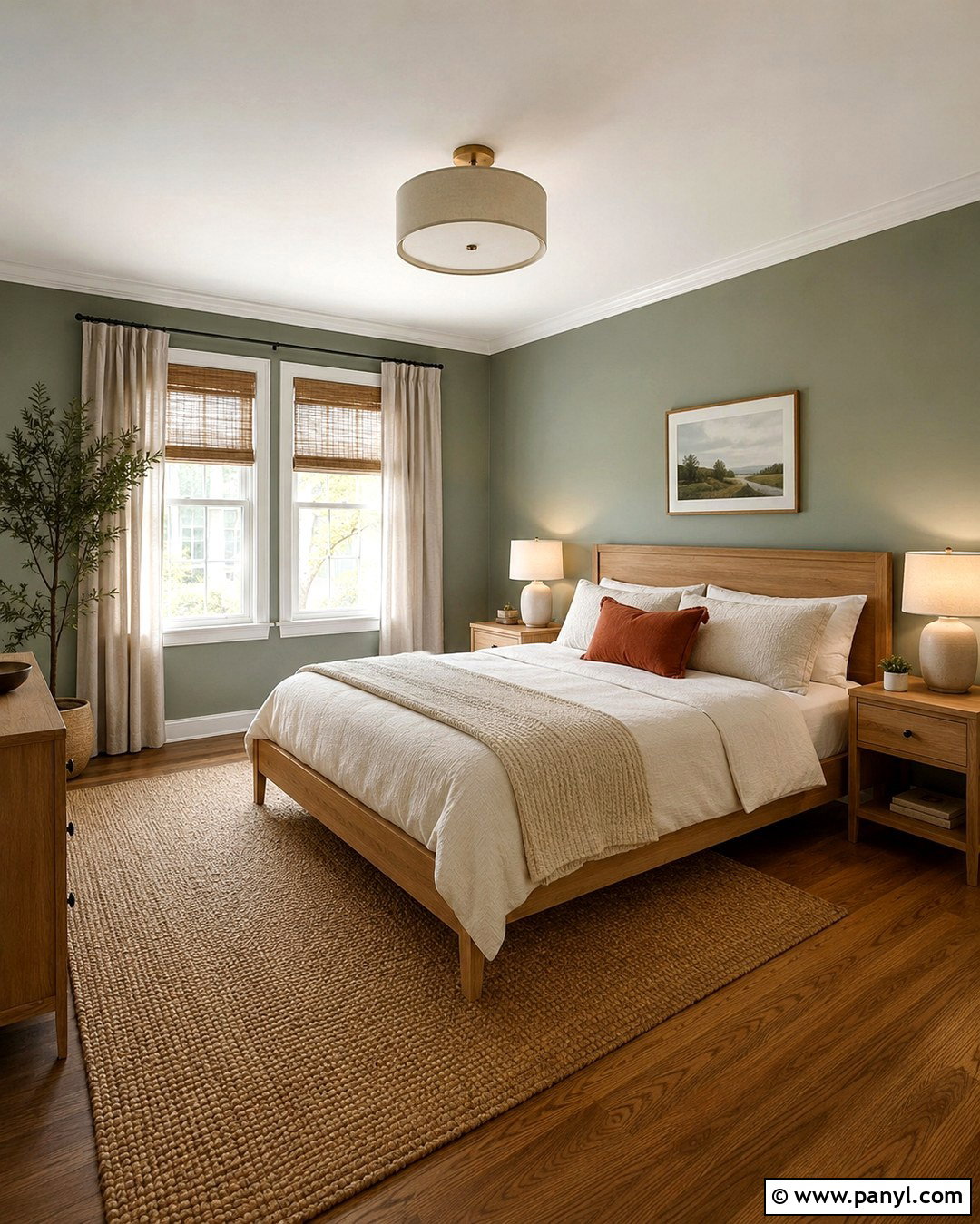
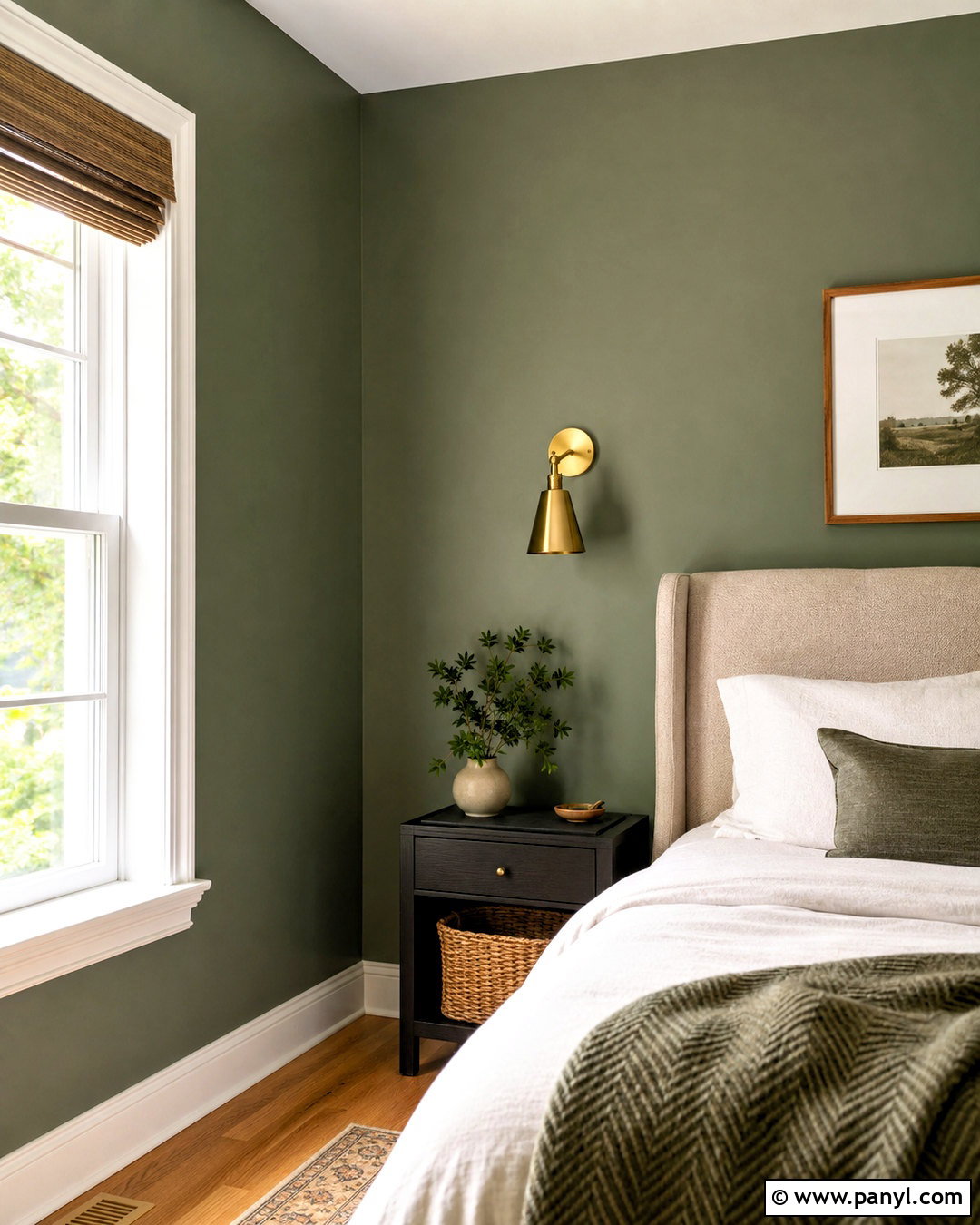
Matte paint gives a bedroom a soft, restful appearance without looking completely chalky. Try muted sage green walls with a light oak bed, cream bedding, woven window shades, and warm white bedside lamps. The low reflection allows the green to remain calm throughout the day, even when sunlight moves across the room. Bring in a rust-colored lumbar pillow and a natural jute rug for gentle contrast. White baseboards can have a satin or semi-gloss finish, creating a clean border around the muted walls. This wall sheen works best in an adult bedroom or guest room with limited fingerprints and scuffs. Choose a modern washable matte formula for better durability. Before painting, repair dents carefully because low sheen disguises imperfections but cannot hide rough patches or raised filler completely.
3. Matte Paint Sheen For Dark Media Room Walls
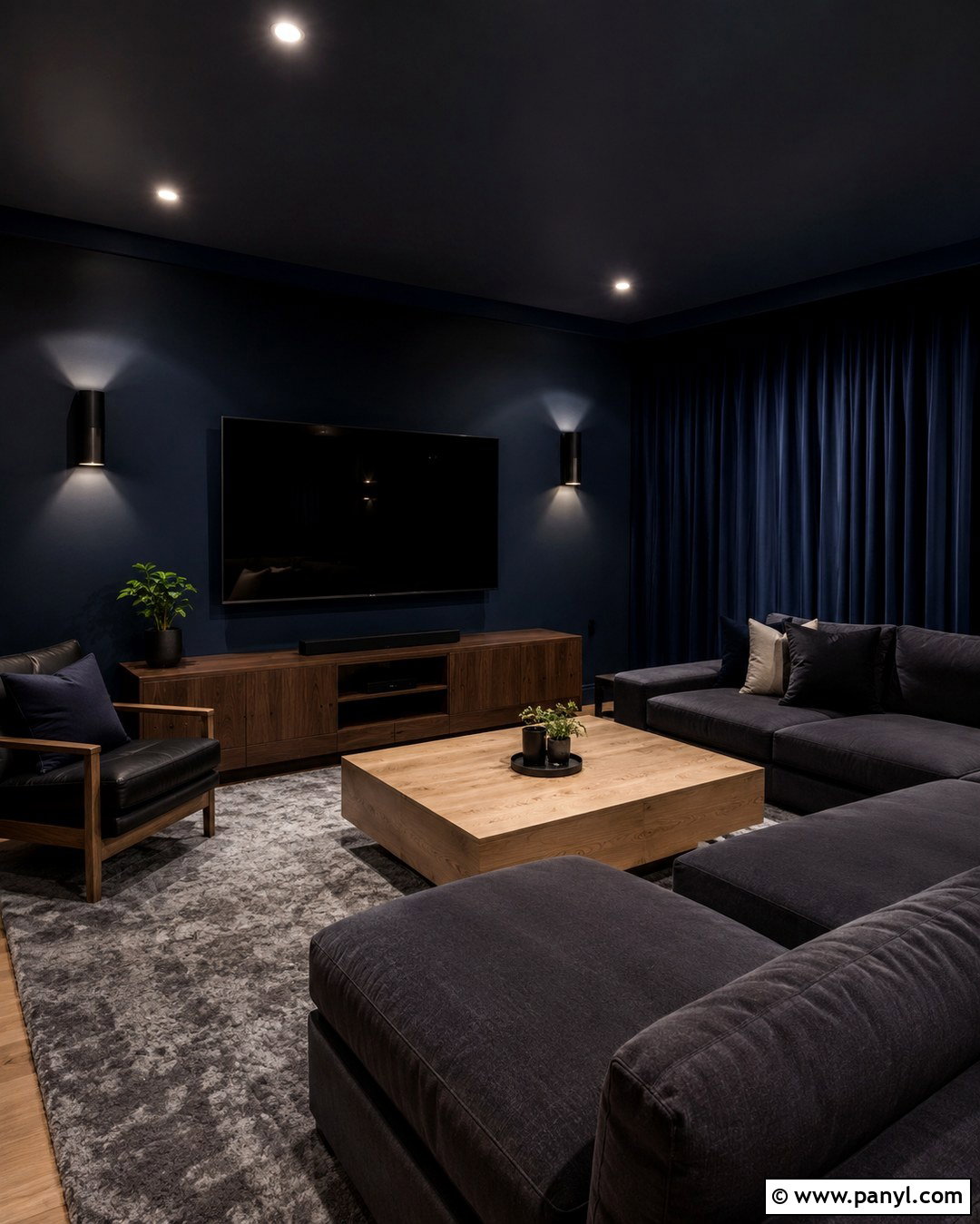
A media room benefits from walls that do not bounce distracting light toward the television. Deep navy matte paint creates an enveloping background while reducing glare from lamps and screens. Complete the room with a low charcoal sectional, walnut media cabinet, thick gray rug, and blackout curtains in a similar navy tone. Use small directional sconces instead of a bright overhead fixture, but choose cool white illumination when cleaning or organizing the space. A pale oak coffee table keeps the room from feeling visually heavy. Paint the ceiling a softer blue-gray flat finish to continue the cozy effect without making the room look like a dark box. Matte walls are also forgiving when the room has broad surfaces, although careful rolling is important because missed areas can appear uneven under side lighting.
4. Eggshell Paint Sheen For Living Room Walls
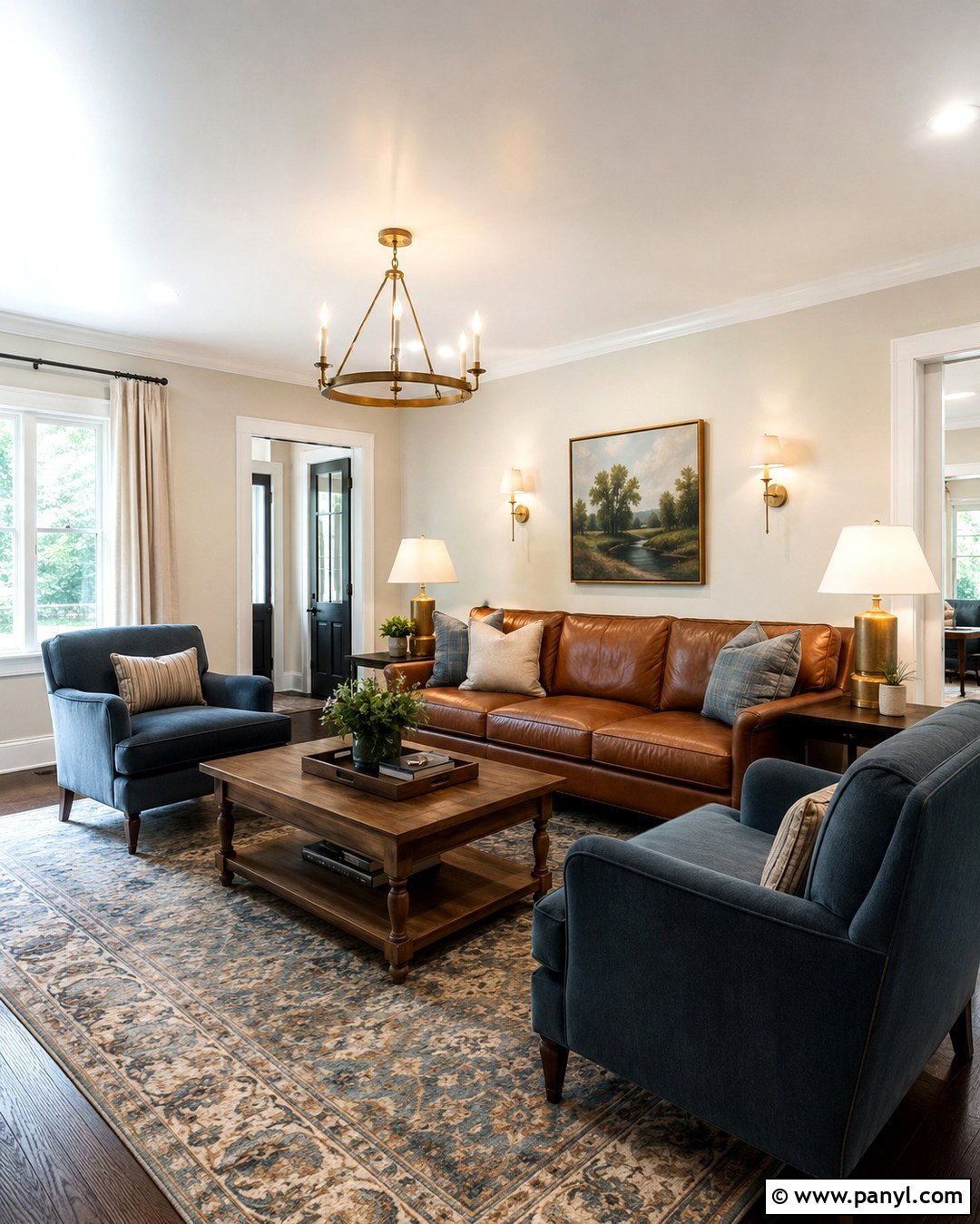
Eggshell is a practical middle ground for a family living room because it offers a subtle glow without looking shiny. Use soft warm-white walls with a camel leather sofa, blue-gray accent chairs, an oak coffee table, and a washable patterned rug. Natural light will give the walls gentle movement, while the low luster keeps the overall room relaxed. Add brushed brass lamps, framed landscape art, and cotton curtains to create a balanced modern-traditional look. Finish the baseboards and window trim in clean white semi-gloss for a controlled contrast. Eggshell works well when the room needs occasional wiping around switches, seating areas, or pet zones. Because its slight reflectivity can reveal uneven repairs, sand patched areas smoothly, prime them, and inspect the walls from several angles before applying two consistent finish coats.
5. Eggshell Paint Sheen For Dining Room Walls
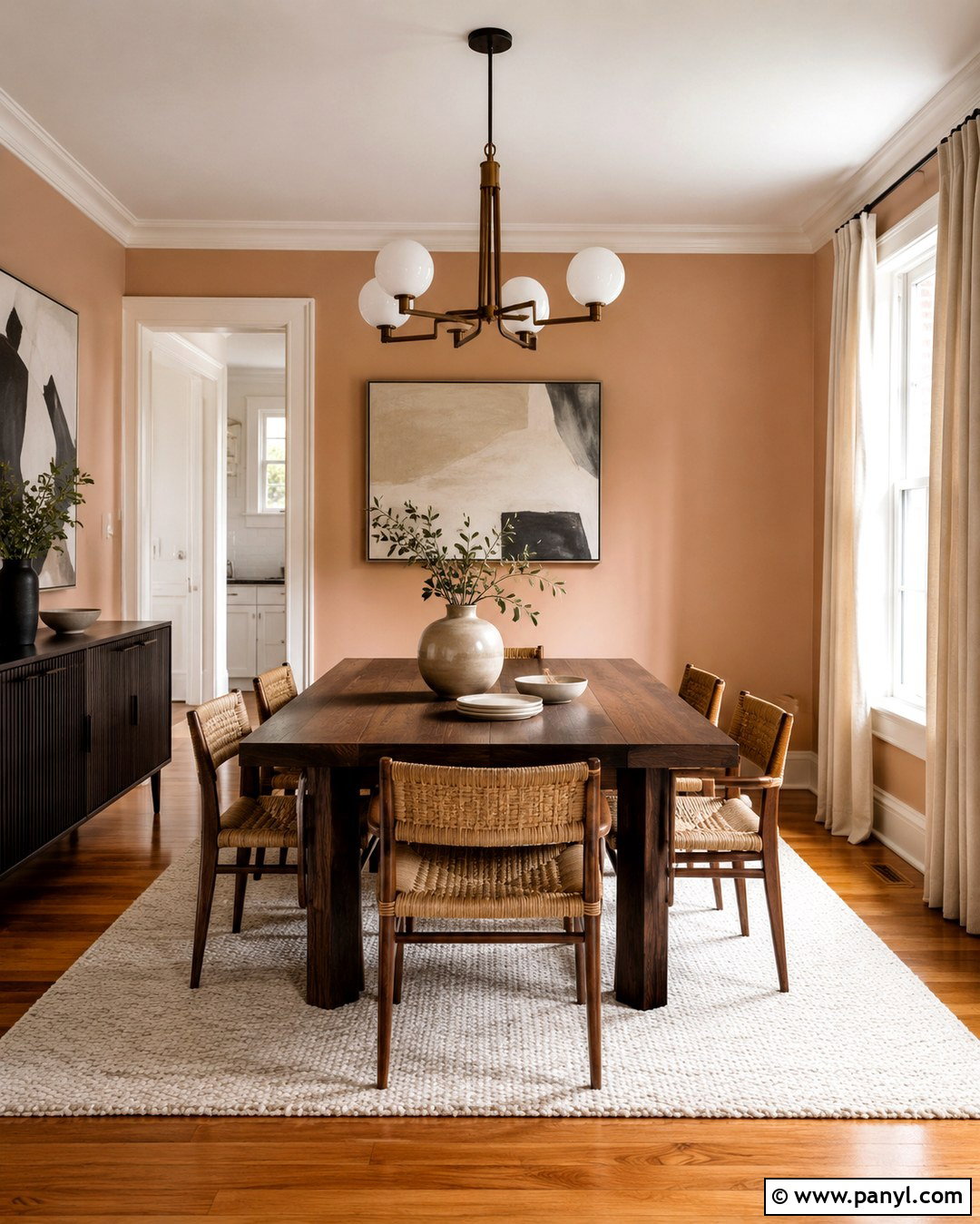
Imagine a welcoming dining room with muted clay-colored walls, a walnut table, woven dining chairs, and an ivory wool rug. An eggshell sheen gives the warm wall color subtle depth under a chandelier without producing harsh reflections. Cream curtains and off-white trim prevent the earthy palette from becoming too dark. Add a black sideboard, ceramic tableware, and one oversized piece of neutral artwork to complete the room without clutter. Eggshell is especially useful in dining areas because it feels softer than satin but can handle occasional marks near chairs and serving furniture. For the most even result, maintain a wet edge while rolling and avoid repeatedly brushing partially dried paint. Test the clay color in morning and evening light since even a low sheen can make saturated colors appear richer near windows and fixtures.
6. Eggshell Paint Sheen For Home Office Walls
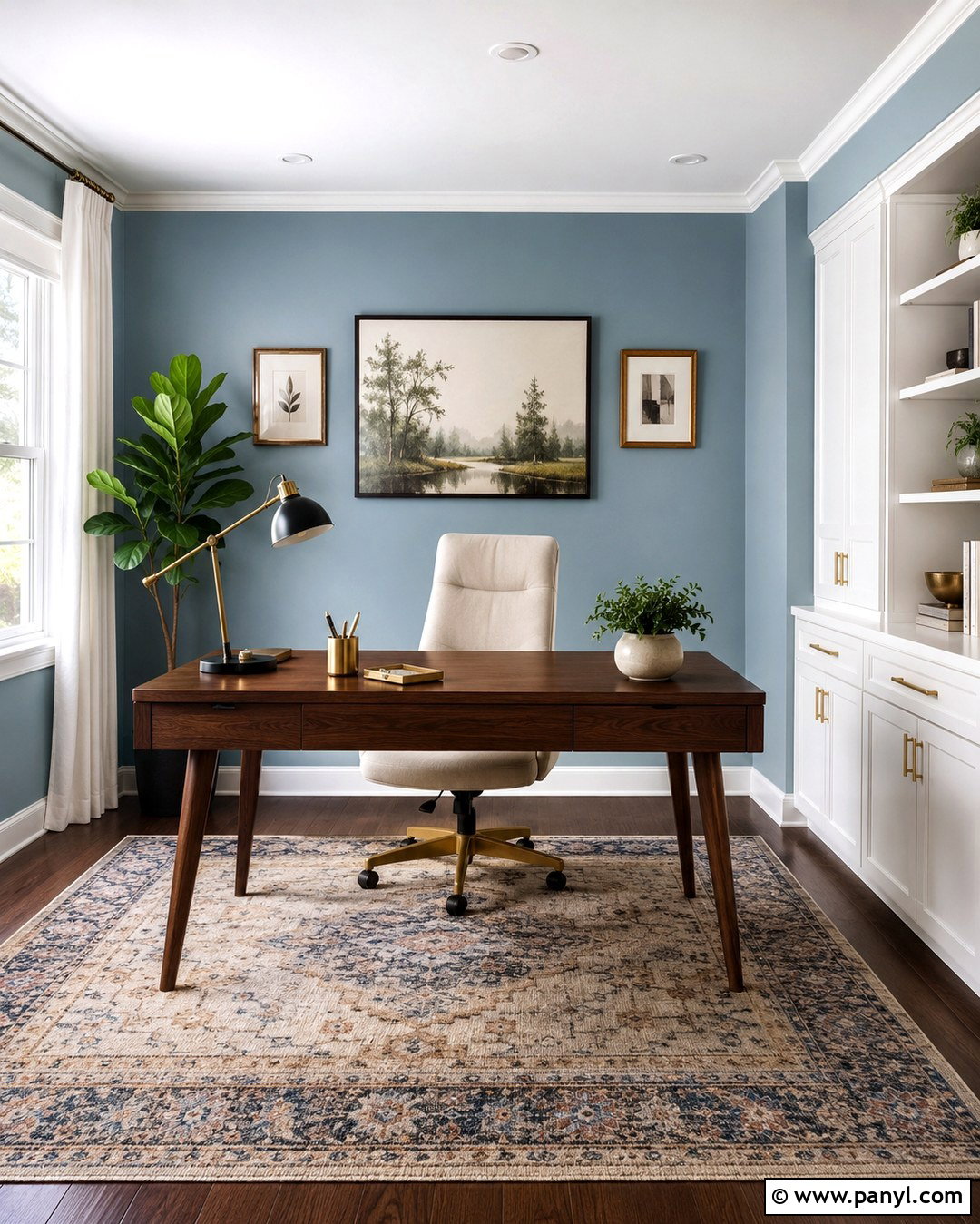
A home office needs walls that feel polished on video calls but do not reflect every desk lamp. Dusty blue eggshell paint creates a professional background with enough durability for regular use. Pair it with a streamlined walnut desk, cream upholstered chair, closed white storage cabinets, and a faded geometric rug. Place the desk perpendicular to the main window so daylight spreads across the walls instead of creating bright glare behind the computer. A black task lamp and a few brass accessories add controlled shine. Use minimal framed art and one leafy plant to keep the backdrop organized. Eggshell works particularly well here because it provides more cleanability than many flat finishes while retaining a restrained look. Select a carefully prepared wall as the primary camera background, since side lighting can highlight rough patches.
7. Satin Paint Sheen For Kitchen Walls
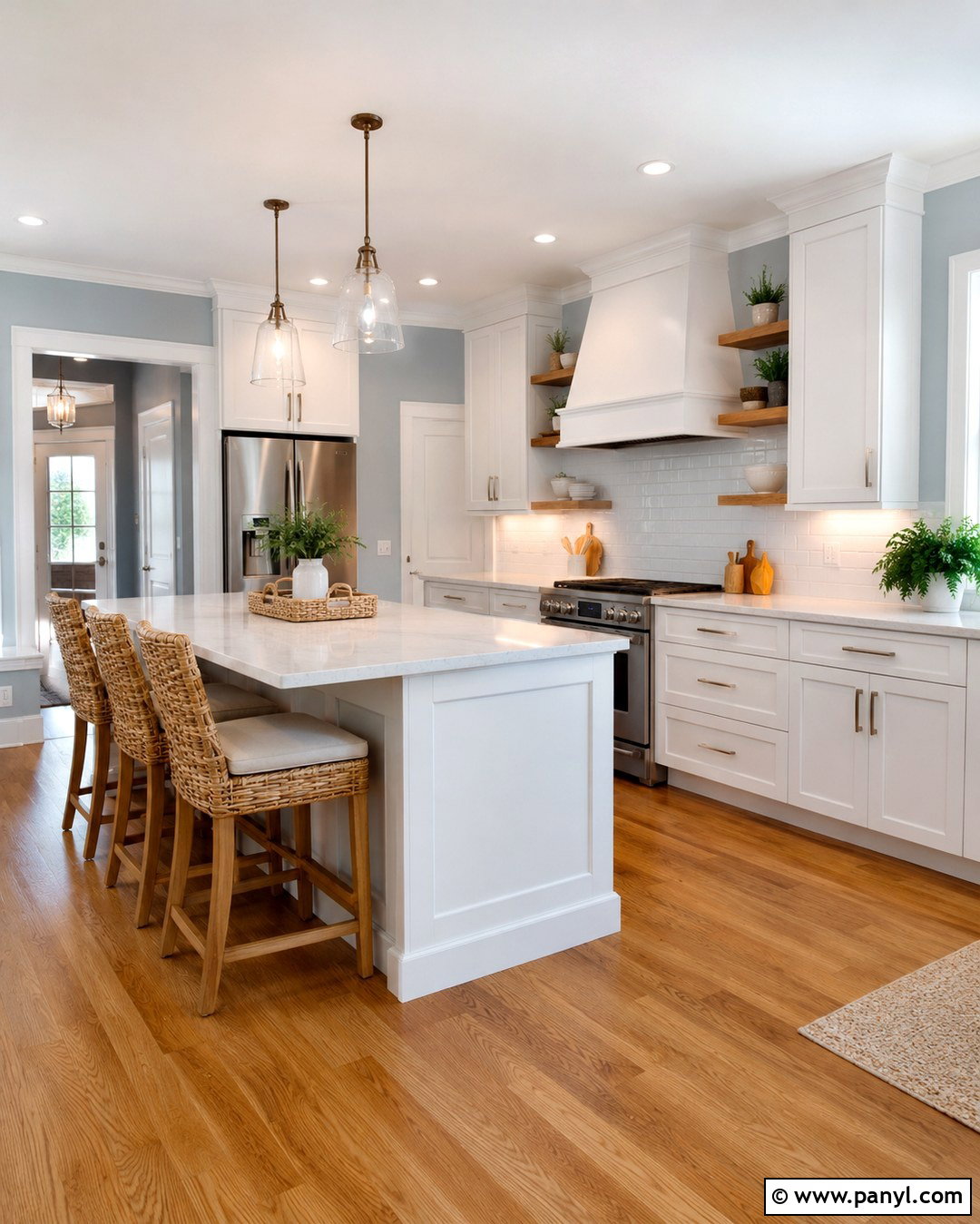
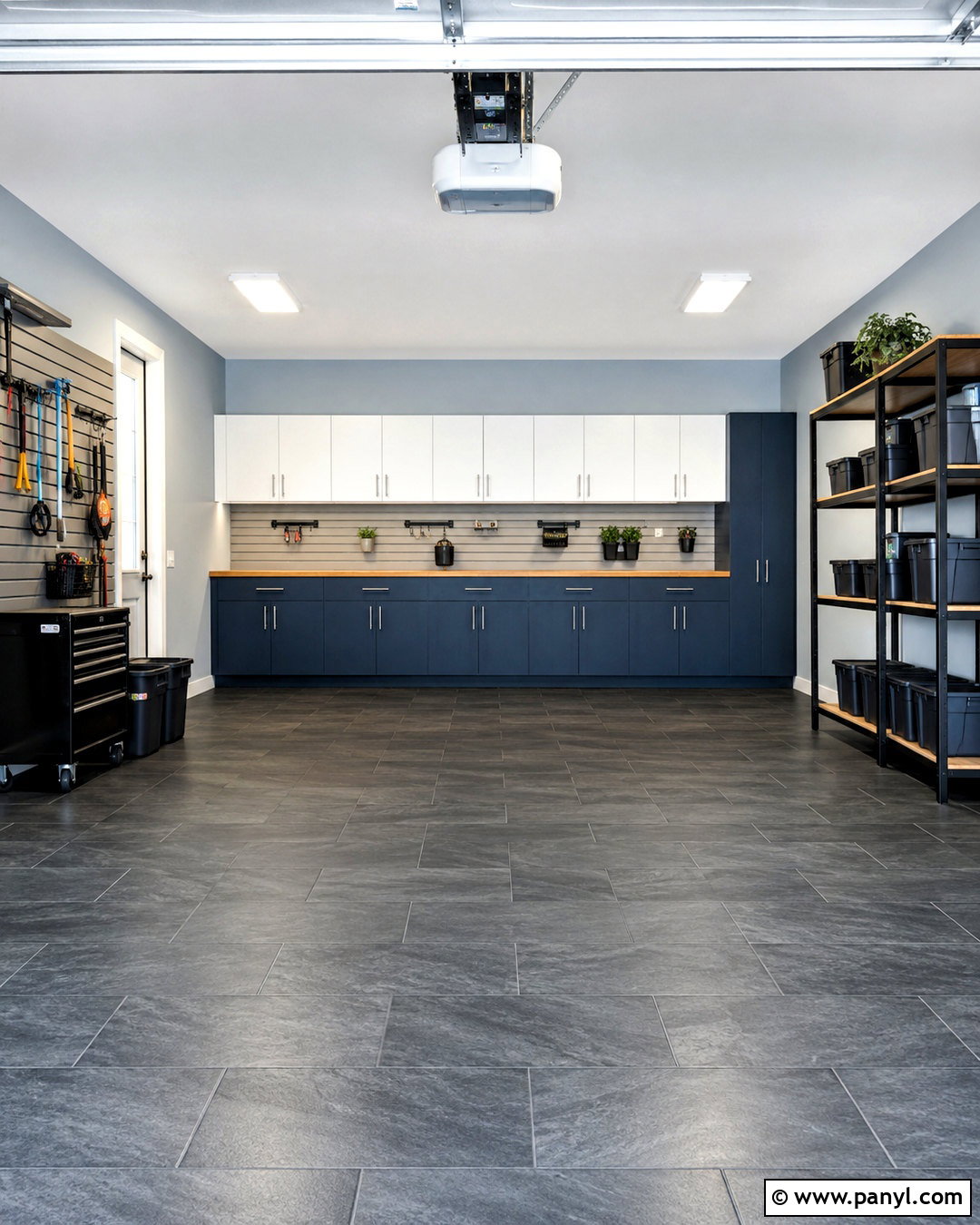
Kitchens need a wall finish that can withstand cooking residue, splashes, and repeated wiping. Satin paint provides a smooth, pearl-like surface commonly suited to rooms with moisture or moderate-to-high traffic. () Create a fresh kitchen with pale blue-gray satin walls, white Shaker cabinets, light quartz counters, brushed nickel hardware, and warm oak flooring. Continue a simple white subway tile backsplash behind the range and sink, where direct splashes are most common. The satin-painted walls can cover the breakfast area and remaining open surfaces. Use woven counter stools and natural wood shelves to warm the cool palette. Proper ventilation remains important because paint sheen does not replace moisture control. Prepare the walls thoroughly, as the stronger reflection can expose old brush marks, grease spots, and uneven drywall repairs.
8. Satin Paint Sheen For Breakfast Nook Walls
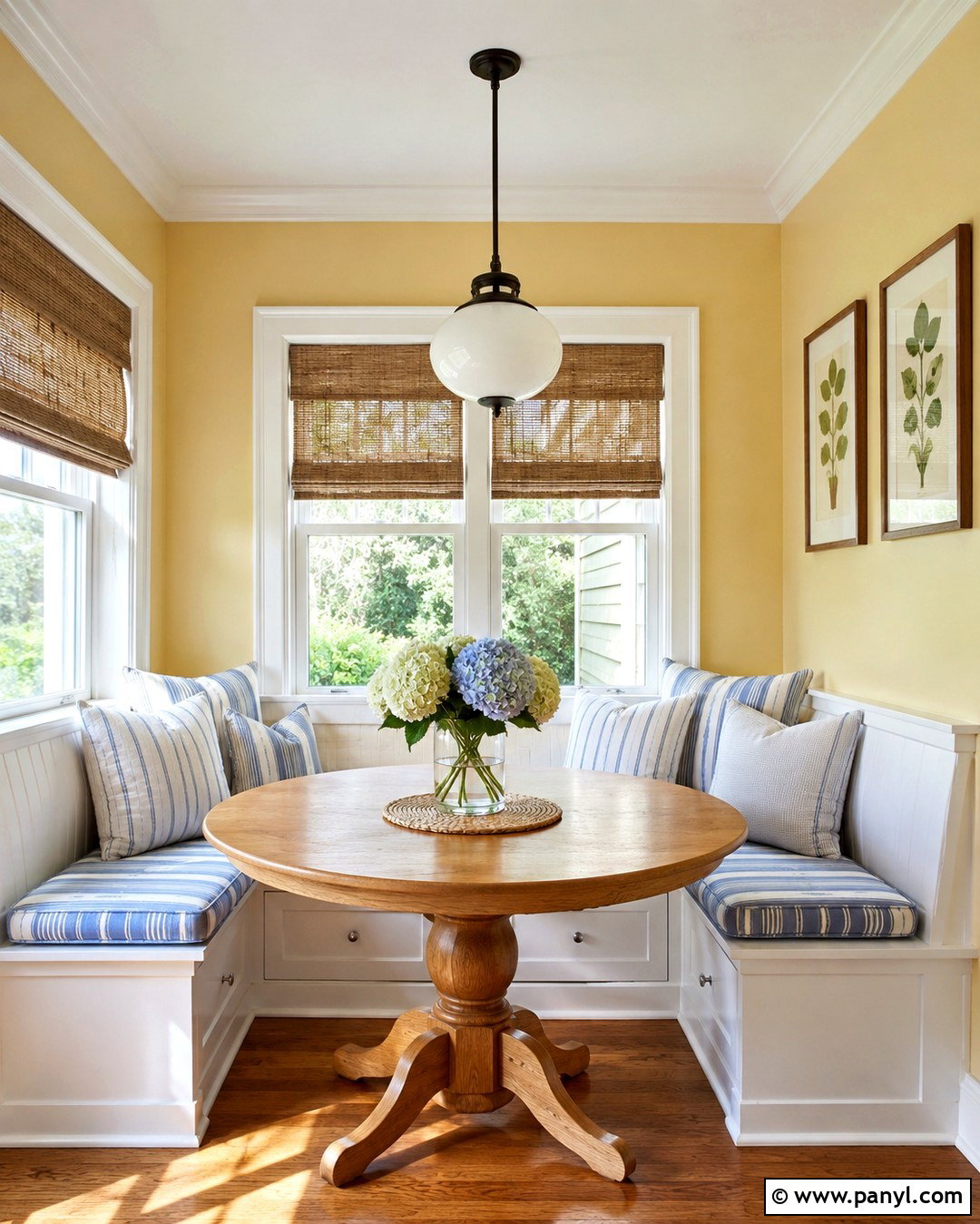
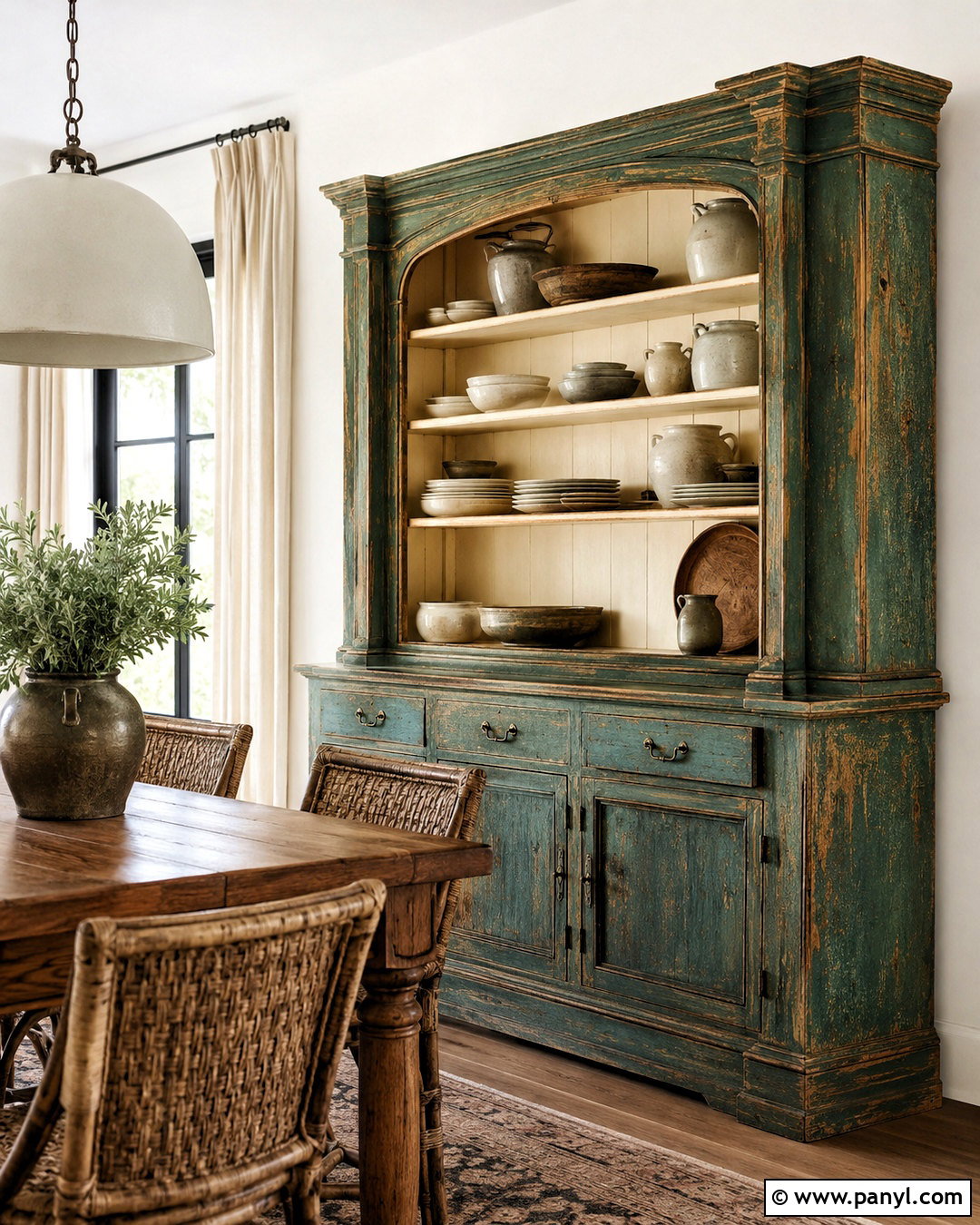
A cheerful breakfast nook can handle daily bumps and fingerprints without feeling overly glossy. Paint the walls a soft butter yellow in a satin finish, then add a built-in white bench, a round oak pedestal table, and washable blue-striped cushions. Natural woven shades filter bright morning sun, while satin walls gently reflect that light into the corner. Include a compact pendant with a white glass shade and simple botanical prints in oak frames. White semi-gloss trim gives the nook a clean edge, but the contrast between finishes should remain subtle. Satin is particularly useful around bench seating where shoulders, bags, and hands frequently touch the walls. Keep the color light to minimize visible surface irregularities. When cleaning, begin with a soft damp cloth rather than an abrasive sponge that could dull or burnish the finish.
9. Satin Paint Sheen For Kids Bedroom Walls
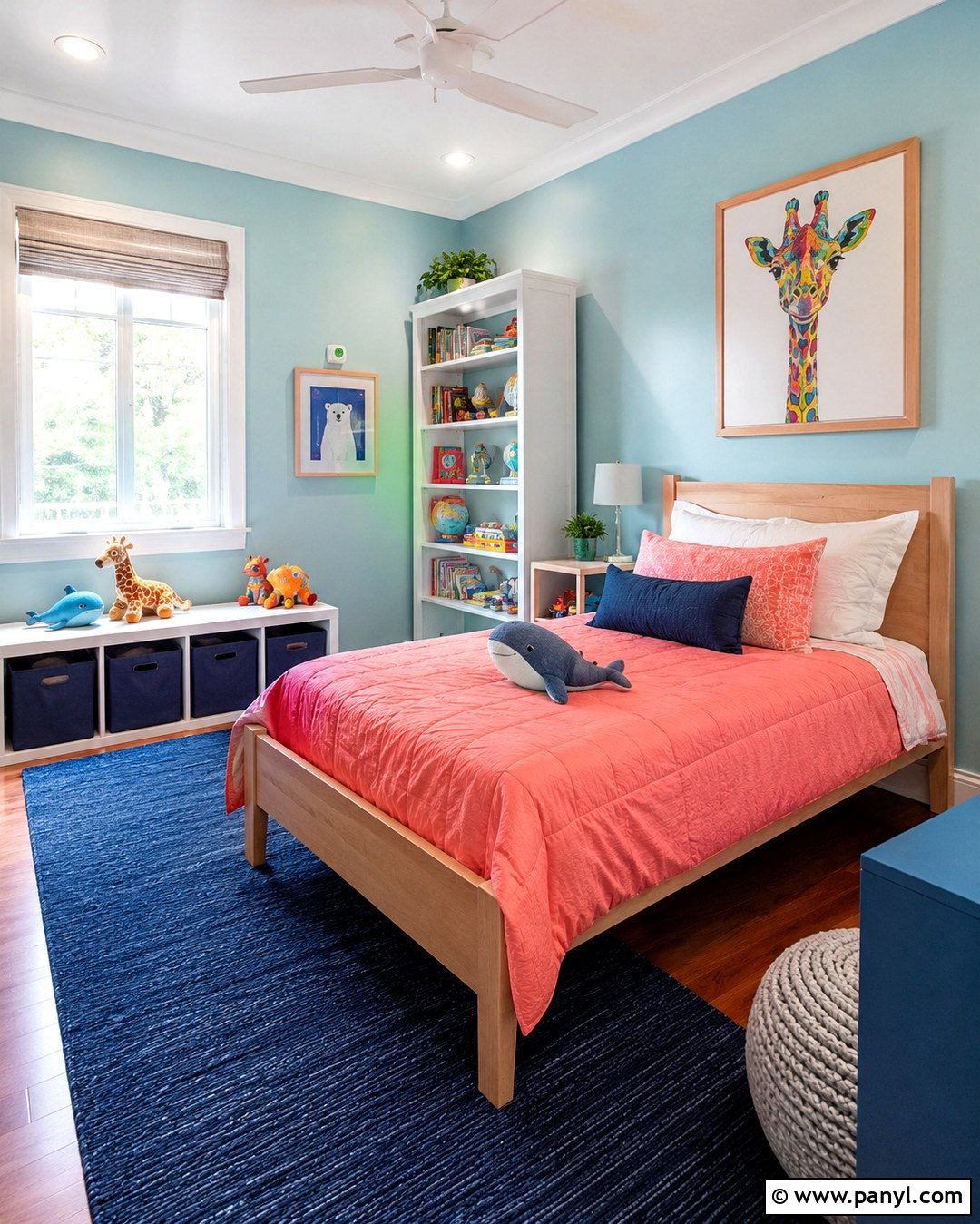
Colorful children’s rooms need durable surfaces and a layout that can adapt as interests change. Use a soft aqua satin paint on all four walls, complemented by a natural maple bed, white bookcases, and a navy washable rug. Add coral bedding and removable artwork for personality without turning every permanent surface into a strong accent. Satin’s moderate sheen makes fingerprints, pencil marks, and everyday smudges easier to address than they would be on many basic flat paints. Keep toys in low closed bins so the finished room looks calm and organized. Use white semi-gloss on the trim and door for additional durability in areas that receive constant contact. Since satin can reveal wall flaws, fill dents, sand repairs, and prime marked areas before painting. Apply full wall sections continuously to prevent visible lap lines.
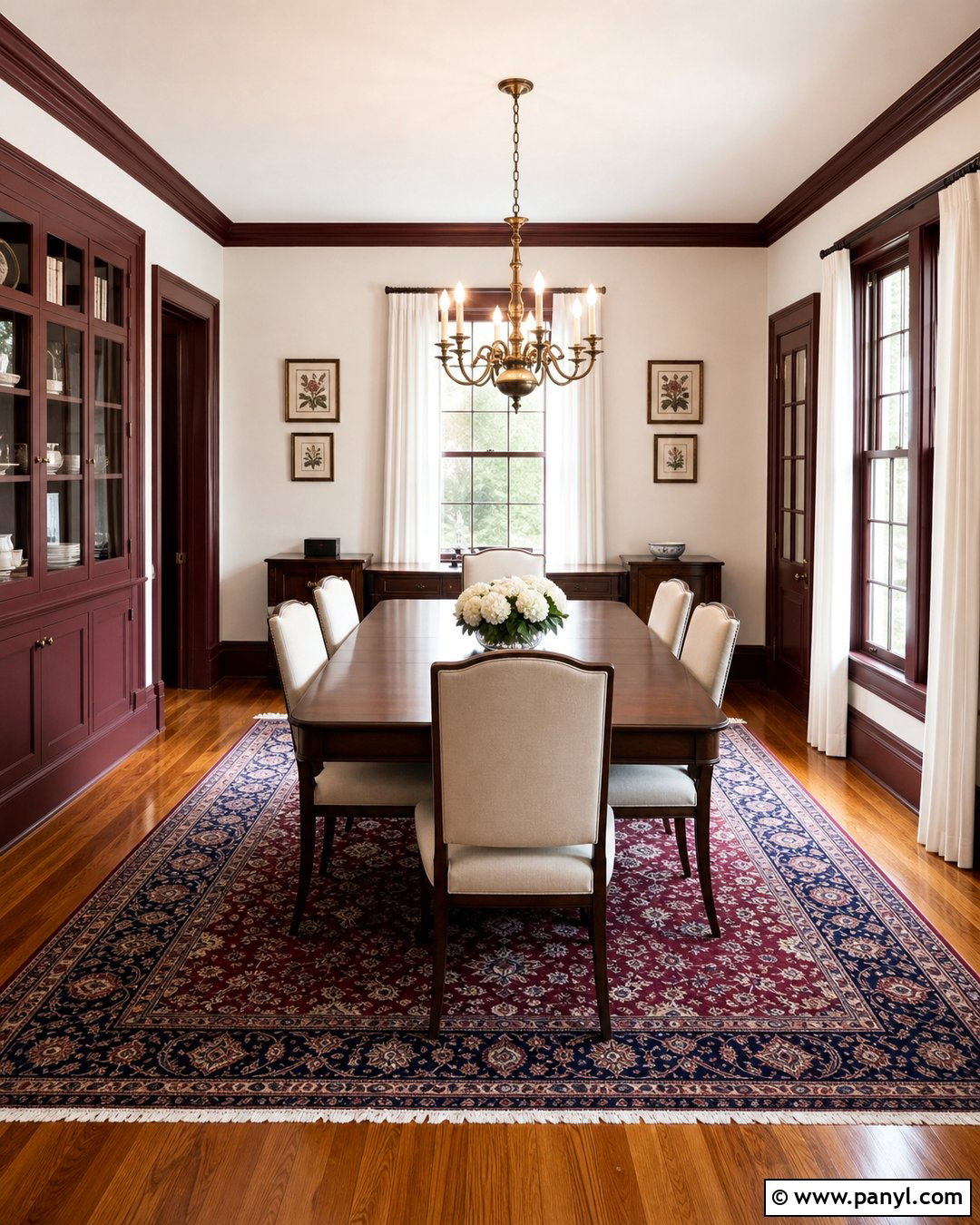
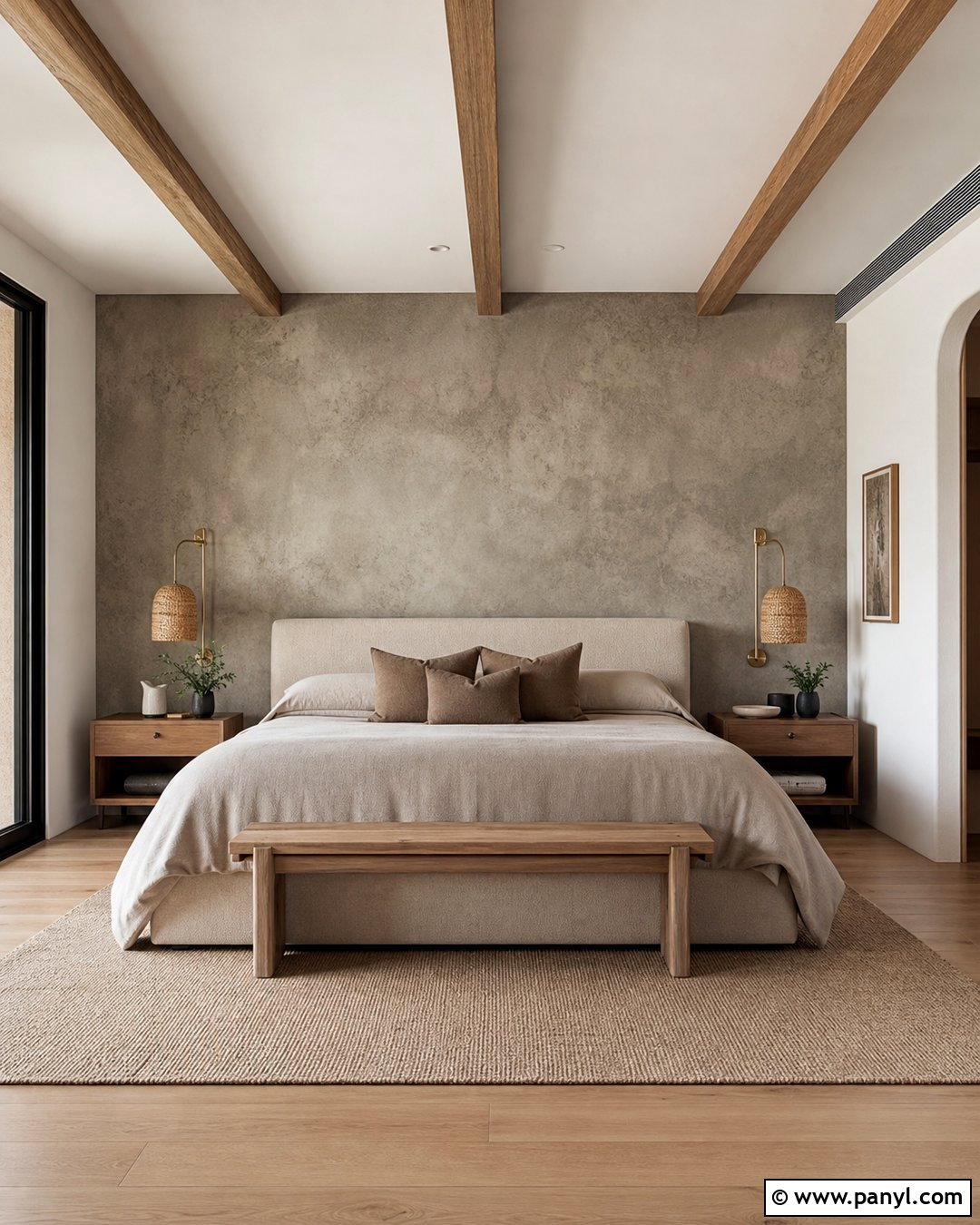
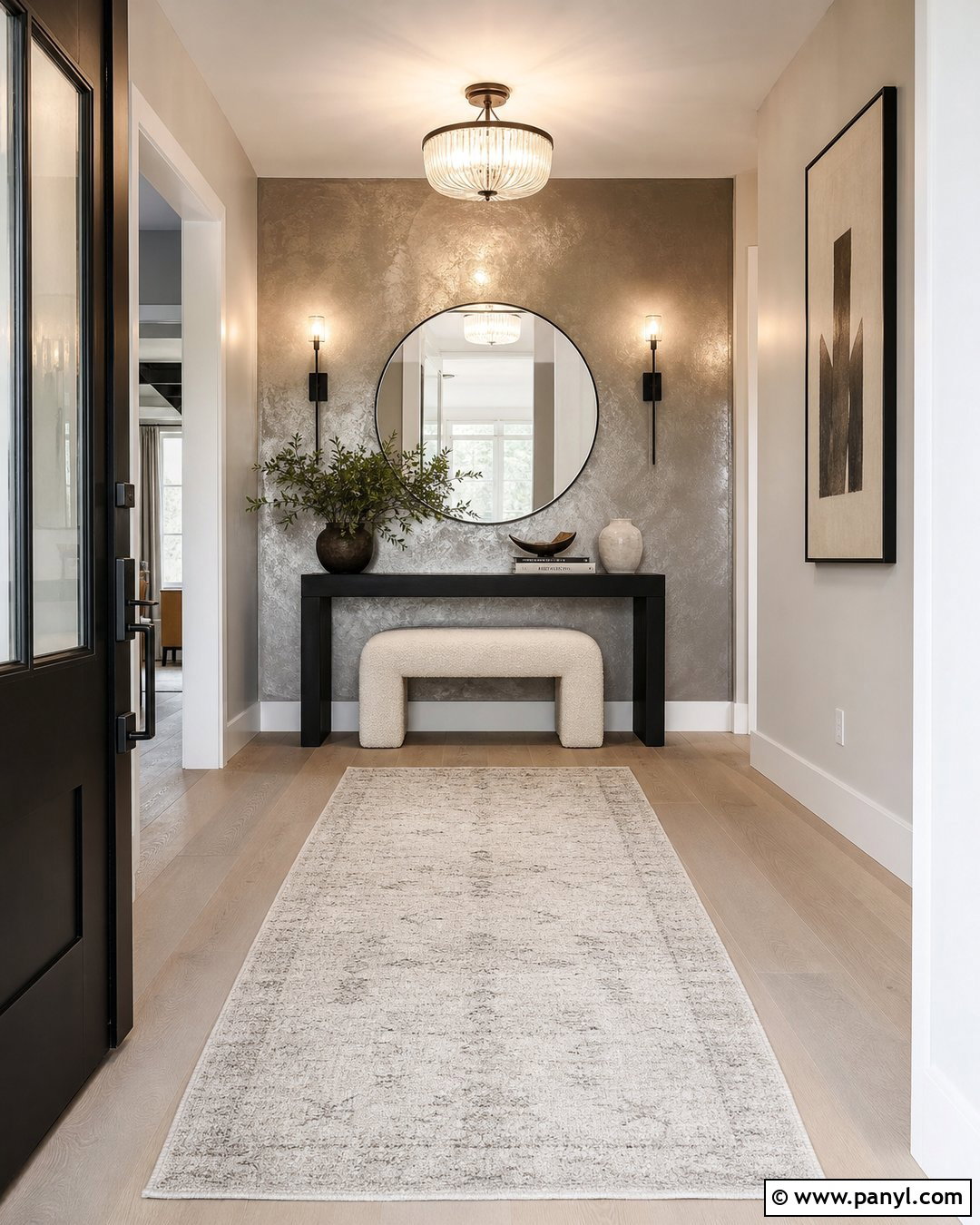
10. Satin Paint Sheen For Playroom Walls
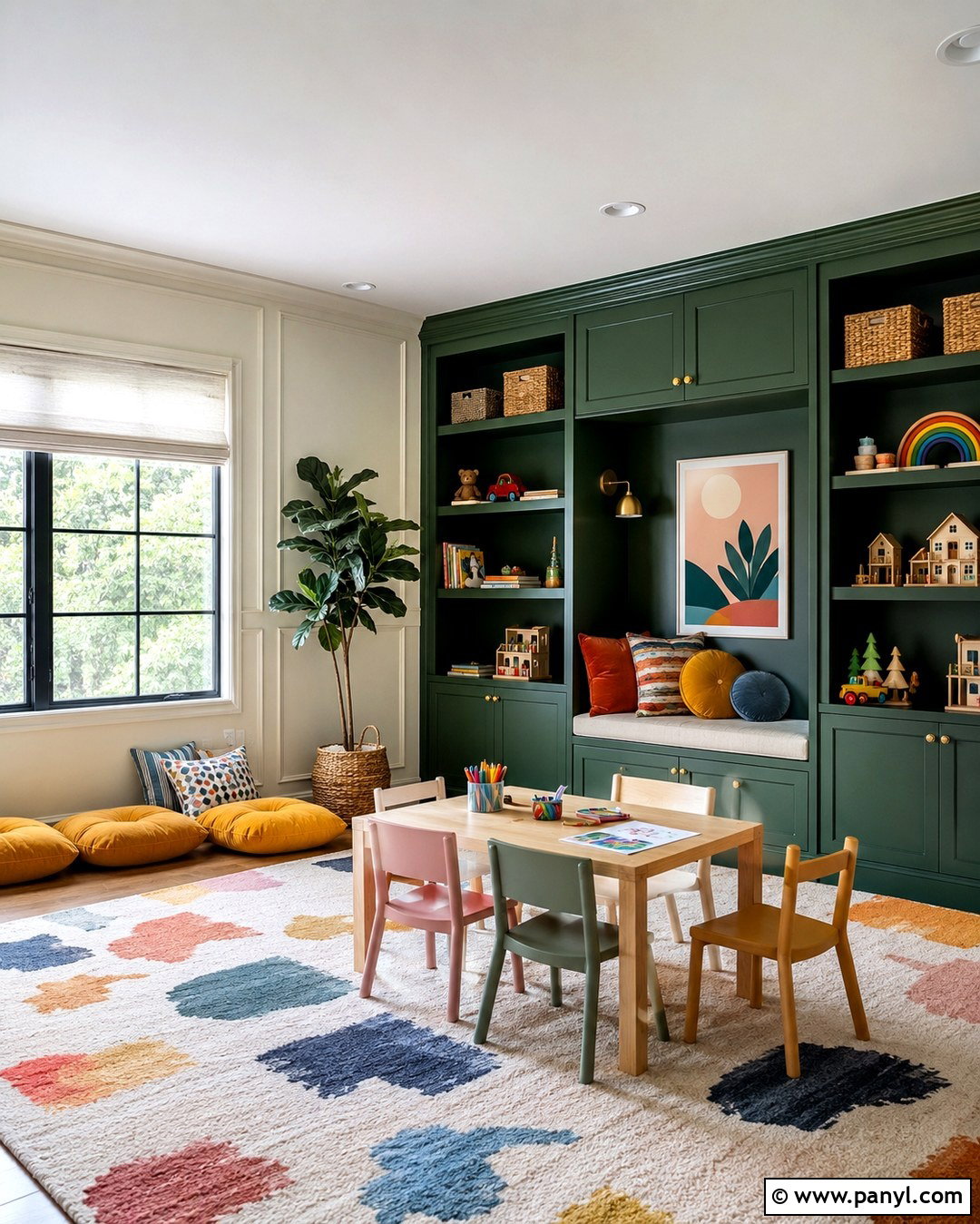
Playroom walls experience toy bumps, sticky hands, and frequent cleaning, so the finish must balance appearance with resilience. Choose a warm off-white satin paint and introduce color through a forest green storage wall, mustard floor cushions, and a washable multicolor rug. Low birch shelves keep books accessible, while labeled-looking shapes and picture-based organization can be created without placing actual words on the decor. A child-size craft table belongs near the window where natural light supports projects. Satin walls provide a practical backdrop that can be wiped more readily than a delicate flat finish. Keep the ceiling bright white and flat to reduce overhead glare. Protect the lower walls further with simple painted panel molding, using the same satin finish for a seamless appearance rather than adding a highly reflective surface across the entire room.
11. Satin Paint Sheen For Hallway Walls
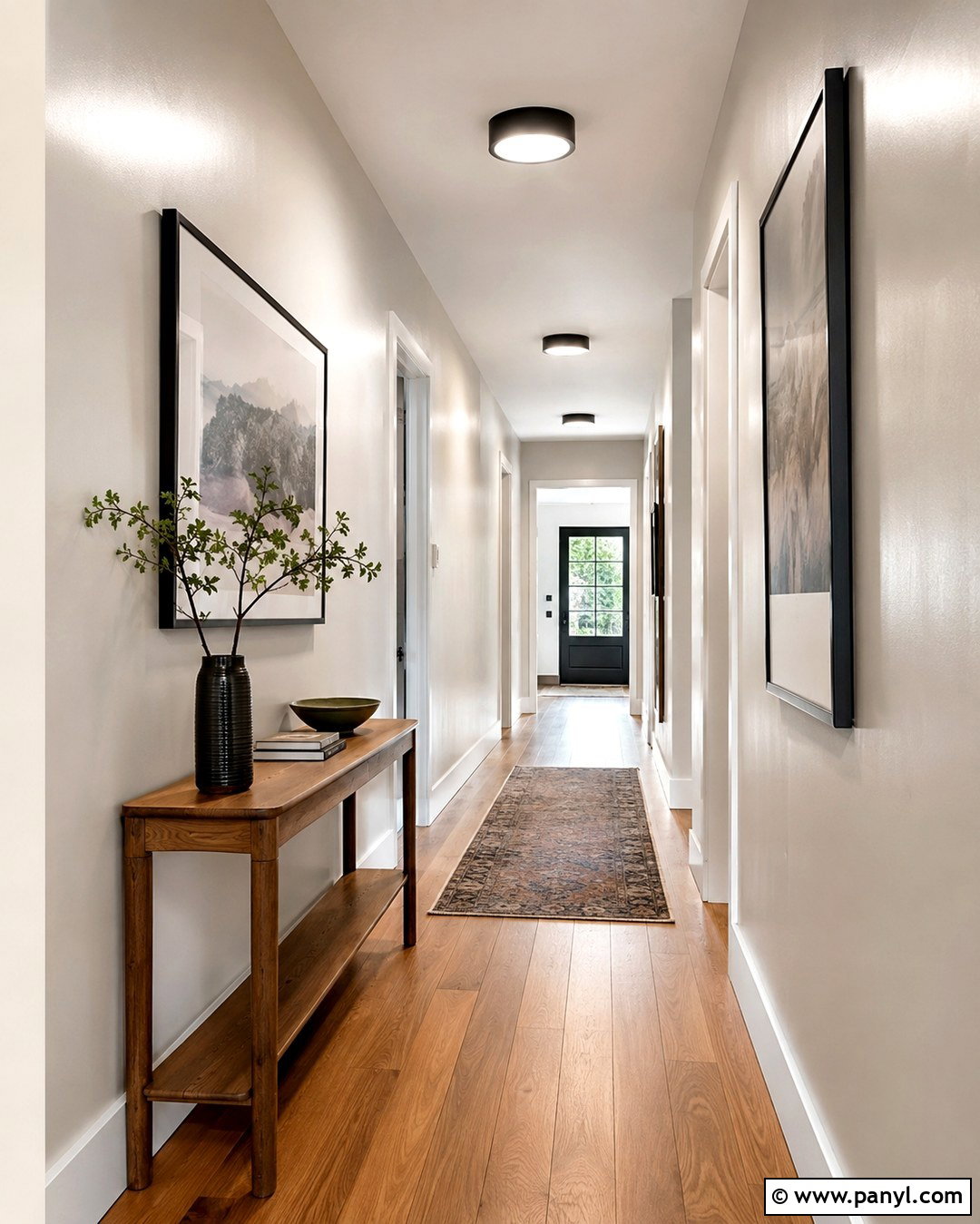
Narrow hallways collect scuffs from shoes, bags, furniture, and constant passing traffic. A light mushroom-colored satin paint makes this hardworking area easier to maintain while adding more warmth than plain white. Pair the walls with medium oak flooring, crisp white baseboards, black flush-mount lights, and a slim console placed only where the passage remains comfortable. Hang a restrained group of framed prints at eye level, leaving enough open wall space to prevent the corridor from feeling crowded. The satin finish will pick up highlights from nearby rooms, helping the hallway appear more open. However, long walls often receive strong side lighting that reveals roller marks. Repair and prime carefully, then use a quality roller with the recommended nap. Finish each wall section from top to bottom while maintaining a consistent wet edge.
12. Satin Paint Sheen For Entryway Walls
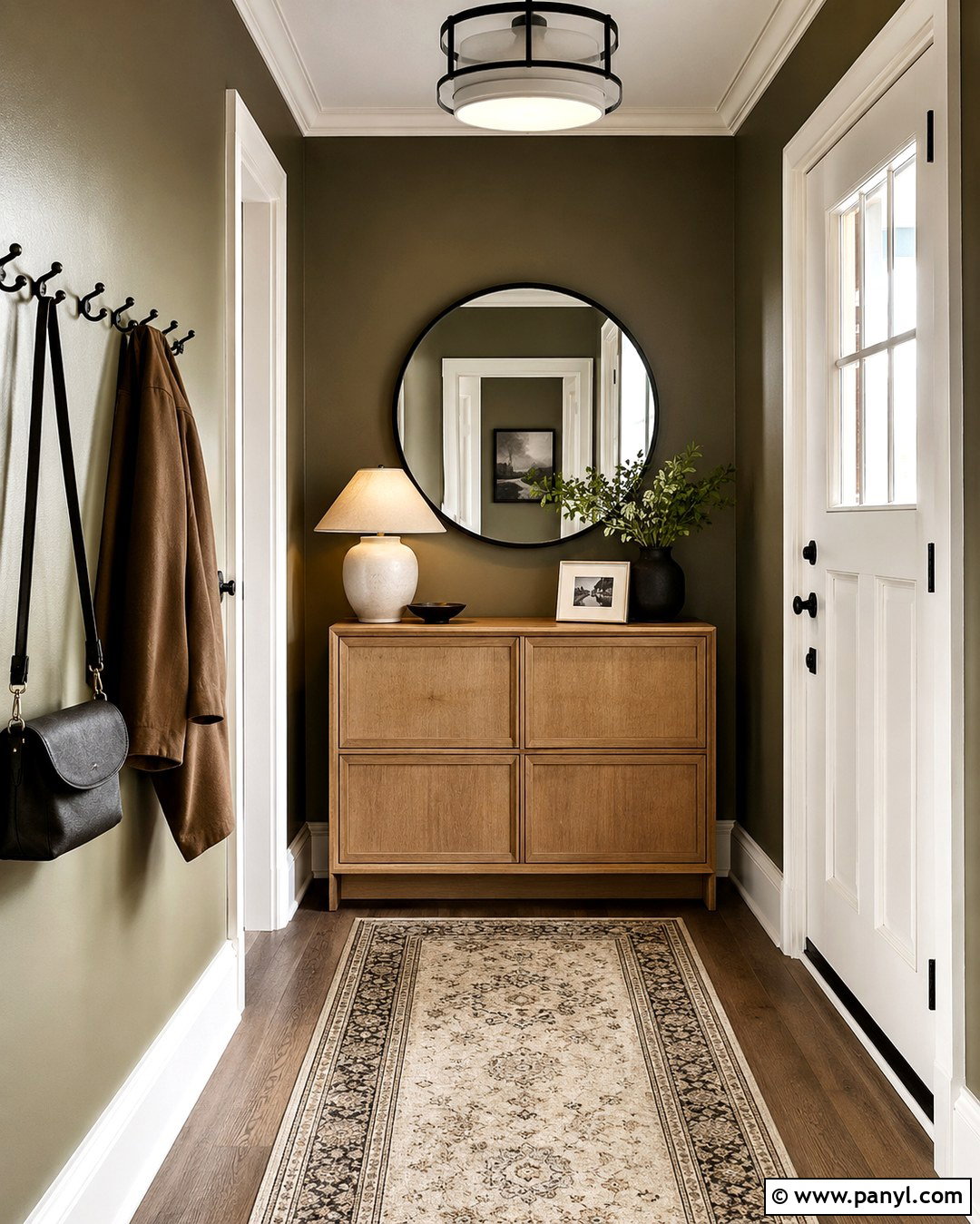
First impressions improve when the entryway feels coordinated, bright, and prepared for daily wear. Use muted olive satin walls with a narrow oak console, a round black-framed mirror, and a durable cream-and-charcoal runner. Add a closed shoe cabinet and simple wall hooks so practical storage becomes part of the complete design. The slight sheen gives the green color depth and allows routine cleaning around switches, corners, and the front door. Paint the trim warm white in semi-gloss, and repeat the black finish on the door hardware and overhead lantern. A small ceramic lamp can provide evening light without crowding the console. Test the satin color beside the flooring and adjoining rooms before committing. Entryways often combine several light sources, and the wall color may look lighter near the open door than farther inside.
13. Satin Paint Sheen For Laundry Room Walls
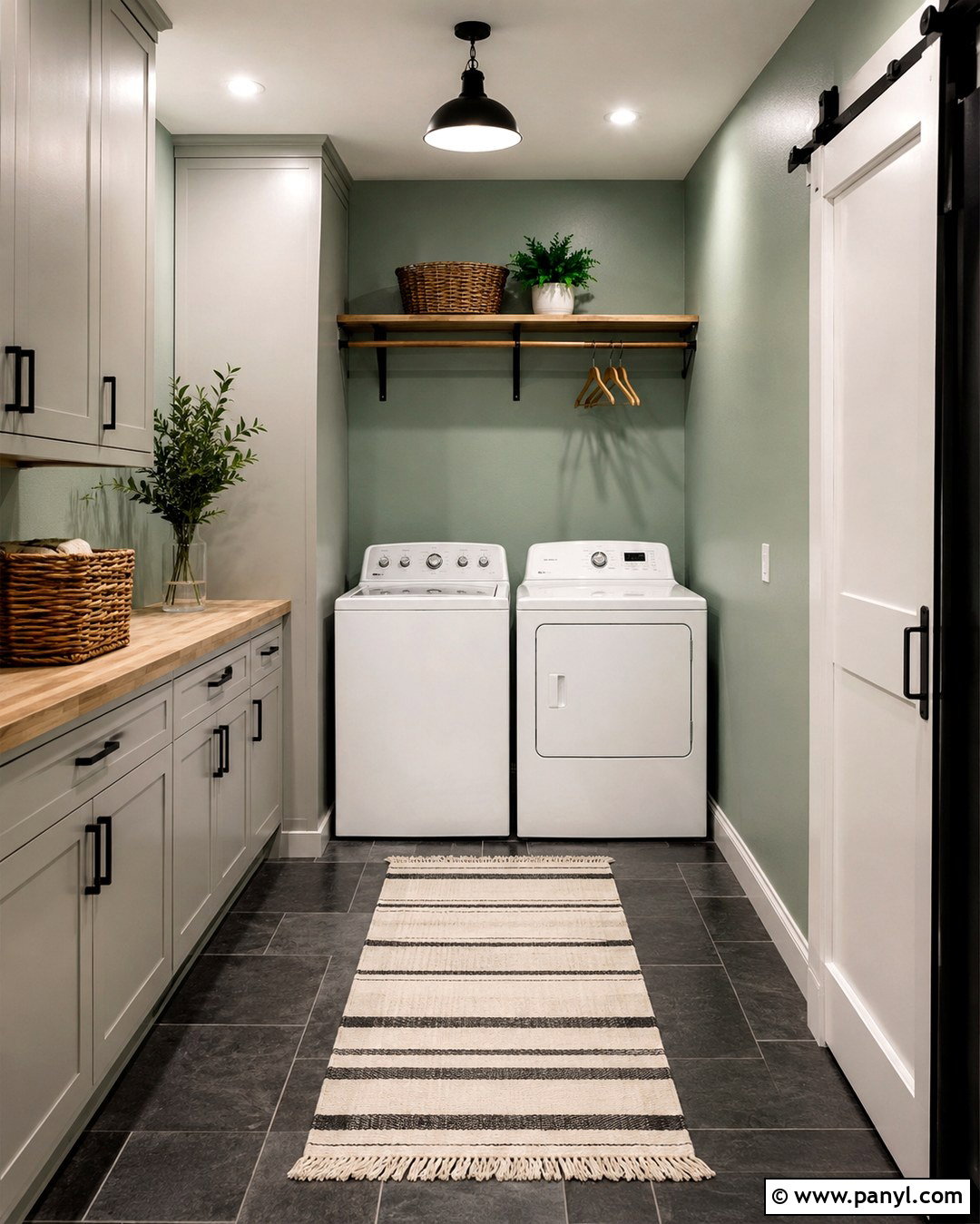
A laundry room can feel clean and inviting without relying on stark white everywhere. Use pale eucalyptus green satin paint with white appliances, light gray cabinets, butcher-block counters, and matte black pulls. Add closed upper storage for supplies, a hanging rail for air-drying clothes, and a washable striped runner over practical tile flooring. Satin walls suit this complete setup because they handle occasional moisture and can be cleaned around sorting counters and machines. Keep the ceiling flat white to diffuse overhead lighting, while semi-gloss trim protects baseboards from baskets and cleaning tools. If the room lacks windows, choose a green with a slightly warm undertone so it does not appear cold. Vent the dryer correctly and address leaks promptly, since washable paint cannot compensate for ongoing condensation or hidden moisture problems.
14. Satin Paint Sheen For Bathroom Walls
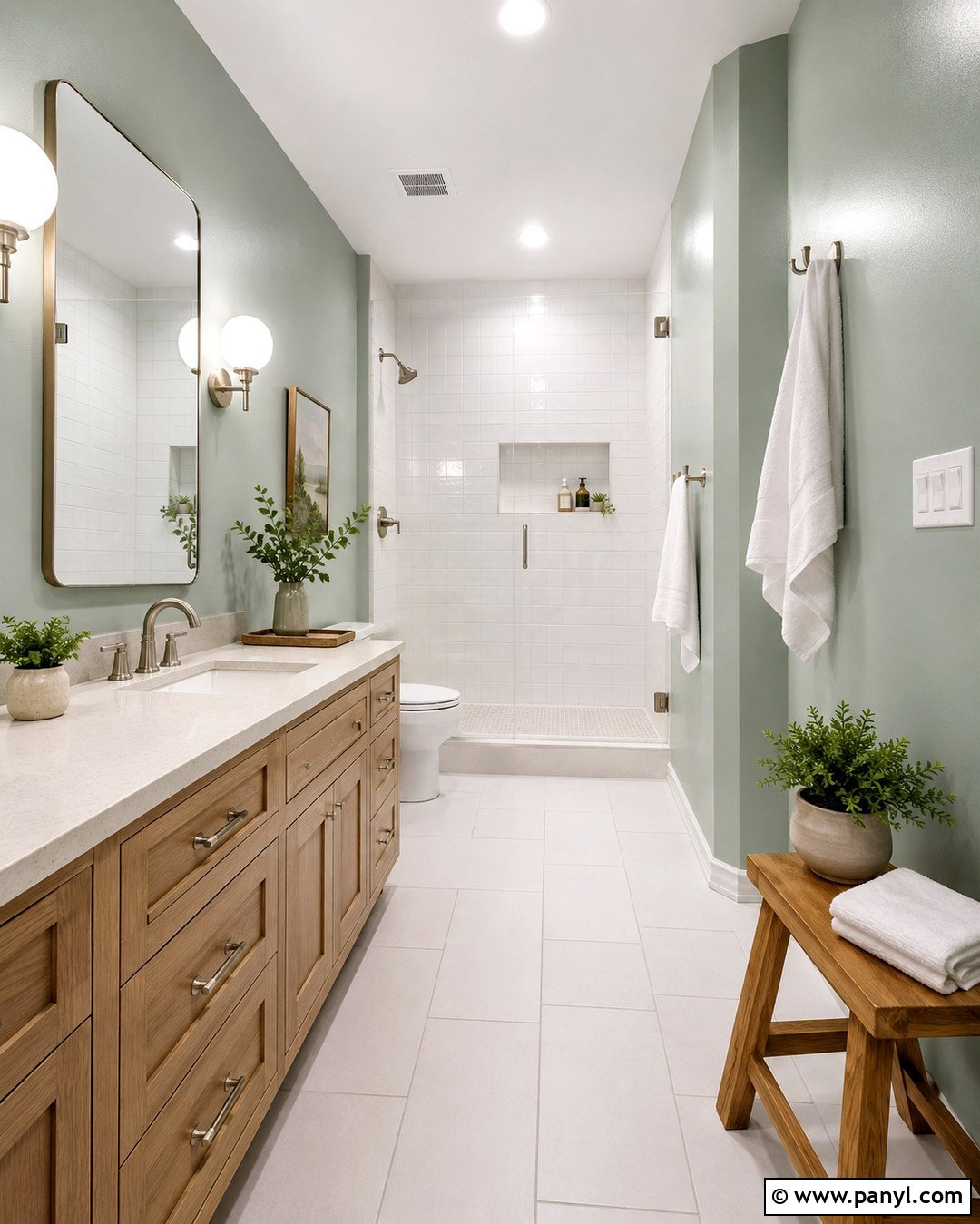
For a ventilated bathroom, satin walls can provide moisture resistance without the noticeably reflective appearance of semi-gloss. Try soft sea-glass green walls with a white oak vanity, pale quartz counter, brushed nickel faucet, and matte white floor tile. Keep wet zones protected with proper tile, while using satin paint on the remaining wall surfaces. A frameless mirror and white globe sconces make the compact room feel brighter. Add fluffy white towels and one small wood stool to soften the hard materials. Satin provides a gentle glow that suits modern bathrooms, but smooth preparation is essential around patched towel bars or old fixtures. Use bathroom-rated paint where available, run the exhaust fan during and after showers, and allow adequate drying time between coats. These steps help the finished room remain neat and easy to maintain.
15. Semi-Gloss Paint Sheen For Small Bathroom Walls
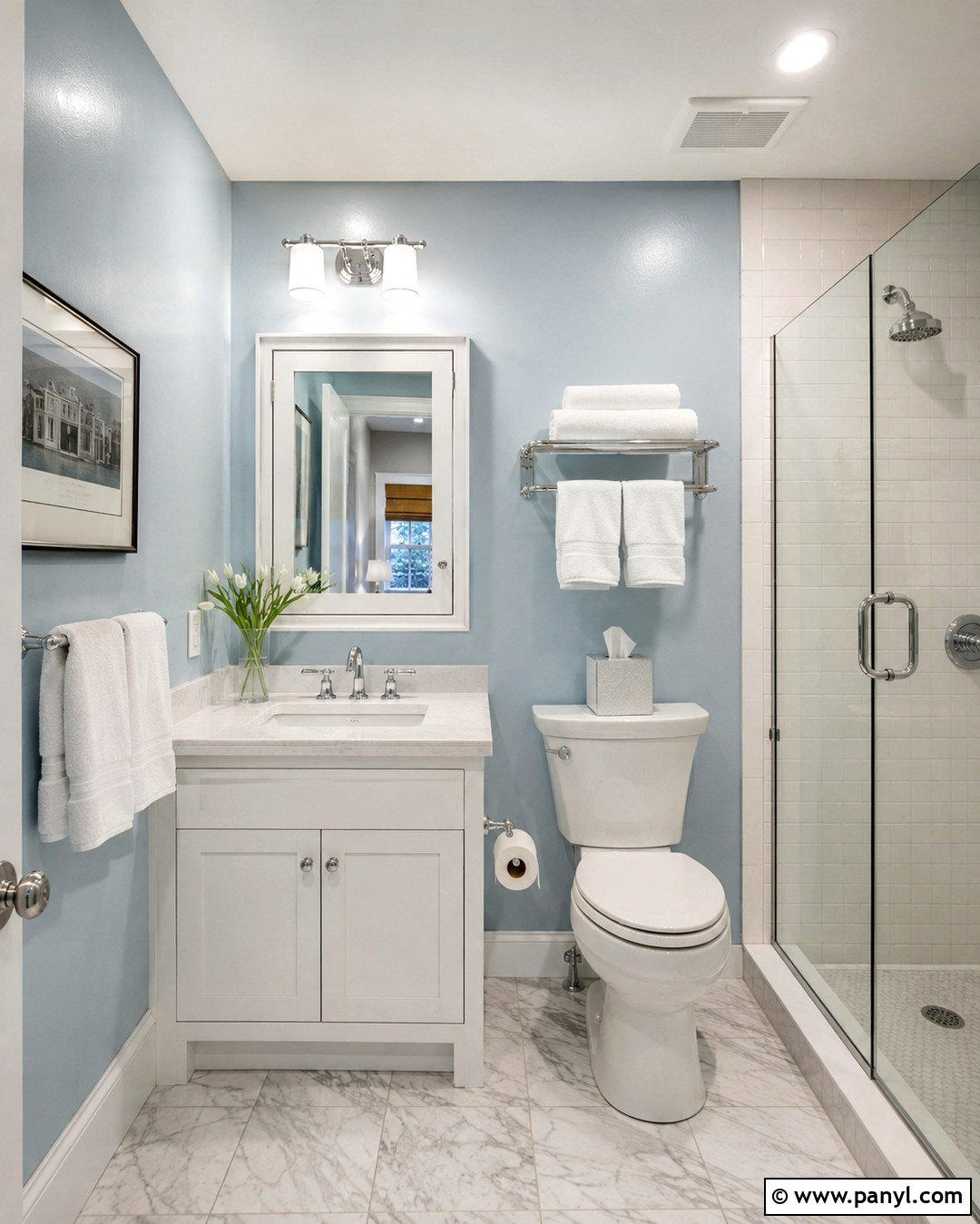
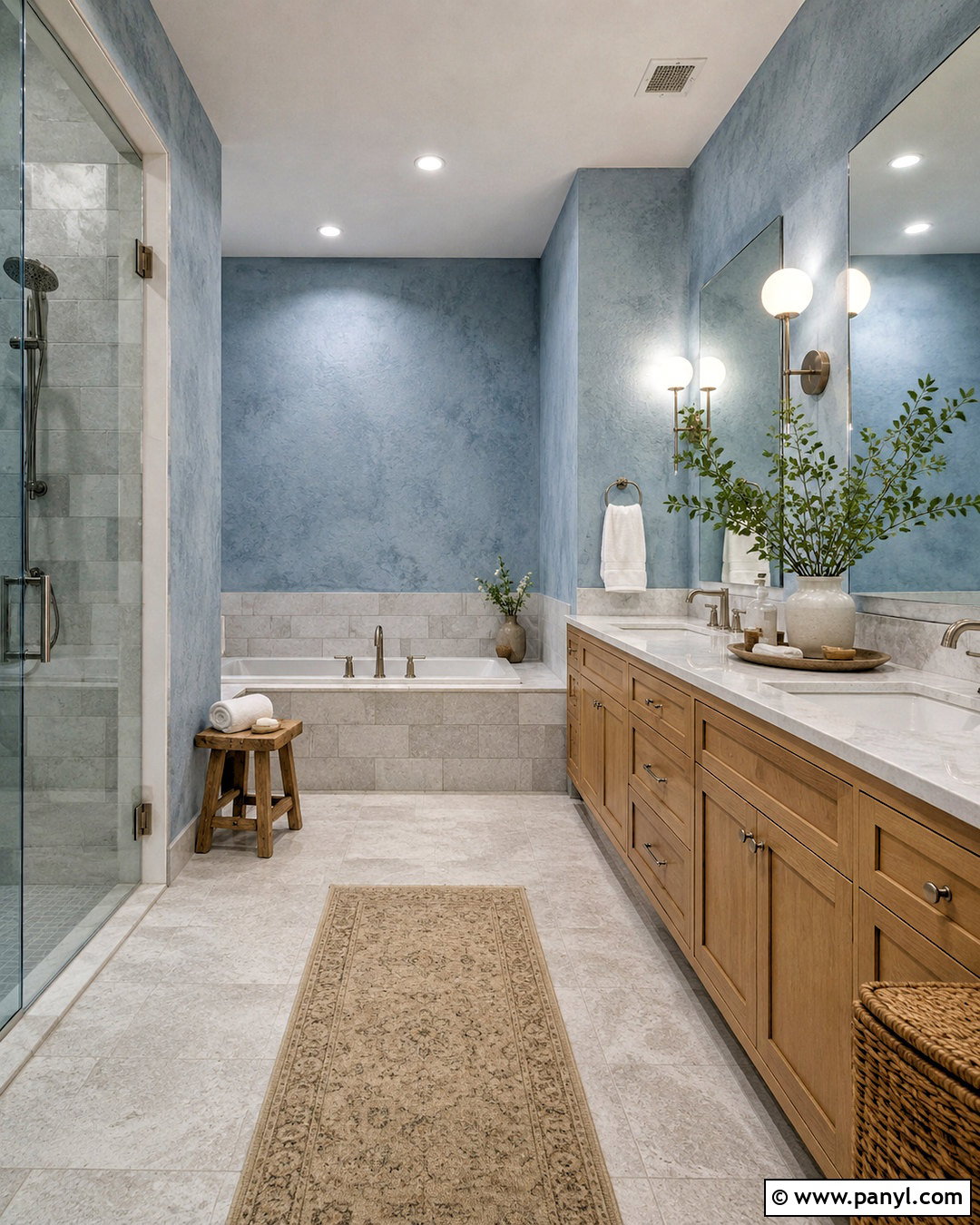
A small bathroom with heavy daily use may benefit from the stronger washability of semi-gloss paint. Use a pale misty blue to keep the reflection bright rather than overpowering. Pair it with a compact white vanity, polished chrome hardware, marble-look floor tile, and a recessed mirrored cabinet. White shower tile should cover direct wet areas, allowing the painted walls to frame the room instead of facing constant water exposure. Because semi-gloss reflects more light, prepare every patch and corner carefully. Skim uneven areas if necessary, sand smoothly, and apply primer before the finish coats. Use thin, even applications rather than one heavy coat for a cleaner surface. Semi-gloss is widely associated with moisture-prone and high-use areas, although its stronger shine can emphasize imperfect drywall. ()
16. Semi-Gloss Paint Sheen For Mudroom Walls
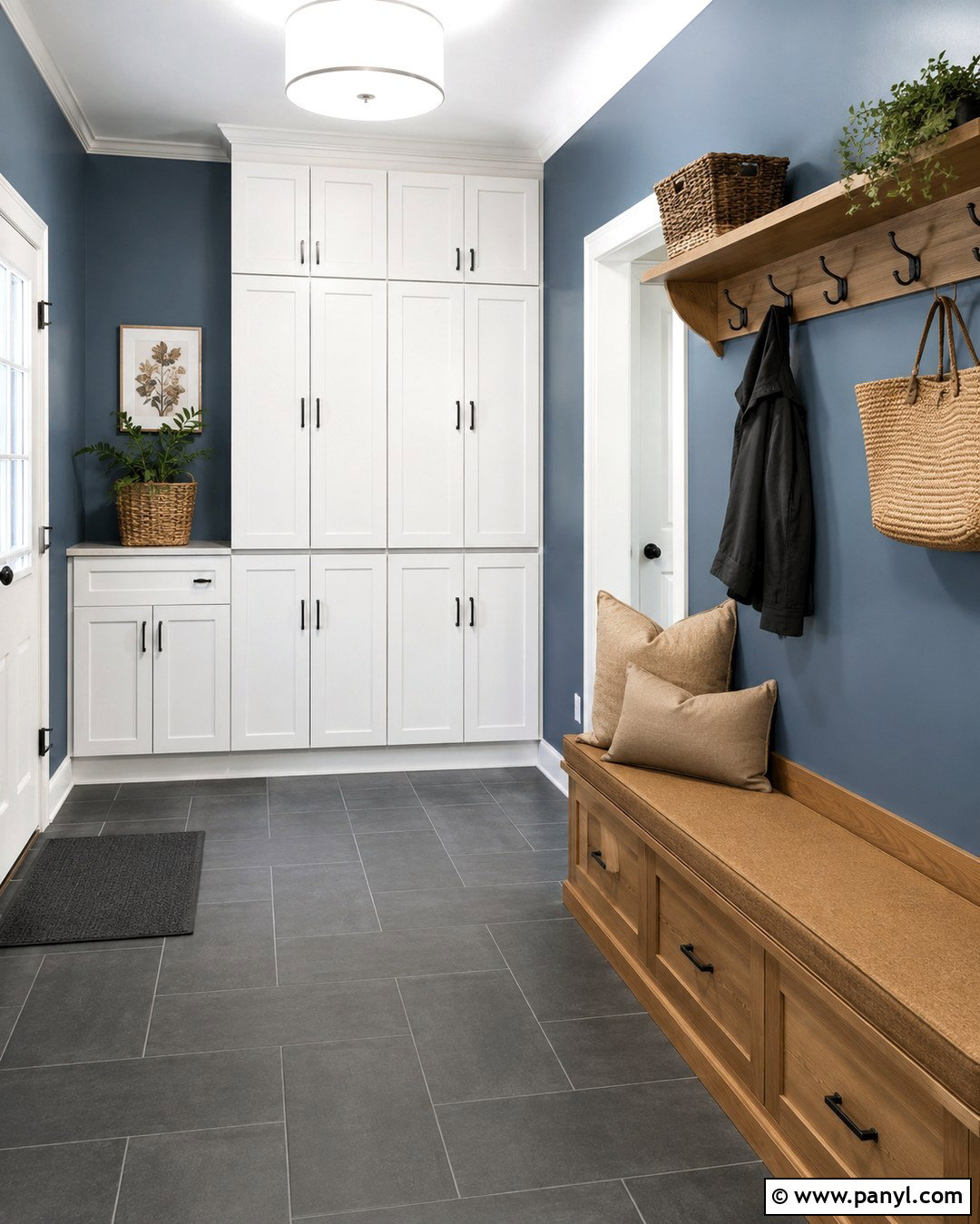
Mudrooms need finishes that tolerate wet jackets, dirty bags, and regular scrubbing. Paint the walls a medium slate blue in semi-gloss, then install a natural oak bench with closed shoe drawers and tall white storage cabinets. Use charcoal porcelain floor tile, black coat hooks, and washable tan seat cushions to create a durable transitional look. The reflective finish deepens the blue while helping the wall surface resist routine grime. Keep direct wall decoration minimal because baskets, backpacks, and coats already contribute visual detail. A large ceiling fixture and a narrow window can brighten the darker color. Before painting, smooth the walls carefully because semi-gloss exposes dents and uneven sanding. Caulk gaps around built-ins, prime repaired spots, and use controlled roller strokes so the finish looks intentional rather than industrial or patchy.
17. High-Gloss Paint Sheen For Paneled Powder Room Walls
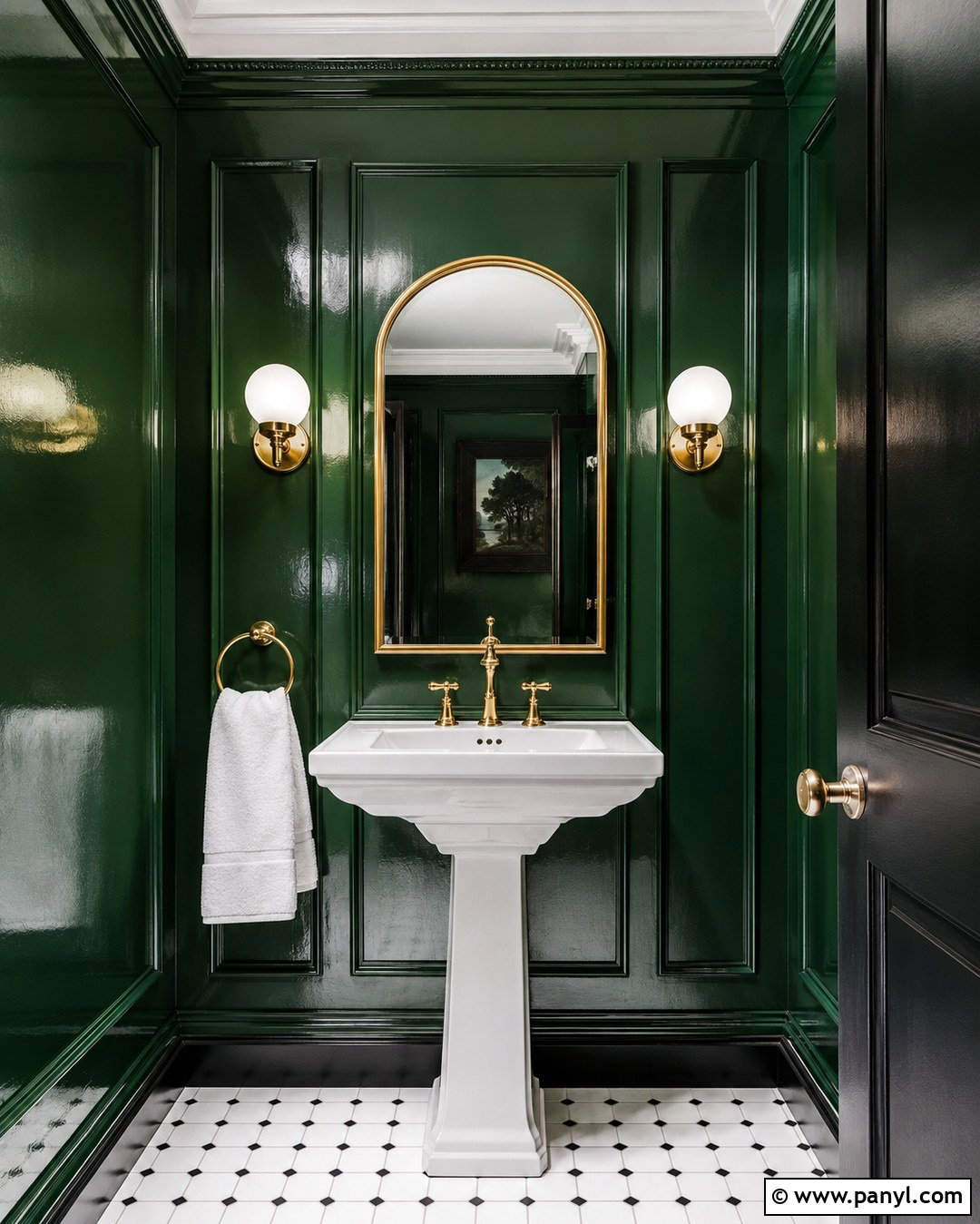
High-gloss walls can transform a small powder room when the surface is deliberately detailed and professionally prepared. Cover the walls with simple panel molding, then paint everything a rich emerald green in a glassy high-gloss finish. Add a compact white pedestal sink, polished brass faucet, black-and-white mosaic floor, and an arched brass mirror. White ceiling paint prevents the saturated walls from closing in the room, while two opal glass sconces distribute clear light. The shine highlights every molding profile and gives the limited space a finished, jewel-like quality. This approach requires nearly flawless sanding, priming, and application because gloss magnifies surface problems. Use several thin coats and allow proper drying between them. Keep accessories restrained so the reflective green walls remain the main feature rather than competing with excessive decoration.
18. Mixed Paint Sheen For Color-Drenched Walls
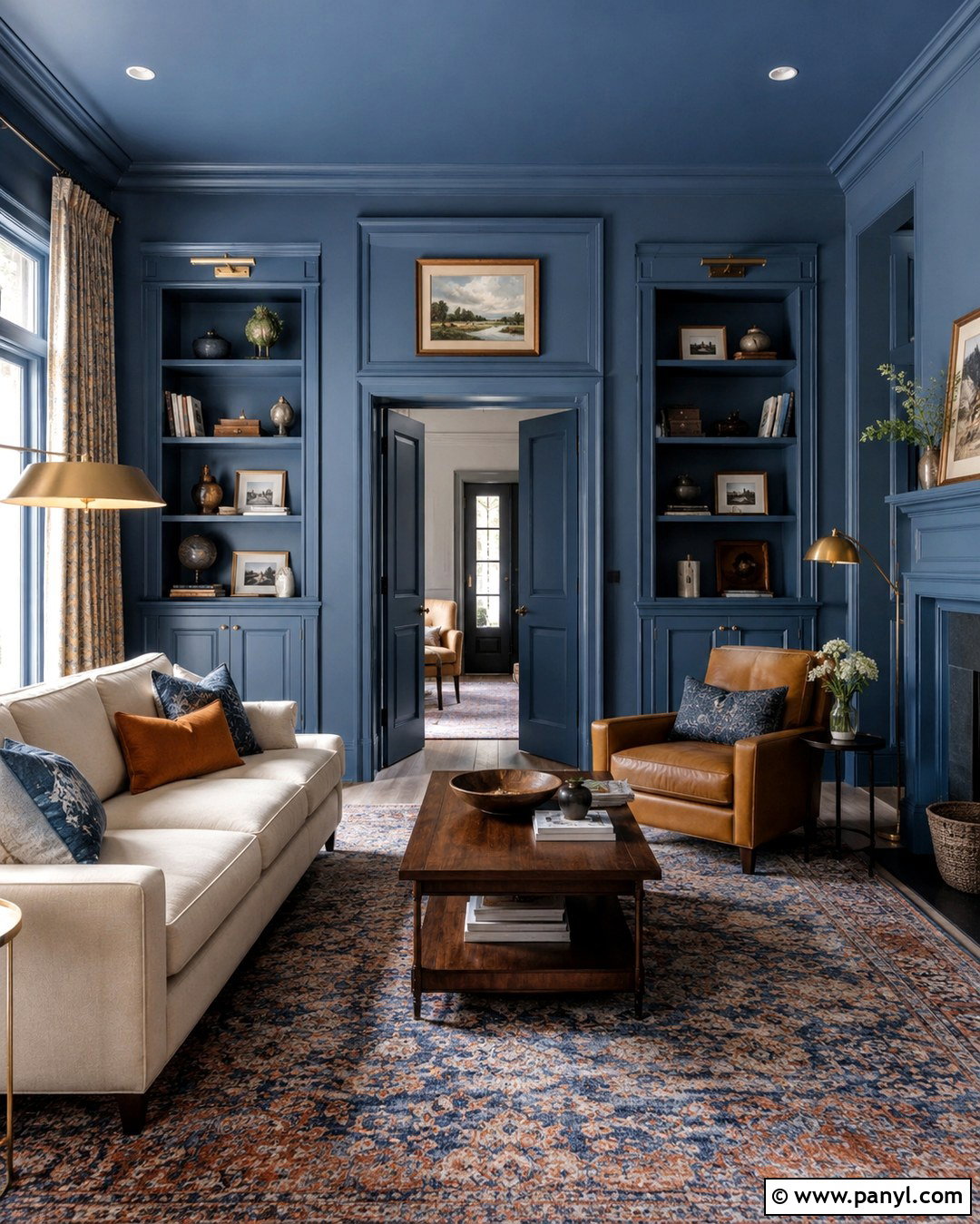
Using one color in different sheens creates a layered room without introducing extra colors. Paint the living room walls, ceiling, and built-in bookcases in a muted dusty blue. Use matte on the walls, flat on the ceiling, and semi-gloss on the cabinets, trim, and doors. The shared color unifies the architecture, while the finish changes reveal each surface under the light. Complete the room with a cream sofa, cognac leather chair, dark walnut coffee table, and a faded blue-and-rust rug. Add warm brass lamps for a controlled contrast against the cool paint. This color-drenched treatment works best when undertones match exactly, so purchase every sheen from the same coordinated color formula. Create sample boards first because one color can appear noticeably lighter or deeper as reflectivity changes across finishes.
19. Low-Luster Paint Sheen For Textured Walls
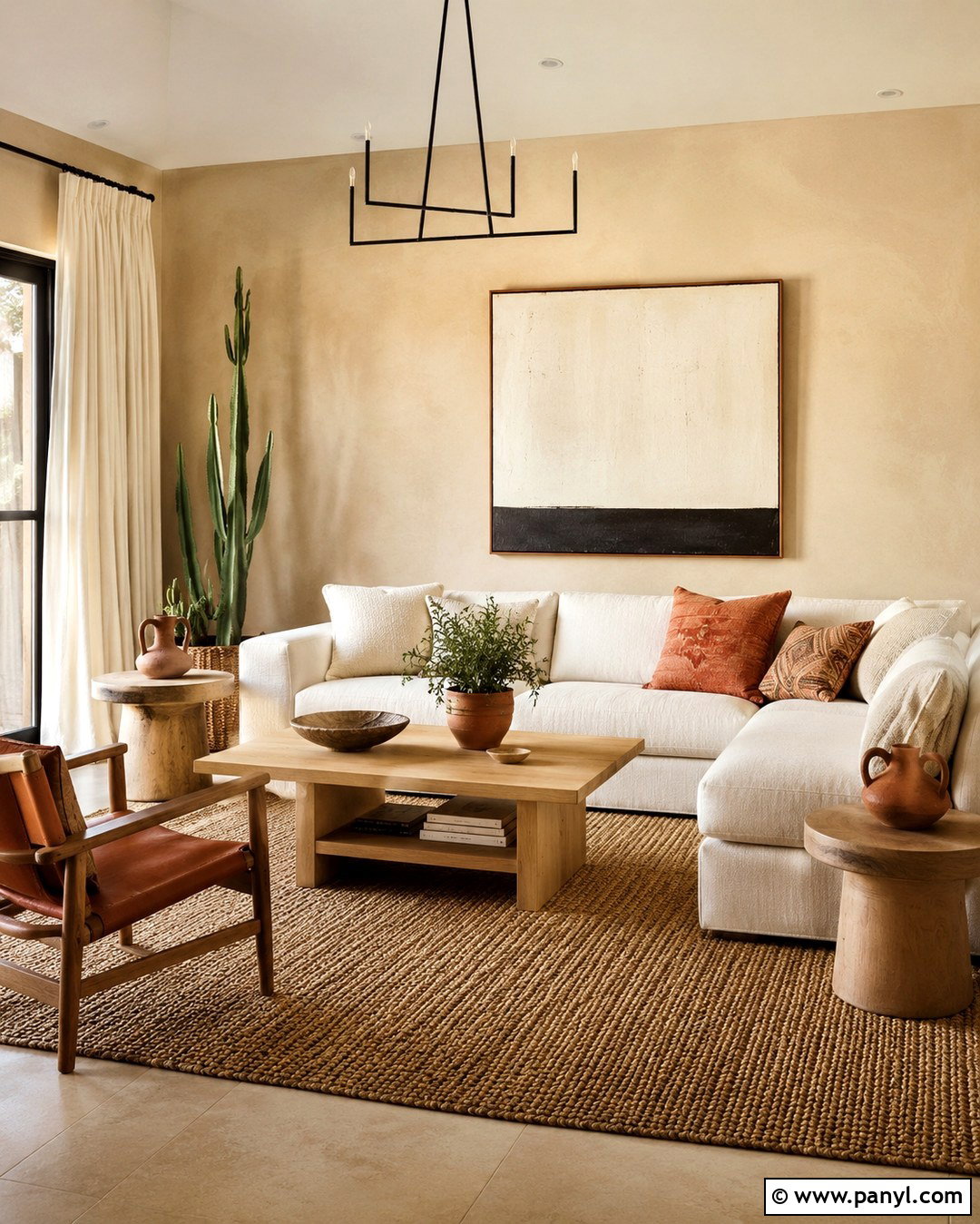
Textured drywall requires a restrained sheen because reflected light can exaggerate every bump and ridge. Choose a low-luster or soft eggshell finish in warm sand beige, then create a relaxed Southwest-inspired living room with a cream sectional, terracotta pillows, pale oak tables, and a woven natural rug. Add simple black metal lighting and clay pottery, but keep wall art large and minimal so the texture does not compete with many small objects. Linen curtains should soften direct sunlight that might rake across the walls. Avoid satin or semi-gloss unless maximum cleaning performance is essential. Before painting, test the finish on a broad area because texture changes how sheen appears. Use a roller nap suited to the wall profile, apply even pressure, and check coverage from several directions before the paint dries.
20. Pearl Paint Sheen For Open-Plan Walls
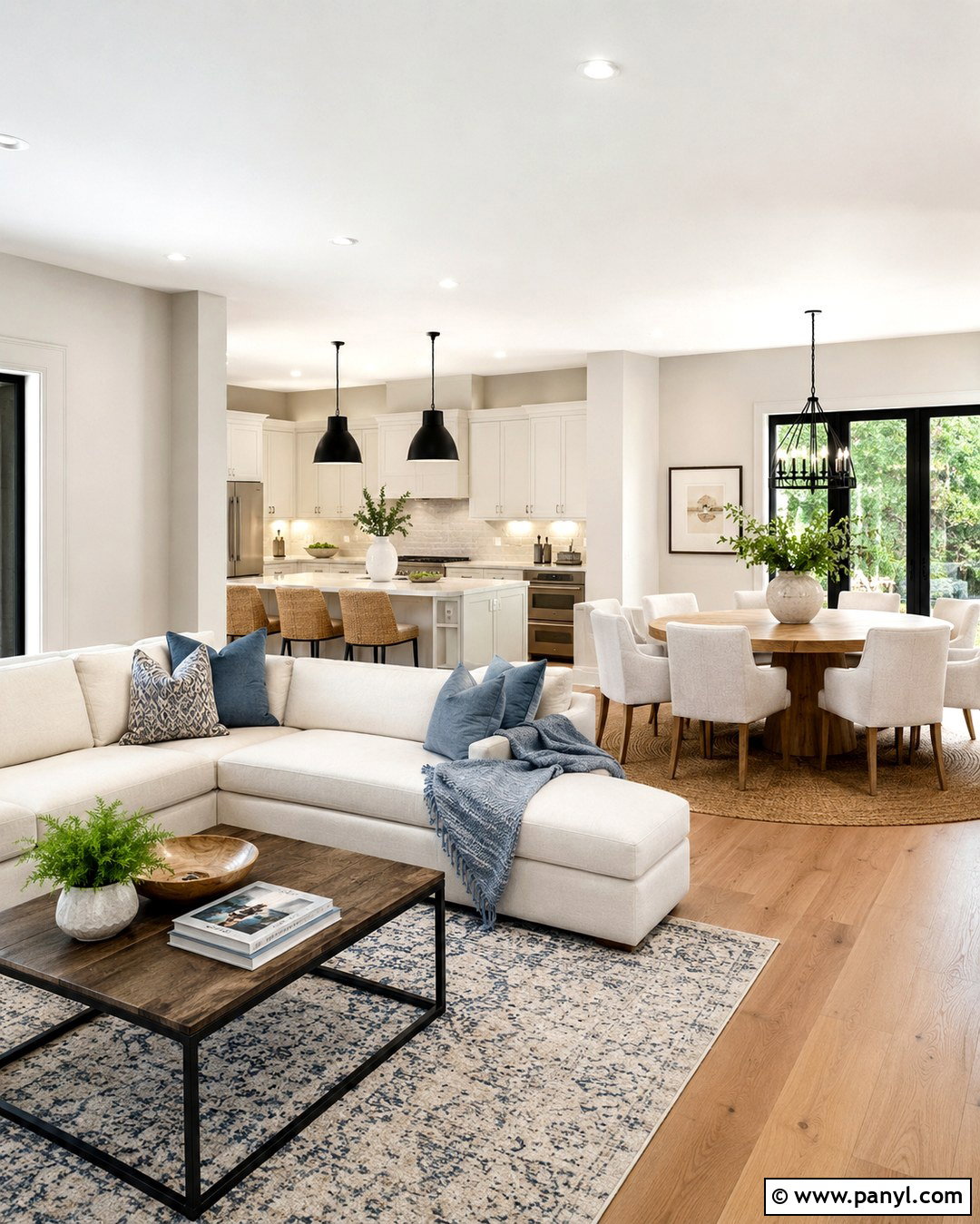
A pearl or low-satin finish can give an open-plan space more durability and light than eggshell without creating the strong shine of semi-gloss. Use a pale warm greige across the living, dining, and kitchen walls to connect all three zones. Define the layout with an ivory sectional, round oak dining table, off-white cabinetry, and soft blue textiles. Black pendant lights and window frames create continuity throughout the large room. The gentle sheen reflects daylight into interior areas that sit farther from windows, while the consistent wall color prevents the floor plan from looking fragmented. Because sheen labels vary by manufacturer, compare pearl, low-luster, and satin samples from the specific brand you plan to use. Observe them in every zone before buying, since windows, fixtures, and viewing angles will affect their appearance.
Conclusion:
The best wall finish depends on more than personal preference. Room traffic, moisture, natural light, surface condition, color depth, and cleaning needs should all guide the choice. Flat and matte finishes create soft, forgiving backgrounds, while eggshell offers a versatile balance for many everyday rooms. Satin performs well in busy family spaces, kitchens, and ventilated bathrooms. Semi-gloss and high-gloss bring stronger reflection and durability but require careful wall preparation. Always compare real painted samples because sheen levels can differ among brands and product lines. With these **20 Paint Sheen For Walls**, you can create rooms that look cohesive, respond beautifully to light, and remain practical for the way your household actually lives.

Related Ideas and Inspiration:
Leave a Reply