
Satin paint on walls brings a soft, pearl-like glow that feels more polished than matte without looking as reflective as semi-gloss. It is especially useful in busy rooms because the smooth surface is generally easier to wipe clean. The finish can also make colors appear richer as natural and artificial light moves through the space. However, careful wall preparation matters because satin may reveal dents, patches, and roller marks. The most successful rooms balance its gentle sheen with simple furniture, tactile fabrics, and quieter finishes elsewhere. From washable hallways and colorful kitchens to dramatic powder rooms and practical children’s spaces, this collection of 30 satin paint on walls shows how to build a complete, attractive look around this versatile finish.

1. Warm White Satin Living Room Walls
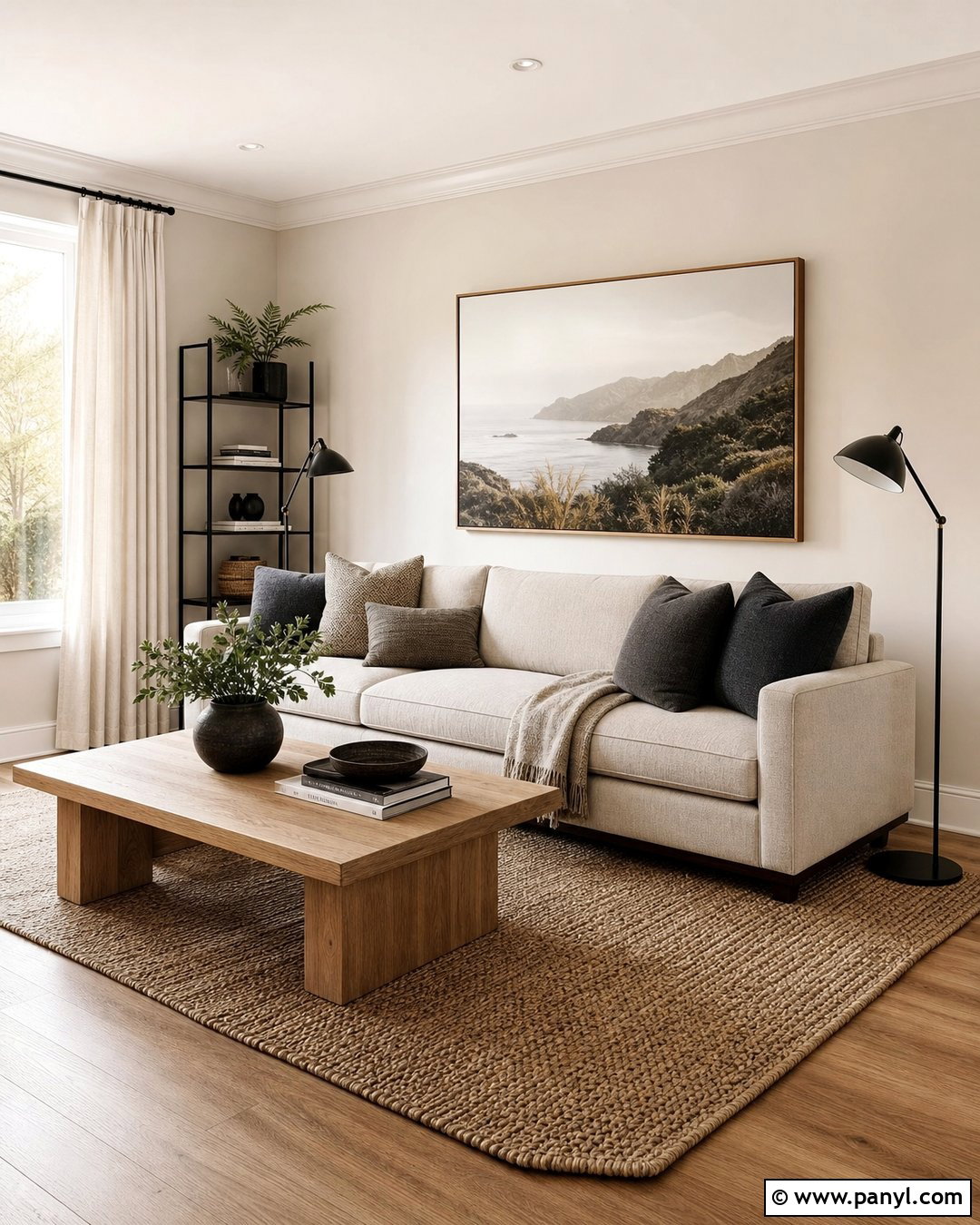
Warm white satin walls create a bright living room without making it feel cold or overly glossy. Choose a creamy white with subtle beige undertones, then pair it with an oatmeal-colored sofa, natural oak coffee table, and woven wool rug. The satin surface will reflect window light softly, so keep curtains lightweight and neutral. Add contrast through charcoal pillows, black metal lamps, and one large landscape print rather than many small accessories. Flat white ceiling paint will reduce glare overhead, while simple satin or semi-gloss trim creates a clean frame around the room. Before painting, repair dents and sand patches carefully. This calm, balanced arrangement works well in family rooms that need a light color and a more washable finish.
2. Soft Greige Satin Living Room Walls
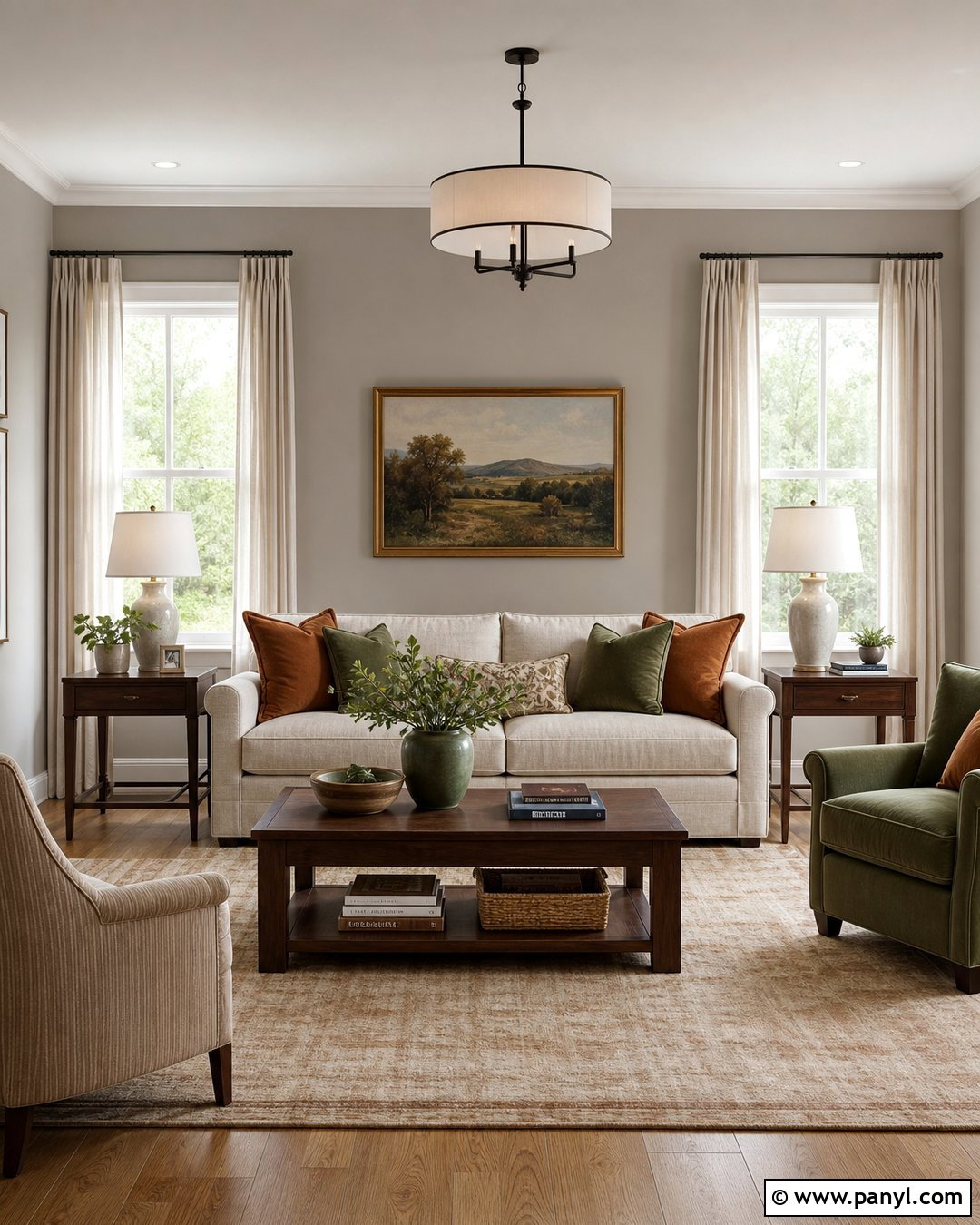
Soft greige satin walls offer a comfortable middle ground between cool gray and warm beige. Build the room around a tailored cream sofa, walnut side tables, and a medium-tone oak floor. Rust, olive, and muted blue accents prevent the palette from appearing washed out. Because satin catches light, greige can shift throughout the day, so test a large painted sample beside each window before committing. Use a flat white ceiling to keep the sheen controlled and paint baseboards a clean warm white. Linen curtains, ceramic table lamps, and a textured area rug add softness against the smoother wall finish. The completed space feels refined yet practical, making it suitable for active households where fingerprints and everyday marks need to be cleaned regularly.
3. Sage Green Satin Living Room Walls
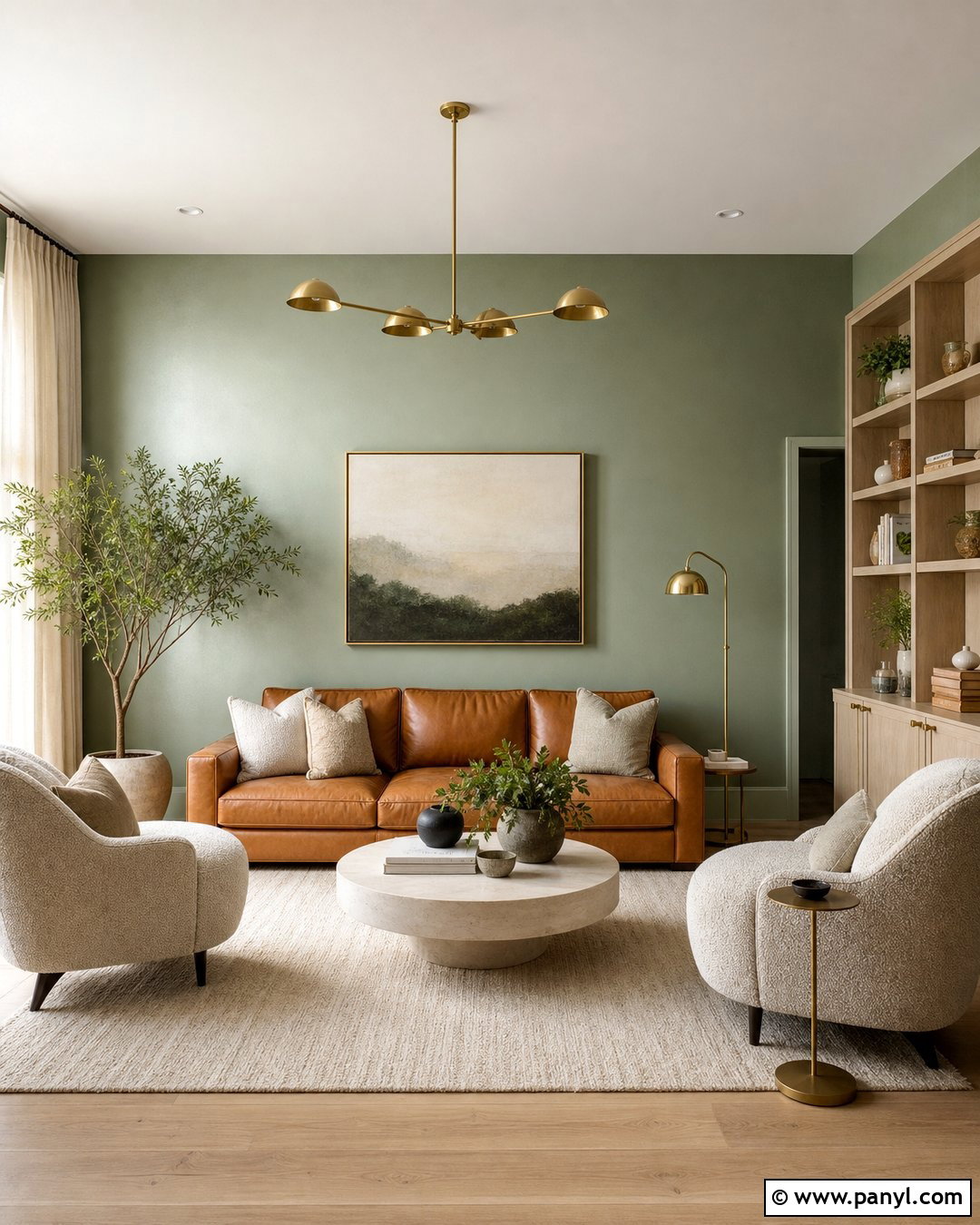
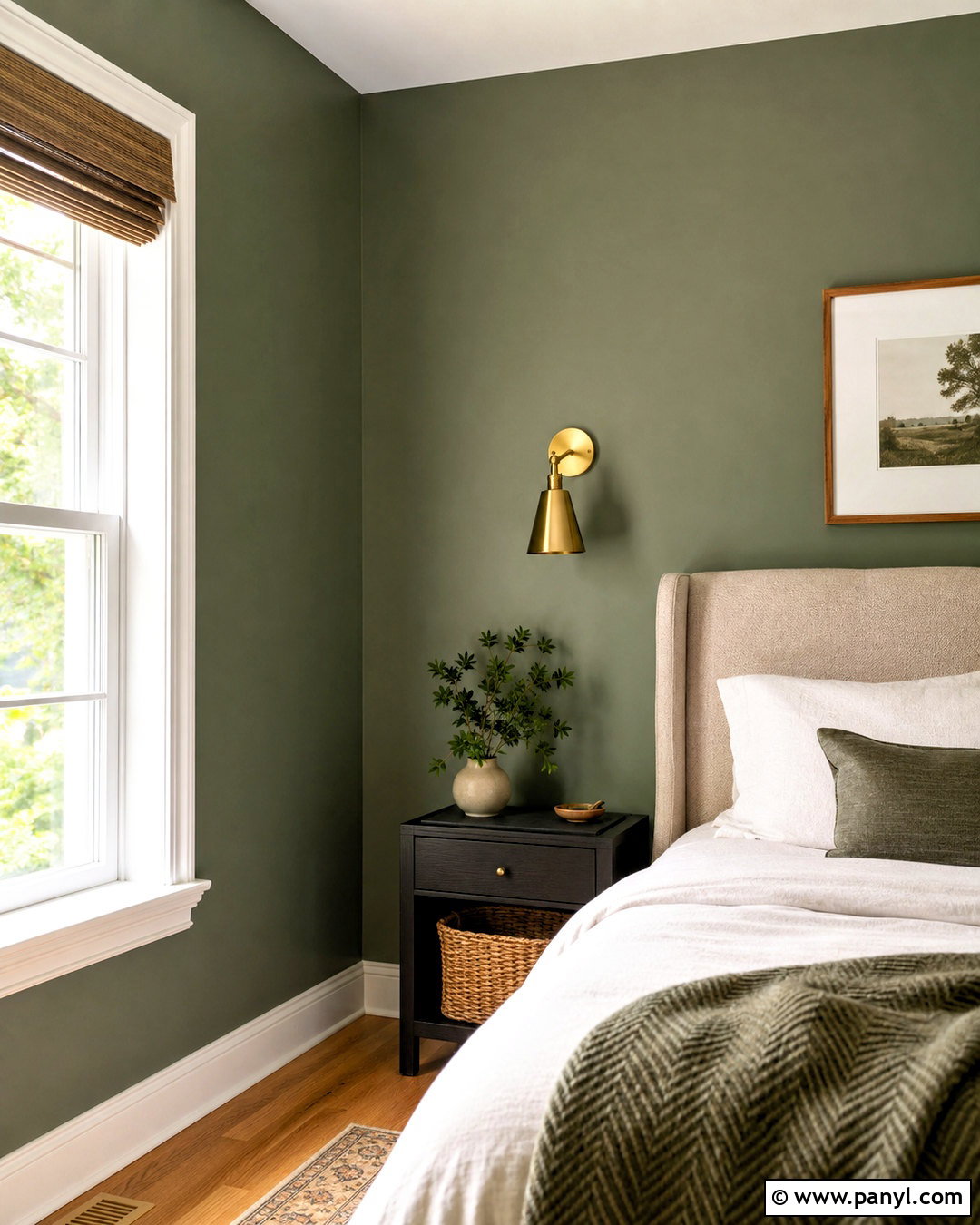
The gentle glow of sage green satin walls can make a living room feel fresh, restful, and connected to nature. Choose a muted sage rather than a highly yellow green, then introduce a camel leather sofa, light oak shelving, and ivory boucle chairs. A warm cream rug keeps the arrangement airy, while aged brass lighting brings out the paint’s warmer undertones. Display a few leafy plants in matte ceramic pots so their natural texture contrasts with the smoother walls. Keep window treatments simple with off-white linen panels. If the room receives strong direct sun, place samples on several walls to check the reflection. Carefully prepared surfaces and uncluttered furnishings will help this complete green scheme look intentional rather than overly shiny.
4. Deep Navy Satin Living Room Walls
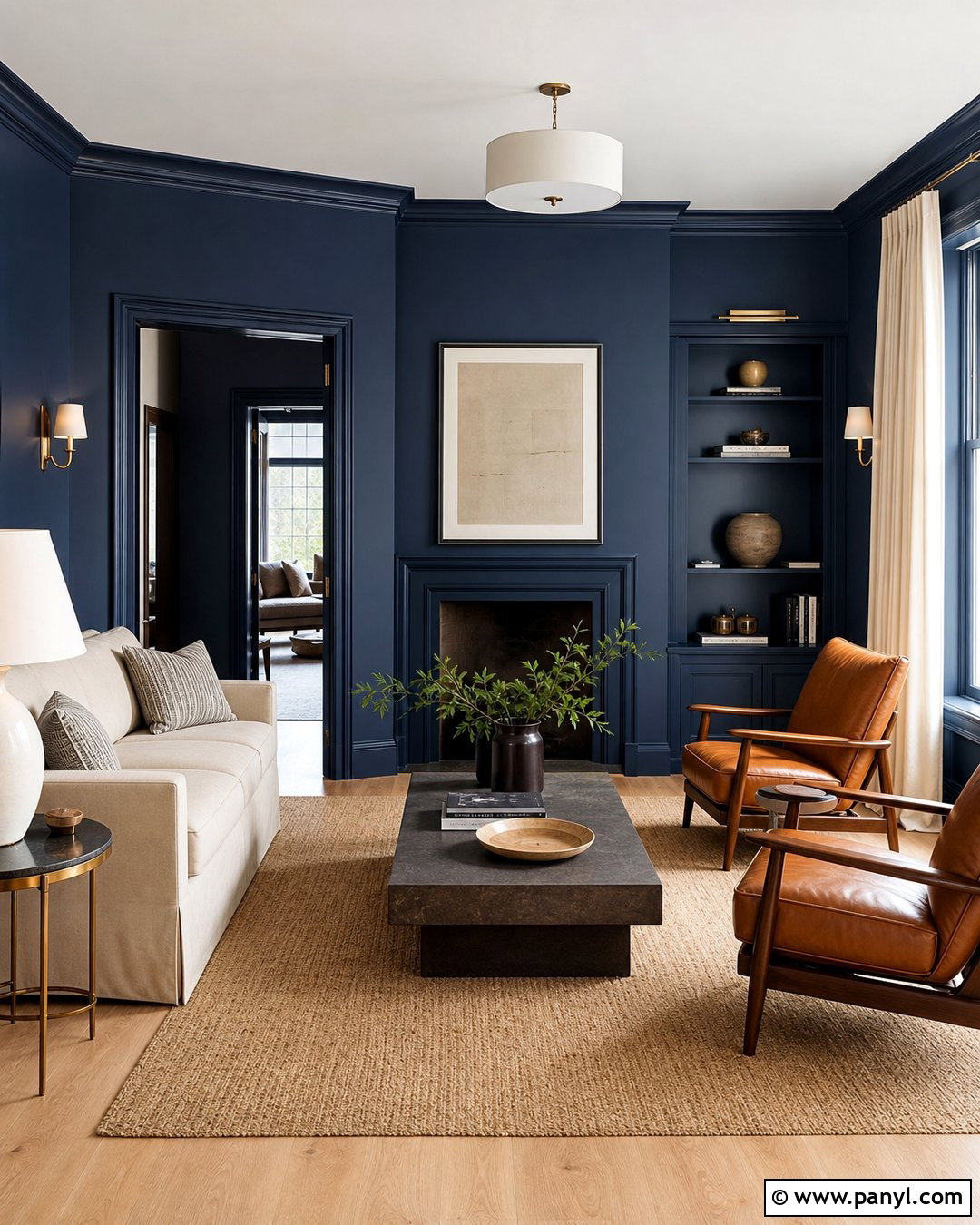
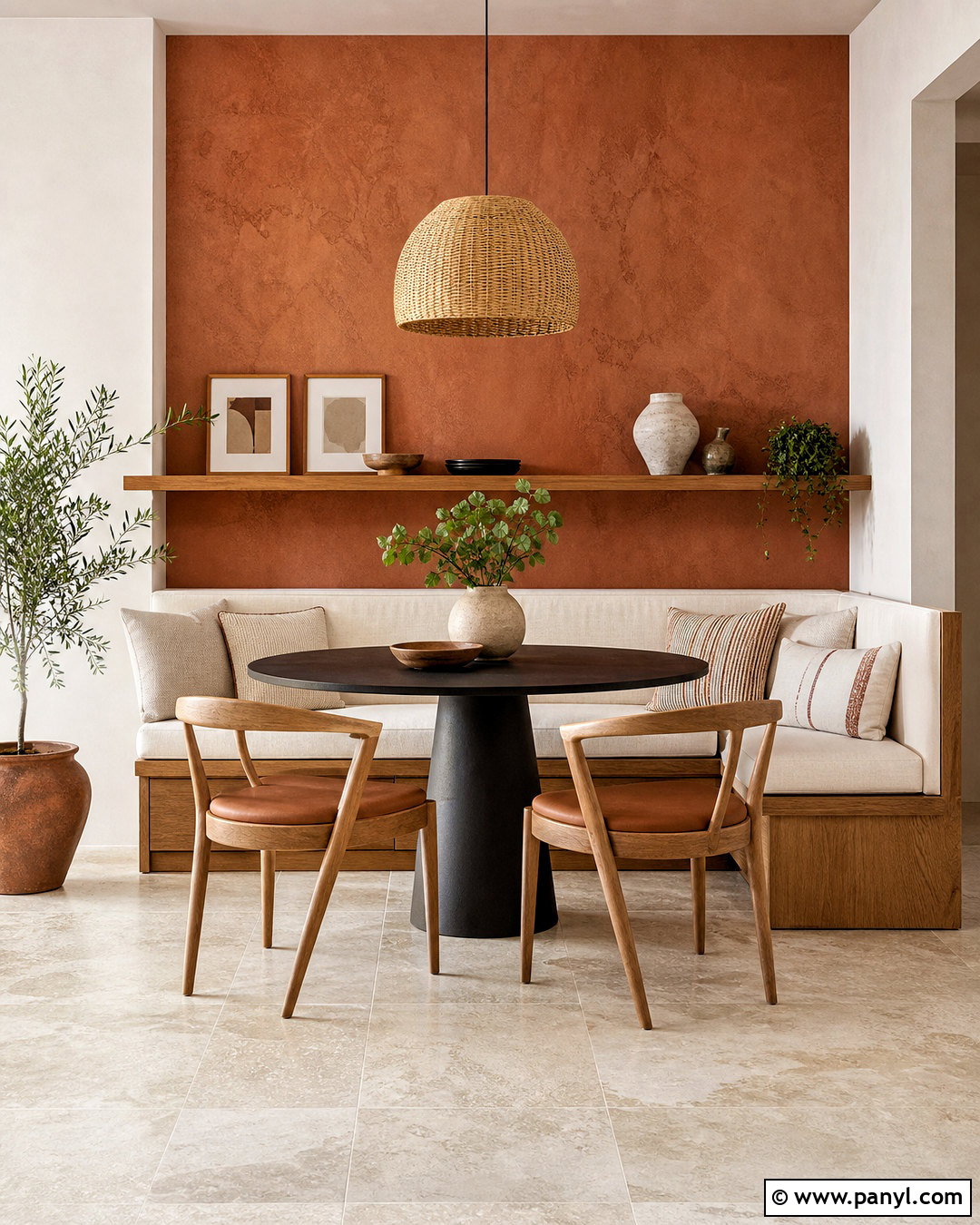
Deep navy satin walls give a living room dramatic color while reflecting enough light to keep the space from feeling flat. Balance the dark walls with a generous ivory sofa, pale oak floor, and large natural-fiber rug. Add cognac leather chairs, brushed brass sconces, and warm white lampshades for depth. Use navy on every wall for a cohesive effect, but leave the ceiling flat white to create visual relief. Full-length cream curtains soften the contrast around the windows. Since darker satin colors can expose surface flaws, skim rough areas, sand thoroughly, and use a suitable primer first. The resulting room feels enveloping and sophisticated, yet the durable finish remains practical for entertaining areas and frequently used family spaces.
5. Dusty Blue Satin Bedroom Walls
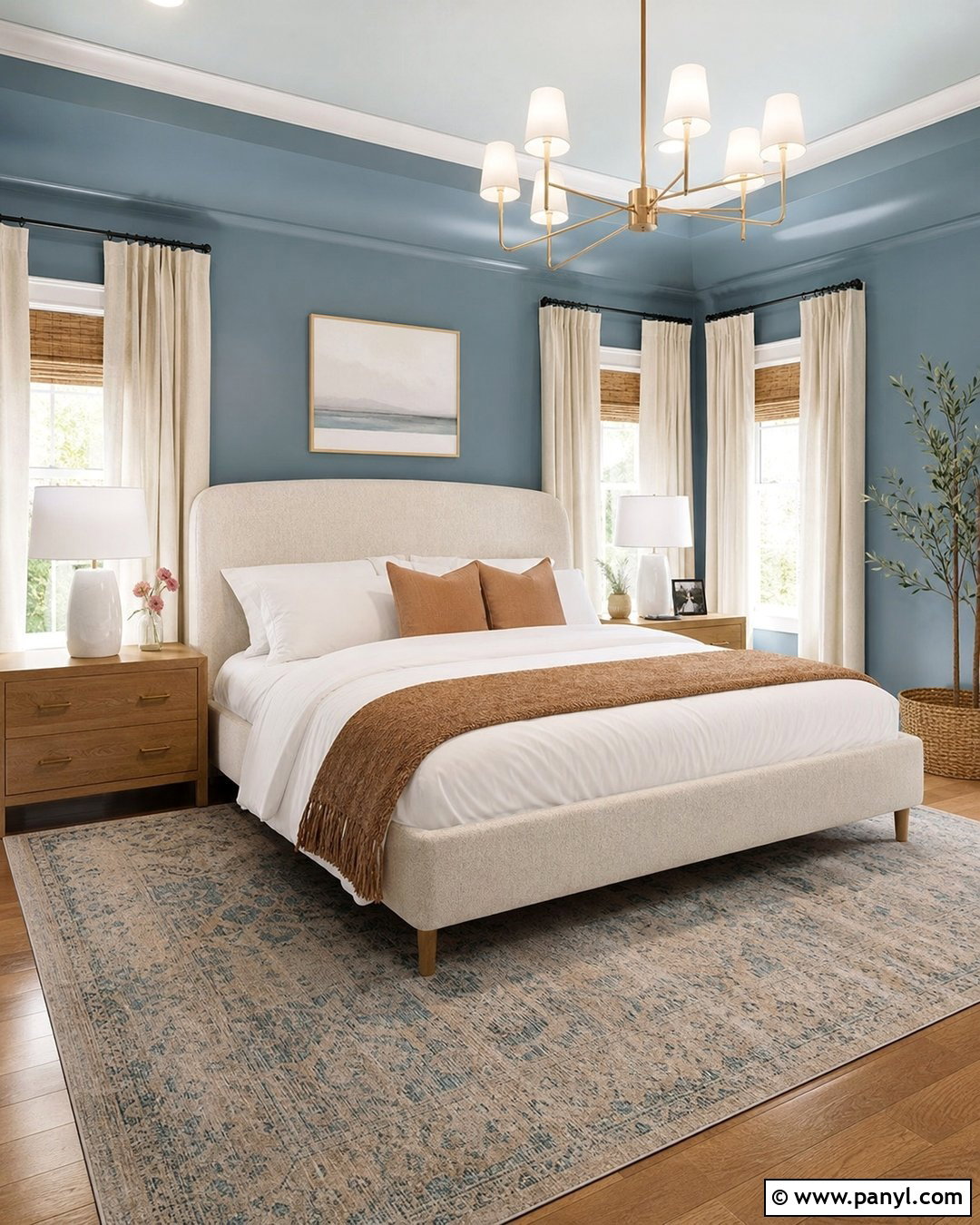
Dusty blue satin walls can make a bedroom feel serene while adding a subtle glow around windows and bedside lighting. Pair the color with an upholstered oatmeal bed, crisp white bedding, and a medium oak nightstand on each side. Introduce muted clay pillows and a tan wool throw to warm the blue. A flat white ceiling and simple white trim prevent the room from becoming too reflective. Hang one wide piece of artwork above the headboard rather than creating a busy gallery wall. Use linen curtains that reach the floor and a softly patterned rug under the bed. The satin finish is most effective on smooth, carefully repaired walls, where its clean surface complements relaxed fabrics and a quiet, uncluttered furniture arrangement.
6. Blush Pink Satin Bedroom Walls
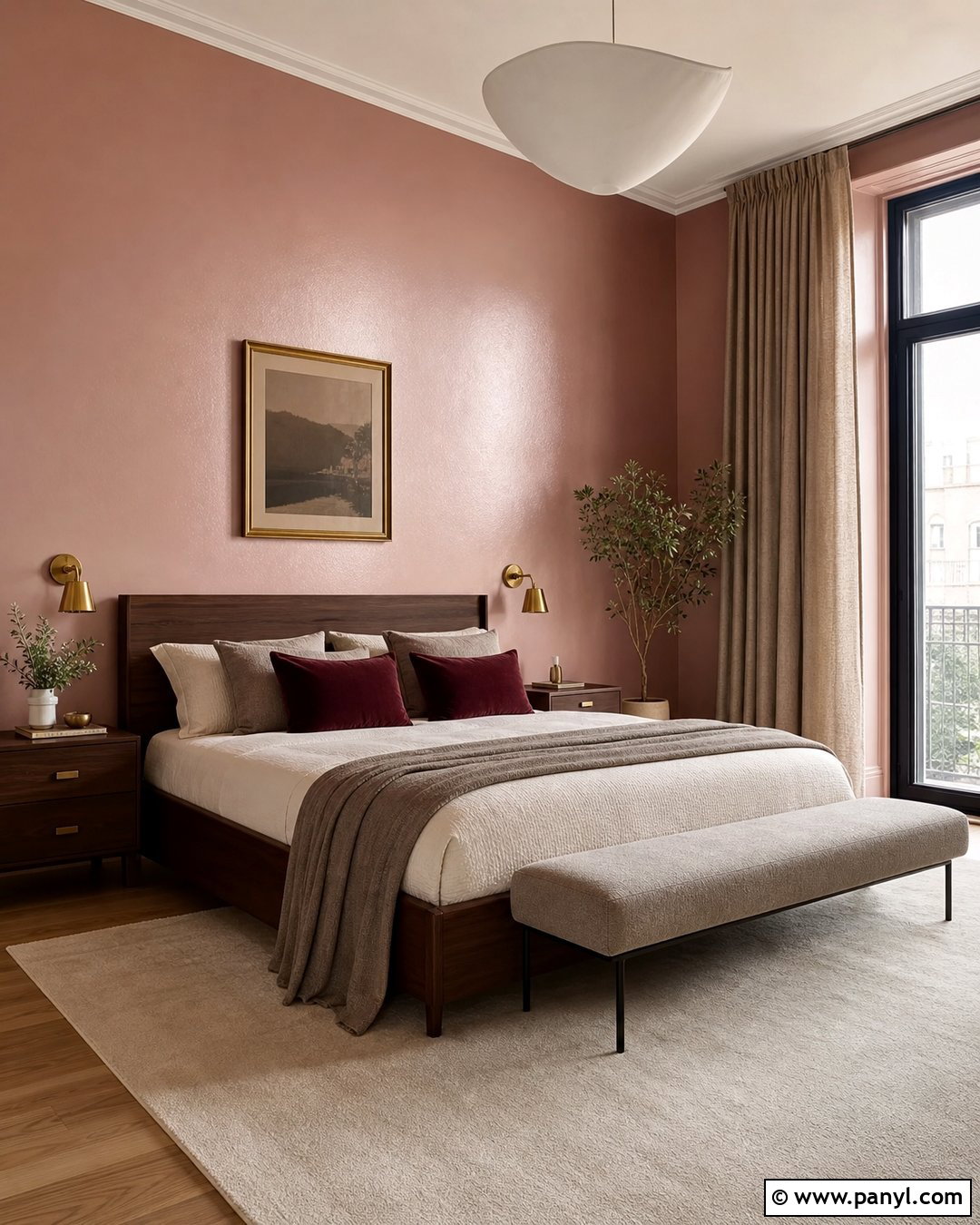
Blush pink satin walls can feel mature and calming when the color has dusty beige or clay undertones. Create a balanced bedroom with a walnut bed, ivory quilt, and warm gray upholstered bench. Add burgundy, taupe, and muted olive accents through pillows, artwork, and a small reading chair. Brushed brass bedside lights will echo the wall’s soft luster without introducing excessive shine. Keep the ceiling matte white and select a low-pile cream rug to brighten the floor. Sheer curtains beneath heavier linen panels provide flexible light control, which is helpful because satin changes appearance in direct sunlight. With streamlined furniture and limited decorative objects, the full room feels warm, modern, and polished rather than sugary or overly feminine.
7. Charcoal Satin Bedroom Walls
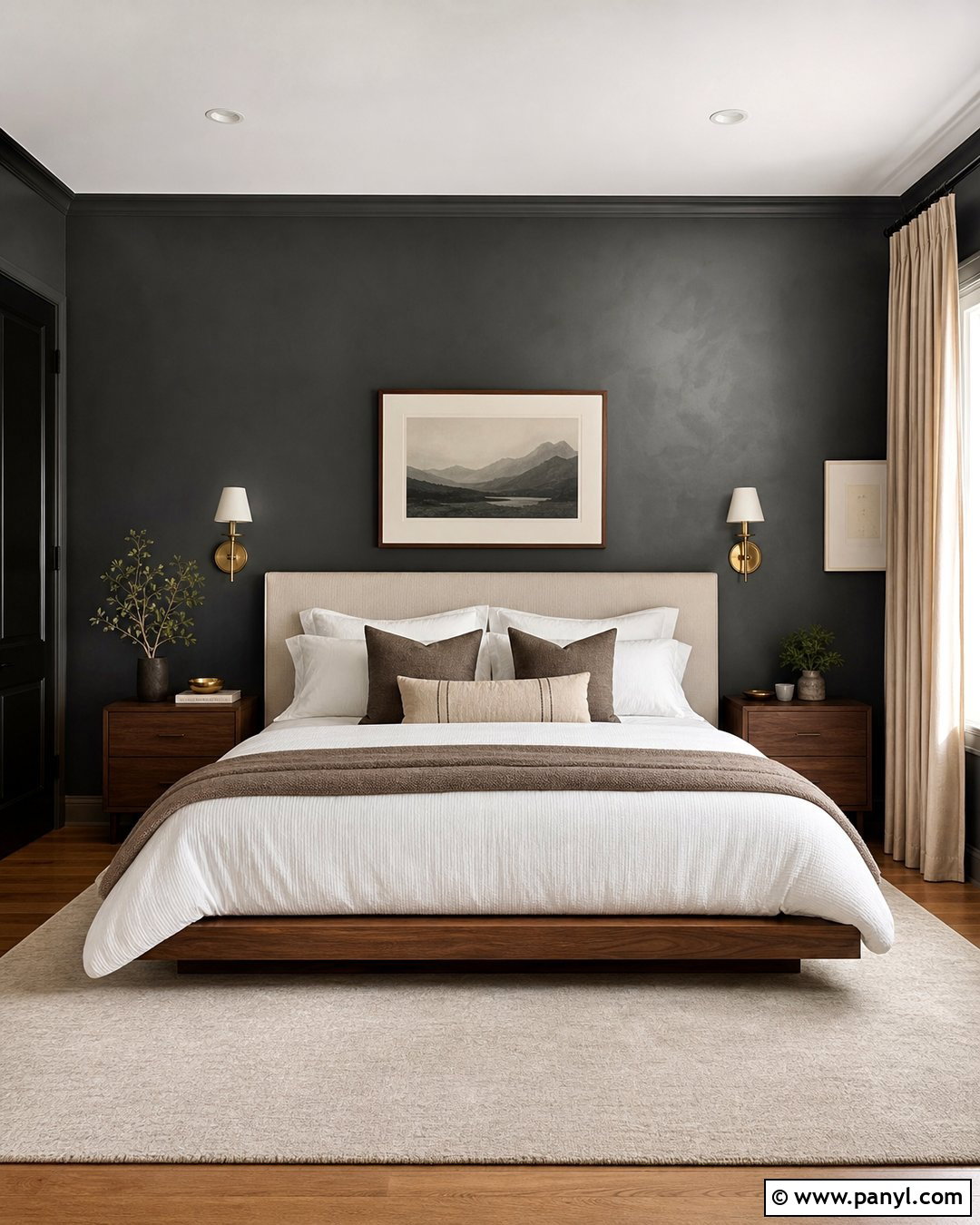
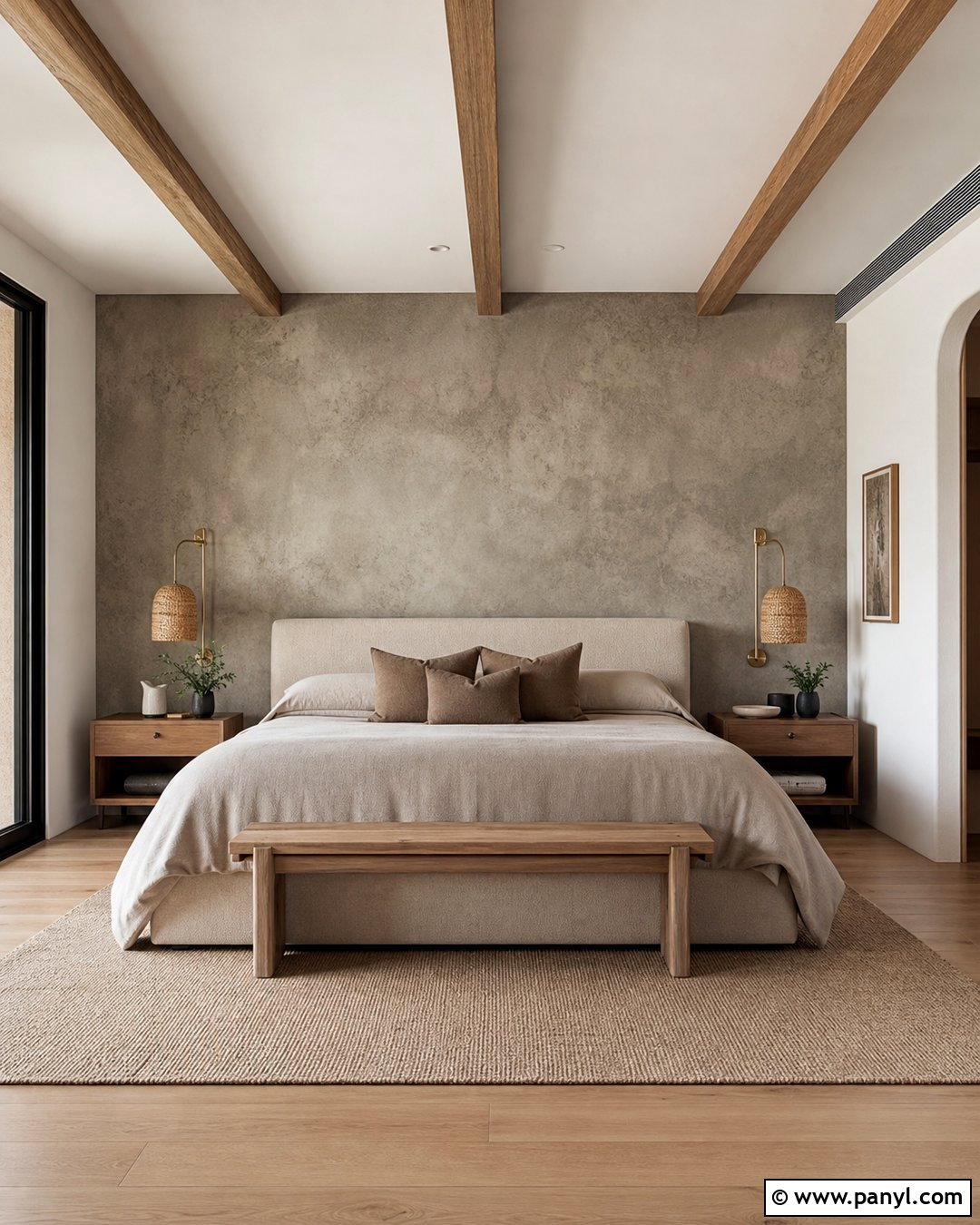
Would a dark bedroom feel calmer than a pale one? Charcoal satin walls can create a cozy retreat when they are combined with enough warm texture and practical lighting. Use a low oak bed with an upholstered cream headboard, layered white bedding, and a chunky taupe throw. Install matching wall sconces with soft white shades to spread light evenly across the darker paint. Walnut nightstands and antique brass details keep the charcoal from looking cold. Choose a large ivory rug and full-length beige curtains to lighten the lower and outer edges of the room. Smooth wall preparation is essential because angled bedside lighting can reveal imperfections. The finished bedroom feels grounded, comfortable, and intentionally dramatic without relying on clutter or elaborate decor.
8. Terracotta Satin Bedroom Walls
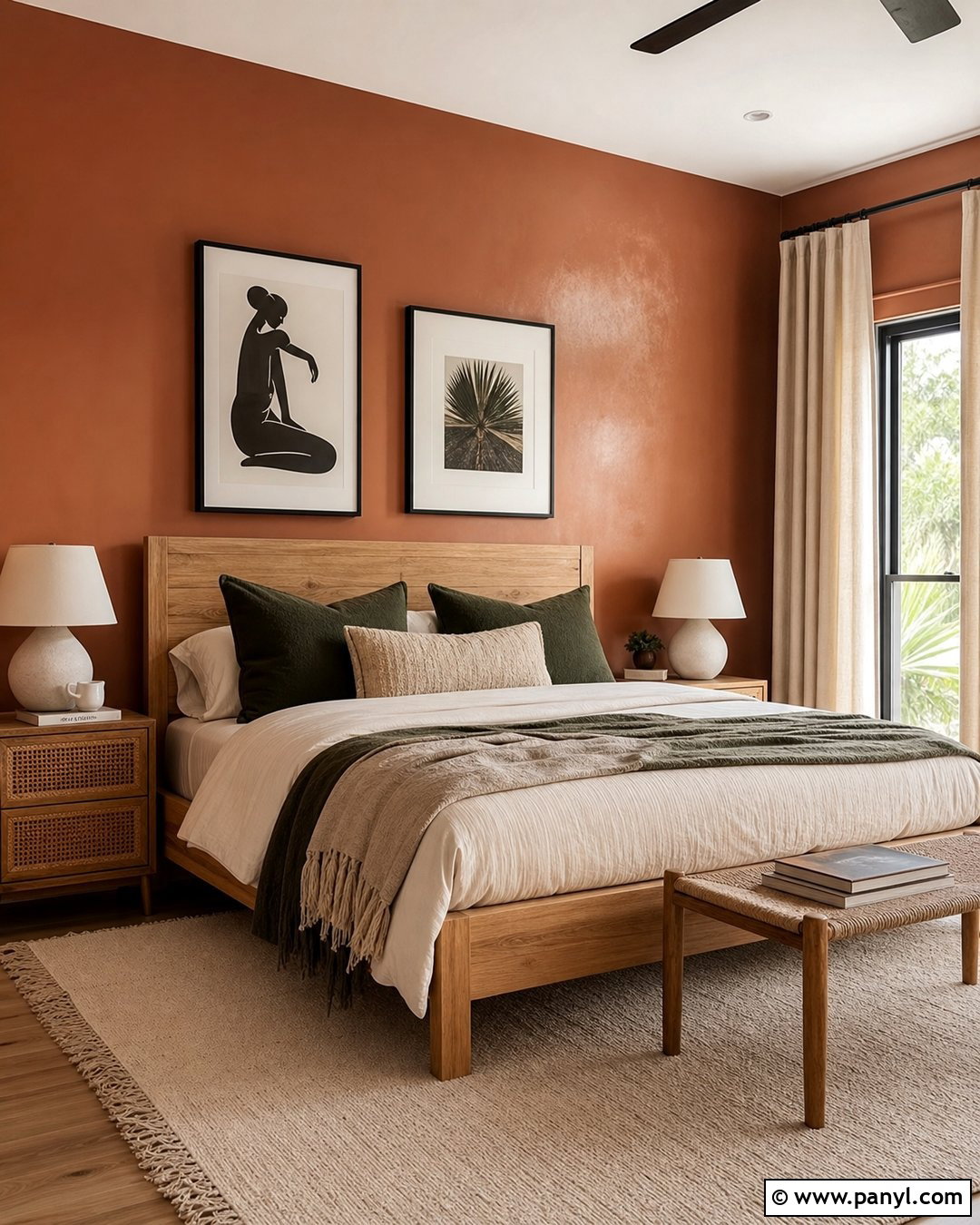
Terracotta satin walls wrap a bedroom in earthy warmth while the restrained sheen keeps the saturated color lively. Select a softened clay shade with brown undertones and pair it with a natural oak bed, sand-colored bedding, and woven cane nightstands. Deep green pillows and a cream wool rug provide balanced contrast. Use matte ceramic lamps, simple black frames, and off-white linen curtains so the room includes varied textures rather than competing shiny surfaces. A flat warm white ceiling will visually lift the space. Apply primer where needed and maintain a wet edge while rolling to avoid visible lap marks. This complete palette works particularly well with warm afternoon light, producing a comfortable bedroom that feels collected, natural, and easy to maintain.
9. Pale Lavender Satin Bedroom Walls
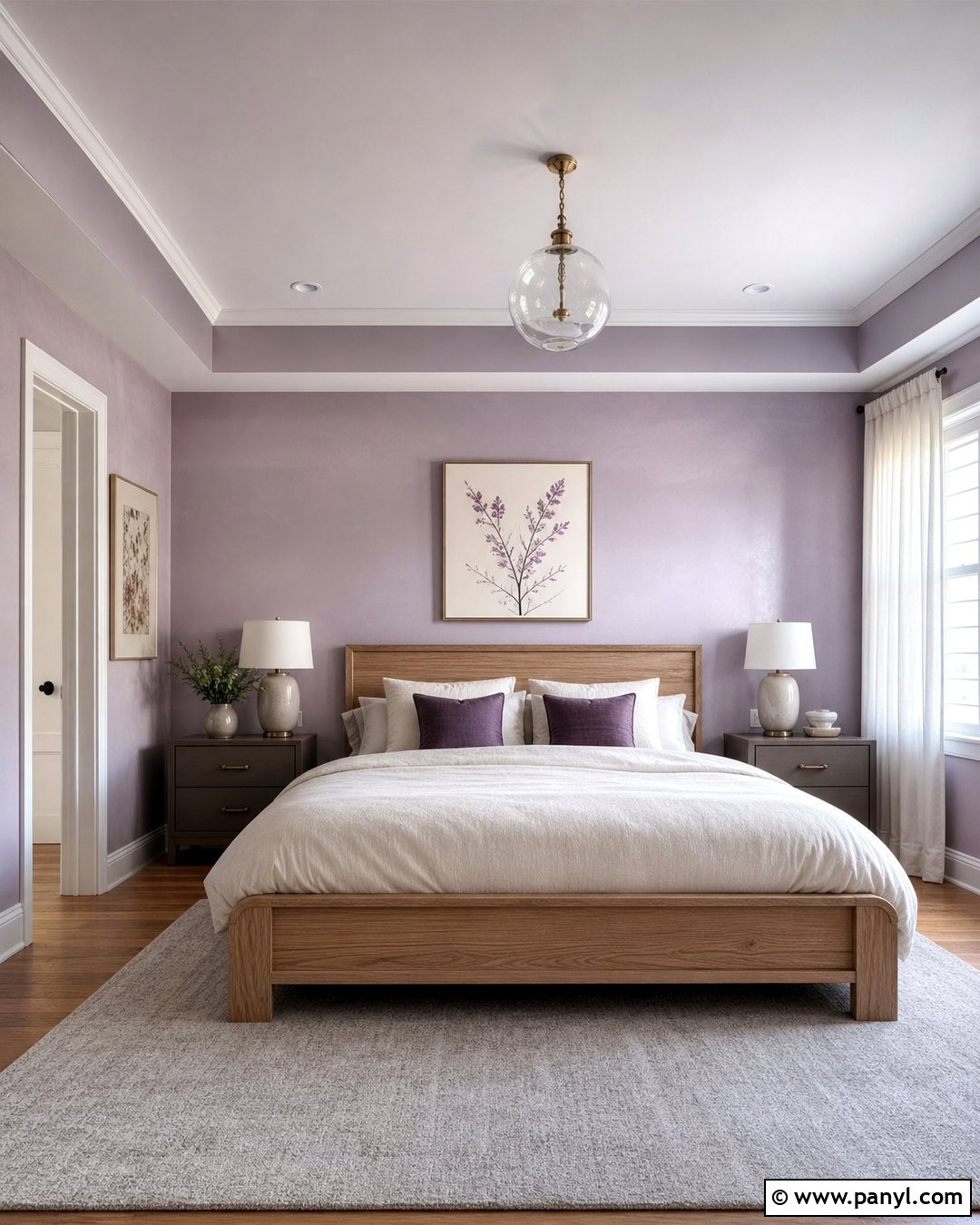
Pale lavender satin walls offer quiet color that can look airy in daylight and gently luminous under bedside lamps. Choose a gray-based lavender, then ground it with a warm oak bed, ivory bedding, and mushroom-colored nightstands. Muted plum pillows add depth without making the palette too sweet. Include a brushed nickel or soft brass ceiling fixture, depending on whether the room leans cool or warm. White linen curtains and a light gray rug keep the design open. Limit artwork to simple botanical or abstract pieces with generous blank space. Use flat paint on the ceiling so the wall sheen remains the subtle focal point. The completed bedroom feels peaceful, polished, and suitable for both traditional and contemporary furniture.
10. Cream Satin Dining Room Walls
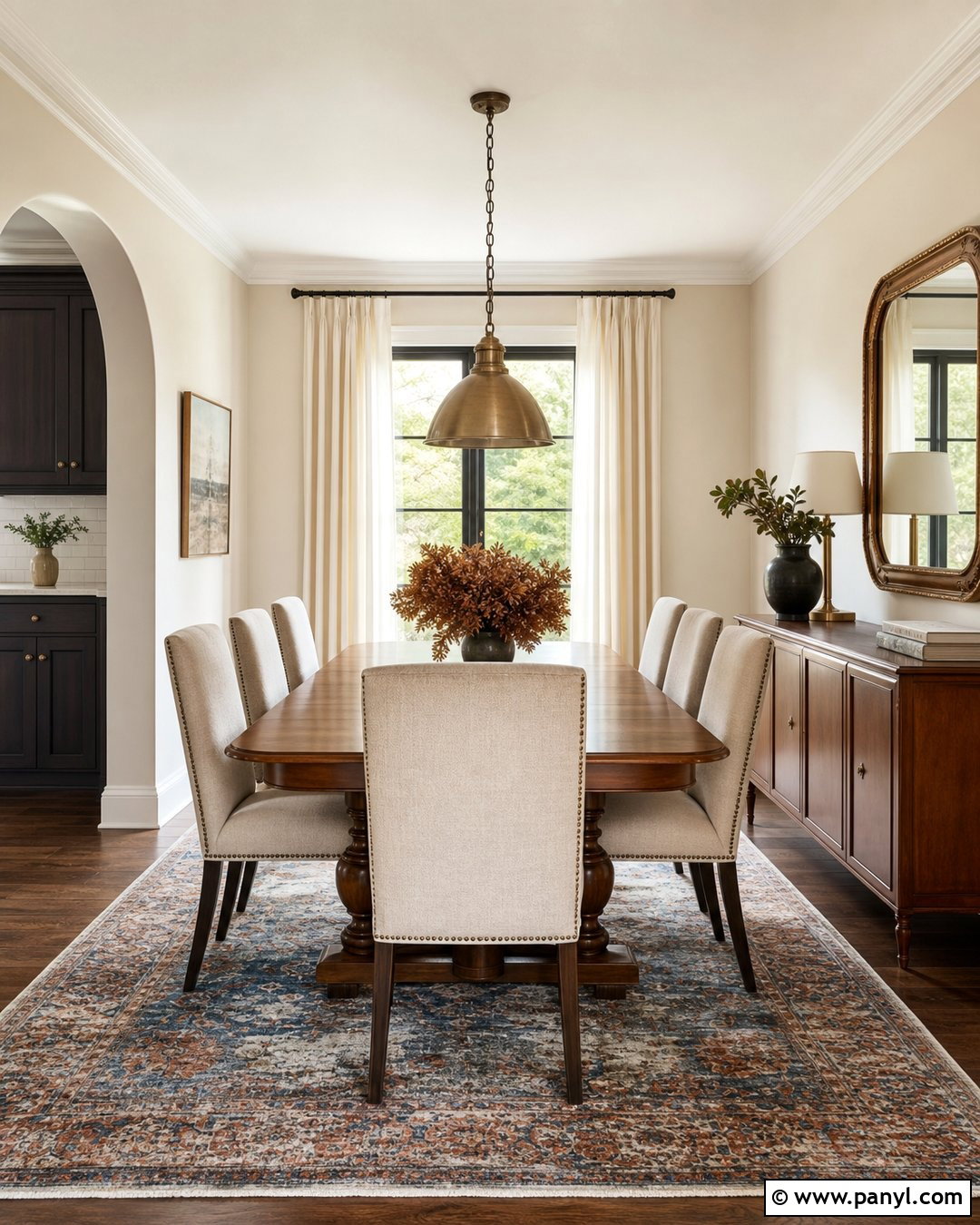
Cream satin walls can give a dining room a welcoming candlelit quality even during ordinary daytime meals. Choose a warm cream that does not turn yellow beside the flooring. Center a medium walnut dining table beneath a simple aged brass pendant, then surround it with upholstered beige chairs. A muted blue and rust rug adds pattern while anchoring the furniture. Use off-white linen drapes, warm white trim, and a flat ceiling to control reflection. A large wood-framed mirror can distribute natural light, but position it where it will not produce distracting glare. Finish the room with a narrow sideboard and two ceramic lamps. The washable satin walls make this elegant arrangement more practical around chairs, serving areas, and frequent gatherings.
11. Olive Green Satin Dining Room Walls
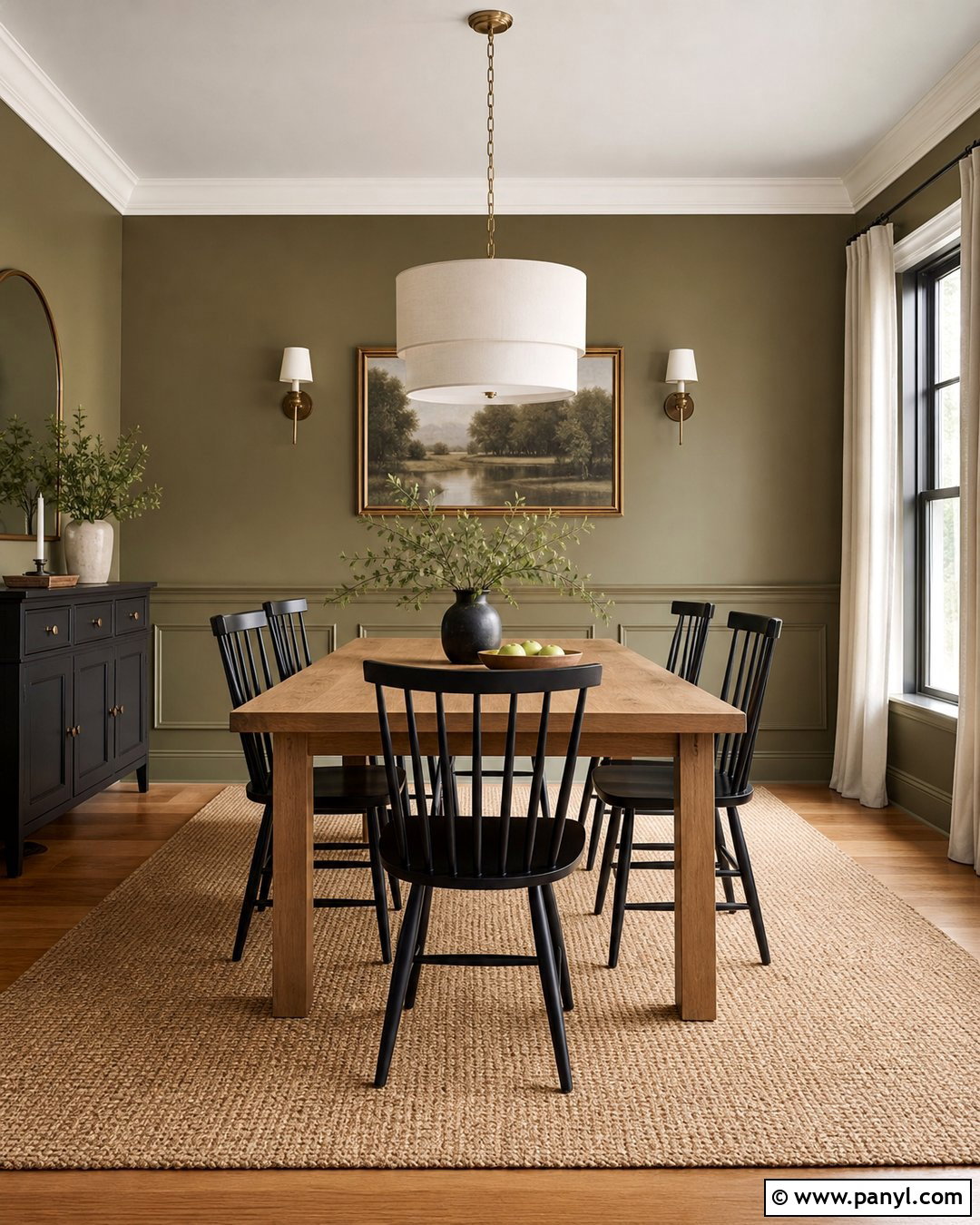
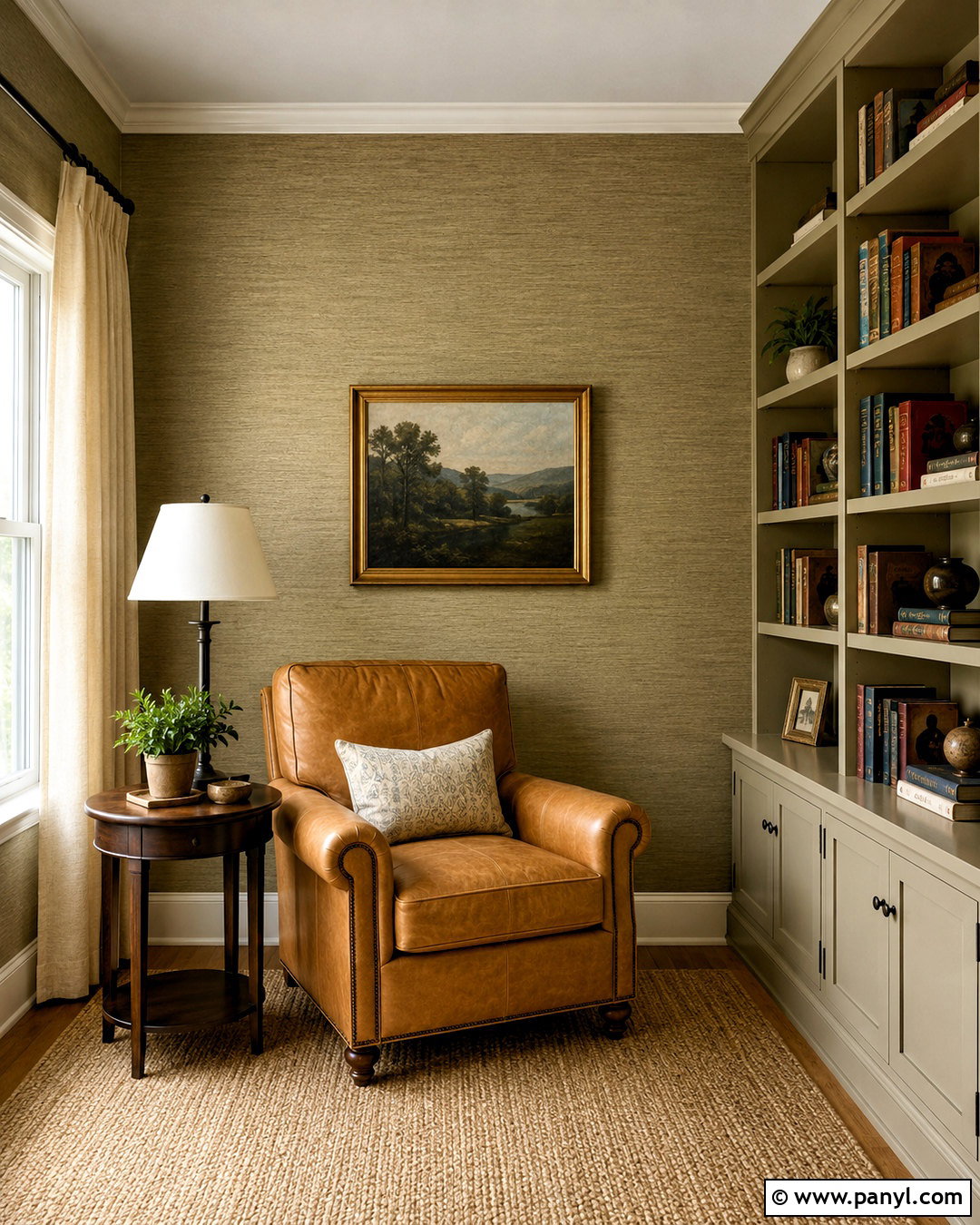
Olive green satin walls create a rich dining room that feels earthy rather than formal. Look for an olive with gray undertones, then combine it with a rectangular oak table, black spindle-back chairs, and a warm jute or wool rug. A linen drum pendant softens the wall sheen, while aged brass candlesticks and framed landscape artwork introduce restrained warmth. Paint the ceiling a flat creamy white and repeat that color on the trim for crisp contrast. Natural linen curtains keep the windows relaxed and allow filtered daylight to move across the green walls. Avoid crowding the room with small decorations. One sideboard, one generous artwork grouping, and simple tableware are enough to create a complete, functional design with lasting visual depth.
12. Burgundy Satin Dining Room Walls
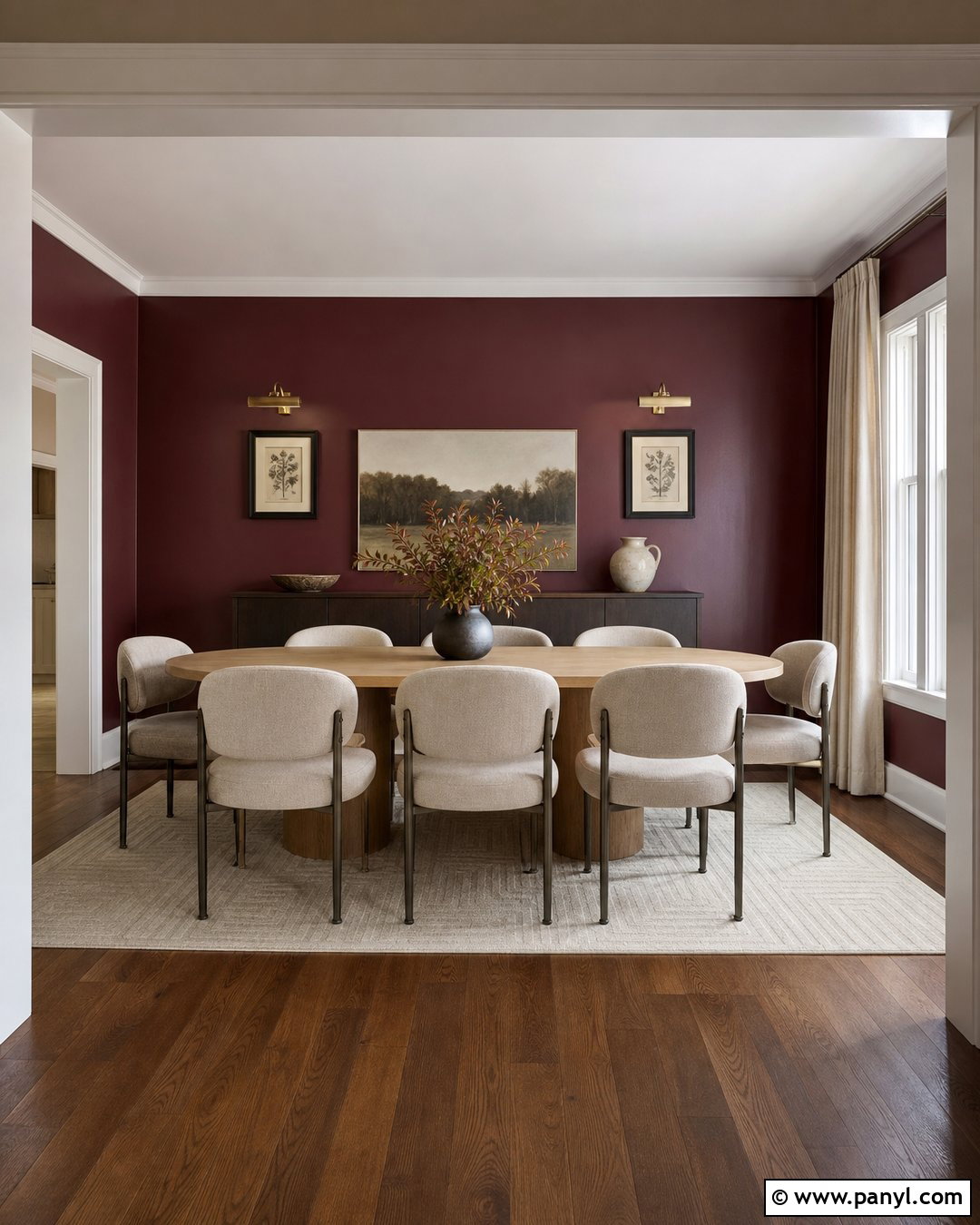
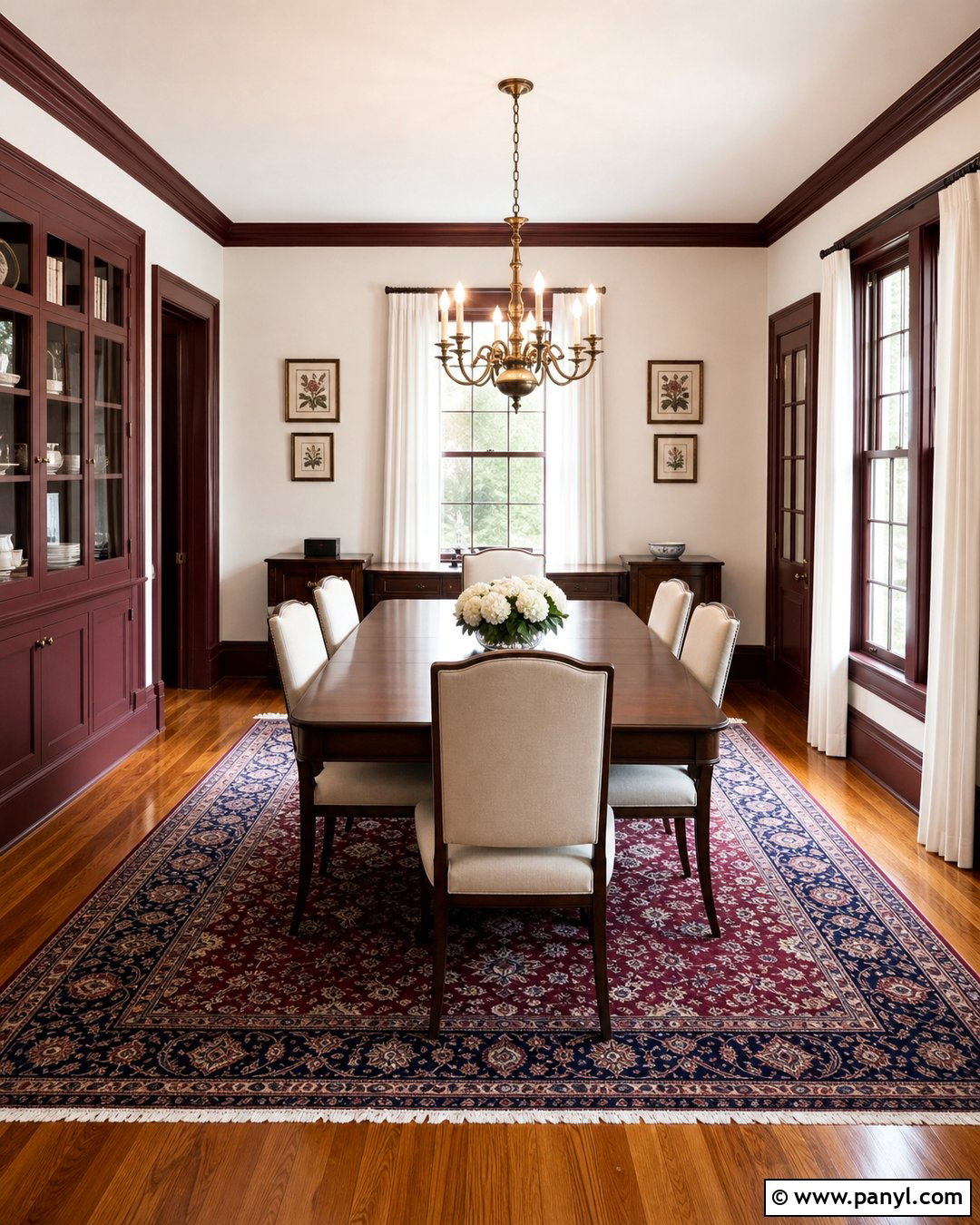
Burgundy satin walls can transform a dining room into an intimate, color-rich space without requiring elaborate architecture. Select a deep red with brown or plum undertones, then brighten it with an oval light oak table and oatmeal upholstered chairs. A cream rug with a subtle geometric border defines the dining zone. Add antique brass picture lights, a dark wood sideboard, and artwork containing ivory, rust, and faded green. The ceiling should remain flat warm white to prevent the darker room from feeling enclosed. Hang neutral curtains from near the ceiling to make the walls appear taller. Because saturated satin paint reveals roller overlap easily, work methodically and maintain consistent coverage. The completed room feels dramatic, comfortable, and polished enough for everyday meals or special gatherings.
13. Soft Yellow Satin Kitchen Walls
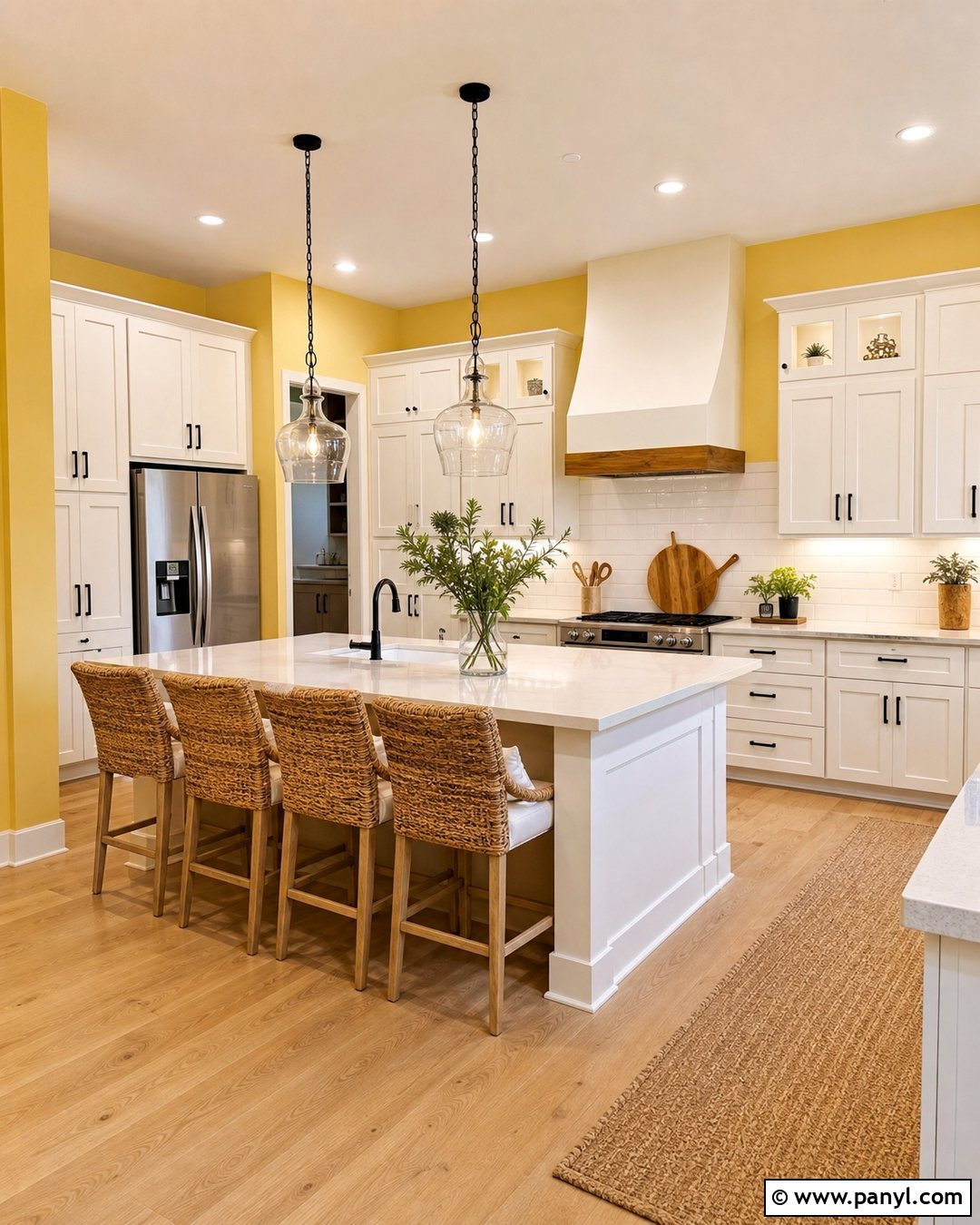
Morning light feels especially cheerful against soft yellow satin kitchen walls. Choose a muted butter shade rather than a sharp lemon color, then pair it with warm white cabinets, pale quartz counters, and a light oak floor. A simple white tile backsplash keeps the working area clean and visually quiet. Introduce black cabinet pulls, woven counter stools, and small green plants for contrast. The satin wall finish is useful in exposed areas near dining tables and busy walkways because routine marks can be addressed more easily. Keep the ceiling flat white and use clear glass pendants to maintain openness. This complete scheme suits compact or traditional kitchens, delivering warmth and brightness without making the cabinetry or reflective surfaces compete for attention.
14. Blue Gray Satin Kitchen Walls
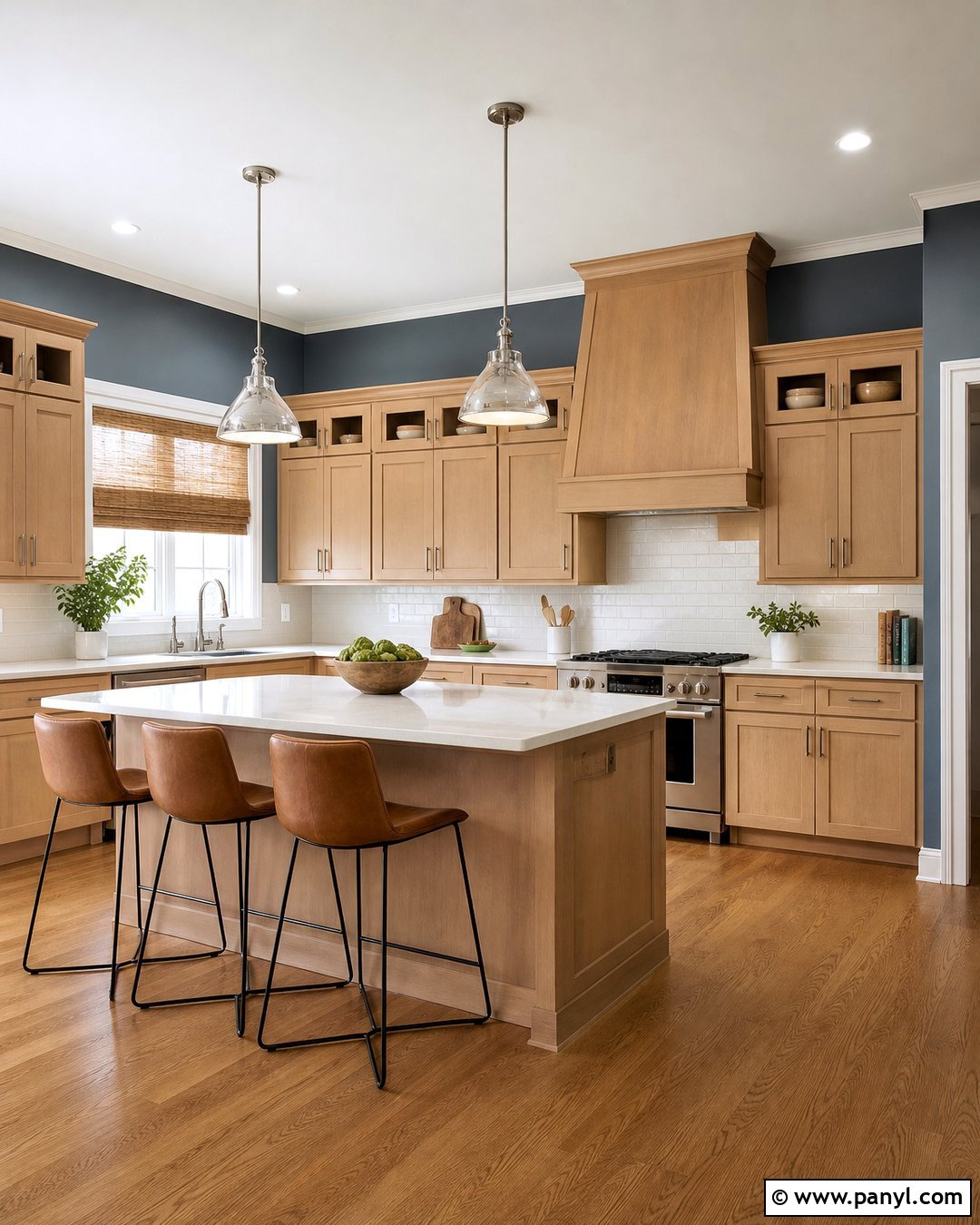
Blue-gray satin walls bring cool, clean color to a kitchen while retaining enough softness for a comfortable family space. Pair them with natural maple cabinets, white quartz counters, and brushed nickel hardware. Use a backsplash of simple off-white ceramic tile so the wall color remains visible without competing against a complicated pattern. Warm the design with cognac counter stools, woven shades, and medium oak flooring. Recessed ceiling lights should have a neutral white tone that shows the paint accurately. Keep decorative objects limited to a wood cutting board, ceramic bowl, and a few herbs. The overall kitchen feels practical and fresh, with the satin surface supporting easier cleaning around eating zones, doorways, and frequently touched wall areas.
15. Warm Taupe Satin Kitchen Walls
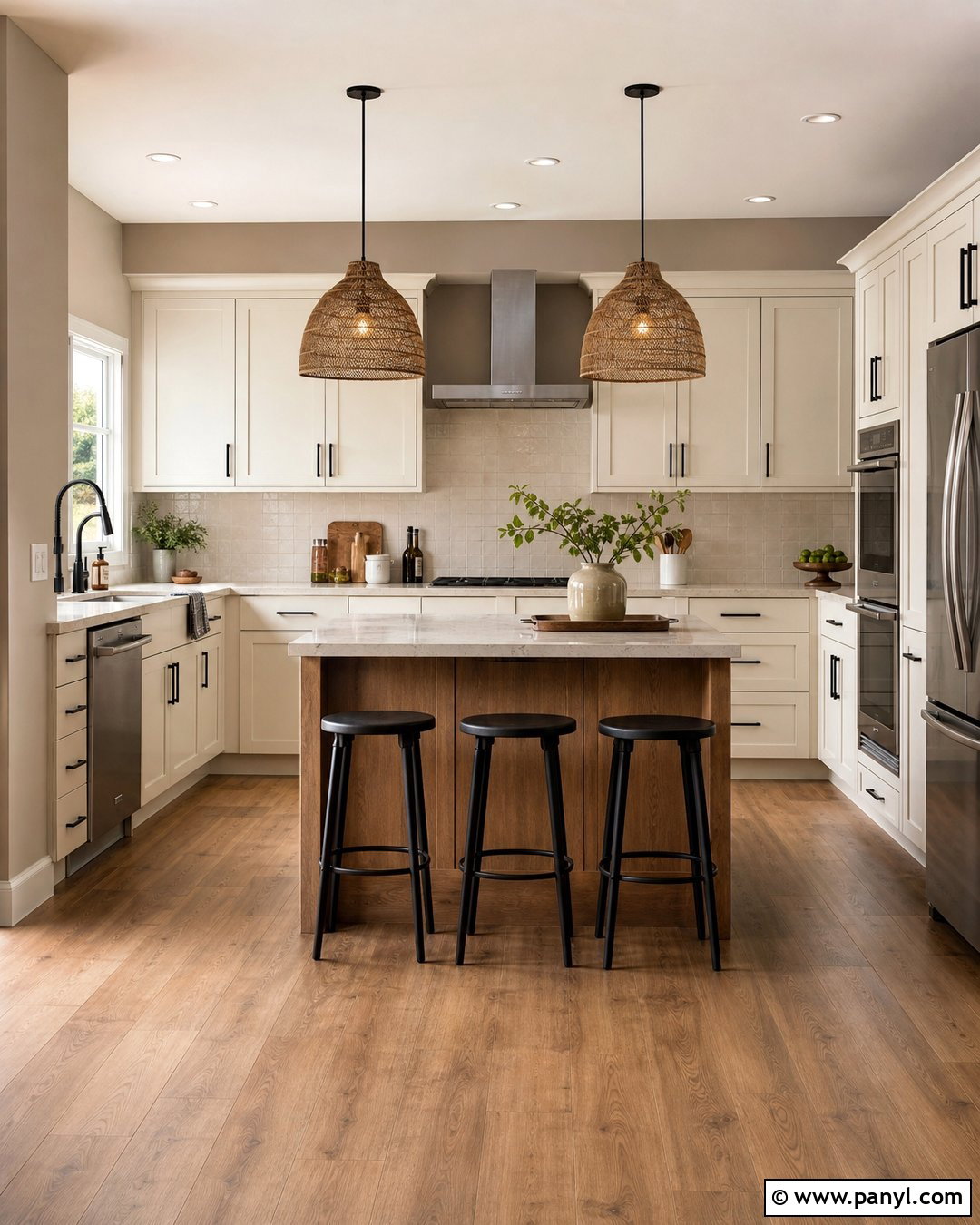
Warm taupe satin walls can soften a white kitchen and make its hard surfaces feel more inviting. Choose a taupe with balanced gray and brown undertones, then use creamy white cabinets, honed-look quartz counters, and a warm oak island. Matte black hardware adds definition, while woven pendant lights introduce natural texture. Continue the taupe into the breakfast area to connect the working and dining zones. A flat white ceiling prevents too much reflected light, and medium-tone wood flooring grounds the neutral palette. Keep the backsplash simple with handmade-look ivory tile. The gentle wall sheen complements the subtle variation in the tile without overpowering it. This cohesive arrangement works well for households wanting a neutral kitchen that is durable, relaxed, and easy to update.
16. Aqua Satin Bathroom Walls
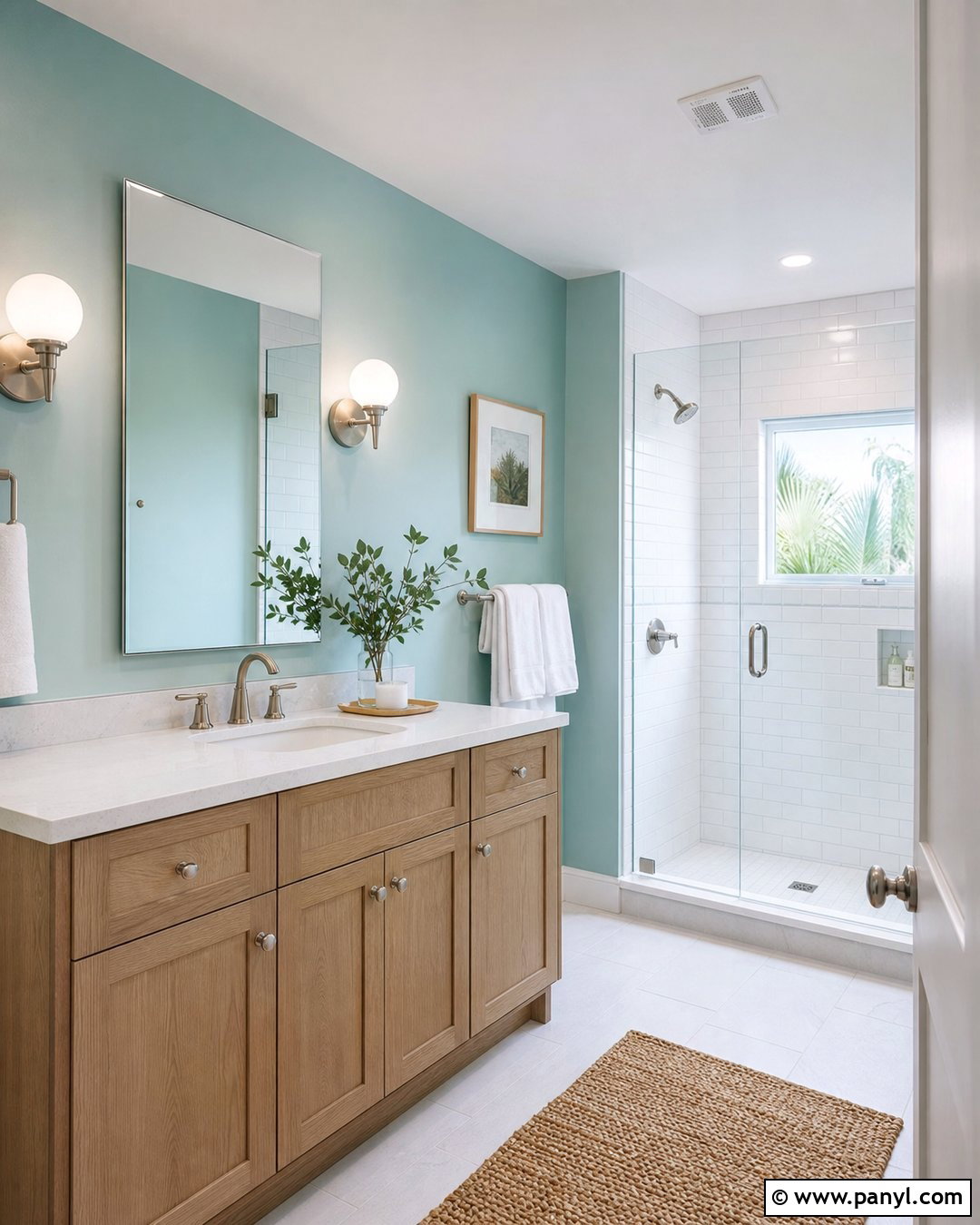
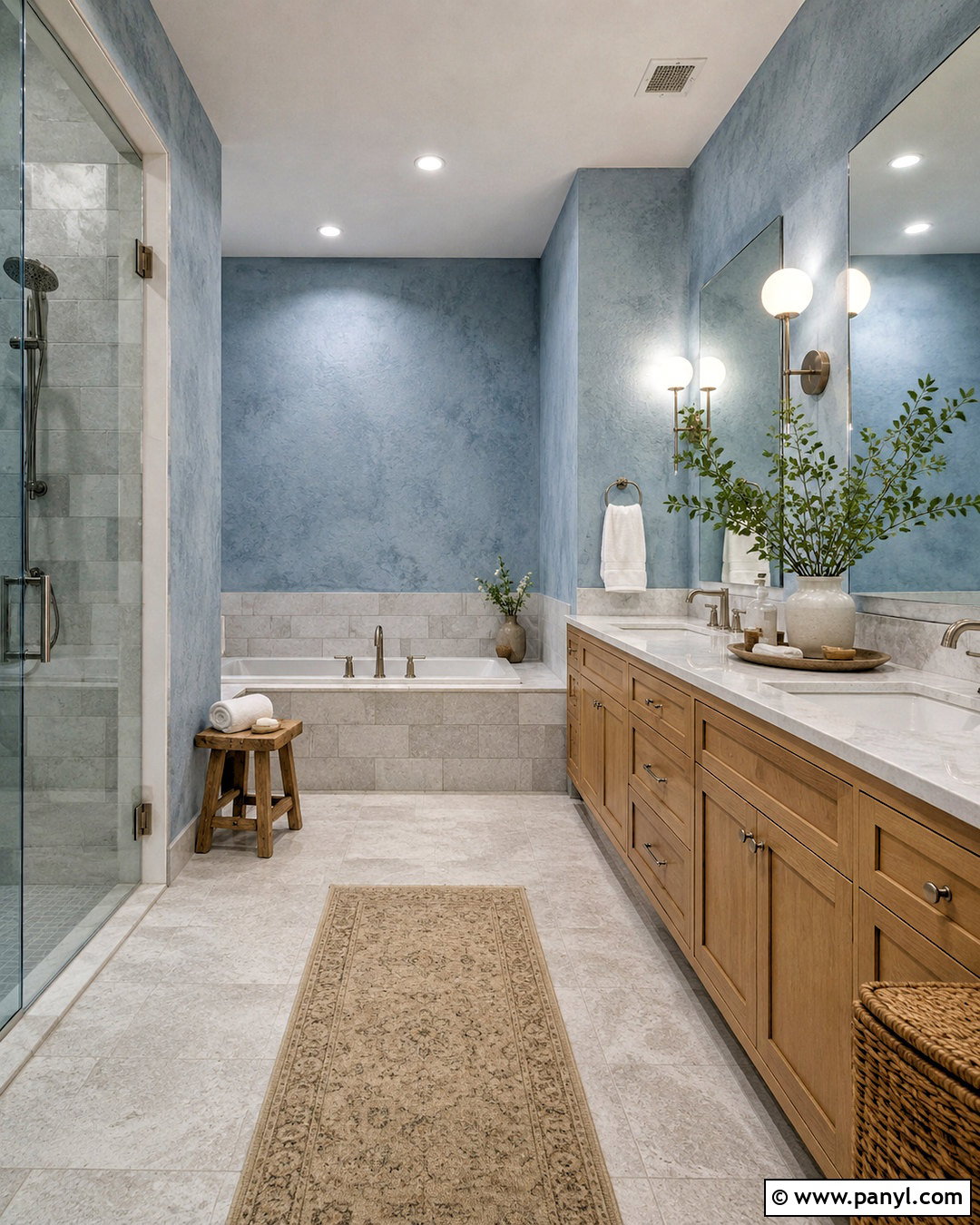
Aqua satin walls give a bathroom a clean, refreshing character while supporting a moisture-conscious, easy-care design. Choose a softened blue-green and pair it with a white oak vanity, white quartz top, and brushed nickel fixtures. Use large white porcelain tile inside wet zones and keep painted areas away from constant direct water exposure. A frameless mirror, globe sconces, and white towels maintain the bright atmosphere. Add a woven bath mat and one small plant for warmth and texture. The ceiling can be coated with a paint formulated for bathroom humidity in a lower sheen if the surface is imperfect. With proper ventilation and careful preparation, the full aqua scheme feels crisp, welcoming, and more personal than an all-white bathroom.
17. Deep Teal Satin Powder Room Walls
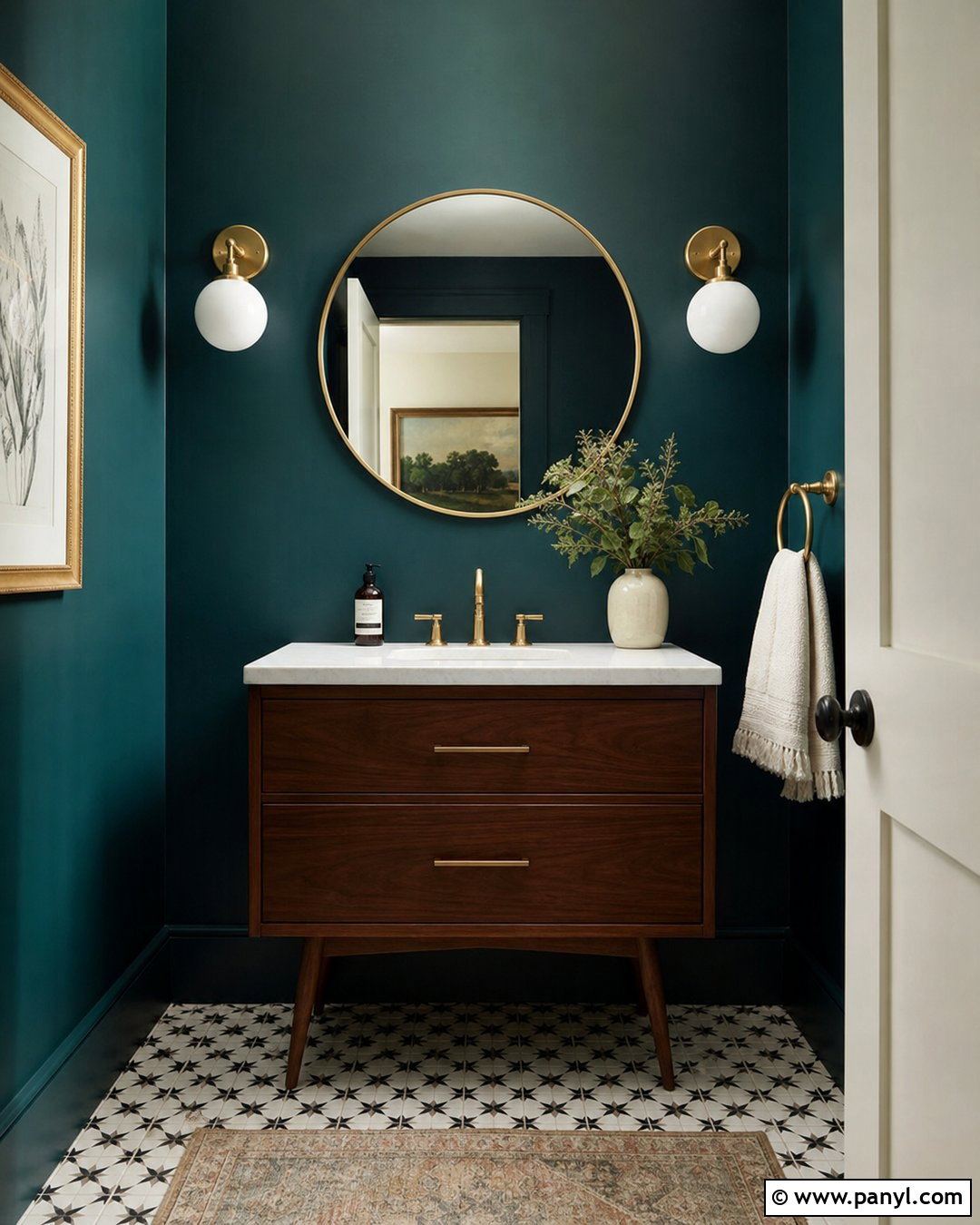
Deep teal satin walls can turn a compact powder room into a bold, jewel-toned destination. Cover all four walls for a cohesive envelope, then add a slim walnut vanity, white stone counter, and aged brass faucet. A round brass-framed mirror and two opal glass sconces distribute light across the saturated color. Choose small-scale black-and-white floor tile to create contrast without adding another strong hue. Paint the ceiling flat warm white, or use the same teal in a lower-reflection finish for a more enclosed effect. Keep accessories minimal with white hand towels and one ceramic vessel. The satin sheen enriches the color while providing a practical surface in a frequently used room, provided the walls are smooth and properly primed.
18. Moody Plum Satin Powder Room Walls
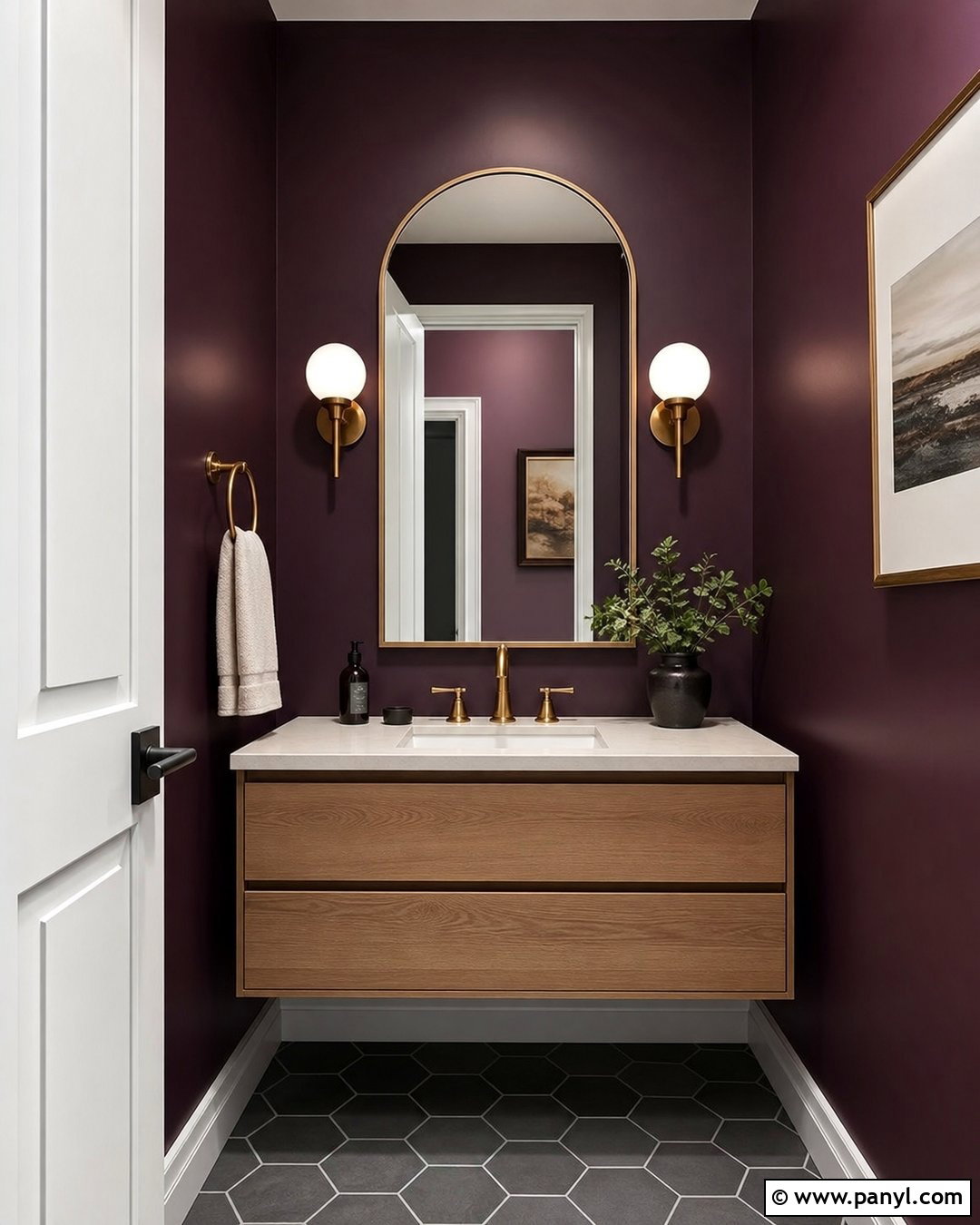
Moody plum satin walls create a sophisticated powder room that looks especially rich beside warm metals and pale stone. Select a muted aubergine rather than a bright purple. Pair it with a floating oak vanity, creamy quartz counter, and brushed brass fixtures. Install a tall arched mirror to visually expand the compact room, with simple globe sconces mounted at face level. Warm white trim gives the color a clear boundary, while charcoal hexagonal floor tile grounds the design. Include only a small framed print, folded ivory towels, and a matte ceramic soap dispenser. Bright, even lighting is important because shadowy corners can make plum appear nearly black. The finished room feels dramatic but approachable, with every material supporting the wall color.
19. Pale Green Satin Hallway Walls
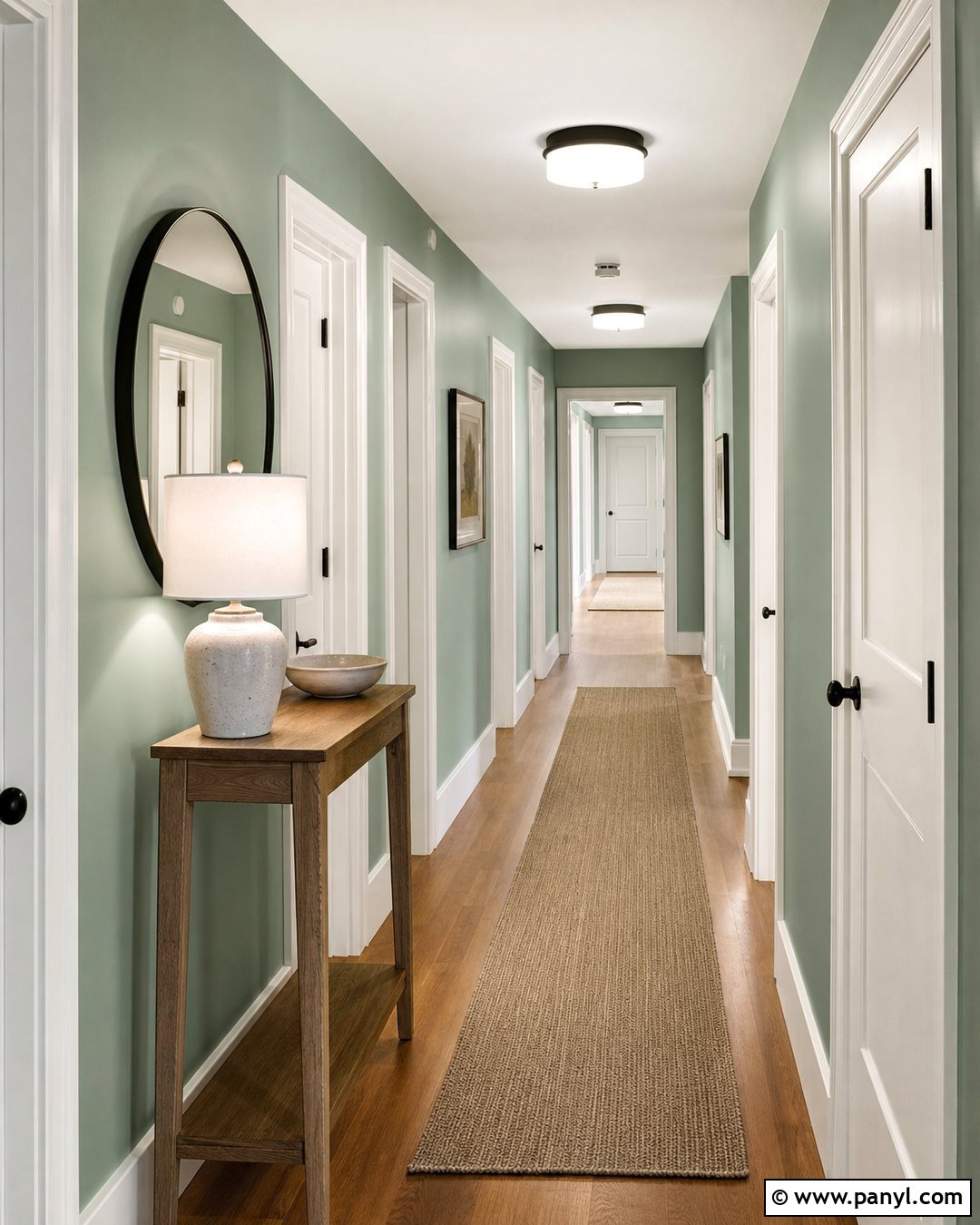
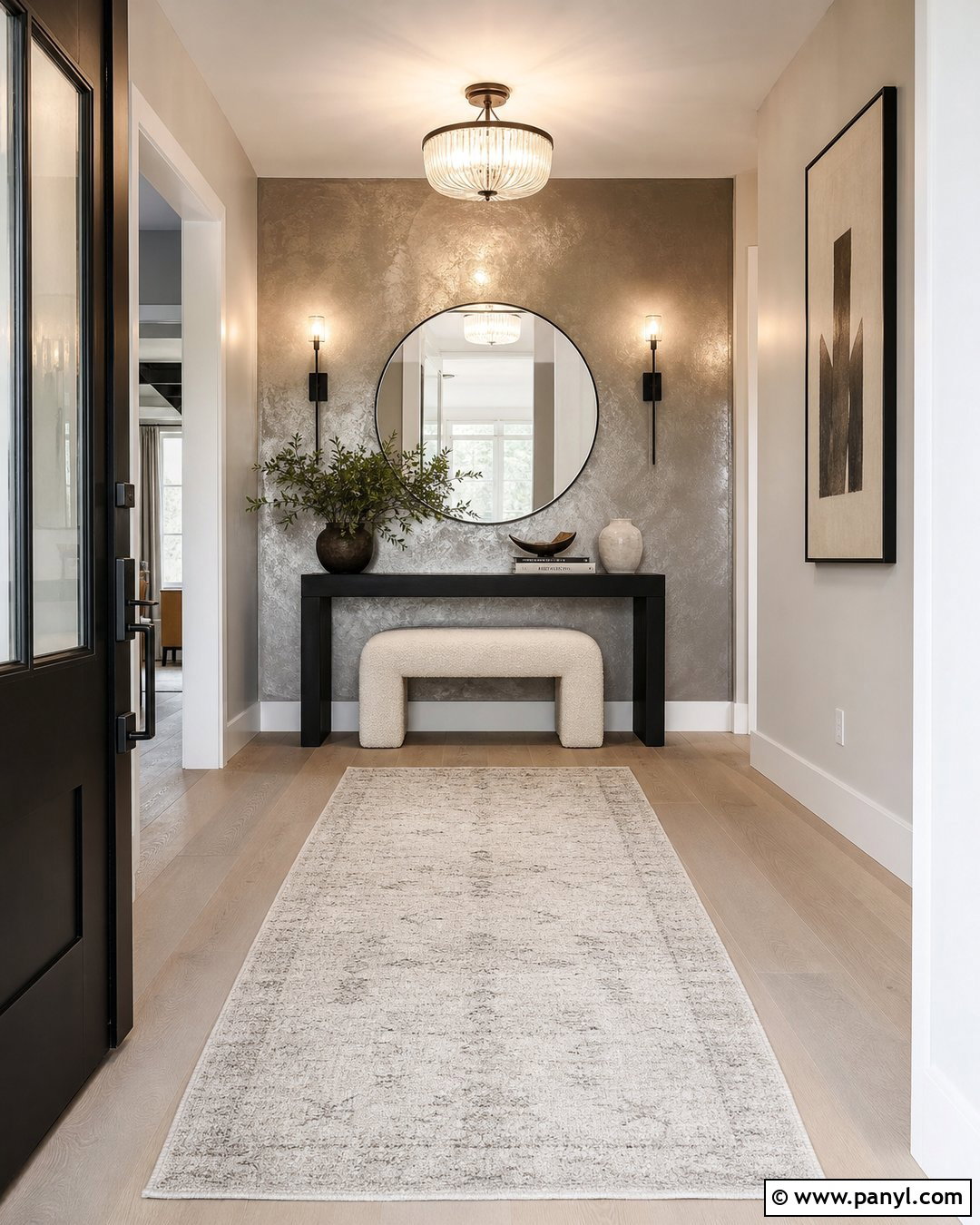
Pale green satin hallway walls provide subtle color while standing up visually to a busy passage. Choose a gray-green shade that stays calm under both daylight and ceiling fixtures. Add a narrow oak console, round black-framed mirror, and washable neutral runner without restricting the walking path. White doors and trim create a crisp rhythm along the corridor. Use simple flush-mount lighting that spreads illumination evenly, since harsh directional light may highlight wall texture. One ceramic lamp or shallow bowl is enough decoration for the console. Repair scuffs, nail holes, and previous touch-ups before applying paint because satin can make uneven patches noticeable. The completed hallway feels brighter, orderly, and connected to nearby rooms while remaining practical for daily family traffic.
20. Warm Beige Satin Hallway Walls
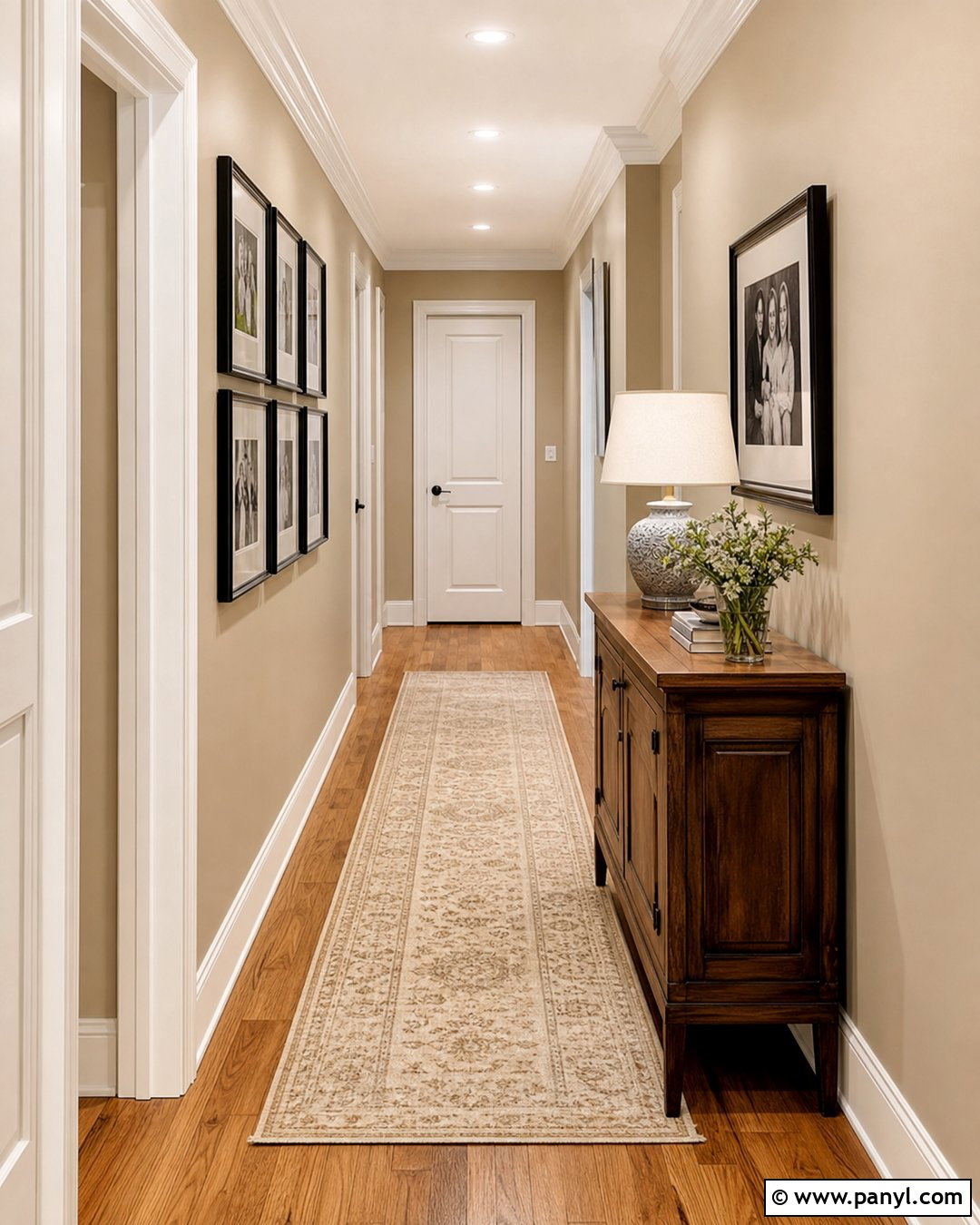
Warm beige satin walls can make a narrow hallway feel softer and more spacious, especially when the color relates closely to adjacent flooring. Pair the walls with white trim, medium oak floors, and a long cream runner featuring a restrained brown pattern. Hang a balanced row of black-framed family photographs at eye level rather than filling every open surface. A shallow walnut console can hold one lamp and a simple tray near the entry. Choose diffused ceiling lights to avoid sharp reflections running down the walls. Keep door colors consistent for a clean sightline from one end of the hall to the other. With careful sanding and even roller work, the satin finish creates a polished, washable backdrop without making the transitional space feel overly formal.
21. Light Blue Satin Entryway Walls
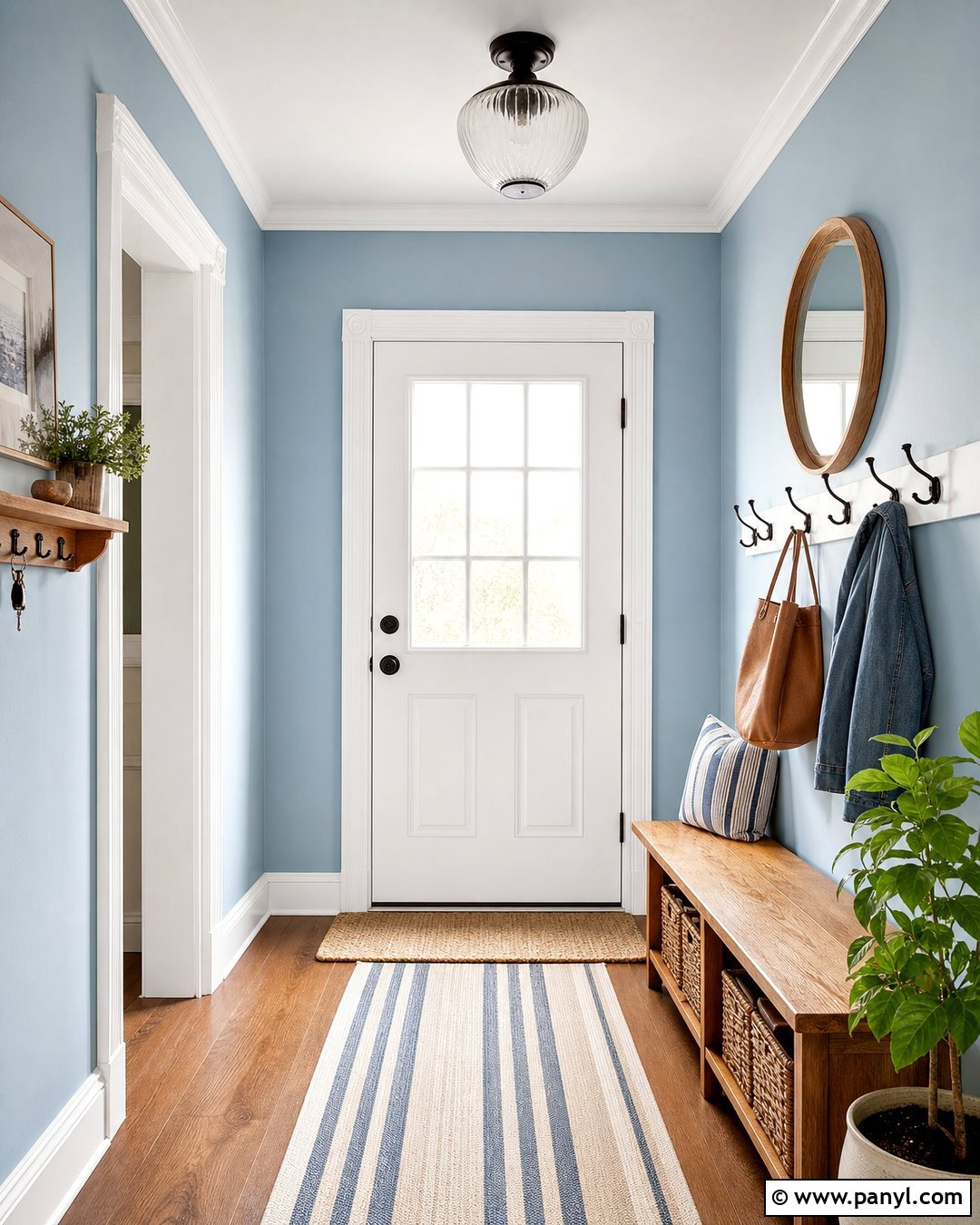
Light blue satin walls bring a clear, uplifting feeling to an entryway while reflecting available daylight around a typically compact space. Use a soft blue with a slight gray undertone and pair it with a natural oak bench, woven storage baskets, and a durable striped runner. White trim and interior doors sharpen the palette. Install black wall hooks in an orderly row and add a narrow shelf for keys without overcrowding the entrance. A large round mirror helps distribute light and provides a useful final checkpoint before leaving home. Choose a simple semi-flush ceiling fixture with frosted glass. The complete design combines attractive color with practical storage, and the satin wall surface is well suited to an area exposed to bags, coats, hands, and everyday movement.
22. Brick Red Satin Mudroom Walls
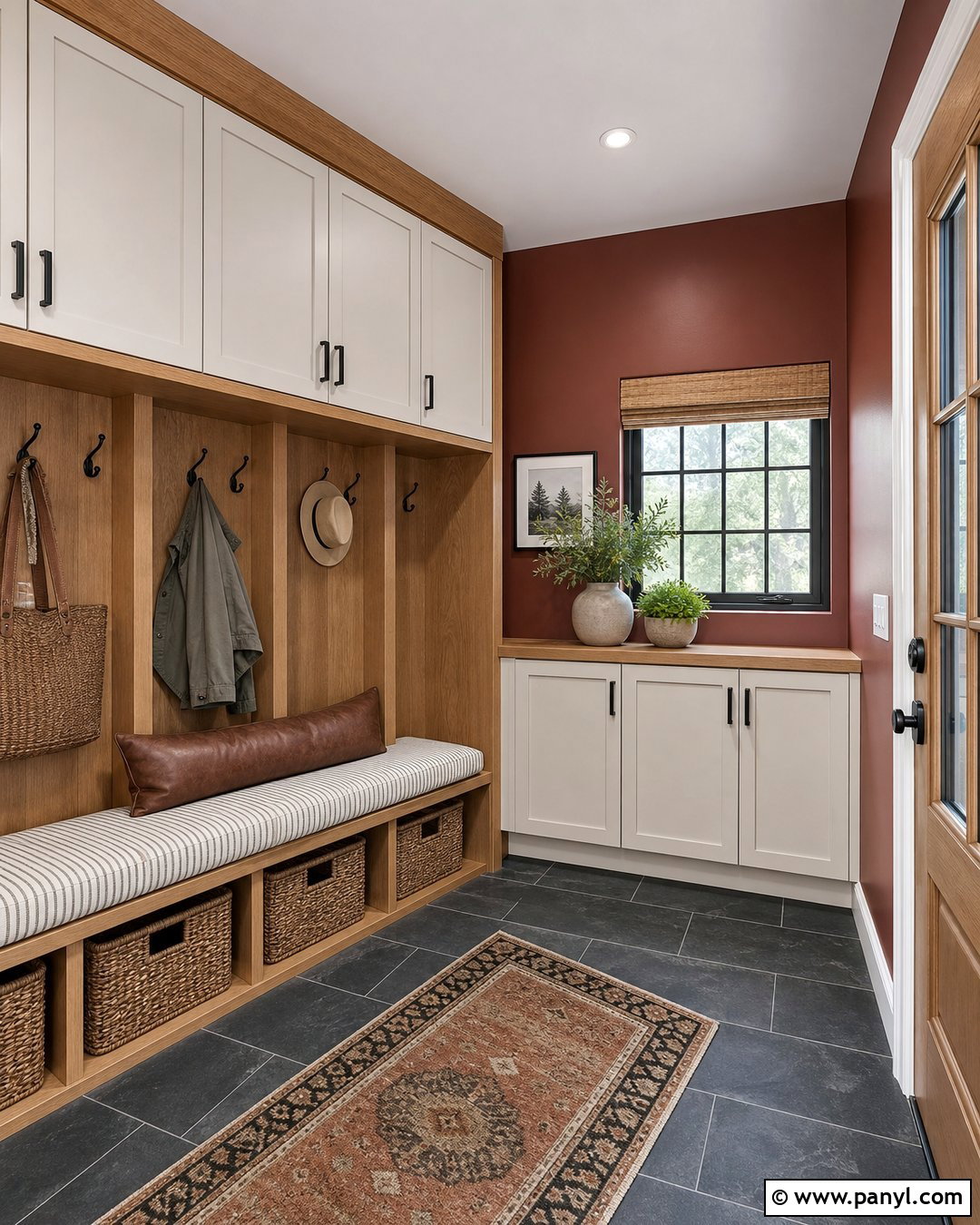
Brick red satin walls can give a hardworking mudroom warmth while disguising some of the visual disruption caused by constant activity. Choose a muted red with earthy brown undertones, then balance it with light oak cubbies, cream cabinet doors, and charcoal slate-look flooring. Add black hooks, woven baskets, and a sturdy wood bench with a washable striped cushion. Use closed storage near the floor for shoes and open compartments above for daily items. Bright white ceiling paint and a simple flush fixture keep the stronger wall color from overwhelming the room. Prepare the walls thoroughly before painting and use a coordinated primer under the deep color. This complete setup feels organized, durable, and welcoming rather than purely utilitarian.
23. Soft Gray Satin Laundry Room Walls
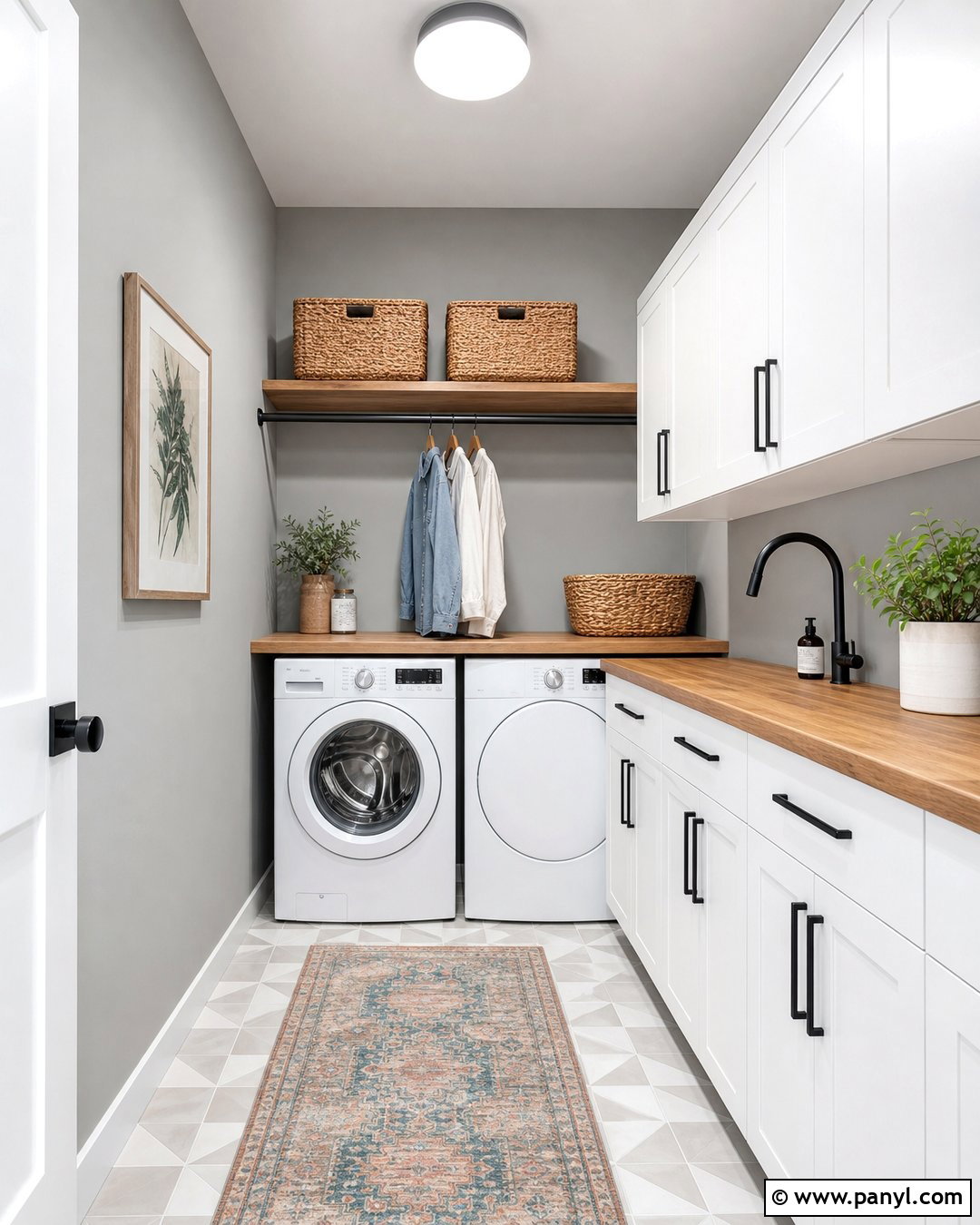
Soft gray satin walls create a clean laundry room backdrop that works with white appliances and practical storage. Select a warm gray to avoid a cold, industrial appearance. Install white upper cabinets, an oak folding counter, and simple matte black pulls. A pale geometric floor tile can introduce pattern without making the compact room feel busy. Add a hanging rail beneath one cabinet, woven baskets for supplies, and a washable runner for comfort. Use bright, neutral ceiling lighting so stains and colors are easy to see during laundry tasks. Keep the ceiling flat white to balance the satin walls. This organized design makes the room feel finished and intentional, while the smoother wall surface suits an area exposed to moisture, fingerprints, and routine cleaning.
24. Denim Blue Satin Laundry Room Walls
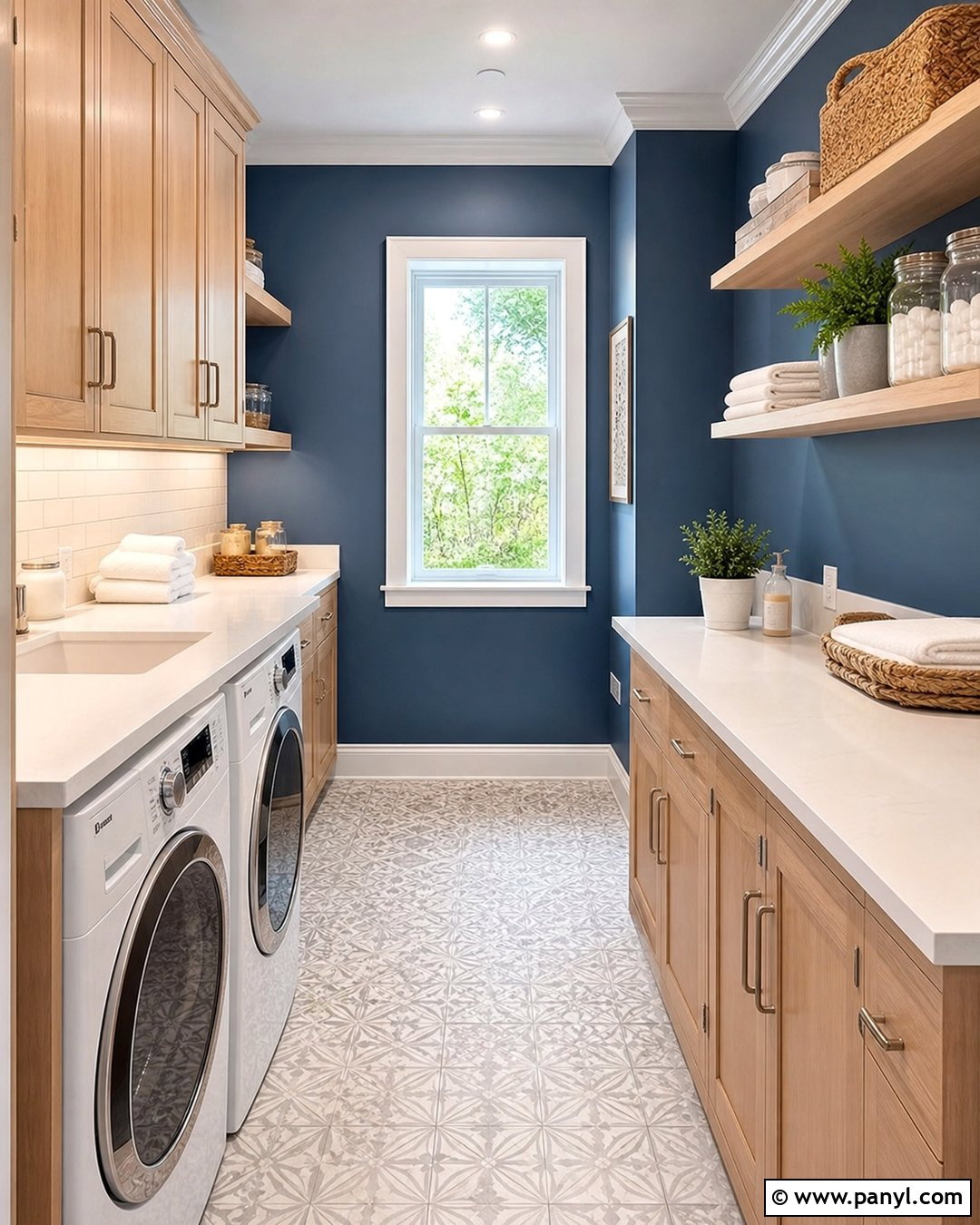
Denim blue satin walls can make a basic laundry room feel more like a thoughtfully decorated part of the home. Pair the medium blue with natural maple cabinets, white solid-surface counters, and brushed nickel hardware. Use warm white square backsplash tile behind the sink and folding area. A patterned vinyl or porcelain floor in cream and soft gray adds personality while remaining practical. Include open shelving for glass containers, folded towels, and a small plant, but leave enough empty space for easy maintenance. Bright overhead lighting will keep the blue from appearing heavy. The flat white ceiling and pale counter provide visual breathing room. This coordinated look combines durable surfaces, useful storage, and a relaxed color that hides minor everyday marks better than stark white.
25. Sunny Peach Satin Playroom Walls
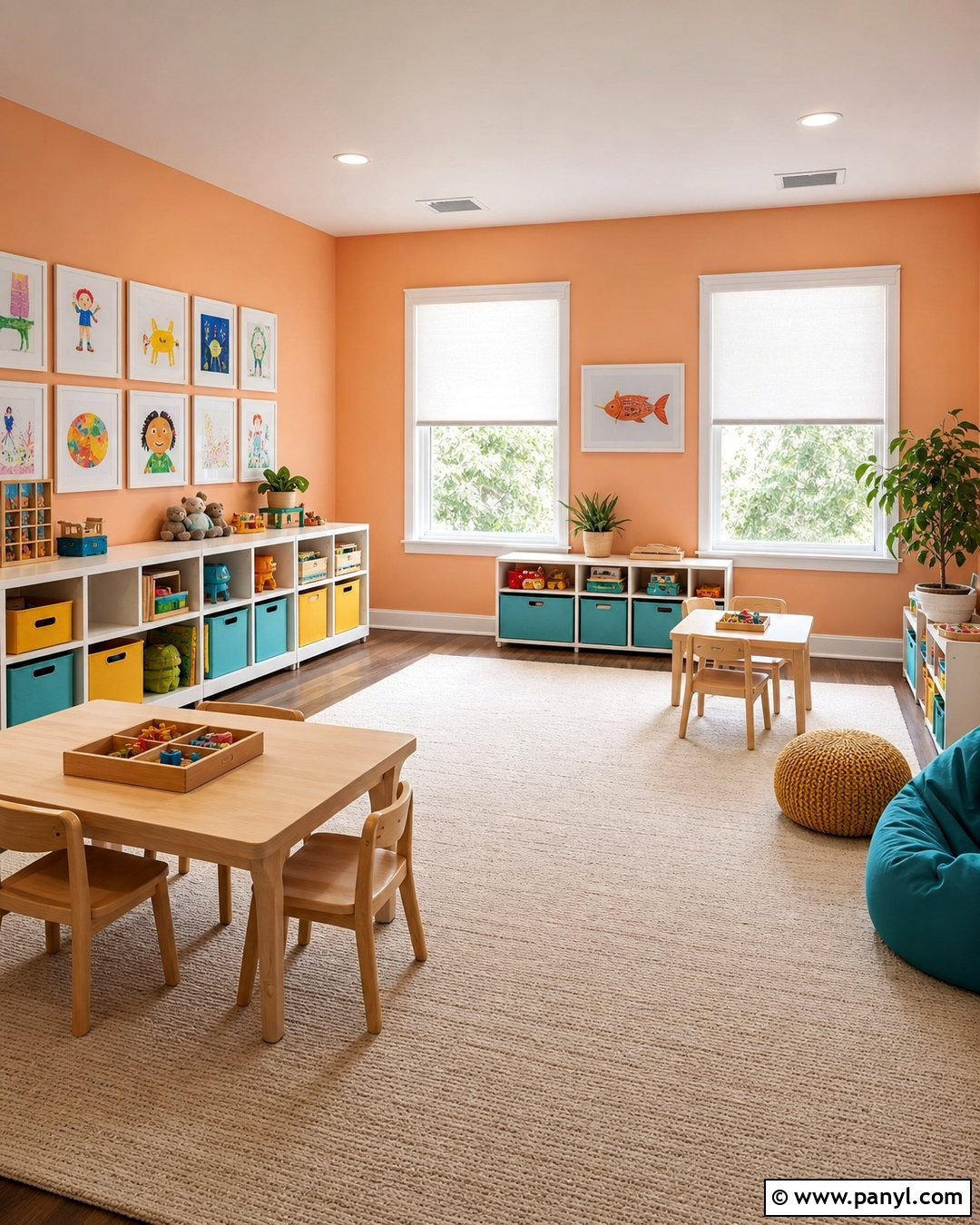
Sunny peach satin walls make a playroom feel energetic without relying on primary colors across every surface. Select a softened peach with warm coral undertones, then pair it with low white storage units, natural wood tables, and a large cream washable rug. Use muted teal, mustard, and sky-blue bins to organize toys while expanding the palette. Hang framed children’s artwork in a clean grid so the room remains cheerful but orderly. White roller shades and bright ceiling lighting provide clear visibility for reading and crafts. Anchor tall storage securely and preserve open floor space in the center. The satin finish supports easier cleanup in this active room, while the complete arrangement balances playful color with practical furniture that can adapt as children grow.
26. Mint Green Satin Kids Room Walls
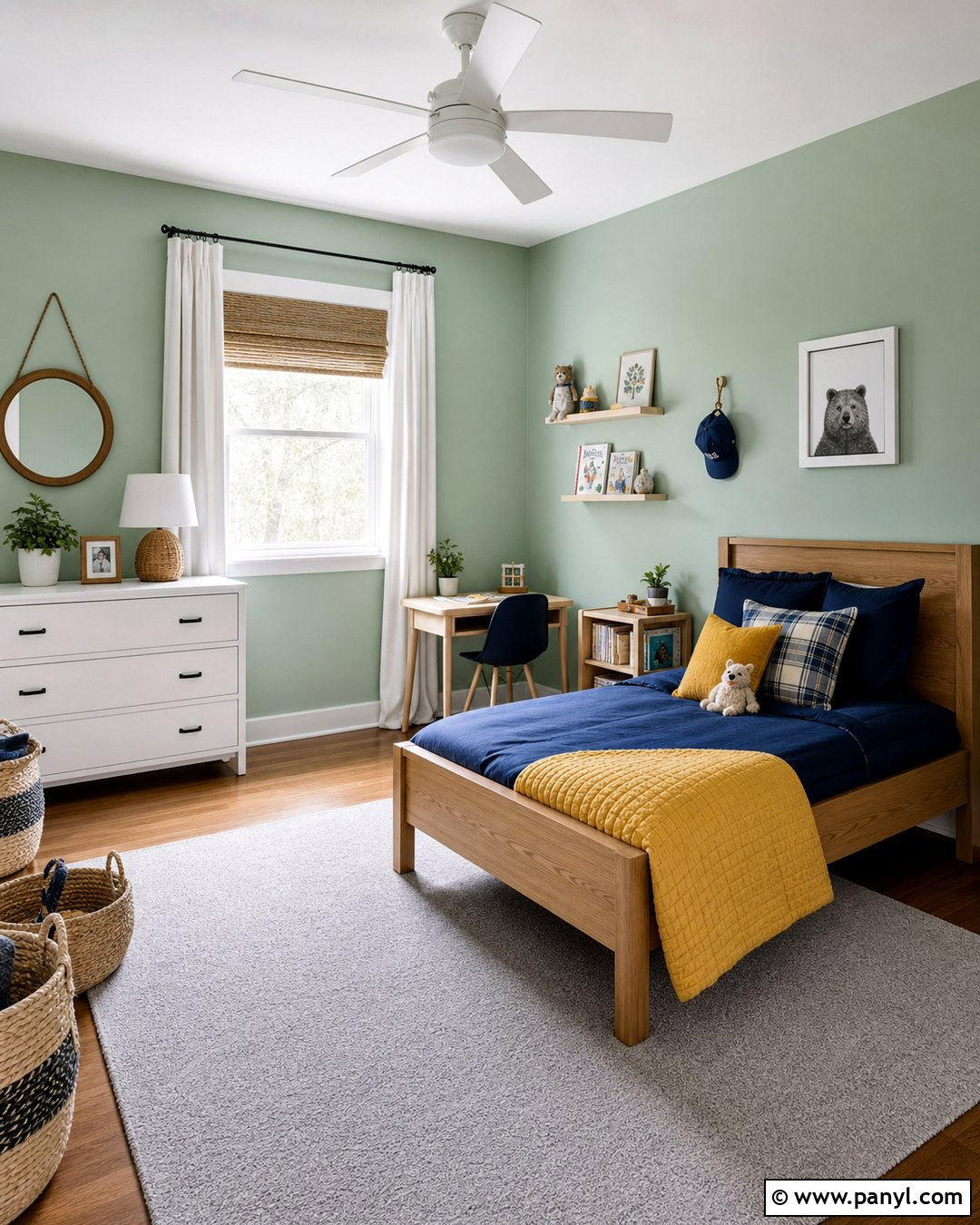
Mint green satin walls create a fresh children’s bedroom that can transition easily through changing ages and interests. Choose a muted mint rather than a candy-bright green. Add a natural oak bed, white dresser, navy bedding, and a soft gray rug for a grounded palette. Rust or mustard accents can appear in pillows, storage baskets, and one framed print. Use a flat white ceiling and simple white trim to keep the room bright. Install wall-mounted shelves above a small desk, leaving the sleeping zone visually calm. Blackout curtains in warm ivory improve rest without introducing a heavy contrast. The washable satin walls suit fingerprints and everyday activity, while the restrained furnishings prevent the completed space from feeling themed or quickly outdated.
27. Cobalt Blue Satin Home Office Walls
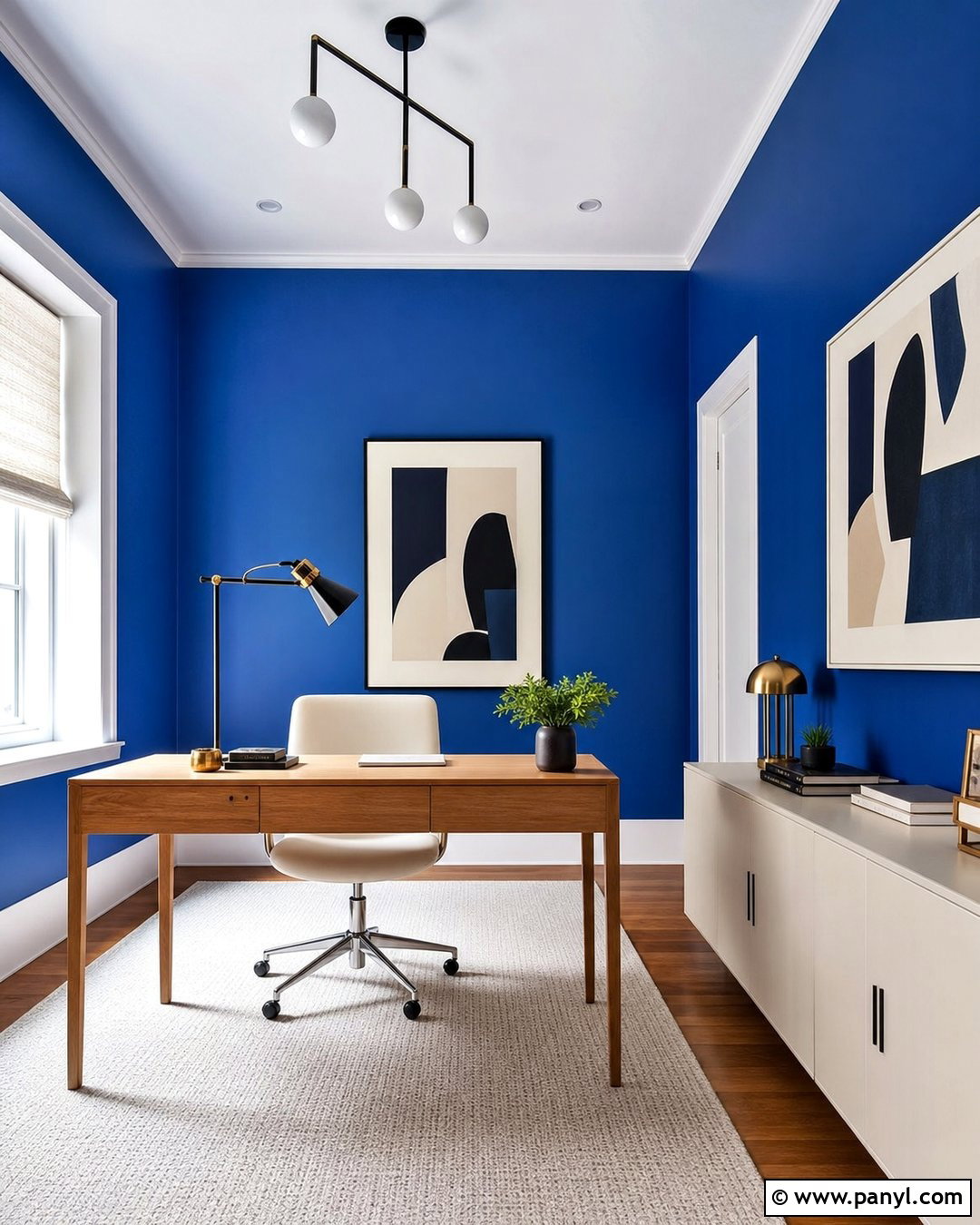
Cobalt blue satin walls can energize a home office and create a focused background for natural wood furniture. Use the bold blue on all walls, then balance it with a streamlined oak desk, cream upholstered chair, and low ivory storage cabinet. A large neutral rug softens sound and lightens the floor. Add matte black task lighting and minimal brass accessories for controlled contrast. Position the desk perpendicular to the window to reduce screen glare and prevent direct sunlight from creating a bright stripe across the satin finish. Keep artwork graphic but limited to one or two pieces. With a flat white ceiling and uncluttered shelves, the finished office feels confident, organized, and professional rather than visually distracting during work hours.
28. Forest Green Satin Home Office Walls
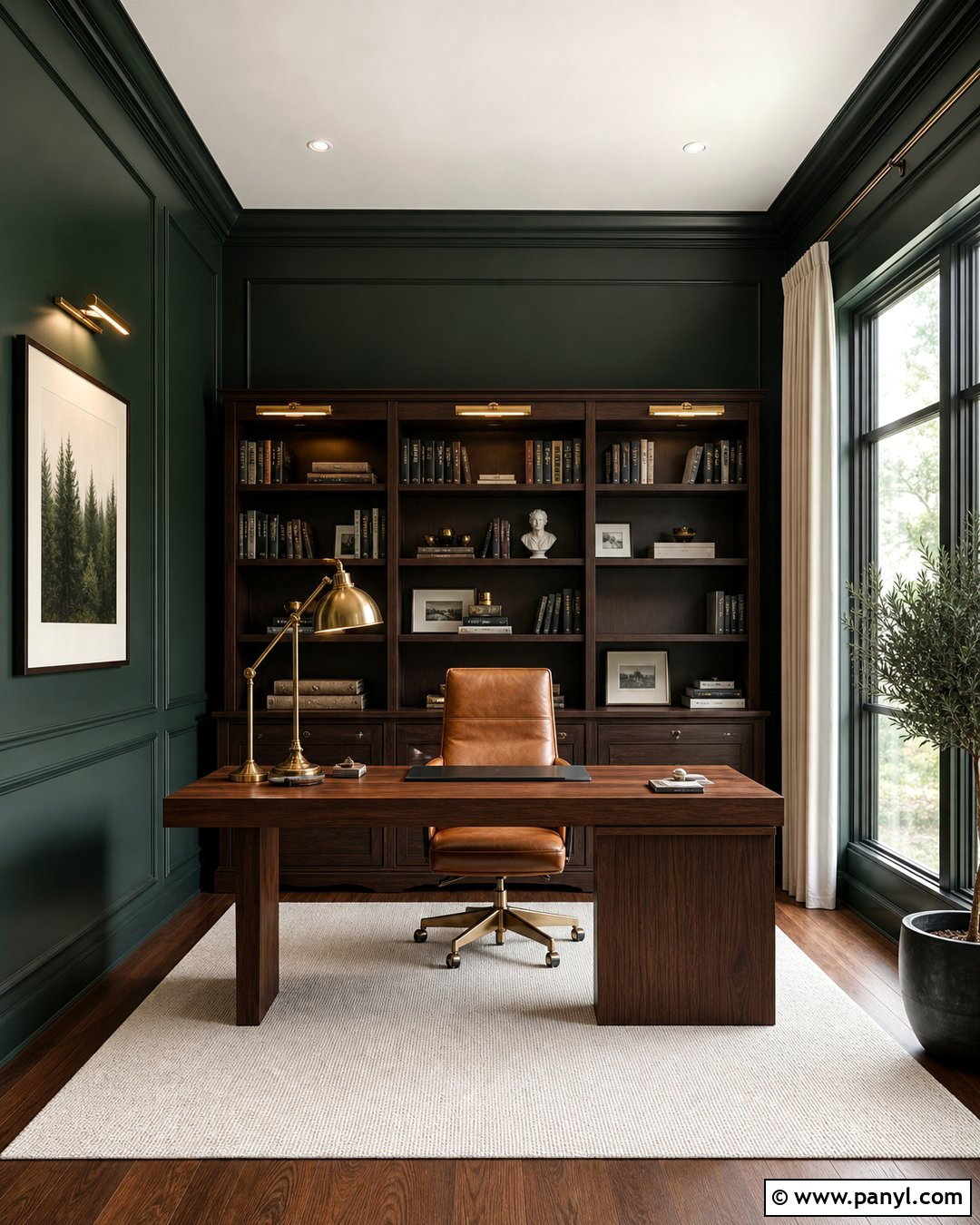
Forest green satin walls give a home office a grounded, library-inspired feeling while maintaining a subtle reflective depth. Pair the rich green with a walnut desk, cognac leather chair, and cream wool rug. Install dark green built-in shelves or a freestanding walnut bookcase along one wall, leaving some open areas between books and decorative objects. Antique brass task lights and picture frames introduce warmth. Use ivory curtains to soften daylight and a flat warm white ceiling to prevent the room from becoming too dark. Place the computer away from direct window reflections. Carefully repaired walls and even paint application are particularly important with this deep color. The full design feels composed, comfortable, and suitable for both concentrated work and video meetings.
29. Warm White Satin Stairway Walls
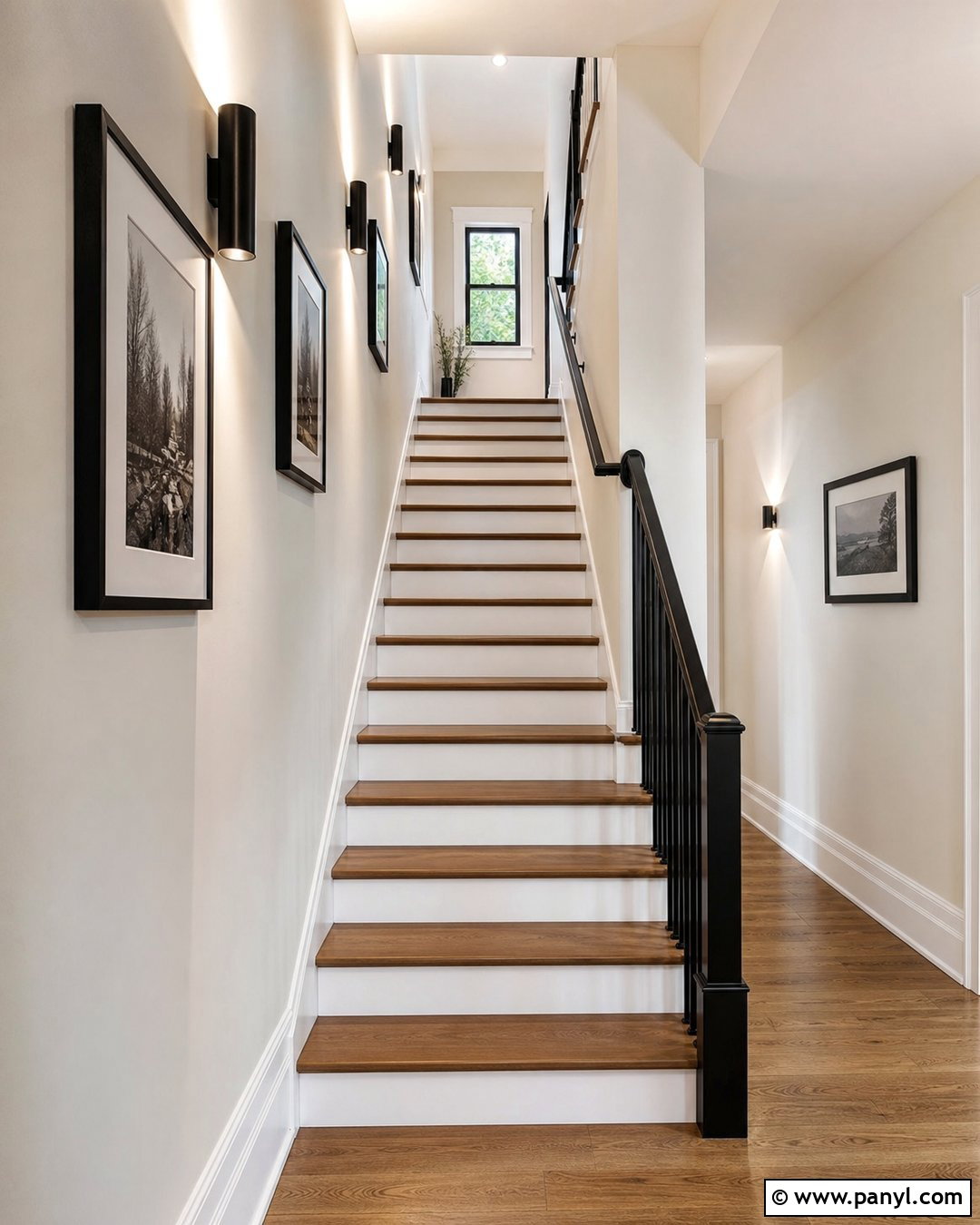
Warm white satin stairway walls create a bright, continuous backdrop through one of the home’s busiest areas. Select a creamy white that coordinates with nearby rooms, then define the stairs with medium oak treads, white risers, and a simple black handrail. A restrained gallery of matching wood or black frames can follow the incline without crowding it. Use evenly spaced wall sconces or ceiling fixtures to eliminate dark corners, but avoid harsh beams that exaggerate surface irregularities. Keep baseboards and trim crisp and consistent from floor to floor. Because stair walls receive frequent contact, a cleanable satin surface is practical. The completed stairway feels open and connected, with enough contrast to highlight the architecture while preserving a calm overall appearance.
30. Black Satin Accent Wall
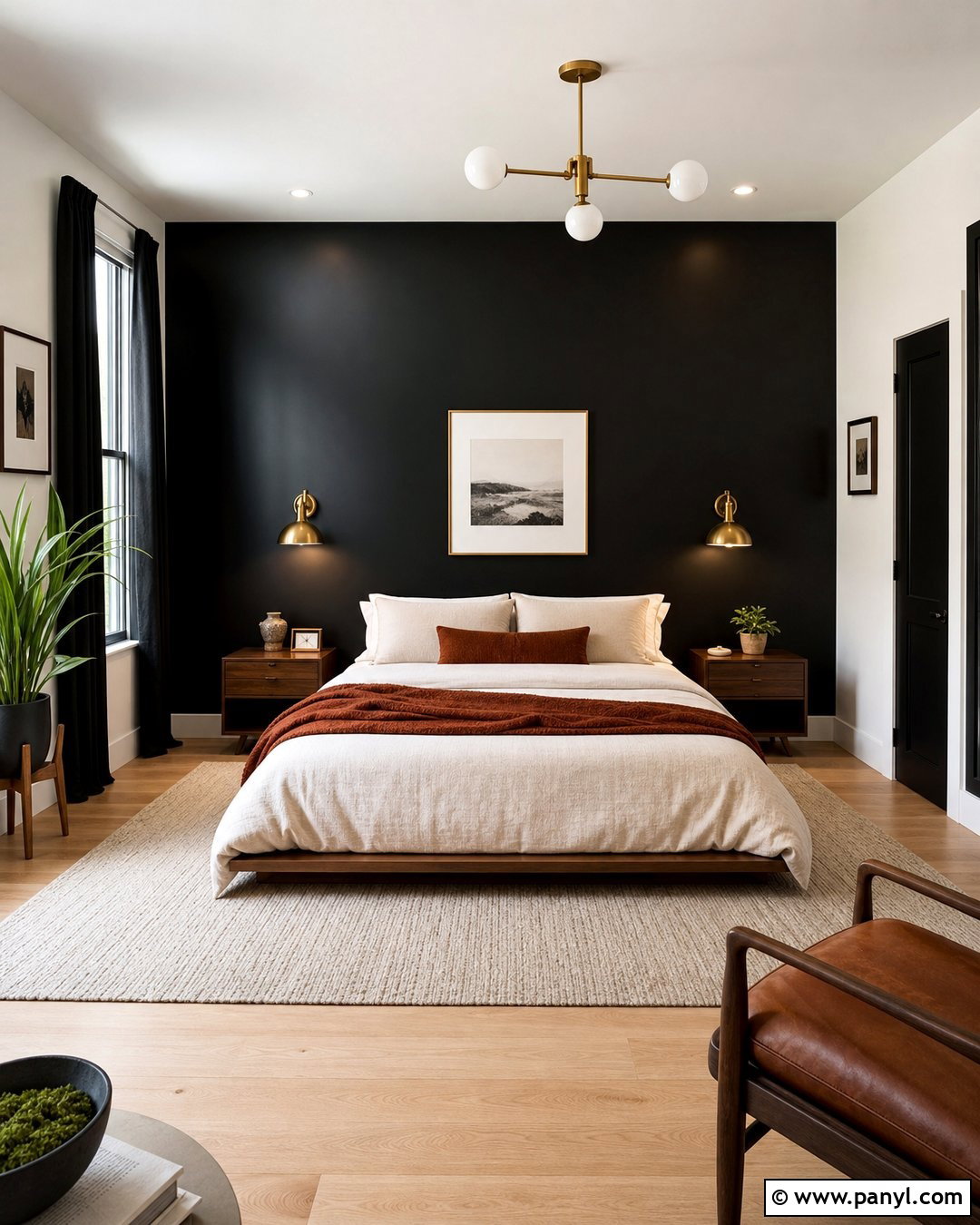
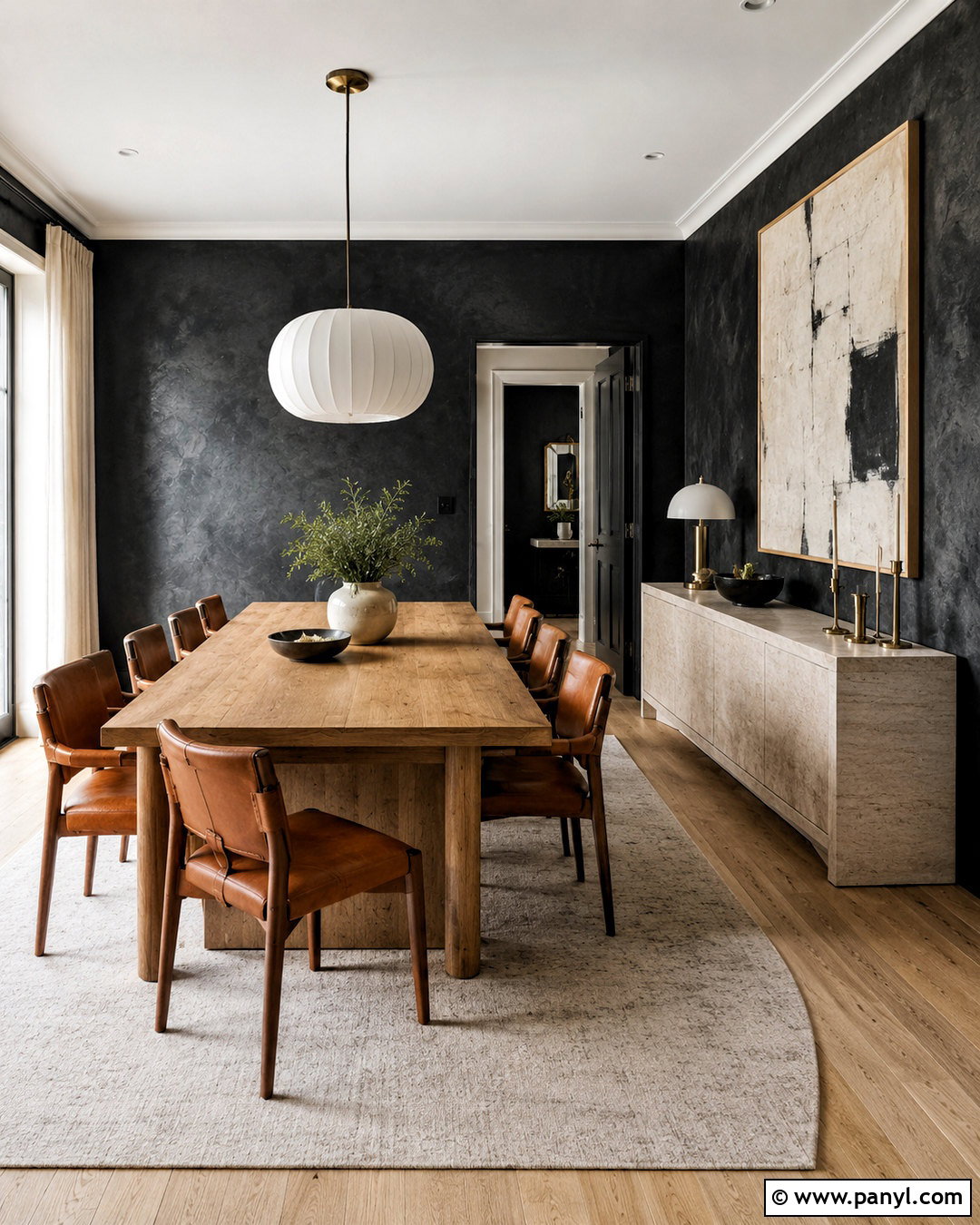
A black satin accent wall can become a strong architectural feature when the surrounding room remains light and balanced. Use it behind a low-profile bed or living room media console, where the dark color can visually anchor the main furniture. Pair the wall with warm white adjacent walls, light oak flooring, and cream upholstery or bedding. Introduce walnut furniture, aged brass lighting, and muted rust textiles to soften the contrast. Keep cables, shelves, and decorative objects carefully organized because the bold wall attracts attention. Smooth every patch and sand the surface thoroughly before painting, as black satin will emphasize dents and inconsistent roller work. The complete design feels graphic and modern, yet natural materials keep it comfortable rather than stark.
Conclusion:
Using satin paint on walls successfully involves more than selecting an attractive color. The room’s light, wall condition, furniture, flooring, and daily activity should all influence the final design. Satin is particularly useful in kitchens, bathrooms, hallways, children’s rooms, and other spaces where durability and easier cleaning matter. Its gentle reflection can brighten pale colors and give darker shades greater depth, but it may also reveal dents or uneven application. Test the chosen color and finish in several lighting conditions, then repair, clean, prime, and sand the walls as needed. These 30 satin paint on walls demonstrate how thoughtful color combinations and complete room planning can make this practical finish feel polished, comfortable, and intentional.

Related Ideas and Inspiration:
Leave a Reply