
Architraves and skirting boards may seem like finishing details, but they shape how polished, balanced, and intentional a room feels. Architraves frame doors and windows, while skirting creates a practical transition between walls and floors. Choosing related profiles, proportions, colors, and finishes helps these elements connect naturally throughout the home. Clean square edges suit contemporary rooms, ornate curves complement period architecture, and natural timber adds warmth to simple interiors. Color also matters. Trim can blend into the walls, coordinate with the flooring, or create a bold architectural outline. The best combinations reflect the room’s ceiling height, door design, flooring, and overall character. ()
The complete looks below explore 20 architraves and skirting ideas.

1. White Square Edge Architrave And Skirting
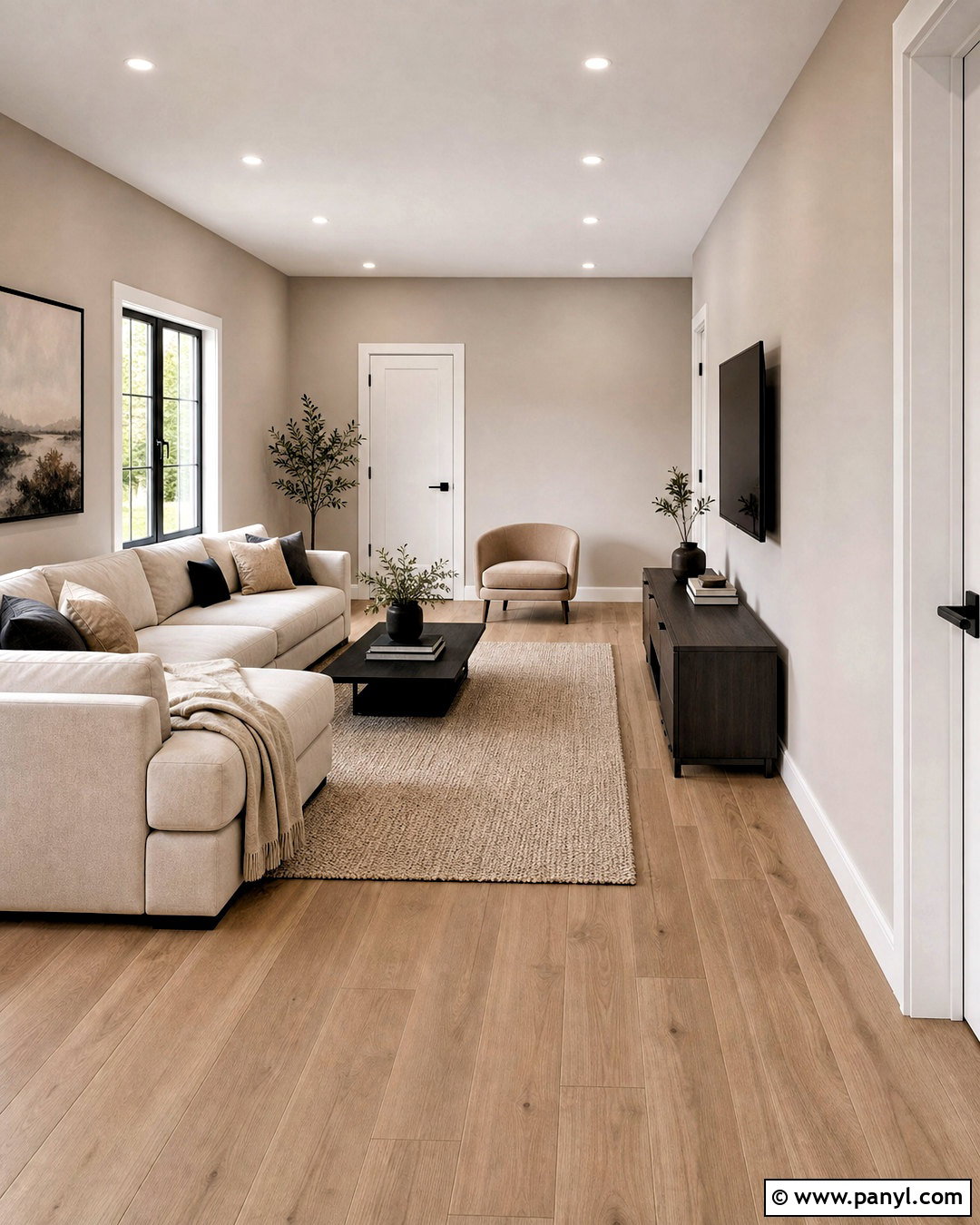
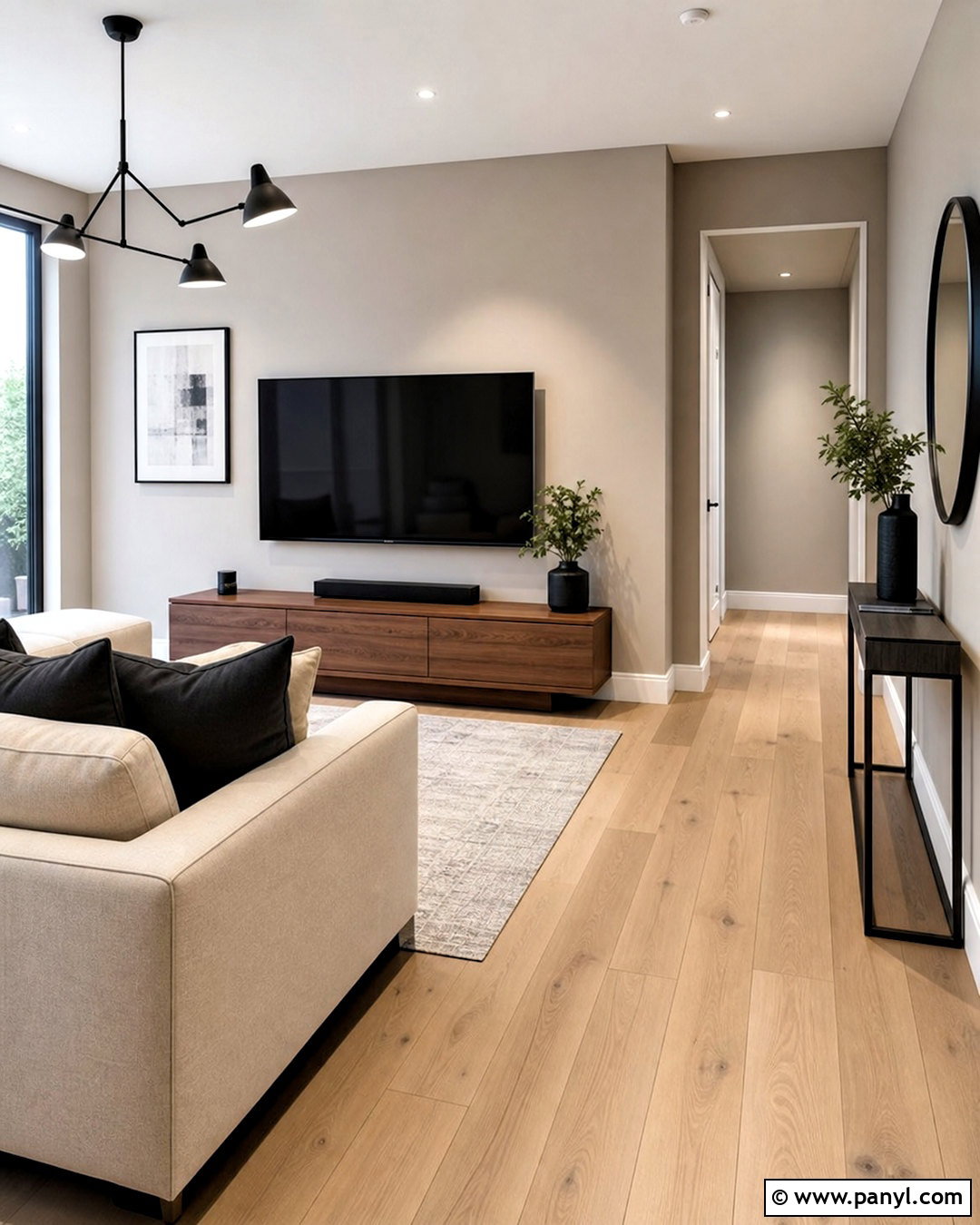
A crisp square-edge profile gives a modern room a clean architectural outline without adding unnecessary decoration. Choose medium-height skirting and slightly narrower architraves in the same thickness so the junction beside each doorway looks neat. Paint both in a durable soft white eggshell, then pair them with warm greige walls, pale oak flooring, and simple white internal doors. Black lever handles and streamlined lighting provide controlled contrast. Keep furniture low and uncluttered, using oatmeal upholstery and light timber pieces to maintain the airy feeling. This complete combination works especially well in recently built homes, apartments, and updated open-plan spaces. Precise miters, smooth caulk lines, and an even paint finish are important because minimal profiles make installation flaws easier to notice.
2. Sage Green Architrave And Skirting
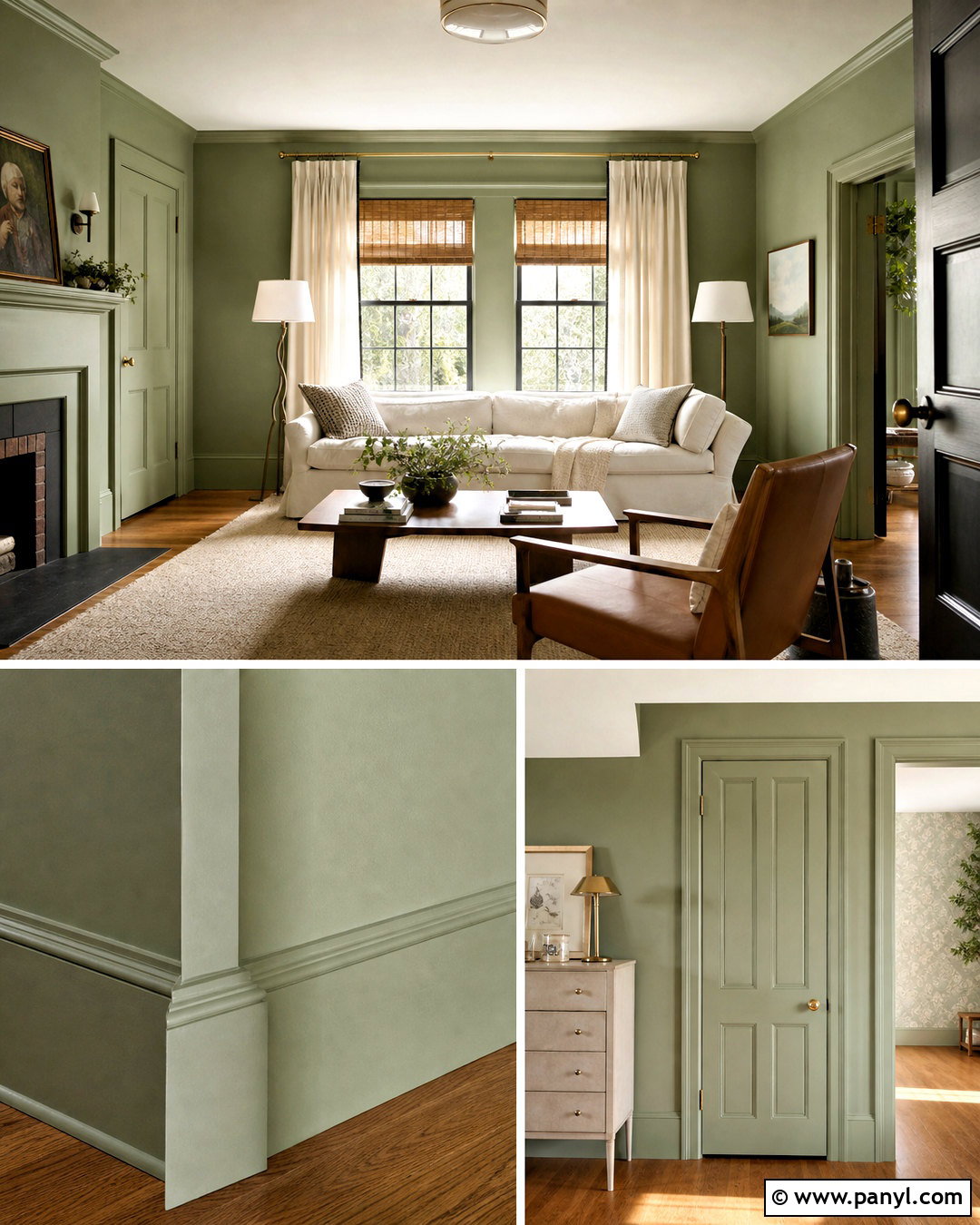
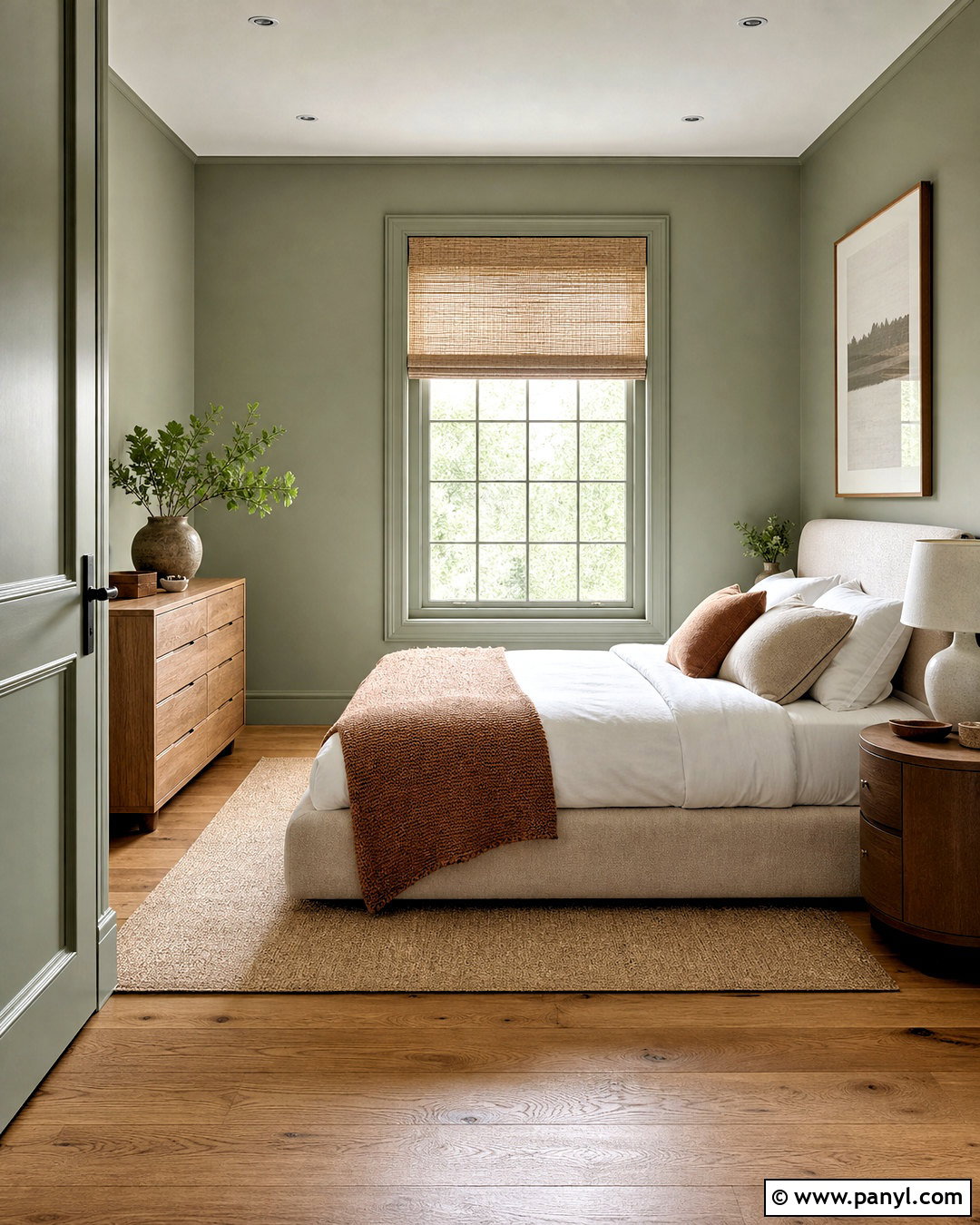
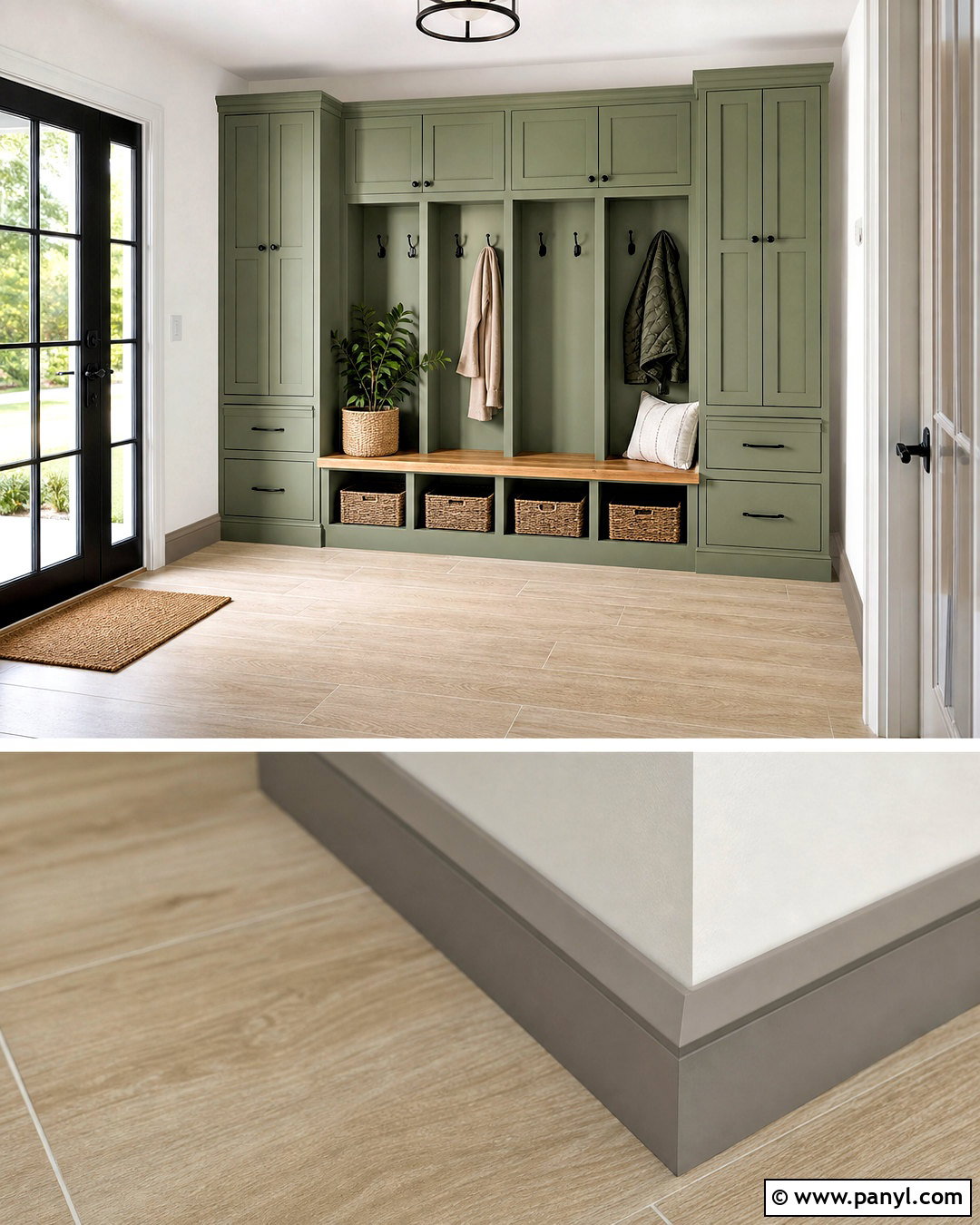
Imagine a calm room where the walls, doors, architraves, and skirting are wrapped in the same warm sage green. This color-drenched treatment allows the trim profiles to appear as subtle texture rather than sharp borders. Use a simple chamfered profile that creates enough shadow to remain visible beneath the unified color. Add medium oak flooring, an ivory sofa, woven shades, and brushed brass hardware for warmth. Paint the walls in a washable matte finish and use coordinating eggshell on the woodwork for practical durability and a gentle change in sheen. The result feels especially cohesive in a living room, bedroom, or hallway with several doorways. Carrying the color across every opening prevents the room from looking chopped into separate sections.
3. Black Architrave And Skirting
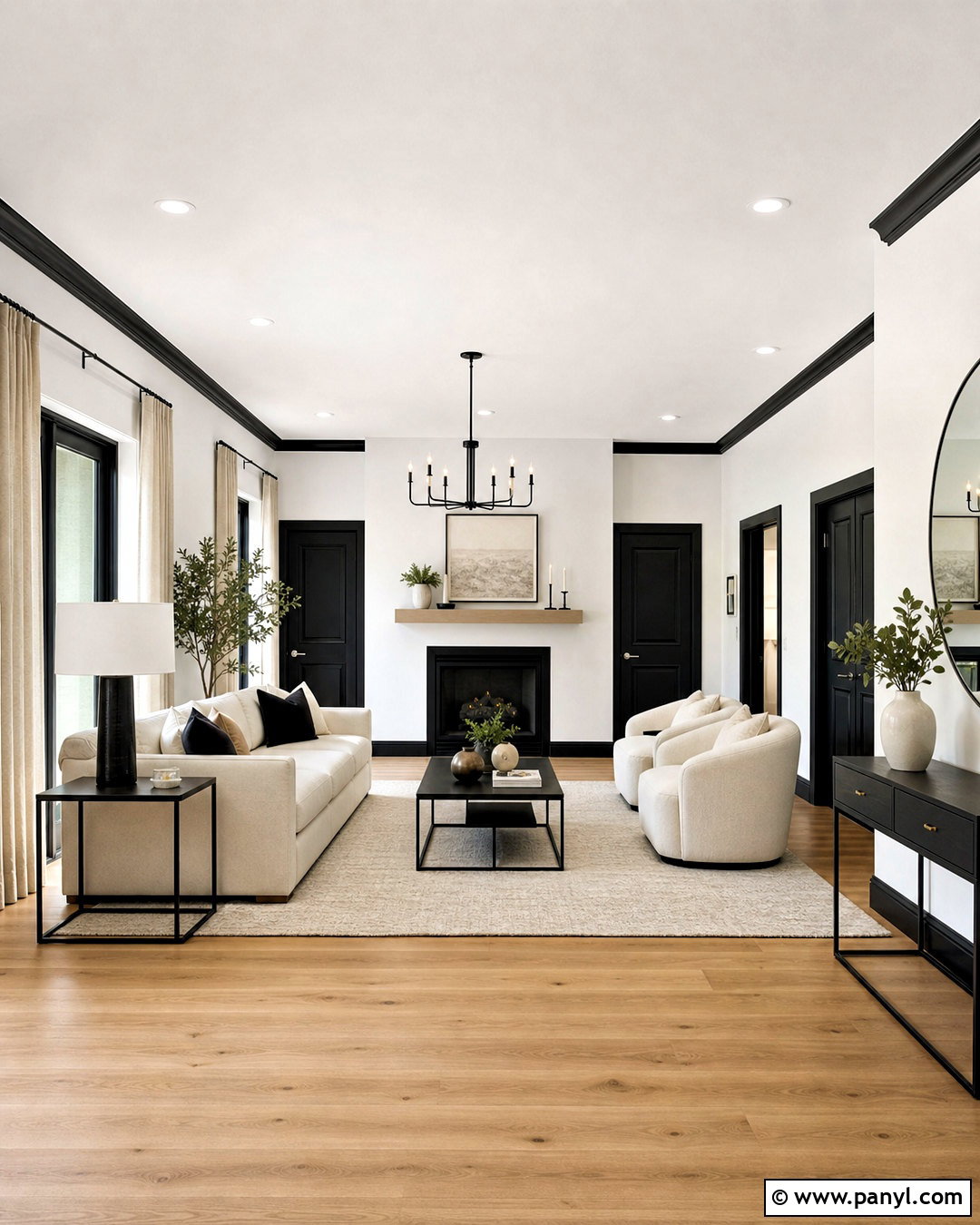
Black trim can transform plain white walls into a sharp, graphic interior when it is applied consistently. Select flat architraves and medium-height skirting with uncomplicated square edges, then finish them in soft matte black. Paint the doors black as well so every doorway becomes a strong architectural feature rather than an isolated outline. Balance the dark woodwork with warm white walls, honey-toned oak floors, cream seating, and natural linen curtains. A black metal coffee table and matching light fixtures repeat the trim color without overwhelming the room. This scheme is best in spaces with good natural light and a restrained furniture layout. Continue the same black finish into adjoining rooms or hallways so the contrasting trim looks intentional throughout the visible areas.
4. Natural Oak Architrave And Skirting
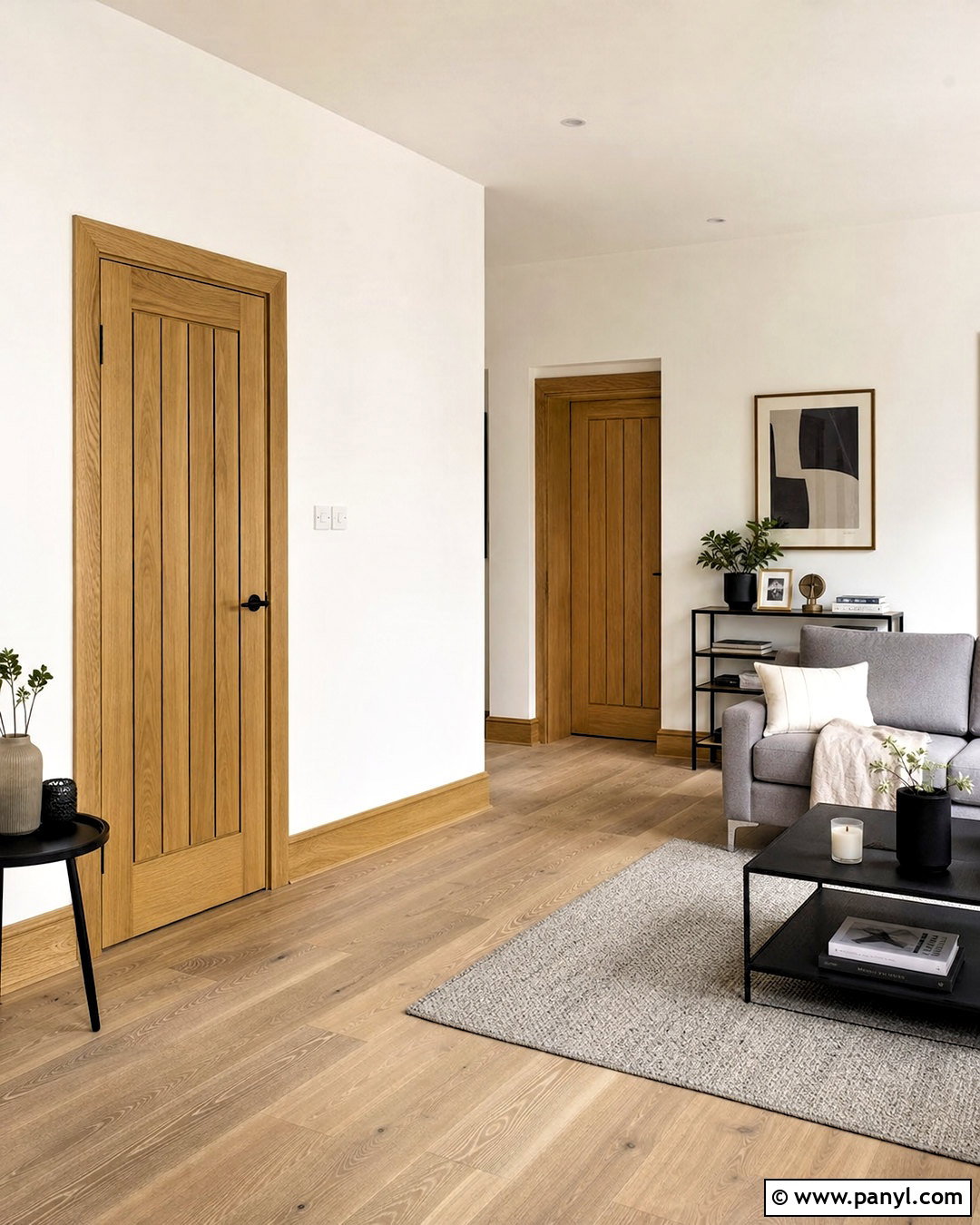
Natural oak trim brings texture and warmth to a neutral room without requiring ornate detailing. Use flat or lightly rounded oak architraves with matching skirting, making sure the boards come from a similar timber grade for consistent grain and color. A clear matte finish protects the wood while preserving its natural appearance. Pair the trim with creamy white walls, wide oak floorboards in a related tone, and flush oak doors. Soft gray upholstery, wool rugs, and matte black hardware keep the space contemporary rather than rustic. Because timber becomes a noticeable design element, repeat it through shelving, furniture legs, or a simple dining table. Avoid mixing several unrelated wood stains. A limited palette allows the oak architraves and skirting to frame the room with quiet continuity.
5. Tall Ogee Architrave And Skirting
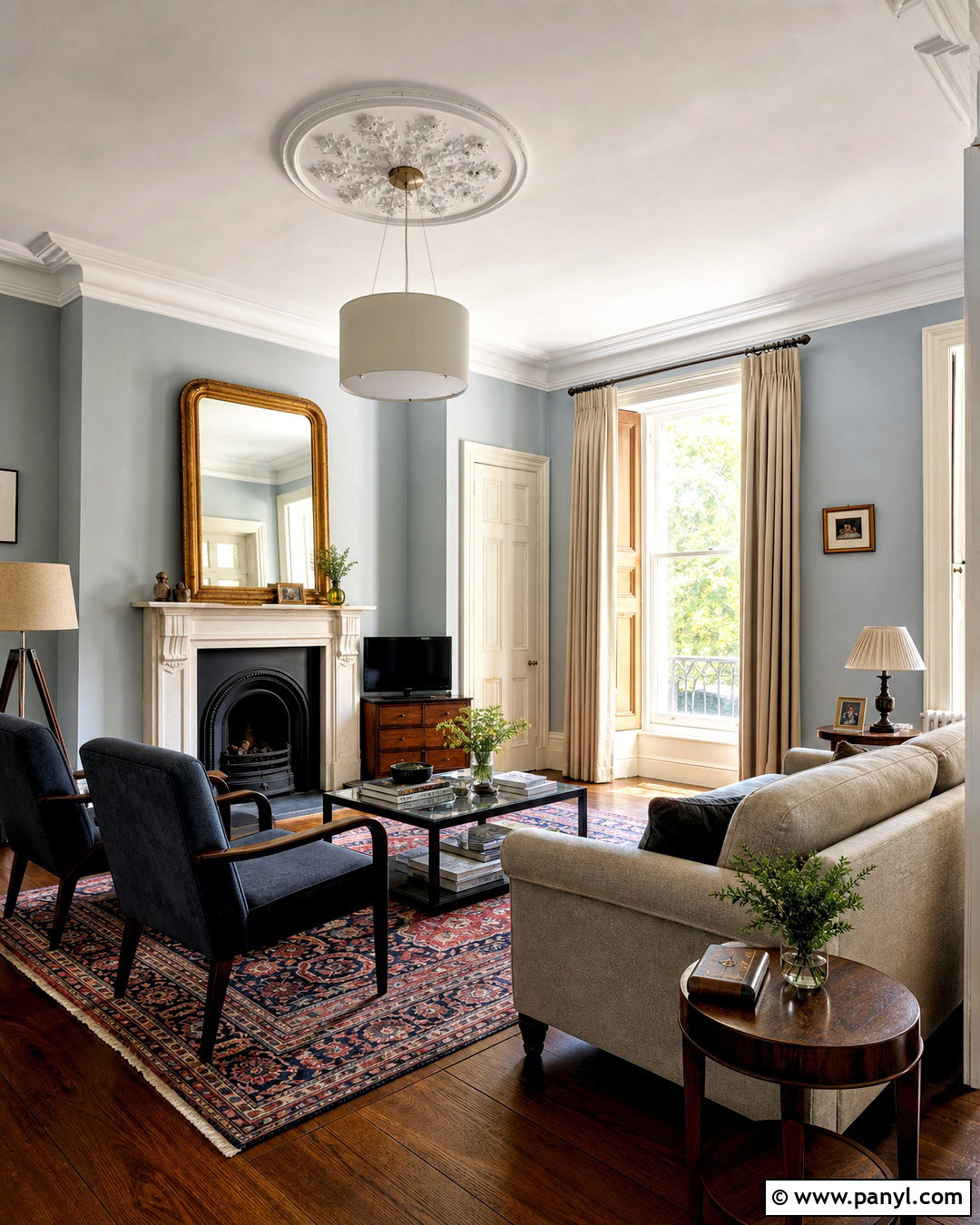
Rooms with high ceilings and traditional features can support the deeper curves of an ogee profile. Choose tall skirting and generously scaled architraves, ensuring the architrave is thick enough to receive the skirting cleanly at each doorway. Paint the trim, panel doors, and window frames in warm white, then use muted blue-gray walls for a refined period palette. Add dark oak flooring, a classic fireplace, linen curtains, and a patterned wool rug to complete the room. Decorative cornicing can echo the curved profile without matching it exactly. This approach suits Georgian, Victorian, and Edwardian-inspired interiors because the trim feels properly proportioned against taller walls and substantial doors. Ogee has long been associated with traditional interiors, where its curved shape complements other detailed moldings. ()
6. Torus Architrave And Skirting
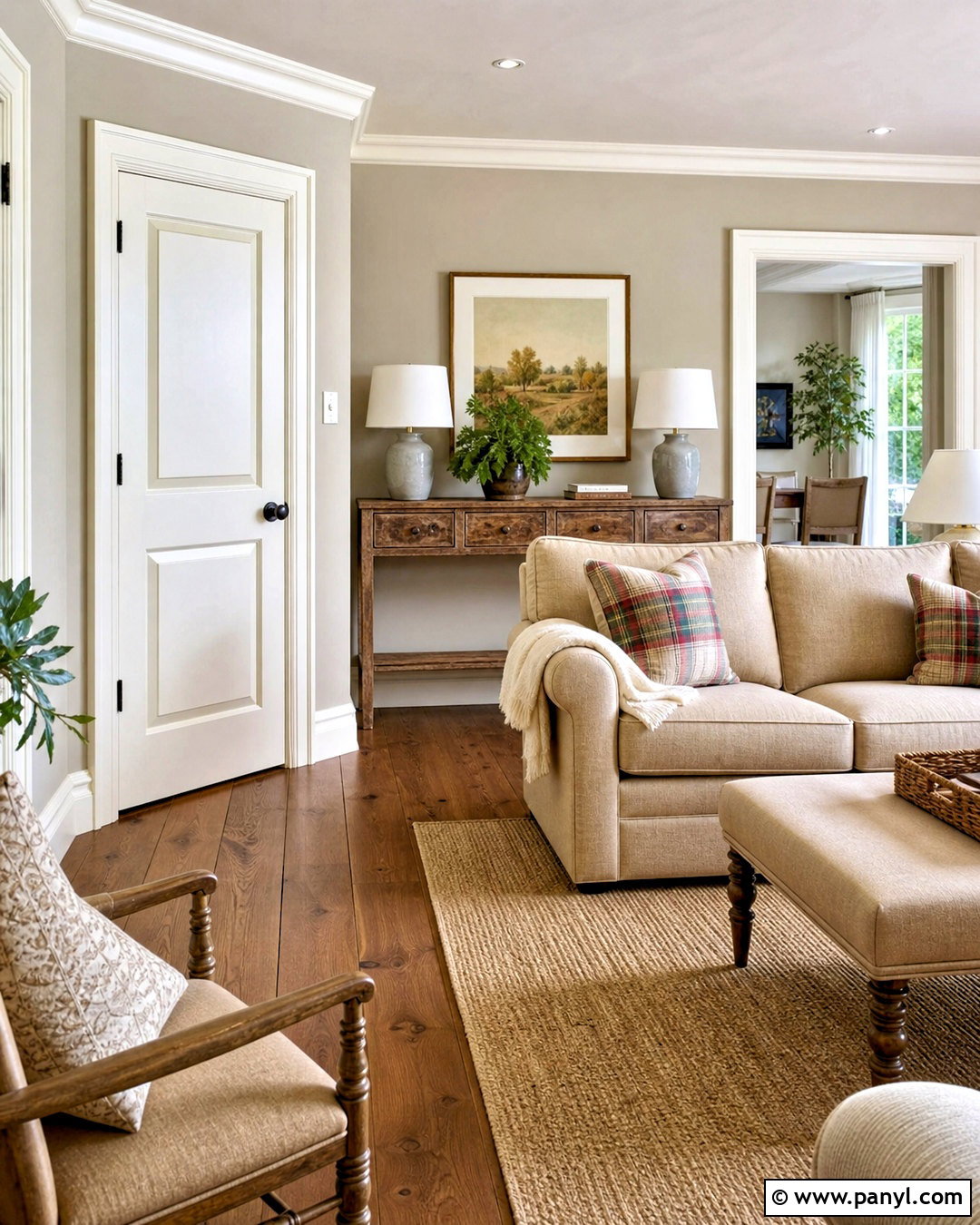
A torus profile offers traditional softness without the elaborate appearance of heavily molded trim. Its rounded upper detail works well with paneled doors, classic furniture, and relaxed family-room decor. Use medium-tall torus skirting with a matching, narrower architrave, all painted in a warm off-white eggshell. Set the trim against soft taupe walls and medium-brown wood flooring. Introduce a comfortable oatmeal sofa, plaid cushions, ceramic lamps, and an aged timber console to create an inviting scheme. Satin brass handles add warmth while remaining understated. The profile’s curved edge catches light gently, helping the woodwork feel visible but not dominant. Continue the same trim through connecting rooms, changing wall colors if desired while retaining the off-white finish for a consistent traditional foundation.
7. Chamfered Architrave And Skirting
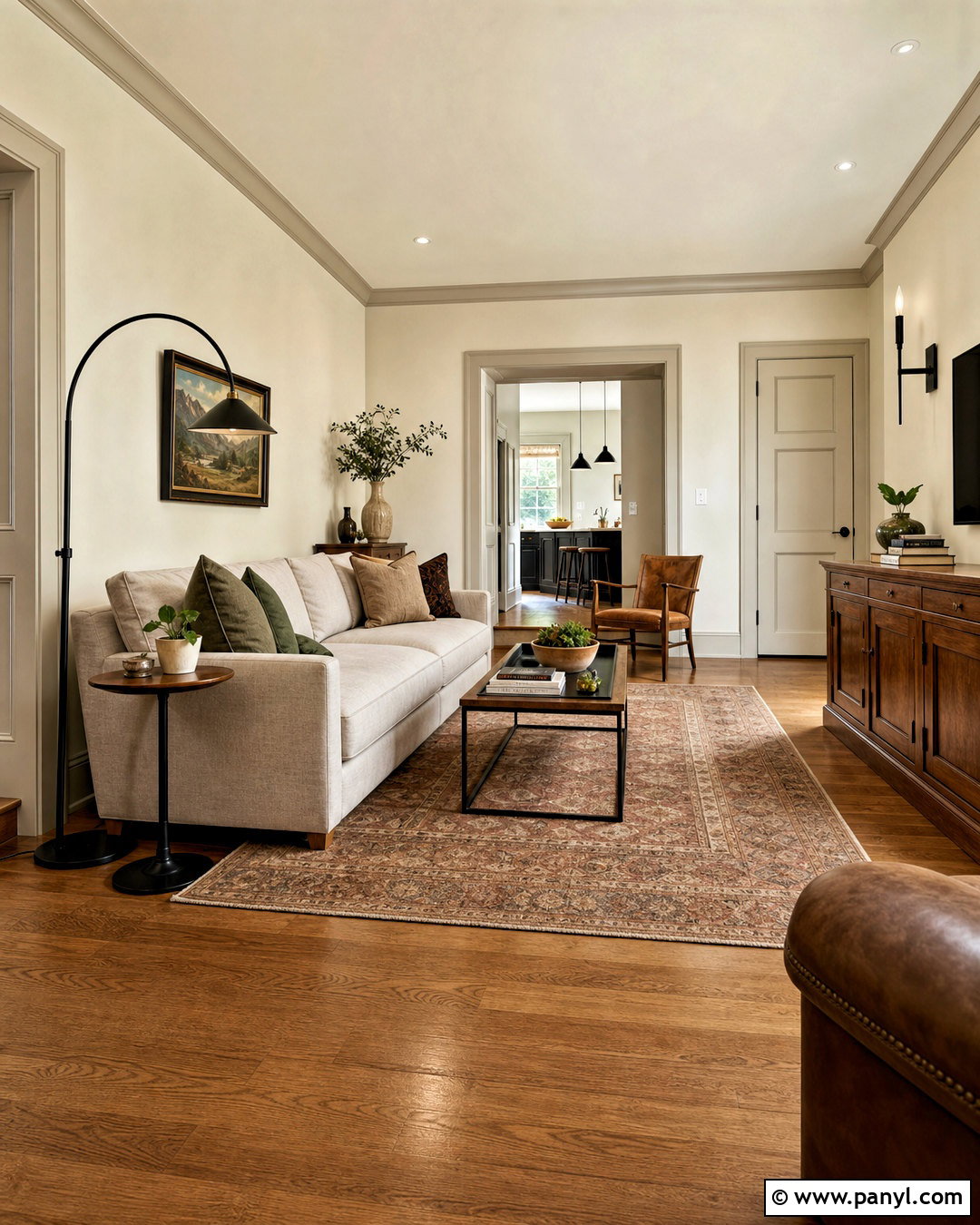
Can’t decide between traditional curves and completely flat modern trim? A chamfered profile provides a practical middle ground. The angled edge adds a small amount of detail while preserving a clean overall shape. Choose skirting around medium height and architraves wide enough to frame the doors confidently. Paint everything in a pale mushroom tone, including the internal doors, against soft ivory walls. Complete the transitional look with medium oak flooring, a tailored beige sofa, slim black lighting, and a few antique wood accents. This controlled mix of old and new suits renovated houses where original character has been simplified over time. Keep the door hardware contemporary and the textiles relaxed. Matching the chamfer angle across the architraves and skirting creates a subtle connection that makes the entire room feel considered.
8. Pencil Round Architrave And Skirting
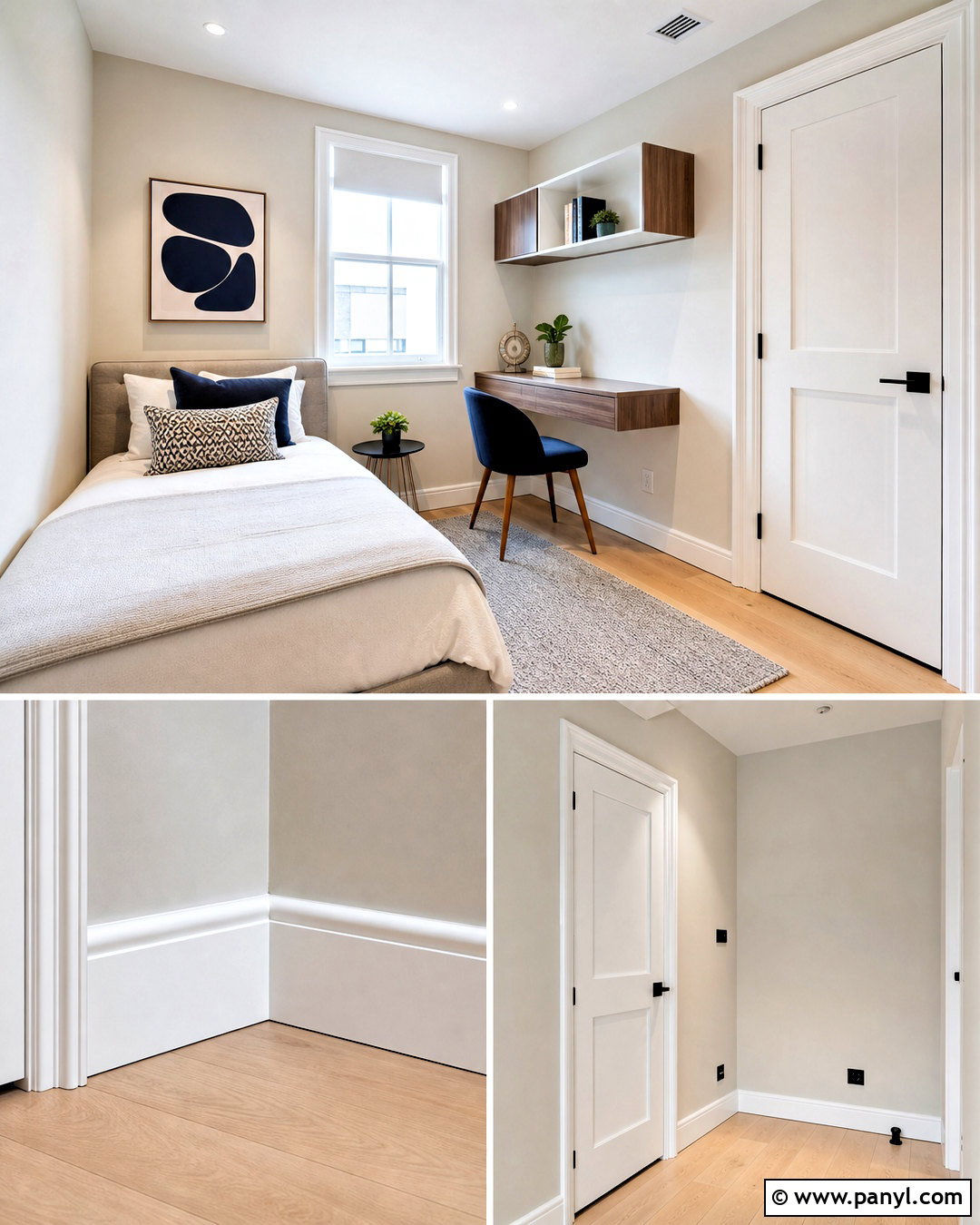
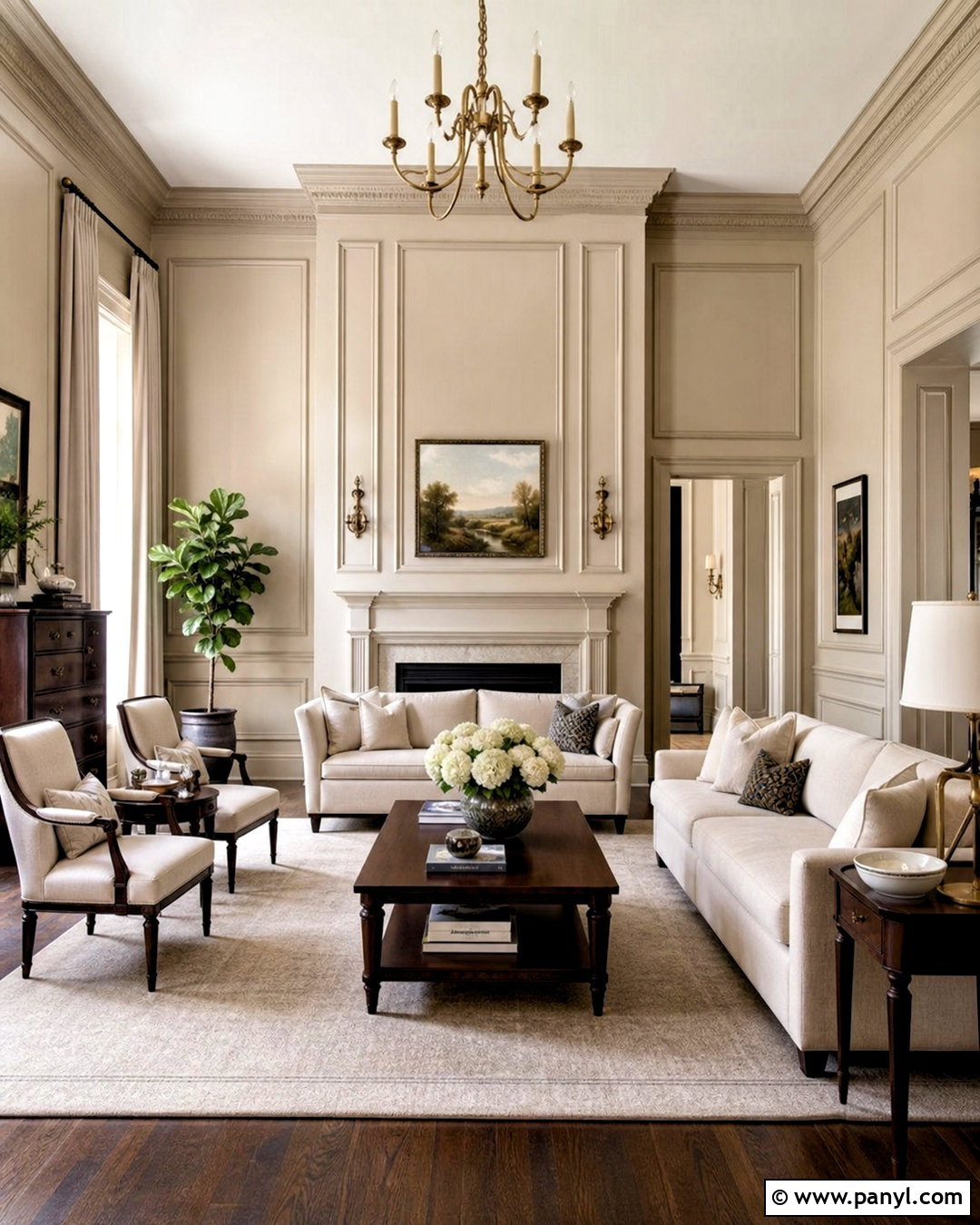
Small rooms benefit from trim that finishes the walls neatly without creating heavy visual borders. Pencil-round architraves and skirting have mostly flat faces with gently softened edges, making them comfortable in compact contemporary interiors. Paint them the same bright white as simple flush doors, then use pale warm-gray walls and light maple flooring to expand the space visually. Choose slim furniture, wall-mounted storage, and an uncluttered lighting plan so the subtle trim remains part of the background. A soft blue chair or textured rug can provide color without complicating the palette. Keep the skirting at a moderate height rather than using oversized boards that may shorten the walls. This complete look is easy to maintain and versatile enough for bedrooms, home offices, and narrow hallways.
9. Shadow Gap Architrave And Skirting
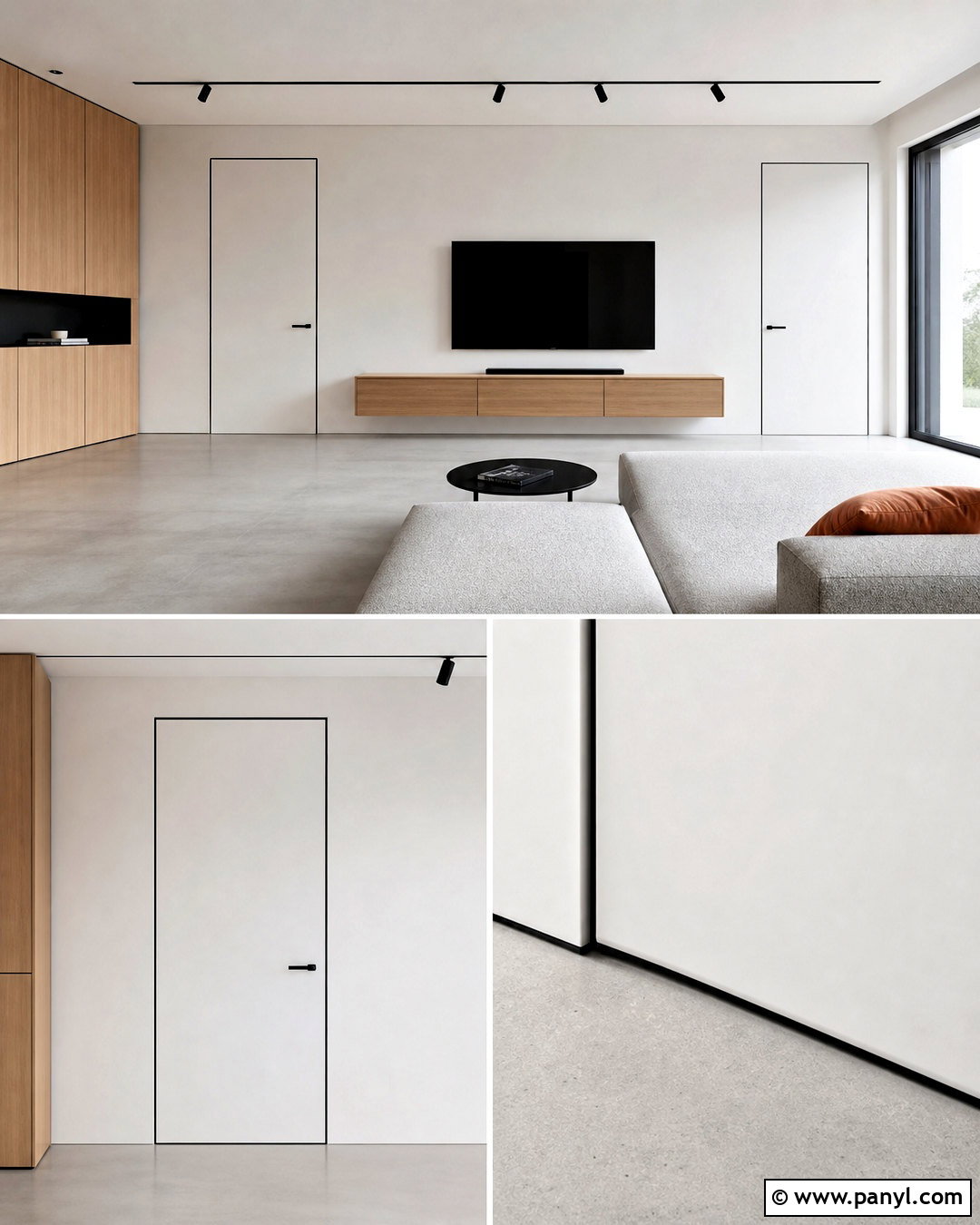
For an ultra-minimal interior, shadow gaps can replace projecting trim with narrow recessed lines around doors and along the floor. This detail requires careful planning because the wall finish, door frames, and floor junctions must align precisely. Use flush white doors, smooth white walls, pale concrete-look flooring, and slim black shadow lines for a crisp architectural effect. Furnish the room with a low modular sofa, light oak cabinetry, and simple black track lighting. Avoid ornate accessories that would compete with the streamlined construction. A large neutral rug and soft curtains can prevent the room from feeling stark. Shadow-gap detailing works best as part of the building process or a substantial renovation, since it affects installation sequencing and demands straighter surfaces than conventional architraves and skirting. ()
10. Stepped Architrave And Skirting
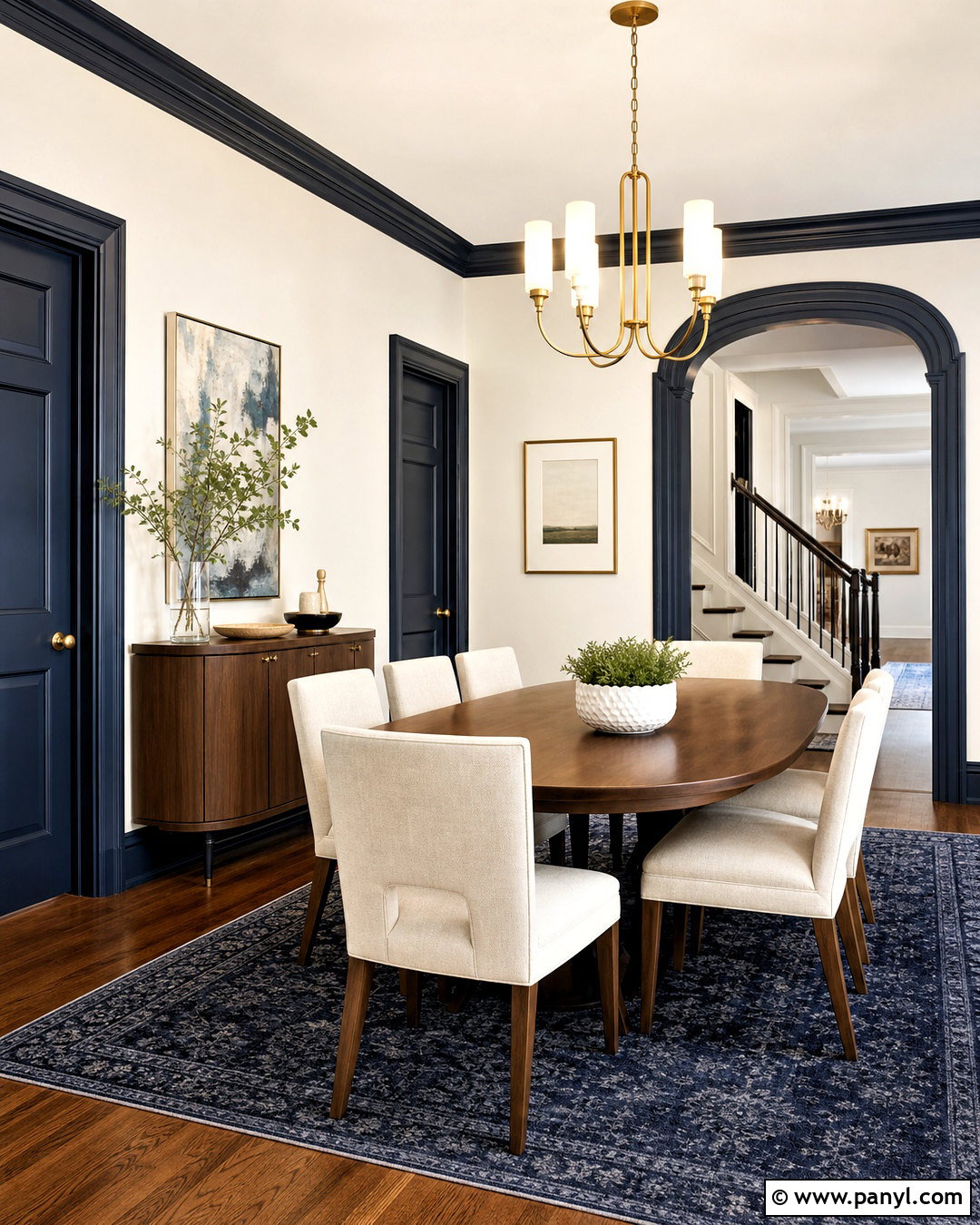
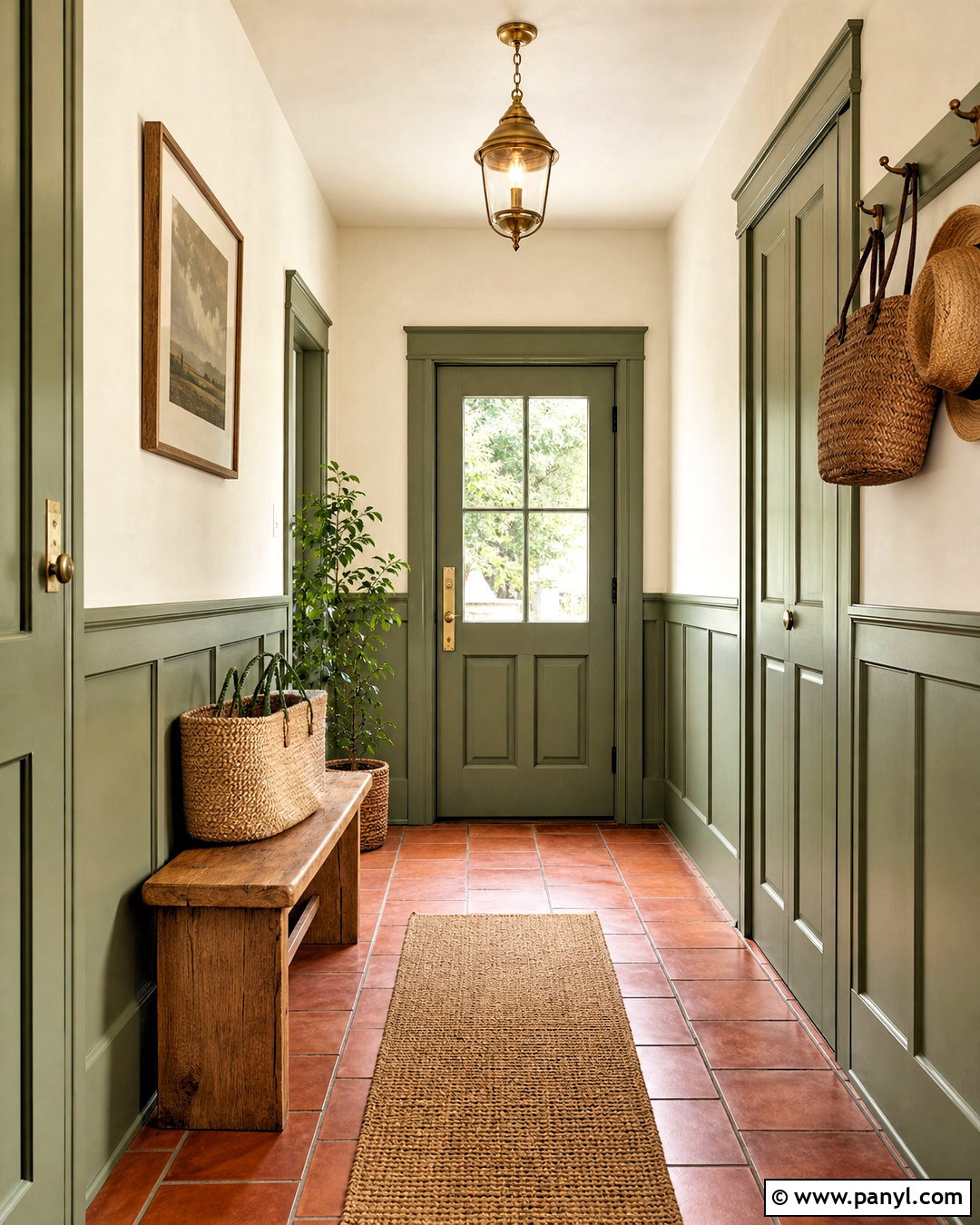
Stepped profiles create stronger definition through simple geometric layers rather than traditional curves. Use tall stepped skirting and substantial architraves around paneled doors, painting all the woodwork in deep navy blue. Warm white walls keep the room bright, while walnut flooring and brushed brass handles balance the cool trim color. Add a cream sofa, a navy patterned rug, and clean-lined walnut furniture for a polished transitional space. The profile should remain consistent around doors and windows so the repeated steps establish a clear rhythm. This treatment is particularly effective in dining rooms, home libraries, and formal living areas where understated drama feels appropriate. Keep the ceiling trim simpler than the lower moldings. Too many layered profiles can make an average room feel crowded rather than carefully detailed.
11. Farmhouse Architrave And Skirting
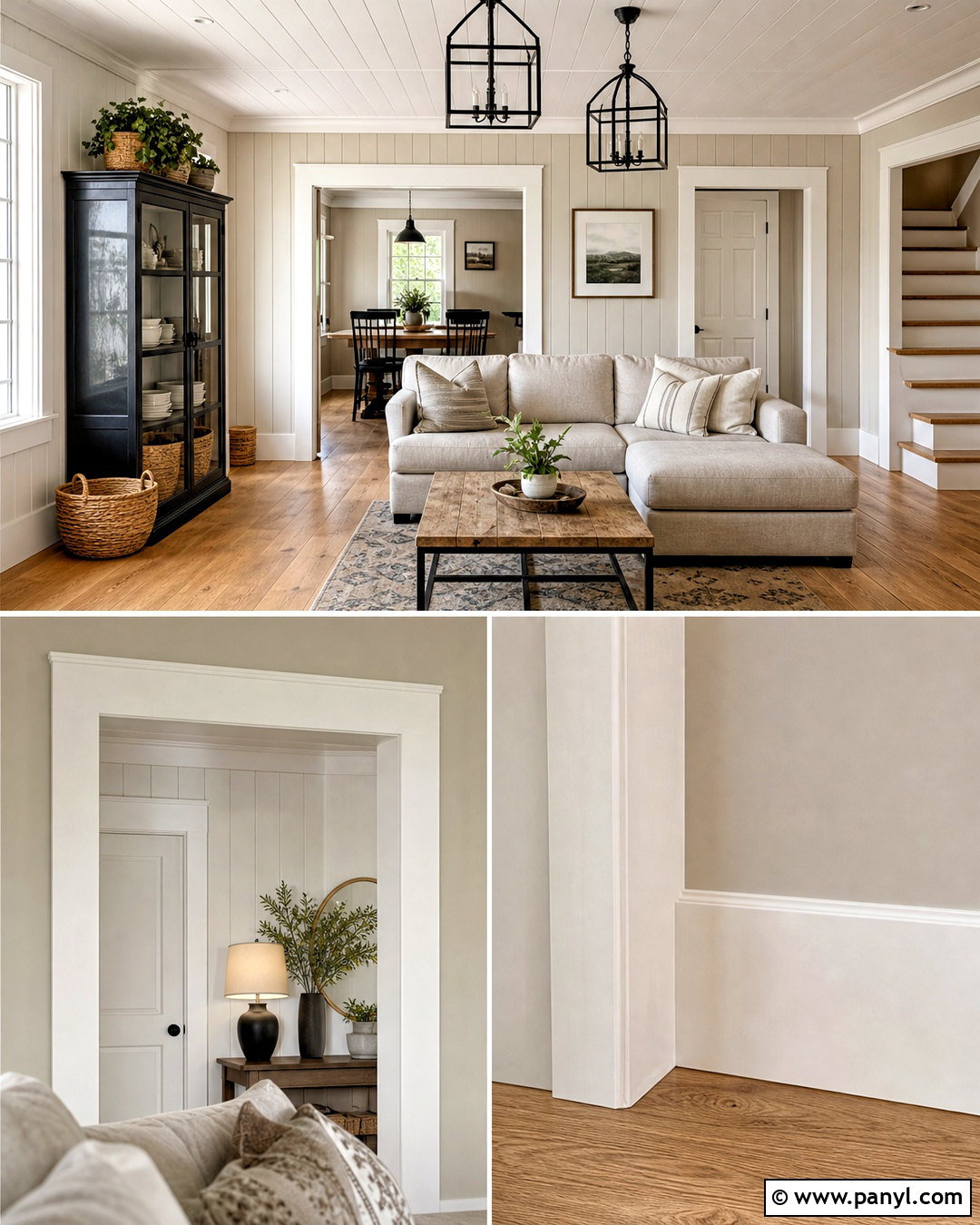
A modern farmhouse room feels convincing when the woodwork is substantial but not overly decorative. Choose wide flat architraves with a small cap detail and tall square skirting, all finished in creamy white. Pair them with warm beige walls, wide-plank natural oak flooring, and simple Shaker doors. A linen-covered sofa, black iron lighting, woven baskets, and a vintage-style timber cabinet complete the relaxed scheme. Add vertical tongue-and-groove paneling to one wall, stopping it neatly above the skirting. The straightforward trim profile connects the paneling, doors, and flooring without making the room look formal. Use black hardware sparingly for definition. Soft textiles and aged natural materials keep the white architraves and skirting from feeling too crisp or disconnected from the welcoming farmhouse character.
12. Coastal Architrave And Skirting
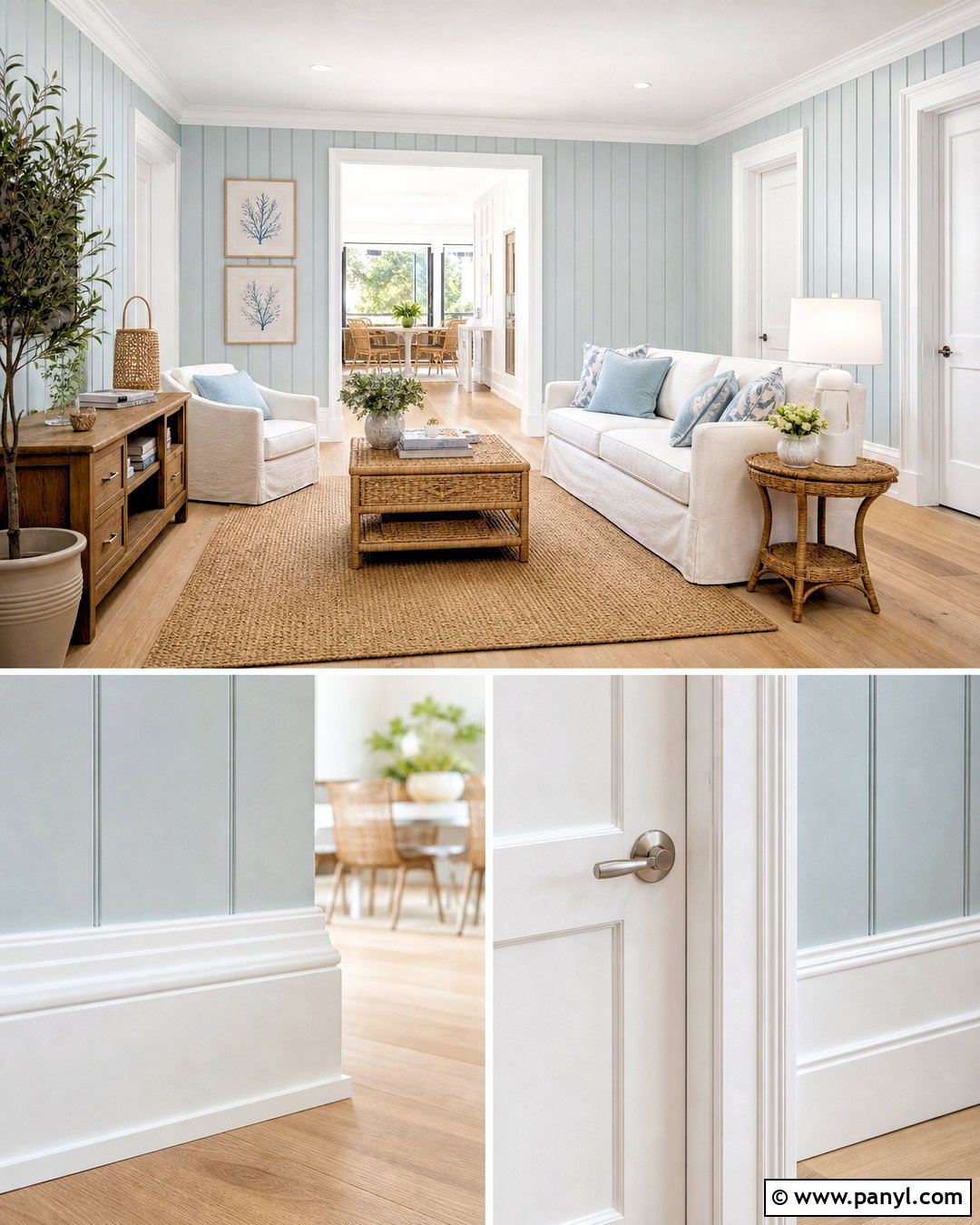
Fresh white architraves and tall skirting can establish a bright coastal interior without relying on themed decorations. Select a broad, lightly beveled profile that has enough presence to frame pale blue-gray walls and white Shaker doors. Continue the white finish onto vertical wall paneling for a seamless architectural backdrop. Use light oak flooring, slipcovered ivory seating, woven jute rugs, and natural rattan accents. Brushed nickel handles and clear glass lighting maintain the breezy palette. Keep window treatments soft and uncomplicated, choosing white linen or woven shades. The deeper skirting adds substance at floor level, while the uncomplicated architraves prevent the room from becoming too traditional. A few muted blue cushions and handmade ceramics provide color while preserving the calm, sunlit coastal atmosphere.
13. Walnut Architrave And Skirting
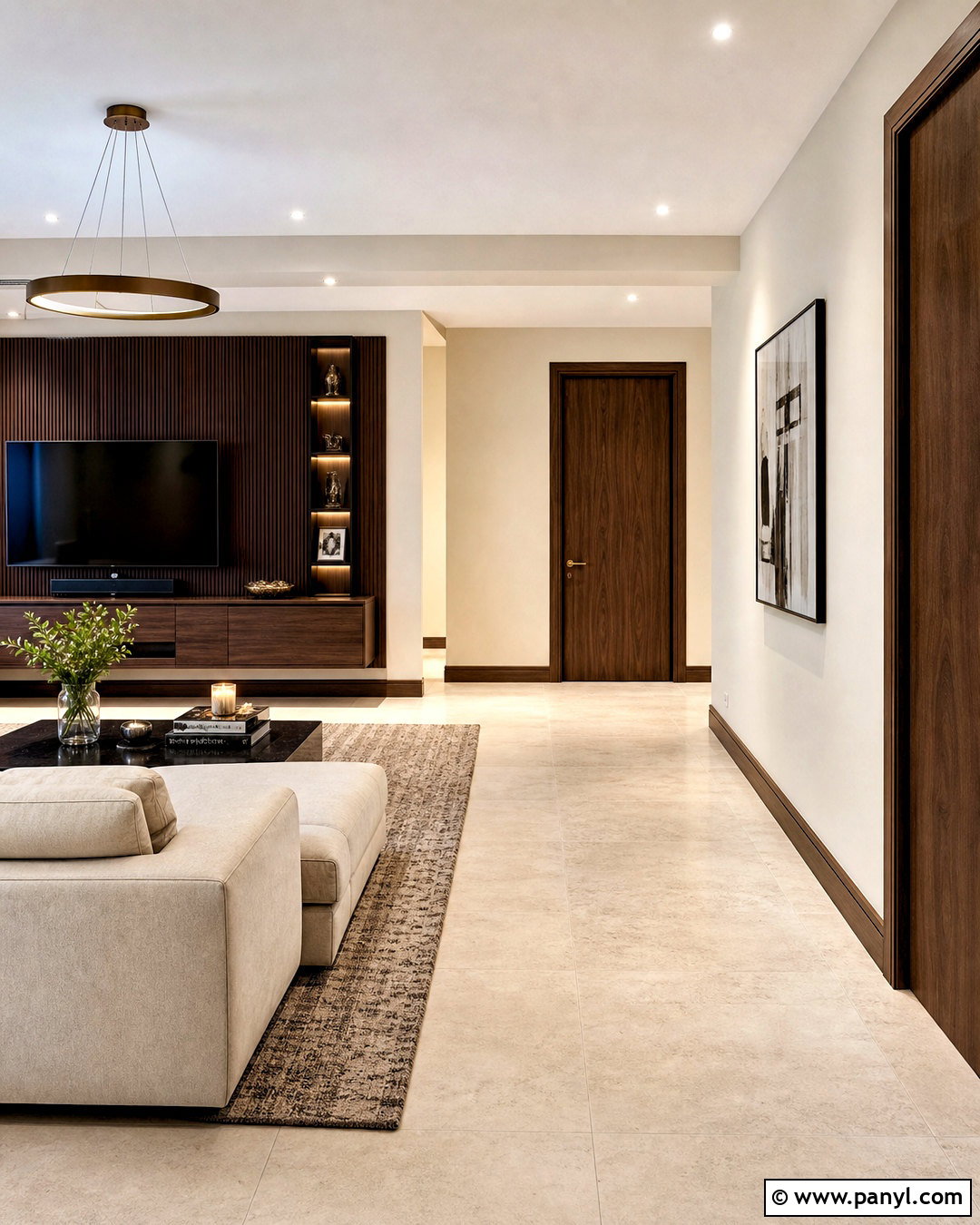
Rich walnut trim can make a contemporary room feel warmer and more luxurious when its dark color is carefully balanced. Use slim flat walnut architraves, matching skirting, and flush walnut doors to establish a continuous frame around the room. Choose pale limestone-look flooring and warm ivory walls to prevent the timber from absorbing too much light. Complete the design with a low cream sectional, bronze lighting, a textured beige rug, and a walnut media unit. Keep decorative objects minimal so the grain remains the main visual detail. A matte clear finish looks more natural than high gloss and works well with modern furniture. Repeat walnut selectively in one or two furnishings rather than covering every surface, allowing the architraves and skirting to define the architecture.
14. Wall Matching Architrave And Skirting
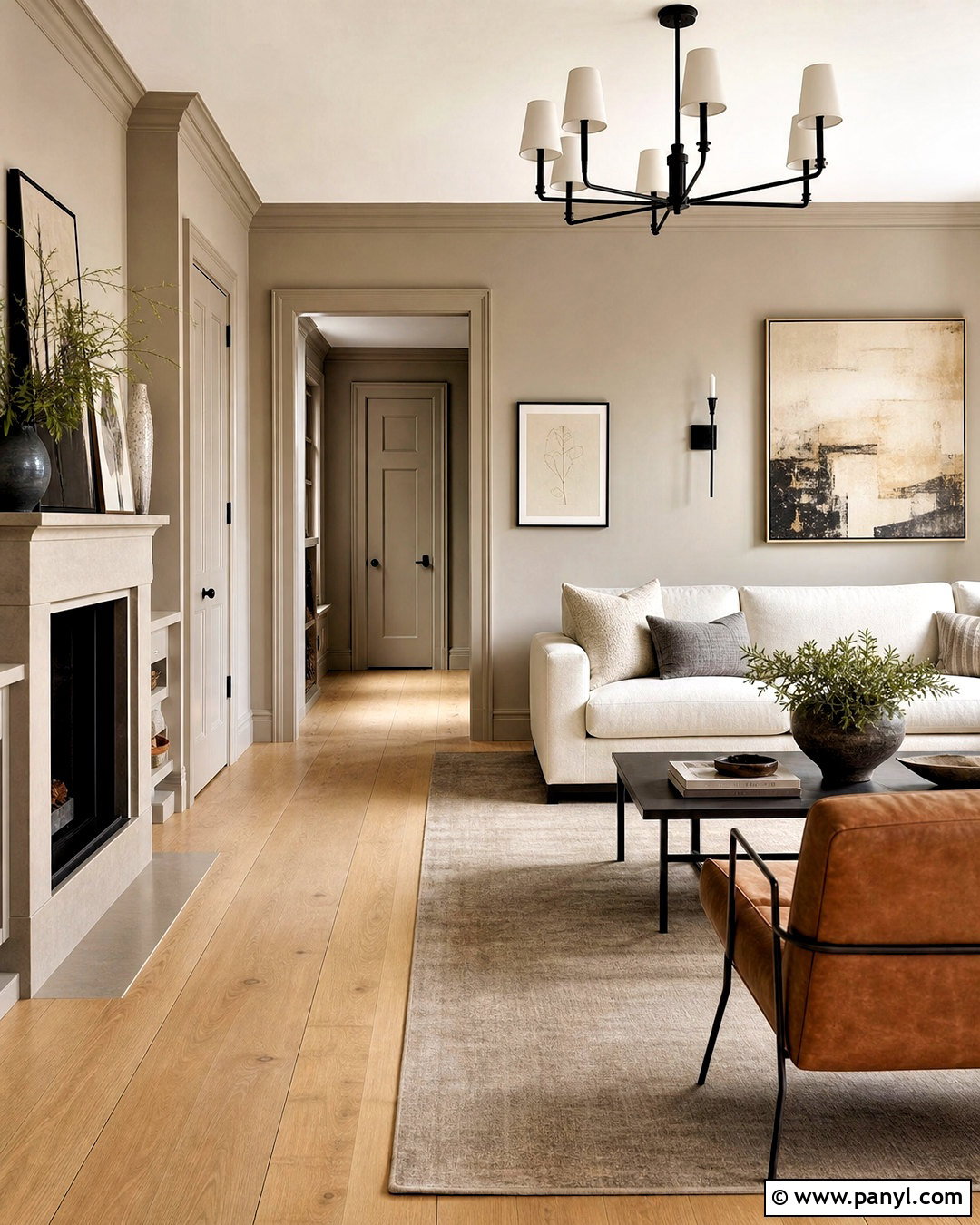
Painting trim to match the walls is an effective way to create a calm, uninterrupted room. Select a subtle square or pencil-round profile, then cover the walls, architraves, skirting, and doors in the same soft greige. Use matte paint on the walls and a washable eggshell version of the color on the woodwork. The slight sheen difference provides depth while keeping the palette unified. Add pale oak flooring, a caramel leather chair, an ivory sofa, and textured oatmeal curtains. Black handles and lighting offer small points of contrast. This approach can help busy hallways and rooms with several doors feel less fragmented because the openings visually recede. Matching the profile, thickness, and color across the trim creates the most coordinated result. ()
15. Plinth Block Architrave And Skirting
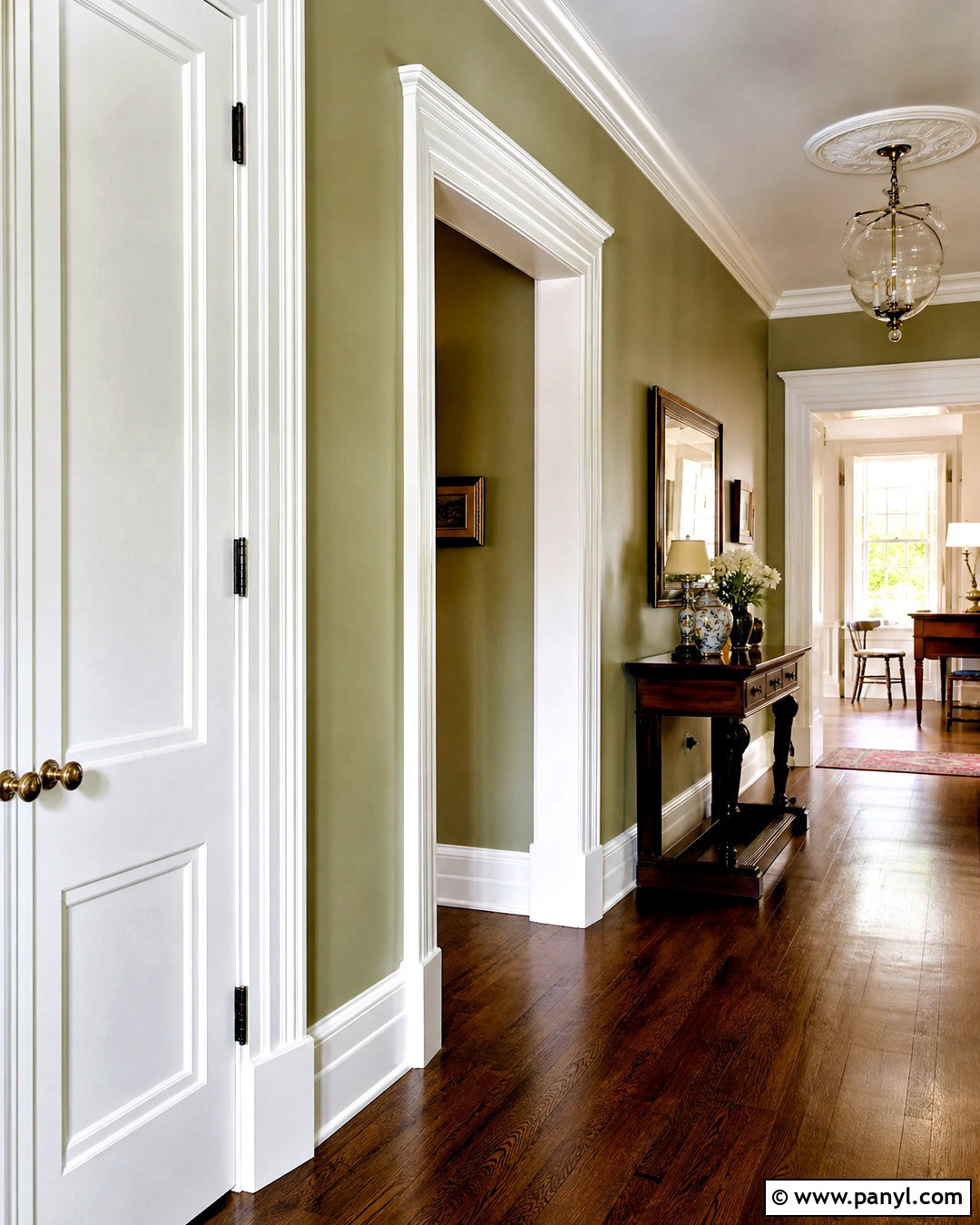
Plinth blocks create an attractive solution where tall skirting meets wide, decorative architraves. Position a rectangular block at the bottom of each side of the doorway, making it slightly taller than the skirting and slightly wider than the architrave. Use ogee trim, paneled doors, and warm white paint for a historically inspired look. Soft olive walls, dark-stained timber floors, antique brass hardware, and a traditional console complete the hallway or living room. The blocks remove the need for an awkward profile transition and give the doorway a more substantial base. Keep their shape simple so they complement rather than compete with the molded trim. This treatment works best when repeated on all prominent doorways, creating consistent architectural detail throughout a period-style home.
16. Paneled Wall Architrave And Skirting
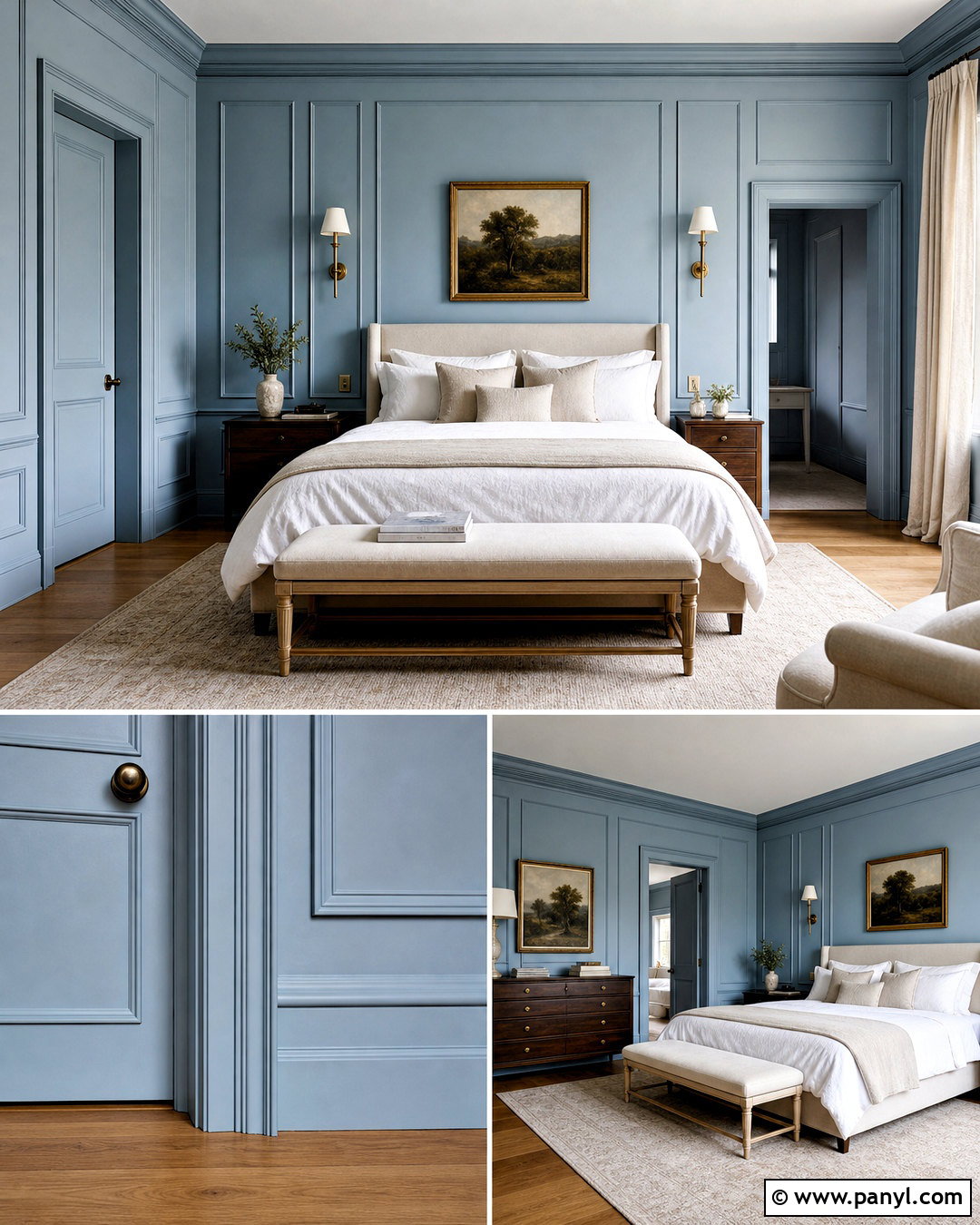
Wall paneling looks most convincing when the architraves and skirting participate in the same composition. Use tall square skirting, clean stepped architraves, and rectangular panel molding arranged around the room at balanced intervals. Paint every element in muted dusty blue, including the door, for a richly layered but unified effect. Add warm oak flooring, an ivory upholstered bed or sofa, antique brass sconces, and natural linen textiles. Plan the panel spacing around doorways before installation so narrow or uneven sections do not appear beside the architraves. The top of the skirting should form a clean baseline for the lower panels. Keeping the profiles related in shape and thickness prevents the wall treatment from looking assembled from unrelated pieces and gives the entire room a custom appearance.
17. Floor Matching Architrave And Skirting
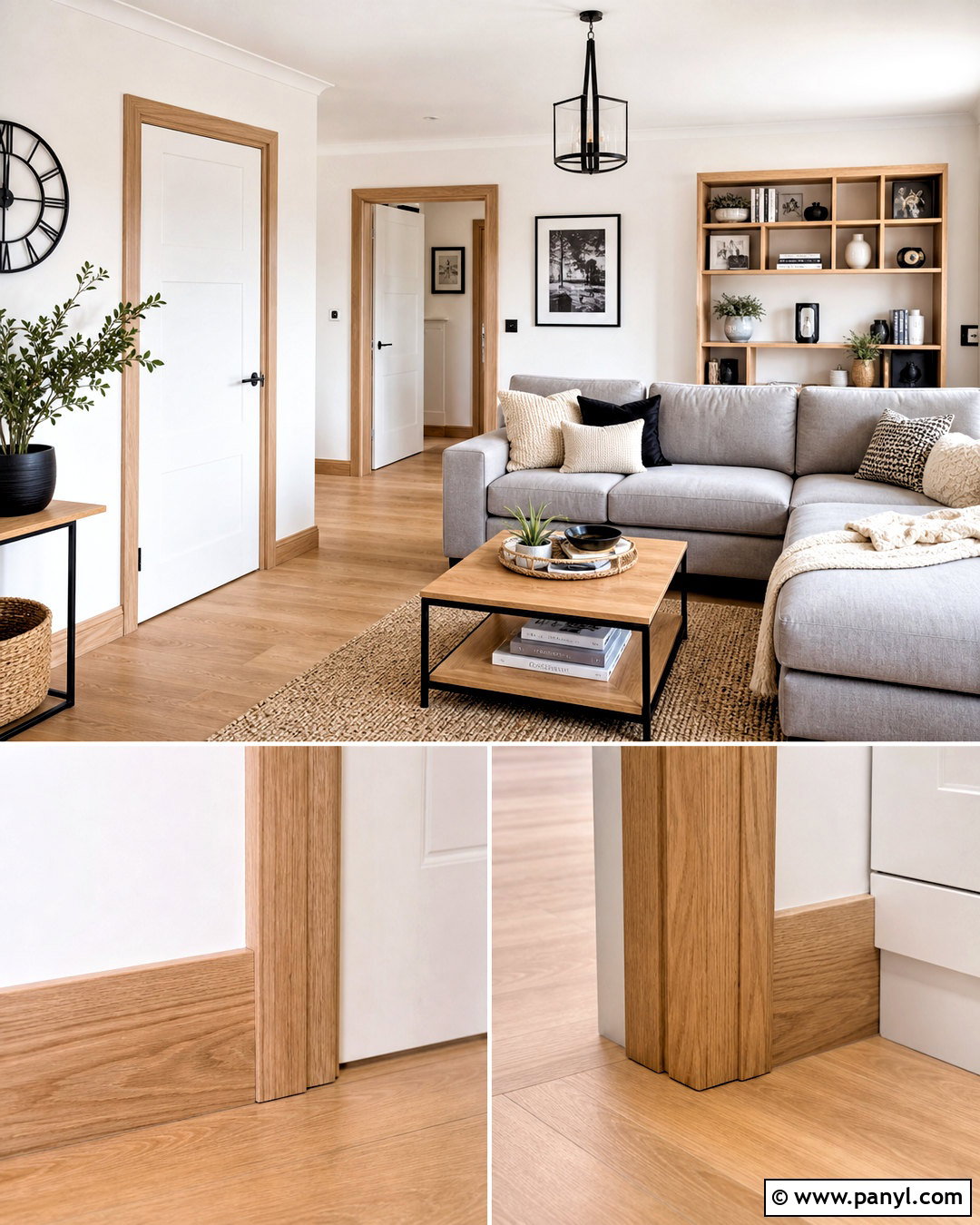
Matching timber trim to the floor creates a warm, grounded room with a strong sense of continuity. Choose natural ash or light oak skirting and architraves in a simple flat profile, then pair them with flooring in the same wood family. The tones do not need to be identical, but their undertones should coordinate. Use warm white walls and matching white doors so the timber outlines each doorway without making the room too dark. Add a gray sofa, black metal accents, and woven cream textiles for a balanced contemporary palette. Repeat the wood in a coffee table or open shelving. Keep different timber species to a minimum. Too many grains and stain colors can make the design feel accidental, while a controlled selection allows the architecture and floor to connect naturally.
18. Bathroom Architrave And Skirting
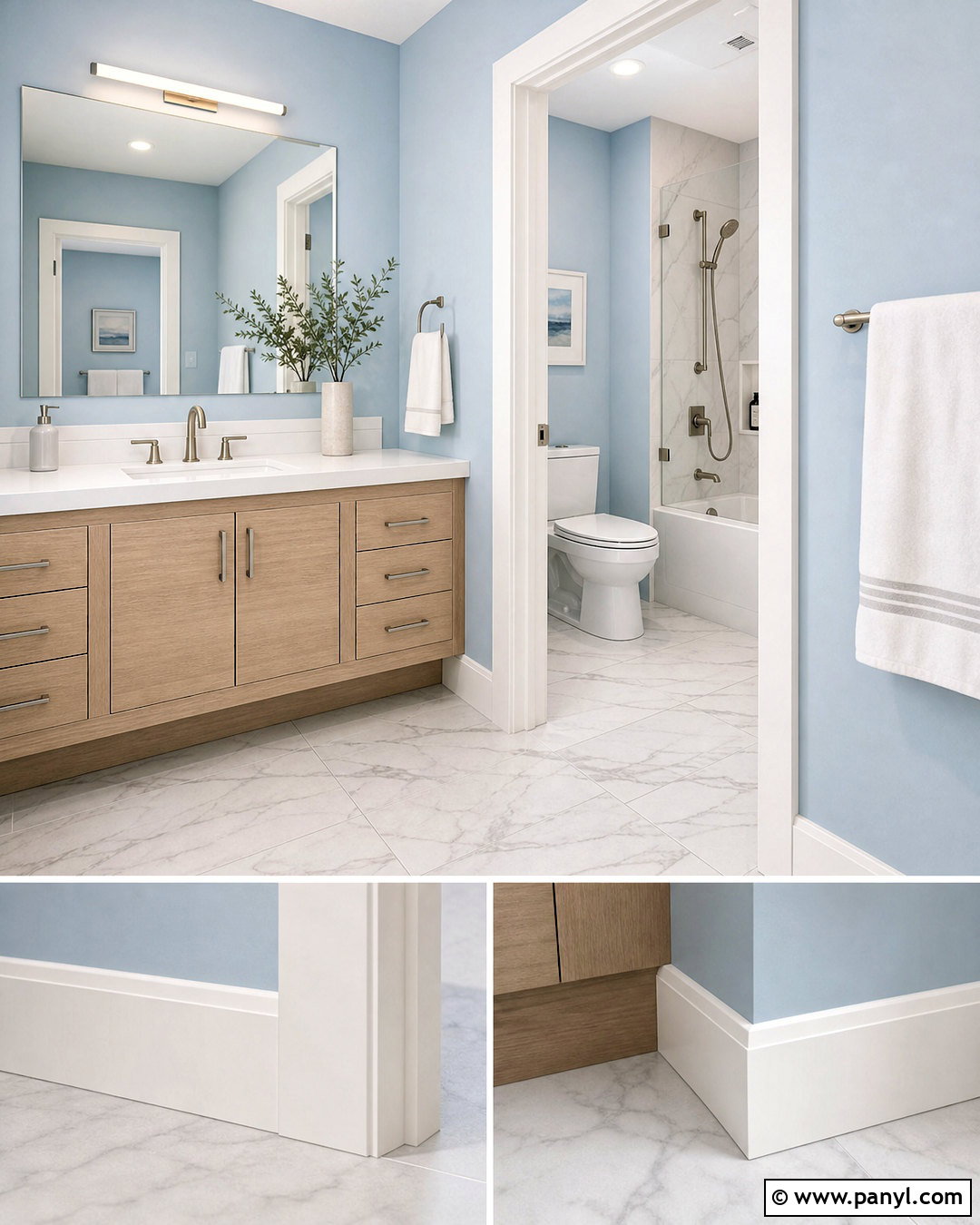
Bathrooms need trim materials and finishes that can handle regular moisture and cleaning. Use moisture-resistant MDF, properly sealed timber, or quality PVC architraves and skirting in a streamlined square profile. Paint the trim and bathroom door in soft white satin, then pair them with pale blue walls, porcelain marble-look flooring, and a light oak vanity. Brushed nickel fixtures, a frameless mirror, and white towels complete the fresh scheme. Seal cut edges, joints, and the lower perimeter carefully so water cannot enter behind the boards. Avoid placing absorbent untreated trim directly against areas exposed to frequent splashes. A moderately sized profile feels polished without creating ledges that collect excessive dust. Moisture-appropriate materials provide a more practical painted finish in wet areas. ()
19. LED Skirting And Architrave
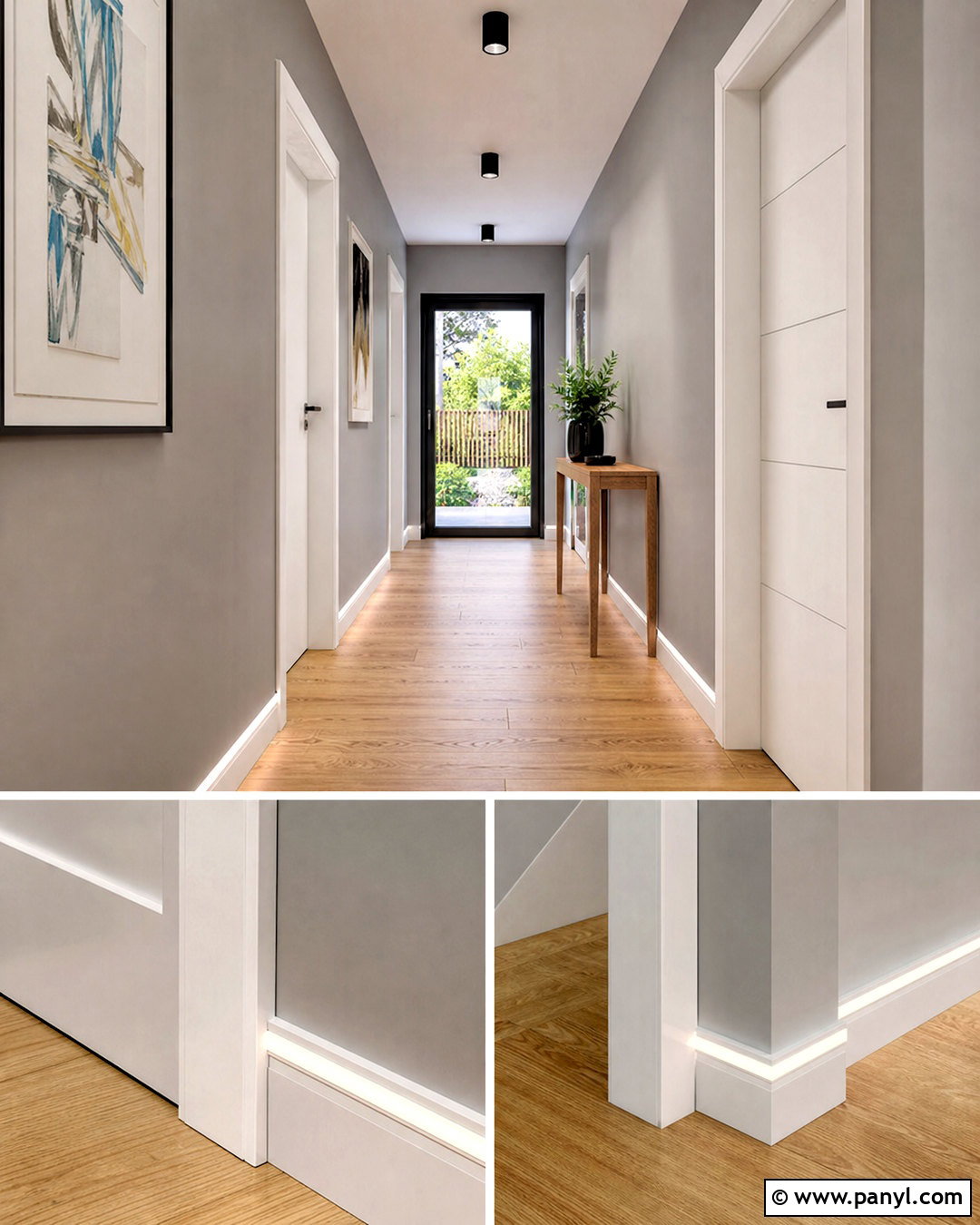
Integrated lighting can turn simple skirting into a practical feature in a contemporary hallway or media room. Choose a flat white skirting system with a recessed upper channel for a continuous, diffused LED strip. Pair it with matching square-edge architraves, flush white doors, pale gray walls, and warm oak flooring. Keep the light neutral white rather than yellow or blue so it complements the main room lighting. Conceal drivers and accessible electrical components inside planned cabinetry or service areas. Add simple wall art, a narrow oak console, and black ceiling fixtures to complete the streamlined space. The illuminated line should support safe movement and highlight the architecture, not become the room’s only light source. Plan wiring before the skirting is installed for the cleanest result.
20. Terracotta Architrave And Skirting
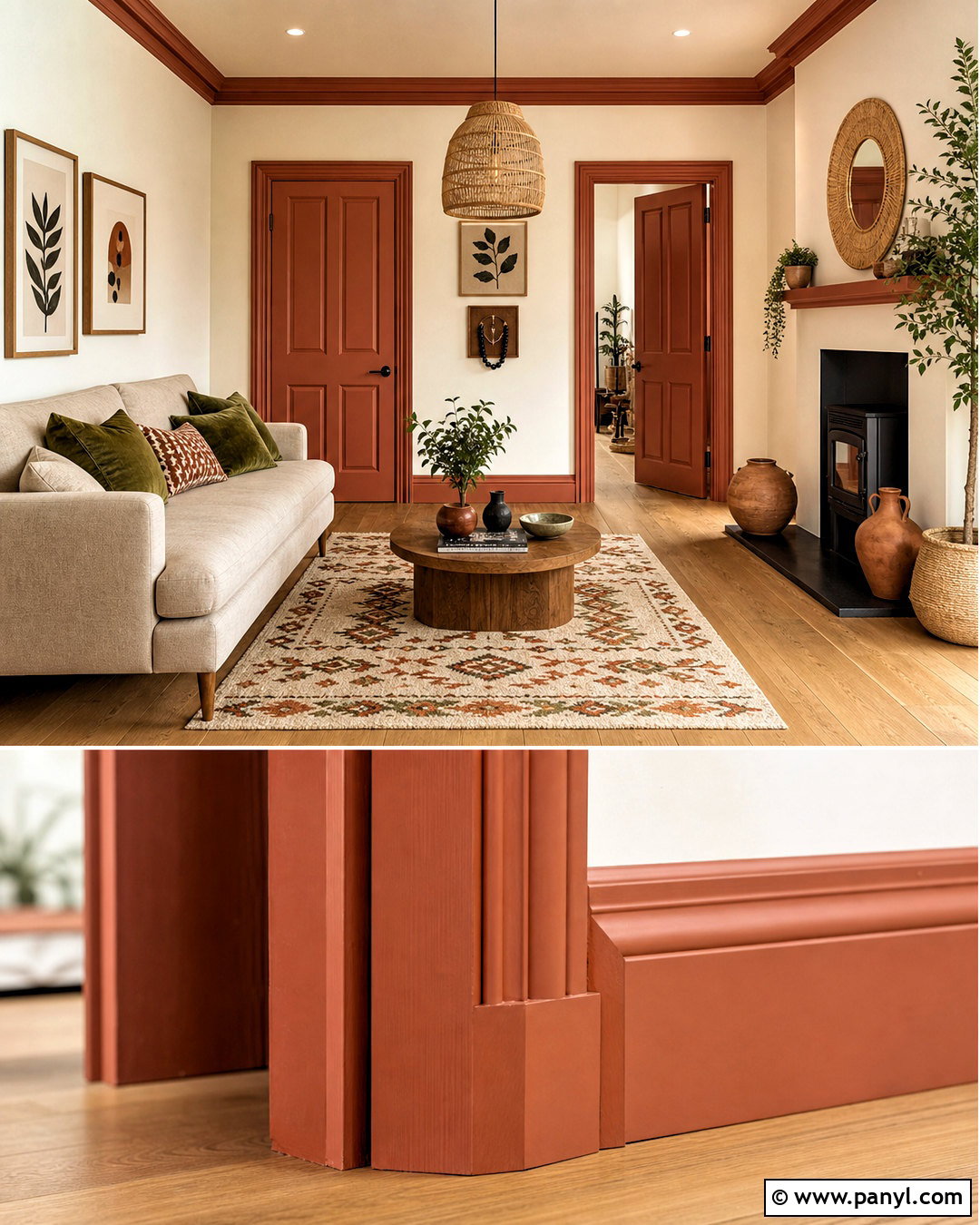
Colorful trim offers a welcoming alternative to standard white woodwork. Paint simple chamfered architraves, medium-height skirting, and paneled doors in earthy terracotta, then set them against soft cream walls. Add honey oak flooring, a natural linen sofa, olive green cushions, and woven pendant lighting for a warm, modern palette. The trim color should appear elsewhere in small amounts, such as pottery, artwork, or a patterned rug, so it feels connected to the room. Keep the profile uncomplicated because the saturated finish already gives it plenty of presence. This combination works particularly well in dining rooms, bedrooms, and creative home offices. Continue terracotta along all visible skirting and around complete door frames rather than applying it to isolated sections.
Conclusion:
The most successful 20 architraves and skirting ideas treat trim as part of the complete room rather than an afterthought. Start by selecting profiles that suit the home’s architecture and ceiling height. Then coordinate the dimensions, materials, colors, door designs, and flooring. Square edges and shadow gaps support streamlined spaces, while ogee, torus, and plinth-block combinations bring appropriate depth to traditional interiors. Wall-matching paint creates continuity, contrasting colors emphasize structure, and natural wood adds warmth. Whichever direction you choose, repeat it consistently across connected spaces. Careful measurements, clean joints, moisture-appropriate materials, and durable finishes will help the final design look intentional while protecting walls and framing openings for years.

Related Ideas and Inspiration:
Leave a Reply