
Choosing the right baseboard and trim color can completely change how a room feels. Trim can create crisp contrast, soften transitions, highlight architectural details, or make a compact space appear more open. These 35 Baseboards And Trim Color Ideas cover classic whites, warm neutrals, natural wood finishes, bold colors, and seamless color-drenched combinations. Each look pairs the trim with coordinated walls, floors, furnishings, and finishes, so you can picture the entire room rather than one isolated paint choice. Before committing, sample colors beside your flooring and wall paint during different times of day. Also consider using satin or semi-gloss on painted woodwork for subtle definition and practical durability. Explore the complete room schemes below with these 35 Baseboards And Trim Color Ideas.

1. Crisp White Trim With Greige Walls
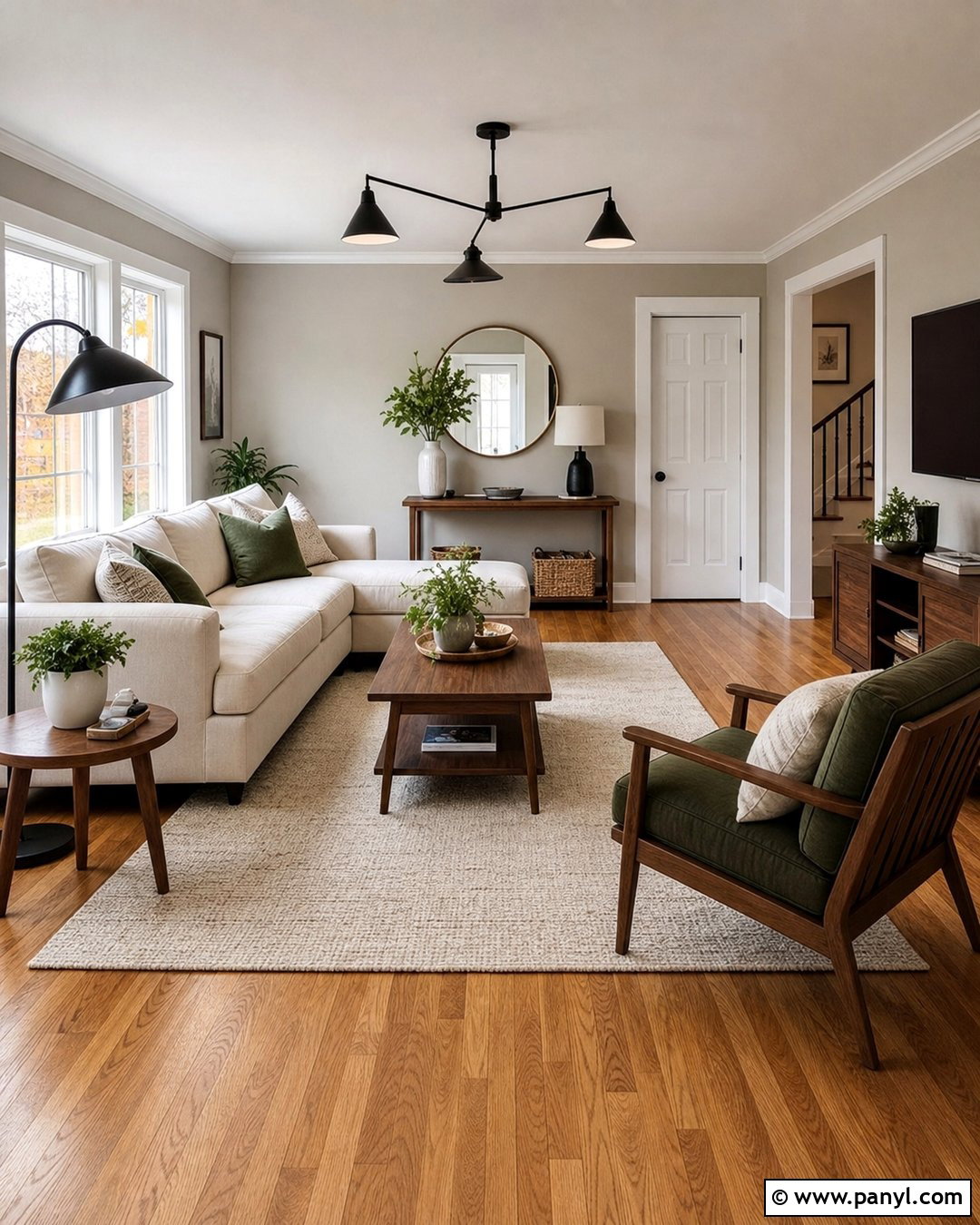
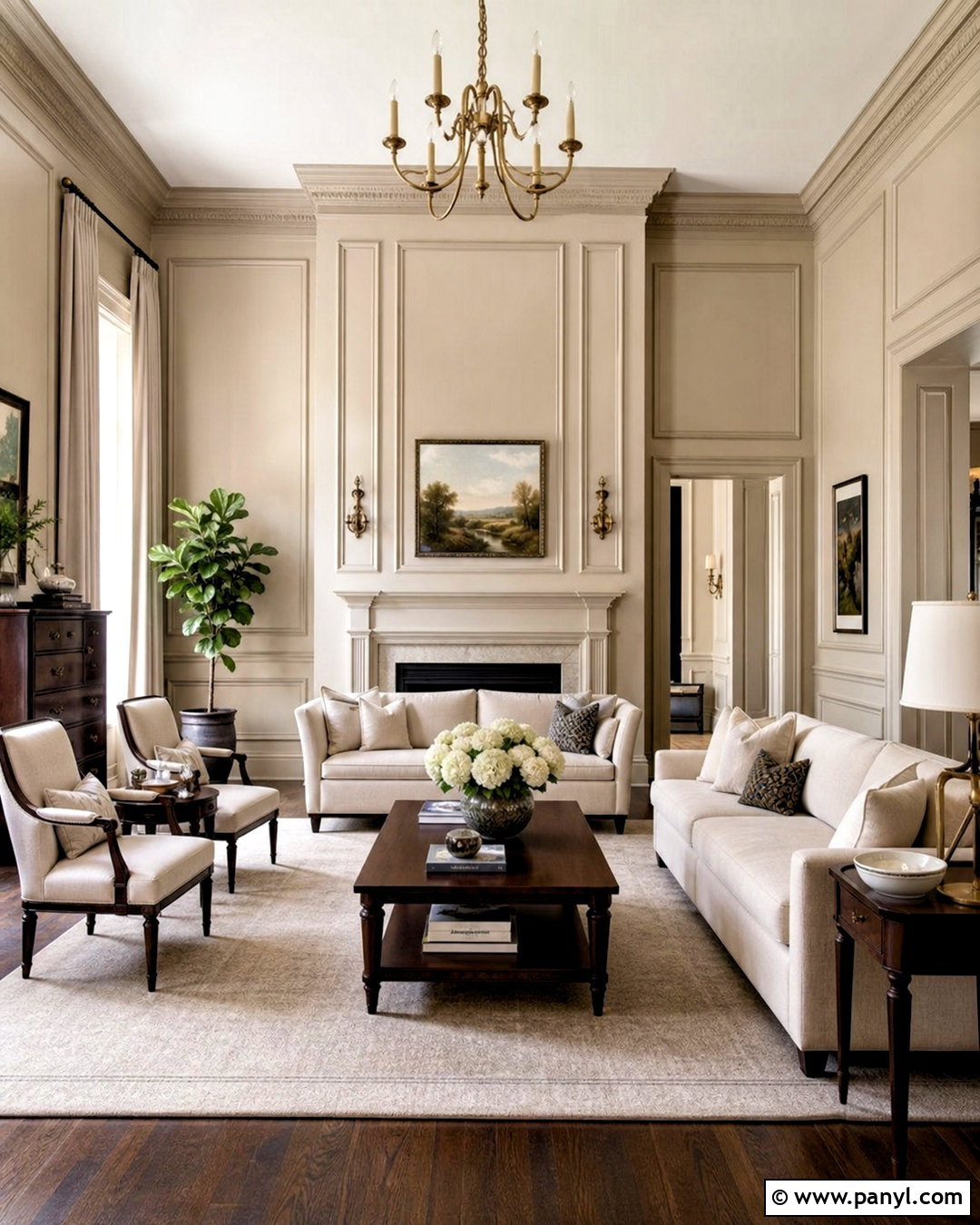
Crisp white baseboards give soft greige walls a clean, tailored edge without making the room feel cold. Use the same white on window casings, interior doors, and crown molding for visual continuity. Medium oak flooring brings warmth, while a cream sofa and textured beige rug keep the palette comfortable. Add matte black lighting, walnut accent tables, and a few muted green textiles for balanced contrast. This combination works especially well in open living areas because the white trim creates a consistent frame between connected spaces. Choose a neutral white rather than a noticeably blue shade. A satin or semi-gloss finish will gently reflect light and distinguish the architectural details from walls painted in a washable matte or eggshell finish.
2. Warm White Trim With Beige Walls
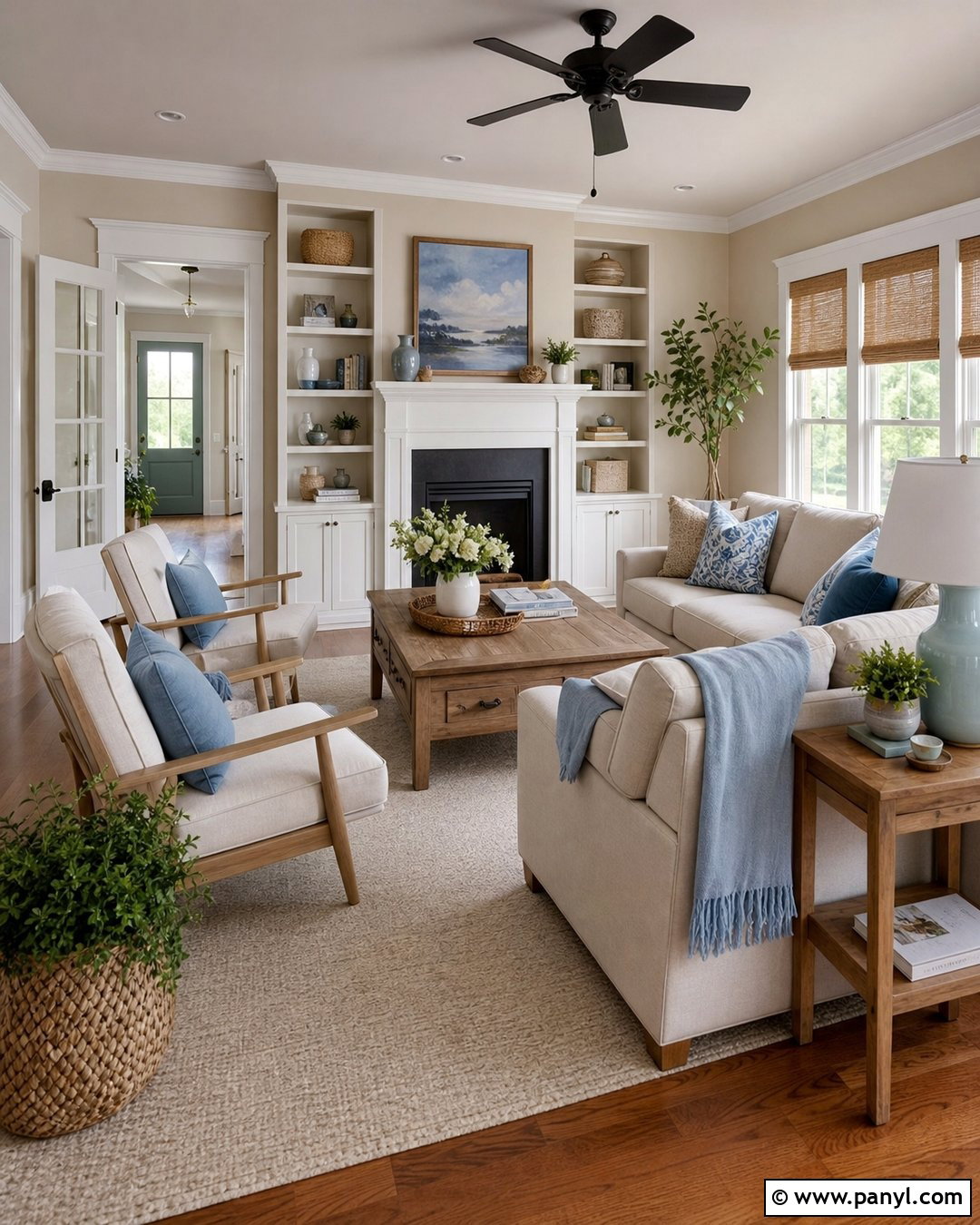
Warm white trim creates a gentle transition beside beige walls, making a bedroom or family room feel relaxed and inviting. Select a creamy white with subtle yellow or beige undertones so the woodwork does not look stark against the walls. Carry the color across the baseboards, doors, window frames, and crown molding. Natural woven shades, light oak furniture, and an oatmeal-colored rug strengthen the warm palette. Add soft blue pillows or earthy green accents to prevent the room from feeling overly neutral. This scheme looks especially cohesive with medium brown hardwood or warm-toned luxury vinyl flooring. Keep the walls slightly deeper than the trim so the moldings remain visible while maintaining the quiet, low-contrast character of the room.
3. Ivory Trim With Cream Walls
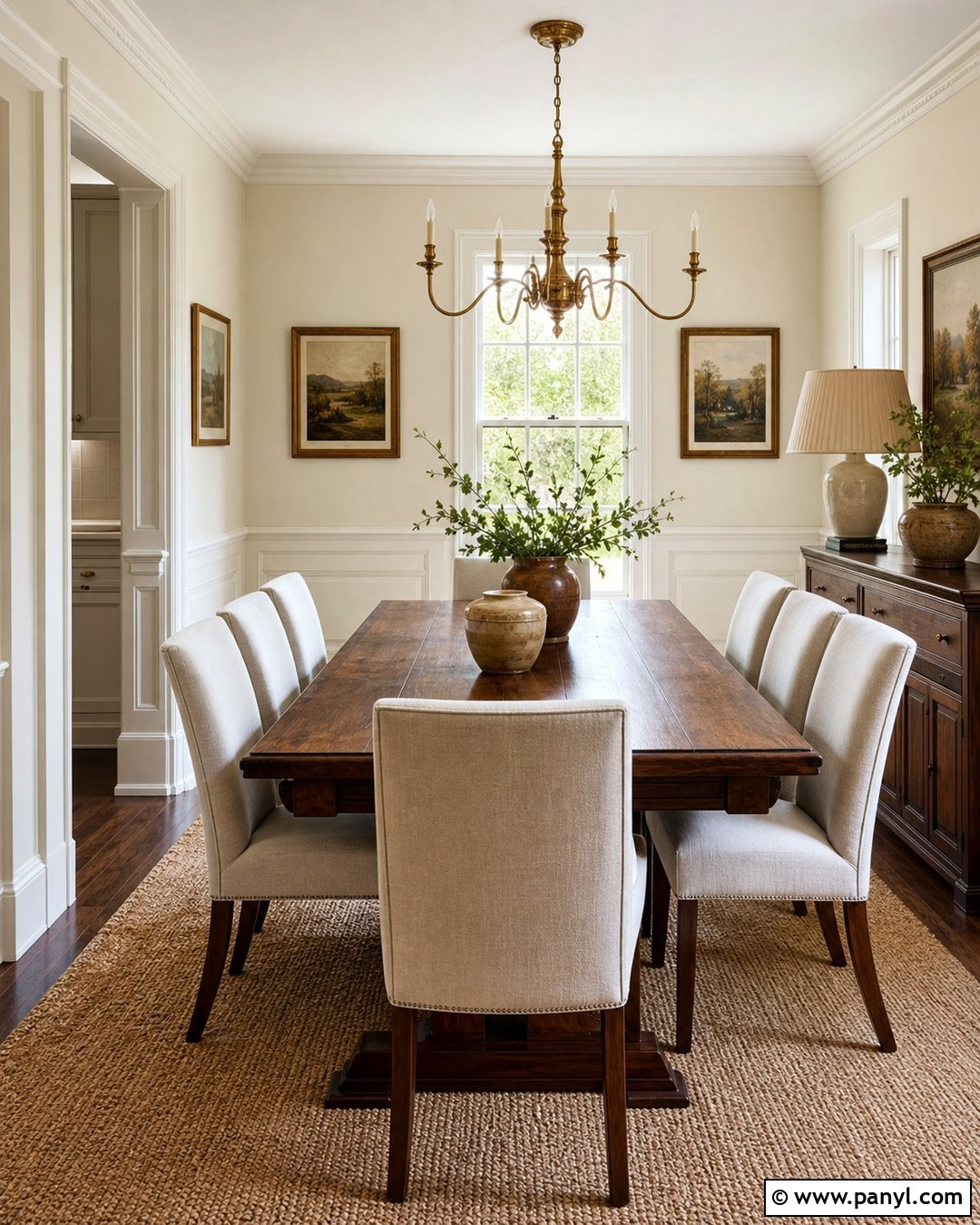
Layers of ivory and cream can make a traditional dining room feel luminous without relying on bright white. Paint the baseboards, window casings, chair rail, and crown molding in a soft ivory satin. Use a slightly deeper cream on the walls to reveal the architectural details through subtle contrast. A medium walnut dining table grounds the pale palette, while linen chairs and a natural fiber rug provide texture. Antique brass lighting, simple framed artwork, and warm ceramic accessories complete the room. This combination is particularly effective in spaces receiving limited daylight because neither color develops the gray cast that cooler whites sometimes show. Repeat the ivory on built-in cabinetry to create a complete, intentionally layered design rather than mismatched shades of white.
4. Matching Wall And Trim Color
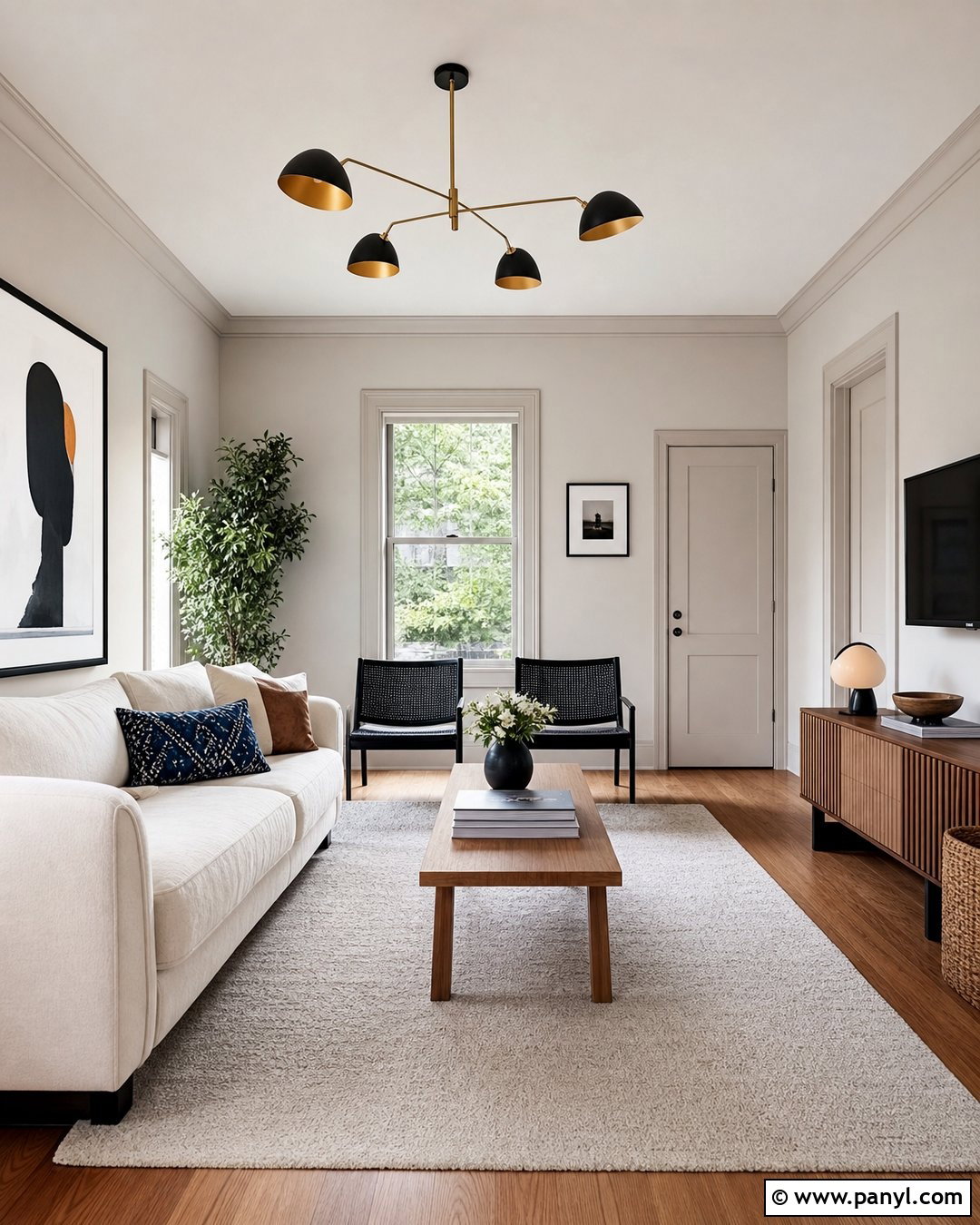
Painting the walls and baseboards the same color creates an uninterrupted backdrop that can make a small room feel calmer and more spacious. Try a soft putty shade across the walls, baseboards, window casings, and doors. Use eggshell on the walls and satin on the woodwork so light creates quiet definition without introducing another color. A compact sofa in warm cream, a slim oak coffee table, and a tonal wool rug continue the streamlined look. Add visual interest through textured pillows, sculptural lighting, and black picture frames. This treatment works well in apartments, hallways, and rooms with several doorways because it reduces choppy visual lines. Keep the ceiling a gentle white to preserve brightness and provide a subtle upper boundary.
5. Darker Trim In The Same Color Family
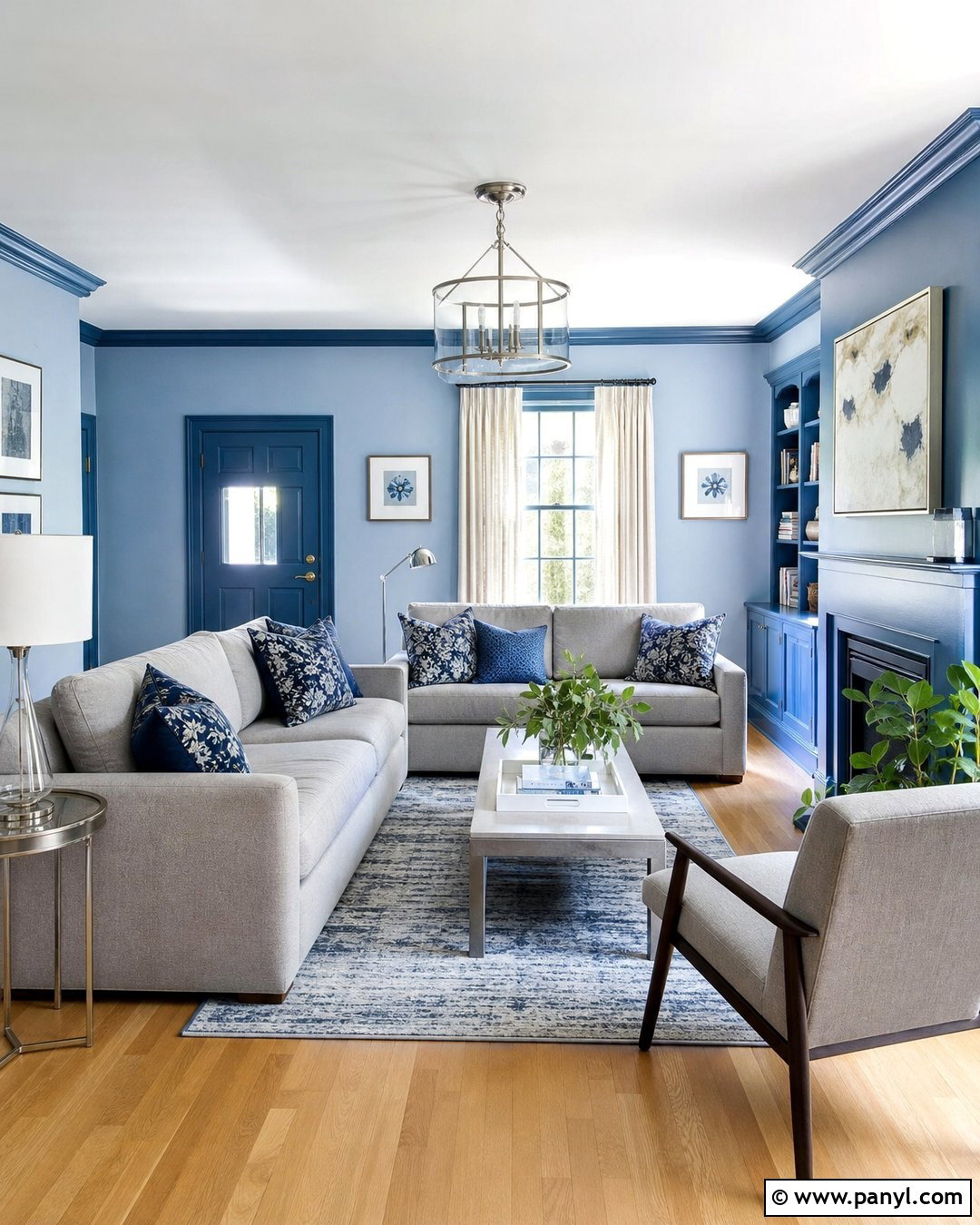
Would you like stronger architectural definition without introducing a completely different color? Pair pale blue walls with baseboards and trim painted several shades deeper in the same blue family. Extend the darker tone onto doors, window casings, and built-in shelves to make the choice feel intentional. White oak flooring, a light gray sofa, and natural linen curtains keep the living room bright. Brushed nickel hardware and navy-patterned cushions connect the cool colors without overwhelming the space. The deeper trim outlines the room while preserving a harmonious, tonal effect. This approach is particularly effective when moldings have attractive proportions worth highlighting. Use satin on the trim and a soft matte finish on the walls so the closely related shades remain visually distinct.
6. Lighter Trim In The Same Color Family
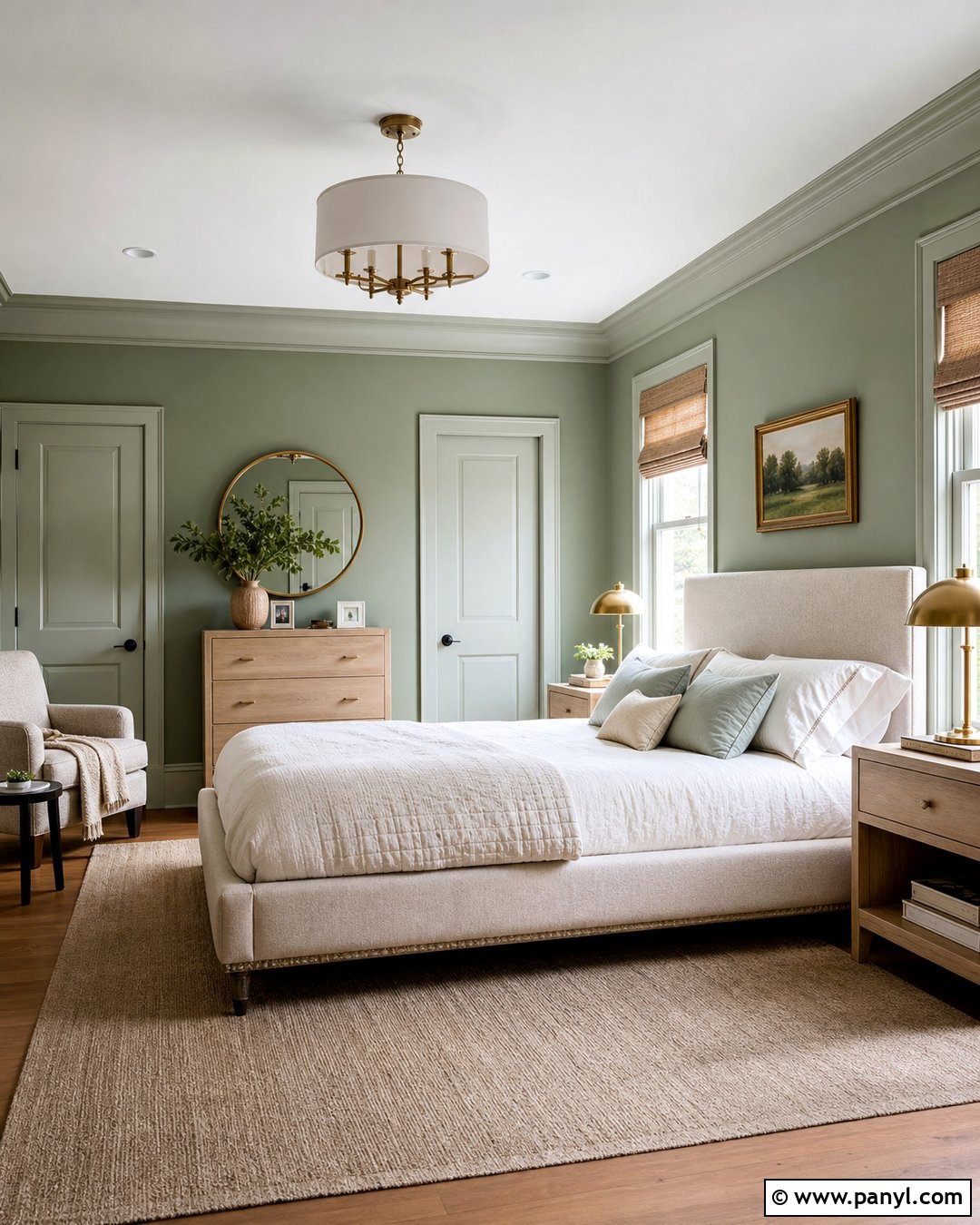
A lighter version of the wall color can define baseboards while preserving a soft, cohesive atmosphere. In a restful bedroom, combine muted sage walls with pale gray-green trim, doors, and window casings. The slight shift in value feels more customized than standard white but remains easy on the eyes. Choose light oak nightstands, an upholstered oatmeal bed, and ivory bedding with subtle botanical patterns. Woven shades and a warm beige rug prevent the green palette from becoming too cool. Keep metal finishes understated with aged brass lamps and simple hardware. This scheme works best when both paints share the same undertone. Test large samples together, since a trim color that appears pale green alone may look gray or yellow beside the finished wall.
7. Black Trim With White Walls
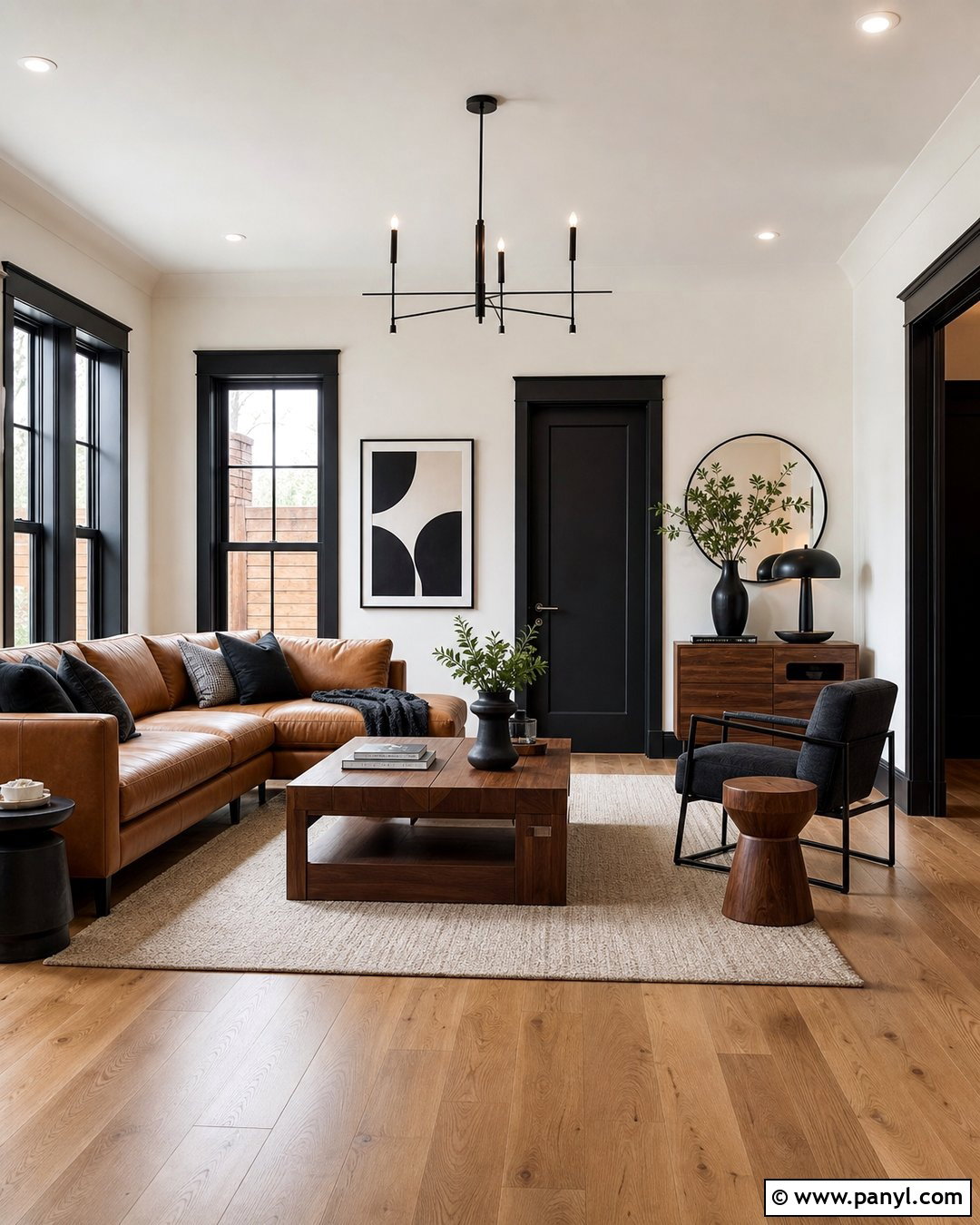
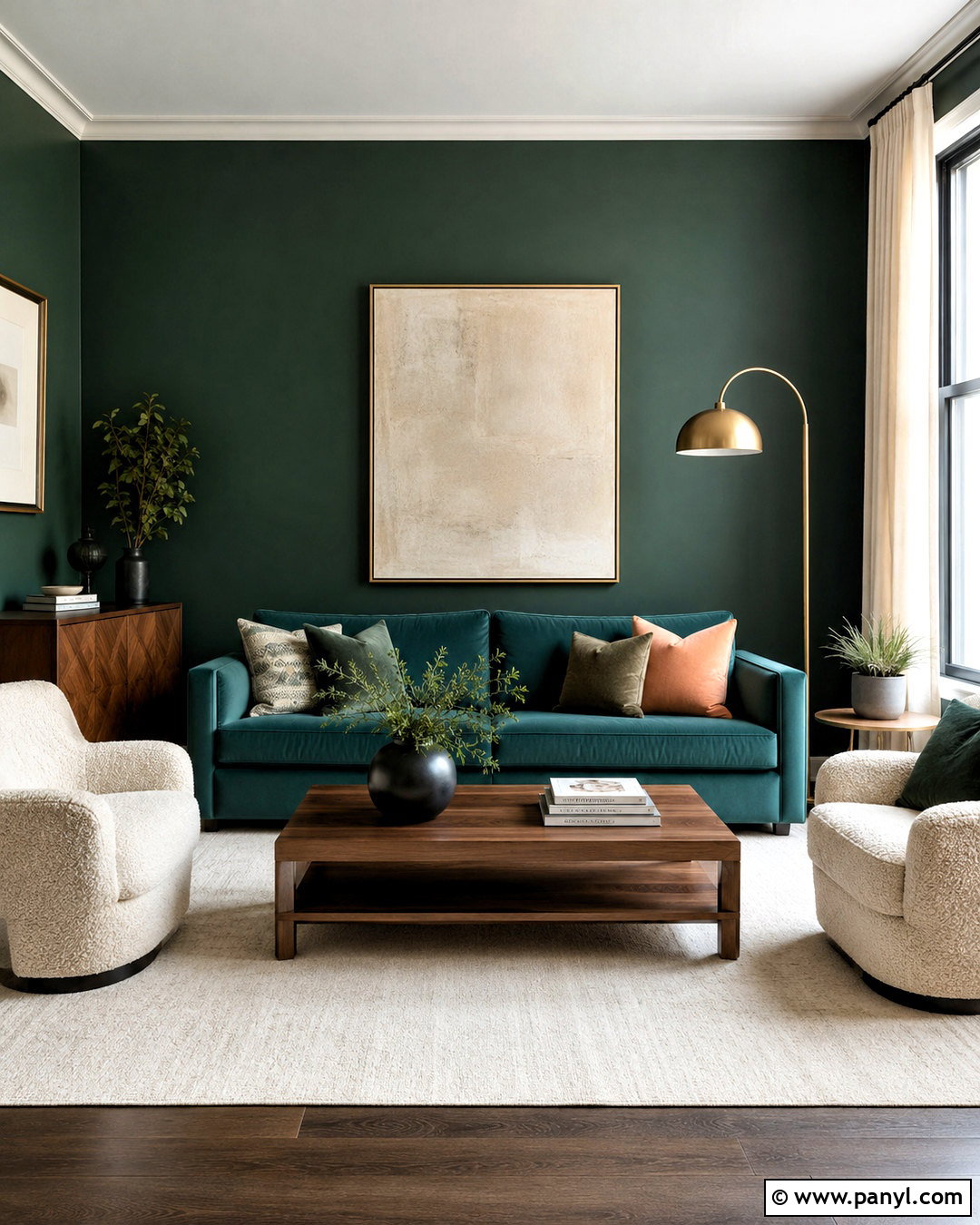
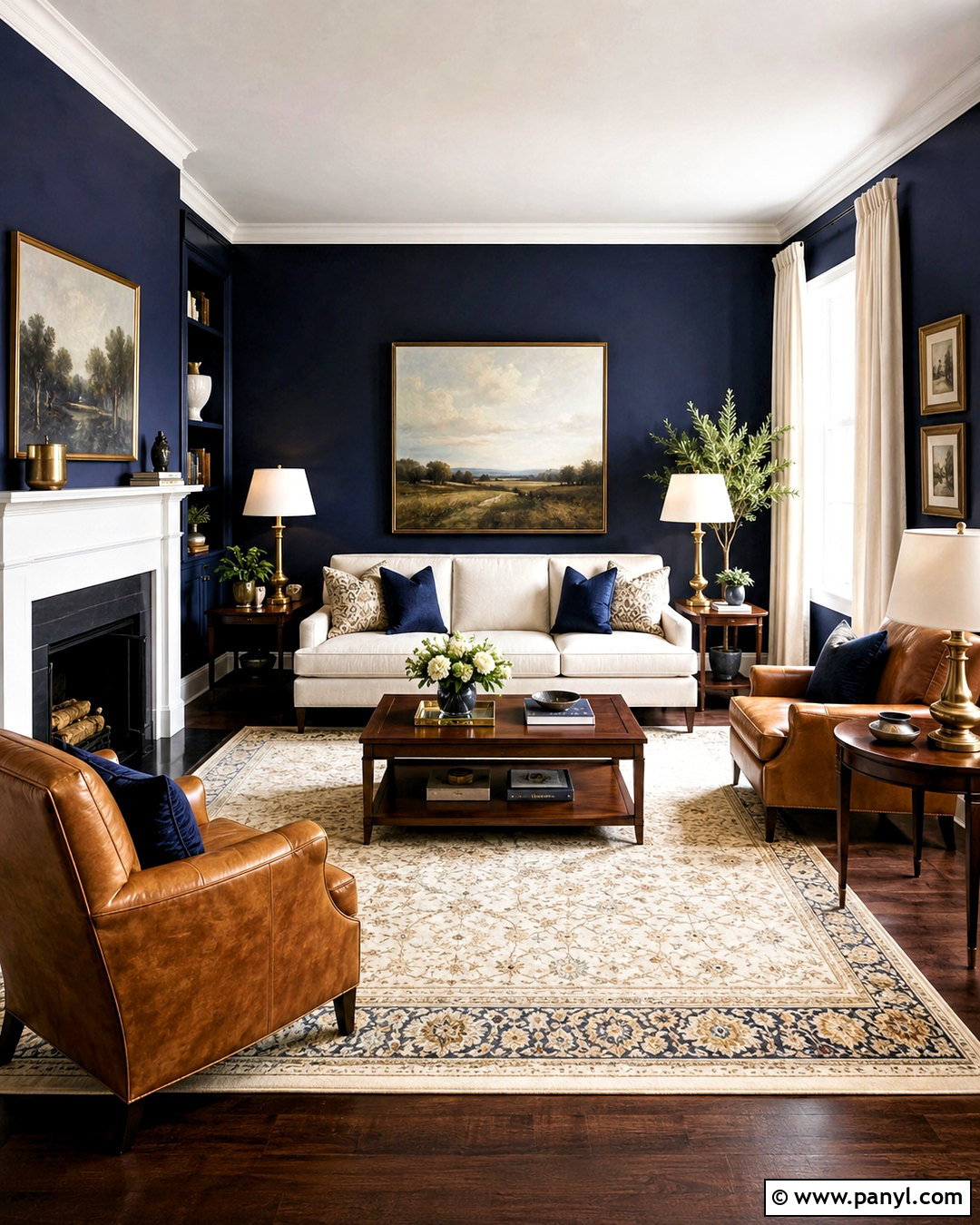
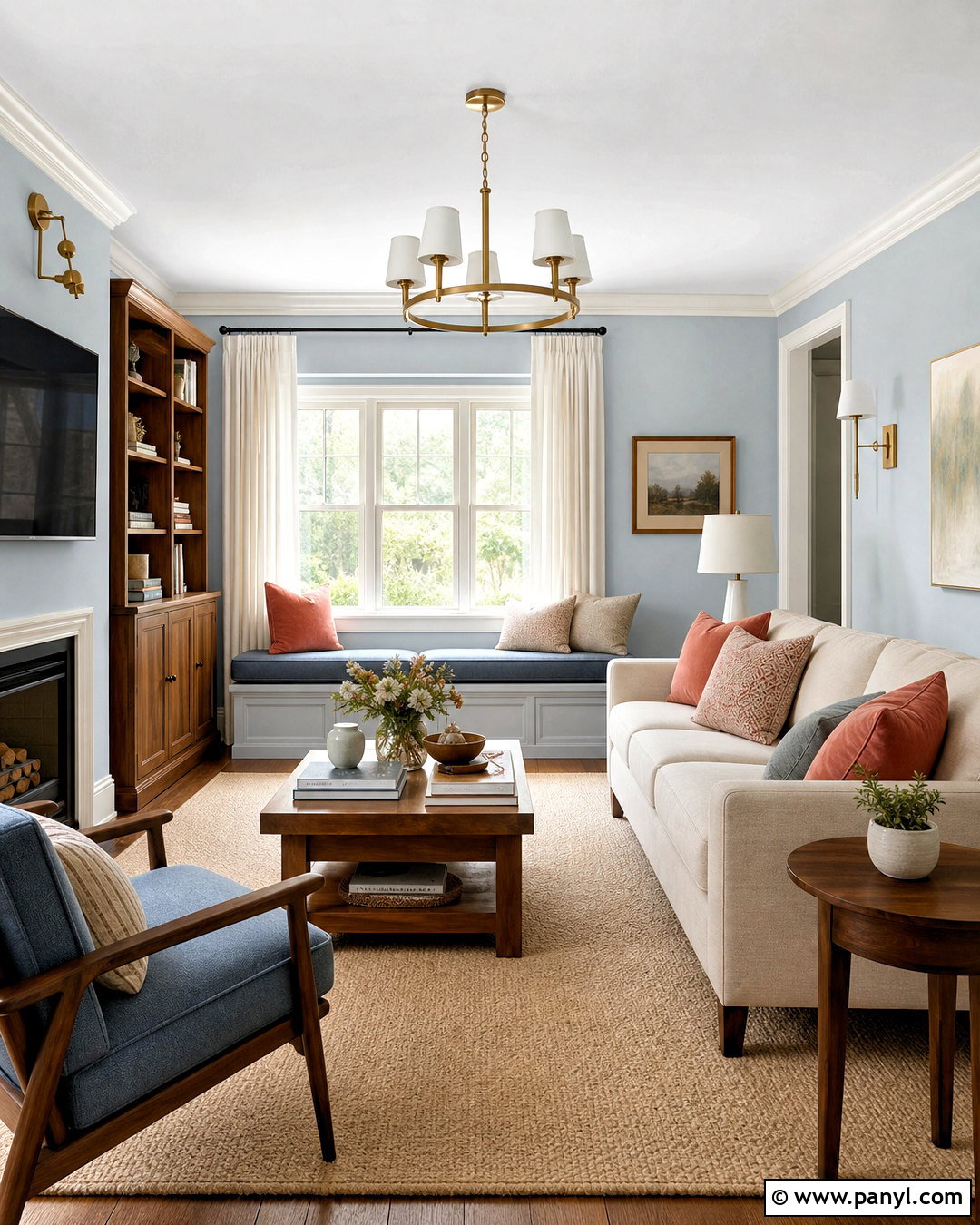
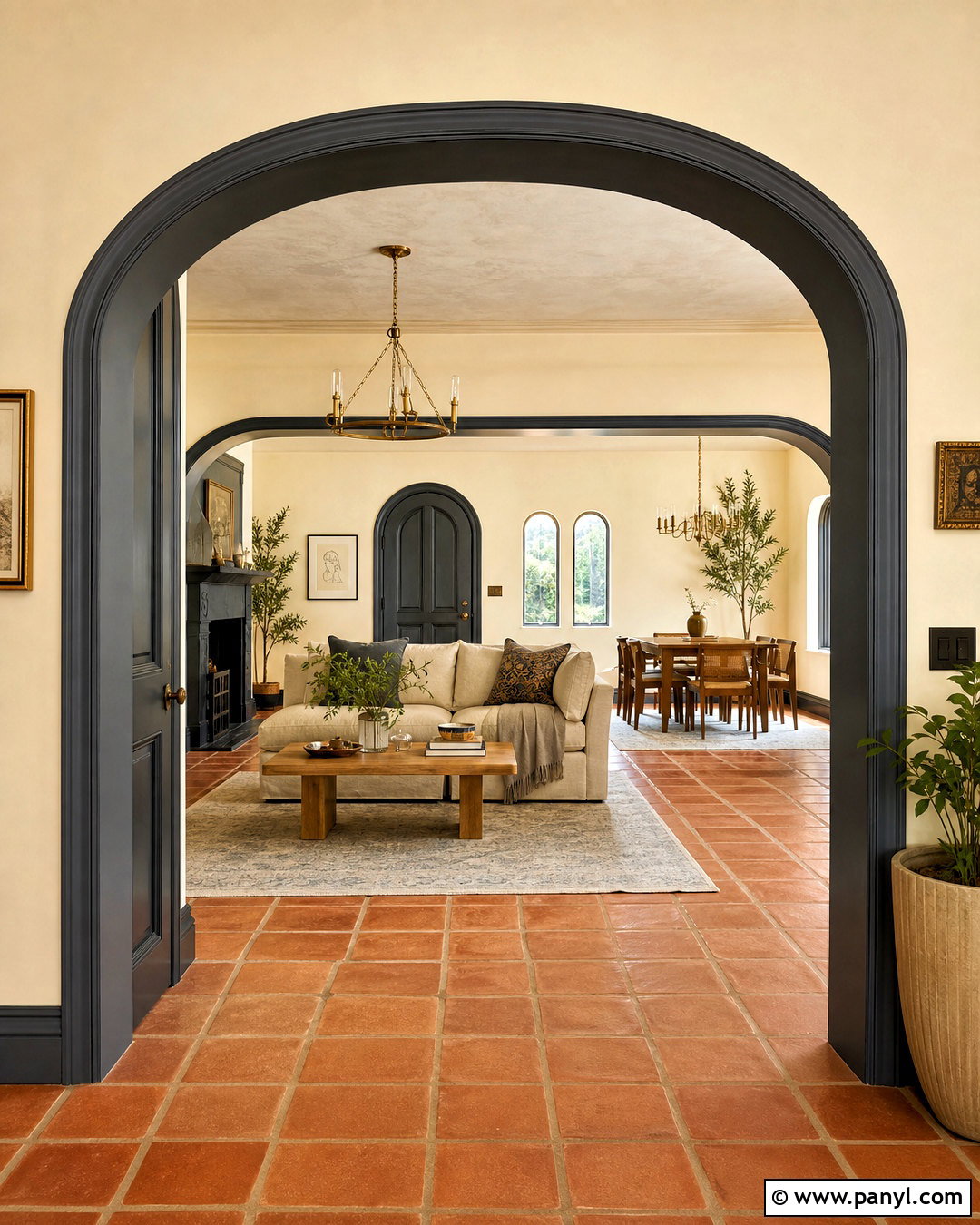
Black baseboards and trim create a graphic frame around white walls, giving a simple living room an architectural focal point. Repeat the black on door casings, window frames, and interior doors for a deliberate, connected look. Warm white walls soften the contrast, while natural oak flooring prevents the room from appearing too severe. Furnish the space with a camel leather sofa, a cream rug, and walnut tables. Add black metal lighting and a few charcoal accessories to distribute the dark color beyond the room’s edges. Straight, simple baseboards work particularly well with this modern combination. Select a softened black with neutral undertones rather than an intensely blue-black. A satin finish provides enough reflection for easy cleaning without turning every molding into a glossy visual stripe.
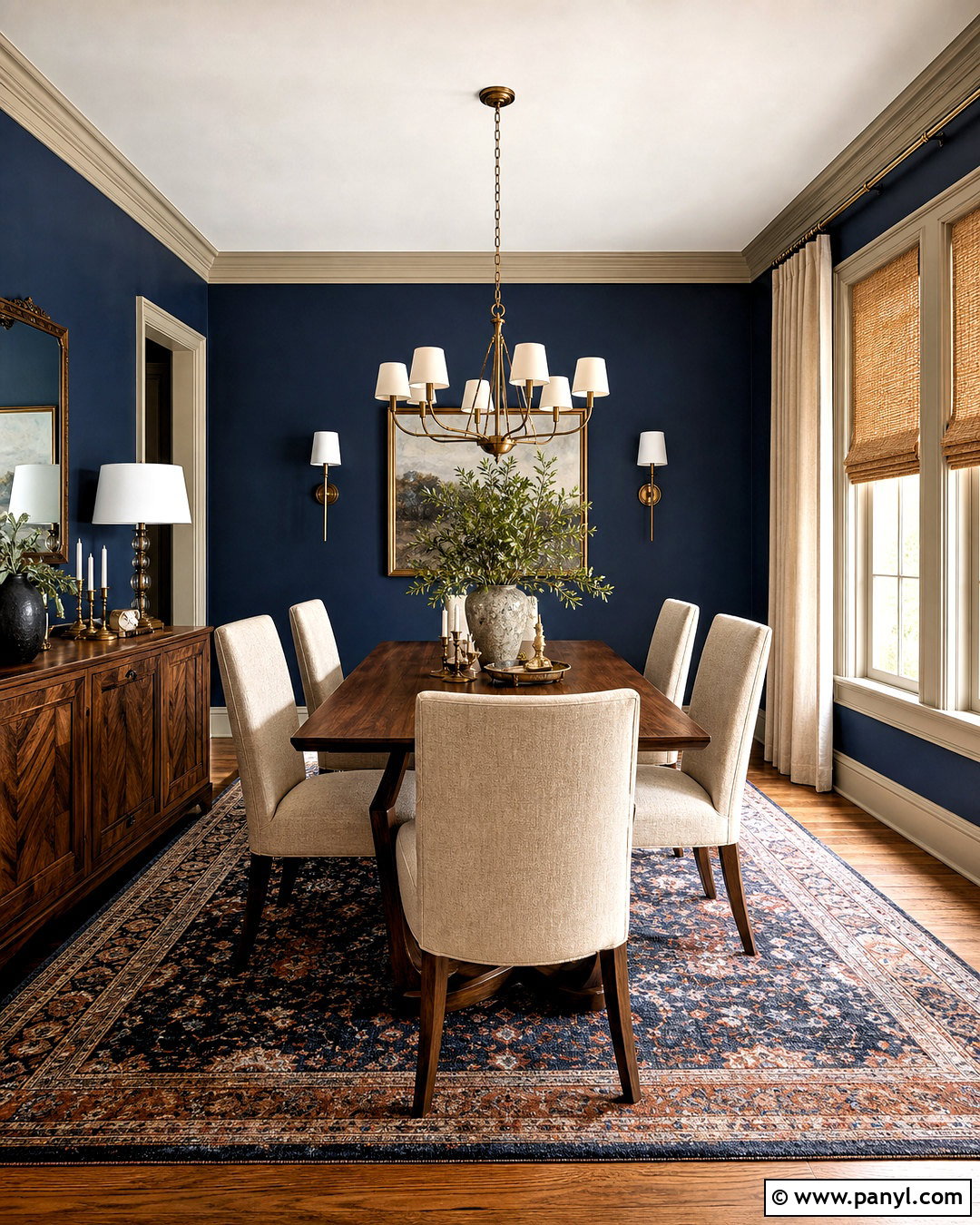
8. Charcoal Trim With Soft White Walls
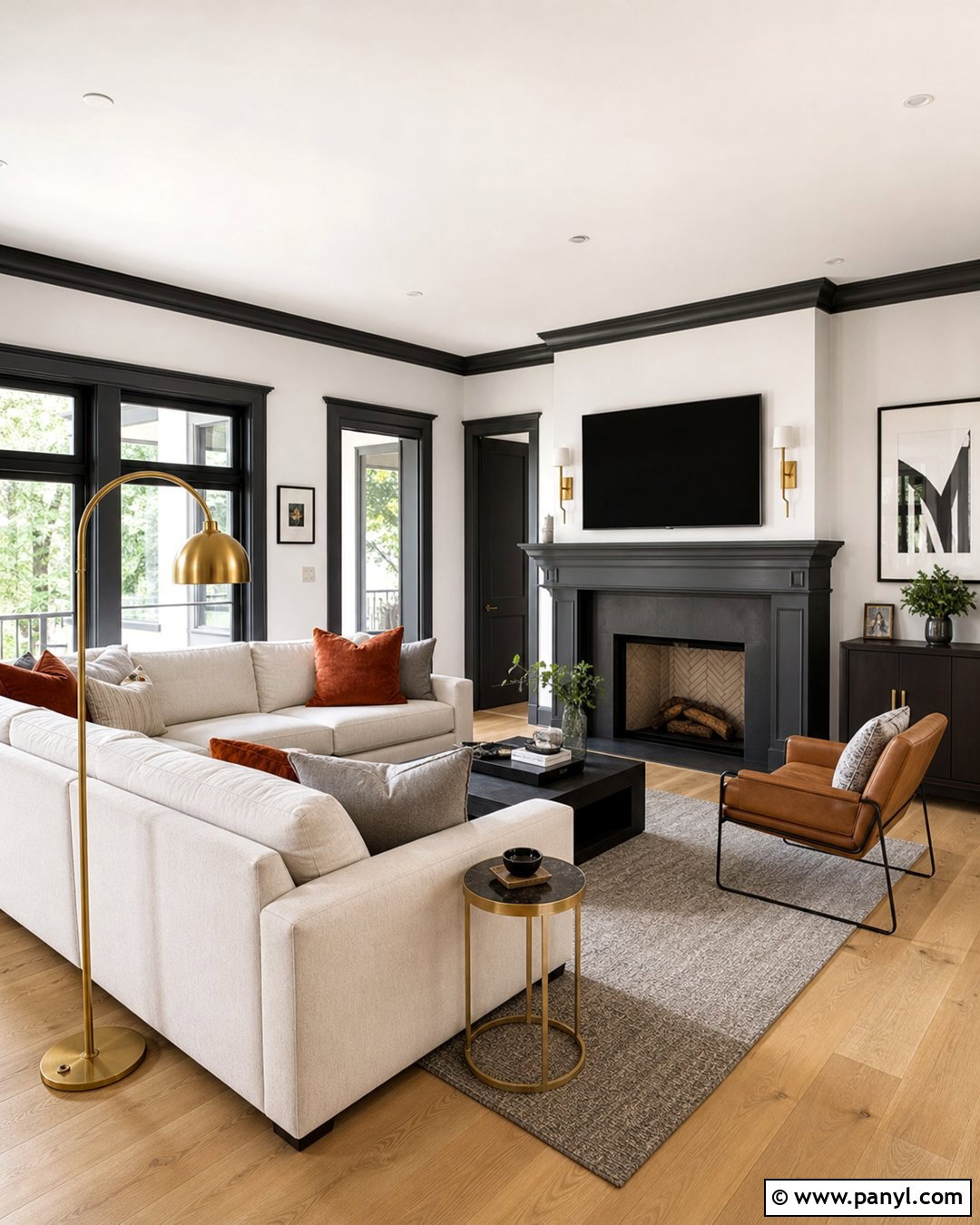
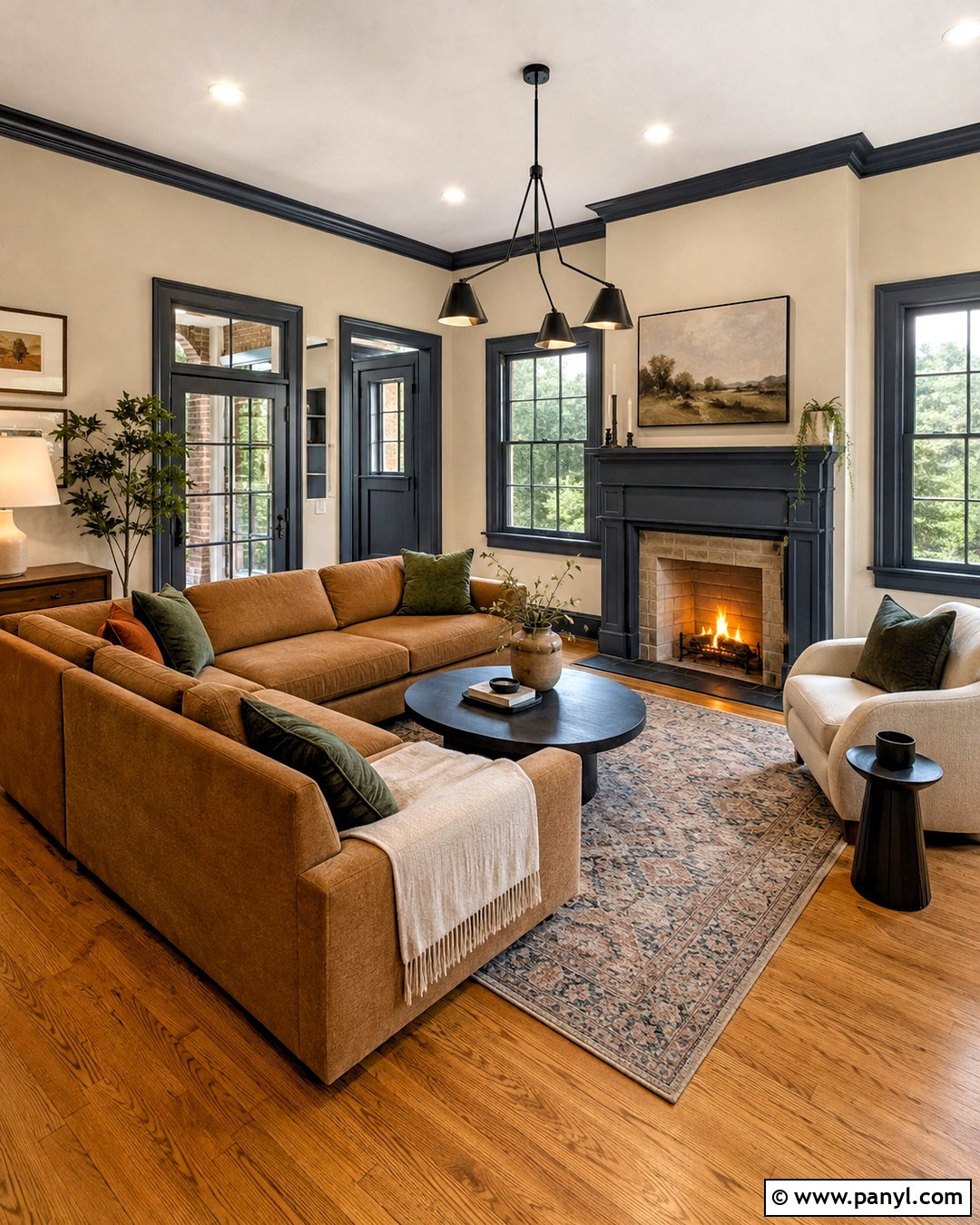
Charcoal trim offers nearly the same definition as black but feels gentler in a comfortable contemporary room. Use soft white walls as the backdrop, then apply deep charcoal to the baseboards, window casings, doors, and fireplace surround. Pale oak floors and an ivory sectional balance the darker architectural frame. Layer in a gray wool rug, rust-colored pillows, and brushed brass lamps for warmth. The resulting palette feels polished but remains suitable for an average family home. Charcoal is also forgiving beside stone, concrete, and stainless steel finishes, making this scheme useful near an open kitchen. Choose a charcoal with warm or neutral undertones if the flooring contains brown. Cooler charcoal can work beautifully when the room includes blue-gray textiles and cooler wood tones.
9. Soft Gray Trim With White Walls
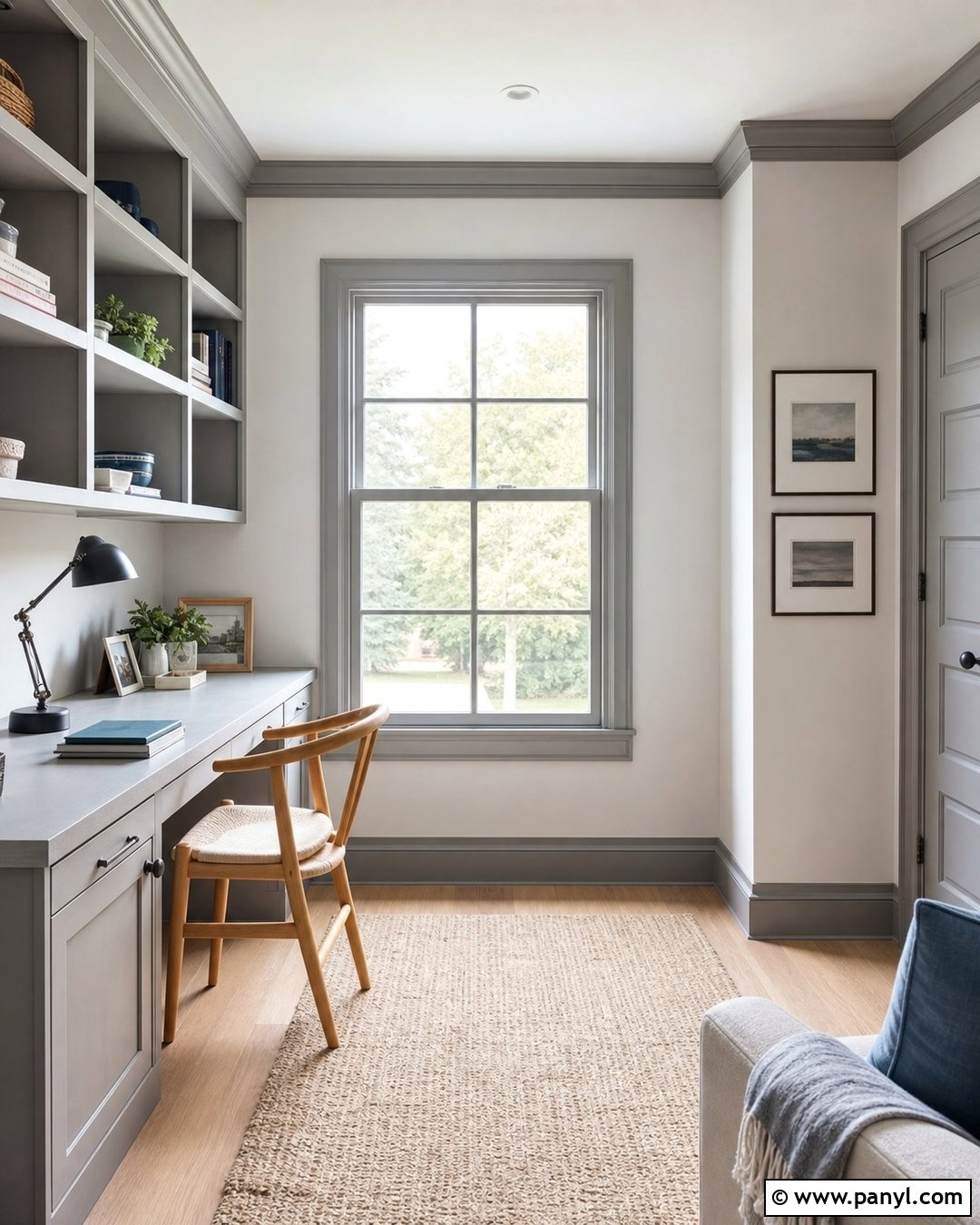
Soft gray baseboards bring dimension to white walls without creating a dramatic border. This low-contrast combination suits a calm home office with simple furniture and plenty of natural texture. Paint the baseboards, door, window casing, and built-in desk in the same pale gray for cohesion. Add white oak flooring, a light wood desk chair, and a woven neutral rug. Black task lighting and slim picture frames supply crisp accents, while muted blue accessories keep the room fresh. The gray should be dark enough to register beside the walls but light enough to maintain an airy quality. Pay attention to undertones: a warm gray works with beige textiles and oak, while a cooler gray coordinates better with blue, silver, and clean white furnishings.
10. Greige Trim With White Walls
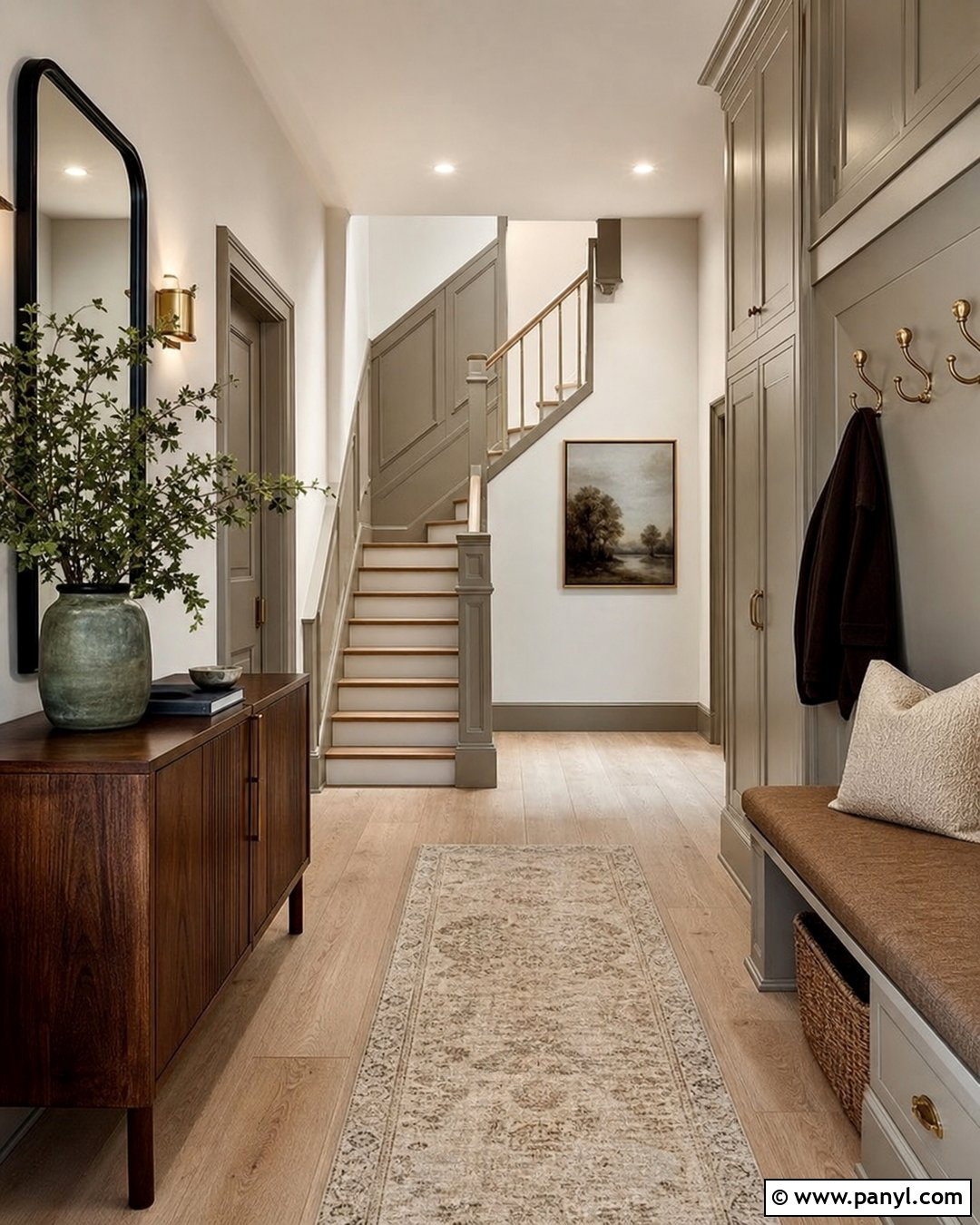
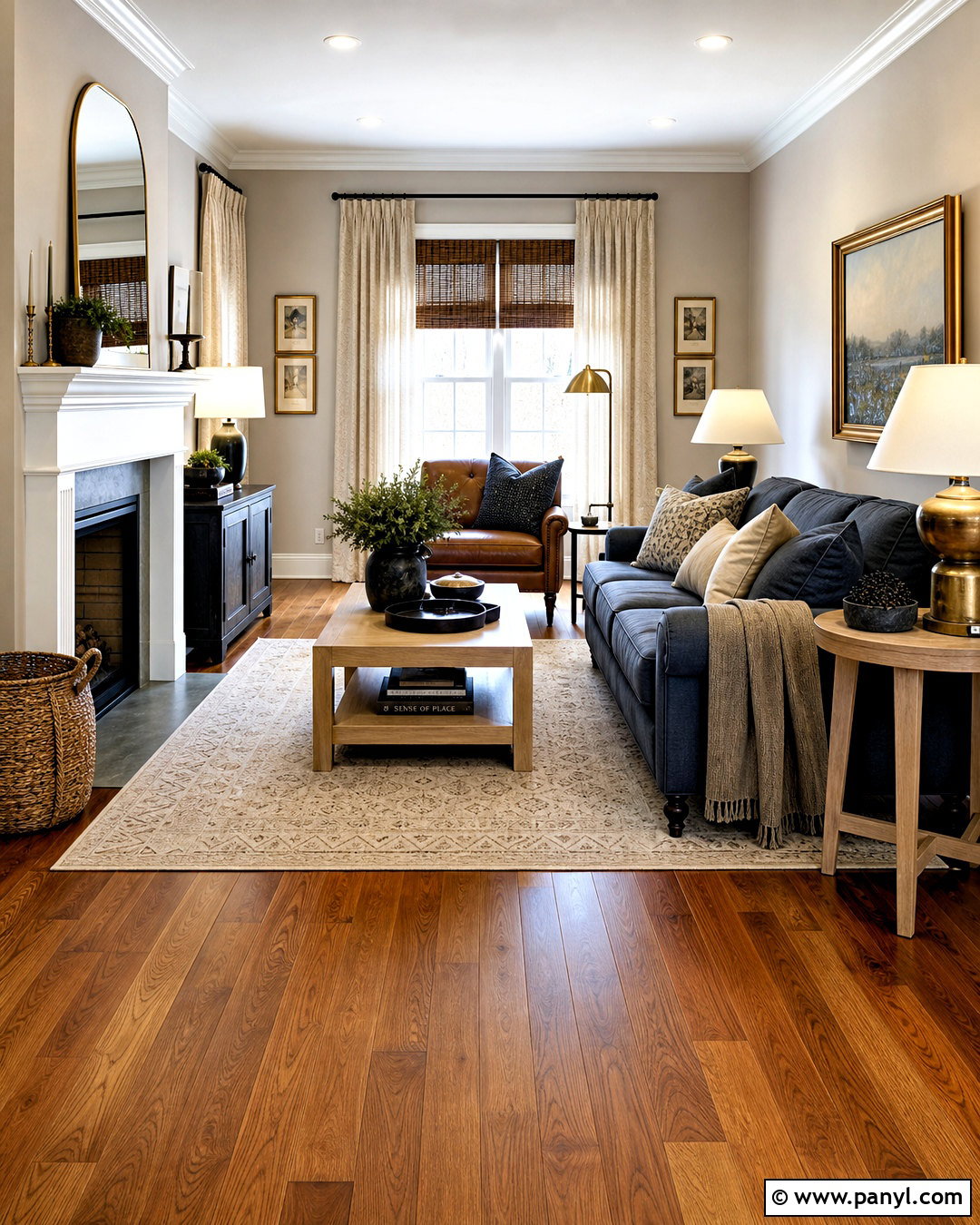
Greige trim creates a sophisticated neutral outline that is softer than gray and more contemporary than standard beige. Pair warm white walls with medium greige baseboards, doors, and casings in an entryway. Continue the greige onto a paneled stair wall or storage cabinet so it becomes part of a complete architectural scheme. Light oak flooring, a narrow walnut console, and a cream runner complement the balanced undertones. Use aged brass hooks, a black-framed mirror, and a muted landscape print for character. This palette transitions easily into nearby rooms with beige, green, gray, or blue walls. For a polished finish, use satin paint on the trim and cabinetry. The mild sheen helps the greige read as a purposeful feature rather than an accidental off-white mismatch.
11. Taupe Trim With Cream Walls
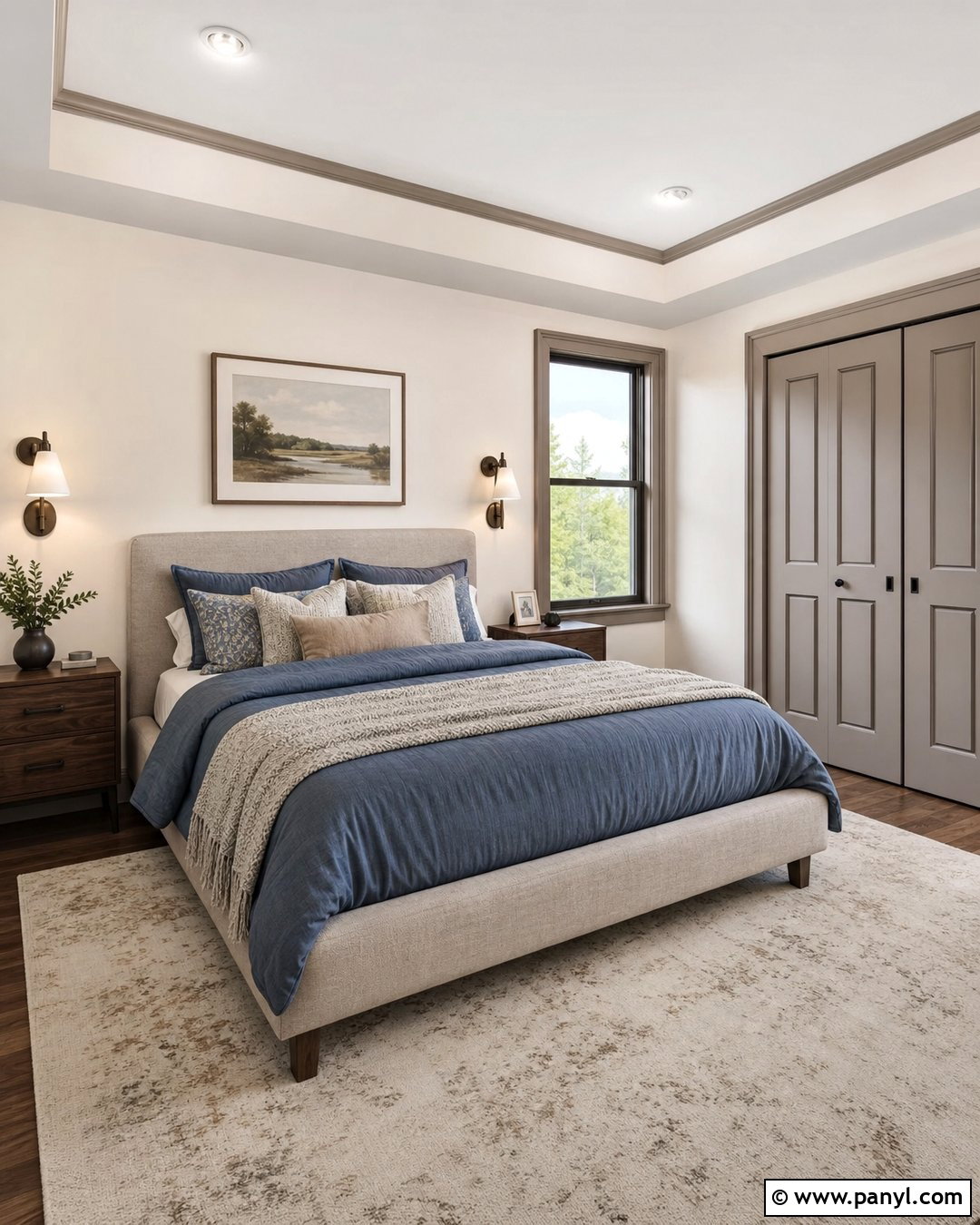
Taupe baseboards can make cream walls feel richer and more grounded, especially in a transitional bedroom. Paint the baseboards, door casings, window trim, and paneled closet doors in a medium warm taupe. Choose cream walls with a related beige undertone to maintain an elegant connection. An upholstered bed in oatmeal fabric, walnut nightstands, and a warm ivory rug create a layered neutral setting. Add bronze sconces and dusty blue bedding for restrained color. The taupe trim also coordinates naturally with medium brown flooring, reducing the sharp line that bright white might create near the floor. Keep the ceiling and crown molding cream if you want the room to feel taller, or use taupe crown molding when stronger architectural framing suits the ceiling height.
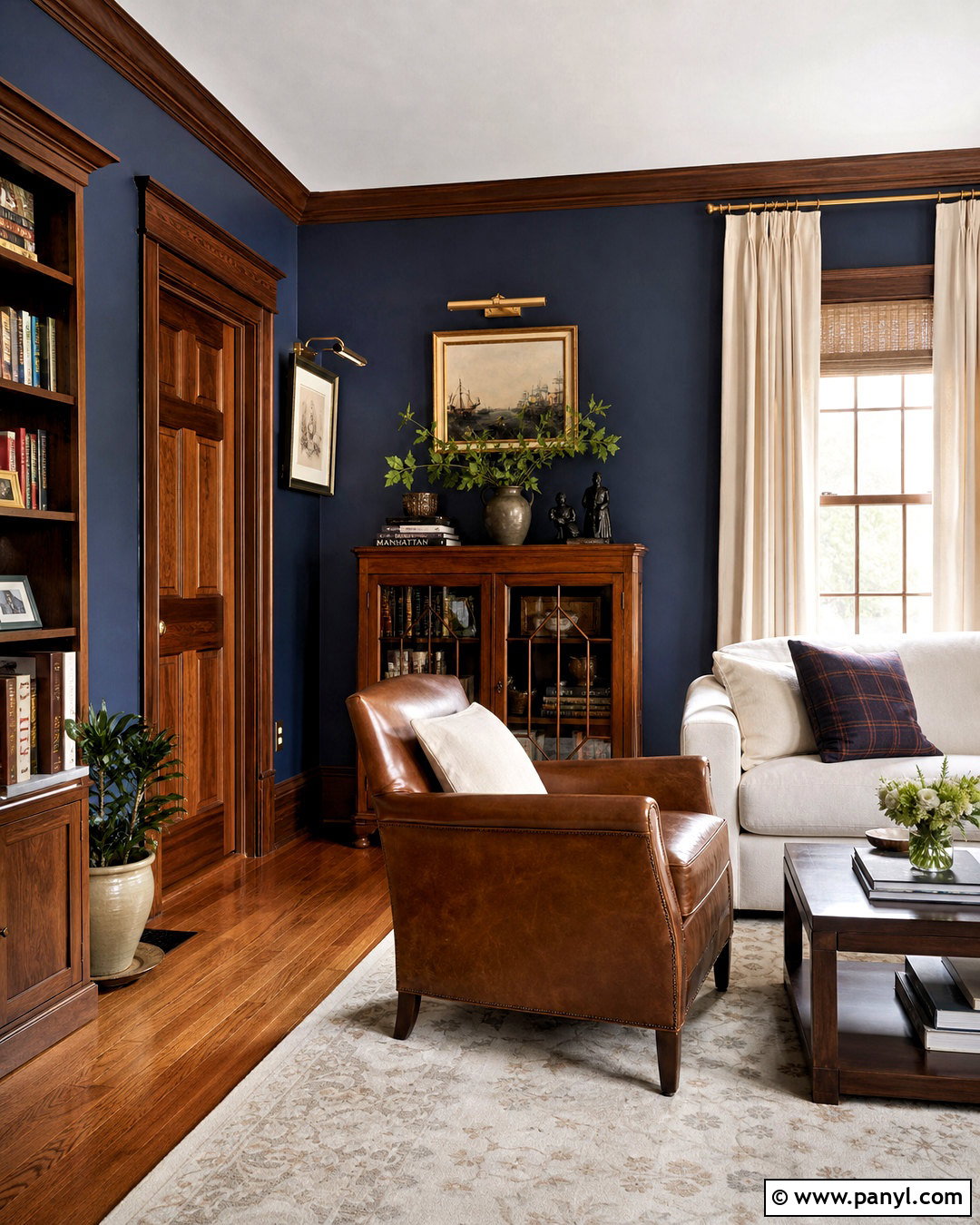
12. Chocolate Brown Trim With Neutral Walls
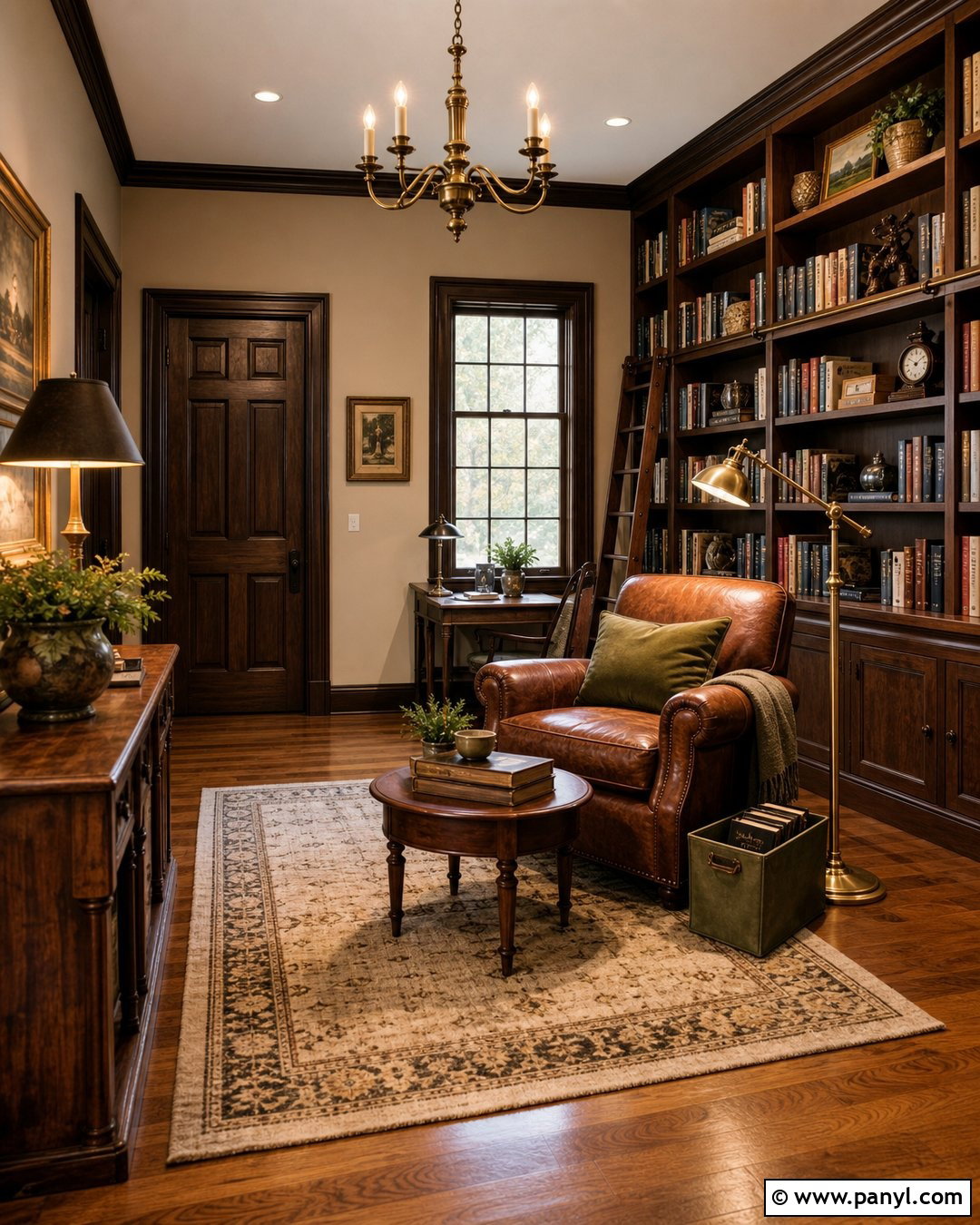
Deep chocolate brown trim brings the richness of dark wood to painted millwork. Use it around warm beige walls in a library or den, covering the baseboards, window casings, doors, and built-in bookcases. A cognac leather chair, medium oak flooring, and a patterned cream-and-brown rug create a comfortable, collected atmosphere. Add antique brass lighting and touches of olive green through pillows, books, and ceramics. The dark trim should repeat on several substantial features so it does not resemble a thin, disconnected stripe along the floor. Choose a brown with restrained red undertones for versatility. Satin paint gives the color depth while remaining practical. A warm white ceiling will prevent the darker architectural elements from making the finished room feel enclosed or overly heavy.
13. Natural Oak Baseboards And Trim
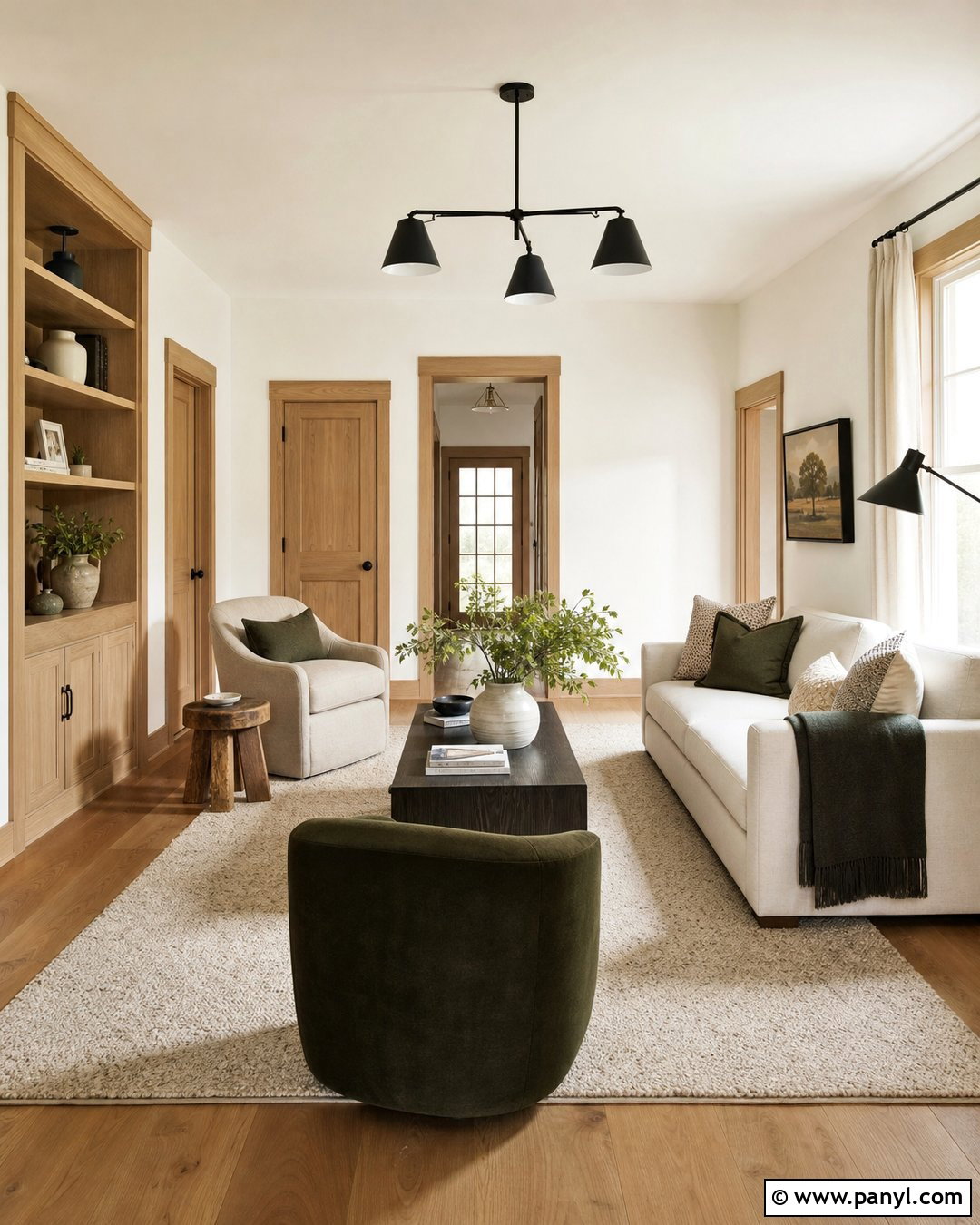
Unpainted oak trim introduces honest warmth and texture that painted woodwork cannot fully duplicate. Use clear-finished white oak baseboards, window casings, doors, and built-in shelving against warm white walls. Pair them with matching or slightly deeper oak floors so the room feels connected without requiring a perfect wood-tone match. A cream sofa, oatmeal curtains, and a textured wool rug keep the living area light. Add matte black lighting and muted green upholstery for contrast. Choose a low-sheen clear finish that protects the wood while maintaining its natural appearance. Simple square-edged trim profiles help the grain look current and uncluttered. Repeating oak through furniture and decorative frames makes the woodwork feel integral to the room rather than leftover trim from a different design period.
14. Walnut Baseboards And Trim
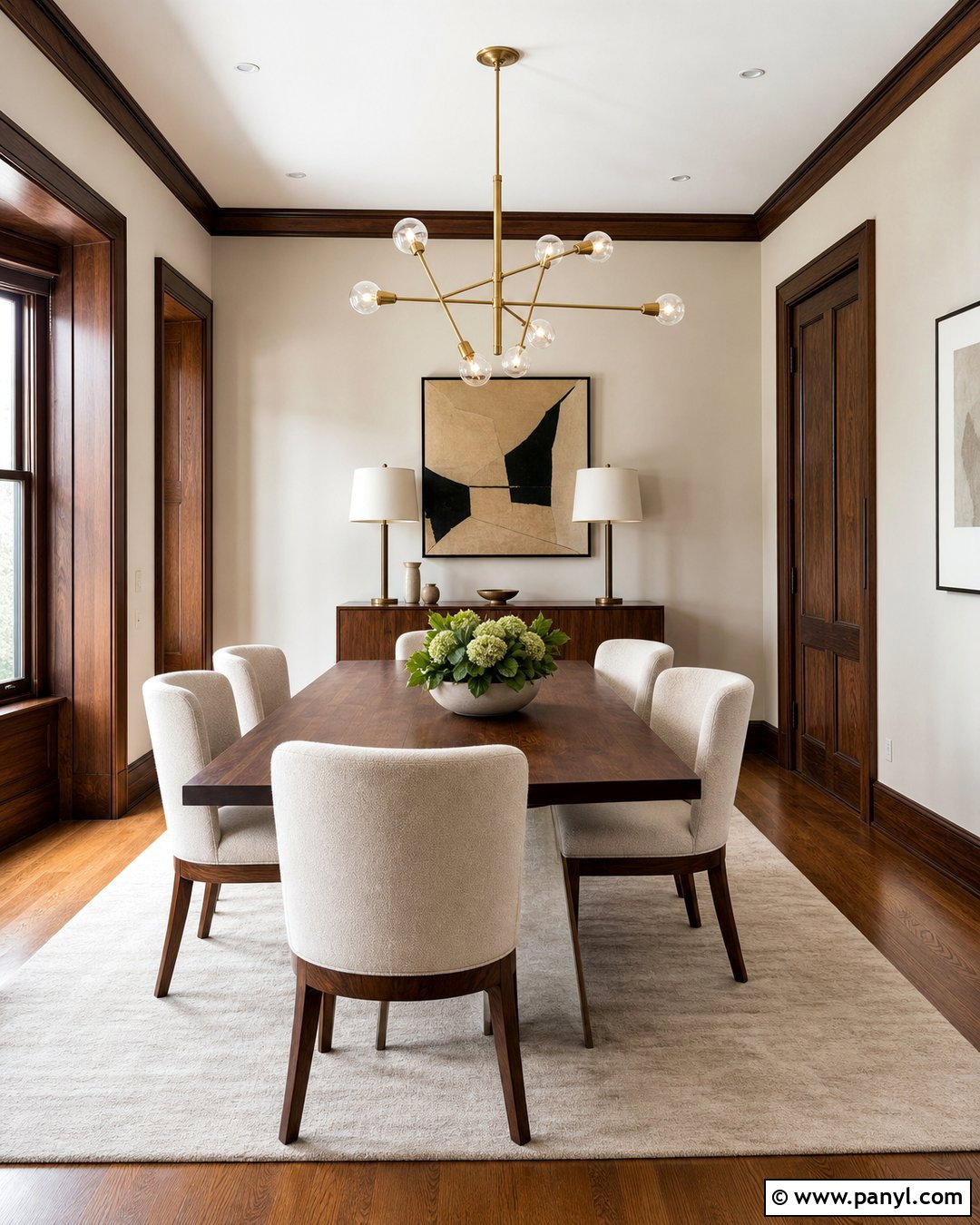
Rich walnut trim creates a refined frame for a dining room with warm white or pale mushroom walls. Use walnut on the baseboards, door casings, window trim, and a pair of interior doors to establish consistent architectural rhythm. A walnut dining table can echo the millwork, while cream upholstered chairs and a light wool rug balance the dark wood. Add sculptural brass lighting and understated artwork containing brown, black, and muted green. Medium-toned floors work better than an exact walnut match because slight variation keeps the room from appearing flat. Choose a clear finish that reveals the wood grain without excessive shine. If genuine walnut is outside the budget, a carefully selected walnut stain on compatible wood can provide a similar appearance when sampled beside the flooring and furniture.
15. Honey Oak Trim With Warm White Walls
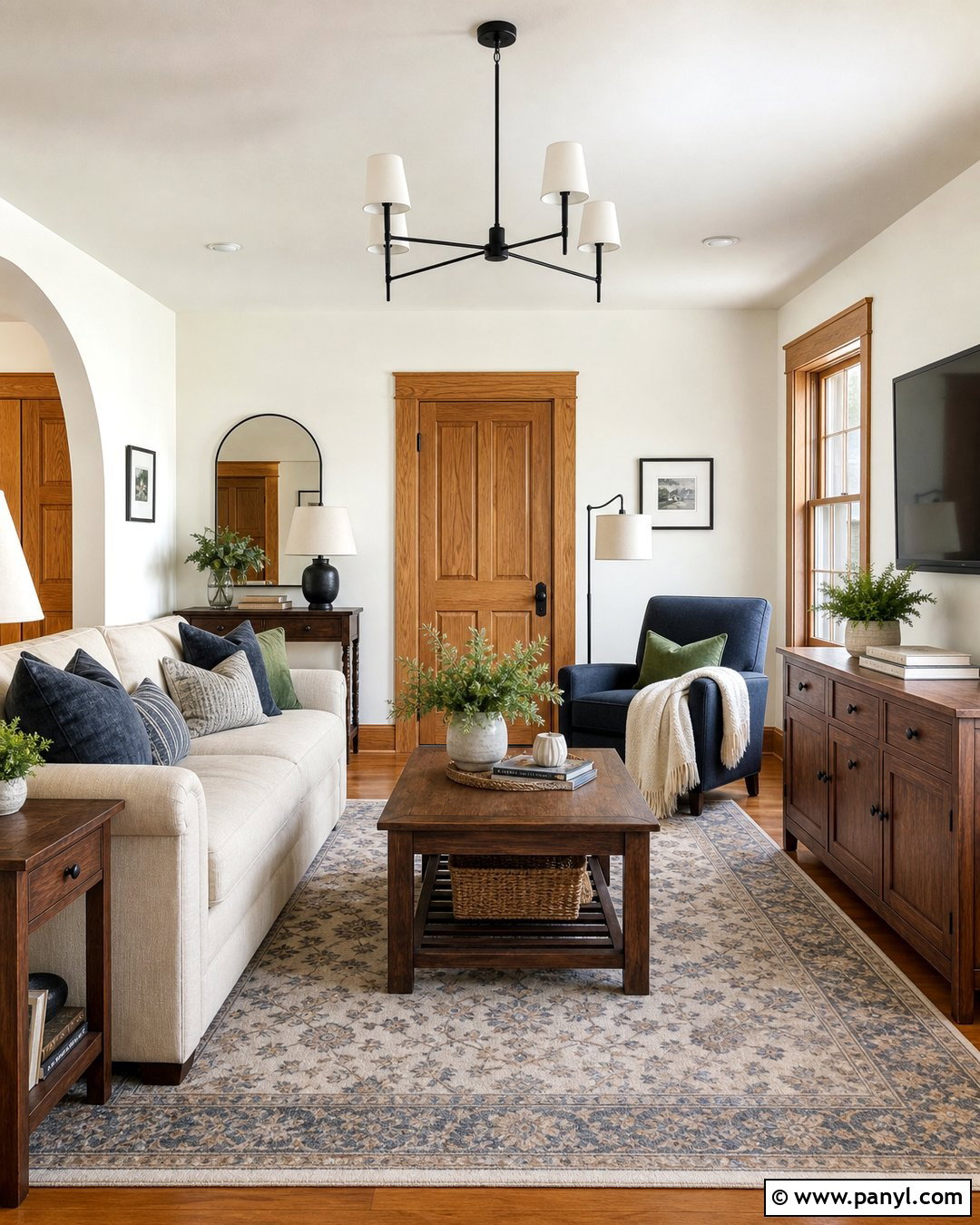
Existing honey oak trim can become an attractive part of the room when the surrounding palette respects its golden warmth. Pair the baseboards, doors, and window casings with warm white walls rather than cold gray paint. Choose a cream sofa, a beige-and-blue rug, and wood furniture in medium brown tones that complement instead of exactly matching the oak. Soft navy pillows and muted green accents give the palette definition. Replace overly shiny brass with aged brass, bronze, or matte black hardware to update the overall look. If the wood is in good condition, clean it and refresh the protective finish rather than immediately painting it. Avoid icy whites and violet-based grays, which can exaggerate orange undertones. The finished room should look balanced, warm, and intentionally layered.
16. Sage Green Baseboards And Trim
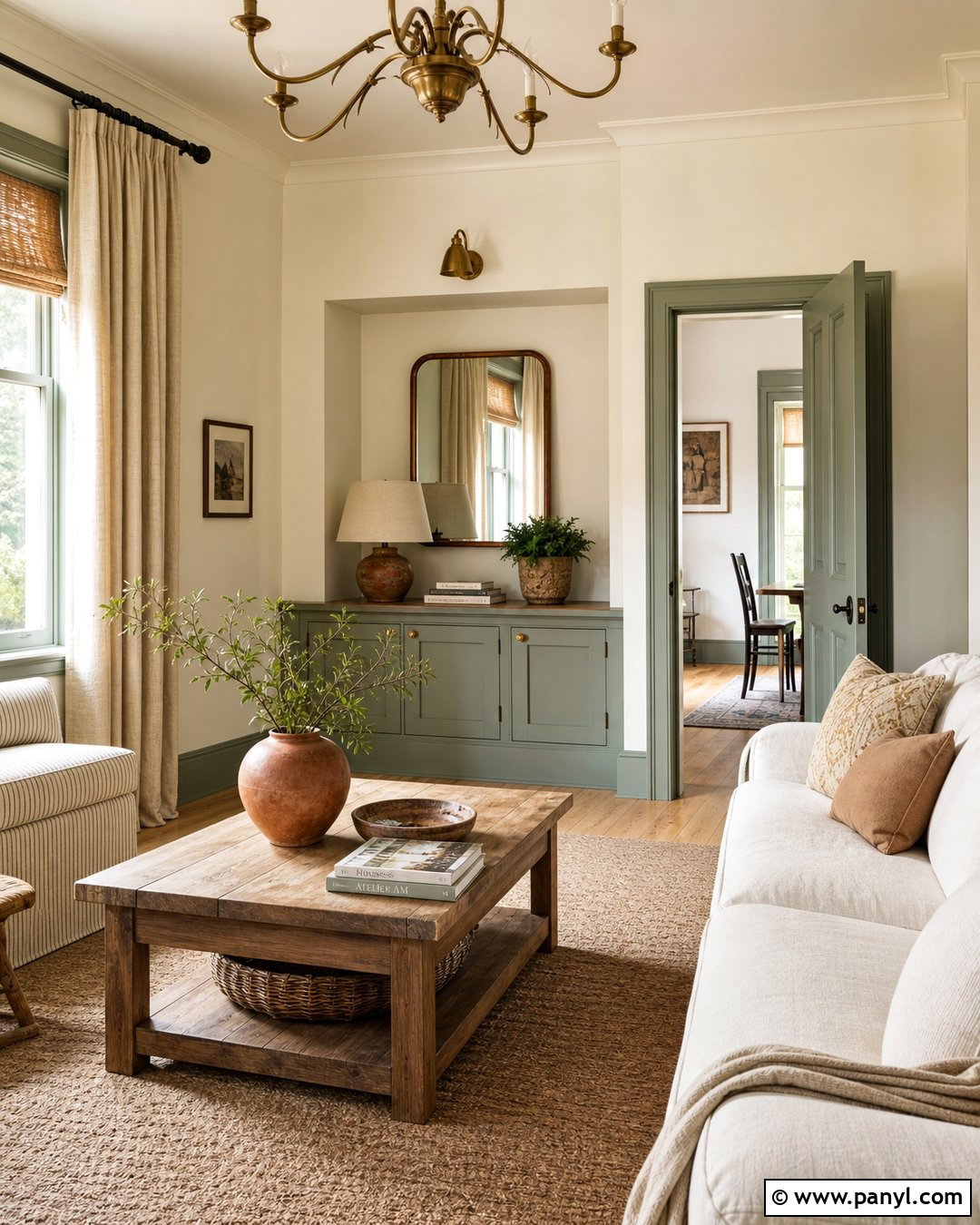
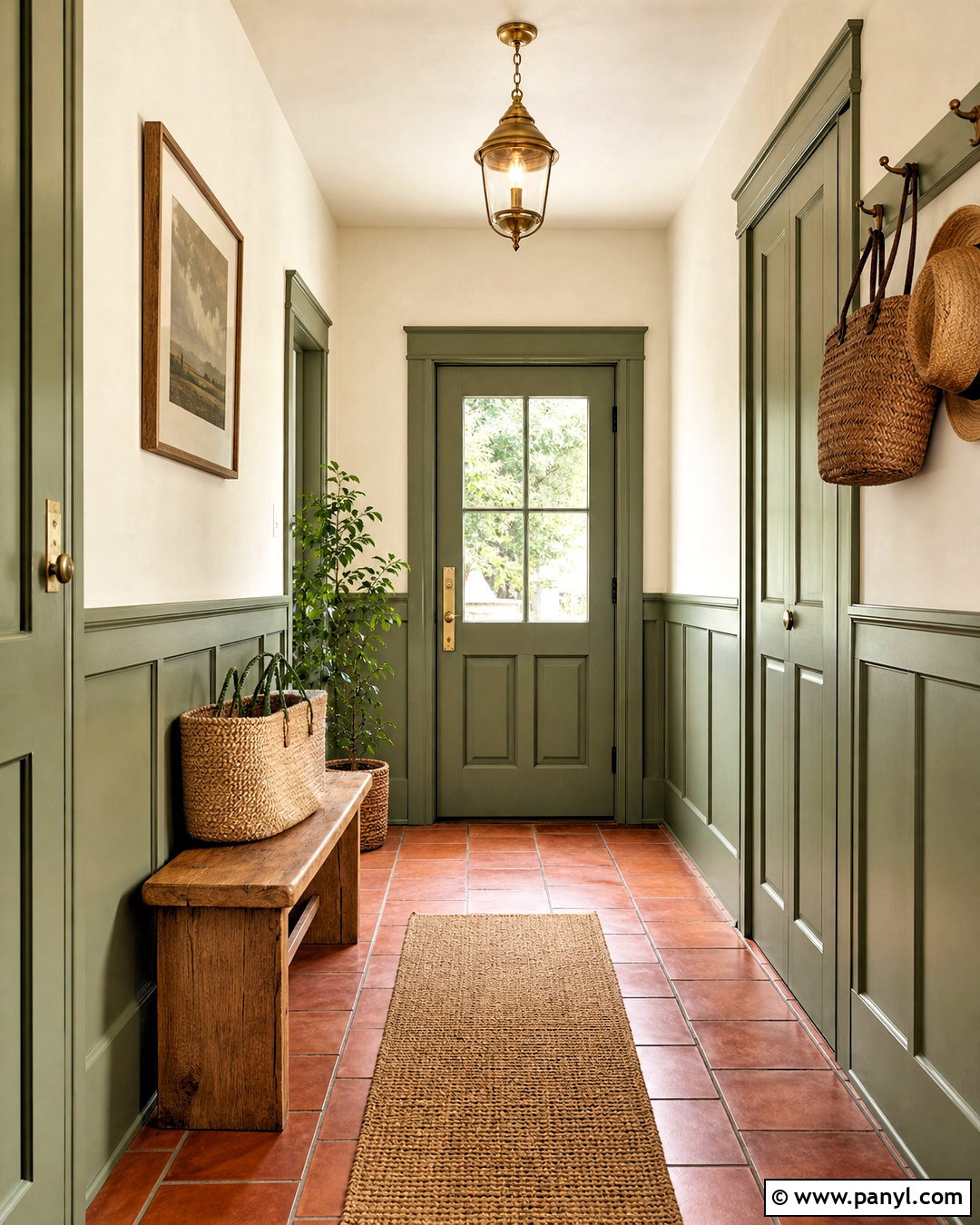
Sage green trim brings subtle color to a room while remaining as versatile as many neutrals. Pair creamy white walls with muted sage baseboards, window casings, doors, and a low built-in cabinet. Use light oak flooring, an ivory sofa, and woven beige curtains to strengthen the natural character. Terracotta pottery, linen cushions, and antique brass lighting add warmth without competing with the green. This combination works beautifully in living rooms, kitchens, and relaxed bedrooms because it feels fresh but not overly bright. Select a sage with enough gray to keep it understated and repeat the shade on at least one larger feature. A satin finish helps the colored woodwork look finished and intentional. Keep crown molding creamy white if you prefer a lighter, more open ceiling line.
17. Olive Green Baseboards And Trim
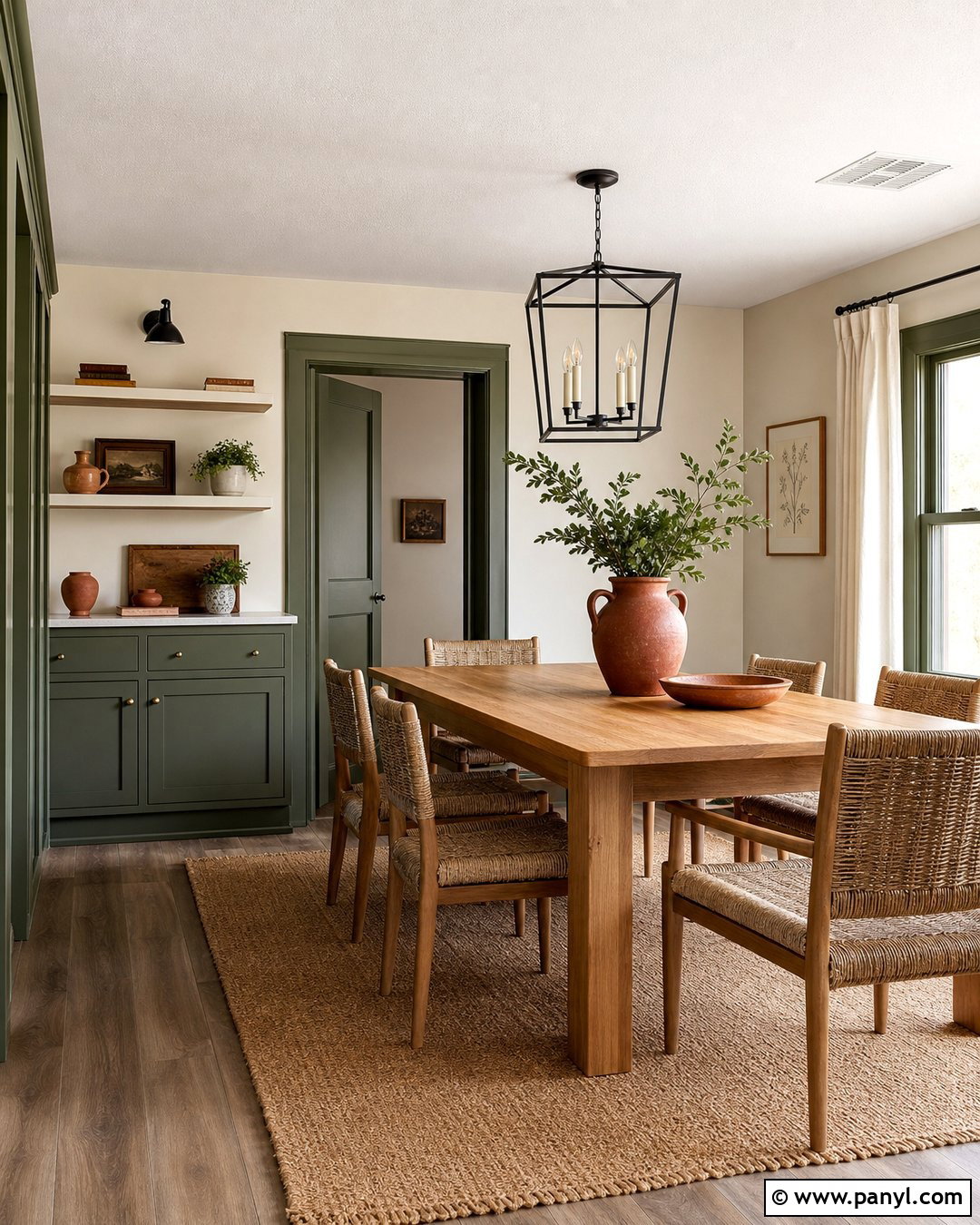
Olive green baseboards can anchor a room filled with warm neutrals and earthy materials. In a cozy dining area, paint the baseboards, door casings, window trim, and lower cabinetry in a deep olive. Use pale beige walls to create contrast without the sharpness of pure white. A medium oak table, woven dining chairs, and a natural jute rug reinforce the organic palette. Black metal lighting provides structure, while cream curtains and rust-colored ceramics introduce softer layers. Because olive contains both green and brown notes, it works especially well beside wood flooring and aged metal finishes. Repeat the color throughout the room instead of limiting it to the floor line. This creates a complete scheme and makes the unconventional trim choice feel confident rather than accidental.
18. Forest Green Trim With Neutral Walls
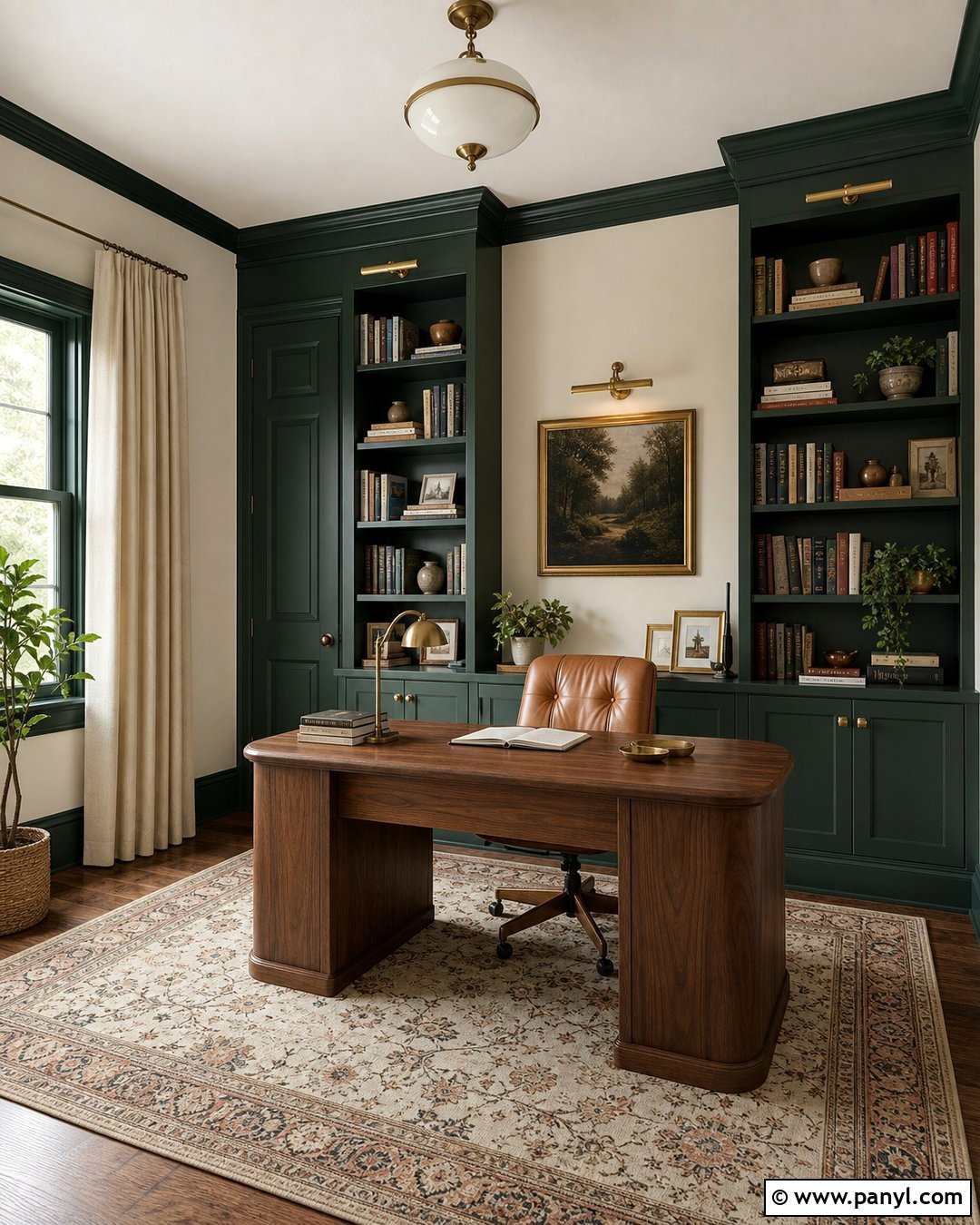
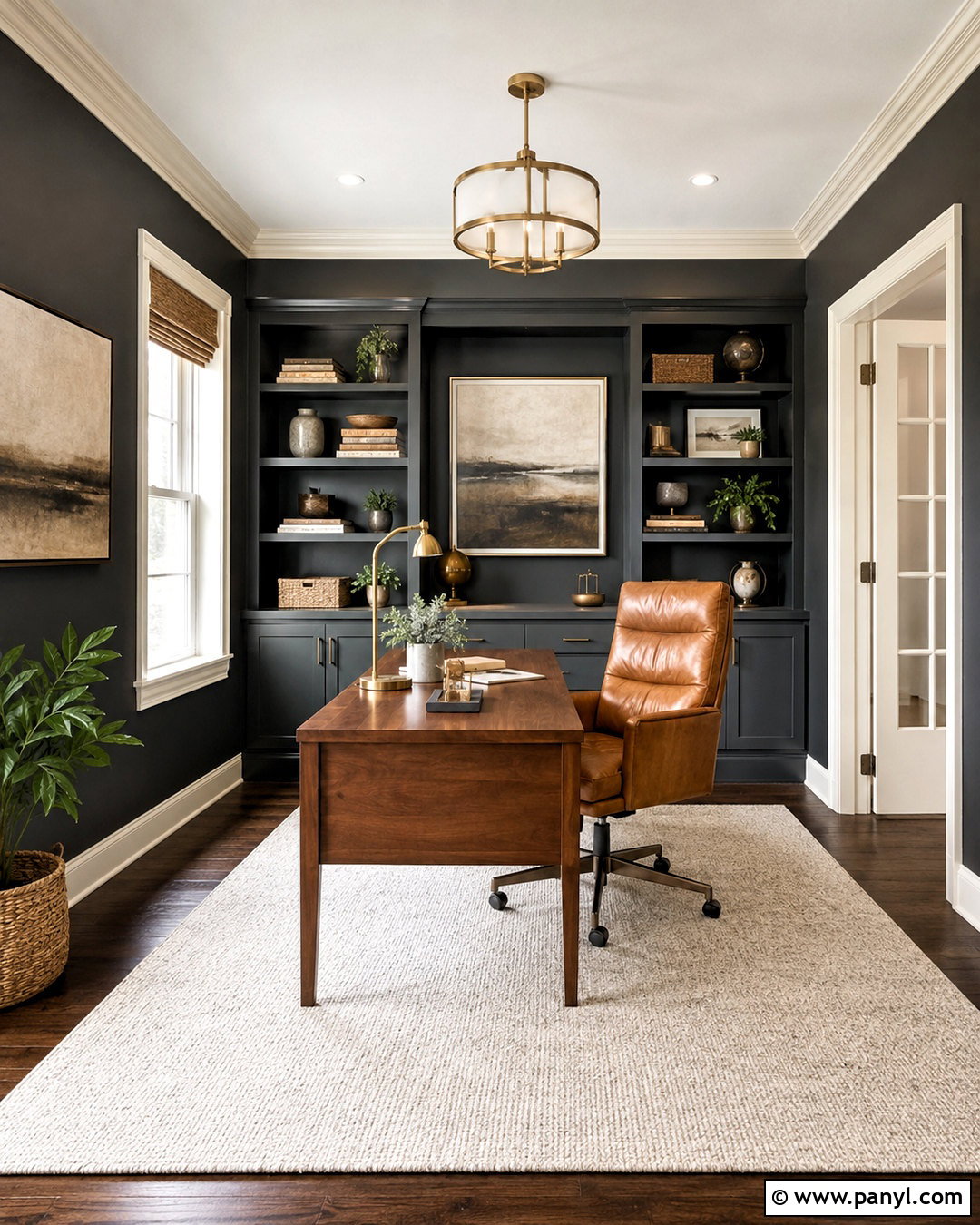
Deep forest green trim can give an ordinary home office the presence of a custom library. Paint warm off-white walls, then use forest green on the baseboards, door, window casings, built-in bookcases, and cabinet fronts. The repeated color turns the millwork into a coordinated architectural feature. Choose a medium walnut desk, a vintage-inspired cream rug, and a camel leather chair to warm the dark green. Brass picture lights and hardware add controlled brightness. Keep curtains light and simple so the window trim remains visible. Forest green looks particularly balanced beside natural woods, cream textiles, and small amounts of black. A satin sheen will reveal the trim profile without excessive glare. Use a warm white ceiling to maintain an open, comfortable feeling overhead.
19. Dusty Blue Baseboards And Trim
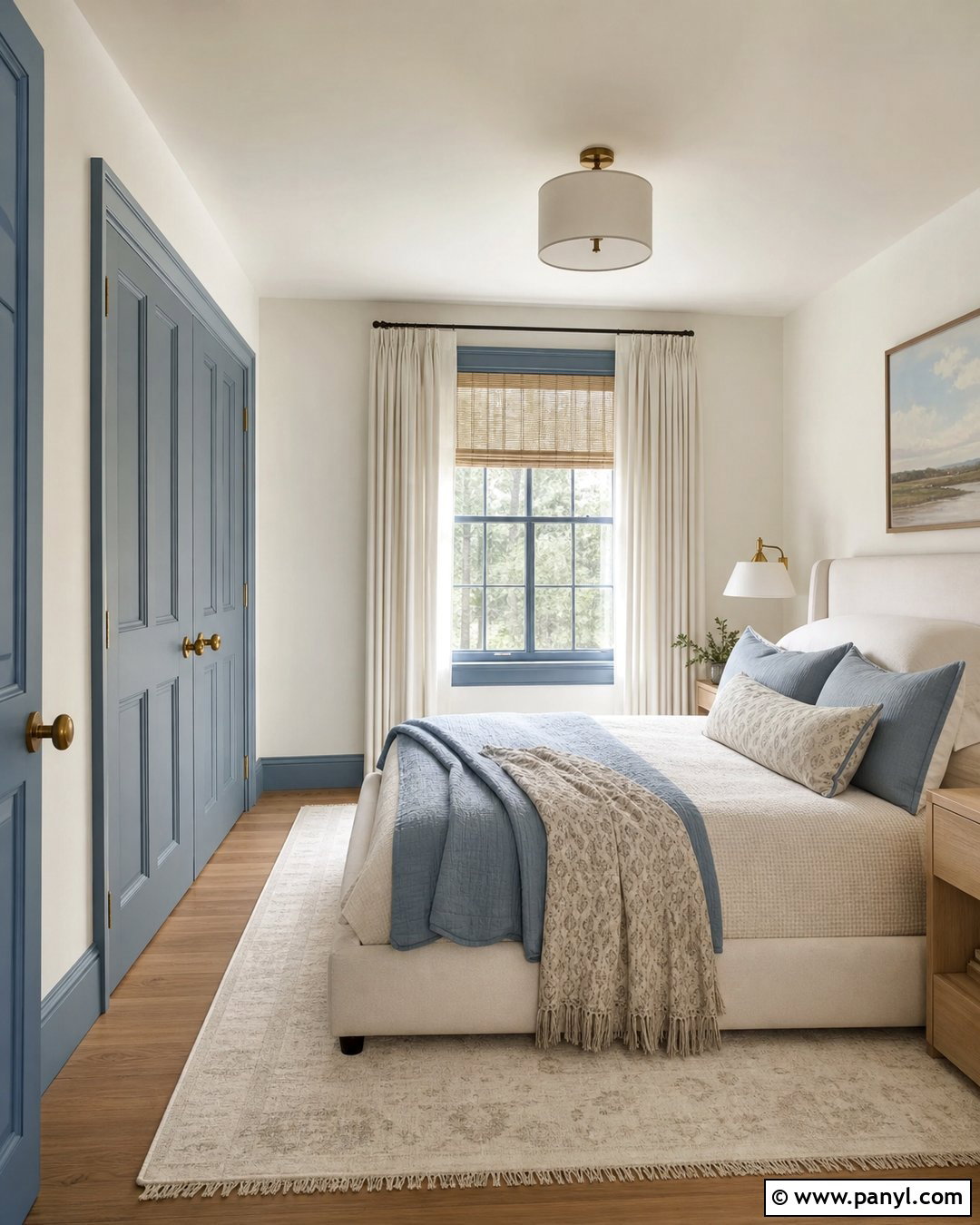
Dusty blue trim adds quiet character to a bedroom with warm white walls. Apply the blue to baseboards, window casings, the bedroom door, and paneled closet fronts for a complete treatment. An upholstered oatmeal bed, pale oak nightstands, and an ivory rug maintain a soft foundation. Layer white bedding with muted blue and warm beige textiles, then add brushed brass lamps for gentle contrast. Choose a blue with noticeable gray undertones so it feels settled rather than playful. This color can visually connect a room with blue-patterned fabrics while allowing the walls to stay bright and flexible. Use satin paint on the woodwork and eggshell on the walls. A pale warm gray ceiling can further soften the scheme, although simple warm white remains the most versatile finishing choice.
20. Navy Blue Baseboards And Trim
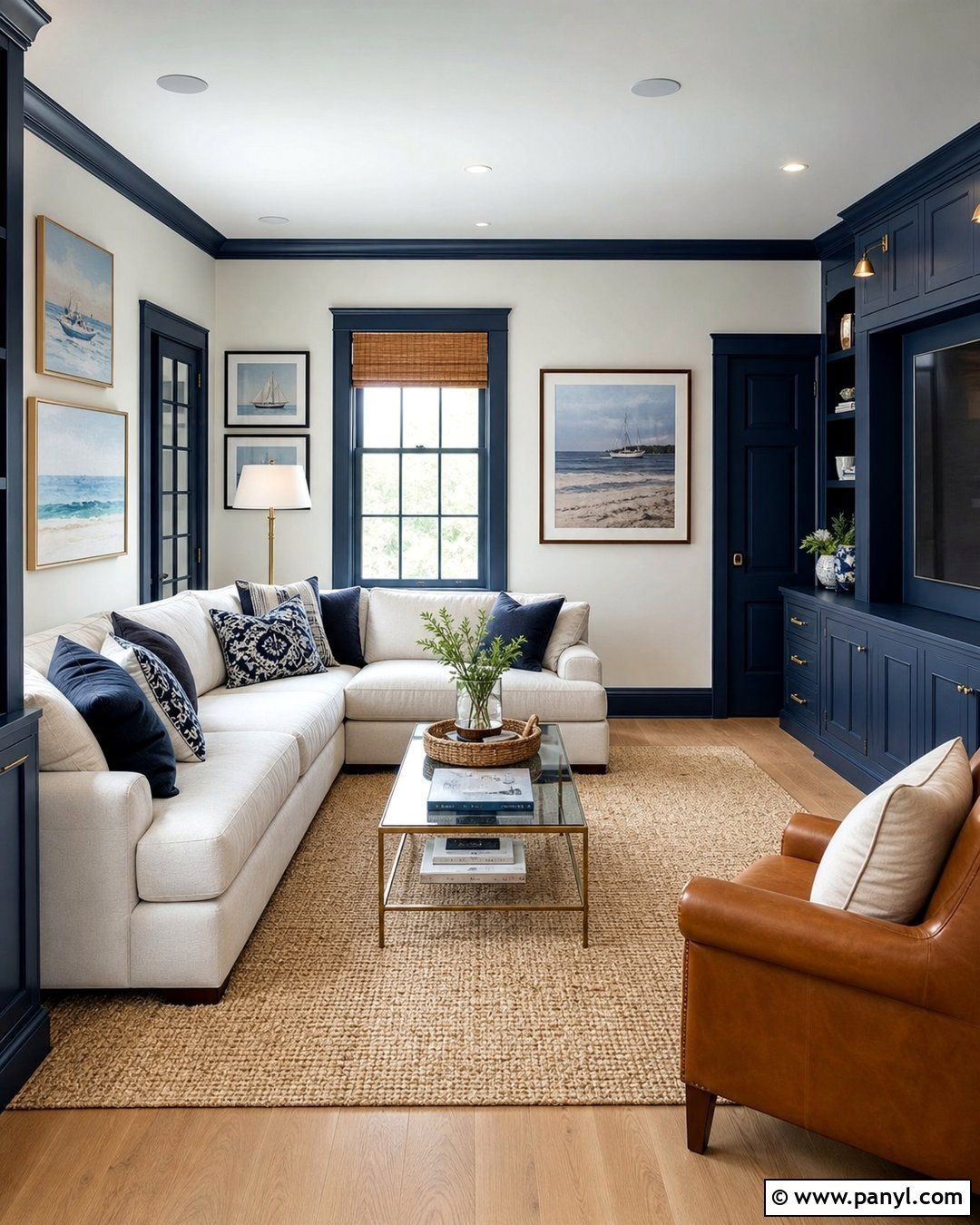
Navy trim creates bold definition while feeling more colorful and approachable than black. In a bright living room, pair soft white walls with navy baseboards, window casings, doors, and a built-in media cabinet. Light oak floors, a cream sectional, and a large natural rug prevent the dark blue from dominating. Repeat navy through a few patterned pillows, then add cognac leather and brushed brass accents for warmth. This combination suits coastal, traditional, and tailored contemporary interiors depending on the furniture selected. Choose a navy that remains visibly blue in both daylight and artificial light. A satin finish provides depth and makes scuffs easier to address. Keep window treatments pale so the navy frames the natural light instead of making the openings appear smaller or overly heavy.
21. Blue Gray Trim With Pale Walls
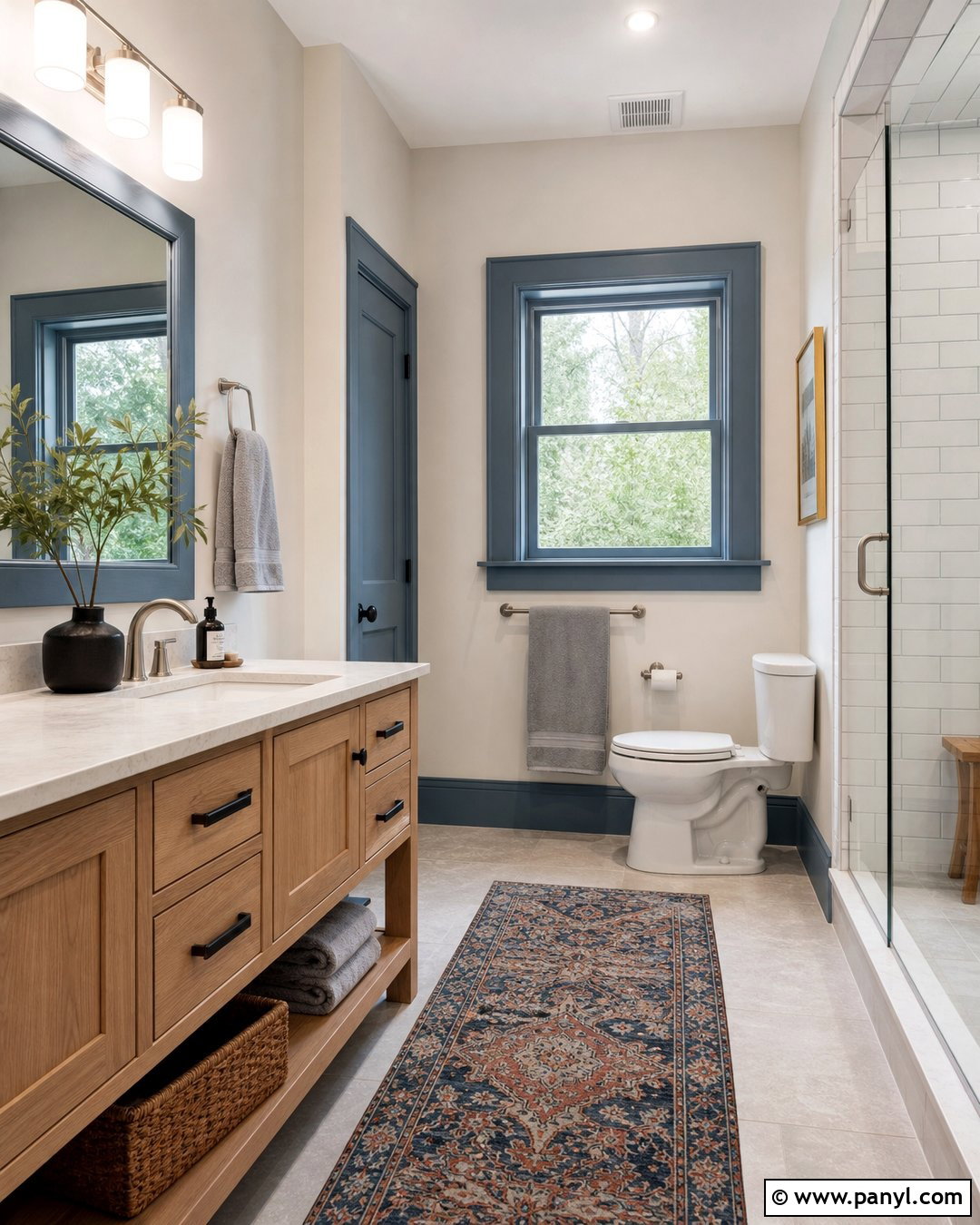
Blue-gray baseboards create a calm, tailored outline around pale neutral walls. Use this combination in a bathroom with light stone flooring, a white oak vanity, and brushed nickel fixtures. Paint the baseboards, door, window casing, and vanity mirror frame in the same medium blue-gray. Warm white walls and white tile keep the space bright, while soft gray towels and a small patterned runner connect the cooler notes. Add a few natural wood accessories to prevent the palette from feeling clinical. The blue-gray should have enough saturation to remain distinct from ordinary gray trim. Moisture-resistant satin or semi-gloss paint is a practical choice for the woodwork. Repeat the color on one substantial feature, such as the door, so the room feels coordinated from every viewing angle.
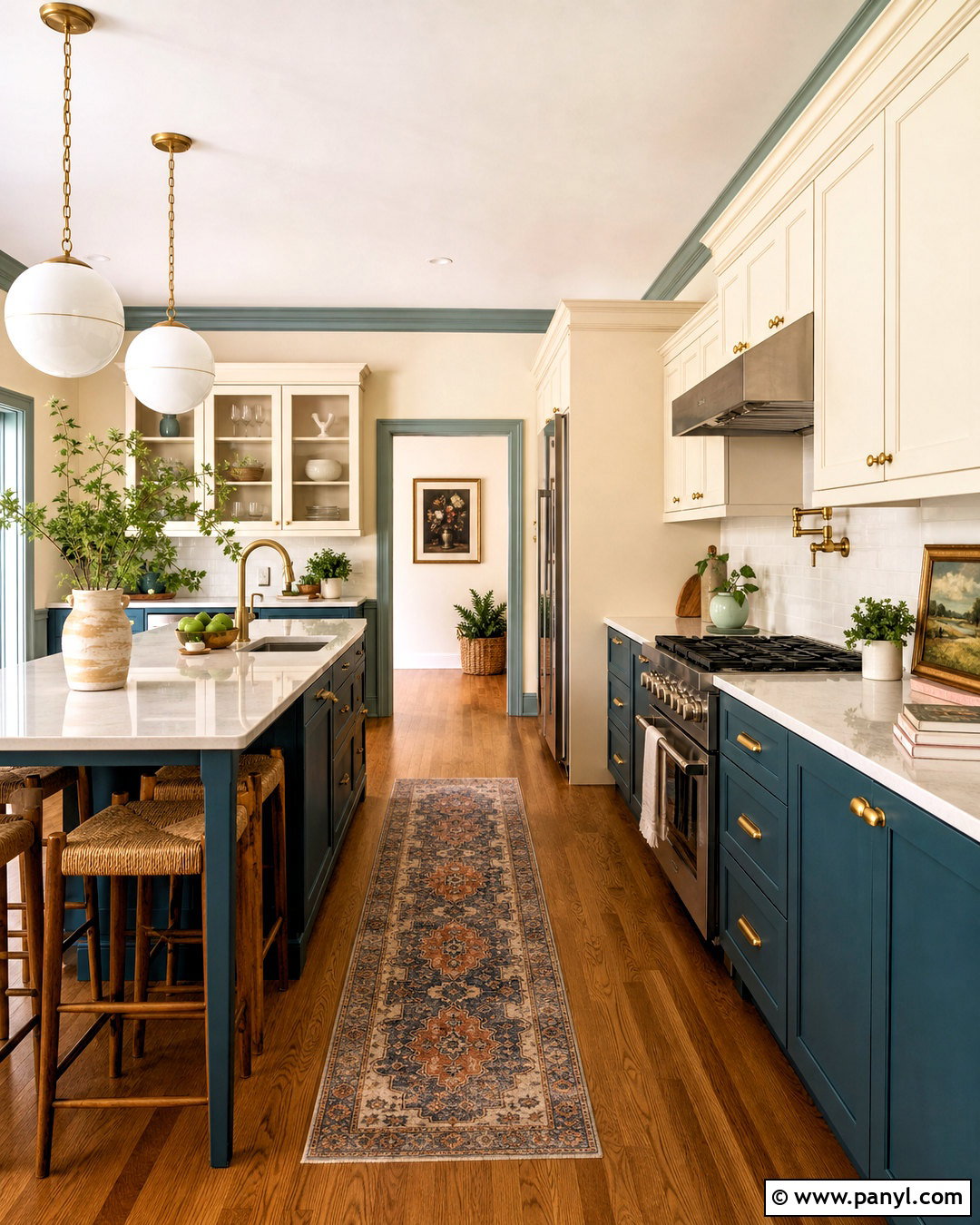
22. Teal Baseboards And Trim
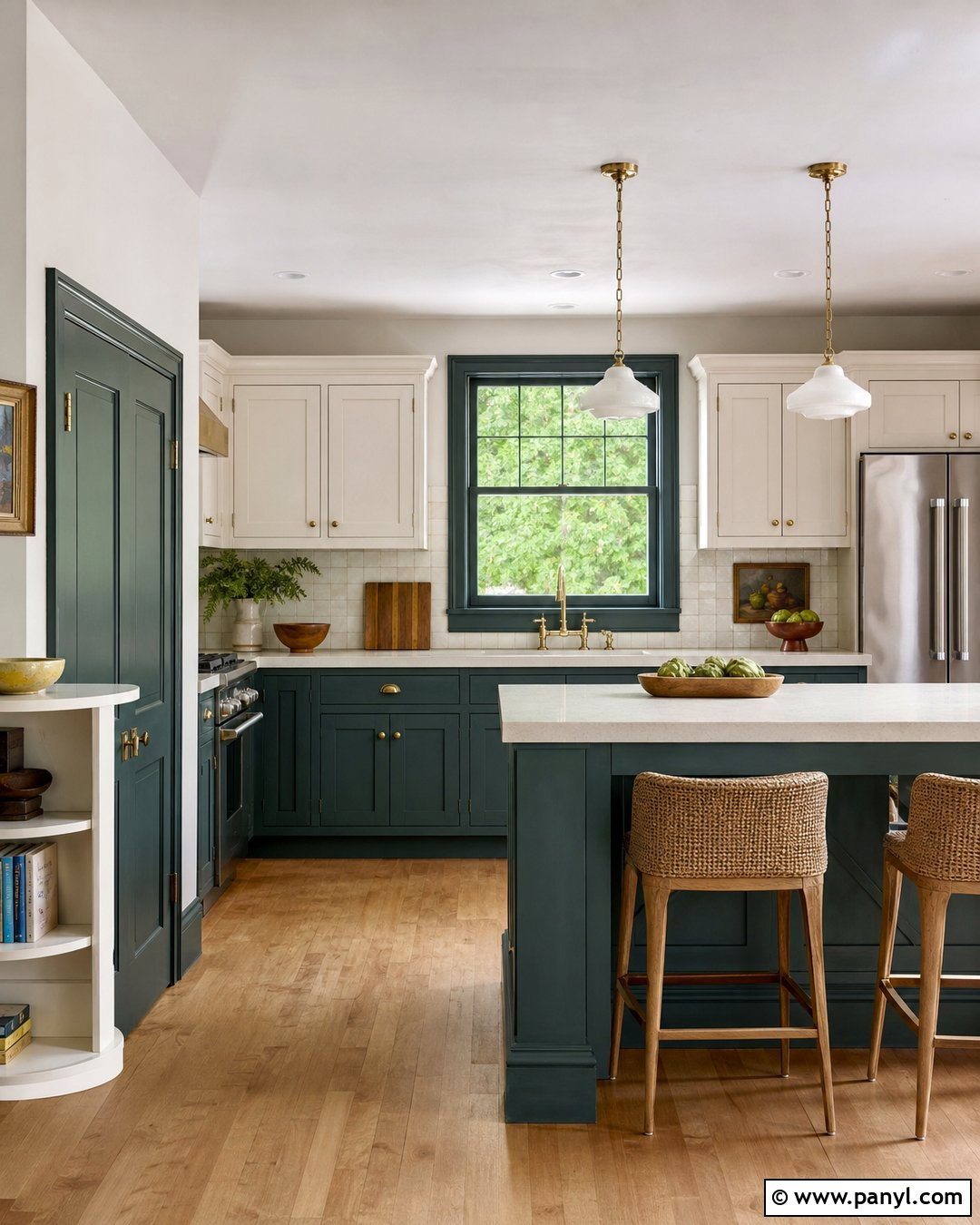
Teal trim can transform a white kitchen into a colorful, personalized space without requiring every wall to be painted. Use a deep muted teal on the baseboards, window casings, pantry door, and lower cabinets. Keep upper cabinets and walls warm white to balance the stronger color. White oak flooring, creamy quartz counters, and handmade off-white backsplash tile provide a relaxed foundation. Add aged brass hardware, natural woven stools, and simple wood accessories for warmth. Carrying teal from the trim onto the lower cabinetry ensures the color has enough visual weight. Select a blue-green shade with slightly gray undertones for a sophisticated result. Satin or cabinet-grade enamel will create a durable surface and help the architectural details withstand the daily activity of a busy kitchen.
23. Terracotta Baseboards And Trim
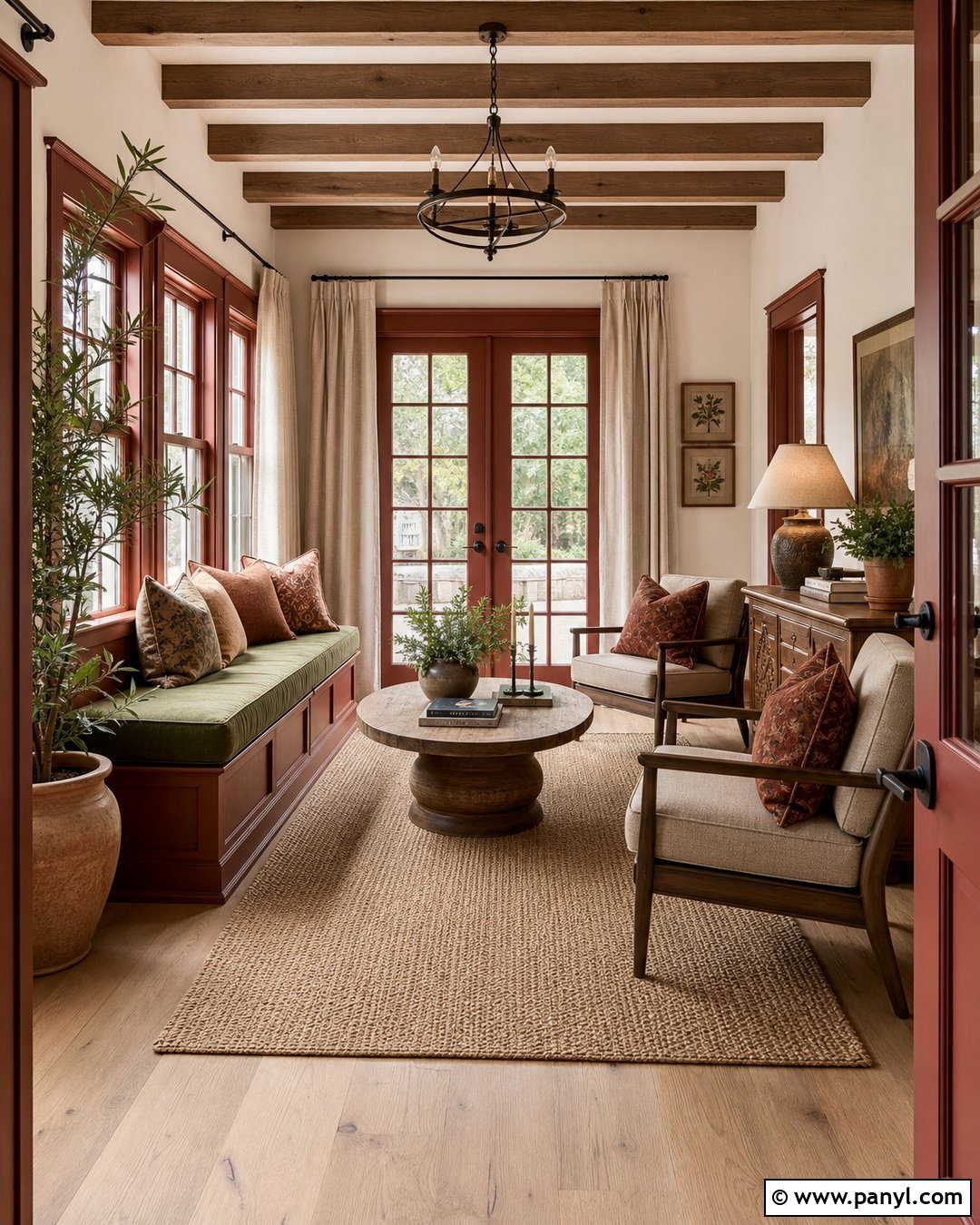
Warm terracotta trim gives a neutral room an earthy, sunbaked quality. Pair pale cream walls with clay-colored baseboards, window casings, doors, and a built-in bench. Light oak flooring and a natural woven rug keep the overall palette bright, while olive cushions and rust-patterned textiles create depth. Add handmade ceramic lamps, linen curtains, and dark bronze hardware for a relaxed Mediterranean influence. The terracotta should be muted rather than highly orange so it coordinates easily with wood and neutral fabrics. This treatment works especially well in an entryway, sunroom, or casual dining space. Repeat the color at several heights through doors and furniture to distribute it evenly. A warm white ceiling will reflect light and balance the grounded tone around the room’s lower edges.
24. Rust Baseboards And Trim
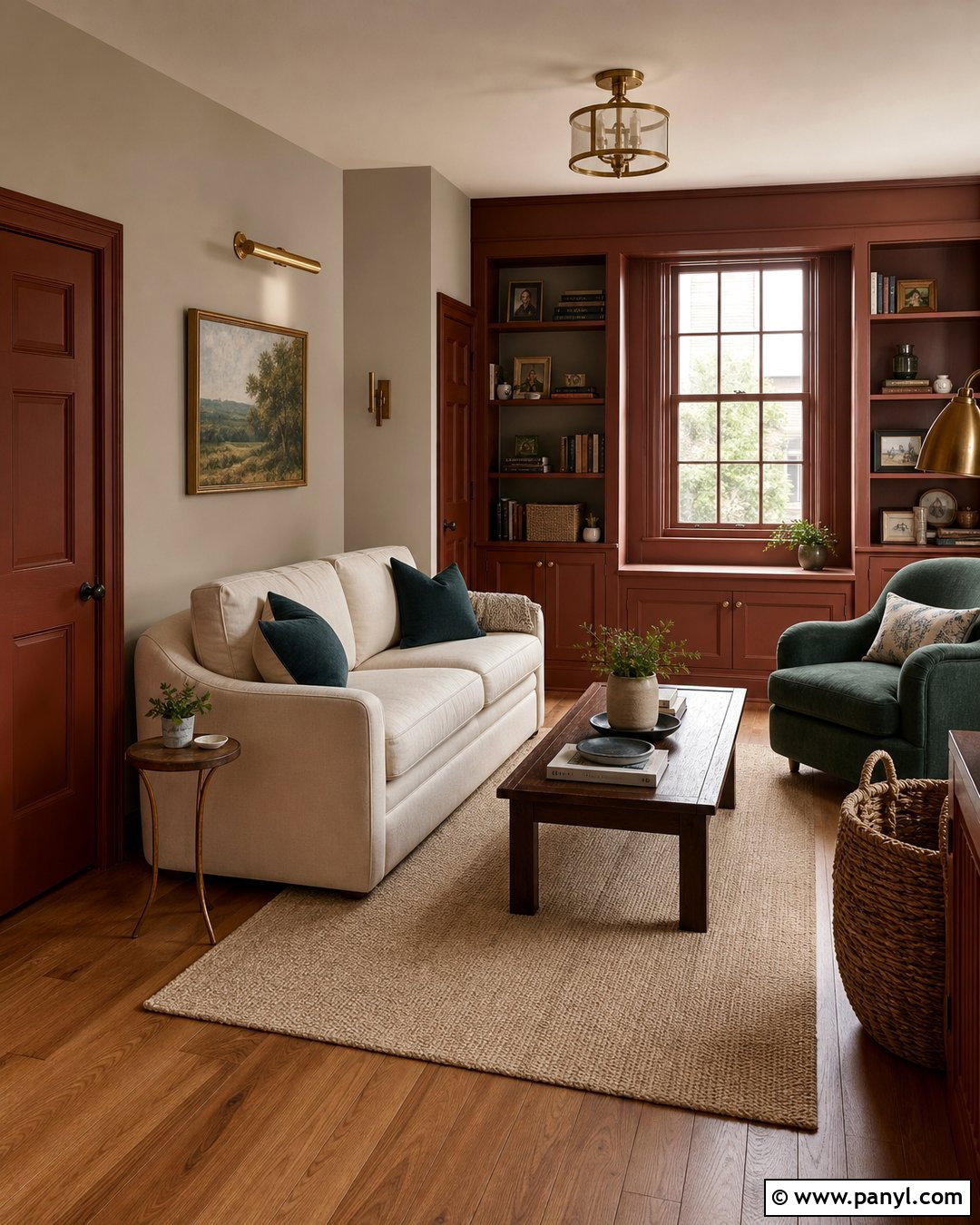
Rust-colored trim offers a deeper alternative to terracotta and looks especially rich beside putty or mushroom walls. In a comfortable den, use rust on the baseboards, window casings, door, and built-in storage. Add a cream sofa, walnut coffee table, and beige rug with subtle blue details. A few dark teal cushions provide complementary contrast, while aged brass lighting supports the warm palette. Keep the flooring medium oak or neutral brown so the room feels cohesive. Because rust is visually strong, avoid introducing several additional saturated colors. Instead, let texture supply interest through boucle, linen, wood grain, and woven baskets. A satin finish gives the trim a smooth, substantial appearance. Sampling is essential because rust can shift noticeably toward brown, red, or orange under different lighting.
25. Blush Pink Baseboards And Trim
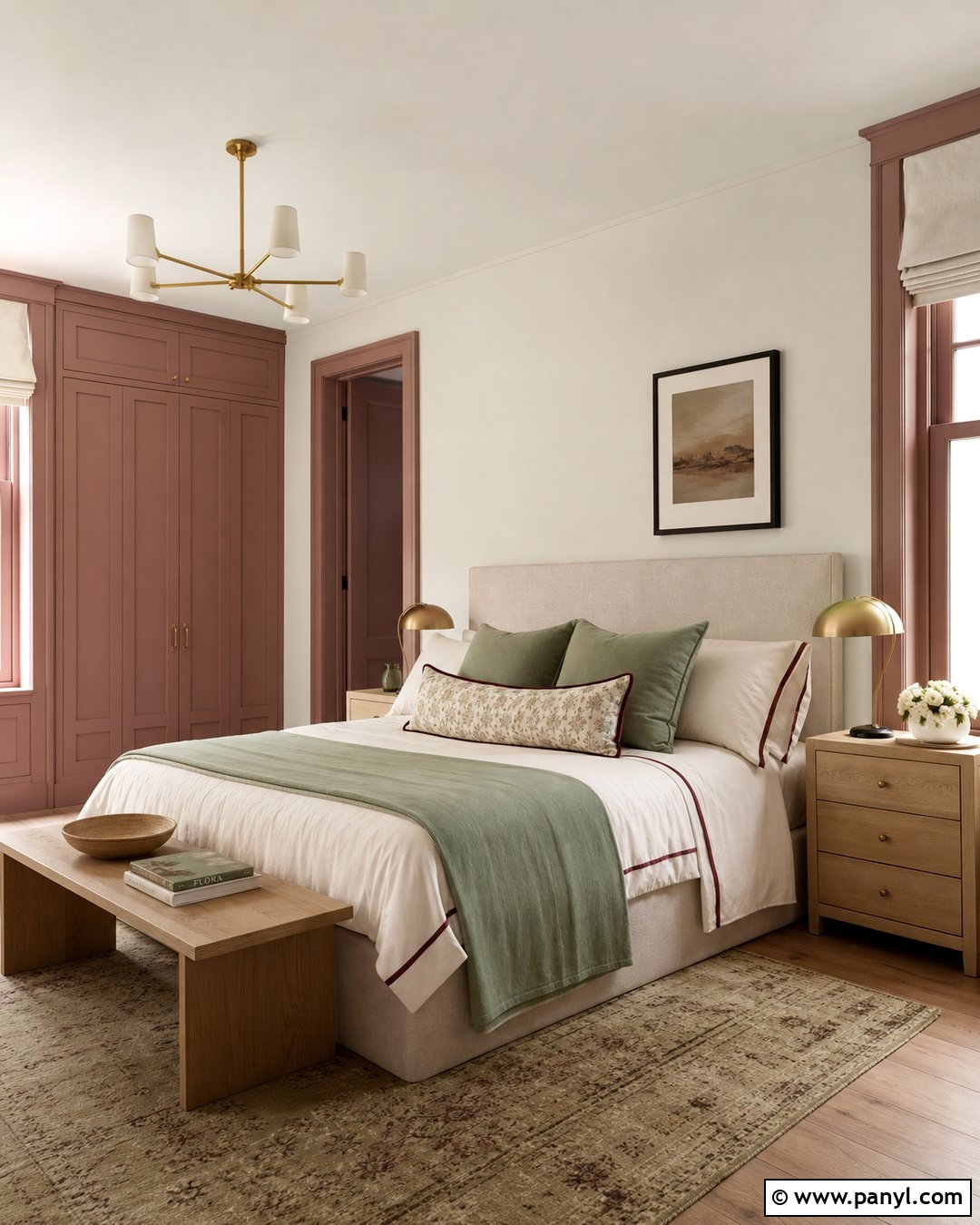
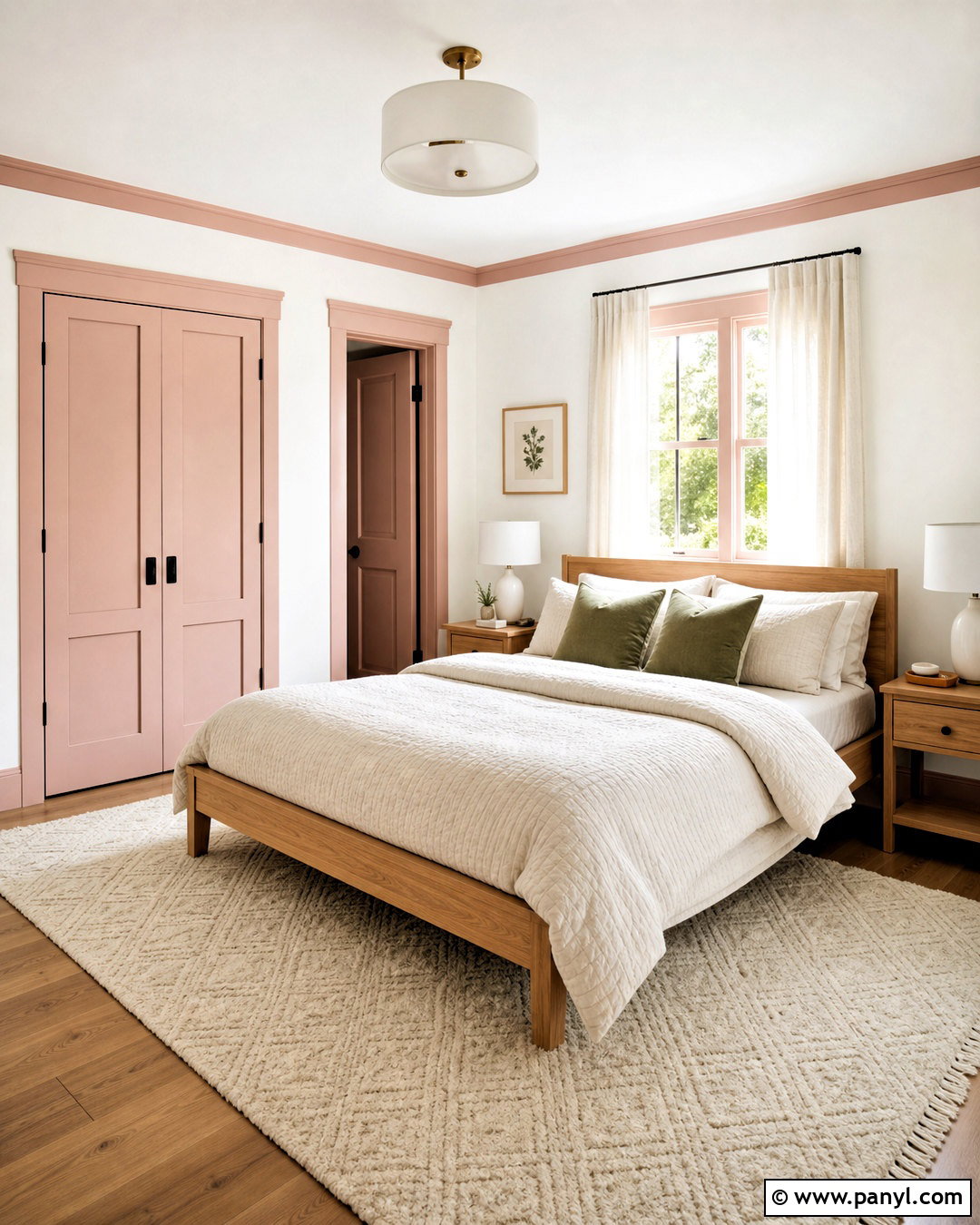
Blush pink trim can feel subtle and grown-up when paired with warm white walls and natural materials. Paint the baseboards, window frames, bedroom door, and paneled wardrobe in a dusty blush with beige undertones. Choose an oatmeal upholstered bed, ivory bedding, and pale oak furniture to keep the space calm. Add muted burgundy piping, sage textiles, and brushed brass lamps for depth. The pink should read as a softened neutral rather than a sugary pastel. Extending it onto the wardrobe gives the color enough presence to look intentional and connects the lower trim with a larger feature. Use matte walls and satin woodwork to reveal the tonal difference. A warm white ceiling and light woven curtains maintain brightness while allowing the colored trim to frame the room gently.
26. Plum Baseboards And Trim
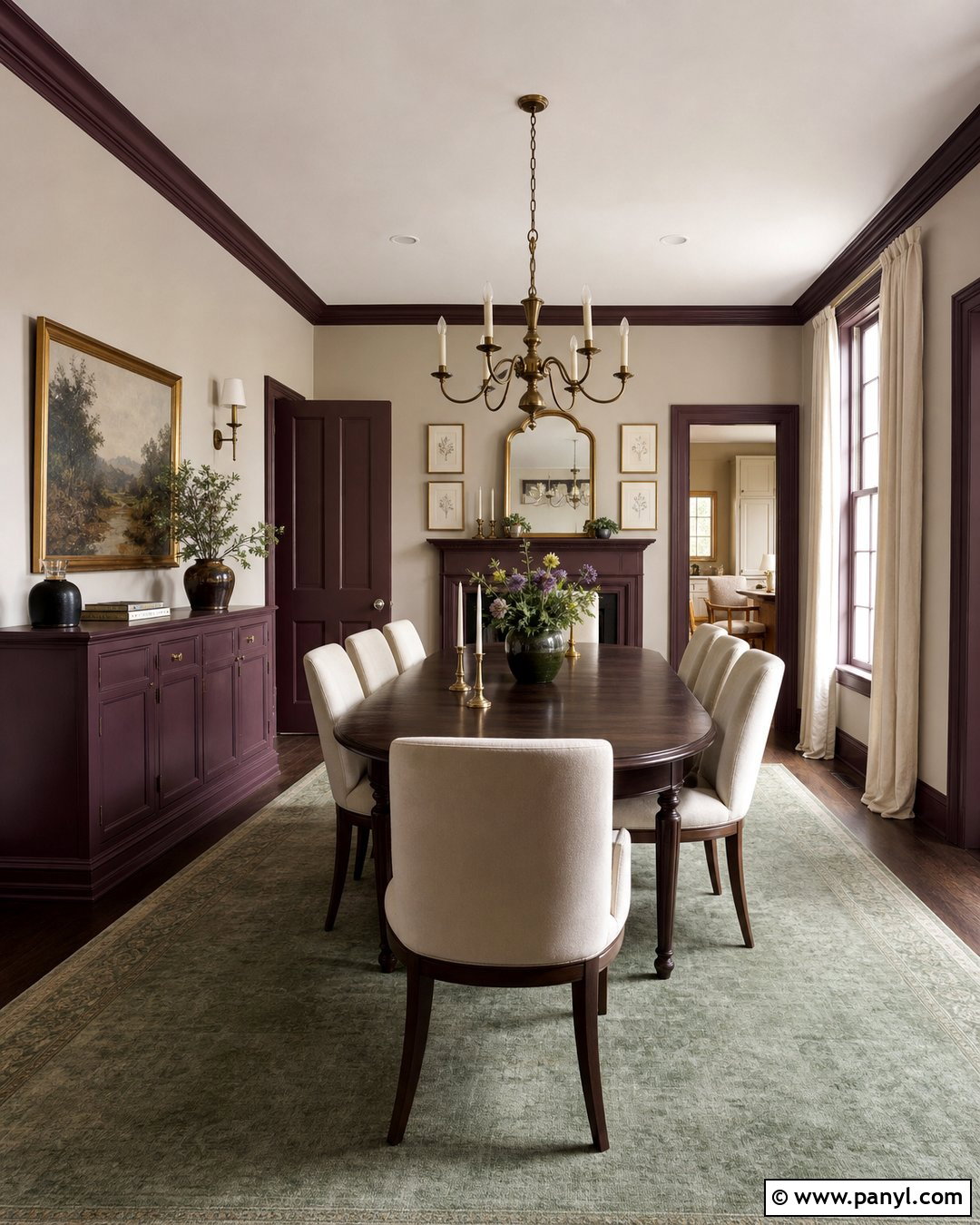
Plum trim brings unexpected richness to a dining room with pale taupe walls. Choose a deep, muted plum for the baseboards, interior doors, window casings, and a painted sideboard. A dark walnut dining table and cream upholstered chairs establish a sophisticated foundation. Introduce muted green through artwork or a small patterned rug, then use antique brass lighting to warm the purple undertones. Keep curtains and larger wall areas light so the room remains balanced. Plum works best when it appears almost brown in shadow but retains a clear purple character in brighter light. Test the shade next to the flooring before painting every molding. Satin paint adds depth and durability, while a soft white ceiling prevents the richly colored architectural frame from enclosing the space.
27. Mustard Yellow Baseboards And Trim
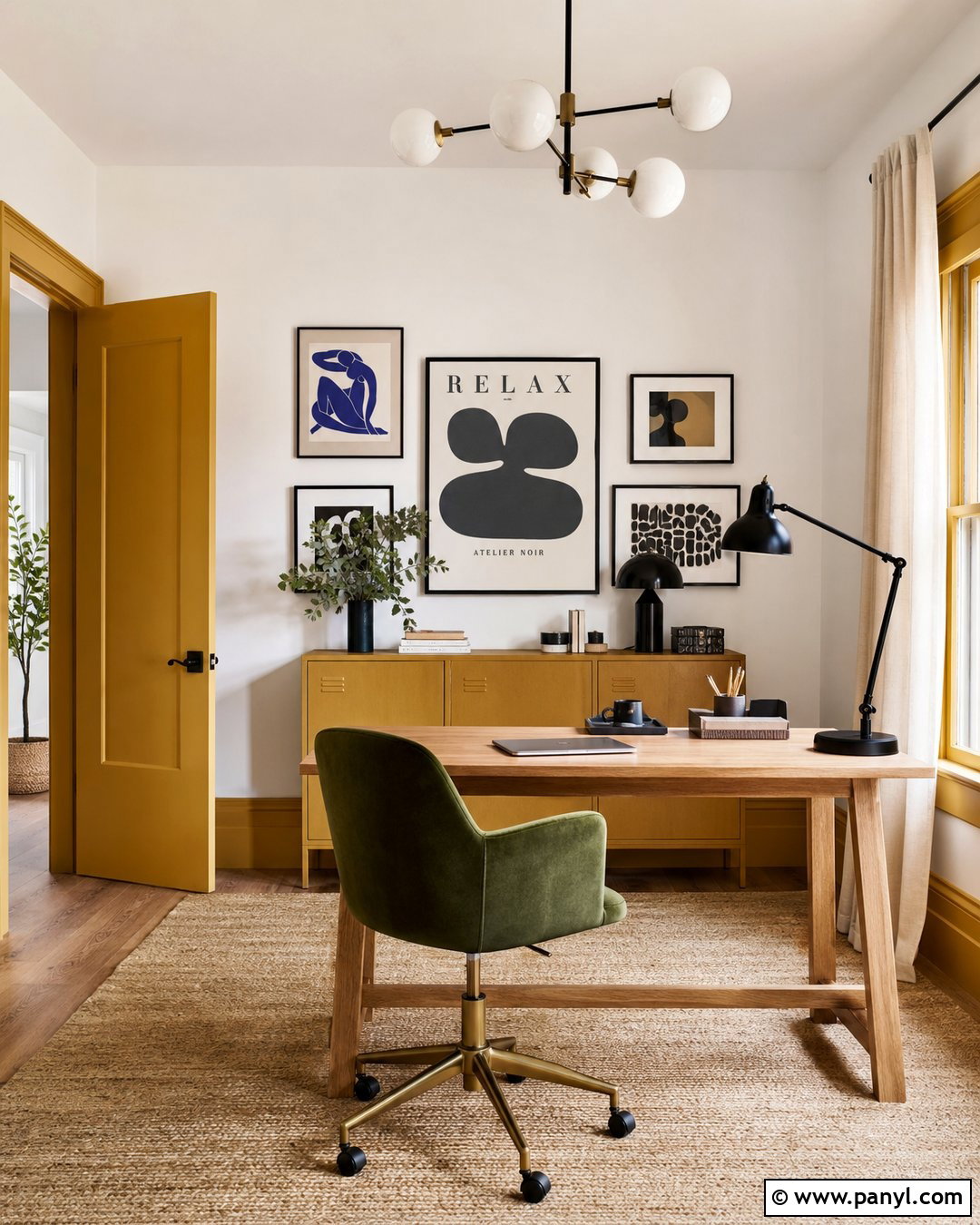
Mustard yellow trim can bring warmth and cheerful character to an otherwise simple room. In a creative home office, pair warm white walls with muted mustard baseboards, window casings, the door, and a low storage cabinet. Add a light oak desk, a natural fiber rug, and an olive desk chair to support the earthy palette. Black task lighting and hardware create clean definition, while cream curtains keep the window bright. Choose a mustard shade with brown or ocher undertones rather than a vivid lemon yellow. Repeating the color on furniture gives it purpose and prevents the baseboards from looking isolated. Keep artwork graphic but restrained, using black, beige, and small amounts of blue. Satin trim paint will help the unusual color feel polished and practical.
28. Pale Yellow Baseboards And Trim
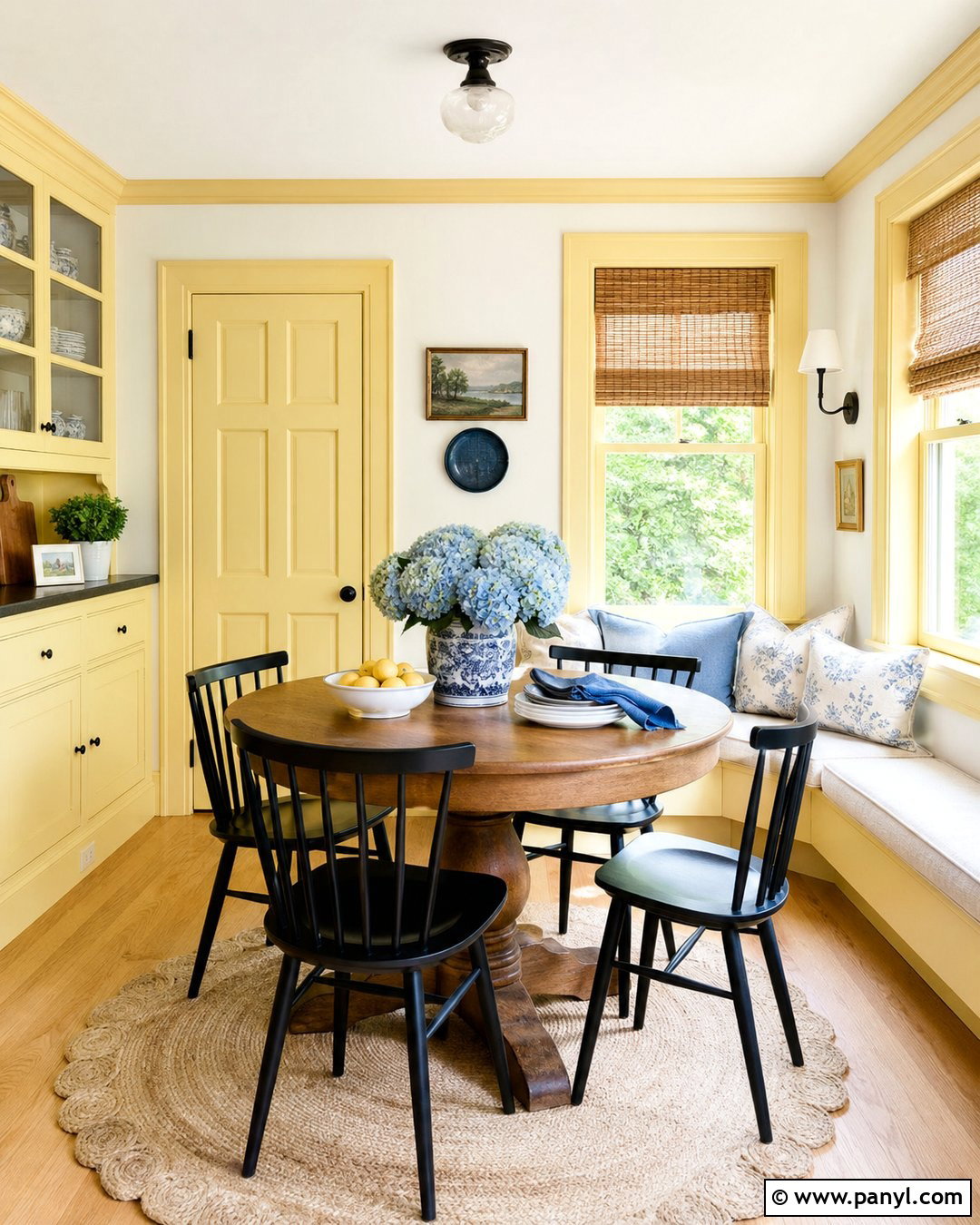
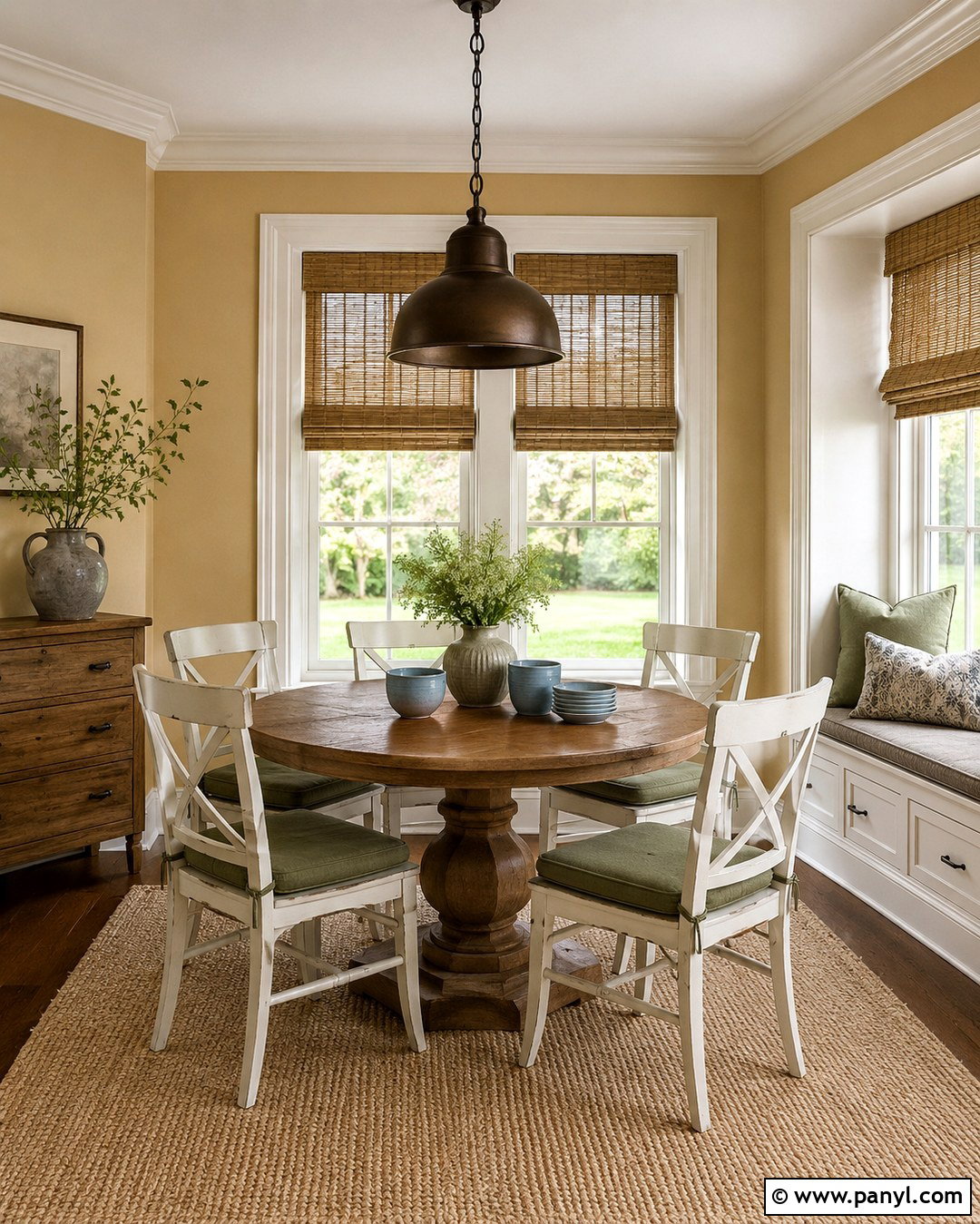
A pale buttery yellow can soften white walls and give a breakfast room a sunny, welcoming character. Apply the color to baseboards, window casings, doors, and a built-in banquette. Warm white walls, light oak flooring, and a round wood table keep the palette natural. Add cream seat cushions, woven shades, and soft blue accessories for balance. The yellow should be light enough to function like a warm neutral while still reading clearly beside the walls. Carrying it onto the banquette makes the scheme feel cohesive and visually substantial. Choose satin paint for the woodwork and a washable eggshell for the walls. Avoid pairing pale yellow with a harsh blue-white, which can exaggerate the contrast. A warm white ceiling completes the bright, connected breakfast area.
29. Lavender Baseboards And Trim
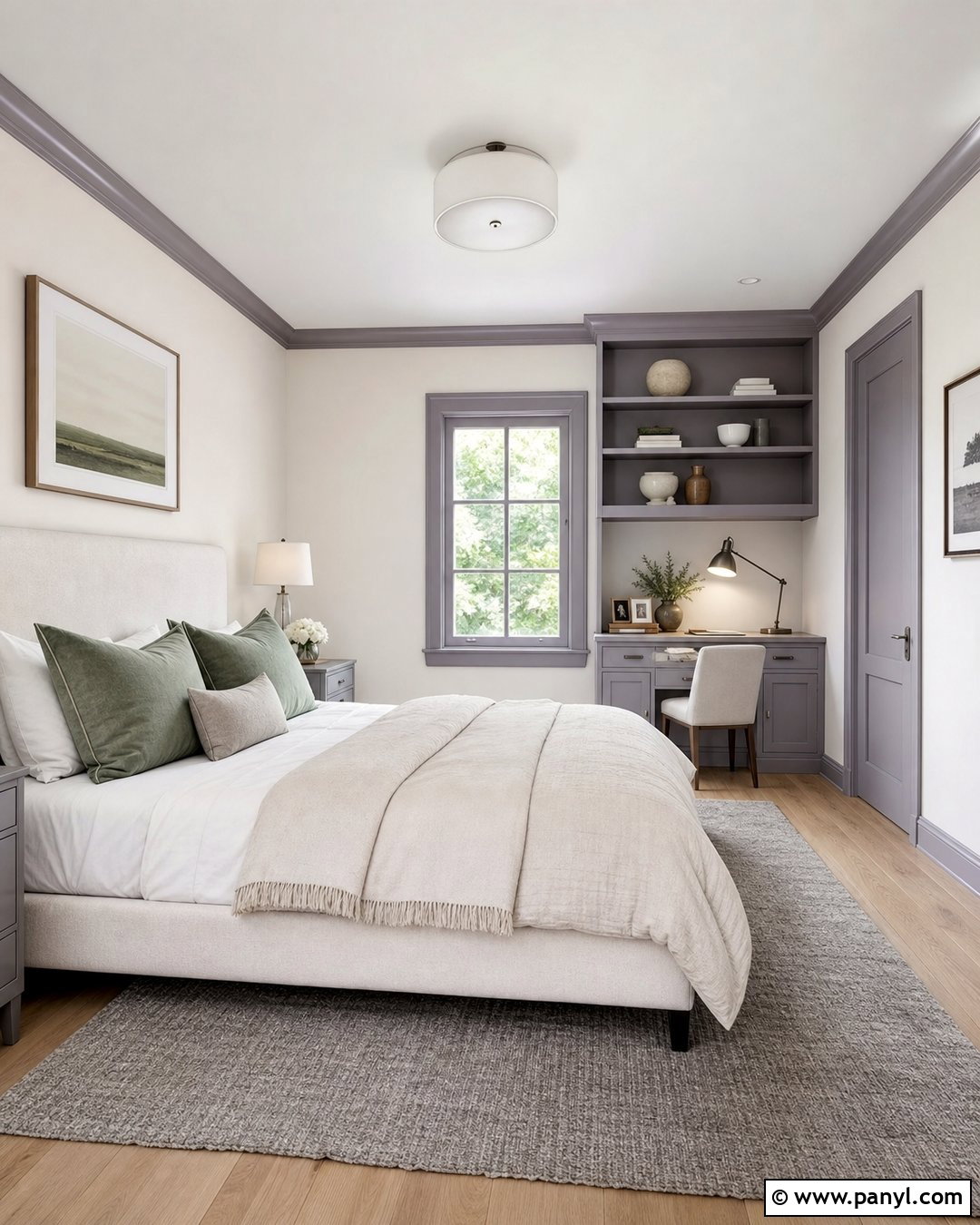
Muted lavender trim offers a gentle way to introduce color in a guest bedroom. Pair it with soft warm white walls, then use the lavender on baseboards, window casings, the door, and a small built-in desk. Pale oak flooring, an ivory upholstered bed, and natural linen bedding keep the room grounded. Add dusty green pillows, brushed nickel lighting, and a subtle gray rug to balance the purple. Select a lavender with gray undertones so it appears sophisticated in changing daylight. The same color can continue onto the desk drawers or closet doors for greater visual continuity. Keep decorative objects simple and avoid layering several competing pastels. A satin woodwork finish provides quiet contrast against matte walls, revealing the trim’s shape without making the color look glossy or overly sweet.
30. Brick Red Baseboards And Trim
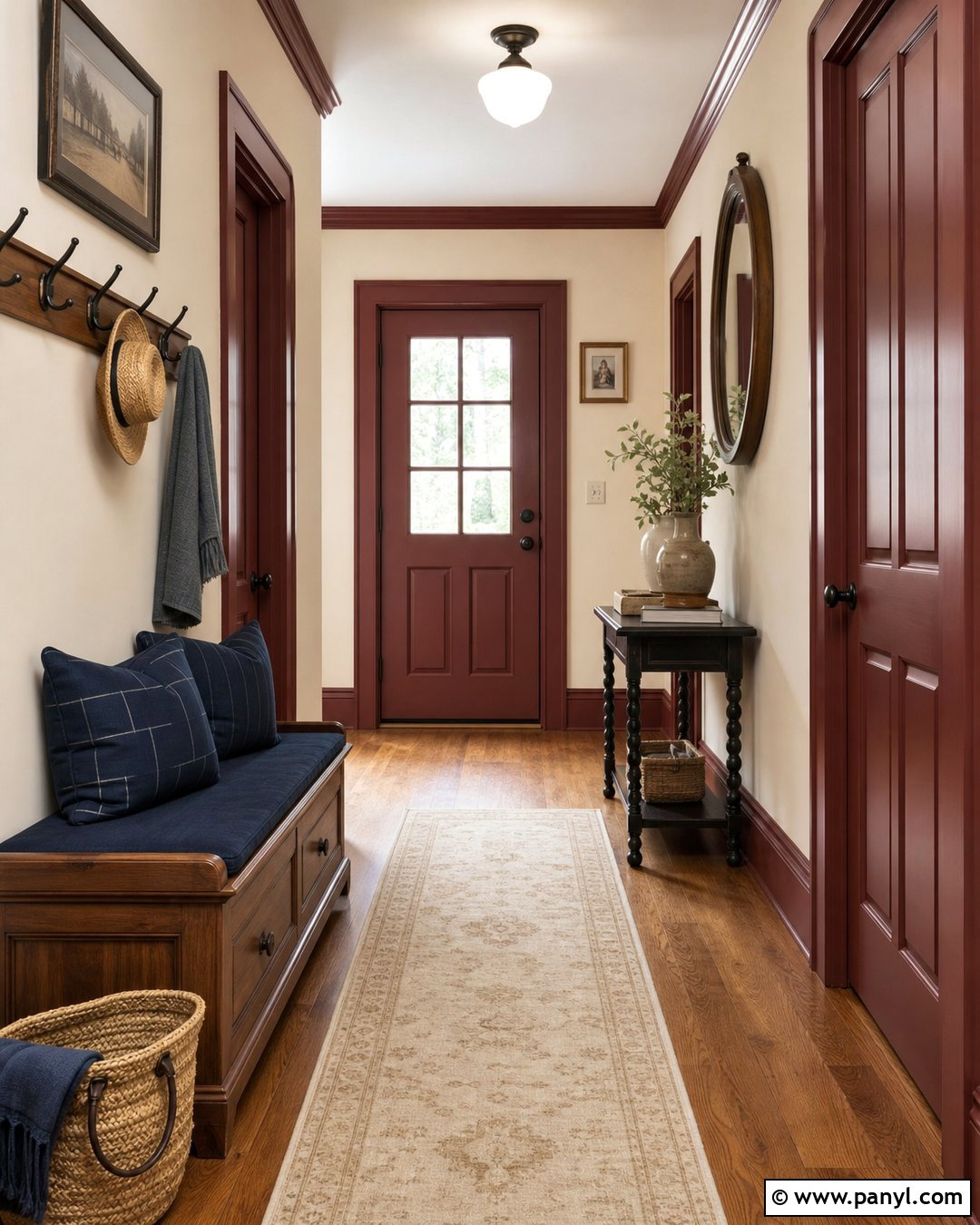
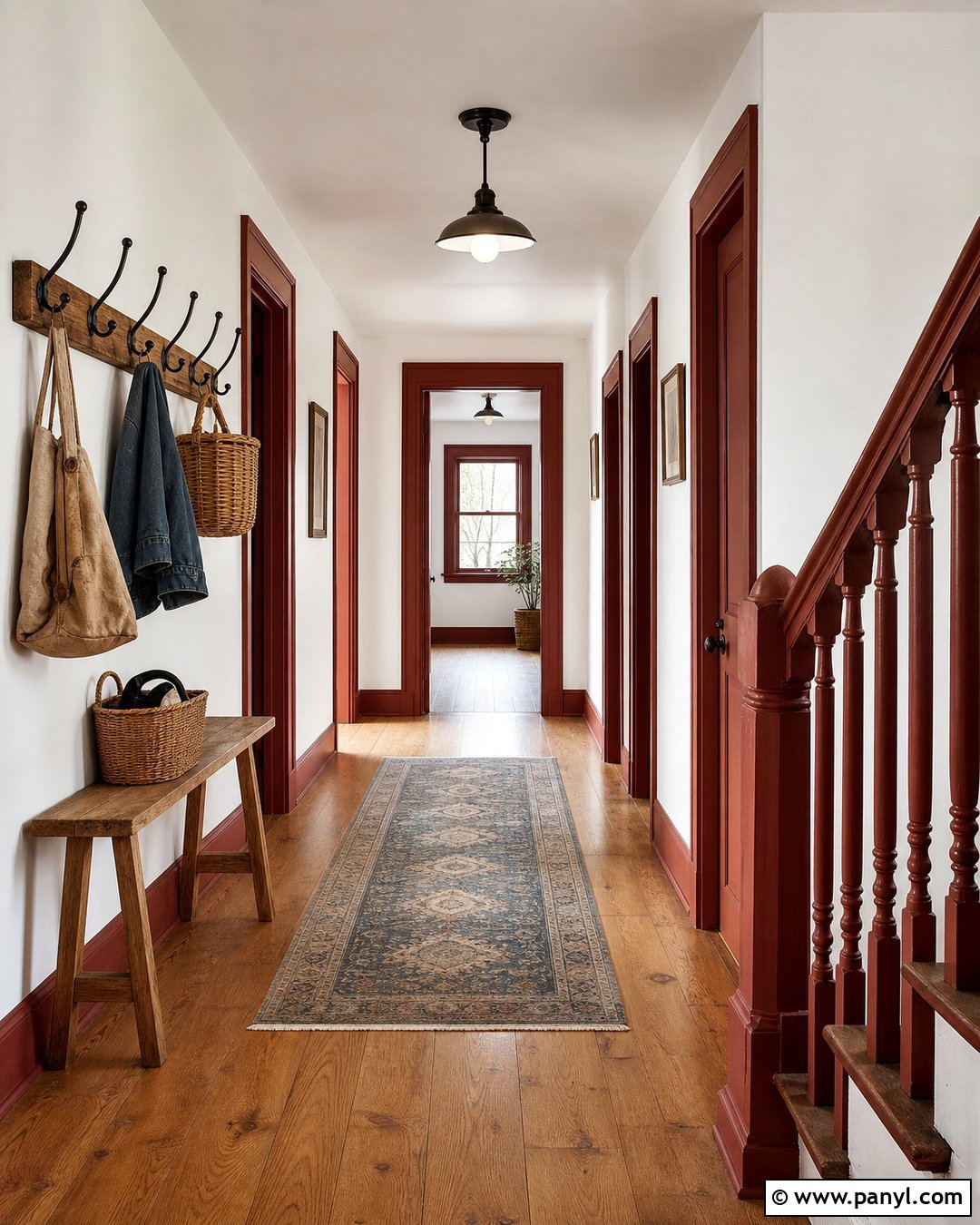
Brick red trim creates a warm architectural accent that feels grounded rather than flashy. Use it in an entryway with soft beige walls, painting the baseboards, door casings, interior doors, and a narrow storage bench. Medium oak flooring, a cream runner, and black metal hooks support the strong color. Add muted navy cushions and a walnut-framed mirror for balanced contrast. Choose an earthy red containing brown undertones so it coordinates with wood and neutral stone. Repeating brick red on the doors gives the scheme enough weight to feel planned. Keep nearby ceilings and crown molding warm white to maintain openness. Satin paint will provide a smooth, washable finish for this high-traffic area. The completed entry feels welcoming, practical, and distinctive without depending on excessive decorative accessories.
31. Two Tone Baseboards And Wall Trim
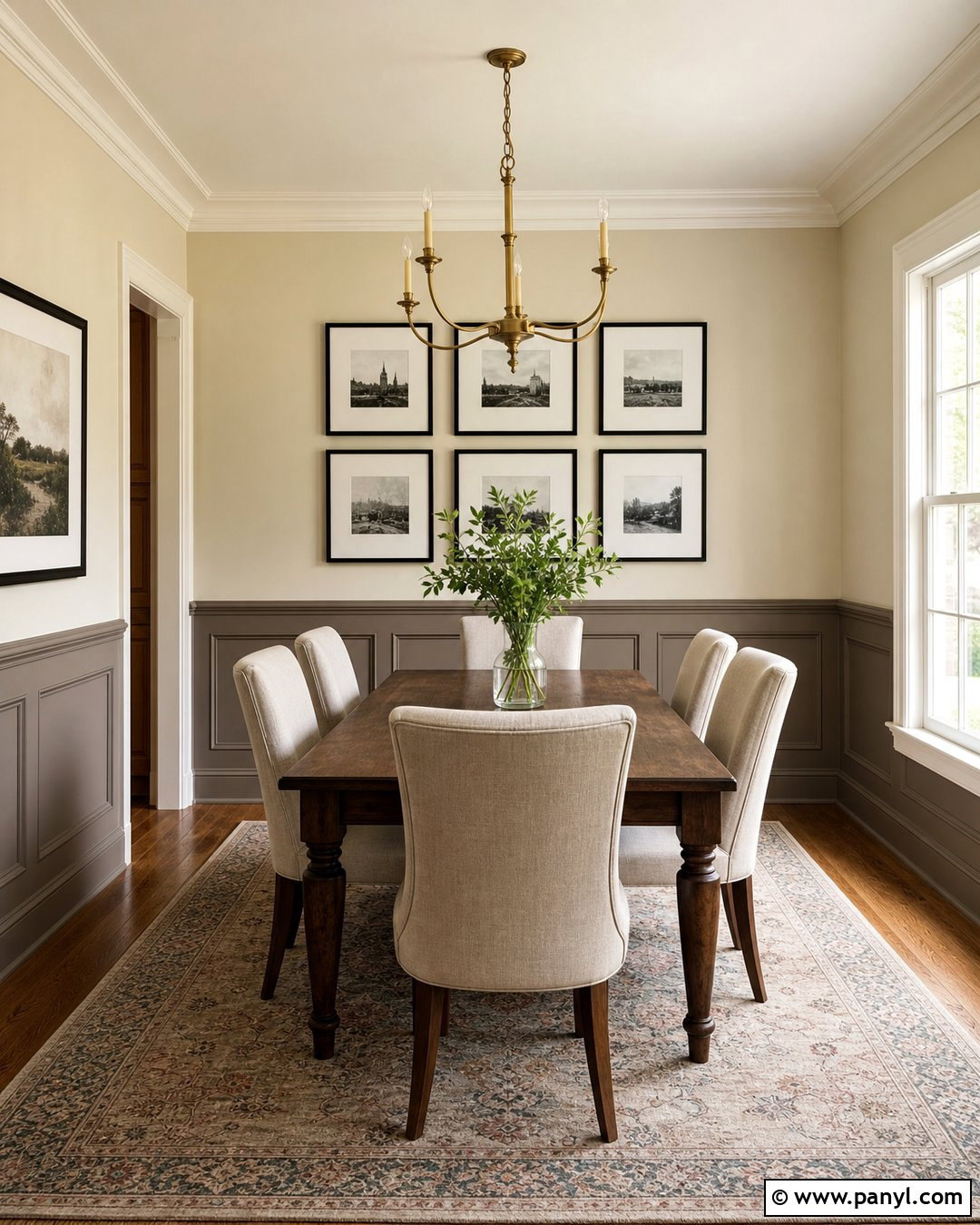
A two-tone trim treatment can highlight different architectural levels while keeping the room organized. Paint the baseboards and lower wall paneling in medium taupe, then use warm white on the upper window casings, crown molding, and ceiling. Soft cream walls above the paneling bridge the two colors. In a dining room, add a dark oak table, linen chairs, and a muted patterned rug that repeats both taupe and ivory. Aged brass lighting introduces warmth, while simple black frames keep the look current. Align the color break with a chair rail or paneled wall rather than changing colors randomly. This ensures the room reads as one complete design. Use satin on all painted woodwork so the different trim colors share a consistent, polished finish.
32. Black Baseboards With Matching Doors
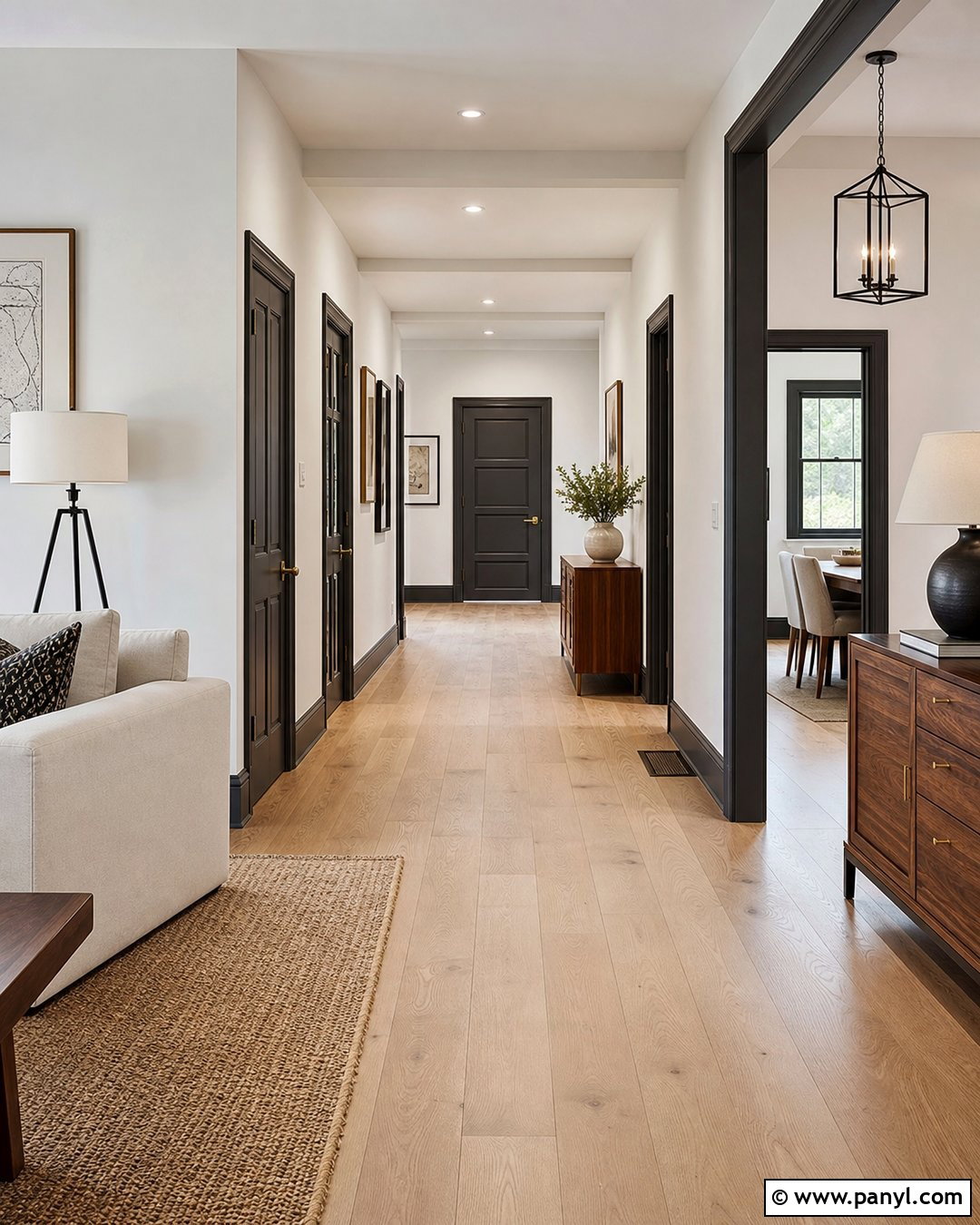
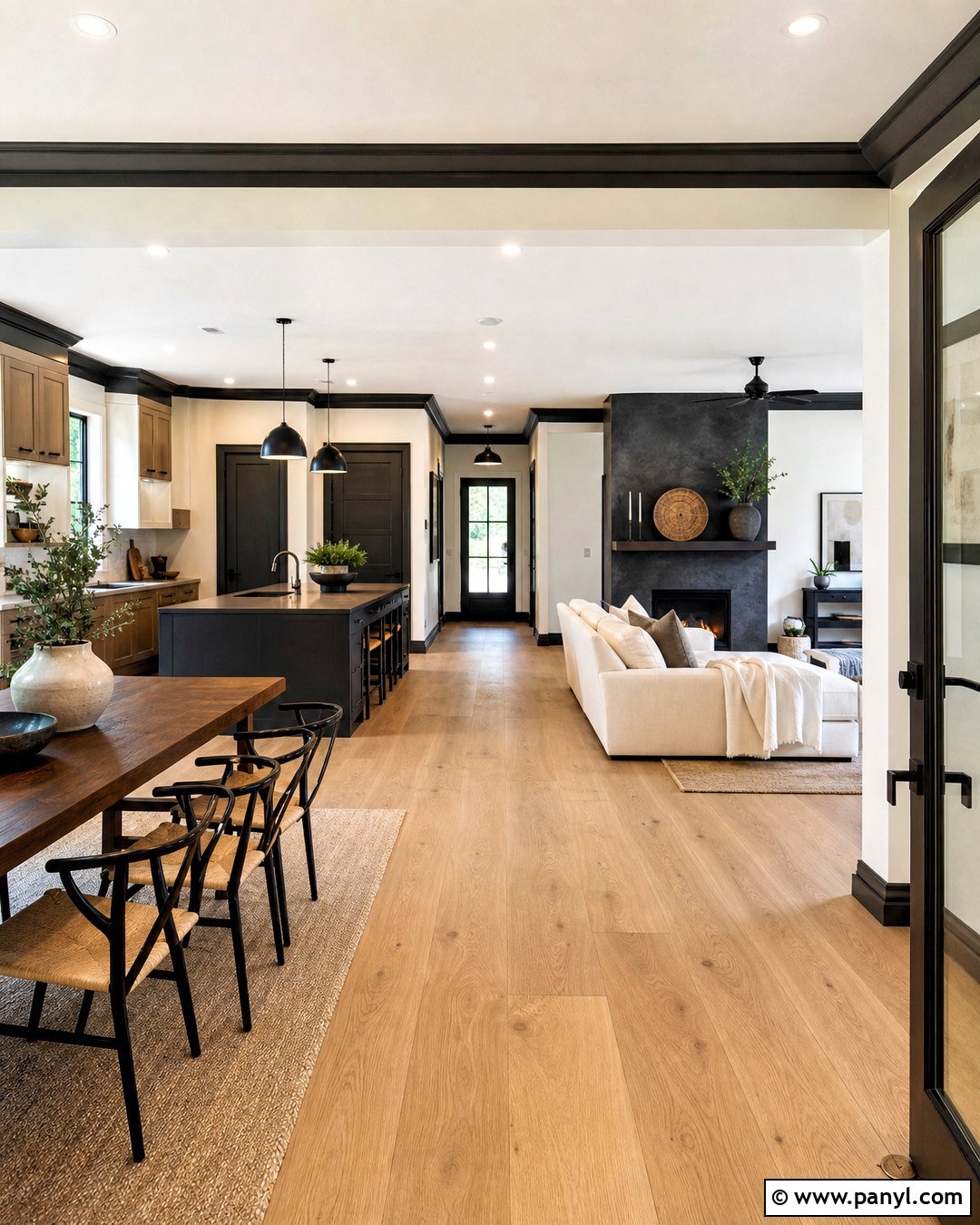
Matching black baseboards and doors creates a strong visual rhythm while allowing window trim and walls to remain light. Use soft white walls and white window casings, then paint the floor trim, interior doors, and door frames in a softened satin black. Light oak flooring and a warm beige rug prevent the lower portion of the room from feeling too dark. Choose a cream sofa, walnut furniture, and black metal lighting to repeat the contrast throughout the space. This split treatment works particularly well in modern hallways and living areas where multiple doors are visible. Keep the baseboard profile straightforward and substantial enough to hold the dark color. Black door hardware can blend into the doors, while warm brass provides a more decorative and noticeable finishing touch.
33. Trim Matching Kitchen Cabinets
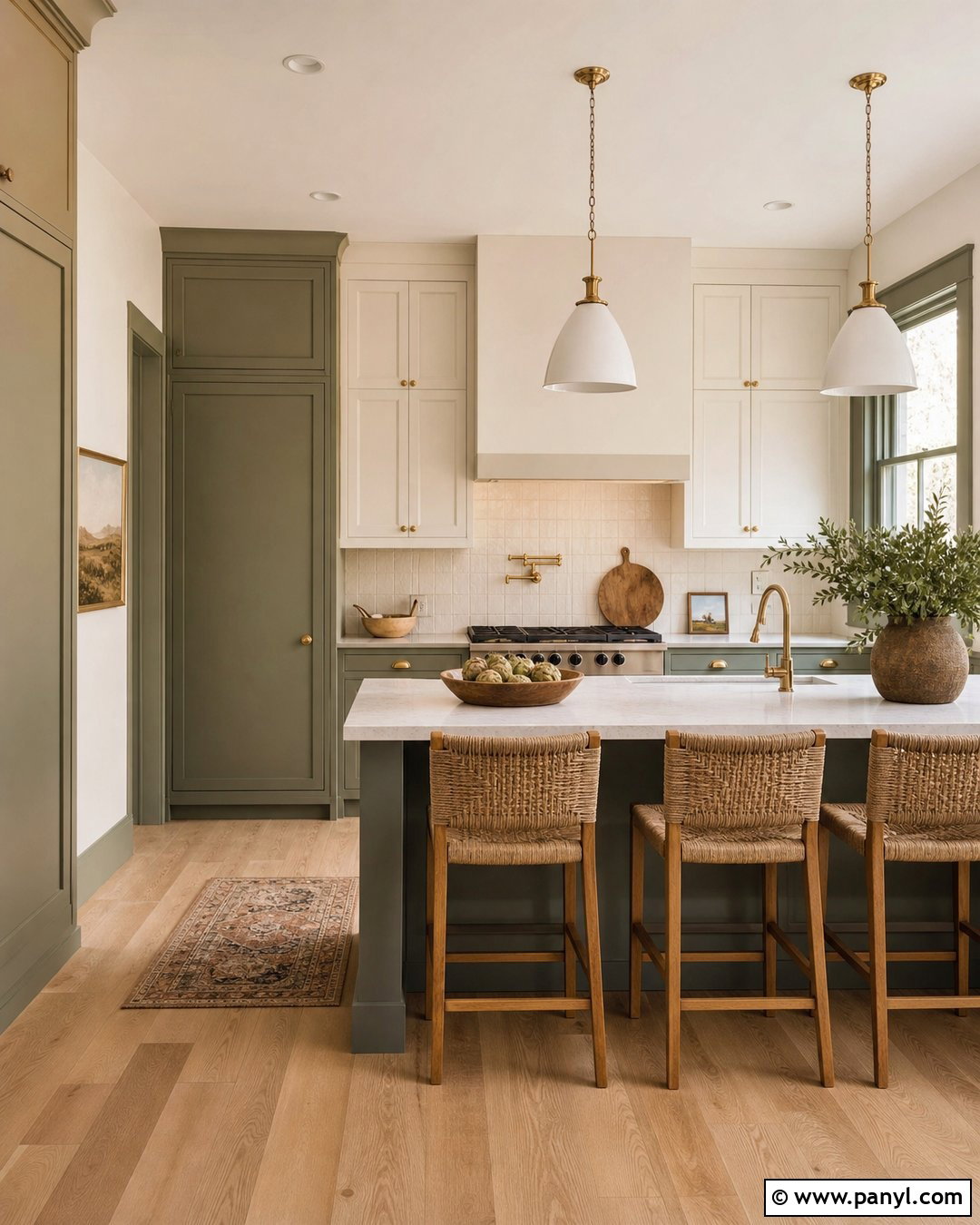
Matching the trim to the kitchen cabinets creates a seamless built-in appearance. In a warm, contemporary kitchen, paint the lower cabinets, baseboards, door casings, pantry door, and window trim in muted sage green. Keep the upper cabinets and walls creamy white to preserve brightness. White oak flooring, pale quartz counters, and softly textured backsplash tile provide a neutral foundation. Add aged brass hardware, woven counter stools, and light wood accessories to warm the green. Continuing the cabinet color around the room makes the cabinetry feel integrated rather than freestanding. Use the same durable satin or enamel finish on both cabinets and trim for consistency. If adjoining rooms have white baseboards, make the color transition at a clear doorway or architectural break for a neat, purposeful result.
34. White Trim With Dark Walls
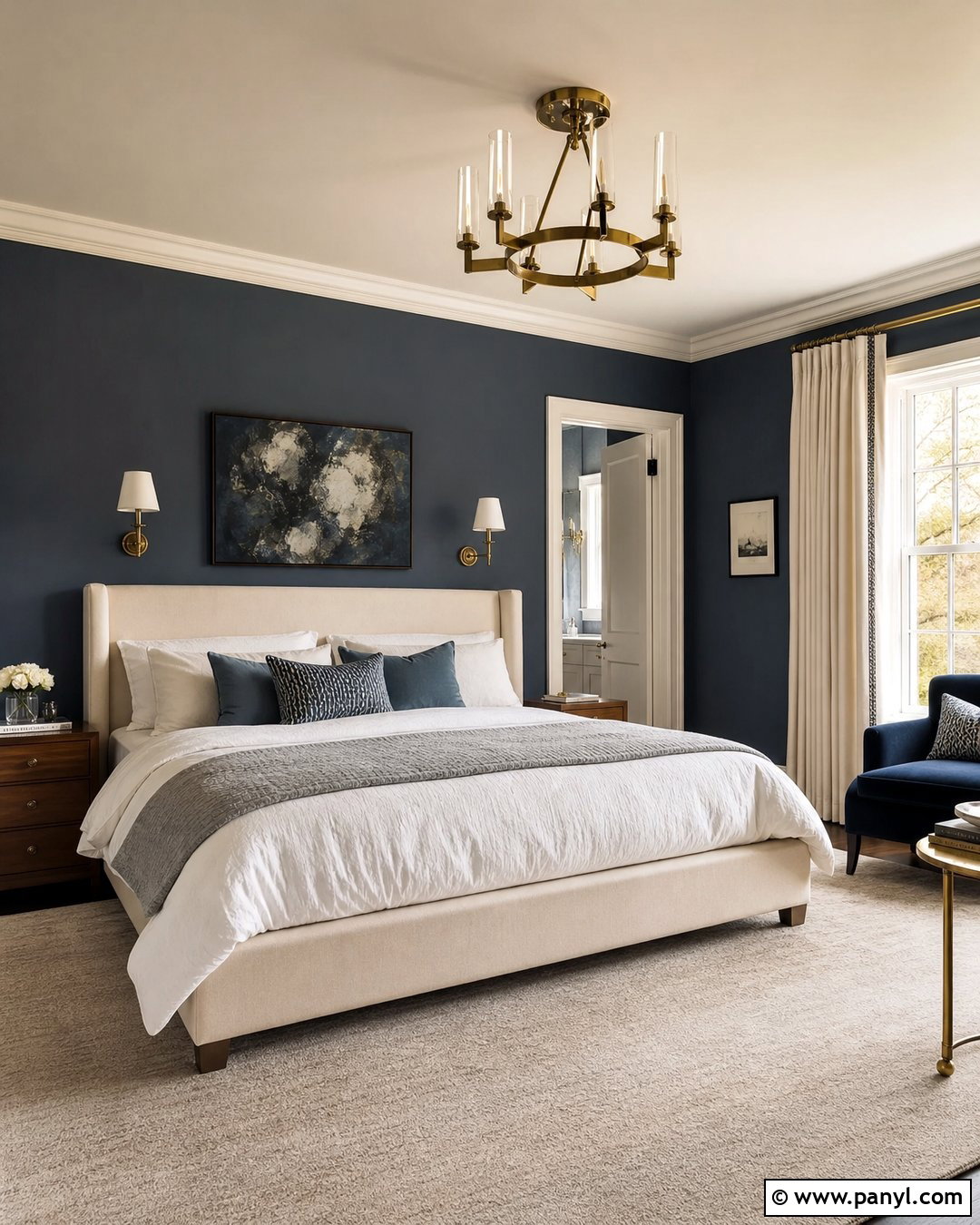
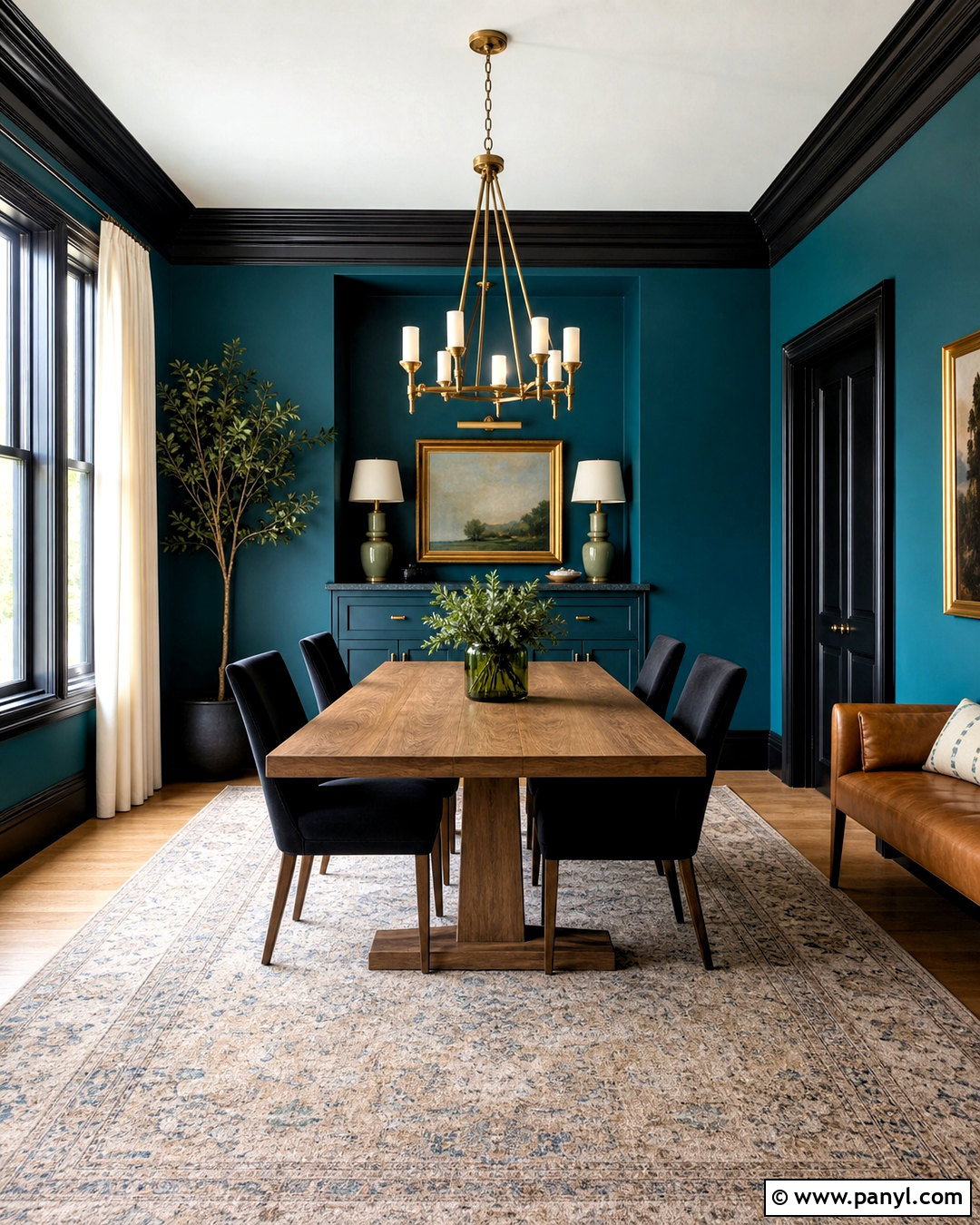
Bright white trim can sharpen dark walls and keep a dramatic room from feeling heavy. Paint a bedroom in deep blue-gray, then use clean warm white on the baseboards, window casings, doors, crown molding, and ceiling. An ivory upholstered bed, pale bedding, and a large beige rug introduce generous light surfaces. Medium walnut nightstands and brass sconces add warmth, while muted blue textiles connect with the walls. The white trim outlines every opening and emphasizes the room’s architecture, so careful surface preparation and clean paint lines are important. Choose a white that complements the wall undertone rather than creating a cold clash. Satin woodwork paired with matte walls increases definition. Keep window treatments light and full-length to soften the strong contrast around the window frame.
35. Color Drenched Walls And Trim
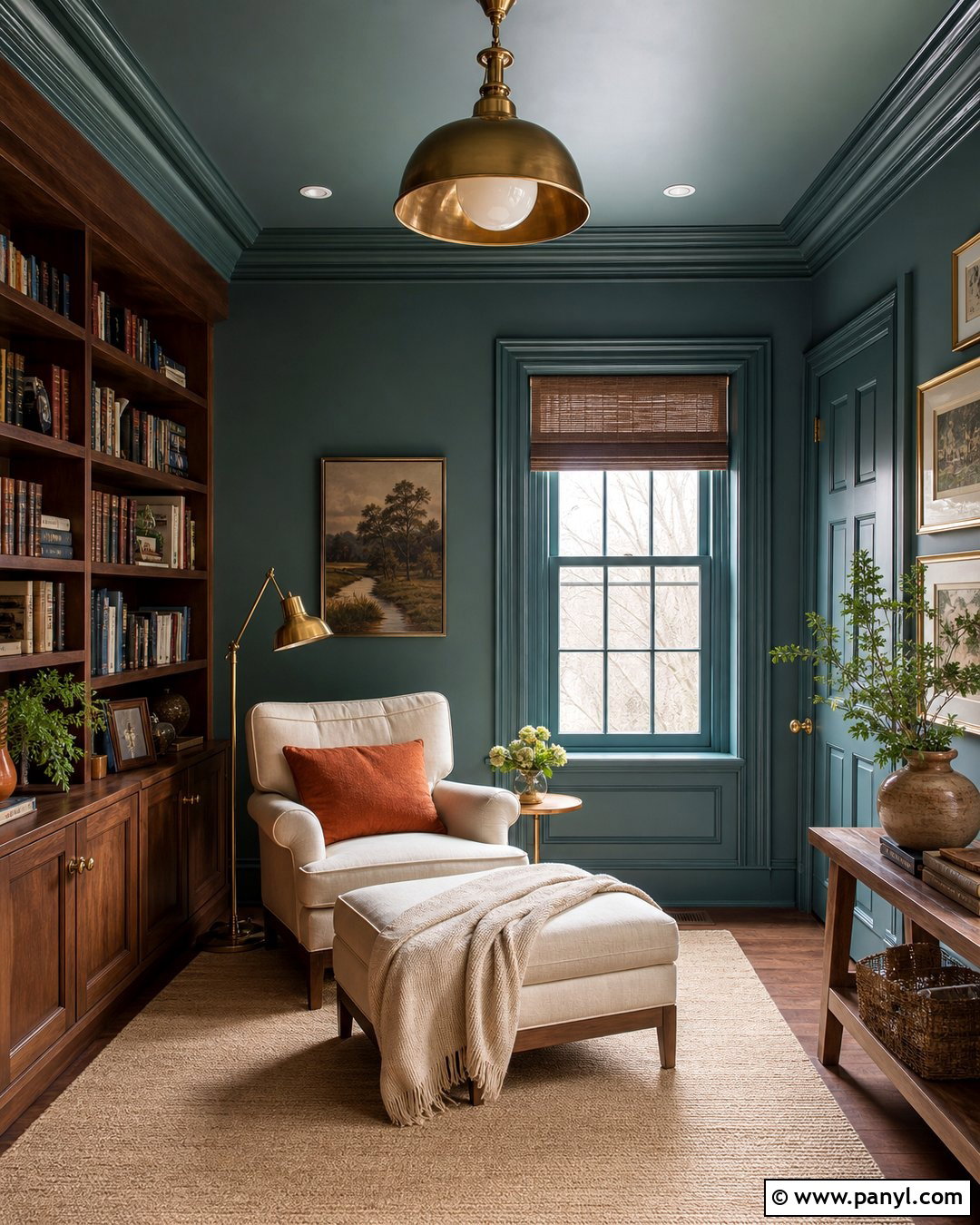
Color drenching uses one continuous shade across walls, baseboards, doors, window casings, crown molding, and sometimes the ceiling. A muted blue-green works beautifully in a compact reading room because it creates an immersive background without numerous visual breaks. Use matte paint on the walls and ceiling, then select satin for the woodwork to reveal architectural depth through sheen. Add a cream lounge chair, a walnut bookcase, and a warm beige rug to balance the surrounding color. Brass lighting and rust-colored pillows provide controlled contrast. Keep furnishings simple so the enveloping paint treatment remains the focal point. Sampling is especially important because the shade will appear more intense when used across every surface. The finished room should feel cohesive, comfortable, and intentionally complete.
Conclusion:
The best baseboard and trim color should connect your walls, flooring, furniture, and architectural details into one clear design. Crisp white remains versatile, but greige, taupe, black, natural wood, muted green, dusty blue, and earthy red can create equally livable results. Consider how much contrast the room needs before selecting a shade. Matching walls and trim produces a seamless effect, while darker woodwork highlights moldings and openings. Repeat colorful trim on doors, cabinetry, or built-ins so it feels intentional. Always test samples beside permanent finishes and observe them in daylight and evening light. With these 35 Baseboards And Trim Color Ideas, you can create a room that feels finished, balanced, and personal.

Related Ideas and Inspiration:
Leave a Reply