
White walls make a room feel bright, spacious, and clean, but even minor damage can become highly visible. Scuffs, peeling paint, dents, nail holes, moisture stains, and poorly matched touch-ups can quickly interrupt that crisp finish. These White Wall Paint Damage Ideas include practical repairs and attractive decorating solutions for different damage levels. Some restore the original surface, while others add paneling, wallpaper, artwork, or architectural detail. Before choosing a solution, identify whether the problem is cosmetic or caused by moisture, unstable drywall, or failing paint adhesion. The goal is not simply to hide a mark. It is to create a polished room that looks intentional, balanced, and durable. Explore these complete White Wall Paint Damage Ideas to find the right approach for your space.

1. White Wall Scuff Repair
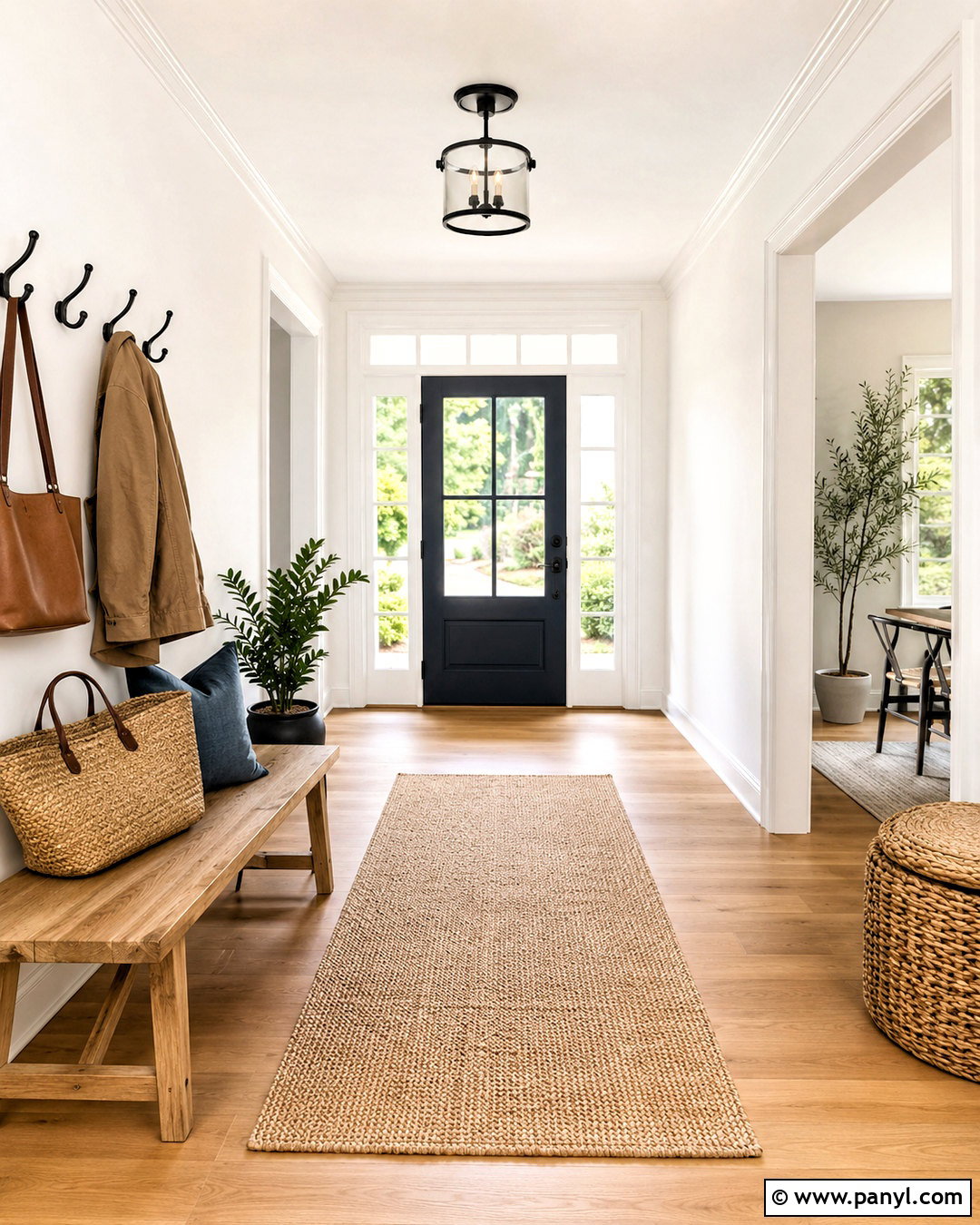
Dark scuffs can make an otherwise fresh white room look neglected. Begin with the gentlest cleaning method by wiping the mark with a soft microfiber cloth and diluted mild dish soap. Test the solution in an inconspicuous place first, especially on flat paint, which can burnish easily. Arrange the restored wall with a washable neutral rug, a compact oak console, and baskets that keep shoes or bags from rubbing against the surface. In busy entryways, use a durable eggshell or satin white finish when repainting becomes necessary. A narrow bench creates useful separation between foot traffic and the wall. Gentle cleaning should always come before abrasive methods because aggressive scrubbing can dull the paint’s sheen. ()
2. White Wall Paint Chip Repair
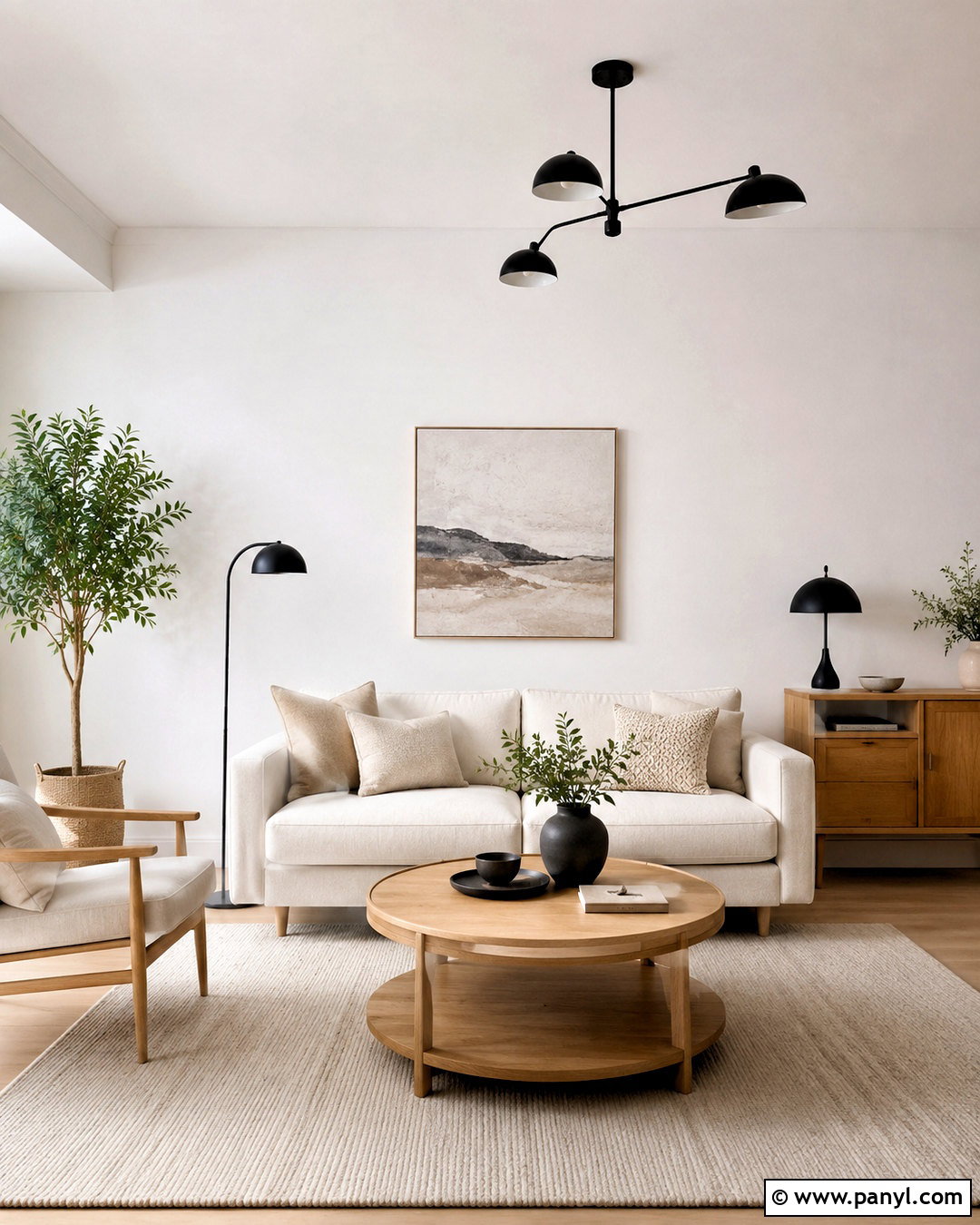
A small chip needs careful preparation rather than a thick dab of paint. Remove only loose edges, apply a thin layer of lightweight spackle, and sand the dry patch until it feels level with the surrounding wall. Spot-prime exposed drywall before applying matching white paint with a small roller. The roller helps recreate the existing surface texture better than a heavily loaded brush. Complete the room with simple furniture, pale wood tones, and soft beige textiles that complement the clean wall. If the touch-up remains visible because the color or sheen differs, repaint the wall from corner to corner. Filling, sanding, priming, and feathering the new paint produces a smoother result than painting directly over the chip. ()
3. White Wall Peeling Paint Repair
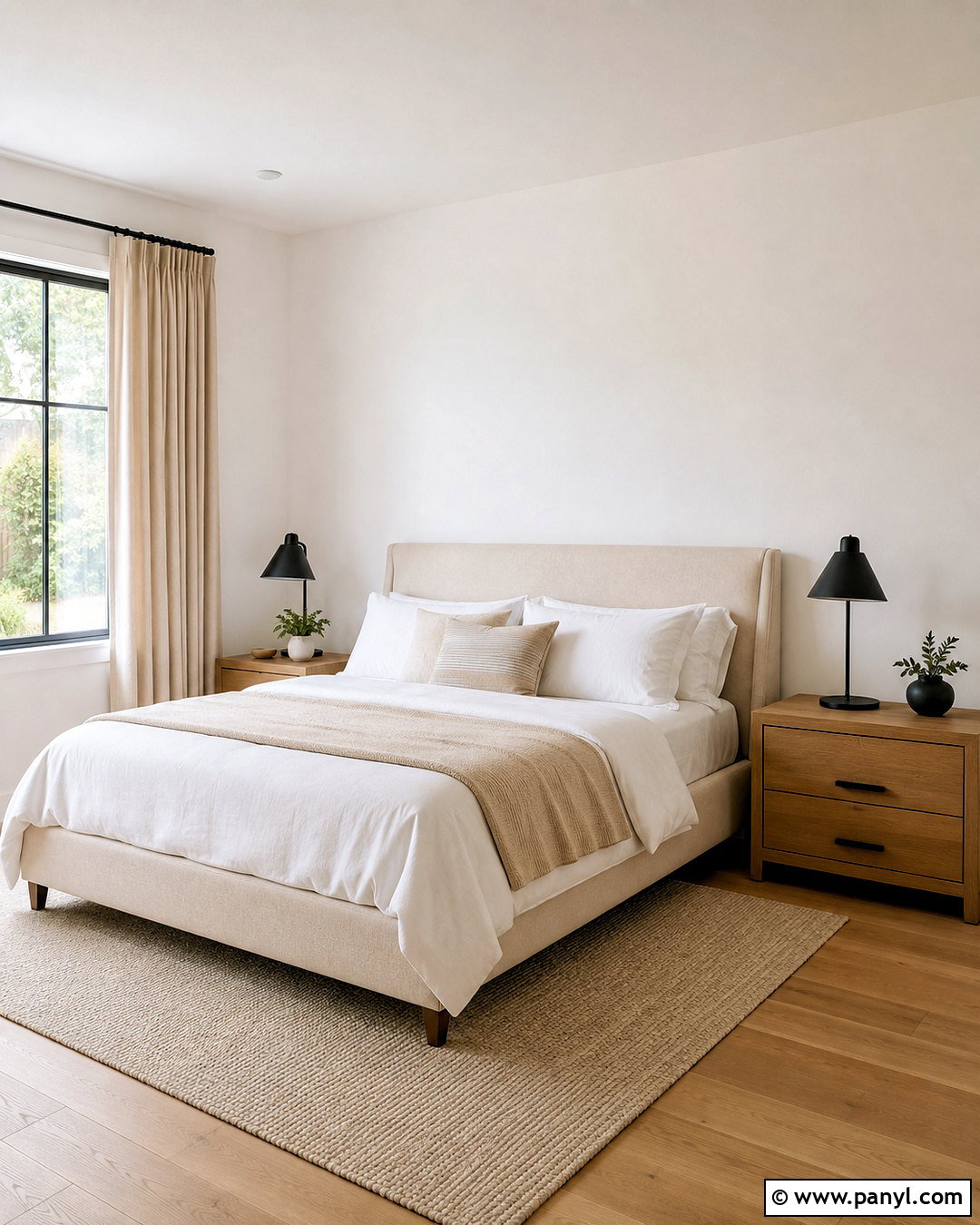
Curling paint must be stabilized before the room is redecorated. Carefully scrape loose material until every remaining edge is firmly attached. Feather rough transitions with fine-grit sandpaper, fill shallow depressions, and apply a compatible bonding primer. Finish the entire wall in a warm white so patched areas do not appear brighter than the older paint. Create a calm bedroom around the repaired surface using an upholstered oatmeal bed, light oak nightstands, linen curtains, and matte black lamps. Keep bulky furniture slightly away from the wall to prevent future rubbing. Never cover actively peeling paint with another decorative coating. New finishes need a clean, dry, sound foundation, or the peeling may return through the completed design. ()
4. White Wall Torn Drywall Paper Repair
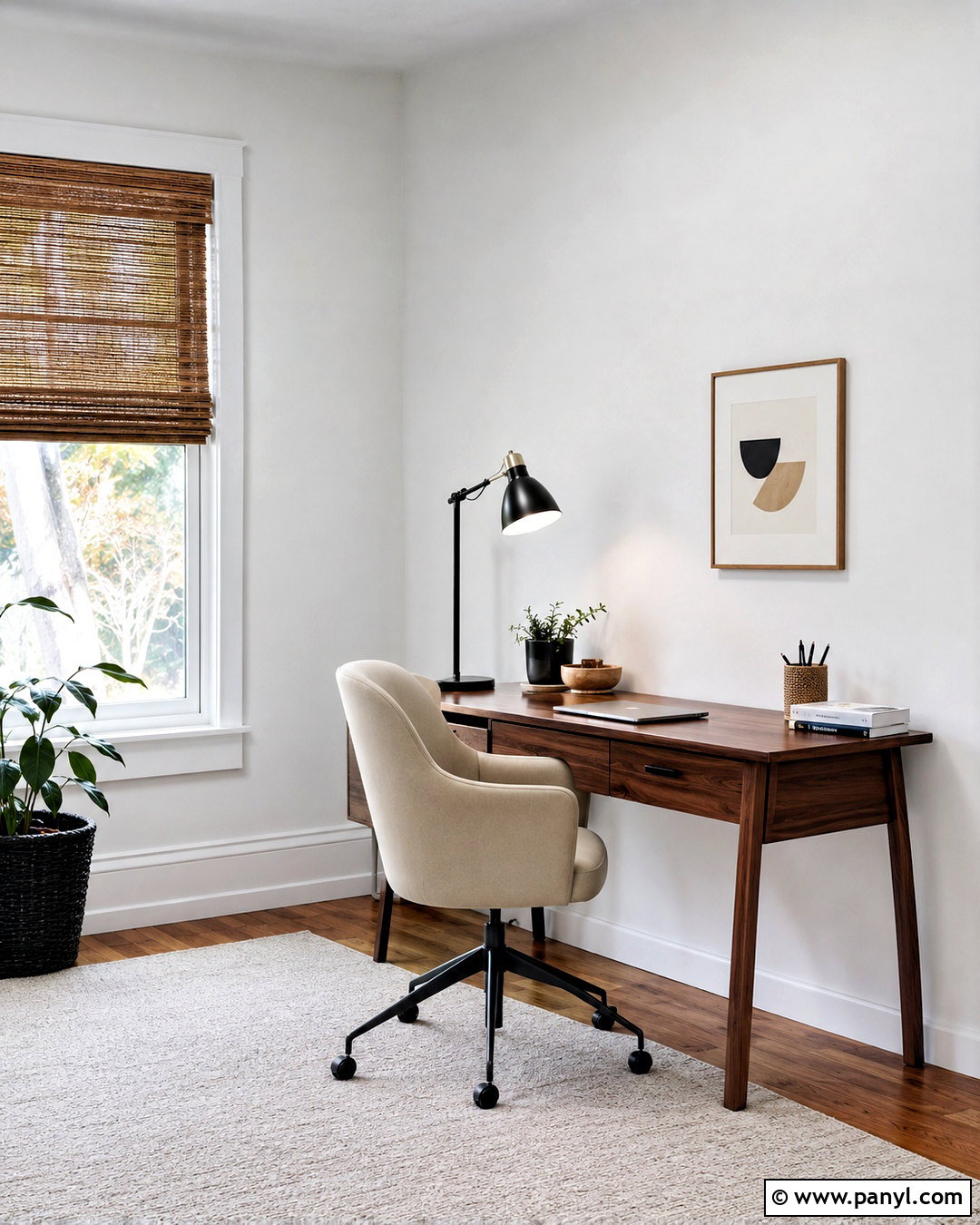
Removing hooks or adhesive strips can tear away paint and expose brown drywall paper. Trim ragged fibers without enlarging the damaged area, then seal the paper with an appropriate problem-surface primer. This prevents moisture in patching compound from raising fibers or creating bubbles. Skim the spot with thin layers of joint compound, sand it smooth, prime again, and repaint the full wall if necessary. Turn the repaired area into a simple home office with a walnut desk, cream task chair, woven shade, and one framed print hung with damage-conscious hardware. Leave enough open wall space to emphasize the smooth finish. Avoid applying wet compound directly over unsealed paper because the rough texture may remain visible beneath white paint.
5. White Wall Nail Hole Repair
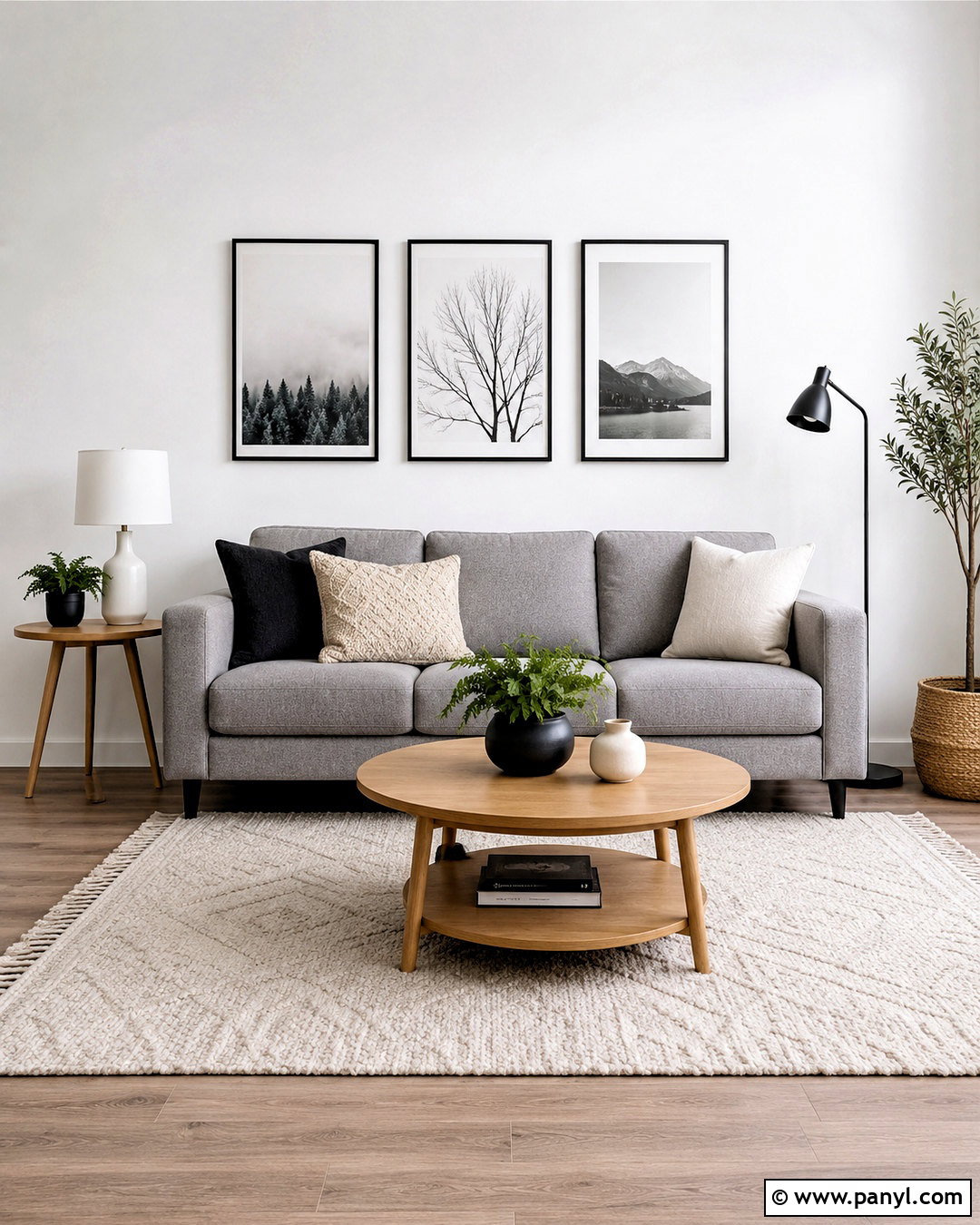
Tiny nail holes are easy to fix, but rushed patches can leave obvious white bumps. Press a small amount of lightweight spackle into each opening, remove the excess, and sand after it dries. Apply primer over exposed filler so it does not absorb paint differently from the surrounding wall. Repaint with the correct white color and sheen. Once restored, create a balanced living room with one properly measured artwork arrangement instead of scattered small frames. Center the grouping above a soft gray sofa and repeat its black frames through a floor lamp and side table. Use suitable picture hooks or removable systems rated for the item’s weight. This prevents repeated holes while giving the completed wall a cleaner, more organized appearance.
6. White Wall Anchor Hole Repair
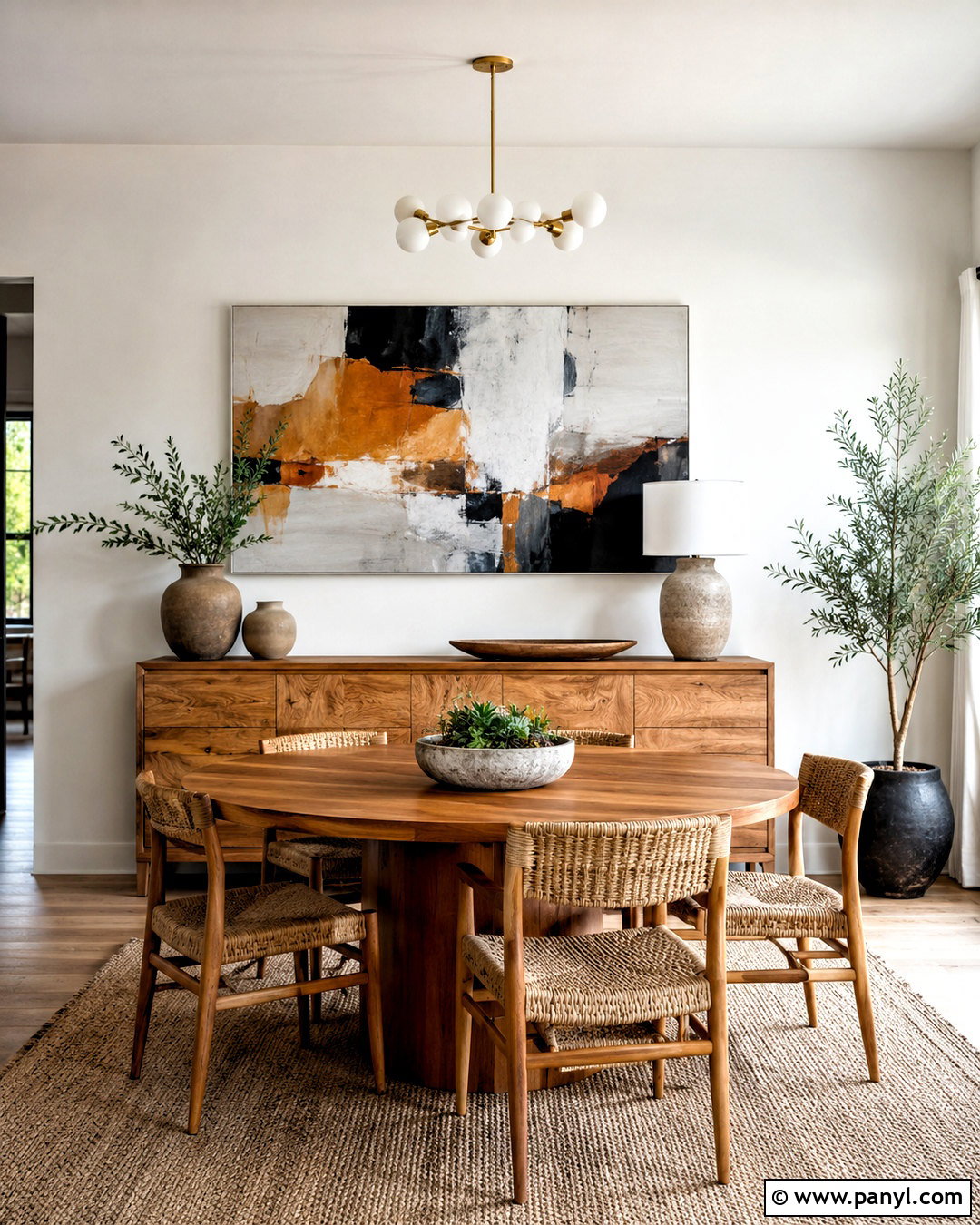
Large screw and anchor holes require more support than ordinary nail marks. Remove the anchor carefully and inspect the opening before selecting a mesh patch, setting compound, or appropriate wall repair filler. Build the repair in thin layers instead of creating a thick mound. Sand the area flat, prime it, and roll fresh white paint across the wall for an even finish. Design the restored dining area around furniture that does not need wall anchoring, such as a solid oak sideboard beneath a lightweight framed canvas. Add a round dining table, woven chairs, and a warm neutral rug. If shelving is reinstalled, locate framing or use hardware suited to the wall type and expected load rather than placing another anchor in weakened drywall.
7. White Wall Hairline Crack Repair
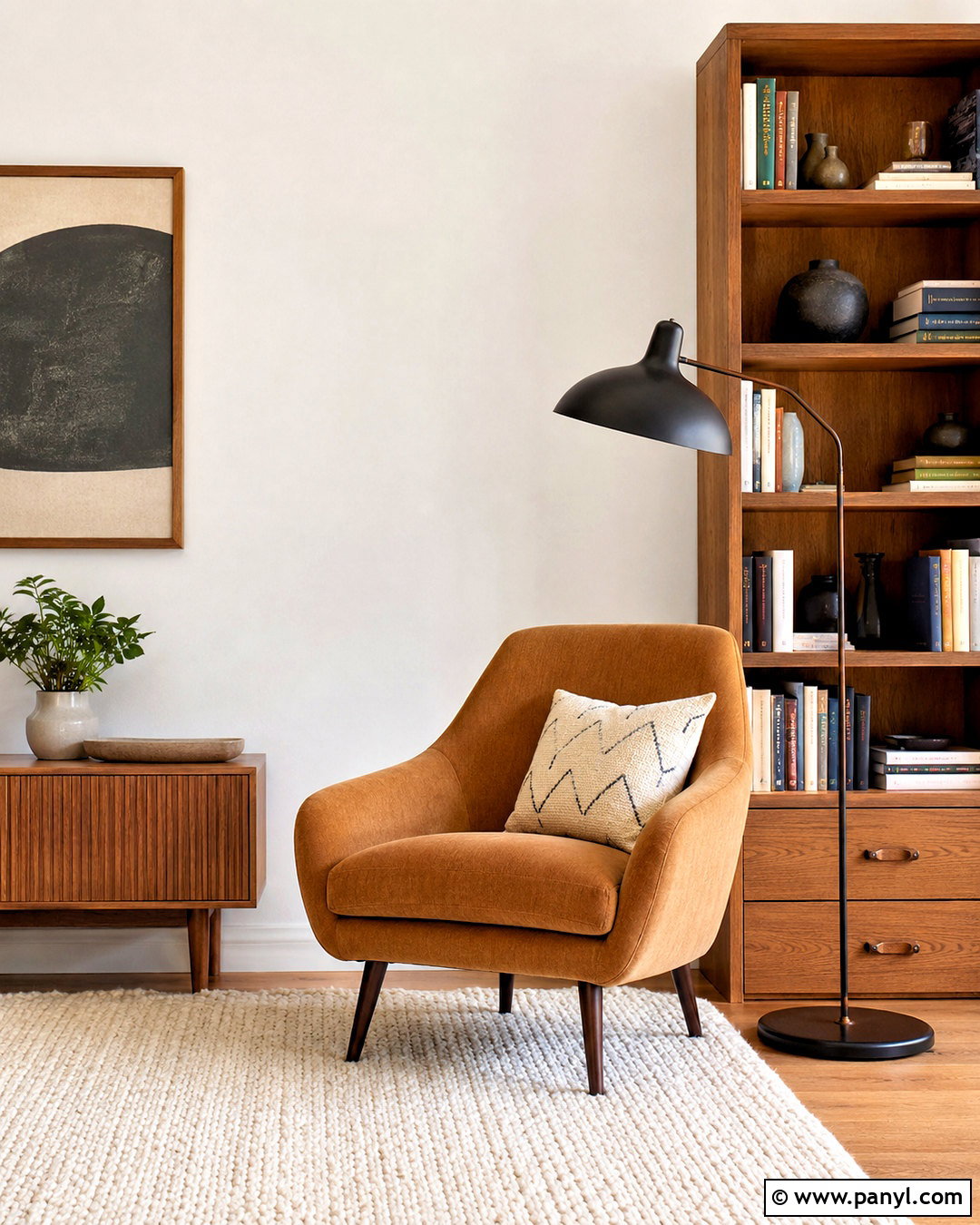
A narrow crack can reappear if it is treated like a surface stain. Open loose edges slightly, remove dust, and fill the line with a suitable flexible or drywall repair compound. Wider or recurring drywall seams may require tape and several feathered coats of joint compound. Once the wall is smooth and primed, repaint it in a soft white with a low-luster finish. Build a quiet reading corner in front of the renewed wall using a camel-colored chair, an oak bookcase, and a sculptural floor lamp. Keep accessories restrained so the continuous white surface remains the visual background. Monitor repaired cracks over time. Rapidly growing, repeatedly opening, or unusually wide cracks may need professional evaluation before decorative work continues.

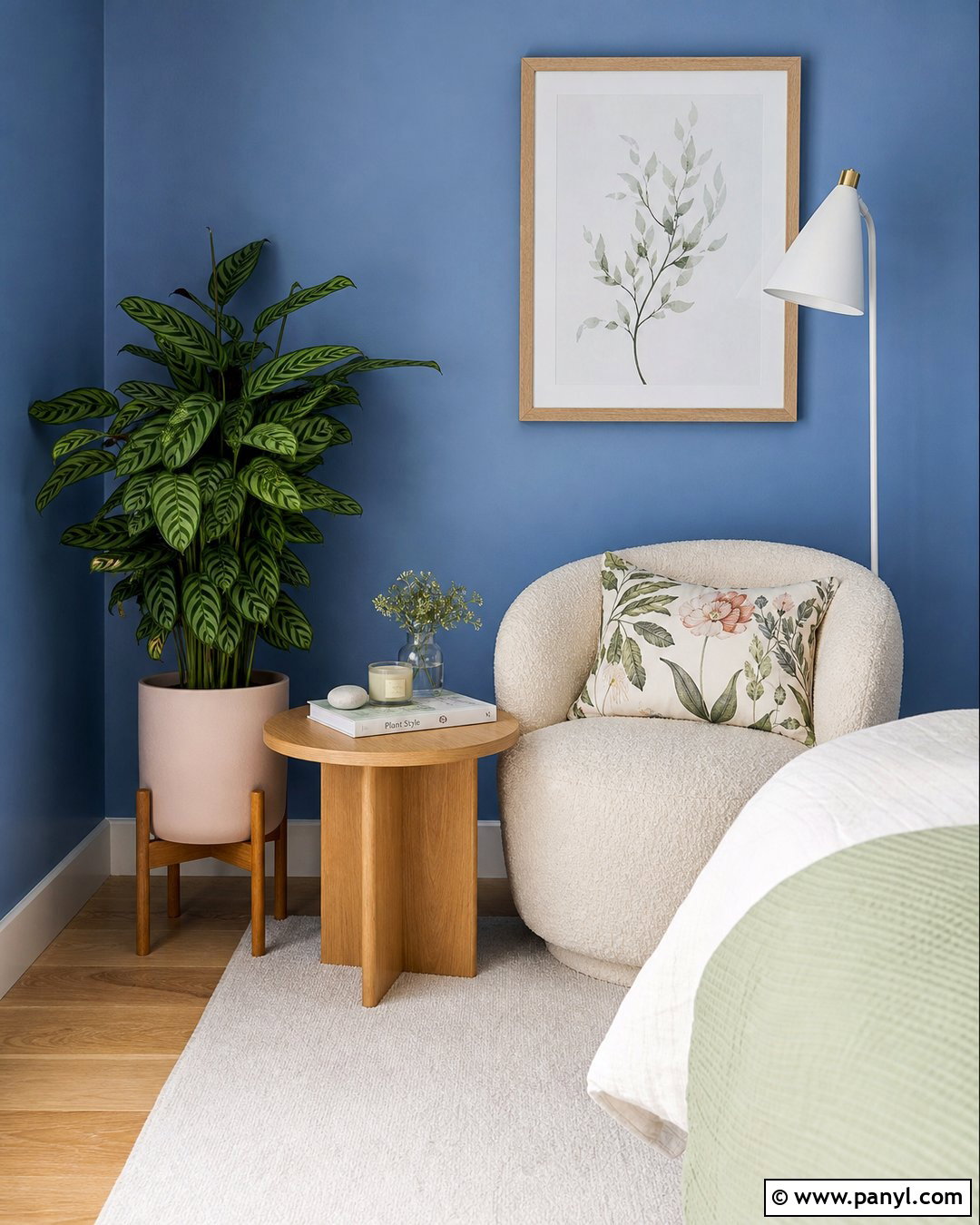

8. White Wall Dent And Gouge Repair
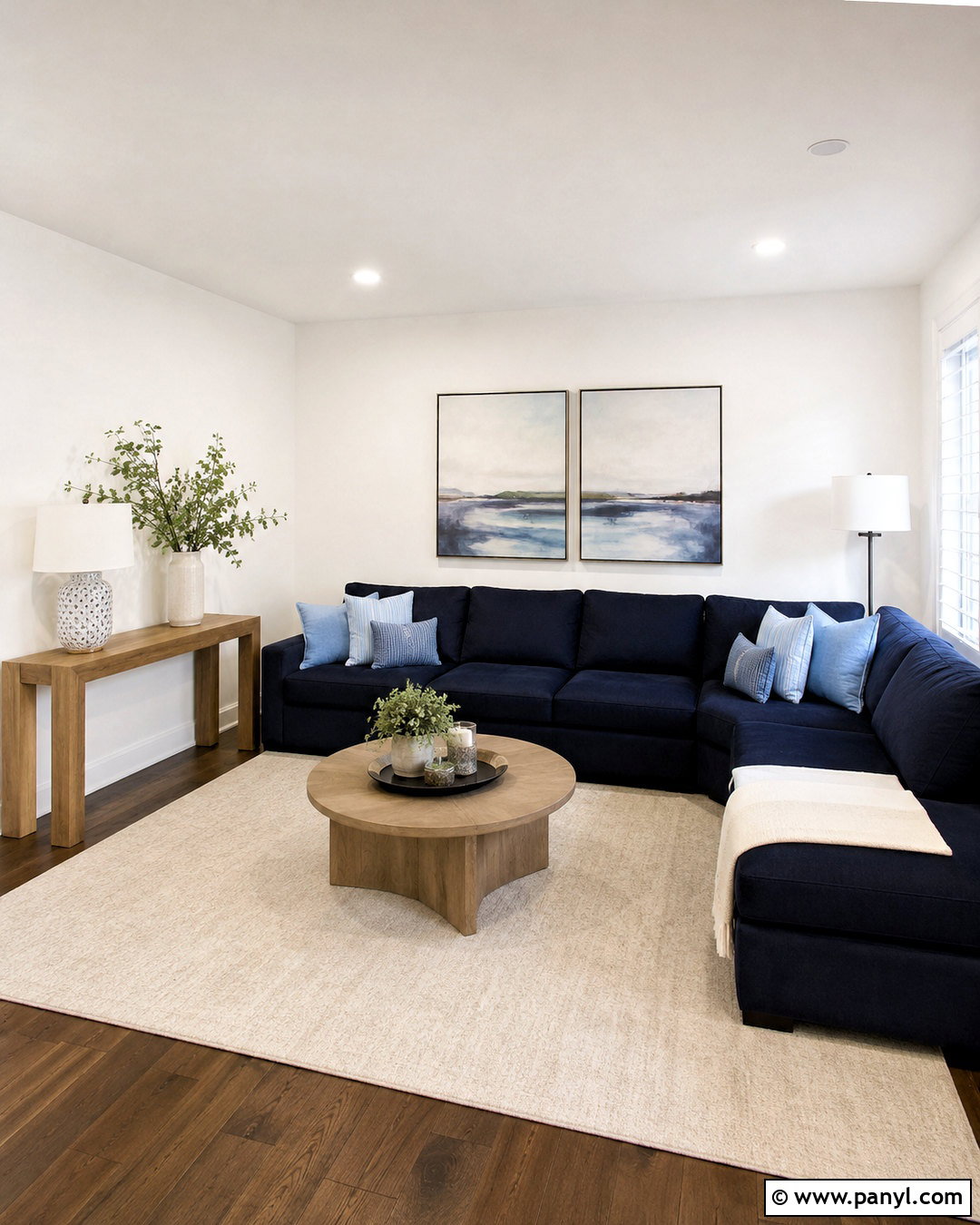
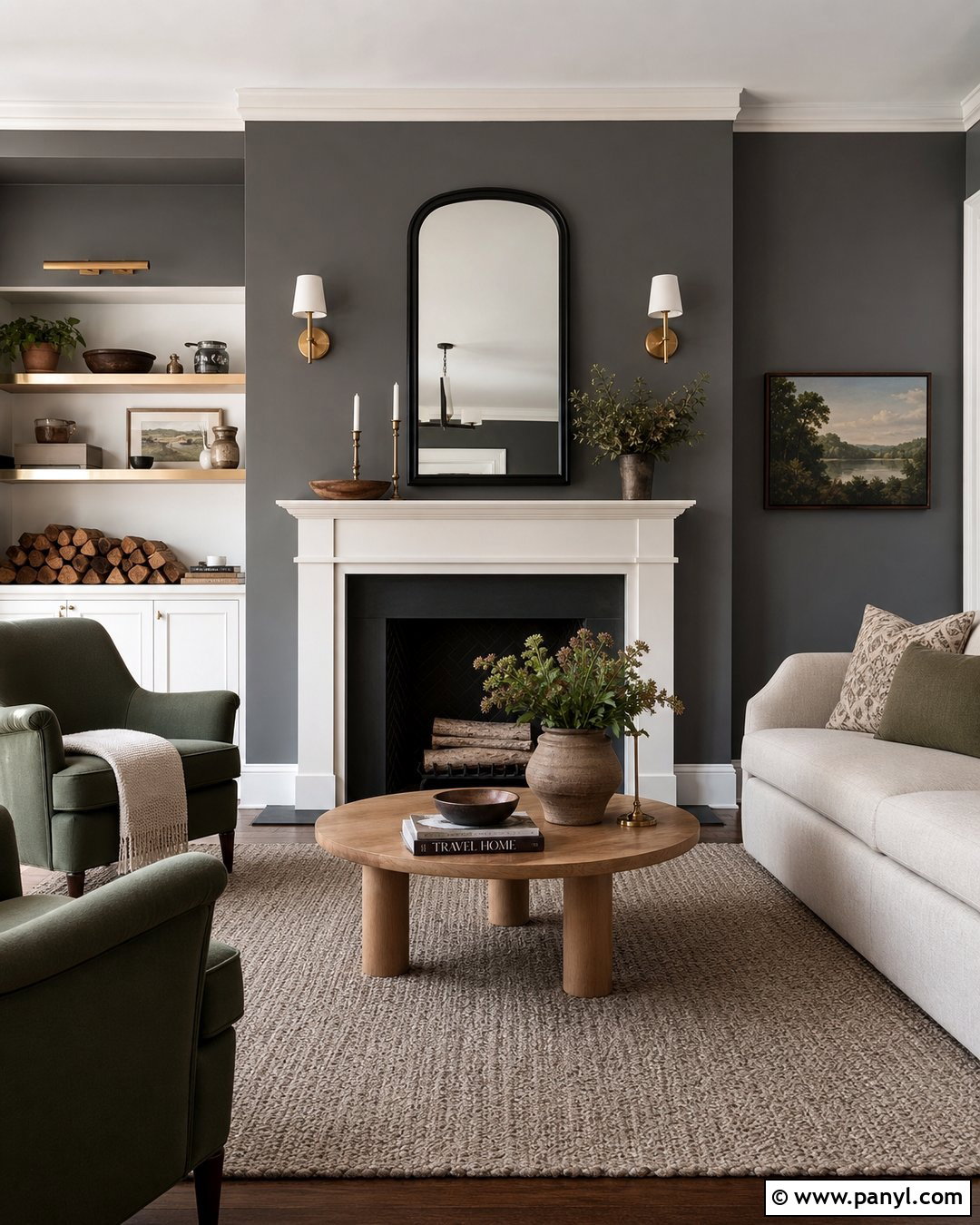
Furniture impacts often leave compressed drywall surrounded by chipped white paint. Remove unstable material and fill the depression in thin, controlled applications. A wide putty knife helps feather the repair beyond the damaged edges, reducing the chance of a visible ridge. Sand under bright side lighting because shadows reveal uneven areas better than overhead light. After priming and painting, protect the wall with a thoughtfully arranged family room. Position a navy sectional a few inches forward, place a narrow console behind it, and add felt pads to any furniture that could shift. A durable rug and rounded coffee table improve circulation. This complete layout restores the white wall while reducing repeated bumps, scratches, and gouges in the same high-contact location.
9. White Wall Water Stain Repair
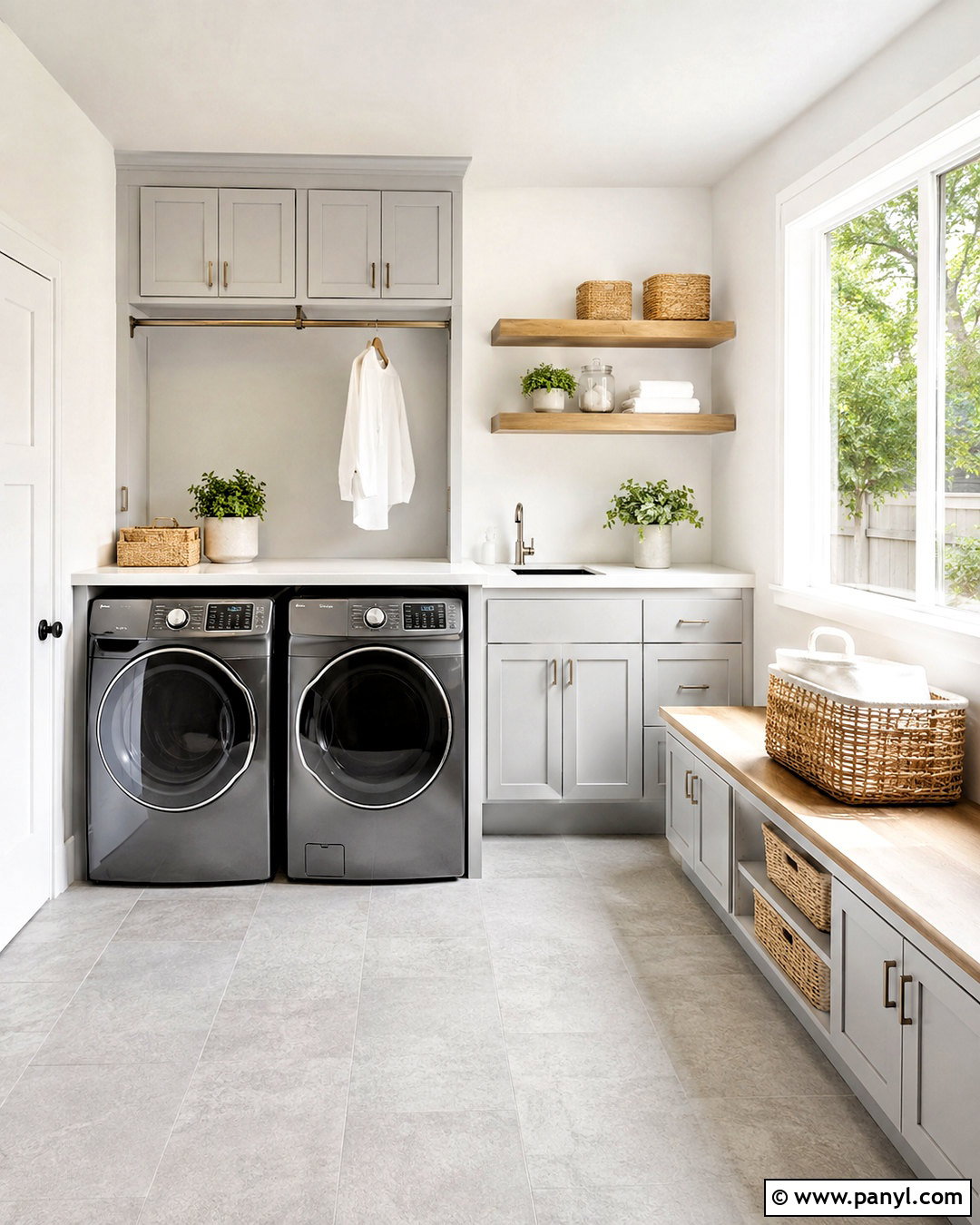
Yellow or brown discoloration should never be covered until its source is identified. Check nearby plumbing, roofing, windows, or condensation points and allow the wall to dry fully after repairs. Remove damaged material where necessary, then use a stain-blocking primer that is compatible with the surface. Finish with two even coats of white wall paint. Create an airy laundry room around the renewed wall using pale gray cabinets, white quartz counters, warm wood shelves, and closed containers. Good airflow and uncluttered surfaces make future moisture changes easier to notice. Painting directly over an unresolved water problem can lead to bubbling, staining, or peeling, so correcting the underlying condition is an essential part of the finished design. ()
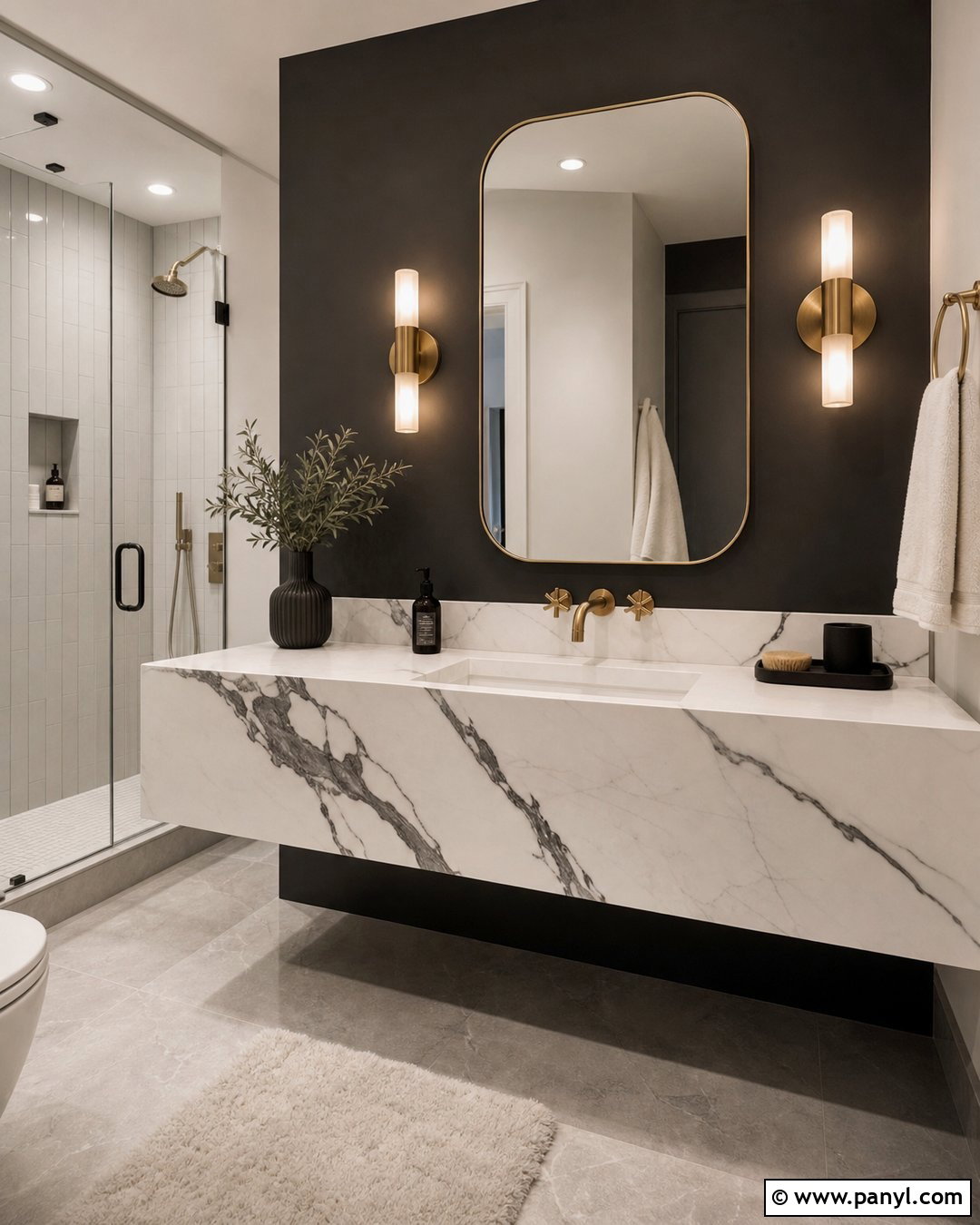
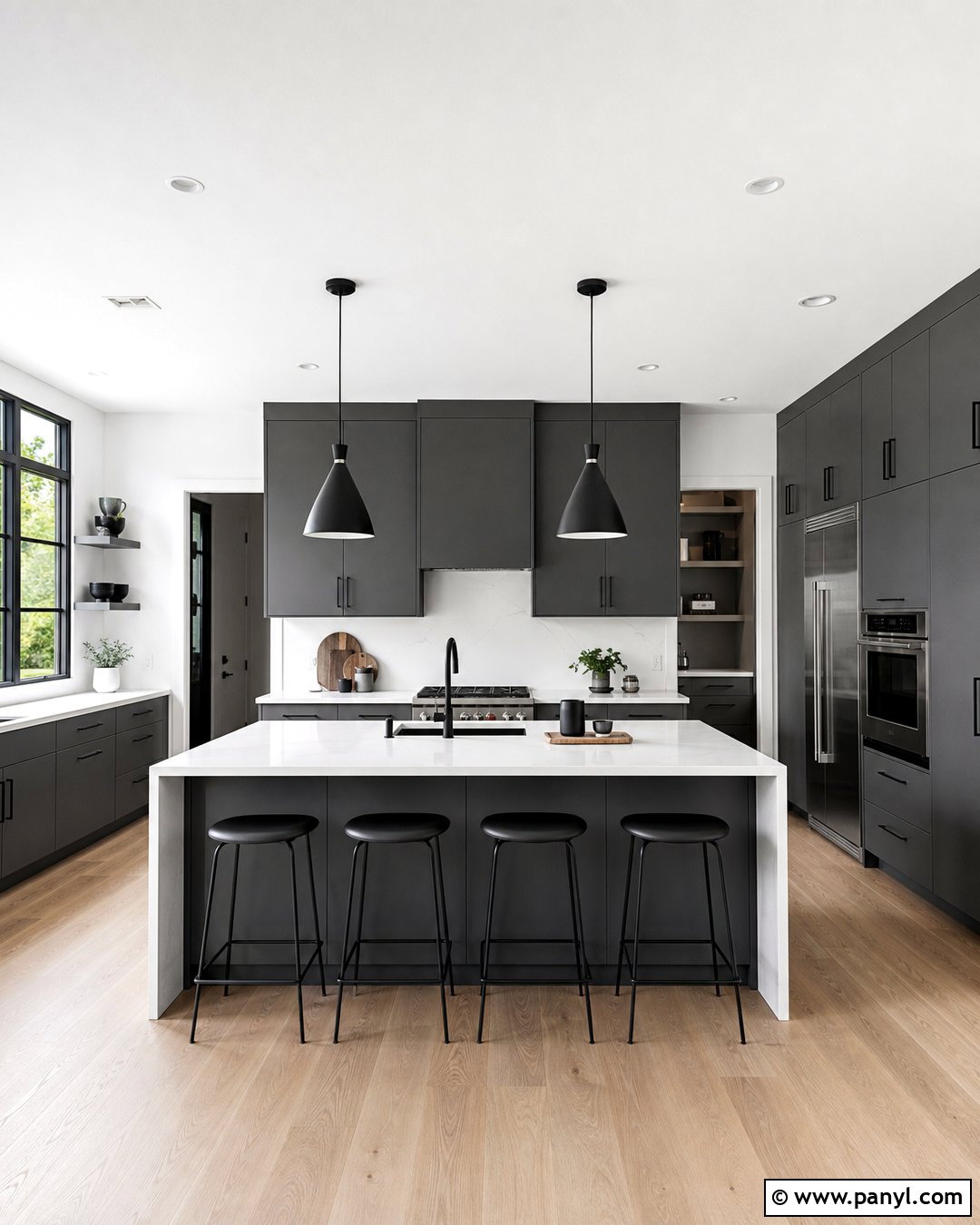
10. White Bathroom Wall Paint Repair
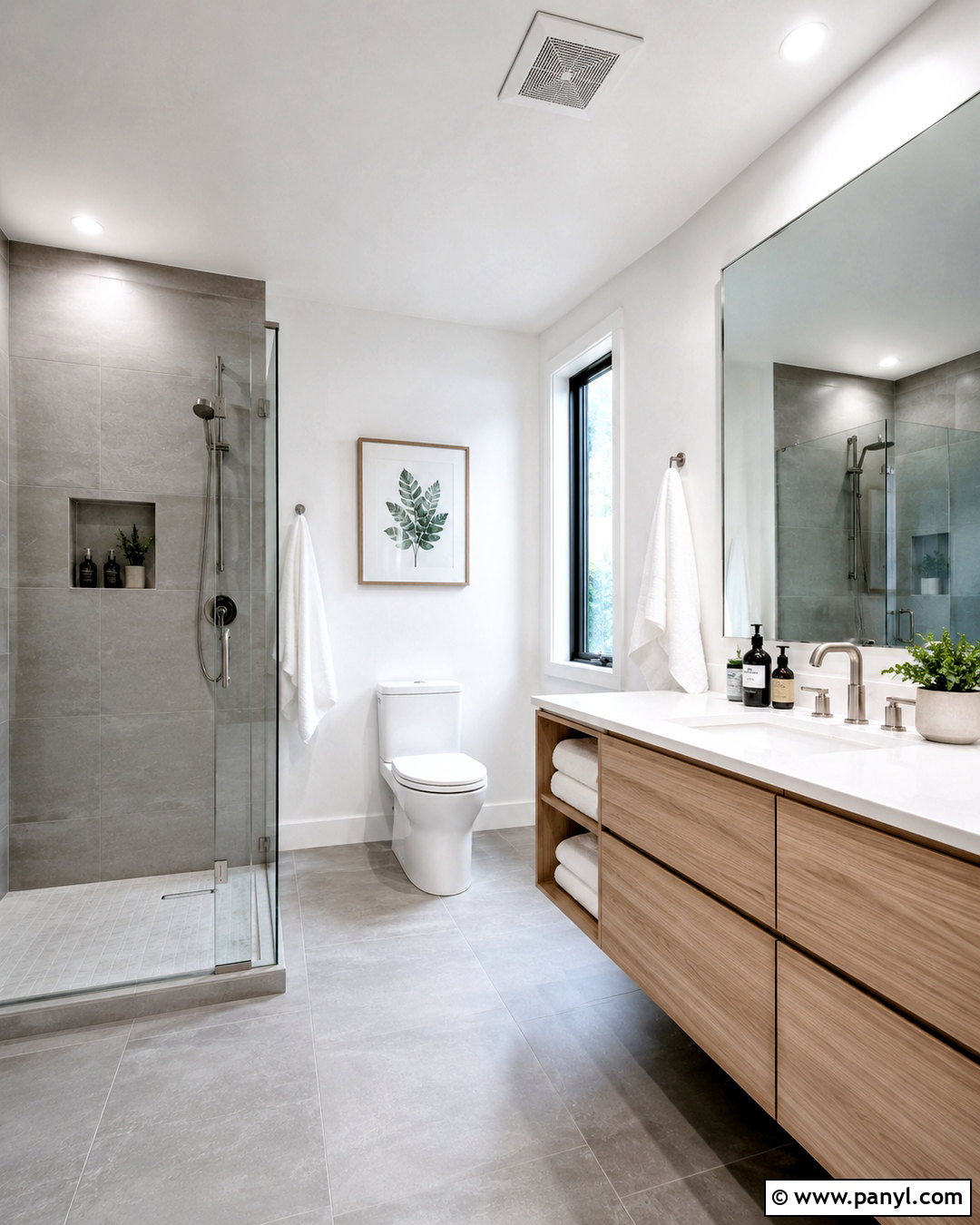
Steam can expose weak preparation around showers, ceilings, and bathroom windows. Scrape loose paint, clean the surface appropriately, and confirm that there is no active leak or persistent mildew problem. Repair damaged areas, apply a moisture-resistant primer, and use bathroom-suitable white paint according to the manufacturer’s directions. Complete the room with a pale oak vanity, light gray porcelain tile, brushed nickel fixtures, and a properly sized exhaust fan. Keep towels on hooks away from painted corners and leave clear space around vents. A washable finish makes routine cleaning easier without sacrificing the bright appearance. Moisture-related peeling can return when ventilation remains poor, making airflow and surface preparation just as important as the final color. ()
11. White Wall Full Repaint
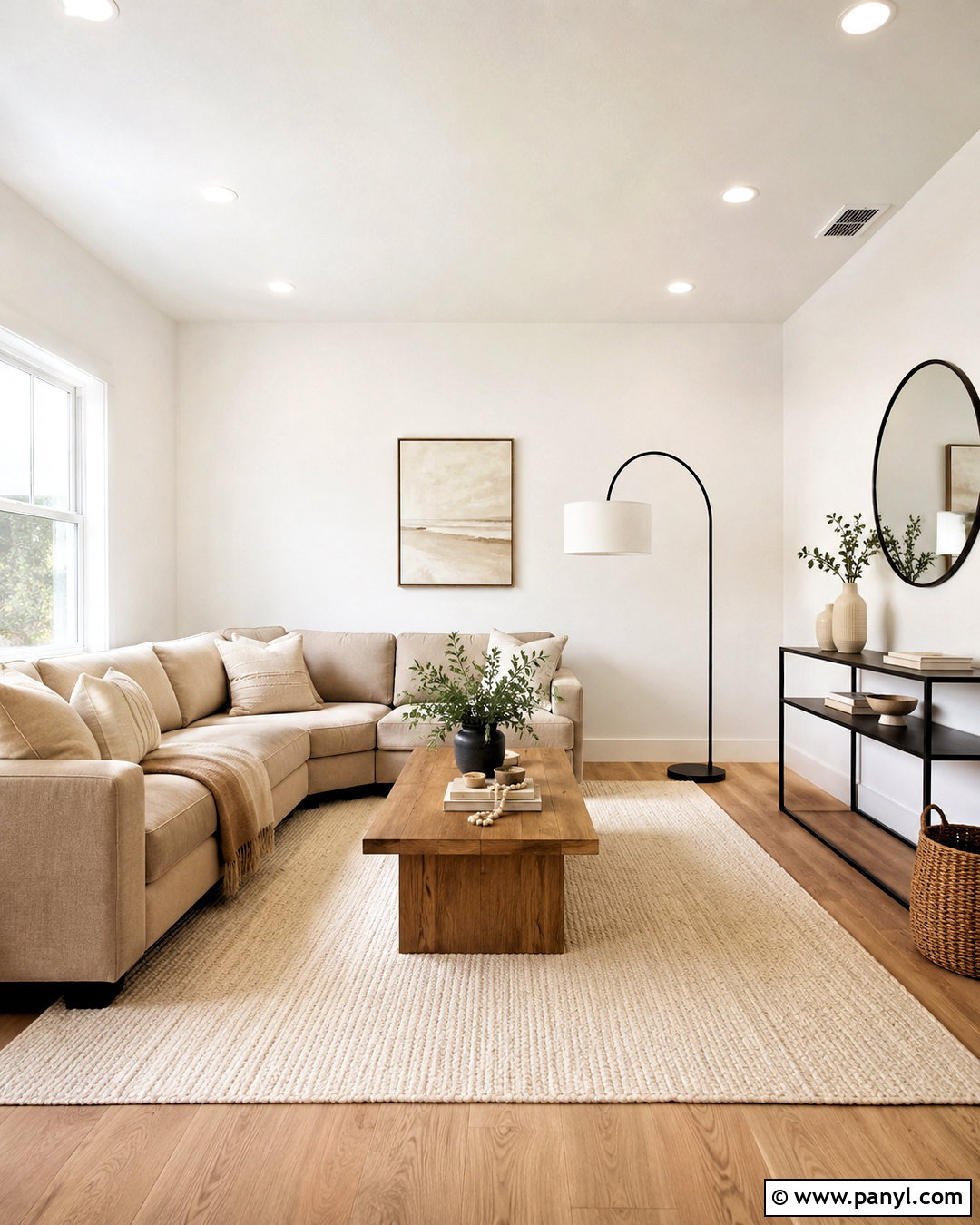
Sometimes a collection of patches looks more distracting than the original damage. A corner-to-corner repaint provides the most consistent color, texture, and sheen when chips, stains, and mismatched touch-ups cover a large area. Repair every defect first, sand rough areas, remove dust, and apply primer where needed. Use the same roller nap throughout the project and maintain a wet edge during application. Finish the room as a light contemporary living space with a warm white wall color, beige sofa, oak coffee table, ivory rug, and black metal lighting. Paint adjoining walls if aging or sunlight has created noticeable color differences. The result feels cohesive because both the repaired surface and the surrounding furnishings share a deliberate, softly layered neutral palette.
12. White Wall Picture Ledge Cover
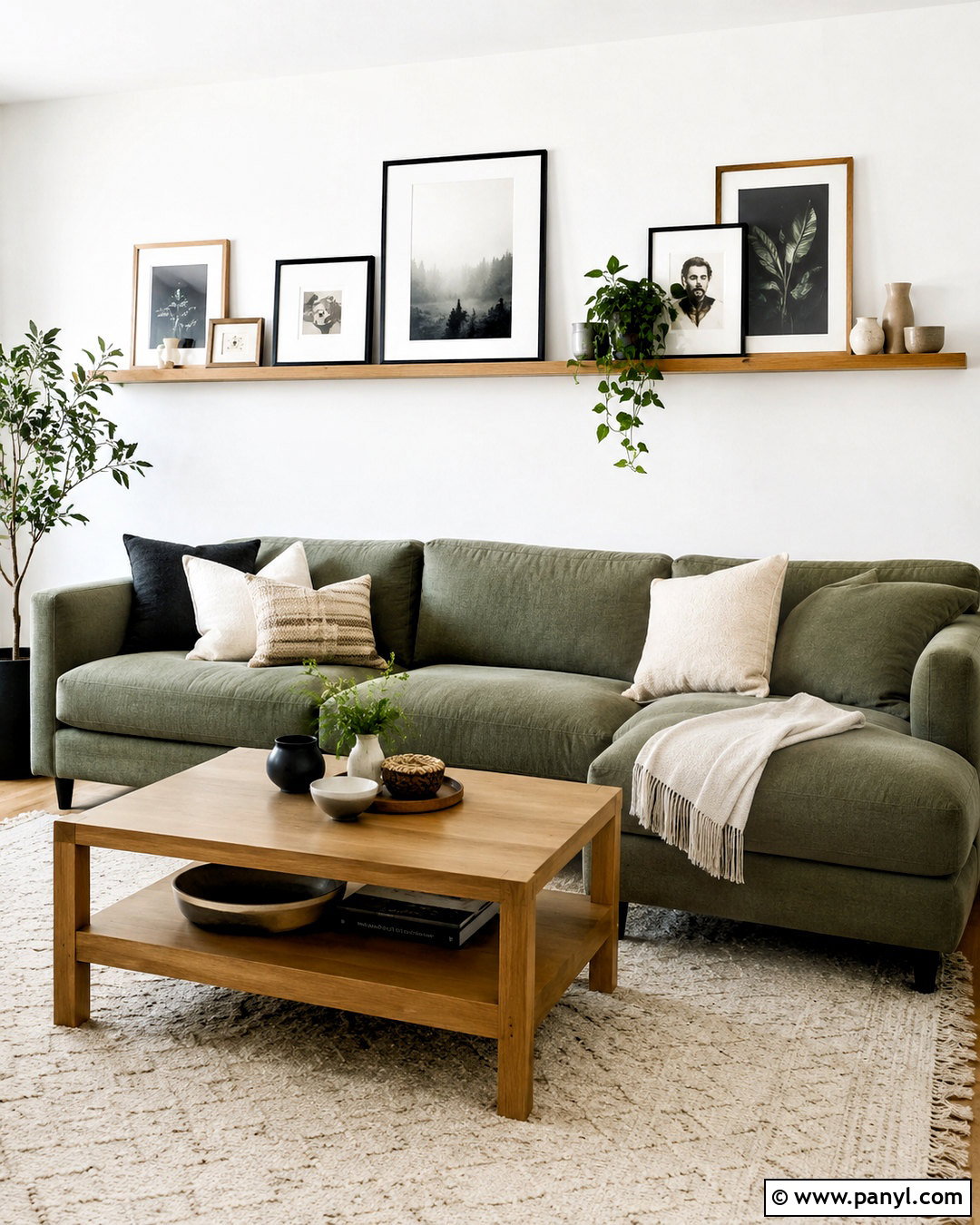
A shallow picture ledge can conceal a long band of minor cosmetic marks after loose paint has been stabilized. Install the ledge securely across the damaged zone, then arrange overlapping framed art, small ceramics, and a trailing plant without overcrowding it. Keep the wall white and paint the ledge the same shade for a built-in appearance. Below it, place a low sage green sofa, a light wood coffee table, and a cream textured rug. The horizontal arrangement draws attention across the room rather than toward one imperfect spot. This solution works particularly well for shallow patched marks that remain slightly visible but are no longer structurally damaged. Vary frame sizes while maintaining a controlled palette of black, oak, beige, and muted green.
13. White Wall Gallery Wall Cover

Scattered imperfections can disappear behind a well-planned gallery wall, provided the paint is stable and the underlying damage has been repaired. Map the arrangement on the floor before hanging anything. Use a large central piece with smaller frames surrounding it, keeping consistent spacing to prevent visual clutter. Choose black, natural oak, and white frames containing landscapes, abstract prints, and family photographs. Anchor the composition above a slim walnut console with two ceramic lamps and closed storage. The remaining white wall becomes breathing room around the display. Select hanging hardware suited to the frame weight and wall construction. Rather than placing individual pictures directly over every flaw, create one balanced rectangular composition that makes the coverage feel like an intentional room feature.
14. White Wall Board And Batten
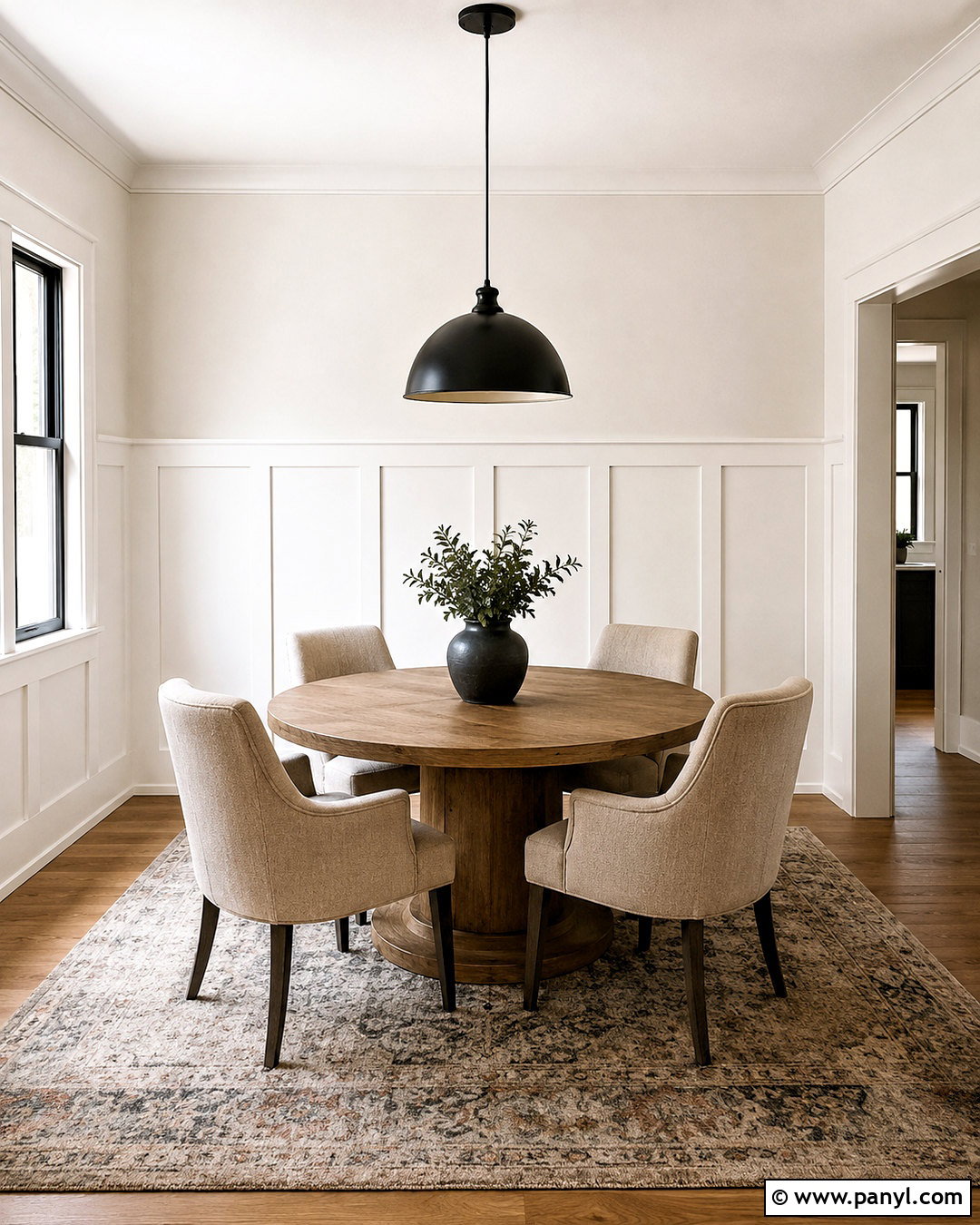
Board and batten provides durable coverage for lower-wall damage caused by chairs, toys, pets, and busy household traffic. Repair moisture or unstable drywall first, then install simple vertical battens over a smooth lower panel. Paint the treatment in crisp white to blend with the upper white wall, or use light greige below for subtle contrast. Complete the dining room with a round oak table, upholstered chairs, a washable patterned rug, and a black pendant light. Align the top rail with nearby window trim for a connected architectural look. The paneling gives the room more structure while protecting vulnerable areas. Maintain consistent batten spacing and work carefully around outlets so the final installation appears original to the house rather than added solely to conceal damage.
15. White Wall Beadboard Paneling
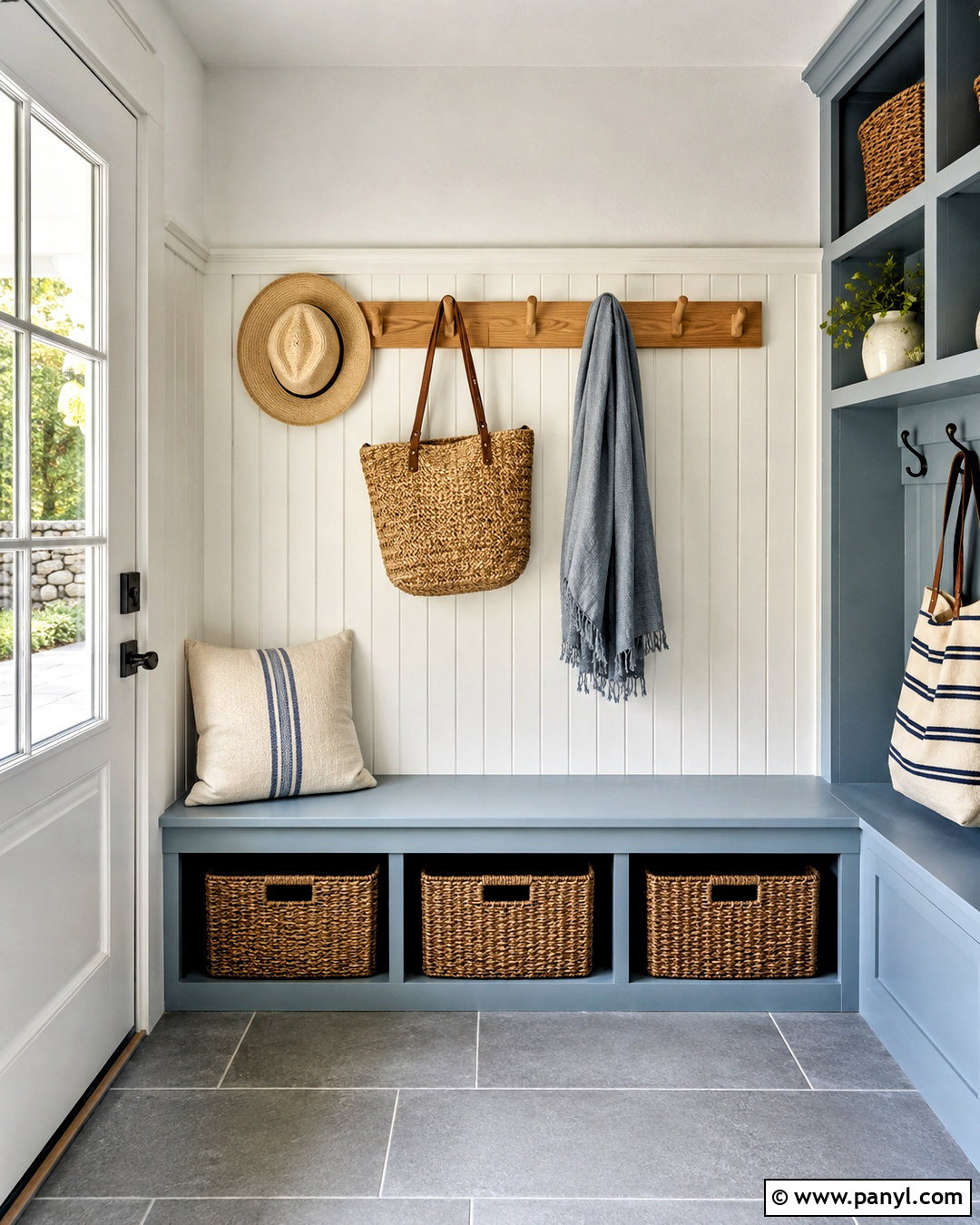
Beadboard is an effective solution when repeated scuffs or patched holes affect the lower portion of a white wall. After resolving any underlying problem, install smooth white beadboard with a simple cap molding. Use moisture-tolerant materials in bathrooms, mudrooms, or laundry areas where appropriate. Finish the mudroom with a built-in pale blue bench, oak hooks, woven baskets, and durable gray floor tile. Continue the beadboard around adjacent walls instead of stopping abruptly at the damaged patch. This creates a complete design and makes the room feel more established. Paint the upper walls a soft white and repeat that shade on trim for continuity. The vertical grooves add subtle texture without making a compact utility space feel crowded or overly decorative.
16. White Wall Peel And Stick Wallpaper
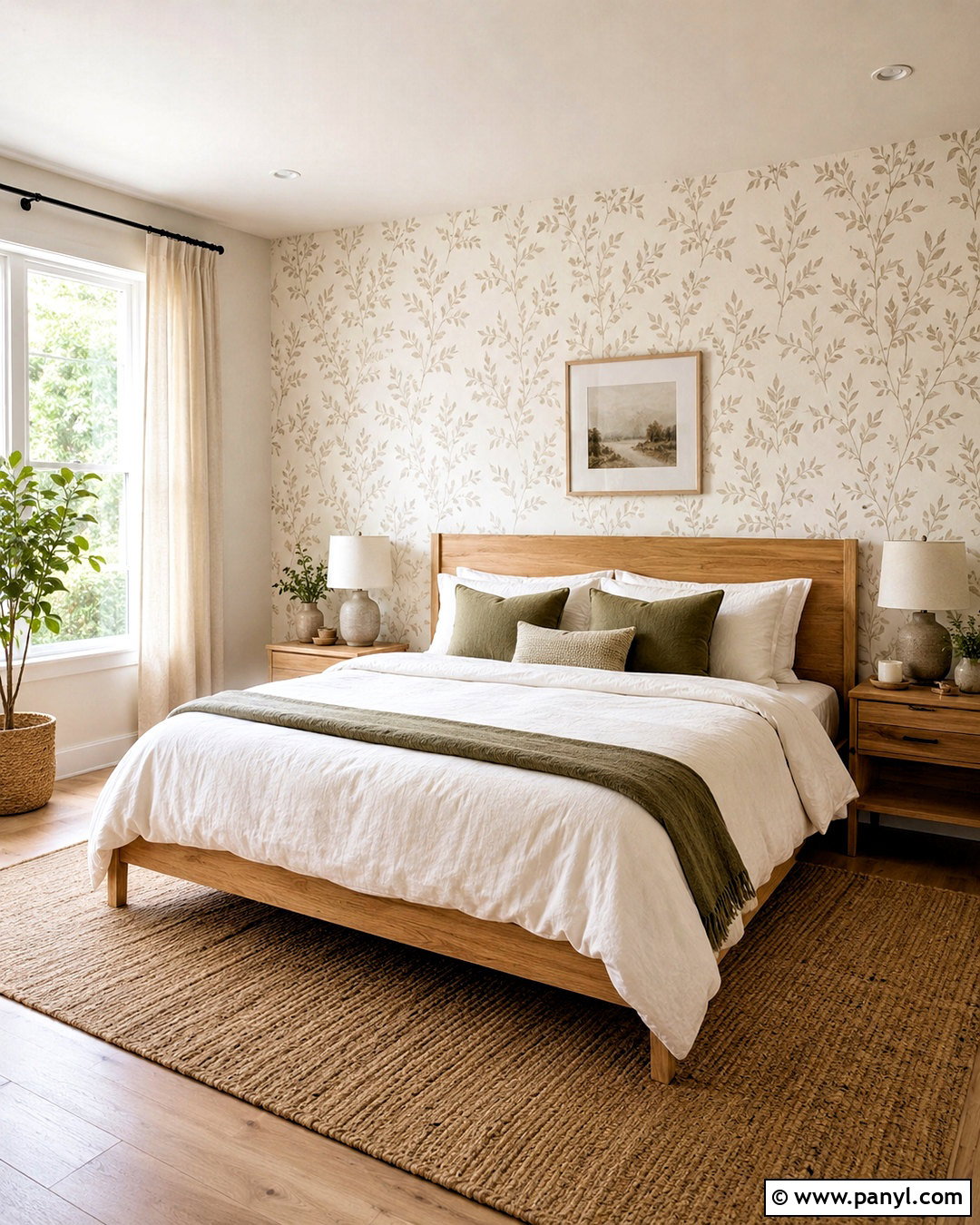
Removable wallpaper can disguise broad cosmetic irregularities while creating a clear focal wall. The surface must still be clean, dry, smooth, and free from loose paint before installation. Choose a subtle beige botanical pattern on a white background so the room remains bright. Cover the complete wall behind a simple oak bed rather than placing a small patch over the damaged area. Add white bedding, olive green pillows, linen curtains, and matching wood nightstands for a calm bedroom scheme. Check the product’s suitability for the existing paint finish, particularly in rentals or recently painted rooms. Carefully align the pattern and smooth each panel without stretching it. The finished wall should appear intentionally decorated, not like a temporary sticker hiding one isolated flaw.
17. White Wall Wood Slat Panel

Vertical wood slats can transform a heavily marked wall into a modern architectural feature. Repair loose or moisture-damaged areas first, then install evenly spaced oak slats over a stable backing. Cover a full section from floor to ceiling so the treatment has visual purpose. Keep neighboring walls warm white and place a low cream media cabinet against the slatted surface. Add a light gray sofa, matte black floor lamp, and simple woven rug to balance the natural wood. Conceal cables within approved channels before completing the installation. The repeated vertical lines add height and texture while protecting the original wall from everyday contact. Use narrow gaps and a consistent oak finish to maintain a clean, realistic look in an average-size family room.
18. White Wall Console And Mirror
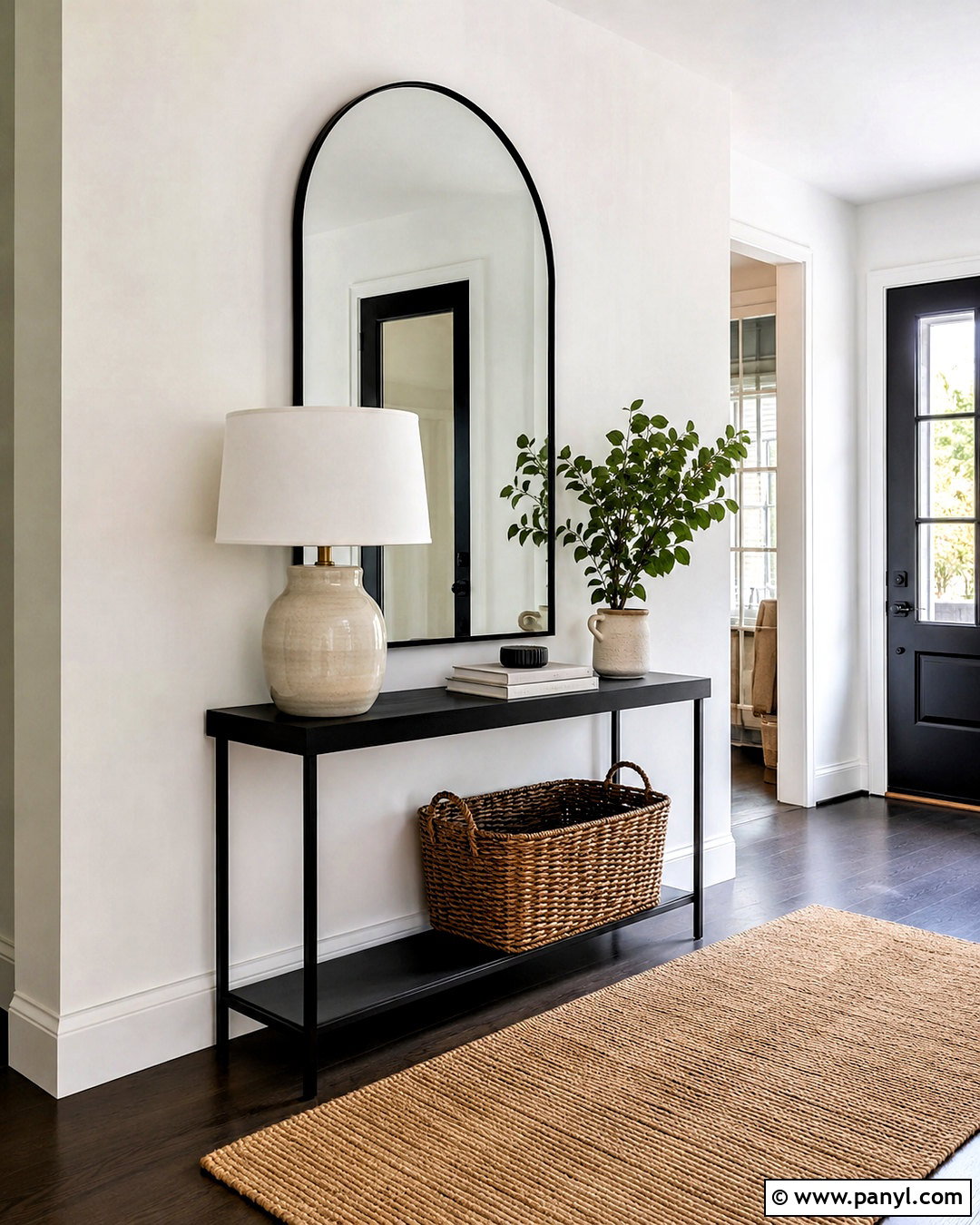
A shallow console arrangement can redirect attention from a repaired but imperfect area without permanently covering the entire wall. Place a wide arched mirror above a slim black or oak console, positioning both in proportion to the available space. Style the surface with a ceramic lamp, stacked books, and one leafy plant. Add a woven basket below for practical entryway storage. The surrounding white wall should remain mostly open so the composition feels light. Repair and seal all loose paint before adding furniture or decor. A soft runner, black hooks, and warm wood accents complete the entry. This setup works best for marks at mid-wall height because the mirror creates a strong focal point while the console provides a protective buffer against future impacts.
19. White Wall Fabric Hanging

A large textile offers soft, renter-friendly coverage for a stable wall with visible patches or color mismatch. Select a tightly woven cream, tan, and muted blue wall hanging large enough to relate to the furniture below it. Mount it with a proper rod or lightweight hanging system rather than attaching many small fasteners. Create a relaxed guest room with a natural wood bed, white linen bedding, blue pillows, and woven bedside lamps. Keep the remaining walls white and repeat colors from the textile in the rug and curtains. The fabric adds warmth and absorbs some visual harshness without overwhelming the room. Address peeling paint, moisture, and deep damage first, since decorative coverage should never be used to trap or ignore an active wall problem.
20. White Wall Painted Accent Shape
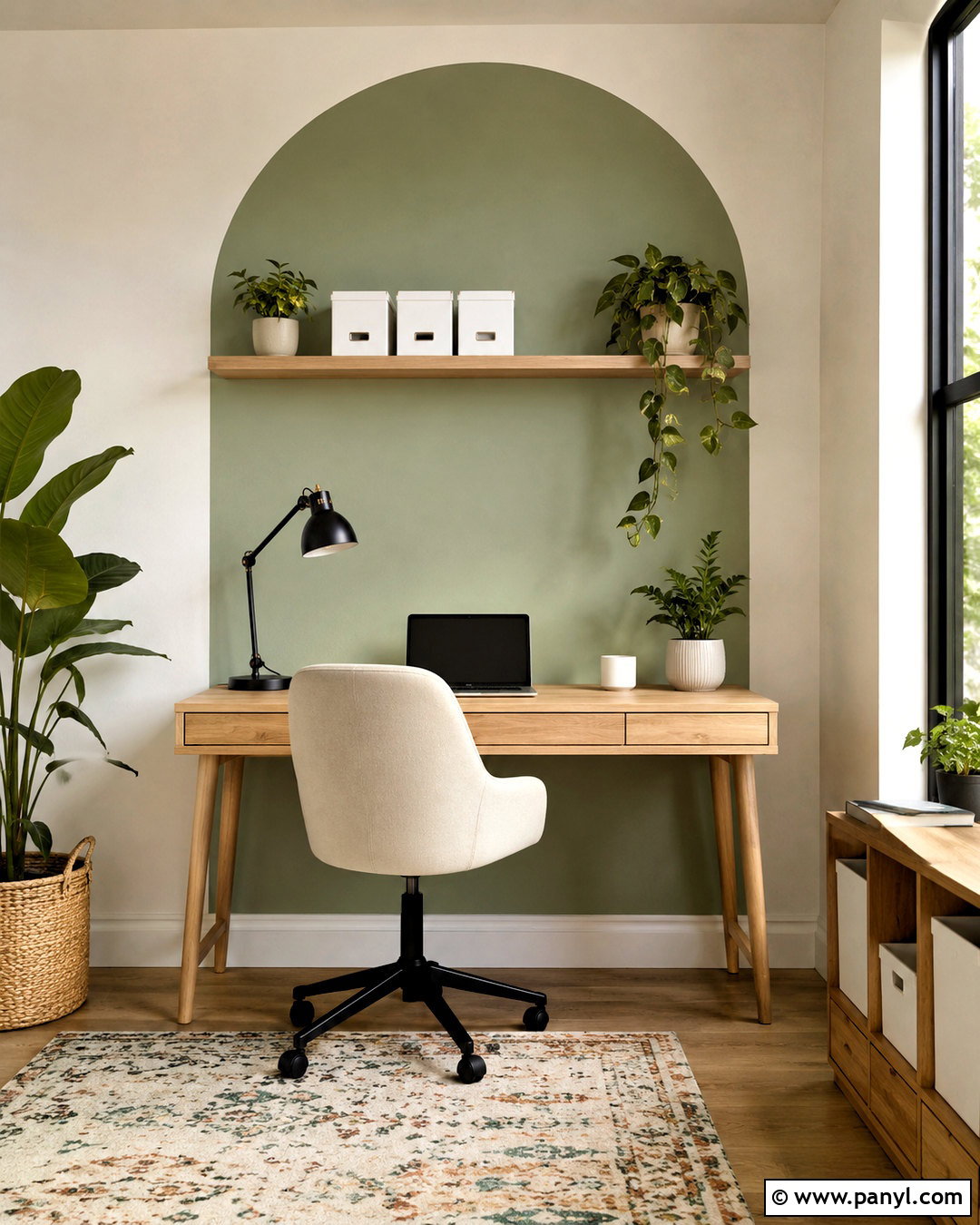
A repaired patch can become part of a larger painted composition when an exact white match is unavailable. After smoothing and priming the damage, paint a broad arch, rectangle, or horizontal color block that extends well beyond the repaired area. Use warm sage green against the existing white wall for an approachable contrast. Center a natural oak desk within the painted shape, then add a cream chair, black task lamp, floating shelf, and simple storage boxes. Crisp edges and intentional proportions keep the feature from appearing like a random cover-up. Repeat sage accents through one cushion or planter elsewhere in the room. This strategy works especially well in children’s rooms, offices, and reading corners where a defined activity zone improves both function and visual organization.
Conclusion:
The best treatment for damaged white paint depends on the cause, size, and location of the problem. Small scuffs and chips may need only careful cleaning or a blended touch-up. Larger holes, peeling areas, and stains require proper surface repair before decoration begins. When a flawless paint match is difficult, full-wall repainting, paneling, wallpaper, artwork, or architectural features can produce a more intentional result. Always correct moisture and unstable materials rather than simply covering them. Then coordinate the repaired wall with furniture, lighting, textiles, and storage to complete the room. These White Wall Paint Damage Ideas offer practical ways to restore brightness, introduce character, and prevent ordinary imperfections from controlling the overall look of your home.

Related Ideas and Inspiration:

Leave a Reply