
Beige walls can feel warm, fresh, modern, or traditional depending on the undertone and surrounding finishes. The key is sampling shades within the actual room instead of choosing from a small store chip. Natural light, artificial bulbs, flooring, cabinetry, and nearby colors can noticeably change how beige appears throughout the day. () Paint large sample boards, move them between walls, and compare each option against permanent materials before committing. The complete room concepts below explore creamy, sandy, greige, taupe, pink, green, and golden variations paired with practical furniture, trim, flooring, and decor. Use these coordinated looks to narrow your favorite 20 Beige Wall Paint Sample Ideas.

1. Warm Beige Wall Paint for Living Rooms
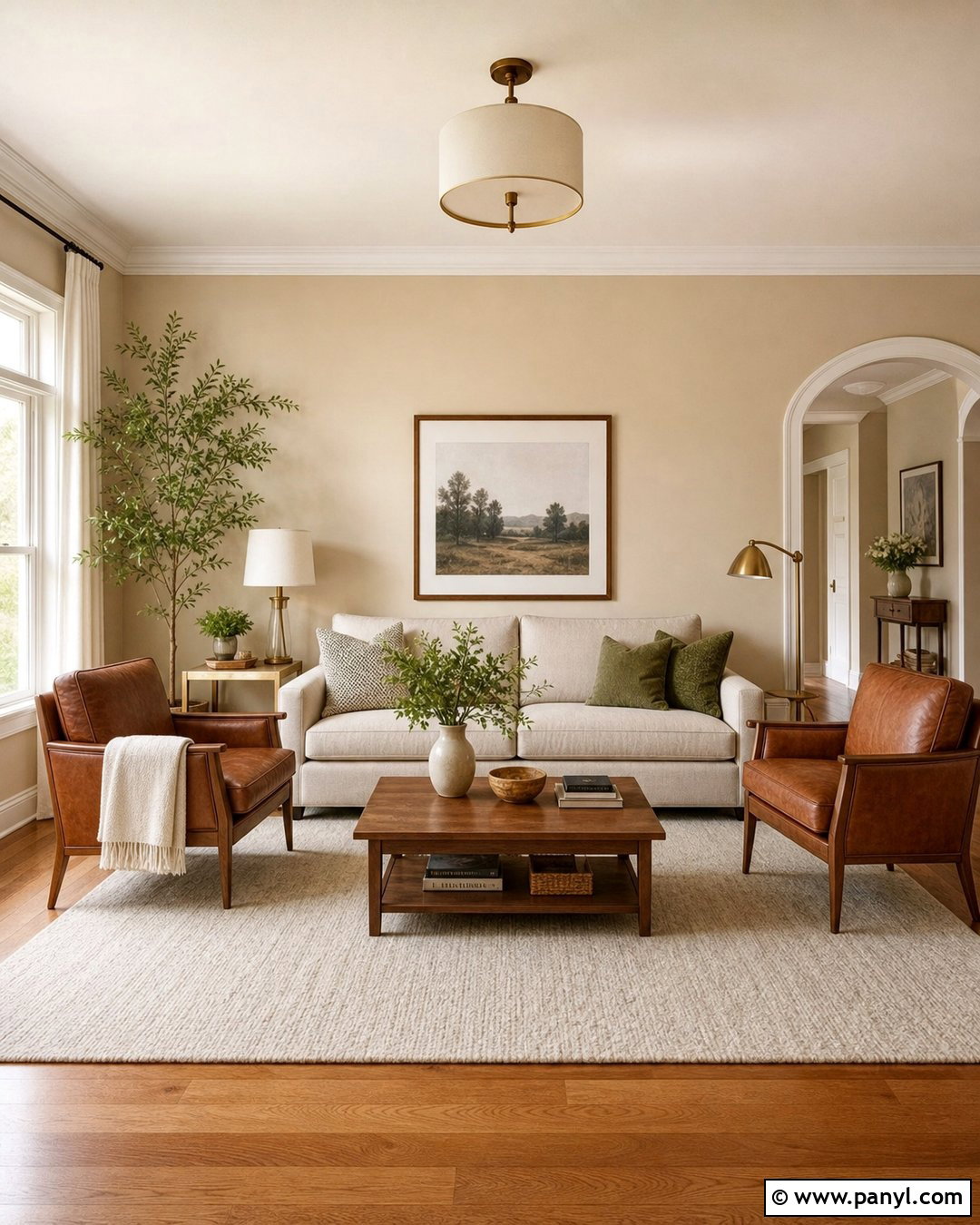
A warm beige sample creates an inviting living room without making the space feel yellow or dated. Look for a balanced shade with soft tan and cream undertones. Pair it with warm white trim, medium oak flooring, and a comfortable oatmeal-colored sofa. Add cognac leather chairs to provide richer contrast without breaking the neutral palette. A textured ivory rug, walnut coffee table, and brushed brass floor lamp complete the room. Bring in olive green pillows and leafy plants for a natural accent. Test the beige beside the flooring and sofa during morning and evening hours. This complete combination works especially well in living rooms that need more visual warmth, softness, and everyday comfort.
2. Light Beige Wall Paint for Small Rooms
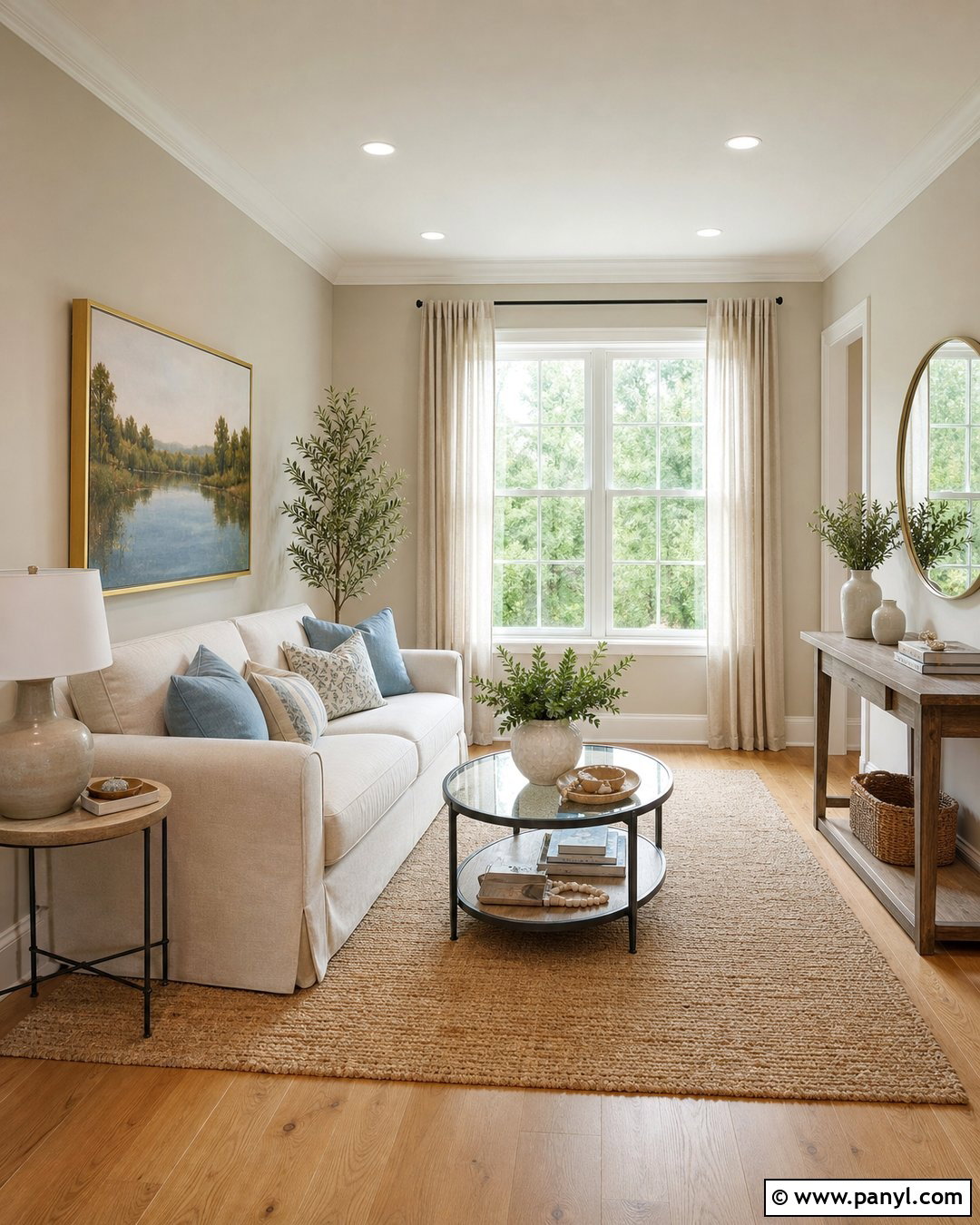
When a compact room needs brightness without stark white walls, sample a pale beige with a creamy neutral base. Use the color across all walls to minimize visual breaks, then add crisp warm white trim and a matching ceiling. Choose light oak furniture with raised legs to keep the floor visible. A small ivory sofa, narrow wood console, and round glass coffee table maintain an open appearance. Add pale blue textiles, simple ceramic decor, and one medium-scale landscape print. Keep window coverings airy with natural linen panels hung close to the ceiling. This finished look gives the small room character while preserving a spacious feeling. Avoid heavy brown accessories, which may make the light beige appear deeper than expected.
3. Greige Beige Wall Paint for Open Floor Plans
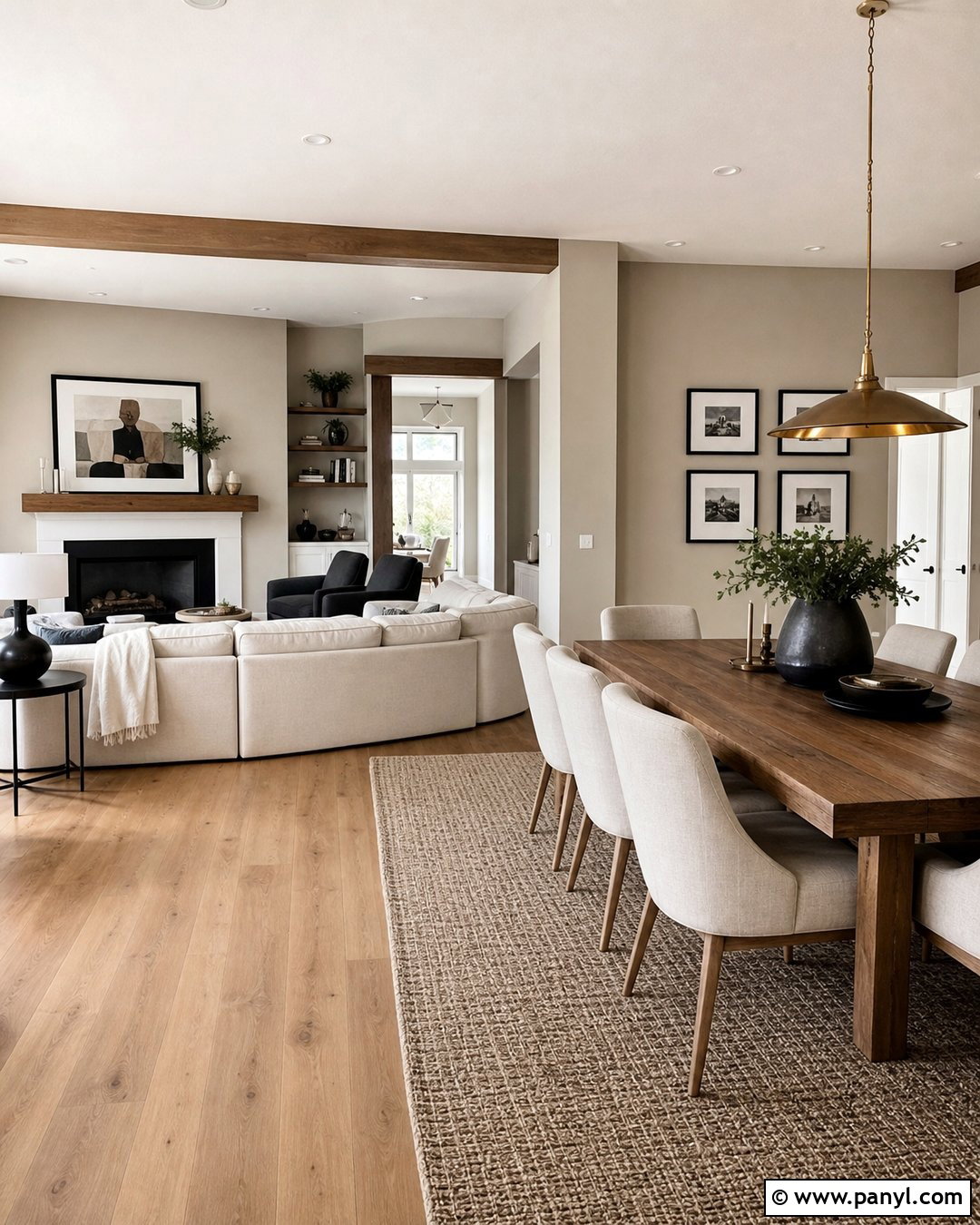
An open floor plan benefits from a versatile greige beige that connects multiple zones without looking identical in every area. Select a medium-light sample blending warm beige with restrained gray undertones. Continue it through the living room, dining area, and adjoining hallway. Ground the layout with wide-plank natural oak floors and warm white trim. In the living zone, use a cream sectional, charcoal accent chairs, and a large woven rug. Repeat charcoal on dining chair frames, then soften the table area with linen upholstery and a modern brass pendant. Black-framed art provides definition throughout. Before painting, place sample boards near windows and interior corners because this flexible neutral may look warmer or cooler as the light changes.
4. Creamy Beige Wall Paint for Bedrooms
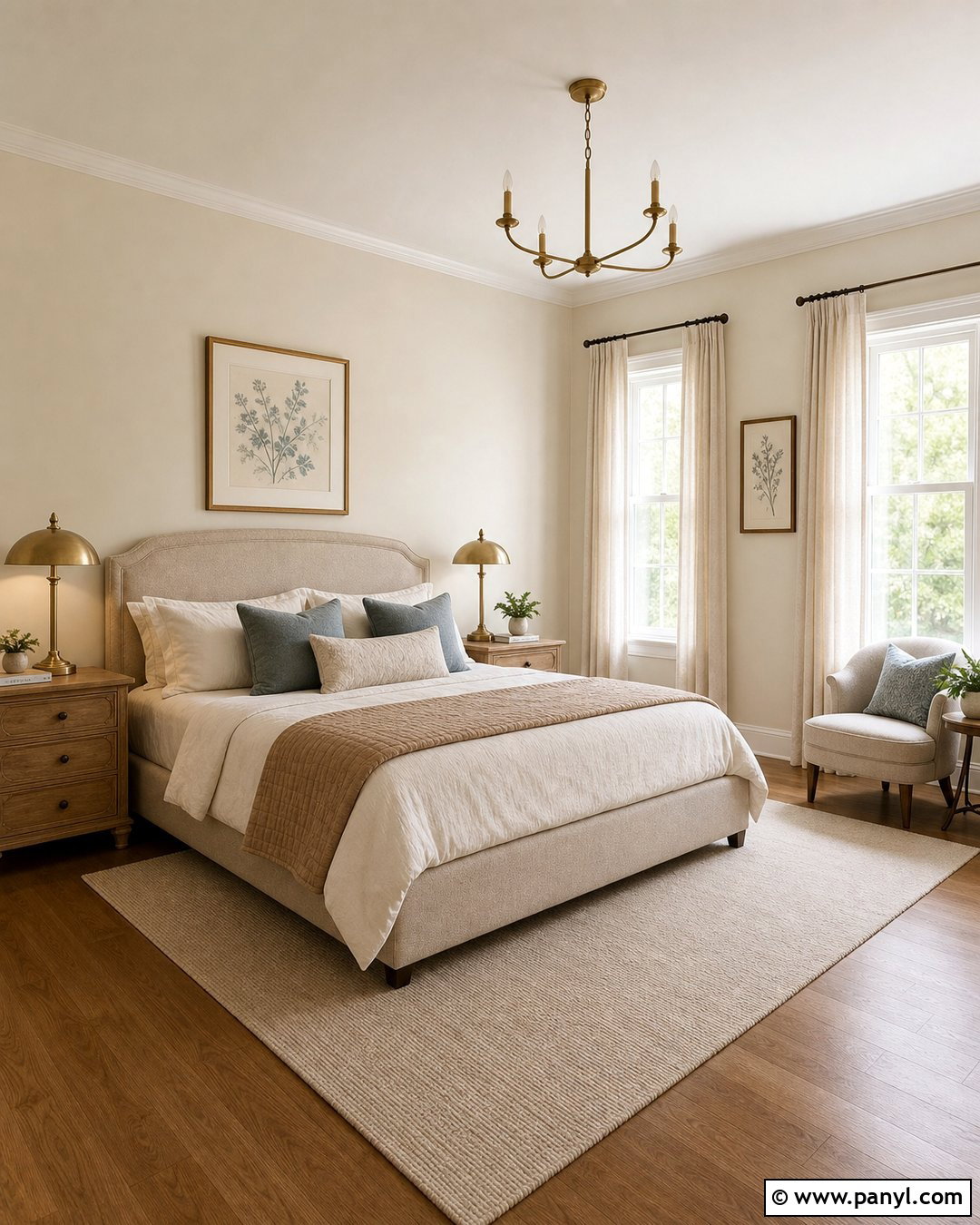
Soft creamy beige walls can turn a bedroom into a calm retreat while feeling richer than ordinary off-white. Choose a light sample with gentle cream undertones rather than strong yellow notes. Build the room around an upholstered oatmeal bed, warm white bedding, and a quilted camel throw. Light oak nightstands and antique brass lamps add warmth, while pale blue-gray pillows keep the palette relaxed. Install natural linen curtains and layer a large ivory wool rug over medium-toned wood flooring. A simple botanical print above the bed provides quiet color. Paint the ceiling a warm white instead of bright white to avoid harsh contrast. The finished bedroom should feel soft, balanced, and comfortable in both daylight and lamplight.
5. Sandy Beige Wall Paint for Coastal Rooms
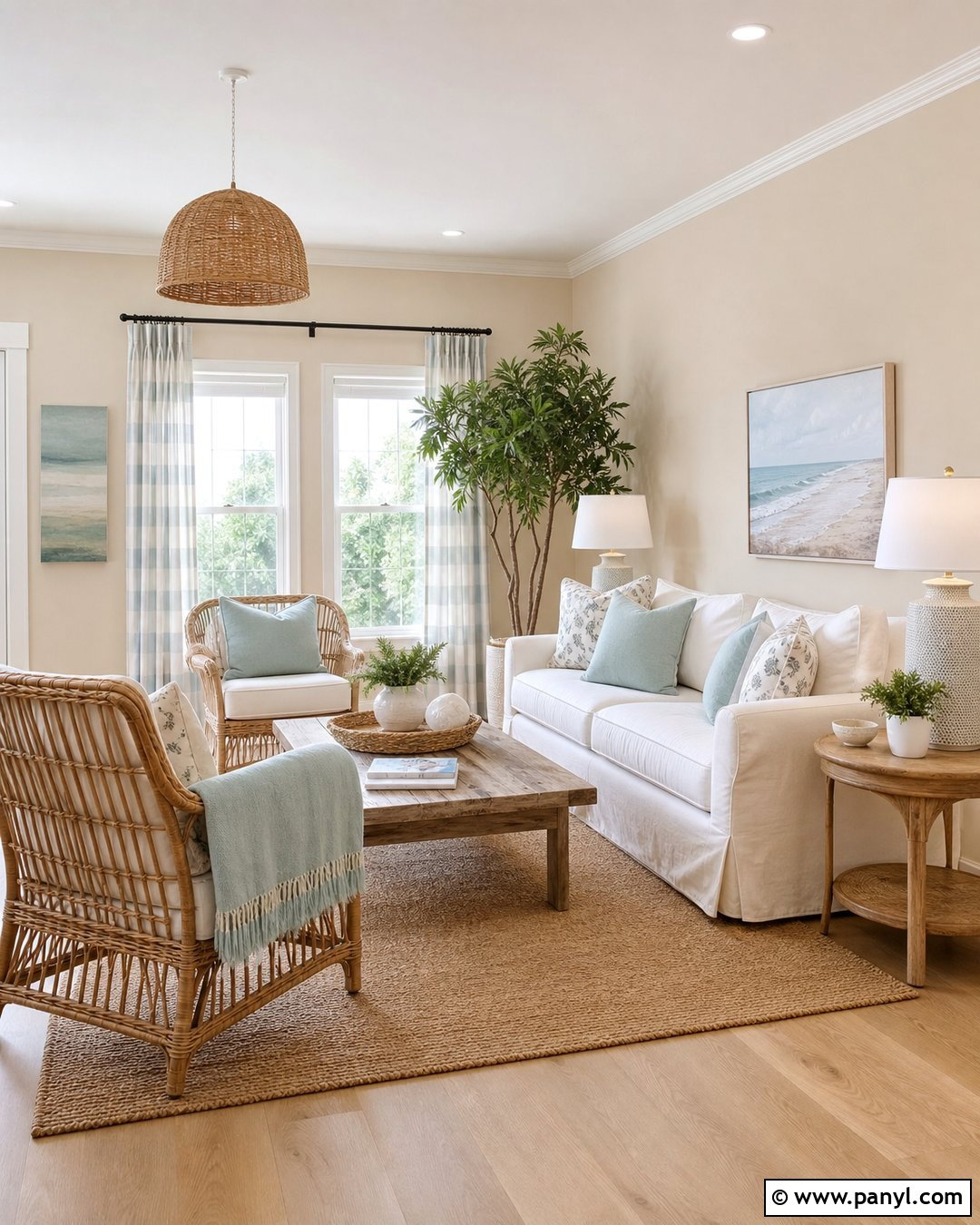
Sandy beige brings a relaxed coastal quality to a room without relying on obvious nautical decorations. Sample a light tan-beige with subtle gray undertones, similar to dry beach sand. Pair the walls with clean white trim, pale oak flooring, and a slipcovered ivory sofa. Add woven rattan chairs, a weathered wood coffee table, and a natural jute rug for layered texture. Muted sea-glass blue pillows and soft striped curtains supply cool contrast. Finish the look with ceramic lamps, simple coastal landscape art, and one sculptural indoor tree. Keep accessories minimal so the materials remain the focus. This complete palette works beautifully in a living room, sunroom, or airy den where casual comfort and natural finishes matter most.
6. Taupe Beige Wall Paint for Dining Rooms
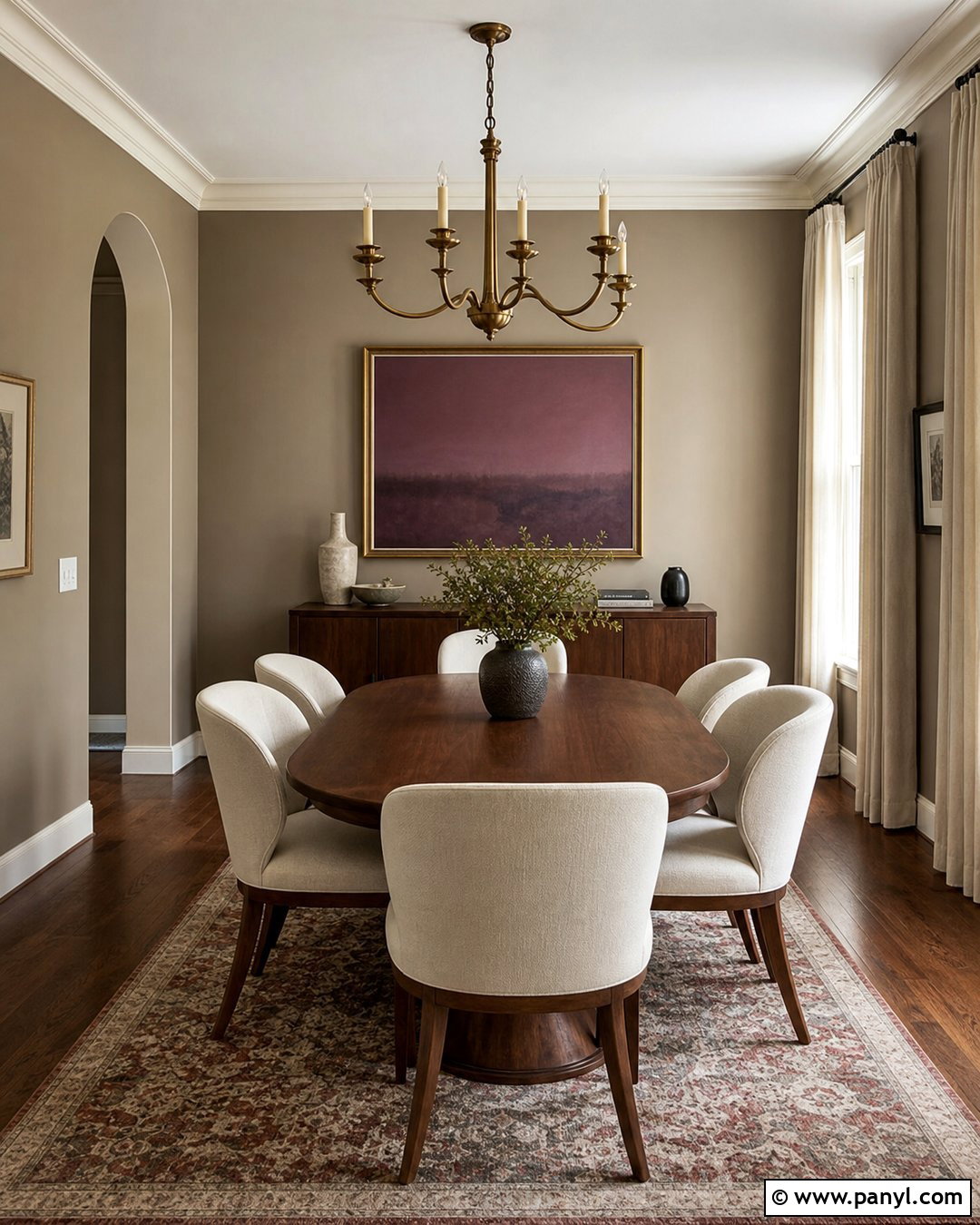
A taupe beige sample gives a dining room more depth than pale cream while remaining easy to coordinate. Select a balanced medium tone with brown-gray undertones, then pair it with warm white crown molding and natural walnut furniture. An oval dining table keeps the layout graceful, while upholstered cream chairs soften the darker wood. Add a substantial linen pendant or aged brass chandelier above the table. For color, use muted plum or dusty rose artwork and coordinating napkins. Floor-length ivory curtains and a vintage-style rug create a layered, finished setting. Test the paint behind both wood furniture and light fabric because each surface can reveal different undertones. The result should feel intimate and polished without becoming overly formal or visually heavy.
7. Golden Beige Wall Paint for Traditional Rooms
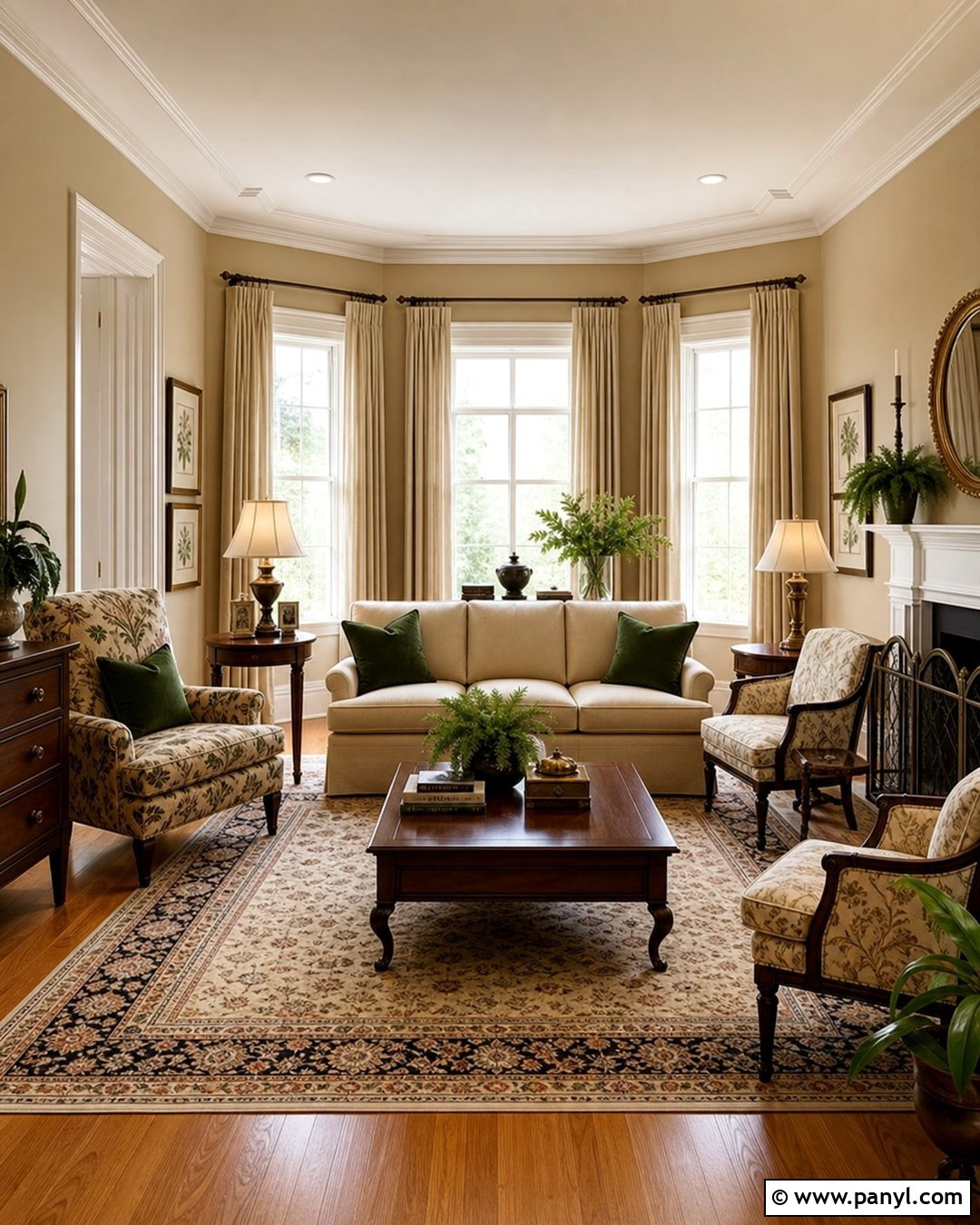
Golden beige can make a traditional room feel sunny and established when its yellow influence is kept subtle. Choose a medium-light beige sample with muted gold undertones rather than bright buttery color. Pair it with creamy white molding, honey-toned hardwood floors, and classic walnut furniture. A tailored linen sofa, patterned armchairs, and a Persian-inspired rug create a collected foundation. Add antique brass lamps, framed botanical prints, and deep forest green pillows for contrast. Window treatments in natural flax linen help balance the warmth. Include small touches of black through picture frames and curtain rods to sharpen the palette. This complete scheme suits a traditional living room or library where architectural details, warm woods, and familiar furnishings should feel connected.
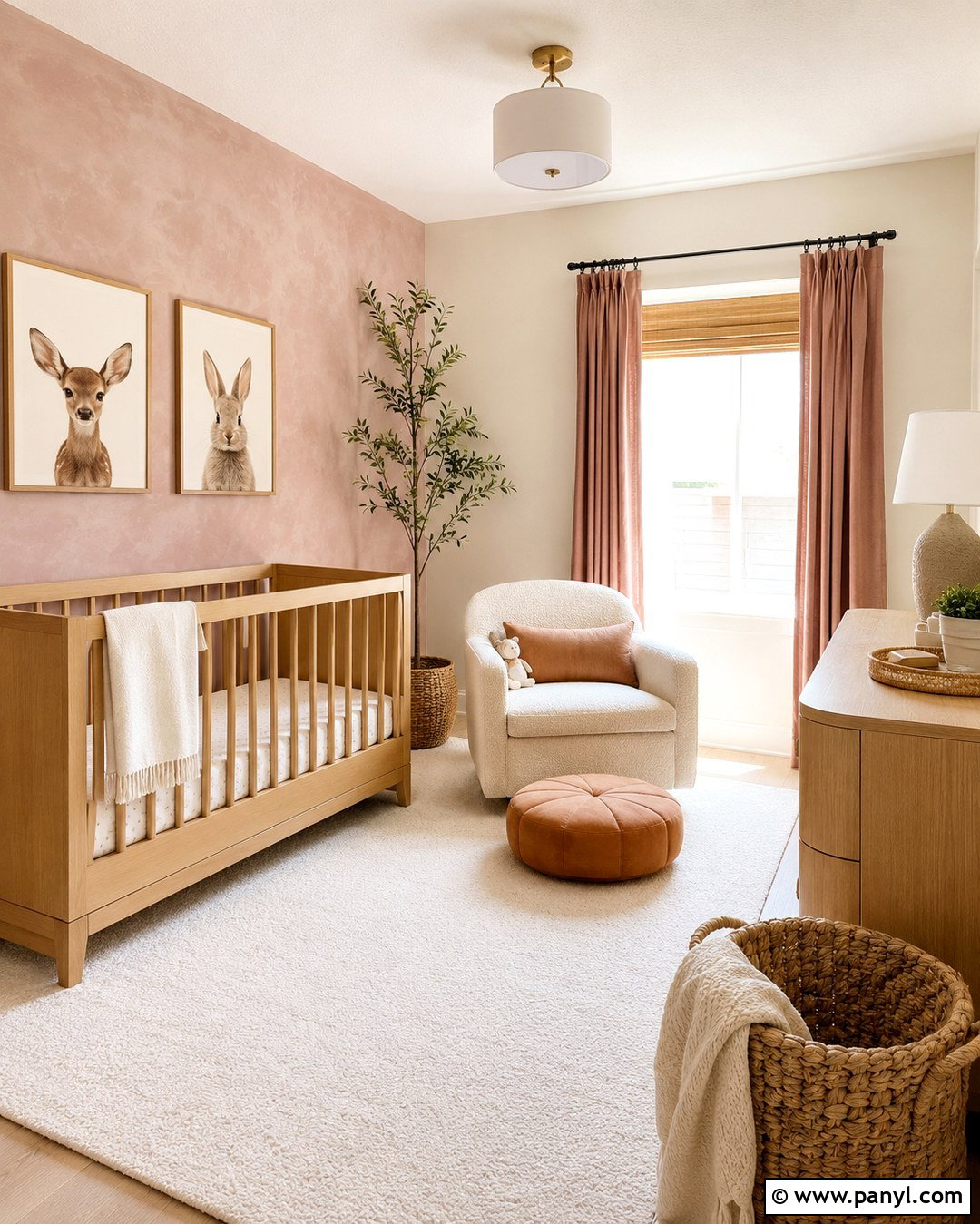
8. Pink Beige Wall Paint for Cozy Bedrooms
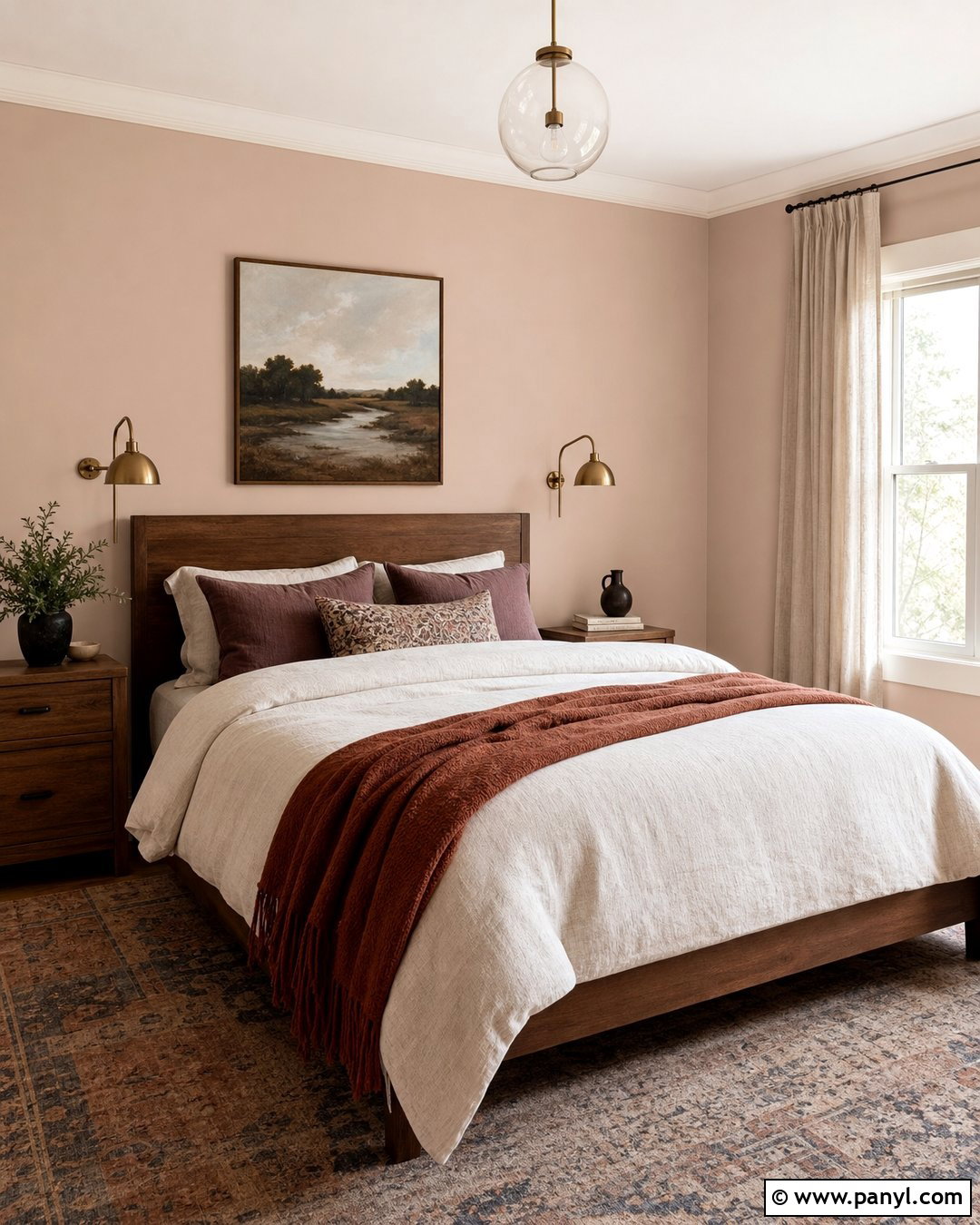
A beige with faint pink undertones brings flattering warmth to a bedroom without turning the walls visibly rosy. Sample a soft mushroom-beige and compare it with white paper to identify the blush influence. Pair the chosen color with warm white trim, a walnut bed, and ivory linen bedding. Dusty mauve pillows, a rust-colored throw, and aged brass sconces reinforce the undertone in a controlled way. Ground the room with a muted vintage rug containing cream, brown, and faded rose. Use simple wood nightstands and linen curtains to keep the design relaxed. Avoid bright blue-gray accessories, which may exaggerate the pink cast. The final bedroom feels gently layered, welcoming, and particularly comfortable under soft evening lighting.
9. Green Beige Wall Paint for Natural Interiors
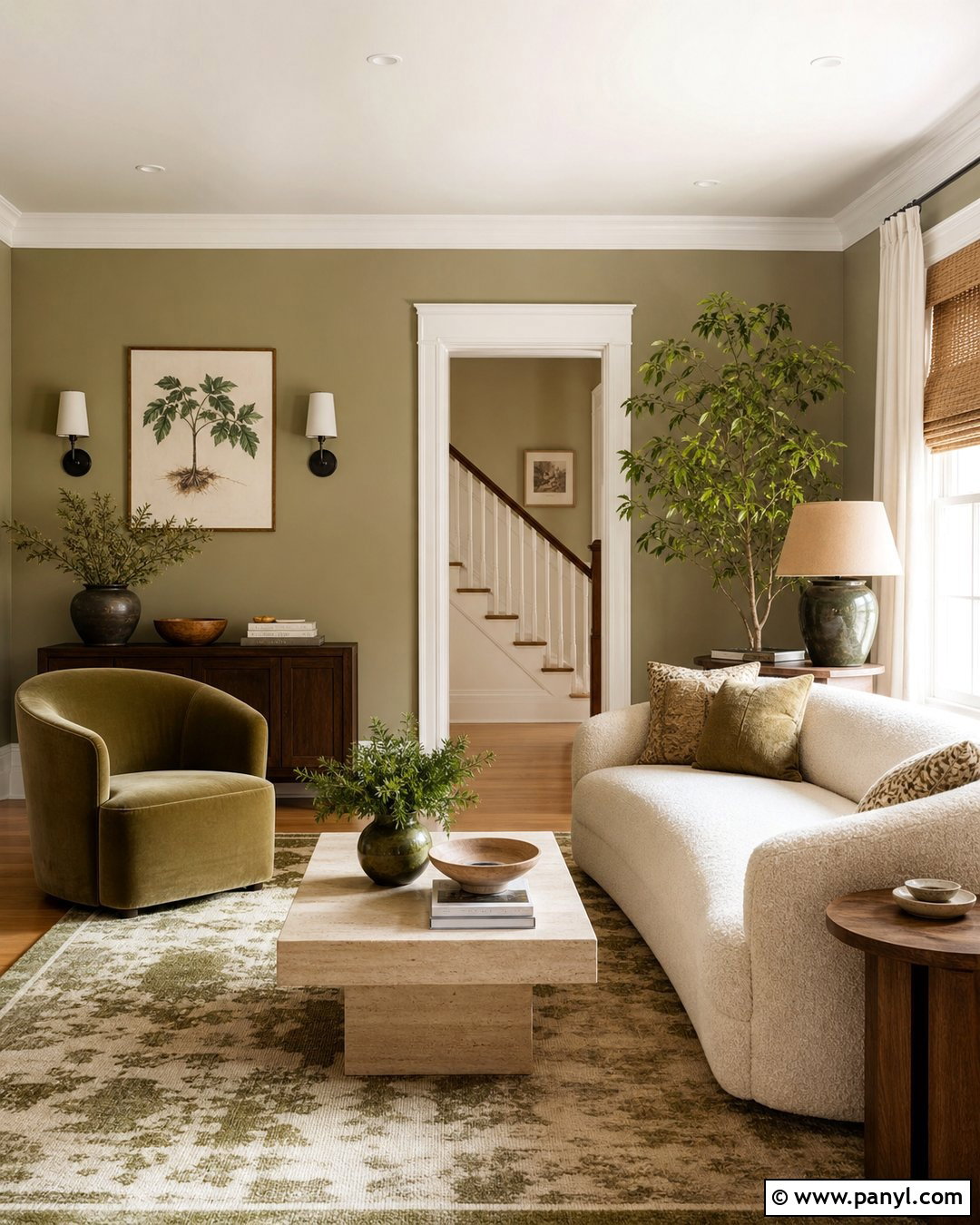
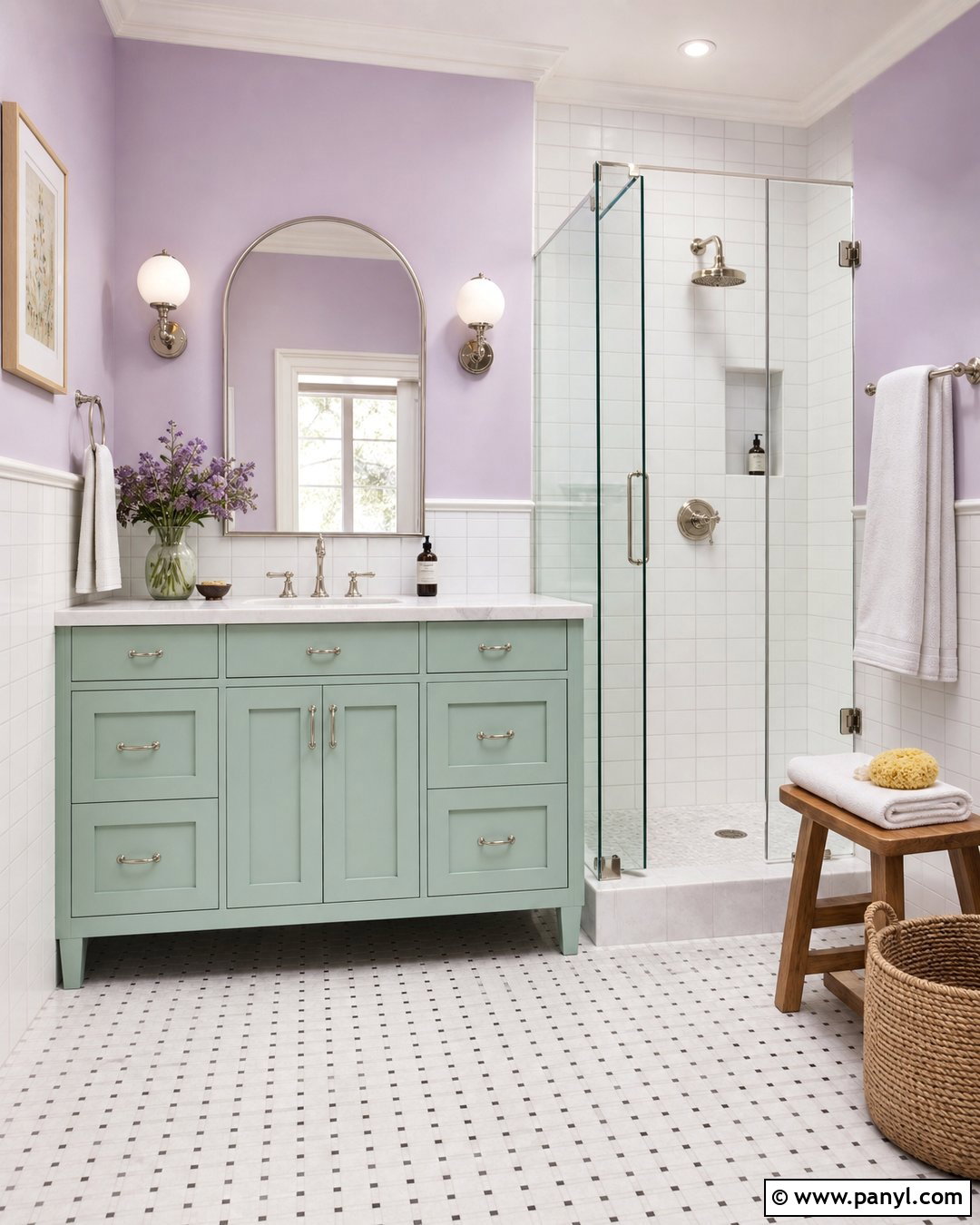
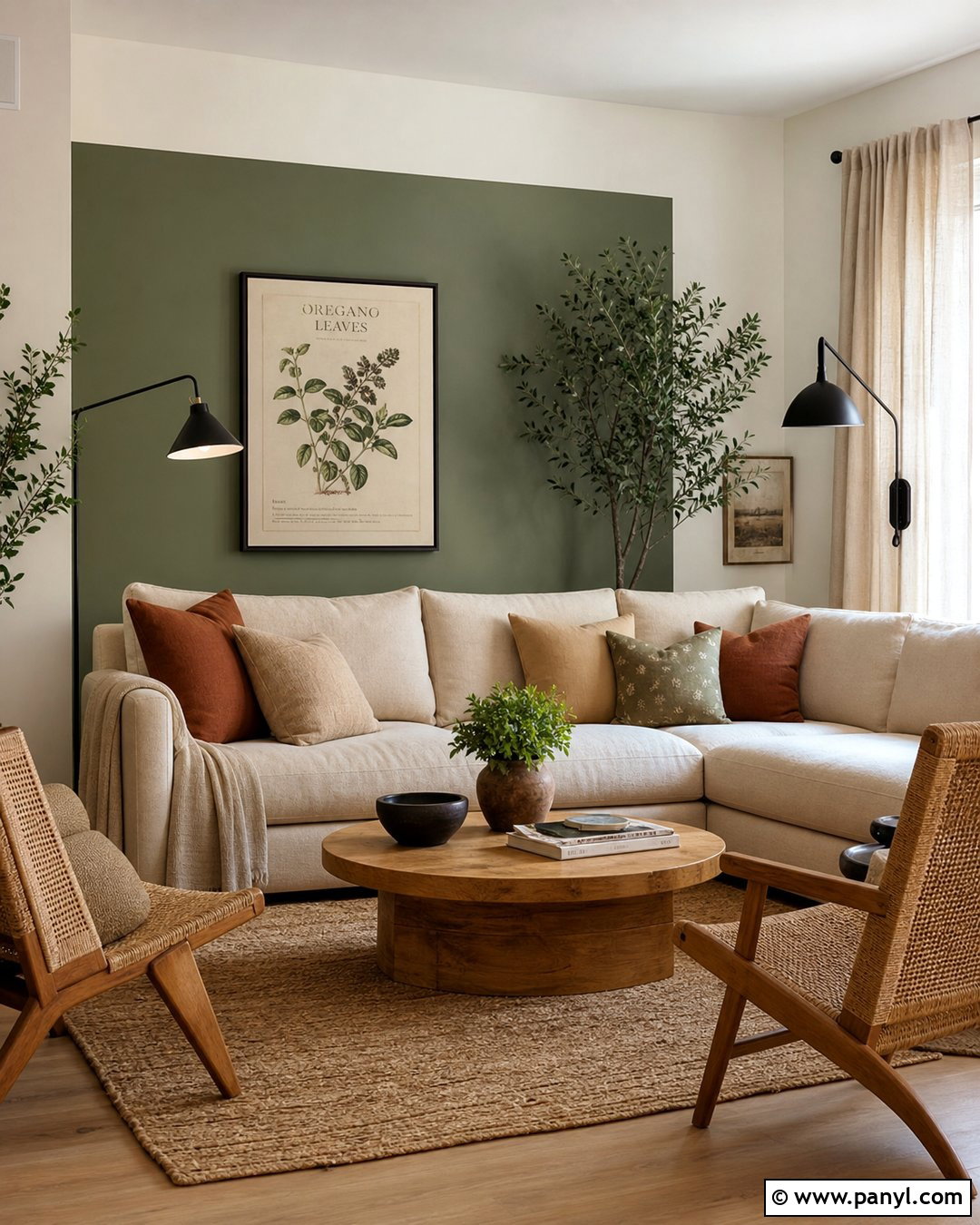
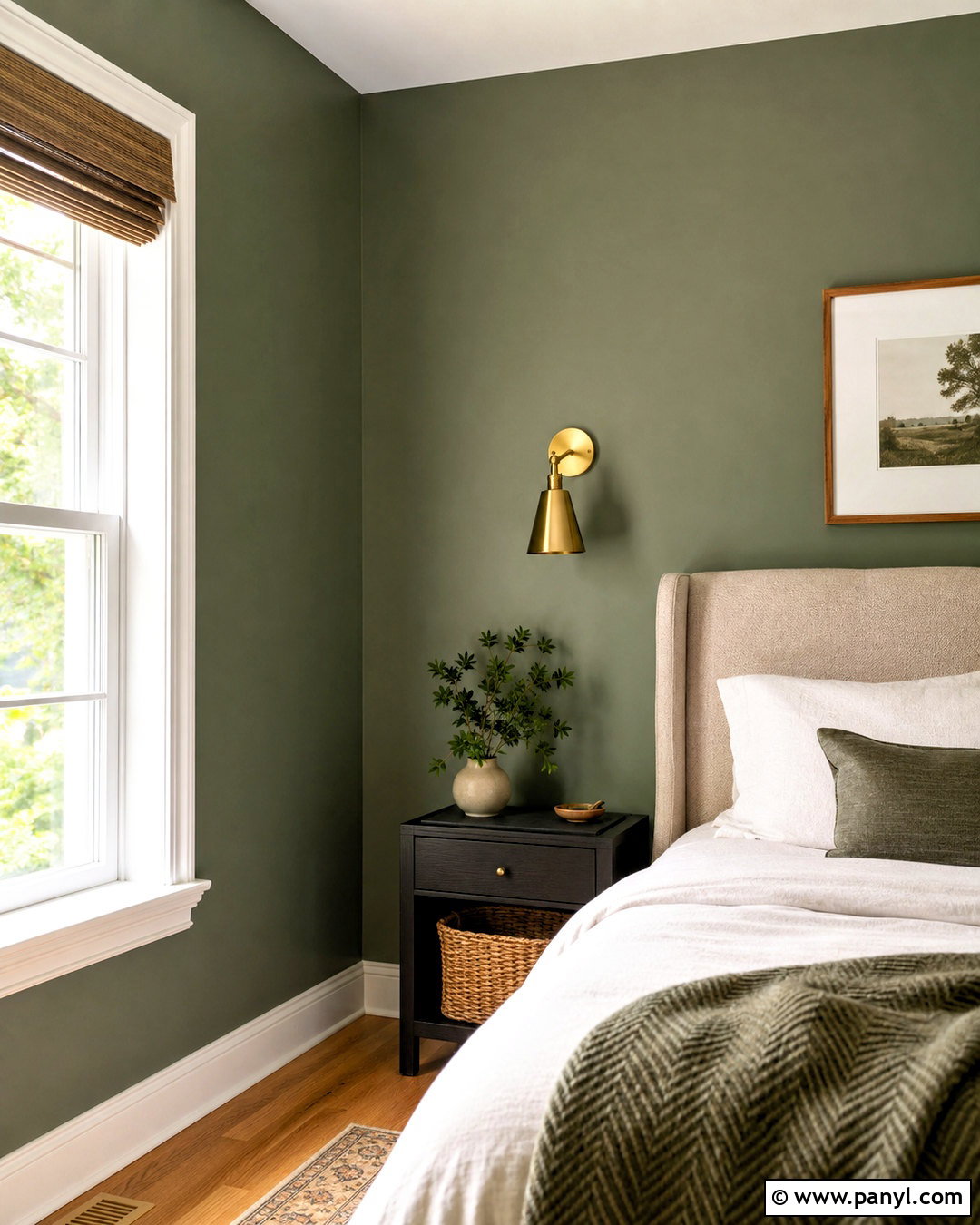
Green beige offers an earthy alternative to standard tan and works well with plants, wood, and stone. Select a muted beige sample carrying a subtle olive or sage undertone. Use it in a living room with warm white trim, natural oak floors, and a textured cream sofa. Add an olive velvet chair, walnut side tables, and a travertine coffee table to strengthen the organic palette. Woven shades and ivory linen curtains soften the windows without hiding natural light. Decorate with restrained pottery, branches, and botanical artwork instead of numerous small accessories. A patterned rug containing beige, moss green, and charcoal ties everything together. Test this shade near outdoor greenery because reflected color from the windows may intensify its green undertone.
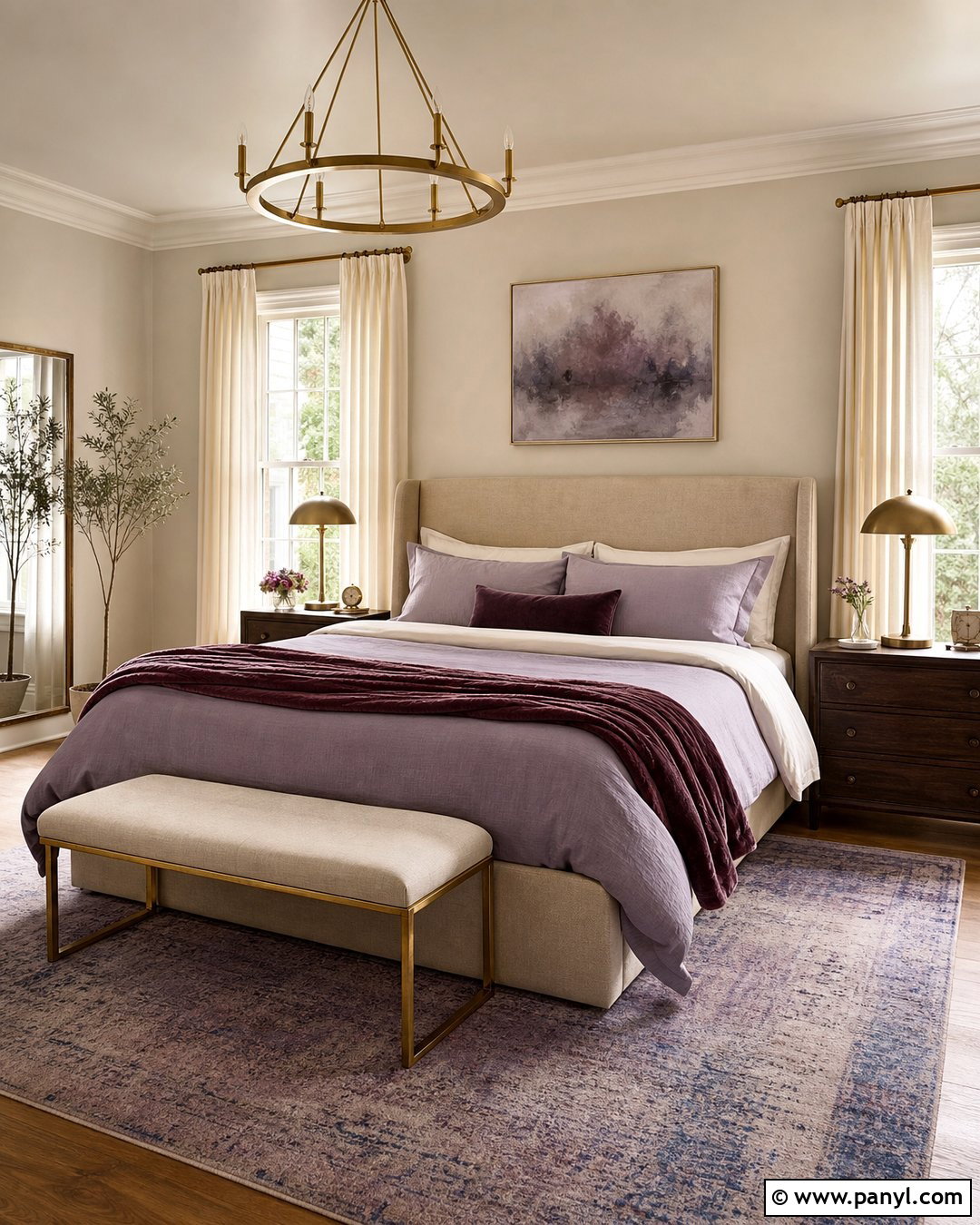
10. Yellow Beige Wall Paint for Dark Rooms
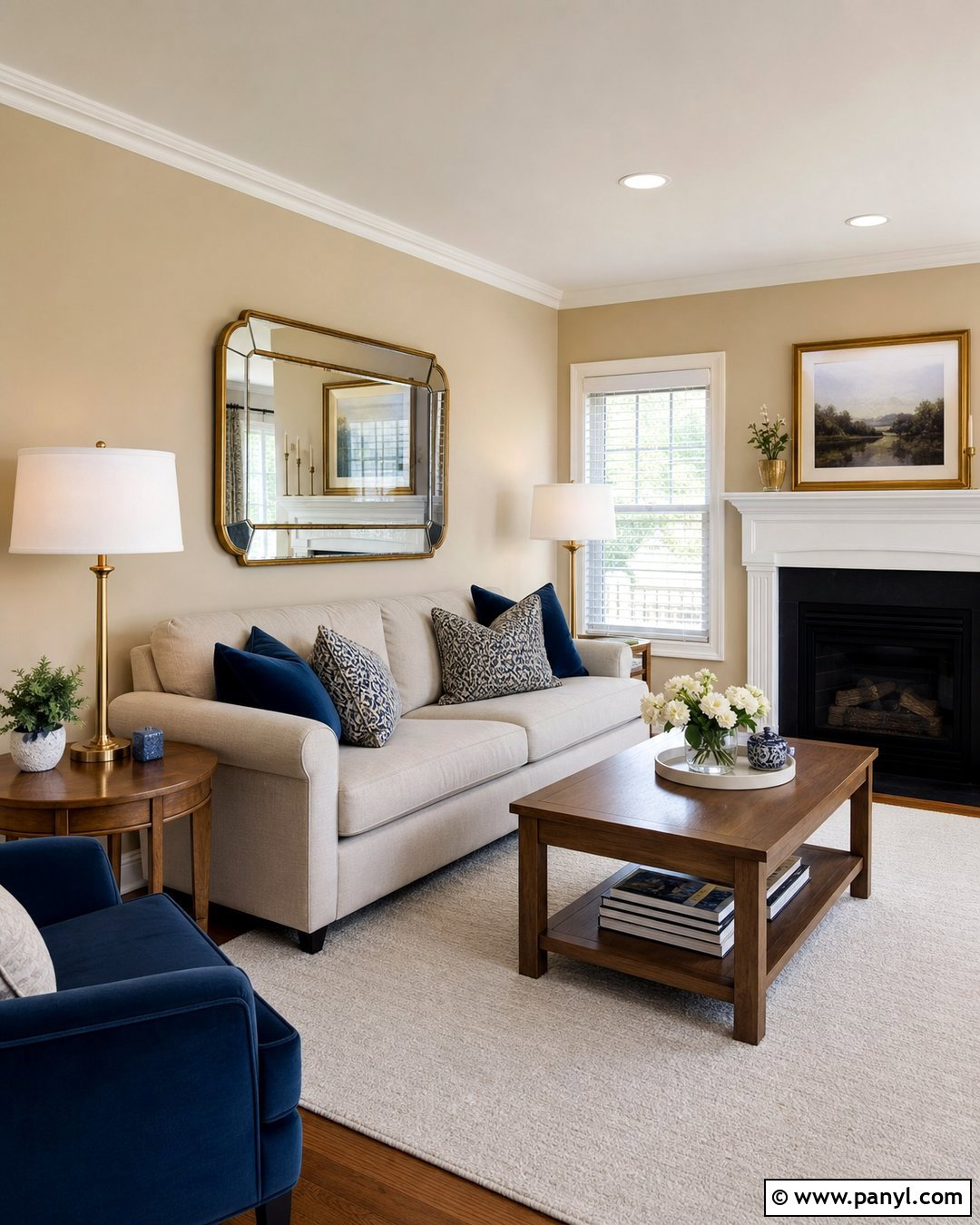
A low-light room can benefit from yellow beige when the shade is light, muted, and carefully sampled. Choose a creamy beige that adds warmth without becoming mustard or peach. Paint the trim and ceiling in a coordinated warm white for a soft transition. Furnish the space with a light oatmeal sofa, medium oak tables, and an ivory rug that reflects available light. Add navy blue pillows and a deep blue armchair to balance the yellow undertone. Mirrors placed opposite windows can spread daylight, while white-shaded lamps brighten shadowy corners. Use brushed brass sparingly through lighting and small accents. The complete room should feel cheerful and comfortable, but always examine the samples under the exact bulbs you plan to use.
11. Neutral Beige Wall Paint for Whole Houses
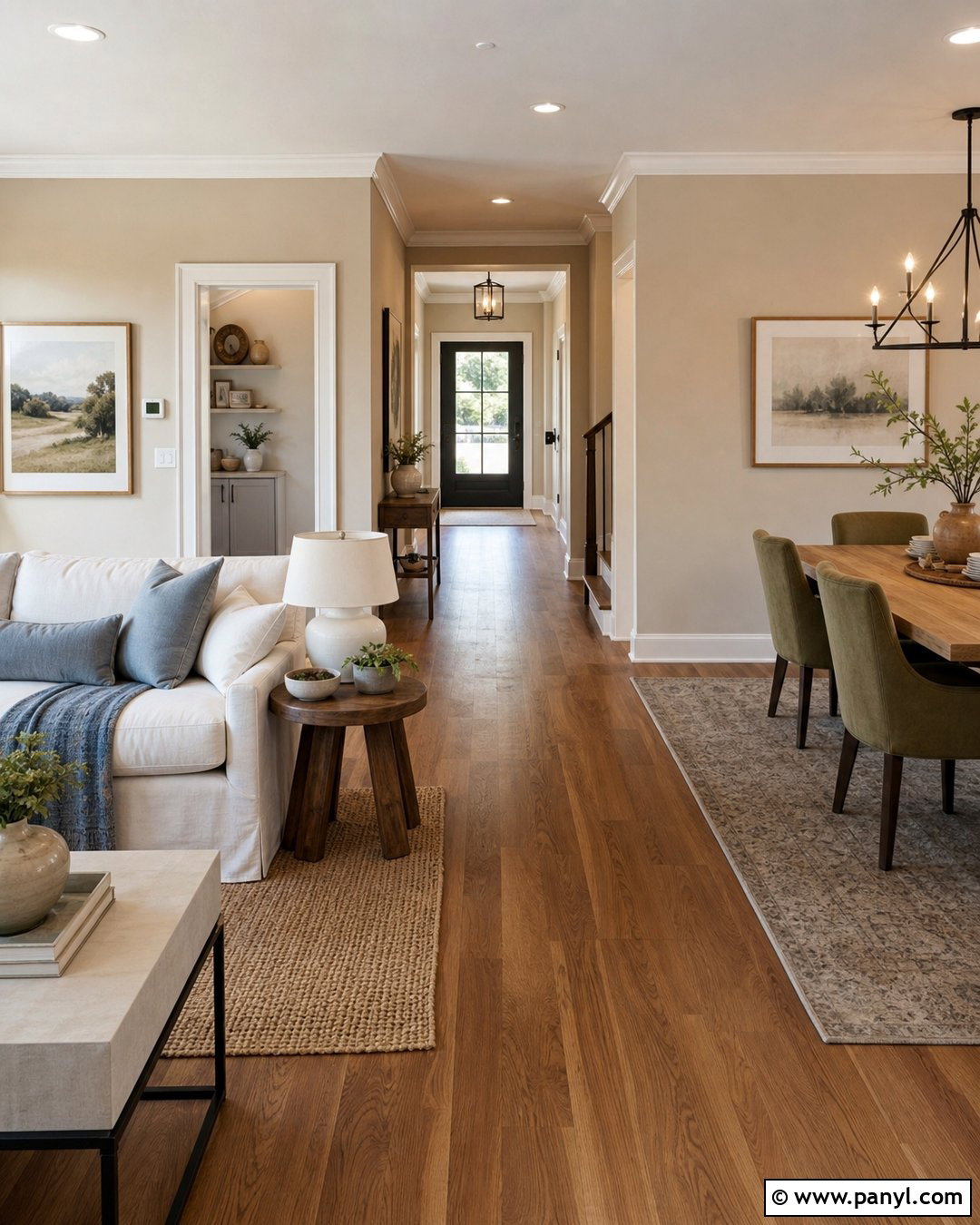
Choosing one beige for several connected rooms requires a balanced undertone and a coordinated finishing plan. Sample a light neutral beige that sits between cream, tan, and greige without leaning strongly in one direction. Use consistent warm white trim, doors, and ceilings throughout the home. Medium natural oak flooring creates a stable foundation, while each room can introduce its own accent color. Try muted blue in the living room, olive green in the dining area, and clay tones in the entryway. Repeat black metal hardware and woven textures to connect the spaces. View sample boards in hallways, bright windows, and dim corners before deciding. This whole-house approach creates continuity while allowing furniture, art, and textiles to give every room an individual identity.
12. Dark Beige Wall Paint for Home Offices
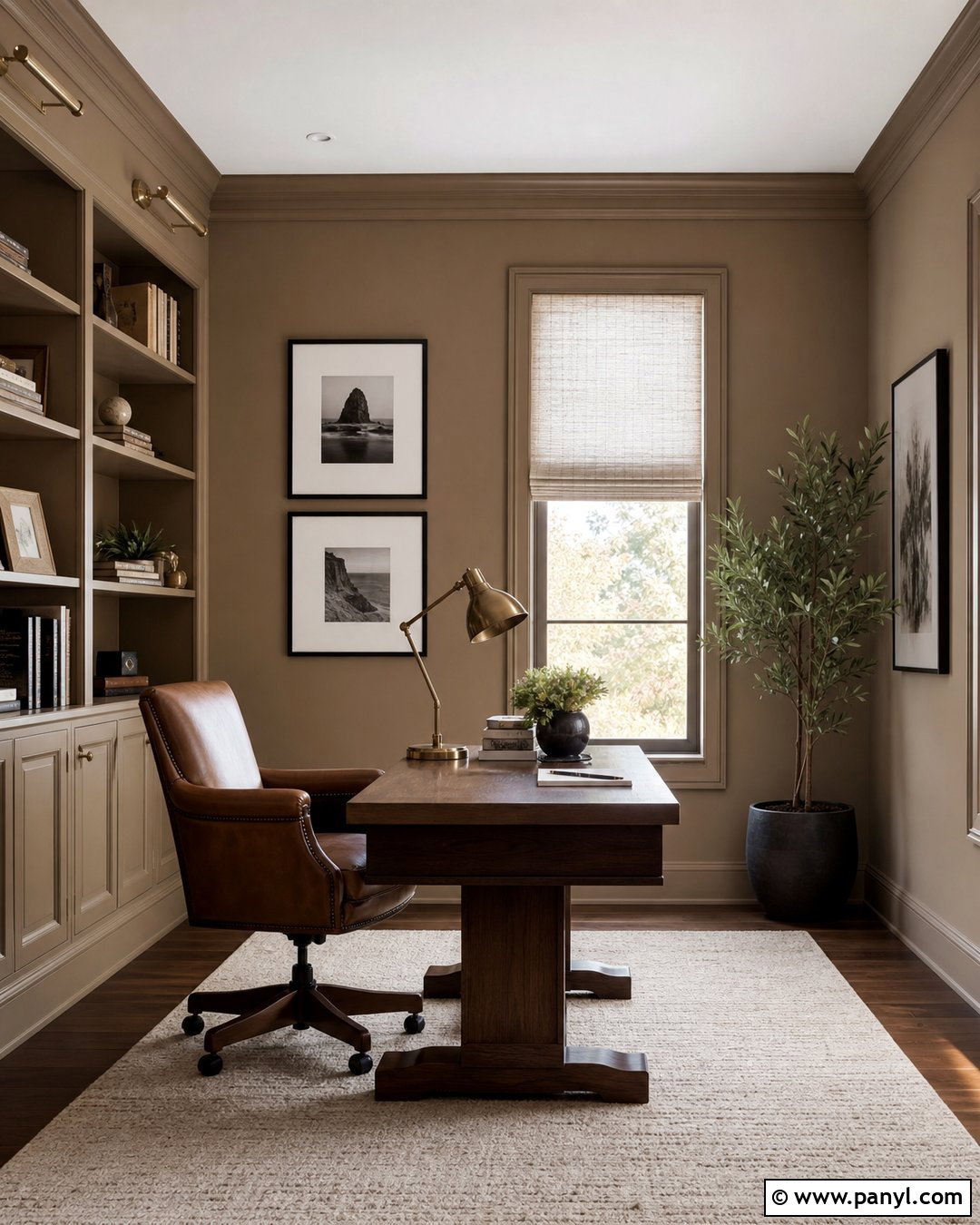
Deep beige walls can make a home office feel focused and grounded without the intensity of charcoal or navy. Look for a rich camel-beige with balanced brown undertones. Use the color across the walls, then add creamy trim to preserve definition. Position a walnut desk near the main window and pair it with a cognac leather chair. Built-in shelving painted the same beige creates a cohesive, enveloping background. Add a light wool rug, linen Roman shade, and aged brass desk lamp to balance the darker walls. Framed black-and-white artwork and a few green plants provide crisp contrast. This complete office scheme works best when several light sources are included, ensuring the sophisticated beige remains warm and readable throughout the working day.
13. Beige Wall Paint With White Trim
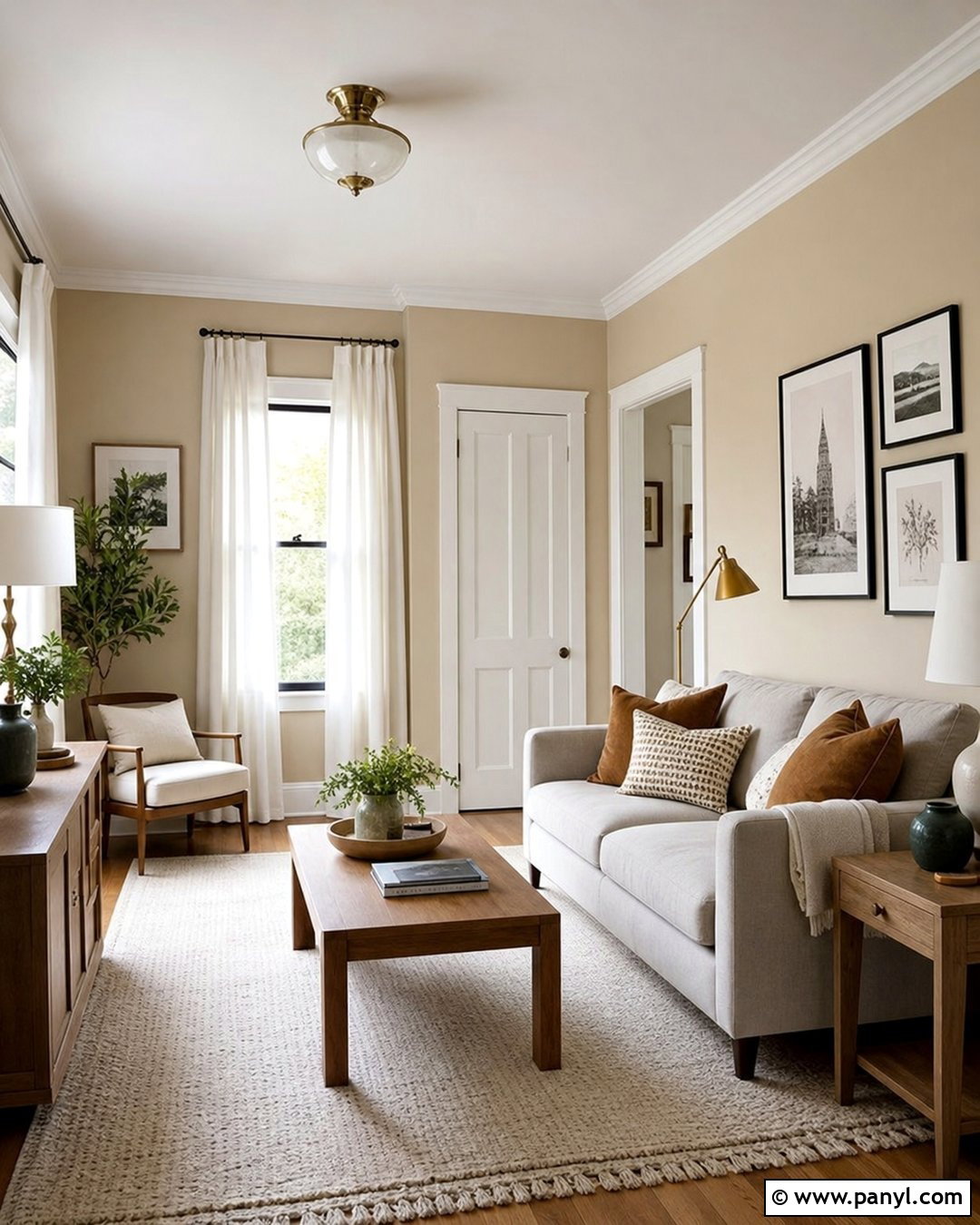
Pairing beige walls with white trim creates a clean architectural outline, but the two colors need compatible undertones. Choose a soft warm beige and a creamy white rather than a cold blue-white. Apply the beige to the walls, then repeat the white across baseboards, window frames, doors, and the ceiling. Complete the living room with a light gray-beige sofa, oak coffee table, and textured ivory rug. Matte black curtain rods and picture frames sharpen the gentle palette. Add camel pillows, green pottery, and warm brass lighting for depth. Sample the beige directly beside the selected trim paint because nearby whites strongly influence how neutral walls appear. The finished room feels crisp, welcoming, and thoughtfully coordinated instead of bland or overly monochromatic.
14. Beige Wall Paint With Wood Floors
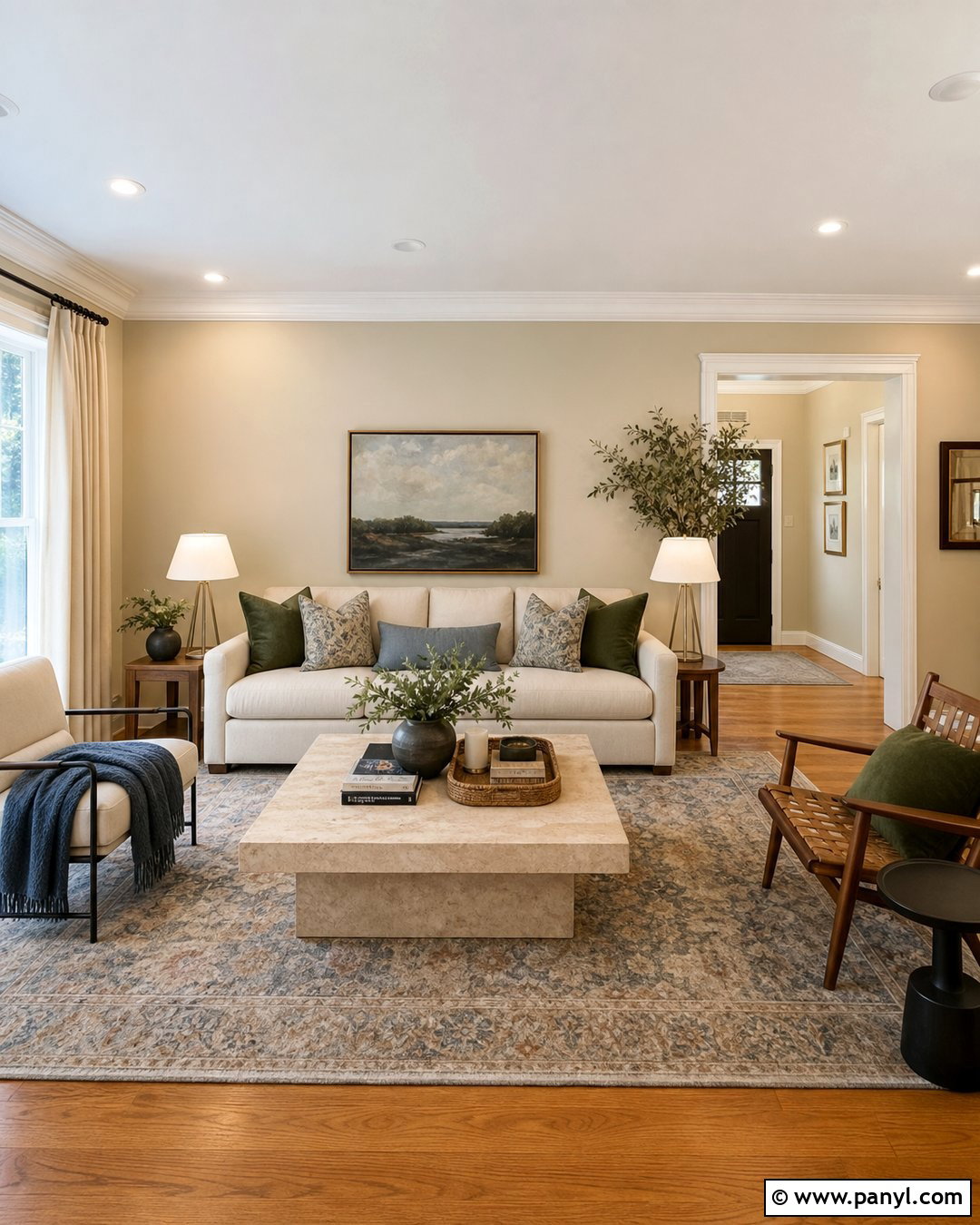
Warm wood flooring and beige walls can look beautifully connected when their undertones complement rather than compete. For honey oak floors, sample a beige with quiet gold or green undertones. With walnut floors, try a taupe beige carrying soft brown-gray notes. Complete the room with warm white trim, an ivory sofa, and a rug large enough to separate the wood from similar-colored furniture. Add black metal accents to create definition and use muted blue or forest green textiles for contrast. A stone coffee table introduces another natural material without adding more brown. Place sample boards vertically near the floor and across the room at eye level. This reveals whether the beige harmonizes with the wood or makes it appear unexpectedly orange.
15. Beige Wall Paint With Black Accents
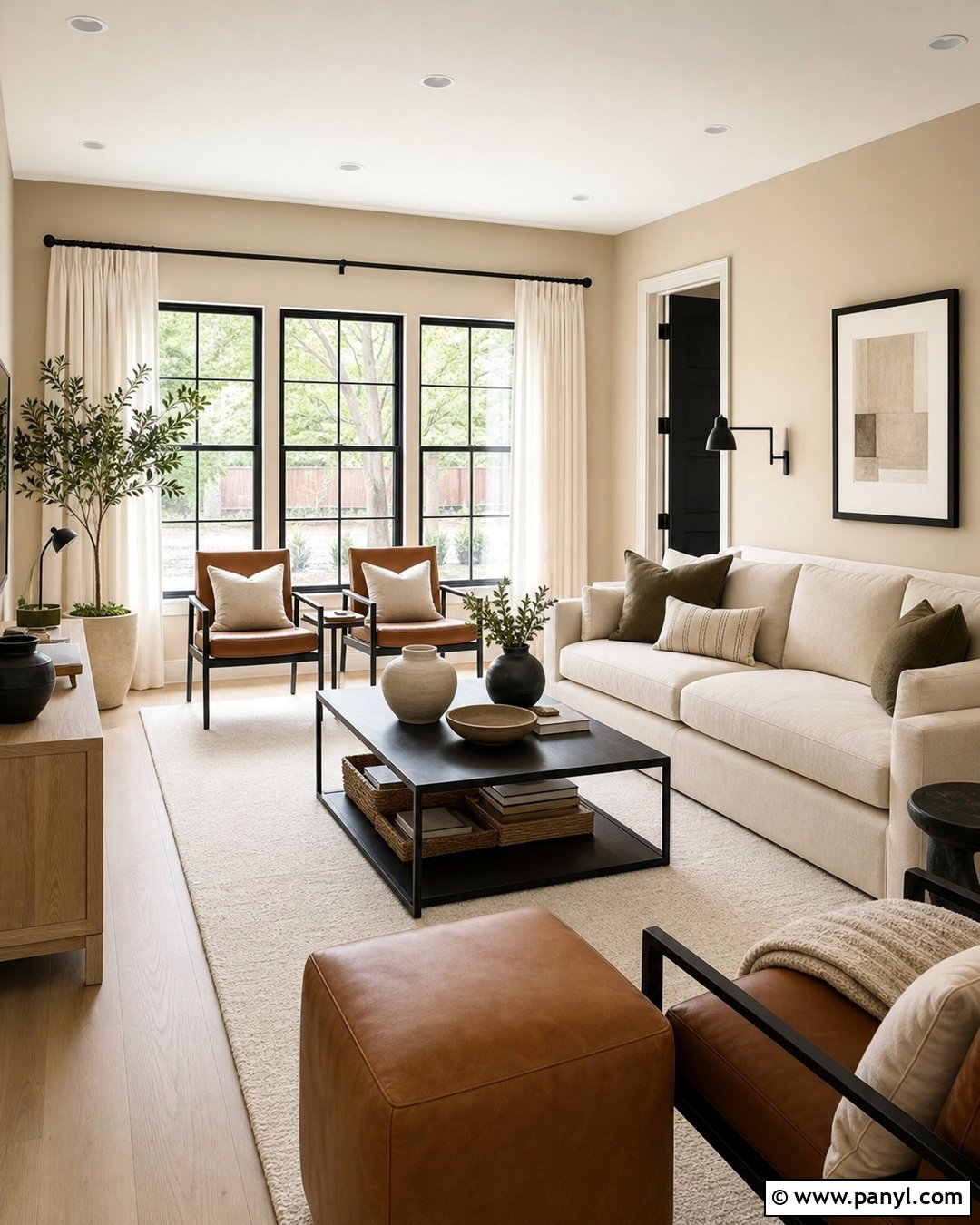
Black accents give beige walls the structure needed for a clean, modern room. Start with a light warm beige that has limited yellow or pink undertones. Add narrow black window frames, a matte black curtain rod, and simple black-framed artwork. Keep the larger furnishings soft with a cream sofa, pale oak media console, and ivory textured rug. A black metal coffee table provides a clear focal point without dominating the room. Bring in camel leather, olive pillows, and handmade beige pottery to preserve warmth. Use warm white curtains and a white ceiling to keep the design bright. This complete palette is especially effective in contemporary living rooms because the beige softens the high contrast while black details prevent the neutral scheme from looking washed out.
16. Beige Wall Paint With Brown Furniture
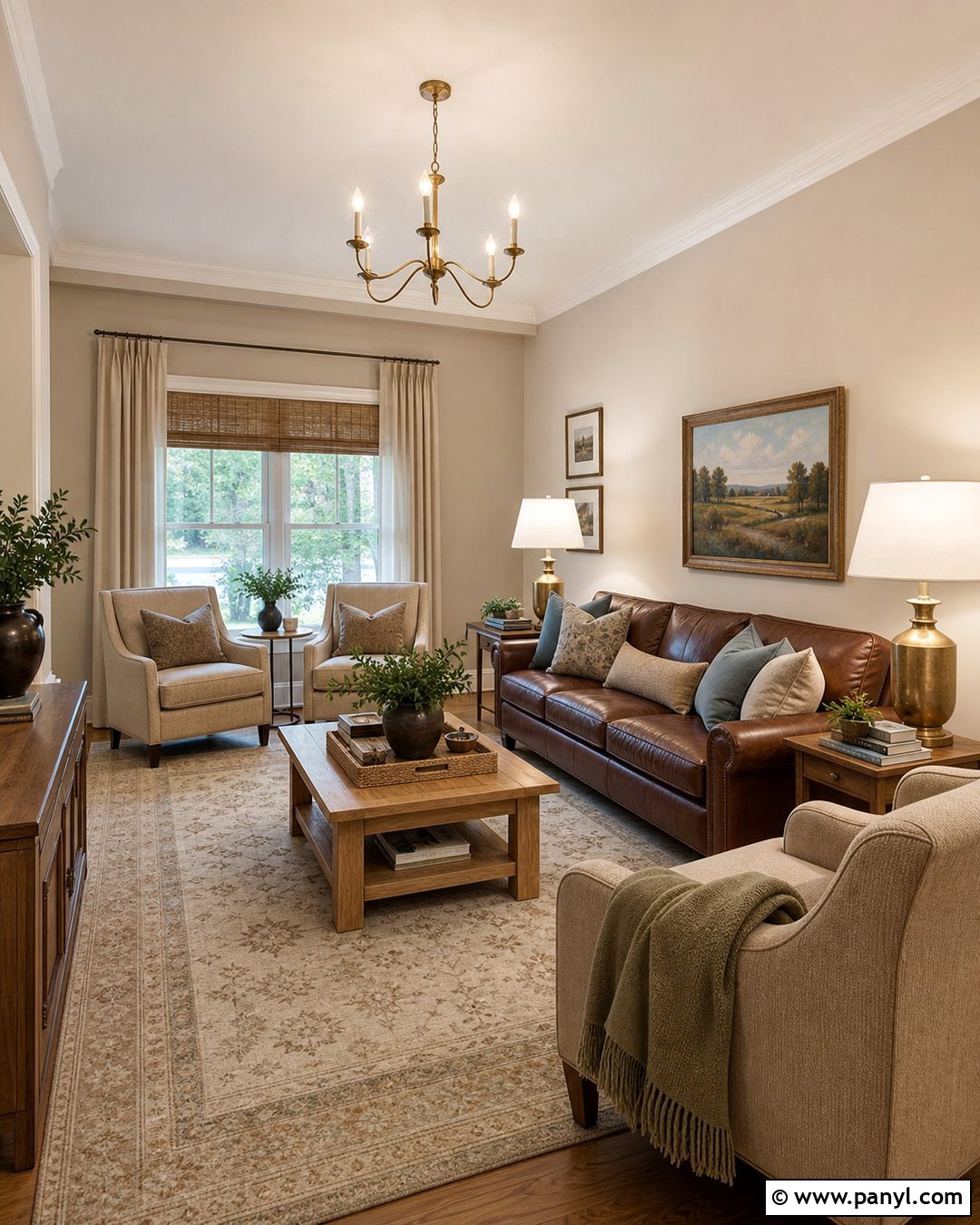
A room with substantial brown furniture needs beige walls that provide separation without creating an all-brown appearance. Sample a light greige beige or creamy stone shade that is noticeably lighter than the furniture. Arrange a chocolate brown leather sofa with two oatmeal upholstered chairs to vary the materials. Place everything on an ivory rug with a subtle rust and blue pattern. Add pale oak or travertine tables rather than another dark brown wood. Warm white curtains, brass lamps, and medium-scale landscape artwork brighten the surrounding walls. Use dusty blue and olive green pillows as controlled color accents. This full living room arrangement allows beloved brown furniture to feel intentional, while the lighter beige background keeps the overall space open, balanced, and current.
17. Beige Wall Paint With Sage Green Decor
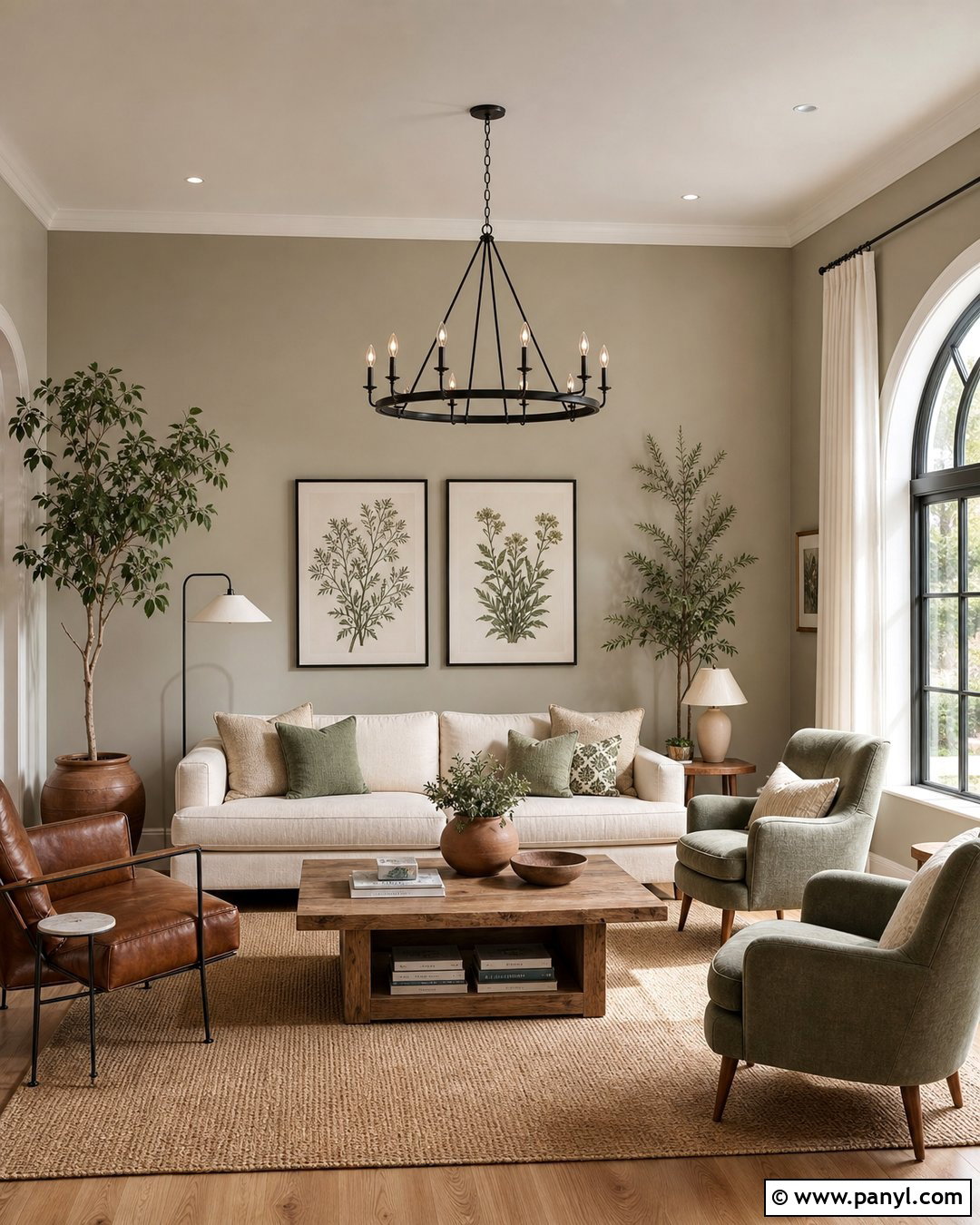
Beige and sage green create a calm, nature-inspired room with enough color to feel interesting. Select a warm beige sample with a slight green or gray undertone, then use sage on upholstered chairs, pillows, or painted cabinetry. In a living room, pair the walls with a cream sofa, oak coffee table, and natural woven rug. Add off-white linen curtains and black metal lighting for definition. Terracotta pottery and small cognac leather details introduce a warmer layer without overwhelming the muted palette. Repeat sage through botanical artwork and leafy plants, but vary the shades to avoid a matched appearance. This coordinated look works best when the beige remains lighter than the green accents, creating a quiet background while the furnishings provide gentle contrast.
18. Beige Wall Paint With Blue Decor
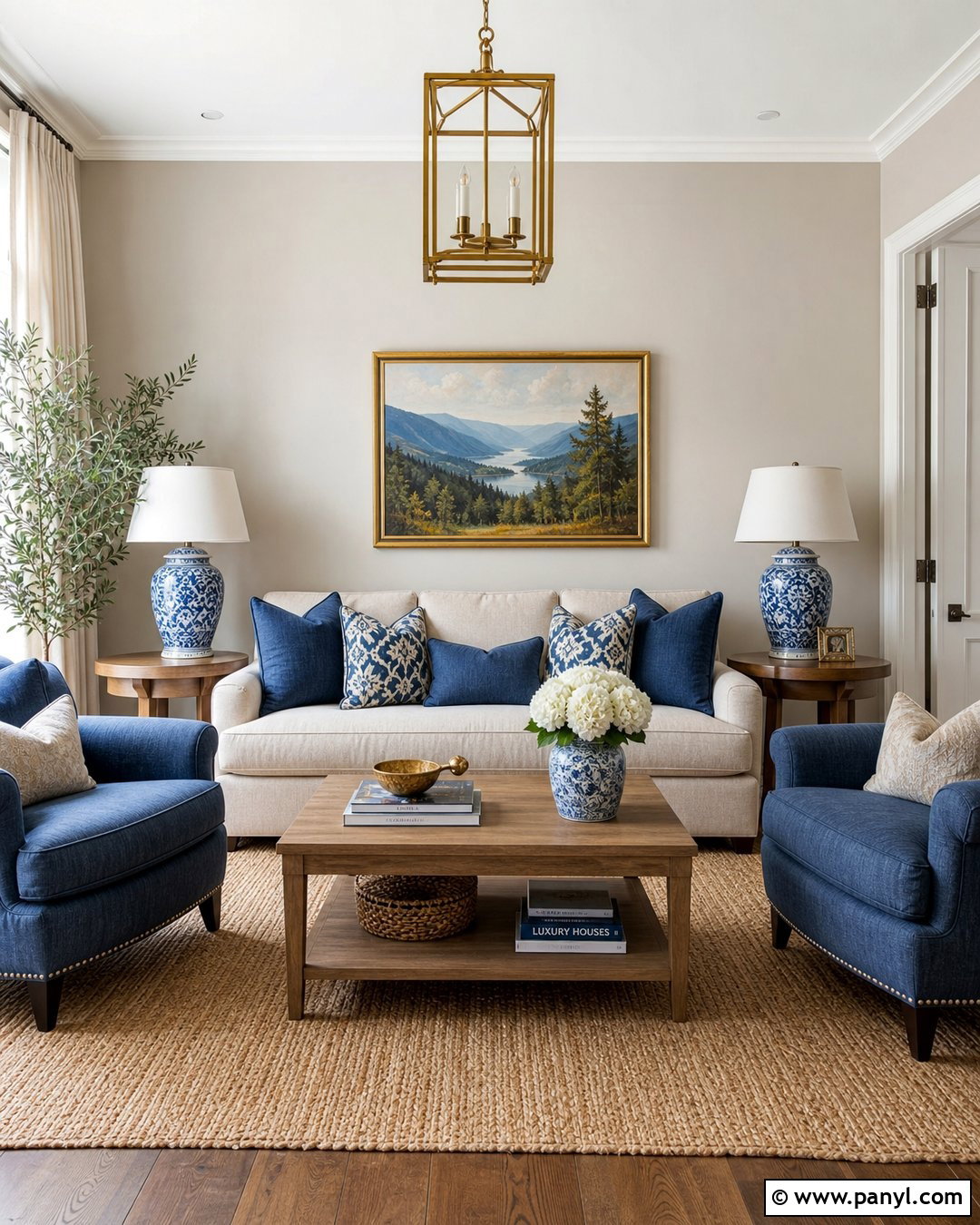
Could a neutral room use a cooler, clearer accent? Pair balanced beige walls with muted blue furnishings for an approachable color scheme that feels fresh throughout the year. Choose a beige with soft gray undertones and use warm white on the trim and ceiling. Anchor the living room with an oatmeal sofa, then add denim blue chairs and navy patterned pillows. Natural oak tables and a woven tan rug reconnect the cooler blue accents to the warm walls. Complete the design with blue-and-white ceramic lamps, simple landscape art, and ivory linen curtains. Keep metallic finishes warm through brushed brass or antique bronze. The resulting room feels relaxed and layered, with enough blue to create definition while the beige maintains an inviting, comfortable foundation.
19. Beige Color Drenching for Modern Rooms
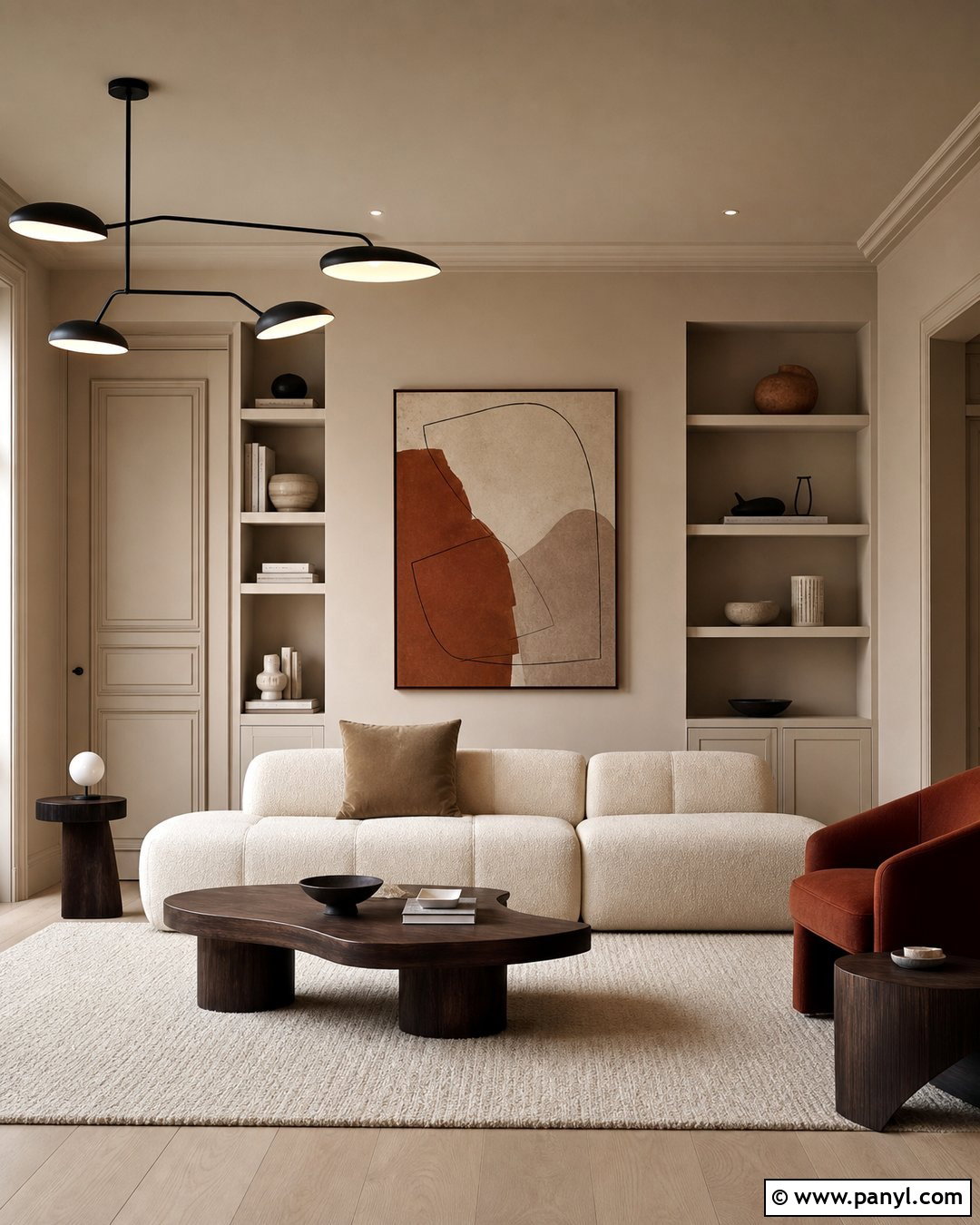
Color drenching can make beige feel architectural rather than basic. Choose a medium-light taupe beige and apply it to the walls, trim, doors, built-in shelving, and ceiling using suitable finishes for each surface. The continuous color reduces visual interruptions and creates a softly wrapped effect. Furnish the room with a low cream sofa, walnut tables, and an oversized ivory wool rug. Add one rust-colored chair, sculptural black lighting, and large abstract artwork containing beige, cream, and muted terracotta. Keep window coverings close to the wall color so they blend into the background. Before committing, sample the beige overhead as well as vertically because ceiling placement changes its appearance. The finished space should feel cohesive, modern, comfortable, and carefully layered.
20. Textured Beige Wall Paint for Organic Rooms
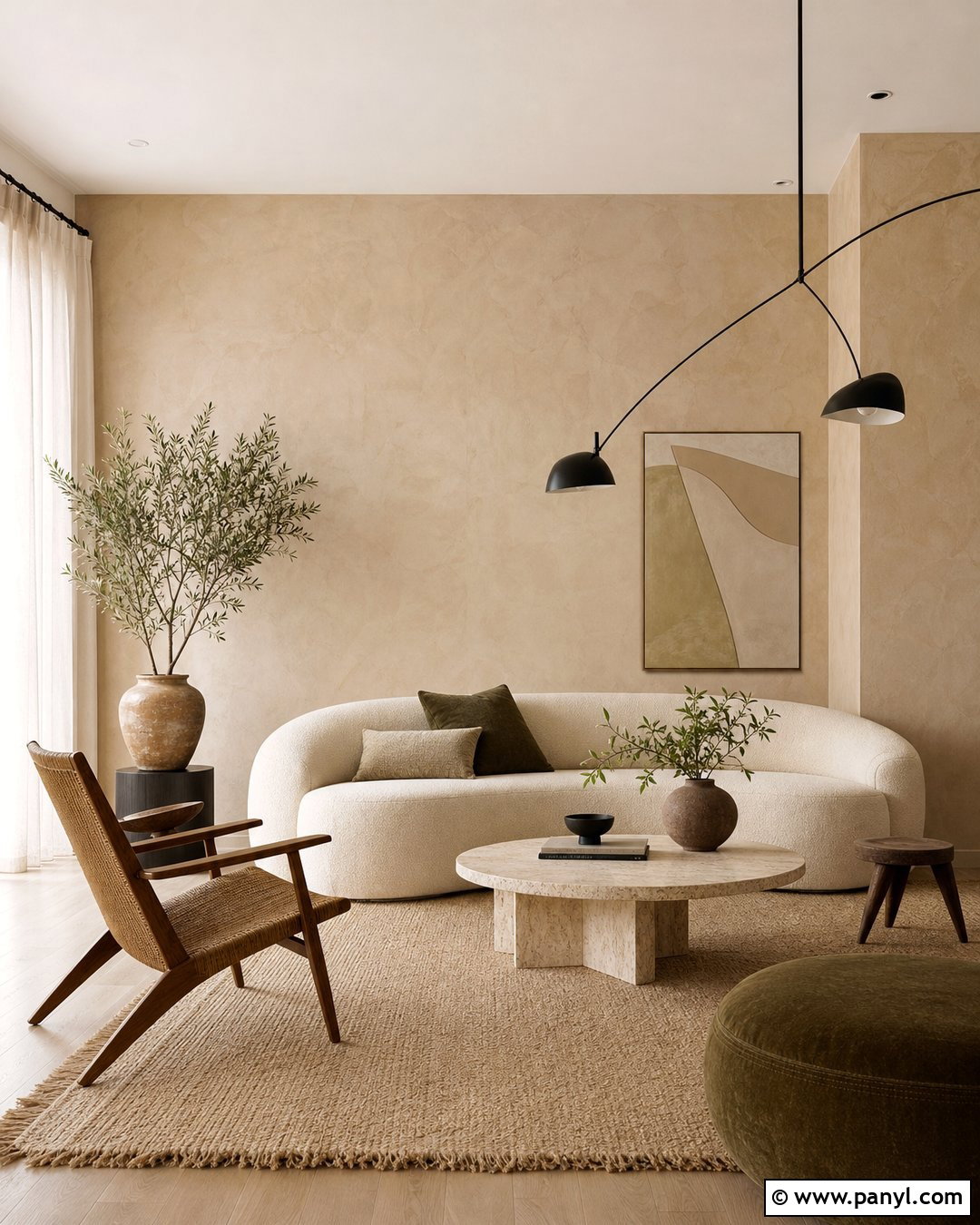
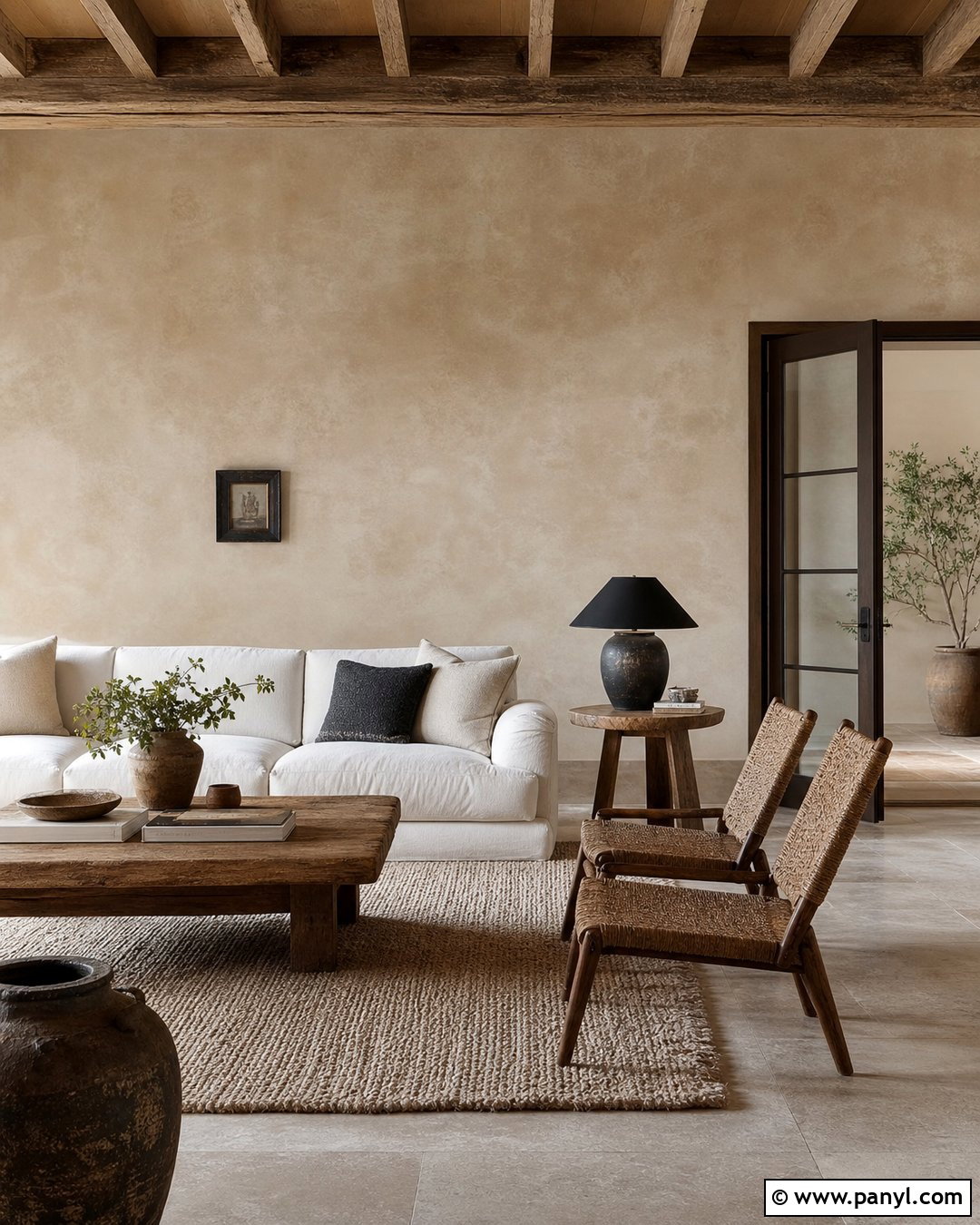
Textured beige paint gives neutral walls movement and depth, making it ideal for an organic modern interior. Choose a mineral-style finish in soft sand beige with subtle tonal variation rather than dramatic mottling. Use it throughout a living room with pale oak flooring, warm white ceilings, and minimal trim. Add a curved ivory sofa, walnut lounge chair, and substantial travertine coffee table. A handwoven wool rug, linen curtains, and oversized ceramic vessels strengthen the tactile character. Keep the palette restrained with warm brown, cream, muted olive, and matte black accents. Directional wall lighting can gently reveal the finish without making it look theatrical. Always approve a large textured sample because application technique can influence the final color and overall pattern.
Conclusion:
The best beige interior begins with more than finding a pretty color chip. Undertones, daylight, bulbs, flooring, trim, and furniture all affect the final result. Create large movable samples and examine them in several locations for at least a full day. Then build the room as one connected palette, using texture and measured contrast to keep beige from feeling flat. Cream, oak, walnut, stone, linen, sage, blue, black, and warm metals can each produce a distinct finished look. Whether you prefer light and airy rooms or deeper, cocooning spaces, these 20 Beige Wall Paint Sample Ideas offer practical starting points for choosing a warm neutral that suits your home.

Related Ideas and Inspiration:
Leave a Reply