
A fresh coat of paint can change how every room feels without requiring a full renovation. These 20 house painting ideas interior ideas explore complete color schemes rather than isolated accent walls. Each look coordinates wall color with ceilings, trim, flooring, furniture, lighting, and decor, making the finished space easier to visualize and recreate. You will find quiet neutrals, earthy greens, bold blues, warm clay tones, decorative patterns, and practical treatments for small or low-light rooms. Before committing, sample each color on multiple walls and view it throughout the day. Undertones can shift beside flooring, cabinetry, and artificial lighting. Use the following complete room schemes as a practical guide to 20 house painting ideas interior ideas.

1. Warm White Interior Paint
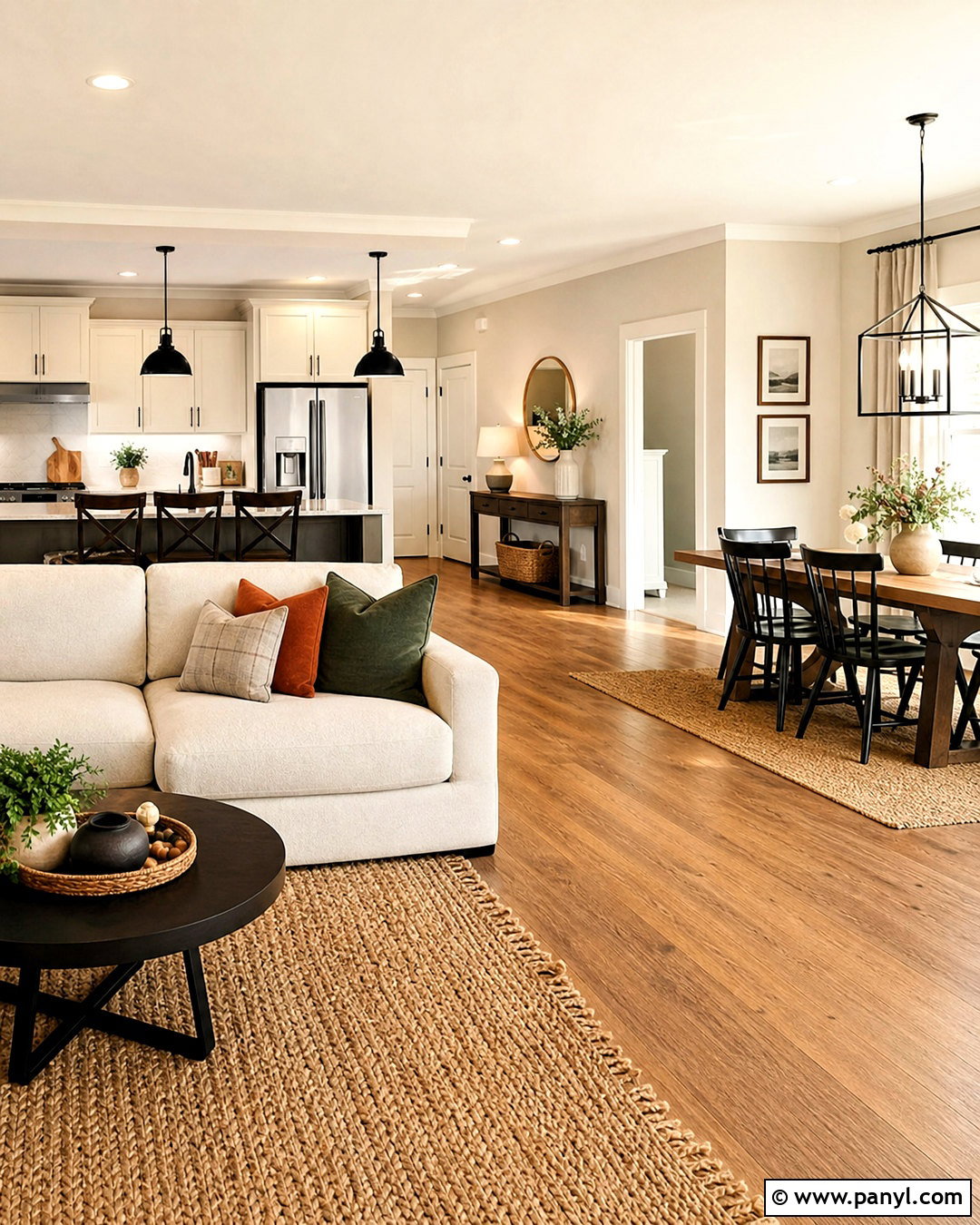
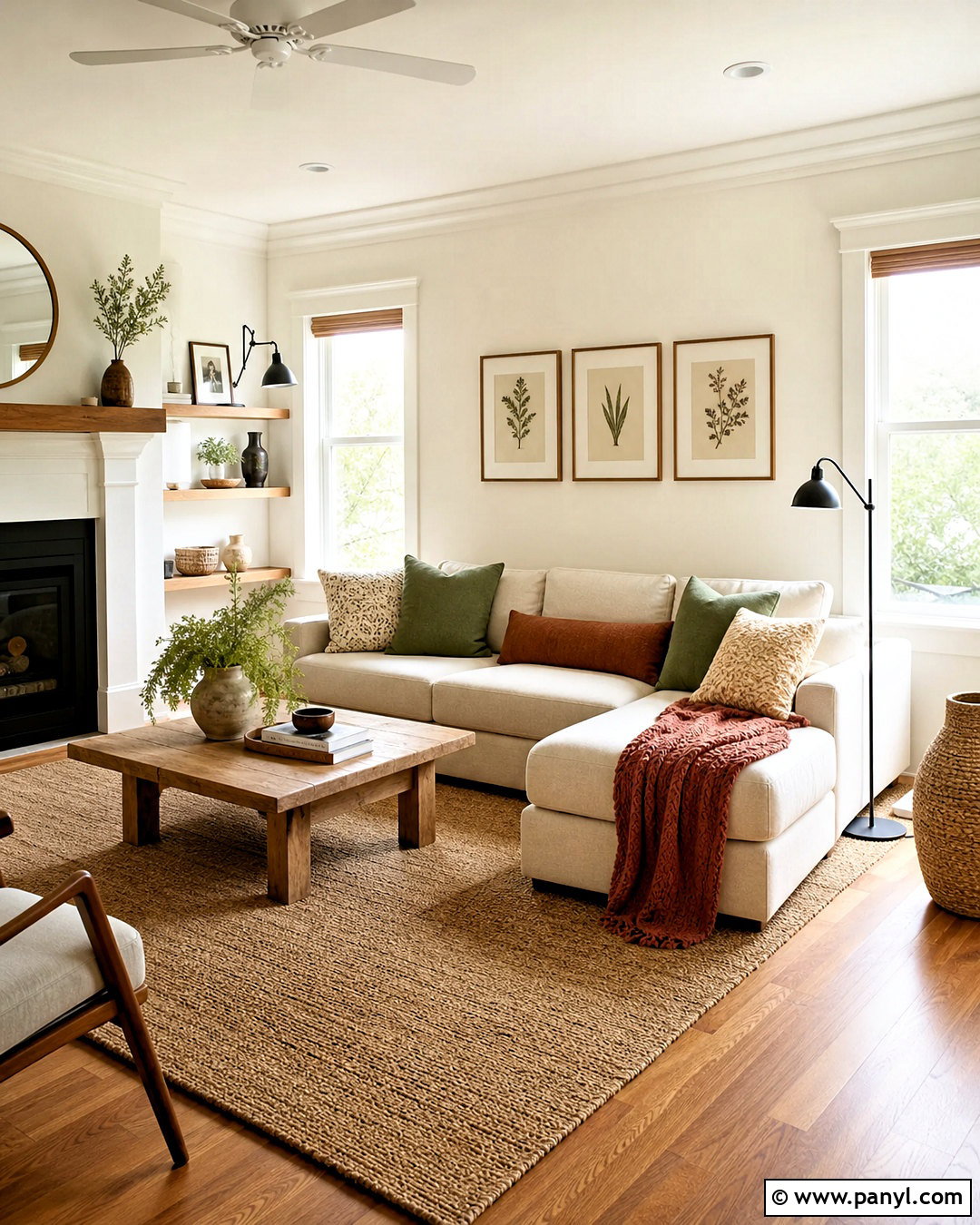
Warm white paint creates a bright, comfortable foundation that works throughout an open-plan home. Choose a creamy white with subtle beige undertones for the walls, then use a cleaner soft white in a satin finish on trim and doors. Continue the wall color across the living room, kitchen, and hallway to improve visual flow. Ground the scheme with medium oak flooring, a beige sectional, oatmeal curtains, and natural woven rugs. Matte black lighting adds definition without making the palette feel cold. Bring in muted green, rust, and brown through pillows, ceramics, and artwork. Paint the ceiling a slightly lighter white so the rooms feel airy while maintaining a gentle contrast around crown molding and window frames.
2. Greige Living Room Paint
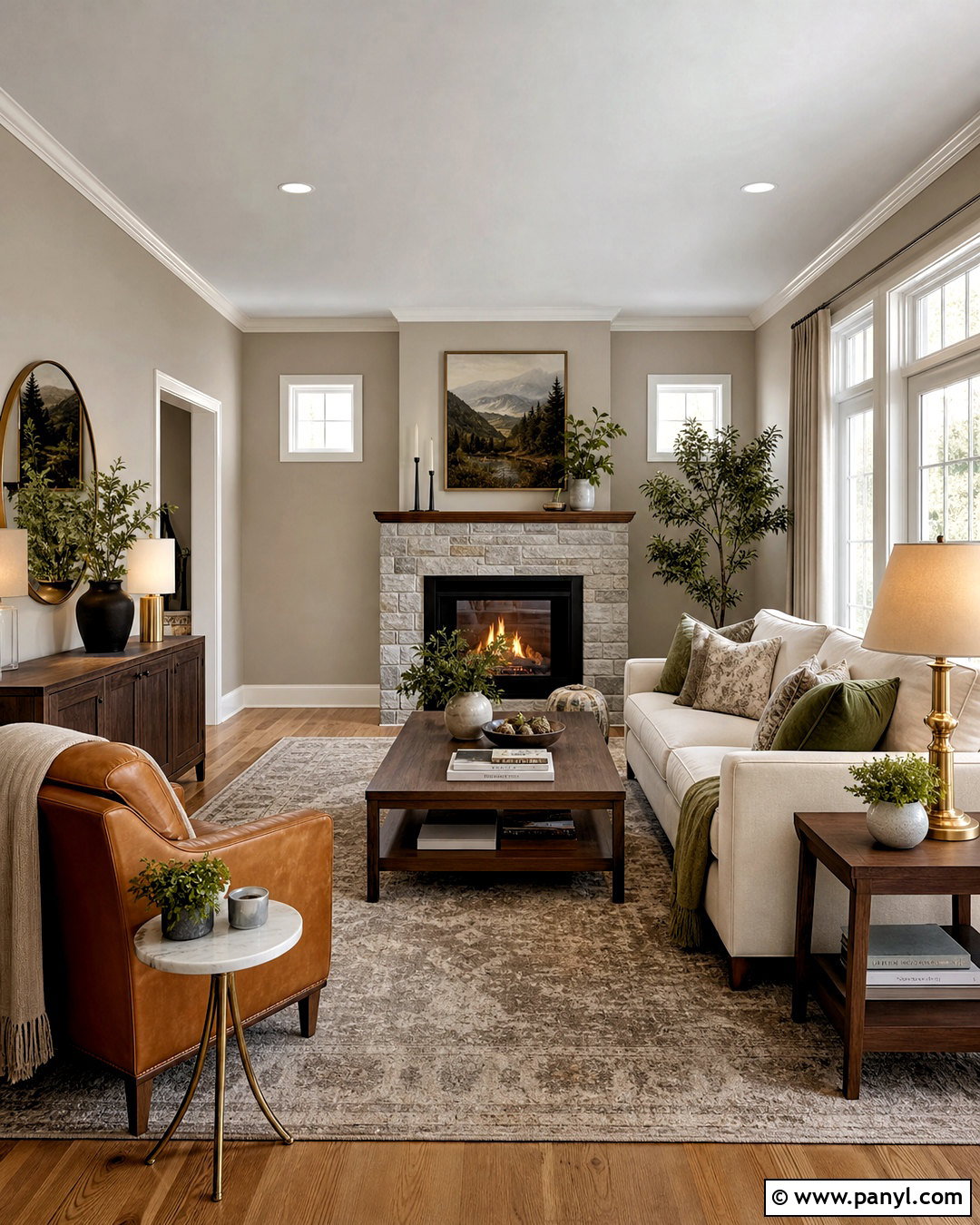
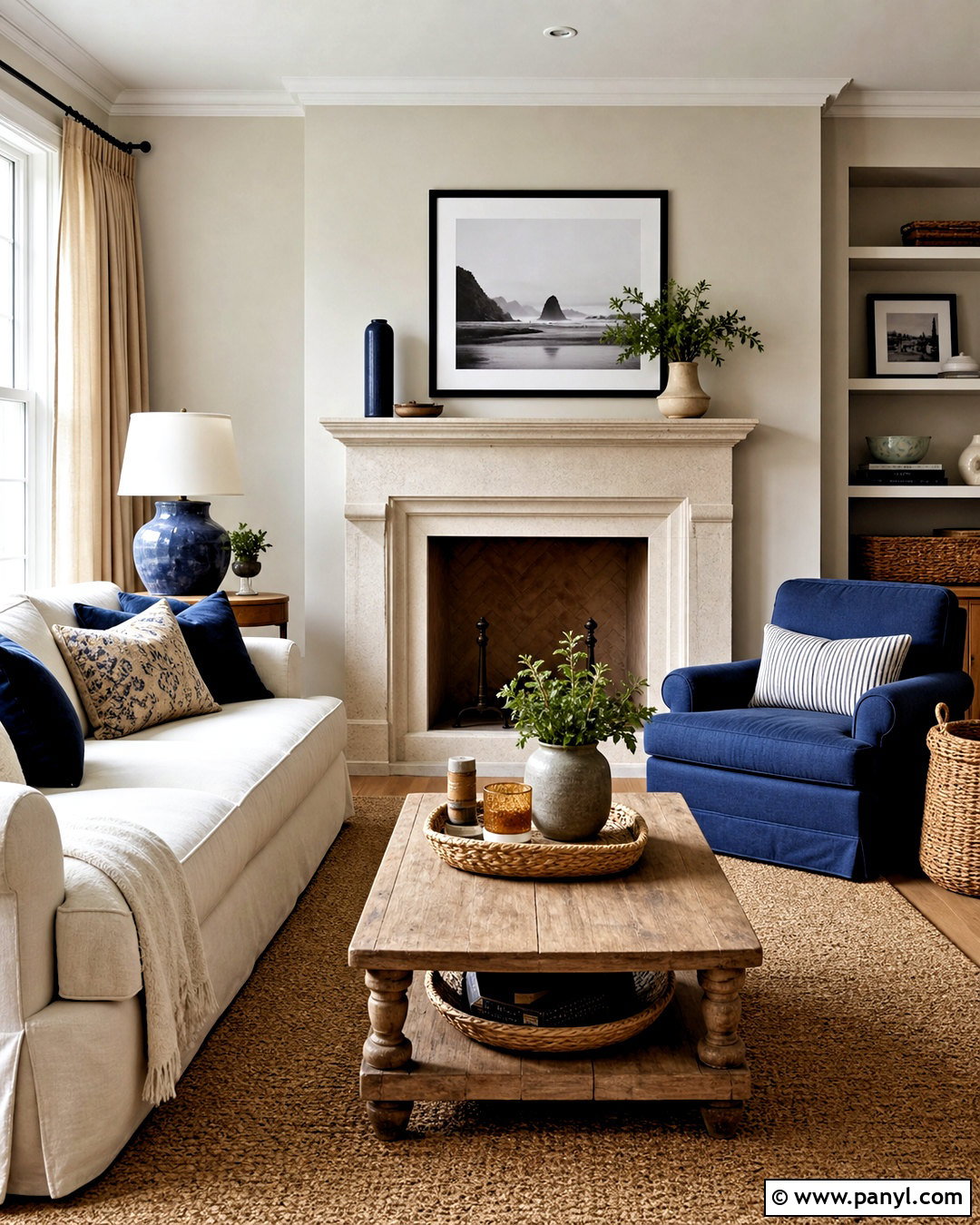
Can’t decide between gray and beige? A balanced greige living room offers the clean appearance of gray with the inviting warmth of beige. Apply a medium-light greige to every wall and pair it with crisp ivory trim. A warm white ceiling keeps the room open, while walnut furniture and a caramel leather chair deepen the neutral palette. Place a cream sofa across from a simple stone fireplace and anchor the seating with a patterned taupe rug. Brass table lamps, black curtain rods, and olive green pillows add controlled contrast. Select an eggshell wall finish that softly reflects light and is easier to clean than flat paint. This complete scheme suits transitional, modern farmhouse, and contemporary homes without depending on overly trendy colors.
3. Sage Green Kitchen Paint
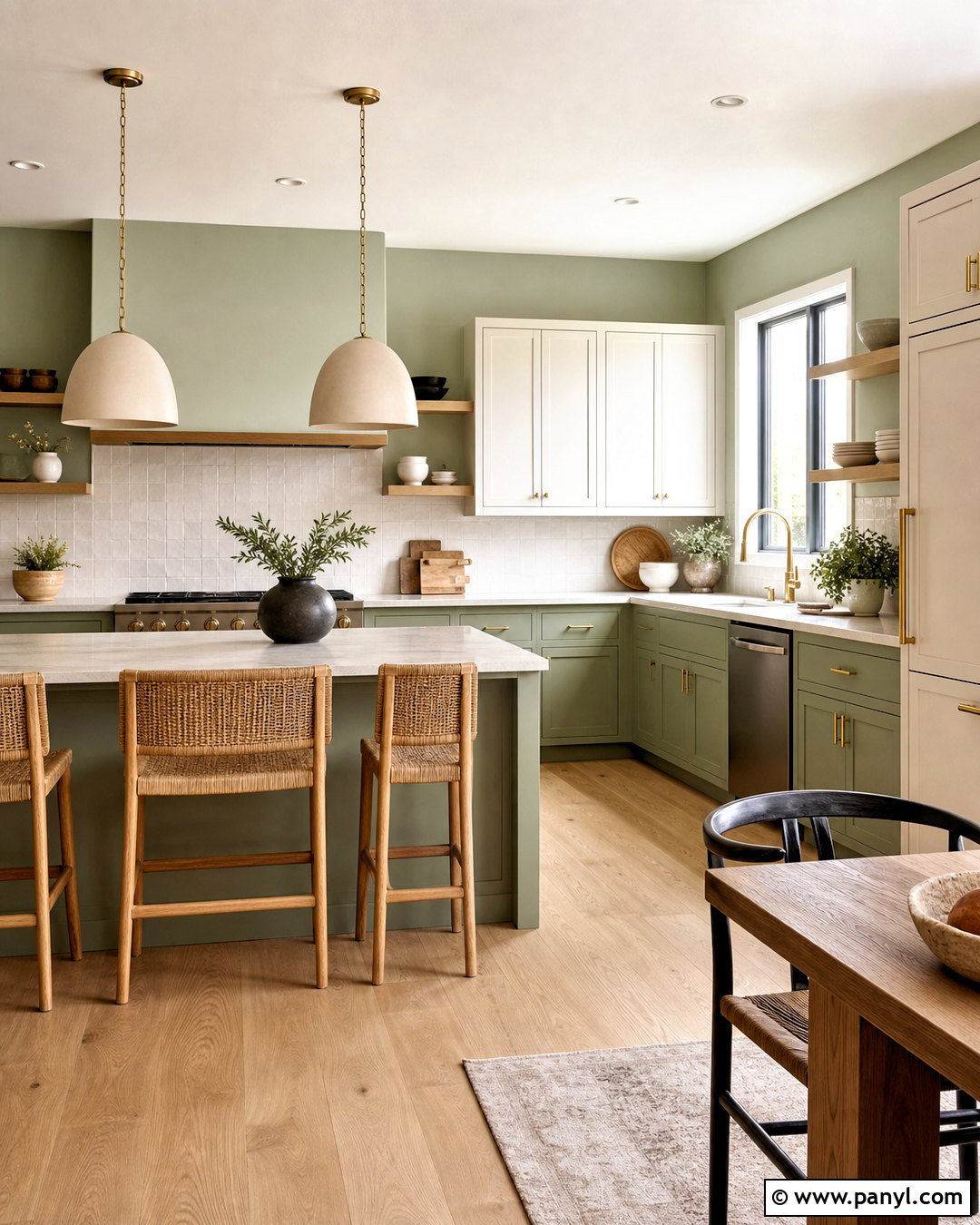
Soft sage green walls give a kitchen natural color while remaining easy to coordinate. Pair the walls with warm white upper cabinets and muted sage lower cabinets for a layered, cohesive effect. Choose brushed brass hardware, creamy quartz countertops, and a handmade white tile backsplash with slight surface variation. Light oak flooring and woven counter stools keep the room relaxed rather than formal. Paint the ceiling warm white and repeat that shade on window trim to sharpen the edges of the green. A small wood dining table, linen Roman shade, and simple ceramic pendant lights complete the look. Use washable satin paint near cooking and prep zones. The final kitchen feels fresh, functional, and connected to surrounding neutral living spaces.
4. Navy Blue Dining Room Paint
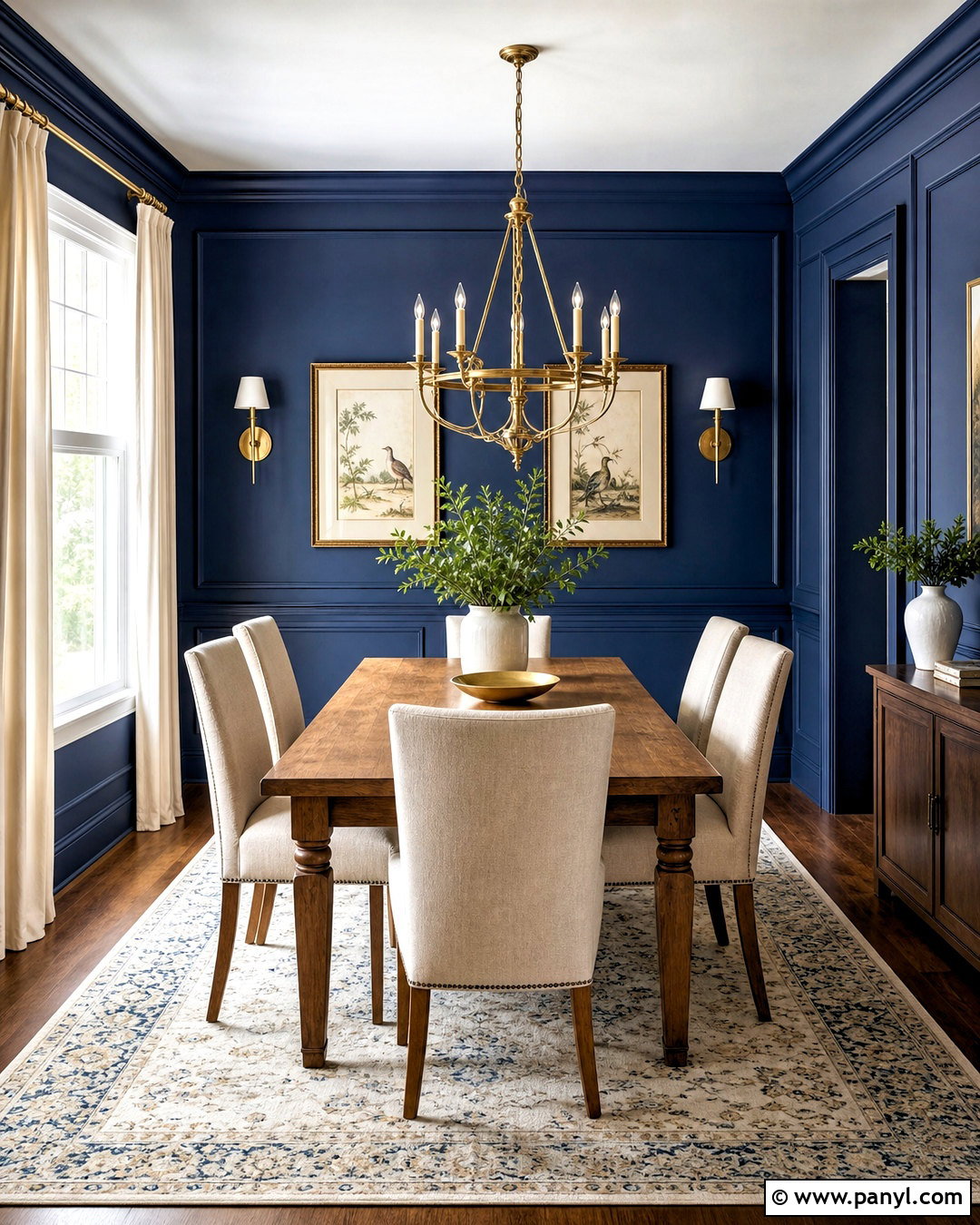
Deep navy paint can turn an ordinary dining room into a polished gathering space. Cover the walls in a rich navy blue, but keep the ceiling warm white to prevent the room from feeling enclosed. Paint existing wall molding the same navy in a satin finish, creating subtle depth when light moves across it. Center a medium-toned oak table beneath a large brushed brass chandelier. Cream upholstered chairs, natural linen curtains, and a pale patterned rug balance the dark walls. Add framed artwork with white mats and slim gold frames for clear contrast. If the room receives limited sunlight, include wall sconces and layered lamps. This scheme works especially well in a separate dining room where a stronger color can define the space.
5. Dusty Blue Bedroom Paint
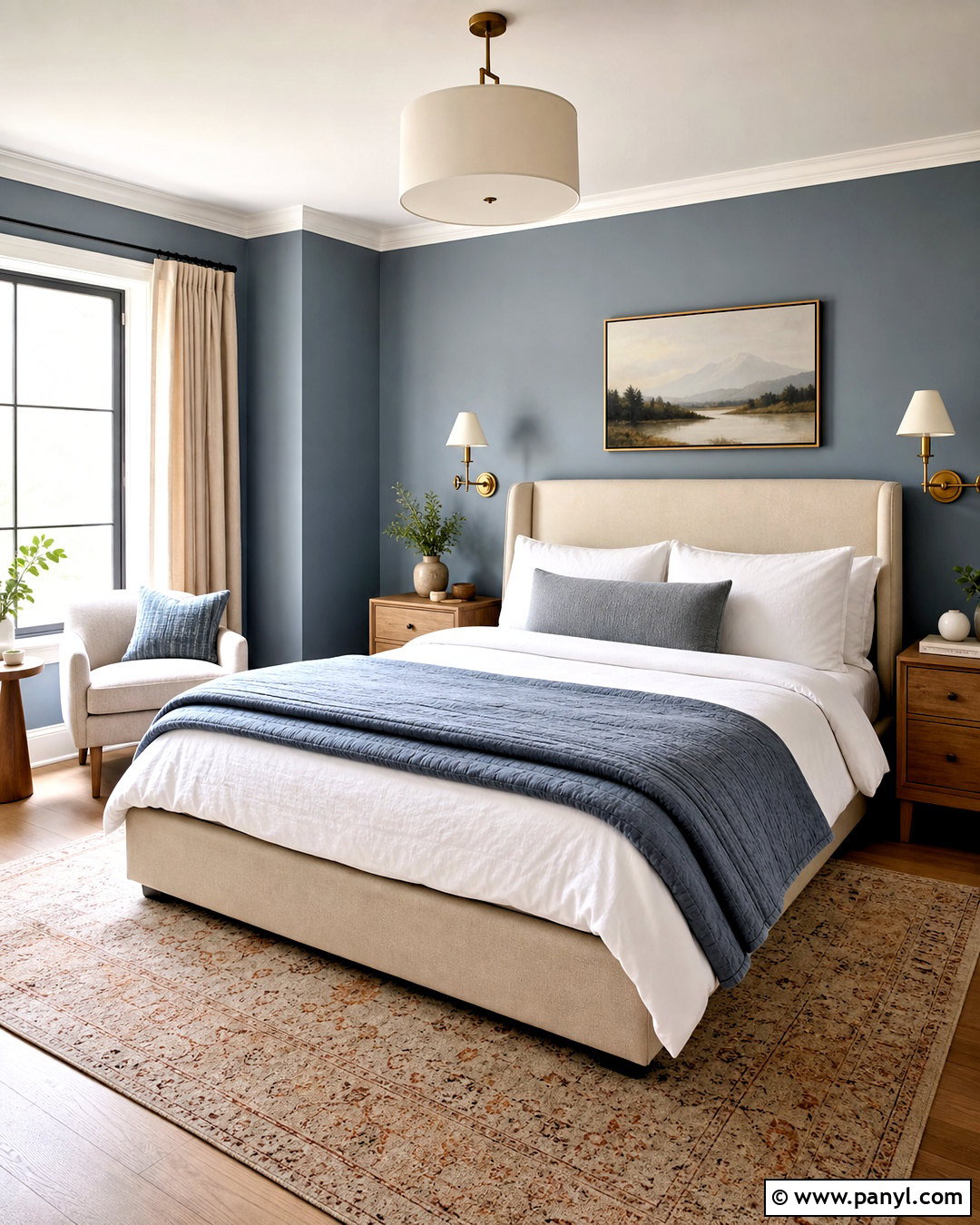
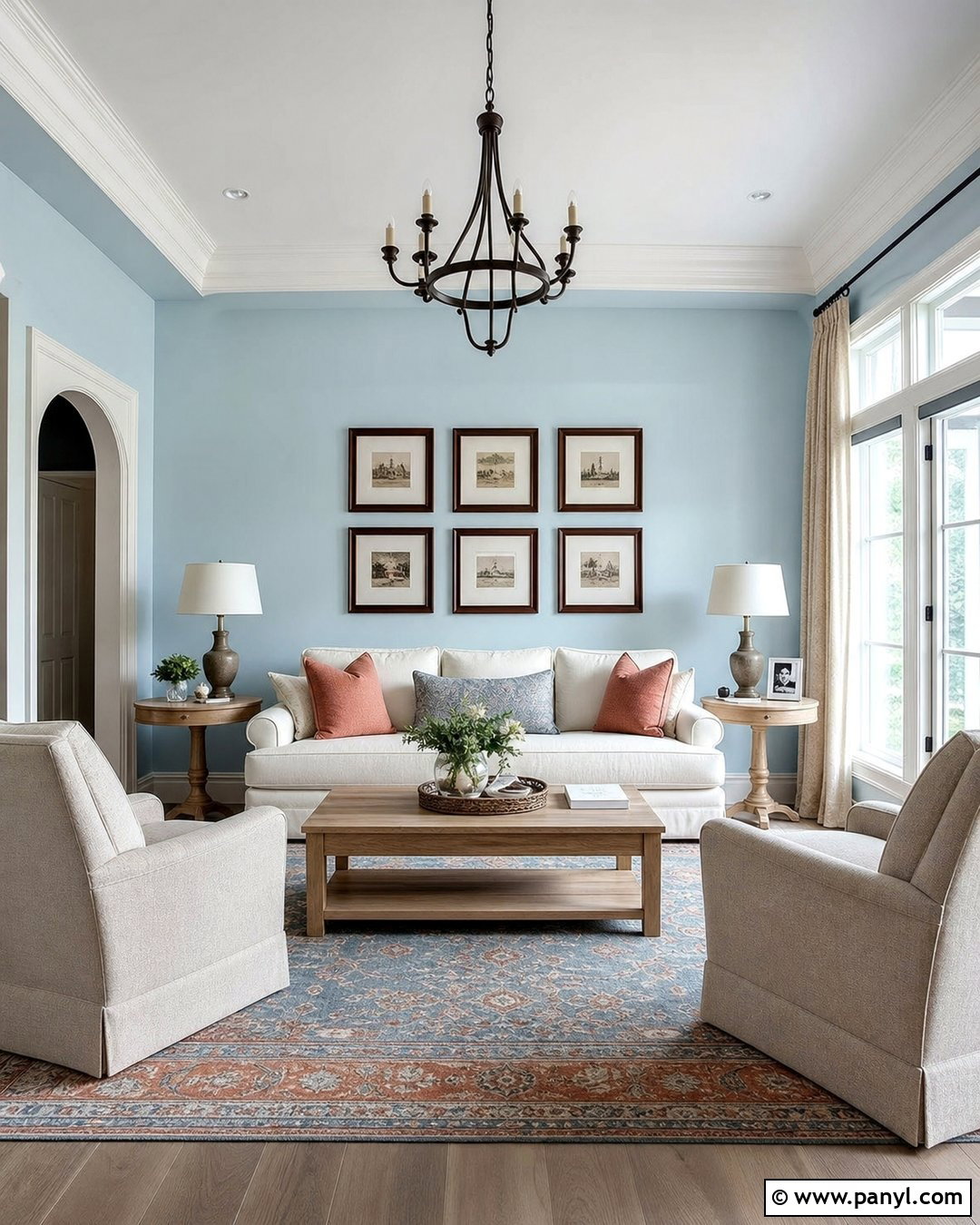
A dusty blue bedroom feels restful without looking pale or childish. Choose a gray-blue wall color and carry it behind the upholstered bed, around the windows, and onto a small reading nook. Use warm white on the ceiling and trim for a clean frame. Add an oatmeal fabric bed, medium oak nightstands, off-white bedding, and a textured blue-gray quilt. A faded cream and rust rug brings warmth beneath the furniture. Install aged brass sconces on both sides of the headboard and hang simple landscape artwork above it. Natural linen curtains soften daylight while supporting the understated palette. An eggshell wall finish provides gentle dimension, while satin-painted doors and baseboards withstand regular cleaning and everyday bedroom wear.
6. Terracotta Living Room Paint
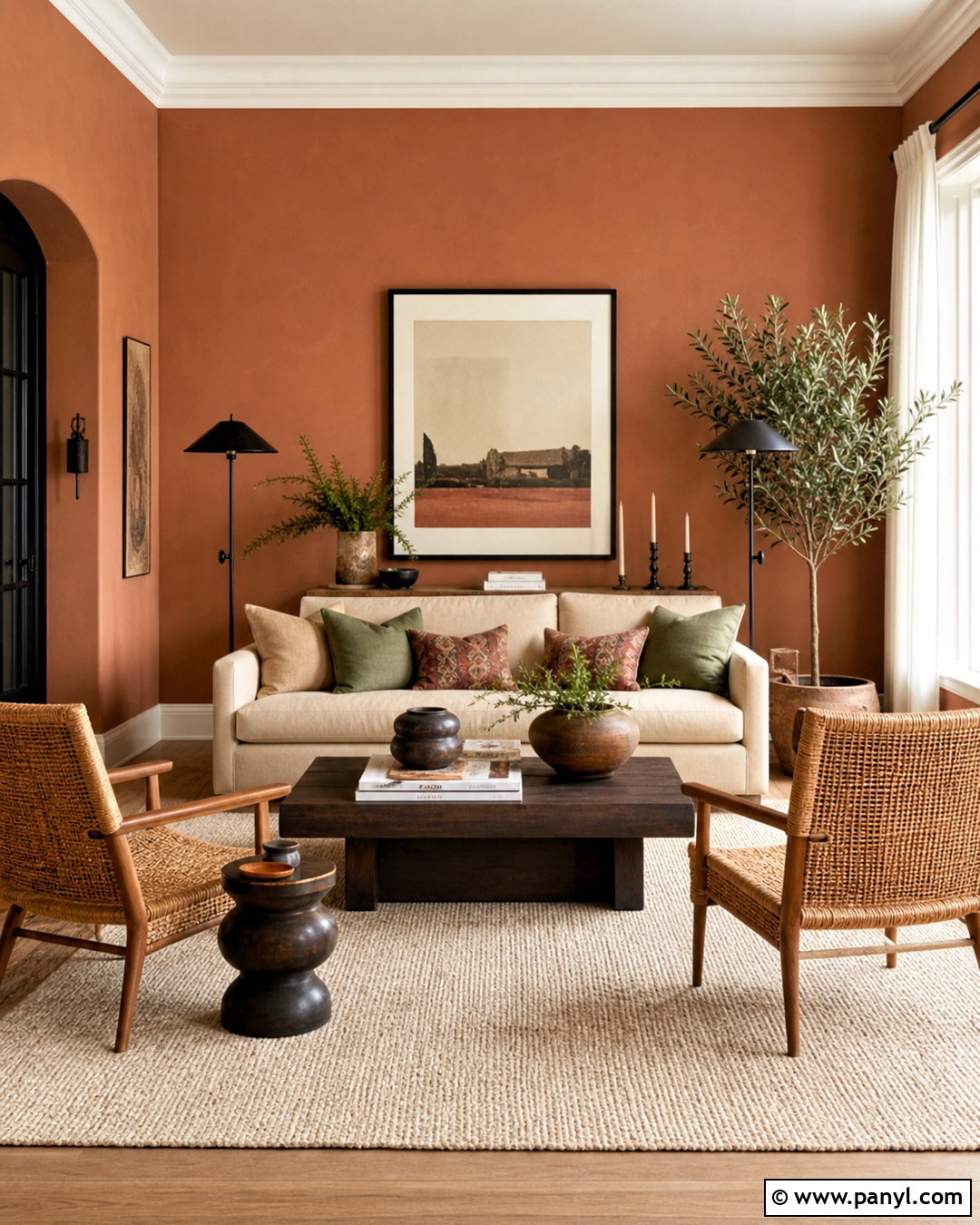
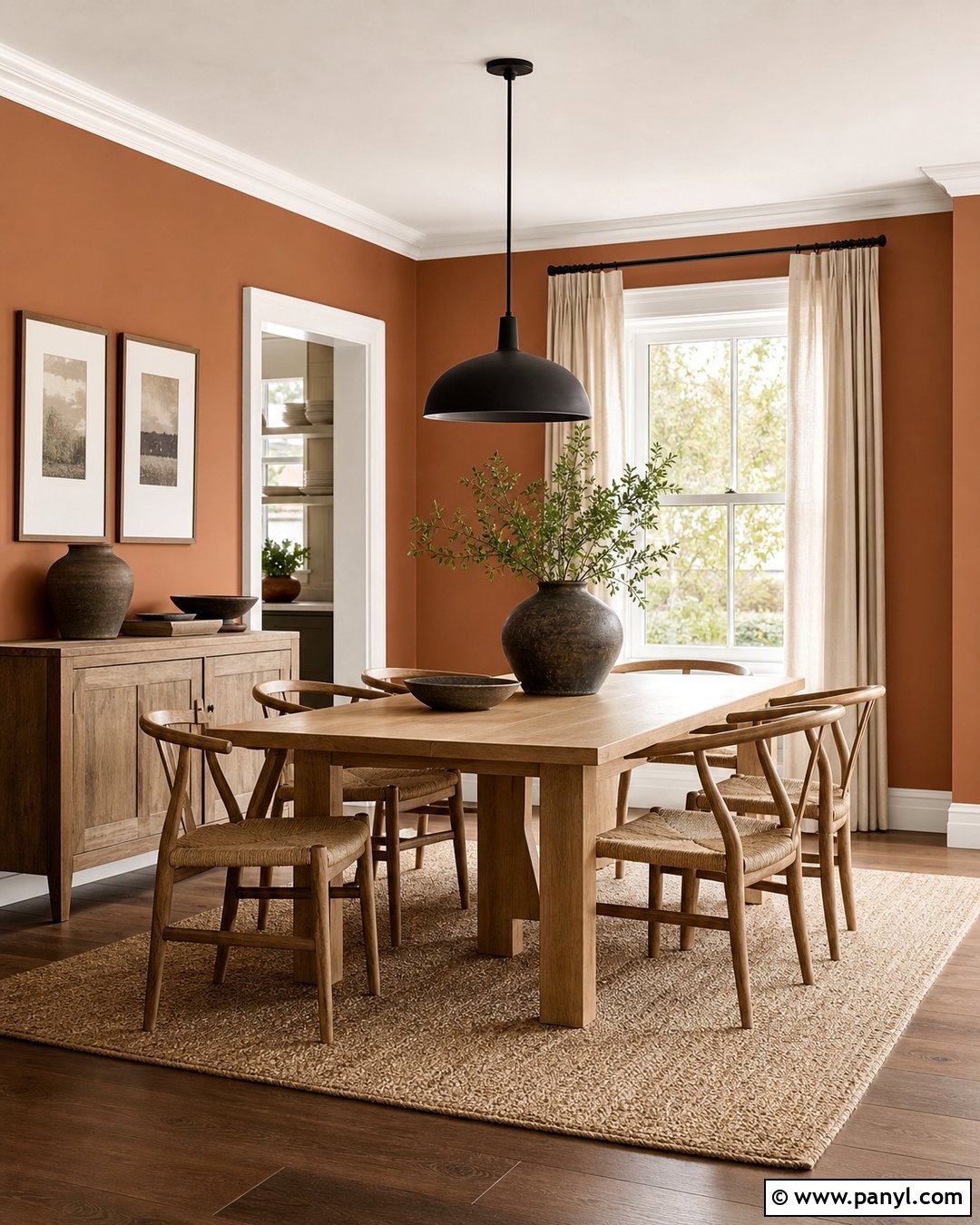
Sunbaked terracotta walls bring warmth and character to a living room, especially when balanced with quiet natural materials. Select a muted clay shade rather than a bright orange, and paint all four walls for an enveloping effect. Keep the ceiling creamy white and use matching trim to create breathing room. Furnish the space with a flax-colored sofa, dark wood coffee table, woven armchairs, and a large ivory rug. Olive green pillows and leafy plants complement the earthy walls. Add black metal floor lamps and simple ceramic decor for sharper definition. Terracotta works beautifully beside brick, stone, and wood, making it suitable for rustic or contemporary interiors. Test the shade carefully because strong afternoon sunlight can intensify its red undertones.
7. Color-Drenched Home Office Paint
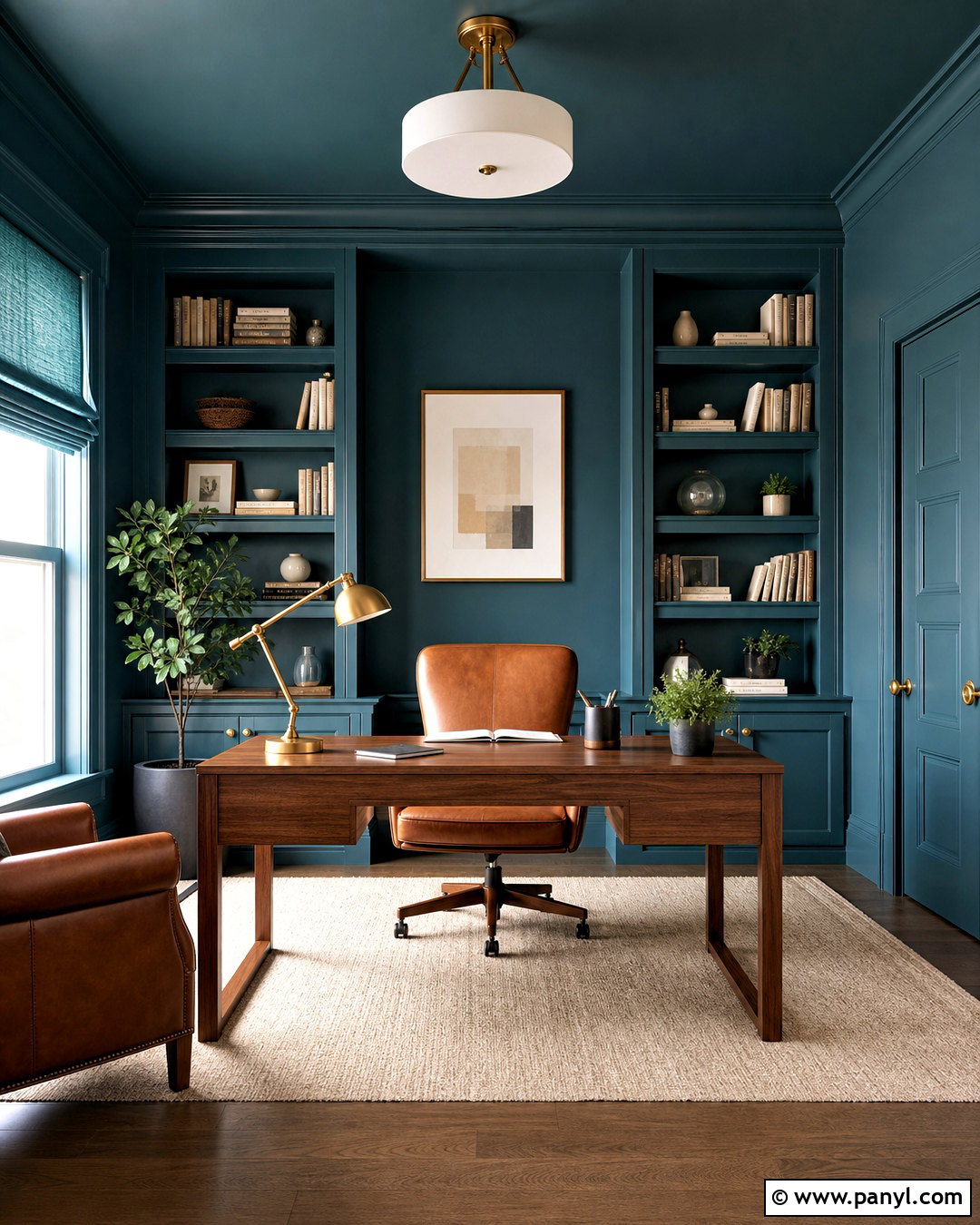
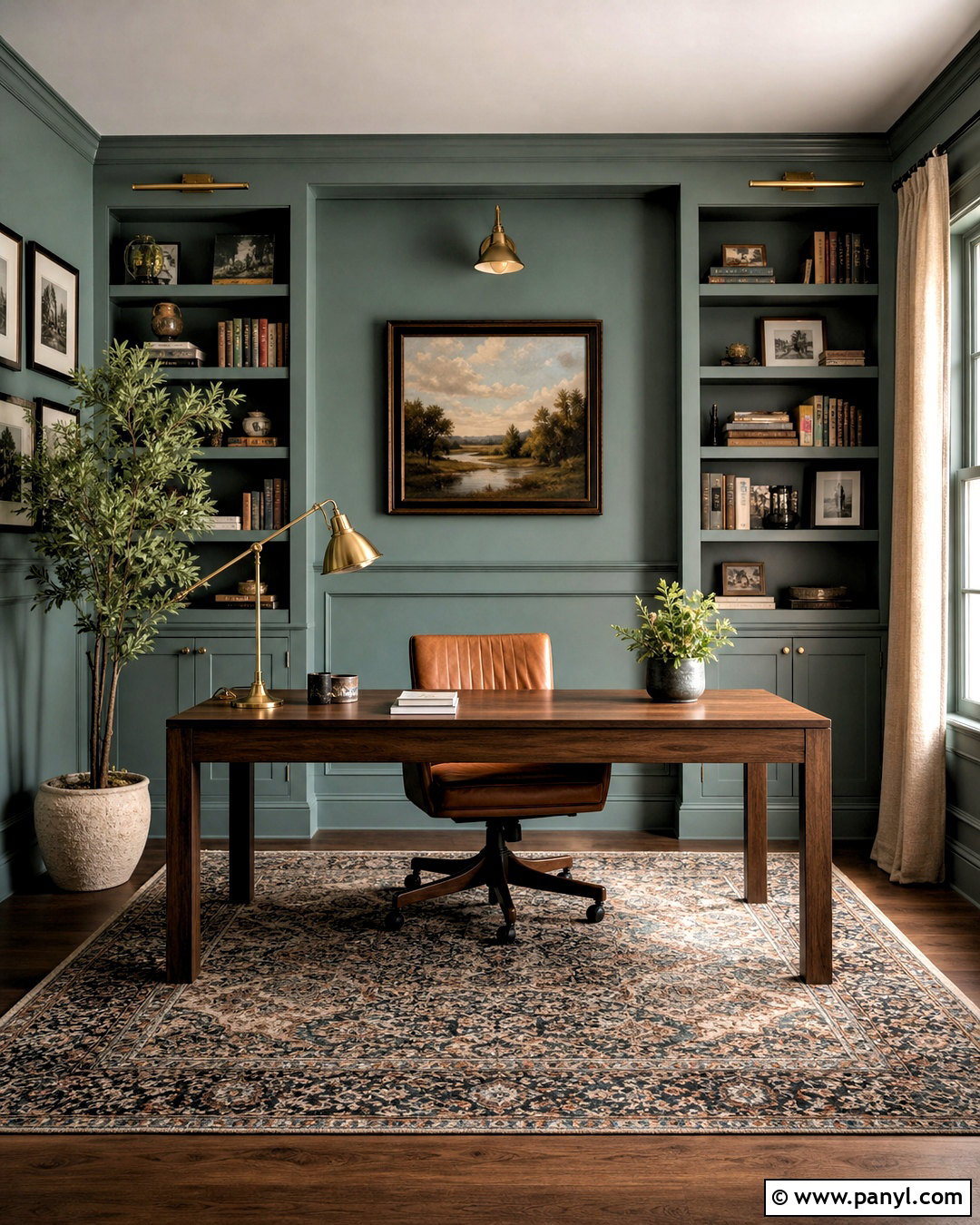
Color drenching gives a home office a focused, built-in appearance by covering the walls, ceiling, trim, shelves, and door in one color family. Try a medium smoky teal that feels distinctive but remains comfortable during long work sessions. Use matte paint on walls and ceiling, then shift to satin on cabinets, baseboards, and the door for durability. Position a walnut desk in front of the shelving and add a tan leather chair, cream rug, and brass task lamp. White and neutral books prevent the shelves from looking too heavy. Window treatments in a slightly lighter teal create subtle tonal variation. Good overhead lighting and a bright desk lamp are essential. The finished office feels cohesive, organized, and visually separate from nearby rooms.
8. Two-Tone Hallway Paint
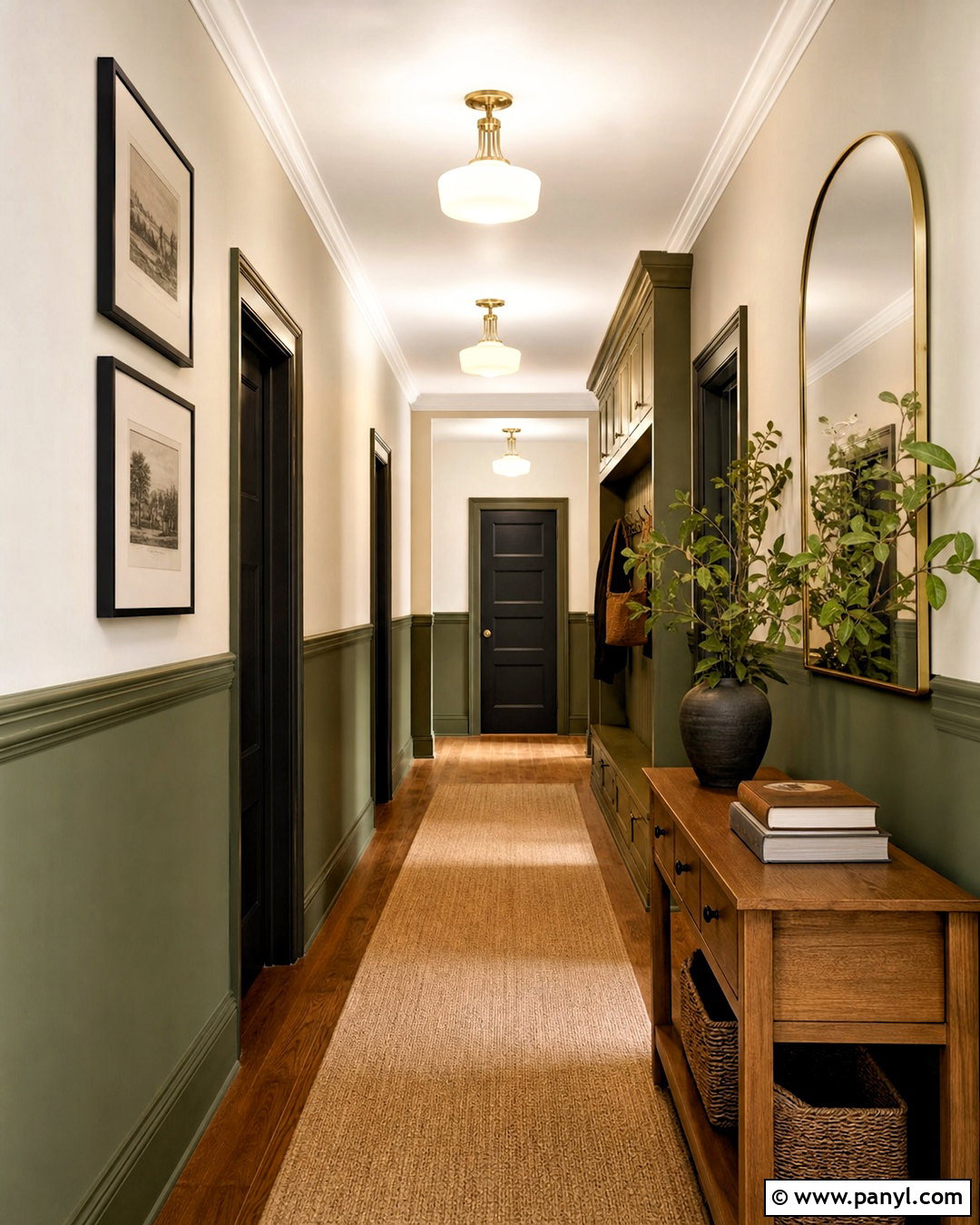
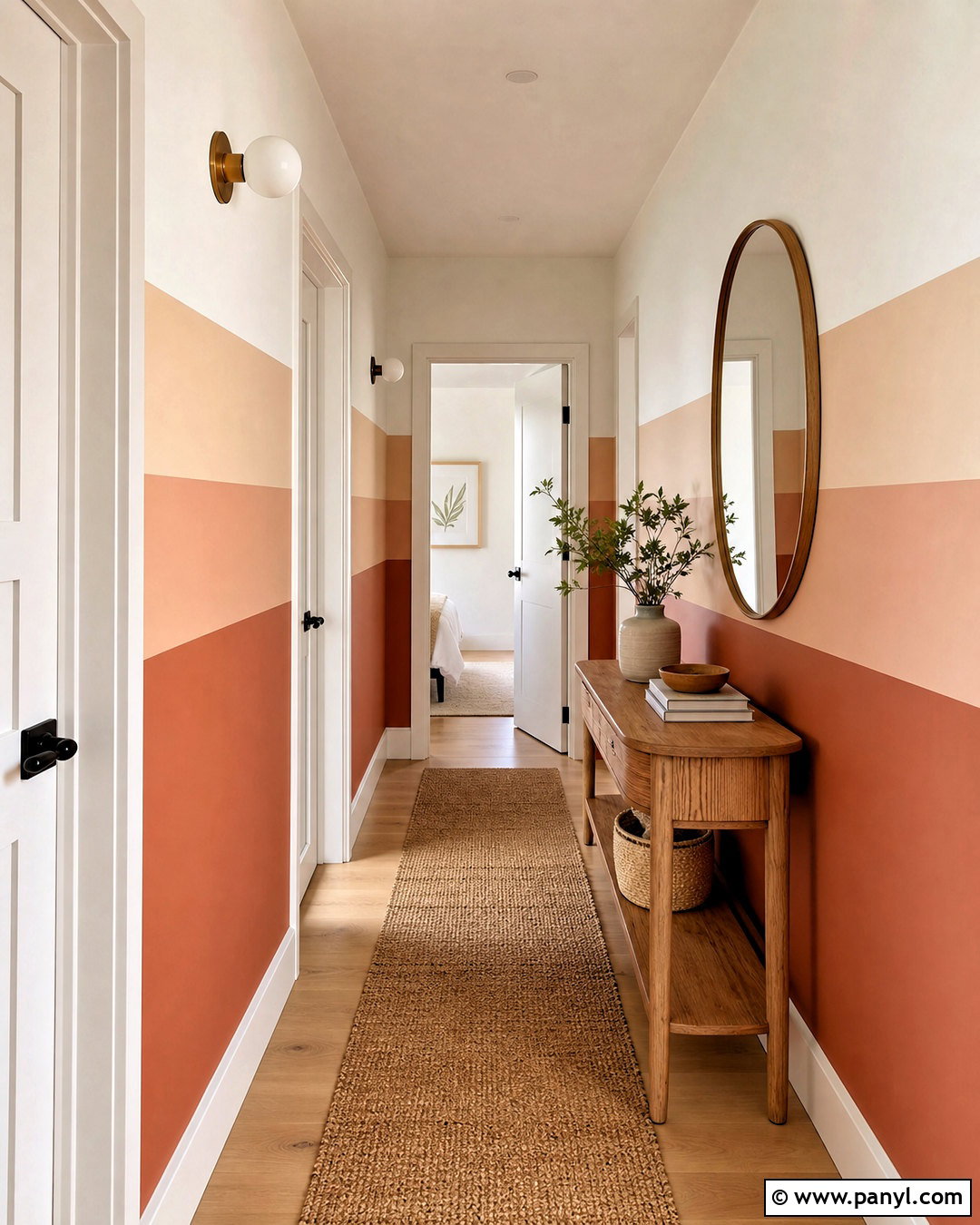
A two-tone treatment makes a long hallway more interesting while protecting its busiest surfaces. Paint the lower half in a durable muted olive green and the upper half in warm off-white. Divide the colors with a slim chair rail painted olive to create one continuous line. Use satin paint below the rail for easier cleaning and eggshell above it for a softer appearance. Continue warm white across the ceiling, while doors can remain off-white or match the green for stronger contrast. Add a narrow natural runner, black-framed artwork, and simple aged brass ceiling lights. A small oak console near the entry creates a useful landing zone. This complete look adds architecture to a plain hallway without requiring expensive paneling or complicated construction.
9. Painted Bedroom Ceiling
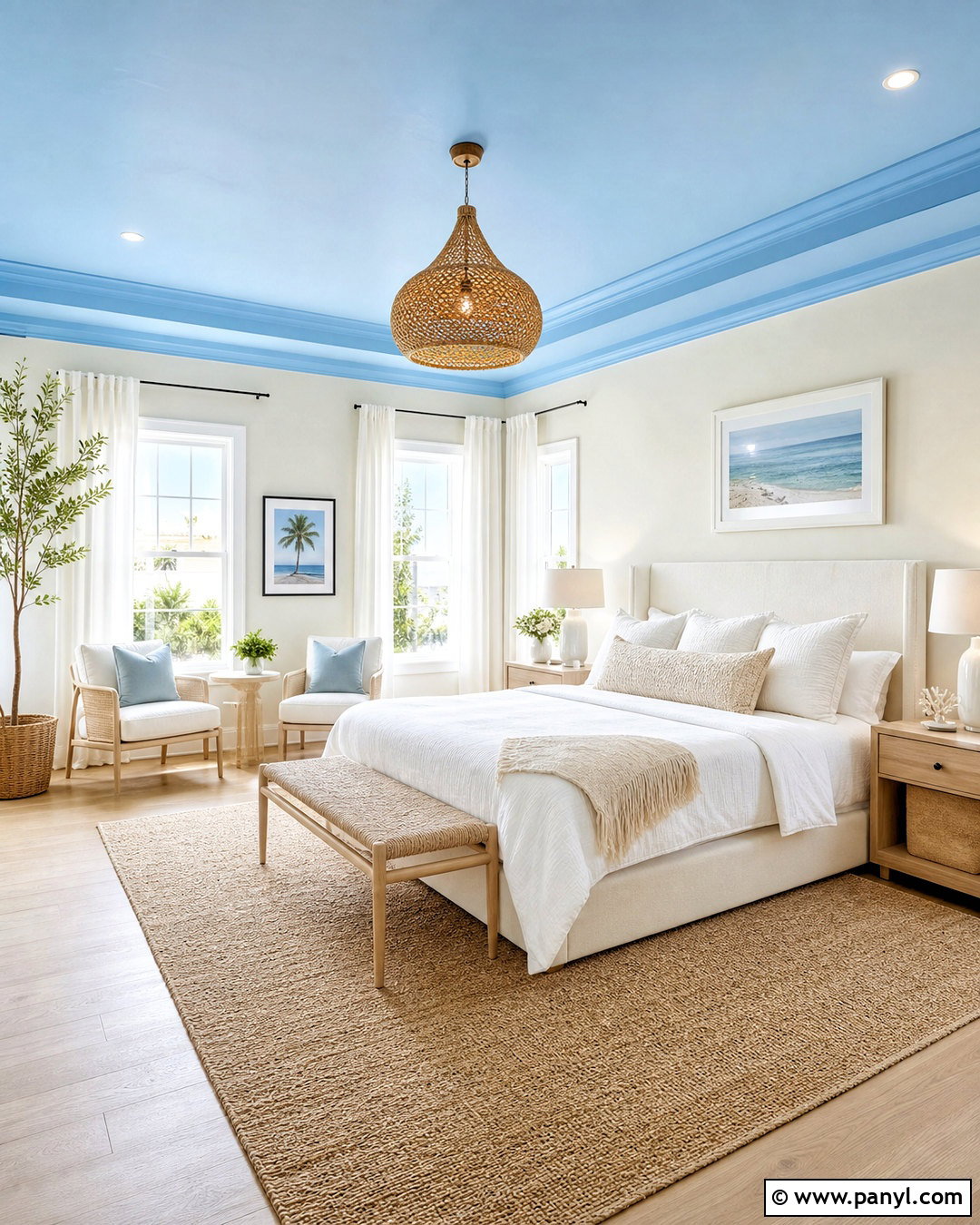
Painting the ceiling can give a simple bedroom an unexpected focal point without overwhelming the walls. Start with soft ivory walls, white trim, and a muted sky-blue ceiling. Carry the ceiling color a few inches down the wall to form a clean painted border that highlights the room’s shape. Choose a low-profile cream upholstered bed, pale wood nightstands, and white bedding layered with blue and sandy beige textiles. A natural fiber rug and woven pendant light continue the airy effect. Keep window treatments light and uncomplicated so daylight reflects around the space. Use flat ceiling paint to reduce glare and eggshell paint on the walls. The completed room feels open, calm, and thoughtfully detailed from floor to ceiling.
10. Painted Arch Home Office
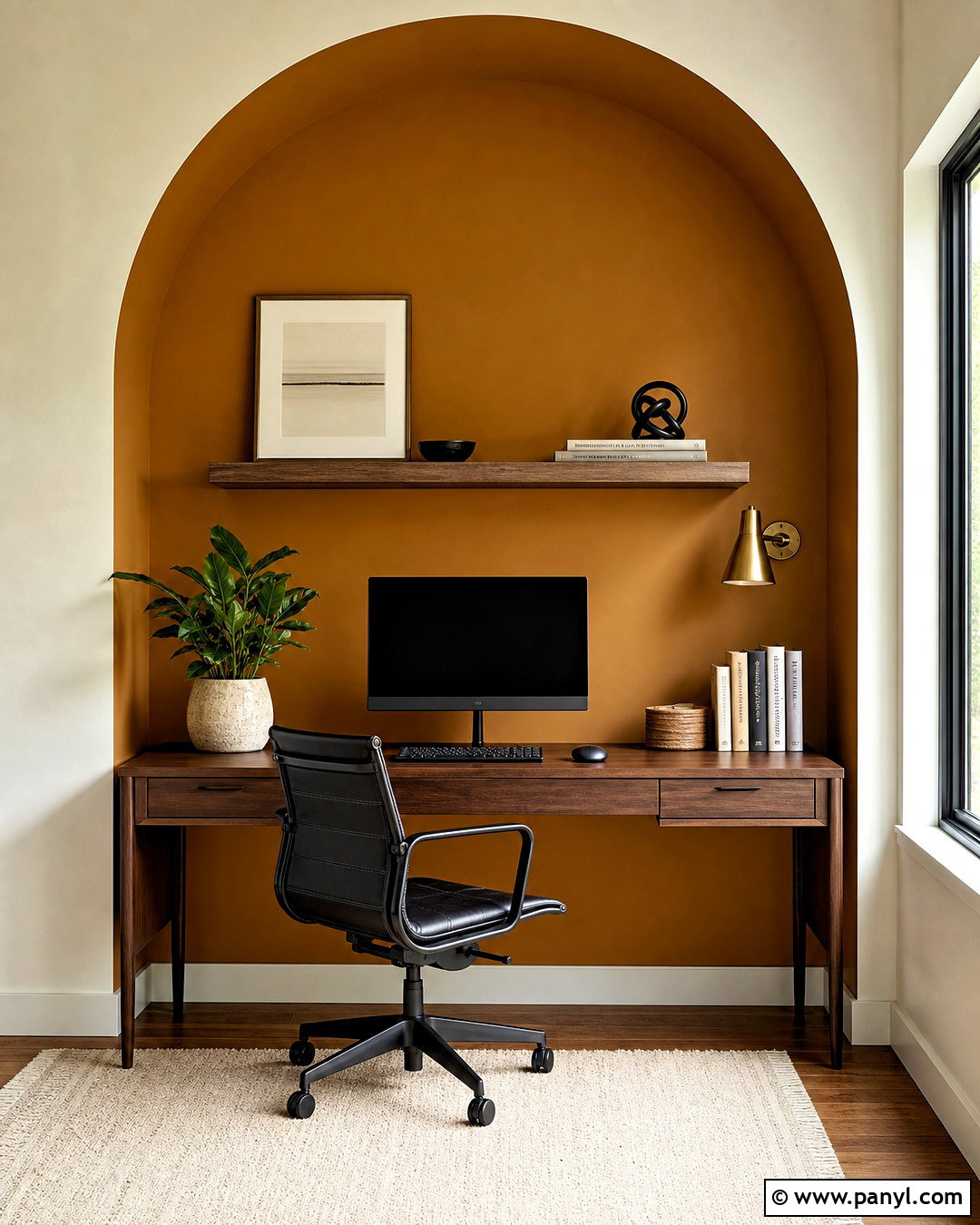
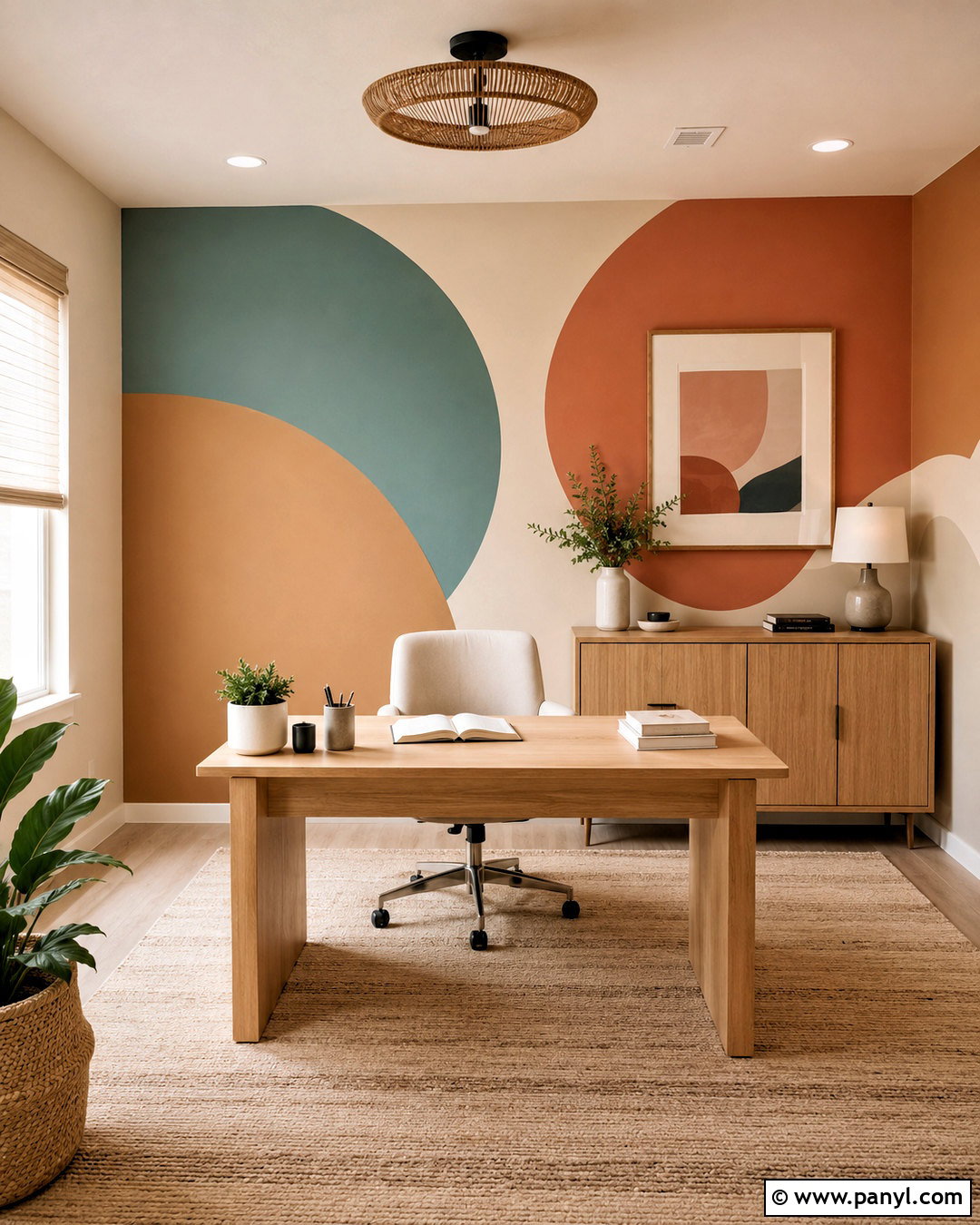
A painted arch can visually define a compact workstation within a bedroom, living room, or guest room. Create a large rounded arch in muted ochre behind a slim walnut desk, extending it slightly beyond the furniture on both sides. Keep the surrounding walls creamy white so the shape remains clear. Add a black office chair, floating wood shelf, compact brass sconce, and a small cream rug beneath the desk. Decorate the shelf with neutral books, a ceramic planter, and one framed print. Choose an eggshell finish for the arch to maintain smooth color and make occasional cleaning easier. Careful painter’s tape and a pencil-and-string guide help form even edges. The full setup creates a purposeful work zone without adding a physical divider.
11. Geometric Playroom Paint
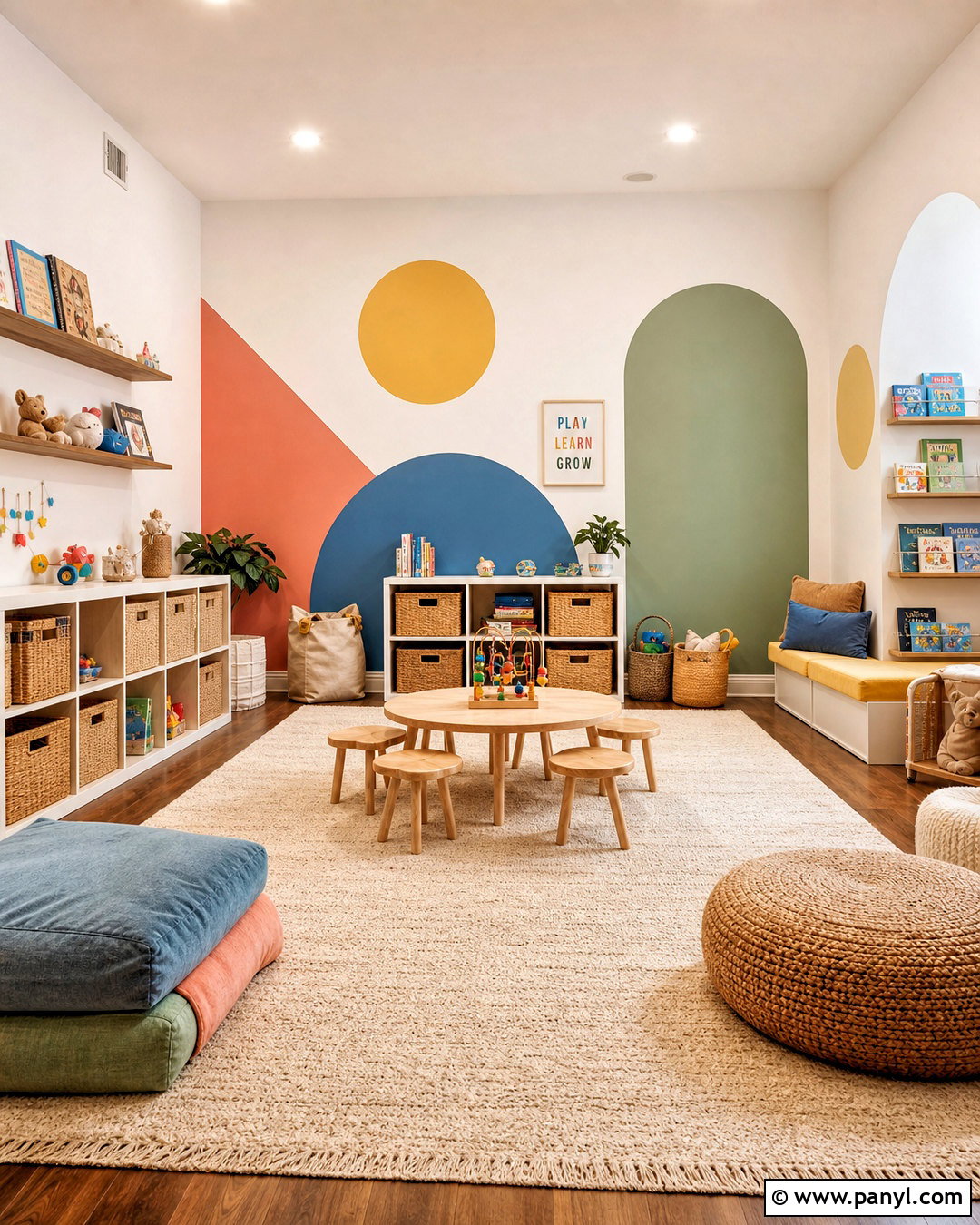
A geometric wall pattern can energize a playroom while still supporting organized furniture and storage. Use a warm white base, then paint large overlapping shapes in dusty blue, mustard yellow, muted coral, and sage green across one main wall. Keep the remaining walls soft beige to prevent the room from becoming visually busy. Place low white storage units along the patterned wall and add labeled woven baskets, a pale wood activity table, and washable floor cushions. A large neutral rug creates a comfortable play area and balances the bold paint. Choose rounded furniture and leave clear walking paths between zones. Use scrubbable eggshell paint throughout. Repeating the wall colors in bins and cushions helps the entire room feel coordinated rather than randomly colorful.
12. Limewash Living Room Paint
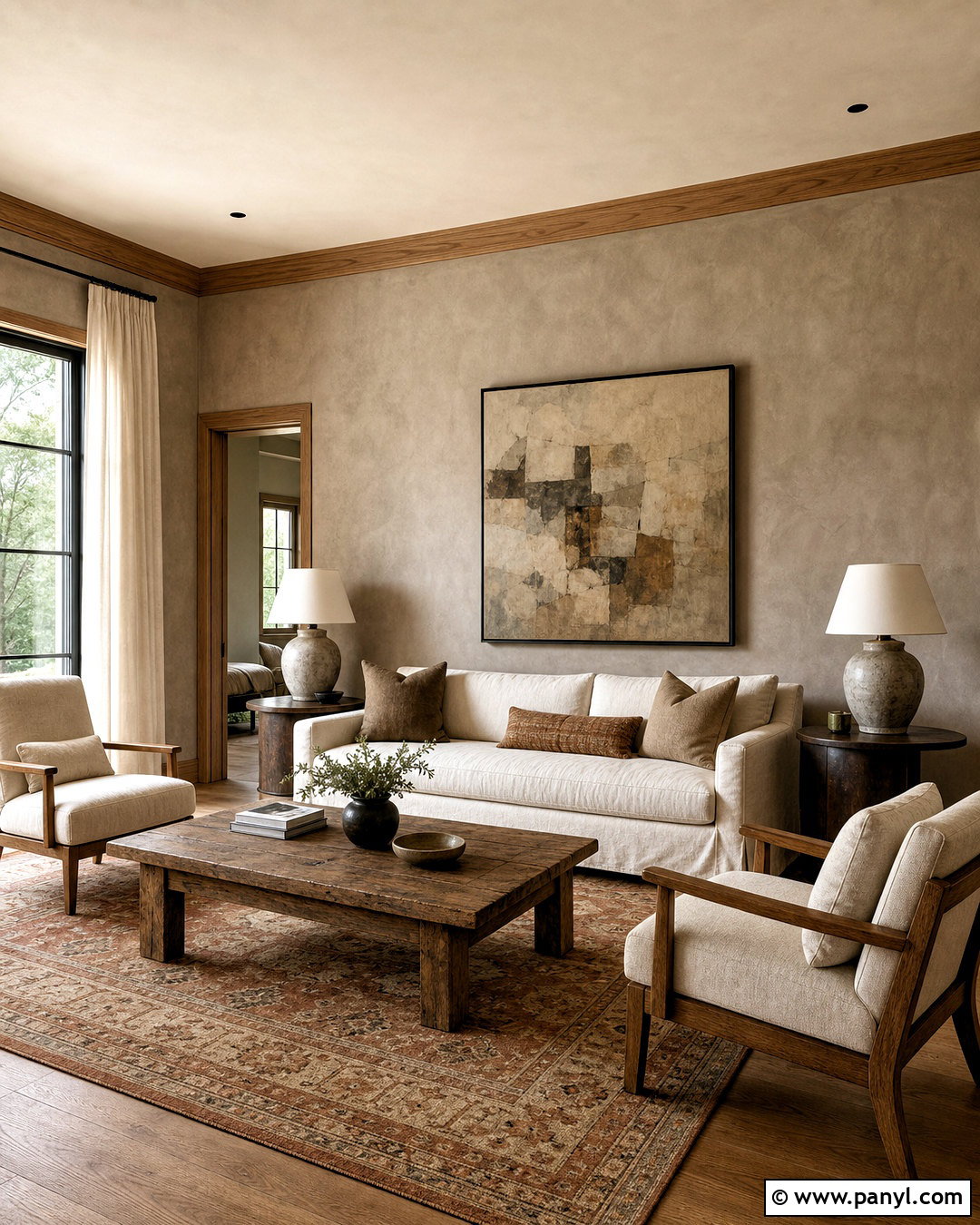
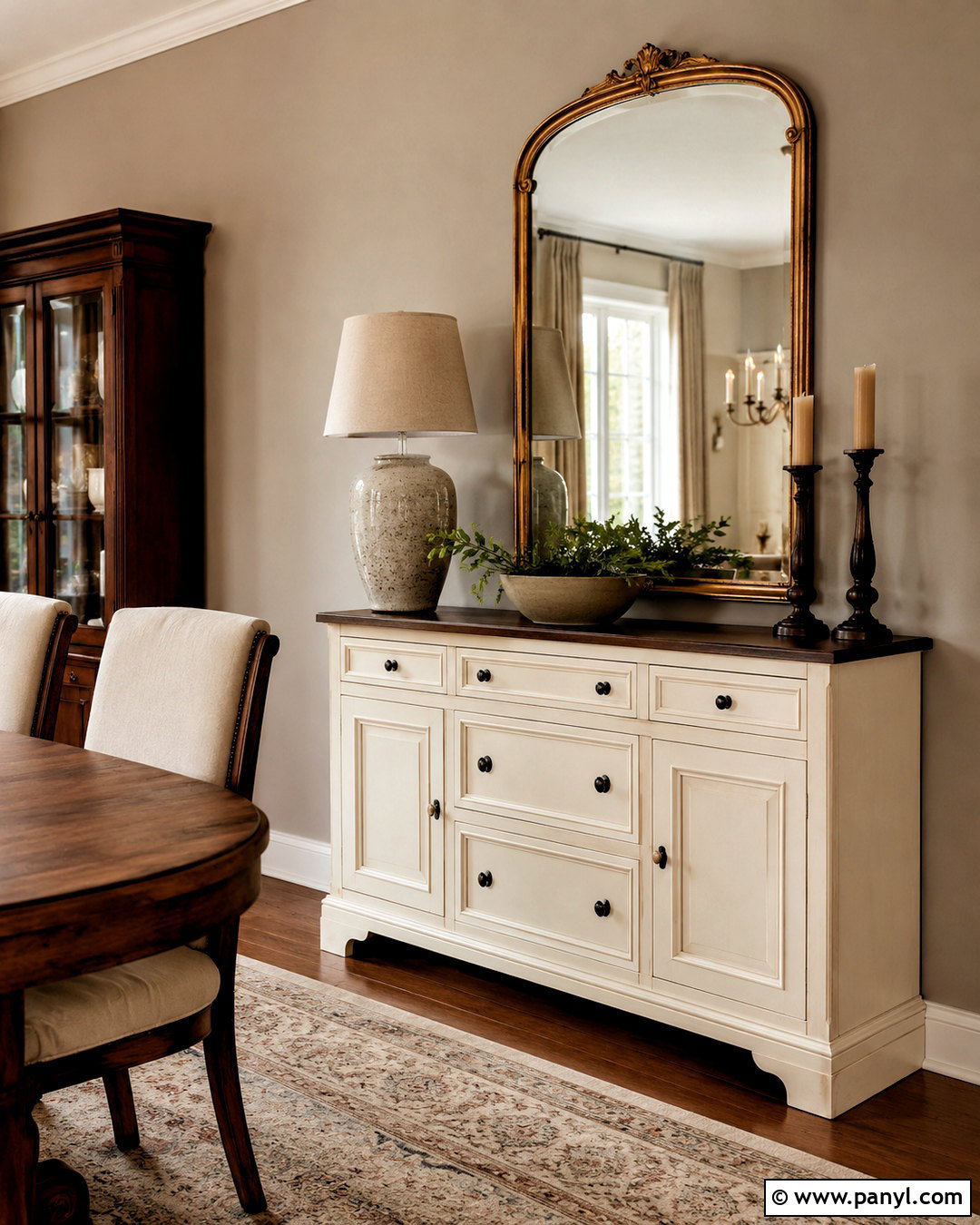
Limewash-style walls add soft movement and an aged, mineral appearance to a living room. Choose a warm taupe or putty-colored finish and apply it across all walls using broad, overlapping brushstrokes. Pair the textured surface with a simple creamy ceiling and understated wood trim. A low ivory sofa, vintage oak coffee table, linen armchairs, and a faded rust rug reinforce the relaxed character. Add sculptural ceramic lamps, framed abstract art, and heavy natural curtains. Avoid too many small accessories because the subtle wall variation already provides visual interest. Where true limewash is unsuitable, use a mineral-effect interior coating designed for standard drywall. The finished room should feel layered and organic, with enough modern furniture to keep the treatment from appearing overly rustic.
13. Painted Checkerboard Sunroom Floor
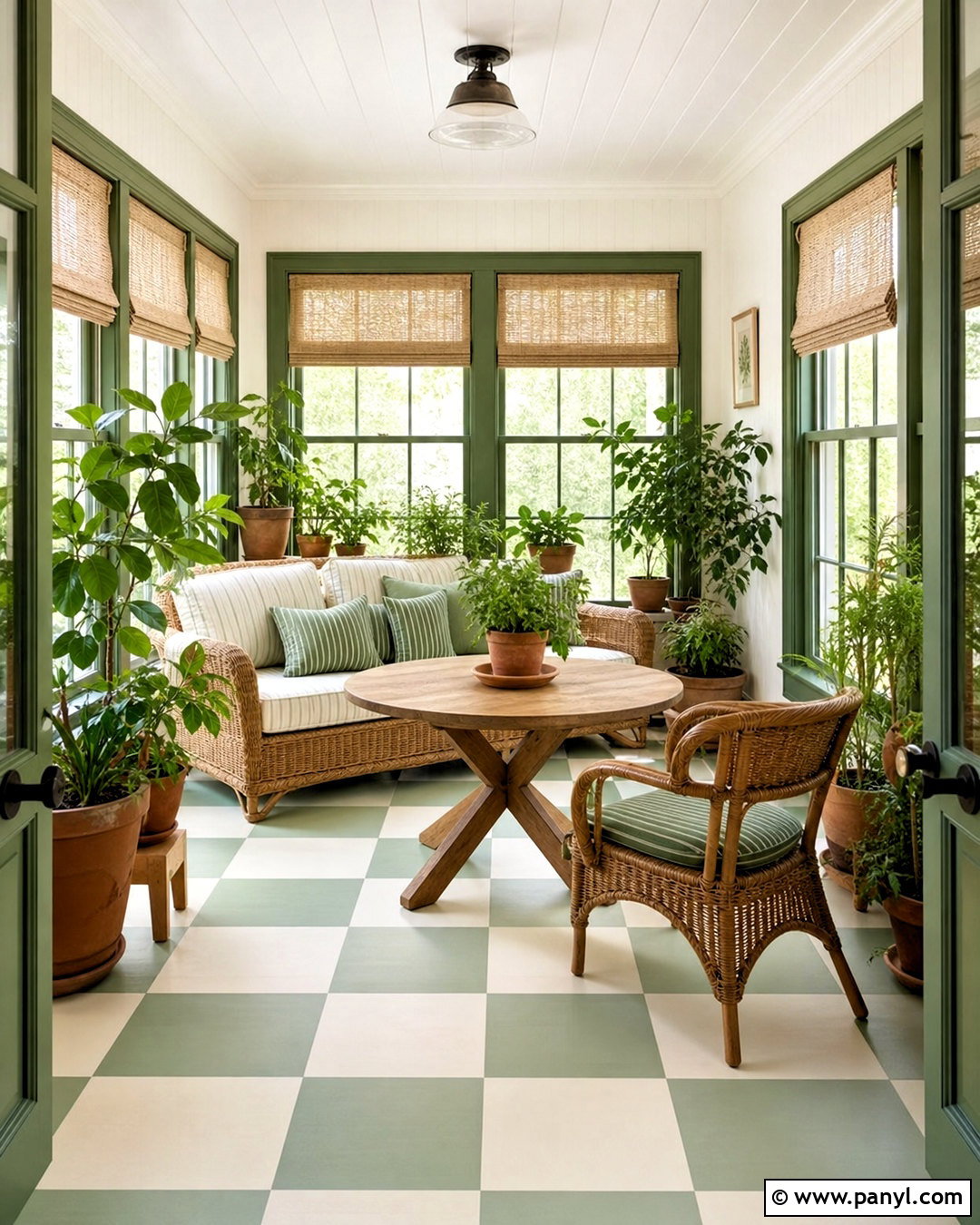
A painted checkerboard floor gives a sunroom personality while connecting its furniture, walls, and outdoor views. Use durable floor paint in soft cream and muted sage green, creating medium-size squares that suit the room’s proportions. Paint the walls warm white and the window frames a slightly deeper green to relate them to the floor. Furnish the space with a wicker sofa, striped cream cushions, a round wood table, and lightweight rattan chairs. Add potted plants in simple terracotta containers and hang relaxed linen shades at the windows. A clear protective topcoat improves wear resistance in busy areas. Keep the pattern slightly understated rather than sharply contrasting. The completed room feels cheerful, practical, and well suited to casual meals or morning relaxation.
14. Two-Tone Kitchen Cabinet Paint
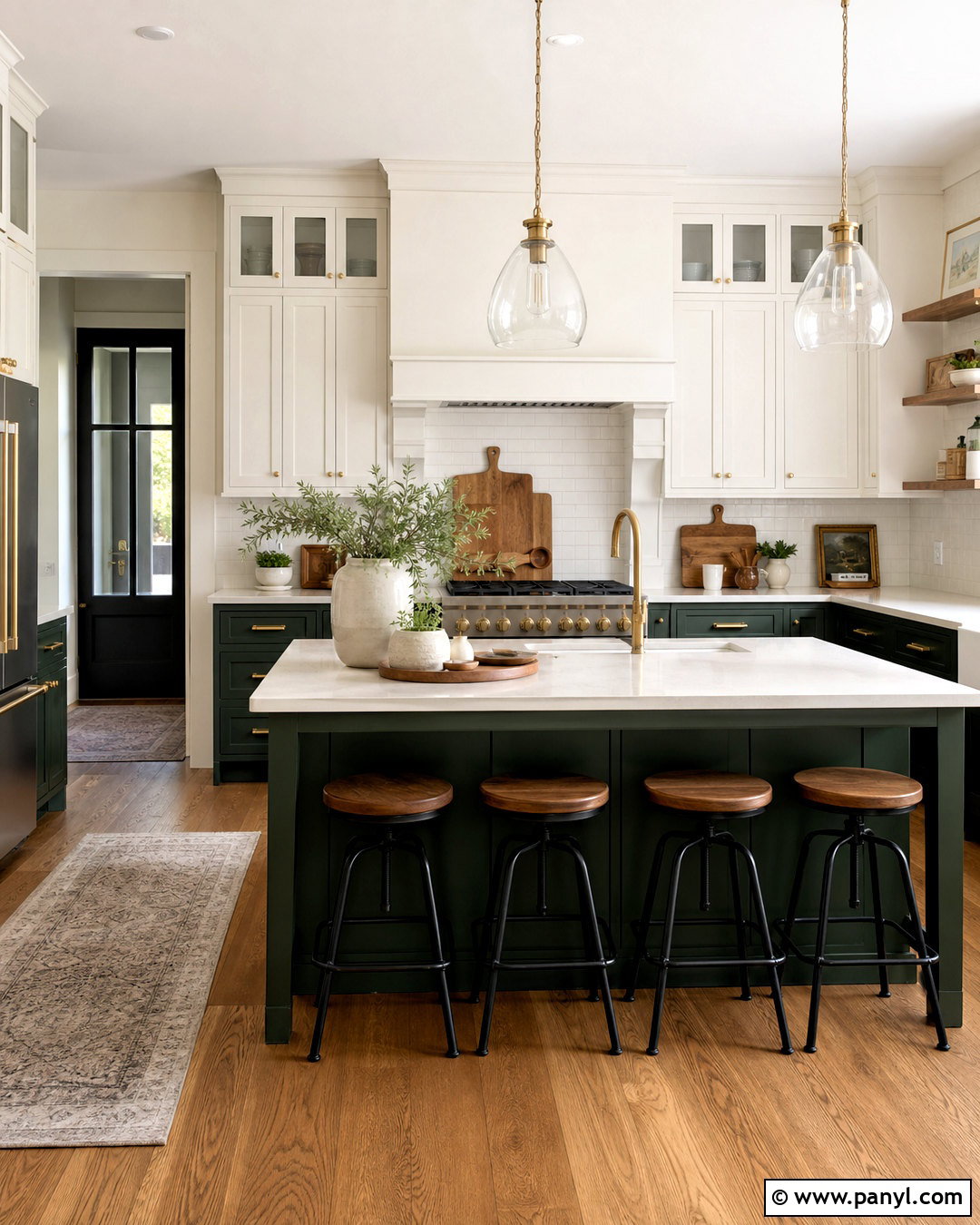
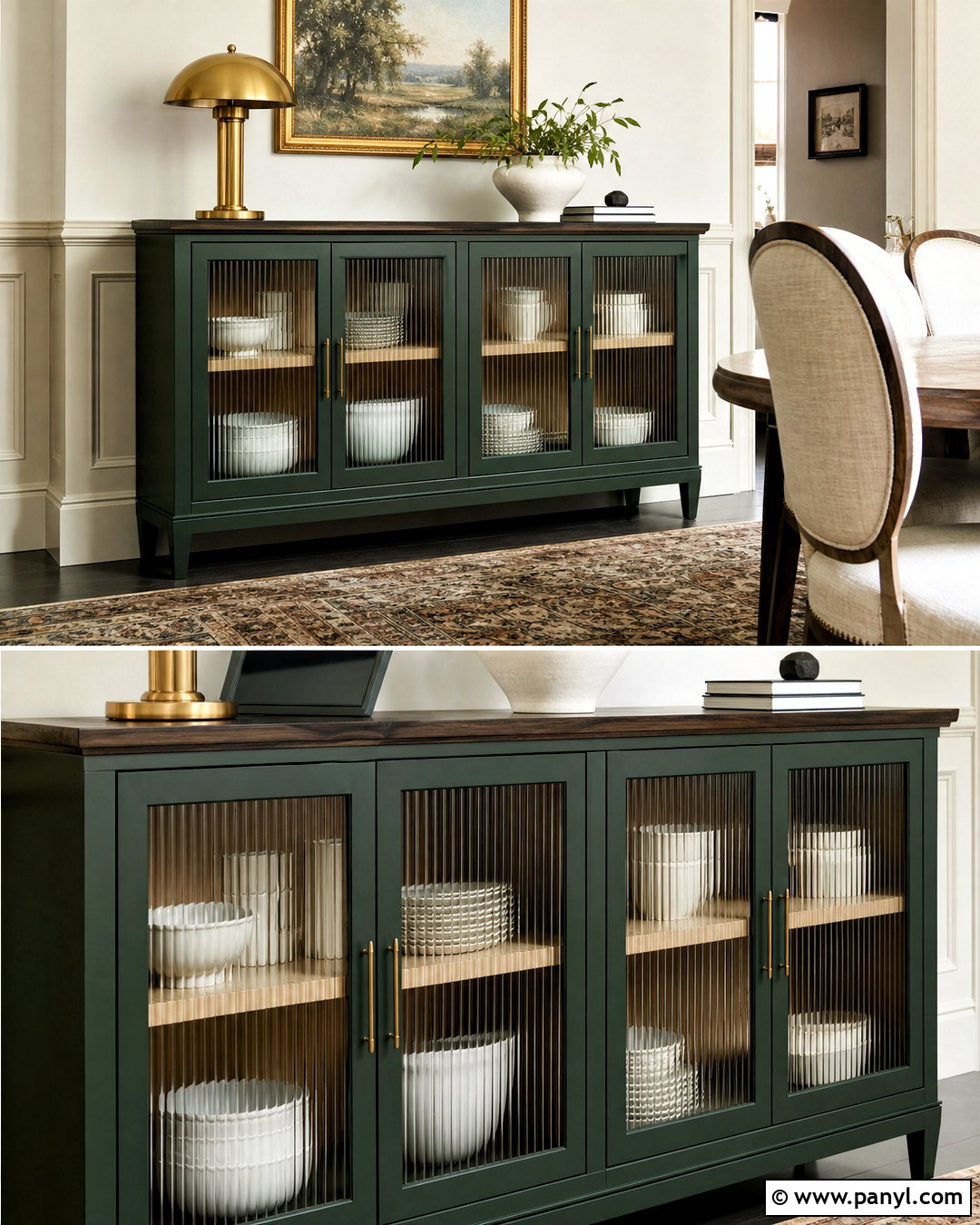
Two-tone painted cabinets create contrast while keeping a kitchen bright and balanced. Cover the upper cabinets in creamy white and use a deep forest green on the lower cabinets and island. Repeat the warm white on the walls and ceiling to reduce visual clutter. Add pale quartz countertops, glazed white backsplash tile, brushed brass pulls, and medium oak flooring. Three simple glass pendants above the island provide clear task lighting without competing with the cabinetry. Style the room with wood cutting boards, white ceramics, and a few leafy plants. Use cabinet-grade enamel in a satin finish for a smooth, washable surface. The darker bases visually ground the room, while lighter uppers prevent the cabinetry from feeling heavy, especially in kitchens with standard-height ceilings.
15. Black Accent Wall Bedroom Paint
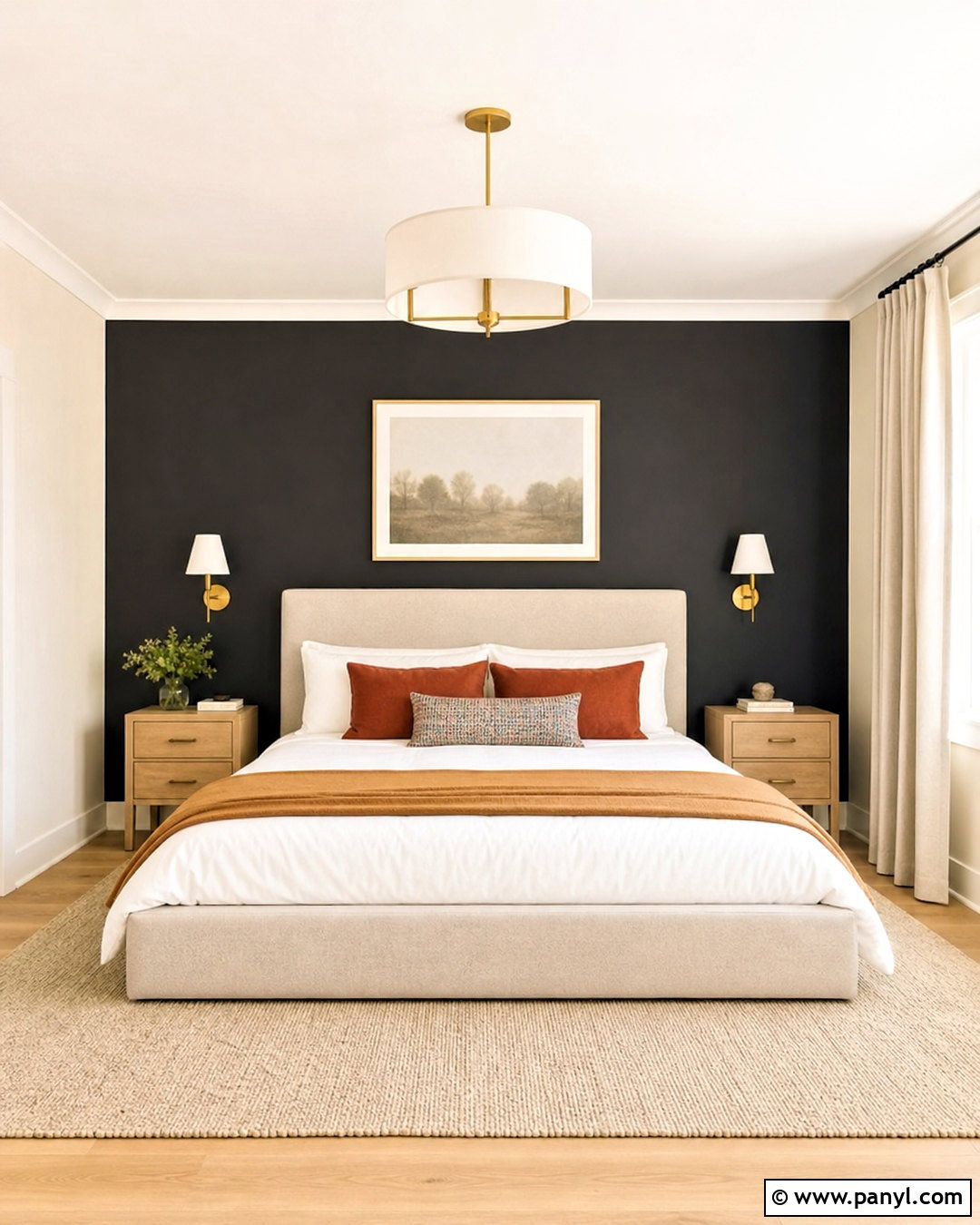
A black bedroom wall can look sophisticated when the surrounding room includes enough warmth, texture, and light. Paint only the headboard wall a soft charcoal black with subtle warm undertones. Keep the other walls, ceiling, and trim creamy white. Place a tall oatmeal upholstered bed against the dark surface and layer it with white bedding, a camel throw, and muted rust pillows. Light oak nightstands, brass sconces, and a large beige rug soften the contrast. Hang minimal artwork with pale mats so it remains visible against the charcoal paint. Choose an eggshell finish instead of high gloss to avoid distracting reflections. Large linen curtains and a warm overhead fixture complete the design, creating a grounded bedroom that still feels comfortable and approachable.
16. Blush Pink Bathroom Paint
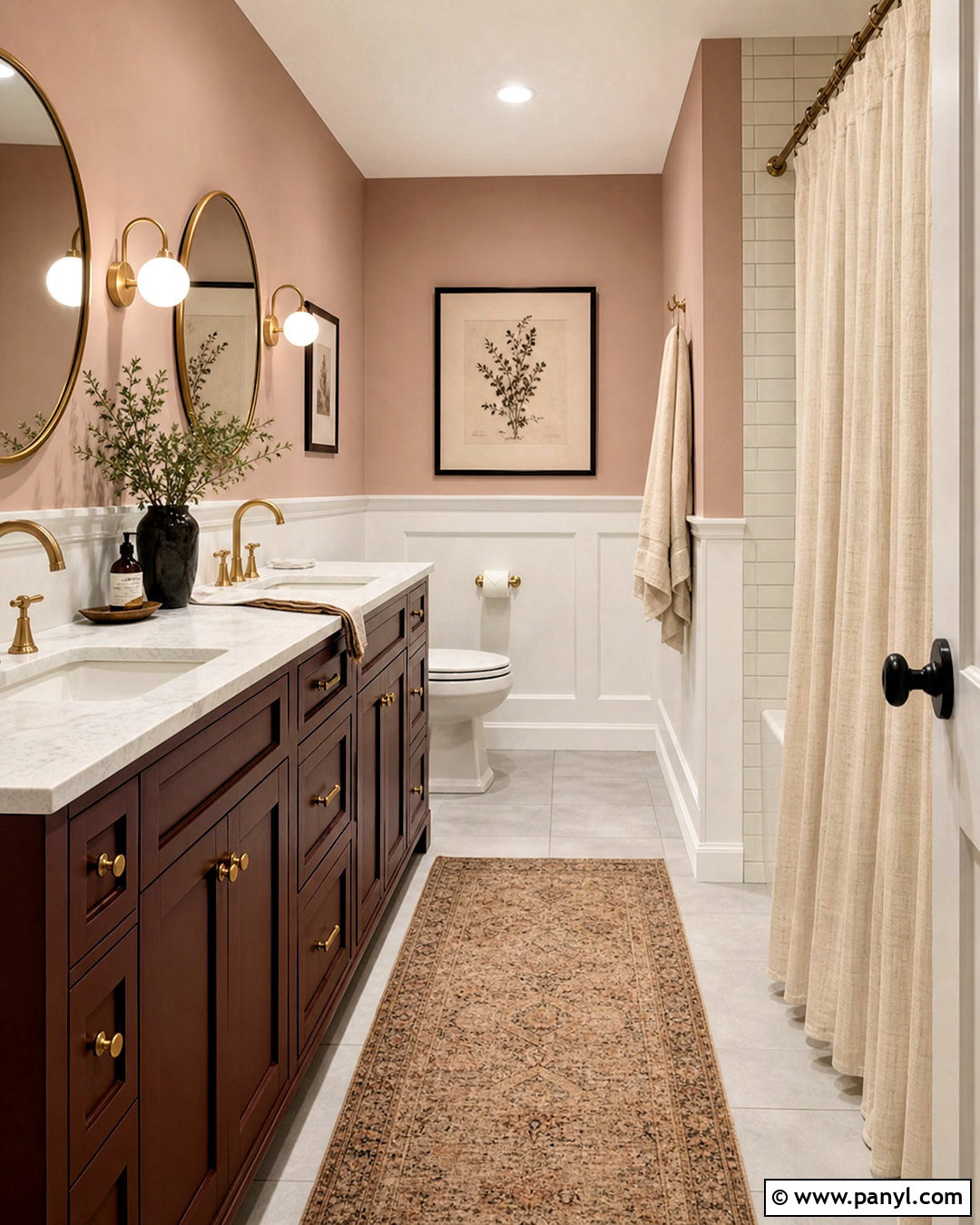
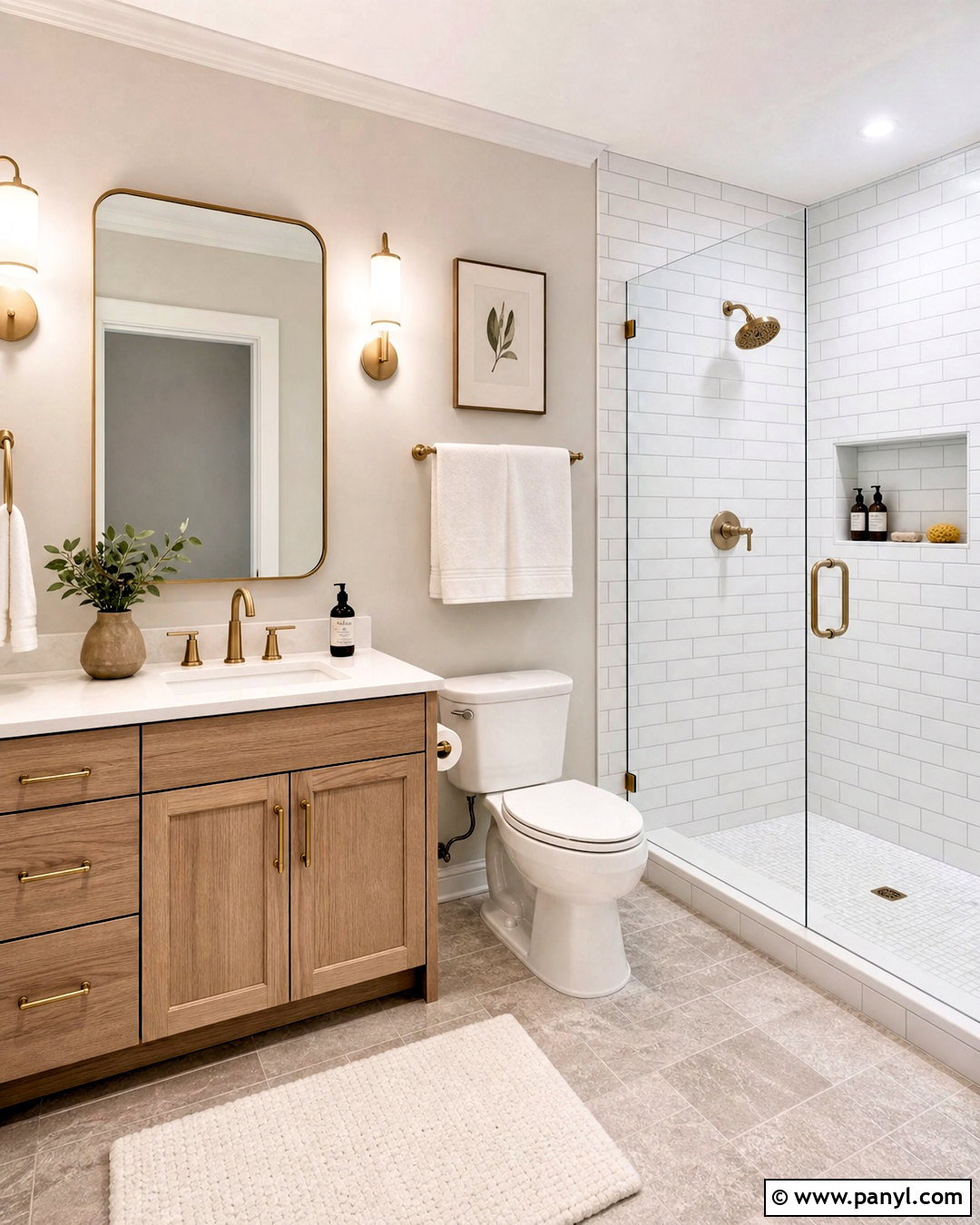
Muted blush paint can warm up a bathroom without making it feel overly sweet. Choose a dusty pink with beige or clay undertones for the upper walls, then install or retain white paneling below. Paint the vanity a deep burgundy-brown for rich contrast and pair it with a white stone countertop. Brushed brass faucets, round mirrors, cream towels, and small globe sconces complete the palette. Use pale gray floor tile to balance the warmer colors and provide a practical neutral surface. Select moisture-resistant satin paint for every exposed wall and use bathroom-rated paint on the ceiling. A simple linen shower curtain and one framed botanical print add softness. The result is a polished bathroom scheme that feels warm, clean, and more dimensional than plain white.
17. Mustard Yellow Entryway Paint
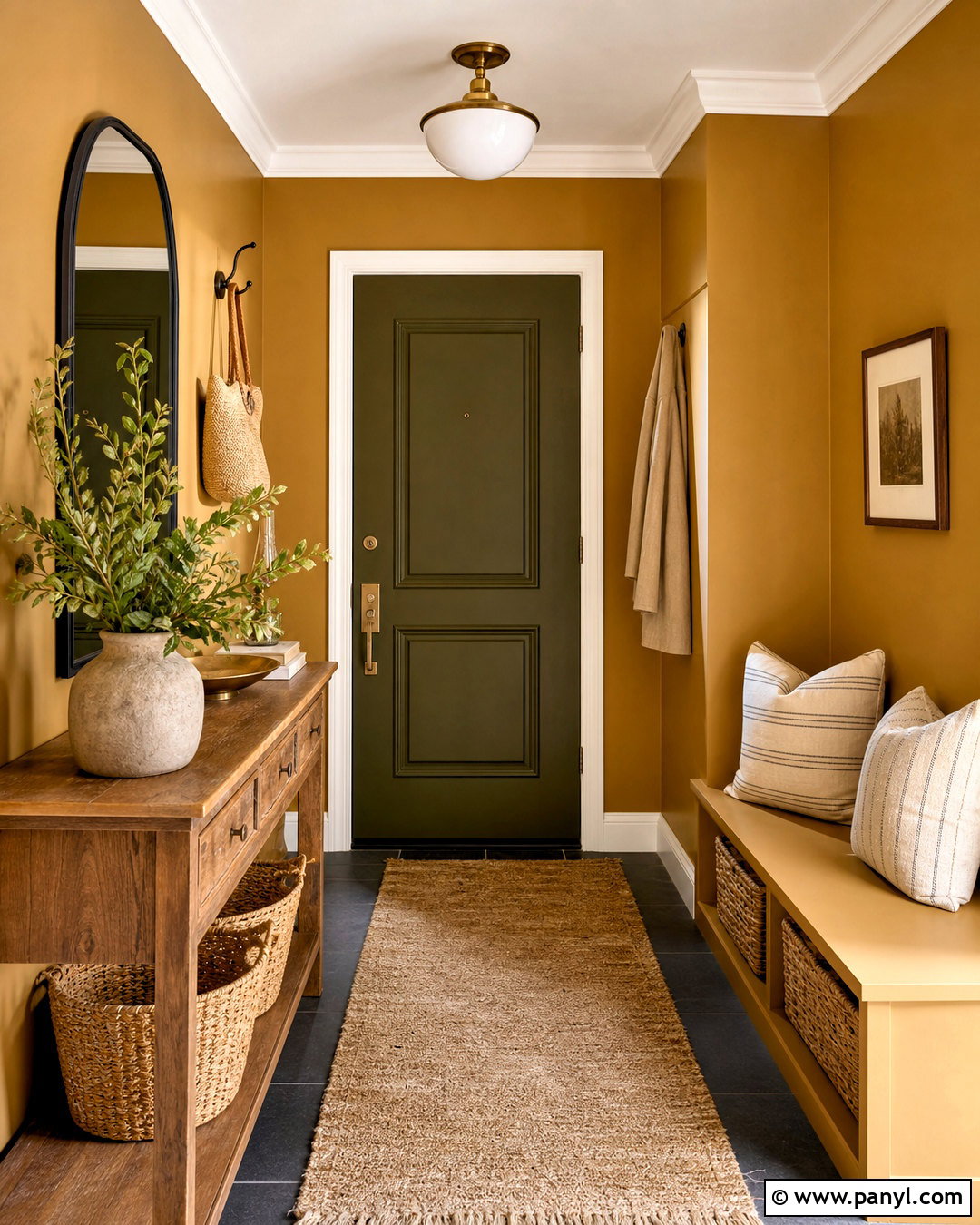
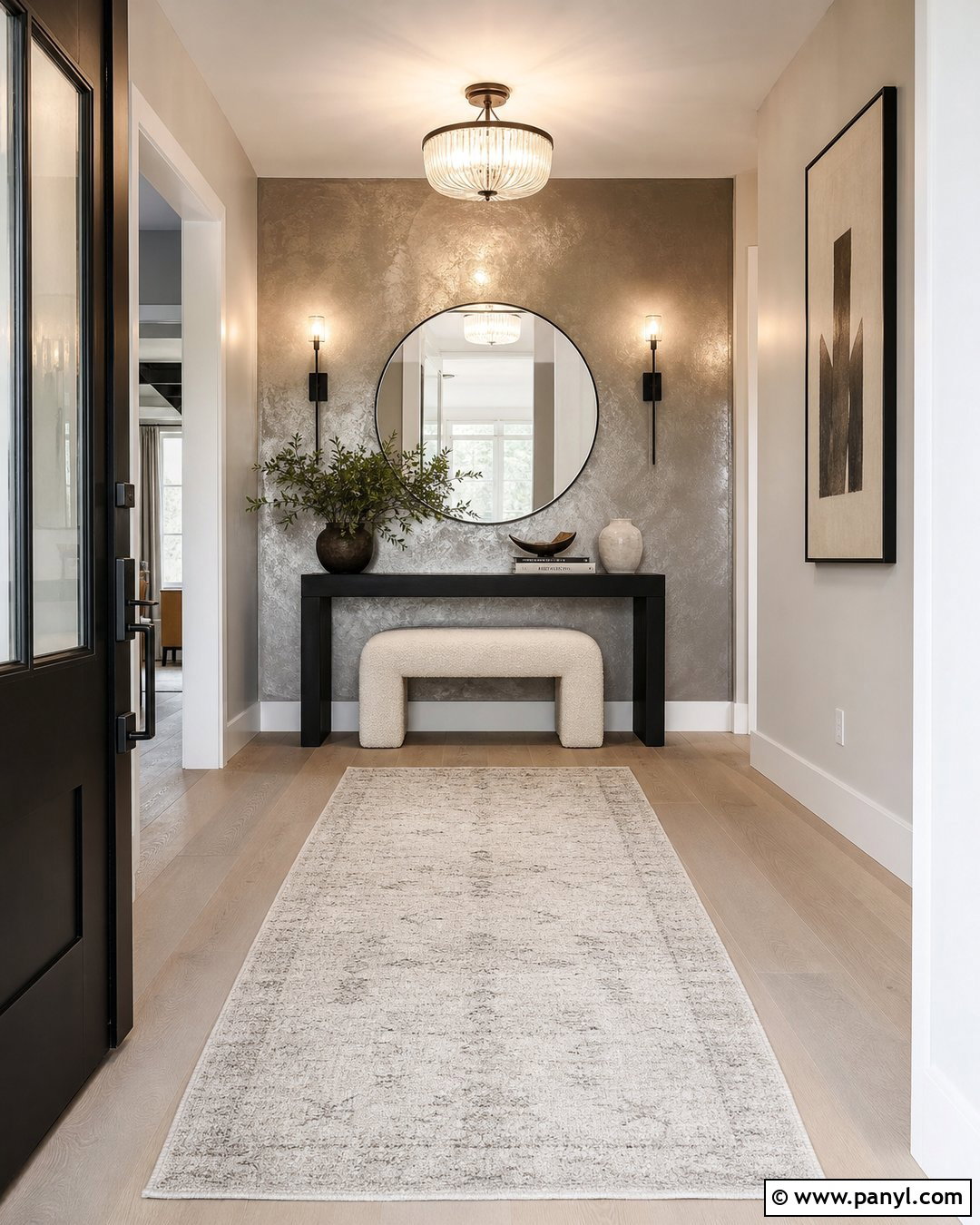
A muted mustard entryway creates an inviting transition between the front door and the rest of the home. Apply the yellow to the walls and built-in bench, using eggshell on vertical surfaces and satin on cabinetry. Keep the ceiling and trim soft white to sharpen the room’s architectural lines. Add a medium oak console, black metal mirror, woven runner, and aged brass ceiling light. Paint the interior side of the front door deep olive green for an earthy complementary accent. Storage baskets beneath the bench keep shoes and small items contained. Use cream cushions with narrow brown stripes to soften the seating area. This color scheme works best when the mustard has brown undertones, producing a warm, grounded look rather than a bright, energetic yellow.
18. Lavender Nursery Paint
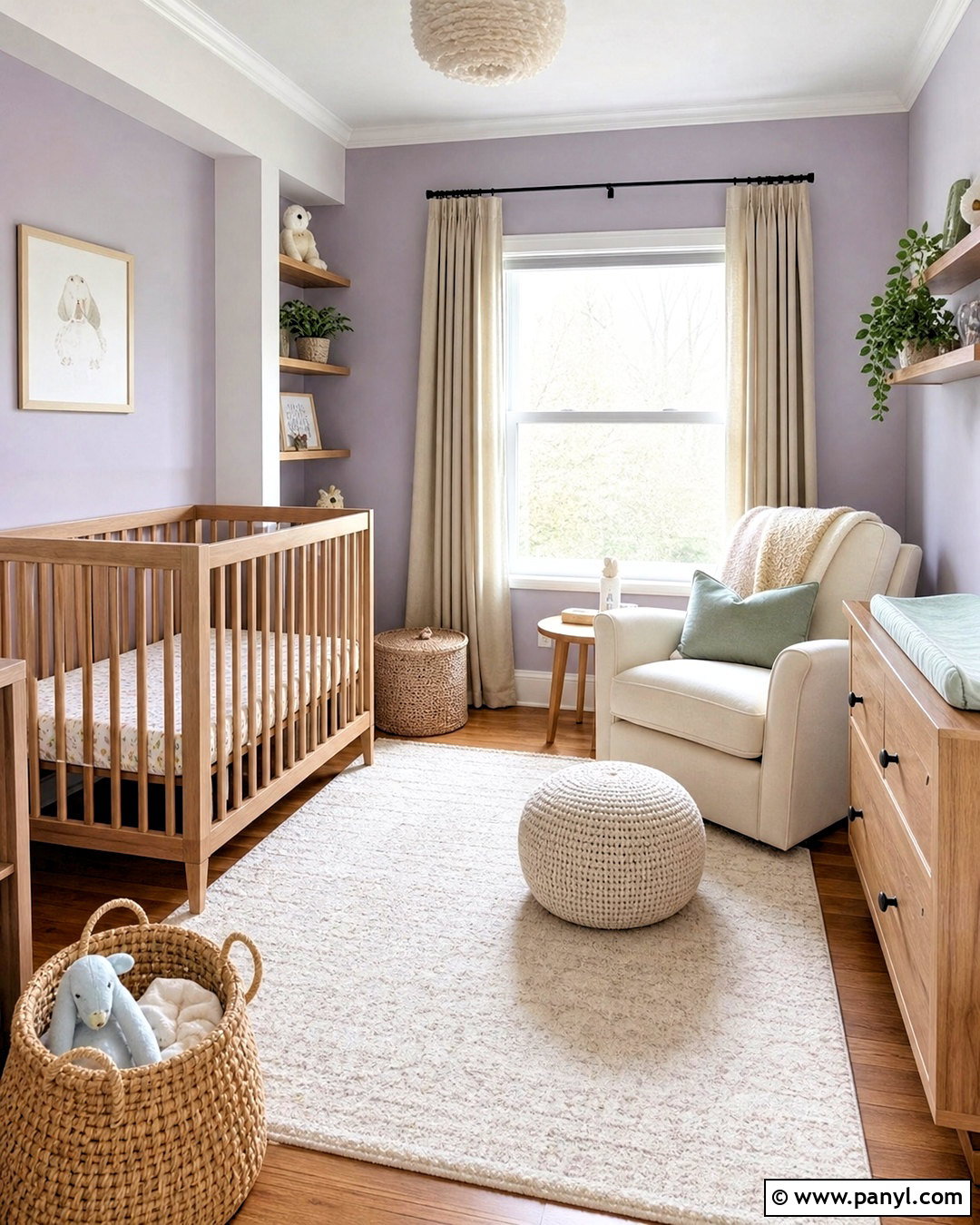
Soft lavender walls create a peaceful nursery that can adapt as the child grows. Choose a gray-based lavender rather than a highly saturated purple, and pair it with warm white trim and ceiling paint. Place a natural wood crib against the longest wall, with a cream glider and small oak side table nearby. Add an ivory rug, oatmeal curtains, and storage baskets made from woven fibers. Muted sage green and dusty blue accessories broaden the palette without disrupting its calm mood. A simple ceiling fixture and shaded floor lamp provide gentle, practical lighting. Use washable, low-odor interior paint and allow adequate drying and ventilation before furnishing the room. The final nursery feels soft and welcoming while remaining versatile enough for future furniture and decor changes.
19. Earthy Basement Paint
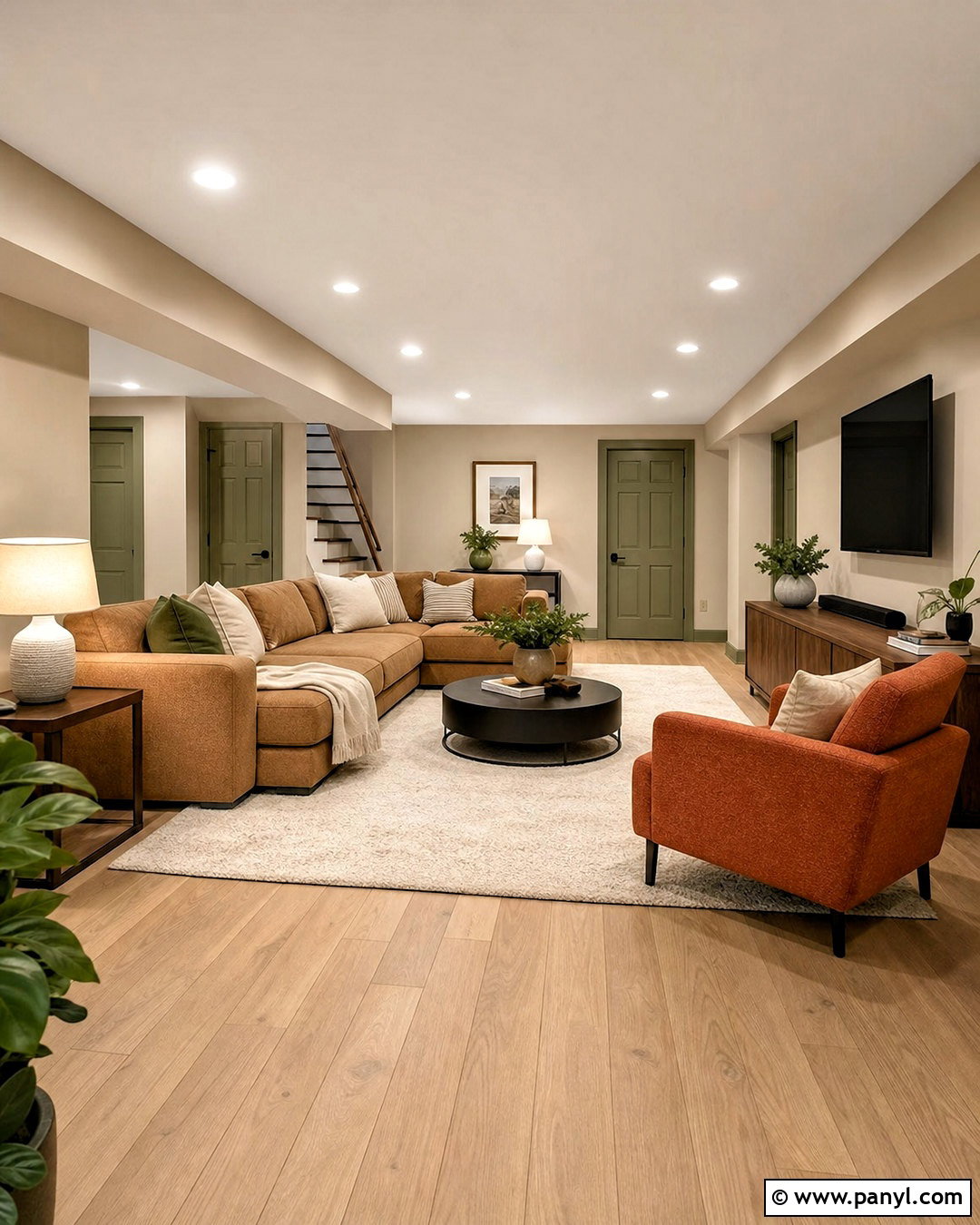
A basement can feel brighter and more intentional with a warm, earthy palette that works under artificial light. Paint the walls a light mushroom beige and use the same color on low bulkheads to reduce visual interruptions. Cover the ceiling in soft white, then paint doors and trim a medium olive green for controlled contrast. Add a camel sectional, walnut media console, cream rug, and rust-colored lounge chair. Layer recessed lighting with floor and table lamps so corners do not disappear. Light oak-look flooring helps reflect illumination while remaining practical for a casual family area. Choose an eggshell wall finish and satin trim for easy maintenance. The coordinated scheme transforms a plain basement into a comfortable media room, play zone, and flexible gathering space.
20. Contrasting Interior Trim Paint
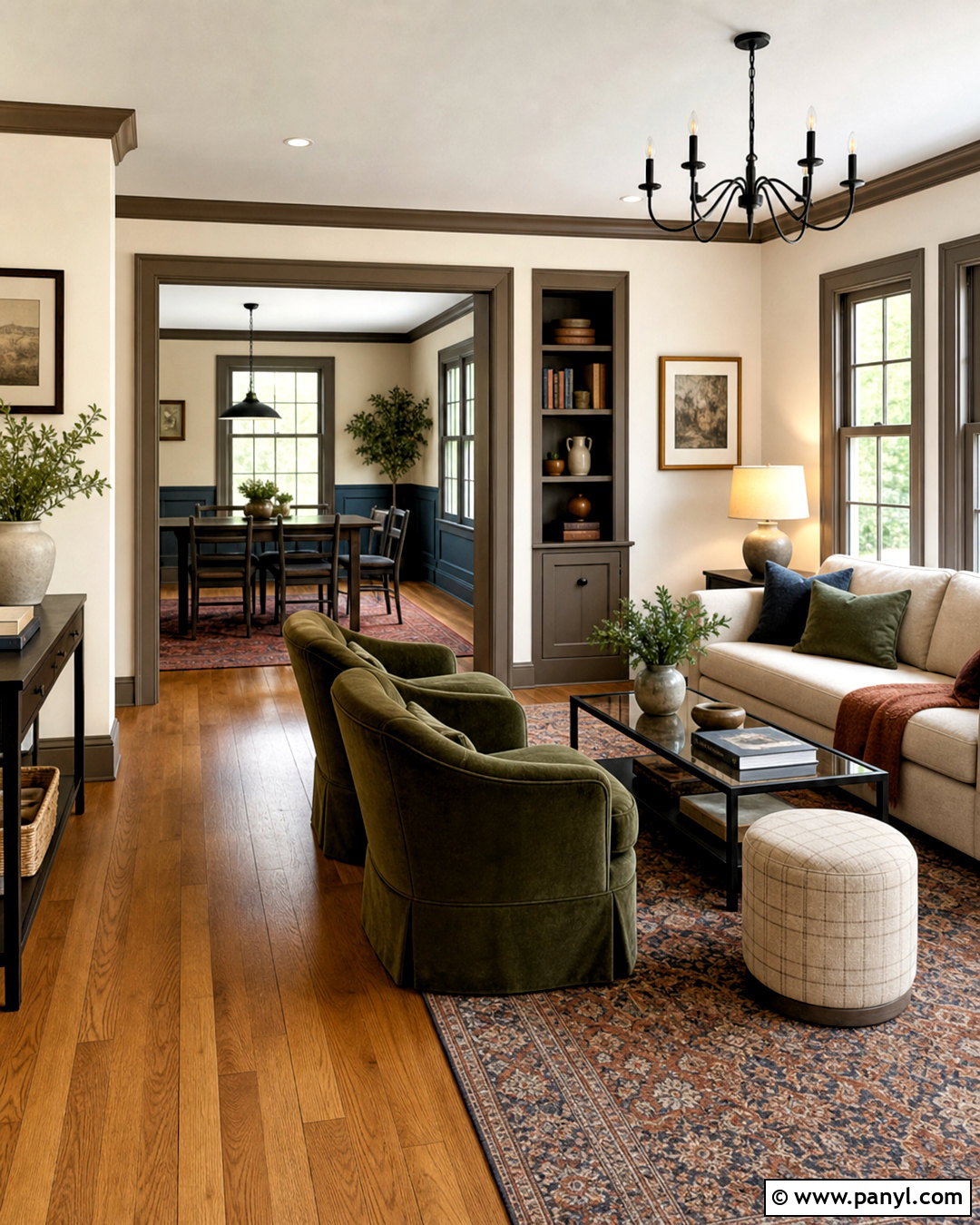
Contrasting trim can unify an entire house while giving simple rooms stronger architectural definition. Start with warm off-white walls throughout the main living areas, bedrooms, and hallways. Paint baseboards, window frames, interior doors, and selected built-ins in a muted taupe or mushroom brown. Keep ceilings a lighter white so every room remains open. Pair the palette with oak flooring, cream upholstery, black lighting, and restrained accents in olive, rust, and navy. Use satin or semigloss paint on trim for durability and a subtle sheen beside matte or eggshell walls. Carrying the same trim color from room to room creates continuity, even when furniture changes. This approach works particularly well in newer homes where standard white woodwork needs more presence and character.
Conclusion:
The best interior paint scheme considers the whole room, including light, flooring, furniture, trim, and daily use. Begin by identifying permanent finishes you do not plan to replace, then select colors that complement those materials. Sample promising shades on large boards so you can move them around the room and compare them in morning, afternoon, and evening light. Choose washable finishes for kitchens, bathrooms, hallways, and children’s spaces, while flatter finishes can soften ceilings and quiet rooms. Whether you prefer warm neutrals, rich color drenching, decorative patterns, or contrasting trim, these 20 house painting ideas interior ideas provide complete looks that can be adjusted for your home, decorating taste, and available budget.

Related Ideas and Inspiration:
Leave a Reply