
Searching for 20 wall finishes textured ideas can feel overwhelming because the options range from subtle mineral washes to bold architectural panels. The best finish should do more than decorate one surface. It should support the room’s color palette, furniture, lighting, flooring, and overall mood. Textured walls can add visual depth, soften plain architecture, and give a newer home a more handcrafted character. Current choices include limewash, Venetian plaster, microcement, tactile wallpaper, dimensional wood, stone, brick, cork, and decorative tile. () Some work beautifully across an entire room, while stronger treatments are better reserved for a focal wall. The complete looks below offer practical inspiration for choosing and coordinating 20 wall finishes textured ideas.

1. Limewash Wall Finish
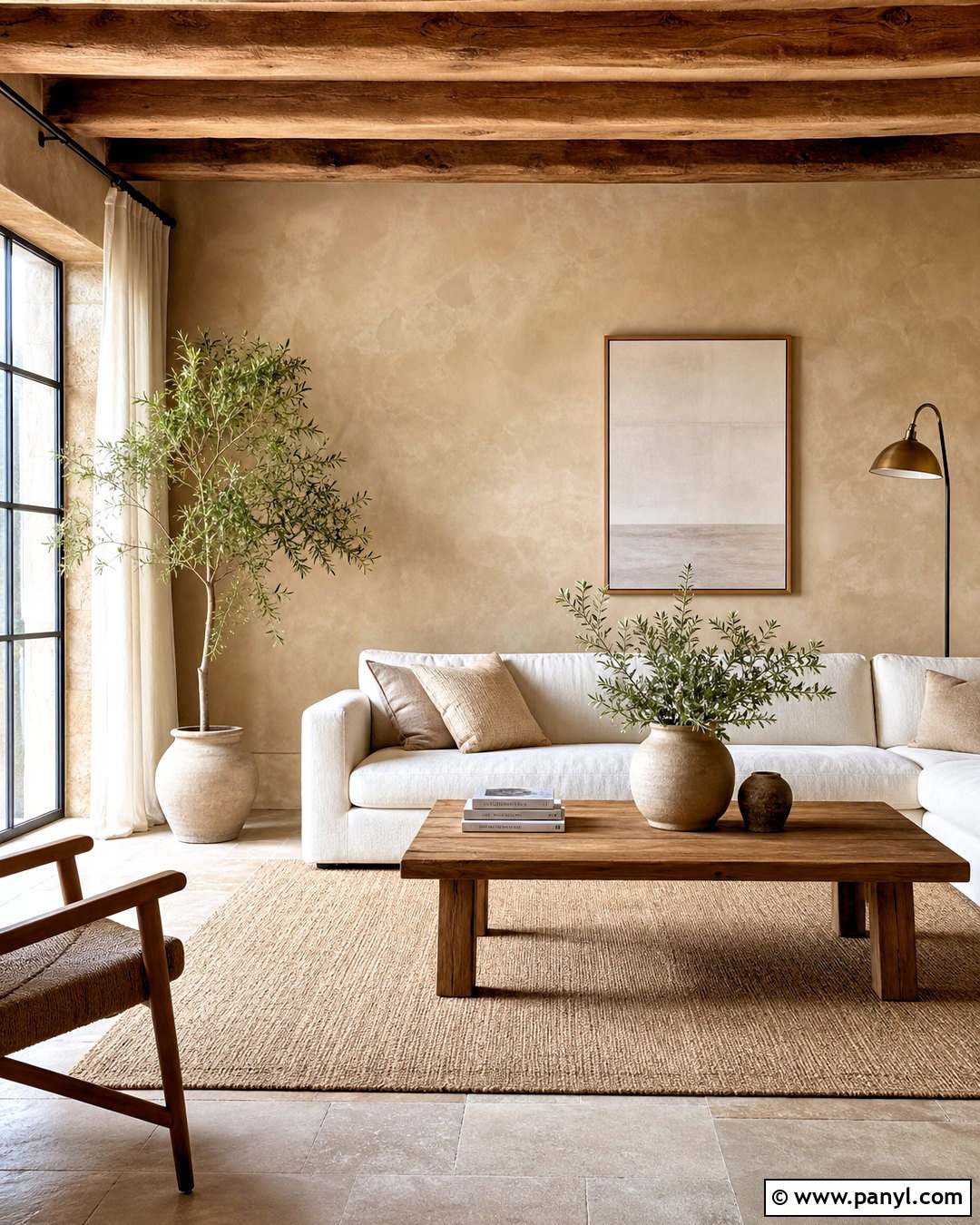
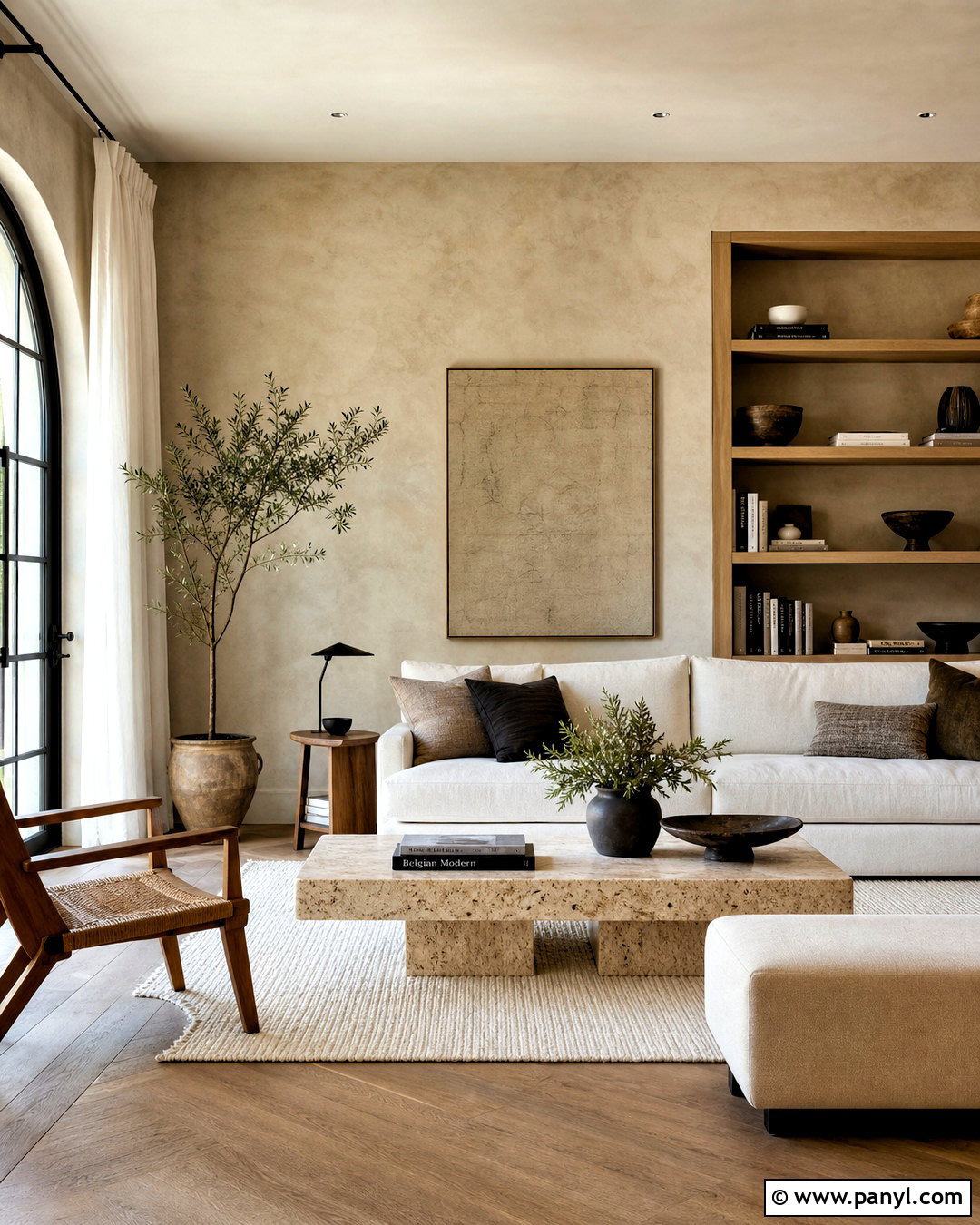
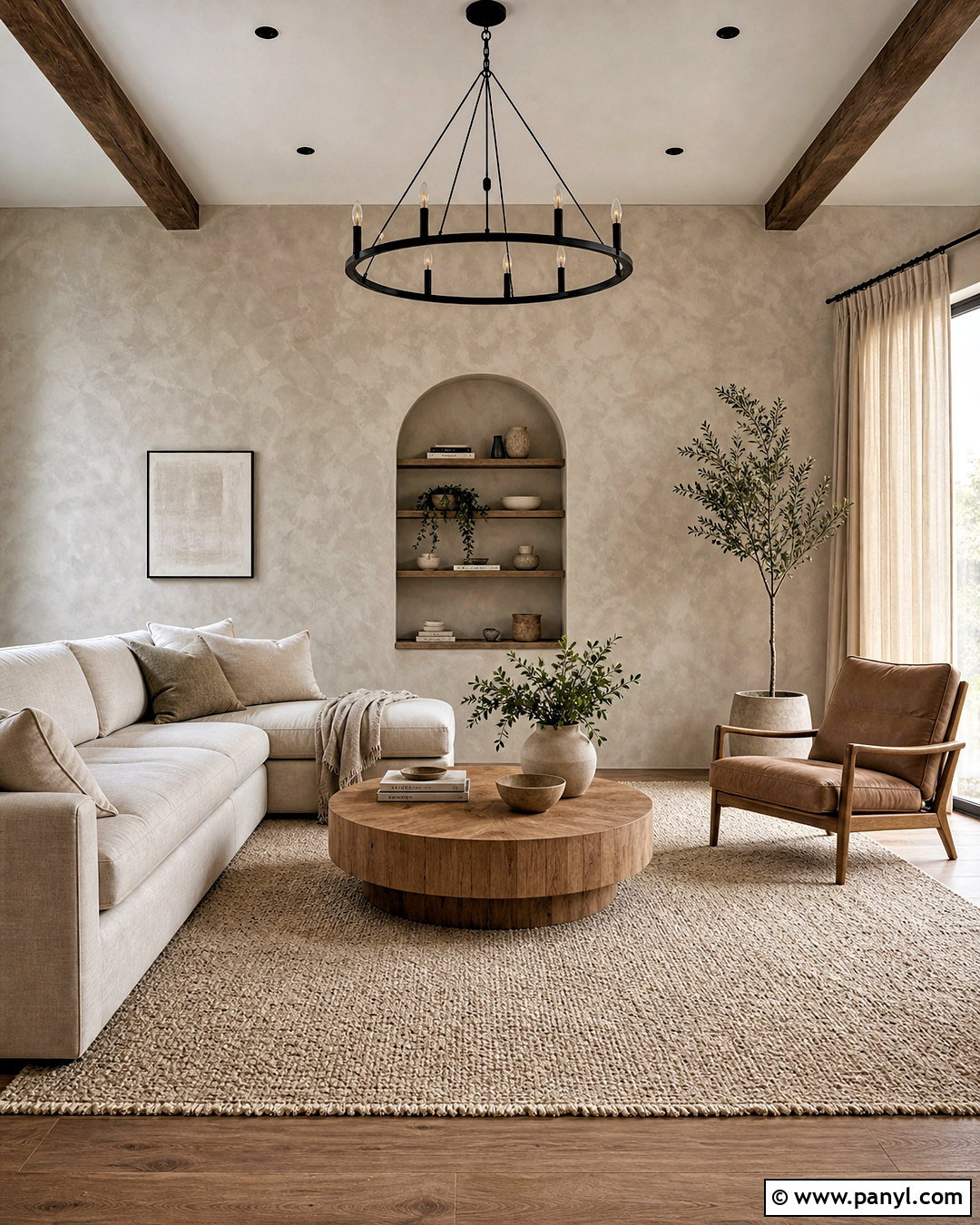
A warm limewash finish can make an ordinary living room feel relaxed, layered, and naturally aged. Choose soft beige, muted taupe, dusty sage, or warm off-white so the cloudy brush movement remains subtle. Apply the finish across every wall rather than creating one sharp accent, then balance its variation with clean-lined furniture. A cream linen sofa, medium oak coffee table, woven rug, and aged brass floor lamp create a comfortable modern-organic setting. Keep window treatments light and simple so daylight can reveal the wall’s changing tones. Matte ceramics and a few dark wood accents add contrast without competing with the surface. This complete arrangement works especially well in rooms that need warmth but still require a calm, uncluttered appearance.
2. Venetian Plaster Wall Finish
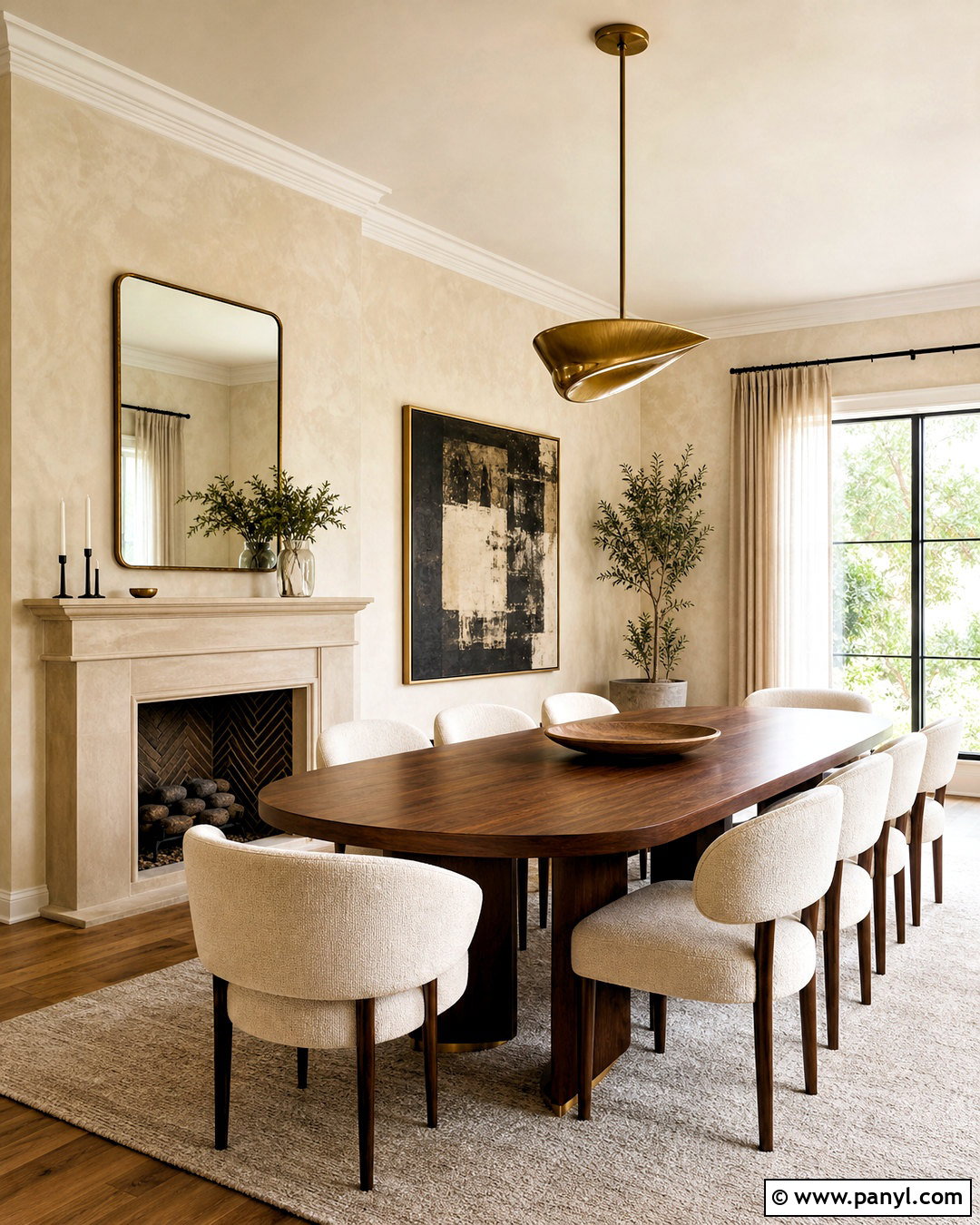
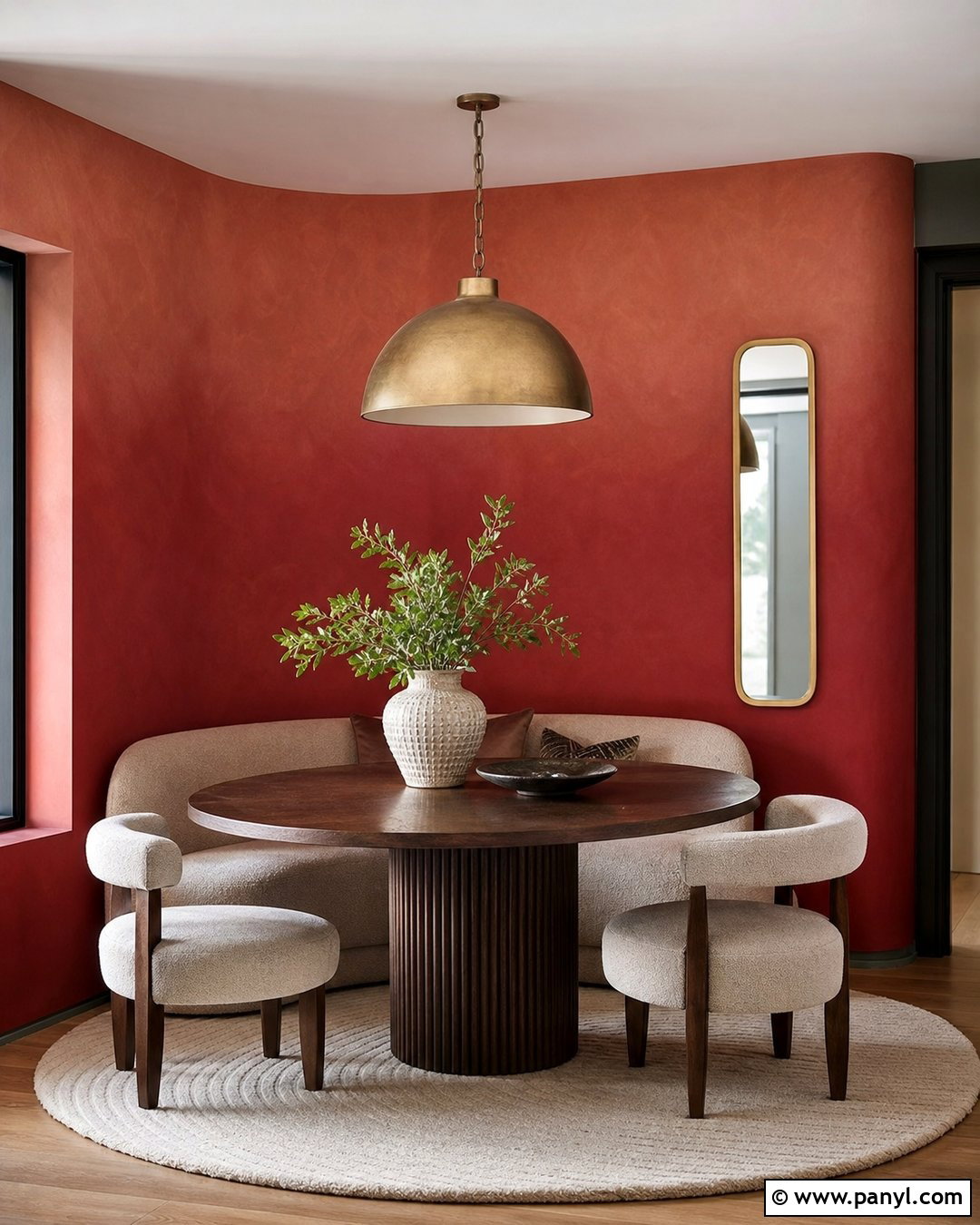
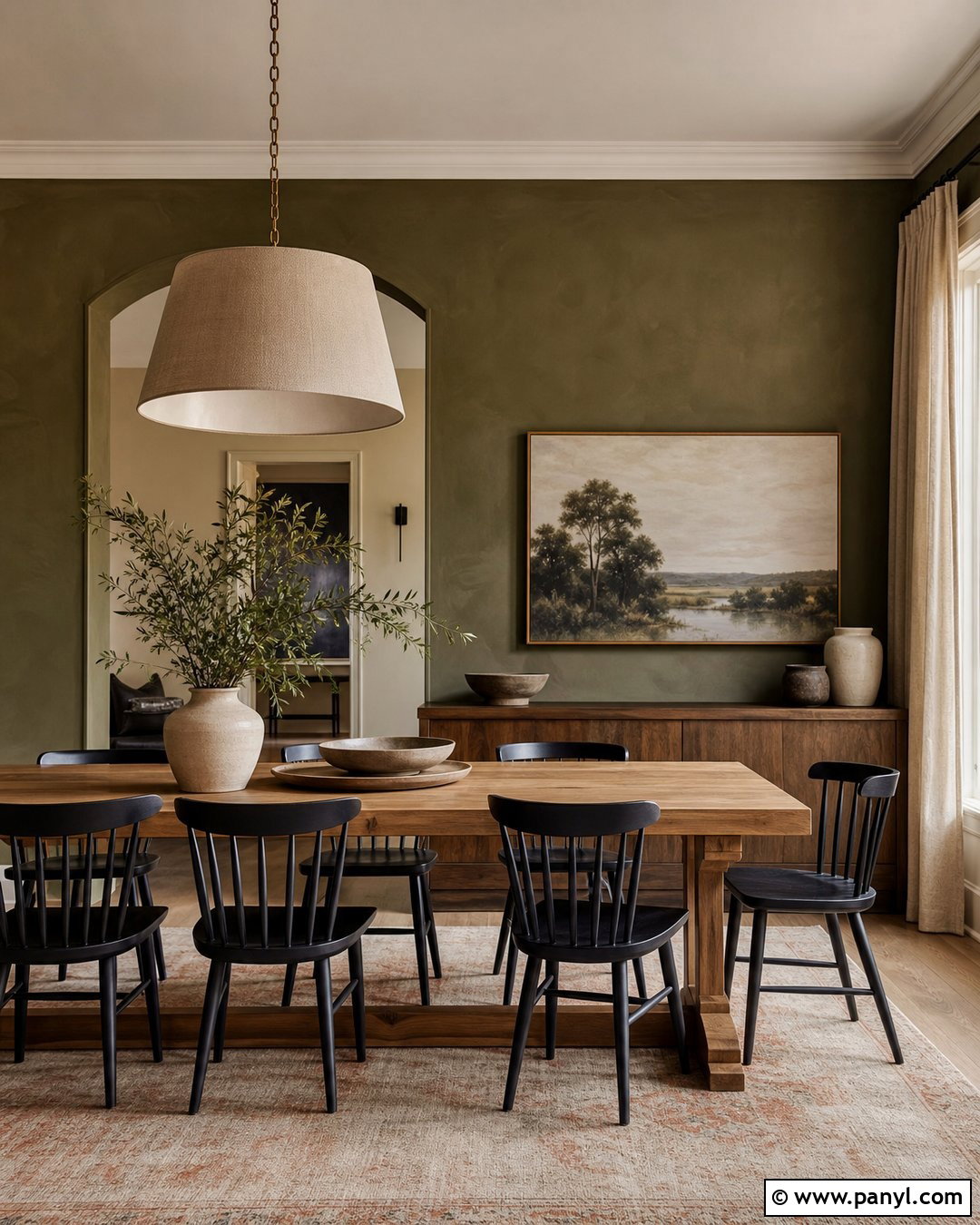
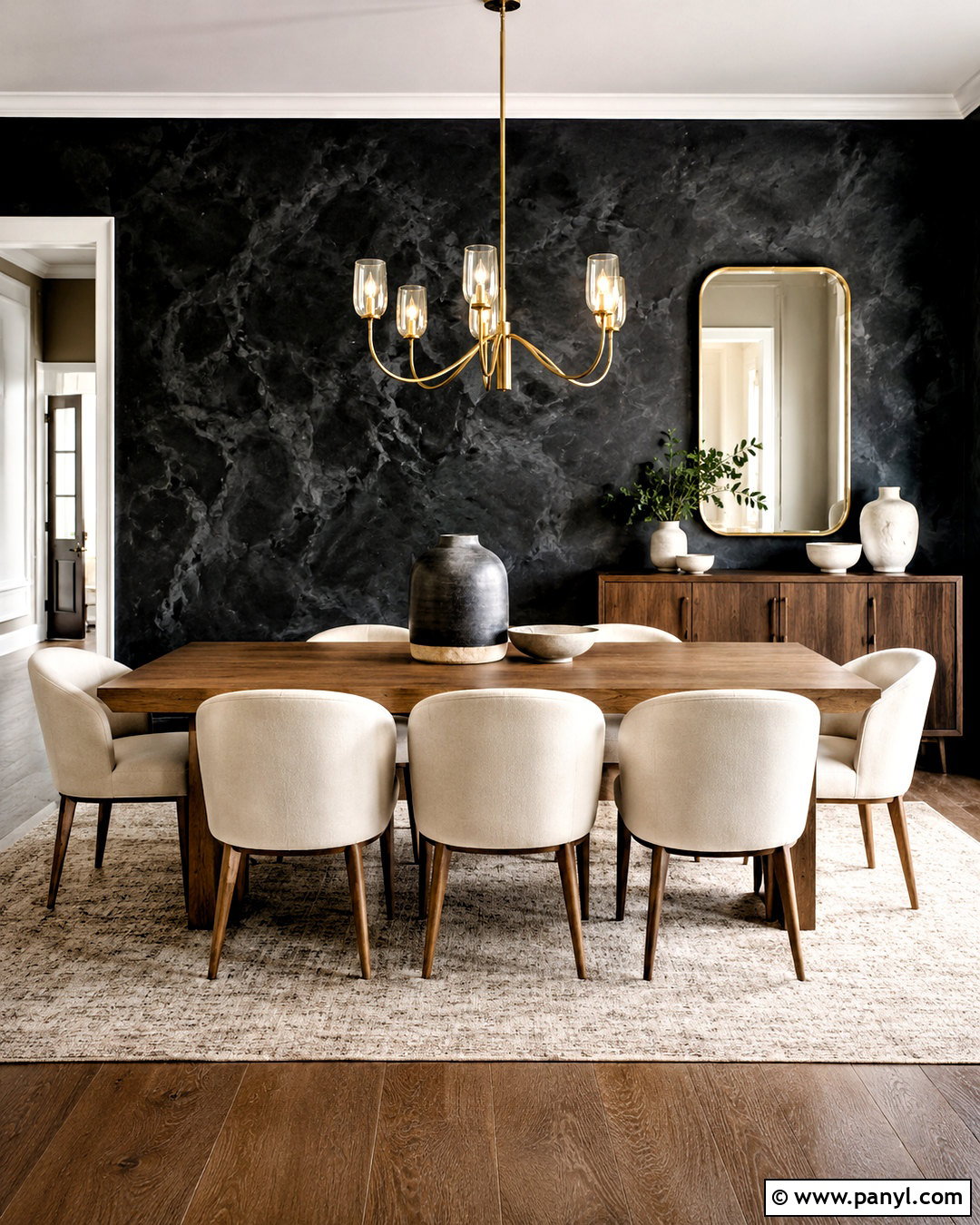
Venetian plaster brings a polished, stone-like quality to a formal dining room or sophisticated living area. Select a warm ivory, pale mushroom, muted terracotta, or deep olive finish, depending on how dramatic you want the room to feel. Use it on the main wall and adjoining fireplace surround so the surface appears intentional rather than decorative. A walnut dining table, curved upholstered chairs, sculptural pendant light, and simple linen drapes complement the plaster’s gentle sheen. Avoid filling the wall with small artwork because too many attachments can interrupt its movement. Instead, hang one large framed piece or position a substantial mirror nearby. Venetian plaster is created with layered applications and can range from softly textured to smooth and luminous. ()
3. Roman Clay Wall Finish
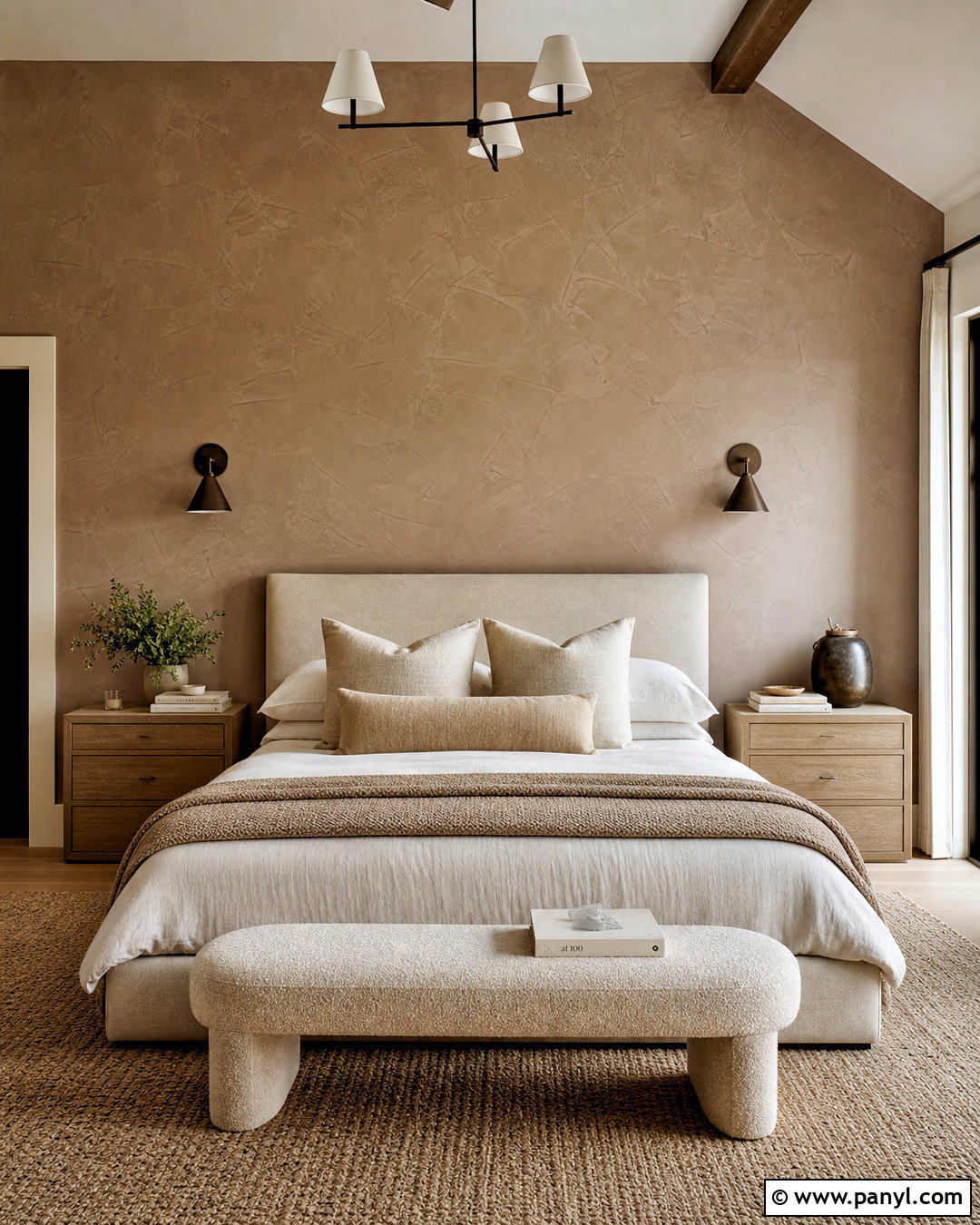
Roman clay creates a softer, more matte look than highly polished plaster, making it suitable for peaceful bedrooms and quiet sitting rooms. Cover the walls in warm greige, clay beige, pale cocoa, or muted rose, allowing broad trowel marks to provide understated movement. Build the rest of the room around natural, low-contrast materials. An upholstered oatmeal bed, washed oak nightstands, boucle bench, and ivory wool rug keep the bedroom light and restful. Add black ceramic lamps or dark bronze sconces for just enough definition. Simple linen bedding in cream and putty tones reinforces the chalky wall texture without making the scheme appear washed out. For a cohesive result, continue the same wall color behind the headboard and around architectural corners instead of stopping the treatment abruptly.
4. Microcement Wall Finish
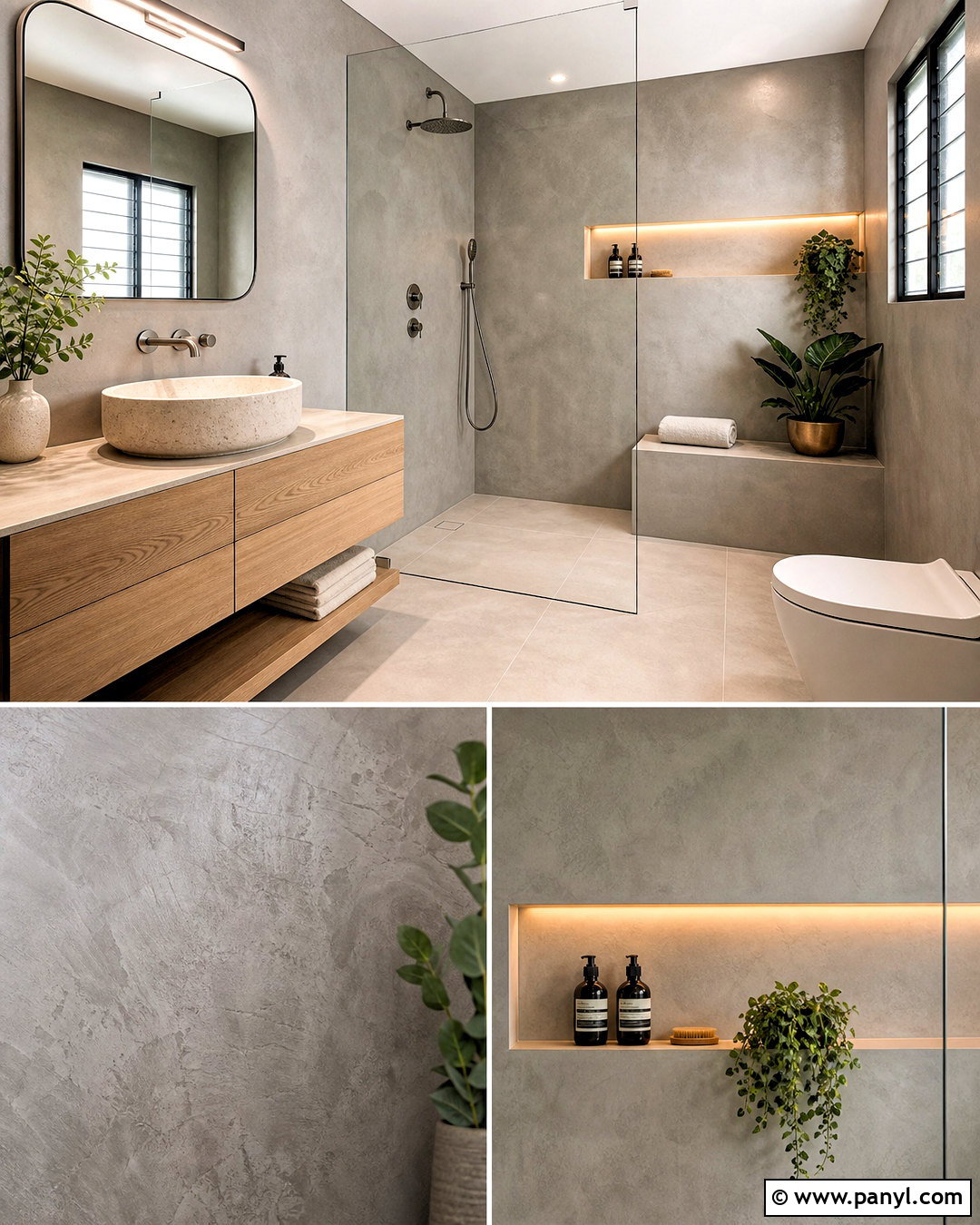
A seamless microcement finish can give a bathroom a modern, architectural appearance without relying on busy patterns. Use warm gray, mushroom, sand, or soft concrete beige across the vanity wall and shower enclosure, then repeat the finish on a built-in ledge or niche. Pair it with a floating white oak vanity, off-white stone basin, brushed nickel faucet, and frameless glass shower screen. A large rounded mirror will soften the strong linear surfaces. Introduce warmth through cotton towels, a small wooden stool, and one simple plant. Properly specified microcement is often selected for bathrooms and other areas where a continuous, durable surface is desired. () Keep grout lines and decorative accessories to a minimum so the material’s subtle tonal movement remains the room’s main feature.
5. Tadelakt Wall Finish
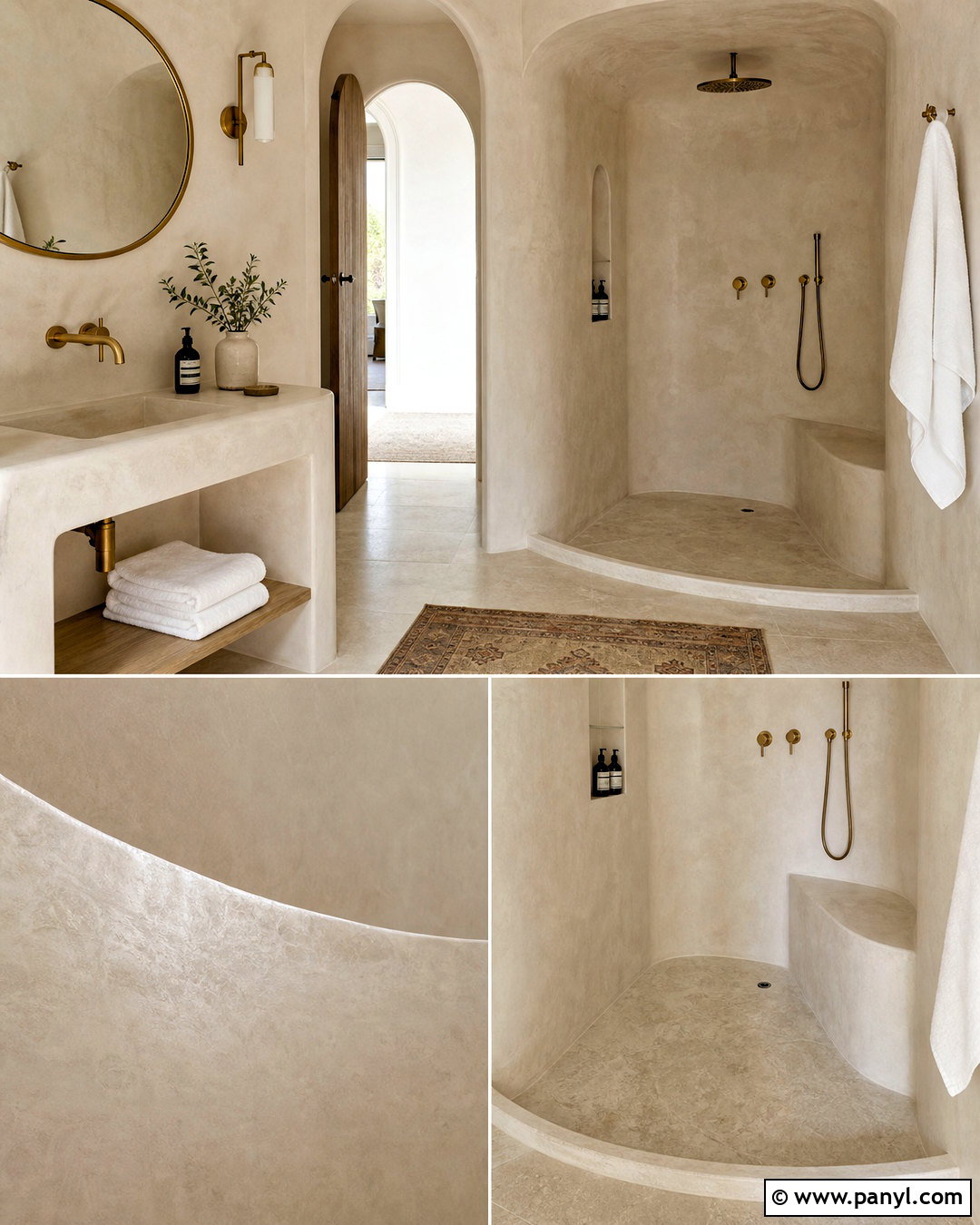
Tadelakt creates a smooth, gently rippled surface that feels especially appropriate in a spa-inspired bathroom. Choose pale sand, warm cream, muted blush, or earthy terracotta, and carry the finish over shower walls, curved corners, and a built-in bench. Its handcrafted appearance works beautifully with an arched doorway, rounded mirror, and softly shaped plaster vanity. Complete the room with unlacquered brass fixtures, limestone flooring, folded white towels, and a light oak stool. Keep shelves recessed so bottles and accessories do not interrupt the continuous walls. Tadelakt is traditionally associated with polished lime plaster and is commonly considered for wet-area applications when installed correctly. () The finished space should feel simple and tactile, with curves, natural color, and minimal visual clutter supporting the distinctive wall treatment.
6. Grasscloth Wall Finish
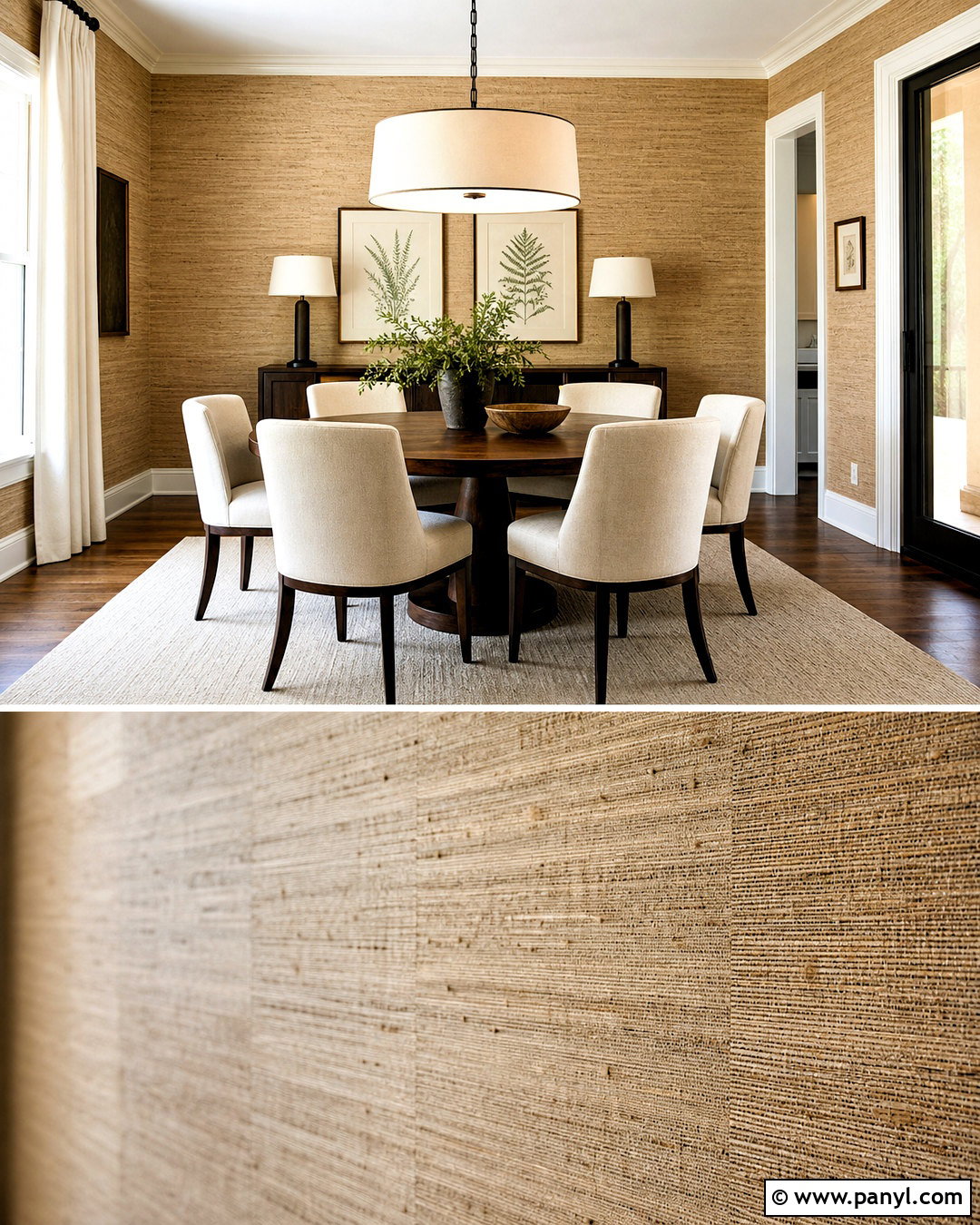
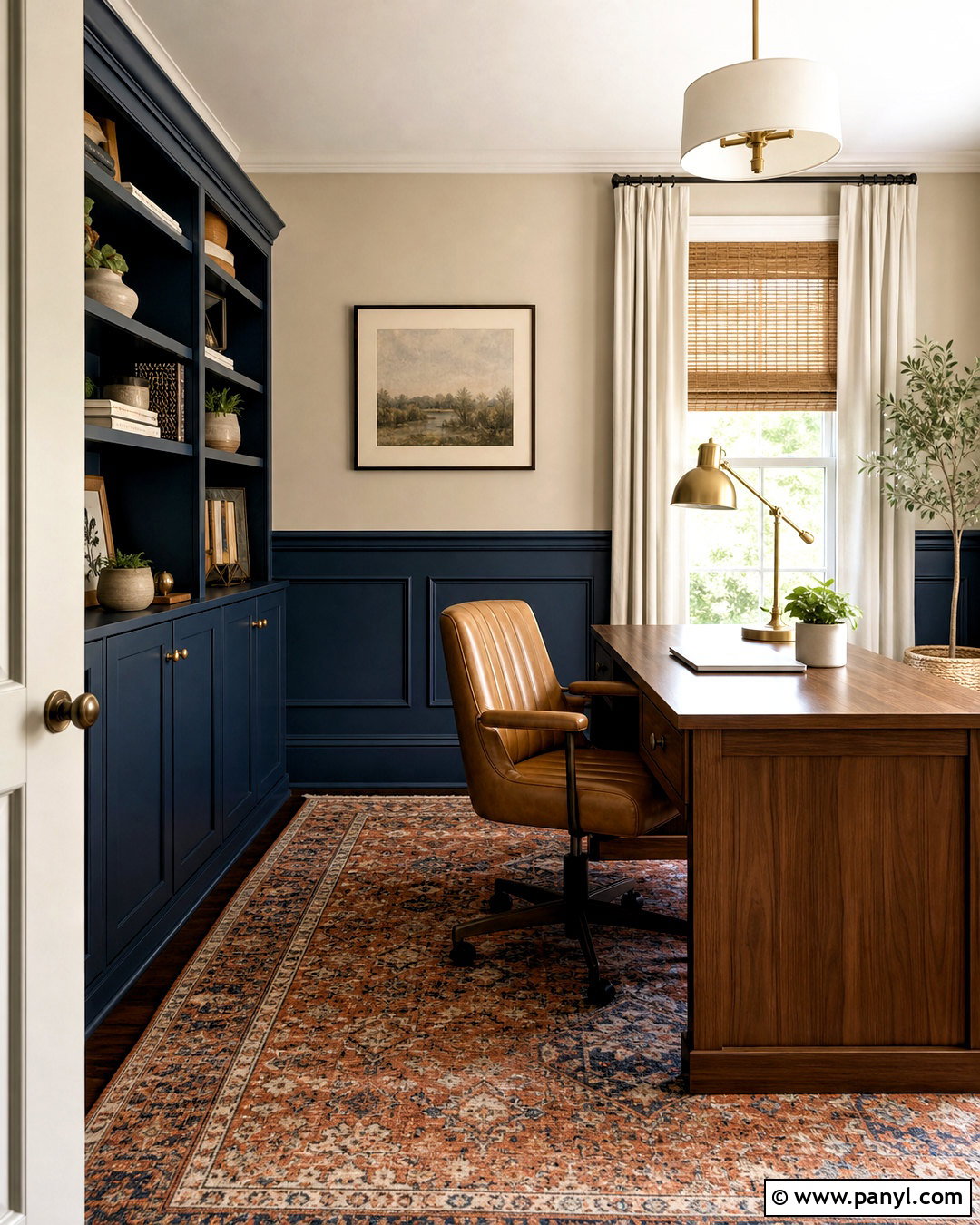
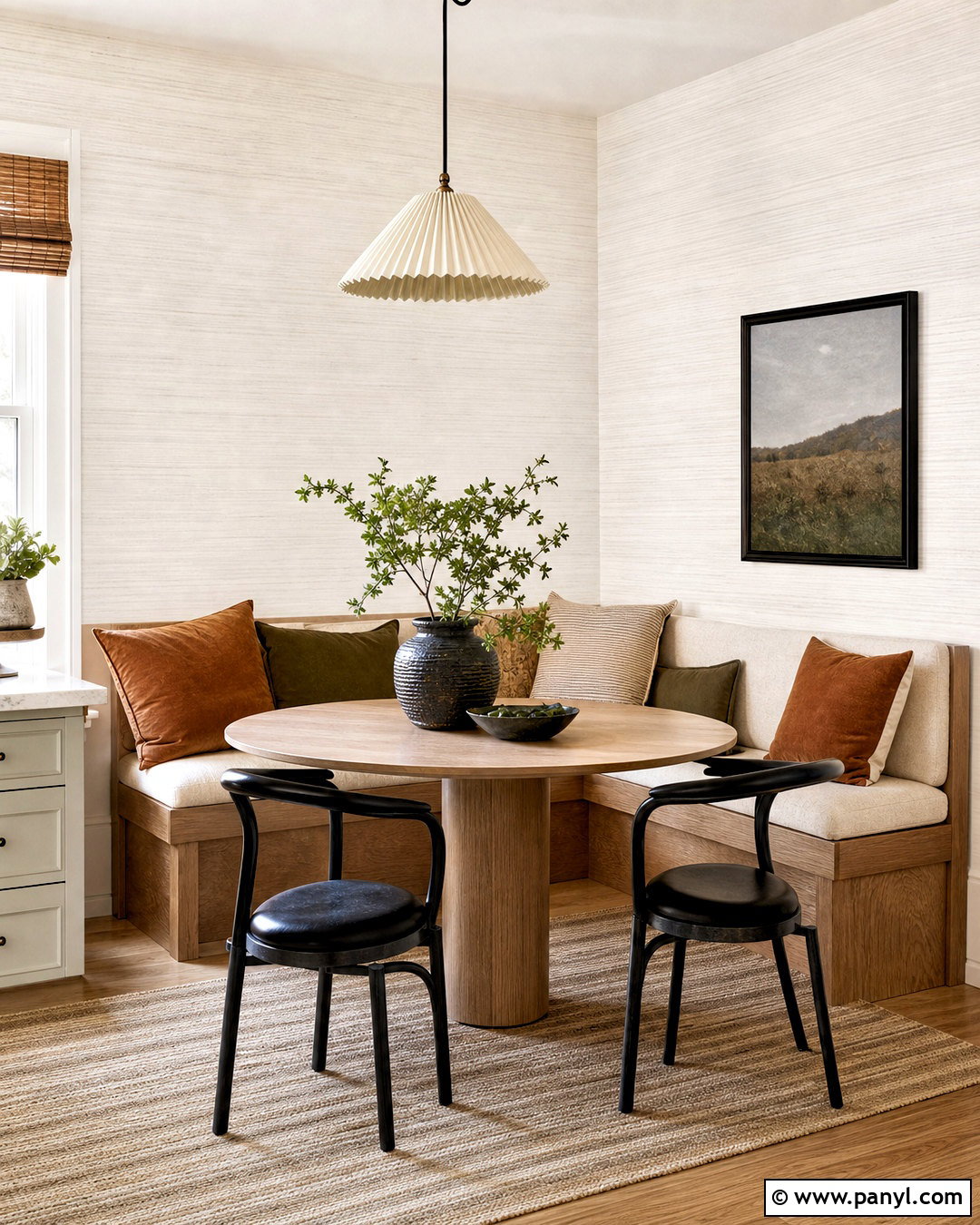
Grasscloth wallpaper gives a dining room or home office natural texture without creating a heavy architectural feature. Select warm flax, pale olive, tobacco brown, or soft charcoal grasscloth, and use it across all four walls for a collected, enveloping effect. In a dining room, pair it with a round walnut table, upholstered cream chairs, and a large linen pendant. Dark bronze hardware and framed botanical artwork provide contrast against the woven surface. Because grasscloth usually displays visible panel variation, embrace the irregularity instead of trying to make every section look identical. Keep nearby fabrics simple so the wall remains the strongest tactile element. Natural fiber wallcoverings are especially effective when combined with smooth painted trim, restrained furniture, and focused lighting that gently emphasizes their vertical seams and woven construction.
7. Linen Wallpaper Wall Finish
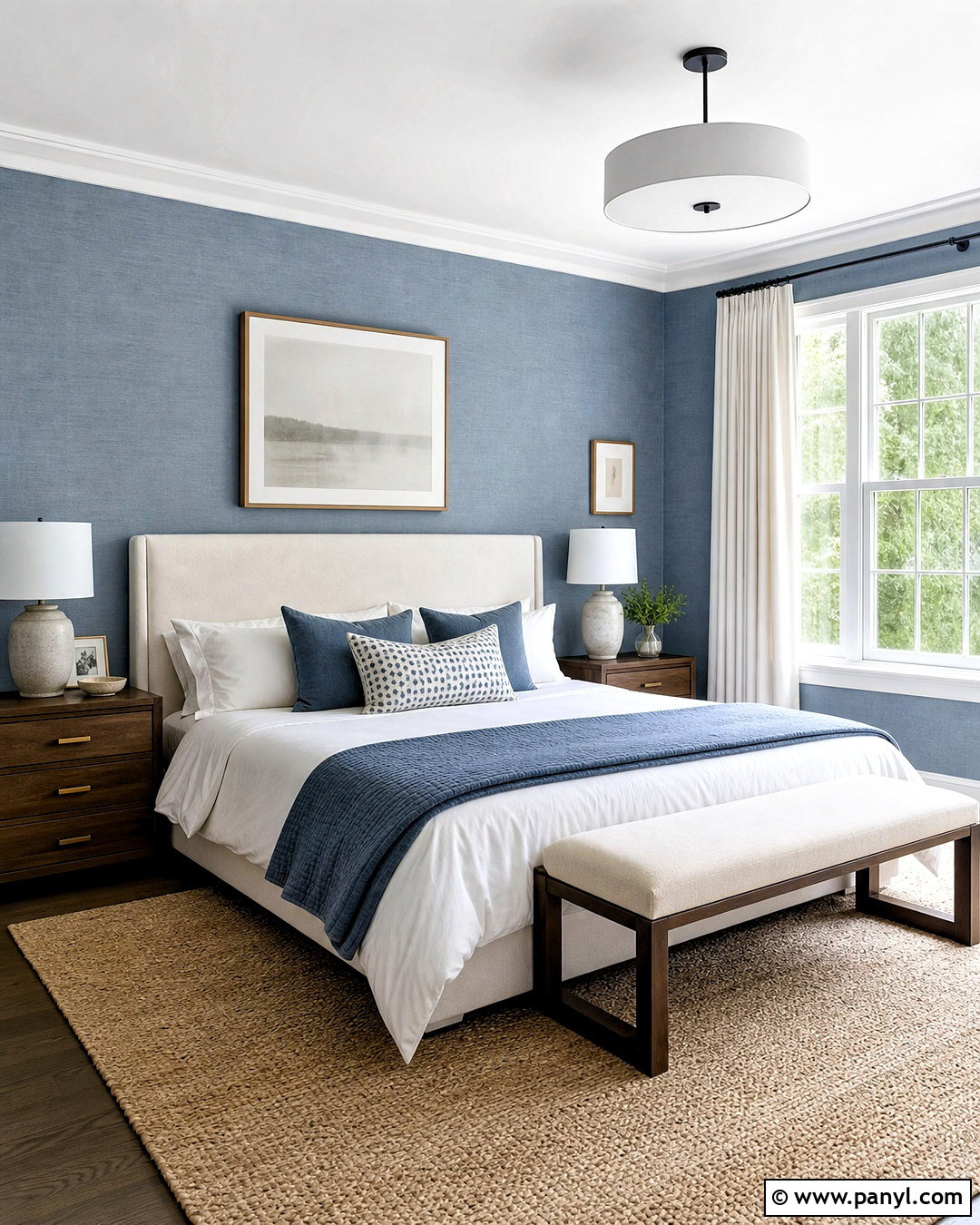
Linen wallpaper offers a refined alternative when you want visible texture without the irregular fibers of traditional grasscloth. Try a pale oatmeal, warm gray, dusty blue, or muted green covering in a bedroom, study, or formal hallway. Use it from baseboard to ceiling and finish the edges with crisp trim painted in a related neutral. In a bedroom, combine the wallcovering with a tailored upholstered headboard, walnut nightstands, white bedding, and soft blue-gray accents. A woven wool rug and ceramic table lamps create additional depth while maintaining a composed look. Choose artwork with broad shapes and generous matting so it remains easy to see against the fabric-like background. The complete design should feel layered but controlled, with smooth wood, soft textiles, and understated metal details balancing the linen texture.
8. Wood Slat Wall Finish
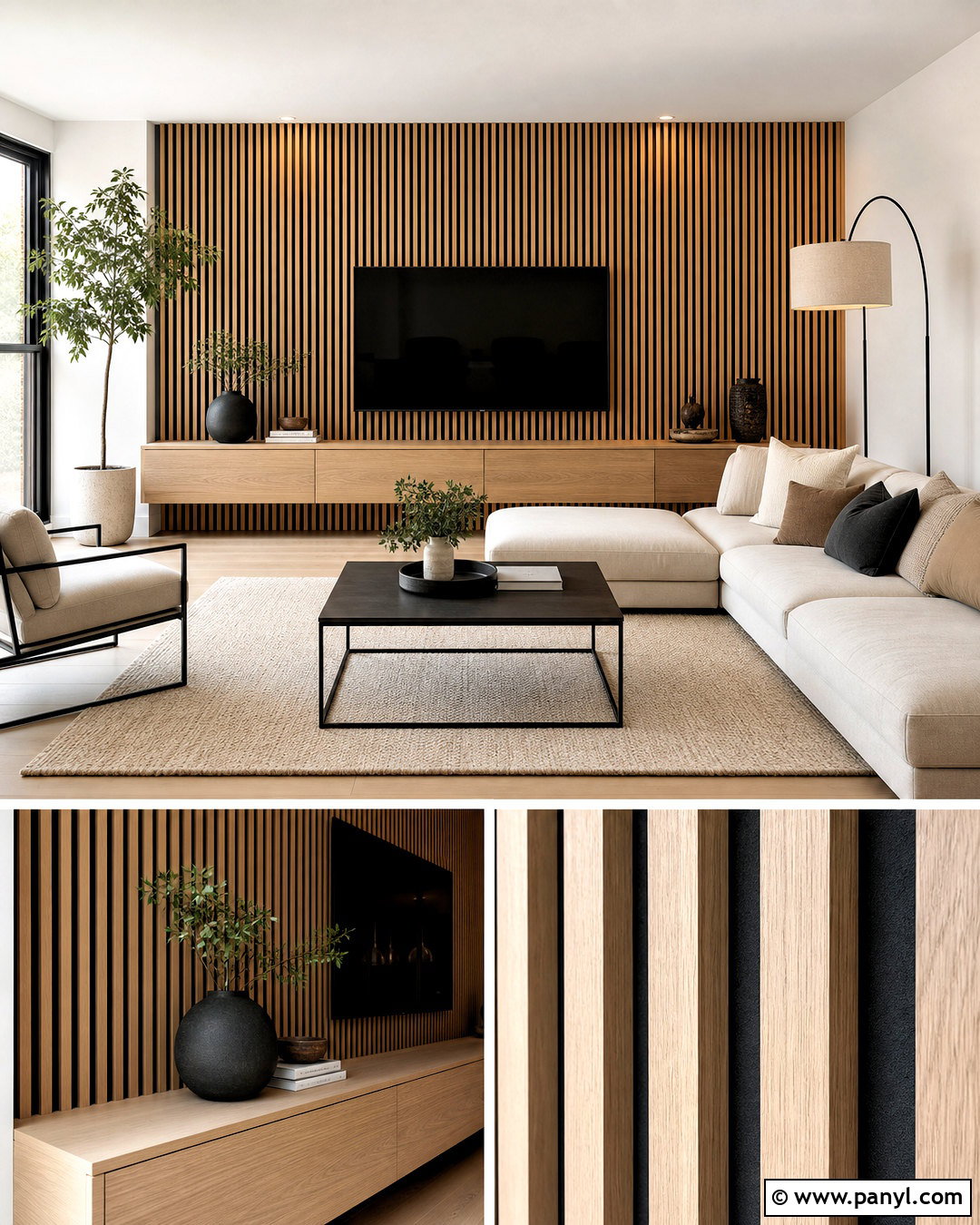
Vertical wood slats can turn a plain media wall into an organized architectural focal point. Use narrow white oak or walnut slats over a dark felt or painted backing, then center a low floating cabinet against the treatment. Rather than covering every wall, extend the slats across the television area and around one nearby corner to create a stronger built-in effect. Furnish the room with a low-profile cream sofa, black metal side table, textured neutral rug, and simple floor lamp. Conceal cords and equipment inside the cabinet so the repeated wood lines remain clean. Add only a few large accessories, such as a ceramic vessel and leafy plant. This complete look combines warm wood, strong vertical rhythm, functional storage, and restrained furniture without making an average living room feel overly elaborate.
9. Fluted Wood Wall Finish
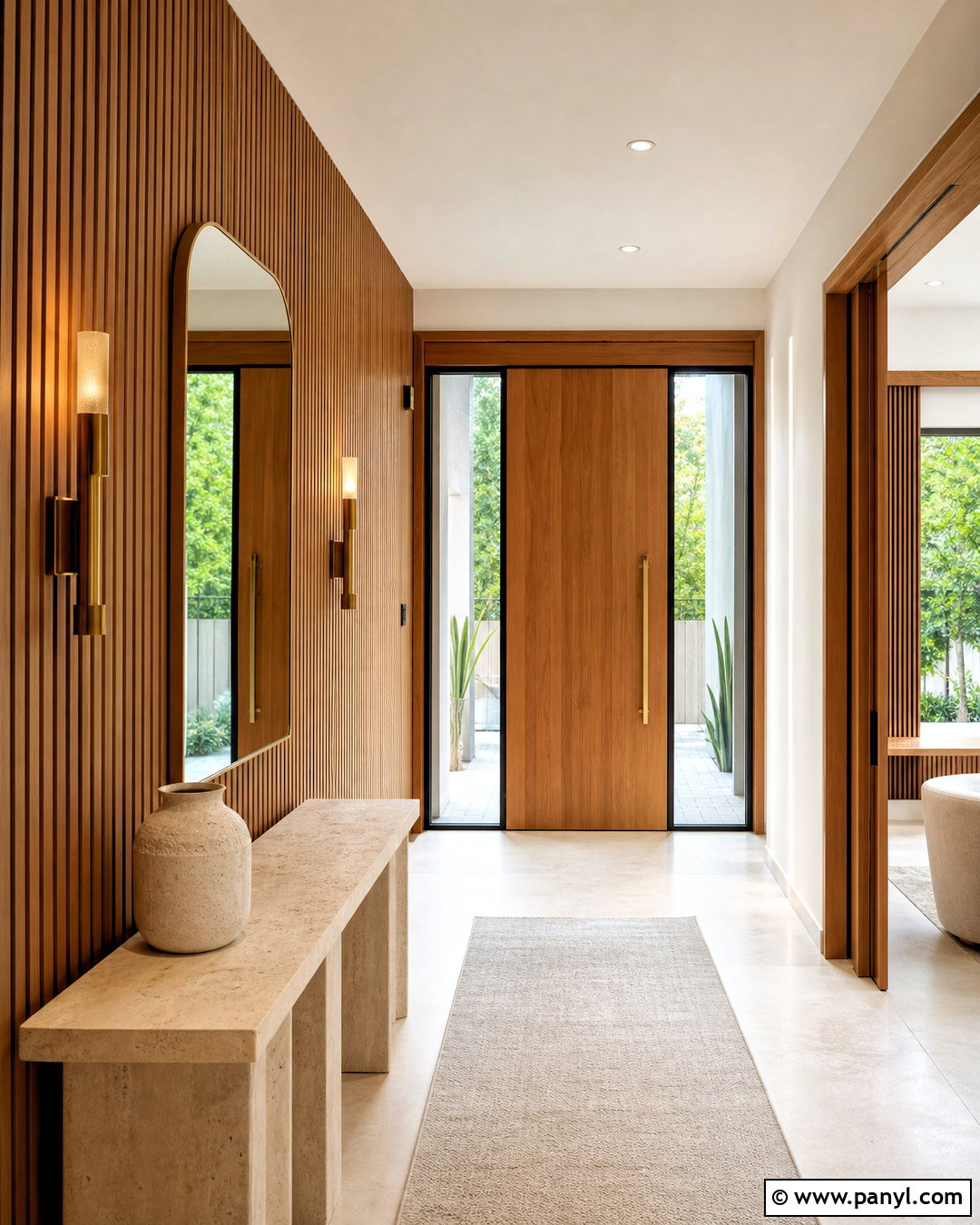
Fluted wood panels introduce deeper curves and shadows than narrow slats, making them ideal for a polished entryway or dining room. Choose medium oak for a warm contemporary look or painted fluting in deep green, navy, or warm taupe for stronger color. Cover one full wall and integrate a console, floating shelf, or concealed door into the paneling where possible. A travertine console table, rounded mirror, and brushed brass sconces balance the repeated grooves with smooth surfaces. Use pale stone or oak flooring to keep the space from becoming too dark. A neutral runner and one sculptural vase are enough decoration. The room should feel coordinated from floor to ceiling, with the wall finish establishing rhythm while rounded furniture and focused lighting prevent the lines from appearing rigid.
10. Board And Batten Wall Finish
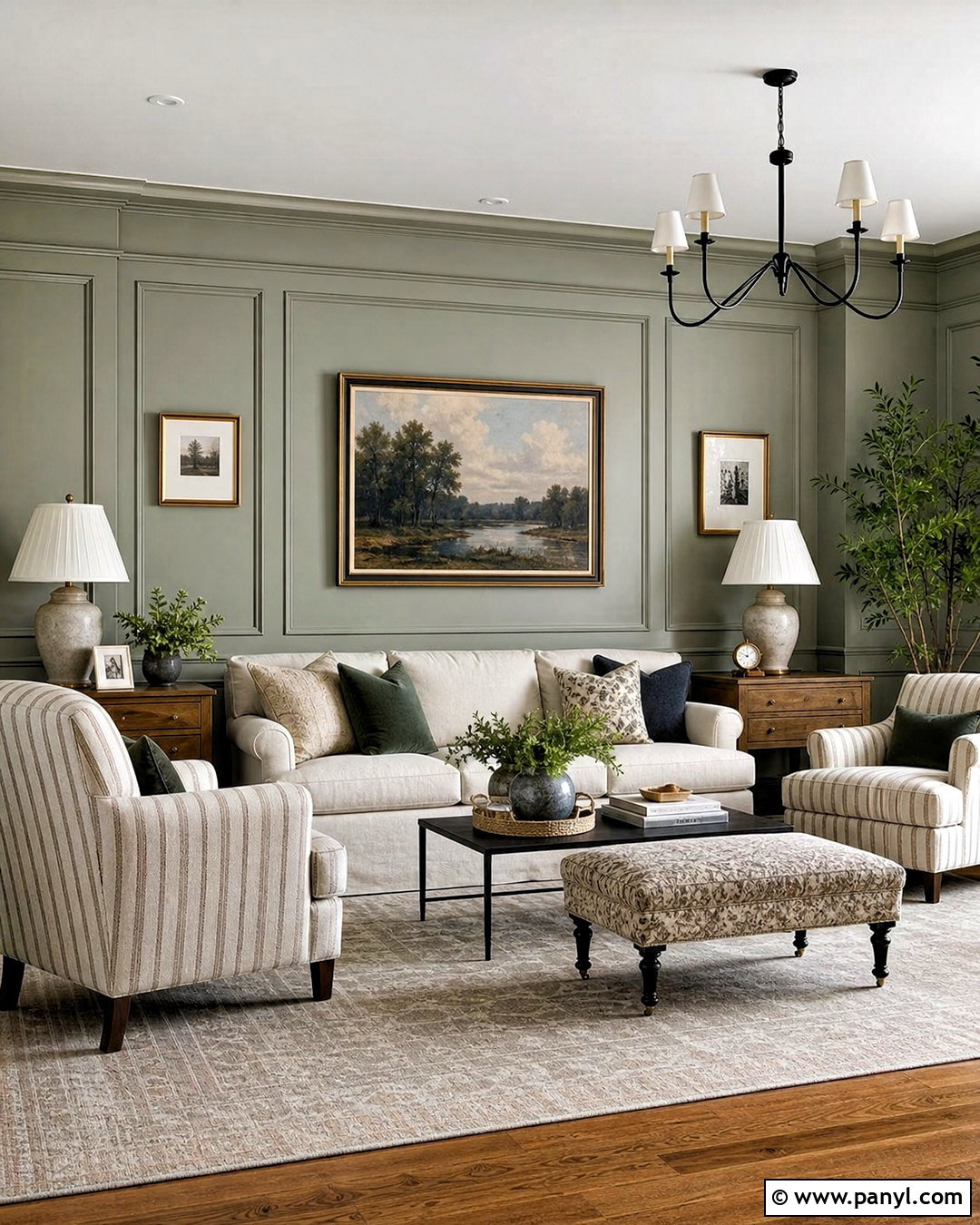
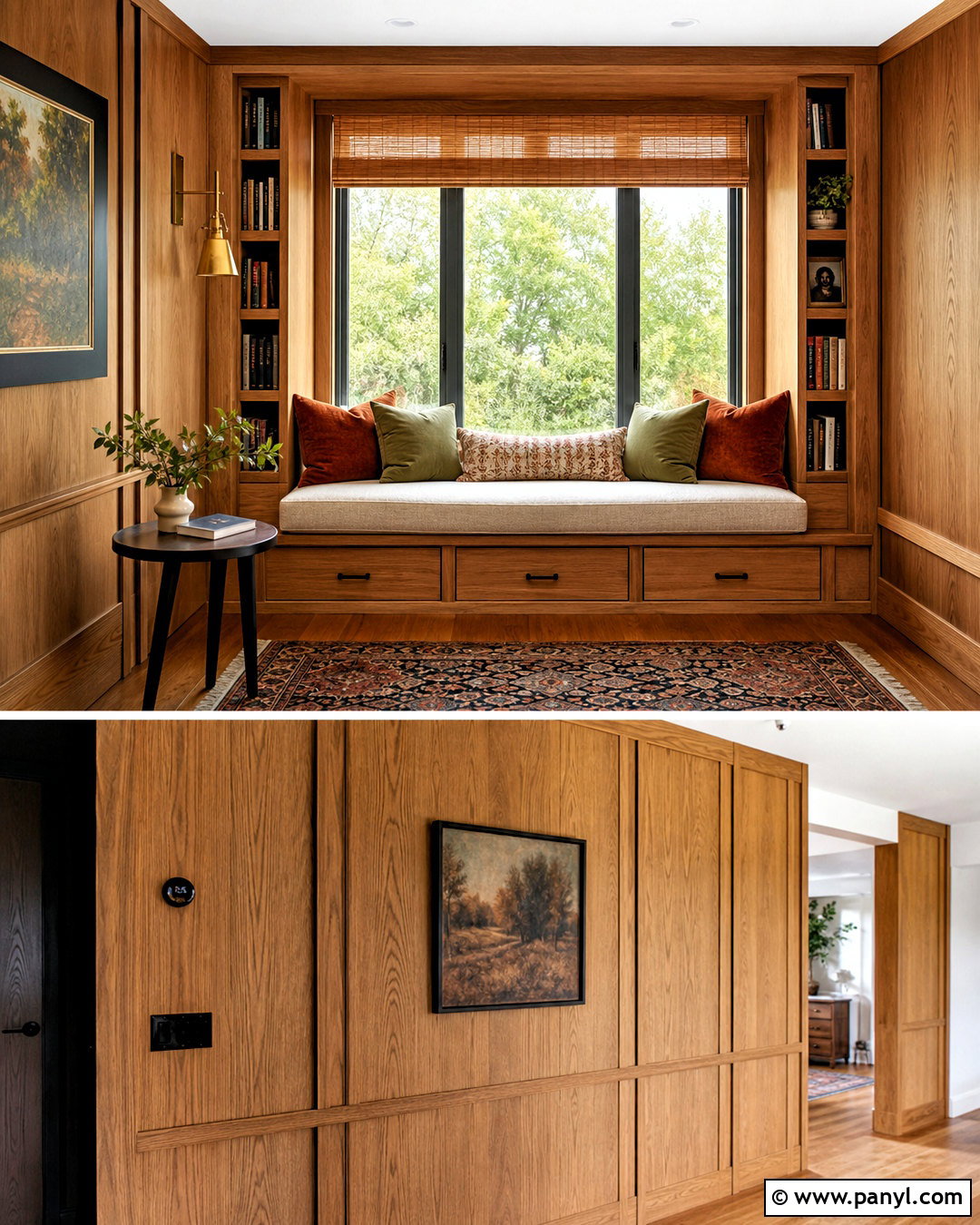
Board and batten can add structure to a living room while remaining approachable and easy to coordinate. Install wide rectangular panels across every wall or limit the treatment to two-thirds height beneath a smooth painted upper section. Warm white, greige, muted sage, or dusty blue keeps the millwork versatile. Build a complete transitional scheme with a comfortable linen sofa, classic oak side tables, striped accent chairs, and a large wool rug. Hang artwork inside the panel openings rather than across the battens for a cleaner arrangement. If the finish is partial height, use a slightly deeper tone above it to create gentle contrast. Match the baseboards and battens for a unified appearance. Simple curtains, ceramic lamps, and aged brass details complete the room without making the architectural texture feel overly formal.
11. Shiplap Wall Finish
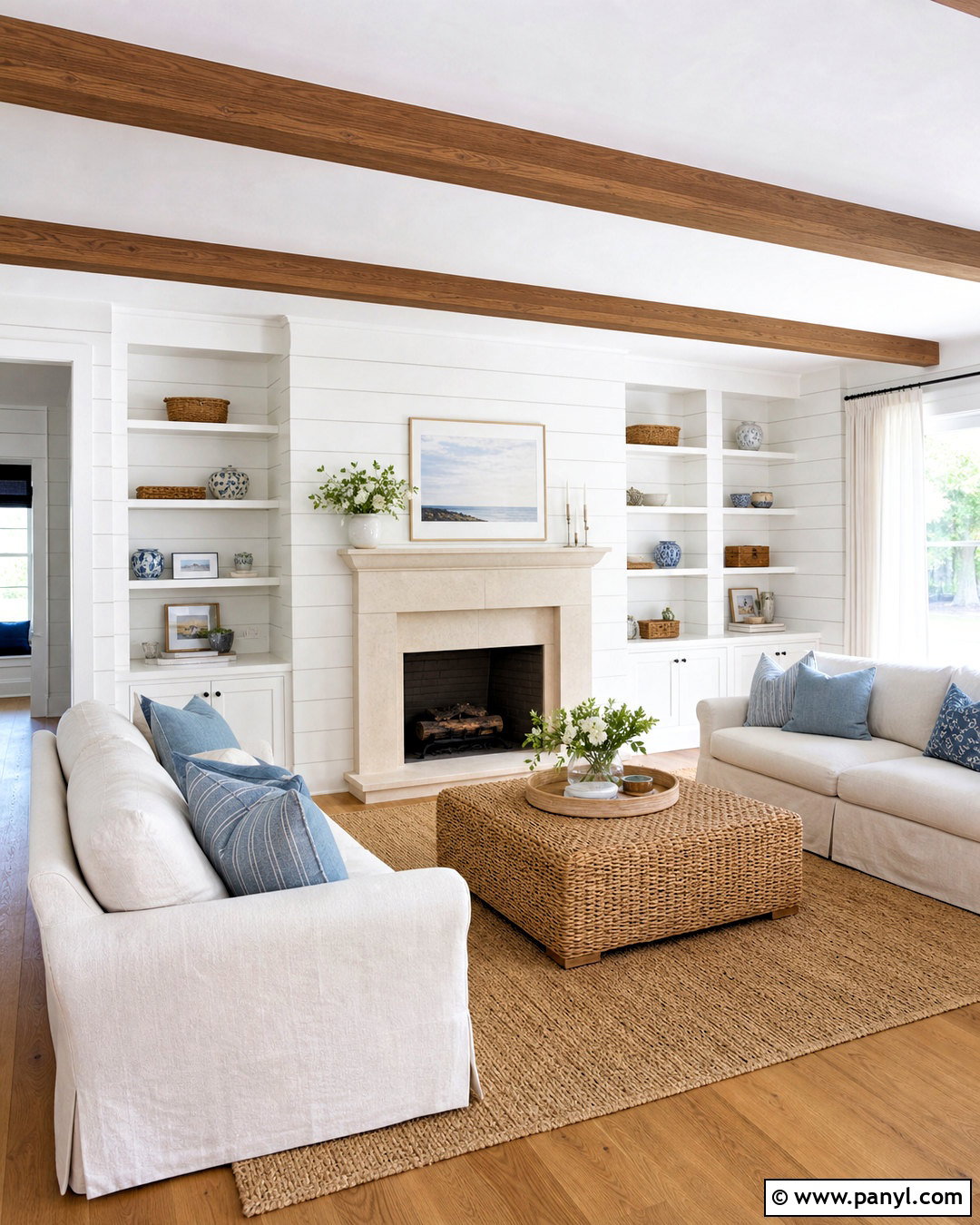
Shiplap feels fresher when it supports a complete coastal, cottage, or modern farmhouse room instead of becoming a decorative afterthought. Install wide horizontal boards in warm white, pale greige, or soft putty across the fireplace wall and nearby built-ins. Pair the finish with a simple limestone or painted brick fireplace, medium oak flooring, and relaxed slipcovered seating. A woven coffee table, blue-gray cushions, and natural linen curtains provide color without leaning too heavily into a theme. Keep the board spacing consistent and use minimal mantel decor so the horizontal lines remain visible. For a more contemporary result, paint the shiplap and surrounding trim the same color. The finished room should balance casual texture, practical storage, comfortable furniture, and a restrained palette that feels welcoming throughout the year.
12. Exposed Brick Wall Finish
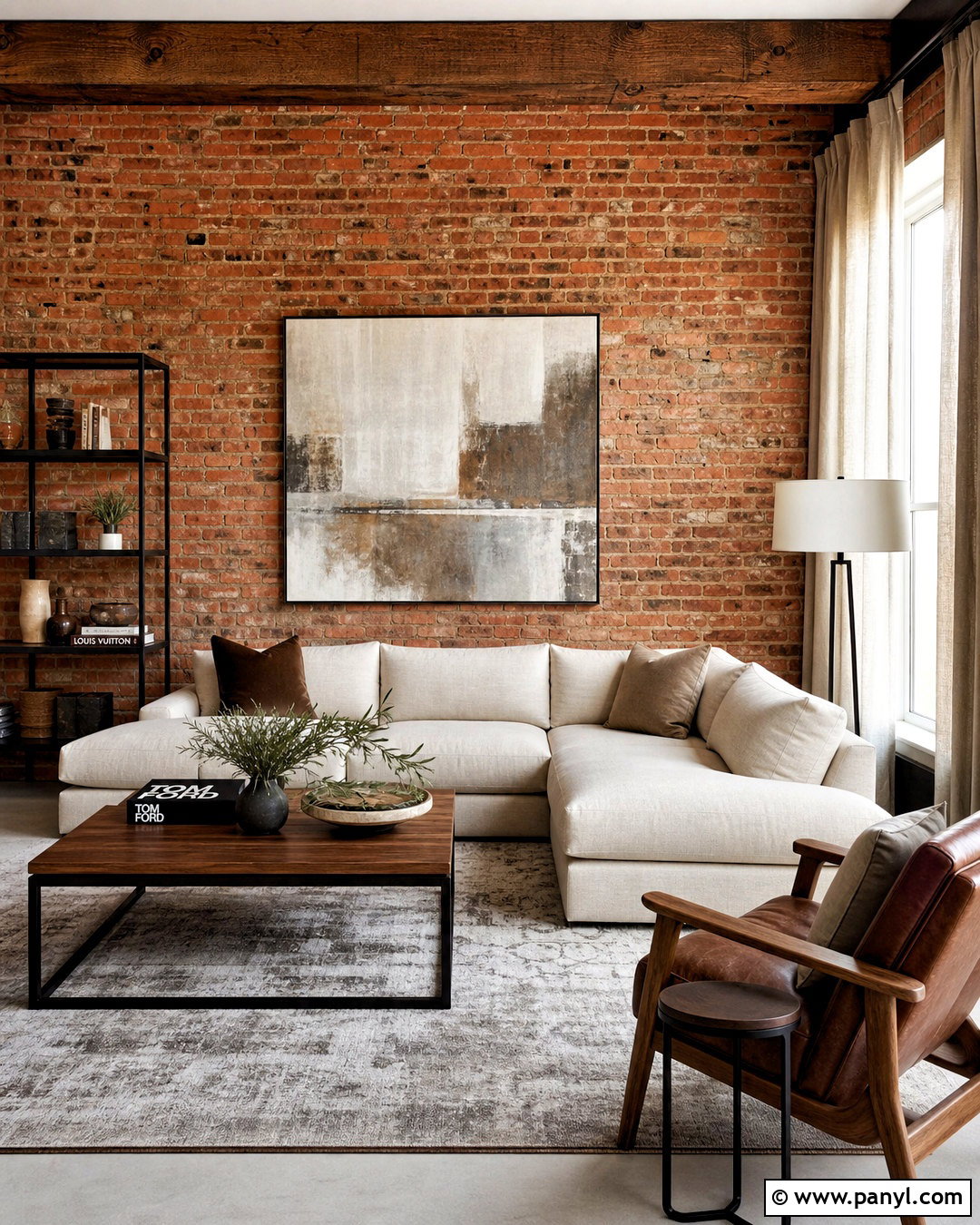
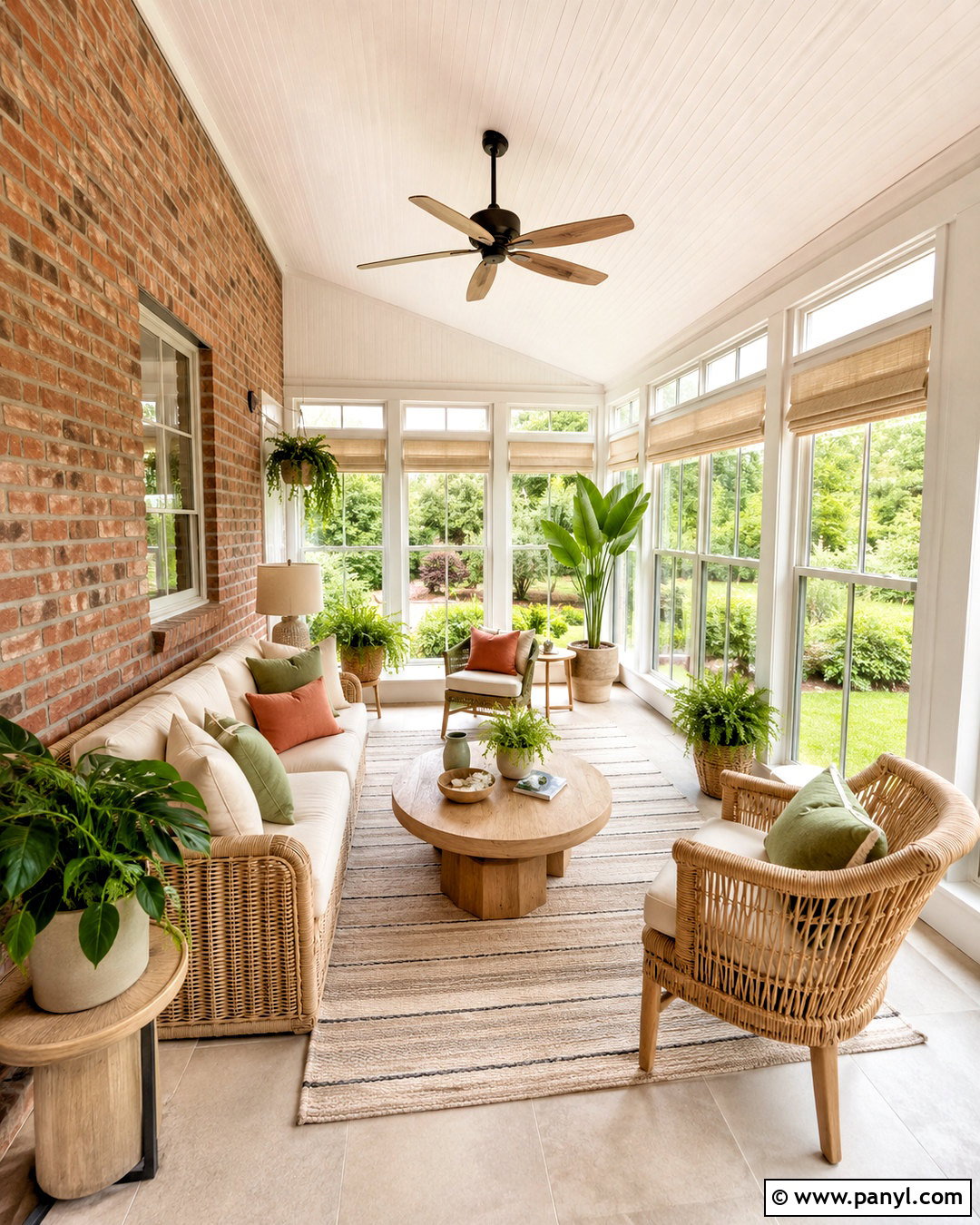
An exposed brick wall can anchor a loft-inspired living room while still feeling warm and comfortable. Preserve natural red, rust, and brown variation, then soften the masonry with an ivory sectional, large neutral rug, and full-length linen curtains. Black steel shelving echoes the brick’s industrial character, while walnut tables prevent the space from appearing cold. Use warm white paint on the remaining walls and ceiling to brighten the room and give the brick enough visual breathing space. Instead of hanging many small decorations, choose one oversized artwork or a large round mirror. Add soft lighting from floor lamps and wall sconces to emphasize the uneven surface. The overall look should combine authentic masonry, generous textiles, clean-lined furniture, and carefully edited accessories in one balanced room.
13. Whitewashed Brick Wall Finish
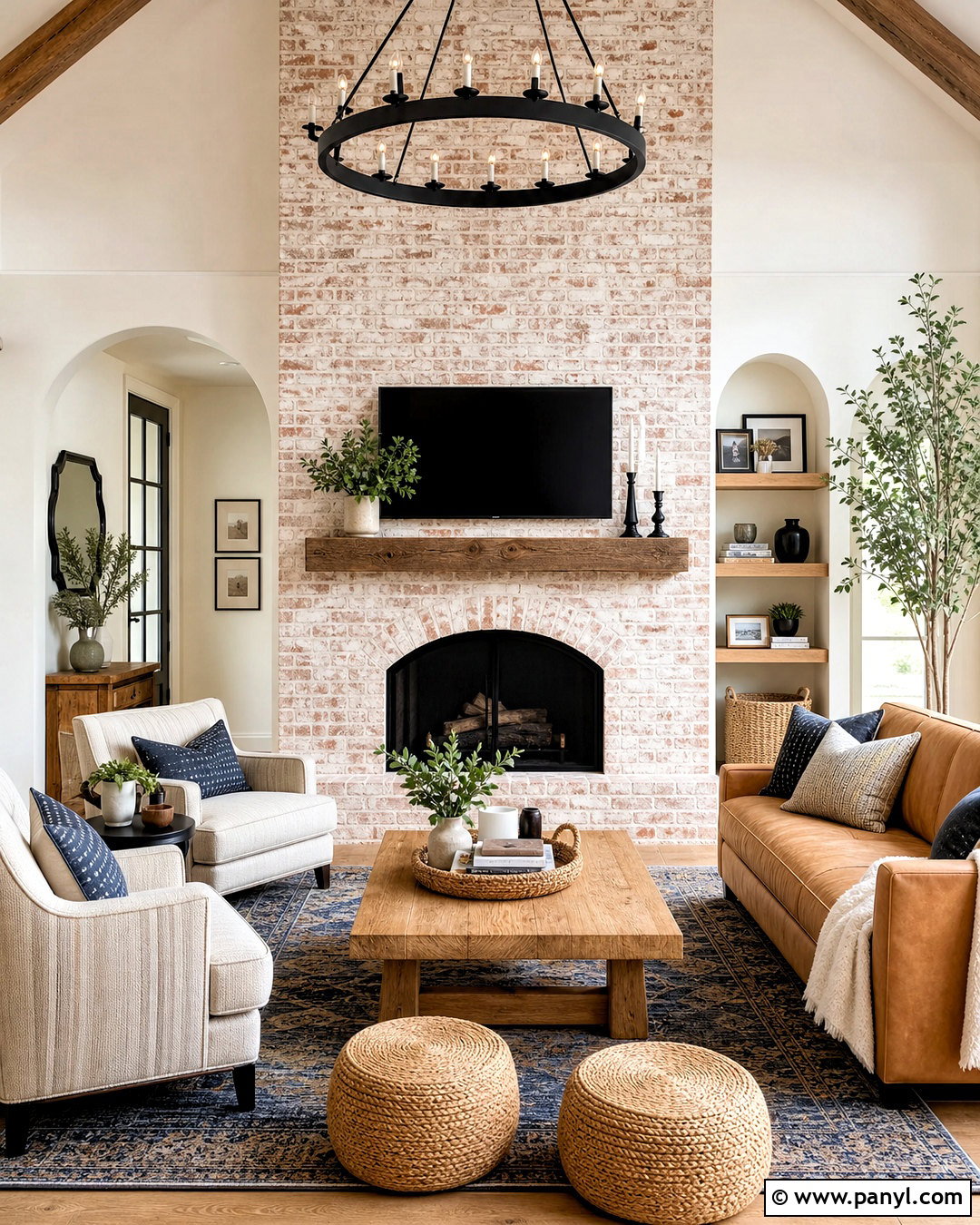
Whitewashed brick creates a lighter, quieter backdrop than untreated masonry while preserving its irregular shape and mortar lines. Use a translucent warm white coating that allows touches of red and tan brick to remain visible. Build a relaxed family room around the wall with a camel leather sofa, cream armchairs, light oak coffee table, and patterned blue-and-beige rug. A simple wood mantel or floating shelf can provide a practical focal point without hiding too much texture. Keep adjacent walls in soft ivory and repeat black accents through window frames, lamps, or cabinet hardware. Plants and woven baskets bring another natural layer into the scheme. This finish works best when the room mixes old and new elements, creating a comfortable setting that feels bright without losing the brick’s original character.
14. Stone Veneer Wall Finish
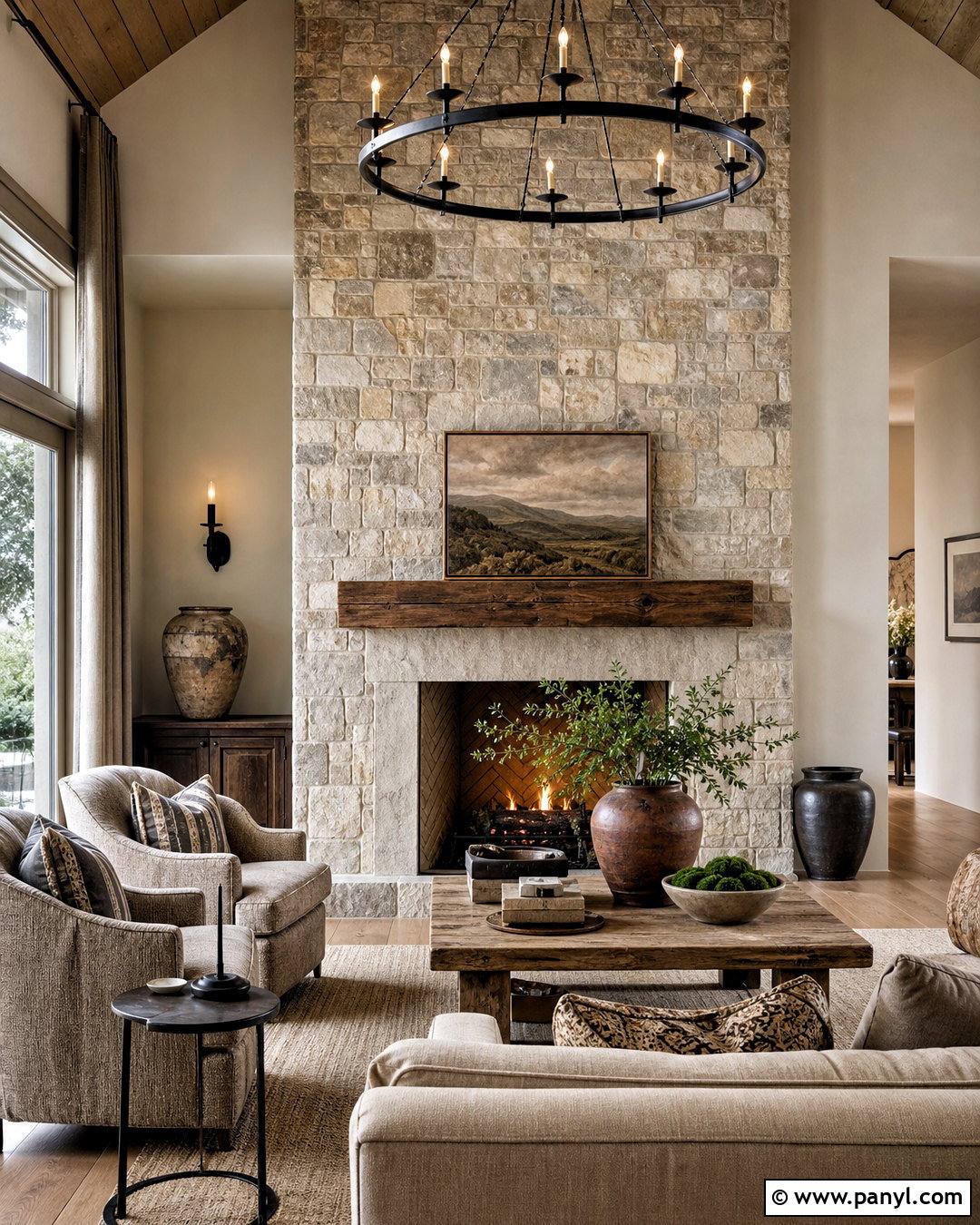
Stone veneer can create a convincing fireplace focal point when the color, scale, and surrounding furnishings are carefully coordinated. Choose thin-cut limestone, ledgestone, or fieldstone in warm gray, cream, and muted taupe. Carry the material from floor to ceiling around a simple firebox, then add a substantial reclaimed oak mantel for contrast. Arrange a deep beige sofa and two textured armchairs around a large wood coffee table. Use quiet flooring, such as wide oak planks or warm neutral tile, so it does not compete with the stone. Black iron sconces and a few oversized ceramic pieces provide definition. Avoid combining several rustic finishes in one room. The most balanced design lets the stone supply texture while the furniture, window treatments, and accessories remain streamlined and comfortable.
15. Textured Ceramic Tile Wall Finish
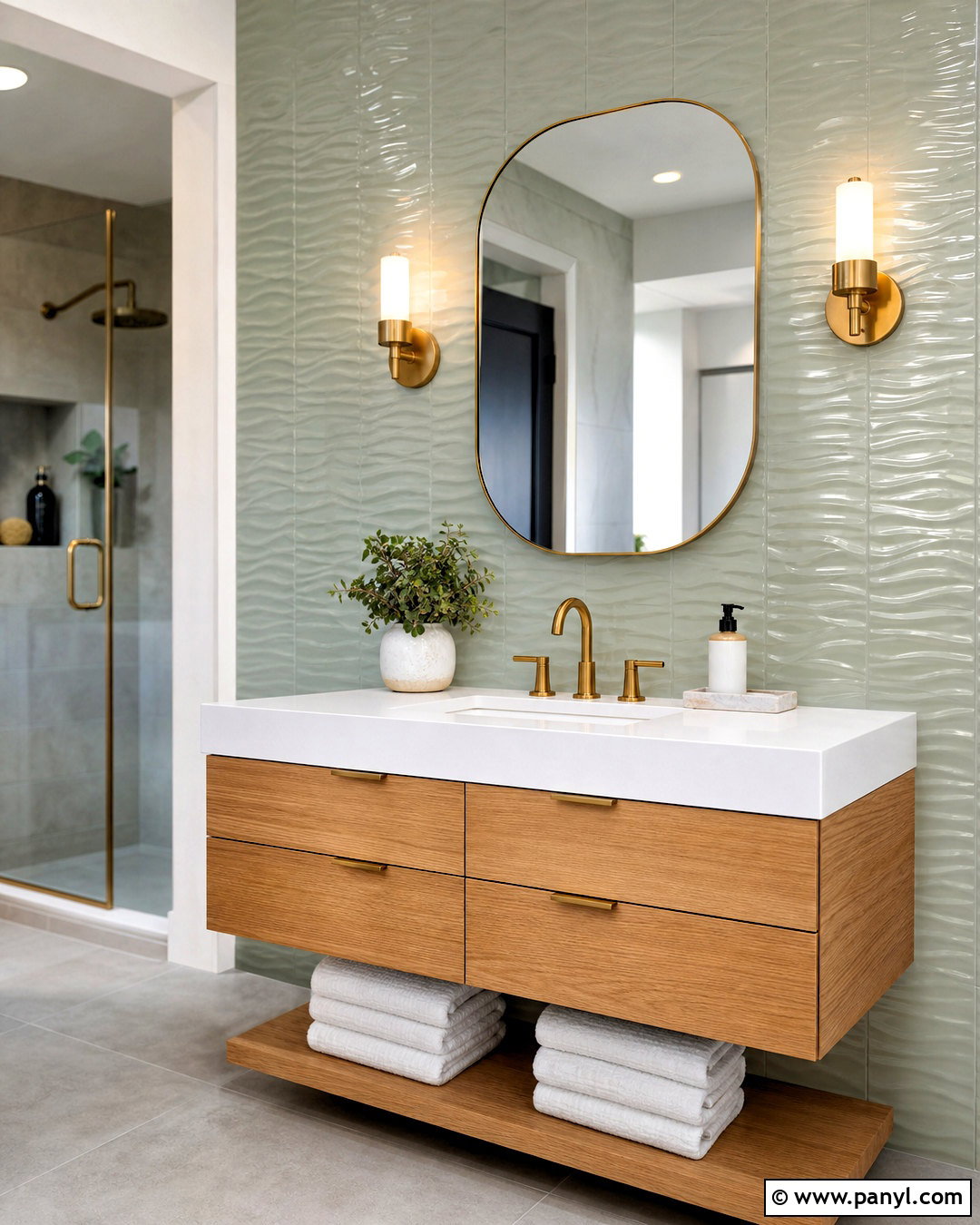
Dimensional ceramic tile can transform a bathroom vanity wall through shape, reflection, and subtle color variation. Choose elongated ripple tile, handmade-look squares, or softly fluted tile in white, pale blue, sage green, or warm sand. Install it from the countertop to the ceiling and continue it behind the mirror for a finished architectural effect. A floating oak vanity, white quartz counter, brushed brass faucet, and rounded mirror create a clean but welcoming combination. Use large-format neutral floor tile to limit competing grout lines. Wall-mounted sconces will cast gentle shadows across the raised surface and make the texture easier to see. Ripple-effect tiles can retain a simple layout while adding dimension to otherwise streamlined rooms. () Keep towels, storage, and accessories minimal to preserve the tile’s visual rhythm.
16. Cork Wall Finish
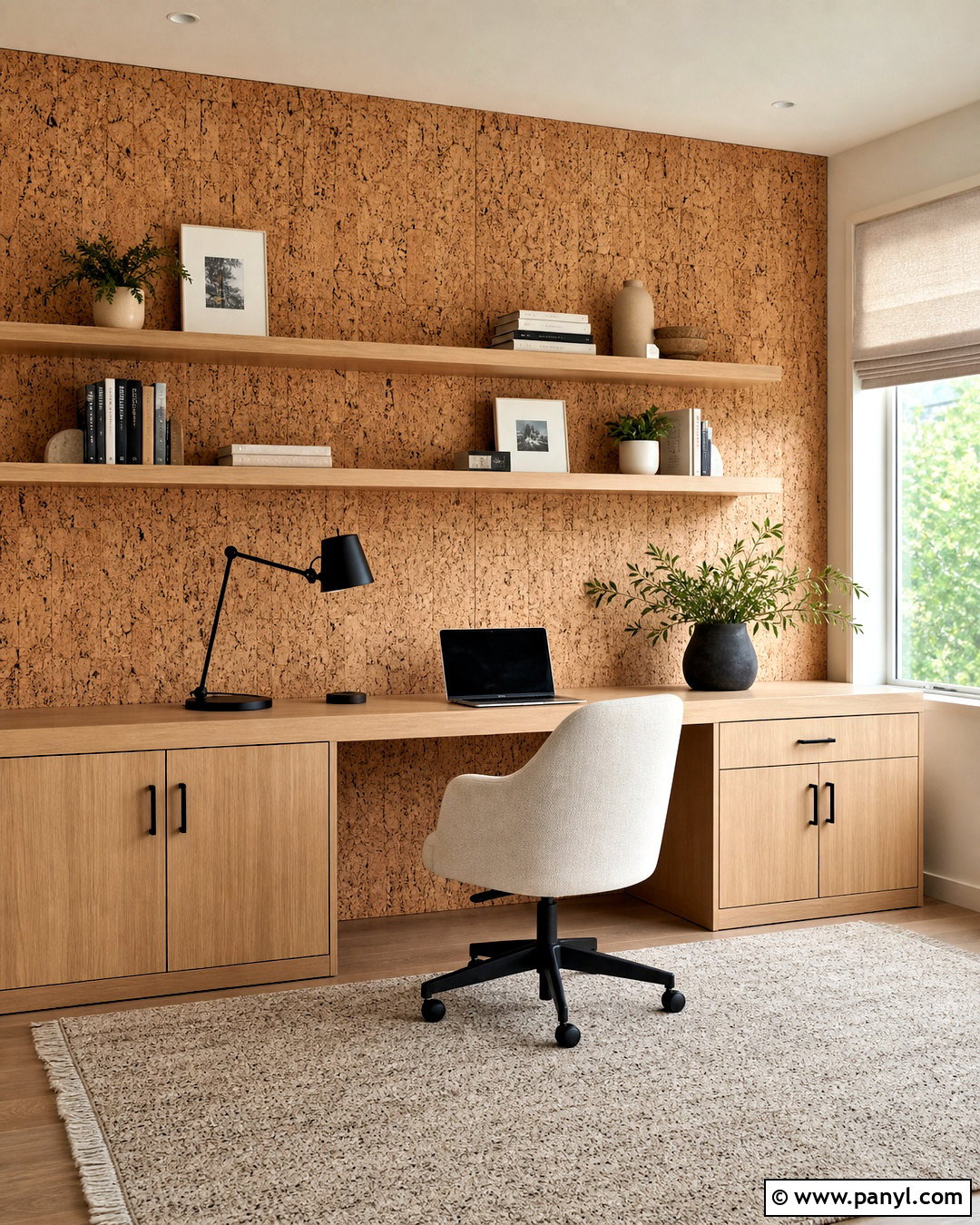
Cork panels bring warmth and a soft, organic pattern to a home office, reading corner, or child-friendly family space. Choose natural honey cork, light tan, or smoked brown panels and cover the main desk wall from floor to ceiling. Combine the finish with a simple white oak desk, closed lower cabinets, black task lighting, and an ergonomic chair upholstered in textured beige fabric. Add floating shelves in the same wood tone, but leave generous areas of cork exposed. A wool rug and linen Roman shade will reinforce the quiet, tactile character. Use the wall for a limited number of pinned notes or artwork rather than turning it into a crowded bulletin board. The finished office should feel organized and inviting, with integrated storage and layered natural materials supporting daily use.
17. Woven Cane Wall Panels
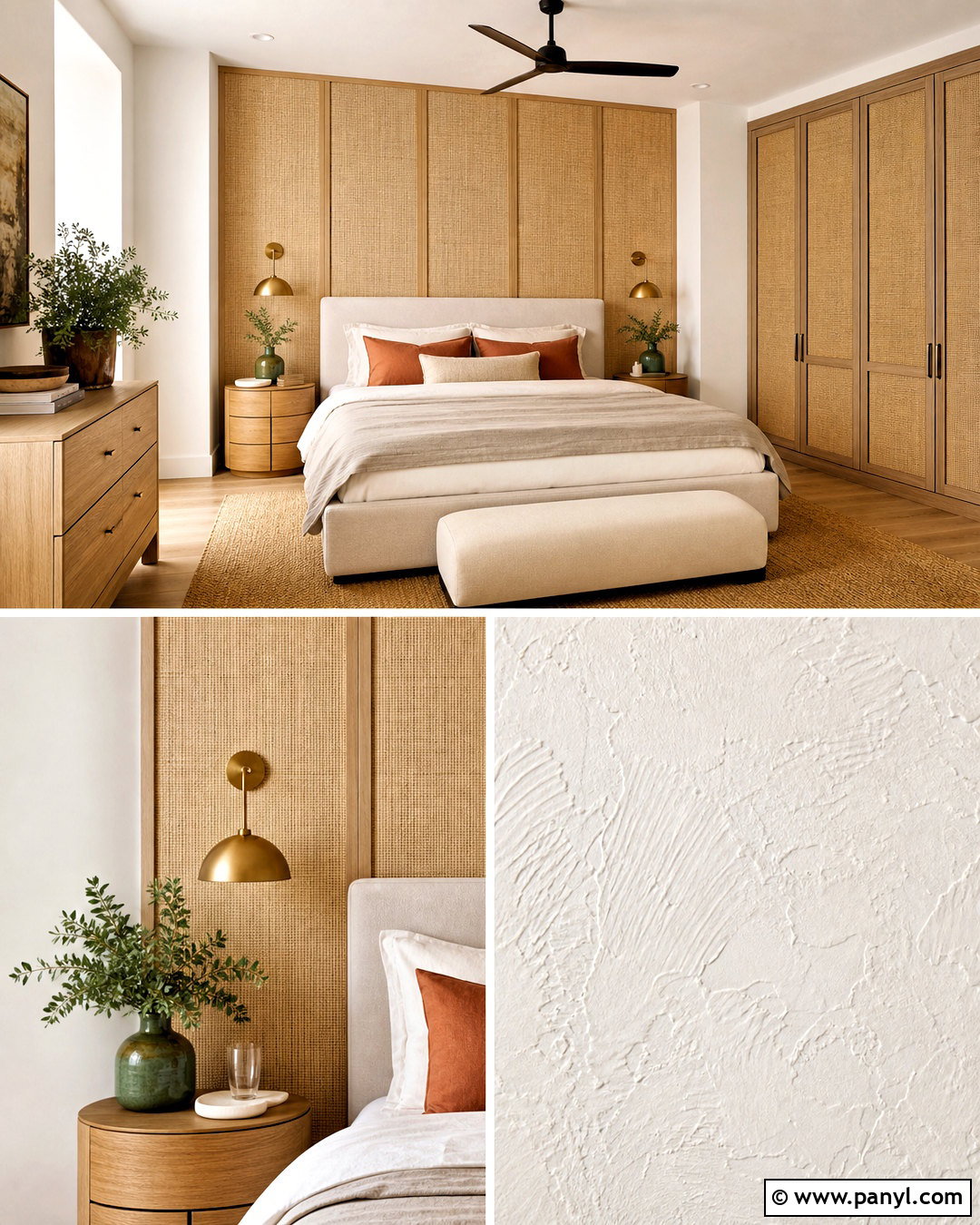
Woven cane panels can give a bedroom or sitting area a light, handcrafted texture without making the room feel rustic. Install framed cane sections behind the bed, inside wall molding, or across custom wardrobe doors. Natural honey cane looks especially balanced with warm white walls, pale oak furniture, and oatmeal textiles. Add a simple upholstered bed, linen bedding, rounded wood nightstands, and matte brass sconces. Use terracotta or muted green accents in pillows and ceramics to bring subtle color into the neutral scheme. Keep other patterns small because the open weave already provides visual movement. Dark wood trim can make the panels feel tailored, while matching light wood creates an airy effect. The complete room should combine woven detail, comfortable fabrics, functional storage, and uncomplicated furniture.
18. Concrete Wall Finish
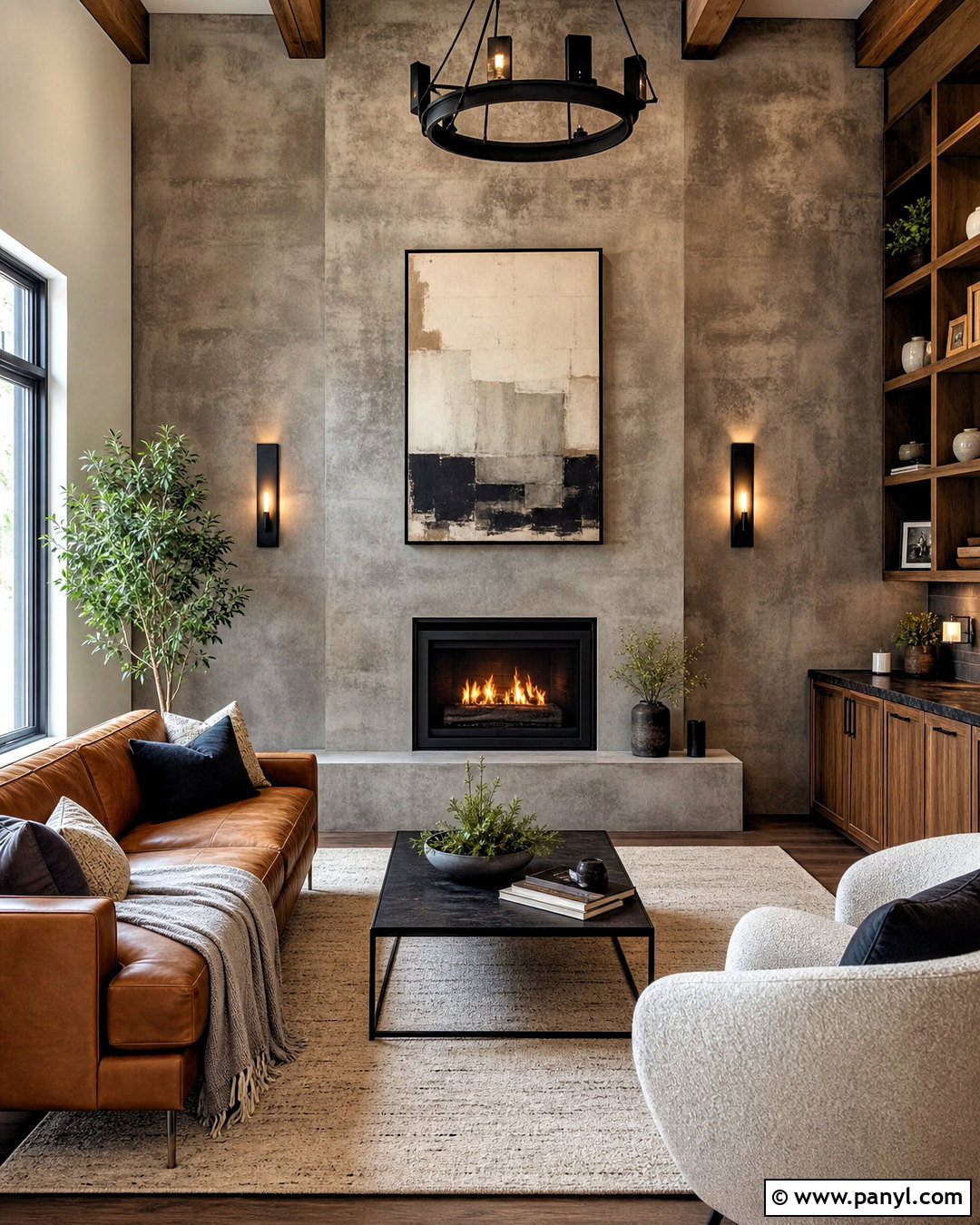
A concrete-look wall can establish a modern industrial living room without requiring the entire space to feel cold. Choose a medium warm gray finish with subtle mottling and broad trowel marks. Apply it to the fireplace or media wall, then use off-white paint on the surrounding surfaces. A low cognac leather sofa, cream boucle chair, black metal coffee table, and large beige rug soften the concrete’s harder appearance. Introduce walnut shelving or cabinetry to provide warmth and concealed storage. Track lighting or simple black sconces can emphasize the surface while maintaining a clean profile. Avoid combining the wall with too many exposed pipes or metallic decorations. One concrete feature, balanced by tactile upholstery, warm wood, greenery, and generous natural light, creates a more comfortable and realistic residential design.
19. Sand Texture Paint Wall Finish
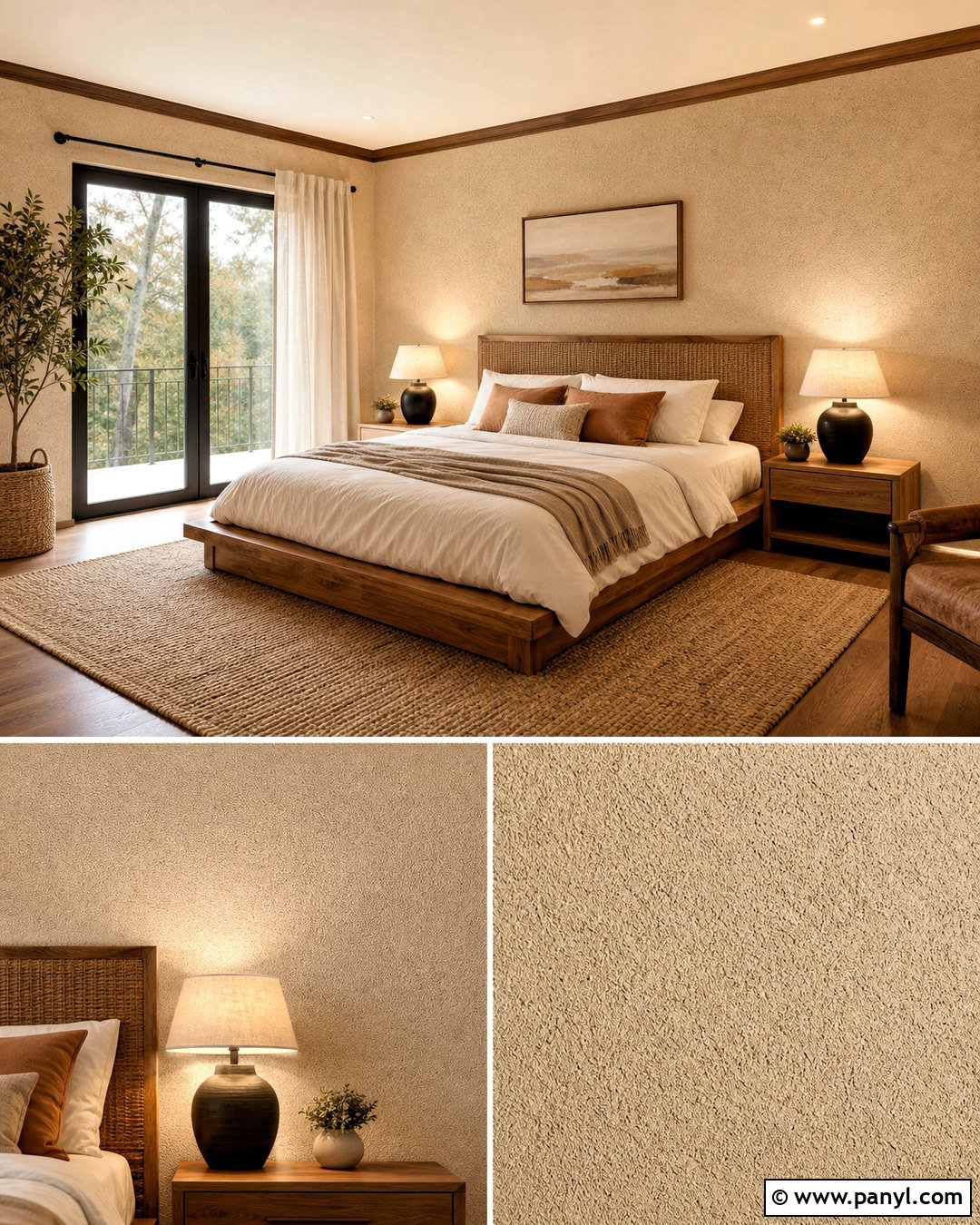
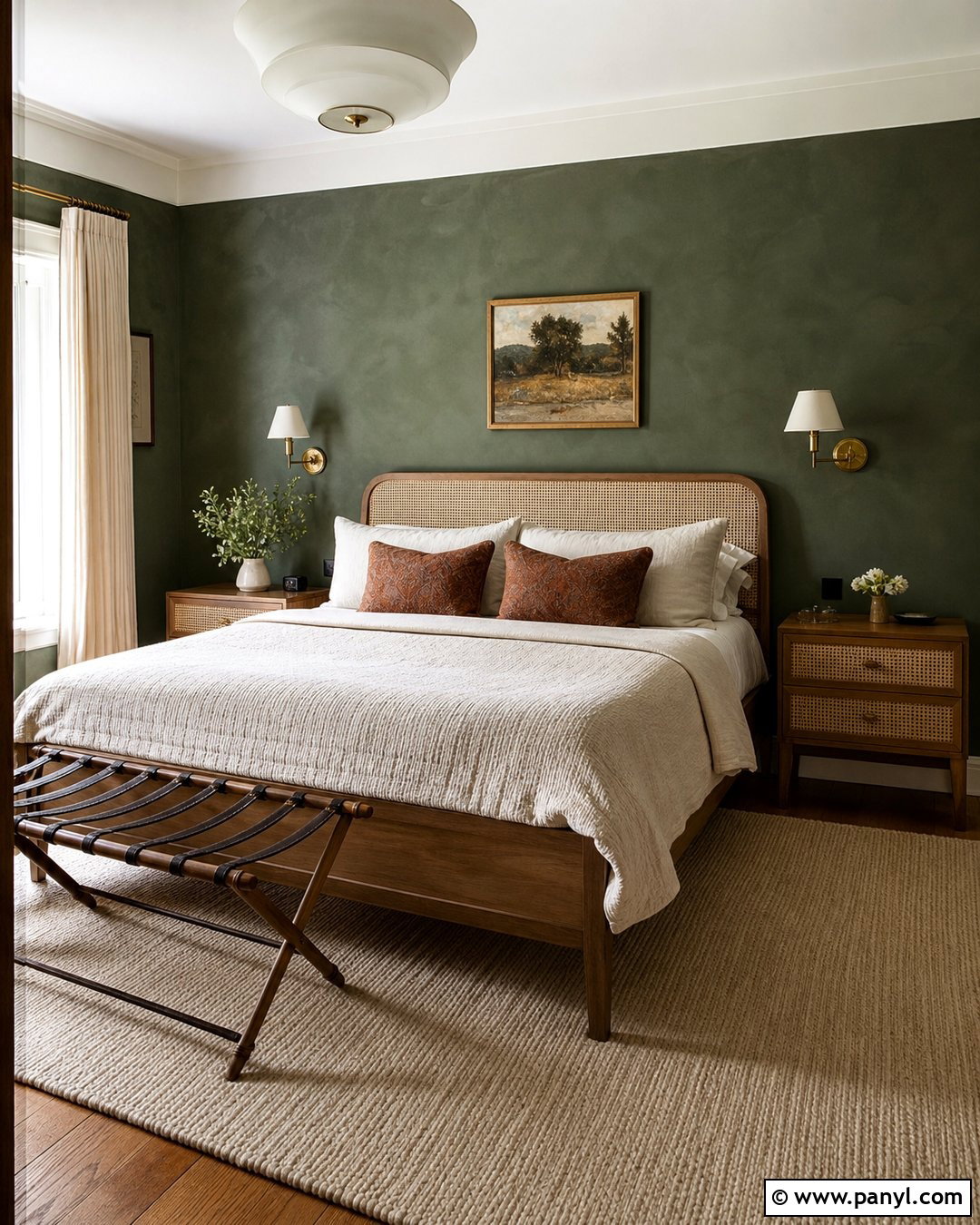
Sand texture paint provides a practical way to add fine-grained movement without installing panels, tile, or heavy plaster. Use a warm beige, pale mushroom, soft terracotta, or creamy white finish throughout a relaxed bedroom. Pair it with a low wood bed, woven headboard, cotton bedding, linen curtains, and a jute-blend rug. The small-scale texture should support the room rather than become an aggressive focal point. Keep the application consistent and test a large sample because side lighting can make the grain appear stronger. Black or dark bronze lamps offer crisp contrast, while clay-colored pillows reinforce the finish’s earthy character. Limit glossy materials so the wall retains its soft matte quality. The finished bedroom should appear calm, tactile, and coordinated rather than rough or unfinished.
20. Combed Plaster Wall Finish
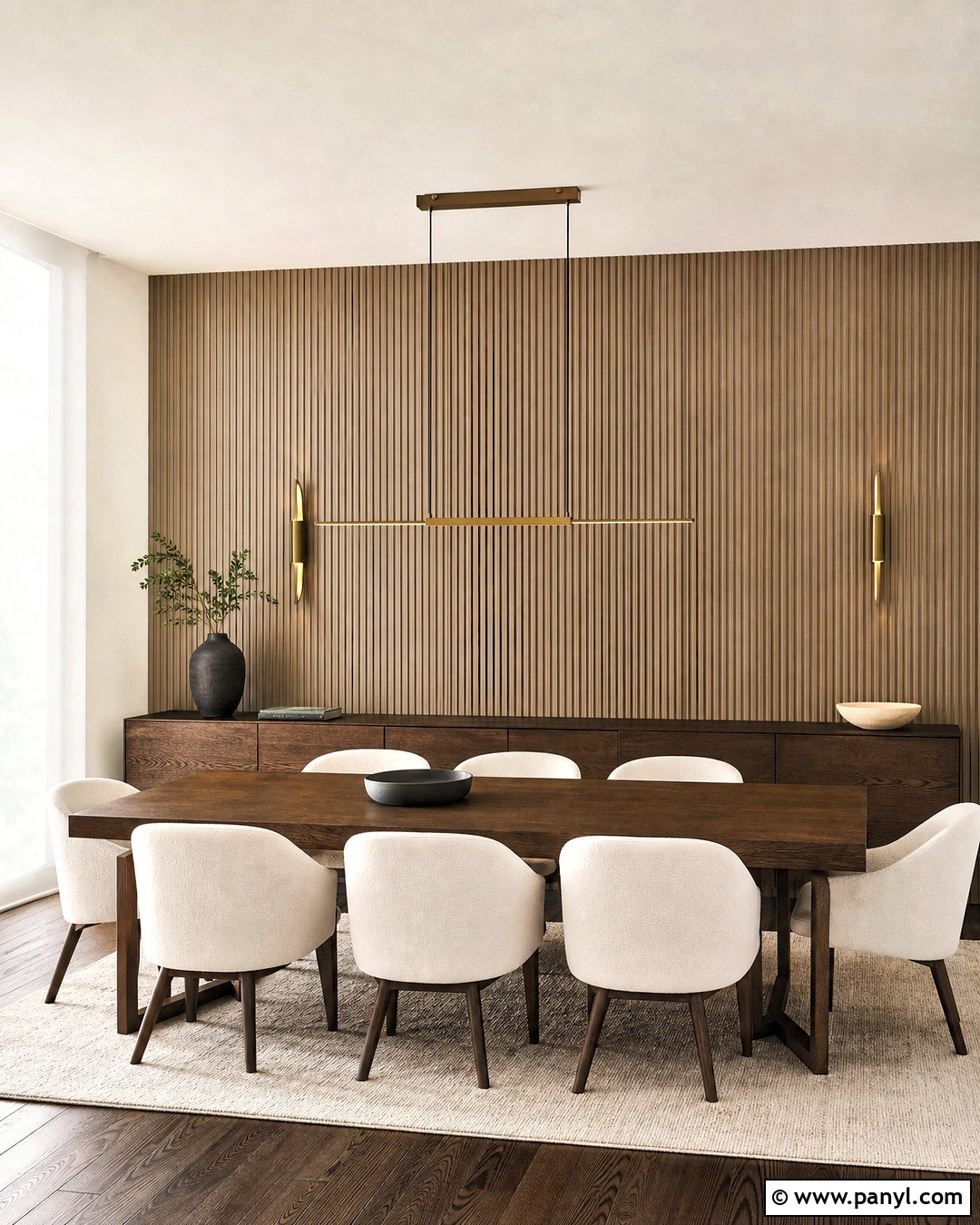
Combed plaster creates deliberate grooves that can make a dining room or entry wall feel handcrafted and architectural. Select vertical lines for a taller appearance or broad curved marks for a more artistic result. Keep the color restrained with warm white, sand, soft gray, or earthy taupe. In a dining room, place a dark oak table and upholstered cream chairs in front of the wall, then add a simple linear pendant and textured wool rug. Use one long sideboard rather than several small pieces to maintain a strong composition. Directional sconces can highlight the plaster ridges and their changing shadows. Because the finish already contains a bold pattern, surrounding walls should remain smoother. The complete room will feel distinctive yet balanced when furniture shapes and decorative accessories stay simple.
Conclusion:
The strongest textured interiors treat the wall, furniture, lighting, and decorative details as one connected design. Mineral finishes bring soft movement, while wood, brick, stone, tile, cork, and woven panels create more noticeable dimension. Before committing, consider the room’s moisture, traffic, natural light, maintenance needs, and existing architecture. Test color and texture on a generous sample because shadows can change the surface throughout the day. Use quieter furnishings around bold walls, or layer subtle finishes across an entire room for a more immersive effect. Whether you prefer polished plaster, casual shiplap, earthy cork, or sculptural tile, these 20 wall finishes textured ideas provide complete looks that can be adapted to different homes, styles, and budgets.

Related Ideas and Inspiration:
Leave a Reply