
White walls do not have to feel flat, cold, or unfinished. With the right finish, they can reflect light, create gentle movement, and give a room far more character than ordinary smooth paint. These **white wall paint texture ideas** range from soft limewash and polished plaster to subtle brushed, sanded, and layered effects. Some finishes suit relaxed bedrooms, while others provide the durability needed in kitchens, bathrooms, hallways, and busy family spaces. The surrounding colors, furniture, flooring, and lighting are just as important because they determine whether textured white feels warm, rustic, modern, or refined. Use the complete room looks below to compare practical finishes and coordinated palettes before choosing your favorite white wall paint texture ideas.

1. White Limewash Living Room
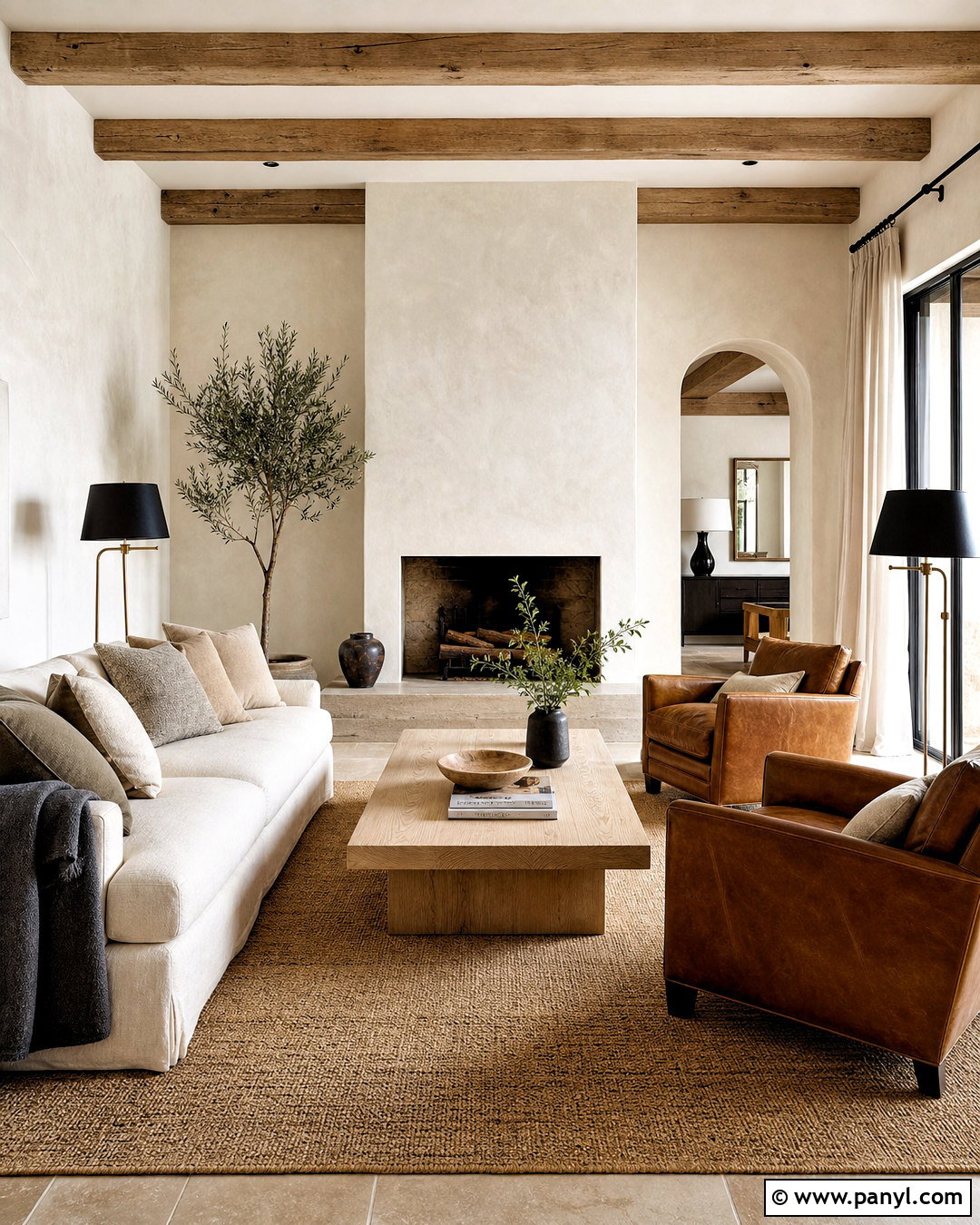
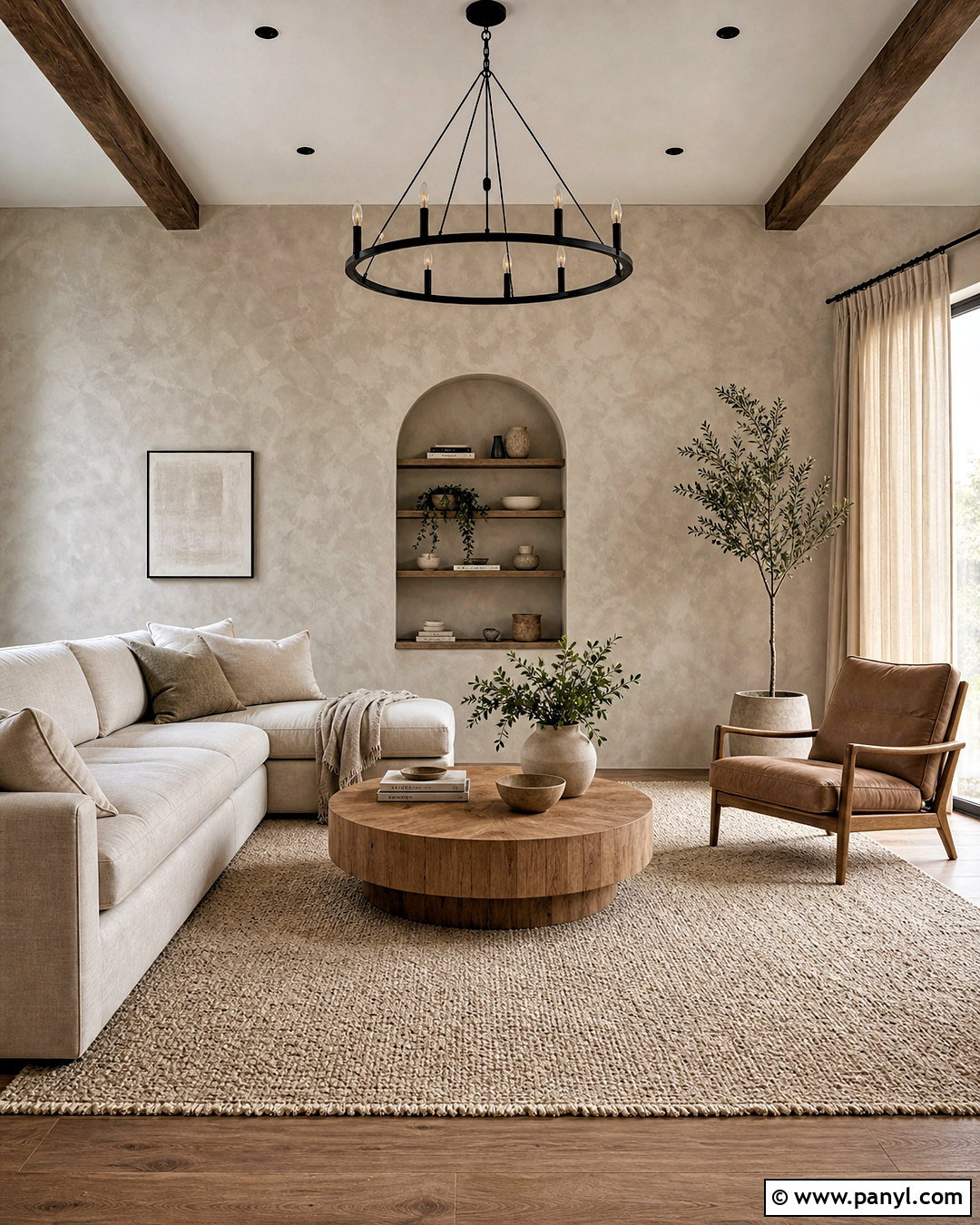
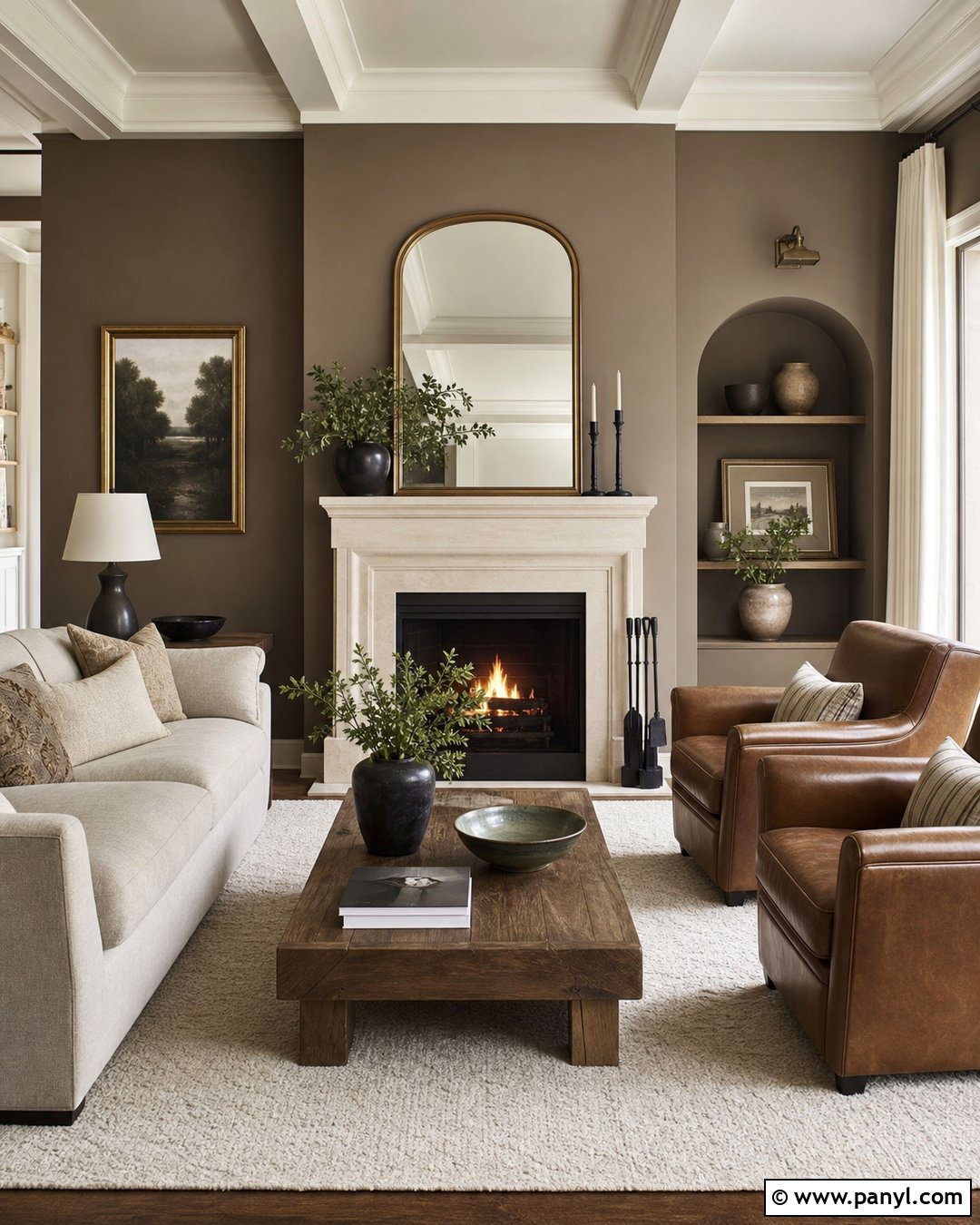
Soft white limewash gives a living room gentle tonal movement without overwhelming the furniture or architecture. Cover every wall in a warm ivory limewash, using loose, overlapping brushstrokes to produce a cloudy finish. Continue the color onto the fireplace for a seamless look, but keep the ceiling smooth and slightly brighter. Add a low oatmeal sofa, two cognac leather chairs, and a pale oak coffee table to warm the white backdrop. A natural jute rug and linen curtains reinforce the relaxed texture. Choose black metal lamps and a few dark wood accents for definition. This complete scheme works especially well in rooms with generous daylight, where the irregular finish becomes more visible as sunlight moves across the walls.
2. White Venetian Plaster Dining Room
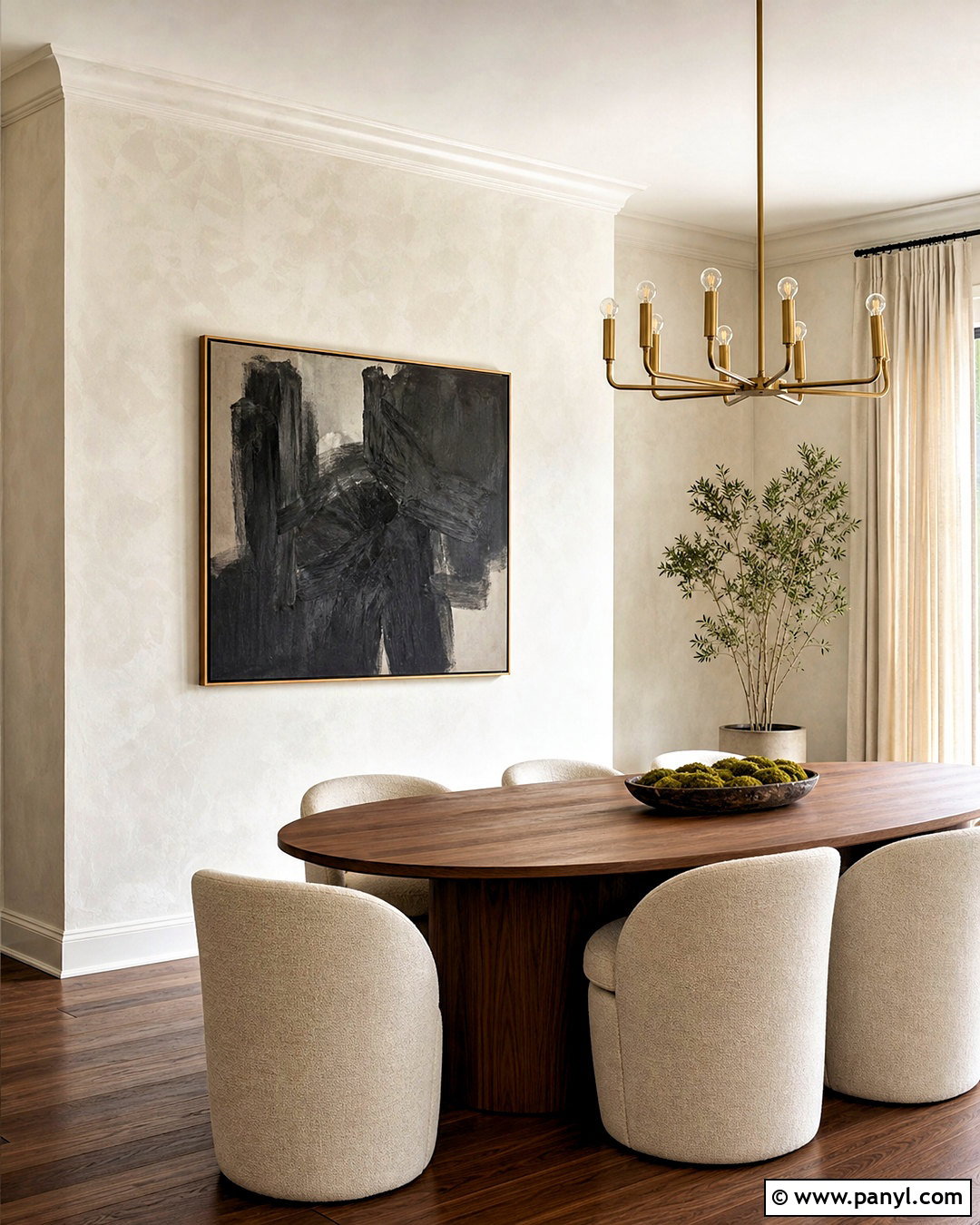
For a more refined finish, use warm white Venetian plaster throughout a formal or contemporary dining room. Its smooth, hand-troweled surface creates delicate variation and a soft sheen rather than rough texture. Pair the walls with medium-tone walnut flooring and a long oval dining table in the same wood family. Upholstered cream dining chairs keep the palette quiet, while a sculptural brushed brass chandelier adds warmth overhead. Hang one oversized abstract artwork with charcoal and taupe details instead of filling the walls with small decorations. Off-white curtains should fall from ceiling height to make the room appear taller. Keep the trim in a low-sheen creamy white so it blends naturally with the plaster while still framing doors and windows.
3. White Roman Clay Bedroom
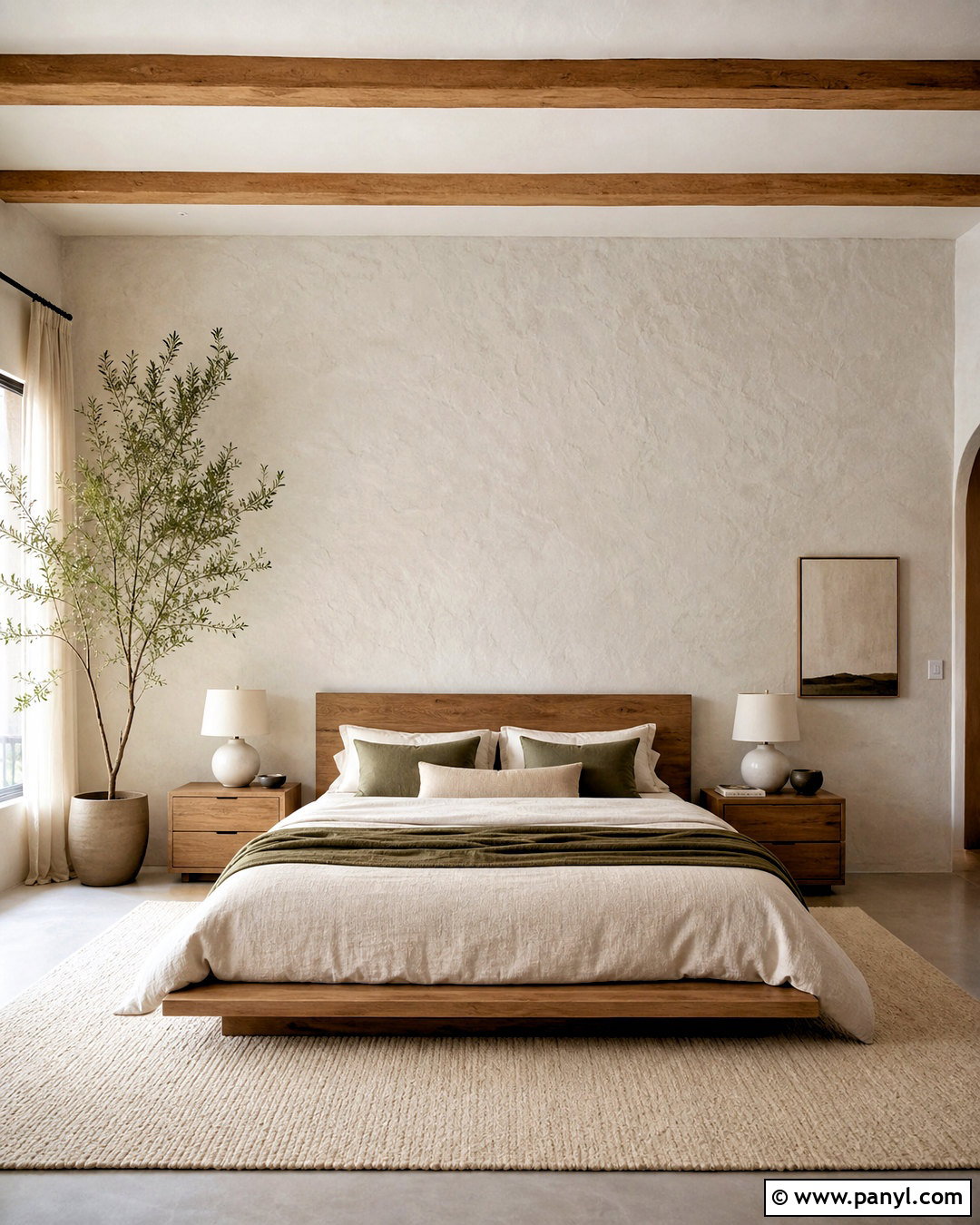
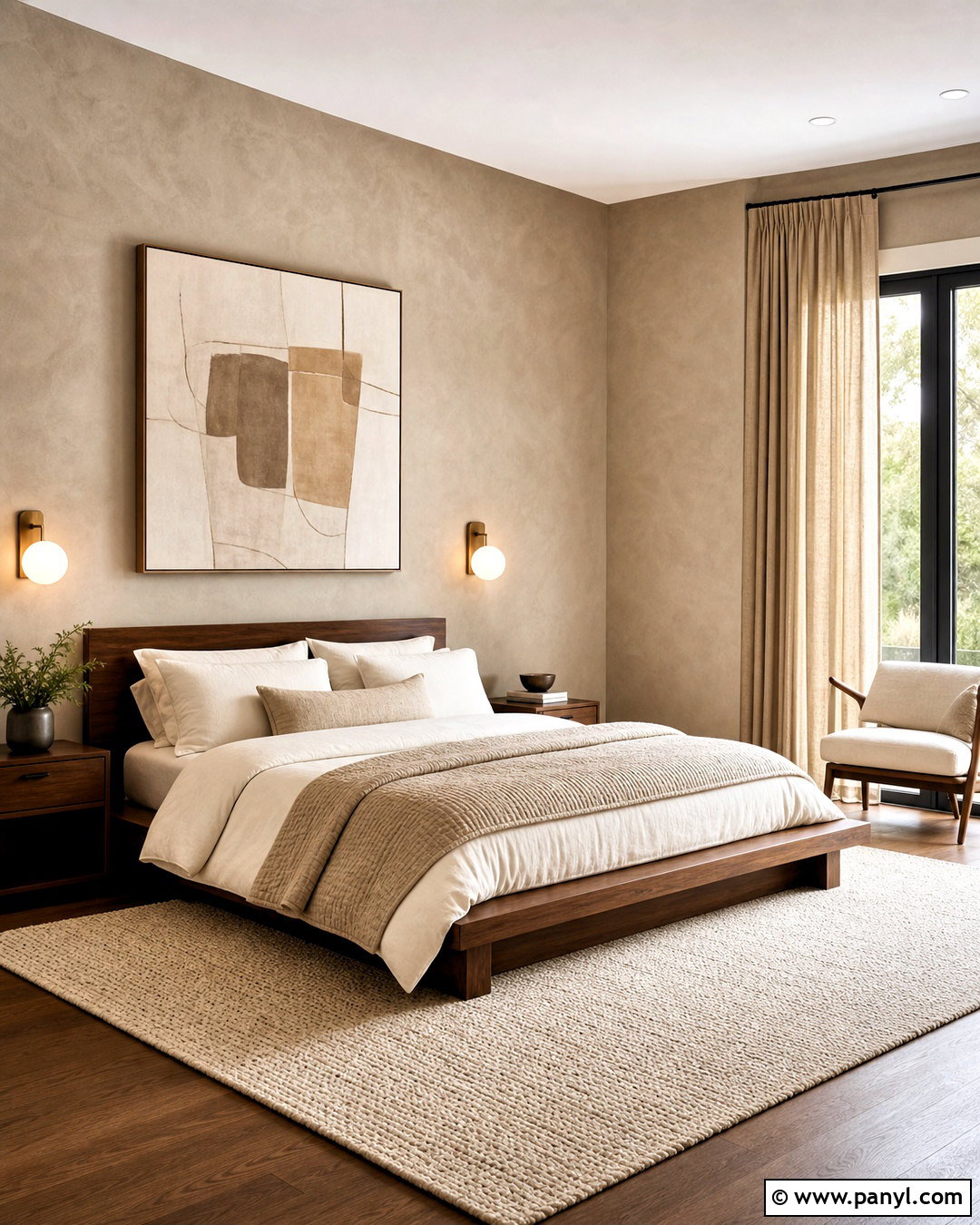
A white Roman clay finish can make a bedroom feel calm, soft, and comfortably layered. Choose a chalky white with beige undertones and apply it across the walls behind a simple oak platform bed. The subtle trowel marks provide enough movement that an elaborate headboard is unnecessary. Dress the bed with white cotton sheets, a sand-colored linen duvet, and one muted olive throw for earthy contrast. Place matching oak nightstands on both sides and add small ceramic lamps with woven shades. Light-filtering linen curtains and a wool rug soften the entire room. Limit wall decor to one understated landscape above the bed. This restrained combination allows the clay-like wall texture, warm wood, and natural textiles to create a cohesive and restful bedroom.
4. White Microcement Bathroom
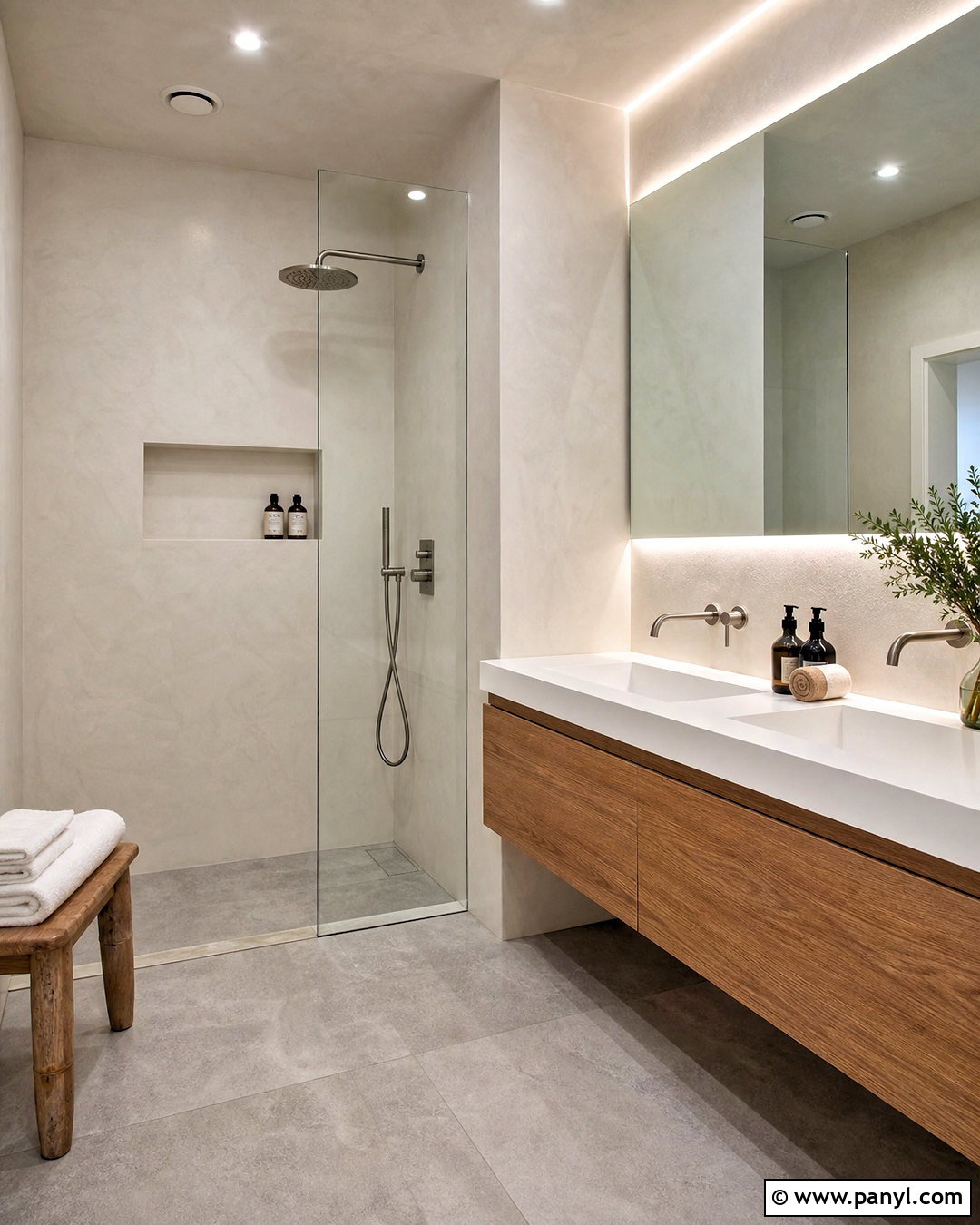
White microcement creates a continuous bathroom surface with a clean appearance and quiet concrete-like variation. Apply a warm off-white finish across the main walls and around a walk-in shower, using a compatible sealed system intended for wet areas. Balance the textured walls with a floating white oak vanity, an integrated white sink, and a large frameless mirror. Brushed nickel fixtures keep the room bright without adding harsh contrast. Use pale gray porcelain flooring with a slip-resistant matte surface, then repeat the wood tone through a small stool and open shelf. Rolled white towels and one leafy plant provide simple finishing touches. The resulting bathroom feels modern and uncluttered, while the gentle marks in the microcement prevent the white palette from looking overly clinical.
5. White Skip Trowel Entryway
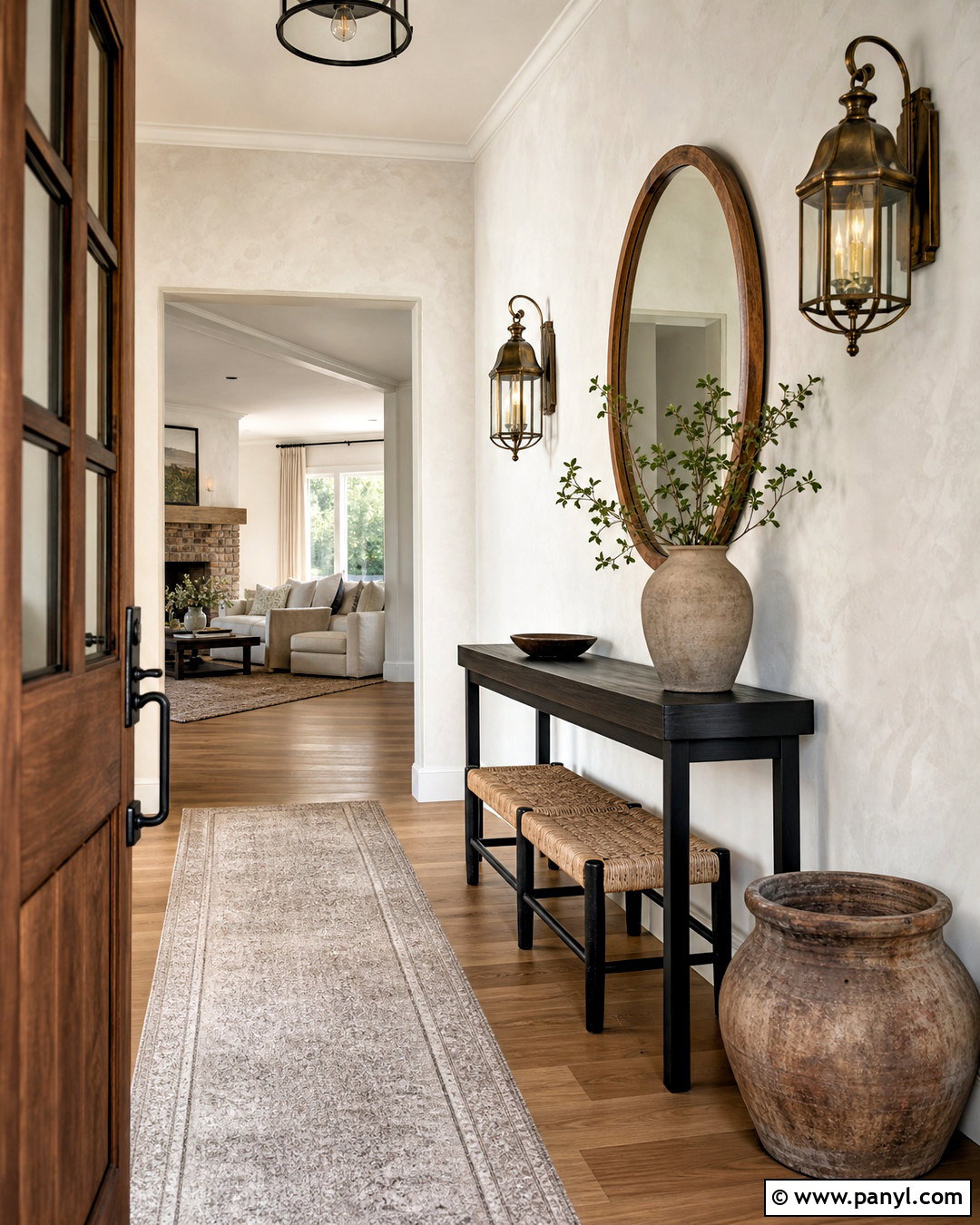
A skip trowel texture brings handcrafted character to an entryway and helps create an inviting first impression. Use a fine, irregular finish rather than a heavy pattern, then paint it in a soft white with warm gray undertones. Ground the space with medium brown oak flooring and a narrow black console table. Above the console, hang a round wood-framed mirror that echoes the floor. Add a woven bench, a washable taupe runner, and a large ceramic vase with simple green branches. Paint the doors and trim in a cleaner satin white so their smooth surfaces contrast with the textured walls. A lantern-style ceiling fixture in aged brass completes the look. Keep accessories minimal because the wall itself already provides depth, shadow, and architectural interest.
6. White Sand Texture Hallway
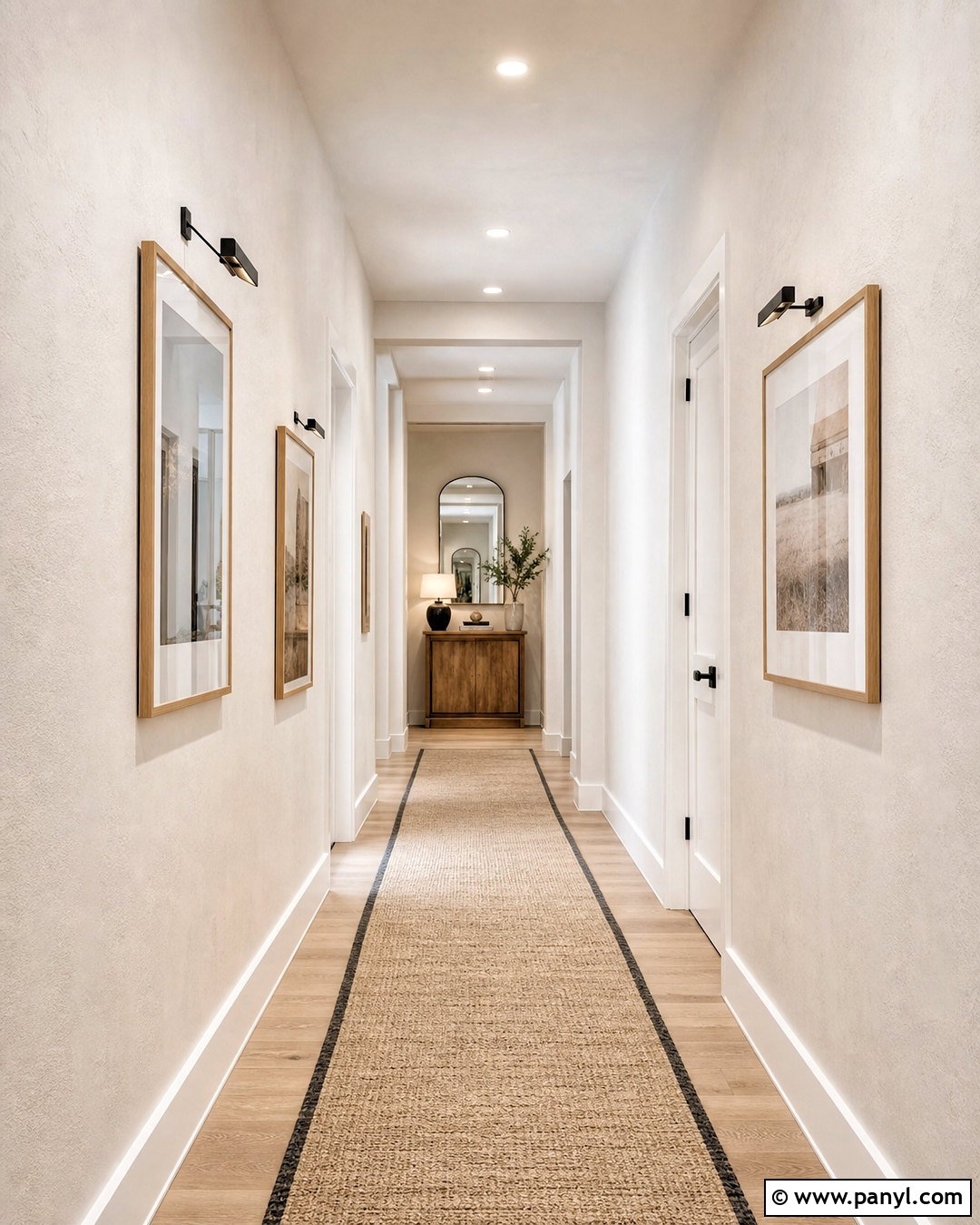
A fine sand paint texture can add subtle dimension to a long hallway without making the narrow area feel busy. Select an off-white finish with extremely small mineral particles and apply it evenly from baseboard to ceiling. Pair the walls with pale oak flooring and a slim natural fiber runner featuring a simple charcoal border. Install evenly spaced black picture lights above a limited collection of light wood frames. The darker accents establish a clear visual rhythm against the textured white surface. Use flush doors and matching off-white trim to keep the hallway streamlined. At the far end, position a small console with a rounded ceramic lamp and one leafy stem. Bright ceiling lights will cast fine shadows across the sanded finish while keeping the passage open and welcoming.
7. White Knockdown Texture Family Room
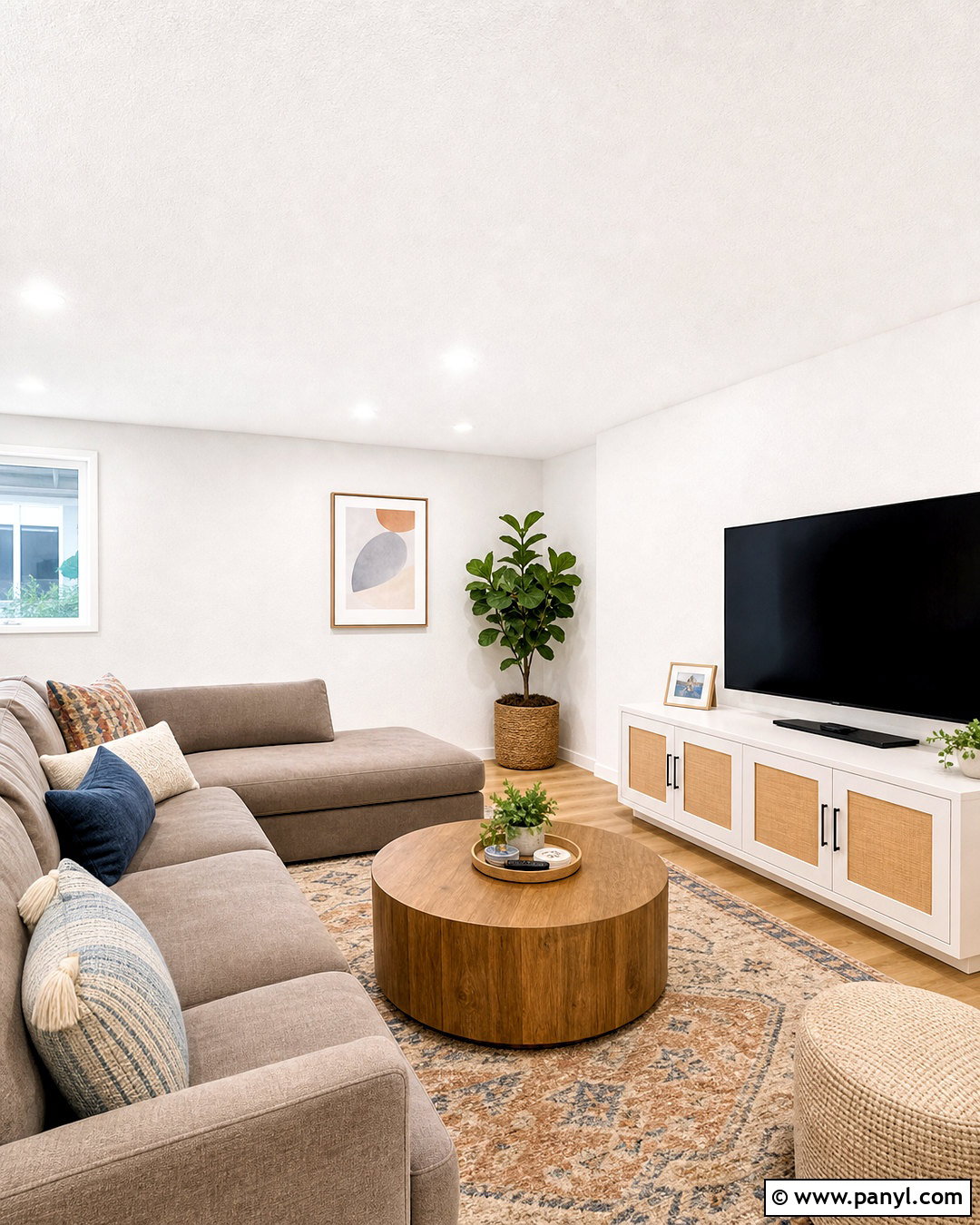
A light knockdown texture offers a practical backdrop for a casual family room, especially when an existing wall surface is not perfectly smooth. Keep the flattened pattern fine and consistent, then coat it in a washable warm white matte paint. Arrange a deep greige sectional opposite a white media cabinet with simple oak doors. Use a large patterned rug in cream, camel, and muted blue to hide everyday wear and connect the neutral furnishings. Add washable cotton pillows, closed toy storage, and a sturdy round coffee table without sharp corners. Warm white curtains soften the windows, while matte black sconces provide contrast. The complete room remains relaxed and functional, and the lightly textured walls introduce character without competing with the television, storage, or family-friendly furniture.
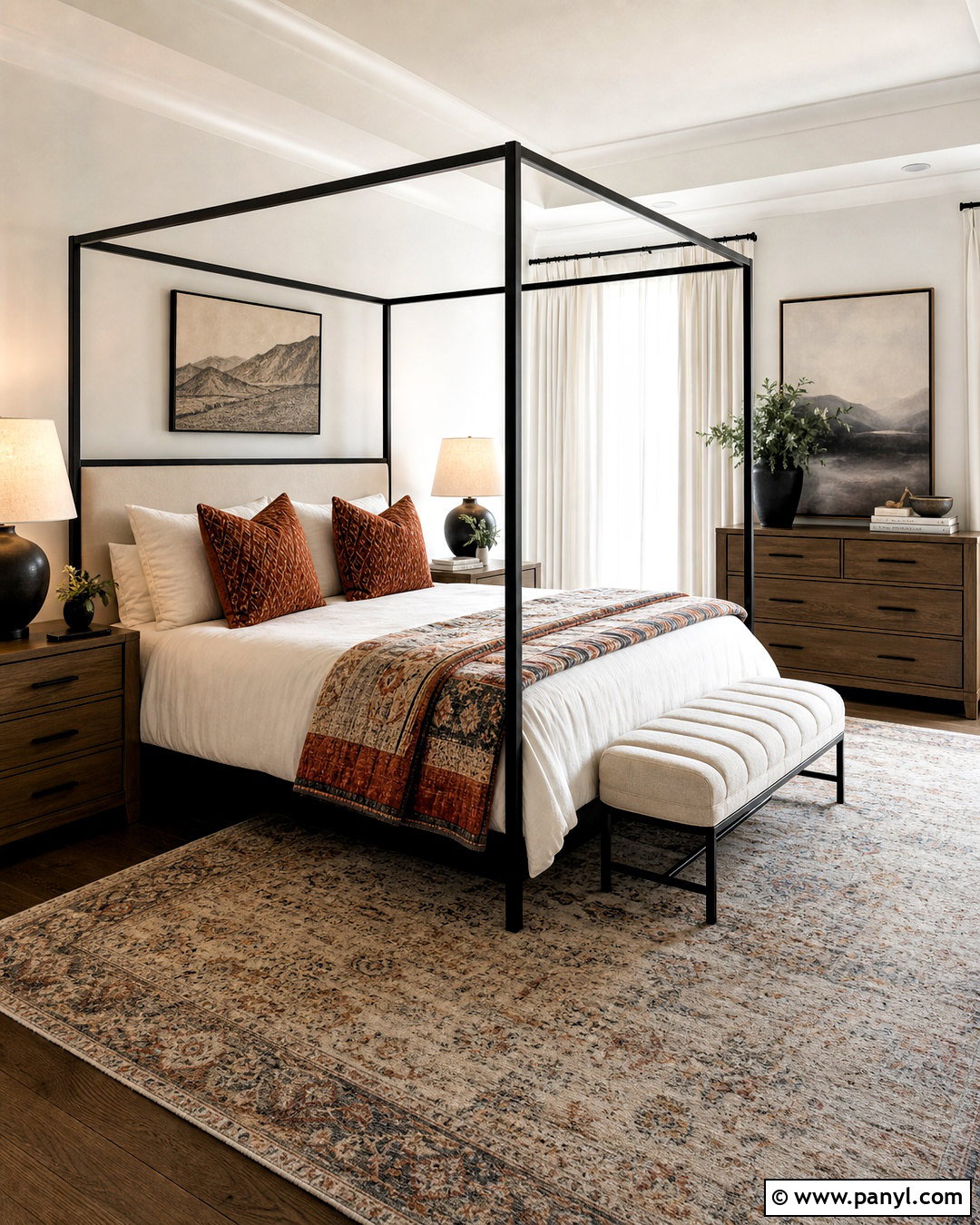
8. White Orange Peel Home Office
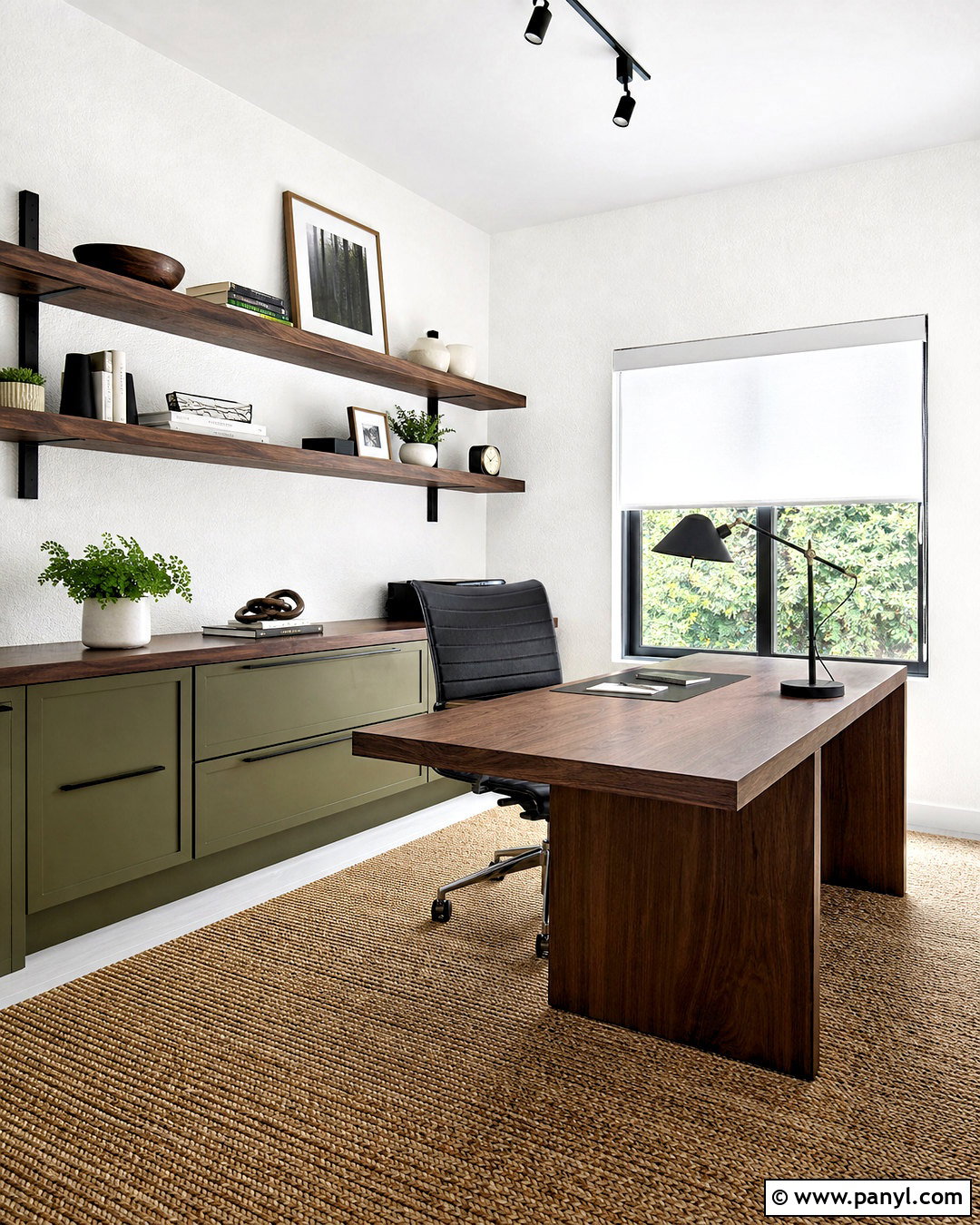
Subtle orange peel texture can look clean and intentional when the entire home office is carefully coordinated. Paint the walls a crisp but not blue-toned white, using an eggshell finish that reflects a modest amount of light. Position a walnut desk against the main wall and add a streamlined black task chair. Above the desk, install three floating walnut shelves with books, neutral storage boxes, and a few ceramic objects. A flat-woven tan rug warms the floor, while a white roller shade controls glare without adding visual clutter. Include one black floor lamp and a small olive-green cabinet for color. The finely dimpled walls create a consistent background that handles changing daylight well and supports a practical workspace with a polished, organized appearance.
9. White Stucco Sunroom
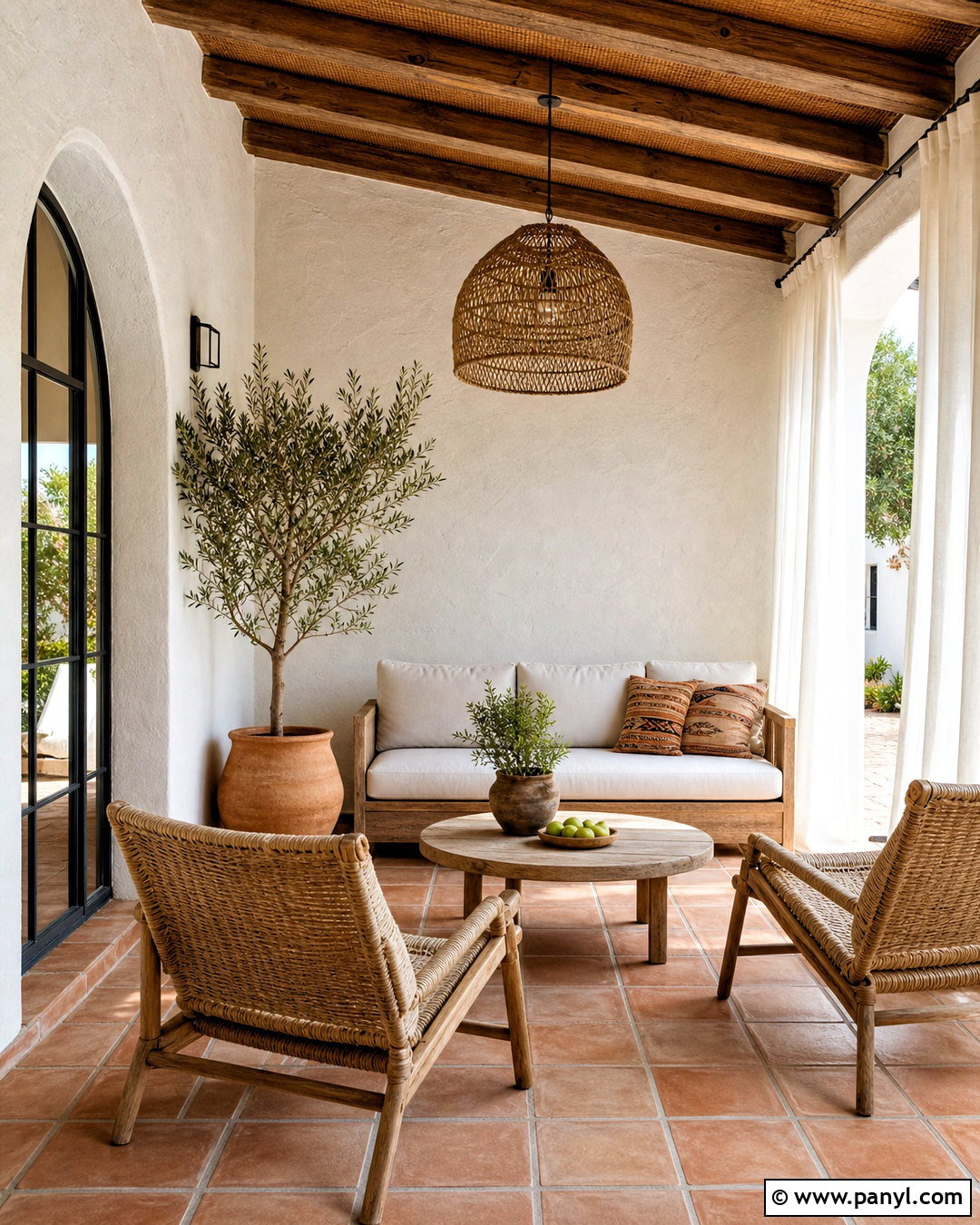
Imagine a bright sunroom wrapped in soft white stucco, natural fibers, and sun-washed wood. Choose an interior stucco finish with shallow, irregular movement and a creamy white color that avoids looking stark in strong daylight. Furnish the room with a weathered teak sofa, woven lounge chairs, and thick ivory cushions. Terracotta floor tiles bring essential warmth beneath the pale walls. Add an indoor olive tree in a large clay pot and smaller greenery along the windows. Lightweight white curtains can filter direct sun while preserving the airy atmosphere. Use a woven pendant light rather than a glossy fixture. The combination of textured white walls, earthy flooring, greenery, and relaxed furniture gives the sunroom a Mediterranean influence while remaining suitable for an approachable everyday home.
10. White Concrete Effect Kitchen
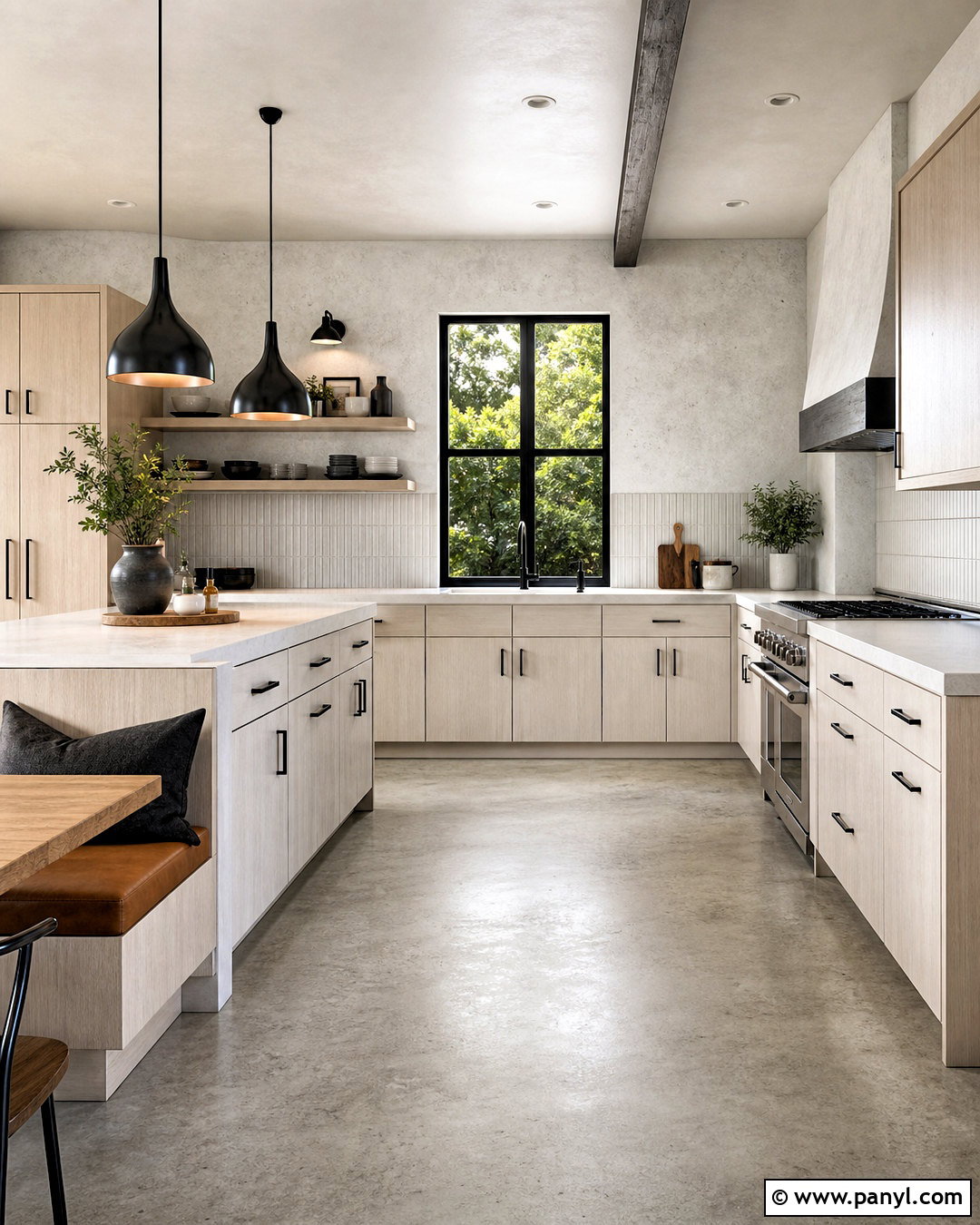
White concrete-effect paint gives a kitchen an industrial edge without making the room feel dark. Apply a pale mineral finish with soft gray movement to the wall behind open shelves and around the breakfast area. Combine it with flat-panel white oak cabinets, matte white quartz countertops, and a simple backsplash of elongated ivory tile. Black cabinet pulls and a slim black faucet provide crisp definition. Install three oak shelves against the textured feature wall and style them with white dishes, glassware, and small clay bowls. Warm the dining side with a built-in oak bench, a round white table, and beige upholstery. Light oak flooring keeps the scheme unified. The finished kitchen feels modern and tactile, with enough tonal variation to distinguish every white and natural surface.
11. White Sponge Painted Guest Room
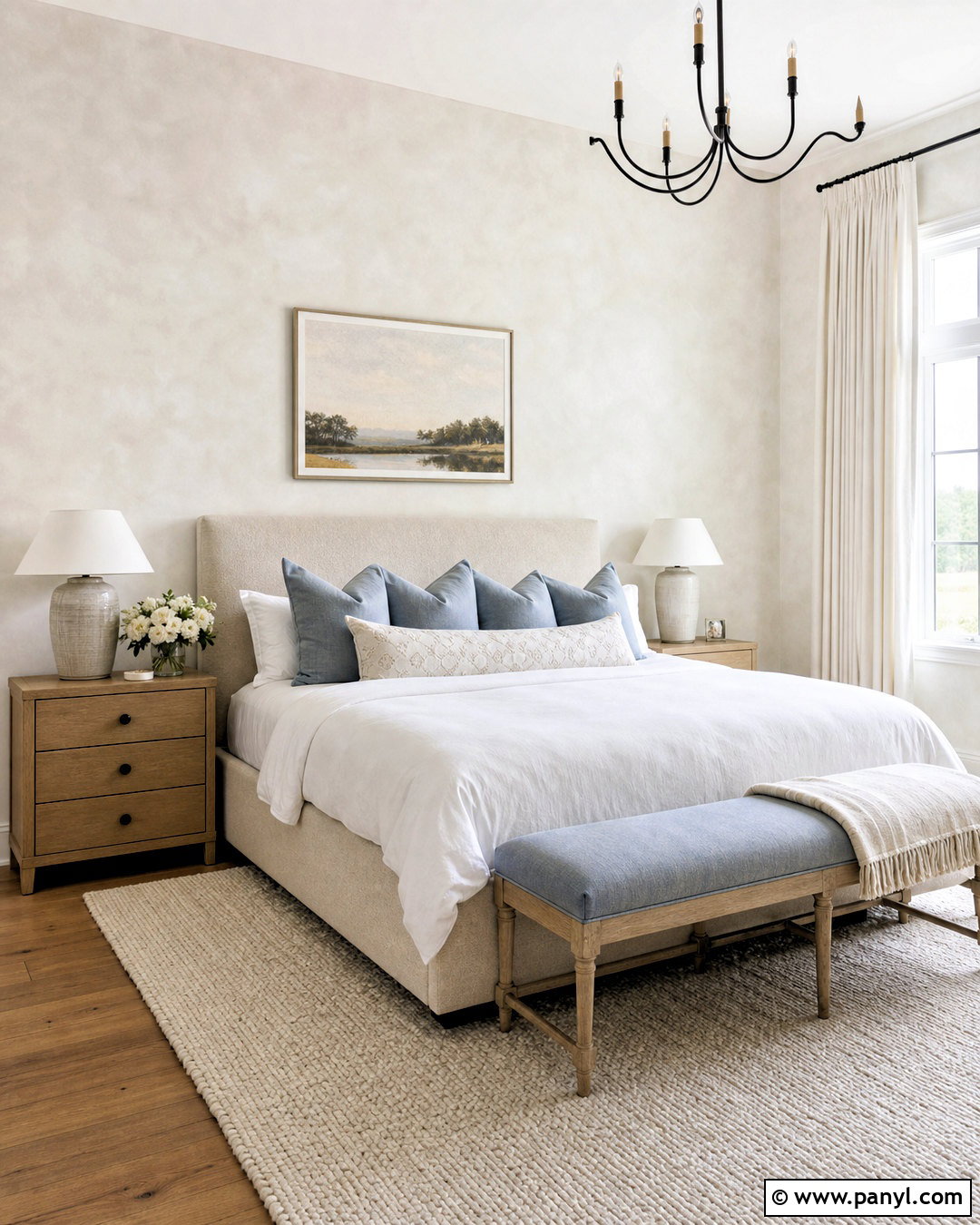
A controlled sponge-painted finish can create a soft, clouded wall when the colors remain closely related. Begin with a warm white base, then dab a slightly deeper ivory glaze across the walls using a natural sea sponge. Blend the edges carefully so the pattern appears organic rather than spotted. Build the guest room around an upholstered oatmeal bed, light wood nightstands, and simple white bedding edged with taupe. Add dusty blue accent pillows and a matching bench to introduce restrained color. Natural linen curtains and a cream wool rug soften the floor and windows. Use ceramic lamps with matte white bases to complement the walls. This welcoming room feels gently layered and personal, while the quiet sponge treatment gives plain drywall an approachable handcrafted appearance.
12. White Rag Rolled Powder Room
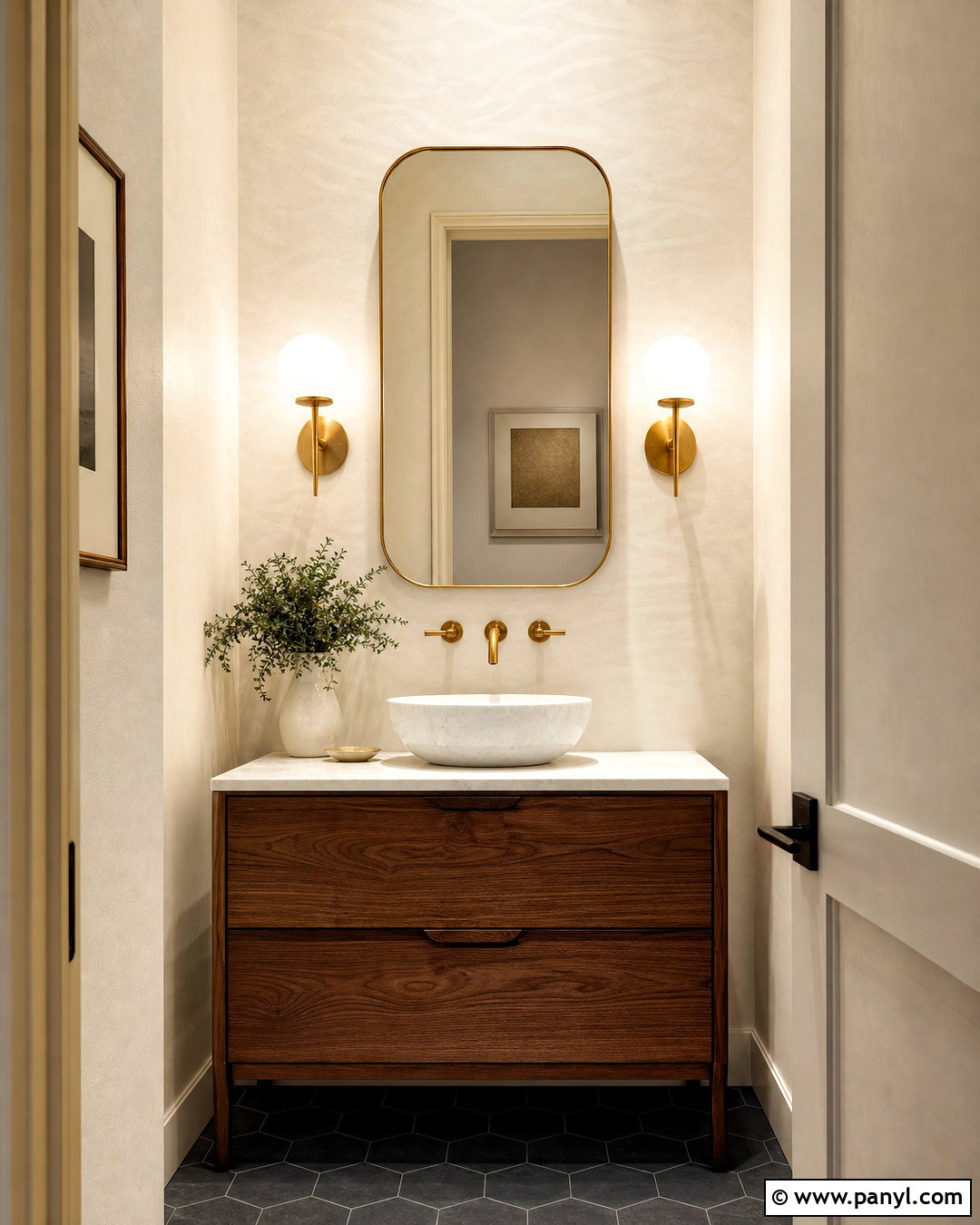
A powder room is an excellent place to use a more noticeable rag-rolled white wall finish. Layer a translucent pearl-white glaze over a creamy base coat, rolling and lifting it with a folded cloth to create fine, fabric-like movement. Pair the walls with a compact walnut vanity and a white stone vessel sink. A rounded brass mirror, matching faucet, and small opal glass sconces add warmth and a subtle glow. Choose charcoal hexagon floor tiles to anchor the light walls and disguise everyday marks. Keep the ceiling and baseboards smooth white so the decorative finish remains controlled. One framed botanical print and a folded hand towel are enough decoration. The result is a polished, memorable powder room that feels textured without depending on bold color or patterned wallpaper.
13. White Color Wash Reading Nook
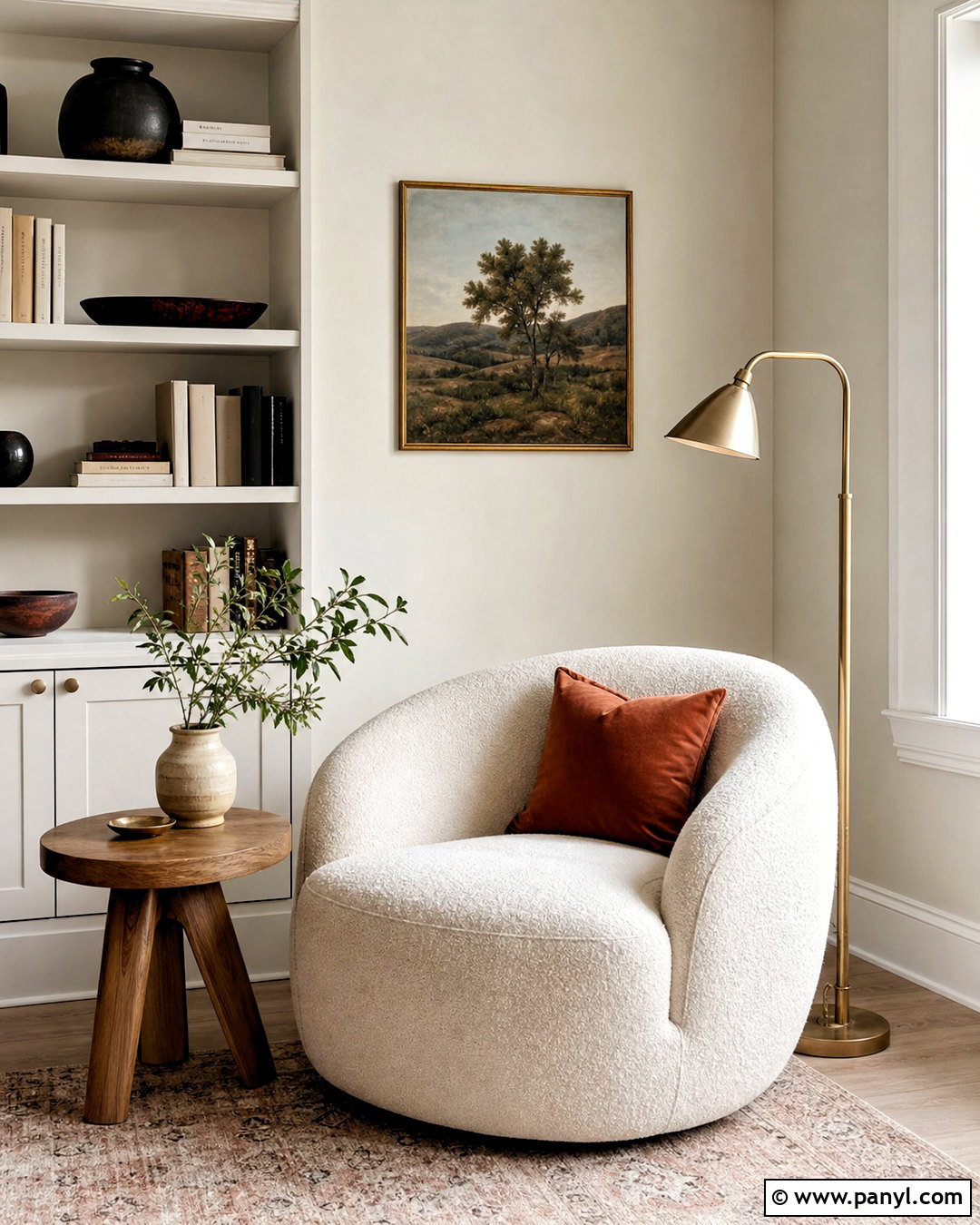
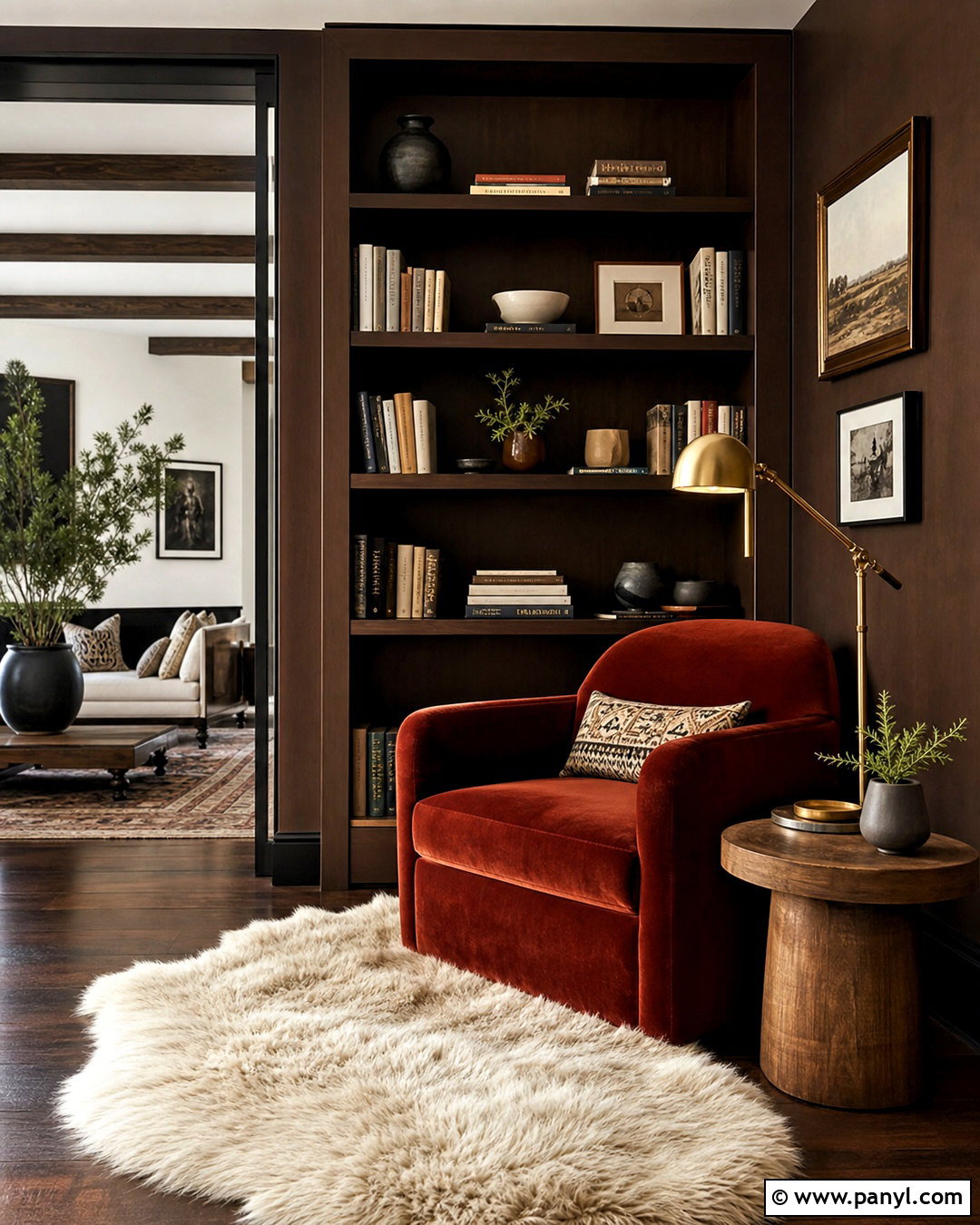
A white color wash can turn an unused corner into a cozy reading nook with understated depth. Apply a translucent warm white glaze over a pale greige base, allowing faint undertones to show through the brushwork. Place a curved bouclé chair in the corner with a compact oak side table and a slim aged brass reading lamp. Add a rust-colored lumbar pillow for a small, grounded accent. A low bookcase painted in matching warm white keeps the nook connected to the wall rather than visually cutting into it. Hang one small landscape print and place a wool rug under the chair. The washed finish will shift gently around the corner as light changes, helping the compact space feel more enveloping, dimensional, and intentionally separate from the larger room.
14. White Strié Wall Bedroom
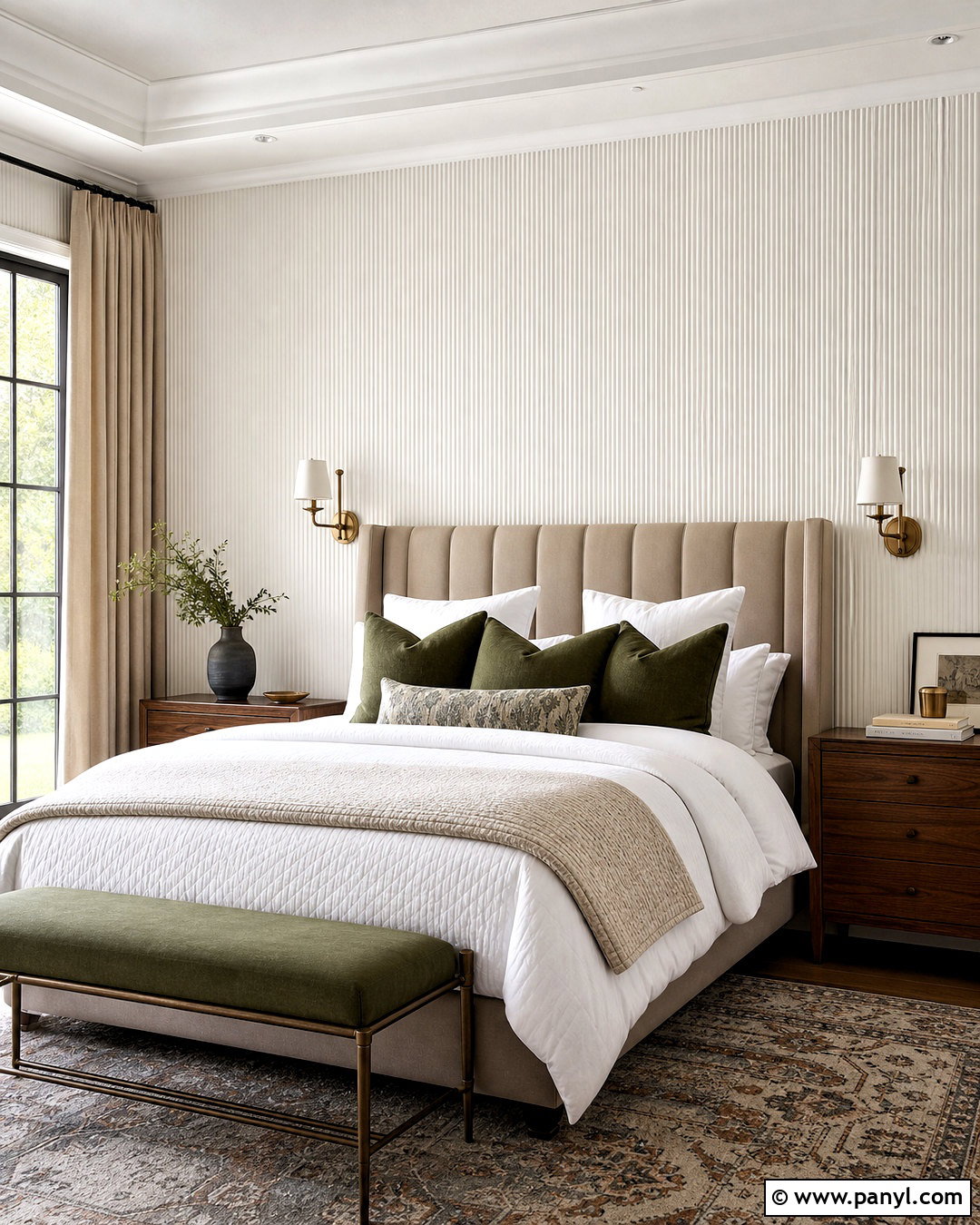
Vertical strié paint texture can visually emphasize height while giving a white bedroom a tailored appearance. Create fine vertical lines using a warm white glaze pulled downward over a slightly deeper off-white base. Keep the pattern subtle and continuous across all walls rather than limiting it to a small accent area. Add a tall channel-tufted headboard in light taupe to echo the vertical movement. Walnut nightstands and antique brass sconces bring warmth to the pale palette. Use crisp white bedding, a quilted beige coverlet, and muted green pillows for gentle contrast. Full-length linen curtains should begin close to the ceiling and continue the elongated effect. A large, lightly patterned wool rug finishes the space, creating a calm bedroom with texture that feels organized rather than rustic.
15. White Brushed Texture Dining Nook
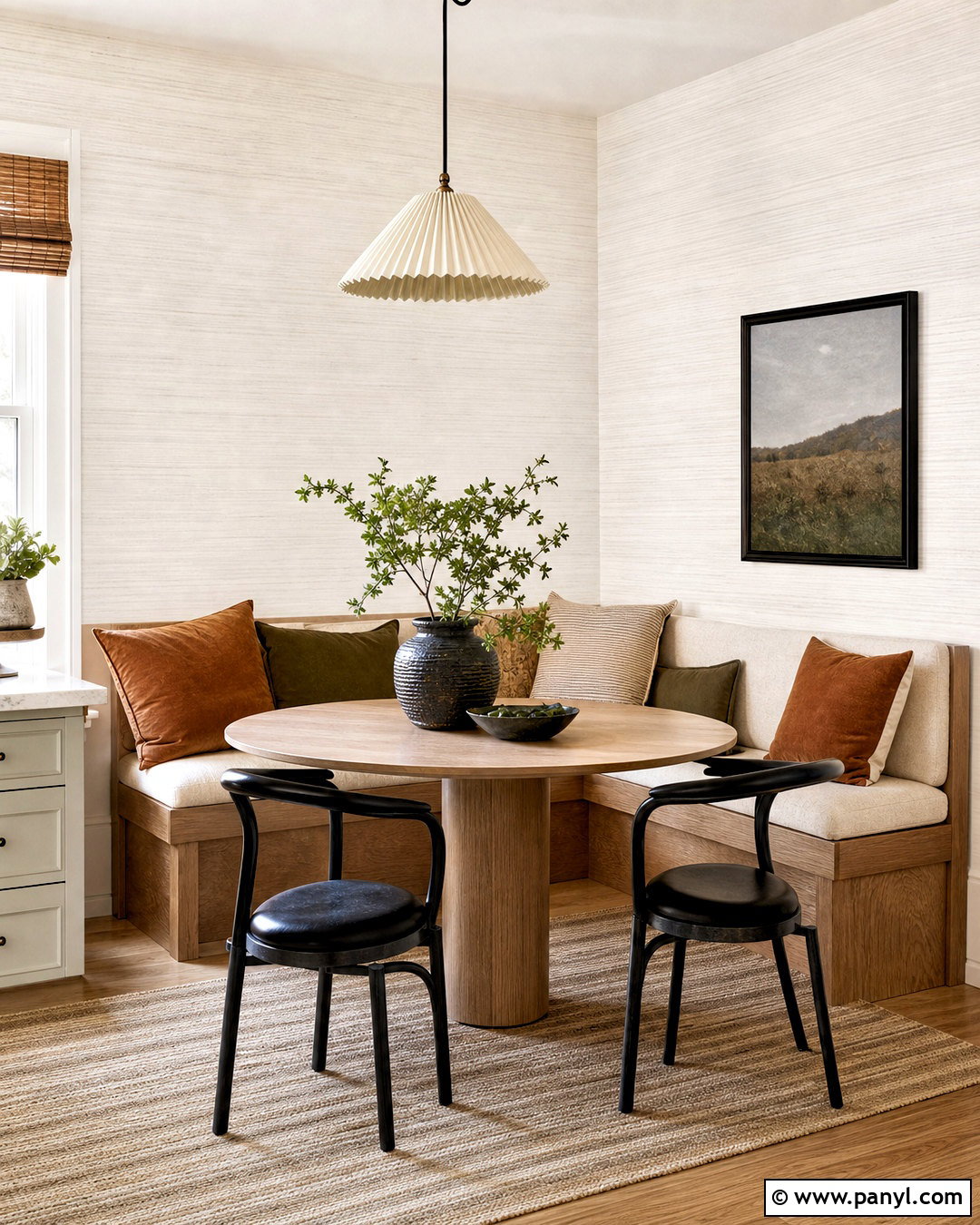
A brushed white texture makes a breakfast or dining nook feel handcrafted while retaining a light, casual look. Apply slightly raised horizontal brush marks in a creamy white finish, keeping the direction consistent across the focal wall. Build an L-shaped oak bench beneath the wall and top it with washable oatmeal cushions. Pair the seating with a round pedestal table and curved black dining chairs. A pleated white pendant centered above the table provides bright, even illumination. Add a striped rug in beige and charcoal to define the nook, plus two simple framed prints that do not hide the brushwork. Small rust and olive pillows introduce natural color. The combined materials create a welcoming everyday eating area where the wall texture supports the furniture instead of dominating it.
16. White Pearl Plaster Accent Wall
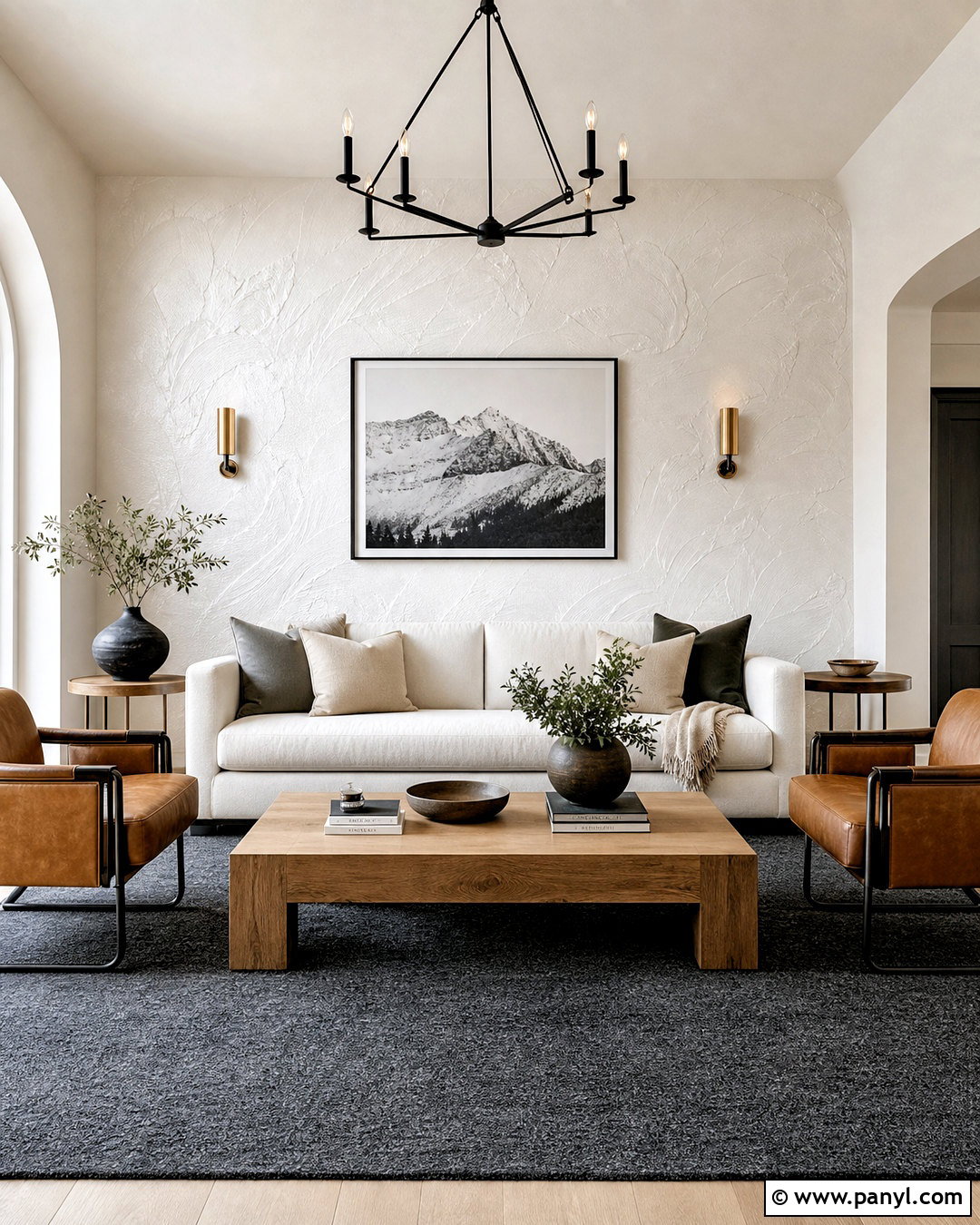
Pearl plaster can create an elegant white accent wall when its sheen is restrained and balanced with matte materials. Apply the luminous finish behind a simple cream sofa, using broad trowel strokes that catch light without looking metallic or glittery. Paint the surrounding walls in flat warm white to highlight the shift in texture. Ground the living room with a charcoal wool rug, an oak coffee table, and two tan leather lounge chairs. Add brushed brass sconces to both sides of the feature wall and hang one large black-framed artwork in the center. Linen curtains and matte ceramic accessories soften the reflective surface. This coordinated design creates a sophisticated focal point, while the limited palette ensures the pearlescent white plaster remains subtle enough for a comfortable residential setting.
17. White Textured Arch Wall
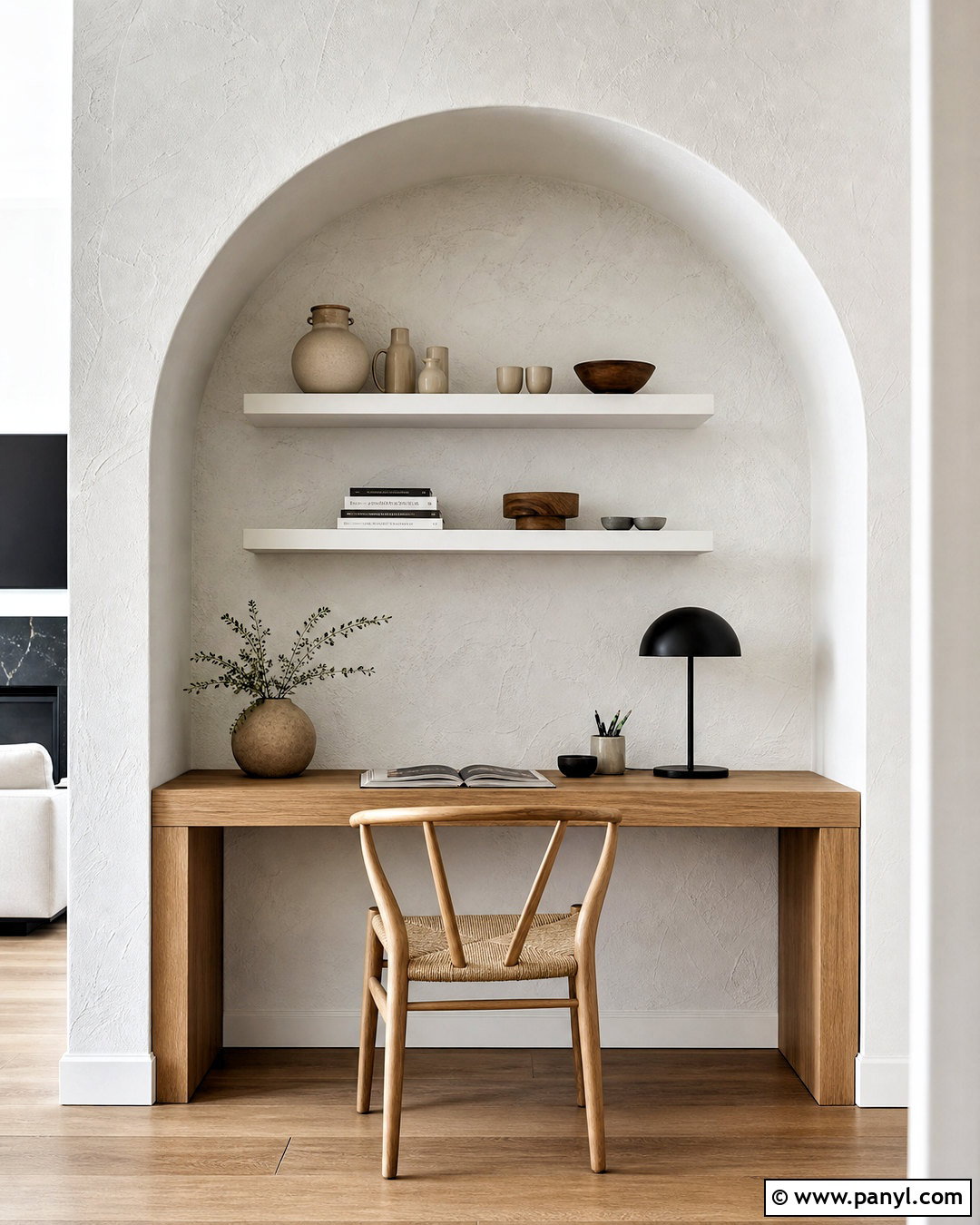
A textured arch can give a plain wall architectural character while also defining a functional area. Paint a broad arch behind a console or desk using thick, matte white mineral paint with visible trowel movement. Cover the surrounding wall in a smoother, slightly warmer off-white so the feature is distinguished primarily through texture. Place a slim oak desk within the arch, paired with a woven chair and a small black lamp. Add two floating shelves painted to match the arch and style them with books and neutral ceramics. Pale oak flooring and a light beige rug keep the workspace bright. Because the palette remains monochromatic, the curved form and raised finish feel integrated rather than decorative, creating a complete mini office with depth and a strong visual boundary.
18. White Two Tone Plaster Wall
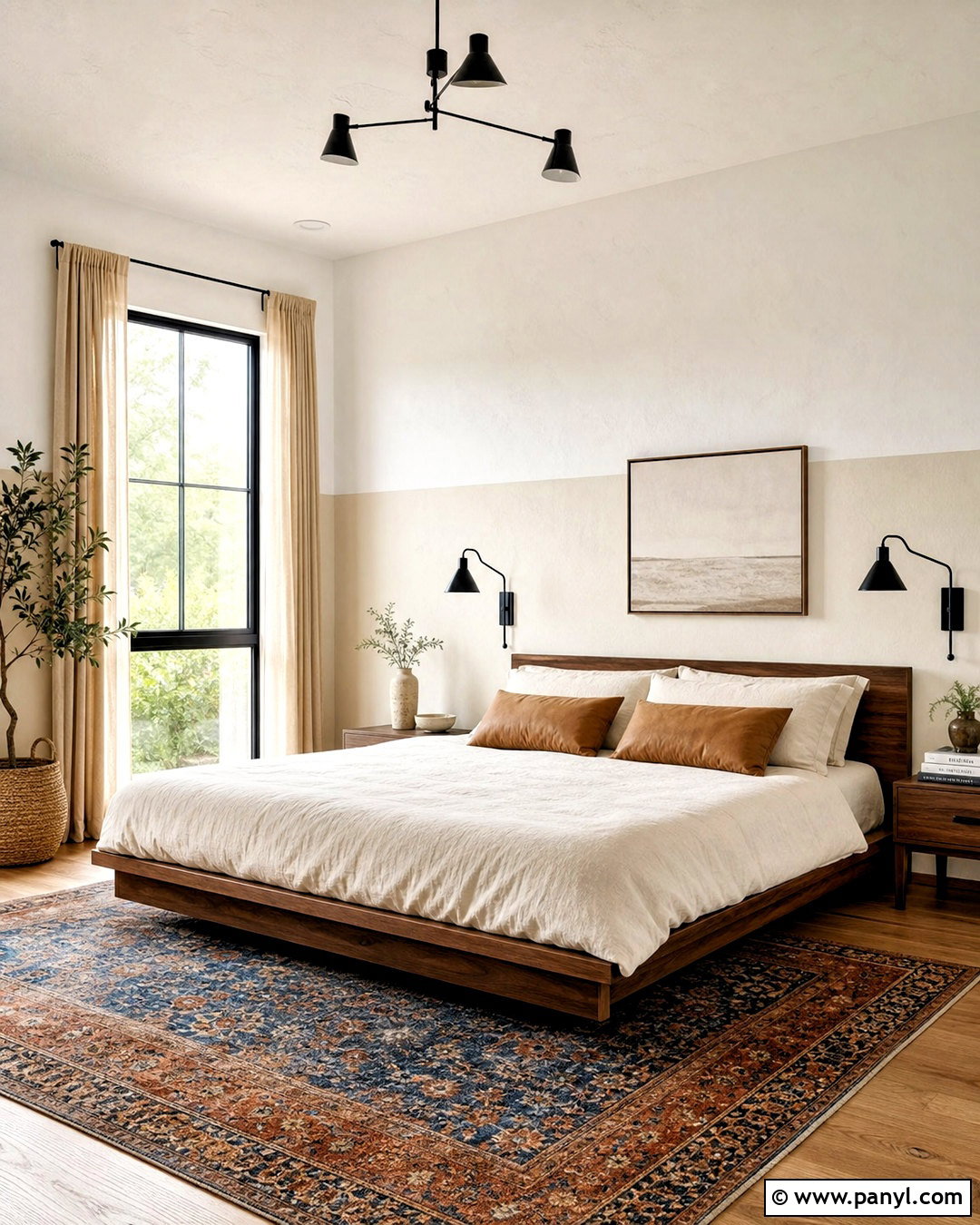
Two closely related whites can make a plaster wall more dimensional without creating a strong color break. Use a warm ivory plaster on the lower two-thirds of a bedroom wall and a cleaner chalk white above it. Blend the dividing line softly instead of using sharp painter’s tape. Position a low walnut bed against the wall so the headboard overlaps both tones. Choose cream bedding, caramel pillows, and a nubby tan throw to reinforce the layered neutral palette. Black swing-arm sconces add structure on each side. Finish the room with a vintage-inspired rug containing faded blue and rust details. The gentle transition between the white finishes creates a horizon-like effect, making the wall interesting while maintaining the peaceful atmosphere expected in a comfortable primary or guest bedroom.
19. White Textured Ceiling And Walls
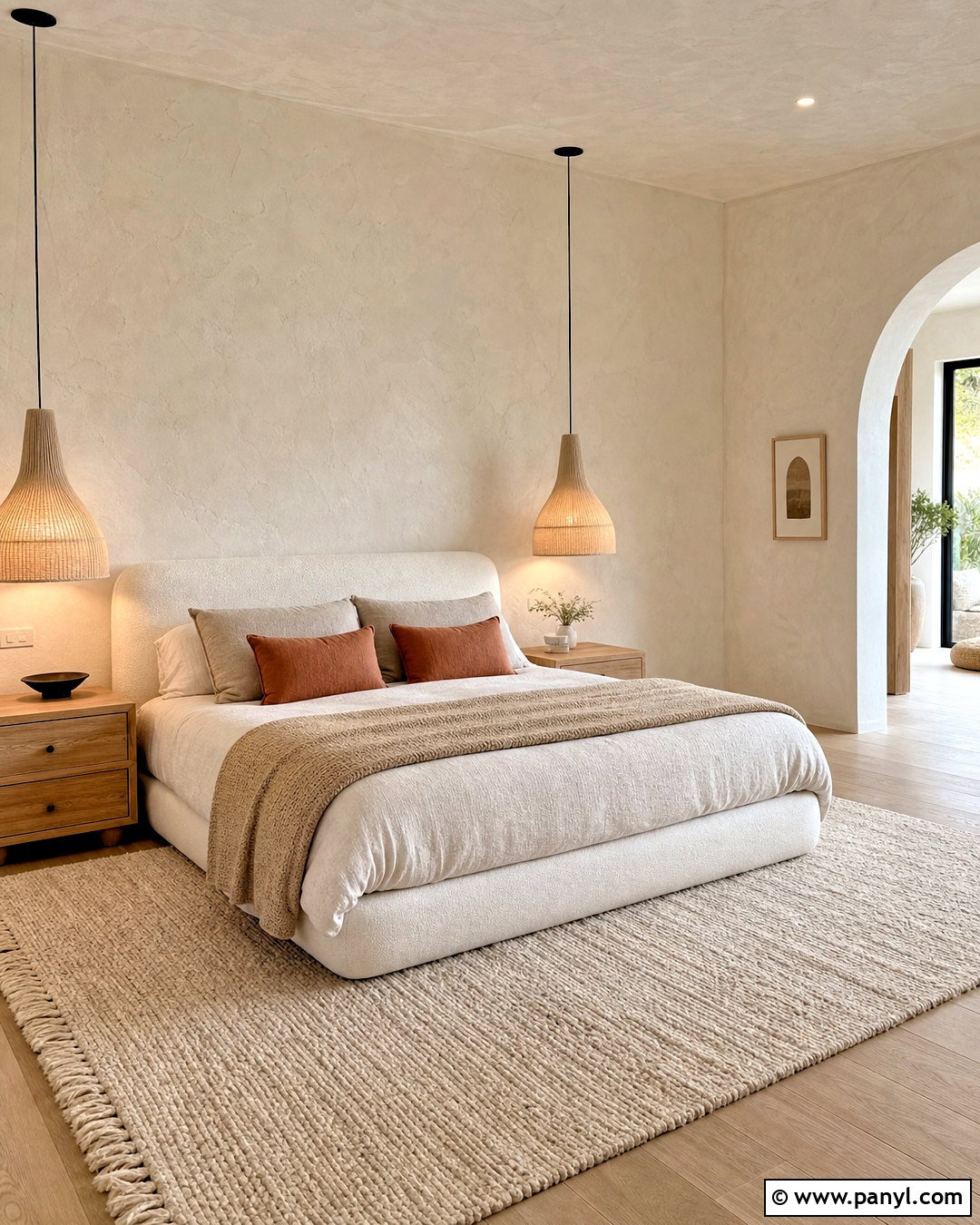
Carrying a soft white texture onto the ceiling can make a bedroom or reading room feel more enveloping. Use a fine lime-plaster finish in warm chalk white across every wall and overhead, maintaining loose, consistent trowel marks. Keep the crown molding minimal or remove it entirely so the finish flows smoothly around the room. Furnish the space with a low upholstered bed, pale oak nightstands, and a large cream wool rug. Mushroom-colored bedding and muted clay pillows provide gentle warmth. Install simple linen pendant lights beside the bed rather than visually heavy lamps. Full curtains in a matching off-white complete the cocooning effect. Although the room is almost entirely white, the continuous texture, natural fabrics, and soft tonal shifts prevent it from feeling empty or unfinished.
20. White Layered Matte Gallery Wall
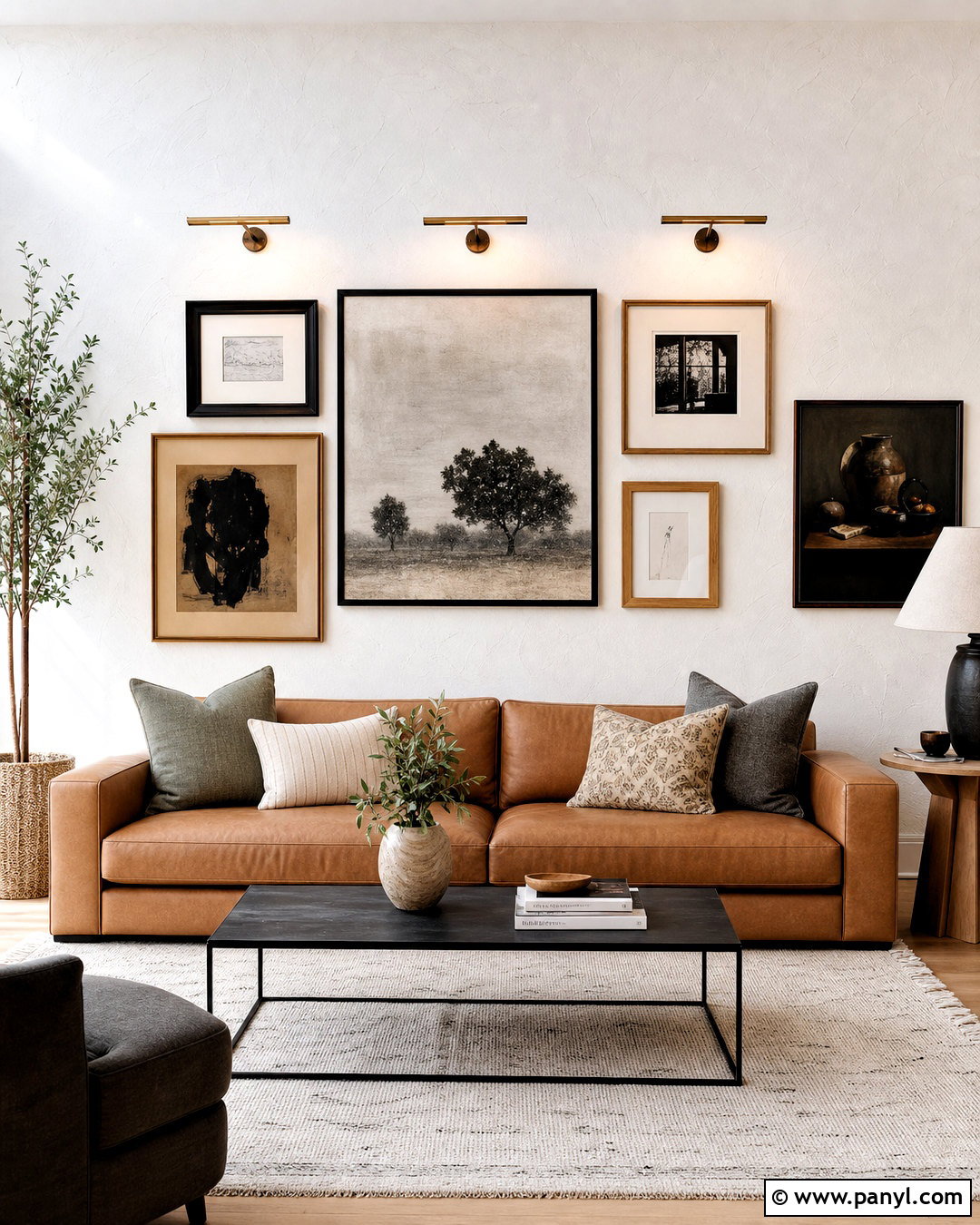
A layered matte finish provides an ideal background for artwork because it has texture without distracting shine. Apply two warm white paint tones with a wide block brush, overlapping irregular areas until the wall develops soft, barely visible movement. Arrange a balanced gallery of black, oak, and antique brass frames above a streamlined camel sofa. Keep the artwork palette limited to charcoal sketches, muted landscapes, and neutral abstracts. Add a black metal coffee table, an ivory rug, and textured cream pillows to connect the seating with the wall. Adjustable picture lights can highlight the artwork while revealing the layered brush marks after sunset. This complete living room design combines visual texture, collected decor, and practical furniture, creating a gallery wall that feels dimensional but not crowded.
Conclusion:
The most successful textured white walls combine an appropriate finish with furniture, lighting, and materials that support the same mood. Limewash and Roman clay suit relaxed, organic rooms, while Venetian plaster and pearl finishes create a more polished effect. Fine sand, orange peel, and knockdown textures can bring consistency to practical spaces, and decorative techniques such as strié or rag rolling provide a customized look. Always sample the finish on a large section because undertones, sheen, and texture can change under natural and artificial light. Also consider durability and cleaning needs before treating a high-traffic or wet area. With thoughtful planning, these **white wall paint texture ideas** can make neutral rooms feel warm, dimensional, and complete.

Related Ideas and Inspiration:
Leave a Reply