
Striped walls can make an ordinary room feel more polished, playful, or architectural without adding expensive materials. The best 20 stripe paint ideas for walls go beyond choosing two colors. Stripe width, direction, placement, furnishings, and lighting should work together as one complete design. Vertical lines can visually lift a low ceiling, while horizontal bands can help a narrow room appear broader. () Wide stripes tend to feel relaxed and modern. Thin pinstripes create a tailored look, while diagonals add movement. For cleaner edges, plan the full pattern first, use a level, and seal painter’s tape with the base color before applying the accent shade. Explore these complete, practical 20 stripe paint ideas for walls to find a look suited to every room.

1. Wide Neutral Vertical Stripes
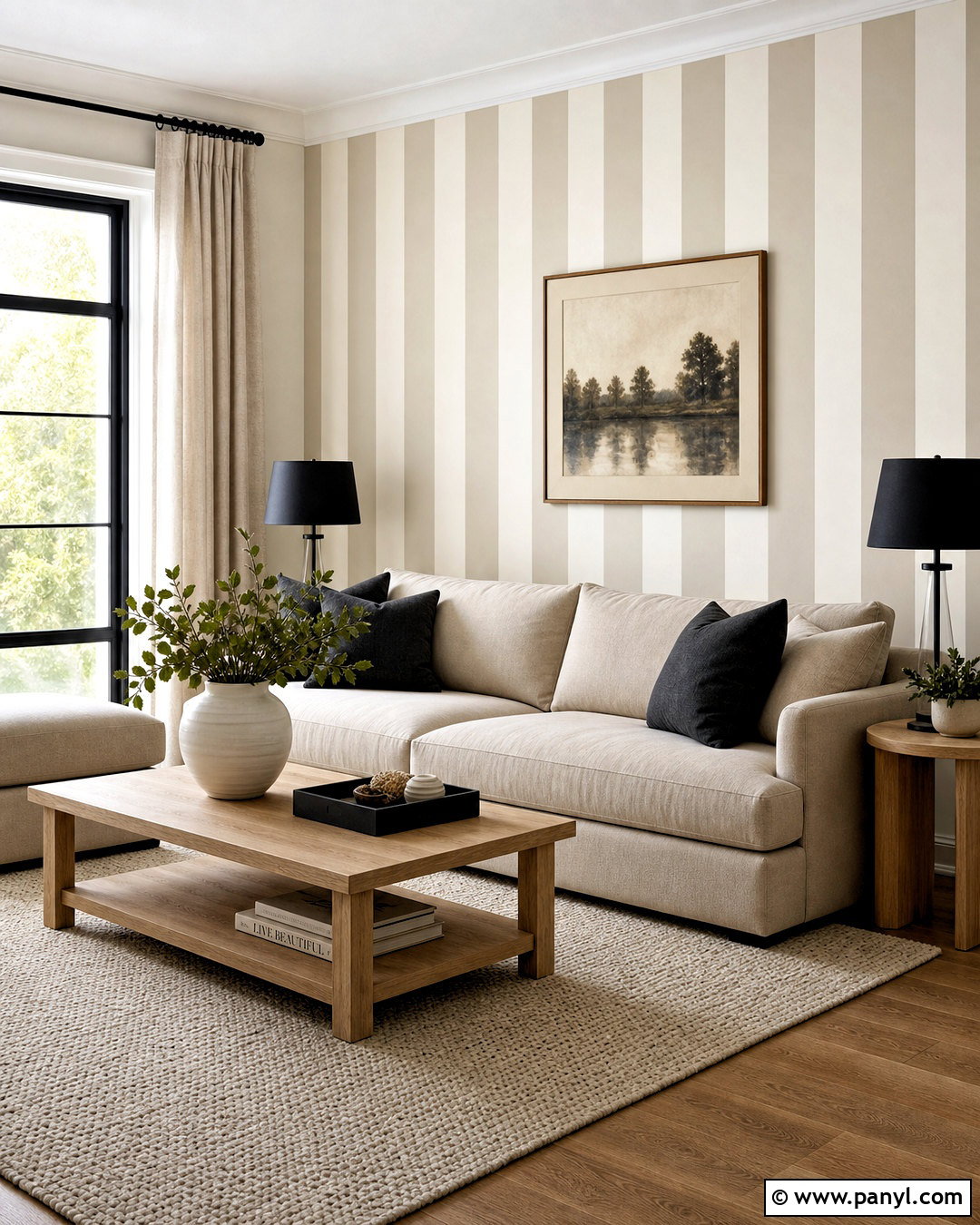
Wide vertical stripes in warm white and soft greige bring quiet structure to a modern living room. Paint the stripes from baseboard to ceiling, using equal widths for a balanced, tailored finish. Keep surrounding walls warm white so the pattern remains a defined focal point behind a low-profile oatmeal sofa. Add pale oak tables, a textured ivory rug, and linen curtains for warmth without competing with the wall. Matte black lamps and a few charcoal pillows provide controlled contrast. This look works particularly well in a room with a standard or low ceiling because the vertical pattern draws attention upward. Keep artwork minimal, choosing one large abstract canvas rather than several small pieces that would interrupt the clean lines.
2. Thin Black And White Wall Stripes
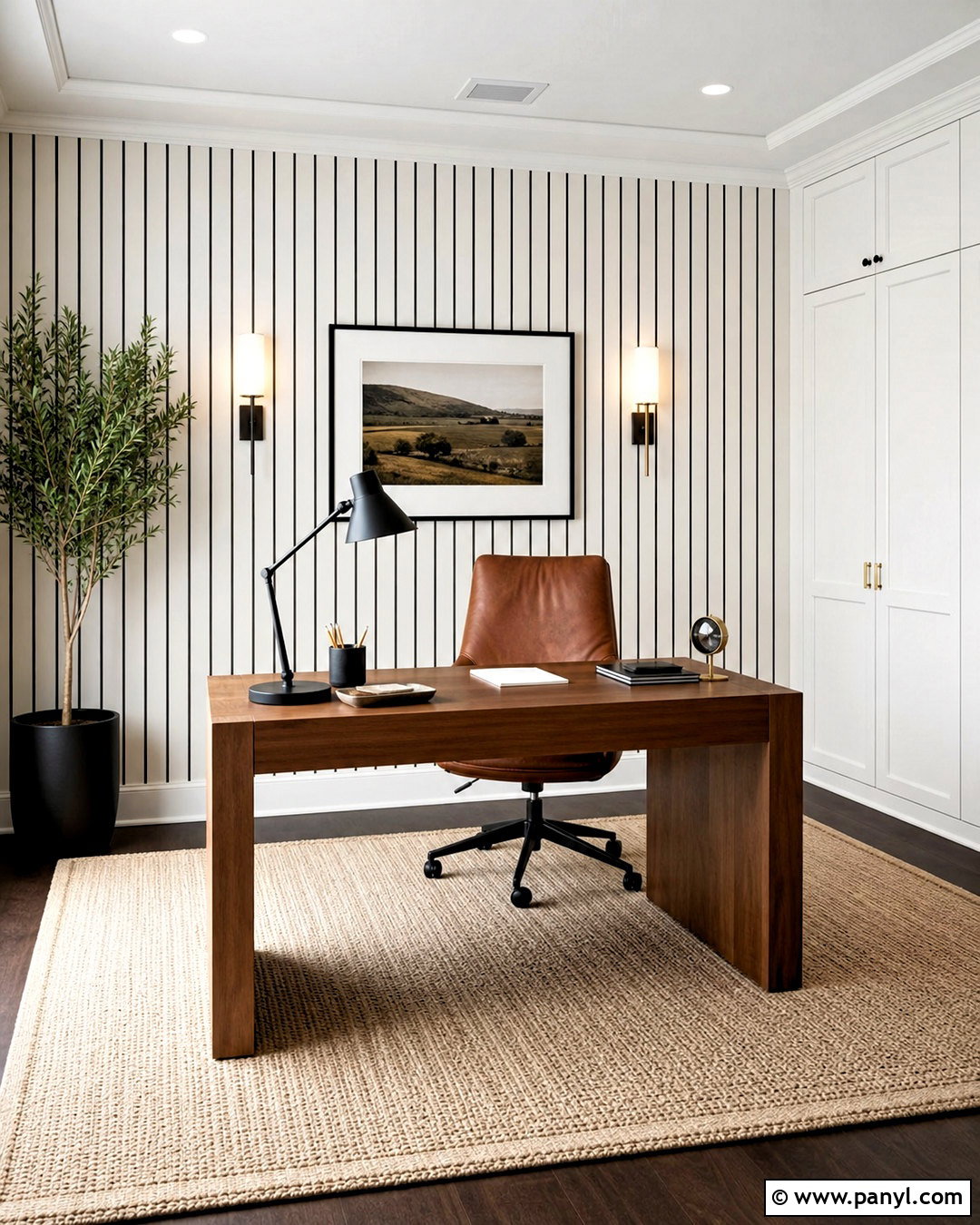
Crisp black pinstripes over a warm white base create a smart backdrop for a home office or reading room. Space the narrow lines evenly, allowing plenty of white between them so the design feels refined instead of visually busy. Place a simple walnut desk against the striped wall, paired with a cognac leather chair and a matte black task lamp. Natural wood flooring and a cream woven rug soften the strong contrast. Add closed storage in the same white as the base wall to keep the room streamlined. A framed architectural print can sit between two lines without hiding the pattern. Repeating black through picture frames, cabinet hardware, and lighting makes the striped treatment look intentional and connected to the whole space.
3. Navy And White Horizontal Stripes
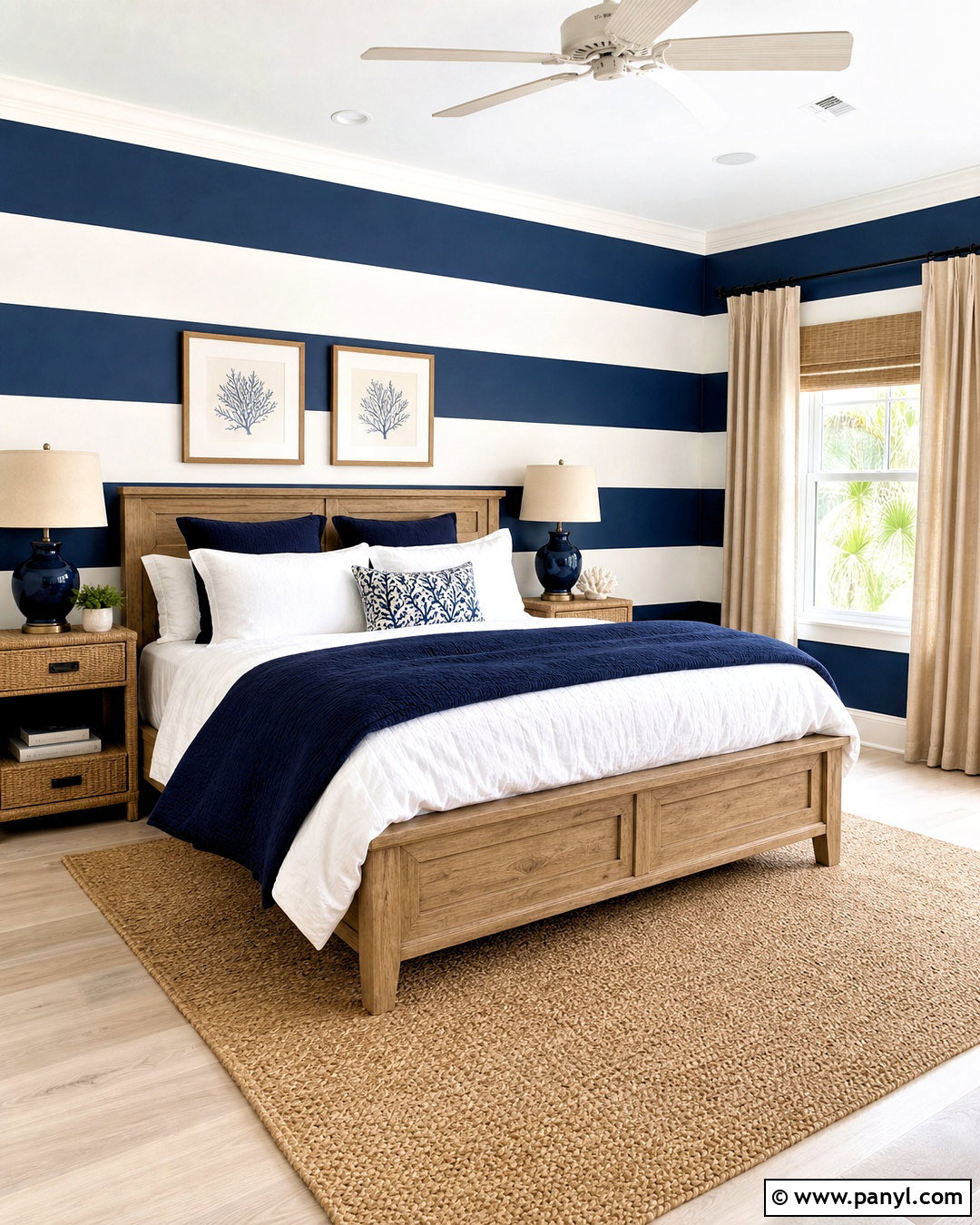
Navy blue and clean white horizontal stripes create a fresh coastal bedroom without relying on themed decorations. Use broad, evenly sized bands on the wall behind the bed, beginning and ending with white for a neat framed appearance. A natural oak bed, white linen bedding, and a navy quilt continue the relaxed palette. Bring in woven nightstands, ceramic lamps, and light beige curtains for an airy finish. Pale wood or whitewashed flooring keeps the darker paint from weighing down the room. Limit additional patterns to one subtle ticking-stripe pillow or a small geometric rug. The horizontal layout visually stretches the focal wall, making it especially useful in a compact bedroom that could benefit from a broader, more open appearance.
4. Sage Green And Cream Vertical Stripes
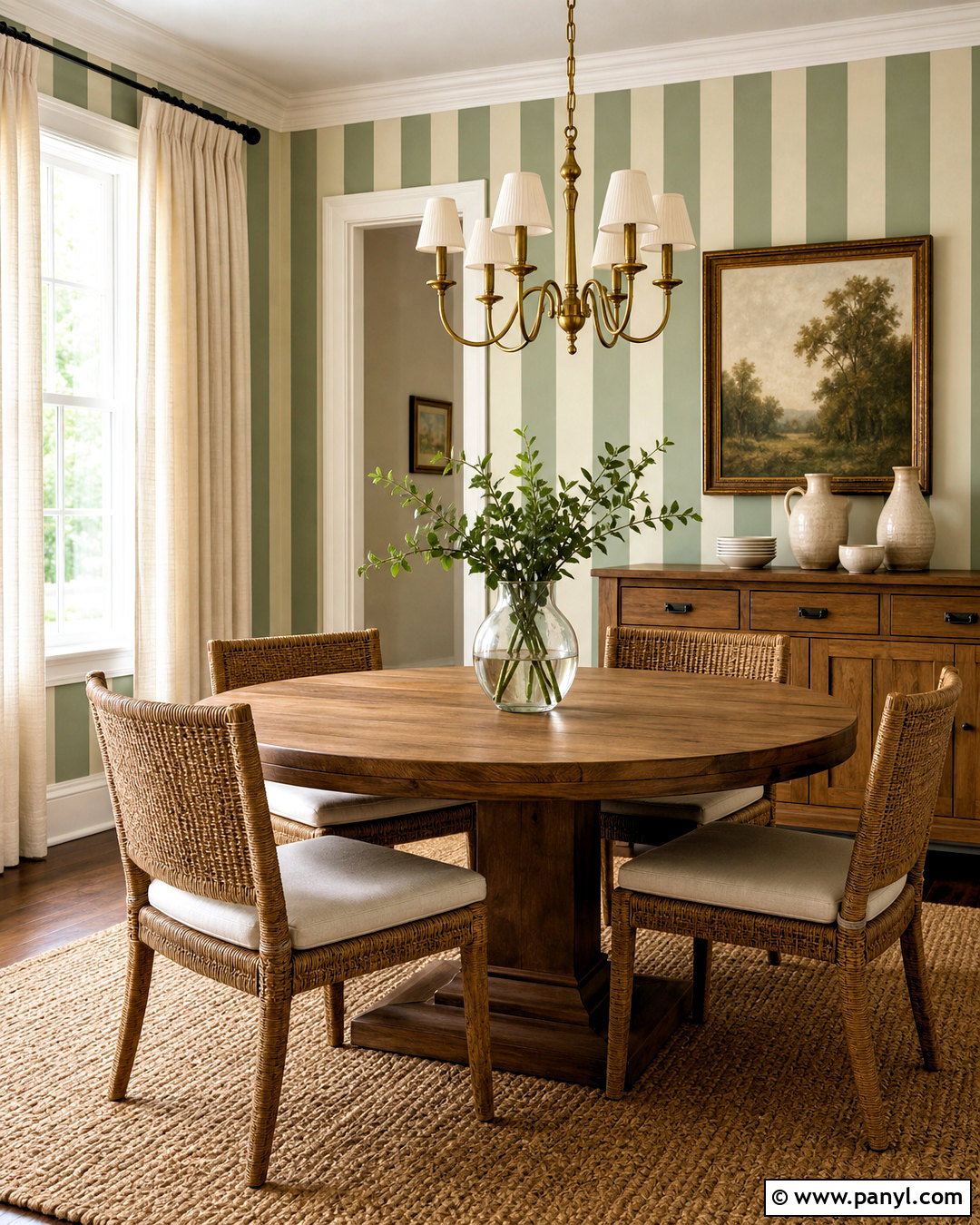
Soft sage green and creamy white stripes give a dining room a welcoming garden-inspired character. Choose medium-width vertical bands and carry them around every wall for an immersive effect that still feels gentle. Ground the room with a round oak dining table, woven chairs, and a natural jute rug. A simple aged-brass chandelier adds warmth, while off-white curtains keep the windows light. Display handmade cream ceramics and leafy branches on a slim wood sideboard rather than introducing several unrelated colors. Paint the trim creamy white to connect it with the lighter stripe. The complete scheme feels traditional enough for an older home but clean enough for a modern interior, especially when the furniture has simple silhouettes and warm natural finishes.
5. Blush Pink And Terracotta Stripes
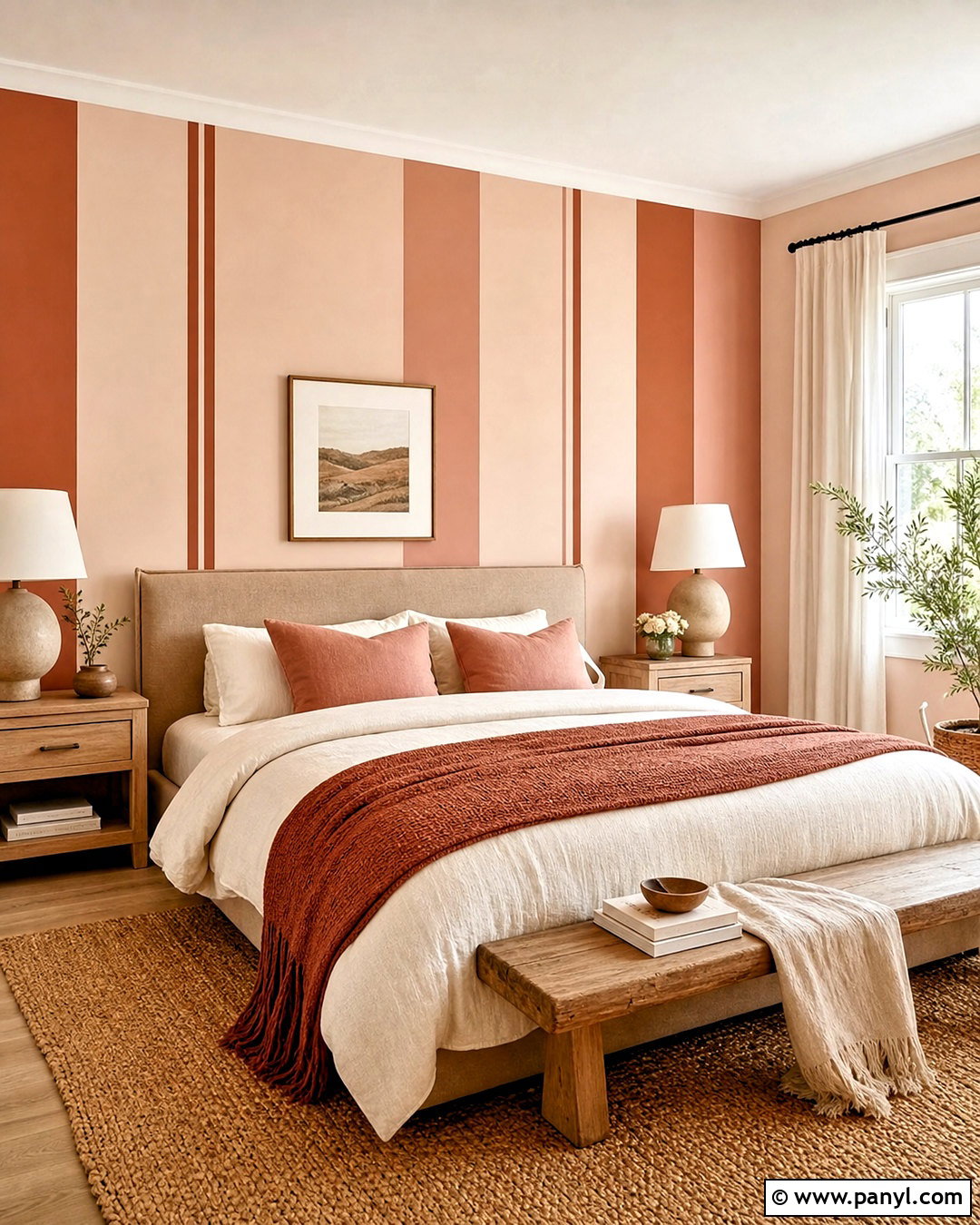
Muted blush and earthy terracotta stripes can turn a bedroom into a warm, restful retreat. Paint broad vertical sections in alternating widths rather than creating a perfectly uniform repeat. The slight variation gives the wall a modern, hand-designed quality. Choose a low upholstered bed in natural linen, then layer cream sheets, a rust-colored throw, and dusty rose pillows. Light oak nightstands and small plaster lamps support the soft organic palette. Keep the other walls pale blush so the accent wall blends naturally into the room. A flat-woven rug with understated tan details adds depth without introducing another strong pattern. Finish with simple botanical artwork and clay accessories, allowing the striped wall to provide most of the room’s visual interest.
6. Bold Black And White Striped Wall
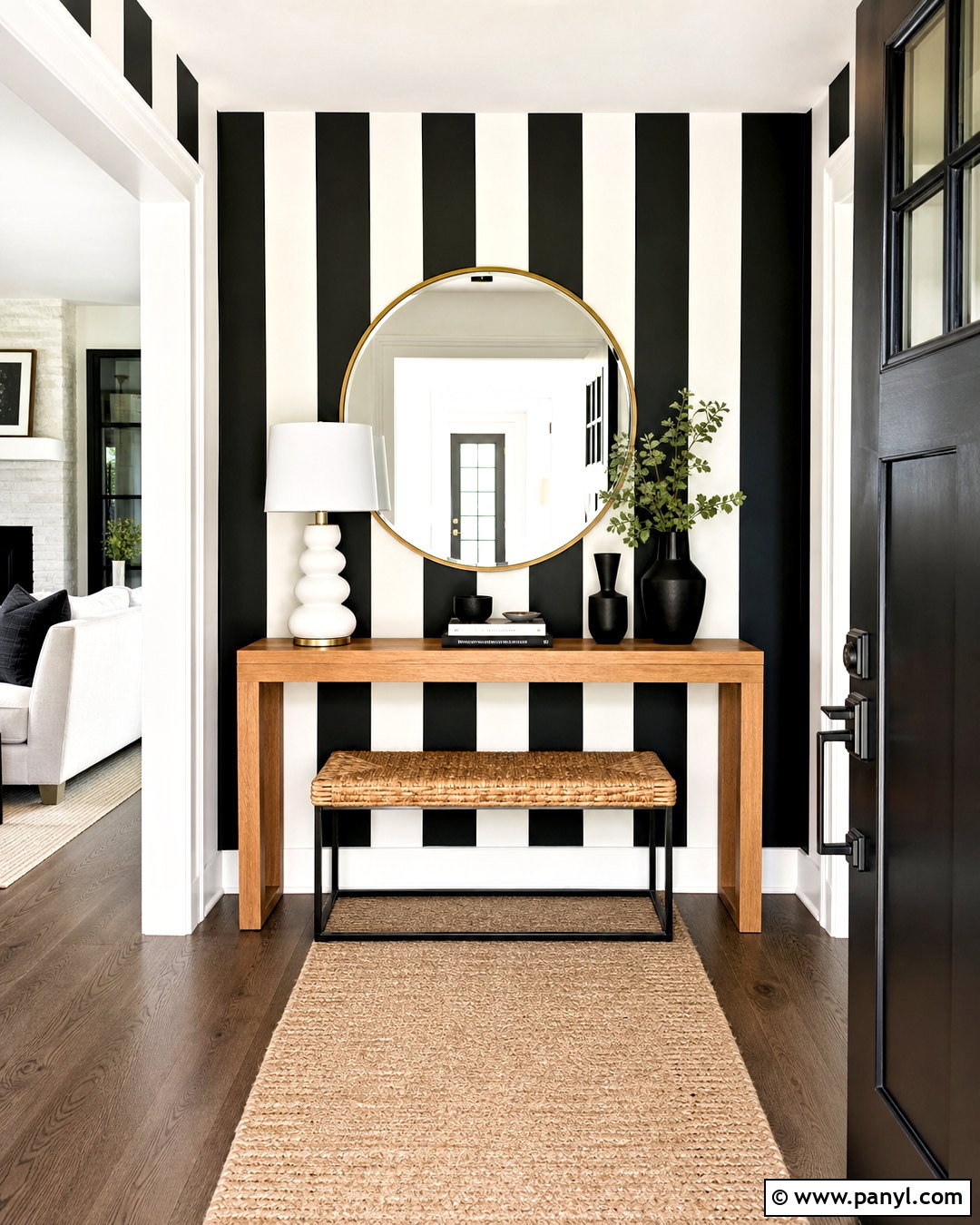
For a dramatic entryway, use broad black and white vertical stripes on one uninterrupted wall. The high-contrast pattern creates an immediate focal point, so the rest of the space should remain edited and functional. Position a slim natural wood console against the wall, topped with a large round mirror in a thin brass frame. Add a woven bench, a neutral runner, and a sculptural white lamp. Paint doors, trim, and adjacent walls warm white to prevent the entry from feeling enclosed. Small accessories in black, tan, and brass connect the furnishings to the striped backdrop. This design works best where the lines can remain mostly visible, so avoid bulky cabinets or crowded gallery arrangements that would hide the strong, graphic pattern.
7. Tone-On-Tone Blue Wall Stripes
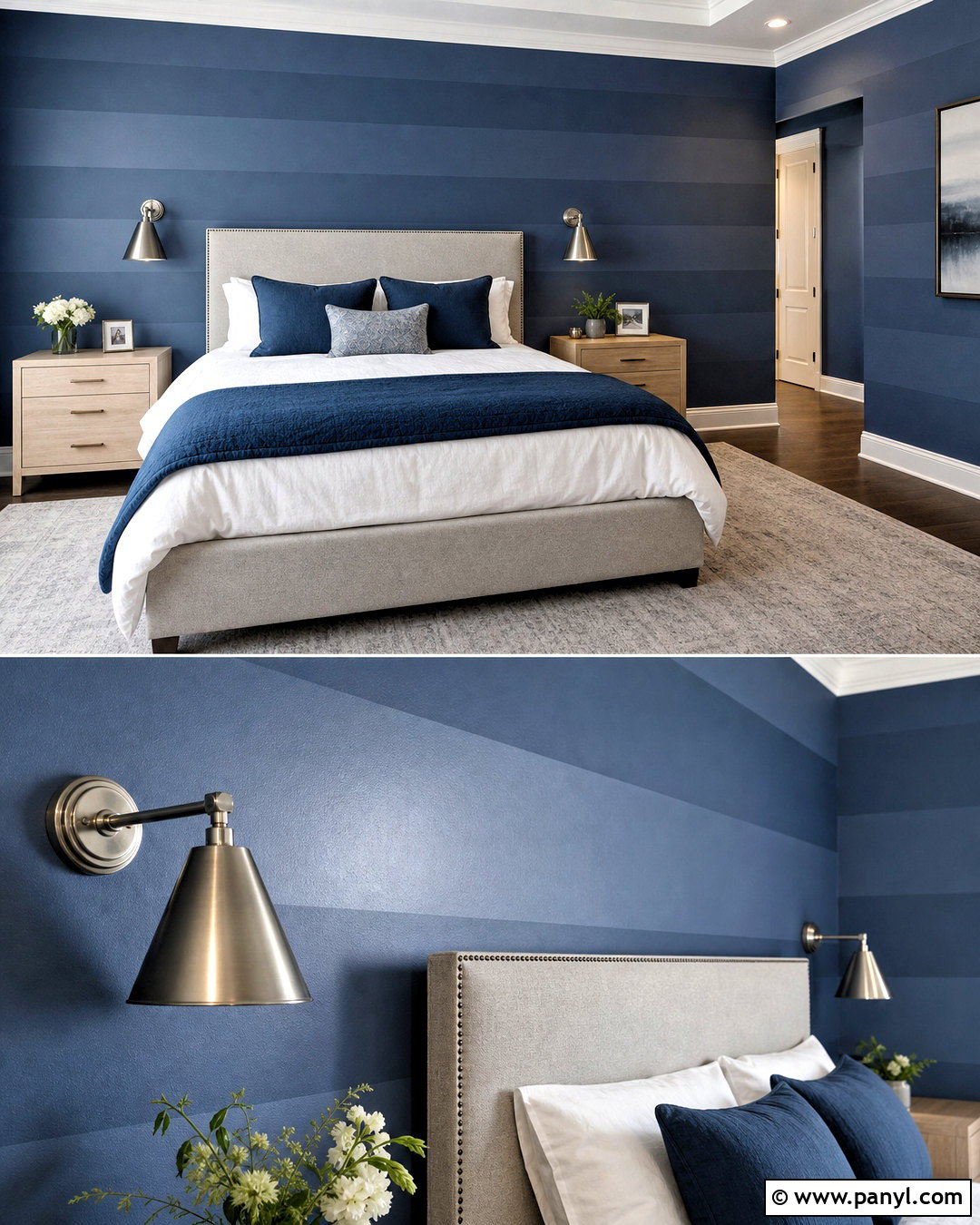
A tone-on-tone stripe treatment brings depth to a bedroom while maintaining a calm, nearly monochromatic palette. Start with dusty blue matte paint, then add equally wide stripes in the same blue using a satin finish. The pattern appears subtly as natural and artificial light moves across the wall. Pair it with an upholstered bed in pale gray, crisp white sheets, and a deeper blue blanket. White oak nightstands, brushed nickel sconces, and a soft gray rug keep the room cool but comfortable. Because sheen supplies the contrast, extra wall decor is unnecessary. Hang one small framed piece above each nightstand instead of covering the center wall. The finished room feels layered and sophisticated without depending on sharp color changes or complicated painting techniques.
8. Colorful Diagonal Playroom Stripes
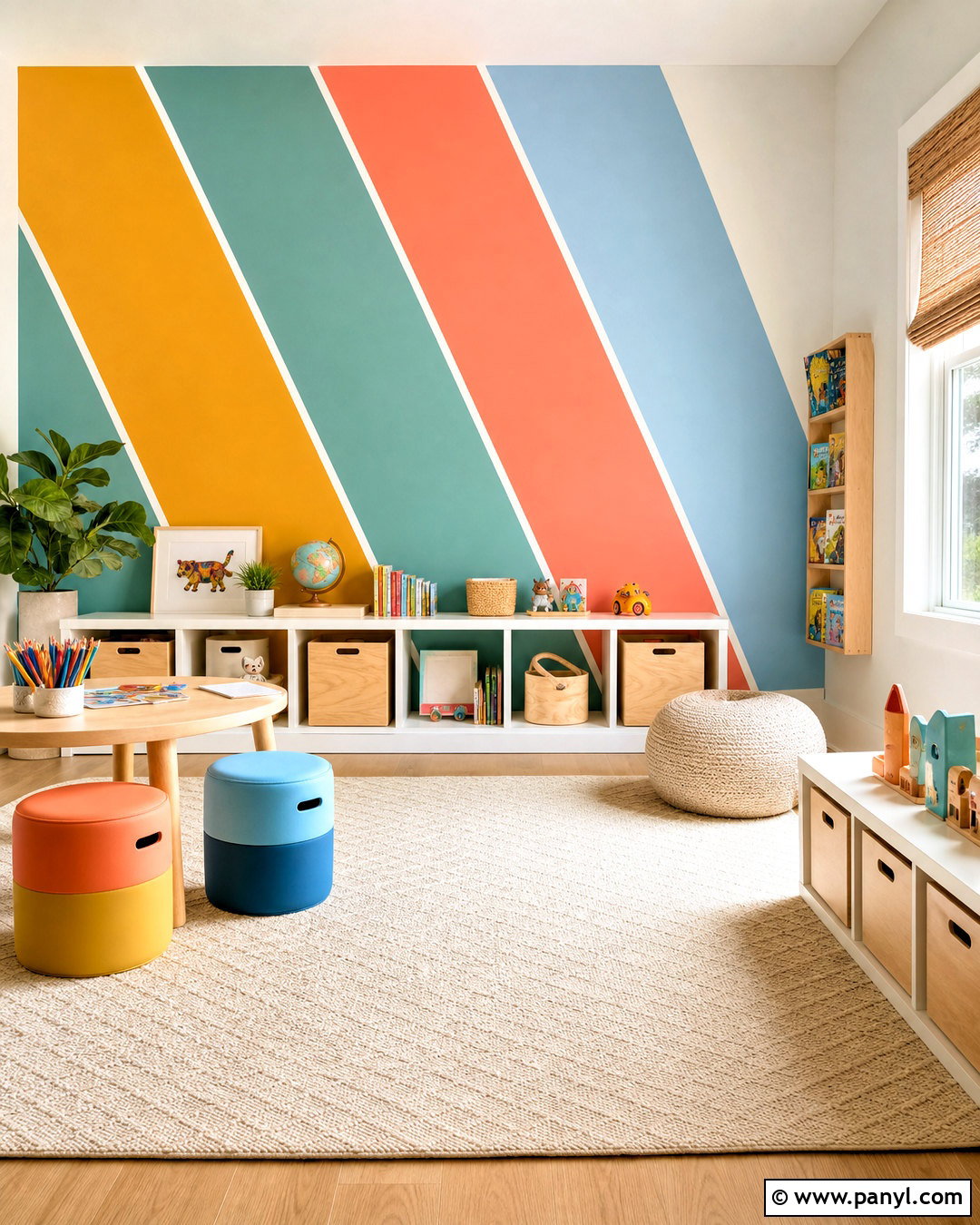
Diagonal stripes bring cheerful movement to a playroom, particularly when the colors are energetic but carefully controlled. Begin with a warm white wall, then add wide diagonal bands in mustard yellow, muted teal, coral, and sky blue. Run the stripes in one direction across a single feature wall to prevent the room from looking chaotic. Use low white storage cabinets, natural wood bins, and a washable cream rug to provide visual breathing room. A child-size craft table and stackable stools can repeat two of the wall colors. Keep toys organized in solid-color baskets rather than patterned containers. The diagonal arrangement creates a lively backdrop for creative activities, while the simple furniture layout ensures the room remains practical, open, and easy to tidy.
9. Pastel Rainbow Nursery Stripes
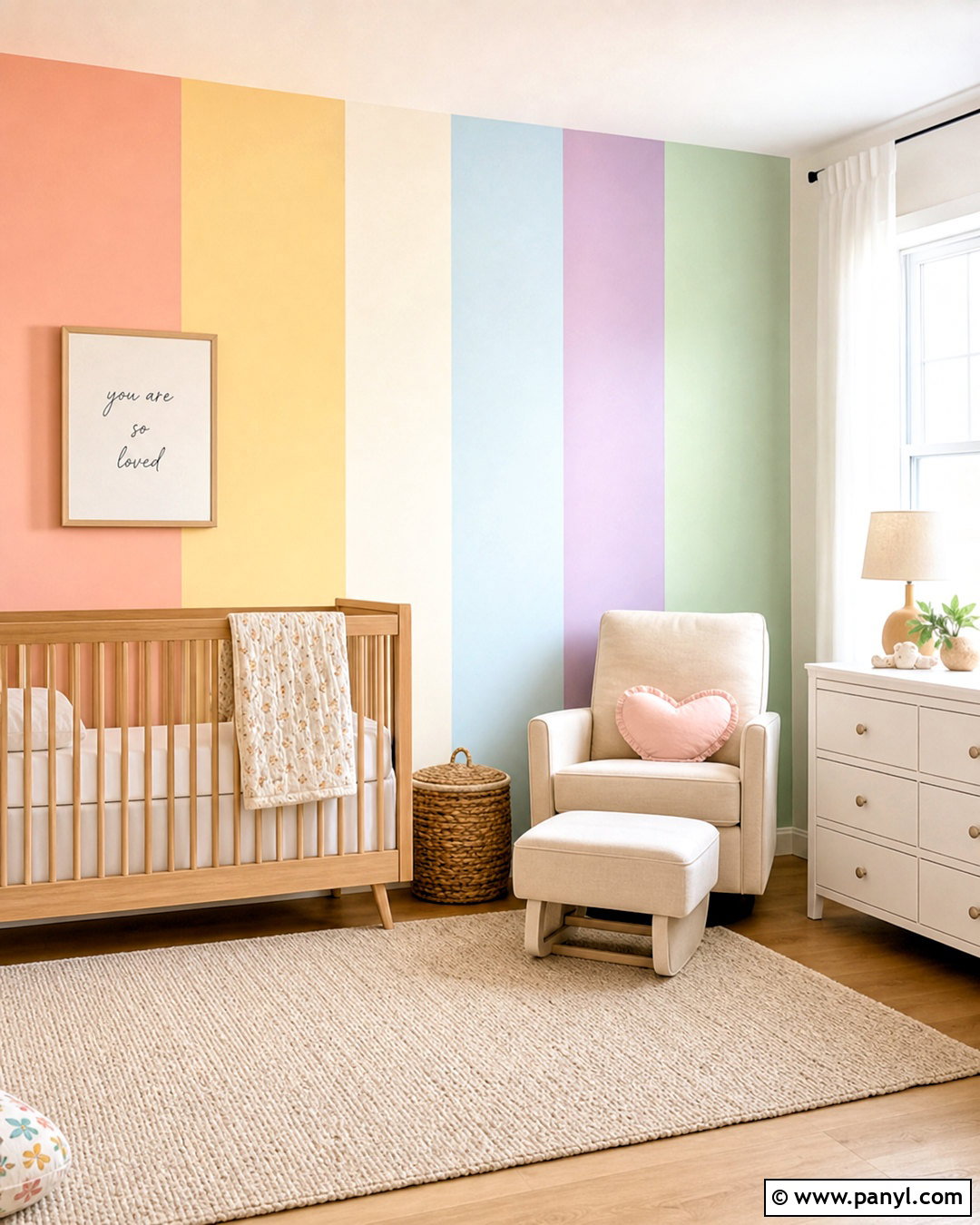
A soft rainbow stripe wall can feel sweet and soothing when the colors are dusty rather than overly bright. Paint narrow vertical bands in pale peach, butter yellow, misty blue, lavender, sage green, and warm white behind a natural wood crib. Repeat each color in a predictable sequence for a calm, ordered effect. Keep the remaining walls warm white and choose light oak flooring or a neutral carpet. A cream glider, woven basket, and simple white dresser complete the nursery without distracting from the pattern. Add a sheer white curtain and a small cloud-shaped light for gentle detail. Avoid heavily patterned bedding or rugs; solid cream textiles allow the multicolored wall to remain playful while preserving the peaceful atmosphere needed in a nursery.
10. Ombre Horizontal Wall Stripes
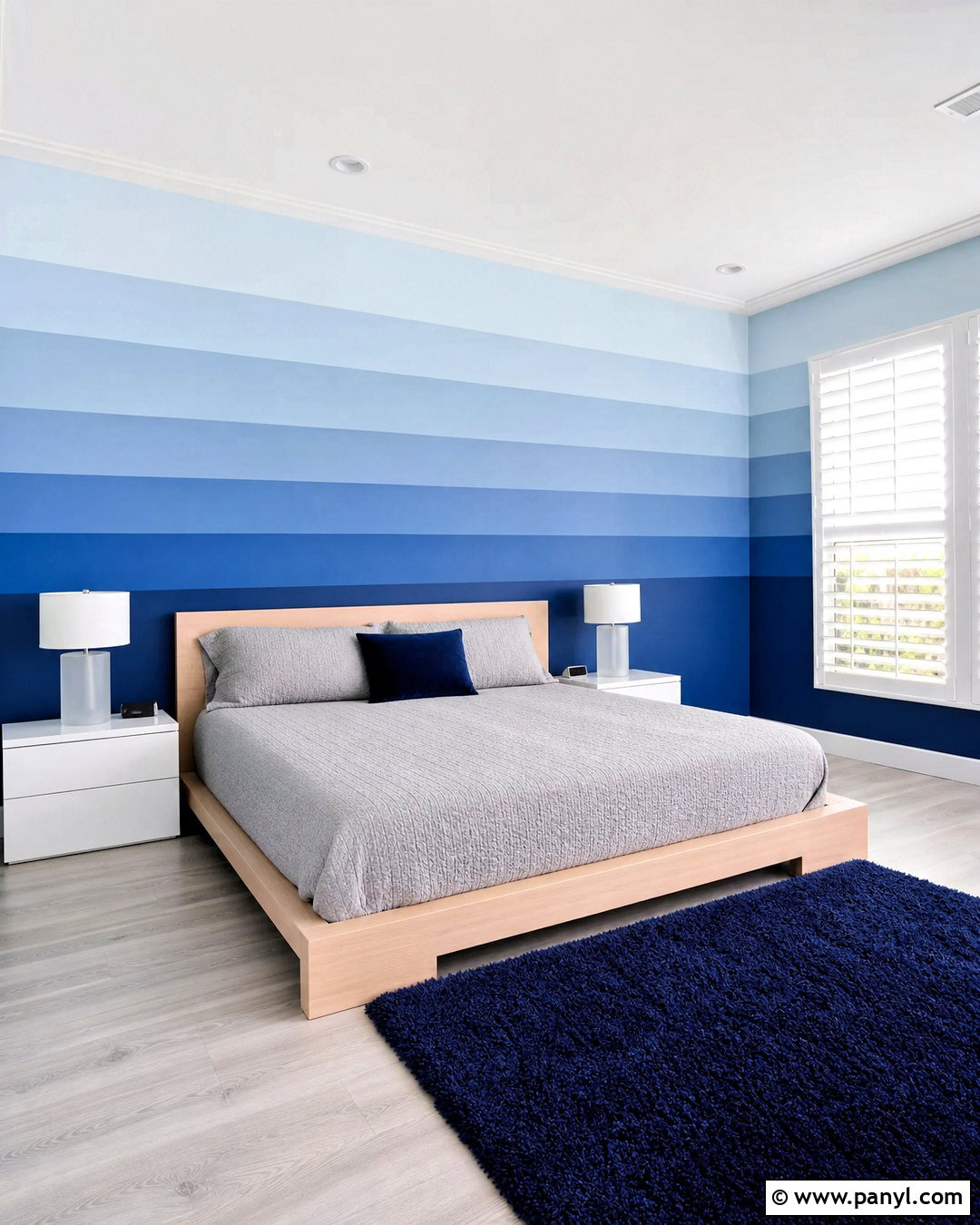
Layered horizontal stripes that gradually shift from deep blue to pale sky create a striking ombre effect in a contemporary bedroom. Place the darkest band near the floor and lighten each stripe as it approaches the ceiling. This arrangement grounds the room while keeping the upper wall bright. Use five or six broad bands rather than many narrow lines to make the transitions look intentional. A white oak platform bed, light gray bedding, and a navy lumbar pillow connect with the graduated palette. Add streamlined white nightstands and frosted glass lamps for a clean finish. Pale flooring and white trim prevent the dark lower shade from feeling heavy. Keep artwork off the feature wall so the full color progression remains visible and visually uninterrupted.
11. Single Wide Horizontal Wall Stripe
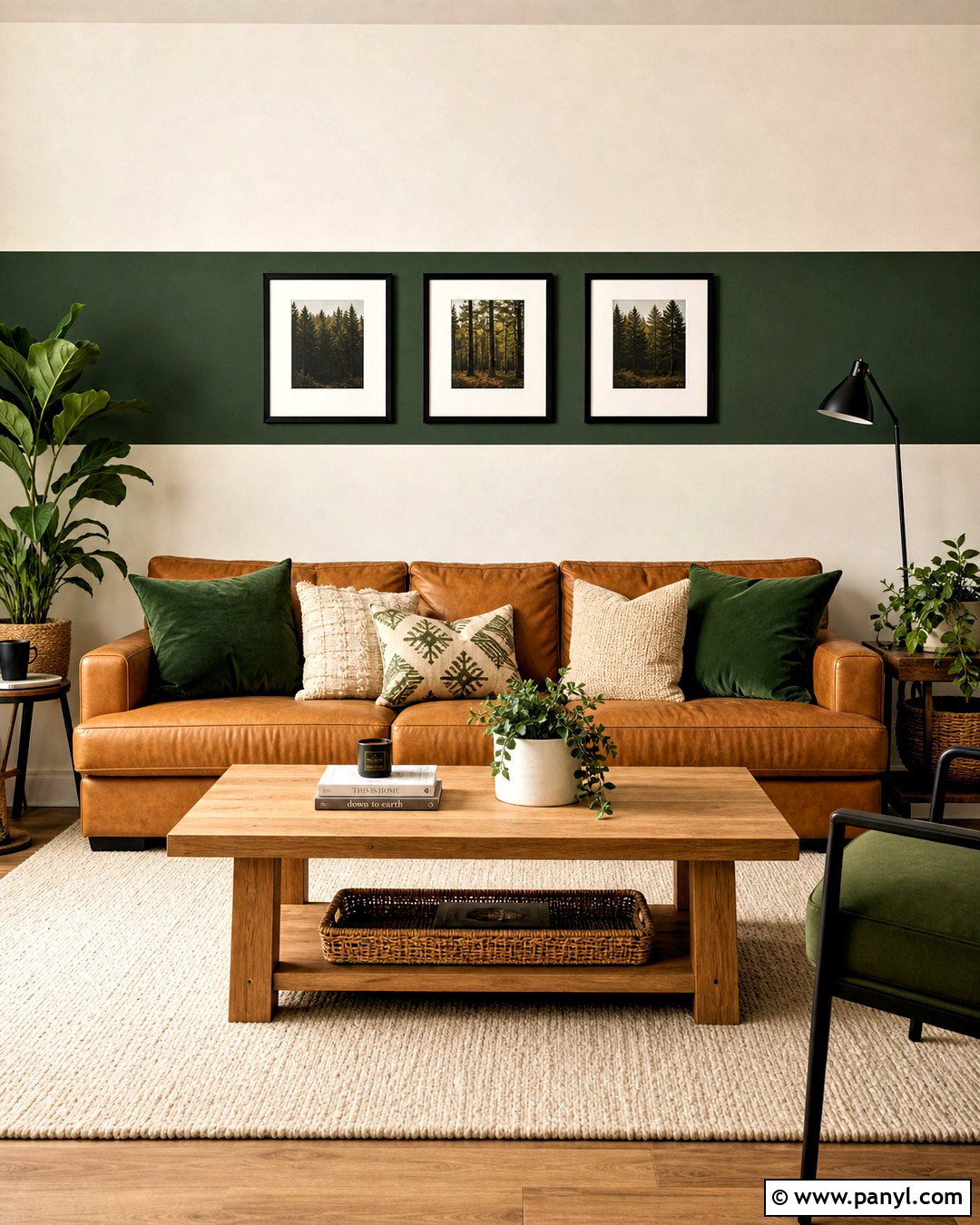
Sometimes one carefully positioned band makes a stronger statement than an entire striped wall. Paint a wide forest green stripe horizontally across a warm white living room wall, aligning it with the center of the sofa and continuing it behind nearby shelving. An eight- to twelve-inch band provides noticeable color without overwhelming the room. Furnish the space with a camel leather sofa, an oak coffee table, and a cream wool rug. Add green velvet pillows and leafy plants to repeat the accent color naturally. Black picture frames placed inside the painted band create a clean gallery arrangement. Keeping the ceiling, trim, and lower wall white preserves an open feeling. The finished look is graphic, affordable, and easier to measure than a full repeating pattern.
12. Stripes From Wall To Ceiling
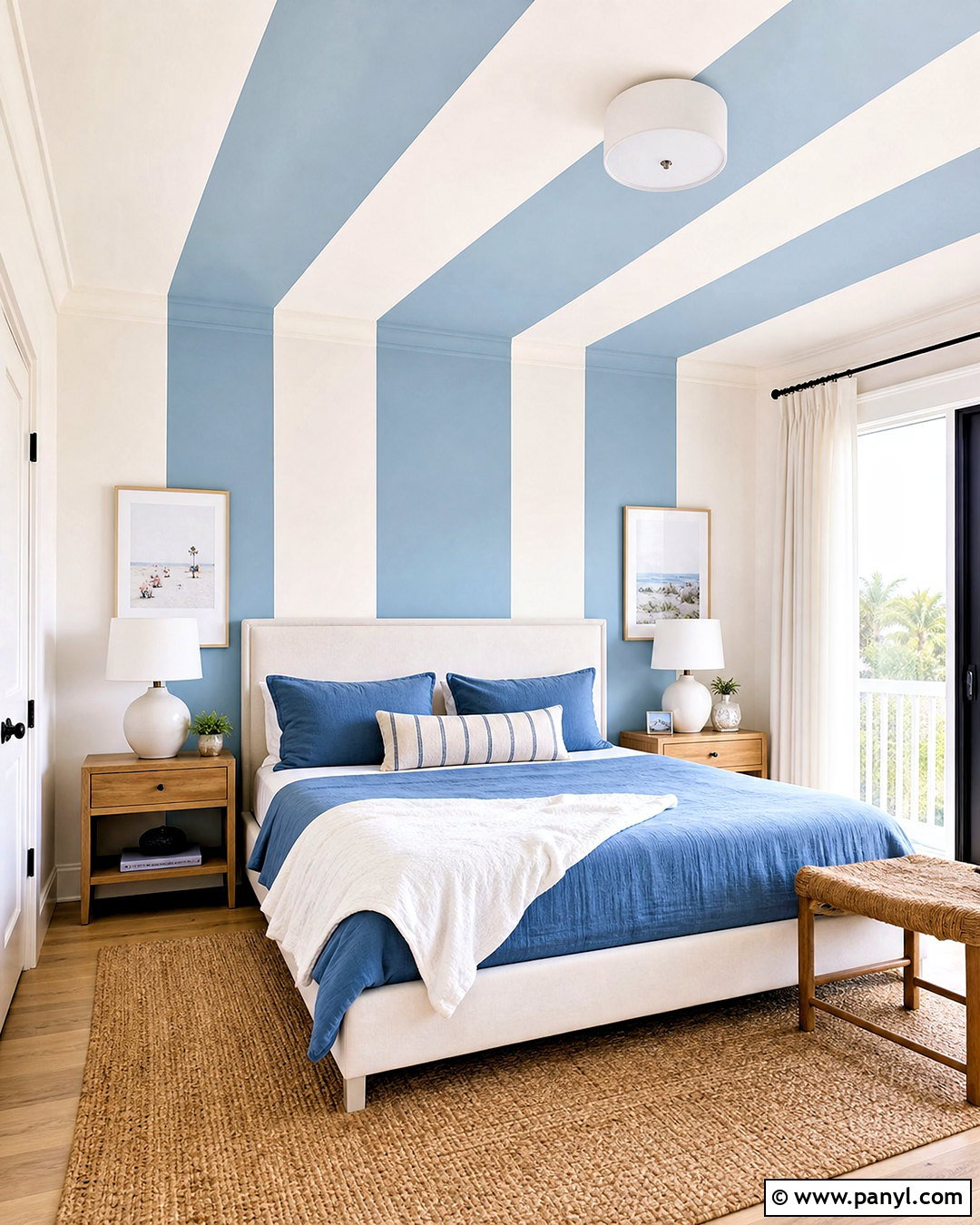
Why stop at the top of the wall? Carrying stripes across the ceiling creates an immersive bedroom design with a playful architectural effect. Use wide vertical bands of pale blue and warm white behind the bed, then continue them overhead in the same direction. Limit the treatment to the bed zone so it resembles a painted canopy rather than covering the entire room. Choose a simple white bed, medium-blue bedding, and light wood nightstands. A natural woven rug and linen curtains soften the geometry. Keep ceiling fixtures compact, such as a flush white light that blends into the pattern. This stripe layout visually defines the sleeping area and works particularly well in a plain rectangular room that lacks molding, beams, or other built-in architectural detail.
13. Stripes Above A Half-Painted Wall
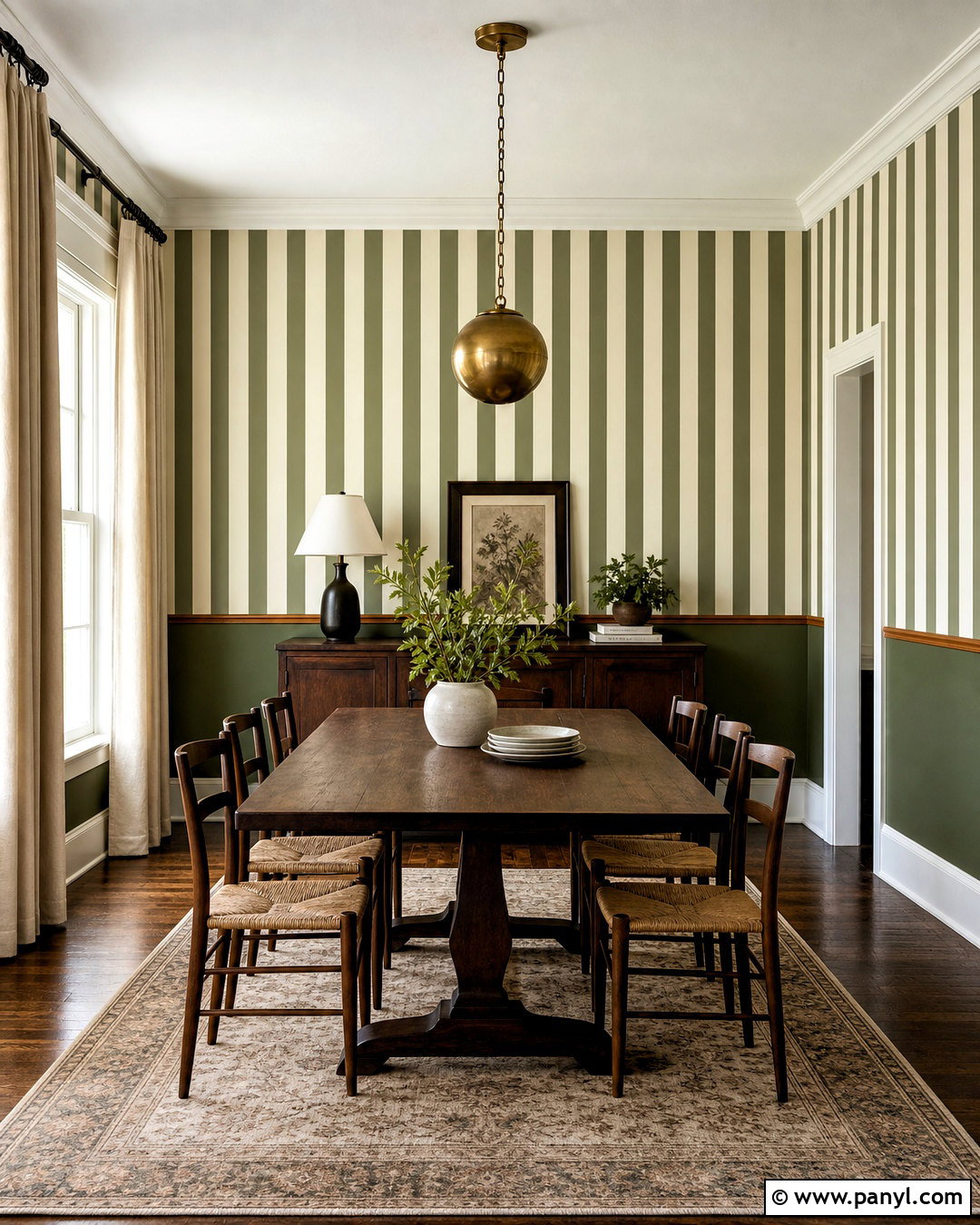
Combining vertical stripes with a solid lower wall gives a dining room classic character without requiring installed paneling. Paint the bottom third in deep olive green, finishing the edge with a narrow wood molding. Above it, create slim olive and cream stripes that extend to the ceiling. Use cream on the ceiling and trim to keep the upper room bright. A dark oak dining table, rush-seat chairs, and an antique brass pendant suit the grounded palette. Hang one vintage landscape in a substantial wood frame rather than arranging multiple small pictures over the pattern. Linen curtains and a faded neutral rug add softness. The solid lower section provides visual stability and is practical in a busy dining area, while the striped upper wall makes the room feel taller.
14. Uneven Vertical Wall Stripes
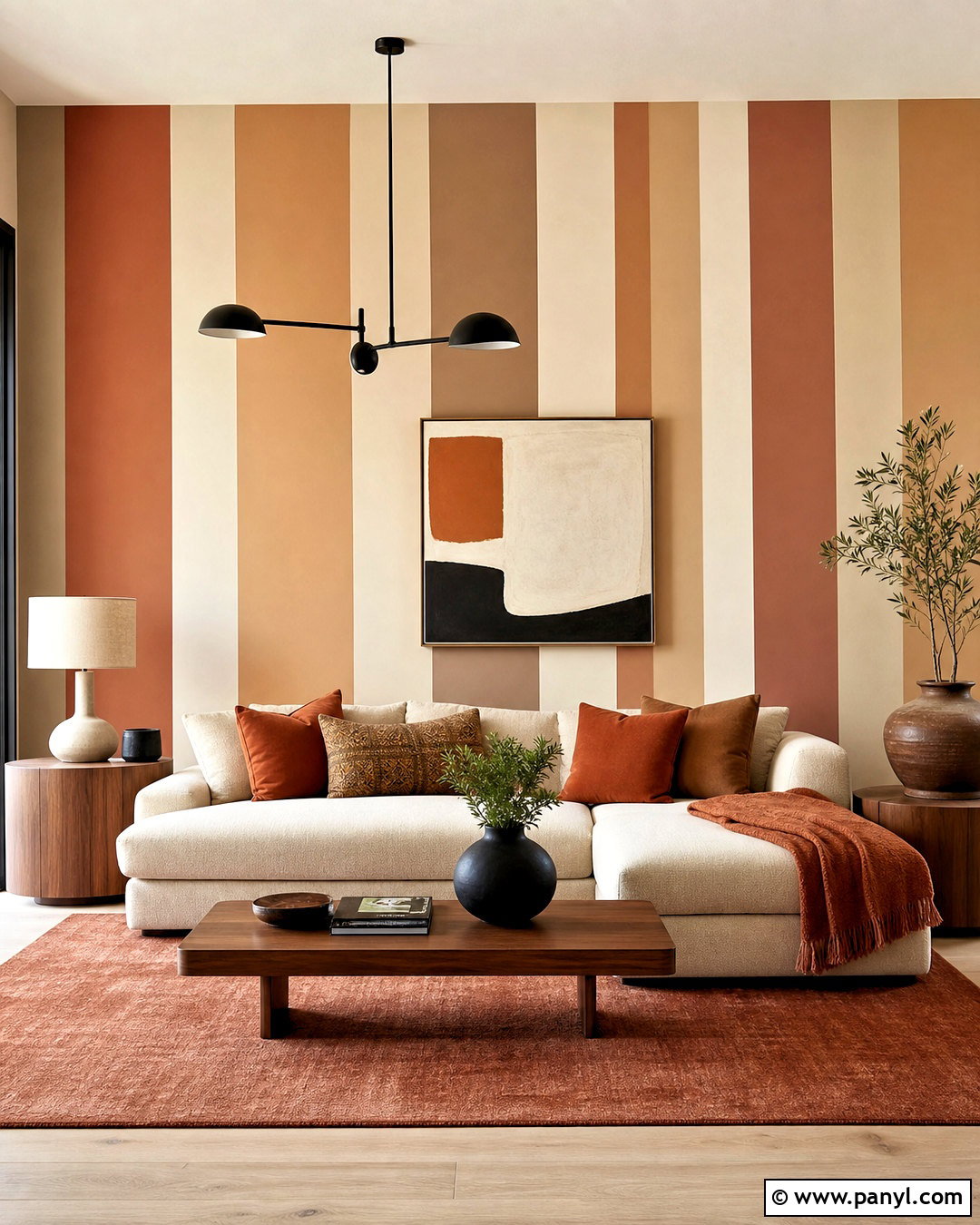
Uneven stripe widths offer a relaxed alternative to perfectly repeated bands. Create a living room accent wall using irregular vertical sections of clay, tan, cream, and muted brown. Keep every edge straight, but vary the widths according to the wall’s furniture placement. A wider cream area can sit behind artwork, while darker, narrower sections frame the sofa. Choose a low cream sofa, walnut side tables, and a rust-toned rug that connects with the wall colors. Black metal lighting introduces a crisp outline among the earthy shades. Carry only the lightest neutral onto surrounding walls. Although the stripe pattern is asymmetrical, repeating each wall color through pillows, ceramics, and textiles makes the whole room feel balanced, coordinated, and deliberately composed rather than random.
15. Crossing Geometric Wall Stripes
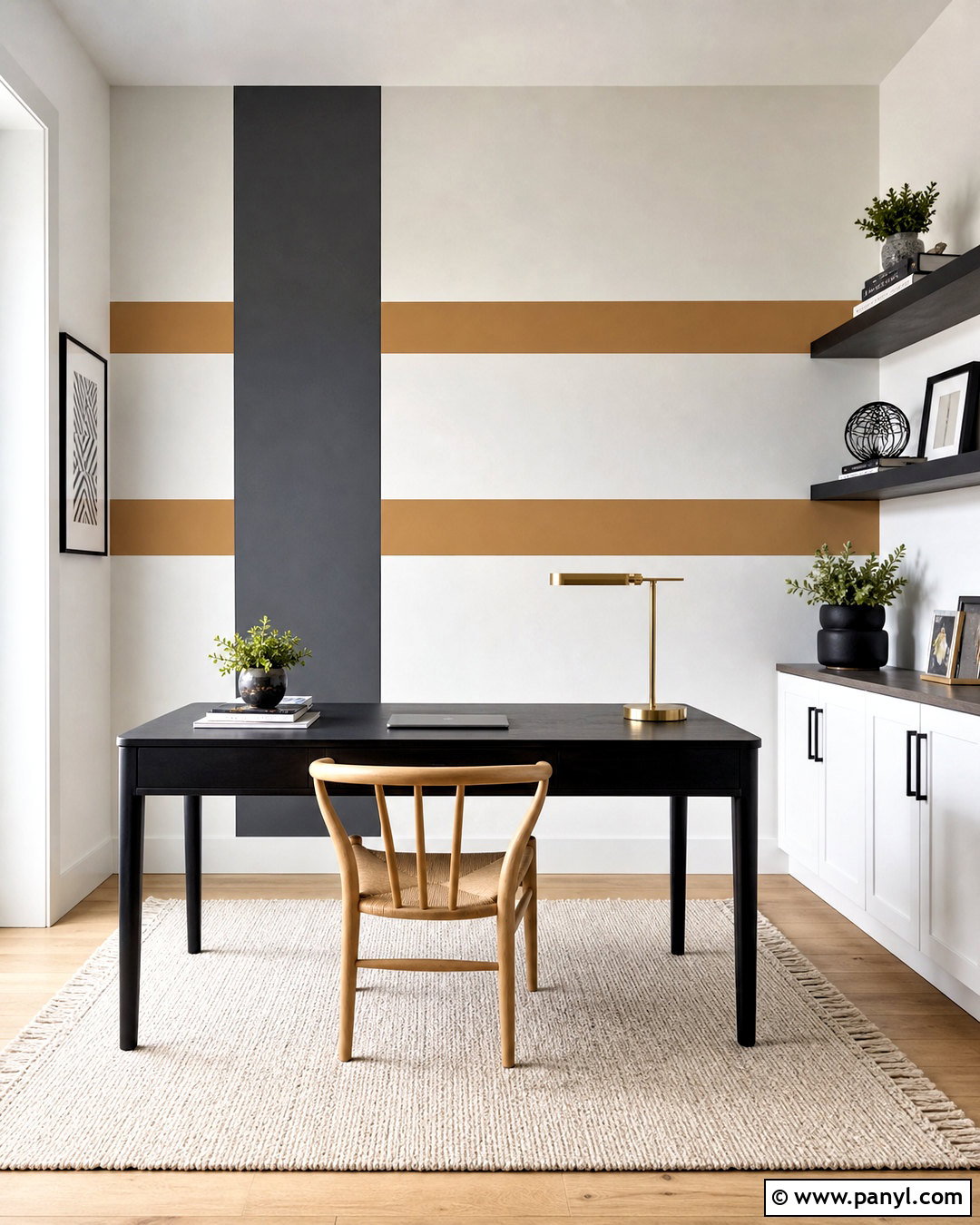
Overlapping horizontal and vertical stripes can form a modern grid that feels more architectural than decorative. Start with a soft white home office wall, then paint one wide charcoal vertical stripe behind the desk and two narrower camel horizontal bands across it. The intersections create darker geometric blocks without requiring a complicated mural. Select a streamlined black desk, a light oak chair, and floating shelves that align with the horizontal lines. A cream rug and white storage cabinet keep the workspace bright. Repeat camel in a desk organizer or small upholstered stool. Leave generous blank areas around the painted bands so the grid can breathe. This complete look works best on one wall with minimal artwork, allowing the crisp crossing lines to define and organize the workspace.
16. Metallic Gold Accent Stripes
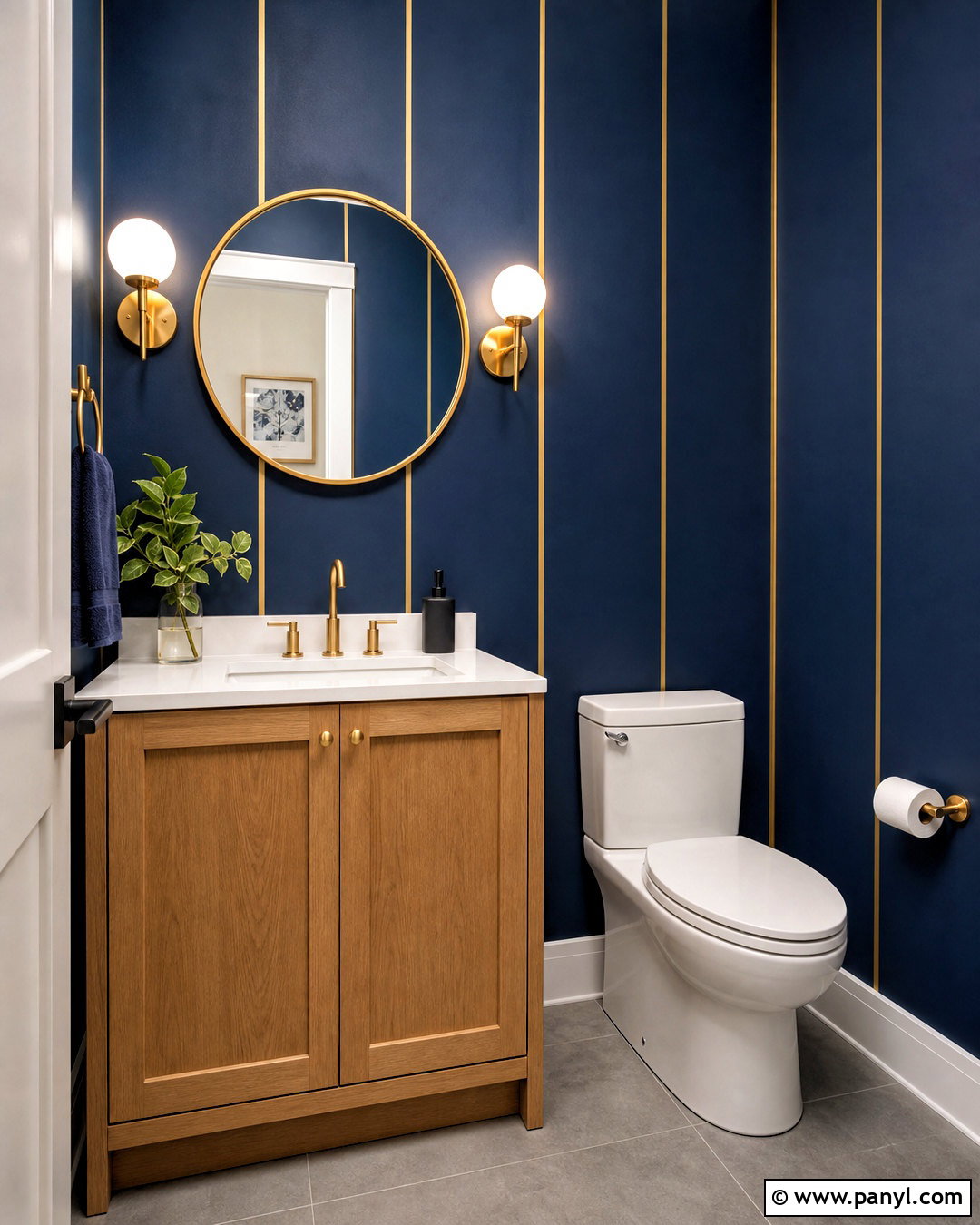
Slim metallic gold stripes can add a refined glow to a powder room when they are used sparingly. Paint the walls deep navy blue, then add narrow vertical gold bands spaced widely apart. A matte or softly reflective metallic finish looks more polished than highly glittered paint. Install a white pedestal sink or compact oak vanity with brushed brass hardware. A round brass mirror, opal globe sconces, and a white marble backsplash connect naturally with the gold detailing. Keep towels and accessories white to lighten the dark background. Warm gray floor tile provides a durable neutral foundation. The sparse stripe layout creates height and elegance without making the small room overly busy. Careful spacing also leaves enough solid navy around the fixtures for a clean, finished appearance.
17. Earth-Tone Horizontal Stripes
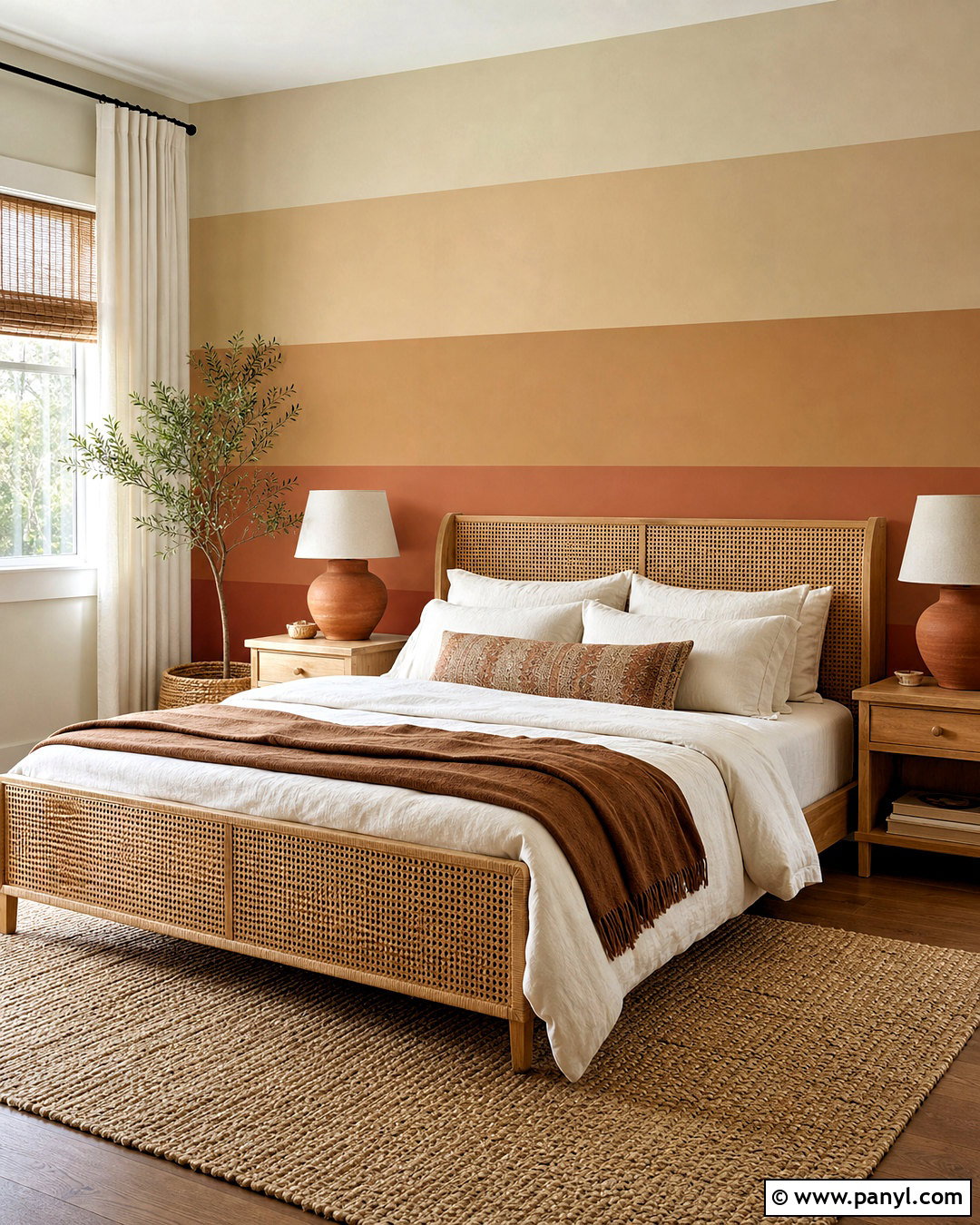
Warm earth-tone bands can make a bedroom feel grounded, comfortable, and connected to natural materials. Paint four broad horizontal stripes in cream, sand, caramel, and muted clay, placing the darkest color along the bottom. Align the top of the headboard with one of the transitions for a composed look. Use a woven cane bed, off-white linen bedding, and a brown wool blanket. Add terracotta lamps, light wood nightstands, and a flat-woven beige rug. The adjacent walls should match the lightest cream stripe, allowing the feature wall to blend into the room. Avoid extra saturated colors or shiny finishes. Soft cotton, linen, wood, cane, and handmade ceramics complete the organic design while letting the warm striped wall remain the main decorative feature.
18. Blue Striped Bathroom Walls
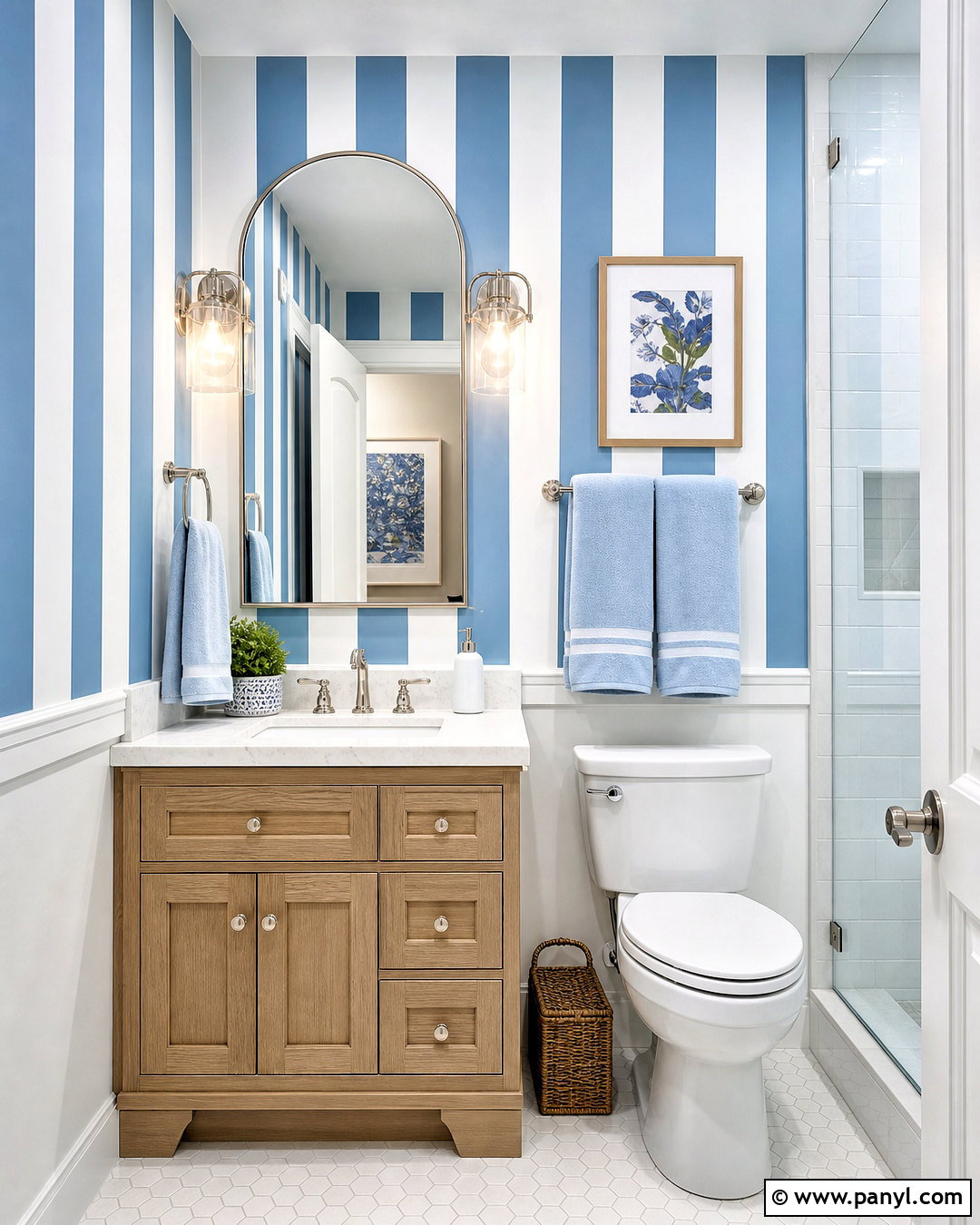
Fresh blue and white vertical stripes can make a small bathroom feel taller and more orderly. Choose medium-width bands in muted denim blue and crisp white, extending them from the baseboard to the ceiling on the wall behind the vanity. Keep the remaining walls white to avoid overwhelming the limited space. A light oak vanity, white quartz counter, and polished nickel fixtures bring warmth and brightness. Install a simple arched mirror and two clear glass sconces that leave the pattern visible. White hexagonal floor tile supports the classic color combination, while a pale blue towel provides a subtle connection. Use moisture-suitable interior paint in an appropriate bathroom finish. The complete scheme feels clean and timeless without relying on nautical signs or heavily themed accessories.
19. Green Striped Kitchen Nook
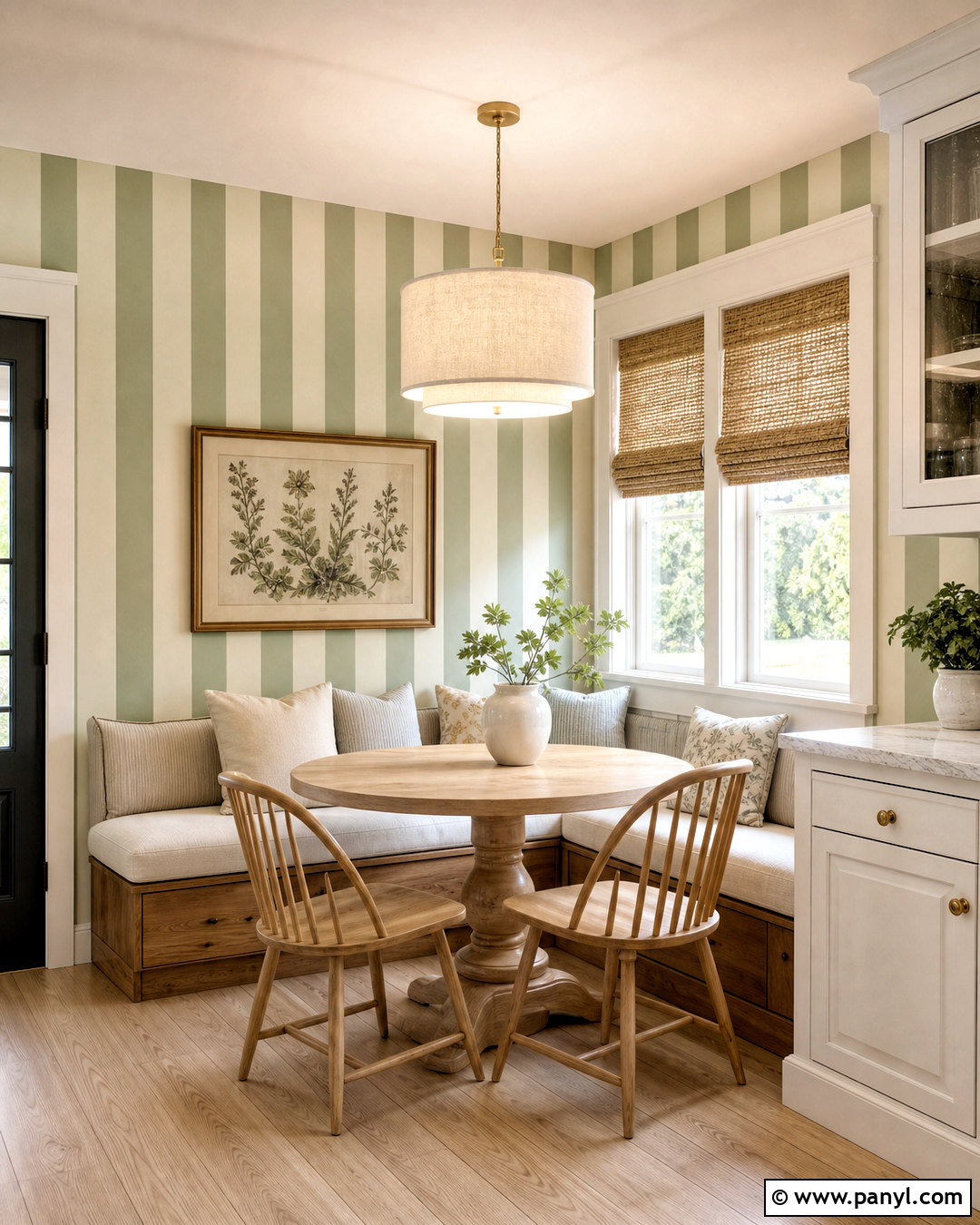
A striped wall can visually separate a breakfast nook from the rest of an open kitchen. Paint medium-width vertical bands in warm sage green and creamy white around the nook, ending the pattern at a natural corner or cabinet edge. Add a built-in or freestanding oak bench with cream cushions, a small round pedestal table, and two spindle-back chairs. A simple linen pendant defines the area from above. Repeat sage through a washable seat pillow and a small ceramic vase, while keeping the nearby kitchen cabinets warm white. Natural woven shades and pale oak flooring complete the relaxed palette. Because the wall treatment defines the zone, additional artwork can be minimal. One small botanical print is enough to make the nook feel welcoming and complete.
20. Painted Stripe Headboard Wall
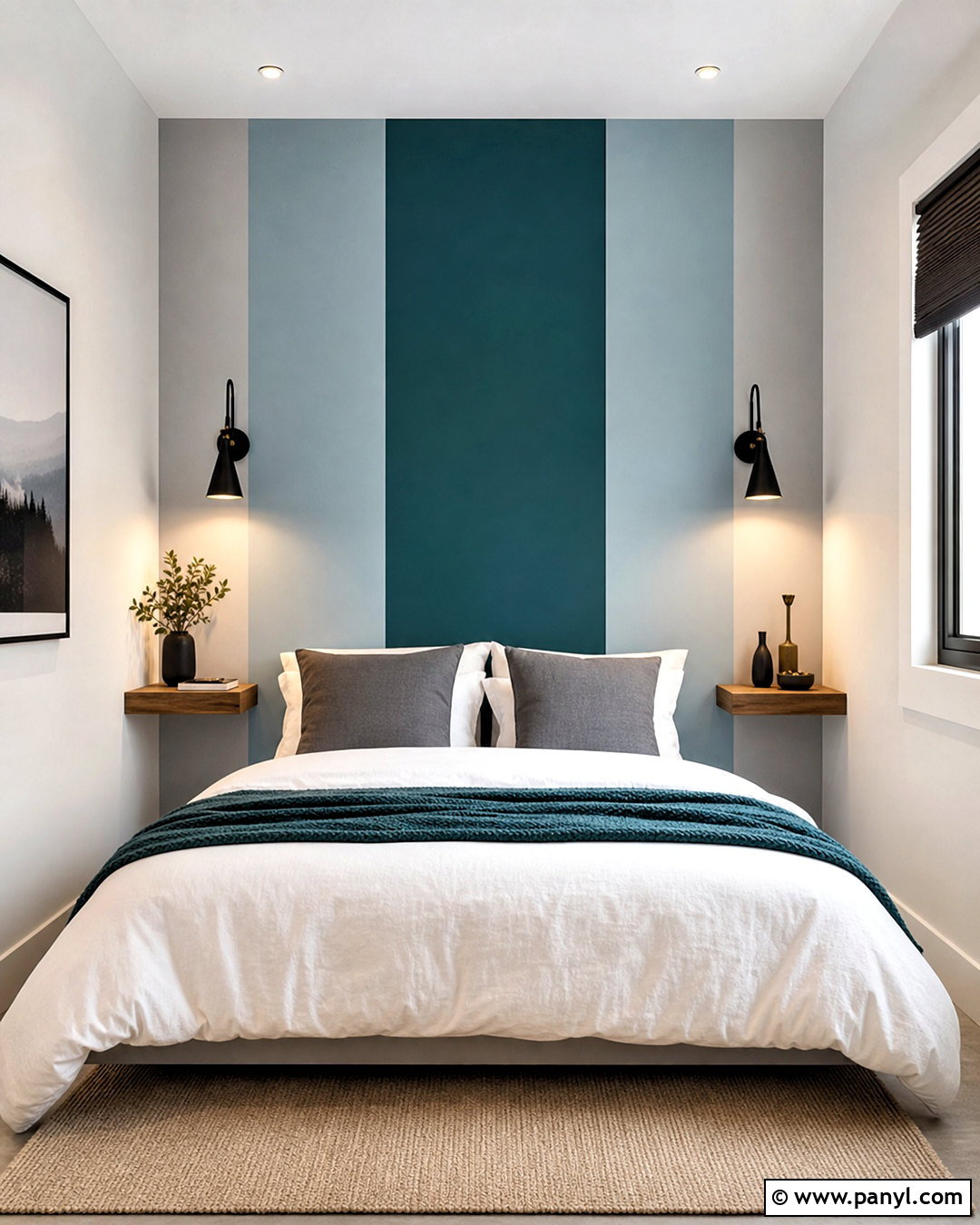
A group of painted vertical stripes can form an affordable headboard while giving a compact bedroom a custom focal point. Paint one wide central stripe in deep teal, flanked by narrower bands of dusty blue and soft gray. Stop the stripes slightly above the pillows or continue them to the ceiling for a taller appearance. Position a simple frameless bed directly in front, using white bedding, a teal throw, and gray accent pillows. Floating oak shelves can serve as nightstands and preserve valuable floor space. Add compact black sconces on the outer stripes to frame the bed. Keep the rest of the room warm white, with pale flooring and a small neutral rug. The finished design combines color, symmetry, and function without purchasing a bulky upholstered headboard.
Conclusion:
These 20 stripe paint ideas for walls show how one simple pattern can support many complete room designs. Wide neutral bands feel calm and architectural, while colorful diagonals bring energy to playful spaces. Pinstripes add tailored detail, graduated bands create depth, and one oversized stripe offers an easier weekend update. Before painting, sketch the pattern, check how it meets corners and trim, and mark every line with a level. Test colors together in the room’s changing light. Keep furniture and accessories connected to the palette so the wall does not feel isolated. Most importantly, choose a scale that suits the room. Thoughtful spacing, crisp edges, and coordinated furnishings will make any striped wall look intentional.

Related Ideas and Inspiration:

Leave a Reply