
Red is fearless, warm, and surprisingly versatile. The best **red home ideas** go beyond adding one bright accessory. They create complete spaces where color, furniture, finishes, and lighting feel thoughtfully connected. Deep burgundy can make a library feel intimate, while tomato red gives a kitchen playful energy. Muted brick tones work beautifully with natural wood, and glossy crimson can sharpen a modern room. The key is choosing the right shade and repeating it in controlled ways. Neutral walls, layered textures, and balanced accent colors prevent red from becoming overwhelming. Whether you want a dramatic transformation or a smaller dose of personality, these complete looks offer practical **red home ideas**.

1. Red Living Room With Neutral Furniture
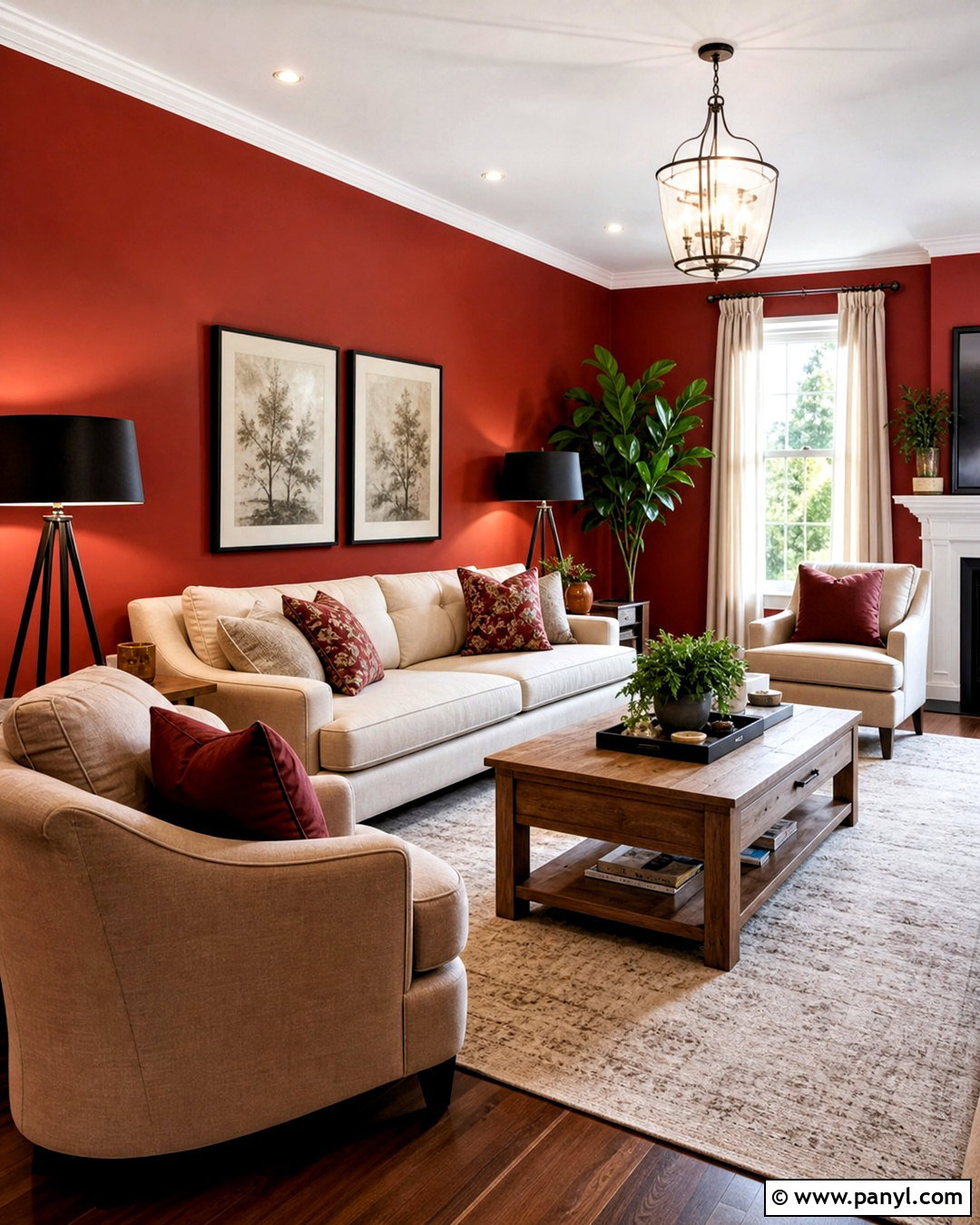
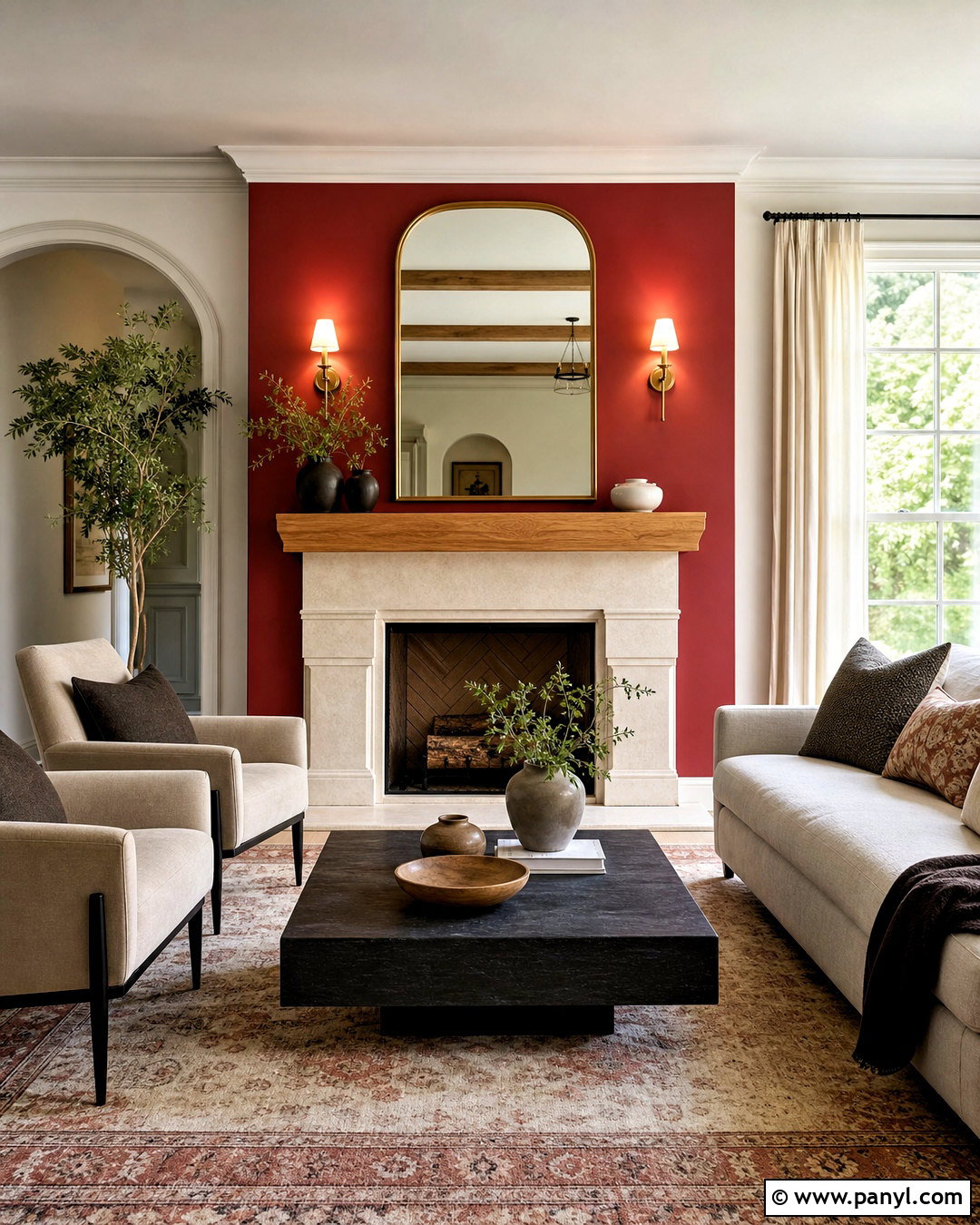
A red living room can feel energetic without becoming visually exhausting. Paint one focal wall a warm brick red, then keep the remaining walls soft ivory. Center the room with a light beige sofa and two oatmeal-colored armchairs arranged for easy conversation. A medium-tone oak coffee table brings natural warmth, while a cream rug softens the contrast. Repeat the wall color through patterned pillows, framed artwork, and a ceramic table lamp rather than using another large red surface. Matte black curtain rods and slender floor lamps add crisp definition. Finish with linen drapes, leafy plants, and woven baskets. This balanced layout allows the red wall to command attention while the comfortable neutral furnishings make the room welcoming.
2. Red Sofa Living Room
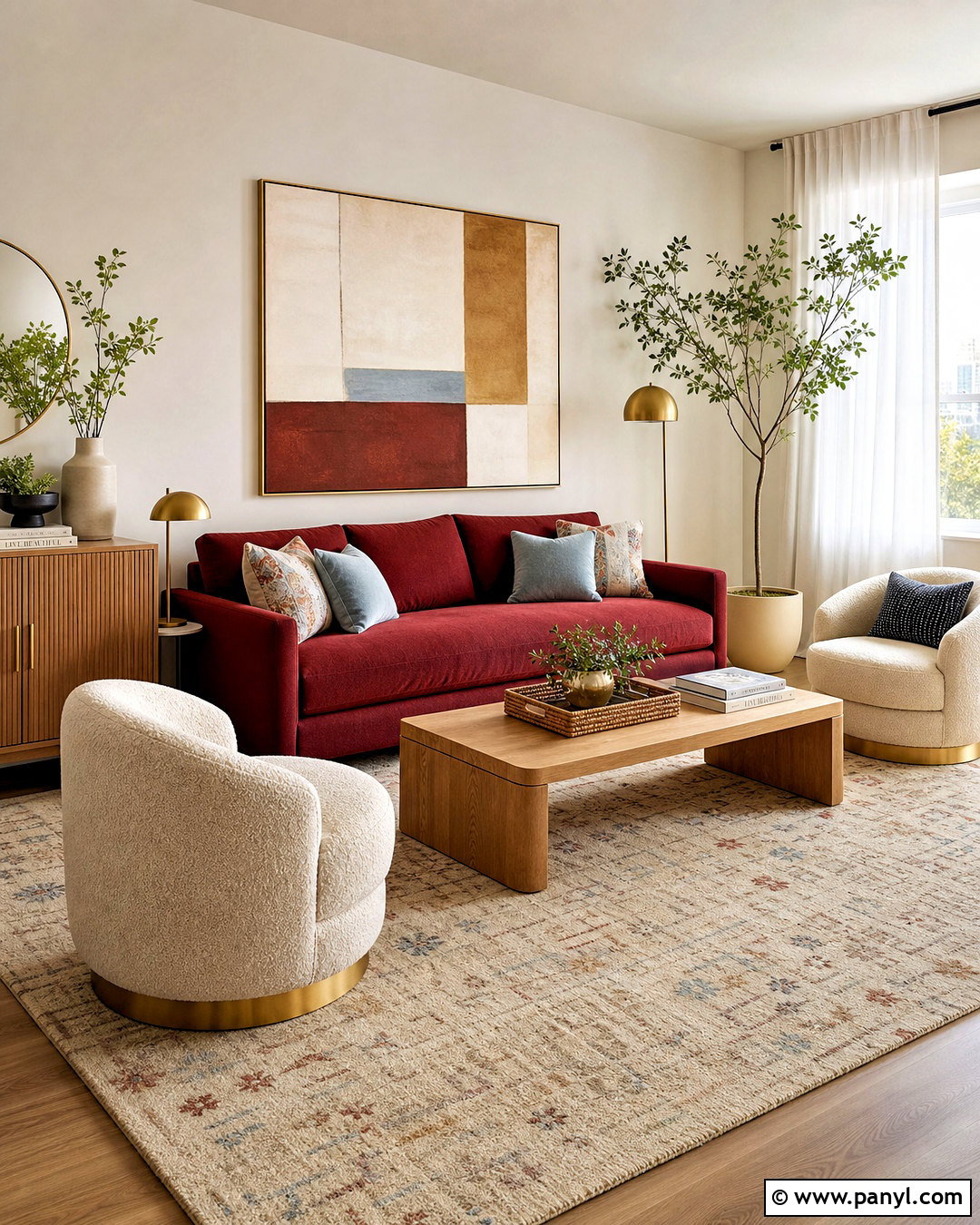
Imagine entering a bright room where a rich red sofa immediately anchors the entire layout. Place a streamlined cranberry-red sofa against warm white walls and surround it with light oak, cream bouclé, and brushed brass. Two compact cream chairs can face the sofa across a low wood coffee table, forming a functional conversation area. Ground the arrangement with a beige rug featuring a subtle red geometric pattern. Instead of adding several equally bold colors, introduce dusty blue through pillows and artwork for gentle contrast. Sheer white curtains keep natural light moving through the space. A tall plant and simple black floor lamp balance the sofa’s visual weight. The finished room feels colorful, modern, and carefully edited rather than overly themed.
3. Red And Pink Living Room
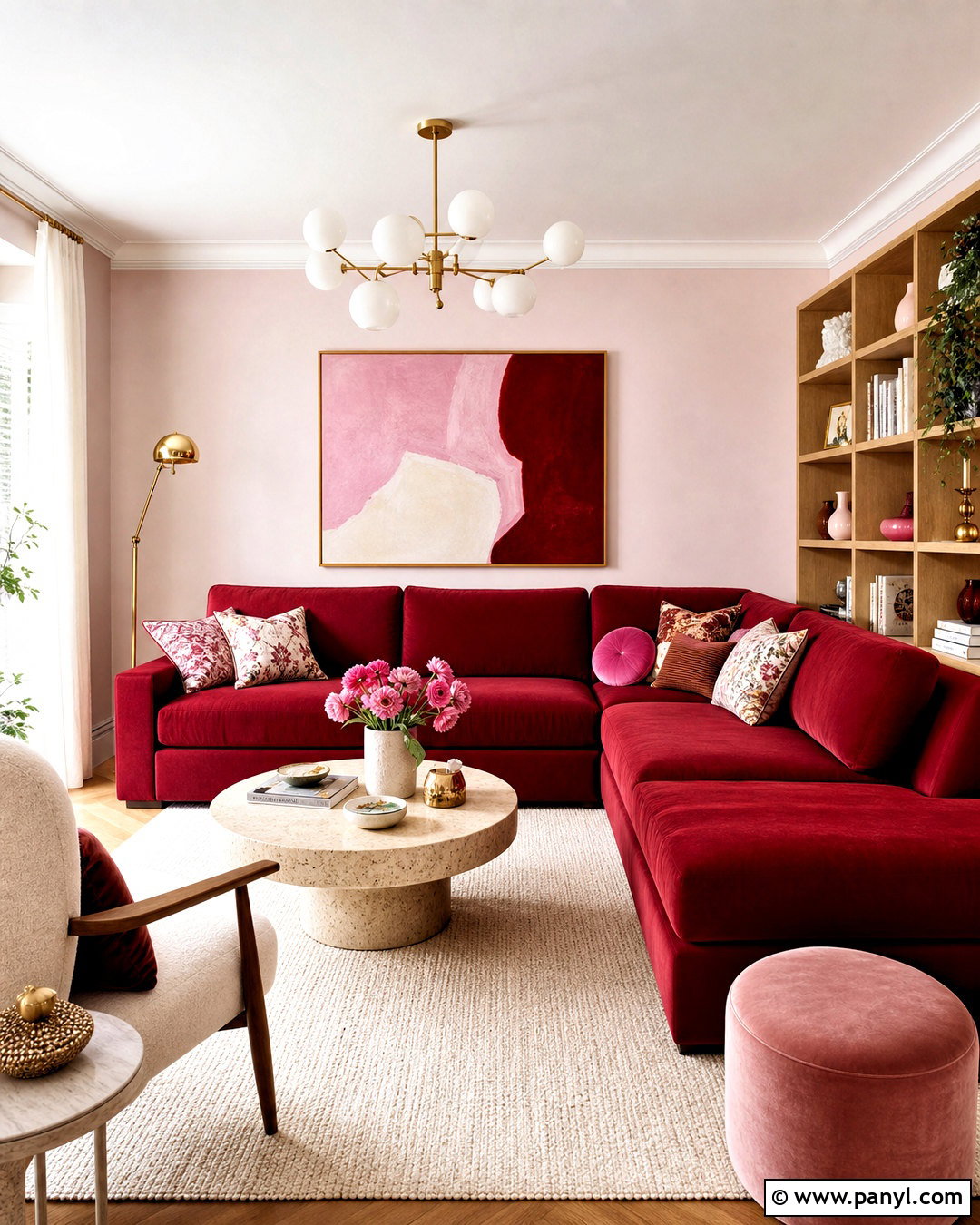
Red and pink can create a playful living room when their tones share similar warmth. Start with pale blush walls and add a deep cherry-red sectional as the room’s strongest feature. Place a round travertine coffee table in front to give the saturated colors a calm, natural break. Raspberry, rose, and cream pillows connect the palette without making every surface match. Choose light oak shelving, an off-white wool rug, and sculptural brass lighting to keep the room fresh. Abstract artwork containing small touches of red, peach, and burgundy can pull everything together. Avoid adding too many unrelated colors. With rounded furniture, airy curtains, and a few glazed ceramic accessories, this complete scheme feels cheerful, contemporary, and sophisticated enough for everyday living.
4. Red And Blue Living Room
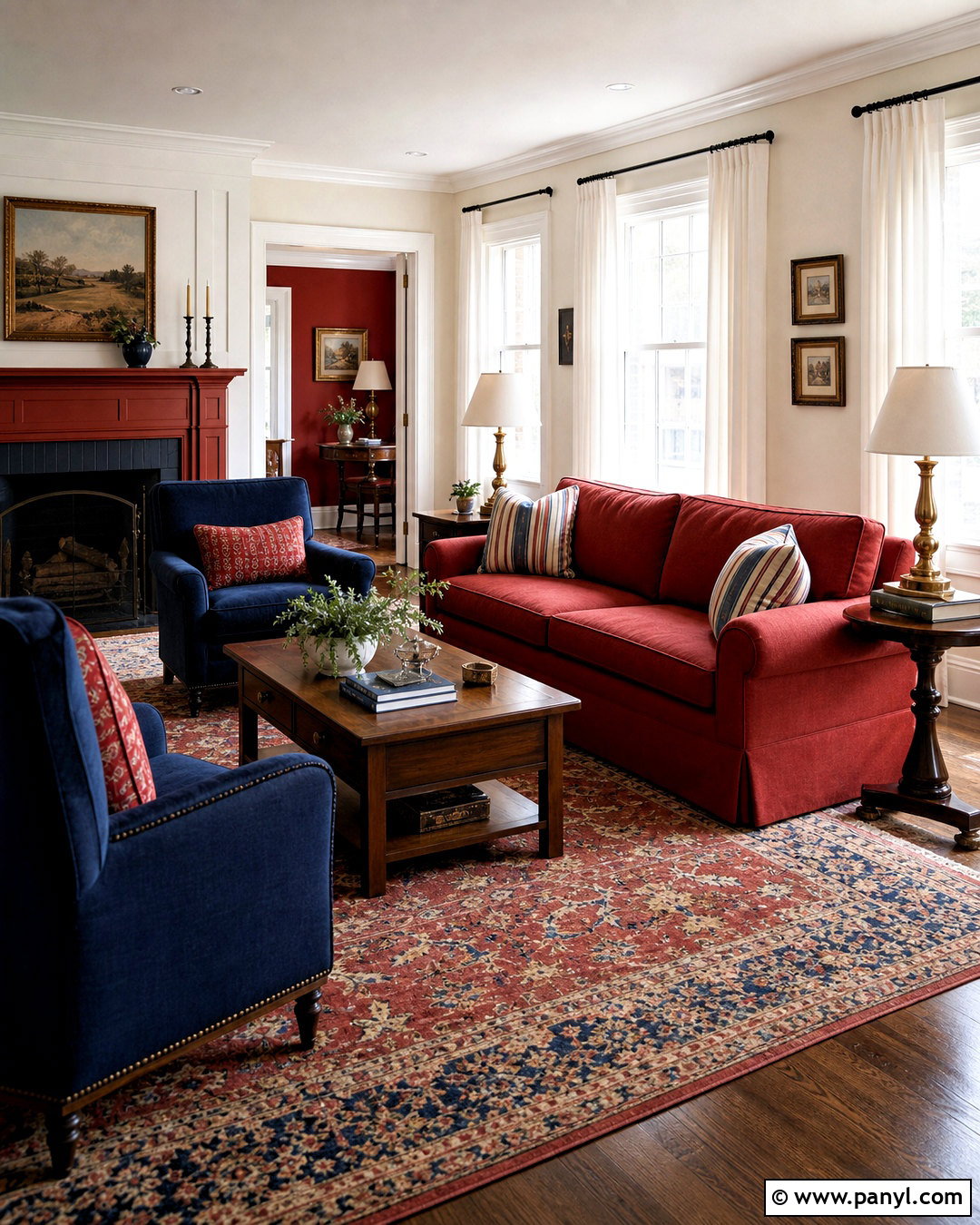
For a classic color combination with modern personality, pair muted red with deep navy blue. Cover the walls in a soft warm white, then introduce a brick-red sofa and two navy armchairs. Arrange the seating around a rectangular walnut coffee table to establish a clear focal area. A vintage-inspired rug containing faded red, blue, and cream creates a natural bridge between the stronger furniture colors. Add striped linen pillows, brass table lamps, and medium-tone wood side tables for a collected look. White curtains with a narrow navy border can frame the windows without competing with the seating. Keep artwork simple and slightly oversized. The result is a grounded red living room that feels colorful, comfortable, and timeless rather than patriotic or overly coordinated.
5. Dark Red Dining Room
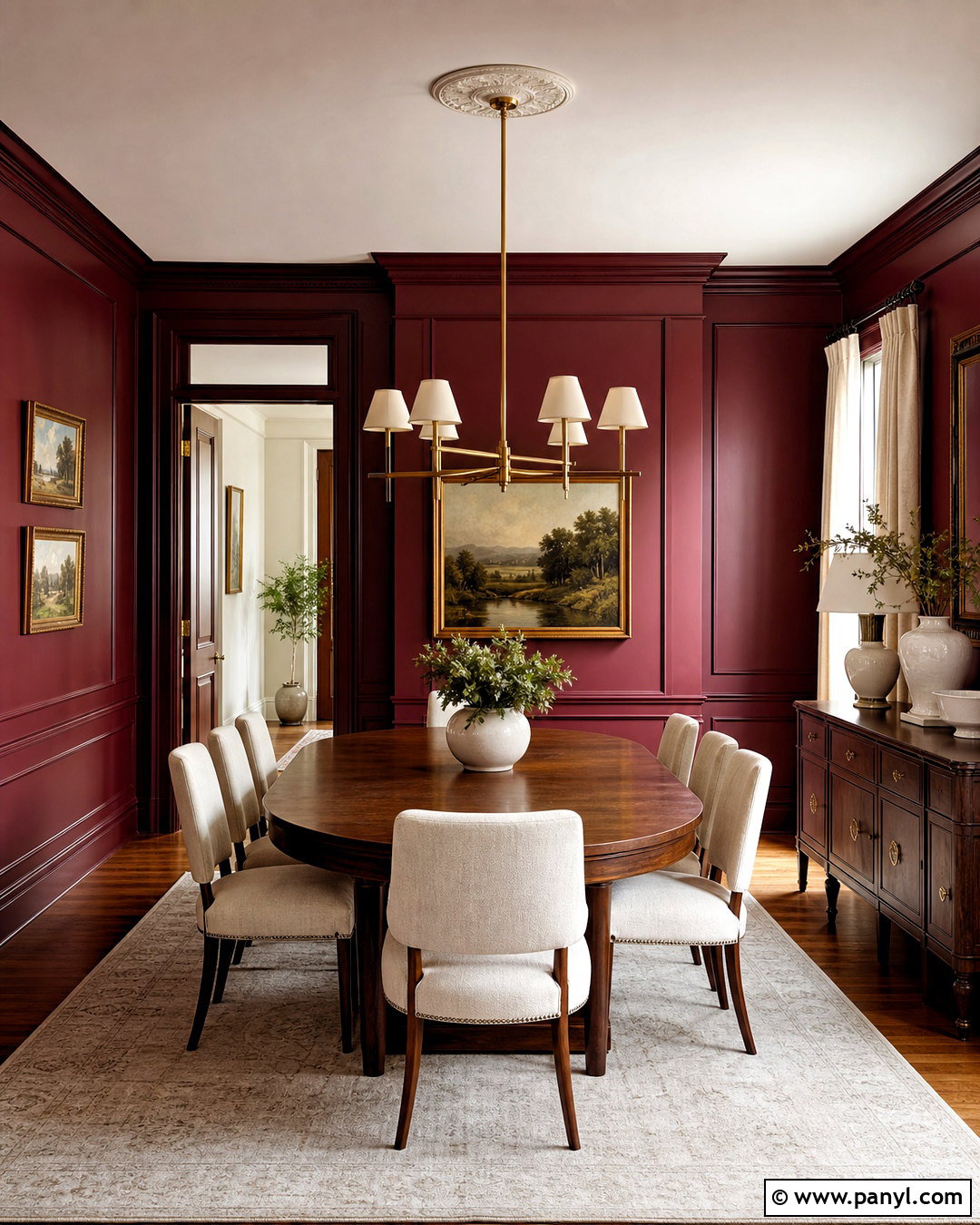
Deep red walls bring warmth and intimacy to a dining room, especially when balanced with natural materials. Use a muted oxblood or burgundy paint on every wall, including the molding, for a cohesive color-drenched effect. At the center, place a substantial oval oak dining table surrounded by cream upholstered chairs. A large ivory rug brightens the lower half of the room and protects the space from feeling too heavy. Choose a sculptural brass chandelier with white glass shades to provide crisp, even light. Framed landscape art, linen curtains, and a dark wood sideboard add traditional character. Keep the tabletop simple with a ceramic bowl and greenery. This complete setting feels polished enough for gatherings yet comfortable enough for relaxed everyday meals.
6. Red Dining Chairs
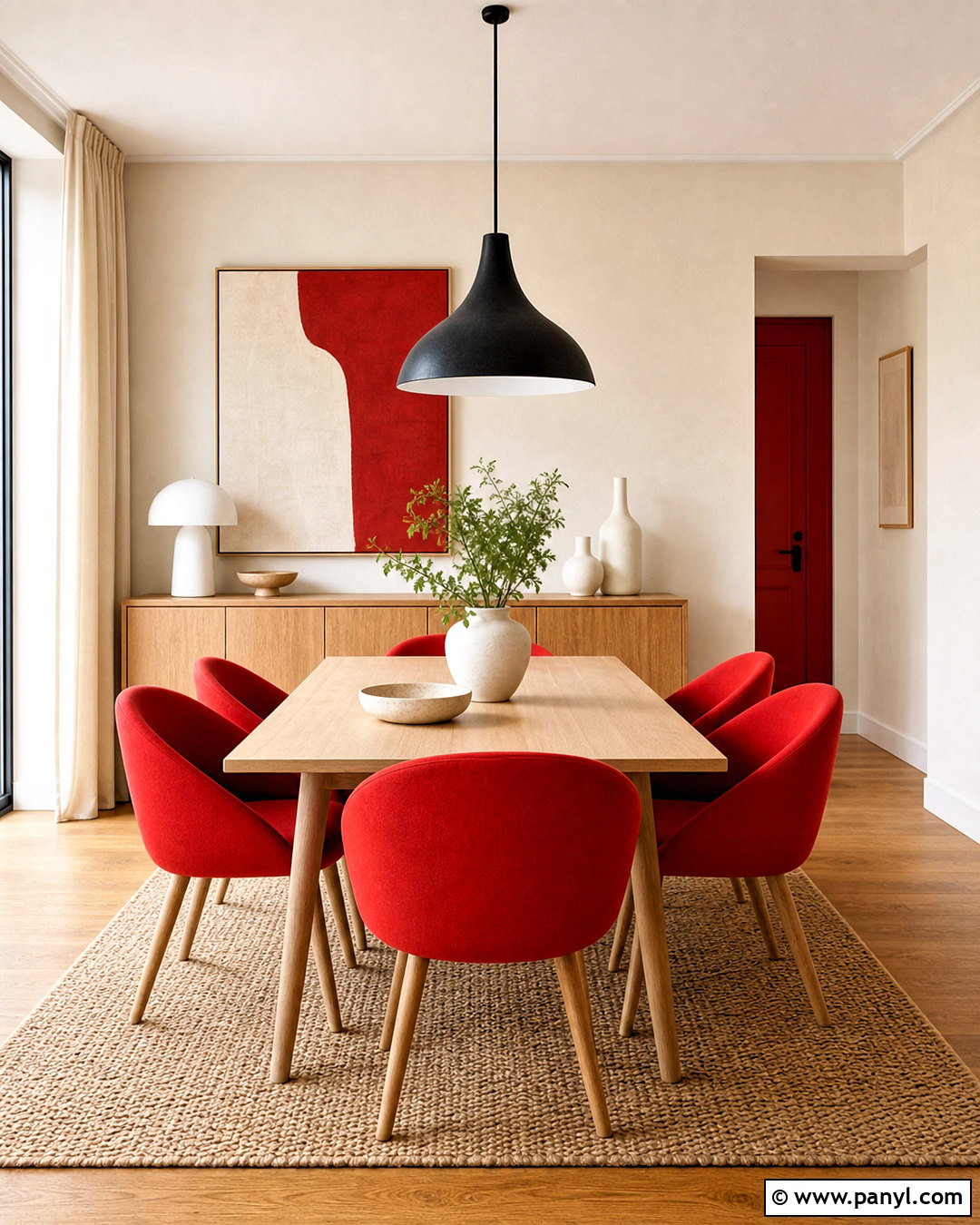
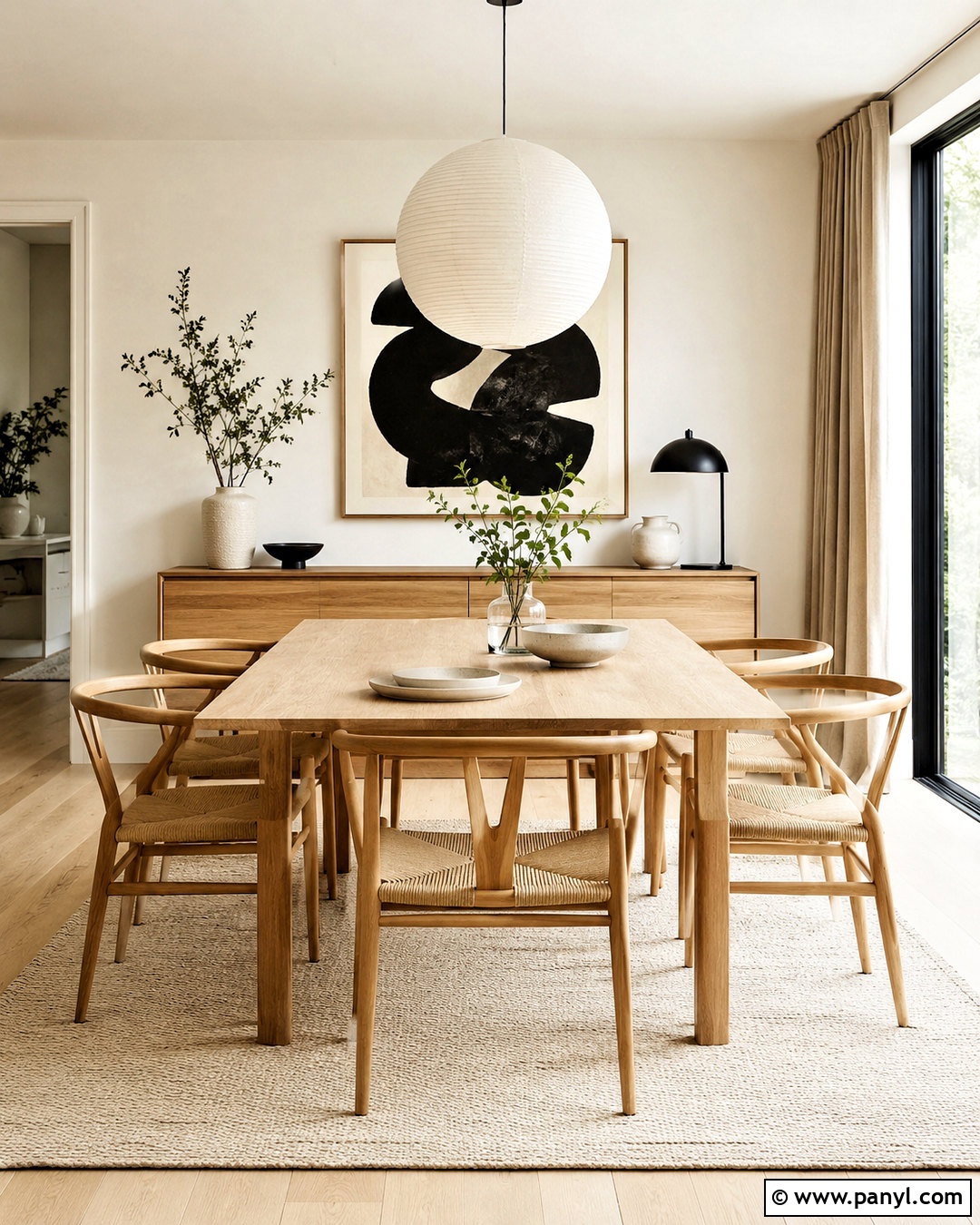
If painting the walls feels too permanent, let red dining chairs shape the room instead. Surround a pale oak table with six tomato-red chairs featuring simple curved backs and matte finishes. Use soft cream walls, warm oak flooring, and an understated natural-fiber rug to give the bright seating space to breathe. A large black pendant light above the table creates contrast and visually centers the arrangement. Bring in a second touch of red through one oversized abstract print rather than multiple small decorations. A low oak sideboard can hold white ceramics, books, and a modern lamp. Finish with full-length linen curtains and a leafy plant near the window. The completed dining area feels lively and intentional, with color concentrated exactly where it has the greatest effect.
7. Red Kitchen Cabinets
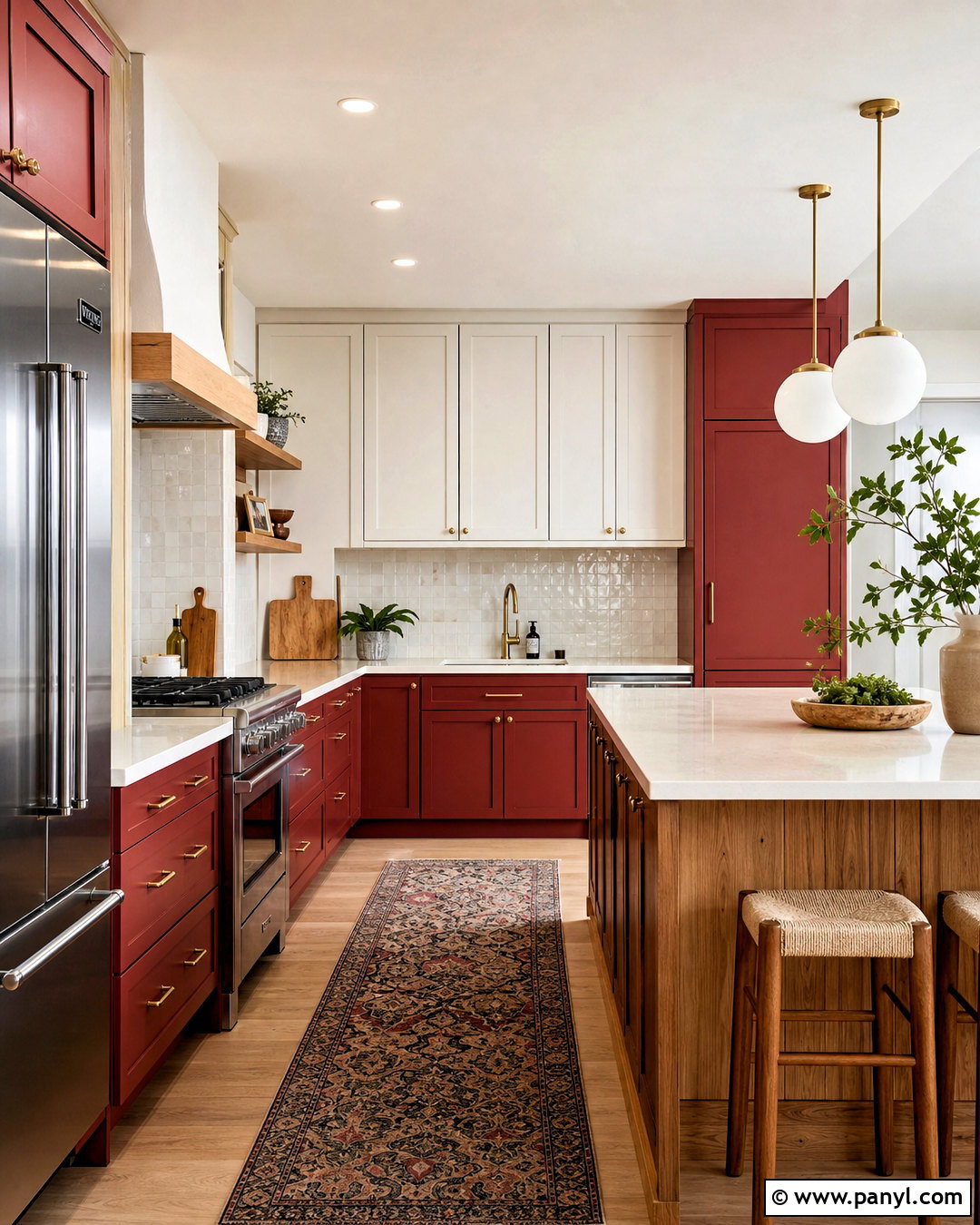
Red kitchen cabinets can look sophisticated when the shade is earthy rather than overly bright. Choose matte paprika-red cabinetry for the lower cabinets and tall pantry units, then use warm white cabinets above to lighten the composition. Cream quartz countertops and handmade off-white backsplash tile provide a clean transition between the colors. Add an oak island with simple counter stools to introduce another natural surface. Brushed brass hardware gives the red cabinetry warmth, while stainless steel appliances keep the kitchen practical and current. Pale oak flooring prevents the room from becoming dark. Complete the design with white globe pendants, wooden cutting boards, and restrained countertop decor. The finished kitchen feels bold and memorable while still supporting comfortable cooking, storage, and daily family routines.
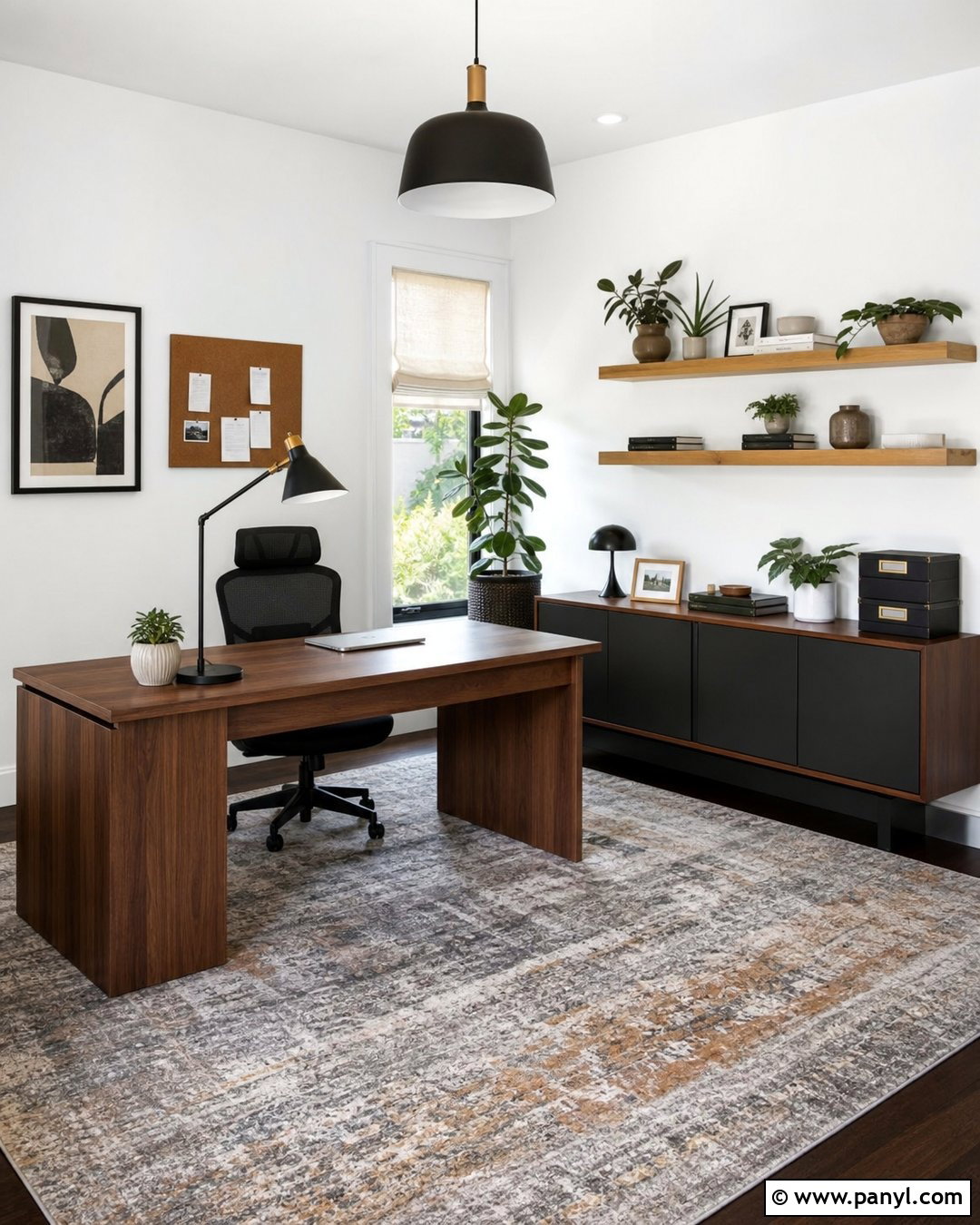
8. Red Kitchen Island
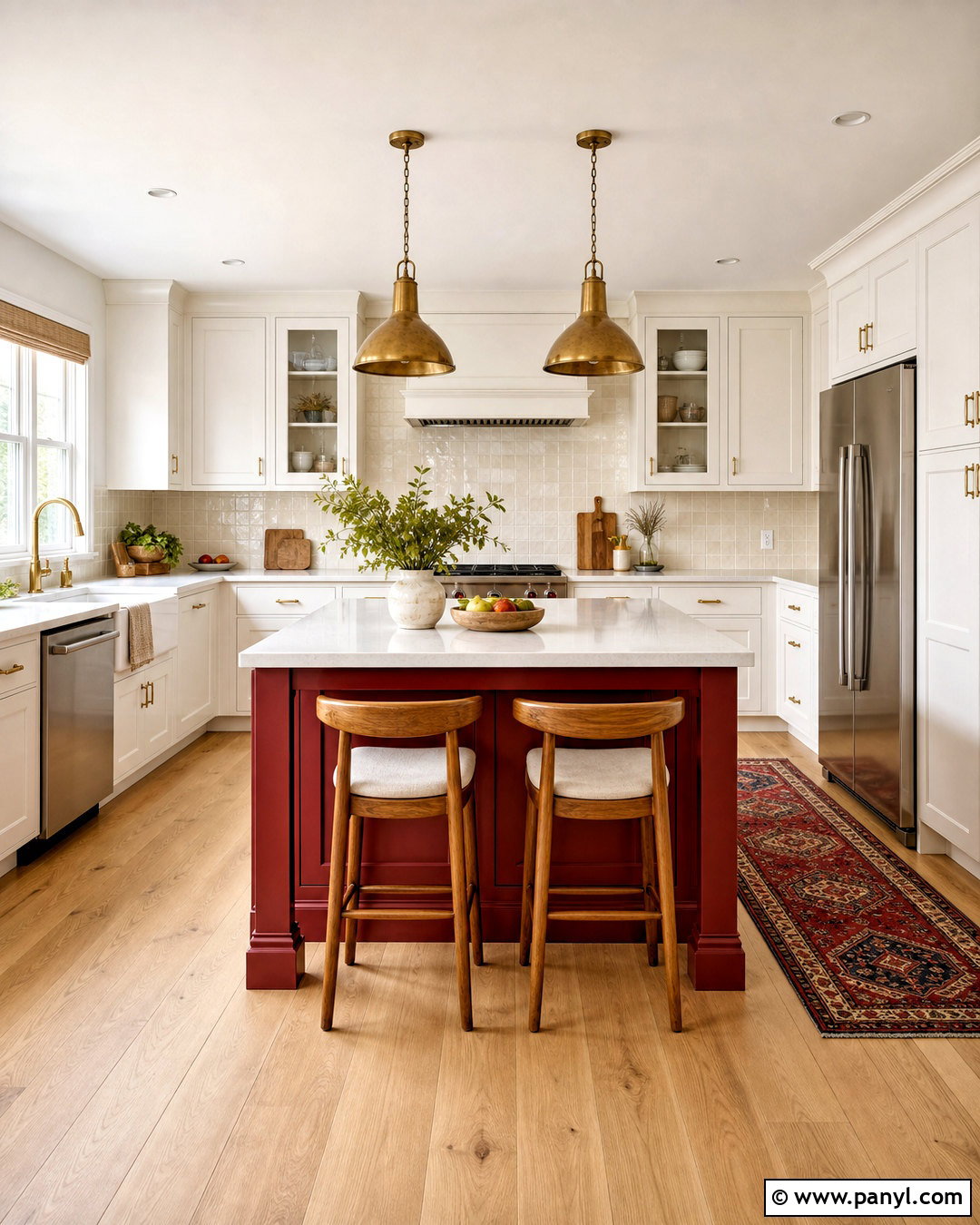
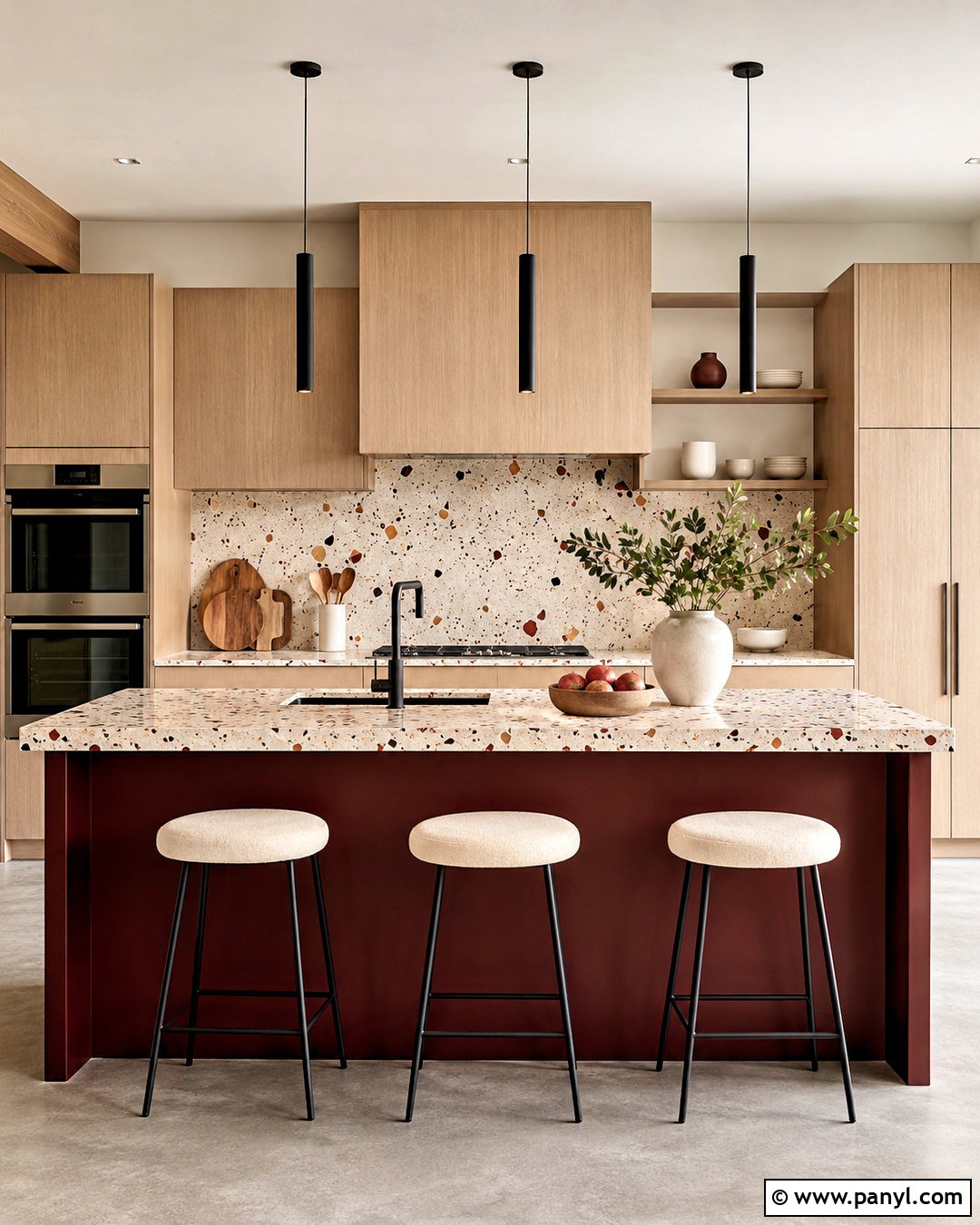
A red island offers strong color without requiring a complete cabinet makeover. Paint the island a saturated brick red and surround it with warm white perimeter cabinets. Top every surface with lightly veined white quartz so the room remains visually connected. Three natural oak stools can soften the bold base, while aged brass pendants add a welcoming glow without introducing another dominant color. Use pale wood flooring and a cream zellige backsplash for texture. Small red details, such as a patterned runner and ceramic utensil holder, should echo the island from a distance. Keep appliances in stainless steel and hardware in brushed brass for a consistent finish. This kitchen looks colorful and customized, yet the red remains concentrated around one practical architectural centerpiece.
9. Red Bedroom Accent Wall
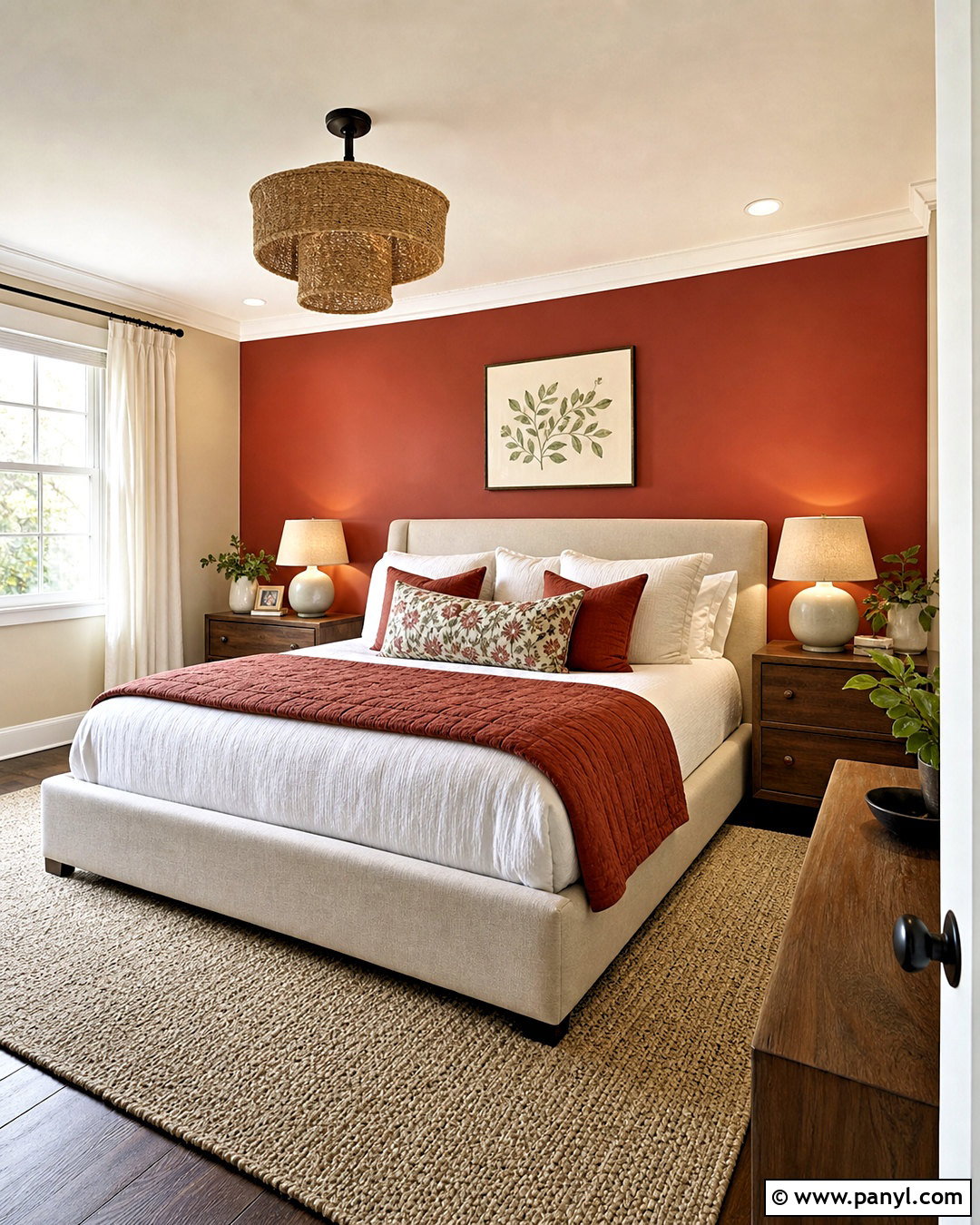
A bedroom needs calm as well as color, making a muted red accent wall an effective solution. Paint the wall behind the bed in dusty terracotta red and leave the other walls warm cream. Place an upholstered oatmeal bed against the painted surface, then layer it with white sheets, a rust-colored quilt, and patterned pillows containing faded red and tan. Matching walnut nightstands provide symmetry, while ceramic lamps with linen shades create soft visual balance. Choose a large beige rug and full-length cream curtains to quiet the stronger wall. Simple botanical artwork and one wooden bench complete the arrangement. The red gives the sleeping area definition, but the abundance of pale textiles and natural wood keeps the entire bedroom restful and approachable.
10. Burgundy Bedroom
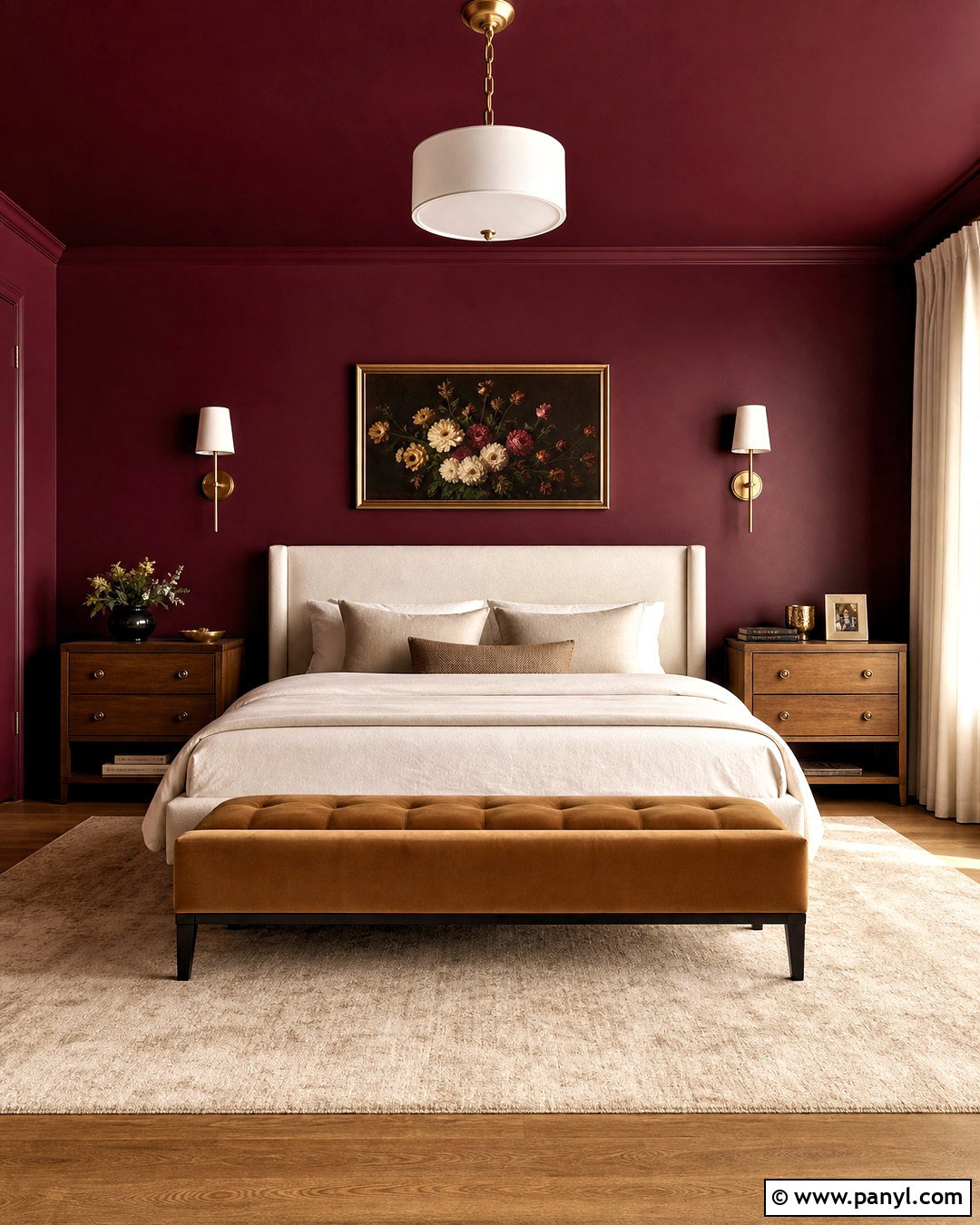
Soft morning light can make a burgundy bedroom feel rich rather than dark. Use deep wine-free burgundy on the walls and ceiling to create a cocooning envelope, then brighten the room with an ivory linen bed and pale bedding. A camel-colored velvet bench and medium oak nightstands add warmth without blending into the red background. Hang simple brass sconces on both sides of the bed to save surface space and introduce a refined metallic detail. Underfoot, choose a large cream wool rug that extends well beyond the bed. Floral artwork featuring blush, green, and burgundy can gently expand the palette. Finish with off-white curtains and minimal accessories. This complete bedroom works best with generous lighting, uncluttered furniture, and plenty of soft neutral fabric.
11. Red Home Office
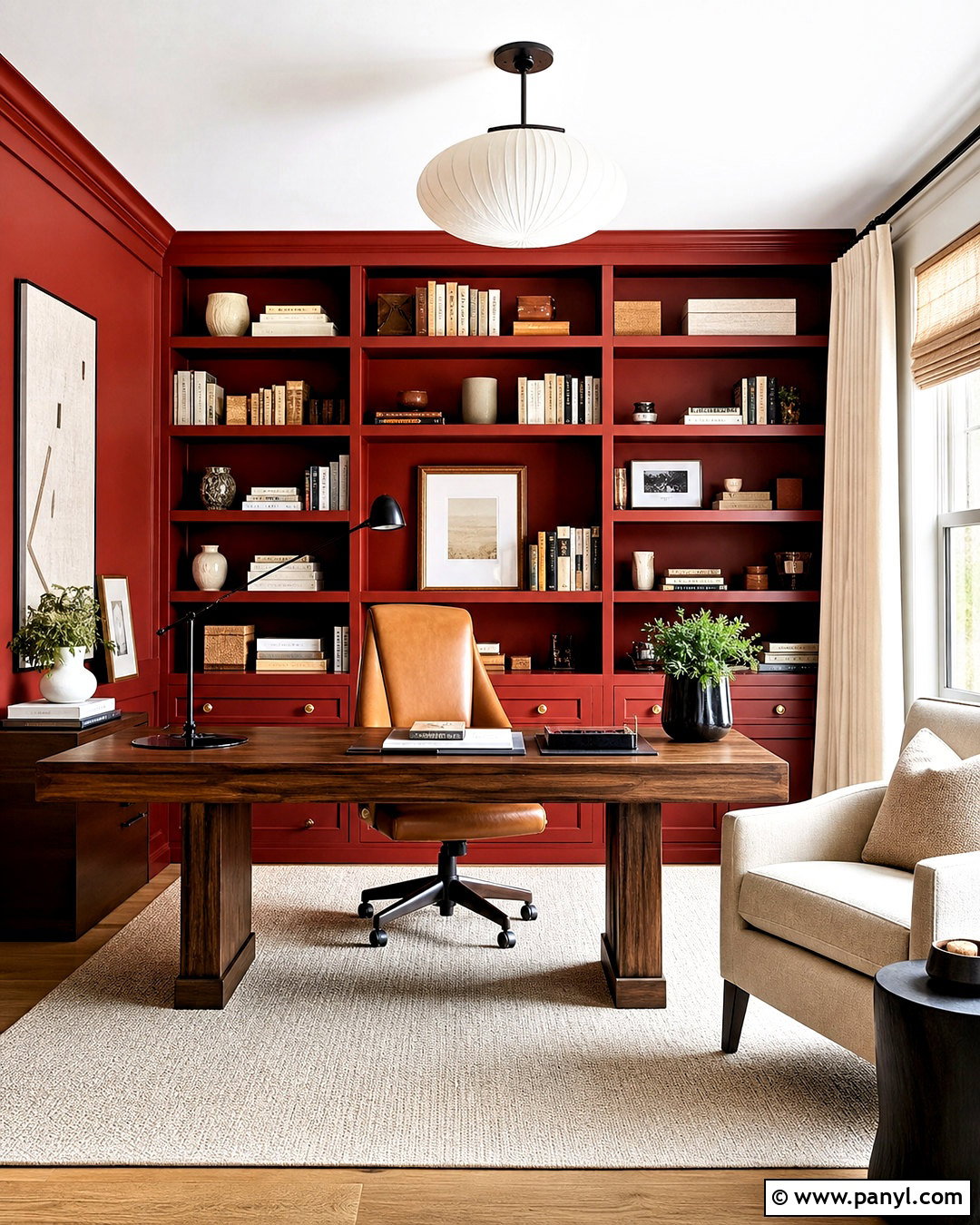
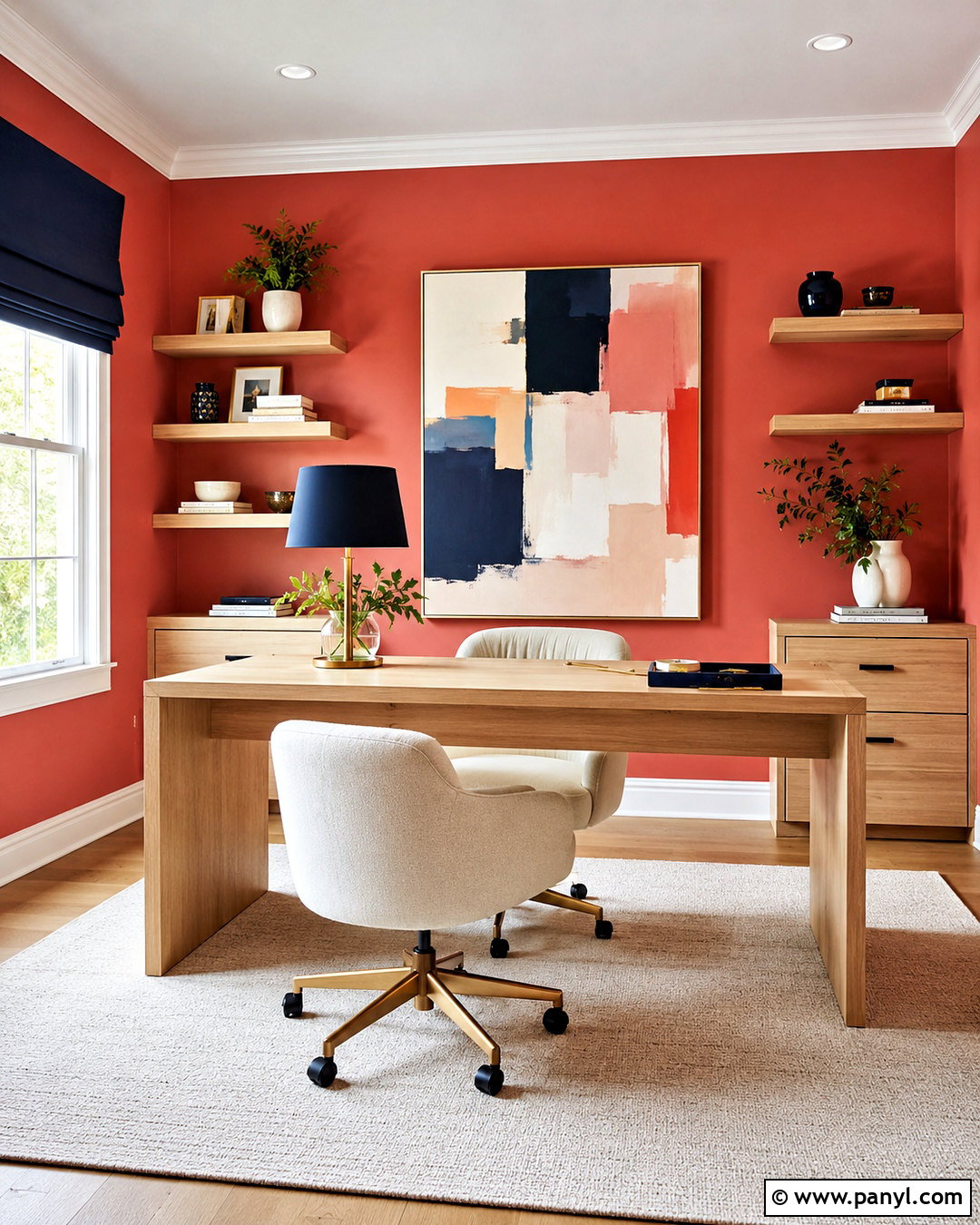
Would a more energizing workspace make daily tasks feel less routine? Paint built-in shelves and the wall behind the desk in a warm lacquered red, while leaving the remaining walls soft white. Position a walnut desk in the center or facing a window, paired with a supportive tan leather chair. Use the shelves for organized books, matching storage boxes, ceramics, and a small amount of framed art. A cream flat-weave rug keeps the floor bright, and linen curtains soften incoming daylight. Add a black task lamp and understated brass cabinet hardware for contrast. One comfortable beige reading chair can fill an unused corner. The finished red home office feels focused and distinctive, with practical storage integrated into the bold visual statement.
12. Red Reading Room
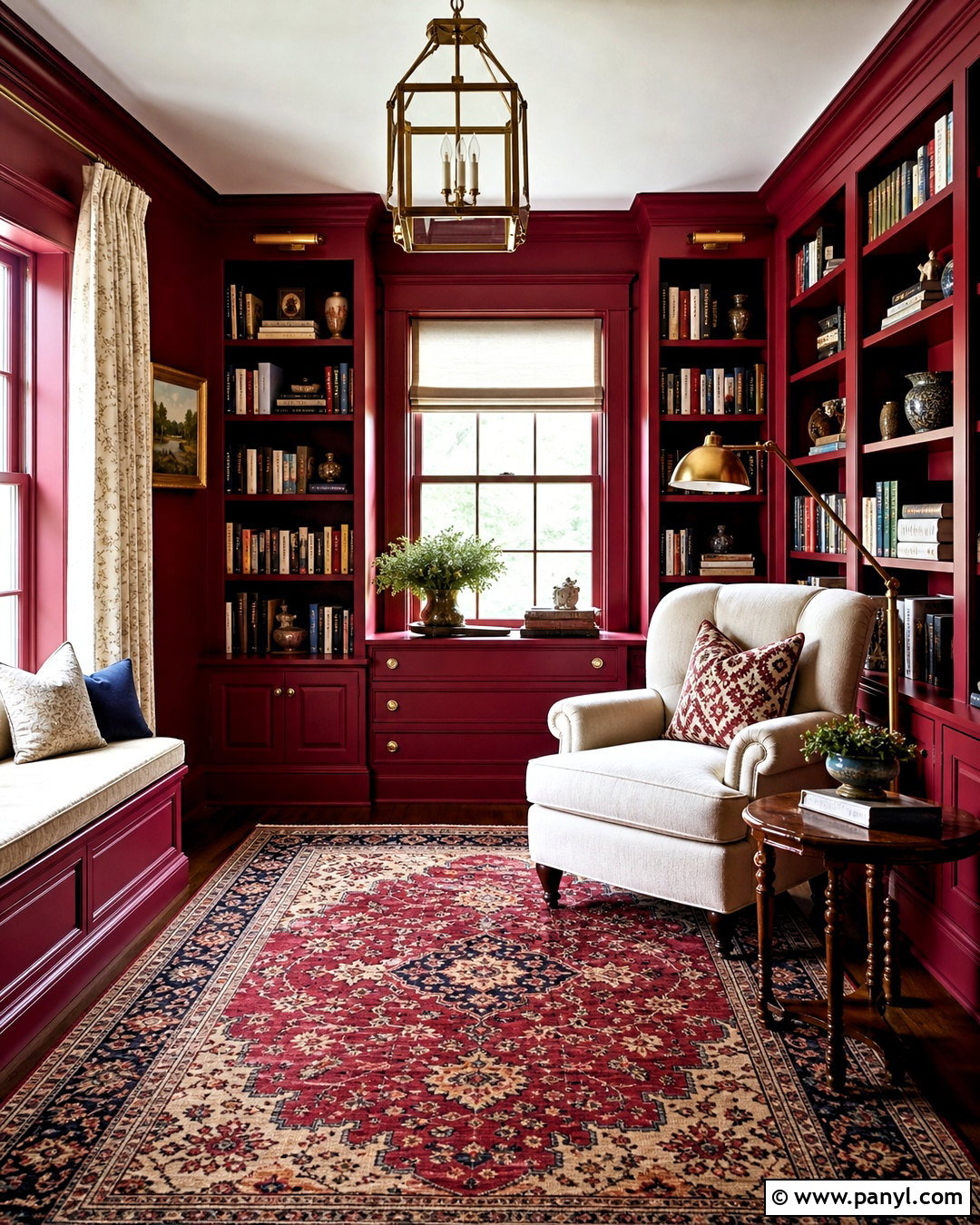
A small reading room is an ideal place to embrace red on every wall. Choose a deep raspberry red for the walls, trim, and built-in bookcases, creating a seamless background for books and artwork. Place a generously sized cream armchair near the window with a walnut side table and an adjustable brass floor lamp. A patterned rug containing faded red, navy, and beige gives the room softness and helps disguise everyday wear. Add a narrow upholstered bench beneath the window if space permits. Keep decorative objects limited so the shelves remain useful rather than crowded. Linen curtains and a light-colored ceiling can provide welcome brightness. This complete retreat feels intimate and expressive, making a modest spare room or unused corner genuinely inviting.
13. Red Entryway
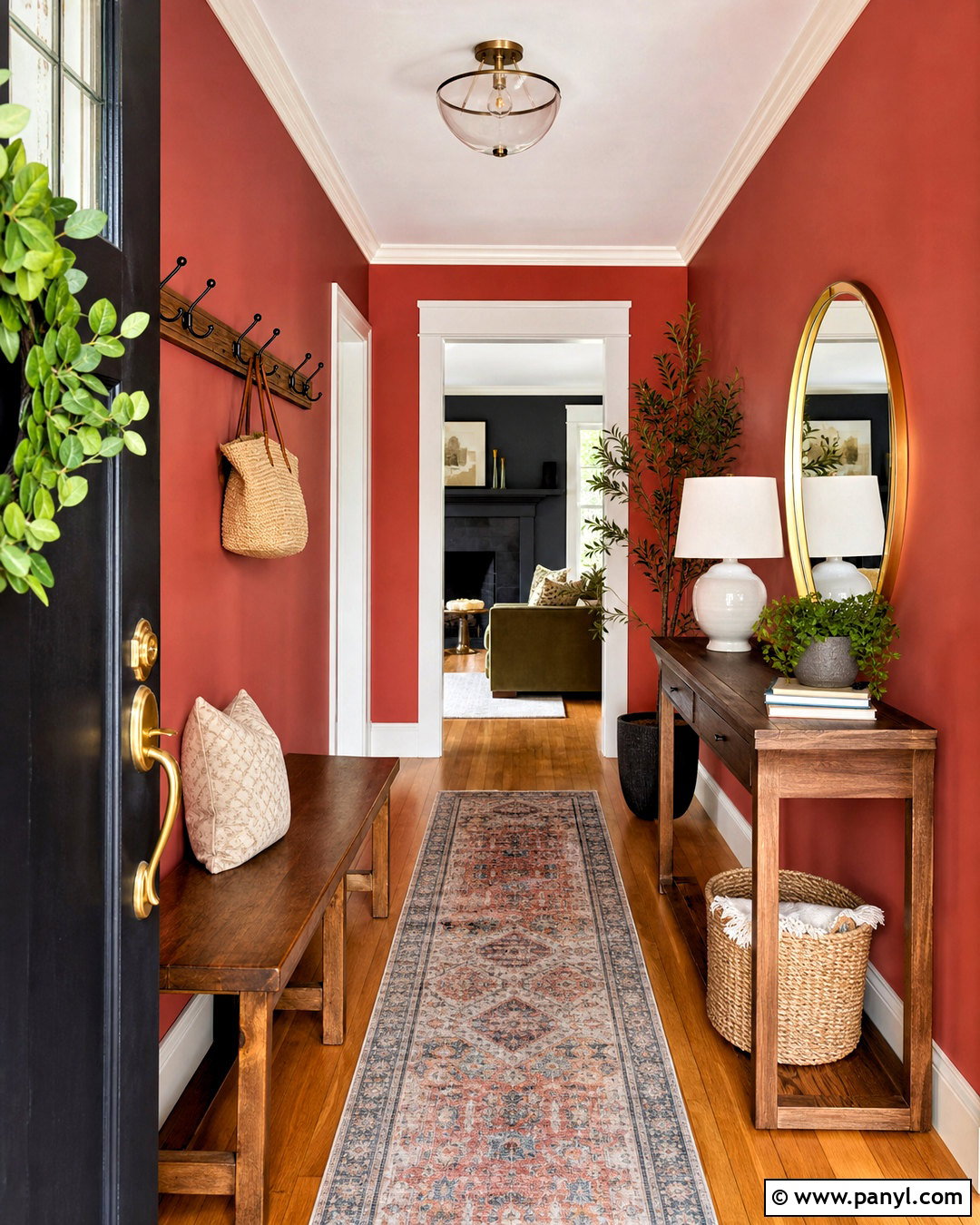
The entryway offers a natural opportunity to introduce strong color in a contained area. Paint the walls a cheerful coral red, then balance them with crisp white trim and a warm oak floor. Place a slim walnut console against one wall, topped with a round brass-framed mirror and a white ceramic lamp. A narrow vintage-style runner with cream, navy, and red details can guide movement through the space. Add a simple wooden bench with a neutral cushion for putting on shoes. Black wall hooks provide practical storage without adding visual clutter. A woven basket can hold small everyday items below the console. With bright lighting and restrained furnishings, this red entryway creates a memorable welcome while remaining functional, organized, and easy to maintain.
14. Red Powder Room
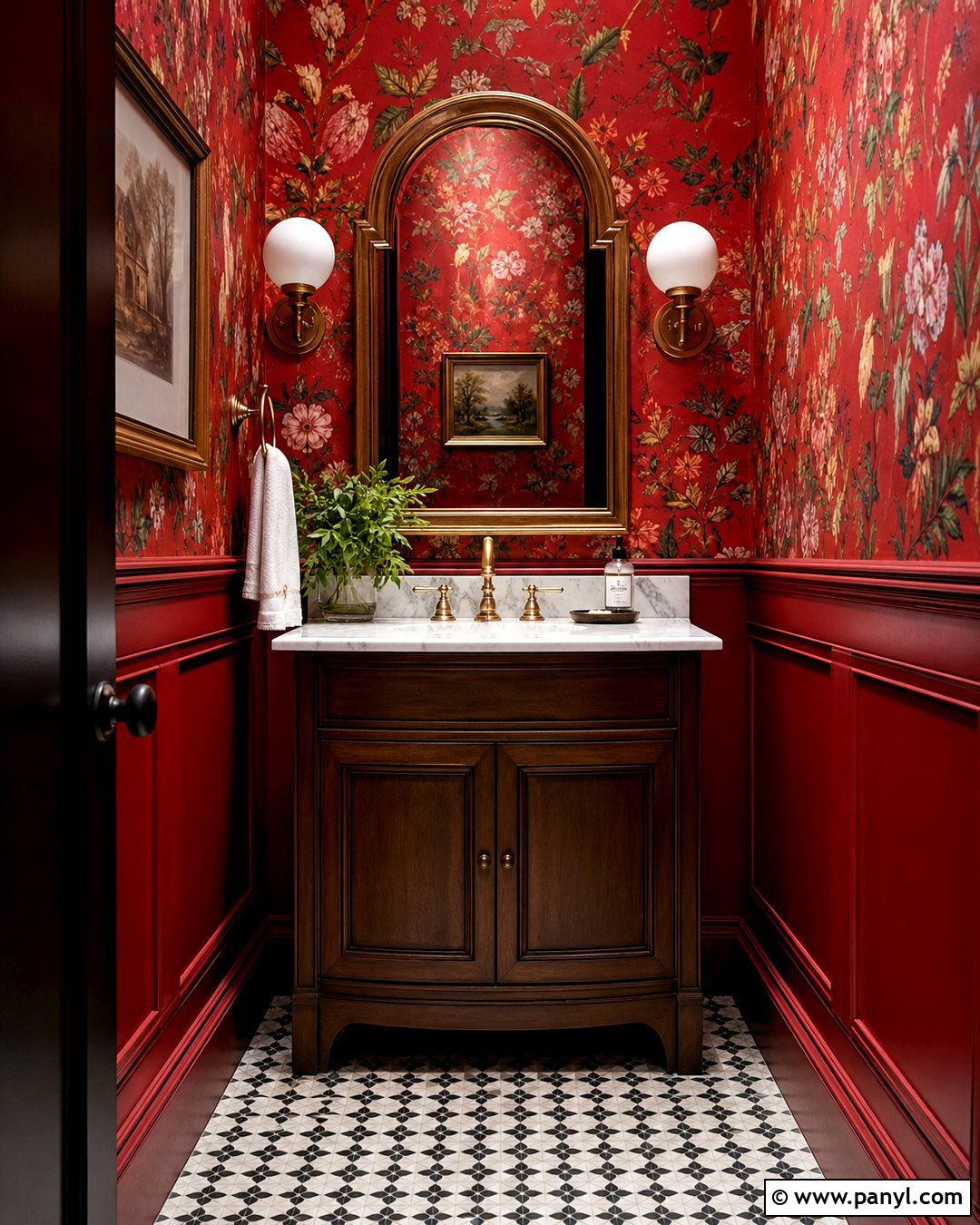
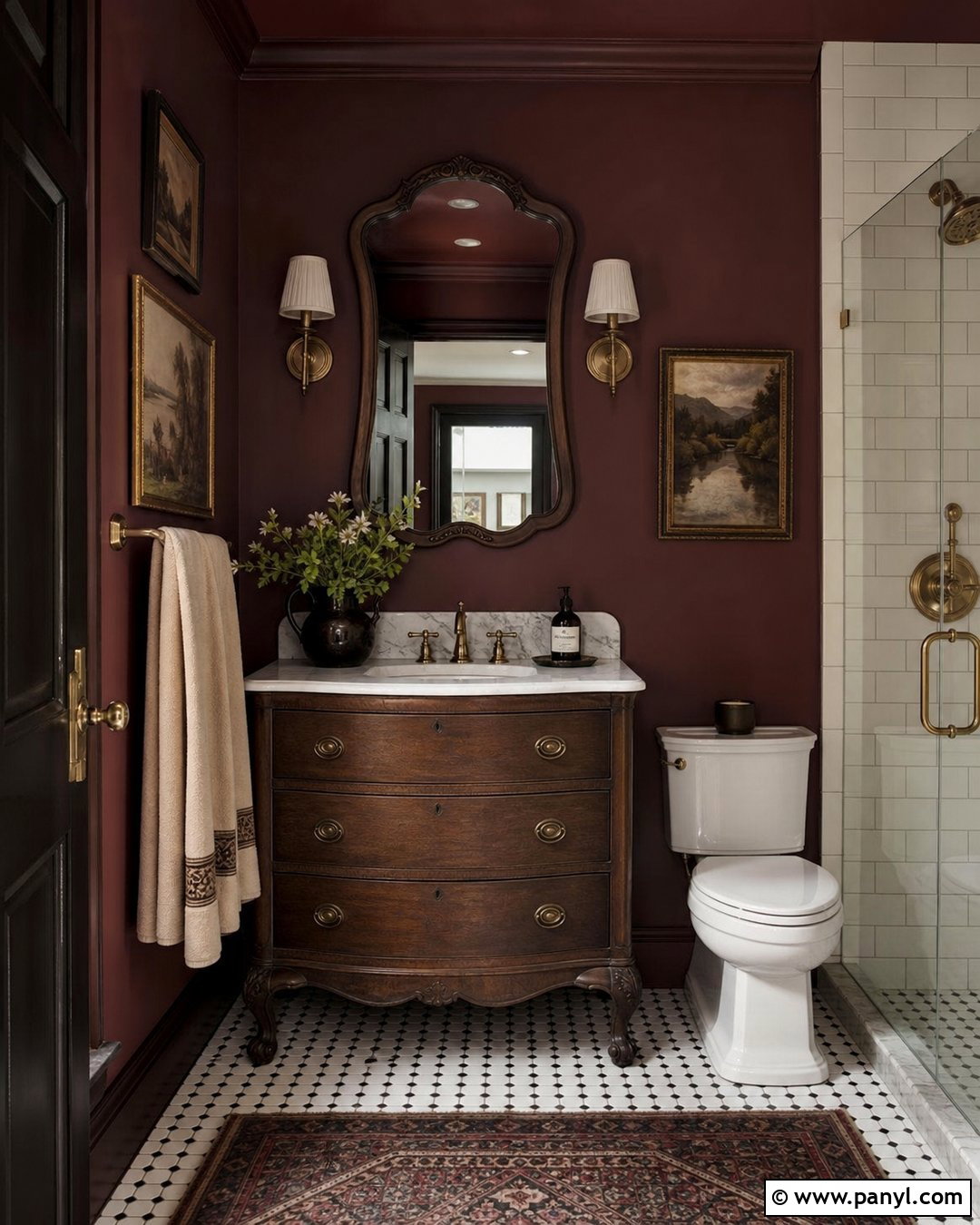
Small spaces can support bold design choices that might feel overwhelming elsewhere. Cover a powder room in red botanical wallpaper with a cream background, then paint the lower wall paneling a coordinating deep crimson. A compact walnut vanity with a white marble top introduces warmth and practical storage. Above it, hang an arched brass mirror flanked by two white glass sconces. Choose unlacquered brass for the faucet and hardware to give the room a cohesive finish. A black-and-white mosaic tile floor provides crisp contrast beneath the saturated walls. Keep accessories minimal with white towels, a small tray, and one leafy stem. The complete powder room feels layered and dramatic, yet every surface contributes to a clear, controlled color palette.
15. Red Bathroom Vanity
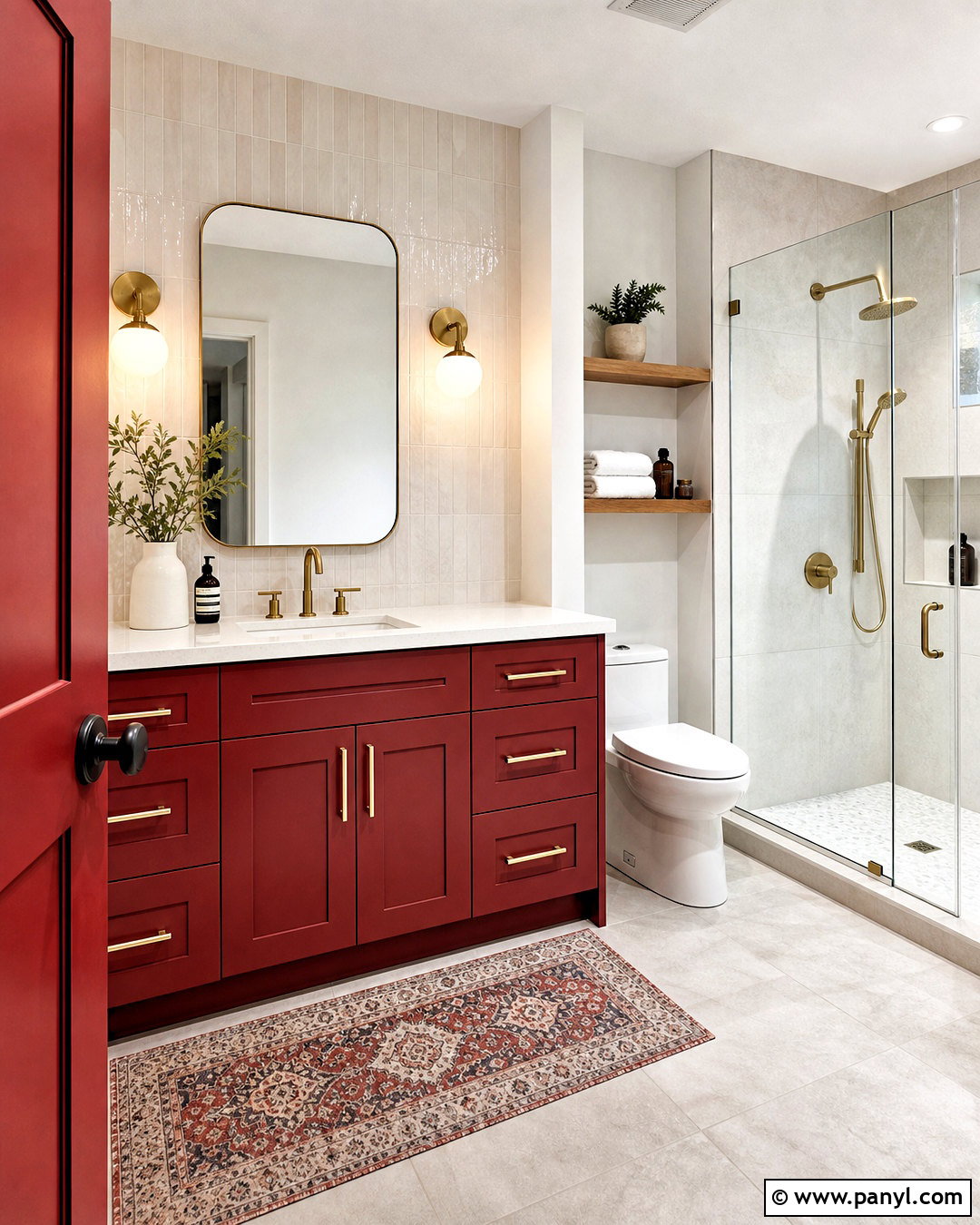
A red vanity can transform an ordinary bathroom without requiring every wall to carry bold color. Select a freestanding vanity in muted cherry red with simple shaker-style doors and brushed brass handles. Pair it with a white quartz countertop, warm white walls, and a backsplash of glossy cream tile. A large rounded mirror and two opal glass sconces keep the sink area bright. Use pale gray porcelain floor tile for durability and a quiet foundation. Repeat the red subtly in a patterned bath mat and one framed print. A frameless glass shower, white towels, and light oak shelving prevent the vanity from overpowering the room. This finished bathroom combines practical storage, durable finishes, and a focused red centerpiece that feels custom rather than trendy.
16. Red Laundry Room
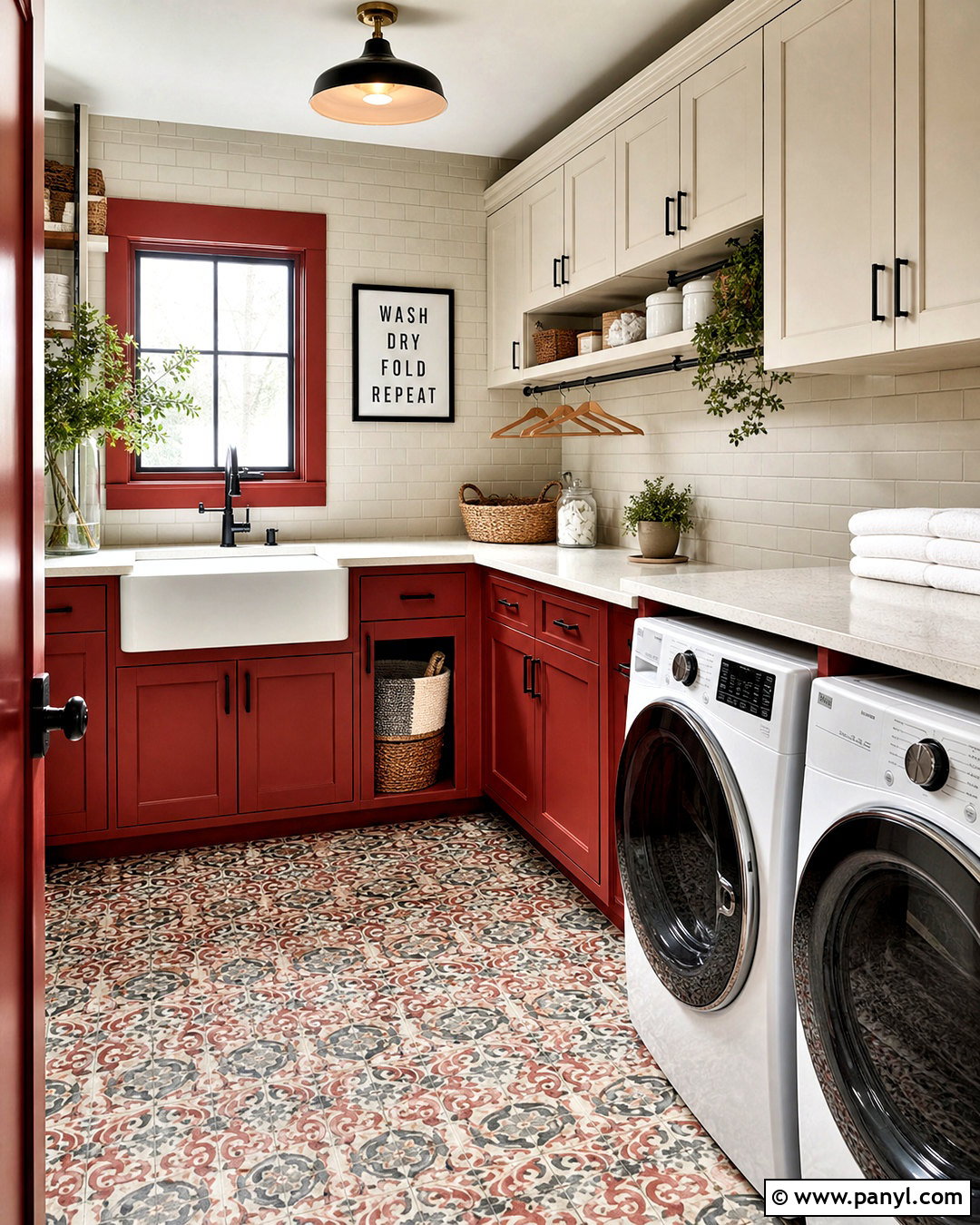
Even a hardworking laundry room can benefit from a confident color plan. Install muted barn-red lower cabinets beneath a light quartz folding counter, then use warm white upper cabinets to maintain an open feeling. A cream subway tile backsplash protects the wall while reflecting light around the room. Add black cabinet pulls, a matte black faucet, and a deep utility sink for practical contrast. Patterned floor tile in red, beige, and charcoal can disguise dirt and connect the full palette. Include a hanging rail, woven sorting baskets, and labeled-free storage containers for a cleaner appearance. Bright ceiling lighting is essential. The completed laundry room feels cheerful and organized, proving that red can bring personality to a practical space without affecting its everyday efficiency.
17. Red Front Door
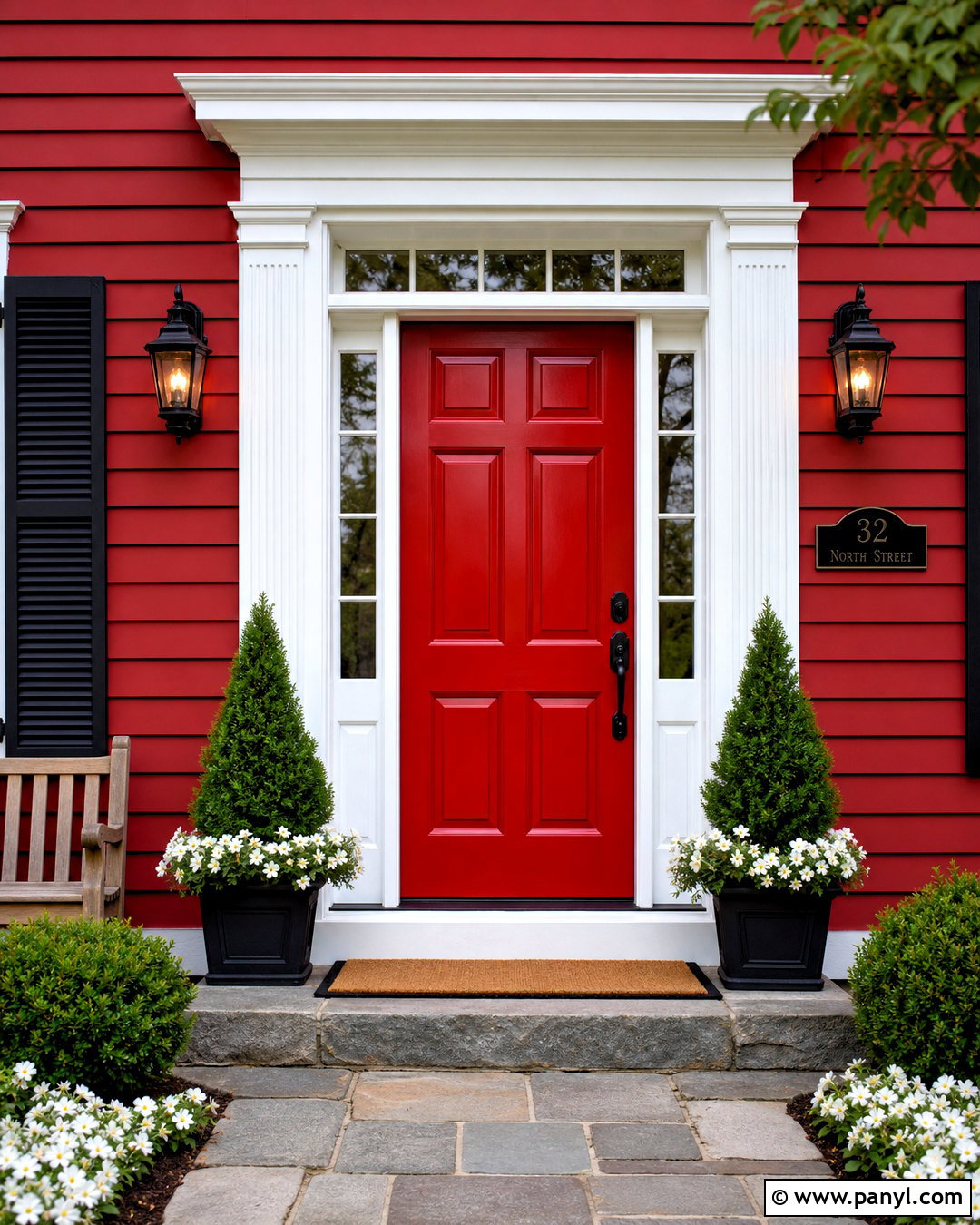
A red front door creates an immediate focal point when the surrounding exterior remains balanced. Paint a paneled door a glossy true red and place it against warm white siding or pale gray brick. Use crisp white trim to define the opening, then add matte black hardware and matching wall lanterns for structure. A natural coir doormat, two symmetrical planters, and low evergreen shrubs give the entrance a finished appearance. If the porch is small, keep furniture limited to one simple wooden bench. Repeat the door color sparingly through seasonal-free flowering plants or a small outdoor cushion. The complete curb view feels bright and welcoming, while the restrained exterior palette ensures that the red entrance remains the clear architectural highlight.
18. Red Brick House Exterior
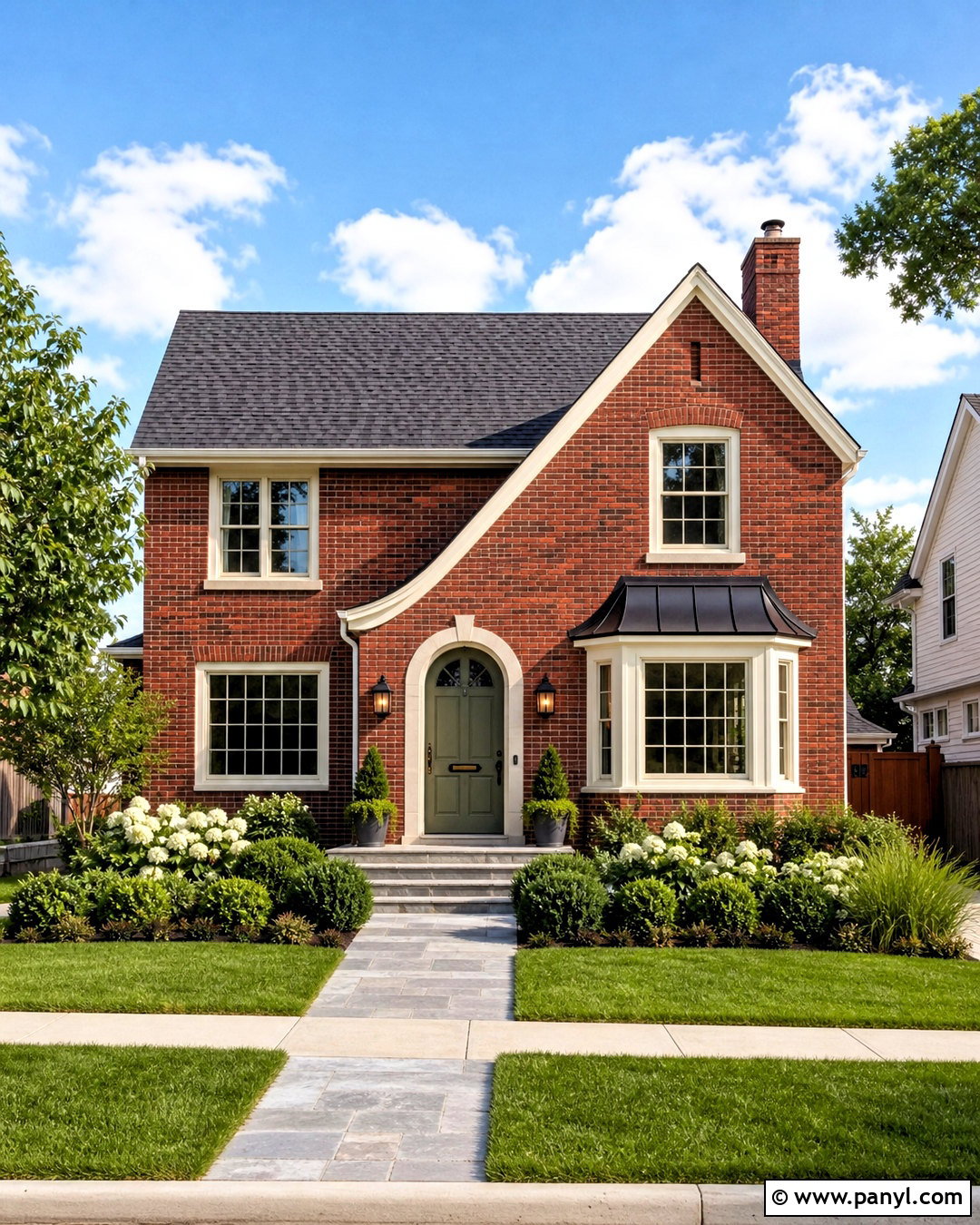
Red brick looks refreshed when its trim, roof, and landscaping are selected as one coordinated scheme. Preserve the natural brick body and paint the window trim a creamy off-white that complements its warm mortar. Use a charcoal architectural-shingle roof to create definition without introducing a harsh black surface. A deep olive-green front door brings organic contrast, while bronze exterior lights suit the earthy brick. Frame the walkway with layered shrubs, ornamental grasses, and white flowering plants. Light gray concrete or warm stone paving keeps the approach simple. If shutters are present, match them to the olive door. This complete exterior respects the brick’s character while giving an average home a cleaner, more current, and intentionally balanced appearance.
19. Red Covered Porch
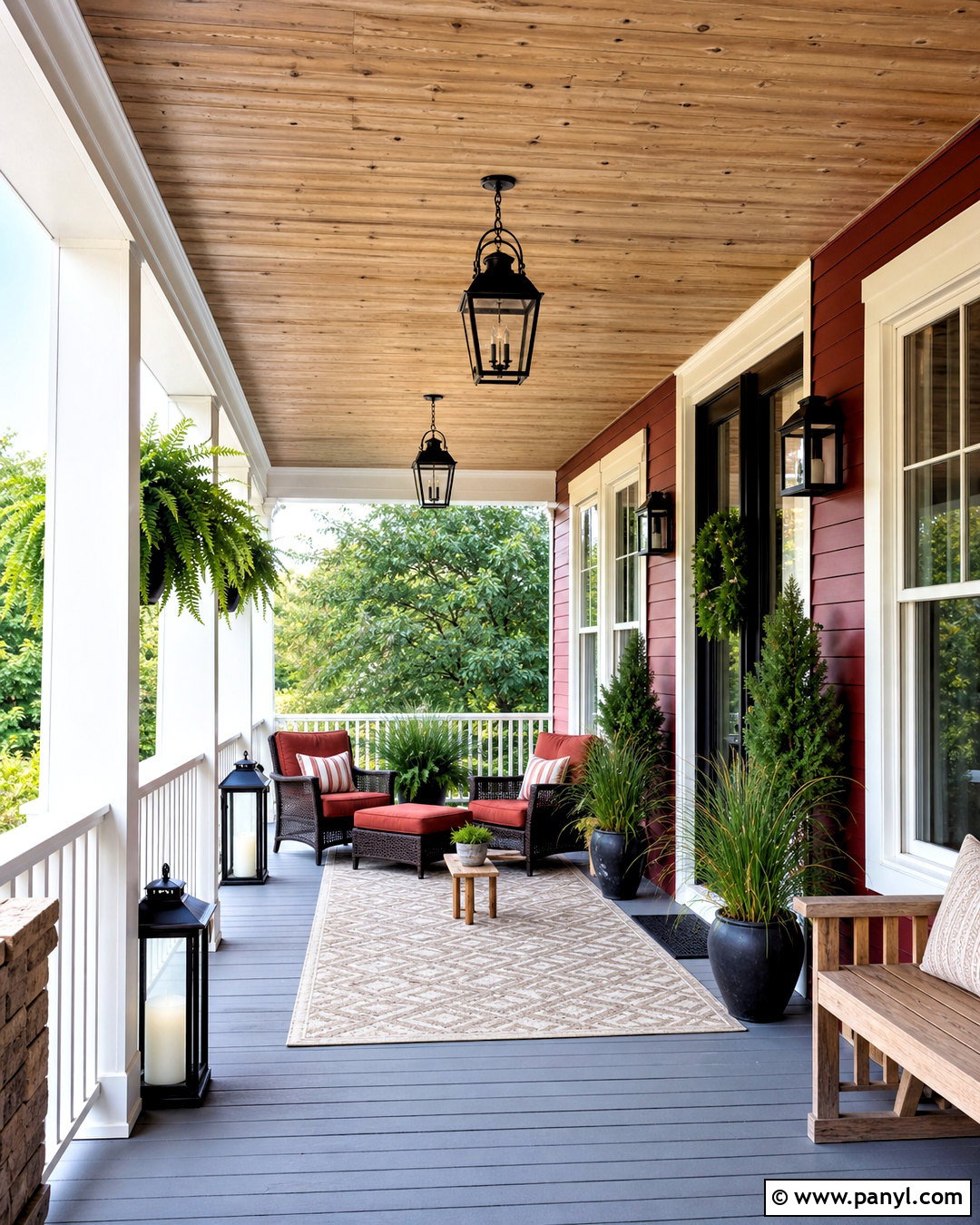
A covered porch can carry red through furniture and textiles instead of permanent painted surfaces. Begin with soft cream siding, a medium-gray porch floor, and a natural wood ceiling. Arrange two brick-red outdoor lounge chairs around a small teak table, then add cream cushions with narrow red stripes. A washable geometric rug can define the seating area and bring softness underfoot. Use matte black lantern-style lighting and matching planters for visual structure. Ferns, grasses, and white flowers balance the warm furniture with fresh greenery. If space allows, place a wooden bench near the front door for additional seating. The finished porch feels colorful but relaxed, with weather-resistant materials and an easy layout suitable for both quiet mornings and casual visits.
20. Red Backyard Patio
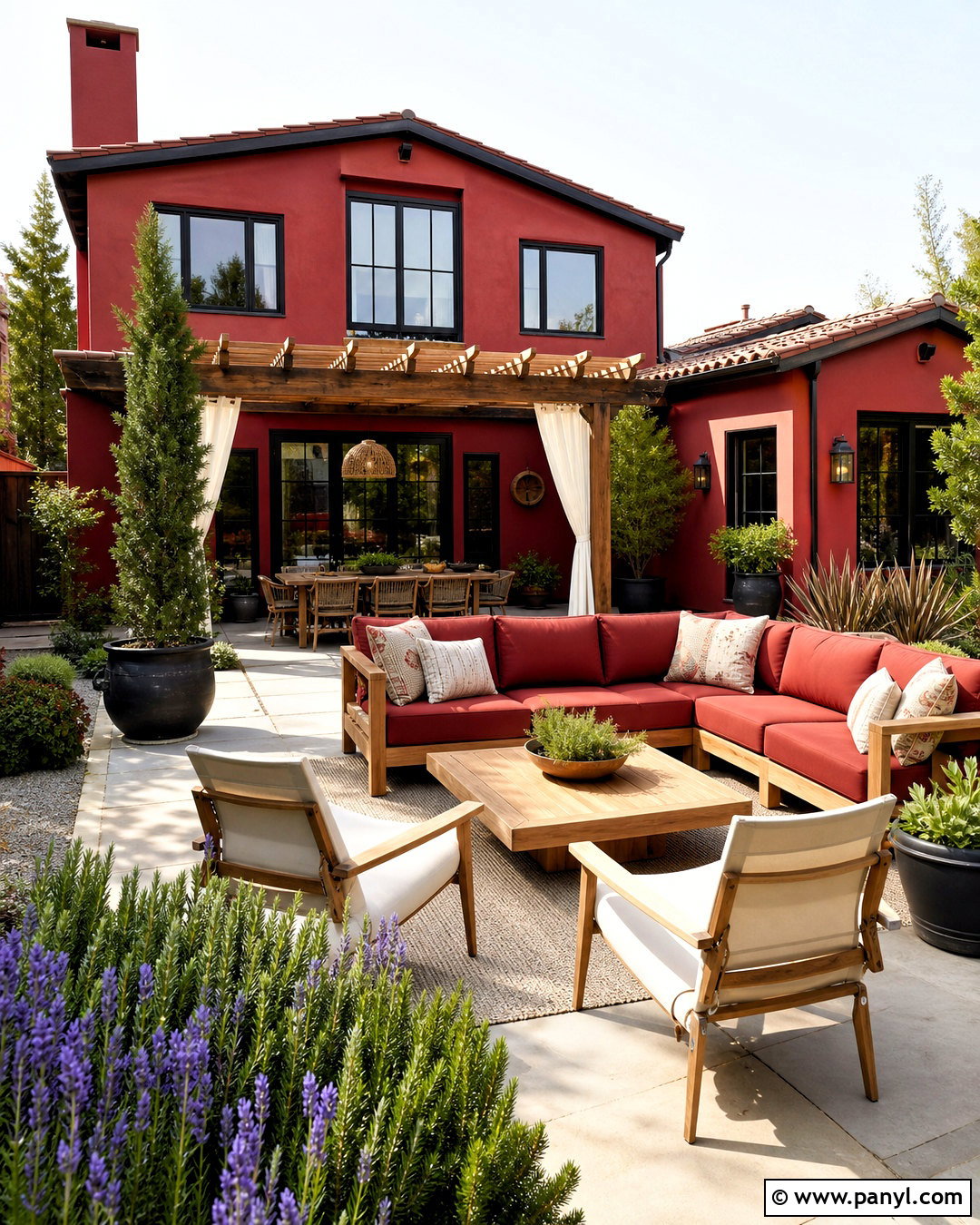
A red backyard patio can feel warm and Mediterranean-inspired without relying on novelty decor. Build the setting around terracotta-red seat cushions on a simple teak sectional, positioned beside a light stone or concrete patio. Add two cream outdoor chairs and a low wood coffee table to create a complete conversation zone. A large beige performance rug helps define the furniture arrangement. Surround the patio with lavender, ornamental grasses, rosemary, and compact evergreen shrubs for layered planting. Use a cedar pergola with white outdoor curtains to provide shade and softness. Black metal planters and simple wall lights offer contrast. This complete backyard look connects red textiles, natural wood, pale hardscape, and structured greenery in a comfortable space designed for regular outdoor use.
Conclusion:
Red can be bold, cozy, traditional, playful, or modern depending on its shade and surroundings. These **red home ideas** show how to use the color as part of a complete plan rather than an isolated accent. Start with the room’s purpose, then choose a red that supports the desired mood. Brick and terracotta feel earthy, burgundy creates depth, and brighter reds deliver energy. Balance saturated surfaces with cream textiles, natural wood, simple lighting, and controlled contrast. You can begin with a door, vanity, or kitchen island before committing to an entire room. With thoughtful repetition and practical materials, red becomes a livable design choice that gives a home warmth, confidence, and lasting personality.

Related Ideas and Inspiration:
Leave a Reply