
A peaceful room starts with color, but the most soothing choice depends on more than a paint chip. Learning **How To Choose Calming Wall Colors** means considering natural light, undertones, room size, existing furniture, and the mood you want to create. Soft blues and greens can feel refreshing, while warm whites, greiges, and muted earth tones often create a cozier atmosphere. Even deeper shades can be restful when balanced with light textiles, natural materials, and simple decor. Before painting, compare each color with your flooring, trim, upholstery, and lighting throughout the day. The following complete room schemes offer practical, attractive examples that make it easier to understand **How To Choose Calming Wall Colors**.

1. Calming Wall Colors For North-Facing Rooms
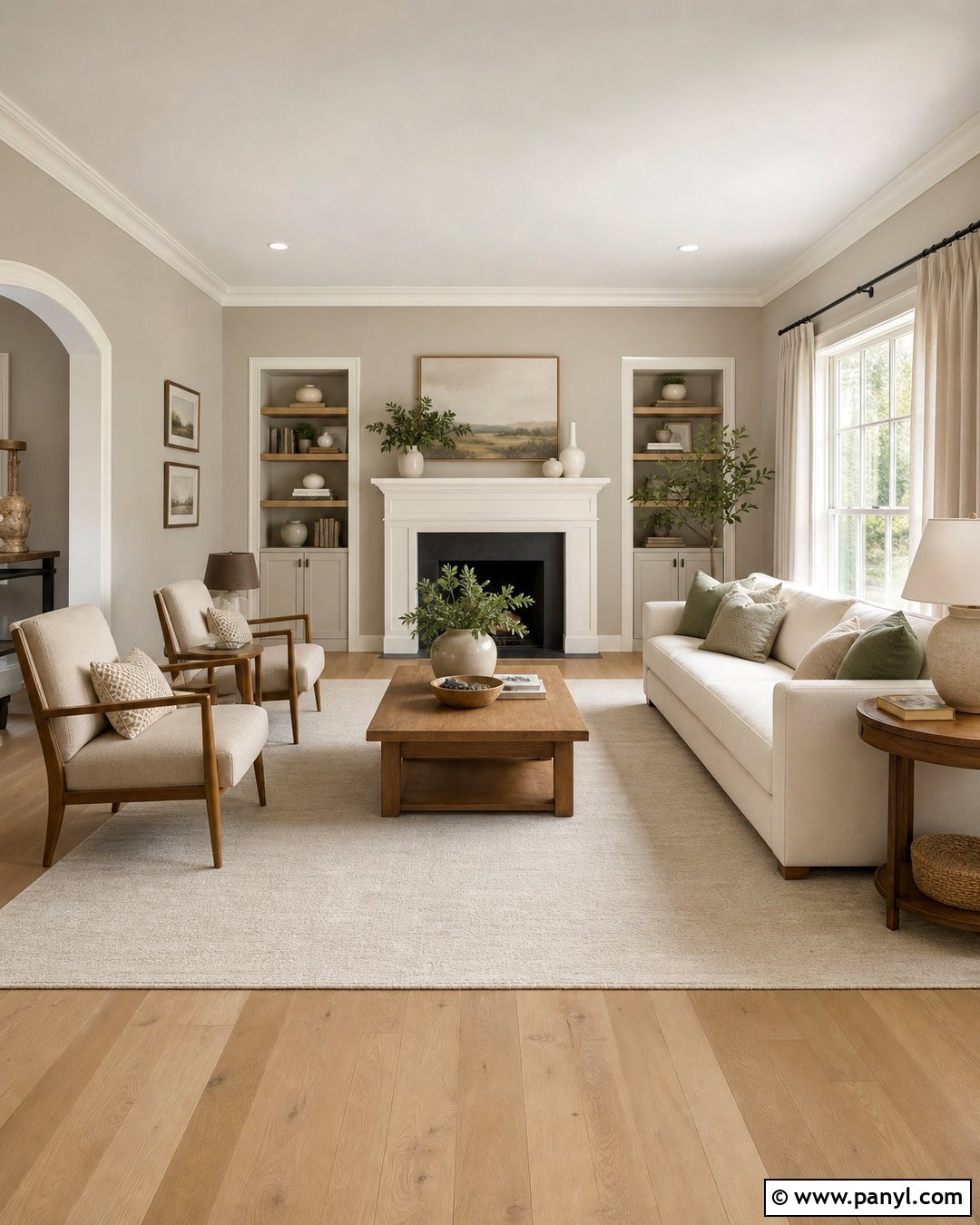
North-facing rooms usually receive cool, indirect daylight, so icy paint can appear flat or gray. Create a welcoming living room with warm greige walls, creamy white trim, and a light oak floor. Choose a greige with subtle beige or taupe undertones rather than strong blue undertones. A sand-colored sofa, oatmeal curtains, and a soft ivory rug will support the wall color without making the room look colorless. Add muted sage pillows, ceramic lamps, and medium-toned wood tables for gentle contrast. Test the paint beside the windows and in shadowy corners. If the color remains comfortably warm without turning yellow, it should create a calm and balanced background from morning through evening.
2. Calming Wall Colors For South-Facing Rooms
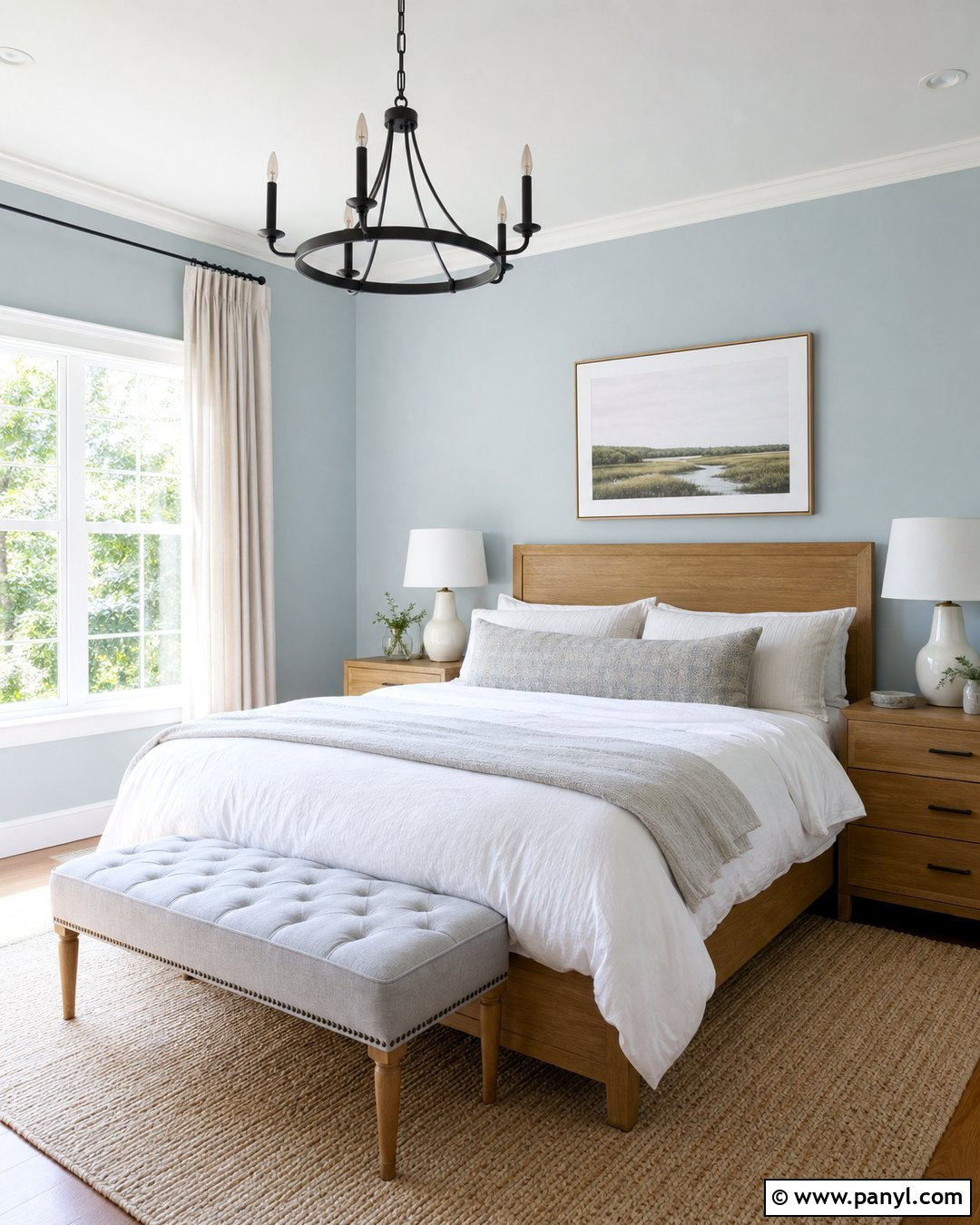
Sunlight fills a south-facing room with warmth, allowing cooler wall colors to feel soft rather than chilly. Consider a pale blue-gray for a bright bedroom with crisp white trim and a natural oak bed. Keep the blue muted and slightly smoky so it does not become overly colorful in strong afternoon light. Layer the room with white bedding, a light gray upholstered bench, and flax-colored linen curtains. A woven rug and a few pale wood accents will prevent the design from feeling cold. Check the sample during the brightest part of the day because direct sunlight can wash out subtle colors. A successful shade should remain visible while preserving the room’s airy, restful character.
3. Calming Wall Colors For East-Facing Rooms
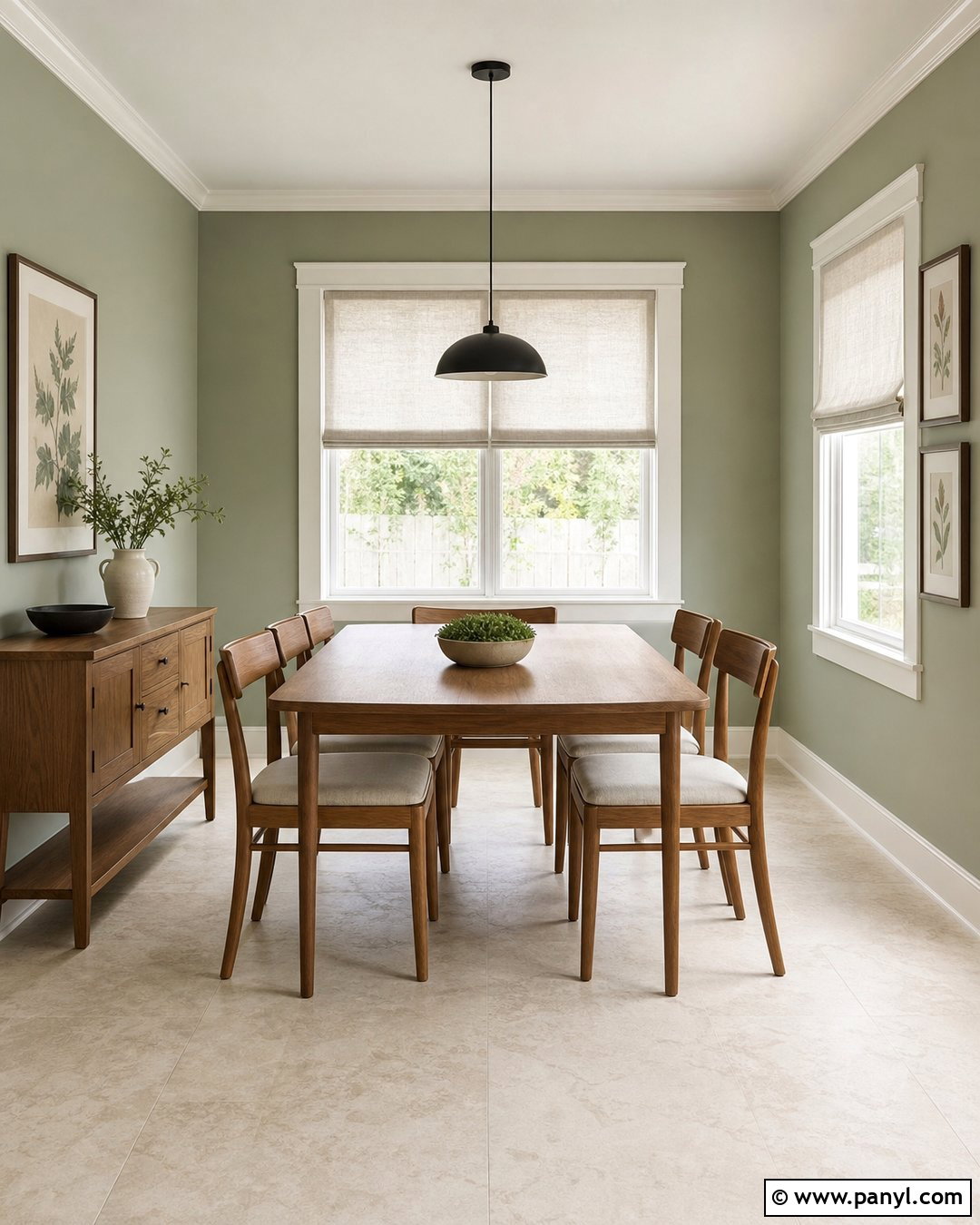
An east-facing room changes dramatically as warm morning sunlight gives way to cooler afternoon light. A muted sage green offers enough warmth to glow early in the day while staying gentle later. Use it throughout a breakfast room with ivory trim, medium oak furniture, and light limestone-look flooring. Add natural linen shades, cream seat cushions, and simple botanical artwork. Black accents should be limited to thin frames or a compact pendant so the room remains soft. Paint large samples on walls that receive both direct and indirect light. Observe them at breakfast, midday, and sunset. The right sage should look naturally green in the morning without becoming dull, overly gray, or minty in the afternoon.
4. Calming Wall Colors For West-Facing Rooms
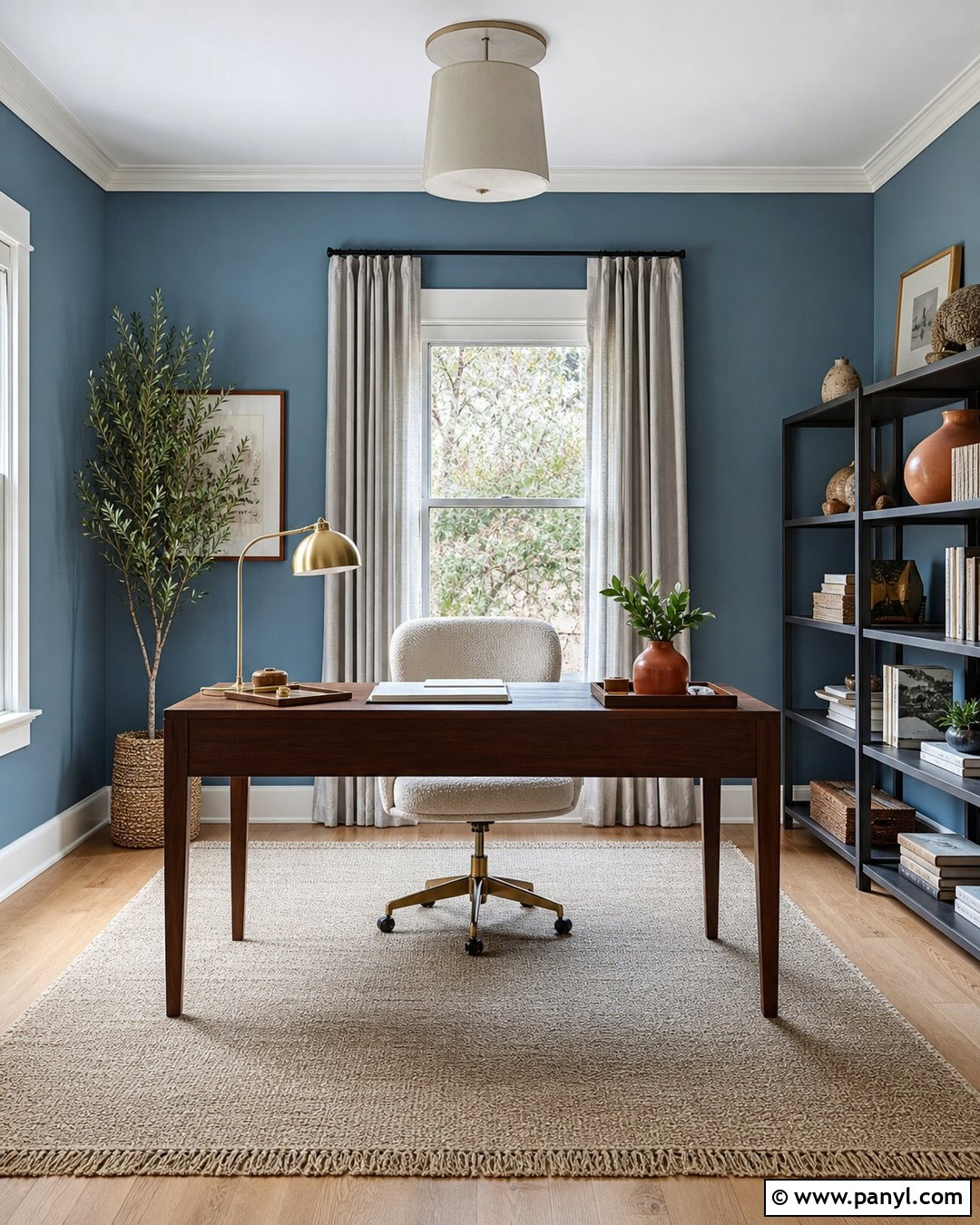
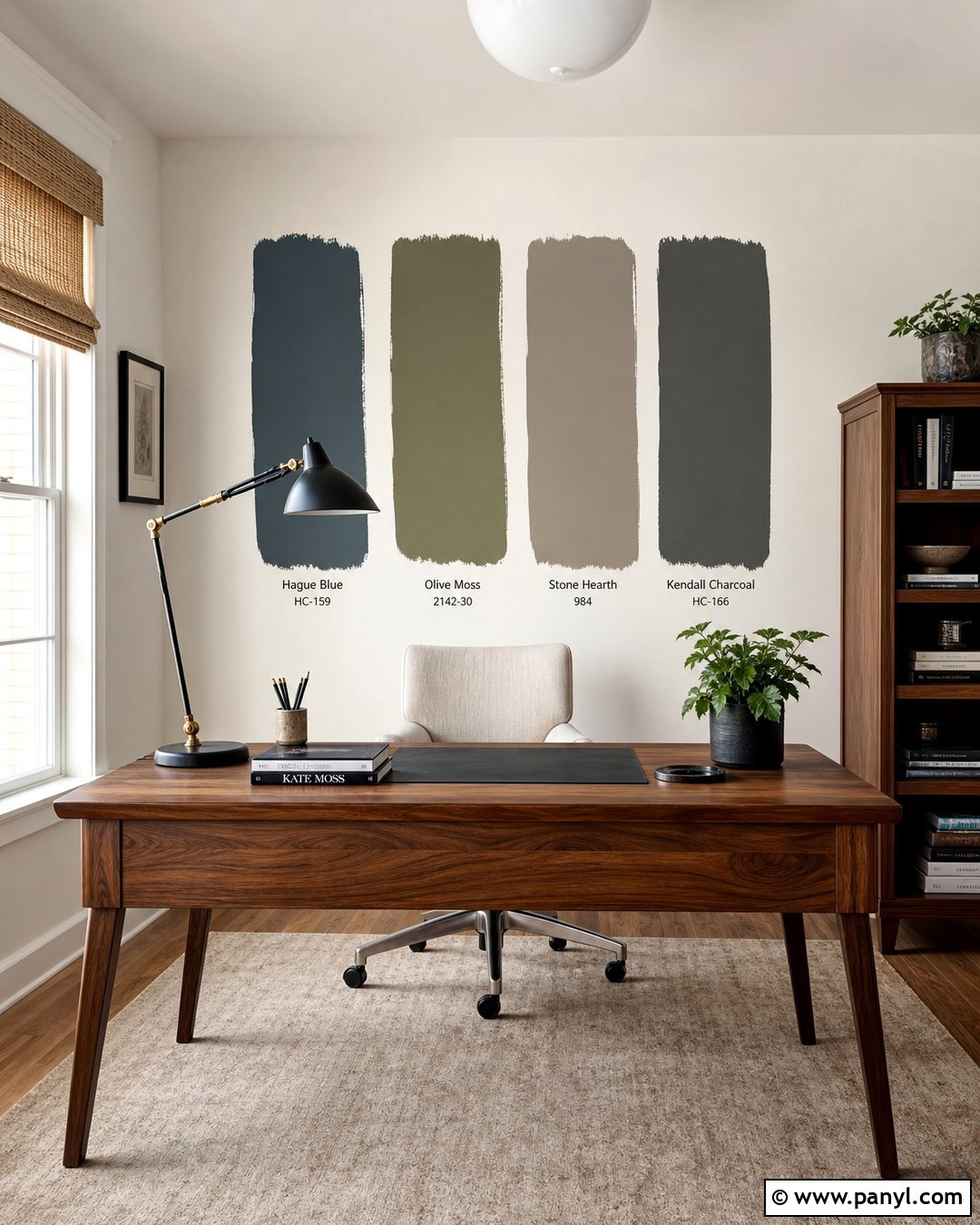
West-facing rooms can look cool in the morning and intensely warm near sunset. A balanced dusty blue with a slight gray-green undertone handles this shift beautifully. Build a comfortable home office with dusty blue walls, warm white trim, a walnut desk, and a cream boucle chair. Pale gray curtains can soften bright afternoon glare, while a natural wool rug keeps the space grounded. Add brushed brass lighting and restrained terracotta accessories for warmth without visual clutter. Avoid blues with strong purple undertones, which may become pronounced in evening light. The best color will look quiet during the morning, fresh at midday, and softly atmospheric when golden sunlight reaches the walls later in the day.
5. Calming Wall Colors For Small Bedrooms
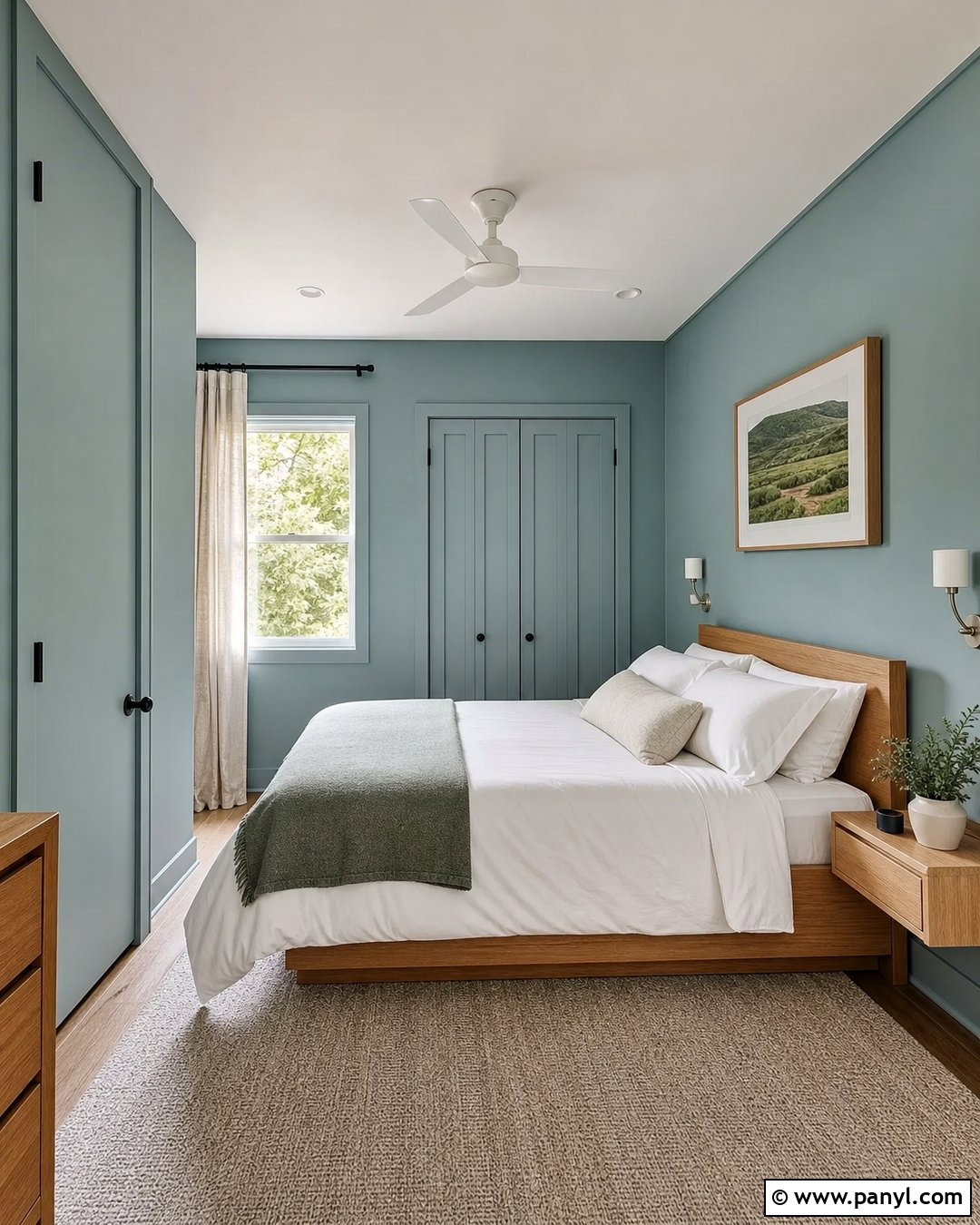
A small bedroom can feel restful with a light, enveloping wall color instead of stark white. Choose a soft blue-green and continue it across the walls, trim, and closet doors using slightly different paint sheens. This low-contrast approach reduces visual breaks and helps the room feel more spacious. Pair it with a simple light oak bed, white bedding, a narrow floating nightstand, and compact wall sconces. Natural linen curtains and a pale woven rug add warmth without crowding the design. Keep artwork limited to one peaceful landscape or abstract print. Before committing, test the color behind the headboard and near the doorway. It should feel gentle in both natural light and bedside lamplight.
6. Calming Wall Colors For Large Living Rooms
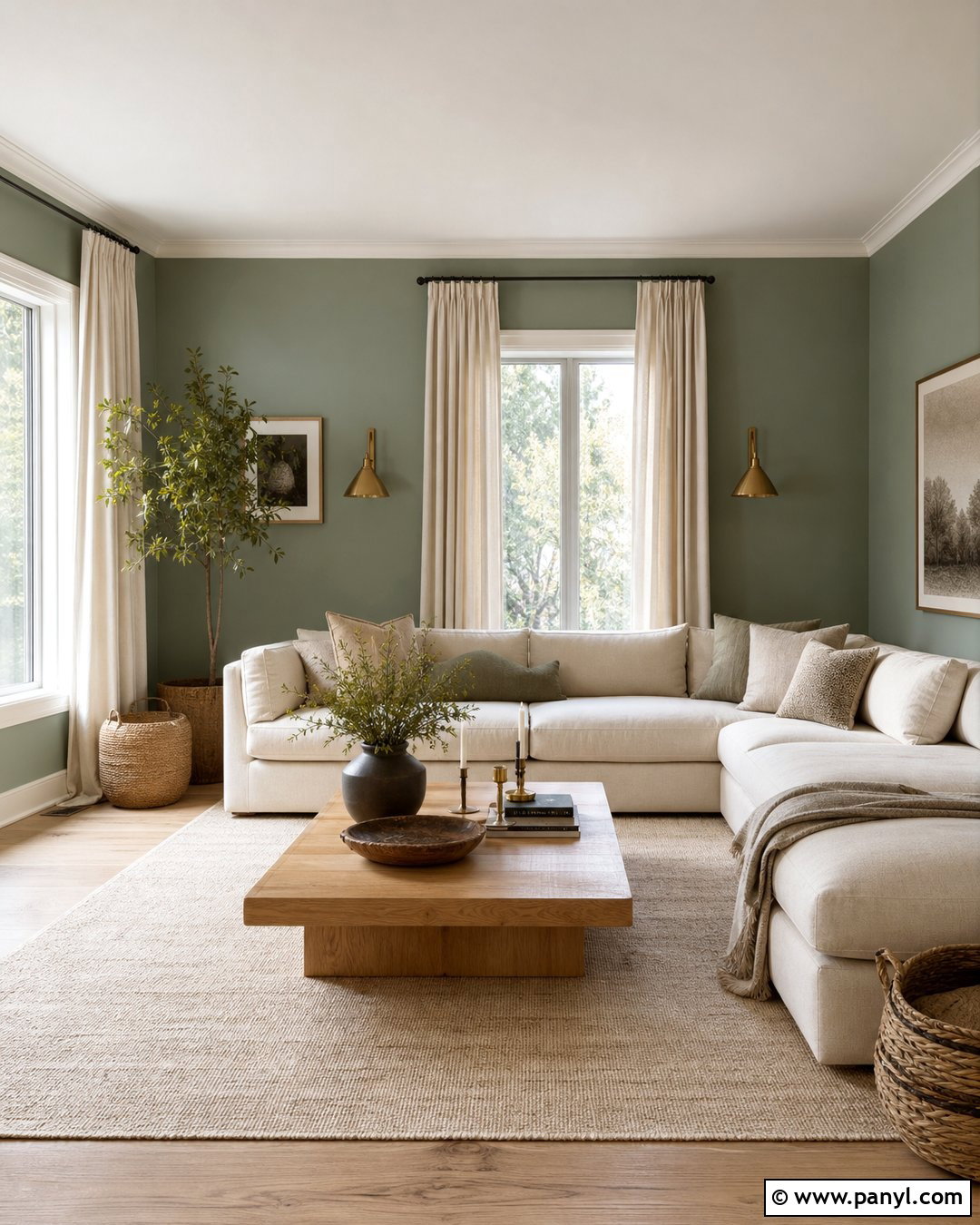
Large living rooms can handle a deeper color that creates comfort and visual intimacy. A muted eucalyptus green works well across every wall when paired with warm white ceilings and substantial cream furniture. Arrange a large linen sectional around a low oak coffee table, then ground the seating area with an oversized beige wool rug. Use full-length oatmeal curtains, woven baskets, and aged brass lamps to add warmth. Repeating the wall color in pillows or artwork will help the spacious room feel connected. Avoid filling every corner with furniture. The deeper green should provide the sense of enclosure. Sample it on several walls because broad surfaces and changing daylight can reveal unexpected blue or gray undertones.
7. Calming Wall Colors For Low-Light Rooms
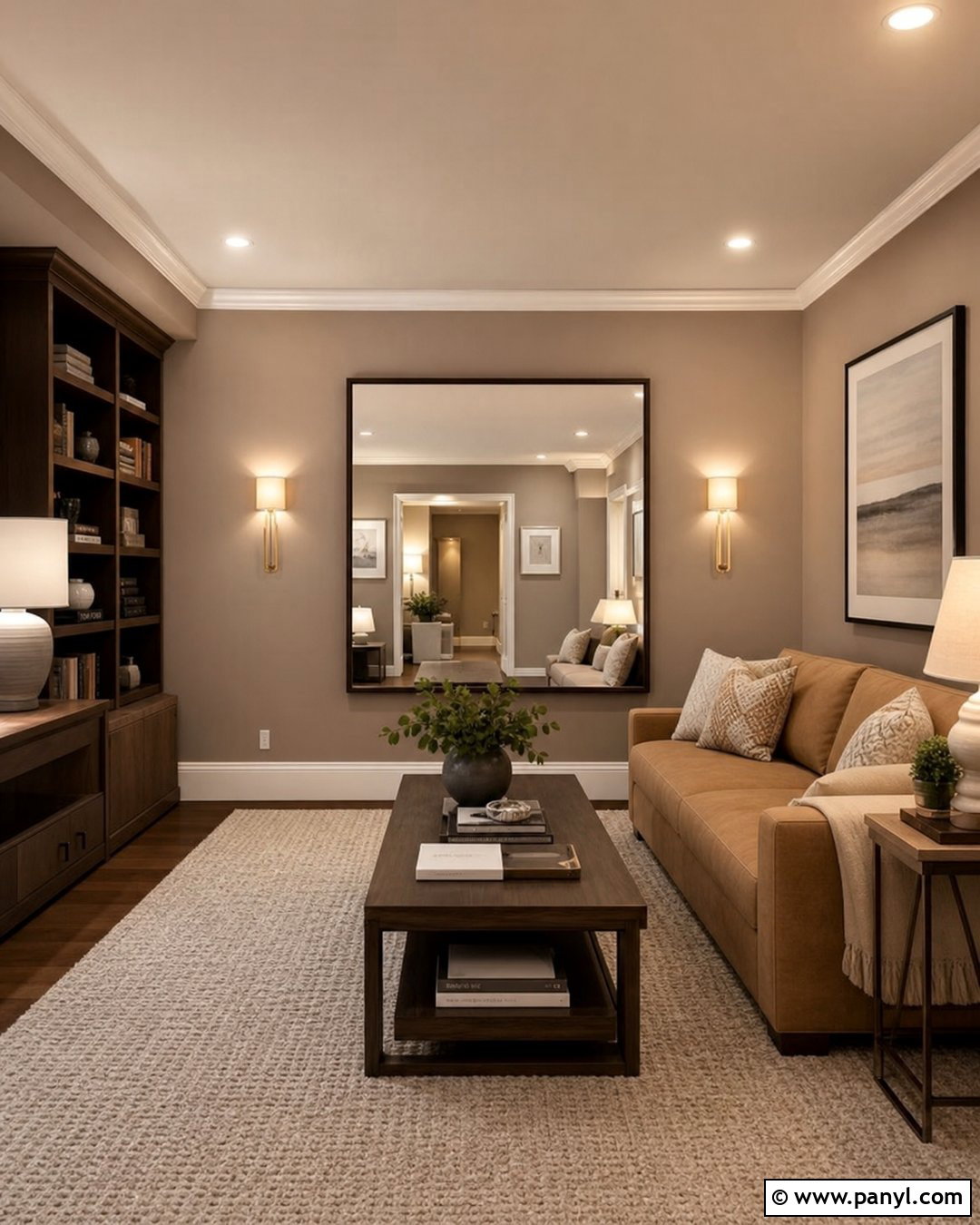
A room with limited daylight does not always need bright white paint. White can appear dingy when there is not enough light to reflect. Instead, choose a soft mushroom taupe that intentionally creates warmth. Use it in a cozy den with ivory trim, a camel-colored sofa, walnut shelving, and a cream textured rug. Add several light sources, including a linen-shaded floor lamp, table lamps, and subtle wall sconces. Pale artwork and a large mirror can lift the scheme without fighting the naturally subdued setting. Compare samples under the room’s actual bulbs before deciding. Look for a taupe that feels warm and earthy rather than muddy, pink, or heavily gray when the overhead lights are off.
8. Calming Wall Colors For Bright Rooms
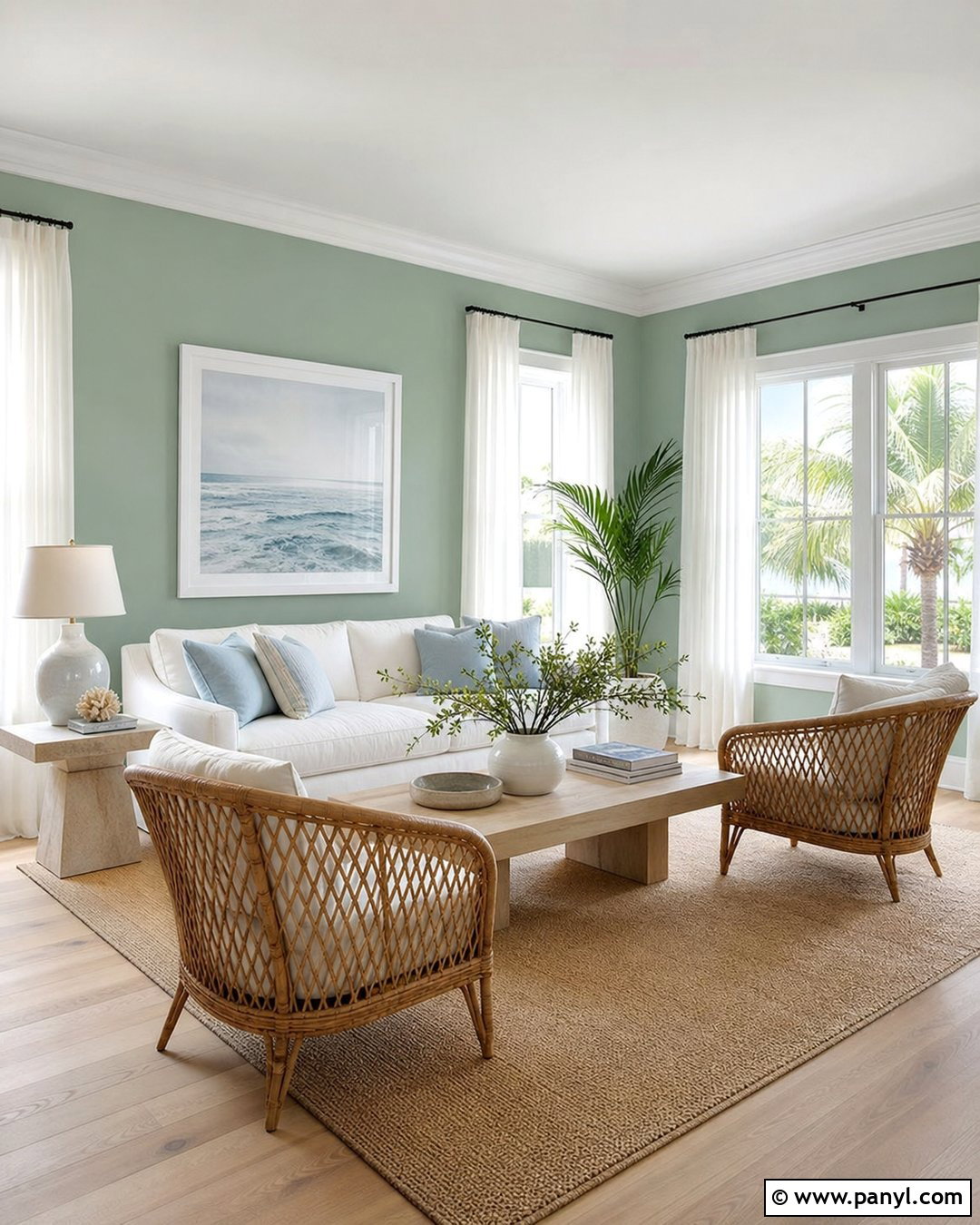
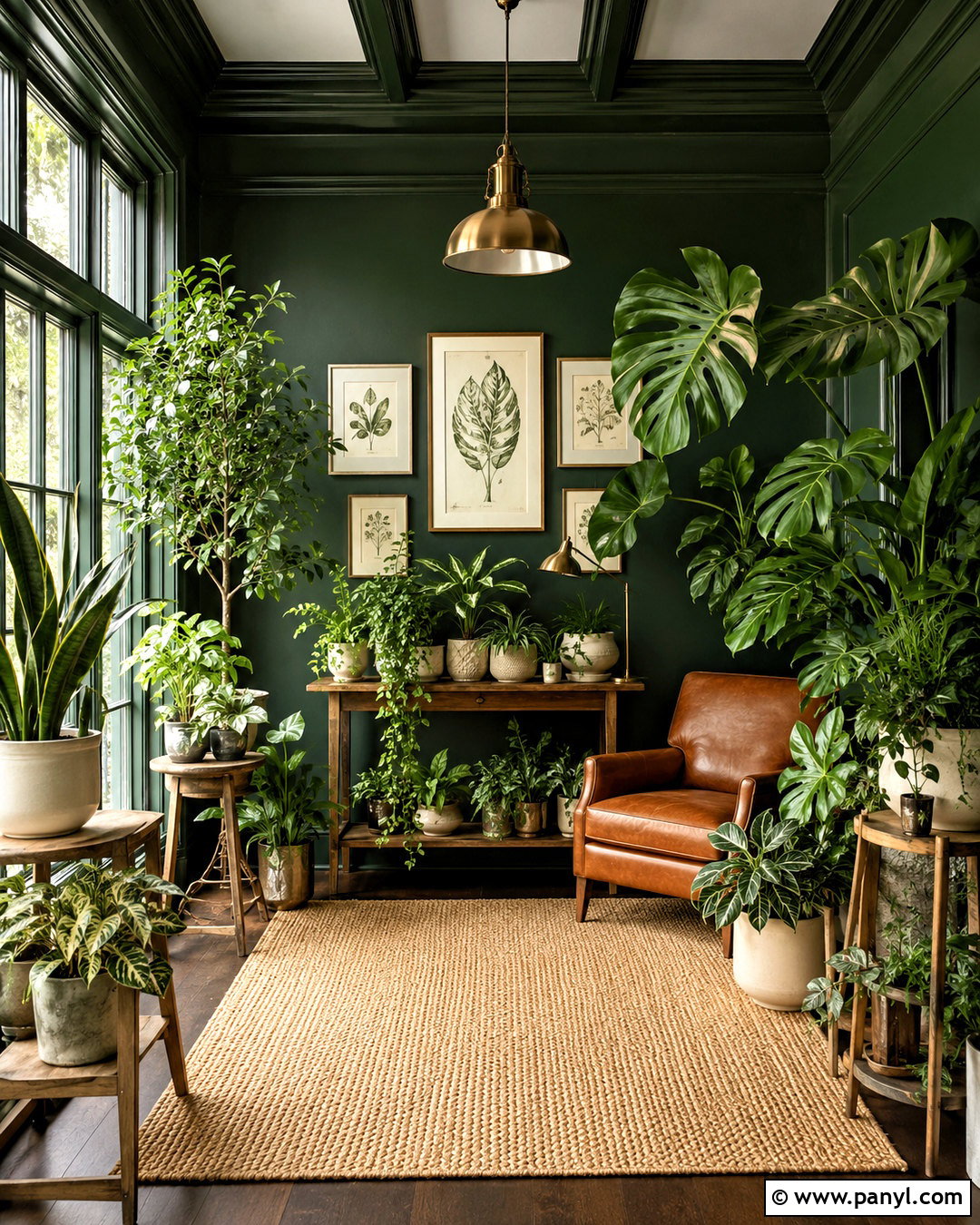
Abundant natural light gives you room to use a more noticeable calming color. A medium-tone sea-glass green can bring definition to a sun-filled sitting room without making it feel heavy. Pair the walls with clean white trim, pale oak flooring, and a relaxed ivory sofa. Include woven chairs, light blue pillows, and sheer linen curtains that gently filter the sunlight. A sisal rug and simple ceramic decor reinforce the natural palette. Because strong daylight can make colors appear lighter, choose a shade with slightly more depth than your first instinct. Test it on more than one wall. The finished green should remain soft and recognizable at noon while becoming quieter and more cocooning after the sun goes down.
9. Calming Blue Wall Colors
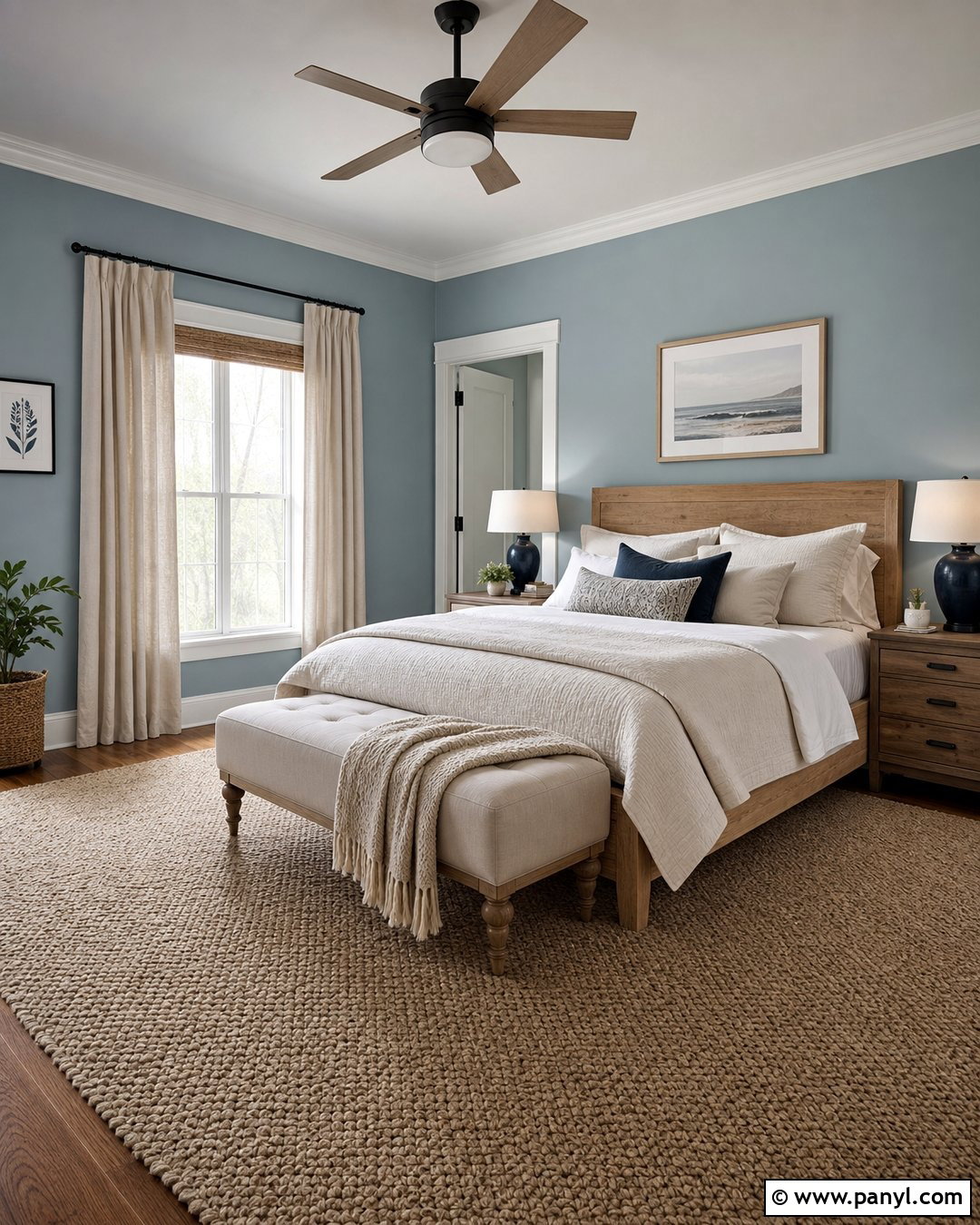
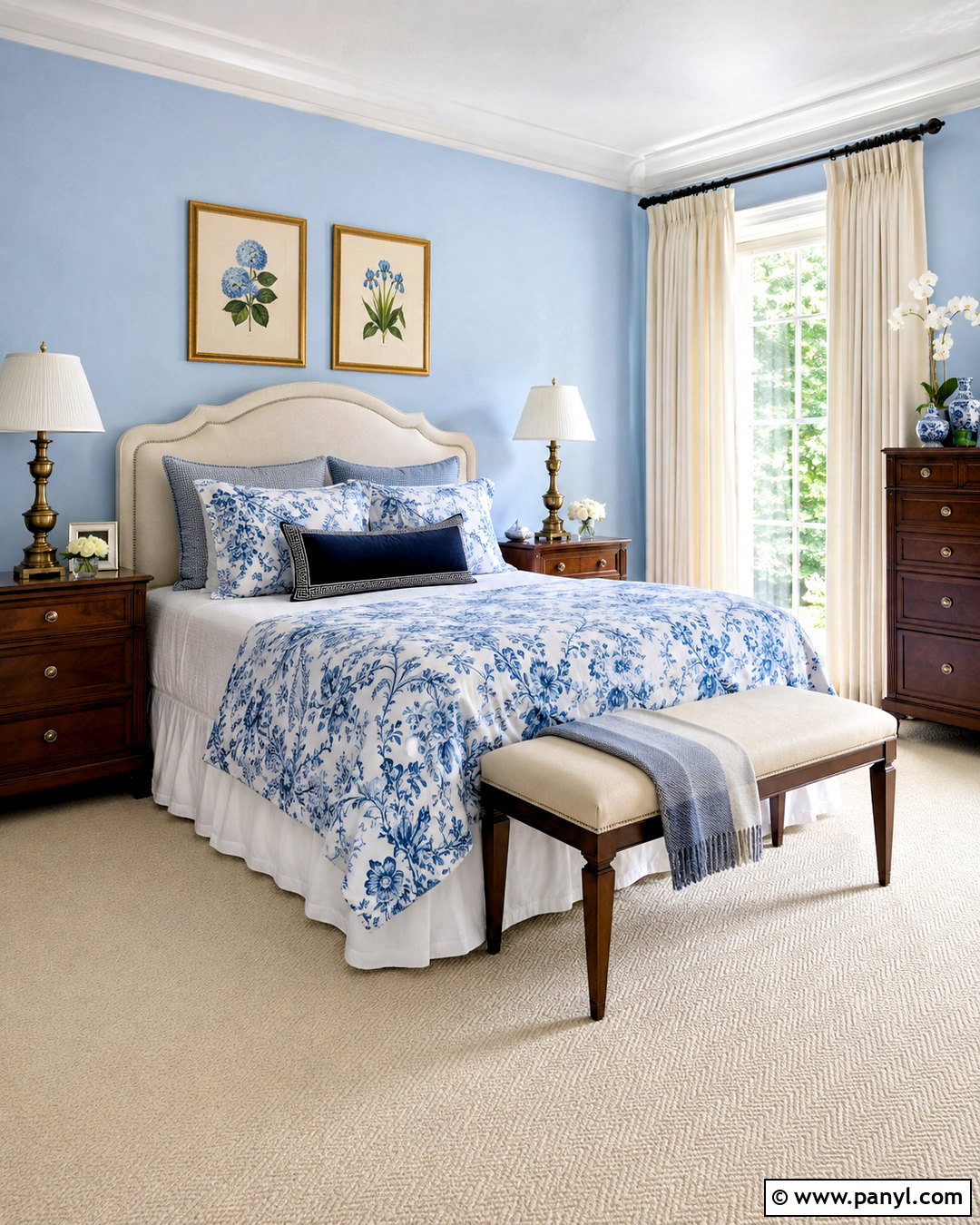
For a classic restful scheme, choose a smoky sky blue with enough gray to prevent it from looking juvenile. Use it in a complete bedroom with white-painted trim, a light wood bed, and layered ivory bedding. Introduce warmth through a beige upholstered bench, natural linen drapes, and a tan wool rug. Small accents in navy can add definition, but keep them limited to piping, artwork, or one throw. Avoid pairing the blue with too many brilliant whites, which can make the contrast feel sharp. Compare the sample with your bedding and floor before painting. A calming blue should feel clear yet muted, supporting relaxation without making the entire room appear cold, sugary, or overly themed.
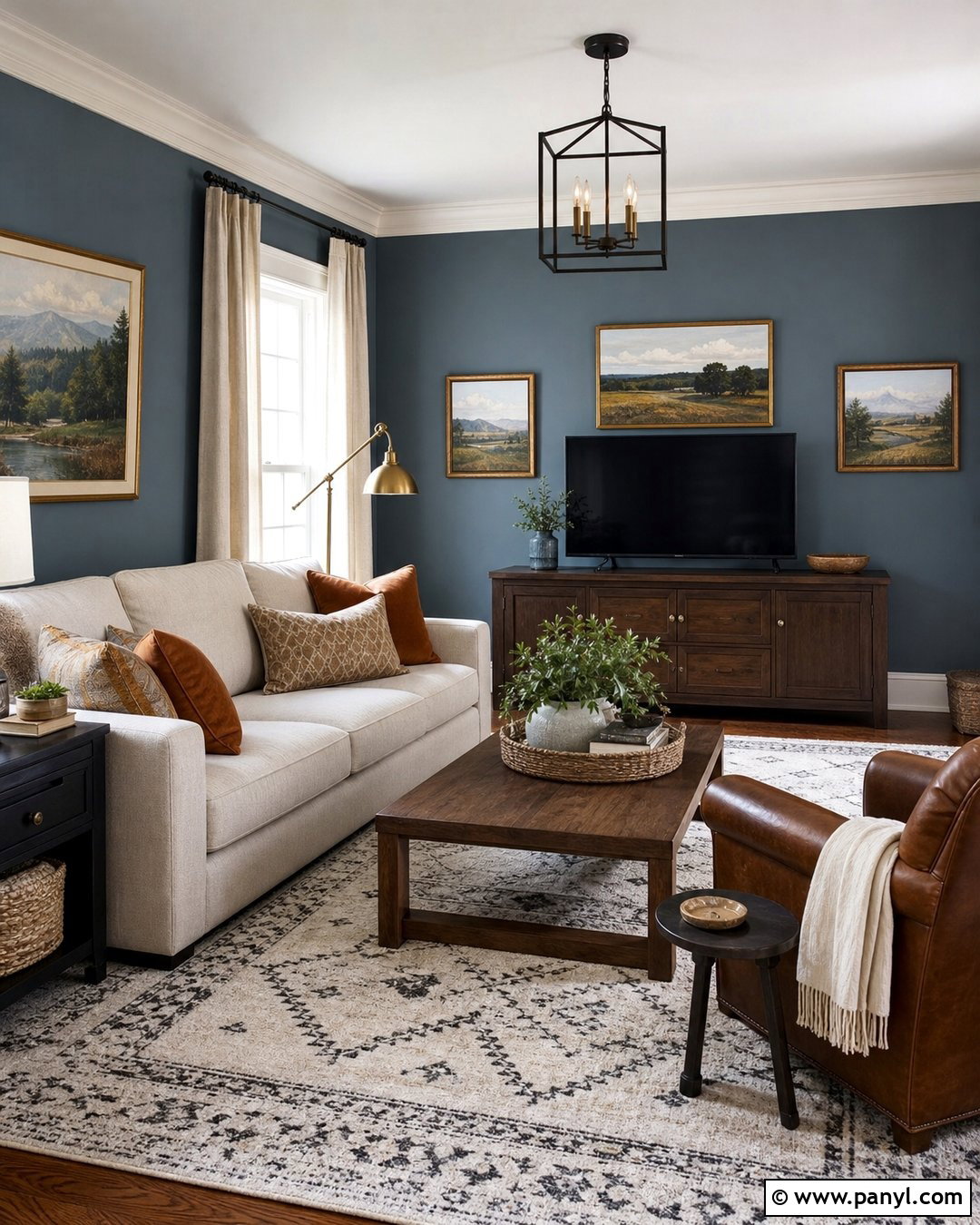
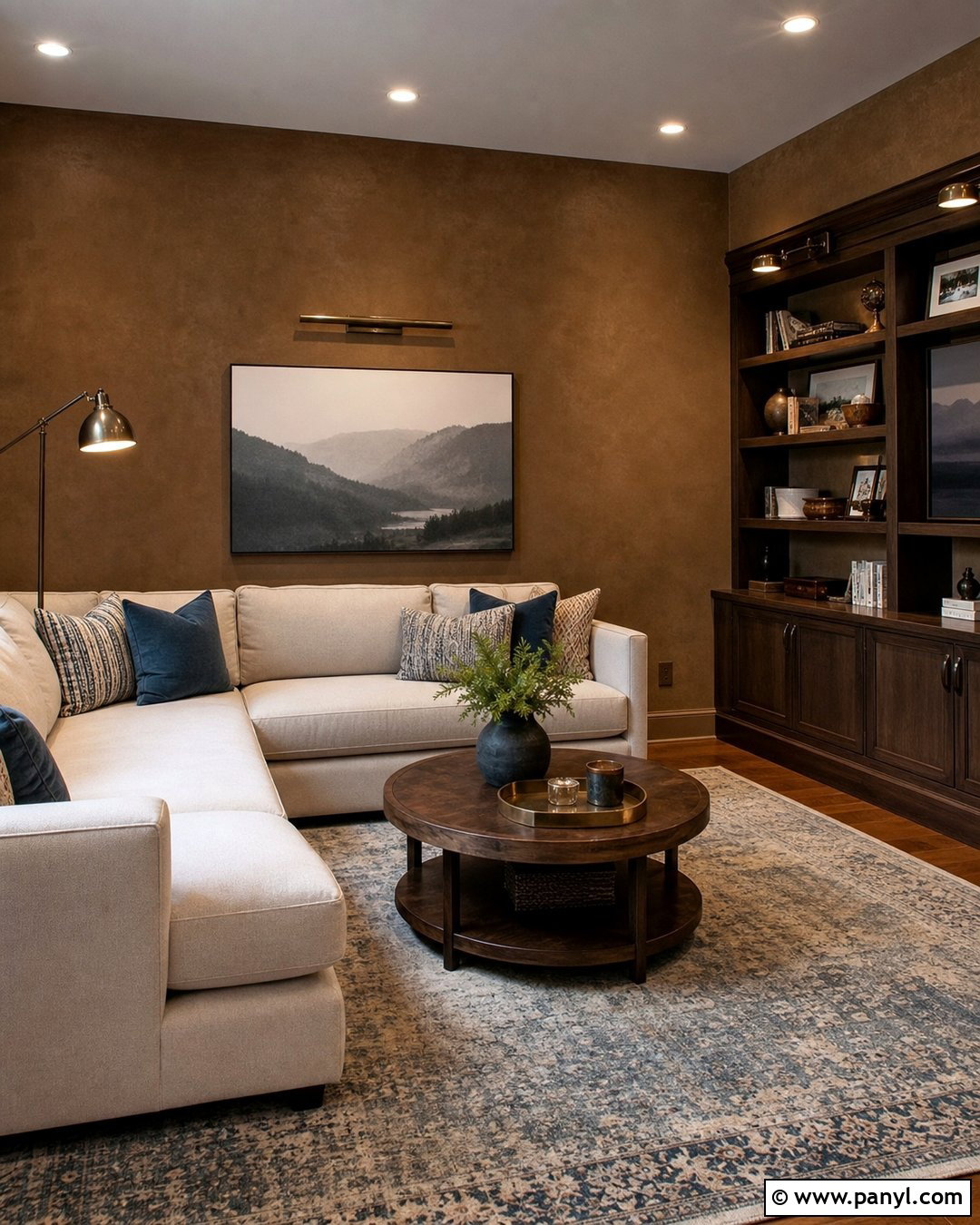
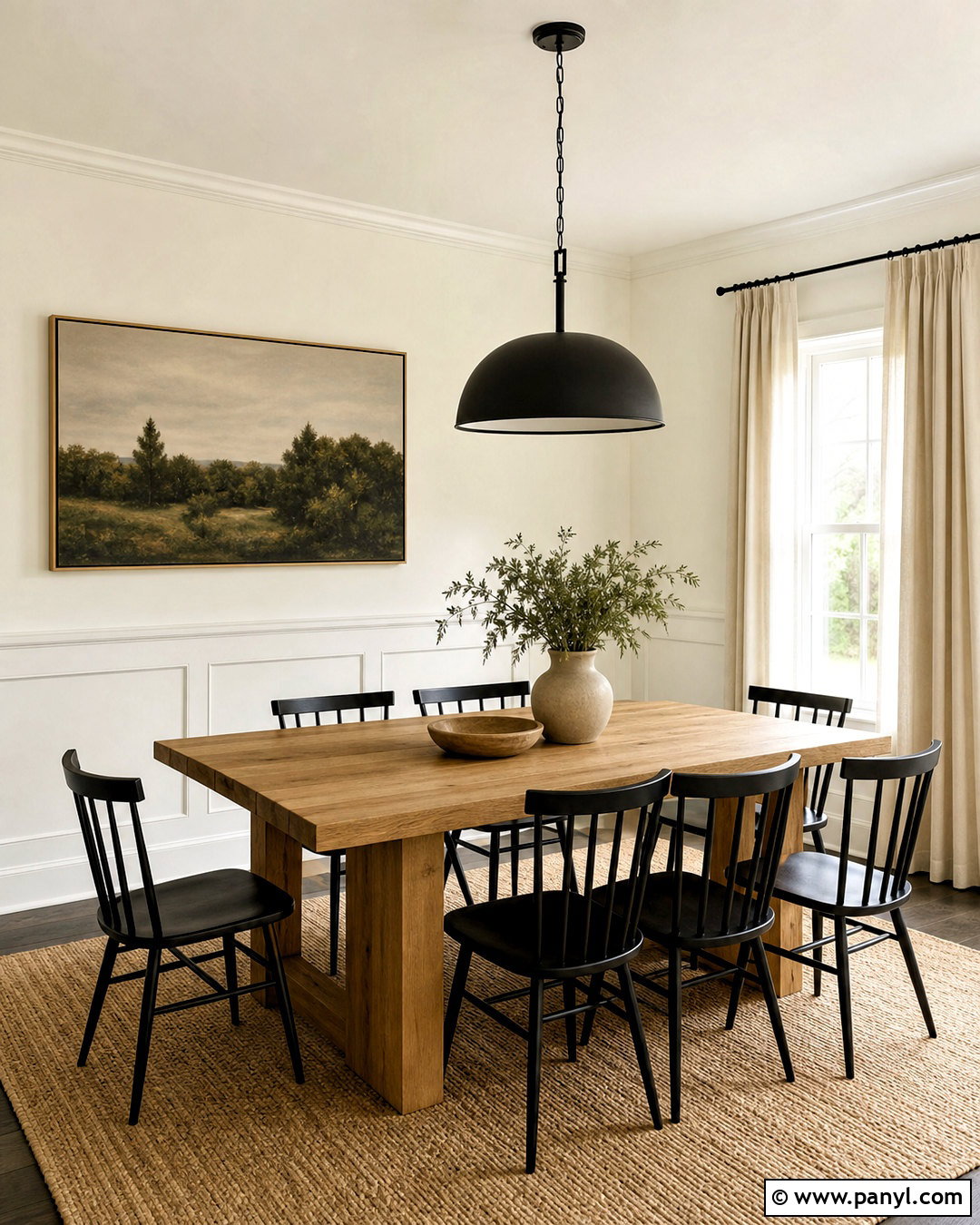
10. Calming Green Wall Colors
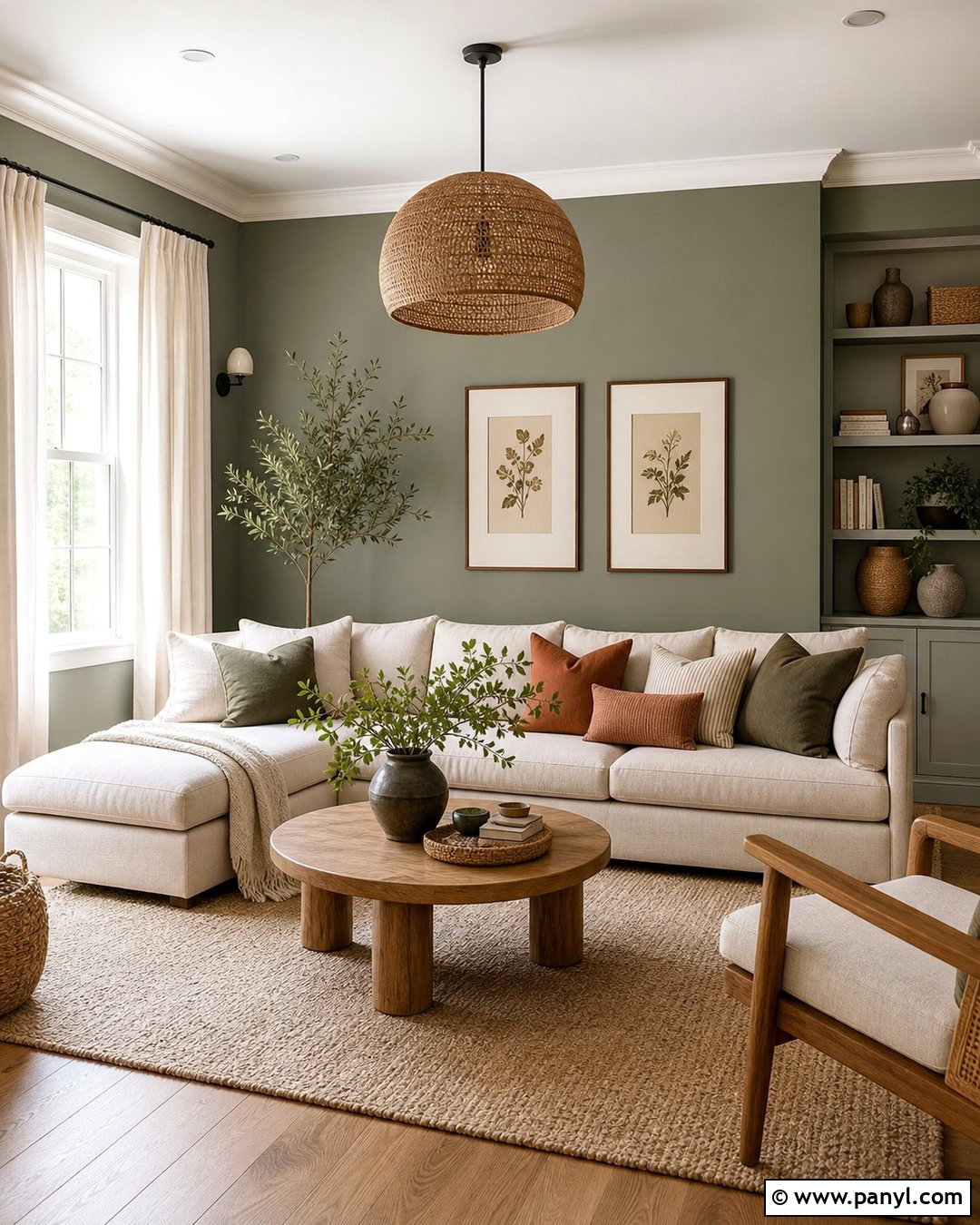
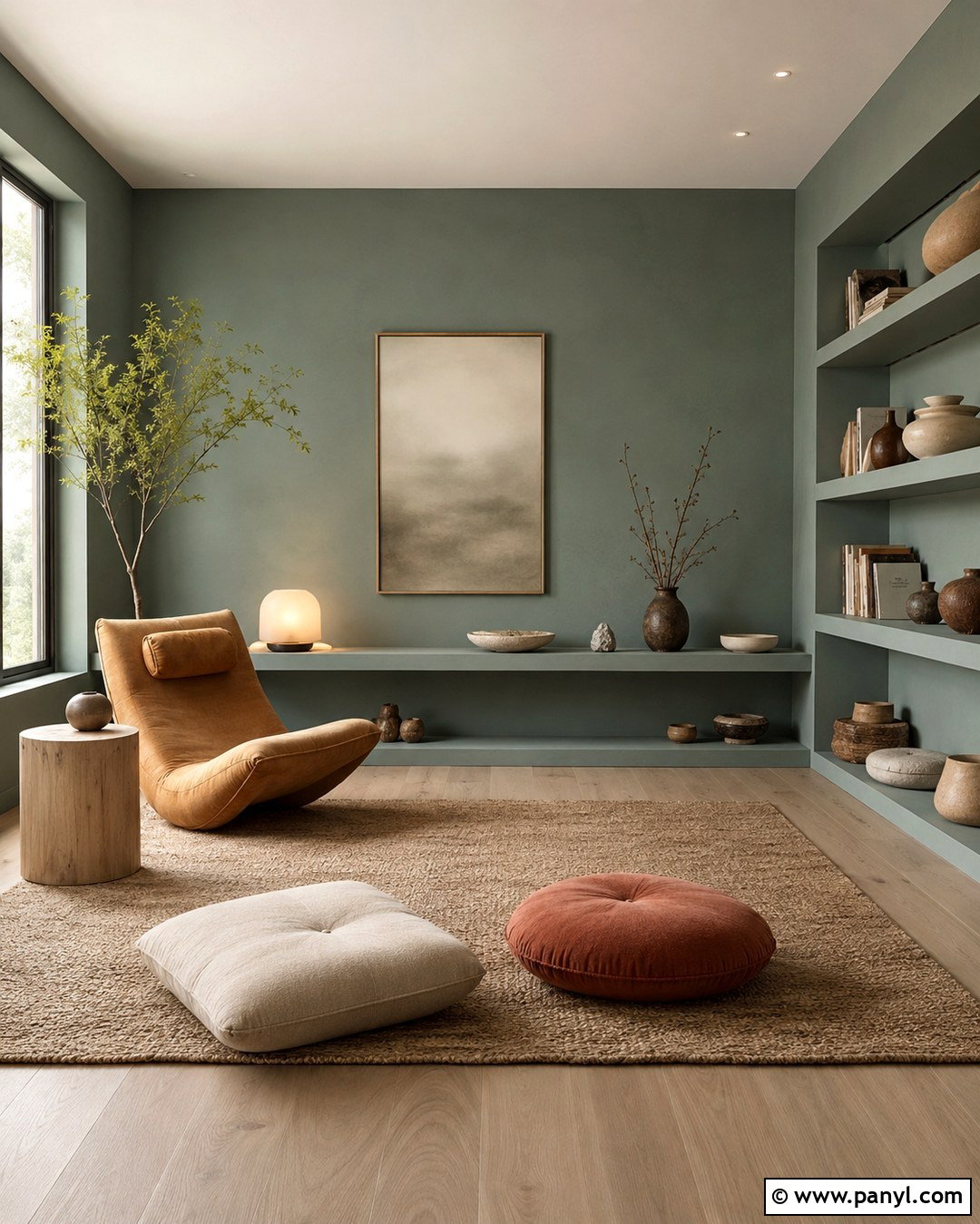
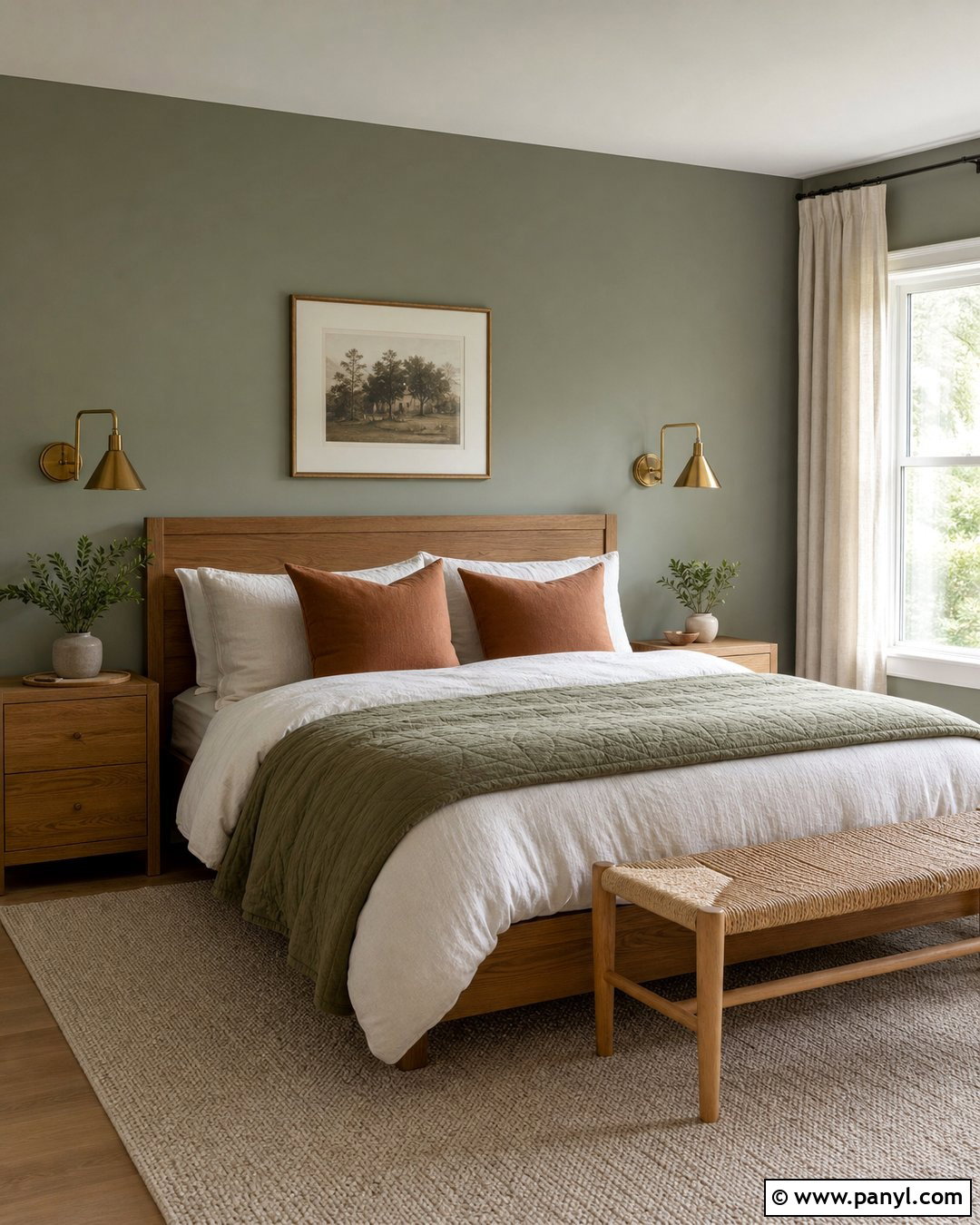
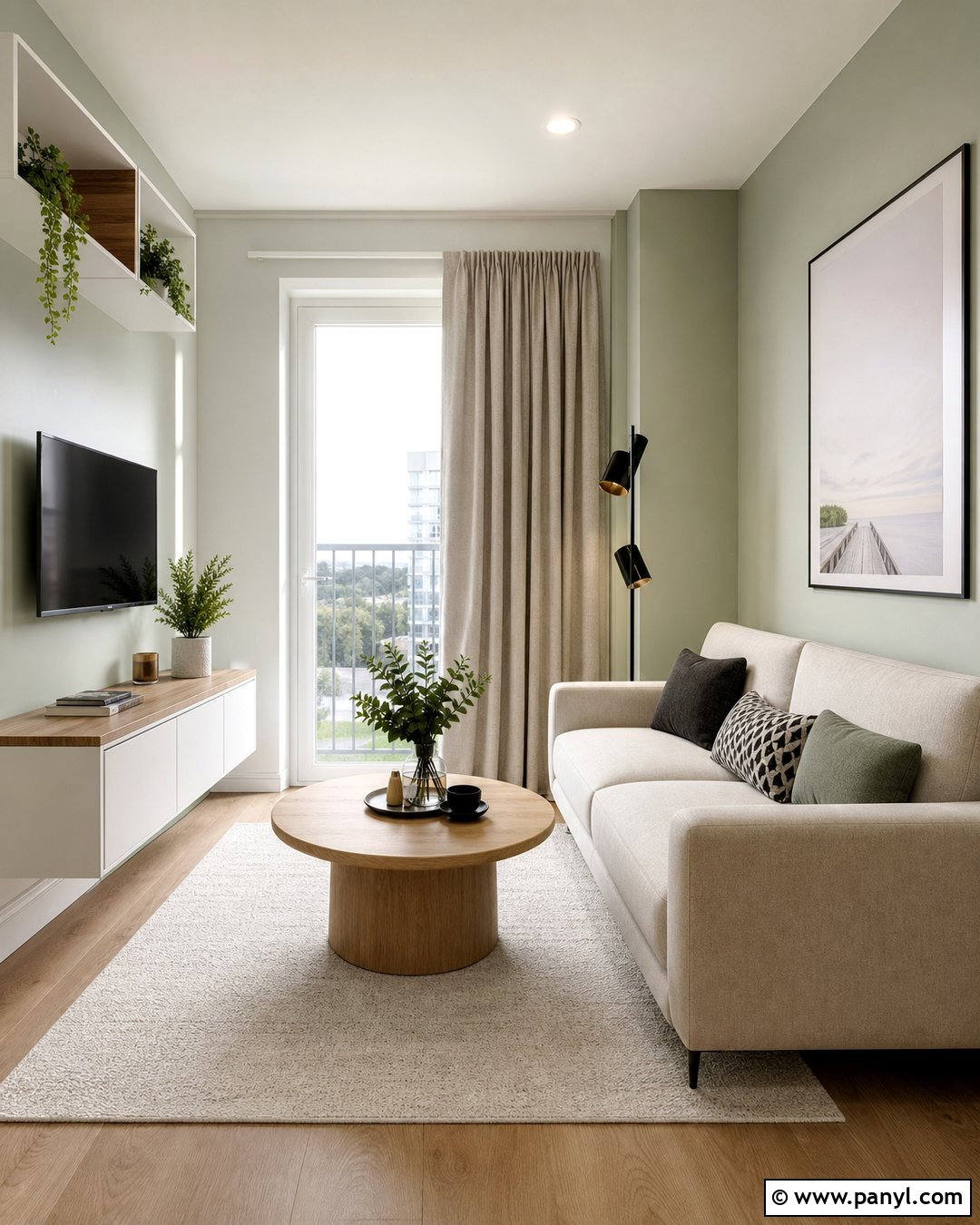
Soft sage is one of the easiest green wall colors to coordinate because it works much like a neutral. Create a relaxed living room with gray-sage walls, creamy trim, an oatmeal sofa, and warm oak tables. Add a pale jute rug, off-white curtains, and cushions in muted clay and forest green. Natural textures will make the color feel grounded and organic rather than decorative. Pay close attention to the undertone. Blue-based sage appears fresher, while yellow-based sage feels warmer and more traditional. Place samples beside permanent surfaces such as flooring, stone, and cabinetry. Choose the version that connects those materials while remaining distinctly green. This creates a cohesive room instead of a collection of unrelated calming elements.
11. Calming Neutral Wall Colors
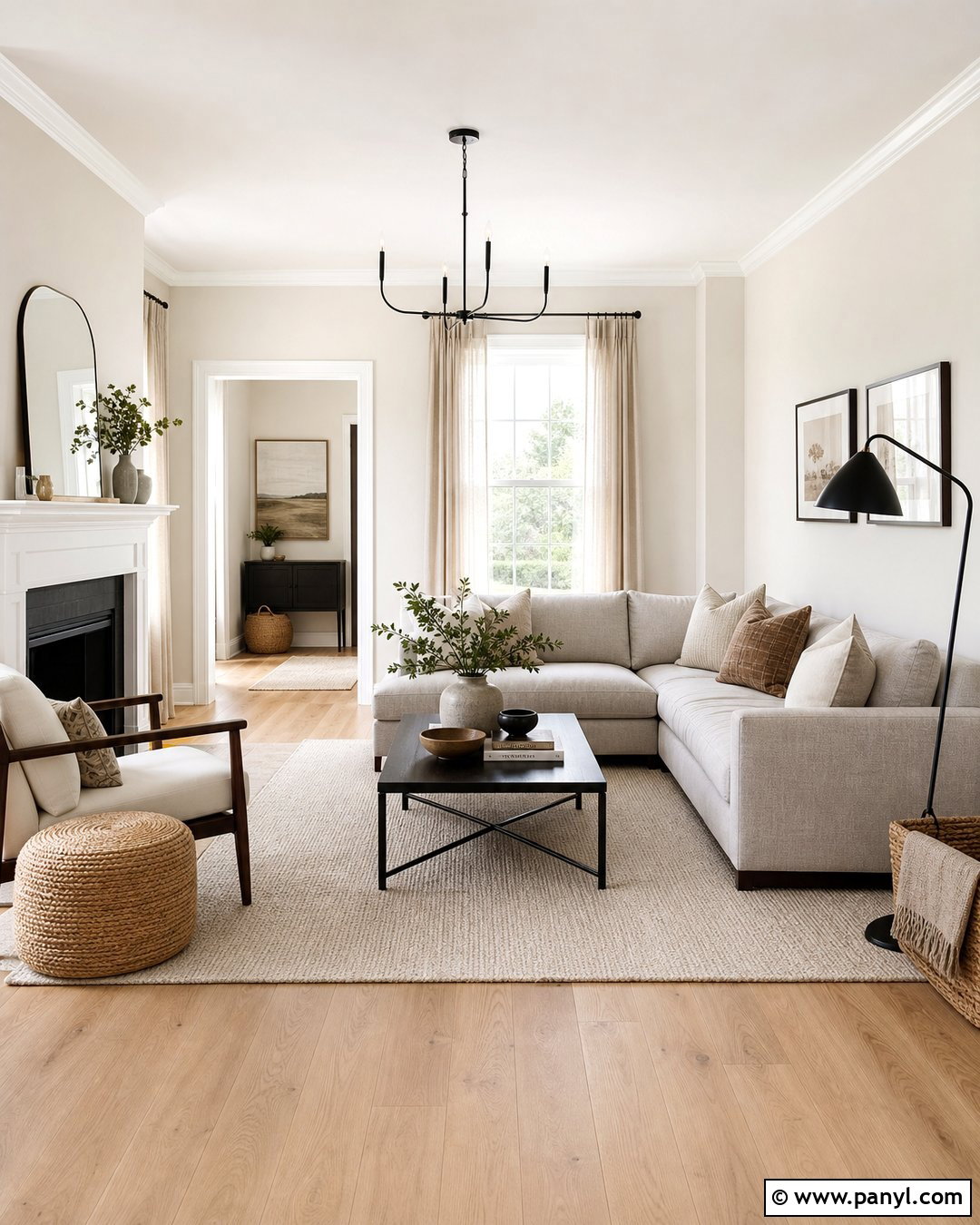
A soothing neutral room needs subtle contrast so it does not feel unfinished. Begin with warm off-white walls featuring a gentle cream or beige undertone. Add slightly brighter white trim, light oak flooring, and a soft greige sofa. Complete the living room with an ivory rug, linen curtains, taupe pillows, and a few matte black details for definition. Layered materials are especially important in a neutral scheme, so include wool, woven fibers, ceramics, and natural wood. Compare the paint against pure white paper to identify hidden yellow, pink, green, or gray undertones. The right neutral should connect the fixed finishes in the room. It should also feel comfortable under daylight and warm evening lamps without becoming stark or dingy.
12. Calming Warm Wall Colors
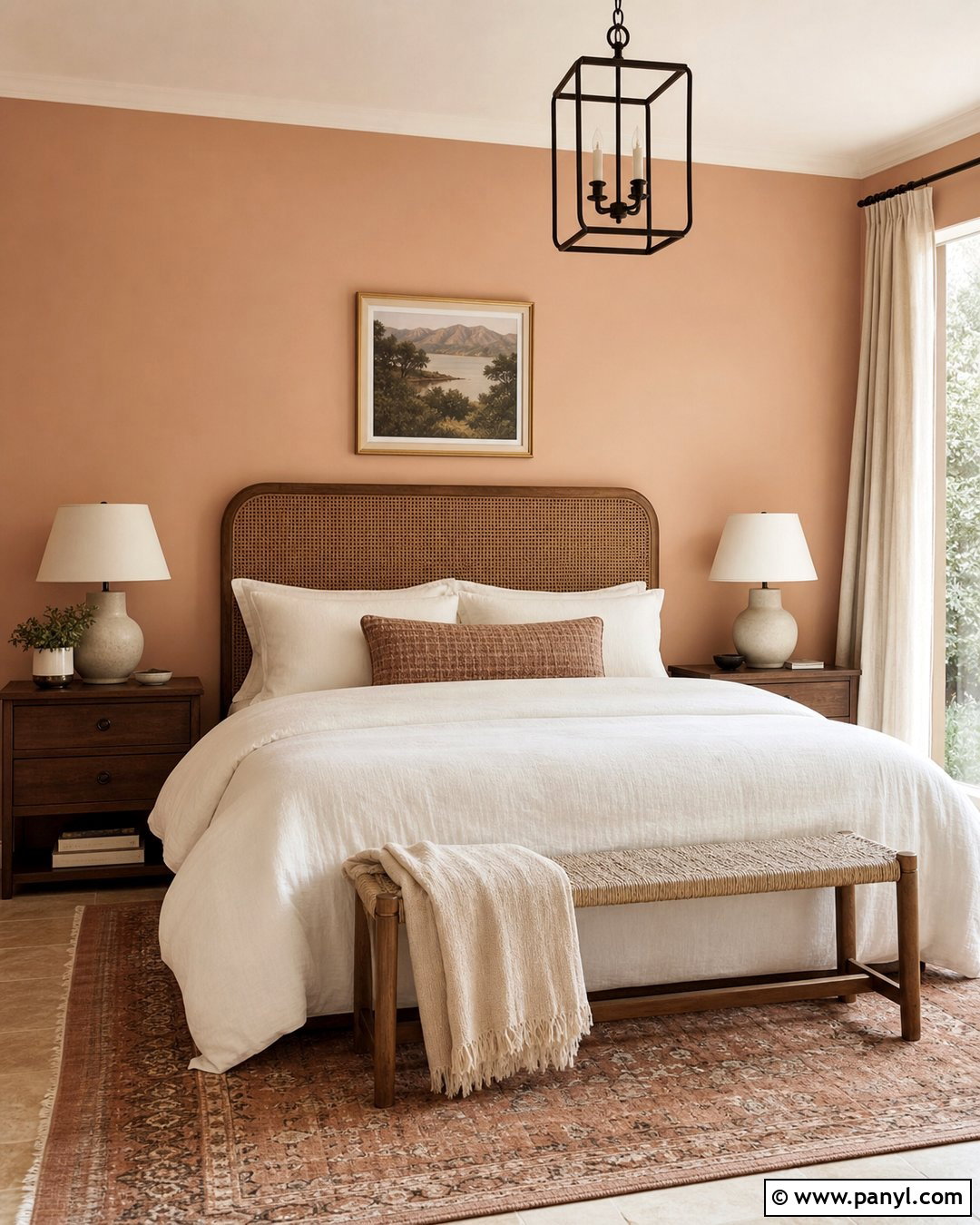
Warm colors can be peaceful when they are muted rather than bright. A dusty peach-beige creates a gentle glow in a guest bedroom while offering more personality than plain cream. Pair it with warm white trim, a cane headboard, ivory bedding, and walnut nightstands. Add a faded terracotta rug, flax linen curtains, and ceramic lamps with off-white shades. Keep stronger orange accents out of the scheme because they may increase the room’s visual energy. Instead, repeat soft peach in a patterned pillow or simple artwork. Test several versions to avoid an overly pink or yellow result. The best shade should resemble sun-warmed plaster, creating a quiet, welcoming backdrop that looks flattering during the day and cozy beneath lamplight.
13. Calming Cool Wall Colors
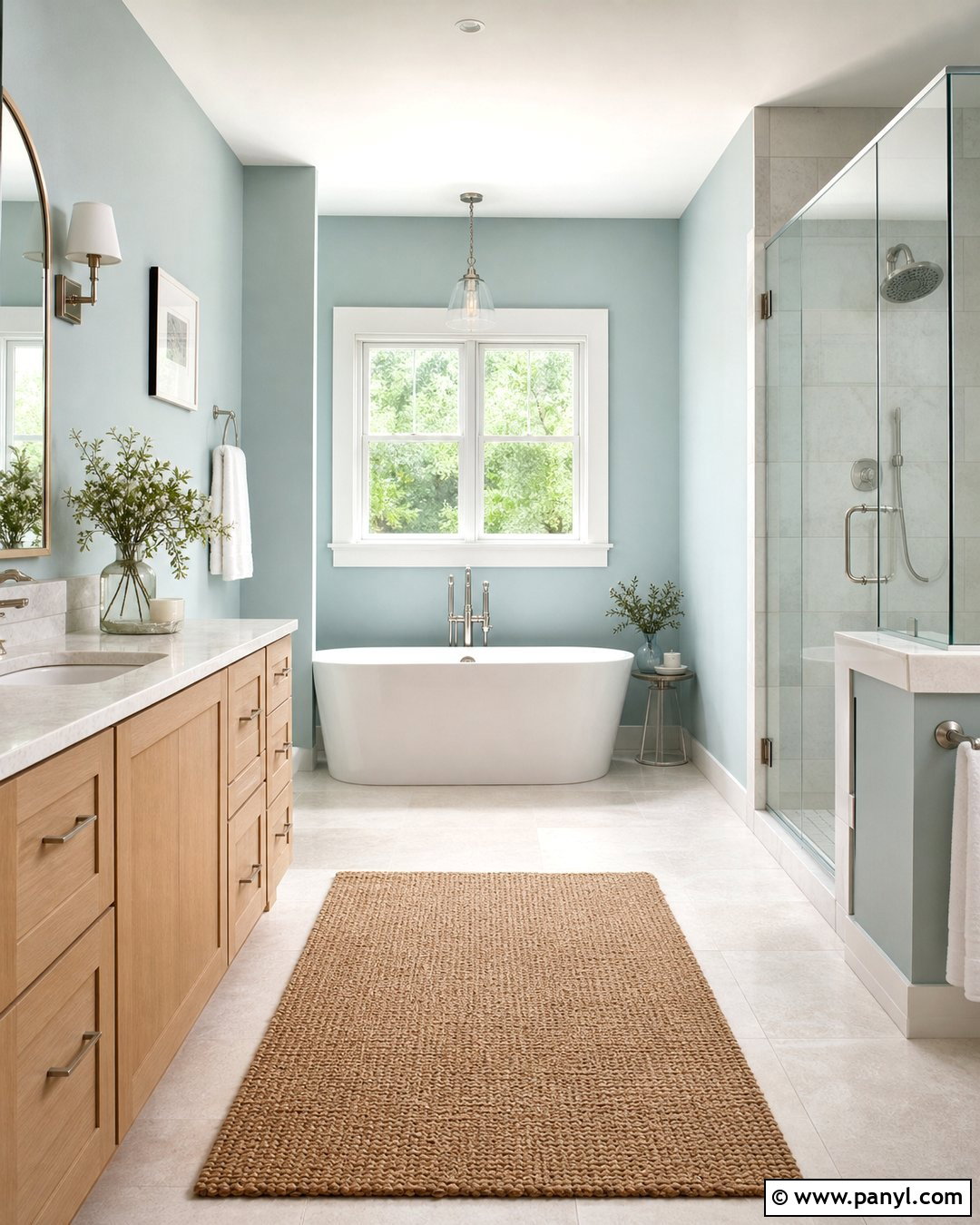
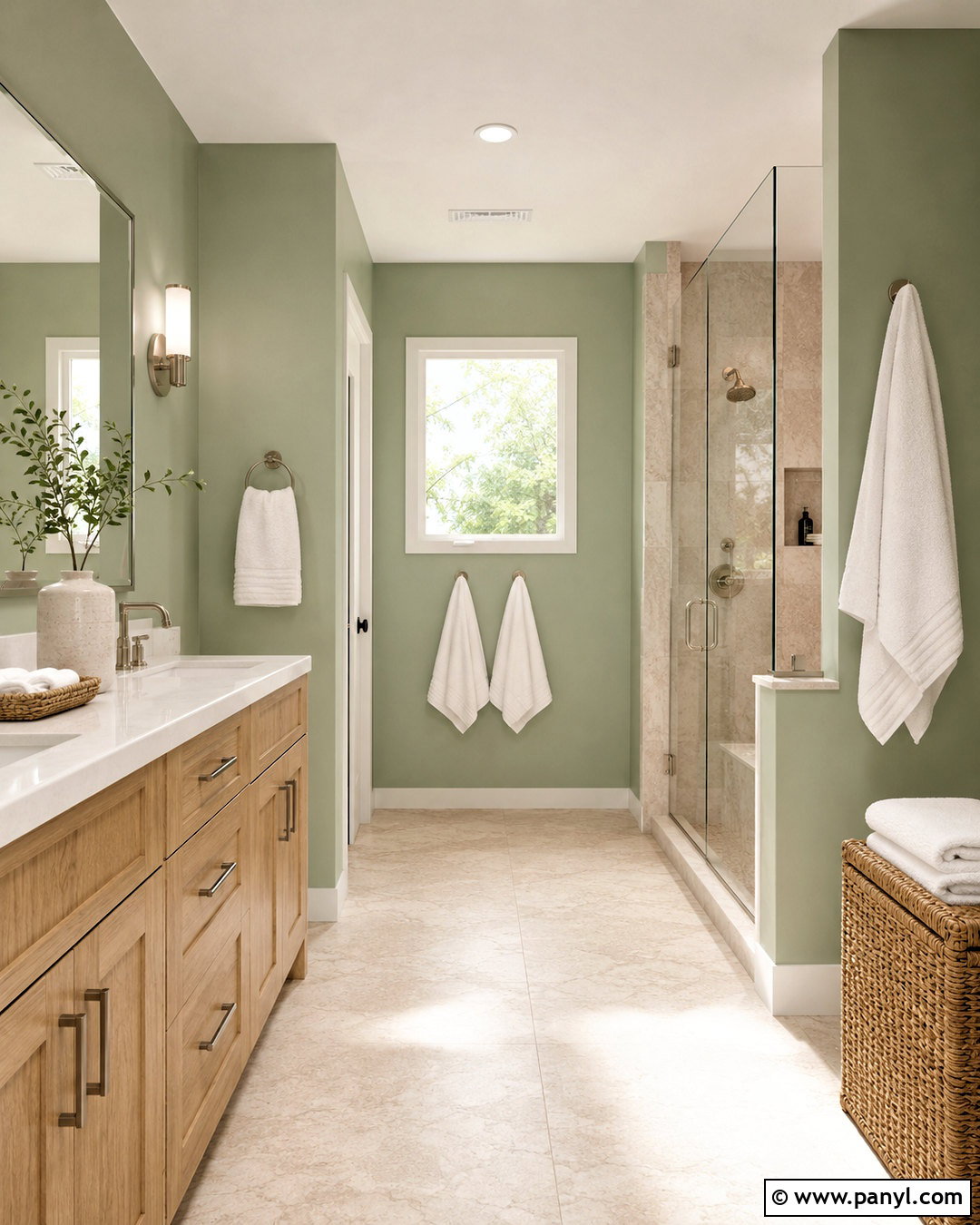
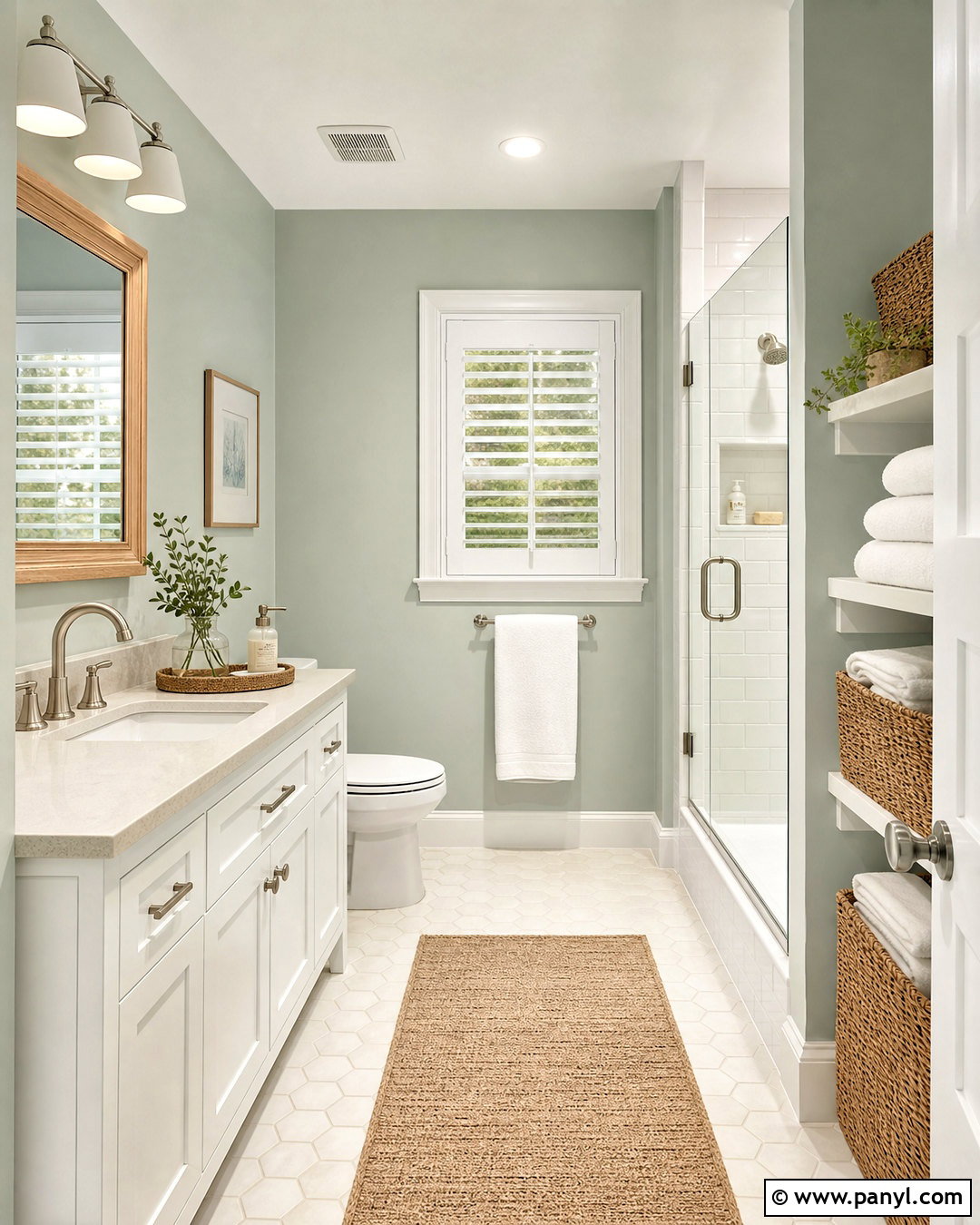
Cool wall colors feel most relaxing when softened with gray and balanced by warm materials. Choose a pale misty aqua for a bathroom with white oak cabinetry, creamy stone tile, and brushed nickel fixtures. Continue the wall color above the vanity and around the tub so the entire room feels connected. White towels, a woven bath mat, and simple glass accessories keep the look fresh. Avoid blue-white lighting, which can make cool paint feel clinical. Use warm white bulbs and introduce texture through wood, linen, and stone. Check the sample beside the tile and countertop because nearby surfaces can change how the undertone appears. The chosen aqua should feel watery and subdued rather than bright turquoise or icy blue.
14. Calming Dark Wall Colors
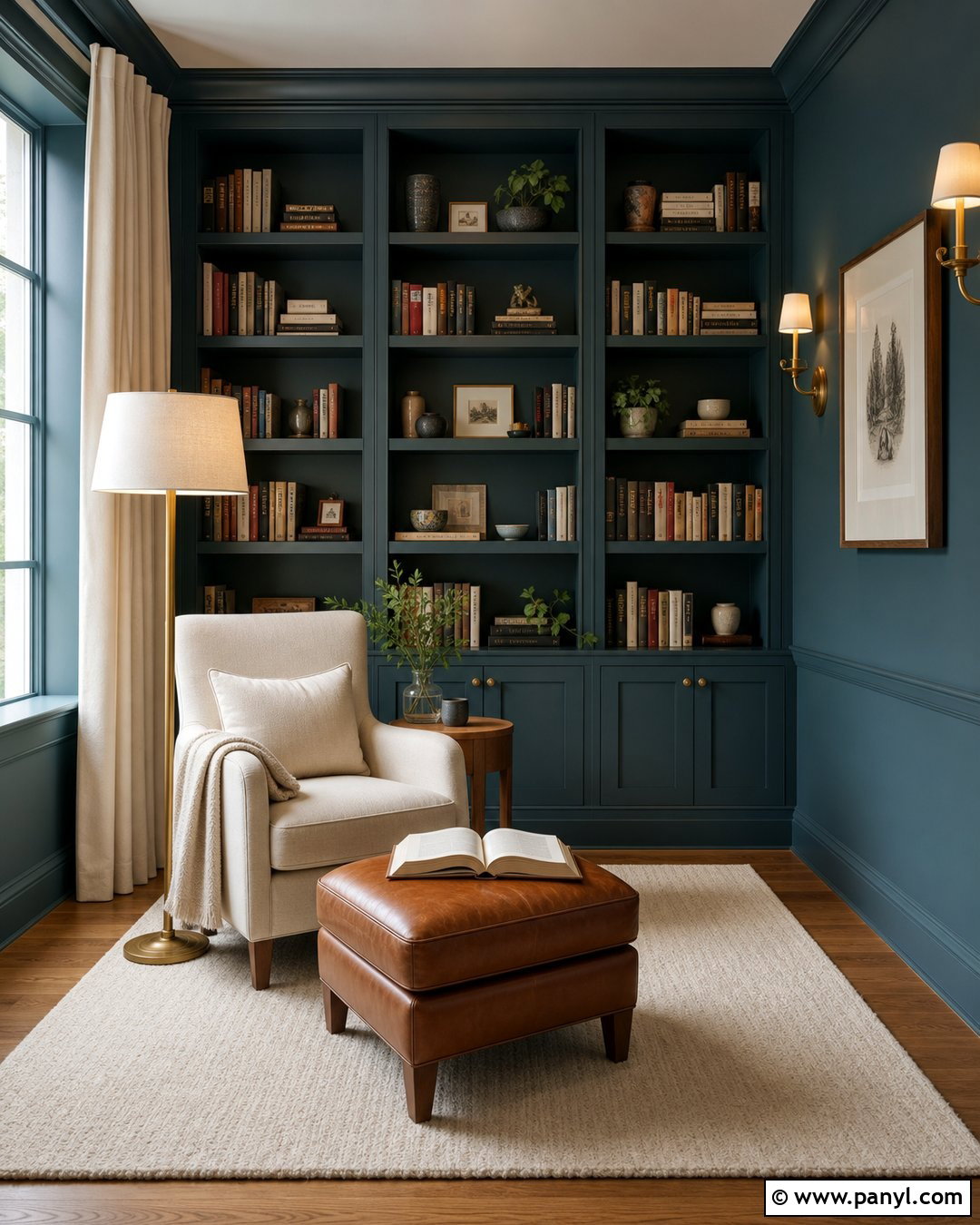
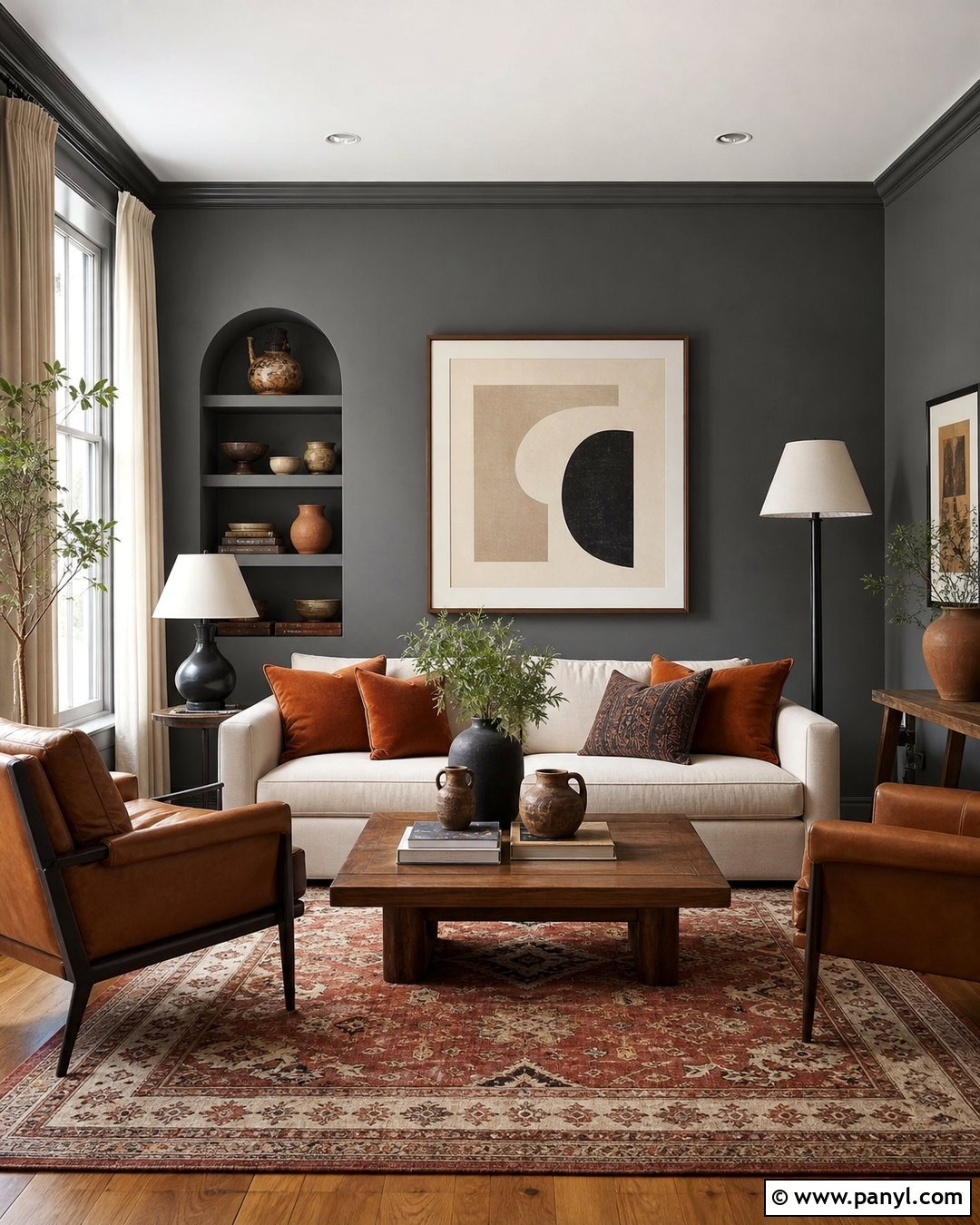
Dark paint can feel deeply restorative when the room has a clear purpose and balanced lighting. Try a muted deep teal in a reading room with matching painted bookcases and trim. Add a cream lounge chair, a cognac leather ottoman, and a medium oak side table to break up the darker background. Use an ivory wool rug and pale curtains to keep the room from feeling closed in. Brass sconces and a linen-shaded floor lamp provide several comfortable pools of light. Apply a sample across a broad section because tiny chips make dark colors look more intense. The final teal should feel enveloping, not harsh. Limiting the palette to a few natural materials will preserve the calm, cocooning effect.
15. Calming Wall Colors With Wood Furniture
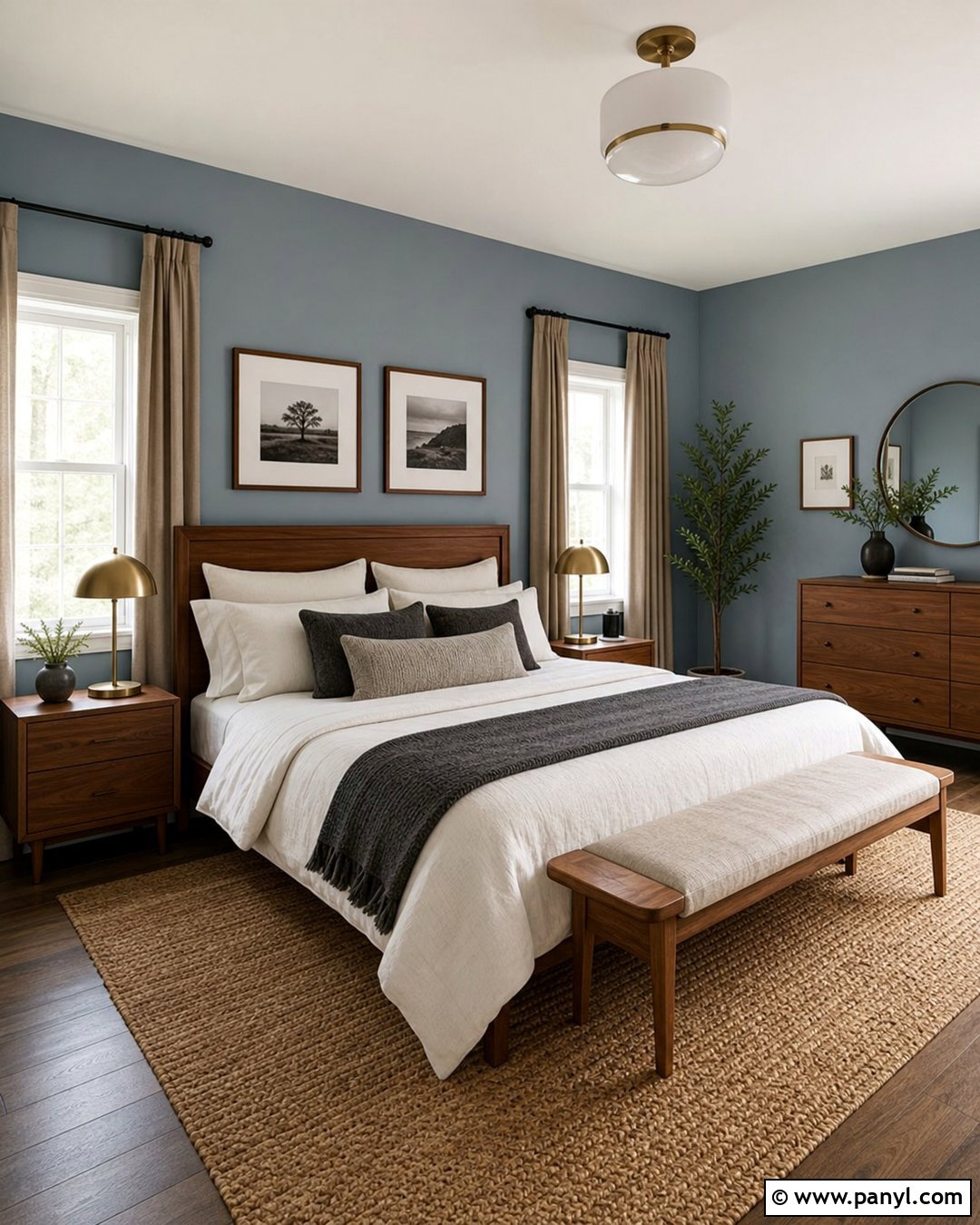
Wood furniture naturally guides the undertone of your wall color. For a bedroom with medium walnut pieces, choose a muted blue-gray that provides cool contrast without competing with the wood’s warmth. Use the color on every wall, then add creamy white bedding, taupe curtains, and a textured beige rug. Repeat walnut in picture frames or a bench so the furniture feels intentionally distributed. Brushed brass lamps can connect with the wood’s golden notes, while small charcoal accents give the arrangement structure. Compare paint samples directly behind the headboard and nightstands. Avoid blues that turn purple beside reddish wood. A balanced blue-gray will allow the grain to stand out while keeping the complete bedroom serene and visually unified.
16. Calming Wall Colors With Gray Floors
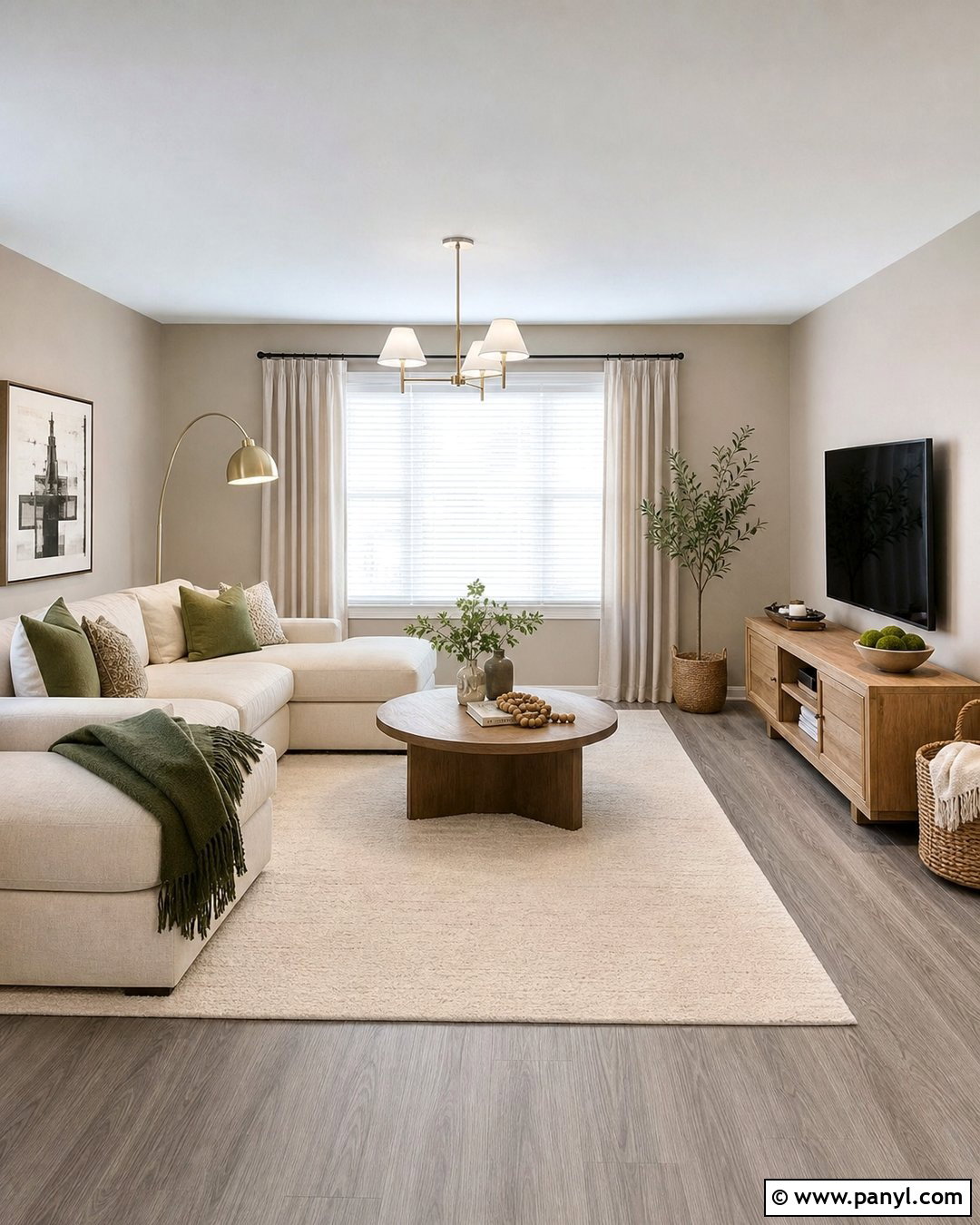
Gray flooring can make a room feel cold if the wall color repeats its coolest undertones. Warm the setting with a pale greige that contains a soft beige base. In a living room, combine these walls with a cream sectional, an oak media console, and an ivory rug large enough to cover much of the gray floor. Add muted green textiles, linen curtains, and warm metal lighting. This mixture softens the floor without disguising it. Hold paint samples beside the flooring during daylight and after sunset. Eliminate options that look lavender, icy blue, or sharply pink. The correct greige should bridge the cool floor and warm furnishings, producing a balanced room that feels calm rather than monochromatic, sterile, or visually disconnected.
17. Calming Wall Colors With White Trim
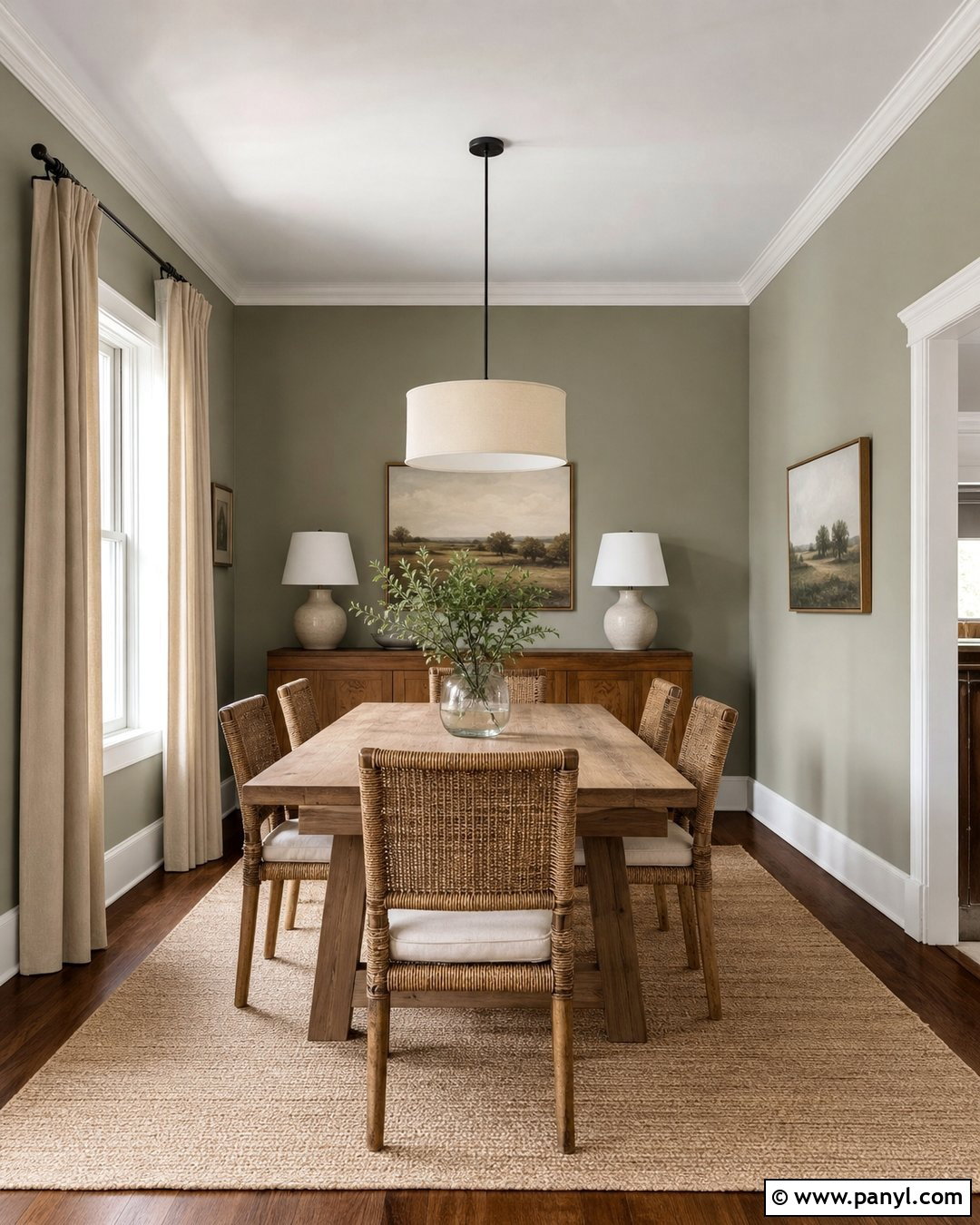
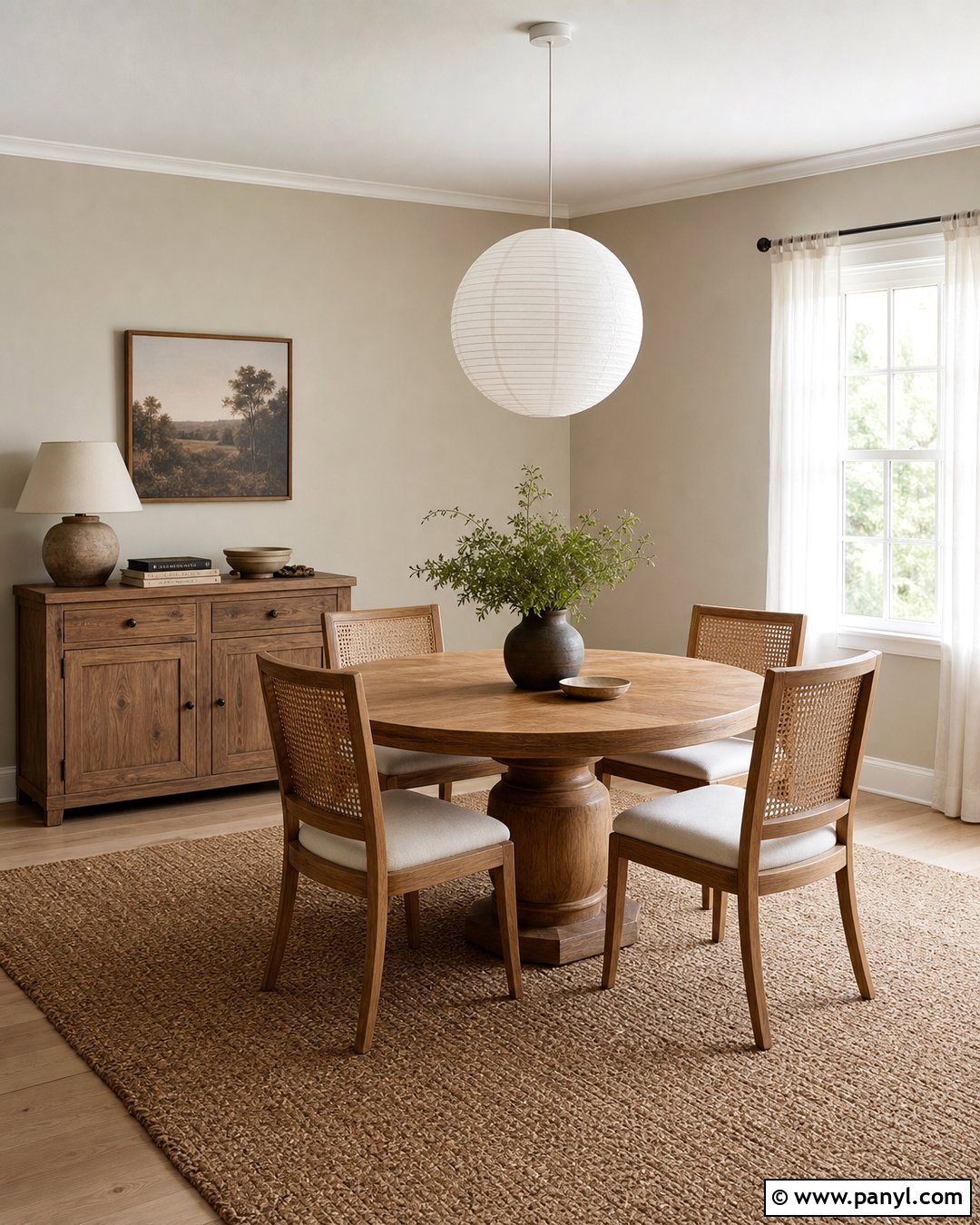
White trim creates a clean frame around calming wall colors, but its undertone needs to coordinate with the paint. Pair warm white trim with a muted putty green in a relaxed dining room. Add an oak table, woven chairs, a cream pendant, and a soft beige rug. Linen curtains and simple landscape artwork will reinforce the natural palette. If the trim is a cool, brilliant white, consider a gray-green wall instead to avoid a yellow-looking contrast. Sample the paint directly beside doorframes, baseboards, and crown molding. Examine the pairing under both daylight and artificial light. A successful combination should look intentional, with enough contrast to define the architecture but not so much that every edge becomes visually sharp or distracting.
18. Calming Wall Colors For Open Floor Plans
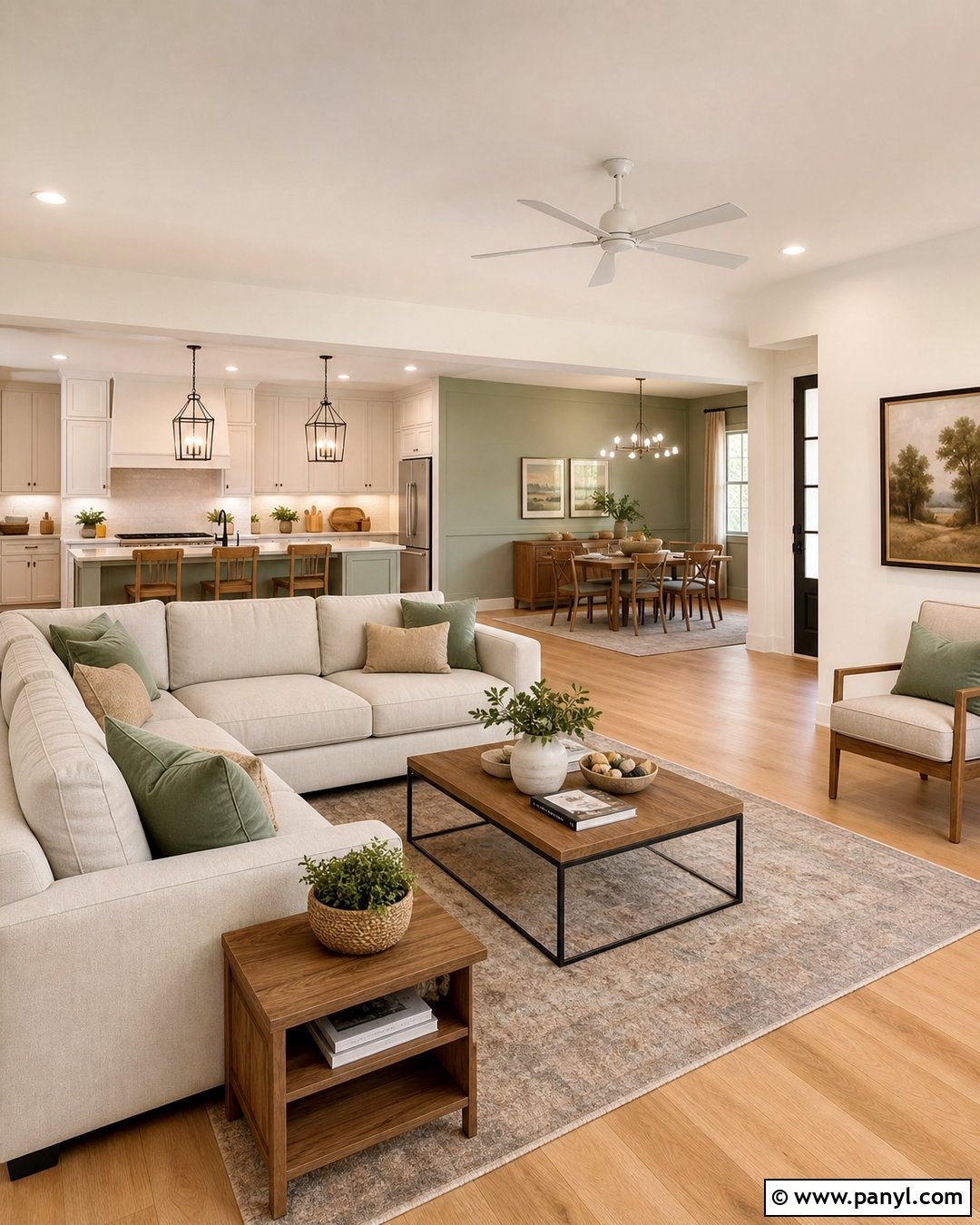
An open floor plan feels calmer when the wall colors flow naturally between connected zones. Start with a soft warm white throughout the main living, dining, and kitchen areas. Introduce a muted sage on one clearly defined architectural section, such as the dining area or a wall framed by corners. Repeat the sage through cushions, kitchen textiles, and understated artwork so it feels integrated. Use consistent oak flooring, creamy upholstery, and warm white trim across the entire space. Avoid changing colors randomly in the middle of long walls. Samples should be viewed from several rooms because each area receives different light. A limited palette with repeated materials creates continuity while still giving individual zones enough visual identity and purpose.
19. Calming Wall Colors For Bedrooms
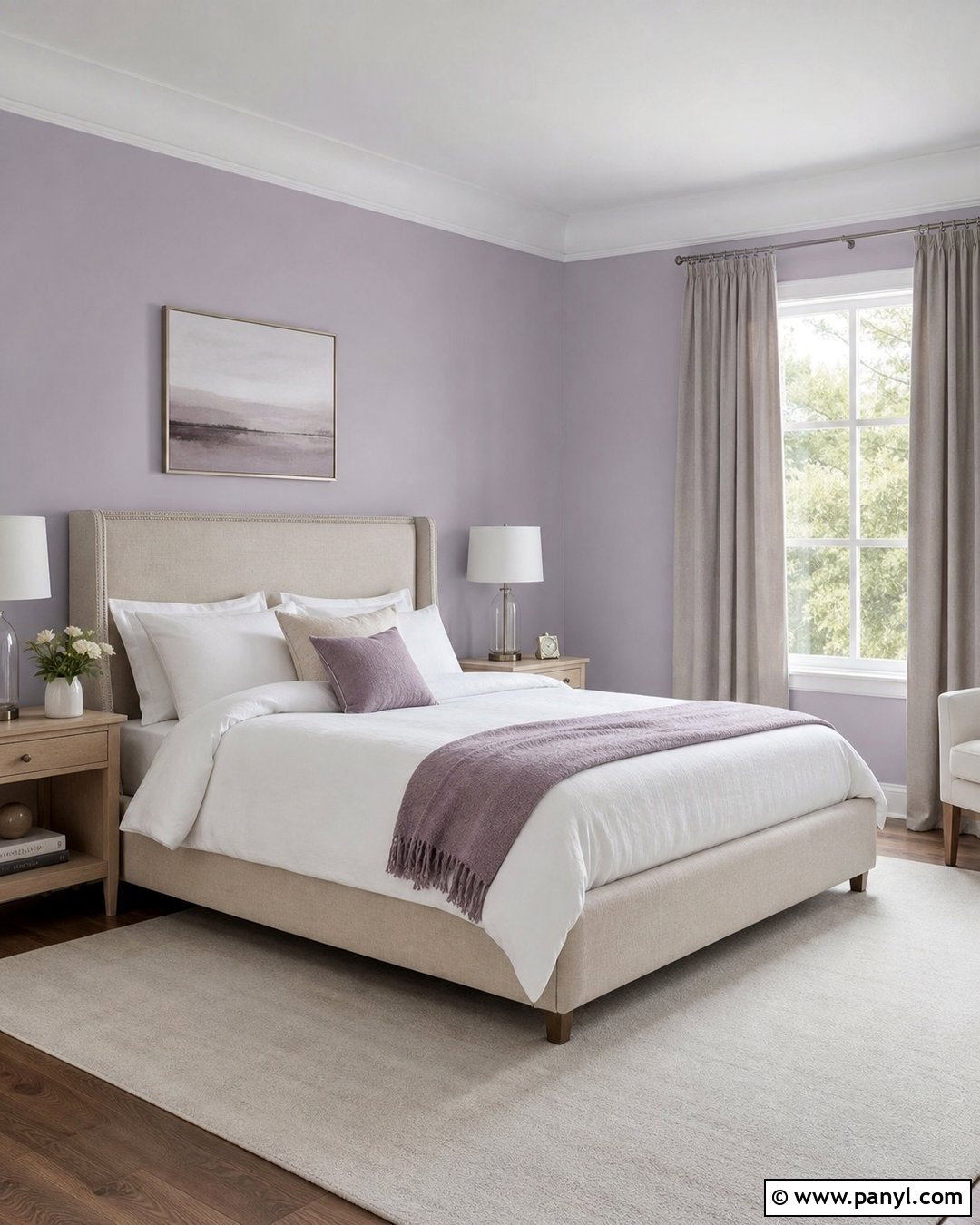
Begin a restful bedroom palette with the atmosphere you want at bedtime rather than the latest color trend. A pale lavender-gray can feel soft and sophisticated when its purple undertone is restrained. Cover the walls with this gentle shade and pair it with an upholstered oatmeal bed, white bedding, and light oak nightstands. Add taupe curtains, a cream rug, and brushed nickel lamps for quiet contrast. Keep patterns simple and repeat the lavender only once in a throw or artwork. Test the paint behind the bed and across from the window, where reflected light may strengthen its undertone. The chosen color should remain dusty and balanced, never turning candy purple, cold blue, or gloomy gray as the light changes.
20. Calming Wall Colors For Living Rooms
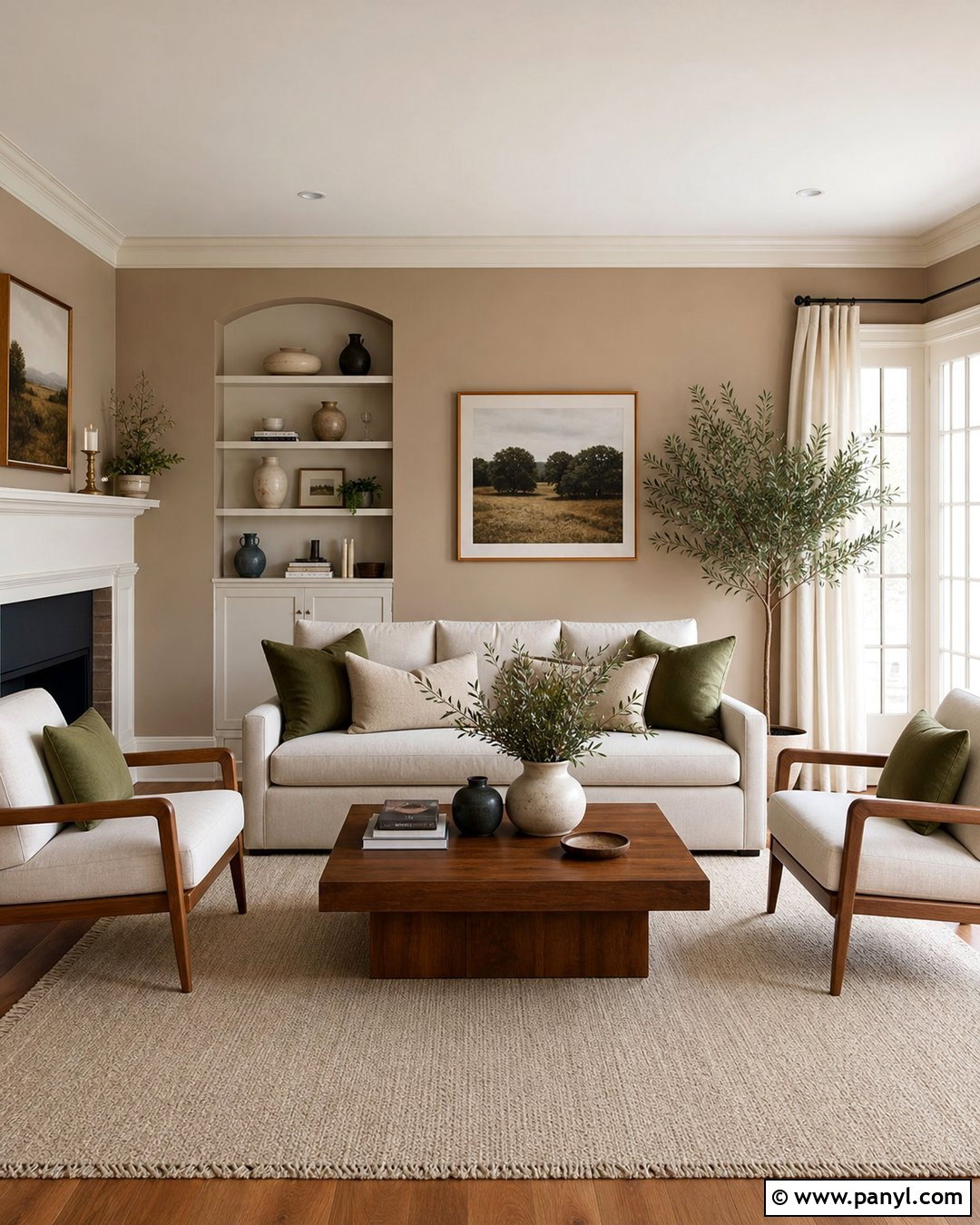
A calming living room should feel comfortable during quiet evenings while still looking fresh for everyday use. Choose a soft clay-beige with subtle rosy undertones to create warmth without obvious pink. Pair it with an ivory sofa, walnut coffee table, and light beige wool rug. Add olive green cushions, cream curtains, and a few handmade ceramic pieces for an earthy, collected look. Keep the ceiling and trim warm white so the transitions remain gentle. Place paint samples beside the sofa, flooring, and window treatments before choosing. Watch for peach or mauve shifts during sunset. The right clay-beige will connect warm woods, neutral upholstery, and muted green accents, giving the whole room a peaceful sense of balance.
Conclusion:
Understanding **How To Choose Calming Wall Colors** begins with observing the room you already have. Natural light, flooring, trim, furniture, and artificial lighting can change how every paint color appears. Start with the feeling you want, then narrow your options to muted shades with compatible undertones. Build a complete palette around each contender rather than judging an isolated paint chip. Large samples viewed over several days will reveal whether a color stays comfortable from morning through evening. Soft blue, sage, warm white, greige, lavender, clay, and deeper nature-inspired tones can all feel peaceful when thoughtfully balanced. Choose the color that supports your room’s function and makes the entire space feel naturally settled.

Related Ideas and Inspiration:
Leave a Reply