
Choosing exterior color is easier when you plan the siding, trim, roofing, masonry, and front door as one connected palette. These 20 house outdoor paint colors include light neutrals, grounded greens, traditional blues, earthy reds, and dramatic dark shades. Warm neutrals, nature-inspired greens, and richer heritage colors are especially relevant in 2026, while contrasting trim remains a popular way to define architectural details. () Before committing, compare each scheme with permanent materials such as brick, stone, shingles, and metalwork. Then test large painted samples on several sides of the house because sunlight and shadows can change undertones. Use the following complete exterior schemes to explore 20 house outdoor paint colors.

1. Warm White House Exterior
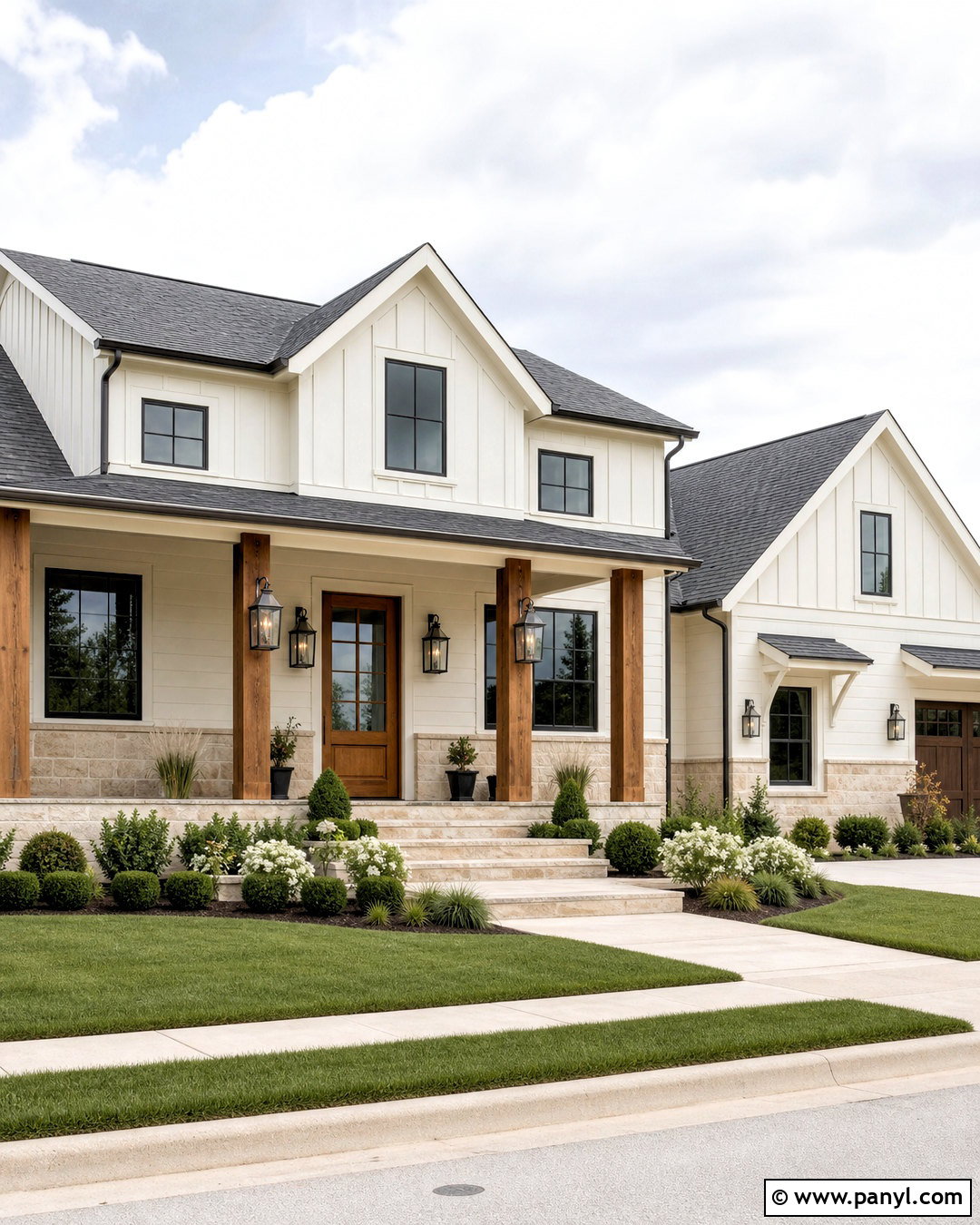
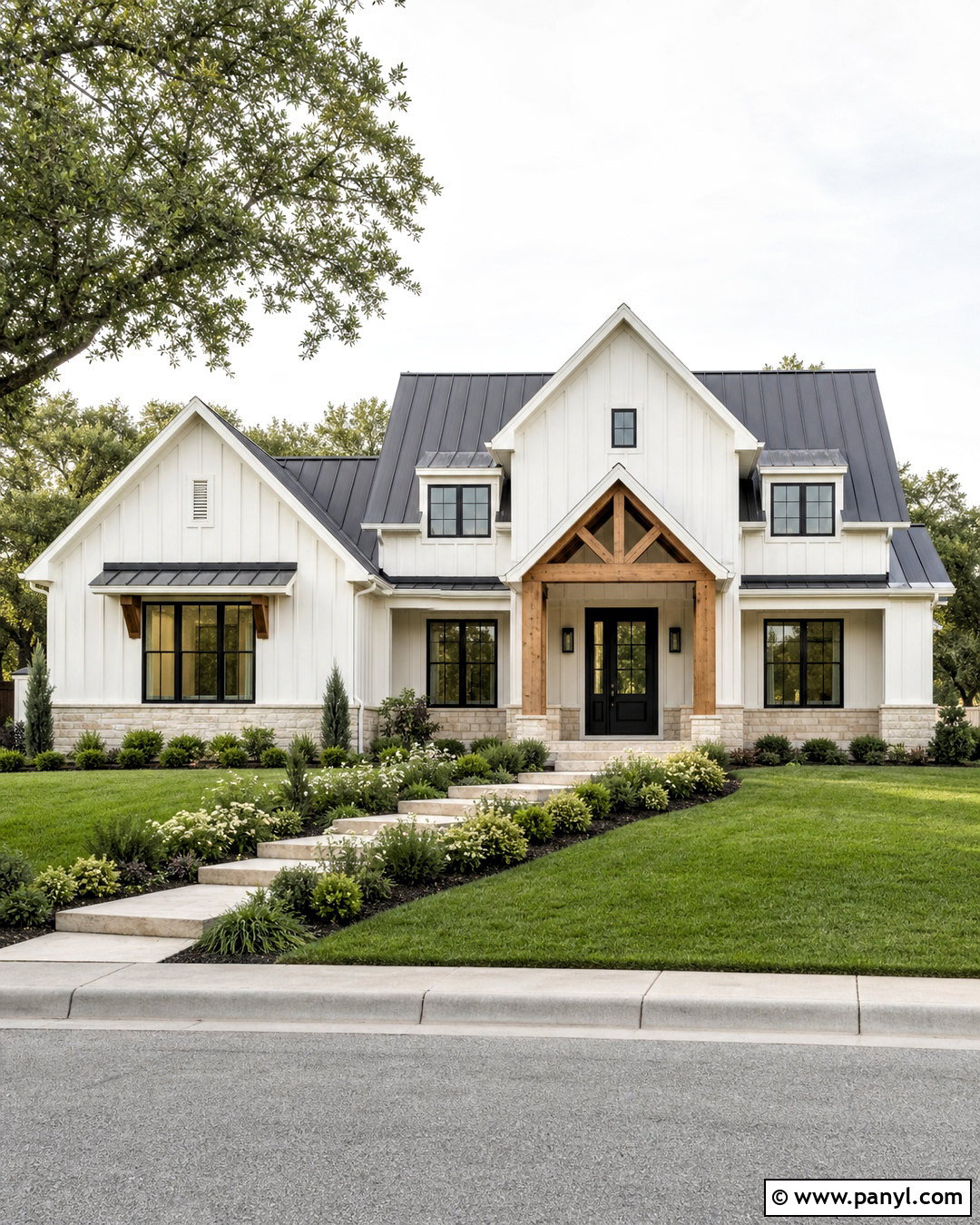
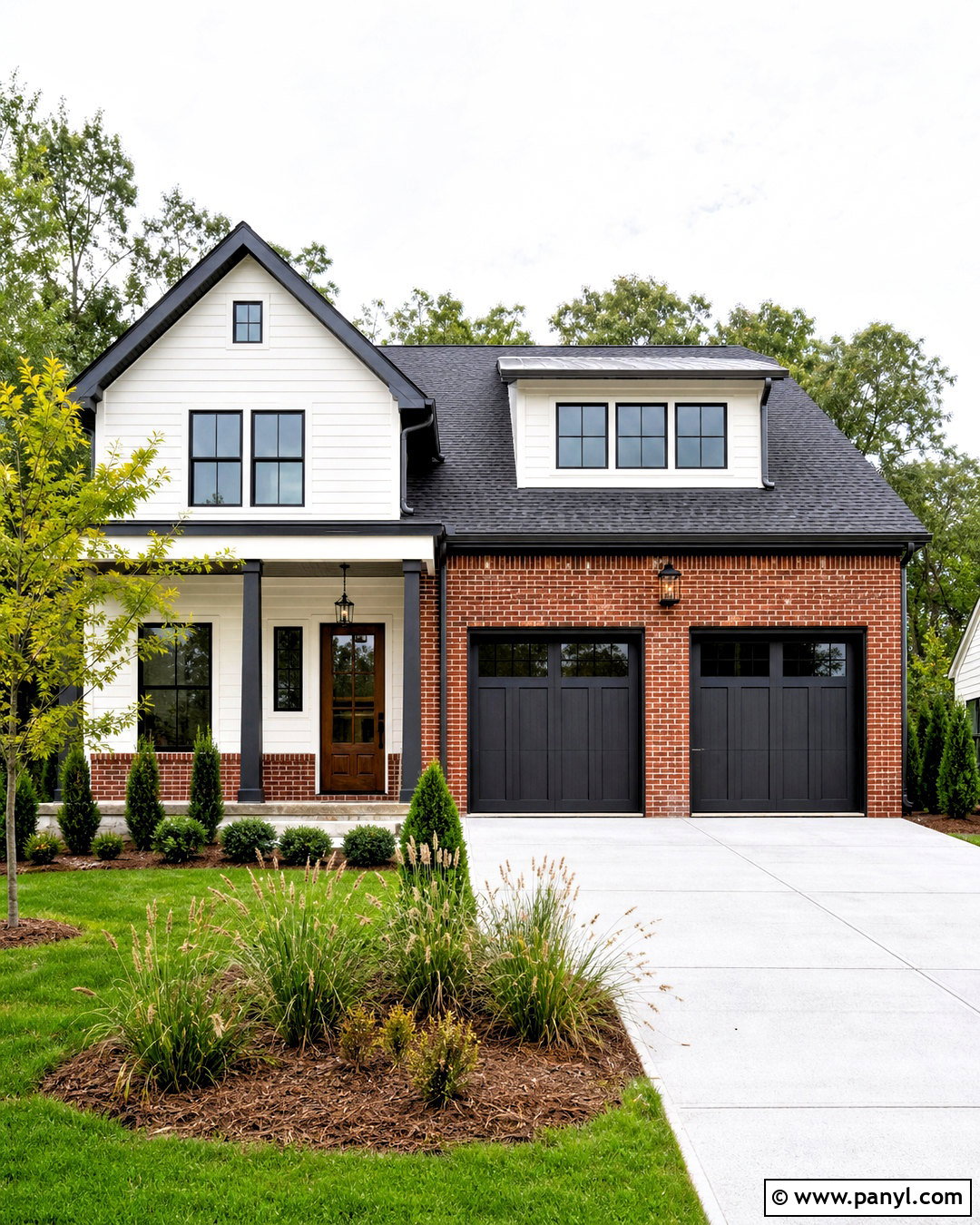
Warm white siding creates a fresh exterior without the sharp appearance of brilliant white. Choose a creamy white with subtle beige undertones for the main body, then use soft charcoal on the window frames, gutters, and garage door. A medium-toned cedar front door adds natural warmth and keeps the contrast from feeling severe. This palette works beautifully on modern farmhouse, Cape Cod, and simple two-story homes. Add a charcoal shingle roof, aged bronze lanterns, and pale limestone around the foundation. Layer the landscaping with clipped boxwoods, ornamental grasses, and white flowering shrubs. Repeating the cedar finish on porch posts or shutters will connect the entire facade and create a balanced, welcoming outdoor paint scheme.
2. Cream And Taupe House Exterior
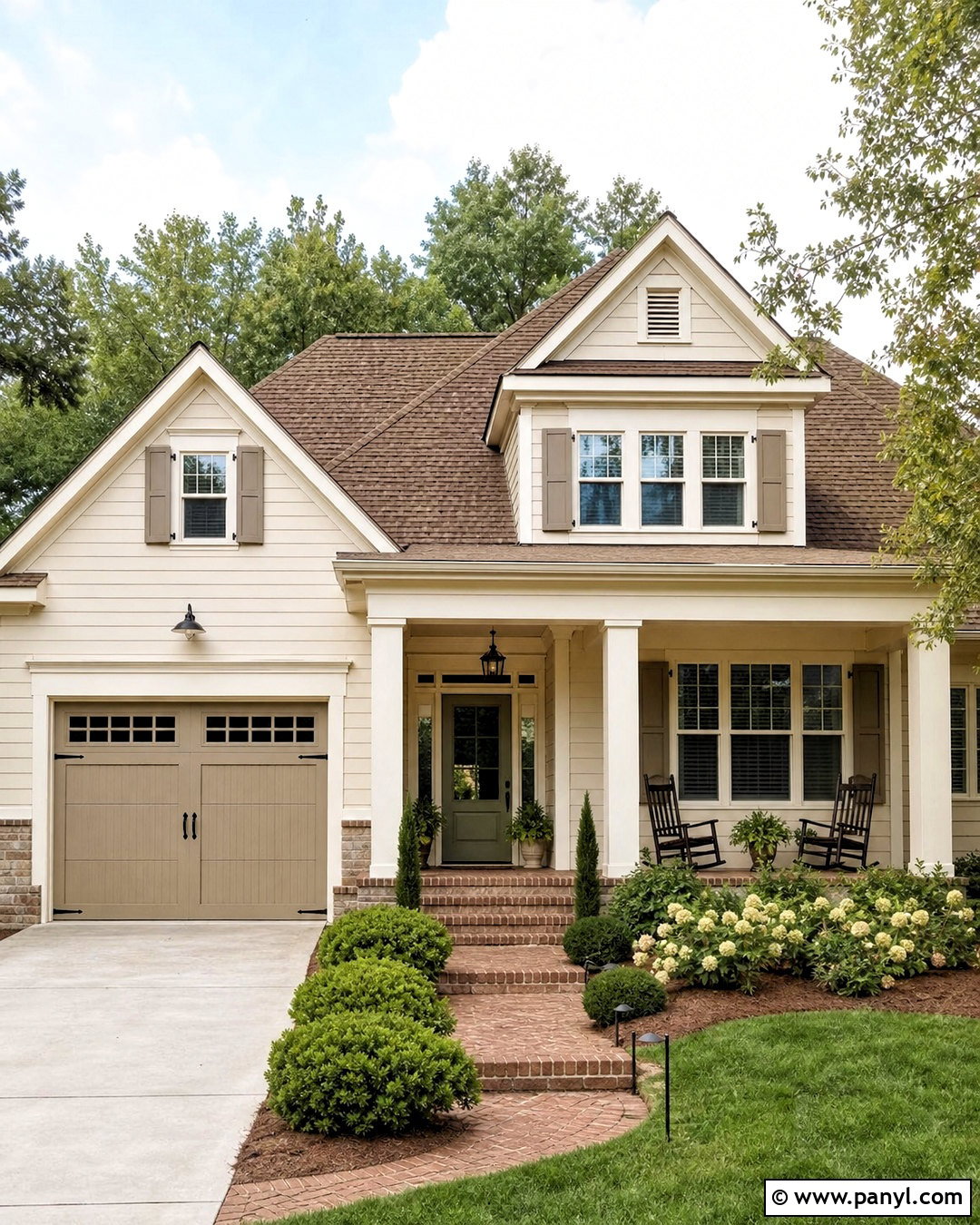
Picture a traditional home softened by creamy siding and quiet taupe details. Apply pale cream to the main facade, warm taupe to the shutters and garage door, and clean ivory to window trim and porch railings. A muted olive front door gives the palette a subtle natural accent without overpowering the architecture. This combination complements brown shingles, tan stone, and weathered brick, making it especially useful when those fixed materials cannot be changed. Choose antique bronze lights, a natural coir mat, and warm concrete or brick porch flooring. Rounded foundation shrubs and leafy trees complete the comfortable appearance. The finished scheme feels lighter than brown yet warmer and more forgiving than a bright white exterior.
3. Soft Greige House Exterior
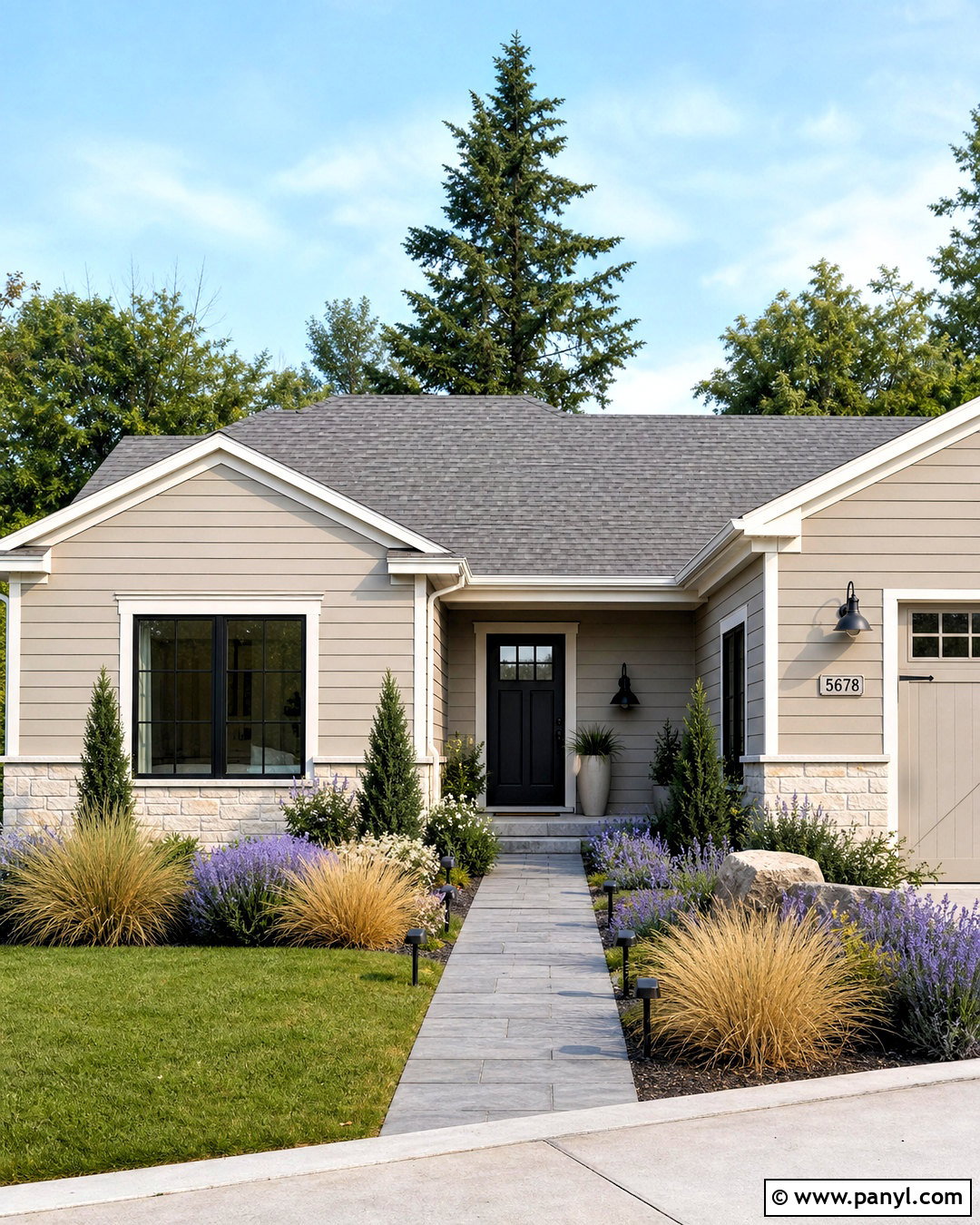
Soft greige offers the flexibility of gray with the warmth of beige. Use a light-to-medium greige across the siding or stucco, crisp warm white on the fascia and window trim, and matte black on the front door. Black metal sconces and simple house numbers reinforce the accent without covering too much of the facade. A medium gray roof provides a smooth transition between the light body and dark details. For added texture, introduce pale stone along the foundation or around porch columns. This complete palette suits ranch homes, transitional houses, and updated suburban exteriors. Keep the landscaping clean but relaxed with low evergreen shrubs, lavender, and ornamental grasses arranged around a straight stone walkway.
4. Mushroom Taupe House Exterior
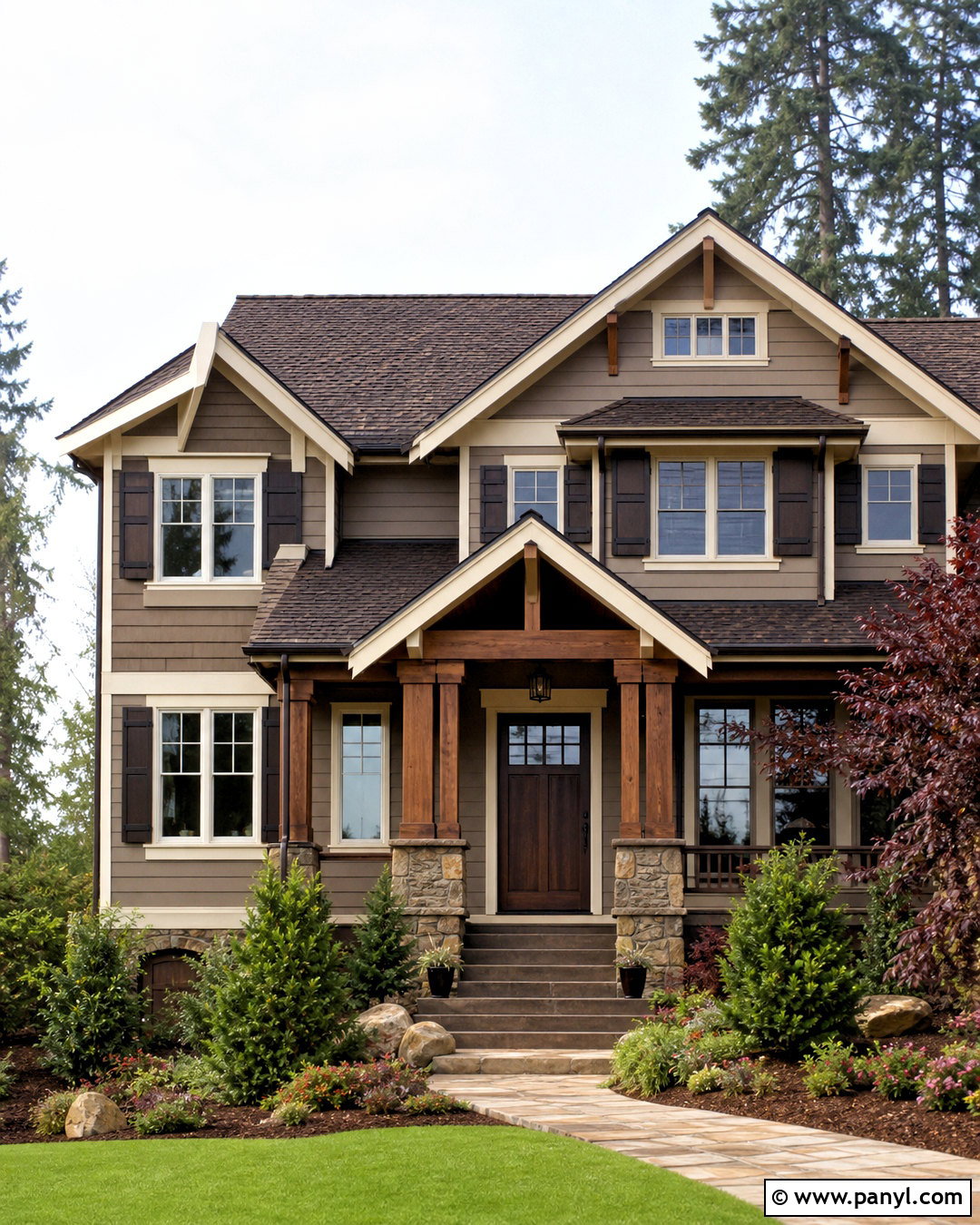
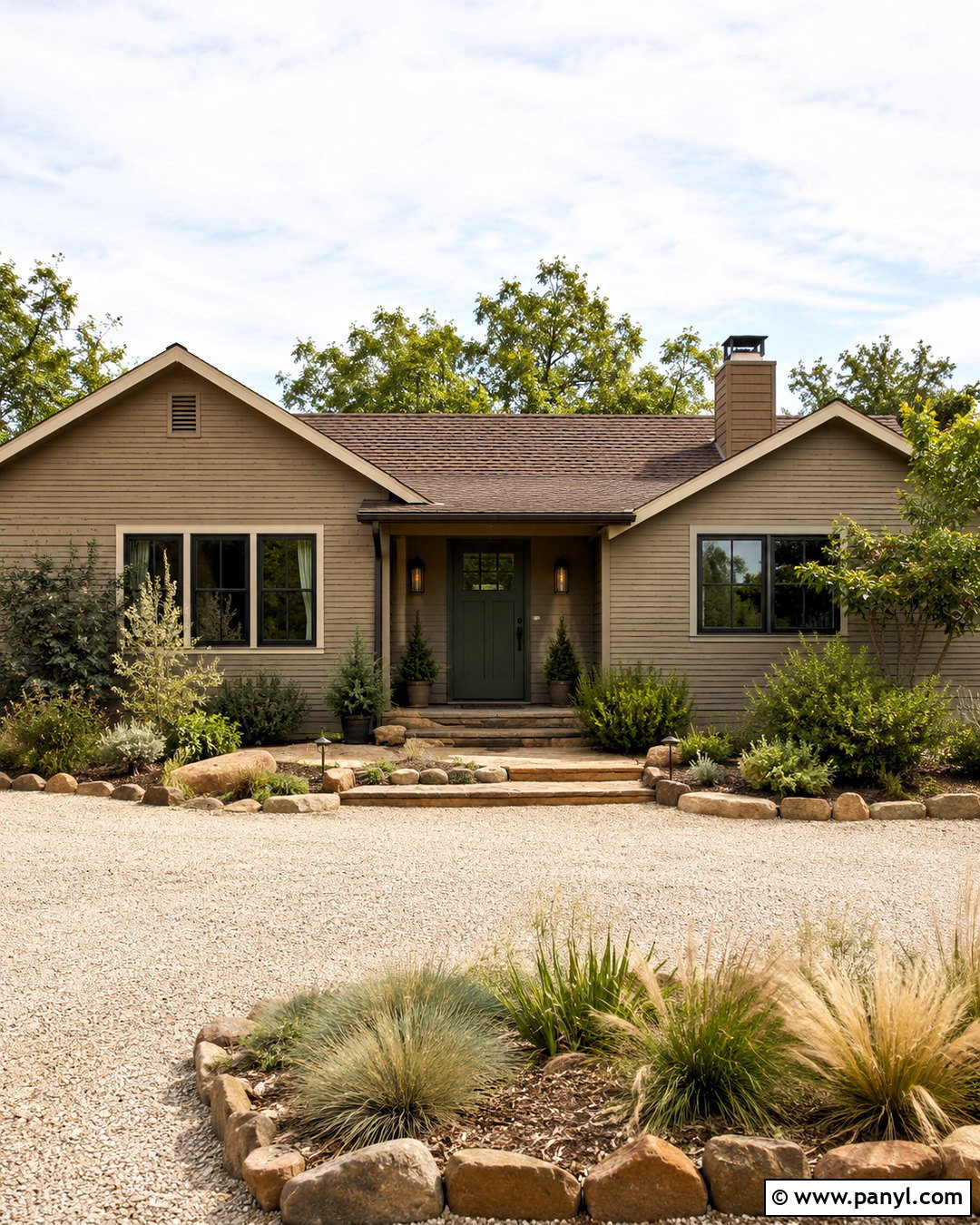
Mushroom taupe gives an exterior depth while remaining understated and easy to coordinate. Select a medium taupe with balanced gray and brown undertones for the siding. Pair it with warm ivory trim rather than stark white, which can make taupe appear muddy. Finish the front door and shutters in a deep espresso brown that connects naturally with bronze gutters and dark brown roofing. This scheme is particularly attractive on Craftsman homes, cottages, and houses with tan stonework. Stained oak porch columns can add another layer of warmth without introducing an unrelated color. Complete the curb appeal with natural flagstone, rounded evergreen plants, and muted burgundy foliage. The result looks grounded, polished, and appropriate in every season.
5. Sage Green House Exterior
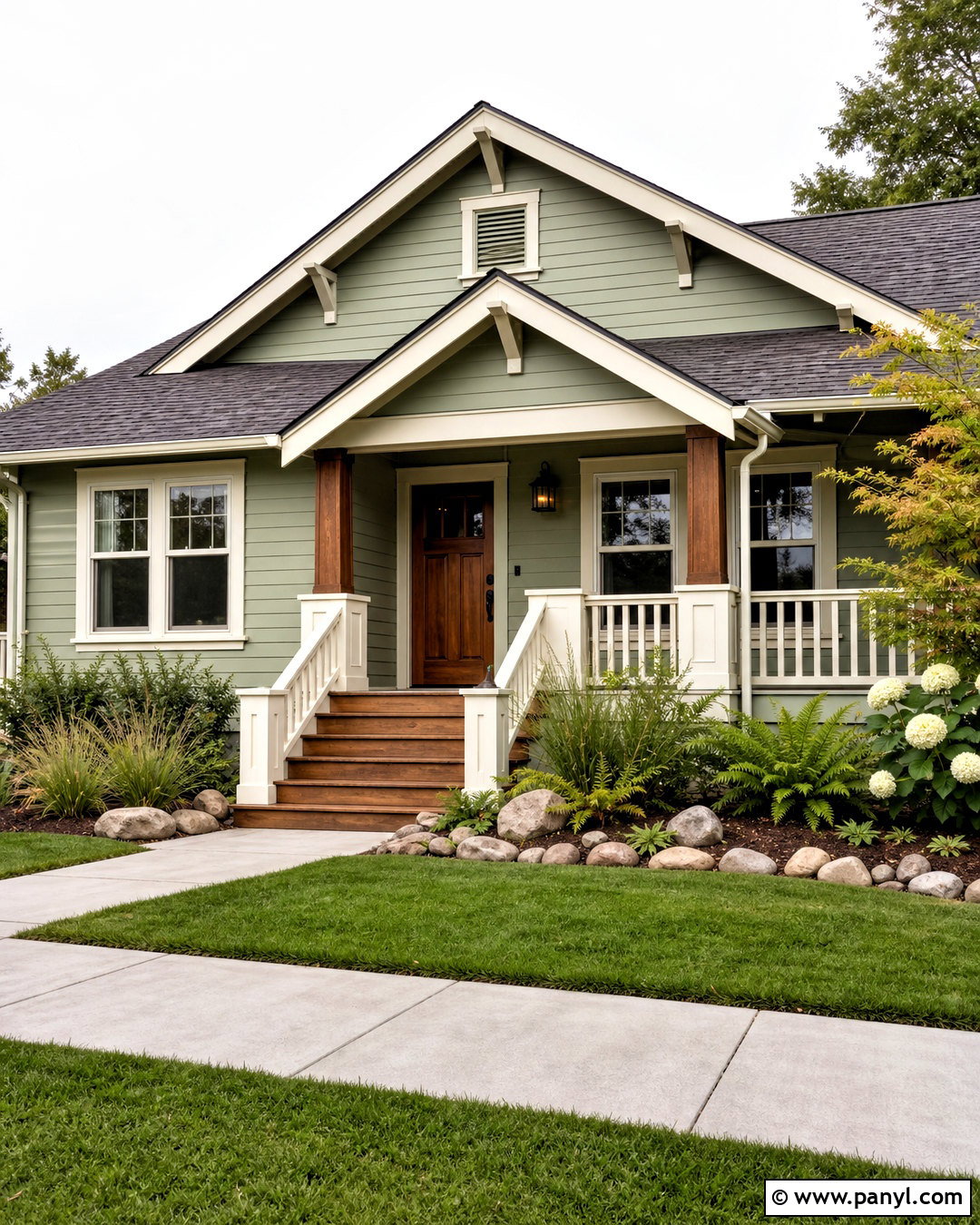
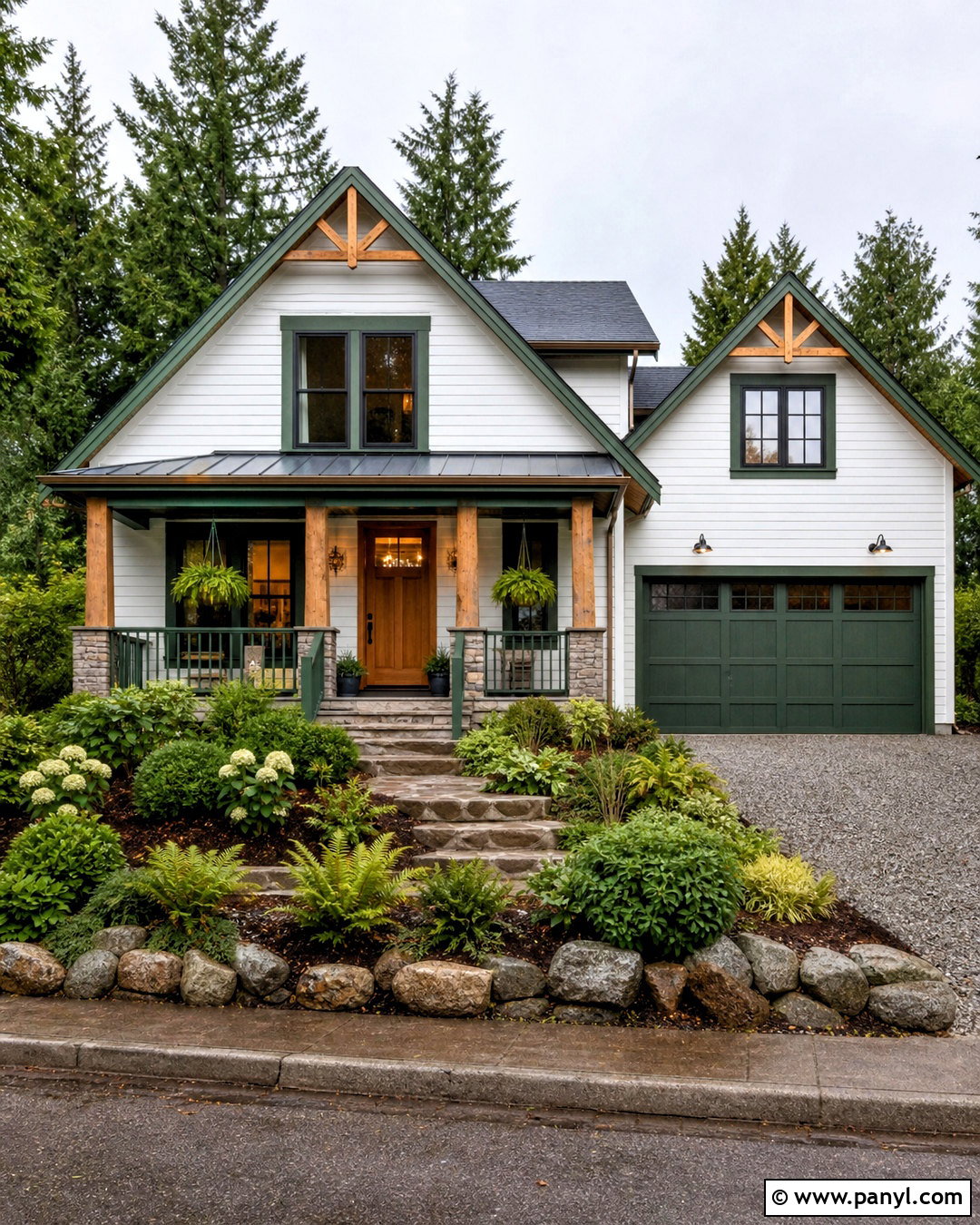
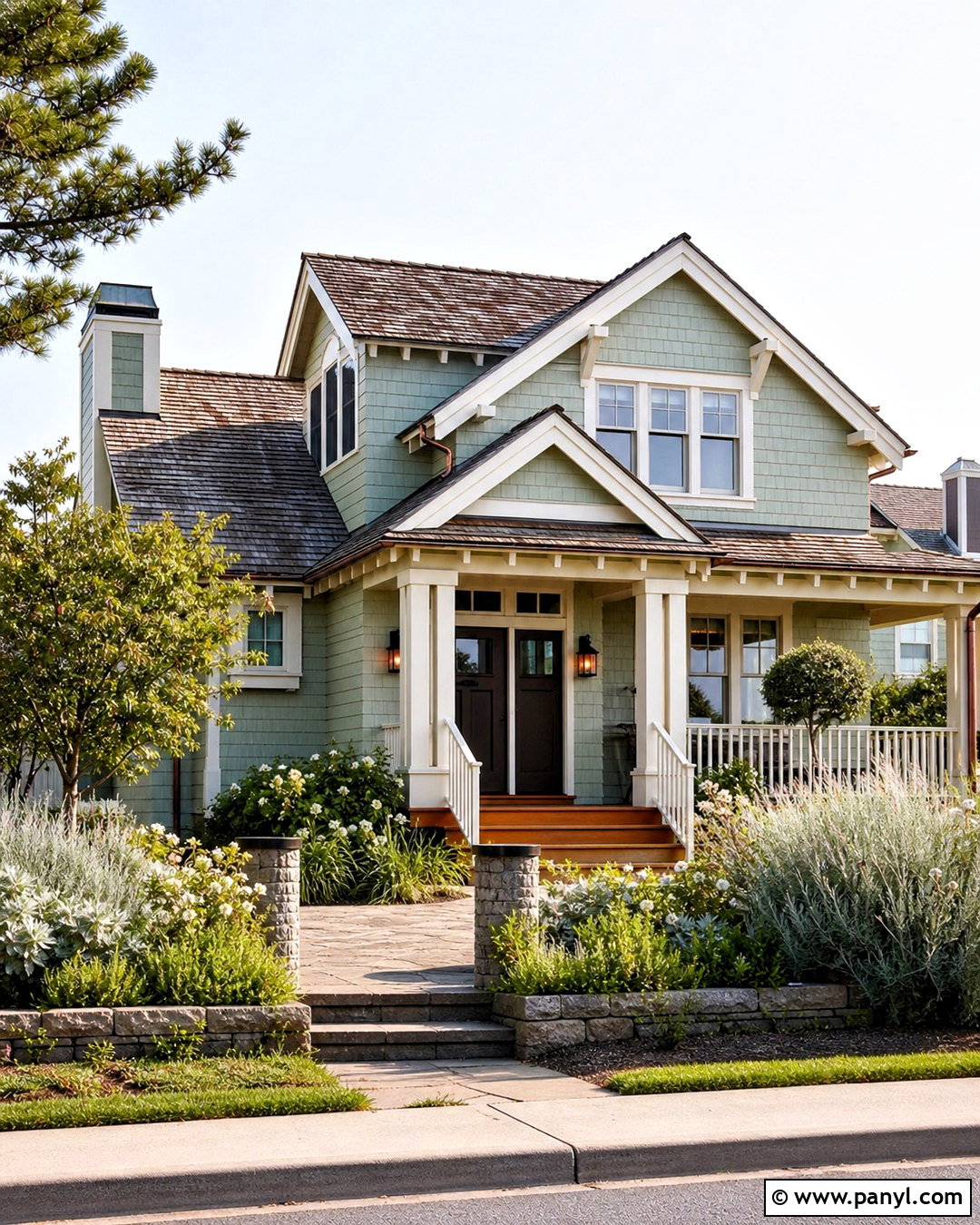
A quiet sage green exterior can make a home feel connected to its landscaping. Cover the siding with a dusty, medium-light sage that has gentle gray undertones. Use creamy white around windows, along rooflines, and across porch railings. A stained cedar door and matching porch posts add warmth, while dark bronze hardware provides definition. This palette works especially well on bungalows, Craftsman houses, and wooded suburban homes. Choose a weathered gray or brown roof rather than a blue-gray one, which may conflict with the green. Surround the walkway with ferns, hydrangeas, ornamental grasses, and natural river rock. The mixture of soft paint, warm wood, and layered planting creates a full exterior that feels calm rather than overly colorful.
6. Olive Green House Exterior
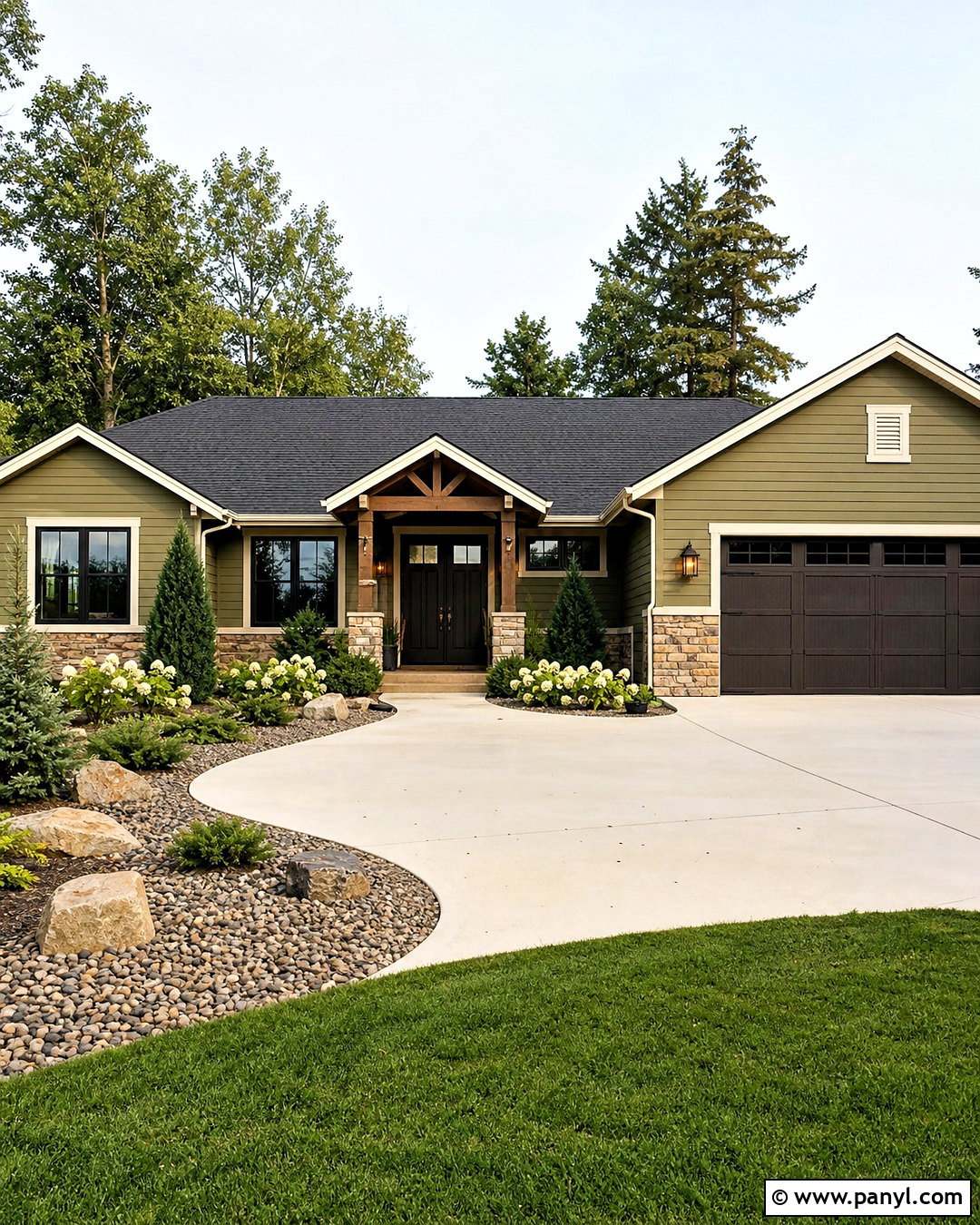
Would a darker natural shade give your home more character? Medium olive siding delivers richness while still blending with trees, lawns, and stone. Balance it with warm white trim on the windows, eaves, and porch posts. Paint the front door and garage door a deep black-brown for subtle contrast that feels softer than pure black. Tan fieldstone, copper-toned lighting, and stained wood steps support the earthy palette. Olive works well on ranch homes, cabins, and traditional houses with broad areas of siding. Keep the roof dark brown or neutral charcoal. For a cohesive landscape, combine evergreen shrubs, cream-colored flowers, and gravel beds. This thoughtful arrangement prevents the strong body color from looking heavy or visually disconnected.
7. Forest Green House Exterior
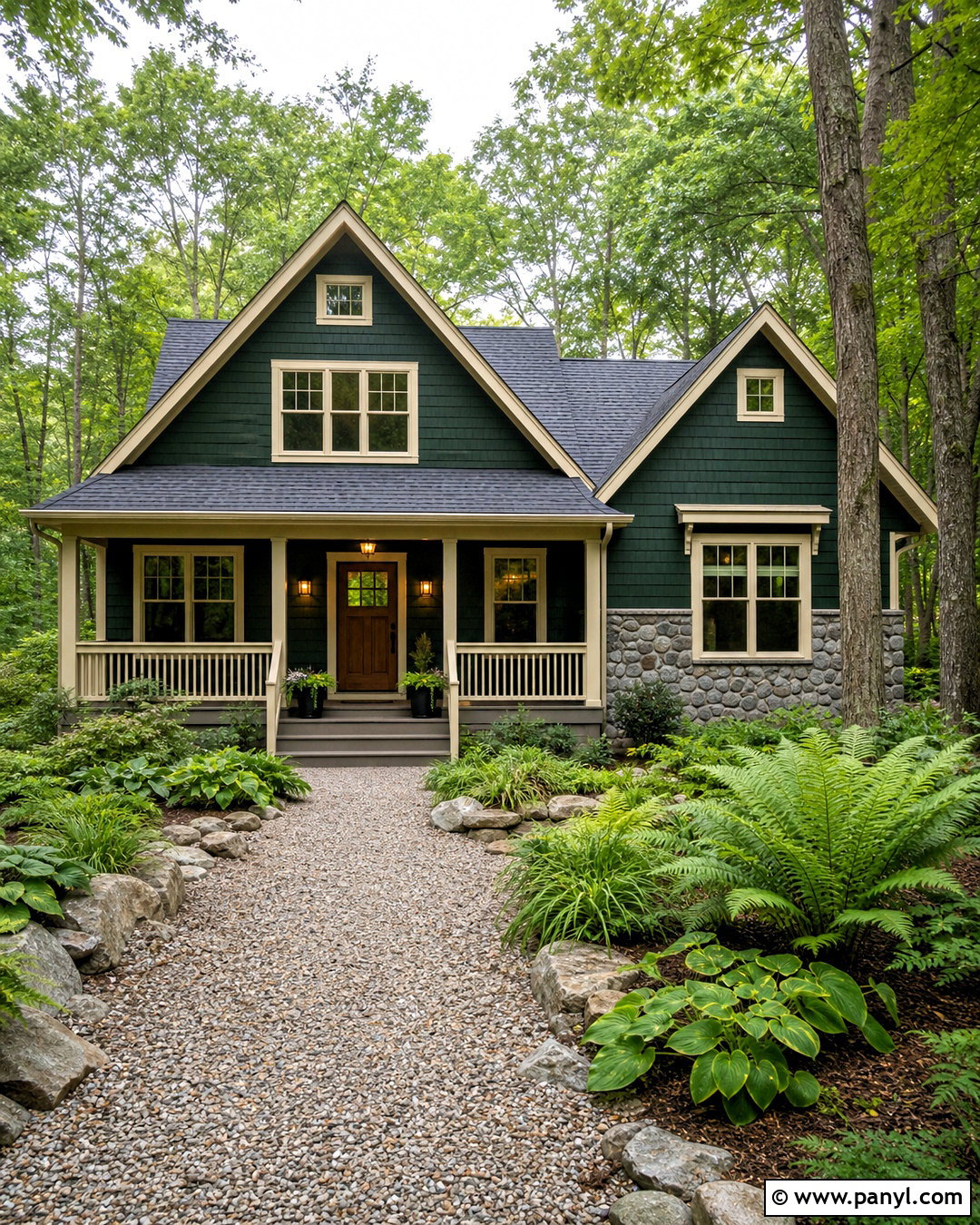
Deep forest green creates an impressive exterior when it is balanced with lighter architectural details. Use the saturated green across simple siding, allowing cream window trim and fascia to outline the structure clearly. A medium walnut front door brings warmth to the entrance, while blackened bronze lanterns add a refined finishing touch. This color scheme is suitable for cabins, lake houses, cottages, and compact homes surrounded by mature trees. Add a charcoal roof and a foundation of gray fieldstone to keep the palette grounded. Avoid covering every feature in dark paint; cream porch ceilings and railings will provide necessary relief. Ferns, hostas, native grasses, and a natural gravel path can complete the wooded, welcoming setting.
8. Slate Blue House Exterior
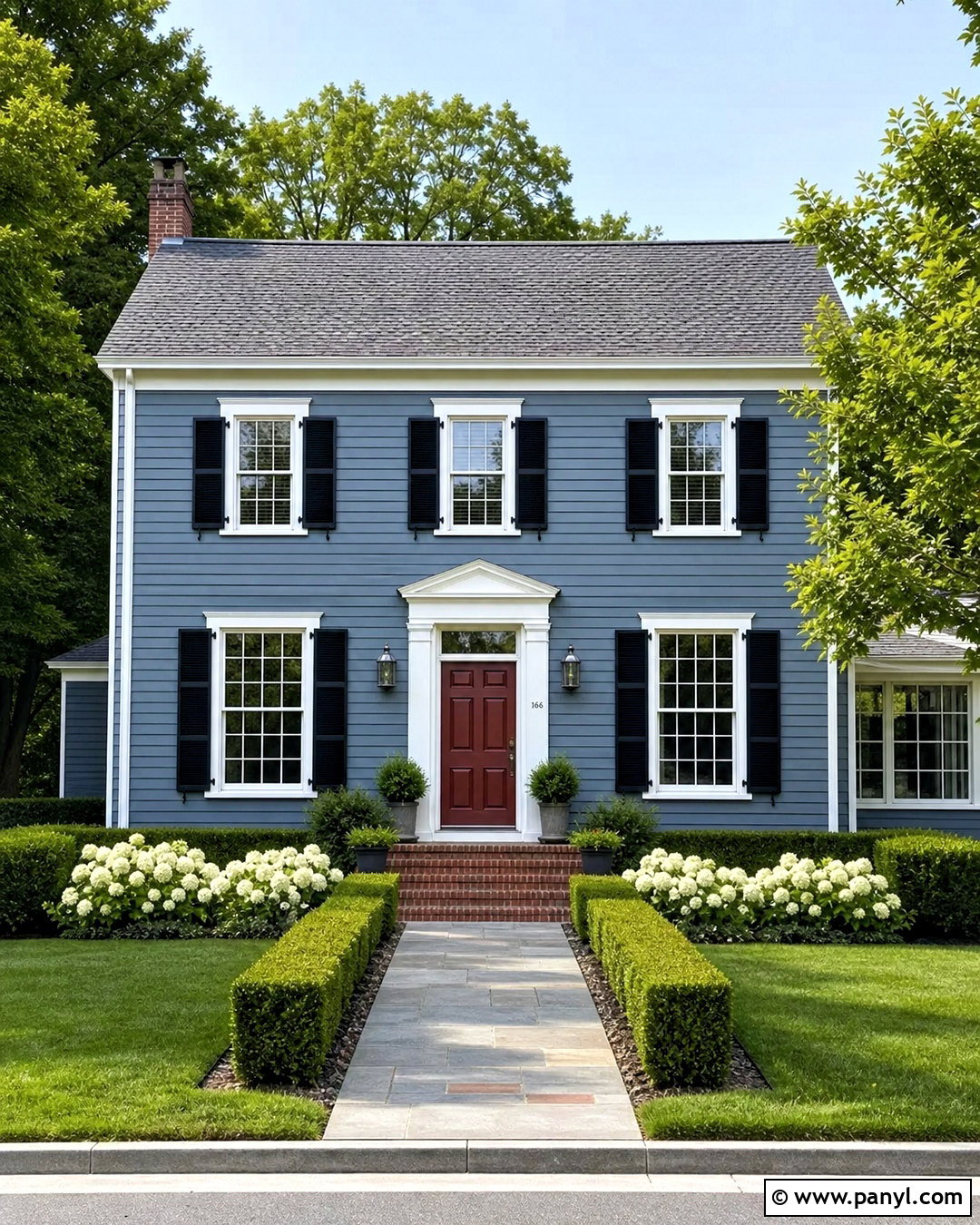
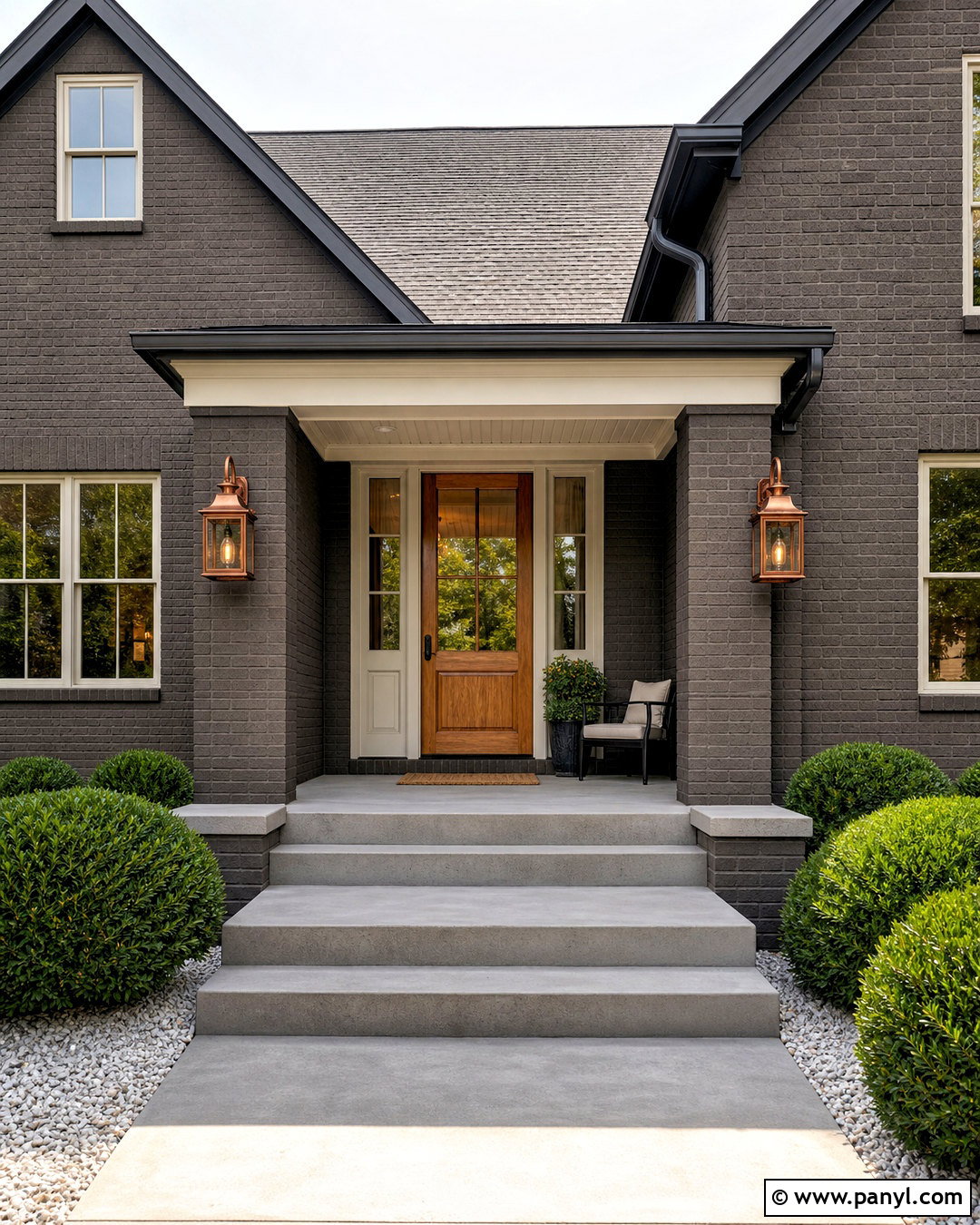
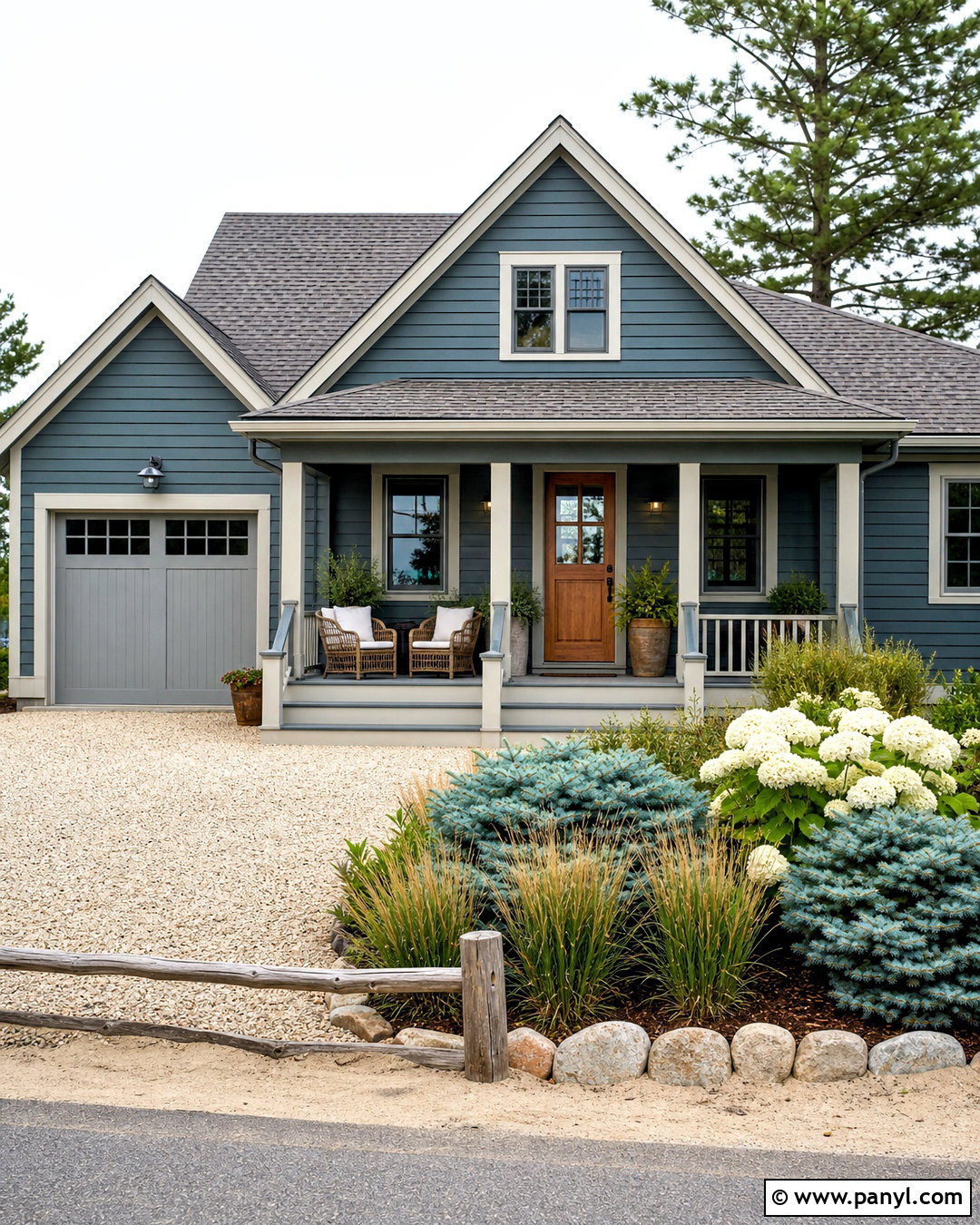
Slate blue gives traditional architecture a recognizable color without becoming overly bright. Choose a muted blue with noticeable gray undertones for the siding. Frame it with fresh white trim, then use a restrained brick-red front door as the focal point. Dark navy shutters can add dimension to Colonial or Cape Cod facades, while brushed nickel or pewter lighting keeps the details cool and consistent. Pair the scheme with medium gray shingles and red brick steps to connect the accent color with the structure. Neatly trimmed hedges, white hydrangeas, and a straight walkway reinforce the orderly appearance. The final exterior feels established and inviting, with enough color variation to highlight windows, doors, and rooflines clearly.
9. Navy Blue House Exterior
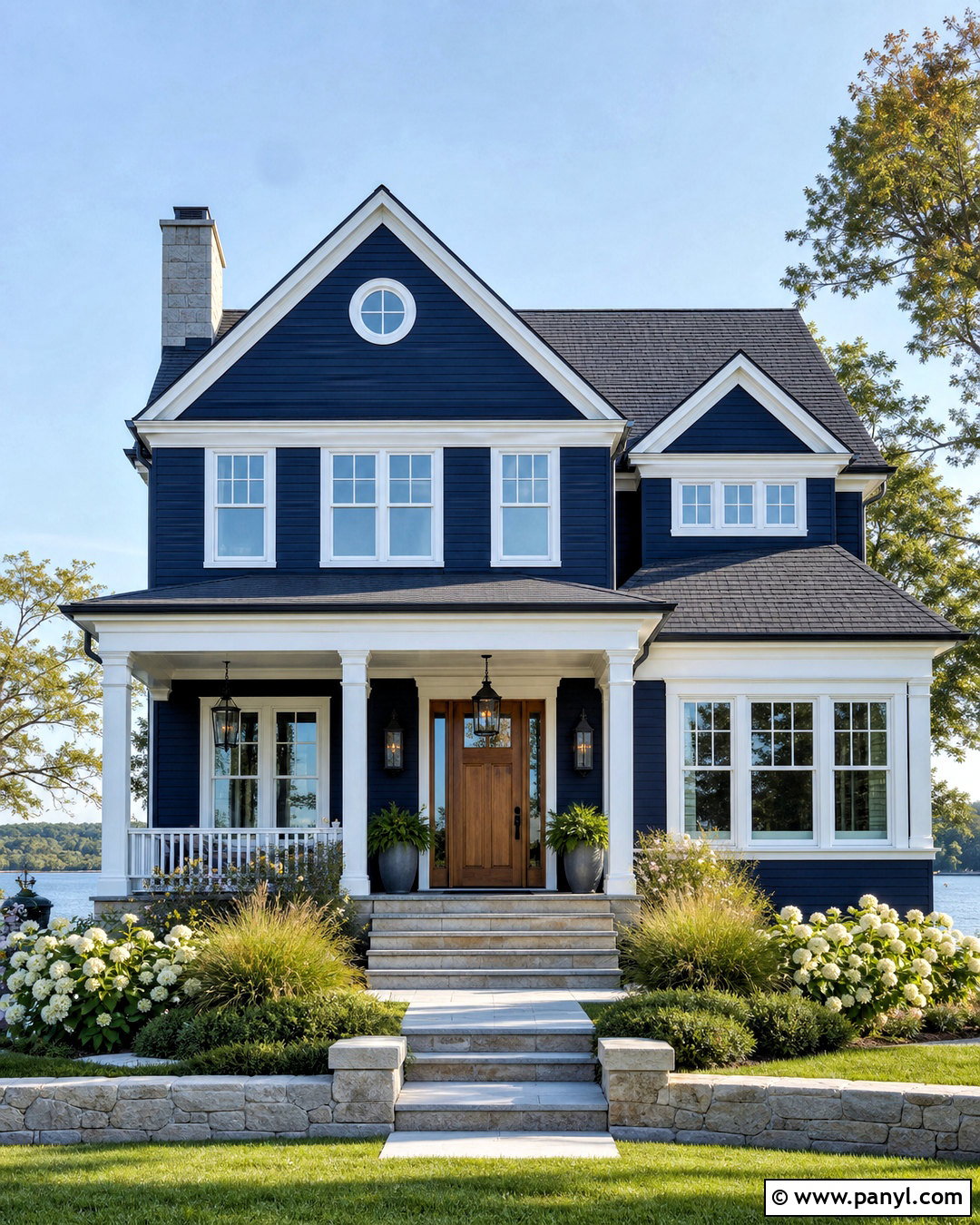
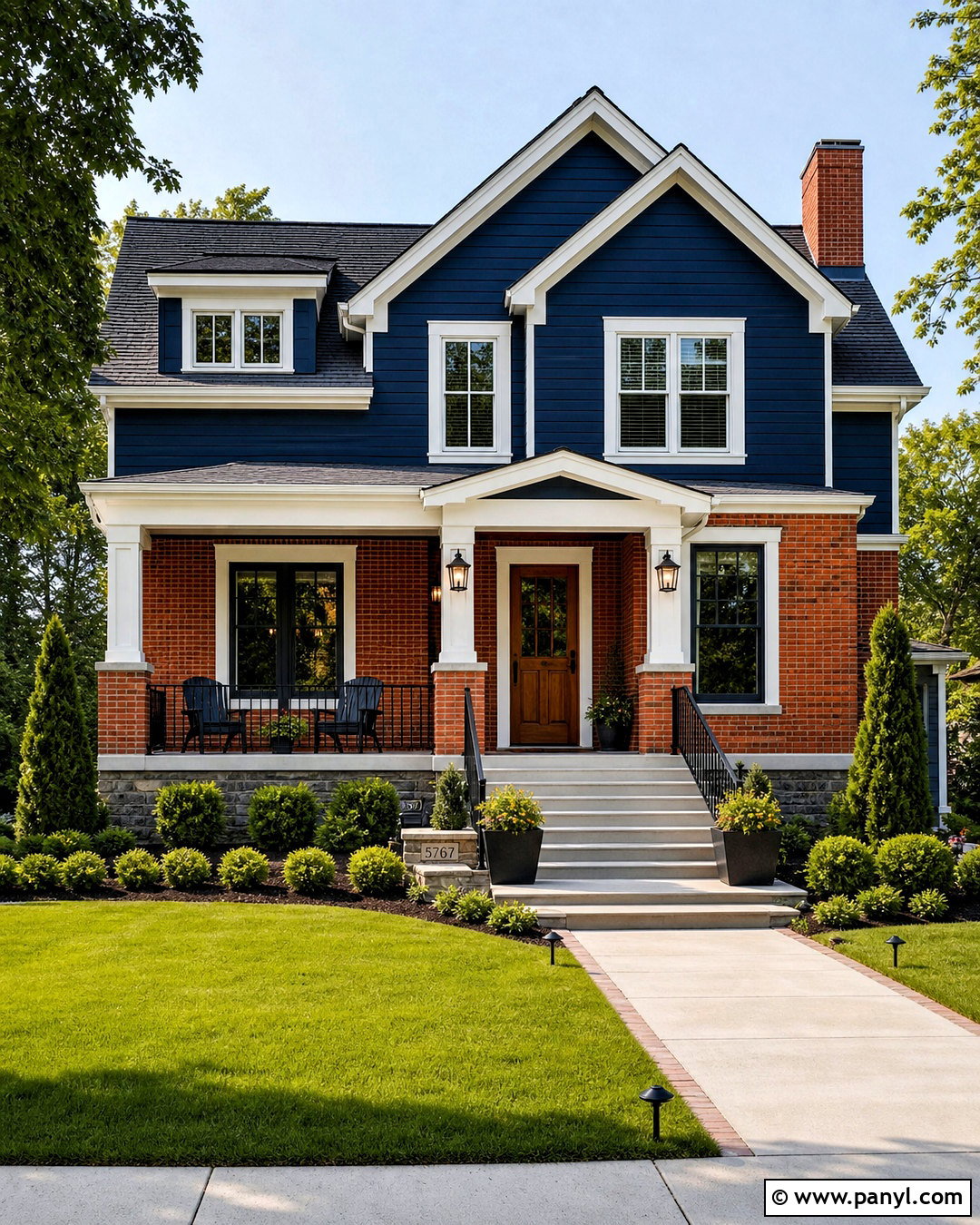
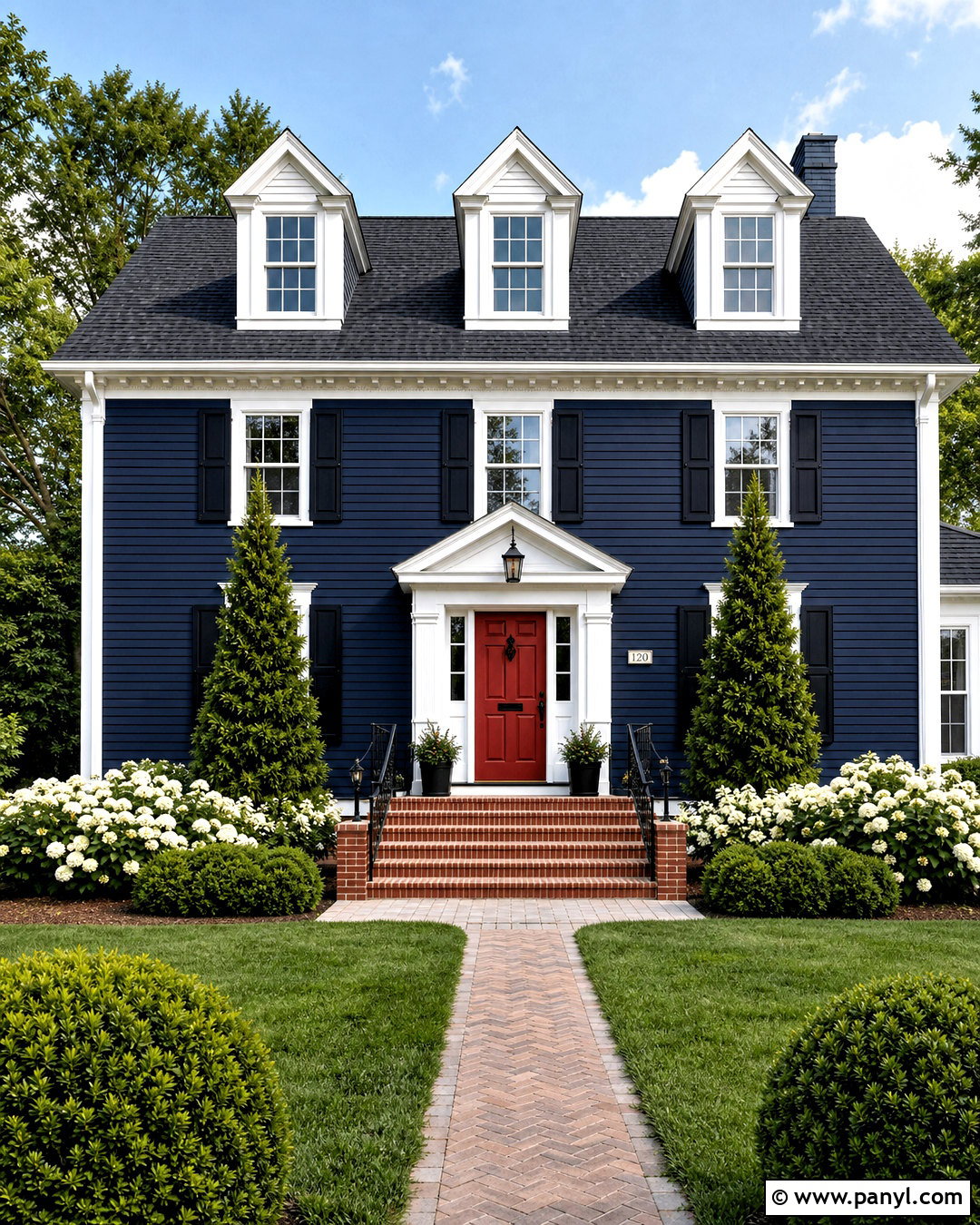
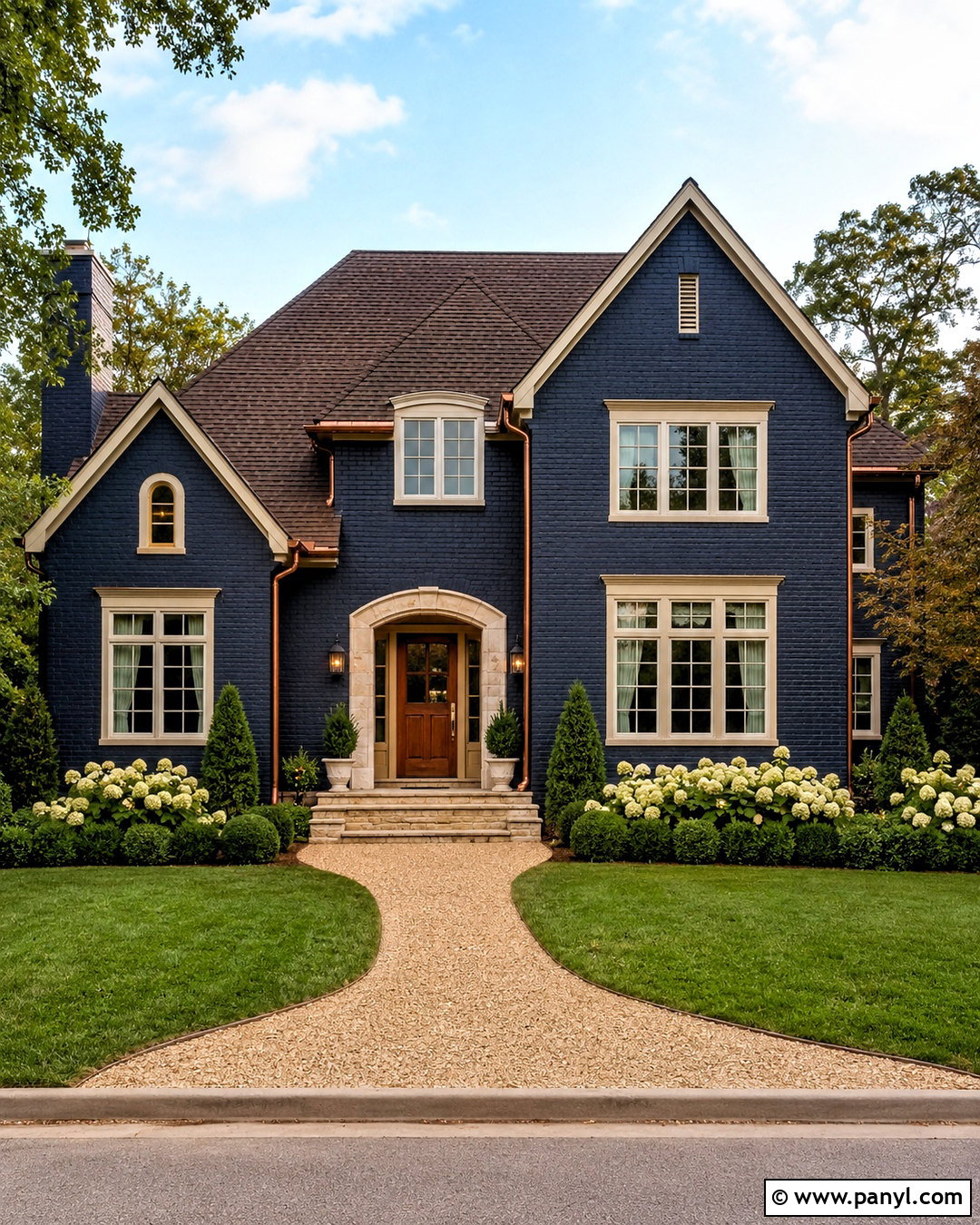
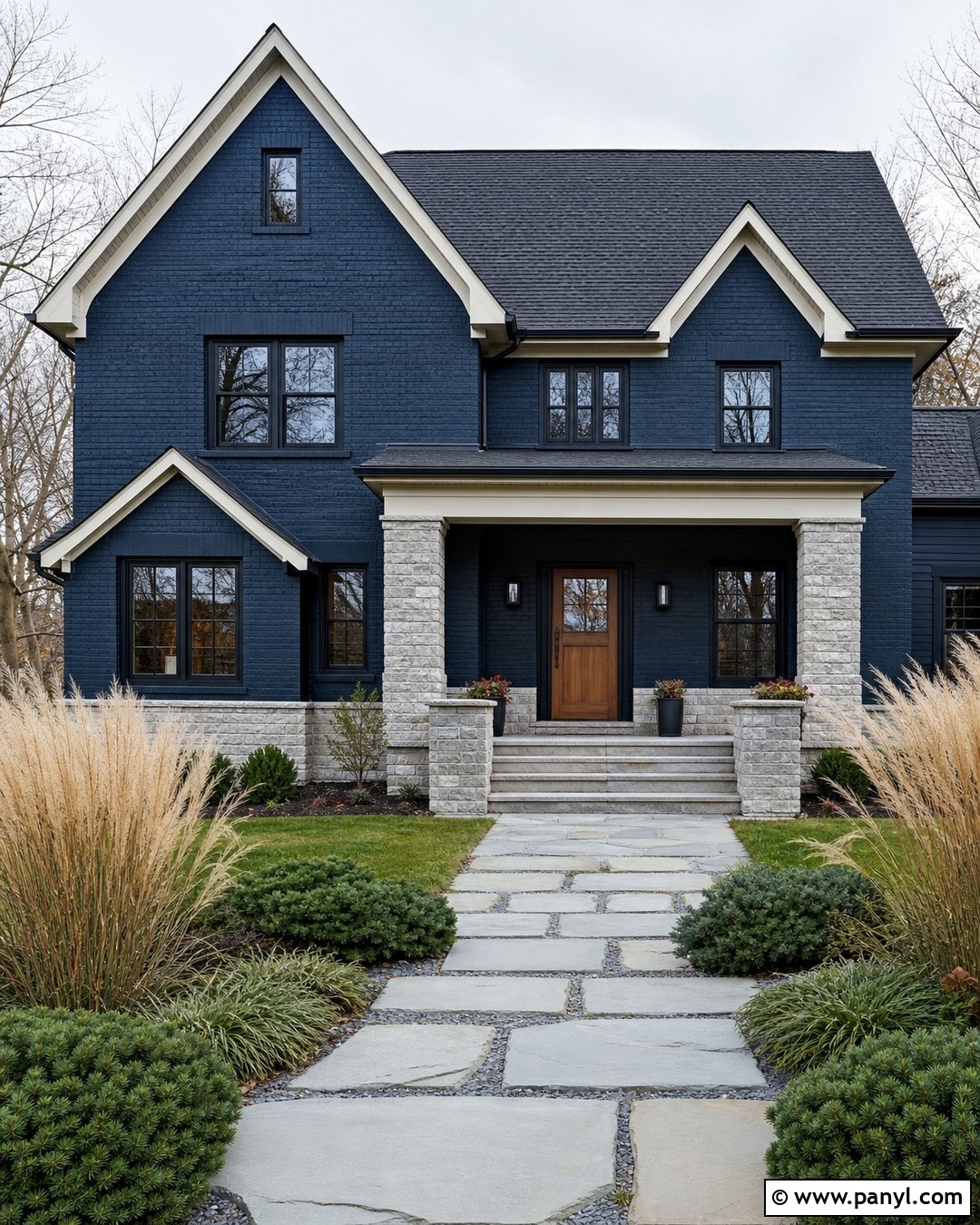
Navy siding delivers bold curb appeal while remaining rooted in classic exterior design. Apply a deep, slightly softened navy to the house body and use creamy white on window surrounds, corner boards, and porch columns. Instead of adding another bright accent, choose a natural oak or mahogany front door. This warm wood becomes more noticeable against the cool blue background. Matte black gutters, dark lanterns, and a charcoal roof keep the upper facade streamlined. Navy works particularly well on coastal homes, traditional two-story houses, and updated farmhouses. Introduce pale stone steps and airy landscaping with ornamental grasses and white blooms. The lighter materials prevent the dark siding from making the home look smaller or too formal.
10. Dusty Blue House Exterior
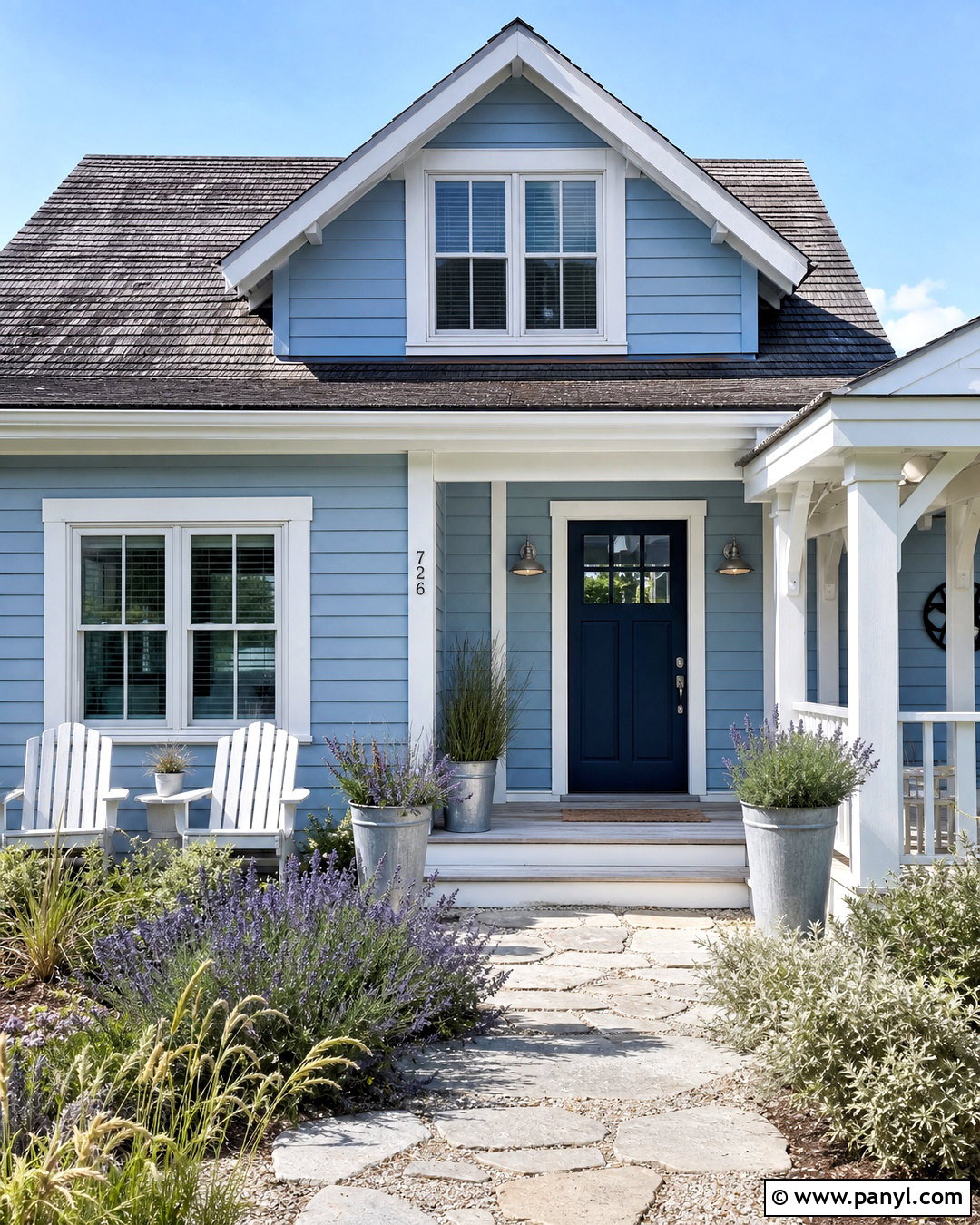
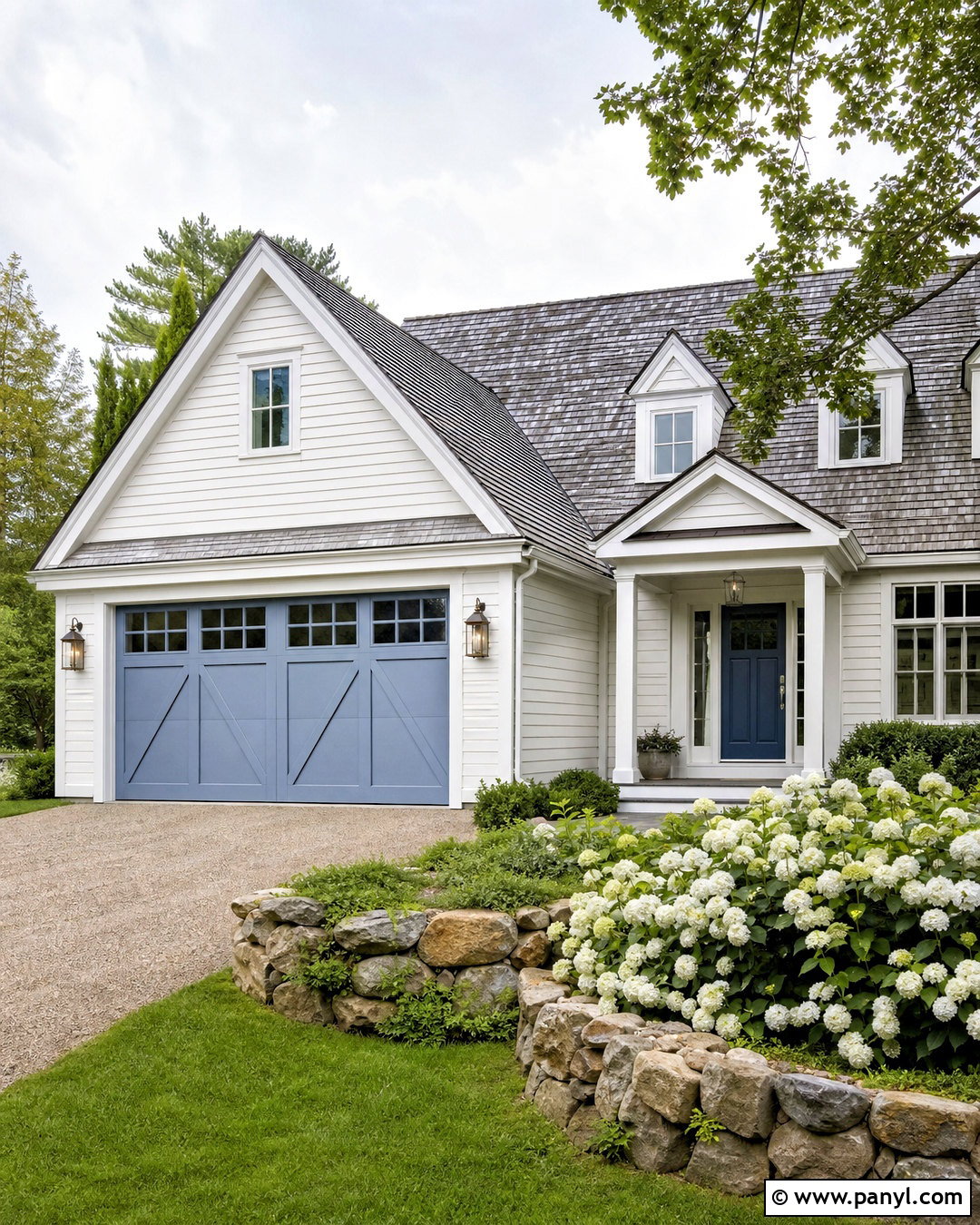
Dusty blue brings softness to a house while offering more personality than a standard light gray. Select a pale, muted blue for the main siding and pair it with soft gray trim that shares the same cool undertone. Paint the front door deep navy to create a layered blue palette rather than a sharp contrast. White porch furniture, galvanized metal planters, and brushed nickel lighting can support the relaxed color story. A weathered gray roof and pale stone walkway work naturally with the cooler shades. This combination flatters cottages, coastal ranch homes, and smaller suburban houses. Finish with lavender, silvery foliage, and loose ornamental grasses for an exterior that looks breezy, comfortable, and carefully coordinated.
11. Charcoal Gray House Exterior
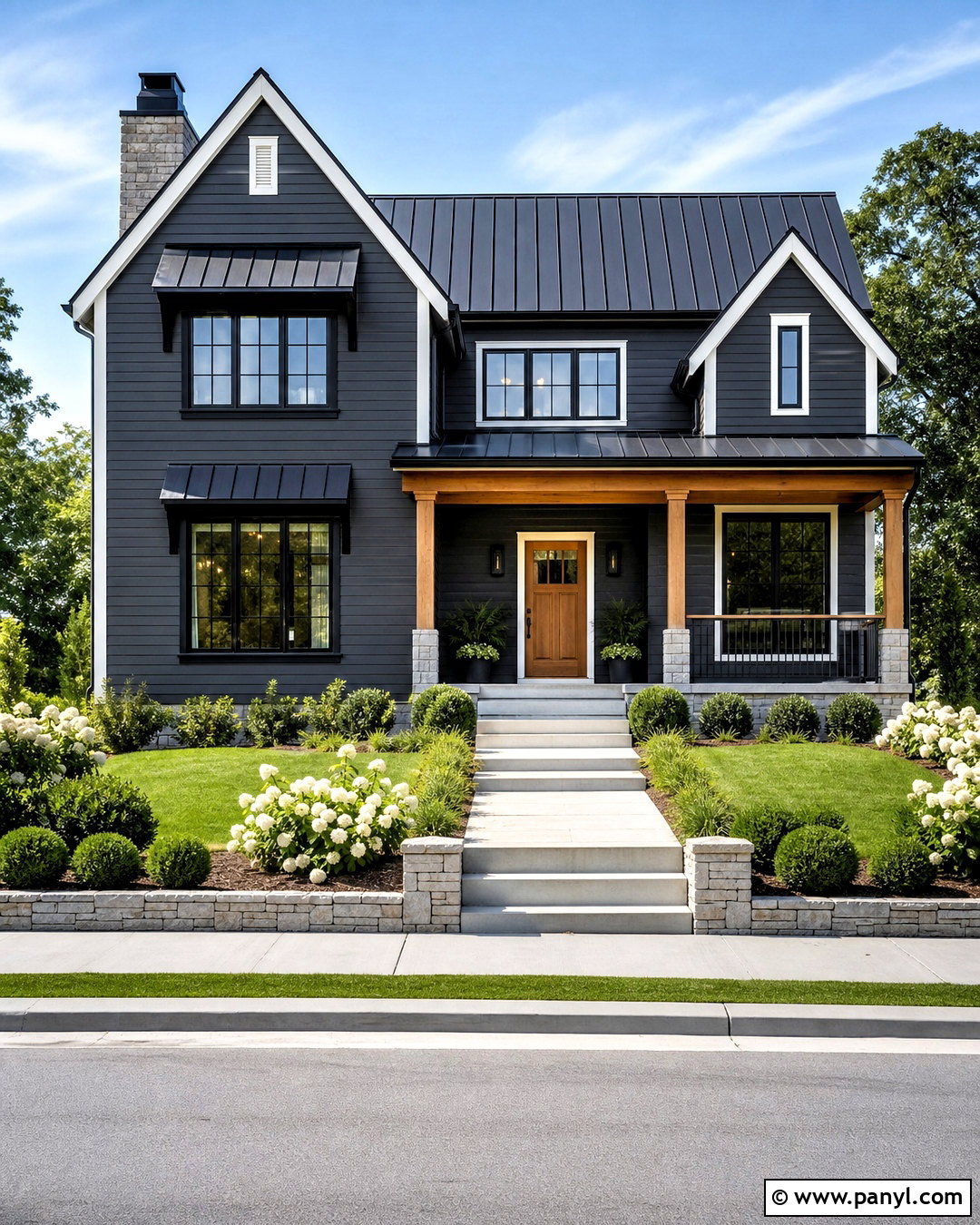
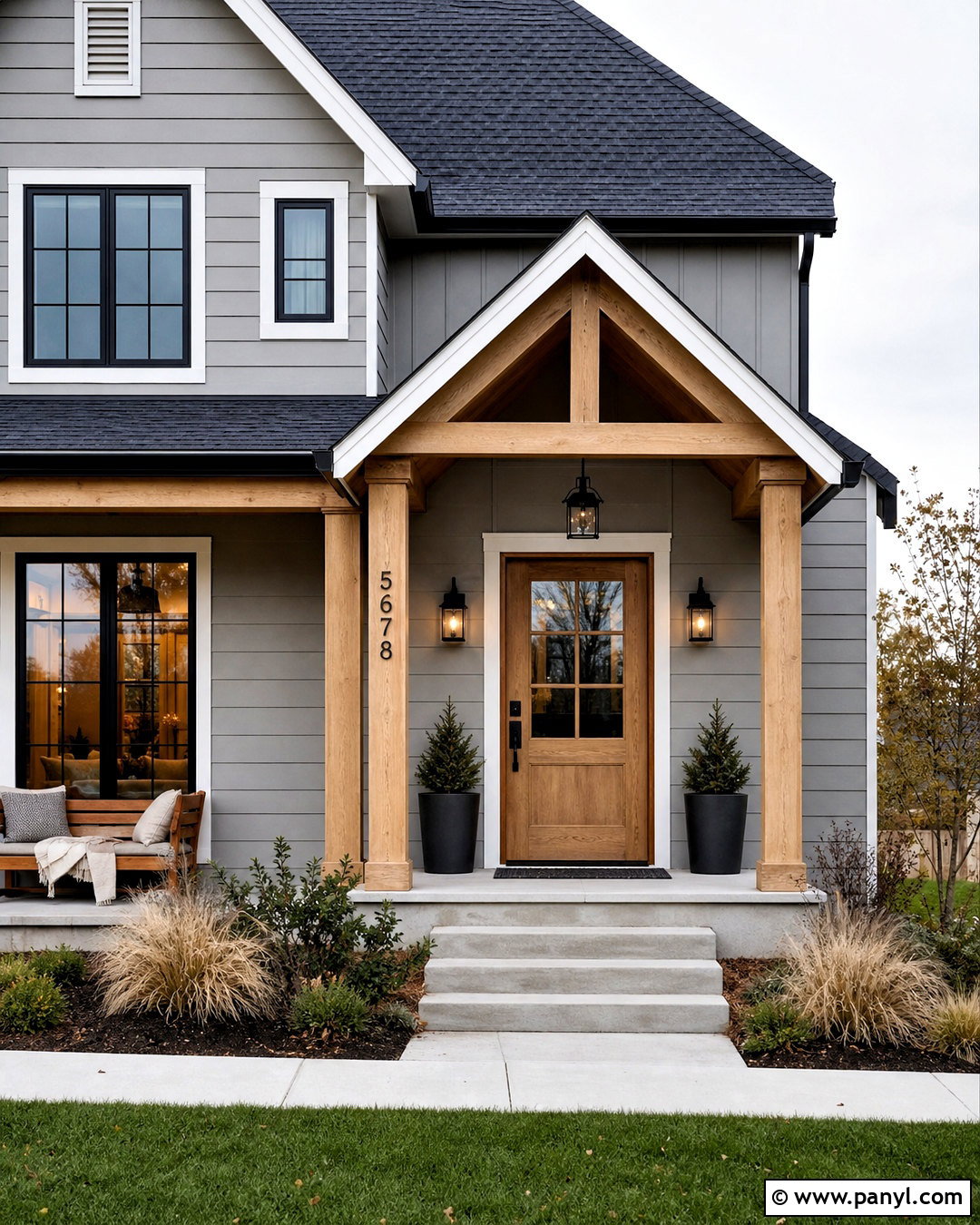
Charcoal paint can modernize a familiar house shape without requiring major architectural changes. Use a medium-dark charcoal on the siding, then soften the edges with warm white trim and soffits. A cedar front door, cedar porch ceiling, and matching wood garage accents supply essential warmth. Choose black window frames and restrained matte black lighting for a clean finish. The scheme works on contemporary homes, modern farmhouses, and simple ranch exteriors. Pale concrete, light gray stone, and a charcoal metal roof can extend the neutral palette across permanent surfaces. Keep landscaping bright and structured with green grasses, clipped shrubs, and white flowers. These lighter elements help the dark facade appear crisp, dimensional, and welcoming instead of flat.
12. Black And Wood House Exterior
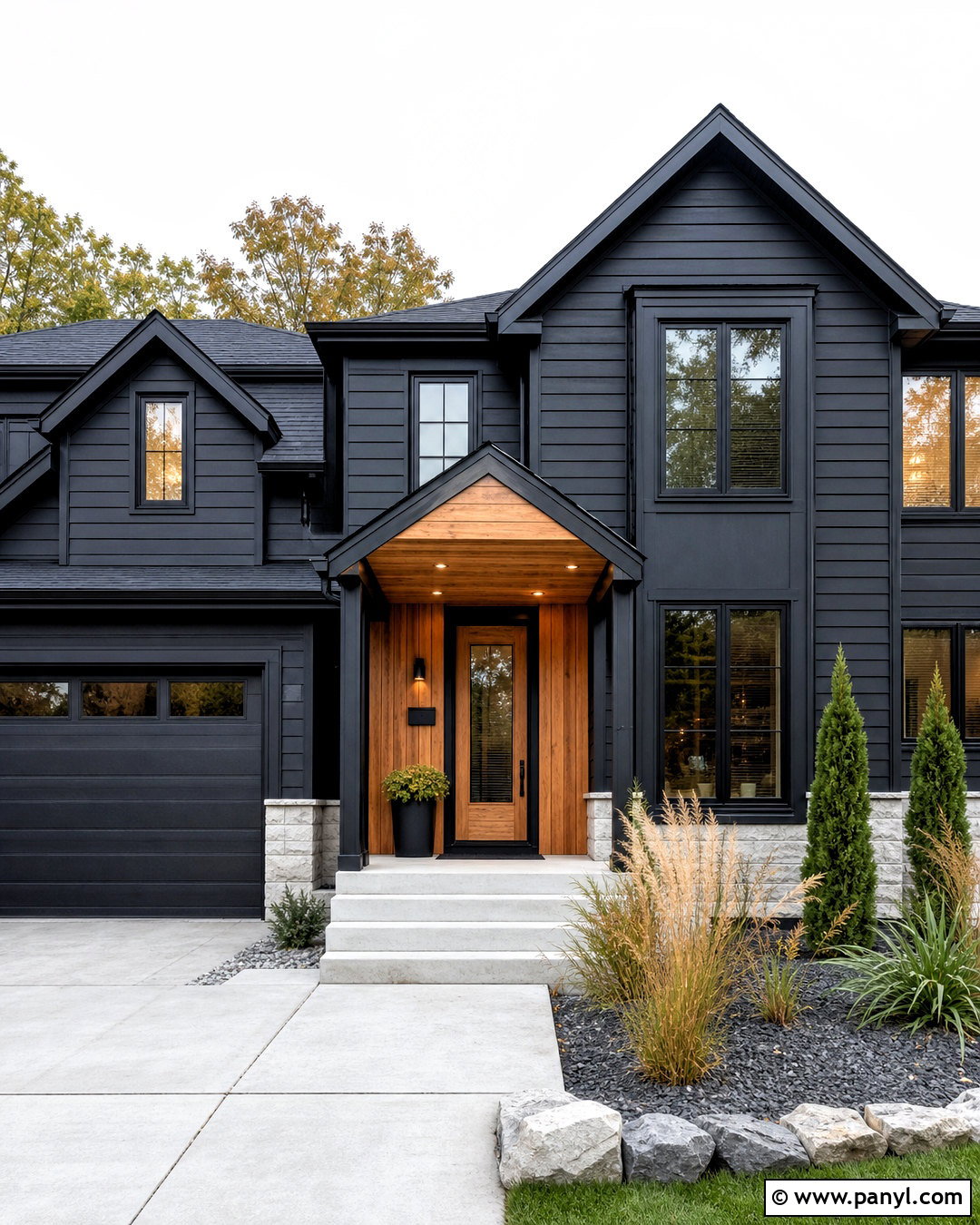
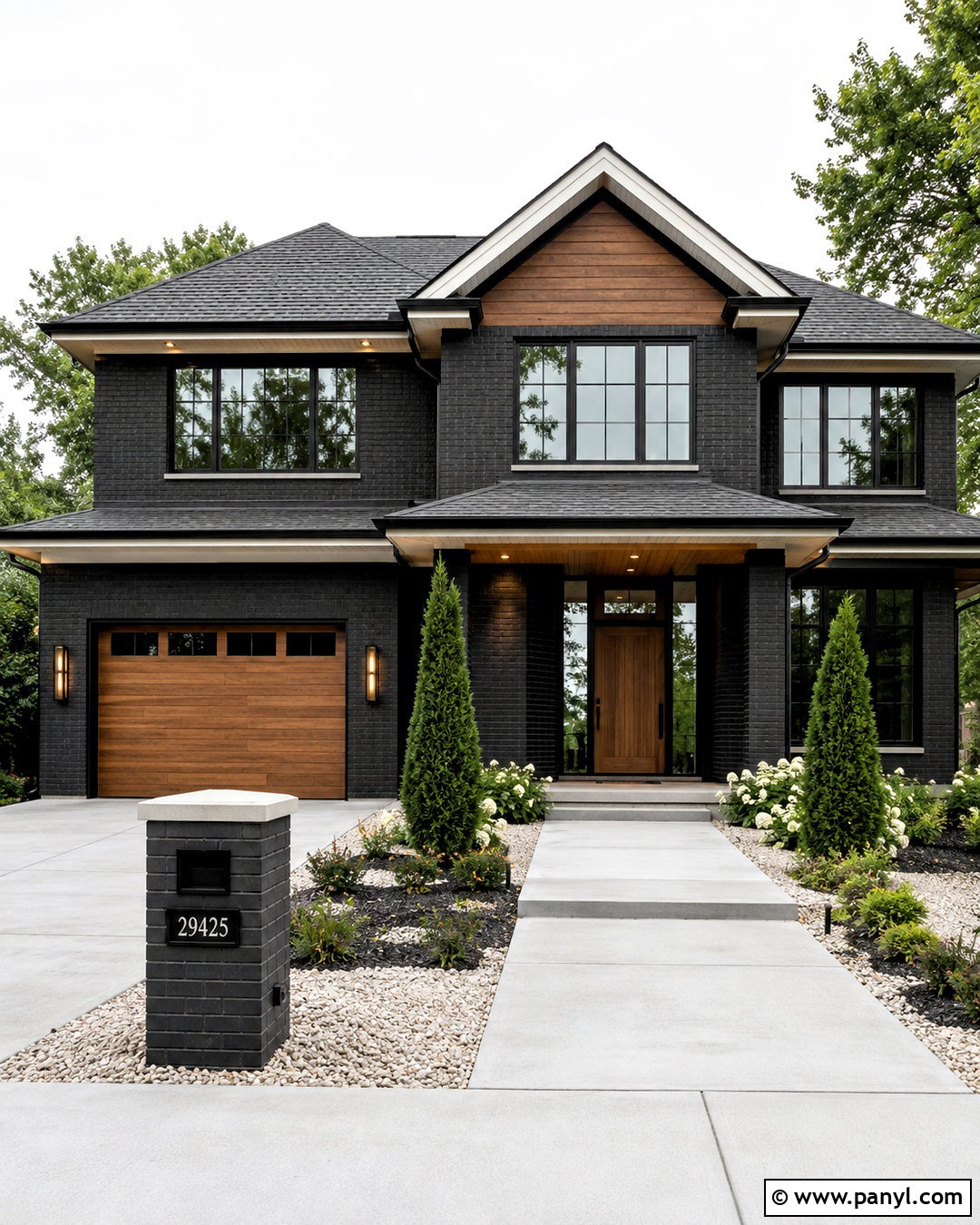
For a dramatic transformation, combine soft black siding with generous areas of natural wood. Select a slightly softened black rather than the darkest available shade, and use it consistently across siding, trim, and gutters for a unified appearance. Add warm cedar around the front entrance, beneath porch roofs, and on a portion of the garage facade. Large windows, pale concrete steps, and light gray stone at the foundation break up the darkness. This palette is most effective on contemporary homes with simple lines and clearly defined materials. Use low, architectural landscaping with ornamental grasses, compact evergreens, and gravel. The completed look should feel deliberate and balanced, with wood and stone preventing the black paint from overwhelming the property.
13. Light Gray House Exterior
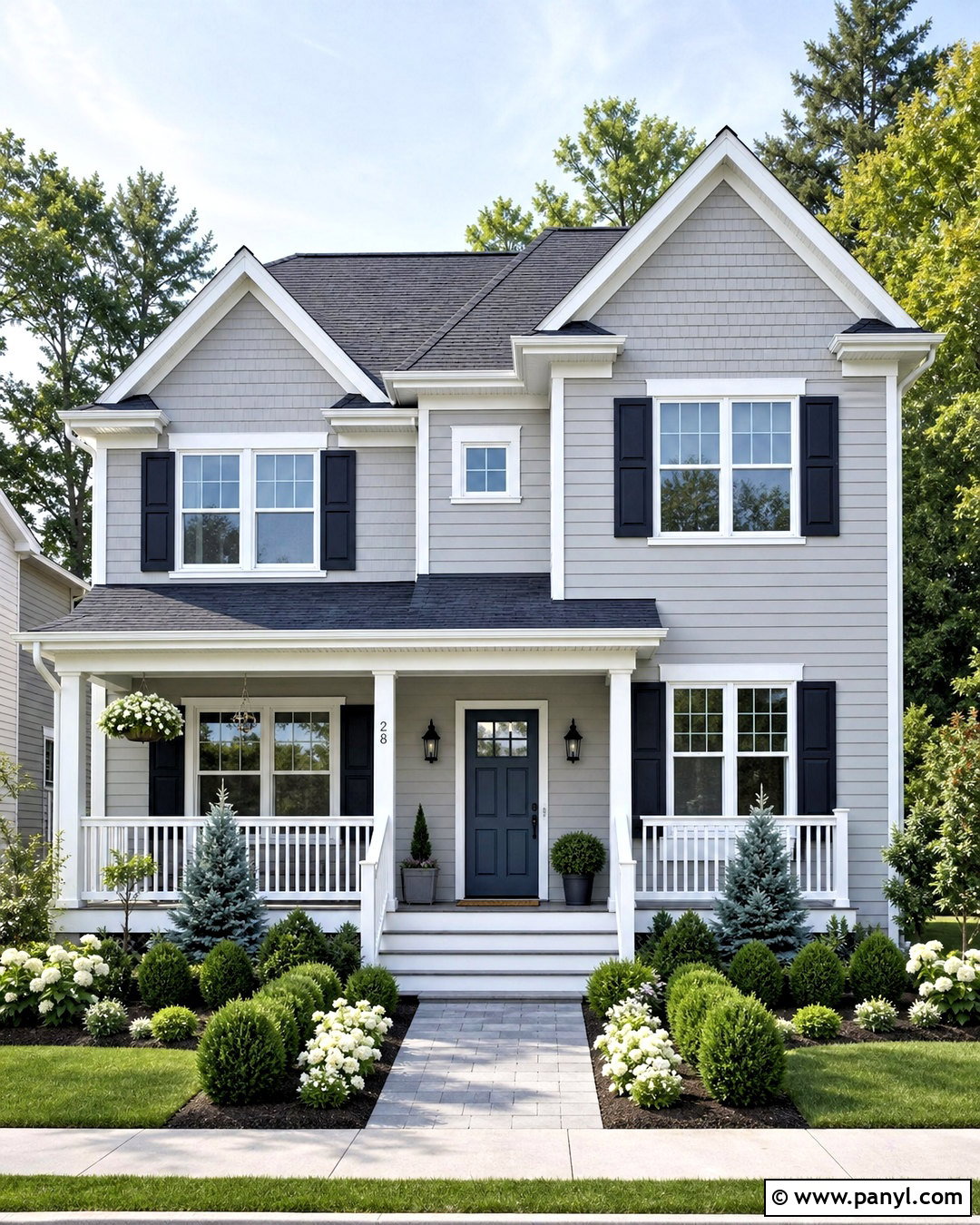
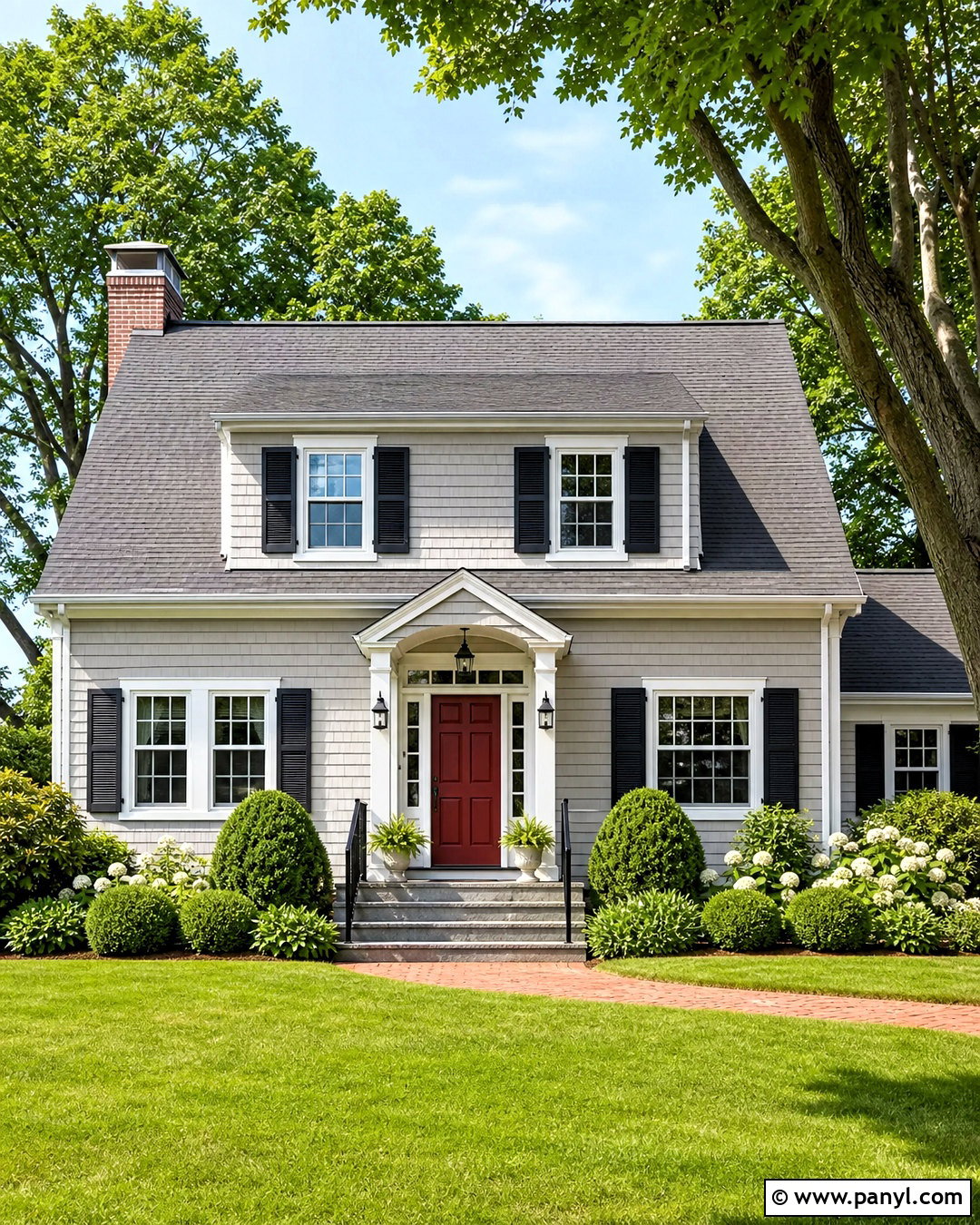
Light gray remains useful for homeowners who want a clean exterior that is not completely white. Choose a pale neutral gray without strong blue undertones for the siding. Apply crisp white to the trim, porch railings, and garage surround, then introduce a medium denim-blue front door. Black shutters and dark metal lighting give the facade enough structure to avoid a washed-out result. This adaptable palette works on ranch, Colonial, split-level, and townhouse exteriors. Pair it with medium charcoal shingles and cool gray paving. Foundation beds filled with boxwoods, blue-green junipers, and seasonal white flowers continue the restrained color story. The entire scheme feels bright and familiar while the blue entry adds a friendly, personalized focal point.
14. Pewter Gray House Exterior
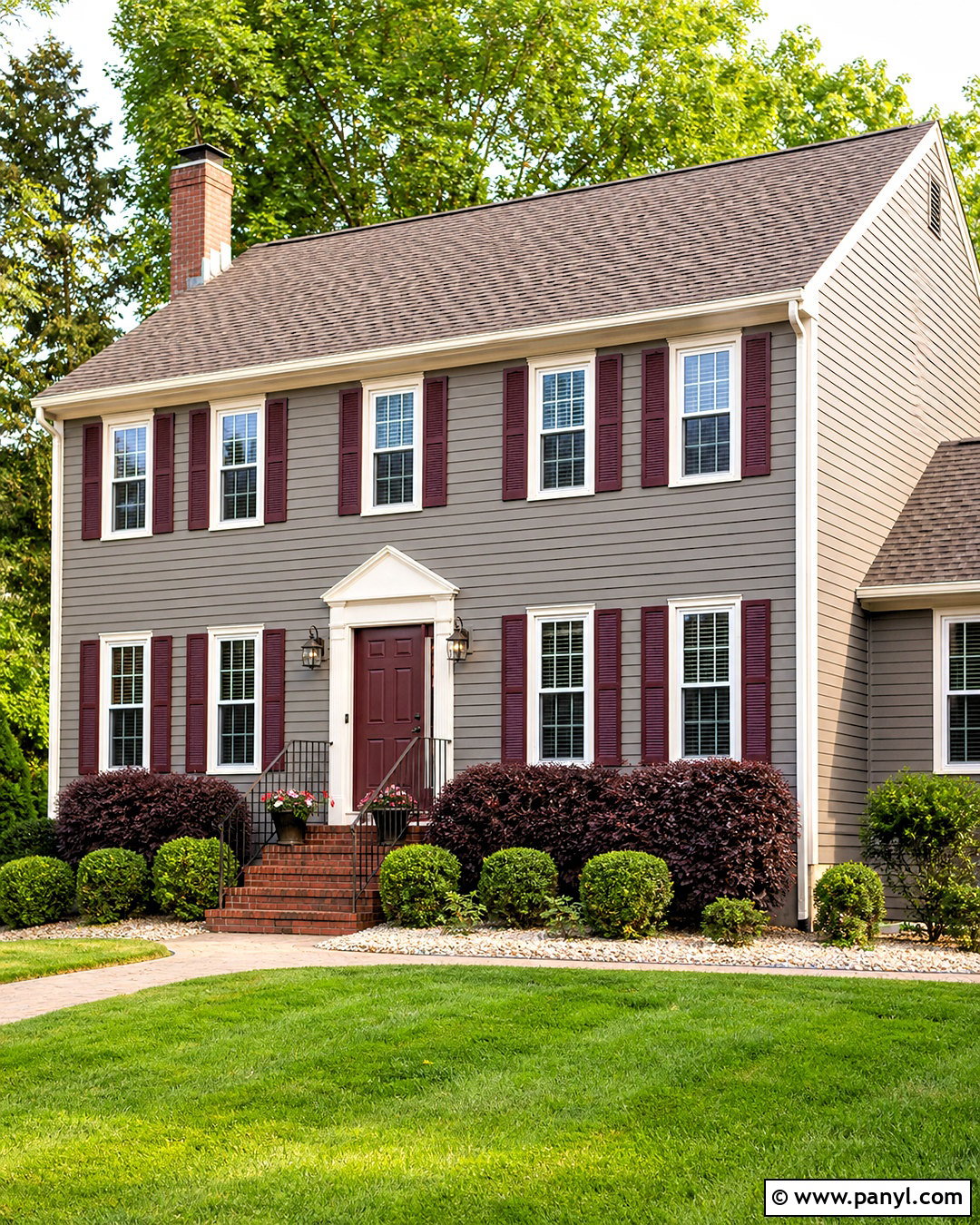
Pewter gray has enough depth to emphasize architectural details without creating the weight of charcoal. Paint the main facade a medium pewter with a gentle warm undertone, then add creamy white trim around windows and beneath the roof. Use muted burgundy on the front door and selected shutters for a traditional accent that feels richer than bright red. A brown-gray roof, antique bronze lighting, and warm brick steps connect the cool and warm portions of the palette. Pewter suits traditional two-story homes, Tudor-inspired houses, and suburban properties with mature landscaping. Finish the scene with burgundy-leaf shrubs, evergreen hedges, and pale gravel. The coordinated exterior feels dignified, comfortable, and visually balanced throughout the year.
15. Terracotta Stucco House Exterior
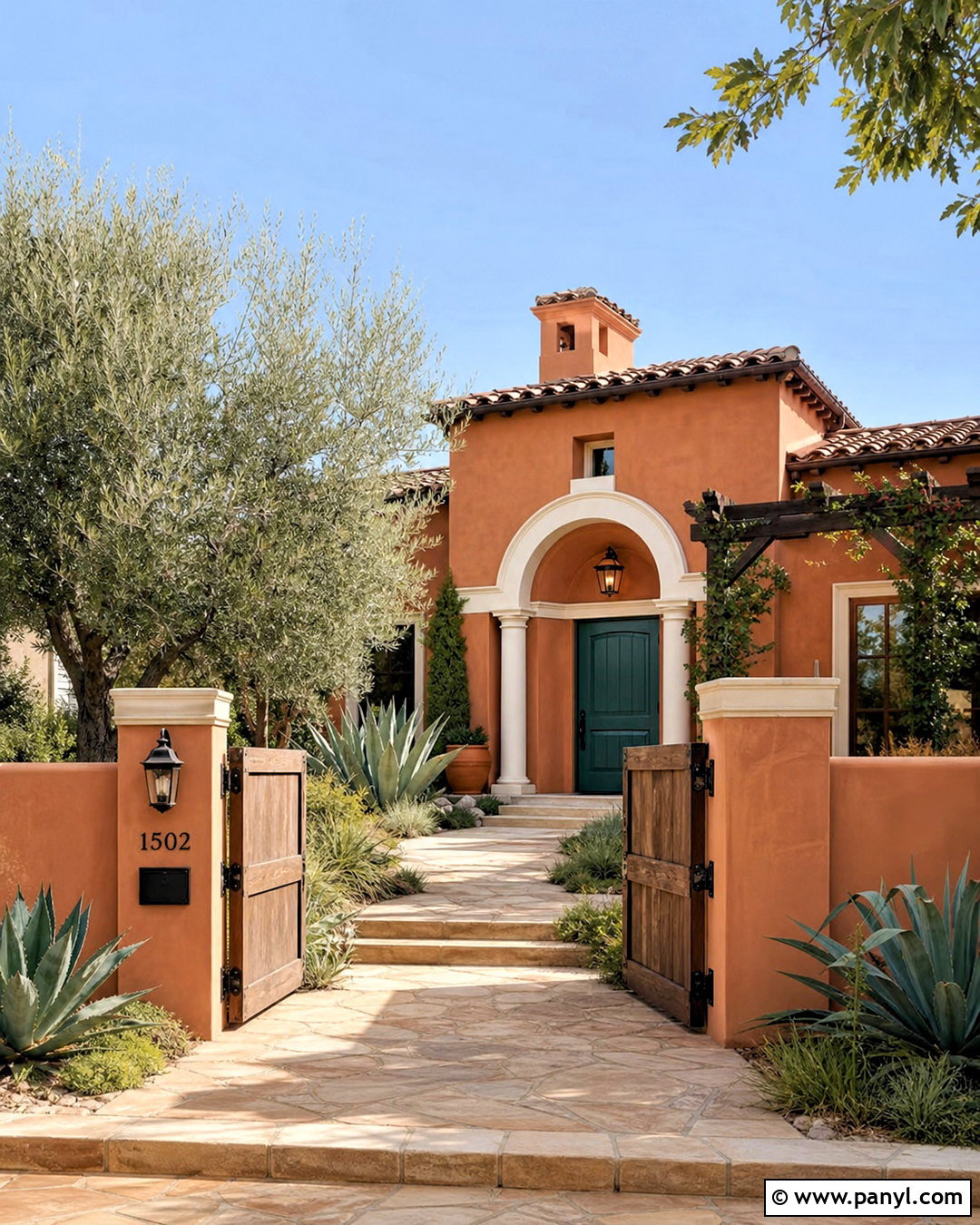
Sun-warmed terracotta can give a stucco house depth and regional character. Choose a muted clay-orange body color rather than a vivid orange, allowing the texture of the stucco to create natural variation. Use creamy white around windows, beneath eaves, and on decorative columns. A deep teal front door provides a complementary accent, while dark bronze hardware and lanterns keep the entrance grounded. Clay roof tiles are an ideal match, but weathered brown shingles can also work. Add warm stone paving, simple wood gates, and drought-tolerant landscaping with agave, rosemary, ornamental grasses, and small flowering plants. The full exterior feels colorful yet believable because every material shares the same warm, sunbaked foundation.
16. Sand Beige House Exterior
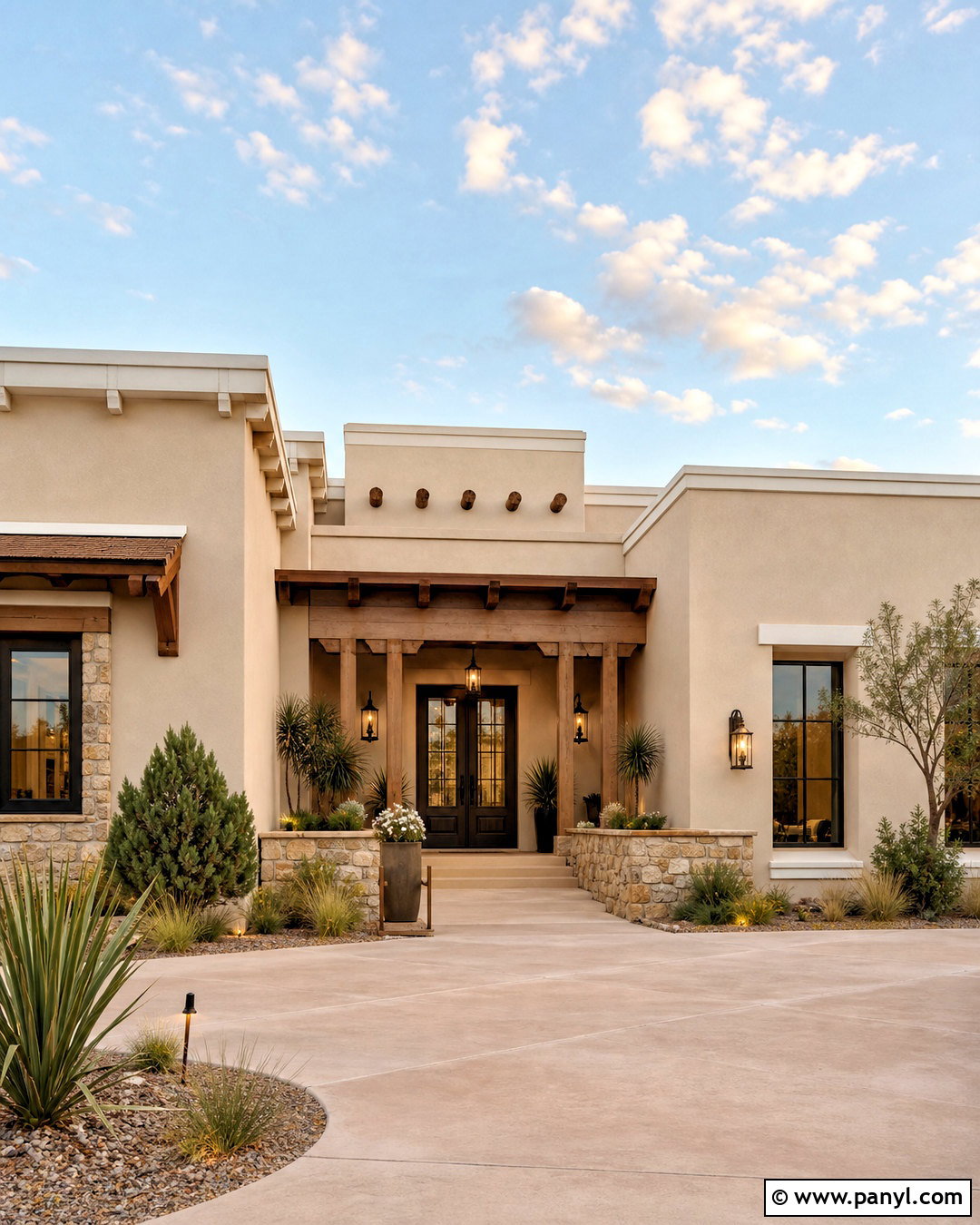
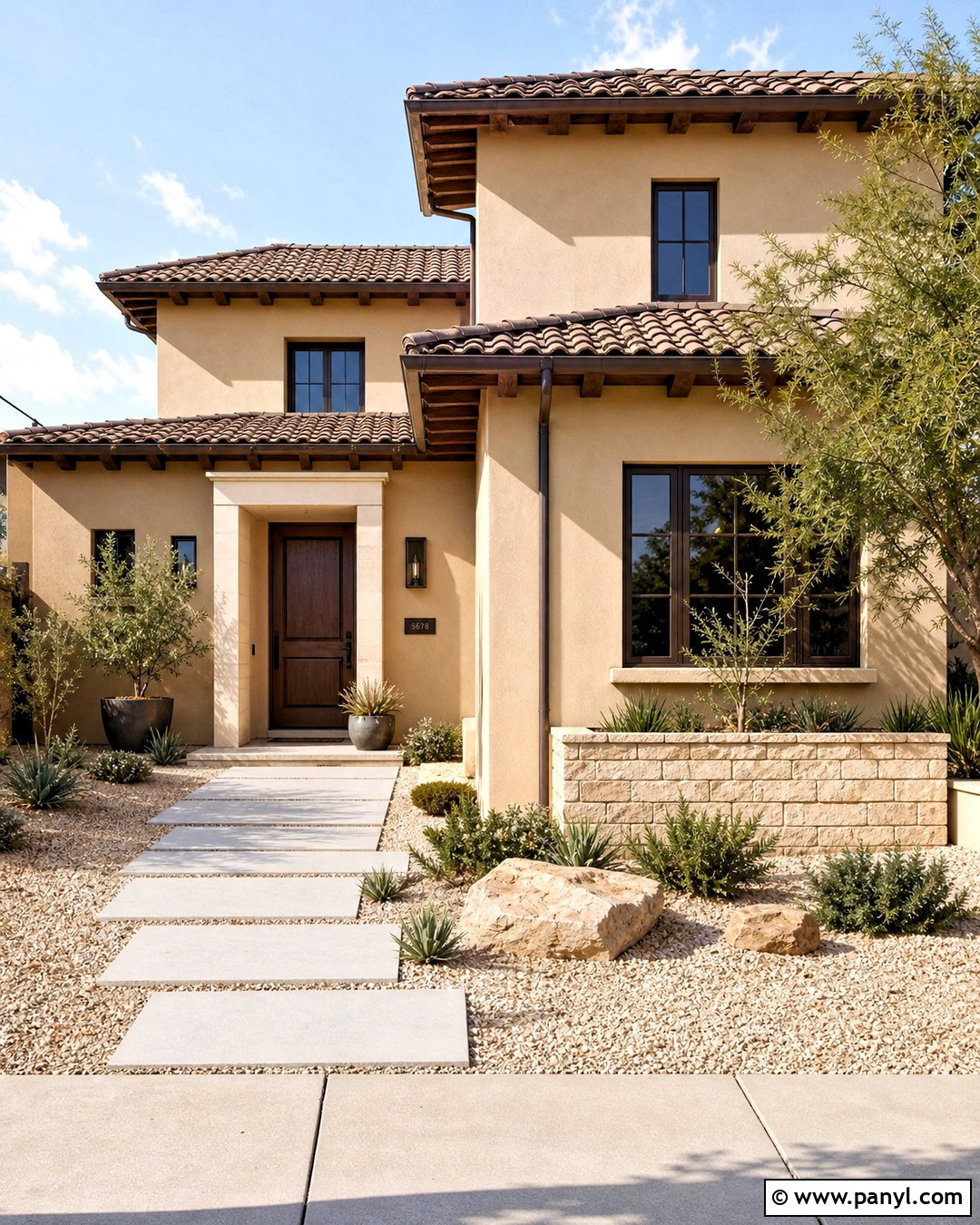
Sand beige offers a practical way to brighten a home that has brown roofing or tan masonry. Cover the siding or stucco with a light sandy beige, then use warm white for fascia, windows, and porch details. Dark bronze on the front door, garage door, and exterior lights adds clear definition without the harshness of black. Natural limestone, exposed wood beams, and warm concrete complement the neutral body color. This palette works especially well on Southwestern, Mediterranean, ranch, and transitional homes. Add gravel beds, sculptural grasses, sage plants, and low evergreen shrubs around the facade. Because the scheme repeats warm undertones across paint and permanent materials, the finished exterior appears connected, calm, and easy to maintain visually.
17. Clay Brown House Exterior
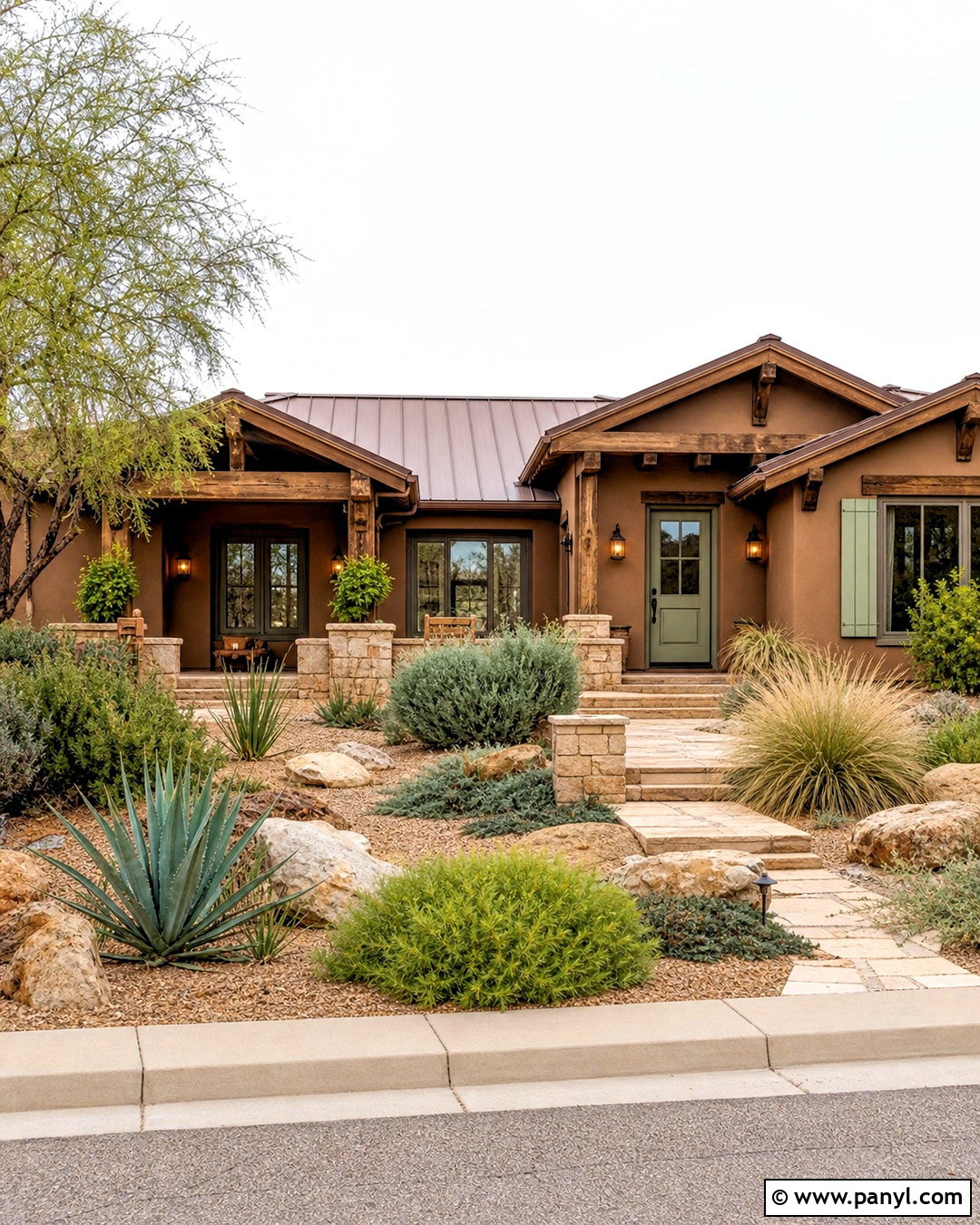
Clay brown creates a comforting midpoint between dark brown and terracotta. Choose a warm medium brown with softened red undertones for the primary facade. Pair it with creamy trim and muted sage green on the front door and shutters. A weathered bronze roof or brown shingles will keep the palette harmonious, while tan stone around the porch creates subtle texture. This complete combination looks at home on ranch houses, adobe-inspired properties, and Craftsman exteriors. Use stained wood beams and dark bronze sconces to strengthen the natural character. In the landscape, mix gray-green plants, soft grasses, and pale gravel instead of highly saturated flowers. The final design feels warm, substantial, and connected to an earthy outdoor setting.
18. Brick Red House Exterior
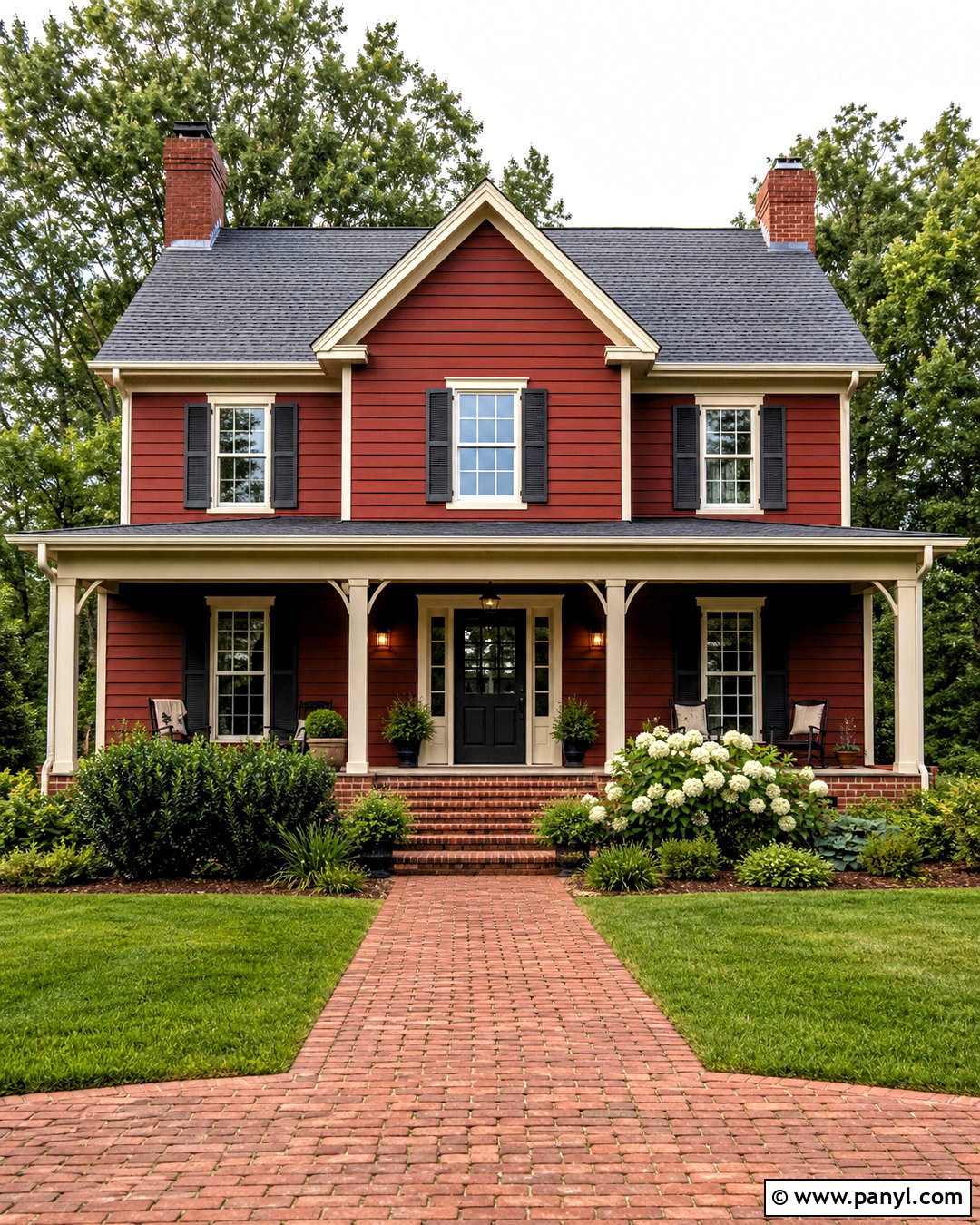
Brick red paint can make a simple home feel established and distinctive. Select a deep, muted red with brown undertones for the siding so the result resembles aged brick rather than a bright primary color. Use warm cream on the trim, porch posts, and window frames. Charcoal shutters, gutters, and a matching front door provide contrast and connect with a dark gray roof. This palette complements traditional cottages, farmhouses, and Colonial architecture. Add real brick steps or a brick walkway to repeat the main color in a durable material. Evergreen shrubs, white flowering plants, and simple black lanterns complete the facade. Keeping the other colors neutral allows the red exterior to remain the clear, controlled focal point.
19. Pale Yellow House Exterior
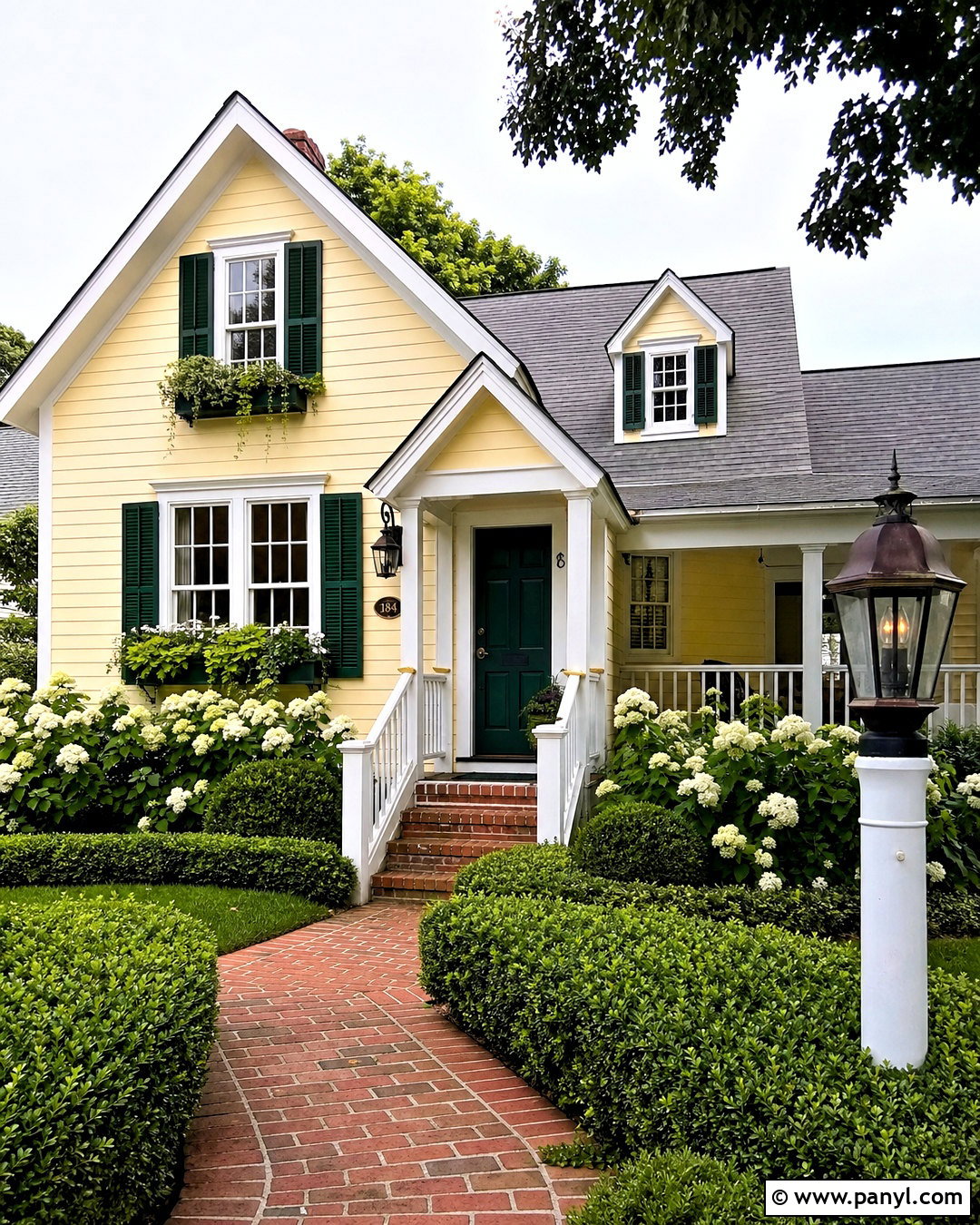
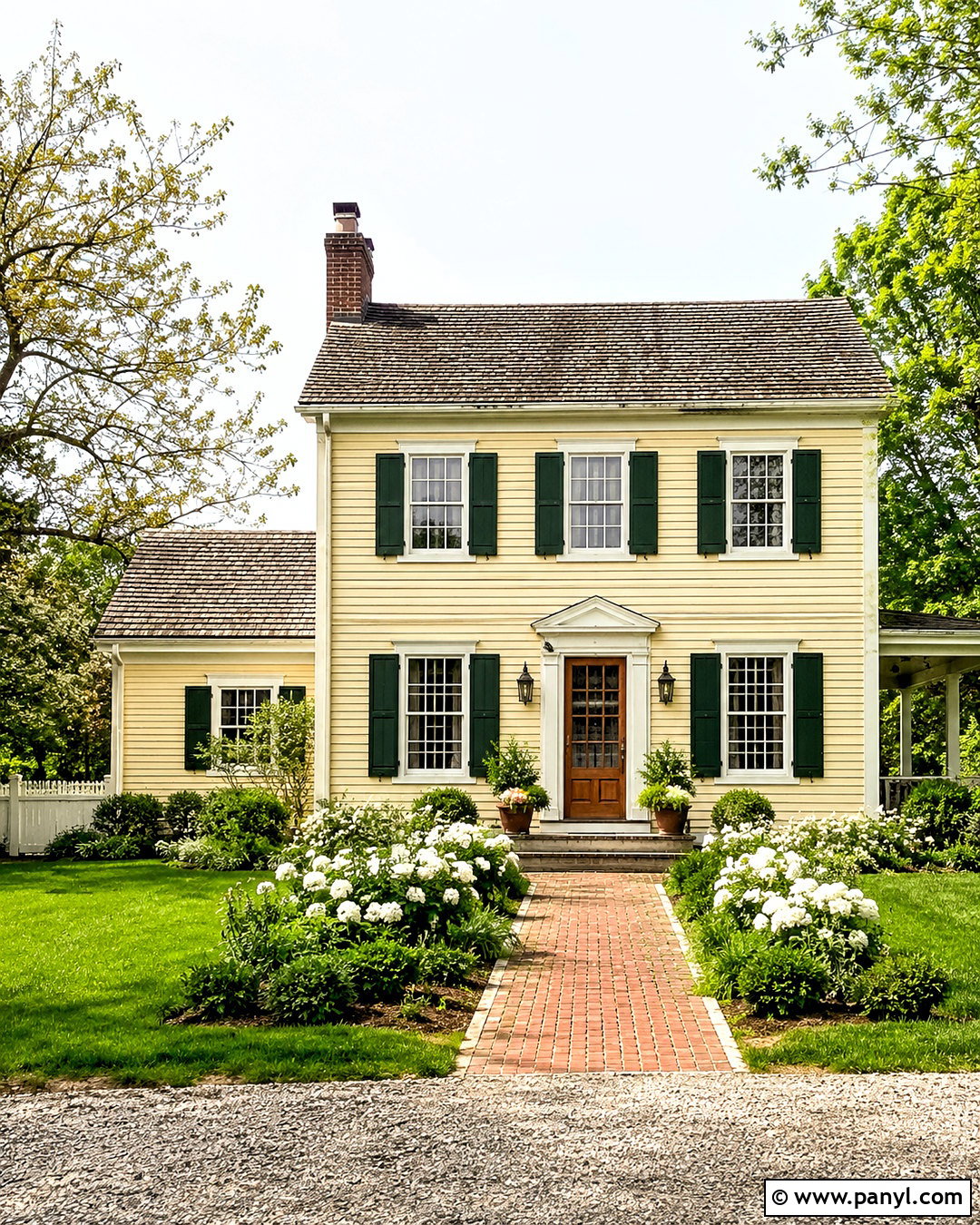
Pale yellow creates cheerful curb appeal when the shade is soft and slightly creamy. Use a buttery yellow across the siding, clean white for trim and porch railings, and deep green on the shutters and front door. The green introduces traditional contrast while relating naturally to surrounding plants. Choose a medium gray roof to steady the lighter colors, then add aged brass or black metal lanterns. This sunny combination works beautifully on cottages, farmhouse exteriors, and modest Colonial homes. Complete the design with a brick walkway, white hydrangeas, clipped hedges, and window boxes filled with green foliage. The full palette looks bright and welcoming without becoming overly sweet, especially when decorative details remain simple and symmetrical.
20. Soft Blush House Exterior
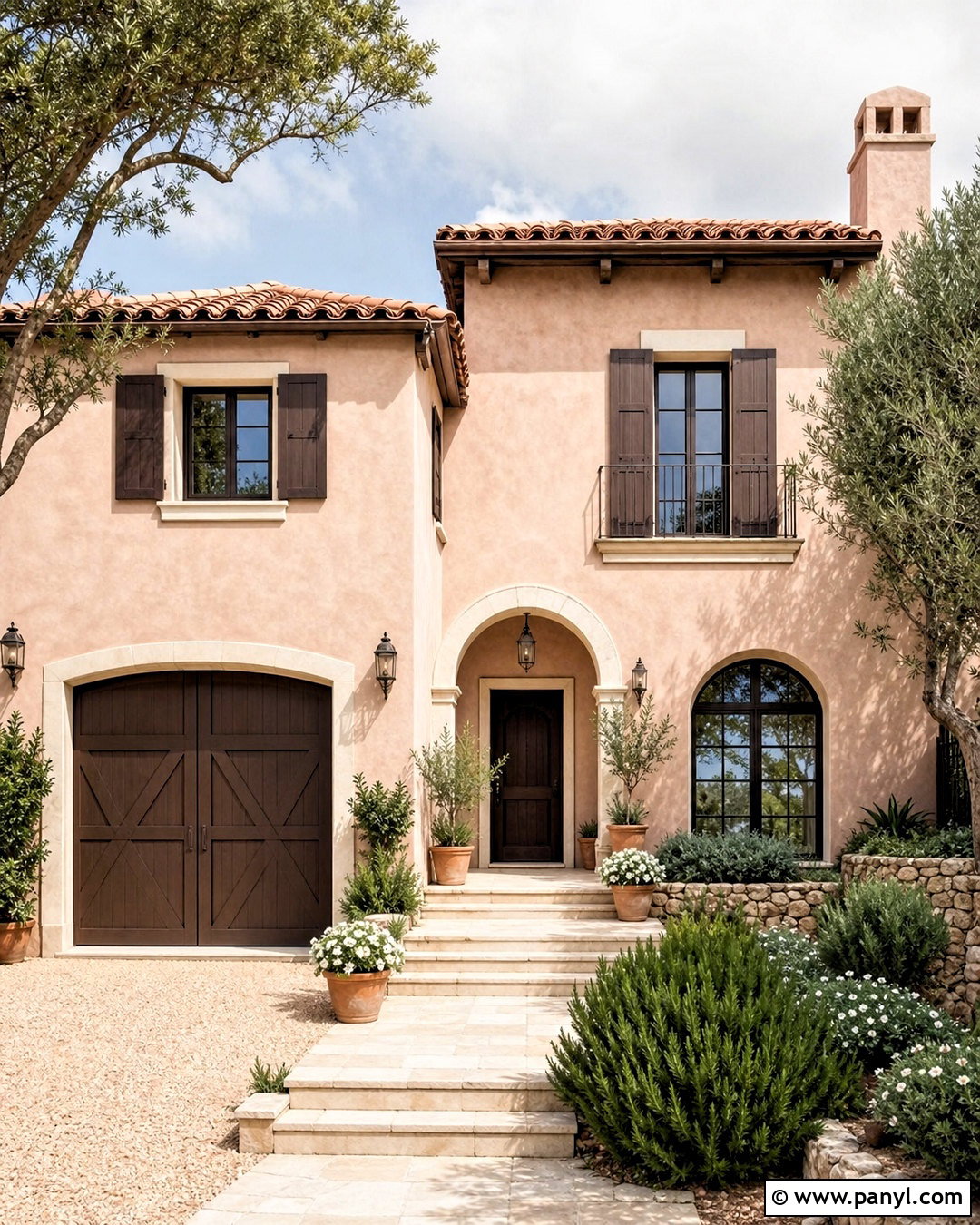
A softly muted blush can create a distinctive house exterior without looking overly playful. Choose a dusty pink-beige with warm clay undertones for stucco or horizontal siding. Pair it with ivory trim and deep chocolate brown on the front door, shutters, and garage door. Terracotta roof tiles, aged bronze lights, and pale limestone steps reinforce the warm palette. This scheme suits Mediterranean homes, coastal cottages, and small historic houses with decorative trim. Surround the facade with silvery green plants, white flowers, rosemary, and natural gravel for a mature finish. By keeping the blush subdued and balancing it with dark brown, the complete exterior feels warm, refined, and more timeless than a brighter pink paint combination.
Conclusion:
The best exterior palette considers the whole property rather than treating siding as an isolated surface. Use these 20 house outdoor paint colors as complete starting points, then adjust their warmth, depth, and contrast to fit your architecture. Existing brick, stone, roofing, windows, and neighboring homes should guide the final decision. Paint large sample areas near the trim and view them during morning, afternoon, and cloudy conditions. Also check local HOA requirements before purchasing materials. Whether you prefer warm white, grounded sage, classic navy, earthy terracotta, or dramatic charcoal, a coordinated body, trim, door, roof, and landscape scheme will produce more polished and lasting curb appeal.

Related Ideas and Inspiration:
Leave a Reply