
Updating brick can transform a dated facade without erasing the character that makes the home special. The best **20 updating brick house exterior ideas** consider the entire curb view, including brick color, siding, trim, roofing, windows, doors, lighting, landscaping, and walkways. Some homes benefit from limewash or masonry paint, while others look better when the original brick remains untouched. The key is identifying the brick’s undertone and building a coordinated palette around it. Warm wood, muted greens, deep charcoal, and creamy neutrals can all create a more polished appearance. Before making permanent changes, test materials in several areas and view them throughout the day. The complete exterior looks below offer practical inspiration through 20 updating brick house exterior ideas.

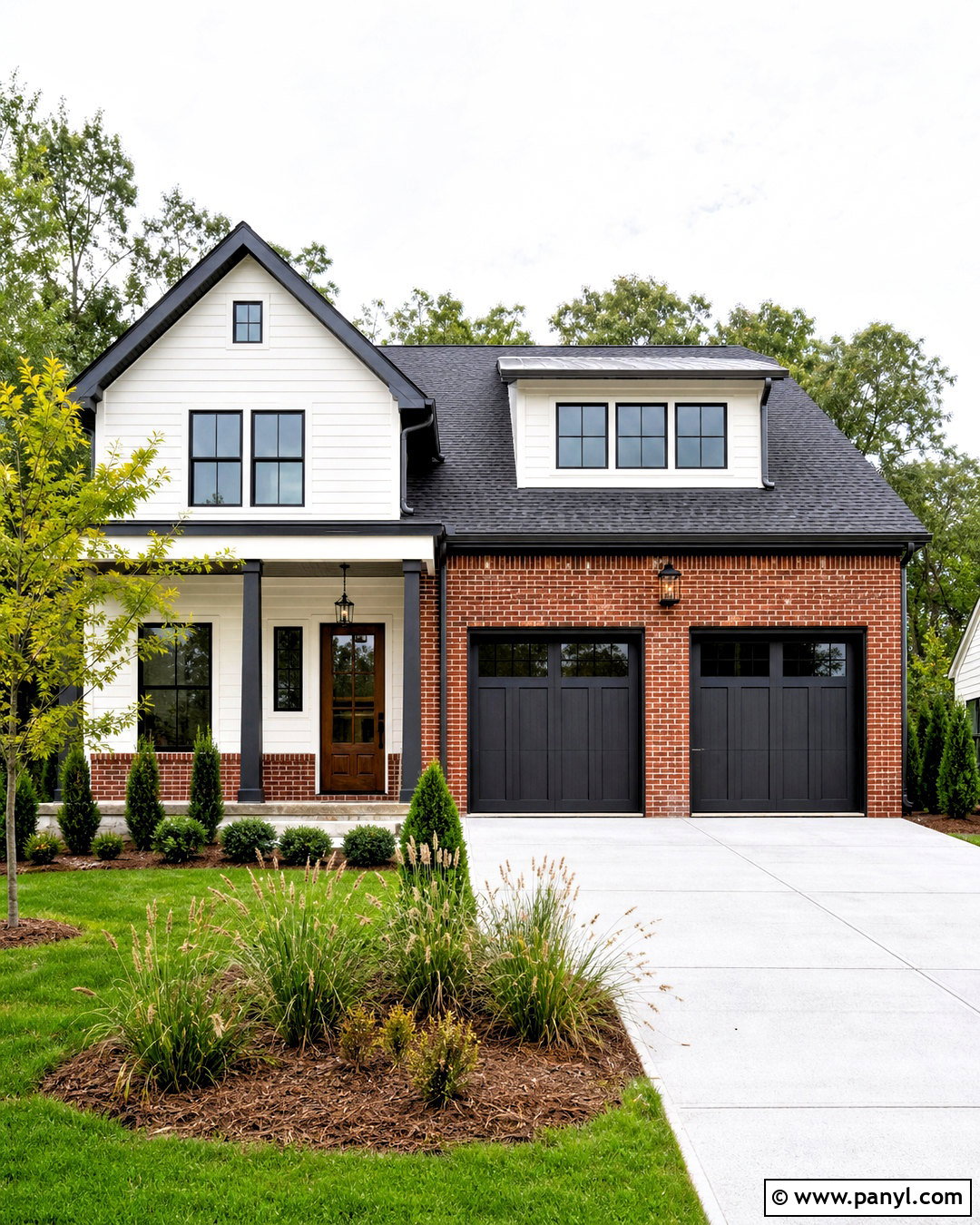
1. Red Brick House With Black Trim
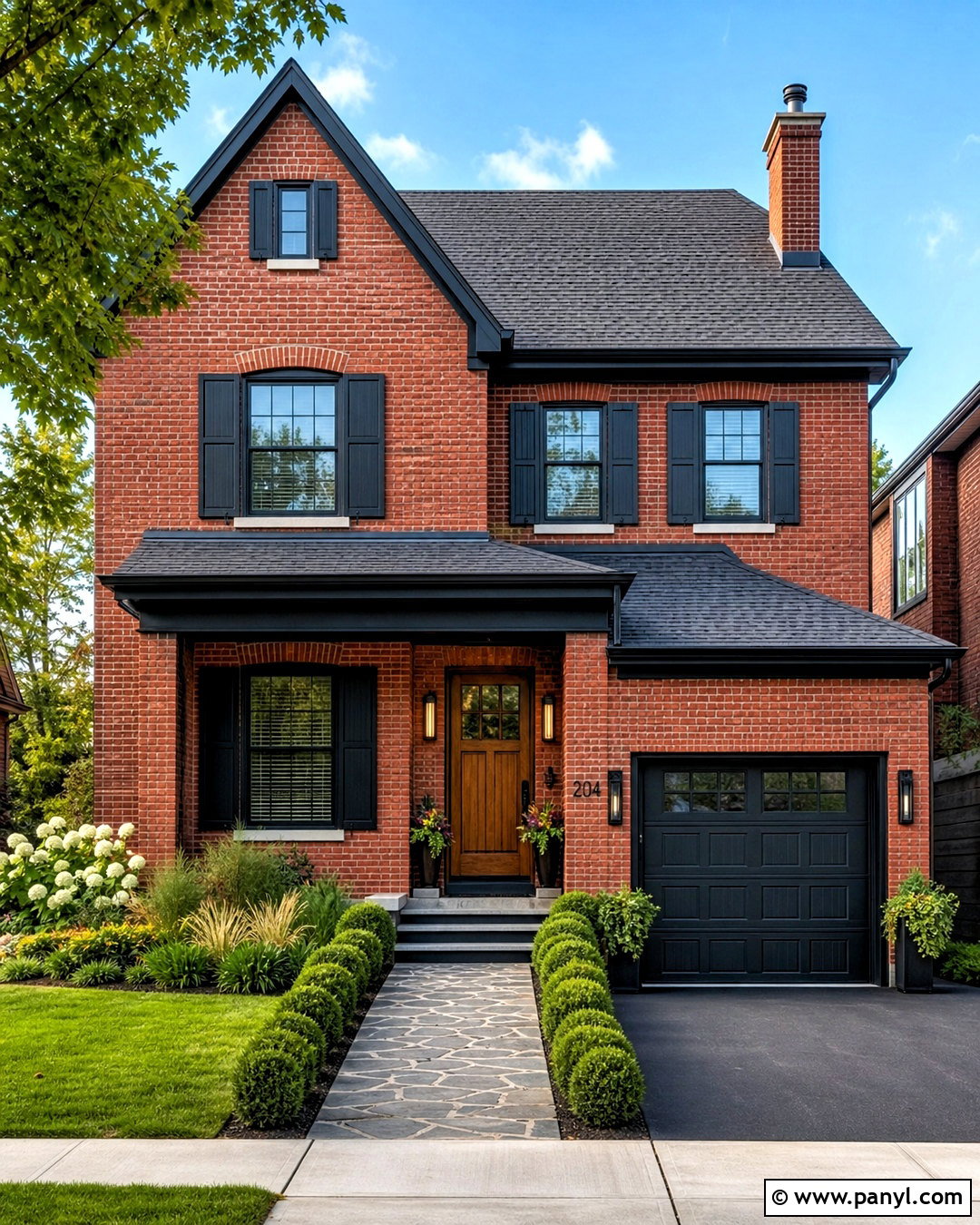
Keep classic red brick as the foundation, then sharpen the exterior with matte black trim, gutters, and window frames. This high-contrast palette works especially well when the roof is charcoal rather than warm brown. Replace undersized shutters with properly proportioned black shutters, or remove decorative shutters from windows where they look cramped. A natural stained oak front door keeps the black details from feeling too severe. Choose simple black lanterns, modern house numbers, and a garage door painted to match the trim. Complete the curb appeal with a straight stone walkway, clipped evergreen shrubs, and ornamental grasses. The finished brick house feels updated and intentional while preserving the warmth and texture of its original masonry.
2. Cream Limewash Brick House
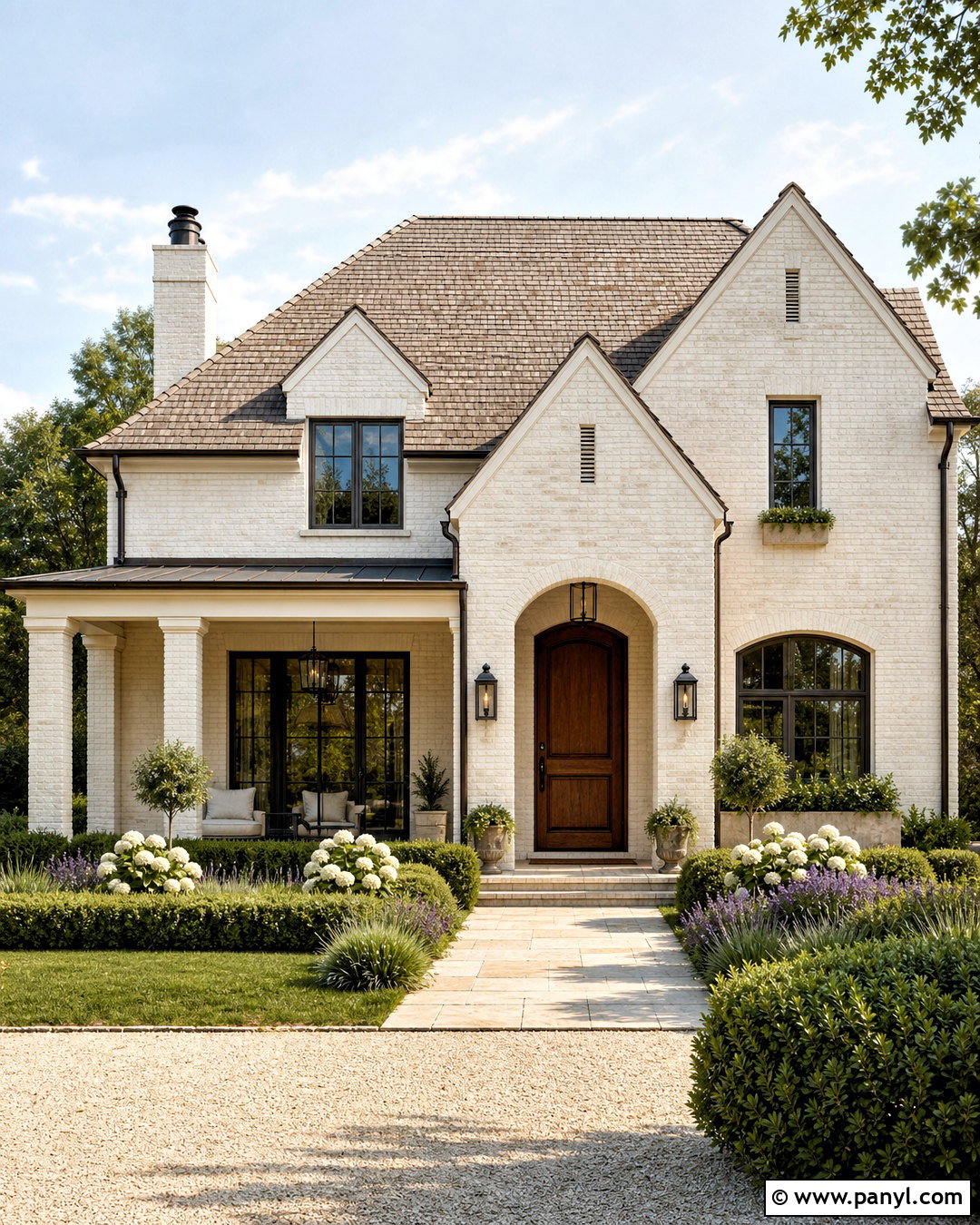
A warm cream limewash can soften strong red, orange, or brown brick without producing a flat, perfectly uniform surface. Use moderate coverage so small areas of the original color remain visible and give the facade depth. Pair the creamy brick with warm white trim, bronze gutters, and a medium-brown architectural shingle roof. A stained walnut front door and matching porch ceiling introduce natural warmth. Choose dark bronze lanterns rather than stark black fixtures for a gentler contrast. Surround the house with curved planting beds filled with boxwood, white hydrangeas, lavender, and low grasses. A light limestone walkway connects the palette. This complete exterior feels relaxed, bright, and established instead of overly white or freshly painted.
3. White Painted Brick House
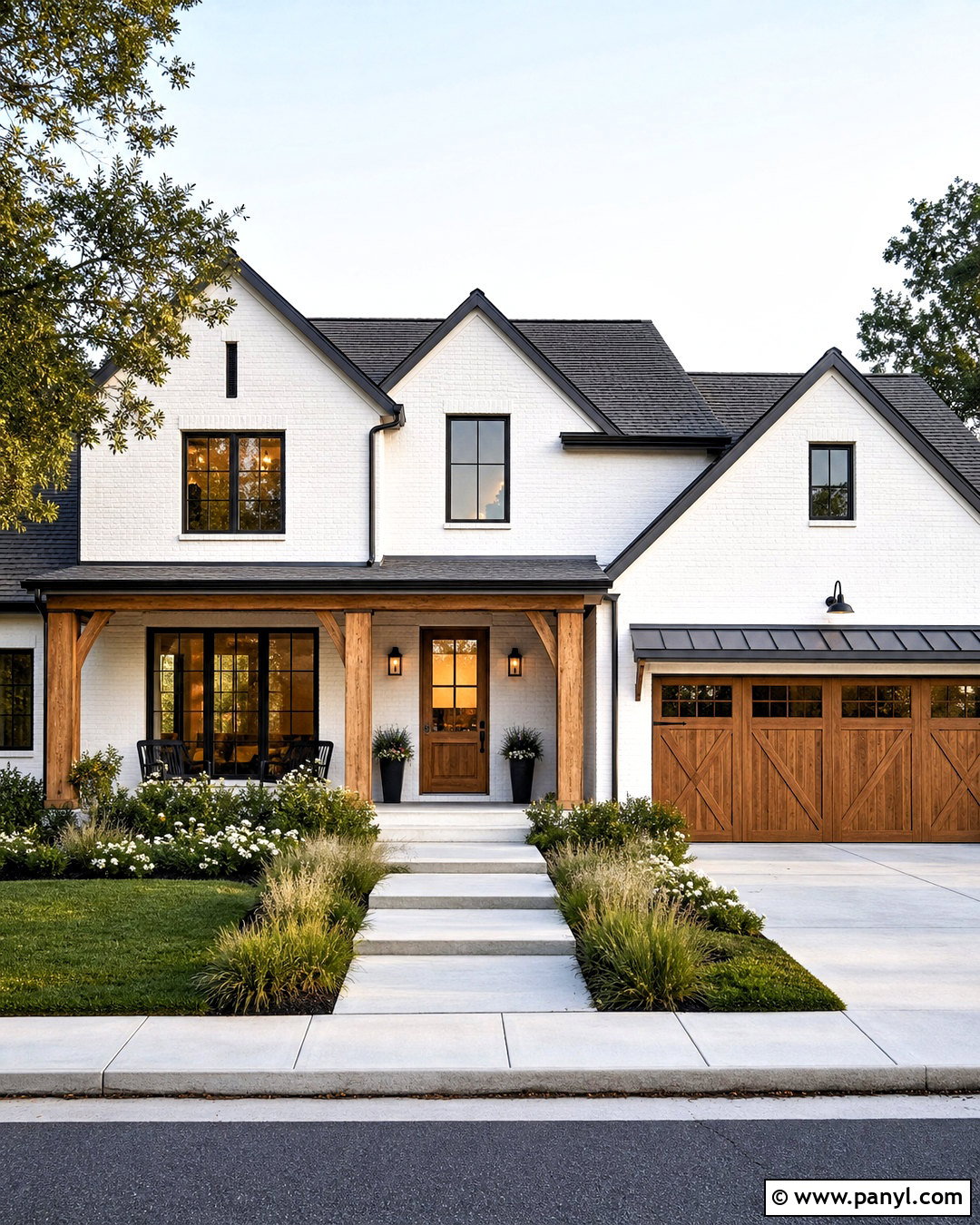
For a crisp transformation, coat the brick in a warm white masonry finish rather than a cold, blue-toned white. Continue the same color across repaired brick sections and unattractive masonry details to create a unified facade. Add soft black window frames, charcoal gutters, and a dark roof for definition. A medium-tone cedar door, matching porch posts, and natural wood garage doors prevent the exterior from looking colorless. Keep exterior lights simple and substantial, using black rectangular sconces near the entrance and garage. Layer the landscaping with green shrubs, airy grasses, and white flowering plants. Before painting, have the masonry condition evaluated and select a compatible exterior coating. The final house looks fresh, balanced, and welcoming from the street.
4. German Smear Brick House
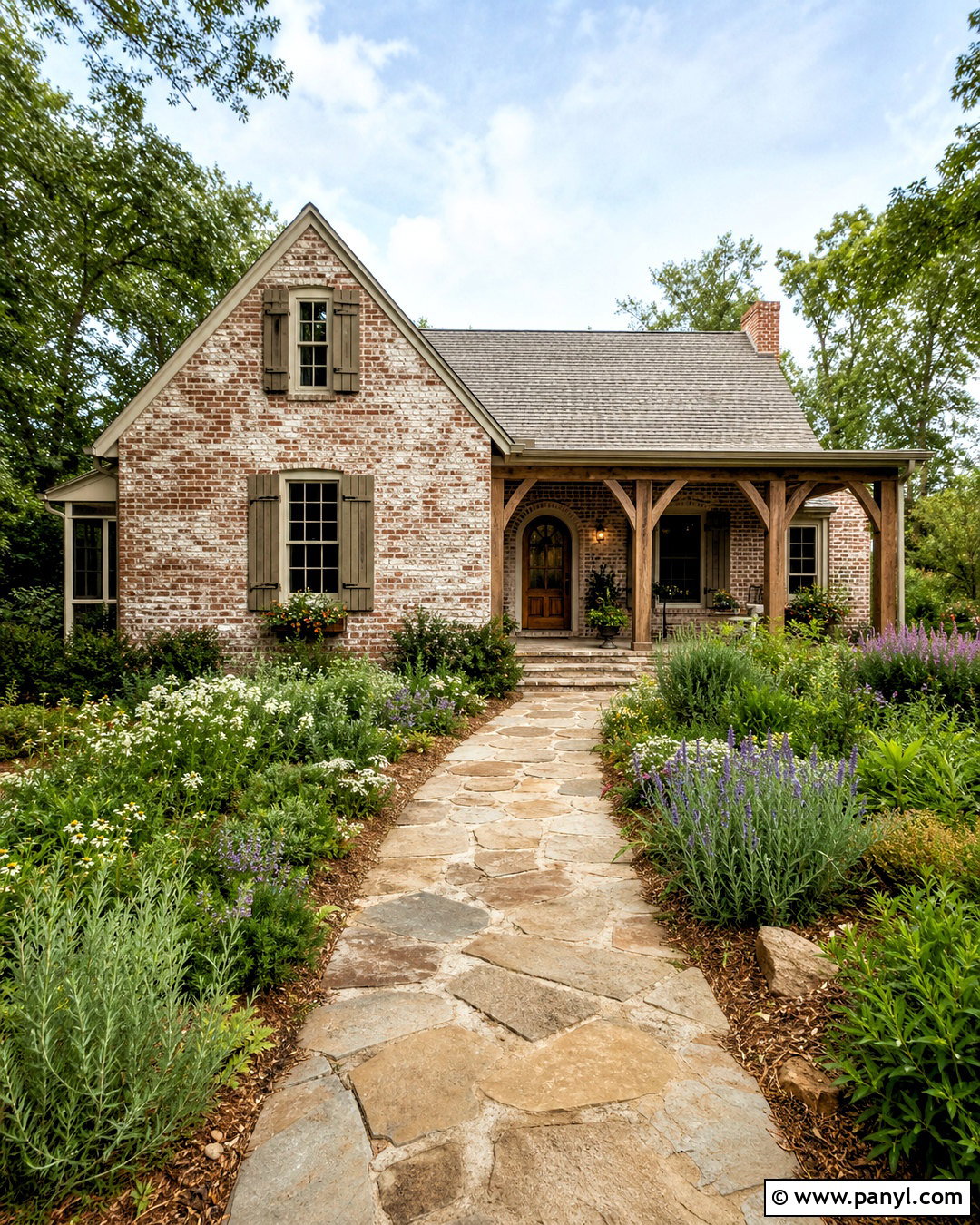
German smear creates a rustic brick exterior with visible masonry color beneath an irregular layer of pale mortar. Use heavier coverage around the joints and lighter coverage across the brick faces for a naturally aged result. Coordinate the treatment with creamy trim, a weathered gray roof, and warm taupe shutters. A rounded wood front door, aged brass hardware, and traditional lanterns strengthen the cottage character. If the home has a porch, use thick stained timber posts and a flagstone floor. Complete the property with an informal walkway, flowering shrubs, herbs, and soft ornamental grasses. The varied brick finish should remain the main attraction, so avoid too many competing colors. This approach gives an ordinary brick house a layered, welcoming Old World appearance.
5. Greige Painted Brick House
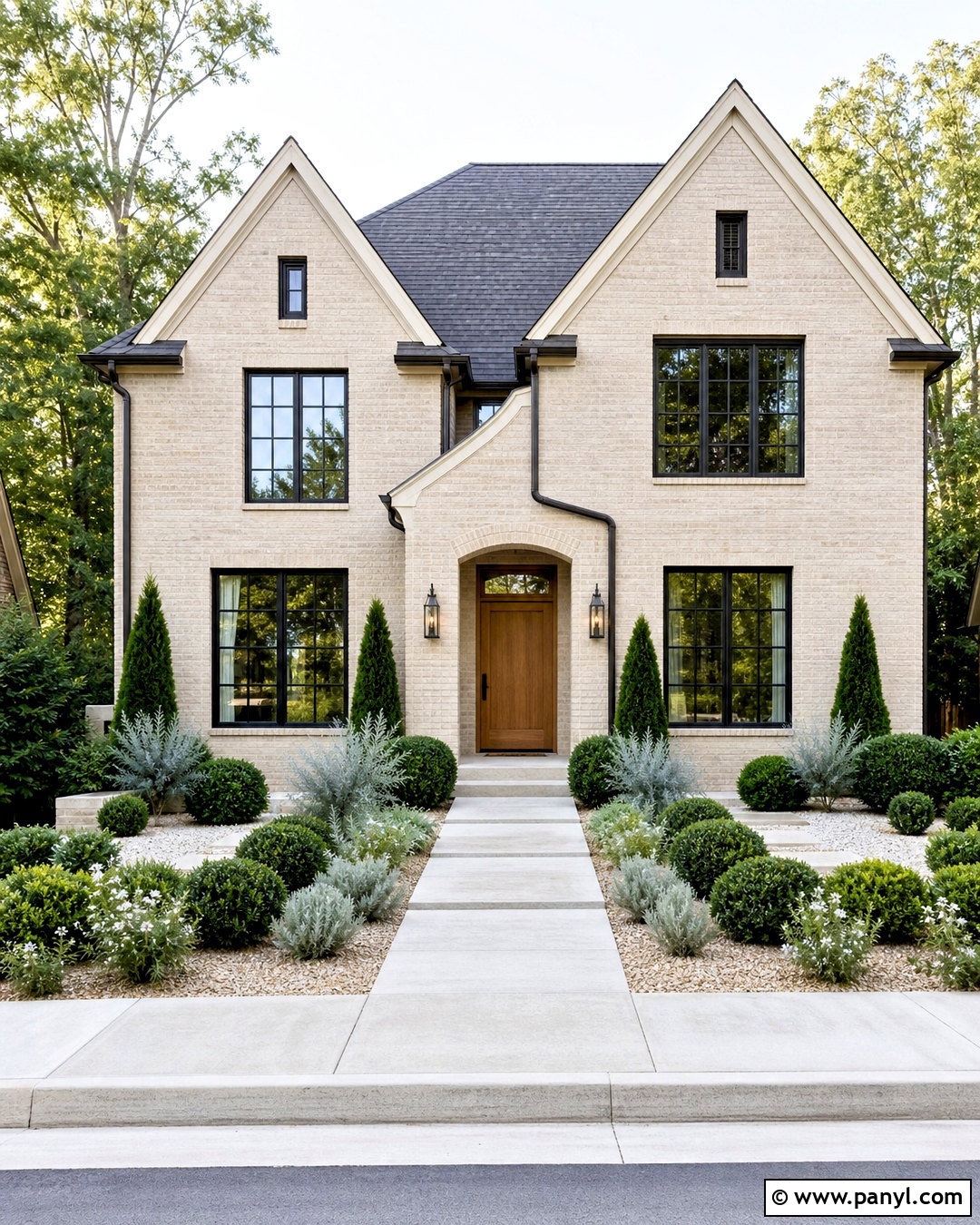
Soft greige gives painted brick a modern neutral finish while retaining more warmth than plain gray. Select a greige that relates to the roof, stonework, and other permanent materials instead of choosing it separately. Paint the brick body greige, then use a slightly lighter warm neutral on the trim and soffits. Deep bronze windows, gutters, and exterior sconces provide clear definition without creating harsh contrast. Add a natural oak front door and a simple wood porch bench to bring warmth into the scheme. For landscaping, combine structured evergreens with silvery green plants and pale gravel accents. A wide concrete walkway with clean edges reinforces the updated appearance. The complete palette works beautifully on ranch, split-level, and traditional brick homes.
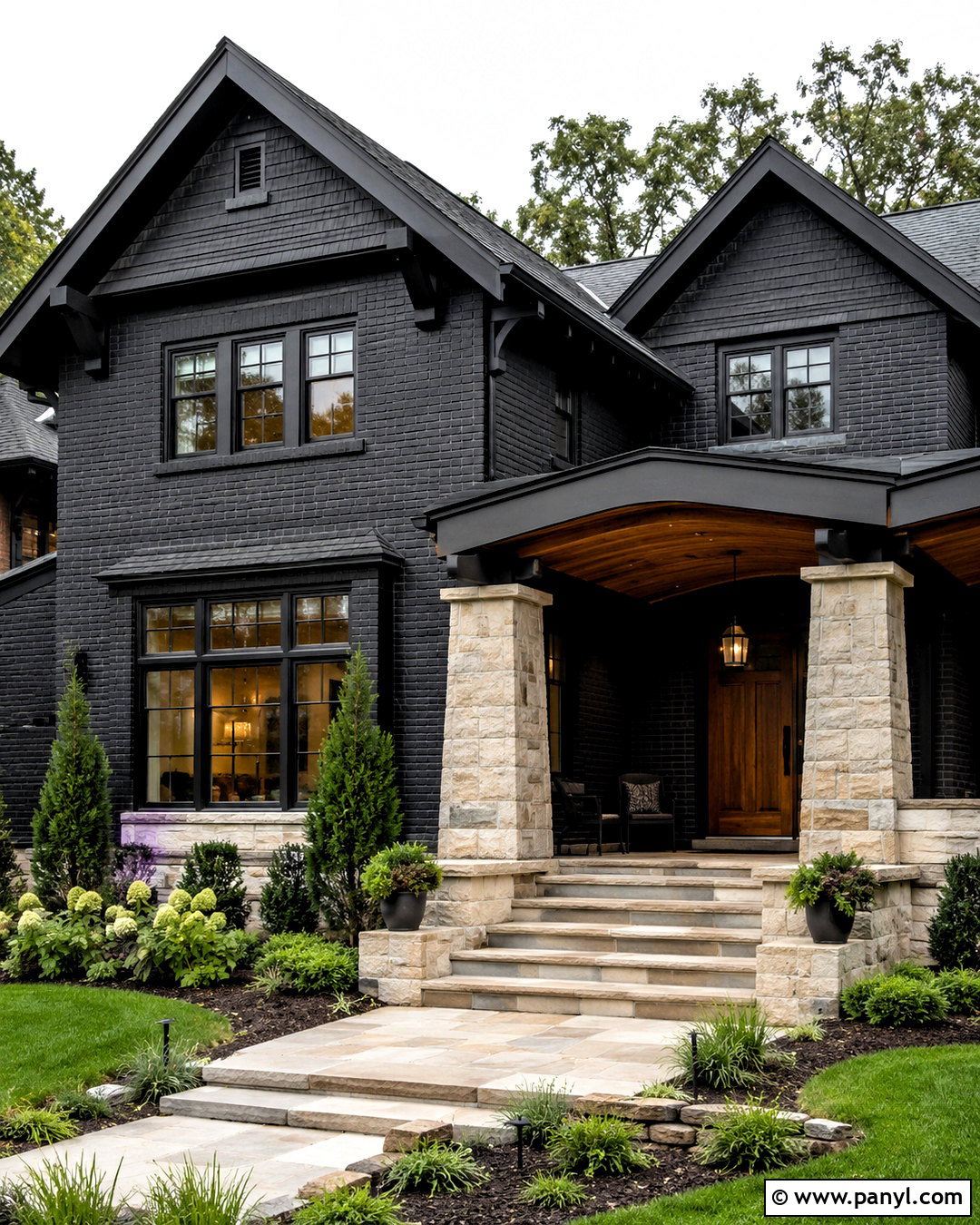
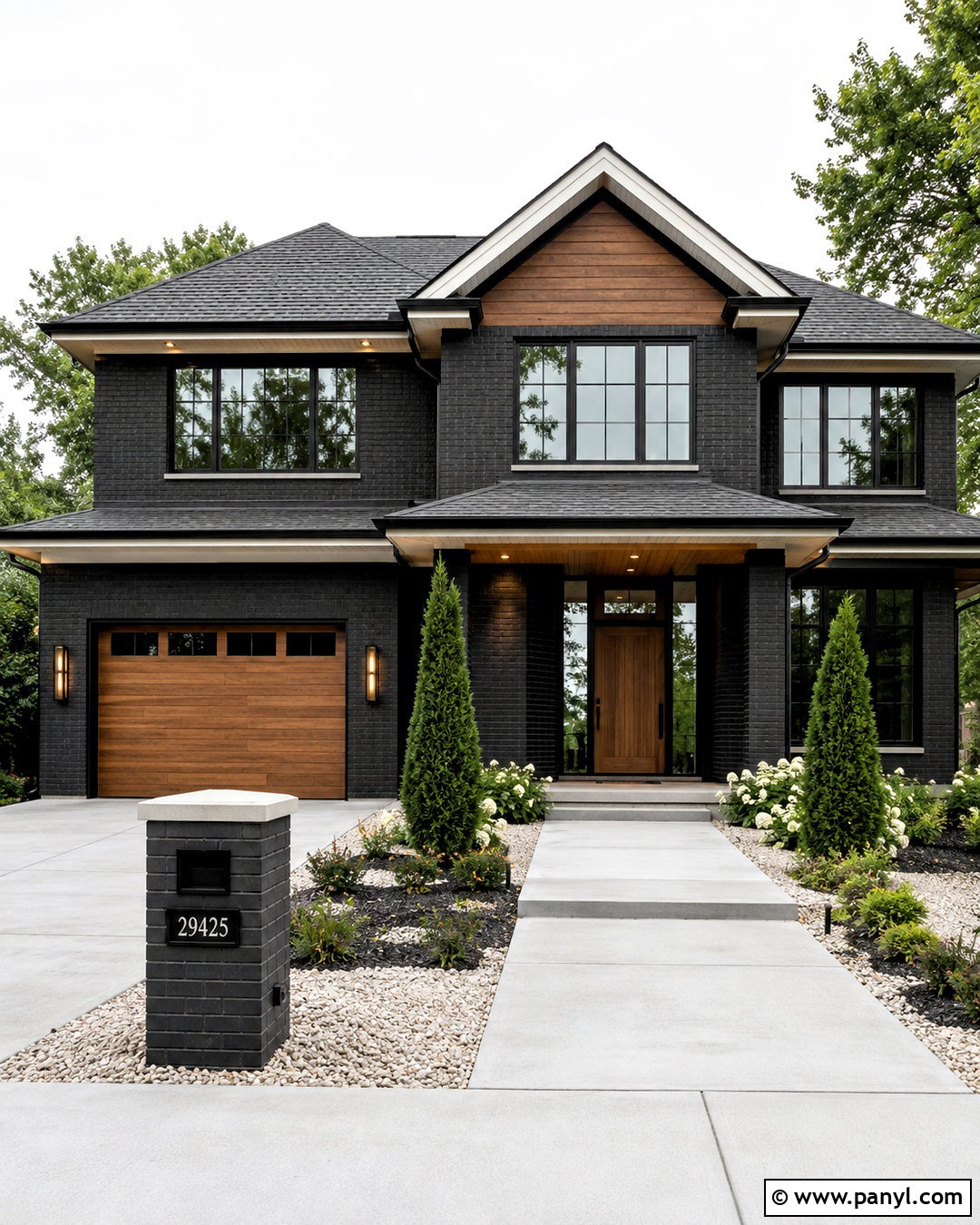
6. Charcoal Painted Brick House
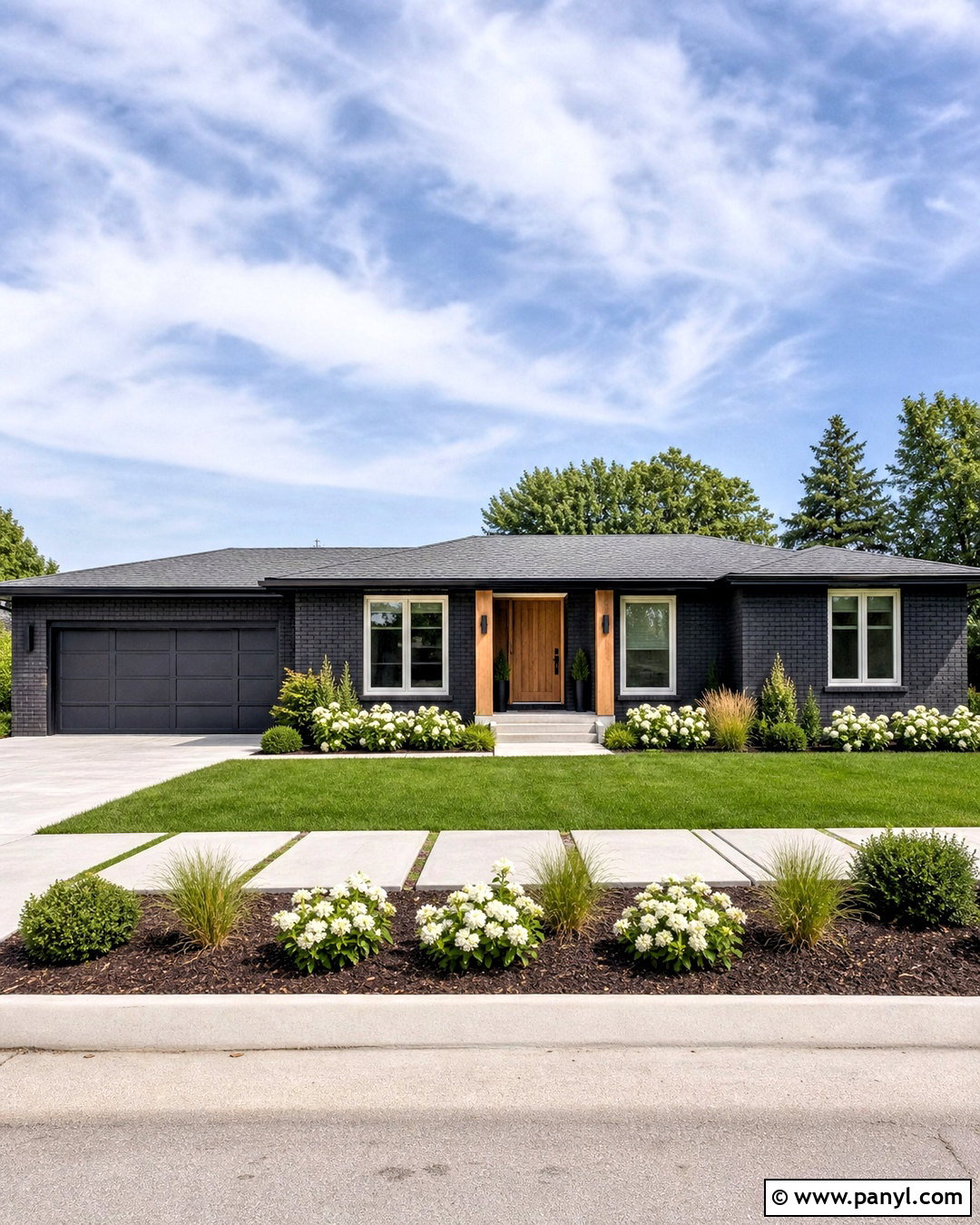
Dark charcoal brick can make a simple home feel striking when the surrounding materials are carefully balanced. Paint the brick a deep charcoal with a soft neutral undertone, then repeat the shade on the gutters and garage door. Use warm white around the windows and beneath the roofline to keep the facade from appearing heavy. A light cedar front door, cedar porch posts, and matching horizontal fencing introduce contrast and texture. Choose a medium gray roof instead of pure black so the roofline remains visible. Brighten the yard with pale concrete, white flowers, feathery grasses, and fresh green shrubs. This full exterior scheme is especially effective on brick ranch homes with straightforward architecture and large windows that can support a bold facade.
7. Red Brick House With Sage Green Siding
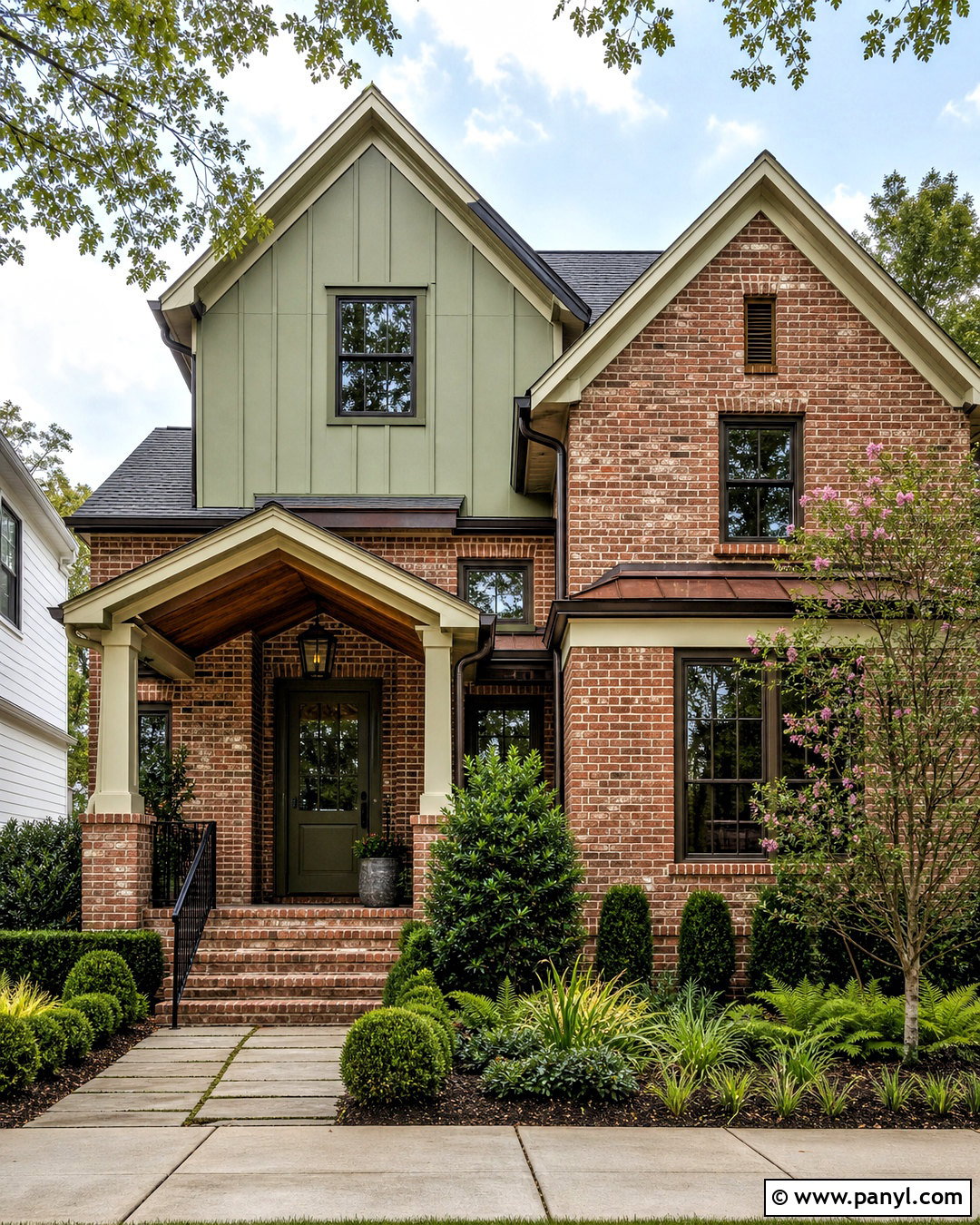
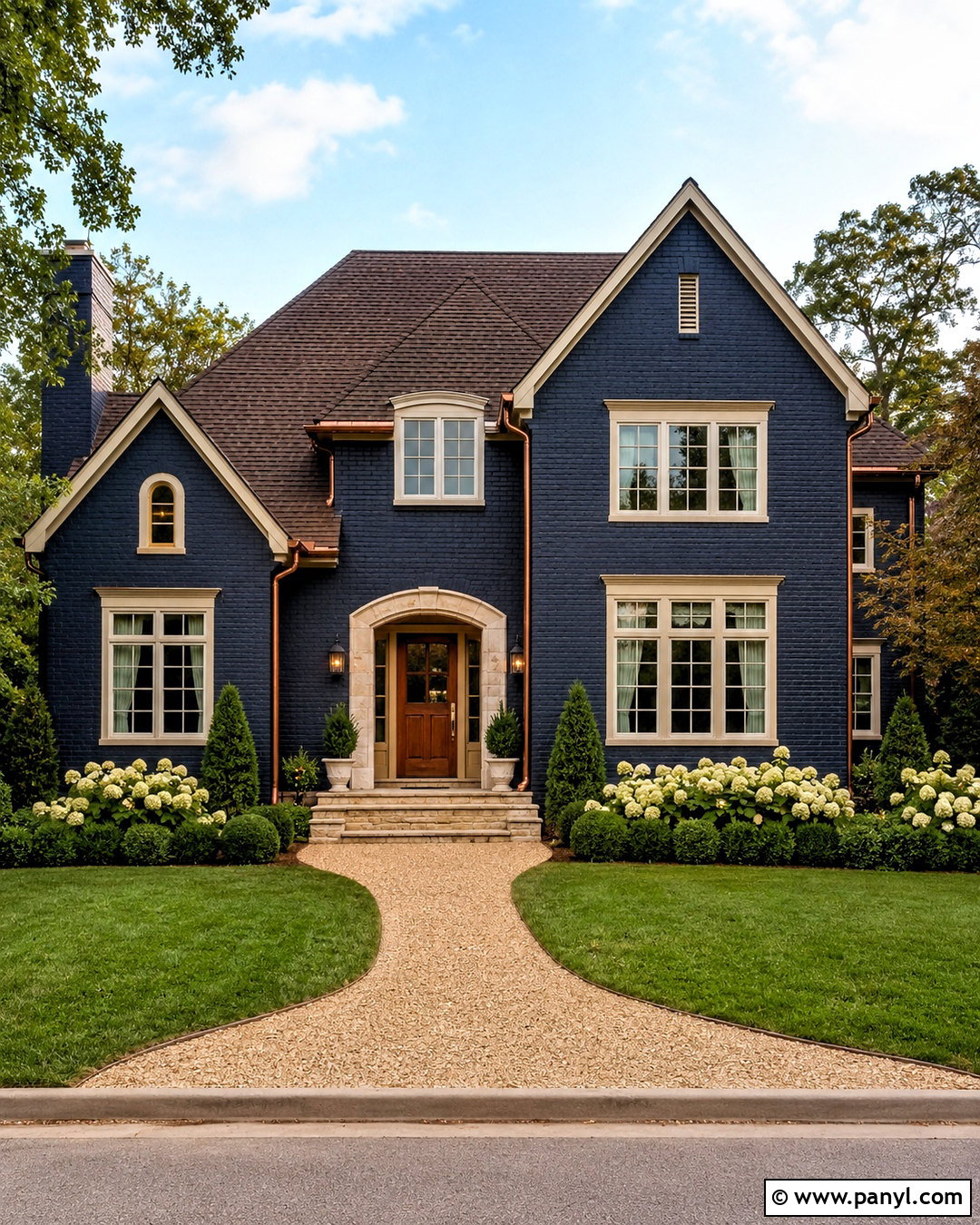
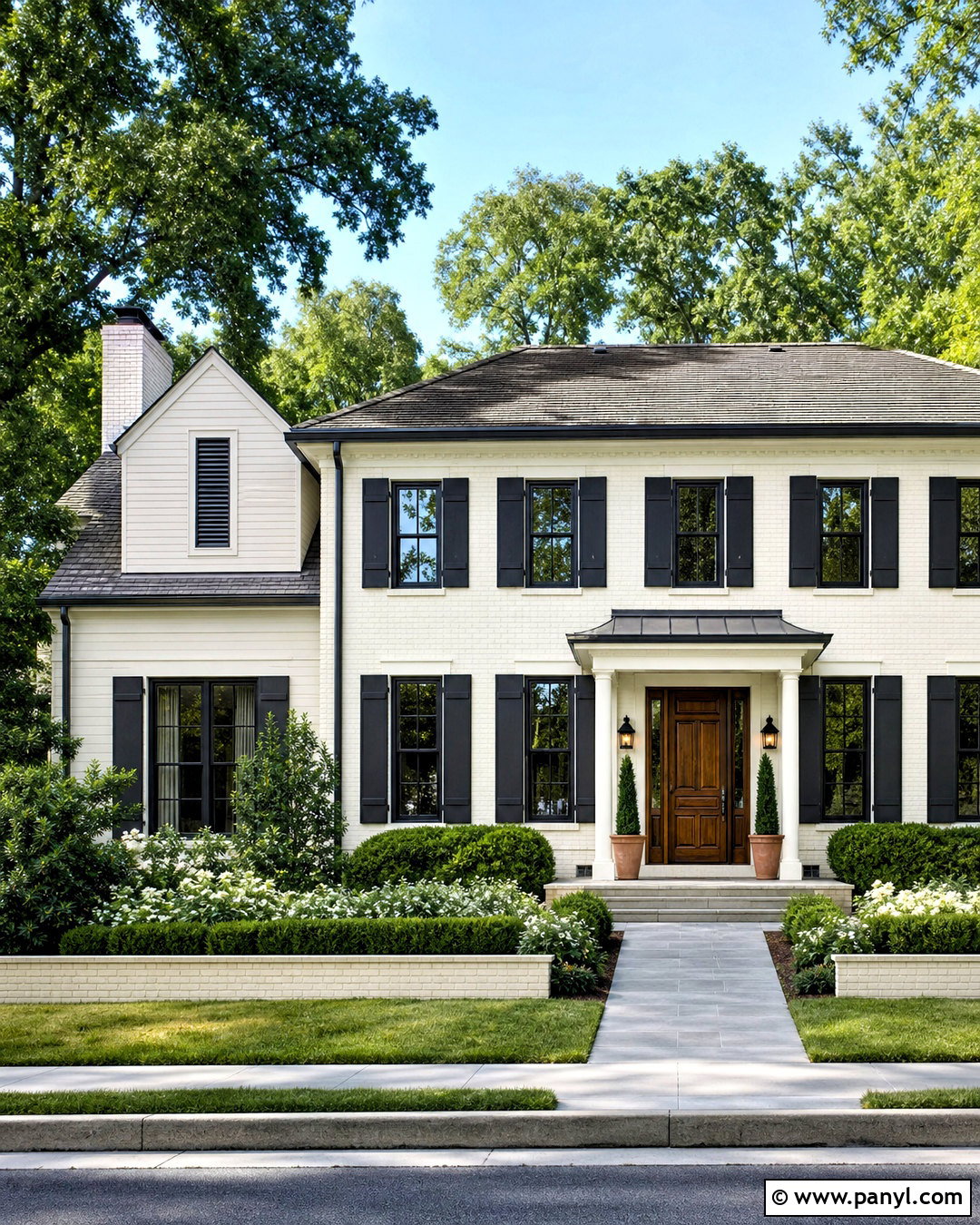
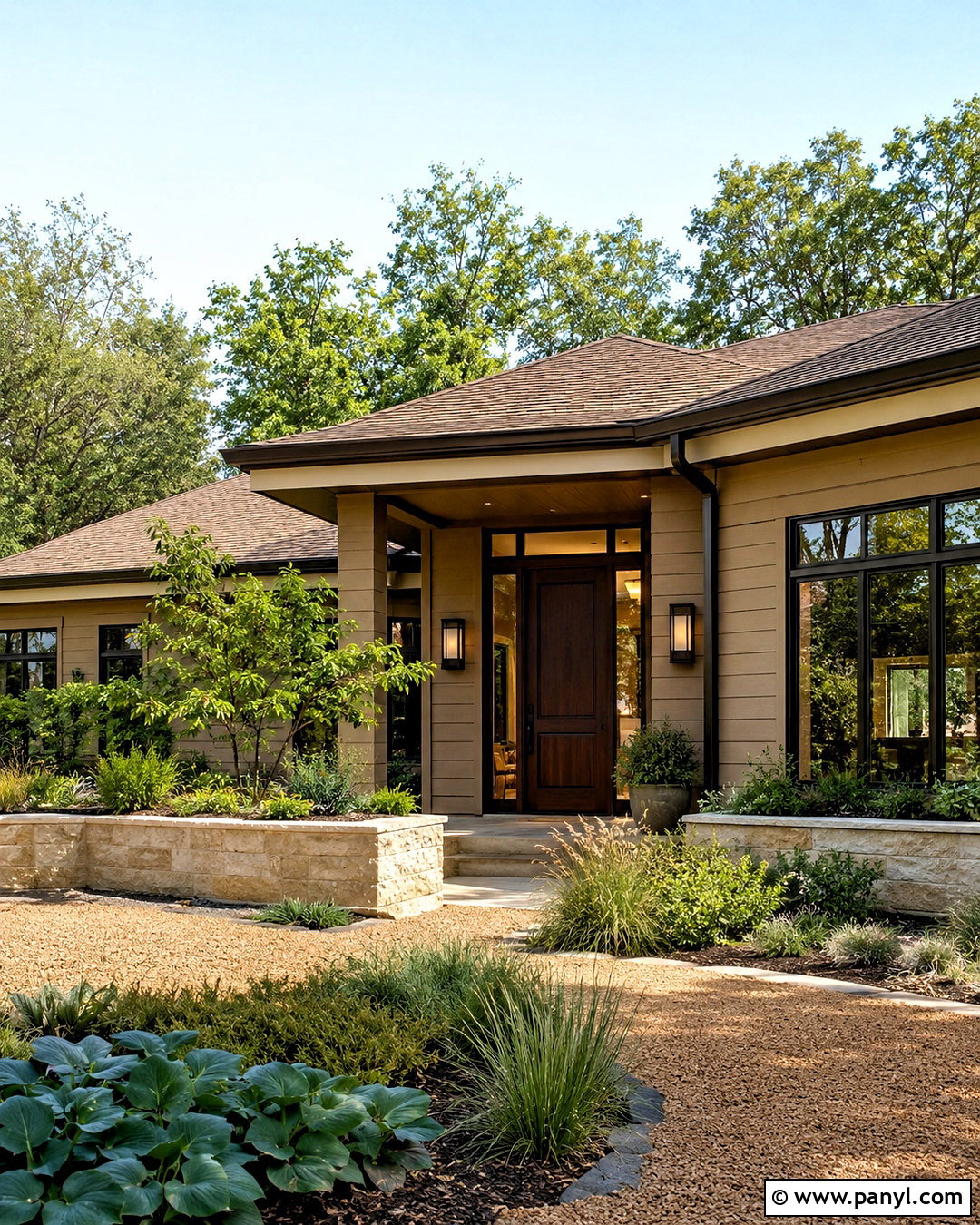
Warm red brick pairs naturally with muted sage green siding because both colors connect easily to an outdoor setting. Keep the lower brick untouched and use sage lap siding or board-and-batten panels across upper stories and gables. Paint the trim a soft cream that relates to the brick mortar rather than choosing bright white. A deep olive front door, bronze window frames, and dark brown gutters create subtle definition. Use stained wood under the porch roof or around the entry to add another warm layer. Continue the green palette in the landscape with boxwood, ferns, ornamental grasses, and small flowering trees. The entire exterior feels collected and calm, while the original brick becomes a deliberate part of the color scheme.
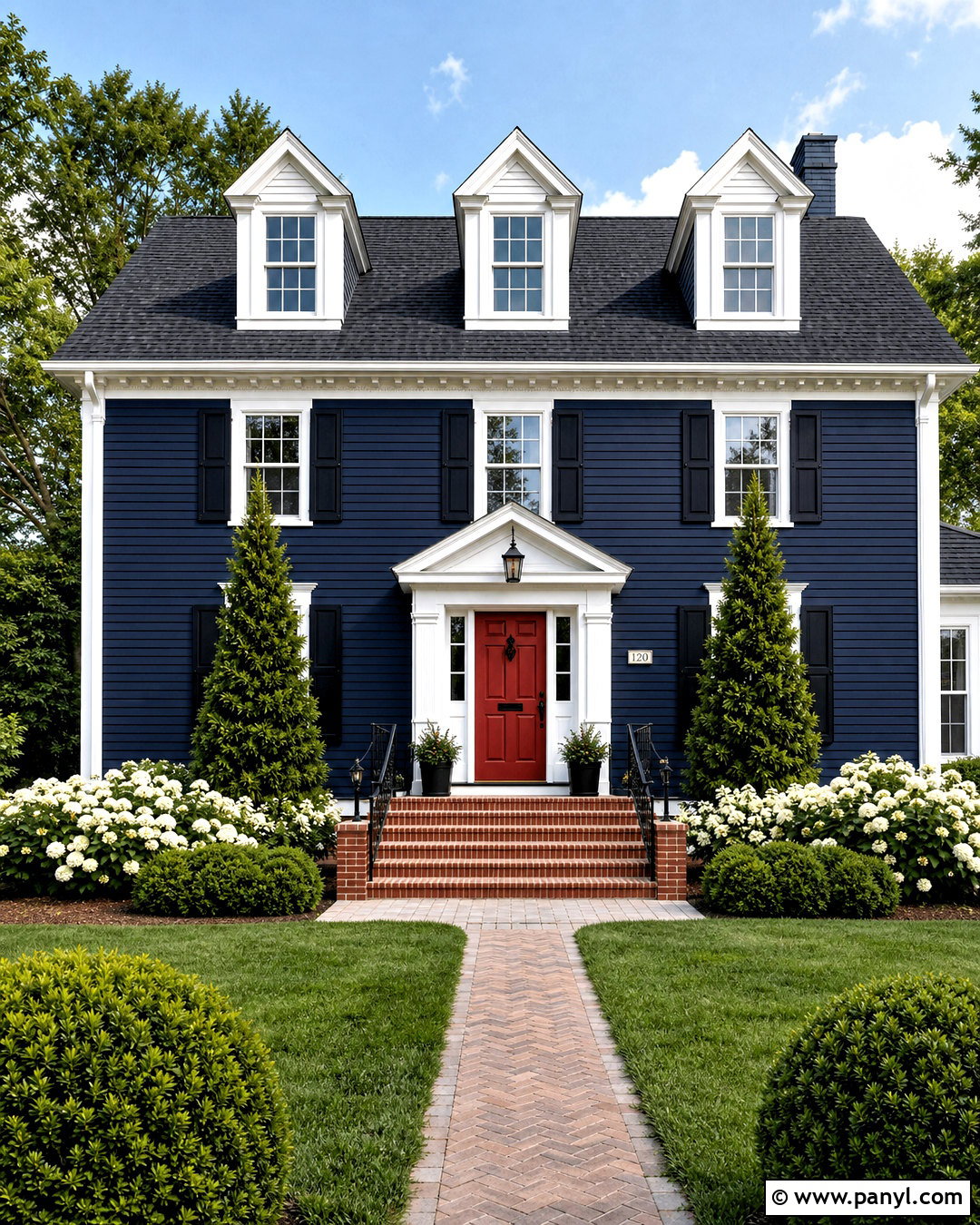
8. Red Brick House With Navy Siding
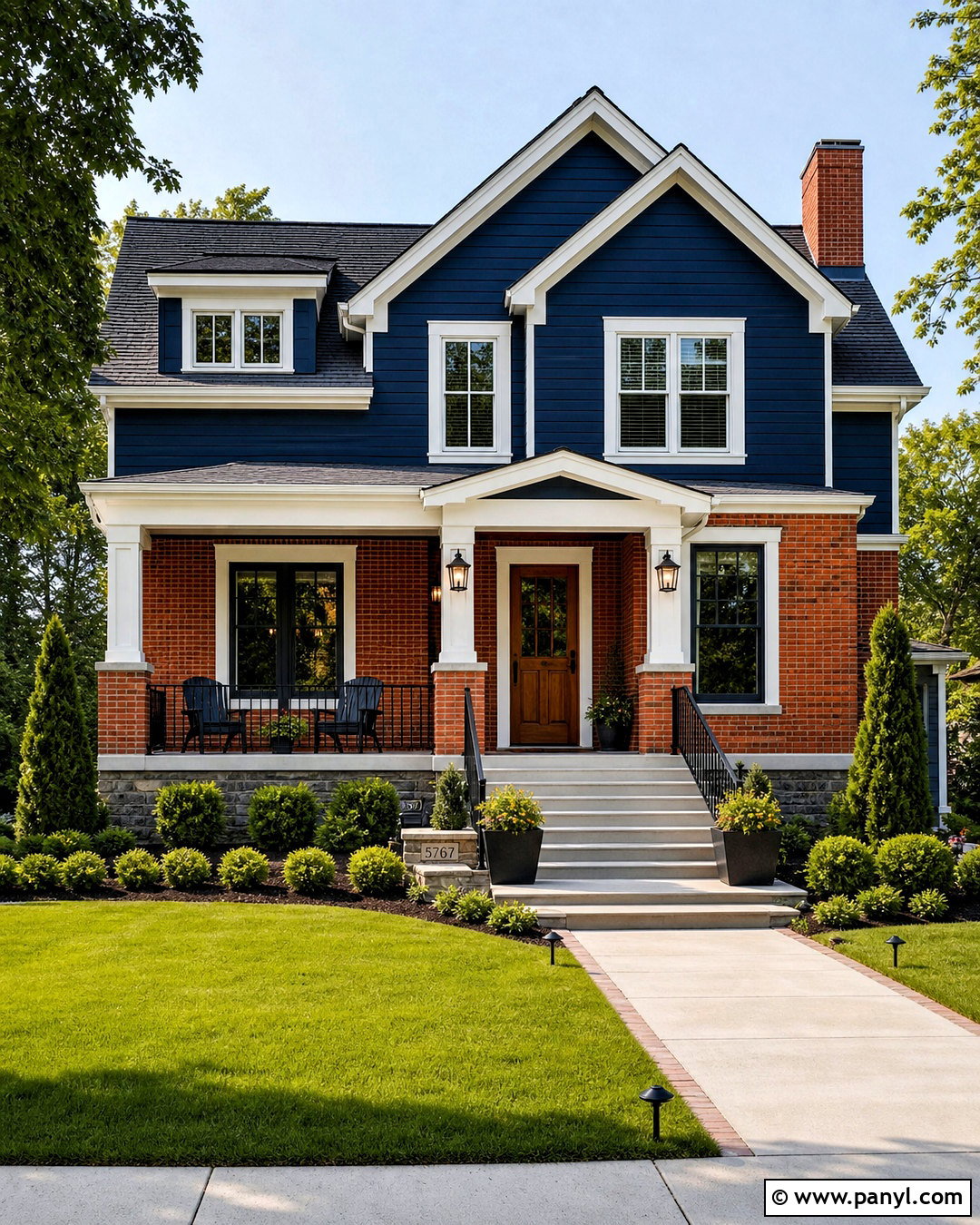
Navy siding can give orange-red brick a cleaner, more tailored appearance without covering the masonry. Use a slightly softened navy instead of an extremely bright blue, and place it on upper siding, dormers, or large gables. Connect the two materials with creamy white trim and mortar-inspired fascia. Paint the front door a rich medium wood tone, then use dark bronze or black for the lights, gutters, and railings. A charcoal roof provides a neutral cap and keeps the navy from competing with brown shingles. Add broad porch steps, symmetrical planters, and structured green landscaping for an orderly curb view. The resulting brick exterior feels current but still suits a traditional Colonial, split-level, or two-story suburban home.
9. Brown Brick House With Warm White Siding
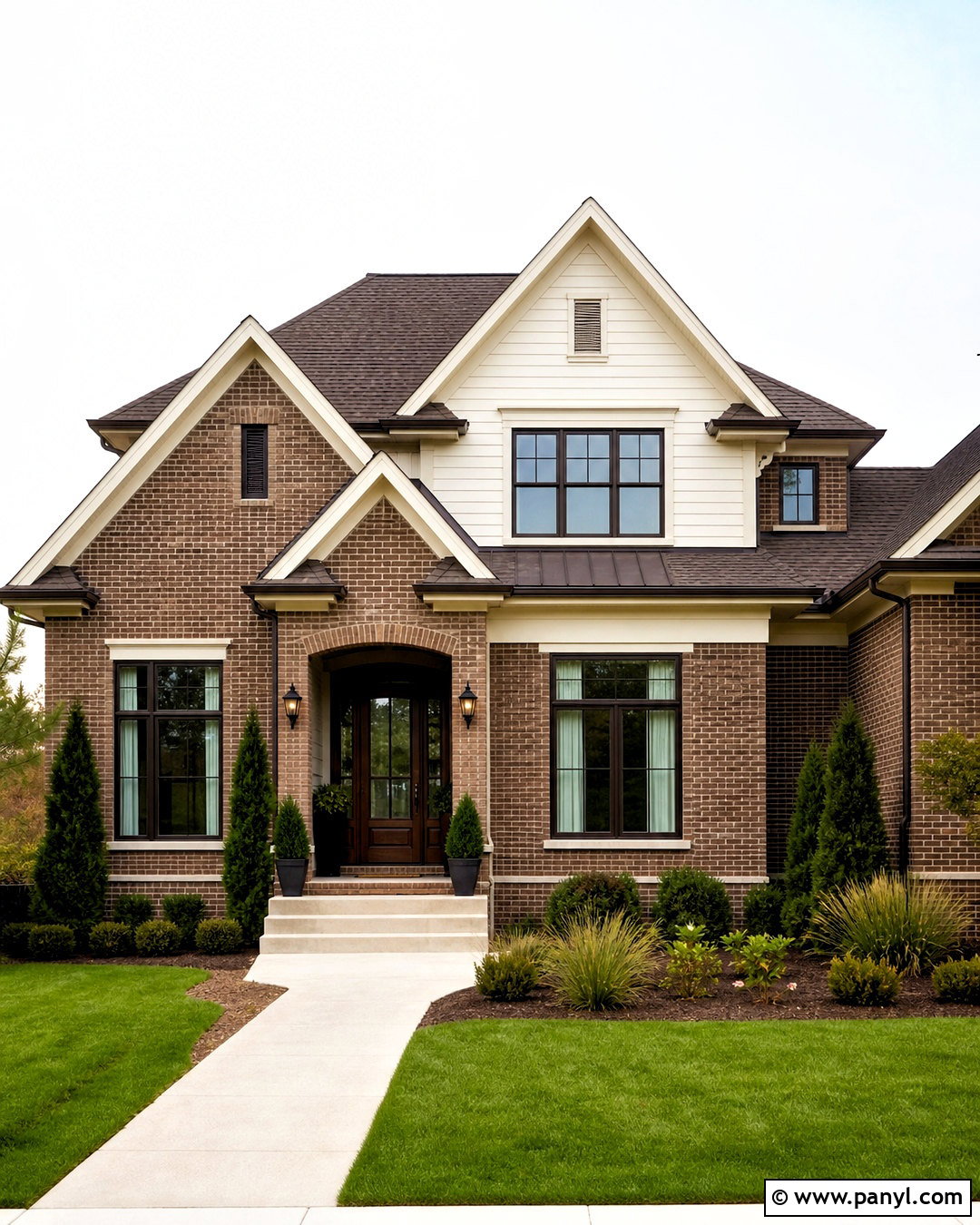
Brown brick often looks dated when it is surrounded by yellow-beige siding and faded brown trim. Refresh the entire facade by pairing the masonry with warm white siding that has a creamy or taupe undertone. Use the same warm white on soffits and window trim for visual continuity. Choose a deep espresso front door, bronze gutters, and dark bronze lanterns to echo the deepest tones in the brick. A medium charcoal-brown roof bridges the light and dark surfaces. Replace red mulch with natural brown mulch or pale stone, then add evergreen shrubs and soft green grasses. Light concrete porch steps and a wider walkway brighten the foreground. This coordinated palette makes existing brown brick feel richer, cleaner, and more intentional.
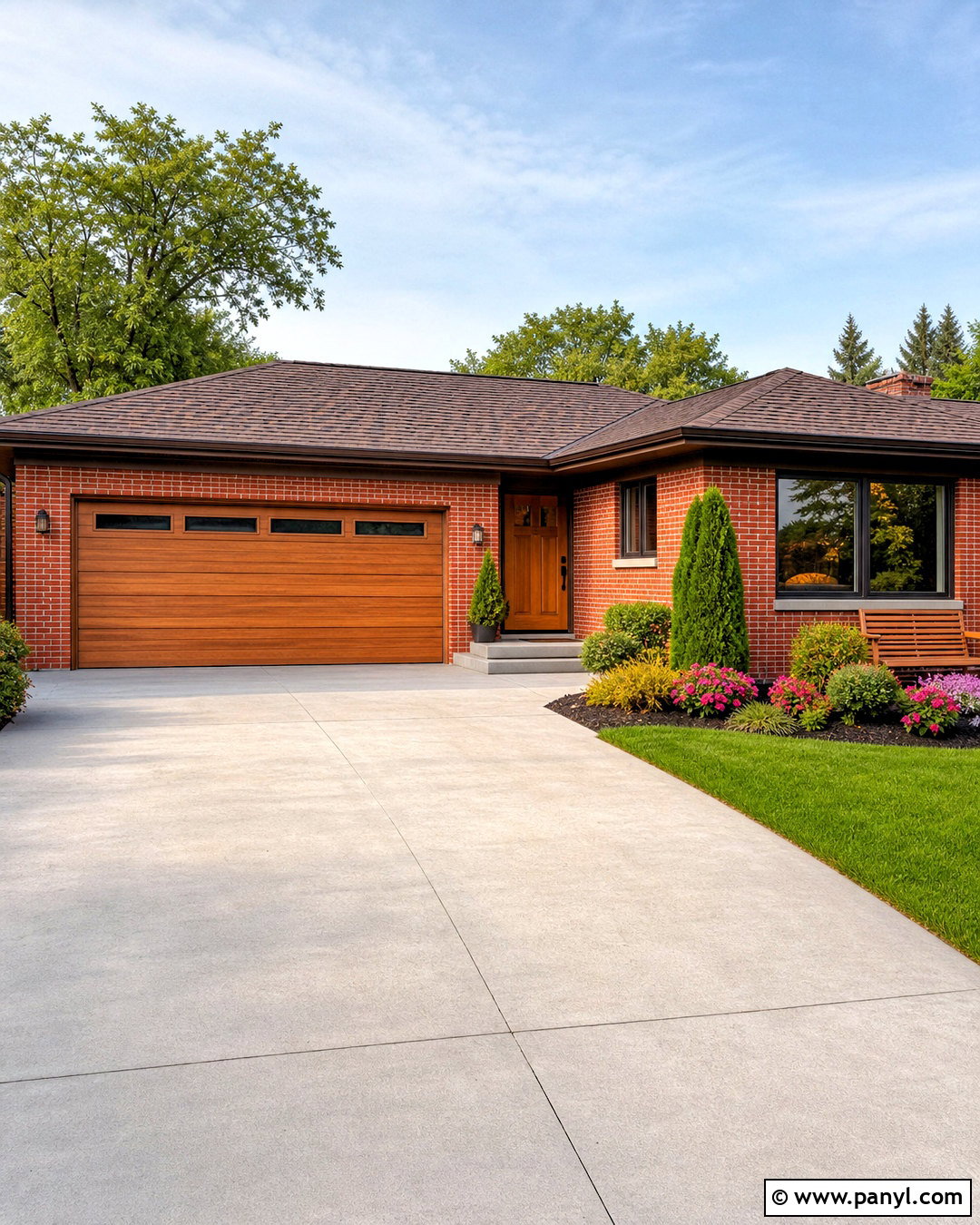
10. Brick Ranch House With Cedar Accents
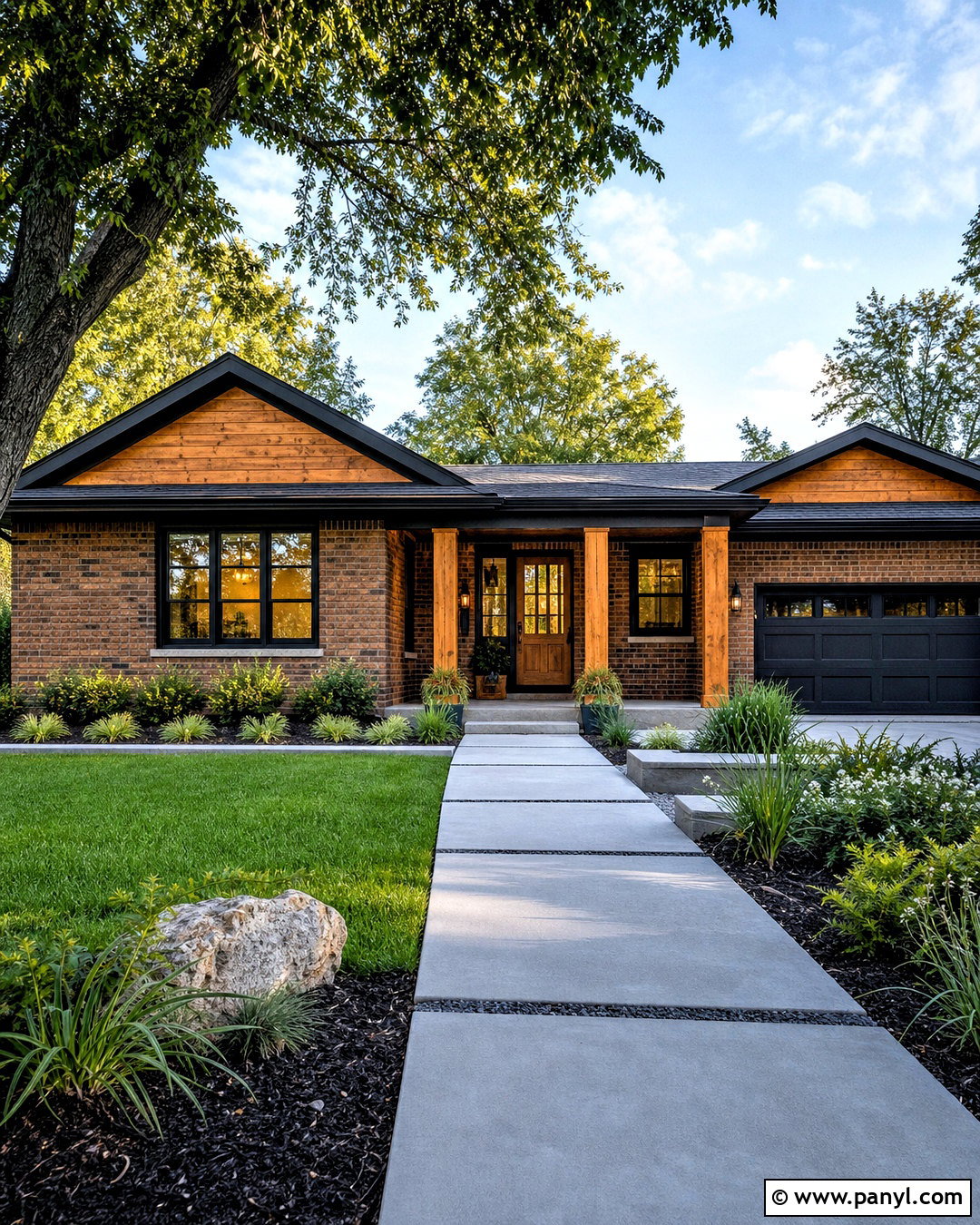
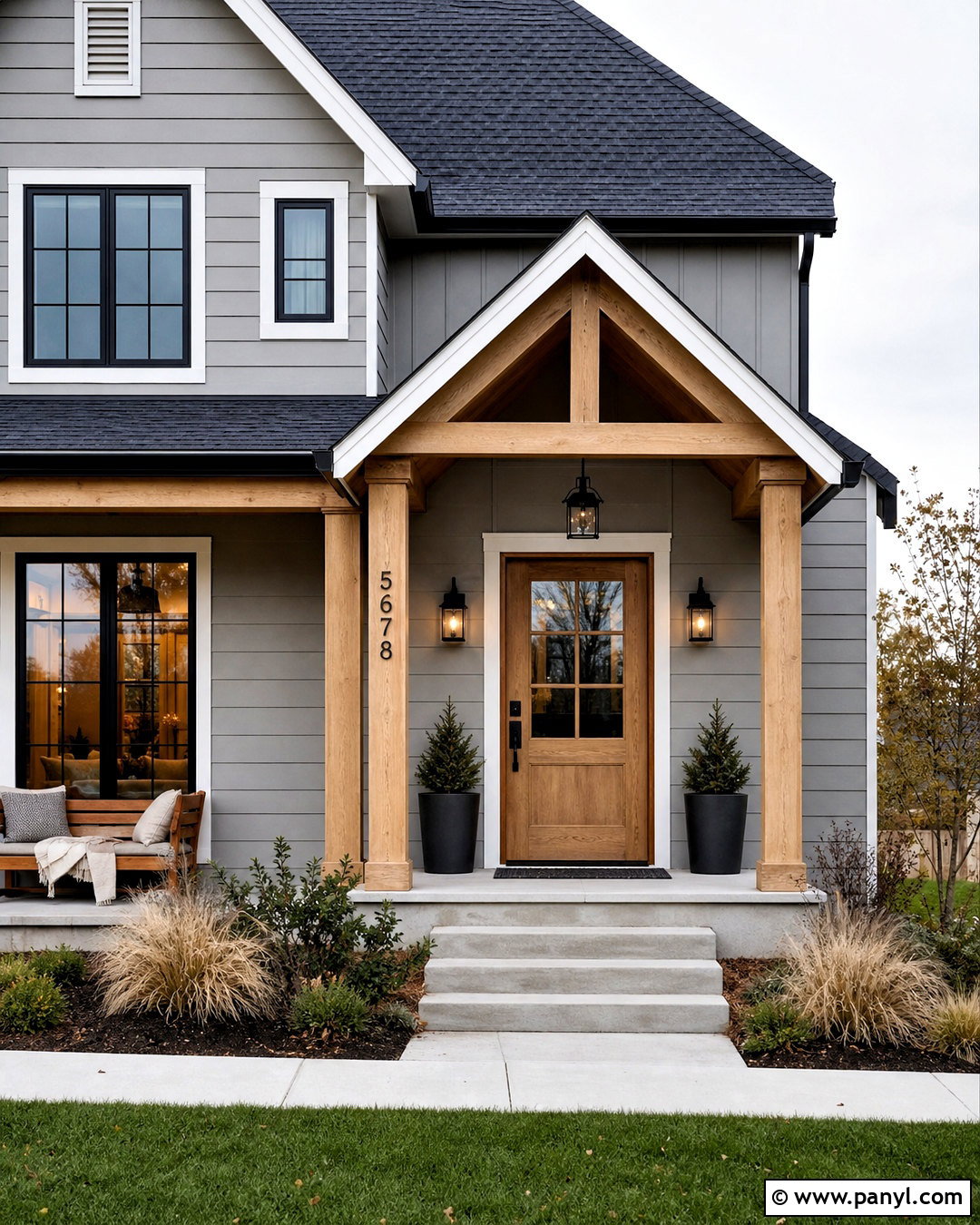
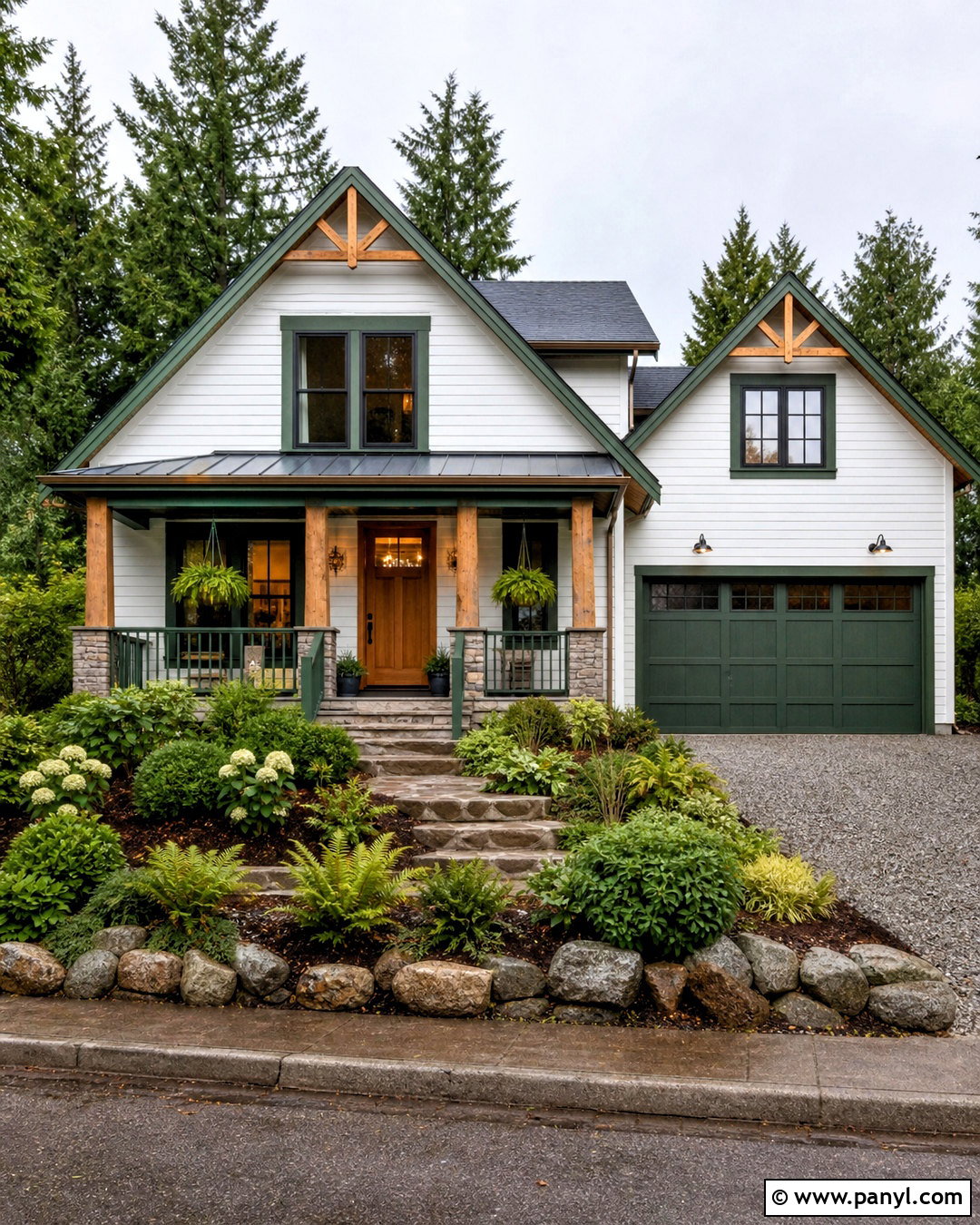
A low brick ranch gains dimension when warm cedar accents emphasize the entrance and roofline. Preserve the original red or brown brick, then replace thin metal porch supports with substantial square cedar posts. Add cedar siding inside the front gable or around a recessed entry to create a strong focal point. Use charcoal trim, black-framed windows, and a dark garage door to ground the horizontal facade. A simple glass-paneled wood front door keeps the entry bright. Extend a wide concrete walkway from the driveway and add low, layered landscaping that does not block the windows. Repeating cedar on a mailbox, privacy screen, or garage detail ties everything together. The home remains recognizably ranch-style but looks warmer and more architectural.
11. Midcentury Brick House Exterior
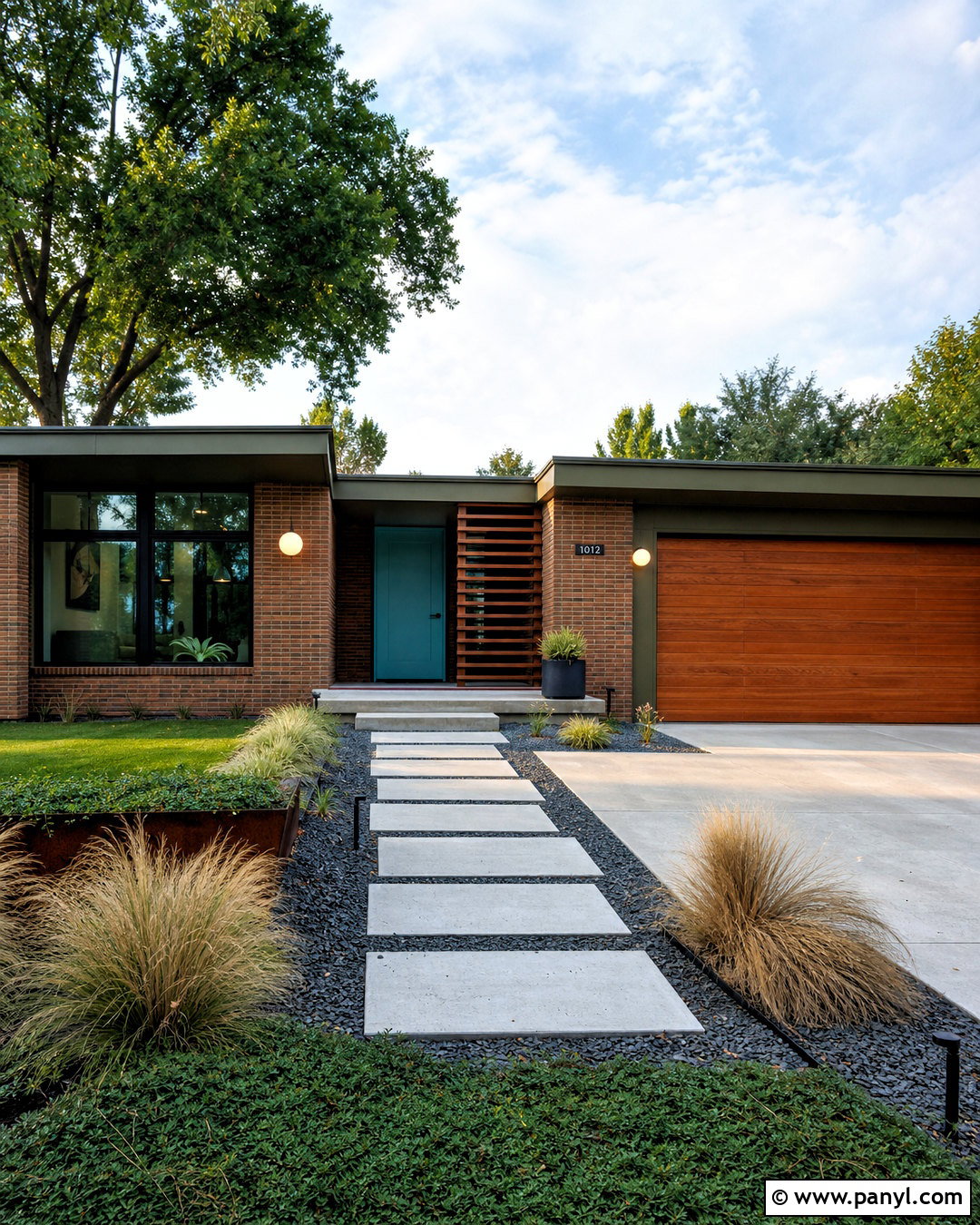
Honor a midcentury brick house by simplifying its details rather than disguising its original structure. Retain the earthy brick, remove fussy shutters, and paint the fascia a deep olive, charcoal, or warm brown. Install a flat-panel front door in muted teal or golden ocher for a controlled color accent. Use horizontal cedar slats around the entrance, along with simple globe or cylinder lighting. If the garage dominates the facade, choose a flush wood-look door that complements the entry. Create wide rectangular concrete stepping pads surrounded by gravel and low ground cover. Sculptural grasses, compact evergreens, and one small ornamental tree finish the landscape. The completed exterior celebrates long rooflines, broad windows, natural materials, and clean geometric forms.
12. Colonial Brick House With Updated Shutters
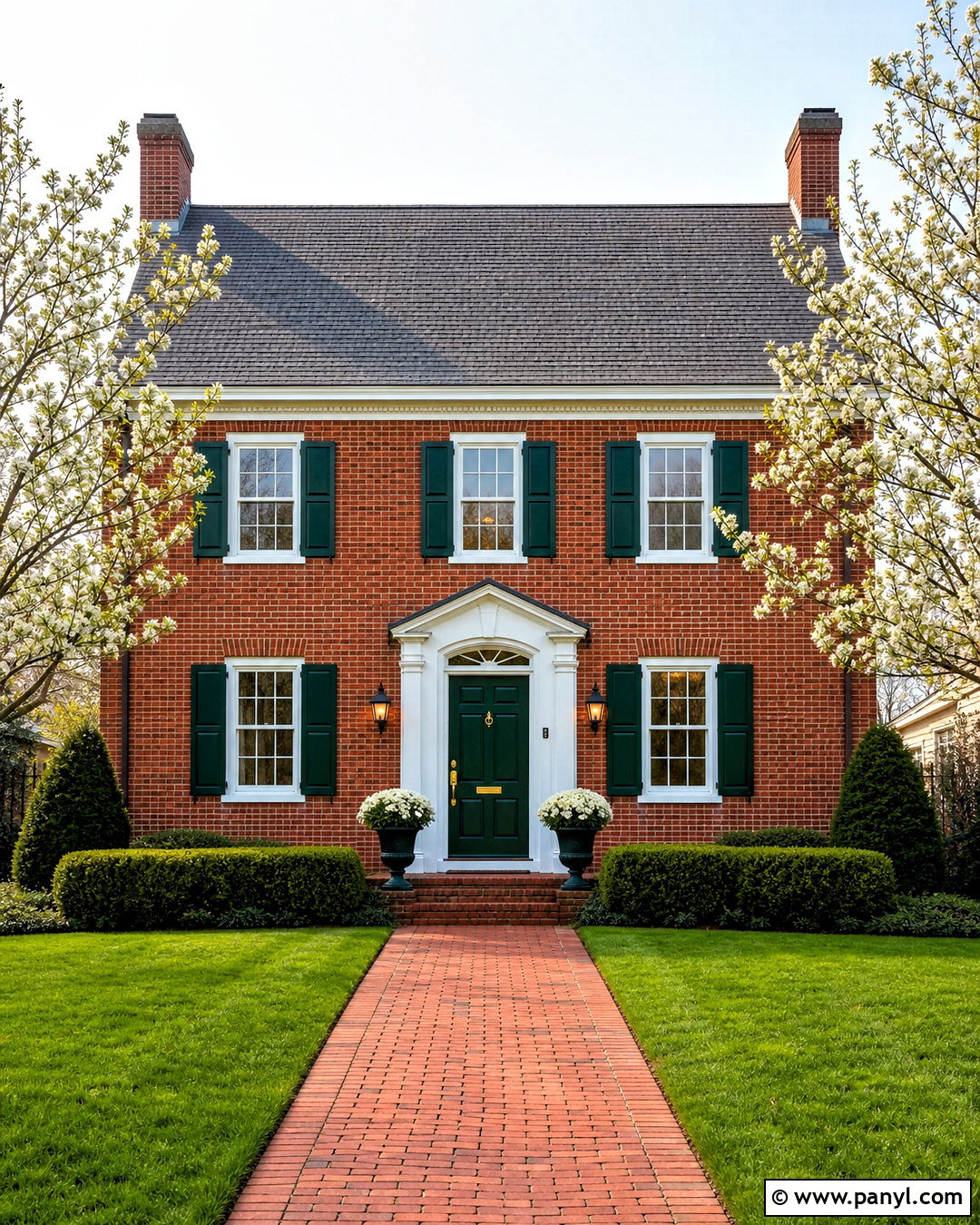
A traditional brick Colonial looks more polished when every exterior detail supports its natural symmetry. Keep the red brick, refresh the mortar where needed, and install correctly sized shutters in deep black, charcoal blue, or forest green. The shutters should visually cover each window if they were closed. Use warm white trim around the windows, cornice, and classical front entry. Paint the front door a glossy black or dark green, then add polished brass or antique brass hardware. Matching lanterns on both sides of the entrance reinforce the balanced layout. Complete the look with a straight brick walkway, paired planters, trimmed hedges, and symmetrical flowering trees. This update preserves the home’s traditional identity while eliminating small details that make it feel dated.
13. Brick House With A Full Front Porch
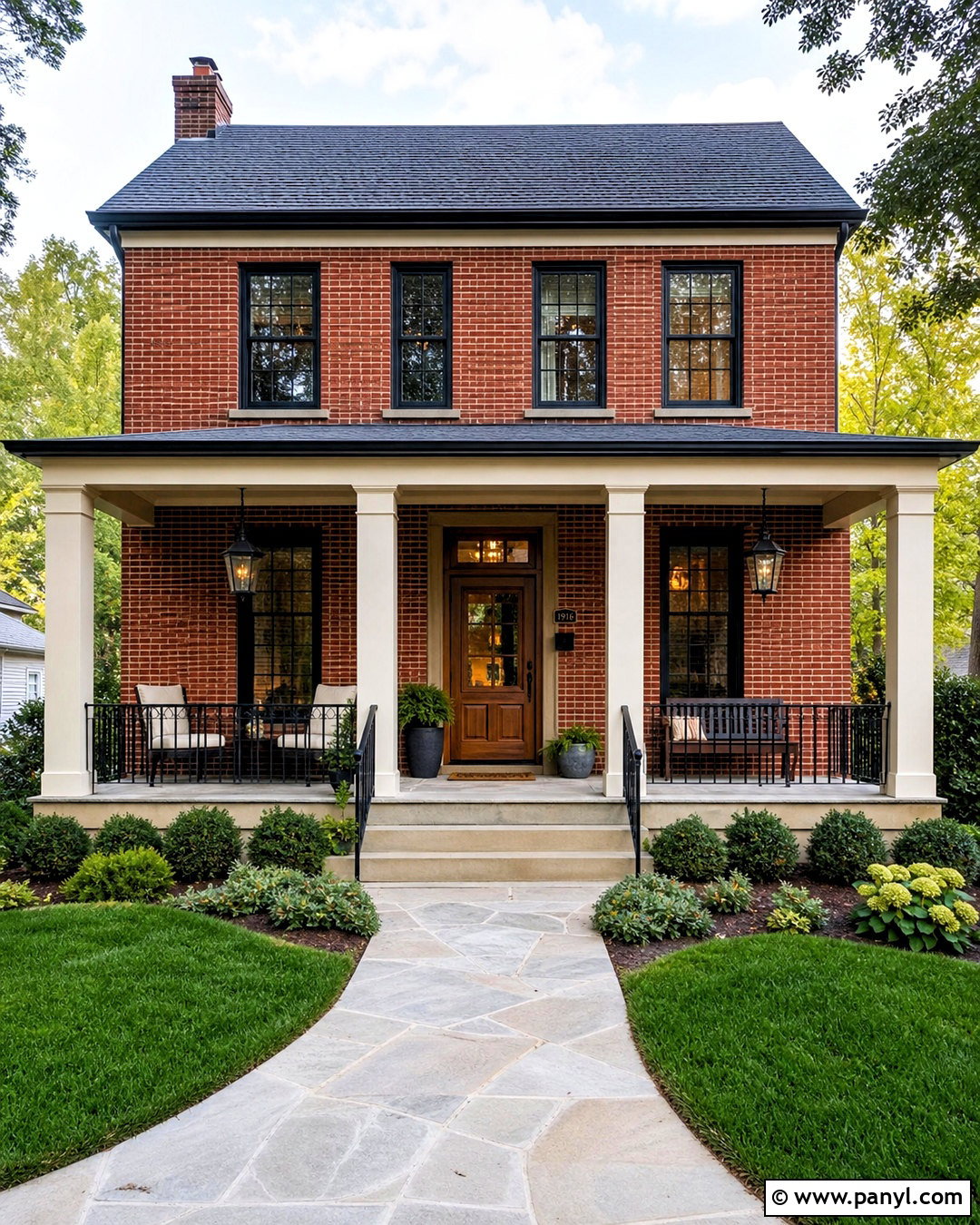
A full front porch can change a plain brick facade by adding depth, shade, and a welcoming outdoor room. Use simple square columns in warm white or stained cedar, depending on the brick color and architectural style. Choose a porch roof that relates to the existing roof pitch, then finish it with charcoal shingles or standing-seam metal. Keep railings visually light with black metal pickets or uncomplicated painted wood. Furnish the porch with a bench, two comfortable chairs, and restrained planters rather than filling every corner. Large exterior lights and a new wood front door create a clear entrance. Connect the porch to a generous walkway and layered landscaping. The entire addition should look proportional to the average home, not oversized or decorative.
14. Brick House With A Modern Portico
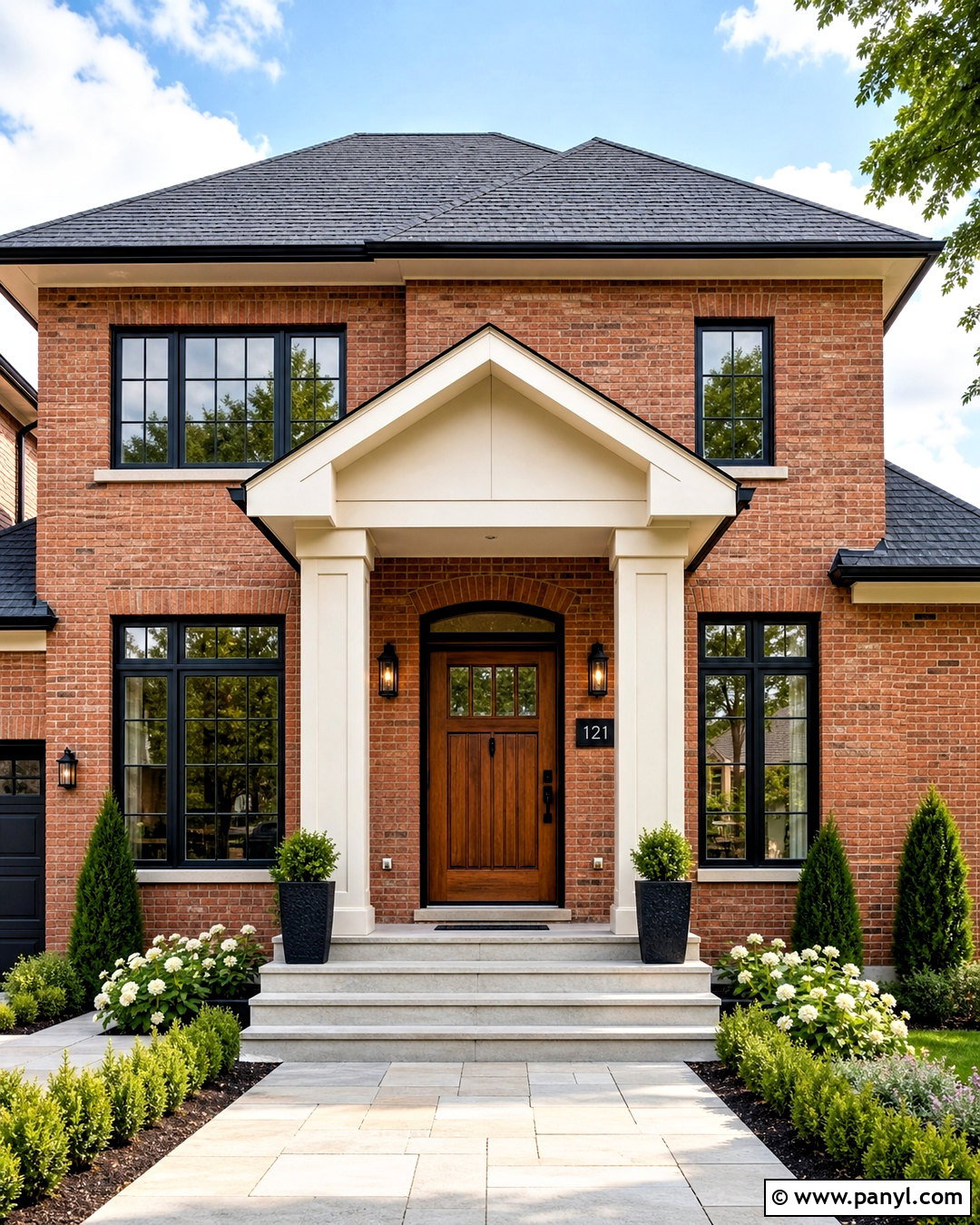
When a full porch is not practical, a well-proportioned portico can give the front door much-needed presence. Build a simple gabled or shed-style roof over the entrance, supported by square wood or painted columns. Repeat the home’s roof material and use trim that coordinates with the windows. On red brick, combine warm white portico framing with a stained oak door and black metal lighting. On painted brick, cedar posts can provide the contrast. Widen the front steps and create a direct path that makes the entrance easy to identify. Add matching planters, low shrubs, and a clean house-number plaque. This compact exterior update improves the entire facade because it establishes a focal point and balances broad areas of uninterrupted brick.
15. Brick House With Modern Garage Doors
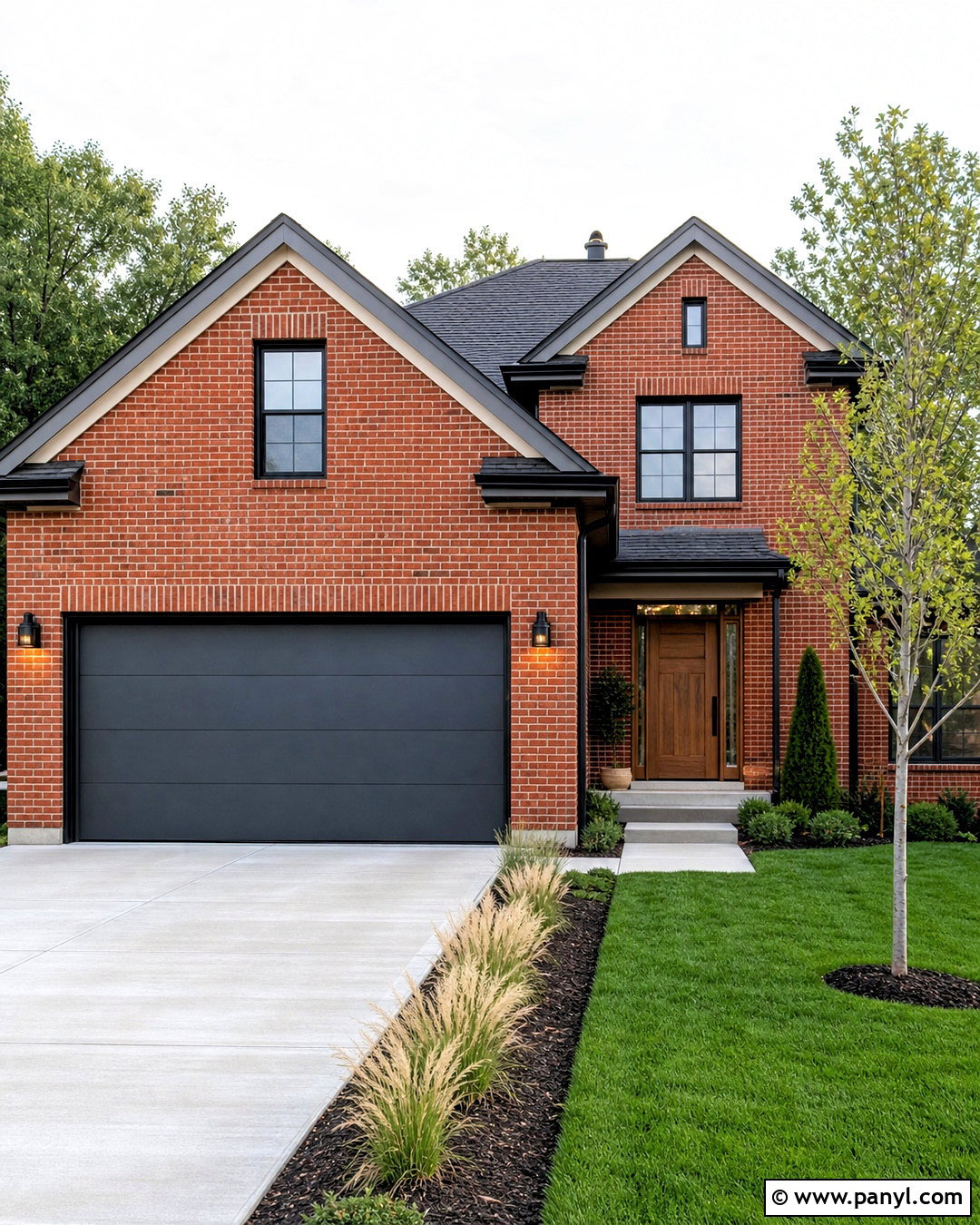
A front-facing garage occupies a large part of the curb view, so its color and design should support the brick instead of competing with it. For warm red brick, choose a dark bronze, charcoal, or medium wood-look garage door. Brown brick works well with warm greige or deep espresso. Use clean panels with minimal decorative hardware for a streamlined result. Repeat the garage color on the gutters or window trim to make the choice feel intentional. Add appropriately scaled sconces beside the doors and a simple address plaque between them. Soften the driveway with narrow planting beds, ornamental grasses, and a small tree. A coordinated front door and refreshed walkway ensure the entrance remains more visually important than the updated garage.
16. Brick House With Black Windows
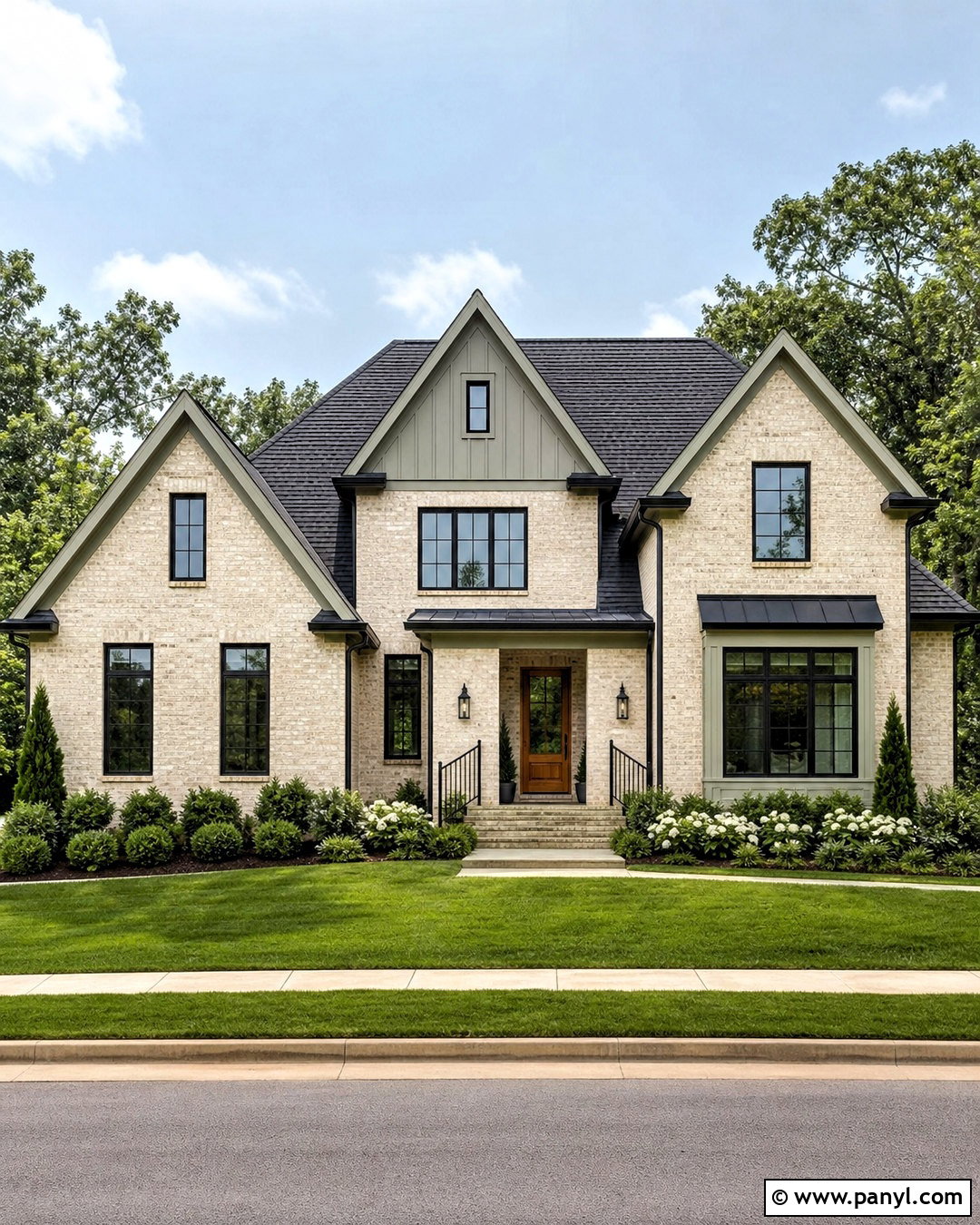
Black windows create a defined, graphic look when they are integrated across the entire exterior. Pair them with original red brick, limewashed brick, or warm white painted masonry, depending on the home’s character. Remove unnecessary shutters so the dark frames can become the primary window detail. Continue black or deep bronze on the gutters, porch railings, lanterns, and house numbers. Balance these strong accents with a medium-tone wood door and natural stone steps. If siding appears in the gables, choose warm white, muted sage, or charcoal rather than introducing another bright color. Green foundation shrubs and pale flowers soften the contrast. This cohesive approach makes black windows look architectural instead of like isolated replacements added to an older brick house.
17. Brick House With Green Shutters
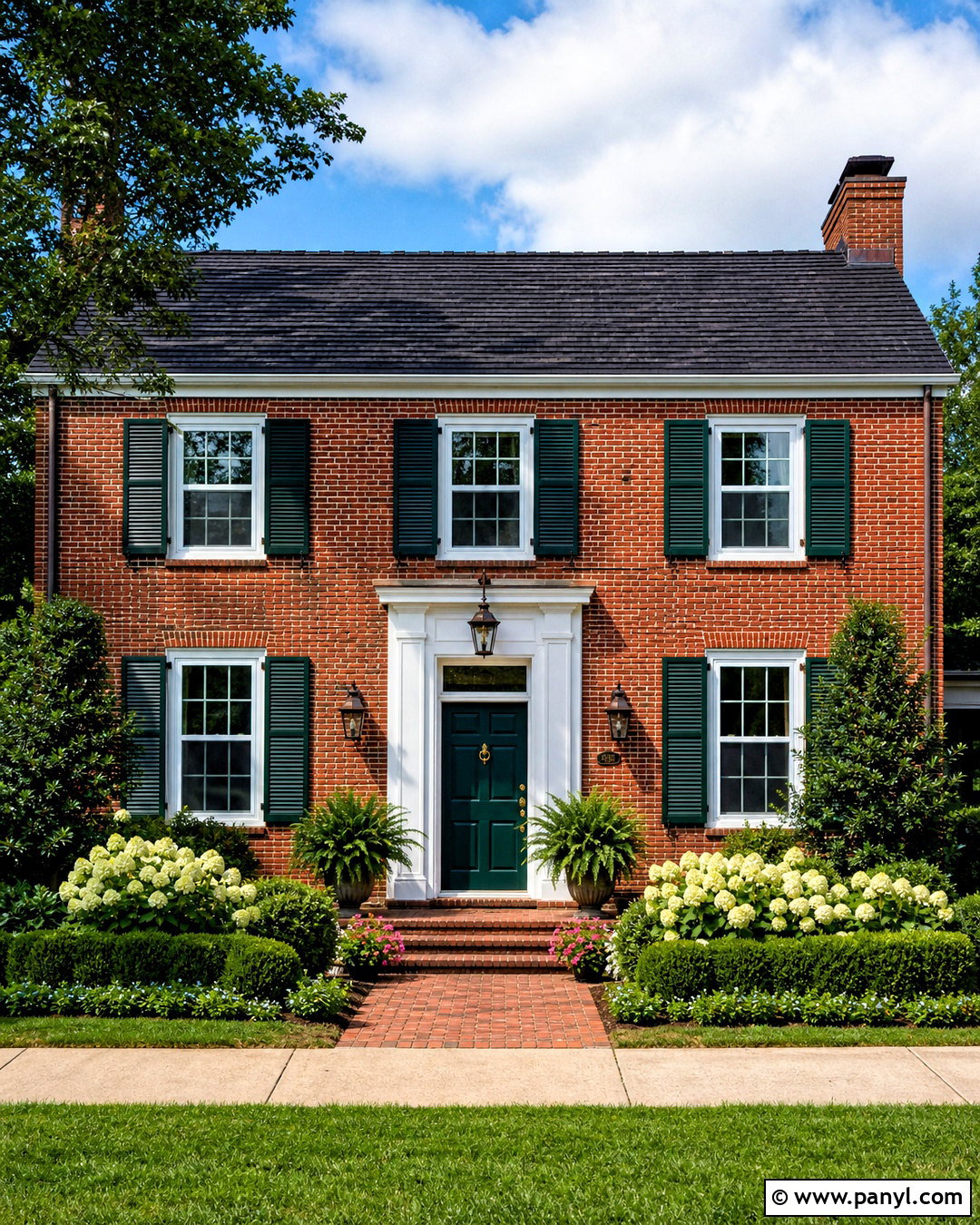
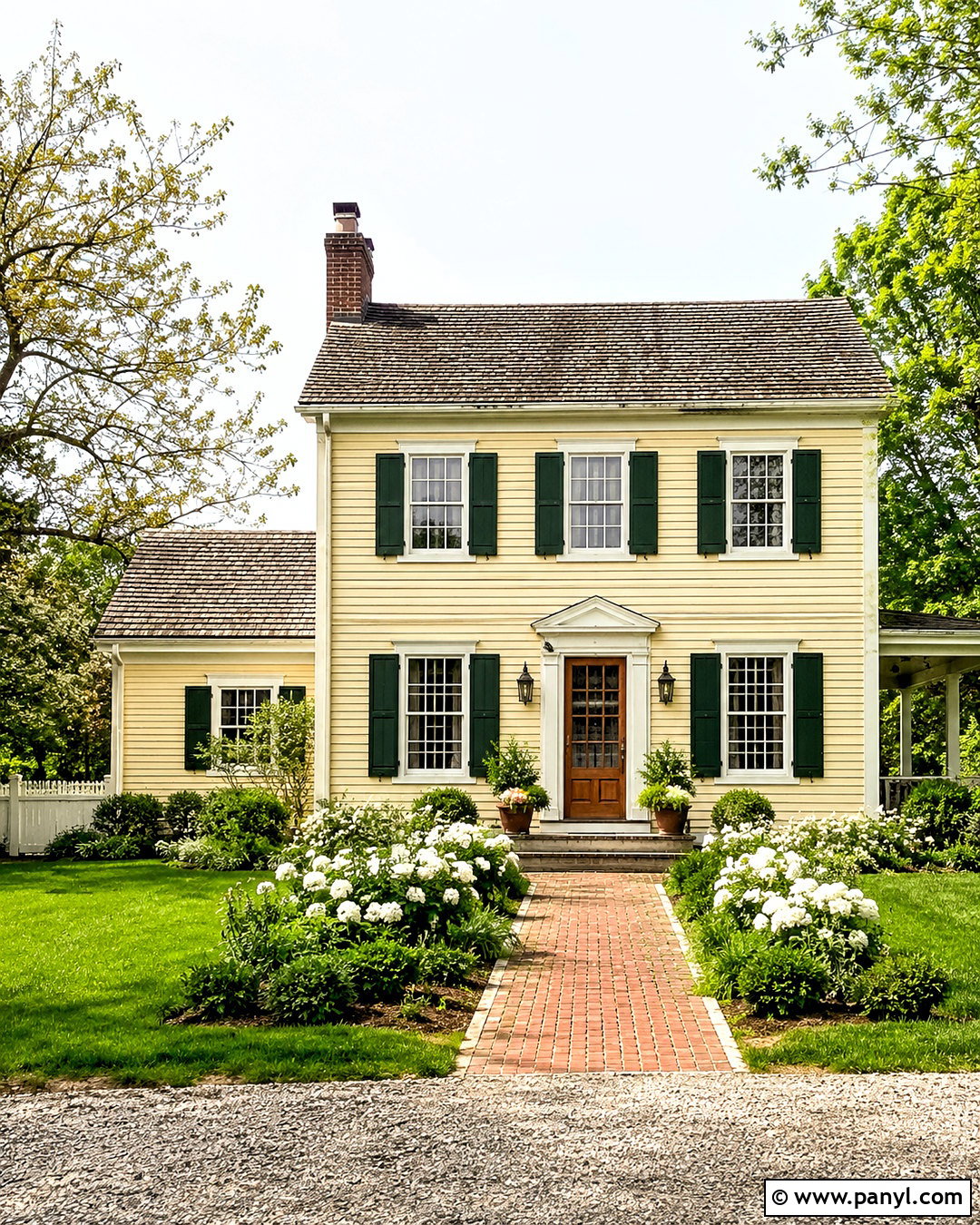
Deep green shutters offer a classic alternative to black and complement many red, brown, and cream brick tones. Choose a forest, olive, or nearly black green based on the brick’s undertone. Repeat the color on the front door for a traditional look, or use a stained wood door for warmer contrast. Keep the window trim creamy white and select bronze lanterns, gutters, and door hardware. A weathered charcoal roof allows the green to stand out without feeling bright. Use symmetrical landscaping where the architecture is formal, with clipped boxwoods, hydrangeas, and small flowering trees. For a cottage exterior, loosen the planting with ferns and perennials. The completed scheme feels established, welcoming, and colorful without overpowering the brick itself.
18. Brick House With Bronze Accents
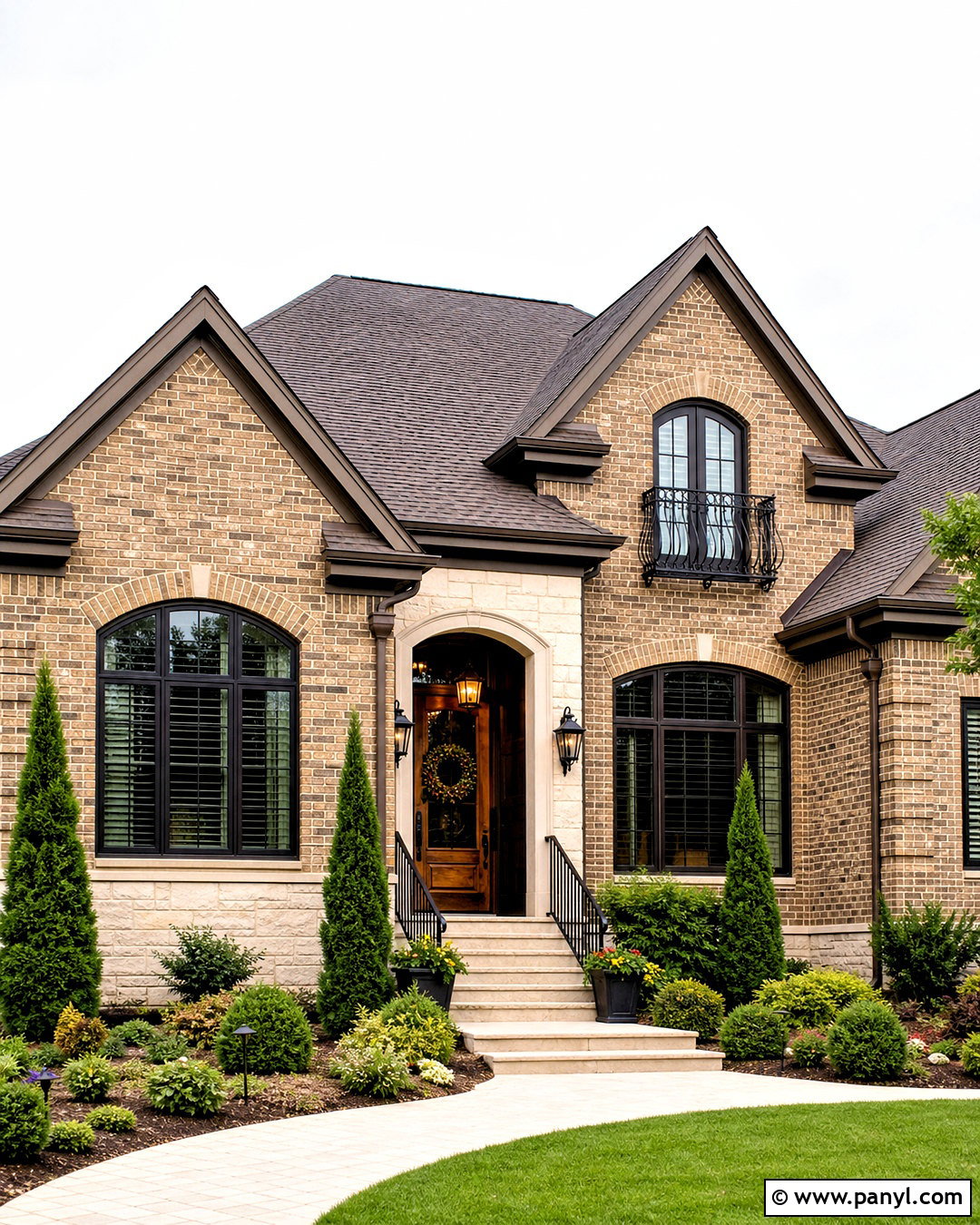
Dark bronze provides definition similar to black but feels softer against warm brick. Keep red, tan, or brown masonry as the main surface, then introduce bronze window frames, gutters, downspouts, lanterns, railings, and door hardware. Choose a warm taupe or cream for trim so the bronze details remain visible. A walnut-stained front door creates a rich centerpiece, while a charcoal-brown roof finishes the upper portion of the palette. If the home includes siding, select a muted stone color pulled from the brick or mortar. Add irregular limestone steps, curved planting beds, and layered evergreen landscaping to complete the exterior. Repeating bronze in several practical locations makes the facade look coordinated while avoiding the sharper contrast of a strict red, white, and black scheme.
19. Brick House With Updated Landscaping
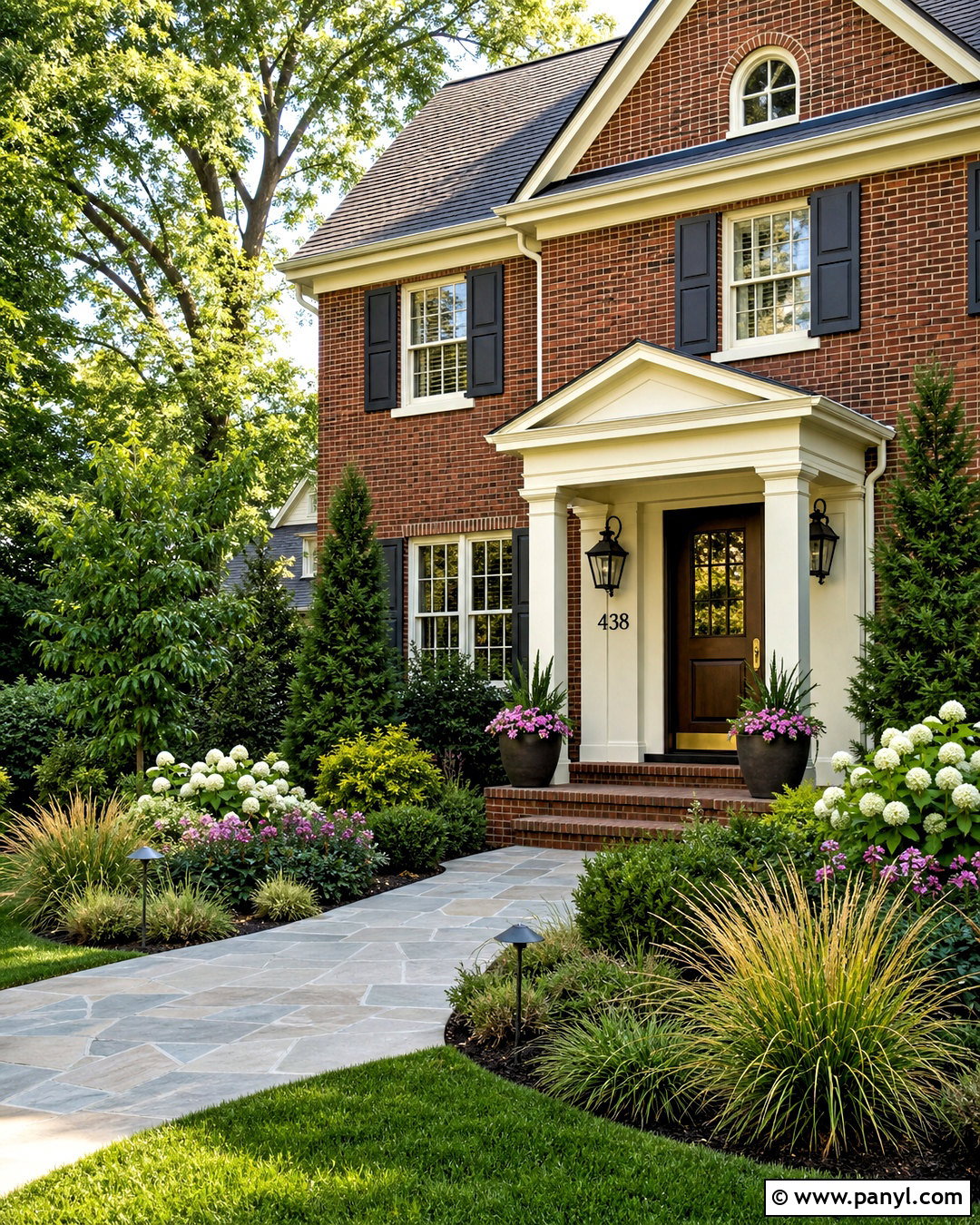
Sometimes the brick is not the dated feature; the problem is an empty lawn, overgrown foundation shrubs, or a narrow walkway. Preserve the masonry and design the entire front yard to frame it more effectively. Replace shrubs that block the windows with layered plants that stay at appropriate heights. Use evergreen structure near corners, flowering shrubs around the entrance, and ornamental grasses along the path. Widen the walkway with brick, natural stone, or pale concrete that complements the facade. Add low-voltage path lights and two substantial planters beside the door. Fresh trim paint, clean gutters, modern sconces, and visible house numbers complete the refresh. The brick house gains color, depth, and a stronger entrance without requiring a permanent masonry treatment.
20. Brick House With A Coordinated Roof And Trim
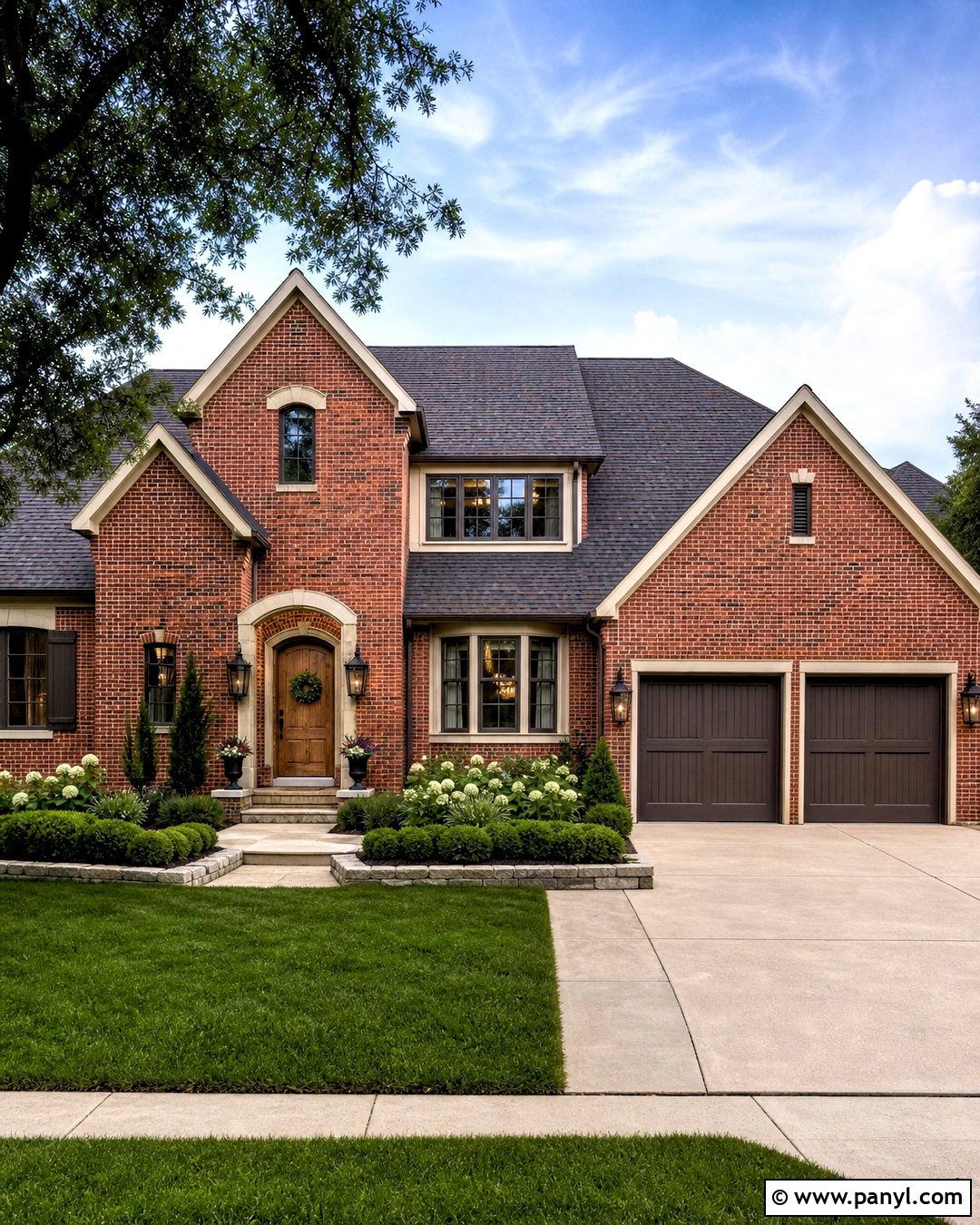
A successful brick exterior update begins with permanent surfaces, especially the brick and roof. For warm red masonry, choose charcoal, dark brown, or a blended roof that avoids strong blue undertones. Pair it with cream trim, bronze gutters, and a natural wood door. Gray or taupe brick can support a charcoal roof, black trim, and a muted green entrance. Carry the same small palette across garage doors, porch columns, window frames, and exterior lights. Avoid adding an unrelated accent color to every feature. Finish the house with landscaping that echoes the scheme through green foliage, neutral stone, and dark metal edging. The completed exterior feels thoughtfully planned because every visible material belongs to one coordinated color story.
Conclusion:
The most effective **20 updating brick house exterior ideas** treat the facade as one connected design rather than a collection of separate upgrades. Start by studying the brick, roof, mortar, and architecture before selecting colors or materials. You may discover that fresh trim, better landscaping, a new door, and improved lighting are enough. If the masonry color truly needs changing, compare limewash, German smear, and compatible paint finishes carefully before committing. Coordinate every choice, from the garage door to the walkway, around a concise palette. Warm wood can soften black accents, while cream, sage, navy, and bronze can complement existing brick. A complete plan will create a more timeless, welcoming, and polished exterior.

Related Ideas and Inspiration:
Leave a Reply