
A thoughtfully planned music room should feel inspiring before the first note is played. The best home music room design ideas combine comfortable furniture, practical instrument storage, balanced acoustics, and a visual style that reflects the musician. Current design guidance also favors treating the layout, sound control, storage, and seating as one coordinated plan rather than unrelated additions. () Whether you have a spacious basement, an unused bedroom, or one free living room corner, you can create a functional place for practicing, recording, teaching, or simply enjoying albums. Rugs, curtains, upholstered pieces, wall displays, and layered lighting make the space warmer and more usable. Explore these complete and achievable home music room design ideas.

1. Small Home Music Room
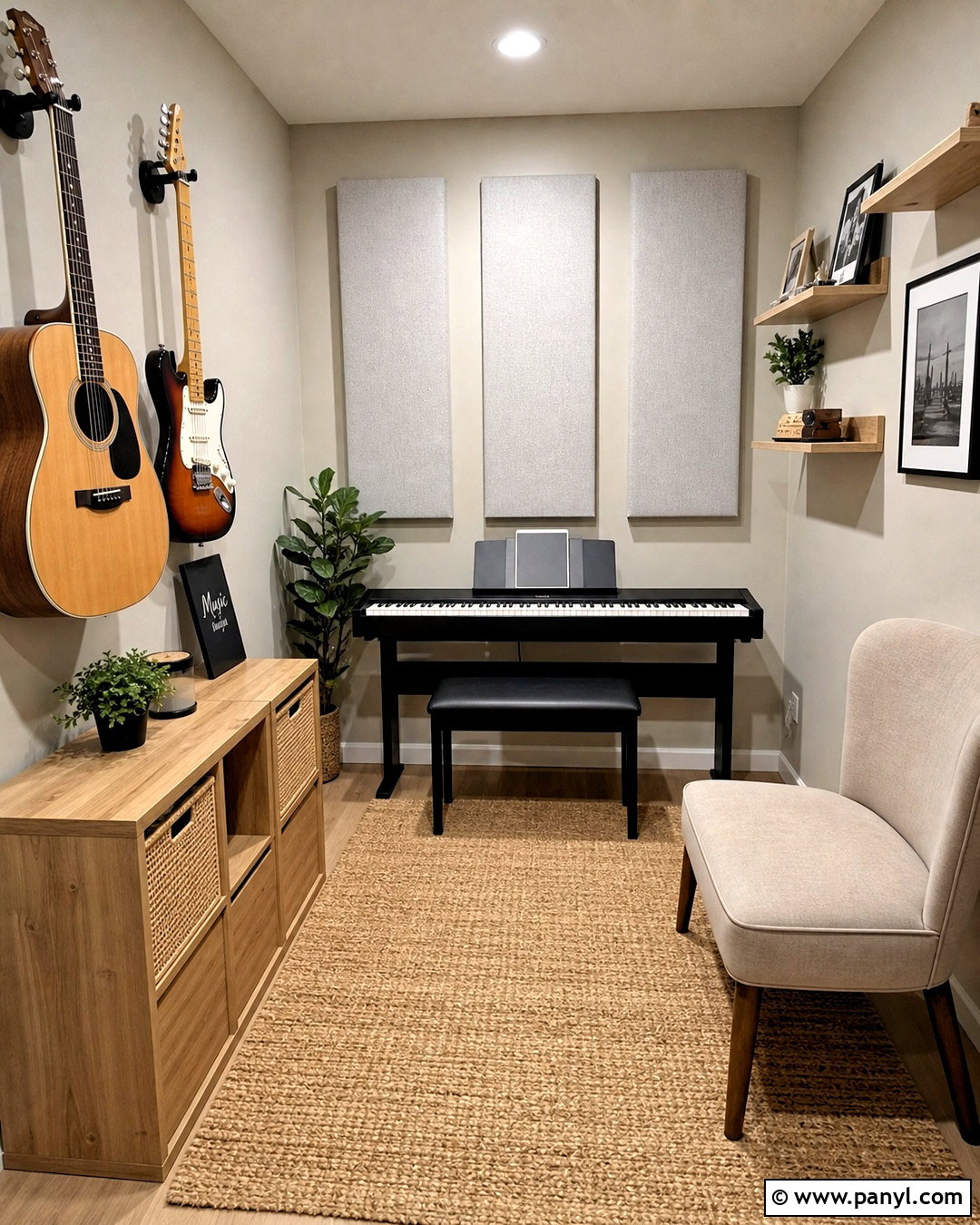
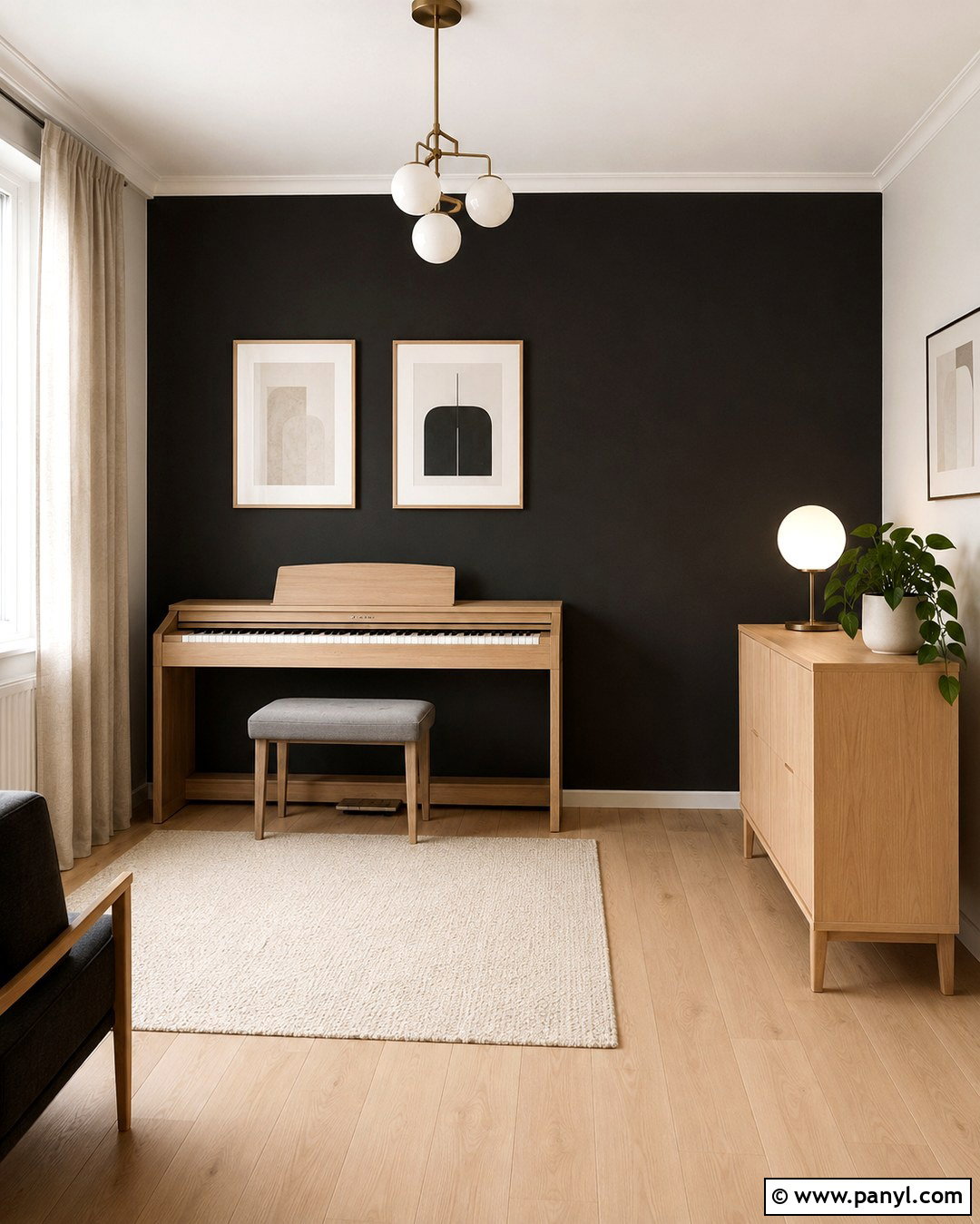
A compact room works best when the floor remains open and the walls handle most of the storage. Place a slim digital piano or narrow studio desk against the longest wall. Install secure instrument hangers above a low cabinet for guitars, headphones, sheet music, and cables. Soft greige walls, light oak furniture, and black metal details will keep the room bright without feeling plain. Add two fabric-covered acoustic panels that coordinate with the color palette rather than resembling commercial studio foam. A tightly woven area rug can define the playing zone, while an armless accent chair provides seating without blocking movement. Finish the room with an adjustable floor lamp, floating shelves, and one framed concert print for personality.
2. Modern Home Recording Studio
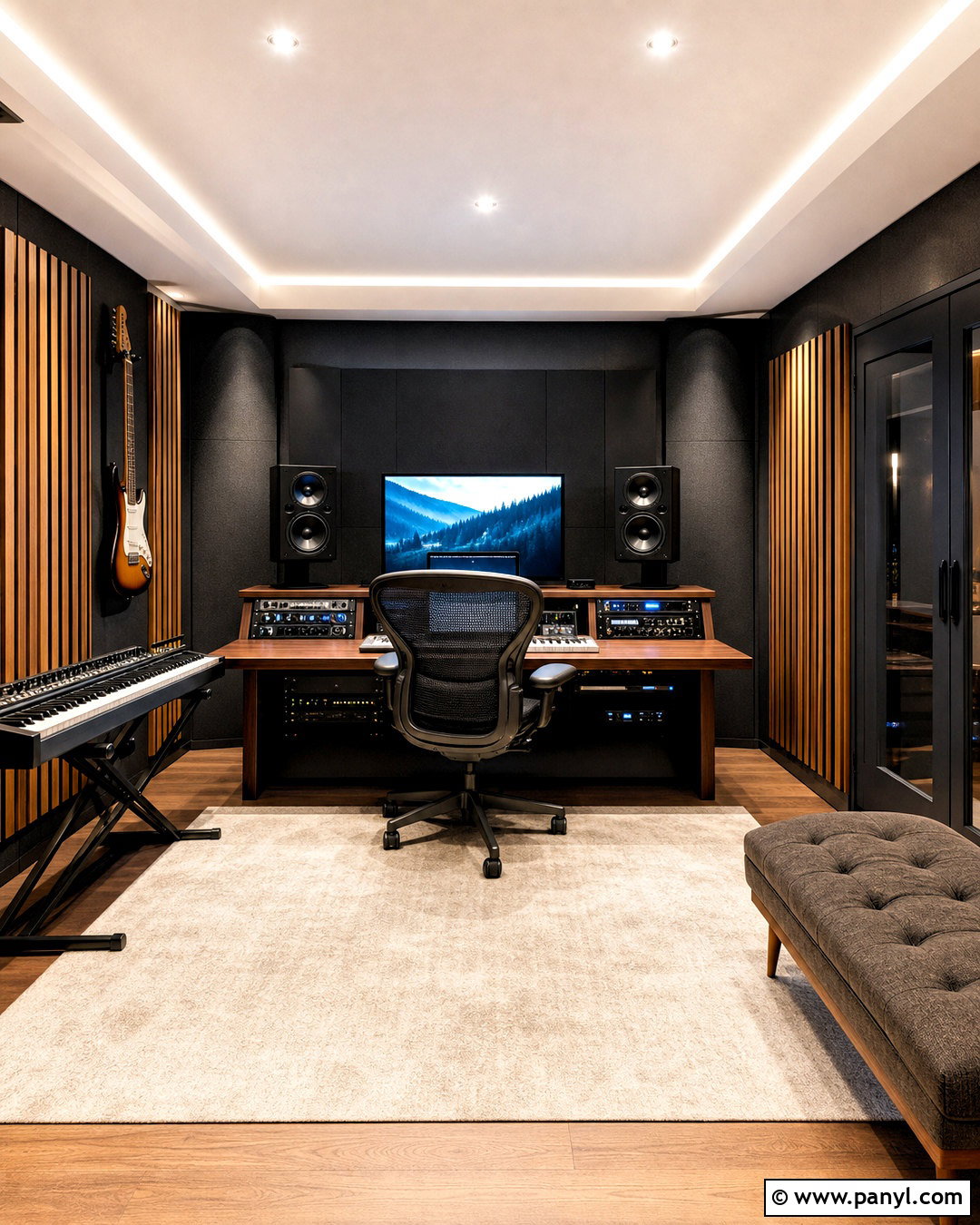
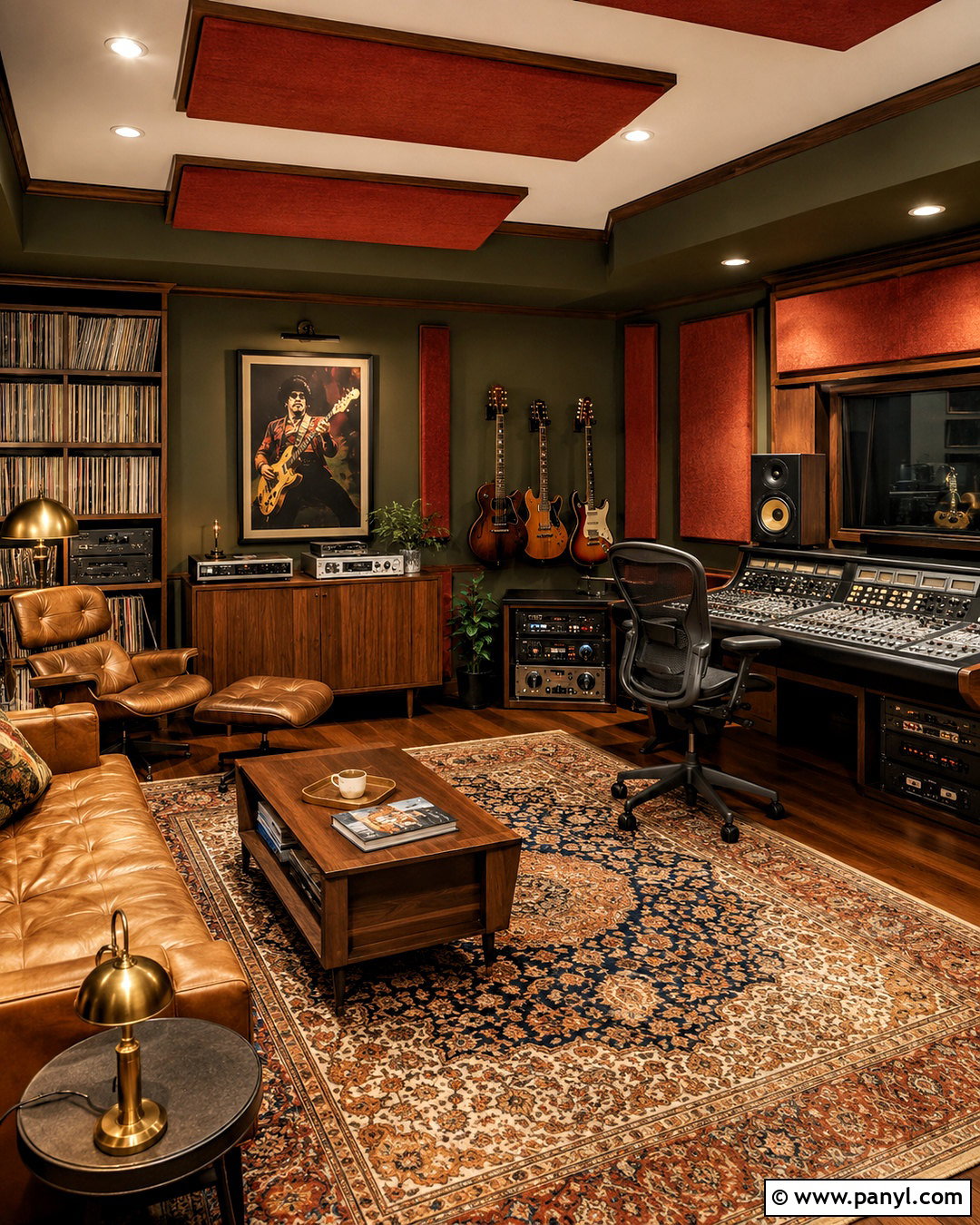
Clean lines and carefully planned work zones create a recording studio that feels professional but still belongs in a home. Center a streamlined walnut desk on the main wall, leaving equal space for studio monitors on both sides. Use charcoal acoustic panels, vertical oak slats, and soft off-white paint to form a warm modern backdrop. A large neutral rug should sit beneath the desk and ergonomic chair, while organized cable channels keep wires out of sight. Place a keyboard on a sliding tray or adjacent stand and store microphones in a closed drawer unit. Add dimmable ceiling lights, focused desk lighting, and subtle LED strips behind the equipment. A compact upholstered bench gives visiting musicians a comfortable place to sit between sessions.
3. Upright Piano Music Room
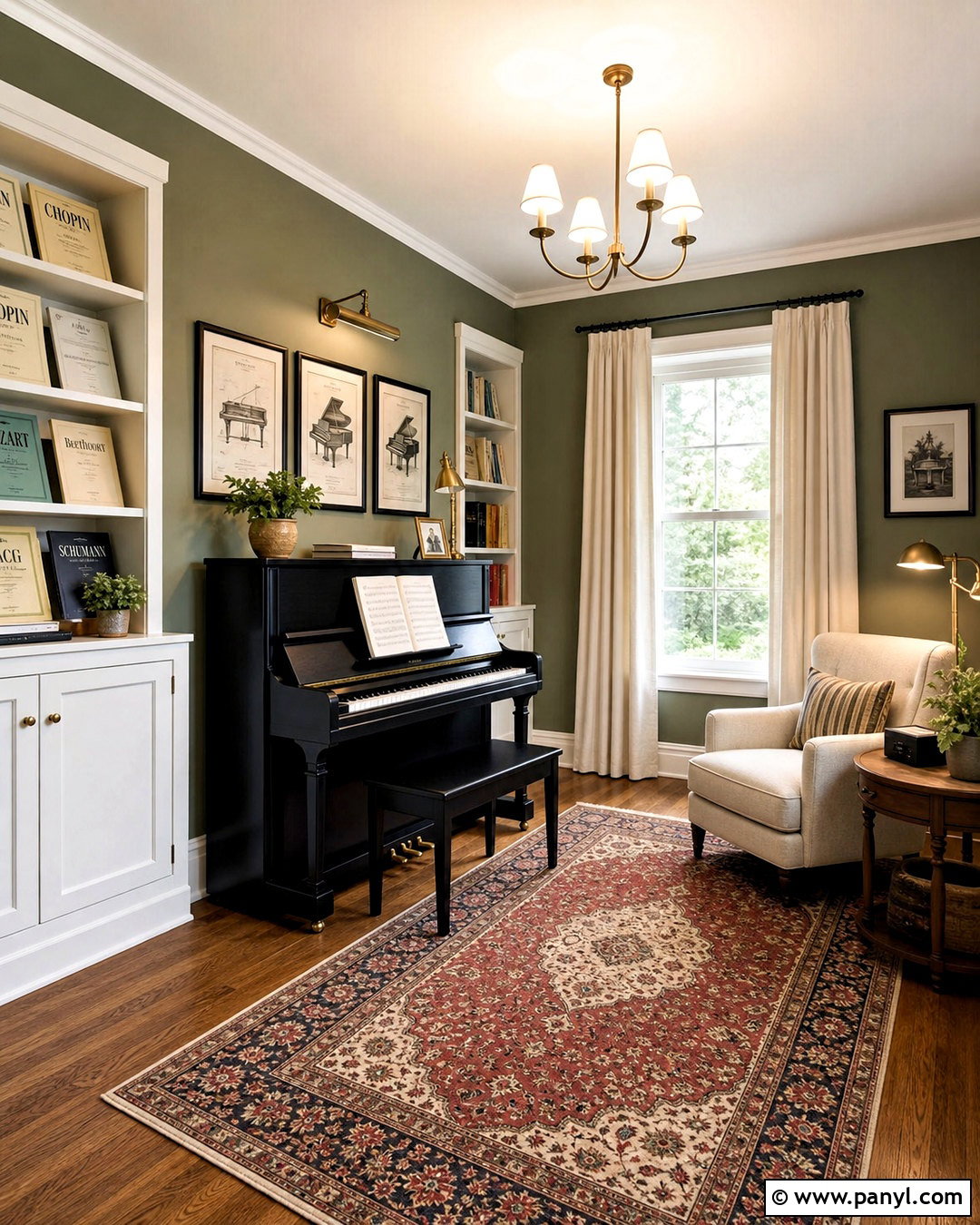
An upright piano can become the visual anchor of an elegant yet practical music room. Position it along an interior wall and leave enough open floor space for the bench to slide back comfortably. Paint the walls muted sage green and pair them with warm white trim, medium oak flooring, and a vintage-inspired patterned rug. Add shallow built-in shelves on one side for sheet music and books, balancing them with a comfortable reading chair on the other. Linen curtains, an upholstered bench, and decorative acoustic artwork soften the room while maintaining a polished appearance. Install a brass picture light above framed musical prints and place a shaded floor lamp beside the chair. Keep accessories simple so the piano remains the clear focal point.
4. Guitar Music Room
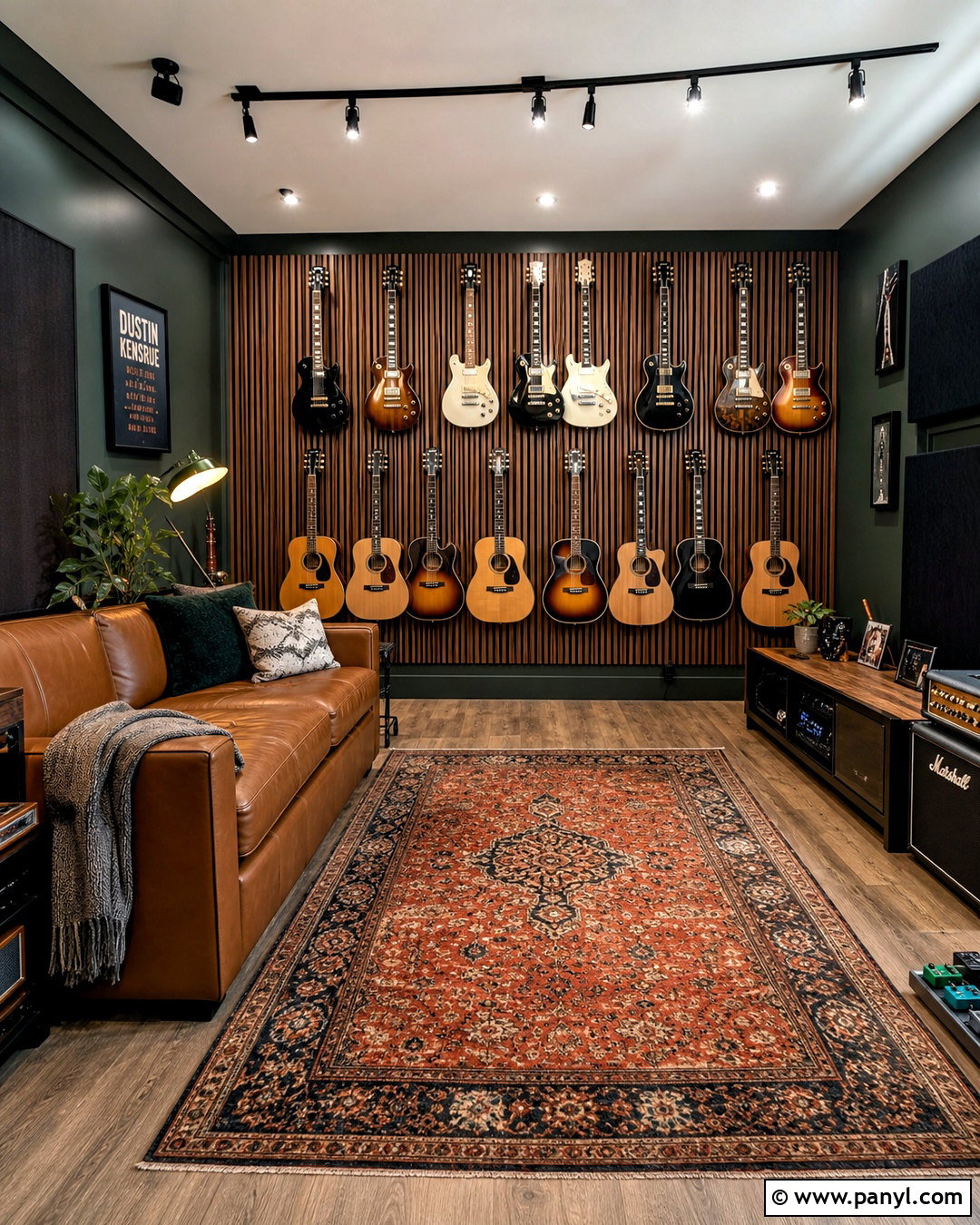
Turn a guitar collection into an organized display by dedicating one wall to secure, evenly spaced instrument hangers. A walnut slat backdrop makes acoustic and electric guitars stand out while bringing warmth to the entire room. Place a low black cabinet beneath the instruments for pedals, strings, tuners, and small amplifiers. Across from the display, arrange a deep cognac leather sofa, a compact side table, and a movable footstool for relaxed practice sessions. Dark green walls, natural wood, and matte black hardware create a comfortable club-inspired palette without making the space gloomy. Add a faded rust-colored rug and fabric acoustic panels in coordinating earth tones. Adjustable track lighting can highlight each guitar while providing bright task lighting around the main playing area.
5. Vinyl Listening Music Room
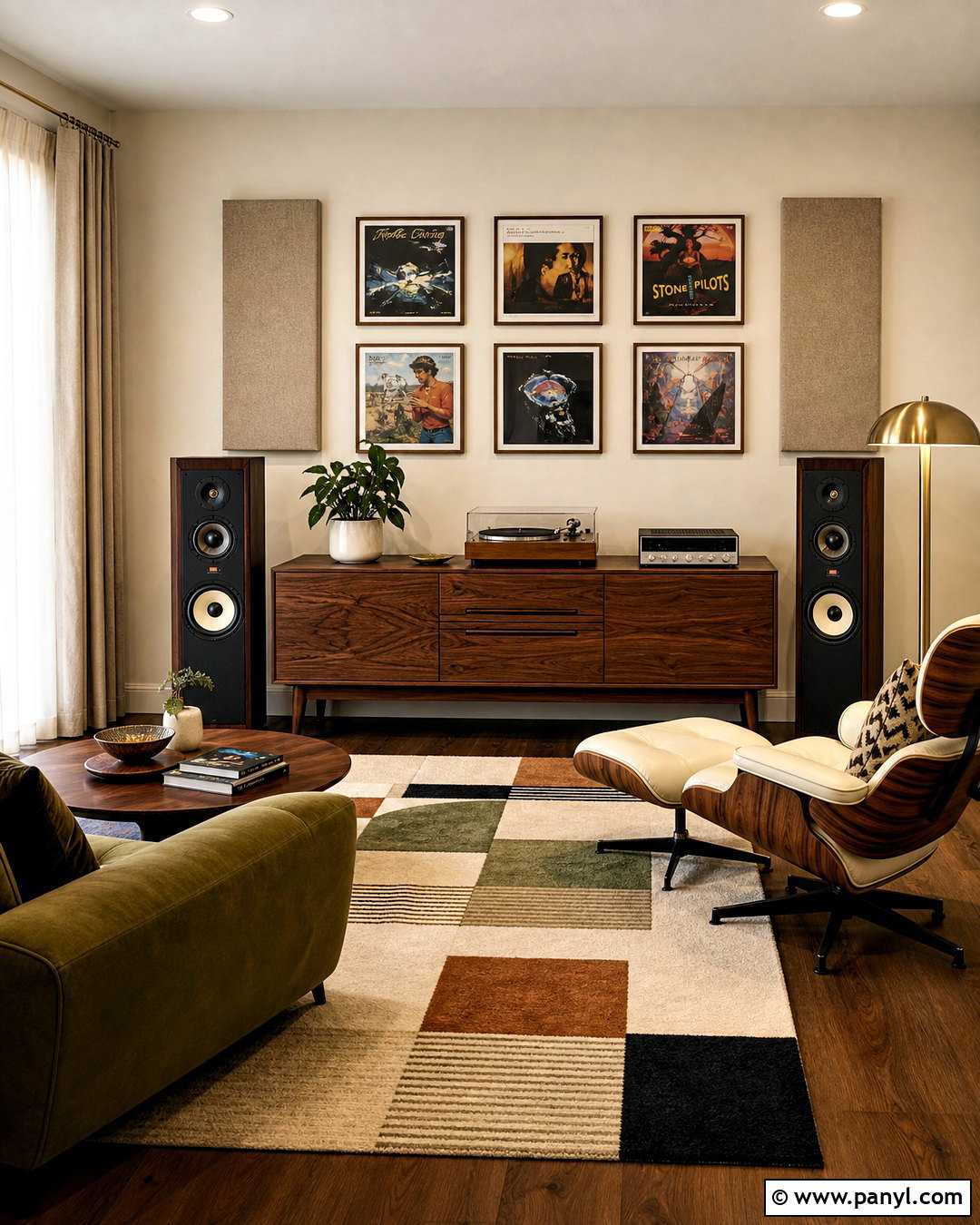
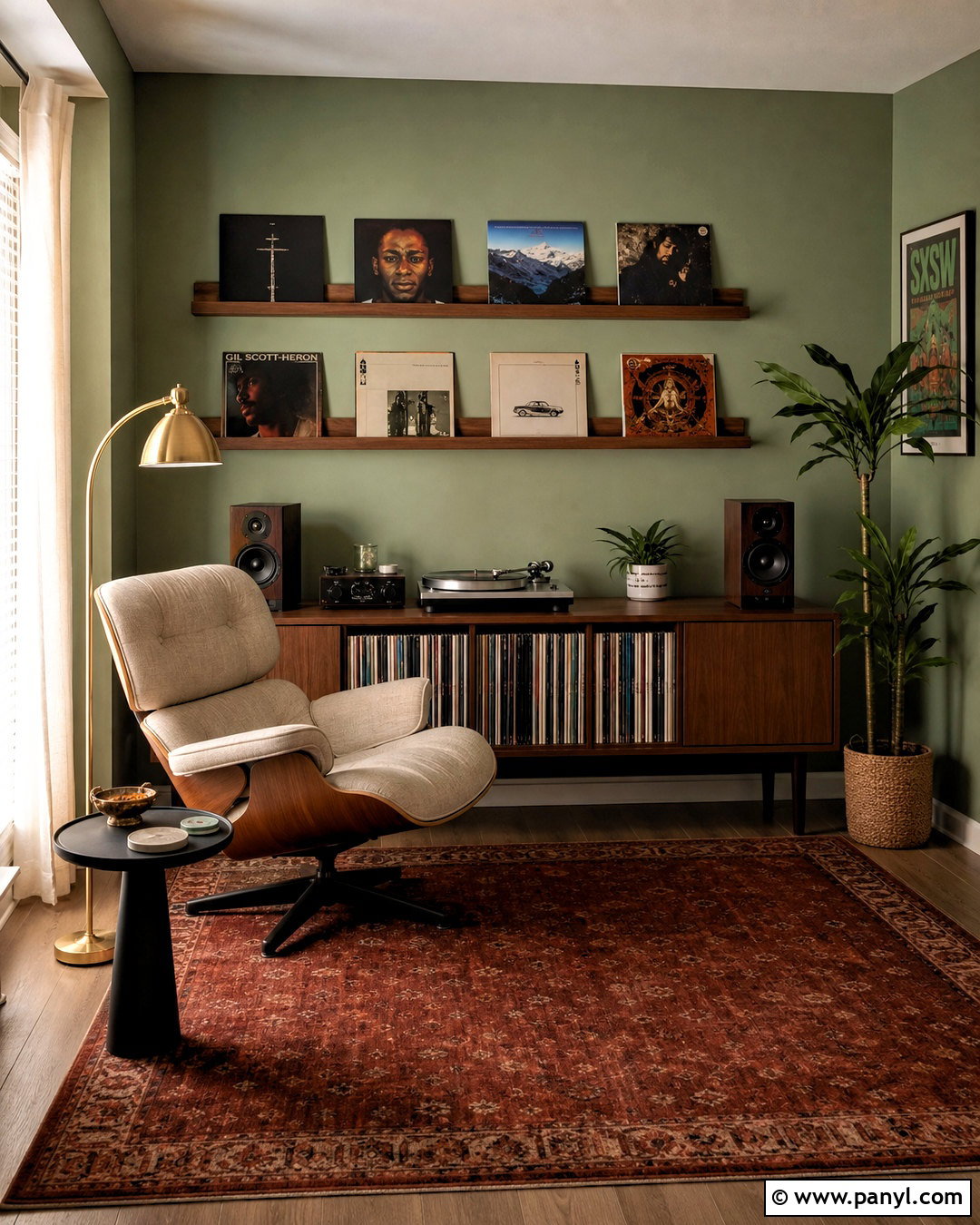
Build a welcoming vinyl listening room around a sturdy storage console that keeps records upright and easy to browse. Center the turntable on a low walnut cabinet and position two speakers symmetrically with clear space around them. A soft cream sofa facing the audio setup creates the main listening zone, while one sculptural lounge chair allows a guest to join. Use warm white walls, olive green upholstery, walnut furniture, and touches of brushed brass for a relaxed midcentury look. Floor-to-ceiling curtains, a thick geometric rug, and fabric wall panels add softness without hiding the room’s character. Include a shaded floor lamp for evening listening and picture lights above framed album artwork. Keep the center walkway open so selecting and returning records feels effortless.
6. Basement Home Music Room
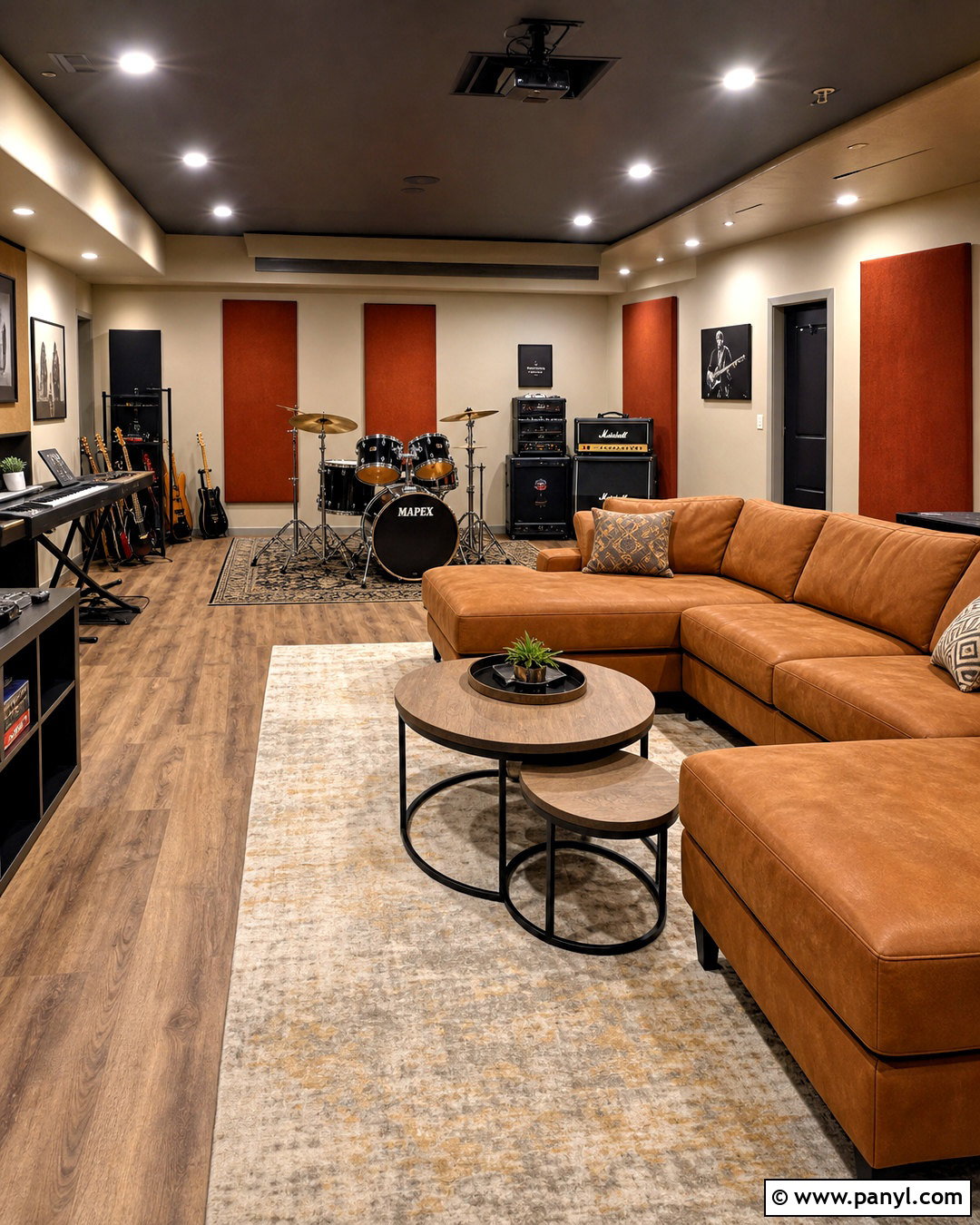
A basement can become a flexible rehearsal space when the design includes separate zones for playing, relaxing, and storing equipment. Set the drum kit on a large dense rug at one end, then arrange guitar amps, a keyboard, and microphone stands along the surrounding walls. Paint the ceiling and exposed utilities matte charcoal, but keep the walls warm white to preserve brightness. Wood-look flooring, rust-colored acoustic panels, and a caramel sectional prevent the room from feeling cold or unfinished. Use closed cabinets for cables and accessories, plus open cubbies for frequently used equipment. Bright recessed lights should cover the entire room, while adjustable lamps illuminate individual stations. Complete the layout with a small refreshment cabinet and nesting tables that can be moved during group practice.
7. Attic Home Music Room
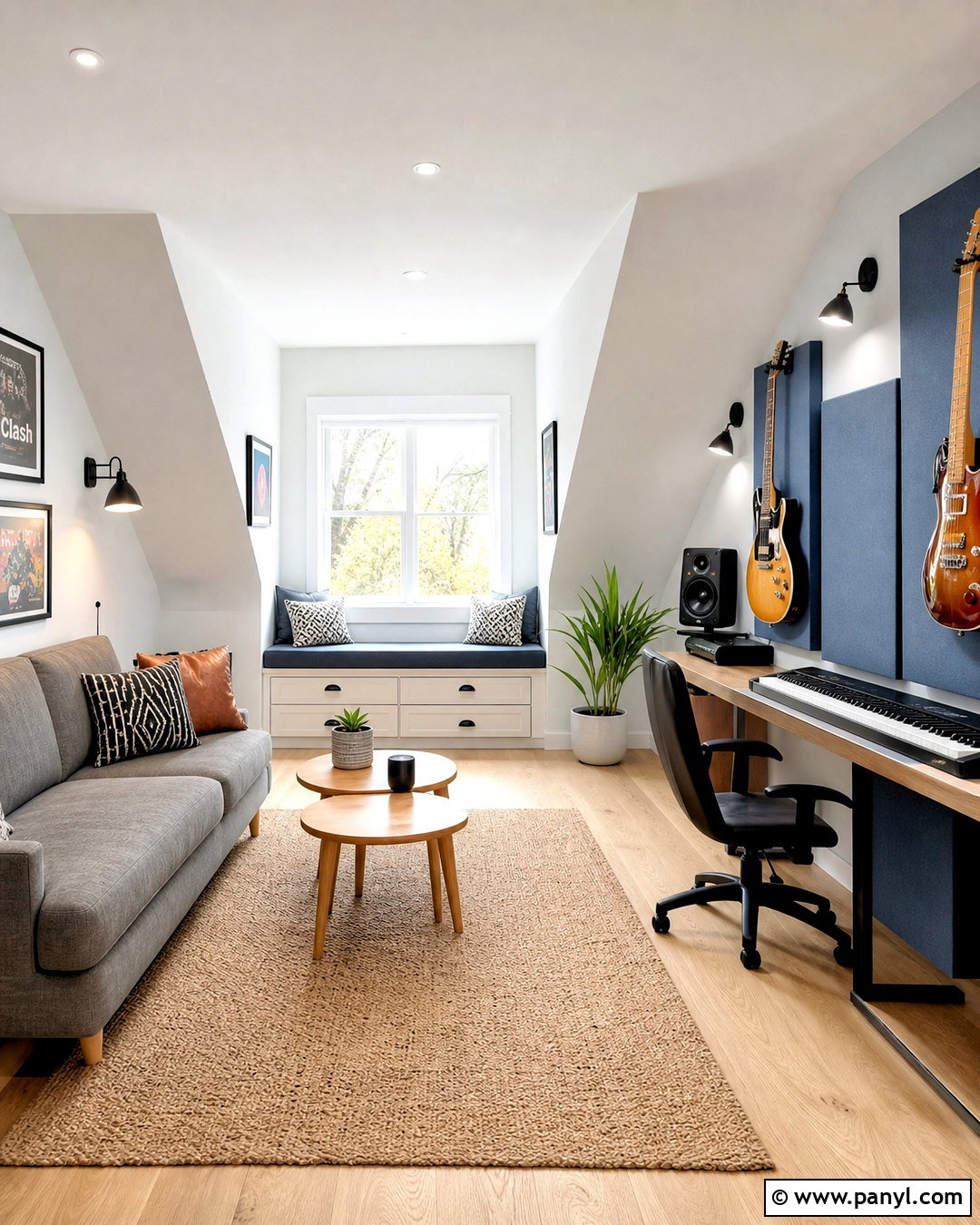
Sloped ceilings can give an attic music room a cozy character when furniture follows the room’s architecture. Place a low keyboard or studio desk beneath the tallest section, leaving comfortable headroom for playing. Use the shorter walls for built-in drawers, amplifier storage, and padded window seating. Soft white walls and pale oak flooring will reflect light, while dusty blue acoustic panels can fit neatly between ceiling angles. Add a medium-size woven rug, a compact loveseat, and lightweight nesting tables that are easy to reposition. Wall-mounted guitars can occupy a vertical section near the entrance without crowding the practice area. Finish with flush ceiling lights, adjustable sconces, and blackout shades. The completed room should feel airy, organized, and intentionally shaped around the unusual roofline.
8. Home Office Music Room
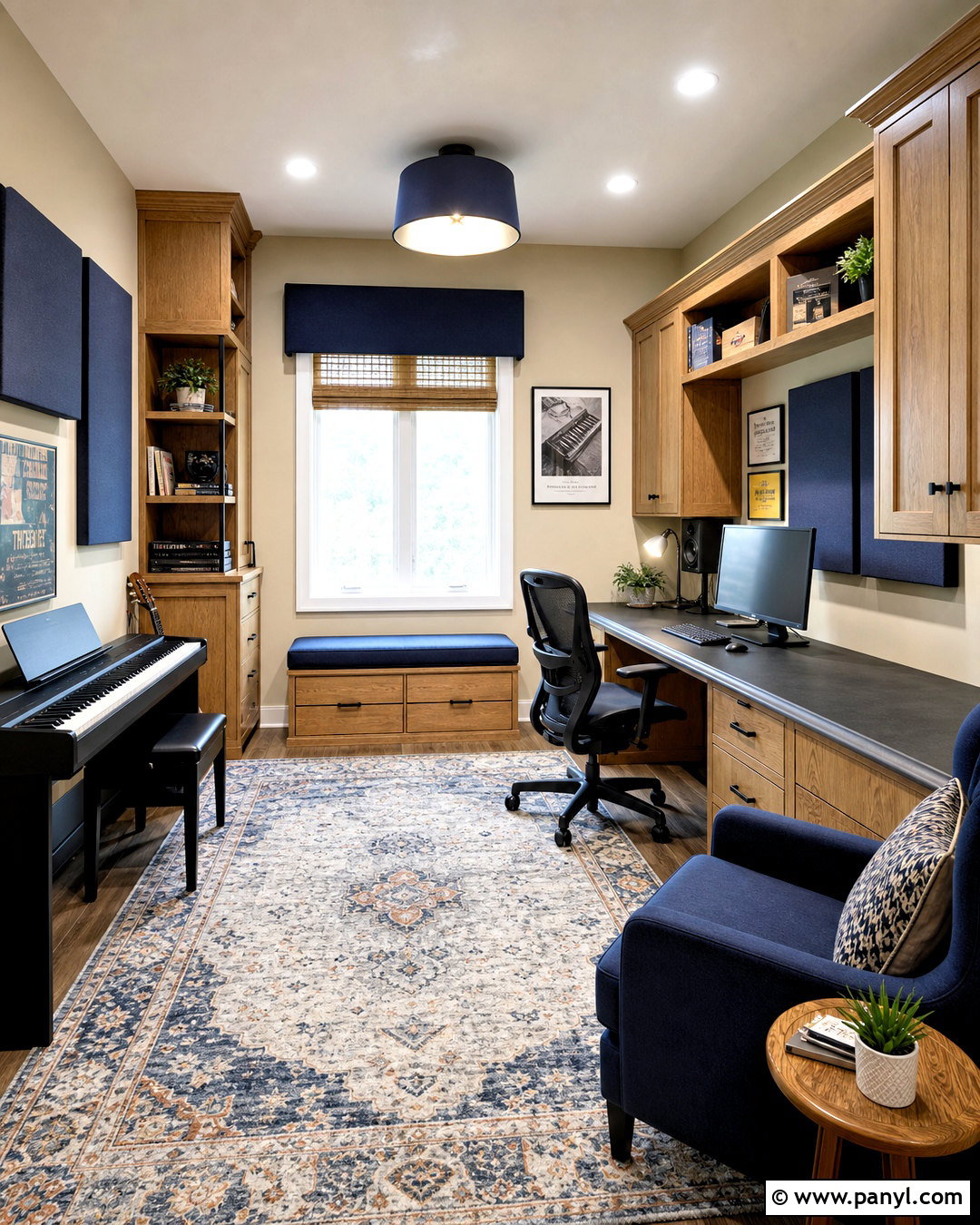
A shared office and music room needs a layout that allows the space to change functions without requiring a complete reset. Position a long built-in desk along one wall with separate zones for computer work and audio equipment. Place a digital piano on the opposite wall, accompanied by a storage bench that holds sheet music and office supplies. Warm beige walls, natural oak cabinets, and deep navy accents create a calm professional atmosphere. Add closed upper cabinets to reduce visible clutter and install two attractive fabric acoustic panels above the production area. An ergonomic desk chair, small reading chair, and washable area rug make the room comfortable throughout the day. Use labeled cable drawers and rolling equipment carts so work materials and musical tools remain organized but easily accessible.
9. Living Room Music Corner
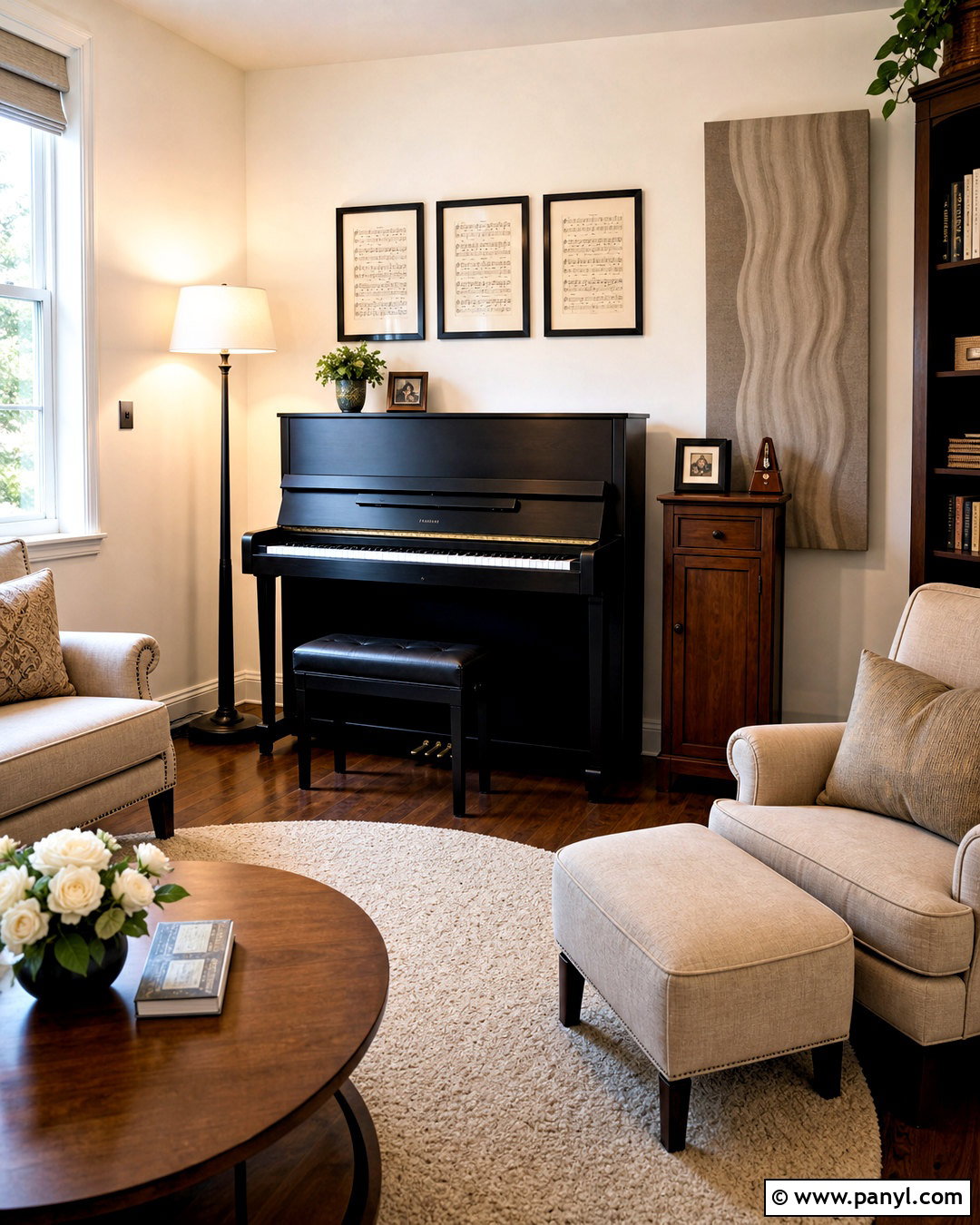
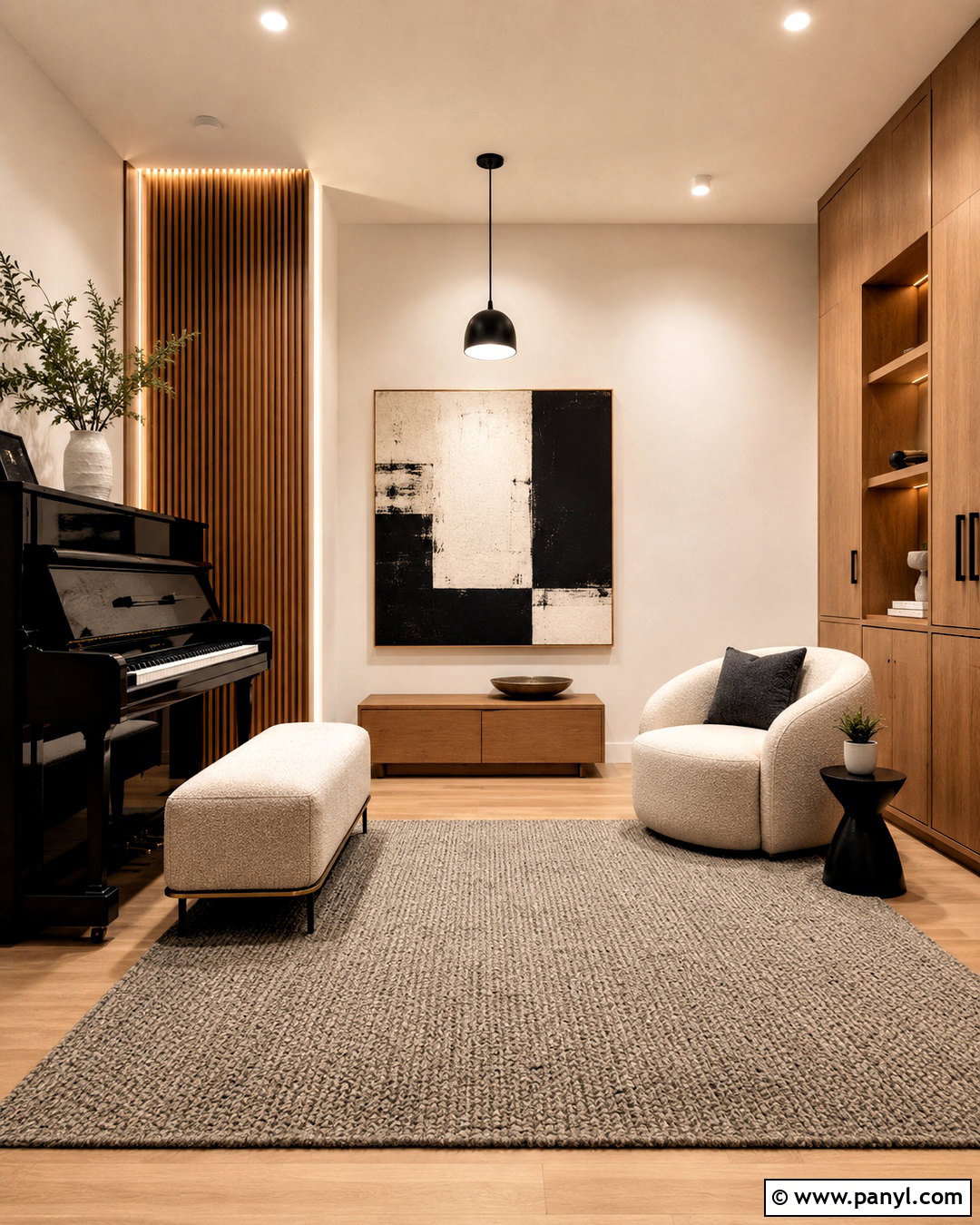
An unused living room corner can become a polished music area that blends naturally with the main seating arrangement. Place a slim black upright piano or digital keyboard against the wall and coordinate its bench with the room’s existing upholstery. Define the corner with a round wool rug, a tall floor lamp, and a narrow picture ledge displaying framed sheet music and personal photographs. Warm white walls, oatmeal seating, black accents, and medium-tone wood help the music zone feel connected to the rest of the room. Add a lidded basket for headphones and cables, plus a small cabinet for books and accessories. One upholstered acoustic panel can resemble wall art above the instrument. Maintain a clear walkway so the corner feels integrated rather than squeezed into leftover space.
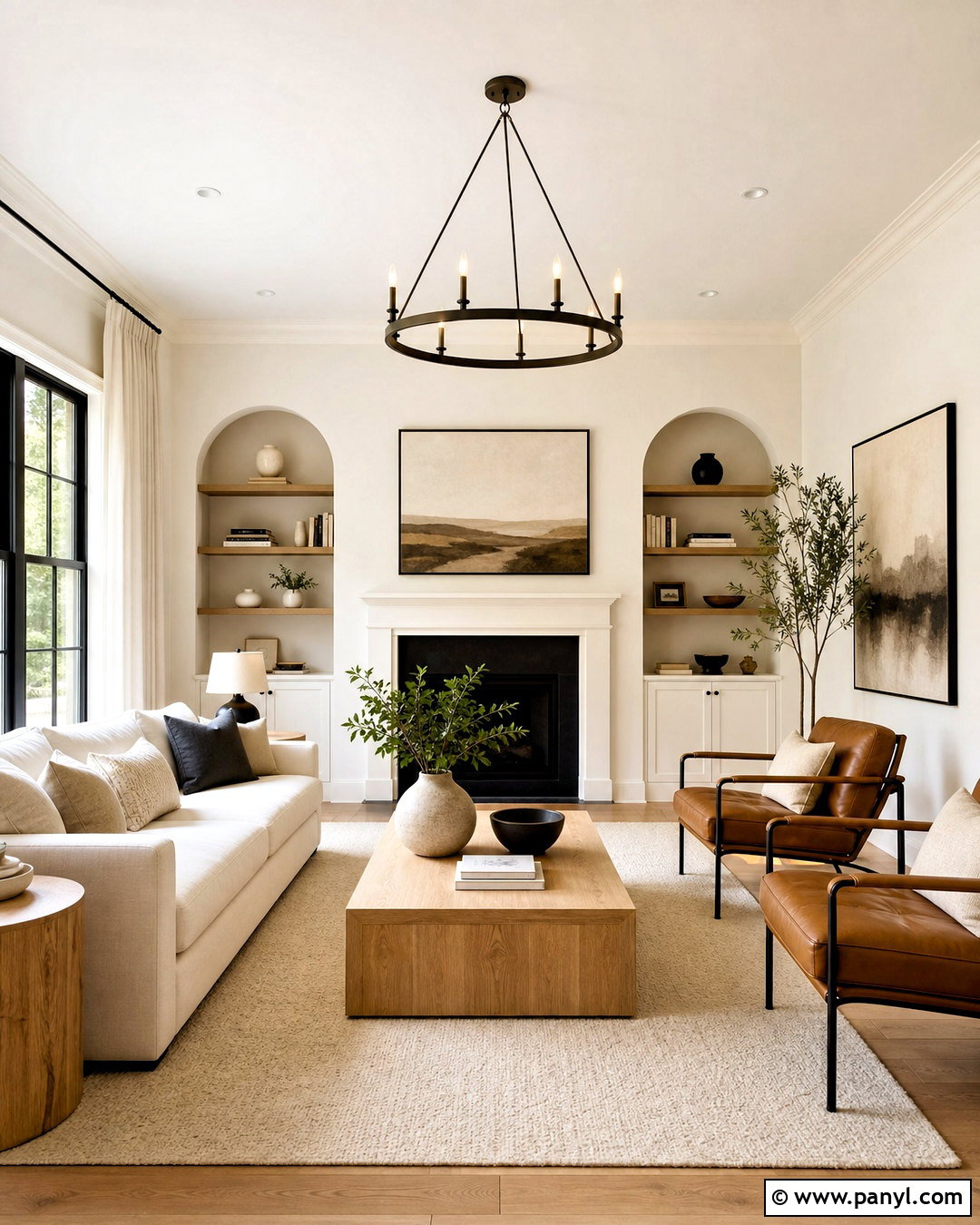
10. Bedroom Music Room
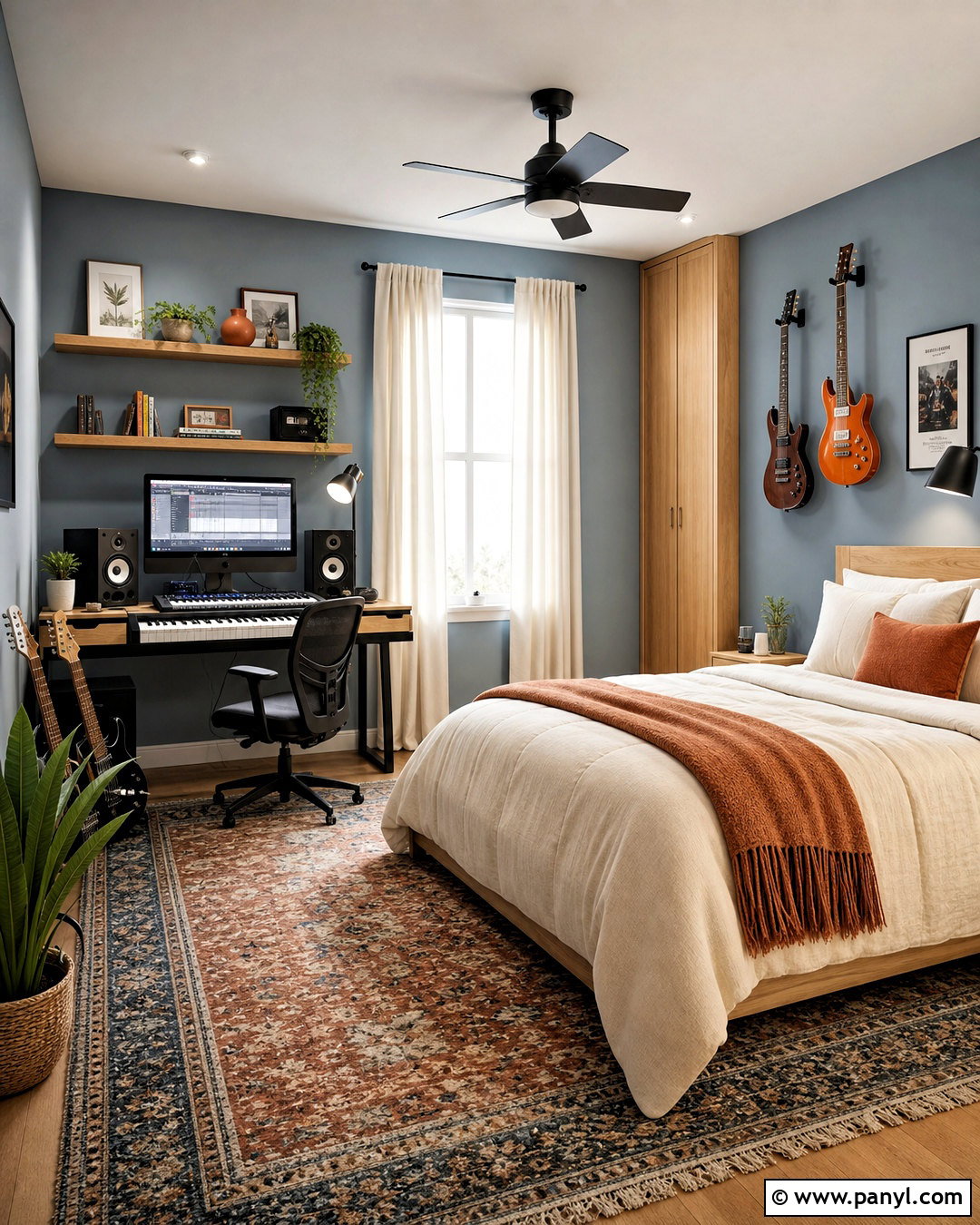
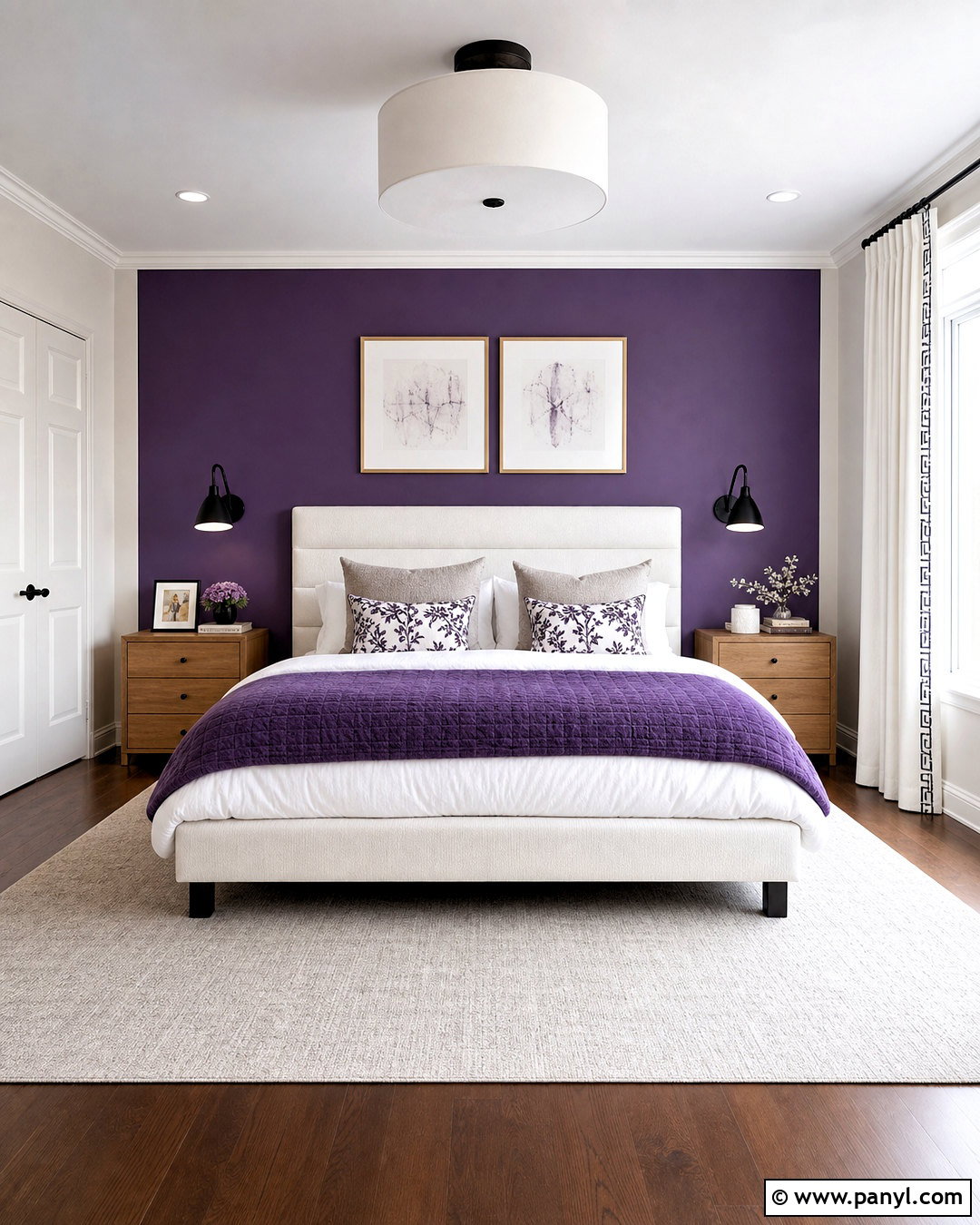
A bedroom music setup should support creativity without taking over the restful purpose of the room. Position a compact keyboard desk or small production station along the wall farthest from the bed. Use a low upholstered headboard, full curtains, and a large rug to create a soft, unified environment. Paint the walls a pale blue-gray and combine them with light wood furniture, cream bedding, and muted terracotta accents. Floating shelves can hold small speakers, music books, and decorative objects without consuming floor space. Store guitars on secure wall hangers above a narrow closed cabinet, keeping cables and pedals hidden inside. Add an adjustable desk lamp for practice and warm bedside lighting for relaxation. The finished room should feel calm, uncluttered, and easy to transition from music-making to sleeping.
11. Drum Practice Music Room
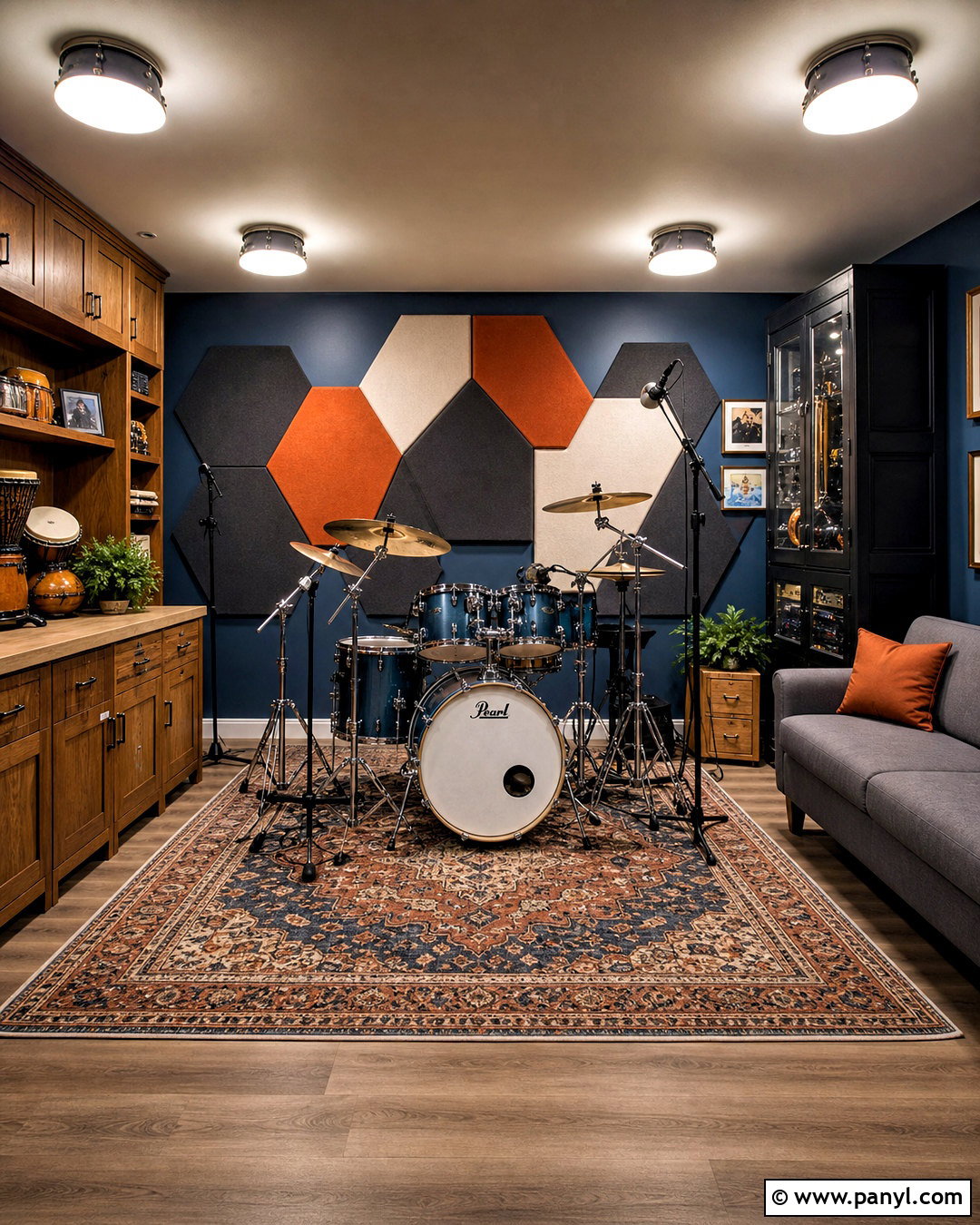
A drum room benefits from a focused layout that leaves generous clearance around the kit. Center the drums on a heavy patterned rug instead of pushing them tightly into a corner. Surround the practice zone with fabric-wrapped wall panels in charcoal, rust, and muted beige for a coordinated geometric feature. Dark blue walls, warm oak shelving, and black hardware create a strong contemporary look. Use one tall cabinet for sticks, spare heads, stands, and electronic equipment, while open shelves can display smaller percussion instruments. Add an armless loveseat along the back wall for guests or breaks between sessions. Bright ceiling fixtures and an adjustable lamp should illuminate the kit clearly. Keep extra furniture minimal, allowing safe movement around cymbal stands, microphones, and recording equipment.
12. Kids Home Music Room
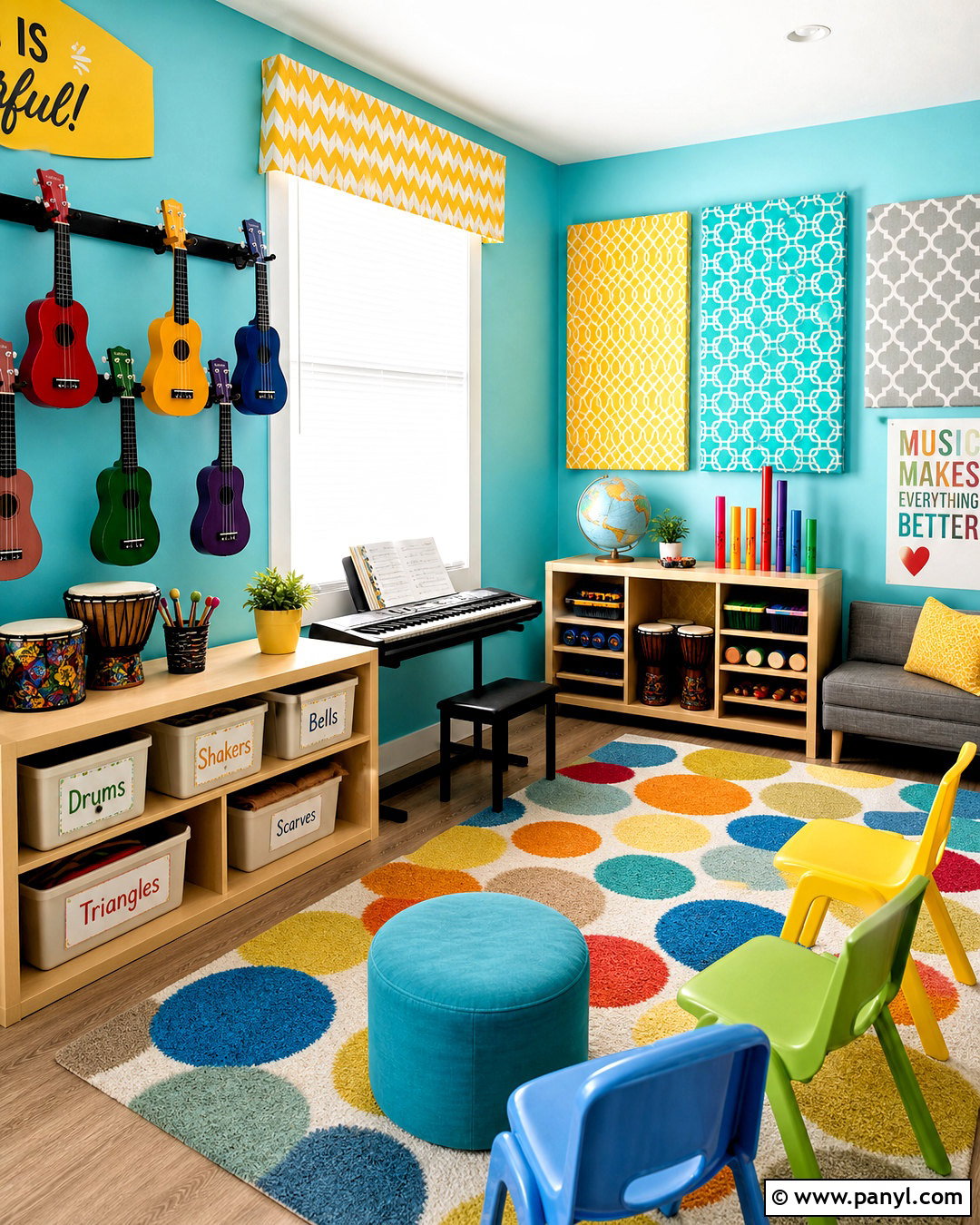
A children’s music room should feel playful, durable, and simple enough to keep organized. Create a central open area for movement, then place a small keyboard, child-size table, and accessible instrument shelf around the perimeter. Use cheerful aqua walls, sunny yellow accents, light birch furniture, and a washable multicolor rug. Low cubbies with illustrated labels can hold shakers, hand drums, headphones, and music books. Install secure wall hooks for lightweight instruments and include a padded bench where an adult can sit during lessons. Fabric acoustic panels in bright geometric shapes add color while making the room feel finished. Use rounded furniture, cordless window shades, and concealed cables throughout. Bright ceiling lighting and a flexible floor lamp will support lessons, creative play, and family performances.
13. Classical Piano Music Room
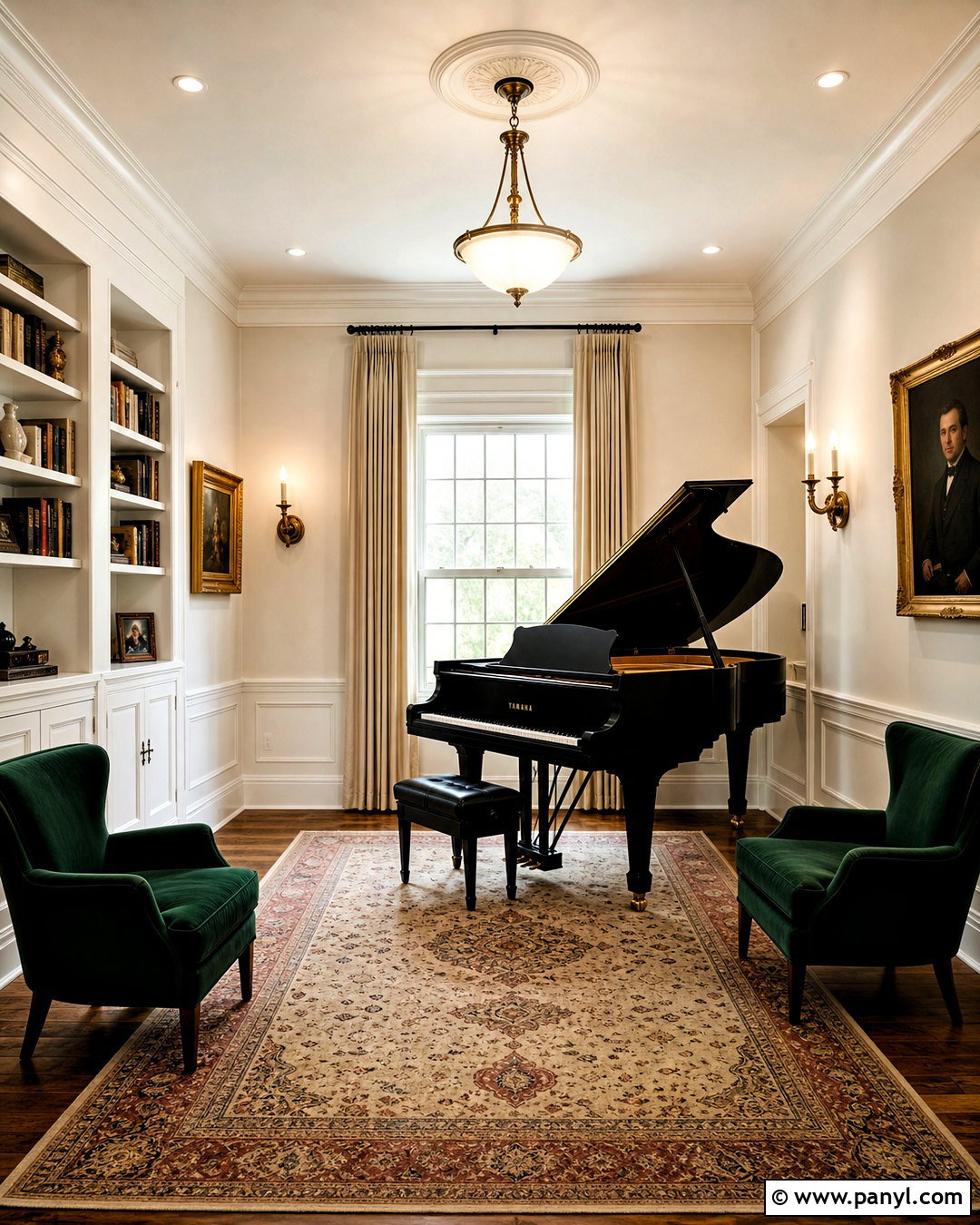
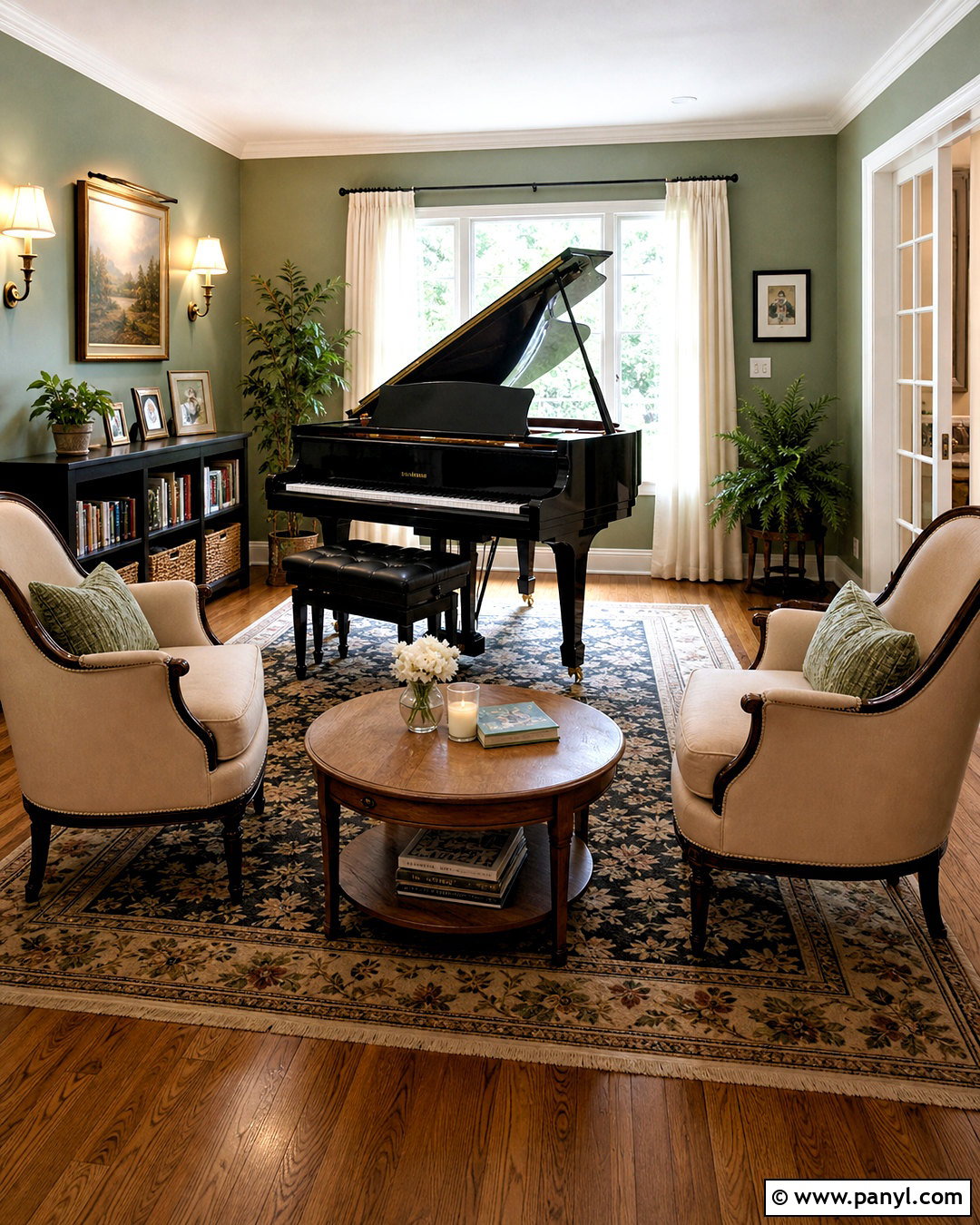
Graceful furniture and balanced symmetry can give a classical piano room a formal appearance without making it uncomfortable. Position a baby grand piano slightly off-center so its shape can be appreciated while maintaining clear walking paths. Use soft ivory walls, detailed white trim, medium walnut flooring, and a faded Persian-style rug. Place two upholstered armchairs near the far wall with a small round table between them, creating a listening area for family or guests. Built-in bookcases can hold scores, biographies, and decorative objects, while linen drapes soften the windows. Add antique brass sconces, a traditional ceiling fixture, and a focused piano lamp. Keep the palette restrained with burgundy, muted gold, and forest green accents so the completed room feels refined, warm, and suitable for regular practice.
14. Minimalist Home Music Room
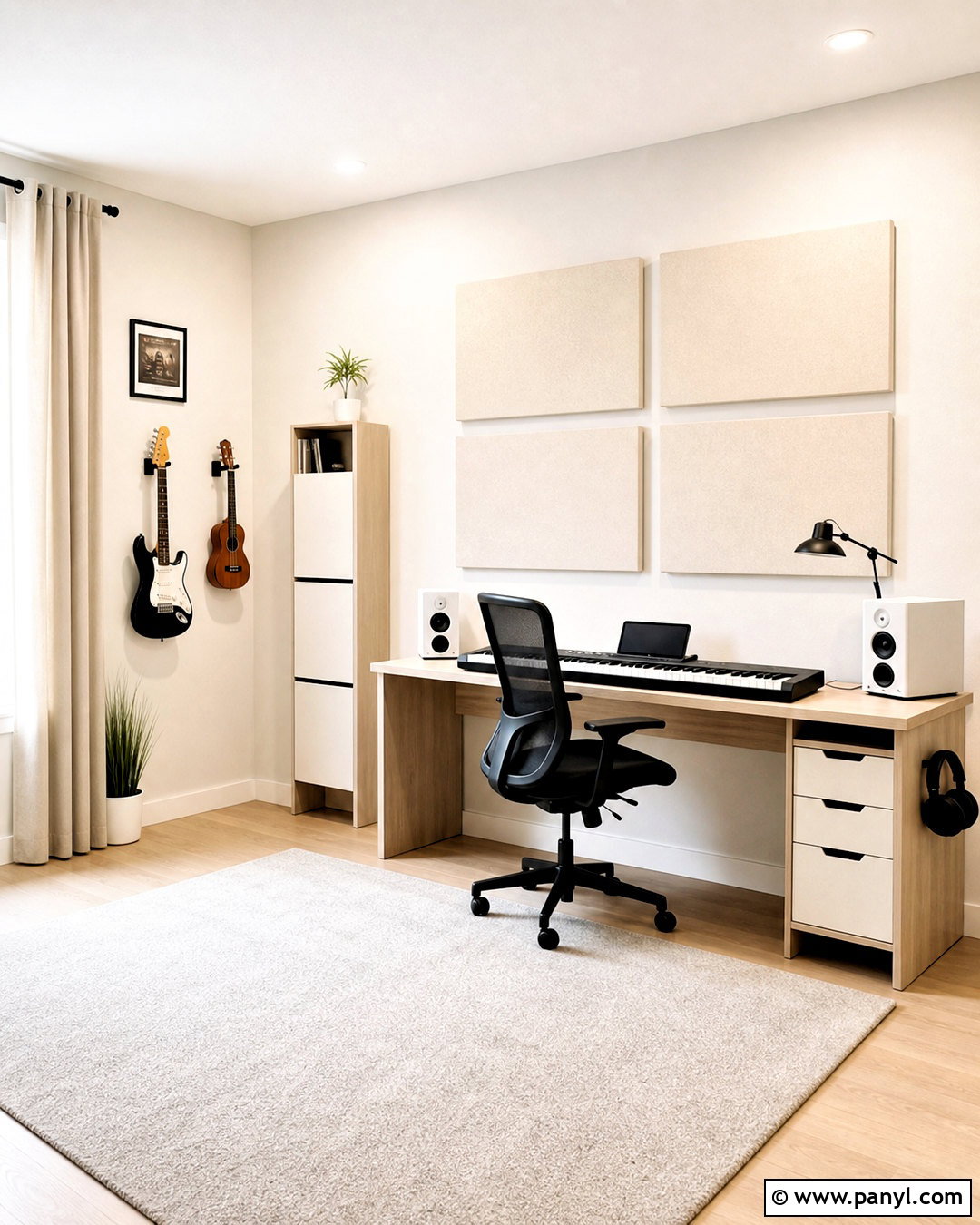
A minimalist music room succeeds when every visible item has a clear function and a designated place. Choose a low white oak desk with built-in cable management and center it against a warm white wall. Place a digital keyboard beneath the work surface or on a matching stand nearby. Use pale wood flooring, a large light gray rug, and simple off-white curtains to create a quiet visual background. Acoustic panels in matching cream fabric can form a clean grid rather than a busy feature wall. Add one black ergonomic chair, a slim storage cabinet, and two wall-mounted instruments as intentional accents. Recessed lighting and a single adjustable floor lamp provide practical illumination. Avoid excessive artwork and accessories, allowing the equipment, natural textures, and open floor space to define the finished design.
15. Industrial Home Music Room
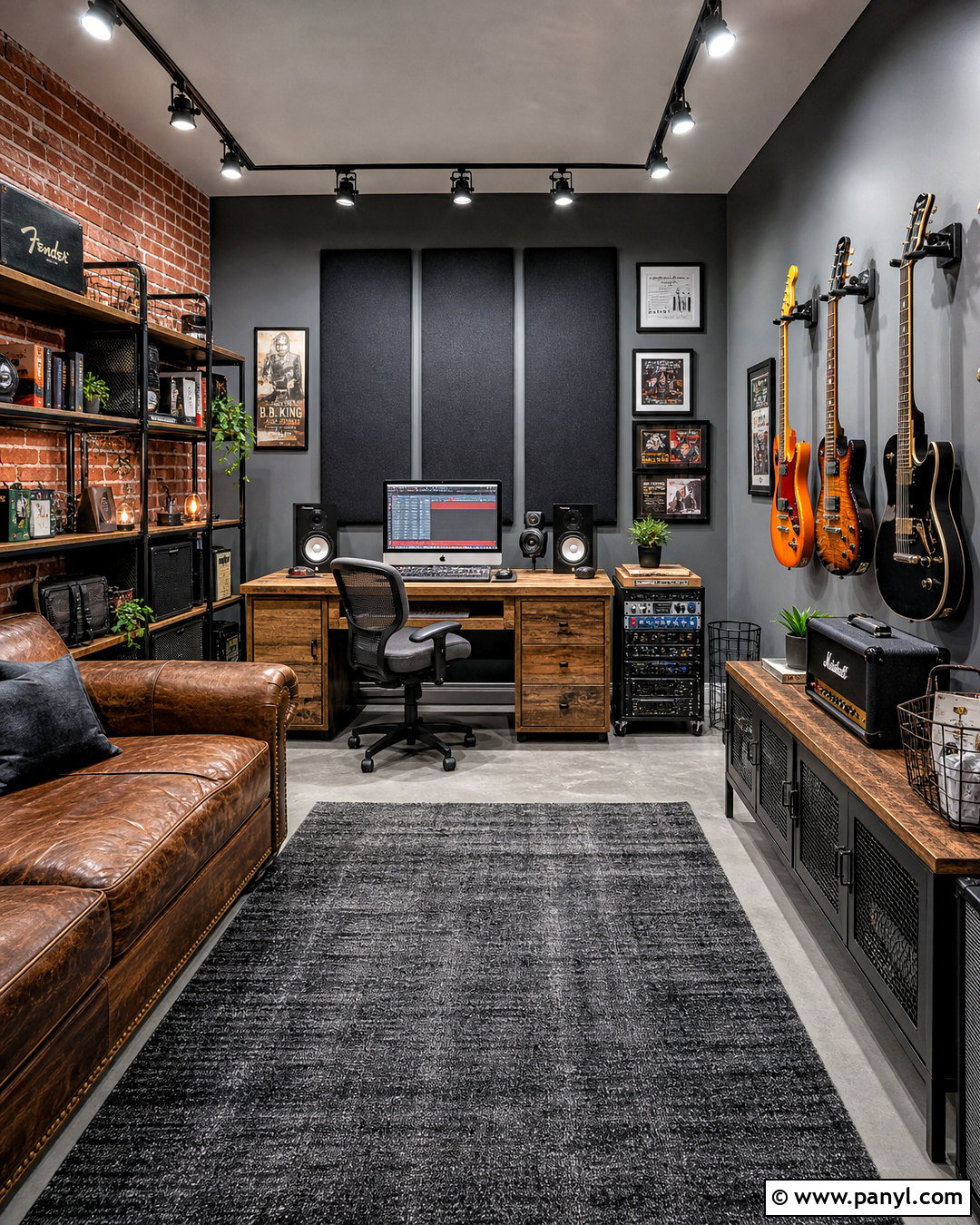
Exposed materials can give a music room an energetic studio character when they are balanced with comfortable surfaces. Start with one red brick wall, warm gray paint, black metal shelving, and medium-tone wood flooring. Place a substantial reclaimed wood production desk against the main acoustic wall, flanked by studio monitors and dark fabric panels. Display guitars on a black steel rail above a low equipment cabinet. A worn brown leather sofa, charcoal area rug, and oversized floor lamp create a relaxed lounge zone across the room. Use wire baskets and labeled wooden boxes to organize cables, pedals, and accessories. Black track lighting keeps the equipment and wall displays visible. Include curtains, upholstery, and acoustic treatments generously so the industrial materials feel inviting rather than hard or unfinished.
16. Boho Home Music Room
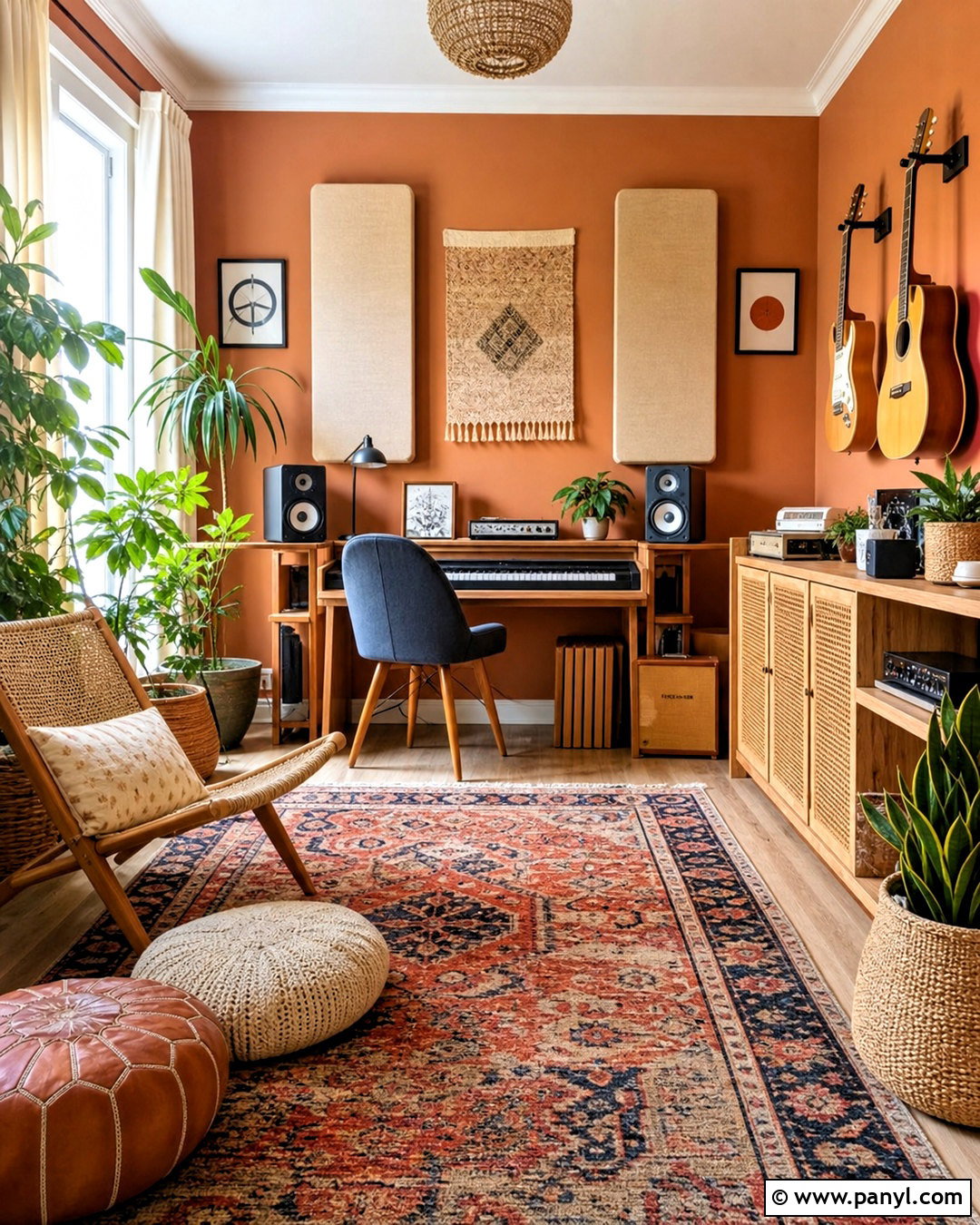
Layers of natural texture create a casual boho music room that feels personal and comfortable. Arrange a keyboard or low recording desk against a warm clay-colored wall, then place a woven lounge chair and floor cushions nearby for informal playing sessions. Use a large vintage-patterned rug to connect the furniture and establish the main music zone. Rattan cabinet doors, light wood shelves, cream curtains, and woven baskets provide storage without introducing heavy visual weight. Hang guitars beside textile-covered acoustic panels in terracotta, olive, and beige. Add healthy houseplants in stable floor pots, keeping leaves clear of instruments and equipment. A beaded ceiling light, adjustable task lamp, and soft wall sconces complete the layered lighting plan. The final room should look collected, relaxed, and functional rather than crowded.
17. Midcentury Modern Music Room
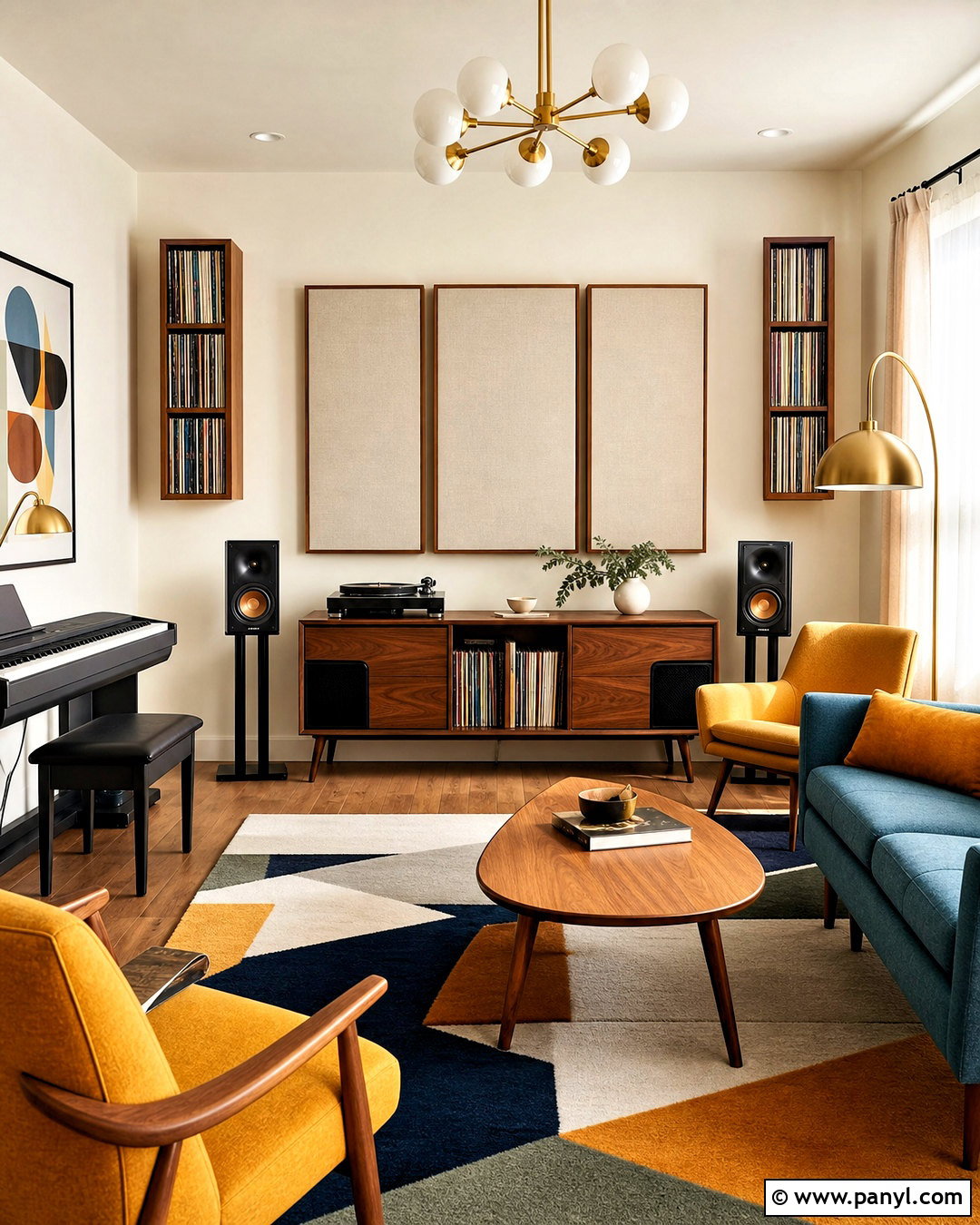
A midcentury music room pairs clean furniture shapes with warm wood and a few confident colors. Place a walnut record console and turntable along the main wall, with matching speakers arranged on either side. Add a compact digital piano near the window and a low-profile teal sofa facing the listening setup. Mustard accent chairs, an abstract geometric rug, and cream walls give the space a lively but controlled palette. Use narrow walnut shelves for albums, music books, and small decorative pieces. Fabric acoustic panels can be framed in wood so they resemble period artwork. Complete the room with a brass globe floor lamp, tapered furniture legs, and simple linen curtains. Maintain open space between the seating and instruments to preserve the light, uncluttered character associated with the design.
18. Luxury Home Music Room
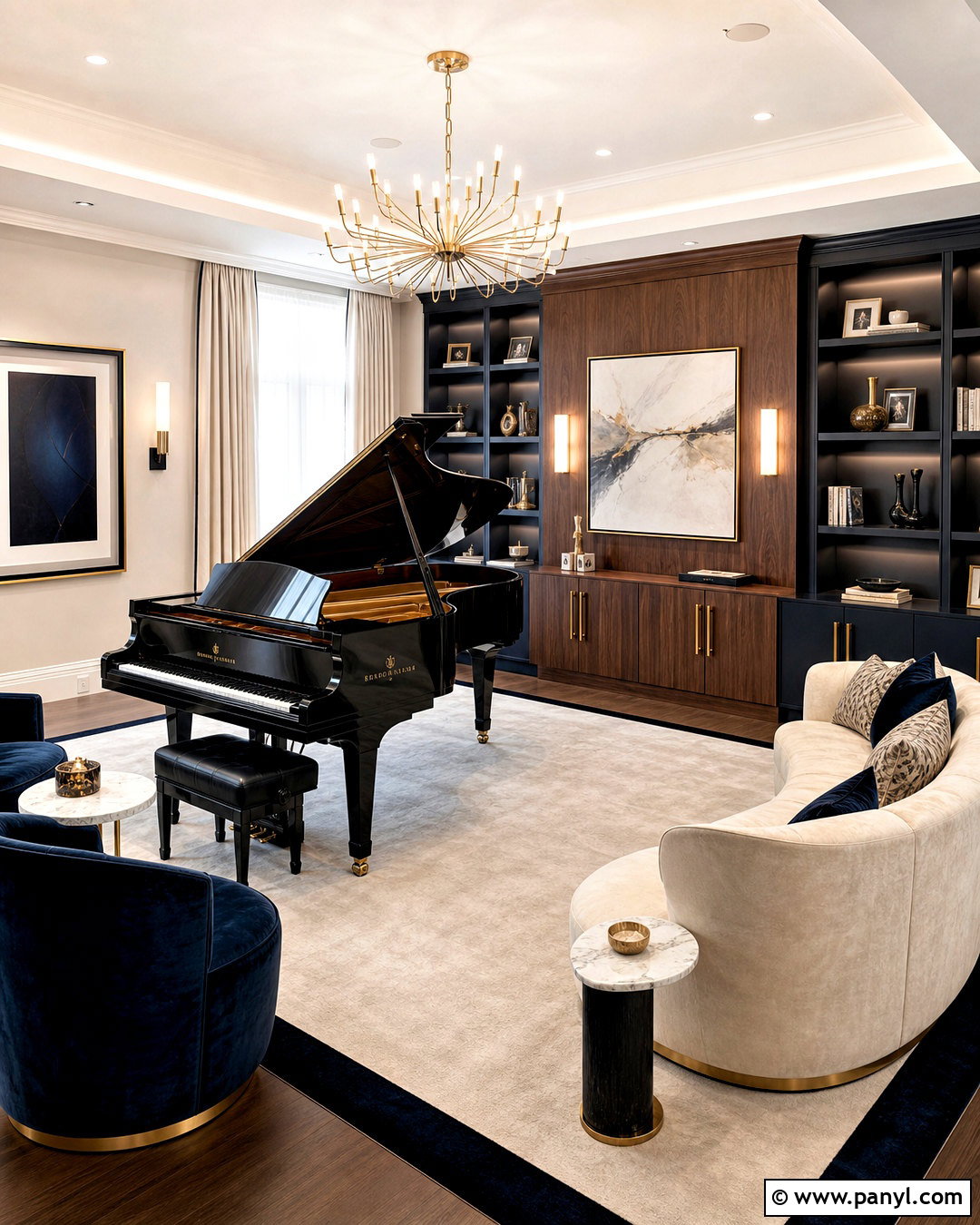
A luxurious music room should combine beautiful finishes with a layout that remains comfortable for everyday use. Center a glossy black baby grand piano on a large cream-and-navy wool rug, leaving open circulation around every side. Install deep navy built-in shelves with brass hardware along the back wall for music books, records, and concealed equipment. A curved cream sofa and two velvet chairs can create an intimate listening area facing the piano. Add walnut wall panels and coordinated fabric acoustic inserts to bring warmth and visual rhythm. A sculptural brass chandelier provides a dramatic focal point, while picture lights and floor lamps create practical illumination. Finish with full-length ivory curtains, marble-topped side tables, and restrained artwork for an elegant room that still supports regular performances.
19. Garage Home Music Room
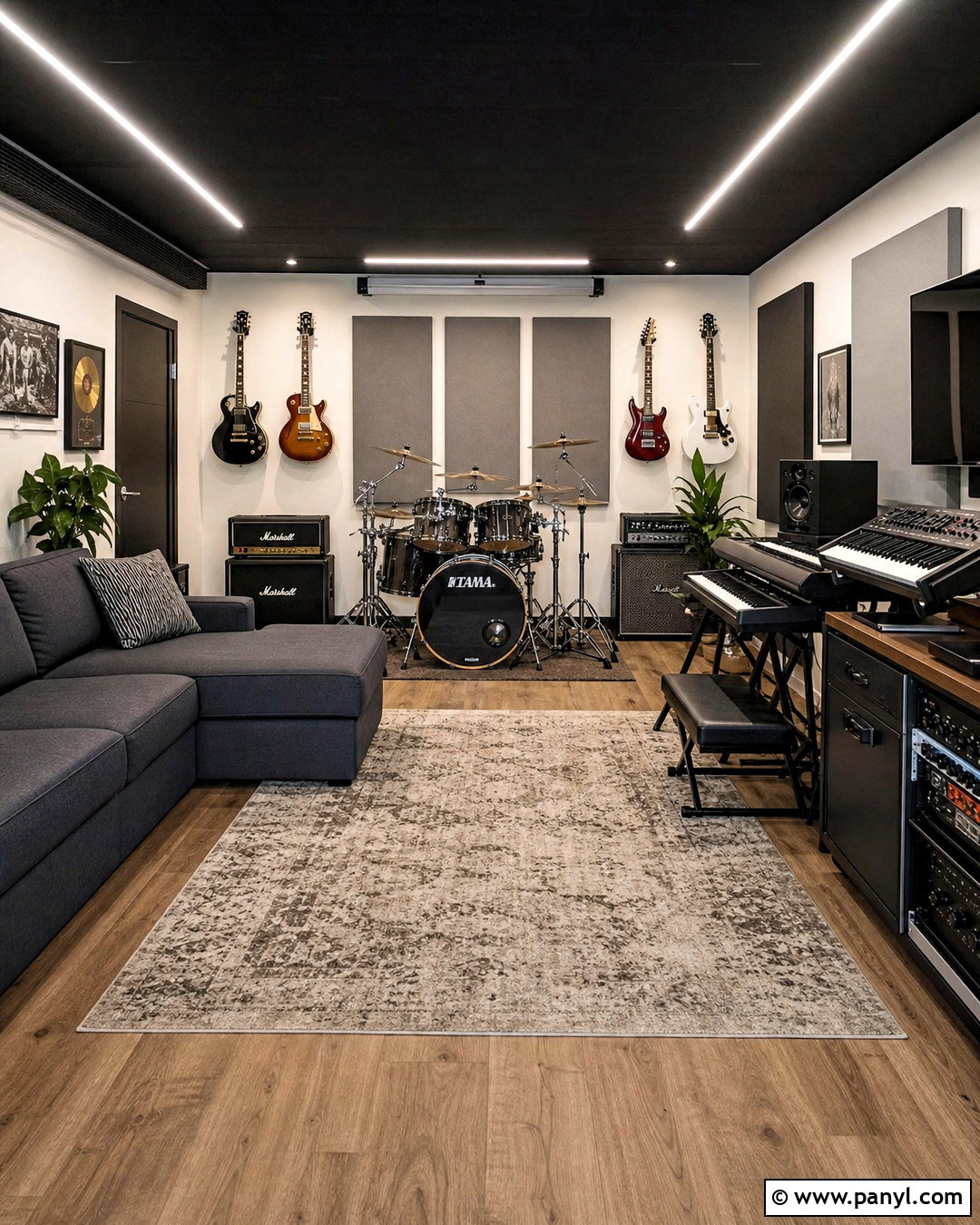
A converted garage can become an inviting band room by replacing the utility-room feeling with layered residential finishes. Cover the concrete floor with durable wood-look planks and define the main rehearsal zone with a large low-pile rug. Use insulated-looking fabric wall panels, warm white paint, and a black ceiling for a crisp modern contrast. Arrange drums at the back, keyboards along one side, and guitars with amplifiers along the other, leaving the center open for microphones and seating. Install sturdy closed cabinets for tools and music equipment so the two uses never overlap visually. A compact charcoal sectional offers a comfortable break area. Bright linear ceiling lights, adjustable track fixtures, and organized wall-mounted cable systems complete this practical, polished garage transformation.
20. Budget Home Music Room
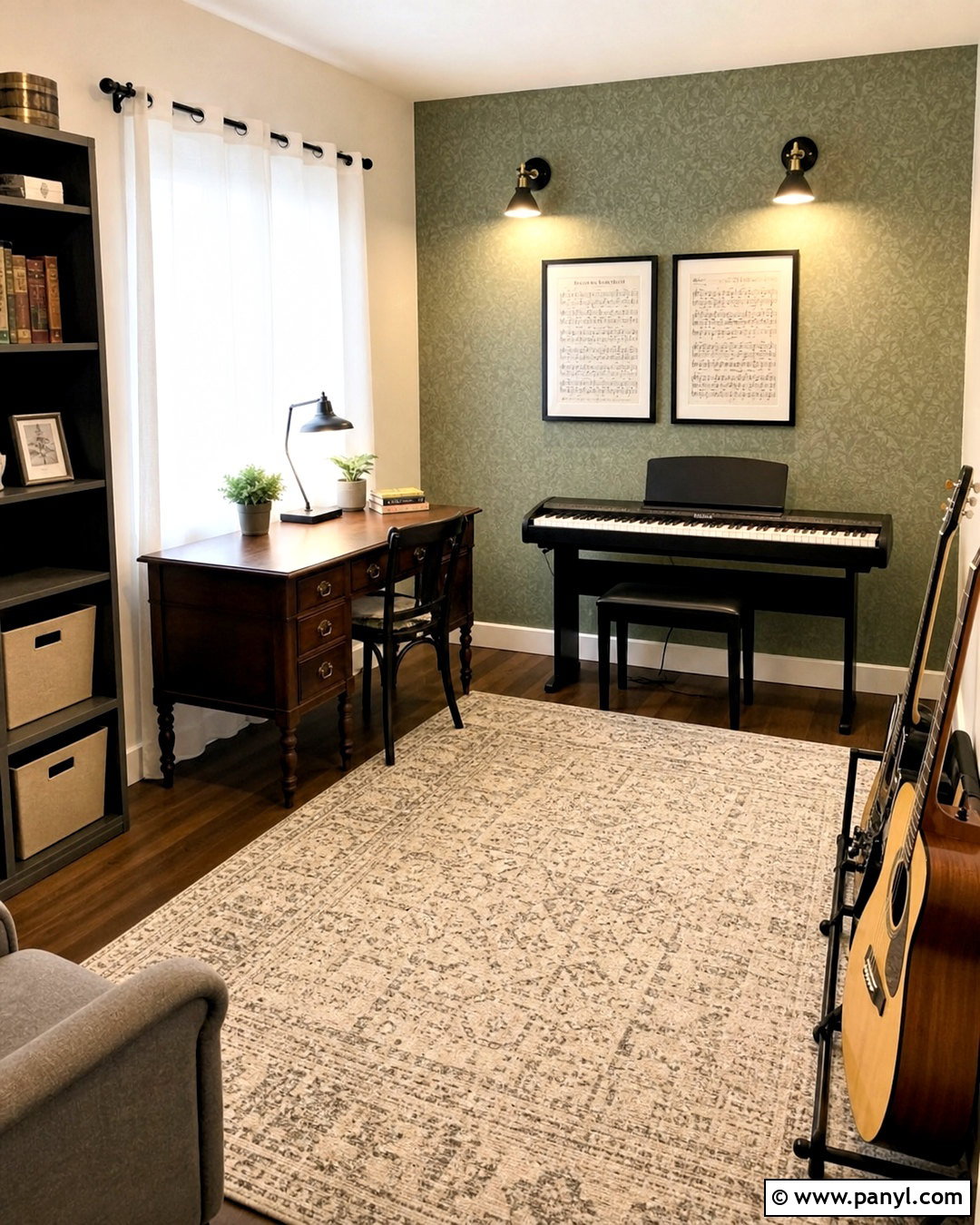
An affordable music room can still look coordinated when the design begins with a simple color palette and smart organization. Paint the walls soft warm white, then create one accent area with removable muted green wallpaper or neatly arranged fabric panels. Use a secondhand desk as a recording station and place a digital keyboard on a basic black stand nearby. A washable neutral rug, thrifted armchair, and simple curtains will make the space feel comfortable and complete. Install low-cost wall hooks for instruments, but keep smaller accessories in matching lidded bins on a cube shelf. Frame vintage sheet music or personal concert photos for inexpensive artwork. Add plug-in sconces and a bright floor lamp. Repeating black, natural wood, cream, and green throughout the room creates an intentional finished look.
Conclusion:
The most successful music spaces support the way you actually play, practice, listen, or record. Begin by choosing the room’s primary purpose, then organize the largest instruments before adding furniture and decorations. A comfortable chair, clear pathways, accessible storage, soft materials, and practical lighting can improve almost any setup. You do not need a huge room or professional studio equipment to create a space that feels inspiring. Even a bedroom wall, office corner, attic, garage, or basement can become an attractive musical retreat. Use these home music room design ideas as flexible starting points, adjusting the colors, layout, storage, and equipment to suit your home, budget, musical interests, and available floor space.

Related Ideas and Inspiration:
Leave a Reply