
The right flooring can shape how your entire home looks, feels, and functions. These home floor tiles design ideas explore complete room schemes rather than isolated patterns. You will find polished marble looks, earthy stone finishes, warm terracotta, realistic wood effects, and expressive geometric layouts. Current tile directions favor warmer colors, large formats, handcrafted character, checkerboard patterns, and coordinated indoor-outdoor surfaces. () Each look below combines flooring with wall colors, furniture, lighting, textiles, and practical finishing details. There are choices for busy kitchens, relaxing bathrooms, welcoming entryways, and comfortable living spaces. Whether your taste is classic, modern, rustic, or colorful, use these 20 home floor tiles design ideas to create a polished space that works from the ground up.

1. Large Format Marble Floor Tile
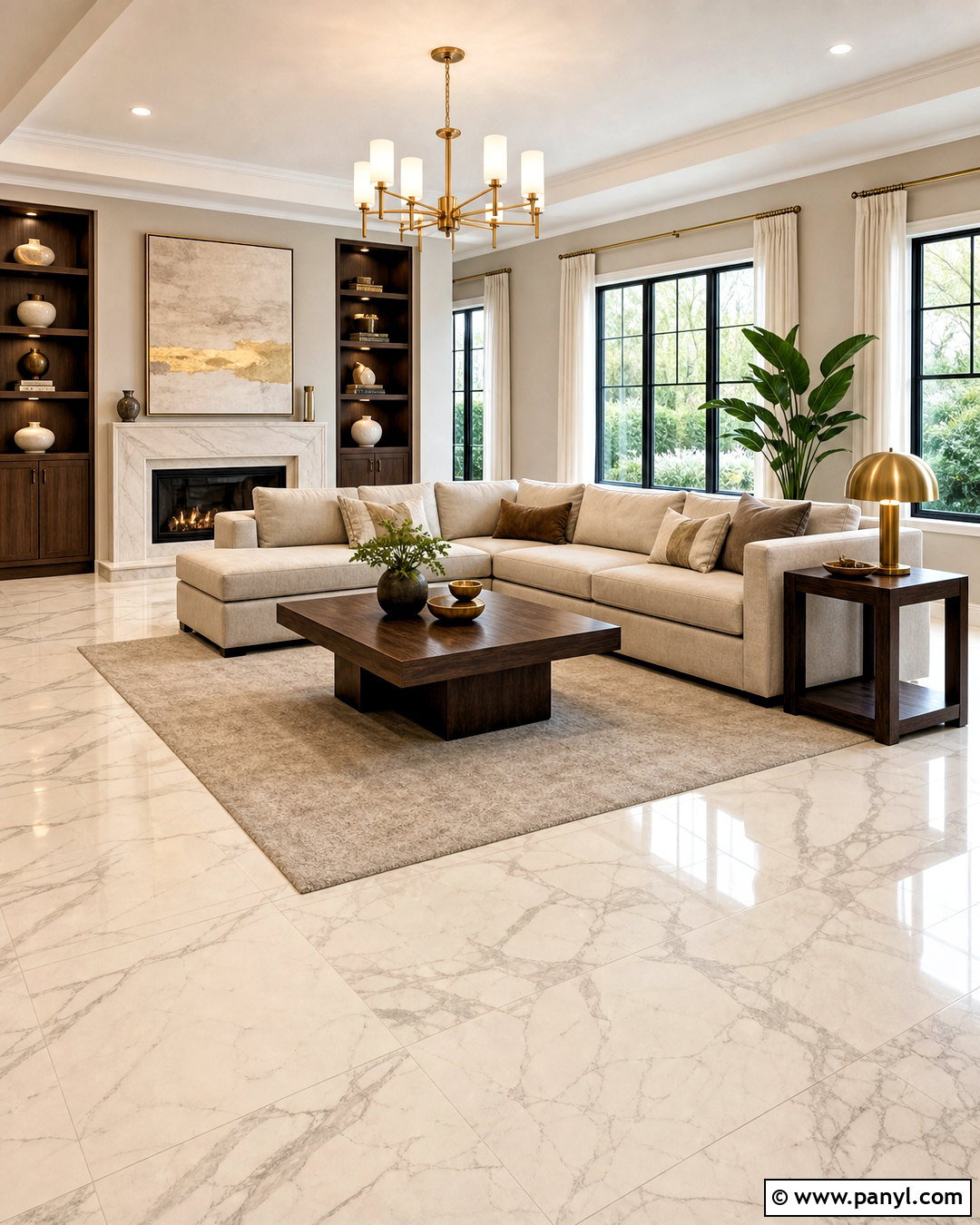
Large-format marble-look porcelain can give a living room a bright, open, and refined appearance without making the space feel overly formal. Choose ivory tiles with subtle warm gray veining, then use narrow grout lines in a closely matched color. Pair the floor with soft greige walls, an oatmeal sectional, walnut accent tables, and brushed brass lighting. A textured cream rug can define the seating area while leaving enough tile visible around the edges. Add charcoal pillows and dark-framed artwork for contrast. Select a satin or honed finish rather than a mirror-like surface for a relaxed residential look. Continuing the same tile into an adjoining dining area creates a visually connected layout that suits both compact and open-concept homes.
2. Warm Limestone Floor Tile
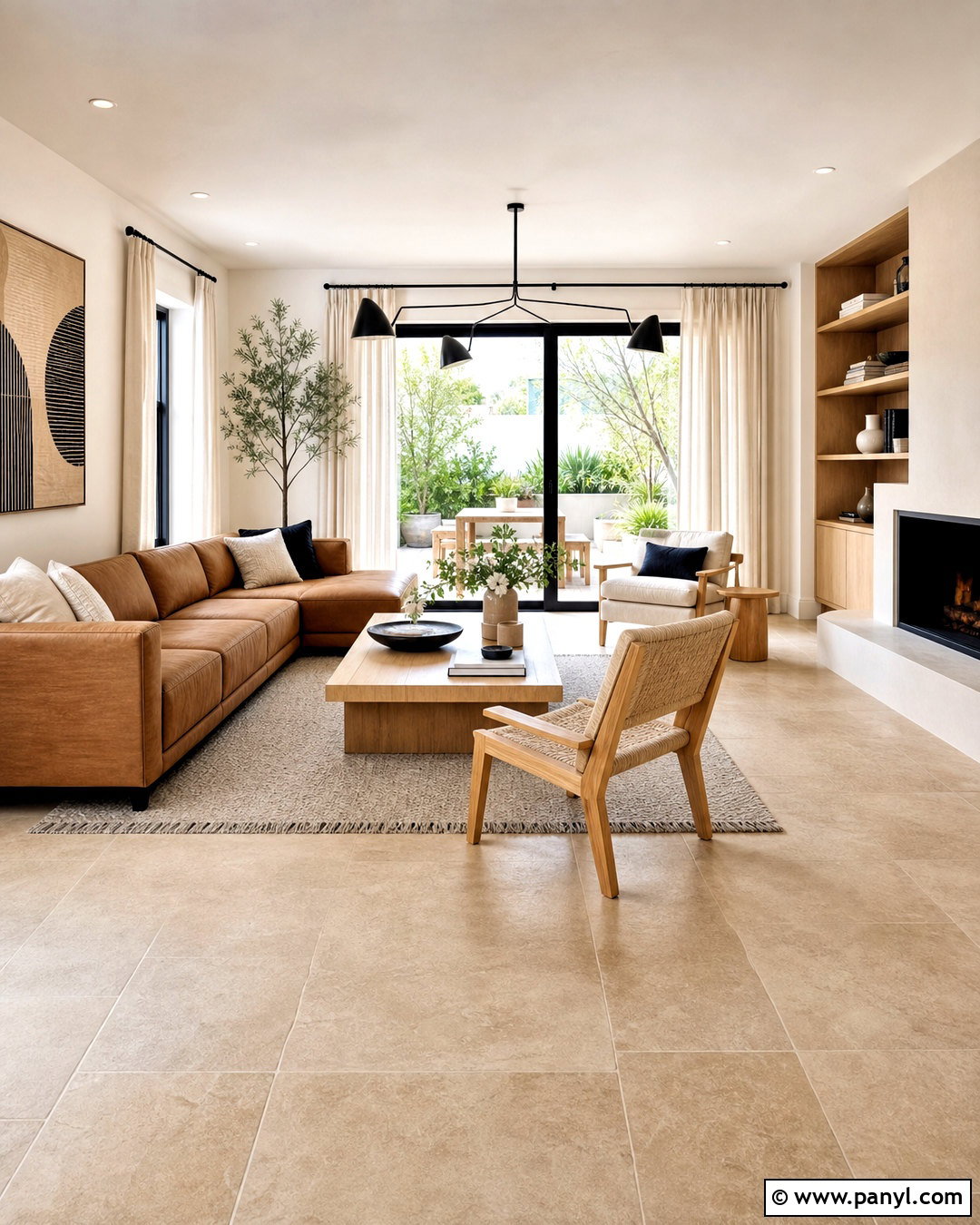
Warm limestone-look floor tile creates a calm foundation for an organic modern living space. Use large rectangular porcelain tiles in sandy beige with soft fossil-like markings and slight color variation. Lay them in a straight pattern to keep the floor simple and balanced. Complete the room with creamy white walls, a low camel-colored sofa, pale oak furniture, and woven linen curtains. Black metal accents on lamps and side tables prevent the neutral palette from looking washed out. A flat-woven wool rug can soften the seating zone without hiding the stone effect. Choose beige grout that blends into the tiles, and repeat the limestone color through ceramic vases and textured pillows. The finished room feels natural, comfortable, and carefully coordinated.
3. Wood Look Herringbone Floor Tile
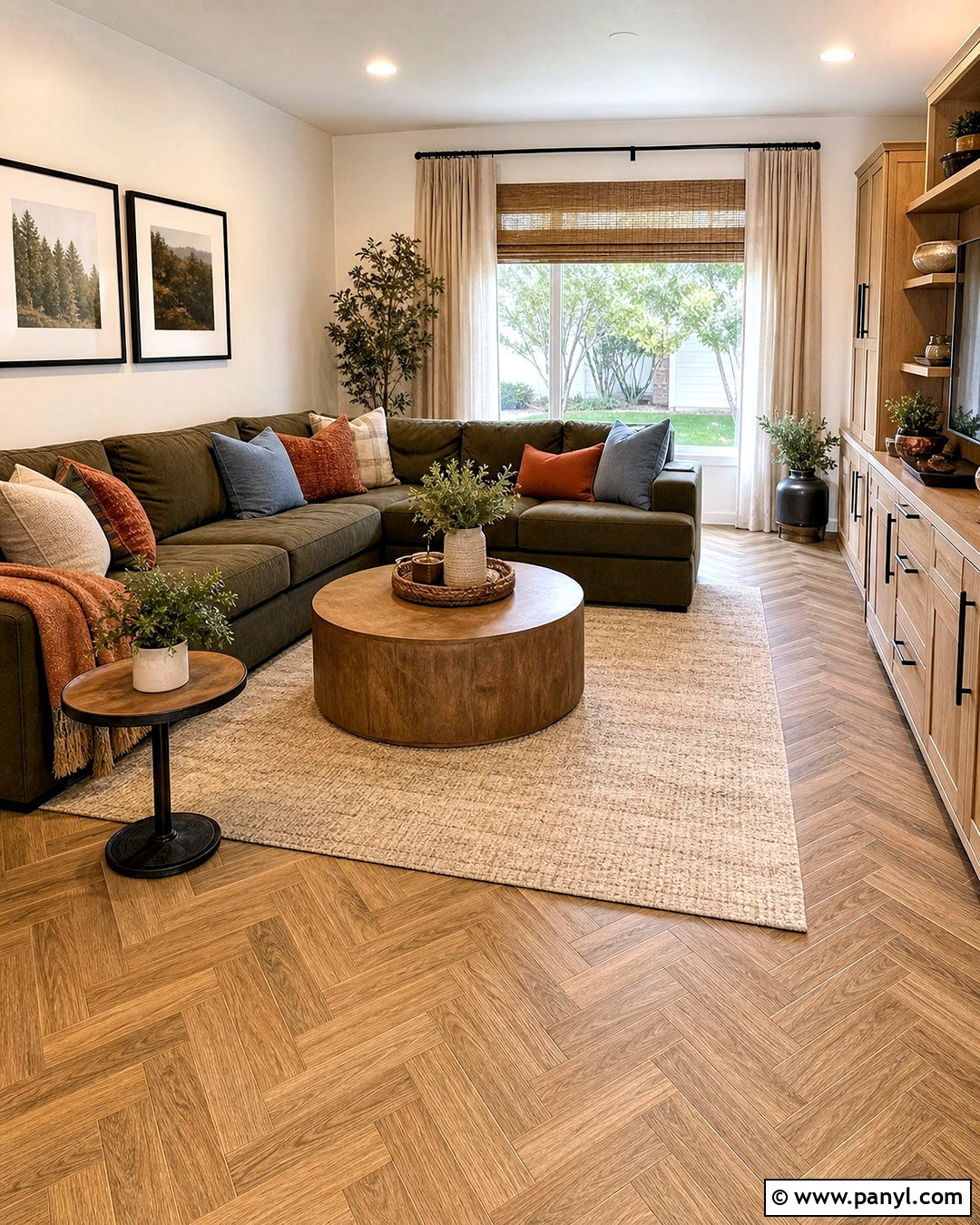
Do you love the character of herringbone but need a floor suited to an active household? Use narrow wood-look porcelain tiles in a medium honey oak tone throughout a family room. The angled pattern adds movement, while a low-sheen finish keeps the surface looking natural. Balance the detailed floor with warm white walls, a deep olive sectional, and simple oak storage cabinets. A round coffee table breaks up the straight lines and makes the seating arrangement easier to navigate. Add rust, cream, and muted blue textiles for a comfortable layered palette. Keep the grout thin and close to the darkest wood grain color. Finish the room with woven shades, matte black lighting, and a modest neutral rug placed beneath the main seating group.
4. Checkerboard Entryway Floor Tile
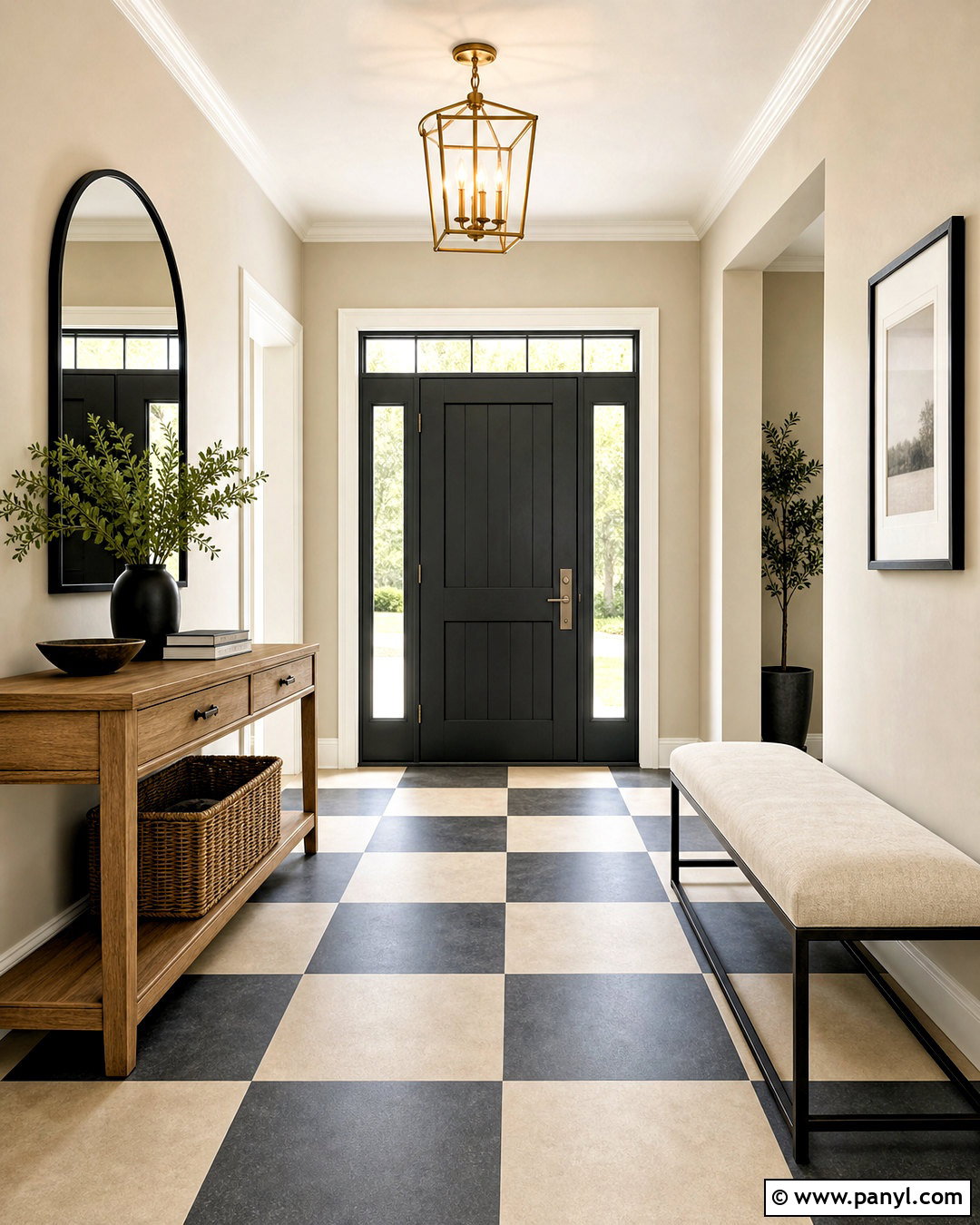
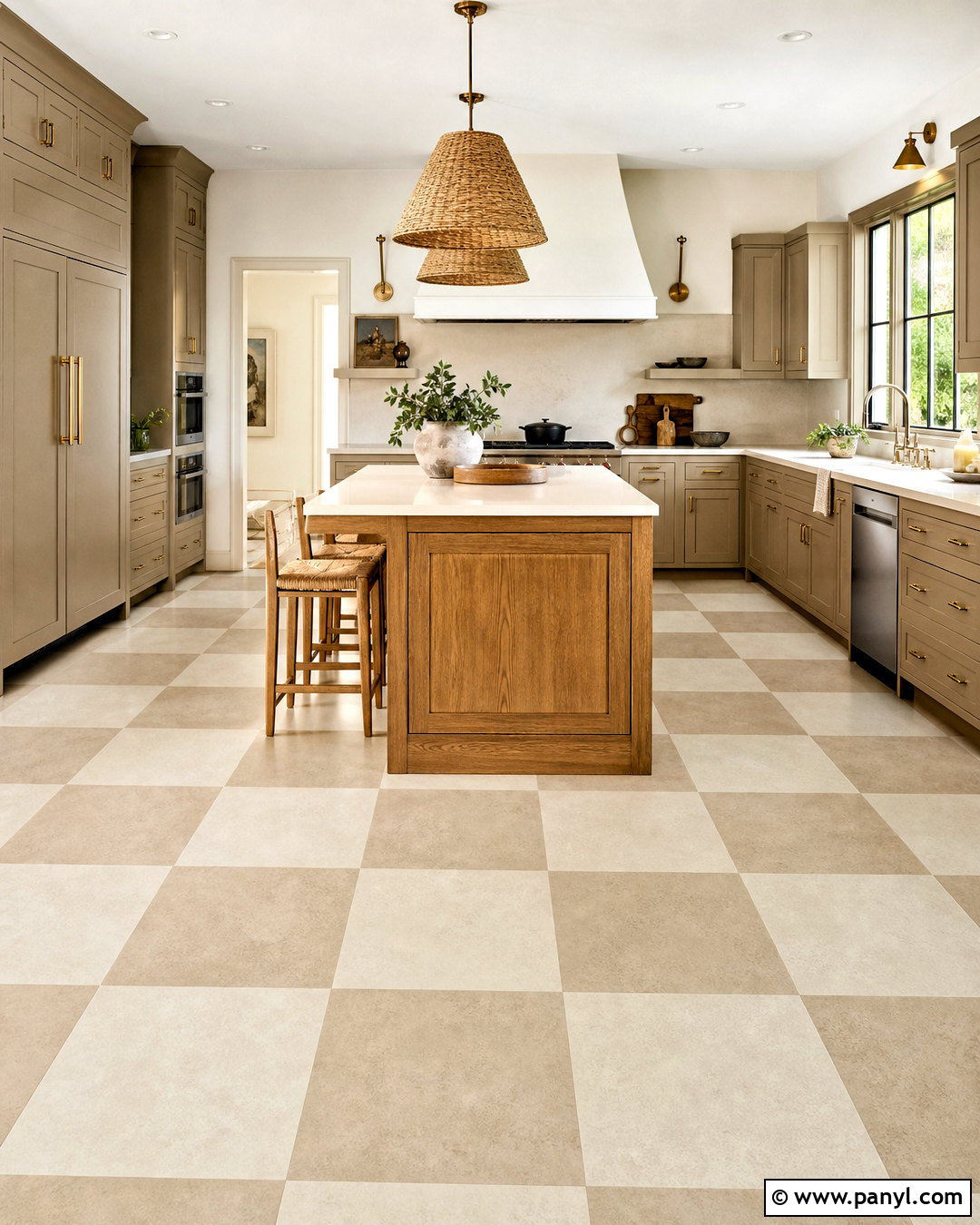
A checkerboard floor gives an ordinary entryway a clear focal point from the moment the door opens. Instead of sharp black and white, select warm ivory and muted charcoal porcelain squares for a softer, more adaptable look. Install them diagonally if you want a traditional presentation or in a straight grid for a cleaner modern result. Pair the floor with pale taupe walls, a natural wood console, an arched black mirror, and a simple upholstered bench. Paint the interior door deep charcoal to connect it visually to the darker tiles. Use medium-gray grout to reduce obvious discoloration in this busy zone. A brass ceiling light, ceramic lamp, and small leafy plant complete a practical entrance with plenty of personality.
5. Patterned Encaustic Foyer Tile
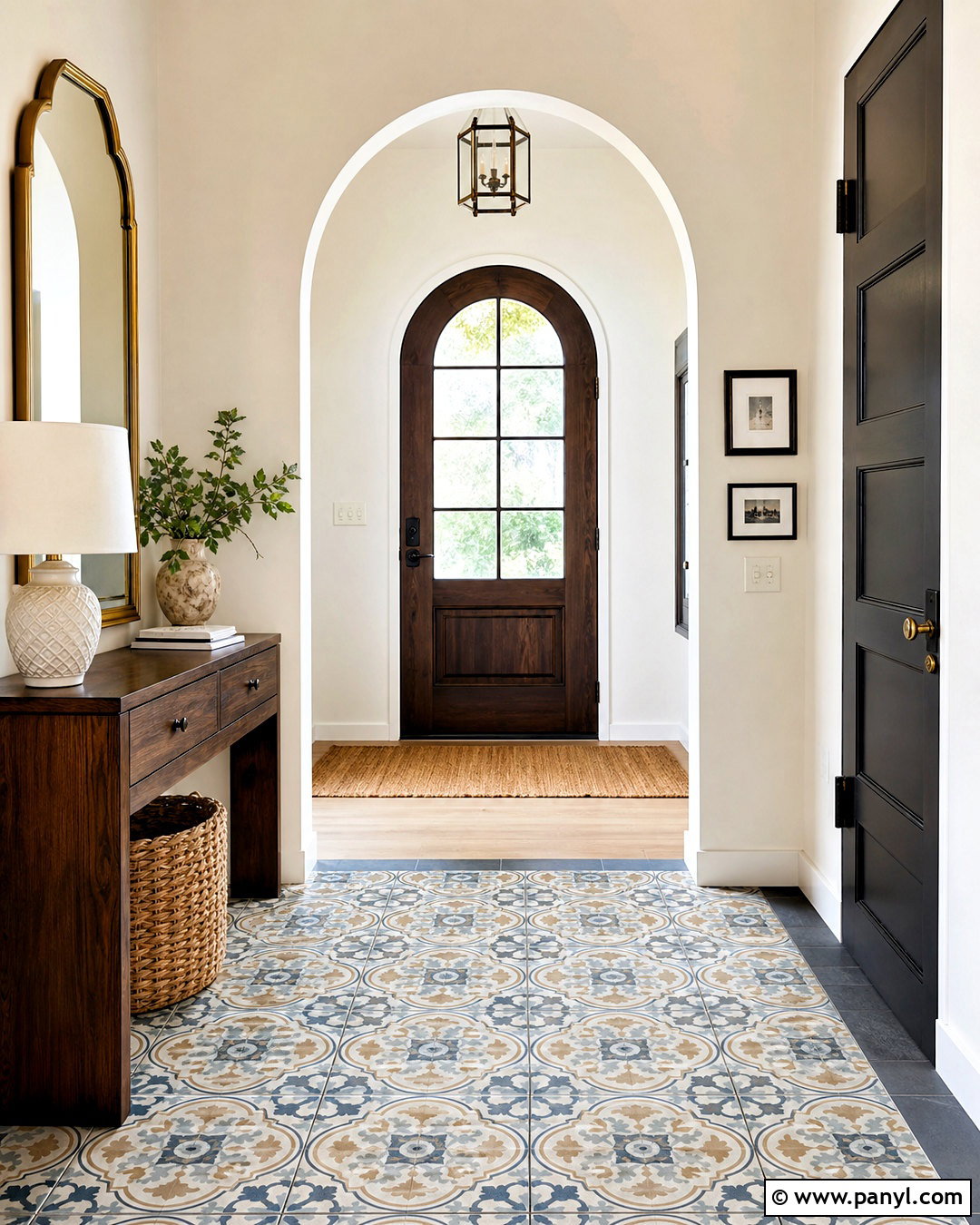
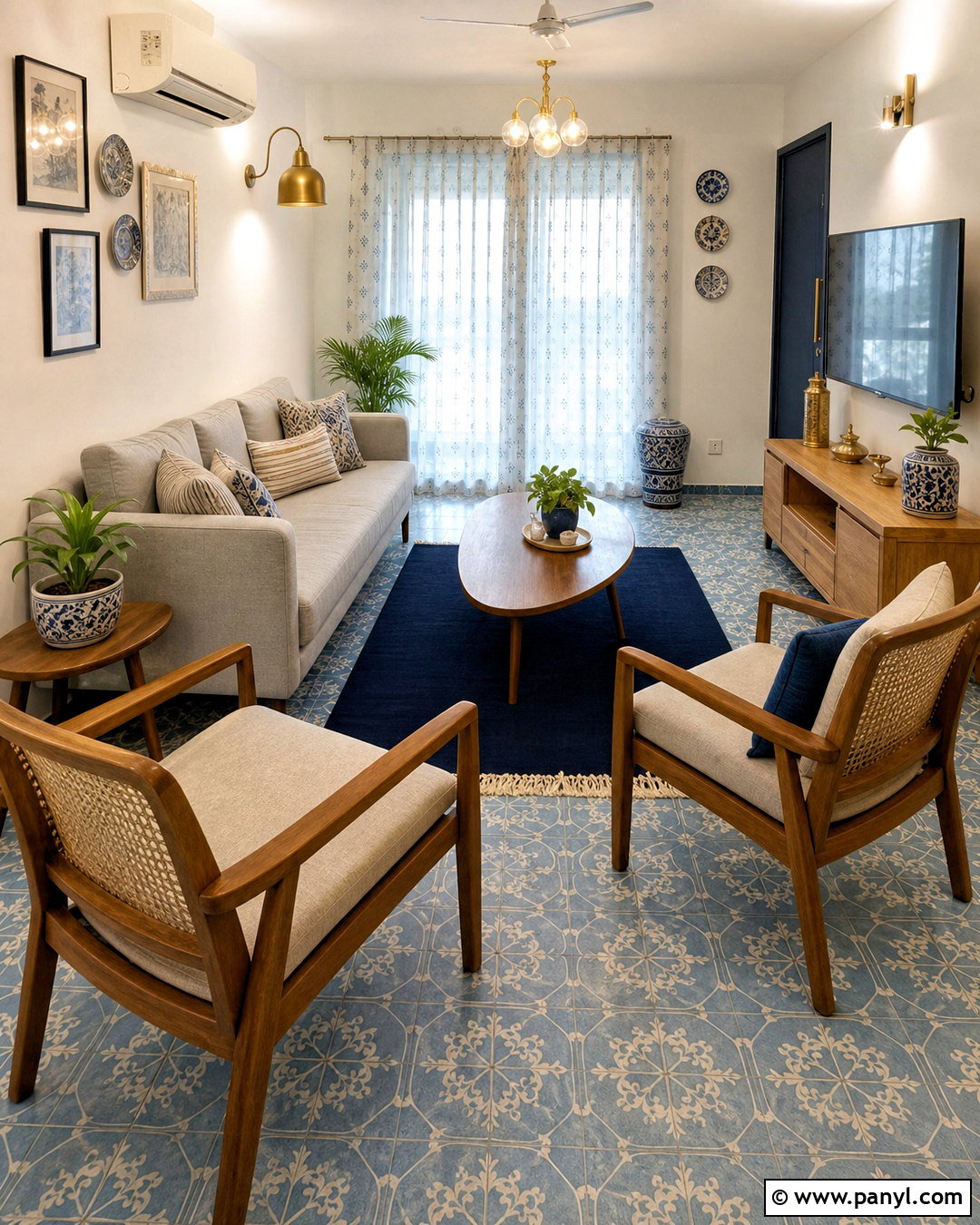
Patterned encaustic-look porcelain can turn a small foyer into a distinctive but welcoming transition space. Choose a repeating floral or geometric motif in dusty blue, cream, tan, and muted black. Keep nearby walls soft white so the floor remains the strongest decorative feature. A slim walnut console and round brass-framed mirror add warmth without competing with the pattern. Include a woven storage basket, a small table lamp, and one piece of simple artwork. If the foyer connects to wood flooring, frame the tile area with a straight border tile in cream or charcoal. This creates a deliberate transition rather than an abrupt material change. Use a coordinating medium-tone grout that blends with several colors in the pattern and remains easy to maintain.
6. Terrazzo Kitchen Floor Tile
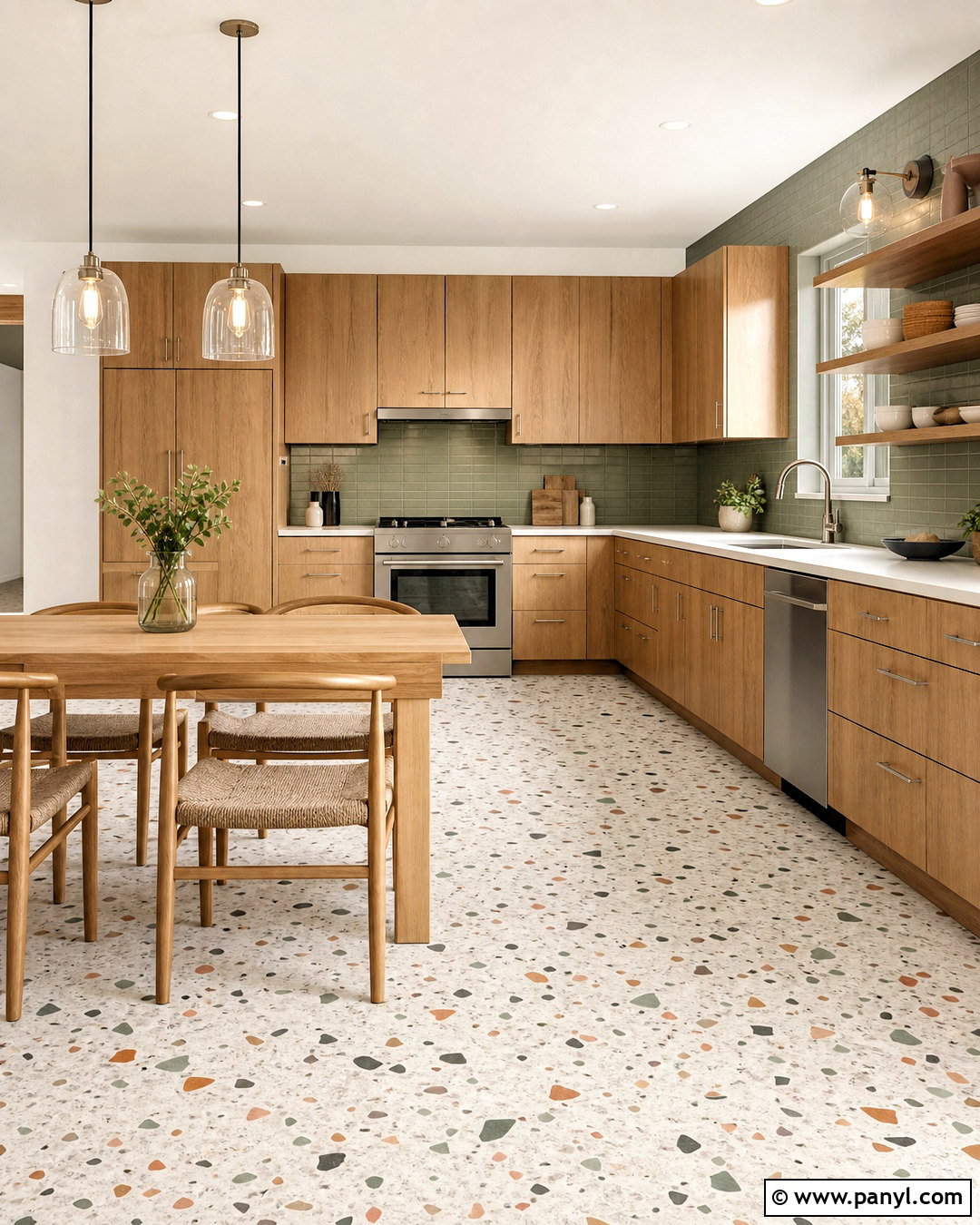
Terrazzo-look porcelain brings subtle color and playful texture to a hardworking kitchen. Select a warm white base scattered with small chips of terracotta, sage green, charcoal, and beige. Pair it with flat-panel oak cabinets, creamy quartz countertops, and a soft sage backsplash. Brushed nickel hardware keeps the design fresh, while two simple glass pendants brighten the island. Because the floor already contains several colors, keep appliances and larger furnishings visually quiet. A light wood dining table and oatmeal chairs will extend the relaxed palette into an adjoining breakfast area. Choose large terrazzo tiles to reduce visual breaks, and match the grout to the tile’s background color. The complete kitchen feels cheerful and modern without relying on an oversized or overly busy pattern.
7. Slate Look Kitchen Floor Tile
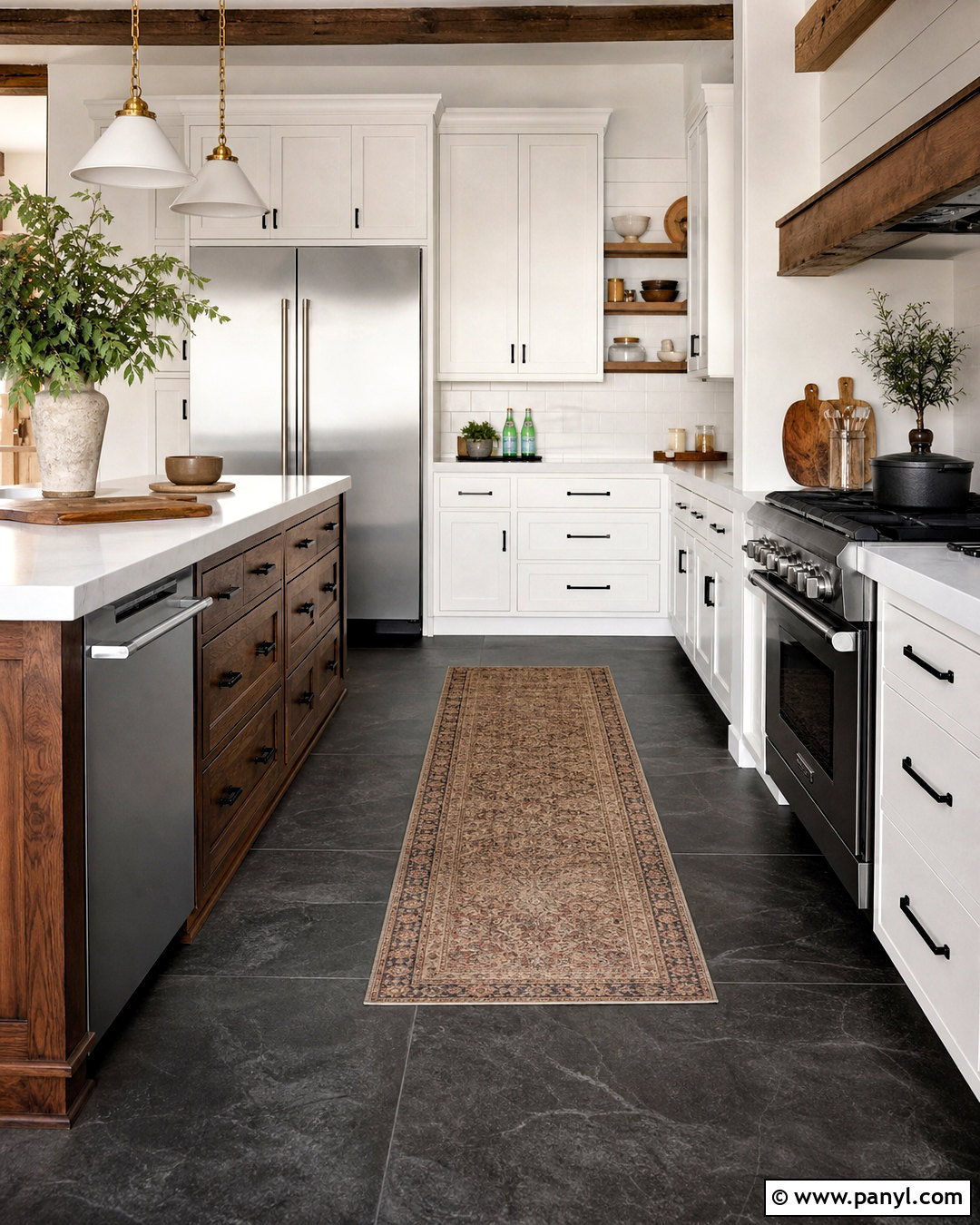
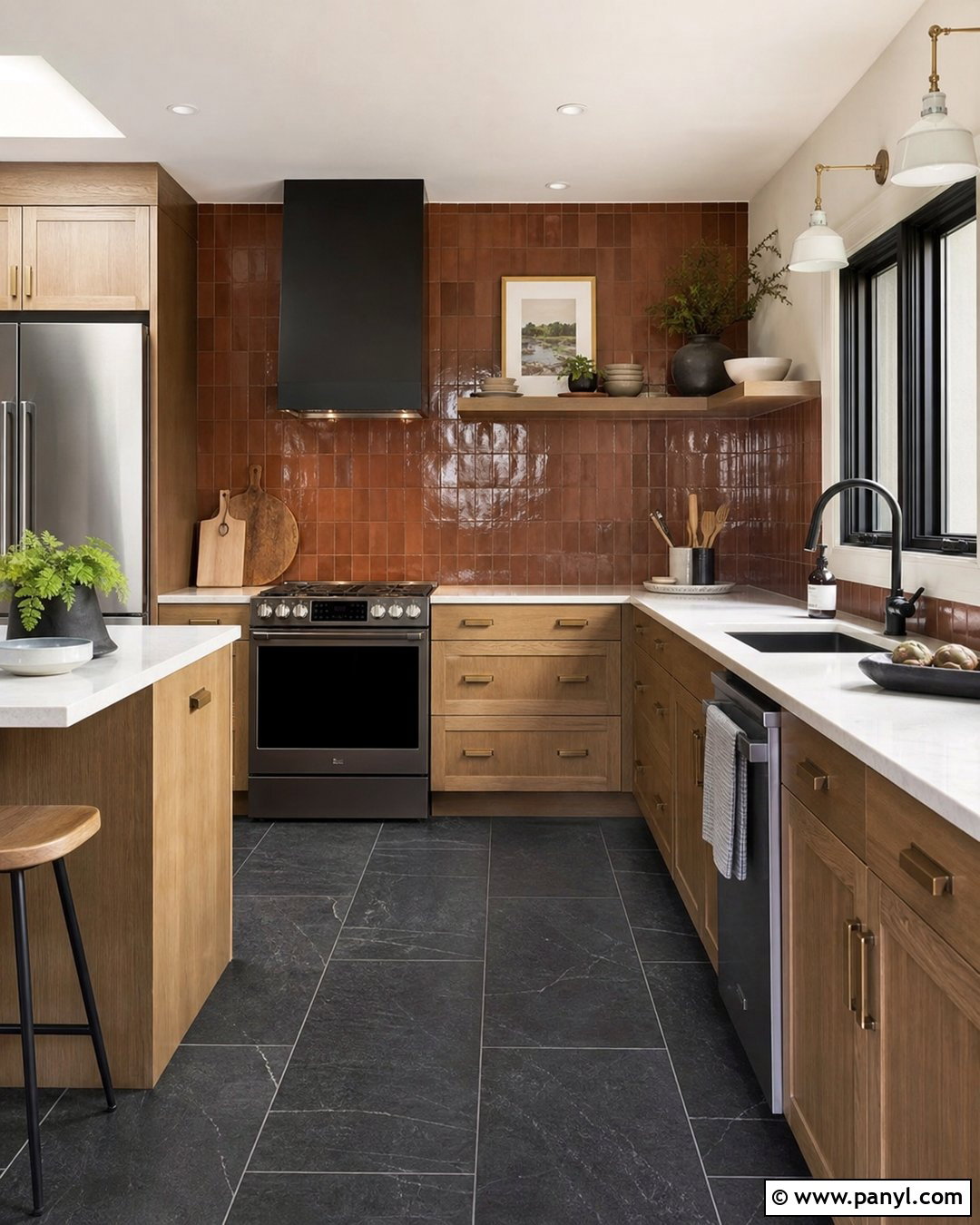
For a kitchen that feels grounded and practical, consider slate-look porcelain in deep charcoal with gentle gray variation. Use rectangular tiles in a staggered layout, then pair the floor with warm white shaker cabinets and medium walnut accents. A white quartz countertop prevents the darker flooring from making the room feel heavy. Add matte black cabinet pulls, stainless steel appliances, and warm brass pendants for a balanced mix of finishes. Natural linen shades and a small vintage-style runner introduce softness. Choose dark gray grout to create a nearly seamless appearance and reduce visible staining around busy preparation areas. Carry the walnut finish onto barstools or open shelving. This complete scheme works especially well in farmhouse, transitional, or industrial-inspired kitchens that receive abundant natural light.
8. Terracotta Kitchen Floor Tile
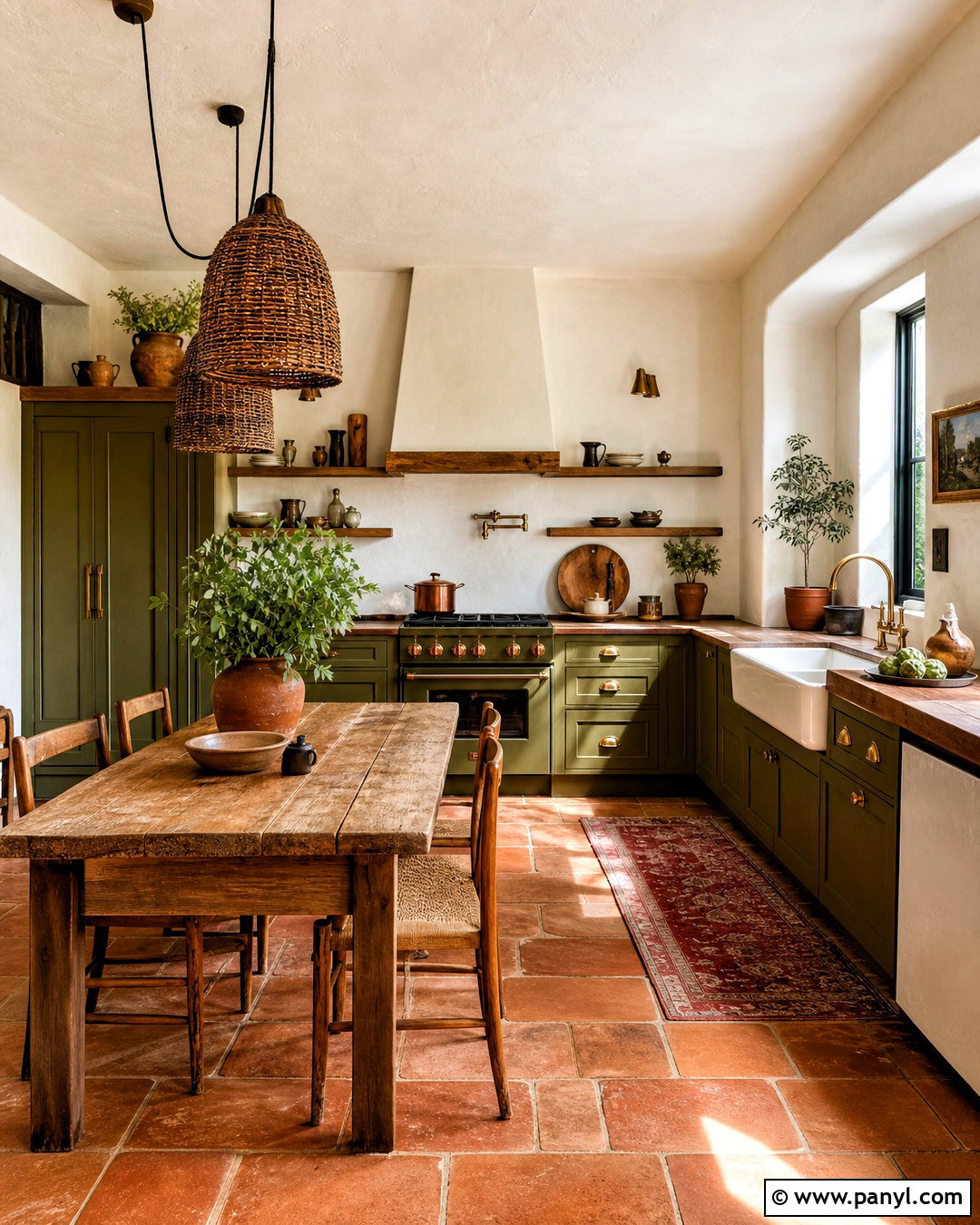
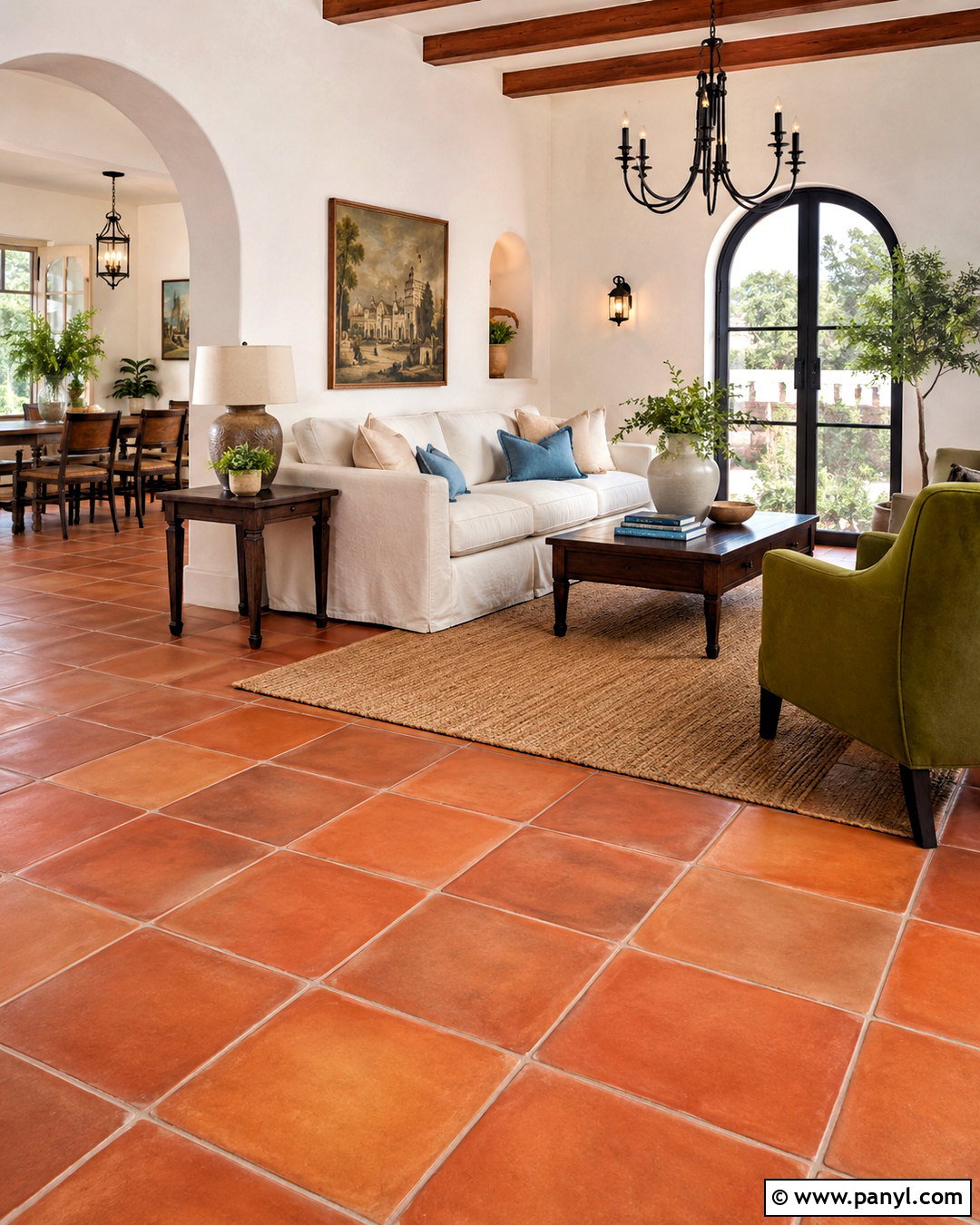
Sun-warmed terracotta floor tile gives a kitchen an inviting Mediterranean or rustic character. Use square or rectangular tiles with gentle shifts between clay red, burnt orange, and earthy brown. Arrange them in a traditional grid or offset pattern, depending on how much movement you want. Pair the floor with creamy plaster-look walls, painted olive cabinets, butcher-block accents, and aged brass hardware. Open oak shelves can display white pottery and everyday cookware without overcrowding the room. Add a farmhouse table, rush-seat chairs, and woven pendant lights to continue the natural material palette. Select warm brown grout rather than bright white. If you use authentic terracotta, discuss sealing and maintenance with the installer so the finished kitchen remains attractive and practical for everyday cooking.
9. Black And White Hexagon Bathroom Tile
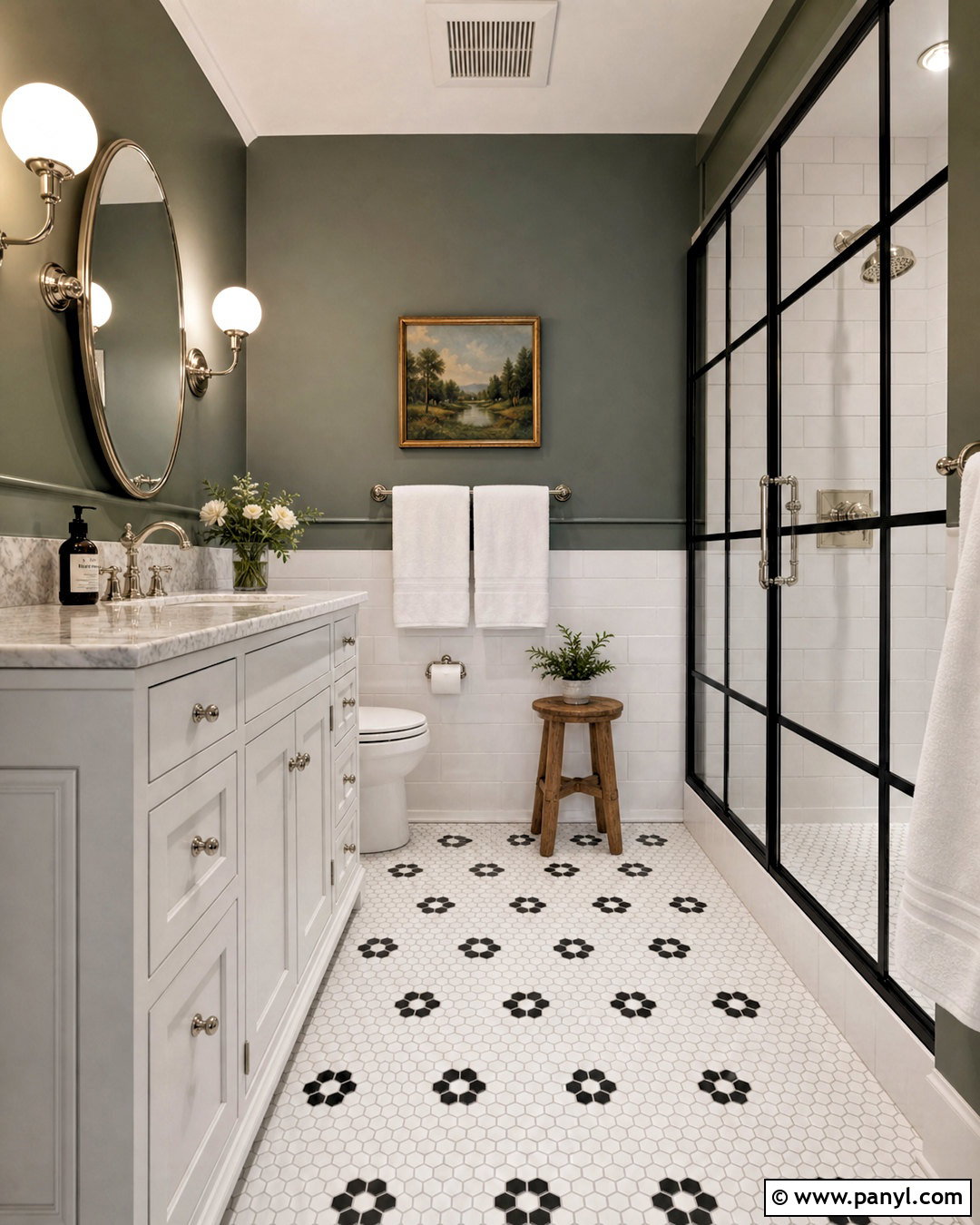
Small black and white hexagon tile can produce a crisp bathroom floor with plenty of vintage character. Create a mostly white field with scattered black flowers, dots, or a narrow perimeter border. Pair it with a white vanity, polished nickel hardware, and a simple white subway-tile shower. Soft gray-green walls introduce color while maintaining a clean atmosphere. Use a rounded mirror and globe sconces to echo the curves of the mosaic pattern. A black-framed shower door and dark cabinet knobs tie the contrasting floor into the rest of the room. Choose medium-gray grout instead of white to define each hexagon and make routine upkeep easier. Finish the bathroom with white towels, a natural wood stool, and one small plant for gentle warmth.
10. Travertine Spa Bathroom Floor Tile
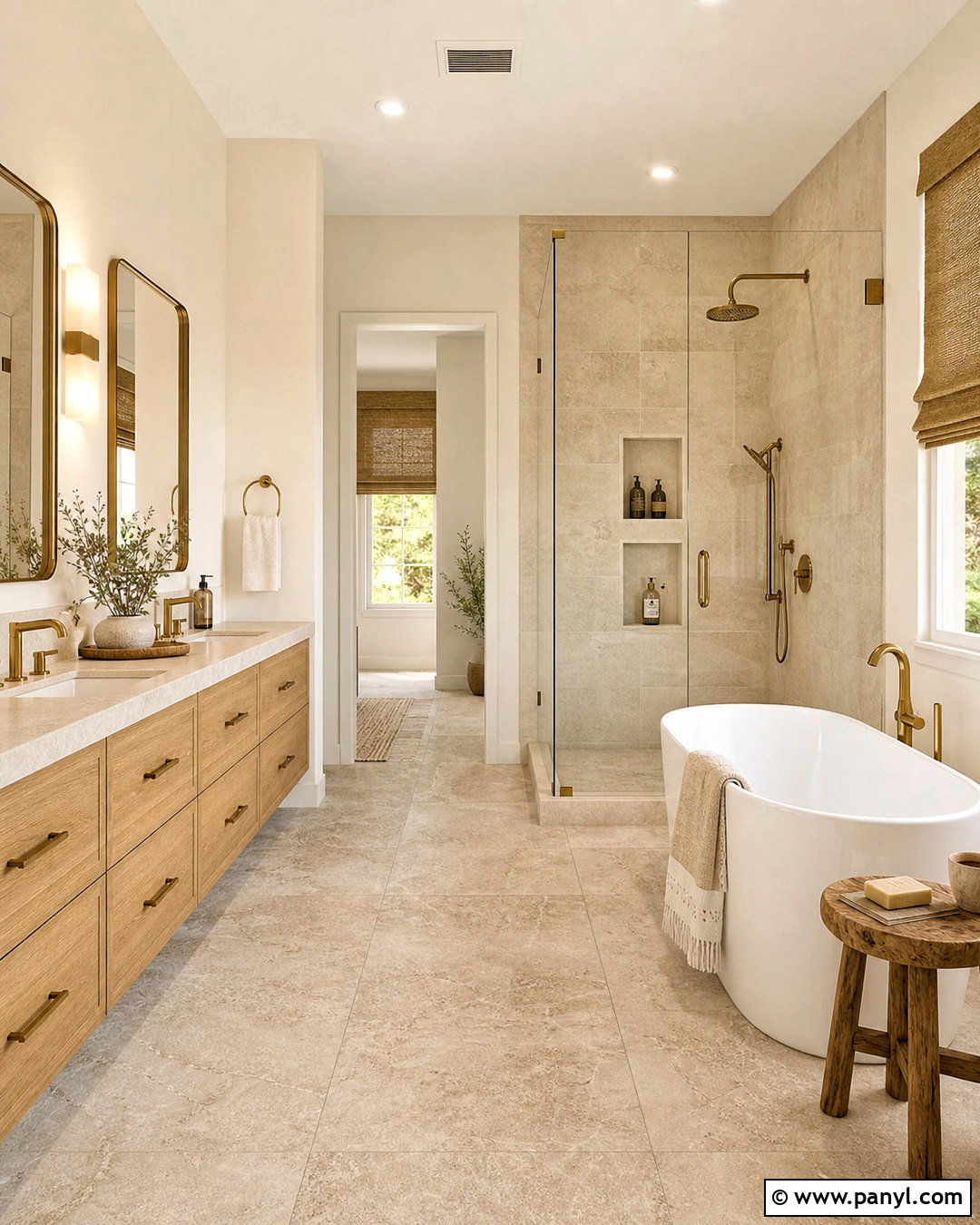
Soft beige travertine-look porcelain can make a bathroom feel peaceful, warm, and spa-like. Select matte rectangular tiles with subtle cream and taupe movement, then continue the same material into the shower for visual consistency. Pair the floor with a floating white oak vanity, an off-white quartz counter, and brushed brass fixtures. Use warm white walls outside the wet area and add a frameless glass shower enclosure to preserve the open appearance. A freestanding tub, linen Roman shade, and textured ivory towels complete the relaxing scheme. Keep grout lines narrow and choose a color that matches the tile’s middle tone. Add a teak stool and simple ceramic accessories rather than numerous decorations. The result feels luxurious while remaining comfortable enough for a typical residential bathroom.
11. Penny Round Powder Room Tile
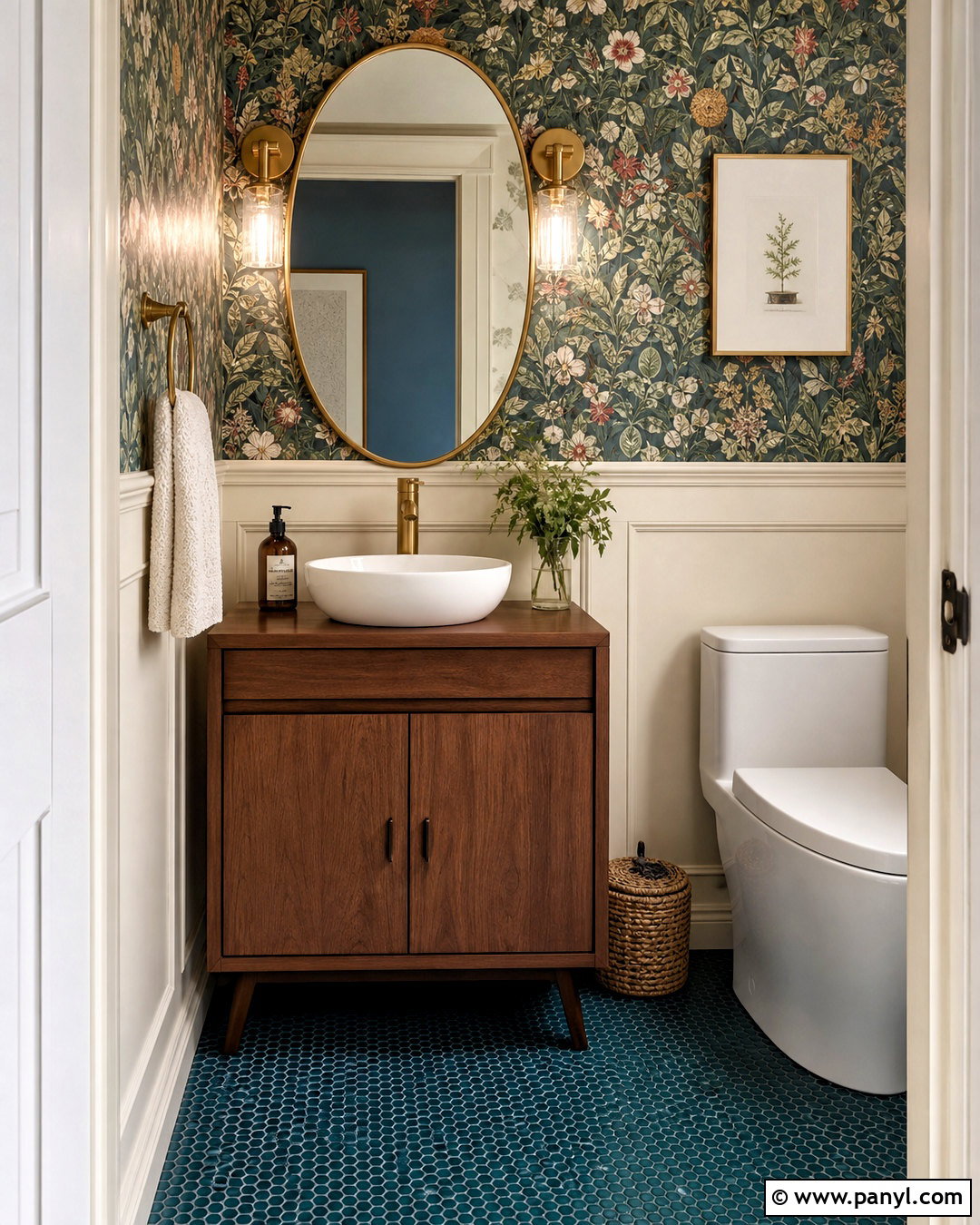
A powder room is an ideal place to use penny round floor tile in a more expressive color. Choose deep teal mosaics with matching grout to form a rich, nearly continuous surface. Balance the floor with warm white walls, a compact walnut vanity, and a rounded white vessel sink. A slim brass faucet and oval mirror add shine without overwhelming the limited space. Introduce a small-scale botanical wallpaper above simple wall paneling if you want additional pattern, but keep its colors tied to the teal, cream, and brown palette. Install a clear glass pendant or pair of compact sconces for bright illumination. Because penny tile has many grout joints, careful grout selection matters. The finished room should feel bold, coordinated, and intentional rather than crowded.
12. Concrete Look Floor Tile
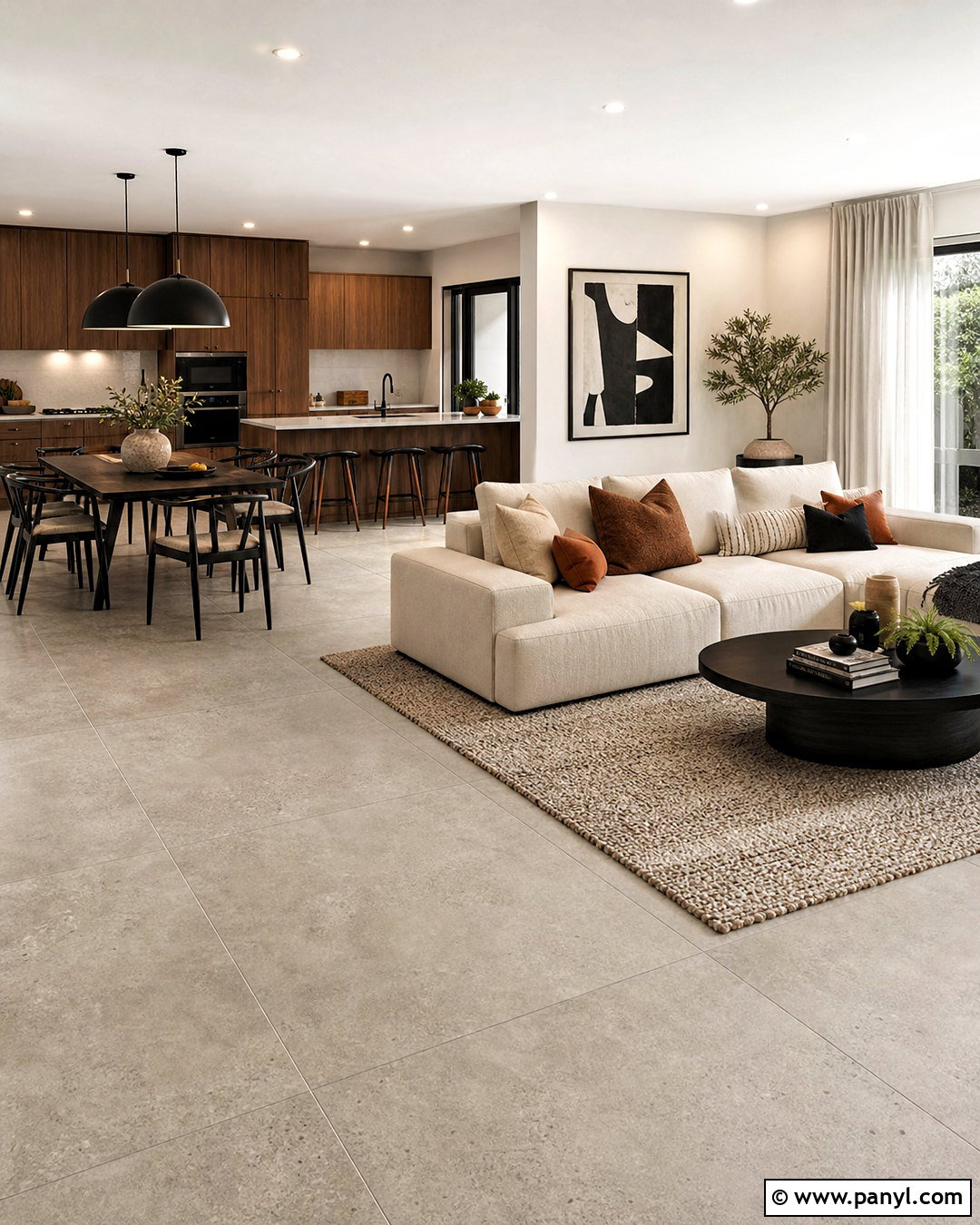
Concrete-look porcelain creates a clean foundation for a contemporary open-plan interior. Choose oversized tiles in warm medium gray rather than a cold blue-gray tone. Continue the flooring through the kitchen, dining area, and living room to reduce visual interruptions. Add flat-panel walnut cabinetry, a cream modular sofa, and a black metal dining table with upholstered chairs. Large abstract artwork and rust-colored cushions bring warmth to the restrained palette. Use a textured area rug to define the lounge while keeping the dining and kitchen floors uncovered. Narrow gray grout lines will maintain the broad, uninterrupted effect. Complete the design with track lighting, linen curtains, and a few sculptural plants. This combination feels modern and architectural, yet still comfortable enough for an everyday home.
13. Marble Basketweave Floor Tile
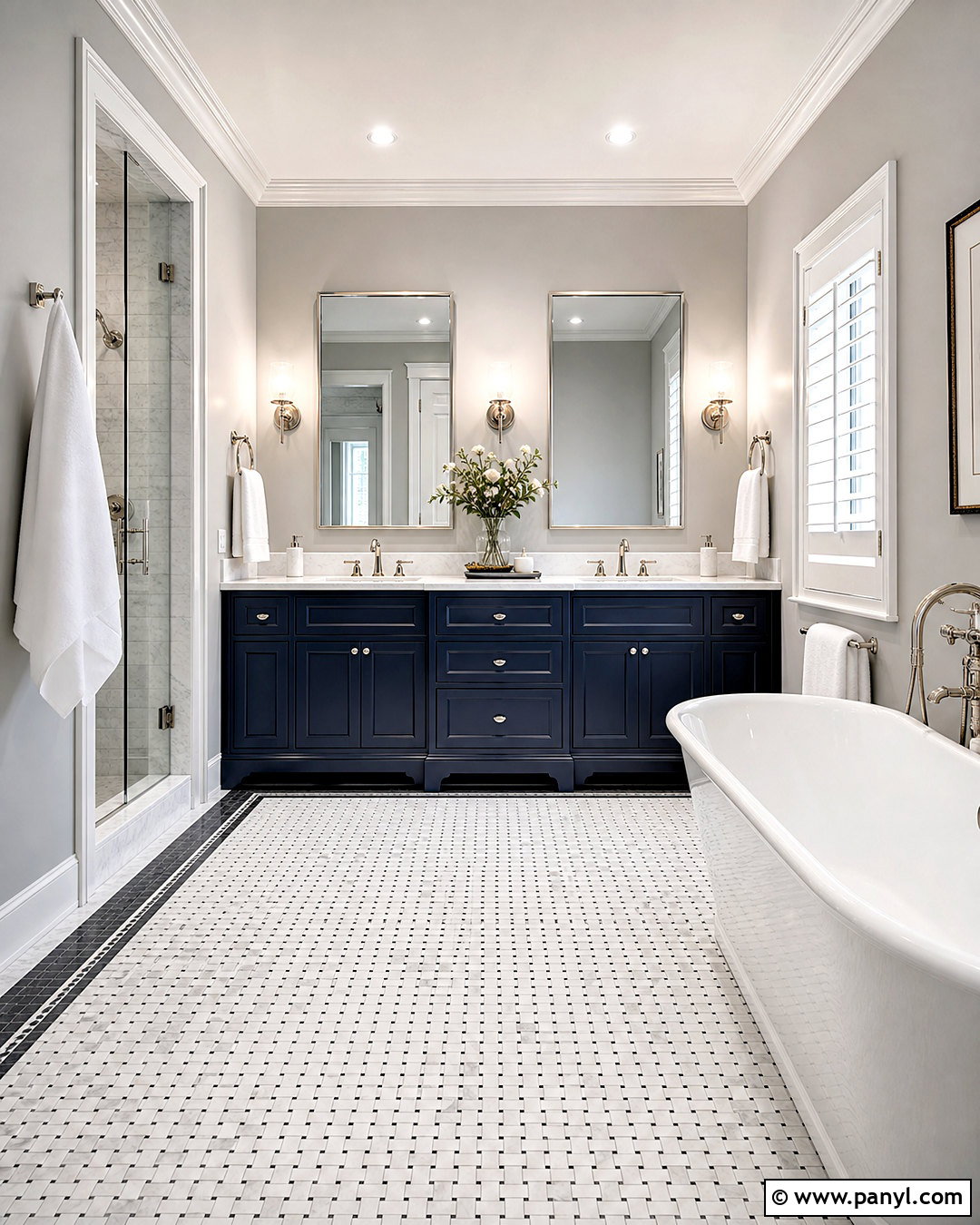
A marble basketweave mosaic gives a primary bathroom a tailored, classic appearance. Select white marble-look tile with soft gray woven details and a narrow charcoal border around the room. Pair it with a navy double vanity, white quartz countertop, and polished nickel faucets. White wall tile around the shower keeps the pattern from becoming overwhelming, while pale gray paint adds quiet contrast elsewhere. Use two framed mirrors, glass sconces, and simple cabinet hardware to create a symmetrical layout. A freestanding white tub can sit near a window with a relaxed woven shade. Keep towels and accessories mostly white, then repeat navy in a small stool or bath mat. This complete scheme feels established and elegant without requiring ornate furniture or excessive decorative details.
14. Geometric Hallway Floor Tile
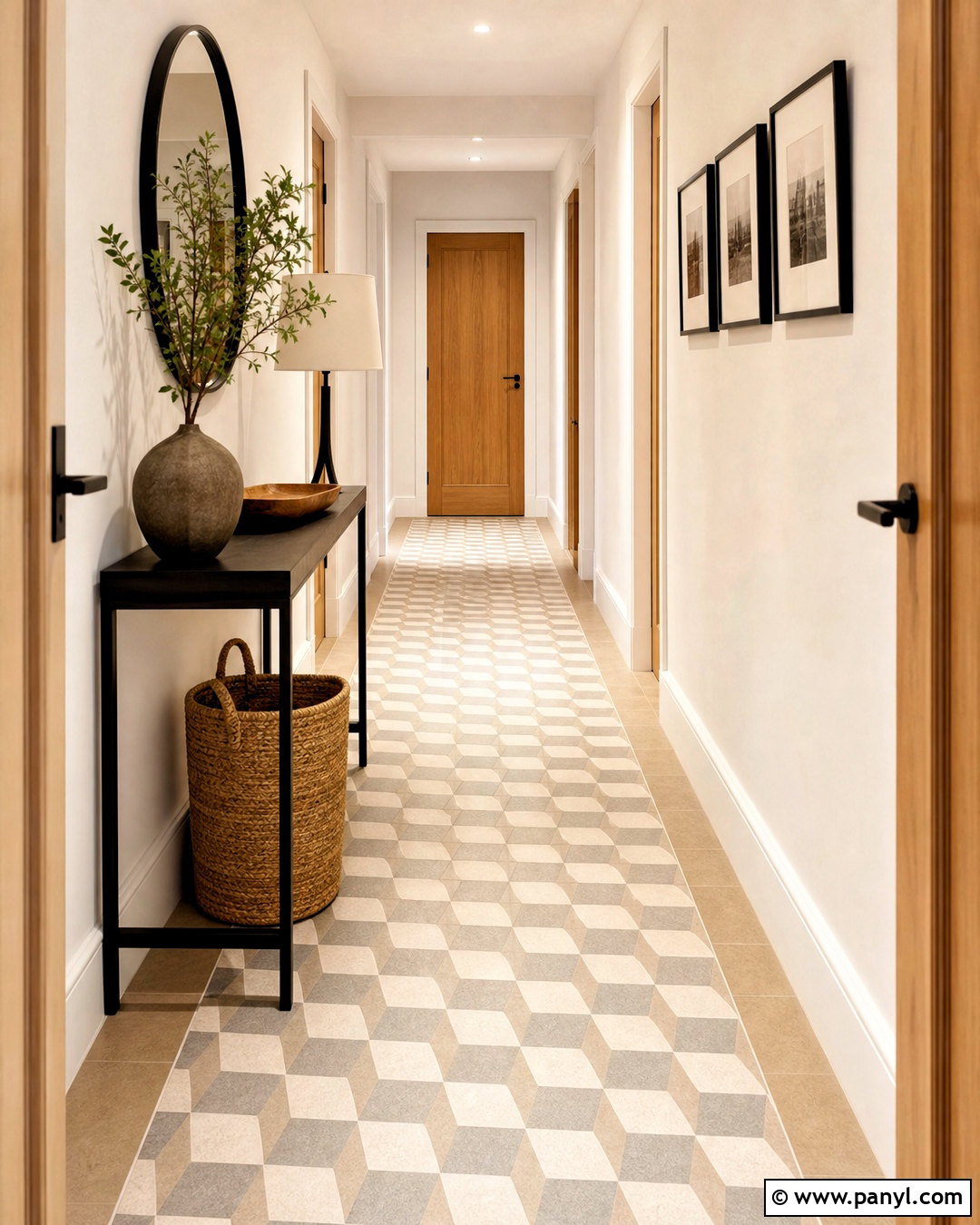
A long hallway becomes more visually engaging when geometric porcelain tile gives it rhythm and direction. Choose a repeating cube or diamond pattern in warm beige, cream, and muted gray. Frame the patterned center with a plain beige border to create a built-in runner effect. Keep the walls warm white and use natural oak doors so the corridor feels bright rather than busy. Add a narrow console where space permits, along with a simple round mirror and one table lamp. Black picture frames arranged in a straight line can reinforce the floor’s structure. Match the grout to the lightest neutral in the design for a softer result. This planned combination helps the hallway feel like a decorated part of the home instead of a forgotten passage.
15. Brick Look Mudroom Floor Tile
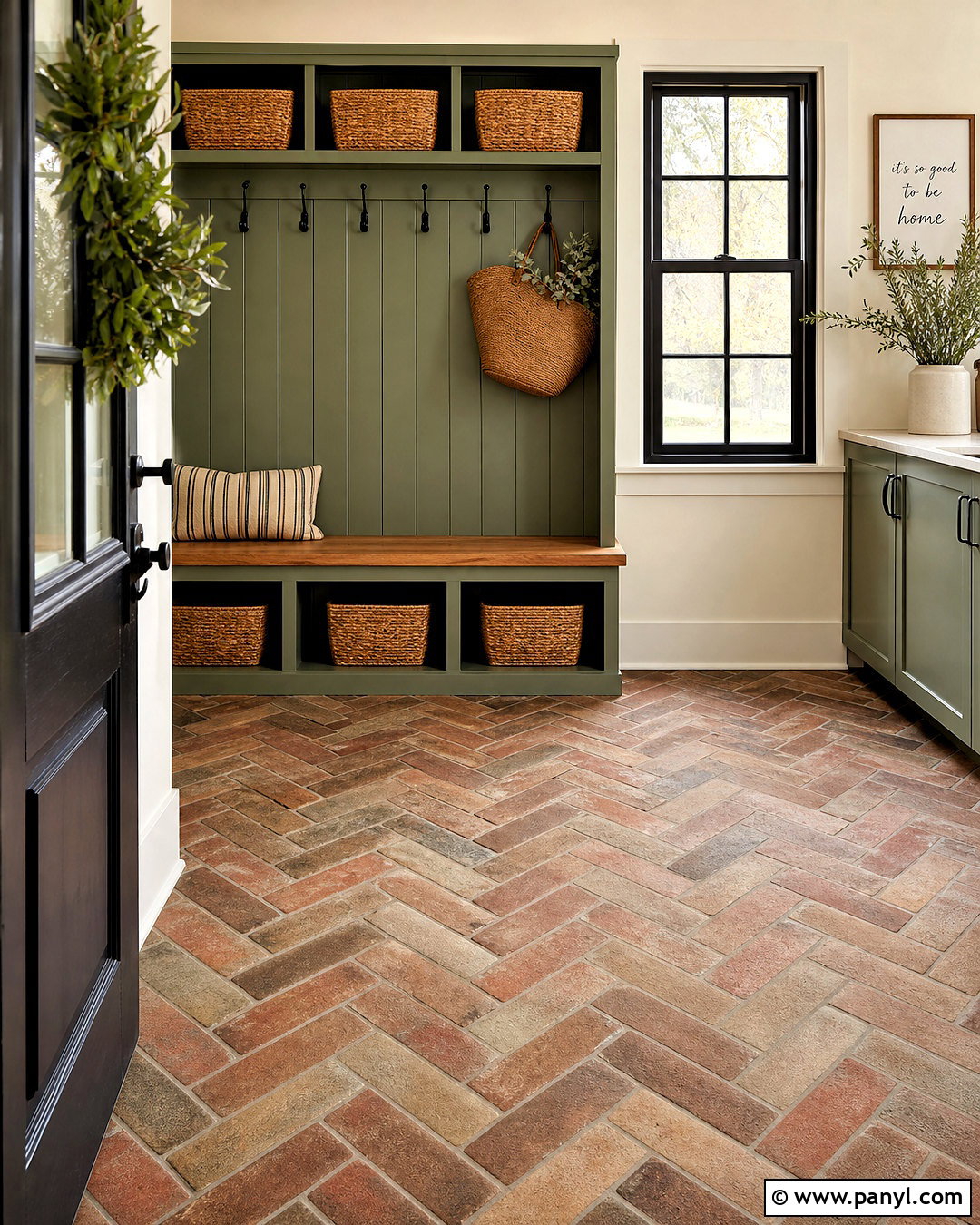
Brick-look porcelain is a natural match for a hardworking mudroom with casual farmhouse character. Choose slim tiles in a blend of muted red, tan, and weathered brown, then install them in a herringbone pattern. Pair the floor with sage green built-in cabinets, a solid oak bench, and black hooks for coats and bags. Cream walls keep the compact room from feeling dark. Include closed drawers for shoes, woven baskets for seasonal items, and a durable striped cushion on the bench. Dark brown grout will define the pattern and disguise everyday dust better than a pale color. Finish the space with a black-framed window, a simple flush-mount light, and a washable neutral mat by the exterior door. Every element supports an organized, welcoming entrance.
16. Pebble Shower Floor Tile
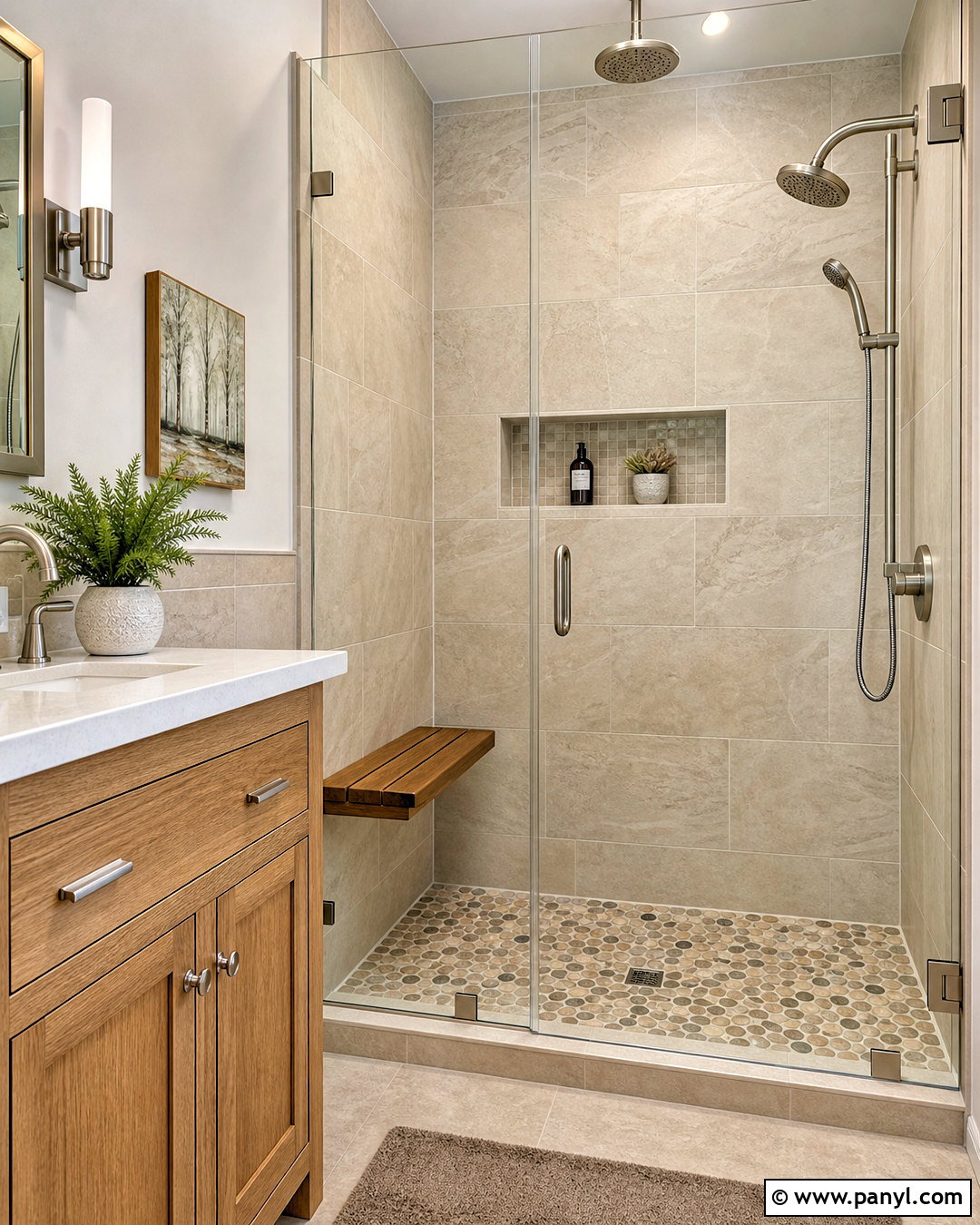
A pebble-look mosaic floor can make a walk-in shower feel connected to nature without turning the bathroom into a themed space. Choose smooth, flat stones in cream, light gray, warm taupe, and muted brown. Surround them with large beige stone-look wall tiles to keep the shower balanced. Install a floating oak vanity, white quartz counter, and brushed nickel fixtures throughout the room. A frameless glass panel allows the pebble surface to remain visible from the doorway. Use warm white paint outside the shower and add simple linen towels, a teak bench, and minimal ceramic accessories. Coordinate the grout with the medium taupe stones rather than the lightest pieces. The finished bathroom feels tactile, peaceful, and cohesive from every angle.
17. Star And Cross Sunroom Floor Tile
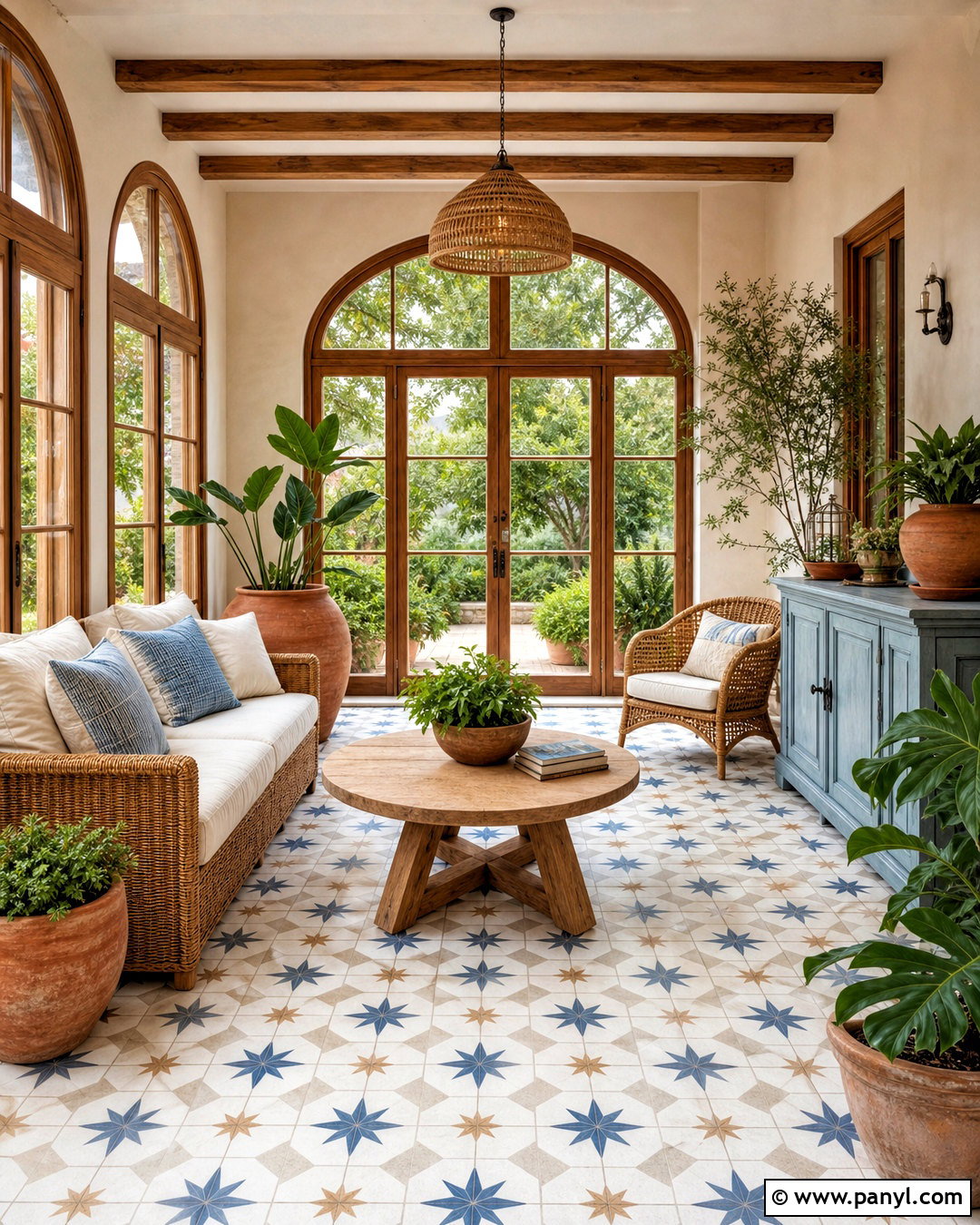
Star-and-cross floor tile can give a sunny enclosed porch or sunroom a handcrafted, relaxed personality. Choose alternating shapes in warm white and muted blue-gray, then pair the floor with soft cream walls and large natural wood-framed windows. Furnish the space with a woven rattan sofa, light linen cushions, and a round oak coffee table. Add terracotta planters filled with leafy greenery to emphasize the connection to the outdoors. A pale blue painted cabinet can repeat the tile color without becoming an exact match. Use a warm gray grout that clearly outlines the interlocking pattern. Complete the look with woven shades, a simple ceiling fan, and a striped indoor-outdoor rug beneath the seating. The room feels bright, distinctive, and comfortable in every season.
18. Indoor Outdoor Porcelain Floor Tile
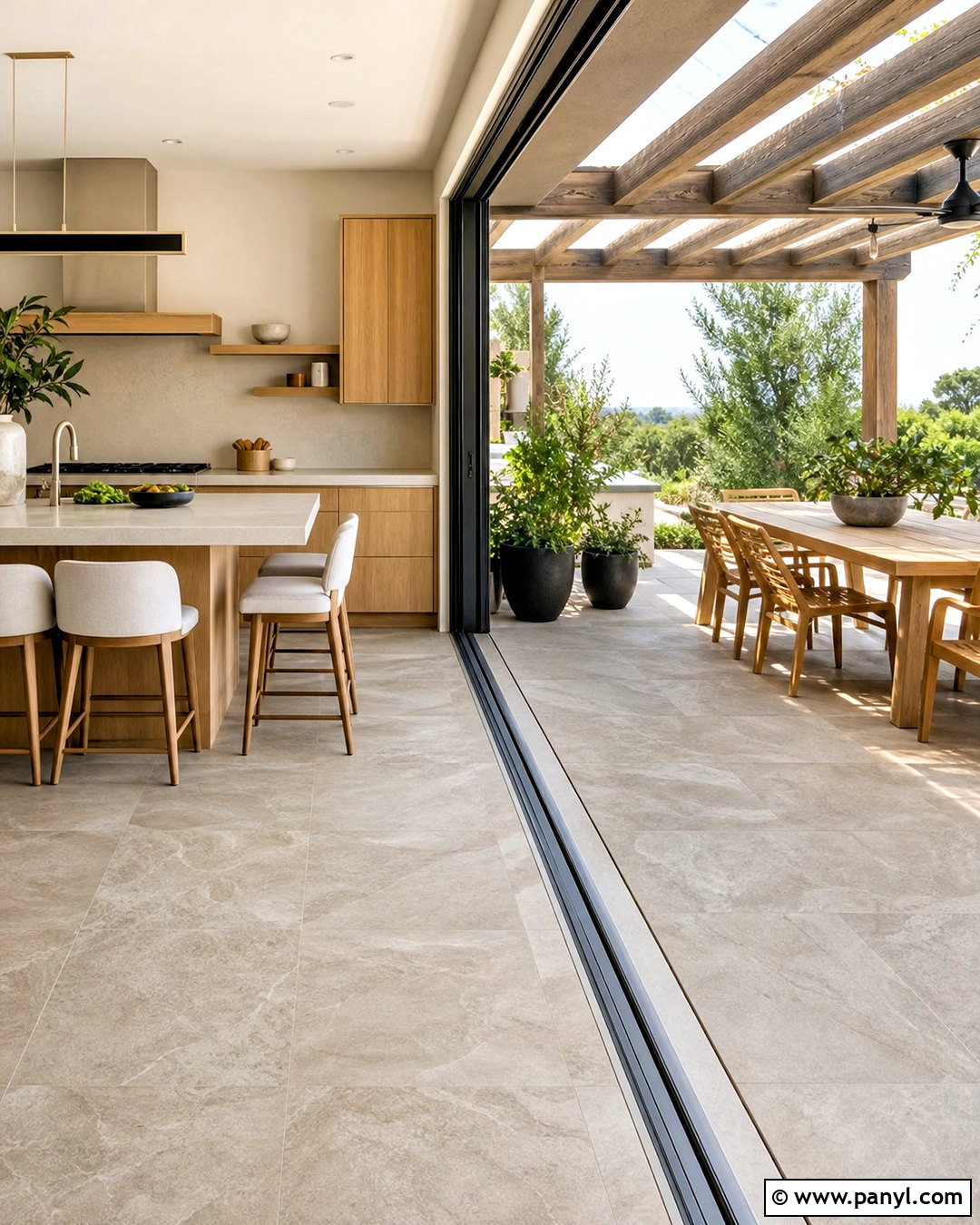
Matching indoor and outdoor porcelain tile can visually connect a kitchen or living area with an adjoining patio. Inside, use large warm greige stone-look tiles with minimal grout lines. Outside, select the coordinating textured version and continue the same grid through wide sliding glass doors. Complete the interior with white oak cabinets, creamy counters, and relaxed neutral seating. On the patio, add a teak dining set, black metal planters, and a simple pergola with pale fabric panels. Keep the tile direction consistent so the two zones appear naturally related. Use slightly darker grout outdoors to accommodate weather exposure. The finished design provides a smooth visual transition while still allowing each area to have furniture and materials suited to its setting.
19. Blue Patterned Laundry Room Tile
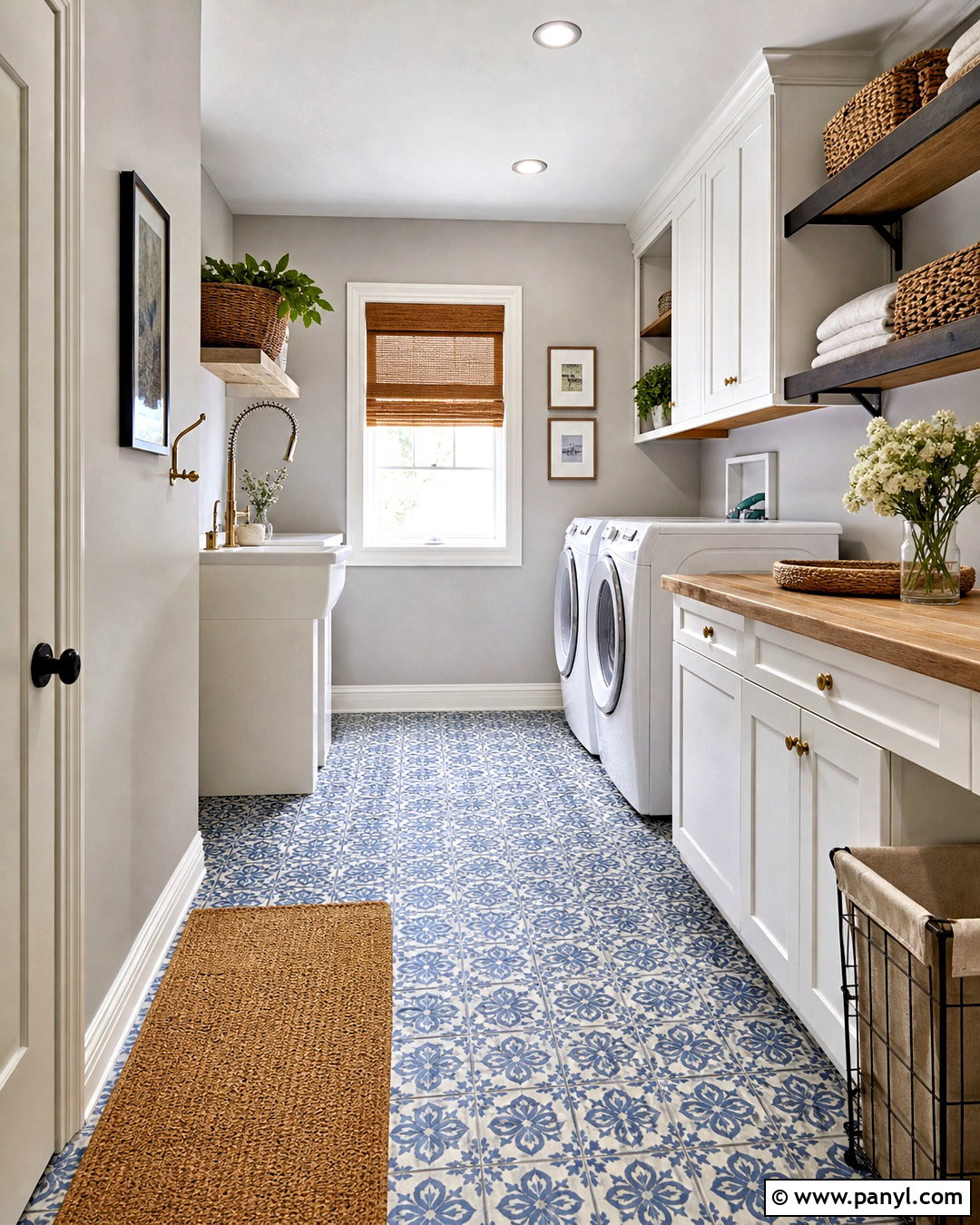
Laundry rooms can handle a stronger floor pattern because they are usually compact and separate from primary living areas. Choose porcelain tile with a repeating navy, dusty blue, and white floral motif. Pair it with white shaker cabinets, pale gray walls, and a warm butcher-block folding counter. Brass cabinet pulls and a small brass ceiling light provide a polished accent. Install a deep white utility sink, woven storage baskets, and open shelves for neatly arranged supplies. Keep appliances white or stainless steel so they do not compete with the pattern. Medium-gray grout will outline the design without creating harsh contrast. Add a narrow natural-fiber mat in front of the machines. This complete room feels fresh and organized, turning routine household work into a more pleasant experience.
20. Dark Slate Basement Floor Tile
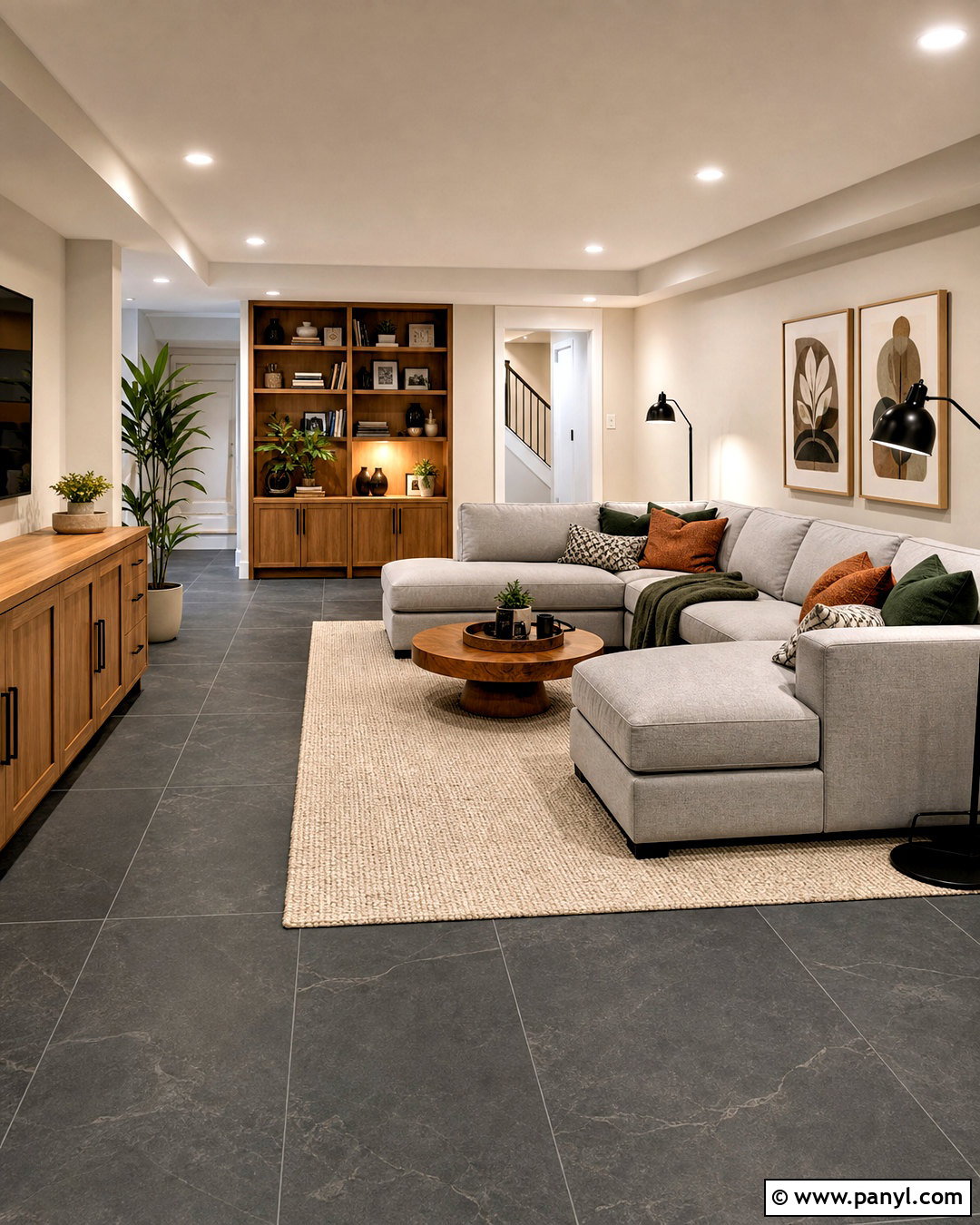
Dark slate-look porcelain can create a comfortable, finished basement that feels substantial rather than gloomy. Choose large charcoal tiles with gentle variation and a matte surface. Balance the deep floor with warm white walls, a light gray sectional, and honey-toned oak storage. A generous cream rug should anchor the conversation area while allowing a wide border of tile to remain visible. Add rust and forest-green pillows, black floor lamps, and framed artwork with warm neutral colors. If the basement includes a game or media table, define that zone with a pendant light and separate furniture arrangement. Use dark grout for a quiet, continuous floor. Bright ceiling lighting, pale window treatments, and layered lamps will keep the overall room inviting and visually balanced.
Conclusion:
Great flooring should support the room’s layout, color palette, and daily purpose instead of functioning as a disconnected decorative feature. These home floor tiles design ideas demonstrate how porcelain, ceramic, stone, and mosaic effects can shape complete living rooms, bathrooms, kitchens, hallways, and utility spaces. Before making a final choice, view full-size samples in the room during different times of day. Compare grout colors, surface texture, pattern scale, and transitions into neighboring floors. Confirm that the chosen product is floor-rated and appropriate for the location. Then coordinate the tile with walls, cabinetry, furniture, lighting, and textiles. A thoughtful whole-room approach will produce a home that feels cohesive, practical, and personal.

Related Ideas and Inspiration:
Leave a Reply