
Magnolia walls have warm cream and soft yellow undertones, making them more flexible than they first appear. The key is choosing colors that either support that warmth or create clean, intentional contrast. Earthy greens, rich blues, soft neutrals, muted pinks, and deeper accent shades can all make magnolia feel fresh rather than dated. Materials matter too. Natural oak, walnut, linen, stone, brass, and matte black help build a complete room instead of leaving the wall color isolated. Before decorating, check your magnolia paint in daylight and under lamps because its undertones may shift throughout the day. The following complete room schemes answer **What Colour Goes With Magnolia Walls** with practical combinations for different moods and spaces.
1. Sage Green With Magnolia Walls
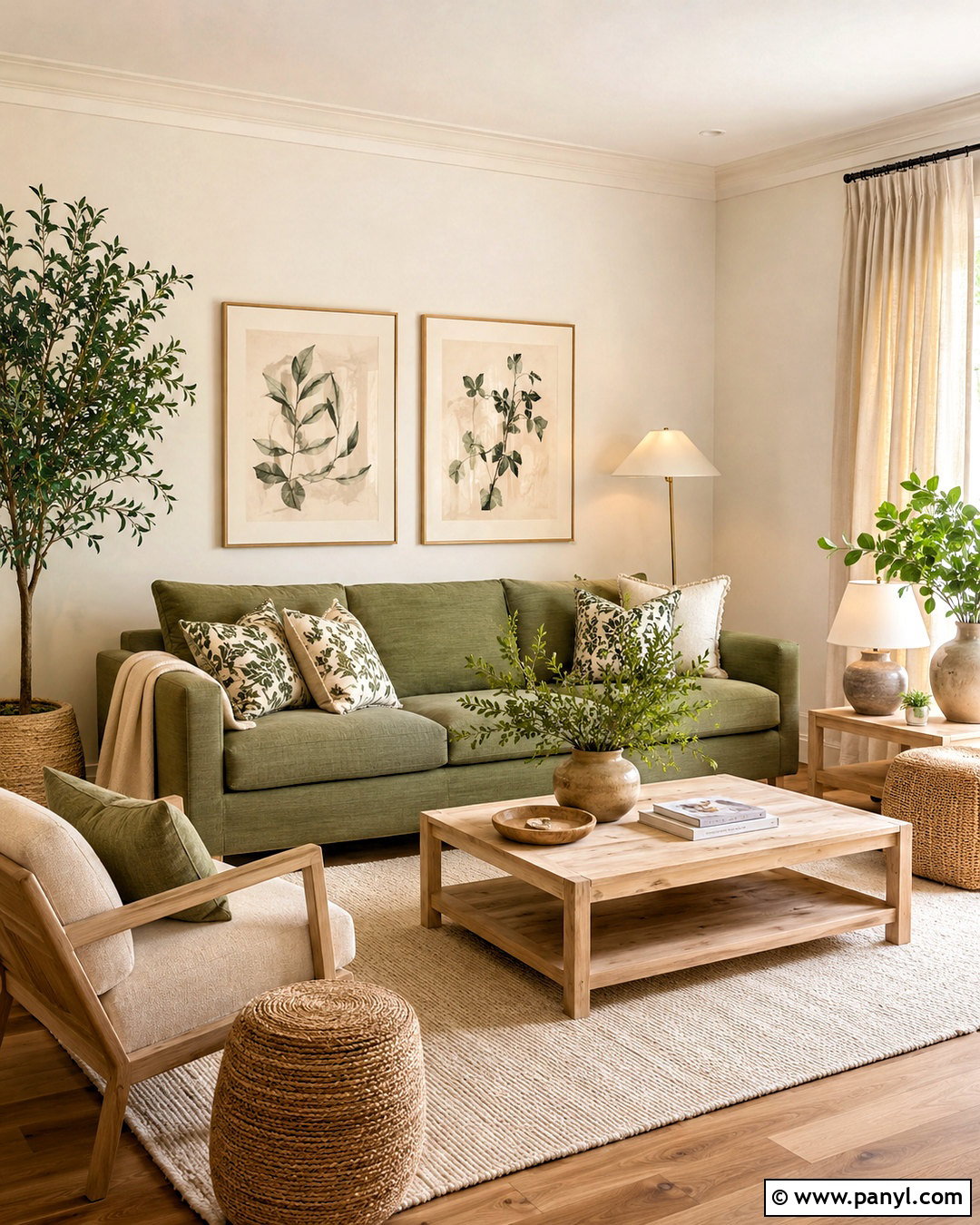
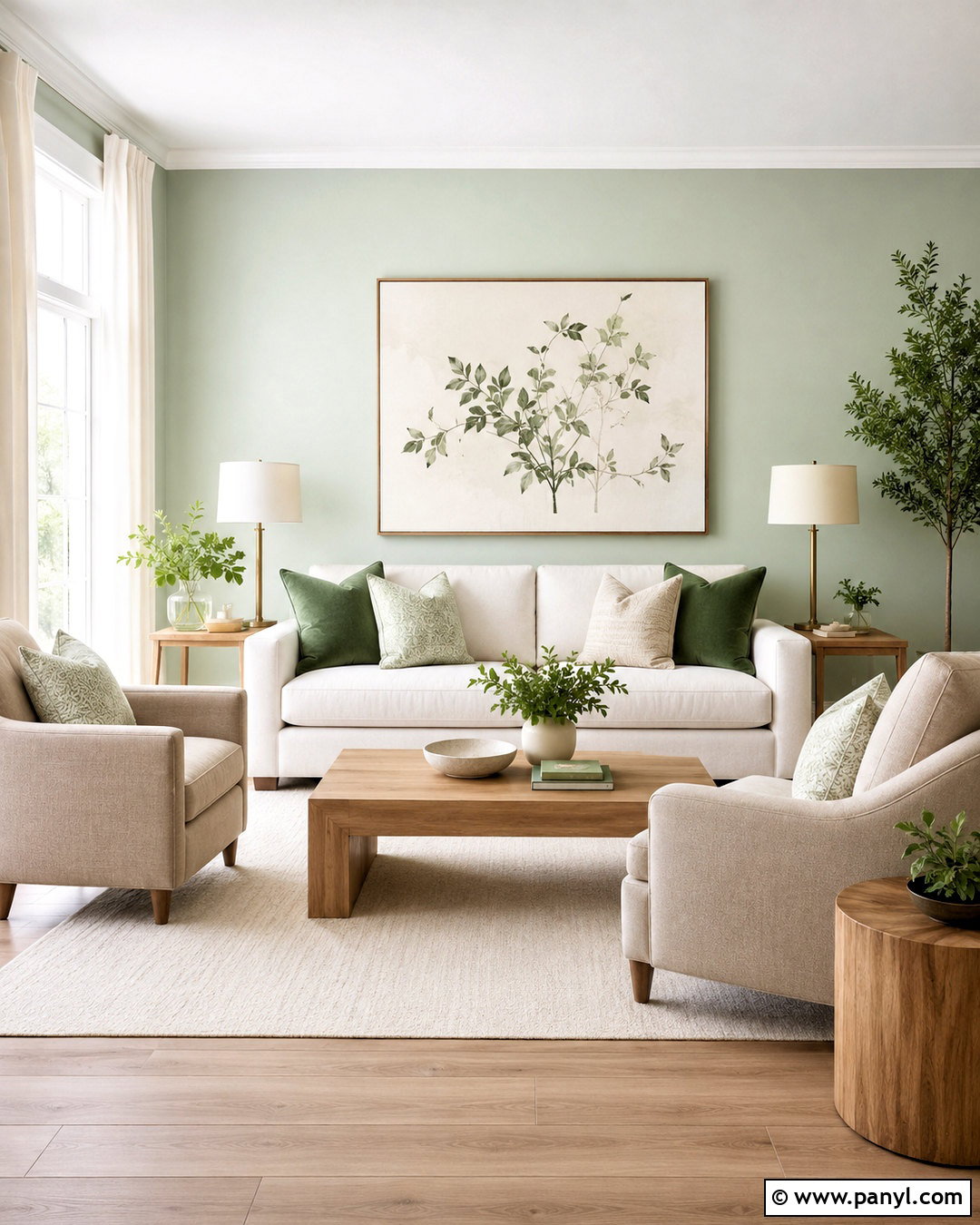
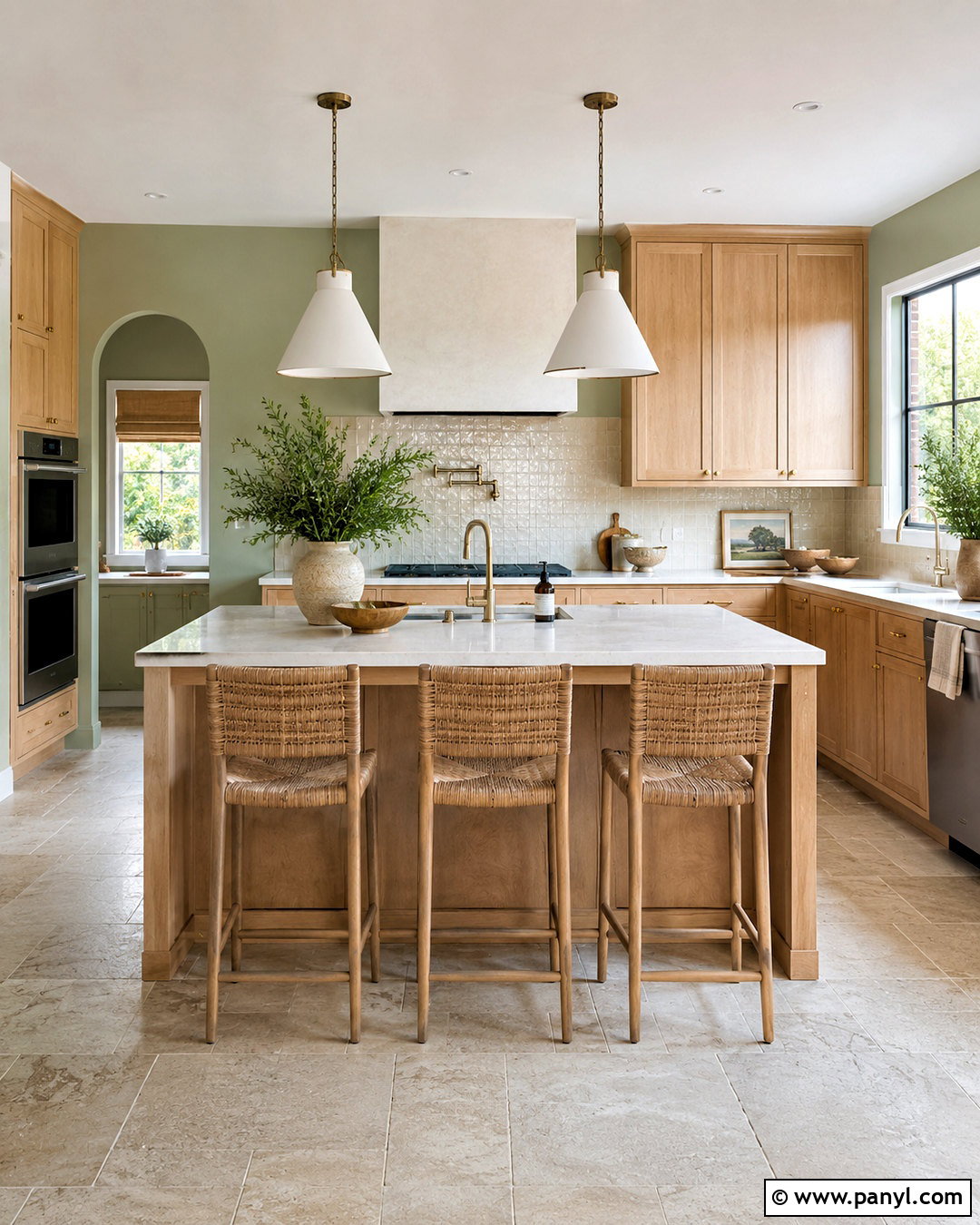
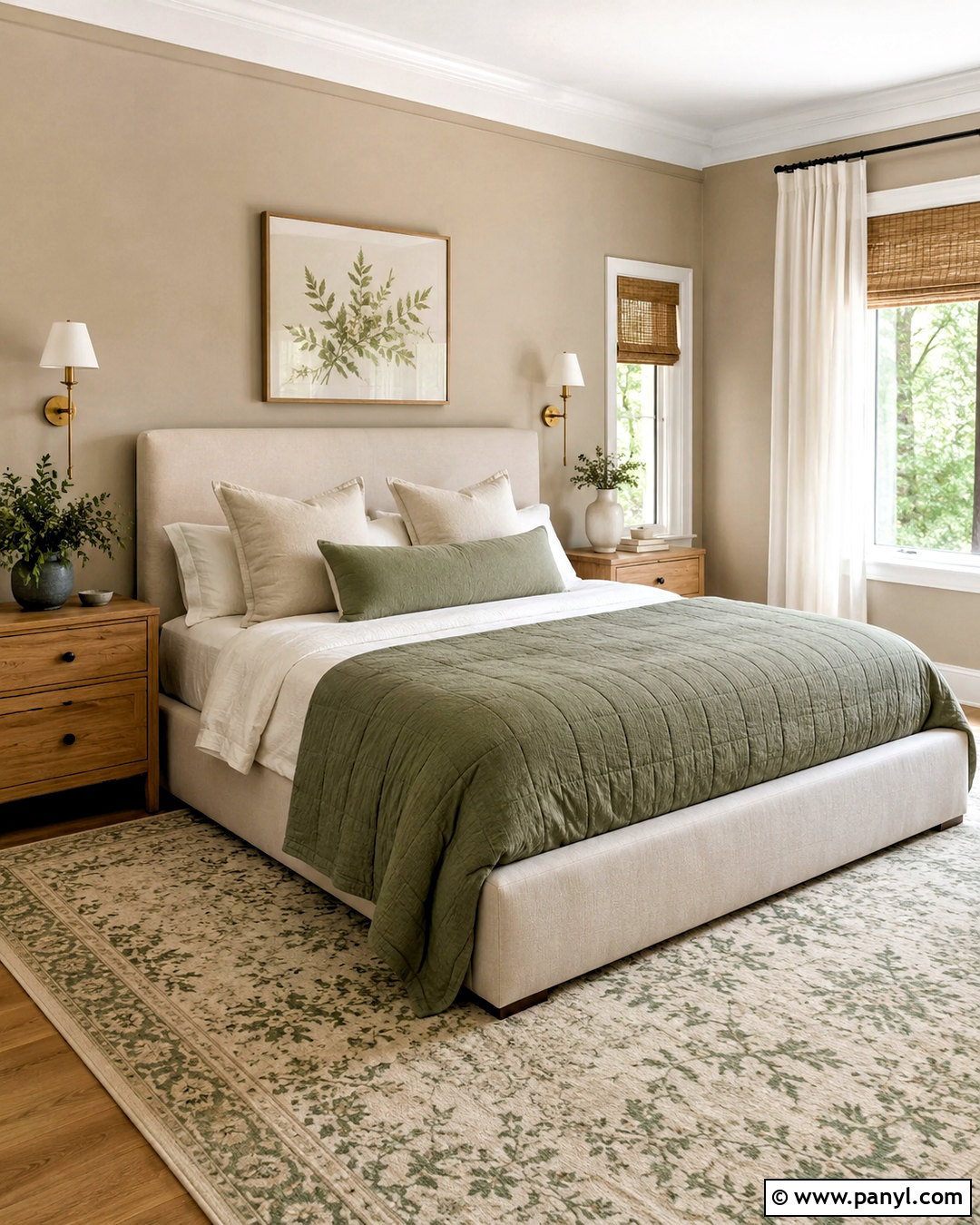
Sage green gives magnolia walls a calm, natural update without creating a harsh contrast. Build a relaxed living room around a medium sage sofa, magnolia walls, and warm oak flooring. Add oatmeal linen curtains, an ivory wool rug, and cushions in cream, olive, and subtle botanical patterns. A light oak coffee table keeps the palette airy, while aged brass lamps bring gentle warmth. Use matte white on the ceiling and trim to sharpen the edges of the room. Finish with leafy plants, handmade pottery, and simple landscape artwork. This complete scheme works especially well in rooms with good daylight because the green feels fresh while the magnolia provides a soft, welcoming background.
2. Navy Blue With Magnolia Walls
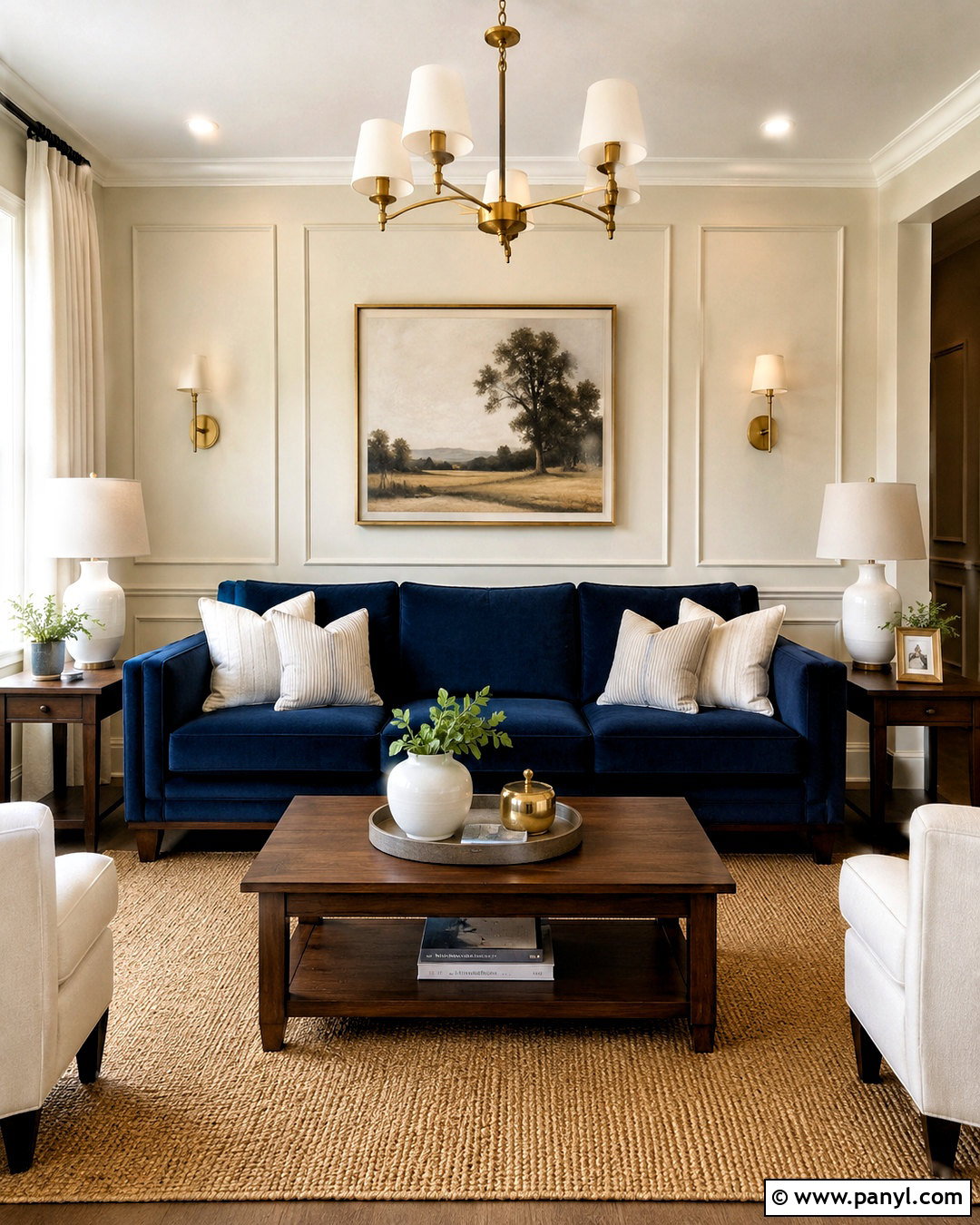
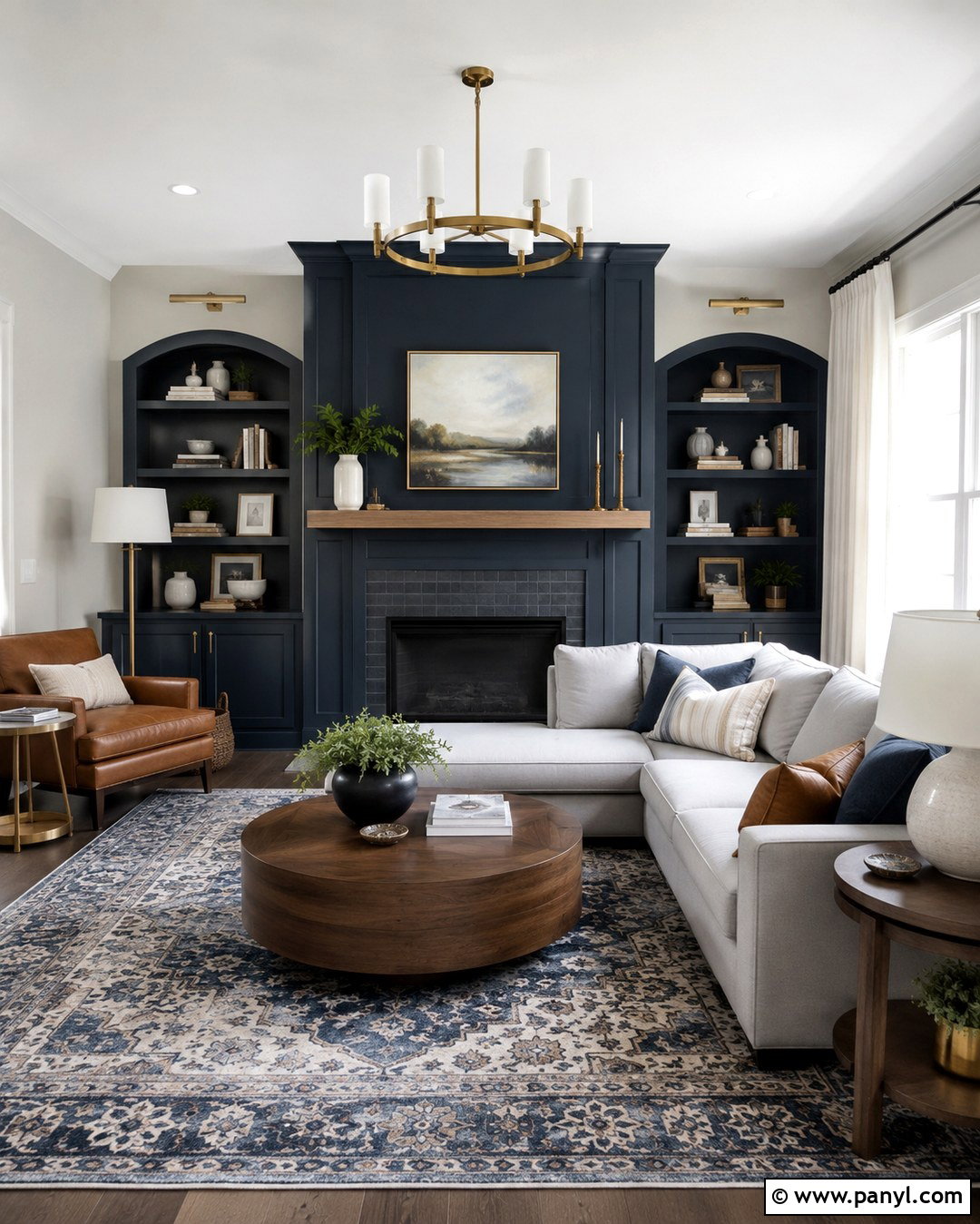
Deep navy blue makes magnolia walls look cleaner, richer, and more deliberate. In a living room, choose a structured navy sofa as the main anchor. Pair it with a natural jute rug, walnut side tables, and cream curtains that closely match the walls. Add navy through patterned cushions or an upholstered chair, but balance the darker color with ivory textiles and pale artwork. Brushed brass lighting adds warmth and prevents the scheme from feeling too formal. A white ceiling and trim create a crisp frame around the magnolia. This combination suits traditional and modern homes because it mixes classic contrast with comfortable materials. Keep the floor medium or warm-toned so the room remains inviting rather than cool.
3. Warm White With Magnolia Walls
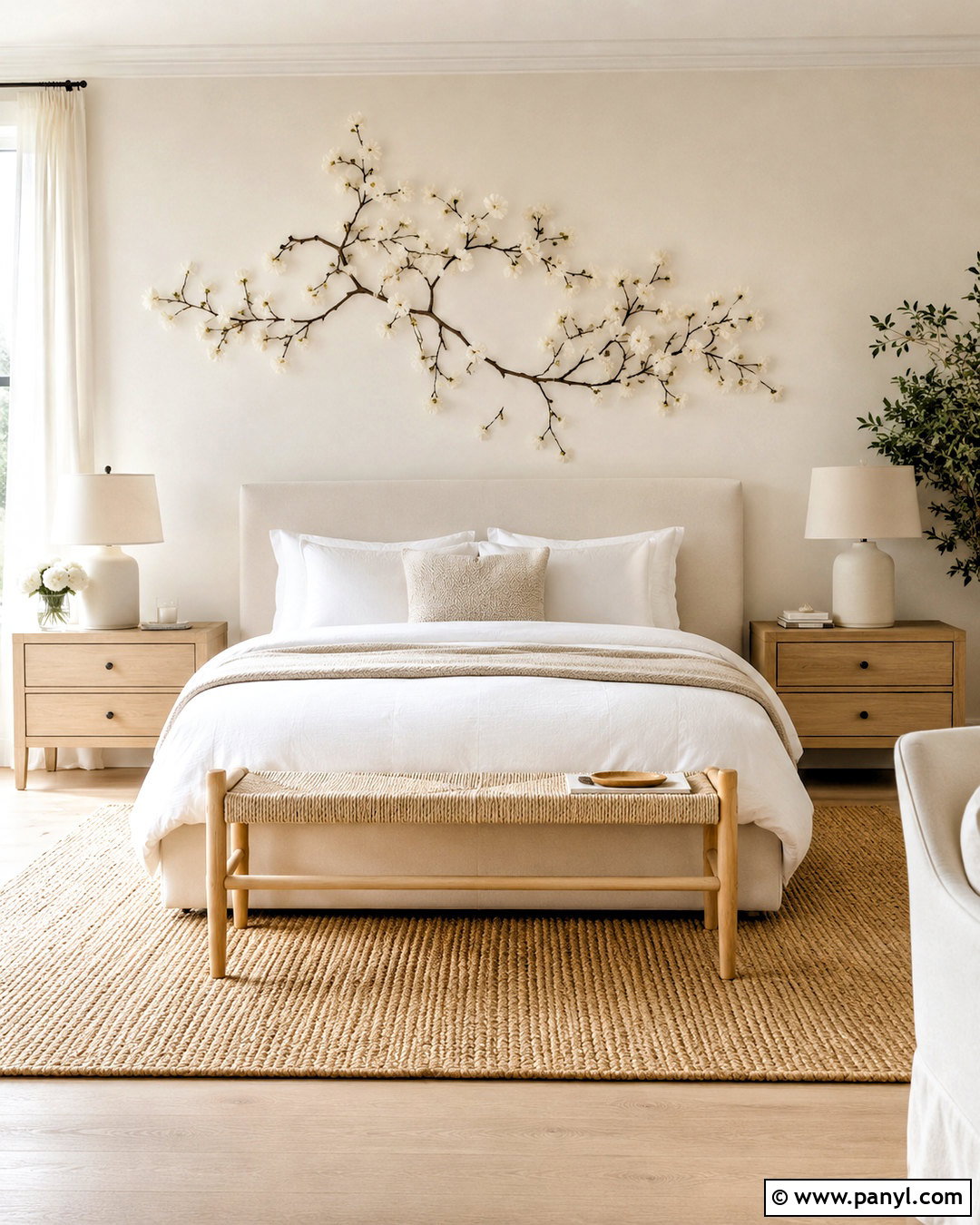
Warm white creates a light, layered room without fighting magnolia’s creamy undertones. Use soft white on the trim, ceiling, doors, and larger pieces of furniture rather than choosing a stark blue-white. In a bedroom, combine magnolia walls with an ivory upholstered bed, white cotton bedding, and a textured cream throw. Pale oak nightstands and a woven bench add definition through material instead of strong color. Introduce small accents in beige, sand, and muted gold to keep the palette from looking flat. A natural fiber rug and sheer warm-white curtains will soften the entire room. This tonal approach is ideal for smaller or darker spaces because it reflects available light while still feeling comfortable, layered, and thoughtfully decorated.
4. Soft Gray With Magnolia Walls
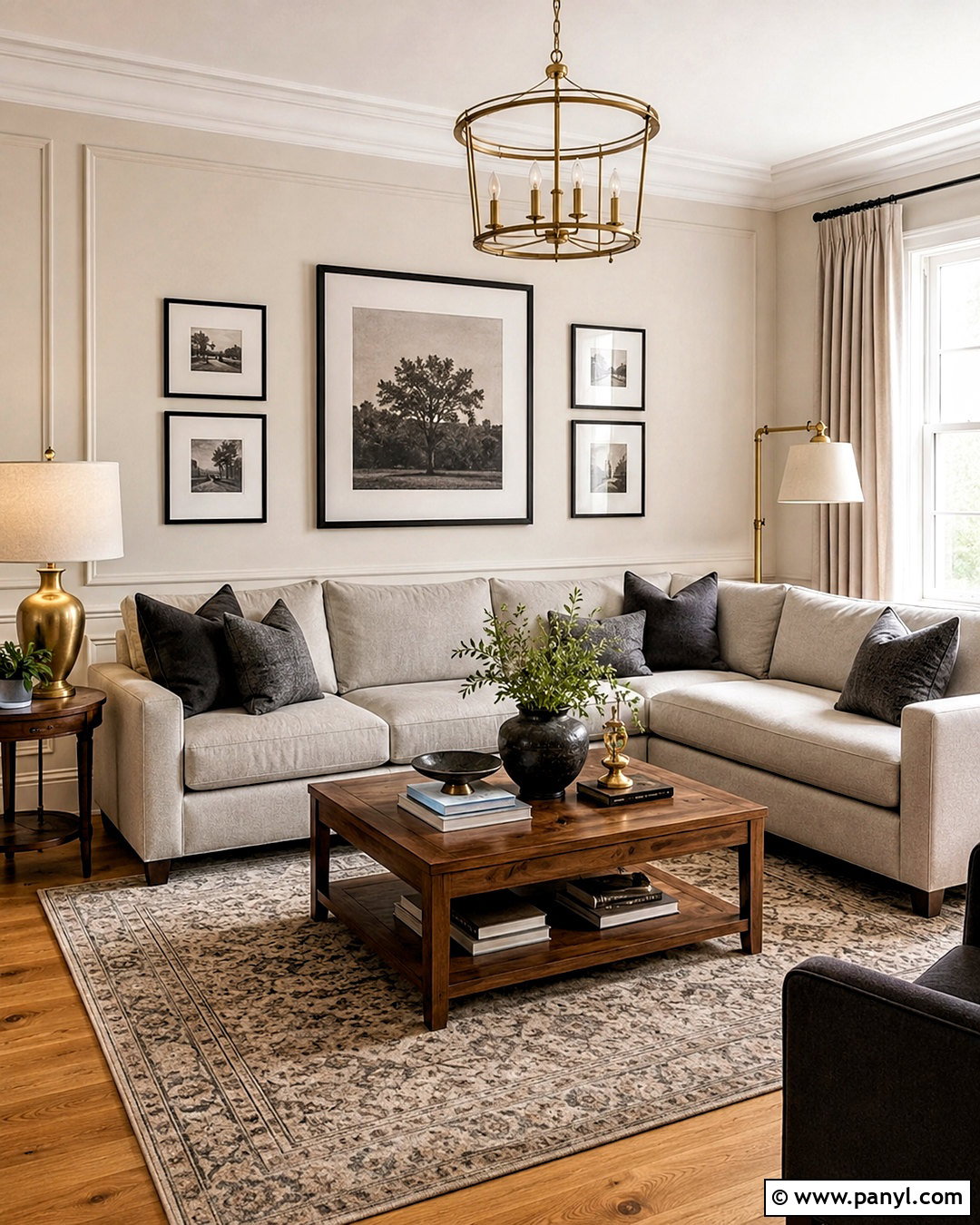
Can gray work with a warm magnolia wall? It can, provided the gray has beige, taupe, or brown undertones rather than a cold blue base. Create a balanced lounge with a warm light-gray sofa, magnolia walls, and medium oak flooring. Layer in charcoal piping, greige cushions, and an ivory-and-gray patterned rug to connect the colors. Use black sparingly on picture frames or a slim floor lamp. Warm wood tables and brushed brass accessories stop the gray from draining the room of warmth. Choose curtains in natural linen rather than silver gray. The result is a comfortable transitional scheme that updates magnolia while respecting its creamy character. It also provides a flexible background for changing seasonal accessories.
5. Charcoal With Magnolia Walls
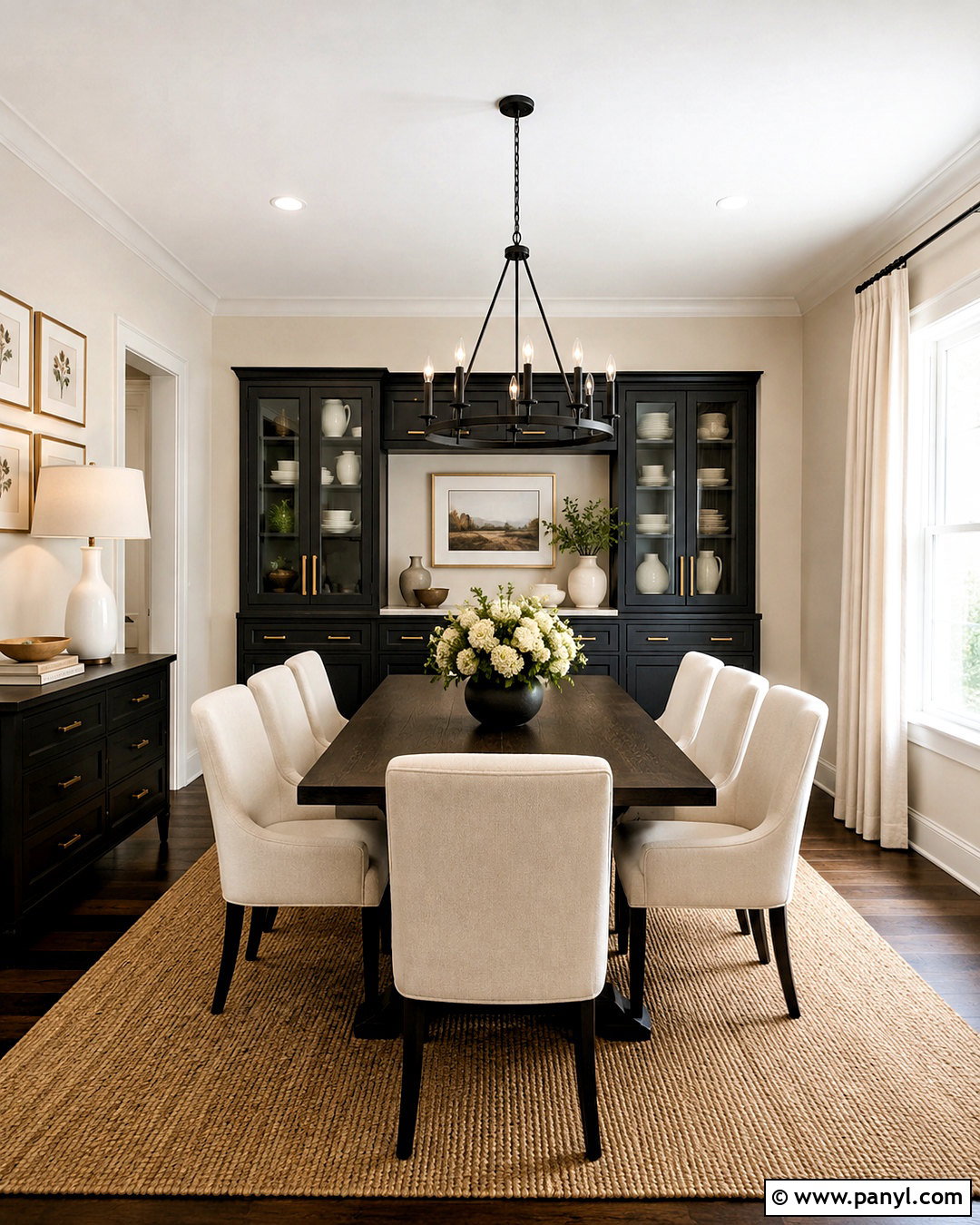
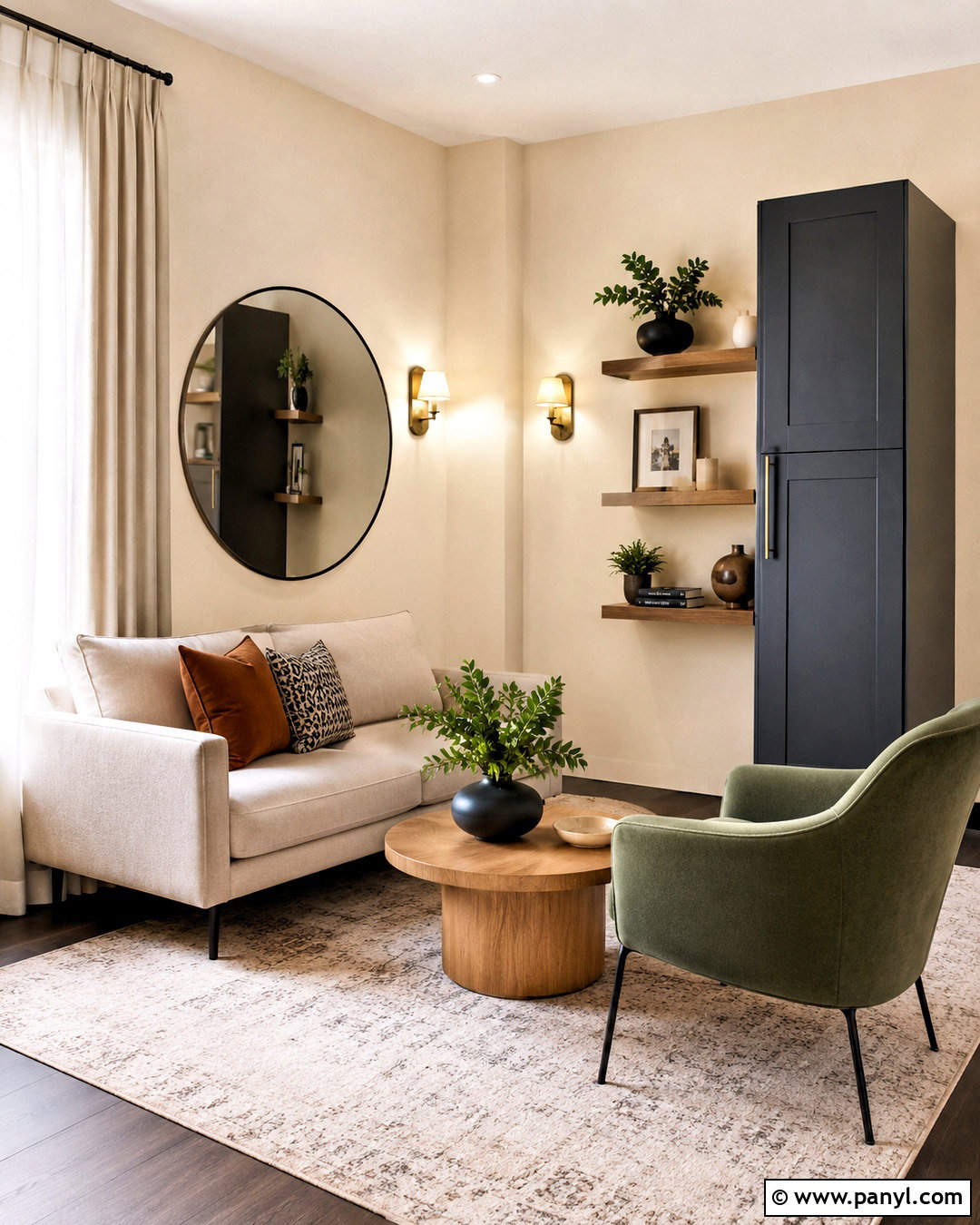
Charcoal brings bold structure to magnolia walls and is particularly effective in a dining room or home office. Start with a charcoal-painted built-in cabinet, bookcase, or single feature wall. Add magnolia on the remaining walls to maintain brightness. A dark wood dining table, cream upholstered chairs, and a neutral woven rug create a grounded foundation. Repeat charcoal through blackened metal lighting, framed artwork, and small ceramic pieces. Warm brass hardware can soften the strongest dark elements. Keep window treatments in flax or ivory so natural light can move easily through the space. This high-contrast pairing makes magnolia appear warmer and more refined, while the dark accents give the room a clear focal point and modern architectural definition.
6. Dusty Pink With Magnolia Walls
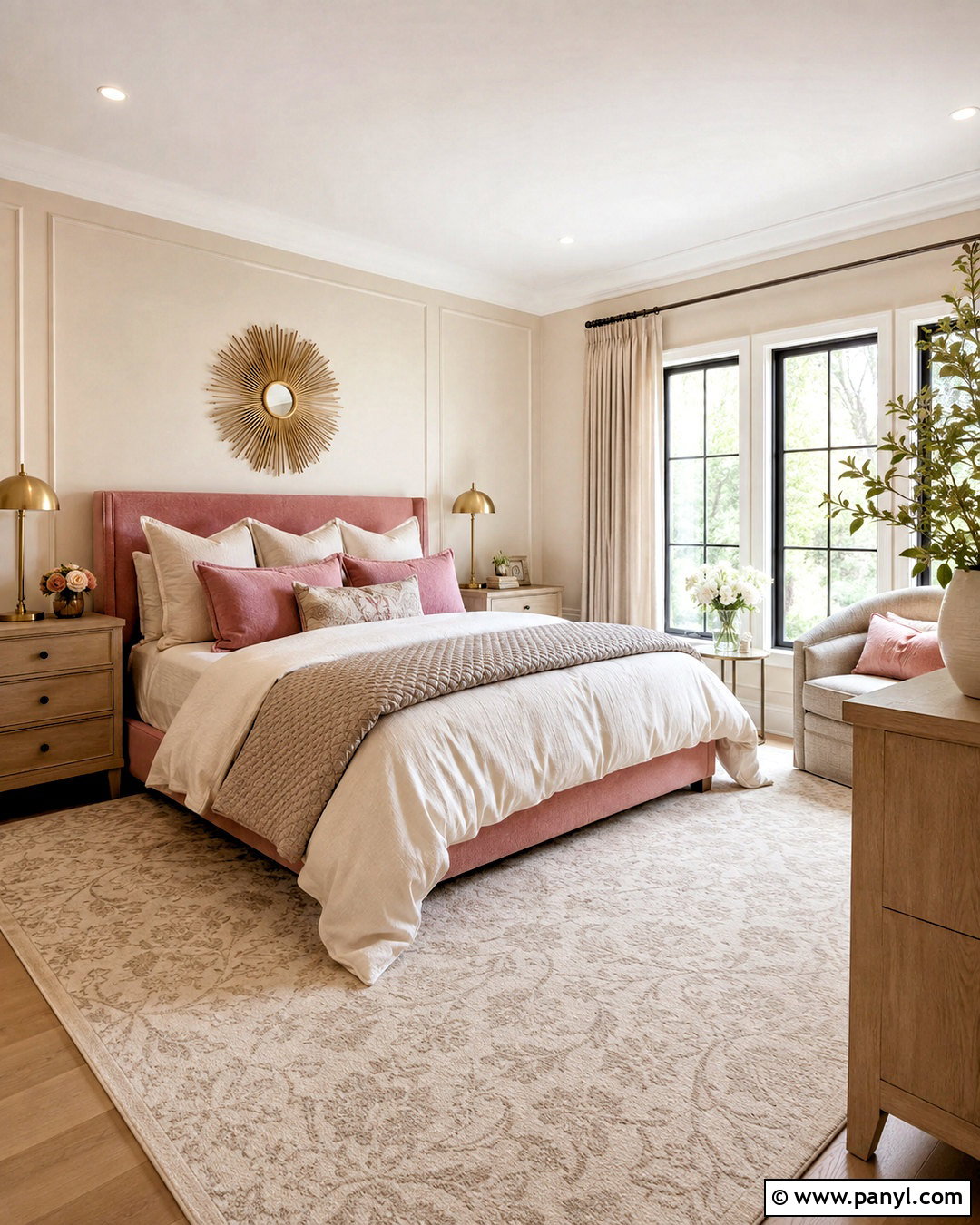
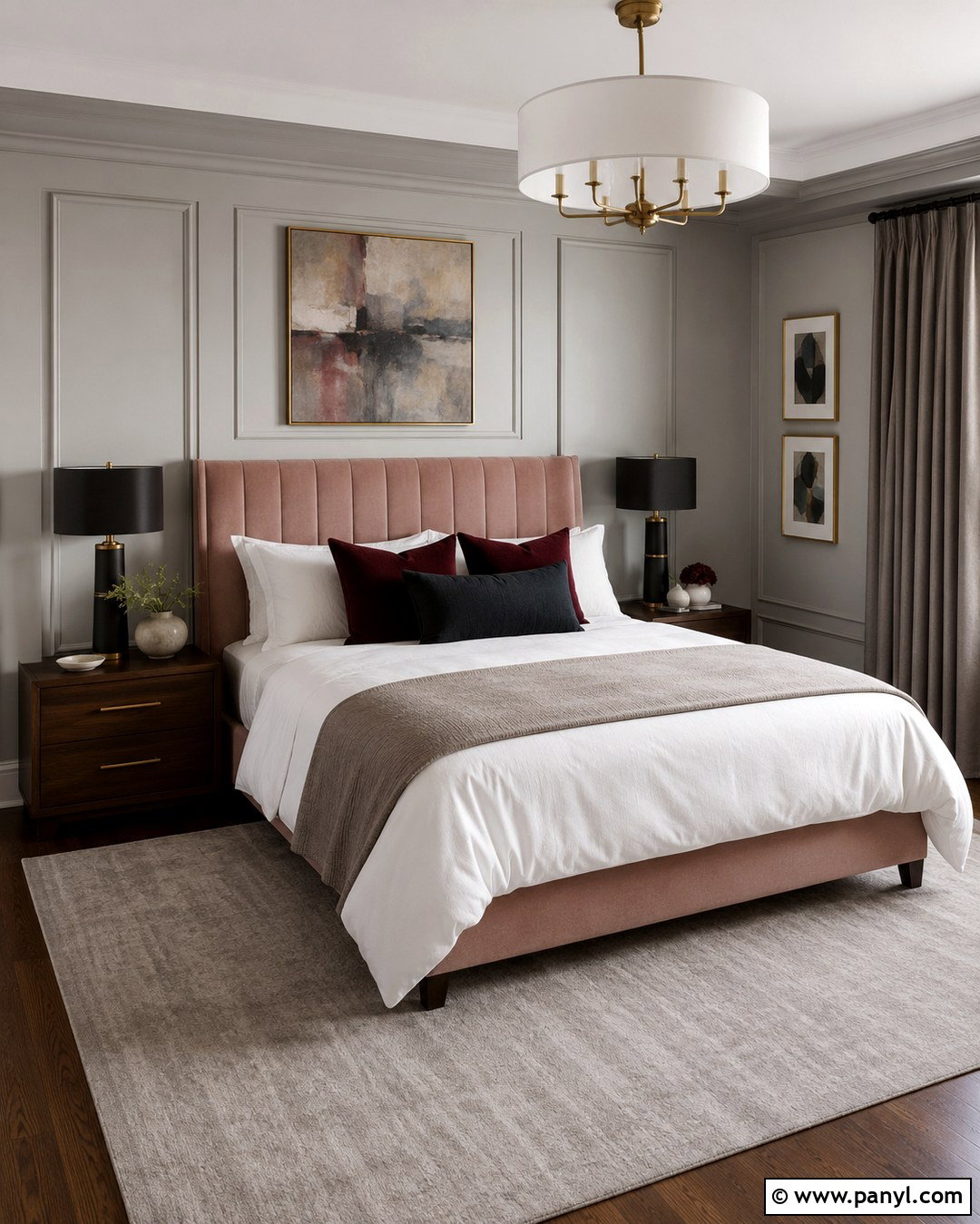
Dusty pink and magnolia share warm undertones, so they blend gently without making the room overly sweet. In a bedroom, place a muted blush upholstered headboard against magnolia walls. Dress the bed with ivory linen, dusty rose pillows, and a taupe quilt for a layered finish. Add pale oak furniture, warm white curtains, and a cream rug with a faded pink pattern. Antique brass lamps and small touches of burgundy provide enough depth to keep the scheme sophisticated. Avoid bright bubblegum pink, which can exaggerate the yellow in magnolia. A few dried stems or understated floral prints complete the look. The finished bedroom feels soft, mature, and comfortable, with every color flowing naturally from the creamy wall tone.
7. Terracotta With Magnolia Walls
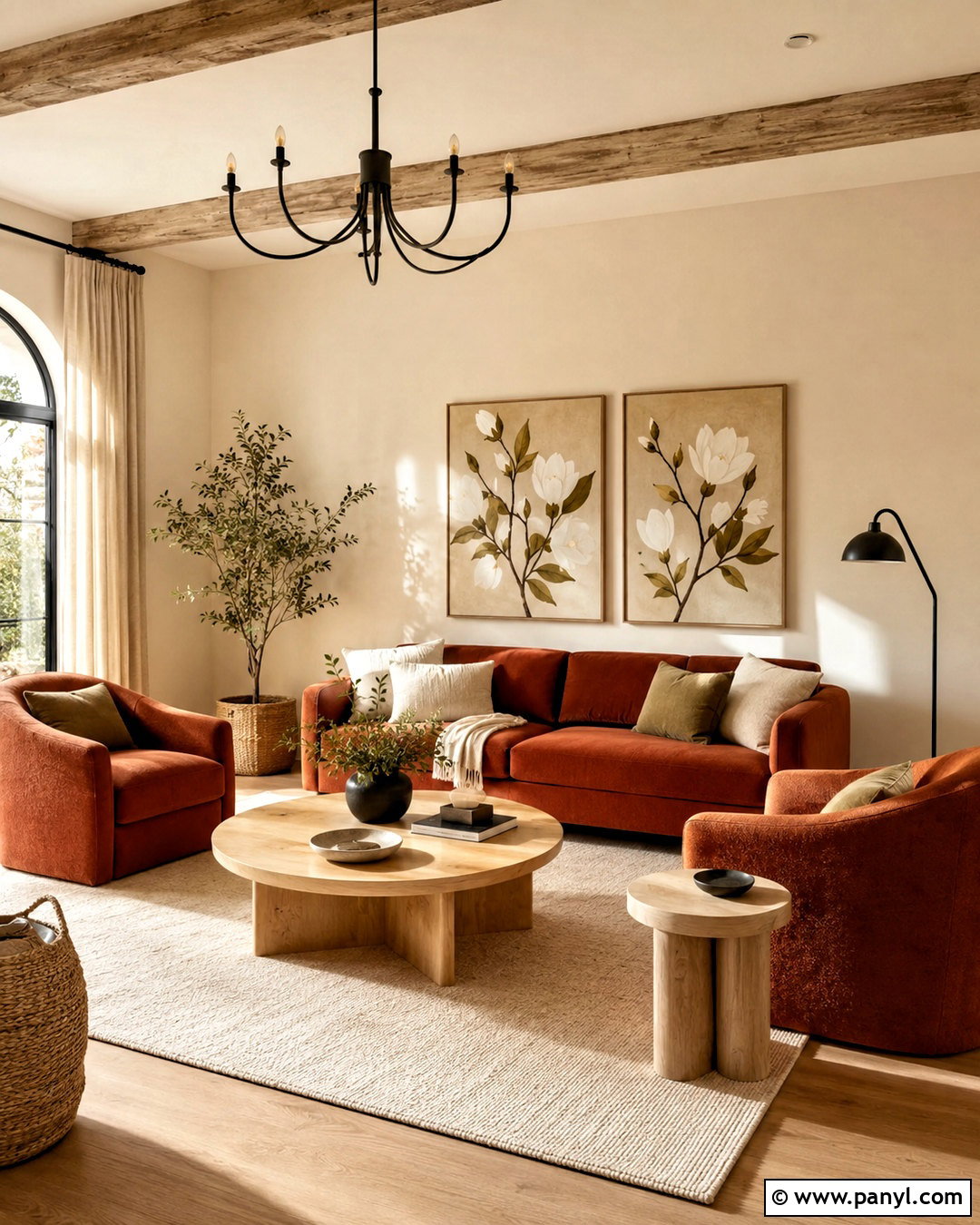
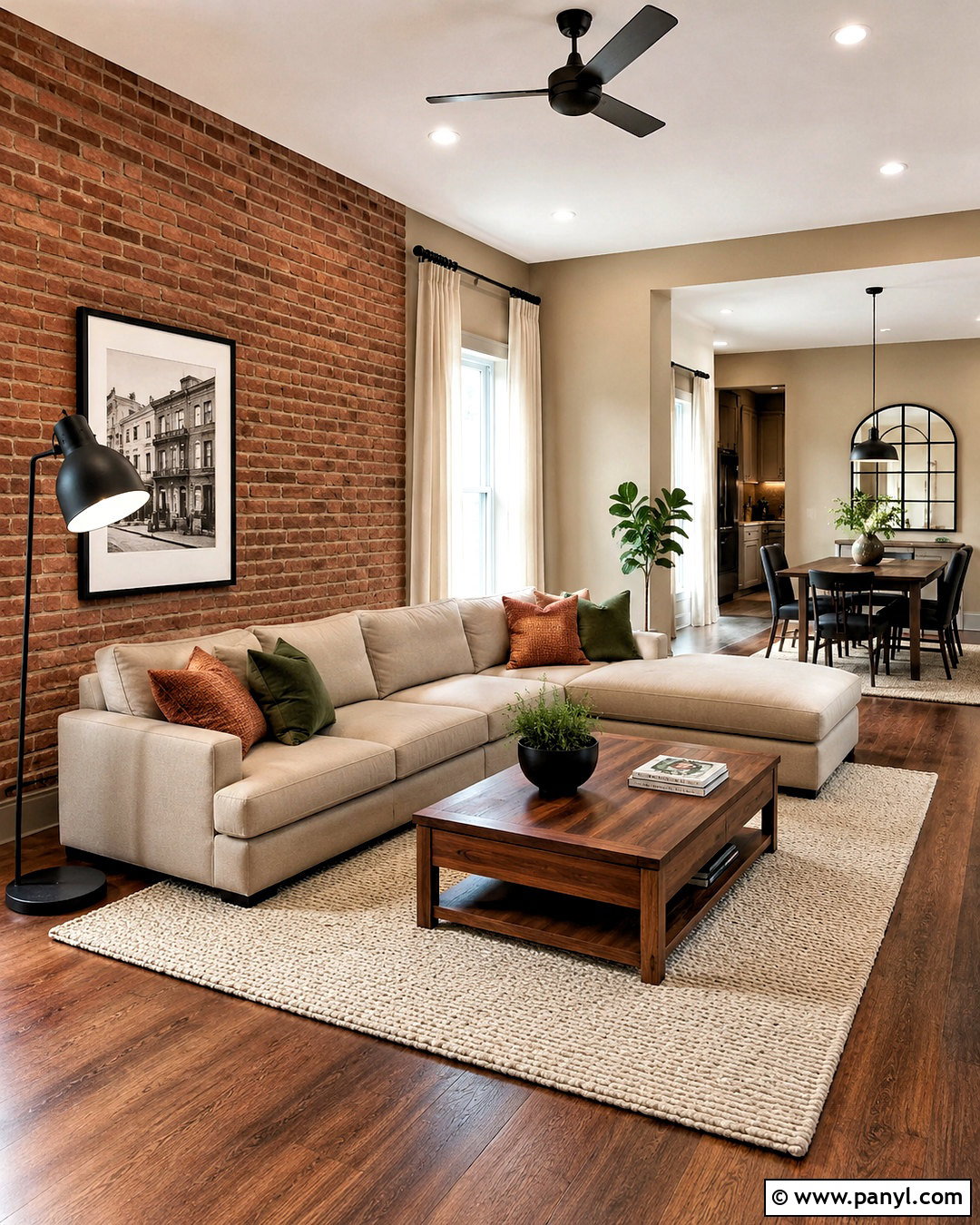
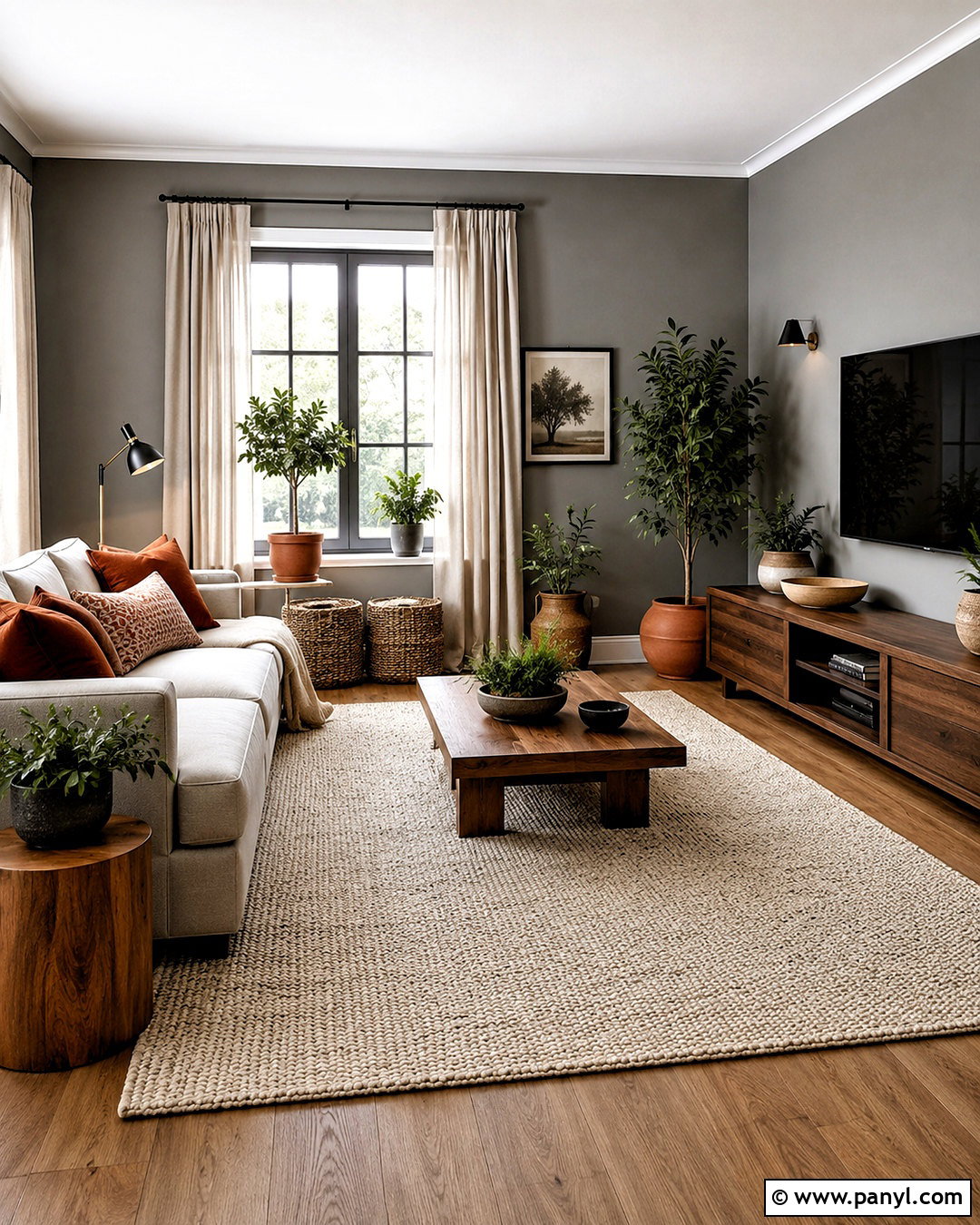
Terracotta adds sunbaked warmth and earthy character to magnolia walls. Design a cozy living room with a rust-toned sofa or two terracotta armchairs as the central feature. Ground the arrangement with a cream wool rug, a low oak coffee table, and linen curtains in warm beige. Add cushions in clay, olive, and off-white, then introduce handmade ceramics and woven baskets. Black accents on lighting or frames will provide a clean modern edge. Keep the ceiling and woodwork soft white to stop the warm palette from becoming heavy. This room scheme works beautifully with natural textures because terracotta, wood, and magnolia share an organic warmth. It feels especially inviting in spaces that receive afternoon or west-facing light.
8. Mustard Yellow With Magnolia Walls
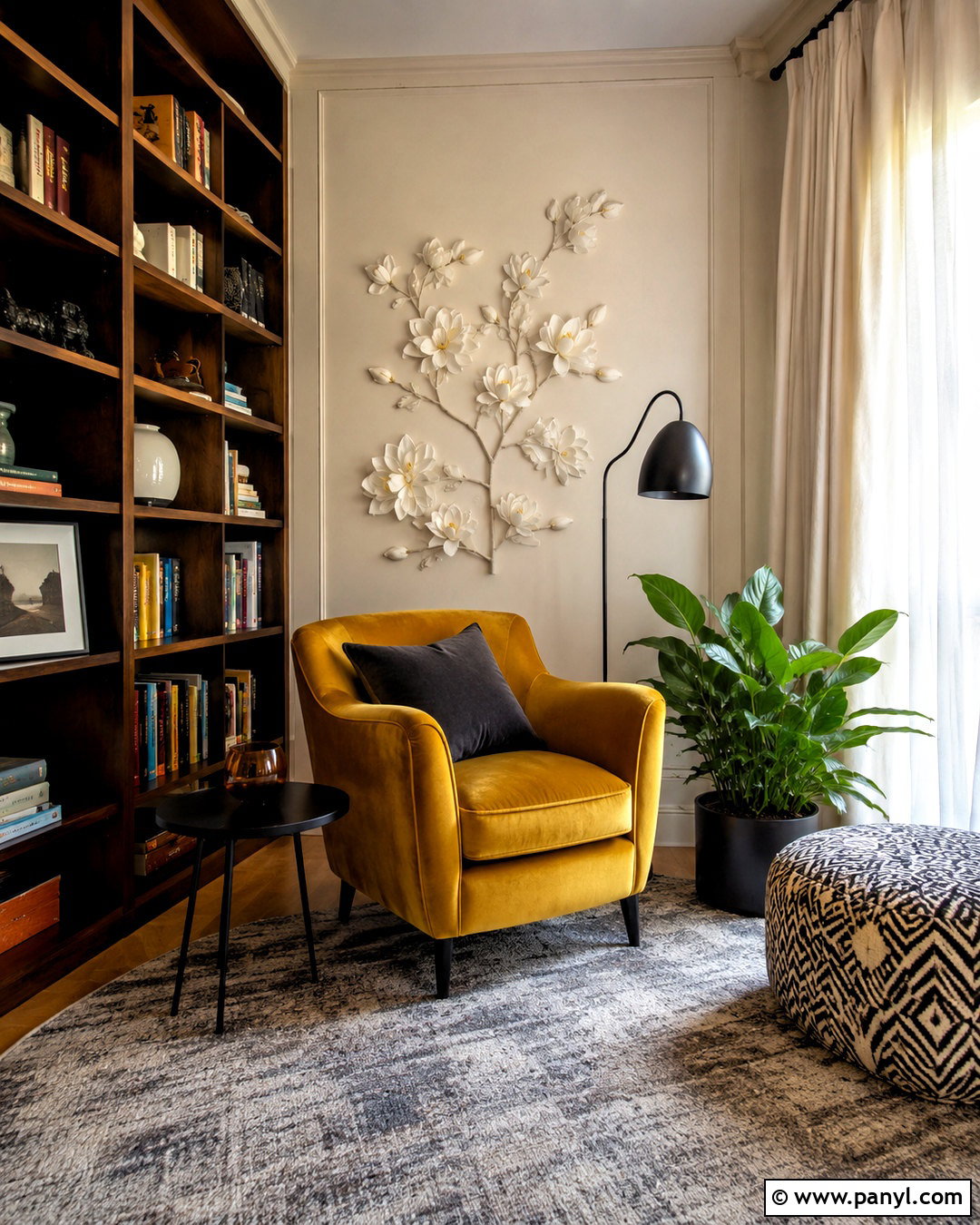
Mustard yellow can bring energy to magnolia walls when it is used as a deeper, more saturated accent. Begin with a mustard velvet chair, bench, or compact sofa rather than filling the entire room with yellow. Add a warm gray rug, walnut furniture, and cushions in cream, charcoal, and subtle geometric patterns. Dark green plants help break up the golden tones, while matte black lighting gives the space sharper definition. Keep curtains plain and neutral so the mustard remains the focal point. This scheme works well in reading rooms, living areas, and creative home offices. The magnolia creates a soft tonal bridge, while mustard adds confidence and personality. Use warm white trim for a lighter, cleaner overall finish.
9. Olive Green With Magnolia Walls
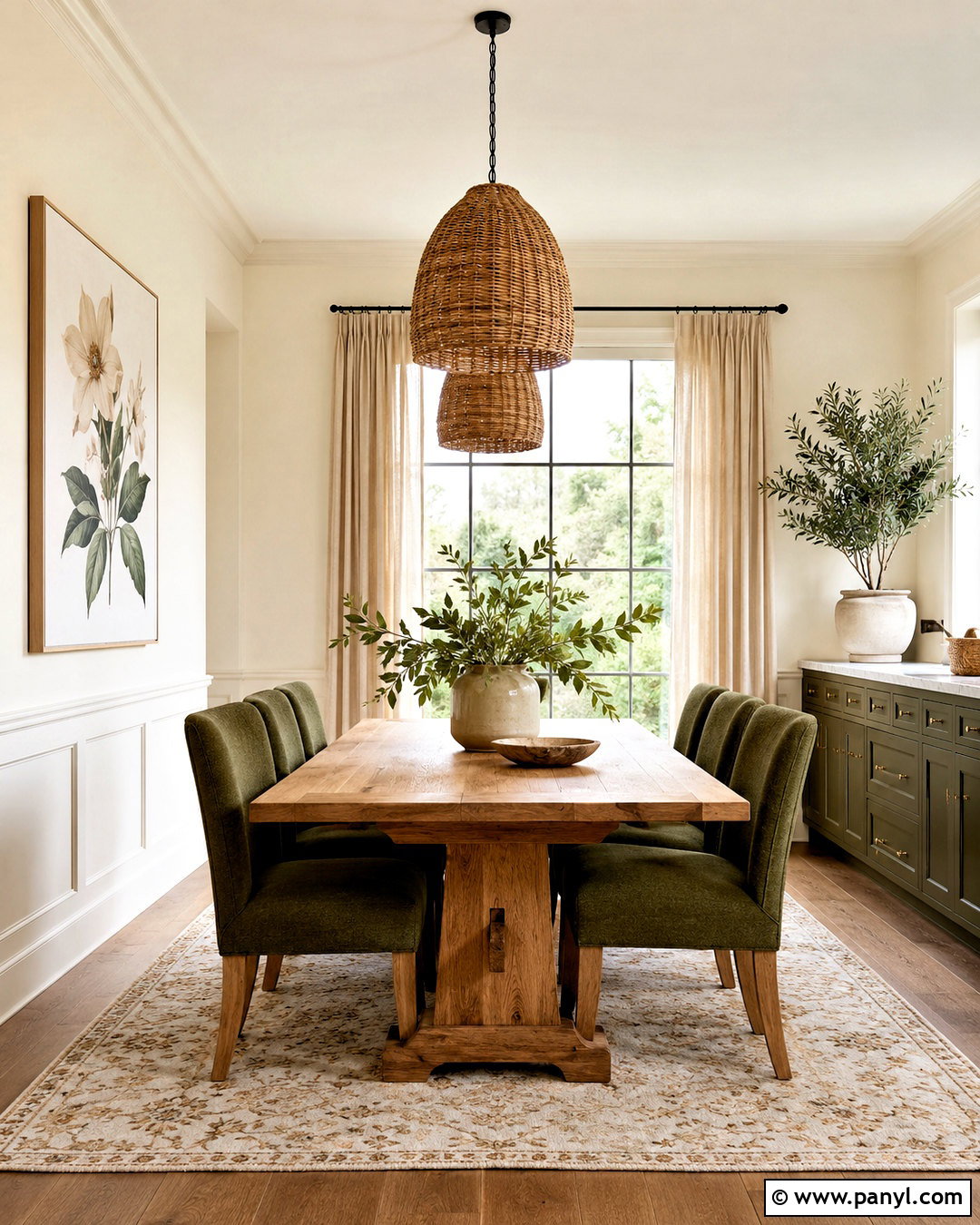
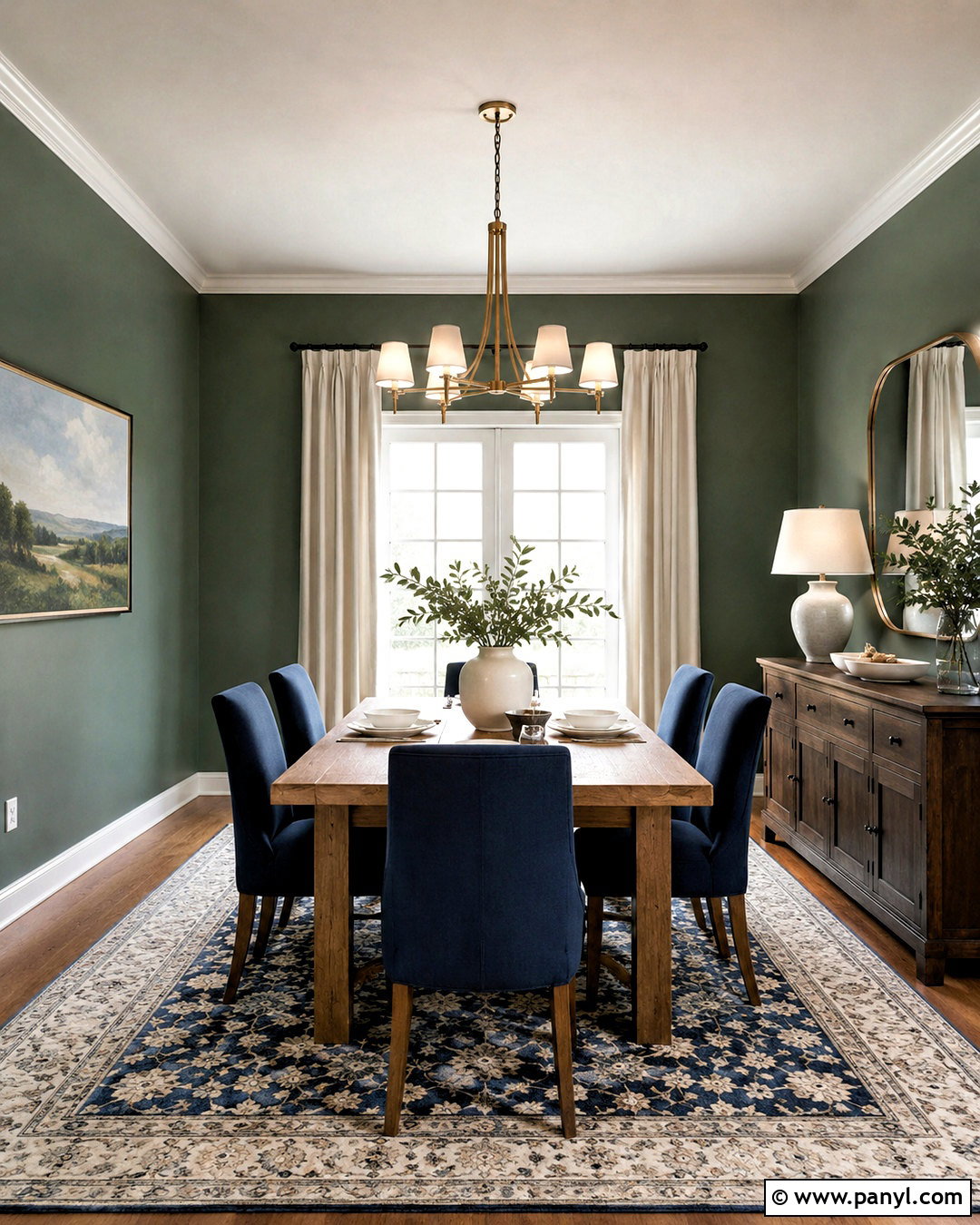
Olive green creates a deeper, earthier look than pale sage and gives magnolia walls a more grounded character. In a dining room, use olive green on cabinetry, a sideboard, or upholstered dining chairs. Combine these pieces with a solid oak table, woven pendant lighting, and a cream-and-tan rug. Linen curtains in natural flax will complement both colors without disappearing into the walls. Add dark bronze hardware and simple botanical artwork for definition. Cream tableware and clear glass accessories keep the arrangement light. Because olive can feel heavy in a small room, repeat it selectively rather than covering every surface. The completed space feels organic and established, with magnolia providing warmth and olive introducing rich, nature-inspired contrast.
10. Teal With Magnolia Walls
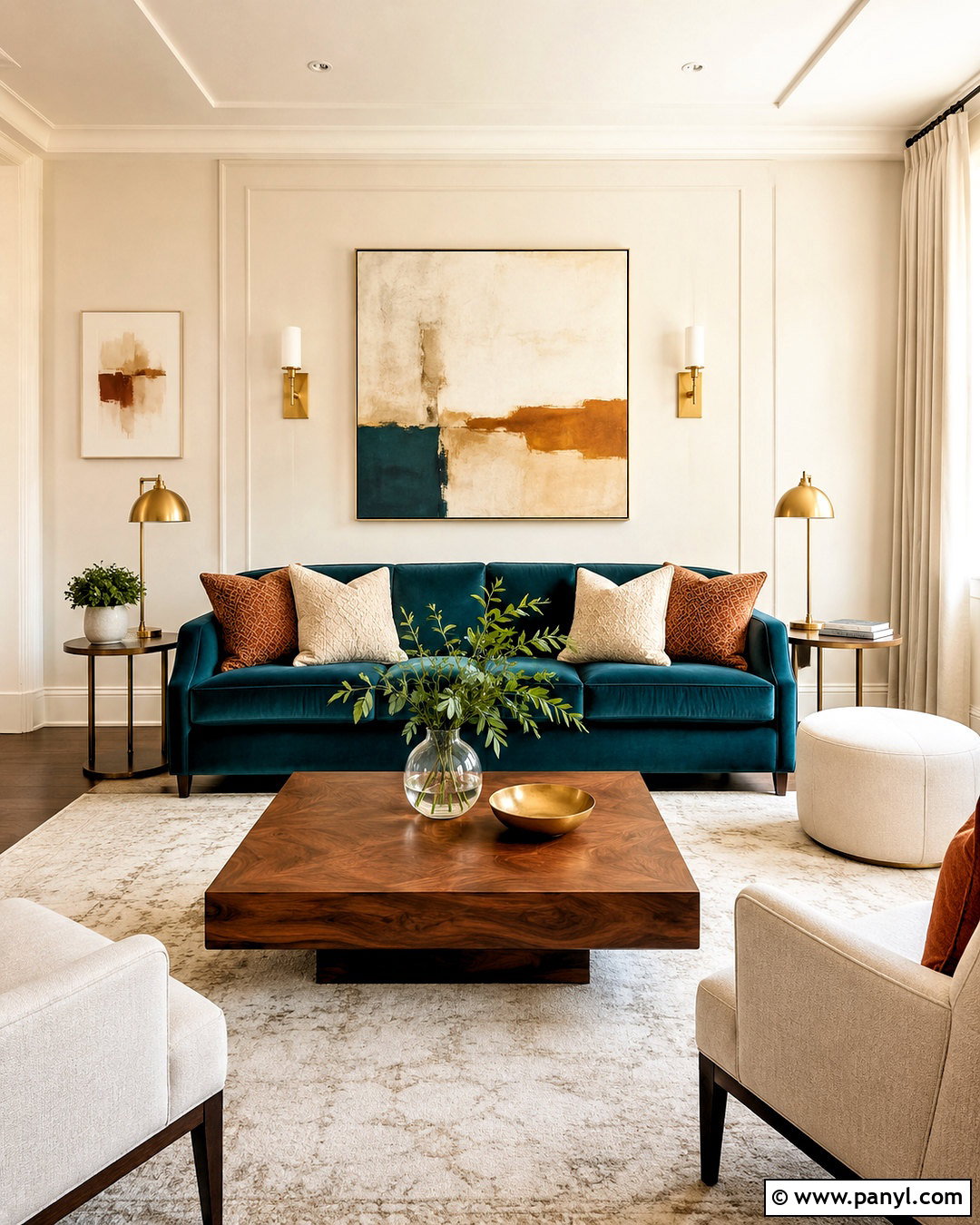
Rich teal gives magnolia walls an eye-catching contrast while retaining a sense of warmth. Create a polished living room with a teal sofa, magnolia walls, and a large cream rug. Choose walnut tables and brass lighting to connect the blue-green upholstery with the wall’s golden undertones. Add cushions in ivory, teal, and muted rust, using one or two patterned pieces to bring the palette together. Warm white curtains will brighten the windows without introducing another strong color. Keep additional furniture simple and neutral so the teal remains the clear focal point. This complete design is ideal when magnolia feels too plain but repainting the room is not practical. Teal adds richness, while the existing walls keep the overall space comfortable and balanced.
11. Burgundy With Magnolia Walls
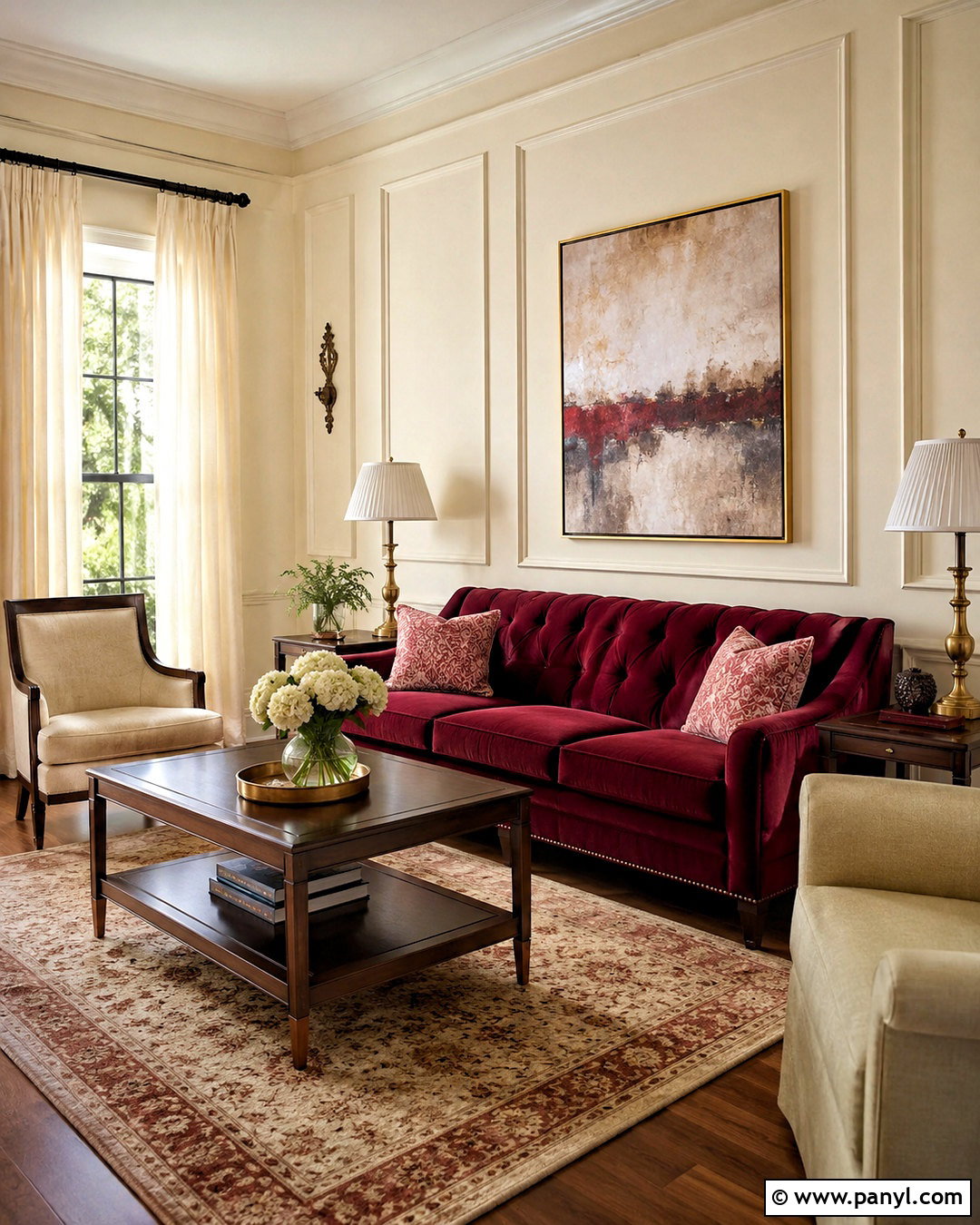
Burgundy gives magnolia walls a classic, luxurious look without requiring a complete renovation. Use a burgundy velvet sofa or upholstered dining chairs as the room’s strongest element. Balance the deep red with cream curtains, a warm beige rug, and dark walnut furniture. Antique brass lamps and hardware reinforce the traditional warmth, while simple contemporary artwork keeps the design from feeling old-fashioned. Add smaller accents in dusty rose, chocolate brown, and ivory instead of repeating burgundy everywhere. Magnolia provides enough lightness to prevent the darker furniture from overwhelming the room. This pairing works especially well in formal living rooms, libraries, and dining spaces. The completed scheme feels rich and welcoming, with a clear balance between light walls and saturated furnishings.
12. Chocolate Brown With Magnolia Walls
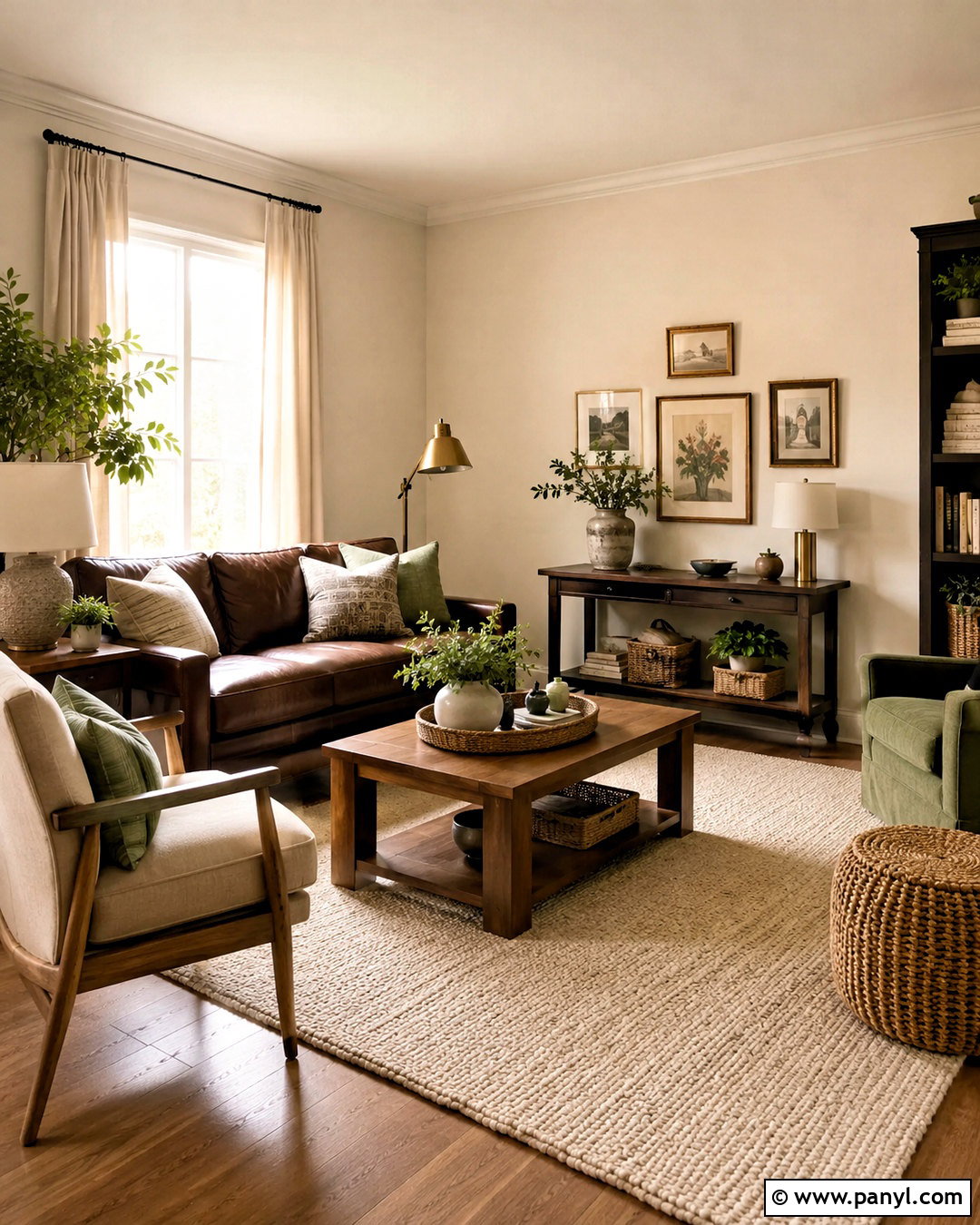
Chocolate brown creates a warm, grounded setting that makes magnolia walls feel intentionally creamy. Choose a deep brown leather sofa or walnut dining set as the visual anchor. Add a textured ivory rug, oatmeal curtains, and cushions in tan, cream, and muted green. A few matte black accents can modernize the palette, while aged brass introduces a softer shine. Avoid filling the entire room with dark wood. Instead, mix walnut with lighter oak, woven storage, or pale stone surfaces. Green plants provide a fresh break between the brown furniture and warm walls. This cohesive room design suits homes with traditional features, but clean furniture shapes can make it equally effective in modern spaces. The overall effect is comfortable, practical, and timeless.
13. Black With Magnolia Walls
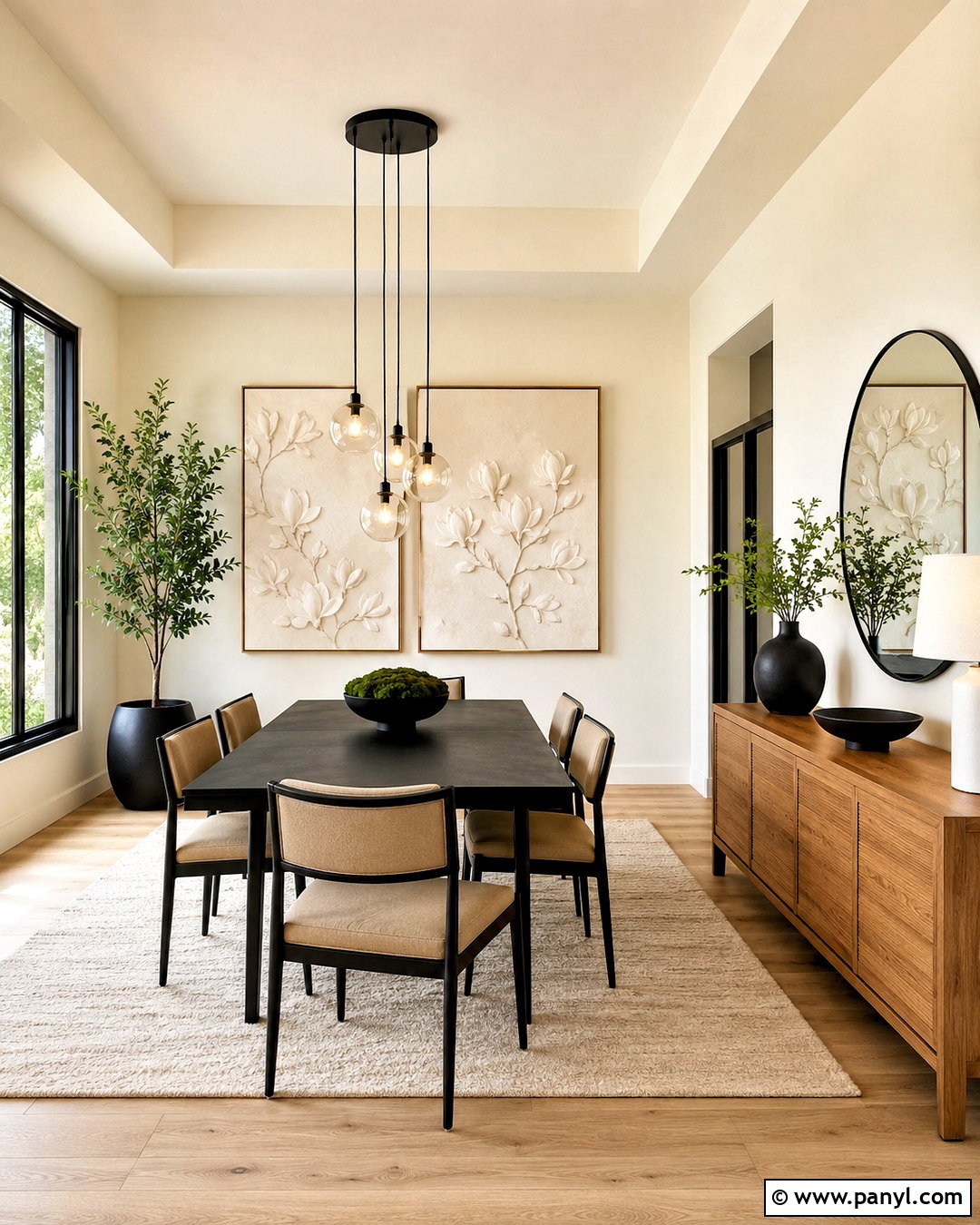
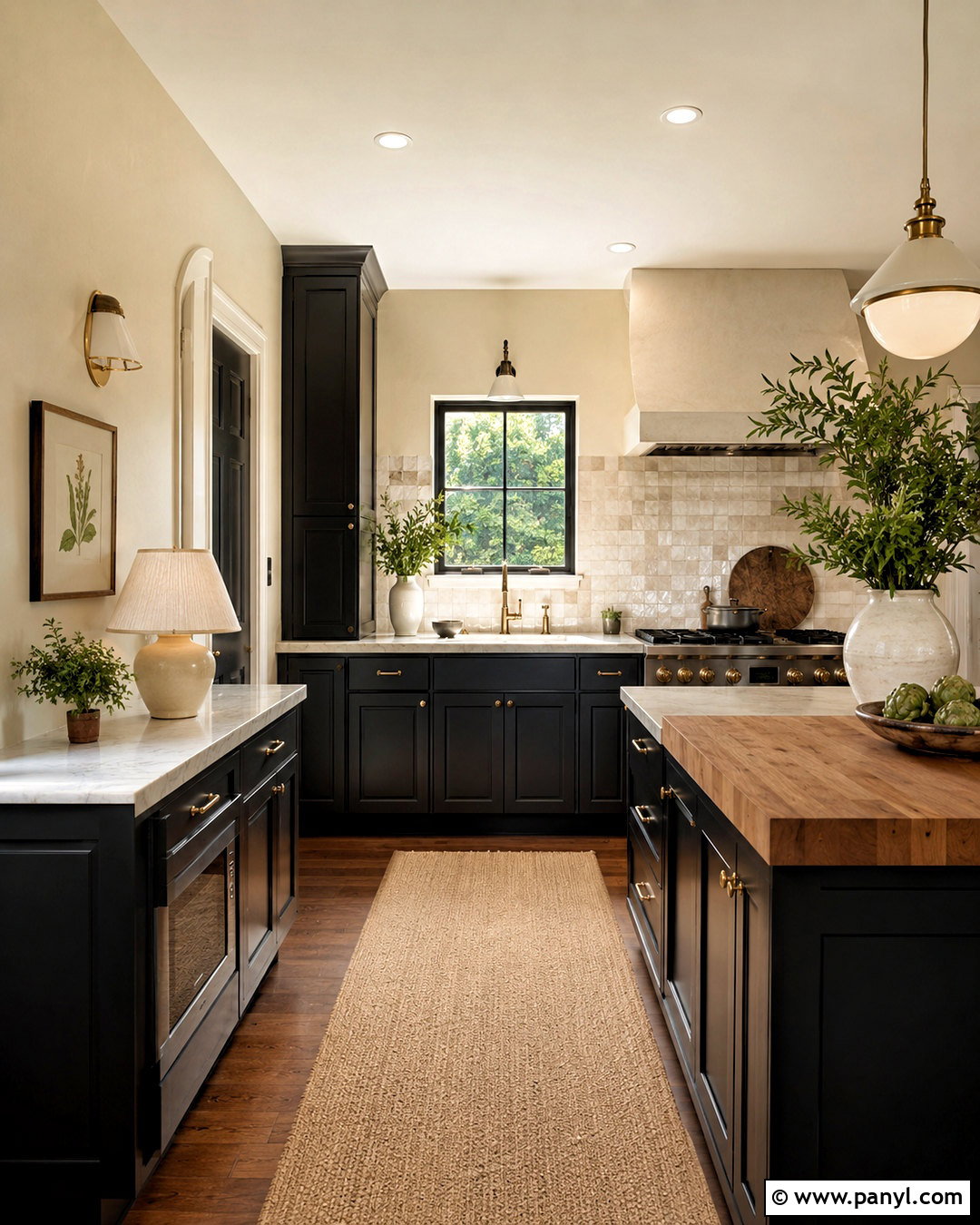
Black accents can transform magnolia walls by adding crisp lines and contemporary contrast. In a modern dining space, pair the walls with a slim black table, black-framed chairs, and a sculptural matte black pendant. Use a large cream rug and warm oak sideboard to prevent the room from appearing severe. White trim will provide another clean edge, while neutral curtains soften the windows. Repeat black through a few picture frames, cabinet handles, or decorative bowls, but leave plenty of lighter space between them. Add tan upholstery and green plants for warmth and life. This scheme makes the magnolia look purposeful because the dark accents clearly define the layout. It is especially useful for refreshing a neutral rental without changing the existing paint.
14. Powder Blue With Magnolia Walls
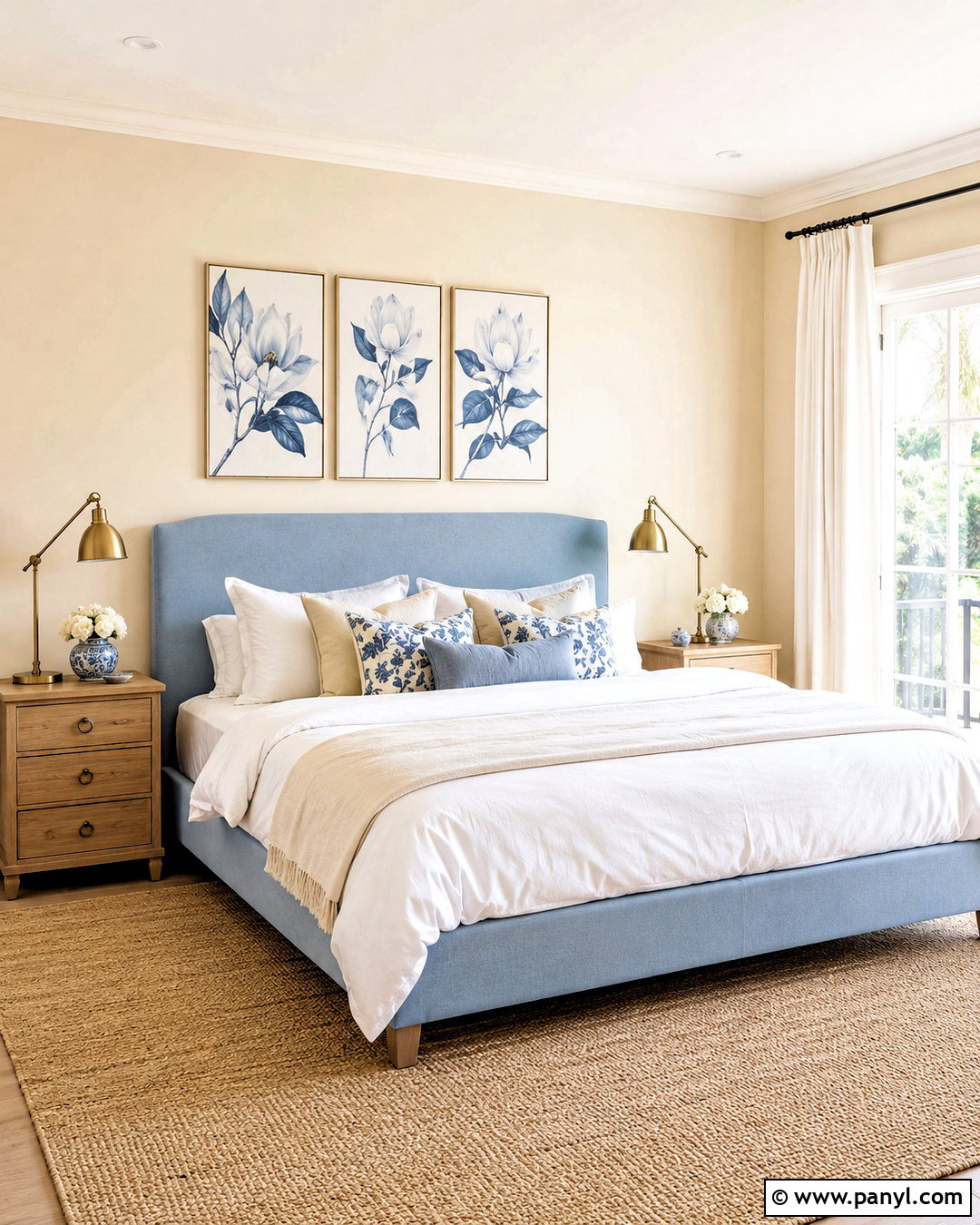
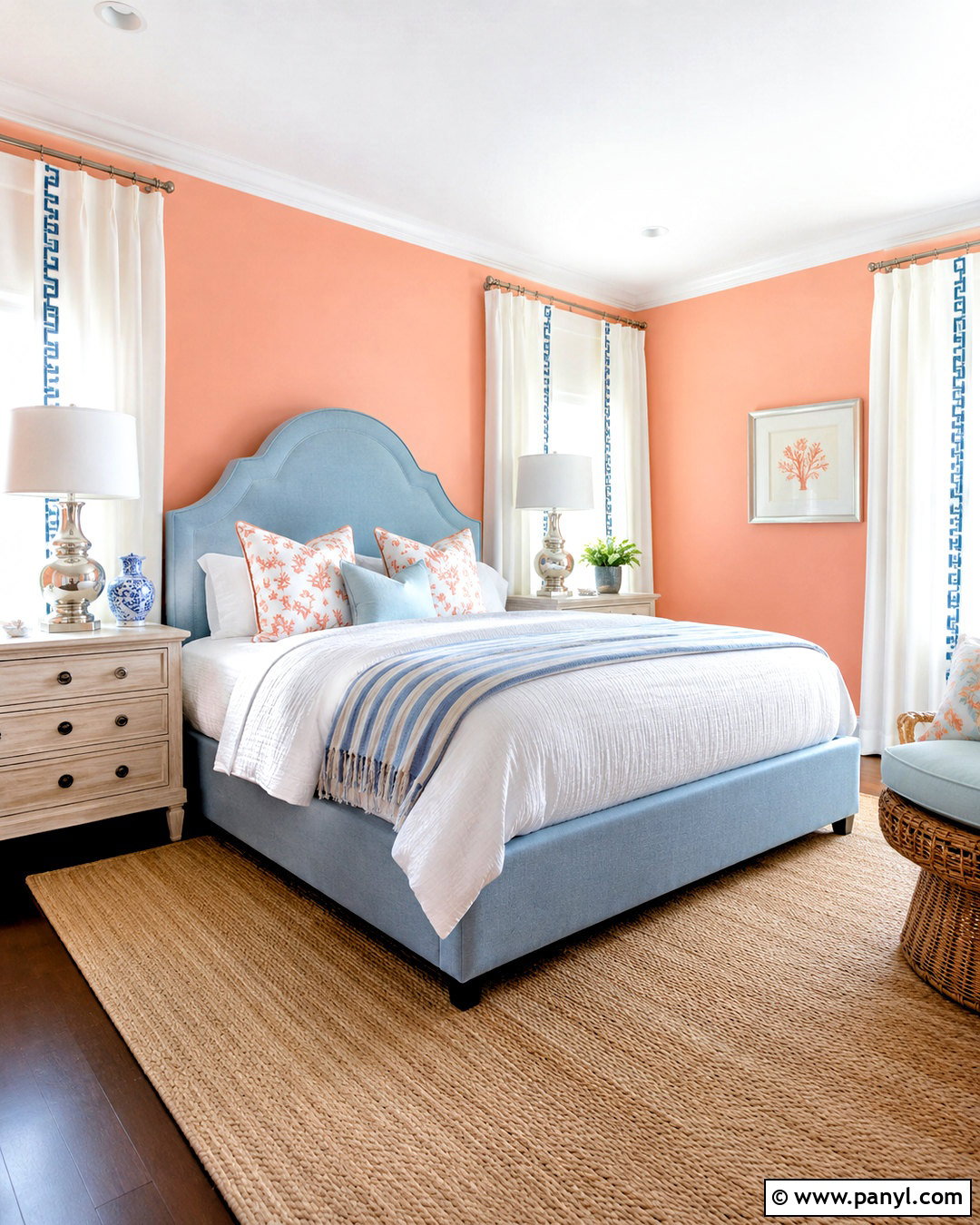
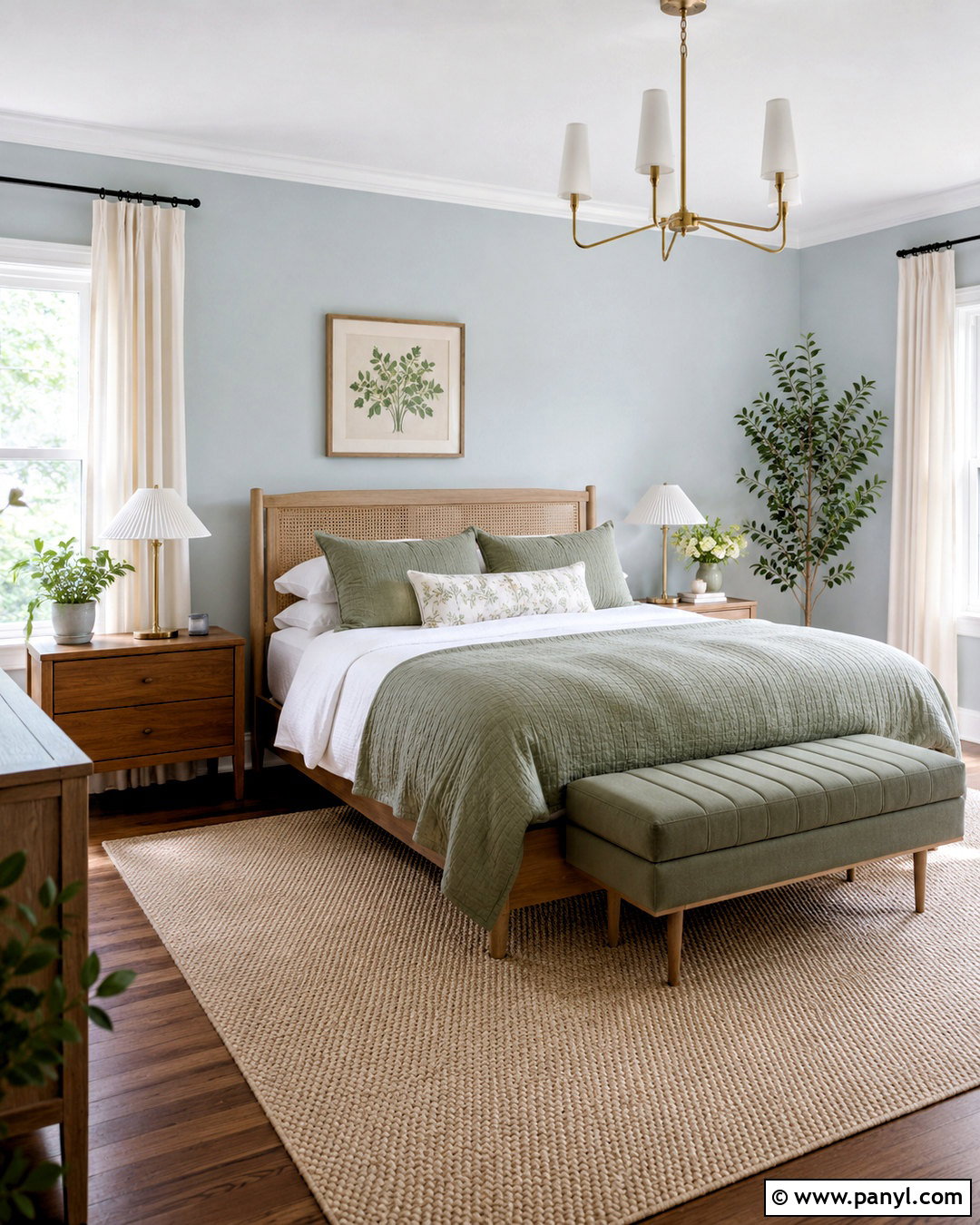
Powder blue brings a light, refreshing character to magnolia walls and works particularly well in bedrooms. Choose a soft blue upholstered bed or painted dresser, then layer white cotton bedding with cream, beige, and blue cushions. Pale wood nightstands and a natural woven rug keep the palette relaxed. Use warm white curtains rather than bright white, which may look too sharp against the cream walls. Small brass lamps introduce warmth, while blue-and-ivory artwork connects the furniture to the room. Select a powder blue with a slightly muted or gray quality instead of an icy pastel. This prevents the colors from feeling disconnected. The completed bedroom feels airy and peaceful, with enough warmth from magnolia and wood to remain comfortable in every season.
15. Greige With Magnolia Walls
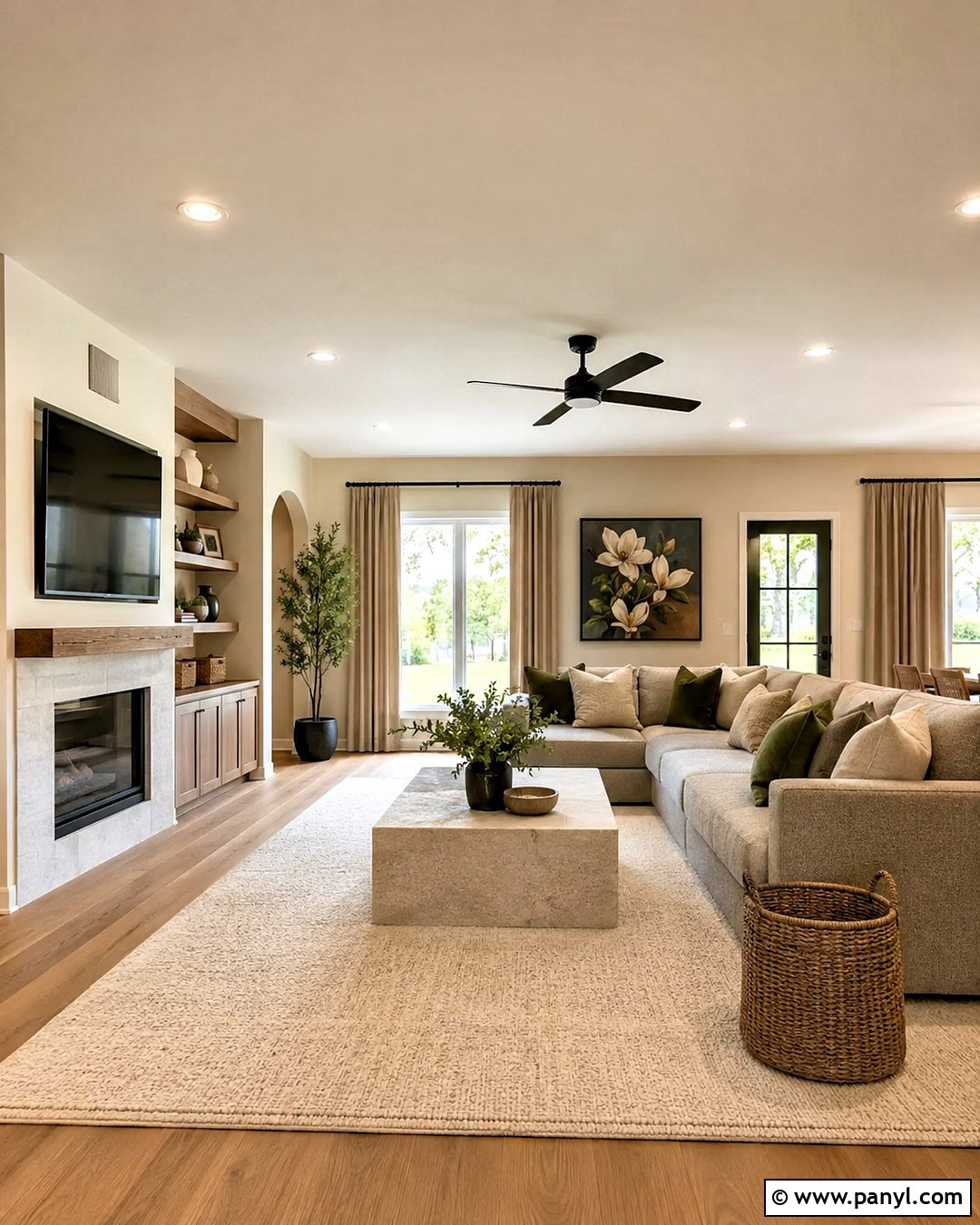
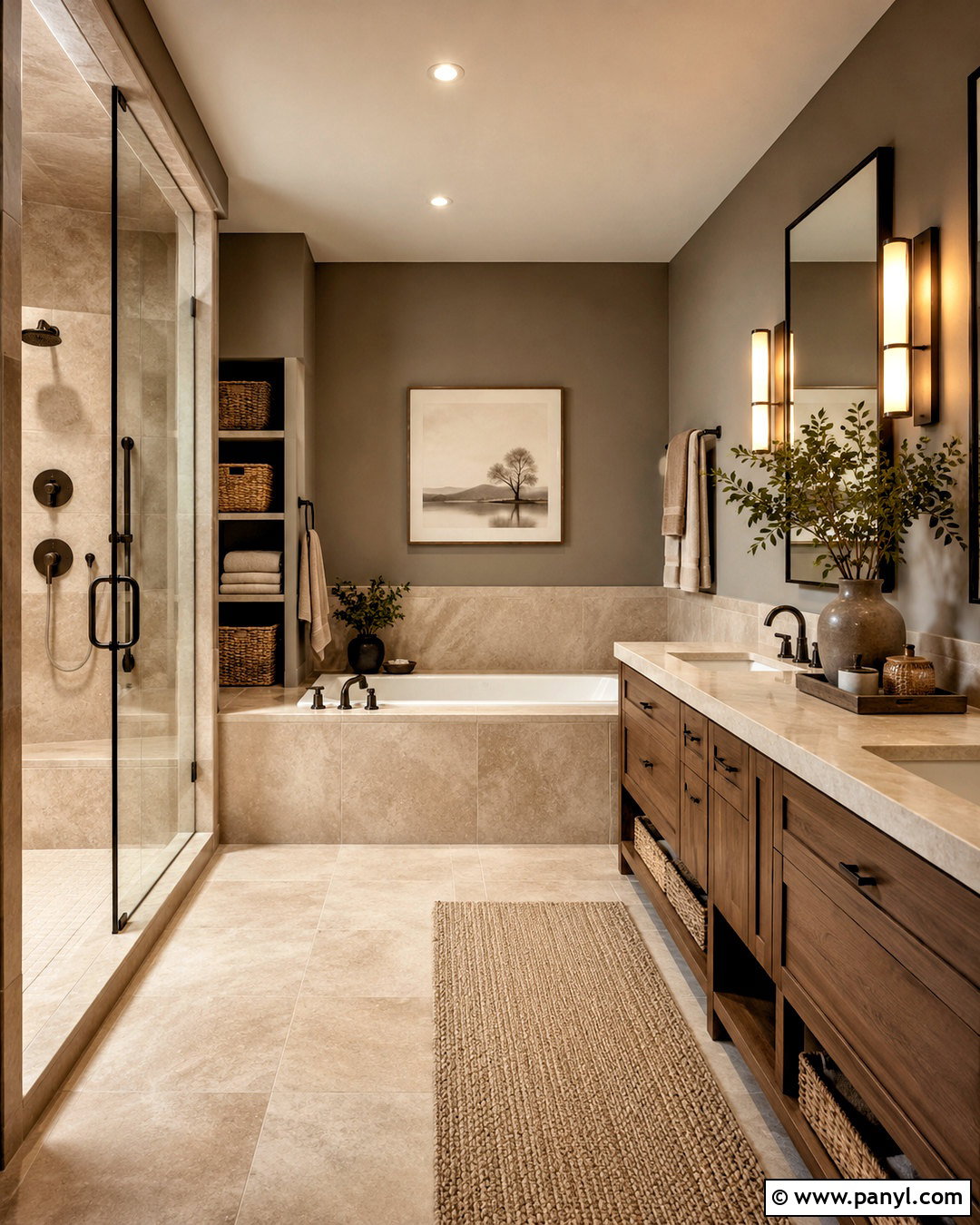
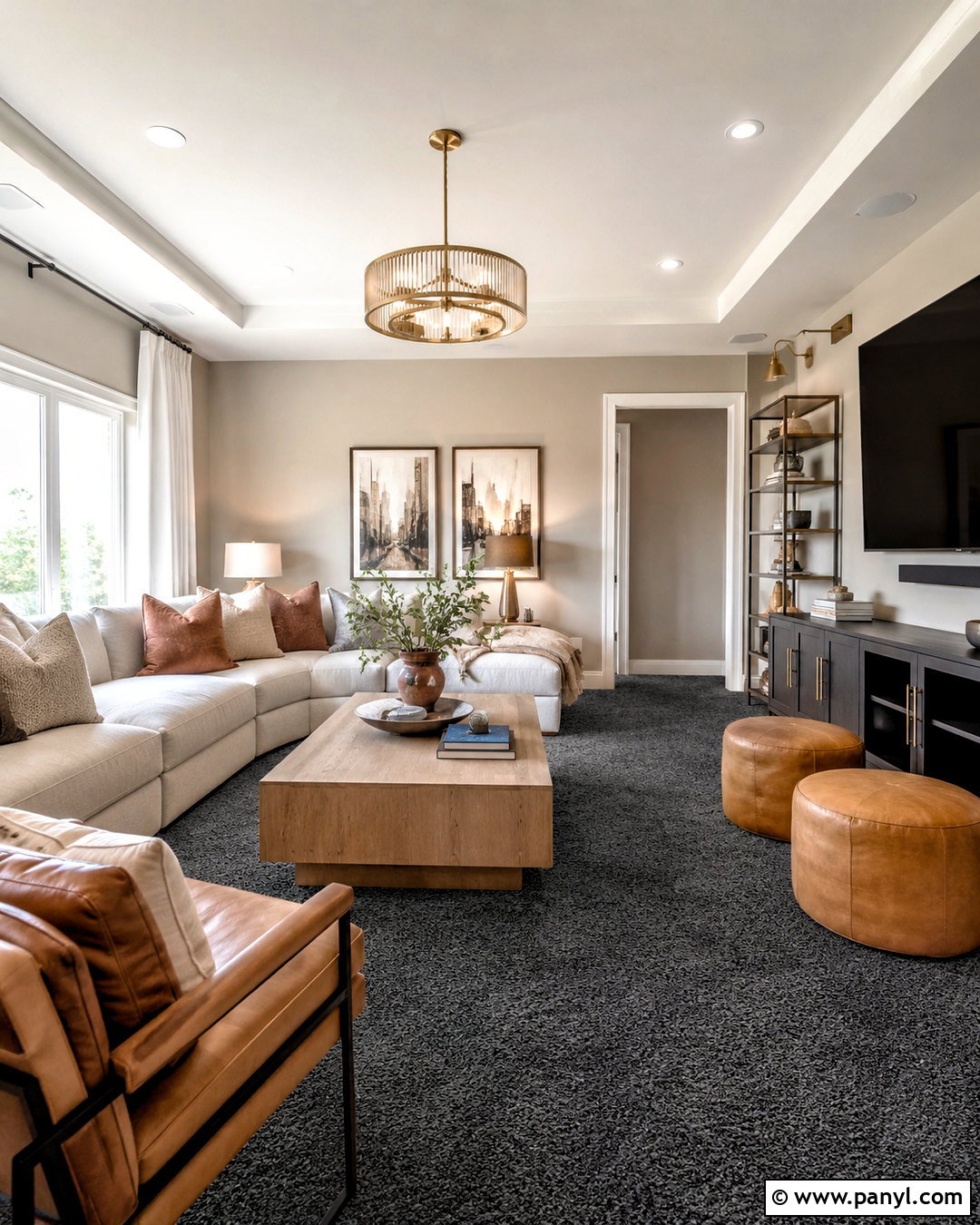
Greige is a practical partner for magnolia because it combines the softness of beige with the structure of gray. Build a calm family room around a greige sectional, magnolia walls, and warm oak flooring. Add an ivory rug, taupe curtains, and cushions in cream, charcoal, and muted olive. A pale stone coffee table can introduce a cooler surface without making the room feel cold. Use dark bronze or matte black lighting to define the neutral palette. Natural wood shelving and woven baskets add warmth and useful storage. For the most cohesive result, choose a greige with noticeable warm undertones. This complete scheme looks modern but remains forgiving for everyday living, making it suitable for busy rooms where comfort and easy coordination are equally important.
16. Rust Orange With Magnolia Walls
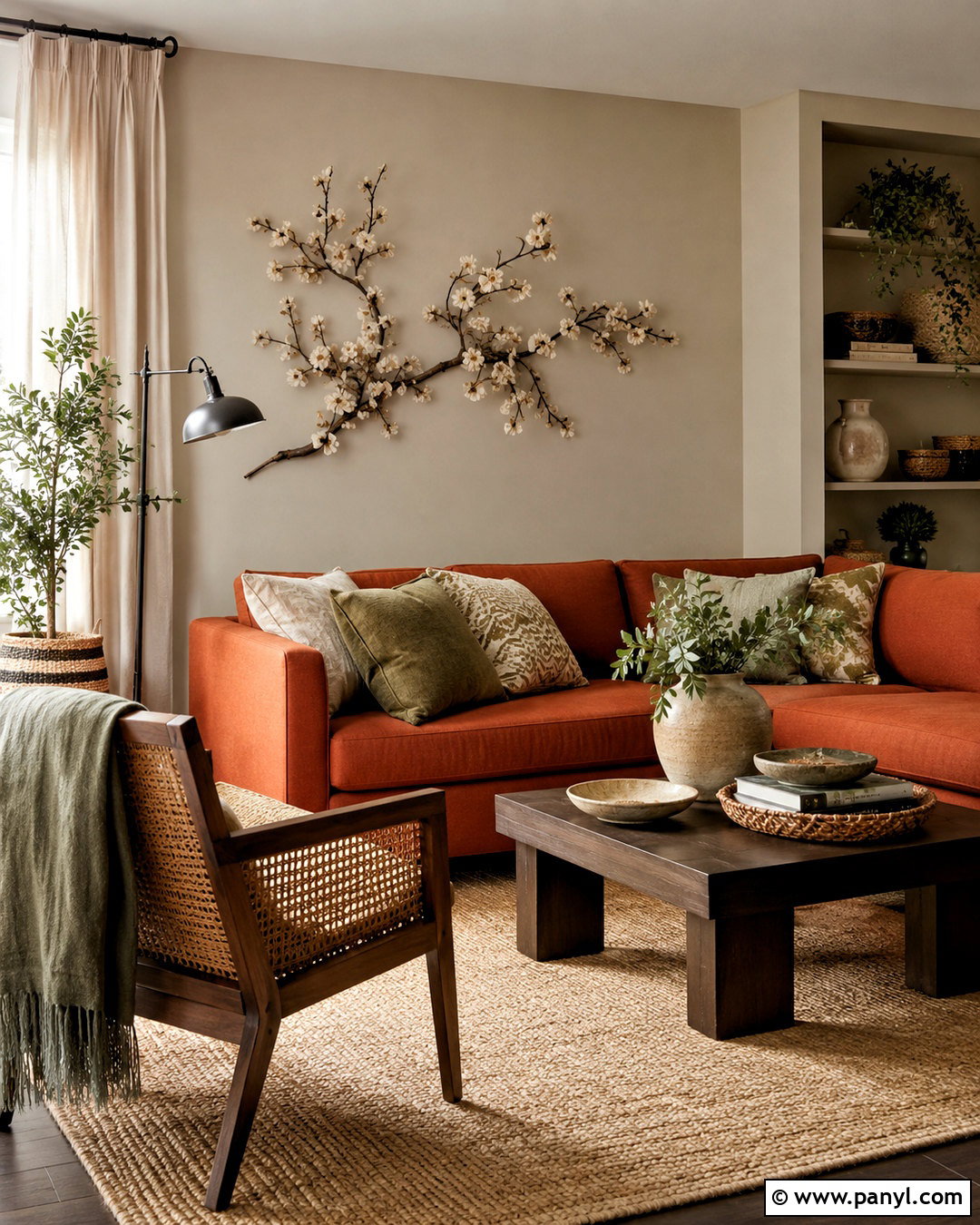
Rust orange gives magnolia walls an autumnal warmth that can still look fresh throughout the year. In a lounge, use a rust-colored fabric sofa with clean lines and pair it with a large oatmeal rug. Add a dark wood coffee table, cream curtains, and cushions in ivory, olive, and brown. A black metal floor lamp creates contrast, while textured ceramics and woven baskets support the earthy mood. Keep larger secondary pieces neutral so the orange does not dominate the room. Plants with deep green foliage will provide a natural counterpoint. This palette feels warmer and more relaxed than a bright orange scheme. Magnolia acts as a gentle backdrop, allowing the rust furniture to stand out without making the space appear overly bold or busy.
17. Plum With Magnolia Walls
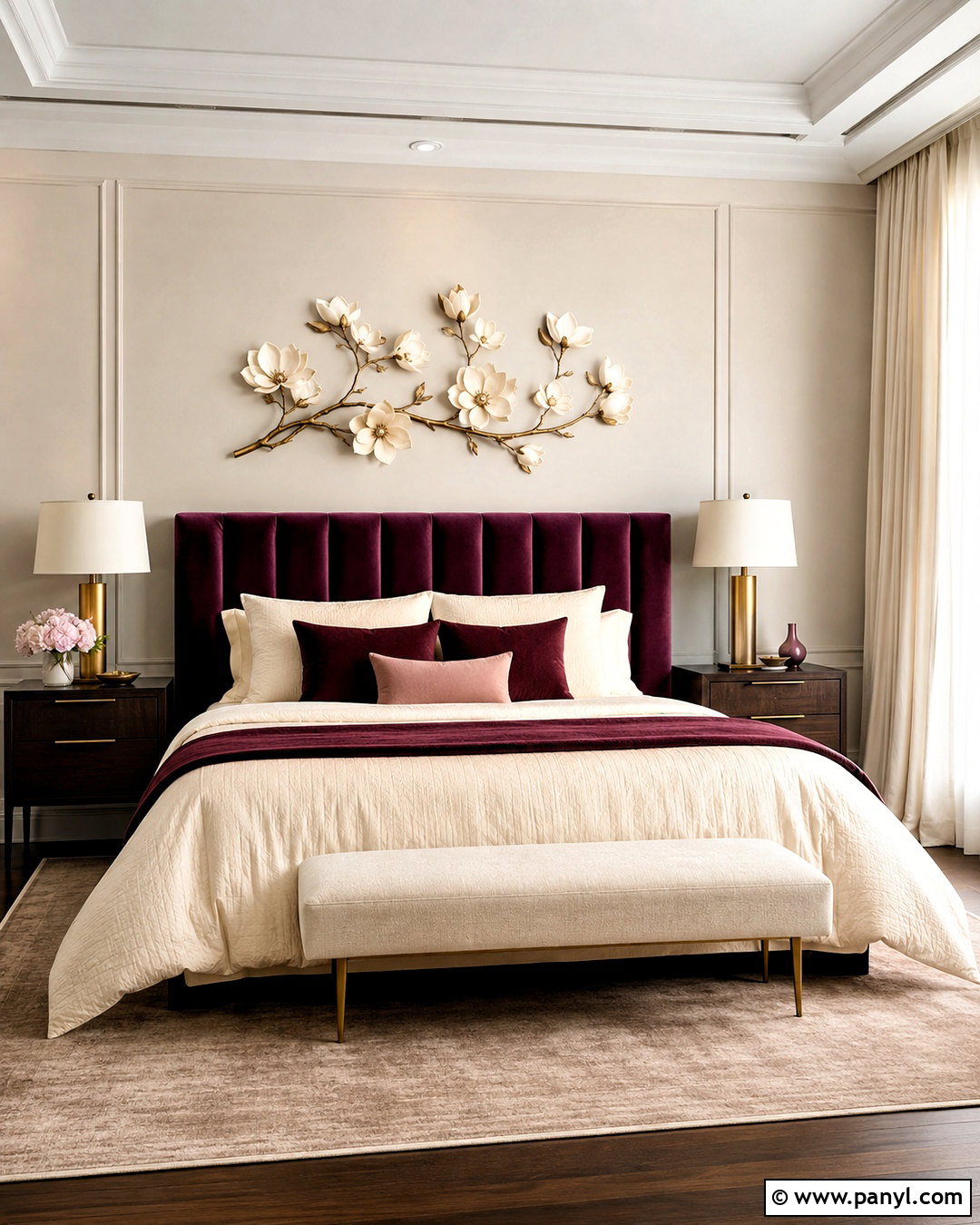
Plum creates an elegant contrast with magnolia and works well when you want a room to feel intimate without painting every wall dark. Choose plum curtains, a velvet armchair, or an upholstered headboard as the main statement. Add cream furniture, a warm taupe rug, and dark walnut accents to create a balanced foundation. Soft pink and burgundy cushions can extend the color family, while brass lighting connects the plum to magnolia’s warmer undertones. Keep the ceiling, doors, and trim in a gentle warm white. Avoid combining plum with cool silver finishes, which may look disconnected from the wall color. The finished space feels refined and layered, with magnolia maintaining brightness and the deep purple accents bringing depth, comfort, and visual interest.
18. Camel Tan With Magnolia Walls
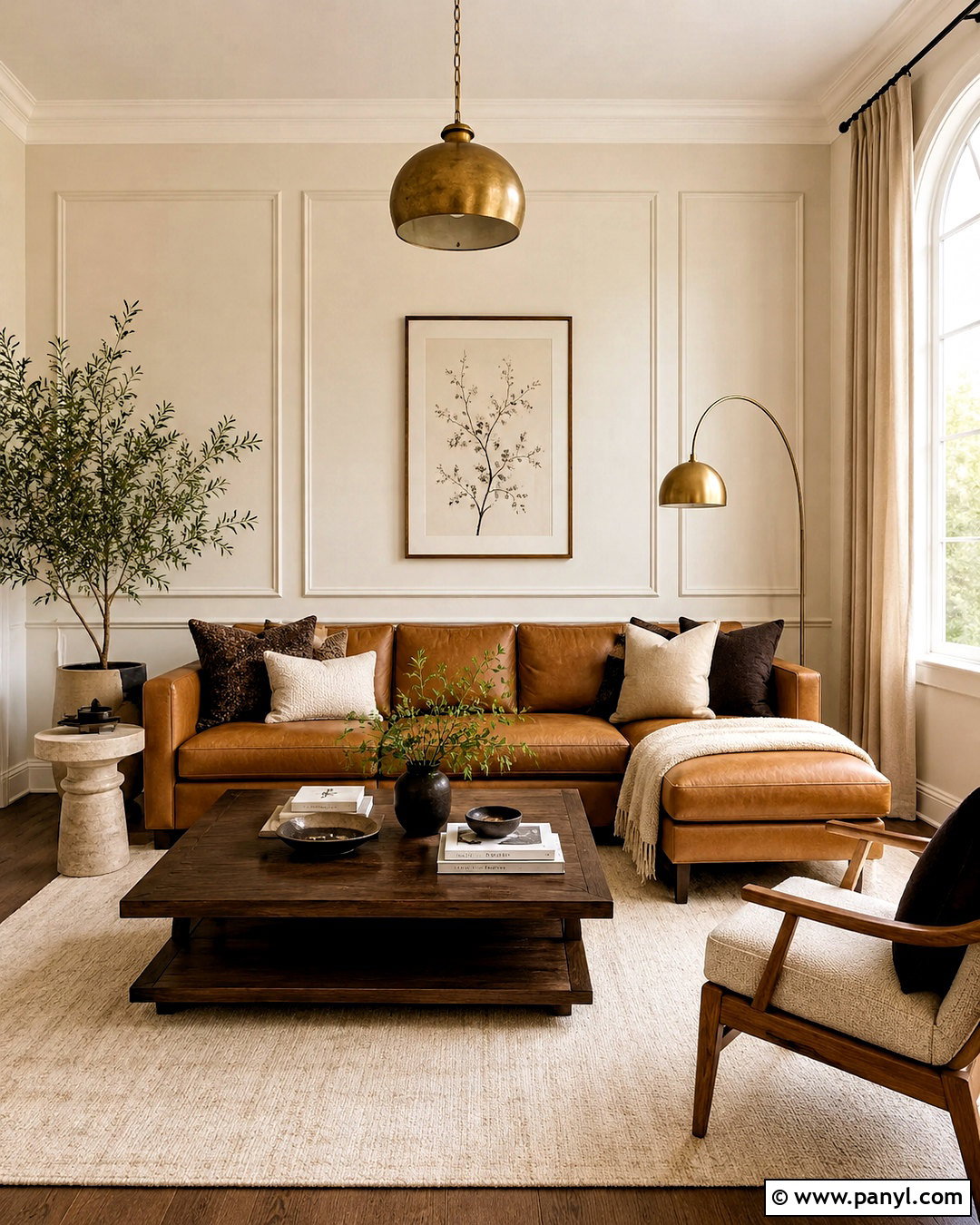
Camel tan produces a sophisticated tonal scheme that feels warmer and more defined than an all-cream room. Start with a camel leather sofa or tan upholstered bed against the magnolia walls. Add an ivory rug, walnut furniture, and linen curtains in a soft oatmeal shade. Layer cushions in chocolate brown, cream, and muted black to create contrast without introducing several unrelated colors. A travertine side table and aged brass lighting bring subtle variation through texture and finish. Greenery adds a fresh natural detail. Since camel and magnolia are close in warmth, use darker outlines through wood, frames, or lamps to stop the room from blending together. The completed look is relaxed, polished, and easy to maintain as furnishings change over time.
19. Emerald Green With Magnolia Walls
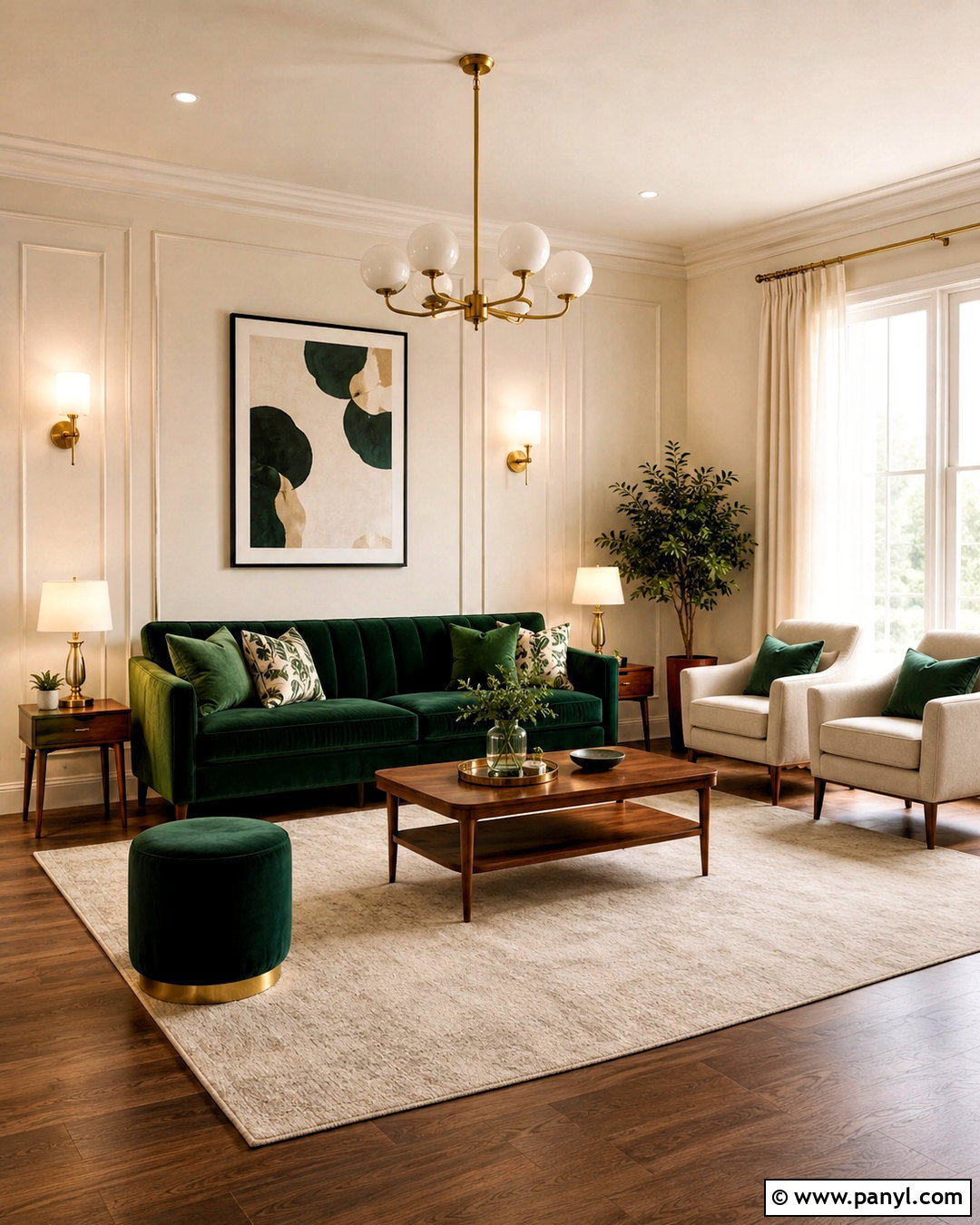
Emerald green creates a stronger and more glamorous contrast than muted botanical shades. Make it the focal point through a velvet sofa, upholstered dining chairs, or a painted cabinet. Surround that feature with magnolia walls, ivory curtains, and a pale neutral rug to maintain brightness. Use walnut furniture and brushed brass lighting to support the richness of the green. Black frames or table legs can add a sharper contemporary edge. Keep additional patterns simple, choosing cream textiles with restrained green details rather than busy multicolored prints. This combination suits both traditional rooms and modern apartments because the warm wall color softens emerald’s intensity. The finished design feels colorful and polished without requiring every decorative object to compete for attention.
20. Soft Lavender With Magnolia Walls
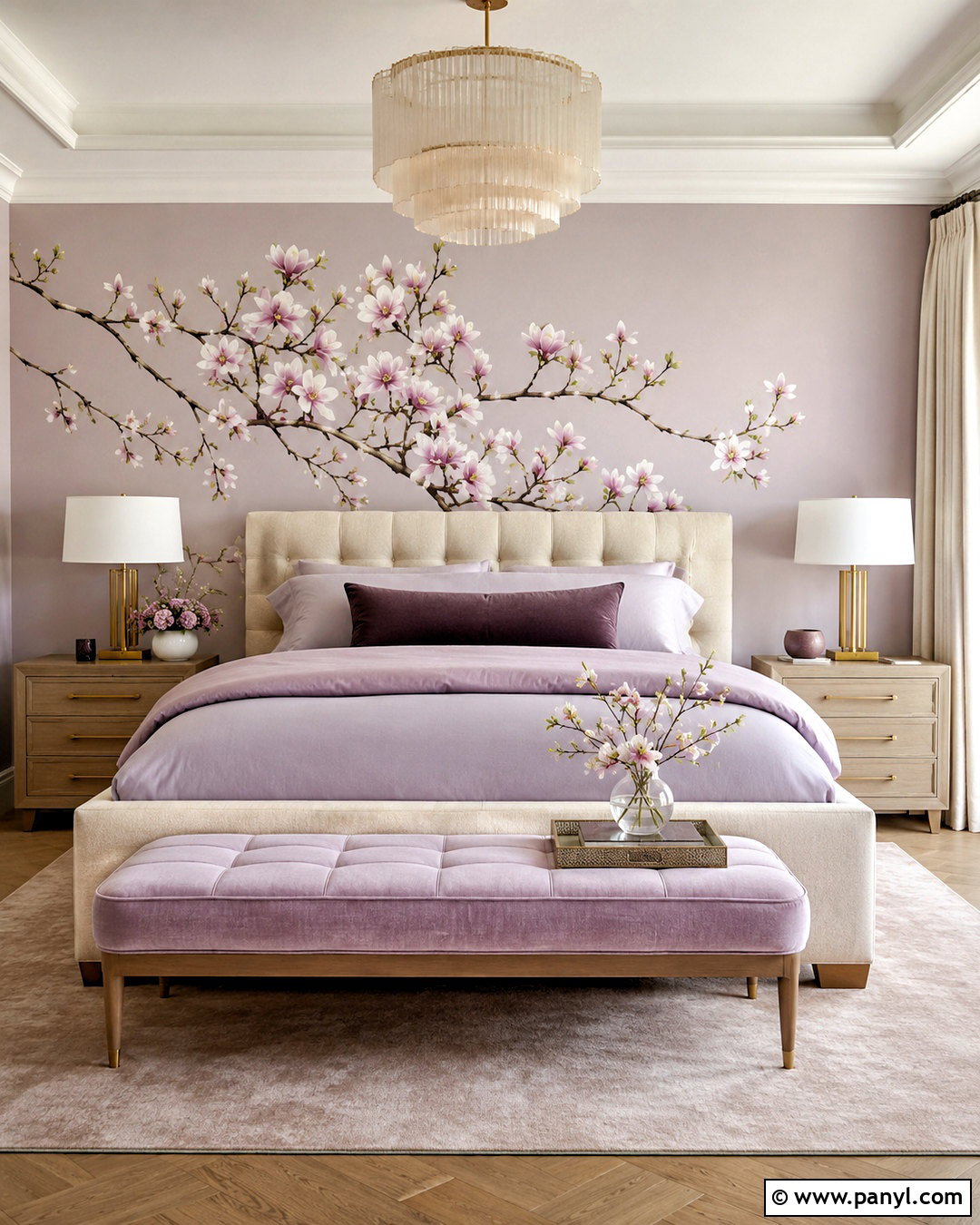
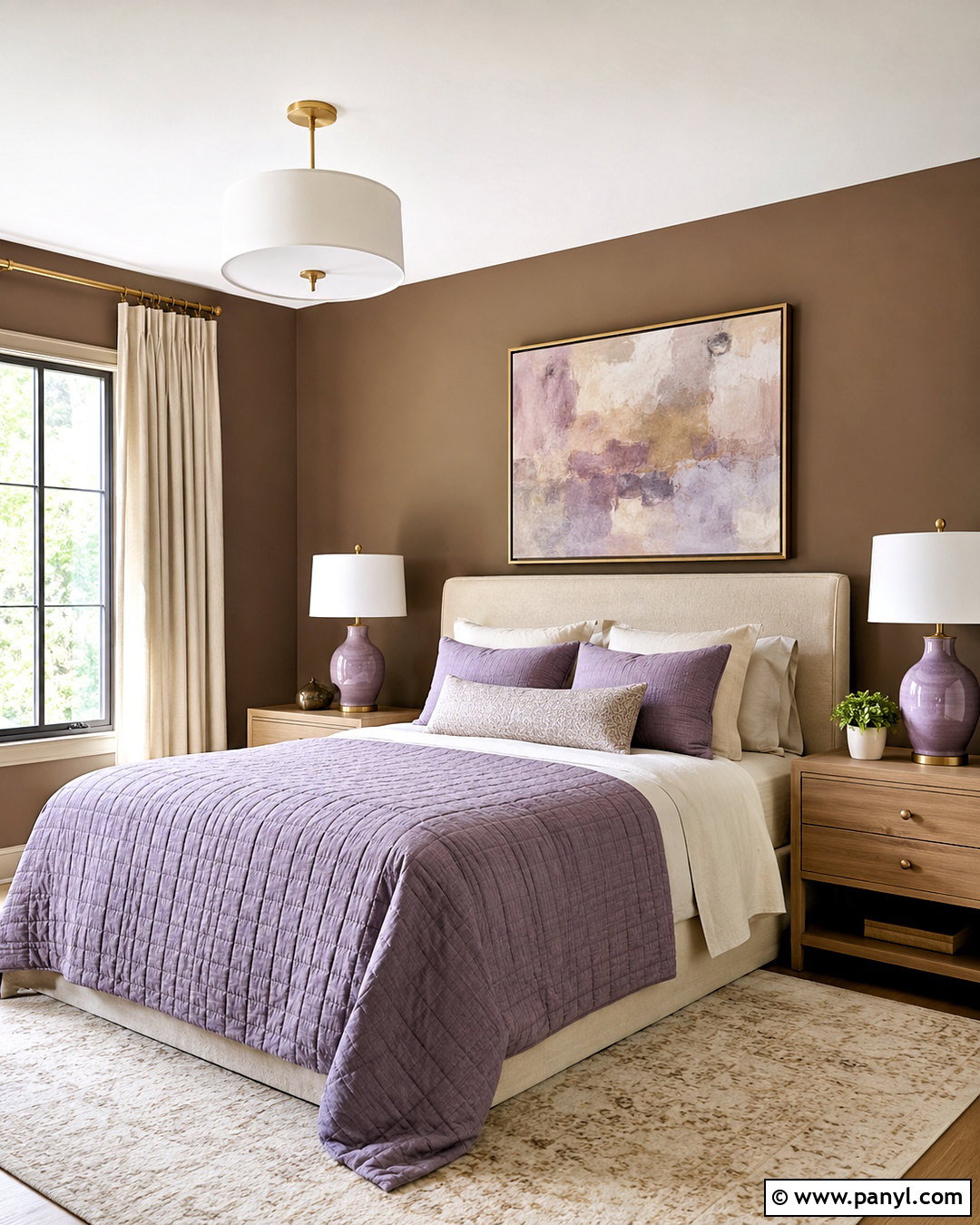
Soft lavender offers an unexpected but gentle partner for magnolia walls. Select a muted lavender with gray or taupe undertones rather than a cool, candy-like purple. In a bedroom, use lavender bedding, an upholstered bench, and one patterned cushion against an ivory bed. Add pale oak nightstands, cream curtains, and a warm beige rug to connect the cooler accents with the walls. Brushed brass lamps introduce warmth, while small touches of plum provide depth. Keep larger furniture light so the lavender remains calming rather than heavy. A simple botanical print can bring the full palette together. This completed room feels peaceful, distinctive, and softly layered, proving that magnolia can support more than predictable brown, beige, or gray combinations.
Conclusion:
Deciding **What Colour Goes With Magnolia Walls** becomes easier when you treat the existing paint as a warm cream rather than a difficult leftover neutral. Sage, navy, terracotta, teal, burgundy, and emerald provide noticeable contrast, while greige, warm white, camel, and soft gray produce a quieter result. Whatever color you choose, repeat it through several coordinated elements instead of adding one isolated accessory. Connect the palette with natural wood, warm metals, textured rugs, curtains, and suitable lighting. Always test fabrics or paint samples directly beside the wall at different times of day. A complete, balanced scheme can make magnolia feel comfortable, current, and intentional without requiring you to repaint the entire space.

Related Ideas and Inspiration:
Leave a Reply