
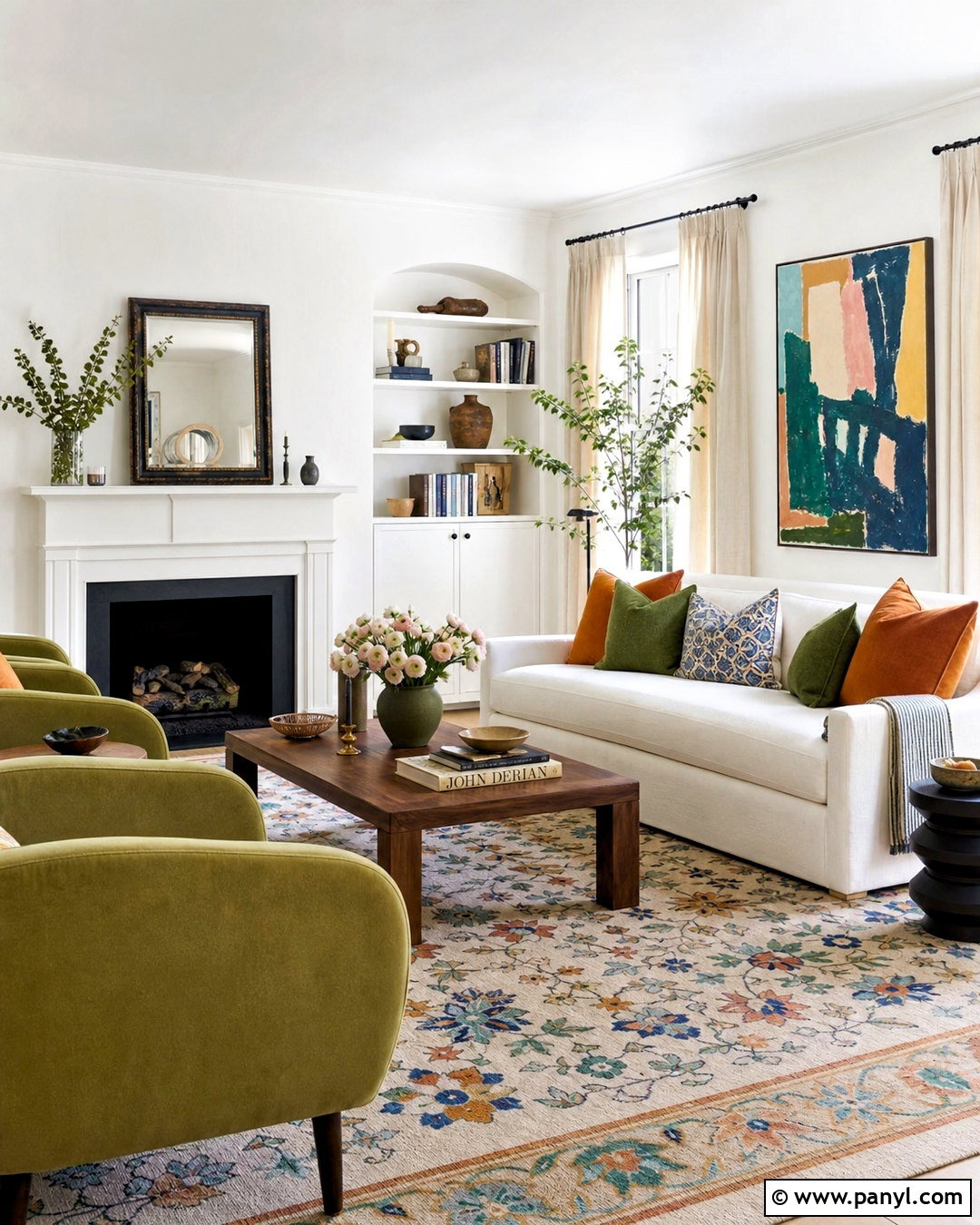
Magnolia is a soft, creamy neutral that can make a home feel warmer, brighter, and more welcoming. Although it was once associated with plain rental interiors, today’s magnolia wall color ideas use stronger contrast, layered textures, natural materials, and carefully chosen accent colors. The shade works especially well with earthy greens, deep blues, warm woods, terracotta, and crisp white trim. Its subtle yellow undertone also offers a gentler alternative to stark white, particularly in rooms that receive cooler natural light. Modern decorating has brought this familiar color back into stylish, thoughtfully designed spaces. () Whether you prefer traditional, farmhouse, coastal, Scandinavian, or contemporary rooms, the following complete schemes offer practical inspiration through 20 Magnolia Wall Color Ideas.
1. Magnolia Walls With Crisp White Trim
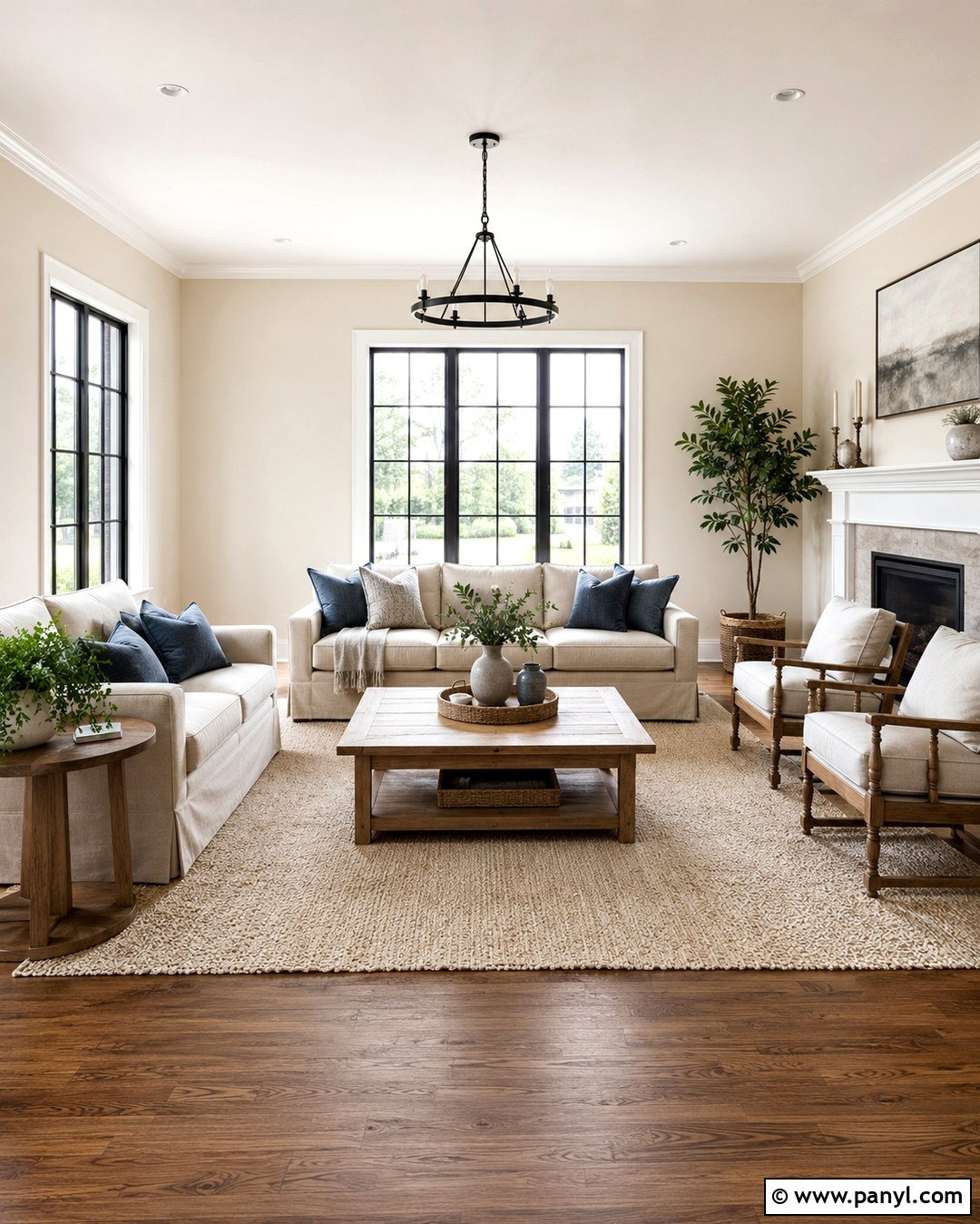
Crisp white trim gives magnolia walls a cleaner, brighter edge without removing their inviting warmth. Use magnolia across the main living room walls, then paint the ceiling, baseboards, window frames, and fireplace surround a true or softly warm white. Add a light oatmeal sofa, two natural oak side tables, and a woven cream rug to continue the airy palette. Black metal lighting and slim picture frames introduce definition, while blue-gray pillows keep the neutrals from appearing too yellow. Choose medium-toned oak flooring rather than orange wood. A few large leafy plants provide fresh contrast. This complete scheme feels relaxed and current, making it a practical choice for family rooms with traditional architectural details.
2. Magnolia Walls With Sage Green
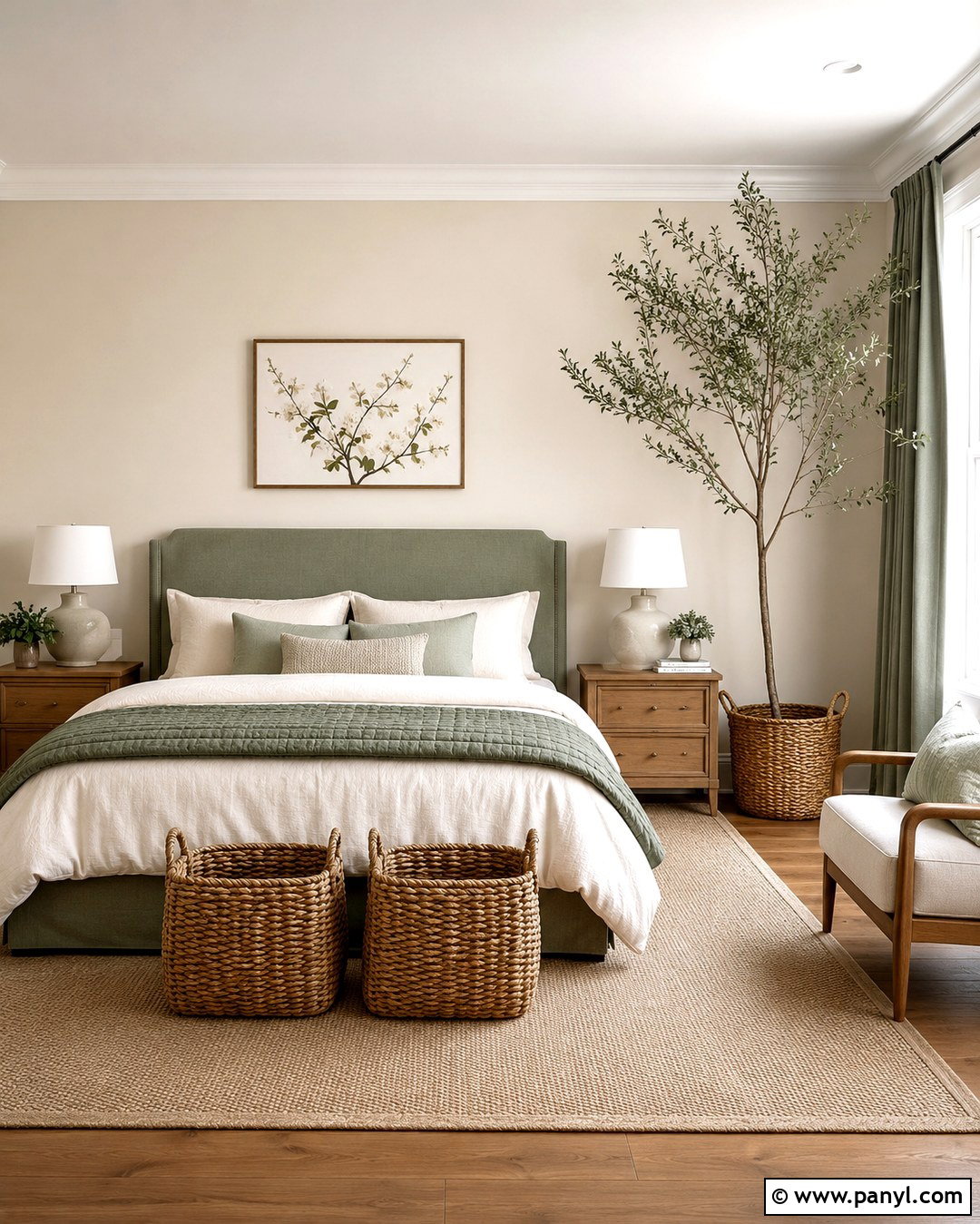
Soft sage green brings out the natural, botanical character of magnolia walls. In a bedroom, keep magnolia on every wall and use muted sage for the upholstered headboard, curtains, and a painted dresser. Layer the bed with ivory linen, a moss-green quilt, and subtle striped pillows. Light oak nightstands and ceramic lamps add warmth without making the space look heavy. Choose an oatmeal wool rug and simple landscape artwork in green, cream, and faded brown. White-painted trim creates a tidy boundary around the warm walls. Finish the room with woven baskets and one tall indoor tree. The resulting look is peaceful and grounded, with enough color variation to feel designed rather than merely neutral.
3. Magnolia Walls With Navy Blue
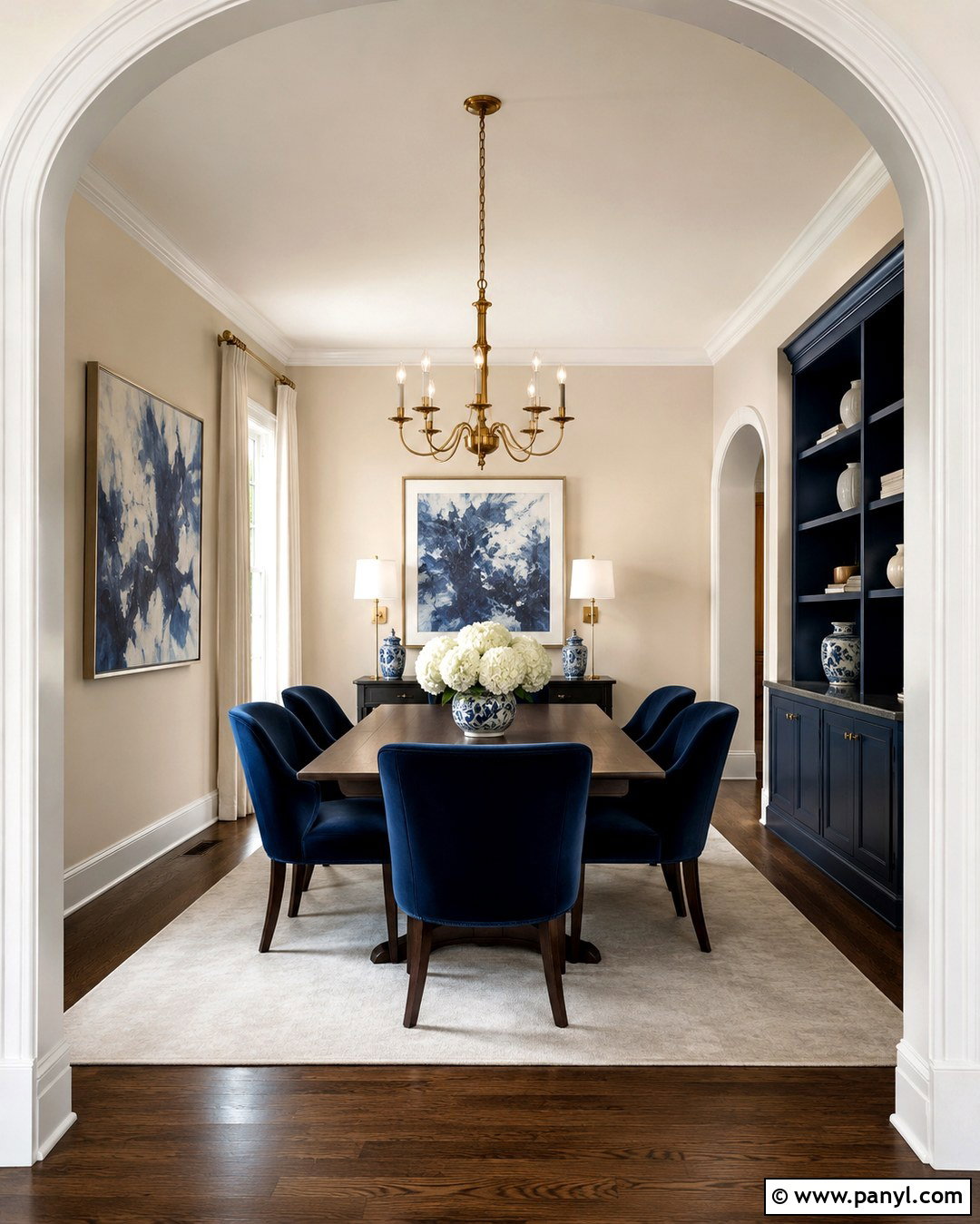
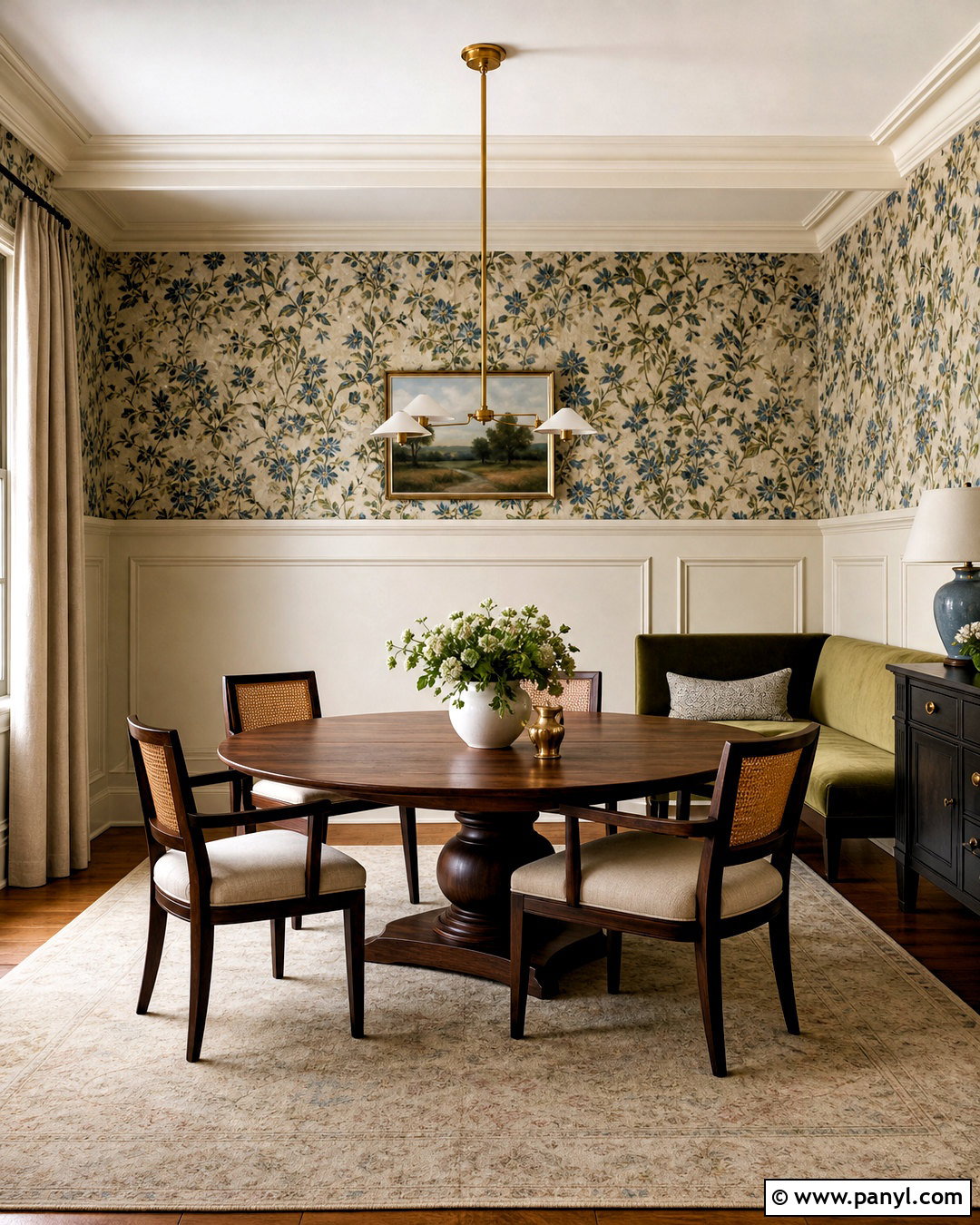
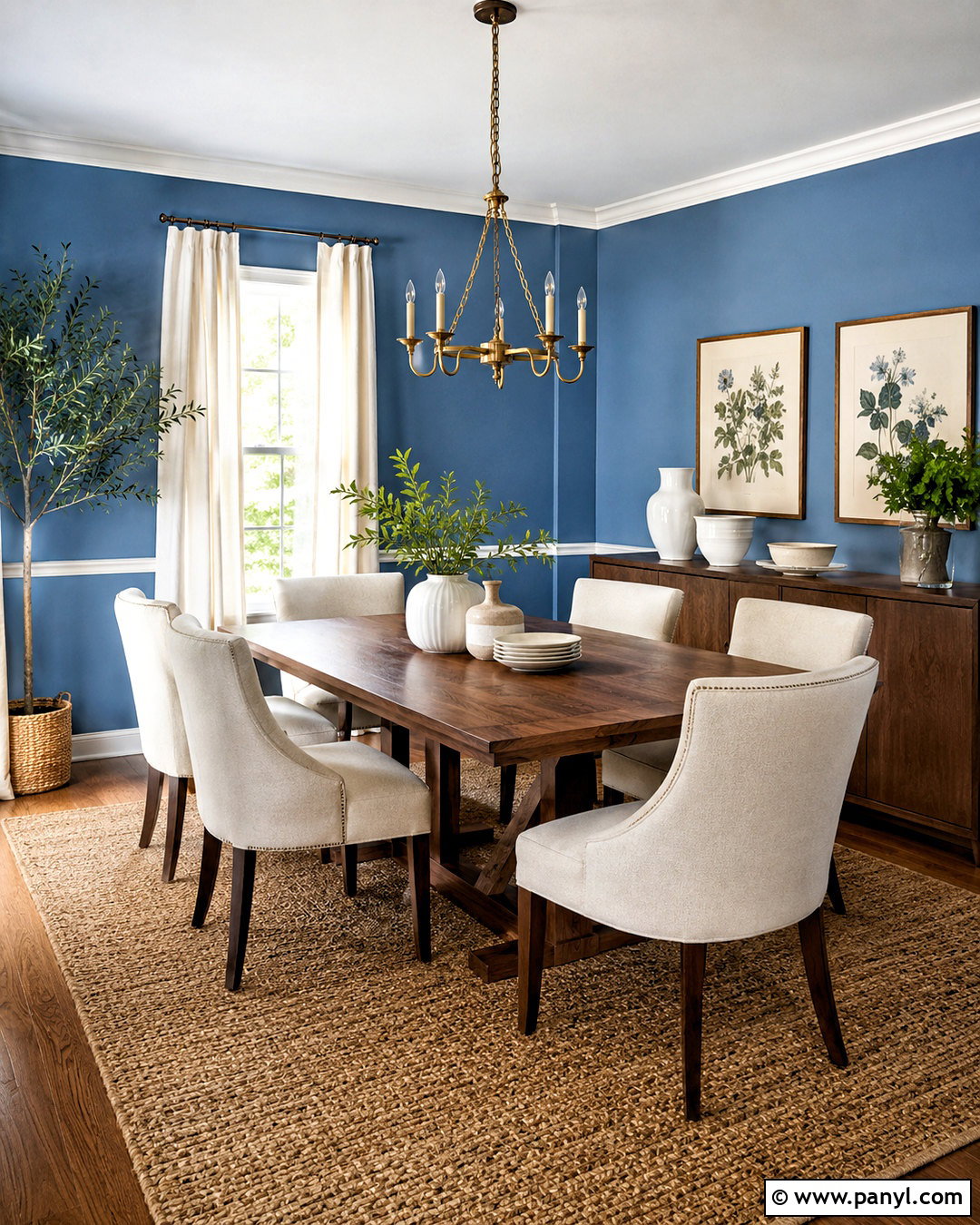
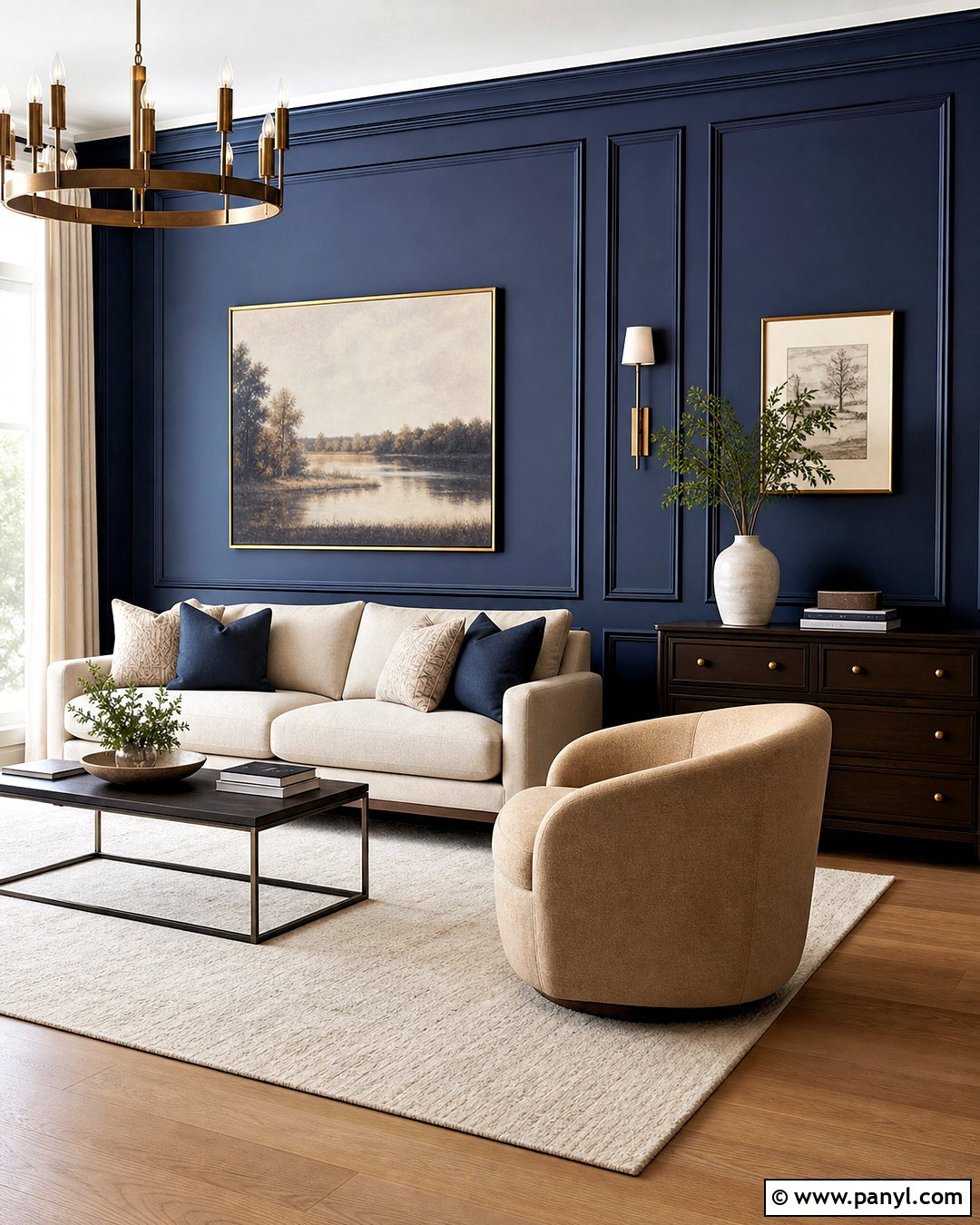
Deep navy blue makes magnolia walls feel richer and more polished. Build the combination in a dining room by keeping the warm magnolia walls light and introducing navy through a painted built-in cabinet, velvet dining chairs, or full-length curtains. A medium walnut dining table provides a strong visual anchor, while an ivory rug softens the darker furniture. Use aged brass for the chandelier, cabinet hardware, and candlesticks to connect with magnolia’s creamy undertone. White trim keeps the room fresh, and blue-and-white artwork repeats the contrast above a narrow sideboard. This balanced scheme feels traditional without looking dated. It works especially well in rooms used for both everyday meals and more formal gatherings.
4. Magnolia Walls With Terracotta
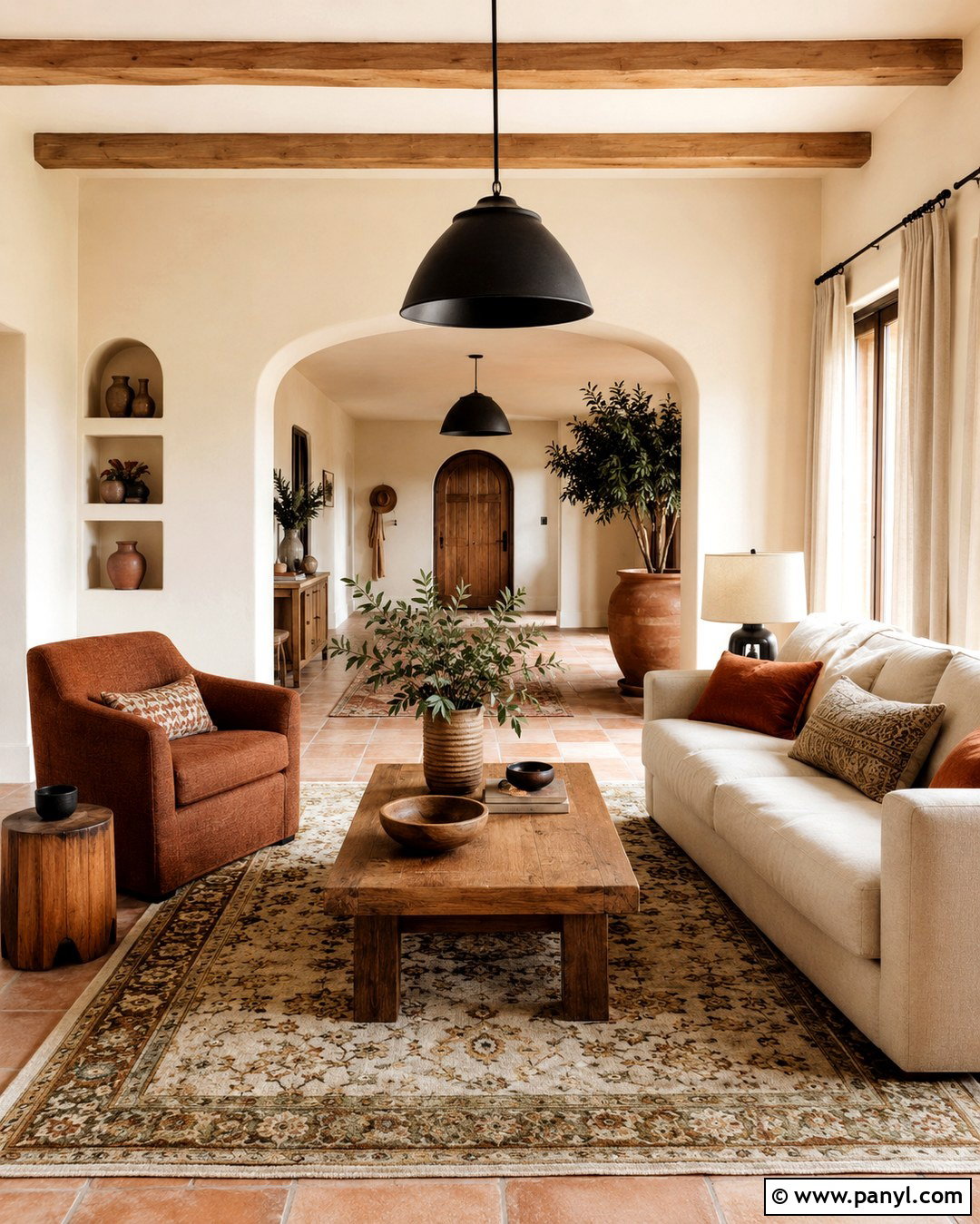
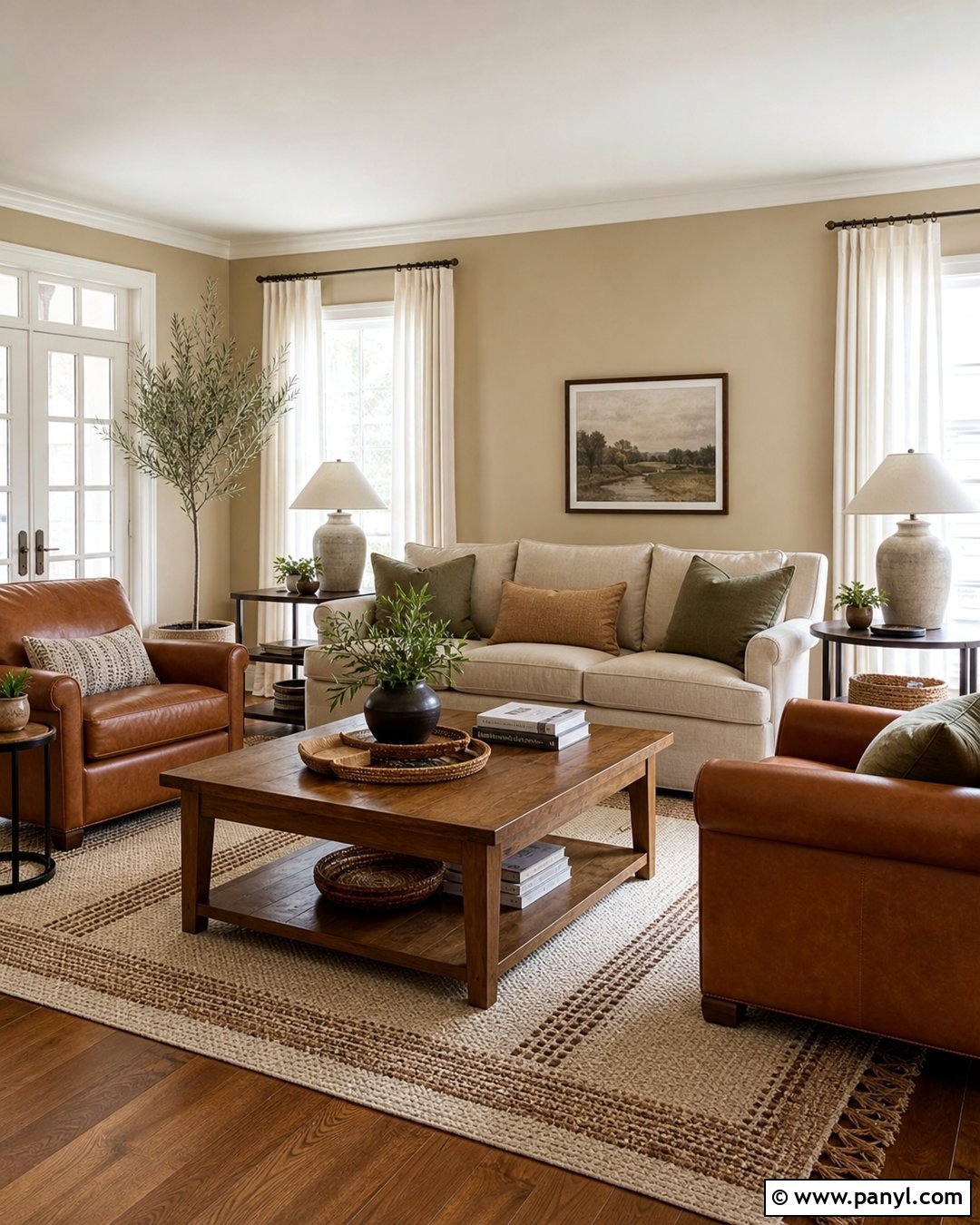
Terracotta creates a sun-warmed, earthy room when paired with magnolia walls. Start with a comfortable cream sofa and add rust-colored linen pillows, a terracotta armchair, and a patterned rug containing clay, beige, and faded olive. Medium oak furniture supports the warm palette, while matte black legs and lighting prevent the room from becoming overly soft. Decorate with handmade pottery, natural branches, and abstract artwork that repeats the cream and burnt-orange tones. Off-white curtains should hang high and wide to brighten the windows. Keep the ceiling and trim light cream rather than brilliant blue-white. The finished living room feels relaxed, collected, and welcoming, with a Mediterranean influence that still suits an average modern home.
5. Magnolia Walls With Black Accents
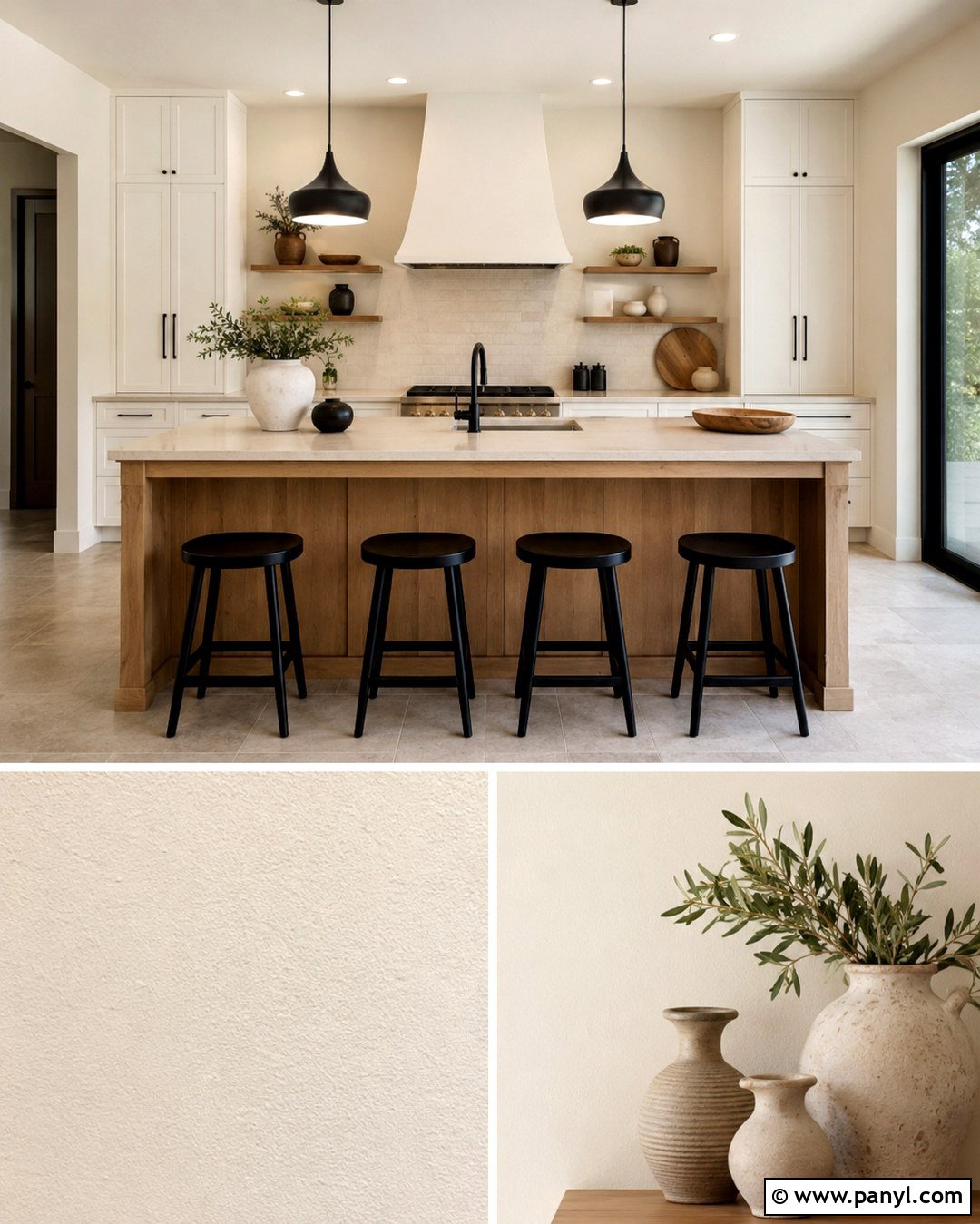
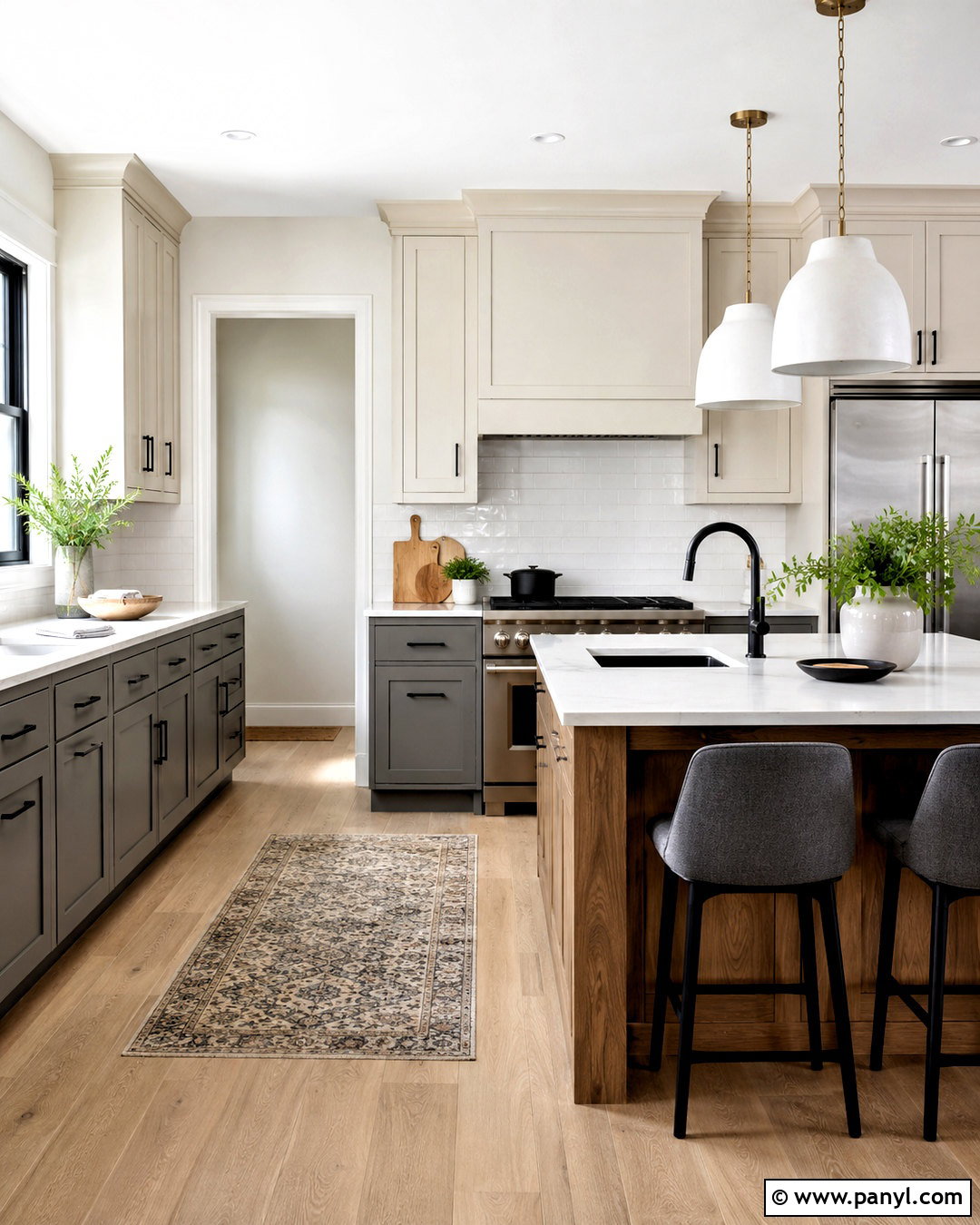
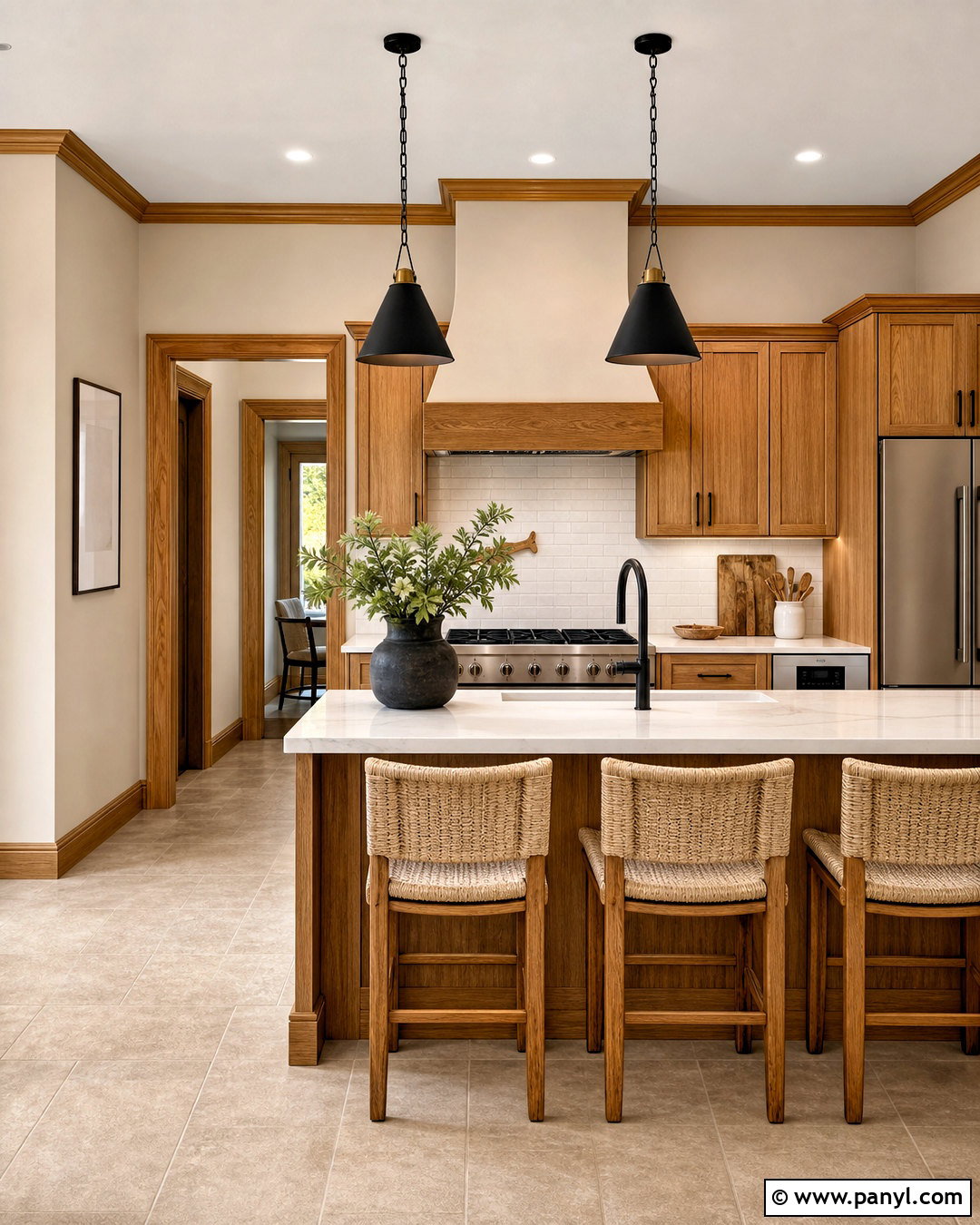
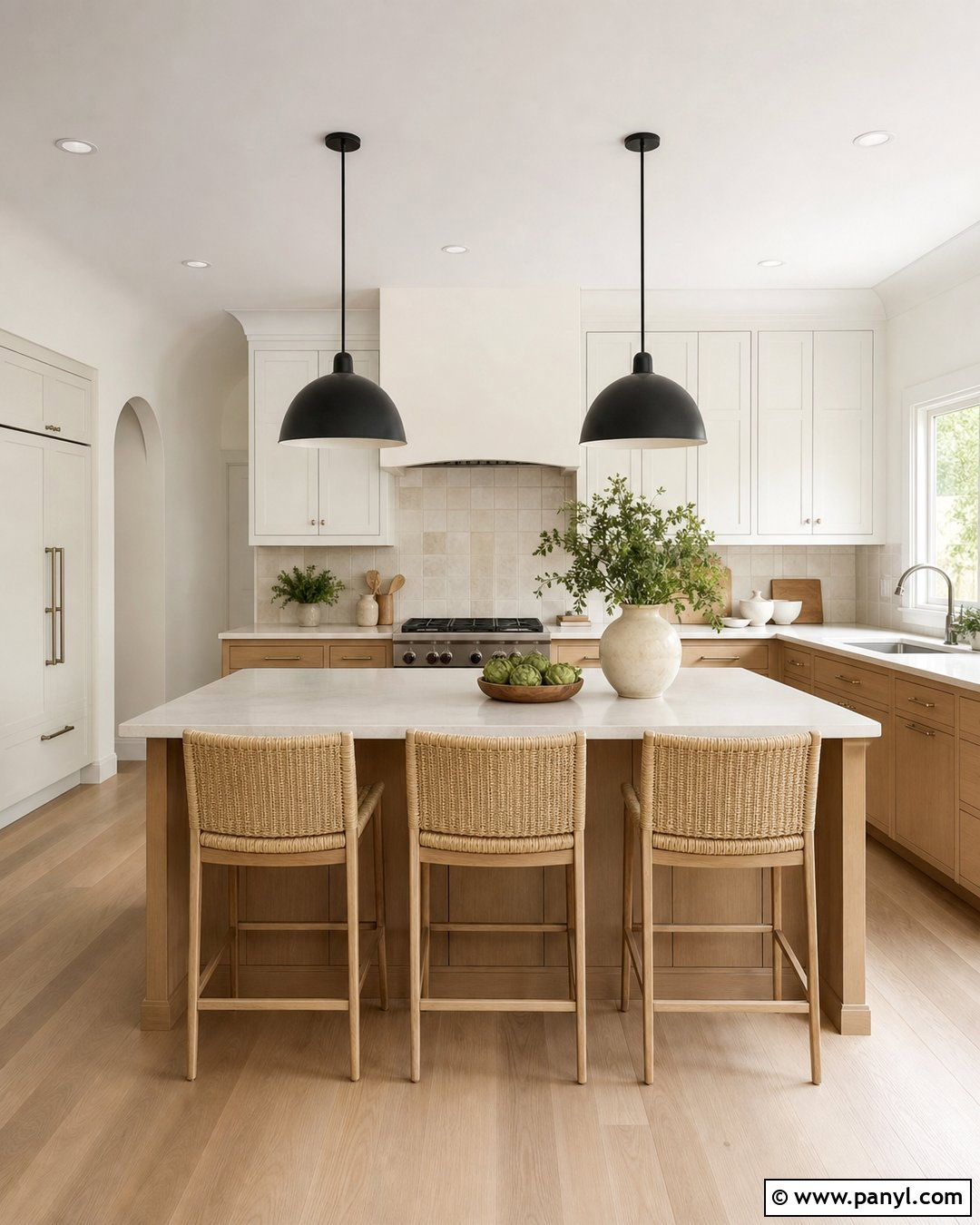
Can a creamy neutral look sharp and contemporary? Magnolia walls become noticeably more modern when balanced with controlled black accents. In a kitchen, use magnolia on the walls alongside warm white cabinets, pale quartz counters, and a natural oak island. Introduce matte black through the pendant lights, cabinet pulls, faucet, stools, and window frames. Limit black to clear, repeated lines so it defines the space without overpowering it. A light greige tile floor and simple cream backsplash maintain an open feeling. Add wood cutting boards, neutral pottery, and one or two green plants for warmth. This complete palette combines softness and structure, making magnolia look intentional in both compact kitchens and larger open-plan spaces.
6. Magnolia Walls With Warm Taupe
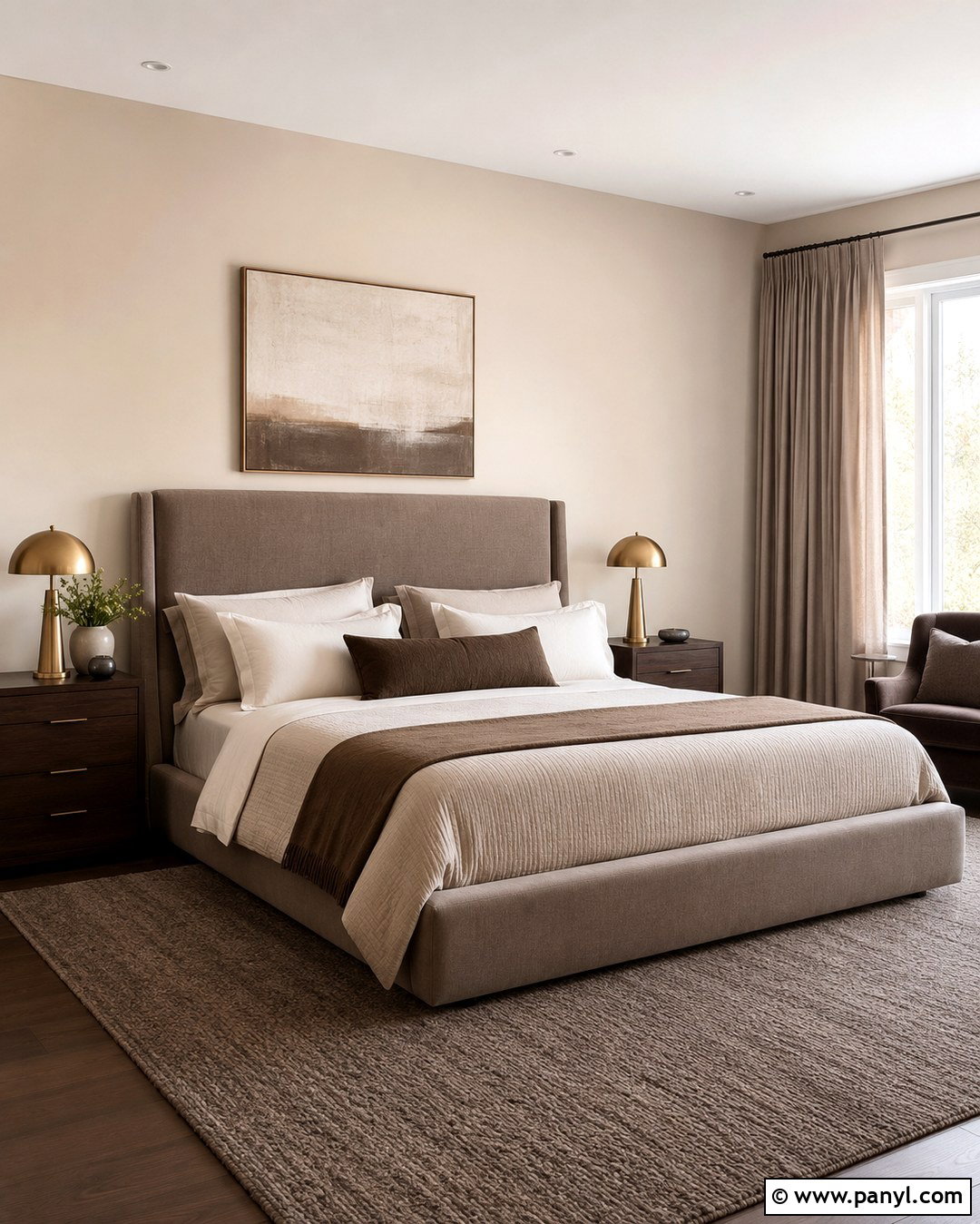
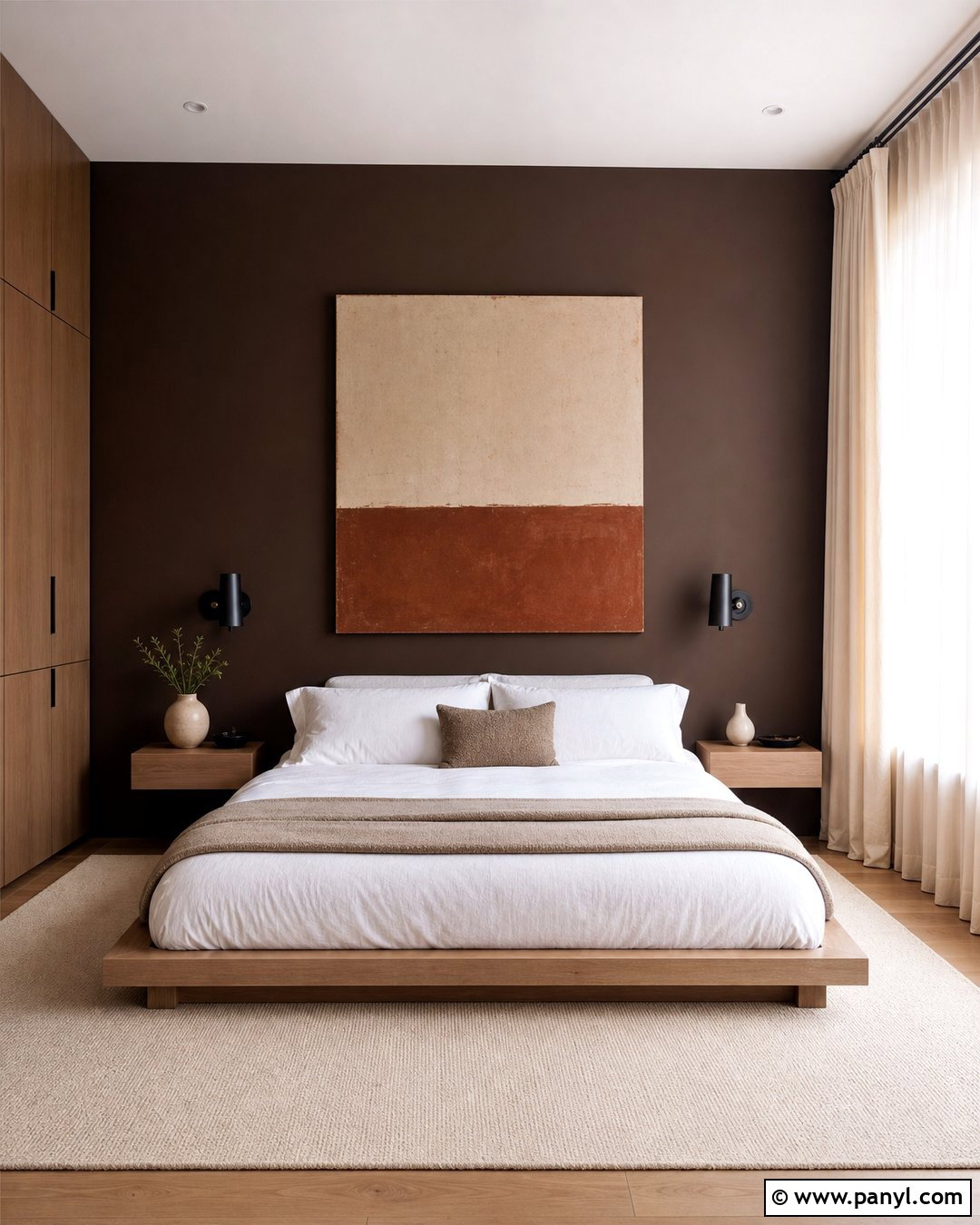
Layering warm taupe with magnolia creates a calm bedroom that feels sophisticated but still comfortable. Paint all walls magnolia, then choose a taupe upholstered bed with a tall, simple headboard. Add bedding in ivory, mushroom, and cocoa, using linen and wool to create visible texture. Dark oak nightstands provide contrast, while soft brass lamps contribute gentle warmth. A large taupe rug should sit beneath the bed and extend generously around it. Keep the curtains close to the wall color for an uninterrupted look. Minimal artwork in brown, cream, and charcoal completes the palette. Because every element shares a warm undertone, the room feels cohesive. Small black details can be added sparingly for definition.
7. Magnolia Walls With Dusty Blue
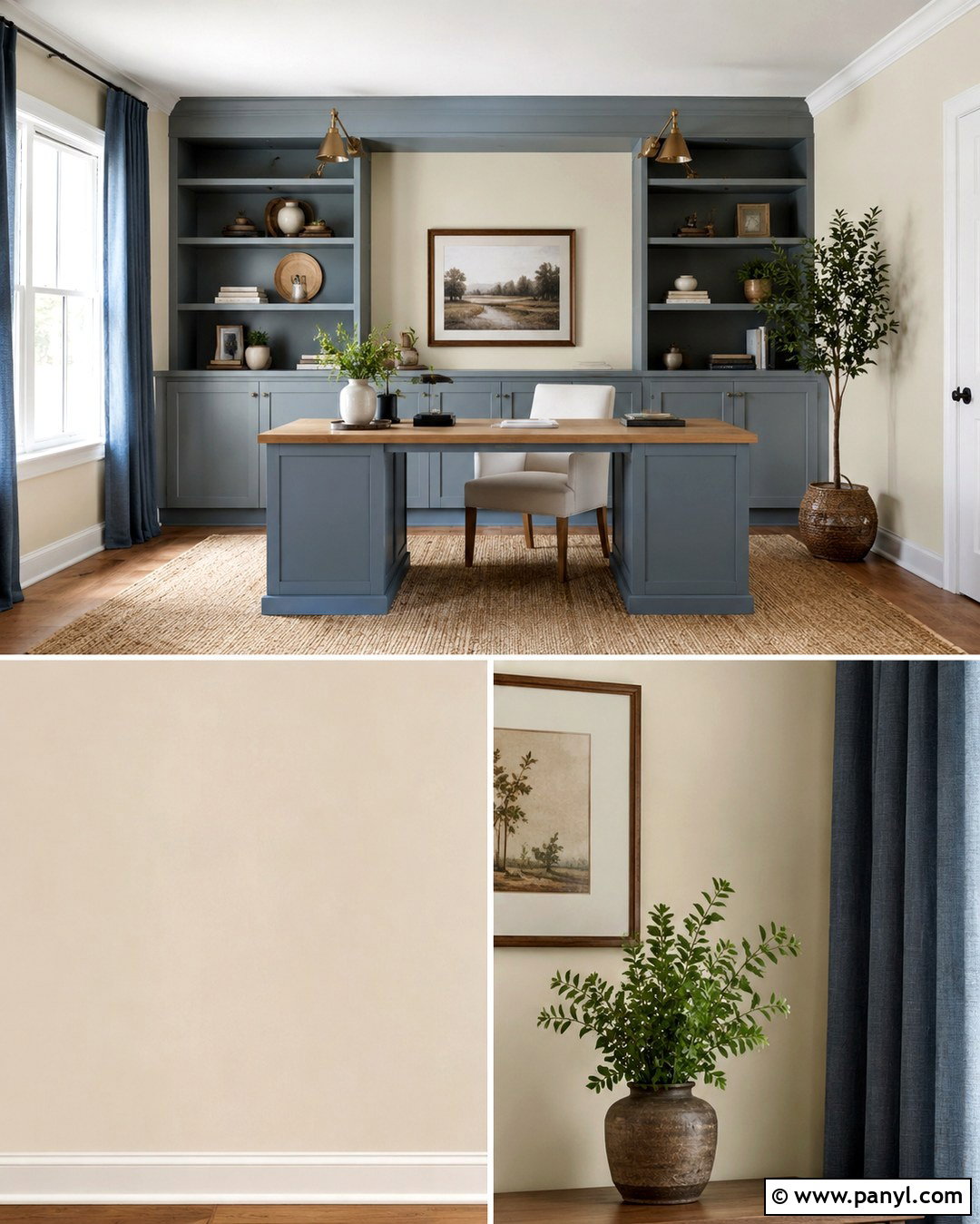
Dusty blue and magnolia form a quiet, professional palette for a home office. Use magnolia walls as the warm backdrop, then paint the desk or lower built-in cabinets a muted gray-blue. Select a natural oak desktop, a cream upholstered chair, and a woven beige rug to soften the work area. Blue linen curtains reinforce the cabinet color without creating a strong visual block. Add antique brass sconces, white storage boxes, and framed artwork containing pale blue and warm brown. Keep shelves neatly arranged with books, pottery, and a small plant. The cooler blue balances magnolia’s yellow undertone, while wood prevents the office from feeling cold. The result supports concentration but remains comfortable enough for long workdays.
8. Magnolia Walls With Olive Green
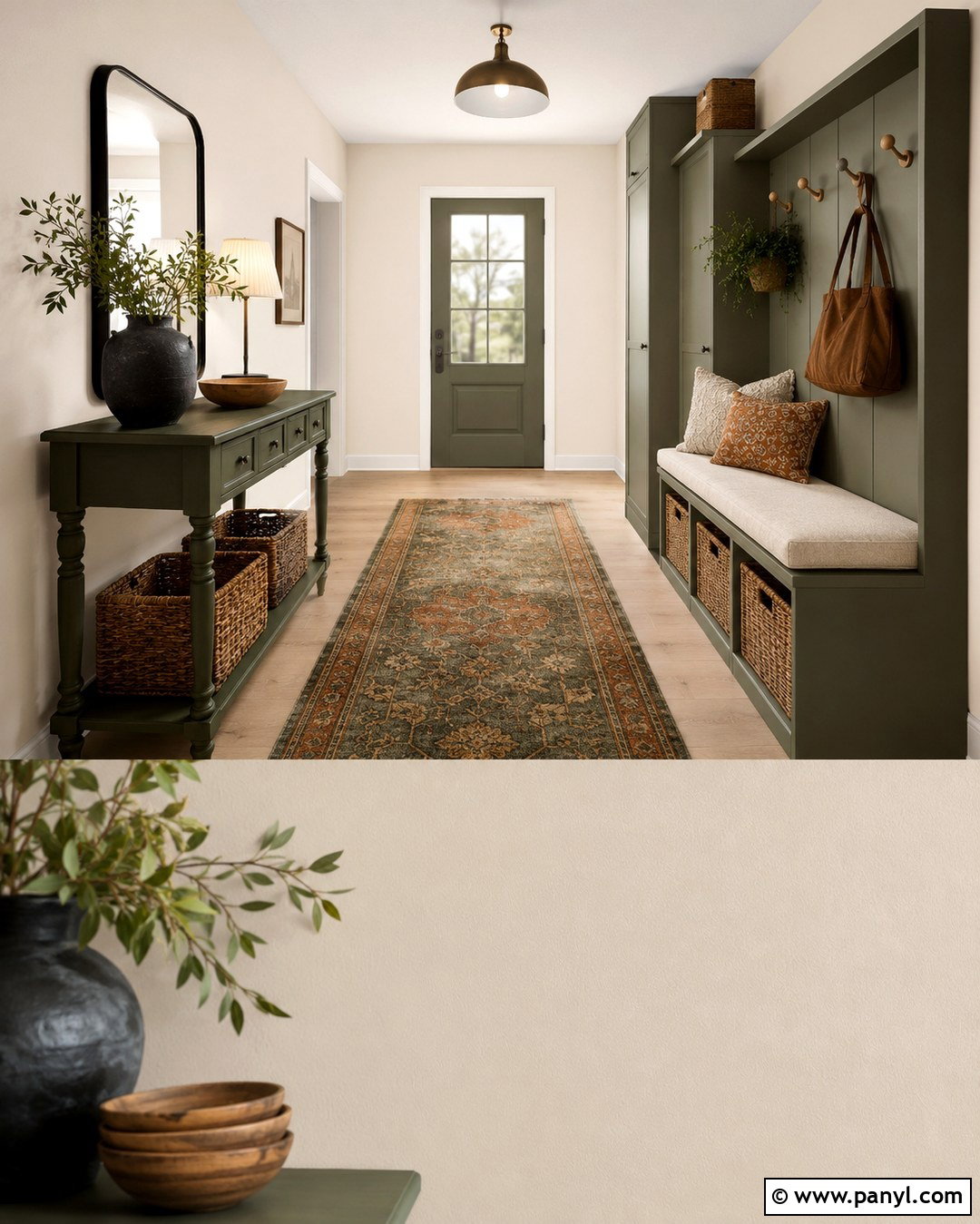
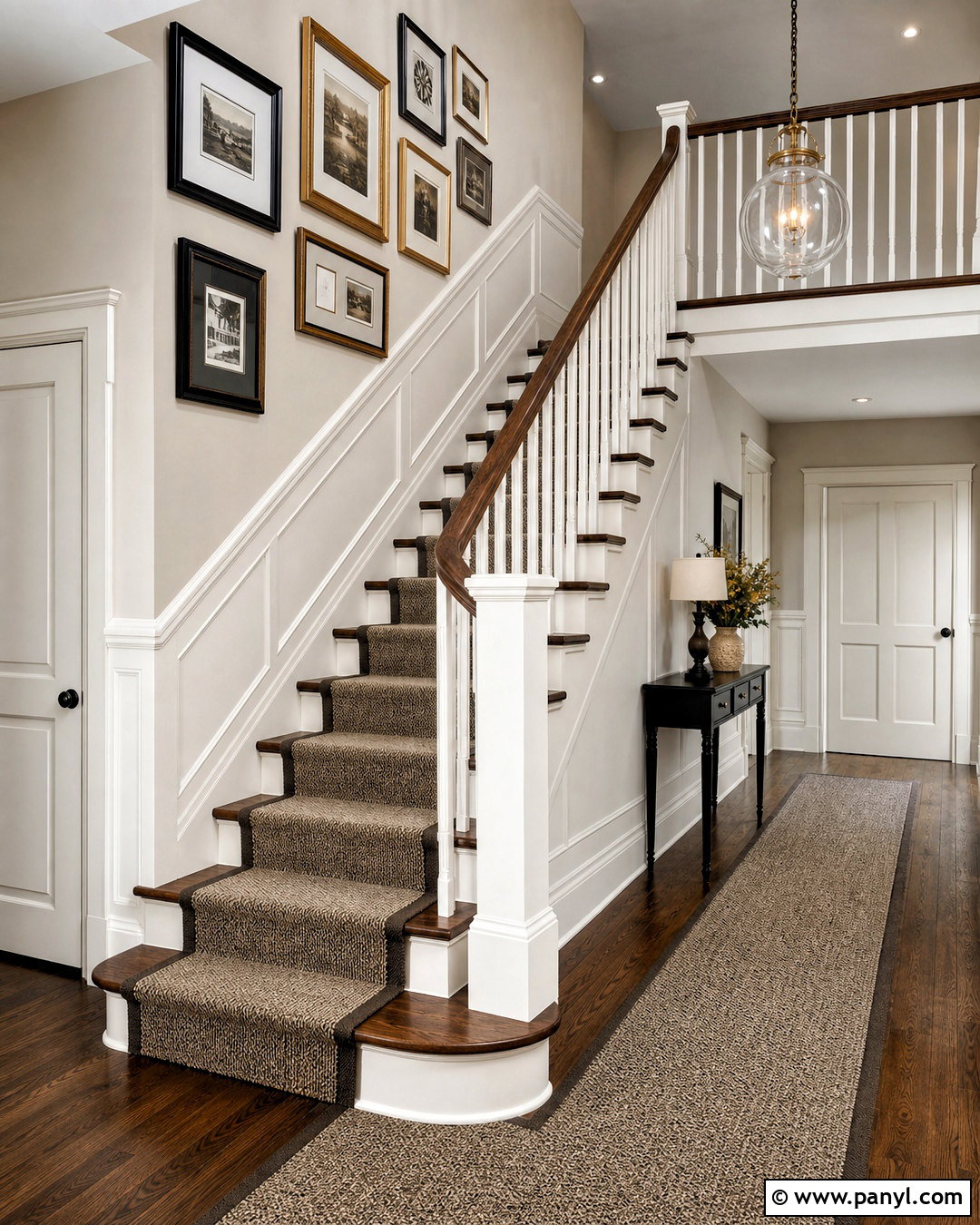
An entryway with magnolia walls and olive green furniture creates an inviting transition into the home. Keep the walls light, then introduce olive through a narrow console, built-in bench, or painted interior door. Lay a vintage-style runner with muted green, rust, and beige tones along the floor. A round black-framed mirror and dark bronze ceiling light add crisp definition. Choose practical oak hooks, woven storage baskets, and a cream bench cushion for everyday organization. If the entry has stairs, use warm white on the spindles and natural wood on the handrail. This complete look gives a small, high-traffic area character without making it feel crowded. Magnolia maintains brightness, while olive disguises normal wear on hardworking pieces.
9. Magnolia Walls With Blush Pink
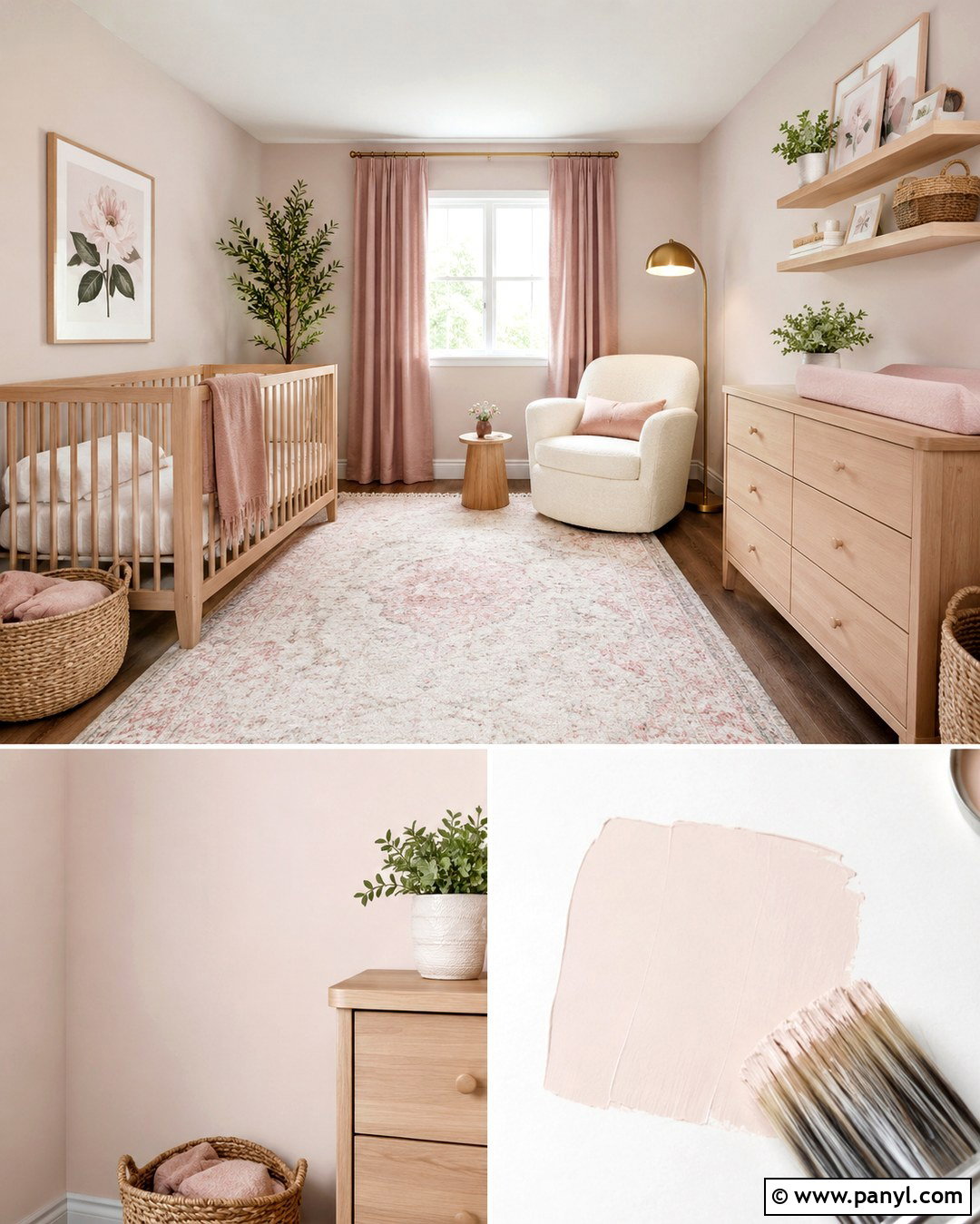
Magnolia walls can create a soft nursery that does not feel overly themed. Pair them with muted blush pink curtains, a dusty rose crib sheet, and a washable cream-and-pink rug. Choose a natural wood crib and dresser to strengthen the warmth of the palette. An ivory boucle chair creates a comfortable reading corner, while a small brass floor lamp adds practical light. Keep wall decor simple with botanical prints in pale green, brown, and blush. Woven baskets and floating oak shelves provide accessible storage without adding visual clutter. White trim gives the warm colors a clean finish. This layered room can easily mature over time because the main surfaces and furniture remain neutral, while the pink accessories can be changed.
10. Magnolia Walls With Chocolate Brown
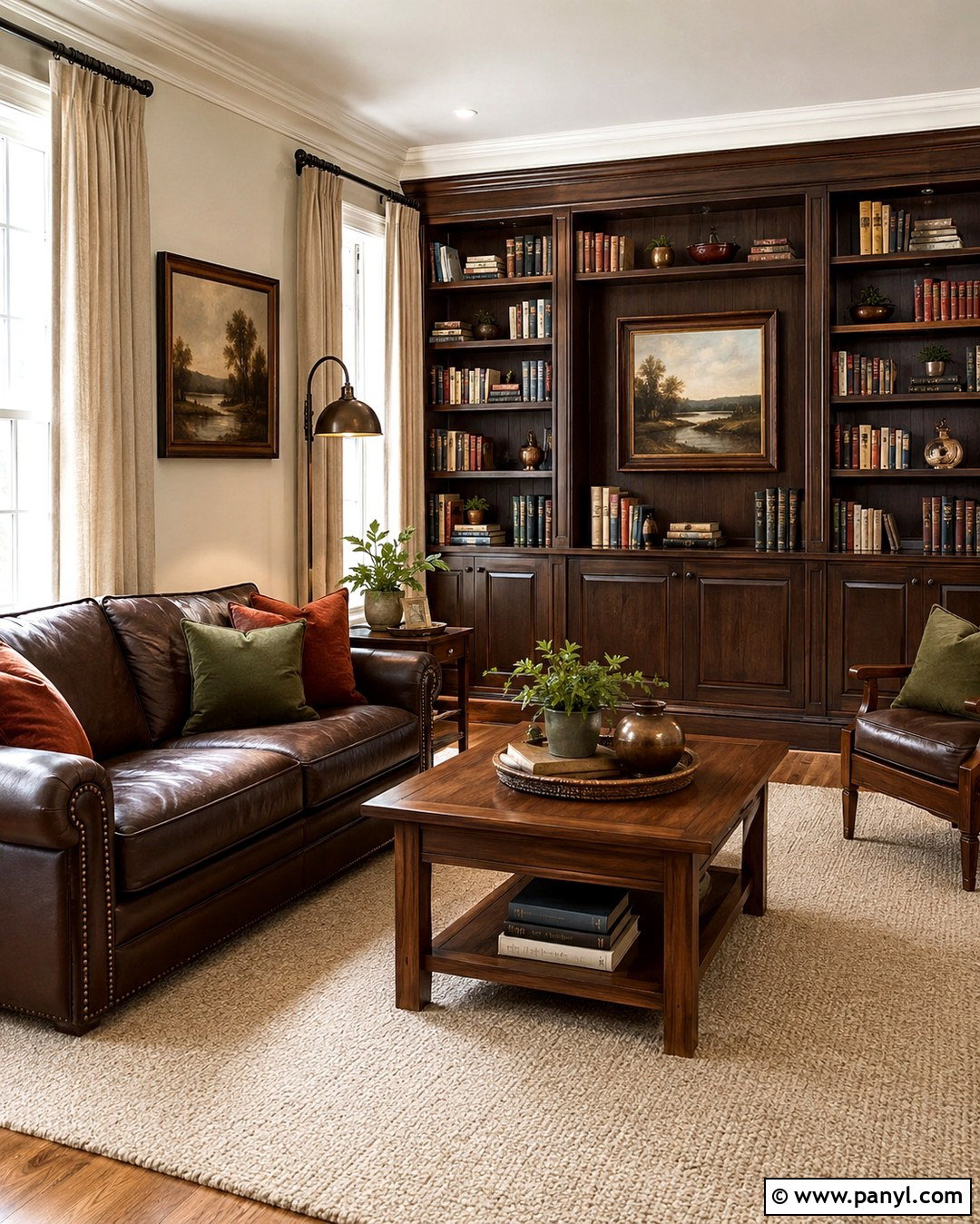
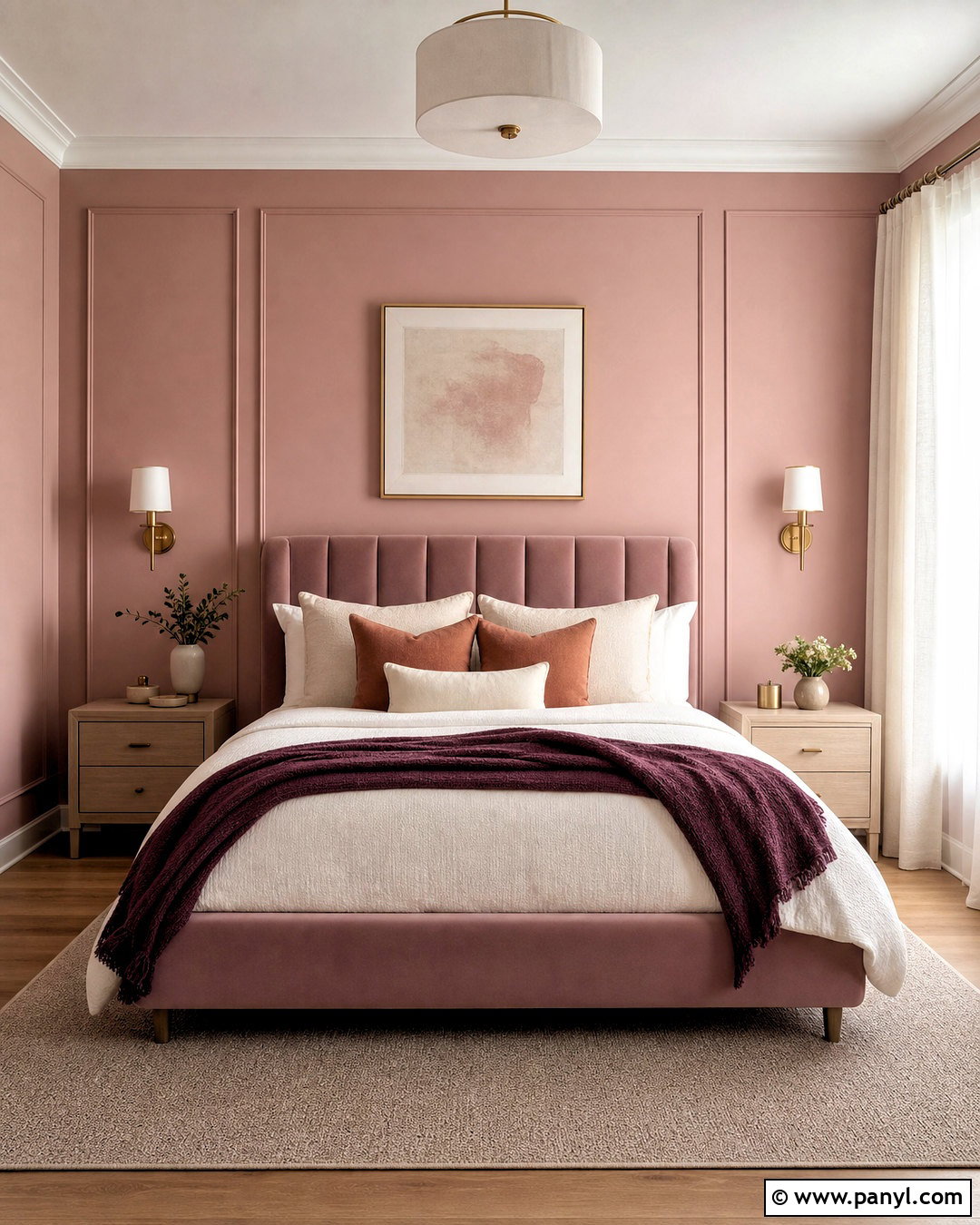
Rich chocolate brown gives magnolia walls depth and creates a cozy home library or reading room. Begin with a dark brown leather sofa or two upholstered reading chairs placed around a warm wood coffee table. Add walnut bookcases, a cream wool rug, and full-length oatmeal curtains. A bronze floor lamp and shaded table lamps provide layered lighting without introducing another strong color. Use rust, olive, and tan pillows to connect the dark furniture with the creamy walls. Traditional landscape artwork and a few ceramic vessels complete the arrangement. Keep the ceiling and trim in warm white so the room does not feel enclosed. This scheme is comfortable, substantial, and particularly effective in rooms with limited architectural detail.
11. Magnolia Walls With Charcoal Gray
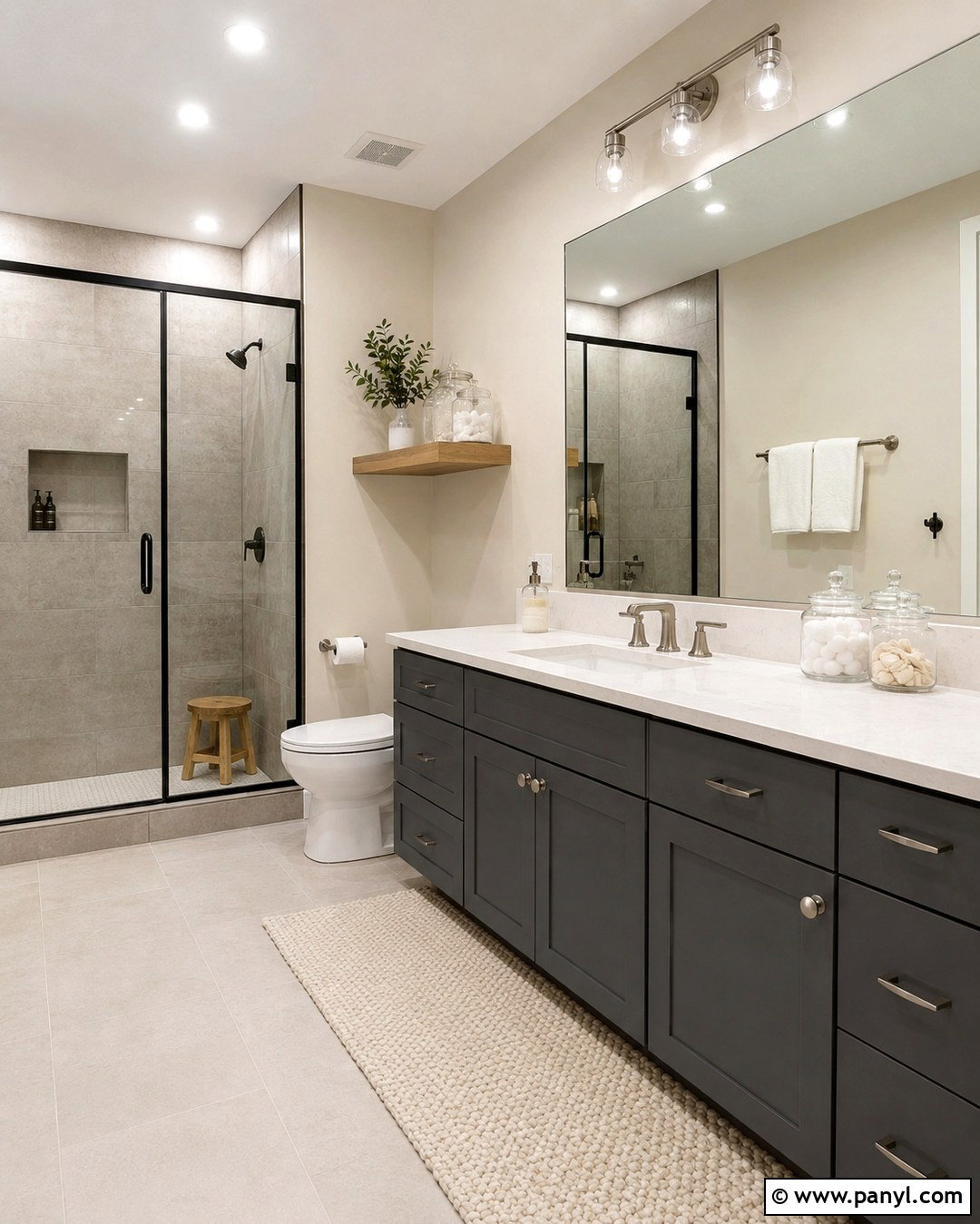
Charcoal gray gives a magnolia bathroom a tailored, contemporary finish. Use magnolia on the upper walls and select a charcoal vanity with clean shaker-style doors. Pair it with a white quartz counter, brushed nickel fixtures, and a large frameless mirror. Pale stone-look floor tile keeps the room bright, while a charcoal-bordered shower screen repeats the dark vanity. Choose white towels, a cream bath mat, and simple glass containers to prevent visual clutter. One oak stool or floating shelf brings natural warmth into the space. Magnolia softens the hard surfaces and feels less clinical than bright white. The finished bathroom offers strong contrast, easy-to-repeat materials, and a neutral foundation that should remain flexible as accessories change.
12. Magnolia Walls With Mustard Yellow
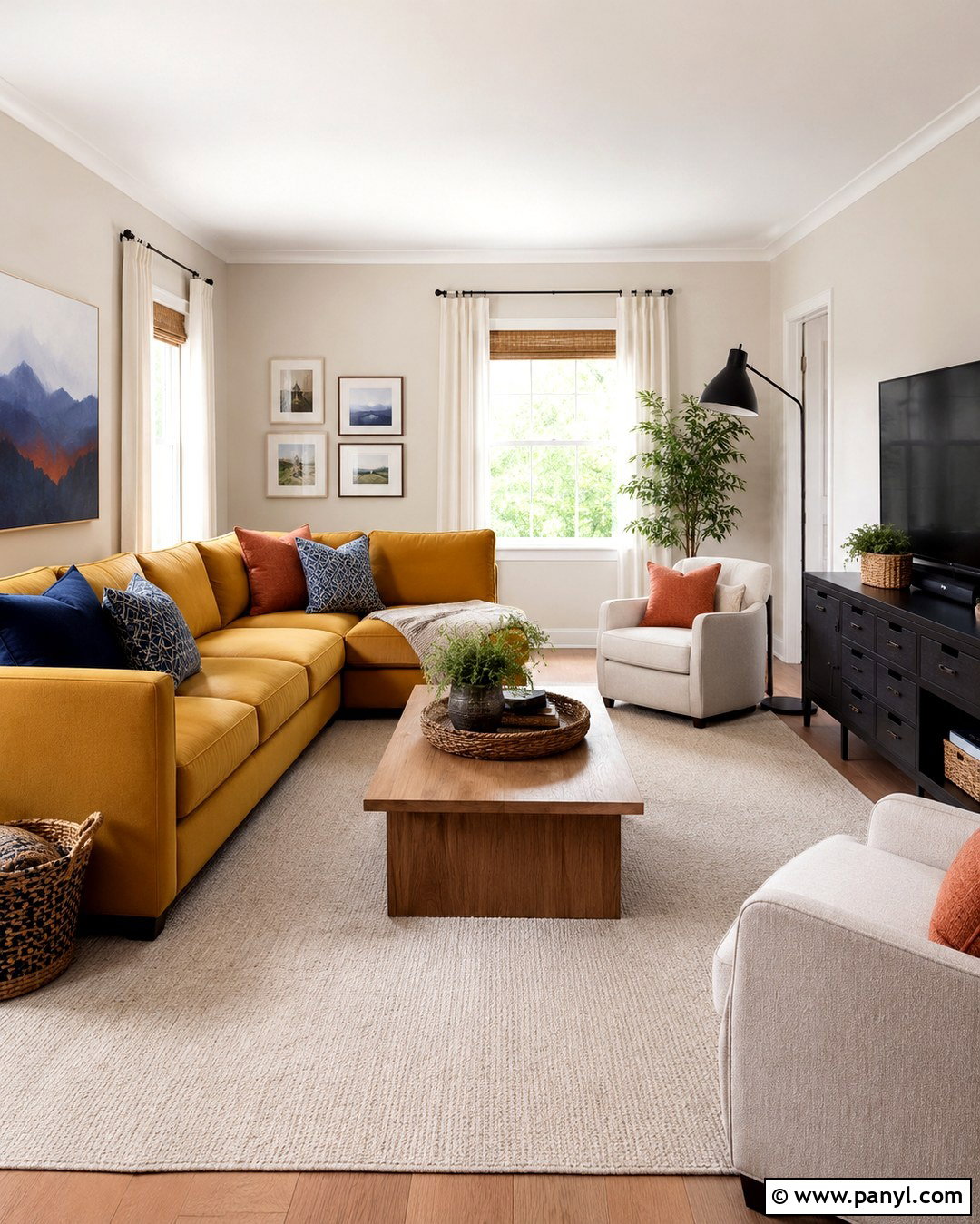
Mustard yellow creates an upbeat family room when it is used carefully against magnolia walls. Choose a deep mustard sofa as the focal point, then balance it with cream armchairs, a medium oak coffee table, and a large beige rug. Add patterned pillows containing navy, rust, and soft brown to create greater color depth. White curtains and trim keep the yellow tones from becoming overwhelming. A black metal floor lamp, dark picture frames, and a charcoal media cabinet introduce enough contrast for a modern finish. Use closed storage baskets to keep toys and daily items organized. The complete room feels cheerful and practical. Magnolia supports the stronger sofa color while helping the shared family space remain light and welcoming.
13. Magnolia Walls With Coastal Blue
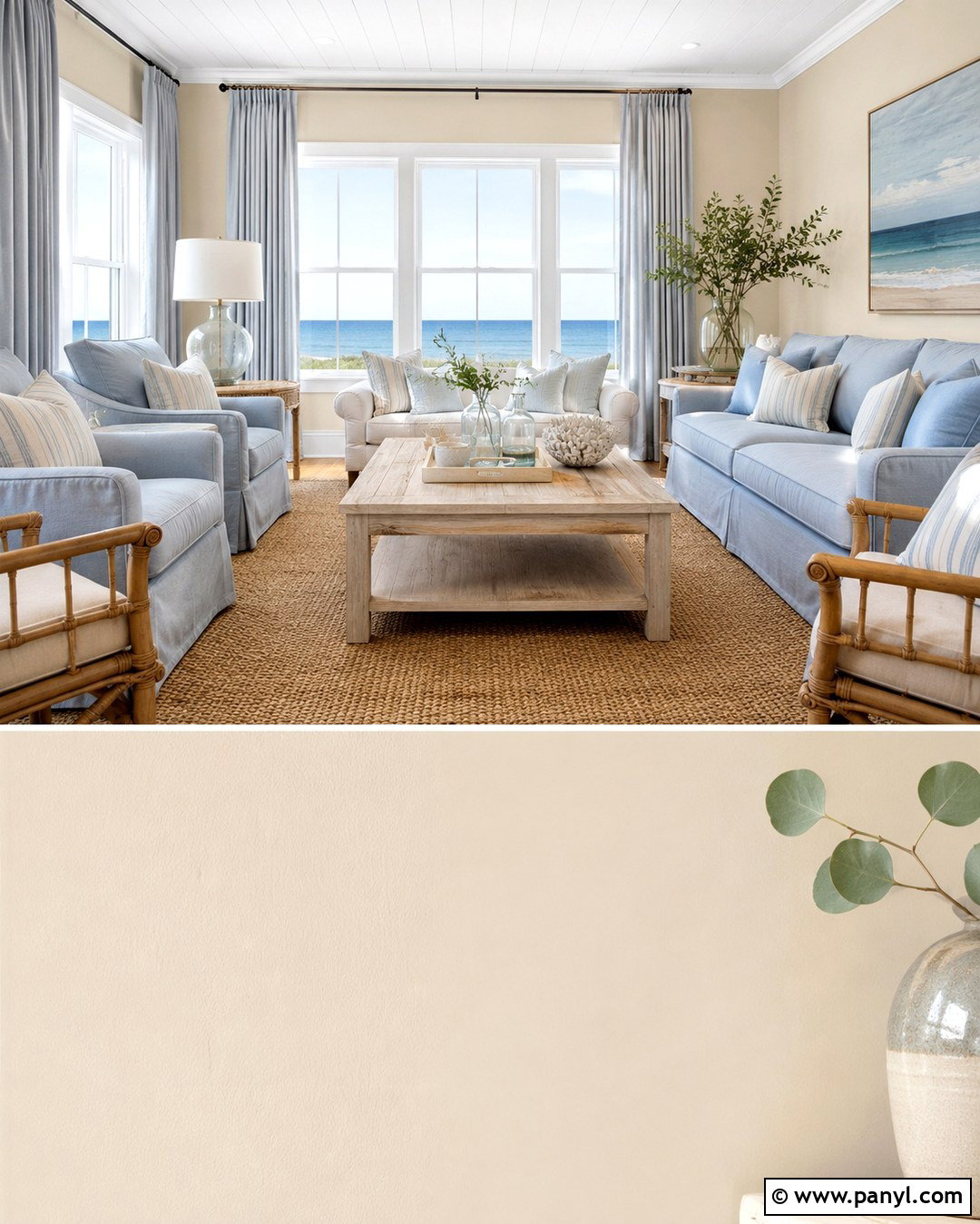
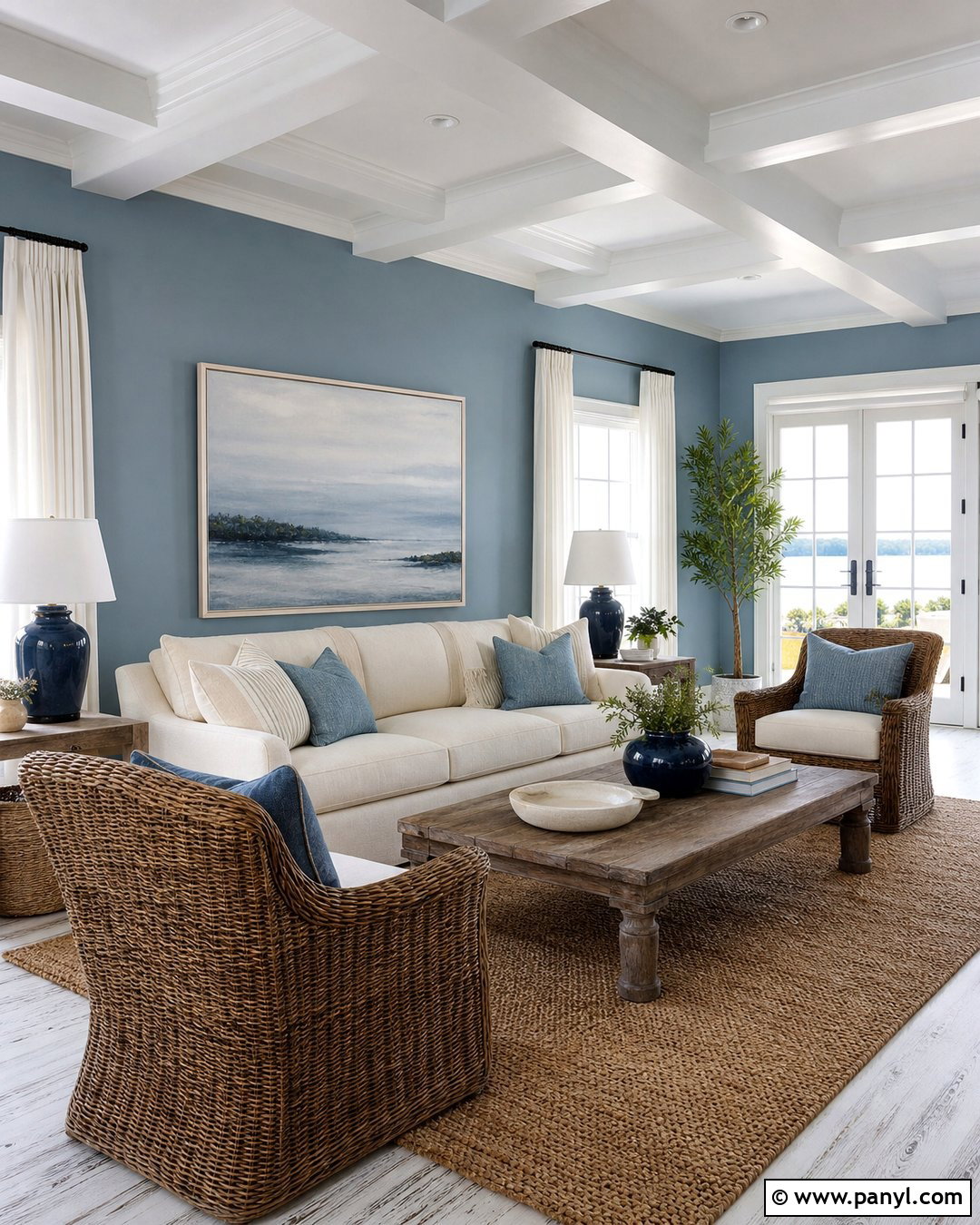
A coastal palette can feel subtle and sophisticated rather than heavily themed. Cover sunroom walls in magnolia and add soft coastal blue through slipcovered chairs, striped cushions, and pale blue-gray curtains. Use a light oak or whitewashed coffee table, woven rattan side chairs, and a natural jute rug. Warm white trim connects the walls with the window frames, creating a bright backdrop for outdoor views. Decorate with clear glass, cream ceramics, and a few simple seascape prints. Avoid obvious nautical signs or excessive navy stripes. Instead, let natural textures create the relaxed character. The finished room feels breezy and comfortable, with magnolia preventing the blue and white combination from becoming cold or overly crisp.
14. Magnolia Walls With Burgundy
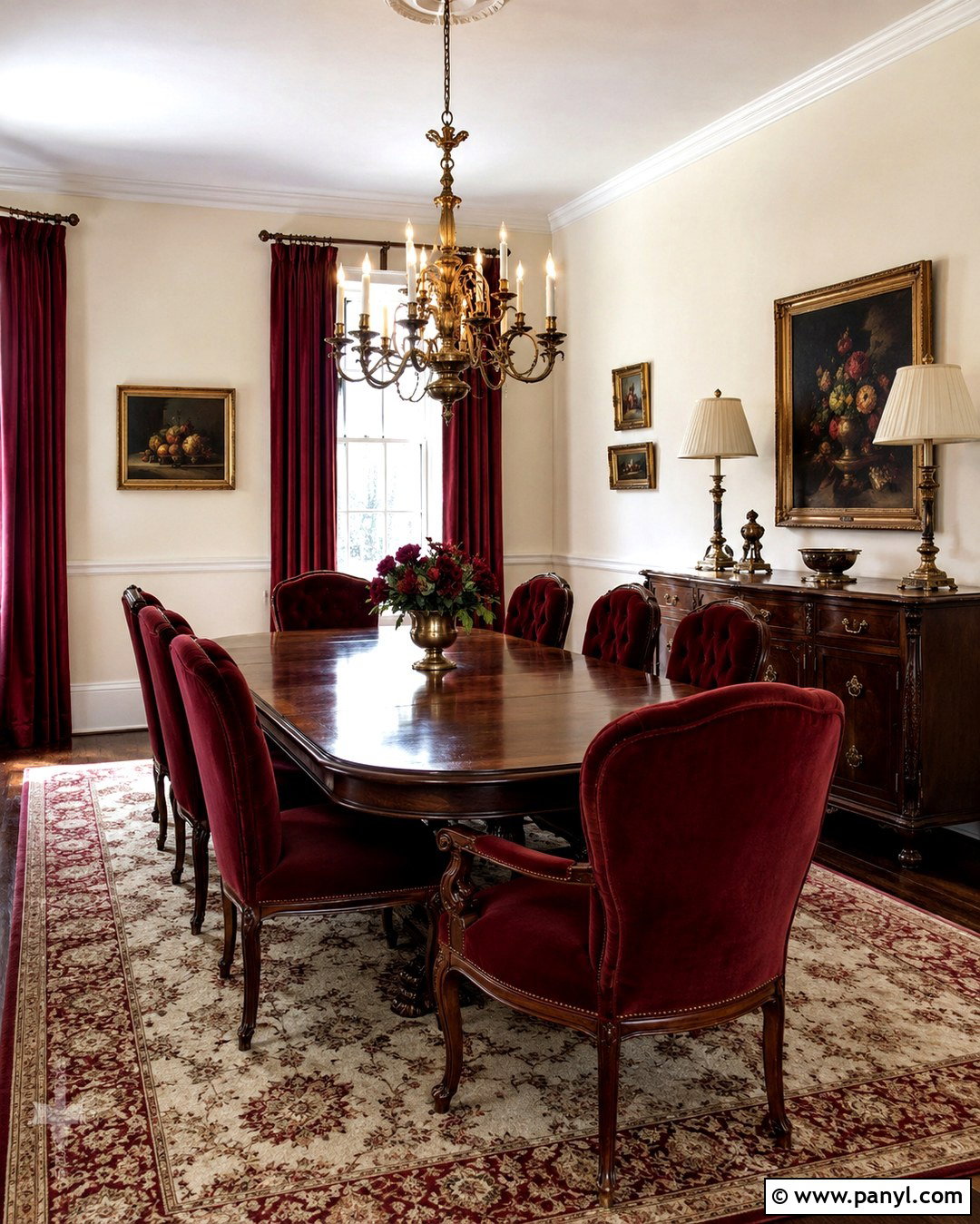
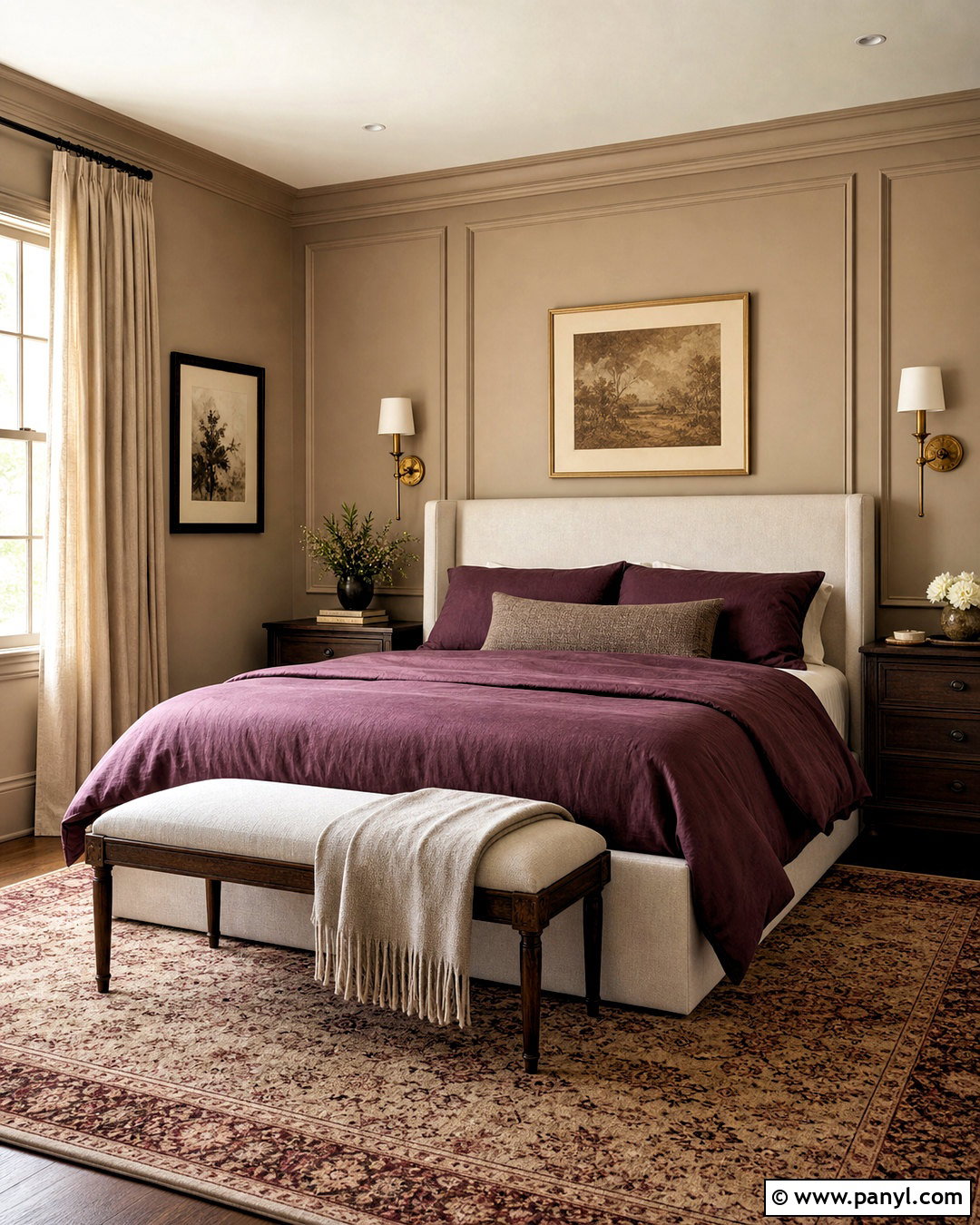
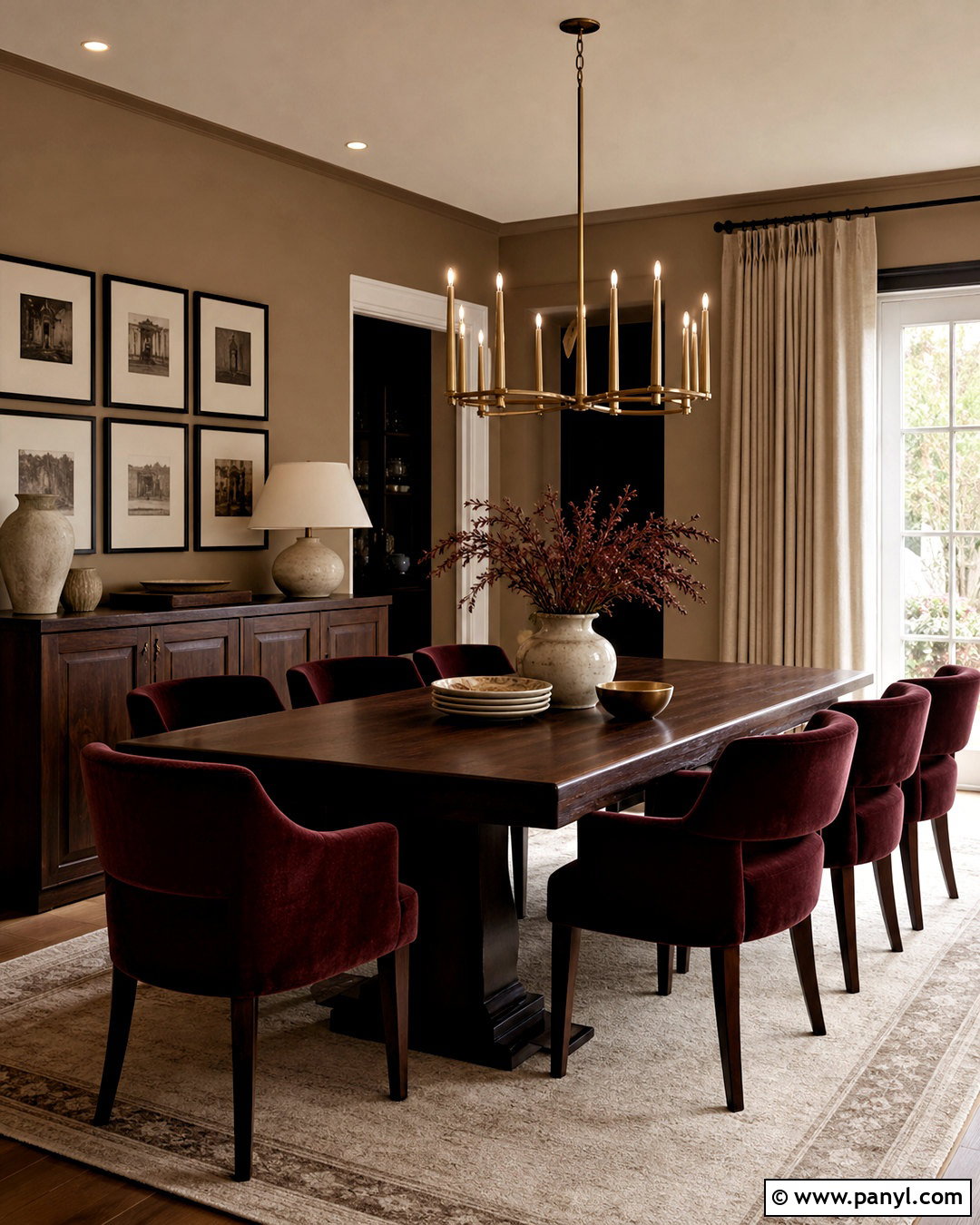
Burgundy adds formal warmth to magnolia walls and works particularly well in a traditional dining room. Keep the walls creamy and introduce burgundy through upholstered dining chairs, velvet curtains, or a large patterned rug. A dark walnut table and matching sideboard reinforce the elegant mood. Use antique brass lighting, warm white candles, and framed artwork with touches of deep red, green, and gold. Paint the trim a soft ivory so it blends smoothly with the walls. Cream table linens can brighten the darker furniture during gatherings. This color scheme feels layered and established rather than trendy. Burgundy also provides enough contrast to make magnolia appear deliberate, especially when repeated in several balanced areas around the room.
15. Magnolia Walls With Lavender
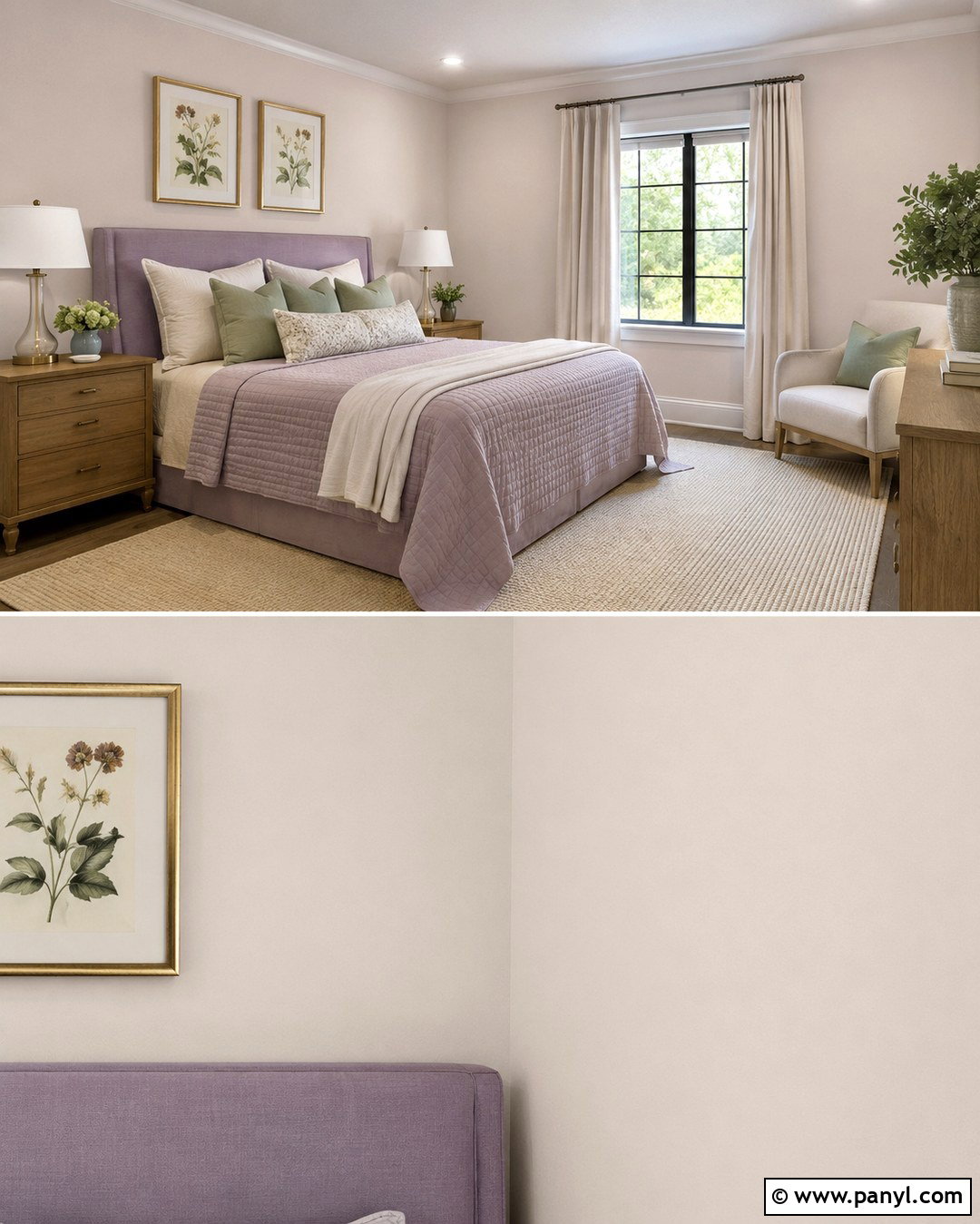
Dusty lavender brings an unexpected softness to magnolia walls in a guest bedroom. Select a lavender-gray upholstered headboard, pale purple quilt, and floral pillows containing cream, sage, and muted plum. Natural oak nightstands keep the scheme casual, while brushed brass lamps add warmth. Place a light beige rug beneath the bed and hang oatmeal curtains to frame the windows without competing with the bedding. Simple botanical artwork can connect the lavender accents to the room’s natural tones. Keep the ceiling, doors, and baseboards warm white for a bright finish. The room should feel restful rather than overly feminine, so use purple in medium-sized areas and balance it with plenty of cream, wood, and understated green.
16. Magnolia Walls With Forest Green
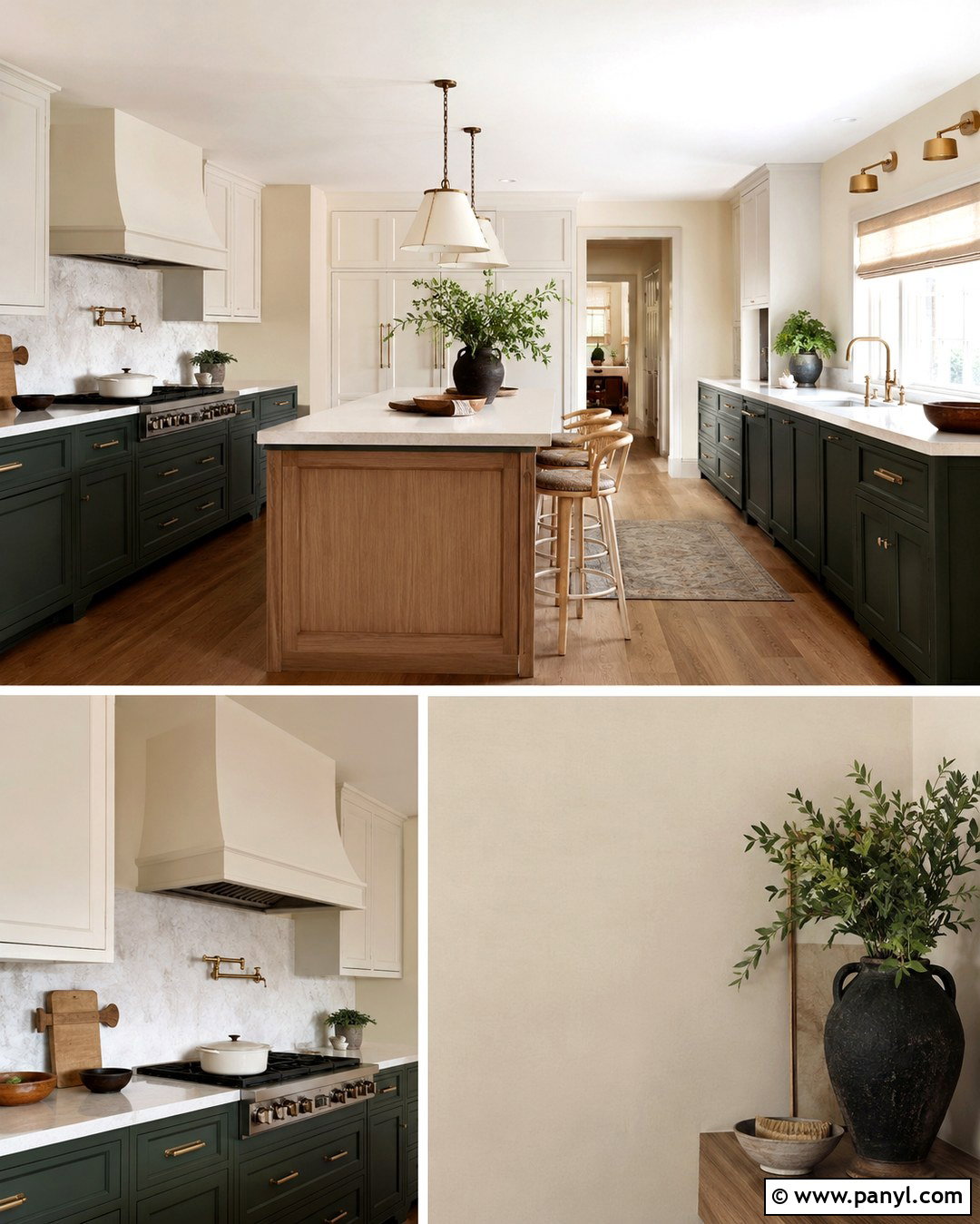
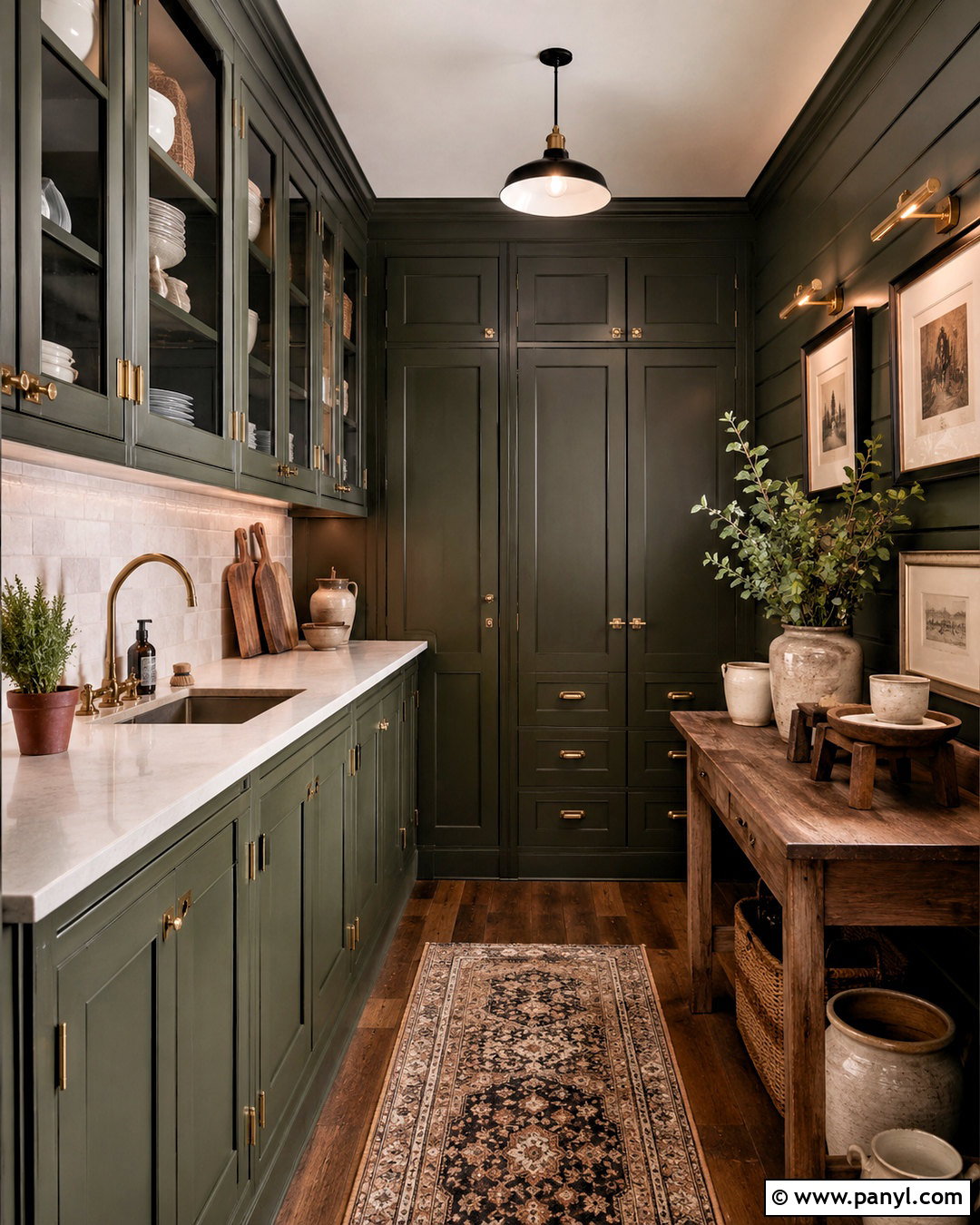
Forest green cabinetry transforms magnolia walls into a strong, heritage-inspired kitchen palette. Use the green on lower cabinets and a tall pantry, then keep upper cabinets warm white to preserve brightness. Choose creamy quartz counters, a softly veined backsplash, and medium oak flooring. A farmhouse table or oak island adds a natural center to the room. Finish the cabinetry with aged brass handles and repeat the metal in simple pendant lights. Magnolia walls bridge the green, cream, and wood surfaces, preventing sharp visual breaks. Add woven stools, linen window shades, and practical ceramic accessories. This complete kitchen feels distinctive but approachable, combining darker color with enough pale surfaces to work in a typical family home.
17. Magnolia Walls With Soft Greige
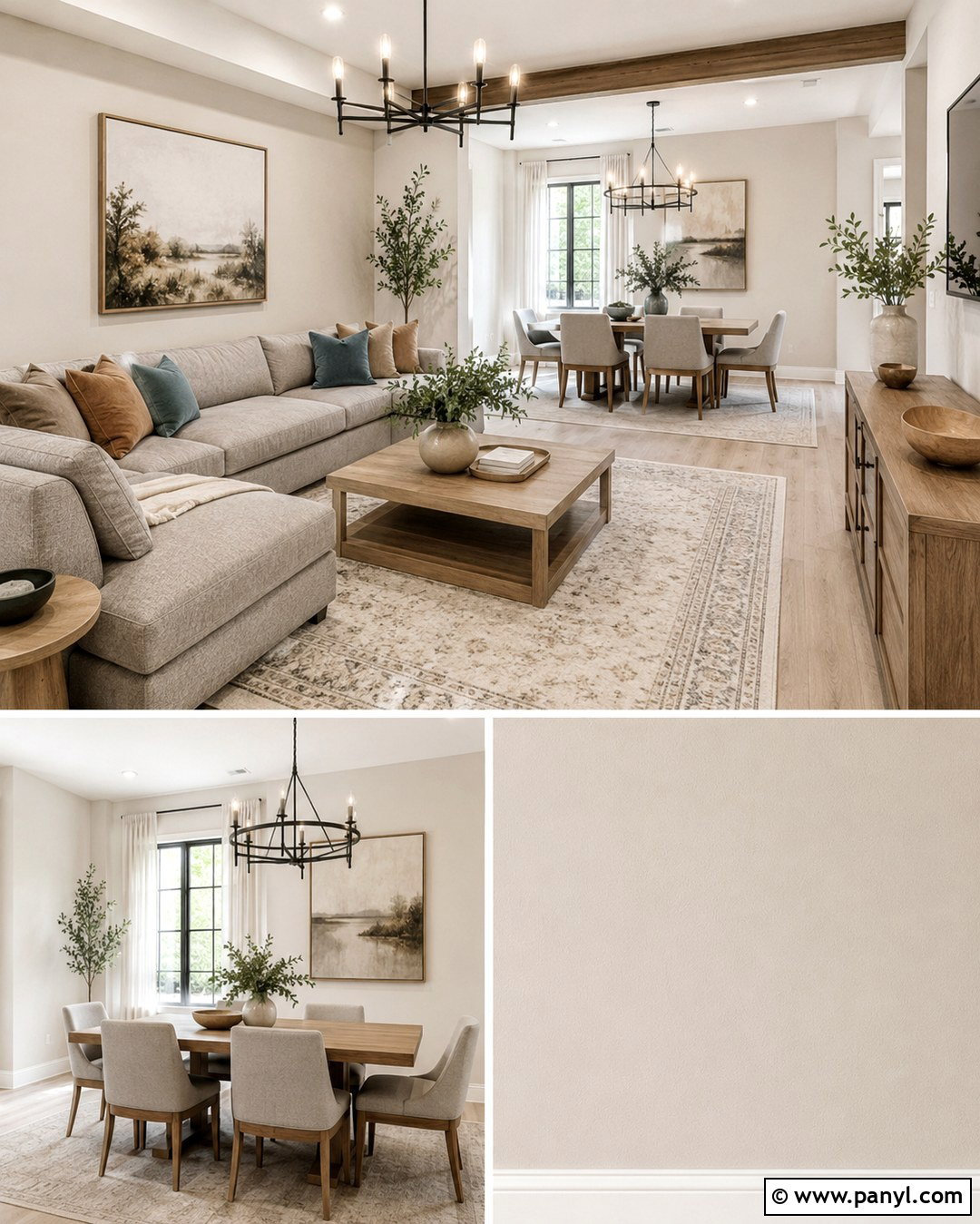
Soft greige furniture can update magnolia walls in an open-plan living and dining area. Begin with a greige sectional positioned to define the seating zone, then place a cream rug and pale oak coffee table beneath it. Use matching greige dining chairs around a natural wood table to connect both areas. Warm white curtains, black metal lighting, and oversized neutral artwork give the open room structure. Include pillows in camel, ivory, and muted blue for gentle variation. Avoid cool silver-gray pieces, which can look disconnected from warm magnolia. Repeating oak, black, and greige throughout the full space creates a clear visual rhythm. The finished layout feels coordinated and modern without requiring every item to match exactly.
18. Magnolia Walls In A Farmhouse Living Room
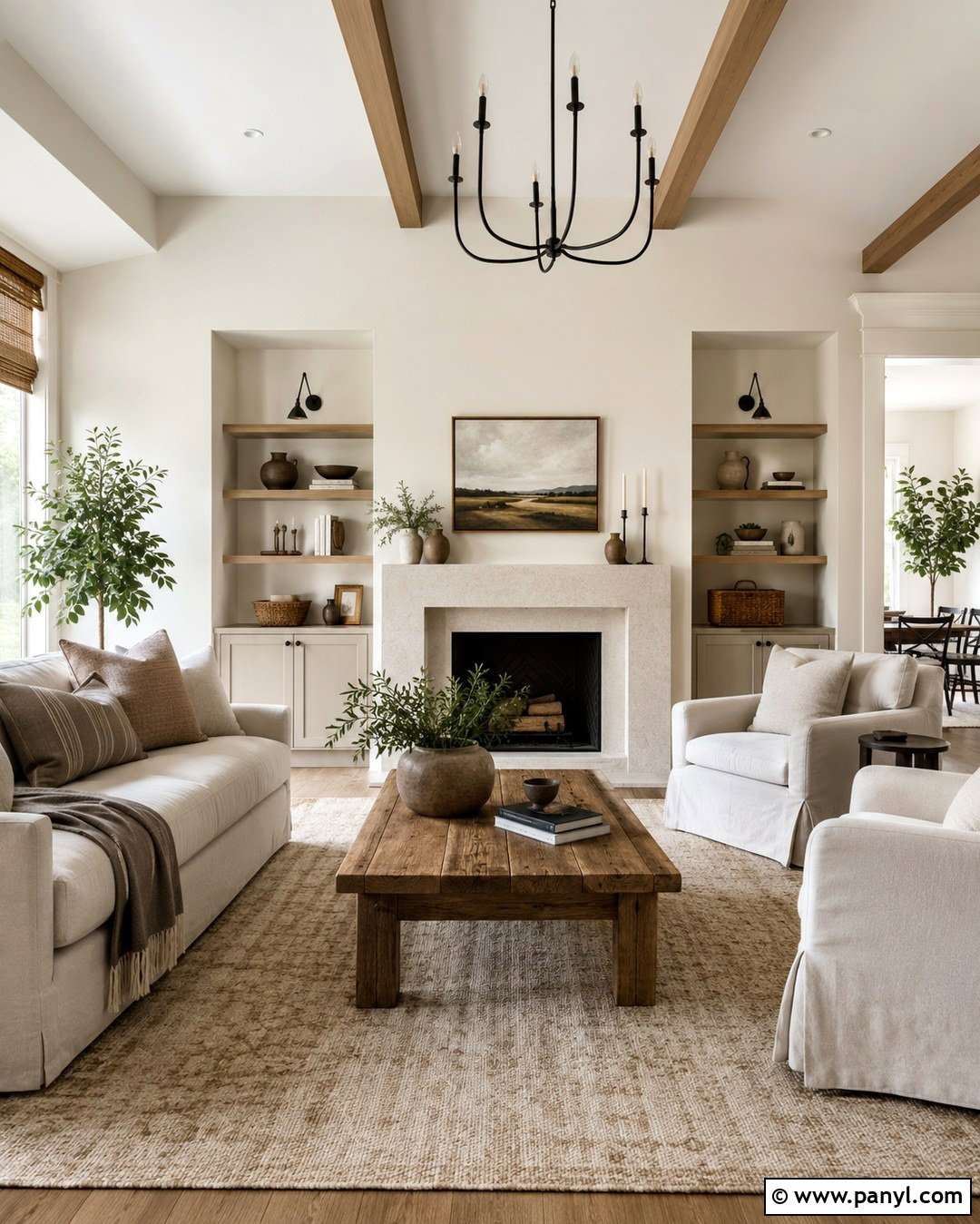
Magnolia walls suit a modern farmhouse living room when the design combines simple shapes with authentic-looking texture. Arrange an oatmeal sofa and two slipcovered armchairs around a reclaimed oak coffee table. Use a large cream-and-tan rug to define the seating area and add black iron lighting for contrast. Warm white curtains, woven shades, and an off-white painted fireplace maintain brightness. Decorate with stoneware, baskets, landscape artwork, and a few restrained checks or stripes. Avoid filling every surface with signs and small decorative objects. The wall color should support an uncluttered, lived-in room rather than a heavily themed display. Natural wood, linen, iron, and greenery make the magnolia backdrop appear warm and purposeful.
19. Magnolia Walls In A Scandinavian Bedroom
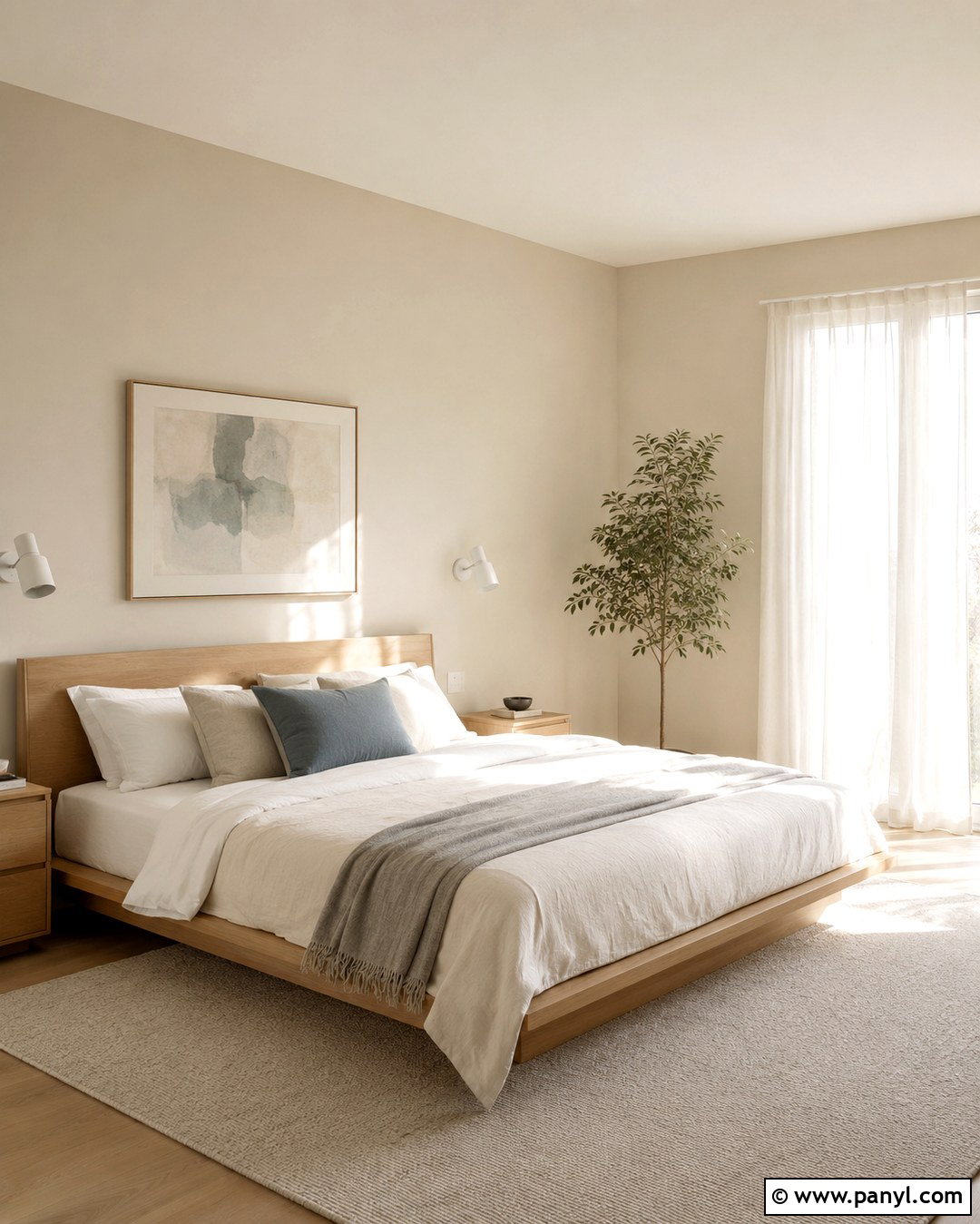
A Scandinavian bedroom makes magnolia feel clean, simple, and current. Paint the walls magnolia, then choose a low-profile pale oak bed with white and oatmeal linen bedding. Add a light gray wool throw, one muted blue pillow, and a soft ivory rug for subtle color variation. Use compact oak nightstands and matte white wall lights to keep floor space open. Sheer white curtains allow natural light to wash across the creamy walls. A single abstract print, one ceramic vase, and a small leafy plant provide enough decoration. Keep the flooring pale and the furniture lines uncomplicated. This restrained scheme works because magnolia adds warmth where brilliant white might feel stark, while the limited accessories preserve Scandinavian clarity and calm.
20. Magnolia Walls In A Traditional Living Room
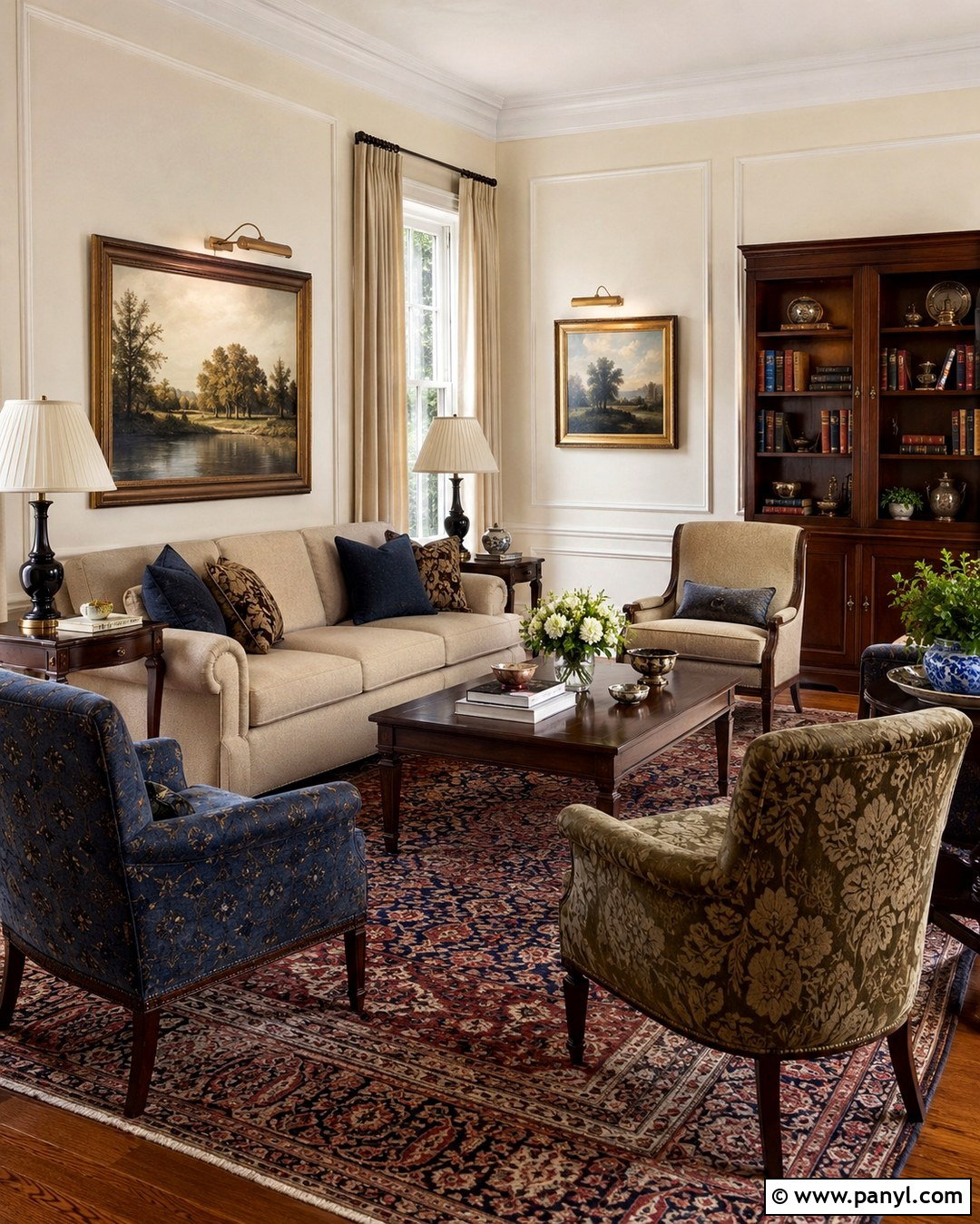
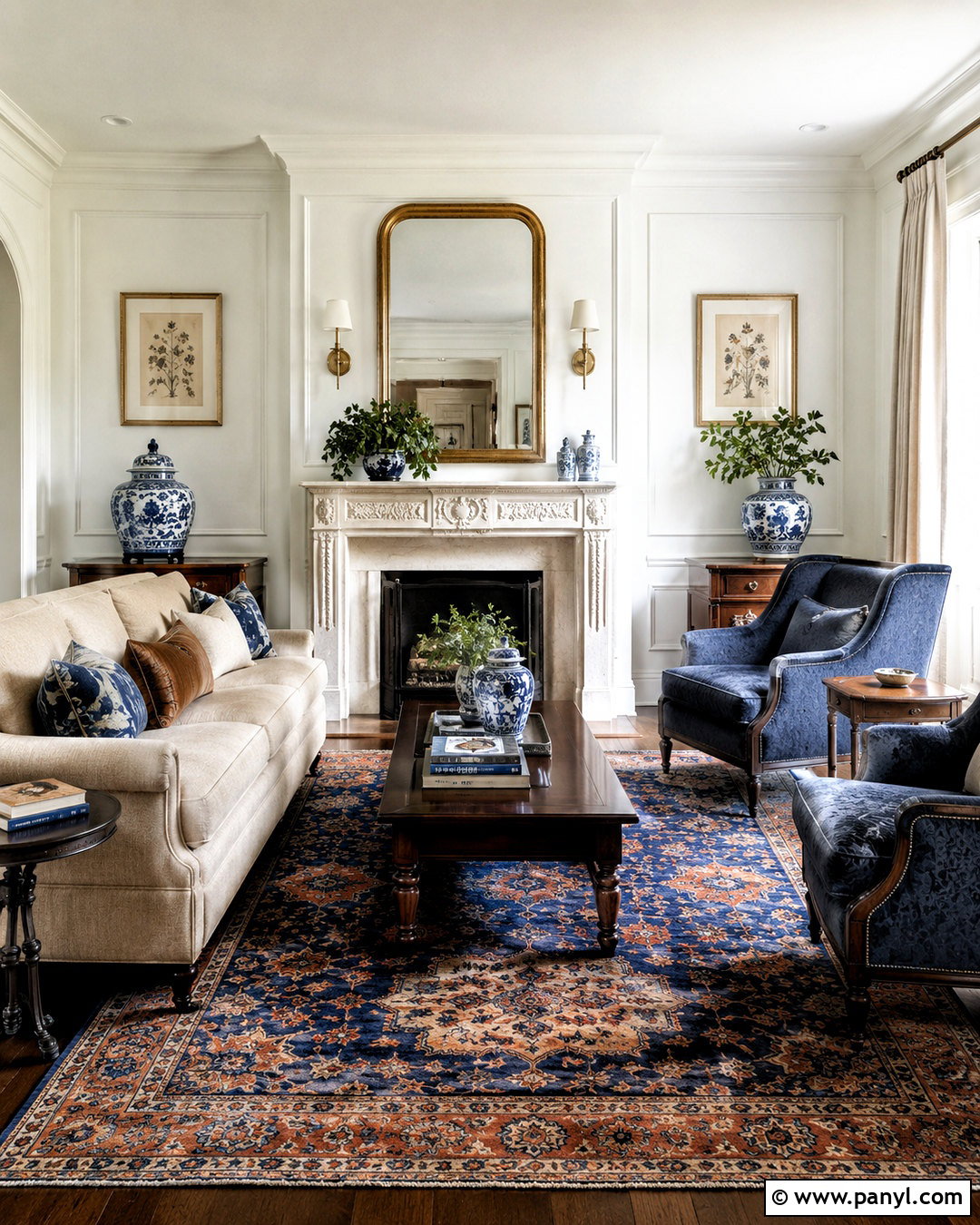
Traditional details give magnolia walls a graceful, established character. Use the color across walls with picture-frame molding, then paint the trim and fireplace mantel a slightly lighter cream. Arrange a rolled-arm sofa in warm beige with two patterned armchairs featuring blue, olive, and rust. A walnut coffee table and matching side tables anchor the seating area. Add a Persian-style rug, pleated lampshades, brass picture lights, and full-length linen curtains. Landscape paintings and a carefully arranged bookcase complete the room without making it feel crowded. The palette remains warm and cohesive because every major color has an earthy undertone. Magnolia offers a quiet backdrop that lets traditional furniture, artwork, and architectural features receive greater attention.
Conclusion:
The best magnolia rooms use color, contrast, texture, and thoughtful furniture placement to turn a familiar neutral into an intentional design choice. Crisp white trim can make it look fresh, while navy, forest green, burgundy, and charcoal create depth. Softer pairings such as sage, dusty blue, blush, lavender, and greige produce calm, comfortable spaces. Natural oak, walnut, linen, stone, brass, and woven materials are especially effective because they complement magnolia’s warm undertone. Before painting, test a large sample beside the room’s flooring, trim, and main fabrics throughout the day. With a coordinated full-room plan, these 20 Magnolia Wall Color Ideas can inspire interiors that feel warm, polished, and personal.

Related Ideas and Inspiration:
Leave a Reply