
Putty is the rare neutral that feels warm, grounded, and modern without turning noticeably yellow or gray. Its subtle mix of beige, greige, khaki, and stone undertones works especially well with natural wood, creamy textiles, aged metals, and earthy accent colors. Lighter versions create an airy background, while deeper putty shades give rooms a cozy, enveloping mood. Paint brands also describe putty colors as welcoming neutrals with warm, stone-like depth. () The key is building a complete palette around the undertone rather than treating the walls as an isolated choice. From relaxed living rooms to sophisticated kitchens, these 20 Putty Wall Color Ideas offer practical ways to create a balanced, coordinated home.

1. Putty Walls With Warm White Trim
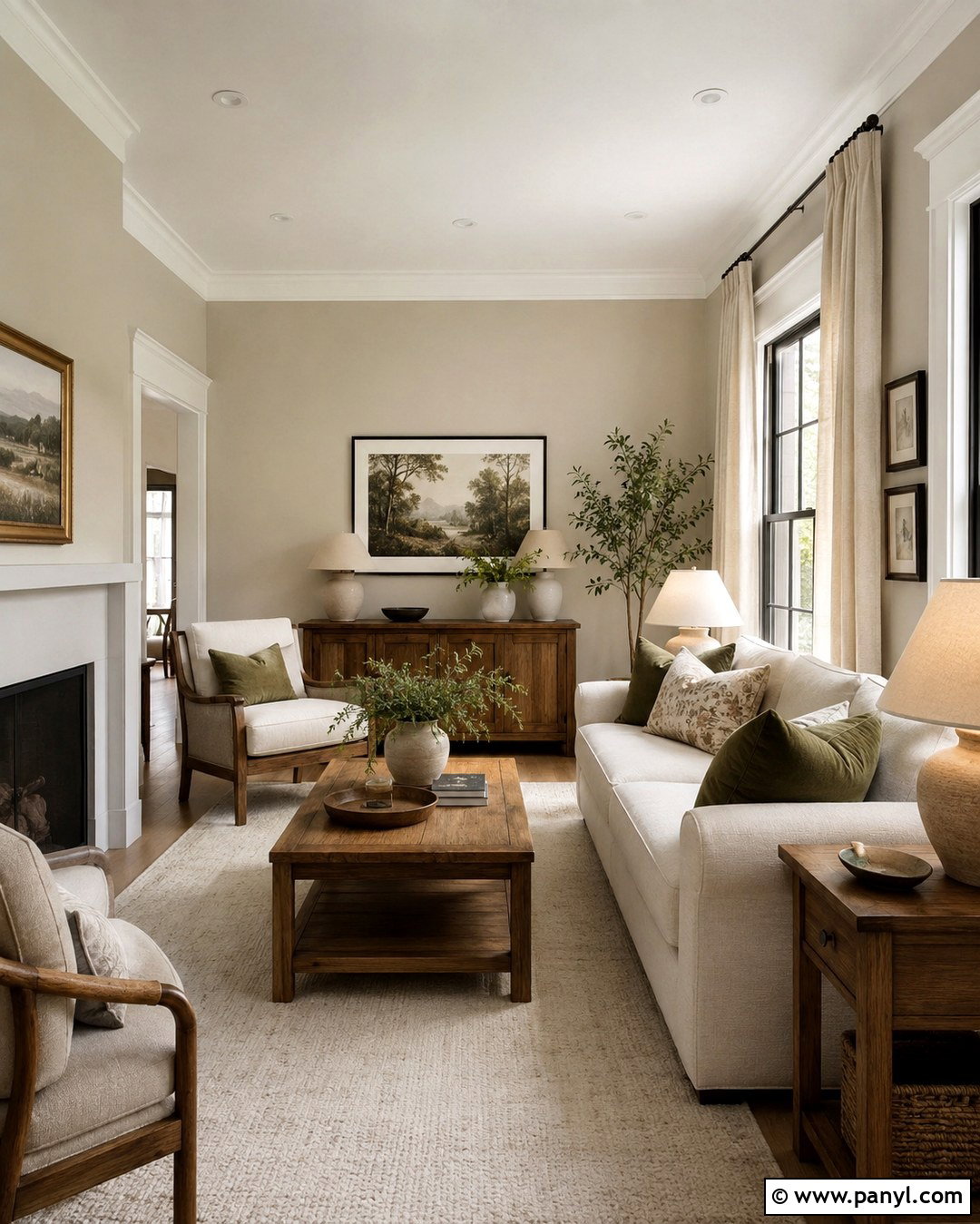
Pair medium-light putty walls with warm white trim for a clean look that still feels soft and inviting. Choose a putty shade with balanced beige and gray undertones, then use creamy white on the ceiling, baseboards, doors, and window casings. The slight contrast will define the architecture without creating harsh outlines. In a living room, add a light oatmeal sofa, an ivory wool rug, and medium oak side tables. Linen curtains should closely match the trim so the windows feel taller and brighter. Complete the room with muted olive pillows, ceramic table lamps, and simple black-framed artwork. This combination suits traditional, transitional, and modern homes because every element feels connected without appearing overly matched.
2. Putty Walls With Natural Oak
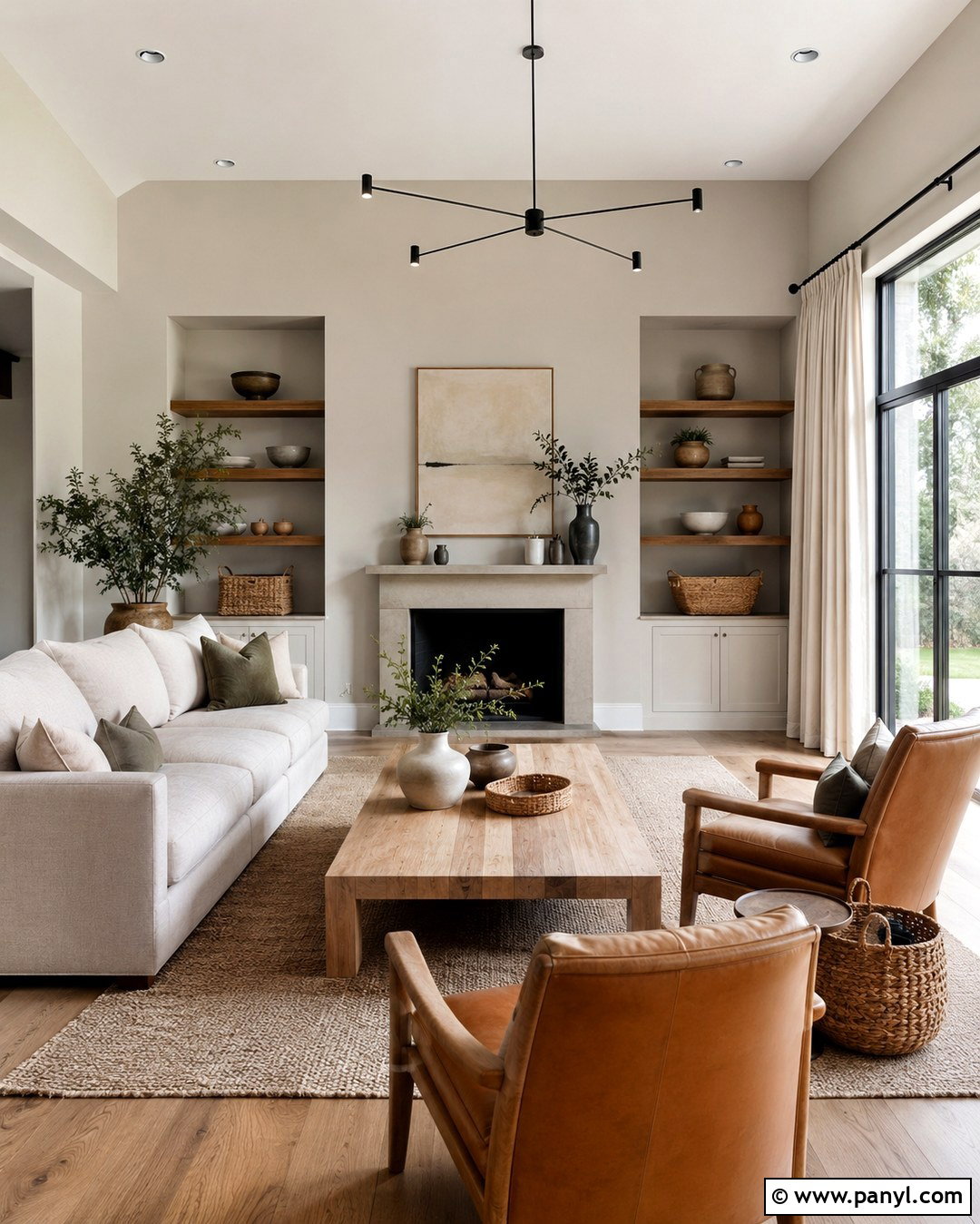
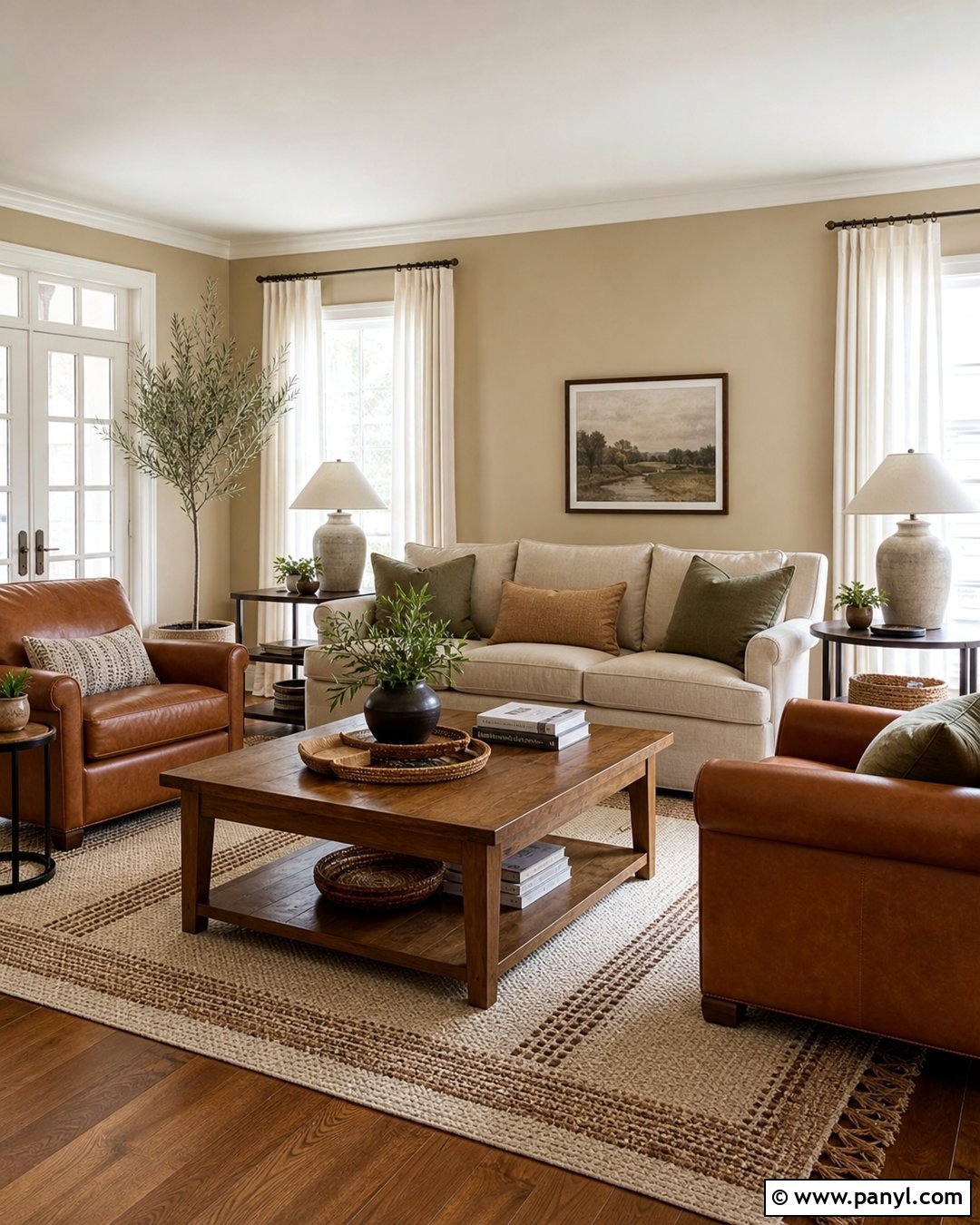
Natural oak brings out the earthy warmth hidden inside putty-colored walls. Build this living room around a pale putty background, wide-plank oak flooring, and streamlined oak furniture with visible grain. A low cream sofa and two camel leather chairs provide comfortable seating without covering too much of the wood. Anchor the arrangement with a textured ivory rug and a rounded oak coffee table. Add olive green pillows, woven baskets, and off-white pottery for gentle color variation. Keep the window treatments light with natural linen panels hung close to the ceiling. Matte black lighting offers just enough definition. The finished room feels organic and modern, with warm materials creating interest instead of busy patterns or bright colors.
3. Putty Walls With Black Accents
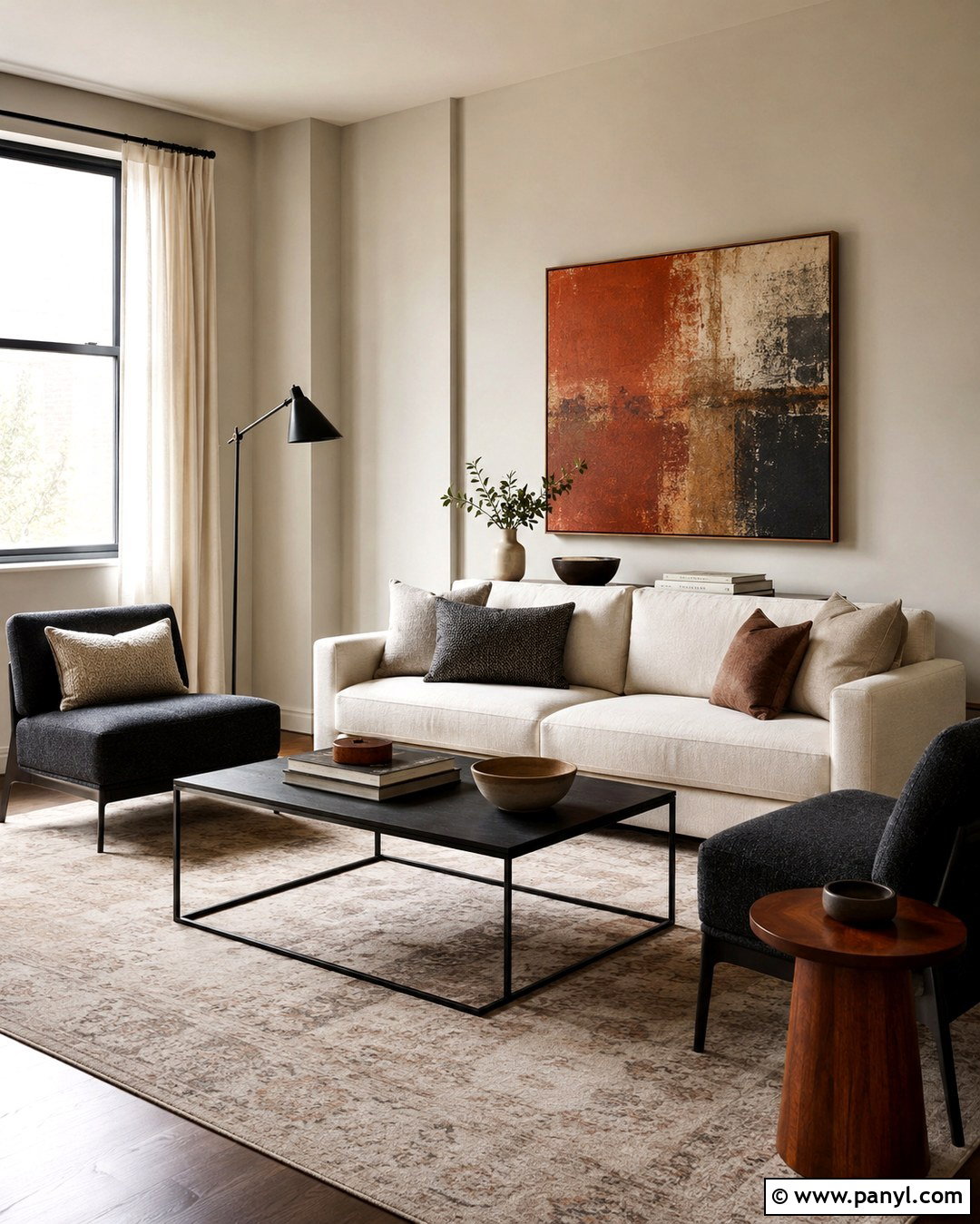
Can a soft neutral room still feel crisp and structured? Use light putty walls as the calming background, then repeat matte black in carefully spaced details. A black metal coffee table, slim floor lamp, curtain rod, and picture frames will create a visual rhythm around the room. Choose an off-white sofa with clean lines, charcoal lounge chairs, and a faded beige rug to bridge the contrast. Warm walnut end tables keep the black accents from feeling cold. Finish the space with ivory curtains, sculptural ceramics, and one large abstract artwork containing putty, charcoal, and rust tones. Limiting black to narrow outlines and smaller furnishings preserves the wall color’s warmth while giving the complete room a polished, contemporary appearance.
4. Putty Walls With Sage Green
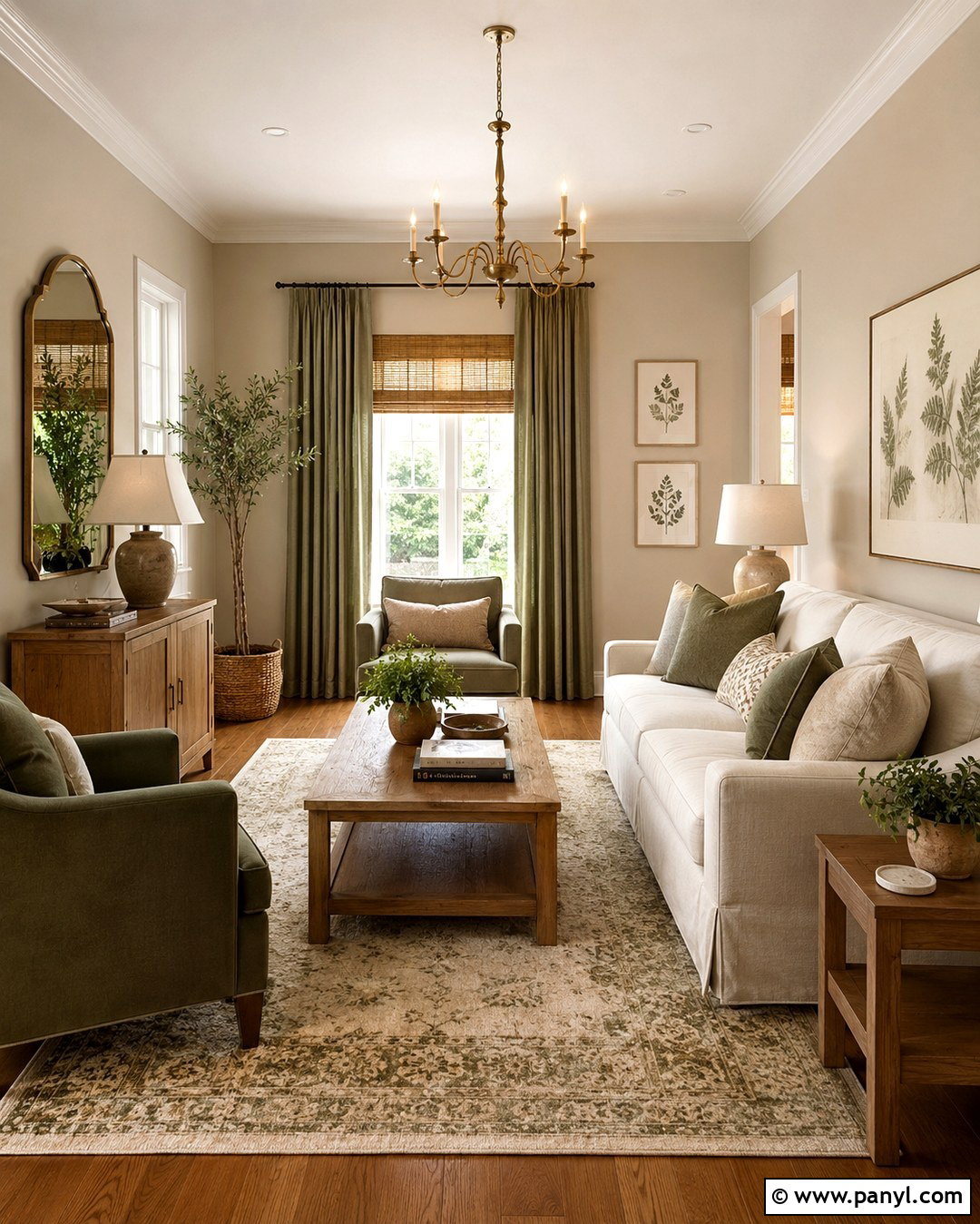
Soft sage green adds natural color to putty walls without disturbing their relaxed character. Begin with a warm putty shade throughout the living room, complemented by an ivory sofa and sage upholstered armchairs. Ground the seating area with a faded Persian-style rug that combines cream, moss, tan, and dusty green. Medium oak furniture and woven shades reinforce the organic palette. Use warm white curtains to frame the windows while maintaining an airy atmosphere. Botanical prints, handmade pottery, and leafy plants can repeat the green in smaller amounts. Choose aged brass or dark bronze lighting instead of shiny chrome. This complete scheme feels fresh throughout the year and works particularly well in rooms overlooking lawns, trees, or established garden planting.
5. Putty Walls With Terracotta
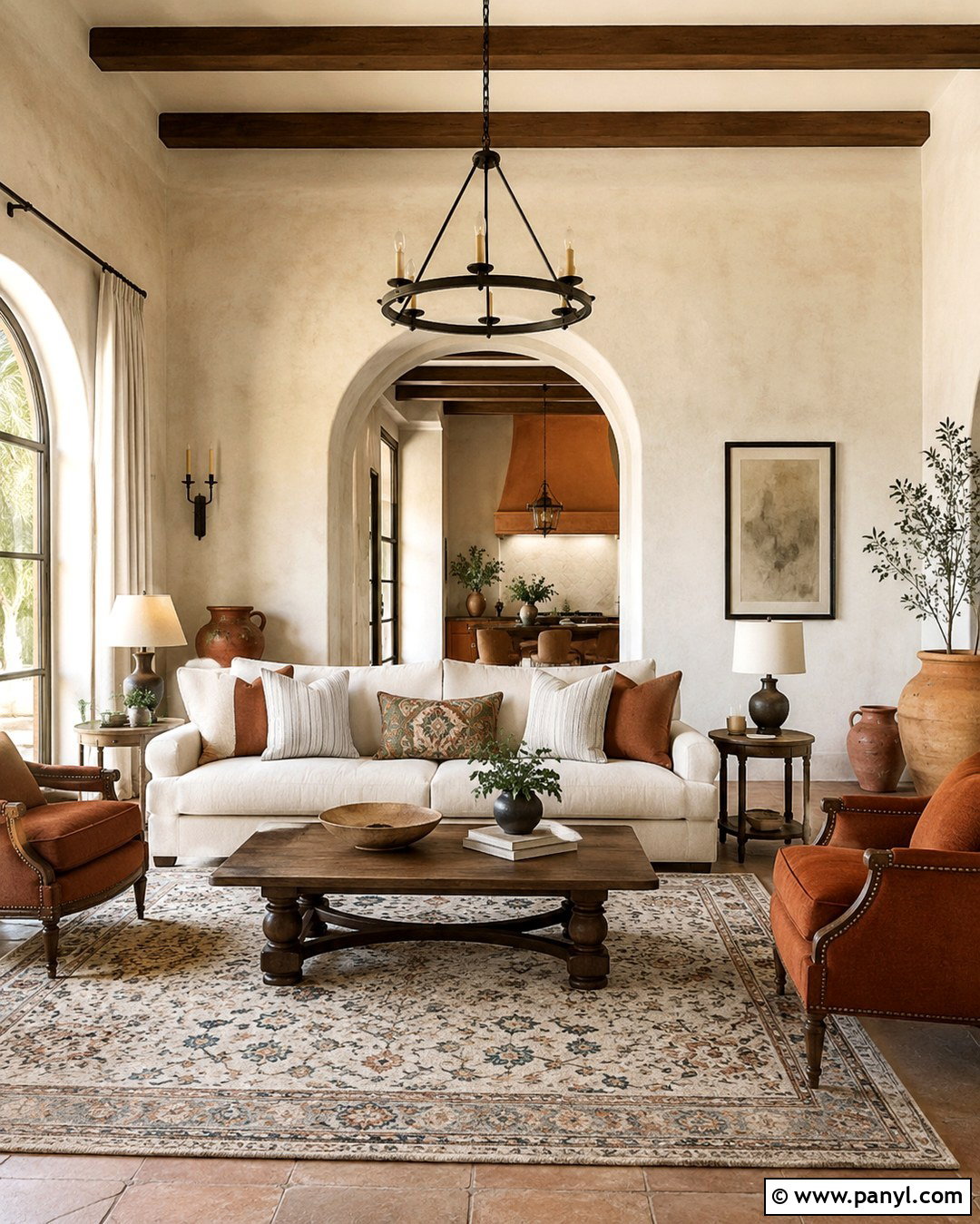
Terracotta gives putty walls a warmer, more expressive personality while keeping the room grounded. Paint the walls a light stone-putty color and furnish the space with a deep cream sofa, rust-colored accent chairs, and a substantial medium-brown wood coffee table. Select a patterned rug that mixes faded terracotta, tan, muted blue, and ivory. Add clay pottery, striped linen pillows, and warm white curtains for layers that feel collected rather than themed. A dark bronze chandelier or floor lamp will provide stronger definition. Keep large furnishings neutral so the burnt-orange notes remain controlled. This palette works beautifully in Mediterranean, Southwestern, and organic modern rooms, especially when natural textures and handcrafted pieces are distributed evenly across the space.
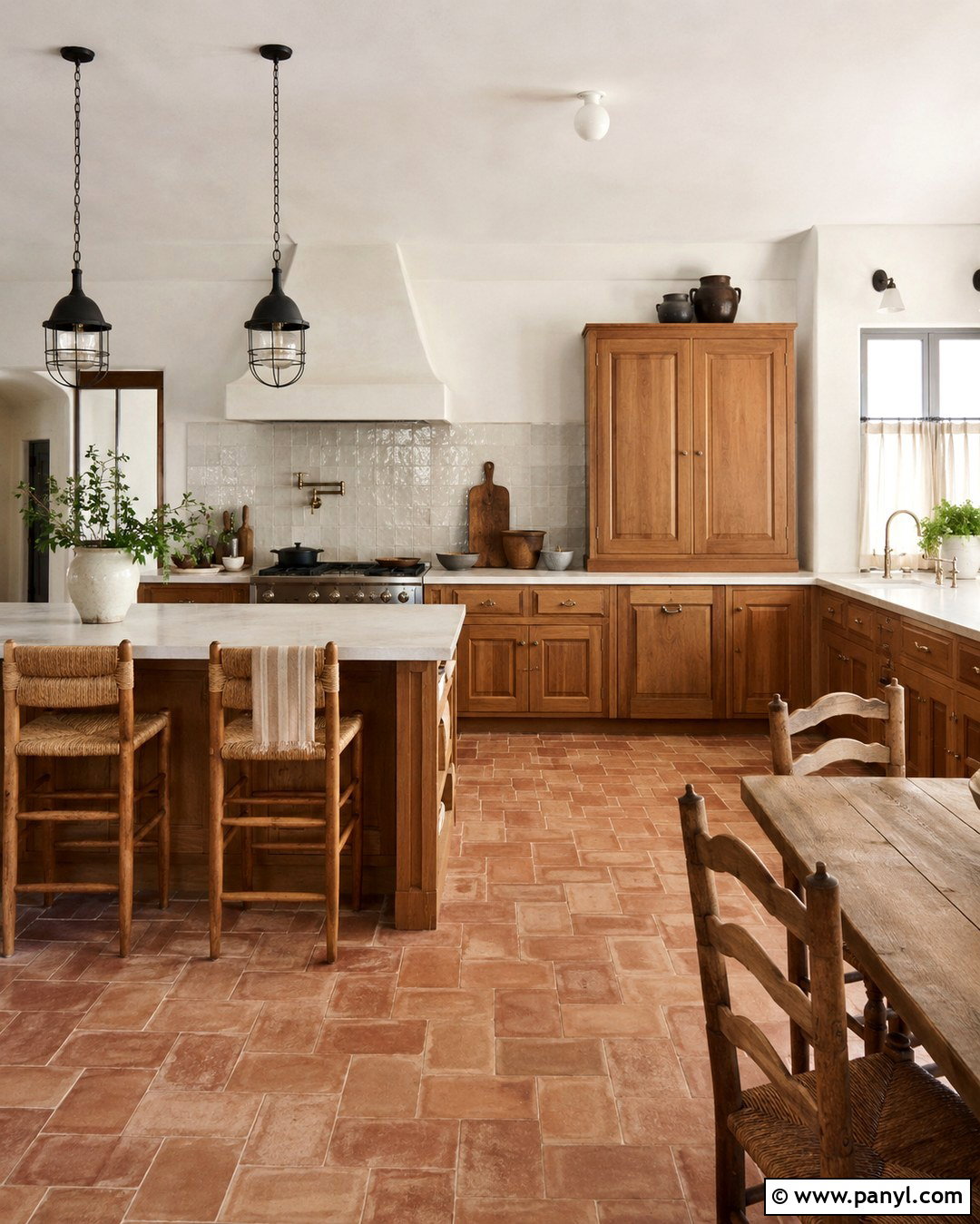
6. Putty Walls With Navy Blue
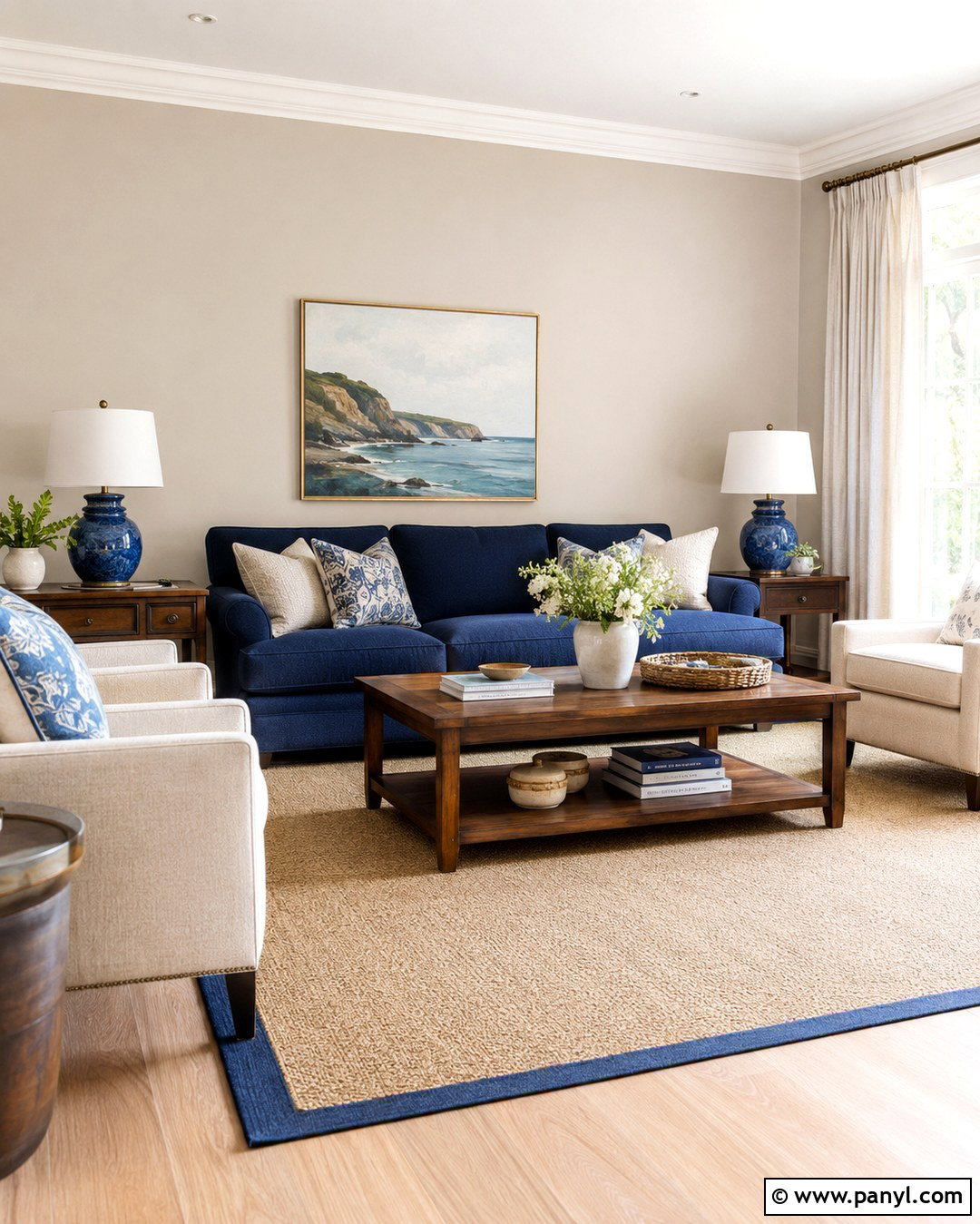
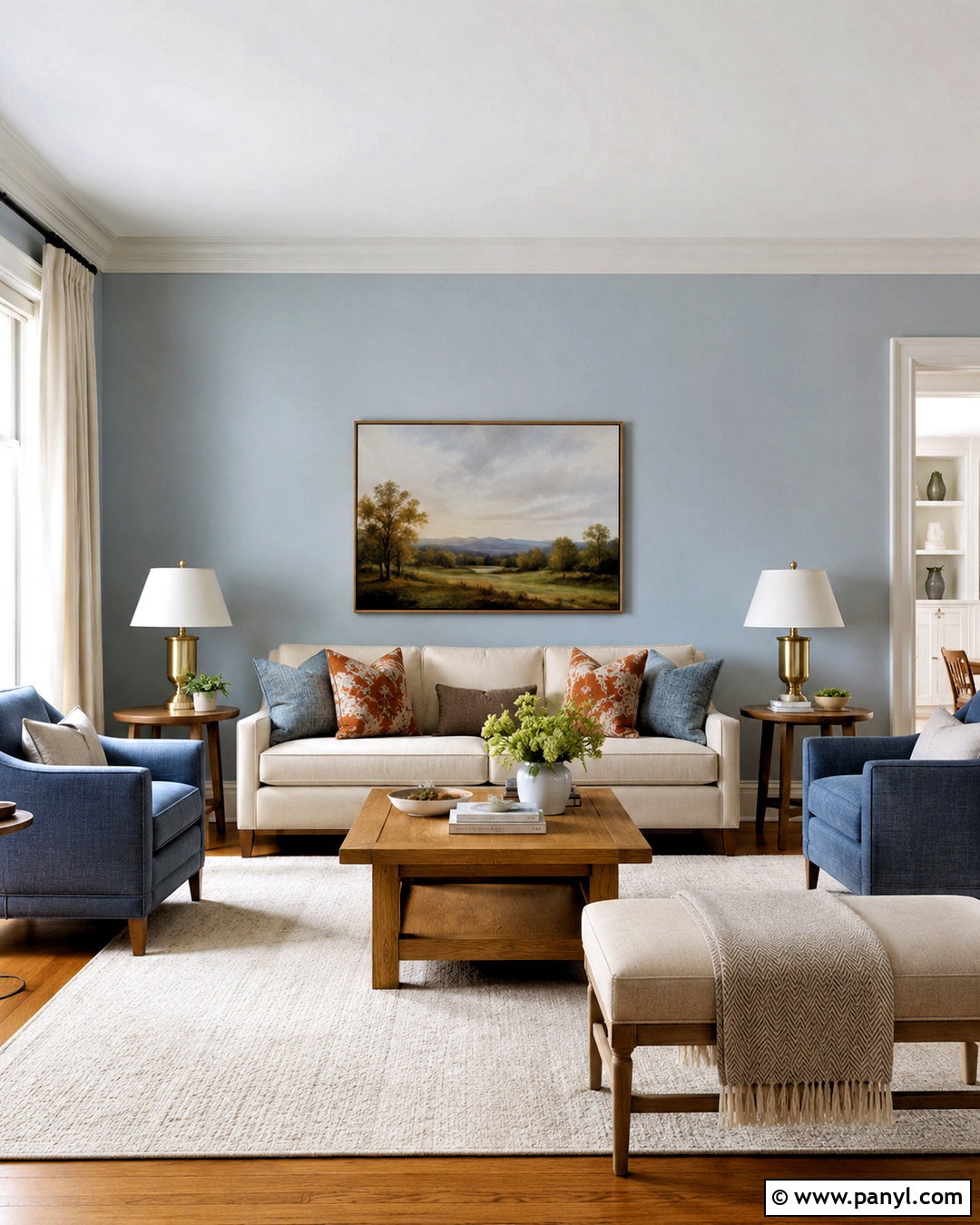
Navy blue can make putty walls look cleaner, richer, and more tailored. In a comfortable family room, use medium-light putty on every wall and place a navy sofa at the center of the seating arrangement. Add two cream armchairs, a walnut coffee table, and a beige rug with a subtle blue border. Warm white trim and curtains will prevent the darker upholstery from making the room feel heavy. Repeat navy through patterned pillows and one ceramic lamp rather than adding another large blue surface. Brushed brass hardware introduces warmth, while framed coastal landscapes or abstract art connect the colors. The finished scheme feels classic but not overly formal, making it suitable for both traditional houses and updated open-plan homes.
7. Putty Walls With Cream Furniture
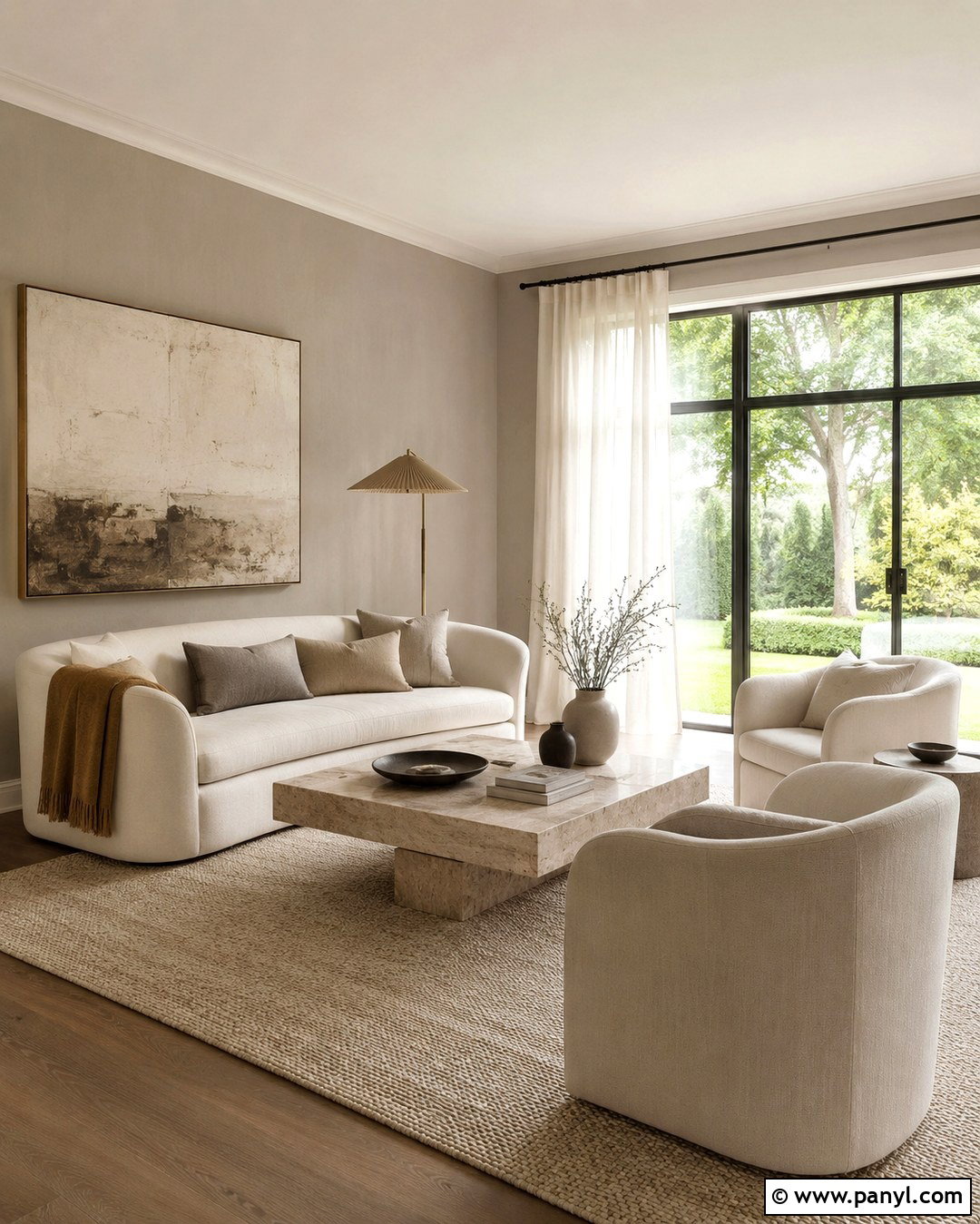
A tonal palette can make putty walls feel calm and luxurious when it includes enough variation in texture. Cover the walls in a balanced beige-putty color, then arrange a cream boucle sofa and two ivory linen chairs around a travertine coffee table. Layer a thick wool rug over pale wood flooring for softness underfoot. Use darker taupe pillows and a caramel throw to prevent the furniture from disappearing into the background. Full-length warm white curtains will brighten the edges of the room. Add an aged brass floor lamp, ribbed ceramic vases, and one oversized abstract canvas in cream, putty, and brown. The completed space feels serene and sophisticated because contrast comes from materials, shapes, and subtle tonal changes.
8. Putty Walls With Dark Walnut
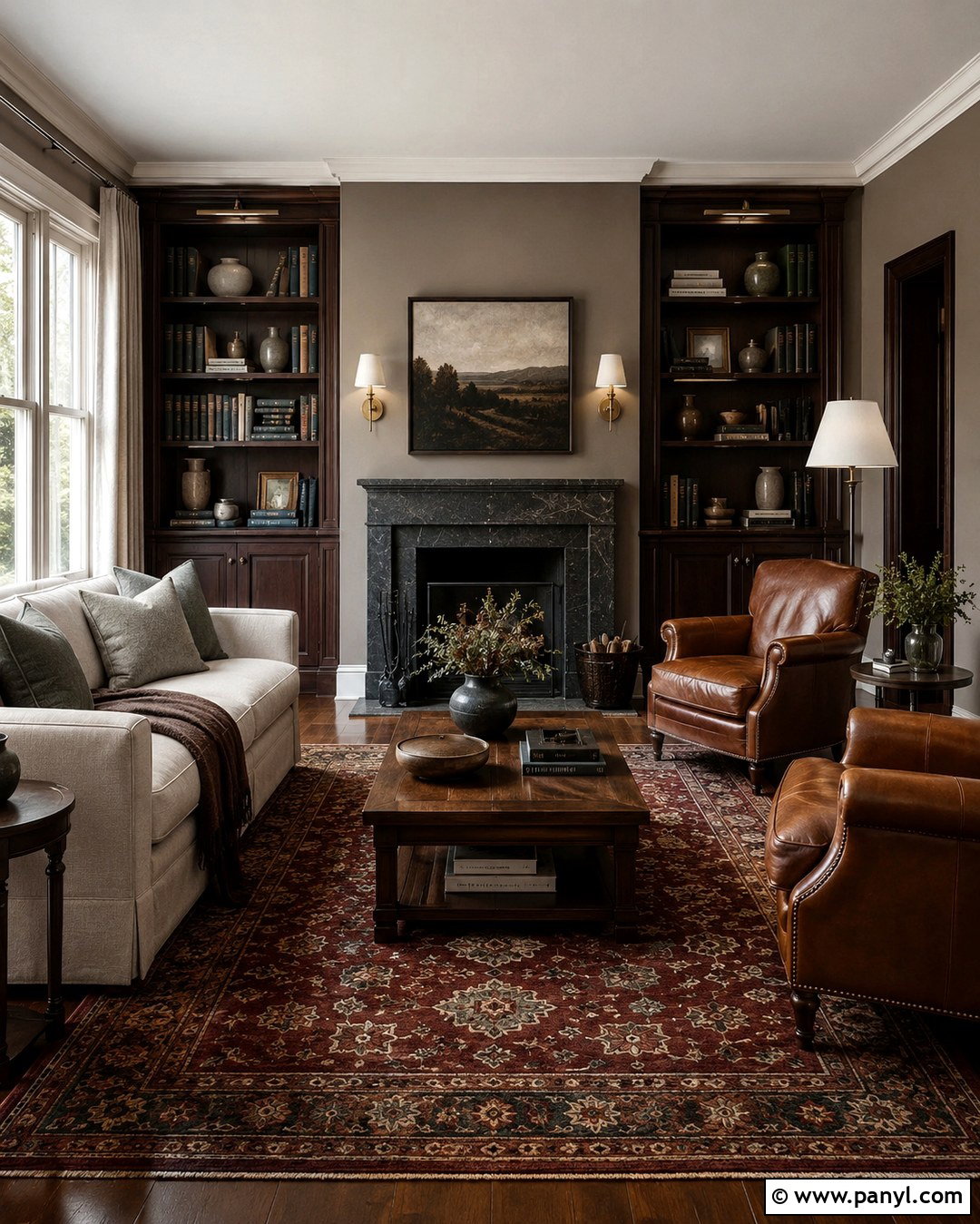
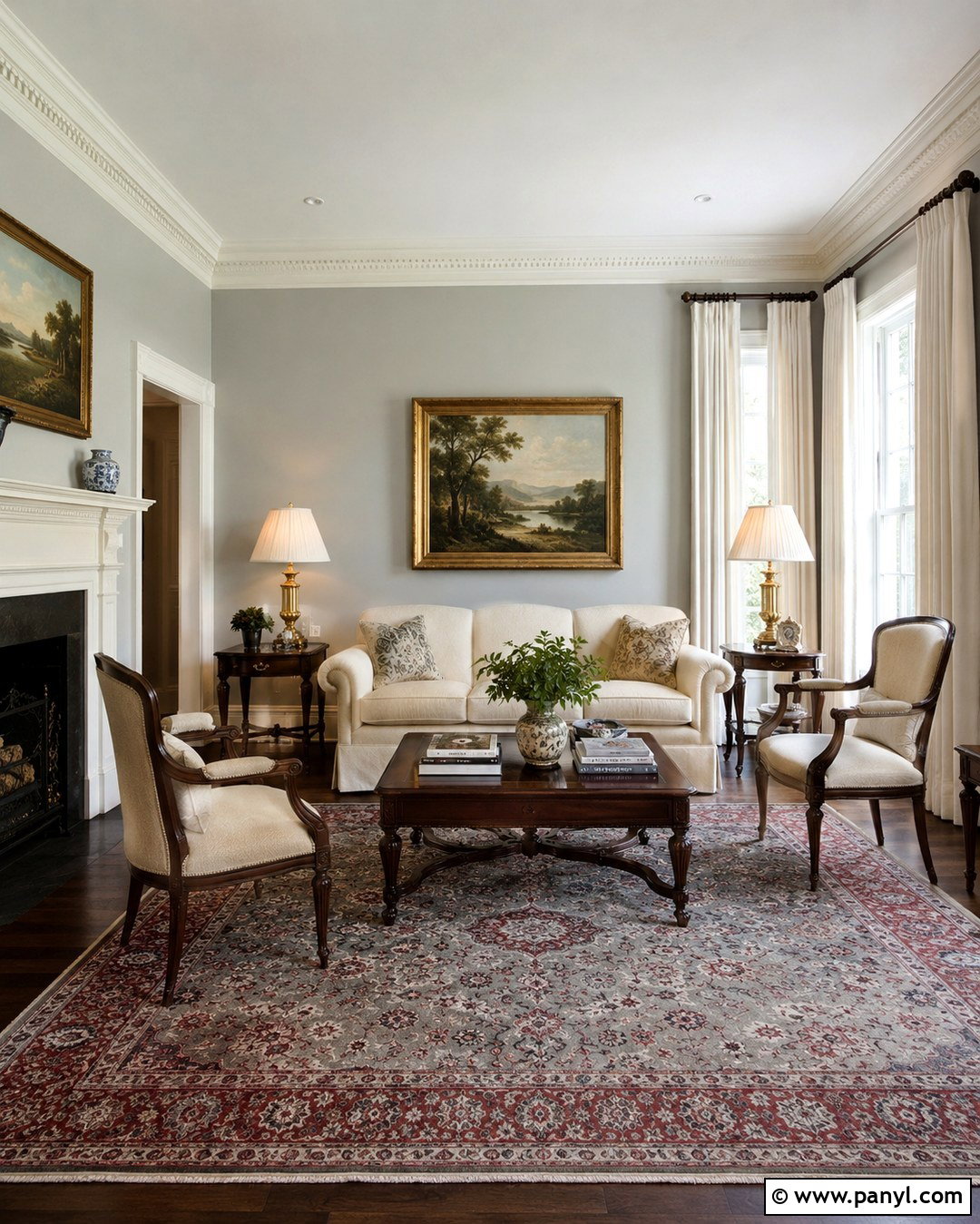
Imagine walking into a library-like living room where warm walls and dark wood create instant comfort. Choose a midtone putty paint with a slightly brown undertone, then introduce dark walnut through built-in shelves, a console, and a substantial coffee table. An oatmeal sofa and cognac leather armchairs will lighten the furniture arrangement while supporting the warm palette. Use an antique-style rug containing faded burgundy, olive, tan, and charcoal. Cream curtains and warm white trim provide necessary brightness around the room’s edges. Display books, framed art, and neutral pottery with plenty of open space between objects. Antique brass sconces complete the look, producing a refined room that feels established, welcoming, and thoughtfully layered rather than dark.
9. Putty Walls With White Oak Kitchen Cabinets
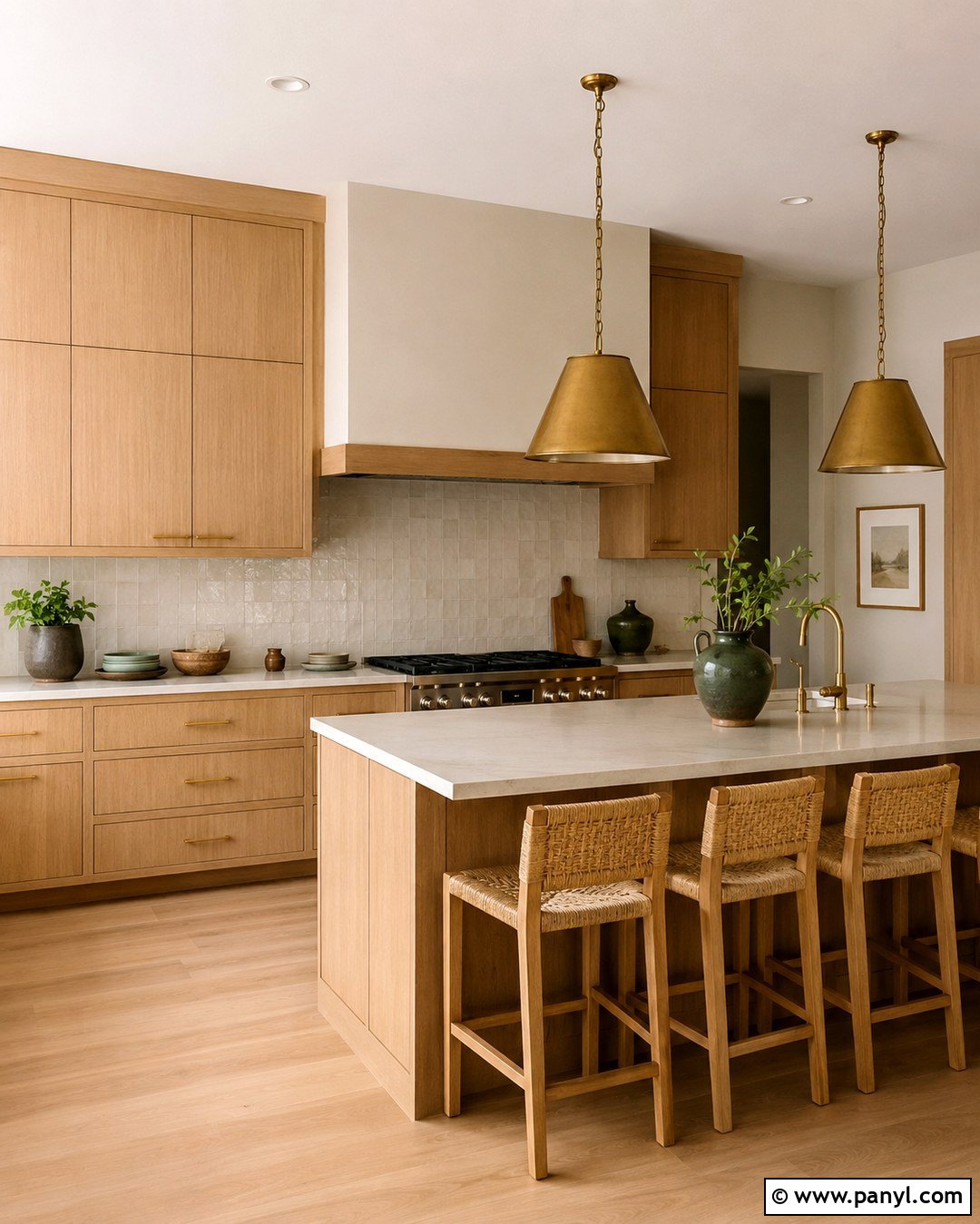
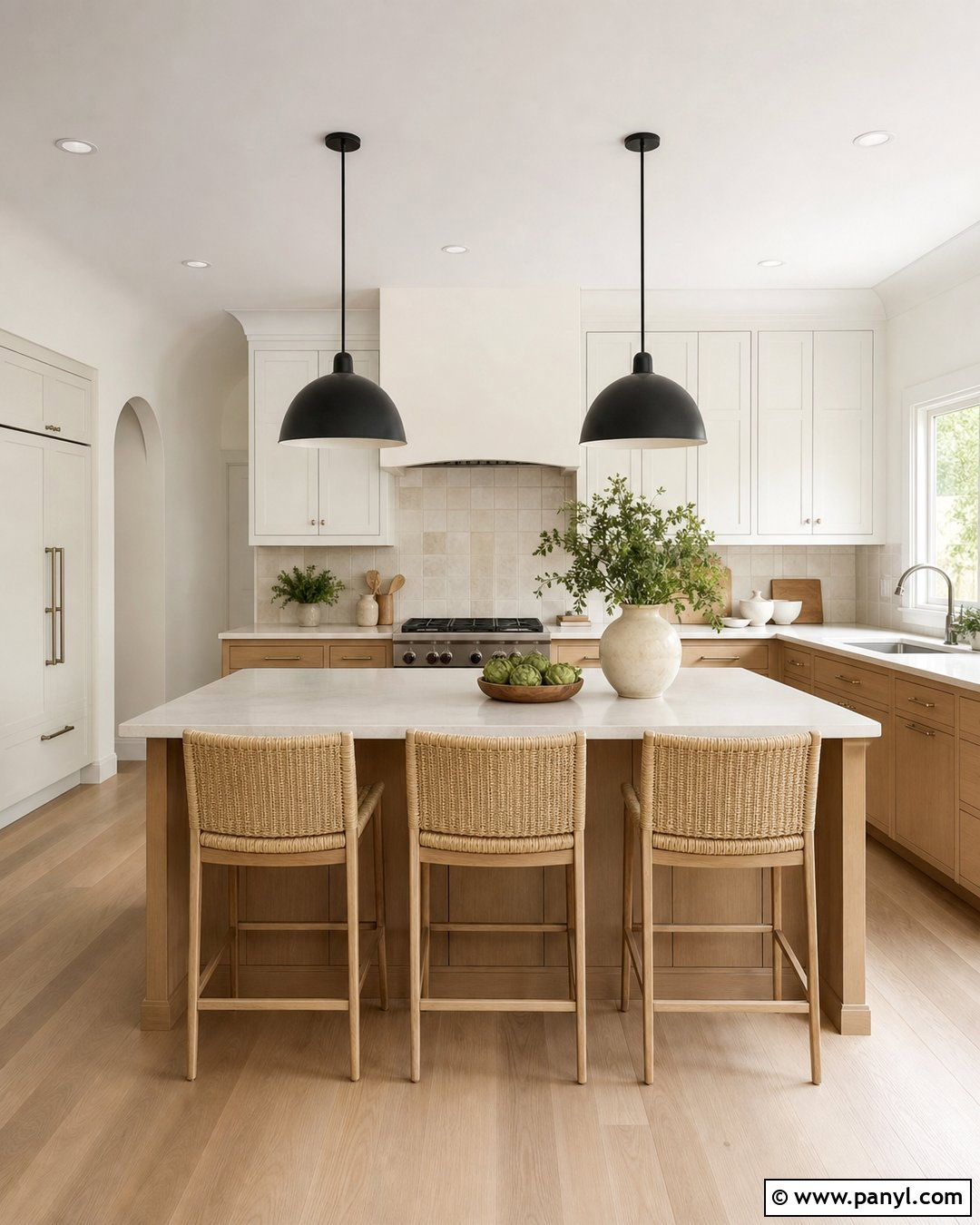
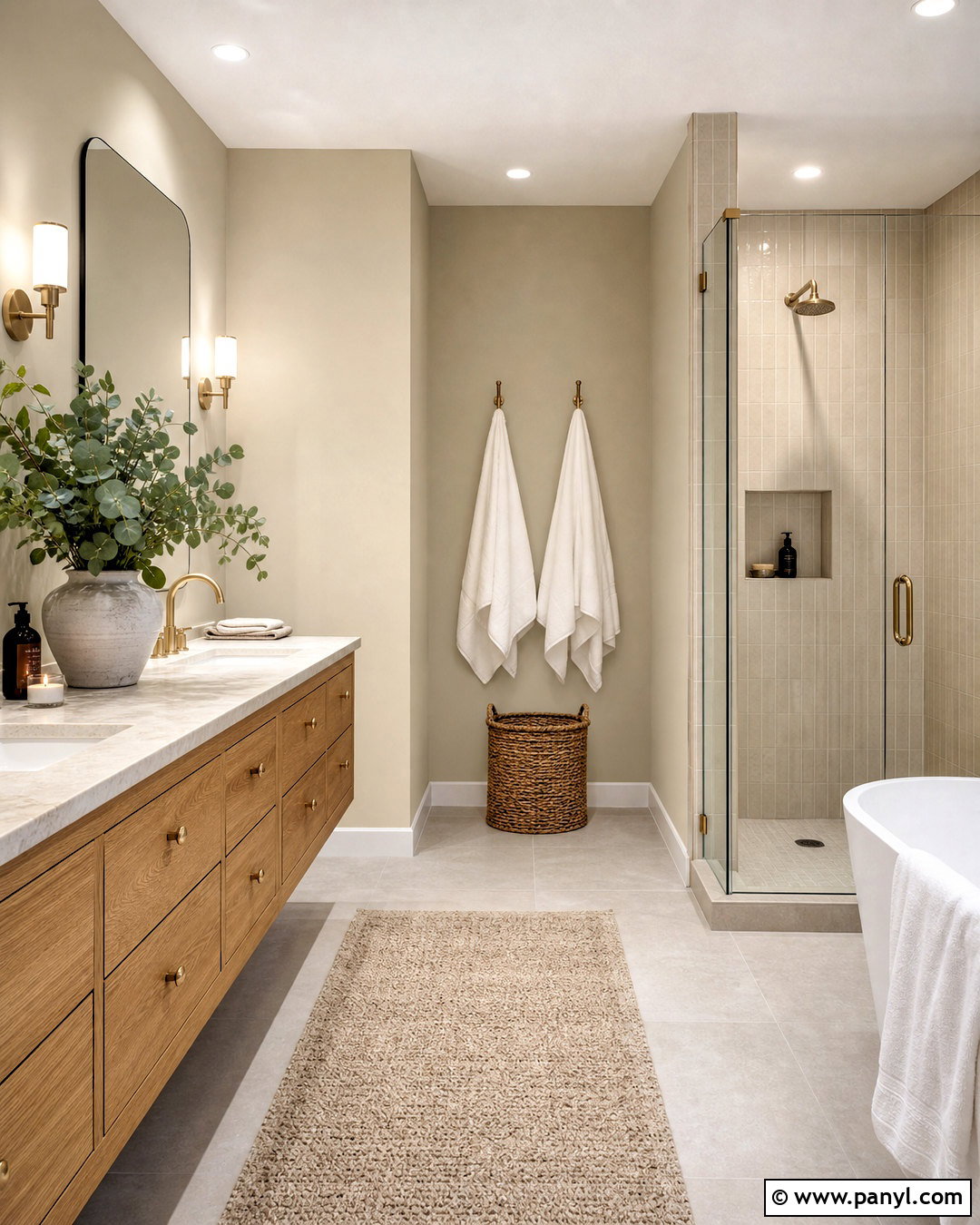
Putty walls can soften a white oak kitchen while allowing the cabinetry’s grain to remain the main feature. Use a pale, understated putty color around flat-panel white oak cabinets and a warm white ceiling. Select creamy quartz countertops with quiet veining and a handmade off-white tile backsplash. Brushed brass pulls and pendant lights will echo the wood’s golden warmth. For the floor, choose medium oak or limestone-look porcelain that is slightly darker than the cabinets. Add woven counter stools, a simple runner, and a few ceramic accessories in cream and muted green. Keep appliances integrated or stainless steel. The resulting kitchen feels bright and natural, with every finish sharing a warm undertone without becoming uniformly beige.
10. Putty Walls With Greige Kitchen Cabinets
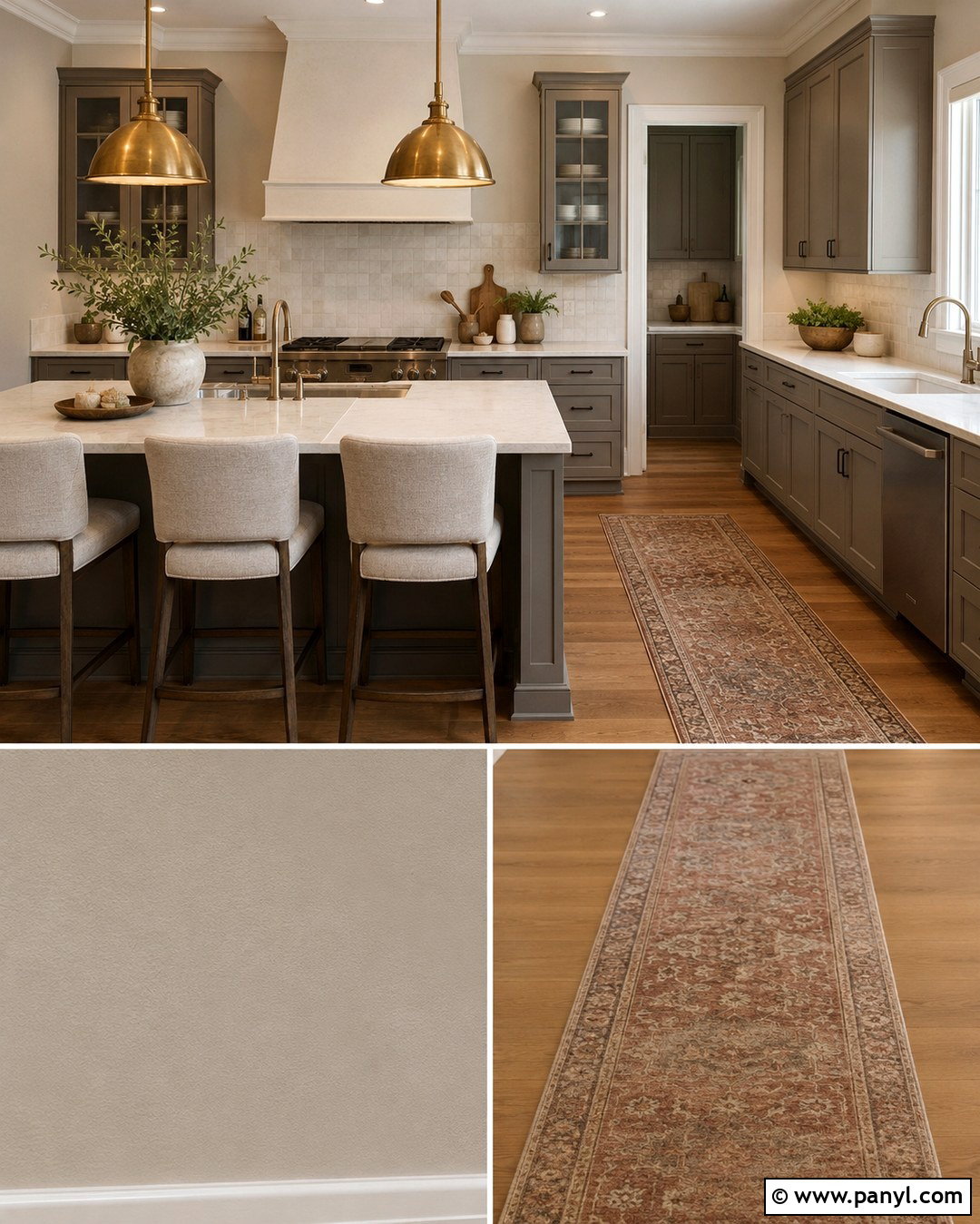
For a layered neutral kitchen, combine light putty walls with deeper greige cabinetry. The cabinet color should be several shades darker than the walls so the difference looks intentional in changing light. Use warm white quartz countertops, a softly textured zellige-style backsplash, and medium oak flooring to connect the two neutrals. Matte black hardware provides definition, while brushed brass pendants add a warmer decorative note above the island. Choose counter stools with natural wood frames and oatmeal upholstery. A vintage-inspired runner containing taupe, rust, and charcoal will introduce subtle pattern. Finish with warm white ceiling paint and minimal stoneware accessories. This complete palette gives the kitchen depth and character without relying on bold cabinet colors or dramatic contrast.
11. Putty Walls In A Small Living Room
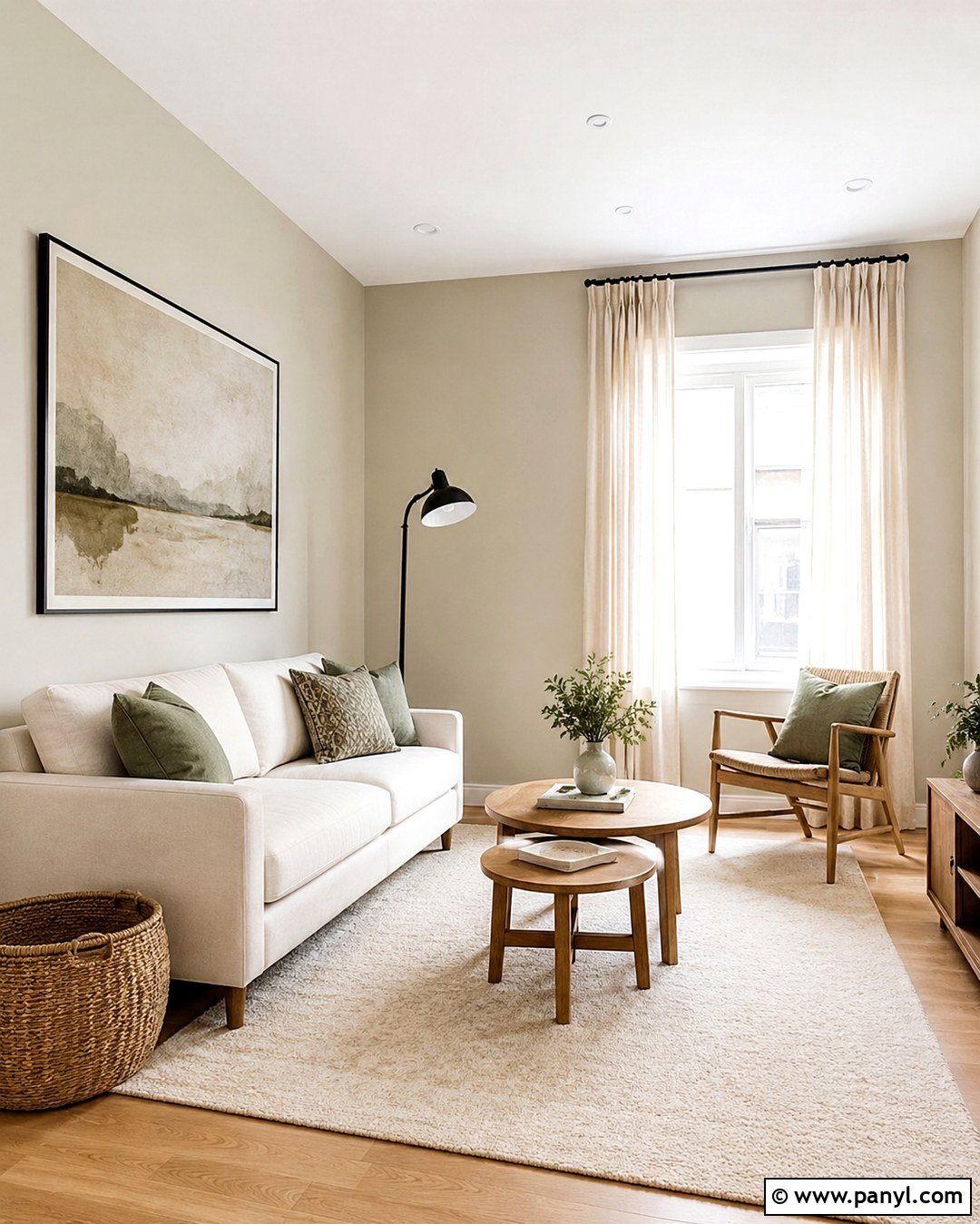
In a compact living room, pale putty walls can provide warmth without visually closing in the space. Paint the walls, trim, and door in closely related tones, using a slightly brighter warm white on the ceiling. Select a compact cream sofa with raised legs, one light oak chair, and nesting tables instead of bulky furniture. A large ivory rug will unify the floor and make the seating arrangement appear wider. Hang linen curtains beyond the window frame to reveal as much glass as possible. Use one substantial artwork rather than several small pieces that could make the walls feel busy. Add a slim black floor lamp, a woven basket, and muted green pillows for contrast while maintaining an open, uncluttered layout.
12. Putty Walls In A Cozy Bedroom
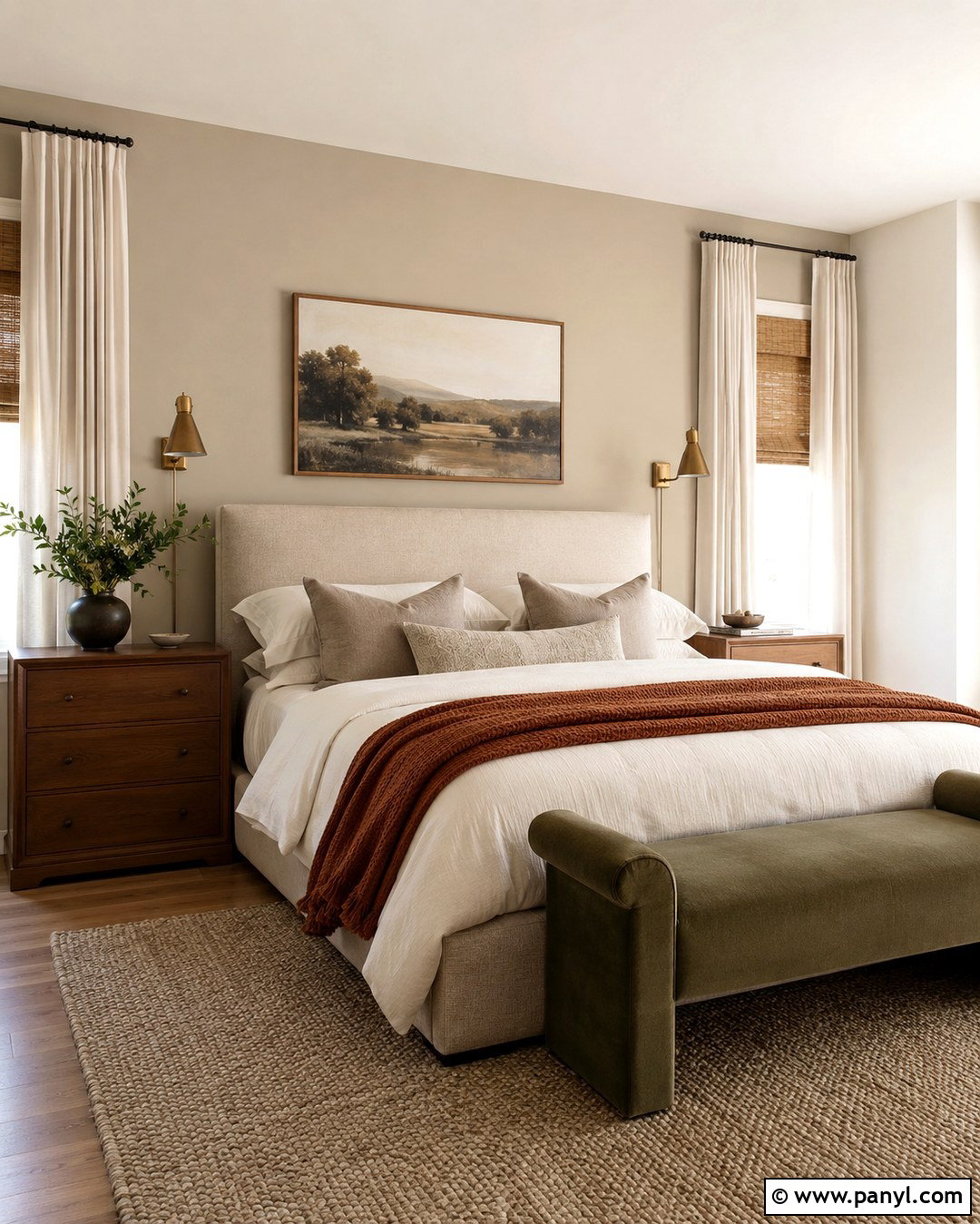
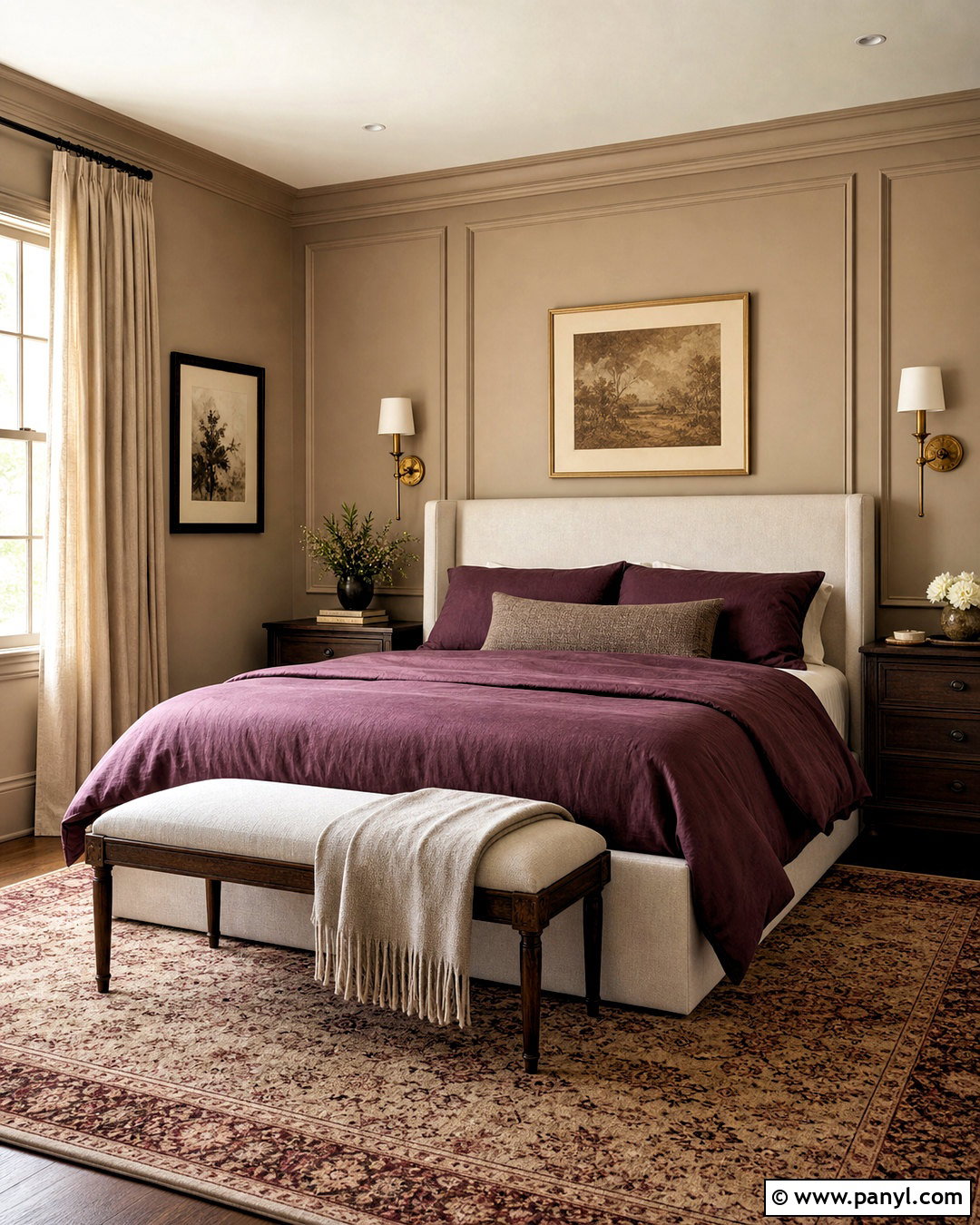
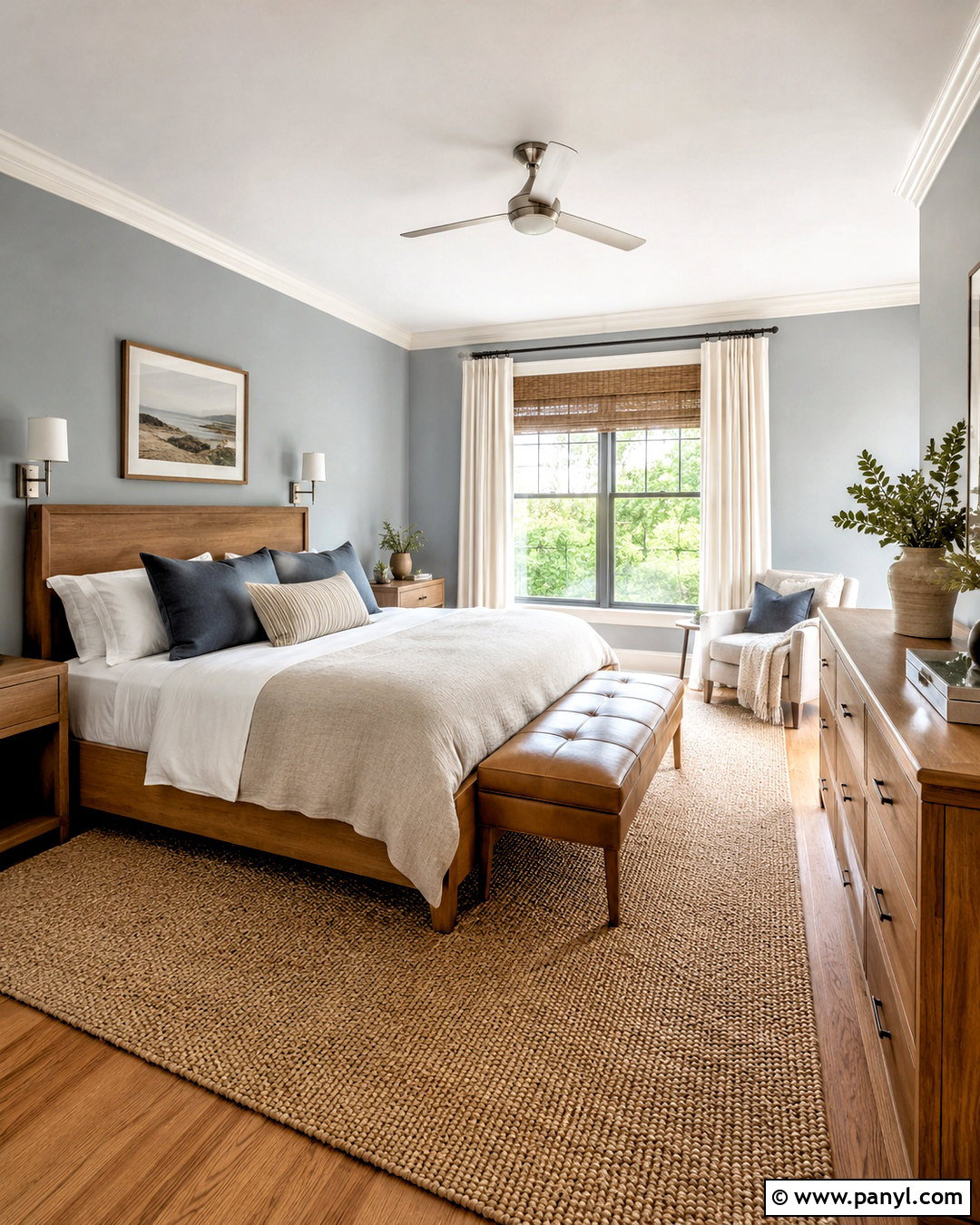
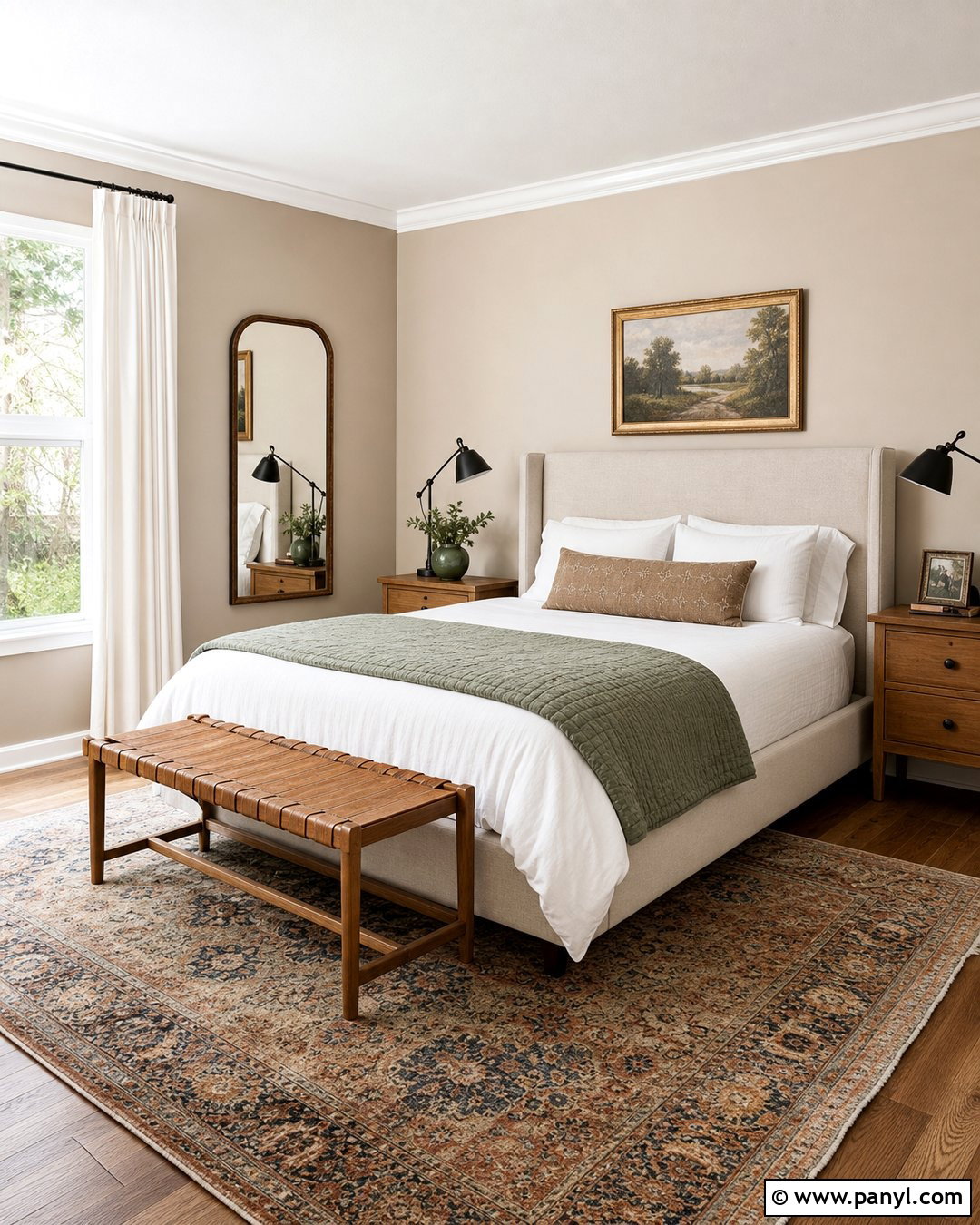
Soft putty walls create a restful bedroom when paired with warm textiles and simple furniture. Place a natural linen upholstered bed against the main wall and layer it with ivory bedding, taupe pillows, and a muted rust throw. Medium oak nightstands will add warmth without becoming too dark. Ground the room with a large wool rug in oatmeal or faded beige. Hang full-length cream curtains behind woven shades for privacy and softness. Aged brass sconces free the nightstands from bulky lamps while creating balanced symmetry. Add one landscape painting above the bed and a small olive-green bench at its foot. The entire bedroom feels cozy and finished, yet the restrained colors keep the atmosphere light enough for everyday comfort.
13. Putty Walls In A Dining Room
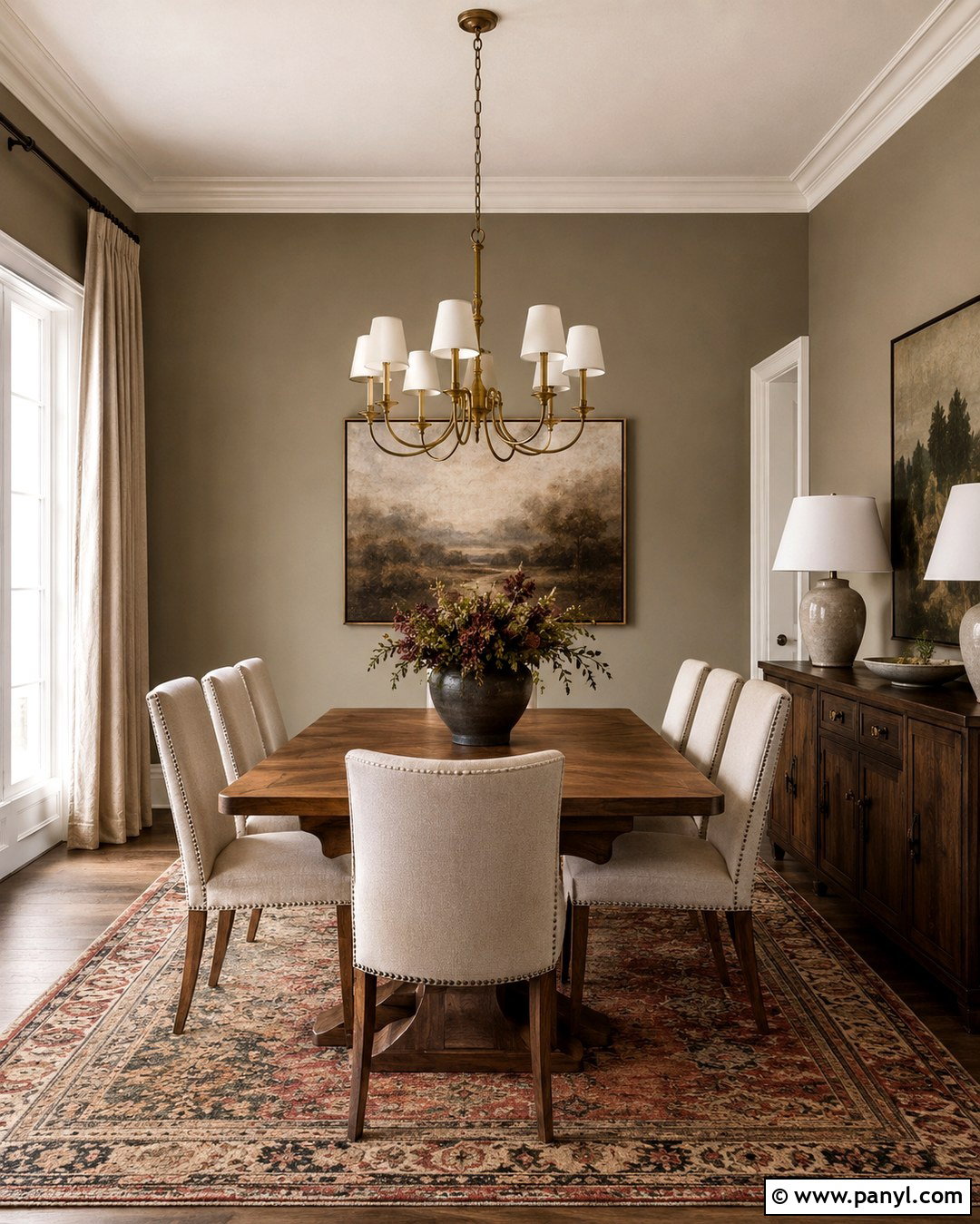
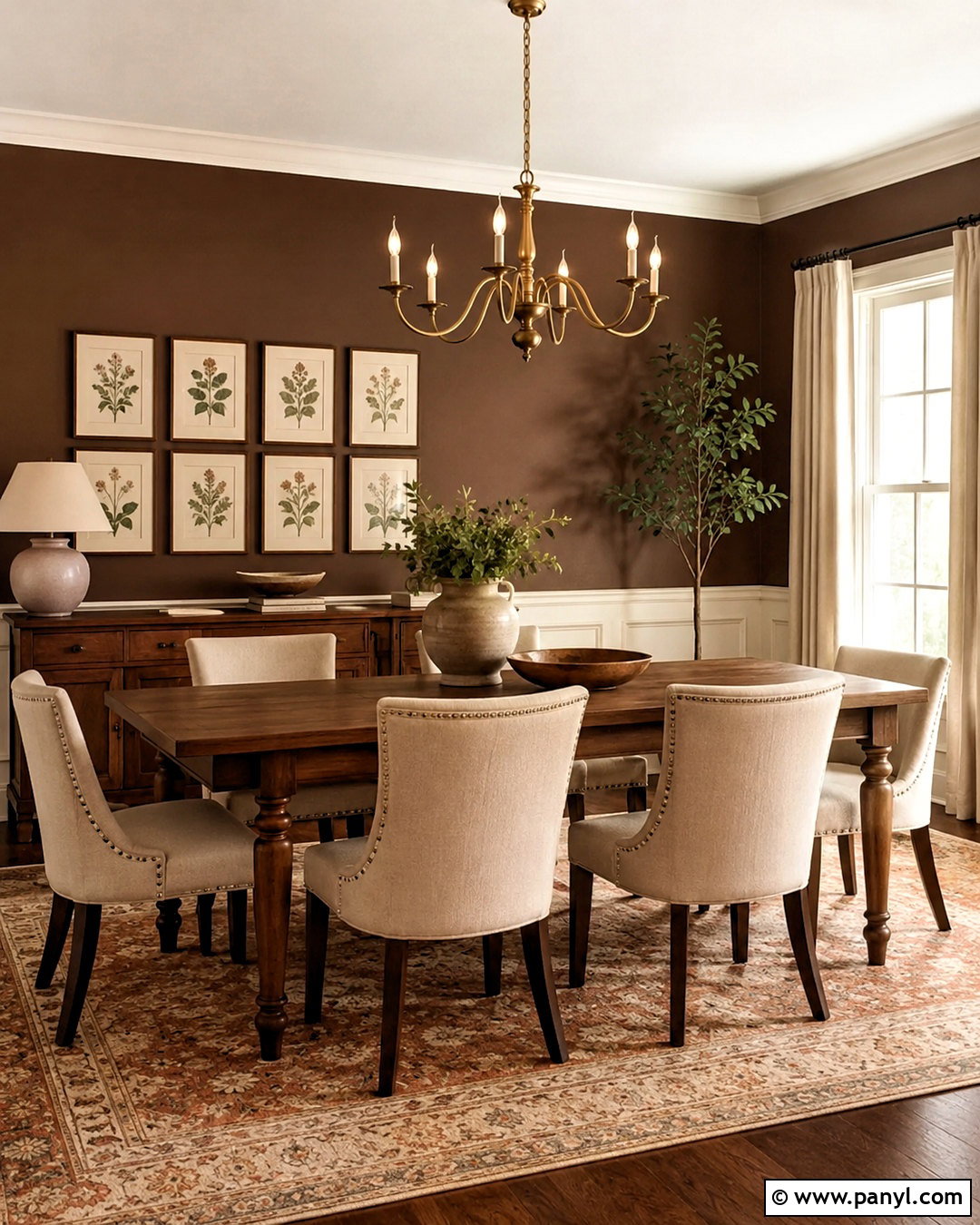
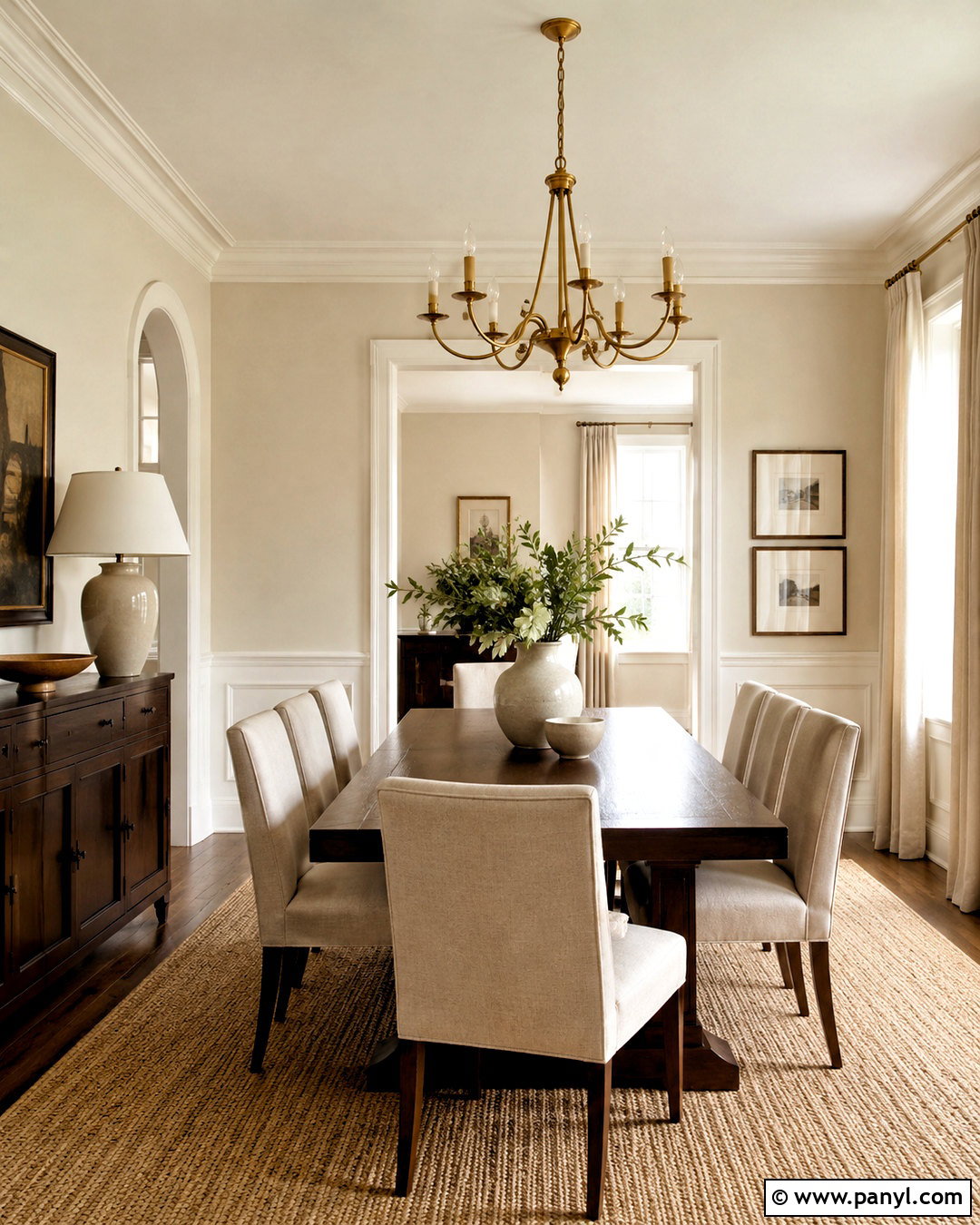
A dining room wrapped in deeper putty paint can feel intimate without requiring a dramatic dark color. Choose a rich khaki-putty tone for the walls and pair it with warm white crown molding and ceiling paint. Center a medium walnut dining table beneath an aged brass chandelier, then surround it with cream upholstered chairs or woven rush seats. A vintage rug containing muted red, olive, beige, and charcoal will add history and pattern. Dress the windows with natural linen curtains and place a dark wood sideboard along the longest wall. Complete the arrangement with oversized artwork, ceramic lamps, and a simple bowl centerpiece. This cohesive design works for casual meals and special gatherings while remaining practical, relaxed, and welcoming.
14. Putty Walls In A Home Office
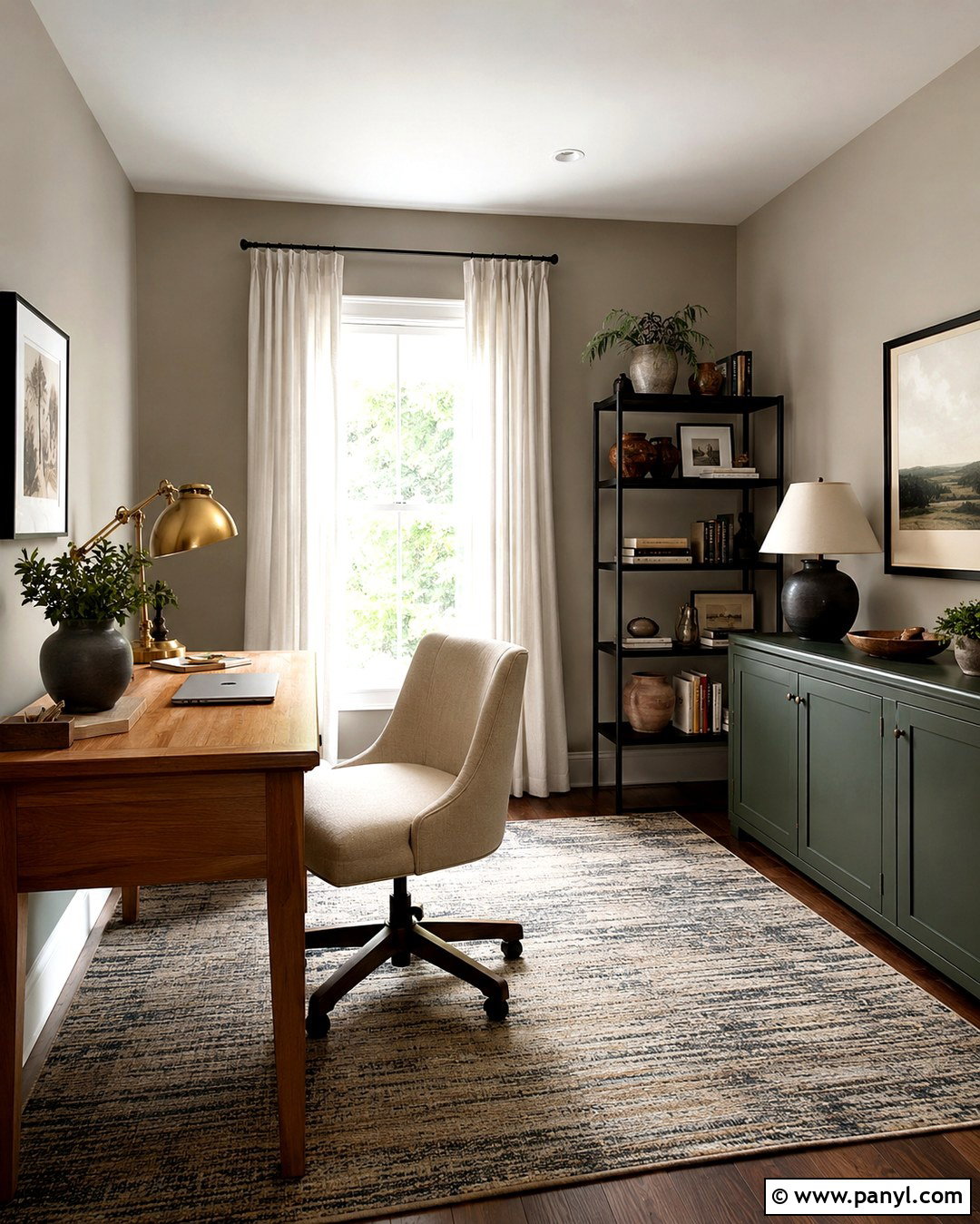
Would your workspace feel calmer with fewer sharp color contrasts? Paint the home office in a balanced putty shade and add a built-in desk or freestanding writing table in medium oak. Position the desk near the window, using an oatmeal upholstered chair that is comfortable but visually light. A flat-weave rug in beige and charcoal will define the work area. Install warm white curtains, black metal shelving, and a focused brass desk lamp. Use closed storage for paperwork, leaving open shelves for books, pottery, and one or two framed pieces. A muted forest-green cabinet can introduce controlled color. The complete office feels organized and professional, while the soft wall color provides a comfortable background for working, reading, or video calls.
15. Putty Walls In An Entryway
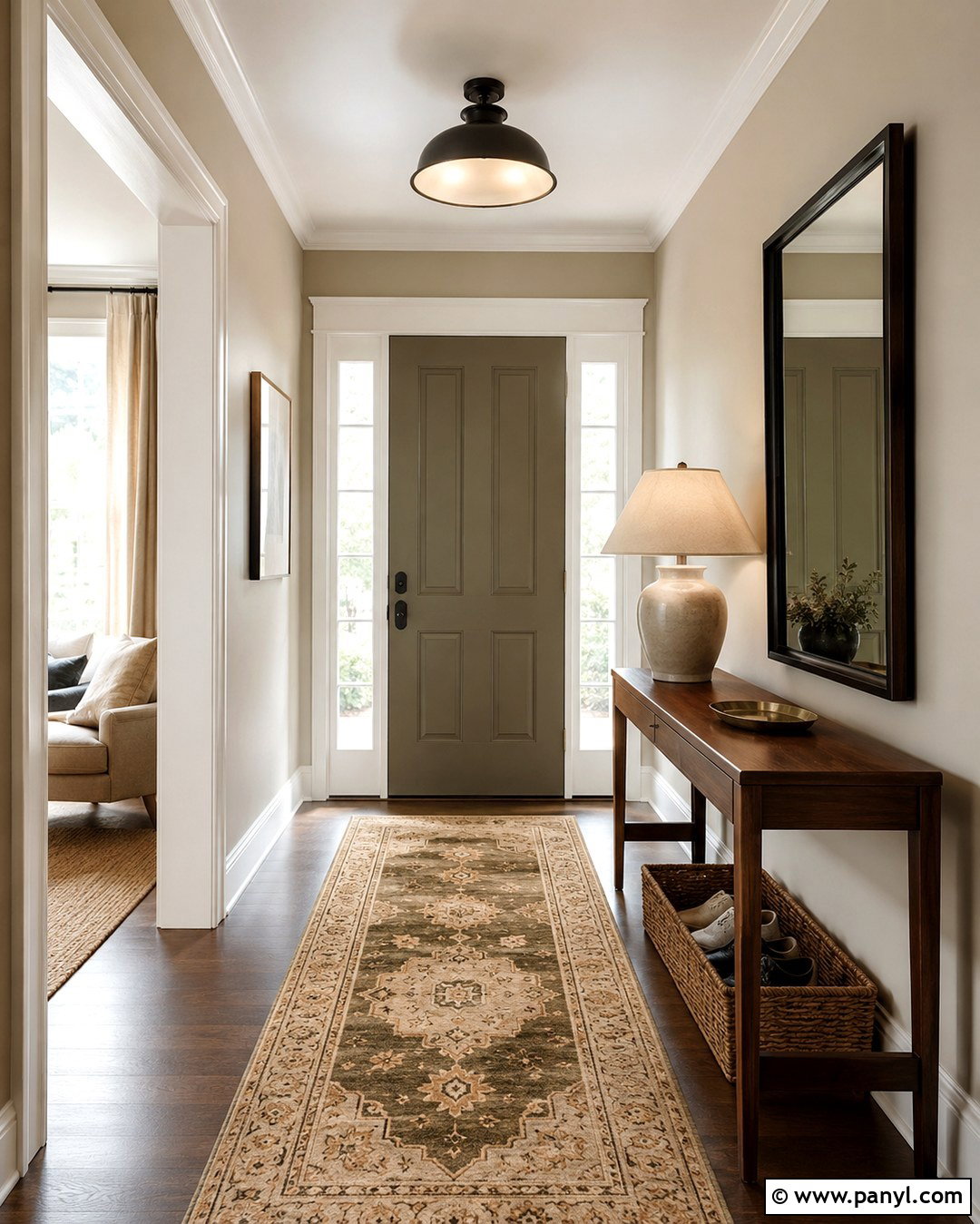
Set a welcoming tone by using warm putty walls throughout the entryway and connecting hallway. A slim walnut console will stand out gently against the neutral background without creating harsh contrast. Place a large black-framed mirror above it to reflect light and visually widen the space. Choose a durable vintage-style runner containing beige, olive, rust, and charcoal. A dark bronze semi-flush ceiling light will provide practical illumination while supporting the warm palette. Add a woven basket for shoes, a small ceramic lamp, and a tray for everyday essentials. Paint the trim warm white and consider a muted olive front door on the interior side. The finished entry feels coordinated, functional, and inviting without becoming crowded with decorative accessories.
16. Putty Color Drenching
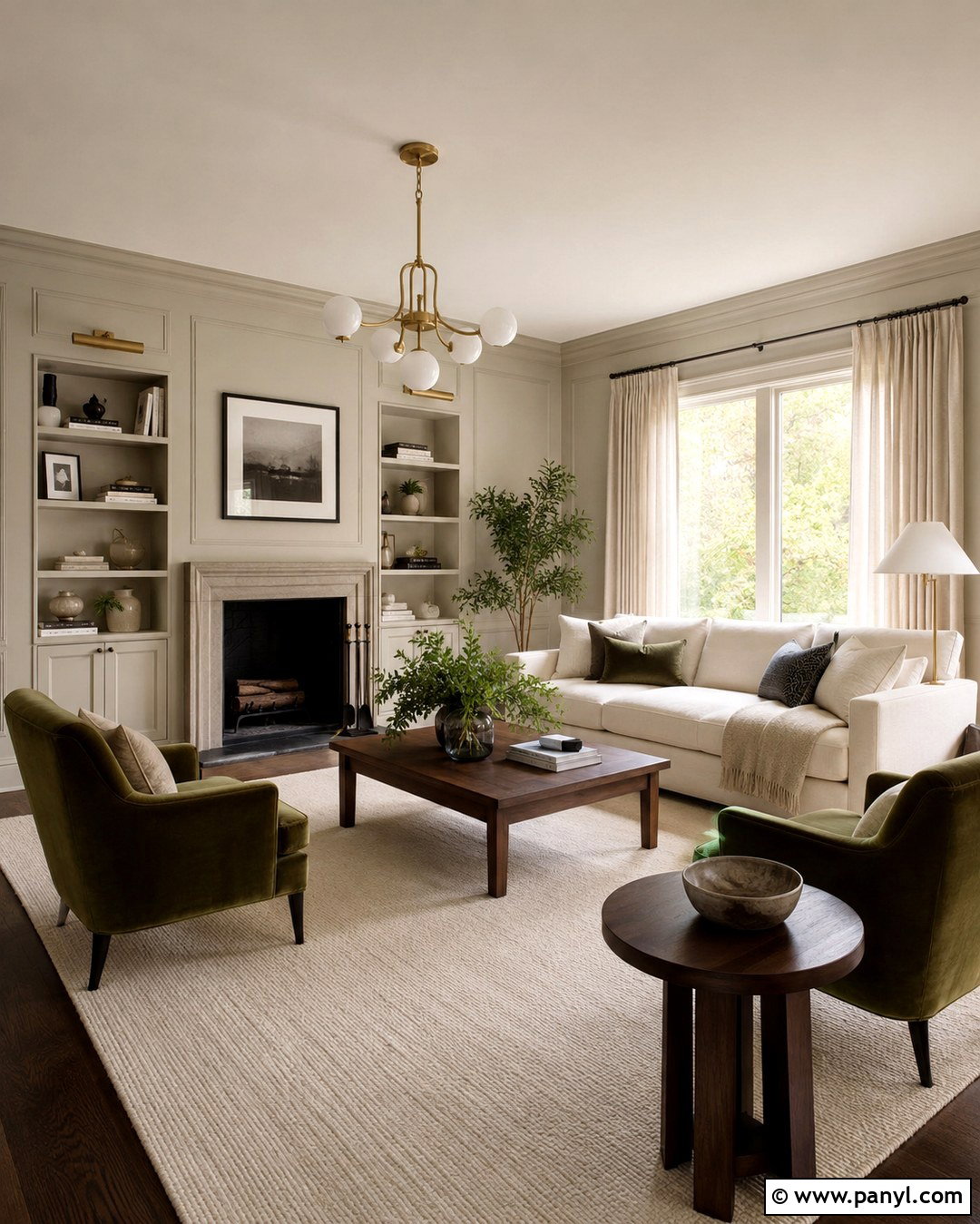
Color drenching creates an enveloping room by carrying one putty shade across the walls, trim, doors, built-ins, and ceiling. Select a medium-light putty color so the effect feels cozy rather than heavy. Vary the paint sheen instead of the hue: matte or flat on the ceiling, eggshell on the walls, and satin on woodwork. Furnish the living room with a cream sofa, dark walnut tables, and olive velvet chairs for clear but natural contrast. Use an ivory rug and tonal curtains to maintain the seamless background. Black-framed artwork and aged brass lighting will sharpen the finished scheme. This approach can also minimize awkward doorways or mismatched trim by allowing architectural elements to blend into one calm, continuous envelope.
17. Light Putty Walls With Airy Decor
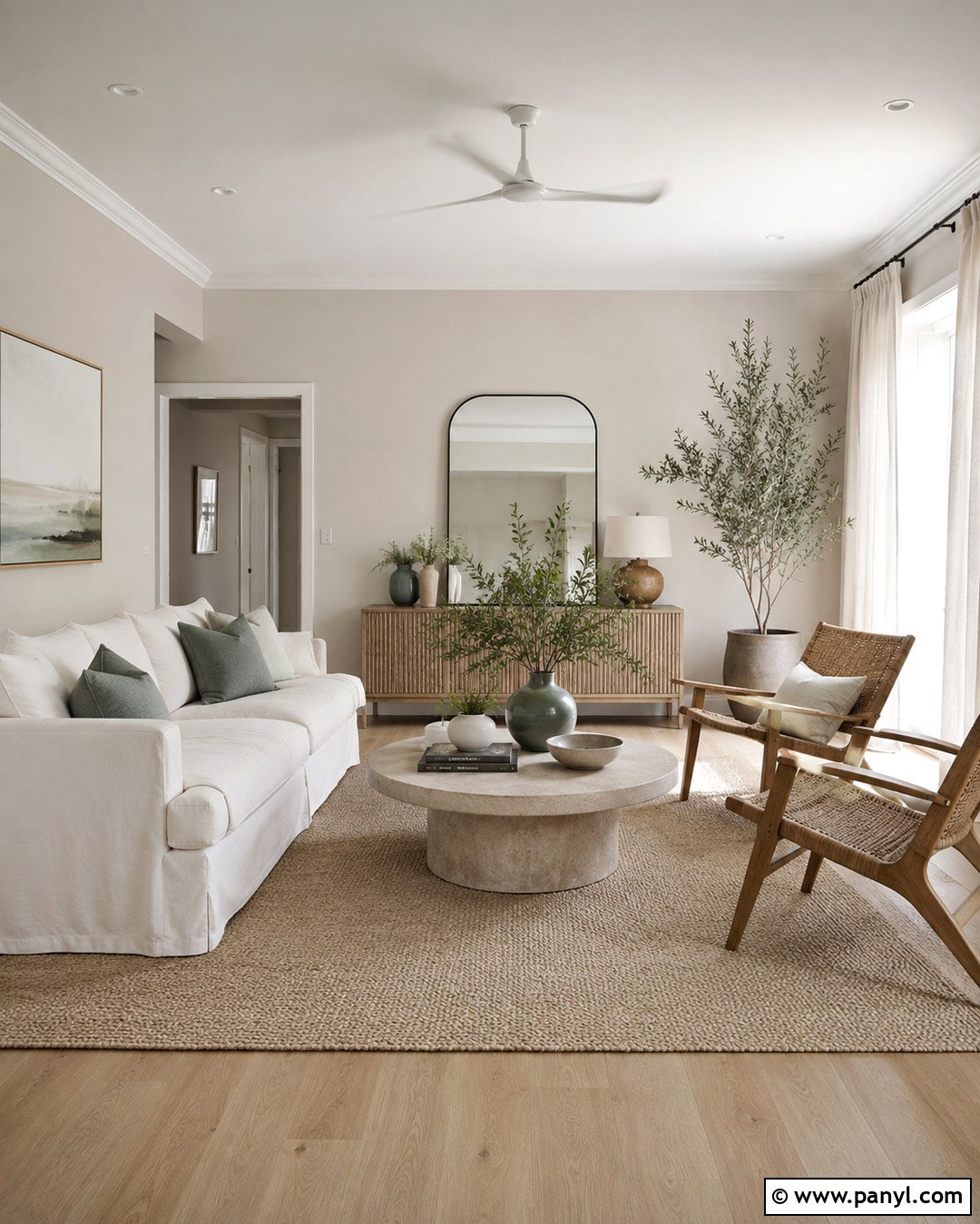
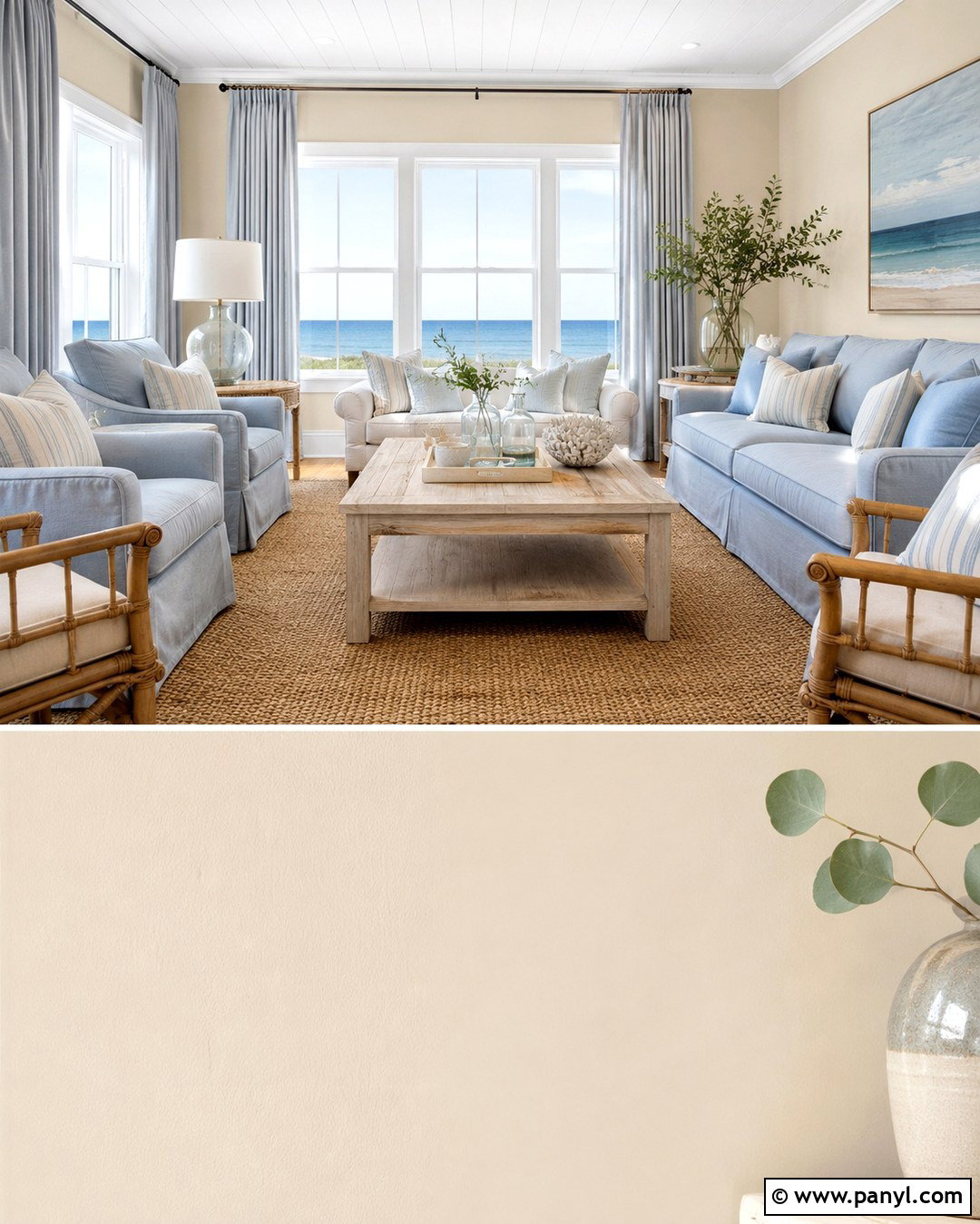
Light putty is an excellent alternative when bright white feels too stark but traditional beige seems too yellow. Build an airy living room with pale putty walls, a warm white ceiling, and light oak flooring. Choose a slipcovered ivory sofa, woven lounge chairs, and a rounded limestone coffee table. Keep curtains sheer but full, hanging them high to frame the windows. Pale blue-gray pillows and muted green ceramics will add quiet color without changing the neutral mood. Use a large natural-fiber rug to give the seating arrangement definition. Because neutrals can shift between walls and throughout the day, test large samples in several locations before committing. () The finished room should feel warm, bright, and gently layered.
18. Dark Putty Walls With Light Upholstery
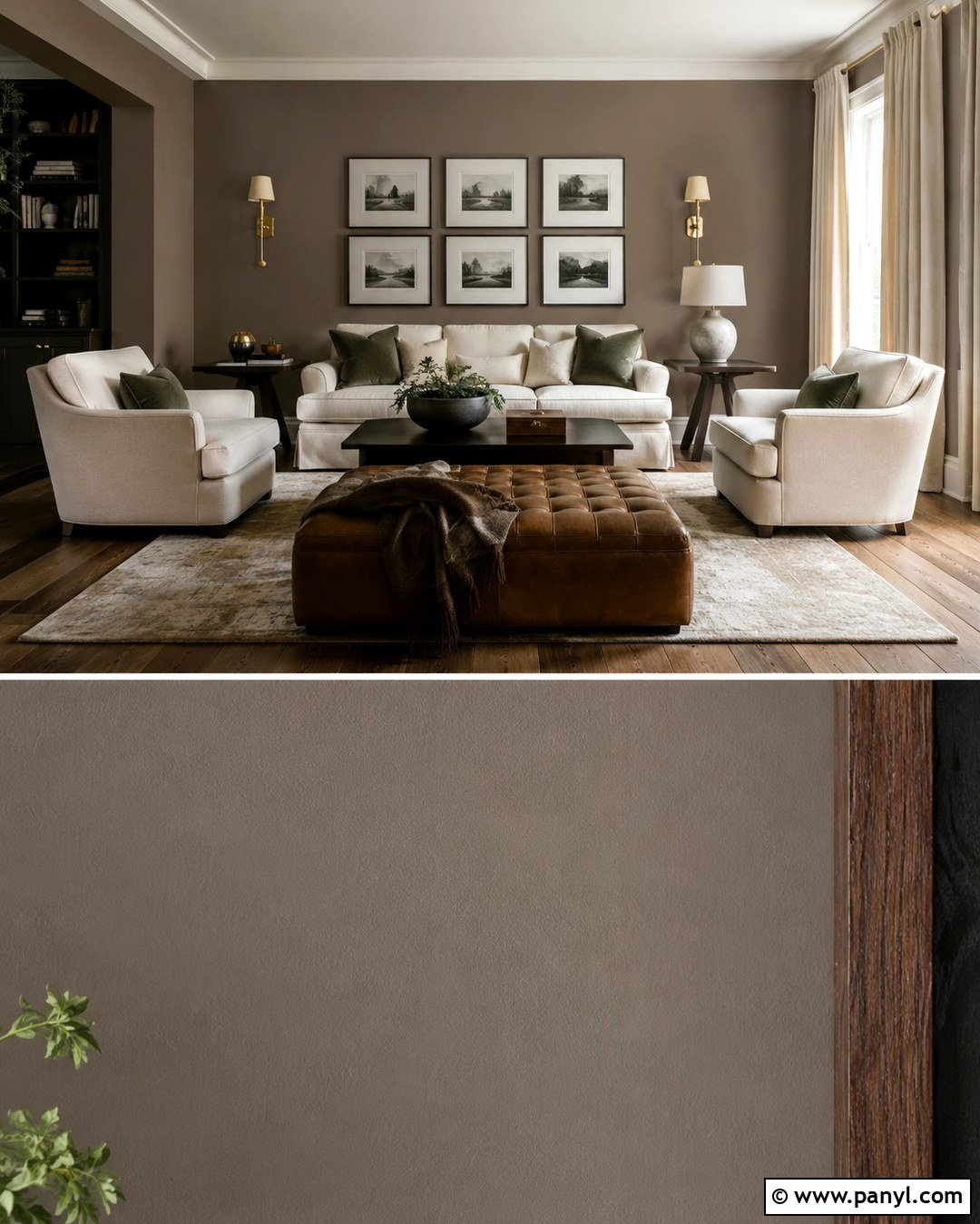
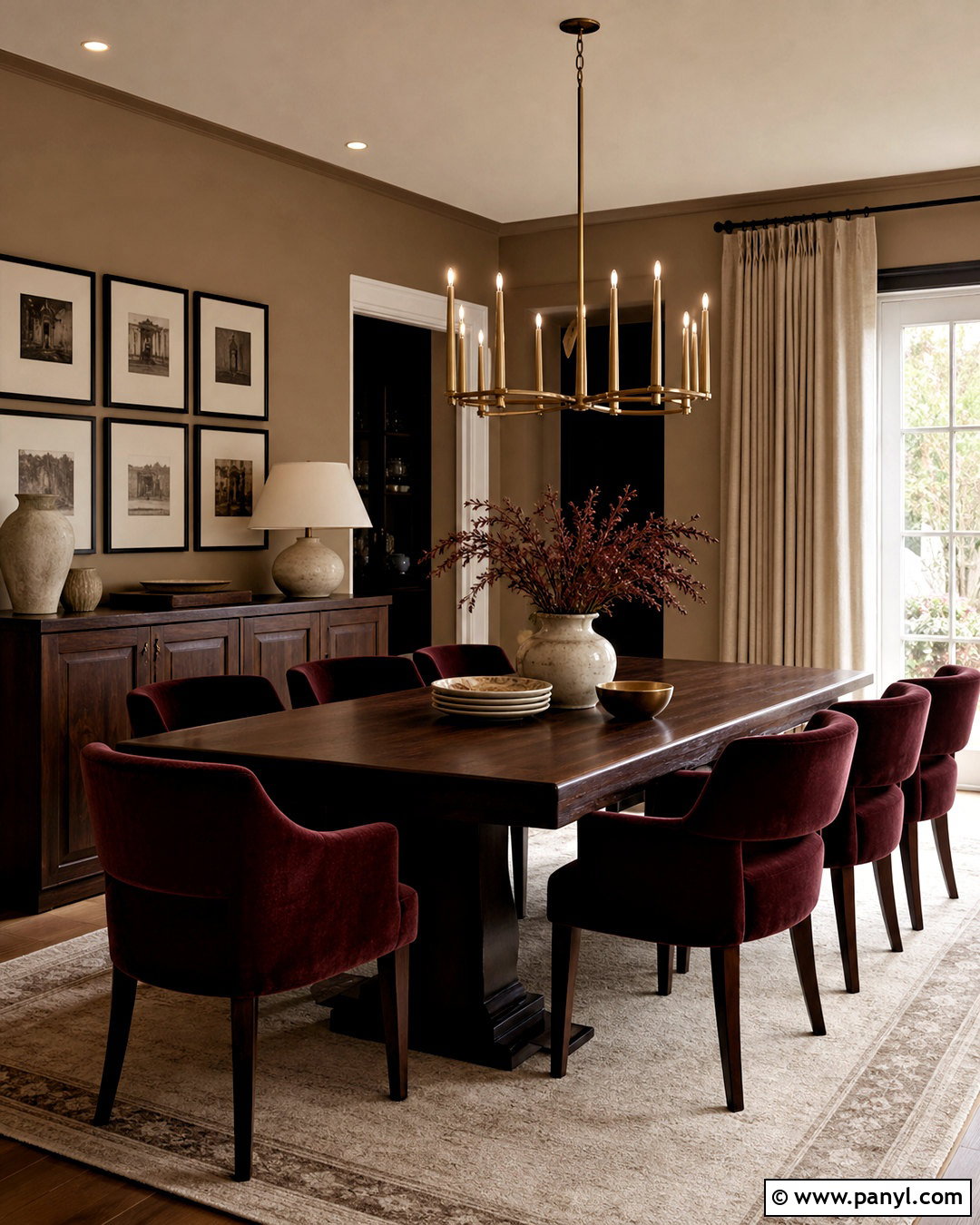
Deep putty walls bring sophistication to a den, bedroom, or formal living room with sufficient layered lighting. Choose a brown-based putty color and cover every wall while keeping the ceiling a soft warm white. Lighten the room with an ivory sofa, cream lounge chairs, and an oatmeal rug. Dark walnut furniture can blend with the walls, while polished or aged brass lighting reflects a warmer highlight. Use full-length cream curtains to create bright vertical areas around the windows. Add framed artwork with generous white mats, a caramel leather ottoman, and muted olive pillows. Include table lamps, floor lamps, and wall sconces instead of relying on one ceiling fixture. This complete design makes dark neutral walls feel intentional, comfortable, and richly dimensional.
19. Putty Walls With Brass Accents
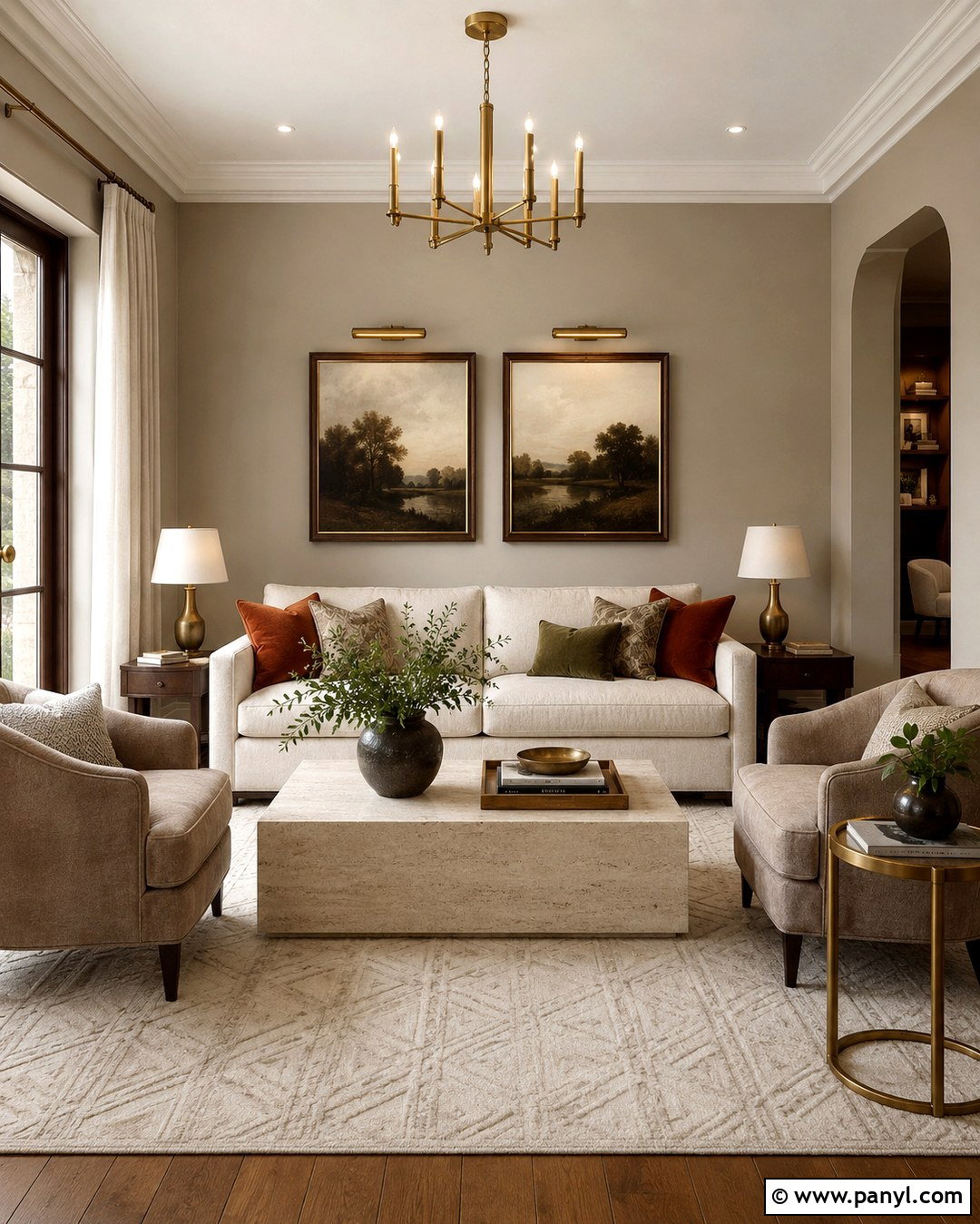
Brass adds a gentle glow to putty walls and helps a neutral room feel more refined. Start with a light khaki-putty paint, warm white trim, and medium oak flooring. Arrange a cream sofa with two taupe chairs around a glass or pale stone coffee table. Introduce aged brass through a chandelier, picture lights, cabinet hardware, and slender furniture legs. Keep the metal finish consistent but limited so it does not overwhelm the room. An ivory rug with a subtle geometric pattern will create softness, while rust and olive pillows provide earthy color. Add linen curtains, dark wood frames, and a few handmade ceramics. The final space feels elegant and warm, with metallic details functioning as highlights rather than the main decorative theme.
20. Putty Walls With A Stone Fireplace
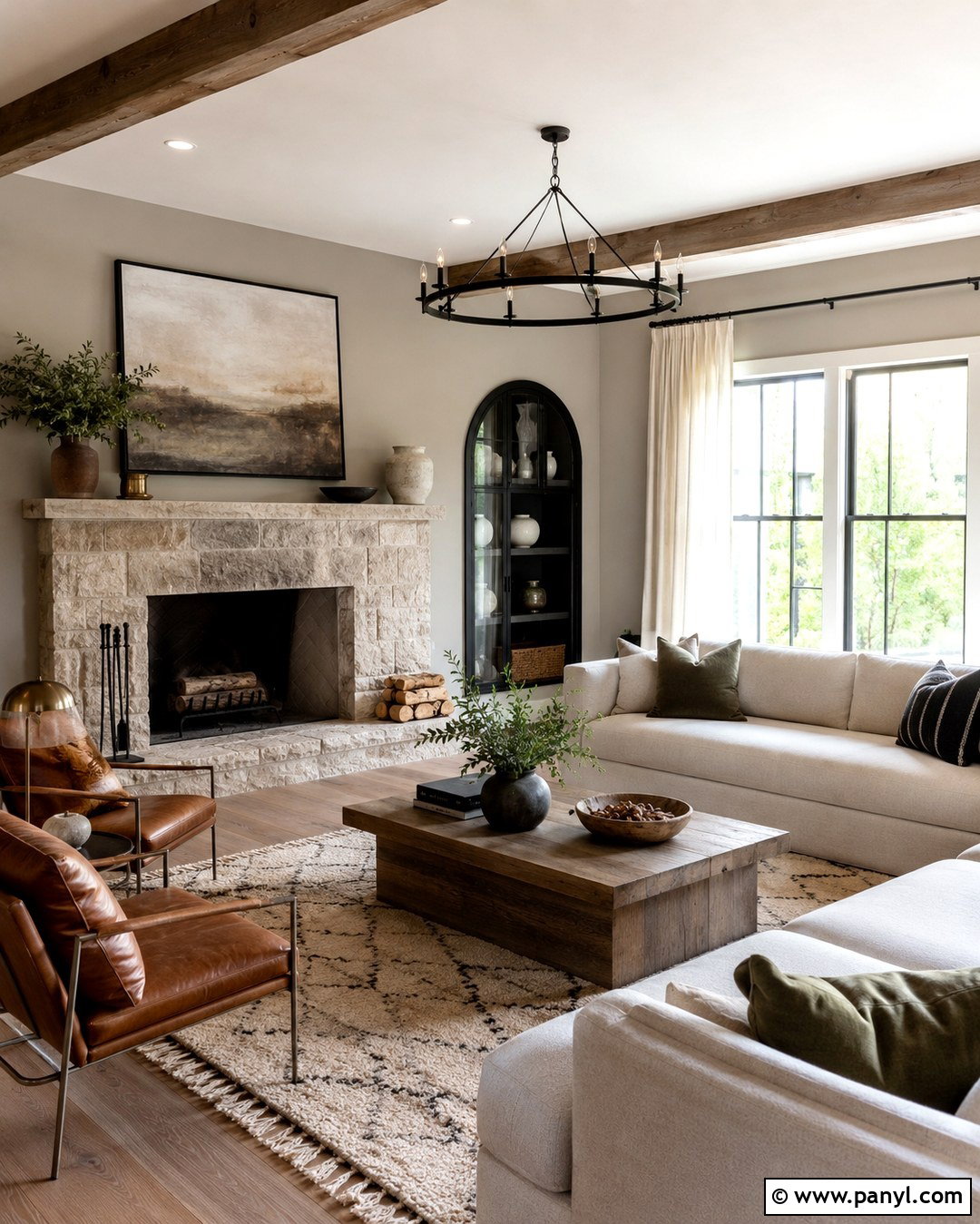
A stone fireplace becomes a natural focal point when its colors are echoed by putty walls. Choose a wall shade that matches one of the lighter beige-gray tones within the stone rather than copying its darkest color. Use warm white on the ceiling and trim to keep the room fresh. Arrange a cream sectional and two cognac leather chairs toward the fireplace, with a substantial oak coffee table in the center. A textured wool rug will soften the hard masonry and define the conversation area. Add olive pillows, linen curtains, black iron fireplace tools, and aged brass lamps. Keep the mantel simple with one large artwork and a few ceramic pieces. The coordinated materials create a comfortable room with strong architectural character.
Conclusion:
The best putty interiors combine wall color, furnishings, wood tones, textiles, lighting, and architectural finishes into one connected palette. Light putty can brighten a small room, while deeper versions create a cozy background for cream upholstery, walnut furniture, and layered lighting. Sage, navy, terracotta, black, and brass all provide useful contrast without overpowering this adaptable neutral. Before painting, compare large samples beside your flooring, cabinets, trim, and main furniture during both daylight and evening light. That simple step will reveal whether the shade leans beige, gray, green, or brown in your home. Use these 20 Putty Wall Color Ideas to build a complete room that feels warm, balanced, and personal.

Related Ideas and Inspiration:
Leave a Reply