
Choosing neutral room colors is not about settling for plain white or basic beige. Today’s best neutrals include warm creams, balanced greiges, earthy browns, softened greens, and quiet blue-grays. These shades create a flexible foundation while still giving each room a distinct mood. The secret is building a complete palette around the wall color. Flooring, furniture, trim, lighting, textiles, and natural materials should support its undertones. Always test large paint samples on several walls because daylight and artificial light can change how a neutral appears. Whether you want a bright living room, a restful bedroom, or a cozy dining space, these complete looks make decorating easier. Explore the following neutral room colors to find a balanced palette for every part of your home.

1. Warm White Neutral Living Room
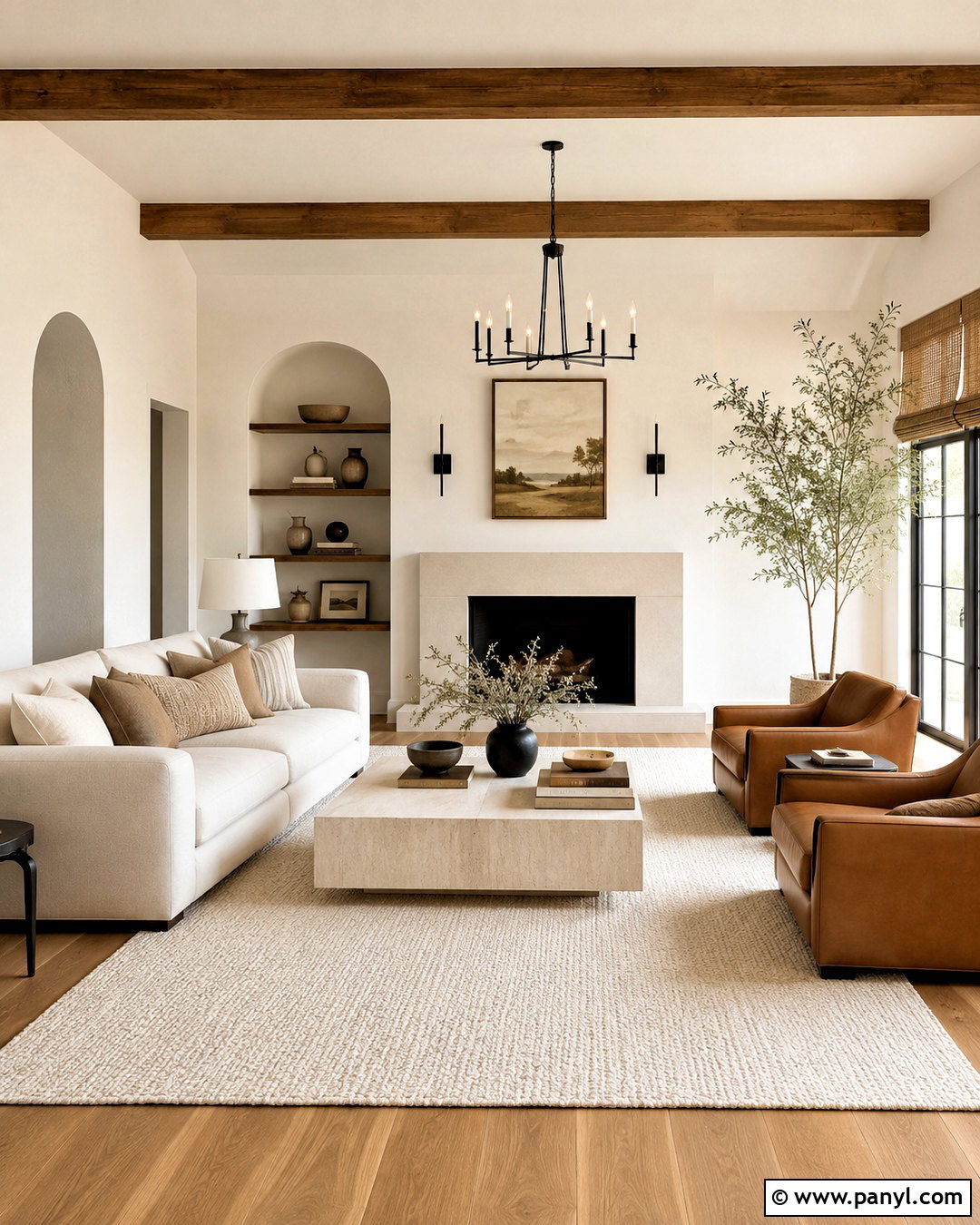
Warm white walls give a living room a clean appearance without the sharpness of brilliant white. Select a shade with subtle cream or beige undertones, then repeat that warmth through natural oak flooring and an oatmeal linen sofa. A large ivory wool rug will soften the floor and create a clear seating zone. Add two camel leather chairs, a pale stone coffee table, and woven window shades for gentle contrast. Use the same warm white on the trim and ceiling, but choose a slightly glossier finish to define the architectural details. Black metal lighting and small dark wood accents keep the scheme from looking washed out. Finish with textured pillows, simple pottery, and leafy branches instead of filling every surface.
2. Cream Neutral Bedroom
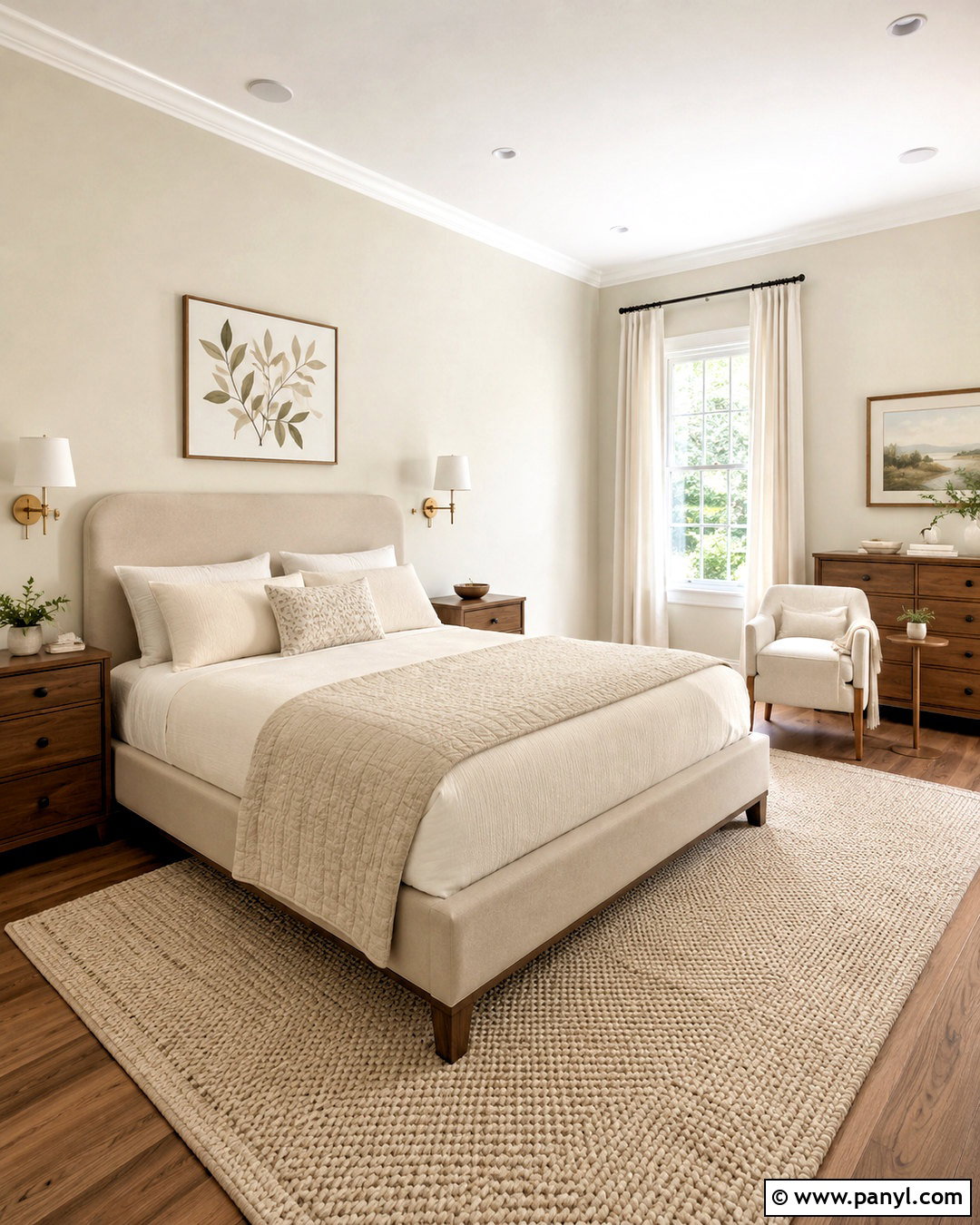
A creamy neutral bedroom feels soft, restful, and more welcoming than a room covered in stark white. Choose buttery cream walls with a muted undertone rather than an obviously yellow finish. An upholstered beige bed, ivory bedding, and a quilted taupe coverlet create comfortable layers without introducing busy color. Ground the room with medium-tone oak nightstands and a wide woven rug beneath the bed. Brushed brass sconces bring warmth, while off-white curtains filter sunlight and help the walls glow naturally. For contrast, add a walnut bench and two dark brown pillow covers. Keep the ceiling and trim a gentle white. Minimal botanical artwork, ceramic lamps, and one upholstered chair complete this relaxed bedroom without disturbing its calm, coordinated appearance.
3. Soft Beige Neutral Family Room
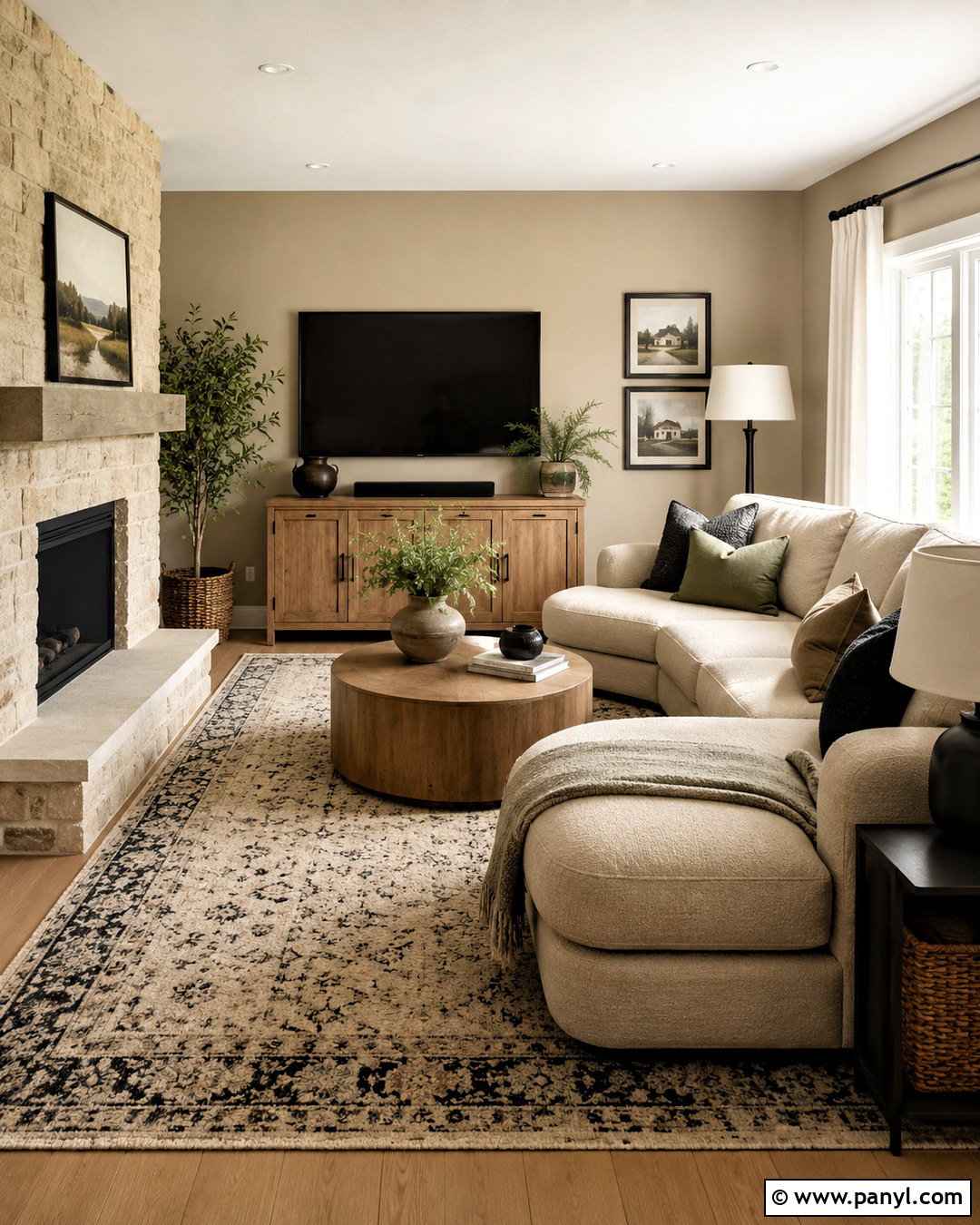
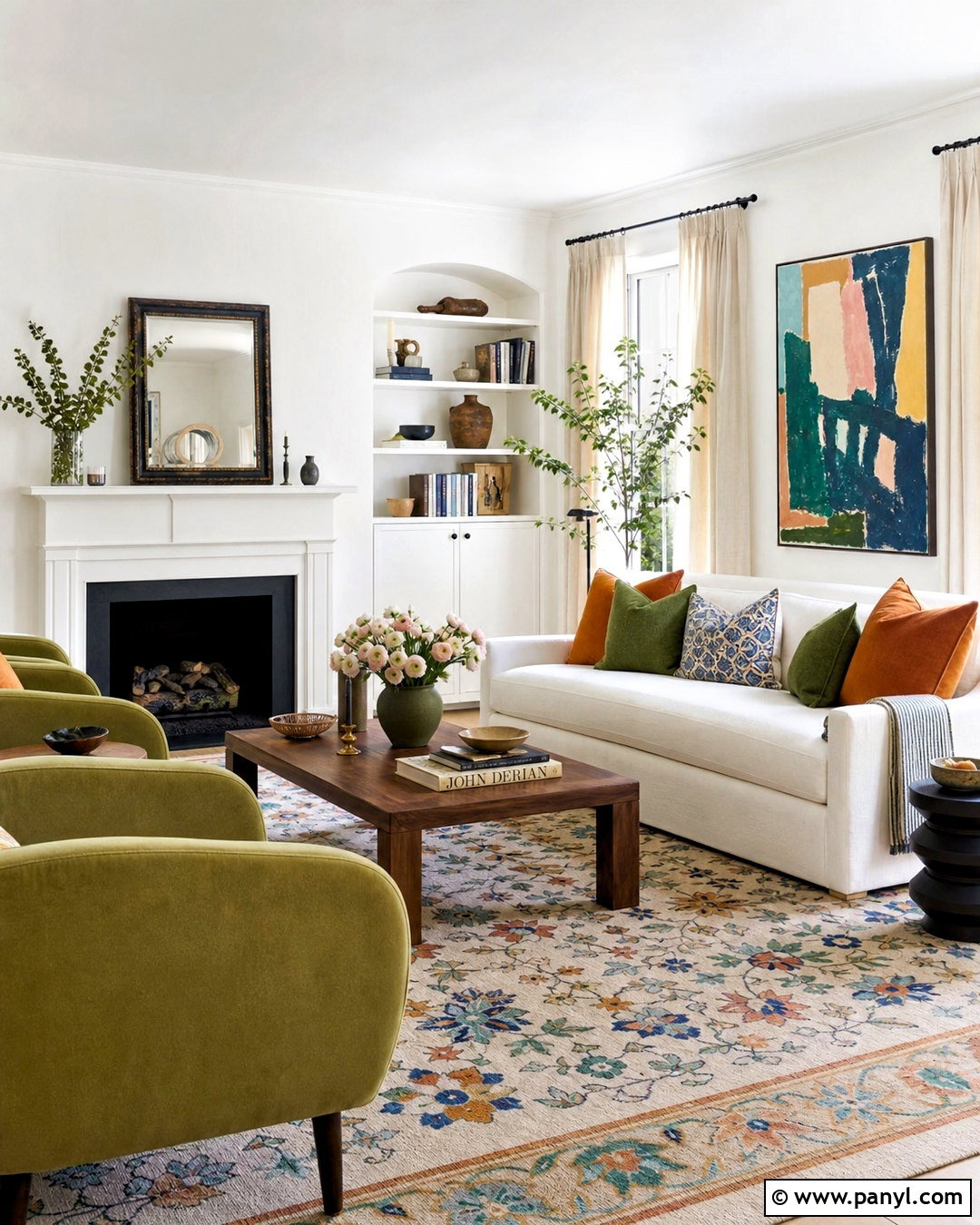
Soft beige is an easy choice for a family room because it feels comfortable while handling colorful everyday belongings. Cover the walls in a balanced beige with a slightly warm undertone. Pair it with a deep oatmeal sectional arranged toward a simple limestone fireplace and low oak media cabinet. A patterned rug in cream, tan, and faded charcoal will hide minor wear while connecting the seating area. Use washable cotton curtains, textured throw pillows, and a sturdy round coffee table with softened edges. Matte black curtain rods and floor lamps create clean definition. Add muted rust or olive accents in small amounts for depth. Closed cabinets, woven baskets, and one large framed landscape keep the entire room practical, organized, and visually quiet.
4. Light Greige Neutral Open Plan Room
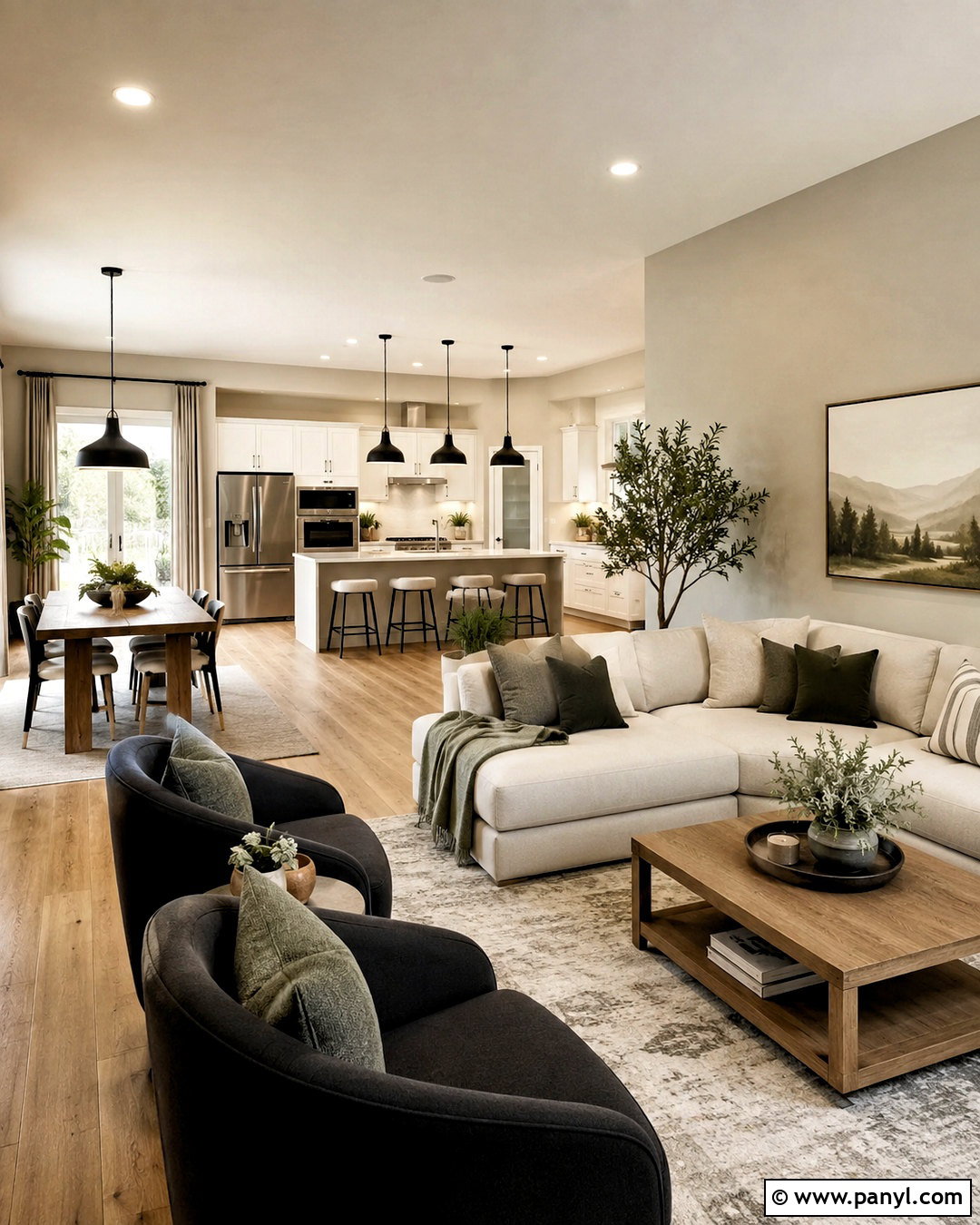
Light greige works especially well in an open plan room where the living, dining, and kitchen areas need to feel connected. Choose a shade that sits evenly between warm beige and soft gray. Continue it across the main walls, then use warm white on the ceiling, trim, and kitchen cabinets. Light oak flooring creates flow throughout the space. Define the living area with a cream sofa and charcoal accent chairs, then place a natural wood dining table nearby. Repeat black metal in pendant lights, cabinet hardware, and narrow furniture legs. Beige linen curtains will soften large windows without adding another strong color. A few muted green textiles and plants introduce freshness while maintaining the neutral, unified appearance of the complete layout.
5. Mushroom Neutral Dining Room
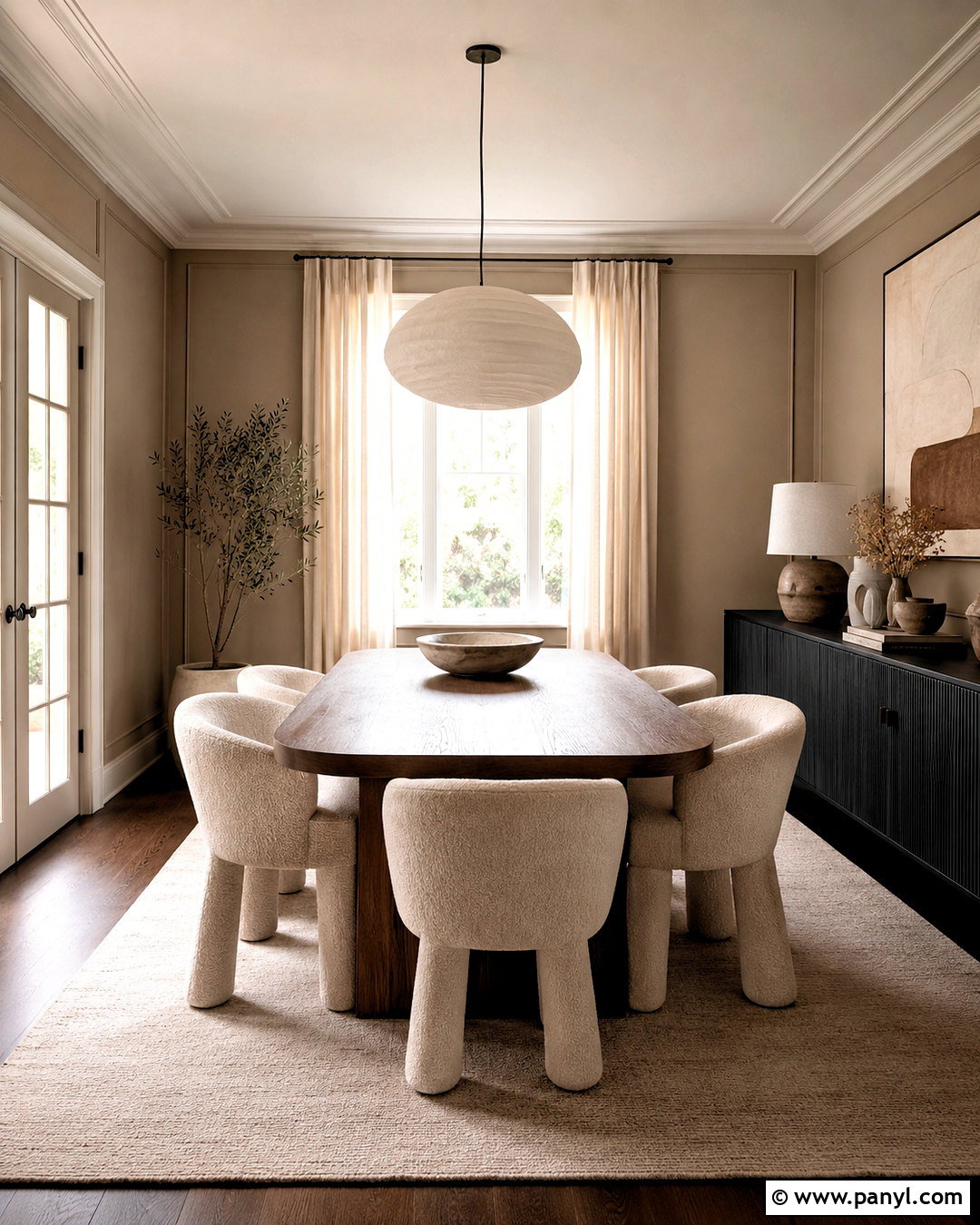
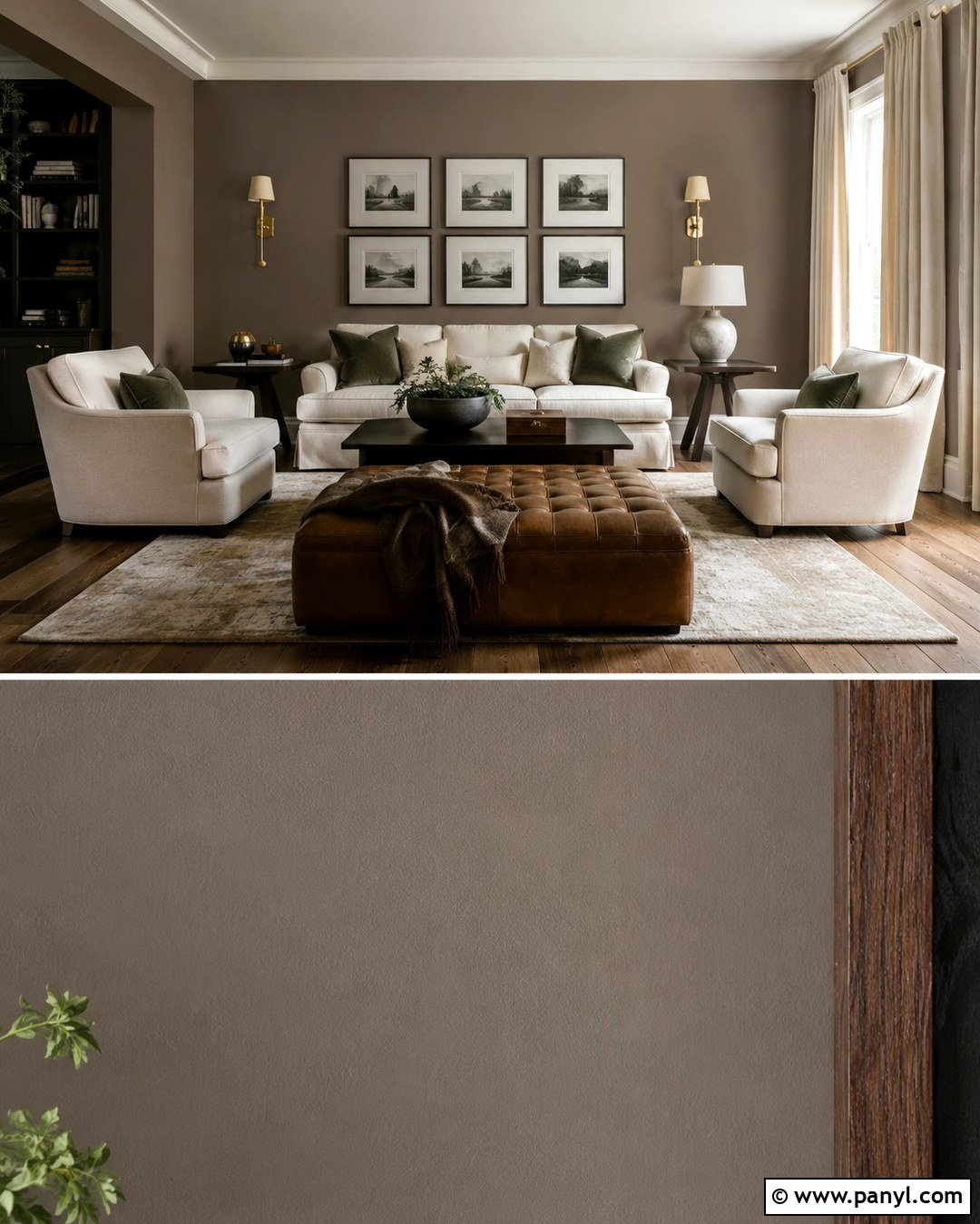
Mushroom paint combines brown, gray, and taupe undertones, producing a dining room that feels grounded rather than dark. Use the color across the walls and molding for a smooth, enveloping backdrop. A medium walnut dining table and curved oatmeal chairs will emphasize its earthy character. Install a large linen or plaster pendant above the table to provide soft, even light. Cream curtains and a pale wool rug prevent the brown tones from becoming heavy. A black sideboard adds contrast and offers practical storage for tableware. Display one oversized abstract artwork in ivory, clay, and charcoal above it. Stoneware dishes, clear glass accessories, and a simple branch arrangement provide finishing texture while keeping the room suitable for both casual meals and formal gatherings.
6. Pale Taupe Neutral Bedroom
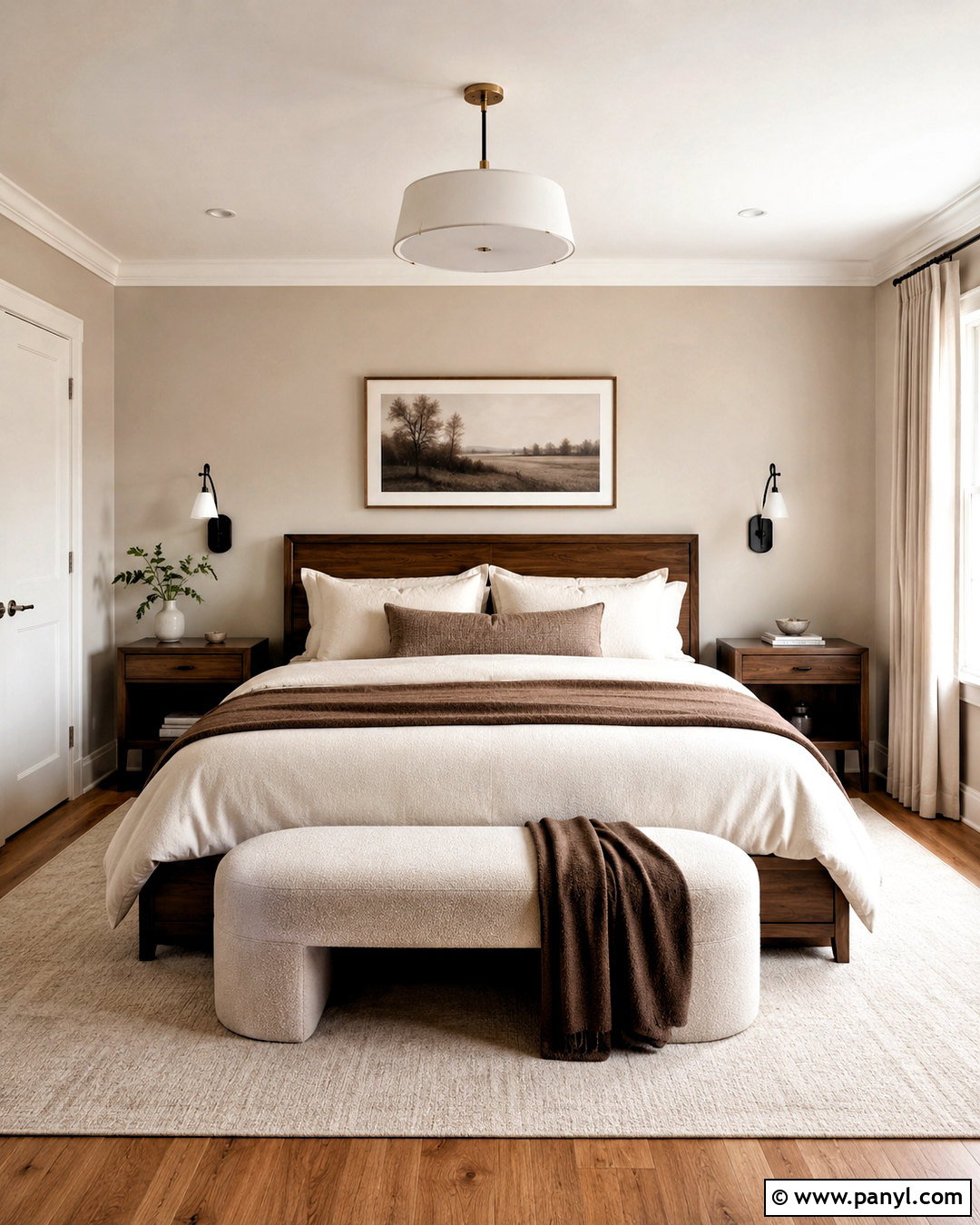
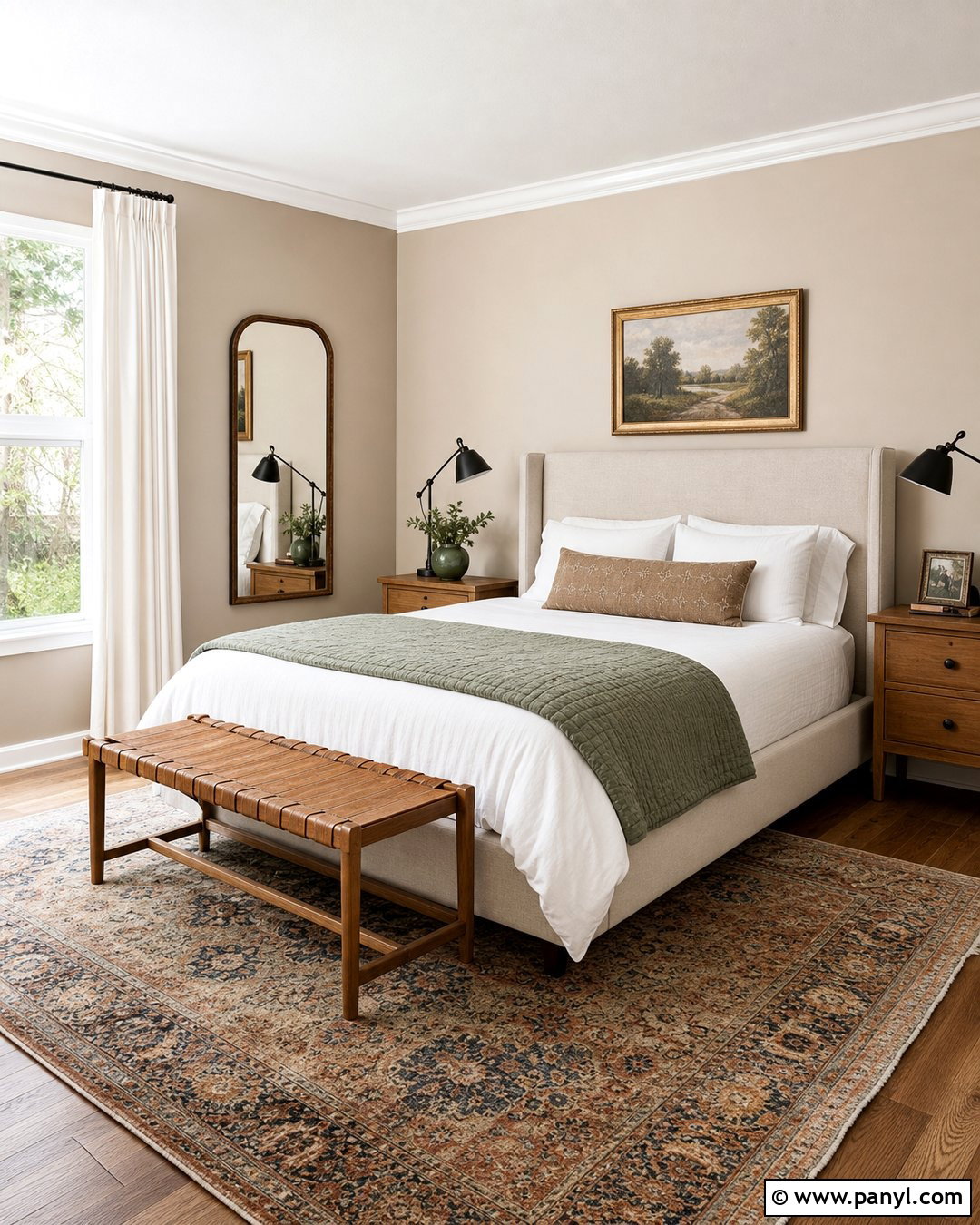
Pale taupe creates a sophisticated bedroom by blending soft brown with a touch of gray. It pairs beautifully with warm wood, natural fabric, and restrained black details. Paint the walls pale taupe and use creamy white for the ceiling and baseboards. Position a walnut bed against the main wall, then dress it with crisp ivory sheets, beige pillows, and a deeper cocoa throw. Matching nightstands bring symmetry, while small black sconces free the surfaces from bulky lamps. Choose full-length oatmeal curtains and a thick cream rug for softness. A boucle bench at the foot of the bed adds another tactile layer. Complete the room with tonal artwork and one olive tree, leaving enough open space for the color to remain peaceful.
7. Putty Neutral Home Office
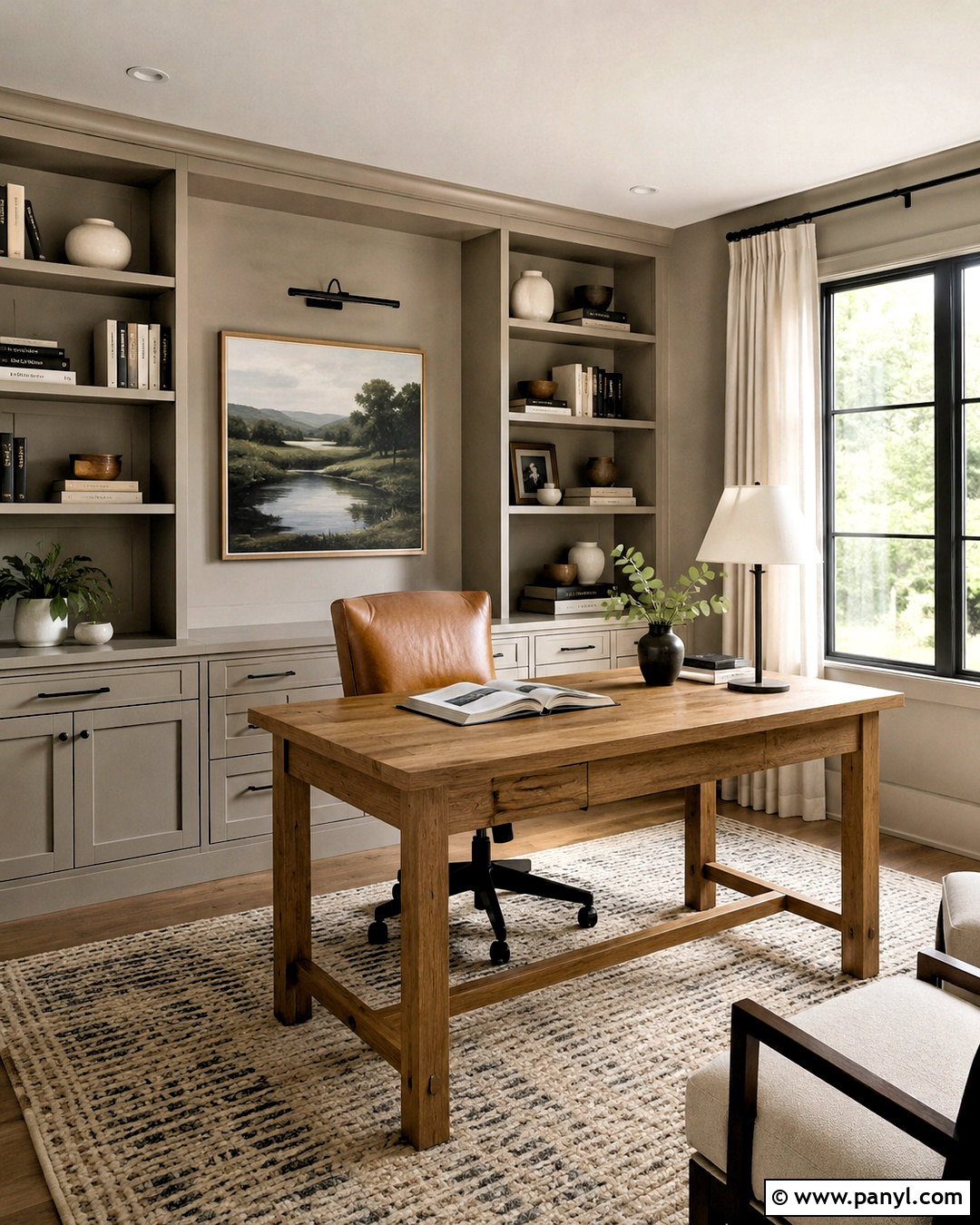
Putty is a practical neutral for a home office because its muted beige-gray character feels focused but not cold. Apply it to the walls and built-in storage for a seamless, custom appearance. A substantial oak desk should face the window or sit perpendicular to it, reducing glare while preserving natural light. Add a comfortable tan leather chair and a low-pile rug in cream and charcoal. Open shelves can hold neatly arranged books, storage boxes, and a few ceramic objects. Select a matte black desk lamp and matching cabinet pulls to sharpen the softer palette. Warm white curtains and a simple ceiling fixture keep the room bright. One large landscape print and a healthy green plant add interest without creating distracting visual clutter.
8. Stone Gray Neutral Living Room
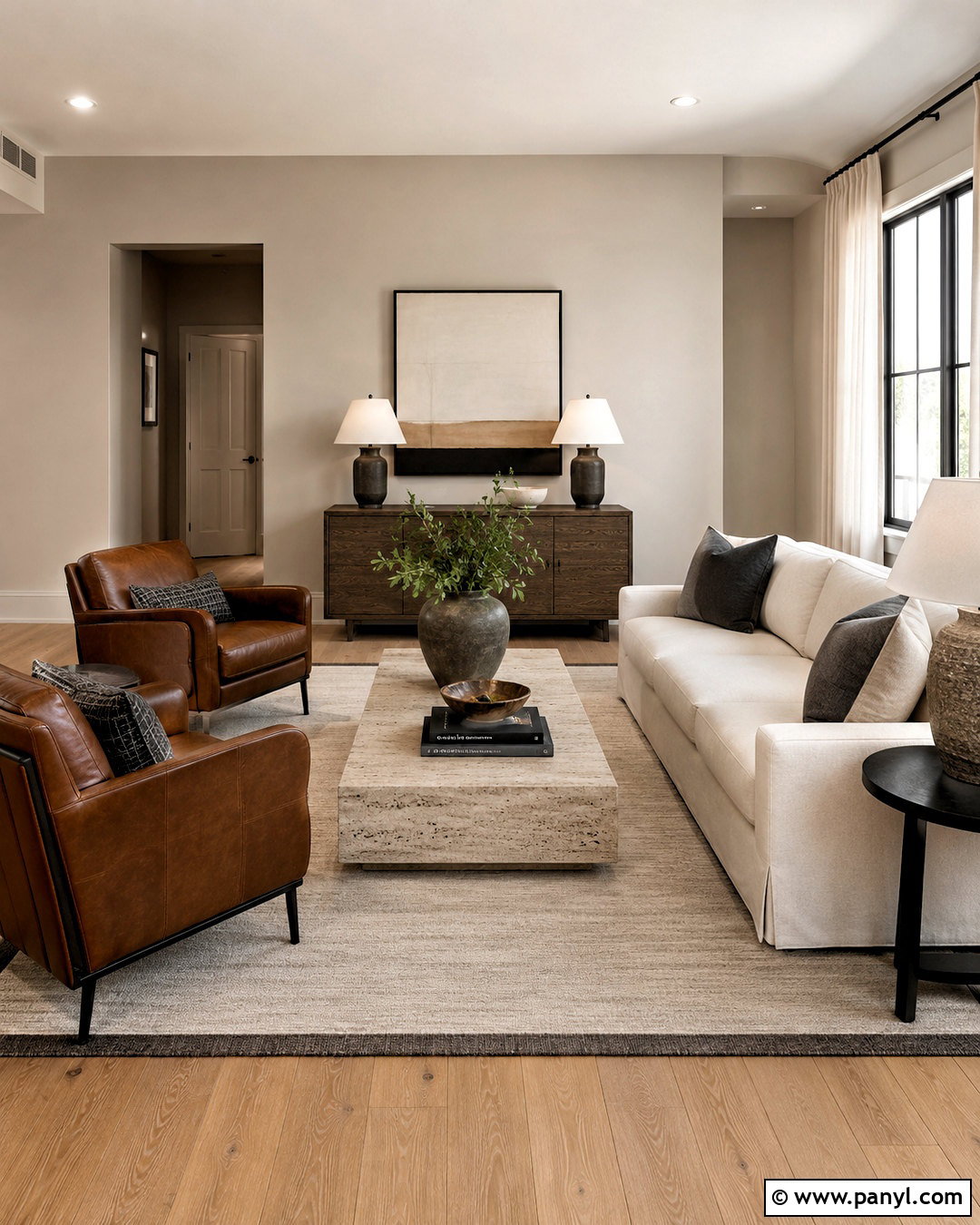
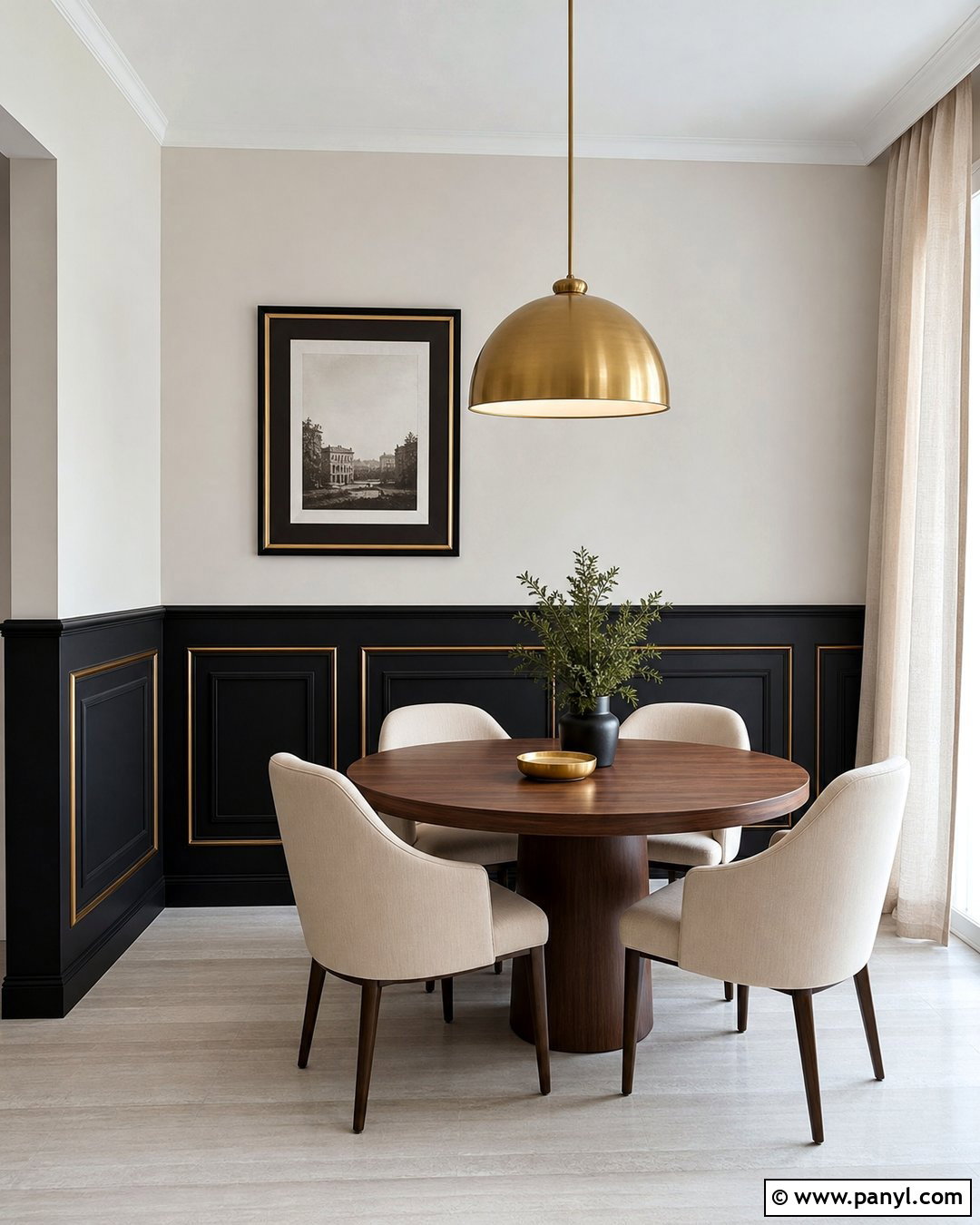
Stone gray provides a calm foundation for a living room when it contains warm, mineral-like undertones. Use it on the walls alongside warm white trim and medium oak flooring. A long ivory sofa can anchor the room, with two cognac leather chairs placed opposite for balanced conversation seating. Choose a substantial travertine coffee table and a cream rug with a subtle gray border. Charcoal pillows and black picture frames will strengthen the palette without making it severe. Hang relaxed linen curtains high above the windows to make the room feel taller. Add a wood console, sculptural ceramic lamps, and simple contemporary artwork. The finished room should combine straight architectural lines with rounded furniture so the gray scheme remains comfortable and approachable.
9. Dove Gray Neutral Bedroom
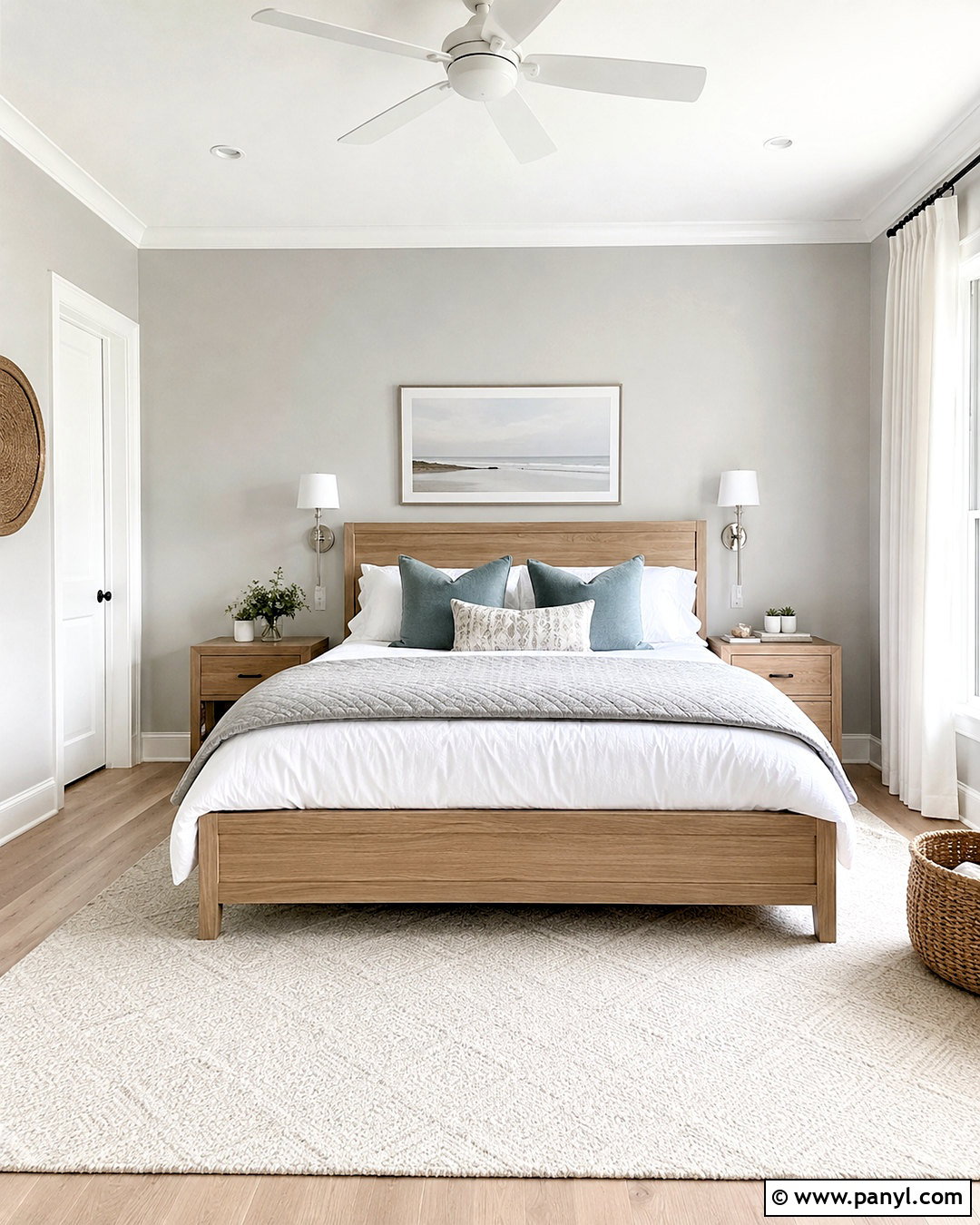
Dove gray has a gentle softness that suits a light, uncluttered bedroom. Select a pale version with balanced undertones so it does not turn noticeably blue in cooler daylight. Paint the walls dove gray, while keeping the ceiling and trim warm white. A light oak bed and matching nightstands introduce natural warmth. Layer white bedding with a quilt in foggy gray and cushions in muted blue-gray. Place a large ivory rug under the lower two-thirds of the bed to soften the flooring. Brushed nickel sconces and simple glass lamps maintain the quiet color direction. Use white linen curtains for brightness and add a small woven chair in one corner. Restrained coastal artwork completes the room without creating an obvious themed design.
10. Soft Charcoal Neutral Dining Room
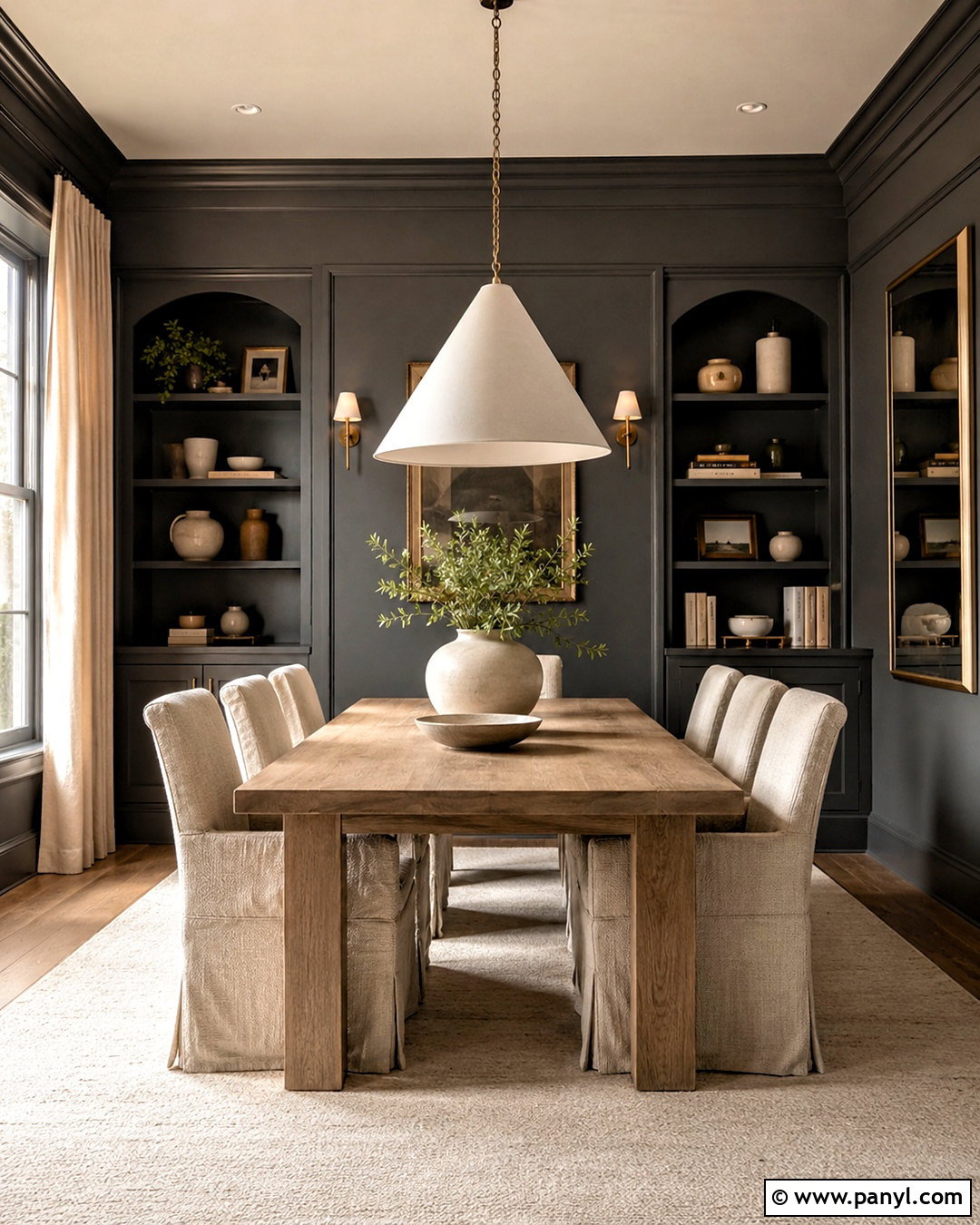
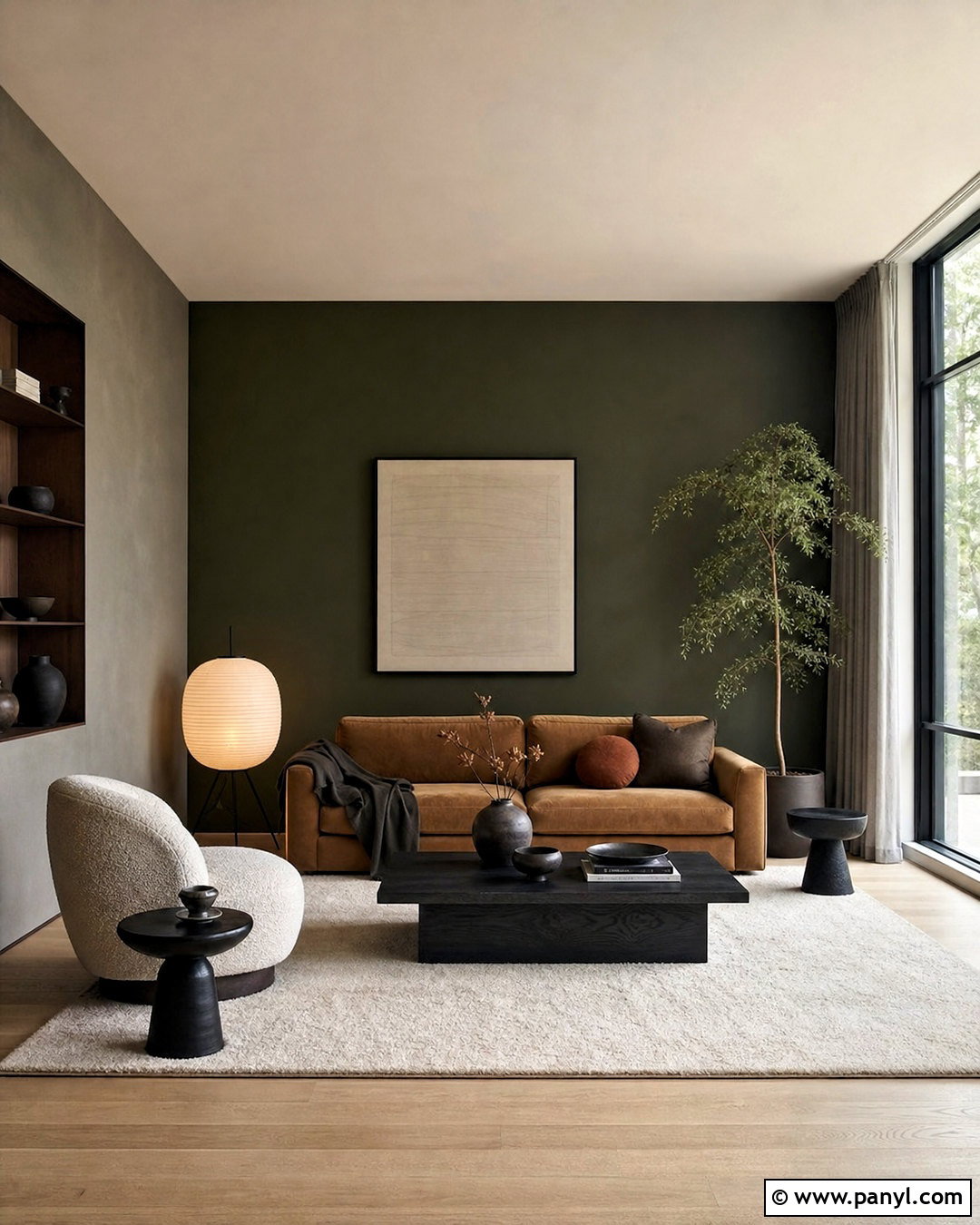
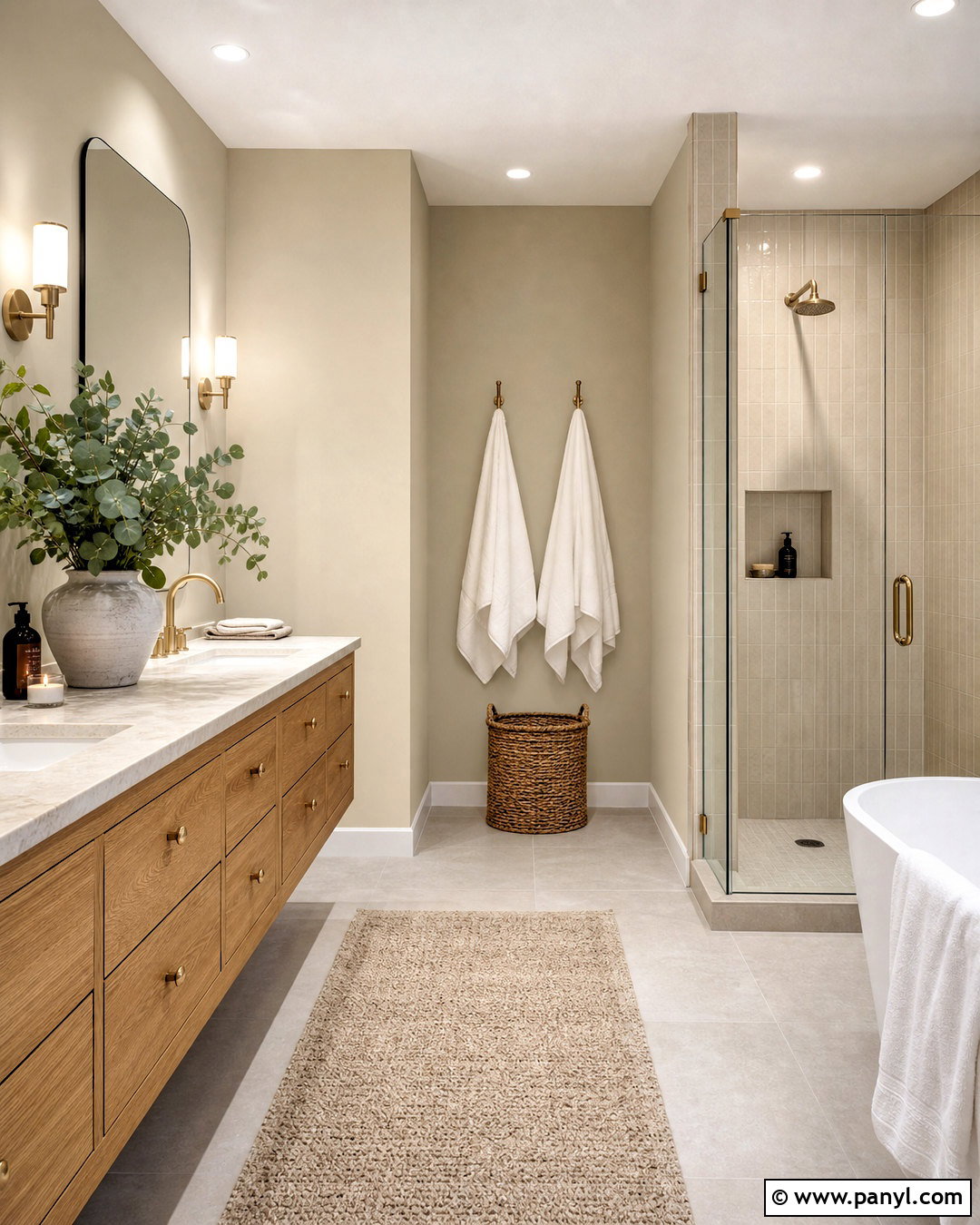
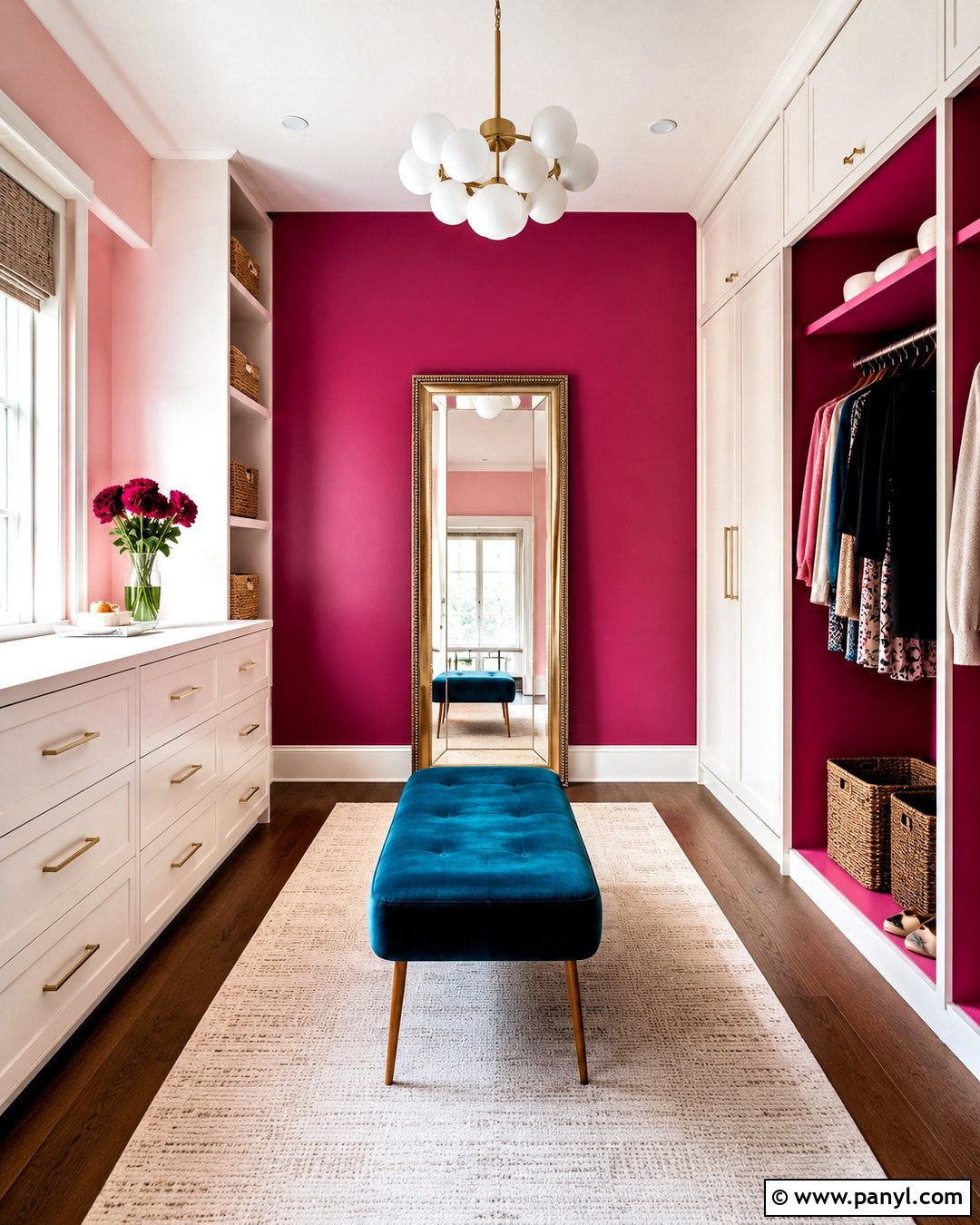
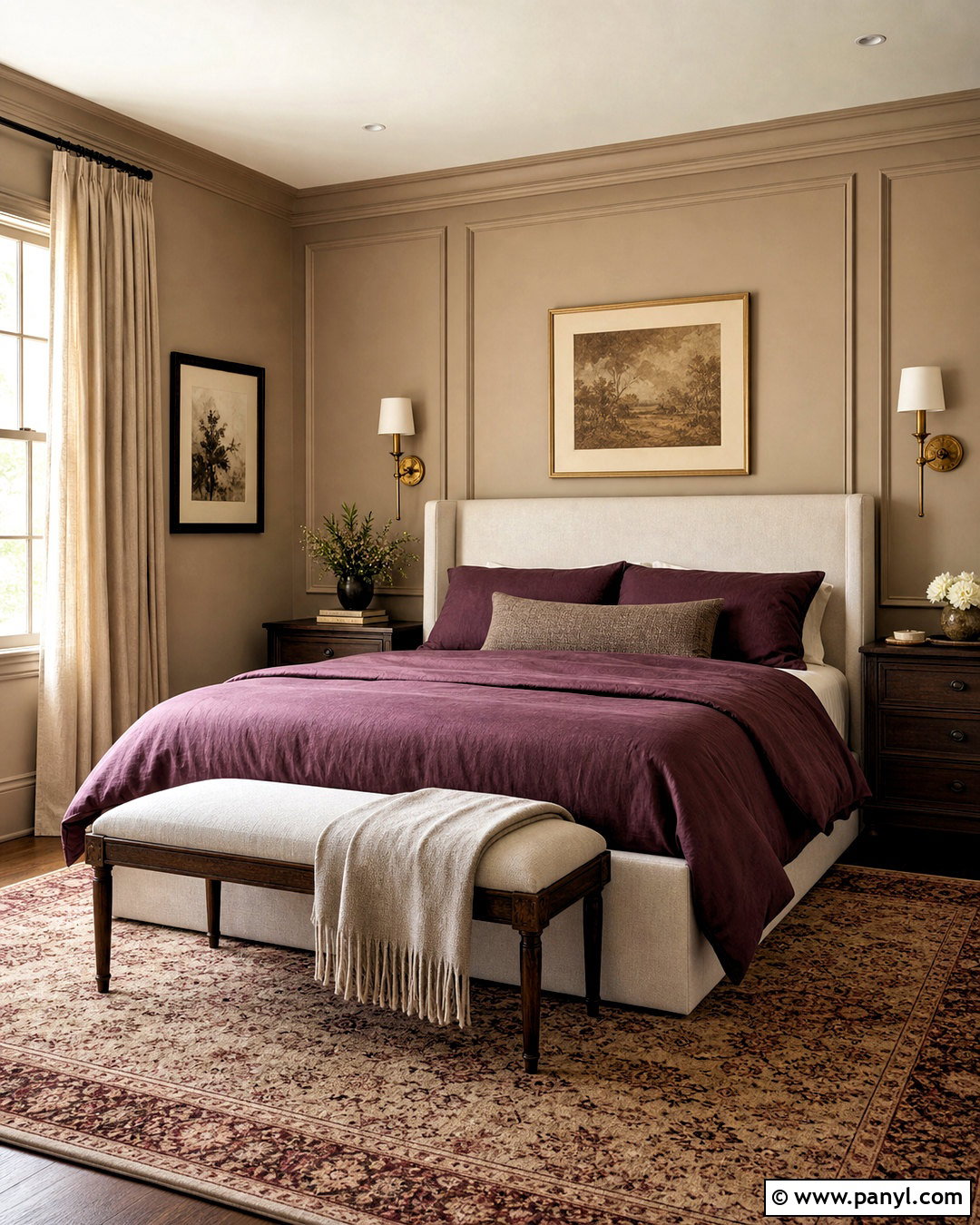
Soft charcoal can function as a dramatic neutral when the rest of the dining room is carefully lightened. Paint the walls and built-in cabinetry in a charcoal shade with warm brown undertones. Keep the ceiling creamy white to reflect light and create visual breathing room. A pale oak dining table becomes the focal point, surrounded by upholstered chairs in natural linen. Hang a broad white pendant above the table and use wall sconces to brighten the room from several directions. A light beige rug provides contrast underfoot. Add antique brass hardware, a tall mirror, and ivory ceramics to catch the light. Instead of using many decorative colors, introduce texture through linen, oak, woven fibers, and slightly irregular handmade pottery.
11. Sand Neutral Kitchen
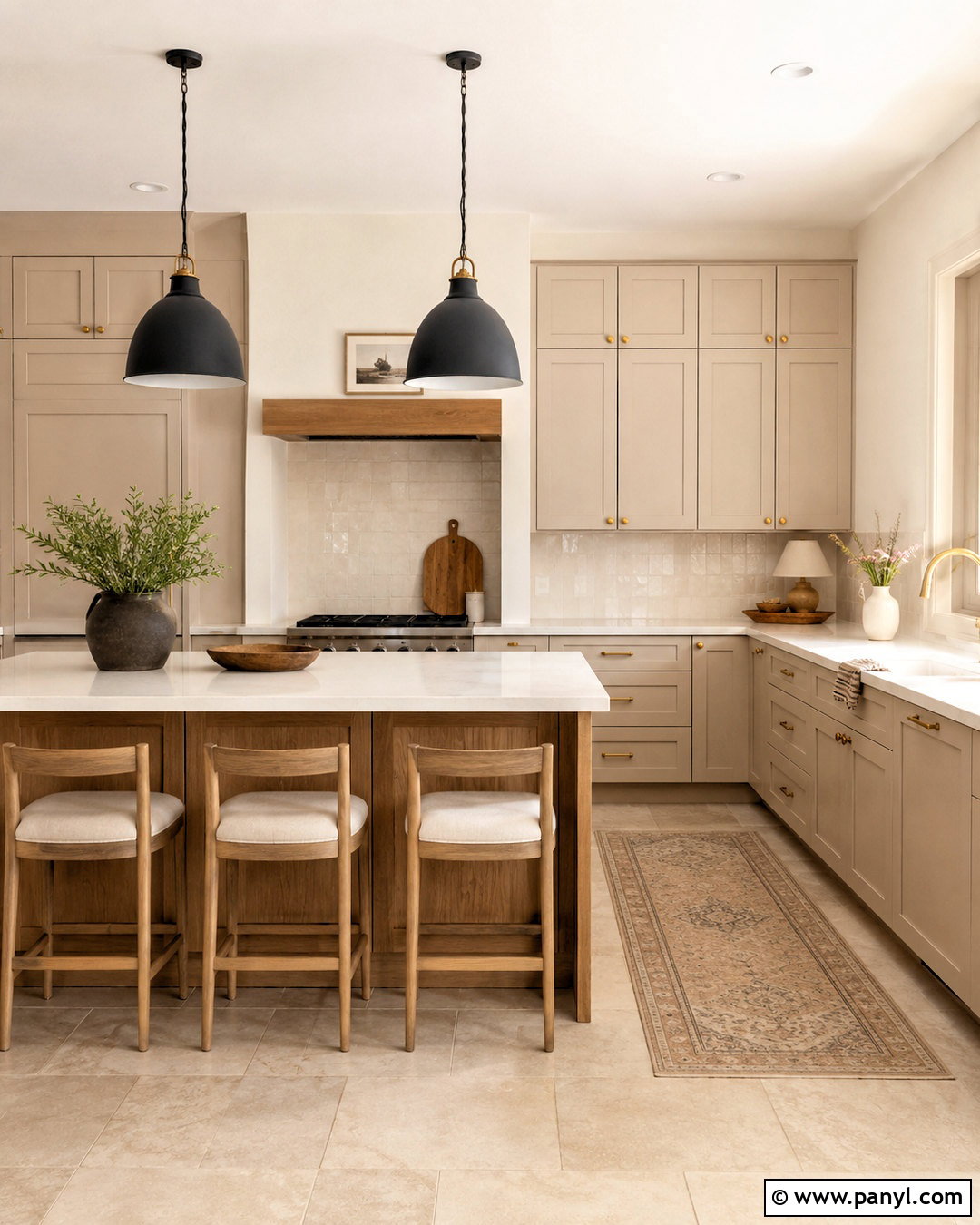
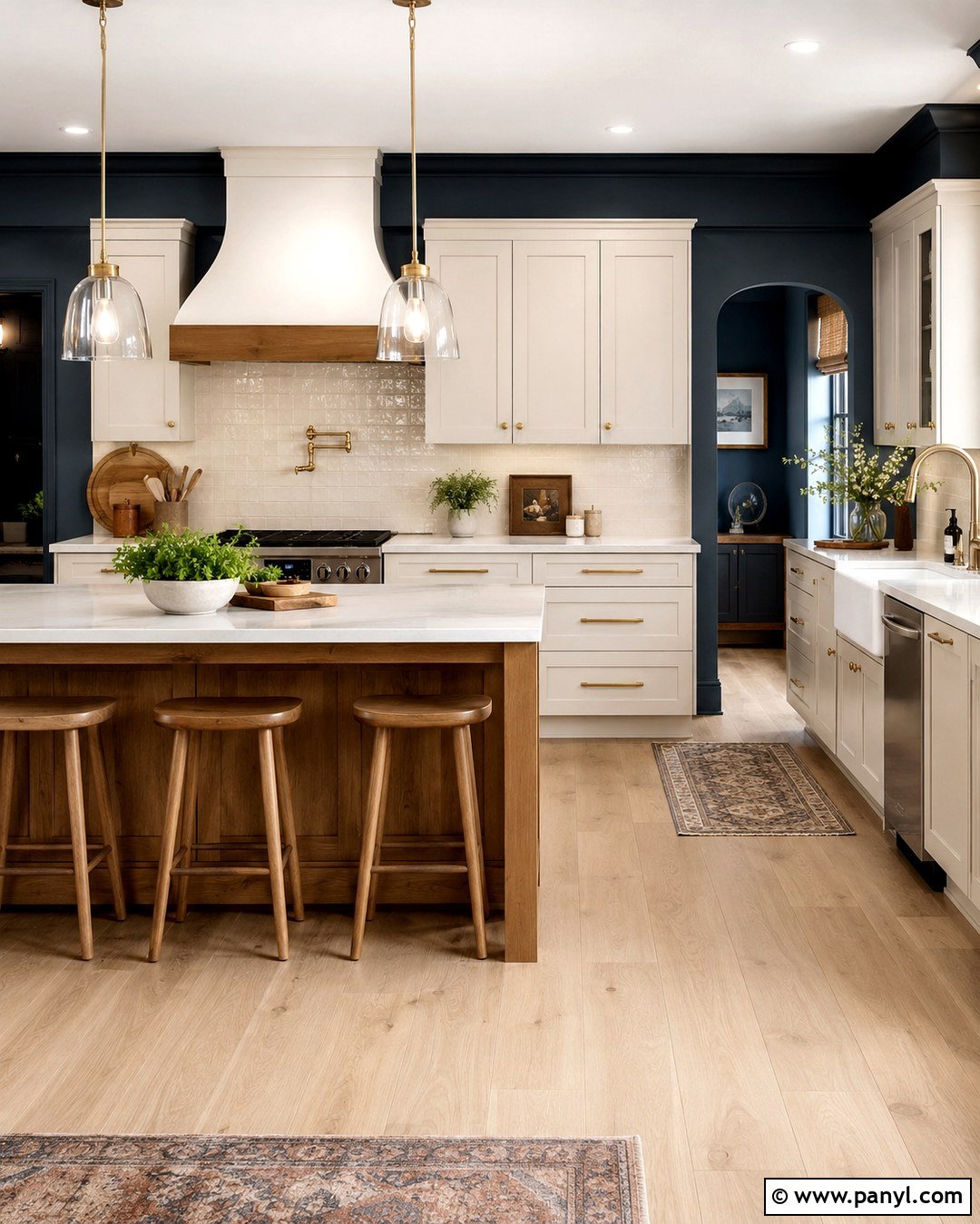
Sand-colored walls and cabinets can make a kitchen feel warmer while remaining light and flexible. Choose a soft sandy beige that does not lean too yellow. Use it on Shaker-style cabinetry, then pair it with creamy white walls and a lightly veined quartz countertop. A simple backsplash of off-white handmade tile adds texture without interrupting the palette. Bring in natural oak through counter stools, floating shelves, or the island base. Brushed brass hardware provides a polished accent, while matte black pendants add clear definition above the island. Use light wood or limestone-look flooring for continuity. A washable runner in tan and ivory, along with a few wooden boards and ceramic containers, completes a practical neutral kitchen that still feels layered.
12. Oatmeal Neutral Nursery
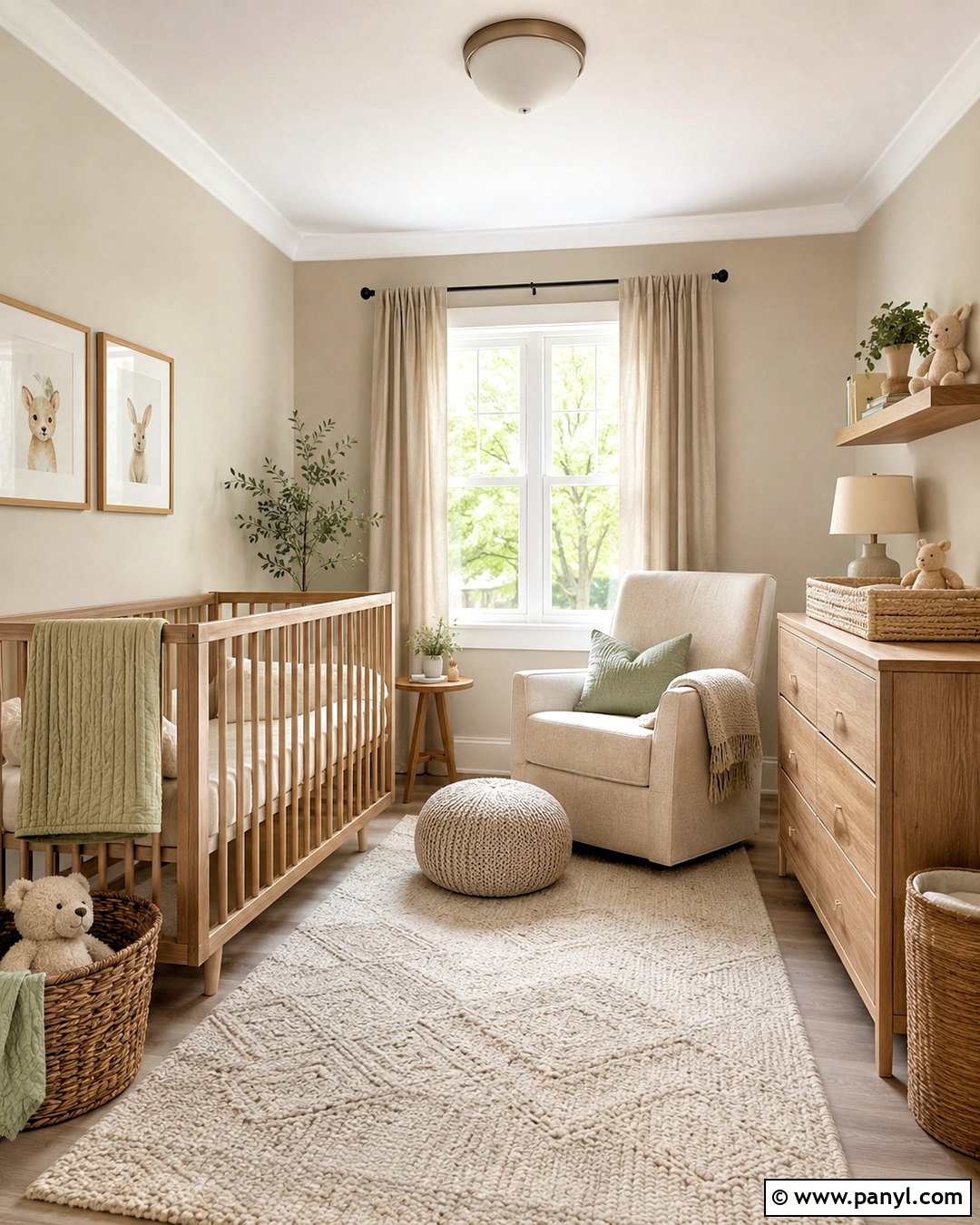
An oatmeal nursery creates a gentle backdrop that can grow with a child instead of depending on a short-lived theme. Paint the walls a light oatmeal beige and keep the trim a clean, warm white. Position a natural wood crib against the most open wall, away from cords and direct window drafts. Add a comfortable cream glider, a washable ivory rug, and a low oak dresser that can also support a changing pad. Blackout curtains in beige linen help control daylight while matching the room’s soft palette. Introduce muted sage, dusty blue, or clay through removable textiles and framed illustrations. Woven baskets make toy storage accessible, while a flush ceiling light and shaded floor lamp provide practical illumination without overwhelming the peaceful, complete room design.
13. Linen Neutral Guest Room
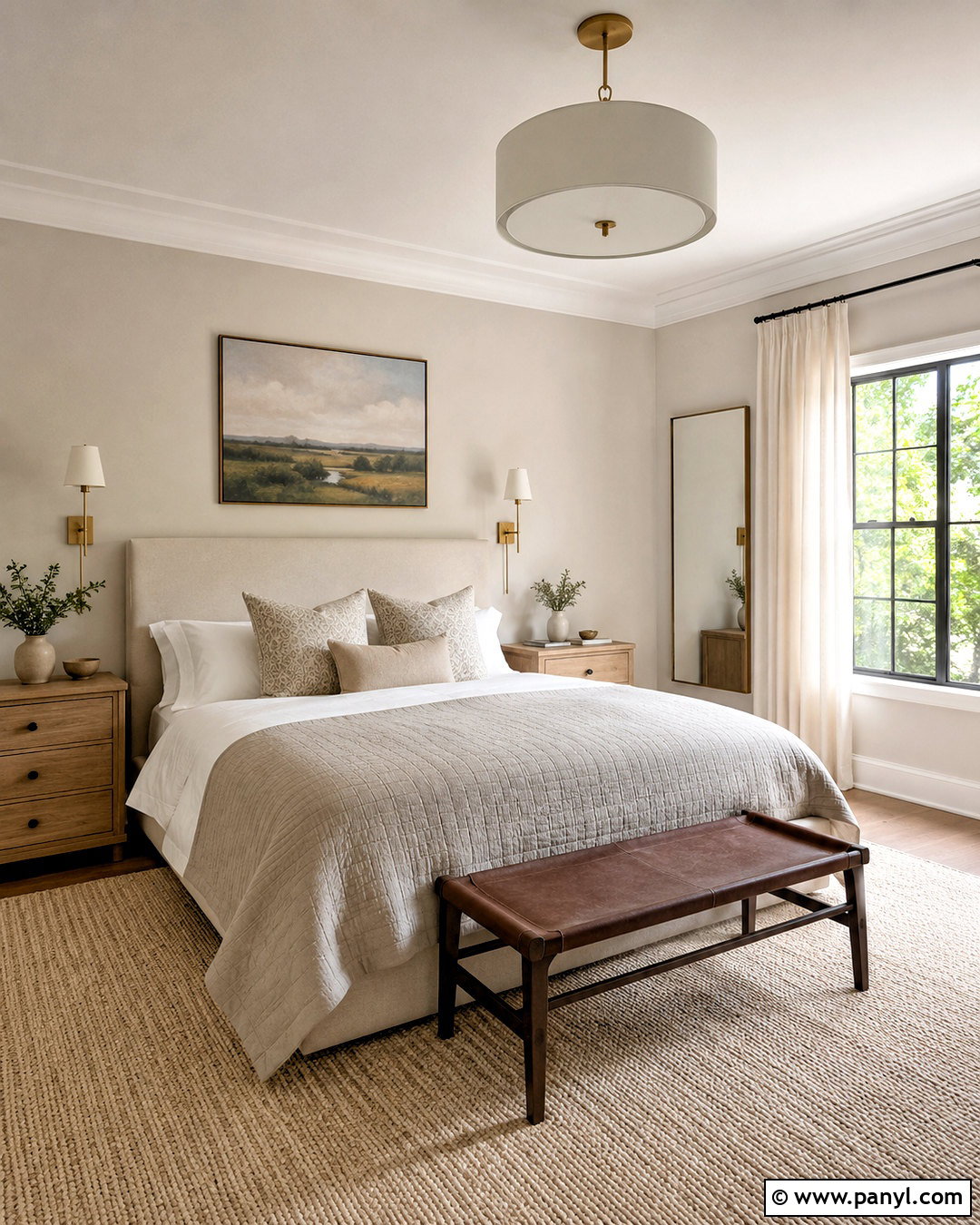
Linen is a light beige neutral with an understated, fabric-like warmth that makes a guest room feel immediately welcoming. Use it on the walls with soft white trim and pale wood flooring. Center an upholstered bed in natural flax-colored fabric, then add white sheets, two beige euro pillows, and a textured quilt in warm gray. Compact oak nightstands and wall-mounted brass lights leave more usable space beside the bed. Hang full-length ivory curtains to soften the window and place a flat-woven cream rug underfoot. A small walnut luggage bench makes unpacking easier. Include one mirror, simple landscape artwork, and an empty tray for personal items. These practical details create a complete guest room without making the neutral palette feel impersonal.
14. Ivory Neutral Bathroom
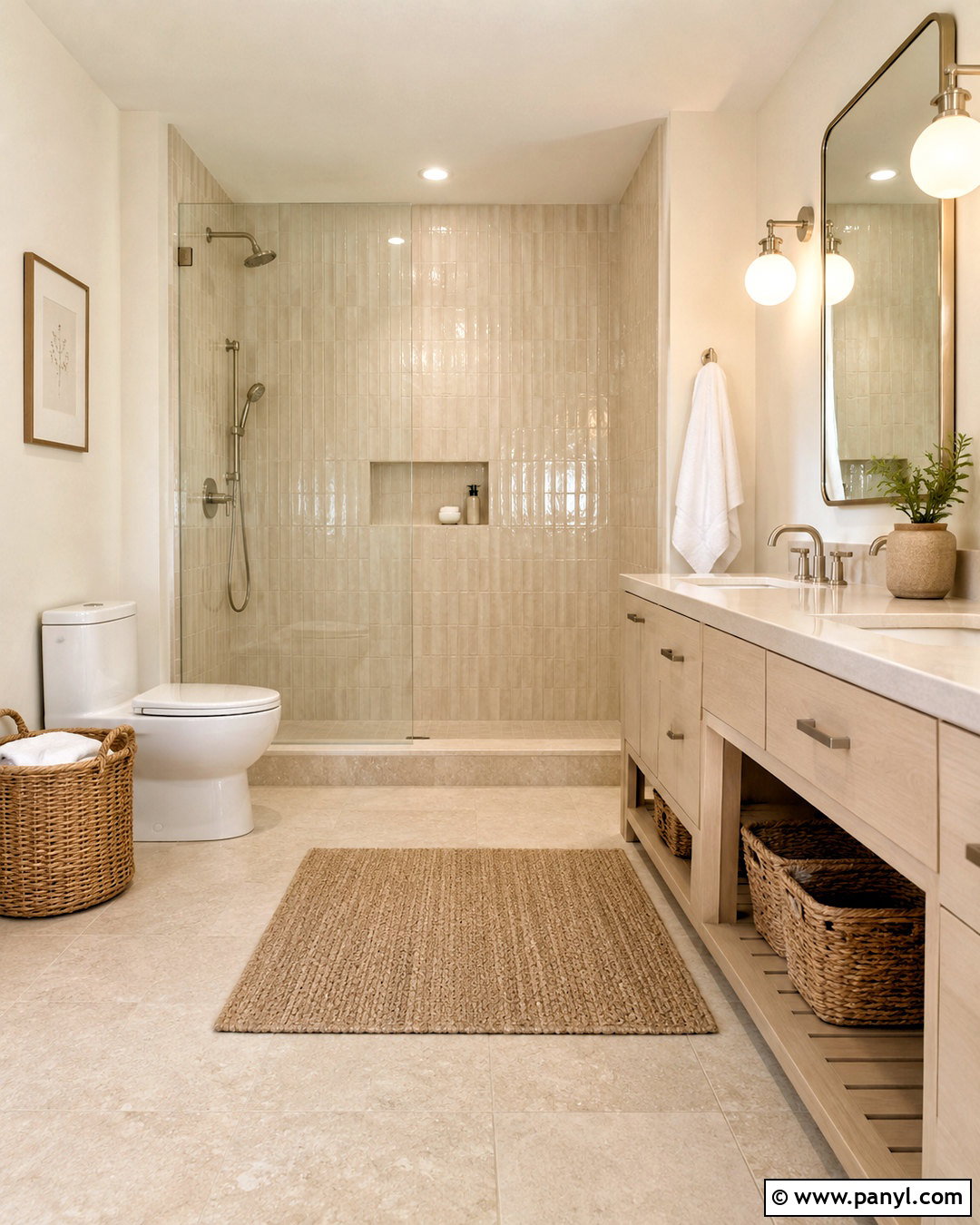
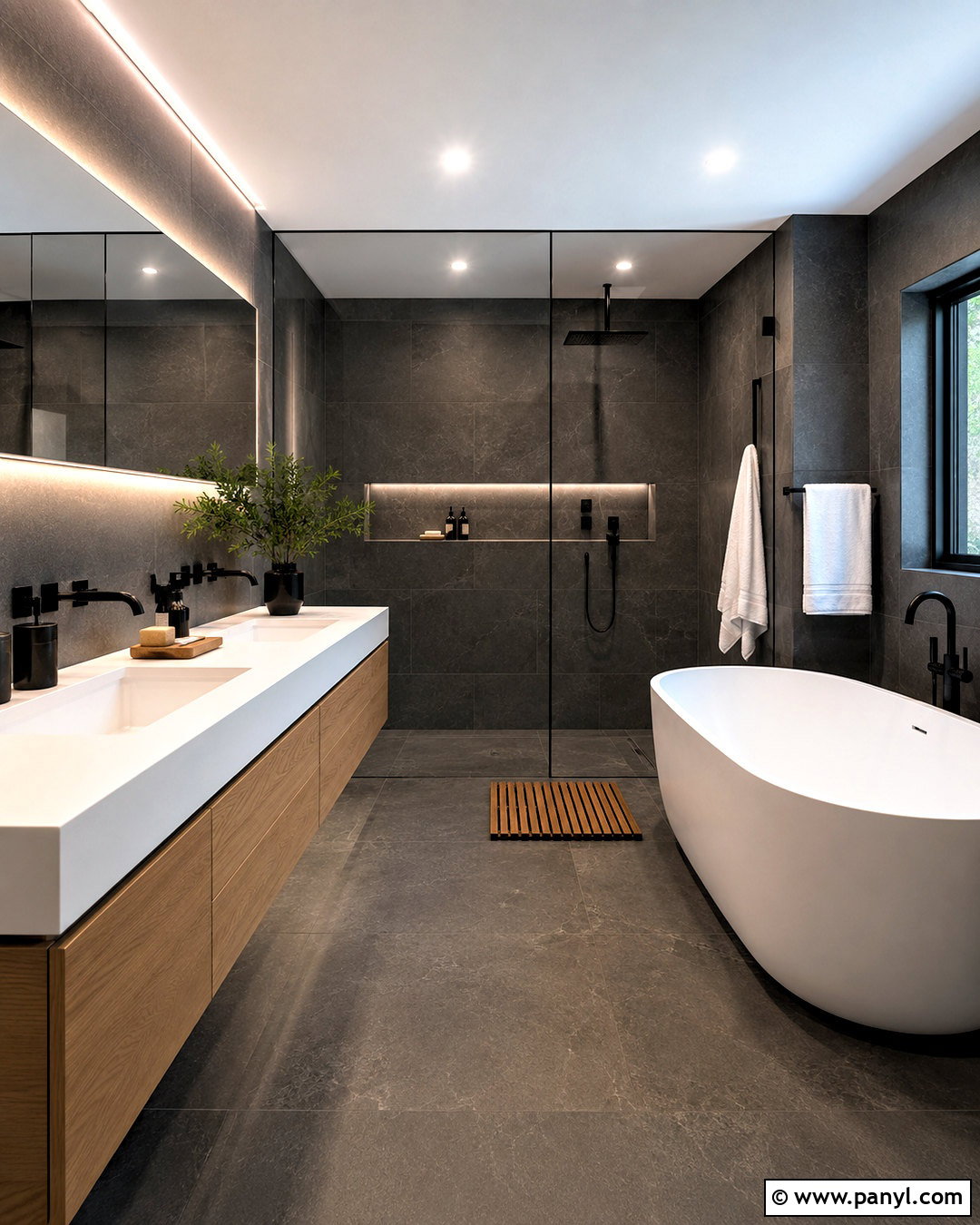
Ivory gives a bathroom warmth while preserving the fresh, bright appearance most people want in this space. Use ivory paint on the upper walls and pair it with creamy vertical tile around the shower or tub. A white oak vanity adds natural contrast, while a pale quartz countertop keeps the surfaces easy to coordinate. Choose brushed nickel faucets for a quiet finish or aged brass for greater warmth. The floor can feature small limestone-look tiles in beige and soft gray. Install a wide framed mirror and bright globe sconces to spread light evenly. White towels, a light tan bath mat, and closed woven storage baskets complete the look. Limit countertop decor to practical containers and one small plant, keeping the finished bathroom open and orderly.
15. Clay Beige Neutral Sunroom
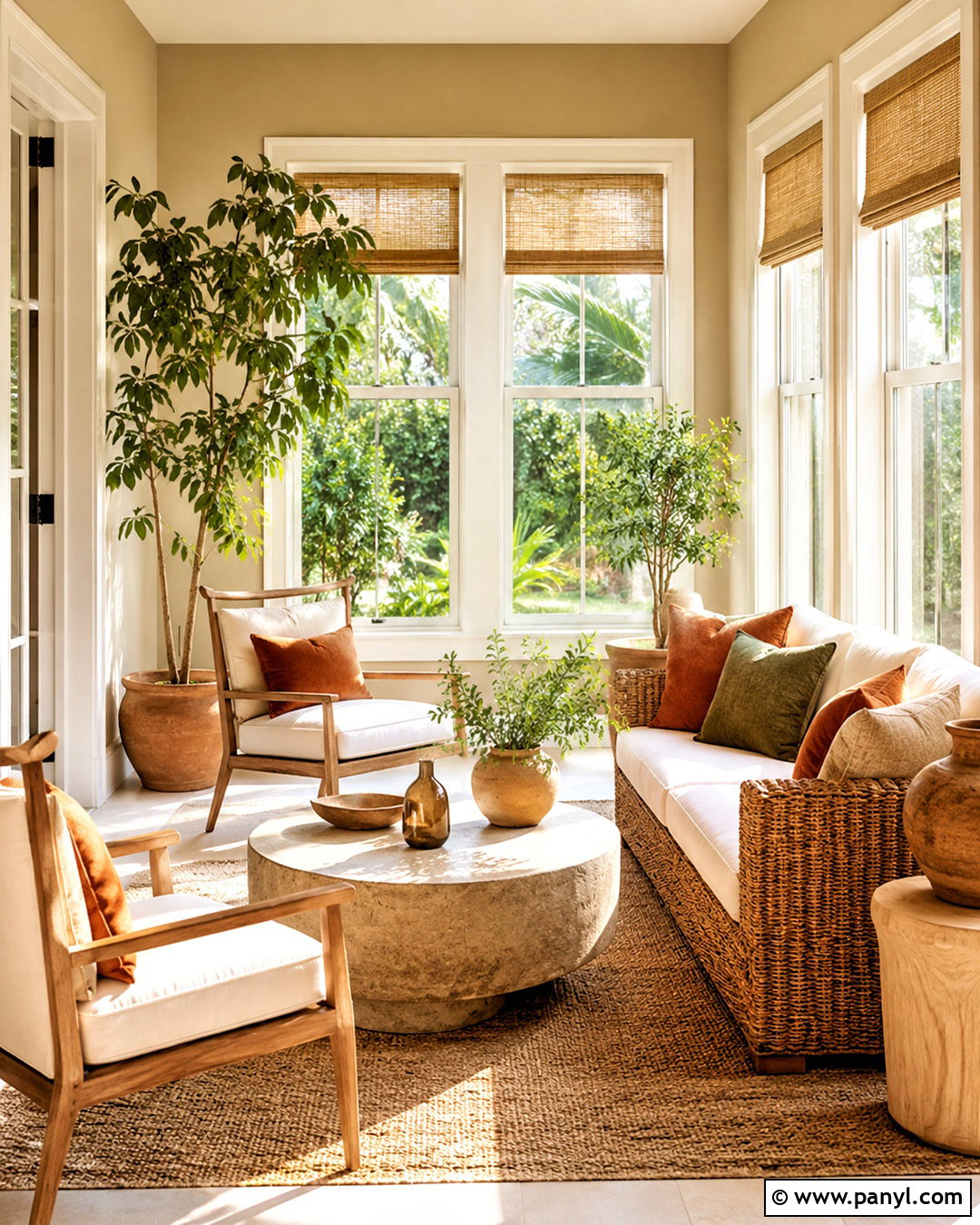
Clay beige brings earthy warmth to a sunroom without competing with outdoor views. Choose a light, muted shade that combines tan with a restrained terracotta undertone. Paint the walls clay beige and keep the window frames creamy white for clear contrast. Furnish the room with a woven sofa, two light oak lounge chairs, and cushions in ivory, rust, and faded olive. A natural jute rug will define the seating area, while a round stone coffee table adds a smooth surface among the woven textures. Use simple linen shades rather than heavy curtains. Large leafy plants help connect the interior to the yard. Finish with handmade pottery and a slim floor lamp, ensuring the layout remains open enough for sunlight to move across the entire room.
16. Dusty Sage Neutral Bedroom
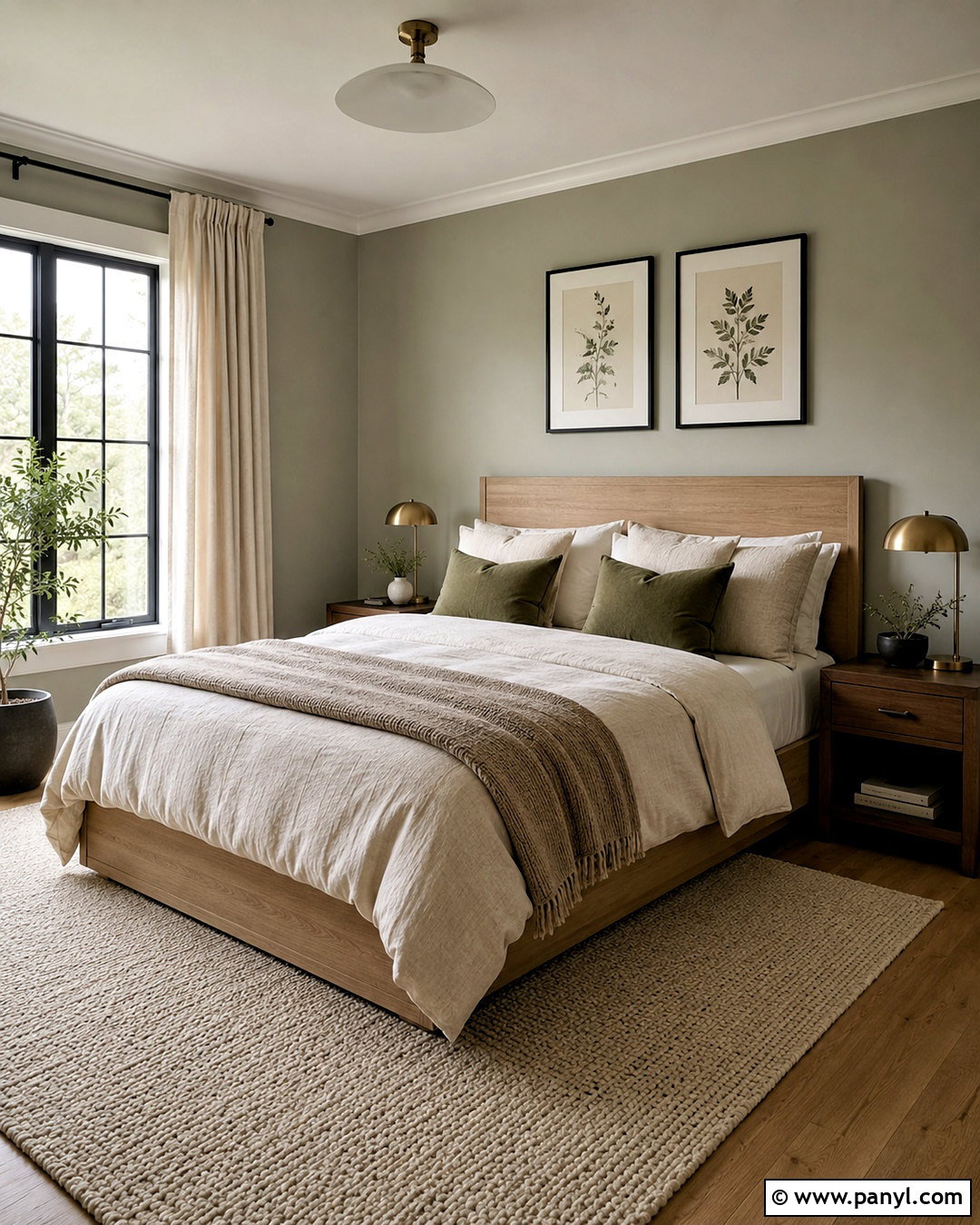
Dusty sage behaves like a neutral because its green is softened with plenty of gray. It creates a restful bedroom that feels connected to nature without becoming overly colorful. Cover the walls in muted sage and use warm white on the ceiling and woodwork. Choose a light oak bed with simple lines, then layer it with ivory bedding, an oatmeal blanket, and deeper moss cushions. A beige wool rug balances the green walls and makes the floor more comfortable. Add walnut nightstands and aged brass reading lights for warmth. Natural linen curtains maintain an airy finish. Black-framed botanical prints can provide restrained contrast above the bed. Keep decorative accessories minimal so the sage, wood, textiles, and daylight form one cohesive room.
17. Gray Green Neutral Entryway
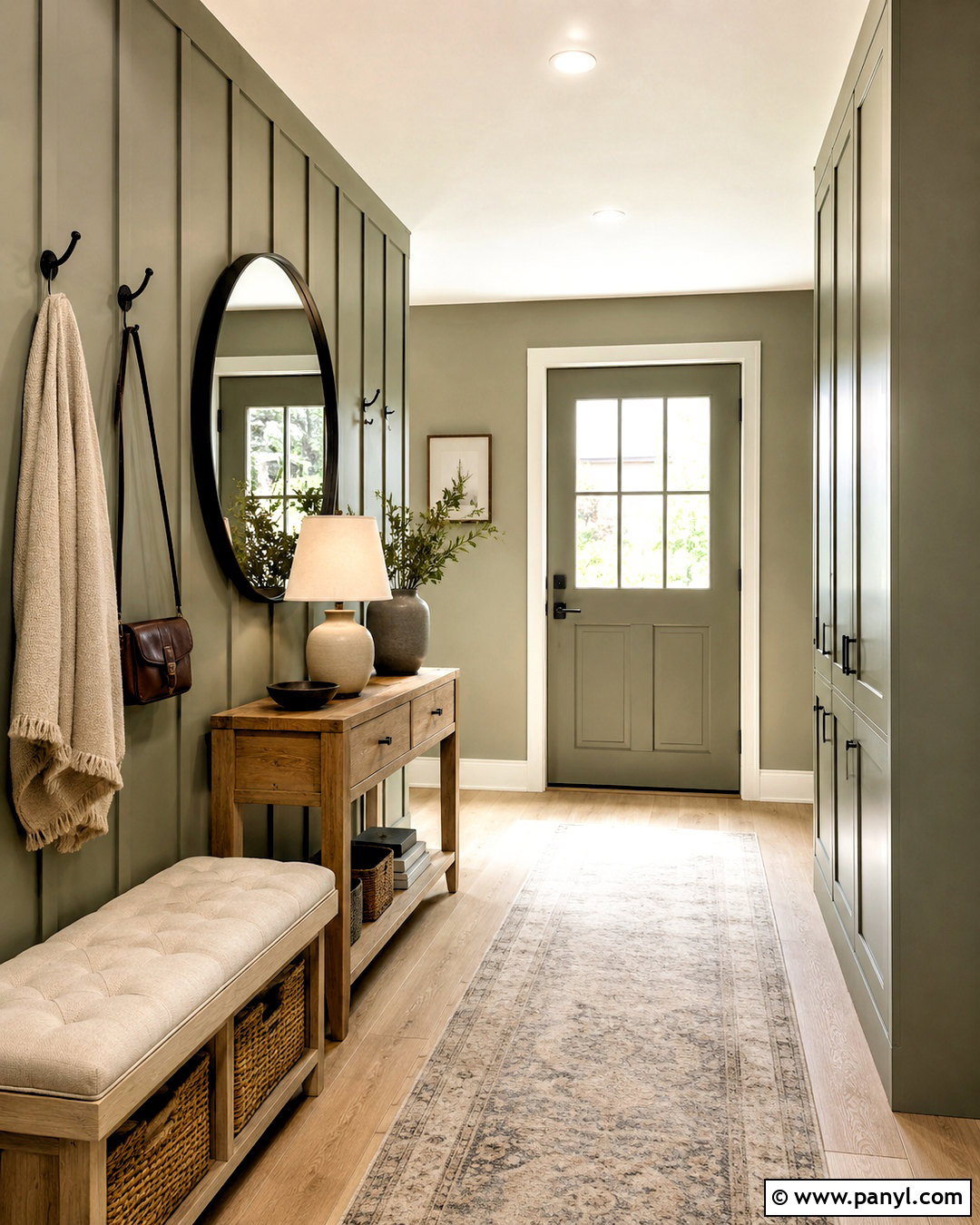
A gray-green entryway offers a subtle transition between outdoor landscaping and the rooms inside the home. Select a muted color with more gray than green, then apply it to the walls or paneled millwork. Pair it with a warm white ceiling and durable light oak or stone-look flooring. An oak console provides a practical landing place for keys, while a round black-framed mirror reflects light through the narrow space. Add a small upholstered bench, closed shoe storage, and sturdy wall hooks in matte black. A washable runner in beige, charcoal, and faded green ties the scheme together. Finish with a ceramic table lamp and one leafy arrangement. The complete entry should feel organized, bright, and welcoming rather than crowded with purely decorative objects.
18. Muted Blue Gray Neutral Bedroom
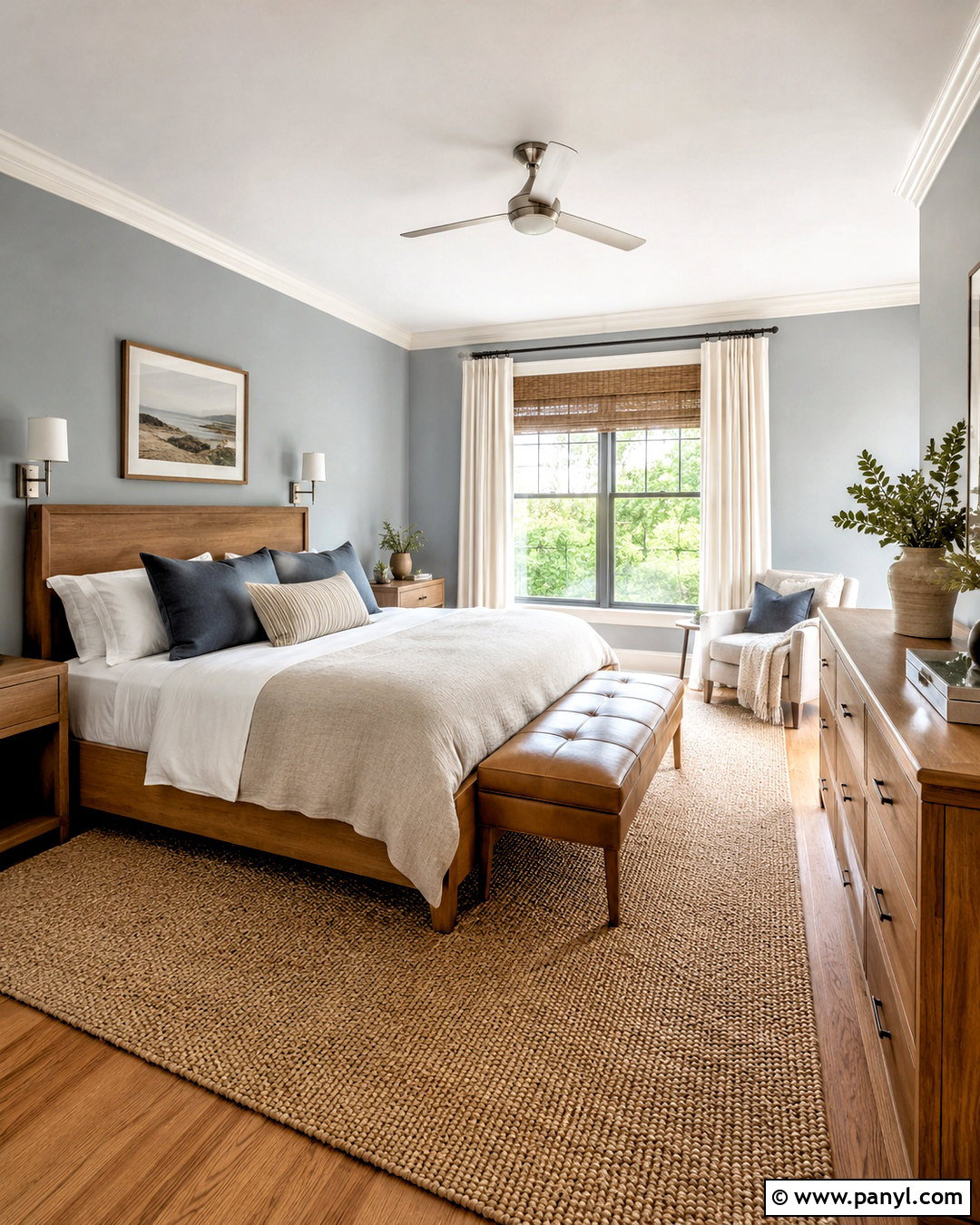
Muted blue-gray can create a cool, quiet bedroom without looking noticeably colorful. Choose a softened shade with enough gray to remain calm throughout changing daylight. Use it on the walls, then balance its cool undertone with warm white trim, honey-toned oak furniture, and a natural beige rug. Dress the bed in white cotton sheets, a flax linen duvet, and cushions that repeat blue-gray in deeper tones. Add woven window shades beneath light ivory curtains for privacy and texture. A cognac leather bench introduces warmth at the foot of the bed. Brushed nickel sconces and a simple white ceiling light maintain a clean finish. Minimal seascape artwork and handmade ceramics complete the restful palette without pushing the room into a strong coastal theme.
19. Blush Taupe Neutral Sitting Room
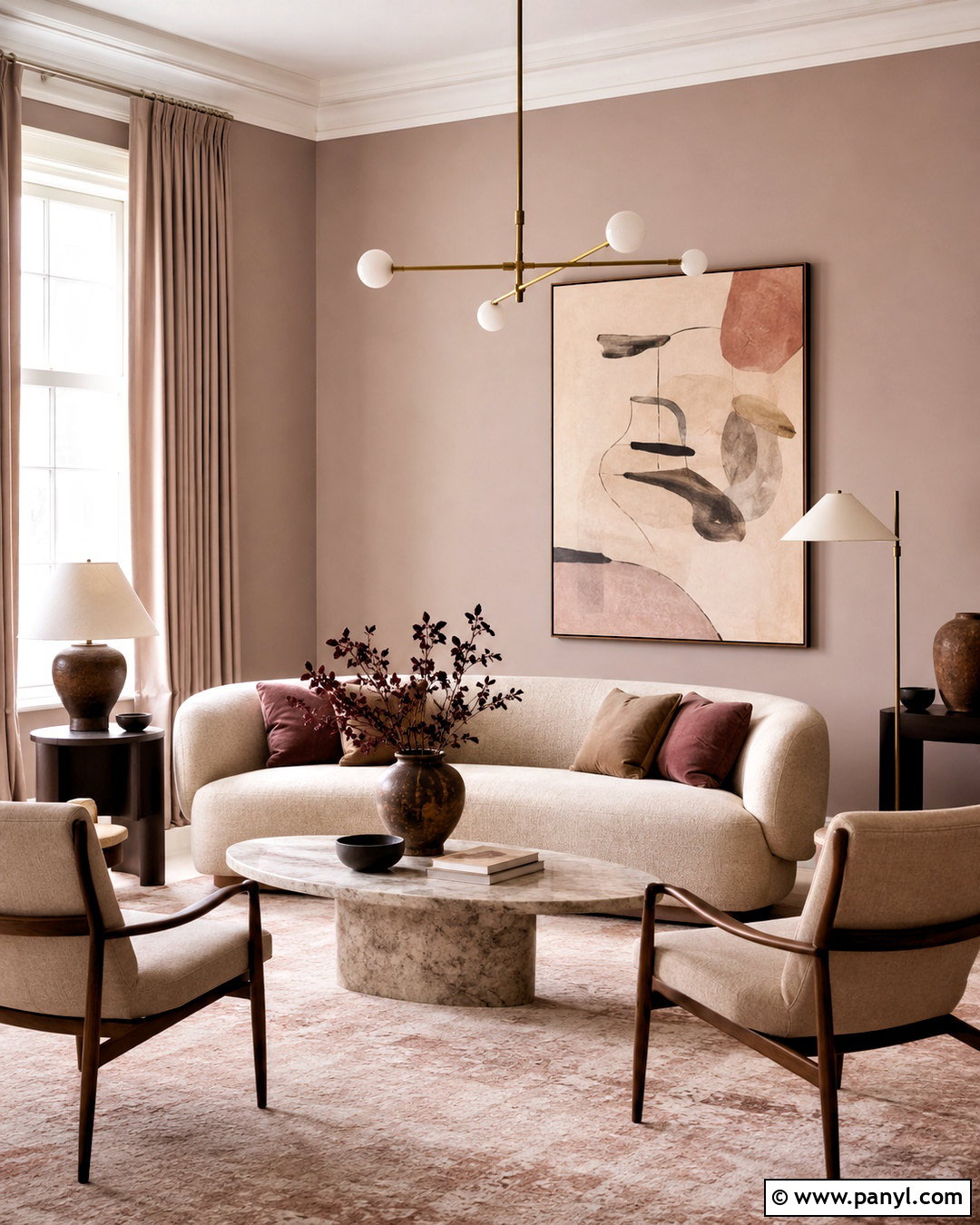
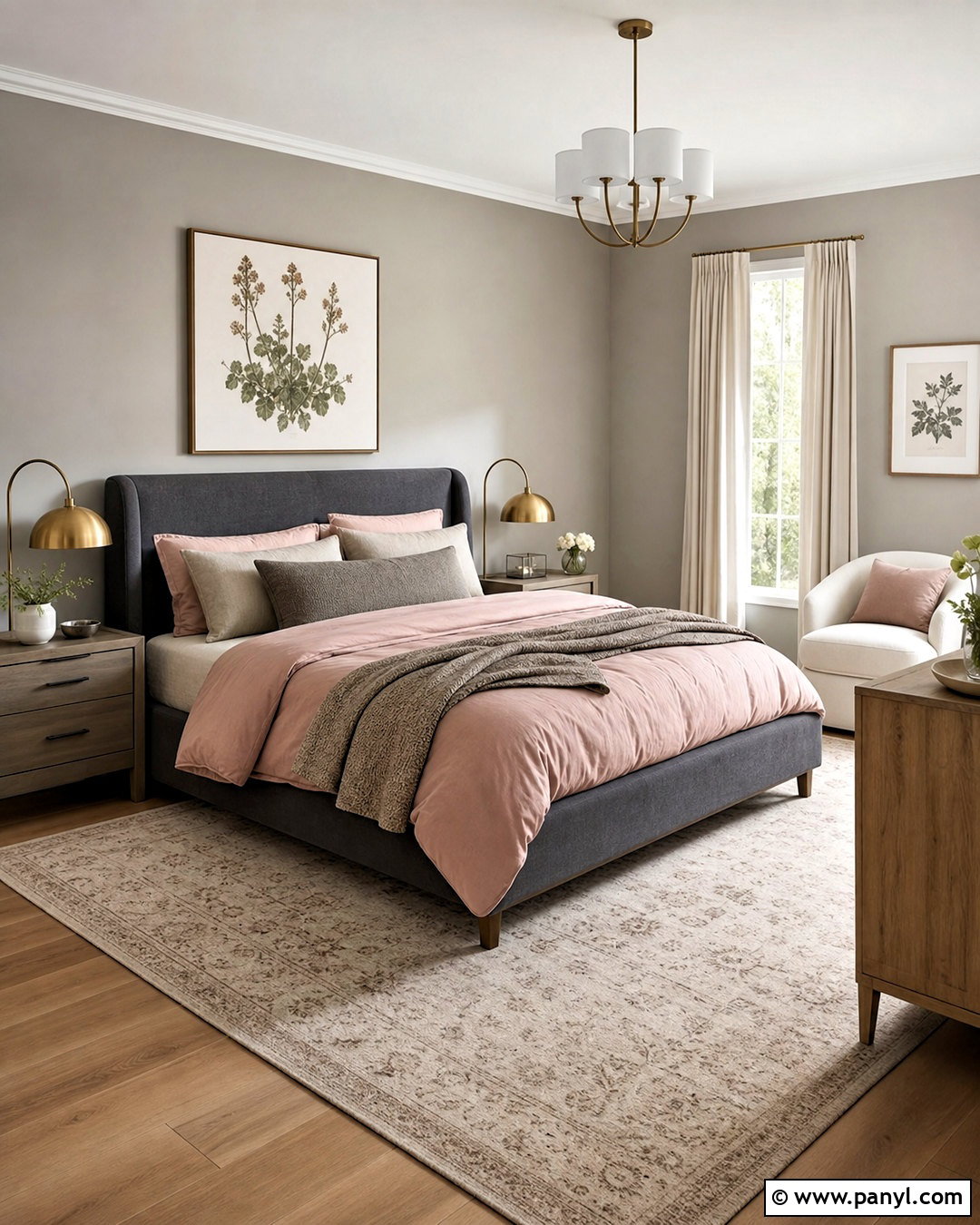
Blush taupe offers a soft alternative to standard beige by combining brown, gray, and a restrained pink undertone. Use it across the walls of a small sitting room to create warmth without making the space feel sugary. Add a curved cream sofa, a pair of walnut-framed chairs, and an oval marble coffee table. A muted rug in ivory and dusty rose will connect the furniture while keeping the palette subtle. Hang taupe linen curtains and choose antique brass lighting for a gentle glow. Dark brown accents, such as a side table or picture frames, prevent the lighter colors from appearing overly delicate. Complete the room with abstract art, sculptural pottery, and a few burgundy branches for a sophisticated, fully layered neutral look.
20. Cocoa Brown Neutral Library
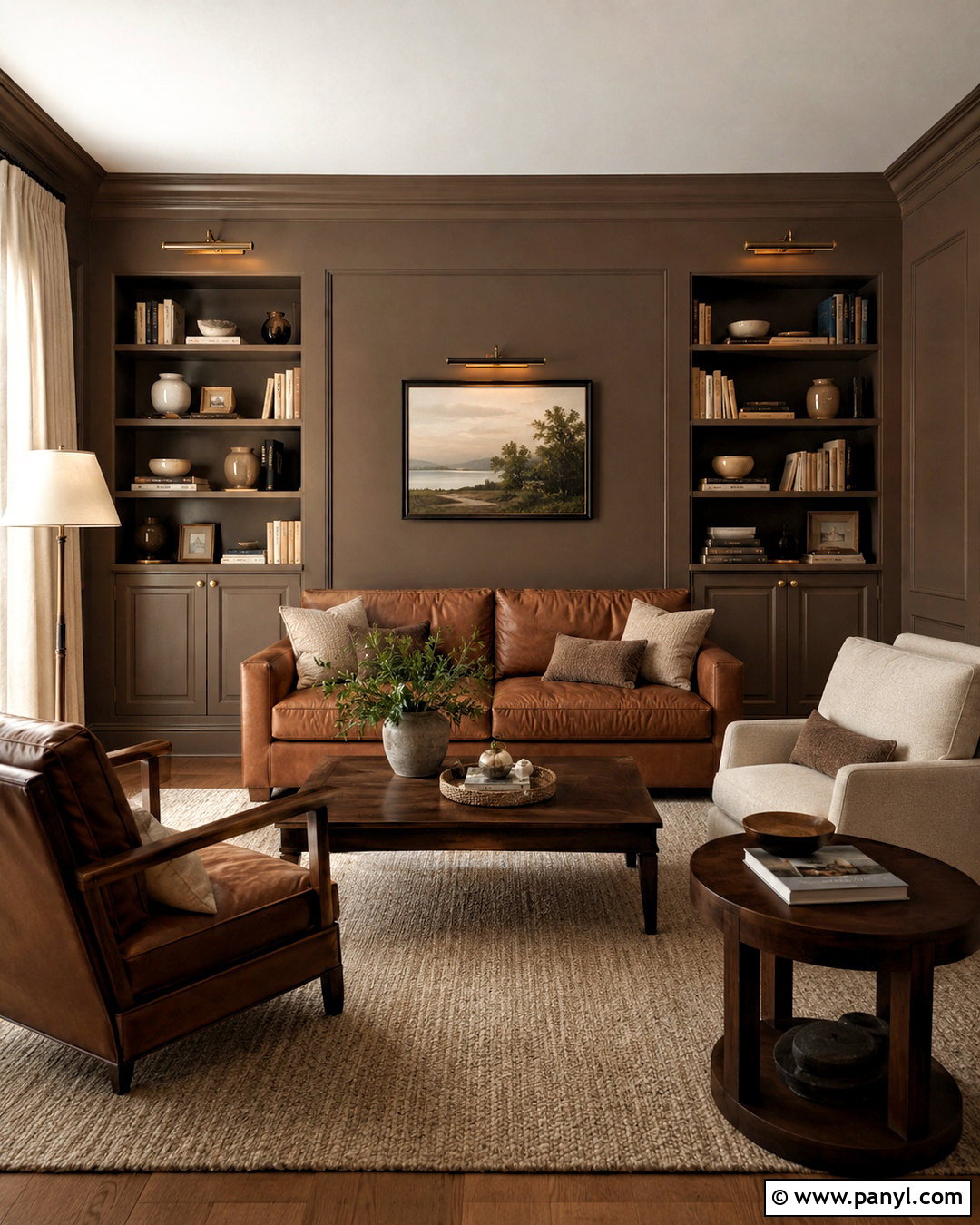
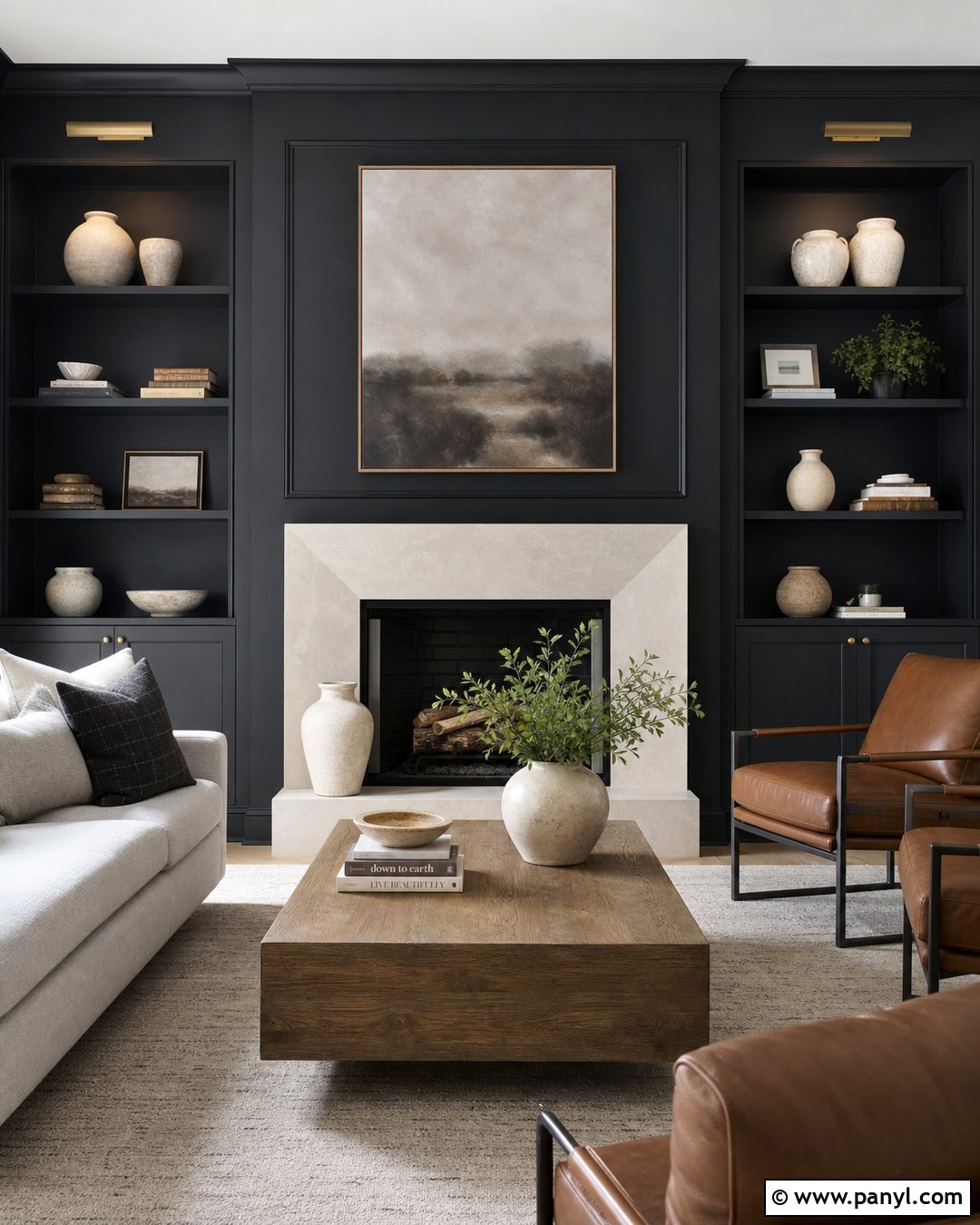
Cocoa brown creates a rich, enveloping library or reading room while still working as a versatile neutral. Paint the walls, shelving, and trim in the same medium cocoa shade for a unified effect. Leave the ceiling warm white if the room is small, or continue the brown overhead in a bright space. Fill the shelves thoughtfully, allowing some open areas for ceramics and framed objects. A camel leather sofa, cream lounge chair, and large oatmeal rug will lighten the darker walls. Use walnut tables and aged brass picture lights to deepen the classic atmosphere. Add ivory curtains and several well-placed lamps for balanced illumination. The final room should feel cozy and collected, with practical reading surfaces and enough contrast to preserve visual clarity.
Conclusion:
The most successful neutral room colors do more than provide a quiet wall background. They establish the undertones that guide every flooring, furniture, fabric, metal, and lighting decision. Warm white and cream can brighten compact rooms, while mushroom, taupe, and cocoa bring depth to spaces designed for relaxation. Muted sage, blush taupe, and blue-gray offer gentle color without sacrificing flexibility. Before committing, paint large samples and view them beside permanent finishes during the morning, afternoon, and evening. Once you identify the right undertone, repeat it through several materials instead of matching everything exactly. This approach creates a layered, comfortable room that feels coordinated, personal, and easy to update over time.

Related Ideas and Inspiration:

Leave a Reply