
Cream brings warmth to a home without making rooms feel dark, heavy, or overly yellow. These 20 creamy wall color ideas explore how soft ivory, vanilla, almond, linen, and beige-cream tones can shape complete interiors. The right shade depends on natural light, flooring, trim, furniture, and nearby finishes. A pale cream may brighten a shaded room, while a richer cream can make a sunny space feel grounded and inviting. Always test large samples on several walls and view them during the morning, afternoon, and evening. From relaxed living rooms to polished kitchens and cozy bedrooms, the following complete color schemes make it easier to coordinate every detail. Use these 20 creamy wall color ideas to find a warm, practical look for your home.

1. Creamy White Living Room Walls
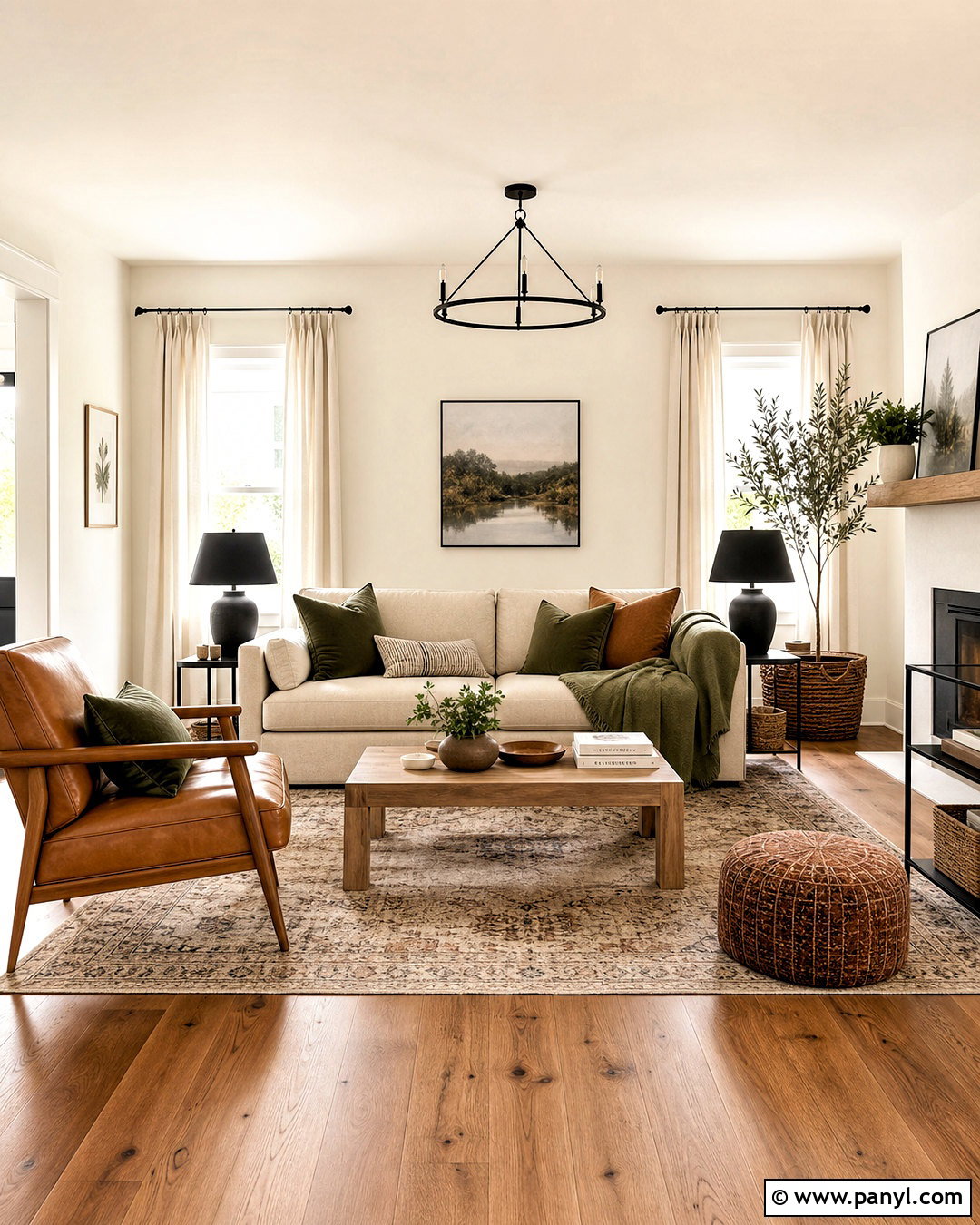
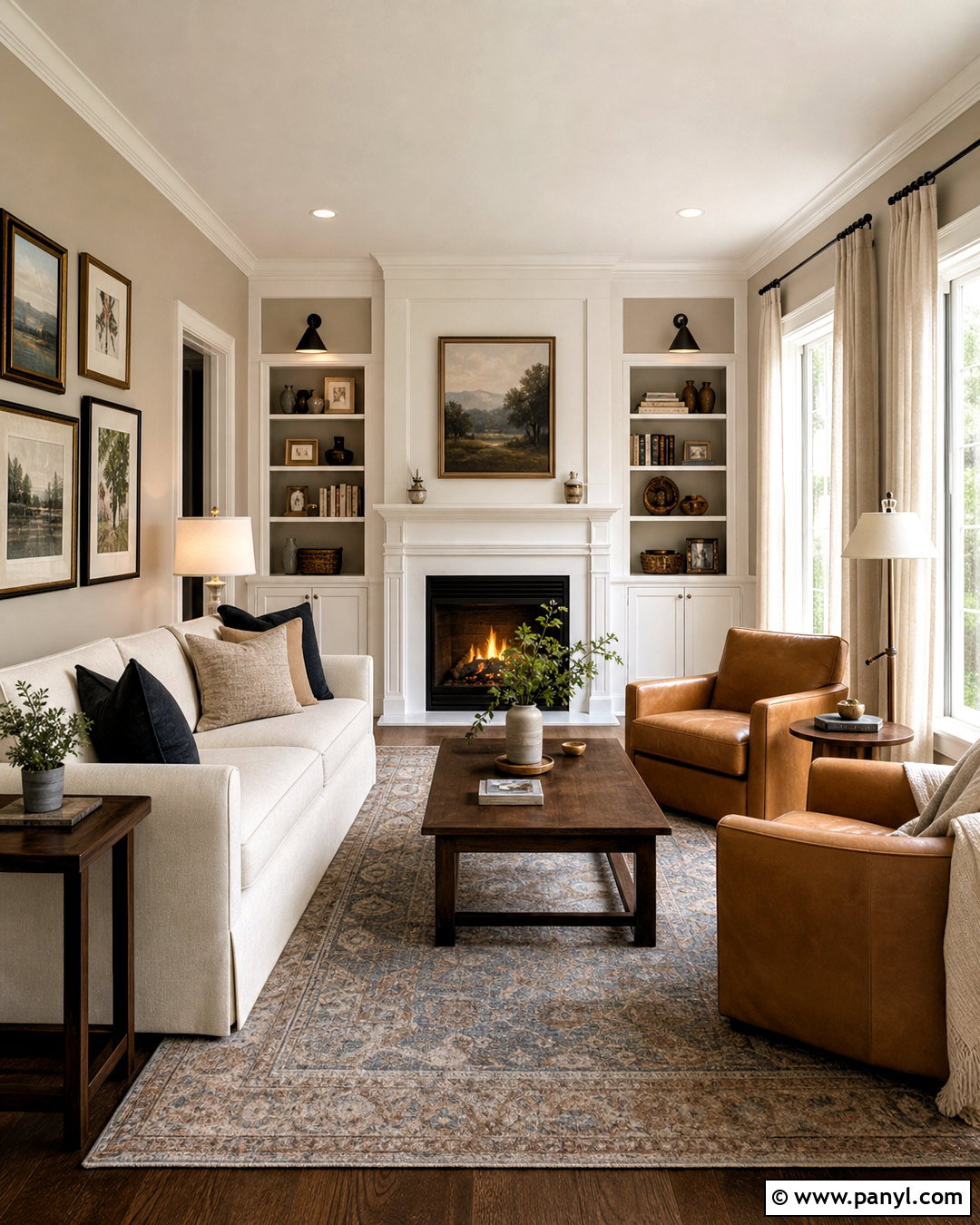
Creamy white walls create a bright living room without the sharpness of pure white. Choose a soft shade with balanced beige and yellow undertones, then pair it with warm white trim for gentle definition. A light oatmeal sofa, camel leather chair, and natural oak coffee table continue the welcoming palette. Bring in contrast through matte black lamps, charcoal picture frames, and a muted rust or olive rug. Off-white linen curtains should hang close to the ceiling to emphasize height and filter sunlight. Layer boucle, cotton, wool, and woven baskets so the neutral room feels dimensional rather than plain. Medium-tone wood flooring grounds the light walls, while leafy plants add a fresh color that works naturally with cream.
2. Warm Ivory Bedroom Walls
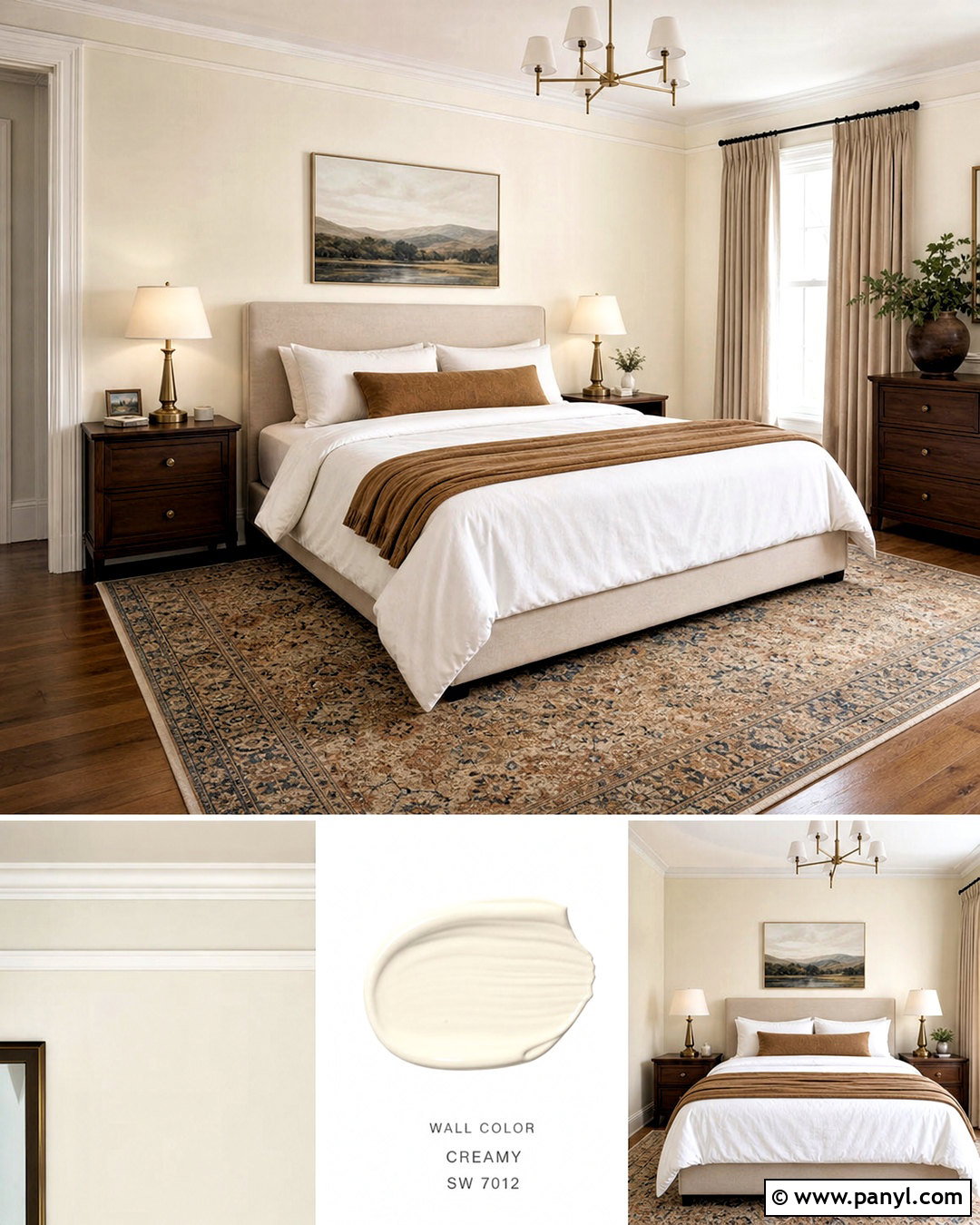
Imagine waking up in a bedroom that feels softly illuminated even before the curtains open. Warm ivory walls provide that effect, especially when combined with a fabric headboard in taupe, oatmeal, or muted brown. Use slightly lighter ivory on the ceiling and trim to create a seamless transition without making the room look monochromatic. Walnut nightstands and antique brass lamps add depth, while white bedding keeps the bed looking fresh. Layer a beige quilt, caramel throw, and patterned lumbar pillow for warmth. Full-length linen curtains soften the windows, and a wool rug in faded tan and blue introduces quiet pattern. Keep artwork simple, using warm wood frames and earthy landscapes that reinforce the peaceful, collected bedroom palette.
3. Buttery Cream Kitchen Walls
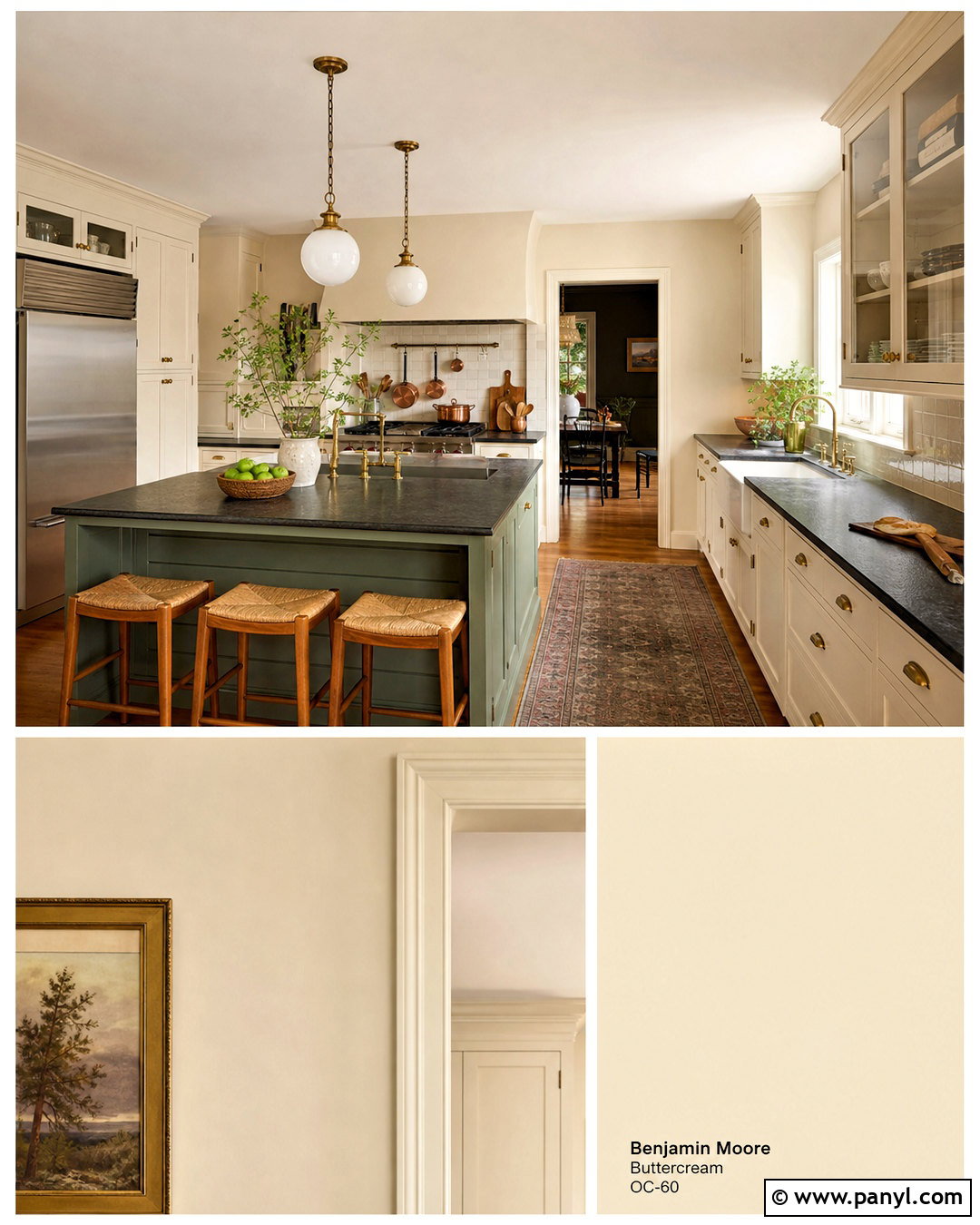
A softly buttery cream can make a kitchen feel sunny, comfortable, and connected to traditional materials. Keep the yellow undertone restrained so the walls appear warm rather than brightly colored. Pair them with warm white cabinets, aged brass hardware, and a backsplash of handmade ivory tile. Medium oak flooring and counter stools add natural texture, while soapstone or honed black countertops provide useful contrast. Display white ceramics, wooden cutting boards, and a few copper pieces instead of filling every surface. A muted sage green island can introduce an earthy focal point without competing with the cream. Finish the room with simple globe pendants and washable woven shades. The complete palette feels cheerful, timeless, and practical for everyday cooking and gathering.
4. Beige Cream Dining Room Walls
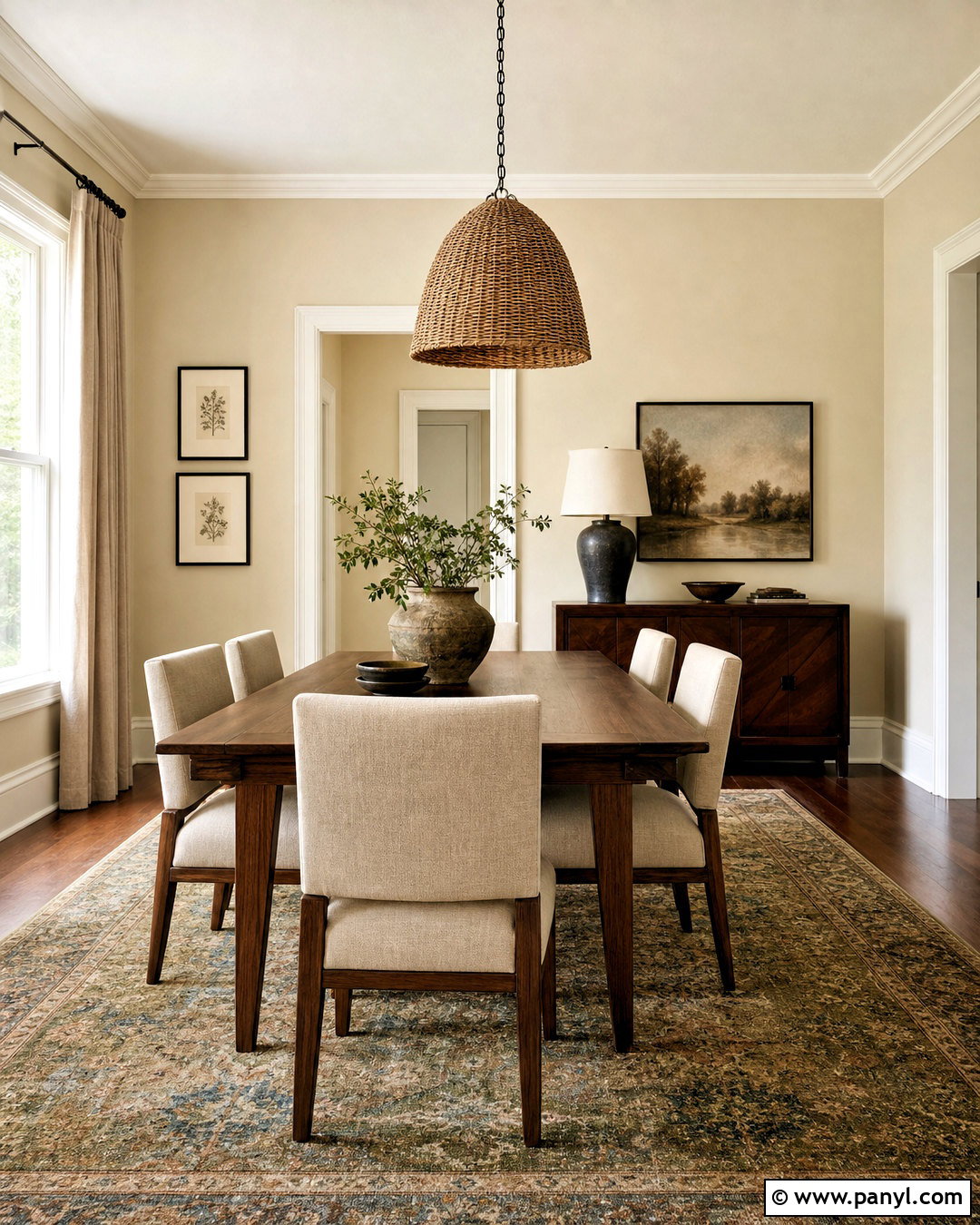
Beige cream walls give a dining room more substance than pale white while remaining flexible enough for changing decor. Build the scheme around a medium walnut dining table and upholstered chairs in natural linen. Crisp ivory trim keeps architectural details visible, especially around windows, doorways, or wall molding. Add a large woven pendant above the table to distribute warm texture through the center of the room. A faded rug featuring olive, brown, and dusty blue can anchor the furniture and disguise everyday wear. Choose substantial curtains in oatmeal or soft taupe rather than matching the walls exactly. Finish with black-framed artwork, ceramic tableware, and a dark wood sideboard. These deeper accents prevent the creamy wall color from making the dining room appear washed out.
5. Pale Vanilla Bathroom Walls
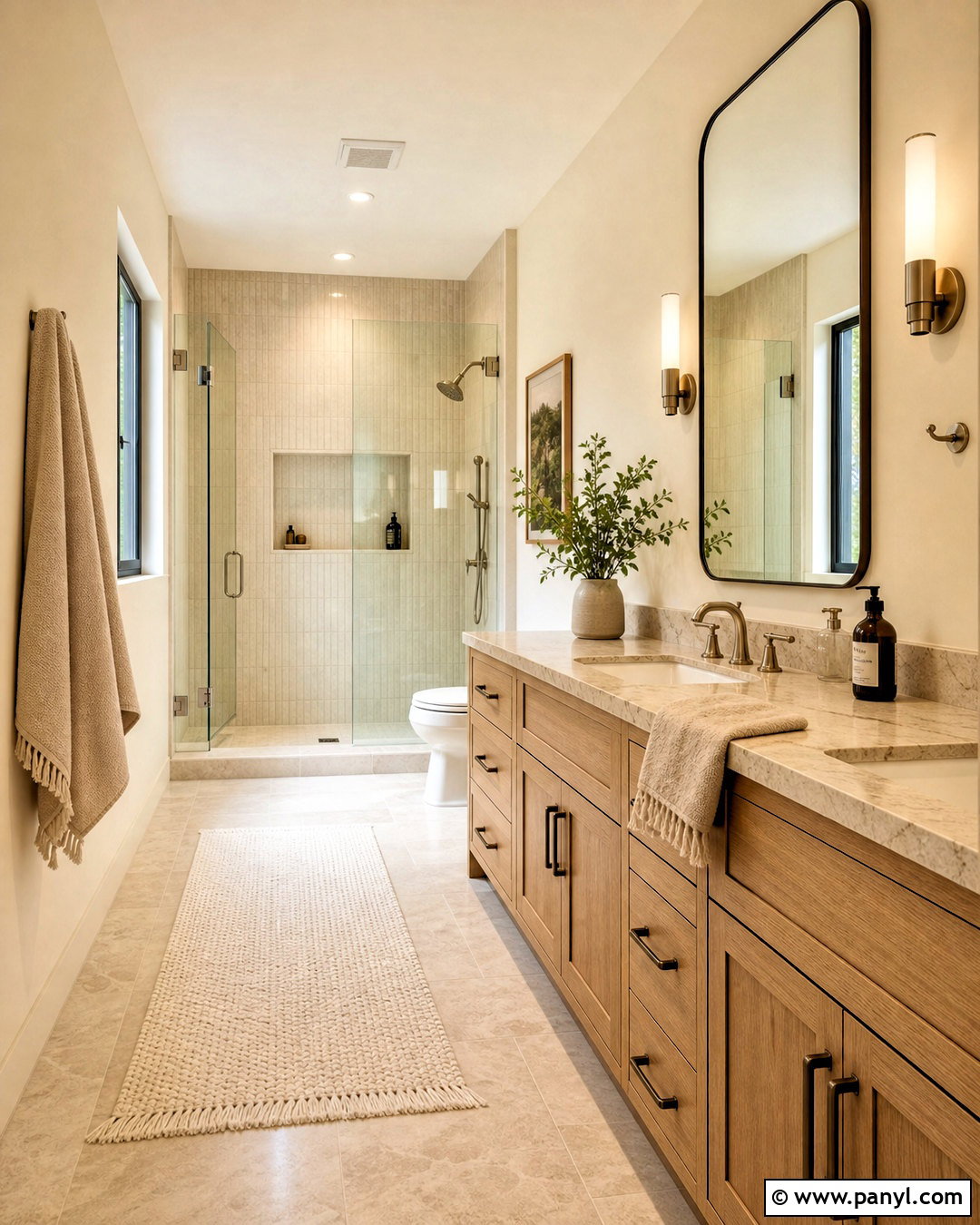
Pale vanilla walls can warm up a bathroom filled with hard, reflective surfaces. Select a light cream that looks clean beside white porcelain, then introduce honed beige limestone or warm marble through the floor and vanity top. A natural oak vanity keeps the room relaxed, while brushed nickel fixtures add a crisp finish without creating severe contrast. Use warm white for the ceiling, trim, and door so the vanilla walls remain subtle. A frameless glass shower helps the compact space feel open, and vertical ivory tile adds texture around the bathing area. Complete the room with oatmeal towels, a washable cream runner, and one muted green plant. The result feels bright and polished, yet noticeably softer than an all-white bathroom scheme.
6. Creamy Greige Home Office Walls
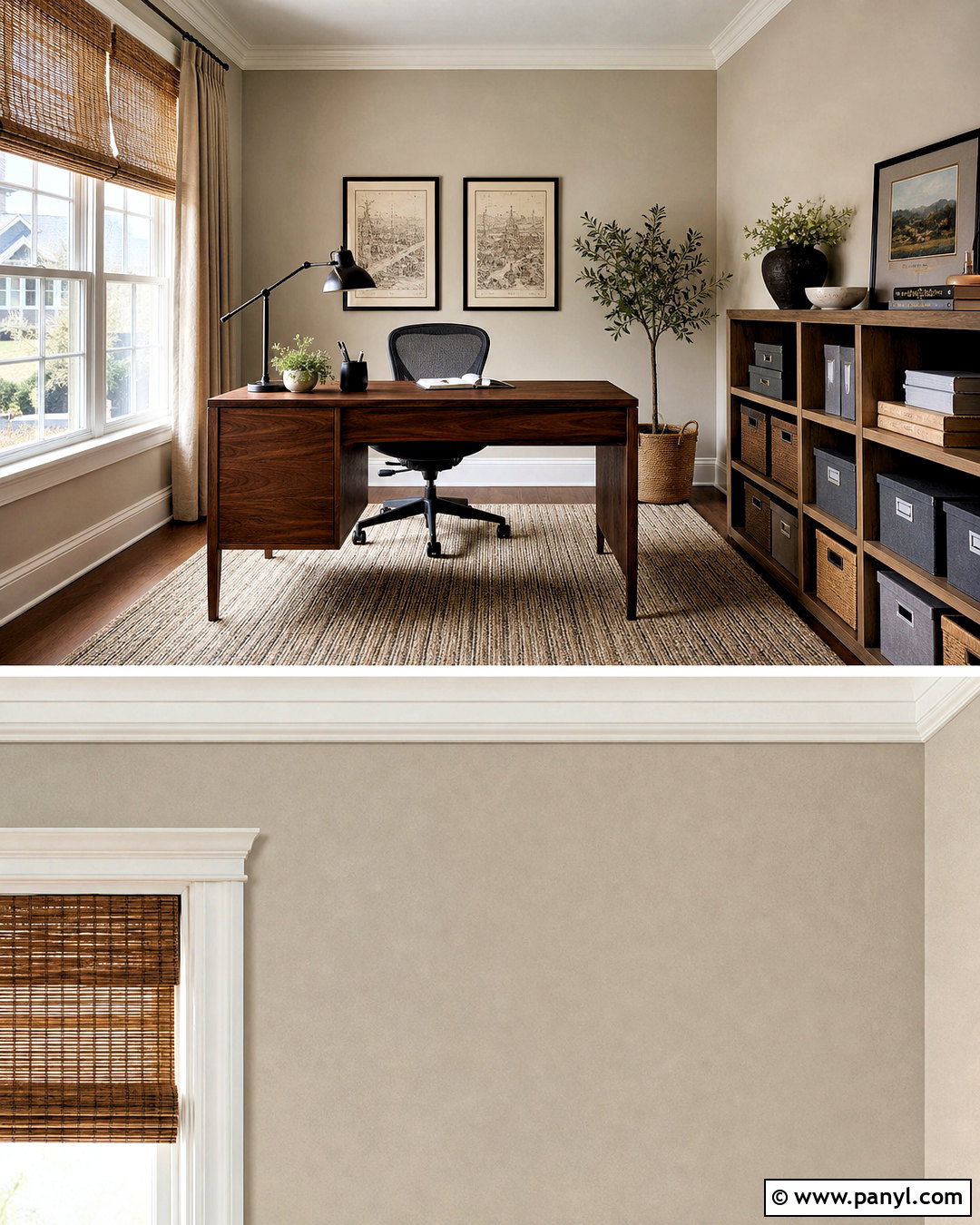
If traditional cream feels too yellow, creamy greige offers a calmer, slightly cooler alternative. This wall color works especially well in a home office with warm wood furniture and plenty of natural light. Choose a substantial oak or walnut desk, then place a low bookcase behind it to create an organized background. Soft white trim sharpens the edges of the room, while a charcoal task chair and matte black lamp introduce professional contrast. Add woven shades and full-length beige curtains to control glare throughout the day. A flatweave rug in tan, gray, and ivory can connect the warm and cool notes. Limit decorative pieces to framed prints, closed storage boxes, and one ceramic lamp, keeping the complete workspace focused but still comfortable.
7. Almond Cream Entryway Walls

An entryway painted almond cream immediately feels warmer and more welcoming than one finished in stark white. The slightly deeper wall color also handles the visual weight of doors, storage, and busy flooring. Pair it with creamy white trim and a medium wood front door for a layered neutral entrance. A slim black console adds structure without taking up excessive space. Above it, hang a rounded mirror with an aged brass or dark bronze frame. Use a durable runner that combines tan, rust, and muted navy, allowing it to hide dirt while adding pattern. A woven bench, lidded baskets, and simple wall hooks keep everyday belongings controlled. Finish with one table lamp and a leafy branch arrangement for a practical, complete first impression.

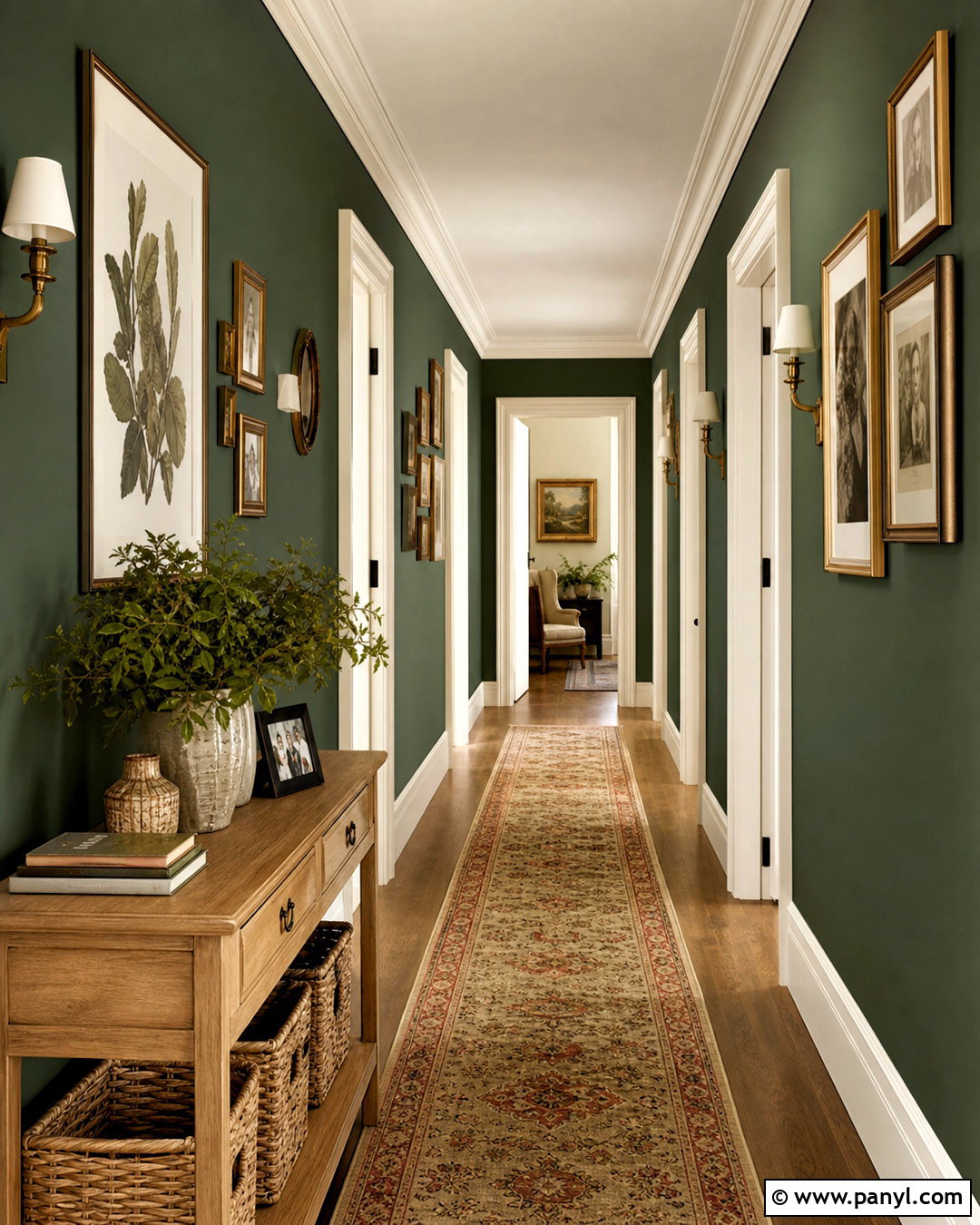
8. Linen Cream Family Room Walls
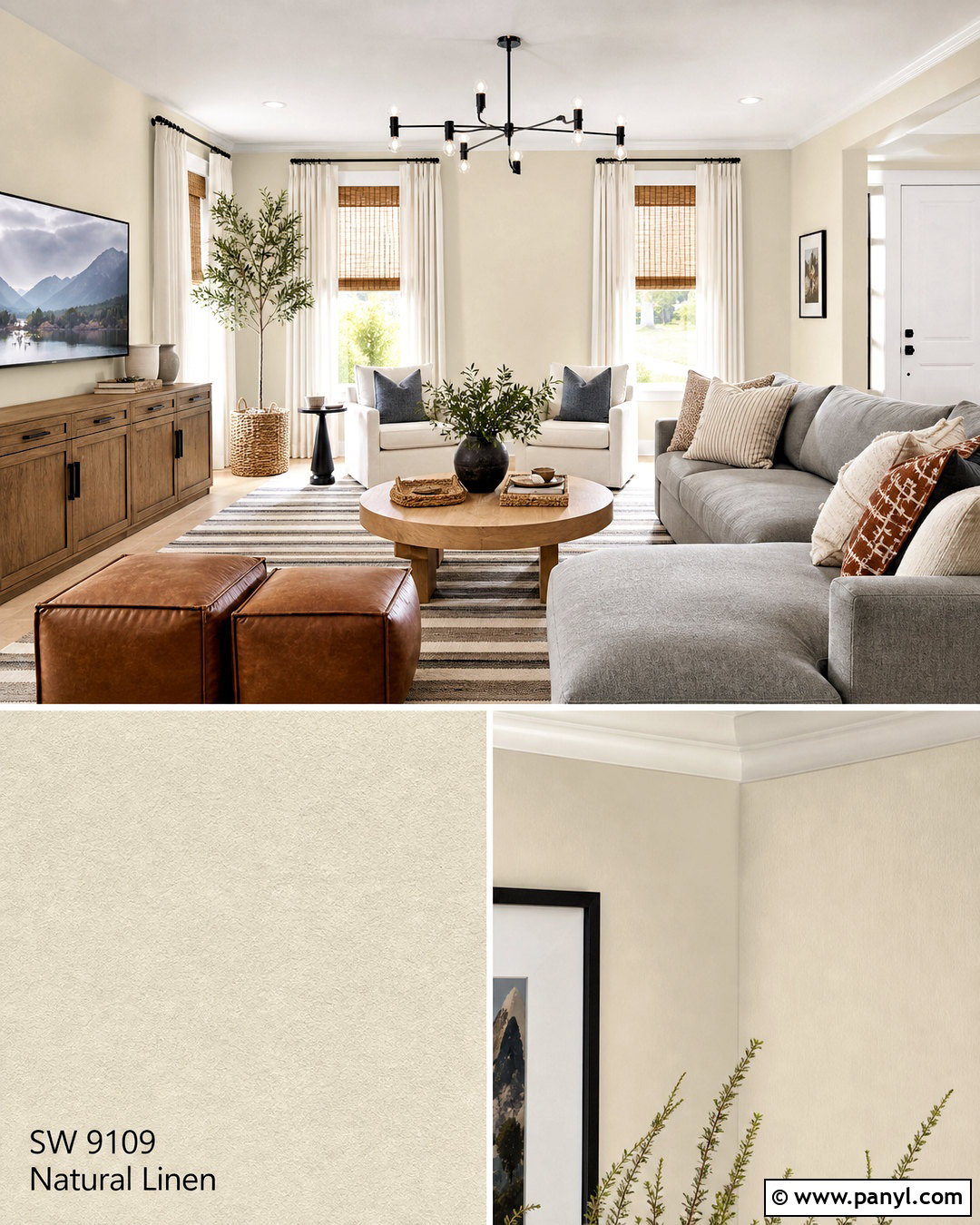
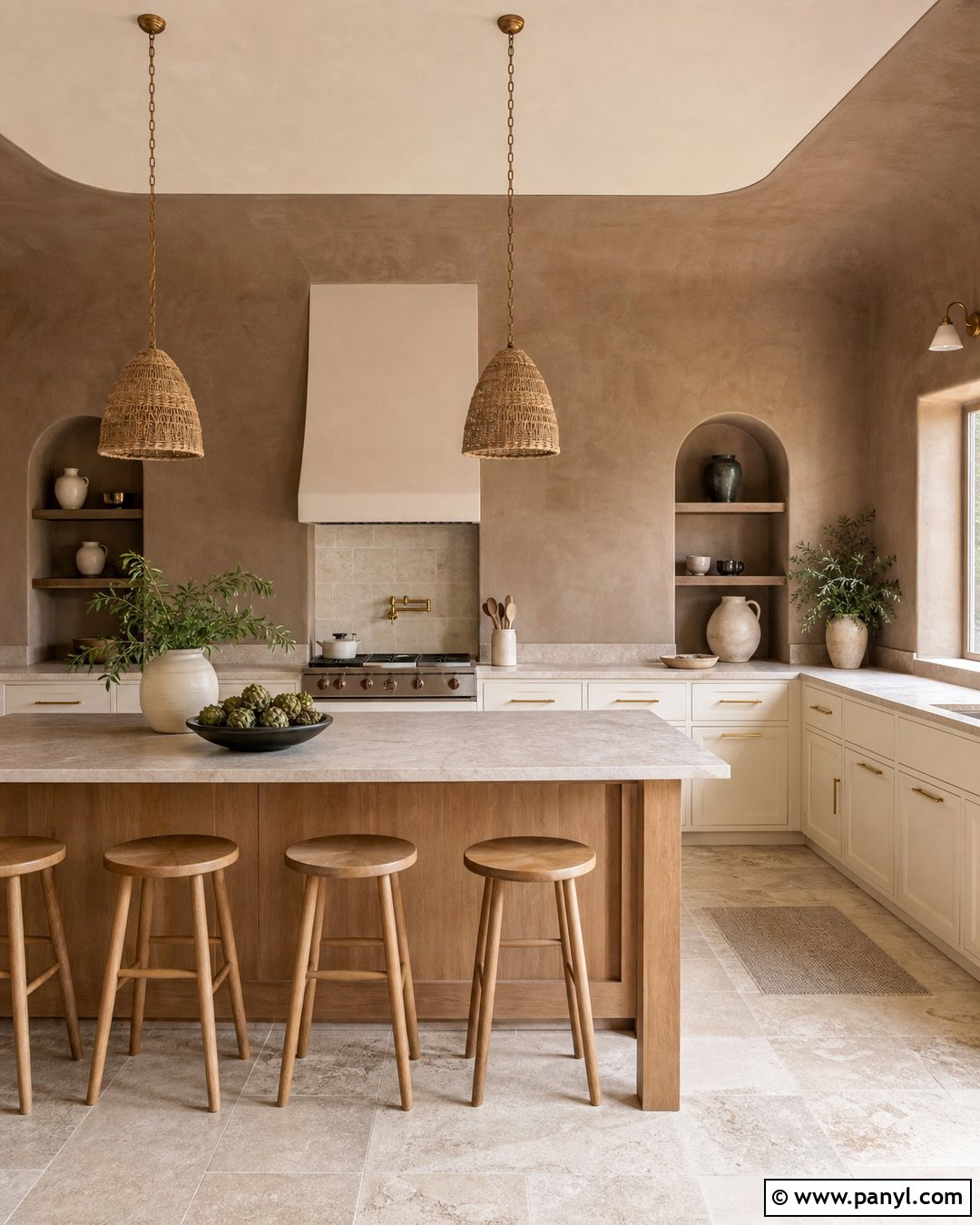
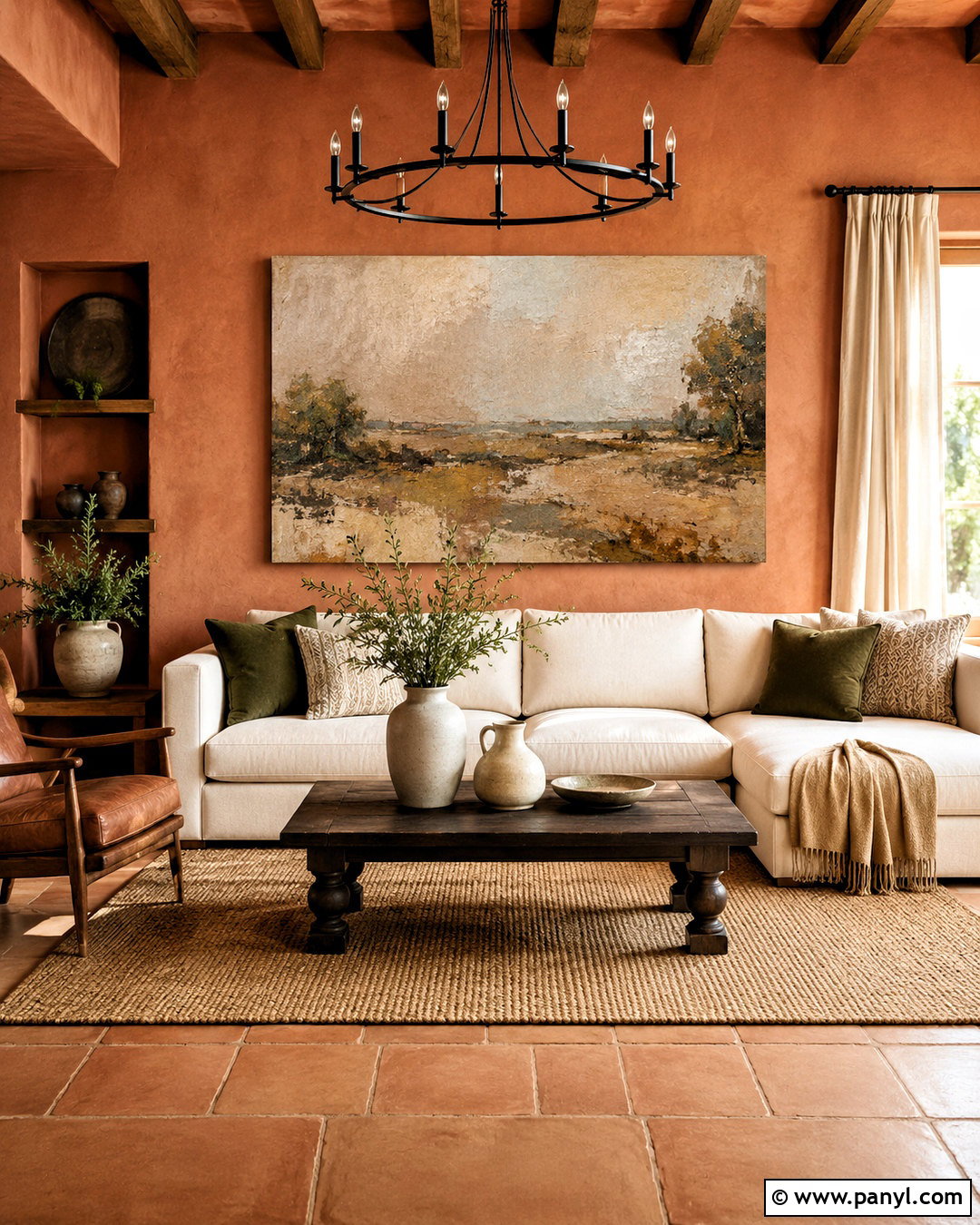
Linen cream walls establish a relaxed foundation for a family room designed around comfort and durability. Their subtle beige cast works well with a deep sectional in warm gray, taupe, or soft brown. Add a large oak coffee table with rounded edges and closed media cabinetry in the same wood family. Rather than using many small accessories, introduce character through one oversized landscape, textured pillows, and a broad striped rug. Warm white trim brightens the perimeter, while woven bamboo shades balance simple cotton curtains. Include leather ottomans or washable slipcovered chairs for flexible seating. Black metal lighting and dark picture frames provide definition. The overall room remains light and cohesive, but practical materials prevent the creamy palette from feeling overly delicate or formal.
9. Peach Cream Nursery Walls
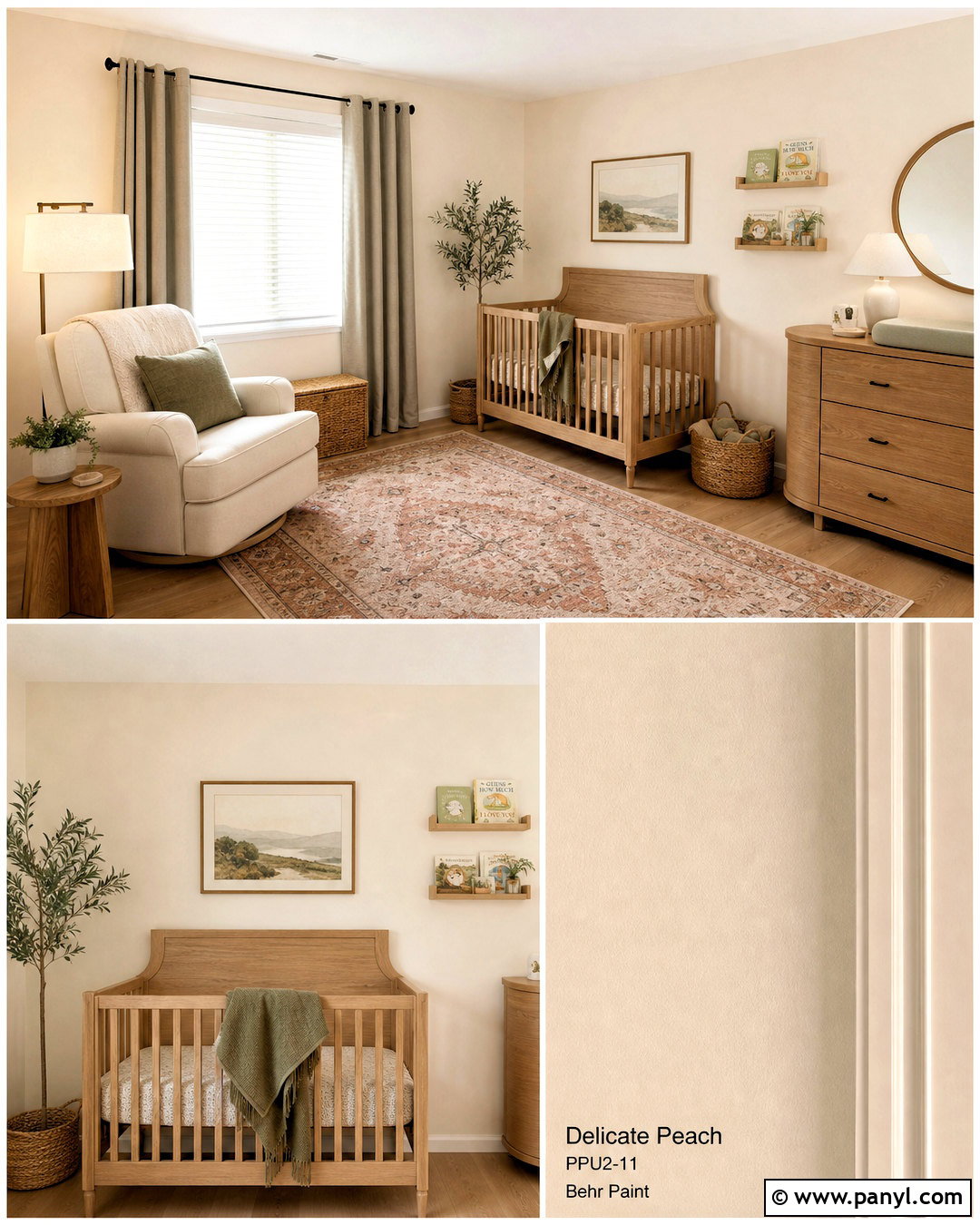
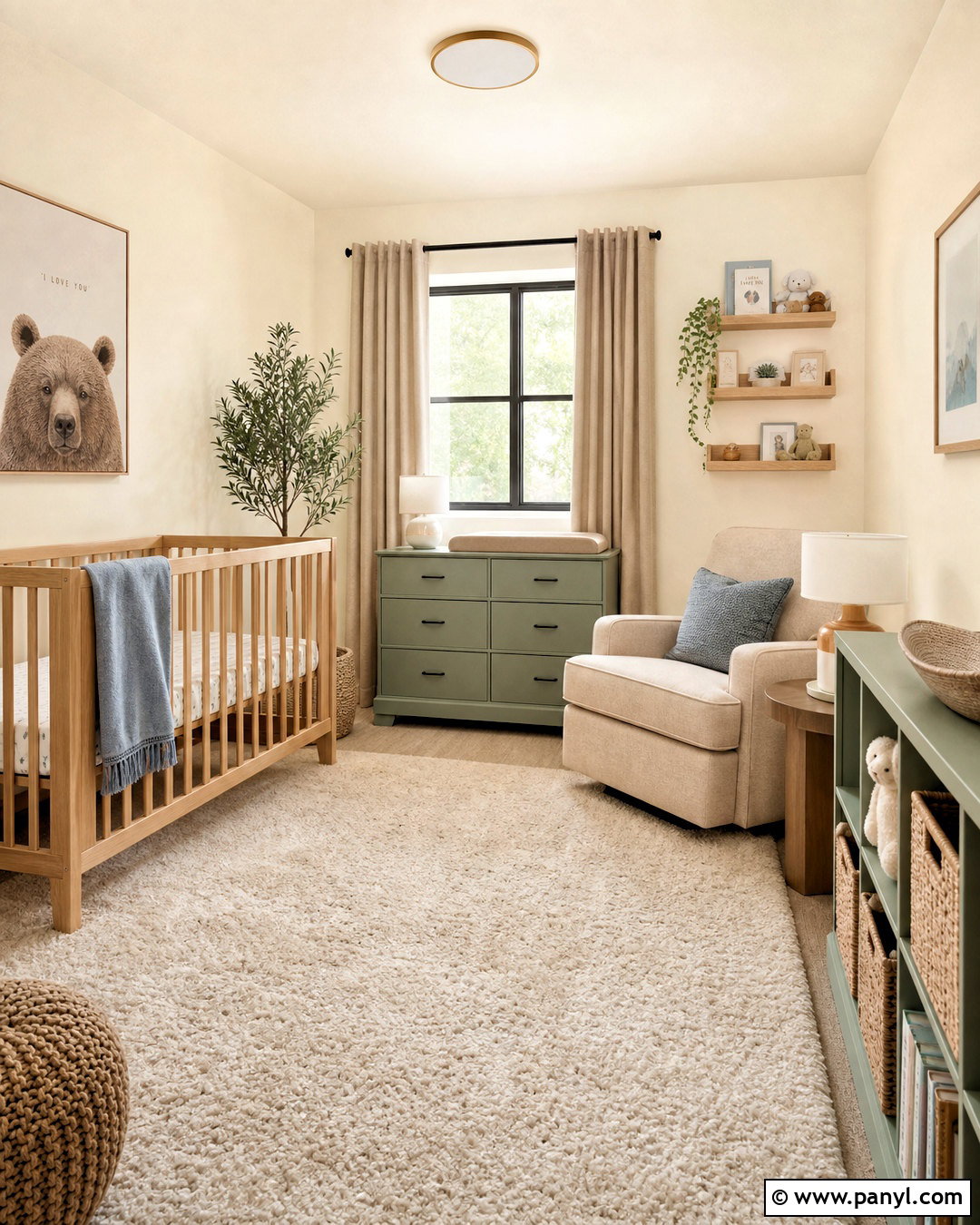
Peach cream walls offer gentle color for a nursery without locking the room into a strong theme. Look for a pale cream with a subtle blush or apricot undertone, then balance it with warm white trim and natural wood furniture. A light oak crib, rounded dresser, and comfortable ivory glider create a calm arrangement. Use blackout curtains in oatmeal linen to manage light while keeping the palette soft. A washable rug with muted terracotta, beige, and dusty rose details adds pattern underfoot. Keep storage simple with woven baskets and wall-mounted book ledges. Small touches of sage green can appear in bedding, artwork, or a painted side table. The finished nursery feels warm and nurturing while remaining adaptable as the child grows and the furnishings change.
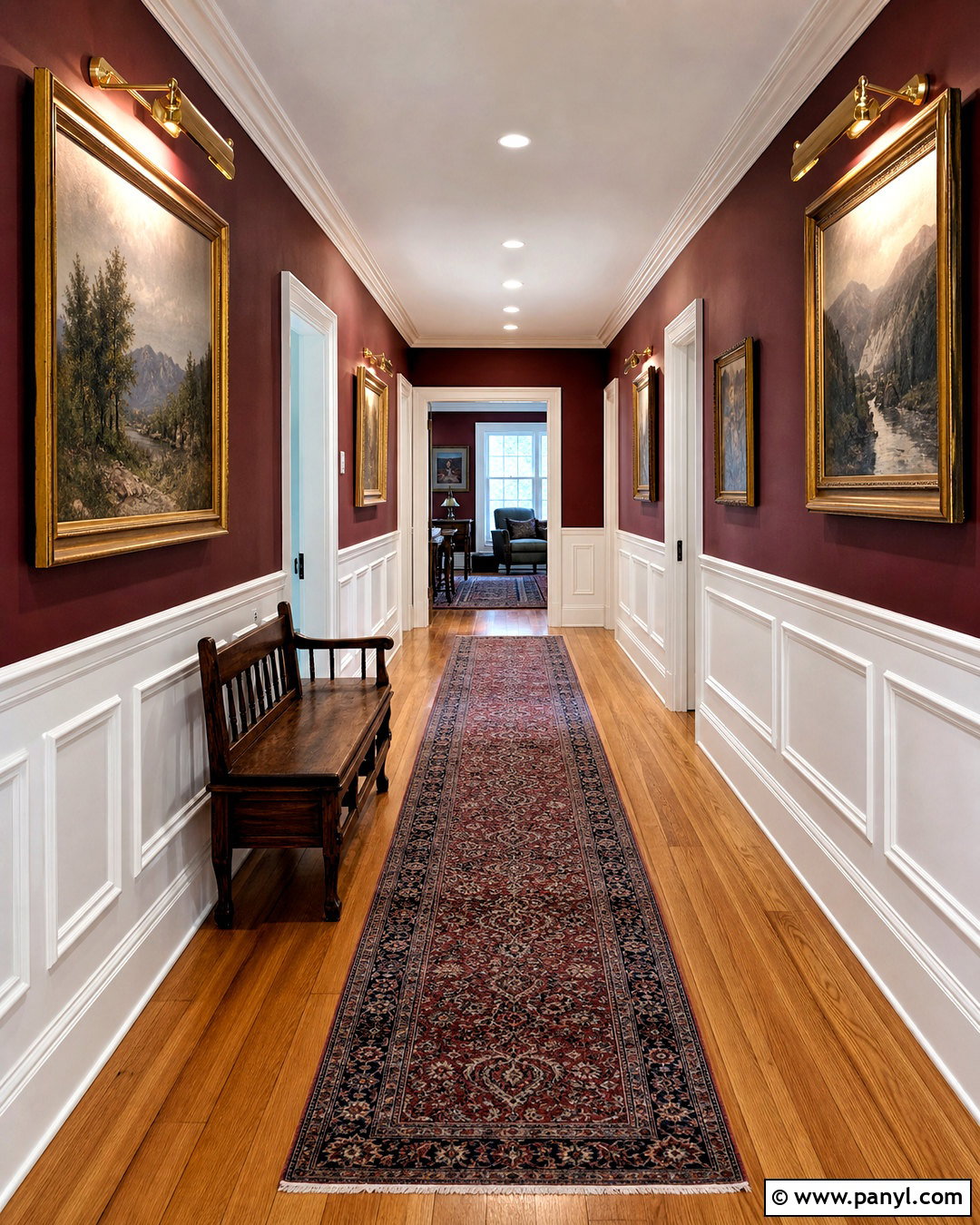
10. Yellow Cream Breakfast Nook Walls
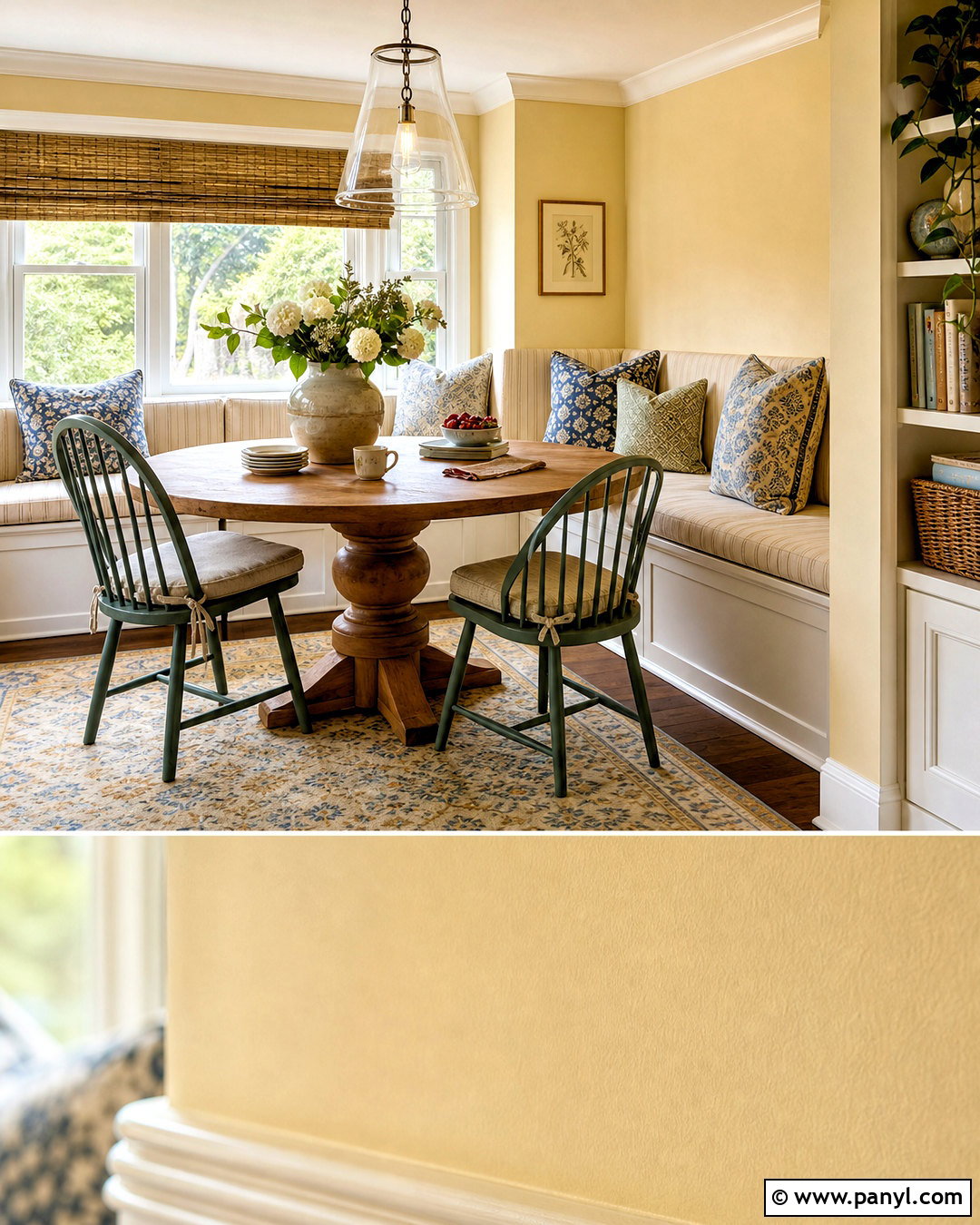
Morning light can make yellow cream walls glow beautifully in a casual breakfast nook. Choose a softened shade that resembles pale custard rather than bright lemon. A built-in bench painted warm white will keep the corner fresh, while striped beige cushions provide comfortable seating. Center a round oak pedestal table in the space and add two spindle-back chairs in muted green or black. Woven shades soften strong sunlight and echo the natural finish of the table. For the floor, use a small flatweave rug in cream, gold, and faded blue. Simple ceramic dishes and a clear glass pendant maintain the airy mood. This complete design feels cheerful and lived-in, making the nook an inviting place for coffee, homework, or relaxed weekday meals.
11. Mushroom Cream Hallway Walls
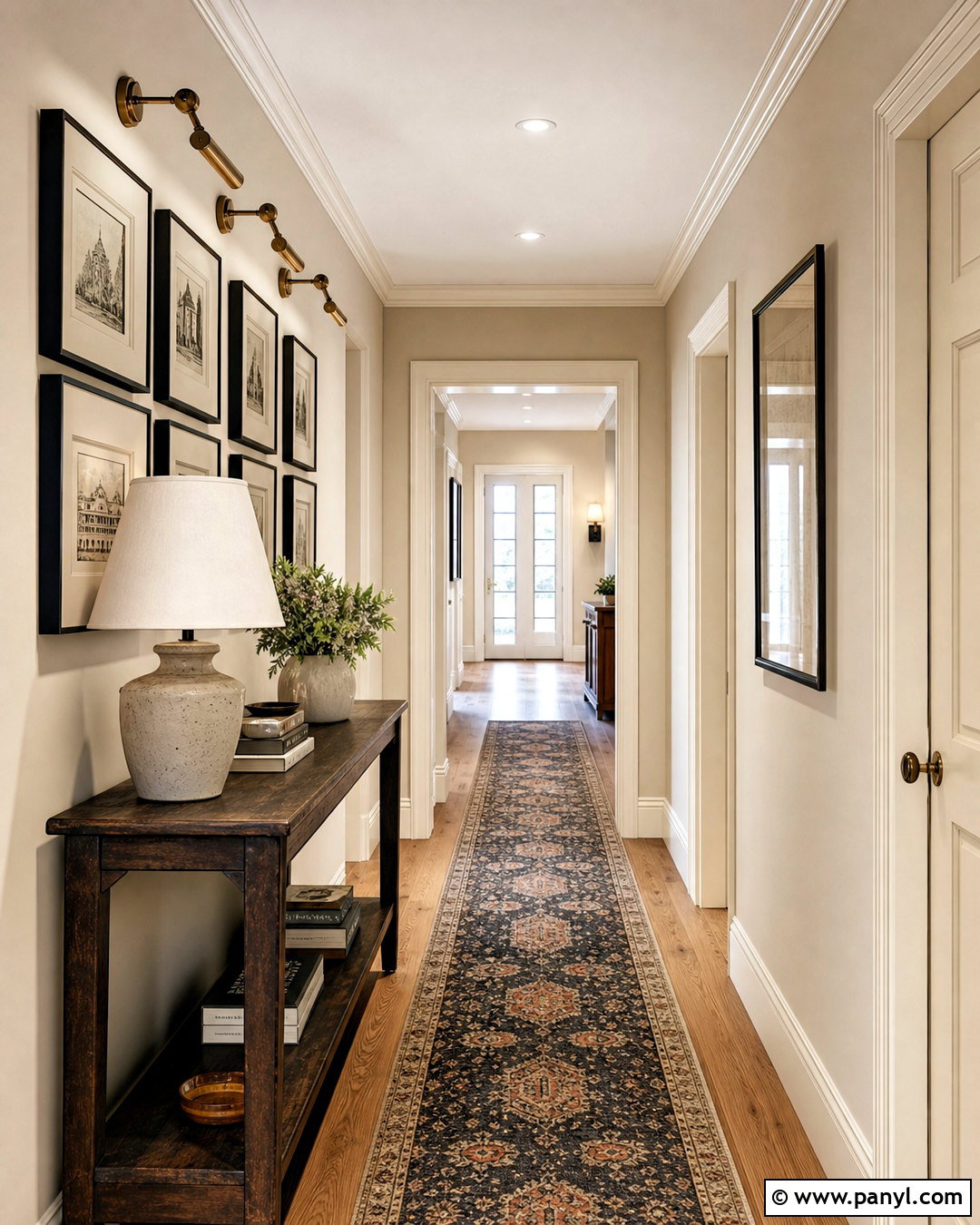
A mushroom cream wall color brings quiet depth to hallways that might otherwise feel blank or overlooked. Its beige-brown undertone is especially useful beside warm wood floors, aged doors, or antique furniture. Paint the trim a lighter cream instead of brilliant white to avoid harsh outlining. Add a narrow runner featuring charcoal, taupe, and faded rust, leaving enough flooring visible along both edges. A series of black or walnut frames can create an orderly gallery without overwhelming the passage. Where space allows, place a shallow console with a ceramic lamp and lidded bowl for keys. Brass picture lights add warmth and purpose to longer walls. The layered neutral palette gives the hallway a finished identity while maintaining an open, easy flow between nearby rooms.
12. Natural Cream Laundry Room Walls

Laundry rooms benefit from colors that feel clean but can also soften white appliances and utility surfaces. Natural cream walls achieve that balance when paired with warm white cabinetry and light quartz countertops. Add a backsplash of small beige or ivory tiles to introduce subtle movement behind the sink and folding area. Medium-tone oak shelves keep supplies accessible and prevent the room from feeling clinical. Store detergents in simple baskets or closed cabinets rather than filling the counter. A patterned vinyl or porcelain floor in cream, charcoal, and taupe can handle moisture while adding personality. Complete the design with matte black hooks, a hanging rail, and a woven Roman shade. Even a compact laundry room will feel organized, warm, and intentionally connected to the rest of the home.
13. Creamy Walls With Dark Wood
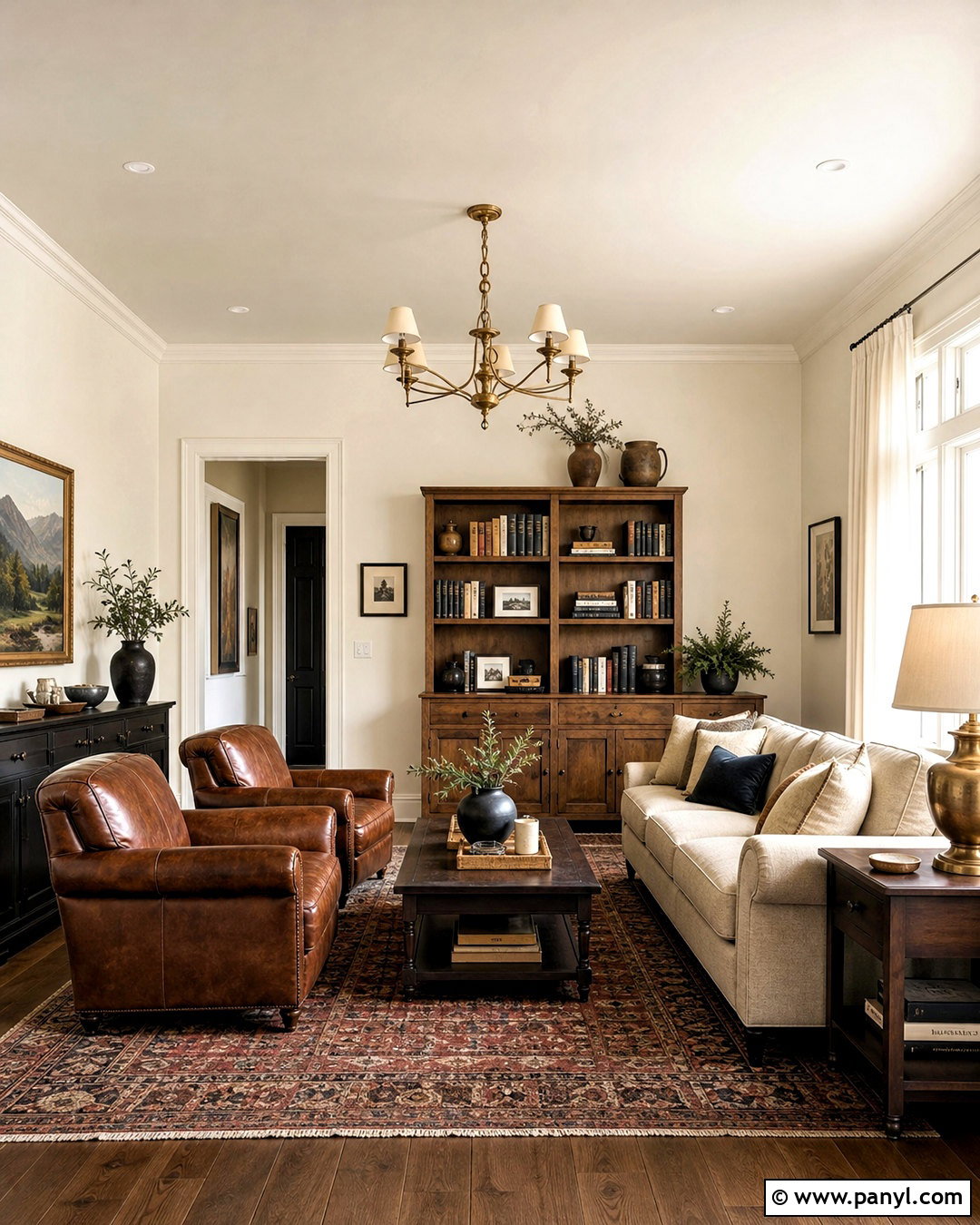
The contrast between creamy walls and dark wood creates an interior that feels grounded and timeless. Use a balanced cream with enough warmth to complement walnut, mahogany, or espresso finishes without turning noticeably yellow. In a living room, position a dark wood console or bookcase against the light wall and repeat the finish through side tables and picture frames. Choose a sofa in oatmeal linen and chairs in cognac leather to bridge the color difference. Warm white trim keeps the room bright, while antique brass lighting reinforces the traditional warmth. A rug with faded burgundy, olive, and tan can introduce restrained color. Keep window treatments light and simple so natural light reaches the walls and reveals the depth of the wood grain.
14. Creamy Walls With Sage Green
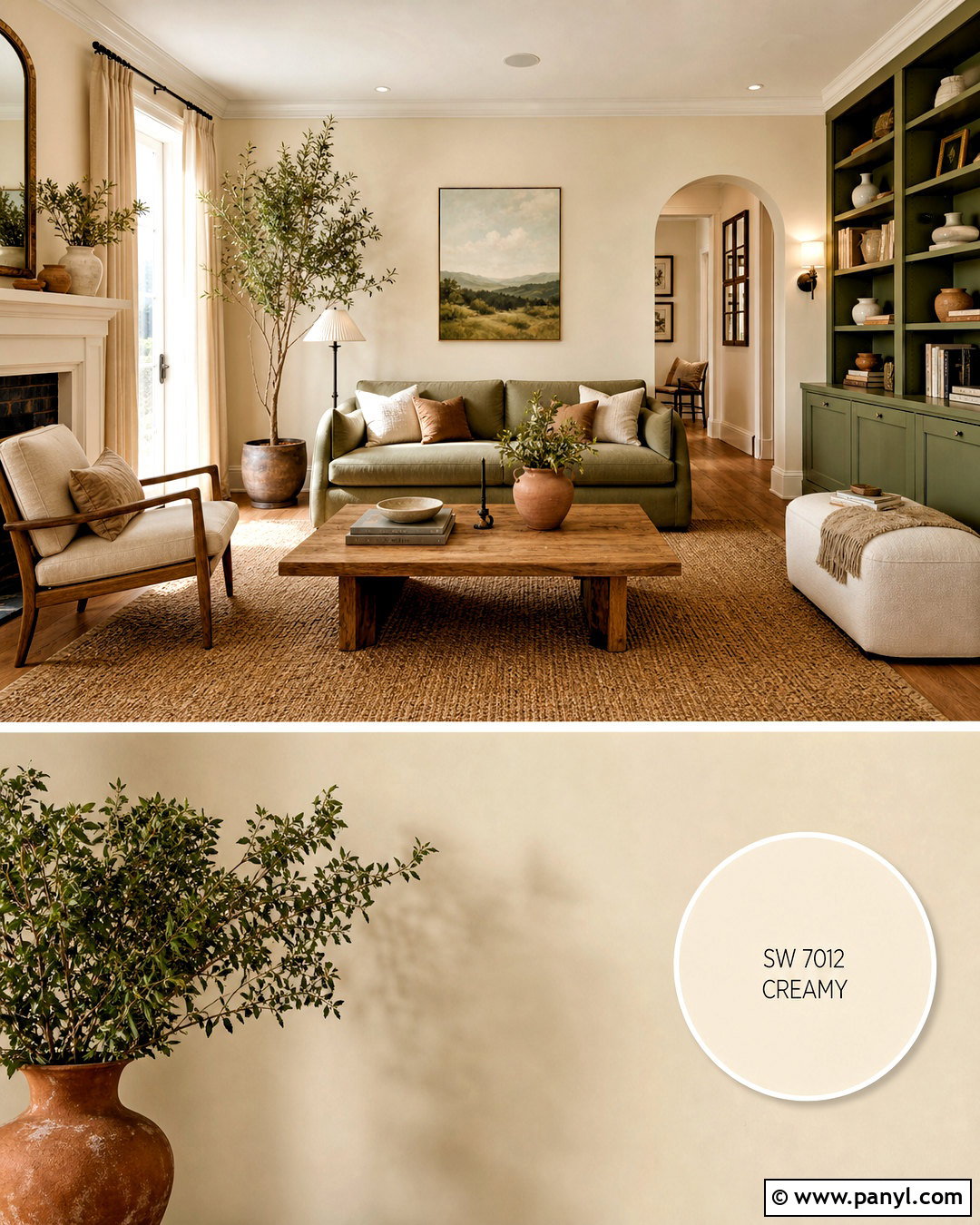
Creamy walls and sage green make a balanced pairing inspired by soft, natural colors. Start with pale cream walls, warm white trim, and oak flooring. Introduce sage through a sofa, painted built-ins, or a pair of upholstered chairs so the color has enough presence to anchor the room. Layer in linen curtains, a jute-blend rug, and medium wood tables for an organic foundation. Small accents of dark bronze or matte black keep the palette from looking overly delicate. For artwork, select landscapes or abstract prints that repeat cream, olive, and muted brown. Terracotta pottery can add one warmer note. Because every element shares a softened undertone, the finished living space feels connected, calm, and colorful without losing the flexibility of a neutral background.
15. Creamy Walls With Navy Blue
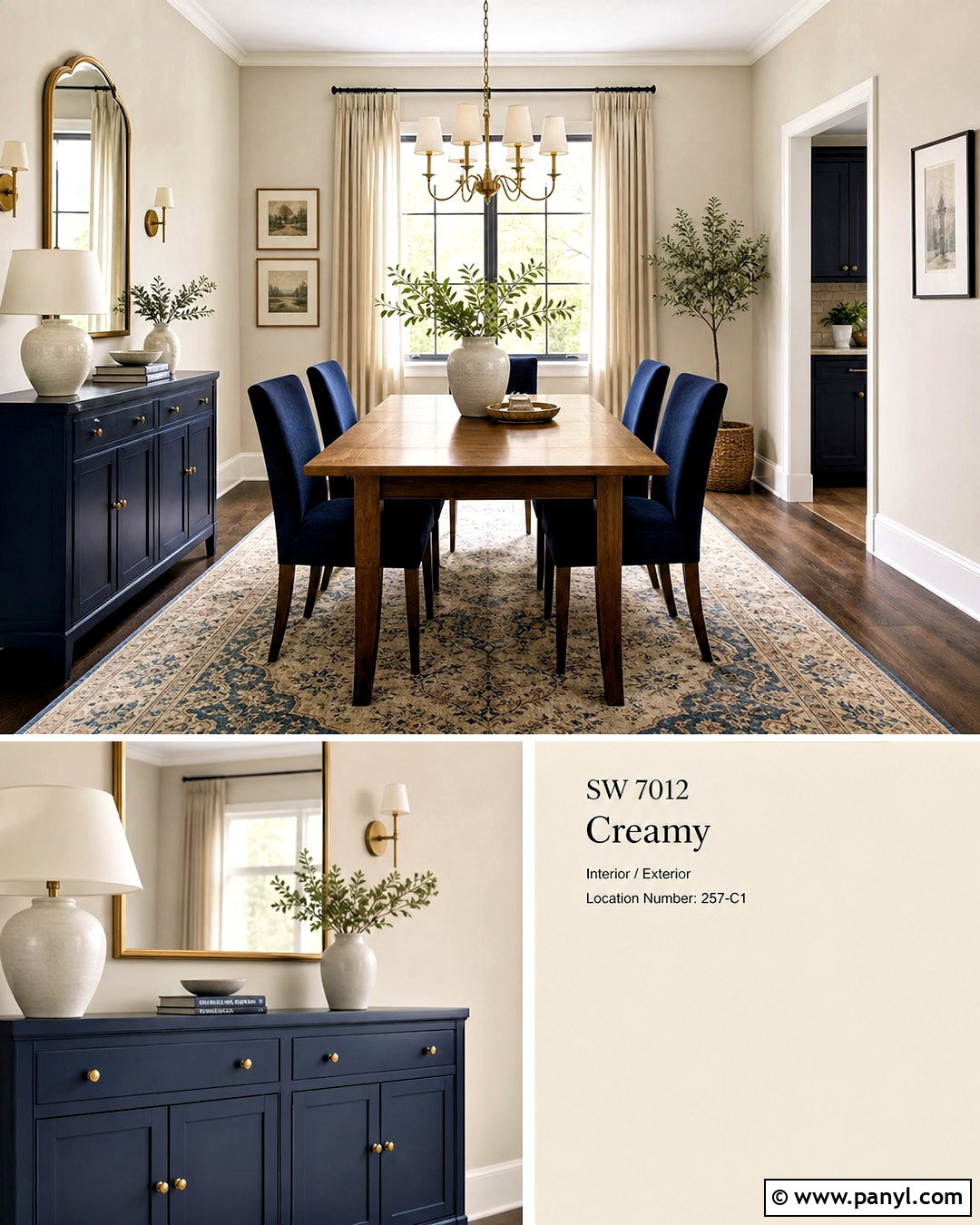
Want a cream room with stronger contrast and a more tailored appearance? Pair creamy walls with deep navy blue furniture and crisp architectural details. In a dining room, use a navy sideboard or upholstered chairs against warm cream walls, then add a walnut table to soften the contrast. Choose warm white trim and ceiling paint so the room remains bright. A rug featuring ivory, faded blue, and tan will connect the main colors without looking overly coordinated. Add polished nickel or aged brass lighting depending on whether you prefer a fresher or more traditional finish. White ceramics and natural linen curtains provide breathing room. Used thoughtfully, navy gives the creamy wall color structure and depth while maintaining a comfortable atmosphere suited to both casual meals and formal gatherings.
16. Creamy Walls With Terracotta
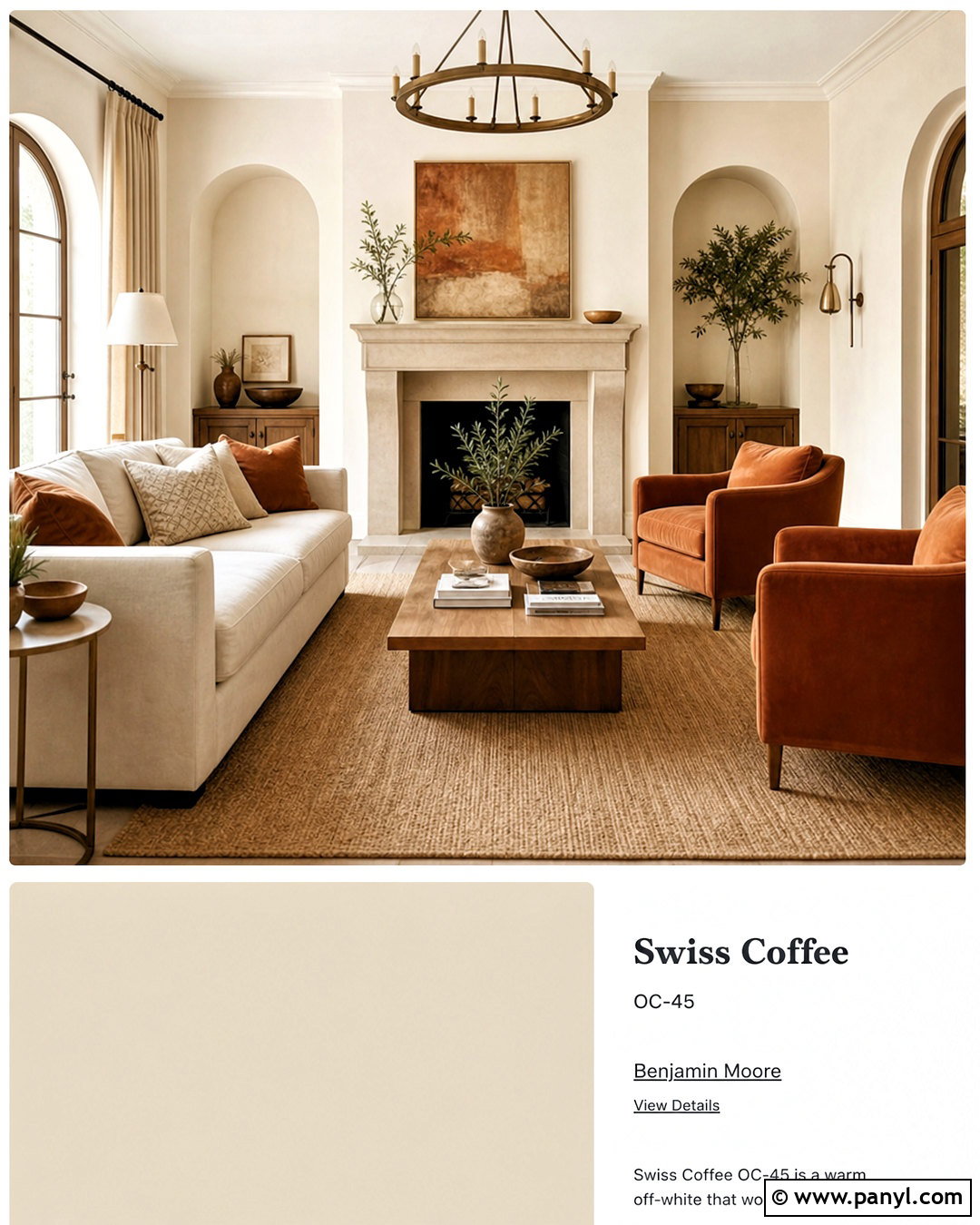
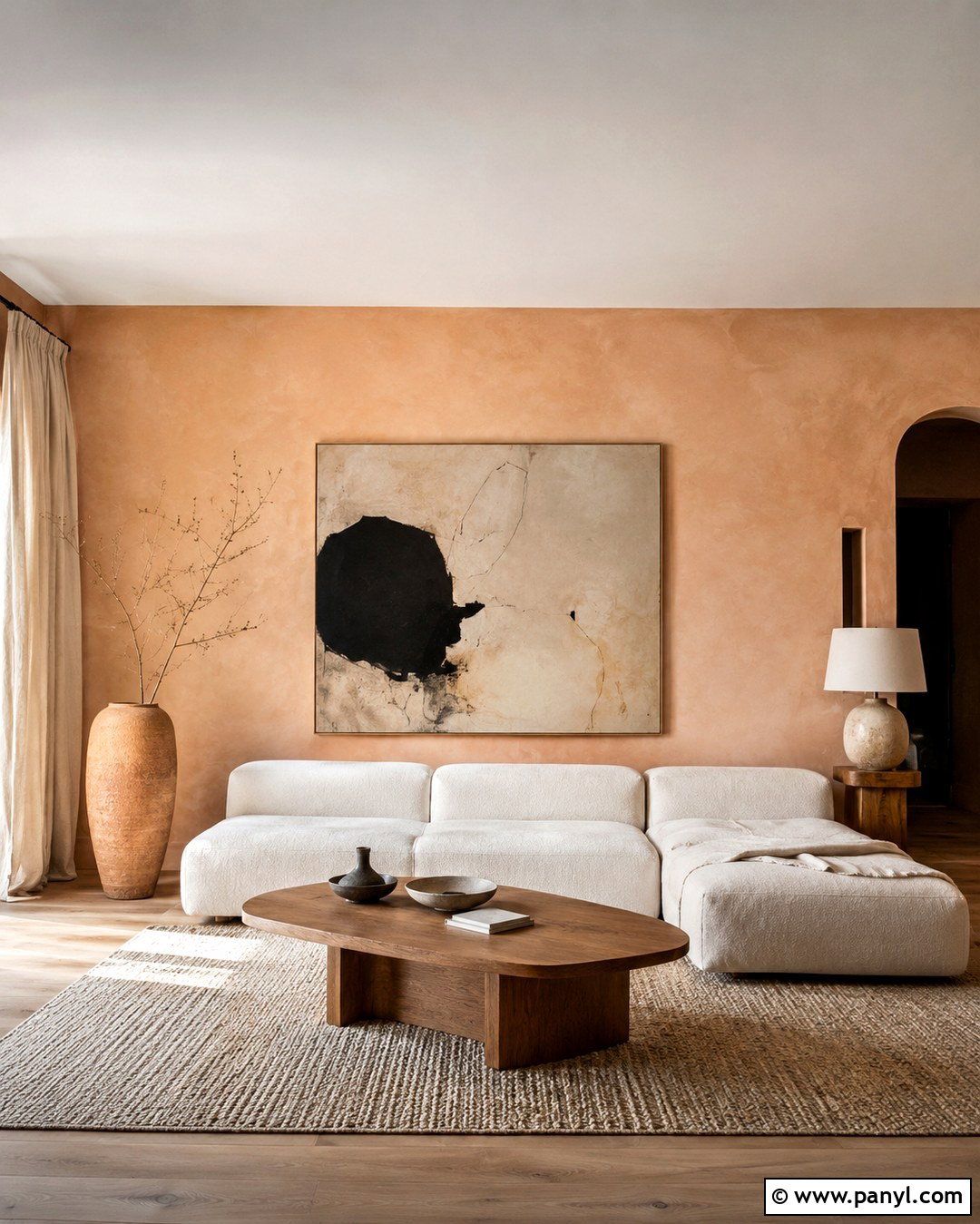
Creamy walls provide the perfect quiet background for terracotta, rust, and clay-colored accents. Build this warm living room around an ivory sofa, then add terracotta armchairs or substantial rust-colored pillows. A medium oak coffee table and woven rug strengthen the natural character of the palette. Keep the trim warm white and use linen curtains close to the wall color so the windows feel soft and open. Bring in handmade ceramics, abstract artwork, and a few dark bronze fixtures for depth. Olive green can appear sparingly through plants or one patterned textile. Avoid covering every surface with warm colors; leave open space around the strongest pieces. The final room feels sun-washed and welcoming rather than orange, heavy, or overly themed.
17. Creamy Walls With Black Accents

Black accents can make creamy walls look clearer, brighter, and more intentional. Begin with a light neutral cream across the walls, then use warm white on trim and ceilings. Introduce black through window frames, a metal coffee table, floor lamps, and several substantial picture frames. An oatmeal sofa and pale oak flooring will prevent the high-contrast palette from becoming cold. Add one camel leather chair and a textured beige rug to reinforce warmth. Curtains should remain simple, using off-white linen that nearly blends into the walls. A limited amount of greenery or muted olive adds welcome color. The strongest black elements should be distributed around the room instead of clustered in one corner, creating a balanced, modern interior with an approachable residential feel.
18. Creamy Walls With Oak Trim
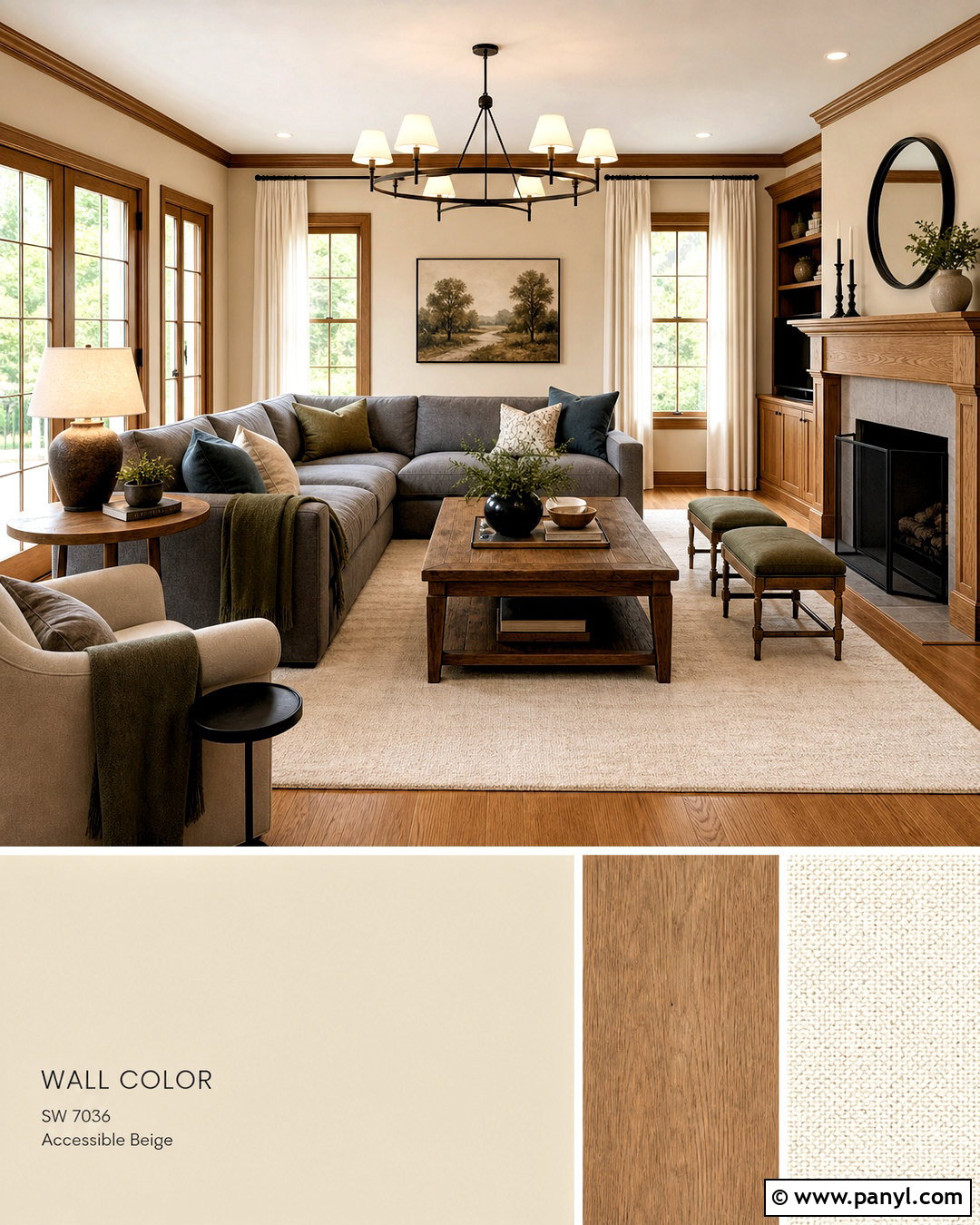
Existing oak trim can look beautiful beside the right creamy wall color. Select a cream with gentle beige or golden undertones that relates to the wood without matching it exactly. Avoid cold blue-white walls, which may exaggerate orange tones in the oak. In a family room, combine the trim with a warm gray sofa, an ivory rug, and tables in medium or slightly darker wood. Muted blue and olive textiles add contrast while remaining calm. Use bronze or black lighting to introduce a sharper material that breaks up the warm surfaces. Simple off-white curtains keep the windows bright without hiding the casing. By repeating the oak tone through a few carefully chosen furnishings, the woodwork becomes a deliberate part of the complete room rather than an outdated feature.
19. Creamy Walls With White Trim

Creamy walls with white trim offer subtle contrast that can highlight molding, windows, and doors without creating a dramatic color break. Choose a clean warm white for the trim rather than a cool, blue-based option. The wall color should be at least slightly deeper so the difference remains visible throughout the day. This pairing works well in a traditional living room with paneled details, a pale stone fireplace, and medium wood flooring. Furnish the space with an ivory sofa, blue-gray chairs, and a walnut coffee table. Add a patterned rug that combines cream, taupe, and muted blue. Polished nickel lamps can provide a fresh finish. The completed scheme feels light and refined, with enough tonal variation to reveal the room’s architectural character.
20. Creamy Color Drenched Room
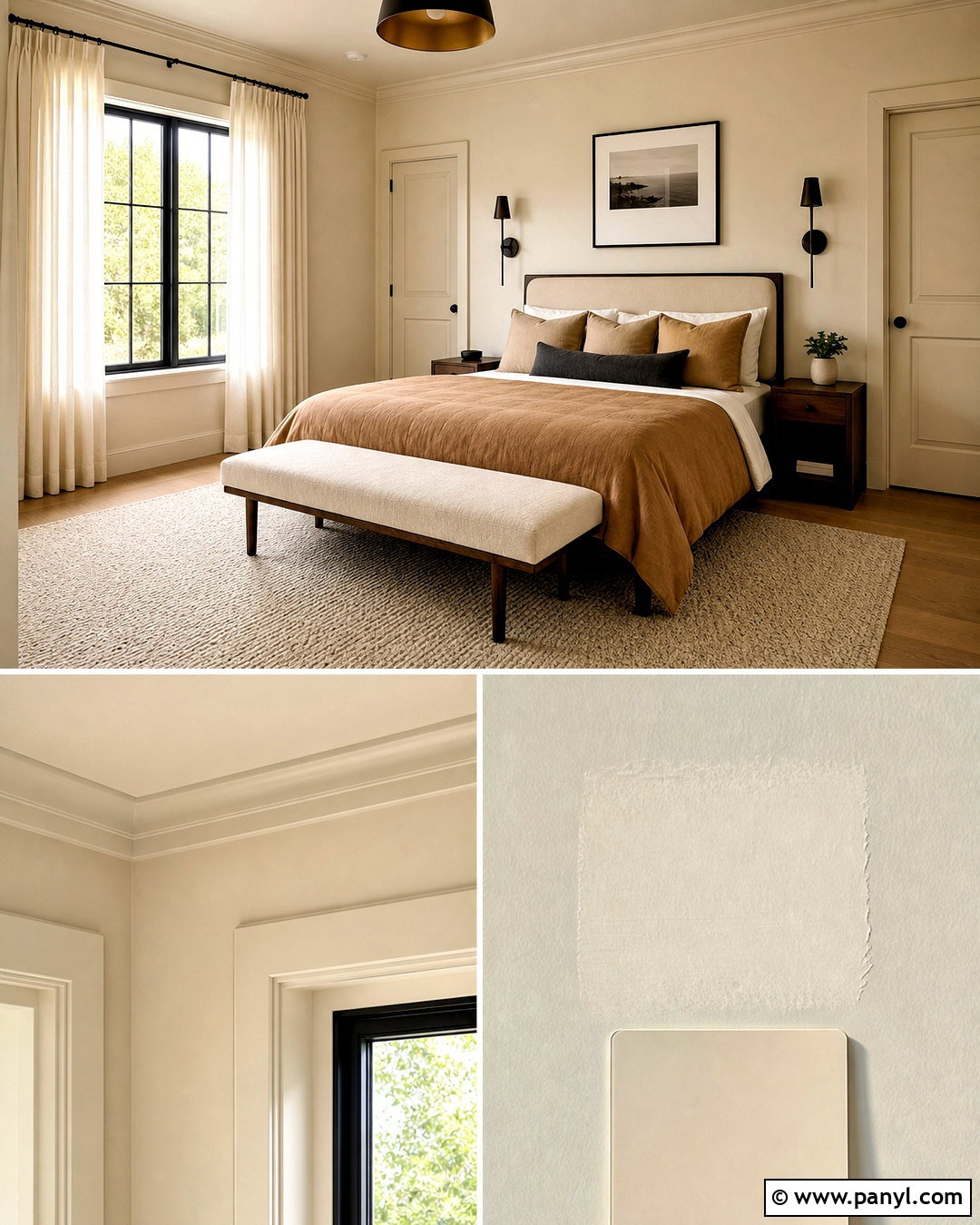
Color drenching creates a cocooning effect by carrying one creamy tone across the walls, trim, doors, and ceiling. For a bedroom or reading room, choose a medium-light cream that remains comfortable across large surfaces. Vary the paint sheen to preserve definition: matte or flat on the ceiling, eggshell on the walls, and satin on the woodwork. Furnish the room with a walnut bed or bookcase, oatmeal upholstery, and a textured wool rug. Dark bronze lighting and small black details will provide necessary contrast. Layer bedding and curtains in several tones of ivory, beige, and caramel rather than repeating one exact shade. This treatment reduces visual breaks, softens awkward architecture, and gives an average-size room a calm, complete, and thoughtfully enveloping appearance.
Conclusion:
The most successful creamy interiors combine wall color with lighting, trim, flooring, furniture, and texture. Before painting an entire room, place large samples beside permanent finishes and check them at different times of day. Creams with yellow undertones feel sunny and traditional, while beige, greige, peach, or mushroom undertones create different levels of warmth. Pair lighter creams with grounded accents such as wood, black metal, sage, navy, or terracotta to keep the design from appearing flat. Repeating a few colors and materials throughout the room will create a more intentional result. Whether you prefer an airy neutral space or a richer layered palette, these 20 creamy wall color ideas offer practical starting points for a comfortable home.

Related Ideas and Inspiration:







Leave a Reply