
Living hall wall painting ideas can completely change how your main gathering space feels without requiring new furniture or a major renovation. The right wall treatment can make a compact hall appear larger, give an open-plan room better definition, or turn a plain sofa wall into a polished focal point. Current paint trends favor warm neutrals, earthy greens, muted blues, dusky pinks, rich browns, and creative techniques such as color drenching and geometric blocking. () The key is building a complete palette around the paint, including flooring, seating, curtains, lighting, artwork, and accent materials. Whether your taste is modern, traditional, minimalist, or colorful, the following complete looks offer practical and inspiring **living hall wall painting ideas**.

1. Warm White Living Hall Walls
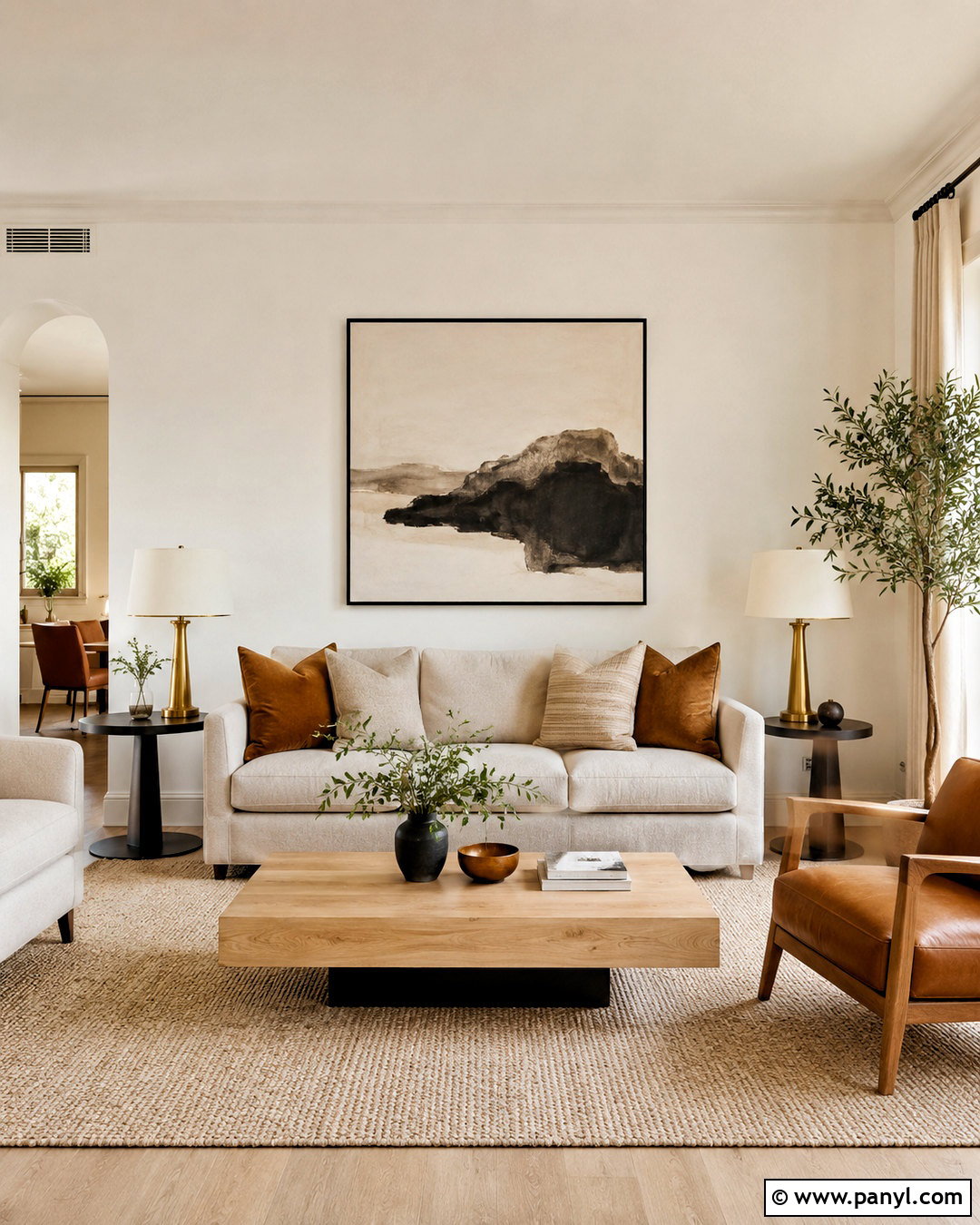
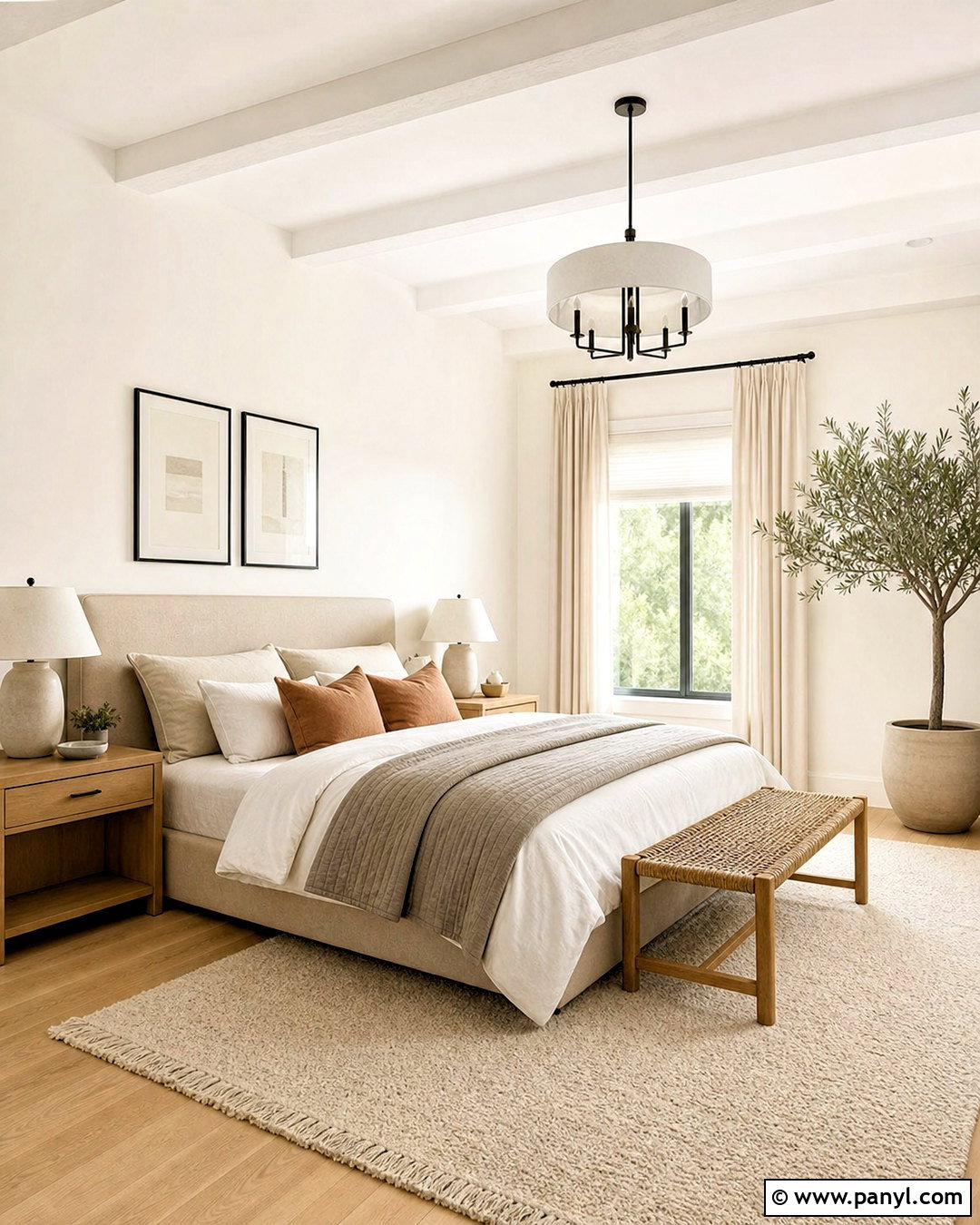
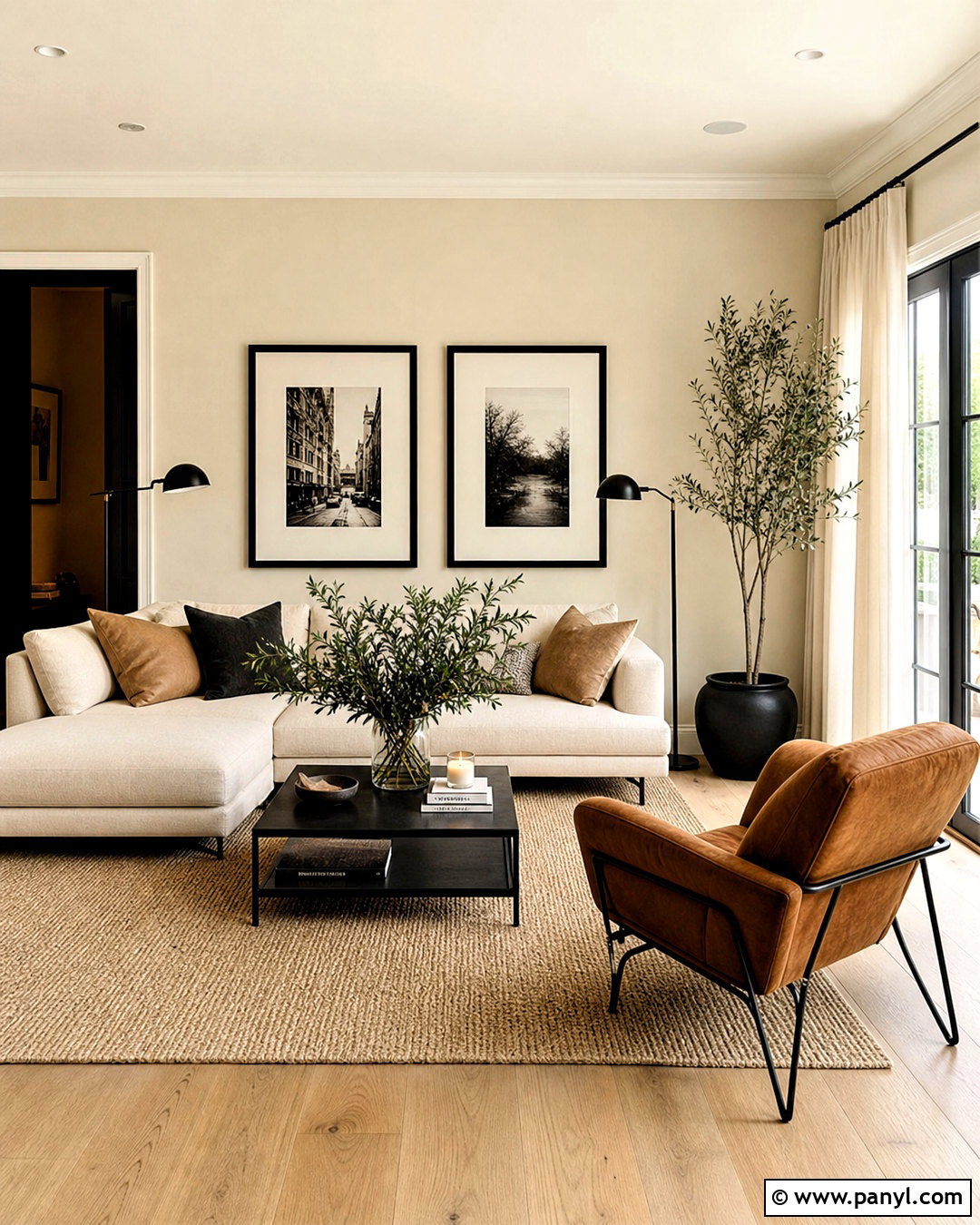
Warm white walls create an airy living hall without the cold feeling sometimes associated with bright white paint. Choose a creamy white with soft beige or yellow undertones, then repeat that warmth through an oatmeal sofa, light oak coffee table, and woven rug. Paint the ceiling and trim in the same white for a seamless finish that visually expands the room. Linen curtains can soften large windows while allowing natural light to filter through. Add depth with caramel cushions, black-framed artwork, and one or two ceramic table lamps. This complete palette works especially well in smaller halls and open-plan homes. Natural wood, boucle fabric, and brushed brass accents keep the neutral room layered, comfortable, and far from plain.
2. Sage Green Living Hall Walls
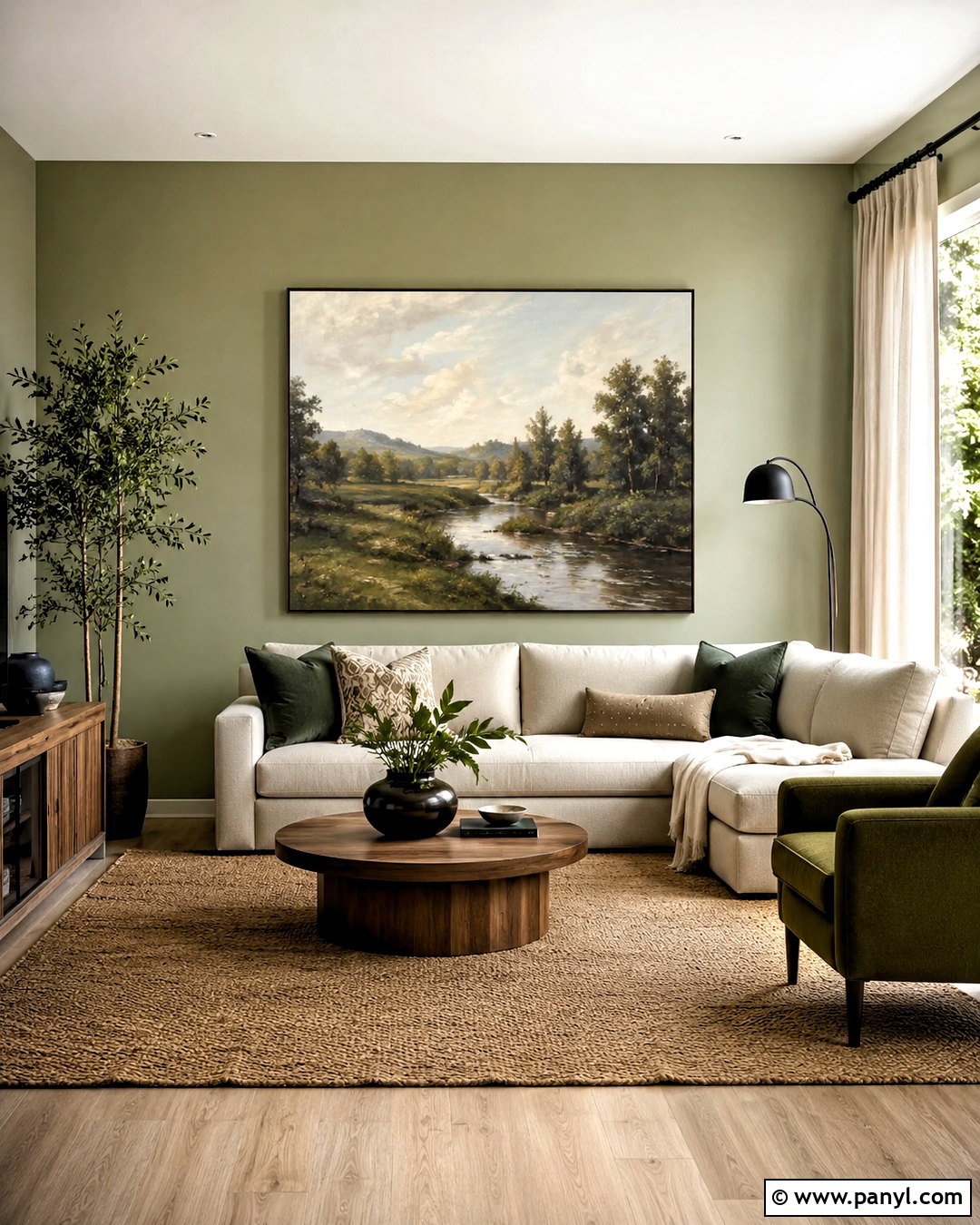
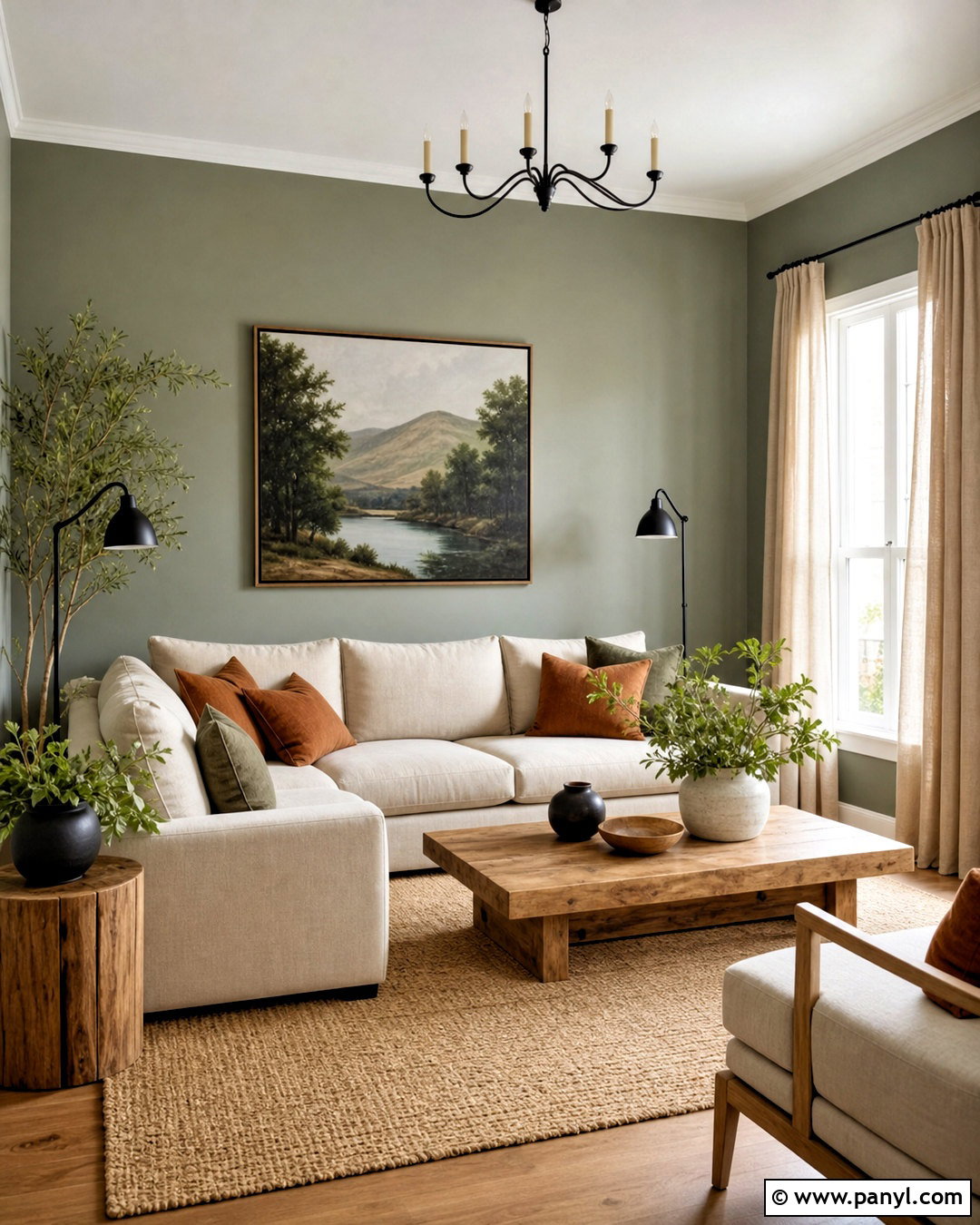
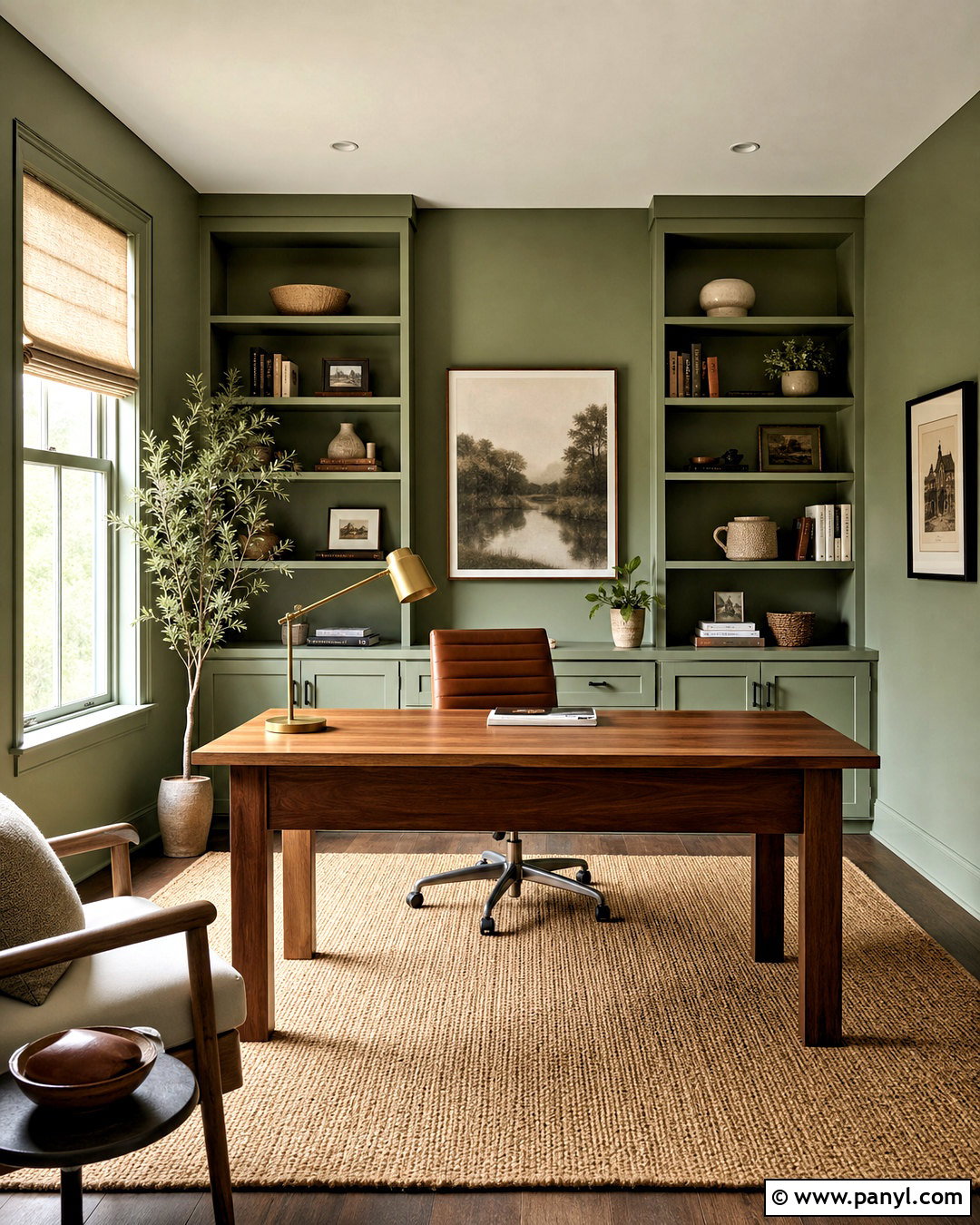
Soft sage green gives a living hall a calm, nature-inspired appearance while remaining easy to decorate. Paint every wall in a muted sage, then use warm white on the ceiling and simple trim for a clean border. A cream sofa, walnut media console, and natural jute rug provide balanced contrast. Introduce deeper forest green through cushions or an upholstered chair without making the room overly dark. Black floor lamps and slim picture frames add modern definition. For a fresher finish, place medium-toned wood furniture against the green rather than gray pieces. Finish the look with linen curtains, leafy indoor plants, and understated landscape artwork. The resulting living hall feels grounded, bright, and thoughtfully connected from wall to wall.
3. Beige And Brown Living Hall Walls
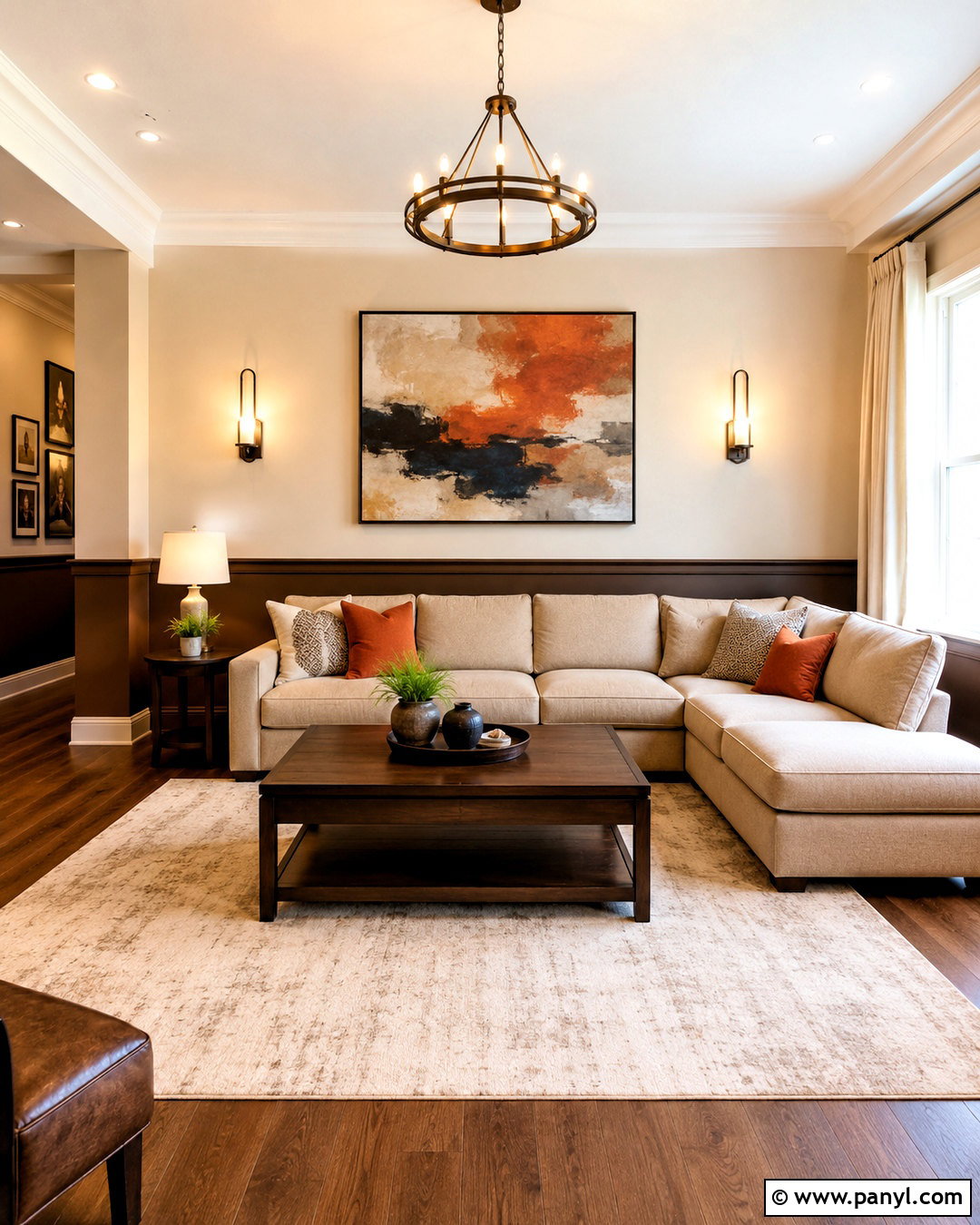
A beige and brown two-tone treatment adds structure to a living hall while keeping the colors warm and practical. Paint the upper two-thirds of the walls in soft sand beige and the lower third in medium cocoa brown. A narrow painted line or simple wood chair rail can create a crisp transition. Use a light beige sectional to prevent the darker lower wall from feeling heavy. Complete the arrangement with a walnut coffee table, ivory rug, and rust-colored cushions. Cream curtains should closely match the upper wall so the windows appear taller. This scheme is particularly effective in busy family rooms because the deeper lower color visually anchors the furniture. Matte walls, natural textures, and warm metal lighting create a comfortable, coordinated finish.
4. Navy Blue Living Hall Accent Wall
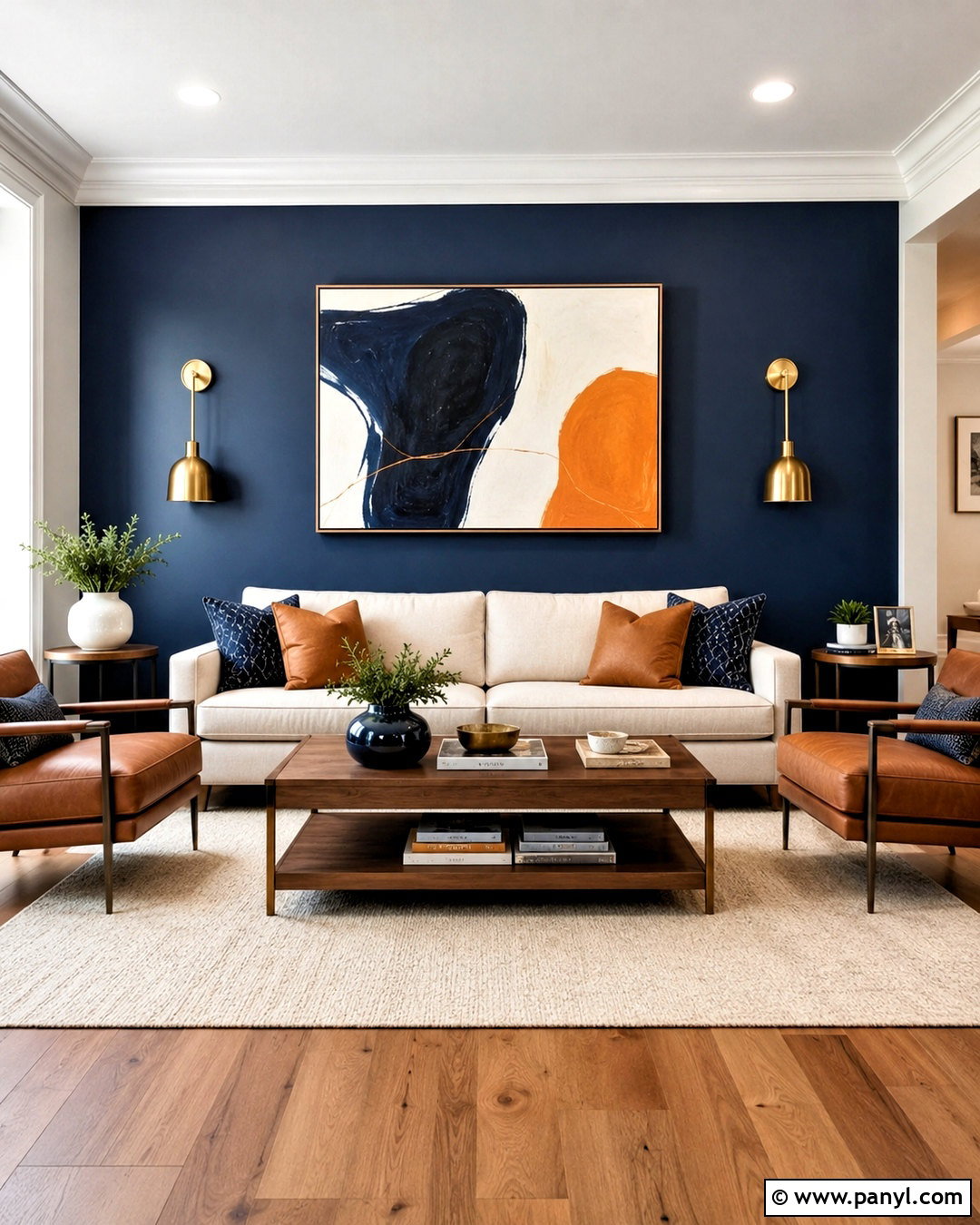
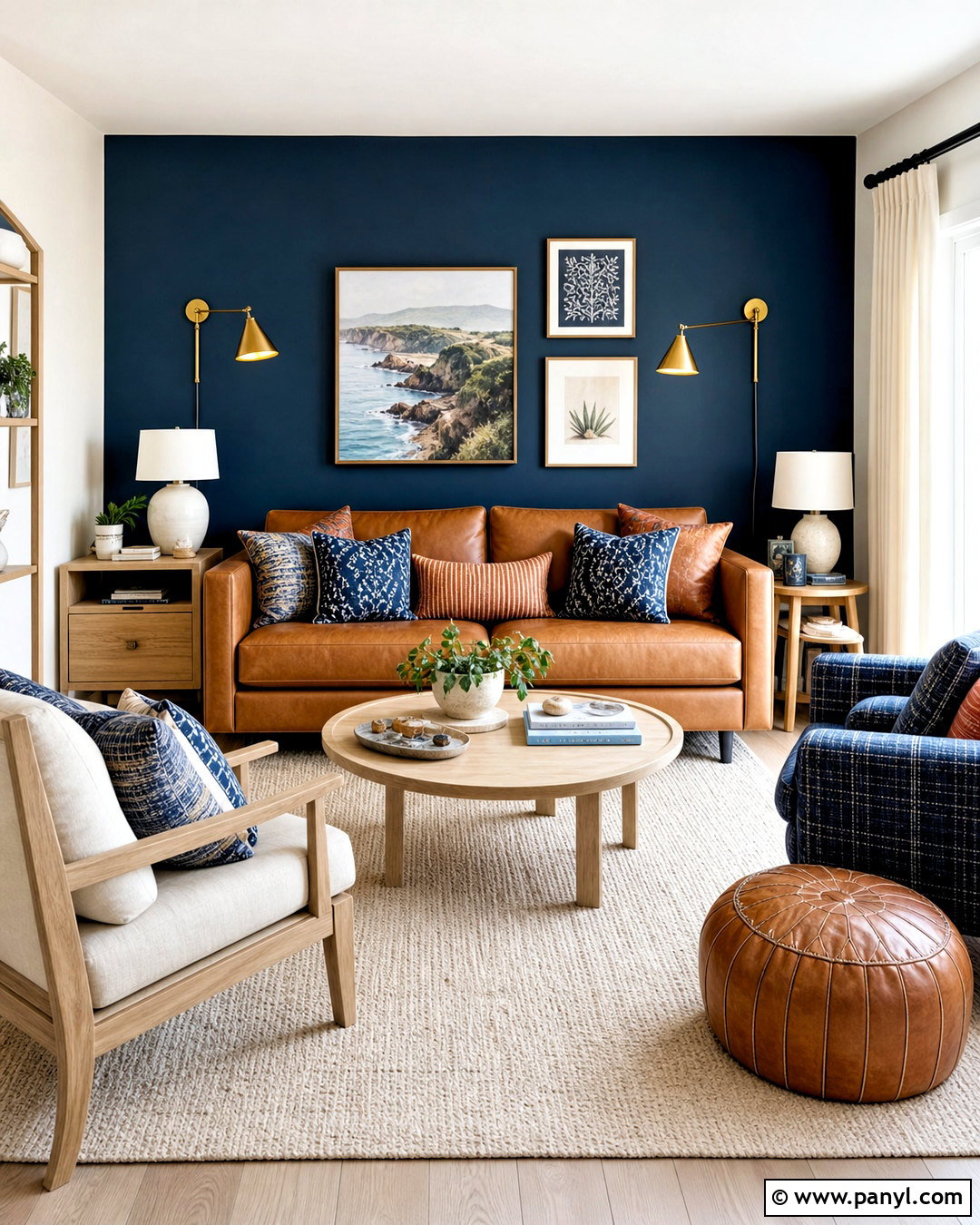
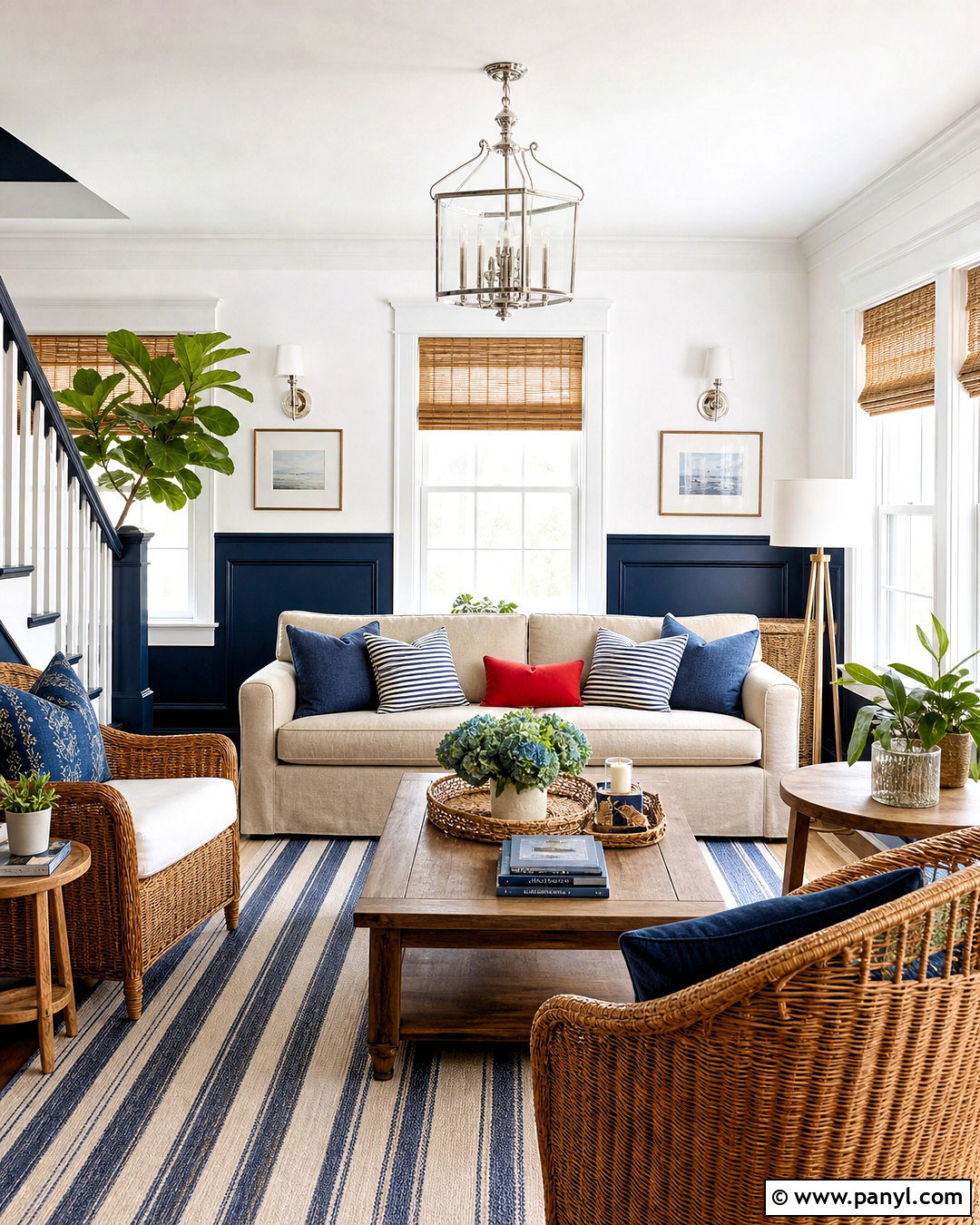
A deep navy blue accent wall can give a living hall a strong focal point when it is balanced with lighter surfaces. Place the navy behind the main sofa or media unit, choosing a wall without too many doors or openings. Keep the remaining walls warm white and use a pale ceiling to preserve brightness. A cream sofa, medium oak flooring, and ivory area rug will soften the contrast. Add cognac leather chairs or caramel cushions to introduce warmth against the cool blue. Brushed brass lamps and framed artwork with white mats provide refined details. Instead of adding numerous navy accessories, let the painted wall remain the dominant feature. This creates a complete modern room that feels dramatic, welcoming, and visually organized rather than crowded.
5. Terracotta Living Hall Walls
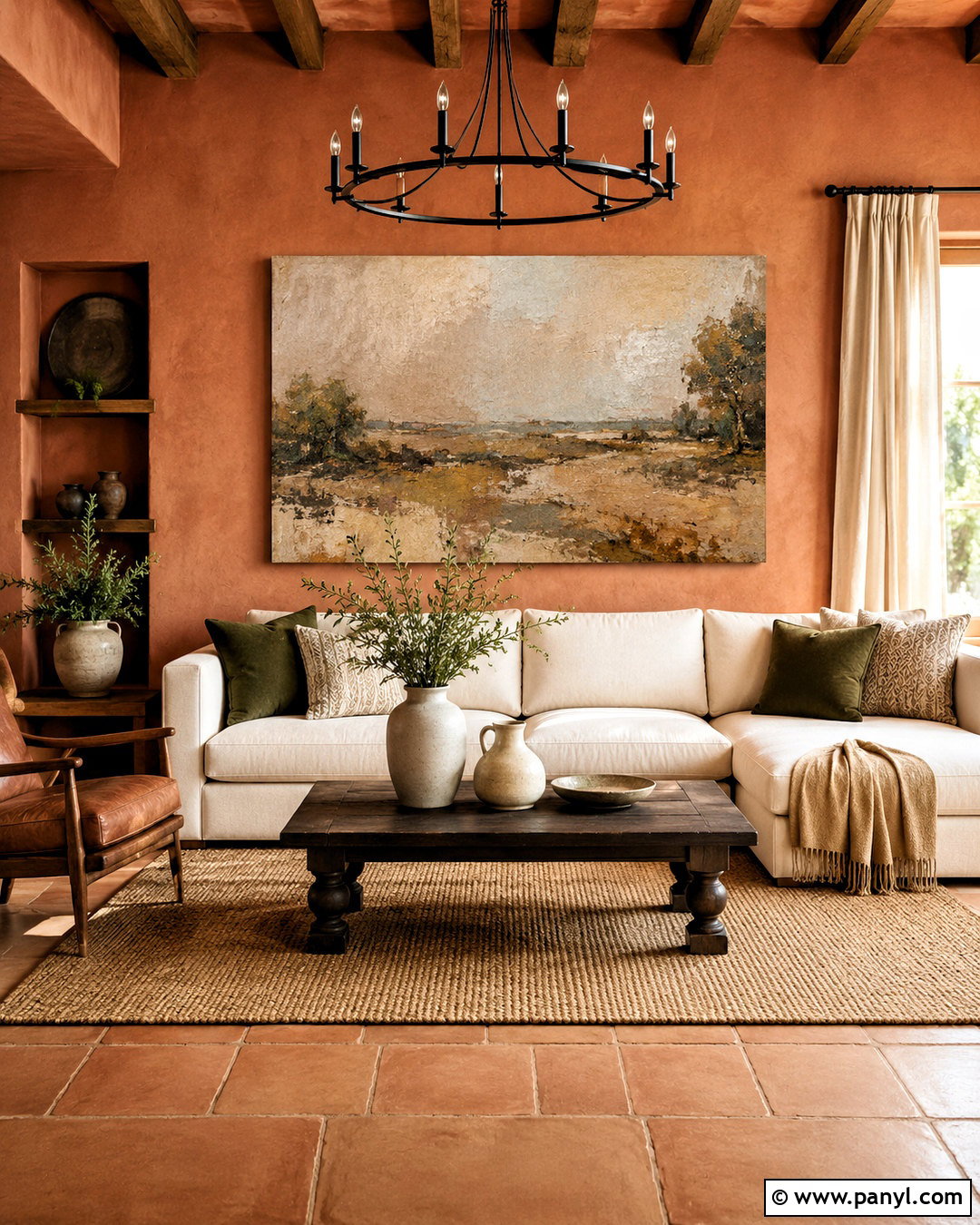
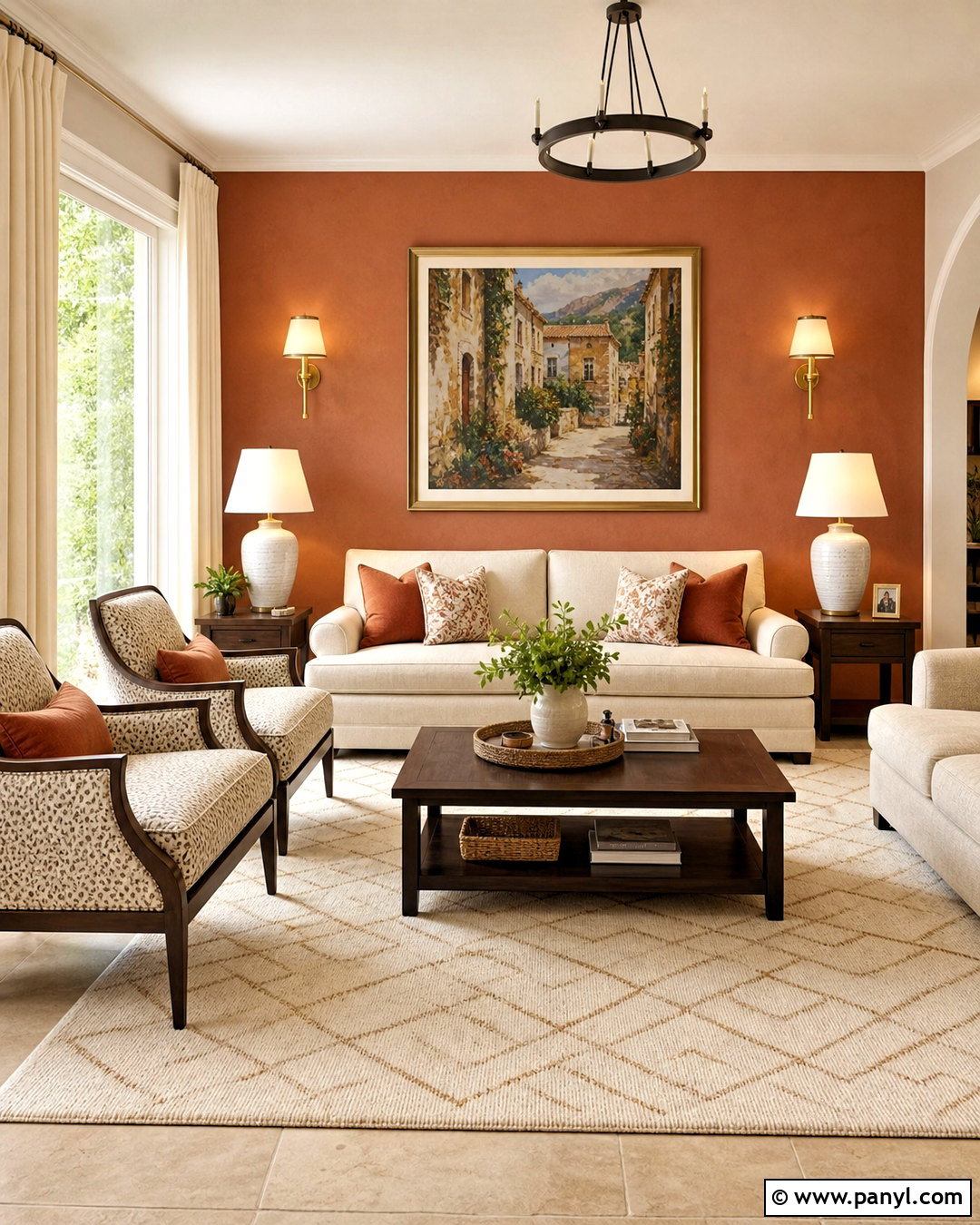
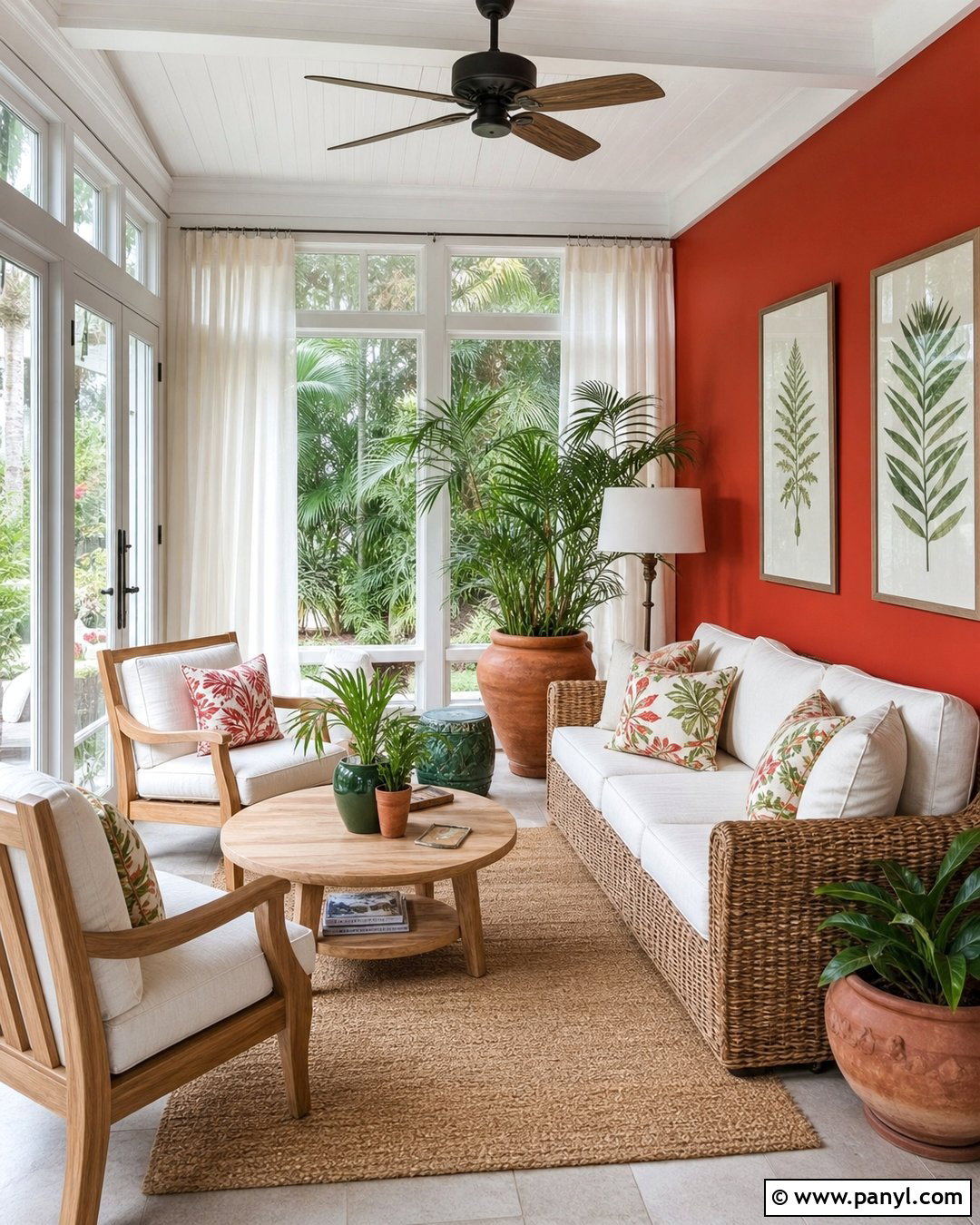
Terracotta walls bring sun-baked warmth to a living hall and pair beautifully with natural materials. Select a muted clay tone rather than a bright orange, then paint all four walls for an enveloping but approachable result. Keep the ceiling creamy white to balance the rich color. Furnish the room with a beige linen sofa, dark wood coffee table, and woven natural-fiber rug. Olive green cushions and off-white pottery complement the earthy palette without competing with it. Use light linen curtains so daylight can soften the terracotta throughout the day. Matte black lighting and a few oversized botanical prints give the room a modern edge. Together, these choices produce a relaxed, cohesive hall with warmth, personality, and an organic Southwestern influence.
6. Geometric Living Hall Wall Painting
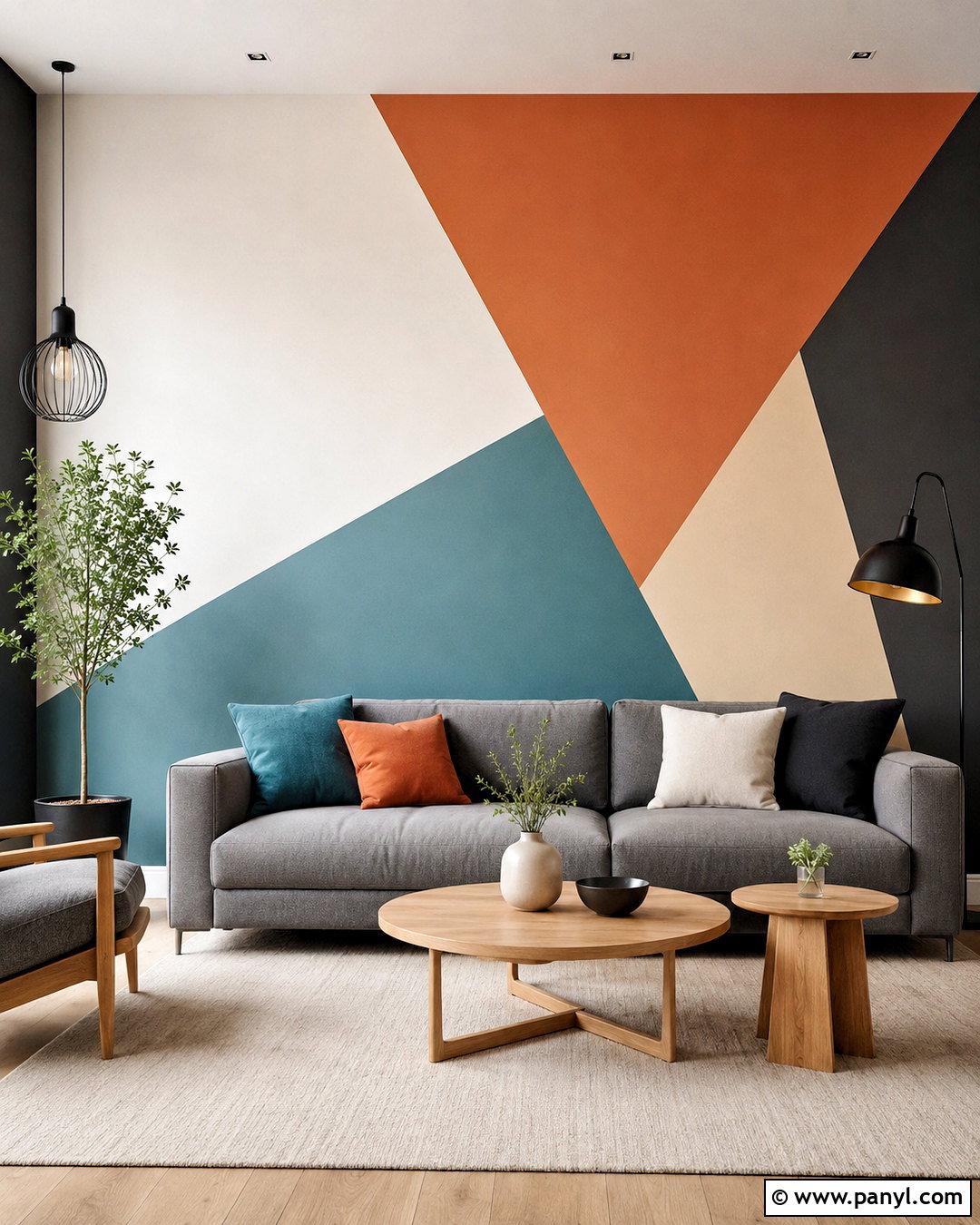
Geometric wall painting can add energy to a contemporary living hall when the pattern is limited to one intentional focal wall. Start with a warm white background behind the sofa. Layer large overlapping shapes in muted teal, clay orange, soft beige, and charcoal, using painter’s tape to create clean edges. Keep the geometry broad and simple rather than filling the wall with tiny, distracting forms. Choose a low-profile gray sofa and a plain cream rug so the painted pattern remains prominent. Light wood tables, black metal lighting, and solid-color cushions can repeat shades from the design. Leave the other walls neutral and display minimal artwork. This complete layout feels playful and artistic while maintaining enough visual breathing room for everyday family living.
7. Painted Arch Living Hall Wall
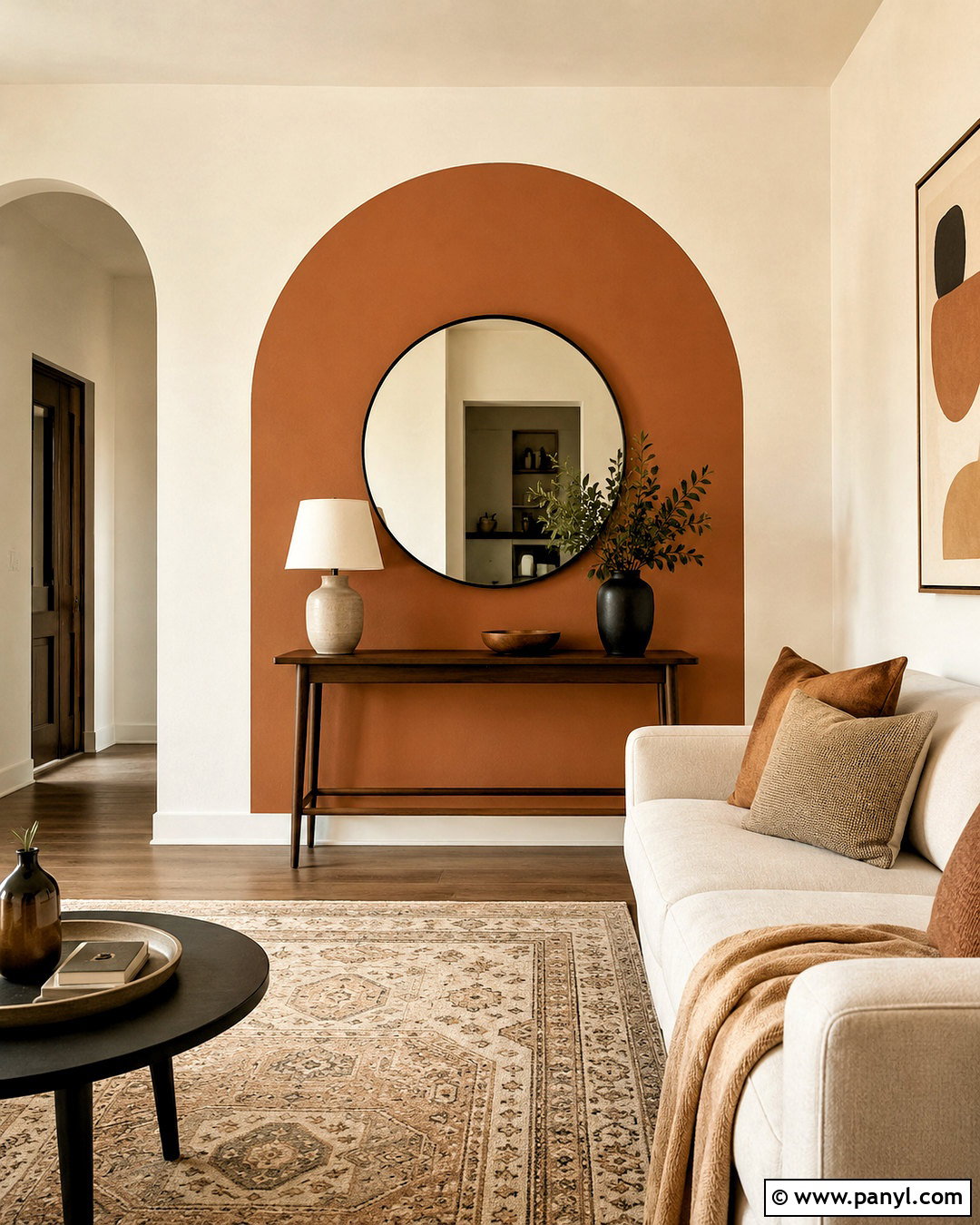
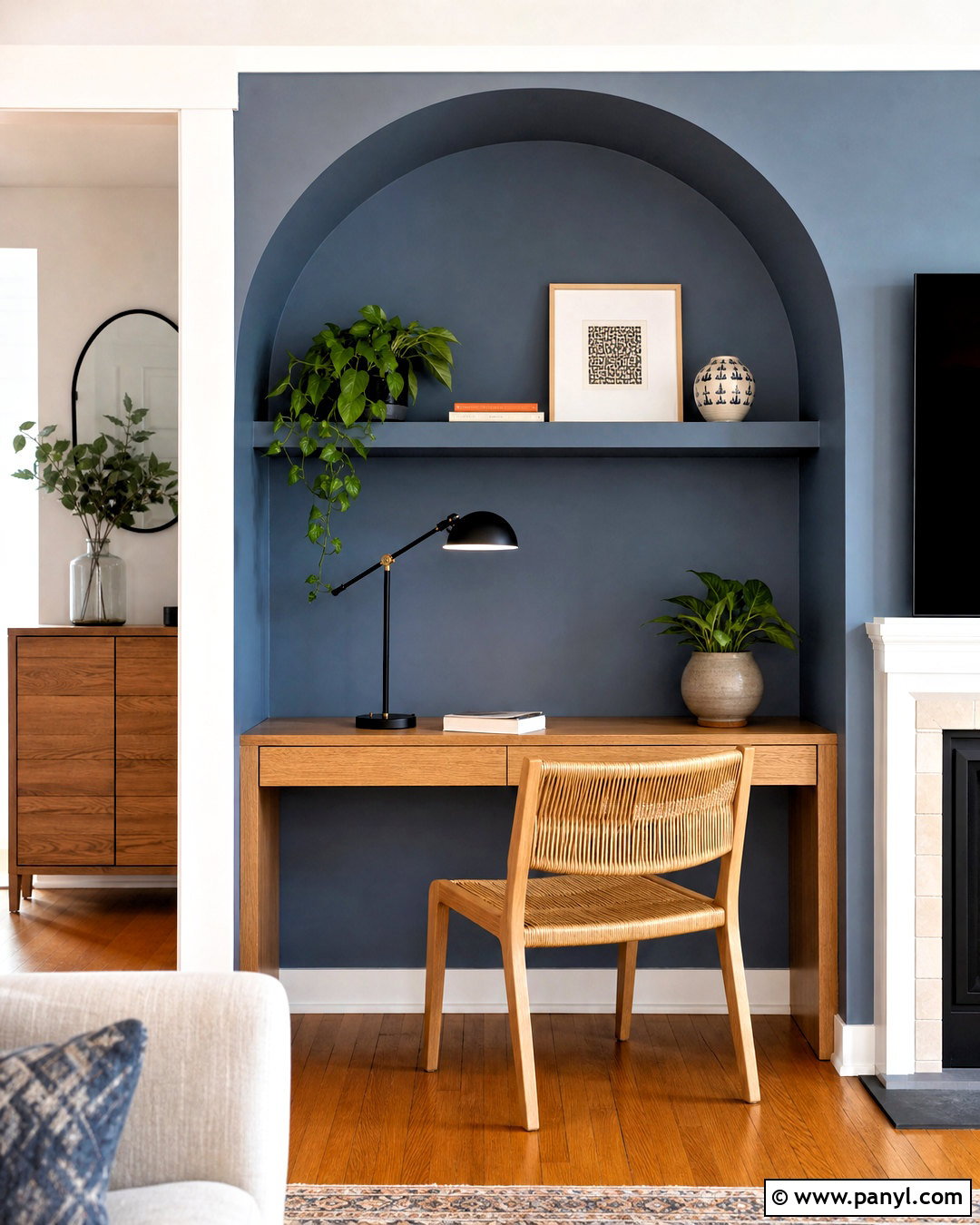
A painted arch creates an architectural focal point without requiring construction or decorative paneling. Paint a large, symmetrical arch in warm caramel behind a console, reading chair, or compact sofa. Keep the surrounding wall soft ivory so the curved shape is clearly visible. Position a slim walnut console inside the arch and hang one round mirror at its center. A small ceramic lamp, stacked books, and simple vase complete the arrangement. Continue the palette with a cream sofa, caramel cushions, and a subtly patterned beige rug. Avoid covering the painted shape with oversized furniture or numerous frames. The arch should function as a visual zone that gives purpose to an otherwise empty wall, making the living hall feel more organized and thoughtfully designed.
8. Blue Ombre Living Hall Walls
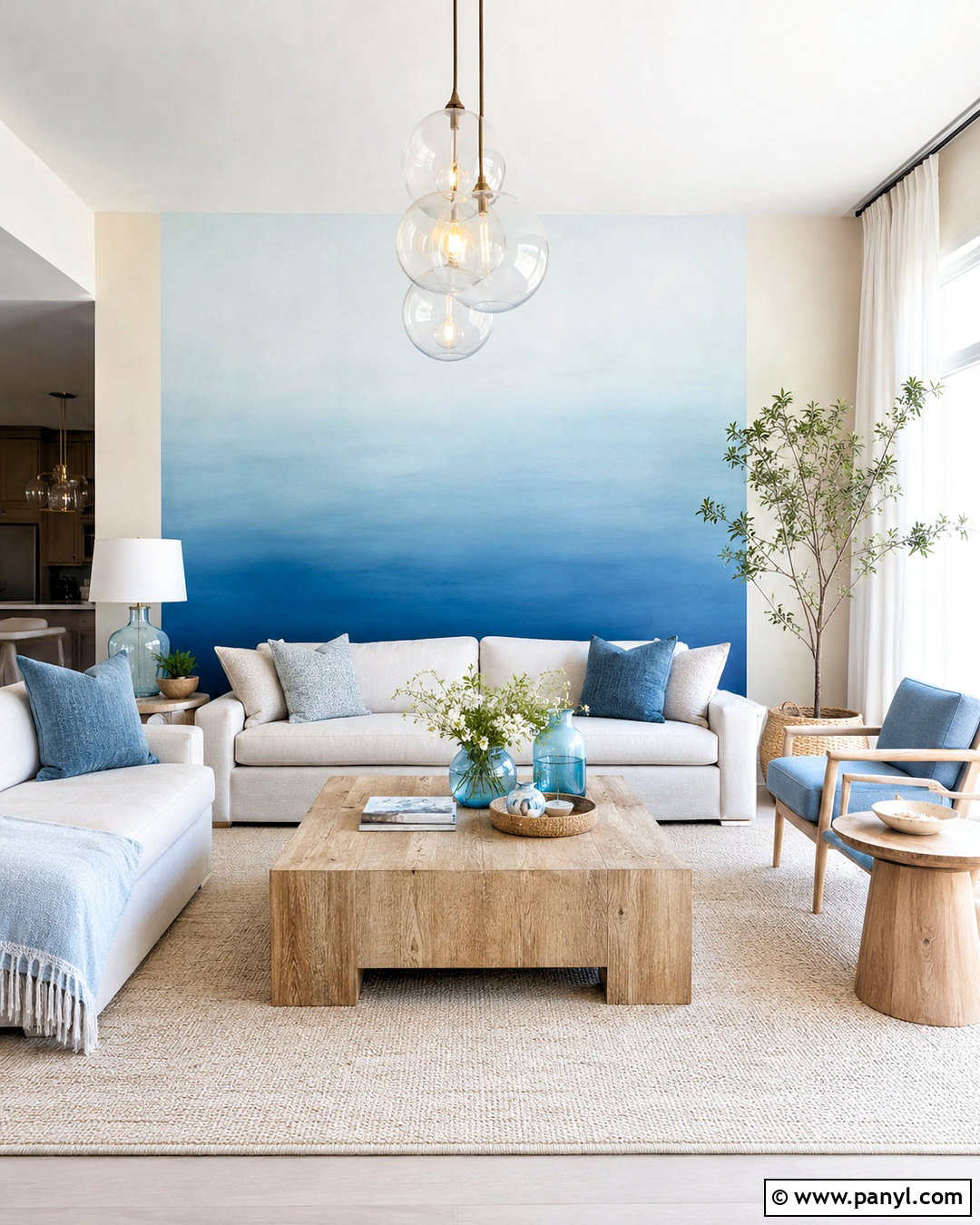
An ombre wall brings gentle movement and depth to a living hall through a gradual color transition. Begin with deep ocean blue near the floor, blend into muted blue at the center, and finish with pale sky blue toward the ceiling. Apply the effect to the main sofa wall and leave adjacent walls soft white. The transitions should look diffused and natural rather than striped. Pair the wall with a light gray sofa, bleached oak tables, and a cream textured rug. White curtains and clear glass lighting maintain the room’s airy quality. Introduce navy and dusty blue cushions to connect the seating with the painted background. Minimal coastal artwork and natural woven accessories complete a refreshing room without turning the scheme into an overly themed beach interior.
9. Olive Green Color Drenched Living Hall
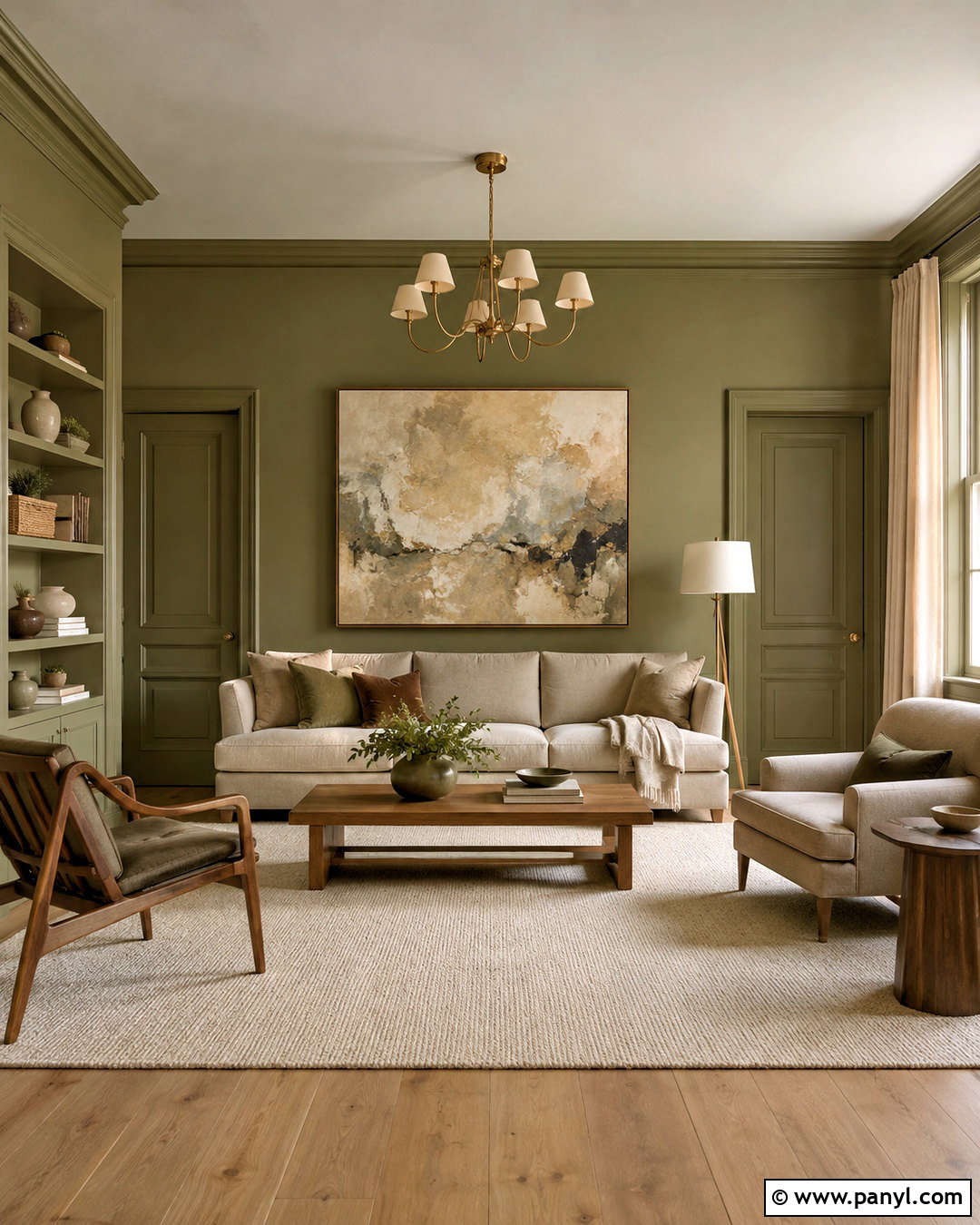
Color drenching creates a deeply cohesive living hall by carrying one shade across the walls, trim, doors, and built-in features. A muted olive green works especially well because it feels substantial without becoming as severe as black or navy. Use a matte finish on the walls and a satin version of the same olive on the trim for subtle dimension. Balance the enveloping color with a warm beige sofa, light wool rug, and medium oak furniture. Cream curtains add brightness while aged brass lighting introduces warmth. Artwork with pale backgrounds prevents the walls from feeling too dense. This look works best in a living hall with generous natural light. The completed room feels intimate, polished, and unified from the architectural surfaces to the furniture.
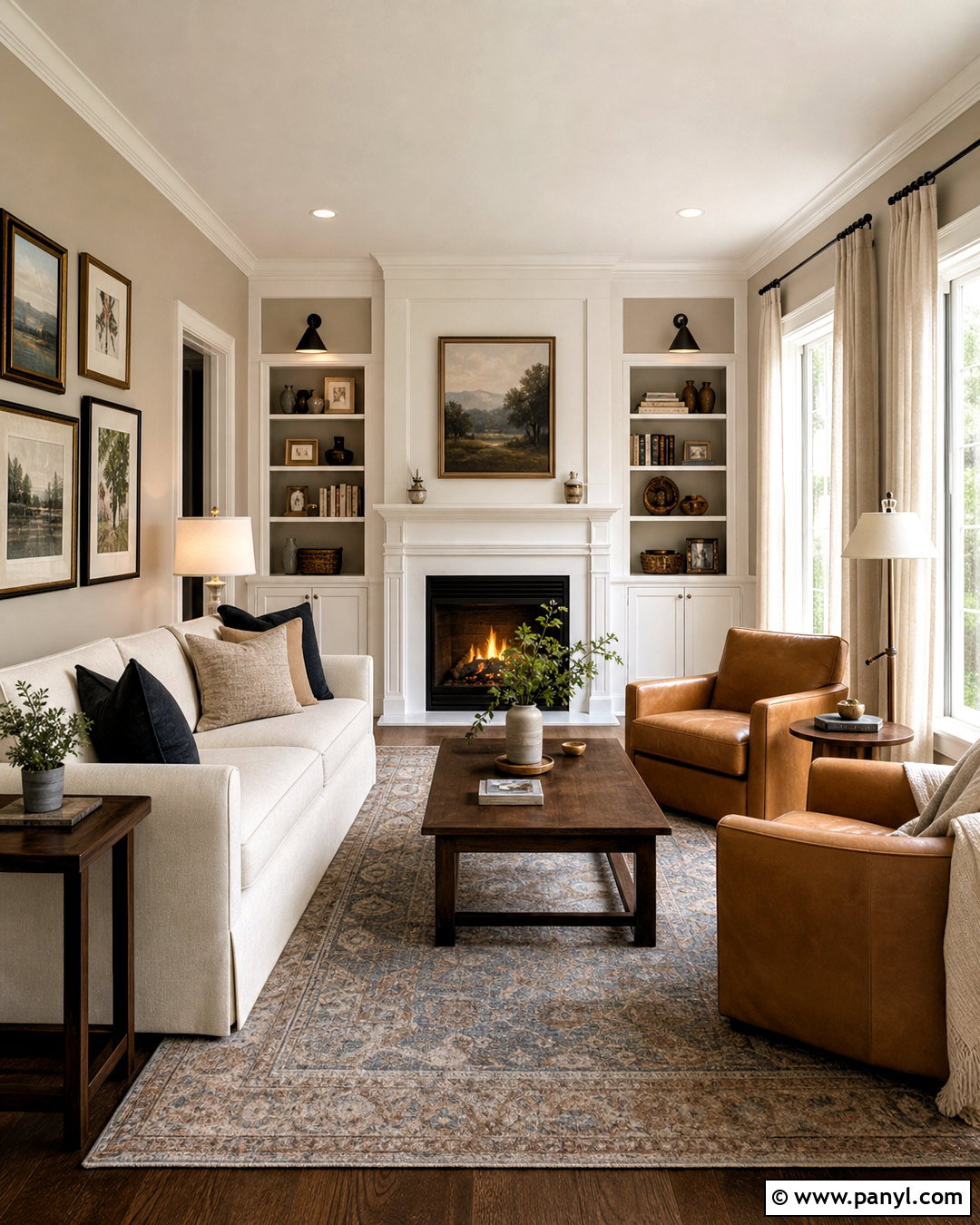
10. Half Painted Living Hall Walls
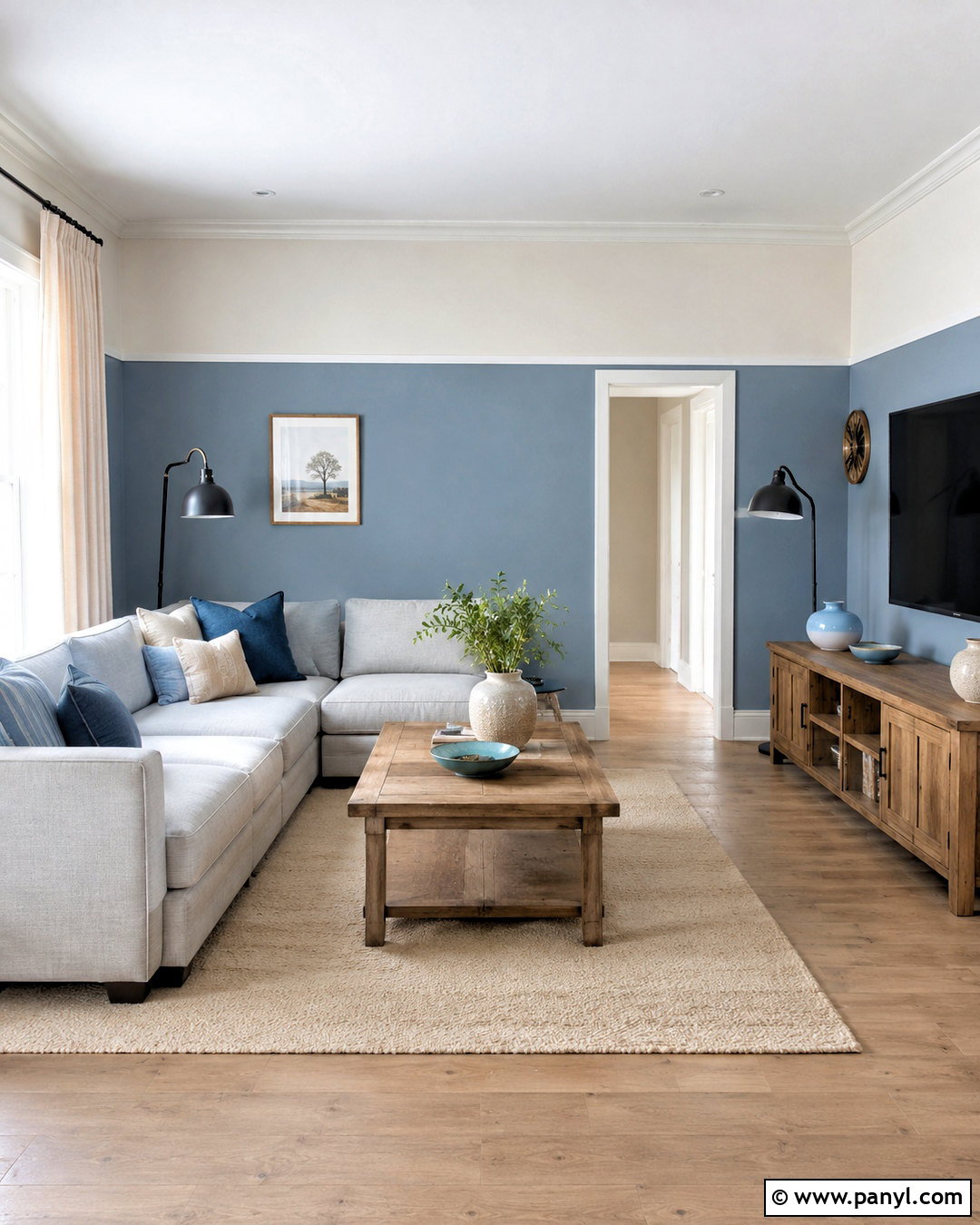
Half-painted walls offer an affordable way to give a living hall greater proportion and architectural definition. Paint the lower half dusty blue and keep the upper half warm white, placing the dividing line slightly above the sofa back. A narrow white chair rail can sharpen the transition, although a carefully taped paint edge also works. Use a pale gray sofa, natural oak media cabinet, and ivory rug to maintain a light foundation. Blue patterned cushions and ceramic accessories can repeat the lower wall color. Hang artwork entirely within the white upper section to keep the arrangement orderly. Finish with full-length linen curtains and black metal lamps. This balanced design makes tall walls feel more comfortable while helping compact halls look wider and intentionally decorated.
11. Greige Limewash Living Hall Walls
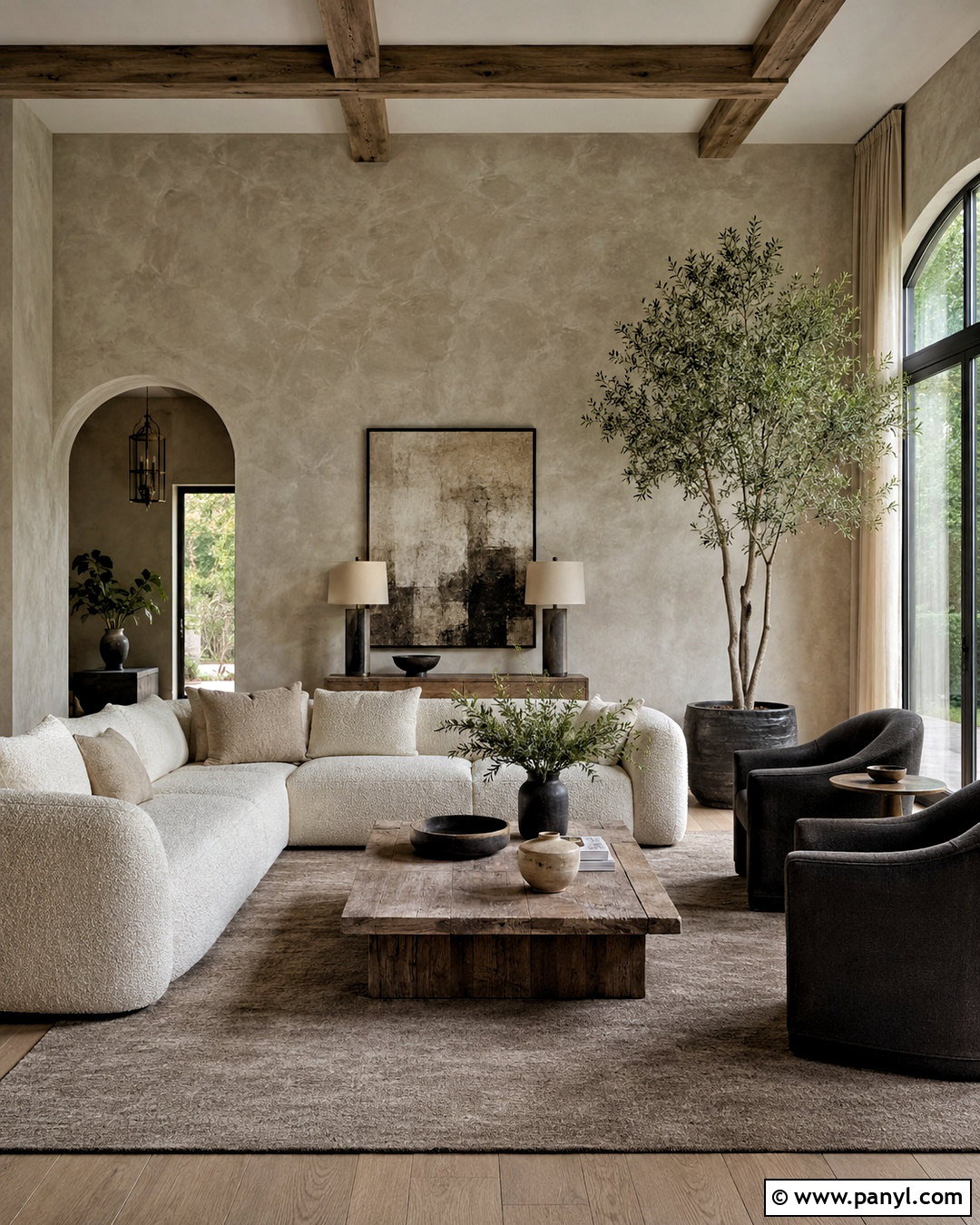
Greige limewash gives living hall walls soft movement and an aged, handcrafted appearance. Choose a warm gray-beige shade with subtle tonal variation, applying it across every wall for a consistent finish. The cloudy texture should remain understated rather than strongly mottled. Pair it with an off-white boucle sofa, weathered oak coffee table, and a low-pile taupe rug. Charcoal accent chairs and black-framed artwork provide enough contrast to define the neutral room. Add linen drapes in a shade close to the walls so windows blend naturally into the design. Sculptural ceramic lamps, stone accessories, and one large indoor tree reinforce the organic character. This complete look feels quiet and sophisticated while offering more visual depth than ordinary flat beige or gray paint.
12. Muted Teal Living Hall Walls
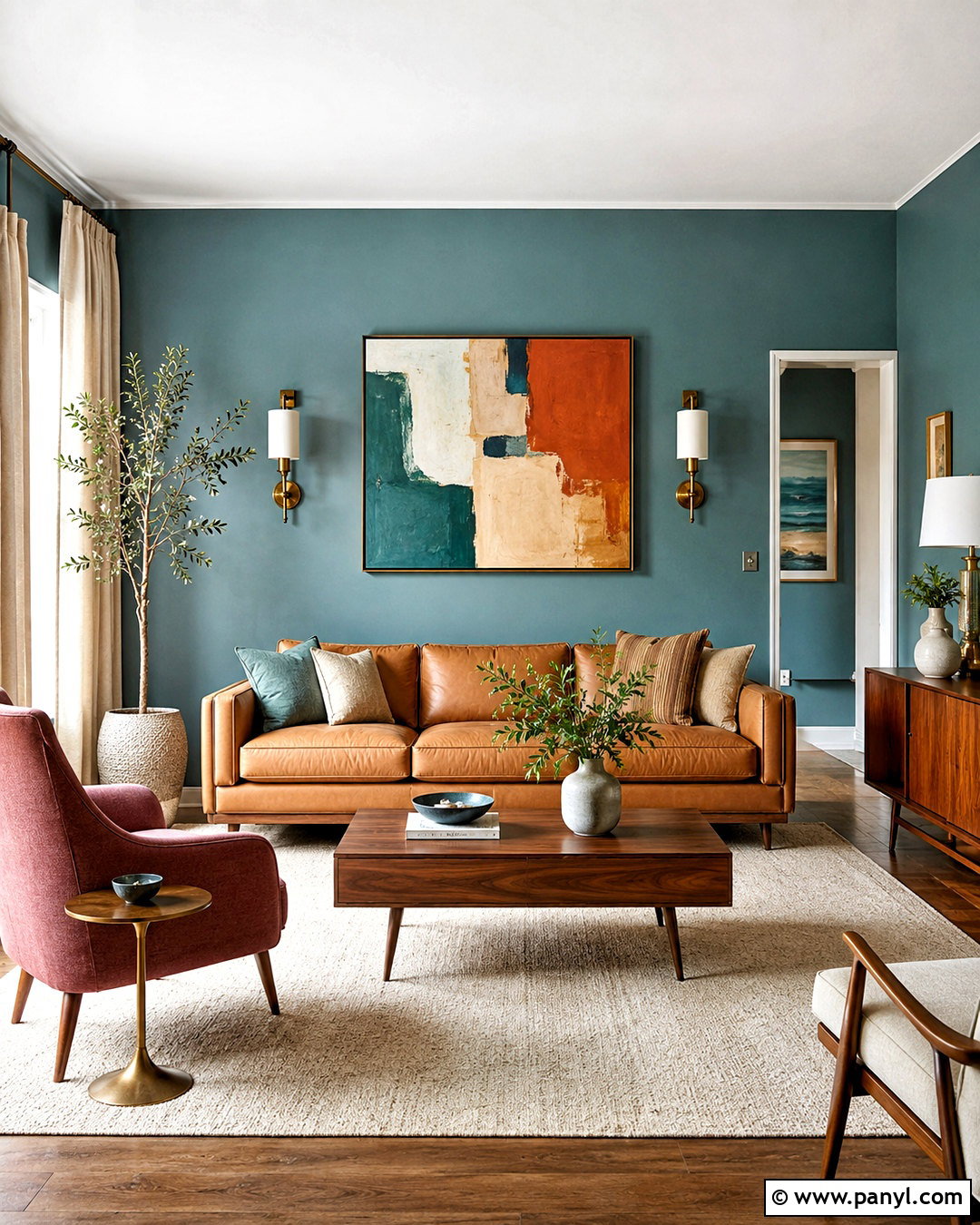
Muted teal can make a living hall colorful and comfortable without creating an overly bright atmosphere. Paint all the walls in a softened blue-green with gray undertones, then use clean warm white across the ceiling and trim. A camel leather sofa brings immediate warmth to the cool wall color. Add a cream rug, walnut coffee table, and upholstered accent chair in dusty rose or light tan. Brushed brass sconces and picture frames provide a polished contrast against teal. Choose curtains in natural linen rather than matching the paint exactly. Abstract artwork can combine cream, rust, and teal to unite the palette. This scheme works particularly well in midcentury and contemporary rooms, producing a rich background that still feels relaxed enough for daily use.
13. Dusty Pink Living Hall Walls
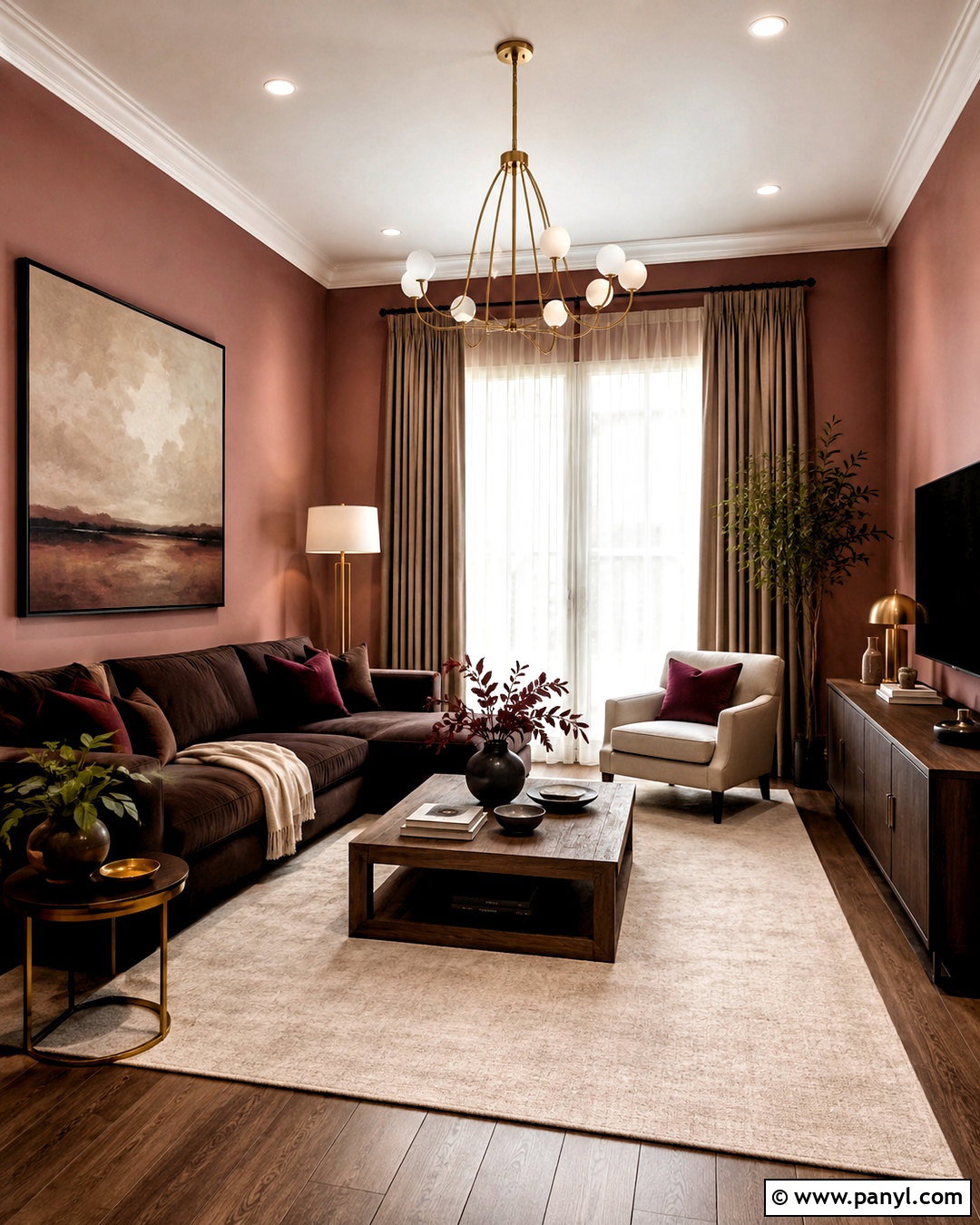
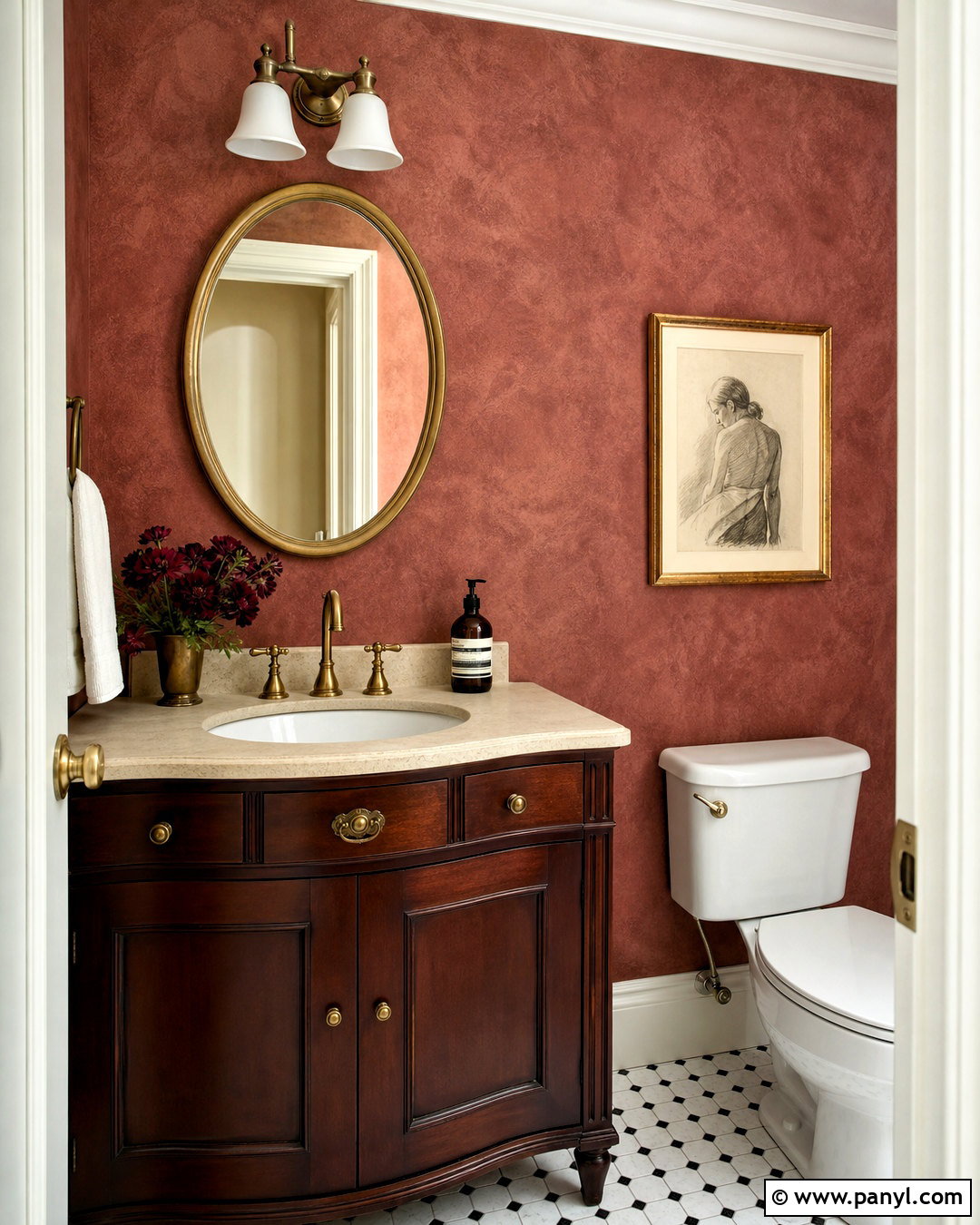
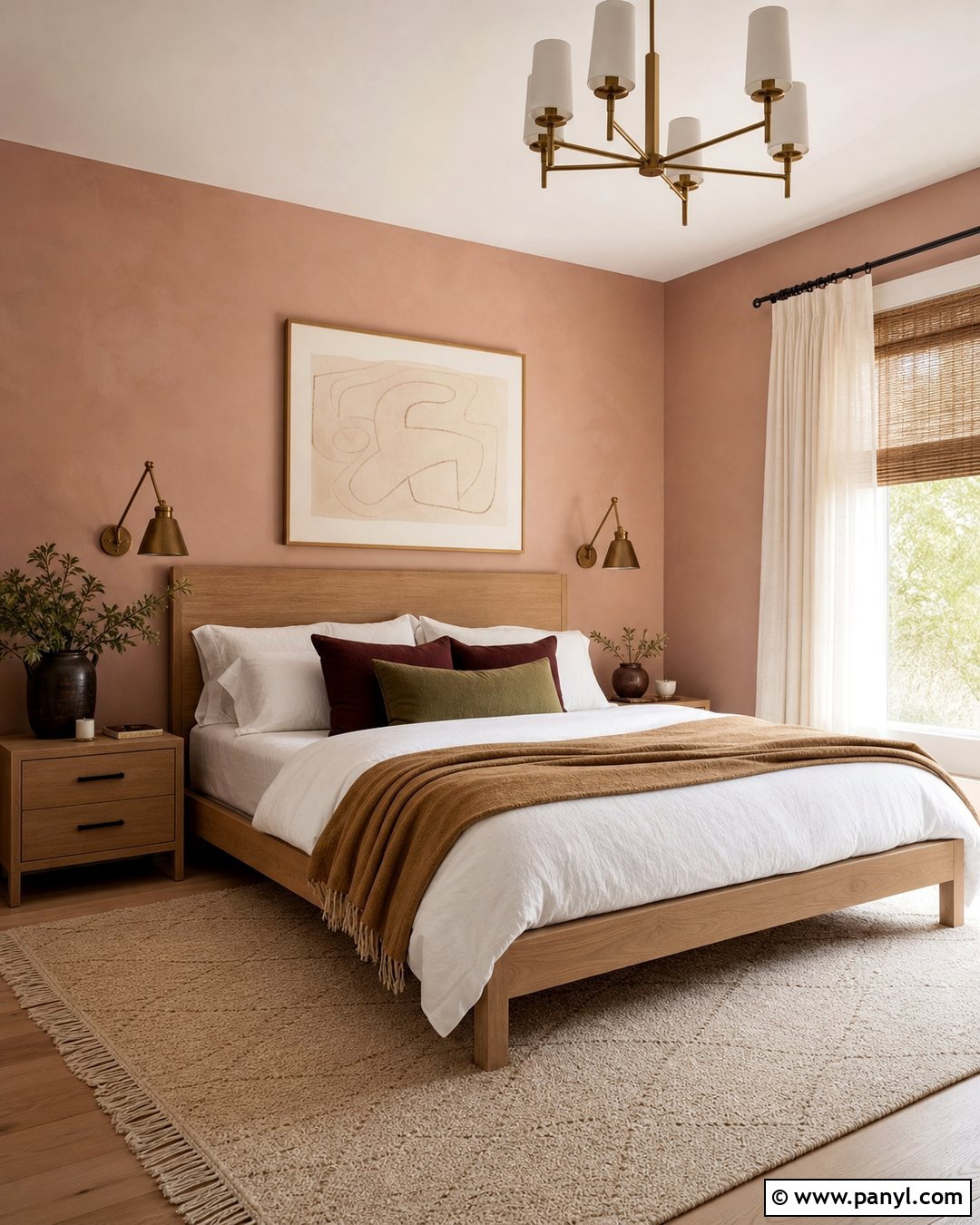
Dusty pink walls create a warm, flattering living hall when the color has muted brown or gray undertones. Cover the entire room rather than limiting the shade to a small accent wall, then retain a warm white ceiling for balance. Ground the softness with a deep brown sofa or walnut media console. An ivory rug, oatmeal armchair, and burgundy cushions add depth without making the palette overly sweet. Use aged brass lighting and dark-framed artwork to give the room sharper definition. Full-length taupe curtains will connect the walls with the darker furniture. A few ceramic accessories in cream and terracotta finish the look. The overall space feels grown-up, welcoming, and distinctive while remaining versatile enough for modern or traditional furnishings.
14. Mustard Yellow Living Hall Walls
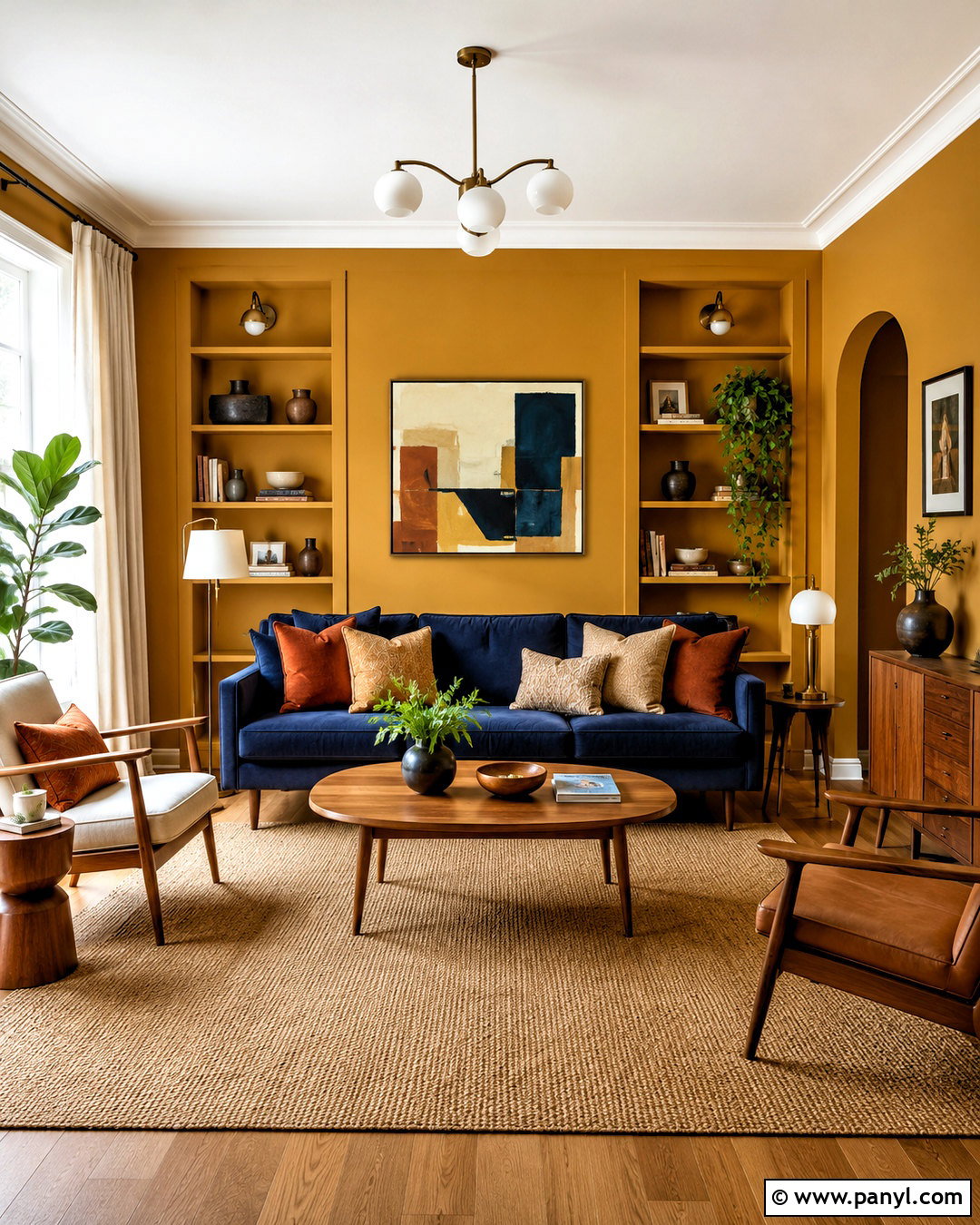
Muted mustard yellow can fill a living hall with warmth, especially in rooms that receive limited natural light. Choose an earthy ochre-based yellow instead of a sharp lemon tone and use it on all four walls. Keep the ceiling soft cream and paint built-in shelving the same mustard for a connected appearance. Balance the color with a navy sofa, warm wood tables, and a beige woven rug. Rust, cream, and blue cushions can distribute the palette evenly around the room. Add simple black picture frames and opal glass lighting for clean contrast. Curtains in natural off-white linen prevent the room from becoming visually heavy. This complete combination feels cheerful and grounded, with enough richness to remain comfortable through every season.
15. Black And White Living Hall Walls
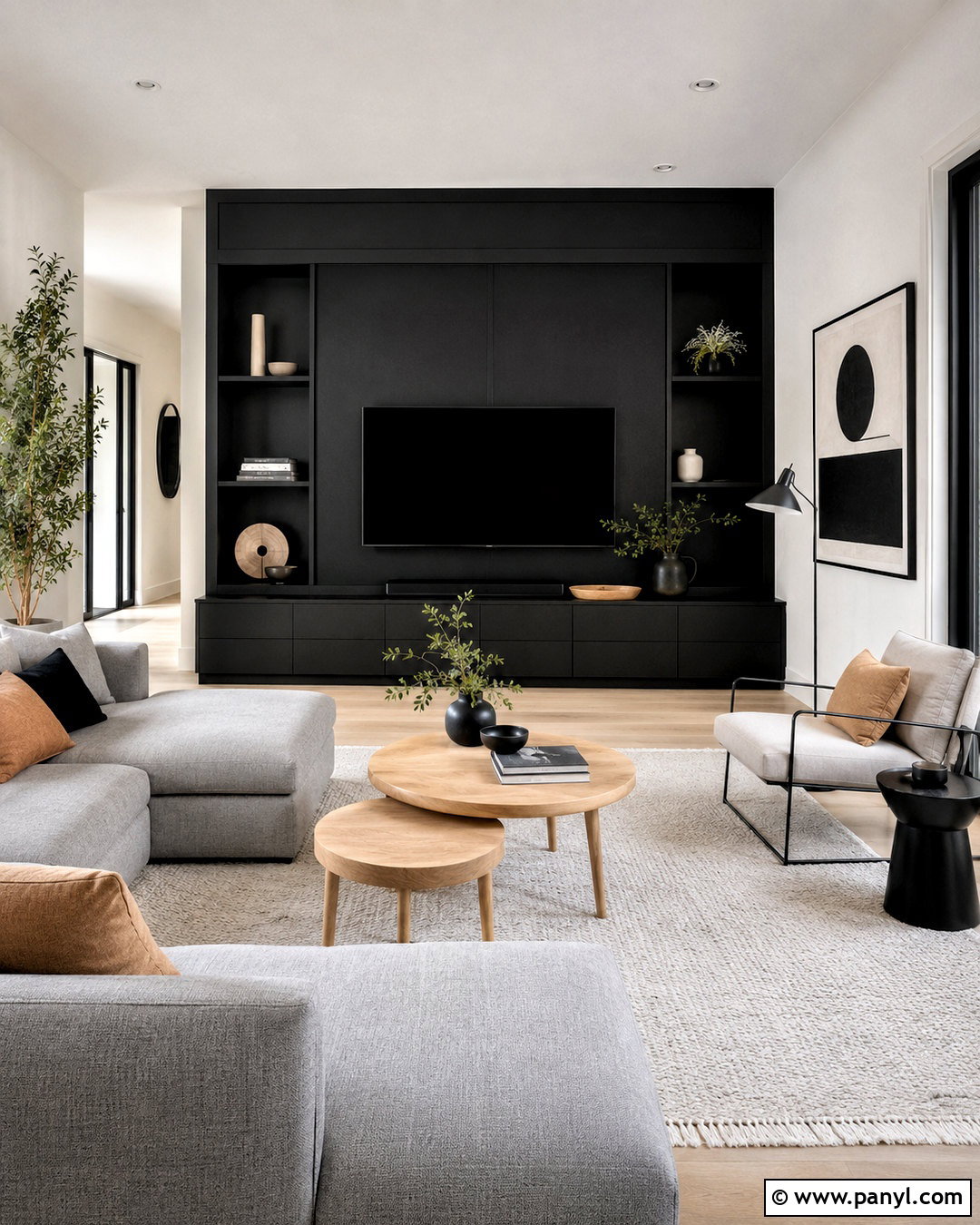
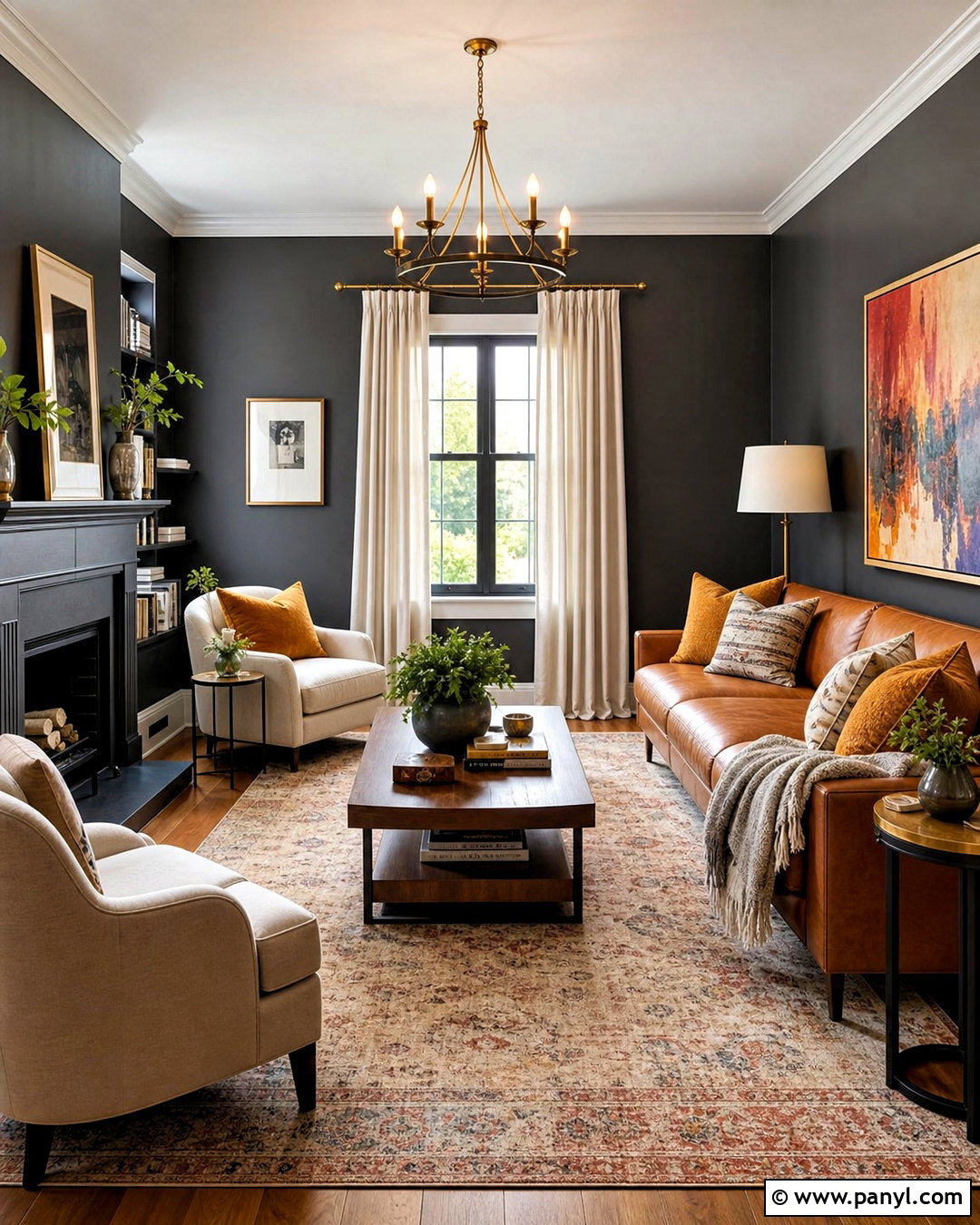
Black and white wall painting can look crisp and inviting when the darker color is placed strategically. Paint the main media wall matte black, including any low built-in cabinets, and keep the remaining walls and ceiling soft white. Position a light gray sectional opposite the feature wall and use a large cream rug to soften the contrast. Pale oak tables and shelving introduce warmth, while black metal lighting connects both sides of the room. Add cushions in tan, white, and charcoal rather than introducing many competing colors. Graphic artwork with wide white borders can decorate the lighter walls. The completed hall feels bold and modern, yet the generous use of warm textiles and natural wood prevents the monochrome scheme from appearing cold or overly formal.
16. Blue Gray Living Hall Walls
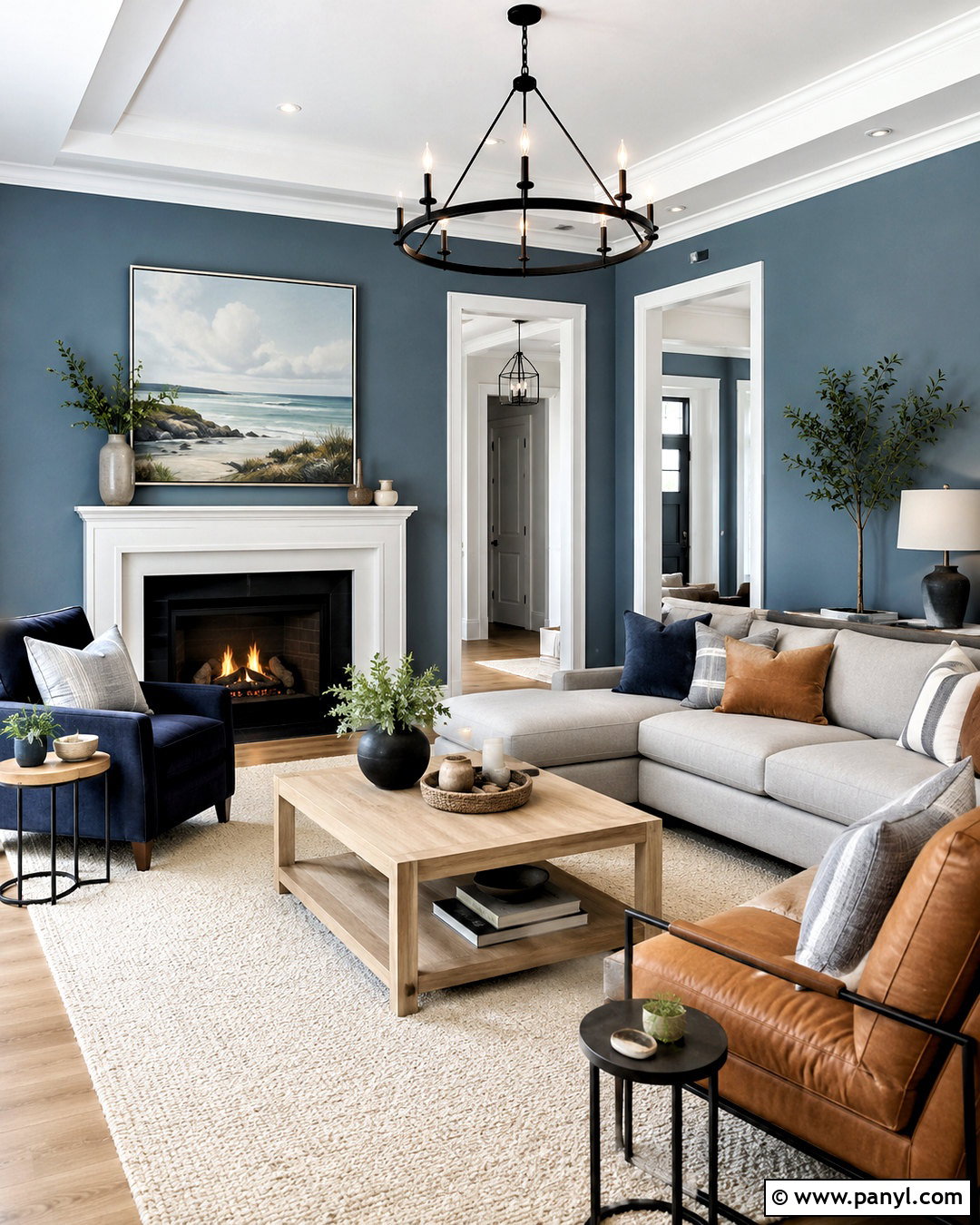
Blue-gray walls offer subtle color while preserving the peaceful quality of a neutral living hall. Select a light, slightly smoky blue and apply it to every wall, including alcoves around built-in shelving. Use bright white on the ceiling and trim to create a clean outline. A warm gray sofa, white oak coffee table, and ivory wool rug will balance the cooler paint. Bring in navy through one chair or several cushions, then add camel leather details for contrast. Silver, glass, or matte black lighting works well with this restrained palette. Choose artwork featuring soft landscapes or abstract blue forms. The finished room feels open, orderly, and timeless, making the combination particularly useful for smaller halls or homes with modern coastal influences.
17. Caramel Brown Living Hall Walls
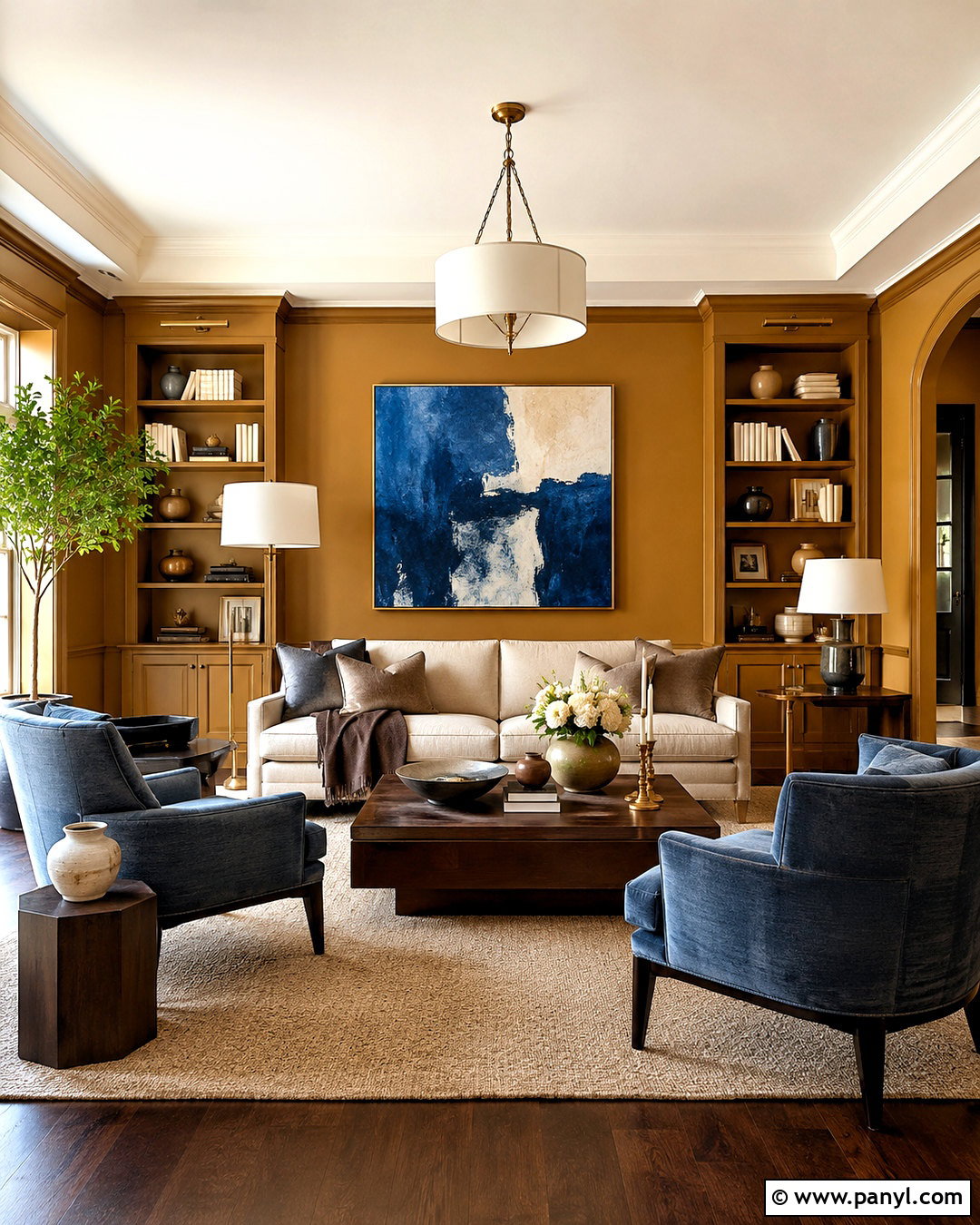
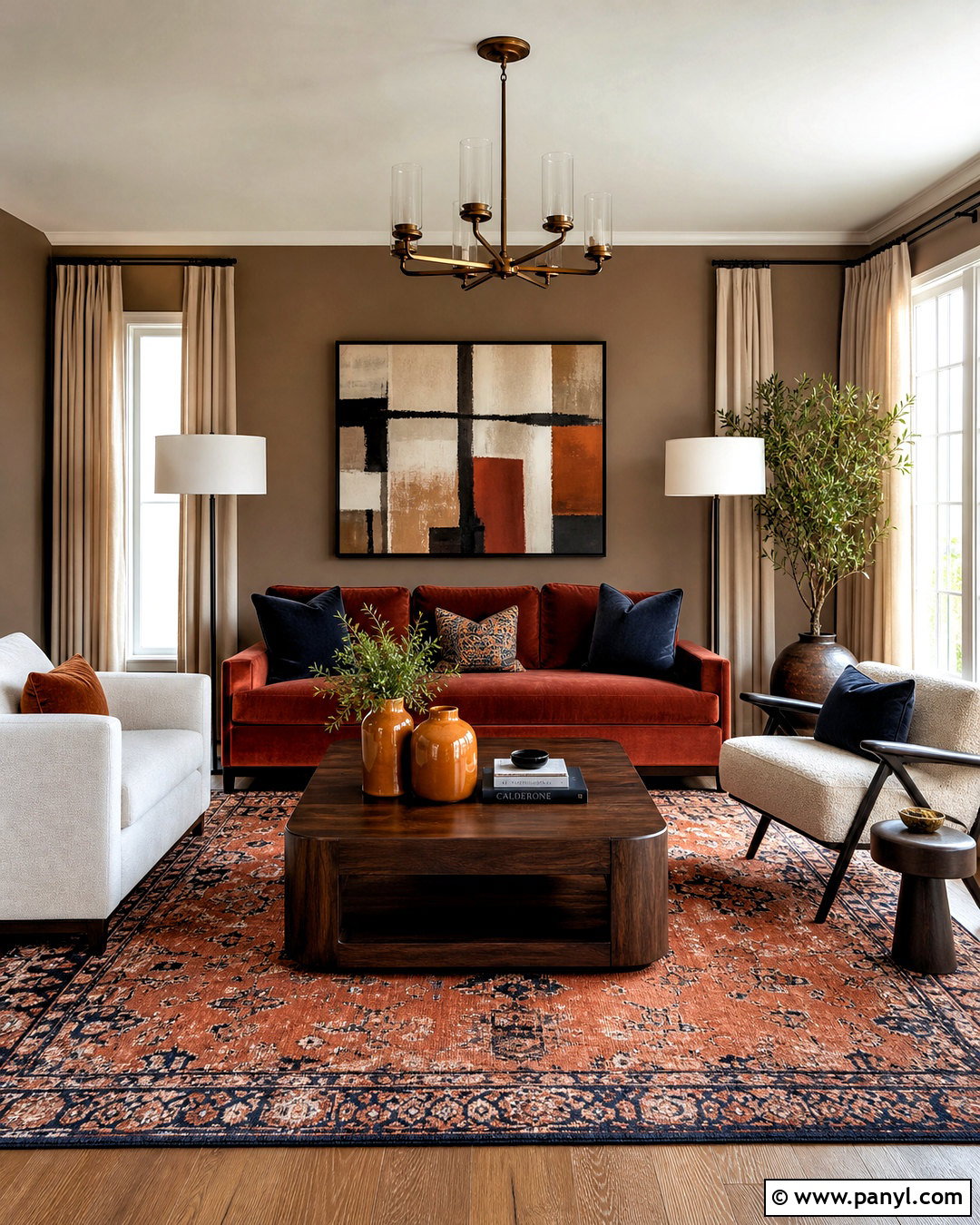
Caramel brown walls wrap a living hall in warmth while offering more character than standard beige. Choose a medium brown with golden undertones and paint the walls, trim, and built-in bookcase in related tonal shades. Keep the ceiling a pale creamy beige to reflect light. Furnish the space with an ivory sofa, dark walnut coffee table, and textured oatmeal rug. Accent chairs in muted blue create a fresh counterpoint to the brown surroundings. Add antique brass lamps, cream pottery, and abstract artwork with cobalt or rust details. Sheer ivory curtains soften the windows without interrupting the warm palette. Layered materials such as linen, velvet, wood, and wool keep the monochromatic scheme interesting, creating a comfortable hall with an elegant, collected appearance.
18. Striped Living Hall Wall Painting
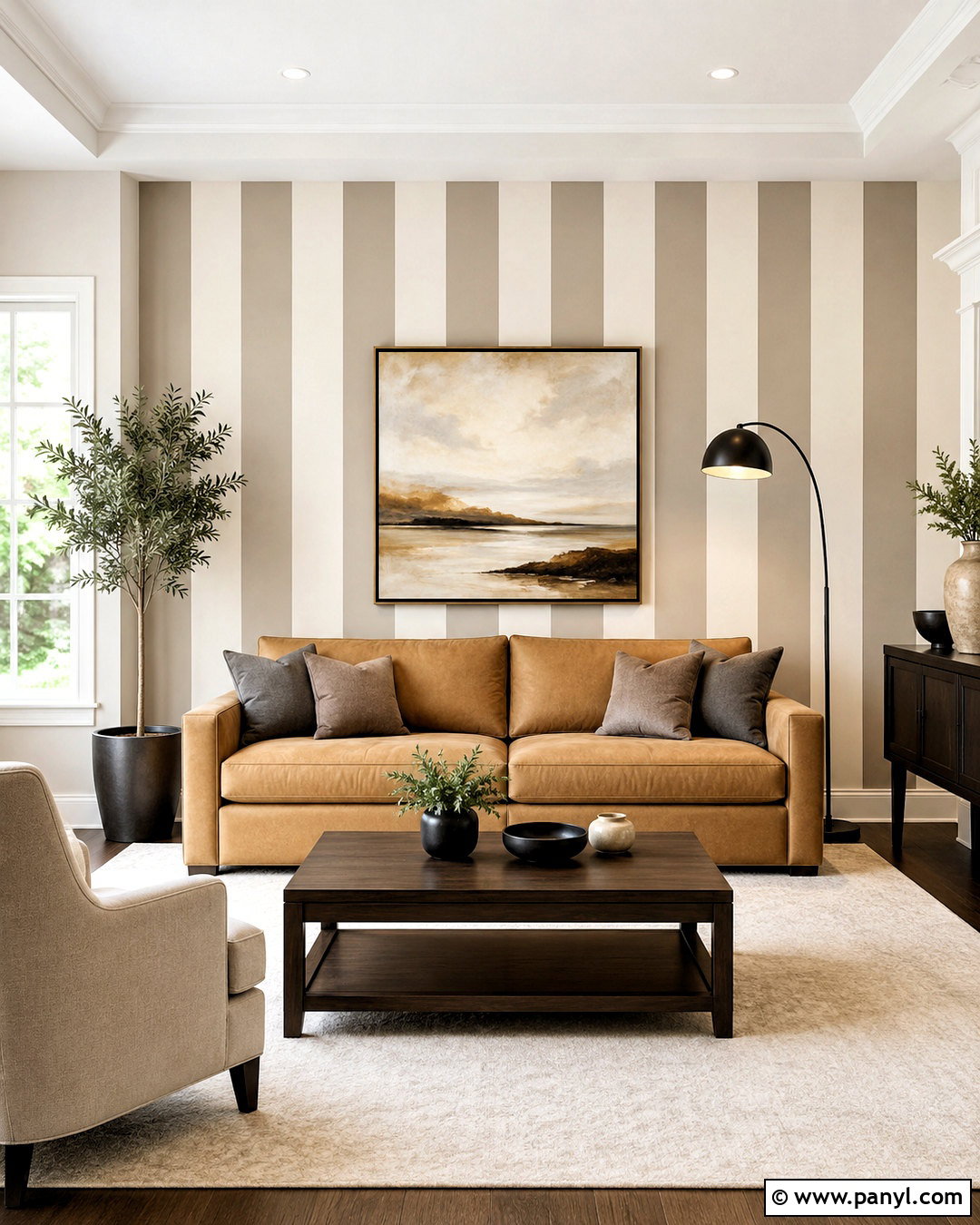
Wide painted stripes can visually organize a living hall and make an ordinary wall feel custom. Use vertical stripes in warm white and light taupe behind the sofa, keeping each band broad enough to avoid a busy appearance. Paint the remaining walls in the same warm white used within the pattern. A low camel sofa allows the stripes to remain visible, while a dark wood coffee table grounds the light palette. Add a plain cream rug, black floor lamp, and solid taupe cushions rather than introducing additional patterns. Hang one large artwork at the center of the striped wall instead of a crowded gallery. This complete look suits compact and transitional halls, adding height, rhythm, and personality without requiring bold colors or permanent architectural changes.
19. Landscape Mural Living Hall Wall
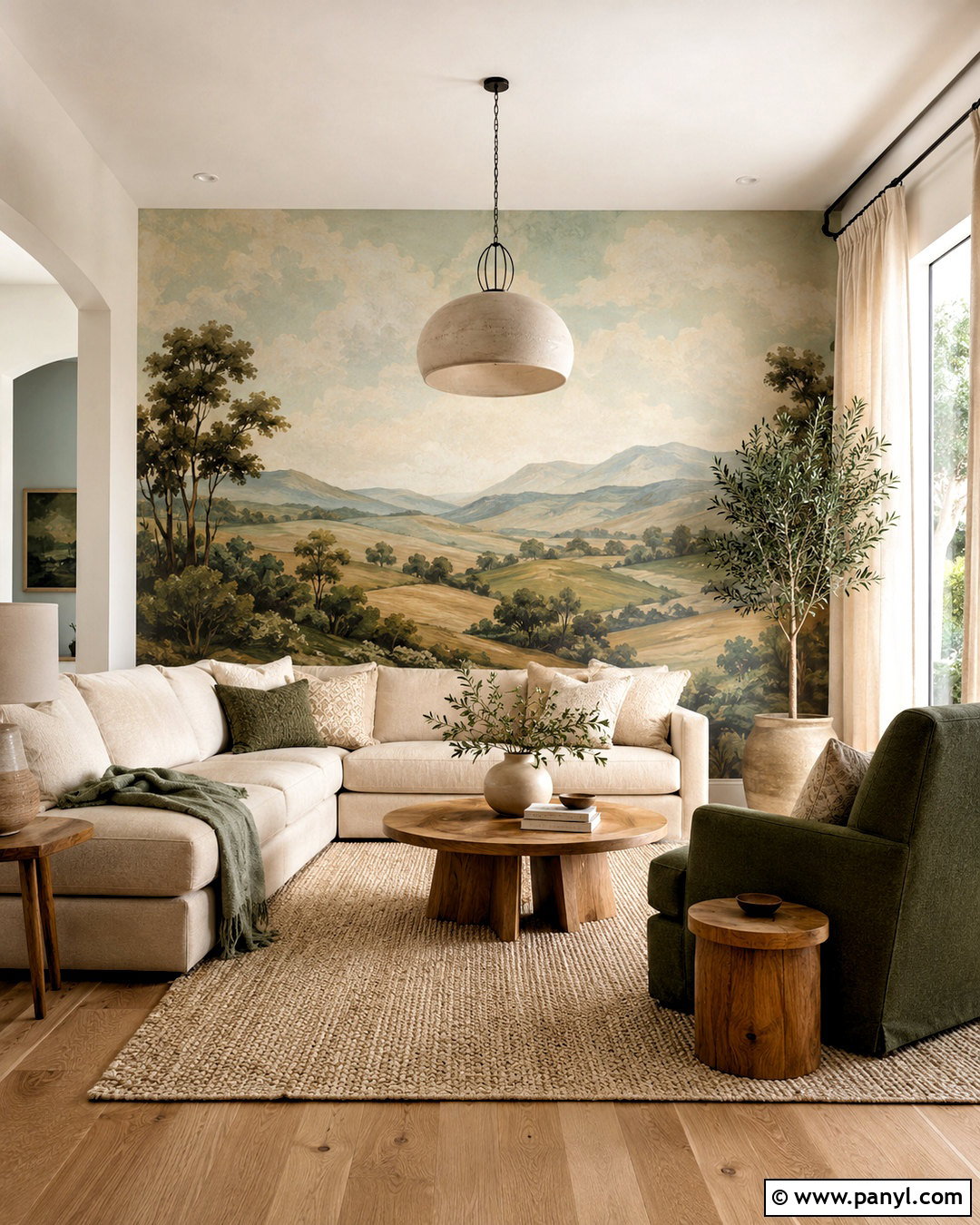
A painted landscape mural turns the main living hall wall into an immersive focal point. Choose a simplified scene with rolling hills, trees, and a pale sky in muted sage, dusty blue, taupe, and warm cream. Keep the shapes soft and oversized so the mural looks calm from across the room. Paint the other walls a light cream pulled directly from the artwork. Arrange a plain beige sofa in front of the mural, allowing plenty of the scene to remain visible. Complete the room with an oak coffee table, moss-green chair, and natural wool rug. Use minimal wall decor because the painted landscape already provides visual interest. Linen curtains and simple ceramic lighting support the peaceful, nature-inspired palette without competing with the mural.
20. Ceiling Wrapped Living Hall Paint
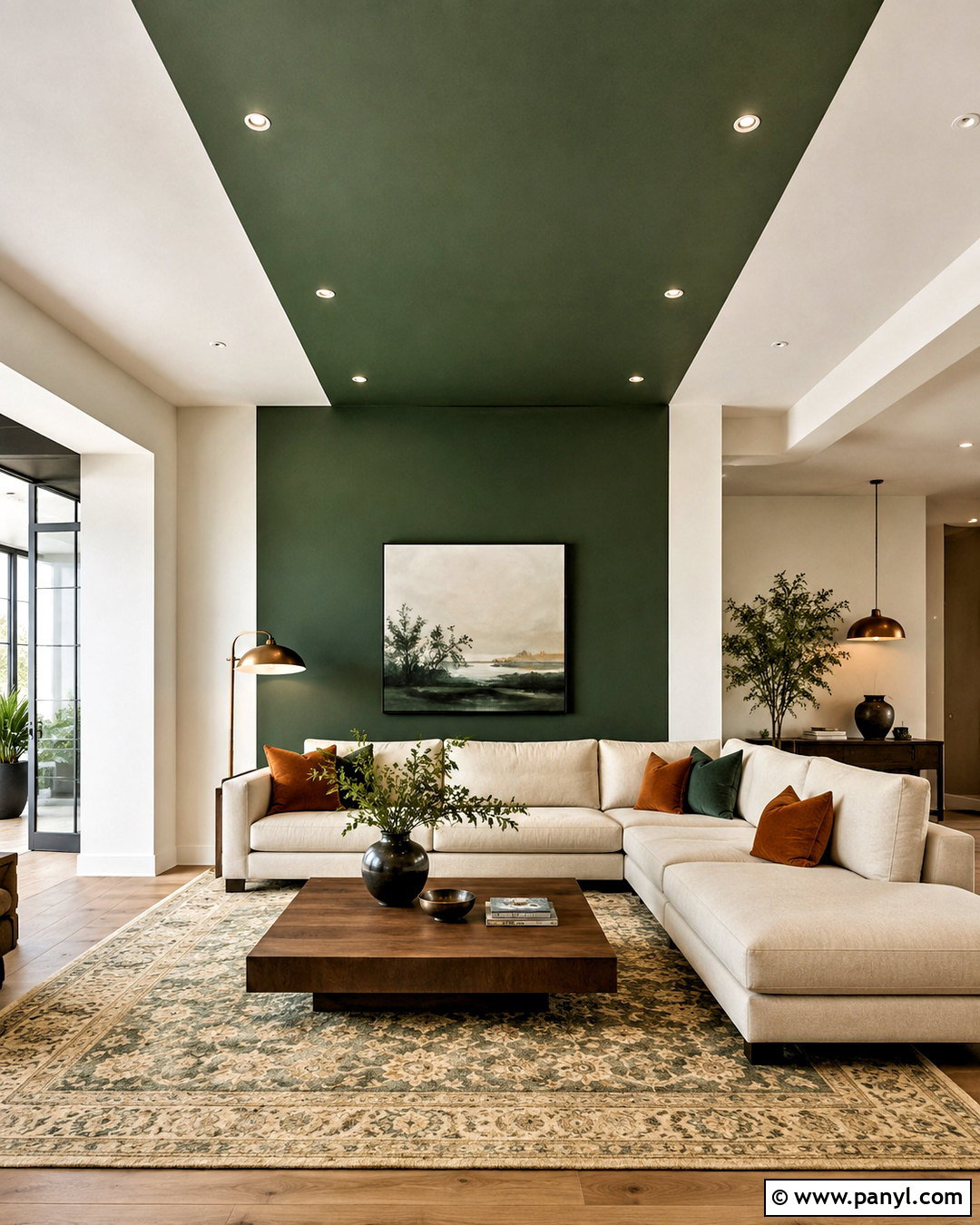
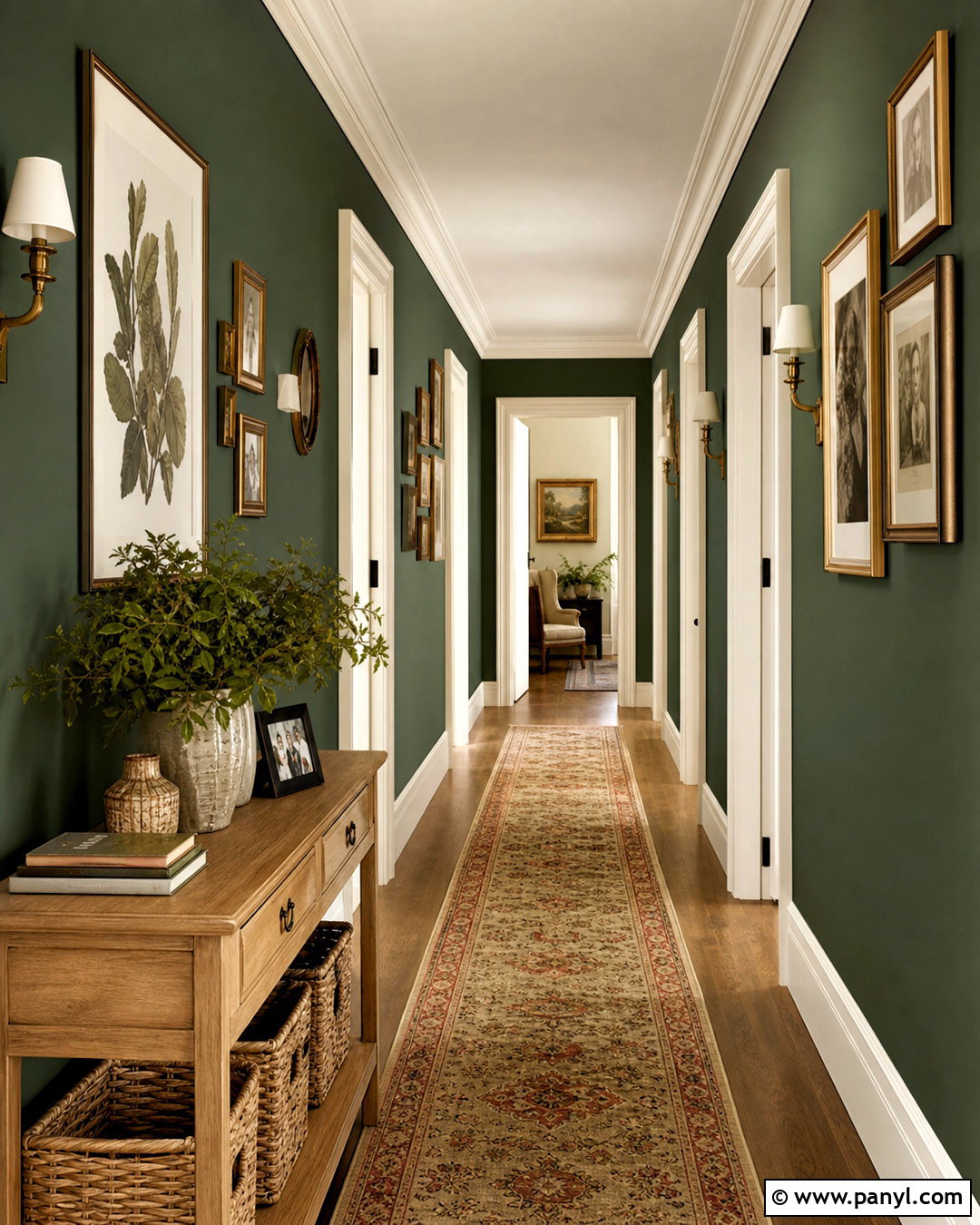
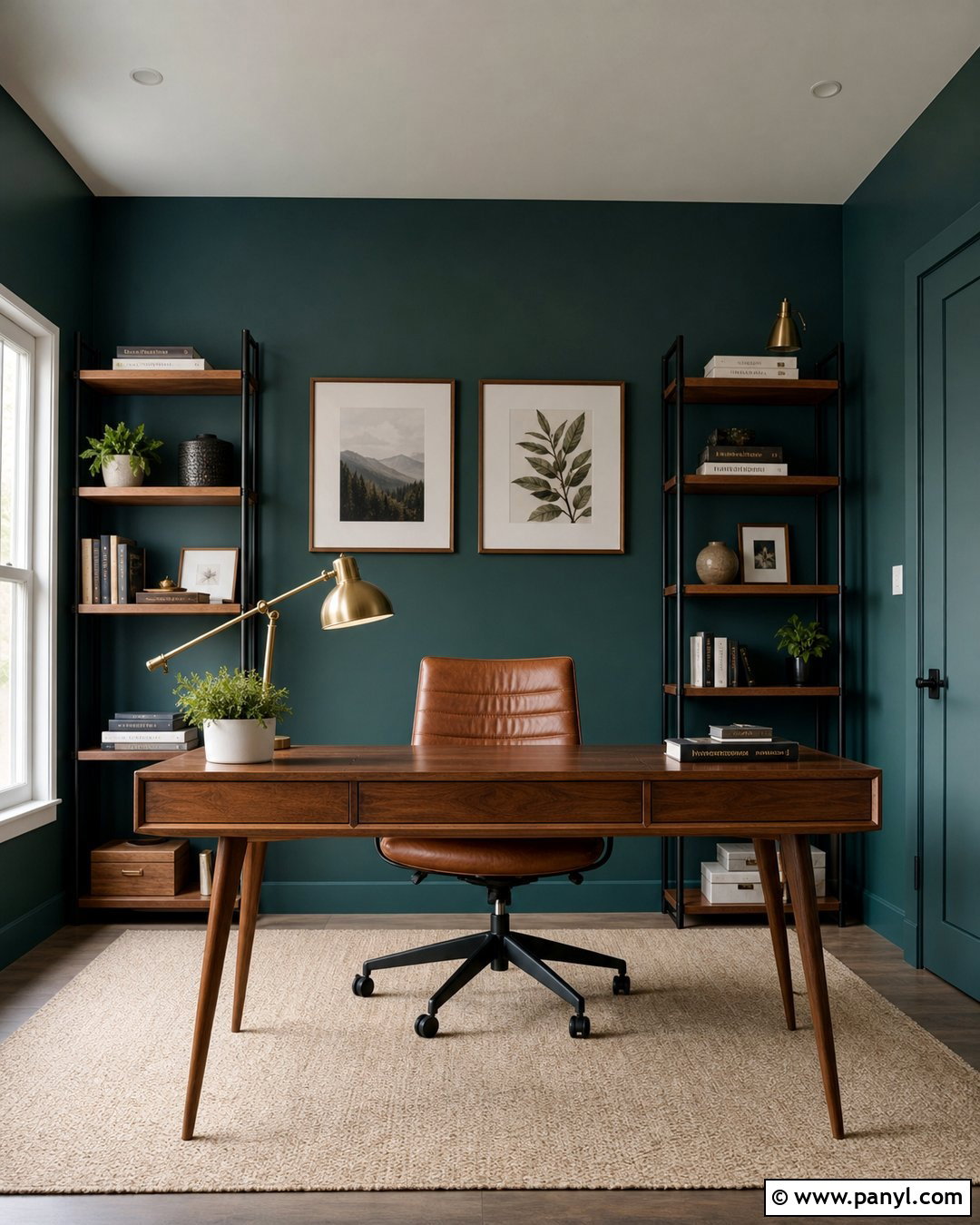
A ceiling-wrapped paint treatment can highlight a conversation area and make an open living hall feel more defined. Paint the sofa wall in deep forest green, then continue the color approximately three feet across the ceiling above the seating zone. Keep the remaining ceiling and walls warm white for a bold, architectural contrast. Center a cream sectional beneath the painted section and anchor it with a patterned beige and green rug. A walnut coffee table, brass floor lamp, and rust-colored cushions warm the palette. Use minimal artwork on the green wall so the unusual paint placement remains clear. This complete design works particularly well in long rooms or open layouts where paint can visually separate the living area without adding partitions.
Conclusion:
The best **living hall wall painting ideas** do more than introduce a fashionable color. They create a complete setting in which the walls, furniture, flooring, lighting, and decor feel intentionally connected. Warm whites and blue-grays can brighten compact halls, while terracotta, caramel, olive, and teal create richer surroundings. Painted arches, murals, stripes, geometric blocks, and ceiling wraps provide structure without major remodeling. Before choosing a final shade, view a large paint sample beside your sofa, rug, curtains, and flooring during different times of day. This simple step helps reveal changing undertones. With thoughtful color placement and a coordinated room palette, painted walls can make an everyday living hall feel comfortable, personal, and professionally finished.

Related Ideas and Inspiration:
Leave a Reply