
Choosing the right hall wall palette can make the busiest shared space in your home feel brighter, larger, and more connected. These 20 hall painting wall colors combination ideas cover warm neutrals, calming greens, rich blues, earthy reds, and modern contrasts. Each look pairs wall colors with furniture, flooring, lighting, and decor, helping you create a complete room rather than simply choosing two paint swatches. Before committing, test large samples on different walls and view them in morning, afternoon, and evening light. It also helps to consider colors visible in adjoining rooms so the overall home feels connected. () Whether your hall is compact, spacious, traditional, or contemporary, explore these practical 20 hall painting wall colors combination ideas.

1. Warm White And Sage Green Hall Walls
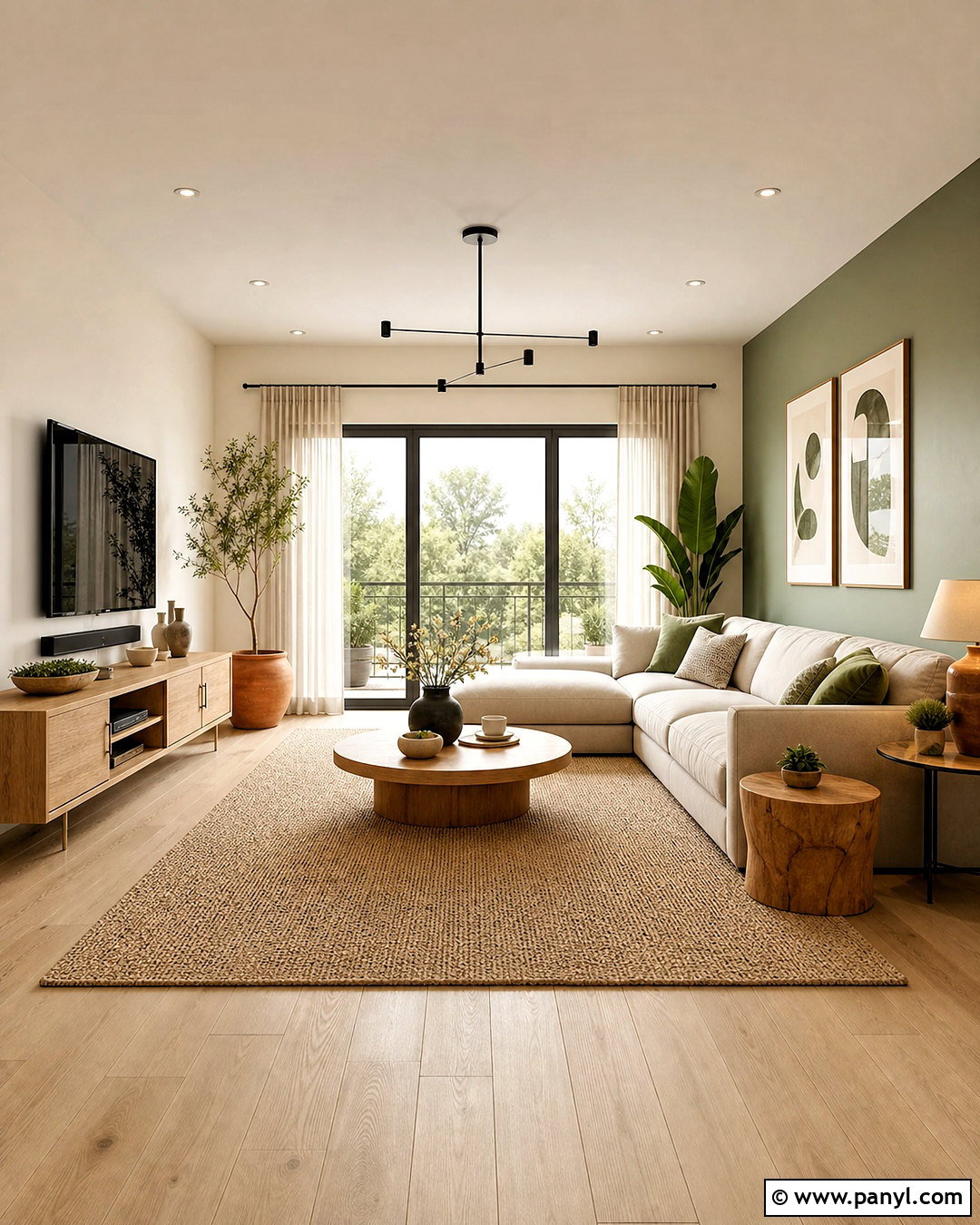
Warm white and sage green create a fresh hall that feels peaceful without appearing cold. Use warm white across most walls, then place muted sage green behind the main sofa, television unit, or console. This arrangement gives the room a focal point while keeping the overall setting bright. Choose a light oak television cabinet, beige sectional sofa, woven rug, and cream curtains to support the natural palette. Matte black lighting adds definition, while terracotta planters bring gentle warmth. If the hall connects to a dining area, repeat sage through chair upholstery or artwork. The finished look works especially well with wood, cane, linen, and other organic materials. Keep accessories simple so the green wall remains noticeable but relaxed.
2. Cream And Terracotta Hall Walls
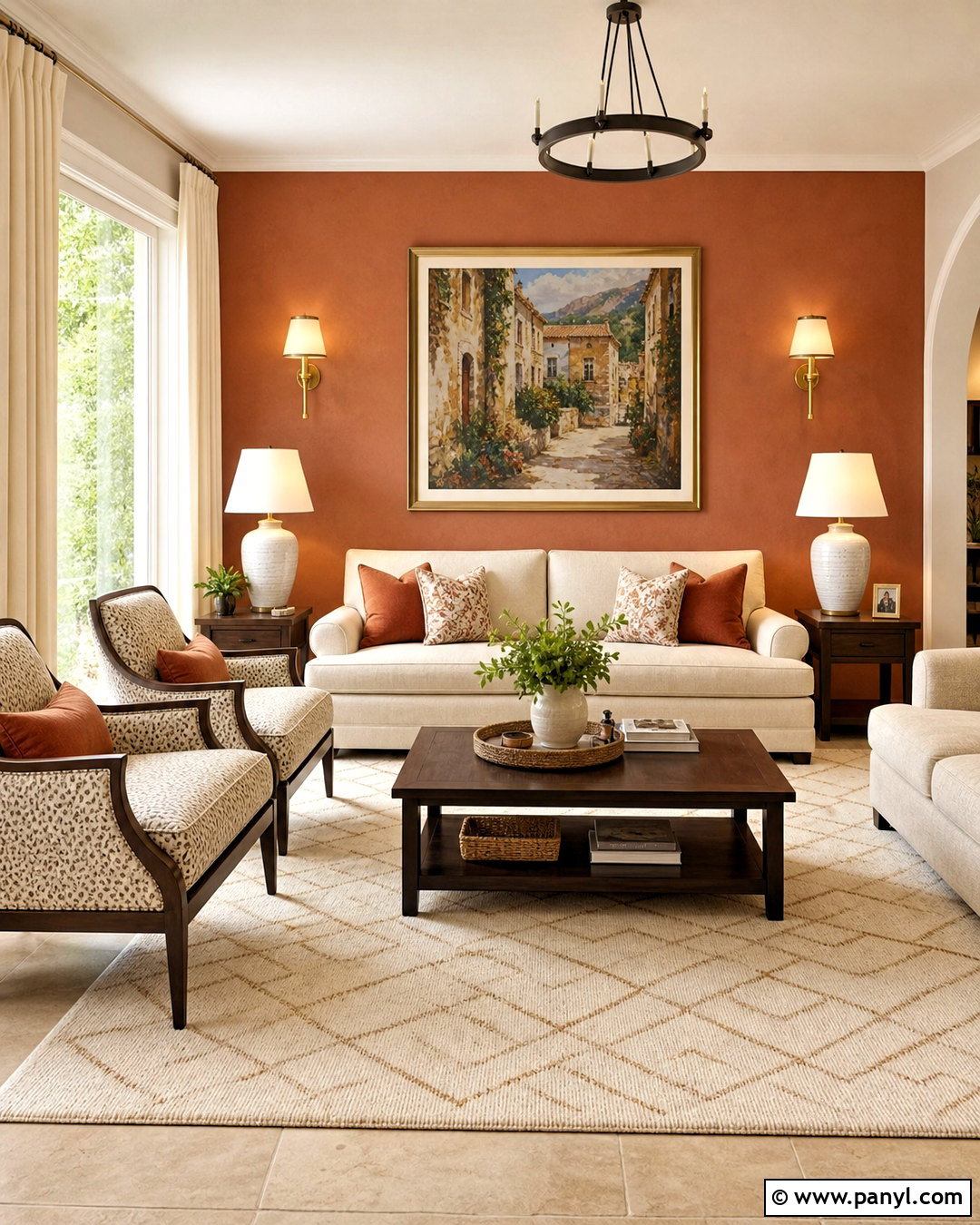
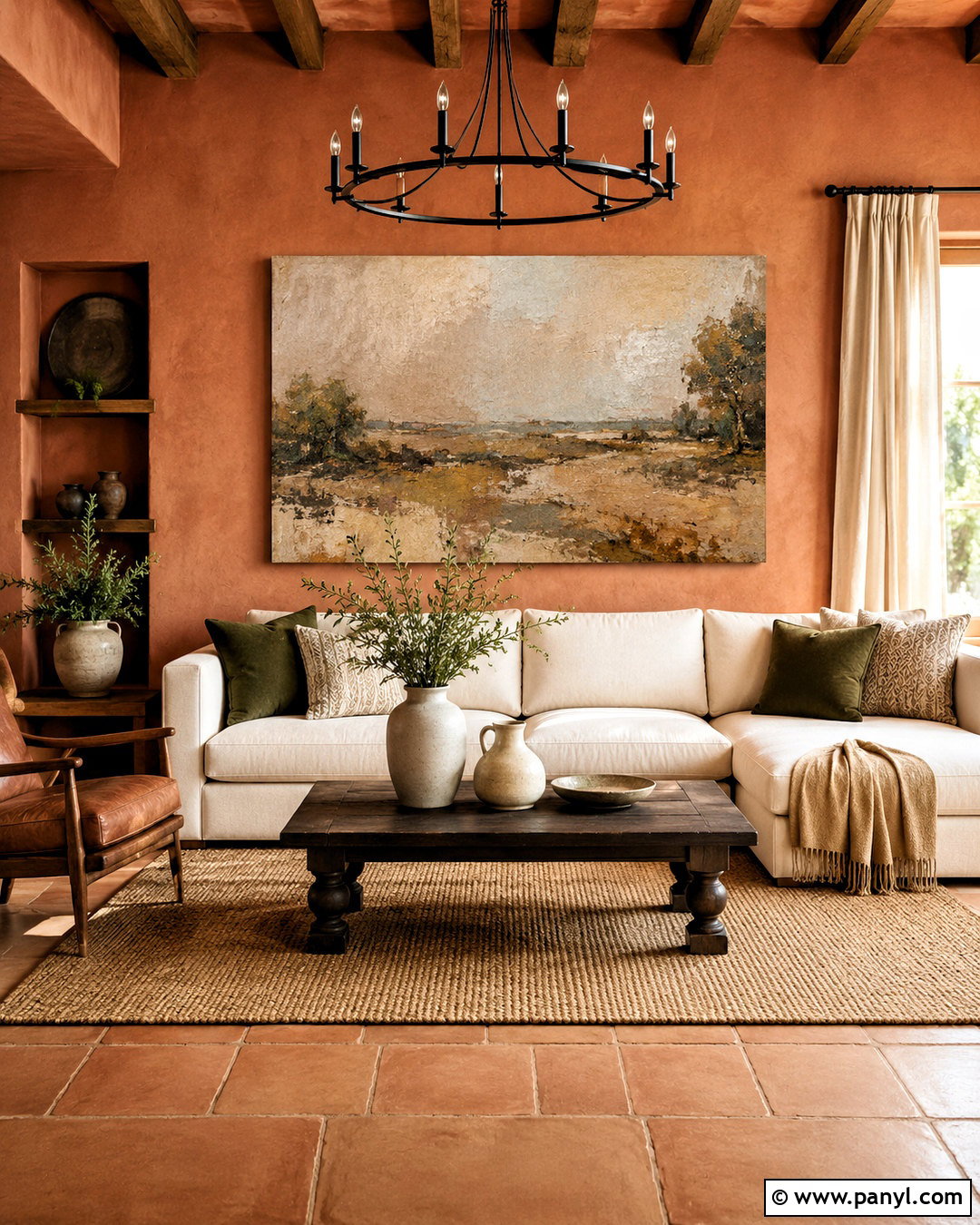
Imagine a welcoming hall filled with creamy walls, sun-washed terracotta, and warm natural textures. Paint three walls in soft cream and use an earthy terracotta shade on the largest uninterrupted wall. A camel or oatmeal sofa will bridge the two colors beautifully. Add walnut furniture, rust-colored cushions, and a flat-woven rug containing cream, tan, and muted red. Instead of bright white trim, select a softer ivory that blends smoothly with the cream. Brass sconces and ceramic table lamps create polished accents without making the room overly formal. This color combination is particularly effective in halls with plenty of daylight. For balance, limit terracotta to one main wall and repeat it in only a few carefully selected decorative pieces.
3. Greige And Charcoal Hall Walls
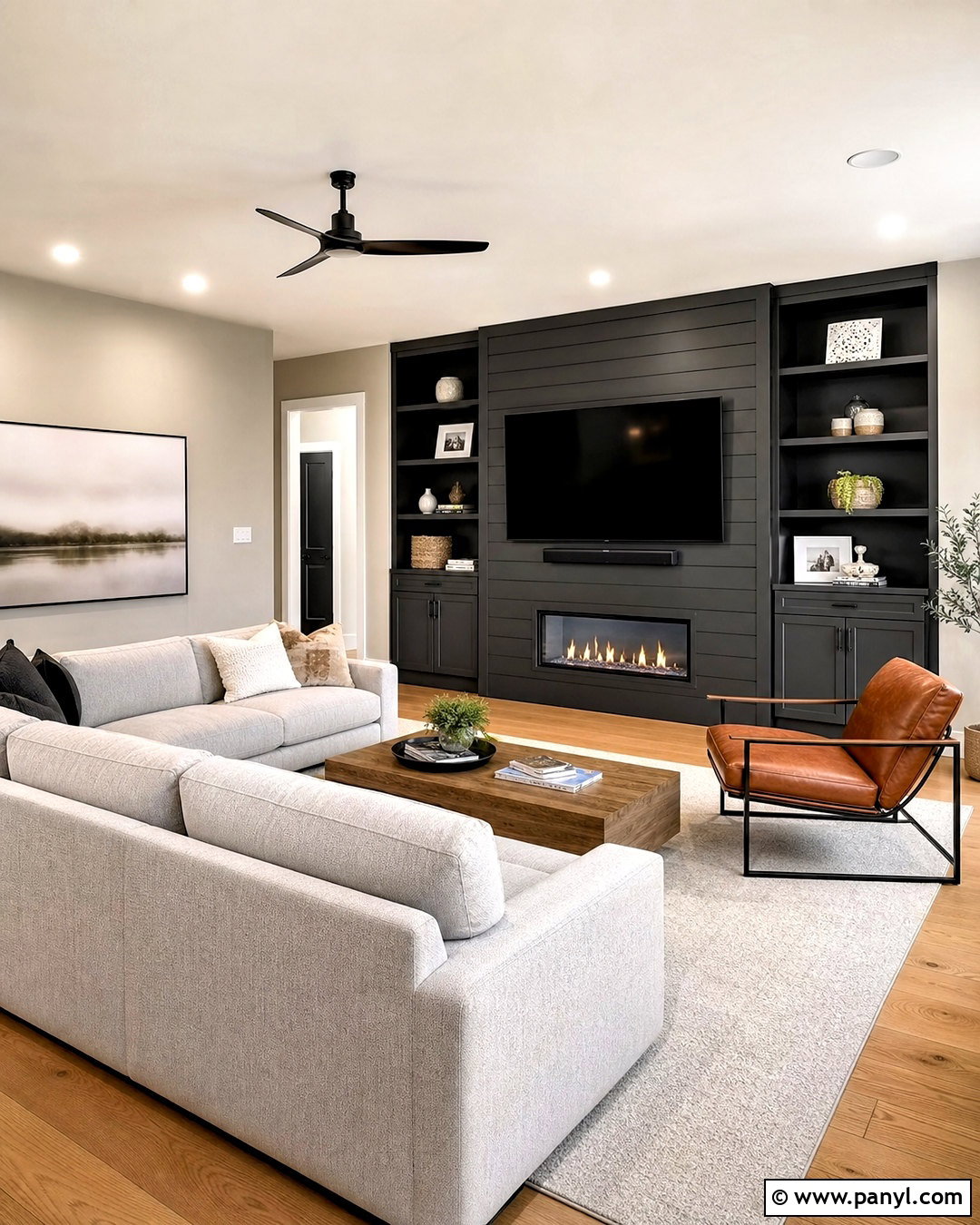
Can a gray hall still feel warm and inviting? Pairing soft greige with charcoal provides a sophisticated answer. Cover the main walls in a light greige that has noticeable beige undertones. Apply charcoal to the media wall, built-in shelves, or the wall surrounding a fireplace. Bring in a light gray sofa, warm oak coffee table, and ivory area rug to prevent the darker surface from dominating. Black metal frames and fixtures can reinforce the charcoal, while cognac leather adds needed warmth. Keep the ceiling and trim in a clean off-white. This complete scheme suits contemporary halls and open-plan homes because it connects easily with many kitchen and dining finishes. Use warm bulbs so the greige does not look flat or overly cool.
4. Beige And Chocolate Brown Hall Walls
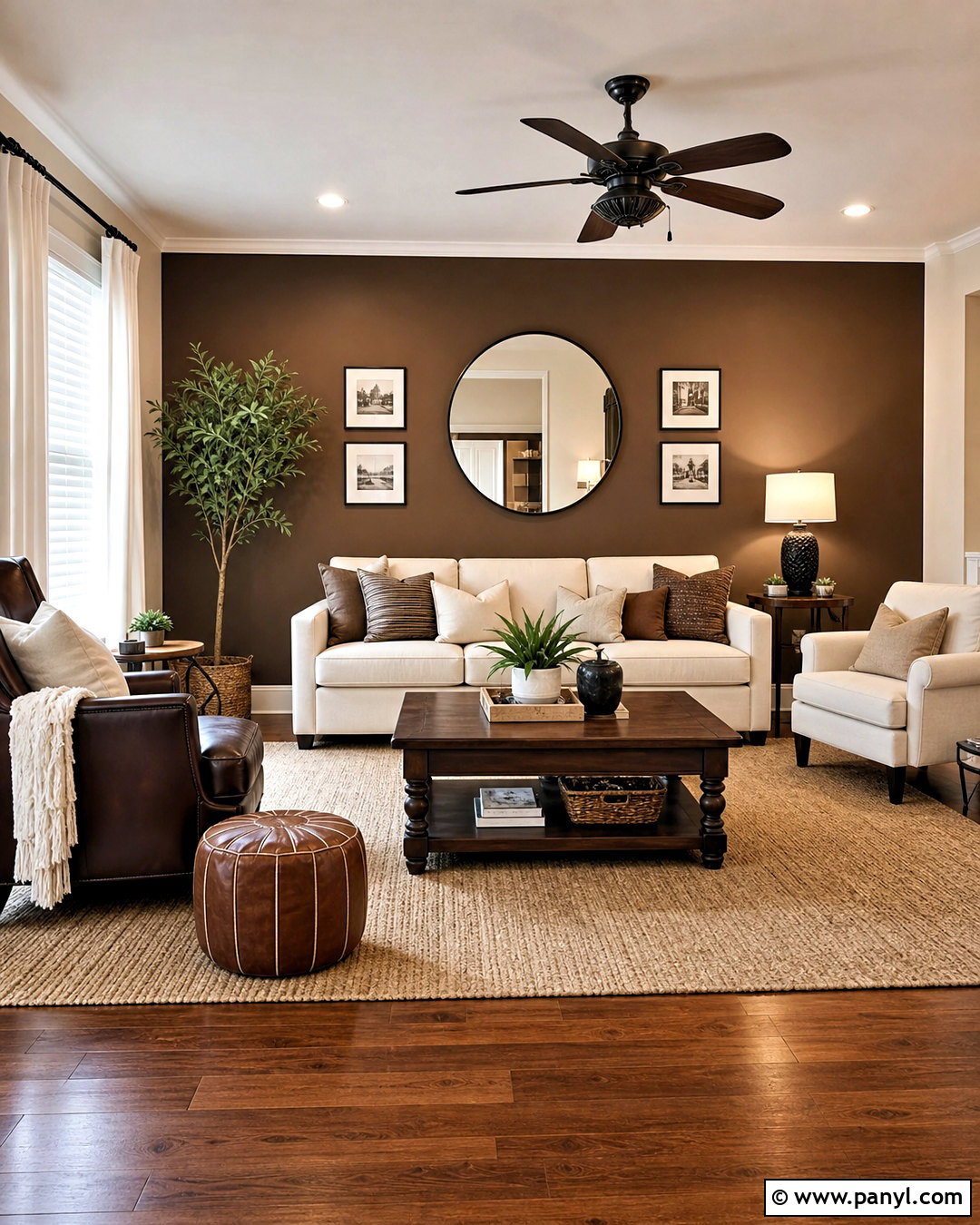
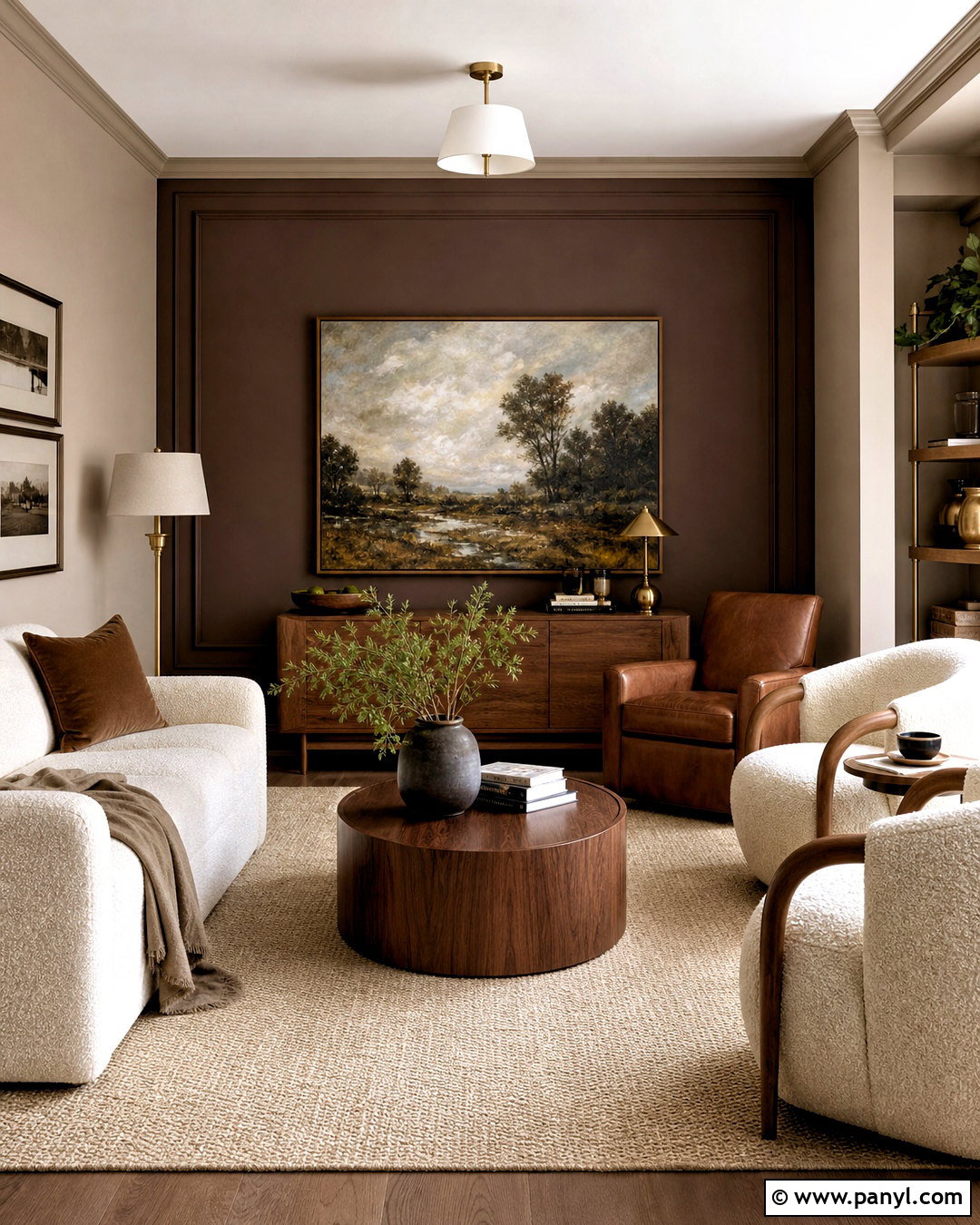
Beige and chocolate brown can create a comfortable hall with depth, provided the darker color is used carefully. Choose a sandy beige for the main walls and apply deep chocolate brown to the wall behind a cream sofa or streamlined entertainment unit. Medium oak flooring, ivory curtains, and a textured beige rug will soften the strong contrast. Introduce brown again through wood furniture, leather details, and narrow picture frames. A large mirror can help distribute light across the darker wall. For a modern finish, use simple furniture shapes and avoid filling the room with too many heavy brown pieces. This palette is ideal for a family hall because it feels grounded and forgiving while still looking coordinated, polished, and pleasantly warm.
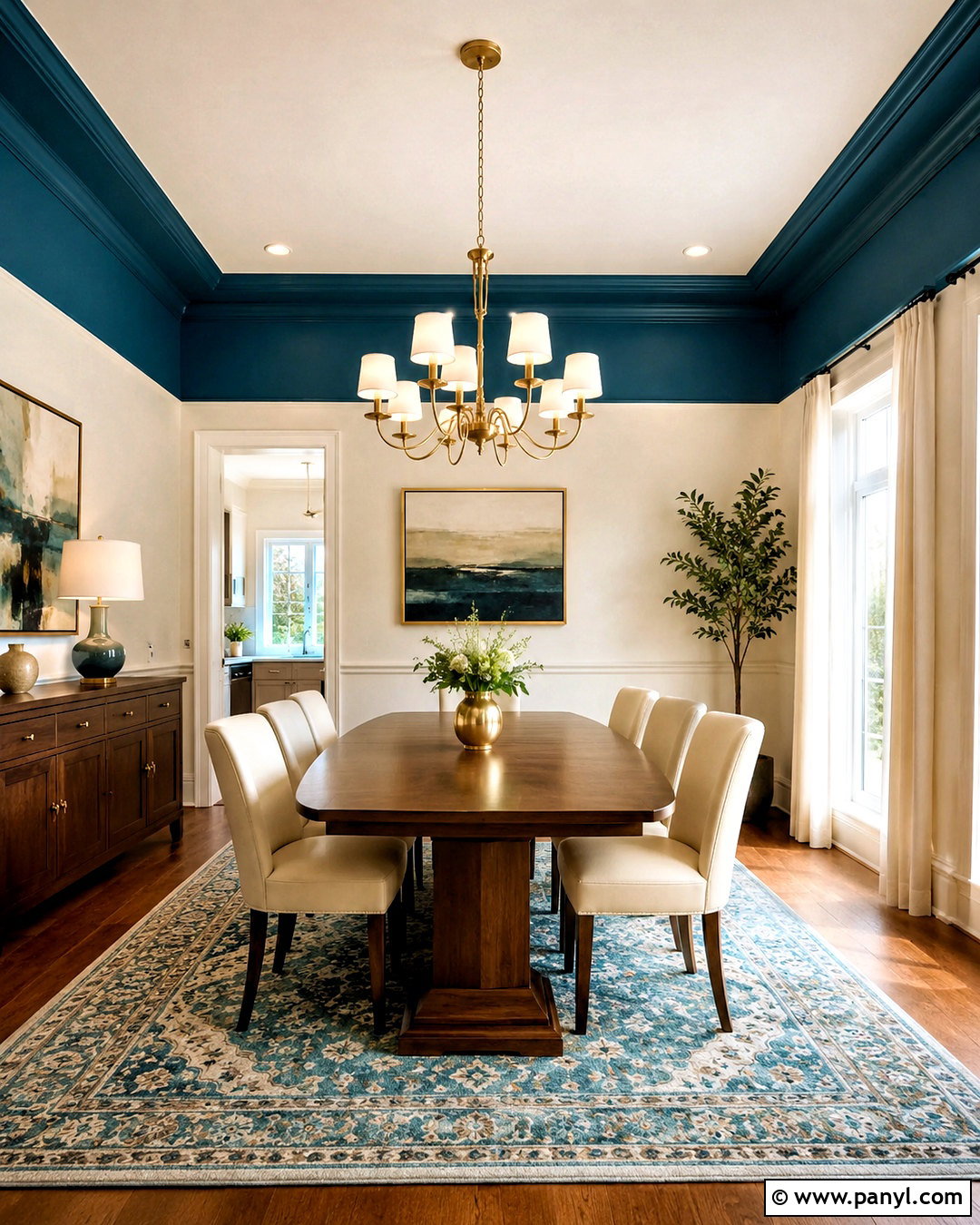
5. Ivory And Navy Blue Hall Walls
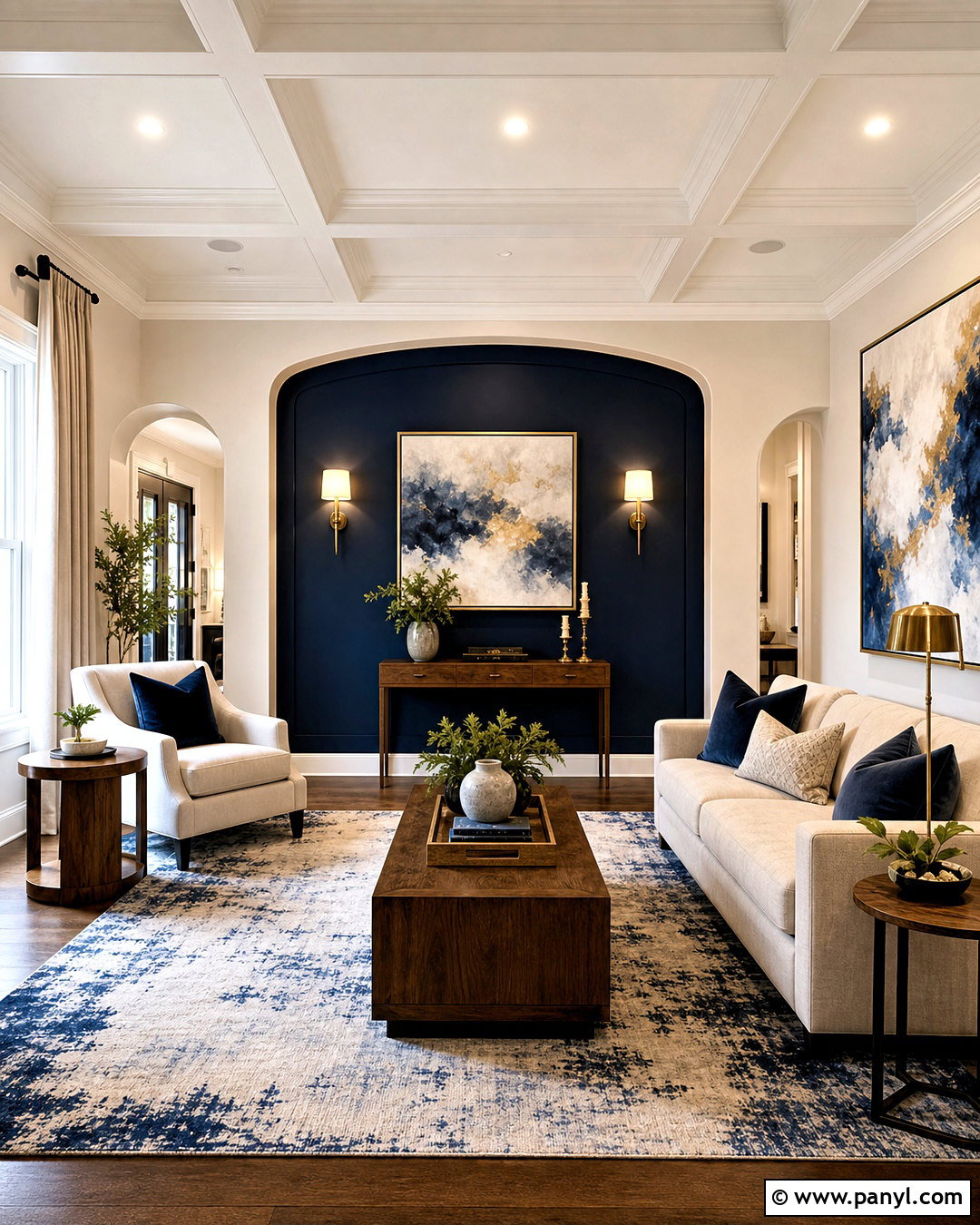
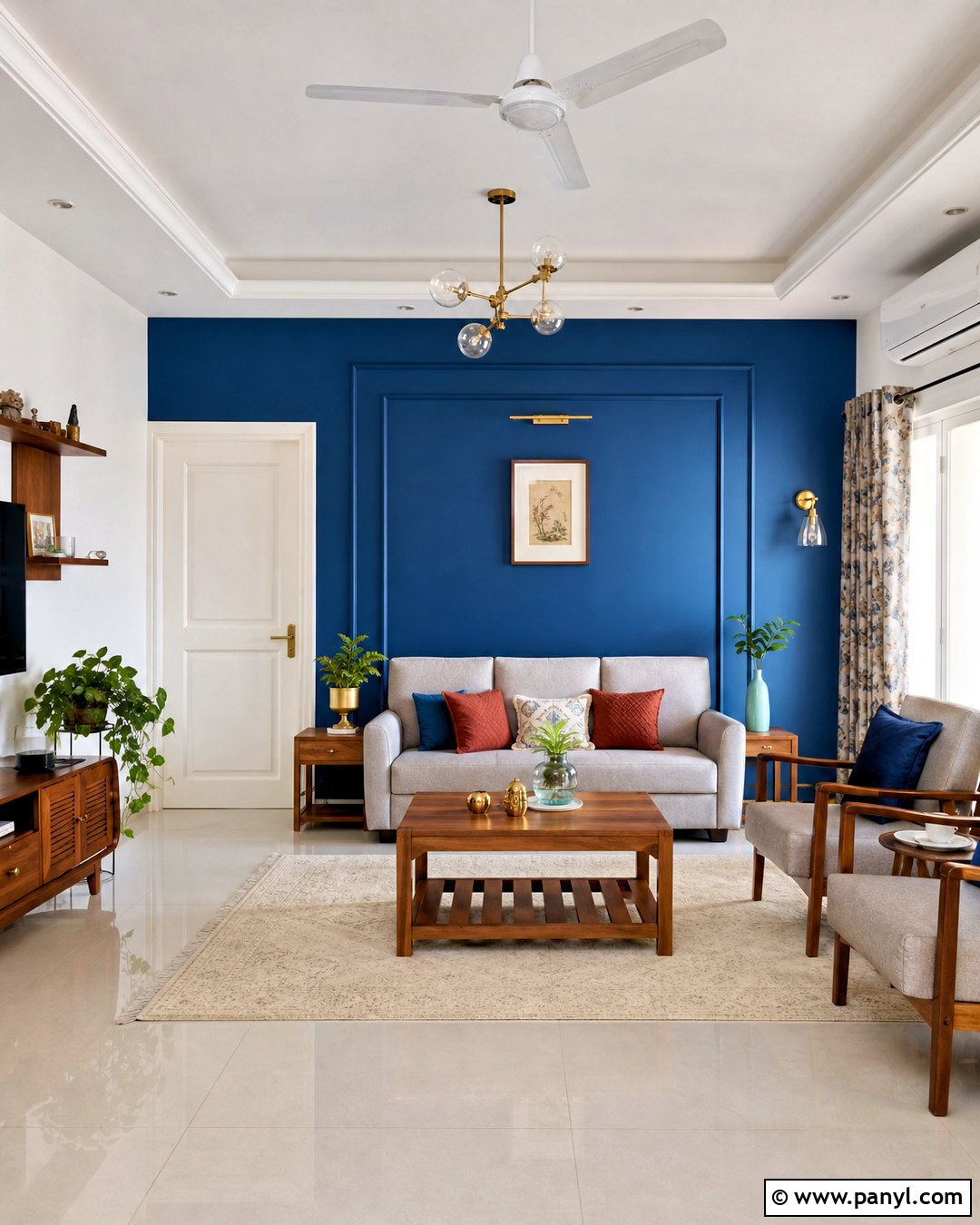
A deep navy wall can give an ordinary hall an impressive focal point. Begin with soft ivory on the surrounding walls and ceiling, then use navy behind the sofa, fireplace, or television. The ivory prevents the blue from making the space feel enclosed. Select a light beige sofa, walnut side tables, and an ivory rug with a subtle navy pattern. Brushed brass lamps add warmth and stand out beautifully against the dark background. Complete the room with pale linen curtains and artwork that combines blue, cream, and muted tan. In a smaller hall, keep the navy wall free from bulky storage. In a spacious room, consider shallow navy built-ins with warm wood shelves to create a custom, balanced, and functional feature.
6. Soft Gray And Dusty Blue Hall Walls
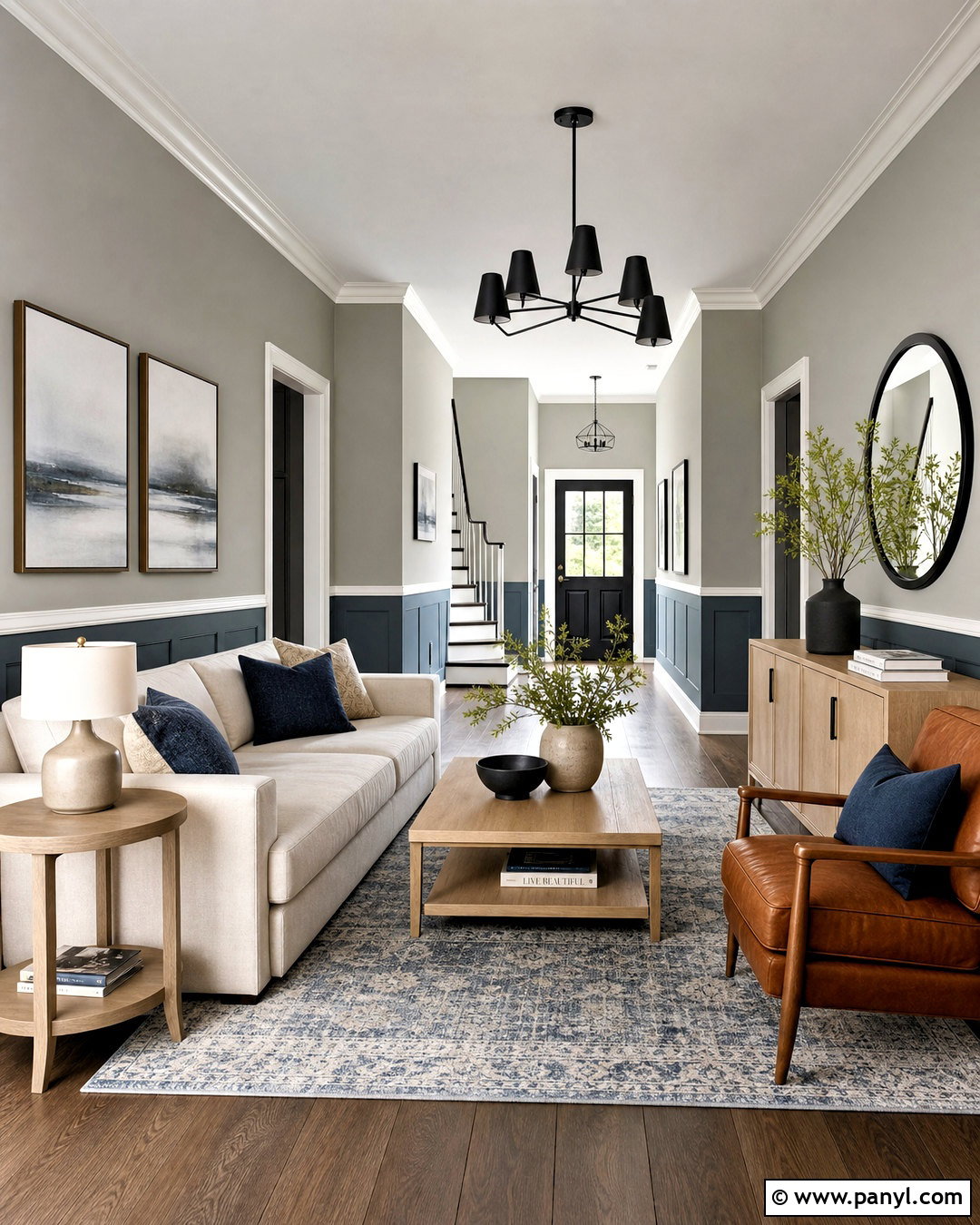
Soft gray and dusty blue produce a gentle hall palette that feels clean but not sterile. Use pale warm gray on the larger walls and dusty blue on the focal wall or lower half of a two-tone treatment. Crisp white trim creates a neat boundary between the shades. Furnish the room with an off-white sofa, pale wood tables, and a gray-blue rug that connects the walls. Navy cushions can add definition, while brushed nickel or matte black fixtures provide a contemporary finish. For more warmth, include a cognac leather chair or natural woven basket. This combination works well in halls with moderate daylight because neither color is excessively saturated. Finish with simple coastal landscapes or abstract artwork rather than overly themed decorative accessories.
7. Blush Pink And Warm White Hall Walls
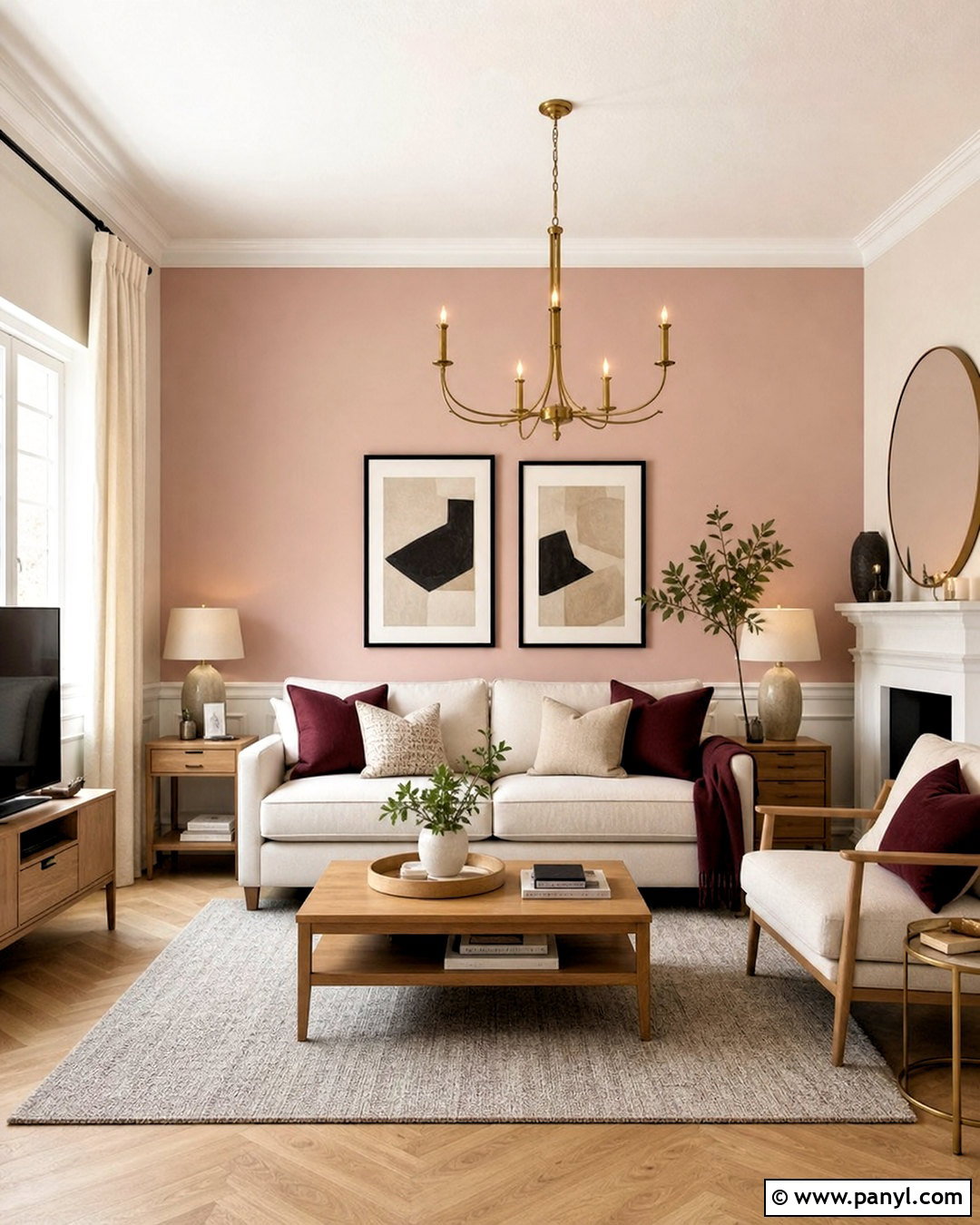
Blush pink can look surprisingly grown-up when it is balanced with warm white and clean-lined furniture. Paint the main walls a creamy white, then add muted blush behind a sofa, console, or pair of accent chairs. Choose a warm gray or oatmeal sofa instead of additional pink upholstery. Light oak furniture, ivory curtains, and a soft taupe rug will keep the room grounded. Add small touches of burgundy, rust, or dark green through cushions and artwork for greater depth. Brushed brass lighting complements the warmth of the pink, while black picture frames create crisp contrast. Avoid overly sweet accessories and floral patterns. The final hall should feel soft, modern, and welcoming, with blush acting as a warm architectural color rather than a decorative theme.
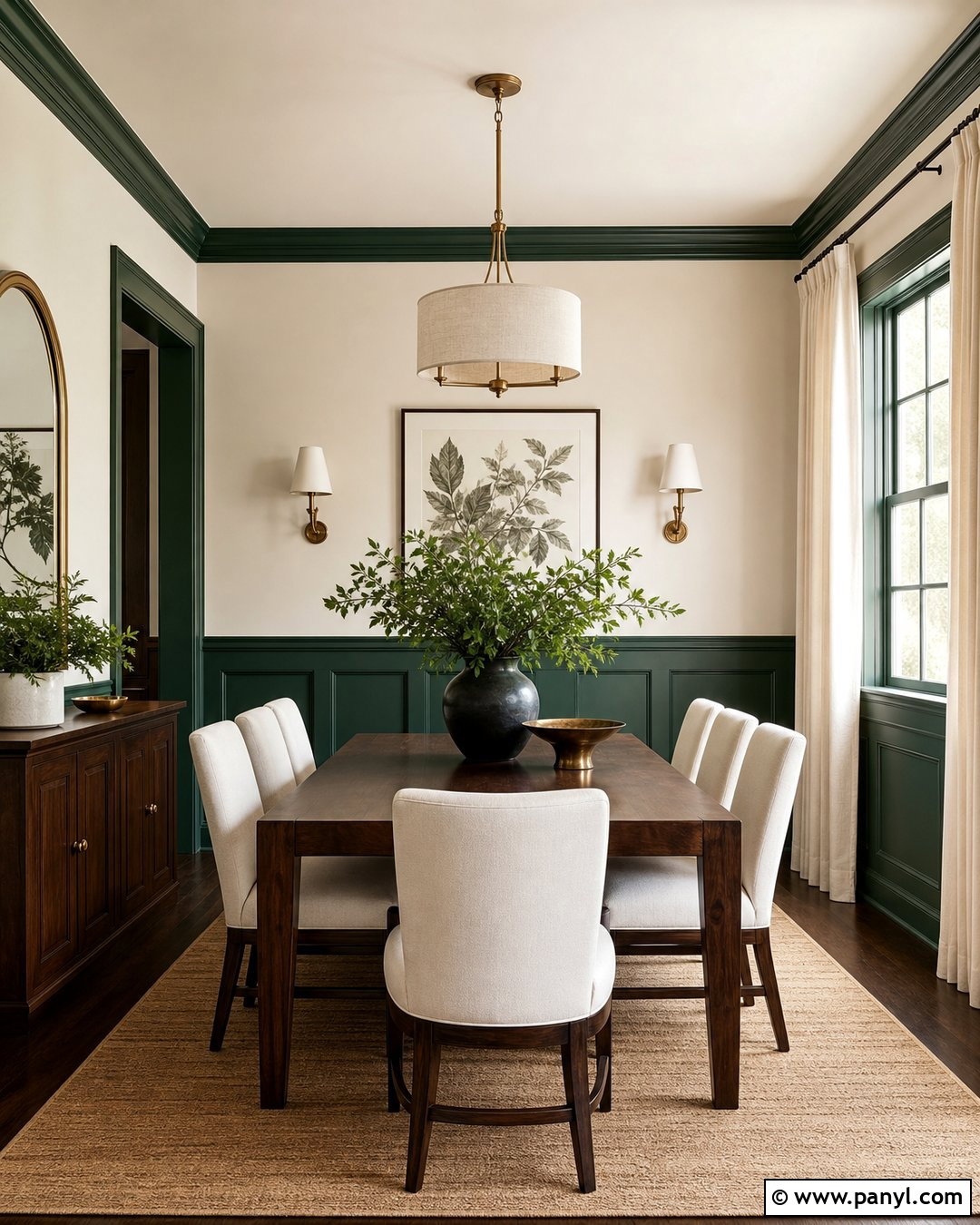
8. Peach And Cream Hall Walls
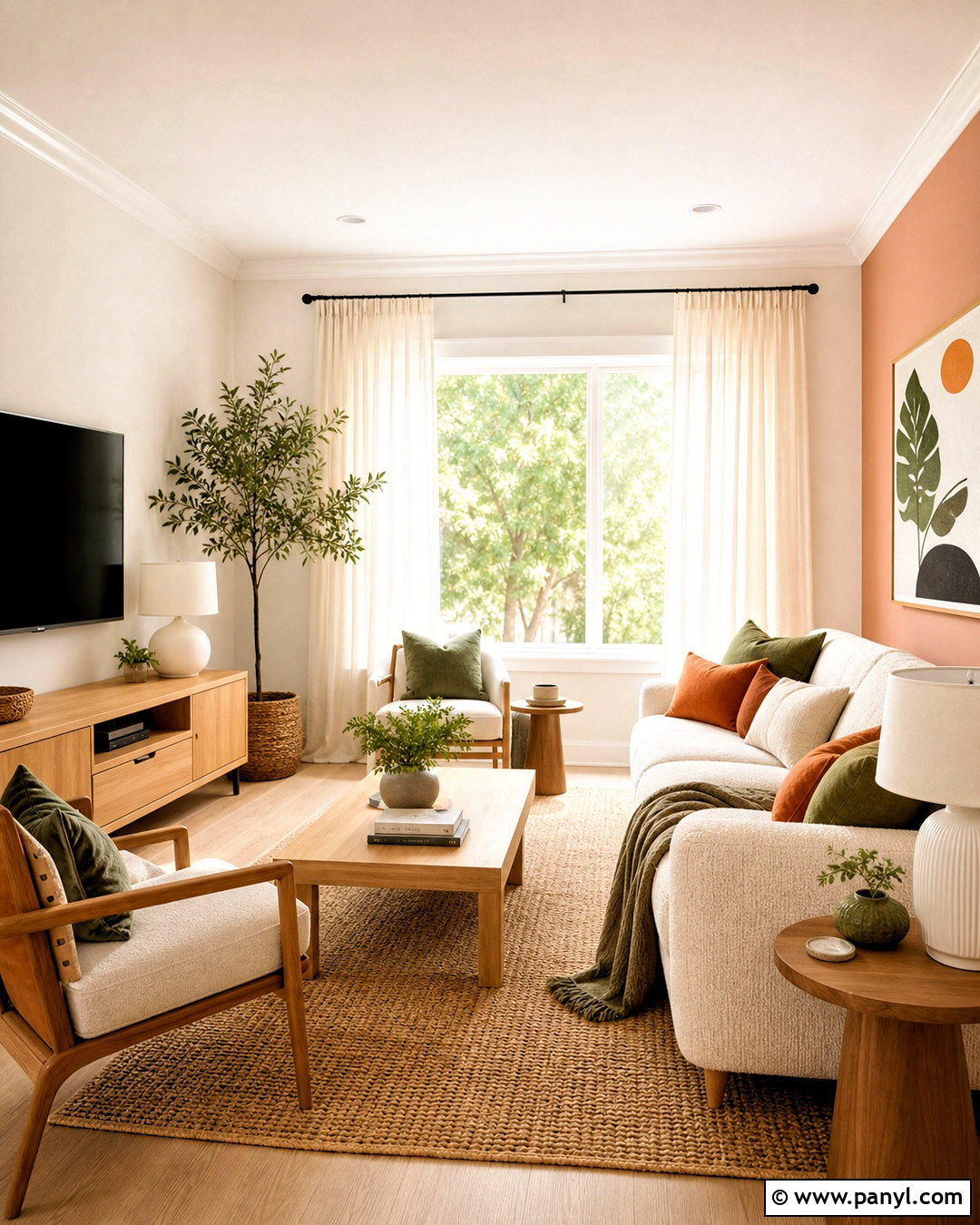
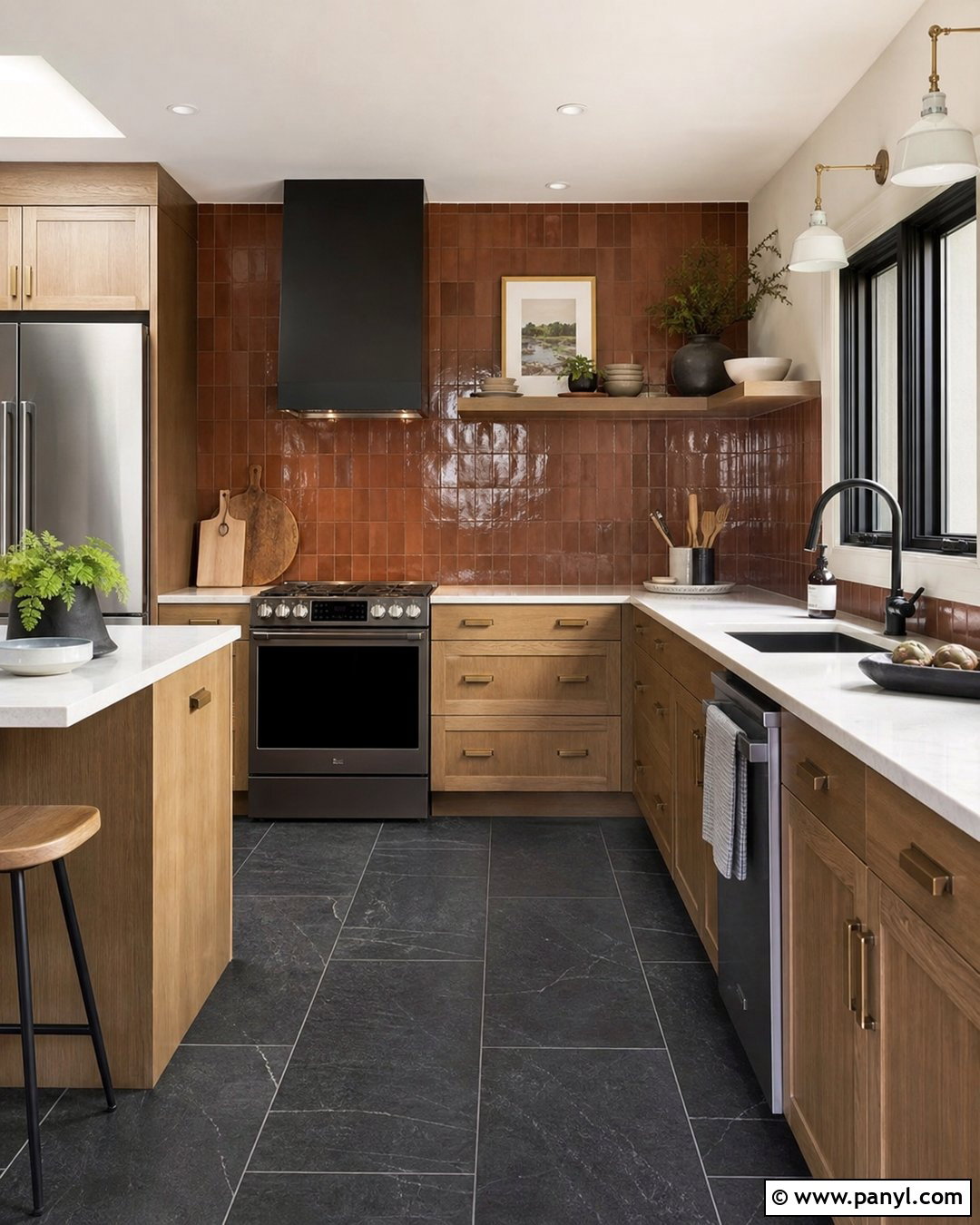
Soft peach brings a sunny glow to a hall, while cream keeps it balanced and easy to decorate. Apply pale cream to most walls and reserve muted peach for the seating wall or dining-side section of an open hall. A cream boucle sofa, medium-tone wood furniture, and a natural jute rug create a relaxed foundation. Add cushions in cinnamon, beige, and olive for an earthy finish. Sheer ivory curtains allow daylight to enhance the warmth of both paint colors. If your hall receives strong afternoon sunlight, choose a peach with dusty undertones rather than a bright orange base. White ceramic lamps and simple botanical artwork keep the room fresh. The completed palette feels cheerful, comfortable, and suitable for both modern and transitional interiors.
9. Pale Yellow And White Hall Walls
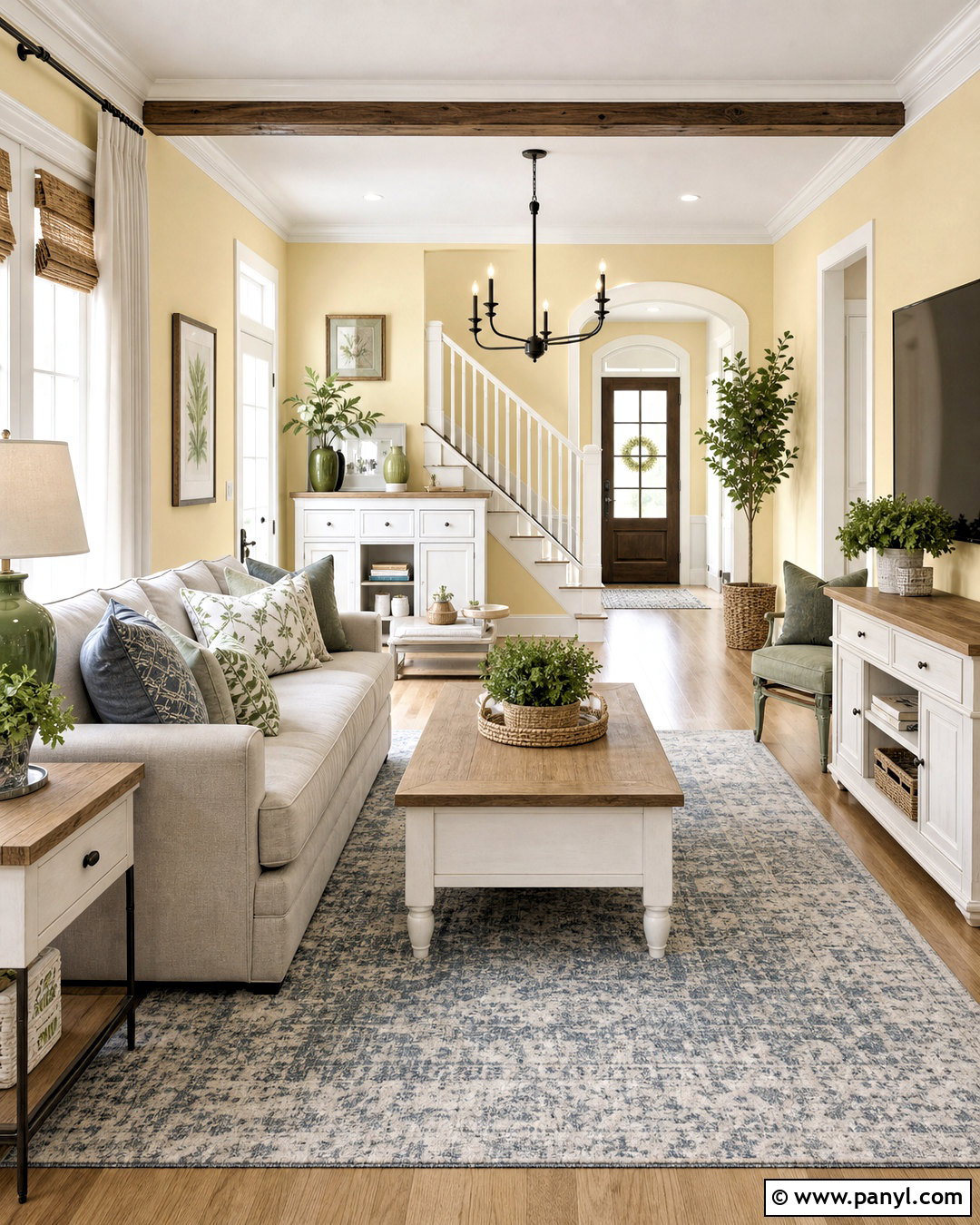
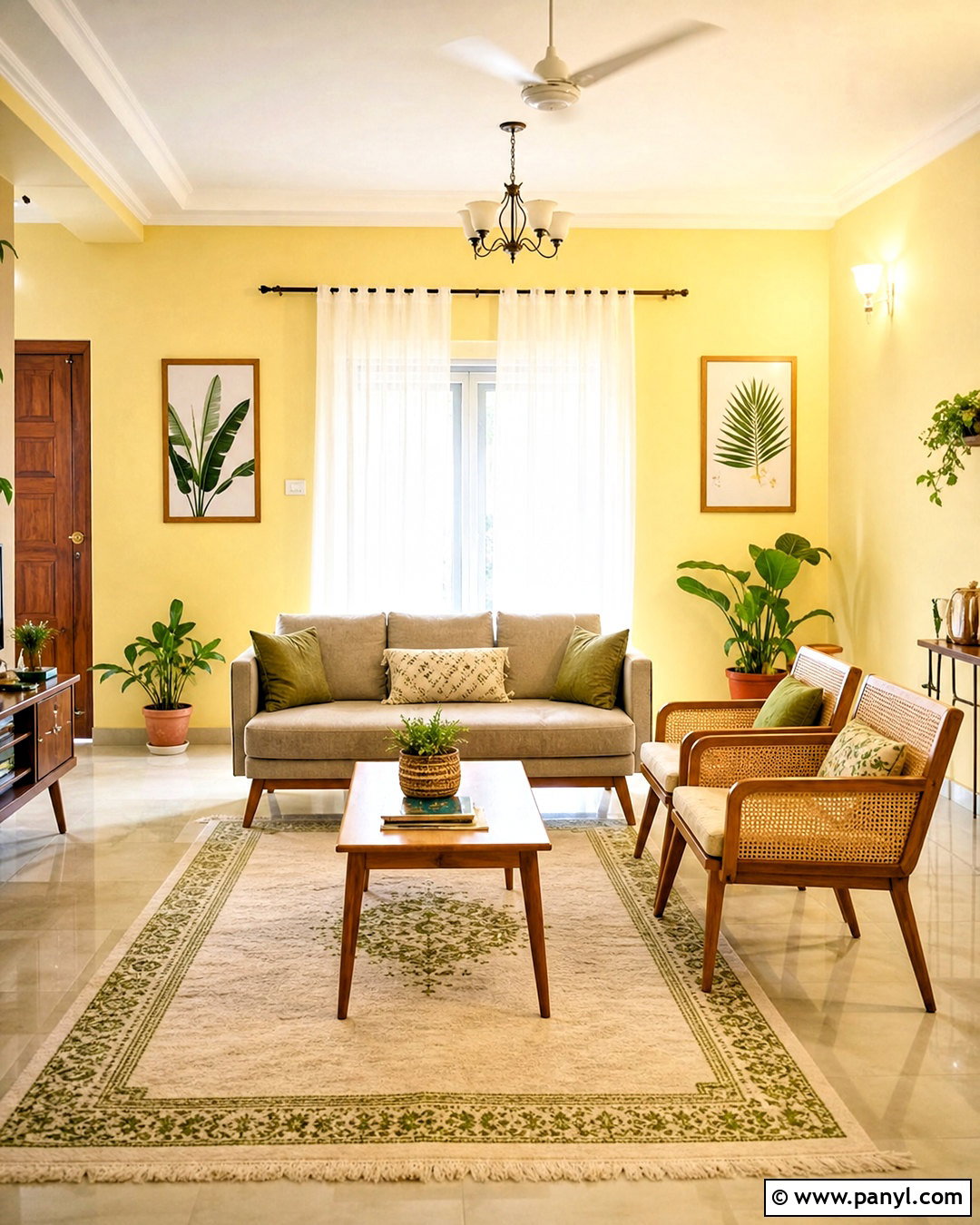
A pale yellow and white hall can feel open, cheerful, and full of natural energy. Select a soft buttery yellow rather than a highly saturated lemon shade. Use it on the main walls, then paint the ceiling, trim, doors, and built-in storage in clean white. A light gray sofa helps calm the yellow, while white oak furniture maintains the airy appearance. Add a blue-gray rug and a few muted green accessories for balanced contrast. Simple cotton curtains and woven shades will filter bright sunlight without weighing down the windows. In a narrow hall, keep large furniture pale and streamlined. This complete look is especially effective when you want a welcoming family space that appears brighter while still offering more personality than an all-white room.
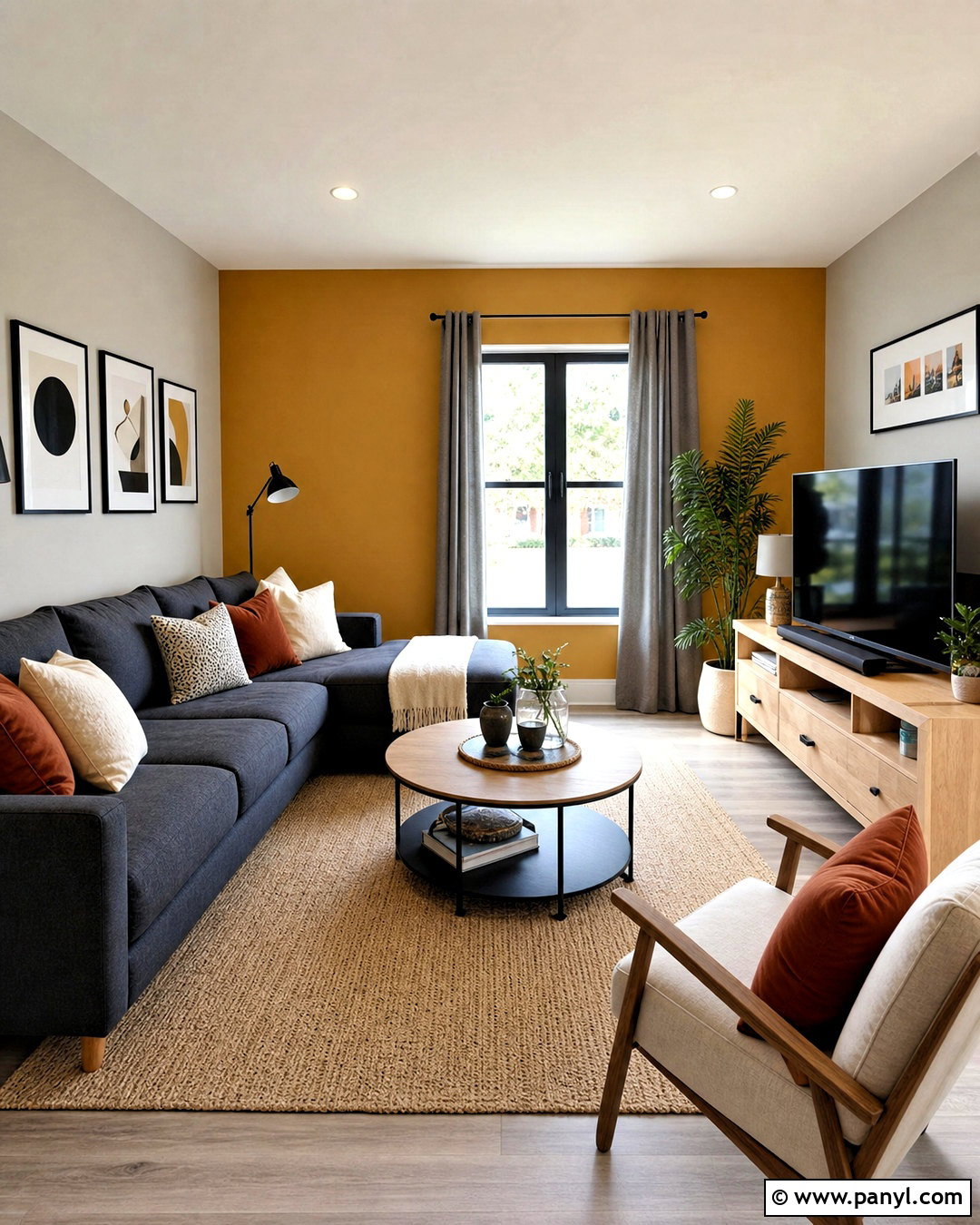
10. Mint Green And Off-White Hall Walls
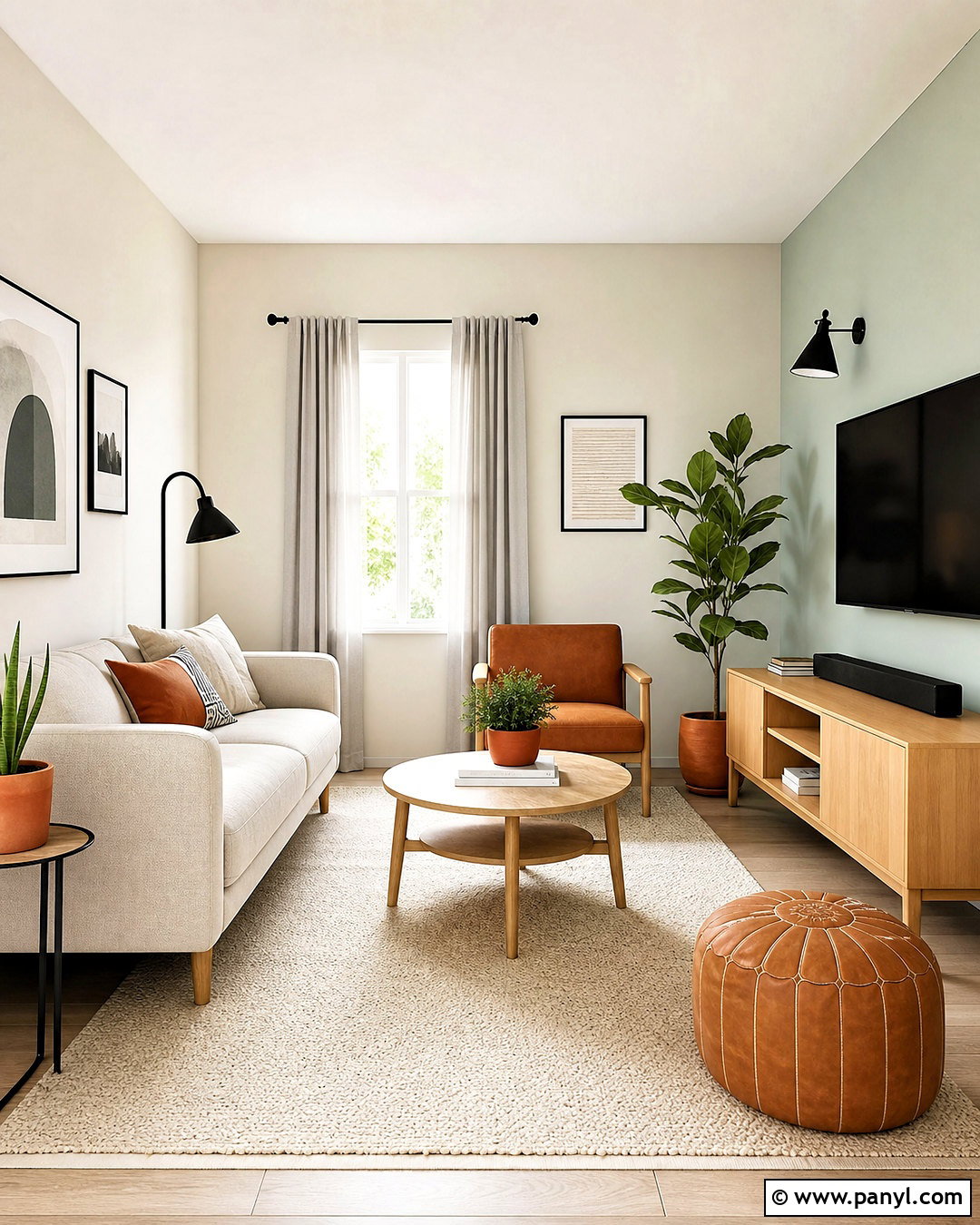
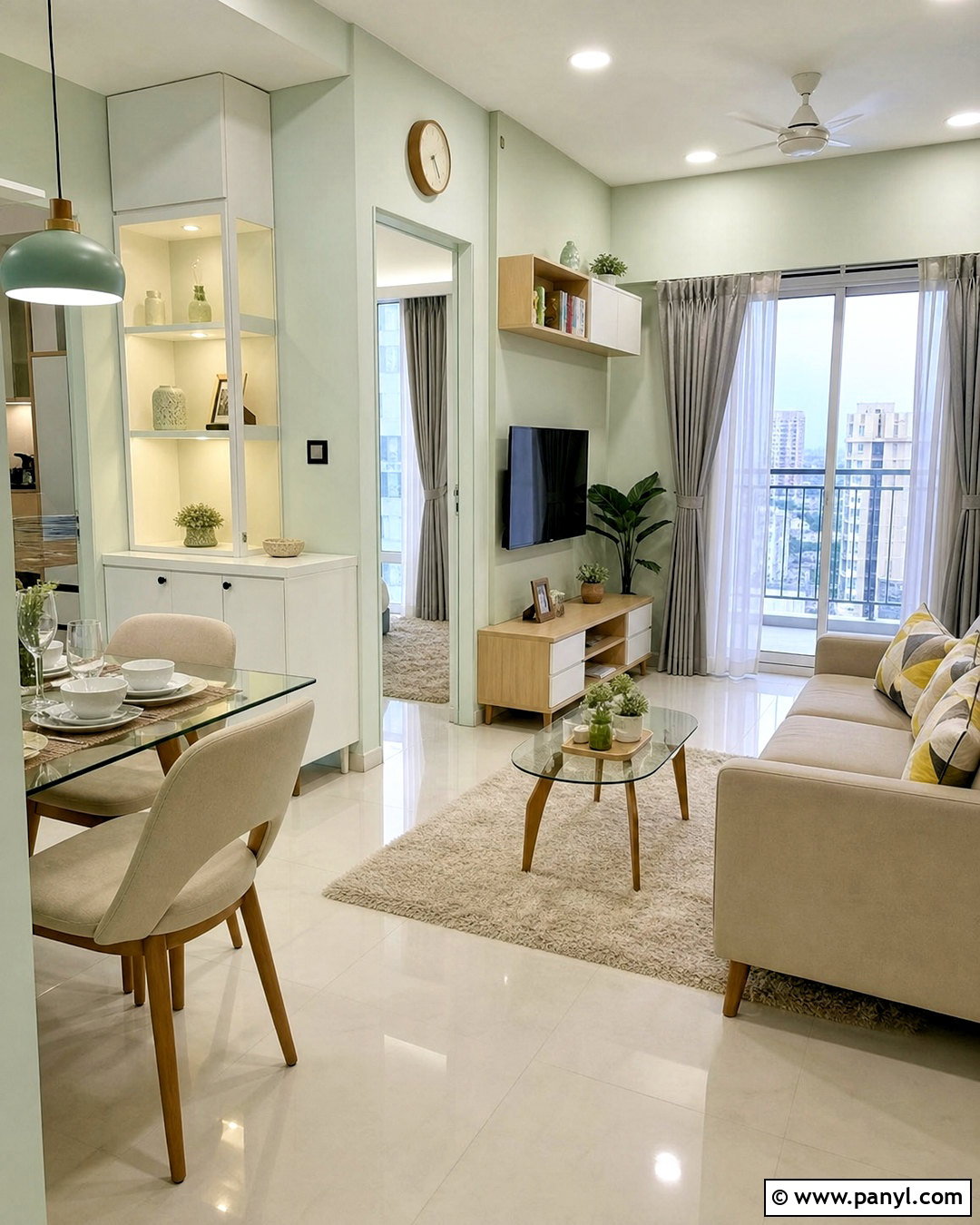
Cool mint and soft off-white can refresh a compact hall without making it look overly colorful. Paint the wall behind the sofa or television in a pale gray-based mint, then use creamy off-white throughout the remaining space. Pair the walls with a beige sofa, blond wood furniture, and a textured ivory rug. Light gray curtains will quietly connect the cool and warm tones. Add small black accents through lamps, frames, or cabinet handles to sharpen the scheme. A few terracotta pots or tan leather details can stop mint from feeling too cool. Keep shelves uncluttered and select artwork with cream, green, and charcoal tones. The overall room should feel light, organized, and contemporary, with enough warmth for comfortable everyday use.
11. Teal And Beige Hall Walls
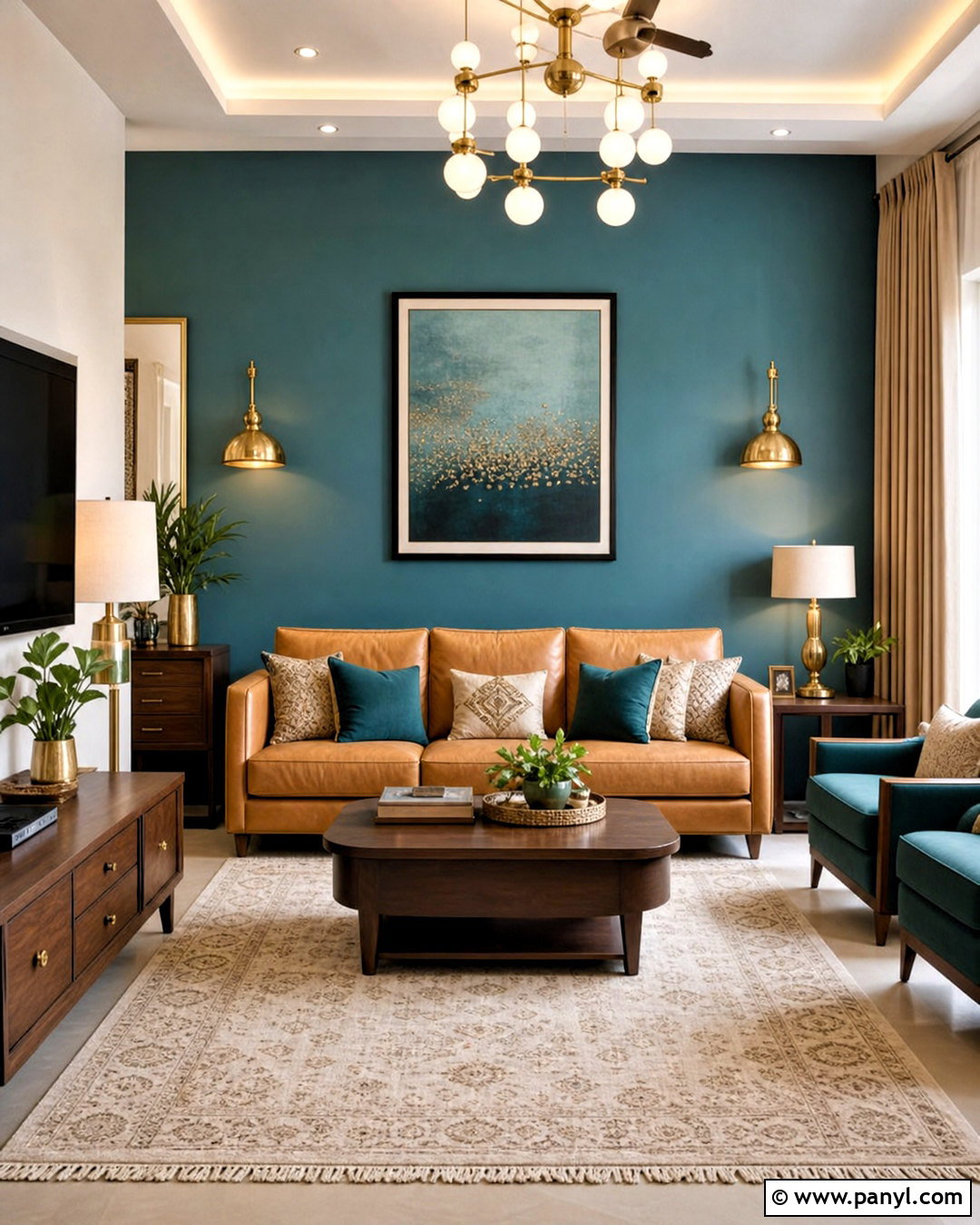
For a hall with confident color, combine rich teal with a soft neutral beige. Place teal on one substantial wall, preferably behind the main seating area, and use warm beige on the other walls. A camel leather sofa or light taupe sectional works well against the saturated background. Choose dark walnut tables, an ivory patterned rug, and beige curtains to spread warmth throughout the room. Brass lighting and hardware add a refined highlight, while black accents keep the palette modern. Repeat teal sparingly through one chair, cushion, or piece of artwork. If the room is small, select a medium teal instead of an almost-black shade. This finished scheme offers bold personality while remaining comfortable, cohesive, and practical for a frequently used hall.
12. Olive Green And Ivory Hall Walls
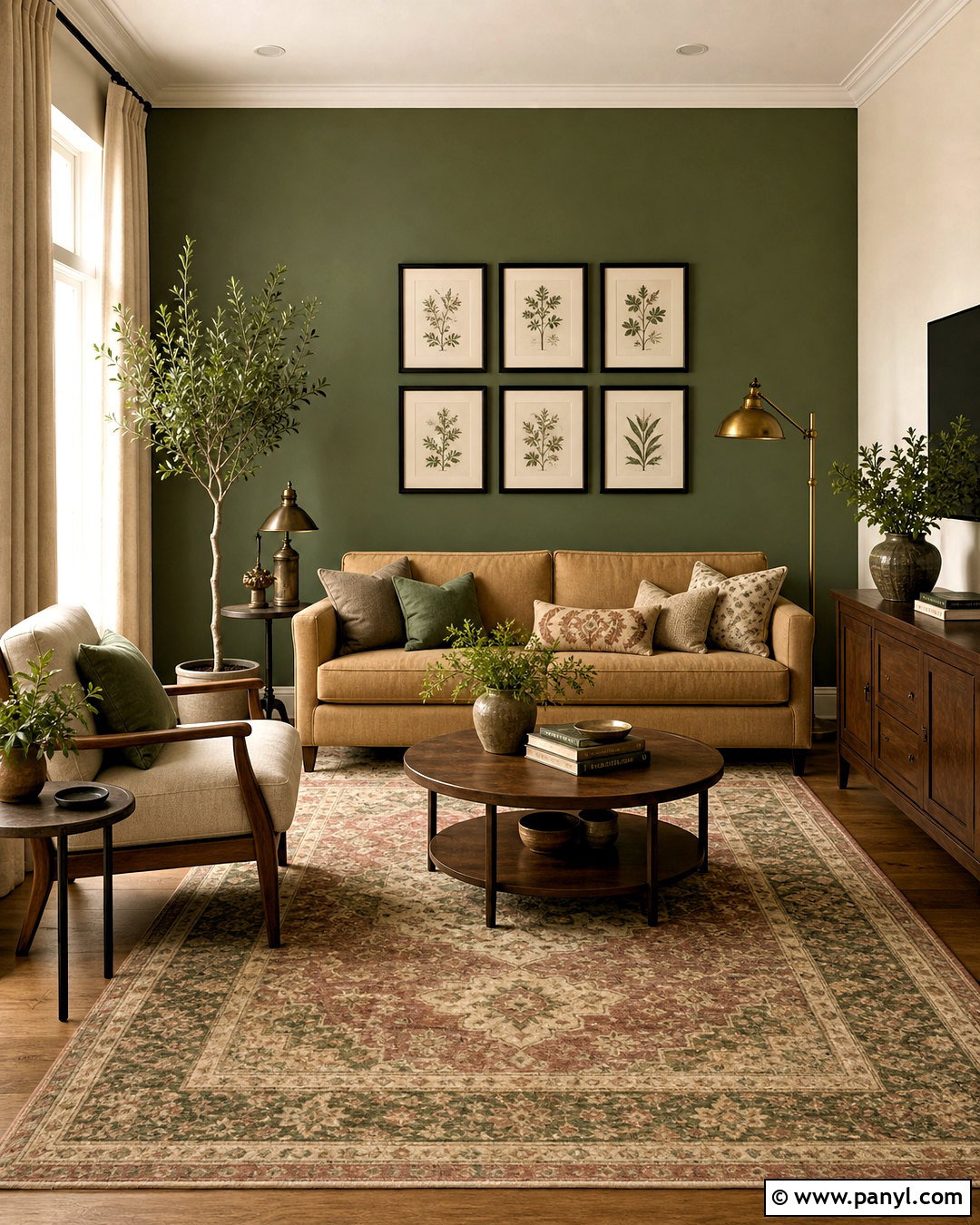
Olive green and ivory bring a grounded, nature-inspired mood to a traditional or modern hall. Cover the focal wall in muted olive and paint the remaining surfaces a creamy ivory. The green works particularly well behind a warm beige sofa or wood-framed seating arrangement. Add a walnut media cabinet, vintage-style rug, linen curtains, and aged brass lighting for a layered finish. Black accents can be introduced through slim frames and side tables, but they should remain secondary. To brighten the room, display a large ivory artwork or mirror on the olive wall. Repeat green through plants rather than matching every accessory to the paint. The result is a complete hall that feels established and comfortable, with enough color to look intentional throughout every season.
13. Lavender And Light Gray Hall Walls
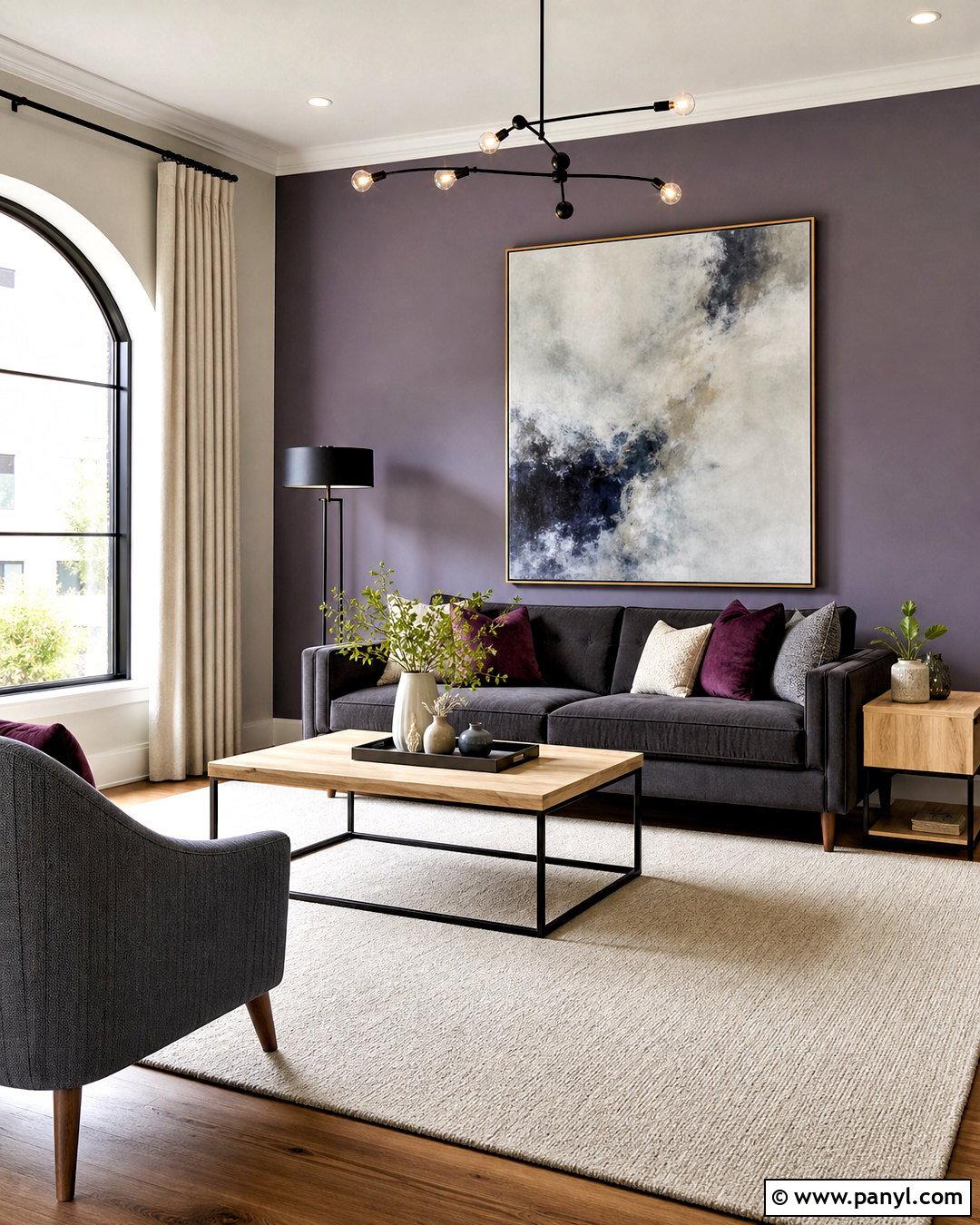
Lavender does not need to make a hall feel overly delicate. Choose a smoky, gray-based lavender for one wall and a warm light gray for the remaining surfaces. This controlled pairing creates color while maintaining a calm, contemporary appearance. Furnish the hall with a charcoal sofa, pale oak tables, and an ivory rug. Deep plum cushions and matte black lamps can provide stronger accents, while cream curtains soften the windows. Keep the ceiling bright white to preserve visual height. Abstract artwork containing lavender, gray, and muted blue will connect the palette without becoming repetitive. This combination performs best when the lavender is subtle and slightly dusty. The final room feels distinctive, restful, and easy to share with adjoining neutral spaces.
14. Taupe And Burgundy Hall Walls
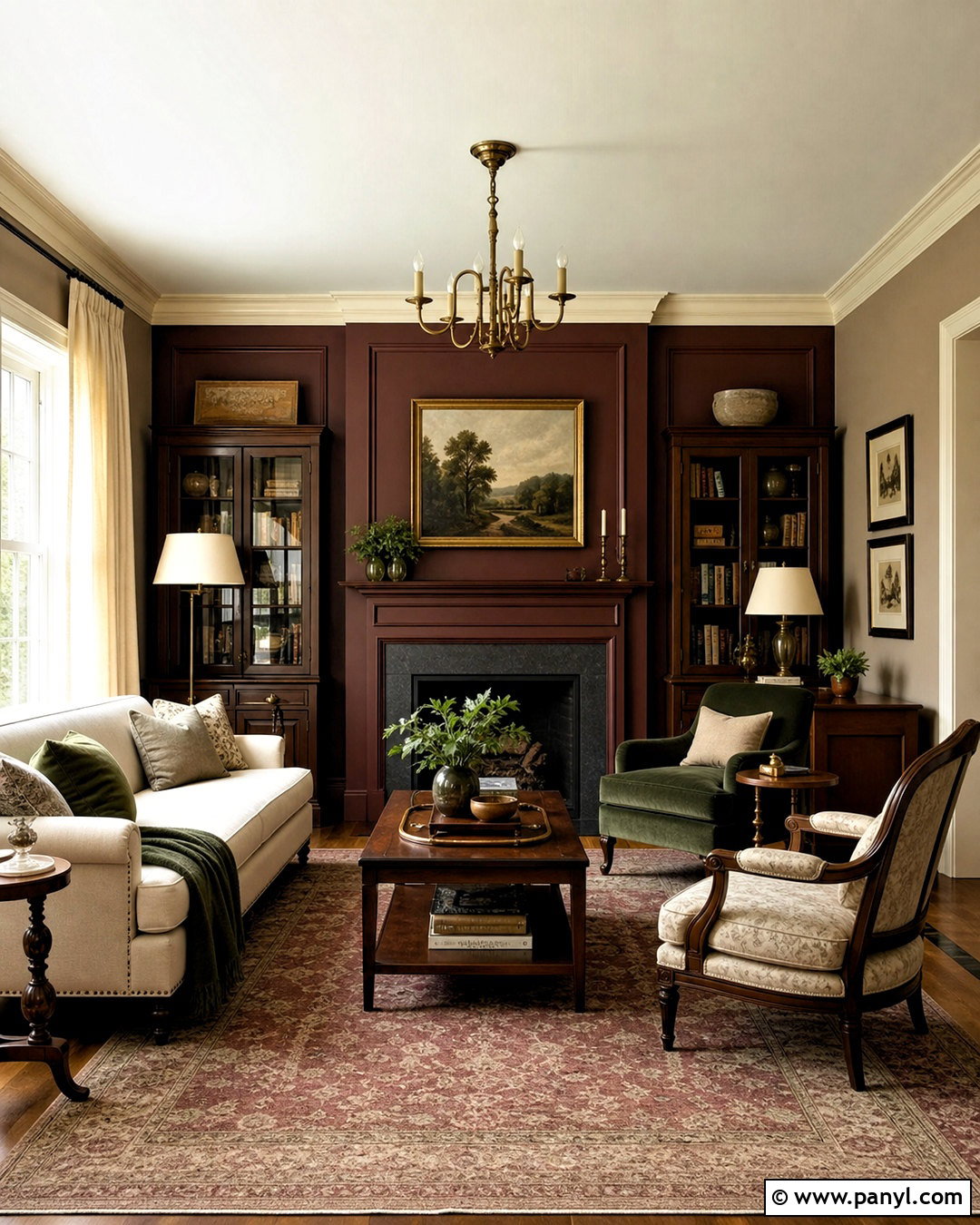
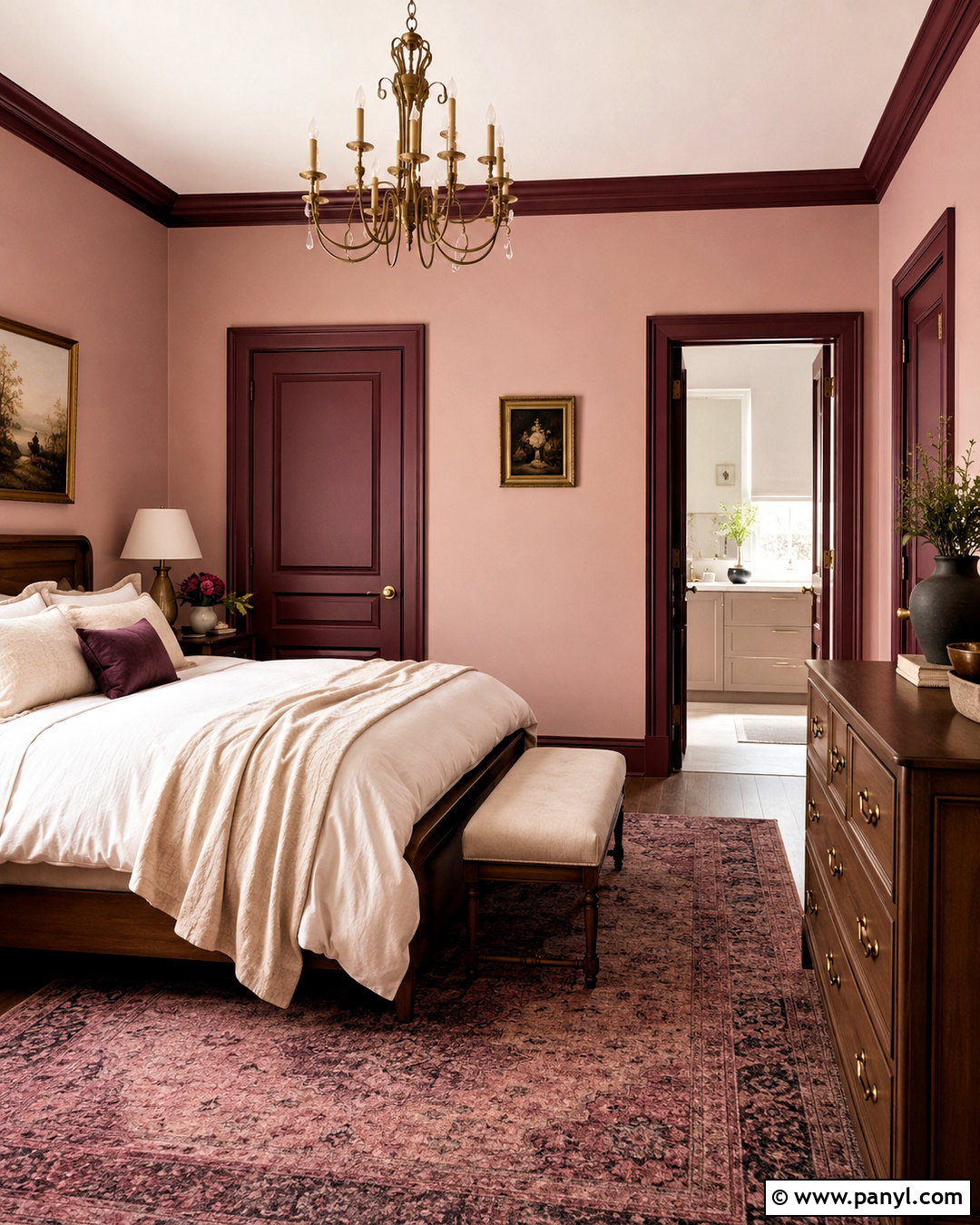
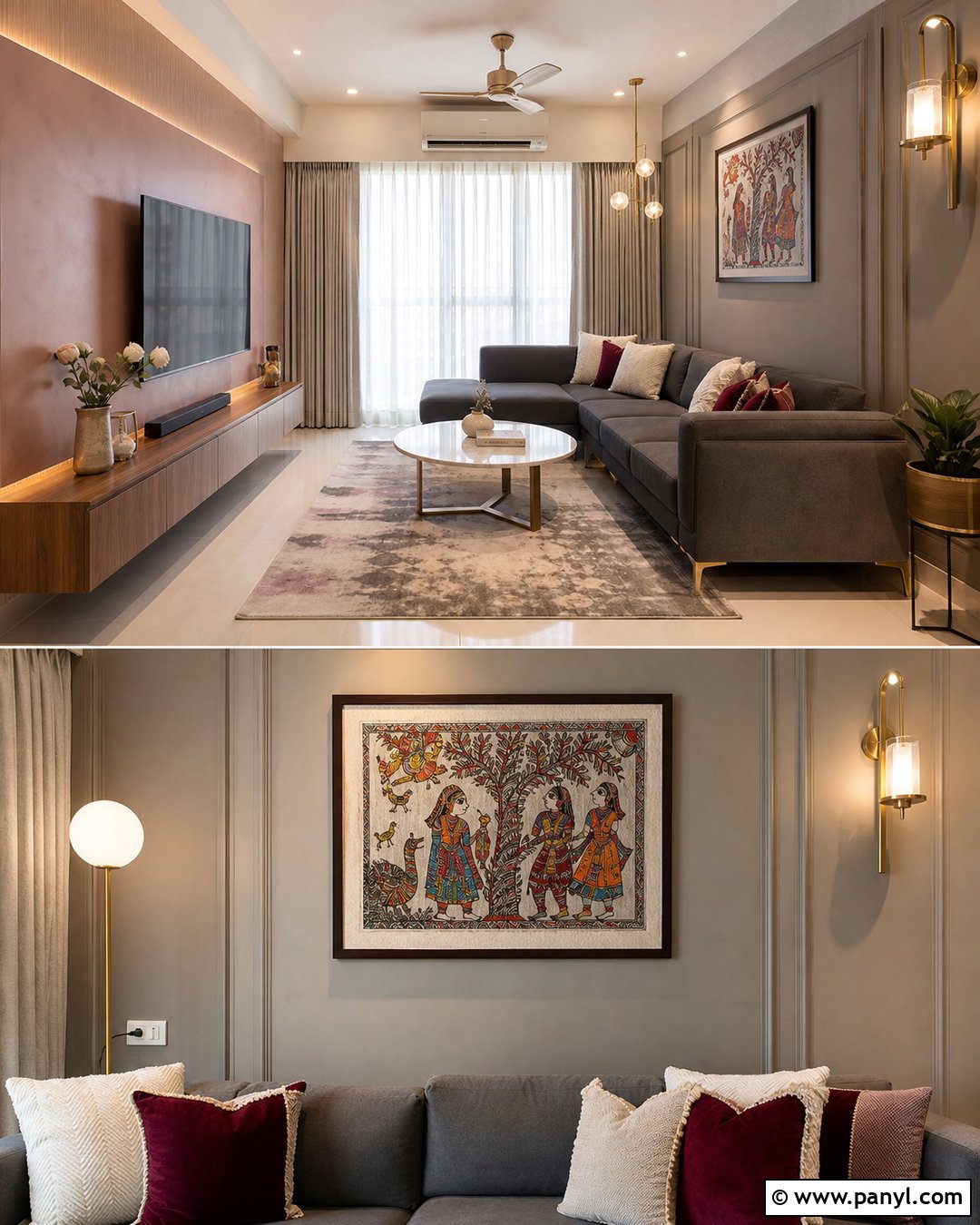
Taupe and burgundy deliver warmth and drama without relying on stark black contrast. Paint most walls in a medium-light mushroom taupe and add burgundy to the main architectural feature, such as a fireplace wall, paneled section, or built-in bookcase. A cream sofa and walnut furniture will keep the darker red from overwhelming the room. Choose an area rug containing faded burgundy, beige, and brown to tie everything together. Antique brass fixtures and linen curtains support the sophisticated palette. Add one or two forest green accessories for subtle contrast. In a smaller hall, use burgundy below a chair rail rather than across an entire tall wall. This coordinated room feels rich and comfortable, making it particularly suitable for formal halls and traditional homes.
15. Blue-Gray And Crisp White Hall Walls
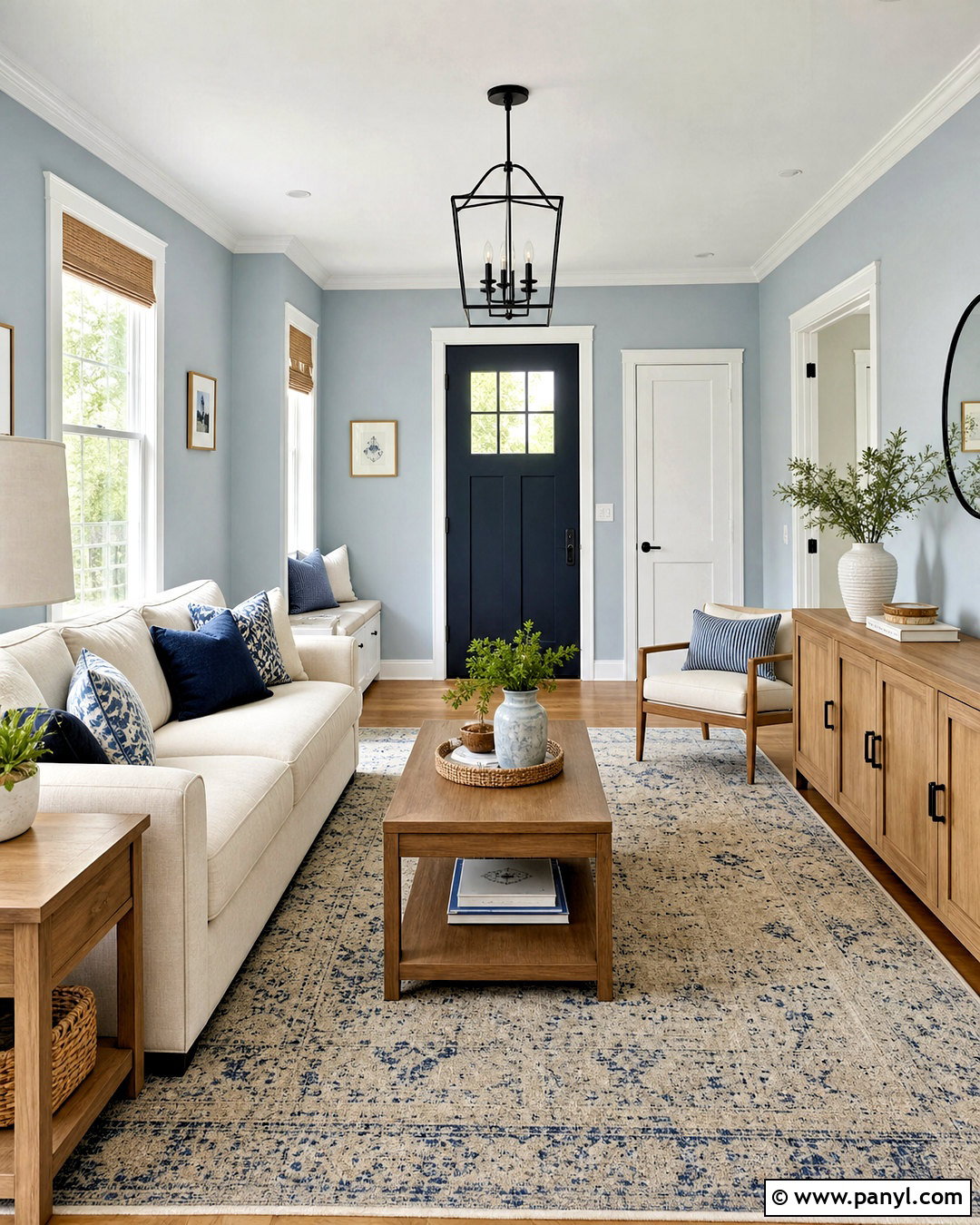
Blue-gray walls paired with crisp white trim can give a hall a clean, spacious appearance. Apply the blue-gray across all walls for continuity, then use white on the ceiling, baseboards, doors, and window frames. A warm ivory sofa will prevent the scheme from feeling cold. Introduce medium oak furniture, a cream-and-blue rug, and natural woven shades for additional warmth. Navy cushions add depth, while brushed chrome or black lighting offers a defined modern accent. If the room has limited daylight, select a lighter blue-gray with restrained undertones. Keep large window treatments pale and avoid covering too much of the floor with dark furniture. The completed hall feels orderly and airy, combining soft color with a practical, timeless decorating foundation.
16. Rust And Sand Hall Walls
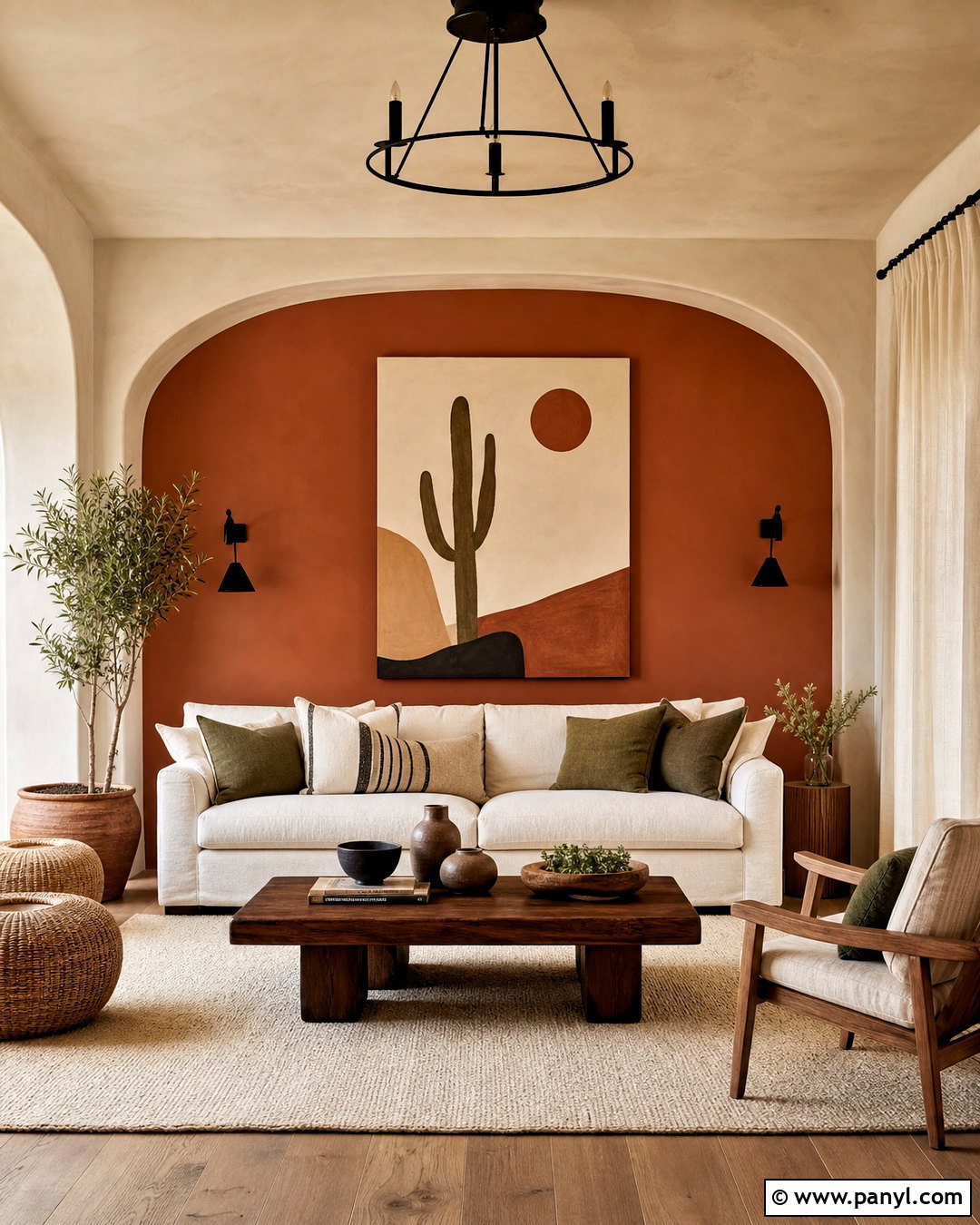
Rust and sand create an earthy hall that feels warm from the moment you enter. Use a light sandy beige across most walls and apply muted rust to the wall behind the primary sofa. Select upholstery in oatmeal or warm gray, then add walnut furniture and a cream textured rug. Olive cushions provide natural contrast, while matte black fixtures help define the softer colors. Choose ivory curtains rather than bright white ones so the windows blend with the warm palette. Handmade ceramics, woven baskets, and simple landscape art can complete the organic look. Keep the rust slightly brown and subdued, especially in rooms with strong sunlight. This full scheme works beautifully with midcentury, southwestern, contemporary, and casual family-room furniture without feeling overly themed.
17. Emerald Green And Warm White Hall Walls
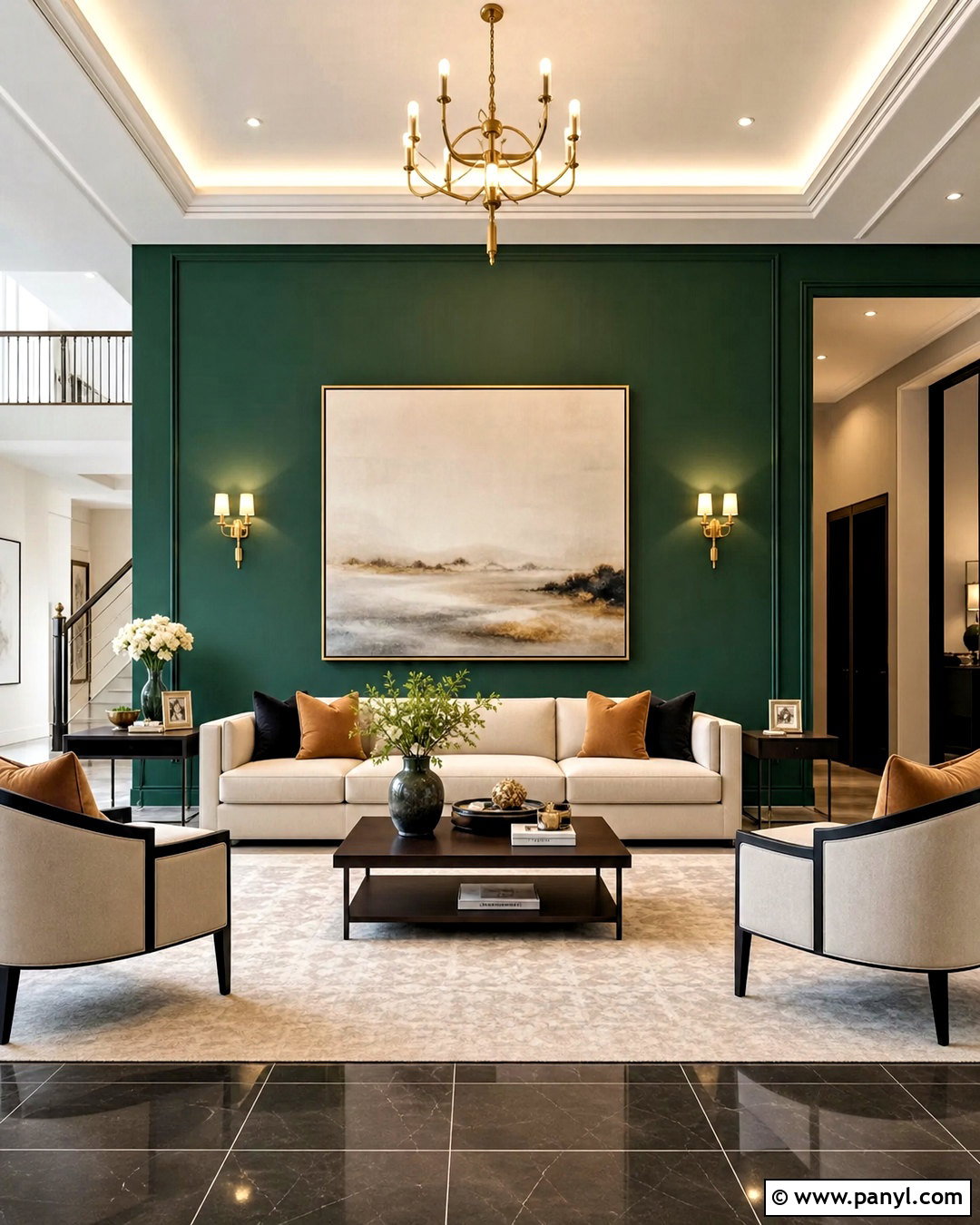
A rich emerald wall can make a spacious hall look polished and memorable. Paint the principal feature wall emerald green and use warm white on the surrounding walls, ceiling, and trim. Position a cream sofa against the green, then add dark wood tables and a light neutral rug. Brass sconces, cabinet handles, or floor lamps will provide elegant warmth. Use cushions in emerald, tan, and black, but keep the remaining textiles quiet. Large artwork with a pale background prevents the dark wall from appearing too heavy. In an open hall, carry a small amount of green into the dining zone through upholstered chairs or ceramics. The finished room feels bold yet balanced because every saturated element is surrounded by lighter, softer surfaces.
18. Black And Warm Beige Hall Walls
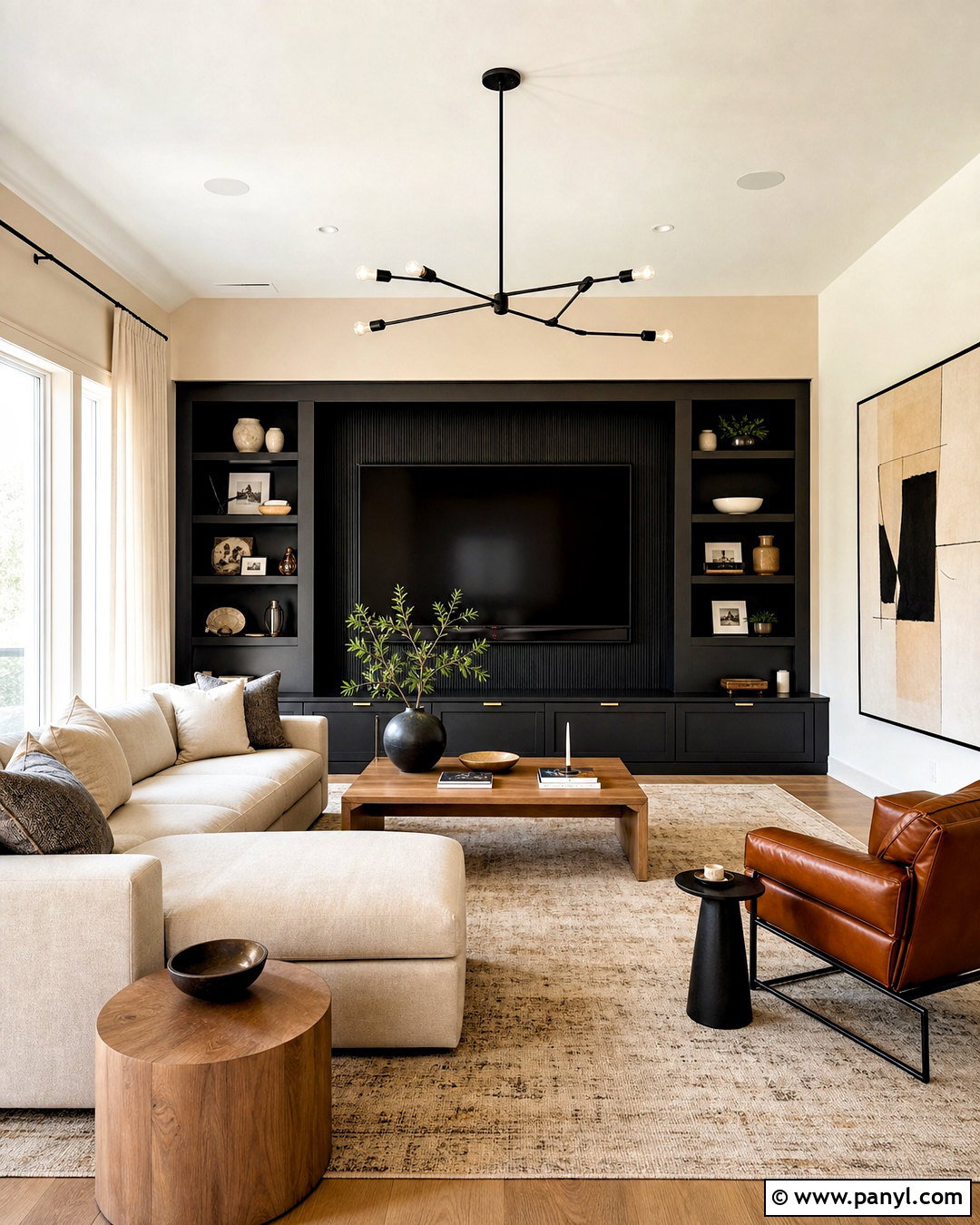
Black and beige can produce a striking hall when the darker shade is limited to purposeful architectural areas. Paint the main walls a warm beige, then apply soft matte black to built-in shelving, the fireplace surround, or a short focal wall. Choose a cream sectional, medium oak furniture, and a large beige rug to maintain brightness. Black metal lighting and window frames will connect with the feature, while cognac leather adds warmth. Use off-white curtains and pale artwork to break up large dark surfaces. This combination works best with excellent layered lighting, including ceiling fixtures, wall sconces, and table lamps. The finished hall should feel graphic and inviting rather than severe, with beige occupying most of the visible wall area.
19. Light Greige And Deep Greige Hall Walls
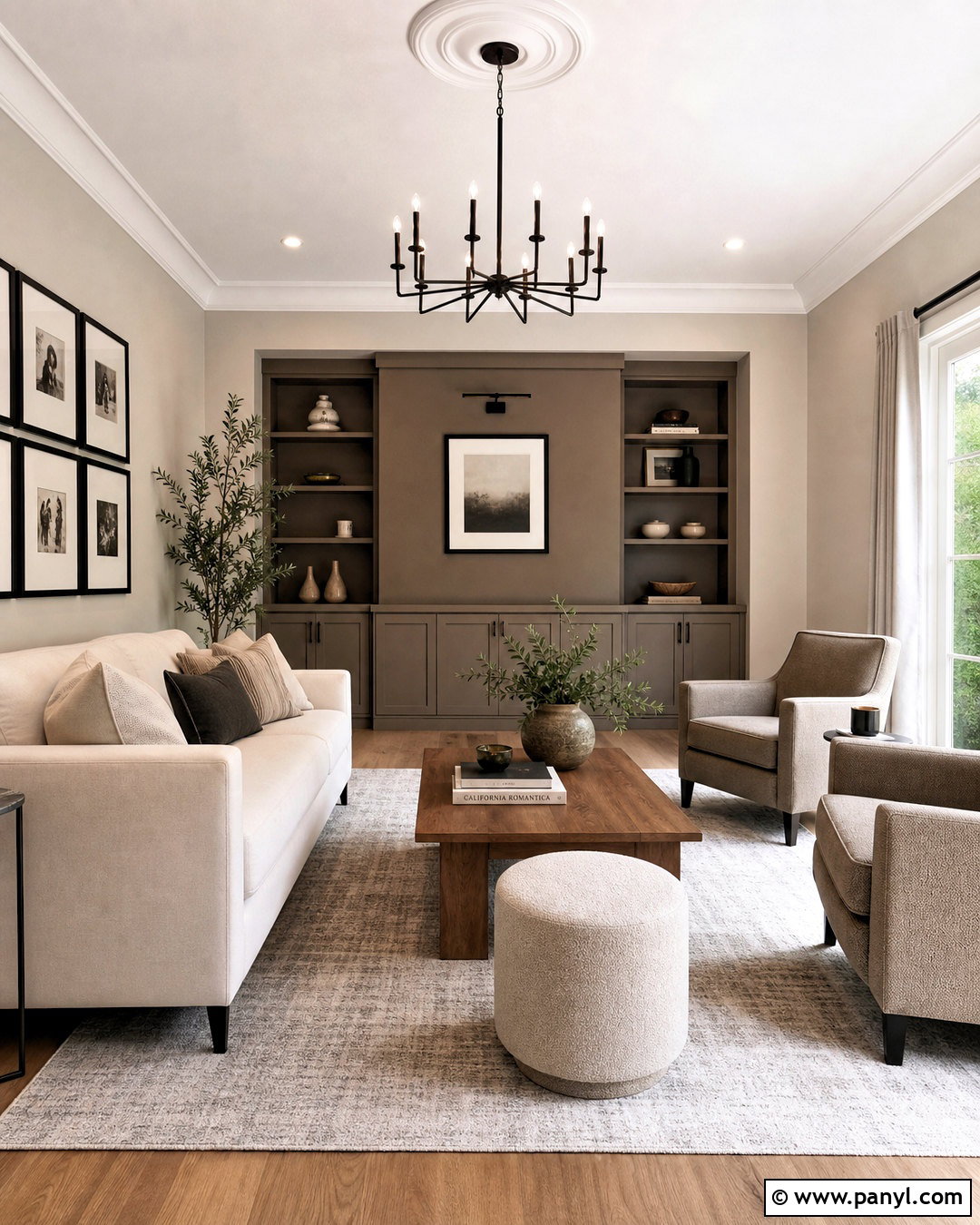
A tonal greige palette is ideal when you want subtle contrast instead of two obviously different colors. Paint the larger walls in pale greige and use a deeper mushroom greige on the media wall, lower wall paneling, or built-in cabinets. Keep the ceiling and trim creamy white. Add an ivory sofa, taupe armchairs, and medium oak tables to build gentle layers. A textured rug combining cream, tan, and gray will connect every surface. Introduce black through narrow lighting fixtures and picture frames, then add muted green plants for freshness. Since similar neutrals can shift considerably under changing light, test them side by side before painting. This complete hall feels calm, flexible, and carefully designed without depending on bright or highly contrasting colors.
20. Clay And Dusty Pink Hall Walls
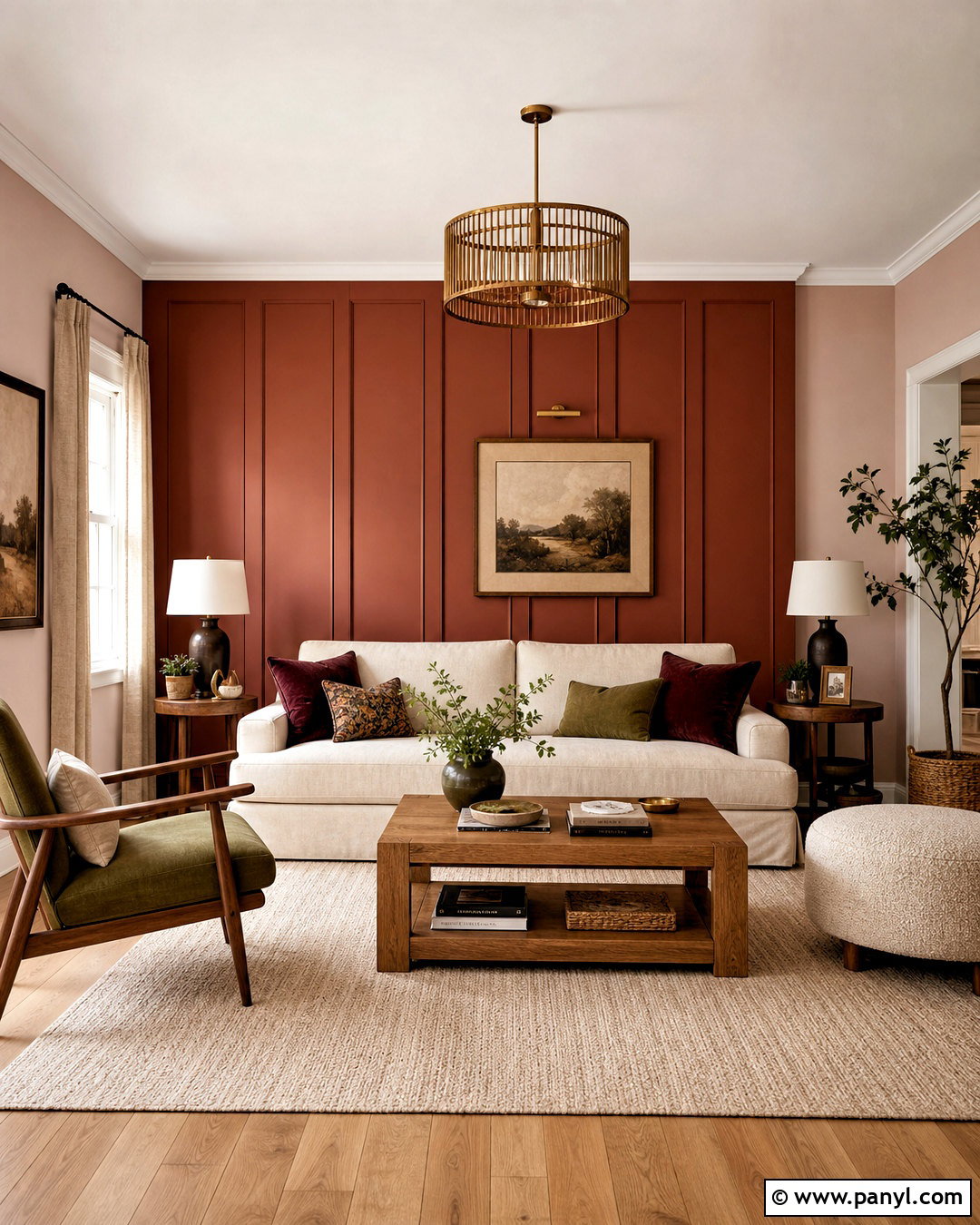
Clay and dusty pink offer a warm tonal combination that feels expressive but still easy to live with. Use pale dusty pink on the main walls and a deeper brown-based clay shade behind the sofa or across a paneled focal wall. Choose a cream sofa, oak furniture, and a soft beige rug to create visual breathing room. Dark burgundy cushions and olive accents can add depth without introducing unrelated colors. Finish the windows with natural linen curtains and select aged brass or matte black lighting. Avoid shiny surfaces, which can compete with the soft, earthy paint. The finished hall should feel layered, modern, and relaxed. This pairing is especially effective for homeowners who enjoy warm color but want something quieter than orange or bright red.
Conclusion:
The best hall palette combines attractive paint with furniture, flooring, lighting, and decor that support the same mood. These 20 hall painting wall colors combination ideas range from light, versatile neutrals to bolder pairings such as emerald and white, teal and beige, or clay and dusty pink. Before buying paint, compare large samples beside your sofa, curtains, wood finishes, and adjoining rooms. Observe them during both daylight and artificial light. Use the stronger color strategically, then repeat it in a few smaller accents for a connected result. With thoughtful proportions and balanced materials, even a simple two-color scheme can turn your hall into a comfortable, polished, and memorable shared space.

Related Ideas and Inspiration:
Leave a Reply