
Choosing exterior paint is easier when every color has a clear purpose. The best **outer wall colour combination ideas** coordinate the main wall, trim, roof, doors, railings, and landscape instead of treating each feature separately. Begin with permanent materials such as brick, stone, roofing, and paving. Then select a dominant wall color that complements those undertones. Add a lighter or darker trim shade to define the structure, followed by one controlled accent for the entrance or gate. Always test large painted samples outdoors because sunlight can dramatically change how a color appears. Whether you prefer warm neutrals, earthy greens, coastal blues, or bold modern contrast, the following complete schemes offer practical **outer wall colour combination ideas**.

1. Cream And Brown Outer Wall
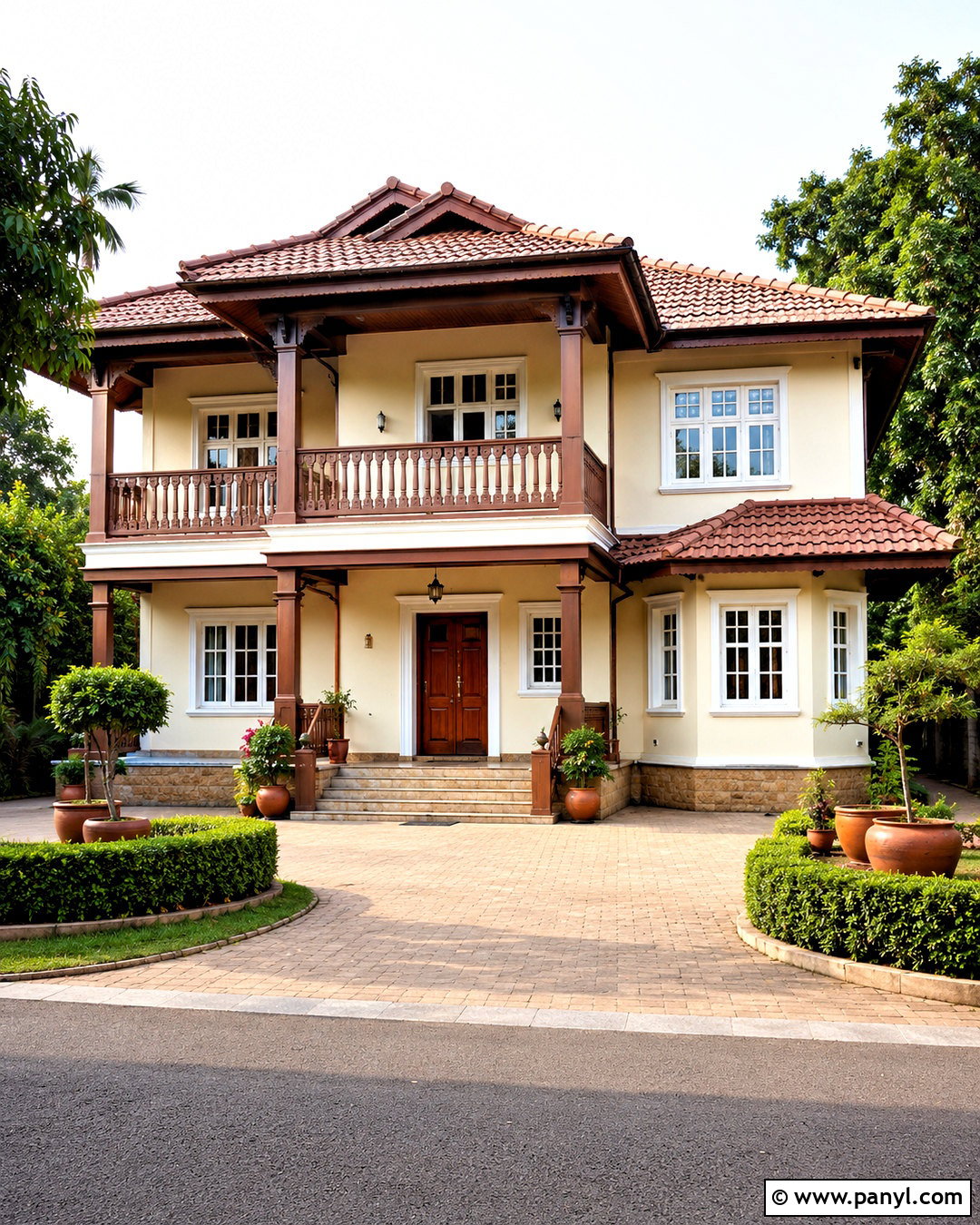
Cream walls paired with rich brown details create a warm exterior that feels comfortable and established. Use soft cream across the largest wall surfaces, then apply walnut brown to balcony borders, window frames, fascia boards, and the front gate. A medium brown tiled roof naturally connects the two colors. Keep the front door in stained teak or a similar wood finish for added depth. A sandstone plinth can protect the lower walls visually while supporting the earthy palette. Complete the curb view with tan pavers, neatly clipped shrubs, and terracotta planters. This combination suits traditional houses, compact suburban homes, and facades with columns because the darker accents clearly outline important architectural features.
2. White And Charcoal Outer Wall
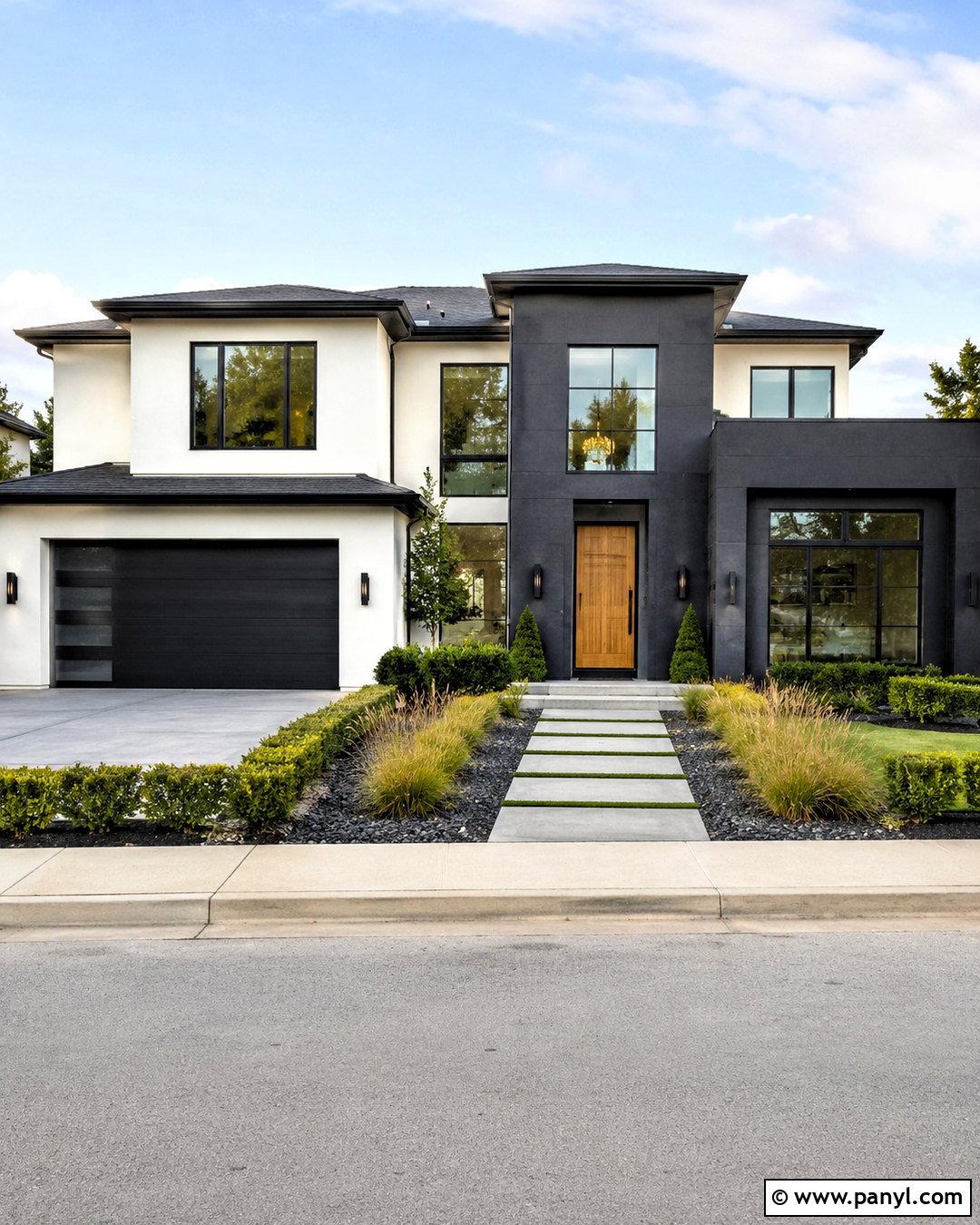
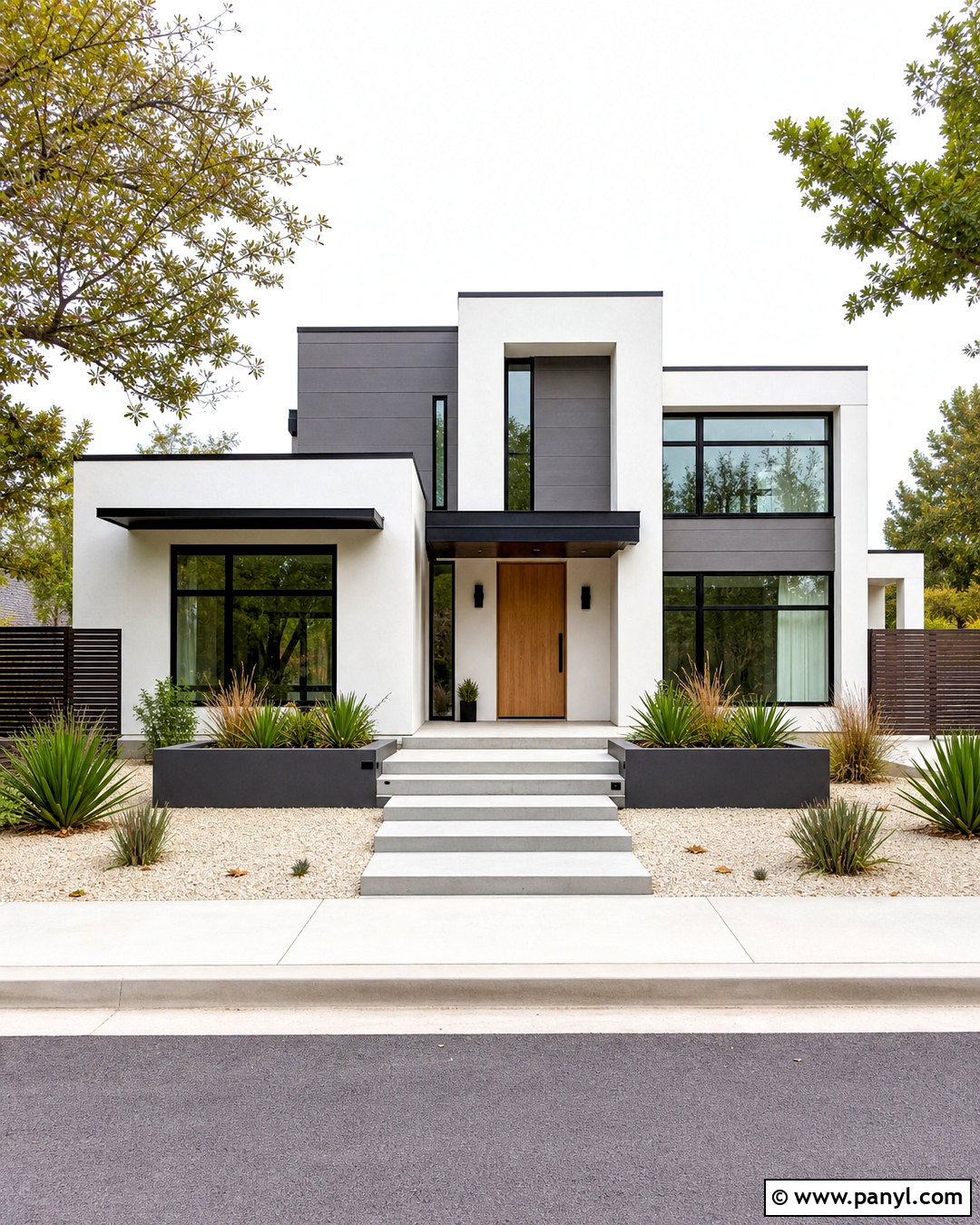
Crisp white and charcoal gray make a clean, high-contrast combination for a contemporary house. Cover the main outer walls in a slightly warm white rather than a harsh blue-white. Use charcoal on projecting wall sections, balcony frames, the garage door, and the lower plinth. Matte black window frames can add definition without introducing another competing color. Balance the strong contrast with a natural oak or teak front door. A dark gray roof will connect smoothly with the charcoal sections overhead. Keep the landscaping structured with rectangular concrete pavers, ornamental grasses, and low evergreen shrubs. This complete palette works especially well on simple facades because the dark placement can visually emphasize depth, lines, and separate building levels.
3. Sage Green And Ivory Outer Wall
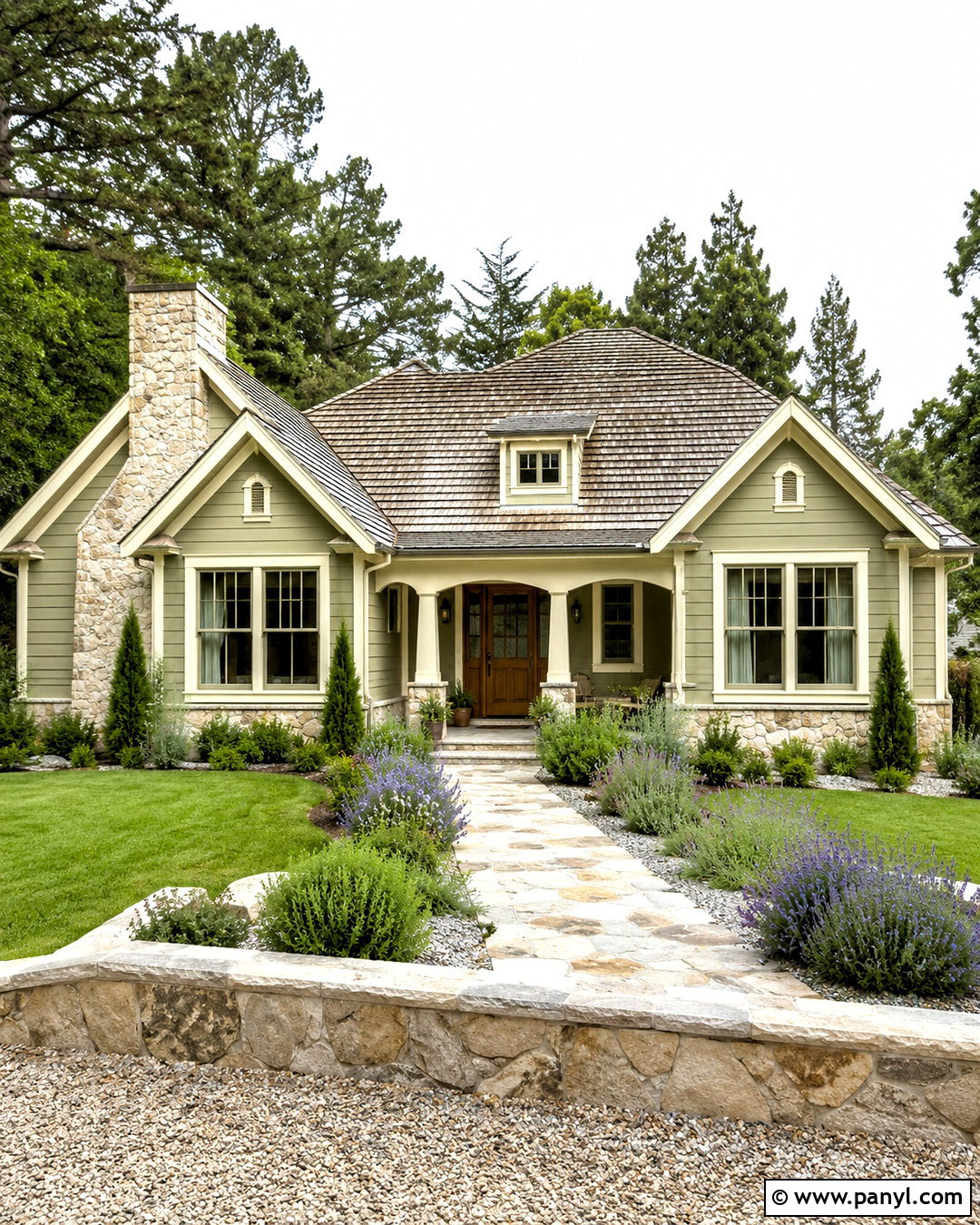
Imagine a soft green facade surrounded by leafy planting and warm natural textures. Muted sage green makes a calming main wall color, while creamy ivory keeps the trim bright but gentle. Apply ivory to window surrounds, columns, fascia, and porch ceilings. A weathered brown or charcoal roof will ground the lighter scheme. For the entrance, choose a medium-stained wood door with antique brass hardware. Stone cladding in beige and gray tones can cover the foundation or one porch column without overwhelming the paint colors. Finish the exterior with gravel borders, lavender, rosemary, and loose evergreen shrubs. This combination creates a complete cottage-inspired look while remaining simple enough for ranch homes, bungalows, and modest two-story houses.
4. Navy Blue And White Outer Wall
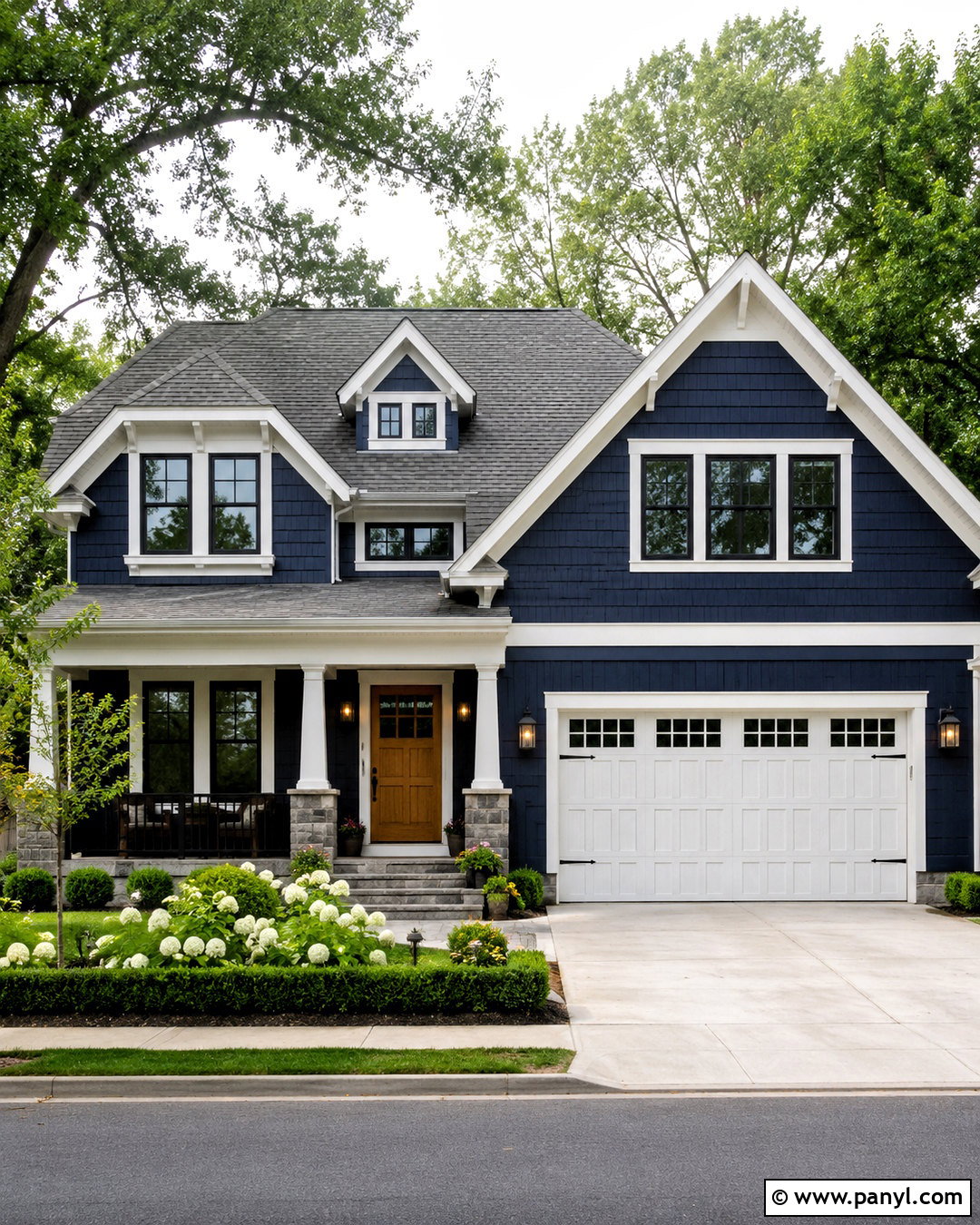
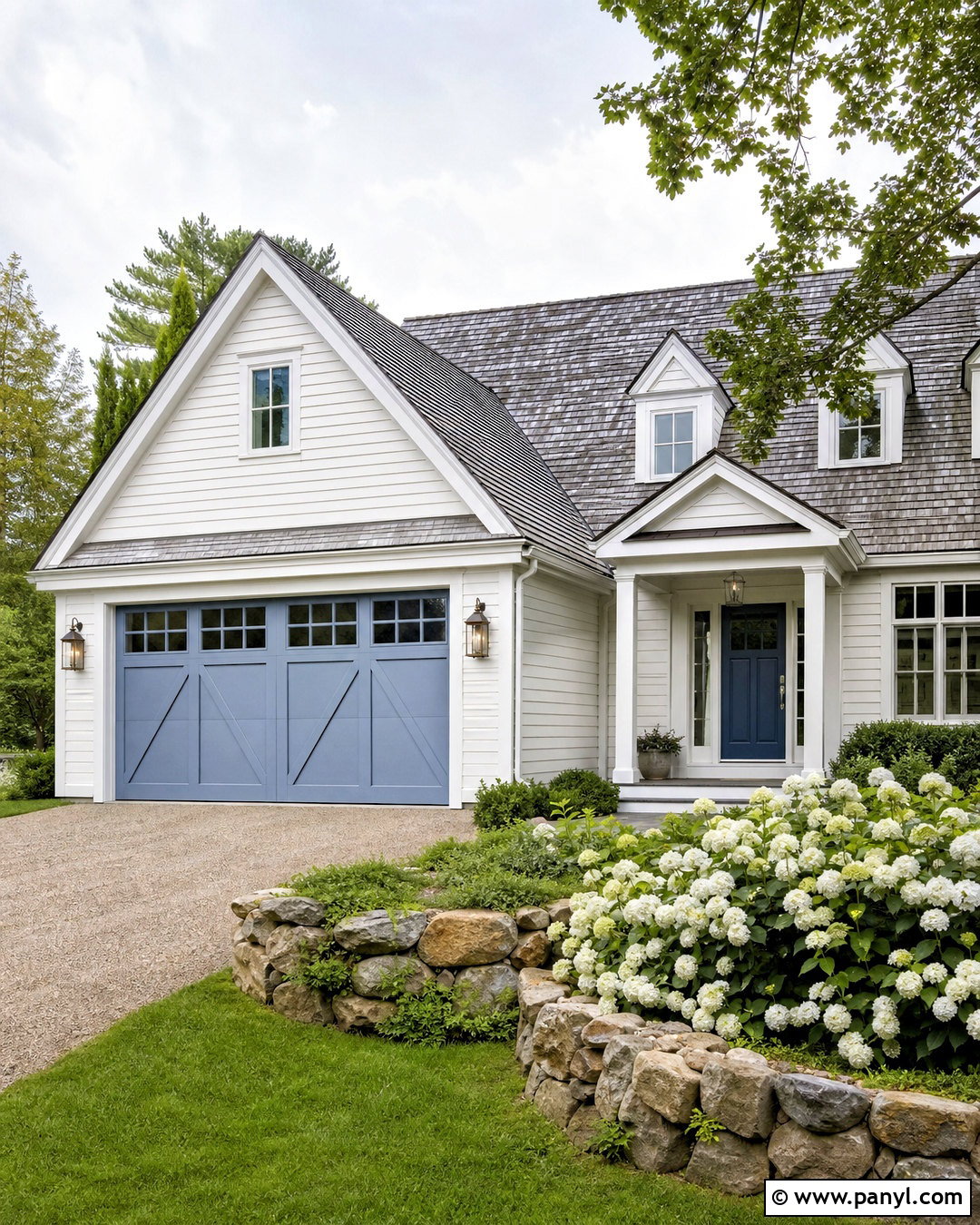
Deep navy walls can give an ordinary exterior a strong, polished presence. Use navy blue as the dominant color on siding or smooth masonry, then sharpen the facade with clean white trim around windows, rooflines, corners, and porch columns. A medium gray roof prevents the scheme from becoming too dark, while a warm cedar front door adds a welcoming natural break. Repeat cedar on small porch brackets or planters for consistency. The garage door can remain white to reduce its visual weight. Pale concrete paving, white hydrangeas, and clipped green hedges complete the curb appeal. This full combination is particularly effective for coastal, Craftsman, and traditional houses with clearly defined trim and symmetrical architectural details.
5. Terracotta And Sand Outer Wall
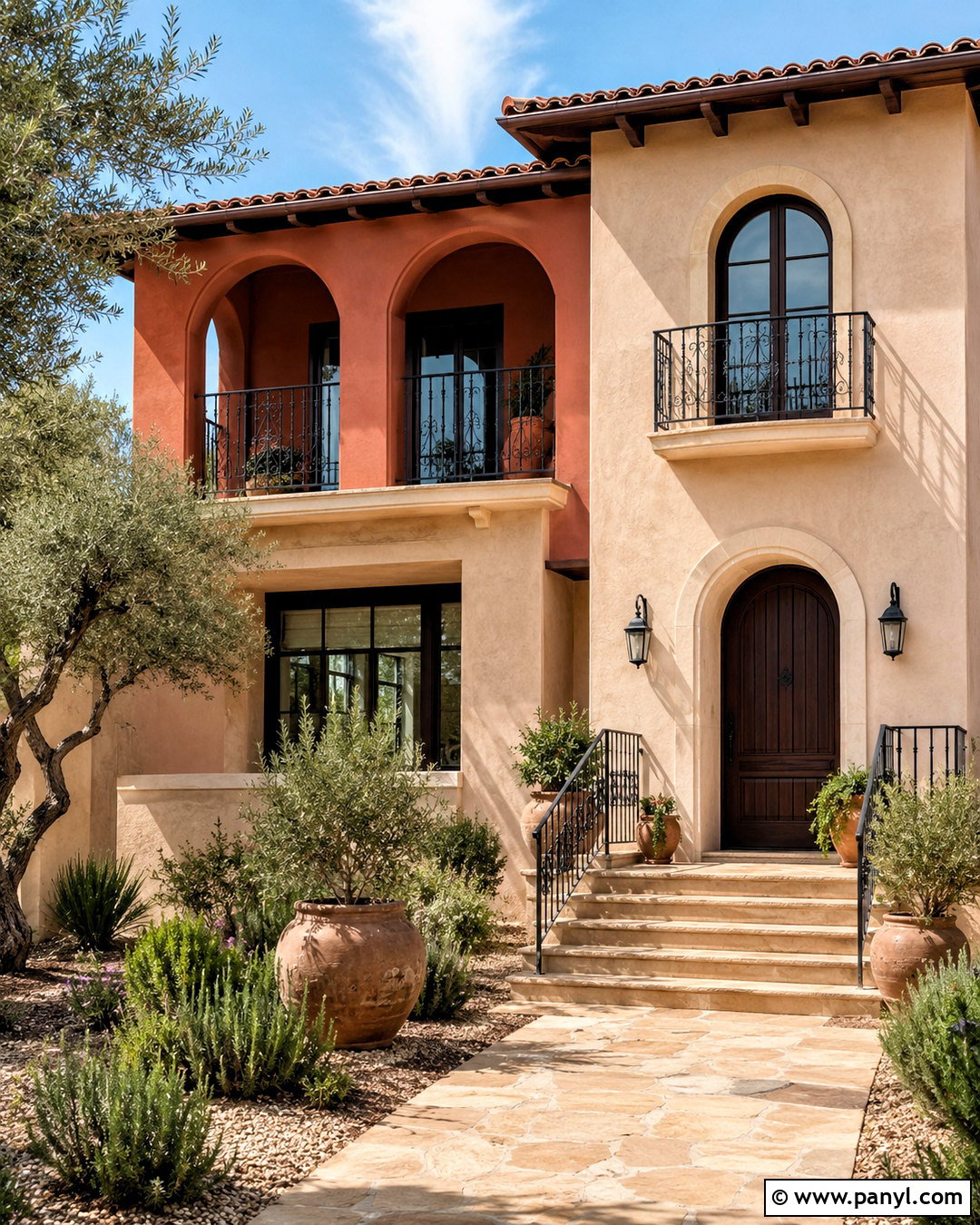
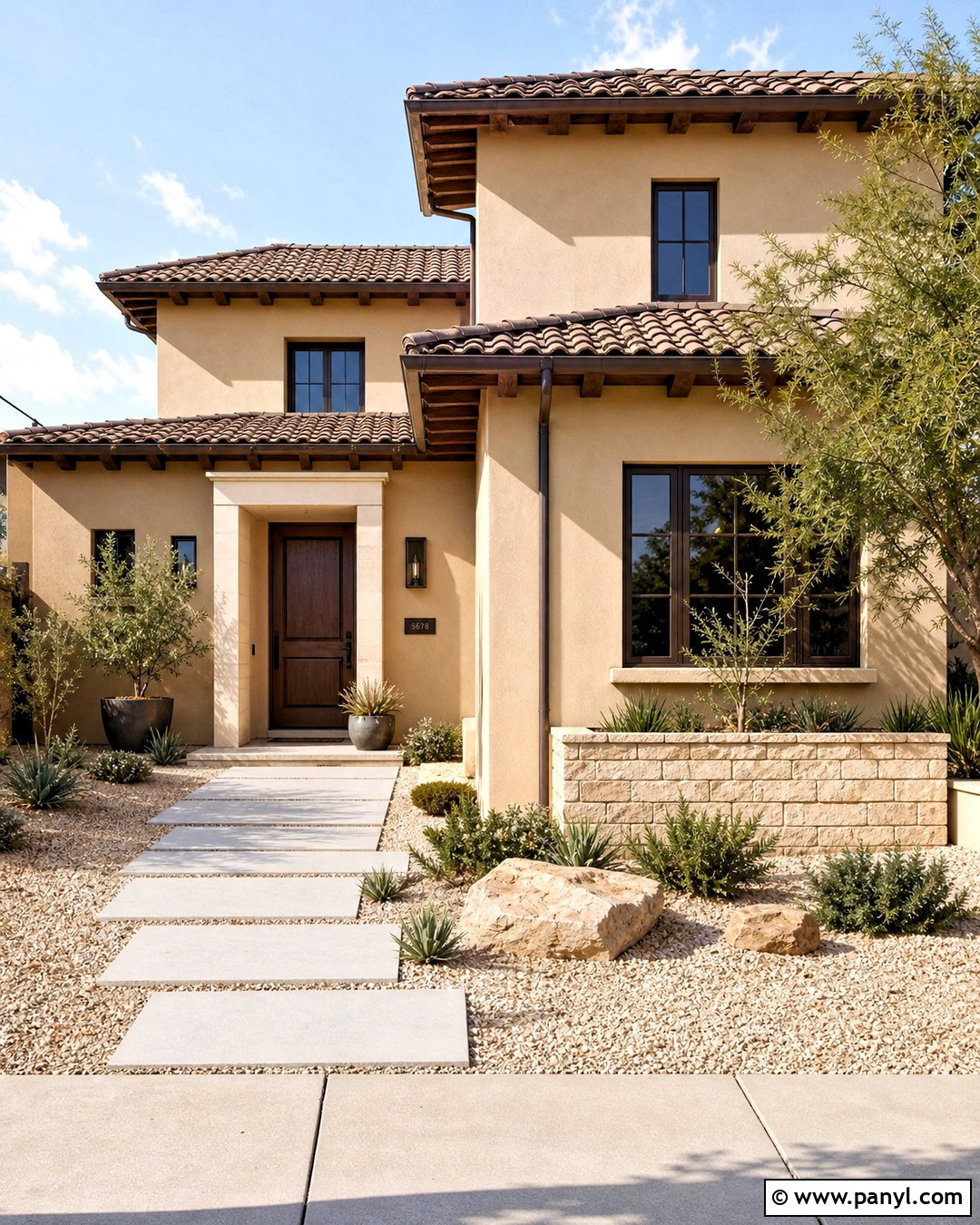
Sun-warmed terracotta and sandy beige create an inviting exterior with Mediterranean character. Use light sand across most walls to keep the house bright, then place terracotta on recessed sections, balcony panels, arches, or the entrance surround. Choose creamy off-white for narrow trim so windows remain clearly outlined. A clay tile roof naturally strengthens the palette, while a dark wood door and black iron railings provide necessary contrast. Carry the earthy colors into the property with warm stone paving, large clay planters, and gravel garden beds. Olive trees, rosemary, and drought-tolerant grasses complement the finished look. The result feels cohesive and relaxed rather than overly colorful, making it suitable for sunny locations and stucco exteriors.
6. Greige And Black Outer Wall
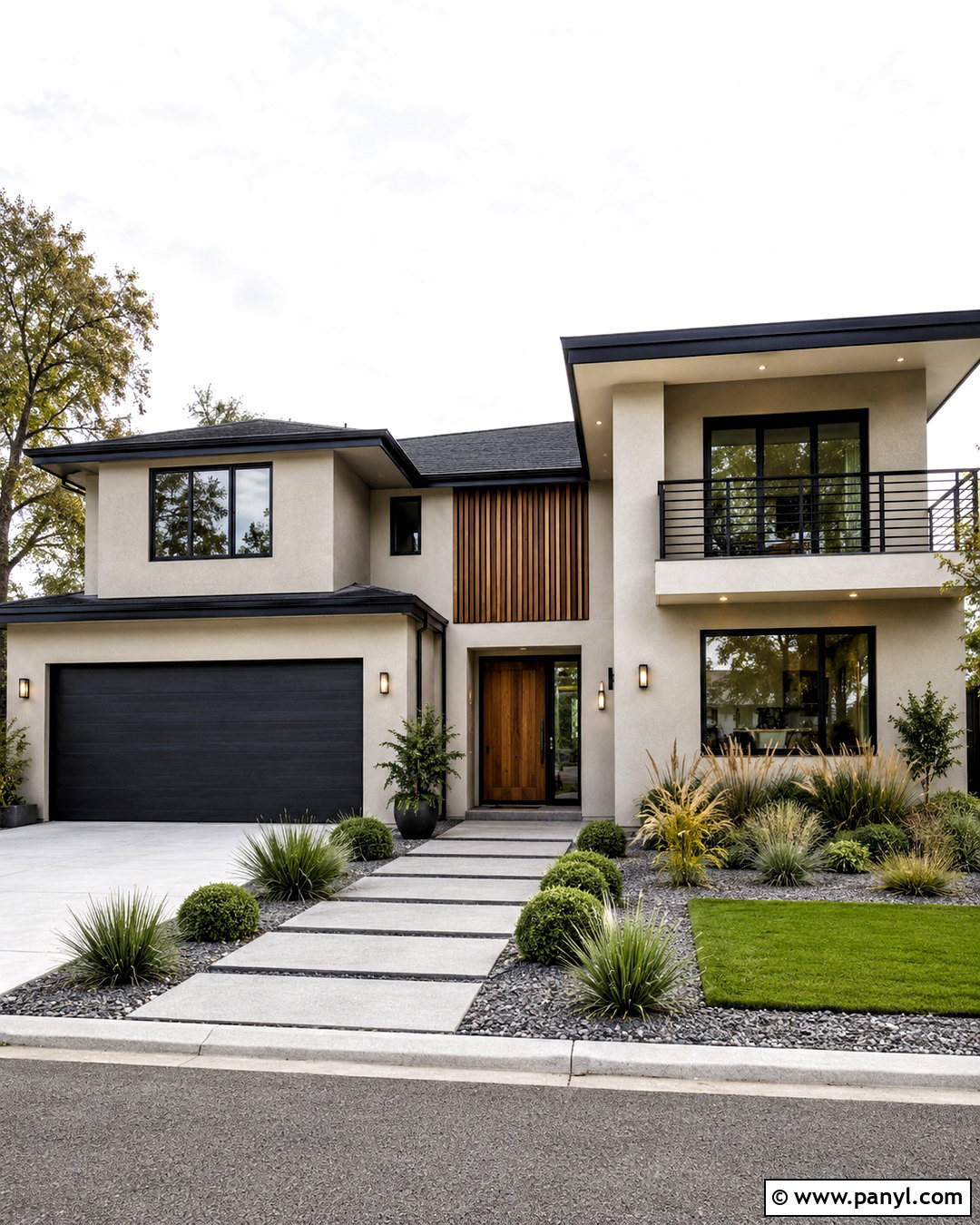
For a modern neutral exterior, greige offers more warmth than plain gray and more structure than basic beige. Paint the main walls in a medium-light greige, then use matte black on window frames, balcony rails, the front gate, and selected horizontal borders. Keep the soffits and narrow trim in warm white to stop the black details from feeling heavy. A charcoal roof and dark garage door can anchor the building at both ends. Introduce cedar slats beside the entrance or beneath a balcony for natural warmth. Large concrete stepping stones, gravel, sculptural grasses, and simple globe shrubs continue the streamlined appearance. This combination works best when black is used selectively to frame the architecture rather than cover broad walls.
7. Peach And White Outer Wall
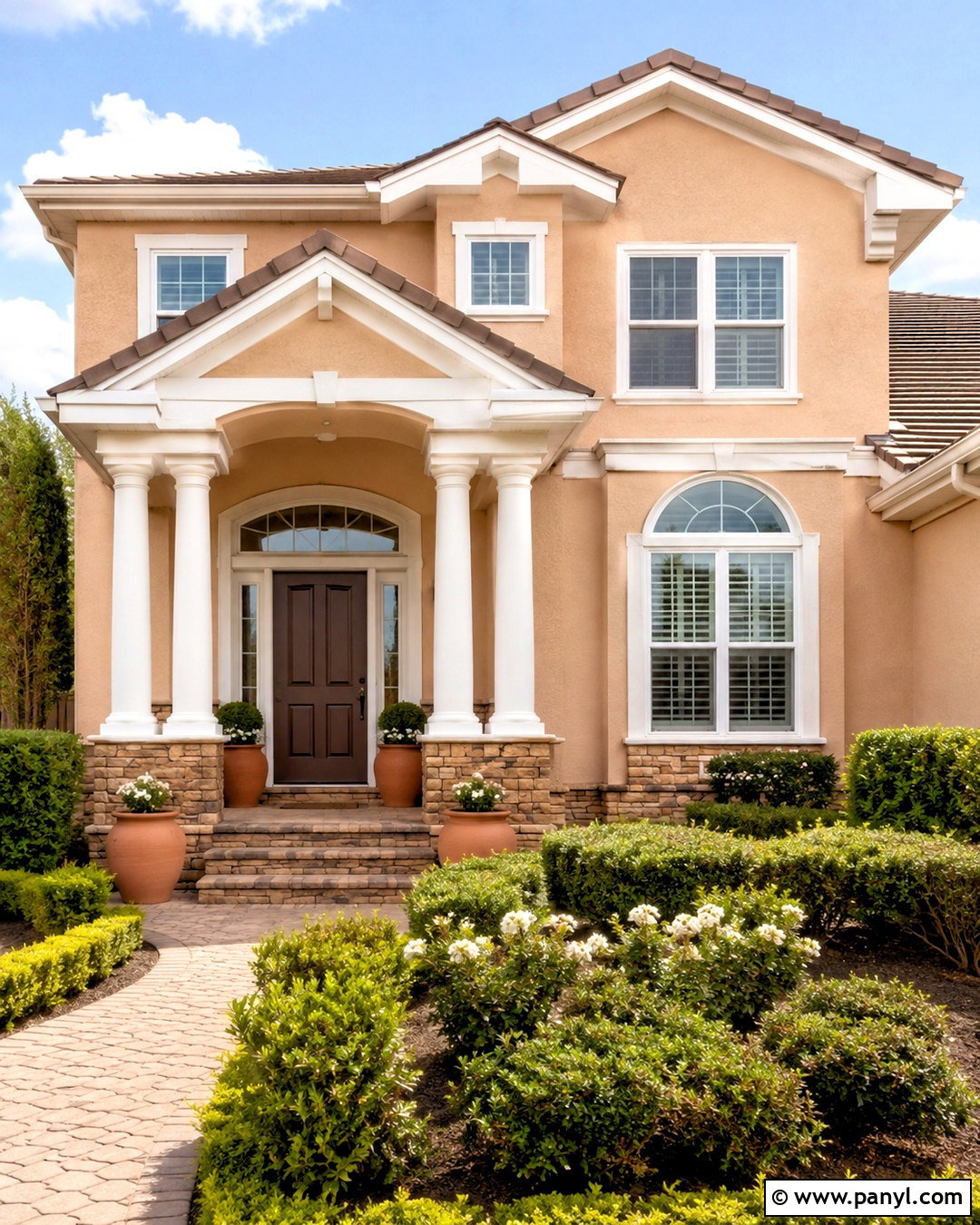
Soft peach gives an outer wall gentle color without making the house look overly bright. Select a muted peach with warm beige undertones for the main facade. Pair it with clean white window trim, columns, balcony edges, and roof fascia. A cocoa brown door and matching gate will ground the lighter colors, while a warm gray roof keeps the overall scheme balanced. Use pale natural stone around the porch base or steps to add texture. White flowering plants, green hedges, and terracotta pots reinforce the fresh, welcoming mood. This complete palette suits small houses, stucco homes, and traditional facades. It can also make shaded entrances feel more cheerful while maintaining a calm and coordinated residential appearance.
8. Sky Blue And Gray Outer Wall
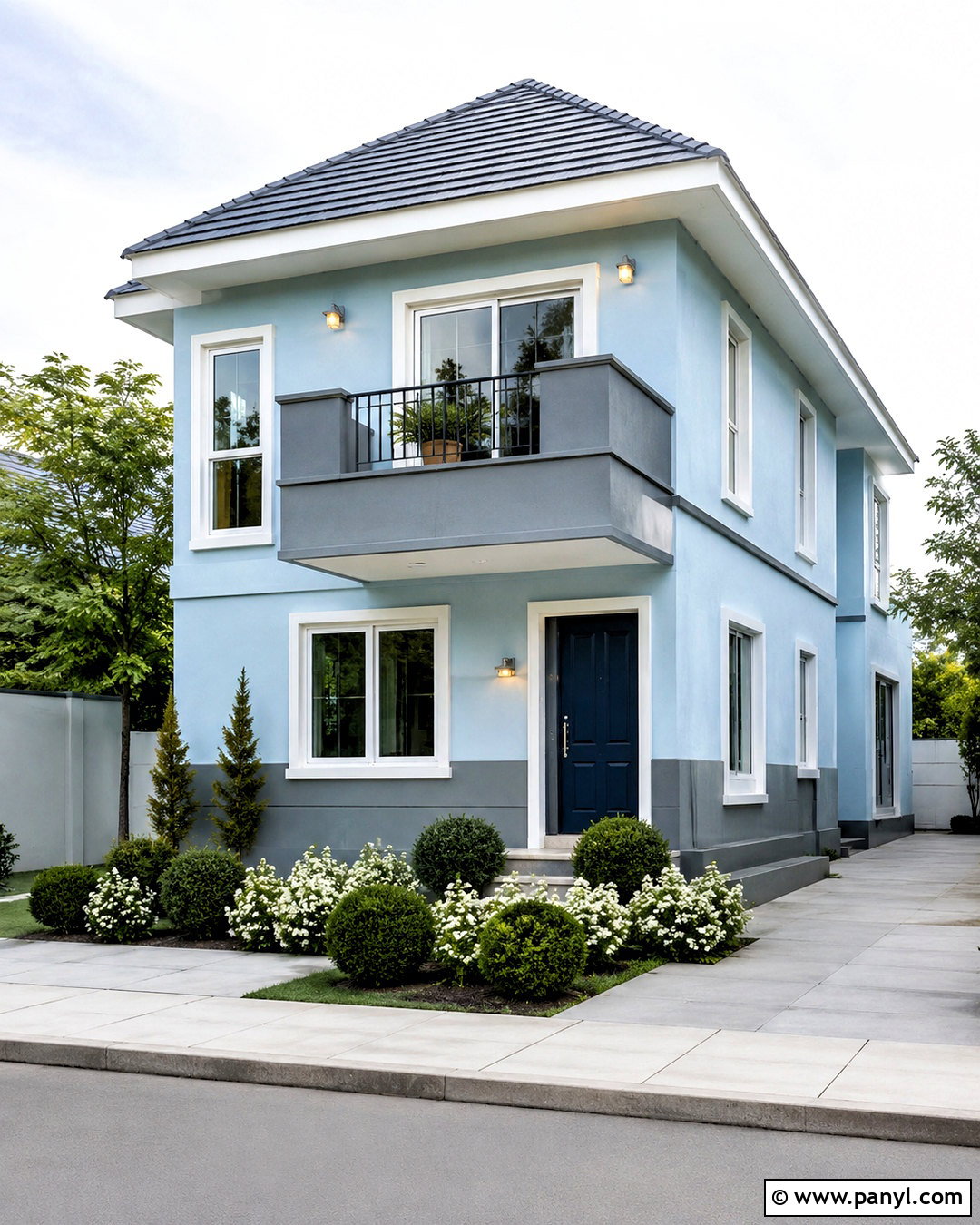
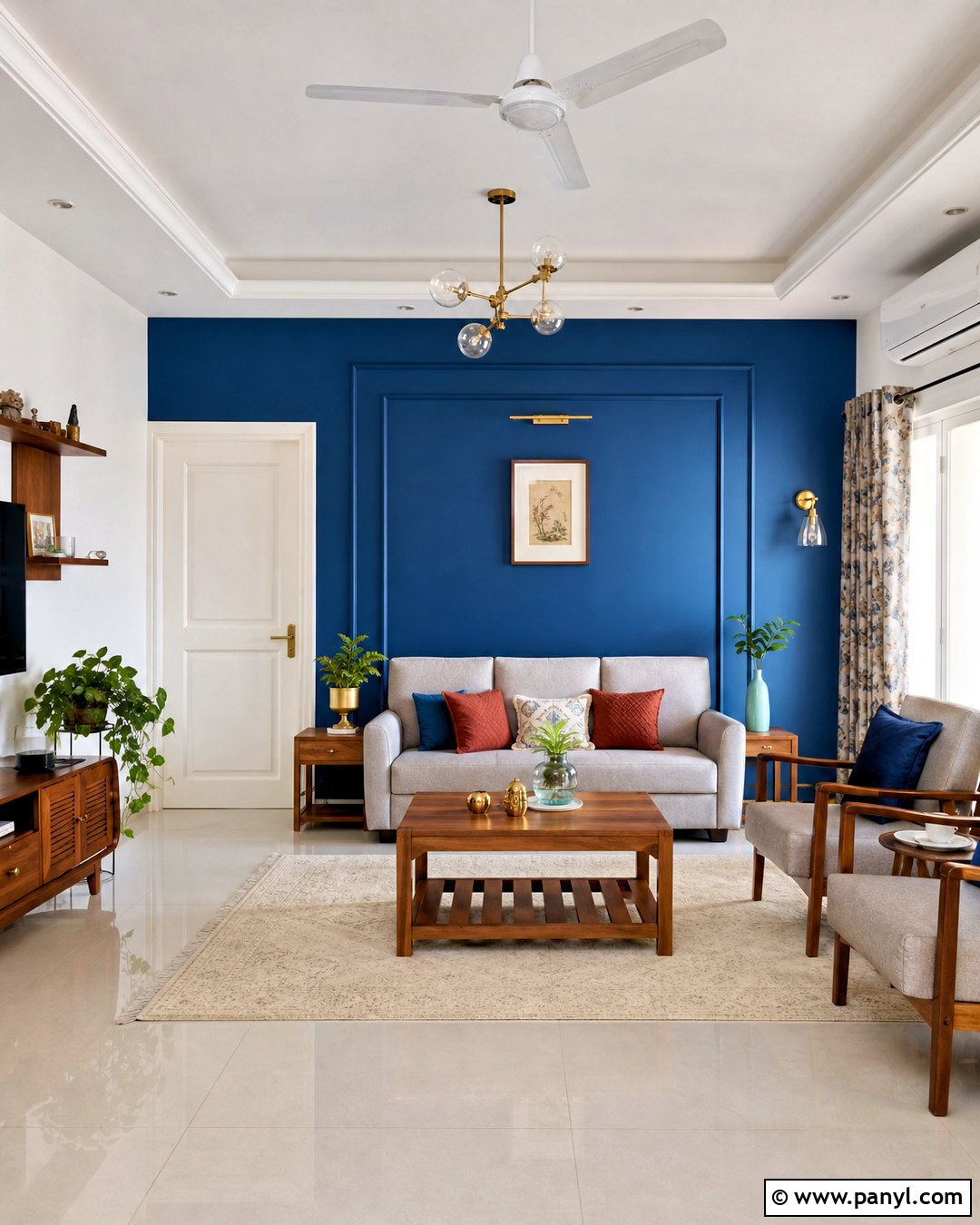
A soft sky blue facade can feel fresh and airy when balanced with practical gray accents. Use pale blue on the primary walls, then apply medium gray to the plinth, balcony panels, garage door, and selected vertical sections. White trim around windows and roof edges adds a clean third layer without competing with the blue. Choose a slate gray roof to connect with the deeper accents. A navy front door can become the focal point, supported by brushed metal lighting and simple railings. Complete the property with pale concrete paving, rounded shrubs, and white flowers. This coordinated combination fits coastal homes, compact urban houses, and simple two-story facades that need color while still appearing light and orderly.
9. Olive Green And Beige Outer Wall
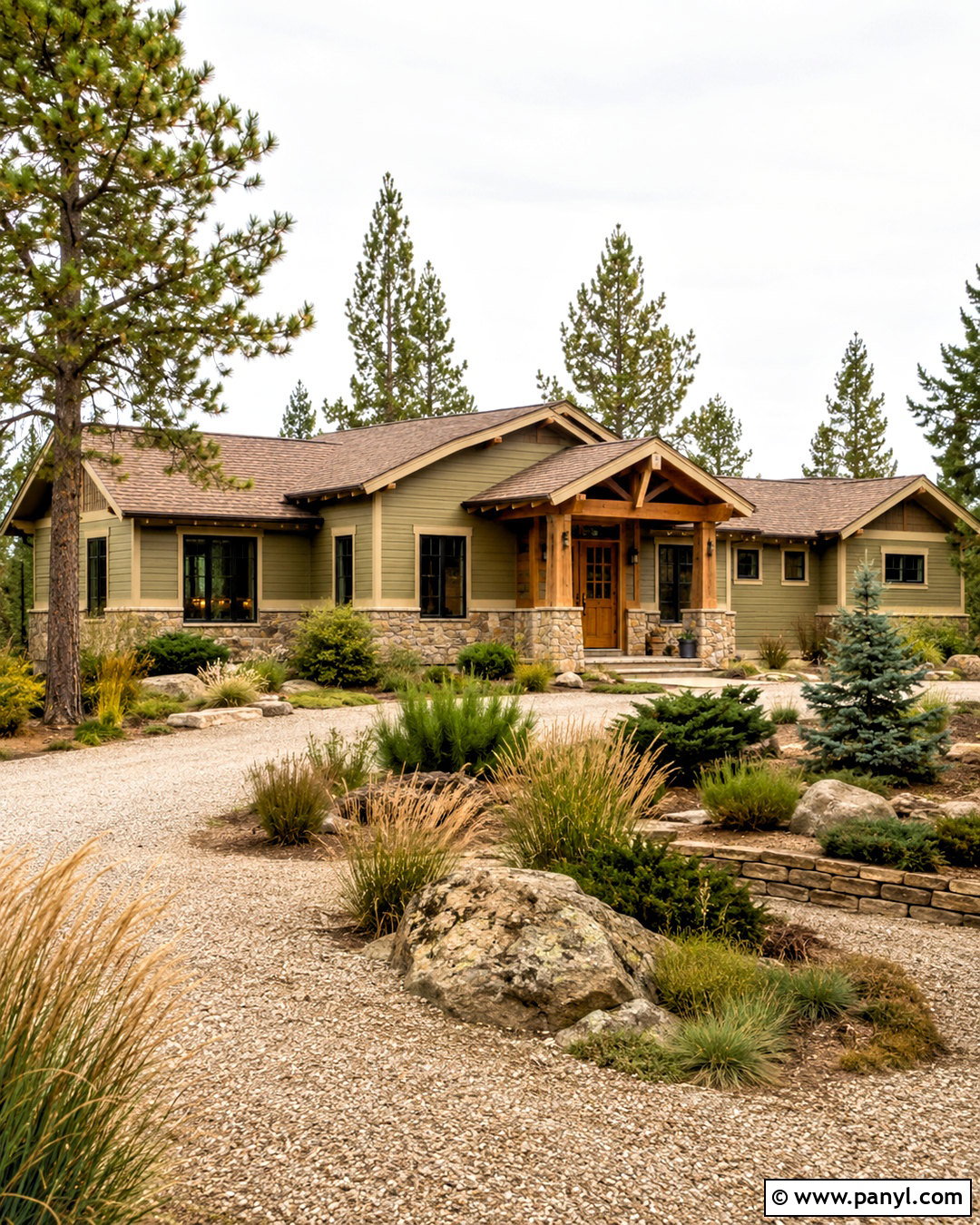
Earthy olive green brings visual depth to an exterior, especially when the property has mature landscaping. Use a softened olive on the main outer walls and warm beige on trim, porch columns, soffits, and balcony edges. Dark bronze window frames and railings will blend more naturally than stark black. Choose a weathered brown roof and a solid wood front door to reinforce the grounded palette. If the facade needs texture, add buff stone around the entrance or along the foundation. Gravel paths, ornamental grasses, and layered evergreen planting will connect the house to its surroundings. This full scheme works beautifully on ranch homes, cottages, and contemporary buildings with wood or stone details, creating character without relying on intense color.
10. Pale Yellow And White Outer Wall
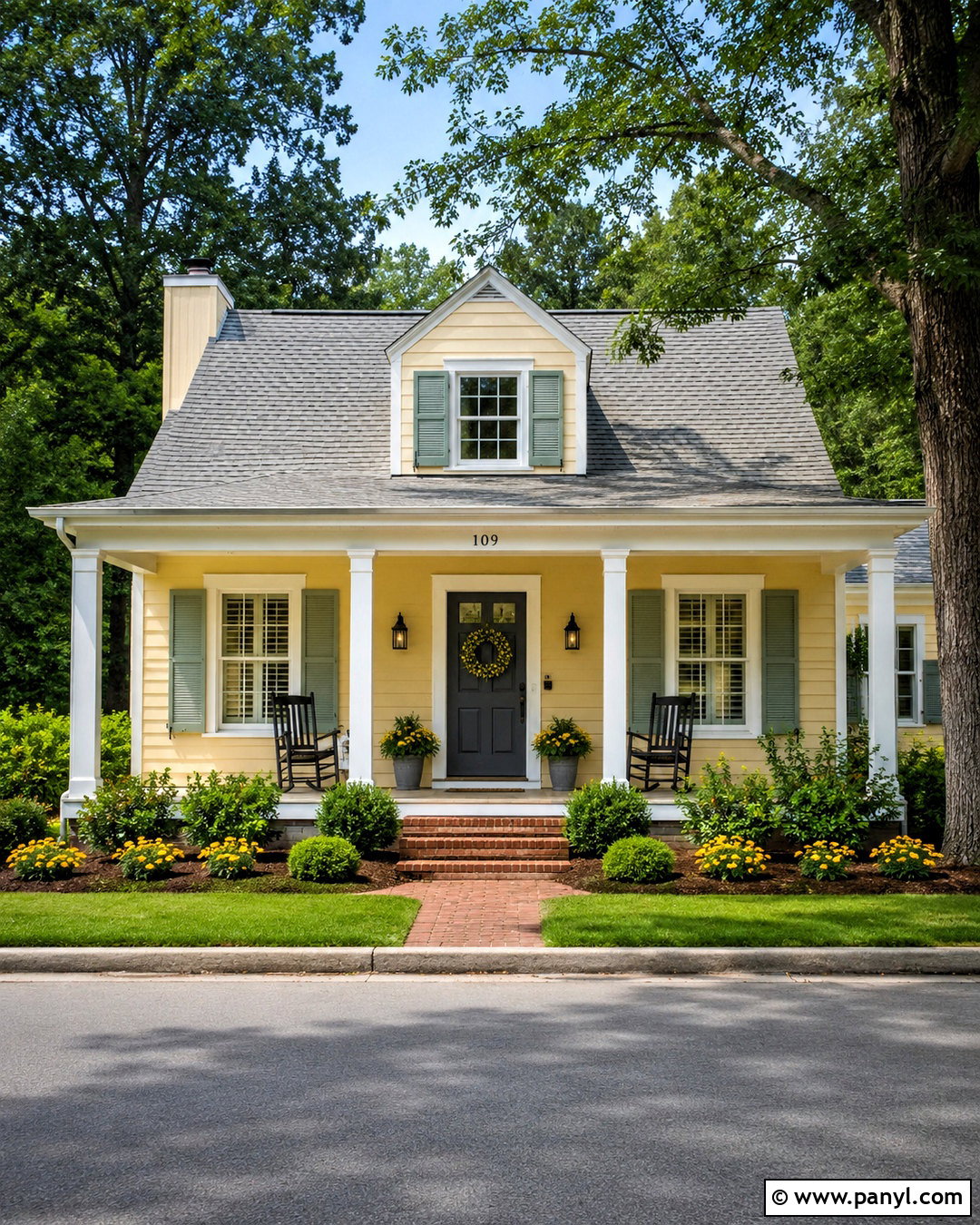
Could your facade use a brighter, friendlier appearance? Pale buttery yellow creates warmth while remaining easy to coordinate with common exterior materials. Apply it to the main walls, then use fresh white on window surrounds, porch posts, fascia, and decorative molding. Ground the combination with a medium gray roof, charcoal foundation, and dark gray front door. If the home has shutters, paint them soft sage green for a subtle natural accent. Light brick steps and white railing will keep the entrance open and inviting. Finish with green foundation shrubs, yellow flowers, and a simple paved path. This complete exterior combination is especially suitable for cottages, farmhouses, and traditional homes with visible trim and welcoming front porches.
11. Taupe And Burgundy Outer Wall
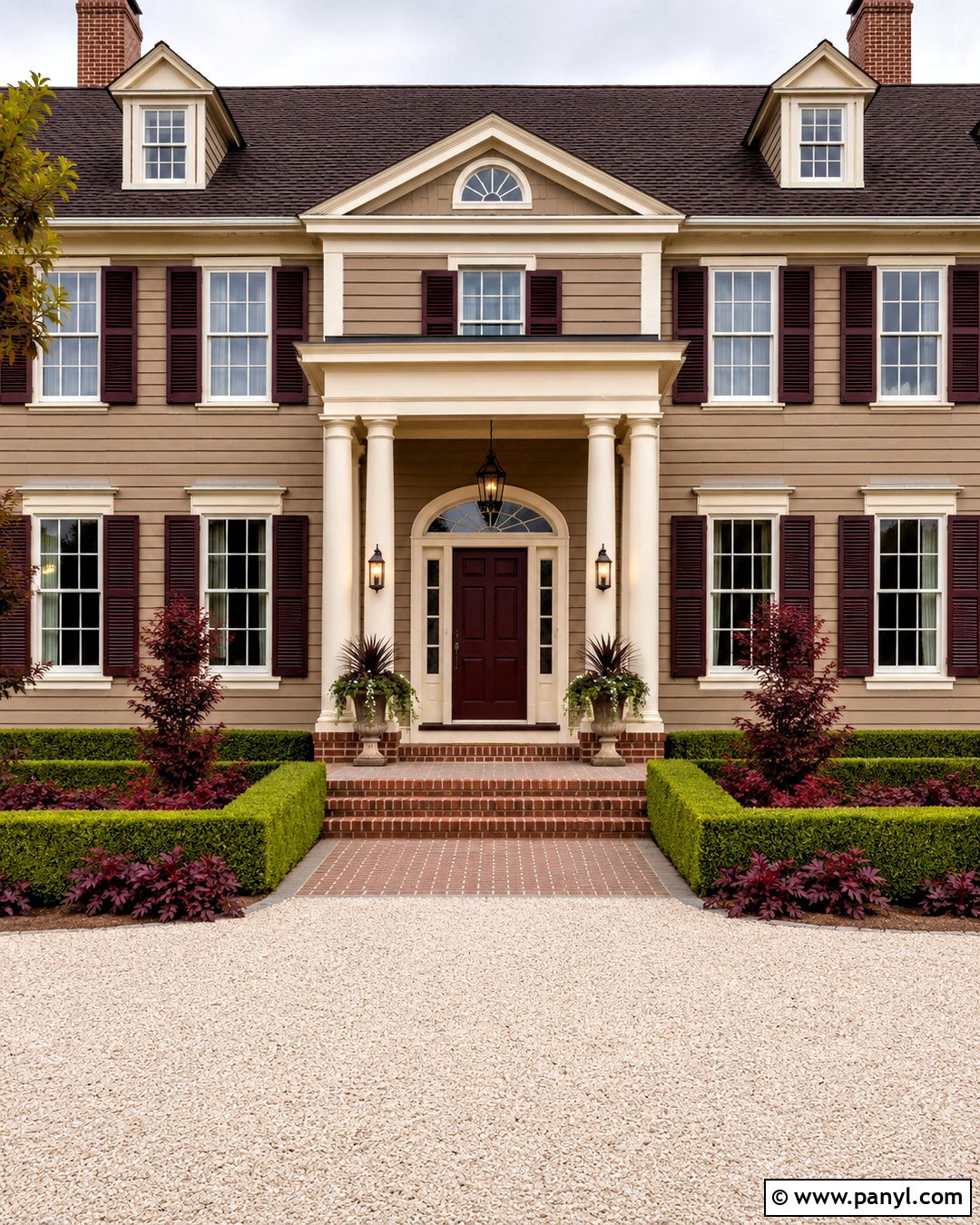
Taupe walls and burgundy accents produce a rich, traditional exterior without depending on bright colors. Choose a balanced taupe with warm gray undertones for the primary walls. Use creamy white for window trim, porch columns, and roof fascia to create a clear transition. Burgundy should appear in smaller, intentional places such as the front door, shutters, or metal gate. A deep brown roof and bronze exterior lights will enhance the warm undertones. Add brick steps or a brick foundation band to connect the burgundy and taupe naturally. Structured hedges, pale gravel, and burgundy-leaf plants can finish the landscape. This complete combination works well on Colonial, Craftsman, and suburban homes with symmetrical windows and traditional rooflines.
12. Teal And Cream Outer Wall
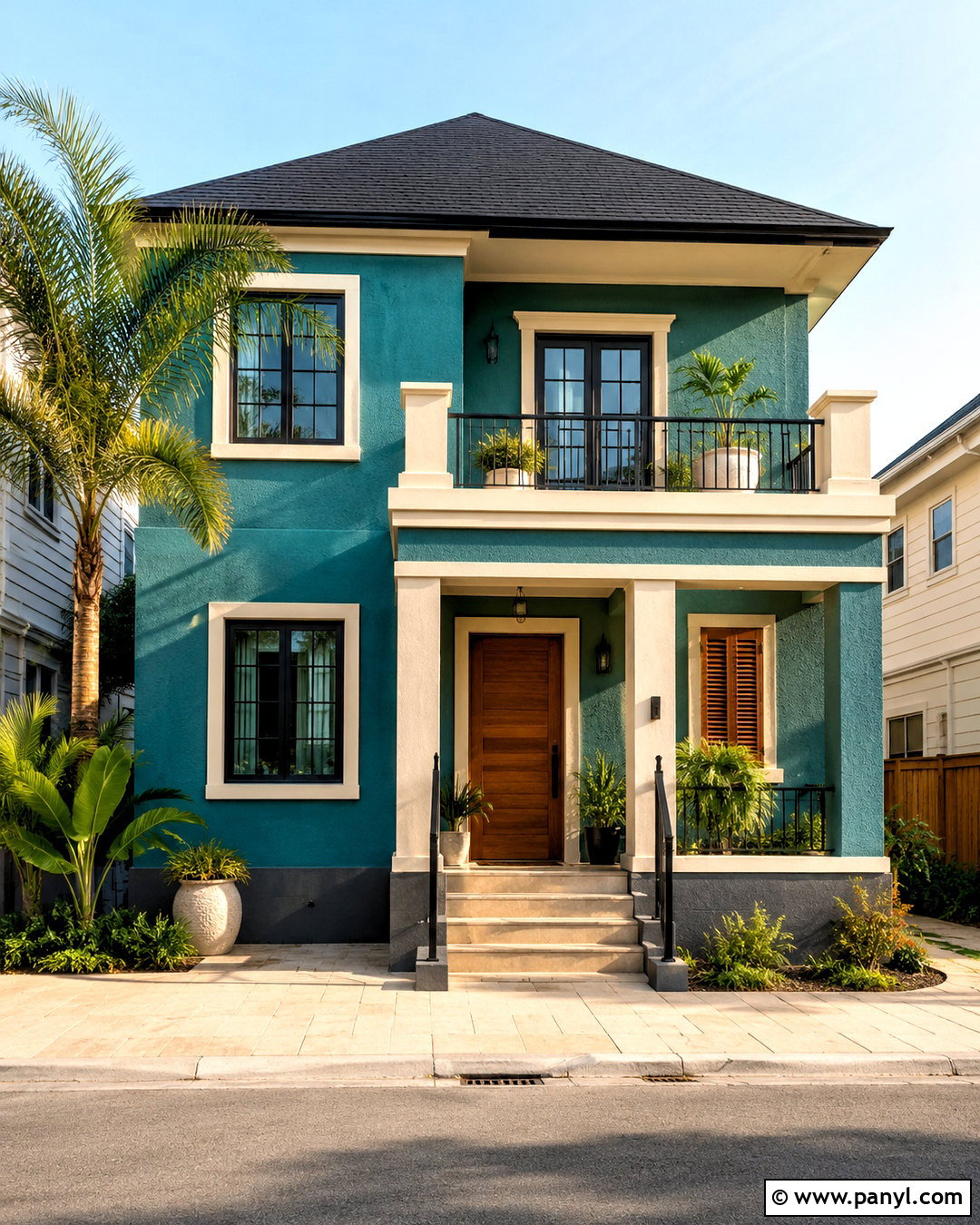
Teal can transform a simple house, but it needs a restrained supporting palette to remain balanced. Select a medium, slightly muted teal for the main outer walls. Use warm cream on window frames, corner trim, porch columns, and balcony borders. A dark charcoal roof will provide weight, while a natural wood front door softens the contrast. Keep railings and the front gate matte black for a crisp finish. If the house includes a plinth, paint it deep gray to hide everyday marks and visually anchor the facade. Complete the scene with cream paving, tropical green foliage, and plain ceramic planters. This scheme delivers noticeable color while maintaining a coordinated exterior suitable for coastal, tropical, or modern compact homes.
13. Dusty Rose And Gray Outer Wall
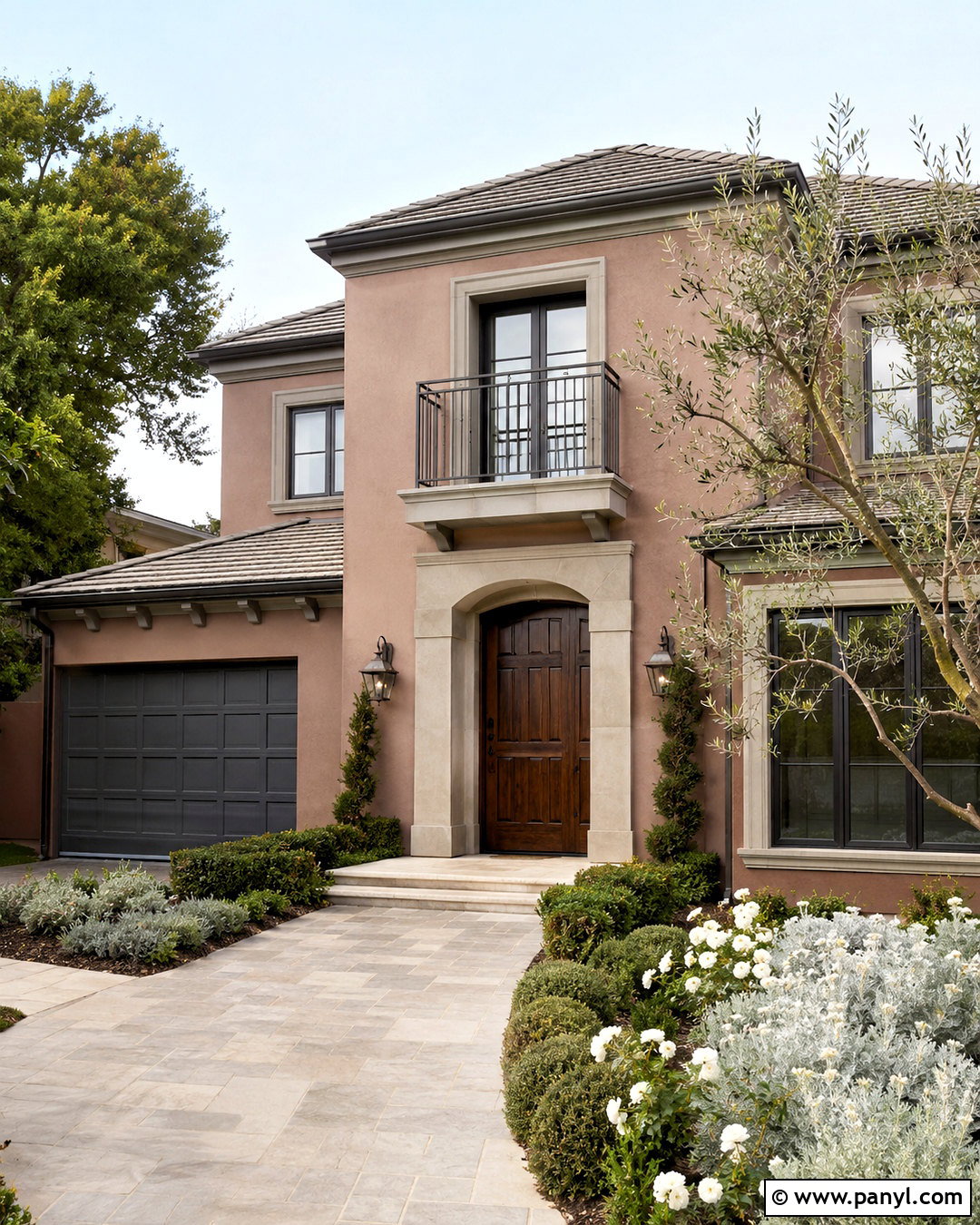
Dusty rose provides a softer alternative to standard beige while still feeling sophisticated on an exterior. Use a muted rose-beige across the main walls, avoiding overly sweet or saturated pink. Frame the house with warm light gray trim on windows, roof edges, columns, and balcony lines. Charcoal gray works well for the plinth, railings, gate, and garage door. Add a dark walnut front door to introduce warmth and create a clear entrance. A medium gray roof will unify the accent colors above. For landscaping, choose silvery foliage, white flowers, clipped shrubs, and pale stone paving. This full scheme suits stucco houses and urban homes that need distinctive color without losing a clean, grown-up, and practical appearance.
14. Mocha And Off-White Outer Wall
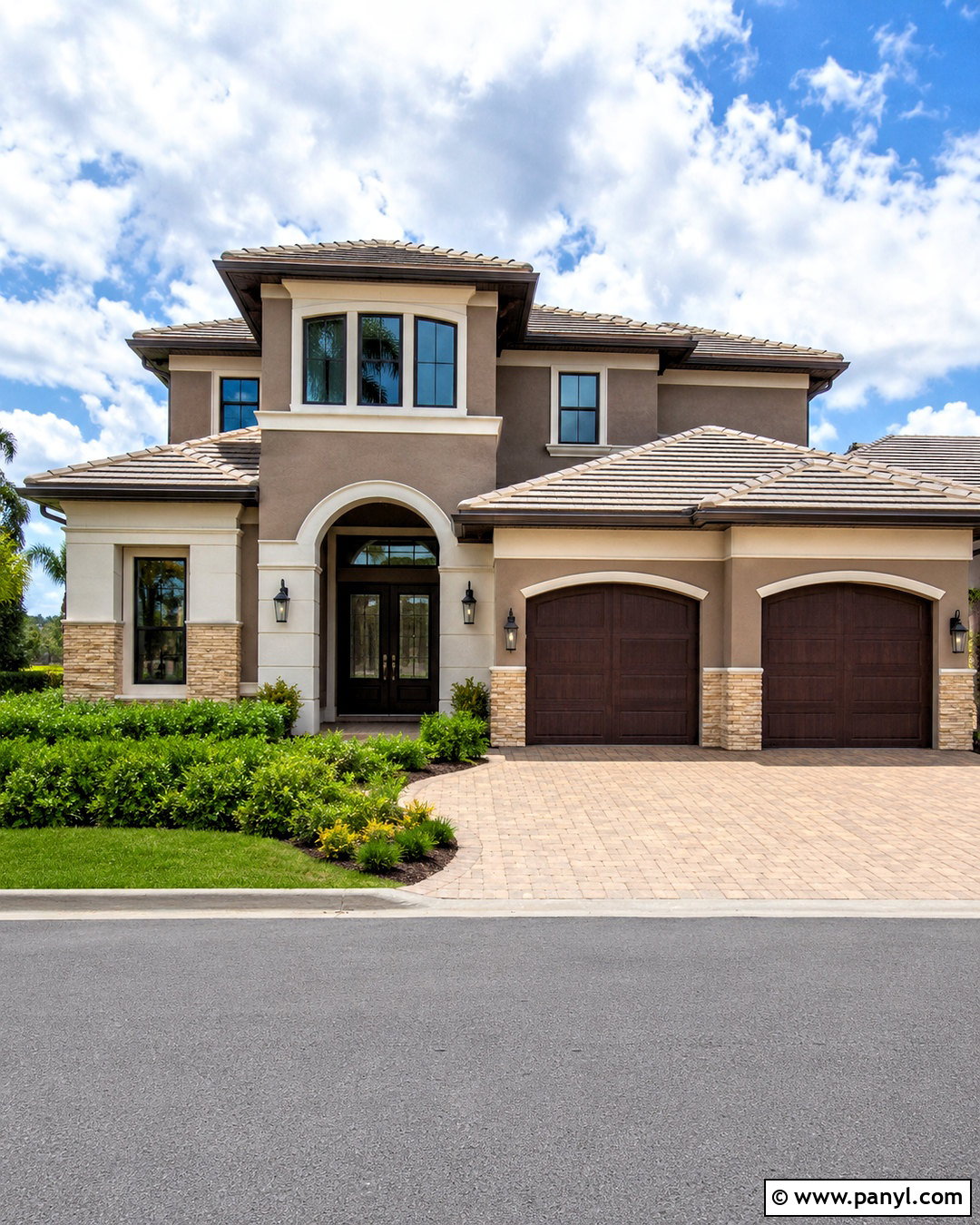
Mocha brown can make a large facade feel grounded and welcoming when paired with enough off-white. Apply a medium mocha shade to the main walls, then brighten window surrounds, porch columns, balcony edges, and soffits with soft off-white. Use deeper espresso brown on the front door, garage door, and lower plinth for layered contrast. A warm gray roof prevents the exterior from becoming too uniformly brown. Introduce cream and tan stone cladding on one entrance wall or around the porch base. Complete the look with beige pavers, green hedges, and simple black lanterns. This combination is ideal for spacious suburban houses, Craftsman facades, and exteriors that already include brown roofing, brick, or natural stone.
15. Slate Blue And Warm White Outer Wall
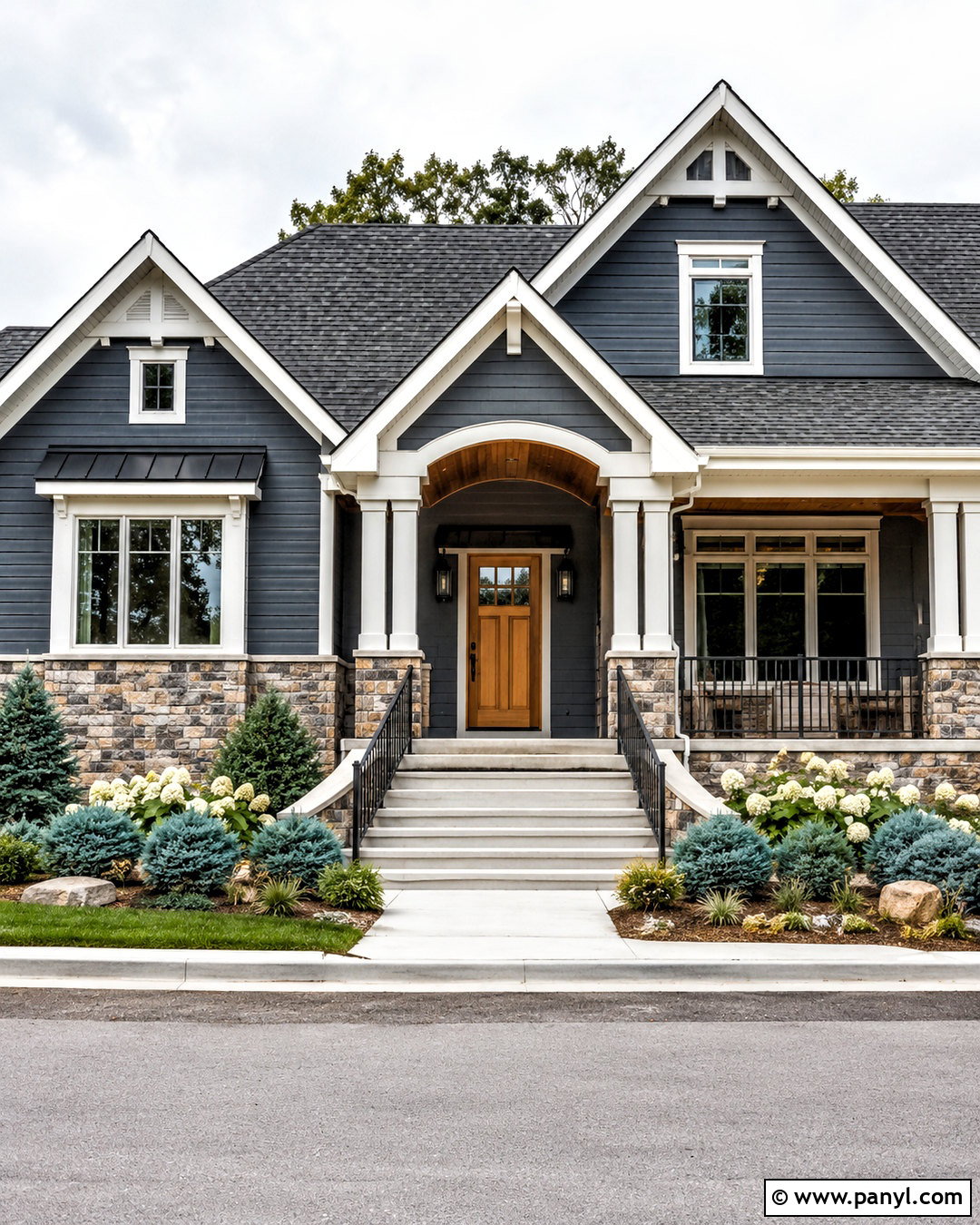
Slate blue offers the calmness of blue with enough gray to look substantial across broad outer walls. Use it as the dominant facade color, then add warm white to the trim, porch ceiling, columns, and window frames. Choose a charcoal roof and dark bronze railings to emphasize the gray undertones. A golden oak front door introduces warmth and gives the entrance greater visibility. If the house includes stone, select a blend of cool gray and soft beige rather than highly contrasting colors. Wide concrete steps, blue-green shrubs, and white flowering borders complete the property. This well-balanced combination suits transitional homes, modern farmhouses, and classic houses where clear trim and a welcoming front entrance deserve attention.
16. Mint Green And Dark Green Outer Wall
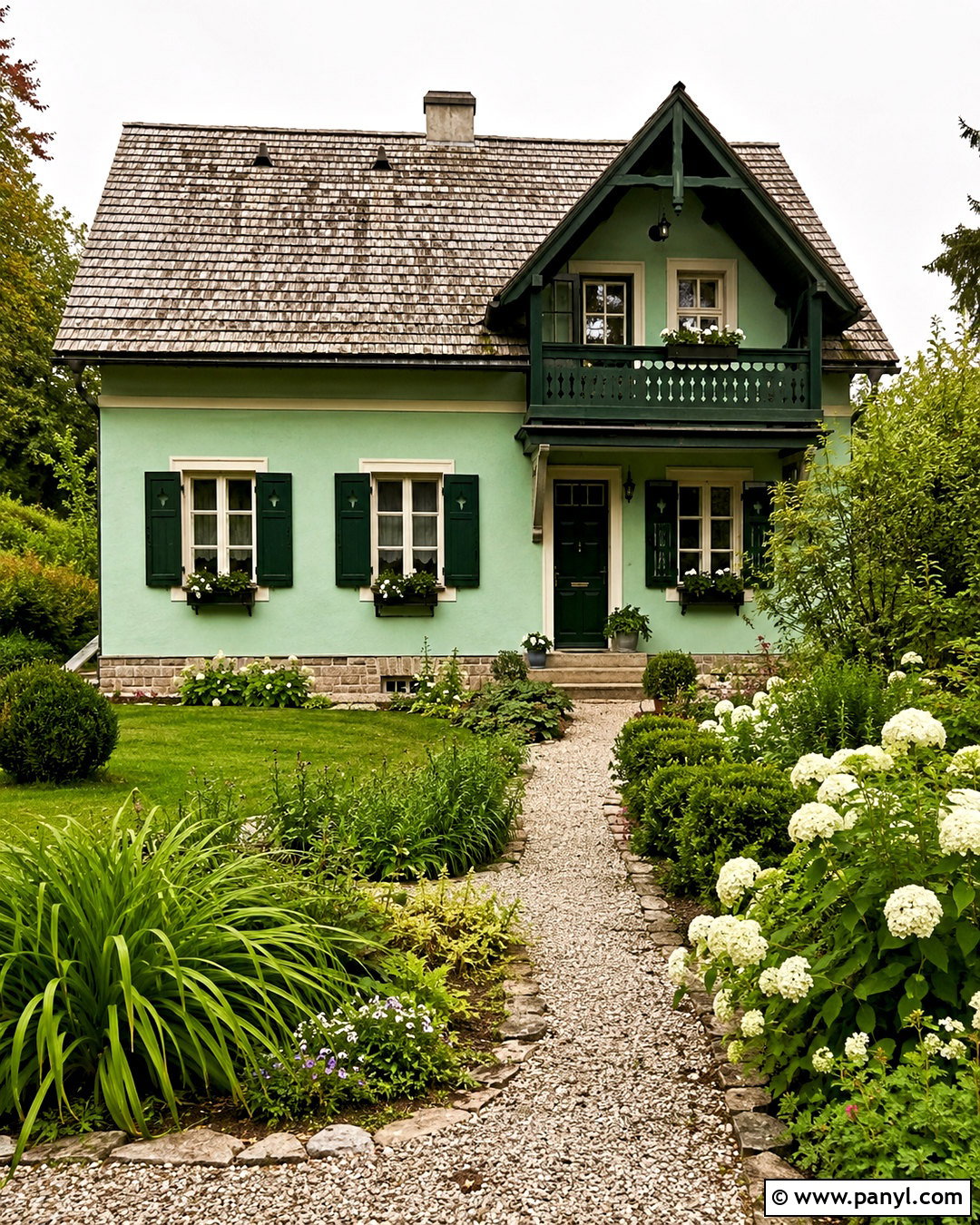
A two-tone green exterior can feel lively without appearing chaotic when both shades share similar undertones. Paint the main walls a pale, softened mint green, then use deep forest green on shutters, balcony panels, the front gate, and the main door. Add ivory trim around windows, corners, and rooflines to separate the greens cleanly. A weathered gray roof will keep the palette natural and understated. Use light stone on the porch floor and foundation for practical texture. Surround the home with layered green planting, white flowers, and natural gravel, ensuring the facade remains visible. This complete combination creates a garden-connected look for cottages, bungalows, and traditional houses with decorative windows or covered porches.
17. Lavender And Ivory Outer Wall
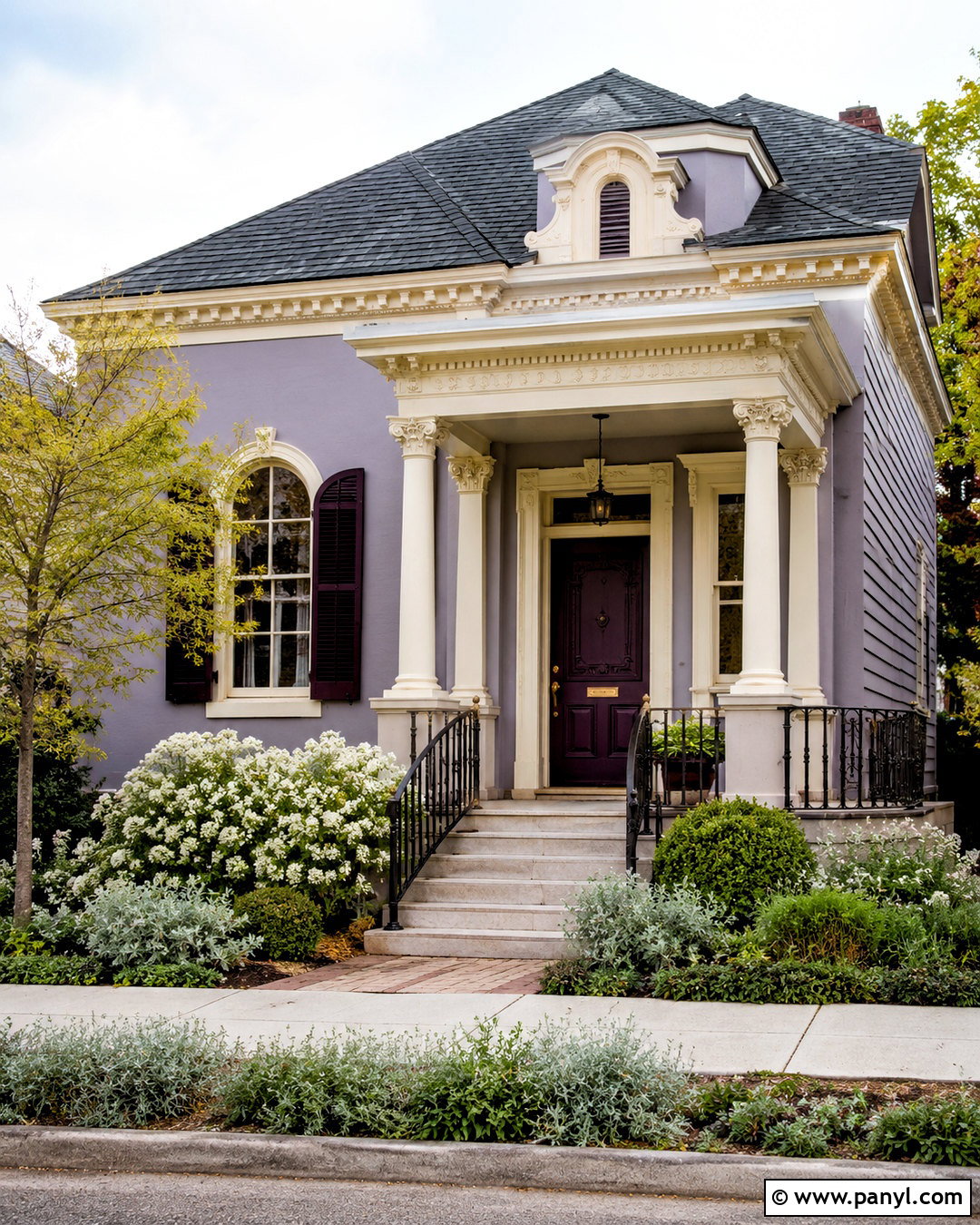
Muted lavender can create a graceful exterior when it leans gray rather than bright purple. Cover the main outer walls in dusty lavender, then use warm ivory on windows, porch columns, cornices, and balcony edges. Choose a charcoal gray roof and matching foundation to give the soft walls a strong frame. A dark plum or deep aubergine front door adds controlled color, while antique brass hardware introduces warmth. Keep railings in dark bronze for a softer alternative to black. Pale stone steps, silvery foliage, and white flowering shrubs will complete the coordinated curb view. This combination works especially well on cottages and decorative stucco houses, offering personality while remaining calm enough for an entire facade.
18. Rust And Gray Outer Wall
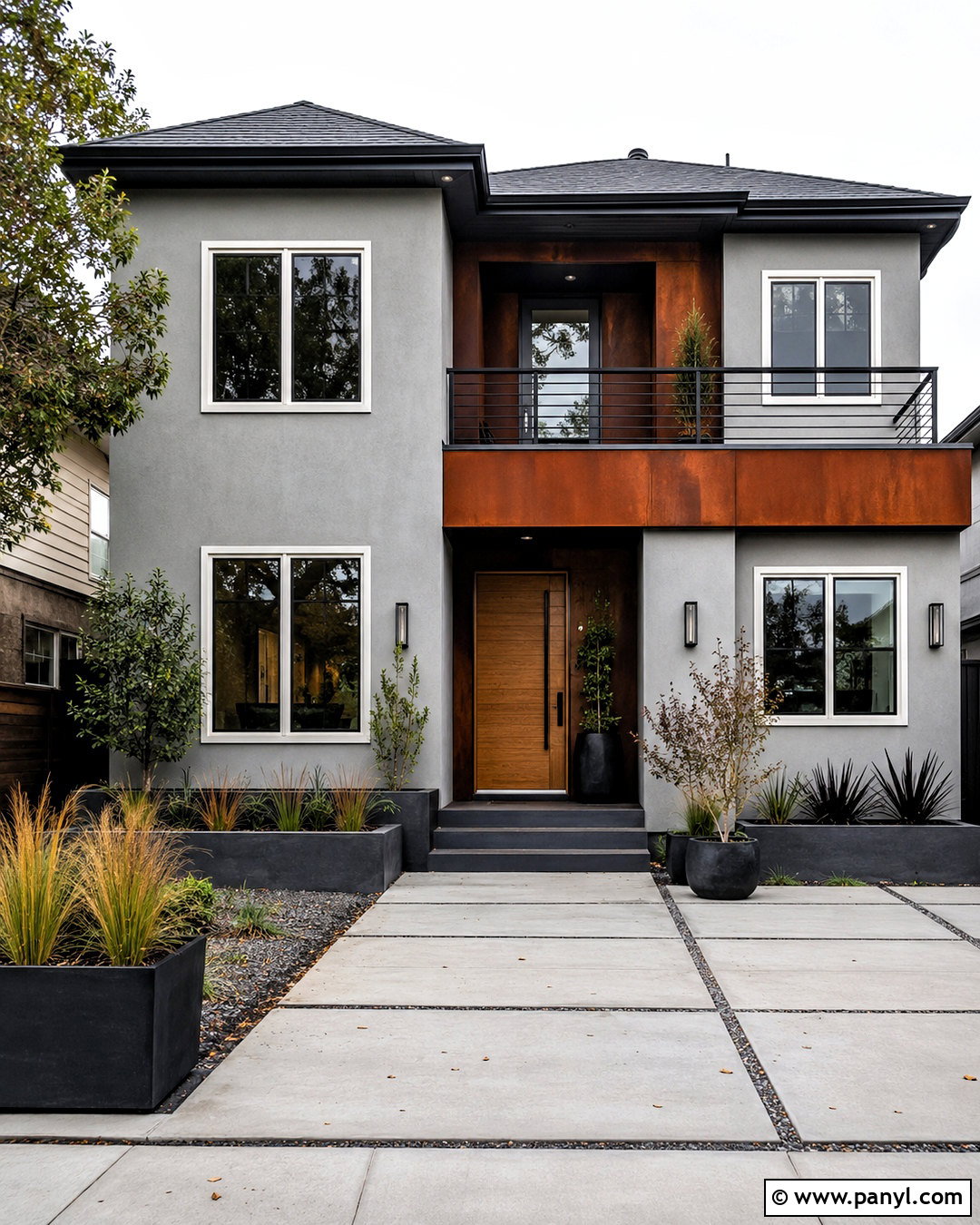
Rust orange and cool gray create a confident exterior built around warm and cool contrast. Use light gray as the dominant wall color, reserving muted rust for an entrance block, balcony wall, upper-level projection, or recessed architectural section. Apply off-white to narrow window trim so the facade does not feel too dark. Charcoal works well on the plinth, gate, railings, and roof. Choose a medium wood front door that relates to the rust without matching it exactly. Concrete paving, black planters, ornamental grasses, and drought-tolerant shrubs complete the modern landscape. This full scheme is effective on boxy contemporary homes because the rust sections can highlight the building’s form and make flat surfaces appear more dimensional.
19. Beige And Deep Blue Outer Wall
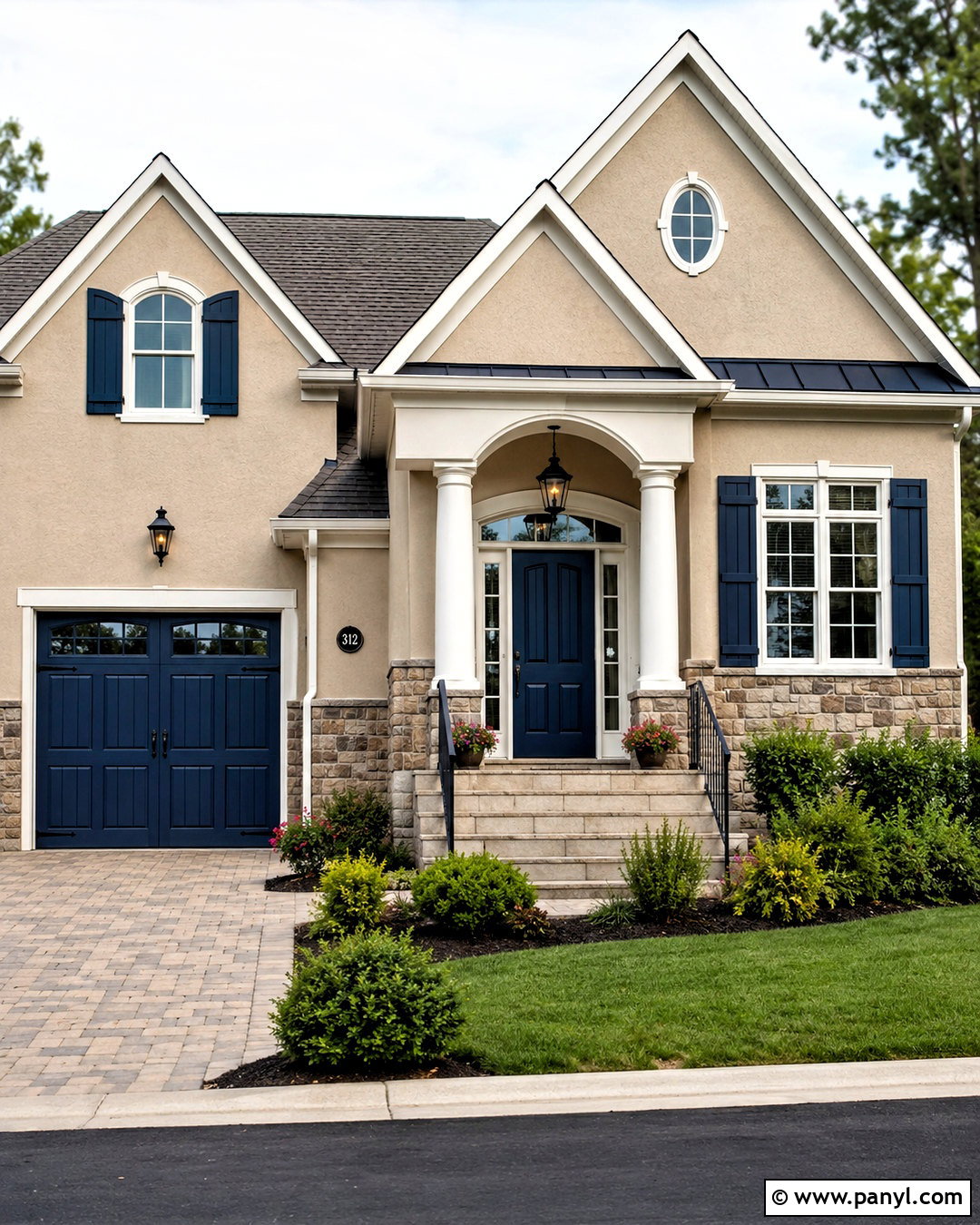
Warm beige creates a flexible background, while deep blue adds enough contrast to make architectural features stand out. Use beige across the broad wall areas and creamy white around windows, columns, and roof edges. Apply deep blue to the front door, shutters, garage door, or one centered balcony section. A brown-gray roof connects naturally with the beige without competing with the blue. Add a stone foundation in mixed tan and gray tones to give the exterior texture and visual stability. Bronze lights, simple dark railings, green shrubs, and pale pavers complete the design. This balanced combination suits traditional and transitional homes, particularly when homeowners want noticeable color that remains limited to easily repainted accent surfaces.
20. Gray And Cedar Outer Wall
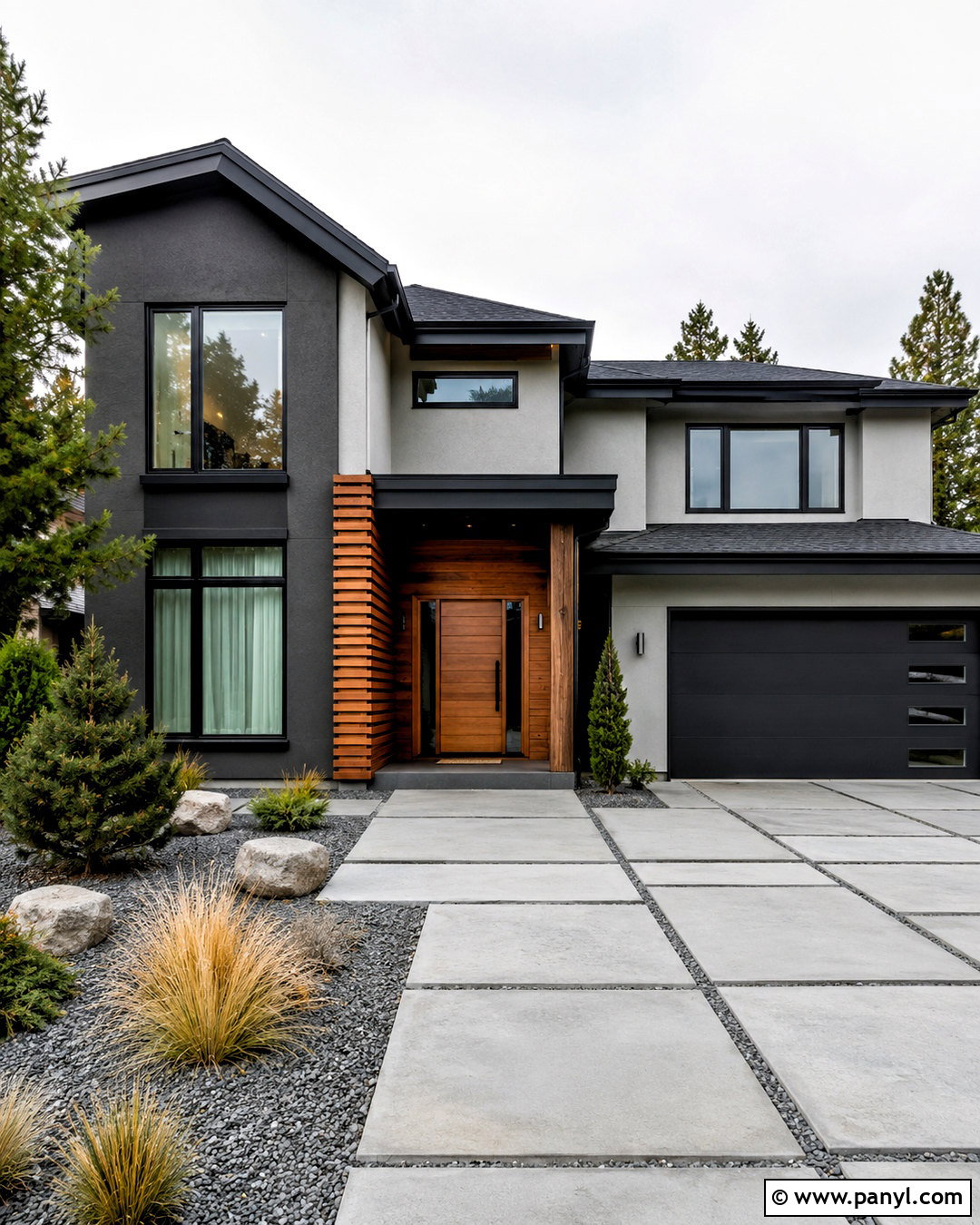
Layered gray paint and cedar accents form a complete modern exterior with warmth, contrast, and texture. Choose light gray for the largest wall surfaces, medium charcoal for projecting sections, and near-black for window frames, railings, and the plinth. Install cedar slats around the entrance, beneath the balcony, or across one sheltered feature wall. A natural cedar front door should repeat the same warm wood tone. Keep the roof dark gray so it blends with the upper facade rather than creating another color band. Finish the property with large concrete pavers, gravel beds, low grasses, and compact evergreen shrubs. This combination works particularly well on contemporary houses with simple geometry, flat planes, and minimal decorative trim.
Conclusion:
Successful **outer wall colour combination ideas** go beyond finding two attractive shades. The entire exterior should feel connected, from the roof and main walls to the trim, entrance, gate, paving, and planting. Start with the fixed materials you cannot easily change, and select paint colors that support their undertones. Use the lightest shade to define trim, the dominant shade across broad surfaces, and the darkest color on selected features that need emphasis. Before painting, view large samples in morning light, afternoon sun, and shade. A thoughtful exterior palette can clarify architecture, improve curb appeal, and give even a simple home a polished, welcoming identity.

Related Ideas and Inspiration:

Leave a Reply