
Choosing the right exterior palette can make an ordinary home look polished, welcoming, and thoughtfully designed. These **outside wall colour ideas** cover light neutrals, earthy greens, coastal blues, warm Mediterranean shades, and dramatic dark finishes. Each look includes a complete scheme for the main walls, trim, doors, roofing, architectural details, and landscaping. Before committing, compare samples beside permanent materials such as brick, stone, roof shingles, and paving. Observe them in morning light, afternoon sun, and shade because outdoor color can shift significantly throughout the day. Current exterior palettes favor coordinated combinations that complement the architecture and surrounding landscape rather than relying on one disconnected shade. () Use these practical combinations to find **outside wall colour ideas** that suit your home.
1. Warm White Outside Wall Colour
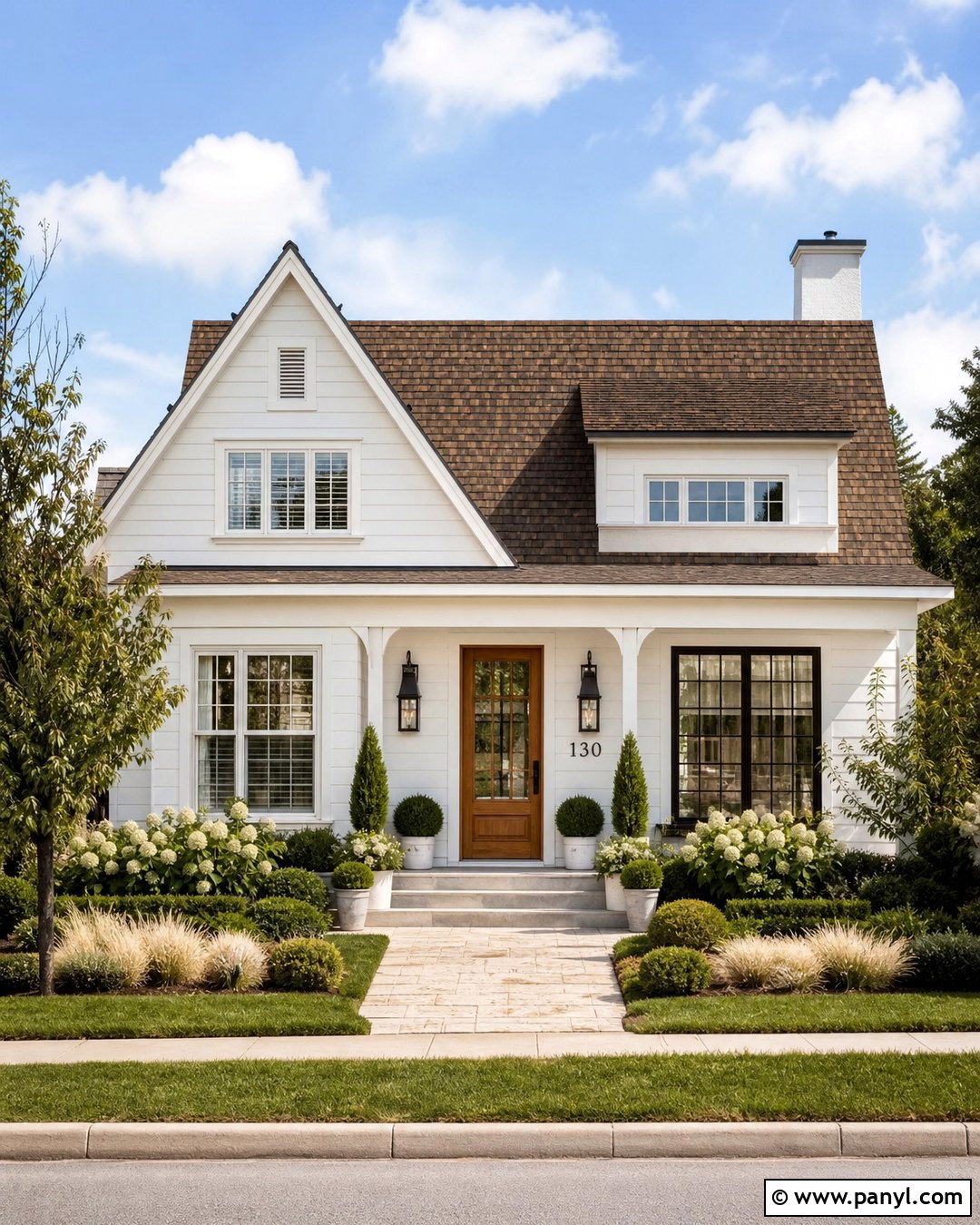
Warm white creates a bright exterior without the sharp appearance of pure white. Choose a creamy white with subtle beige undertones for the main walls, then use a slightly cleaner white on fascia boards, columns, and window frames. A medium brown shingle roof and natural oak front door add warmth and prevent the facade from feeling flat. Introduce black lanterns, dark bronze house numbers, and simple metal railings for definition. This complete palette works especially well on cottages, farmhouses, ranch homes, and stucco exteriors. Finish the curb appeal with pale stone pathways, clipped green shrubs, and soft ornamental grasses. Test several whites outdoors because neighboring buildings, sunlight, and surrounding greenery can noticeably change how the undertones appear.
2. Soft Greige Outside Wall Colour
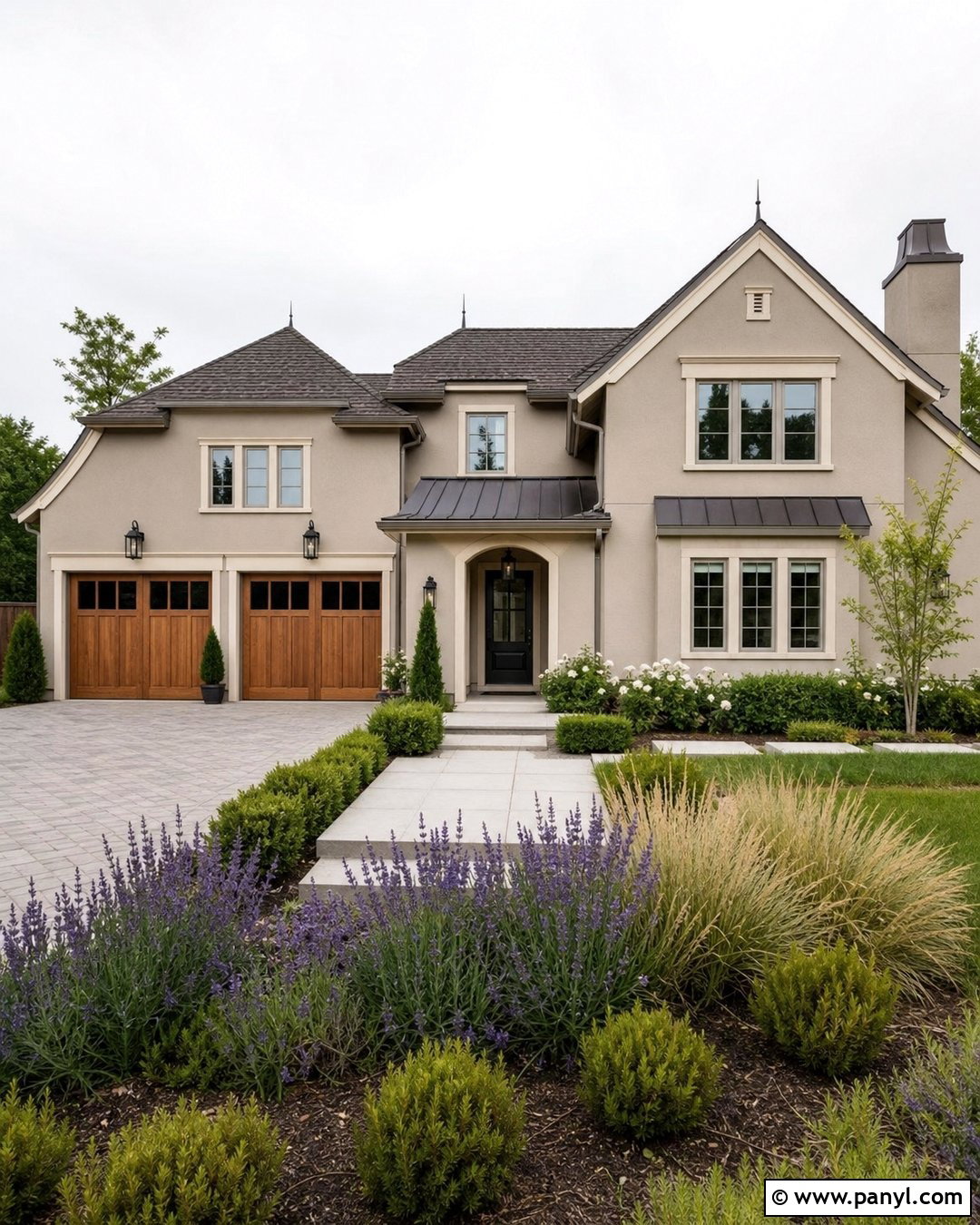
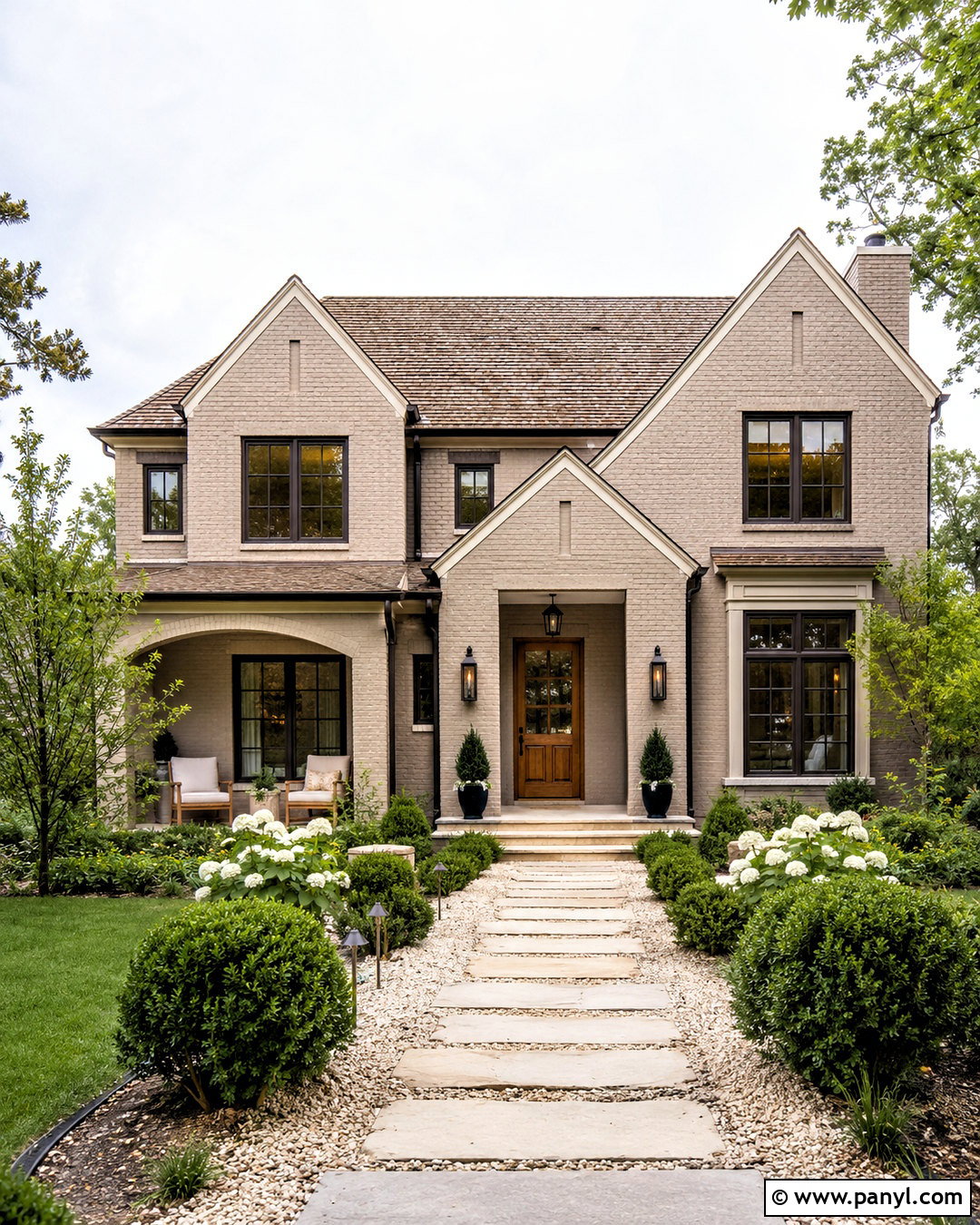
If beige feels too warm and gray looks too cool, soft greige offers an appealing balance. Cover the main exterior walls in a light mushroom greige, adding warm ivory around windows, rooflines, and porch columns. A charcoal front door provides a strong focal point, while medium-toned wood garage doors bring natural texture to the scheme. This combination pairs comfortably with brown, charcoal, or mixed gray roof shingles. Keep metal features consistent by choosing matte black for lights, gutters, and railings. Use pale concrete pavers and layered landscaping with boxwood, lavender, and feathery grasses. The finished exterior feels relaxed and current without becoming overly trendy. Greige is also useful for connecting several permanent materials, including tan stone, red-brown brick, and gray roofing.
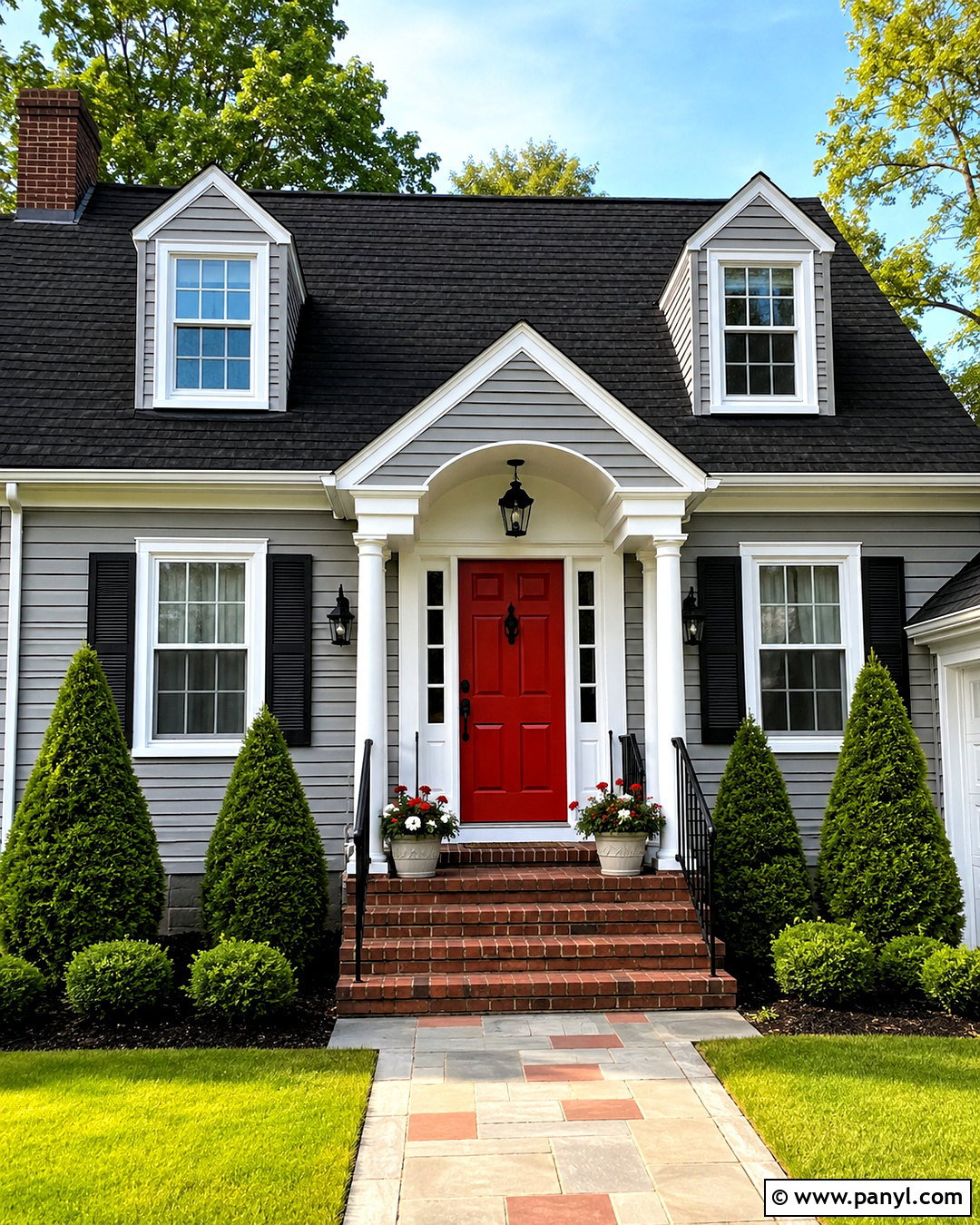
3. Light Gray Outside Wall Colour With White Trim
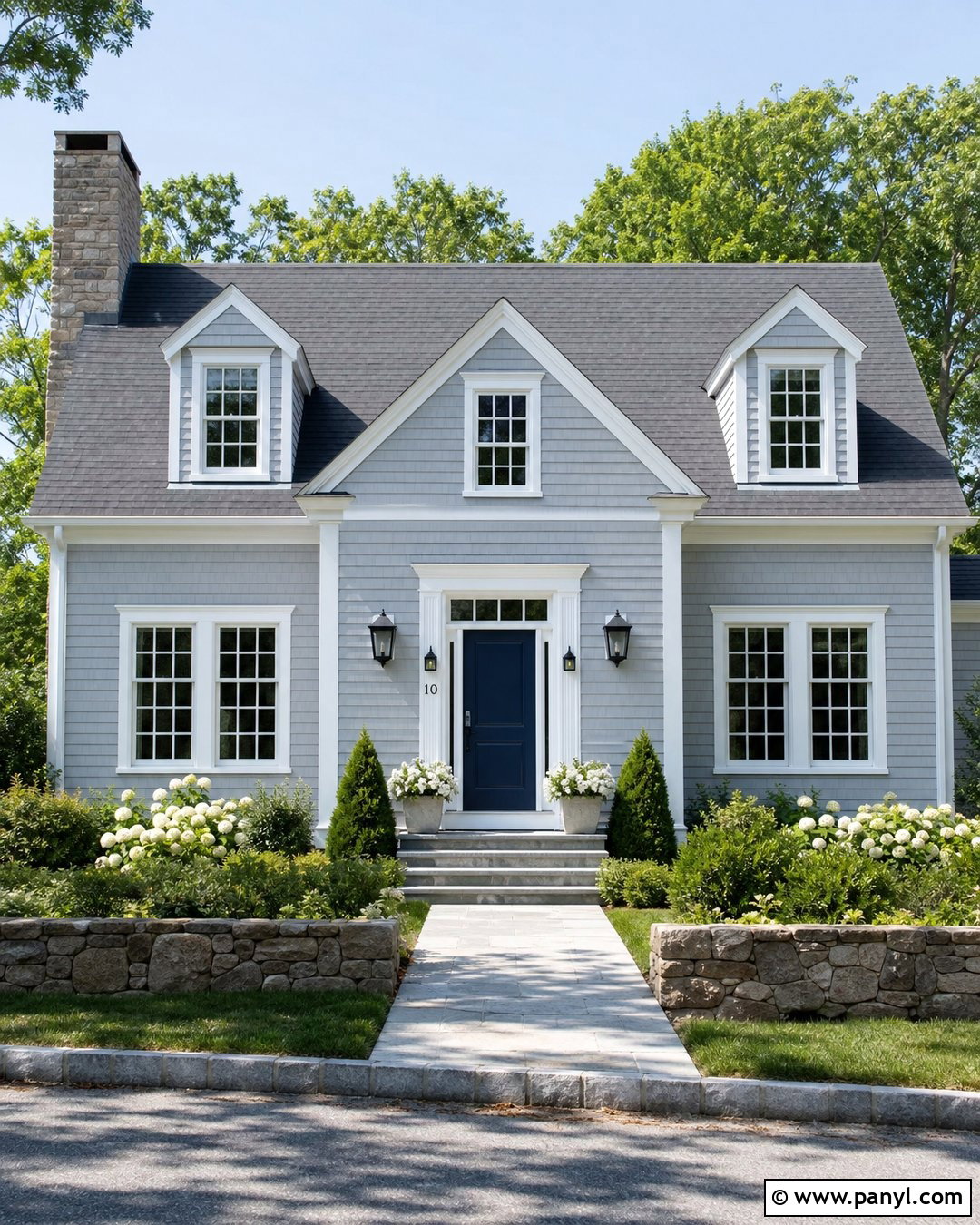
A light gray exterior looks clean, composed, and suitable for many architectural types. Select a soft gray with balanced undertones for the walls and frame it with fresh white trim around windows, doors, eaves, and porch posts. Add a deep navy front door to create color without overwhelming the facade. Charcoal roof shingles and black metal lighting provide additional contrast, while natural stone along the foundation keeps the palette grounded. This full look works particularly well on suburban homes, Cape Cod houses, and simple two-story facades. Complete the design with a straight paved walkway, rounded evergreen shrubs, and white flowering plants. Avoid an overly blue gray when the house has warm brick or beige stone because the materials may appear visually disconnected.
4. Charcoal Outside Wall Colour With Wood Accents
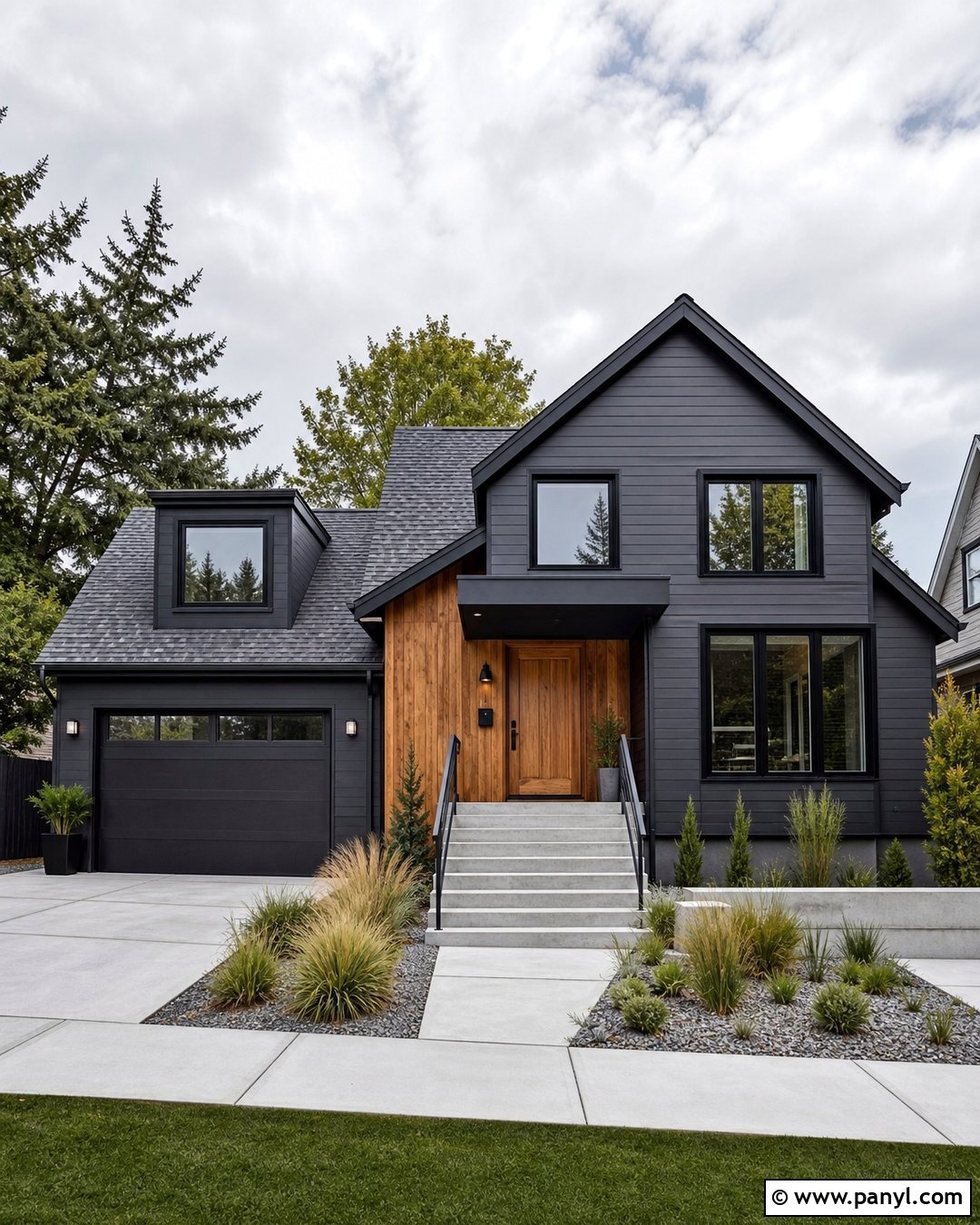
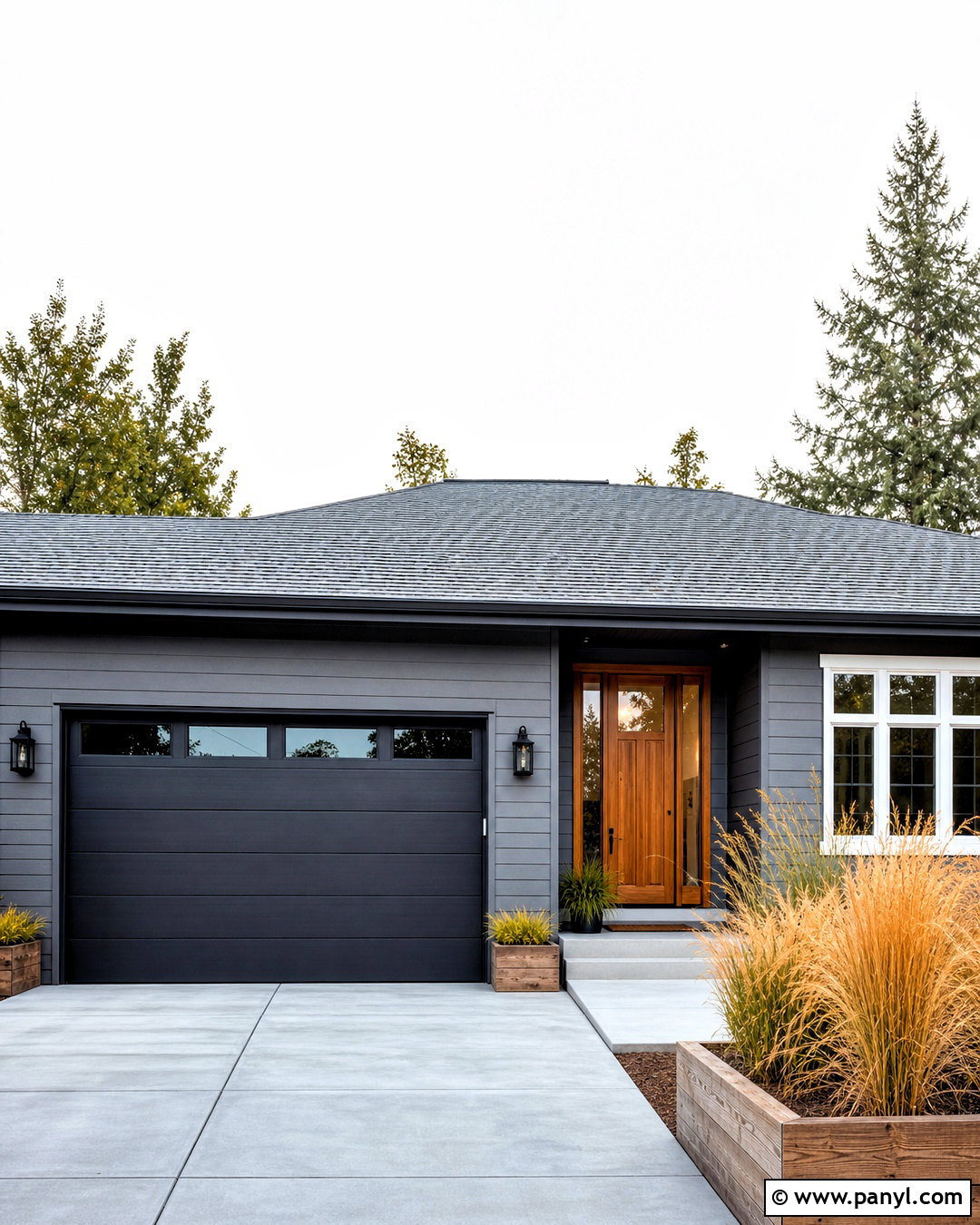
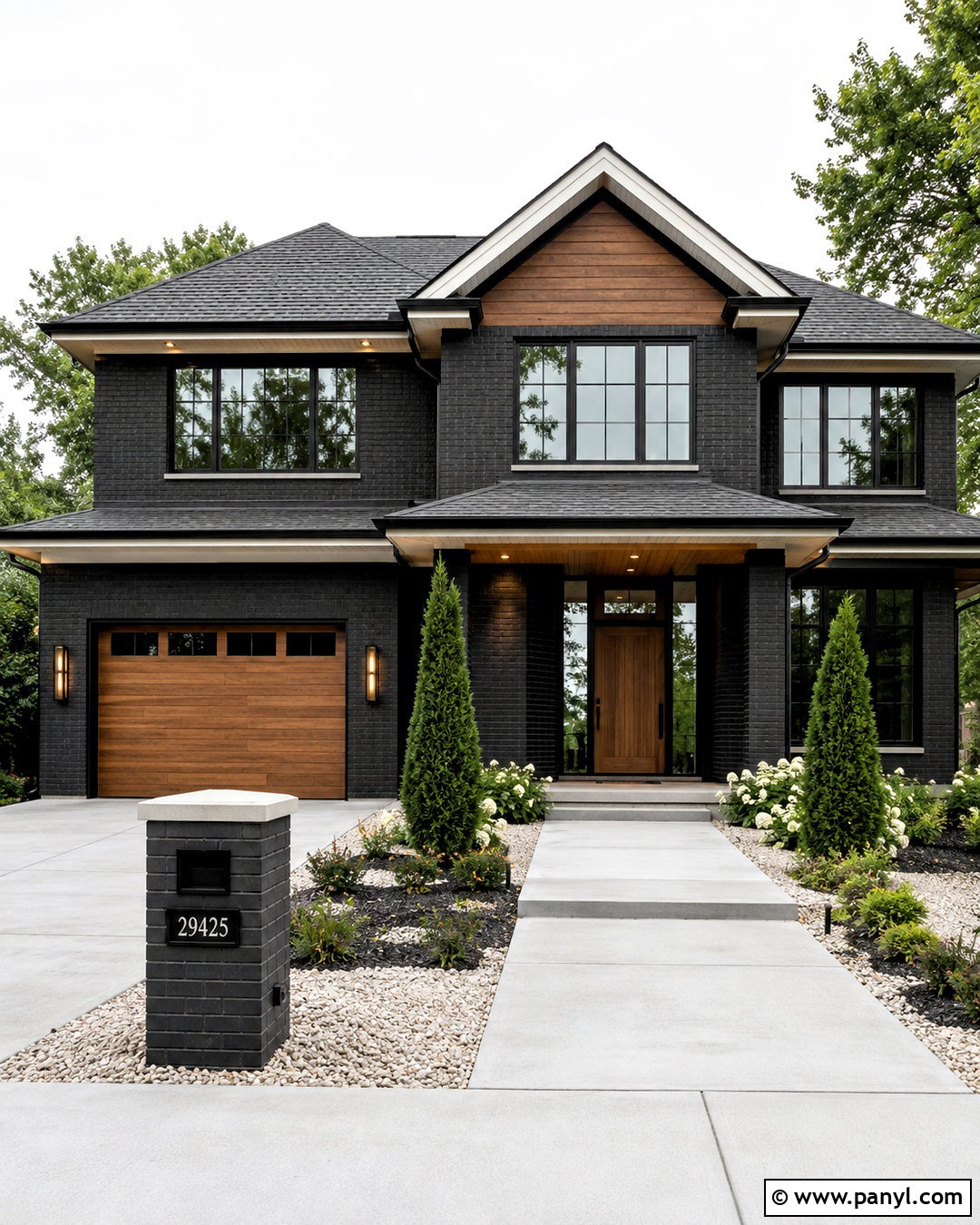
Charcoal walls can give a simple home stronger architectural presence. Use a deep graphite gray across siding or smooth stucco, then soften it with warm cedar around the entrance, porch ceiling, or garage door. Black window frames create a streamlined transition instead of adding another high-contrast color. Choose a medium gray roof so the upper portion of the home does not look too heavy. A natural wood front door, minimal sconces, and concrete steps complete the modern palette. For landscaping, combine light gravel, structured evergreen plants, and ornamental grasses that stand out against the dark background. This look performs best when the facade receives good natural light. Apply charcoal samples to different walls first, since shaded elevations can make the color appear almost black.
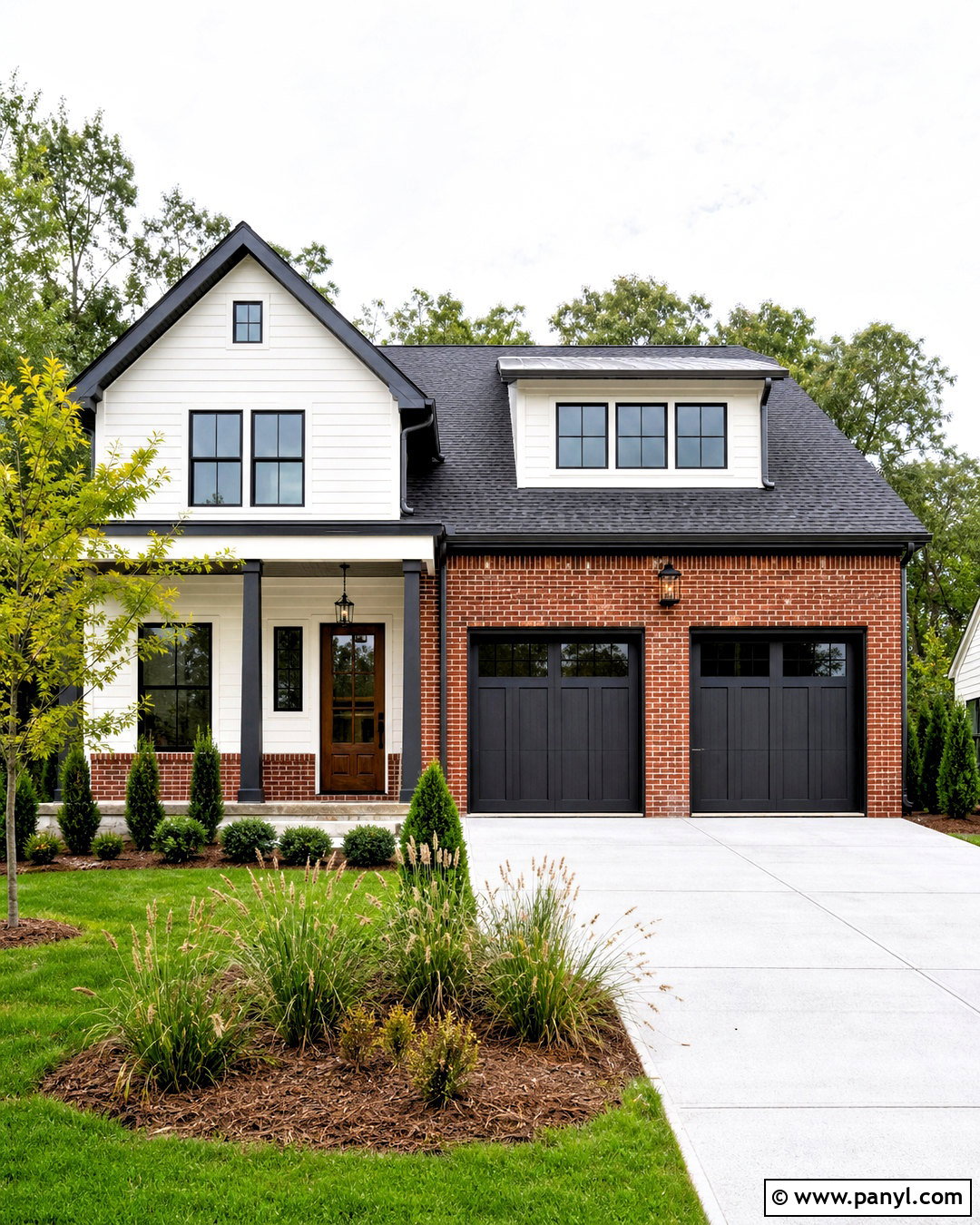
5. Black And White Outside Wall Colour
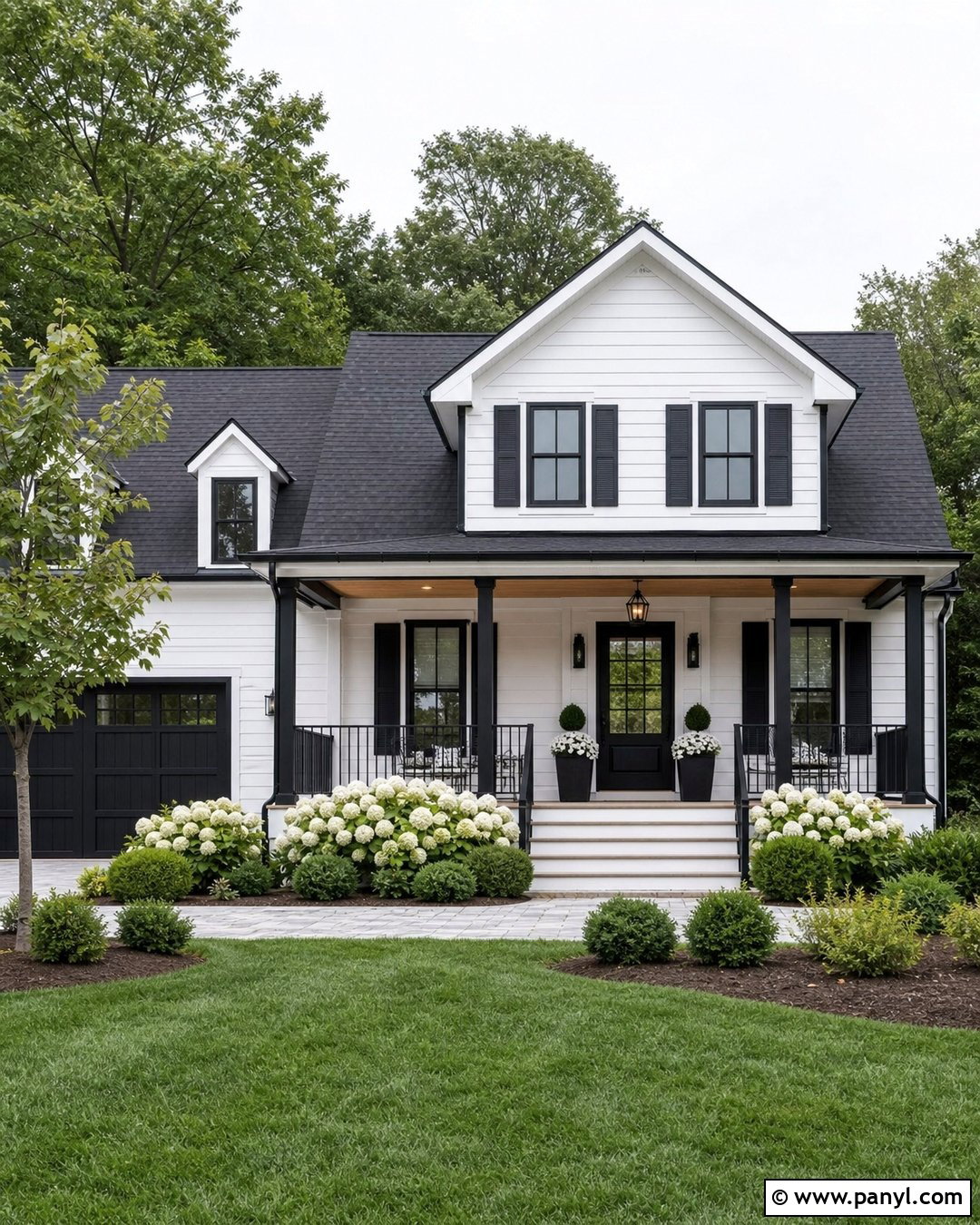
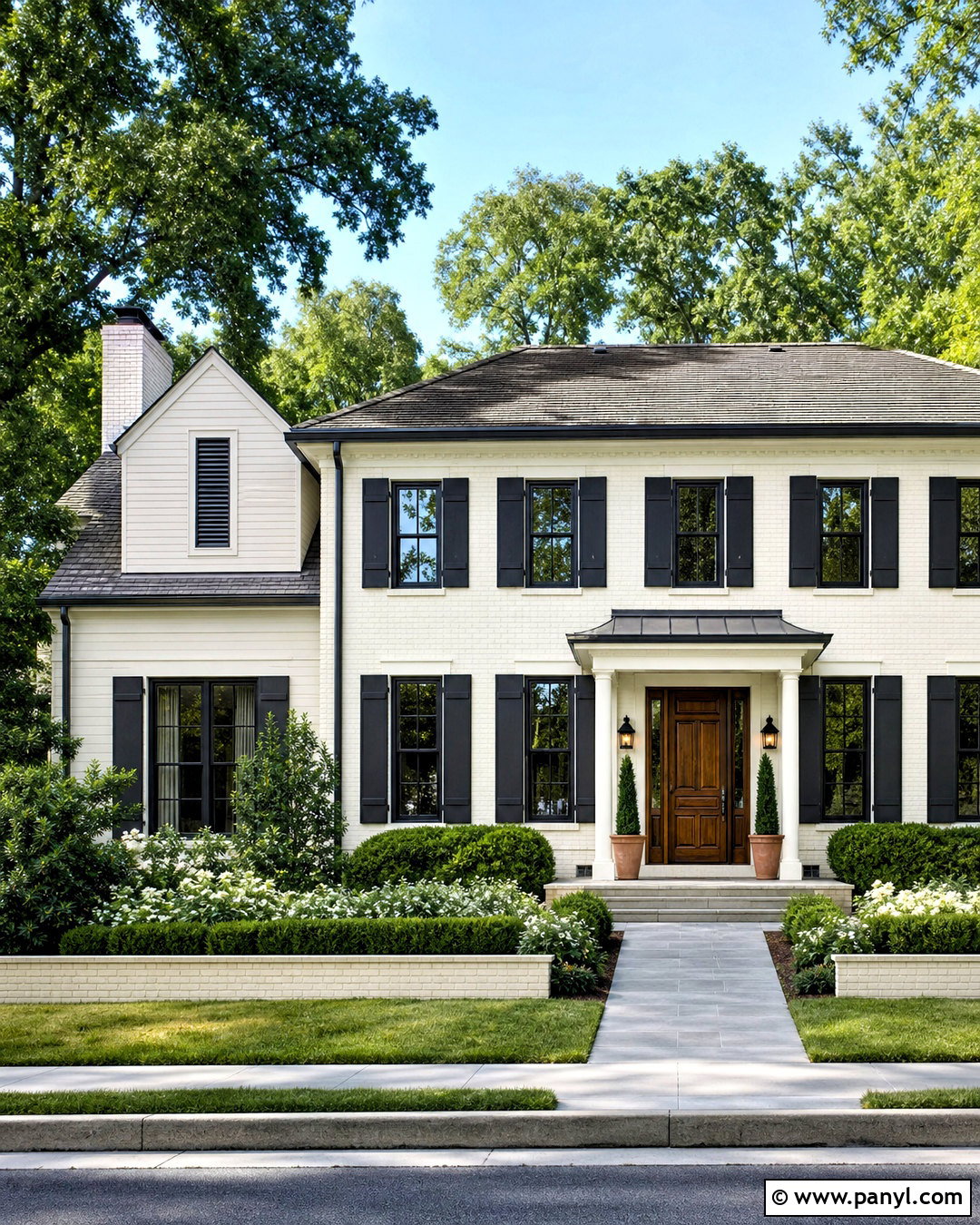
A black-and-white palette delivers bold contrast while remaining easy to understand visually. Use soft white across most walls and reserve matte black for shutters, window frames, gutters, railings, and the front door. On a modern farmhouse, black can also highlight a metal porch roof or vertical siding section. Choose charcoal shingles rather than a brown roof to keep the combination consistent. Warm up the exterior with oak planters, a wood porch ceiling, or a natural timber bench. Neatly edged lawn, white hydrangeas, and deep green shrubs will soften the graphic finish. Keep decorative details limited because the strong contrast already provides plenty of character. For a less dramatic variation, replace absolute black with deep charcoal and choose a warm off-white instead of a brilliant white.
6. Navy Blue Outside Wall Colour With Crisp White
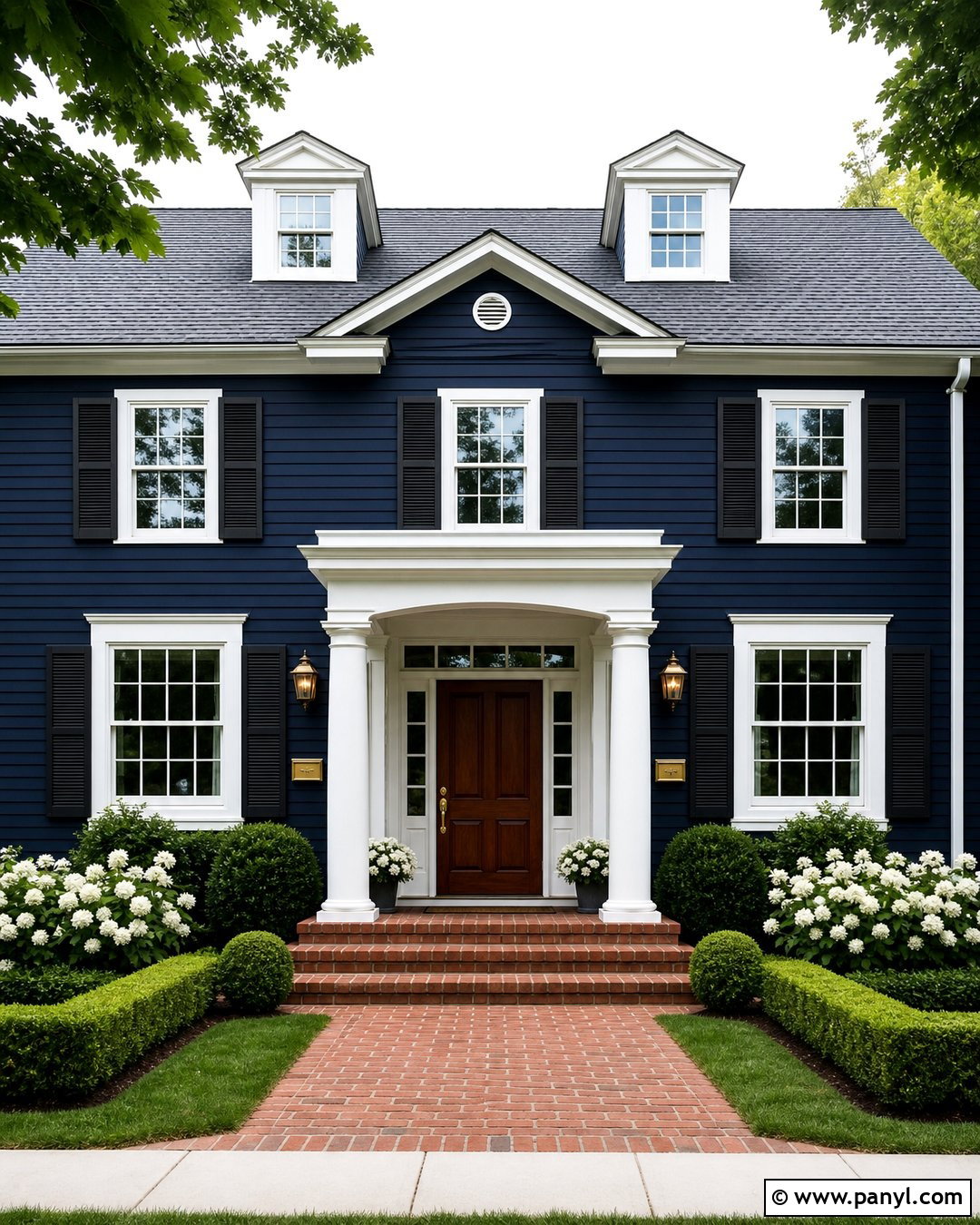
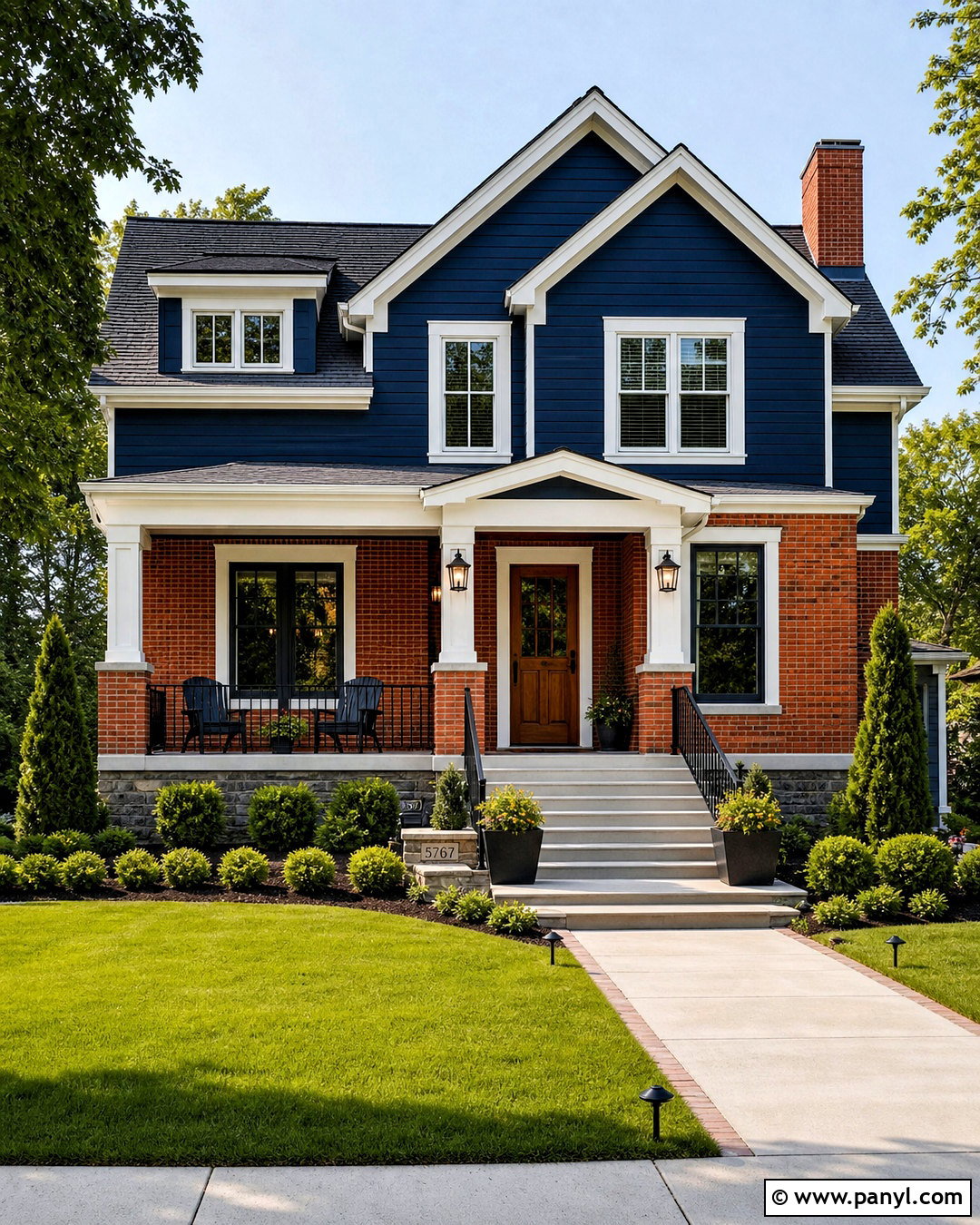
Deep navy gives an exterior rich color while maintaining a traditional, orderly appearance. Paint the main walls a true navy blue, then use crisp white on window casings, porch columns, fascia boards, and decorative molding. A medium gray shingle roof supports the cool palette without competing with it. Create a welcoming entrance with a warm walnut door and aged brass or dark bronze hardware. White garage doors can blend into the trim, while navy doors create a more continuous facade. Complete the property with red brick steps, clipped hedges, and white flowering shrubs. This scheme is particularly attractive on Colonial, coastal, and Cape Cod homes. If the exterior sits in heavy shade, select a slightly lighter navy so architectural details remain visible from the street.
7. Slate Blue Outside Wall Colour With Cream
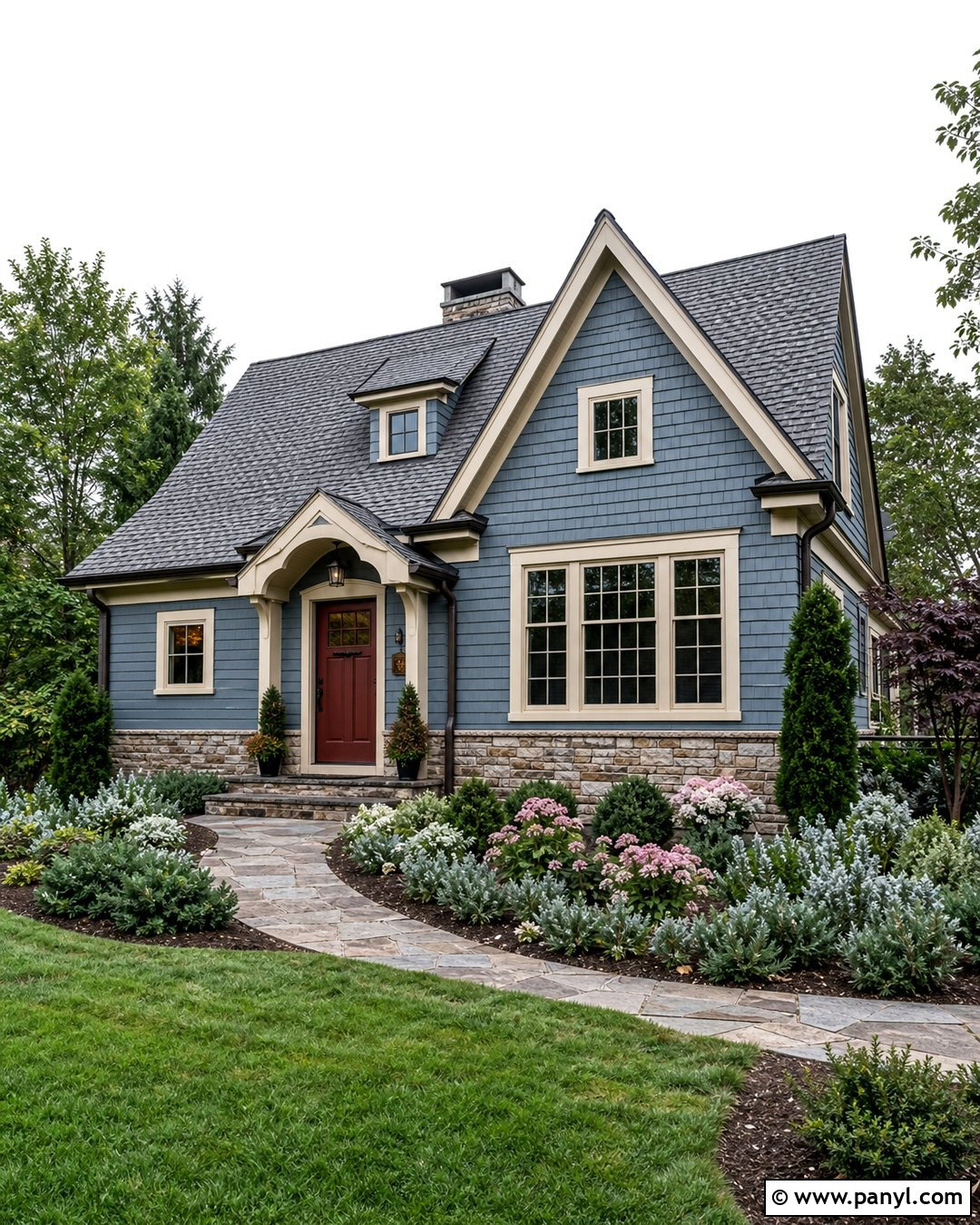
Slate blue has enough gray to feel calm and enough color to give the house personality. Apply it to horizontal siding, stucco, or shingles, then surround the facade with warm cream trim. A muted burgundy front door can provide a traditional accent, while natural wood creates a quieter alternative. Pair the walls with weathered gray roof shingles and dark bronze gutters rather than stark black fixtures. Stone foundation details containing blue-gray, beige, and brown tones will connect the entire palette. Add curved garden beds filled with silvery foliage, evergreen shrubs, and pale pink flowers. The resulting look feels established and welcoming, making it a strong choice for cottages and older homes. Keep the cream light but warm so it complements rather than clashes with slate blue.
8. Coastal Blue Outside Wall Colour
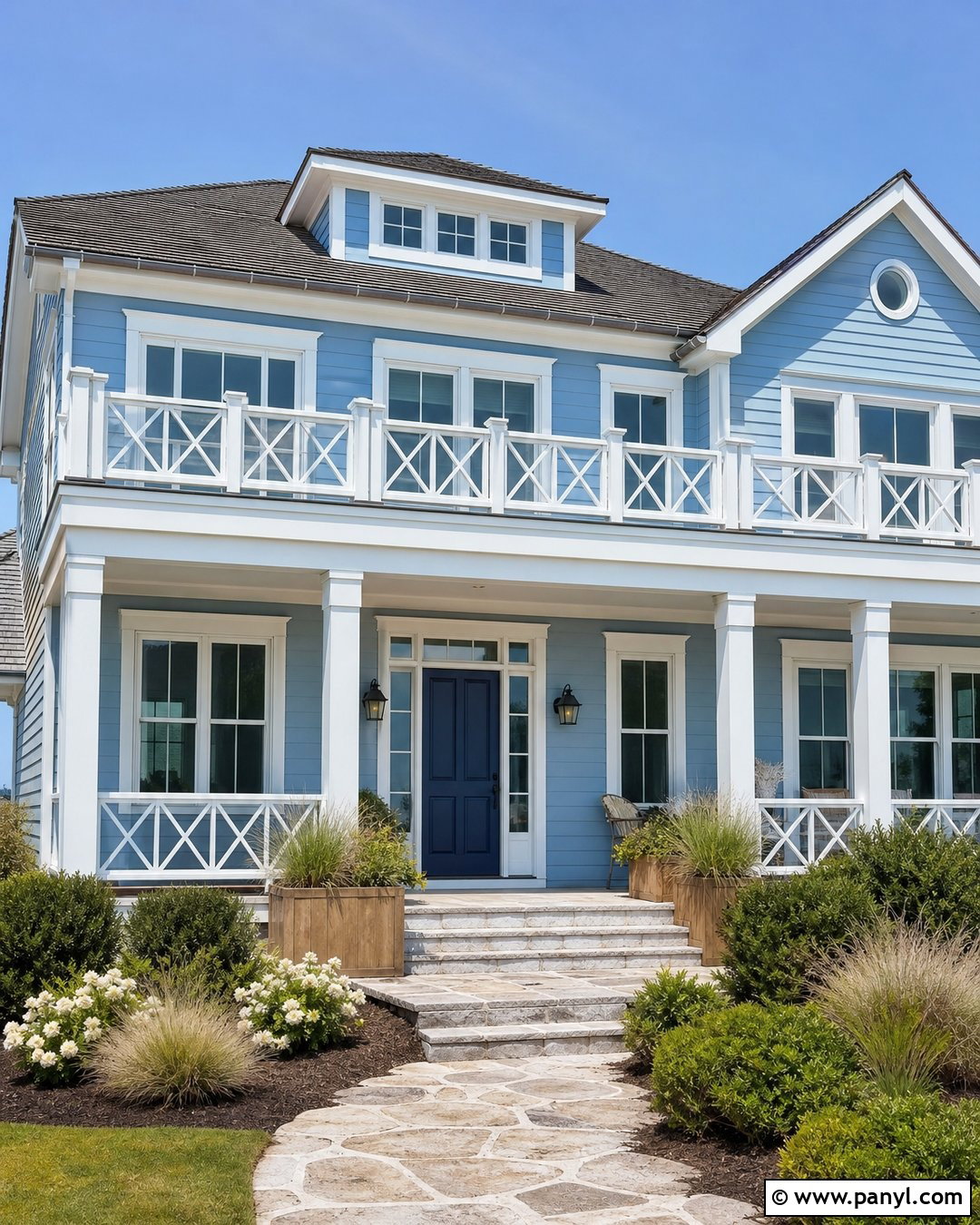
Create a fresh coastal exterior with soft ocean blue walls, clean white trim, and a deeper blue entrance. The main color should be light and slightly muted instead of highly saturated. Use white for porch railings, window frames, eaves, and garage doors to maintain a breezy appearance. A weathered gray roof, silver metal lights, and pale stone steps support the relaxed palette. Introduce natural materials through woven porch furniture, teak planters, or a light wood front-door detail. Landscaping can include fountain grass, white flowers, low evergreen shrubs, and gravel borders. This combination works beyond beach locations because its restrained colors suit cottages and compact suburban homes. Avoid adding too many nautical decorations; the blue-and-white architecture should establish the coastal character on its own.
9. Sage Green Outside Wall Colour With Warm White
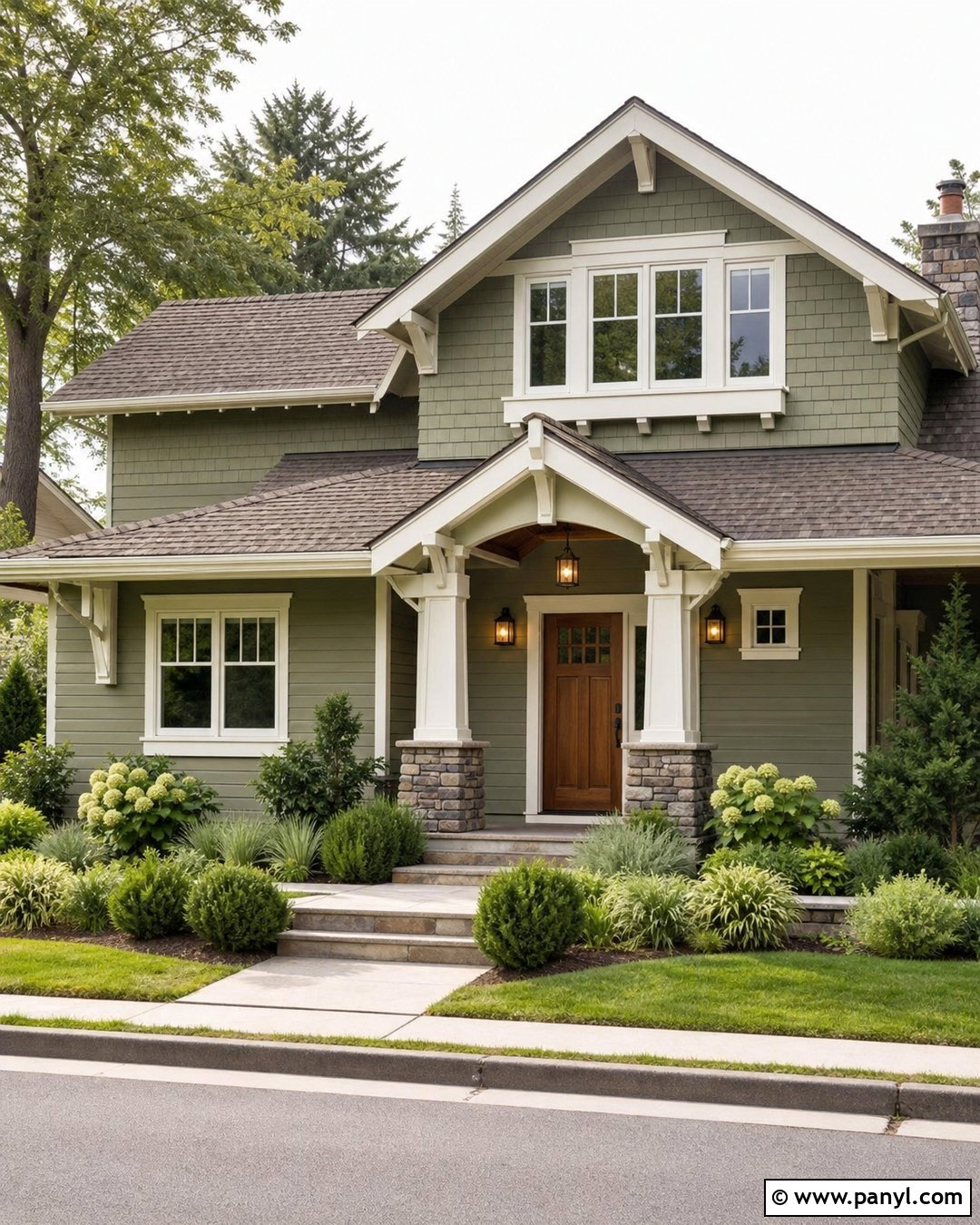
Sage green helps a house settle naturally into a leafy or garden-filled setting. Choose a muted green with warm gray undertones for the walls, then add creamy white trim around windows, porch posts, and roof edges. A stained oak or medium walnut front door emphasizes the organic character of the palette. Complete the structure with dark bronze lights, brown-gray shingles, and natural stone along the base. This coordinated look works beautifully on Craftsman homes, cottages, ranch houses, and farmhouse facades. Use layered planting with rosemary, boxwood, hydrangeas, and soft ornamental grasses to echo the color of the walls. Keep the green subdued rather than bright. A dusty sage remains versatile across changing seasons and is easier to coordinate with existing roofs, masonry, and wooden details.
10. Olive Green Outside Wall Colour With Cream
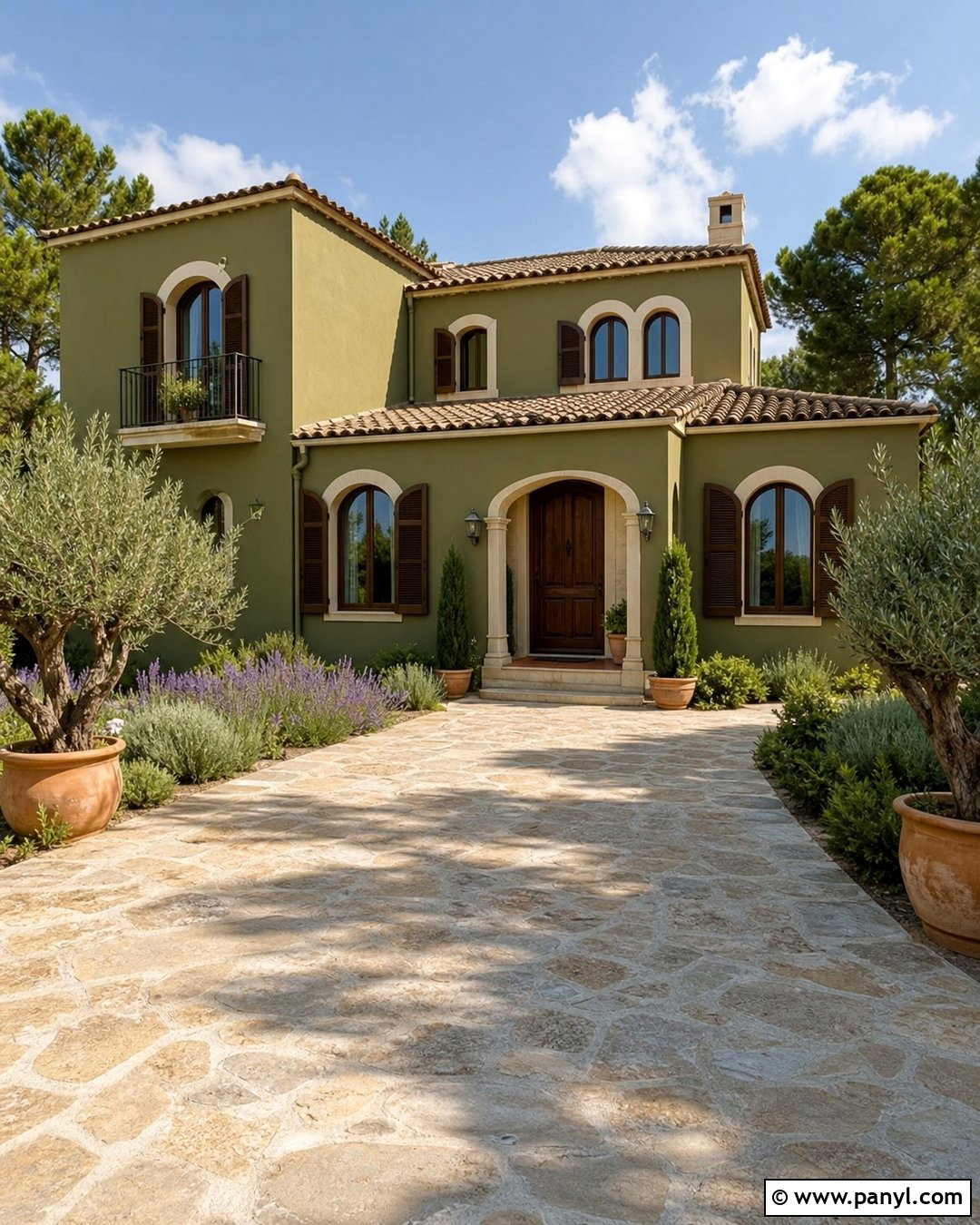
Earthy olive gives exterior walls greater depth than pale green while remaining connected to the landscape. Use olive across the primary facade, balancing it with warm cream window trim, cornices, and porch columns. Dark brown shutters and a rich wood front door create a grounded, traditional finish. Choose weathered brown roof tiles or mixed brown shingles that share the color’s warm undertones. For Mediterranean character, incorporate terracotta pots and sandy stone paving. For a Craftsman look, use tapered columns and rugged stone bases instead. Plant silvery herbs, deep green shrubs, and cream flowers around the entrance. Because olive changes noticeably in different light, inspect large samples beside the roof. A shade that looks muted indoors may appear brighter and more yellow in direct outdoor sunlight.
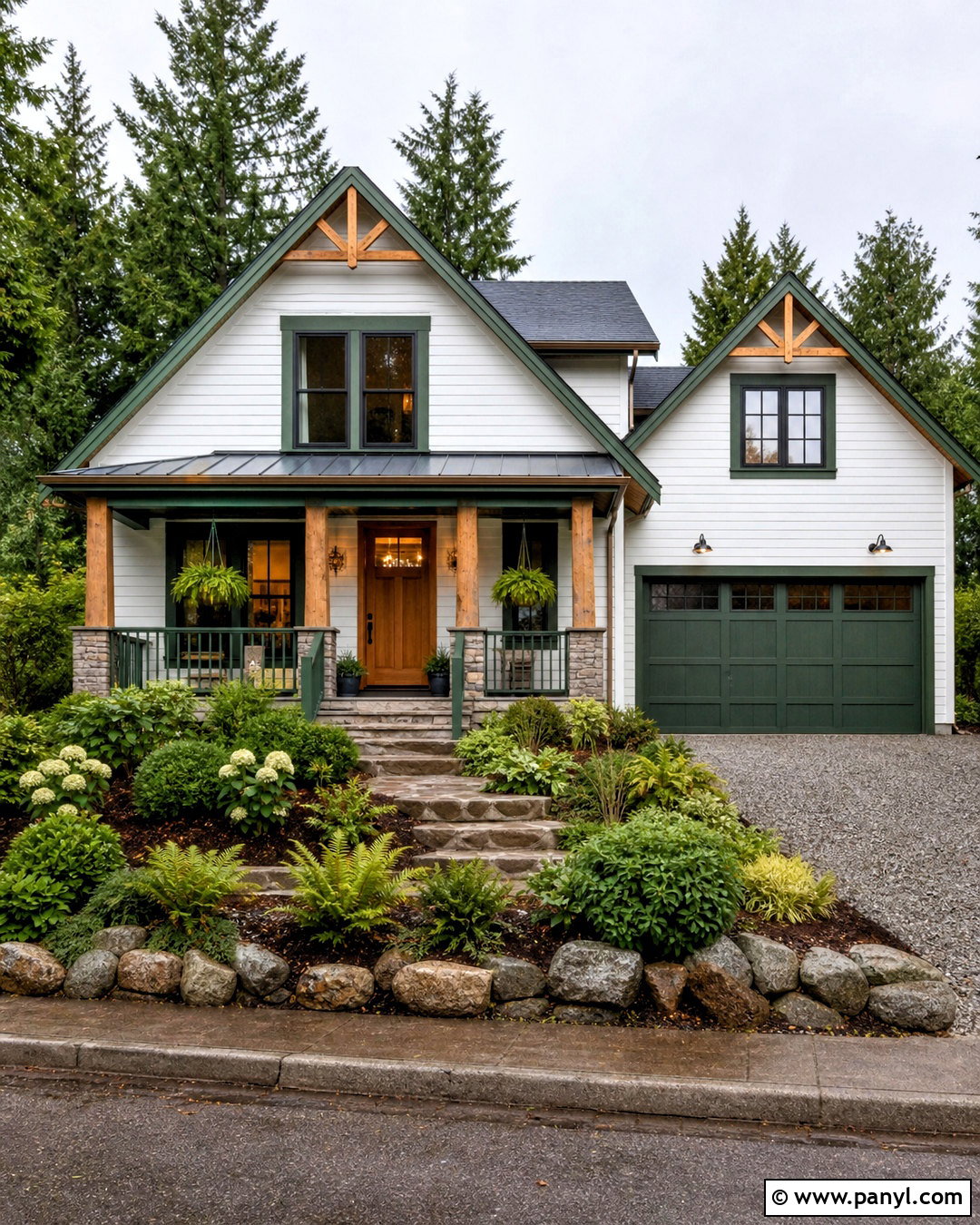
11. Forest Green Outside Wall Colour With Stone
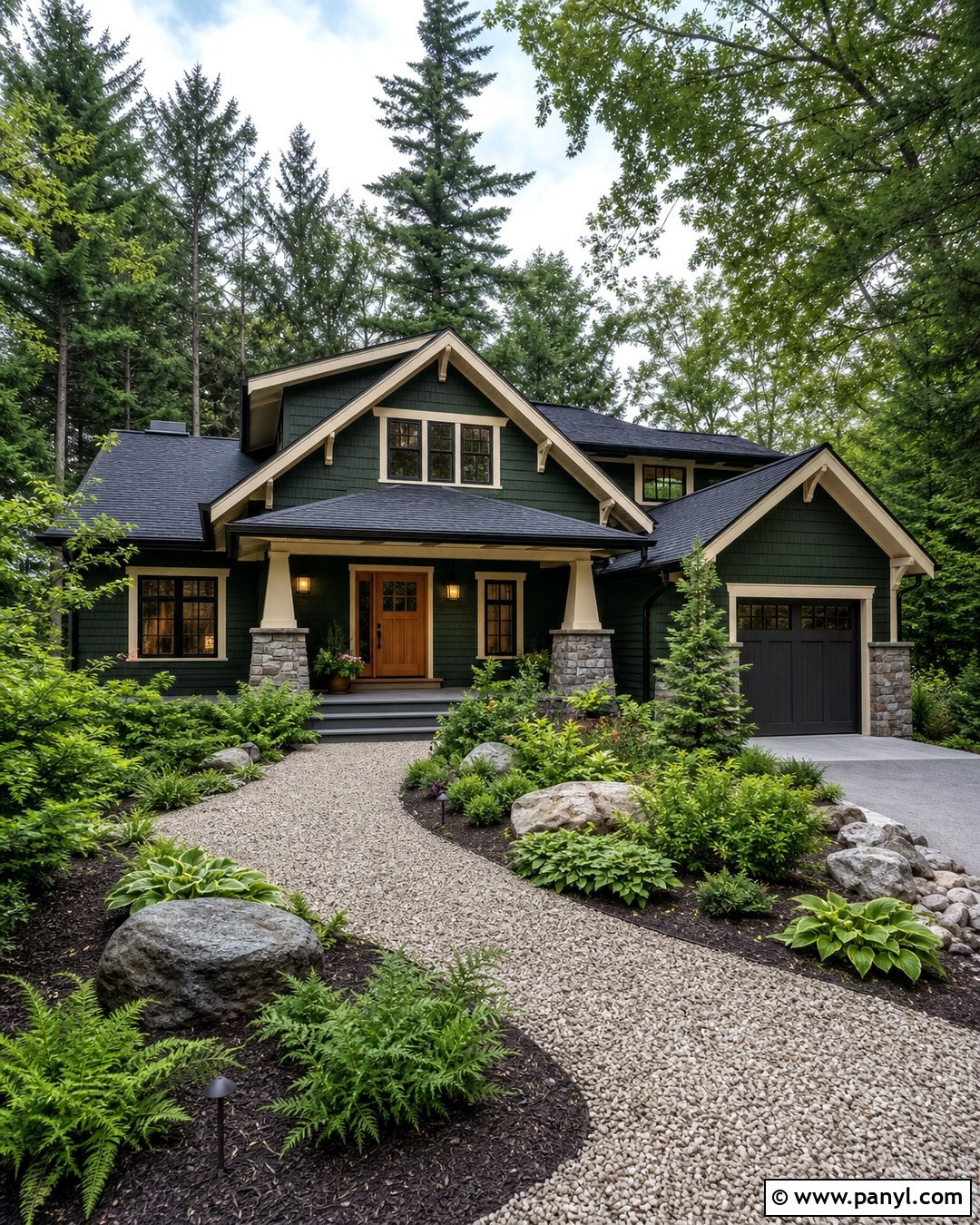
A deep forest green exterior creates a dramatic yet nature-inspired appearance. Apply the color to the main walls and use soft cream for trim, porch ceilings, and window surrounds. Add substantial gray-brown stone around the foundation, chimney, or entrance columns to break up the dark surface. A charcoal roof and black metal gutters keep the upper facade cohesive. Choose a medium-toned oak front door with simple black hardware for warmth. This complete scheme suits wooded properties, cabins, Craftsman homes, and houses with generous landscaping. Ferns, hostas, evergreen shrubs, and pale gravel will remain visible against the rich walls. Limit additional accent colors to prevent visual clutter. Forest green already carries significant weight, so natural materials and restrained detailing produce the most balanced result.
12. Mint Green Outside Wall Colour With Ivory
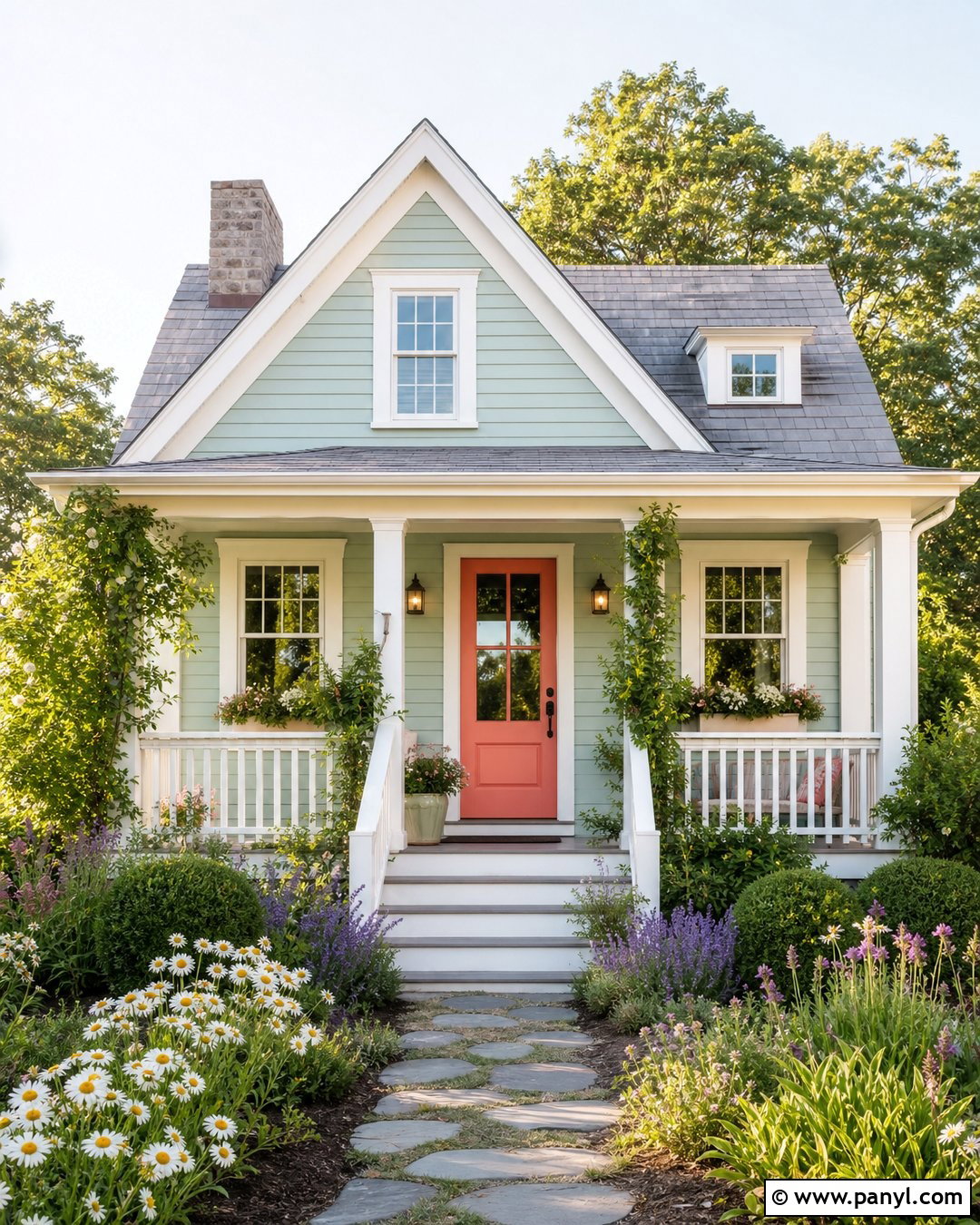
Pale mint can make a small cottage or bungalow feel cheerful, airy, and distinctive. Select a softened mint with gray undertones instead of a vivid pastel. Pair it with ivory window frames, fascia boards, porch railings, and decorative trim. A light gray roof keeps the palette gentle, while a muted coral or natural wood door provides a friendly entrance. Add brushed nickel lighting or white fixtures for a quiet finish. Surround the house with cottage planting, including white daisies, lavender, compact shrubs, and climbing greenery. The complete look is colorful without appearing overly sweet because every hue is slightly muted. Mint works best on simple facades where the wall color can be clearly appreciated. Test it beside concrete and roofing to avoid unwanted blue or yellow undertones.
13. Beige Outside Wall Colour With Dark Brown
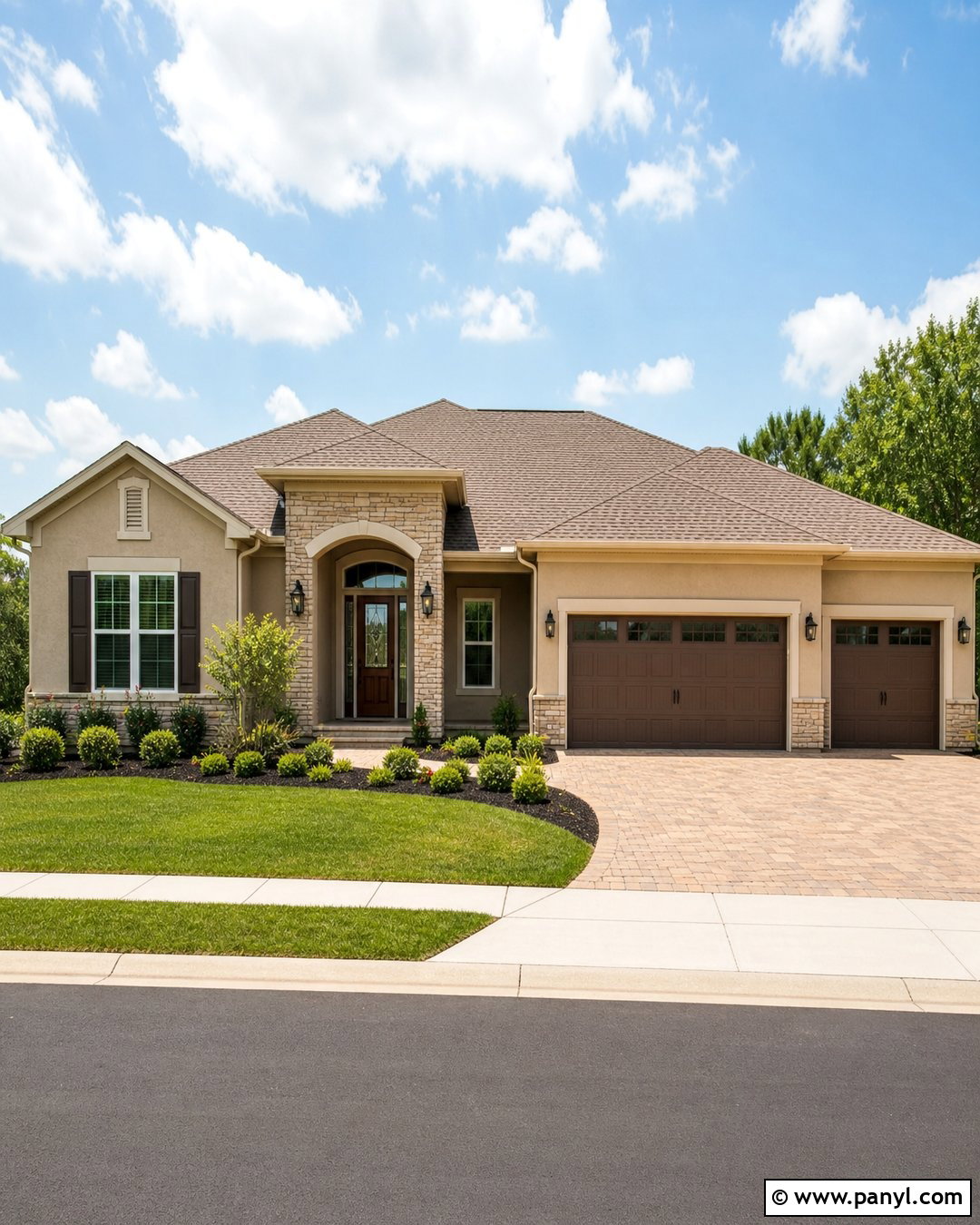
Classic beige becomes more interesting when it is supported by strong dark brown details. Cover the walls in a warm sandy beige and paint shutters, garage doors, and selected trim a deep espresso brown. Use creamy white around windows and under the eaves to stop the darker accents from feeling heavy. A stained walnut entrance door and aged bronze lighting reinforce the warm palette. This combination coordinates naturally with brown shingles, tan stone, and red-brown brick. Keep the landscaping structured with rounded shrubs, dark mulch, and a warm paver walkway. It is a reliable choice for traditional suburban homes, ranch houses, and properties with existing earthy materials. Select a beige that is clearly lighter than the masonry so the facade has visible layers rather than one uninterrupted tan surface.
14. Sand And Terracotta Outside Wall Colour
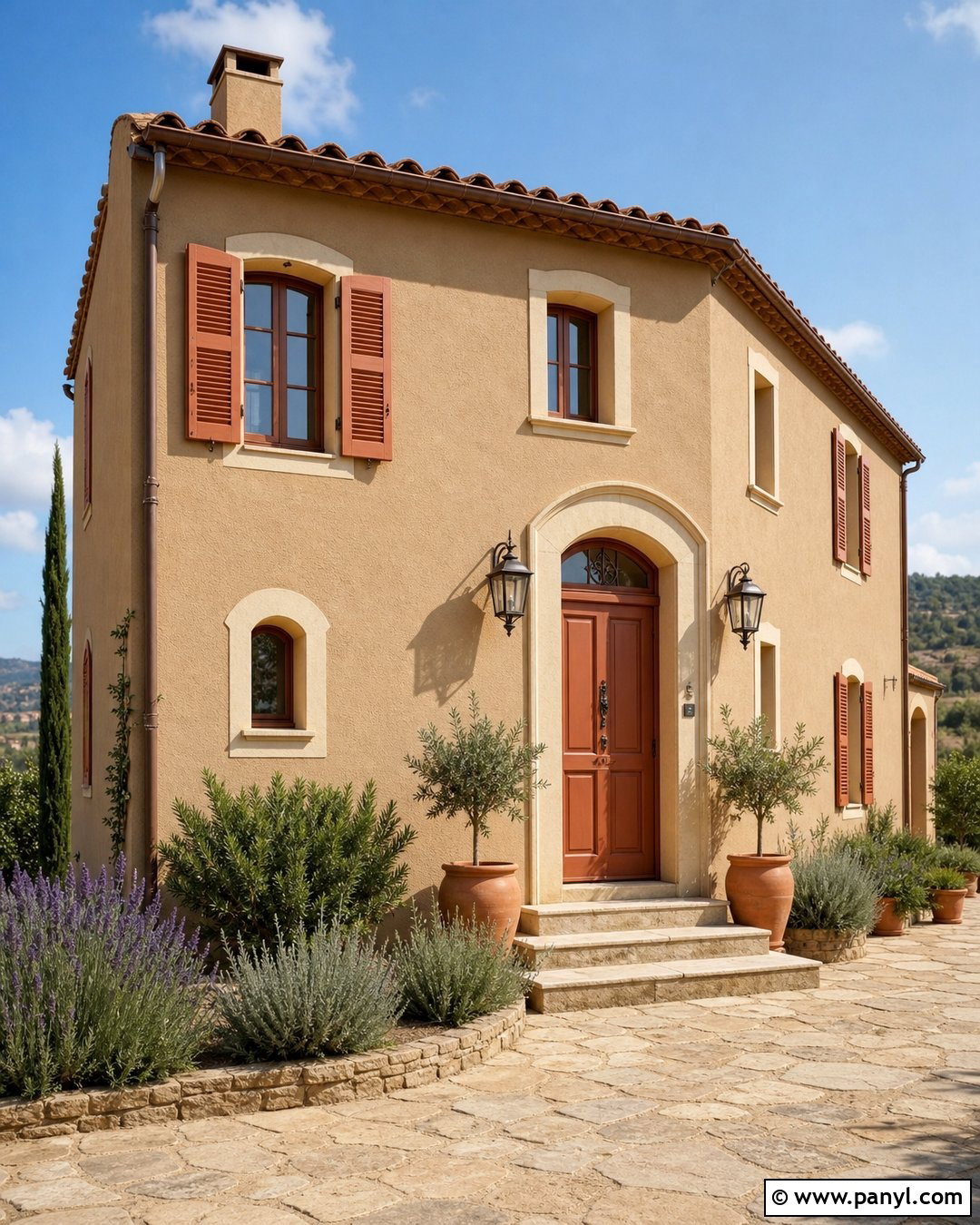
Warm sand walls and terracotta accents create a sun-washed exterior influenced by Mediterranean homes. Use sandy beige across the broad wall surfaces, then bring terracotta onto the front door, shutters, recessed entry, or selected architectural panels. Cream trim around windows keeps the combination bright. A clay tile roof is the natural partner, although warm brown shingles can produce a similar effect on an average suburban home. Add dark bronze lights, curved planters, and textured stone paving for a cohesive finish. Drought-tolerant landscaping with lavender, rosemary, ornamental grass, and compact olive trees supports the palette. Avoid placing terracotta on every decorative detail. Keeping it concentrated in two or three areas allows the accent to stand out while the sand-colored walls maintain a calm, unified background.
15. Taupe Outside Wall Colour With Black
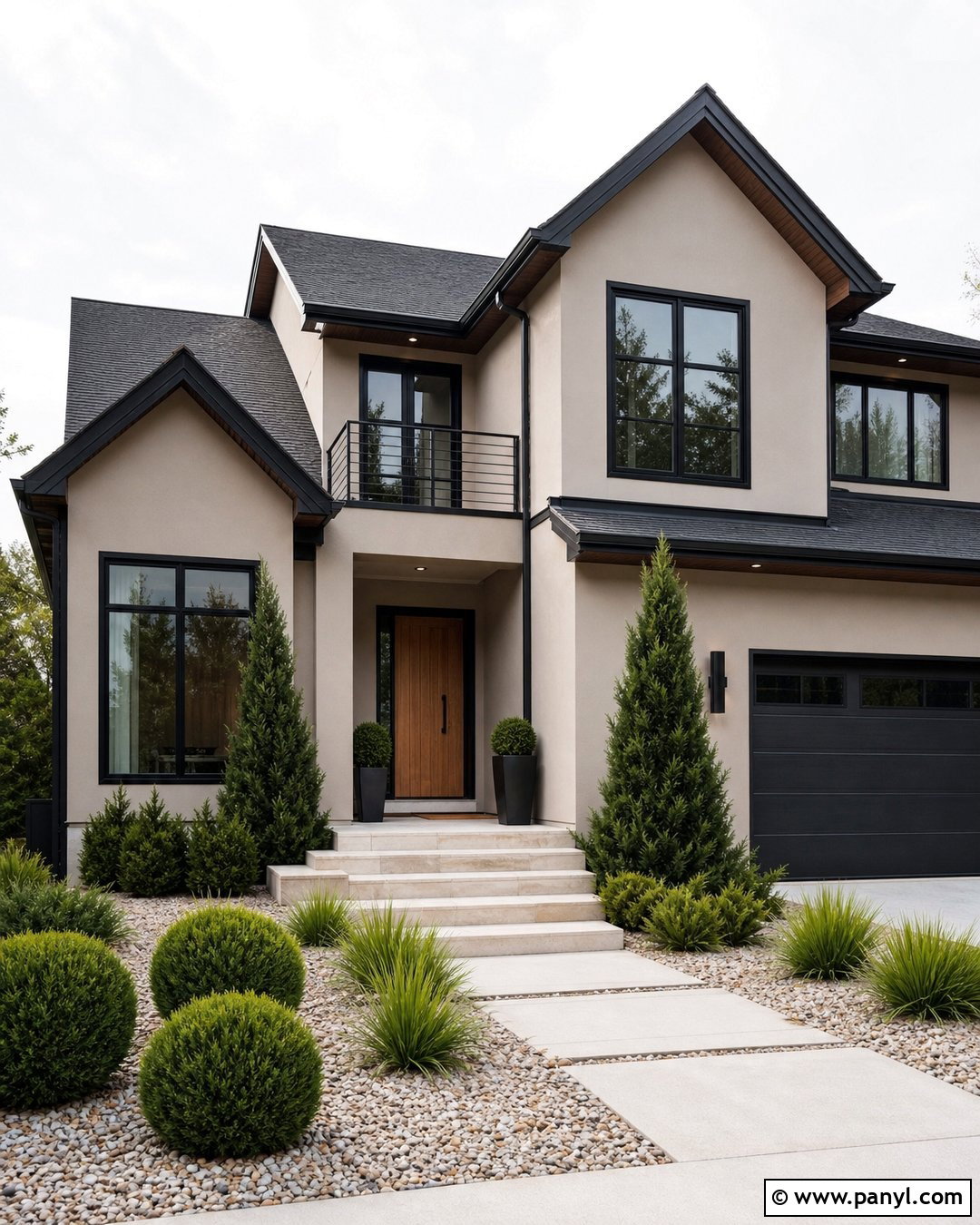
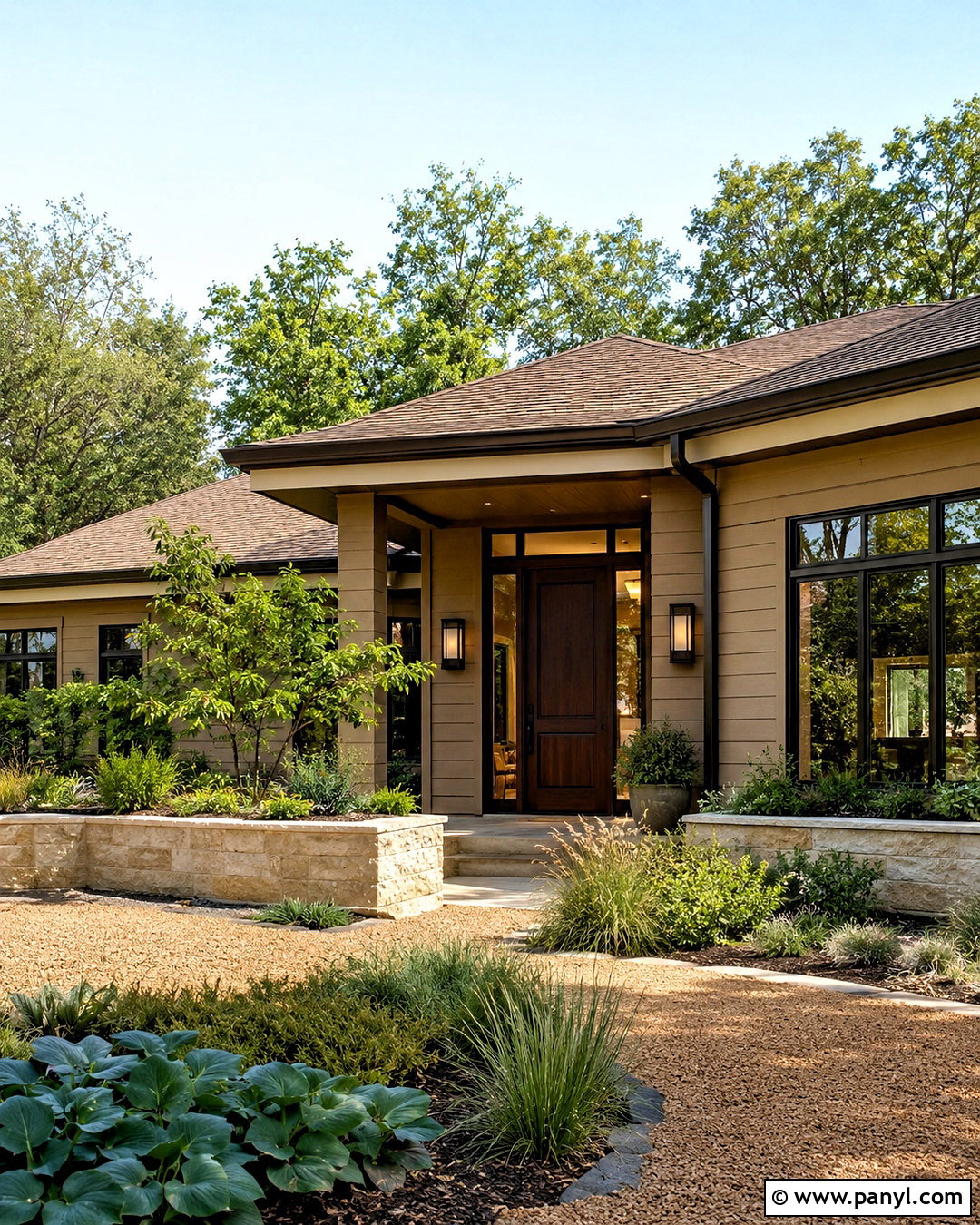
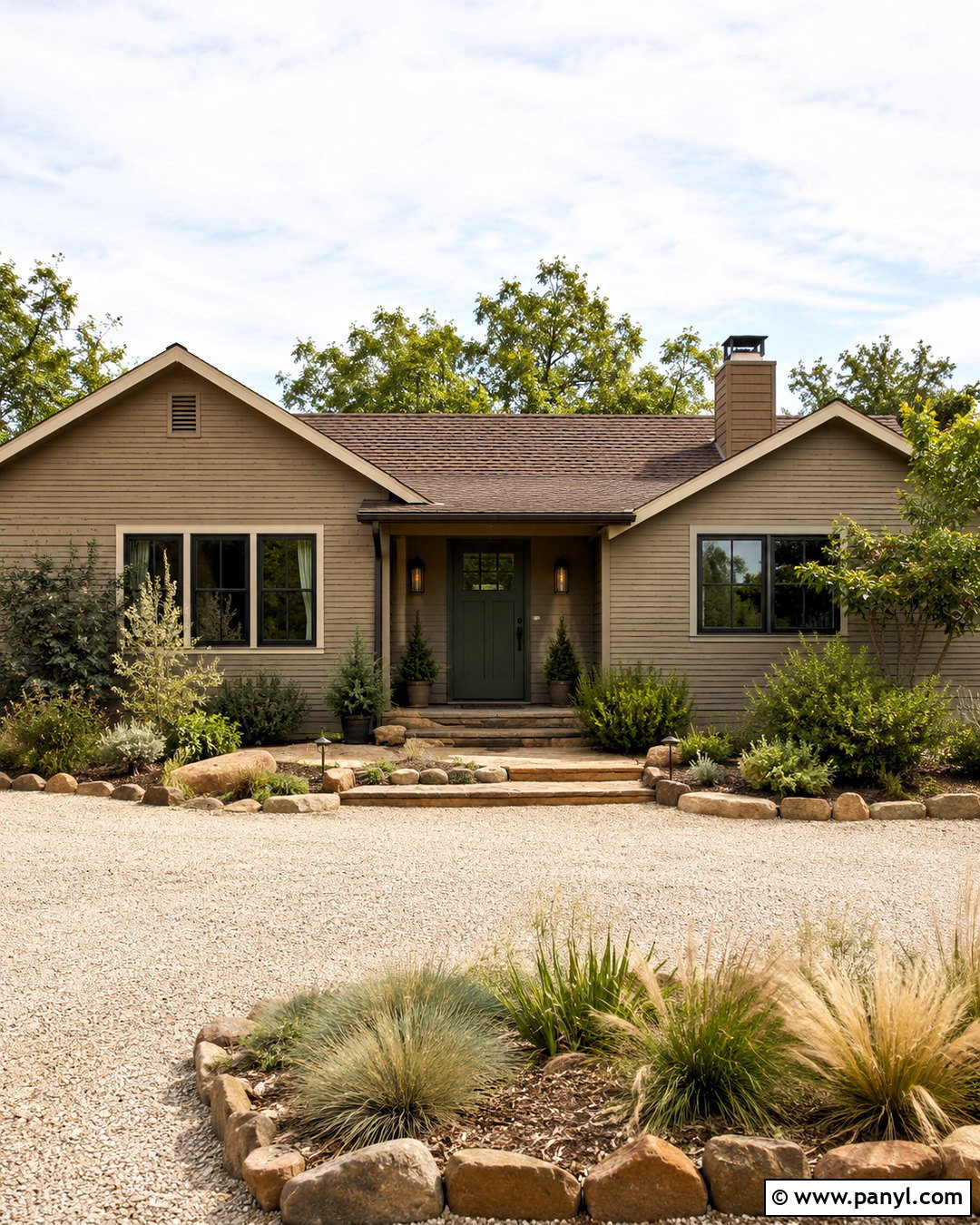
Warm taupe offers a sophisticated foundation for sharper black architectural details. Apply taupe to the main walls and use matte black on window frames, gutters, porch railings, and the garage door. Keep the fascia and soffits in a slightly lighter taupe or warm off-white to create a gradual transition near the roofline. A charcoal shingle roof and pale limestone steps complete the neutral structure. Introduce a natural oak front door so the entrance feels inviting rather than severe. This look suits contemporary homes, remodeled ranches, and modern townhouses. Use simple landscaping with clipped evergreens, light gravel, and grasses arranged in clean beds. Taupe can lean pink, green, or gray, so compare samples directly with the roof and paving before selecting the final wall color.
16. Chocolate Brown Outside Wall Colour With Cream
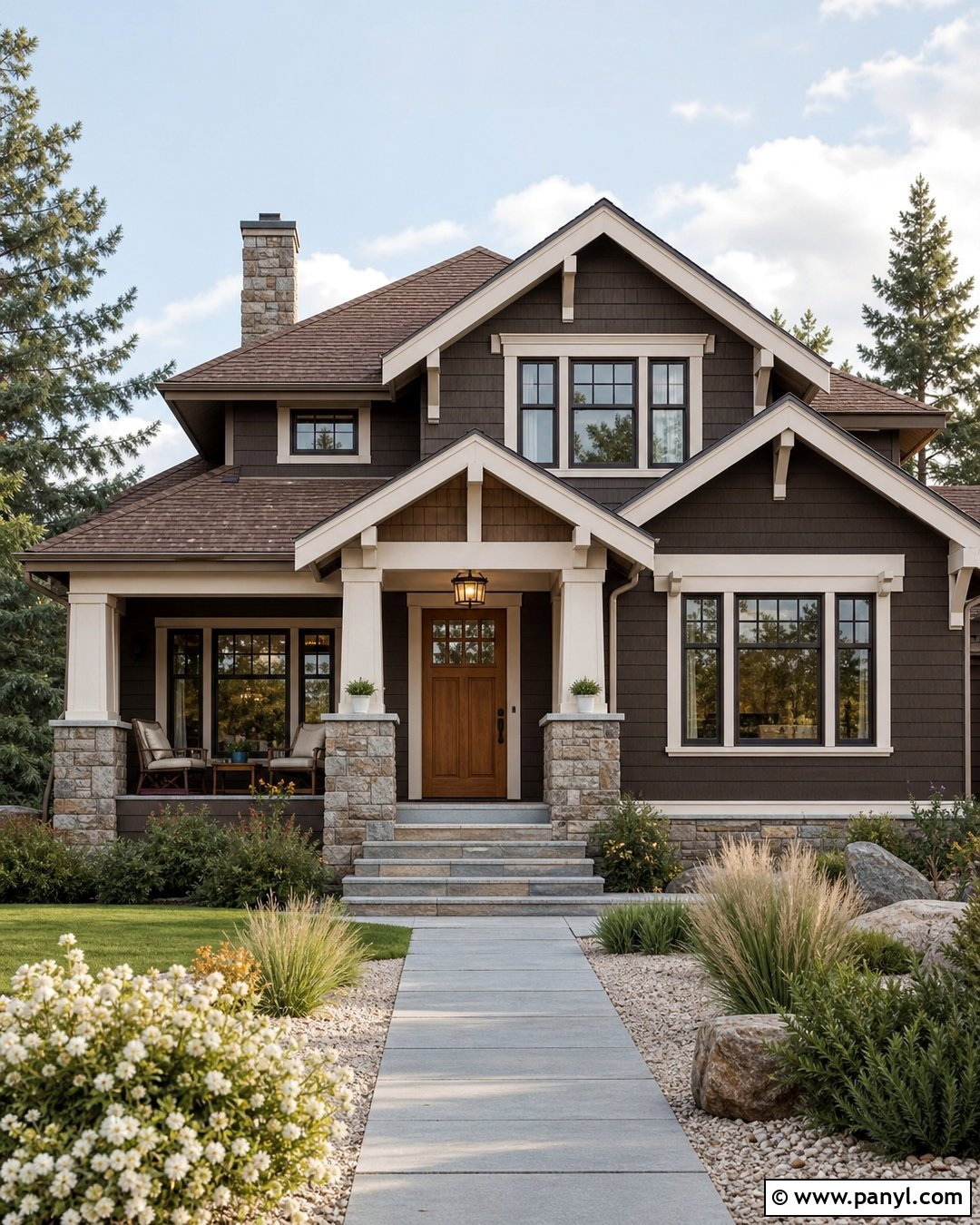
Chocolate brown walls can feel warm and substantial when they are balanced with enough light trim. Choose a deep cocoa brown for siding or stucco, then use creamy white around windows, porch posts, eaves, and garage-door frames. A caramel-toned wood door provides a softer transition between the dark and light areas. Add a medium brown roof, antique bronze lights, and stonework containing tan and gray shades. The scheme works well for cabins, Craftsman homes, and houses surrounded by mature trees. Pale grasses, white flowering shrubs, and light gravel will brighten the foundation. Keep large porch floors and steps in lighter materials to prevent the exterior from appearing visually heavy. On shaded properties, consider a medium chocolate shade rather than the darkest possible brown.
17. Terracotta Outside Wall Colour With Off-White
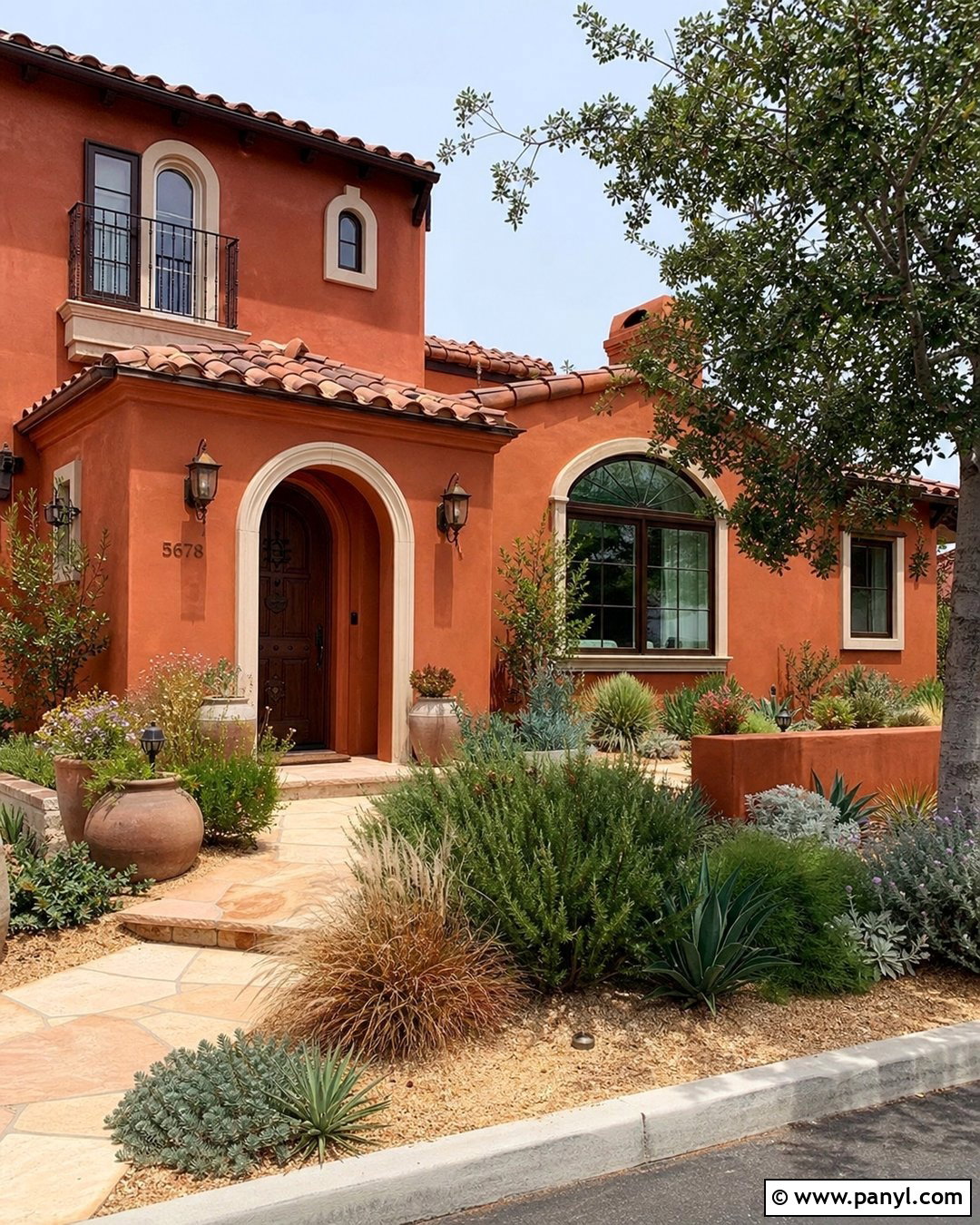
Terracotta exterior walls bring warmth, character, and a handcrafted quality to stucco homes. Select a muted burnt orange with brown undertones rather than a loud reddish orange. Use warm off-white around arched windows, roof edges, columns, and entrance molding. A dark wood front door and black iron lighting provide traditional contrast. Clay roof tiles create the most unified result, but dark brown shingles can also work well. Add sandy stone pathways, large ceramic planters, and drought-tolerant plants such as rosemary, sage, and ornamental grass. The complete facade feels welcoming in bright sunlight and works especially well in warm, dry landscapes. If the house has several large wall sections, use a slightly paler terracotta so the color does not become overpowering across the entire elevation.
18. Brick Red Outside Wall Colour With Sage
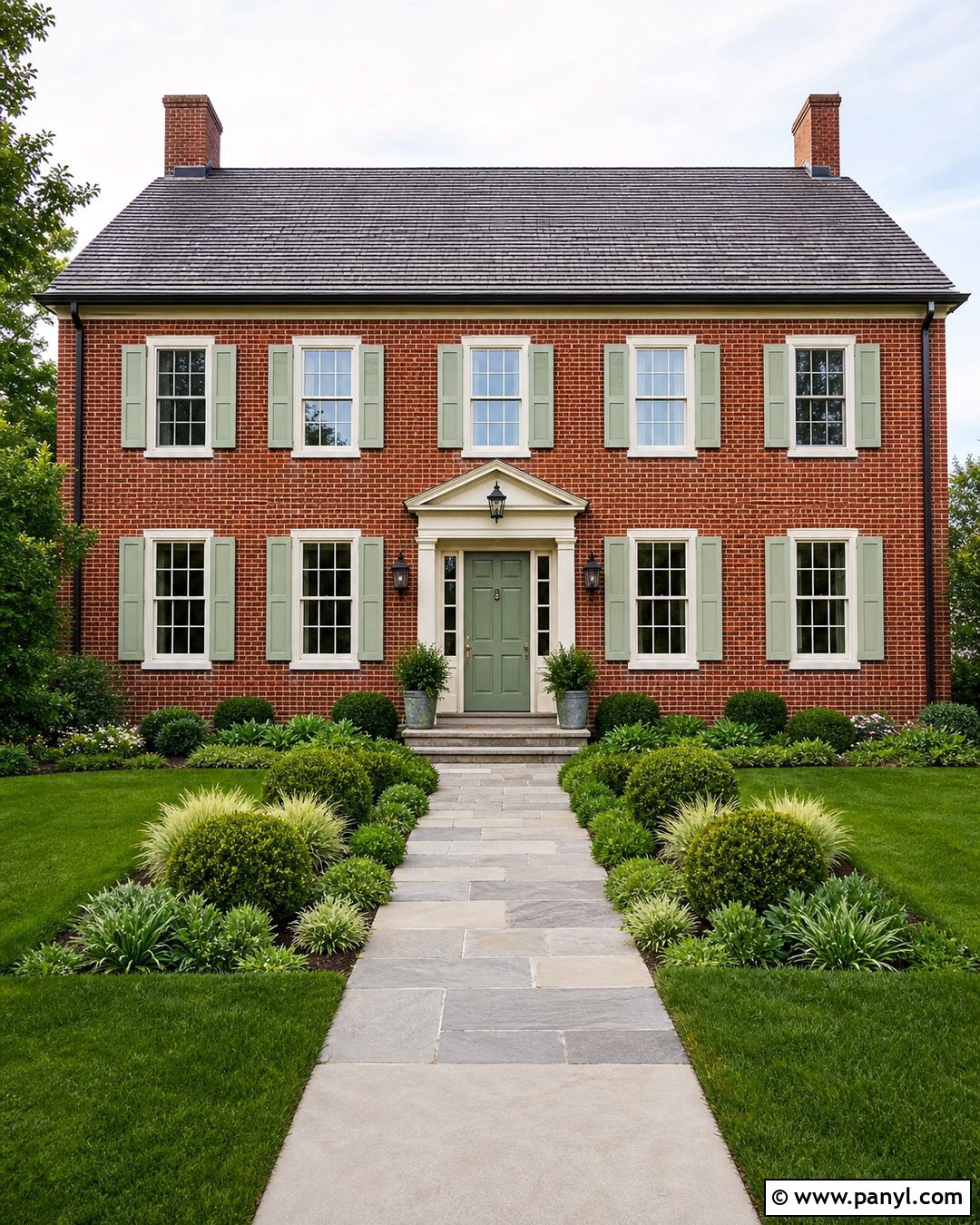
Brick red and muted sage create a heritage-inspired exterior with strong natural balance. Paint the main siding a deep, earthy red and reserve sage green for shutters, a porch floor, or the front door. Cream trim around windows and rooflines keeps the darker colors clear and separated. Choose a charcoal or weathered brown roof that does not introduce another noticeable hue. Traditional black lanterns and simple iron hardware add definition. This full scheme suits Colonial homes, farmhouses, cottages, and older properties with substantial architectural detail. Surround the exterior with deep green shrubs, pale grasses, and neutral stone paths. Avoid bright cherry red because it can dominate the architecture. A brown-based brick red appears more settled and coordinates better with natural stone, wood, and mature landscaping.
19. Dusty Rose Outside Wall Colour With White
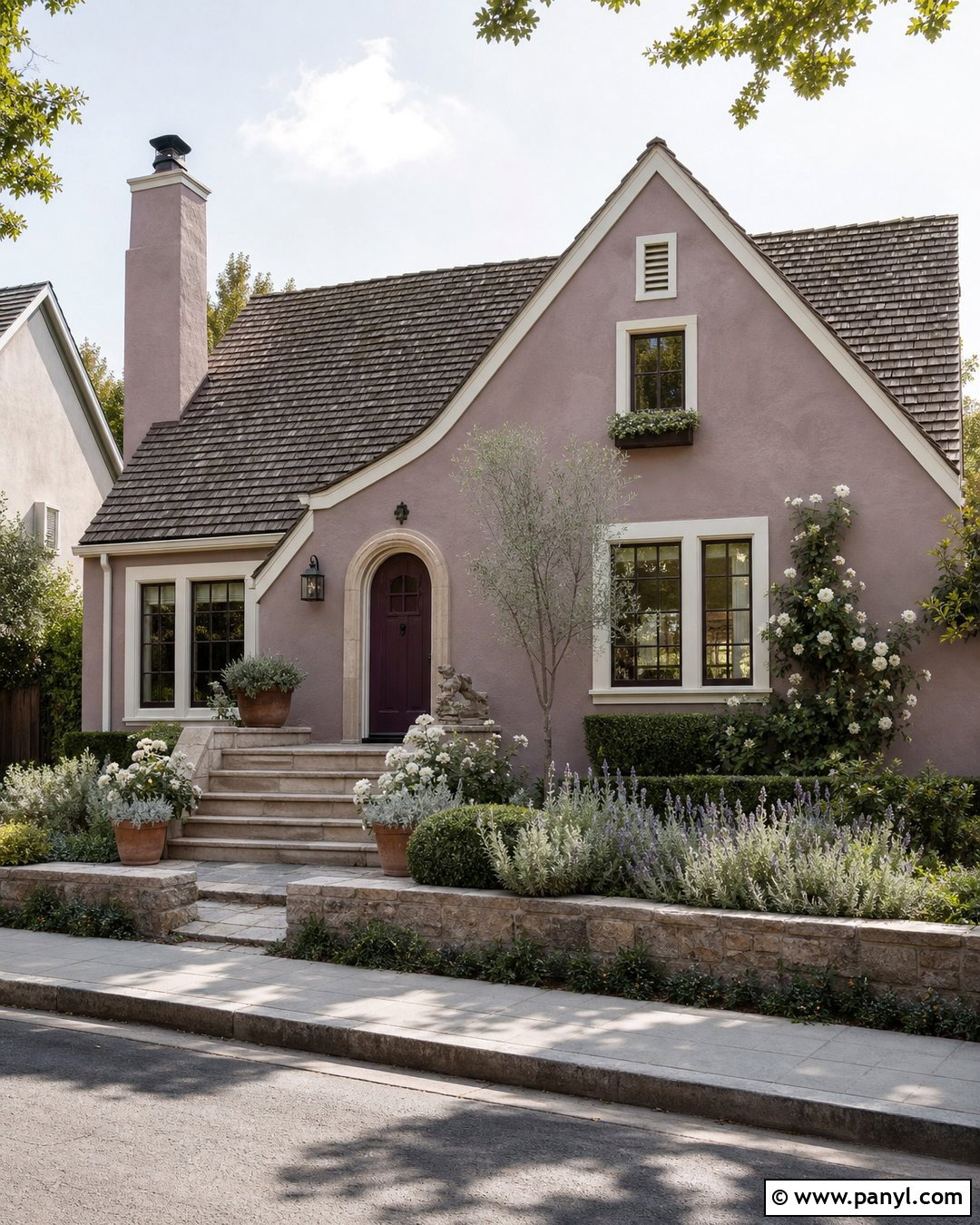
A dusty rose exterior can look elegant and understated when the color contains enough gray or brown. Use the muted pink across stucco or simple siding, then outline windows, roof edges, and porch details in warm white. A dark plum or charcoal front door adds depth without disrupting the soft palette. Choose gray-brown roofing and dark bronze exterior lights for a grounded finish. Pale limestone steps and weathered terracotta planters complement the walls beautifully. Complete the garden with silvery foliage, white roses, clipped greenery, and lavender. This scheme is especially attractive on cottages, historic homes, and Mediterranean-inspired facades. Keep decorative features restrained so the unusual wall color remains intentional. Large outdoor samples will reveal whether the rose looks sophisticated or becomes too bright in sunlight.
20. Peach Outside Wall Colour With Warm Gray
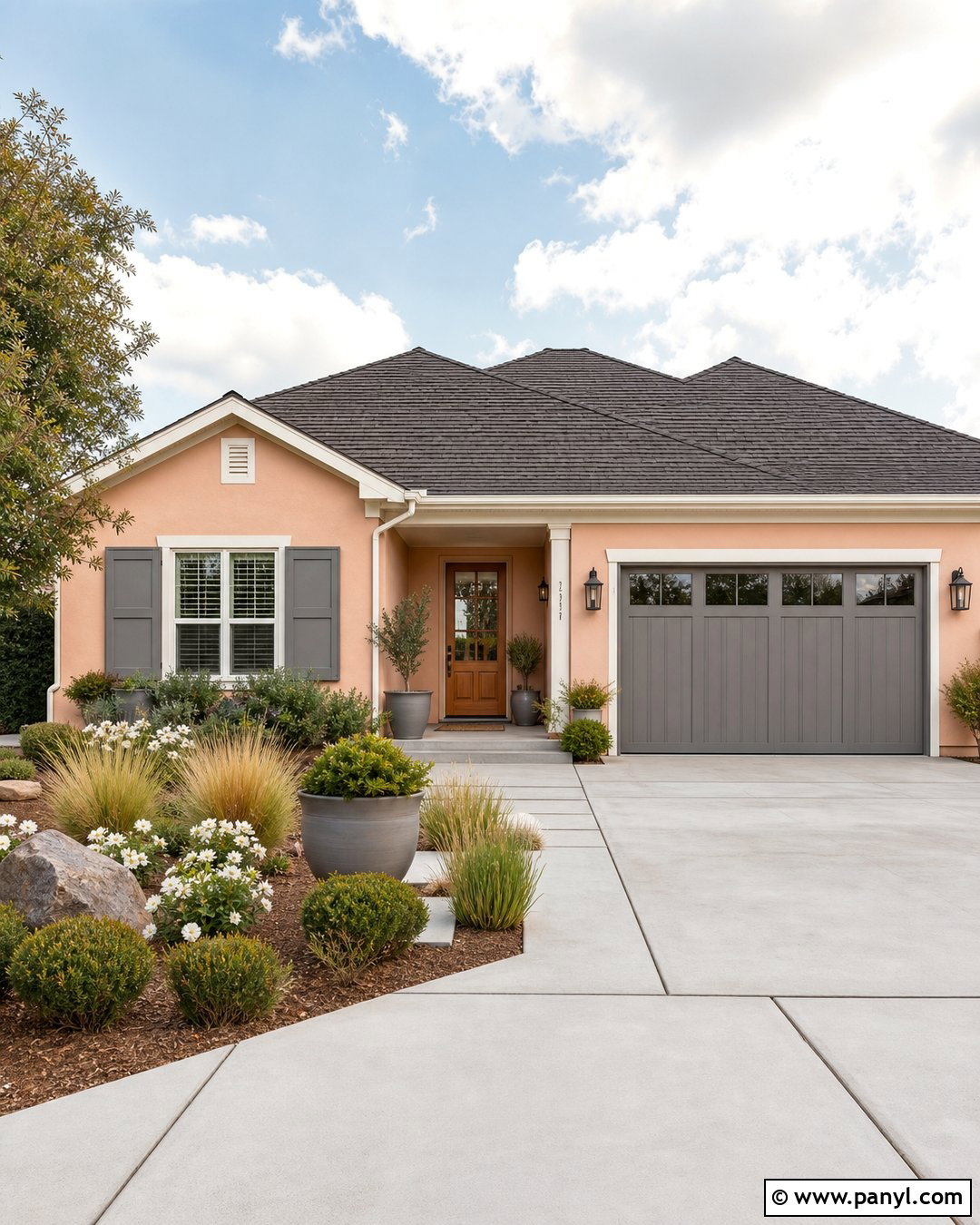
Soft peach brings warmth to exterior walls while warm gray keeps the overall design balanced. Choose a pale clay-peach for the primary facade, then paint window frames, shutters, and the garage door a medium warm gray. Use creamy white sparingly on narrow trim and porch ceilings. A charcoal-brown roof and natural oak front door connect the warm and cool portions of the palette. Add simple bronze lighting, pale concrete paving, and planters in matte gray finishes. Landscaping with olive-green shrubs, white flowers, and ornamental grasses will complement the peach without making the exterior overly colorful. This look works well on stucco homes, bungalows, and compact modern facades. Avoid icy gray accents, which may make the peach appear unexpectedly orange. Warm undertones are essential for a harmonious result.
21. Coral Outside Wall Colour With Cream
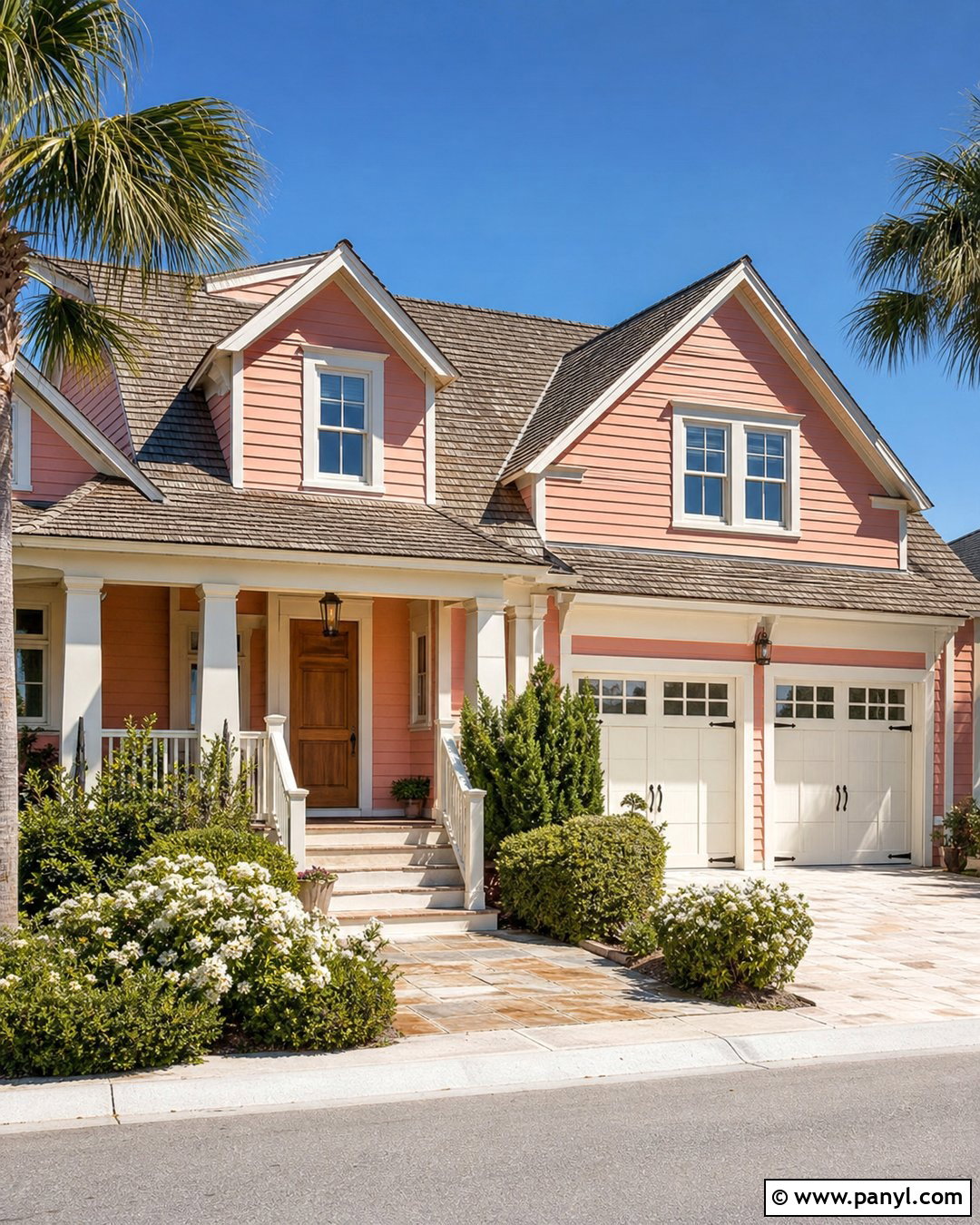
Muted coral offers a lively exterior that remains approachable when paired with creamy neutral details. Apply a softened coral to the main walls and use warm cream around windows, porch columns, decorative molding, and the roofline. Choose a medium wood door with dark bronze hardware to introduce natural contrast. Gray-brown shingles or a terracotta roof can both support the warm wall color. Keep the remaining features simple with cream garage doors and understated metal lighting. Add pale stone paving, leafy shrubs, and white flowering plants around the facade. This complete palette works particularly well in sunny regions, coastal neighborhoods, and garden settings. Coral becomes much brighter outdoors, so select a shade that looks slightly dull on the sample. Sunlight will reveal its warmth and energy.
22. Mustard Yellow Outside Wall Colour With White
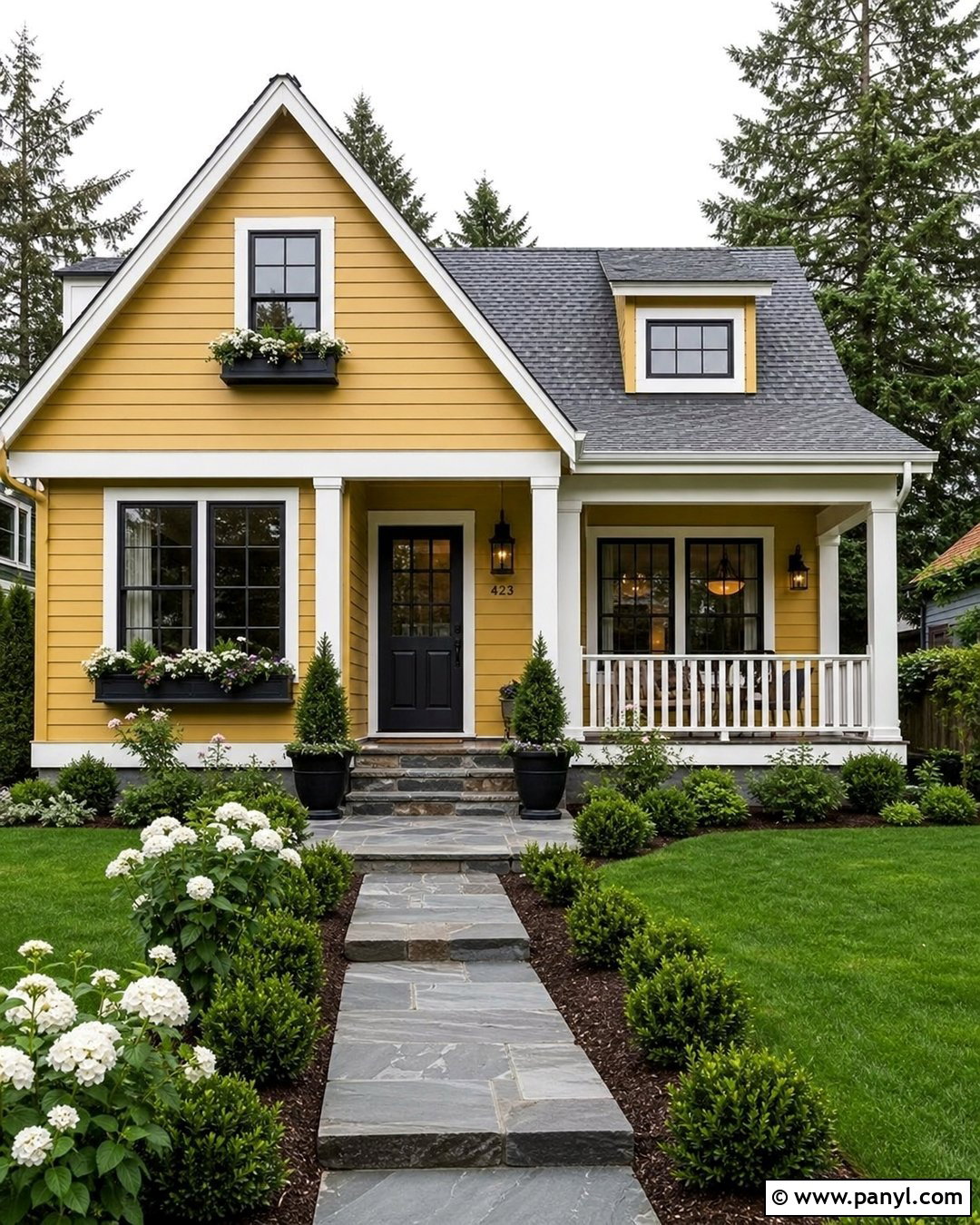
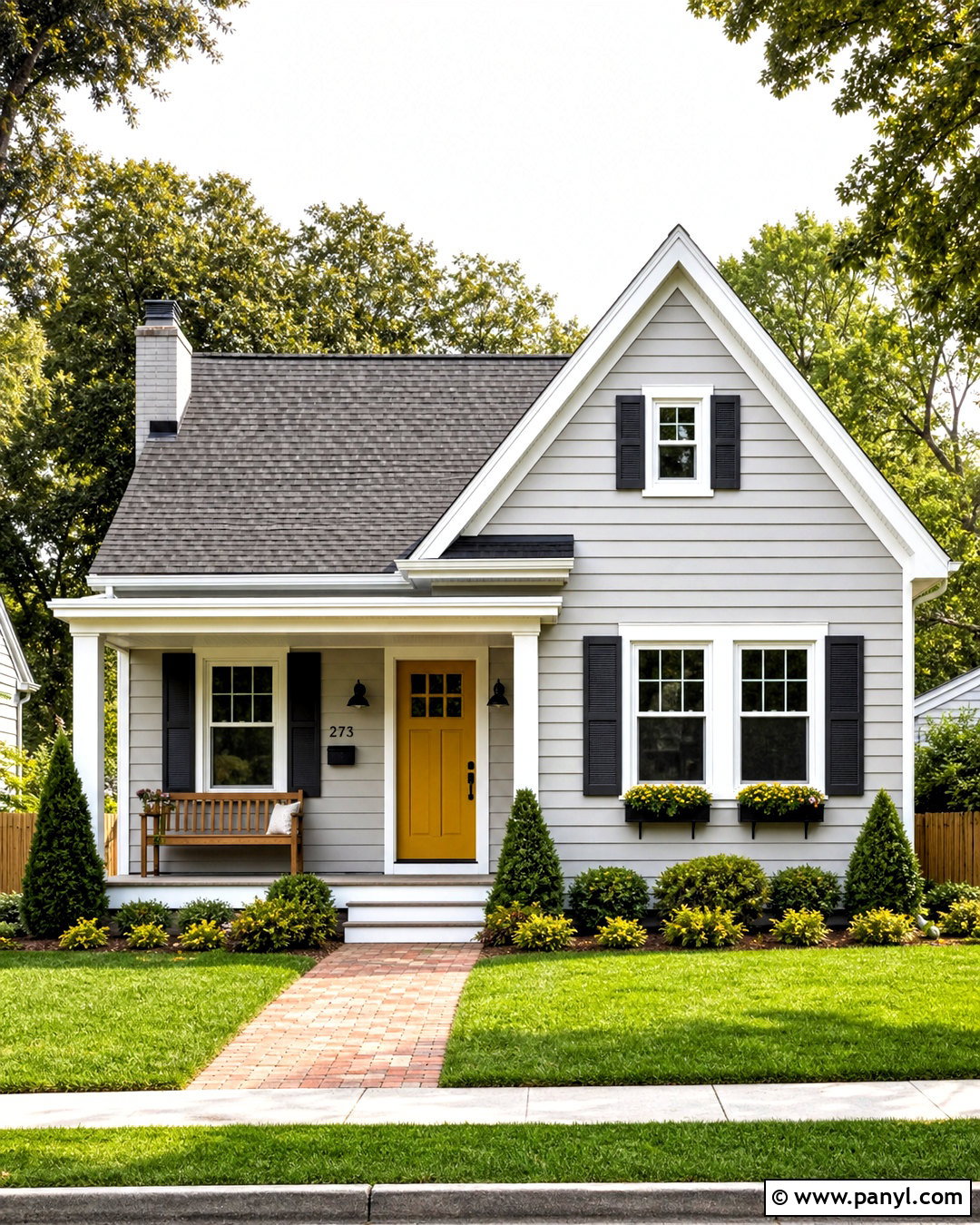
A muted mustard yellow exterior can make a straightforward home feel sunny and memorable. Use the color across siding or stucco, balancing it with soft white trim around windows, fascia boards, columns, and porch railings. A deep charcoal door adds a modern focal point, while a dark wood door creates a more traditional finish. Choose medium gray roofing to cool the warmth of the walls. Black lights, planters, and house numbers provide small areas of definition. Complete the property with stone steps, evergreen shrubs, and white flowers. This combination suits cottages, farmhouses, and modest urban homes with simple architectural lines. Avoid highly saturated yellow on large surfaces. A brown or ochre undertone makes mustard look richer, more natural, and easier to coordinate with the surroundings.
23. Butter Yellow Outside Wall Colour With Soft Gray
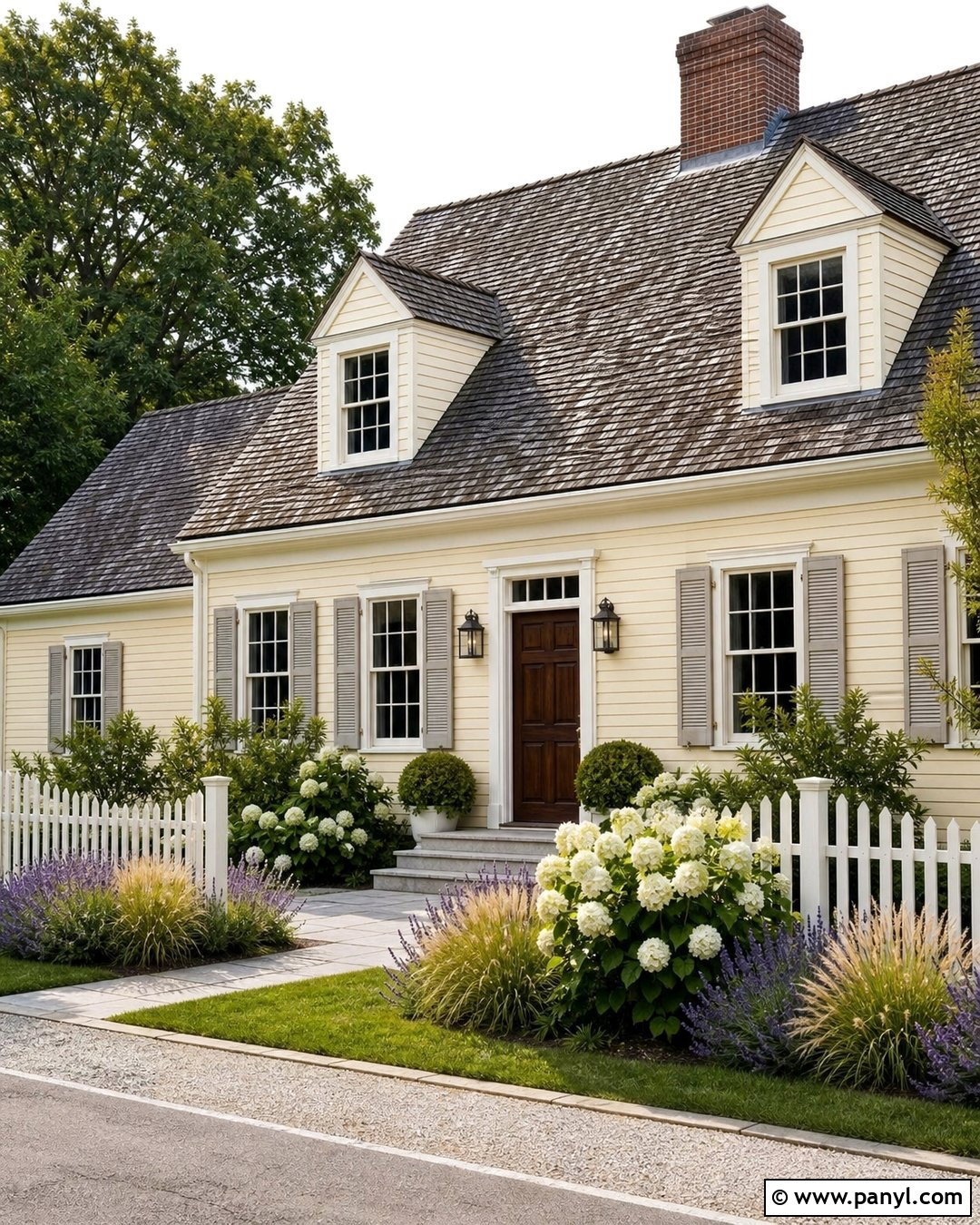
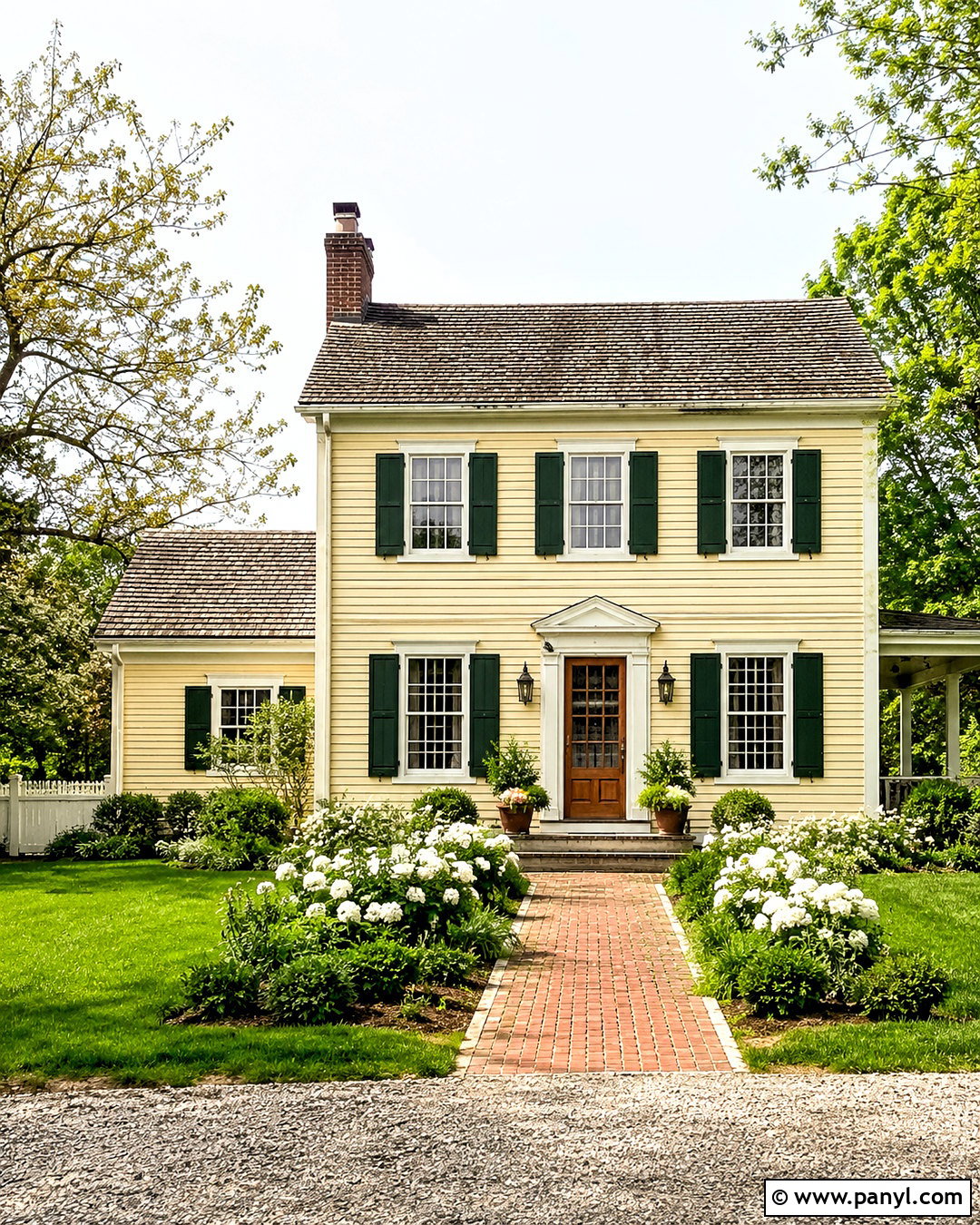
Butter yellow creates a gentle, welcoming exterior that feels brighter than beige without becoming bold. Select a pale creamy yellow for the main walls and pair it with soft gray shutters, garage doors, and selected porch details. Use warm white on window trim and roof edges to maintain a clean outline. A weathered gray roof and medium walnut front door complete the balanced palette. Traditional lanterns in dark bronze add contrast without looking harsh. Plant white hydrangeas, lavender, rounded boxwood, and soft grasses along the foundation. The finished scheme is especially fitting for cottages, Cape Cod homes, and traditional suburban houses. Check the yellow on every side of the building because intense sunlight can strengthen its color. Choose a subdued sample to achieve a soft finished appearance.
24. Lavender Outside Wall Colour With White
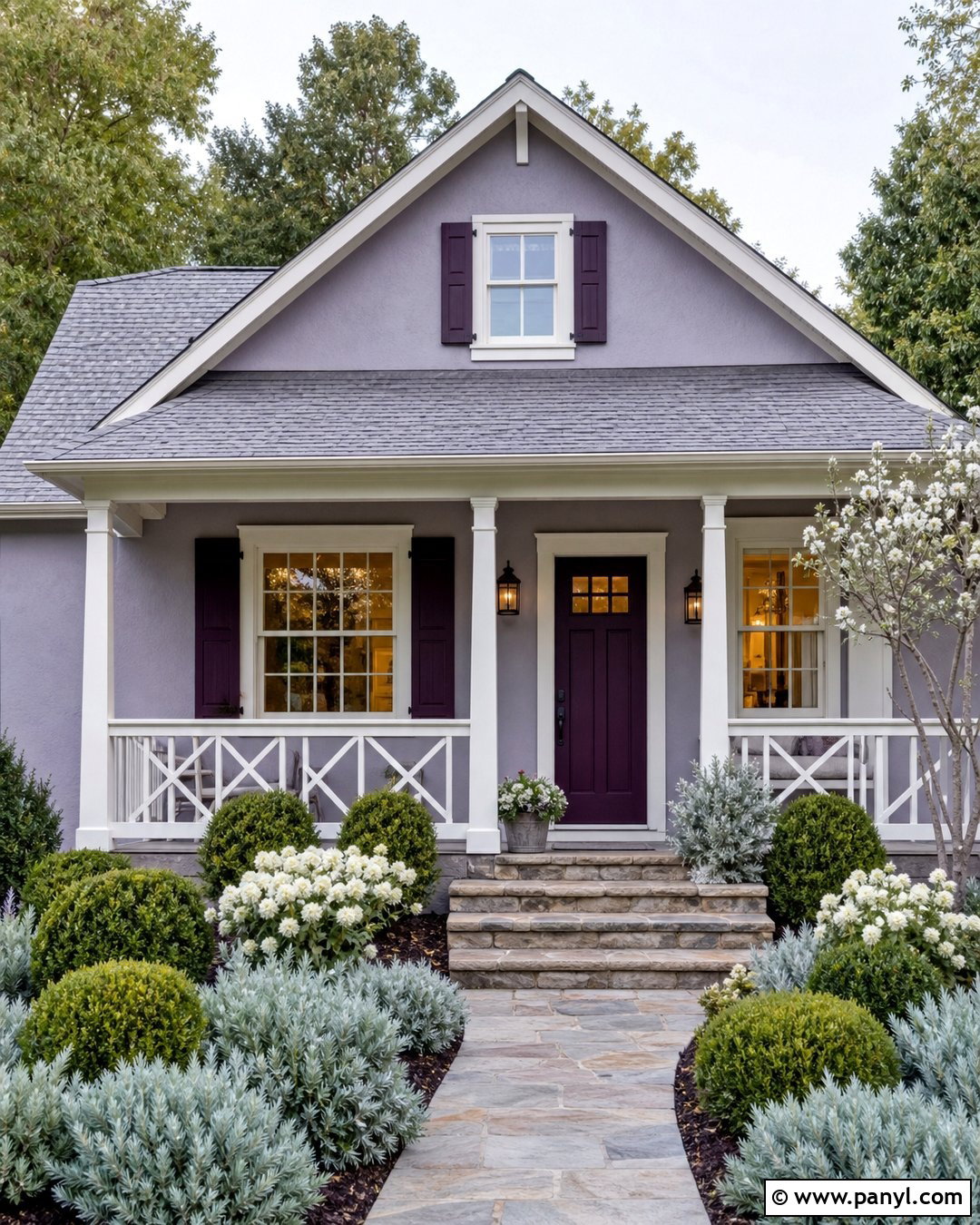
Muted lavender gives a cottage facade gentle color while preserving a calm, refined appearance. Choose a dusty lavender with noticeable gray undertones for the walls, then add warm white window frames, porch railings, fascia, and decorative trim. A deep plum door creates tonal depth, although charcoal is a more neutral alternative. Use gray roof shingles and brushed metal or dark bronze lighting to support the cool wall color. Natural stone steps will keep the palette grounded. Add structured green shrubs, white flowers, and small areas of silvery foliage to complete the setting. Lavender is best used on simple homes where ornate color combinations are unnecessary. Avoid pairing it with brilliant white or blue-gray roofing if the sample already appears cool, as the exterior may feel overly icy.
25. Plum Outside Wall Colour With Warm Beige
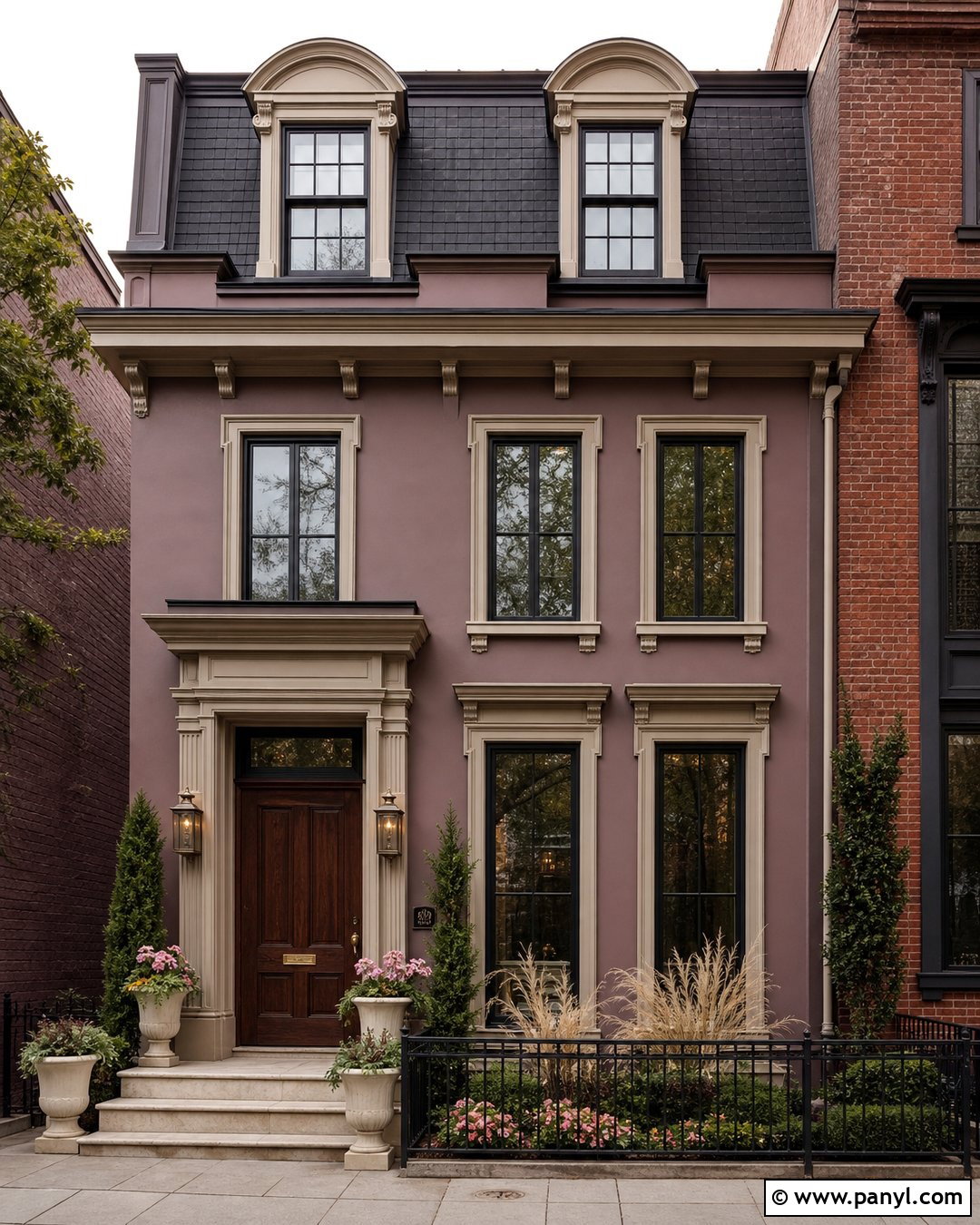
Deep plum can transform a small exterior into a distinctive, elegant focal point. Use a muted brown-based plum on the main walls and soften it with warm beige trim around windows, doors, and rooflines. A medium walnut entrance door blends naturally into the rich facade, while aged brass or bronze lighting provides subtle warmth. Choose a dark brown or charcoal roof depending on the undertone of the paint. Light stone porch flooring and cream planters prevent the scheme from feeling too dark. Surround the home with evergreen shrubs, pale ornamental grasses, and soft pink or white flowers. This palette works well on compact cottages and traditional townhouses. Keep shutters and garage doors close to the wall color so the exterior does not become broken into too many contrasting sections.
26. Teal Outside Wall Colour With White
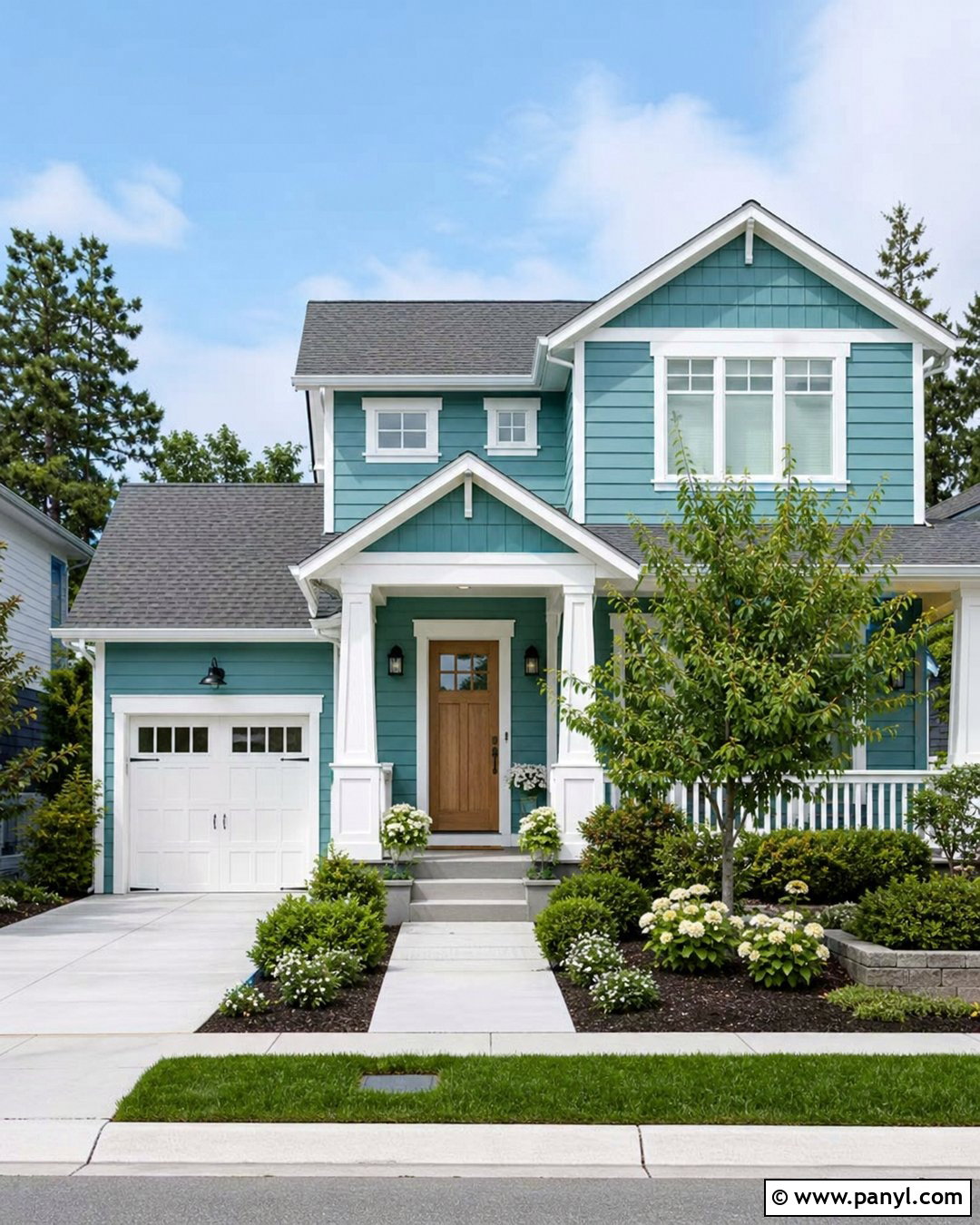
Teal creates an energetic facade that feels especially polished when supported by simple white details. Cover the primary walls in a medium blue-green teal, then use clean white around windows, roof edges, porch columns, and railings. A natural oak door adds warmth and keeps the color combination from appearing overly cool. Choose a medium gray roof and matte black exterior lights for crisp definition. White garage doors can disappear into the trim, allowing the teal walls to remain the main feature. Finish the curb appeal with pale concrete paths, structured greenery, and white flowering plants. This scheme suits coastal homes, contemporary cottages, and compact suburban facades. Select a slightly muted teal rather than a jewel tone, since large exterior surfaces naturally make saturated colors appear stronger.
27. Aqua Outside Wall Colour With Navy
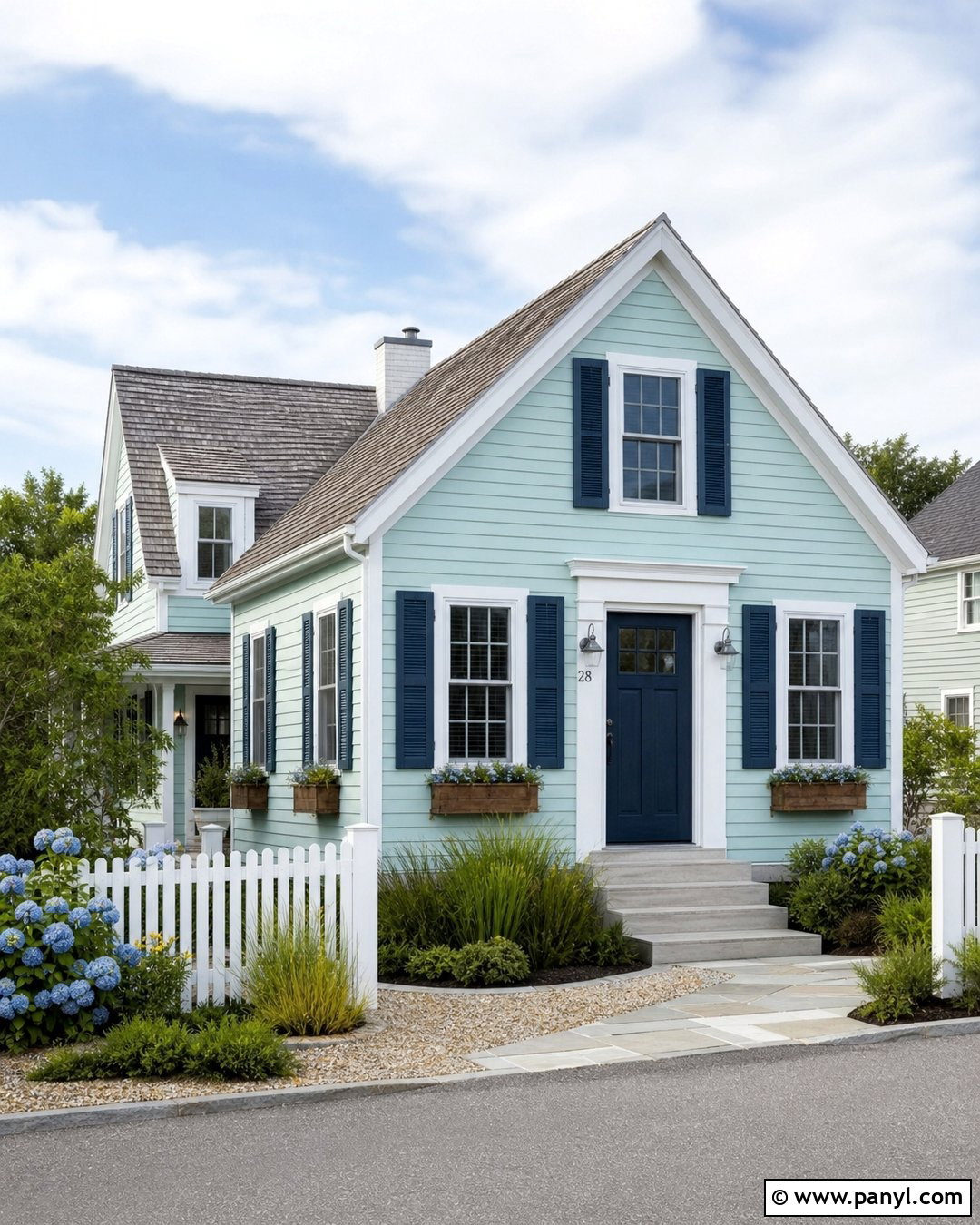
Soft aqua walls and deep navy accents produce a layered coastal palette with more dimension than basic blue and white. Use pale blue-green aqua across the main facade and reserve navy for shutters, the front door, and selected porch details. Bright white trim around windows and eaves separates the two blues clearly. A weathered gray roof, silver metal lights, and light stone steps maintain the fresh atmosphere. Add natural wood furniture or planters to warm the porch. Landscaping should feel relaxed, with ornamental grasses, hydrangeas, low shrubs, and gravel borders. This complete design works well on beach cottages, lake houses, and smaller suburban homes. Keep the aqua soft and slightly gray so it remains pleasant across broad wall surfaces and changing daylight conditions.
28. Sky Blue Outside Wall Colour With Pale Yellow
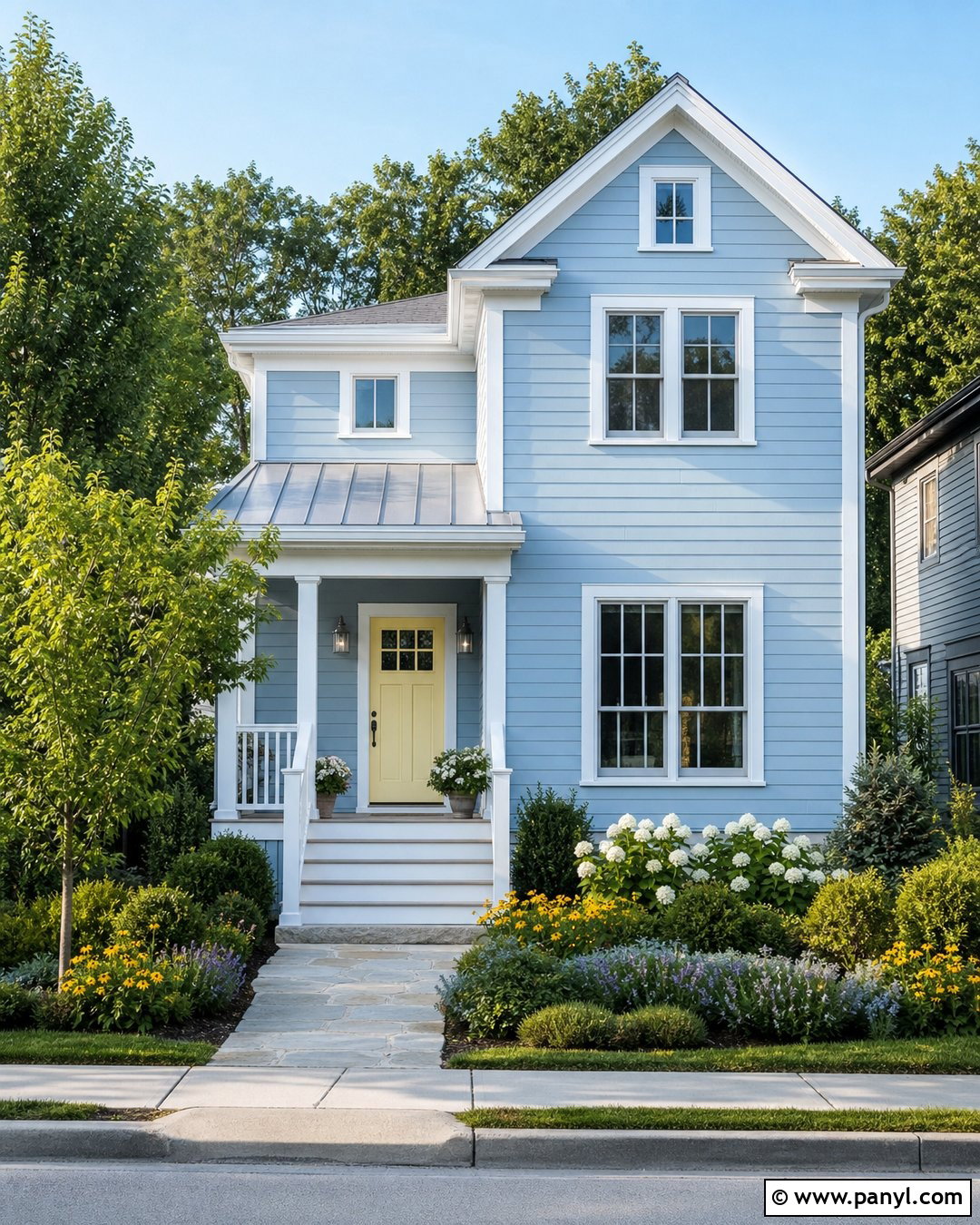
Sky blue and pale yellow create a cheerful exterior without requiring highly saturated paint. Use a softened sky blue for the main walls, then introduce buttery yellow on the front door or porch ceiling. Clean white should frame windows, railings, columns, and roof edges to organize the palette. Choose light to medium gray shingles and simple brushed metal lighting. A white garage door will blend neatly with the architectural trim. Complete the property with a pale stone walkway, blue-green shrubs, white flowers, and small yellow blooms near the entrance. This combination suits cottages, coastal homes, and family houses with simple facades. Limit yellow to one or two focal areas. Too much can compete with the blue, while a concentrated accent makes the entrance feel sunny and welcoming.
29. White Outside Wall Colour With Natural Stone
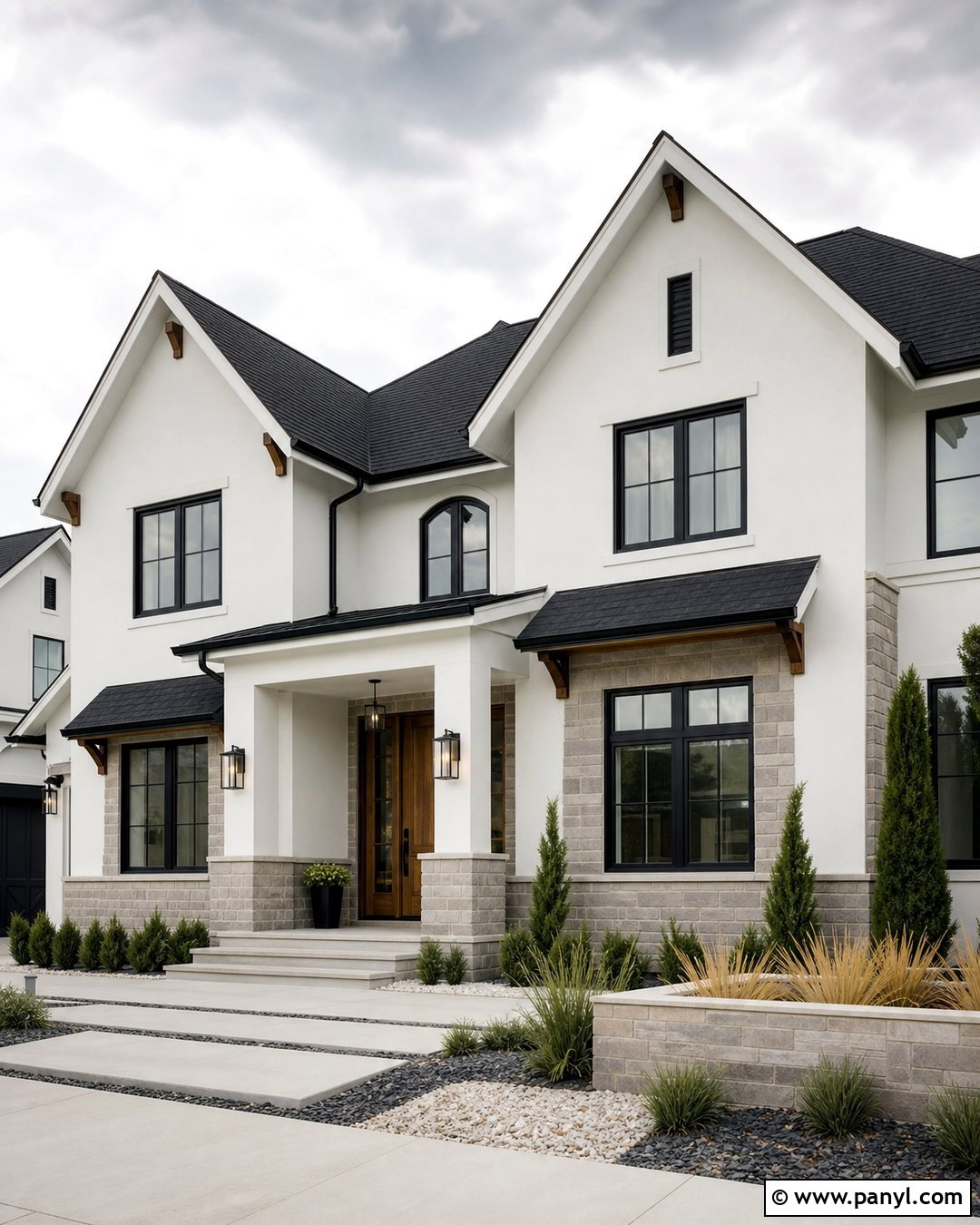
White walls and natural stone create a bright exterior with enough texture to avoid looking plain. Choose a warm off-white for stucco or siding, then add beige-gray stone around the foundation, chimney, columns, or entrance. Match the window trim closely to the wall color for a seamless appearance. Black window frames and exterior lights introduce definition, while a stained oak front door provides warmth. Use charcoal shingles or a dark standing-seam roof to anchor the light facade. Continue the natural materials into the landscape with stone-edged paths, gravel, evergreens, and ornamental grasses. This scheme works across farmhouse, transitional, contemporary, and Craftsman architecture. Select stone first when possible, then find a white that complements its dominant undertone instead of creating a noticeable warm-cool conflict.
30. Cream Outside Wall Colour With Red Brick
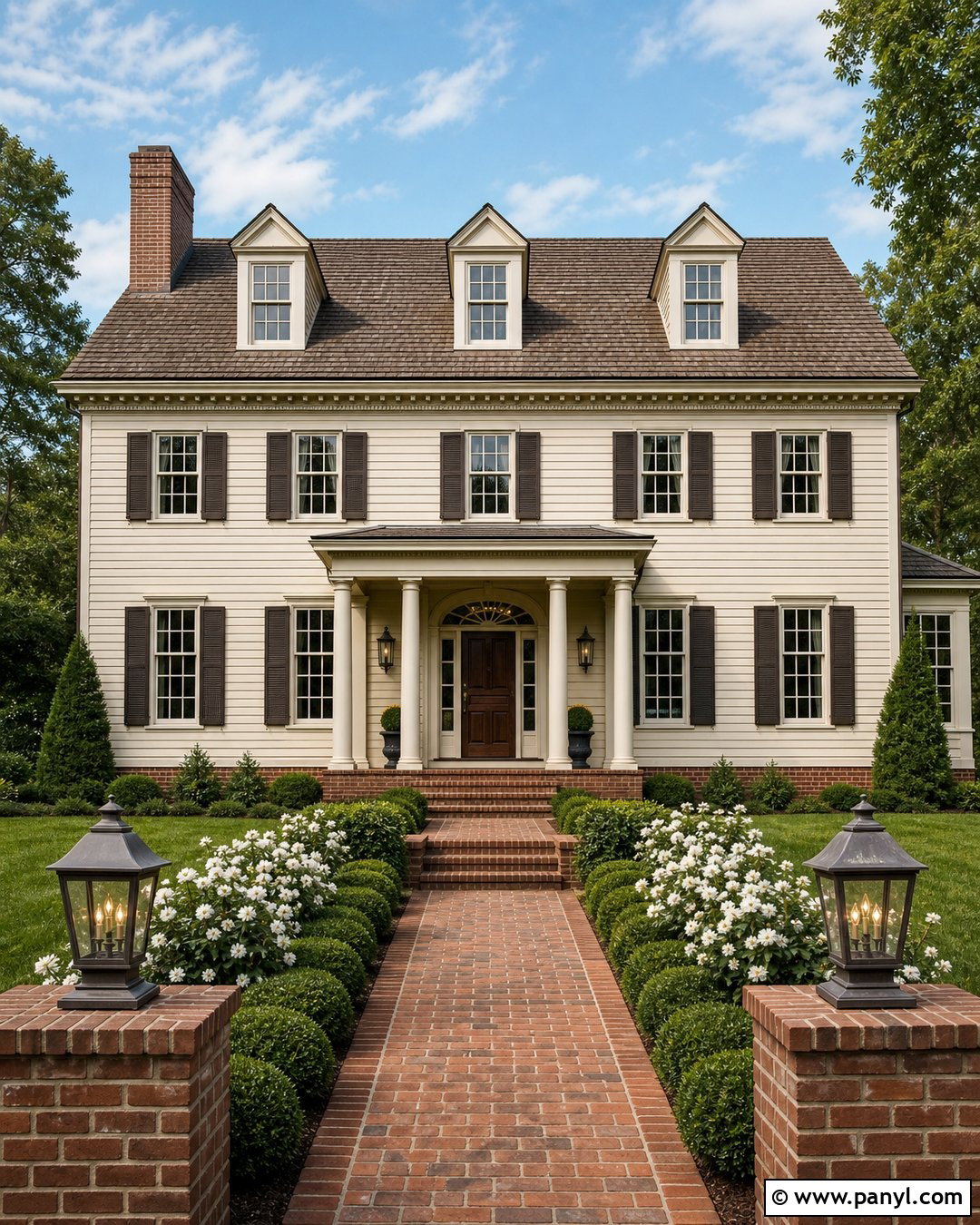
Existing red brick becomes easier to coordinate when the painted walls use a warm cream rather than a sharp white. Apply cream to siding, stucco sections, trim, porch columns, and garage doors, allowing the brick foundation or chimney to remain visually prominent. Pull a dark brown or charcoal tone from the brick for shutters, gutters, and exterior lights. A walnut front door reinforces the warmth, while a brown-gray shingle roof connects the upper and lower portions of the facade. Add brick-edged paths, clipped greenery, and white flowering shrubs for a traditional finish. This palette suits Colonial, ranch, and suburban homes with mixed exterior materials. Avoid creams with strong yellow undertones. A balanced, slightly muted shade will support the brick without making the house look dated.
31. Gray Outside Wall Colour With Cedar
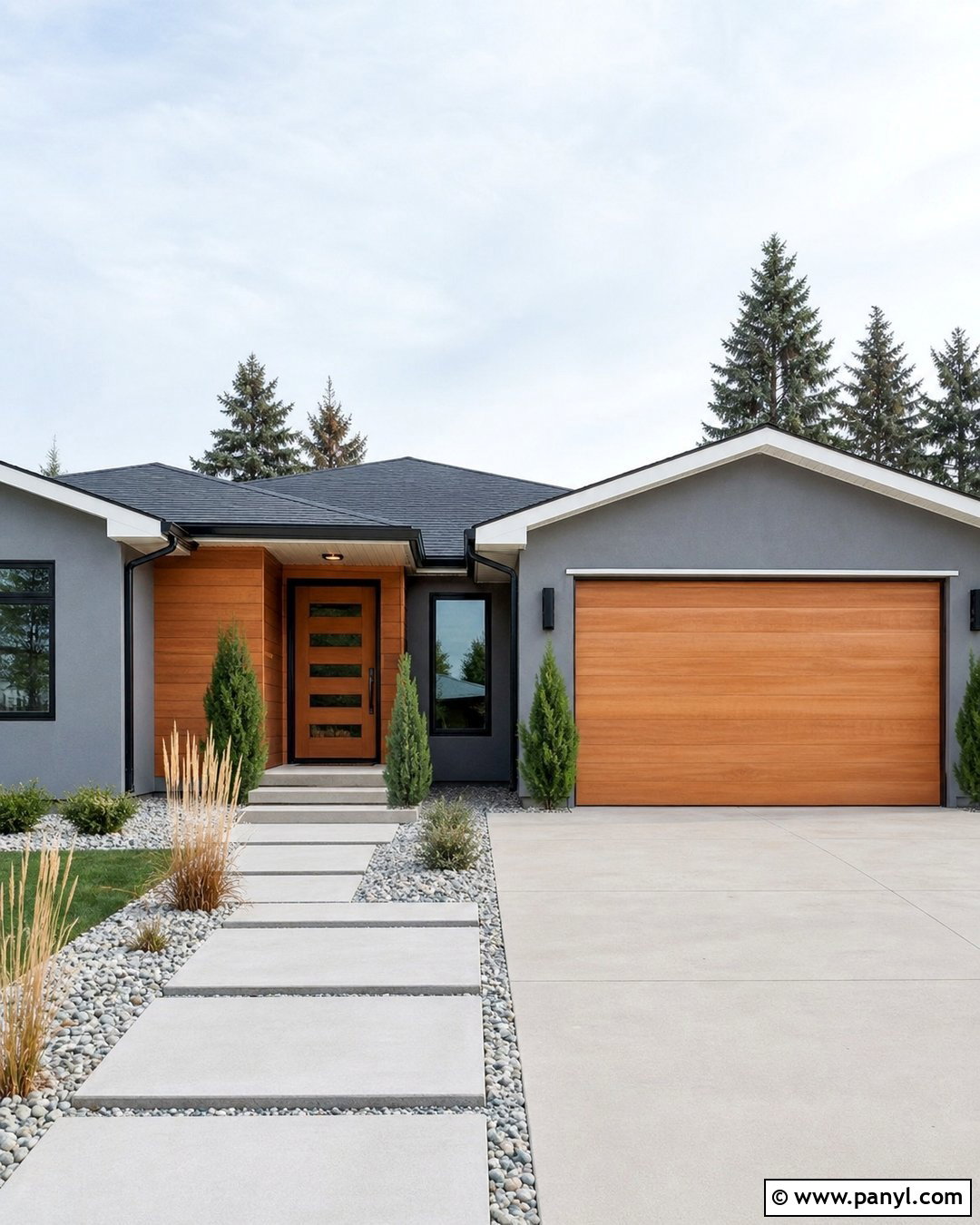
Cool architectural gray becomes warmer and more approachable when paired with genuine cedar details. Paint the main siding or stucco a medium gray, then introduce cedar around the entrance, beneath a porch roof, or across the garage door. Use soft white on fascia boards and narrow trim to keep the exterior bright. Black window frames, railings, gutters, and modern sconces add a clean outline. Choose charcoal roof shingles that remain darker than the walls. The landscape can include concrete pavers, pale gravel, evergreen shrubs, and upright grasses arranged in simple beds. This complete scheme is ideal for updated ranch homes, contemporary houses, and modern cabins. Seal cedar with a clear or lightly tinted finish so its golden color remains visible and does not weather unevenly beside the gray walls.
32. Beige Outside Wall Colour With Charcoal
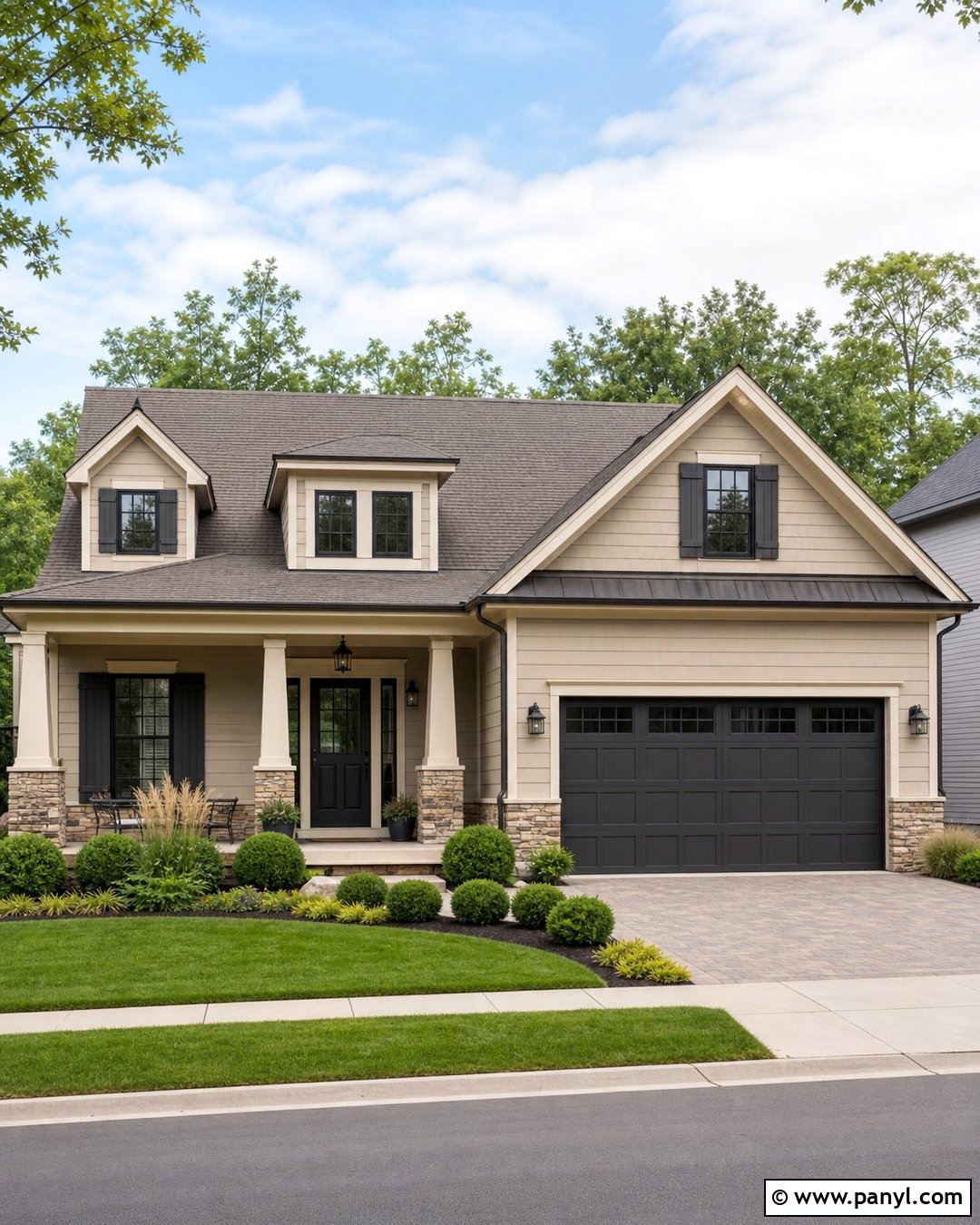
Light beige walls and charcoal accents provide dependable contrast without the starkness of black and white. Use a softly muted beige across the main exterior, then add charcoal to shutters, the front door, gutters, railings, and the garage door. Keep window trim and porch columns in a lighter cream to connect them with the wall color. A mixed gray-brown roof will bridge the warm beige and cooler charcoal details. Add tan stone along the foundation and use black or dark bronze lighting sparingly. Finish the setting with a neutral paved driveway, boxwood, deep green shrubs, and pale grasses. This coordinated palette works well on ranch, Craftsman, and suburban homes. Ensure the charcoal has warm undertones so it relates naturally to beige rather than appearing blue.
33. Monochrome Gray Outside Wall Colour
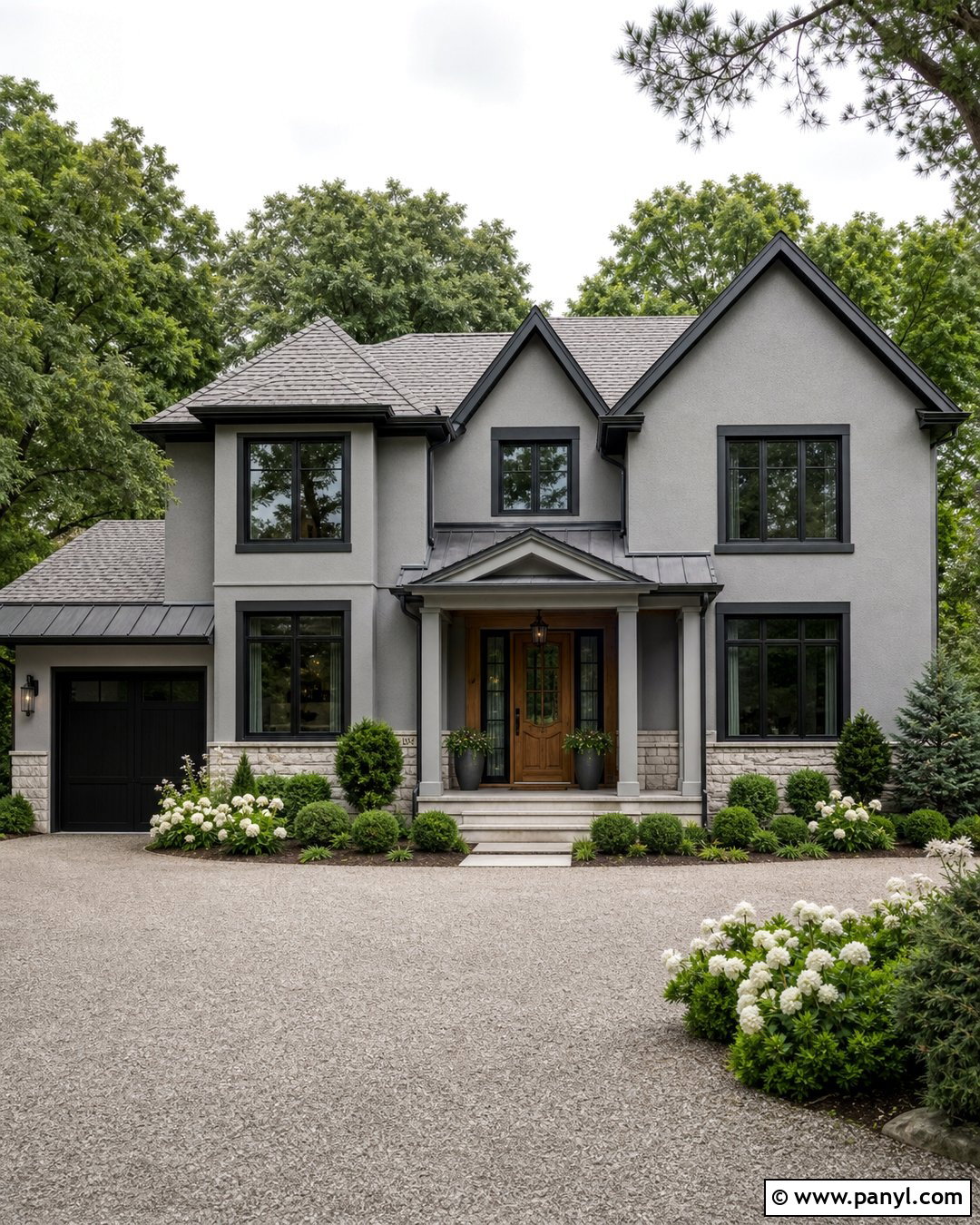
A monochrome gray exterior relies on differences in value and texture instead of unrelated accent colors. Use a medium warm gray for the main walls, a pale gray for trim and porch columns, and deep charcoal for windows, doors, and gutters. Choose roof shingles positioned between the wall and accent colors so the upper facade transitions smoothly. Add texture with gray-beige stone, board-and-batten siding, or a concrete porch. A natural wood front door can serve as the only warm break in the palette. Landscaping should include lush greenery, white flowers, and light gravel to prevent the property from feeling colorless. This scheme suits modern, transitional, and remodeled traditional homes. Compare every gray outdoors because blue, purple, and green undertones become more noticeable across large exterior surfaces.
34. Two-Tone White And Greige Outside Wall Colour
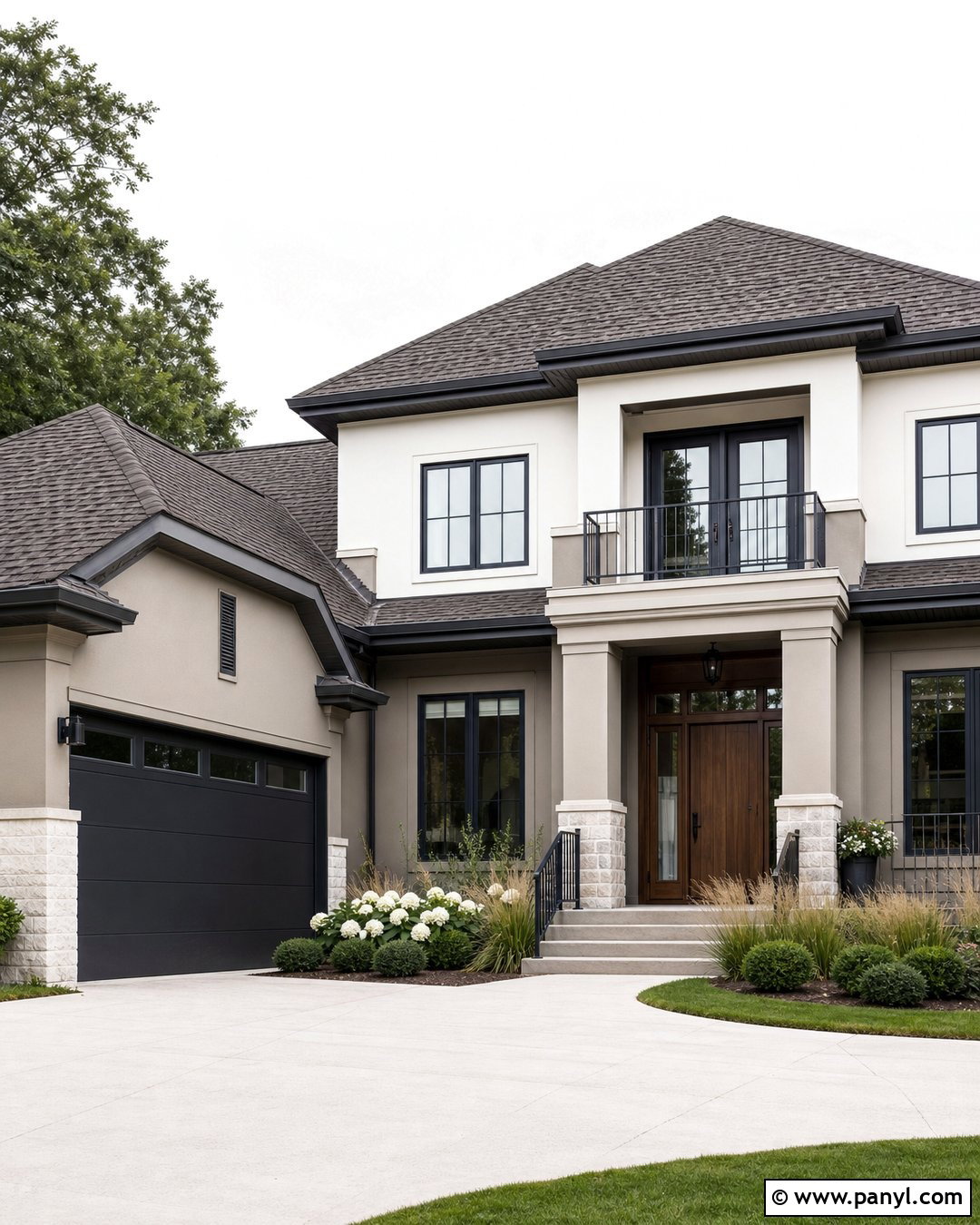
Two-tone walls can clarify the shape of a home while keeping the palette quiet. Apply warm white to the upper story or main central section and soft greige to the lower level, side wings, or projecting garage. Repeat the warm white on trim and porch columns for continuity. Use charcoal windows, gutters, and railings to outline both colors. A medium walnut door brings warmth to the entrance, while a gray-brown roof links the two wall shades. Add pale stone at the foundation and simple landscaping with clipped shrubs, white flowers, and ornamental grasses. This approach works especially well on homes with several volumes that would otherwise appear visually complicated. Keep the contrast subtle so the architecture feels connected rather than divided into unrelated blocks.
35. Deep Blue-Green Outside Wall Colour
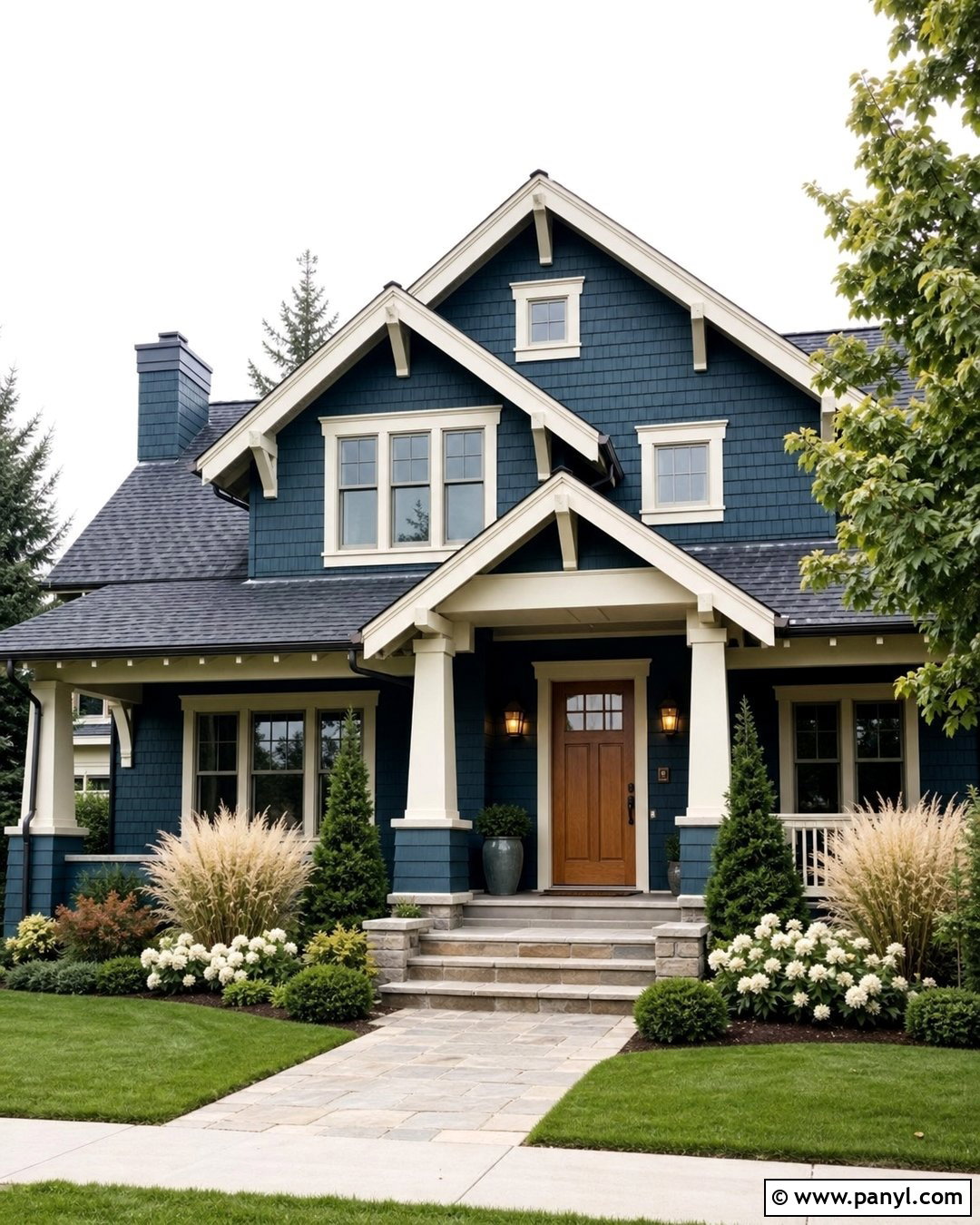
Deep blue-green creates a sophisticated exterior that shifts attractively between teal, navy, and forest tones. Use it across the main walls, pairing it with warm ivory trim around windows, porch posts, and roof edges. A medium oak door and matching wood garage detail add natural warmth. Choose charcoal shingles, dark bronze gutters, and aged brass entrance lighting for a refined finish. Light stone steps and foundation cladding provide essential contrast near the ground. Complete the design with structured evergreen shrubs, pale grasses, and white flowering plants. This palette suits Craftsman houses, contemporary cottages, and traditional homes needing stronger curb appeal. Because blue-green can become very dark in shade, test it on north- and south-facing walls before deciding whether the final color needs to be softened.
Conclusion:
Successful **outside wall colour ideas** consider the entire property rather than focusing only on the largest painted surface. Coordinate the main walls with trim, doors, windows, roofing, stone, brick, paving, and landscaping. Warm neutrals create flexibility, greens connect the house to nature, blues offer calm character, and deeper shades deliver stronger architectural presence. Before buying paint, apply generous samples to more than one exterior wall and observe them throughout the day. Also compare each option with permanent materials that will not be changed. A clear three-part palette consisting of a main color, trim color, and focused accent usually provides enough variety. Thoughtful testing will help the finished exterior feel cohesive, balanced, and appropriate for its surroundings.

Related Ideas and Inspiration:
Leave a Reply