
Choosing the right colors can turn a plain hall into a welcoming, connected, and comfortable living space. These **20 hall room color ideas** cover soft neutrals, earthy combinations, cheerful pastels, and dramatic accent shades. Each palette is presented as a complete room look, including wall placement, furniture, flooring, lighting, textiles, and decorative details. Current color inspiration favors warm whites, natural greens, clay tones, expressive blues, and richer cocooning shades, but lighting and room-to-room flow remain important considerations. () Before committing, paint large samples and view them during the morning, afternoon, and evening. Whether your hall is compact, open-plan, traditional, or modern, you can find a practical scheme among these **20 hall room color ideas**.

1. Warm White And Sage Green Hall Room
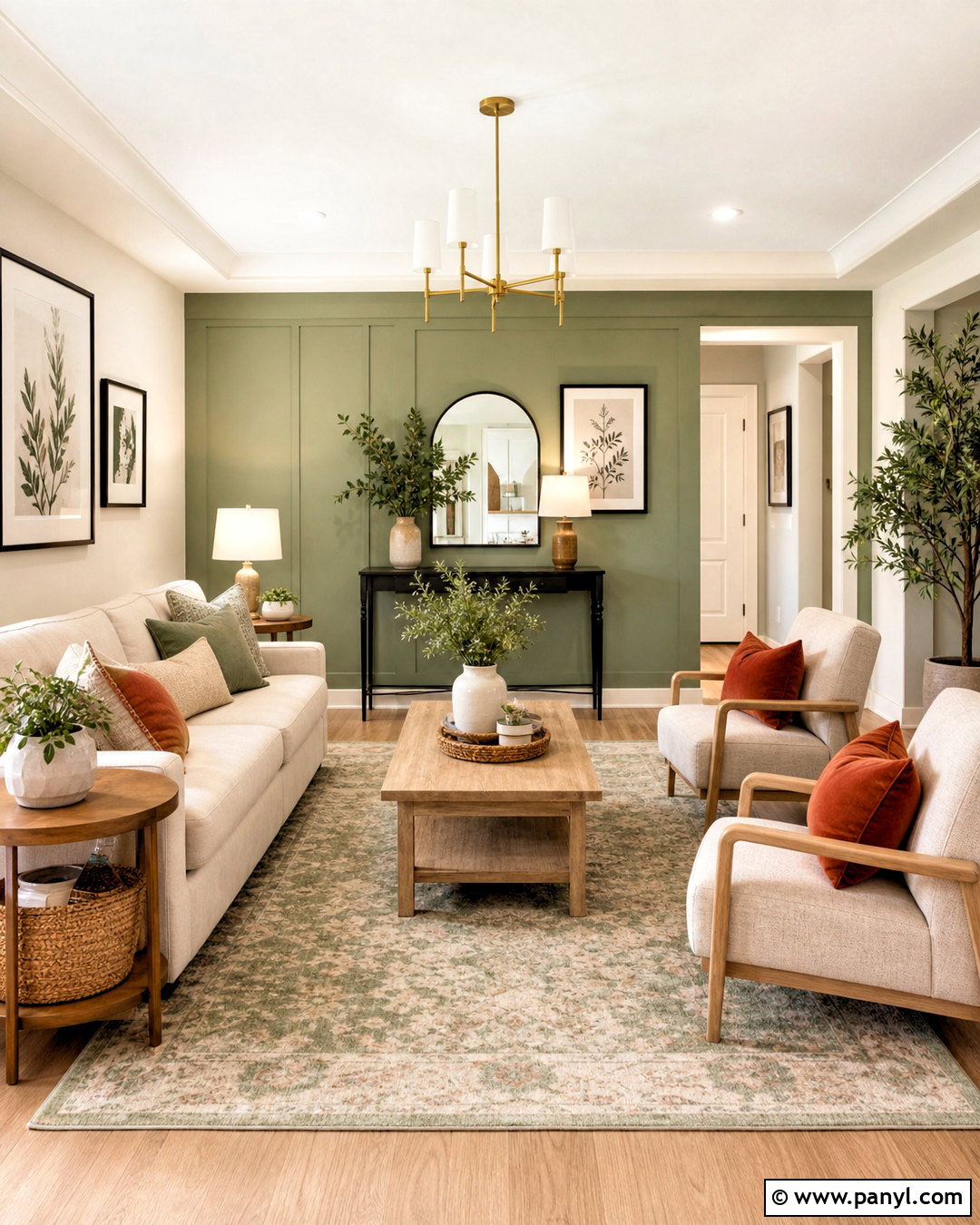
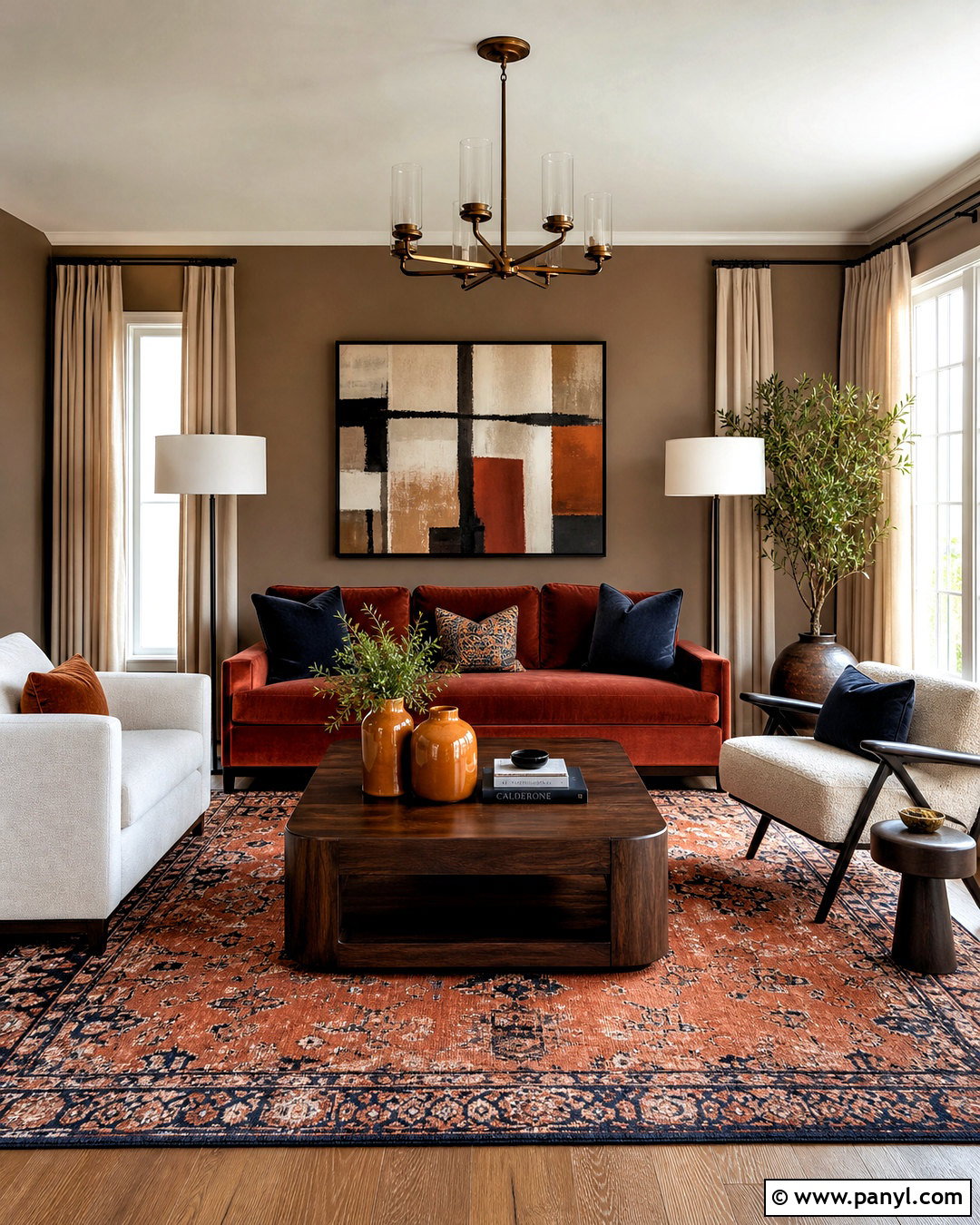
Warm white walls paired with sage green create a calm hall that still feels fresh and distinctive. Use warm white across most walls and paint the wall behind the sofa in muted sage. A light oatmeal sofa, oak coffee table, and cream-and-green area rug continue the natural palette. Choose linen curtains instead of bright white fabric, which can look too sharp beside earthy green. Add a pair of rust or caramel cushions for gentle contrast. Brushed brass lamps bring warmth, while black picture frames provide definition. Light oak or beige stone flooring keeps the whole room airy. In an open-plan hall, repeat sage through dining chair upholstery, pottery, or plants so the two areas feel thoughtfully connected.
2. Beige And Terracotta Hall Room
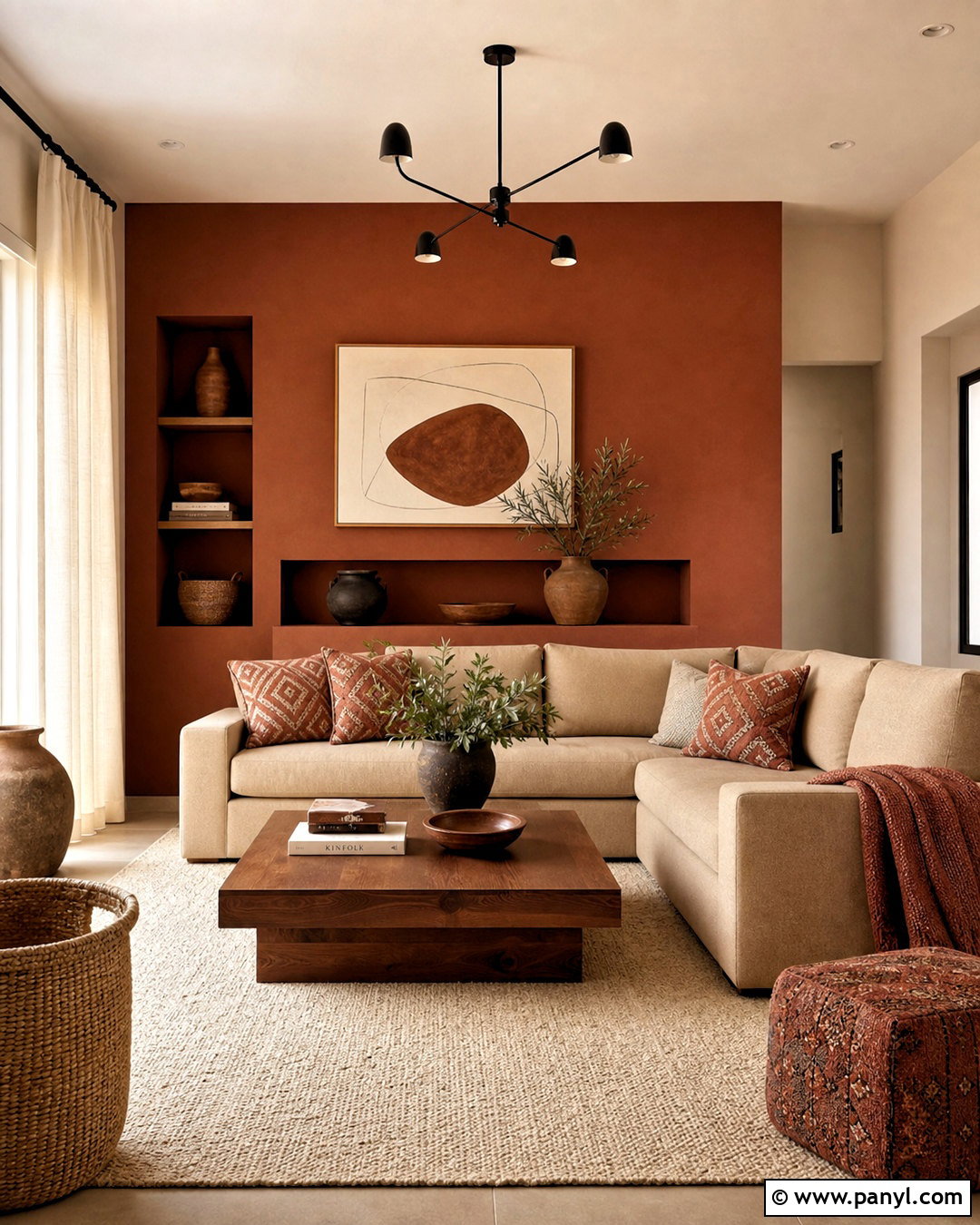
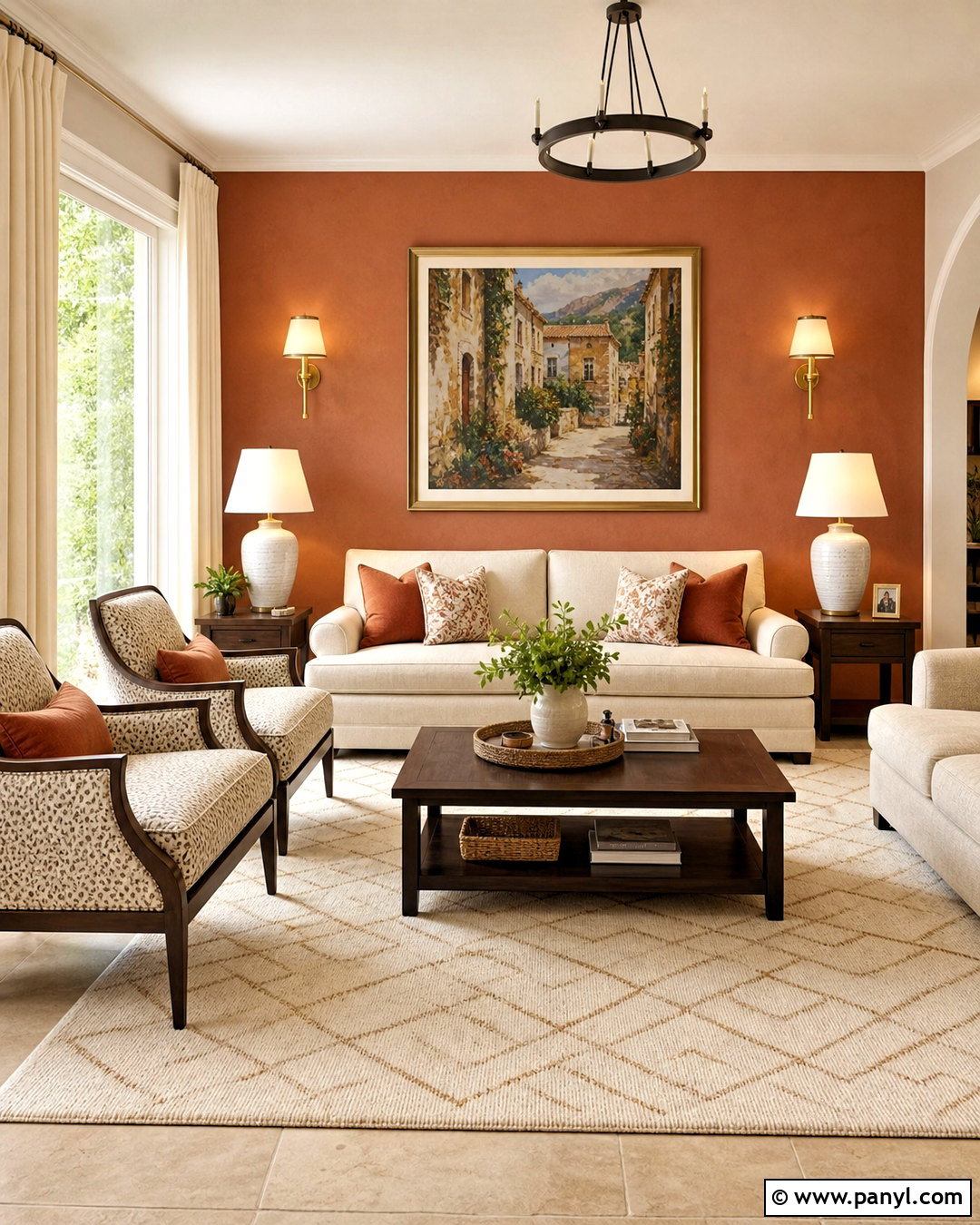
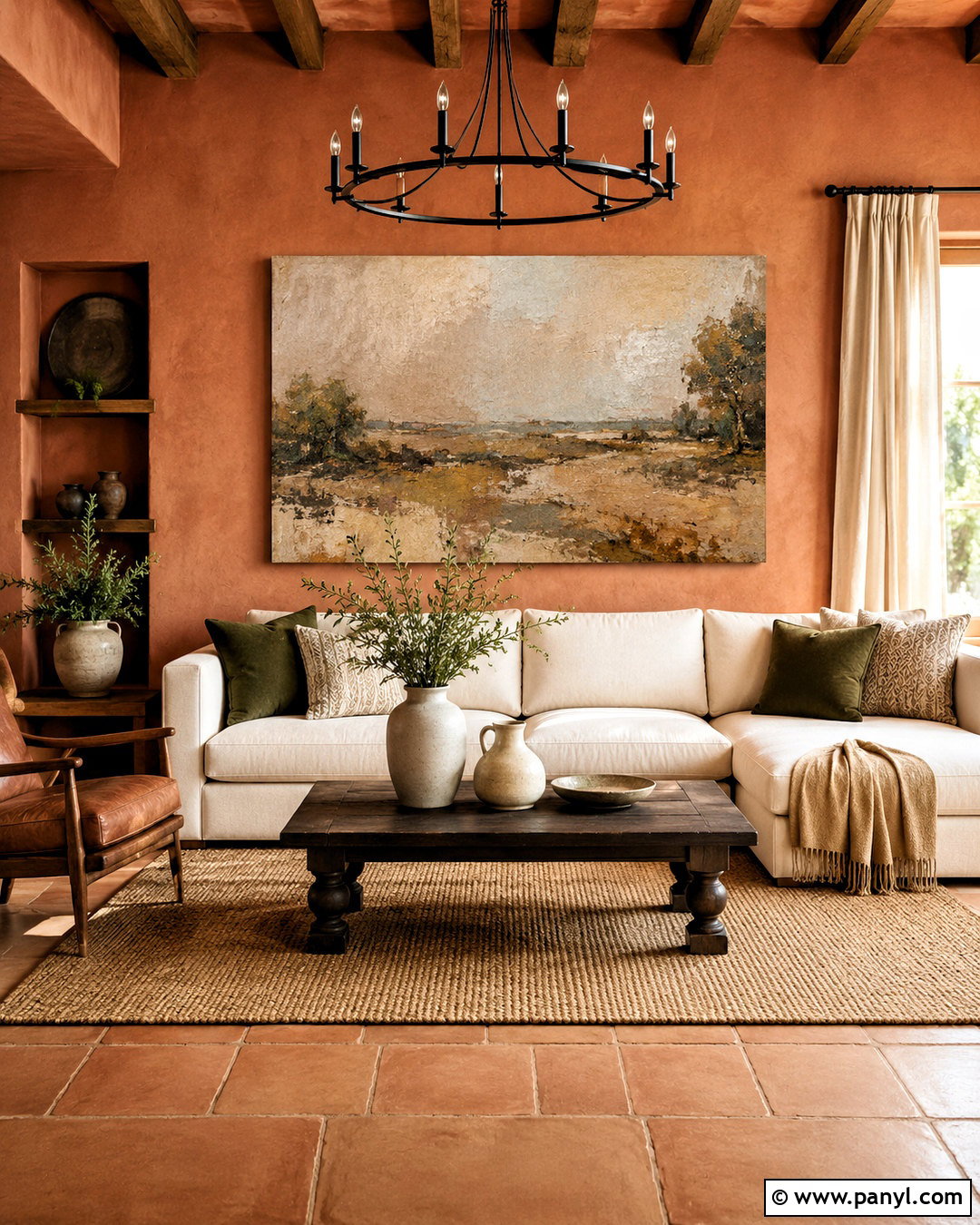
Imagine entering a hall filled with sunbaked color and comfortable natural materials. Paint the main walls a soft beige, then use muted terracotta behind the television unit or main seating arrangement. A tan sofa, walnut furniture, and an ivory textured rug establish a warm foundation. Introduce black accents sparingly through a floor lamp, cabinet handles, or slim metal table legs. Cream curtains soften the windows without competing with the feature wall. Woven baskets, clay vessels, and rust-patterned cushions complete the earthy character. If the room is small, select a softened clay shade rather than a highly saturated orange. Warm white ceiling paint will reflect light and prevent the combination from feeling heavy or overly enclosed.
3. Off-White And Navy Blue Hall Room
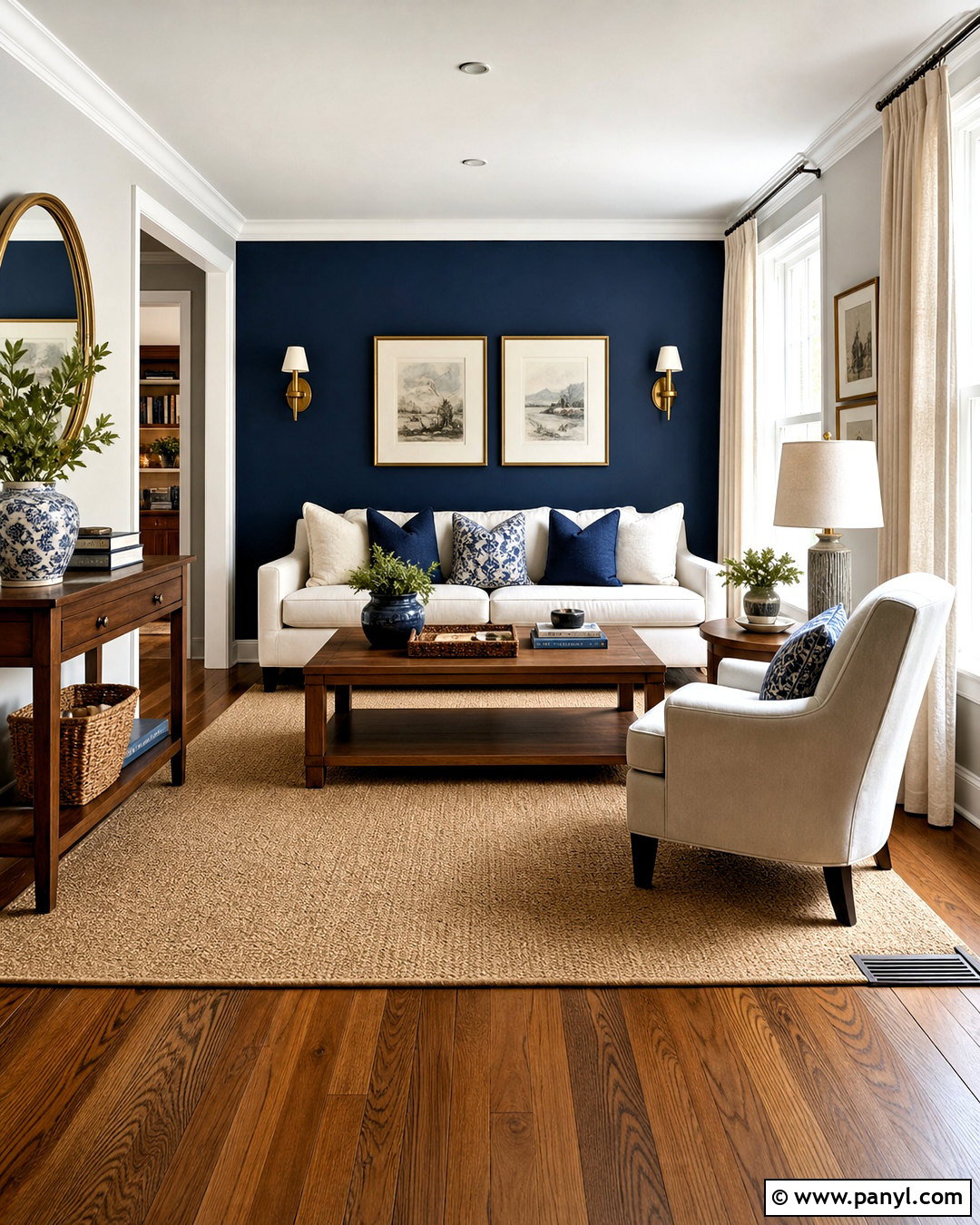
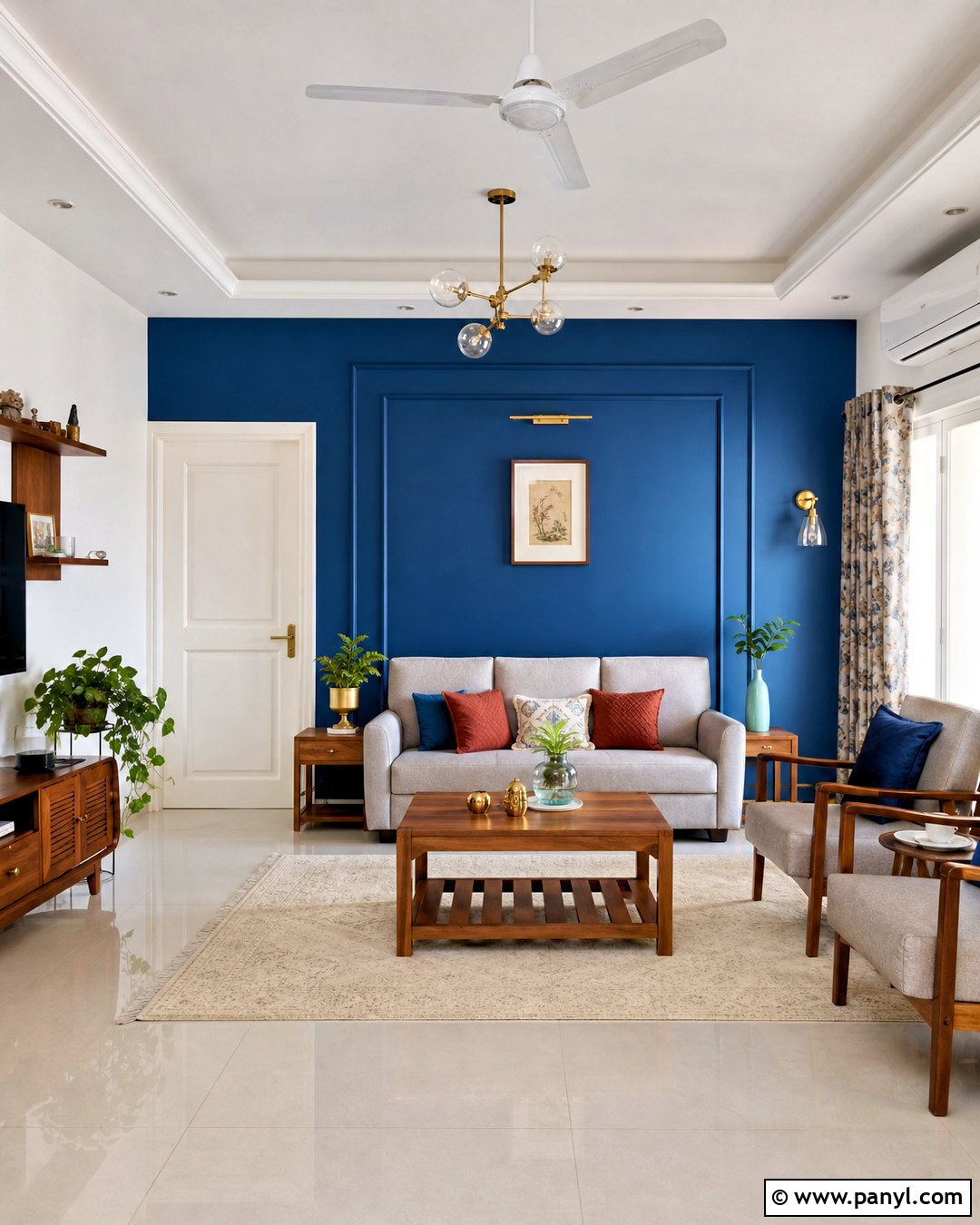
Do you want strong color without making the entire hall look dark? Keep three walls off-white and apply deep navy blue to the focal wall behind a cream or light gray sofa. Build balance with medium oak flooring, a warm beige rug, and walnut tables rather than adding more cool gray. Crisp white trim creates a clean architectural edge, while brushed brass sconces brighten the navy surface. Add blue through only a few smaller details, such as patterned cushions, ceramics, or framed artwork. Natural linen curtains keep the windows relaxed and bright. This complete palette works particularly well in a hall with generous daylight, but strategically placed table and floor lamps can make it equally inviting after sunset.
4. Mint Green And Ivory Hall Room
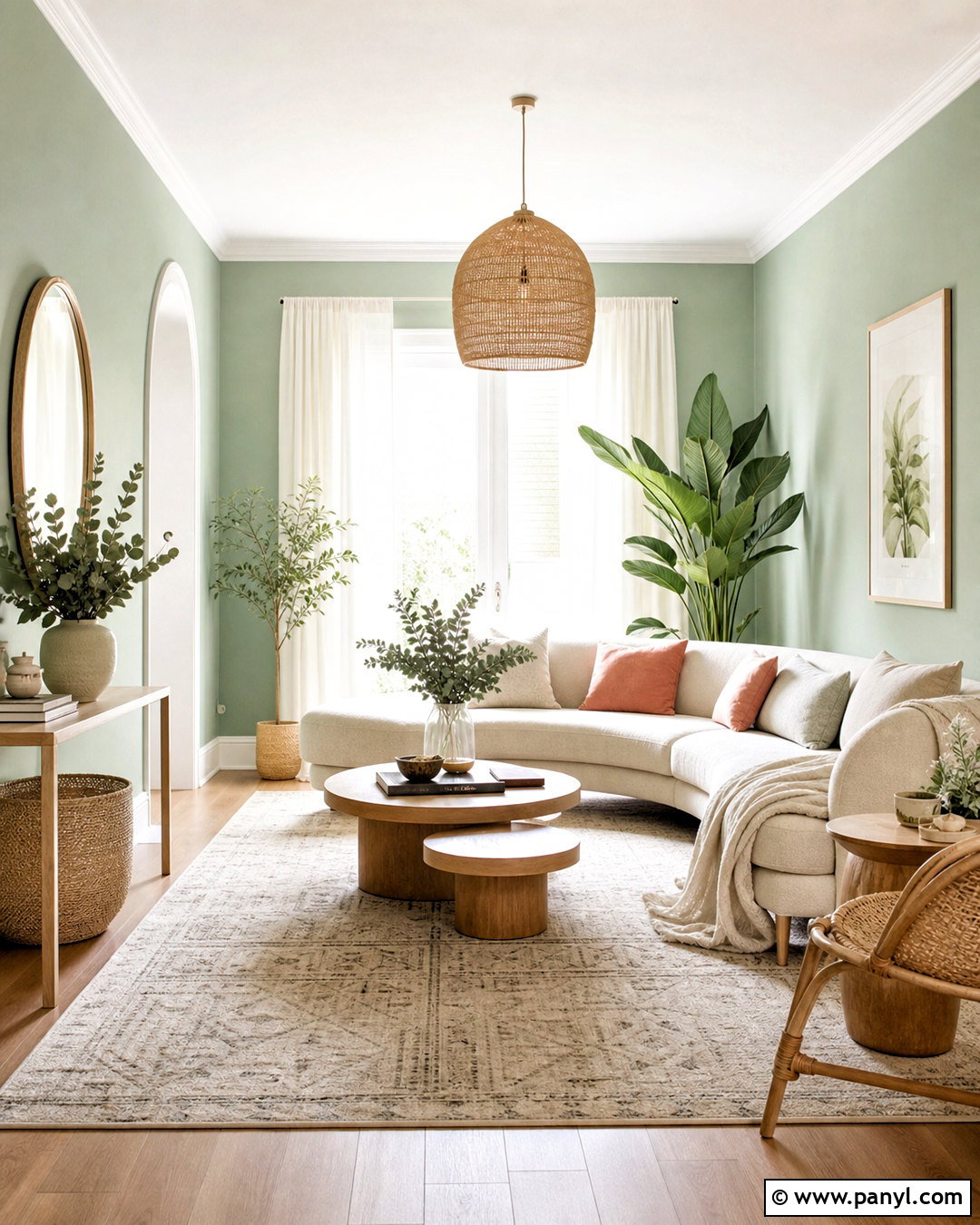
Mint green can make a compact hall feel cheerful when it is softened with creamy ivory. Cover the walls in a pale, slightly warm mint and reserve ivory for the ceiling, trim, doors, and built-in storage. Choose a light beige sofa with rounded lines, pale wood tables, and a cream rug featuring a subtle green pattern. Peach, coral, or muted yellow cushions stop the room from appearing overly cool. Sheer ivory curtains allow natural light to spread across the color. A simple rattan pendant and woven accessories bring organic texture to the pastel scheme. Keep large furniture pieces neutral and use mint repeatedly through small decor, creating a coordinated look without filling every surface with the same green tone.
5. Gray And Mustard Yellow Hall Room
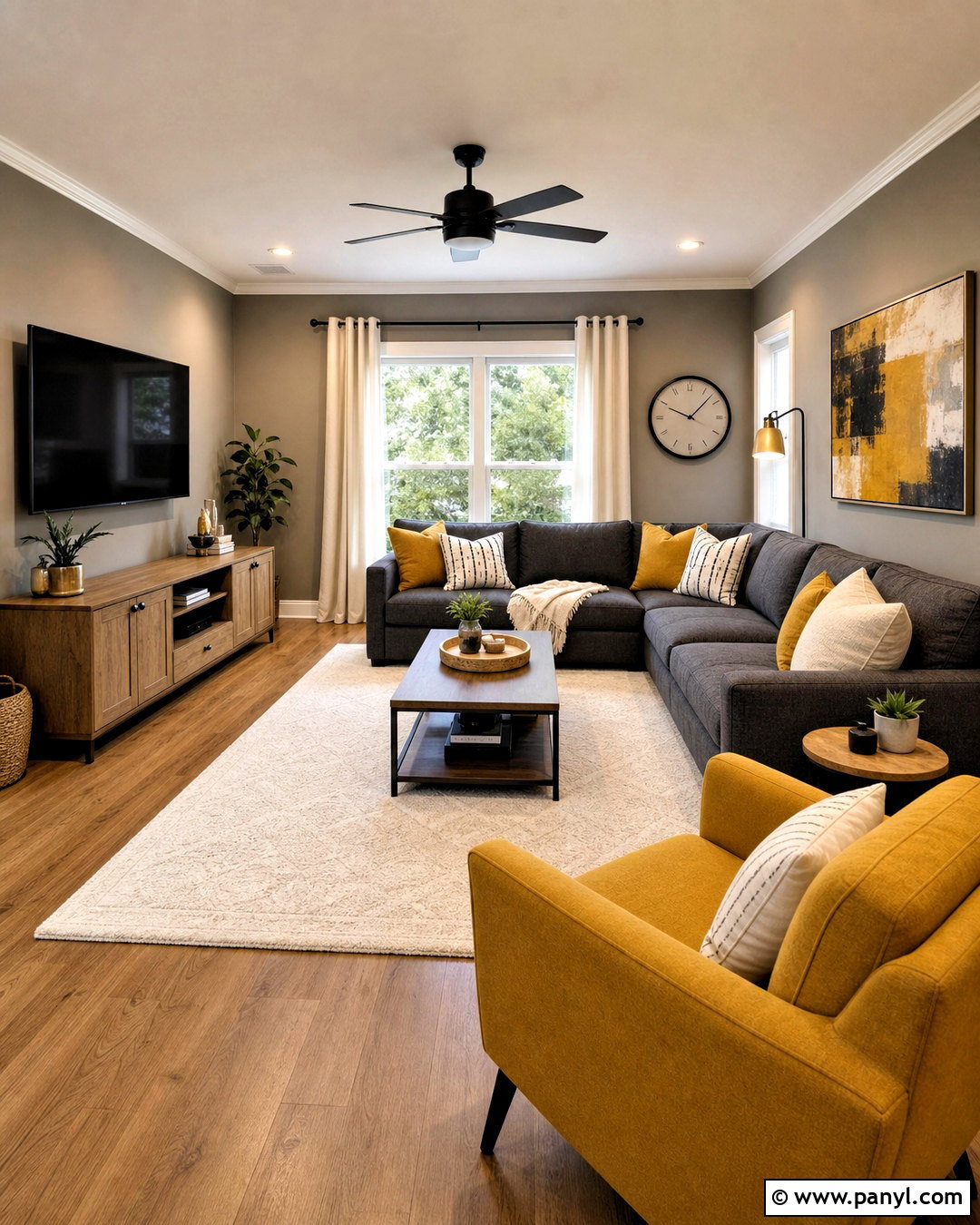
A gray hall gains personality when mustard yellow is distributed thoughtfully across the room. Start with soft warm-gray walls rather than a cold blue-gray shade. Anchor the seating area with a charcoal sofa, then introduce mustard through an accent chair, two cushions, and artwork containing similar golden tones. A light wood television console and coffee table prevent the gray foundation from feeling industrial. Use an ivory rug, warm white ceiling, and off-white curtains to increase brightness. Matte black lighting and hardware can add definition, but keep these details slim and understated. For a larger hall, consider mustard on the lower third of one wall, finished with simple molding, while retaining pale gray above for visual balance.
6. Sky Blue And Warm White Hall Room
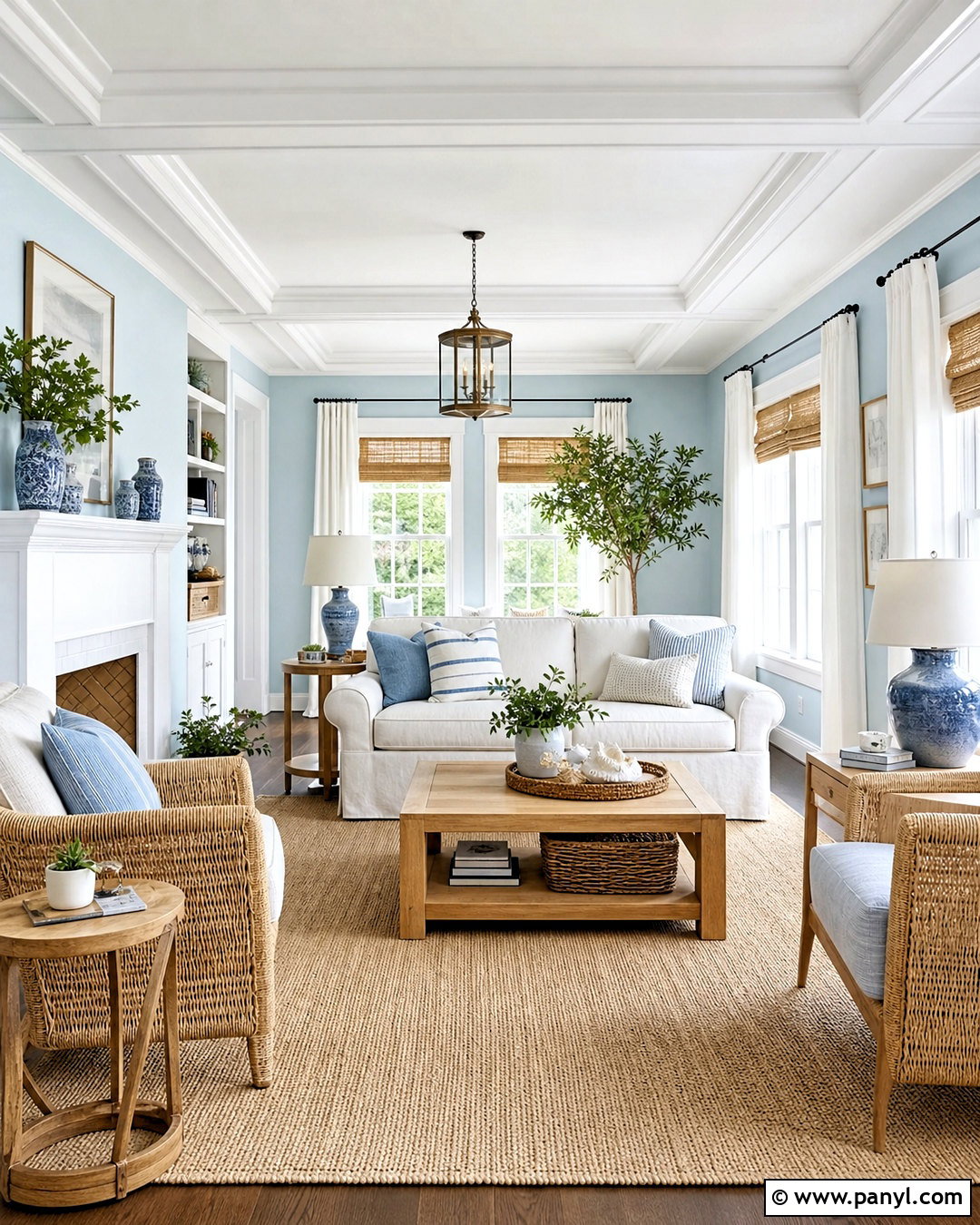
Soft sky blue brings an open, breezy feeling to a hall used for relaxing and casual entertaining. Paint the walls blue and keep the ceiling, baseboards, and interior doors warm white. Furnish the room with a cream slipcovered sofa, light oak tables, and woven armchairs. A sandy beige rug grounds the cooler walls, while striped blue-and-white cushions create gentle movement. Natural bamboo shades layered beneath white curtains provide privacy and texture. Add ceramic lamps, coastal artwork, and a few leafy plants, but avoid excessive themed accessories. Warm bulbs help the blue remain comfortable after dark. In a connected dining area, use warm white walls with blue chair cushions so the transition feels deliberate rather than abruptly divided.
7. Olive Green And Cream Hall Room
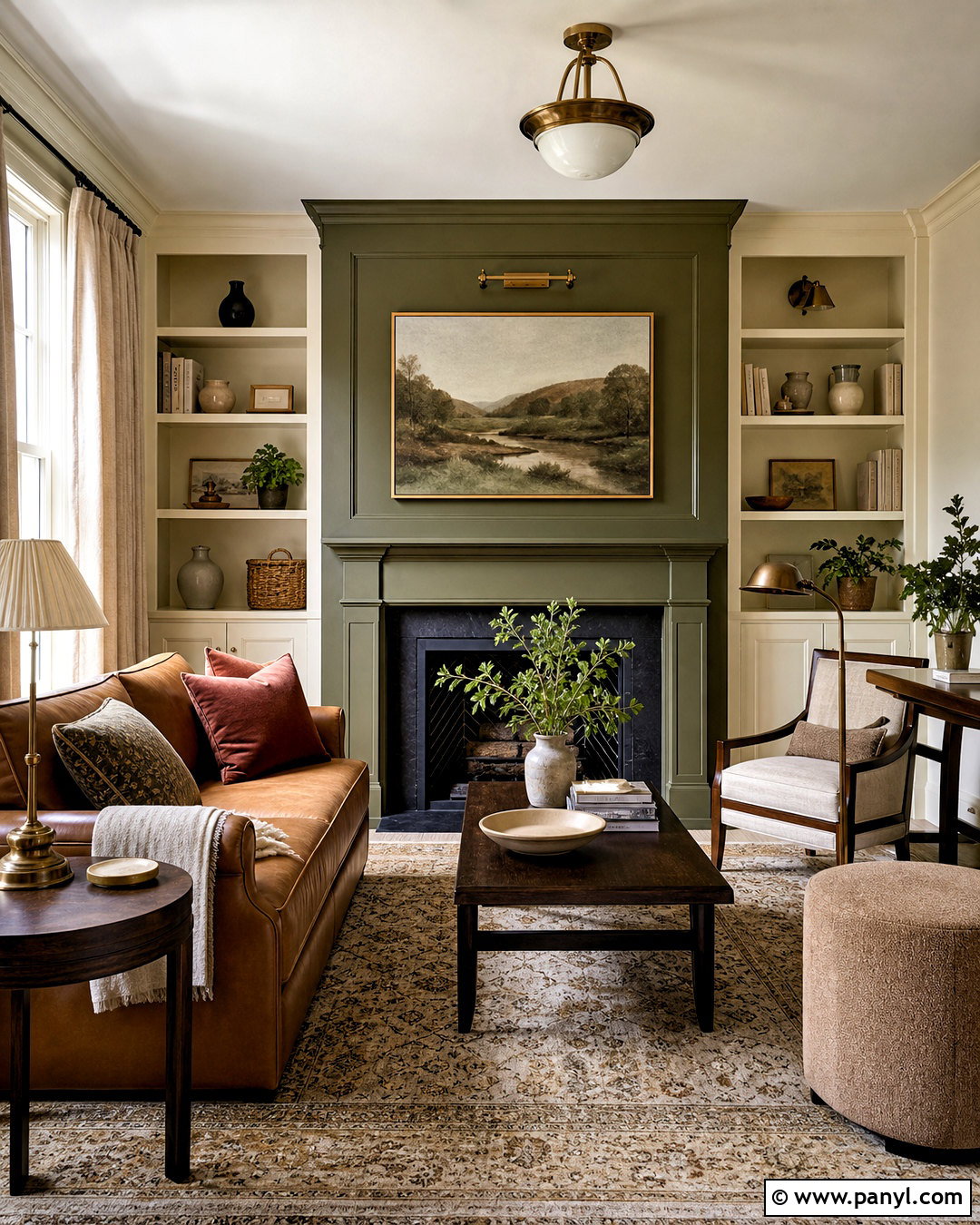
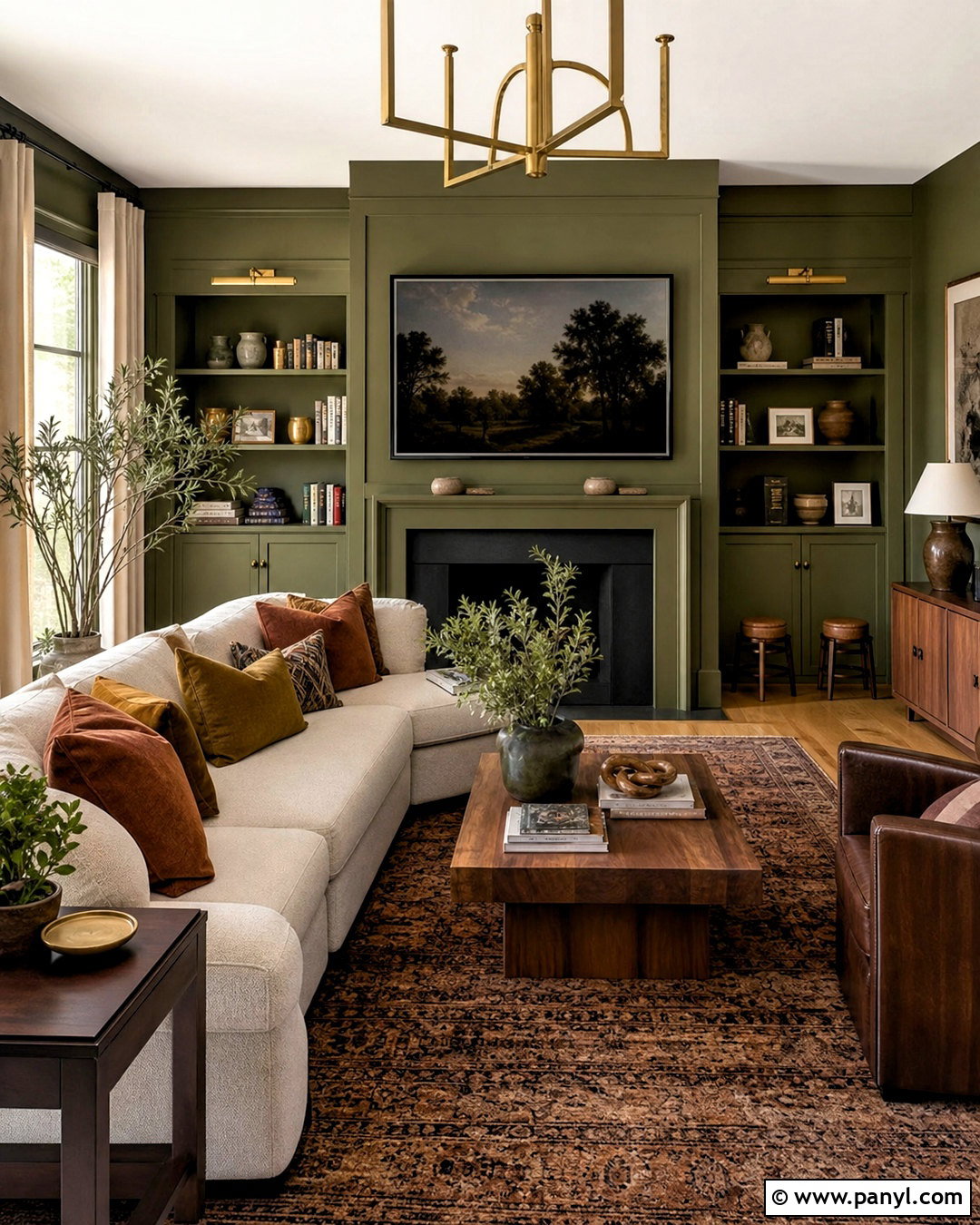
Olive green offers a deeper natural look that feels comfortable with traditional and modern furnishings. Use creamy white on most walls and place olive green behind built-in shelving, the sofa, or a fireplace. Select a camel leather sofa or warm beige upholstered seating to complement the green undertones. Dark wood tables, an antique-style brass lamp, and a patterned cream rug create a layered, established appearance. Curtains in plain oatmeal linen keep the arrangement relaxed. Add small accents in burgundy, rust, or muted gold for richness. If your hall receives limited daylight, choose a midtone olive and use several light sources at different heights. Cream-painted shelves can also break up the feature wall and keep the composition balanced.
8. Dusty Rose And Off-White Hall Room
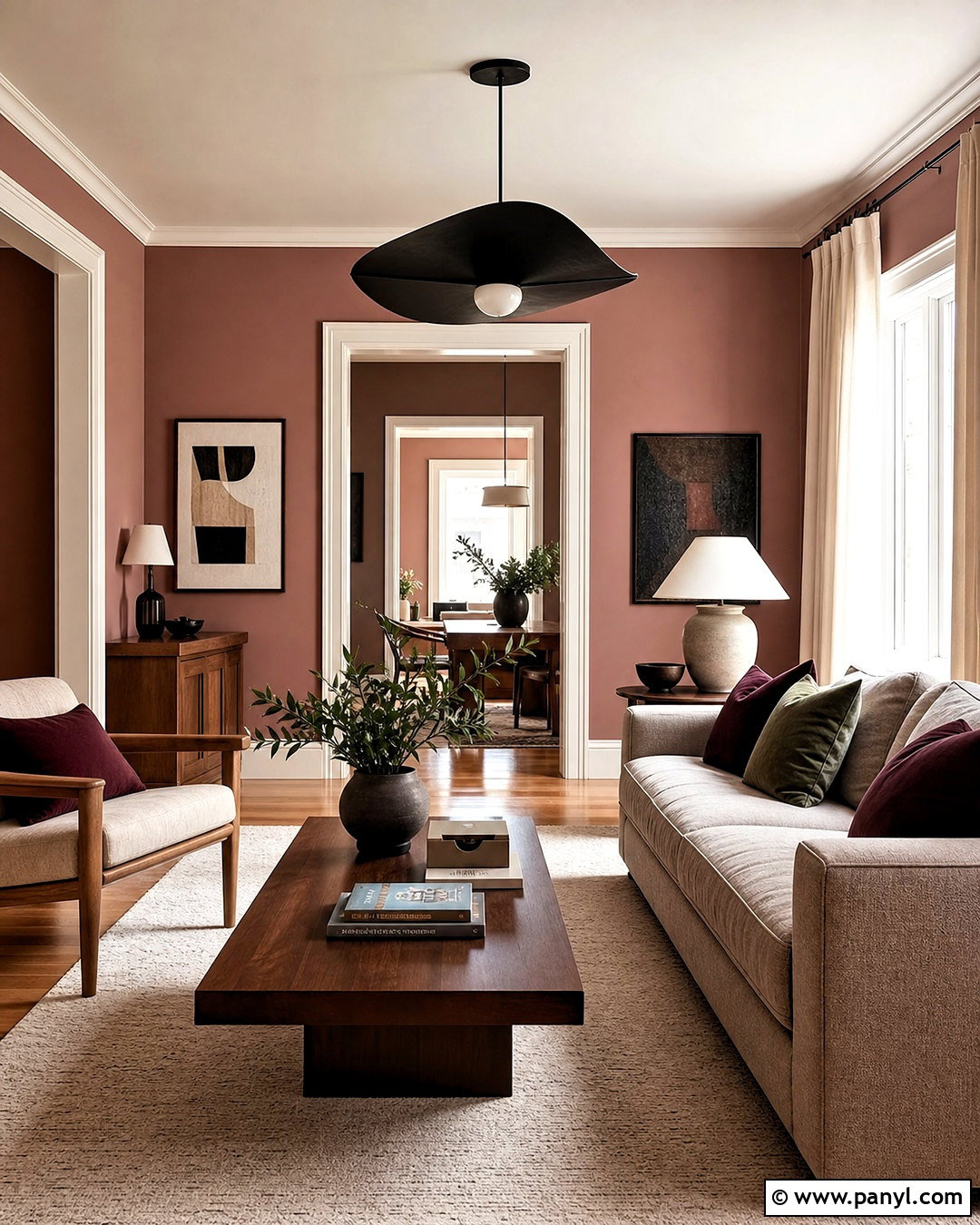
Dusty rose can function like a warm neutral when surrounded by understated furniture and natural textures. Paint every wall in a muted, brown-based rose, then use soft off-white across the ceiling, trim, and doors. A taupe sofa and walnut coffee table give the room a grounded foundation. Layer the seating with cream, plum, and faded green cushions rather than repeating pink everywhere. An ivory rug, linen curtains, and ceramic table lamps keep the hall light and approachable. For a contemporary finish, include slim black frames and a simple sculptural pendant. Dusty rose is especially effective in a hall with warm wood flooring. It creates a gentle glow while remaining more refined than a bright or candy-colored pink.
9. Teal And Milky White Hall Room
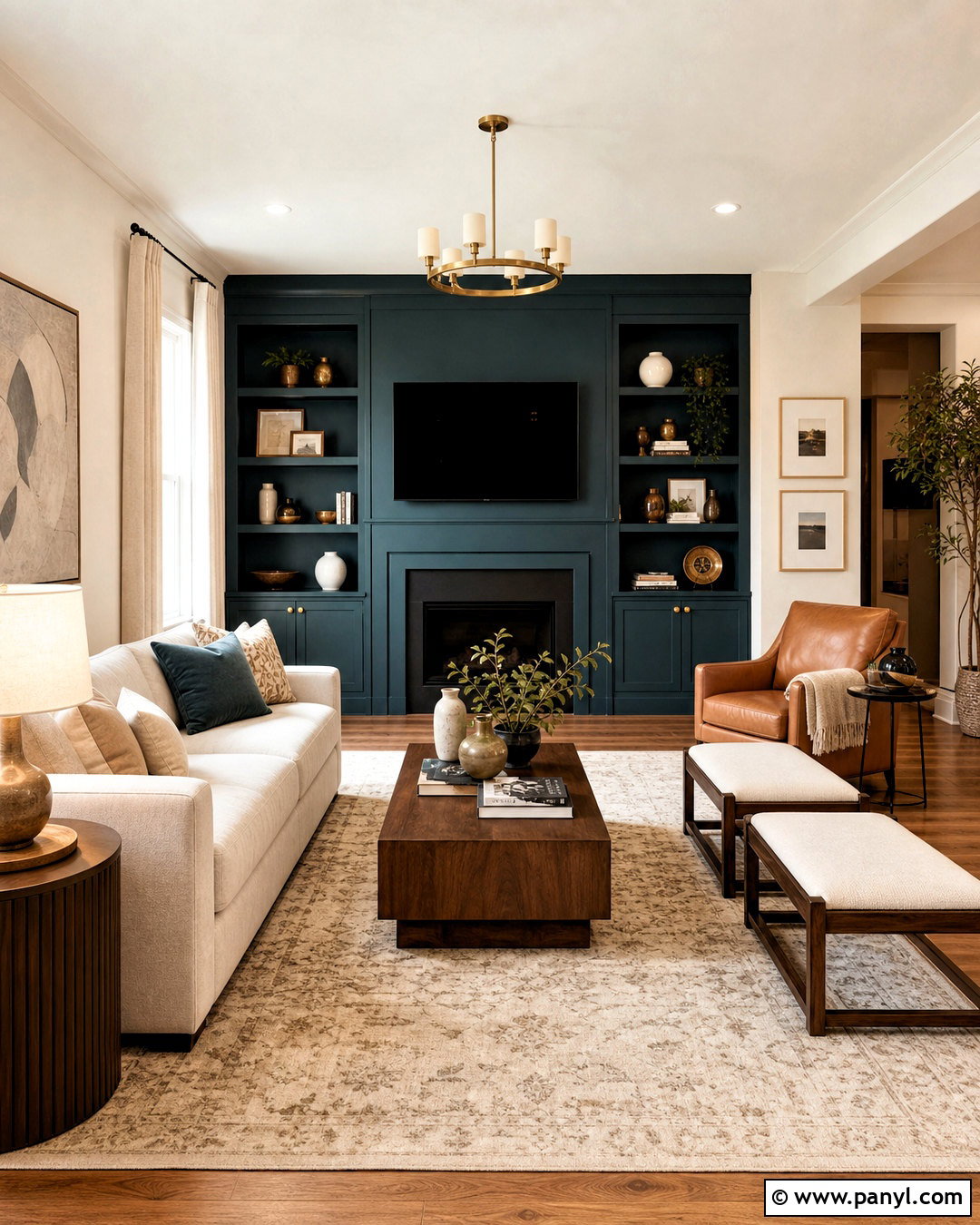
Deep teal creates a striking focal point while milky white maintains an open, comfortable atmosphere. Apply teal to the wall containing the television, fireplace, or main artwork, and use warm milky white throughout the remaining space. A light gray or cream sofa provides contrast against the saturated wall. Bring in walnut furniture, tan leather accents, and an ivory patterned rug to warm the palette. Brass lighting looks especially clear against teal, while matte black details can outline shelves and frames. Use curtains close to the wall’s white tone so they blend rather than interrupt the room. If the hall connects to a dining area, repeat teal on a cabinet or chair upholstery instead of painting another full wall.
10. Warm Sand And Mist Gray Hall Room
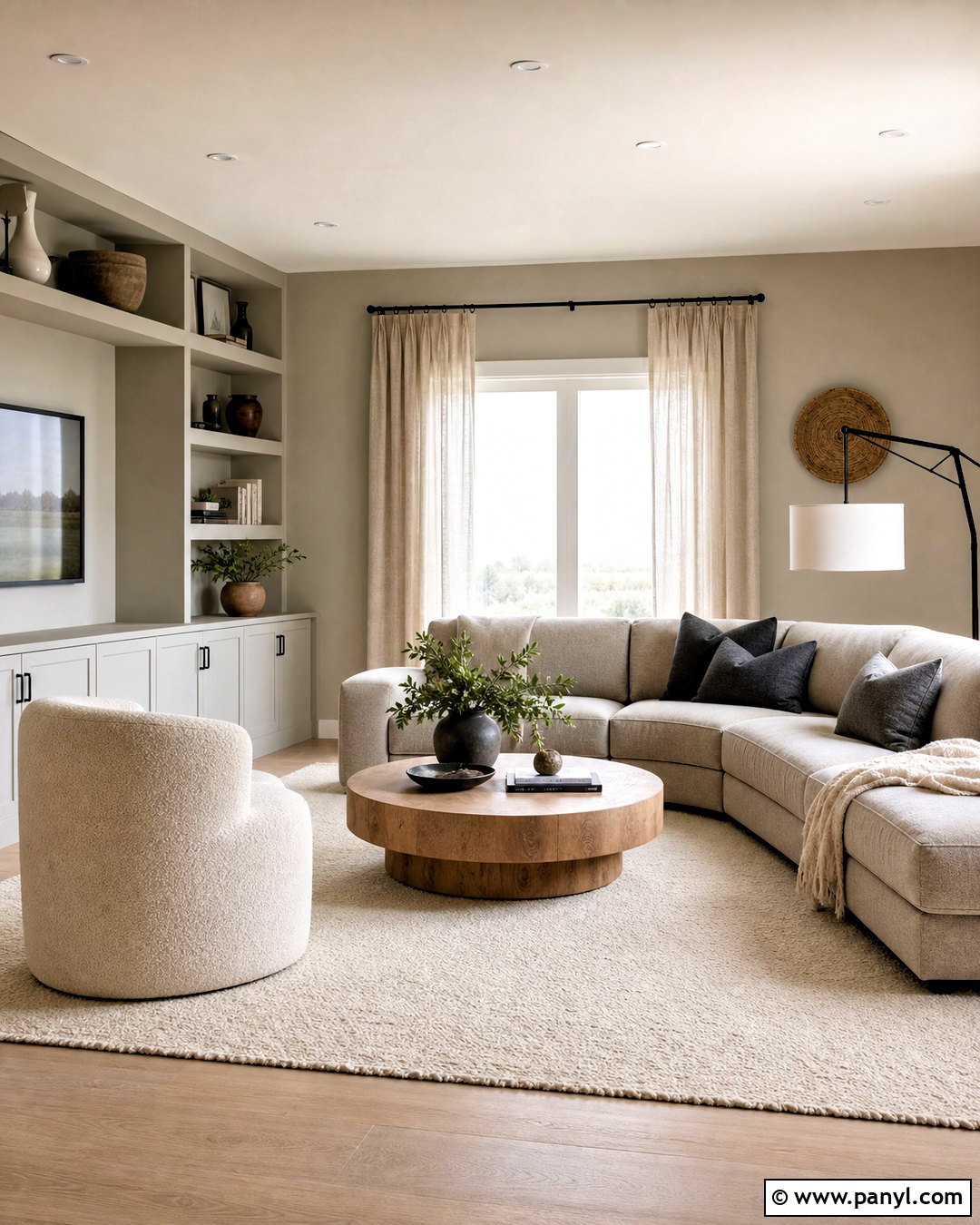
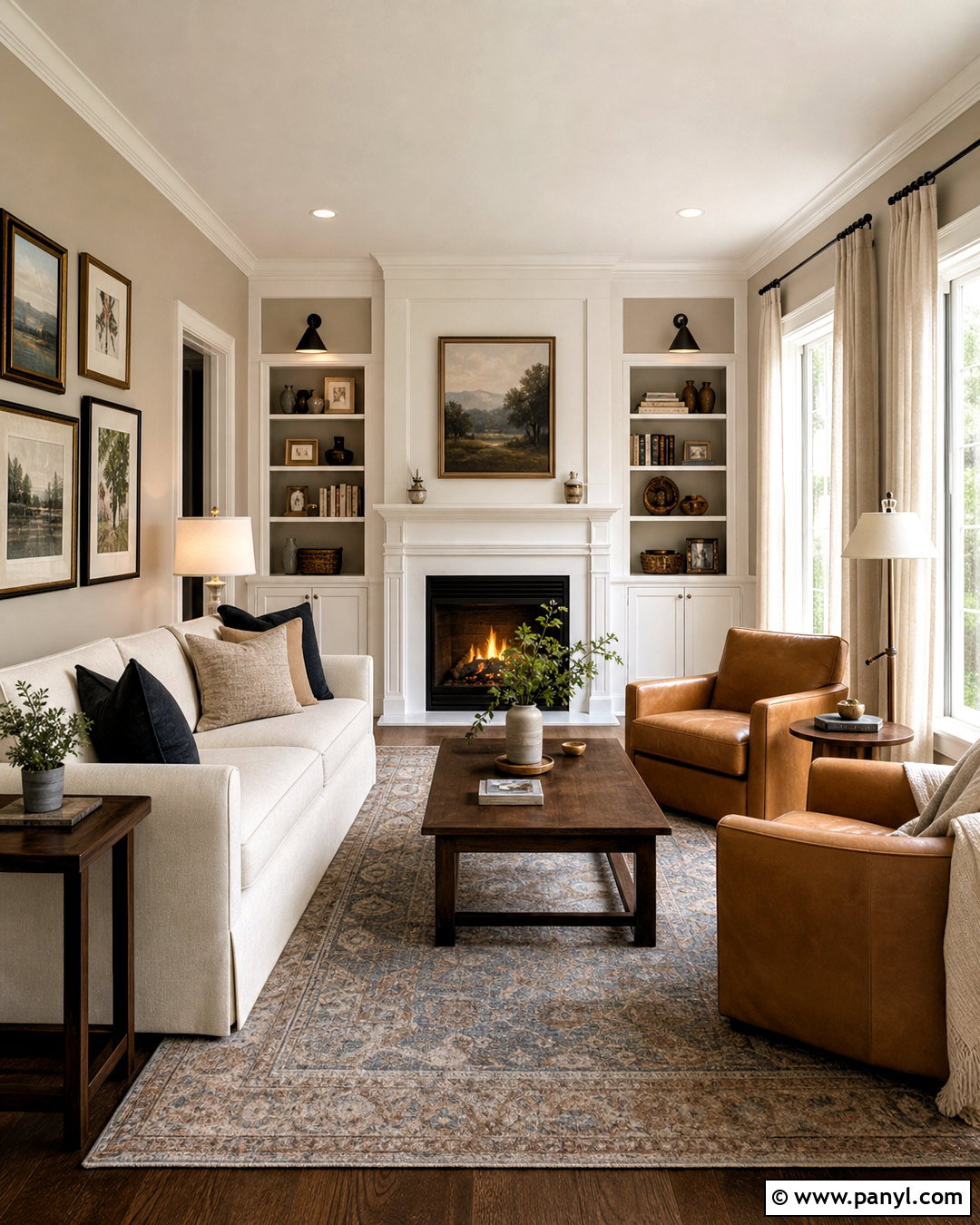
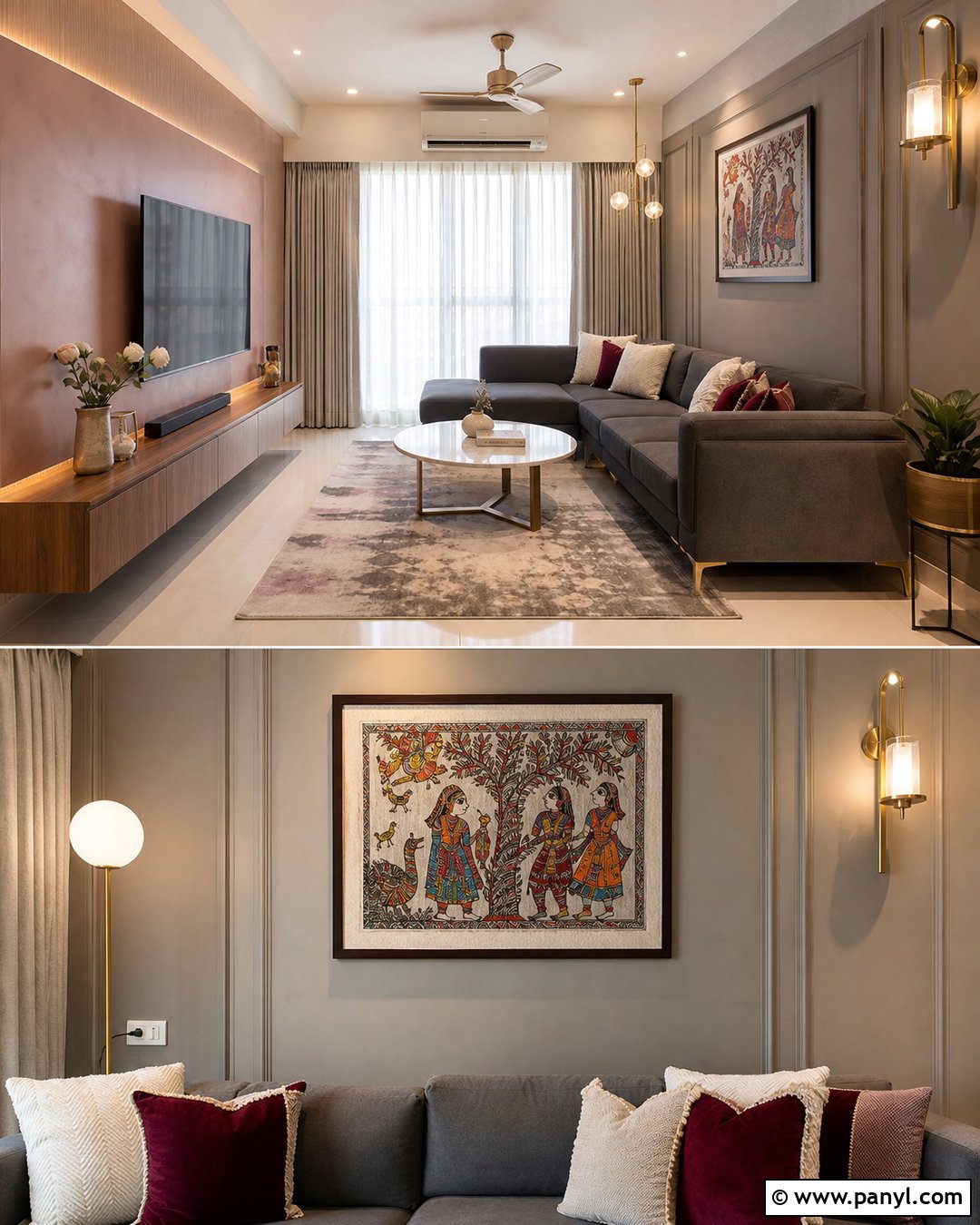
For a quiet, flexible interior, combine warm sand walls with a restrained mist-gray accent. Paint the main seating area in sandy beige and use pale gray on built-in cabinetry, a media wall, or the dining zone. A greige sectional connects both colors without making either shade dominant. Add an oak coffee table, ivory bouclé chair, and textured cream rug for softness. Charcoal cushions and black metal lighting introduce enough contrast to sharpen the neutral arrangement. Choose natural linen window treatments with a slight beige undertone. Accessories should remain simple but tactile, including stoneware, woven trays, and pale wood frames. The finished hall feels layered and intentional, yet it leaves enough flexibility for changing seasonal textiles or artwork.
11. Lavender And Soft White Hall Room
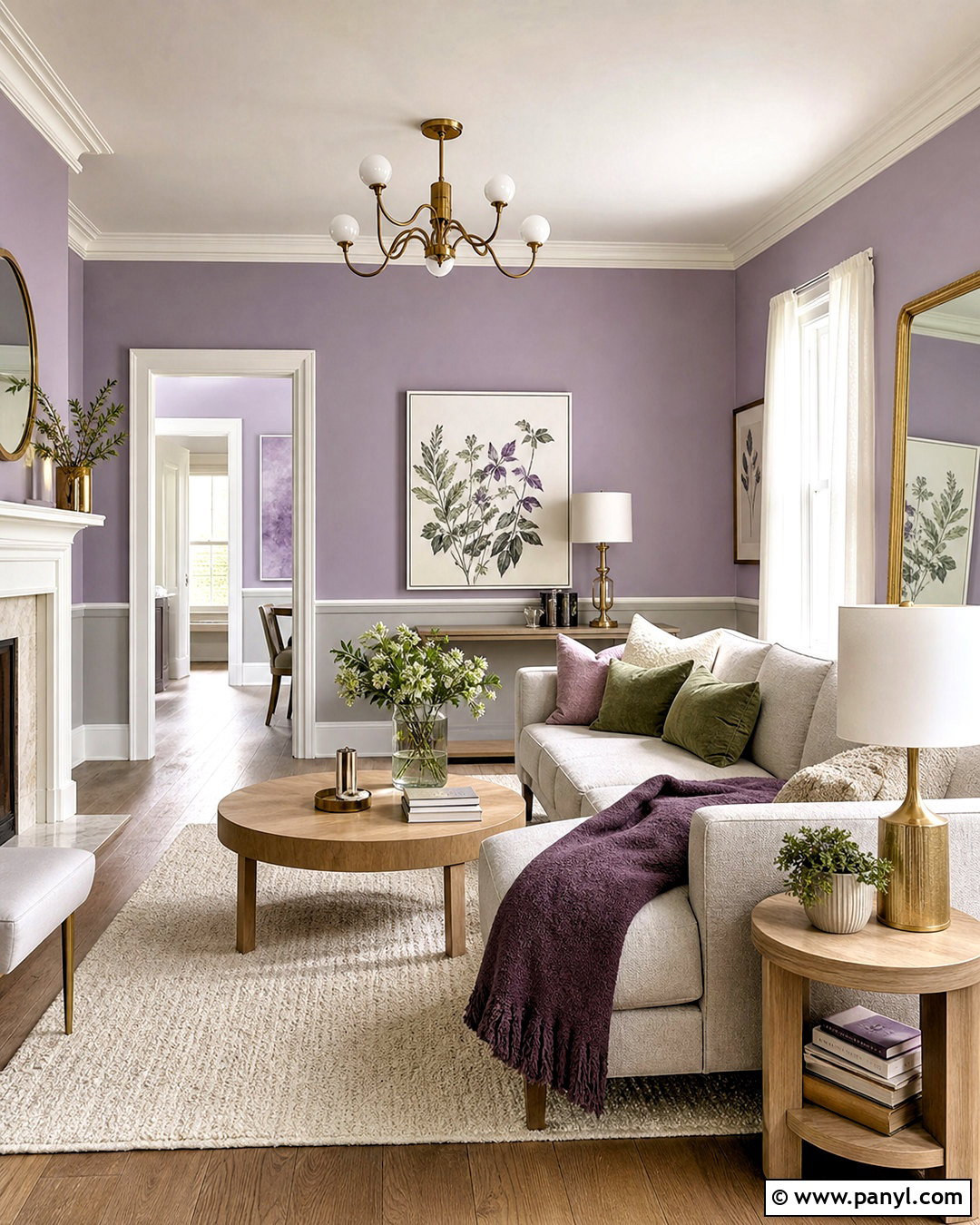
A whisper of lavender can give a hall subtle color without overwhelming its everyday function. Choose a gray-based lavender for the walls and pair it with soft white trim, ceiling paint, and curtains. Furnish the room with a light gray sofa, pale oak tables, and a cream area rug. Add muted green cushions and one deeper plum throw to create depth. Brushed nickel or soft brass lighting works better than heavy black fixtures in this delicate scheme. Keep artwork simple, using botanical prints or abstract pieces that include lavender, beige, and green. In a narrow hall room, use mirrors opposite the windows to distribute available light. The resulting space feels peaceful, polished, and pleasantly different from standard neutral interiors.
12. Peach And Classic Cream Hall Room
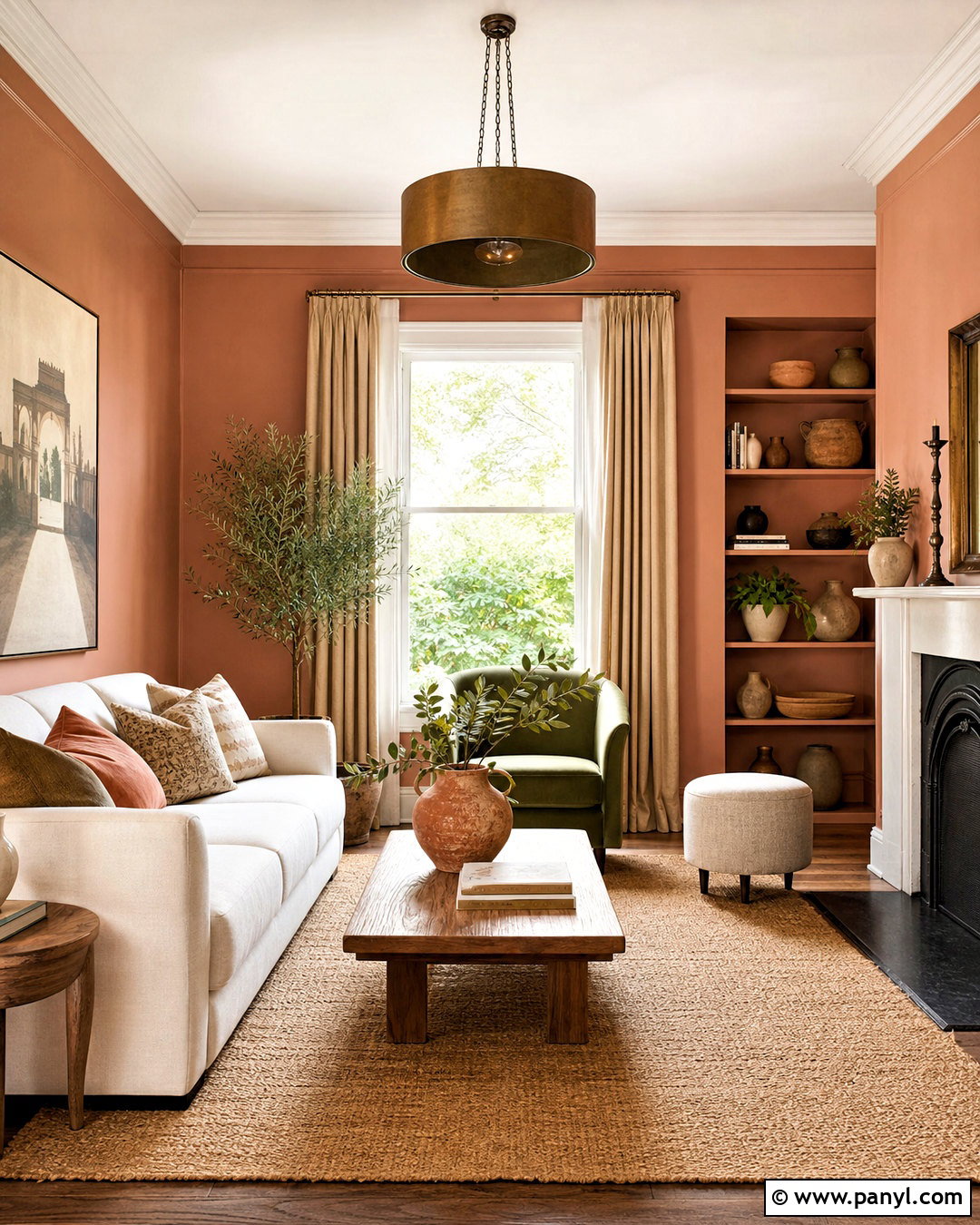
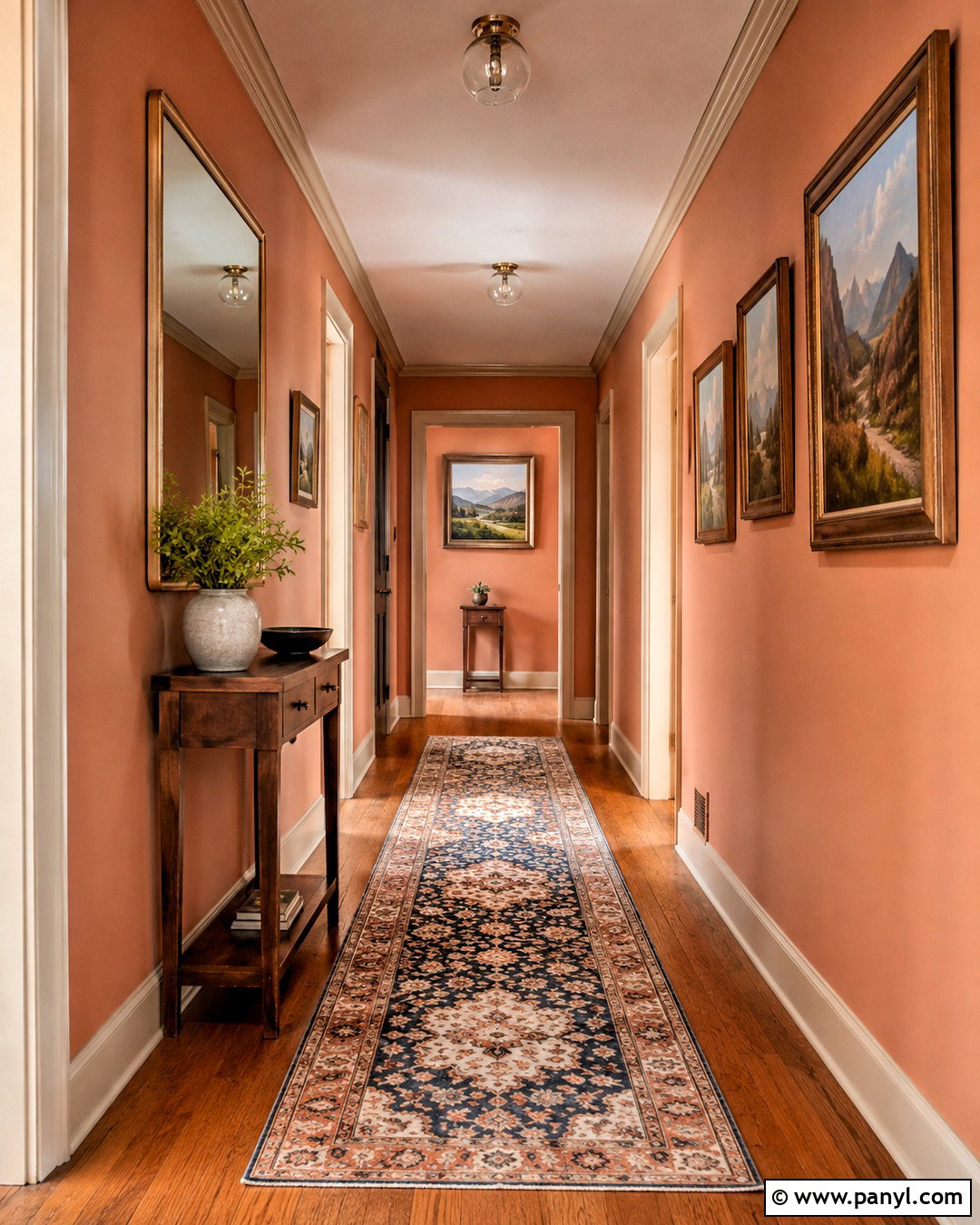
Peach walls can produce a warm, uplifting hall when the shade is soft and slightly earthy. Pair pale peach with classic cream on the ceiling, trim, doors, and any wall paneling. A cream sofa, honey-toned wood furniture, and a natural jute-blend rug reinforce the inviting palette. Introduce sage green through an armchair, cushions, or leafy plants to balance the warmth. Terracotta pottery and bronze lighting can deepen the scheme without making it too orange. Choose cream curtains with a light woven texture and avoid cool white fabrics. If you want an accent wall, use a richer peach behind open shelving rather than adding an unrelated dark color. This creates depth while preserving the room’s bright, cohesive character.
13. Bottle Green And Pure White Hall Room
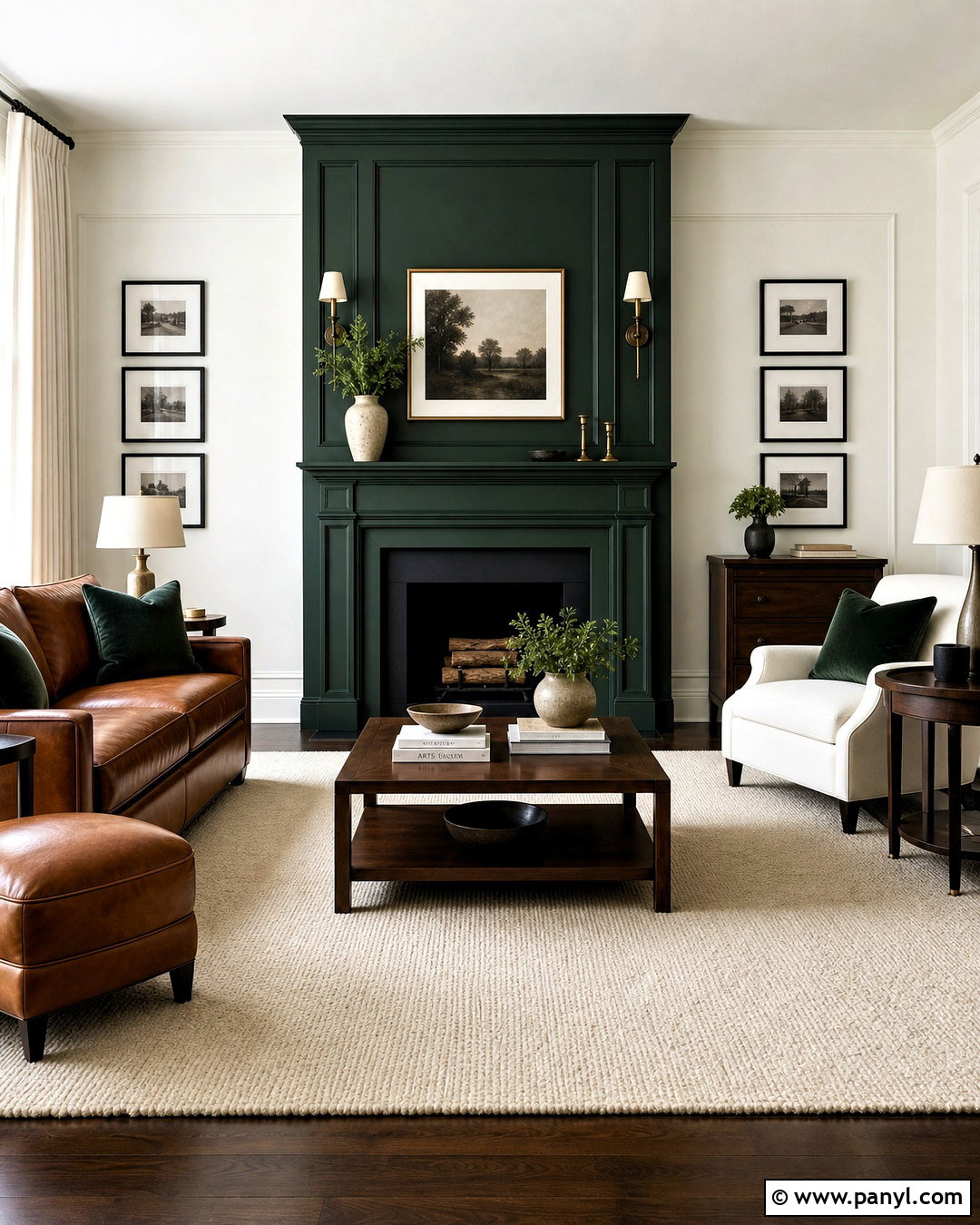
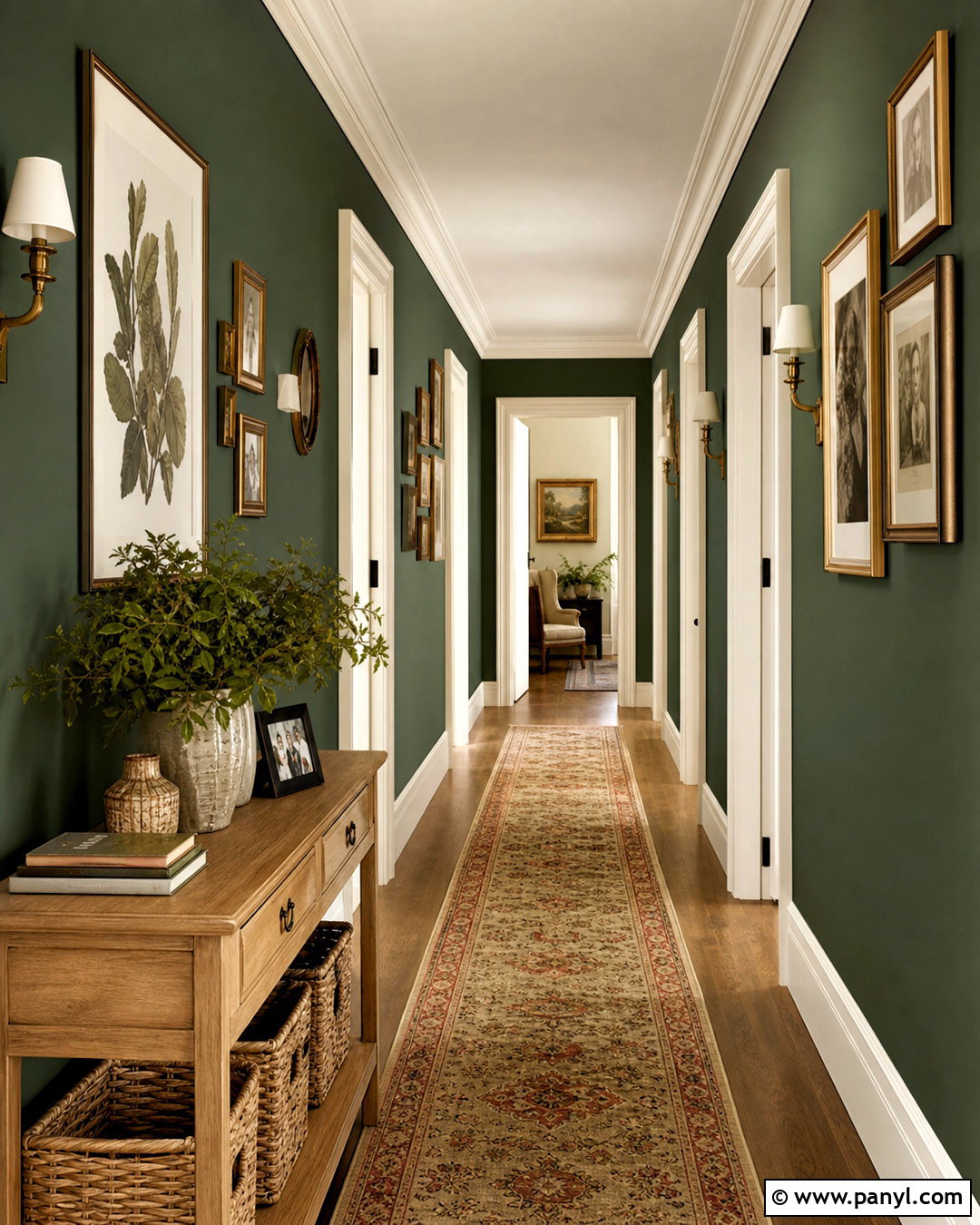
Bottle green creates a confident hall with an elegant, tailored appearance. Use the dark green on one architectural feature, such as the fireplace wall, media unit, or paneled section behind the sofa. Paint the remaining walls, ceiling, and trim pure white for crisp contrast. A cognac leather sofa, warm walnut tables, and a cream wool rug keep the room from feeling cold. Add green velvet cushions, aged brass lighting, and black-framed artwork to reinforce the sophisticated palette. White curtains should be full and softly pleated, helping the windows feel larger. In a spacious hall, a pair of green-painted cabinets can frame the focal wall. Keep decorative objects limited so the saturated color remains the room’s strongest visual statement.
14. Chocolate Brown And Warm White Hall Room
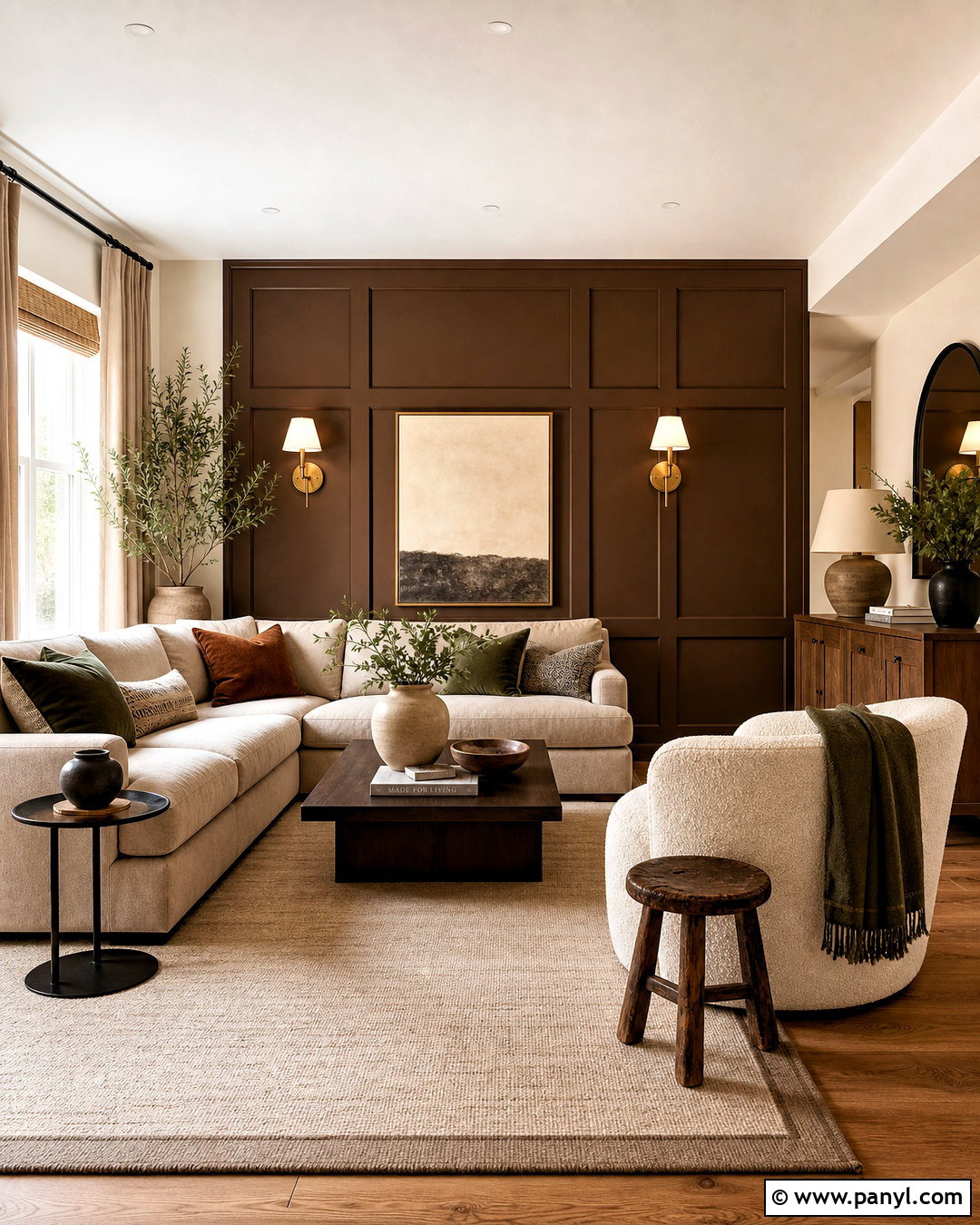
Chocolate brown can make a hall feel cozy and architectural instead of dated. Paint a paneled focal wall in deep cocoa brown and cover the surrounding walls in warm white. A beige sectional, cream boucle chair, and medium oak flooring lighten the darker feature. Choose a large ivory rug with a subtle brown border to connect the seating arrangement. Bronze lamps, amber-free white lighting, and textured linen curtains add warmth without reducing clarity. Introduce muted rust and olive through cushions and artwork. If the ceiling is low, keep it white and avoid taking brown overhead. Built-in shelving painted to match the focal wall can create a seamless finish, especially when styled with pale ceramics, books, and minimal natural greenery.
15. Mustard Gold And Ivory Hall Room
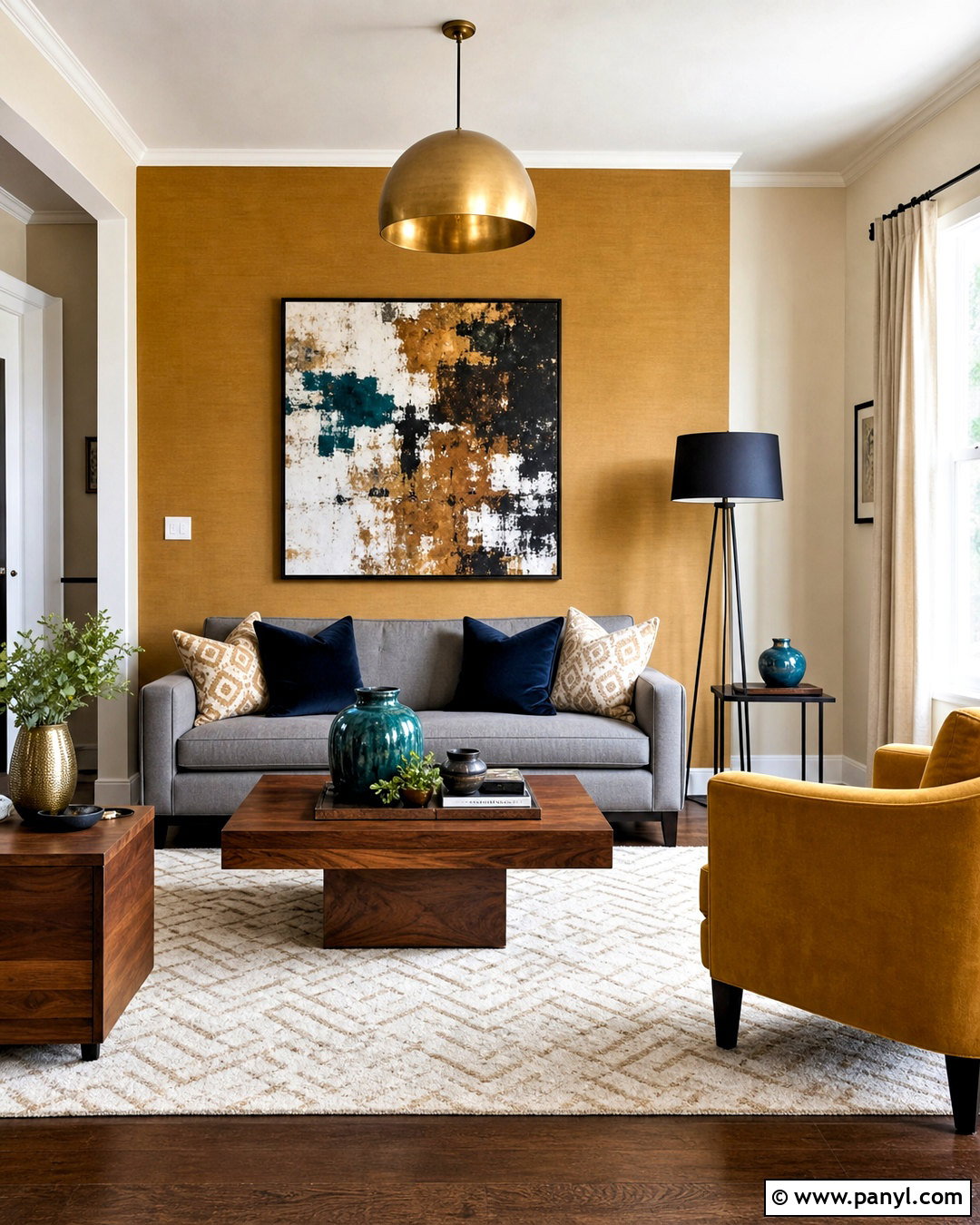
Mustard gold brings energy to a hall while remaining softer than bright yellow. Paint one wall in a muted golden mustard and use ivory across the other walls, ceiling, and woodwork. A medium-gray sofa provides a calm counterpoint, while walnut tables and a cream patterned rug add warmth. Repeat mustard through a single chair or a few cushions, but avoid matching every accessory. Navy blue or deep teal details create a strong complementary accent and can appear in artwork, pottery, or a throw. Use ivory curtains to preserve brightness around the windows. A brass pendant and black floor lamp add polished contrast. This complete arrangement feels cheerful and substantial, making it suitable for both family living and entertaining.
16. Charcoal Gray And Off-White Hall Room
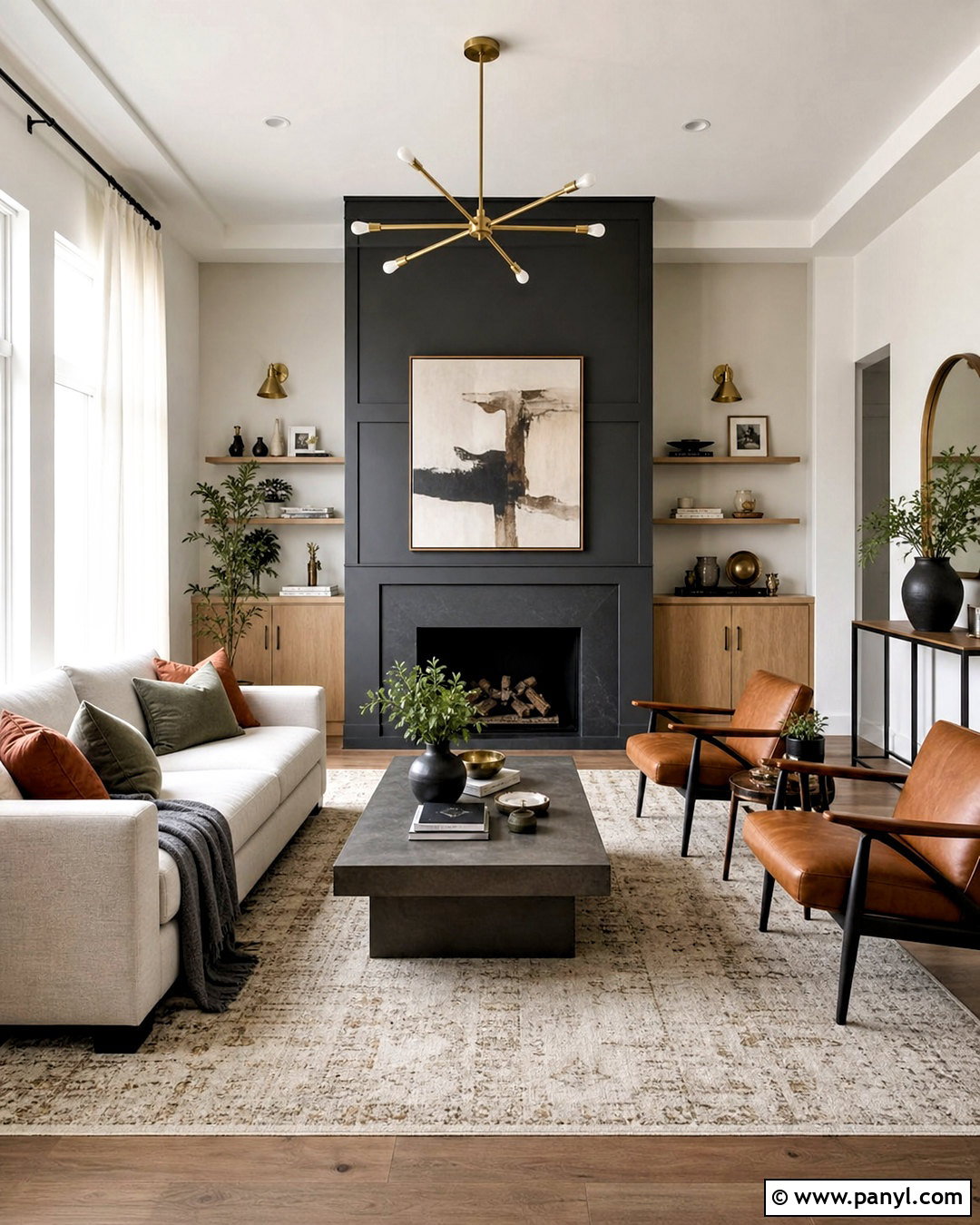
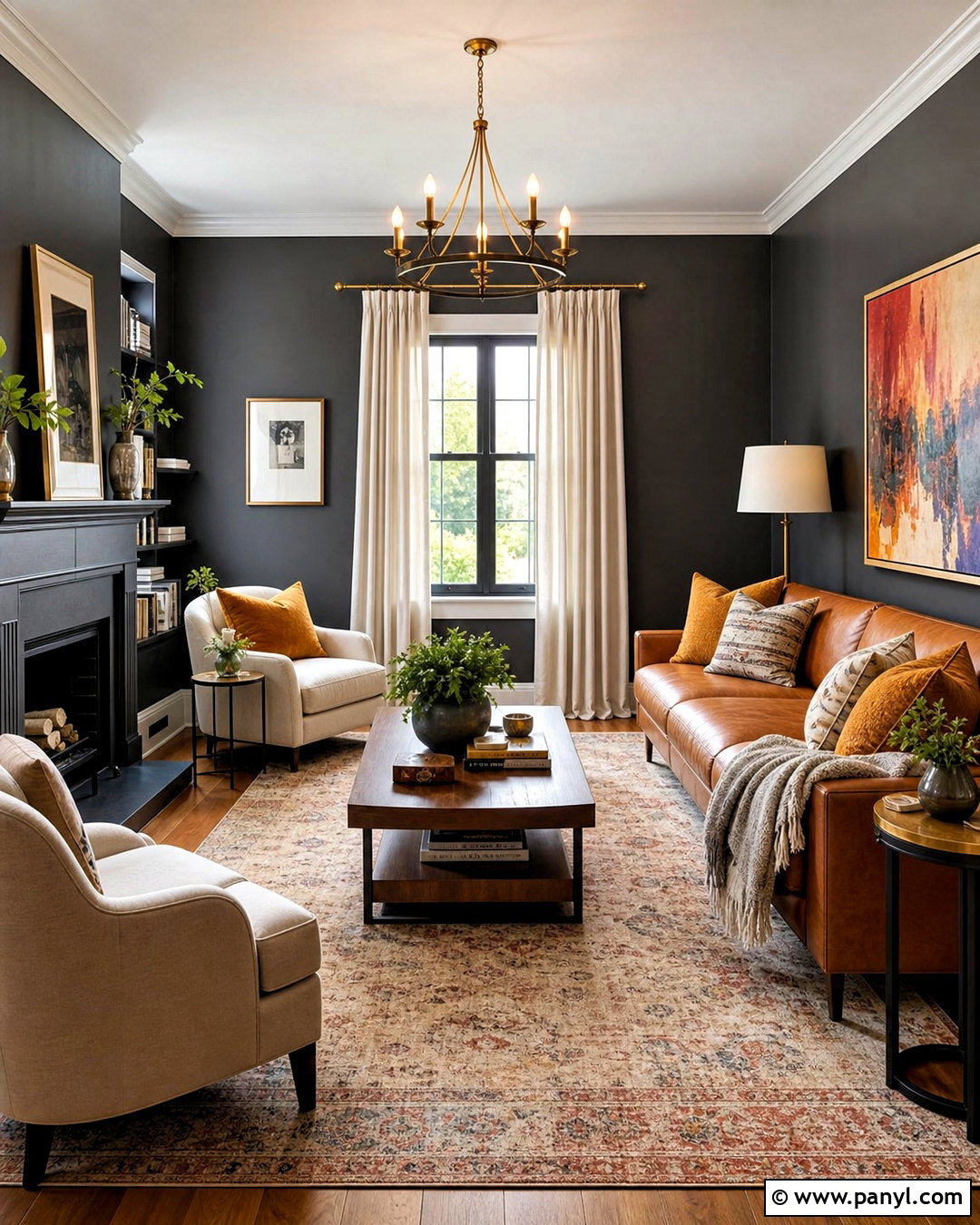
Charcoal gray can create drama without closing in the room when it is balanced with generous off-white surfaces. Place charcoal on the wall behind a media unit or fireplace and keep adjacent walls light. Select an off-white sofa, pale oak cabinet, and oversized cream rug to brighten the seating area. Add cognac leather chairs or rust cushions for warmth. Black metal lighting can disappear against charcoal, so consider brushed brass or polished nickel fixtures that remain visible. Use full-height off-white curtains and several lamps to create balanced illumination. In an open hall, repeat charcoal through dining chair frames or a narrow console. The result feels modern and grounded, with enough tonal variation to avoid a flat black-and-white appearance.
17. Blush Pink And Classic Cream Hall Room
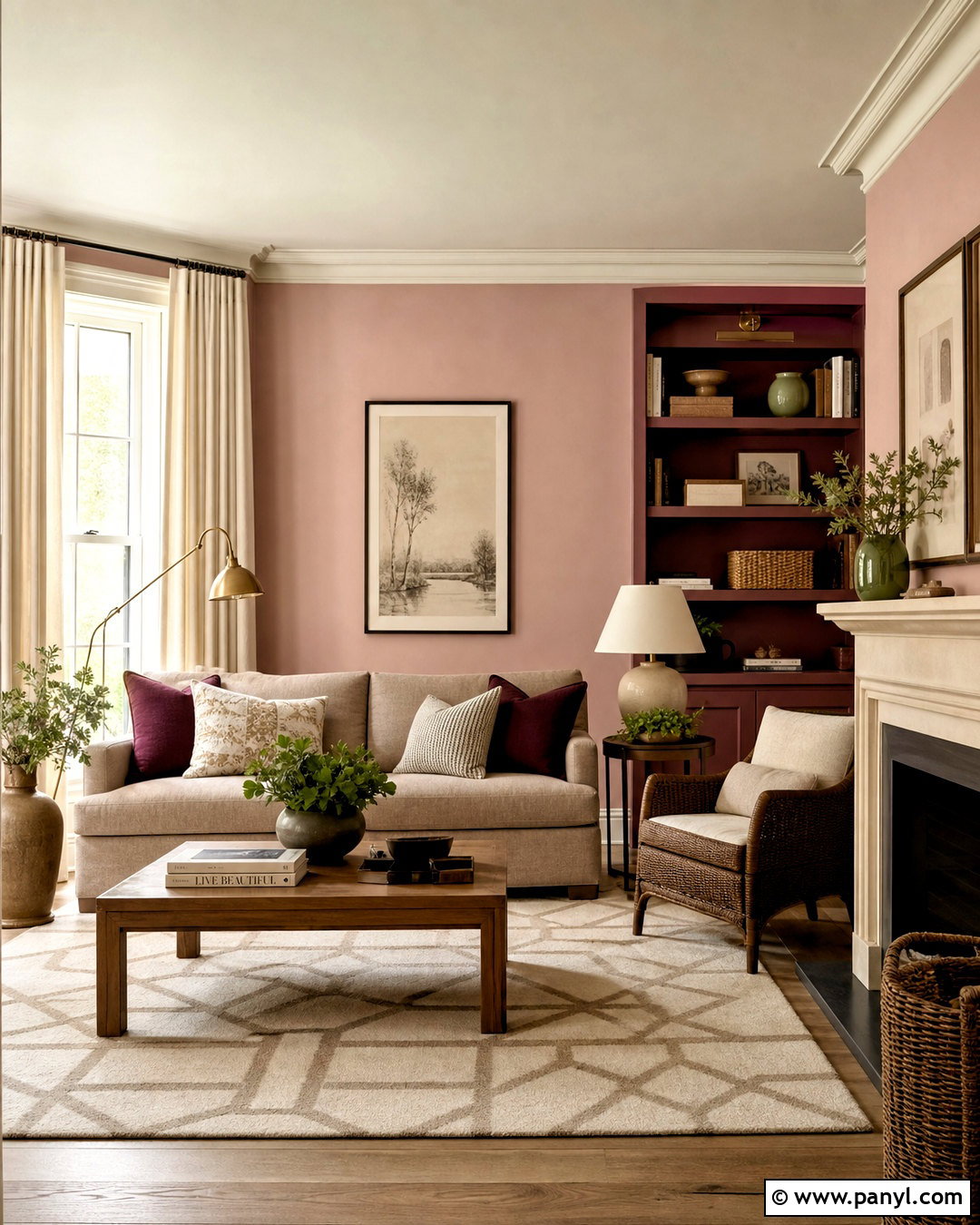
Blush pink offers gentle warmth that can brighten a hall without becoming overly sweet. Use a muted blush across the walls, then frame it with classic cream ceilings, doors, baseboards, and curtains. A light taupe sofa and oak coffee table establish a casual neutral base. Layer in burgundy, chocolate brown, and sage green accents through cushions, artwork, and ceramics. A cream rug with a subtle geometric pattern gives the seating arrangement structure. Choose warm brass lamps or sconces, but limit shiny finishes to a few purposeful details. Natural woven baskets and linen upholstery keep the palette relaxed. For extra depth, paint built-in shelves a darker dusty rose, creating a tonal focal point that still belongs to the overall room scheme.
18. Marine Blue And Snow White Hall Room
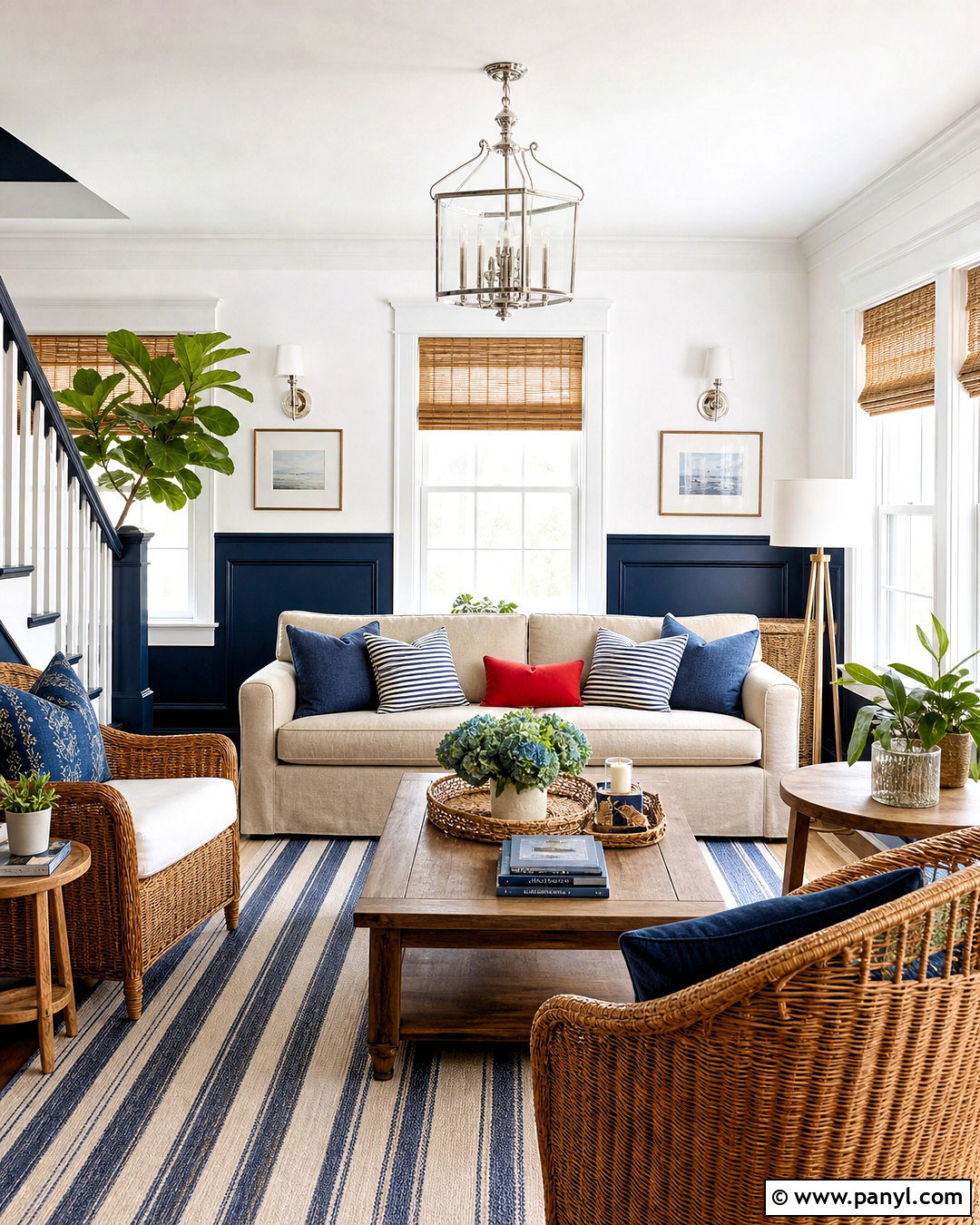
Marine blue and snow white create a clean, energetic hall with strong visual definition. Cover the lower half of the walls in blue paneling and use bright white above, including the ceiling and trim. This two-tone placement adds character while keeping the deeper shade away from eye level. Furnish the room with a white or light beige sofa, natural oak tables, and a striped cream-and-blue rug. Add red sparingly through one cushion or a small artwork for a lively accent. Woven shades and rattan chairs soften the crisp palette. Use polished nickel or brushed brass lighting to provide a refined finish. The scheme works best when blue appears again in small details across any connected dining or entry space.
19. Butter Yellow And Warm White Hall Room
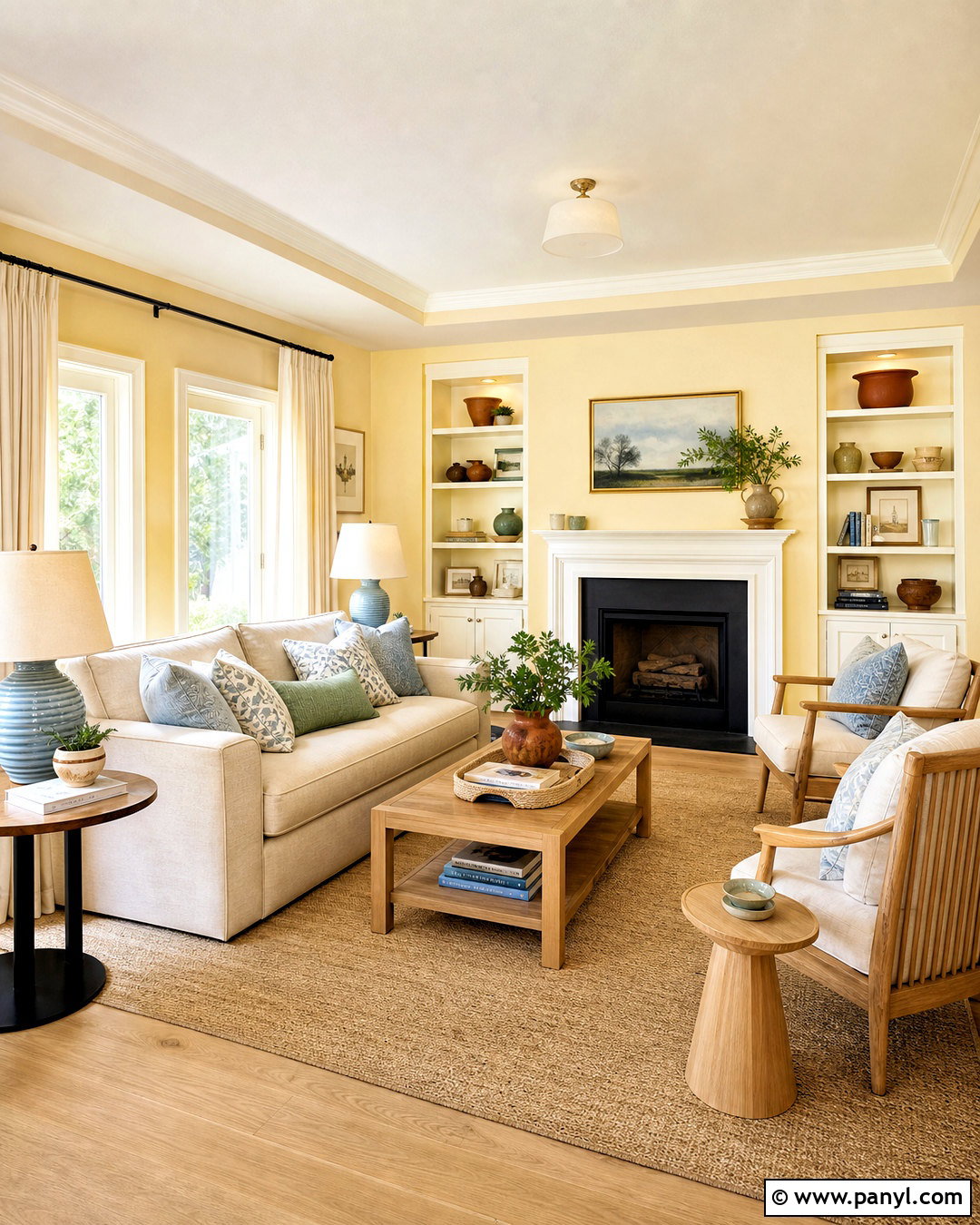
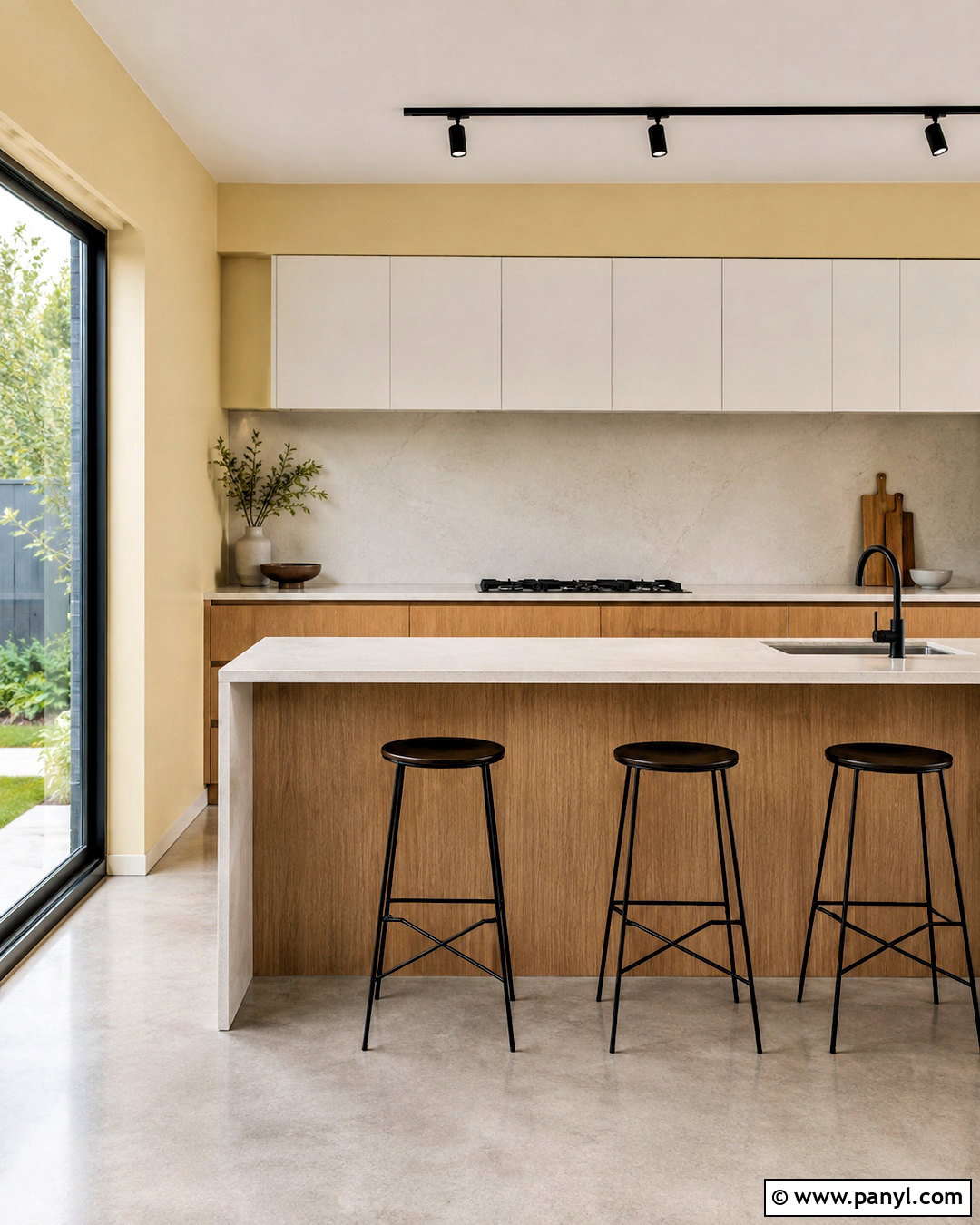
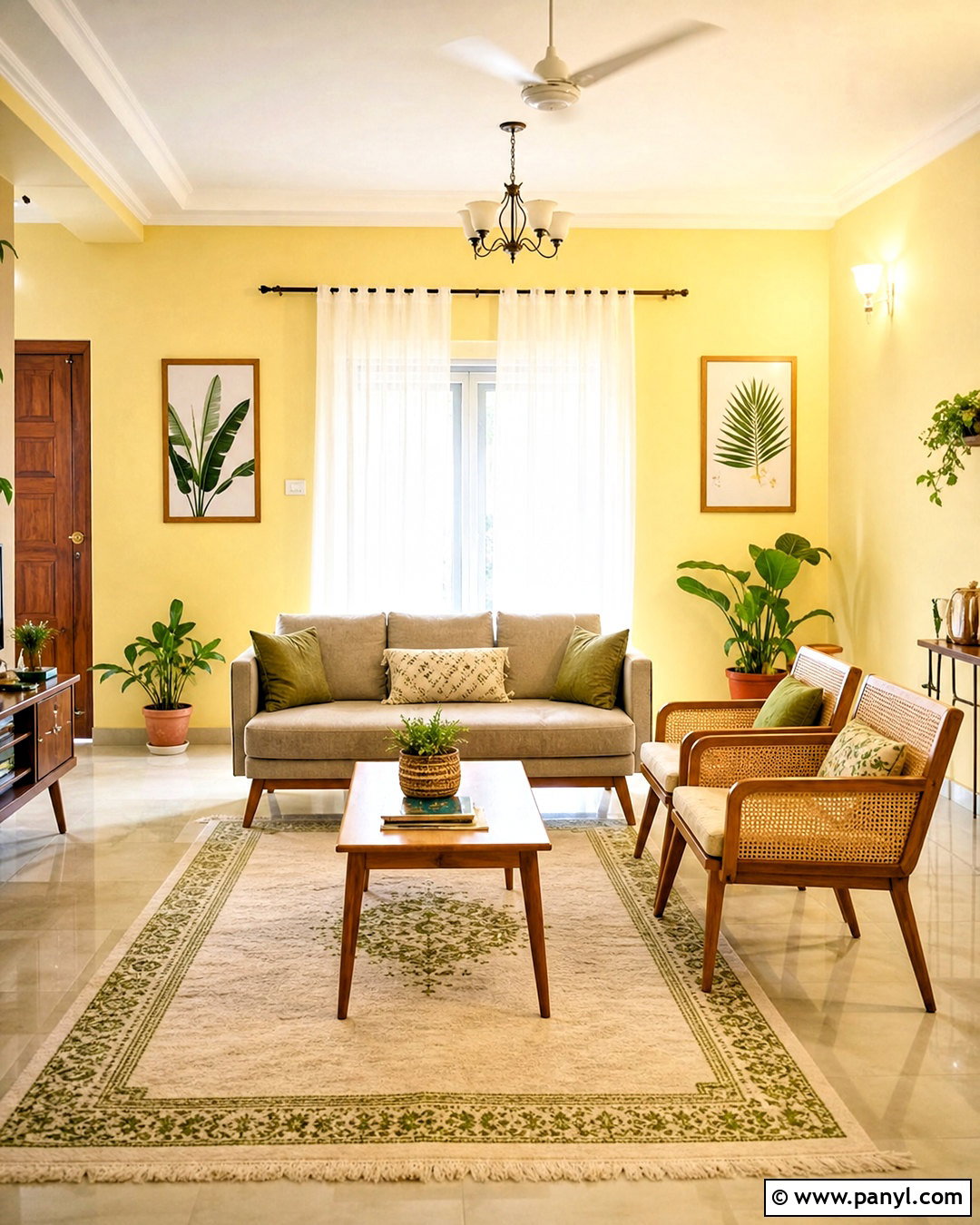
Butter yellow can make an everyday hall feel sunny even when the weather outside is dull. Choose a pale, creamy yellow for the walls and use warm white on the ceiling, doors, trim, and built-in storage. Furnish the room with an oatmeal sofa, light oak tables, and a natural woven rug. Soft blue, sage green, and terracotta accents prevent the yellow from looking one-dimensional. White linen curtains allow daylight to remain the focus, while ceramic lamps provide even evening illumination. Avoid bright primary-yellow accessories, which can make the room feel busy. Instead, layer quiet patterns through cushions and artwork. This palette suits compact halls because it adds visible warmth without relying on dark colors or a strongly contrasting feature wall.
20. Silver Gray And Steel Blue Hall Room
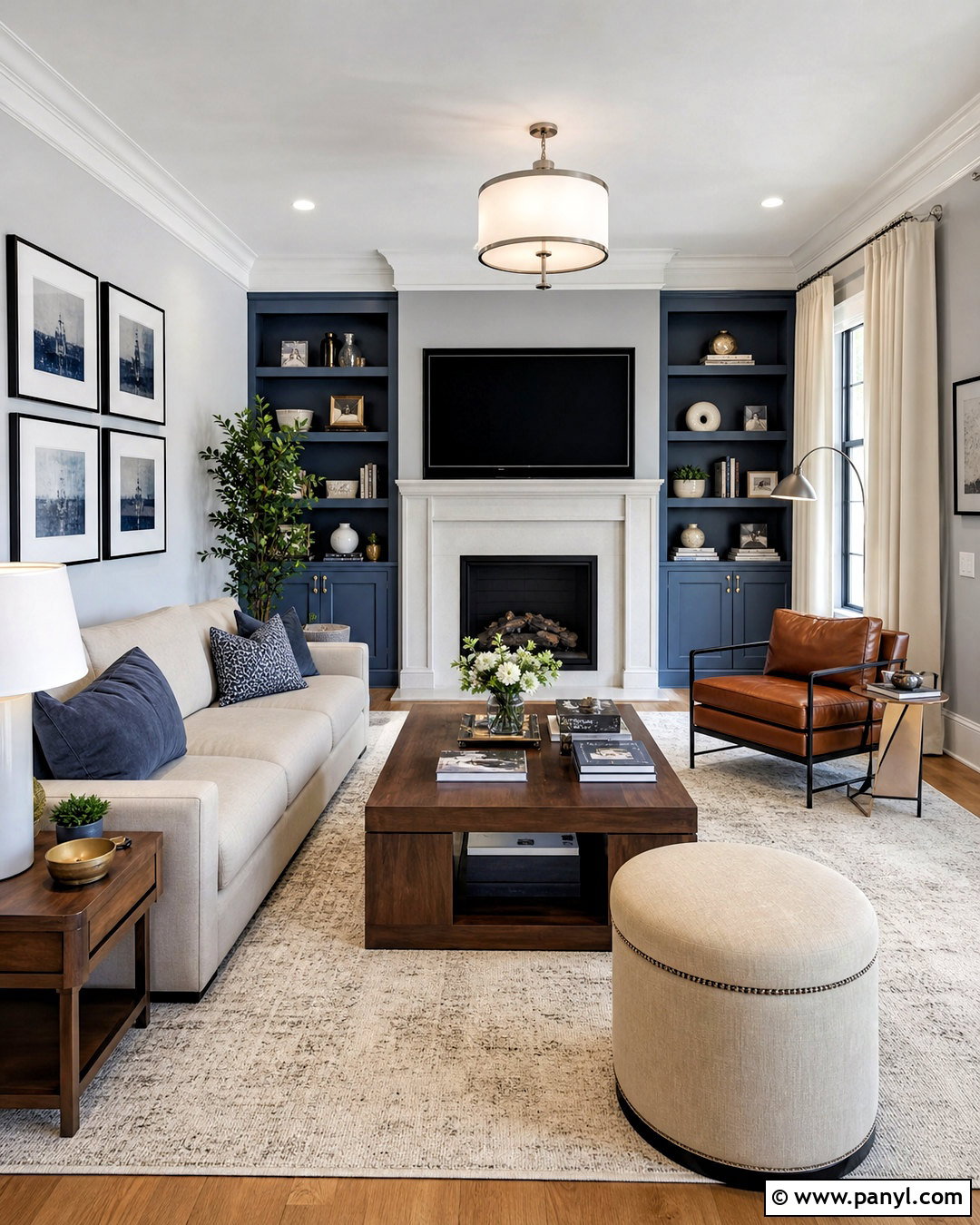
A silver-gray and steel-blue palette creates a polished hall that still feels comfortable for daily use. Paint the primary walls in a light silver gray and use steel blue on the television wall, fireplace surround, or built-in cabinets. Choose a warm beige sofa rather than another cool gray piece. Walnut furniture, a cream rug, and cognac leather accents provide necessary warmth. Add brushed nickel lighting for a streamlined finish and use black only in narrow frames or table legs. Floor-length ivory curtains soften the structured colors. A few blue-gray cushions can link the seating to the accent wall. With layered table, floor, and ceiling lighting, the complete room appears balanced rather than chilly, especially during evenings or cloudy days.
Conclusion:
The best hall palette supports the room’s size, natural light, furnishings, and connection to nearby spaces. Light shades can create an open foundation, while deeper colors add focus through paneling, cabinetry, or a single architectural wall. Warm wood, layered textiles, practical lighting, and repeated accent colors help every combination look complete rather than randomly assembled. Before buying paint, test large samples beside the flooring, sofa, curtains, and trim. Check each shade at several times of day because undertones can shift noticeably as the light changes. These **20 hall room color ideas** offer adaptable starting points for creating a welcoming hall that looks coordinated, comfortable, and personal.

Related Ideas and Inspiration:

Leave a Reply