
Choosing the right wall colors becomes much easier when every shade connects with the room’s furniture, flooring, light, and purpose. These 25 Wall Paint Color Combination Ideas move beyond random accent walls to create complete, livable interiors. You will find warm neutrals, earthy greens, expressive blues, soft pastels, and deeper tones arranged for living rooms, bedrooms, kitchens, bathrooms, offices, and more. Current color direction favors layered neutrals, tonal trim, nature-inspired hues, and richer combinations that still feel comfortable. () Before committing, compare samples beside permanent finishes and observe them throughout the day because undertones can shift with changing light. () Use the following complete room schemes to explore 25 Wall Paint Color Combination Ideas.

1. Sage Green And Warm White Walls
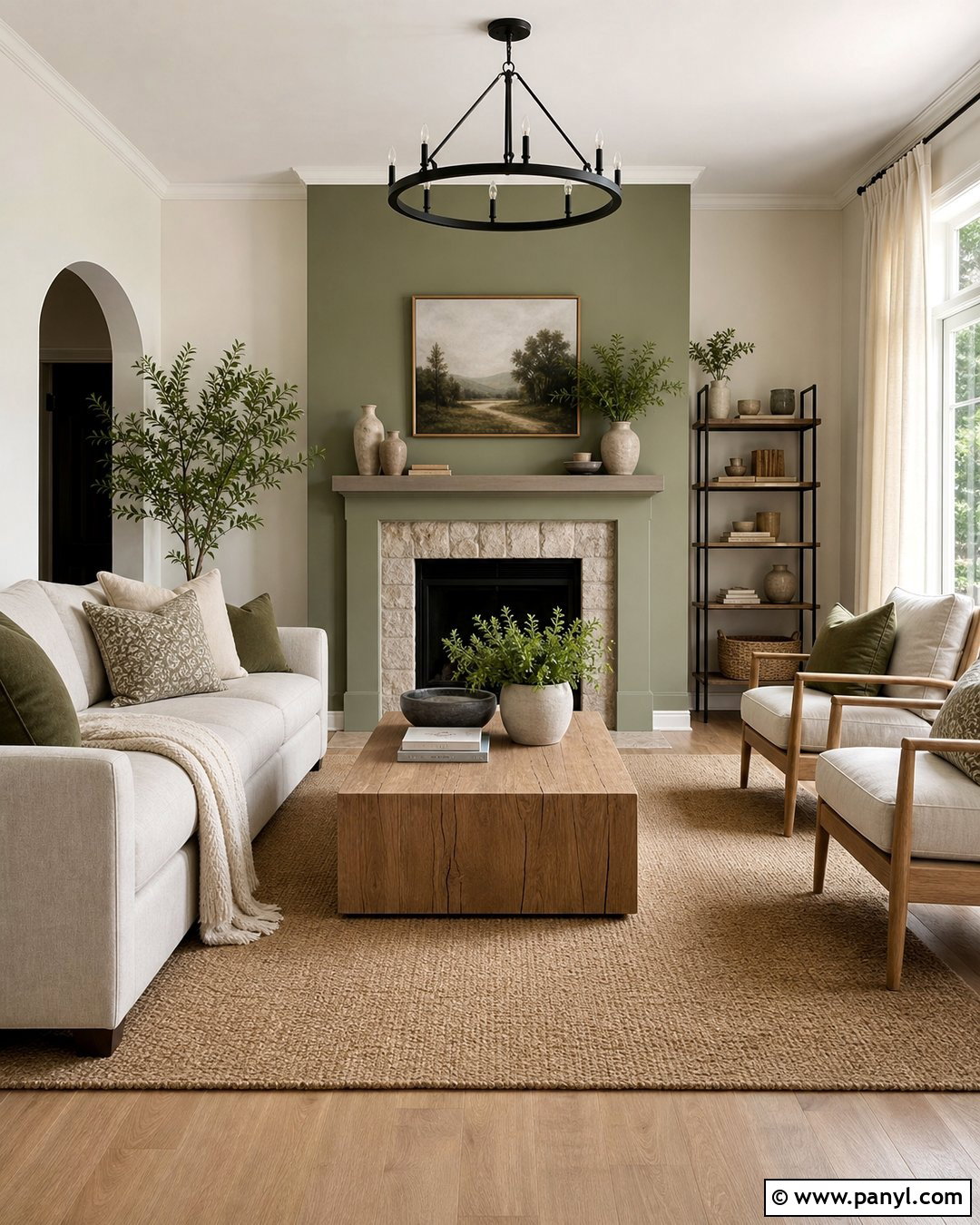
Soft sage green and warm white create a relaxed living room that feels fresh without becoming cold. Paint the main walls a creamy white with subtle beige undertones, then use muted sage on the fireplace wall and built-in shelving. A light oatmeal sofa, natural oak coffee table, and woven jute rug continue the organic palette. Add darker olive pillows, ivory curtains, and black metal lighting for definition. The white walls reflect daylight, while sage gives the room a calm focal point. Keep the ceiling and trim warm white for a connected finish. This combination works especially well with medium wood floors, leafy plants, stone accessories, and simple artwork in beige, green, and charcoal.
2. Navy Blue And Crisp White Walls
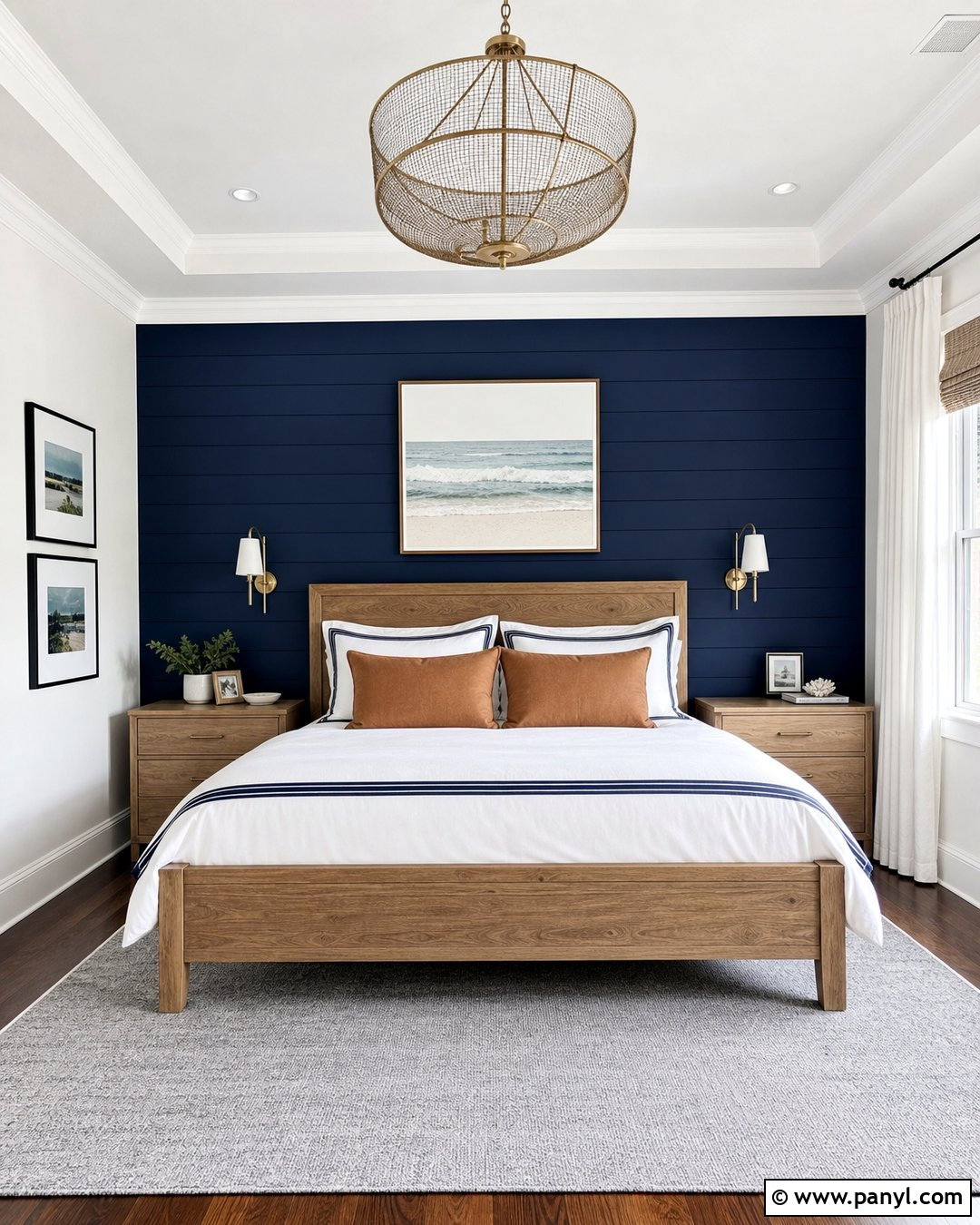
Imagine a bedroom where deep navy blue frames the bed while crisp white keeps everything bright and balanced. Paint the headboard wall navy, then use clean white across the remaining walls, ceiling, doors, and trim. Choose a natural oak or upholstered beige bed to soften the contrast. White bedding with navy piping creates a tailored look, while camel-colored pillows bring needed warmth. Use light wood nightstands, brushed brass sconces, and a pale gray rug to complete the room. The darker wall visually anchors the sleeping area without overwhelming the entire space. This wall paint color combination suits coastal, transitional, and modern bedrooms, particularly when large windows provide plenty of natural light during the day.
3. Greige And Charcoal Gray Walls
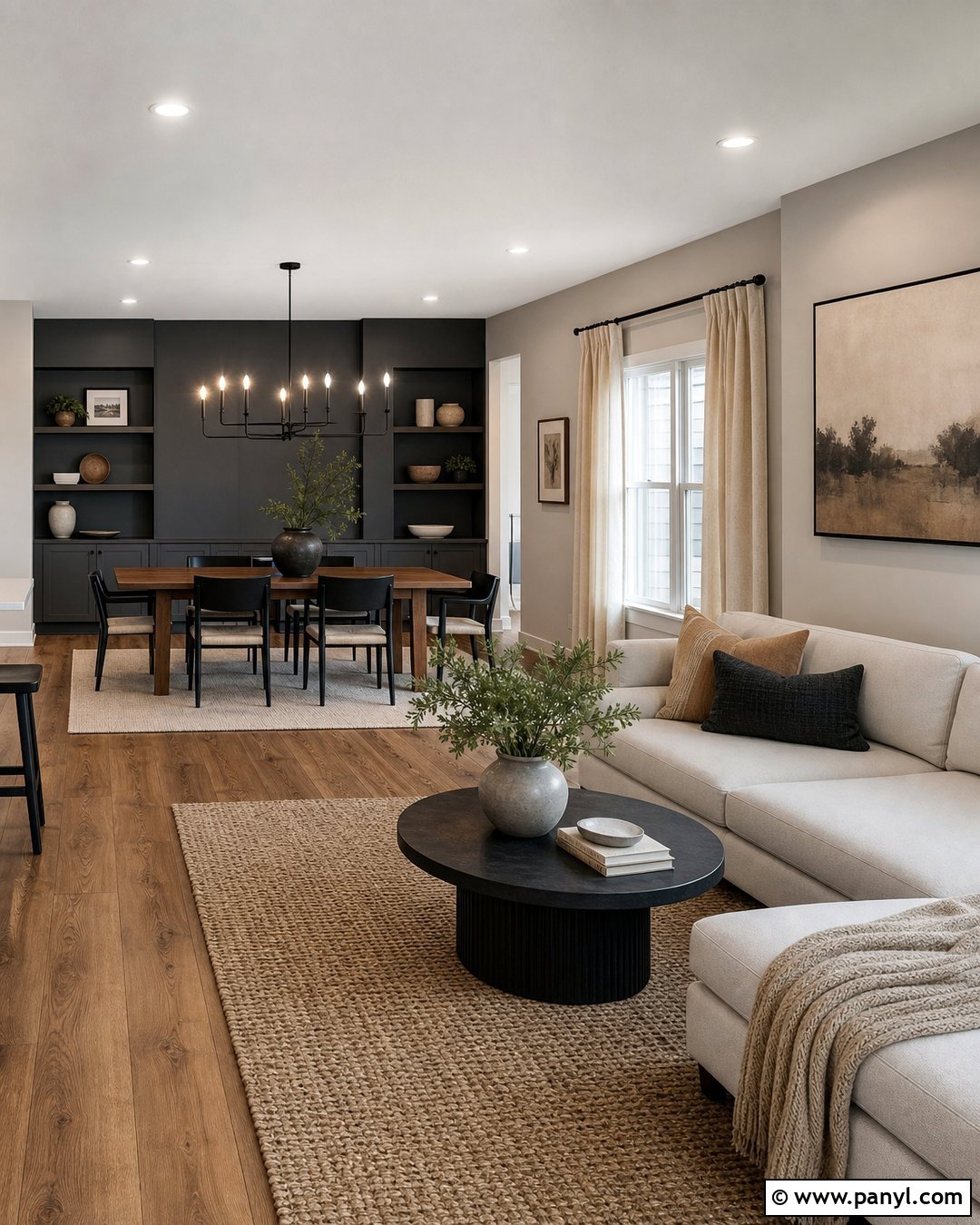
A greige and charcoal gray combination brings structure to an open living and dining area while remaining easy to decorate. Cover the main walls in a balanced greige that sits between warm beige and soft gray. Apply charcoal to the dining room wall or a long architectural feature, such as built-in cabinetry. Repeat charcoal through dining chairs, picture frames, and a slim metal pendant. A cream sectional, walnut dining table, and textured beige rug prevent the scheme from feeling too serious. Keep the ceiling soft white and use greige on the baseboards for a modern tonal effect. This complete palette looks especially polished with medium oak flooring, linen curtains, matte ceramics, and understated black hardware.
4. Terracotta And Cream Walls
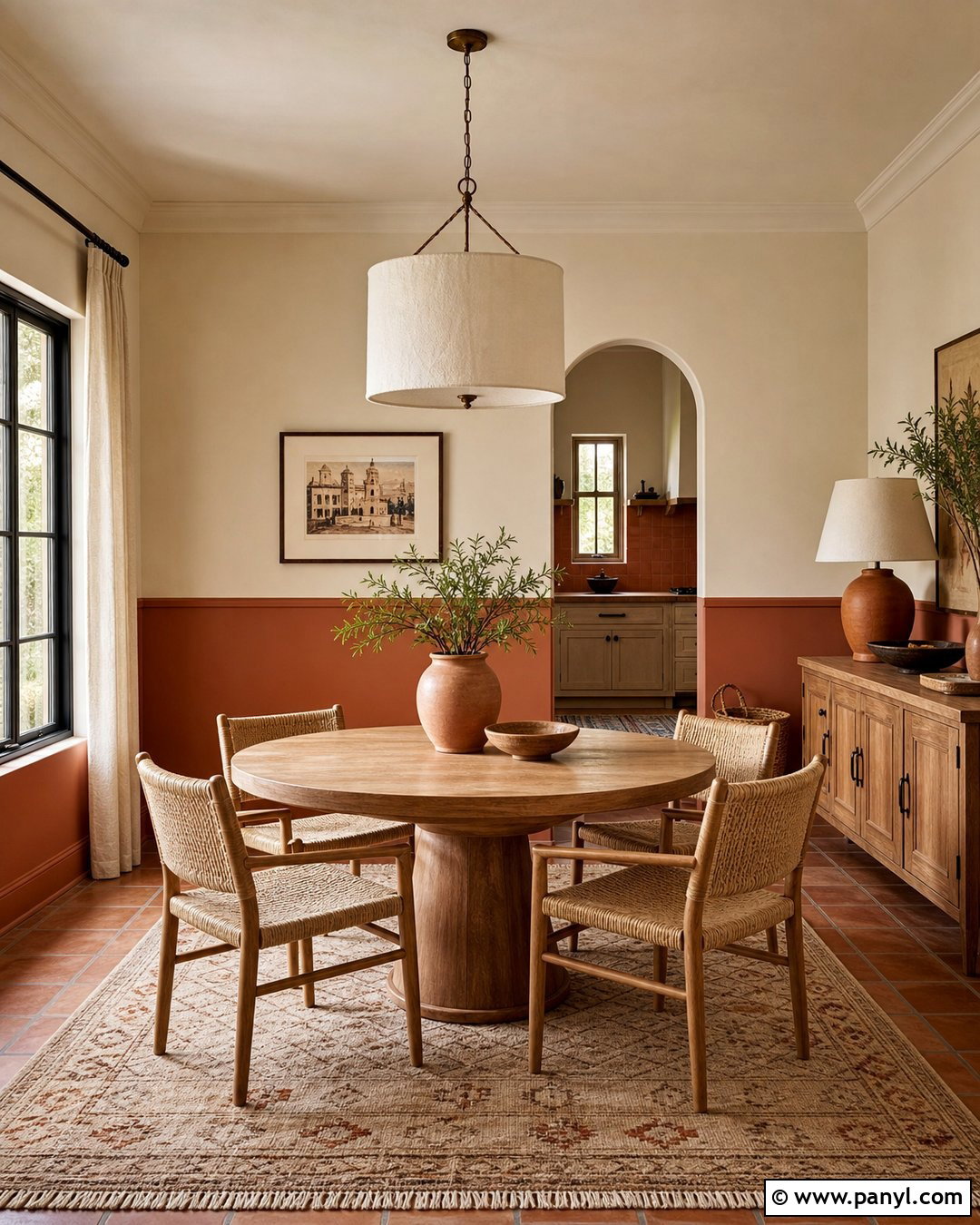
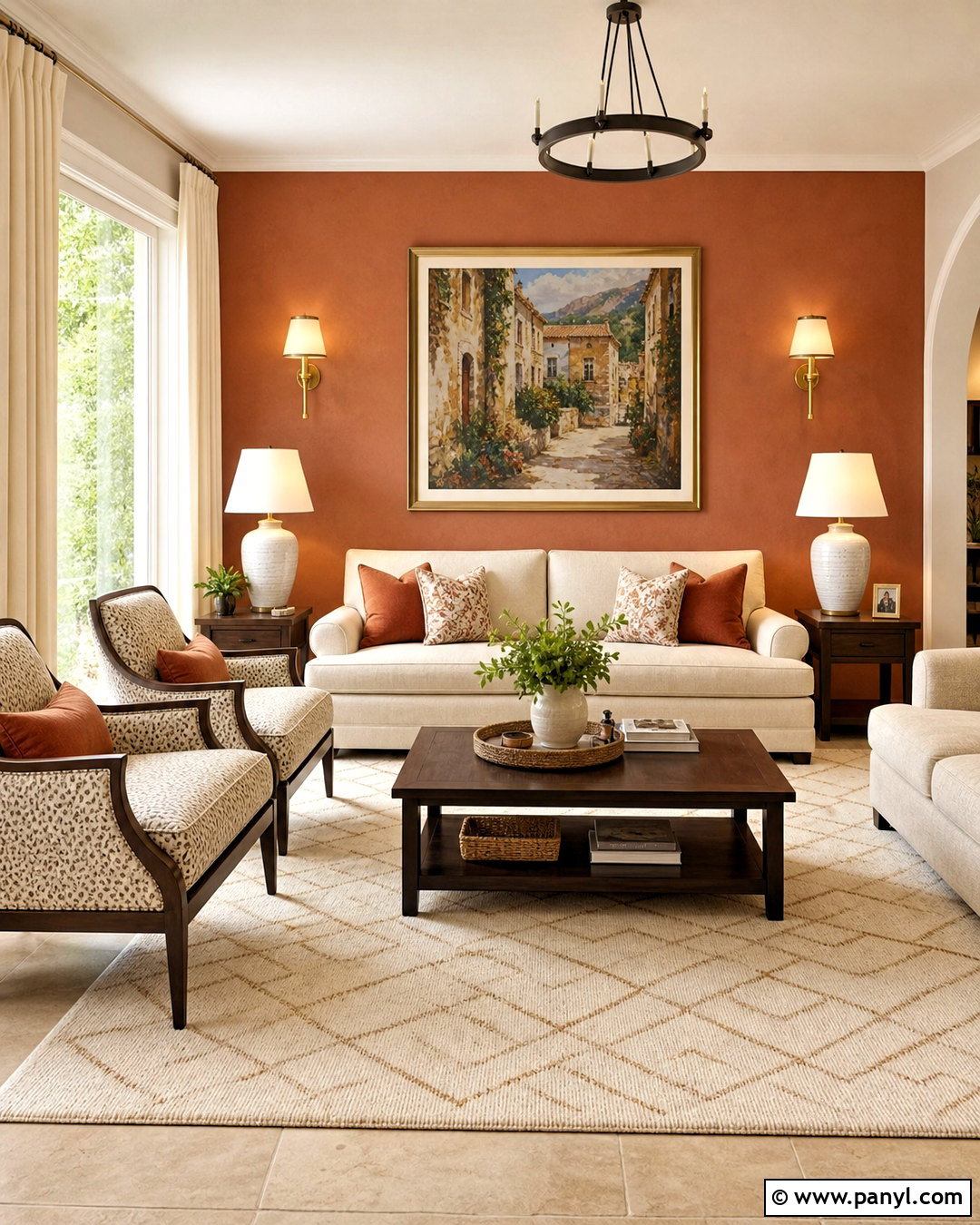
Warm terracotta and creamy off-white can turn a plain dining room into an inviting space for everyday meals. Use earthy terracotta on the lower two-thirds of the walls and cream above it, separating the colors with a narrow painted molding. A round oak dining table, woven chairs, and a large linen pendant reinforce the natural warmth. Choose ivory curtains and a faded rust-and-beige rug to blend the two wall colors. Dark bronze hardware and simple pottery provide subtle contrast. Terracotta becomes more approachable when surrounded by pale finishes rather than heavy brown furniture. This combination is ideal for rooms with southern or western light, where the warm colors create a welcoming glow without requiring elaborate decor.
5. Dusty Blue And Warm Beige Walls
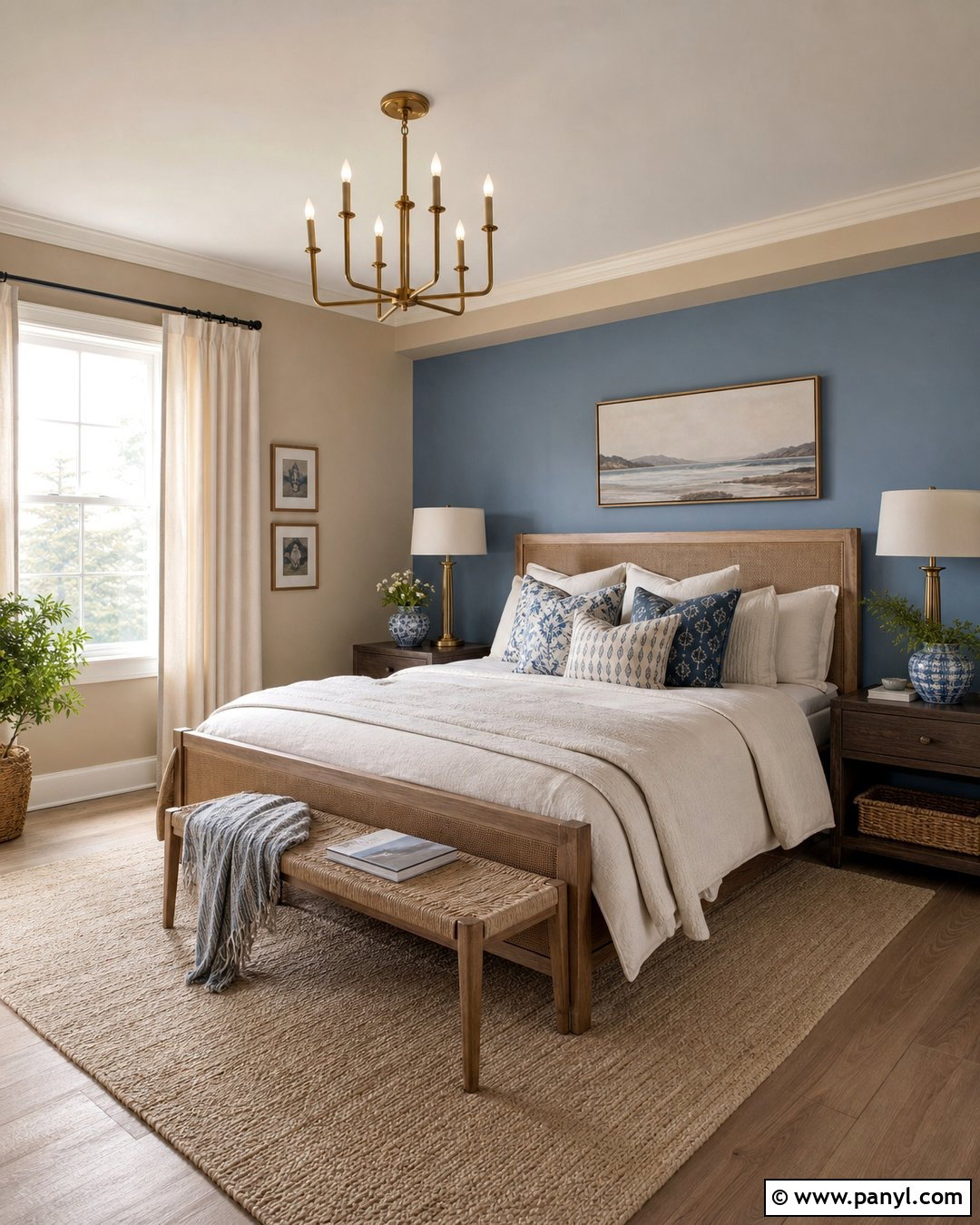
Dusty blue paired with warm beige gives a bedroom peaceful color without creating an icy atmosphere. Paint the wall behind the bed a muted blue with a slight gray undertone. Cover the other walls in sandy beige, then repeat that shade on the trim for a soft, wrapped effect. A light walnut bed, oatmeal bedding, and beige wool rug add warmth. Bring the blue forward with a bench, patterned pillows, and small ceramic lamps. Avoid bright white, which can make dusty blue appear sharper than intended. Instead, use cream curtains and antique brass accents. This balanced room works beautifully for traditional, coastal, or modern farmhouse interiors and remains calm enough for a restful primary bedroom.
6. Olive Green And Mushroom Walls
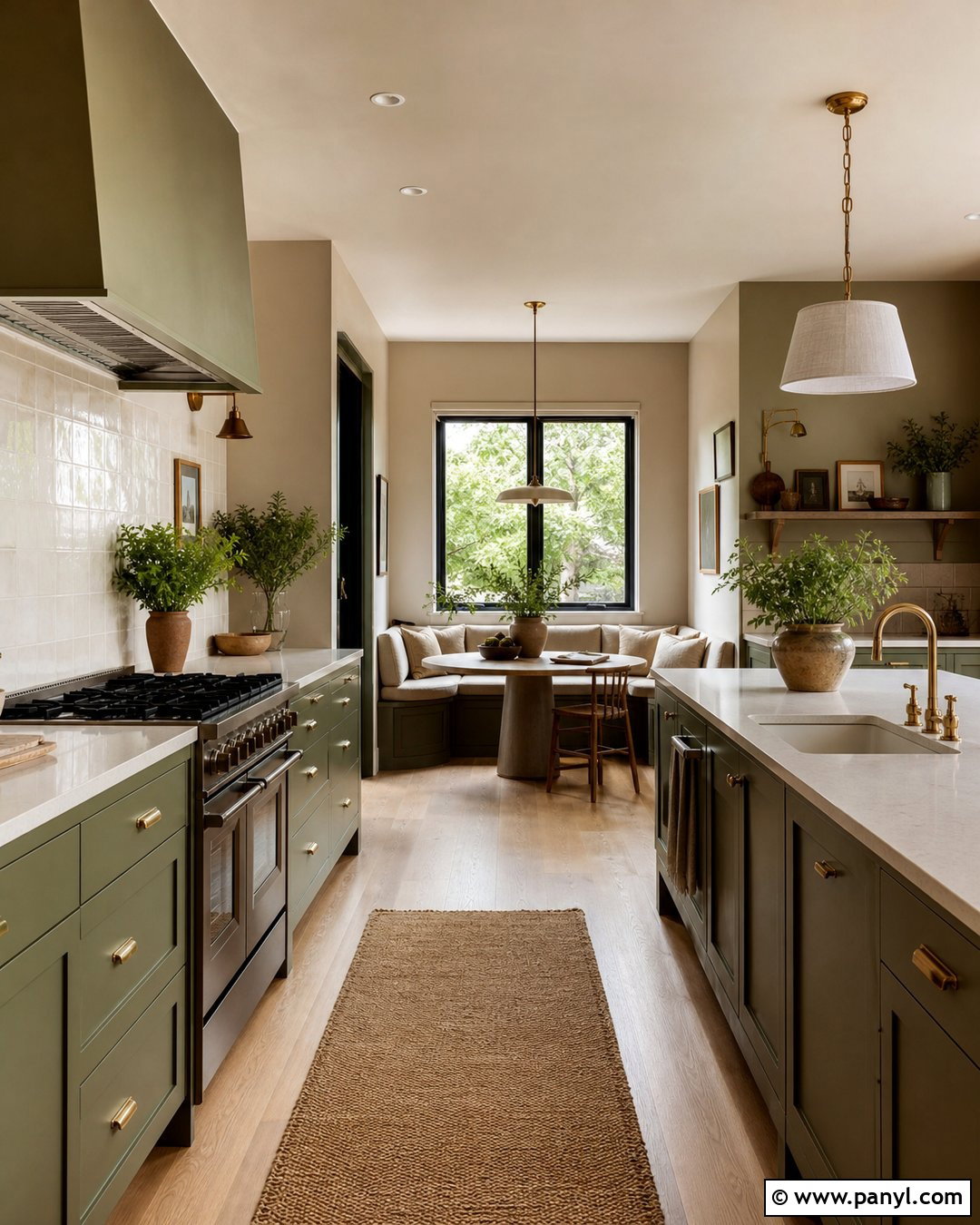
For a cozy kitchen with natural character, combine earthy olive green and soft mushroom paint. Use mushroom on the main walls and ceiling, creating a warm neutral envelope around the room. Paint a breakfast nook, shallow pantry wall, or surrounding cabinetry in muted olive. Cream quartz countertops, handmade off-white tile, and medium oak flooring keep the design light. Add a walnut dining bench, oatmeal seat cushions, and aged brass pendants for warmth. The colors should have similarly subdued undertones so they blend rather than compete. This palette looks sophisticated in both sunny and lower-light kitchens. Finish the space with linen shades, brown stoneware, and a few herbs in simple clay pots.
7. Blush Pink And Burgundy Walls
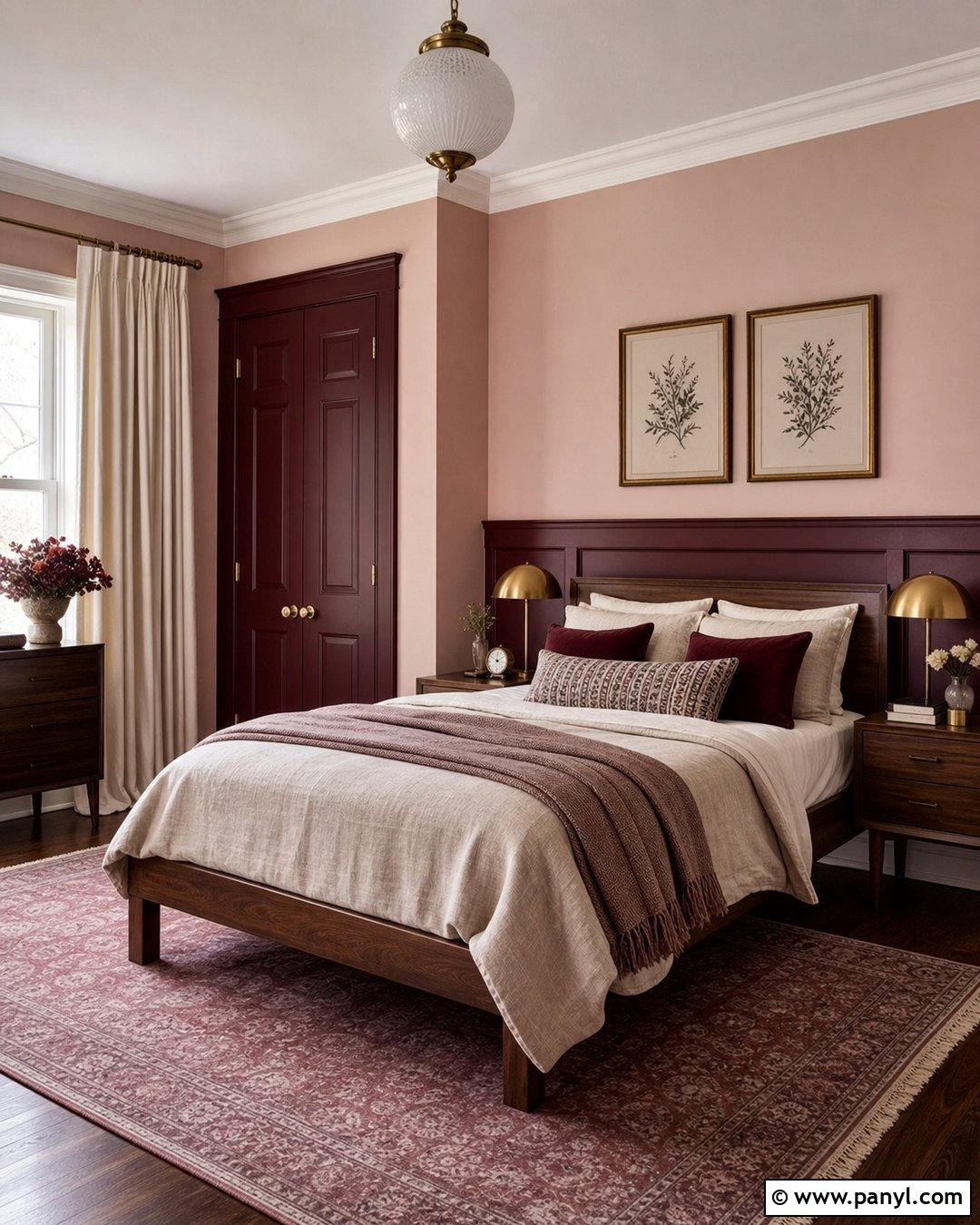
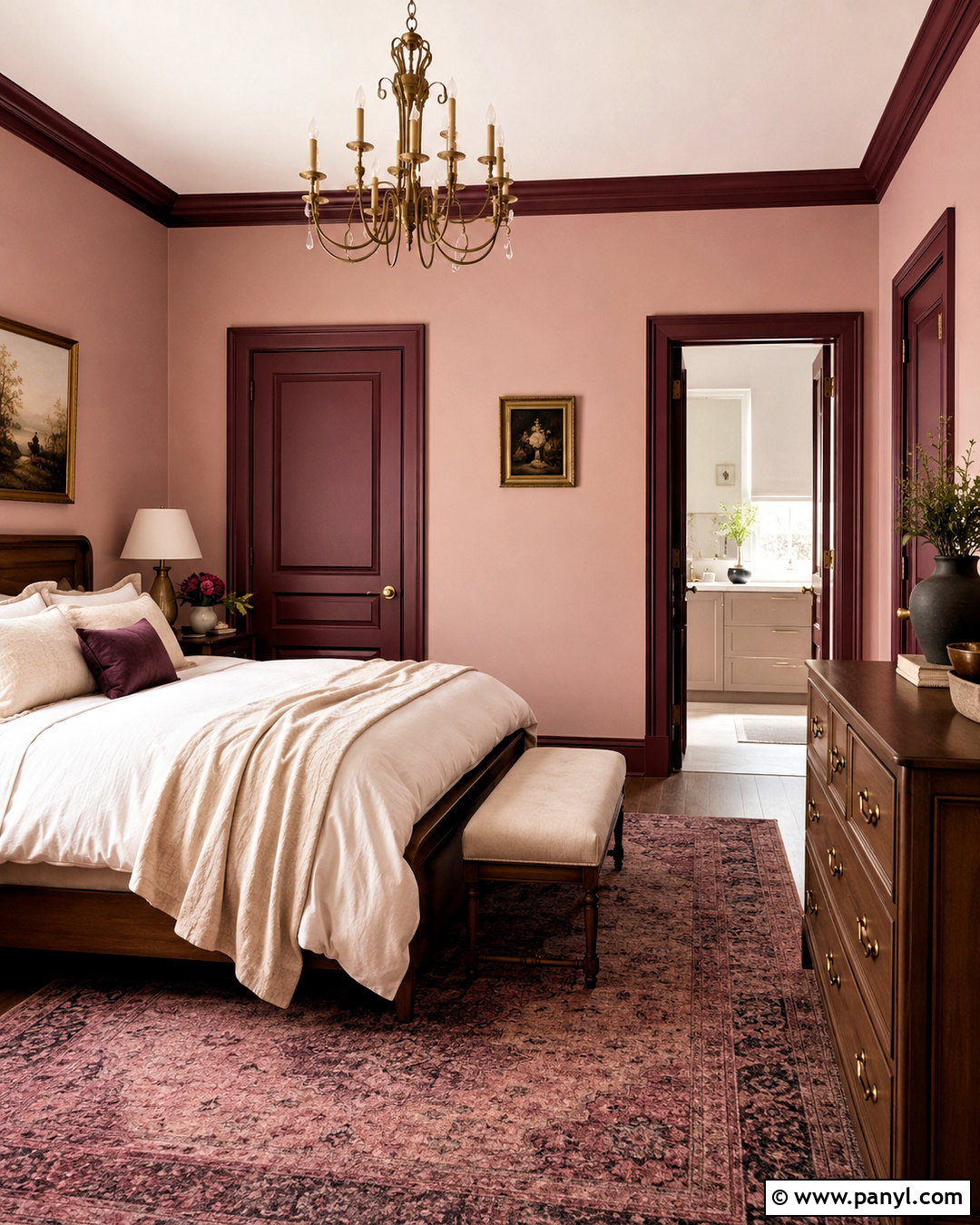
Blush pink and deep burgundy form a sophisticated bedroom palette when the lighter shade controls most of the space. Paint all four walls a dusty blush with brown or beige undertones. Use burgundy on the closet doors, window trim, or wall paneling behind the bed rather than adding a disconnected accent wall. Choose a walnut bed, cream linen bedding, and a muted rose rug to create gentle transitions. A pair of burgundy lamps or pillows will repeat the darker paint in smaller amounts. Antique brass hardware, off-white curtains, and simple botanical artwork complete the design. The result feels warm and grown-up, avoiding the overly sweet appearance that brighter pink and white combinations can sometimes create.
8. Butter Yellow And Soft White Walls
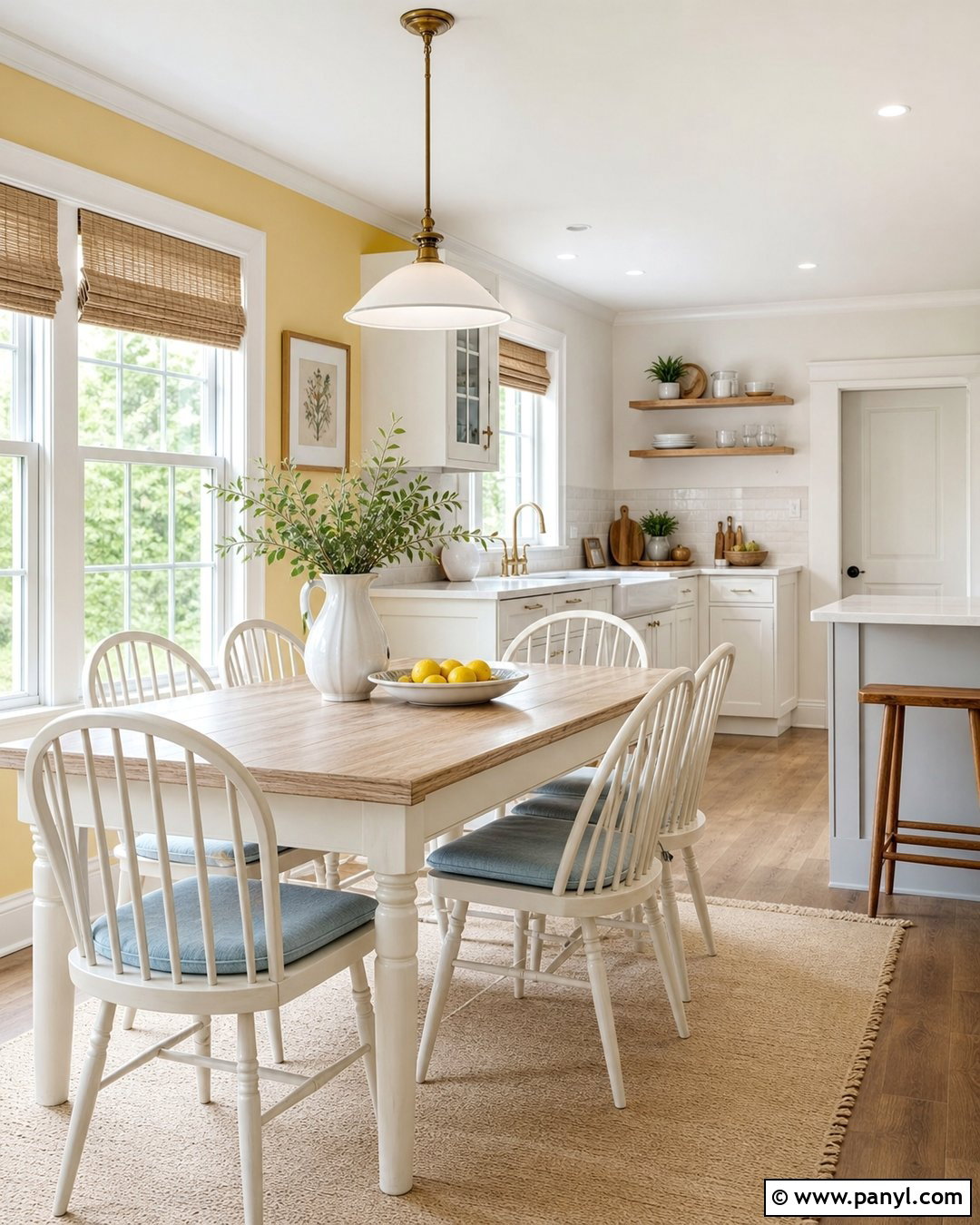
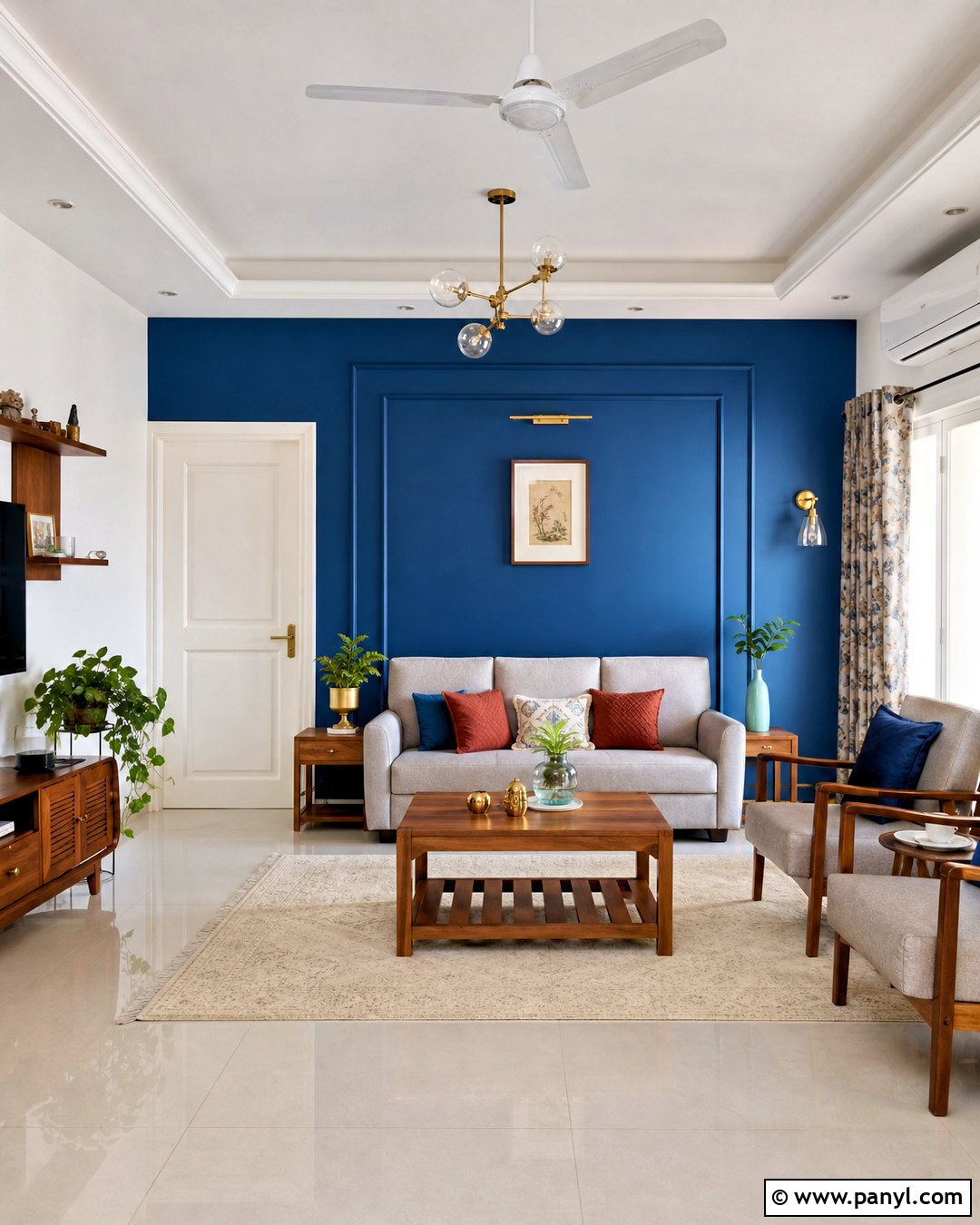
Could your breakfast area use more light and energy? Butter yellow and soft white deliver cheerful color while remaining gentle enough for daily living. Paint the breakfast nook or window wall a pale buttery yellow, then cover adjoining kitchen walls in warm white. Continue white across the ceiling, trim, and open shelving to keep the layout visually clear. A white oak table, spindle-back chairs, and a washable cream rug create a casual foundation. Add light blue seat cushions, woven shades, and brushed nickel or aged brass hardware. Avoid highly saturated yellow, especially in sunny rooms. A softer version reflects warmth without becoming overpowering, making this scheme practical for kitchens, breakfast rooms, and compact dining corners.
9. Teal And Warm Gray Walls
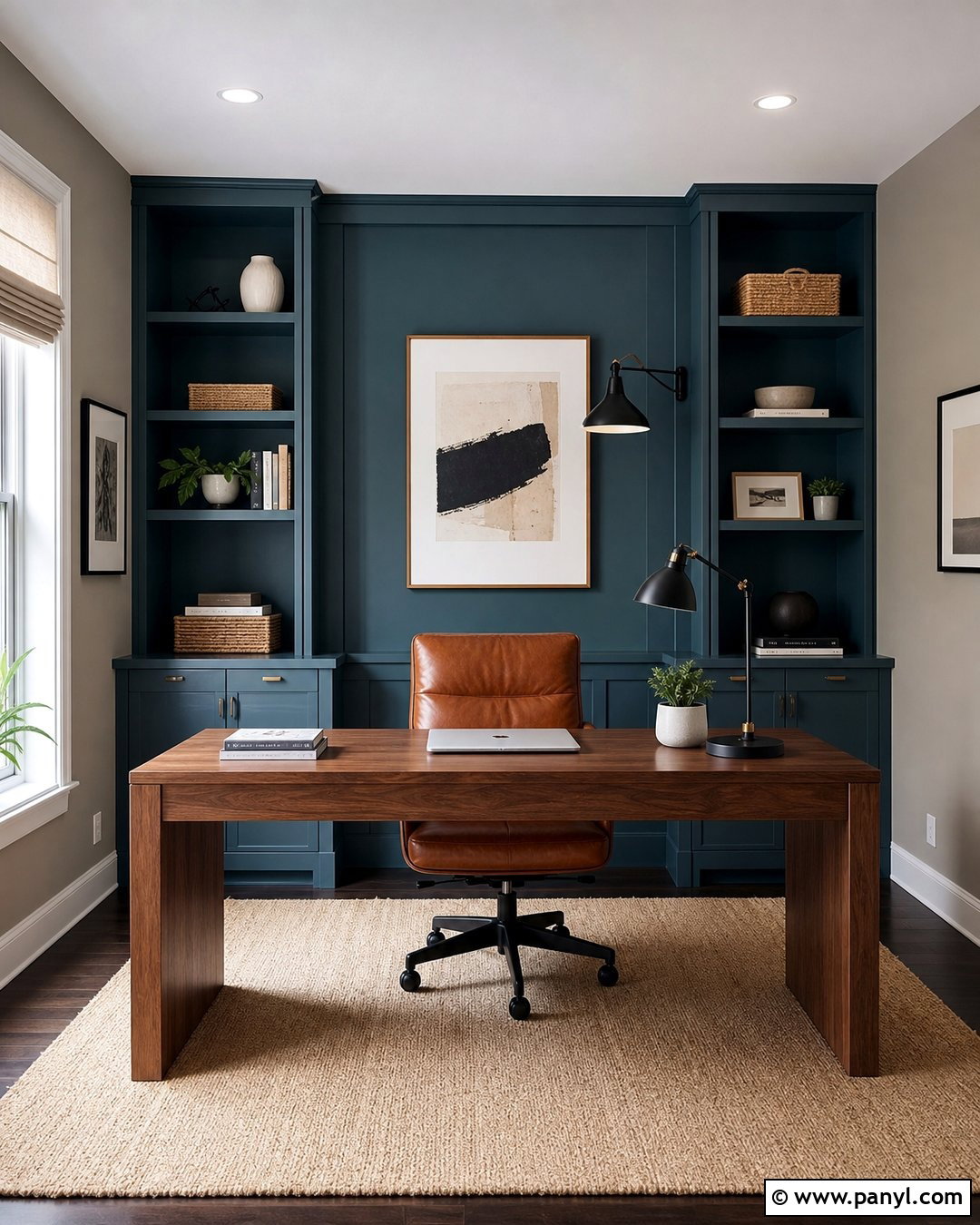
Deep teal and warm gray can give a home office focus, personality, and a polished background for video calls. Paint the desk wall teal from baseboard to ceiling, including any shelving for a built-in appearance. Use a light warm gray on the remaining walls and trim to balance the stronger hue. A walnut desk, cognac leather chair, and beige flat-weave rug bring warmth to the cool paint. Repeat teal through storage boxes or a single chair cushion, but keep accessories controlled. Matte black task lighting and framed cream artwork add crisp definition. This combination feels more energetic than an all-neutral office, yet the gray surroundings prevent the workspace from becoming visually distracting during long work sessions.
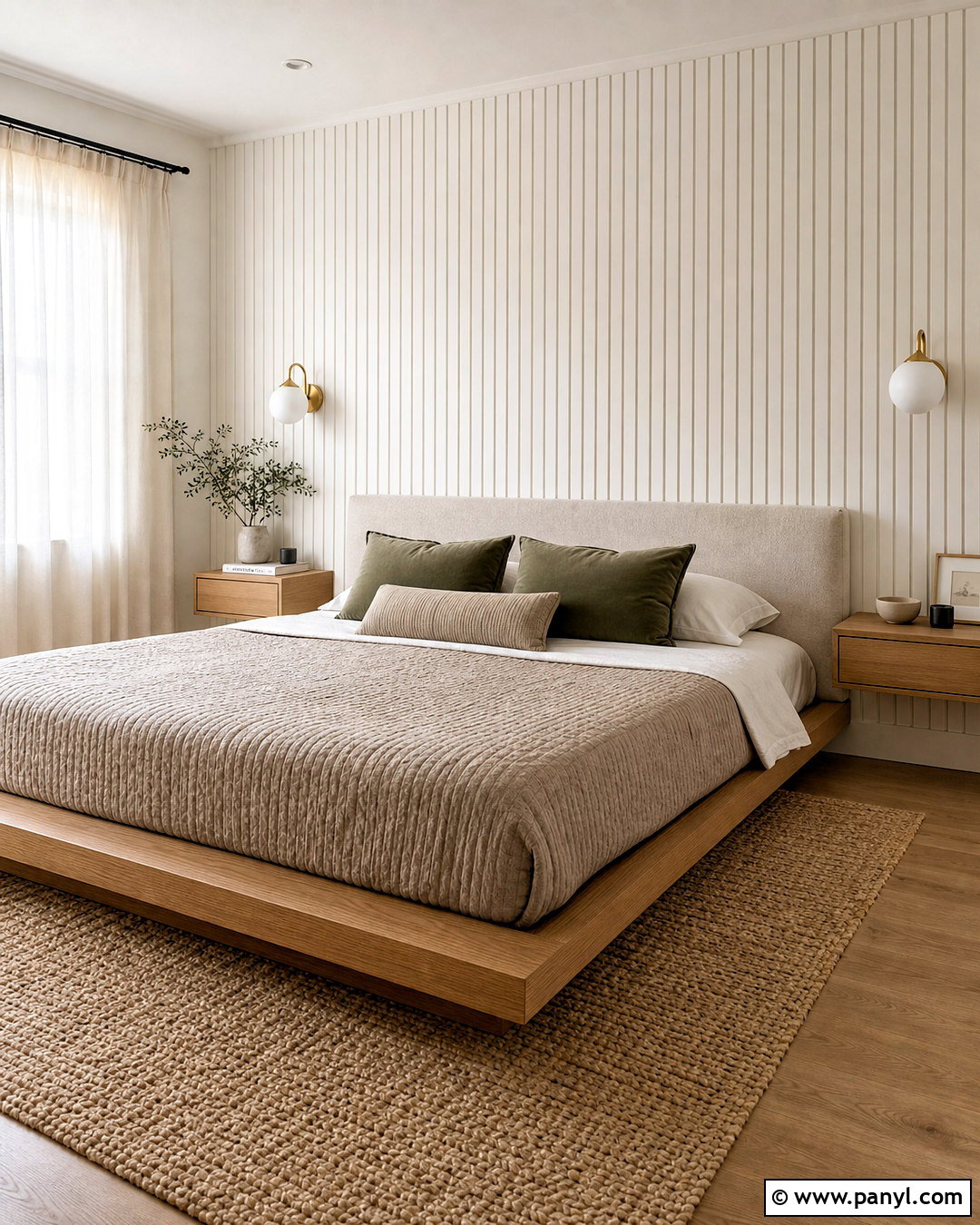
10. Clay Pink And Taupe Walls
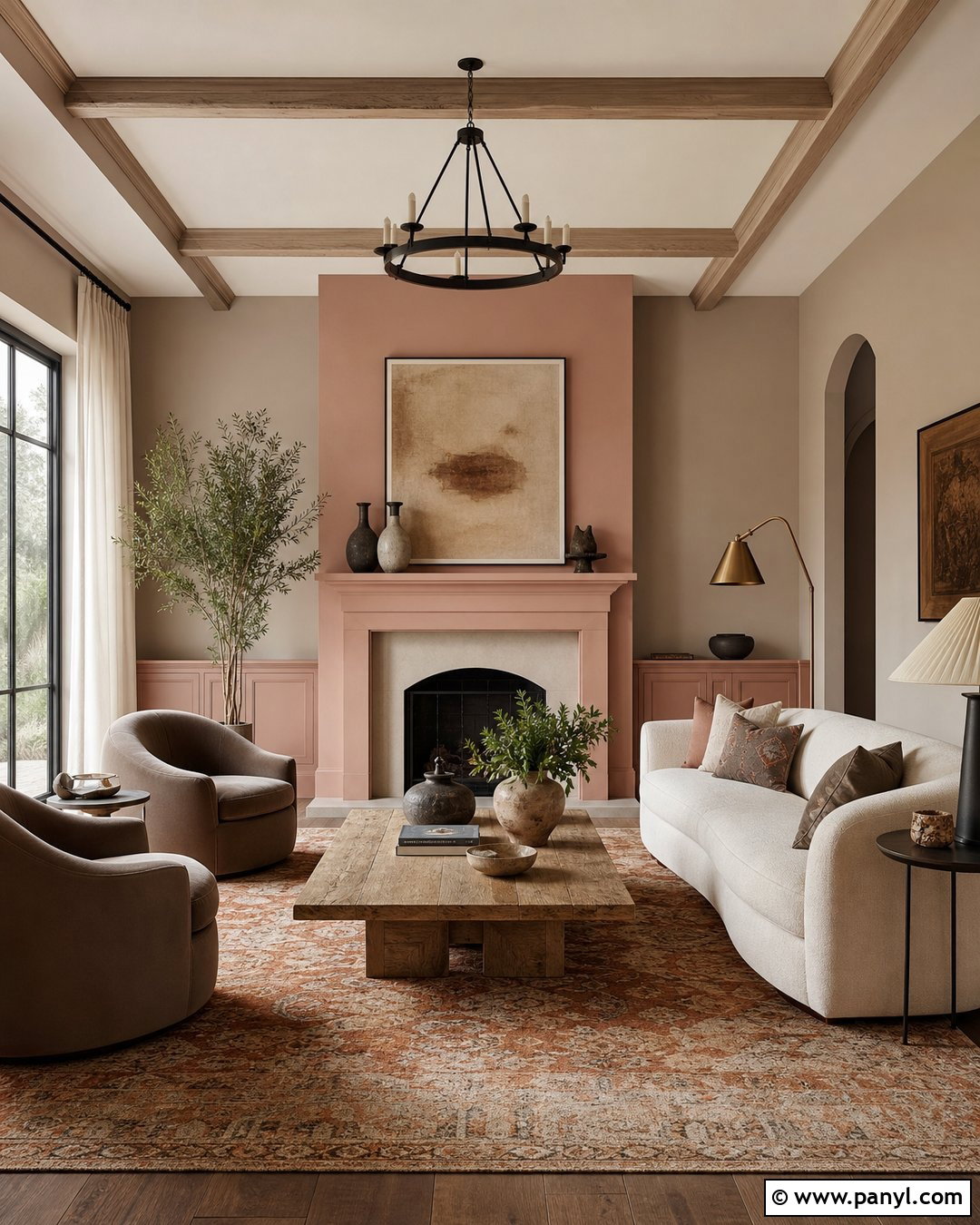
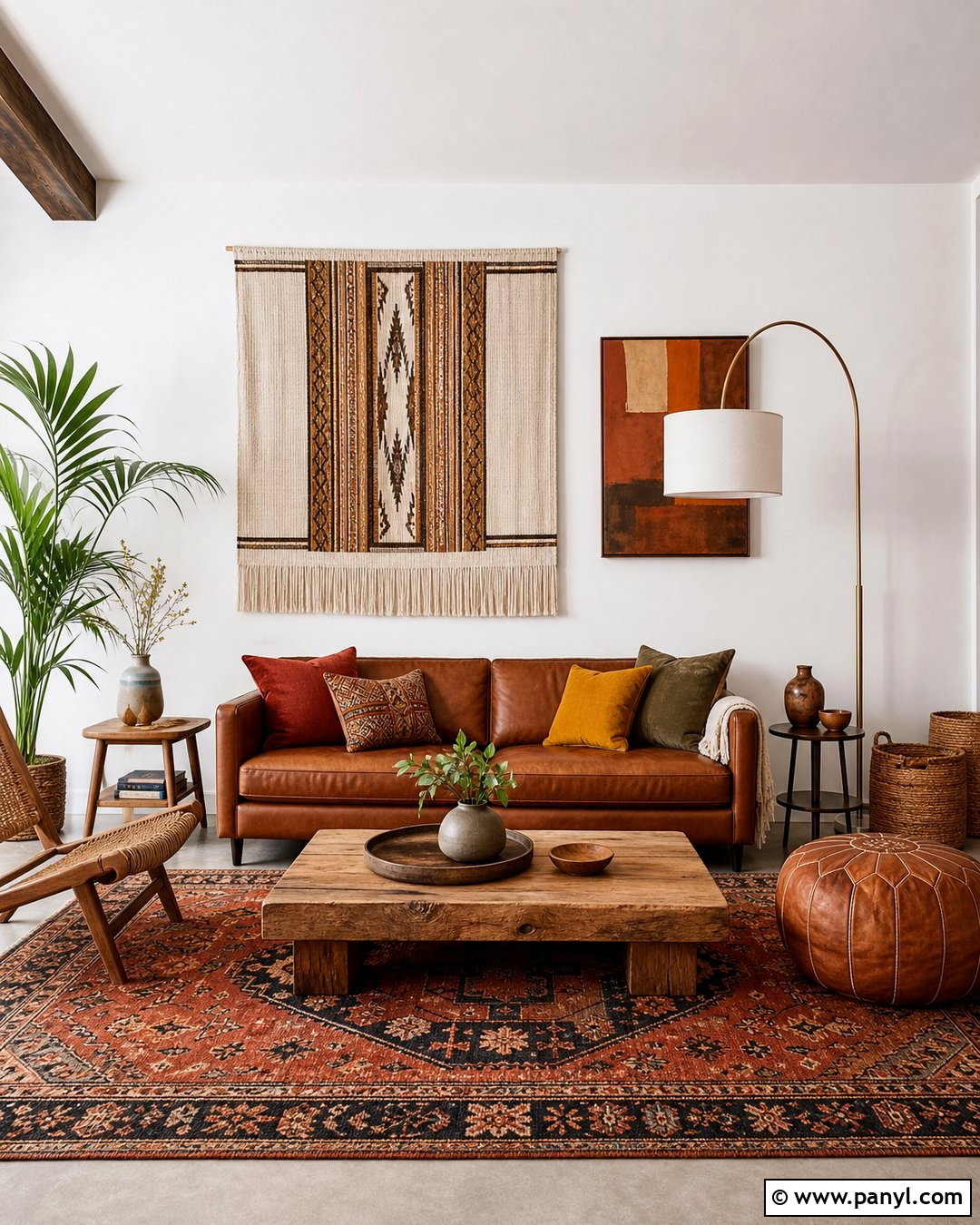
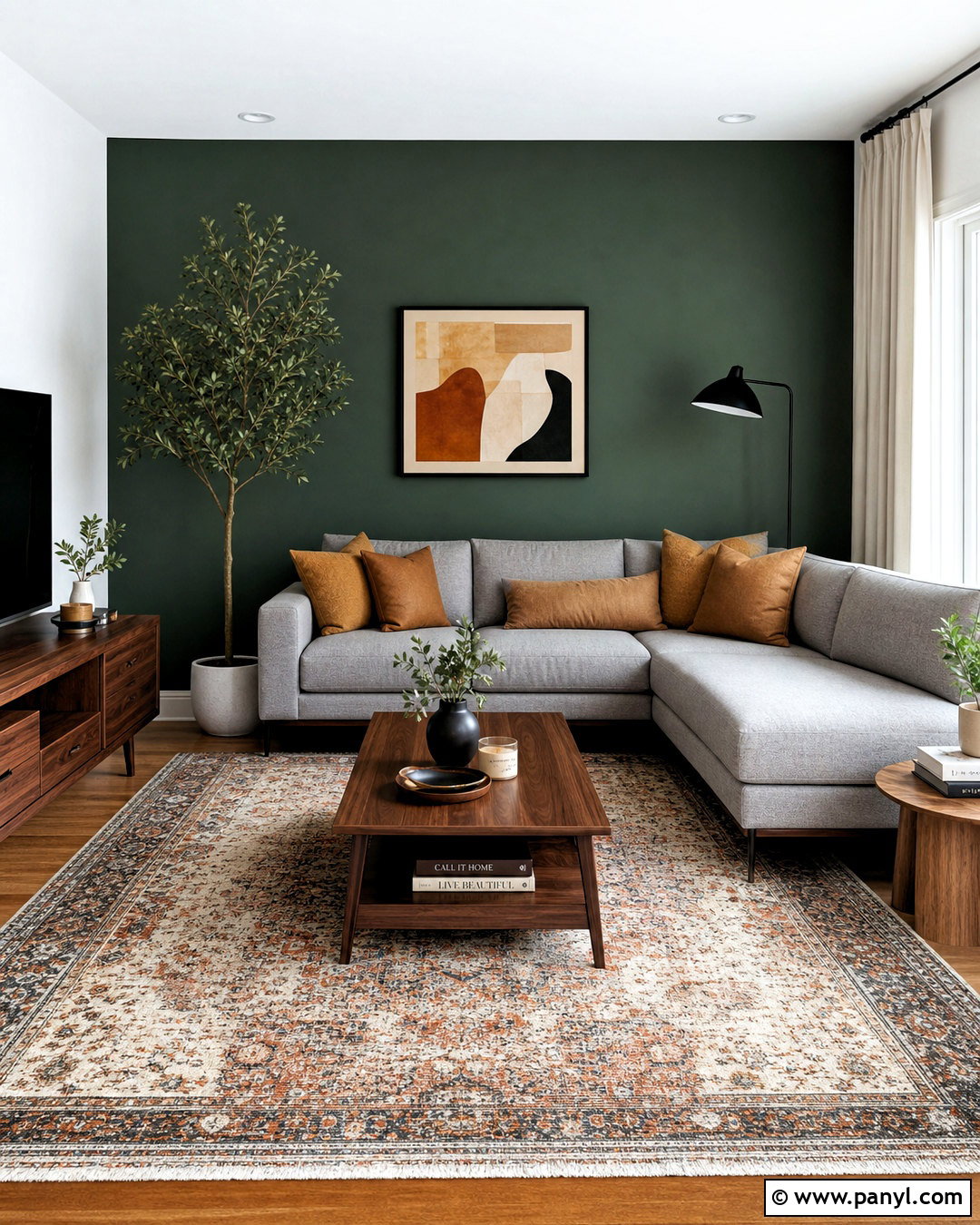
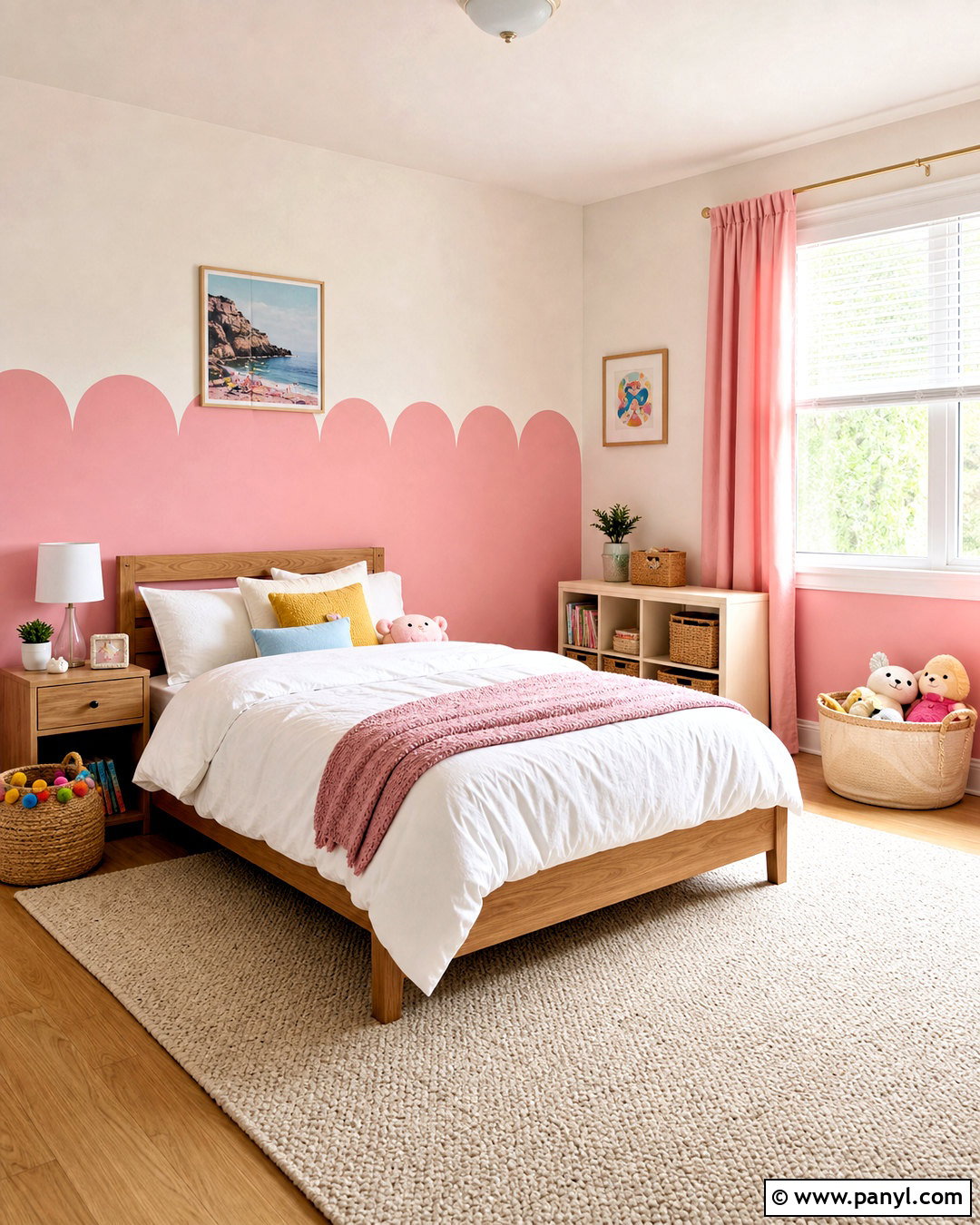
Clay pink and taupe create a softly earthy living room that feels colorful but still grounded. Use pale taupe on three walls and a muted clay pink on the fireplace wall, including the mantel and surrounding paneling. Select a cream sofa with rounded lines, two taupe chairs, and a weathered oak coffee table. A patterned rug containing clay, tan, and faded black will connect the painted surfaces with the furniture. Add linen curtains, dark bronze floor lamps, and handmade ceramic decor. Unlike pastel pink, clay pink contains enough brown to sit comfortably beside wood and stone. This full-room palette works particularly well in relaxed contemporary, Mediterranean, and modern organic interiors.
11. Forest Green And Ivory Walls
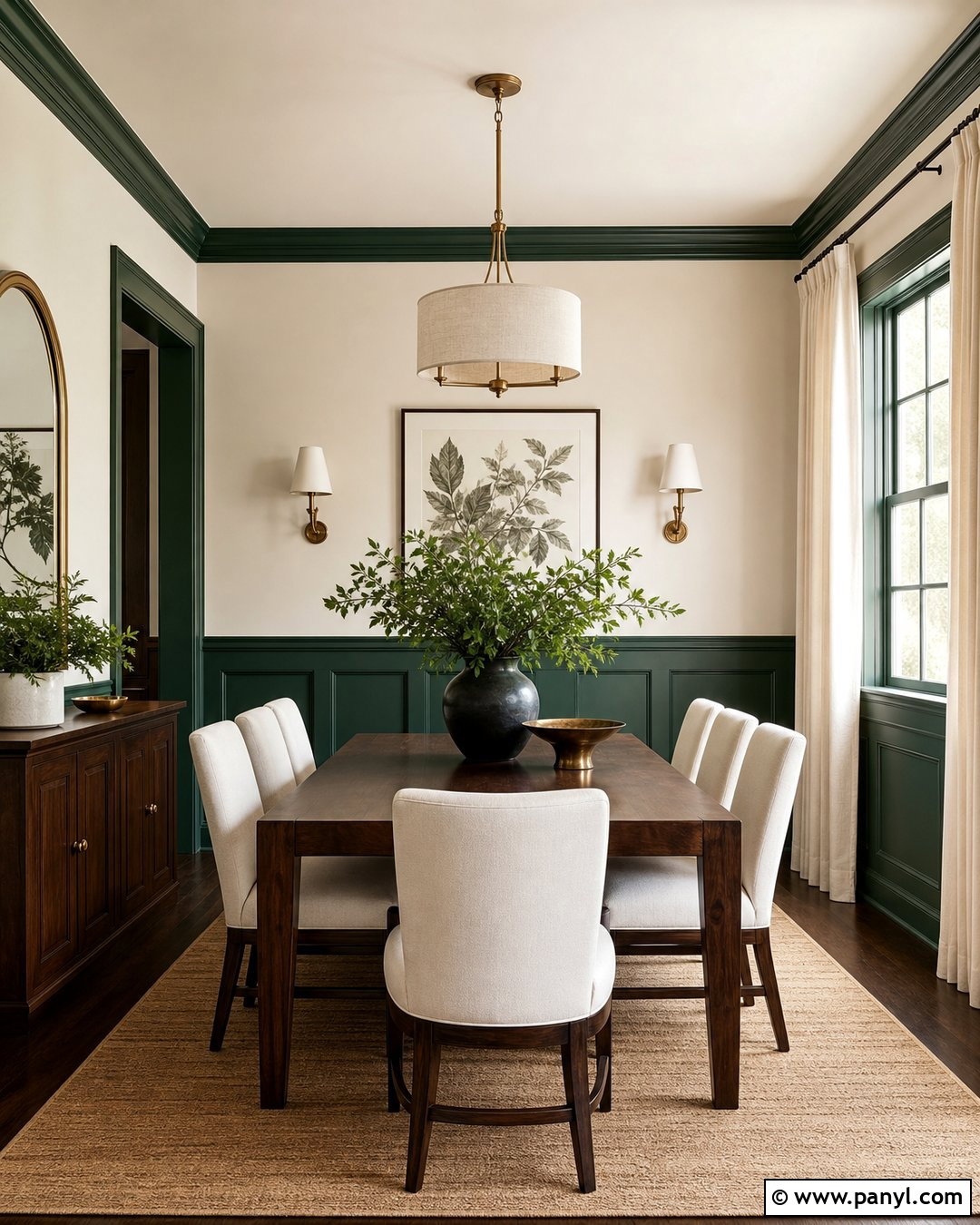
Forest green and ivory make a dining room feel intimate without sacrificing contrast or clarity. Paint the walls below the chair rail a deep forest green, including the baseboards and lower molding. Use soft ivory above the rail and across the ceiling to maintain an open feeling. Center the room with a walnut dining table, ivory upholstered chairs, and a large natural fiber rug. A linen drum pendant and cream curtains soften the darker lower walls. Repeat green through subtle botanical artwork or glazed tableware. Brass hardware and candlesticks add warmth, but they should remain simple. This classic wall paint color combination suits traditional architecture while also looking fresh with streamlined furniture and minimal decorative accessories.
12. Pale Blue And Clean White Walls
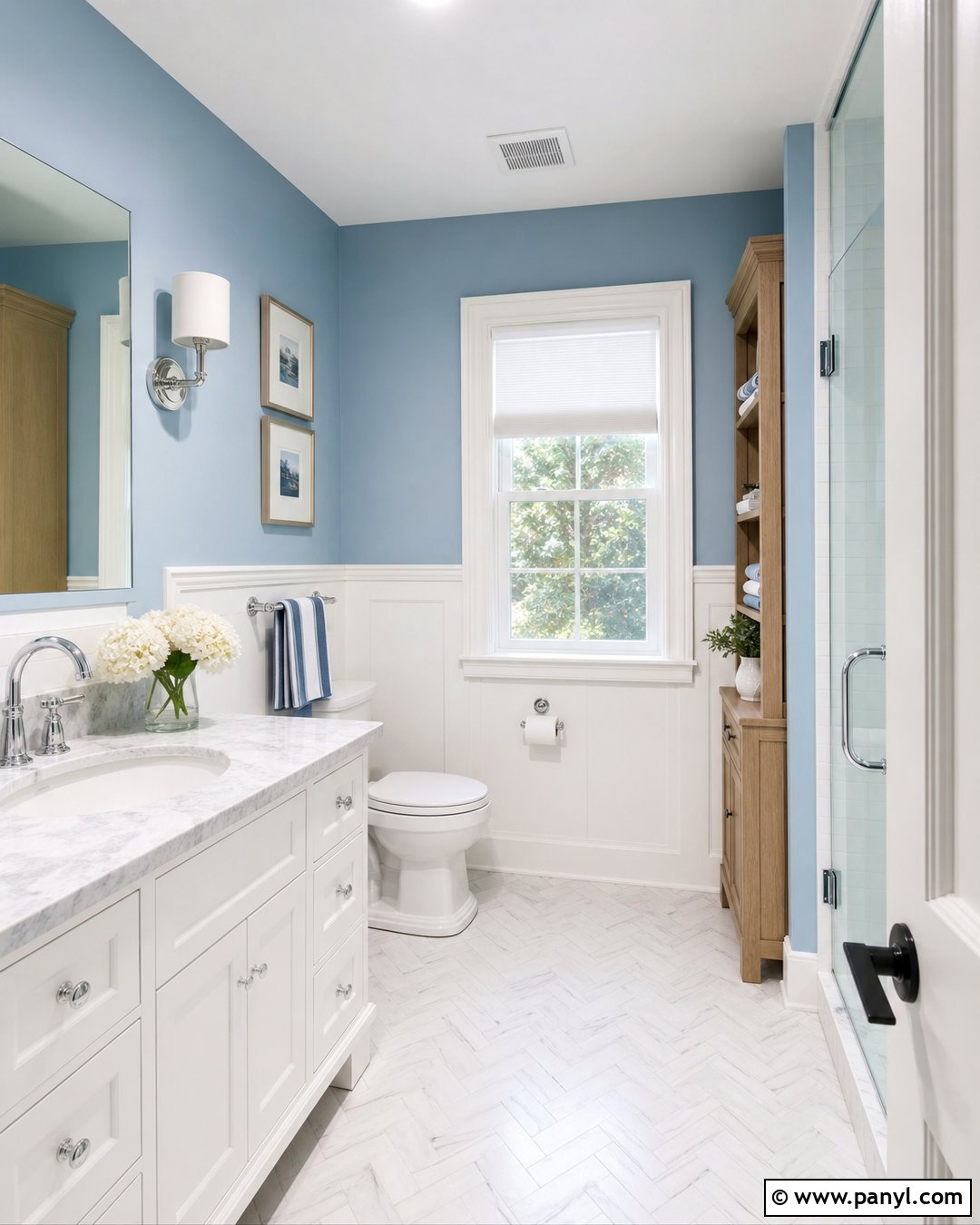
A small bathroom can feel open and orderly with pale blue walls and clean white architectural details. Paint the upper walls a soft sky blue, then use moisture-resistant white paint on the lower wall paneling, trim, and ceiling. A white vanity with a light gray marble top keeps the foundation bright. Add polished chrome fixtures, a frameless mirror, and pale oak storage for a clean but welcoming finish. White towels with narrow blue stripes quietly repeat the palette. If the bathroom has limited daylight, choose a blue with a slight green undertone rather than a shadowy gray base. The completed space feels fresh and airy, with enough warmth from wood and woven accessories to avoid looking clinical.
13. Caramel And Cream Walls
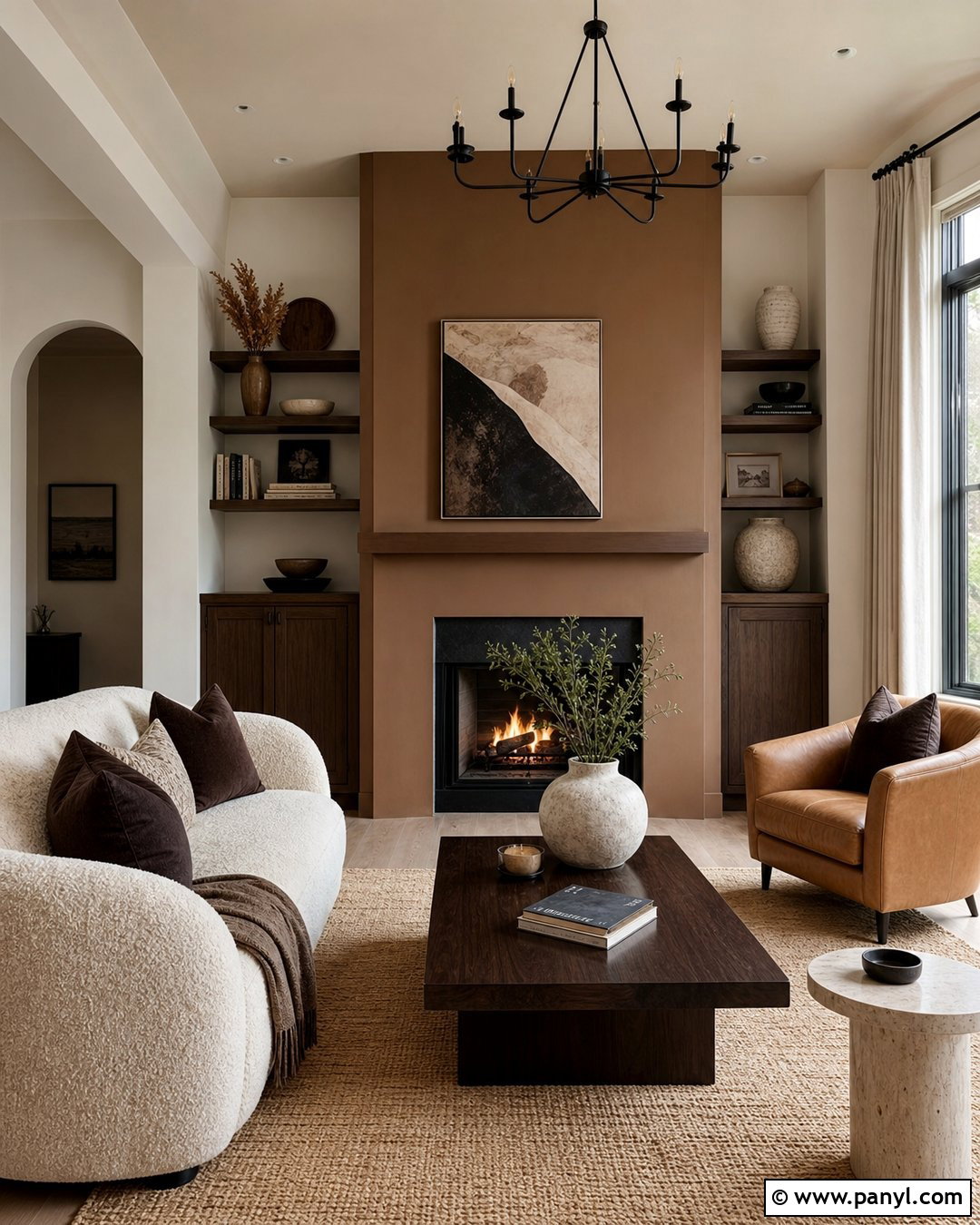
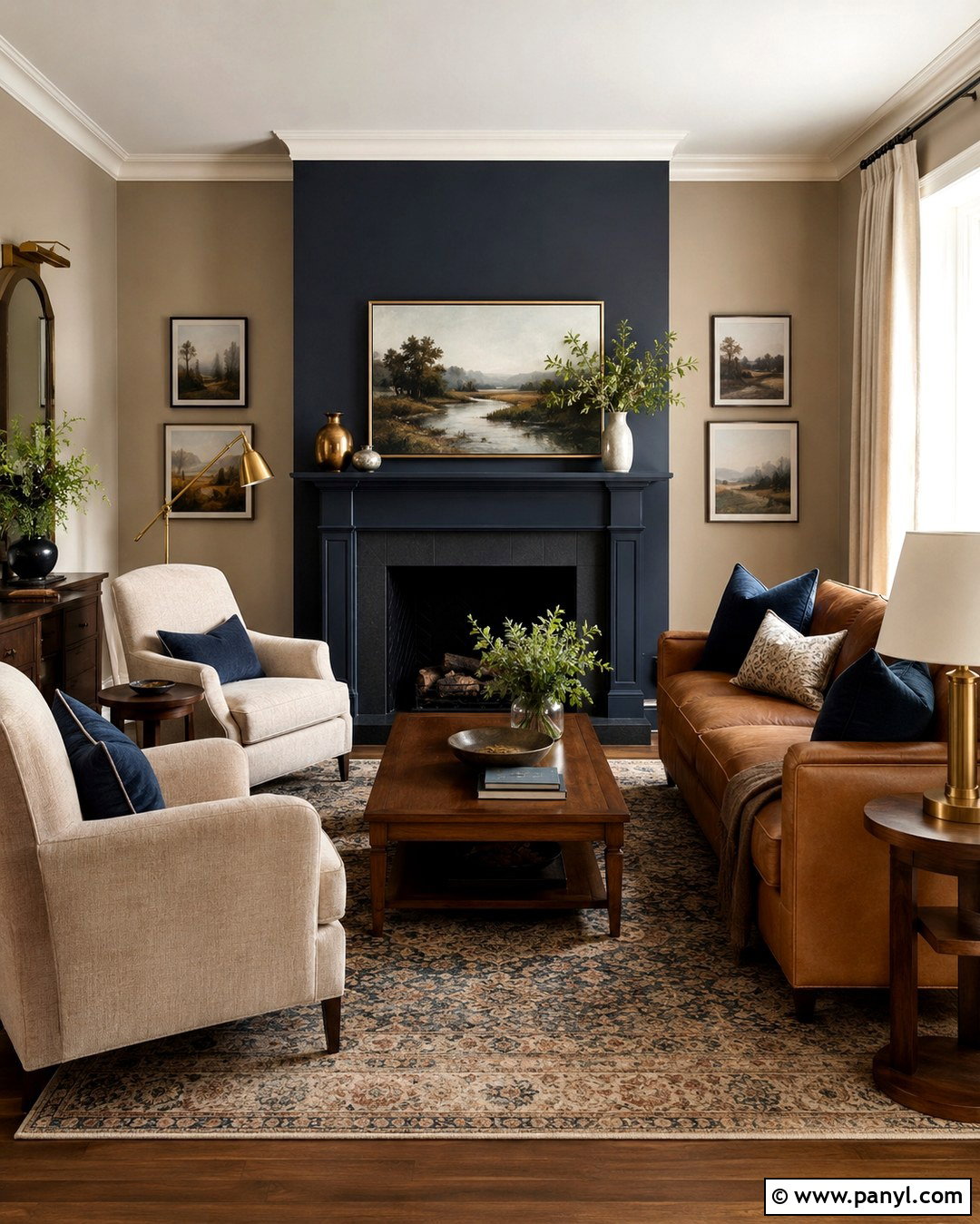
Rich caramel and cream offer a warmer alternative to cool gray in a comfortable living room. Paint the fireplace wall and adjacent built-ins a medium caramel brown, then use creamy off-white on the remaining walls and ceiling. A beige boucle sofa, dark walnut coffee table, and camel leather chair continue the layered neutral effect. Add chocolate brown pillows, cream curtains, and a textured tan rug for depth. Black metal lighting gives the room a clean outline, while travertine accessories introduce a lighter natural surface. Caramel works best when it has a muted, slightly earthy quality. Used in this balanced way, it adds coziness and character without making an average-size room feel heavy or outdated.
14. Lavender And Warm Gray Walls
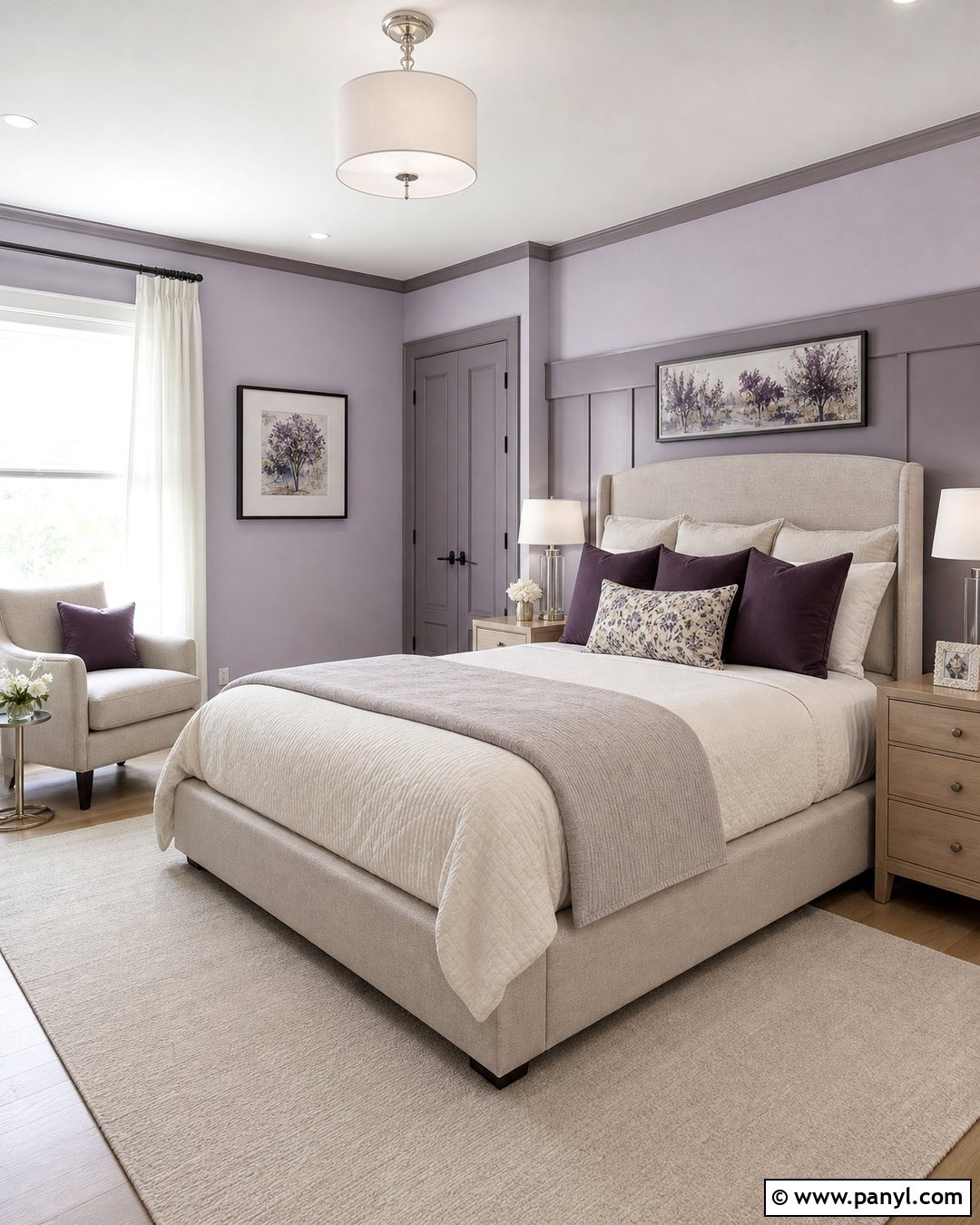
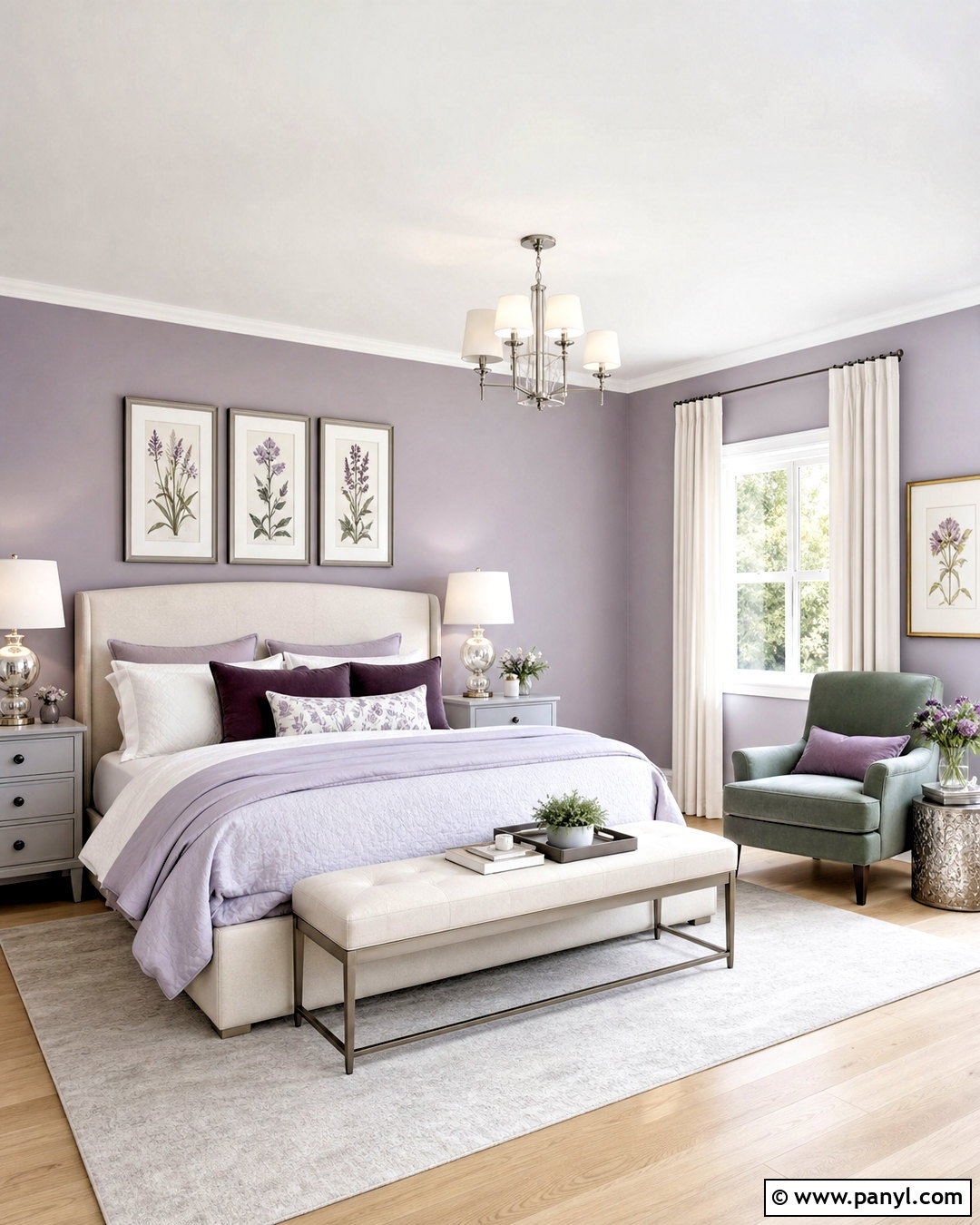
Muted lavender and warm gray create a restful bedroom with more personality than a standard neutral scheme. Cover the main walls in a pale lavender that carries a soft gray undertone. Paint the trim, closet doors, and headboard wall paneling in a slightly deeper warm gray. An upholstered oatmeal bed, white oak nightstands, and ivory bedding keep the room light. Introduce plum through one throw blanket or a pair of pillows rather than filling the space with purple accessories. Silver-toned lamps and soft white curtains provide a clean finish. This combination is especially attractive in rooms with gentle morning light. Sample the lavender carefully, since overly blue versions can appear colder once spread across large walls.
15. Black And Warm White Walls
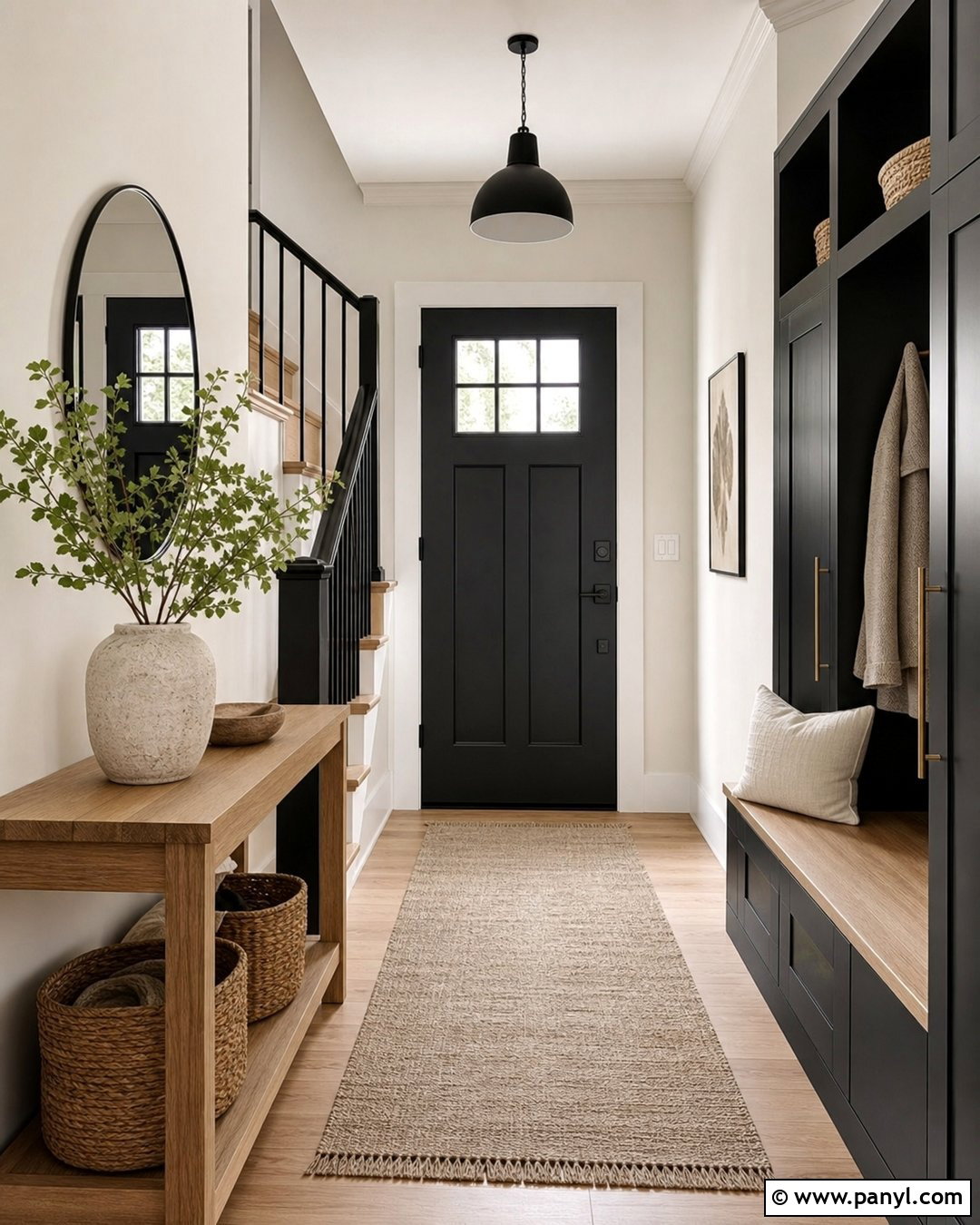
Black and warm white can make an entryway look striking, organized, and intentional. Use warm white on the main walls, then paint the interior side of the front door, the stair railing, and a built-in storage unit in soft matte black. This distributes the darker color across meaningful architectural features instead of isolating it on one random wall. Add a narrow oak console, woven baskets, and a beige runner to warm the high contrast. A large rounded mirror reflects light, while a simple black pendant connects with the painted details. Keep the ceiling and remaining trim warm white. The completed entry feels crisp and modern, yet natural wood and textured fabrics make it practical and welcoming rather than severe.
16. Peach And Muted Green Walls
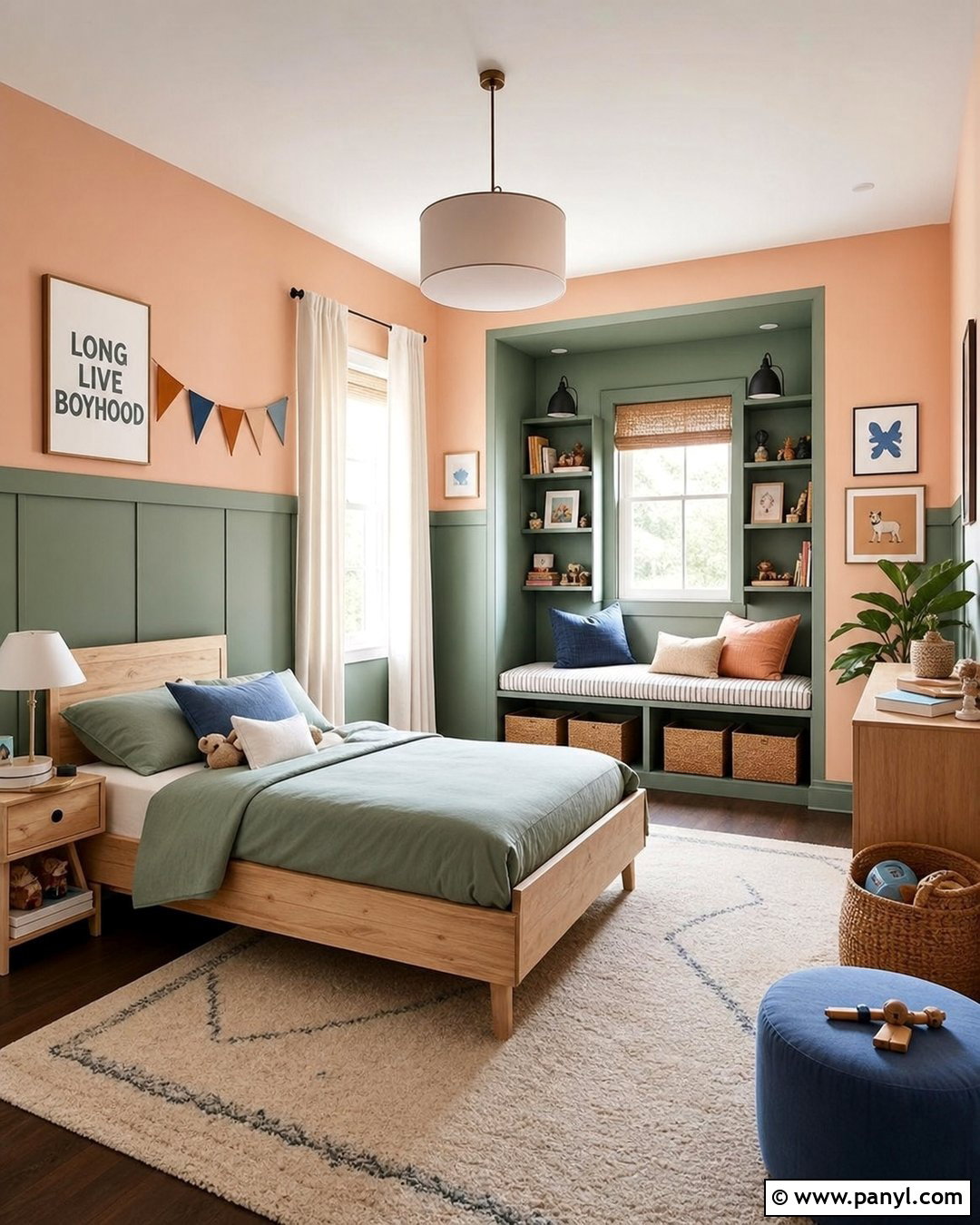
Soft peach and muted green create a cheerful, adaptable child’s room without relying on a strong theme. Paint the main walls a pale peach with warm beige undertones. Use gentle eucalyptus green on the lower wall paneling, built-in shelves, or reading nook. A natural maple bed, cream rug, and white linen curtains keep the overall design light. Add storage baskets, green and tan bedding, and small accents in dusty blue for variety. Choose simple wood furniture that can remain as the child grows. The wall combination supplies personality while allowing artwork and toys to change over time. Keeping both colors subdued also prevents the room from feeling overly busy, even when everyday belongings are visible.
17. Cobalt Blue And Pale Gray Walls
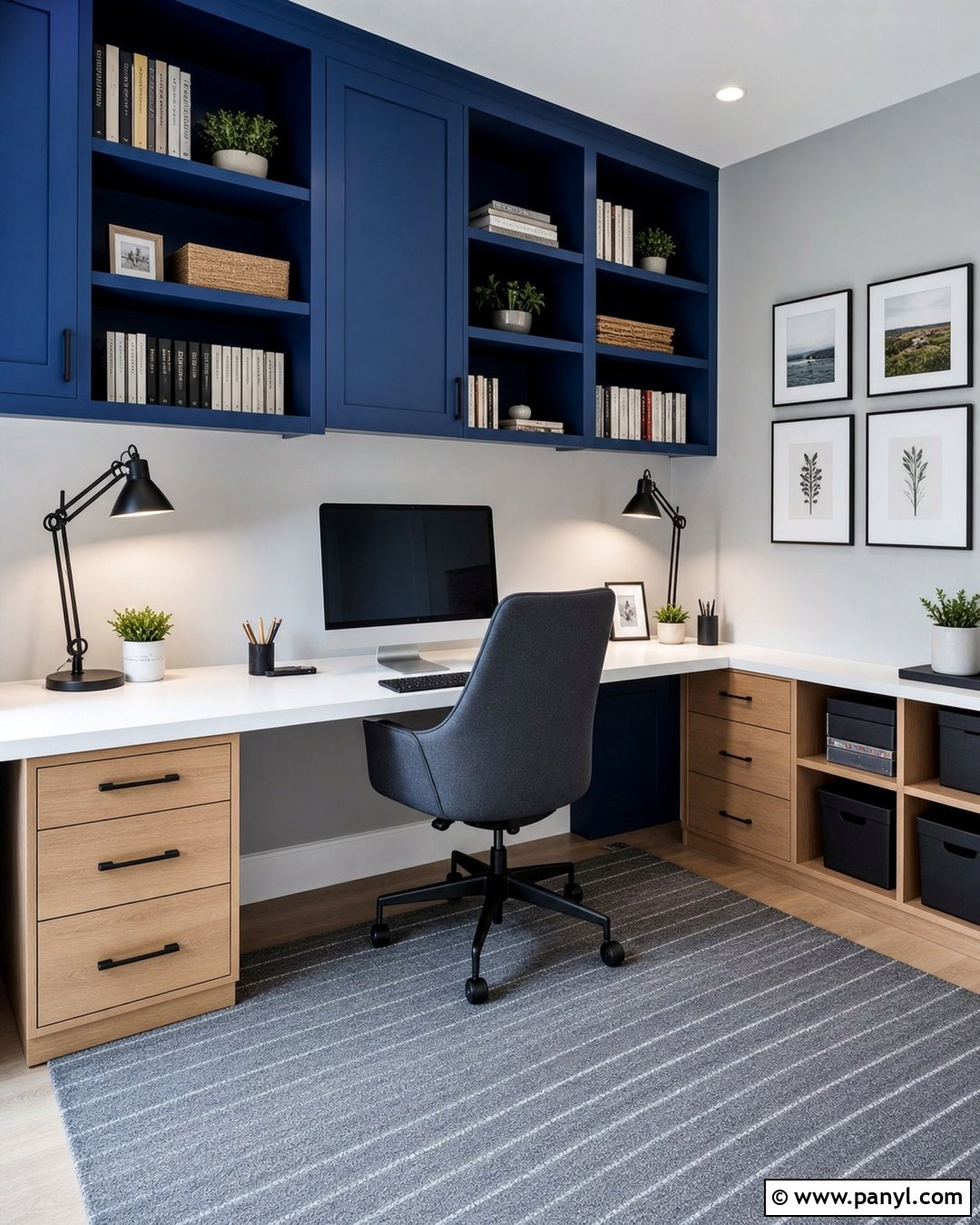
Cobalt blue and pale gray can energize a creative studio or office while preserving a clean working environment. Paint one full wall of cabinets, shelves, and surrounding trim in saturated cobalt blue. Use a very light neutral gray on the other walls and ceiling so the blue remains the clear focal point. A white worktable, pale oak storage pieces, and charcoal desk chair form a practical furniture plan. Add adjustable black lighting, simple white frames, and a gray rug with a subtle linear pattern. Limit additional bright colors to organized supplies or a single piece of art. This bold combination works because the strong blue is concentrated on functional architecture, giving the room purpose rather than creating visual clutter.
18. Chocolate Brown And Beige Walls
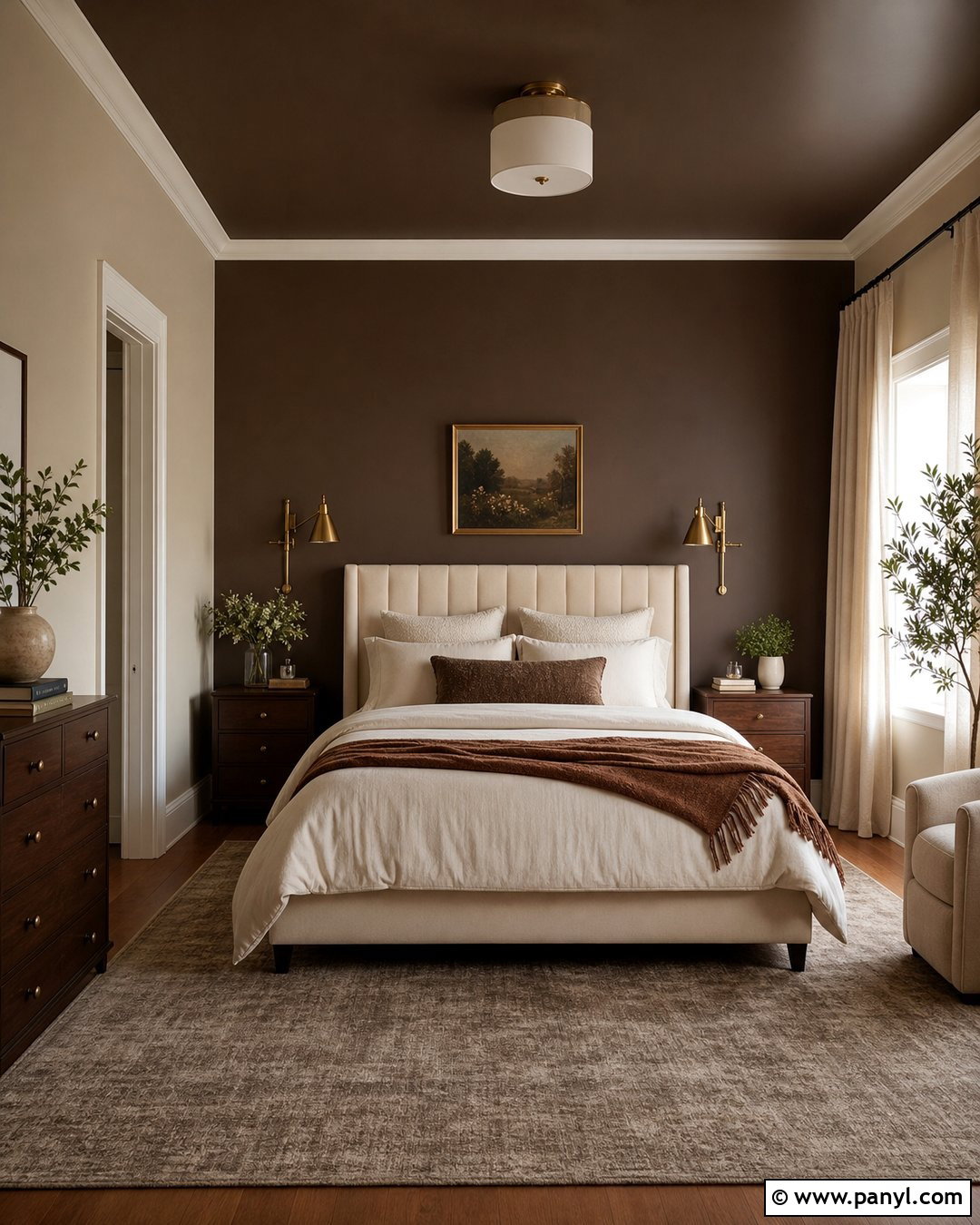
A chocolate brown and beige bedroom feels enveloping, warm, and refined when textures keep the darker color from looking flat. Paint the headboard wall and ceiling in a softened chocolate brown. Cover the remaining walls in a warm beige that shares the same earthy undertone. Choose a tall cream upholstered bed, walnut nightstands, and layered ivory bedding to brighten the center of the room. A taupe rug and natural linen curtains soften the transition between light and dark surfaces. Add aged brass sconces and a rust-colored throw for subtle variation. The brown ceiling lowers the visual height slightly, making a large bedroom feel cozier. Keep artwork minimal so the paint and materials remain the main features.
19. Aqua And Sandy Tan Walls
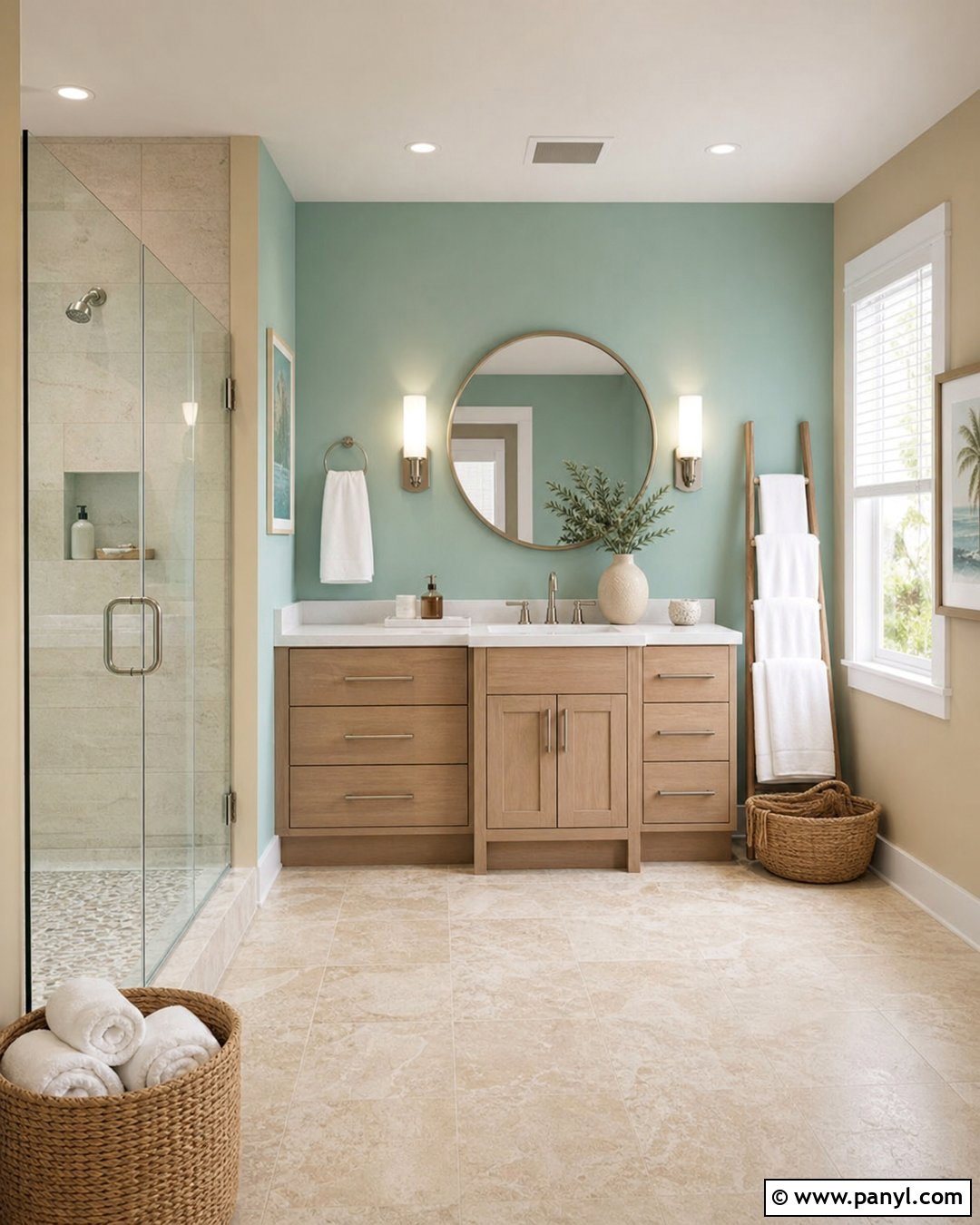
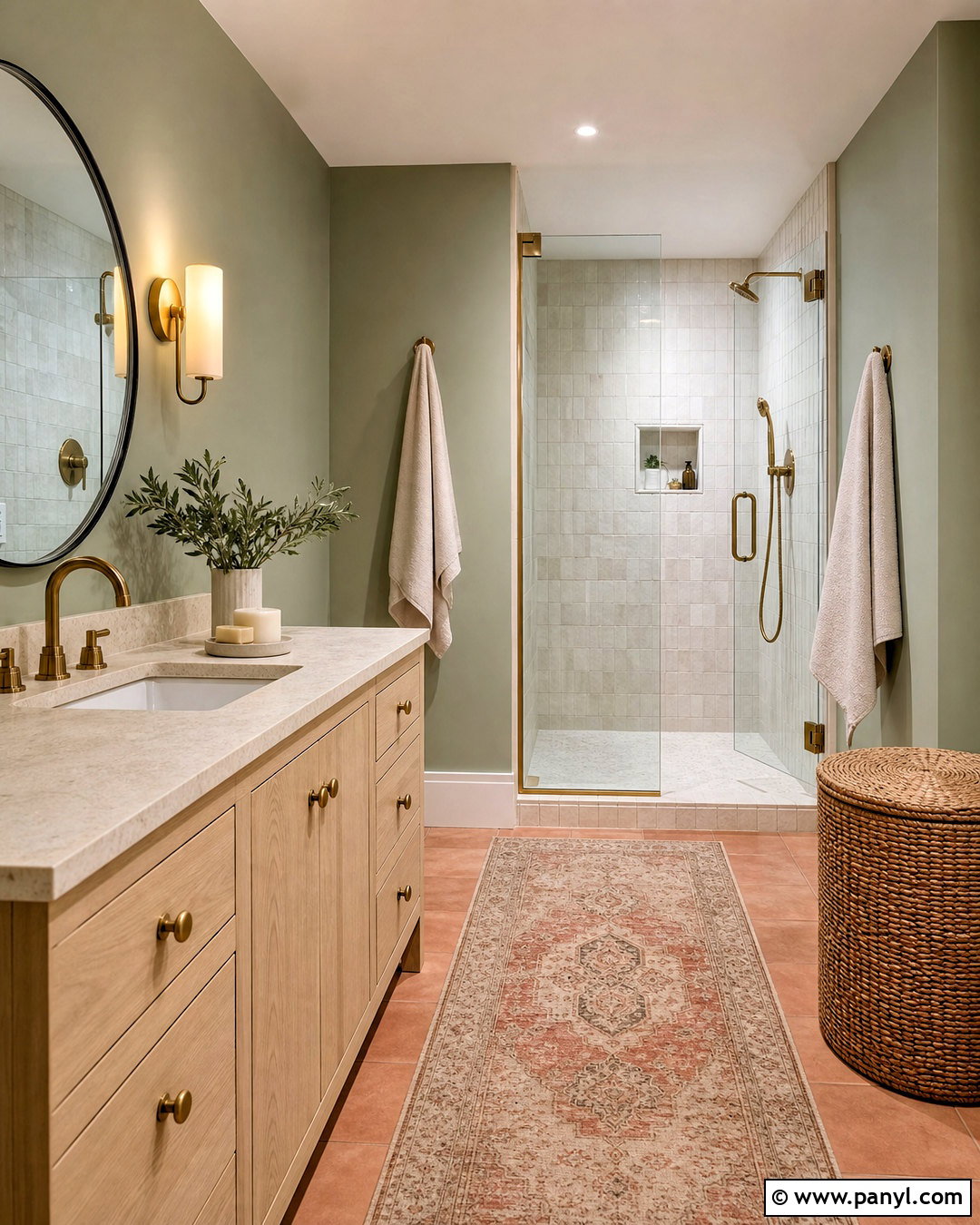
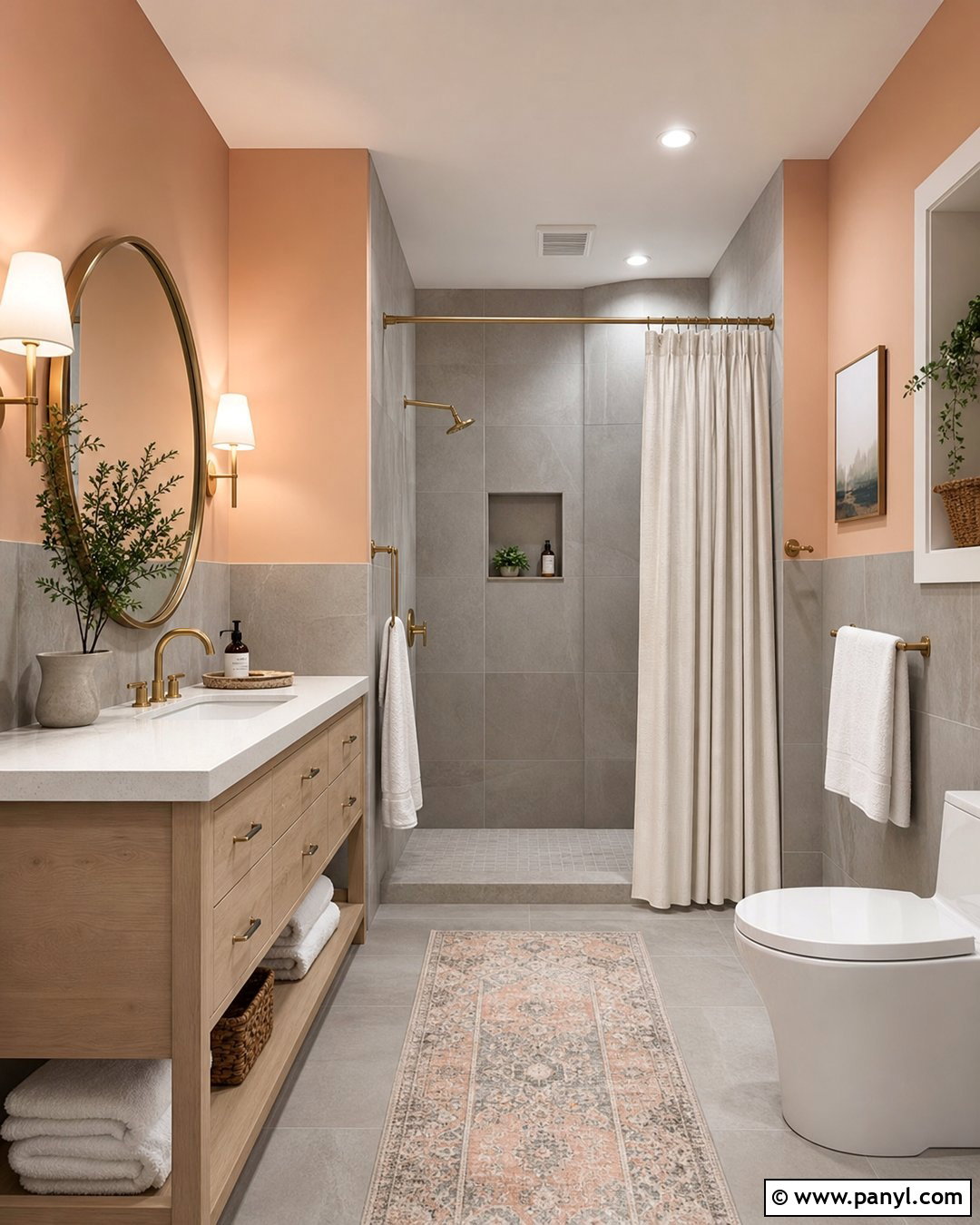
Aqua and sandy tan bring a relaxed coastal feeling to a bathroom without using obvious nautical decorations. Apply soft aqua to the vanity wall and sandy tan to the remaining walls. Paint the ceiling, door, and trim a creamy white to separate the two colors clearly. A light oak vanity, white quartz countertop, and brushed nickel fixtures create a practical base. Choose limestone-look floor tile, woven storage baskets, and white towels with tan edging. The aqua should be muted and slightly green rather than bright turquoise. This keeps the room peaceful and sophisticated. A frameless glass shower and simple round mirror complete the airy look while allowing the wall colors and natural textures to remain visible throughout the space.
20. Mustard Yellow And Navy Blue Walls
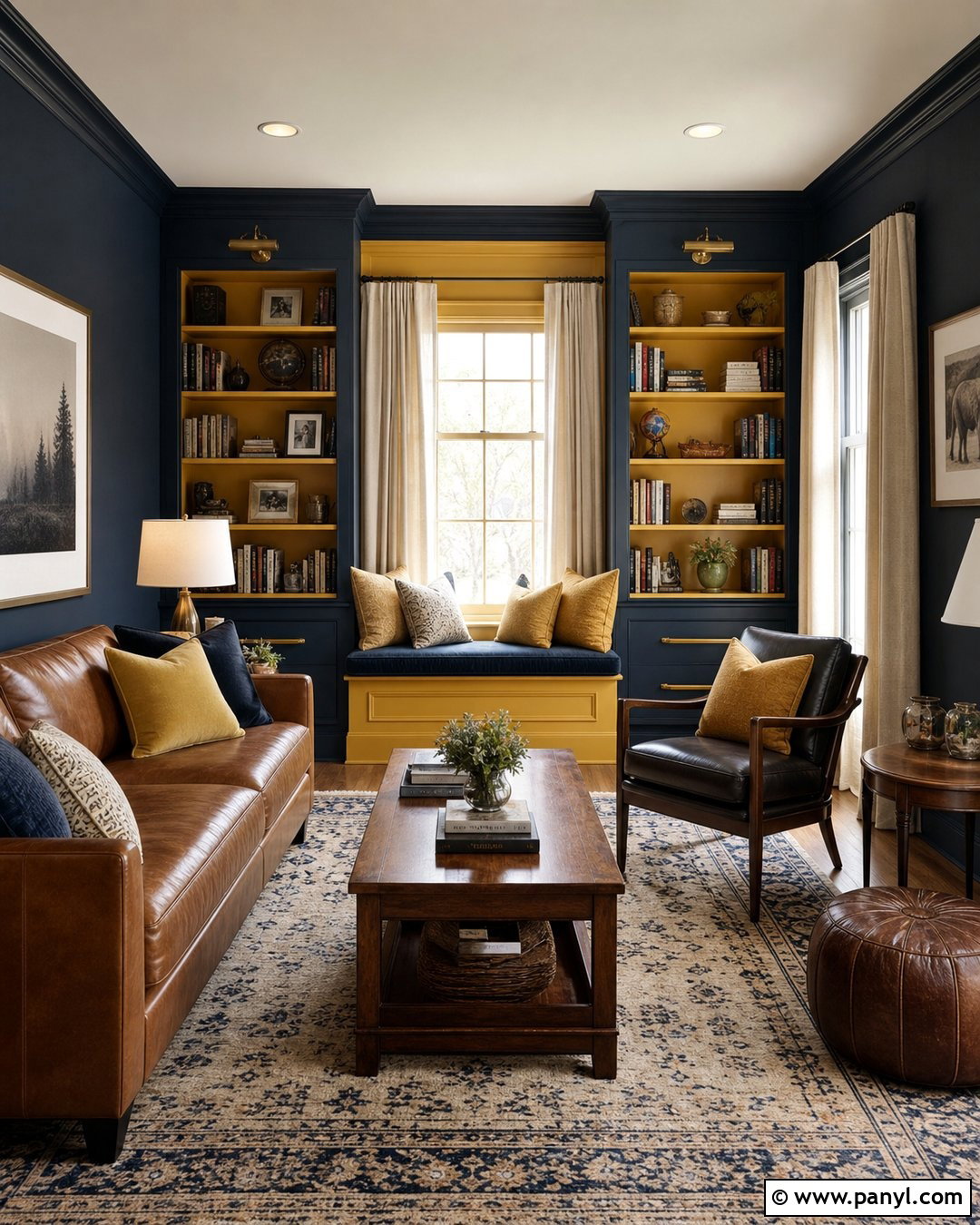
Mustard yellow and navy blue create a confident den that feels cozy, collected, and comfortable. Paint the walls navy blue, then use mustard on the built-in bookcase interiors or a wide window-seat surround. A caramel leather sofa, walnut side tables, and a cream-and-blue patterned rug balance both paint colors. Add oatmeal curtains and warm white lampshades to bring lighter surfaces into the room. Brass picture lights look especially good against navy, while mustard cushions help repeat the secondary color. Keep the ceiling warm white unless the room is large and naturally bright. This complete palette works well for reading rooms, media spaces, and casual family rooms where deeper color can create a welcoming, tucked-away atmosphere.
21. Mint Green And Cream Walls
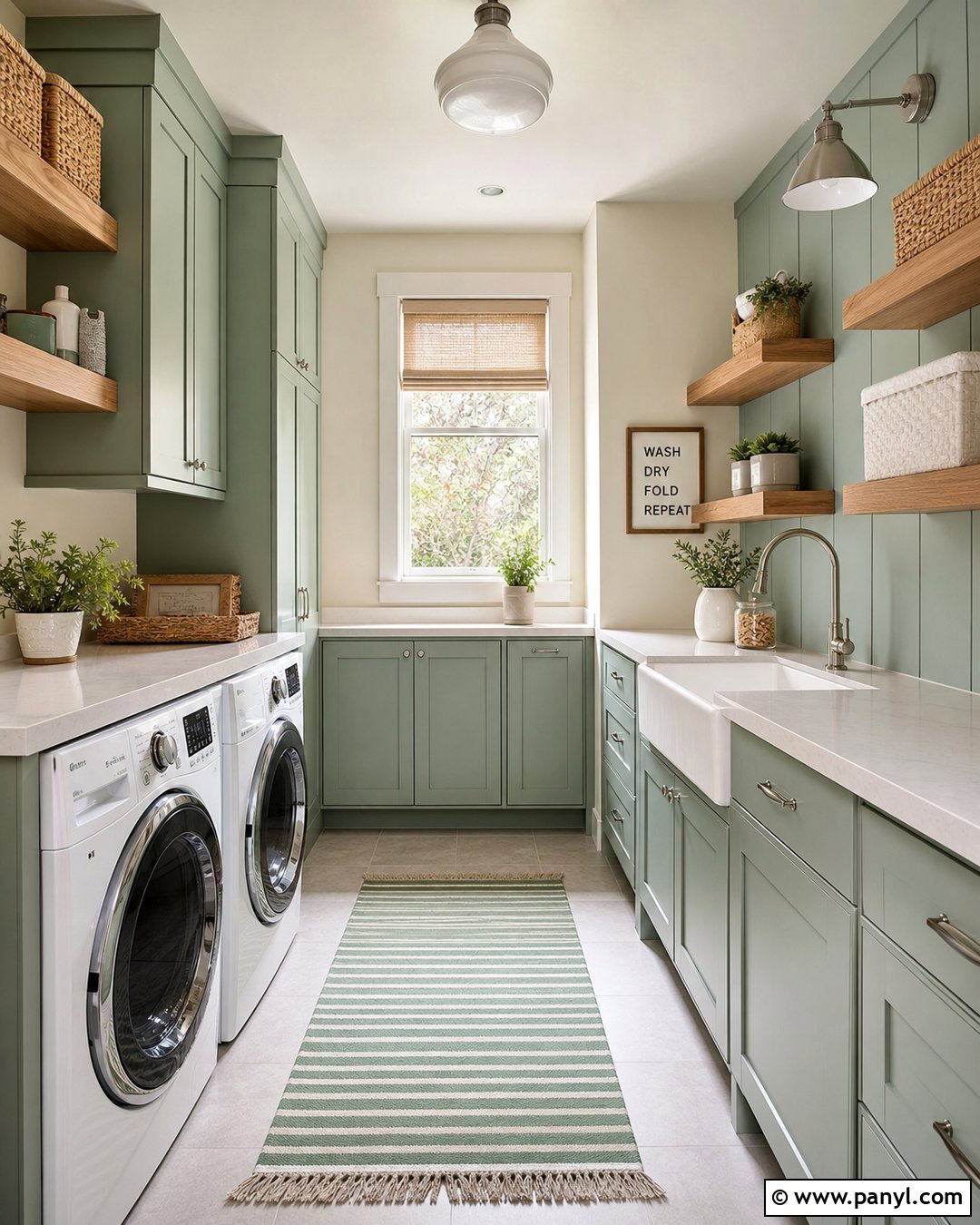
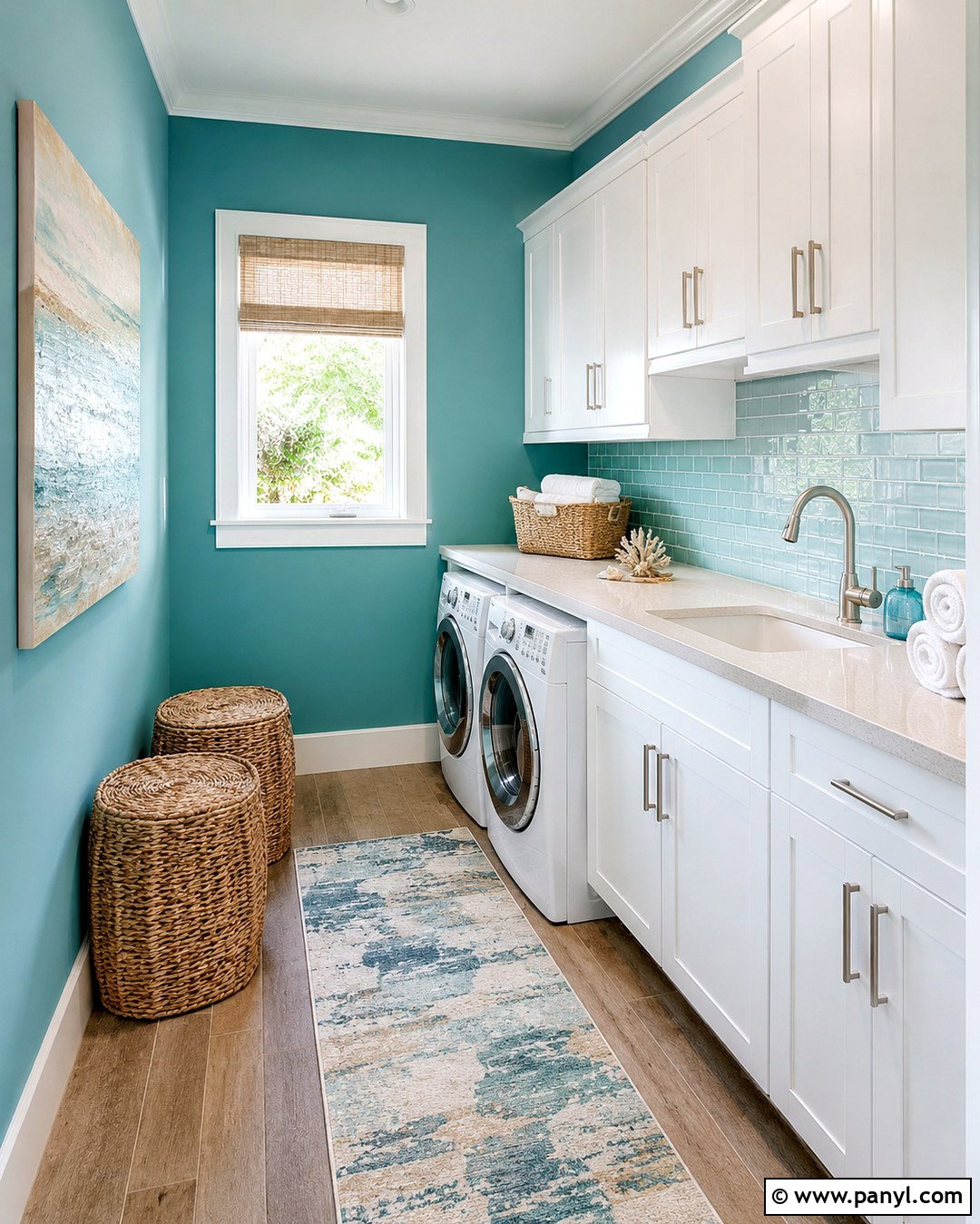
Fresh mint green and cream can transform a laundry room into a brighter and more pleasant workspace. Use soft mint on the cabinetry and the wall behind the utility sink. Paint the remaining walls, ceiling, door, and trim in warm cream. White quartz counters, pale gray floor tile, and brushed nickel hardware maintain a clean appearance. Add open oak shelves with matching baskets to provide practical storage and natural contrast. A striped cream-and-green runner brings softness to the hard-working room. Avoid extremely cool mint, which may clash with cream appliances or warm artificial lighting. A muted green with a touch of gray will look calmer and coordinate more easily with wood, metal, woven storage, and everyday cleaning supplies.
22. Plum And Greige Walls
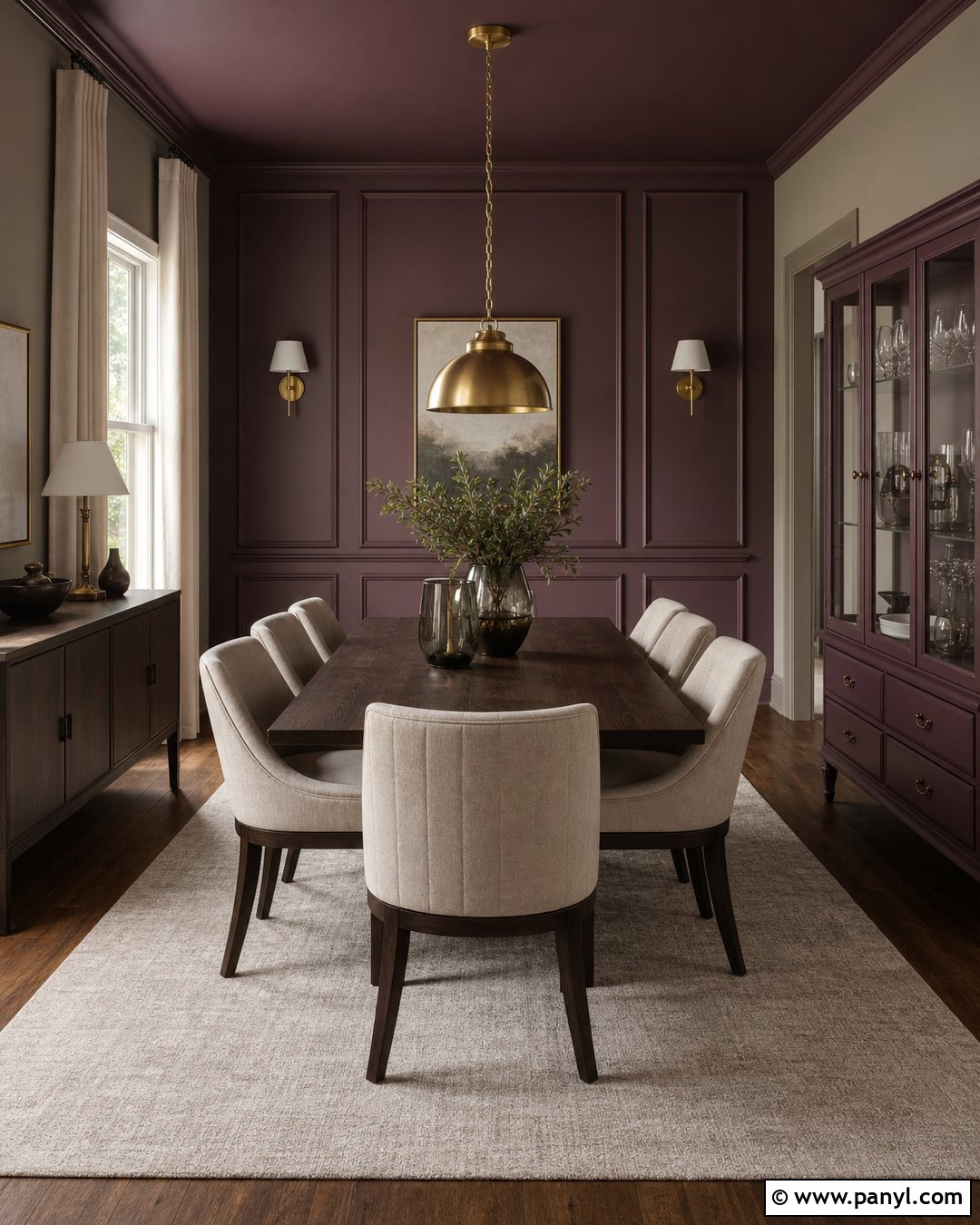
Plum and greige bring depth and unexpected color to a formal dining room. Paint the walls a medium greige, then cover the ceiling and upper portion of a paneled feature wall in muted plum. Continue plum inside a shallow display cabinet to make the choice feel deliberate. A dark oak dining table, beige upholstered chairs, and a warm gray rug create a grounded center. Use cream curtains, aged brass lighting, and smoky glass accessories to soften the richer paint. Plum should lean earthy rather than jewel-bright, allowing it to coordinate with brown wood and neutral upholstery. This room feels dramatic during evening meals while remaining balanced in daylight, making the palette practical for both entertaining and everyday use.
23. Rust Orange And Dusty Blue Walls
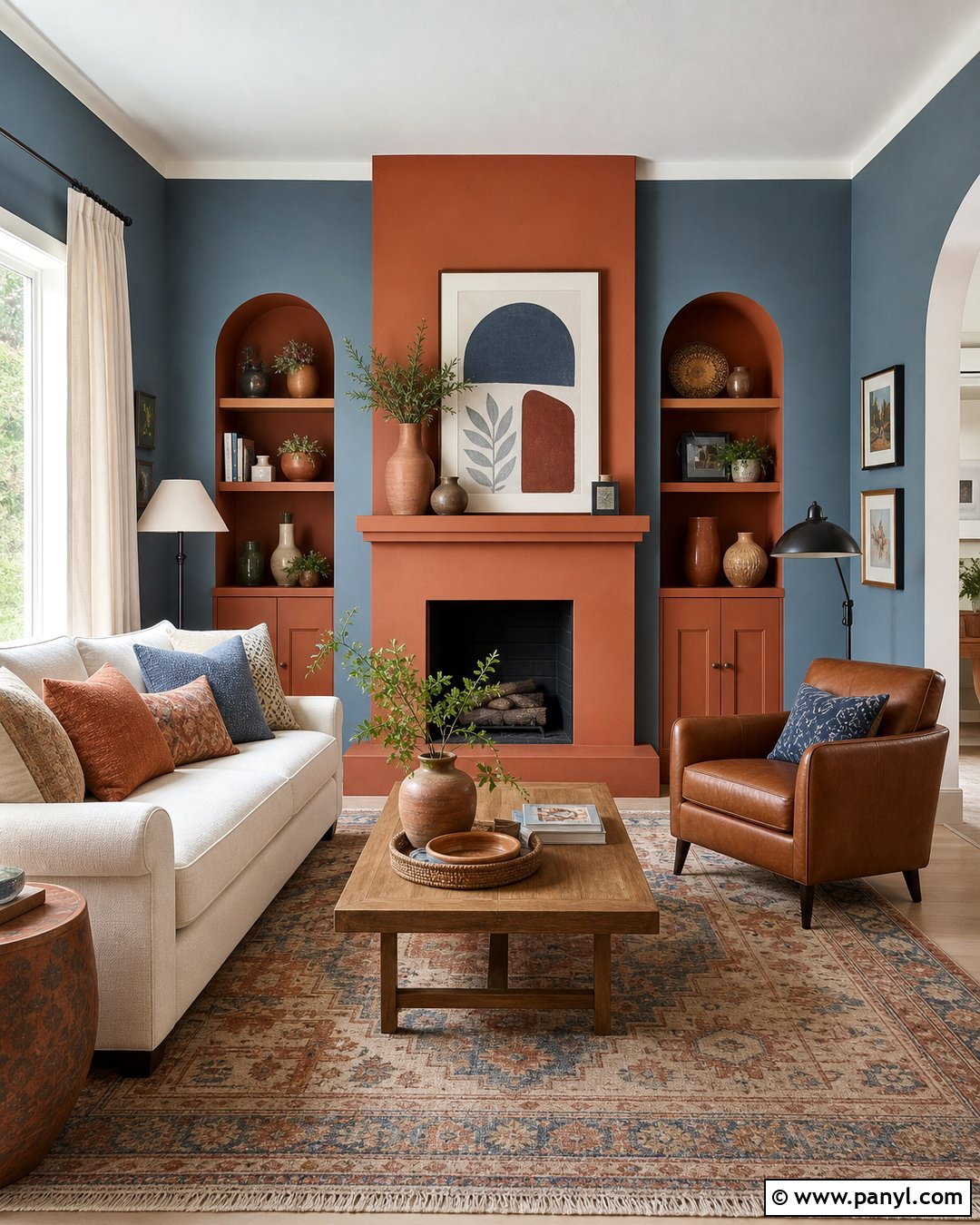
Rust orange and dusty blue form a balanced living room palette because one color feels warm while the other feels calm. Paint the fireplace wall rust, including built-in niches or simple surrounding trim. Use dusty blue on the remaining walls, choosing a subdued version with gray undertones. A cream sofa, cognac leather chair, and medium oak coffee table connect the two colors naturally. Anchor the seating area with a beige rug containing small blue and rust details. Add off-white curtains, black metal lamps, and a few terracotta accessories. Keep the ceiling warm white for visual breathing room. The finished scheme feels layered and expressive without depending on trendy furniture or excessive decorative objects.
24. Soft Gray And Deep Gray Walls
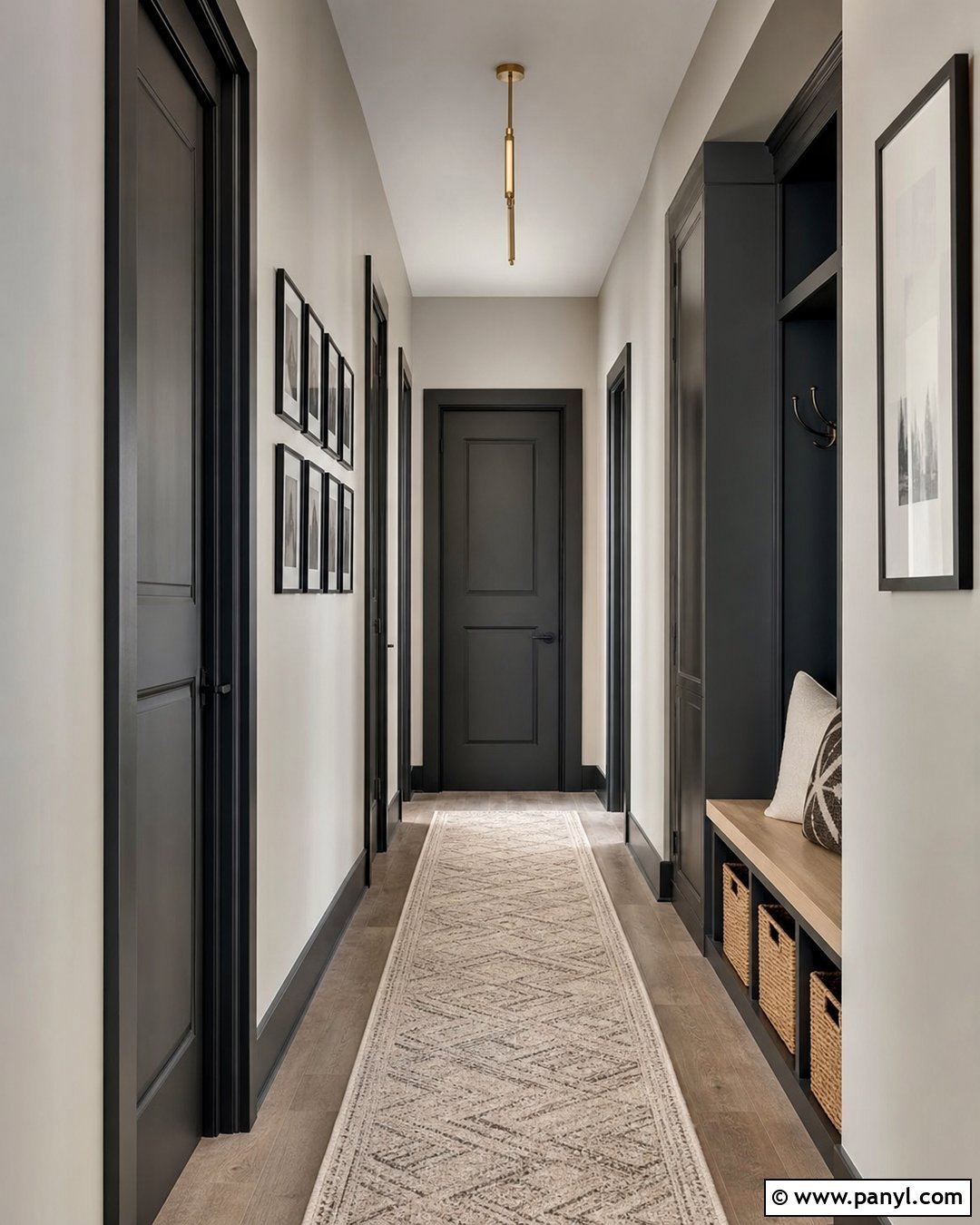
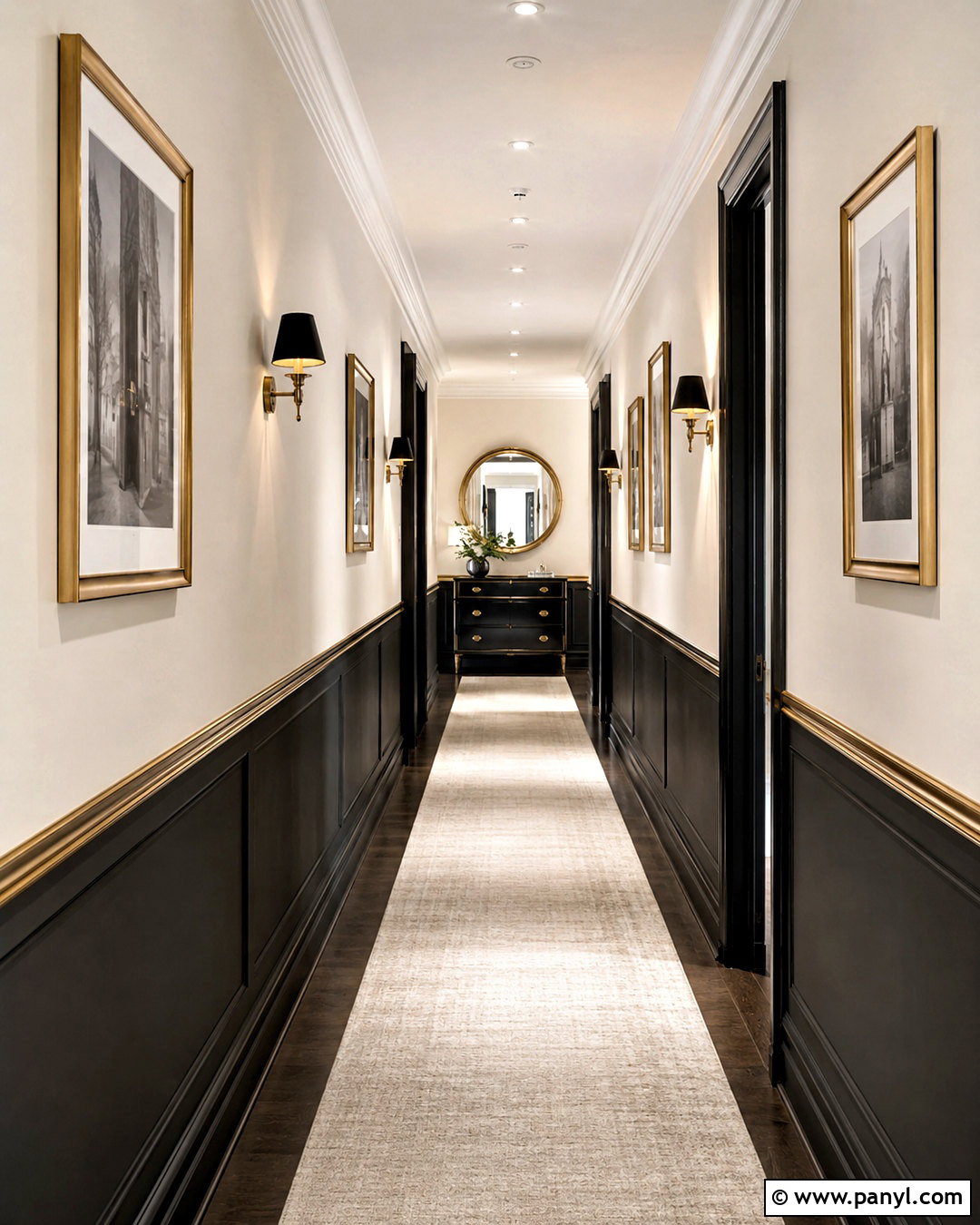
Using two gray tones can look dimensional rather than plain when the room includes warm materials and clear contrast. Paint the hallway walls a soft warm gray and use deep charcoal gray on the doors, baseboards, and built-in bench. Continue the lighter shade across the ceiling to avoid creating too many visual divisions. Add a white oak bench seat, woven baskets, and a long beige runner with a simple geometric pattern. Black picture frames and a slim brass ceiling light provide polished finishing touches. The darker doors can disguise everyday marks in a busy passage, while the lighter walls maintain brightness. Choose grays with warm undertones so they coordinate naturally with oak flooring and nearby beige or cream rooms.
25. Deep Blue And Powder Blue Walls
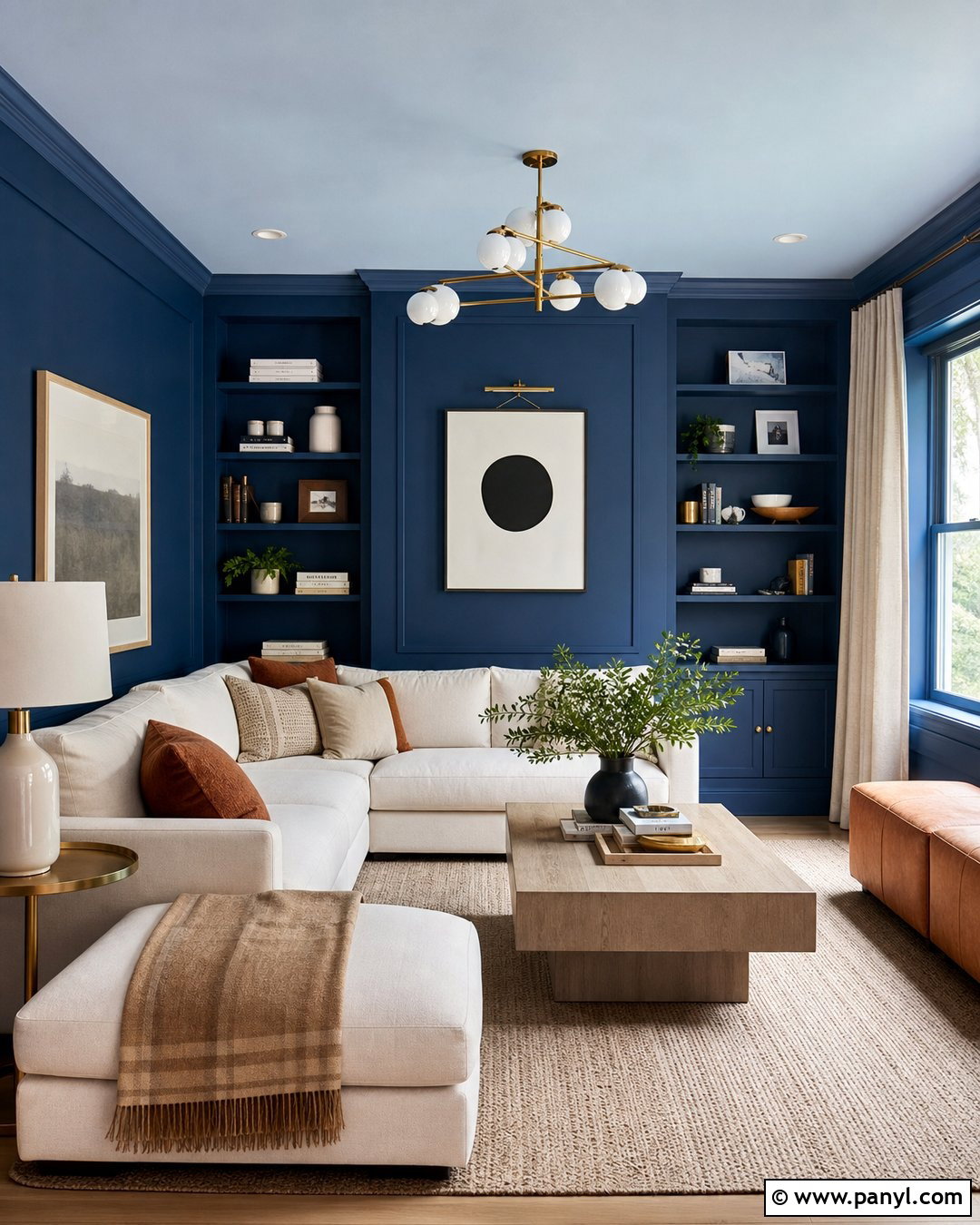
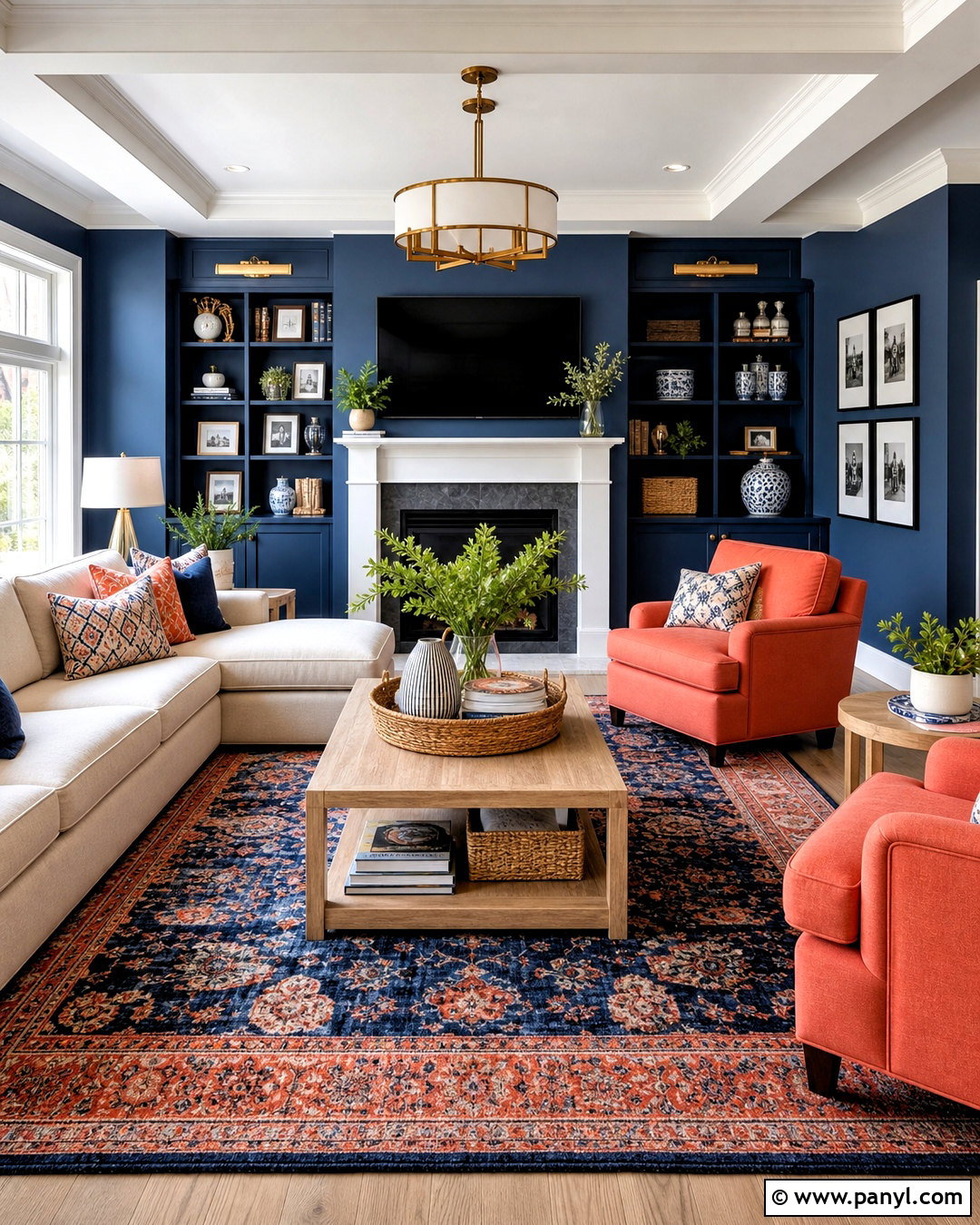
Deep blue and powder blue create a memorable color-drenched living room while maintaining enough contrast to show its architecture. Paint the walls, built-in shelves, baseboards, and window trim in a rich deep blue. Use powder blue on the ceiling to lighten the upper surface and create a gradual tonal transition. A cream sectional, pale oak coffee table, and oatmeal rug keep the furniture visually separate from the painted envelope. Add rust and tan pillows, white ceramic lamps, and a few brass details for warmth. This approach suits rooms with generous windows or layered lighting. Repeating one color across walls and trim creates continuity, while the softer ceiling prevents the finished room from feeling overly enclosed.
Conclusion:
Successful 25 Wall Paint Color Combination Ideas are not simply pairs of attractive shades. Each combination should support the room’s natural light, permanent finishes, furniture, and everyday purpose. Warm whites can balance navy, forest green, terracotta, and black, while softer neutrals help blush, lavender, dusty blue, and mint feel mature. For a more immersive look, continue the darker color across trim, cabinetry, or built-ins instead of limiting it to one wall. Always test large samples beside flooring, upholstery, countertops, and curtains. Check each color in morning, afternoon, and evening light. With thoughtful placement and repeated accents, these 25 Wall Paint Color Combination Ideas can create cohesive rooms that feel personal, comfortable, and complete.

Related Ideas and Inspiration:
Leave a Reply