
Choosing the right palette can make a room feel larger, warmer, calmer, or more energetic without changing its basic layout. The best room color combination ideas connect wall paint with flooring, furniture, textiles, lighting, and decor, creating one complete look instead of a collection of unrelated shades. Current interiors favor earthy greens, softened blues, warm neutrals, chalky pastels, and richer accent colors that bring depth without making everyday spaces feel overwhelming. () As you compare palettes, pay attention to natural light and existing materials. Test samples beside floors, cabinets, and upholstery at different times of day. Whether you love quiet neutrals or expressive contrast, these practical room color combination ideas offer a balanced starting point.

1. Sage Green And Warm White Room
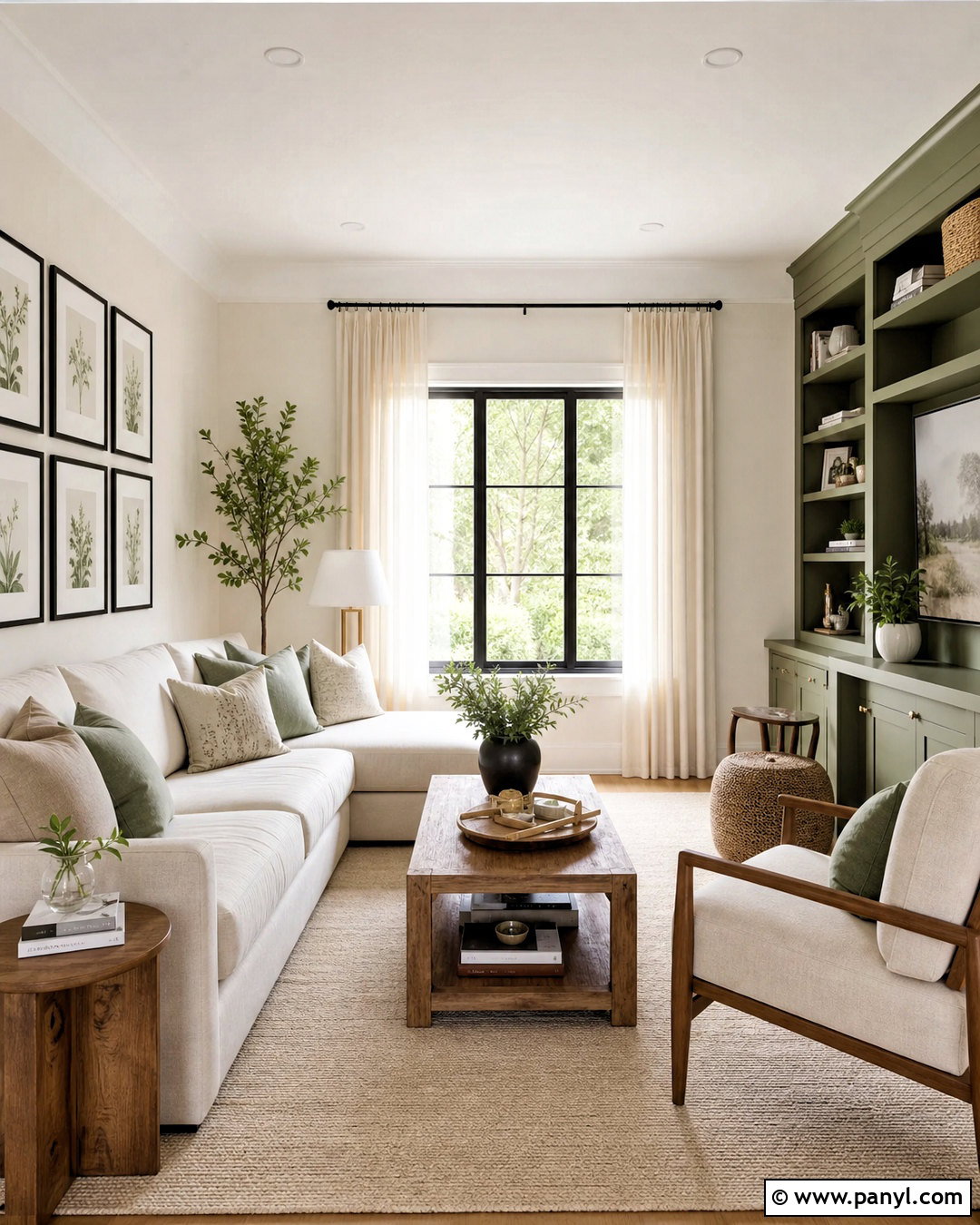
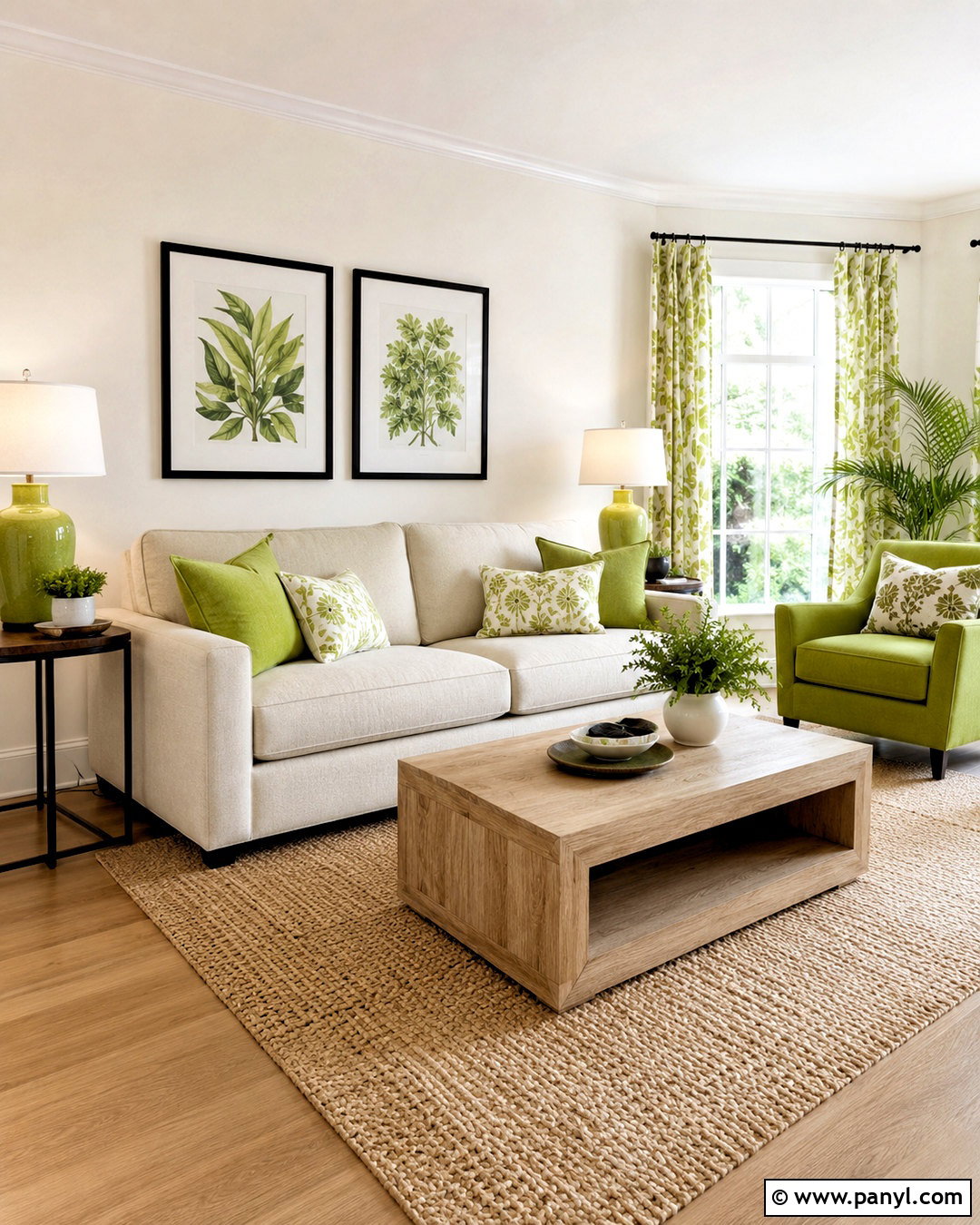
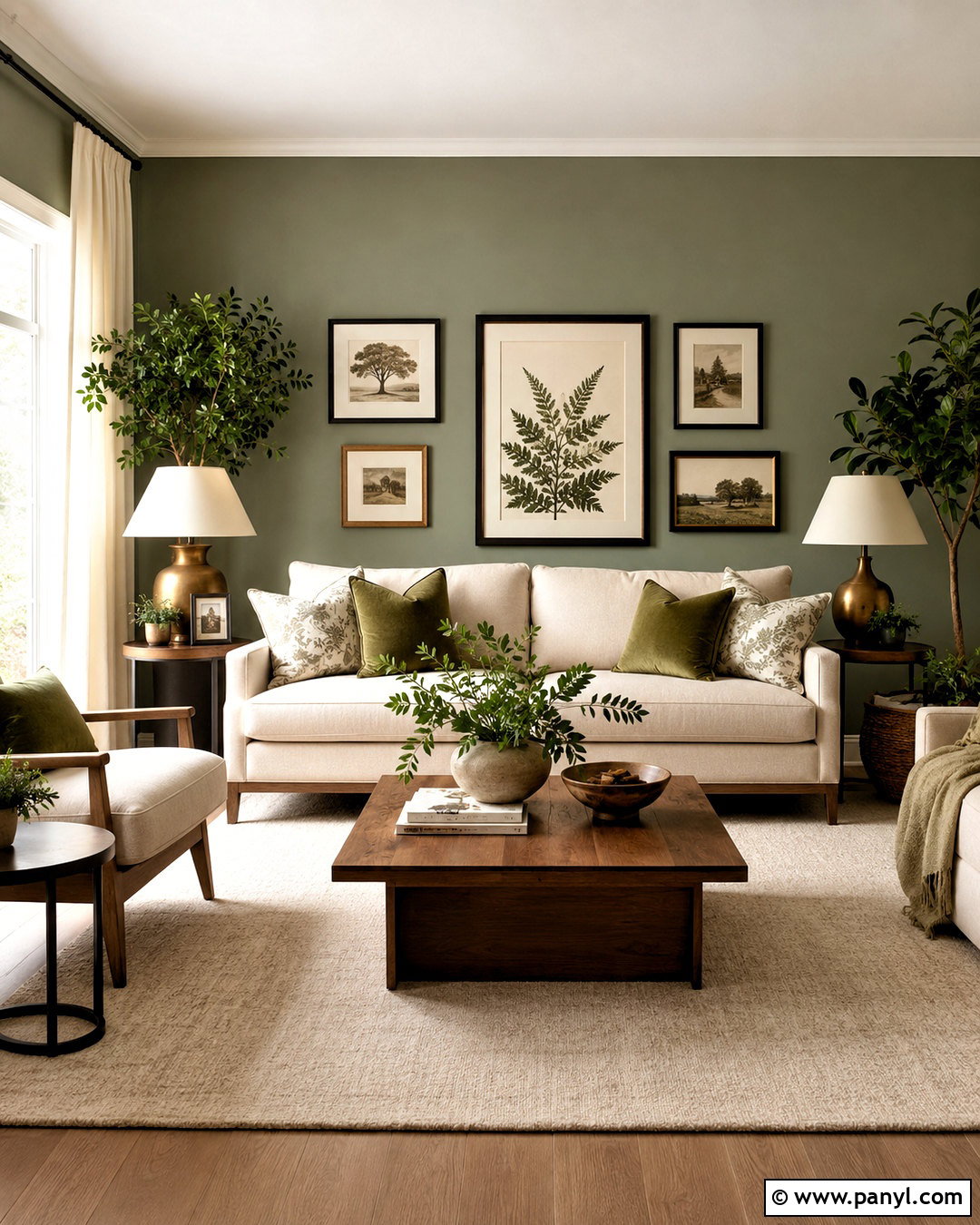
Sage green and warm white create a peaceful room that feels natural, fresh, and easy to live with. Use warm white across most walls, then introduce sage through built-in cabinets, one feature wall, or a large upholstered piece. A cream sofa or bed keeps the palette soft, while medium oak furniture adds necessary warmth. Choose linen curtains, woven baskets, and an ivory rug for comfortable texture. Small black accents, such as picture frames or a slim floor lamp, provide definition without making the room feel heavy. Add leafy plants and simple botanical artwork to reinforce the garden-inspired colors. This combination works especially well in bright living rooms, restful bedrooms, and home offices where concentration and calm are equally important.
2. Navy Blue And Crisp White Room
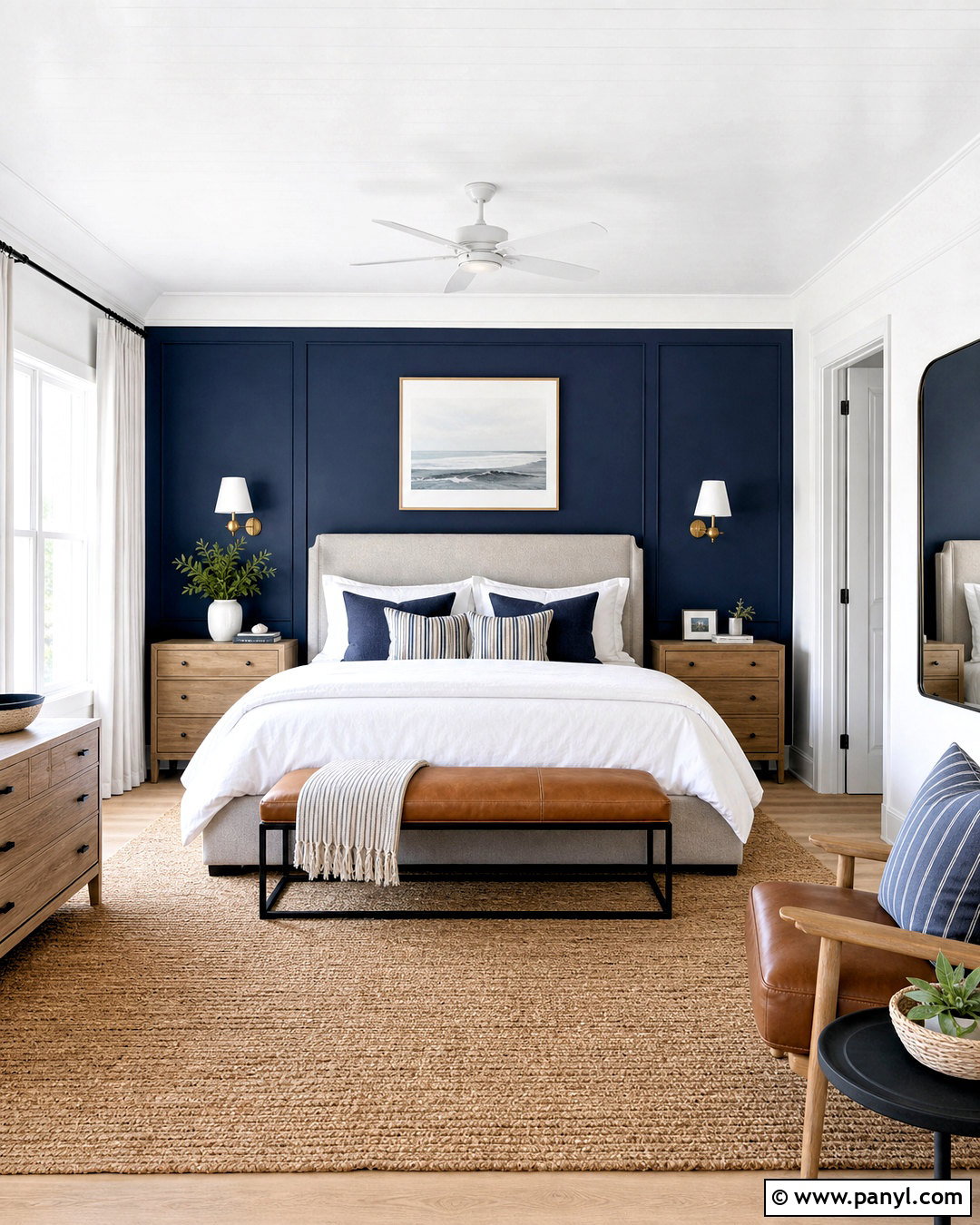
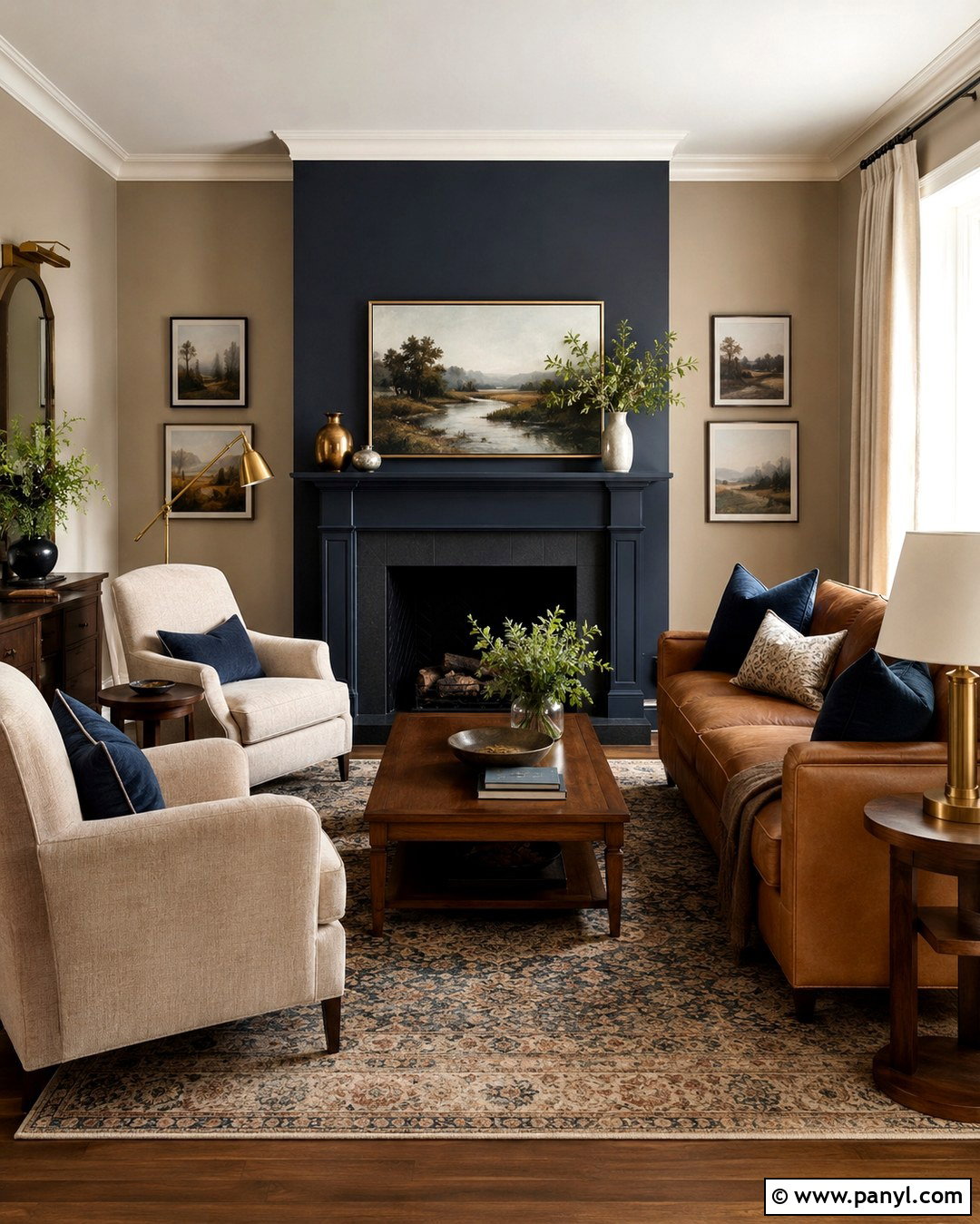
What makes navy blue and crisp white so reliable? The strong contrast gives a room structure, while the lighter shade prevents the deeper blue from closing in the space. Paint lower cabinetry, built-ins, or a main feature wall navy, keeping the remaining walls and trim clean white. Bring in a light gray sofa, white bedding, or pale upholstered dining chairs to balance the dark surfaces. Natural oak flooring and a jute rug stop the scheme from feeling overly nautical. Brushed brass lighting adds warmth and reflects light beautifully. Finish the room with striped textiles, blue-and-white ceramics, and restrained tan leather accents. The result feels polished and classic, yet relaxed enough for a family room, bedroom, kitchen, or dining area.
3. Terracotta And Cream Room
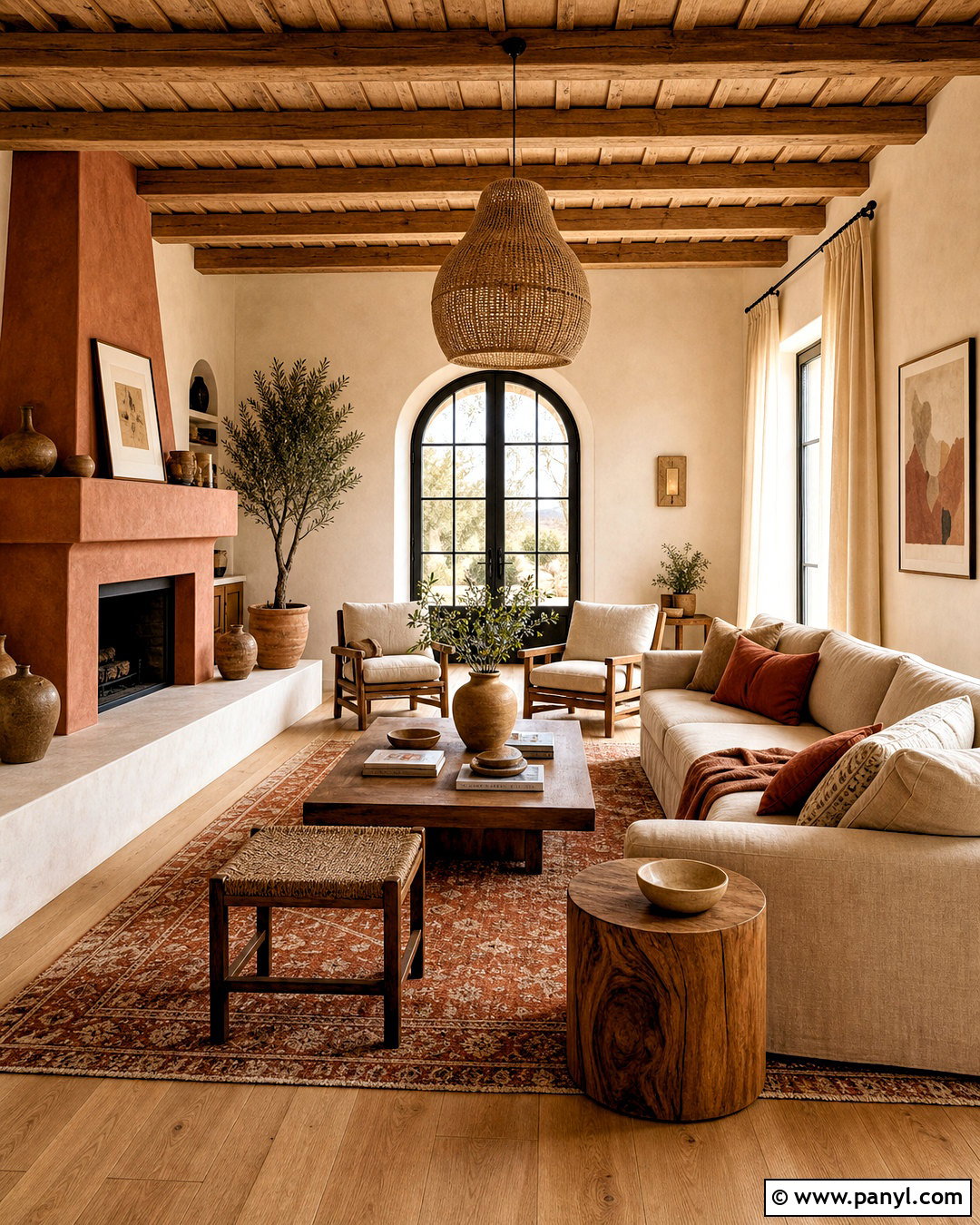
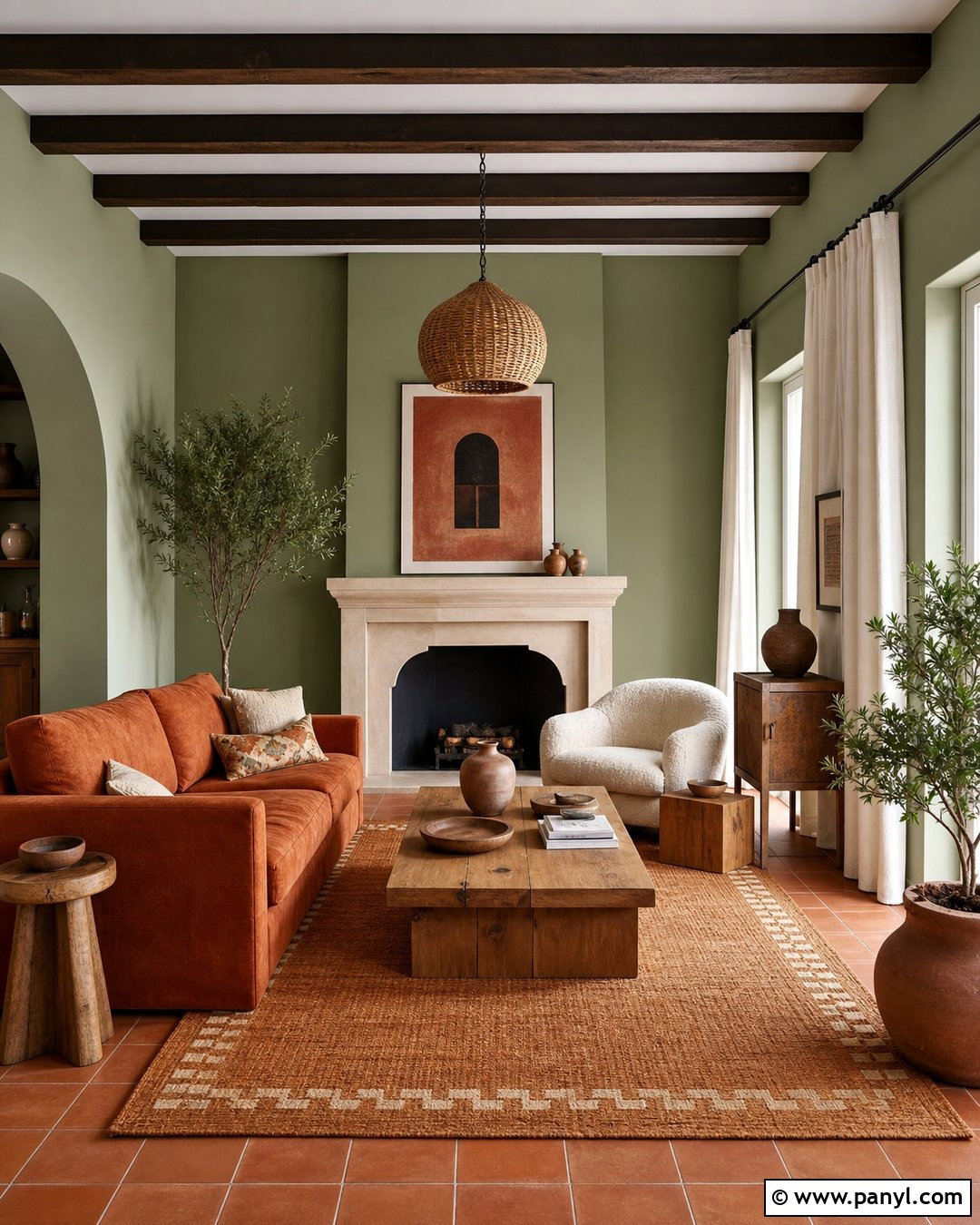
Terracotta brings sunbaked warmth into a room, while cream softens its intensity and keeps the atmosphere comfortable. Start with creamy walls and use muted terracotta on a fireplace, headboard wall, kitchen island, or generous curtains. A beige linen sofa or upholstered bed provides a gentle transition between the two shades. Ground the room with walnut furniture, warm oak floors, and a patterned rug containing rust, tan, and faded brown. Handmade pottery, woven lighting, and natural linen reinforce the earthy character. Use matte black sparingly through hardware or a side table for sharper definition. This complete palette suits Mediterranean, Southwestern, bohemian, and modern organic interiors. It works best when textures are layered and the terracotta has a softened, clay-like undertone.
4. Dusty Blue And Soft Gray Room
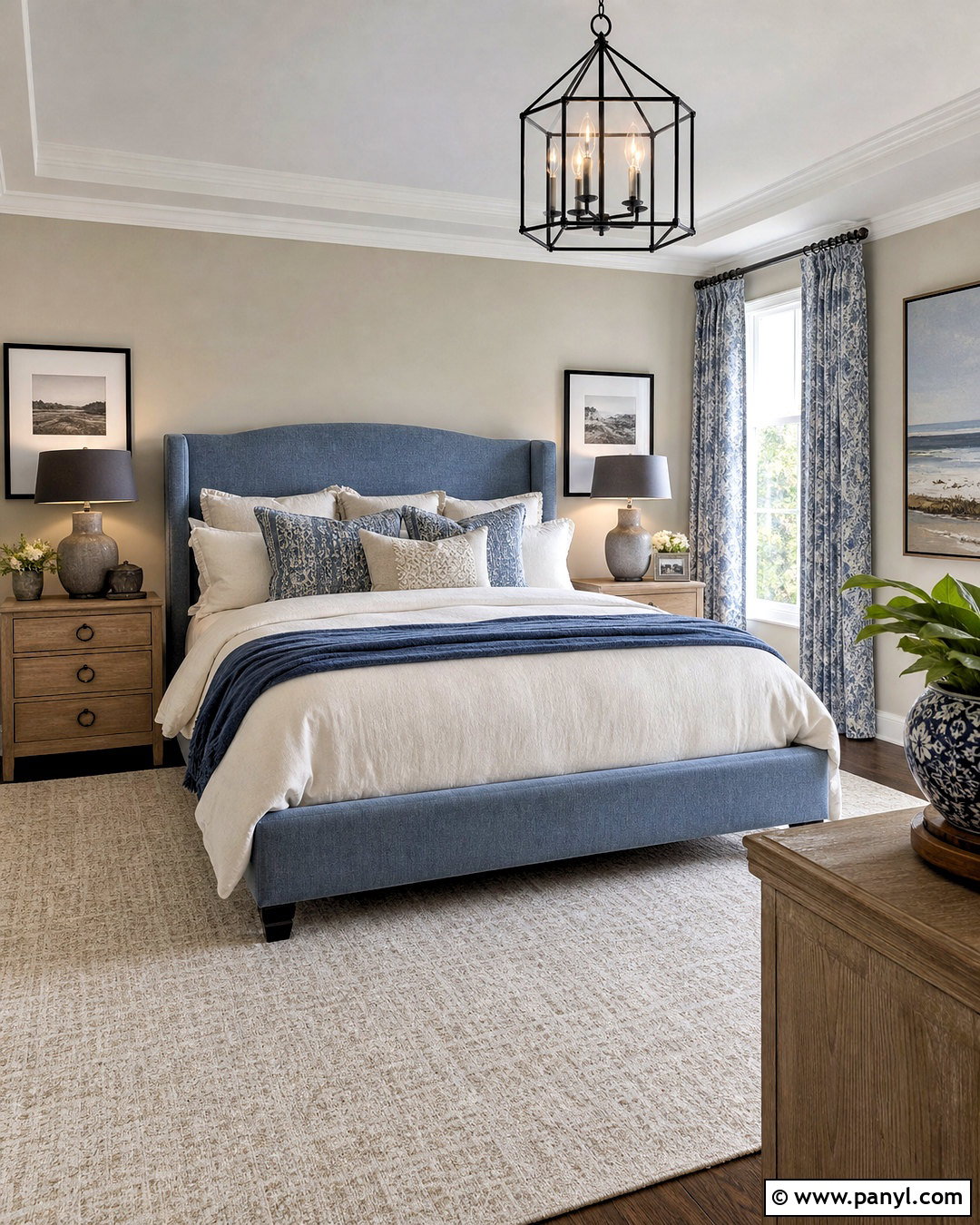
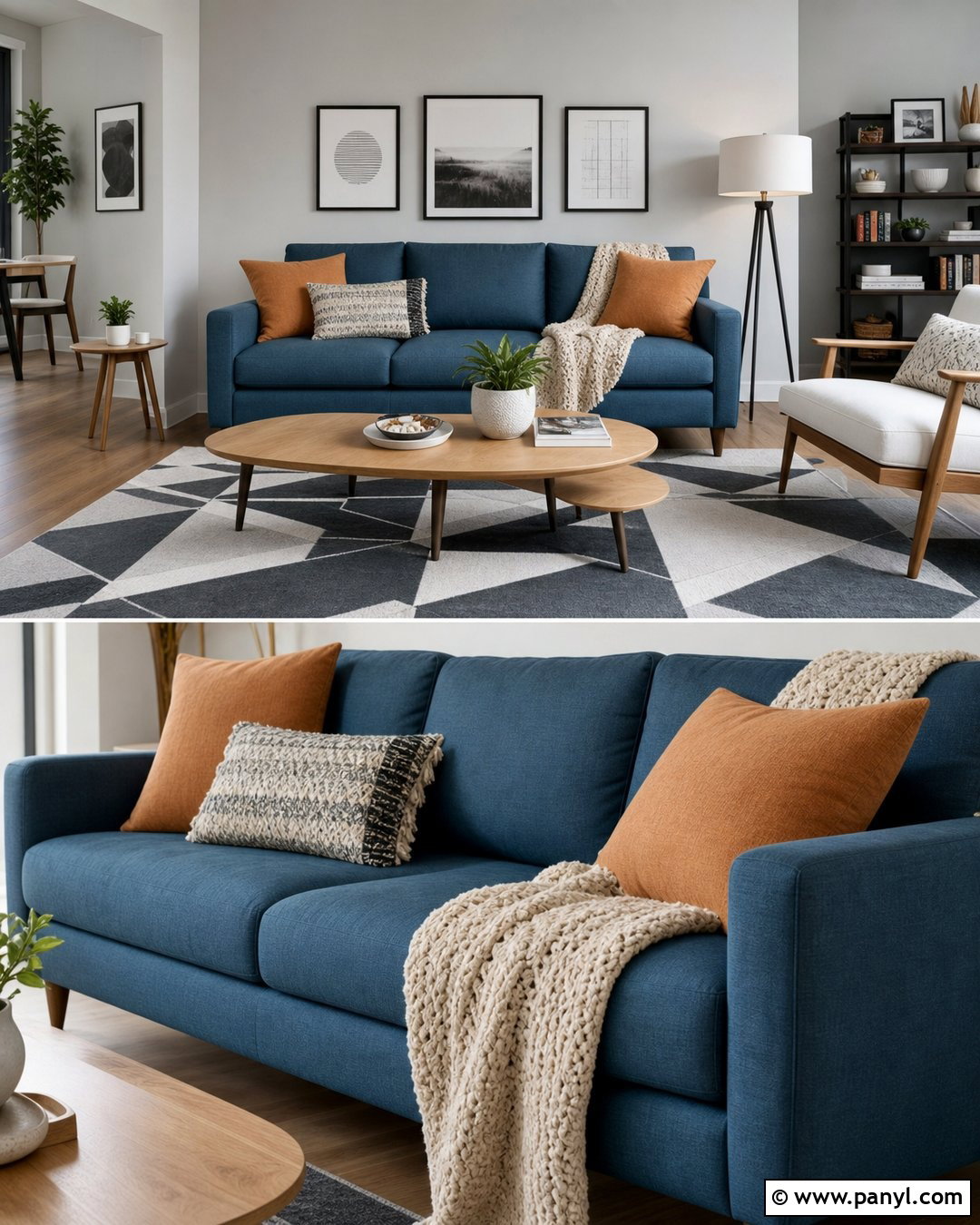
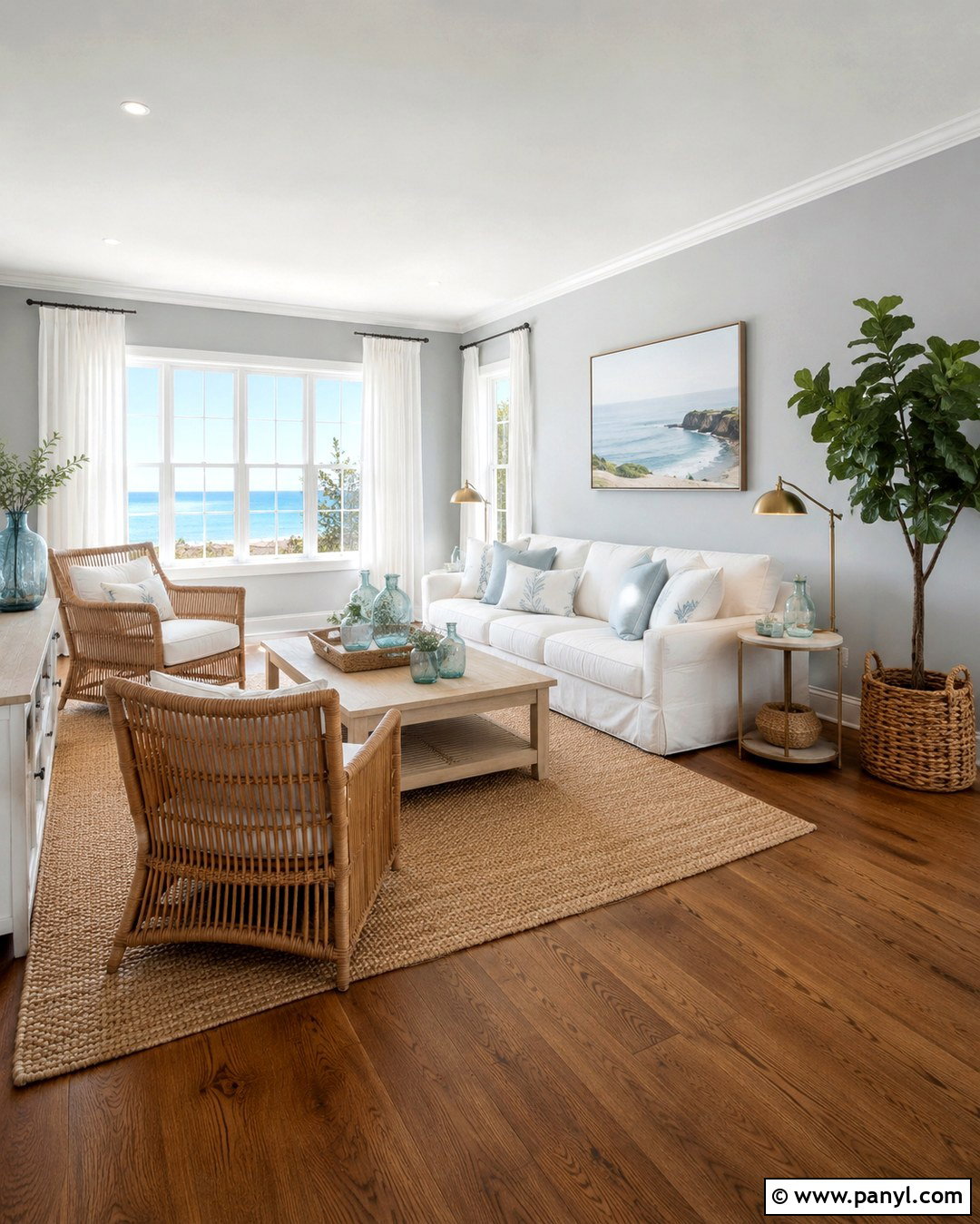
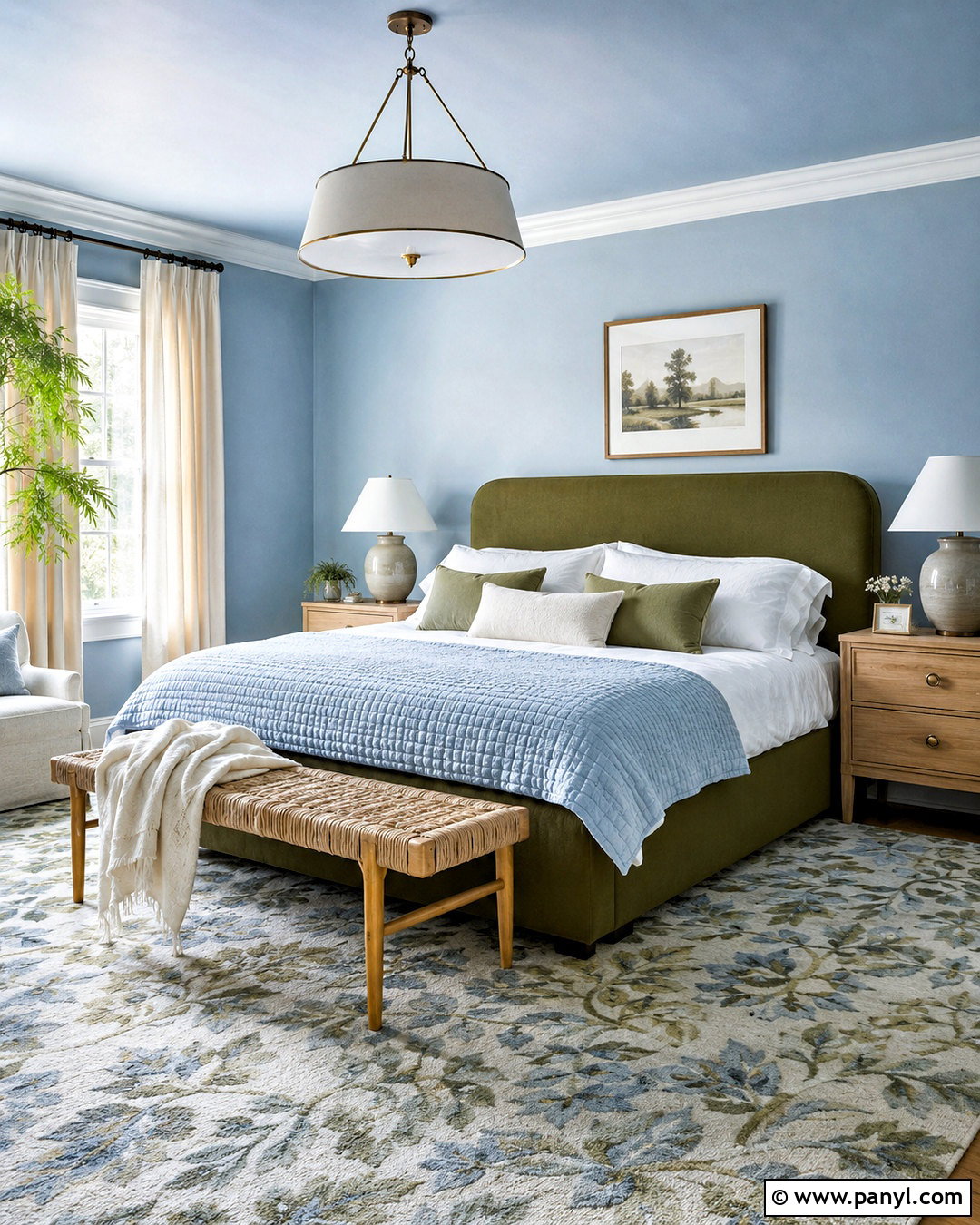
A hazy combination of dusty blue and soft gray can make a busy room feel noticeably quieter. Choose pale gray walls with a subtle warm undertone, then use dusty blue for the sofa, bedding, drapery, or painted cabinetry. Avoid icy grays, which may make the palette appear cold. Instead, add washed oak furniture, an oatmeal rug, and ivory cushions to create warmth. Brushed nickel or pewter hardware suits the understated colors, while small charcoal accents create definition. For pattern, try a faded blue-gray rug or curtains with a delicate geometric print. Artwork featuring soft coastal landscapes can connect the colors naturally without turning the room into a beach theme. This combination is particularly effective in bedrooms, offices, nurseries, and relaxed living rooms.
5. Olive Green And Tan Room
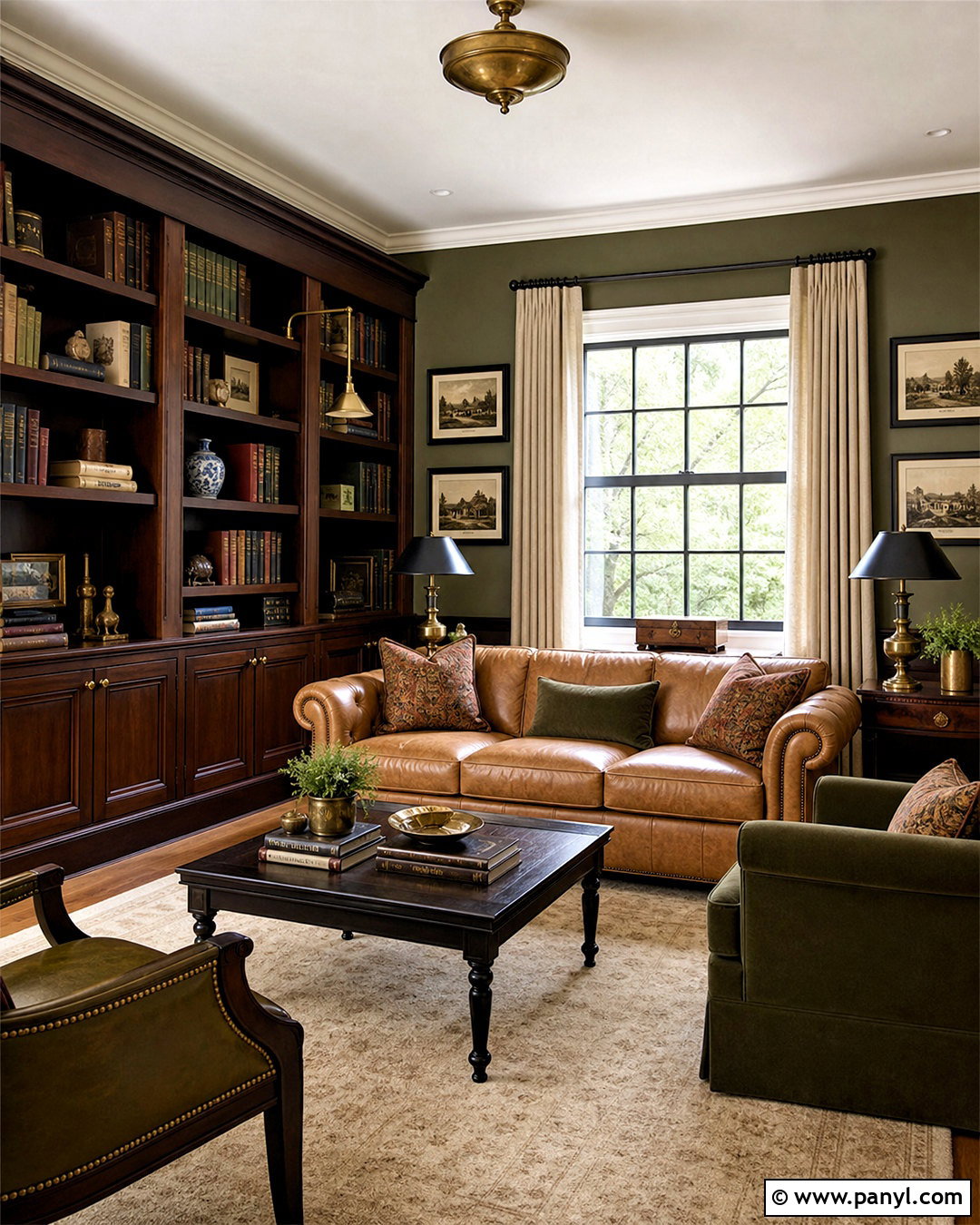
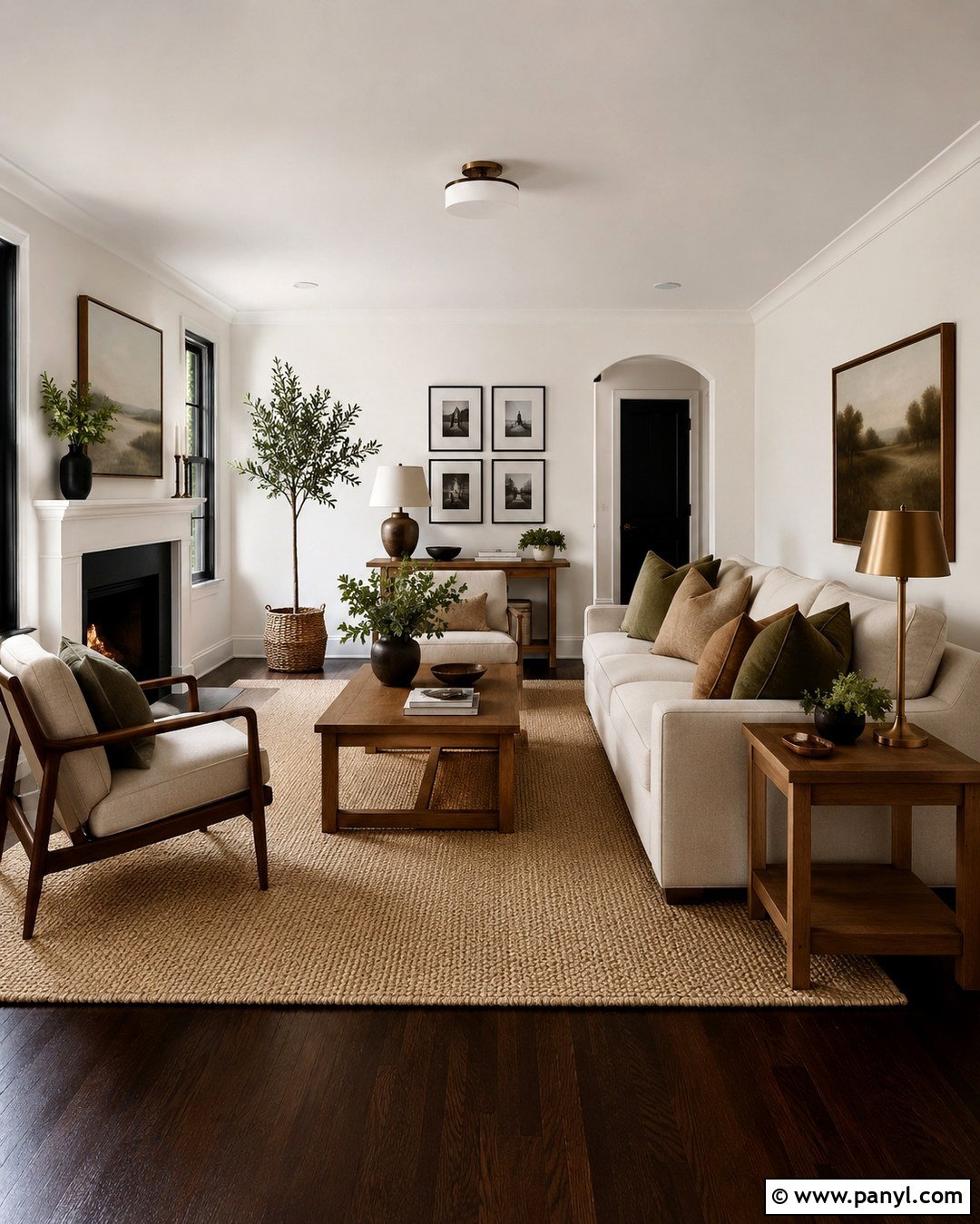
Rich olive green and tan form a grounded palette that works beautifully with wood, leather, and aged metal. Cover the walls in a muted olive or reserve the color for built-in shelving if the room receives limited daylight. Add a camel or tan leather sofa, oatmeal curtains, and a cream wool rug to keep the design balanced. Dark walnut tables and antique brass lighting deepen the warm, collected effect. Introduce black through curtain rods, frames, or cabinet hardware rather than large furniture pieces. Patterned cushions can combine olive, rust, cream, and brown for an easy connection between surfaces. This complete room color combination feels sophisticated without appearing formal. It is an especially practical choice for libraries, dens, dining rooms, and living spaces with traditional architectural details.
6. Blush Pink And Warm Gray Room
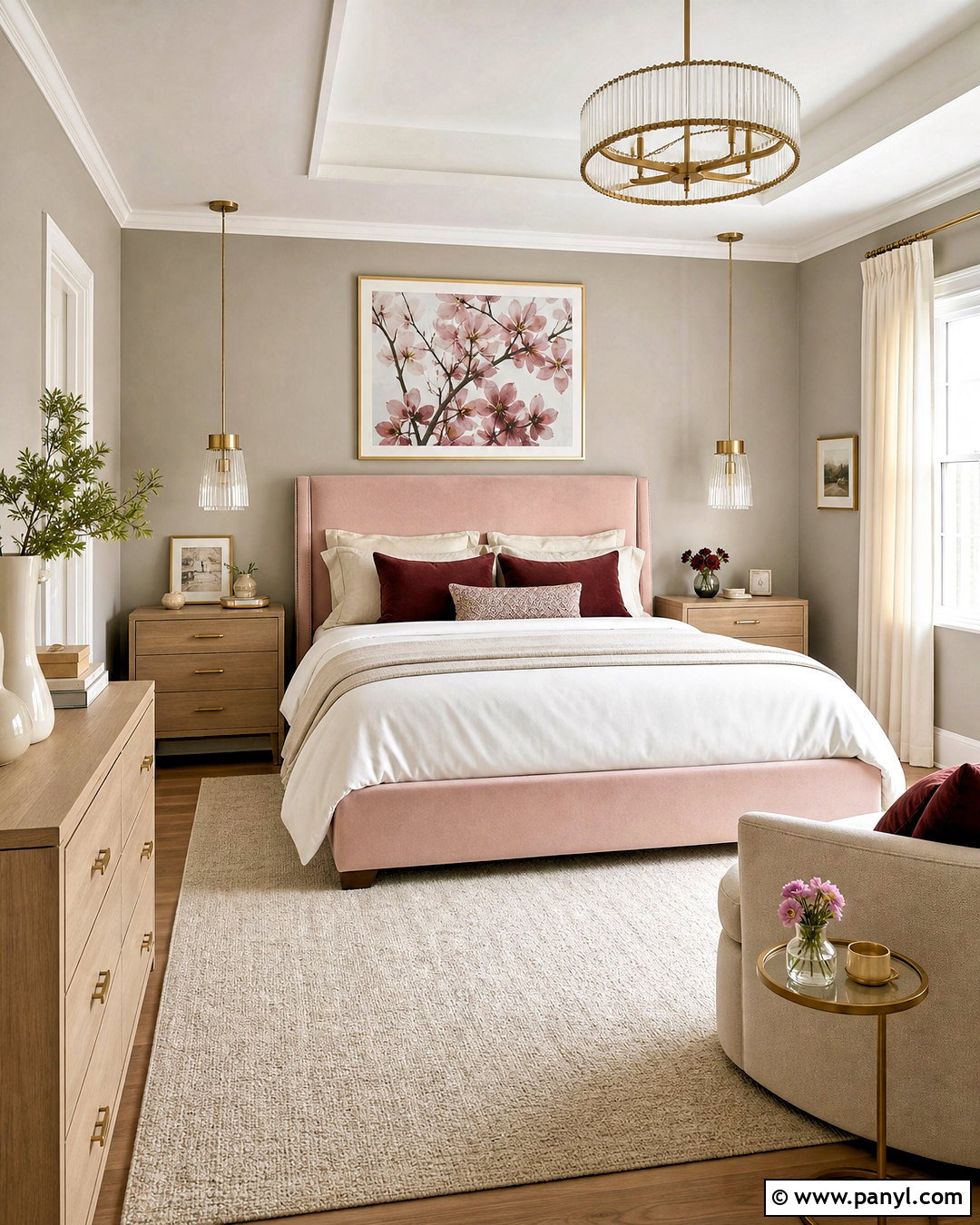
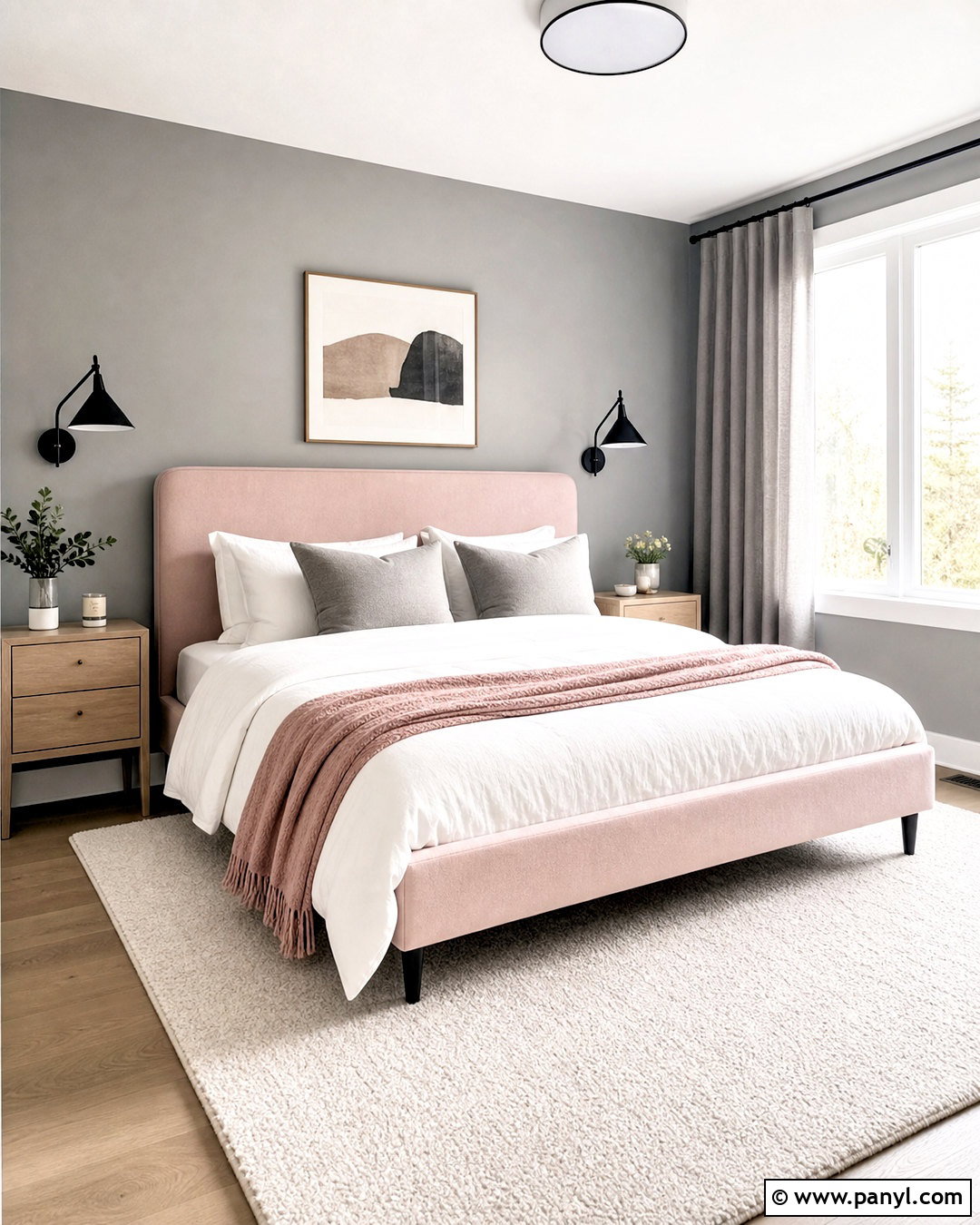
Blush pink can function like a warm neutral when paired with a balanced gray and used in thoughtful proportions. Paint the walls a pale warm gray, then layer blush through an upholstered bed, armchairs, curtains, or a large area rug. Choose ivory bedding or a cream sofa so the room remains bright and grown-up. Light oak furniture creates an airy foundation, while walnut accents can give the palette more maturity. Use brushed brass lighting, fluted glass, and simple ceramic decor for a polished finish. A small amount of burgundy, charcoal, or deep brown adds needed depth. Avoid overly sugary accessories and keep patterns tailored. This combination creates a restful bedroom, welcoming sitting room, or elegant home office with softness, warmth, and clear visual structure.
7. Charcoal Gray And Warm White Room
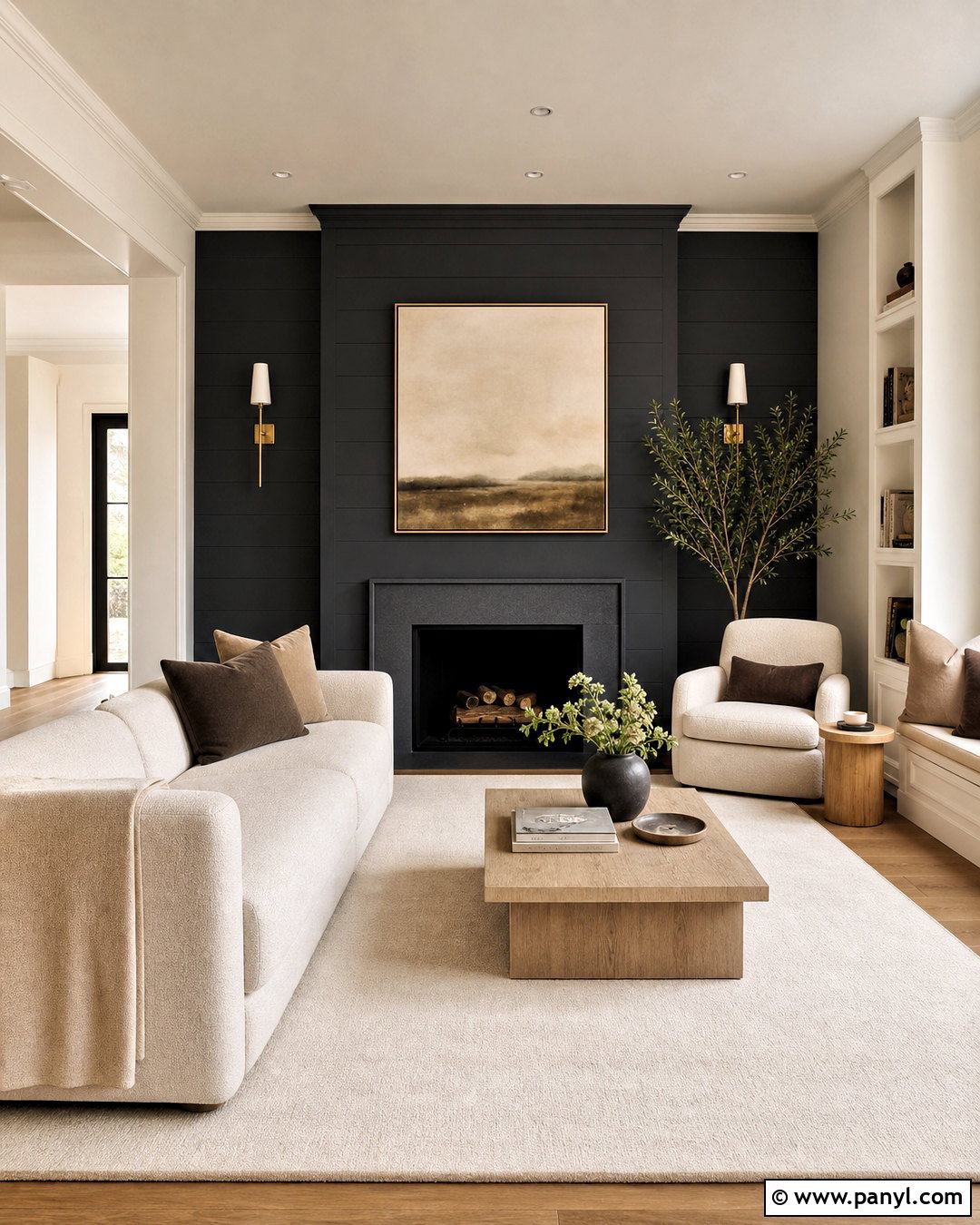
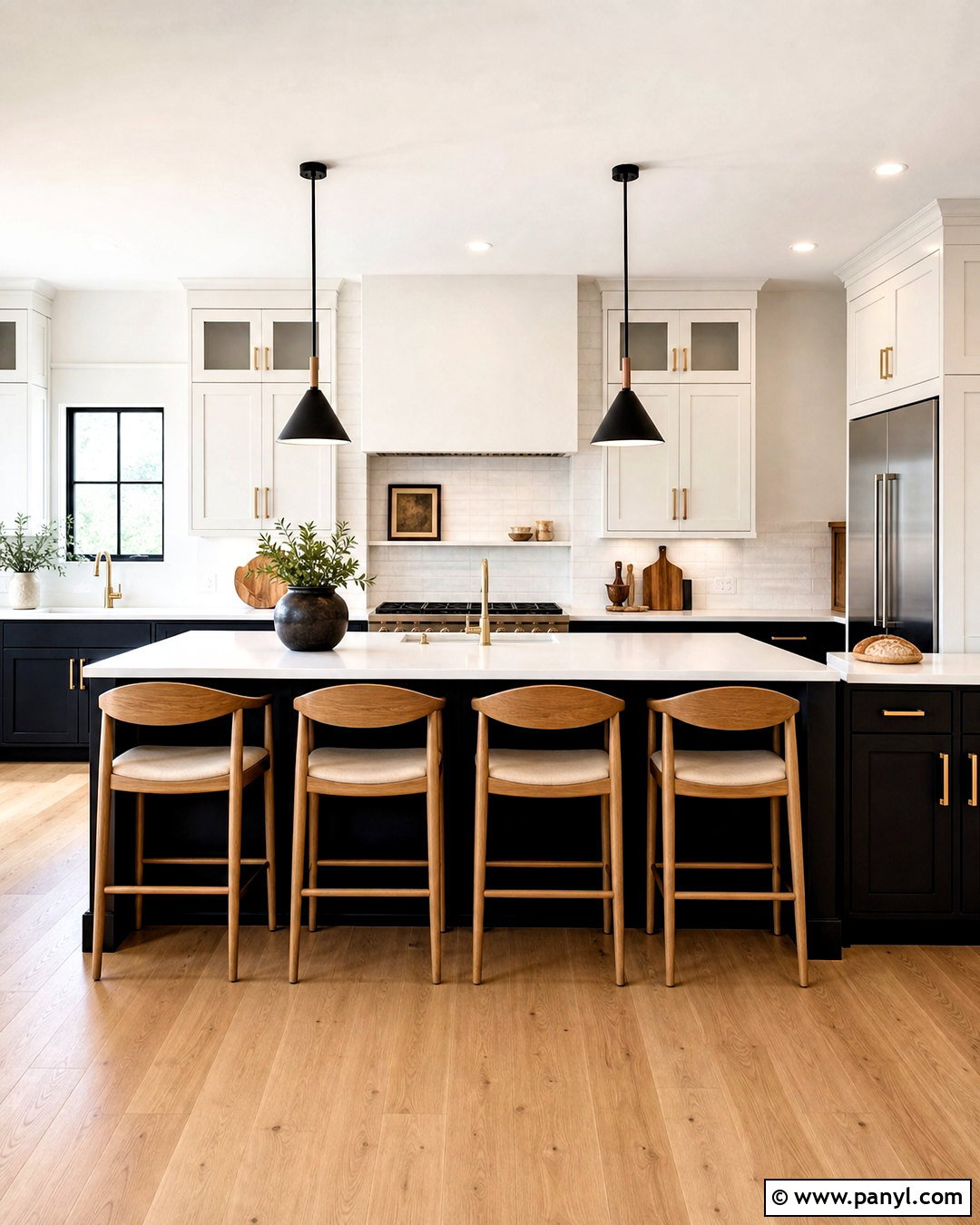
For a dramatic room that still feels inviting, combine charcoal gray with warm white and natural wood. Use charcoal on a fireplace wall, media unit, cabinetry, or all four walls in a bright space. Paint the ceiling, doors, and trim a creamy white to create a clean architectural outline. A light beige sofa, boucle chair, or upholstered bed prevents the scheme from becoming too dark. Introduce white oak tables, warm-toned flooring, and a large ivory rug for contrast underfoot. Black hardware can blend into the charcoal surfaces, while brass sconces provide a subtle glow. Complete the room with oversized neutral artwork and textured pillows in taupe and cream. This palette works for modern living rooms, bedrooms, dining spaces, and streamlined home offices.
8. Teal And Cream Room
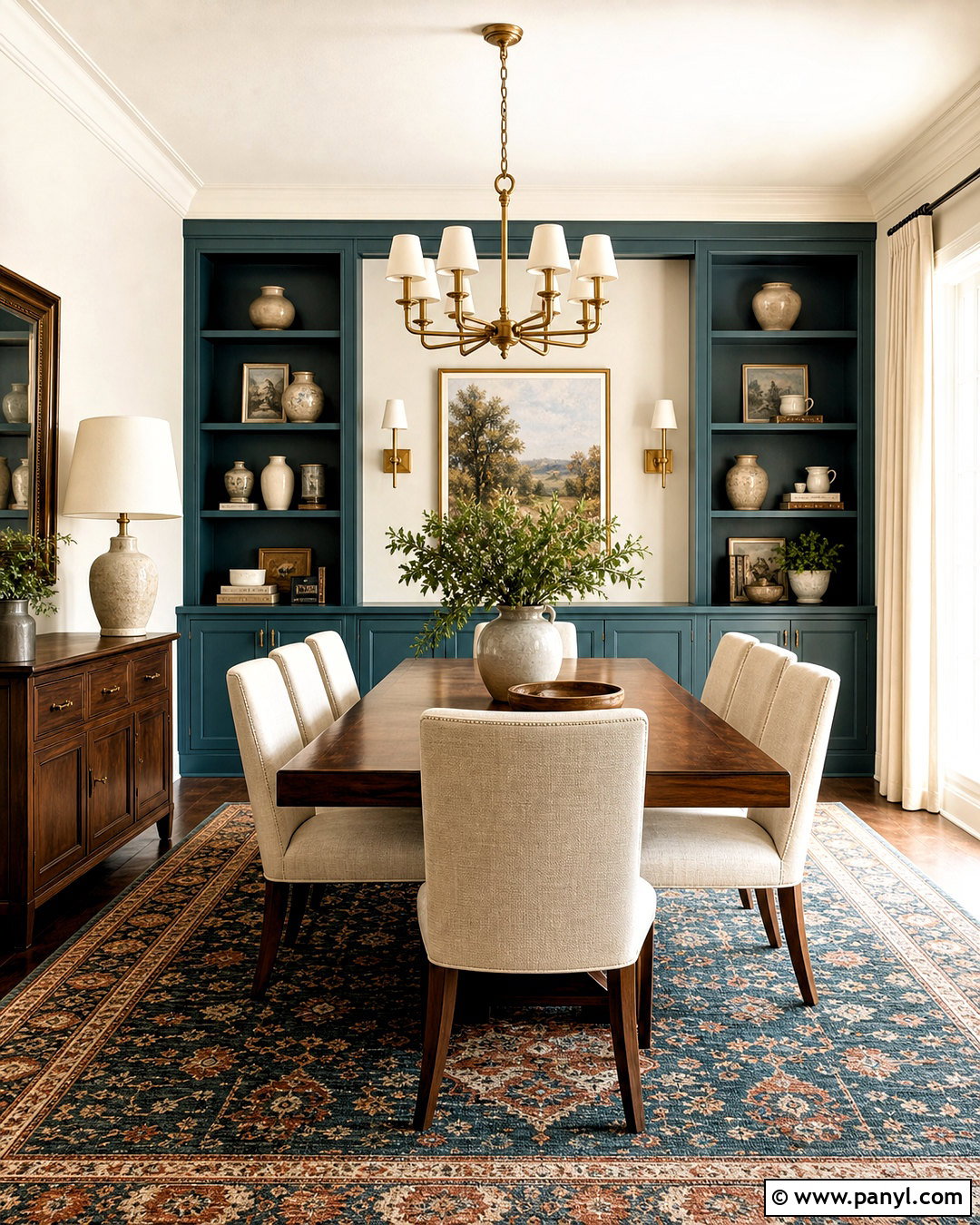
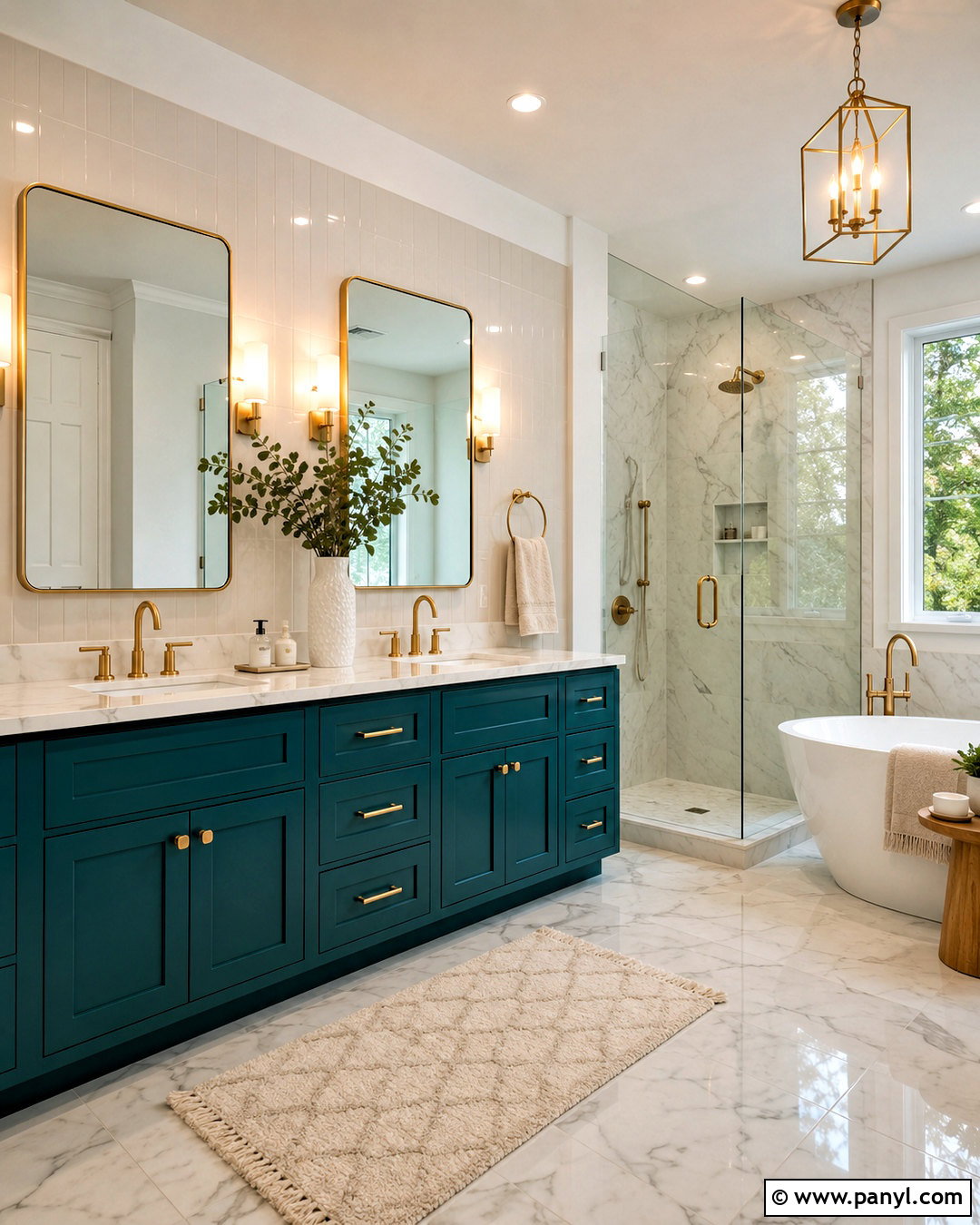
Deep teal and cream create a colorful room that feels enveloping rather than overpowering. Use teal on built-in shelves, kitchen cabinetry, or the wall behind a sofa or bed. Surround it with creamy walls, ivory upholstery, and light curtains so natural light can move around the room. Walnut furniture brings out teal’s warm undertones, while aged brass lighting adds an elegant highlight. Choose a patterned rug that combines teal, beige, rust, and muted blue to unite the entire arrangement. Decorative accents should be controlled: a few ceramic vases, framed prints, and textured cushions are enough. For a bolder look, continue teal onto the trim around the feature wall. This balanced palette suits living rooms, bedrooms, dining rooms, and reading spaces with traditional or contemporary furniture.
9. Mustard Yellow And Slate Blue Room
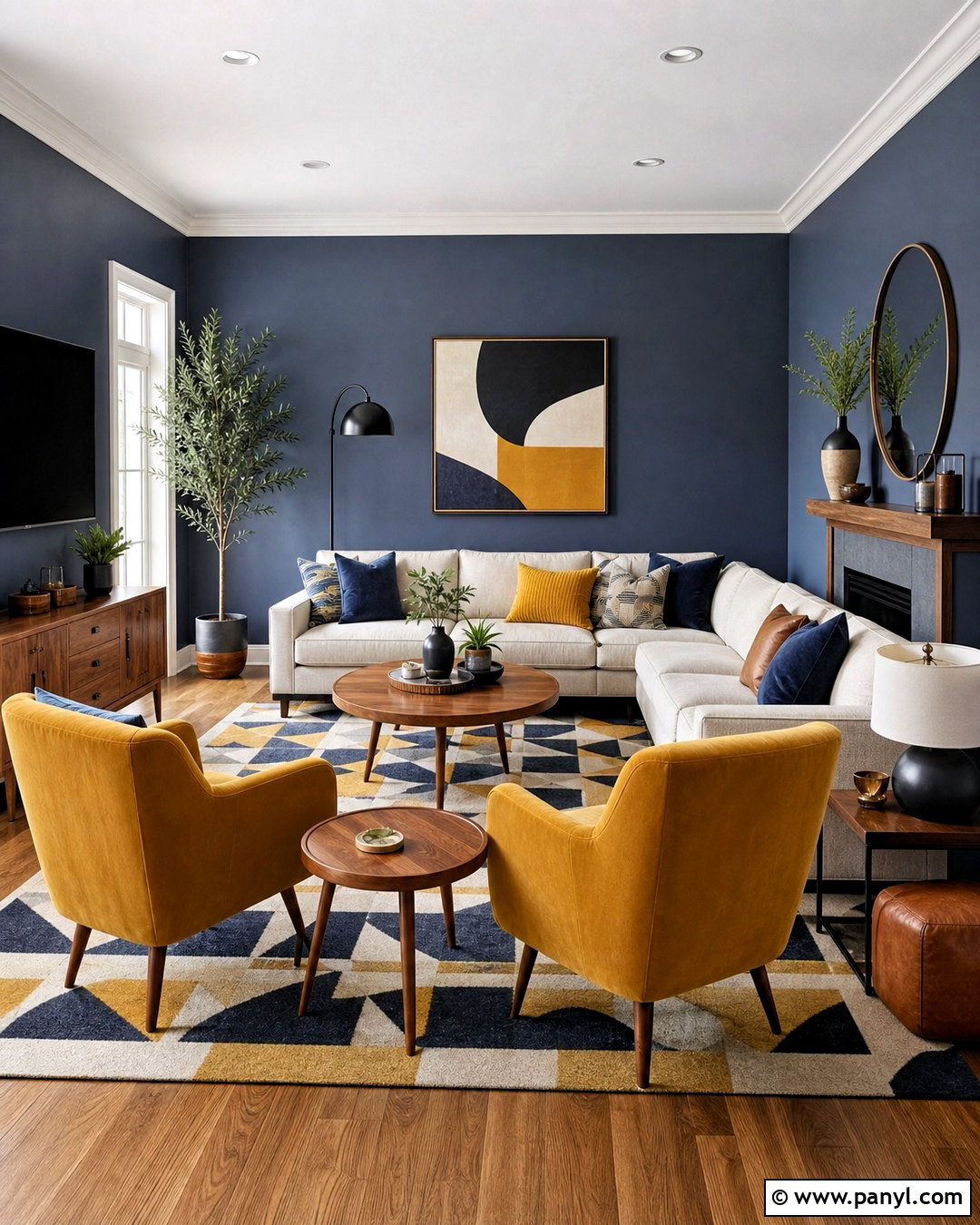
Mustard yellow and slate blue provide lively contrast while remaining softer than bright primary colors. Make slate blue the dominant shade through painted walls, cabinetry, or a large sectional. Add mustard with an accent chair, upholstered headboard, curtains, or a substantial patterned rug rather than scattering many tiny accessories. Warm white trim and an oatmeal sofa give the stronger colors room to breathe. Choose medium oak furniture and cognac leather details to strengthen the palette’s warmth. Matte black lighting adds a modern edge, while simple abstract artwork can repeat both main colors. This combination feels cheerful but grounded, making it useful for family rooms, creative offices, dining spaces, and older children’s bedrooms. Keep surrounding surfaces uncluttered so the contrast appears intentional rather than busy.
10. Chocolate Brown And Pale Blue Room
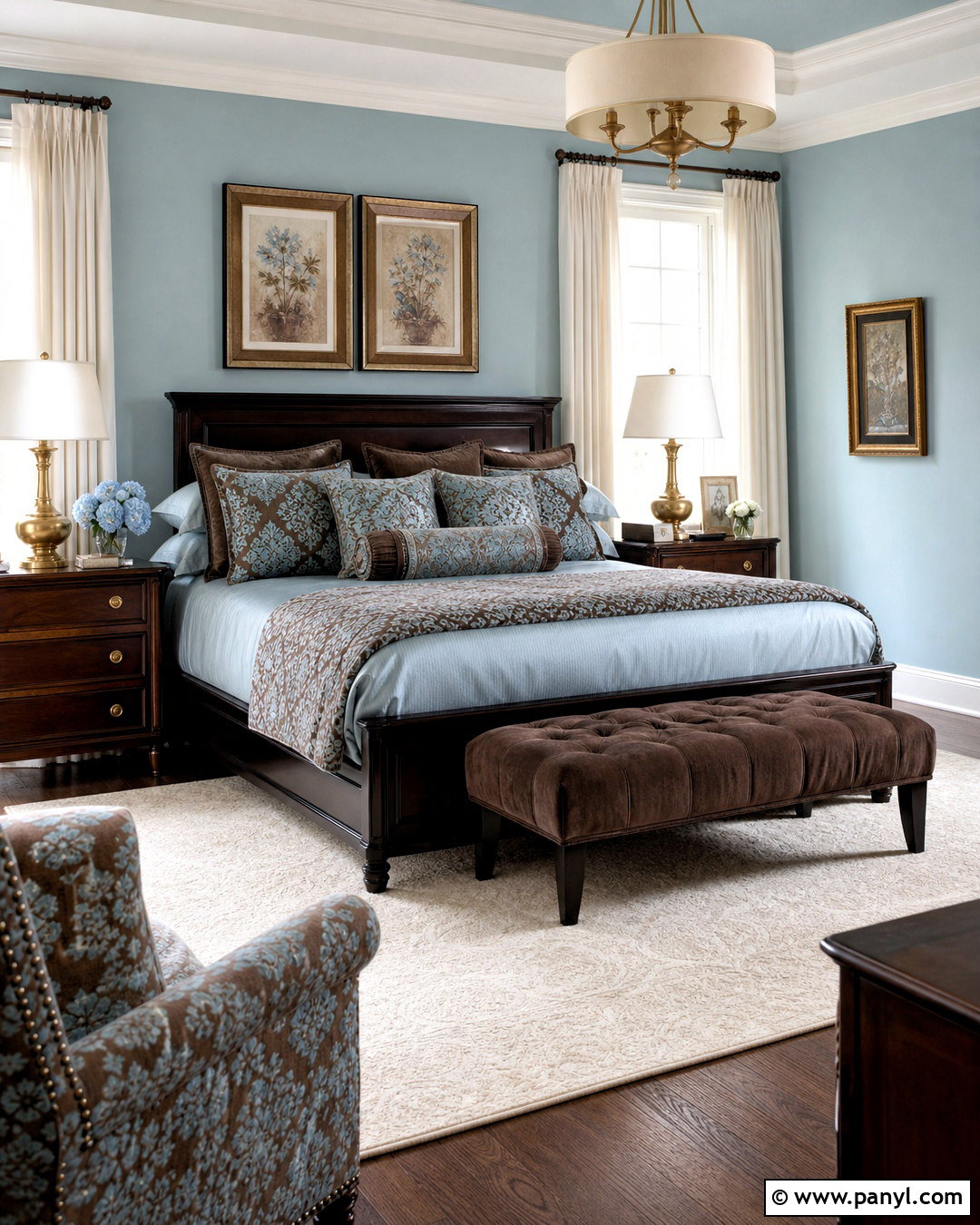
Chocolate brown gives pale blue the depth it needs to feel sophisticated and substantial. Begin with soft powder-blue walls, then anchor the room with a dark brown velvet sofa, walnut dining table, or espresso-stained bed. Cream curtains and an ivory rug brighten the lower areas and prevent the brown furniture from dominating. Add midtone blue through patterned pillows, ceramic lamps, or bedding for a layered effect. Polished nickel offers a cooler finish, while antique brass makes the palette feel warmer and more traditional. Consider a rug containing brown, faded blue, beige, and touches of rust to connect every surface. This room combination feels calm, classic, and slightly unexpected. It works especially well in living rooms, bedrooms, libraries, and dining rooms with generous natural light.
11. Forest Green And Burgundy Room
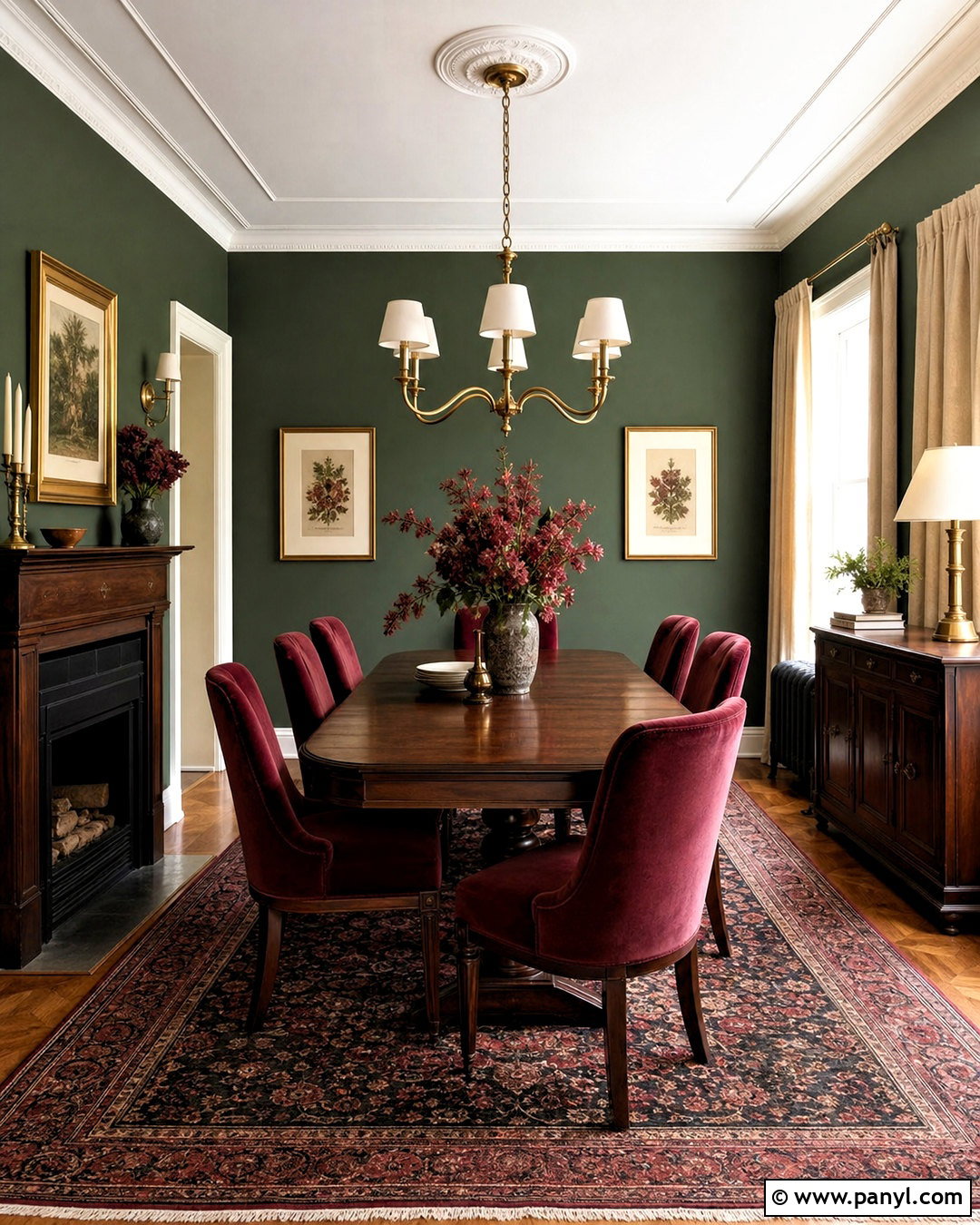
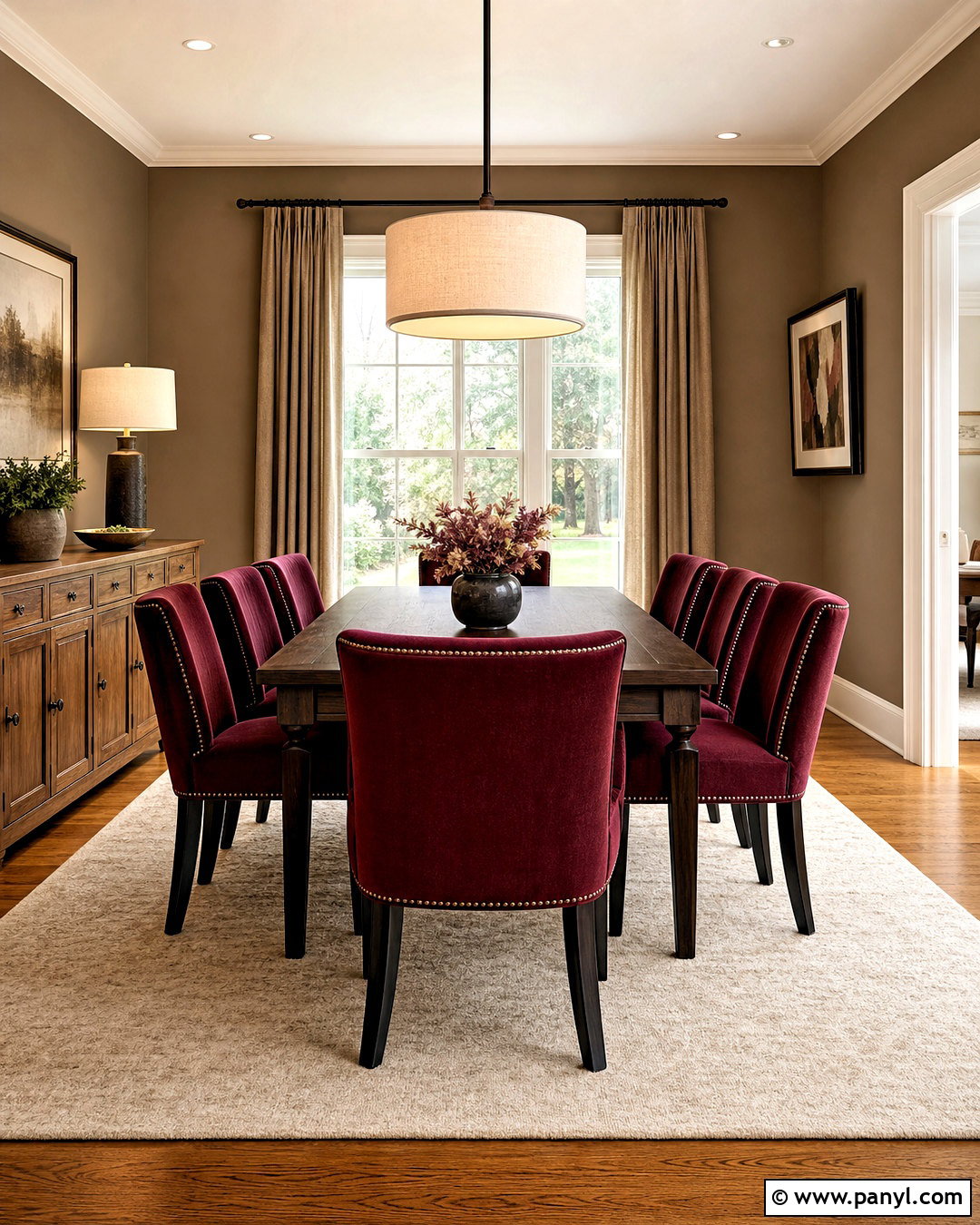
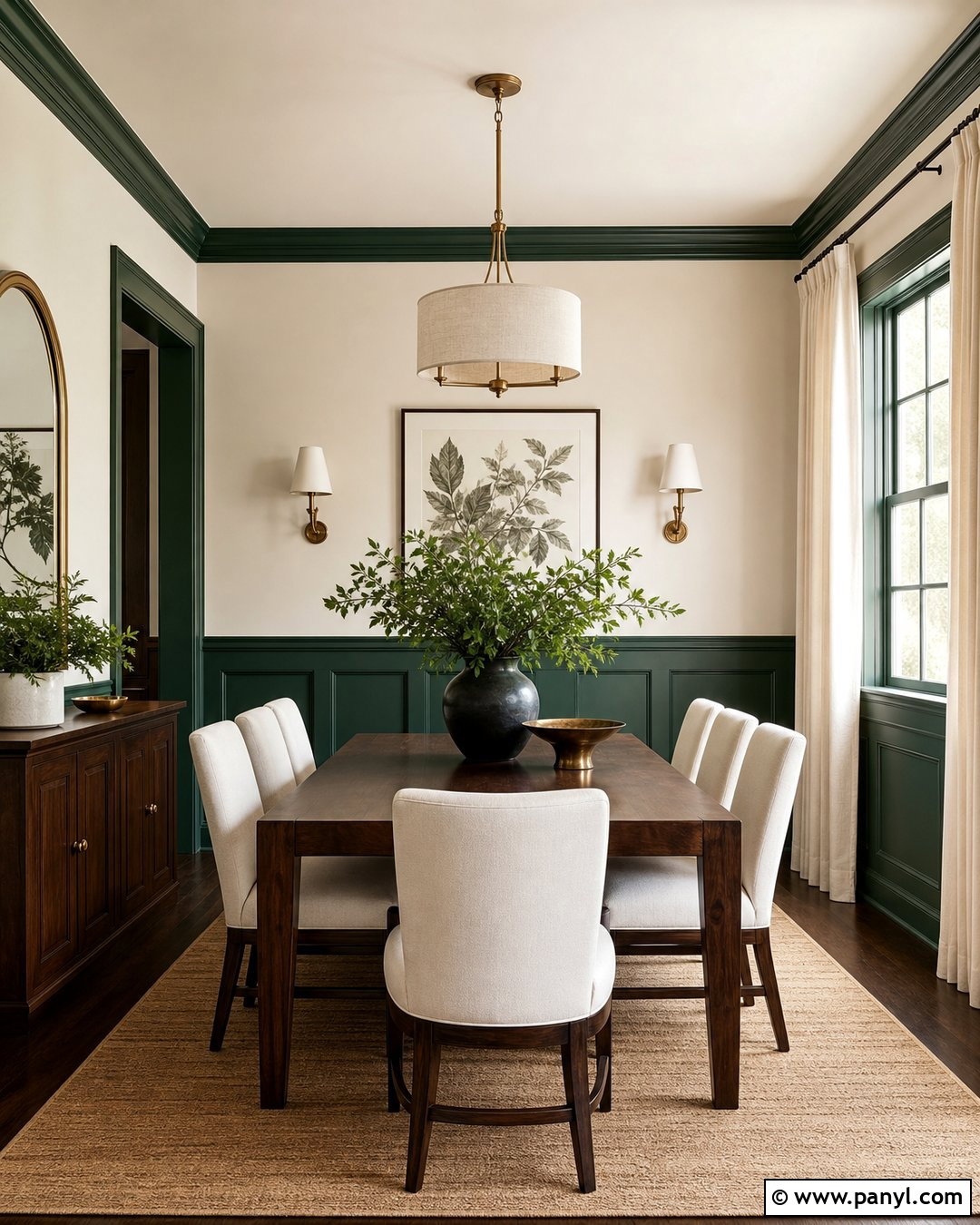
Forest green and burgundy can create a rich, cocooning room when lighter neutrals are used to control their visual weight. Paint walls a deep forest green, then introduce burgundy through velvet dining chairs, an upholstered bench, patterned curtains, or a traditional rug. Use warm white on the ceiling and trim to frame the darker palette. A cream sofa or natural linen bedding offers a restful break between saturated areas. Dark walnut furniture strengthens the elegant mood, while aged brass lamps and hardware add warmth. Include small touches of dusty rose or muted tan to soften the transition between green and red. This complete look is ideal for dining rooms, libraries, bedrooms, and formal sitting rooms. Avoid glossy finishes; matte and softly textured materials keep the colors refined.
12. Lavender And Warm White Room
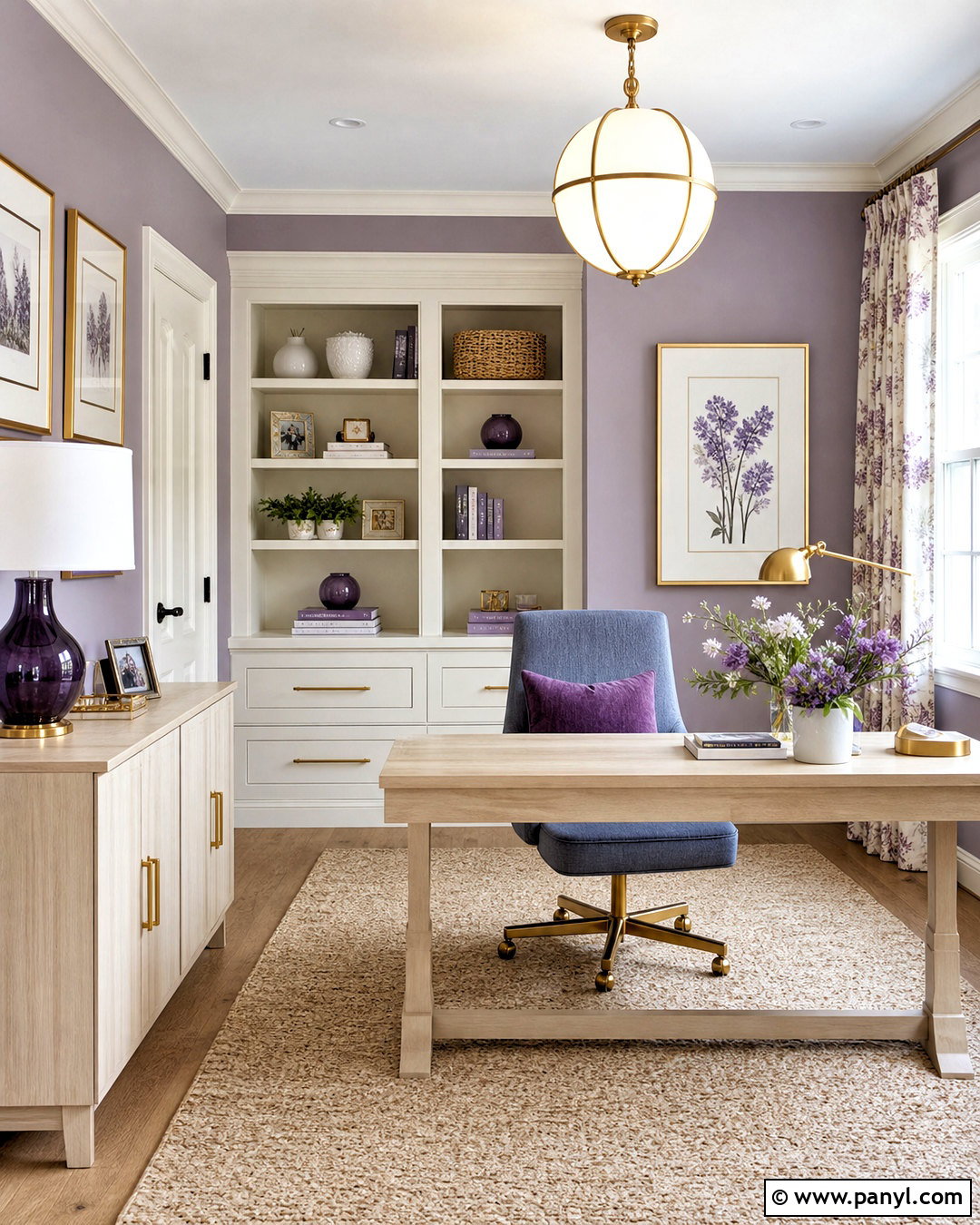
Soft lavender and warm white produce an airy room with more personality than a standard neutral palette. Select a lavender with gray or mauve undertones rather than a bright purple. Use it across the walls, then bring in warm white through curtains, bedding, upholstery, and painted trim. Pale oak furniture and a natural woven rug maintain the light appearance. Add deeper plum or dusty blue in a few cushions, a bench, or framed artwork to give the scheme dimension. Brushed brass hardware and milky glass lighting complement lavender’s gentle warmth. Keep large patterns limited to one feature, such as floral curtains or a faded rug. This combination creates a calming bedroom, nursery, dressing room, or home office that feels soft and welcoming without becoming overly sweet.
13. Black And Camel Room
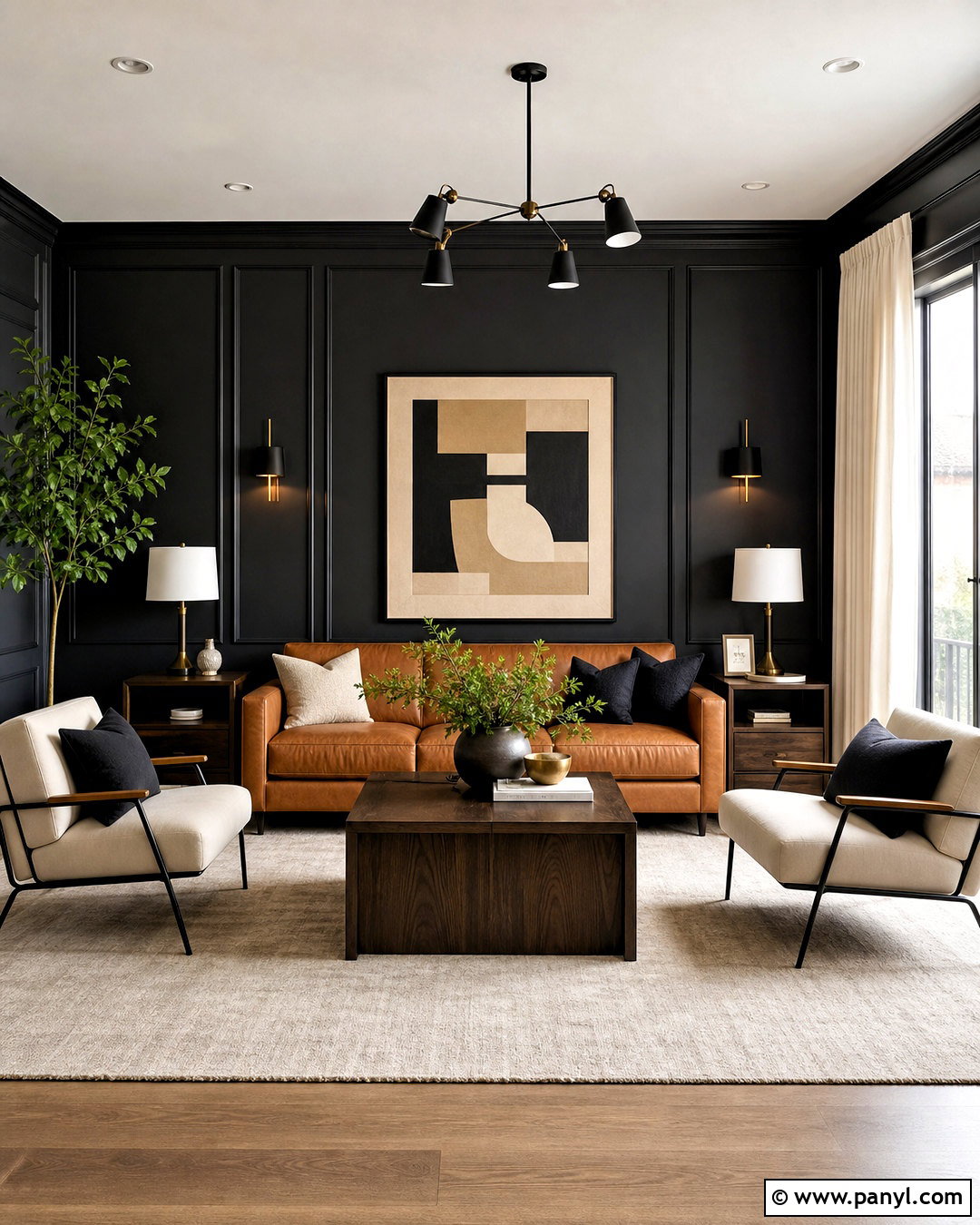
A black and camel room feels bold, tailored, and surprisingly comfortable when texture replaces excessive decoration. Use soft black on one wall, built-in storage, or lower paneling rather than covering every surface in a small room. Add a camel leather sofa, tan upholstered chairs, or a caramel-colored bed to warm the dark background. Cream walls, an ivory rug, and off-white curtains keep the room open. Choose walnut tables, matte black lighting, and a few brushed brass accents for a layered material palette. Simple graphic artwork can repeat black, beige, and brown without introducing competing colors. Finish with cushions in cream, camel, and subtle stripes. This combination works particularly well in modern living rooms, masculine bedrooms, home offices, and compact dens with clean furniture lines.
14. Peach And Olive Green Room
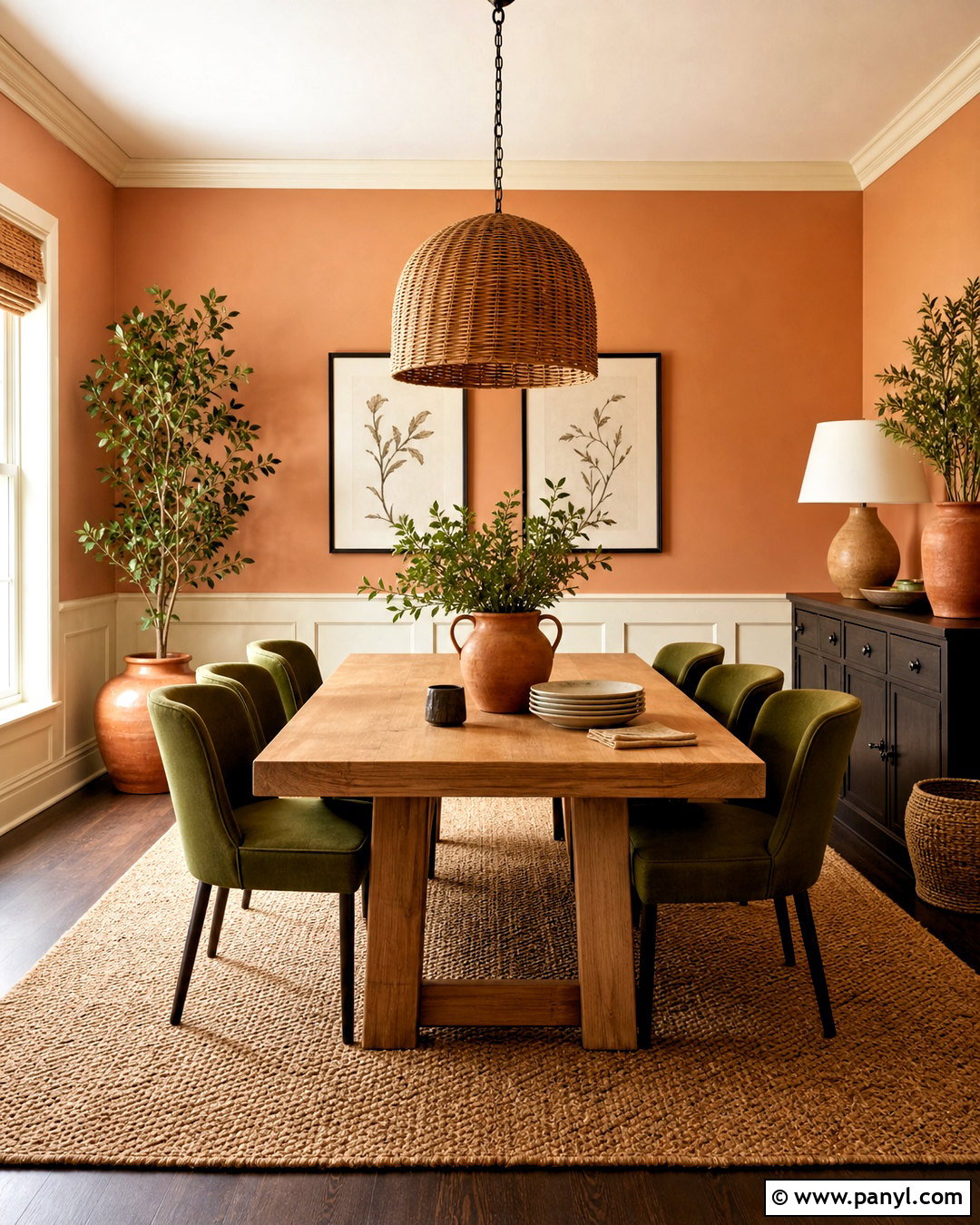
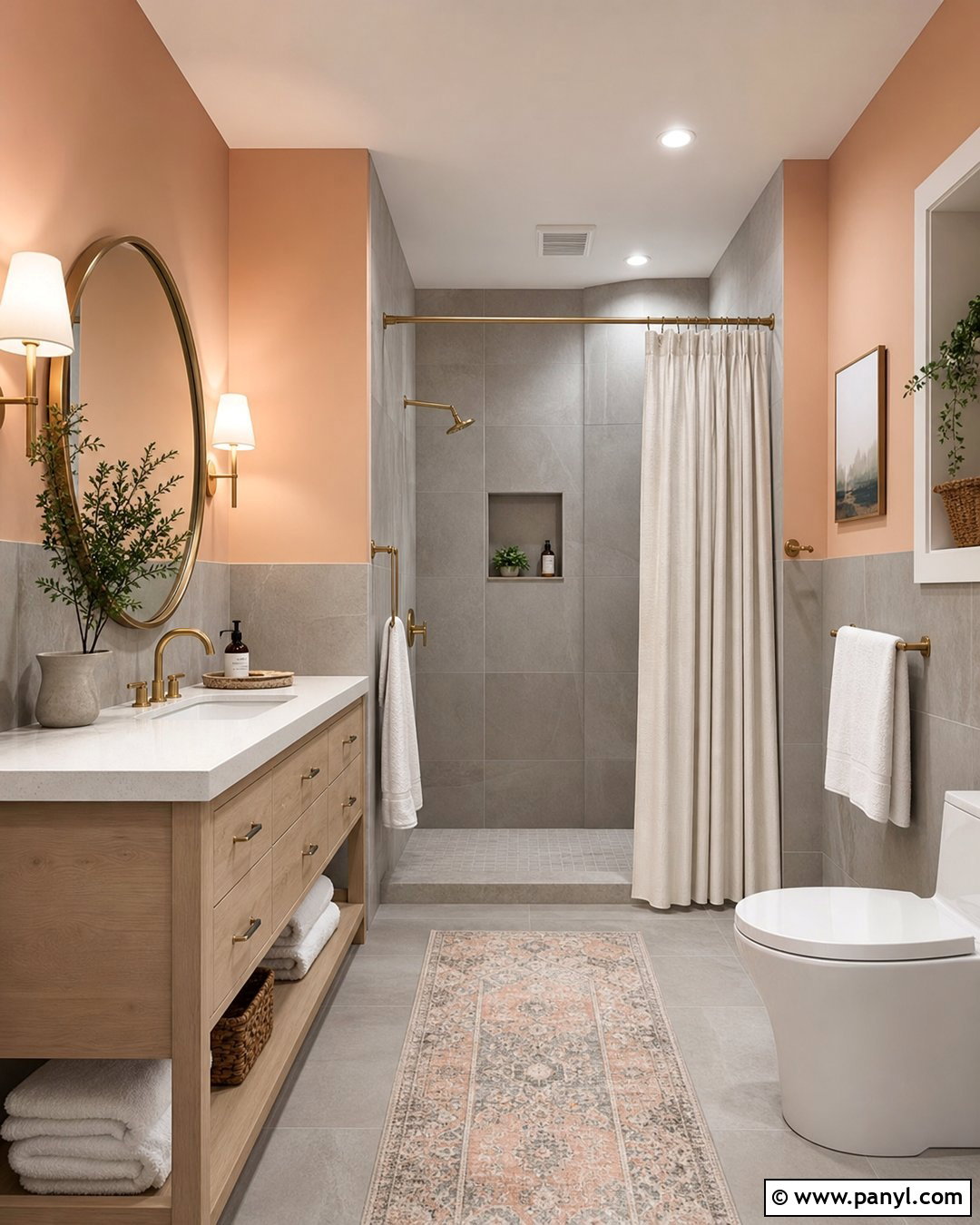
Peach and olive green bring warmth and freshness together in a palette inspired by gardens and sunlit landscapes. Use soft peach on the walls, making sure it has a muted clay undertone rather than a bright orange cast. Introduce olive through a sofa, painted cabinet, upholstered headboard, or full-length curtains. Cream trim and linen upholstery provide a quiet connecting neutral. Add light or medium oak furniture, woven baskets, and a natural fiber rug for relaxed texture. Small terracotta accessories strengthen the warmth, while dark bronze lighting adds definition. Botanical artwork can naturally repeat peach, green, and beige. This cheerful room combination is suitable for kitchens, breakfast rooms, bedrooms, and casual living spaces. Keep the color finishes matte so the overall design remains calm and approachable.
15. Burgundy And Dusty Pink Room
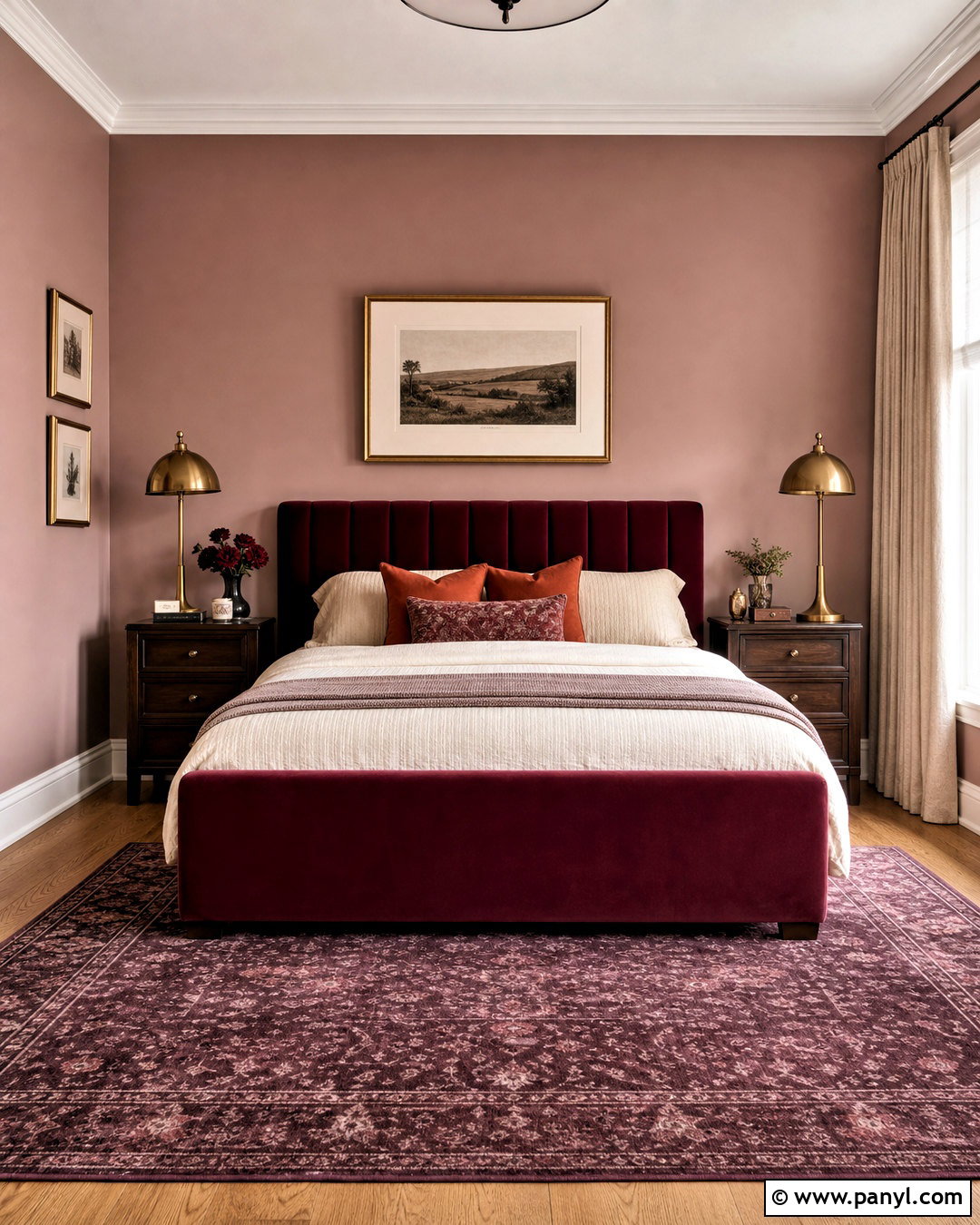
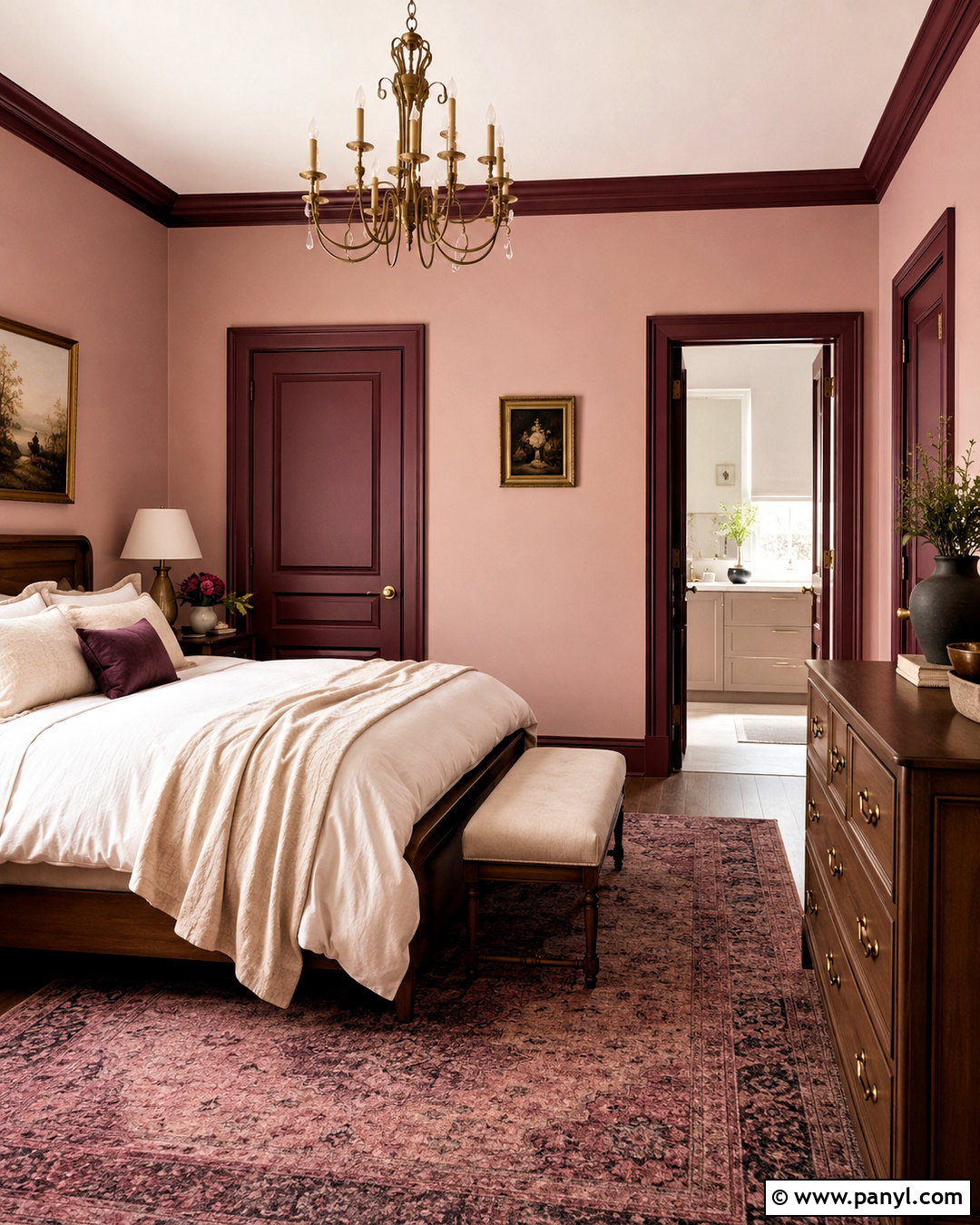
Layering burgundy with dusty pink creates a tonal room that feels warm, expressive, and sophisticated. Let dusty pink cover most walls, then use burgundy for an upholstered sofa, headboard, cabinetry, or dramatic floor-length curtains. Cream or pale beige should appear through the rug, ceiling, and larger textiles to prevent the reddish tones from becoming heavy. Dark wood furniture brings maturity, while antique brass lamps add a gentle metallic contrast. Include muted plum, brown, or rust in a patterned rug to create a smoother transition between the two main colors. Simple linen, velvet, and wool textures make the scheme feel rich without relying on clutter. This complete palette works beautifully in bedrooms, dining rooms, dressing rooms, and intimate living spaces that benefit from a cozy atmosphere.
16. Sky Blue And Butter Yellow Room
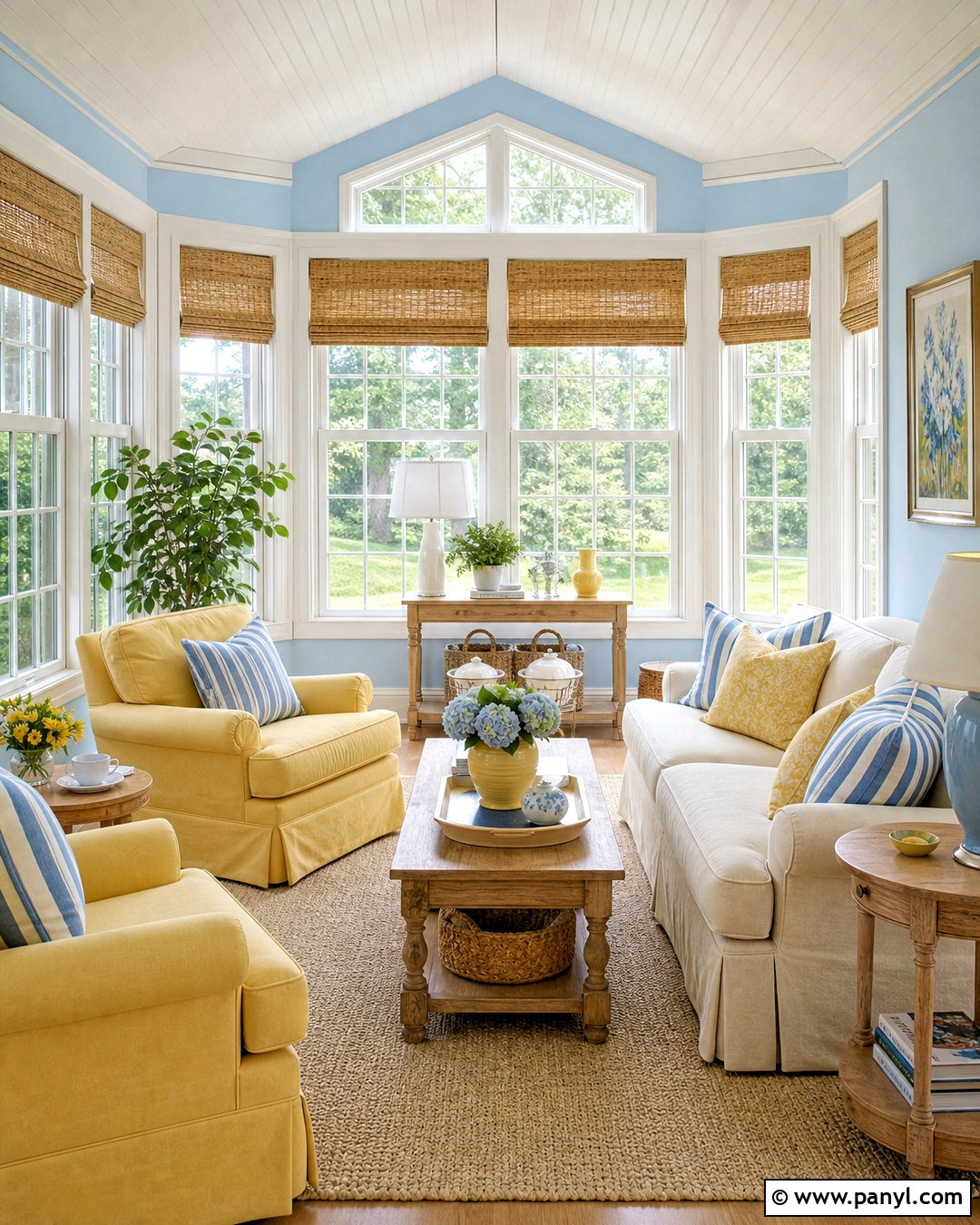
Few combinations feel as bright and uplifting as sky blue and softened butter yellow. Paint the walls a gentle blue, then use pale yellow for curtains, an accent chair, kitchen cabinetry, or a patterned headboard. Warm white trim and cream upholstery keep the room from looking overly colorful. Bring in light oak furniture, woven shades, and a beige rug to create an easy natural base. Blue-and-white striped textiles can provide structure, while small yellow ceramics repeat the accent shade around the space. Avoid extremely bright lemon tones, which can overpower the restful blue. Instead, choose yellow with a creamy undertone. This room color combination is ideal for breakfast areas, guest bedrooms, sunrooms, nurseries, and family spaces where a cheerful but comfortable mood is the priority.
17. Greige And Rust Room
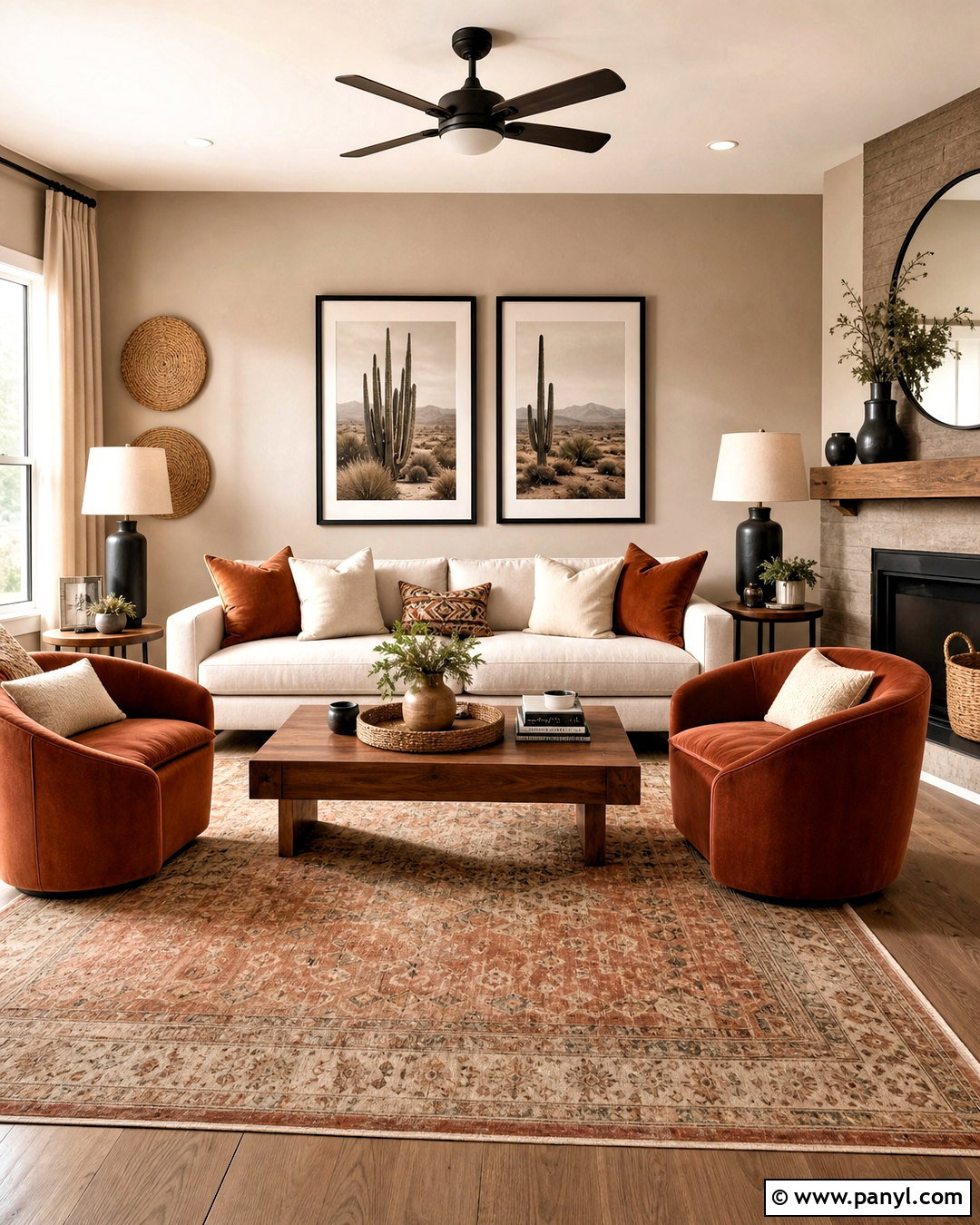
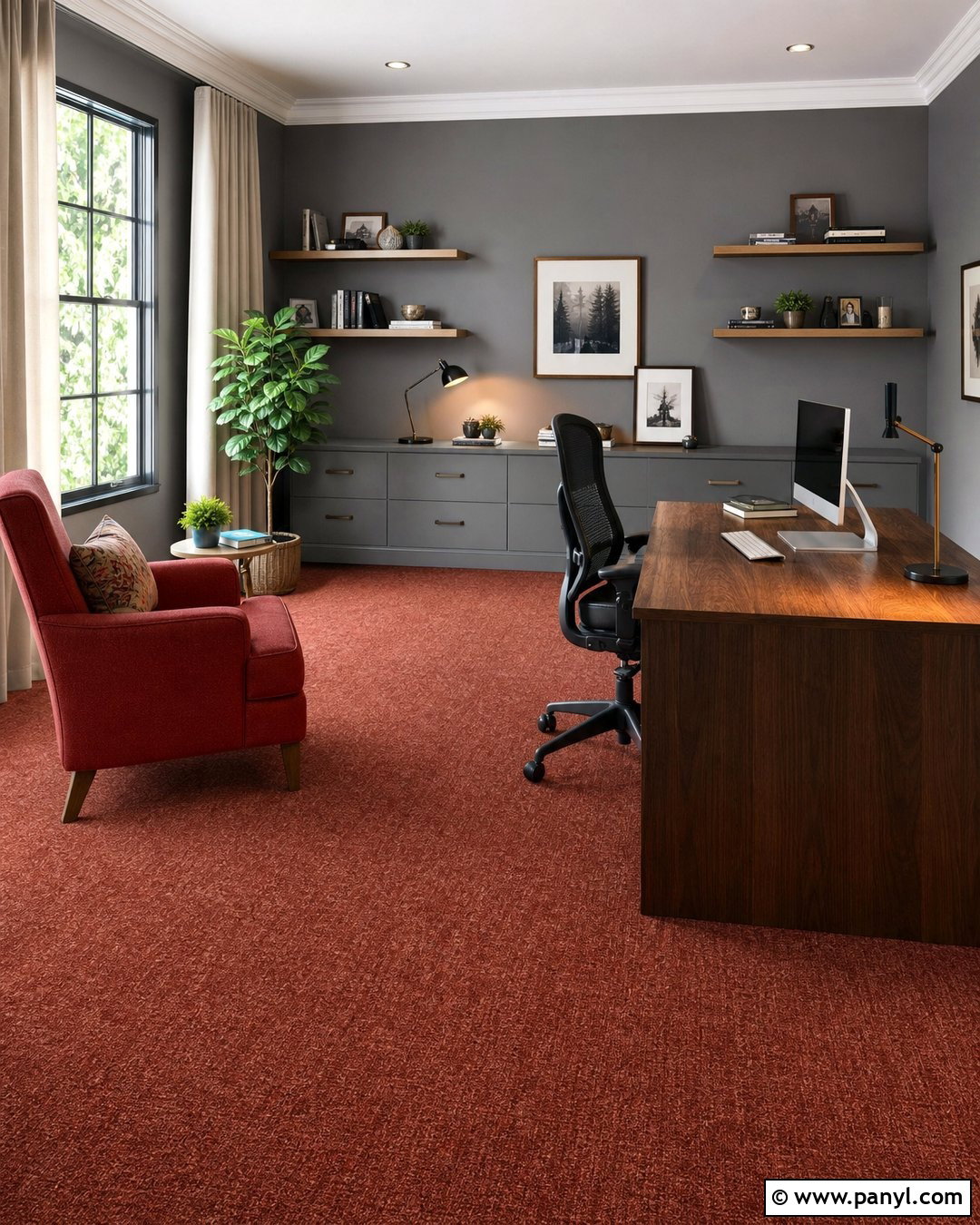
Greige and rust offer an easy way to create a warm neutral room with enough color to feel memorable. Cover the walls in a balanced greige that complements both gray and beige furnishings. Introduce rust through a velvet chair, linen curtains, bedding, or a large patterned rug. A cream sofa or upholstered bed keeps the center of the room light, while medium walnut furniture provides a solid foundation. Layer in warm white cushions, nubby throws, and natural woven materials for softness. Matte black frames and lighting add crisp definition without competing with the earthy accent. Artwork containing clay, brown, charcoal, and ivory can complete the palette. This combination suits living rooms, bedrooms, open dining spaces, and home offices, especially when the existing flooring has warm wood or stone tones.
18. Emerald Green And Soft Beige Room
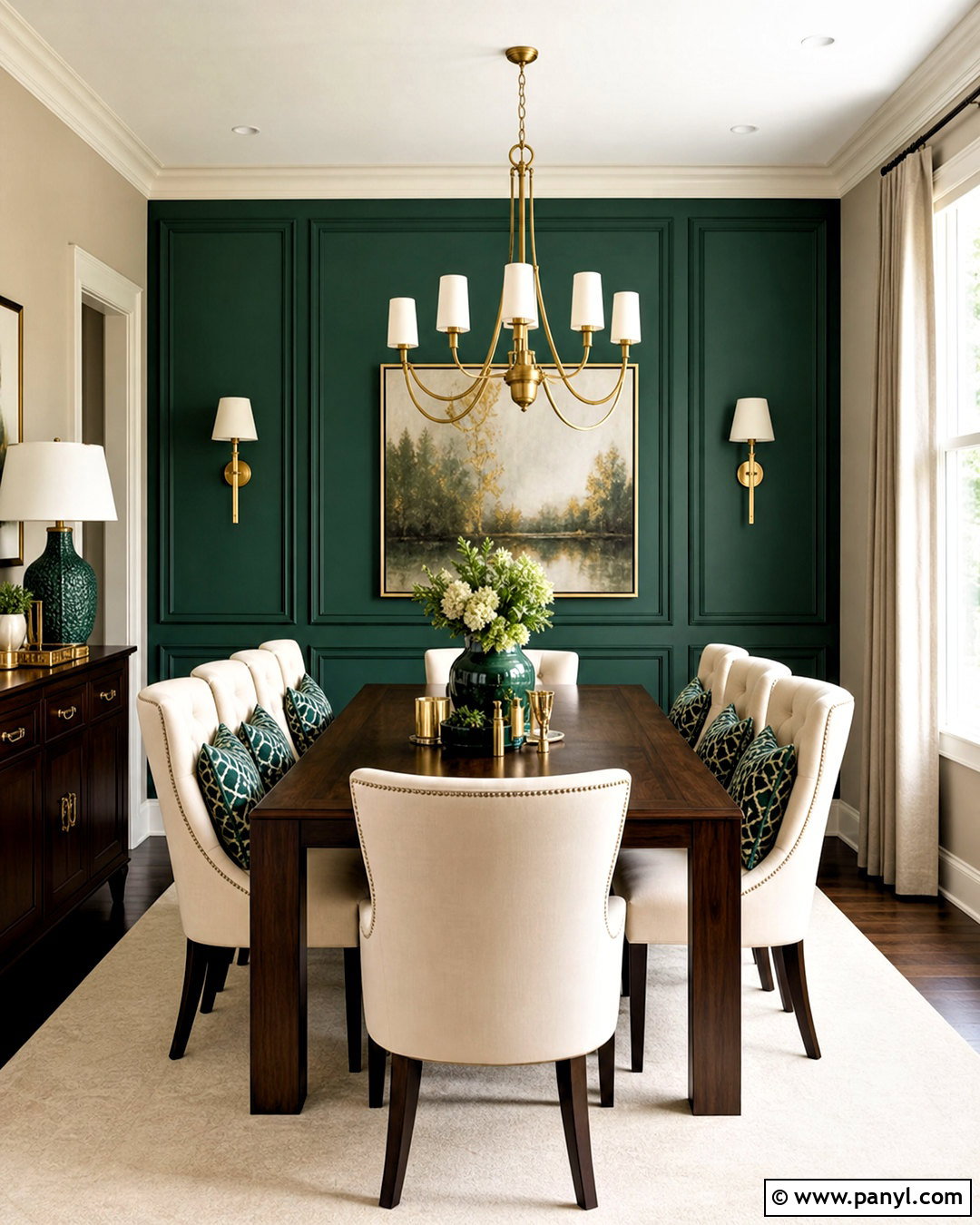
Emerald green makes a strong statement, but soft beige turns it into a livable everyday palette. Use emerald on a velvet sofa, painted bookcase, kitchen island, or paneled feature wall. Keep surrounding walls beige with a warm, sandy undertone. An ivory rug, linen curtains, and cream accent chairs lighten the arrangement and help the saturated green remain the focal point. Choose dark walnut furniture for a formal effect or pale oak for a more relaxed room. Brushed brass lighting and hardware complement emerald without adding another dominant color. A patterned cushion or rug may introduce small amounts of blue, brown, and muted gold. This complete combination brings depth to living rooms, dining rooms, bedrooms, and offices while still feeling balanced, comfortable, and practical for long-term use.
19. Coral And Deep Blue Room
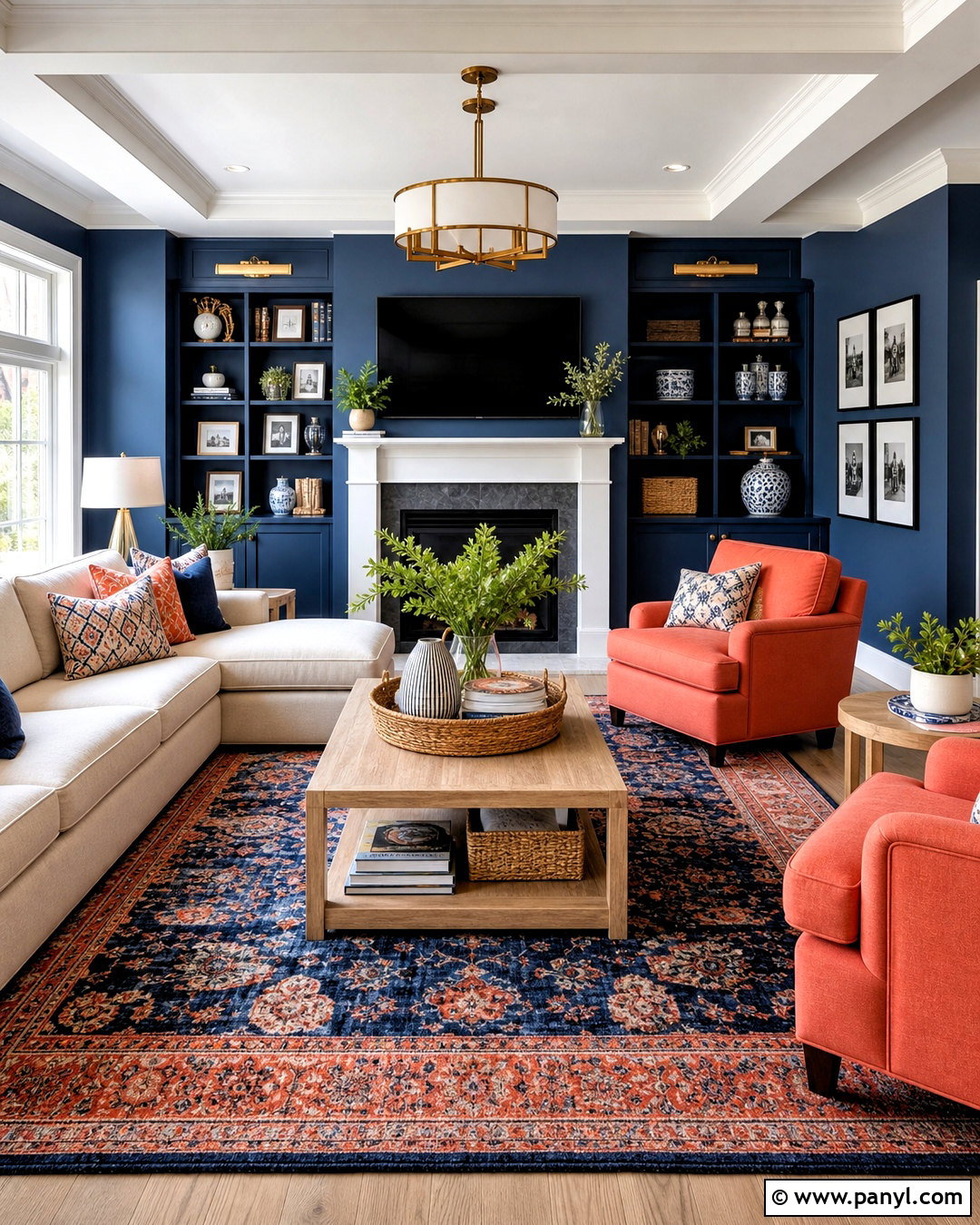
Coral and deep blue form an energetic complementary palette that can still feel polished when one color clearly dominates. Choose deep blue for the walls, cabinetry, or sofa, then add coral through upholstered chairs, curtains, pillows, or a patterned rug. Warm white trim and a cream ceiling provide essential breathing space. Include light wood furniture and natural woven textures to make the contrast feel relaxed rather than formal. A few brass accents add warmth, while matte black frames sharpen the layout. Repeat coral in two or three substantial places instead of using many small decorative objects. Artwork containing blue, coral, beige, and muted green can unite the room. This colorful scheme works well in family rooms, dining areas, guest bedrooms, and creative workspaces with plenty of natural light.
20. Cream And Caramel Room
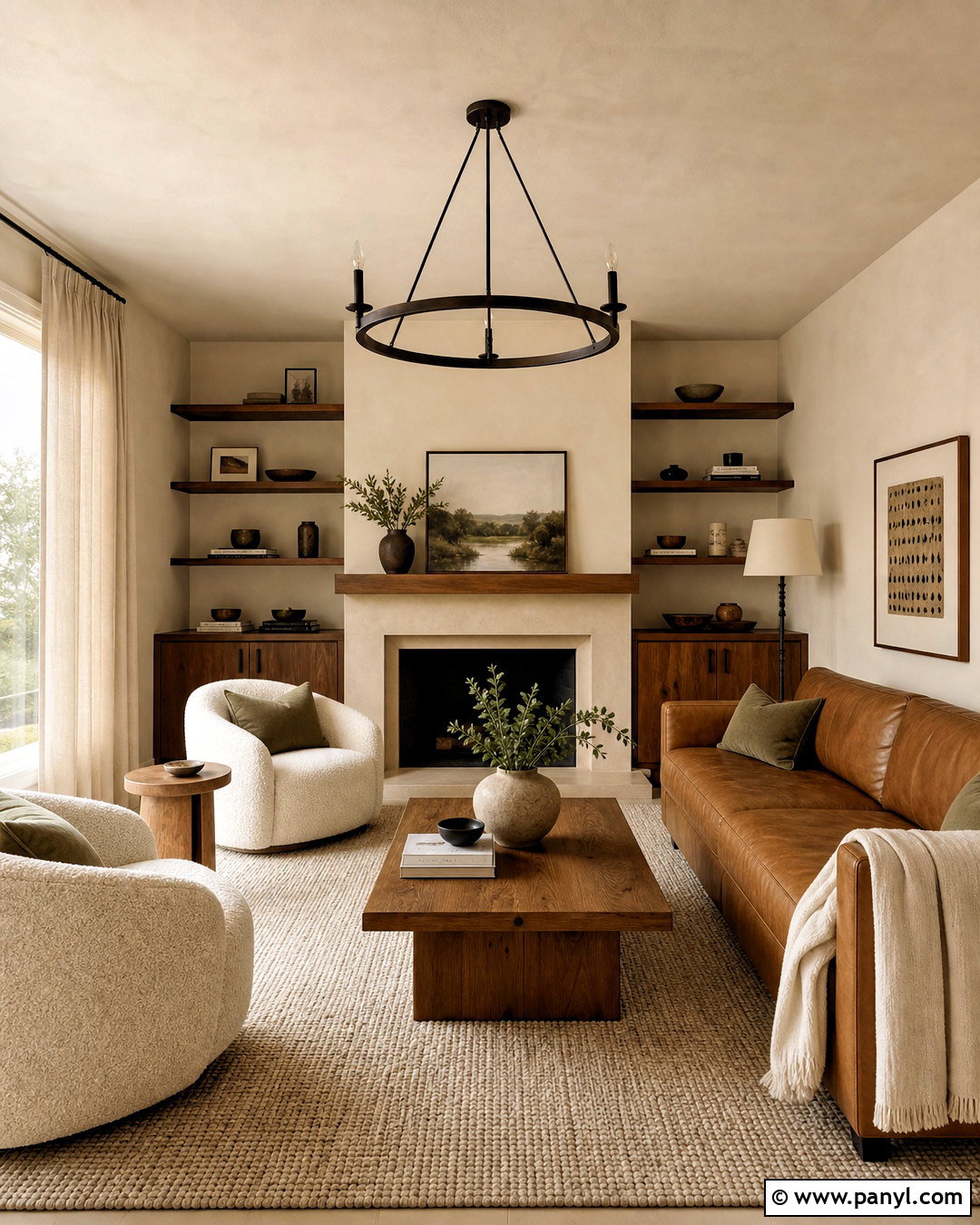
Cream and caramel create a layered neutral room that feels cozy without relying on dramatic contrast. Begin with creamy walls and matching trim for a seamless background. Add a caramel leather sofa, warm brown upholstered bed, or cognac dining chairs as the main color statement. Use an ivory rug, oatmeal curtains, and boucle seating to vary texture within the light palette. Medium oak or walnut furniture prevents the space from appearing washed out, while dark bronze lighting adds a clean outline. Include small accents of chocolate brown, muted olive, or soft black through pillows, artwork, and ceramics. The success of this room depends on visible material differences, including linen, leather, wool, wood, and stone. It suits relaxed living rooms, bedrooms, offices, and open-plan family spaces.
Conclusion:
The most successful room color combination ideas go beyond coordinating two paint shades. They connect walls, furniture, floors, fabrics, lighting, and decorative accents into one balanced design. Begin with the surfaces you cannot easily replace, such as flooring, countertops, or a favorite sofa. Then choose a dominant color, a supporting shade, and one controlled accent. Warm palettes benefit from cream, wood, and natural fibers, while cooler combinations often need tan, brass, or soft beige for balance. Always test paint in the actual room before committing, since daylight and artificial lighting can change its appearance. With careful repetition and varied textures, any of these room color combination ideas can create a cohesive, comfortable home.

Related Ideas and Inspiration:
Leave a Reply