
Honey oak floors bring natural warmth, visible grain, and a golden yellow-orange undertone to a room. The right paint can soften that warmth, create balanced contrast, or embrace the wood for a cozy, coordinated result. **20 Best Wall Color For Honey Oak Floors** explores versatile neutrals, calming greens, cool blues, and deeper statement shades that make this flooring feel intentional rather than outdated. Undertones, natural light, furniture, textiles, and trim all influence how a color appears beside wood flooring, so always test large samples near the floor before painting. () Each selection below includes a complete room direction, helping you coordinate rugs, upholstery, lighting, and decorative accents. Use these practical looks to find your favorite from the **20 Best Wall Color For Honey Oak Floors**.

1. Warm White Wall Color
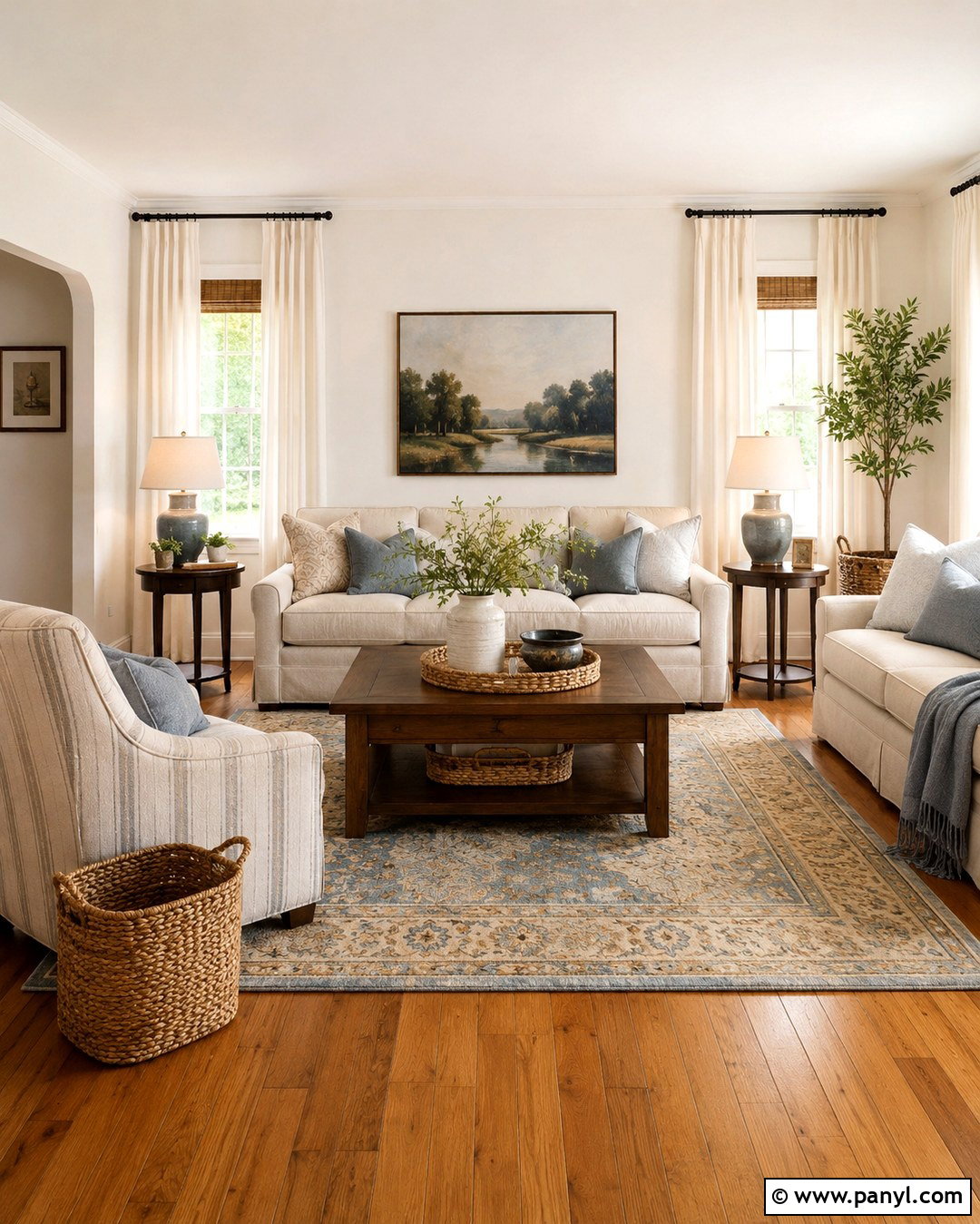
Warm white walls create a clean backdrop without making honey oak floors look excessively orange. Choose an off-white with subtle cream or beige undertones instead of a cold, blue-based white. Complete the room with an oatmeal sofa, ivory curtains, and a textured rug containing tan, muted blue, and warm gray. Natural linen, ceramic lamps, and woven baskets reinforce the relaxed palette. Add contrast through matte black curtain rods, slim black picture frames, or a dark walnut coffee table. Keep the trim a slightly brighter warm white so the architecture remains visible. This combination works especially well in open living spaces because it feels light and connected. It also gives the golden flooring room to stand out without allowing it to dominate the design.
2. Soft Cream Wall Color
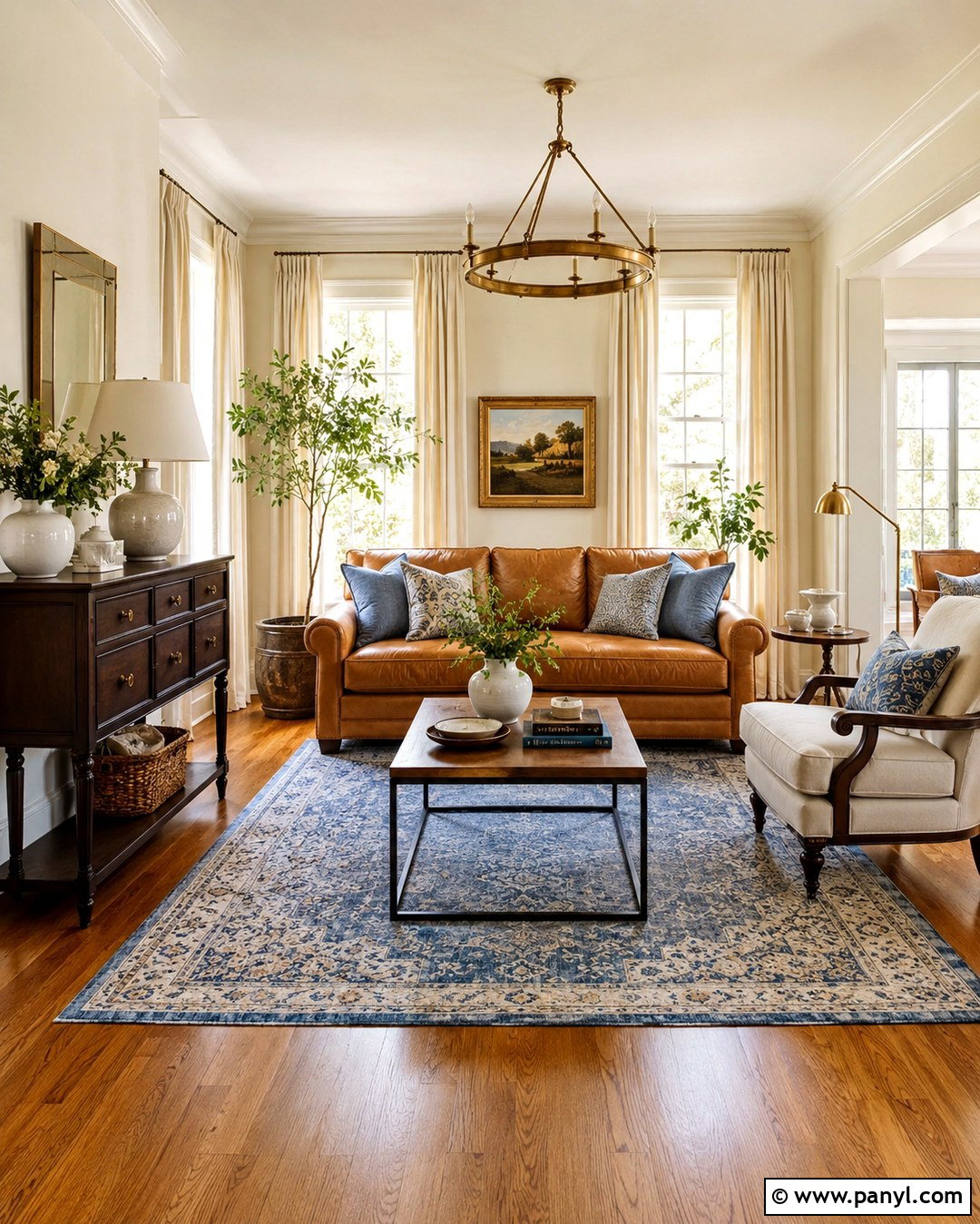
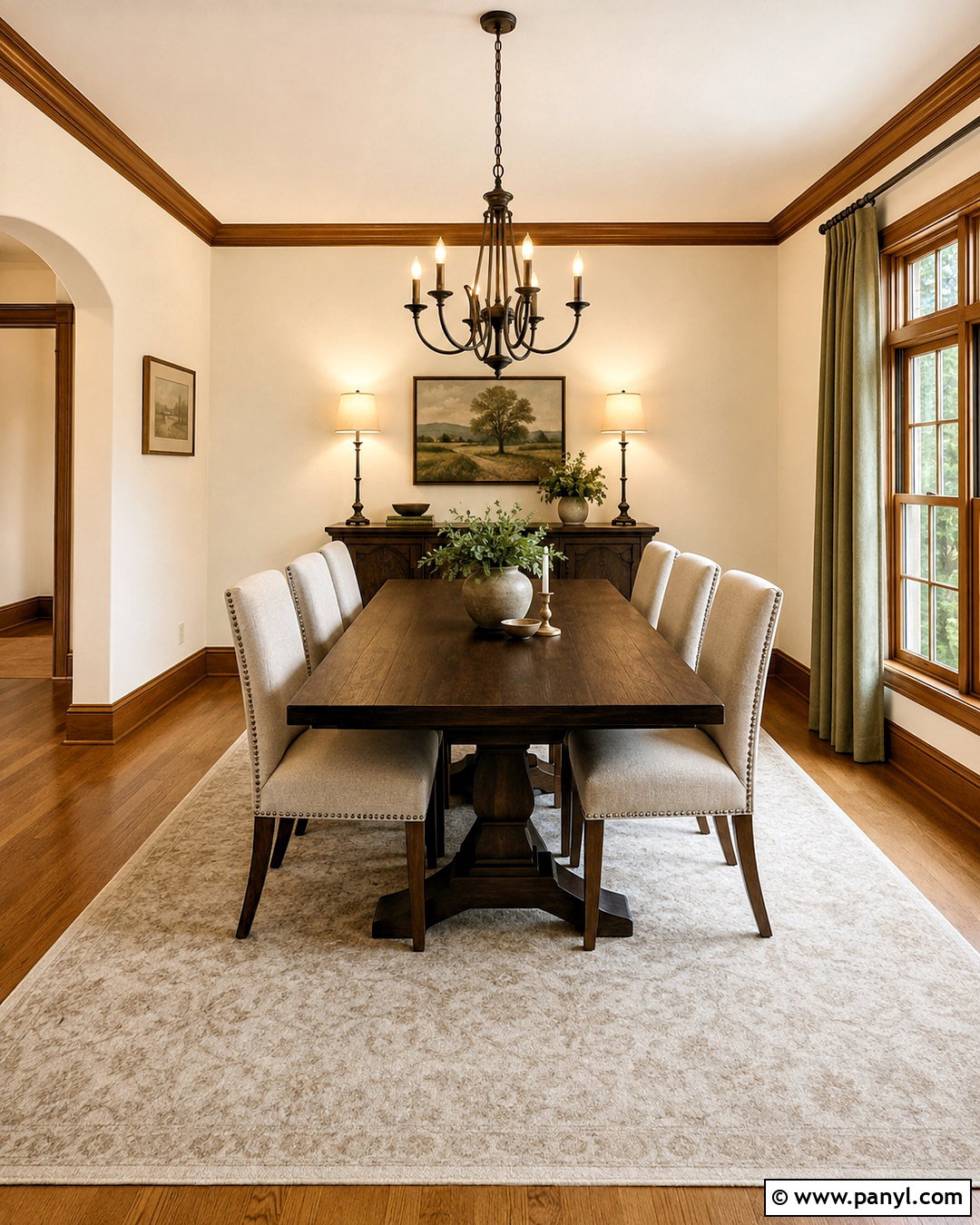
Soft cream walls lean into the warmth of honey oak floors while creating a smoother, more comfortable transition between surfaces. The best cream should look light and gentle rather than buttery yellow. Pair it with a camel leather sofa, natural cotton curtains, and a faded blue area rug to prevent the room from becoming overly warm. A dark wood console and aged brass lighting provide enough depth to define the space. Bring in green through houseplants, pillows, or botanical artwork for a fresh contrast. Cream also suits traditional dining rooms with painted white furniture and medium walnut accents. Under warm artificial lighting, check that the walls do not turn noticeably yellow. Balanced cream creates an inviting, layered room that feels sunny without appearing dated.
3. Ivory Wall Color
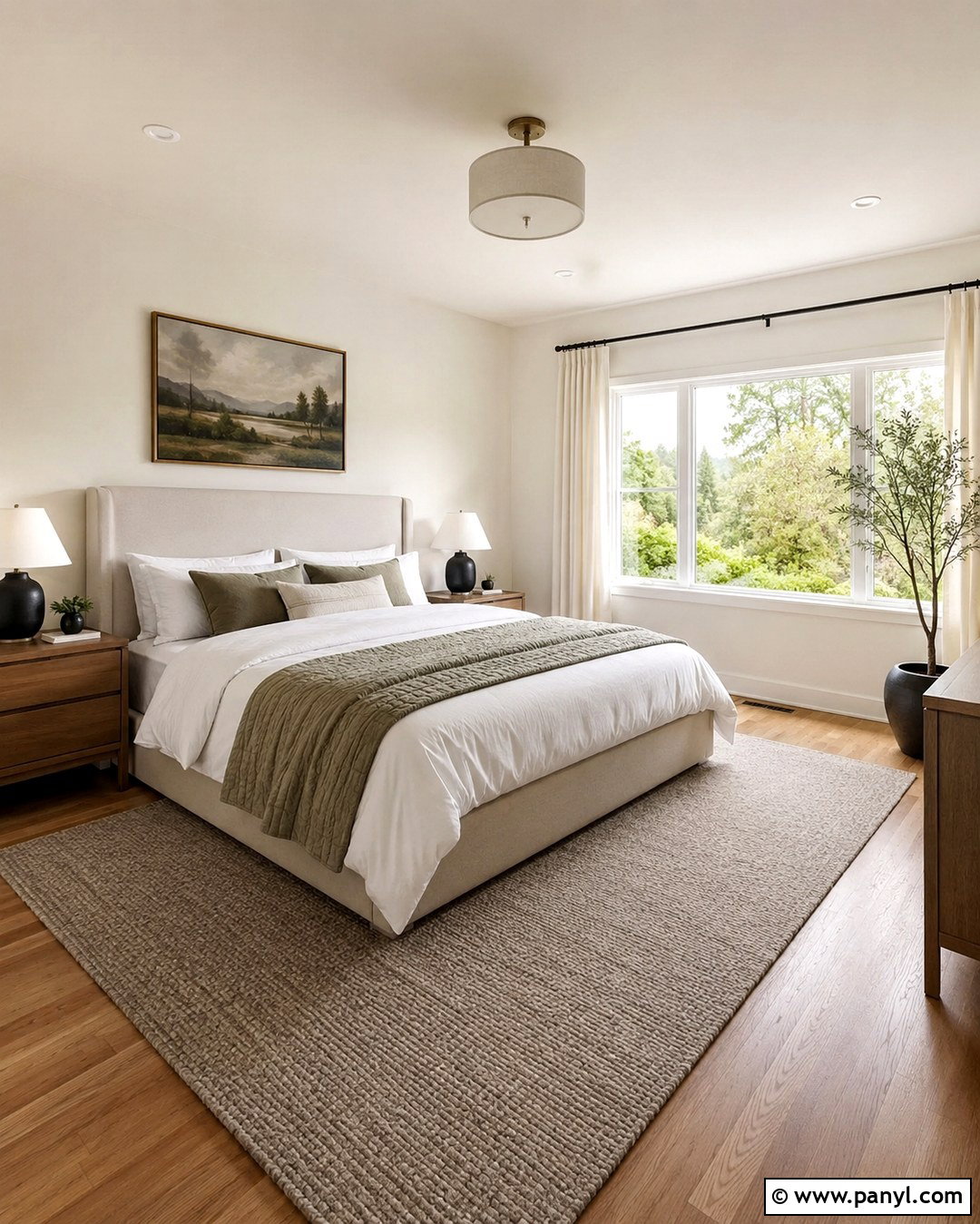
Ivory offers more visible warmth than white but remains airy enough for smaller rooms with honey oak flooring. It works particularly well in a bright bedroom where comfort matters more than sharp contrast. Build the complete look around an upholstered beige bed, crisp white bedding, and a taupe or muted sage quilt. Use medium-brown nightstands to separate the pale walls from the golden floor. Brushed nickel or black lamps can introduce a cleaner, more updated finish. For window treatments, select ivory fabric that closely matches the walls and hangs from ceiling height. This creates visual continuity and makes the room feel taller. Finish with understated landscape art and a large wool rug. The result is restful, cohesive, and warm without matching every surface too closely.
4. Light Greige Wall Color
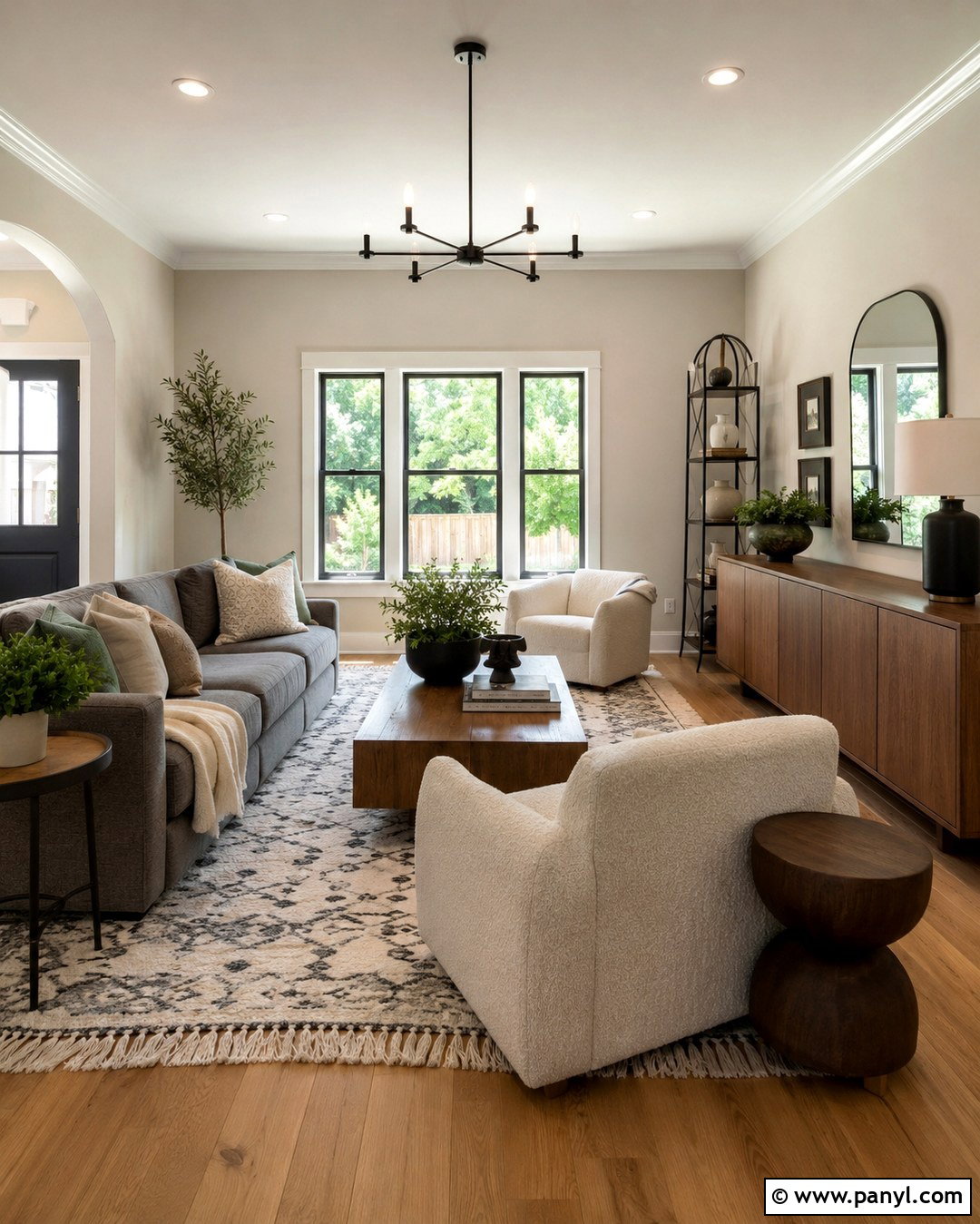
Light greige combines gray’s softness with beige warmth, making it one of the most flexible wall colors for honey oak floors. Look for a balanced greige that does not turn purple or icy beside the wood. Create a modern living room with a warm gray sofa, cream boucle chairs, and a patterned rug mixing greige, ivory, charcoal, and muted green. Walnut furniture adds darker definition while maintaining a natural appearance. Use simple white trim and black metal lighting for crisp architectural contrast. This palette works best when fabrics repeat both warm and cool tones, visually connecting the golden floor to the neutral walls. In shaded rooms, select a slightly warmer greige. In sunny rooms, a more balanced version can control the floor’s strong golden appearance.
5. Mushroom Taupe Wall Color
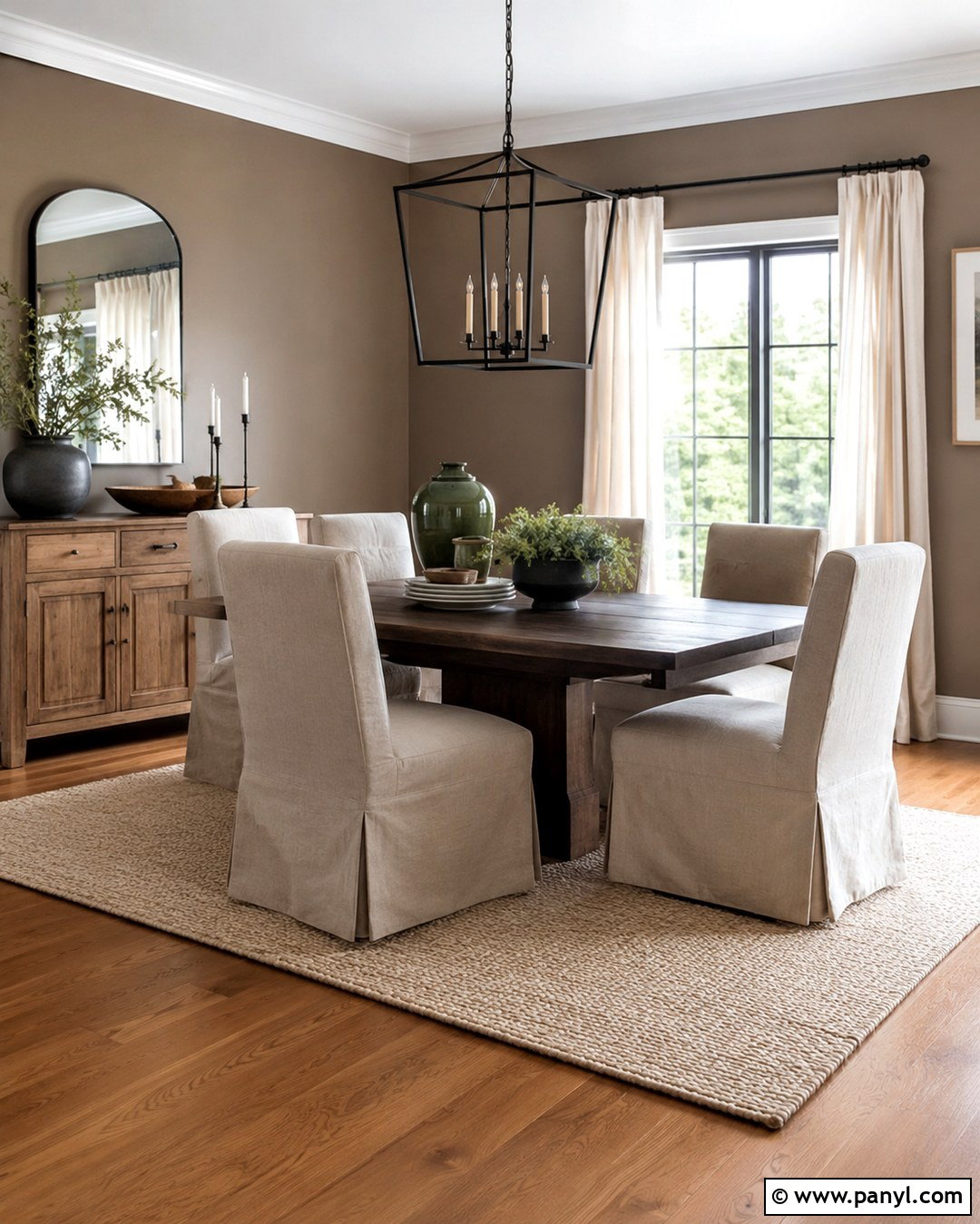
Mushroom taupe gives honey oak floors an earthy, sophisticated setting. This shade blends brown, gray, and a restrained touch of warmth, creating more depth than pale greige. Use it in a dining room with a dark walnut table, linen-covered chairs, and a cream woven rug. Black framed artwork and an oversized iron pendant make the palette feel current. Add stoneware, off-white curtains, and a few olive green accents to prevent the brown tones from becoming repetitive. Mushroom taupe can appear darker in rooms with limited daylight, so balance it with a white ceiling and light upholstery. The finished room should contain a clear range of values, from pale textiles to dark furniture. That contrast helps the golden oak read as a deliberate middle tone.
6. Light Beige Wall Color
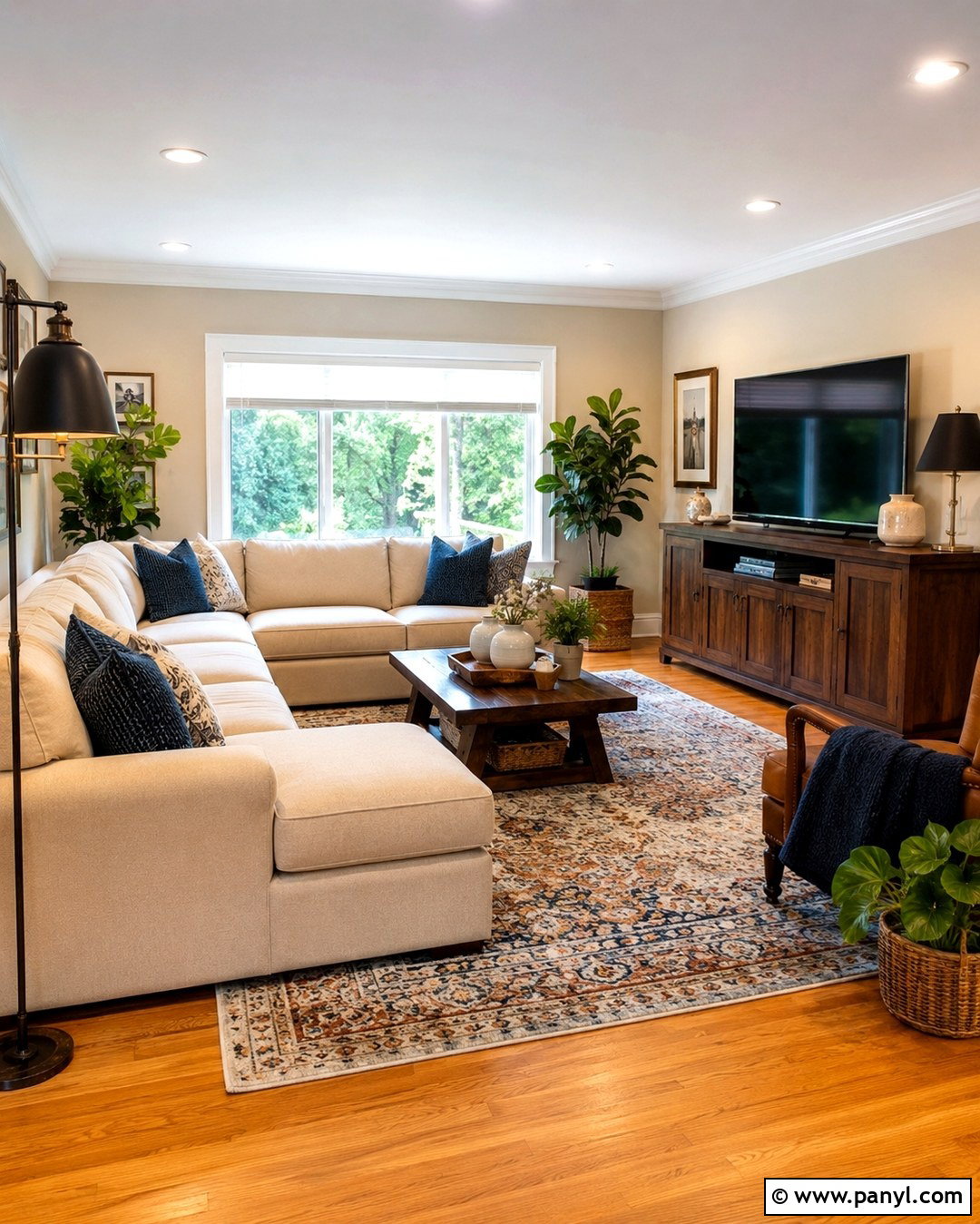
Light beige creates a classic, low-contrast relationship with honey oak floors. The key is selecting a neutral beige rather than one with a strong peach or yellow cast. For a welcoming family room, combine beige walls with a creamy sectional, navy pillows, and a broad area rug featuring faded blue, rust, and ivory. A medium walnut media cabinet provides separation from the similarly warm flooring. Add black lamps, white ceramic accessories, and leafy plants for definition and freshness. Beige is especially useful in connected hallways and open floor plans because it transitions easily between different furnishings. Keep ceilings and trim in a soft white to stop the overall palette from feeling heavy. The completed look feels warm, approachable, and easy to update season after season.
7. Putty Wall Color
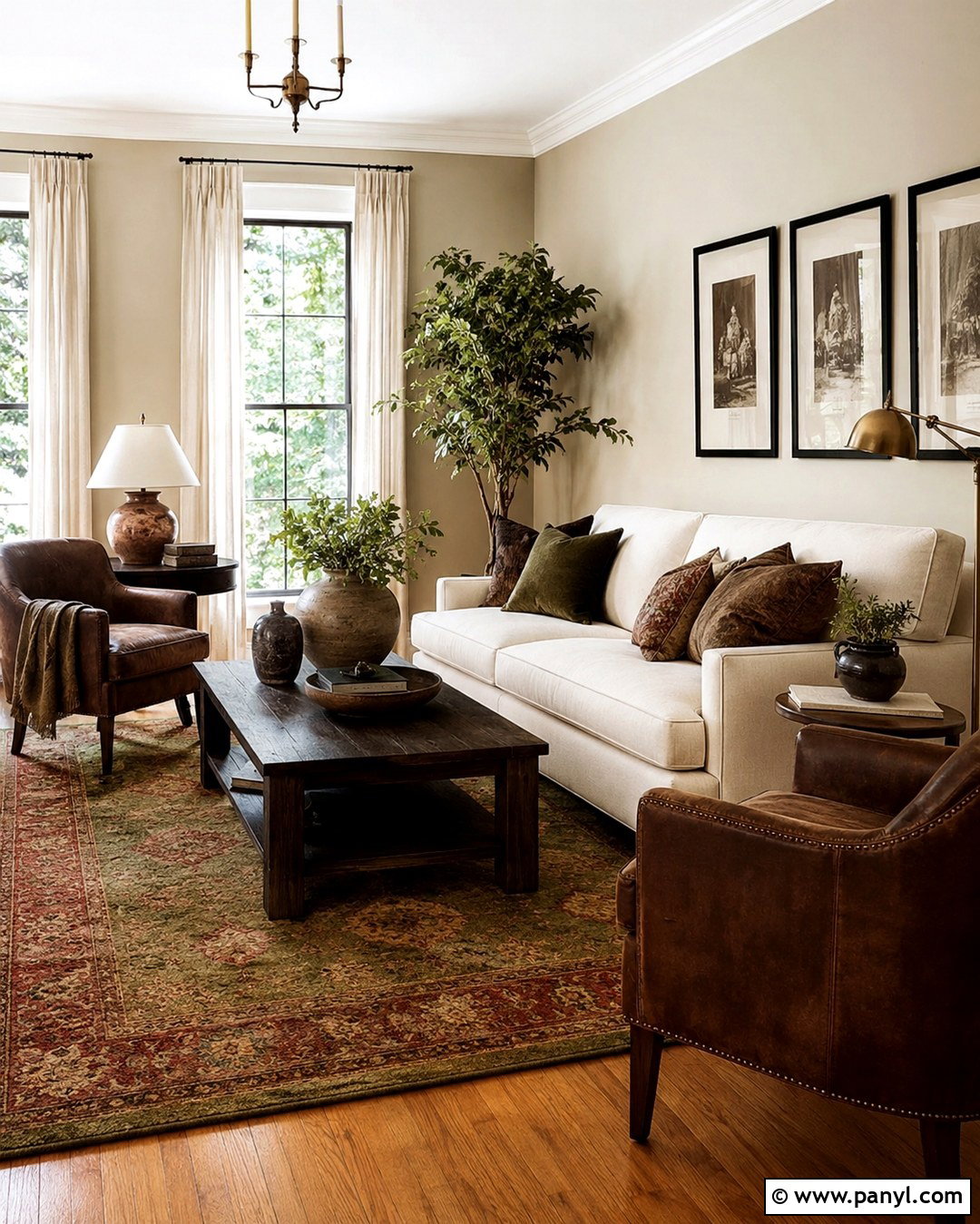
Putty walls introduce an understated earthy tone that sits comfortably between beige, taupe, and gray. Against honey oak flooring, this color creates subtle contrast without forcing the wood to compete with a cool background. Design the room with a cream sofa, chocolate brown accent chairs, and a vintage-inspired rug containing olive, faded red, and warm ivory. Use aged brass lamps and black-framed artwork to mix traditional and contemporary details. Off-white curtains help brighten the walls, while a dark-stained coffee table anchors the center. Putty is a practical choice for busy family spaces because it feels grounded and forgiving. It also pairs naturally with stone fireplaces, woven textures, and leather. Keep accessories limited so the warm materials remain calm rather than visually crowded.
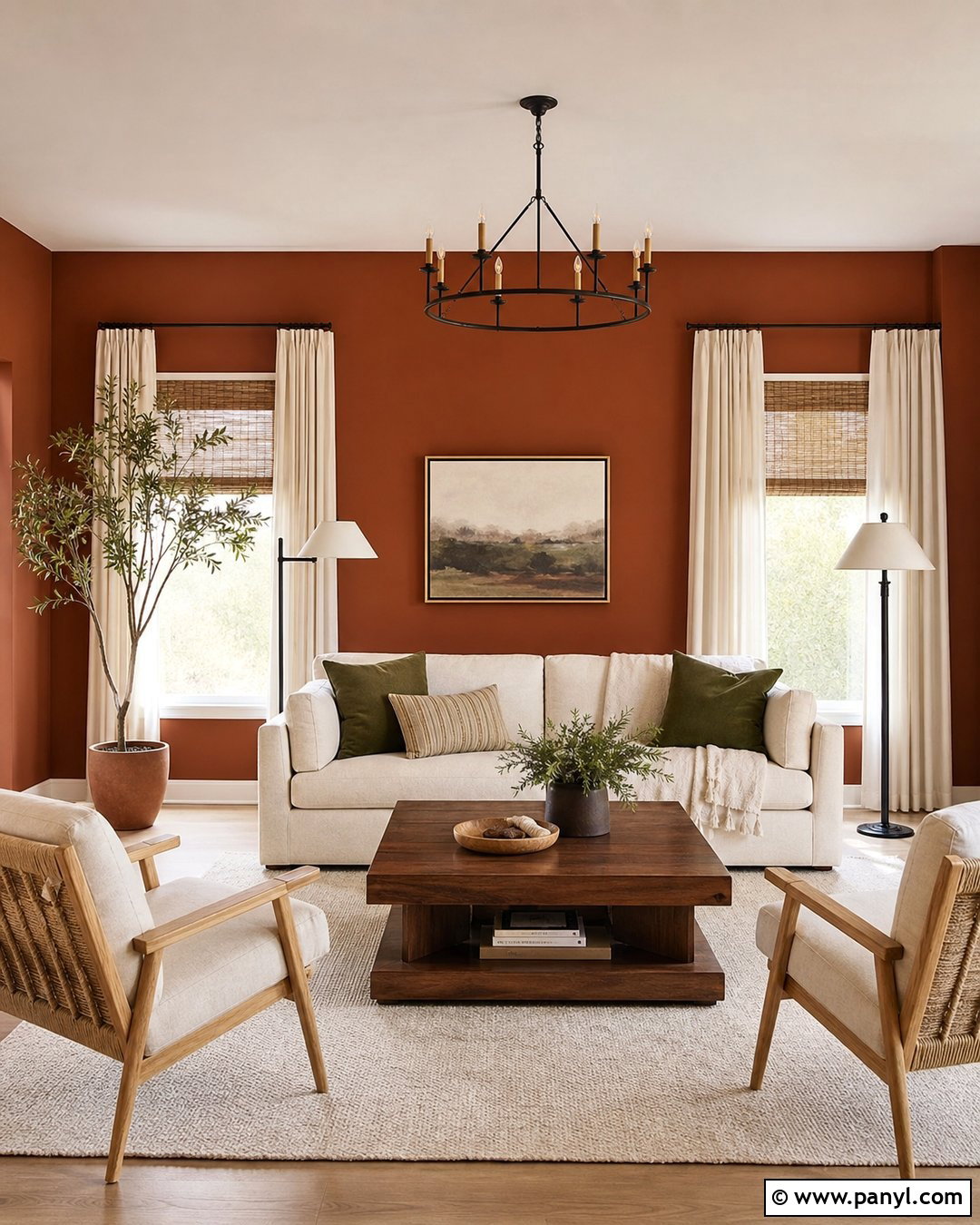
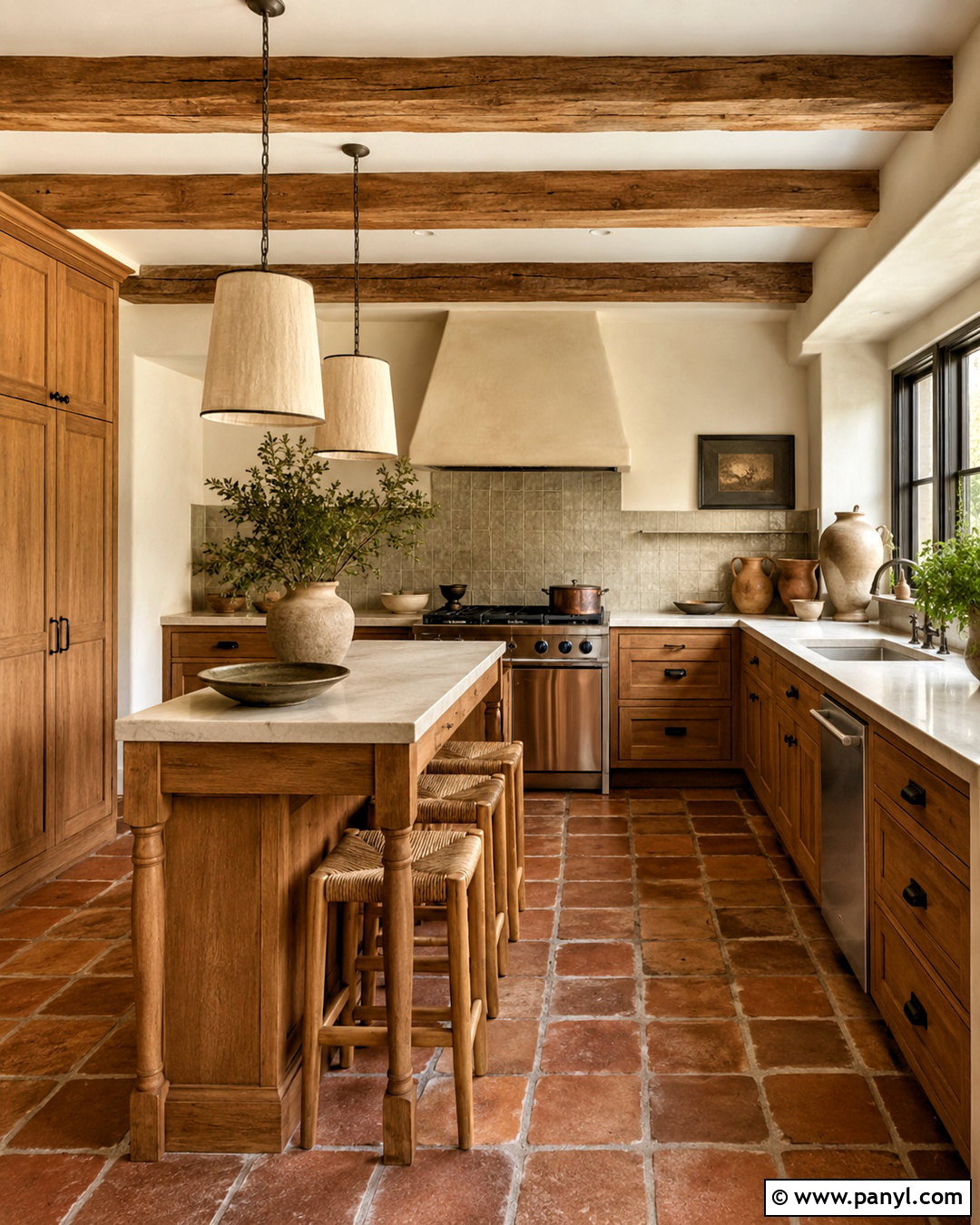
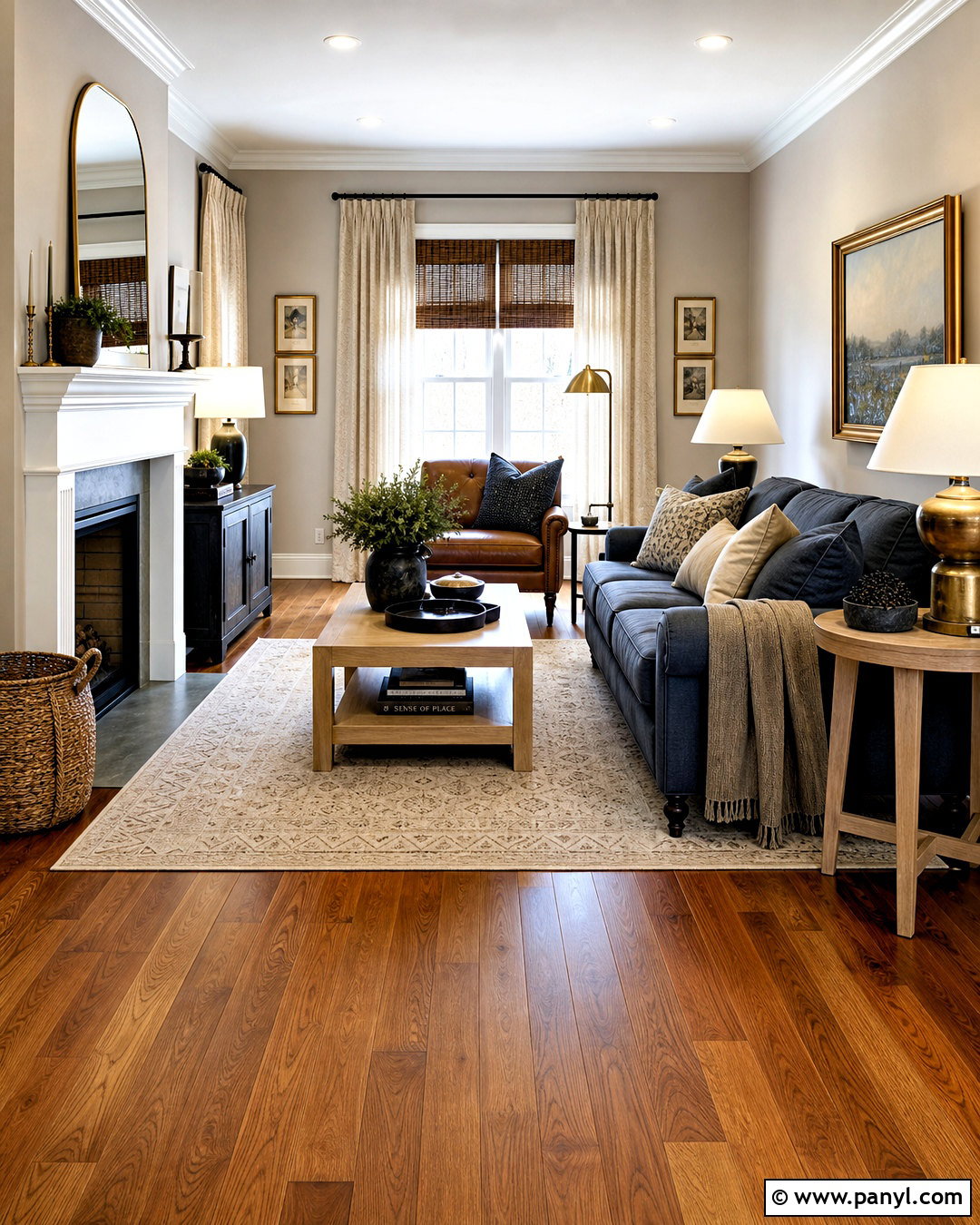
8. Pale Sage Green Wall Color
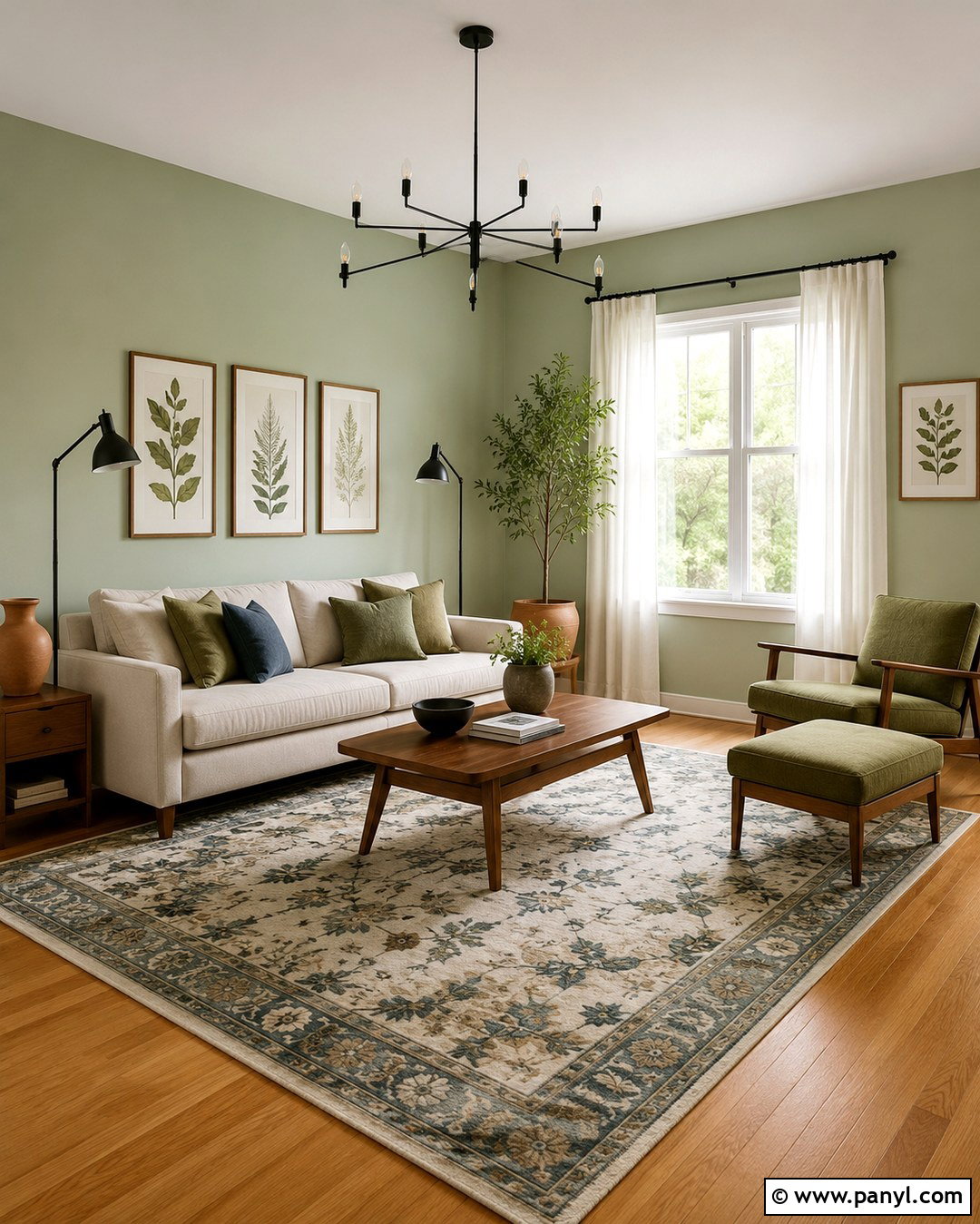
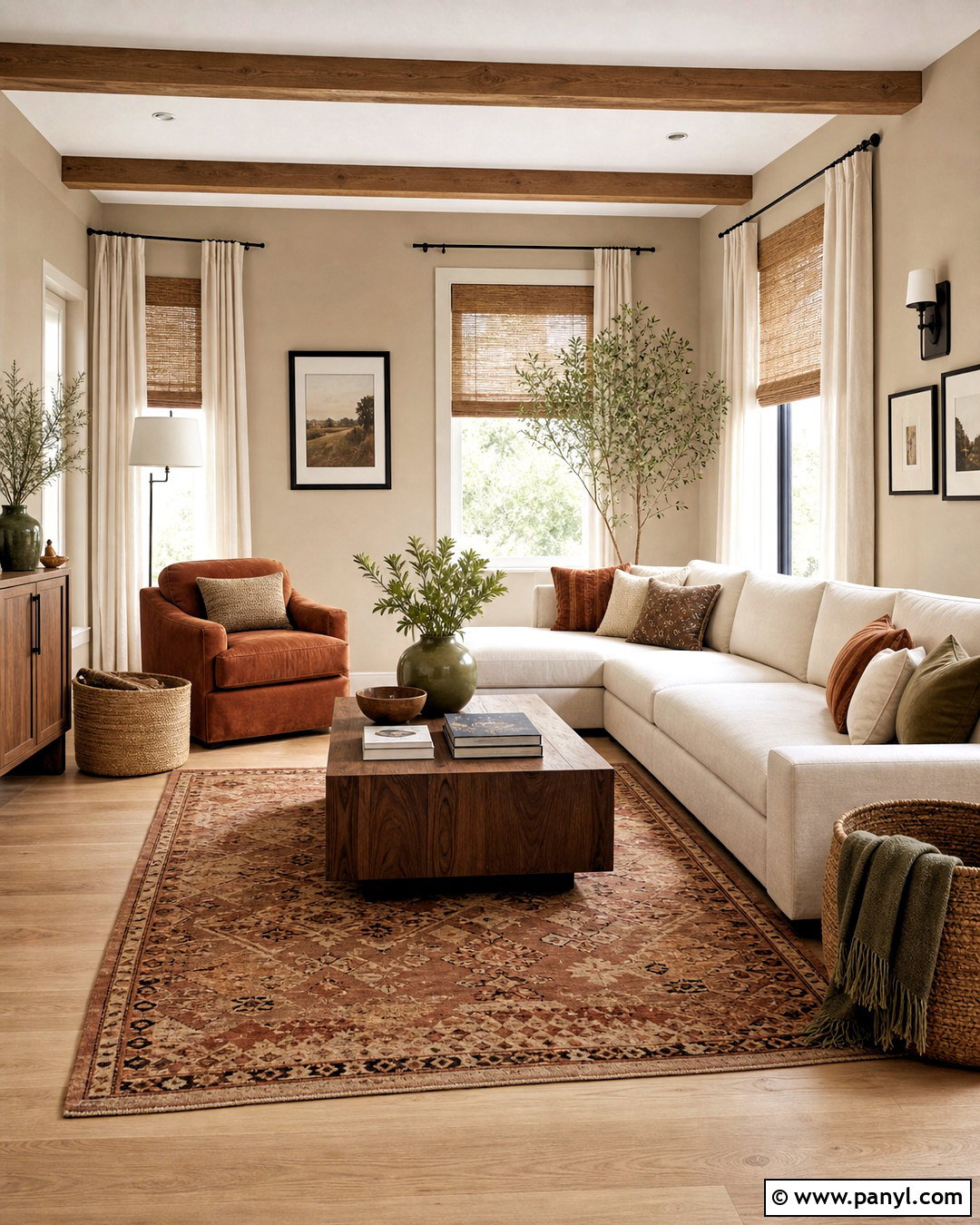
Pale sage green cools the golden appearance of honey oak floors while preserving an organic, comfortable mood. Choose a softened sage with noticeable gray undertones rather than a bright yellow-green. Complete a living room with a light beige sofa, warm white curtains, and a cream rug patterned with muted olive and slate blue. Walnut side tables connect with the floor without copying its exact color. Add matte black lighting, botanical prints, and a few terracotta accessories for controlled warmth. Pale sage works beautifully where windows overlook a yard because the indoor palette continues the natural view. White trim keeps the room fresh and defined. This combination makes honey oak feel richer and more intentional while giving the entire space a relaxed, updated character.
9. Muted Olive Wall Color
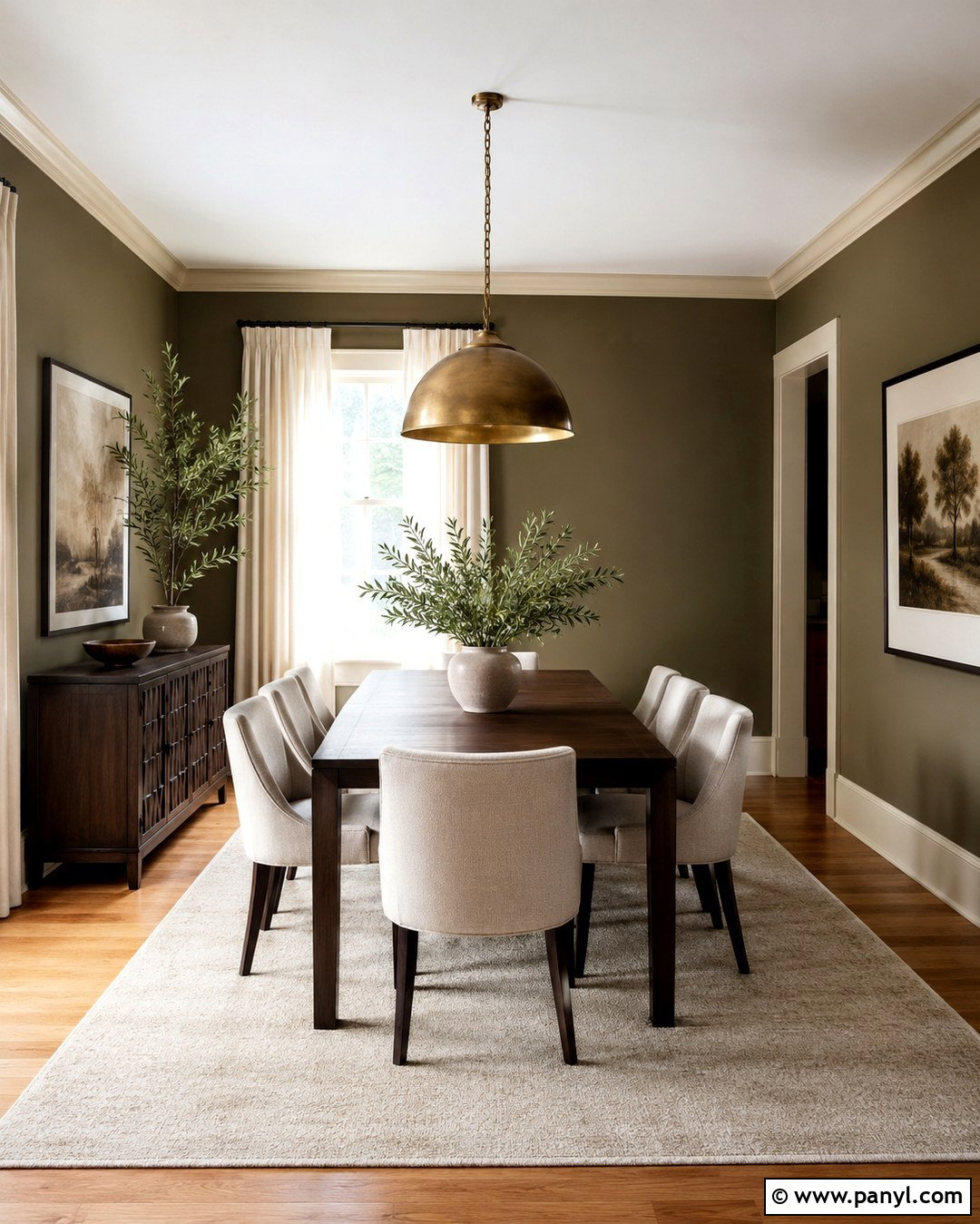
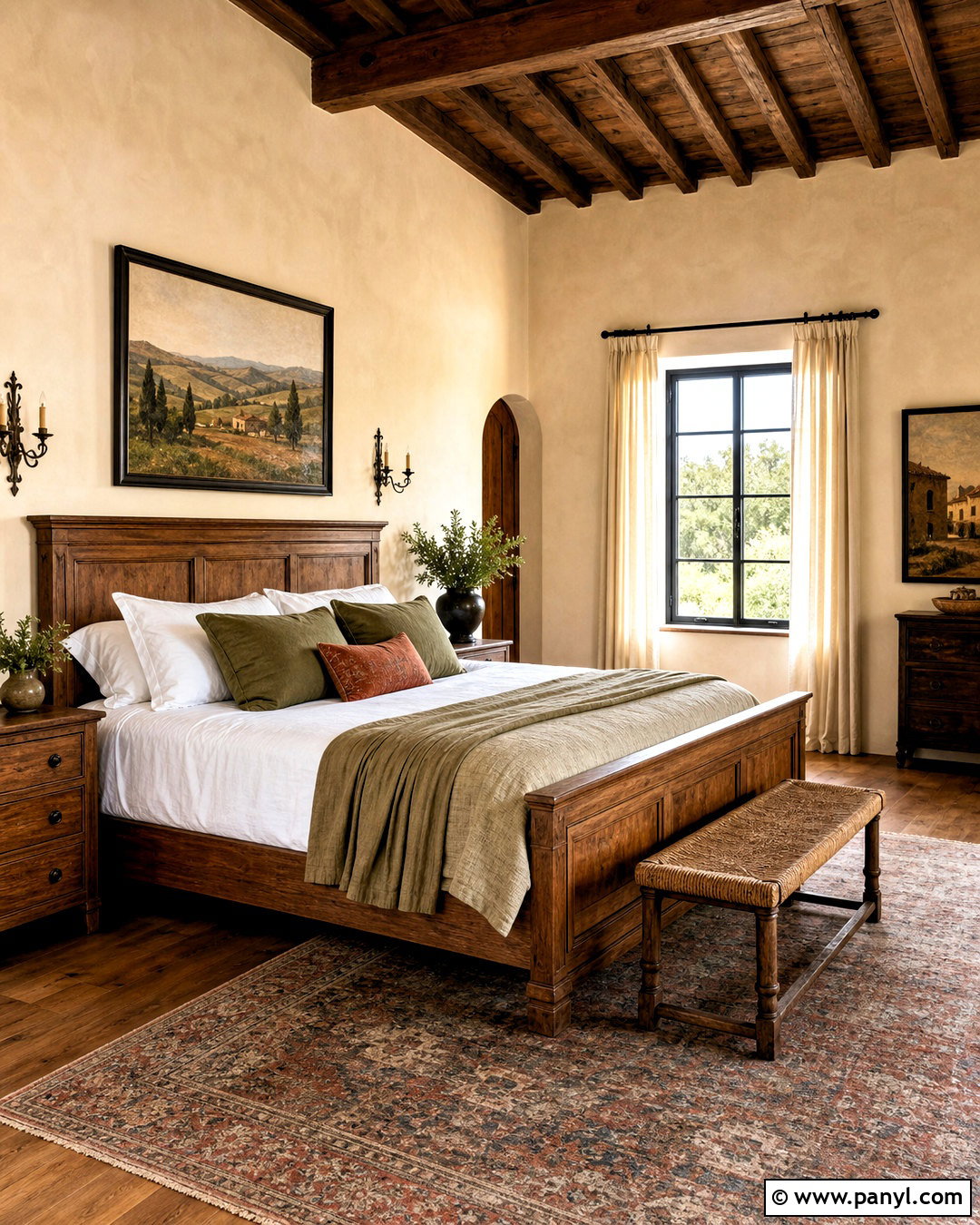
Muted olive walls create a richer, earthier contrast with honey oak floors. Unlike pale sage, olive has enough depth to make the golden grain look bright and distinctive. Use it in a dining room or home office with dark walnut furniture, oatmeal upholstery, and an ivory rug. Aged brass hardware and warm white curtains enhance the room without adding more yellow. Include black accents through frames, chair legs, or a streamlined ceiling fixture. For a balanced design, repeat the honey tone only once or twice in small wood accessories. Cream ceilings and trim will keep the deeper walls from closing in. This complete palette feels grounded and collected, particularly when layered with linen, leather, ceramics, and natural greenery. It is warm, but never overly matched.
10. Eucalyptus Green Wall Color
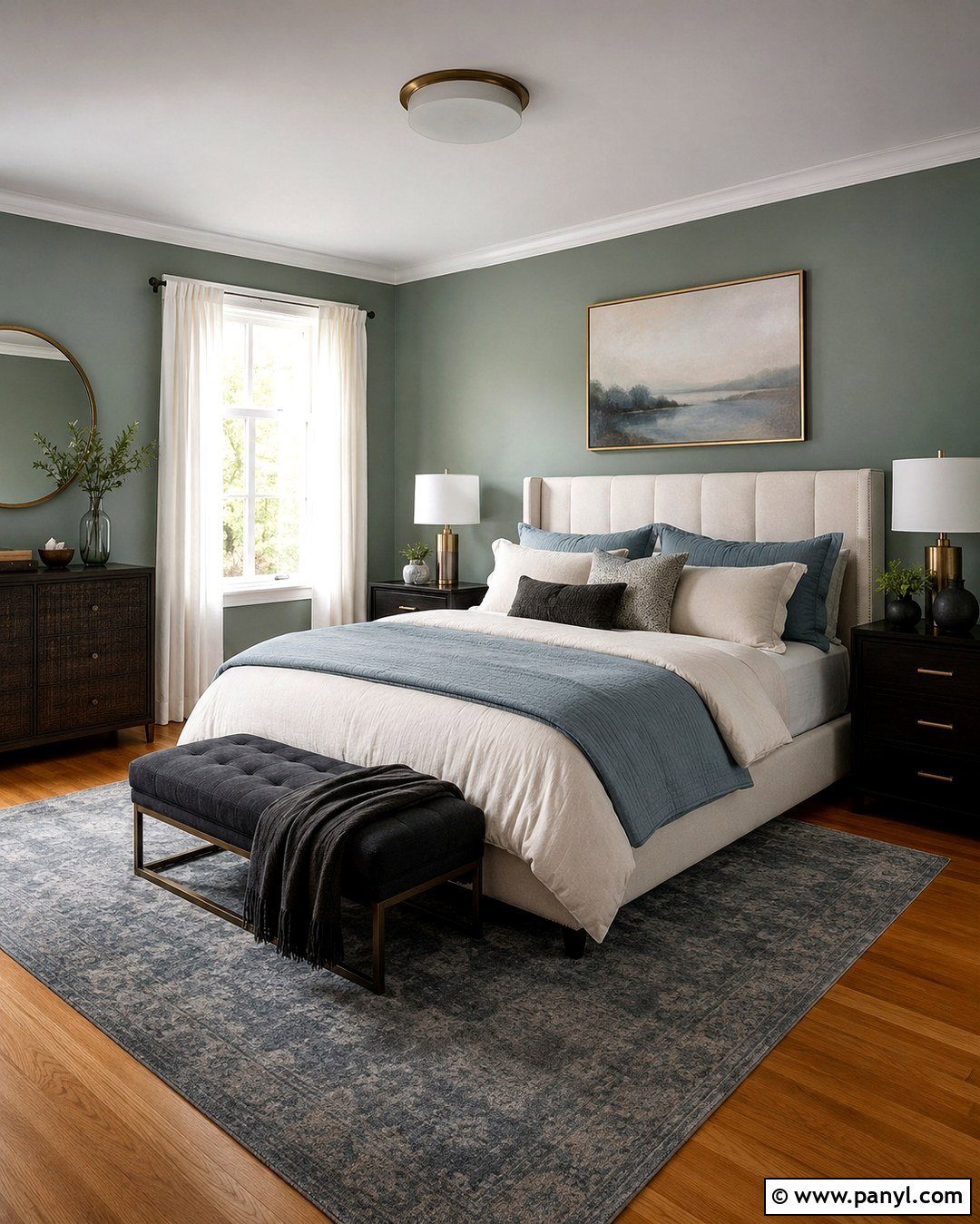
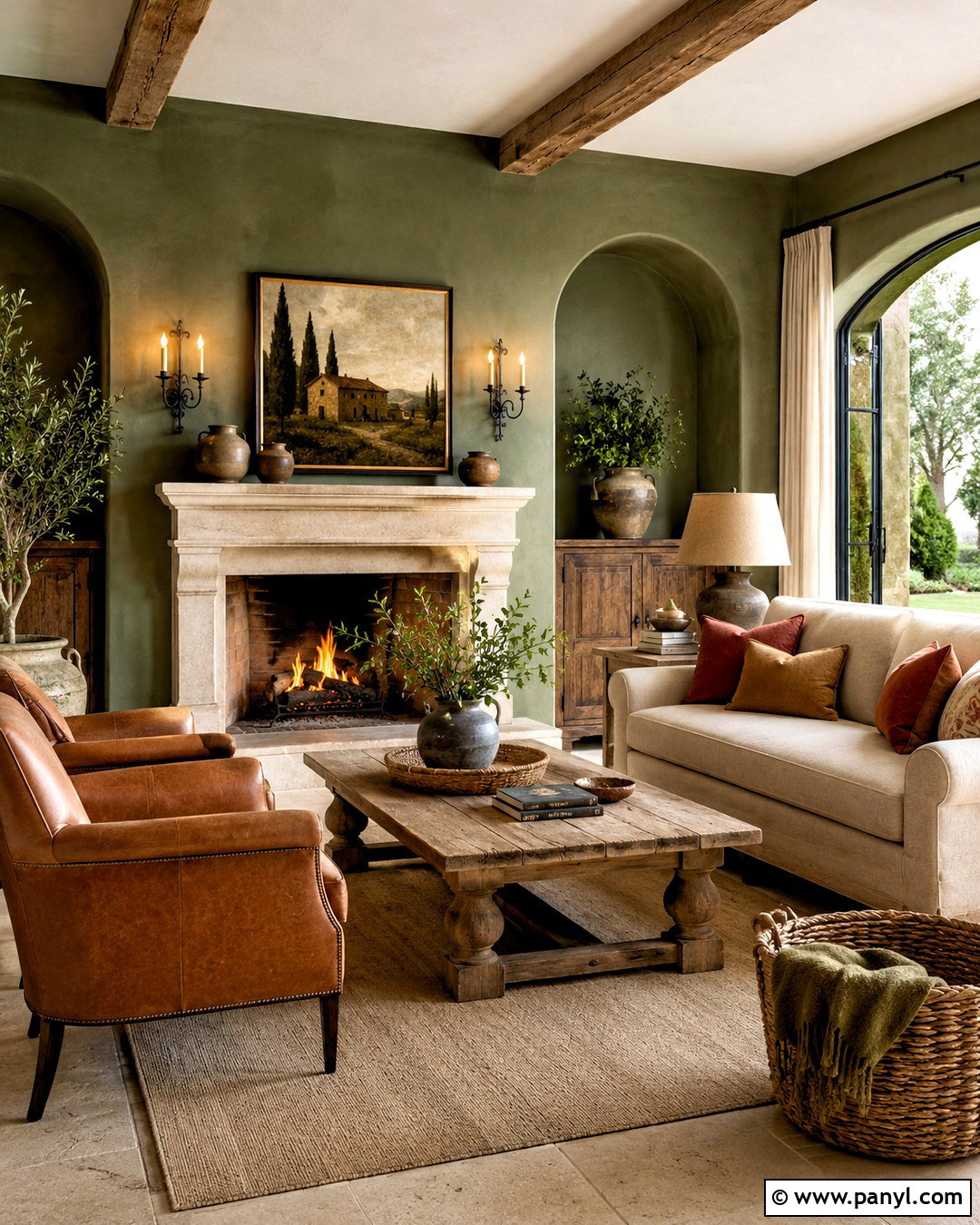
Eucalyptus green provides a soft blue-green influence that can visually calm strongly golden honey oak flooring. This subdued color suits a relaxed bedroom, breakfast room, or casual sitting area. Pair it with an ivory upholstered bed or sofa, white linen curtains, and a neutral rug with faded blue detailing. Choose dark espresso or black furniture for contrast rather than adding more light oak. Brushed brass lamps can echo the floor’s warmth in a controlled way. Keep bedding and accessories simple, using cream, charcoal, and dusty blue throughout the space. Eucalyptus looks especially balanced in rooms with warm afternoon sunlight. With clean white trim and minimal wall decor, the finished design feels fresh and nature-inspired while allowing the original wood flooring to remain a valuable feature.
11. Soft Blue Gray Wall Color
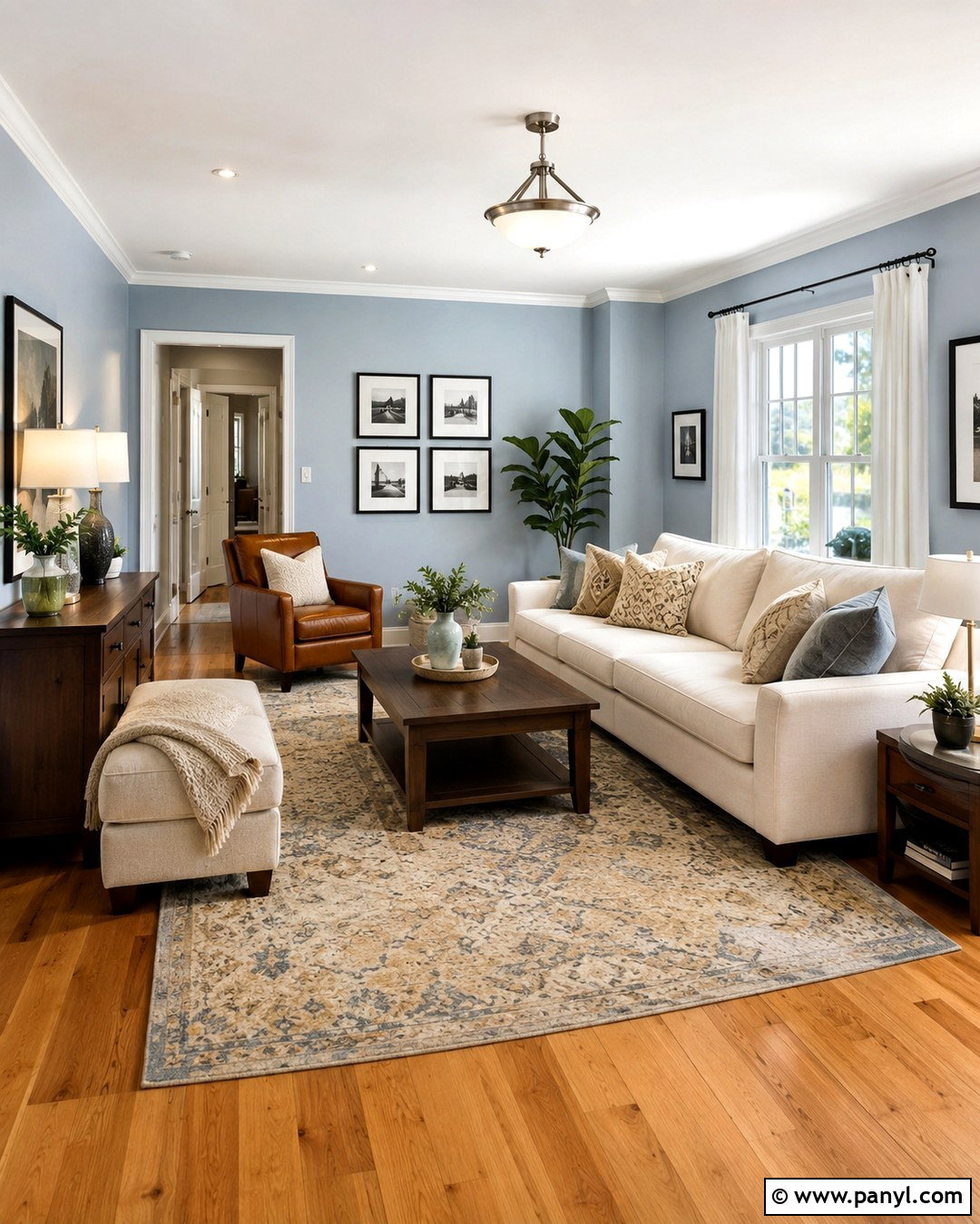
Soft blue-gray walls bring cool balance to honey oak floors without creating a harsh contrast. Select a muted version with enough gray to prevent it from appearing pastel or overly coastal. For a comfortable living room, use an ivory sofa, cognac leather chair, and a large rug combining cream, blue-gray, and warm tan. The leather visually connects to the floor, while the walls and textiles soften its orange undertones. Add a walnut coffee table, brushed nickel lighting, and simple white curtains. Black picture frames can provide small, crisp details throughout the room. This palette is most successful when warm and cool materials appear in similar amounts. The resulting space feels light, balanced, and modern while retaining the natural warmth that makes honey oak appealing.
12. Dusty Blue Wall Color
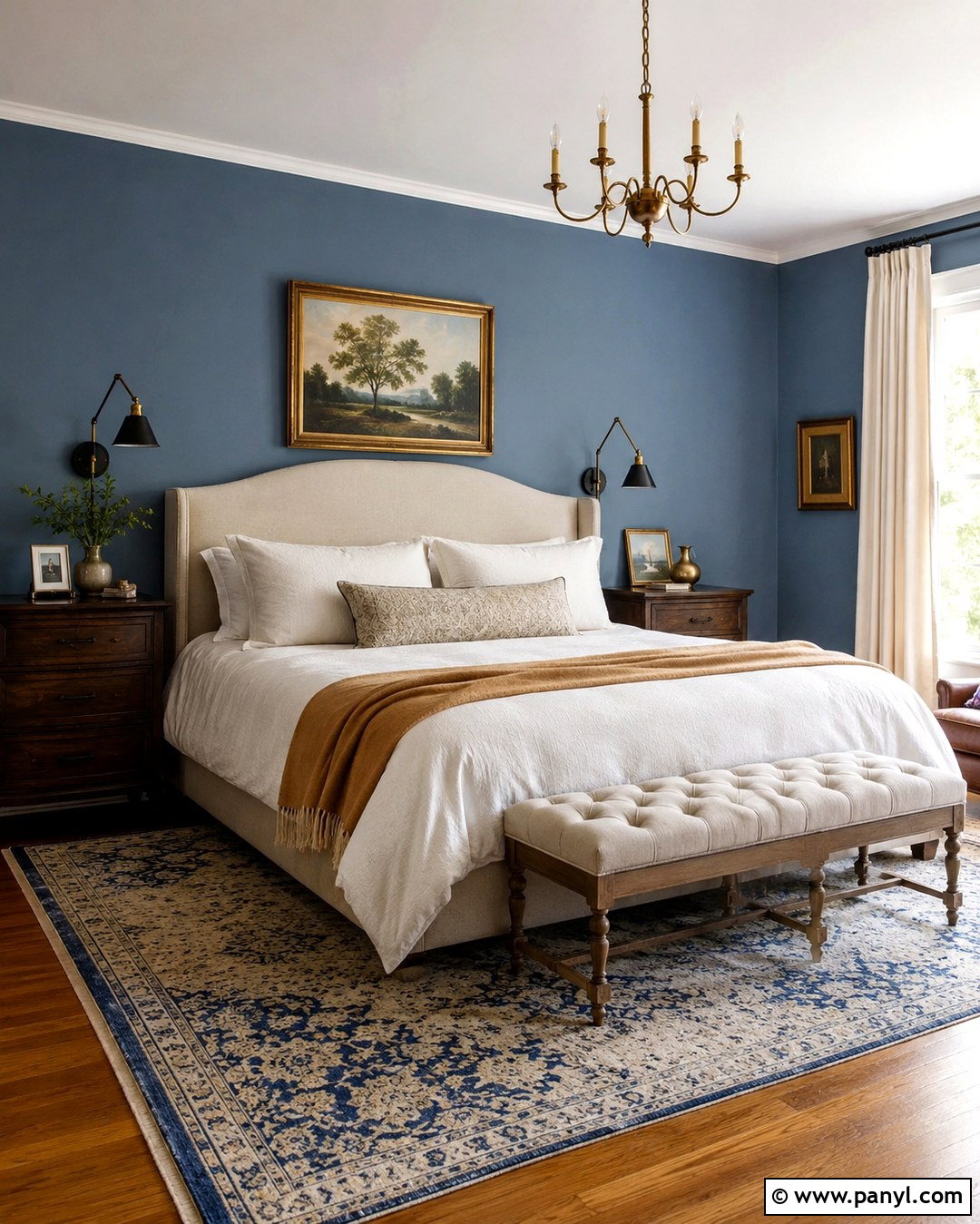
Dusty blue gives honey oak floors a calm, gently colorful background. Its muted quality makes it easier to live with than a bright or saturated blue. Create a complete bedroom with dusty blue walls, a natural linen headboard, ivory bedding, and a camel-colored throw. Place a large cream and navy rug beneath the bed to bridge the walls and flooring. Dark walnut nightstands and black sconces offer necessary visual weight. Choose warm white curtains rather than stark white ones, which could make the floor appear more intensely yellow. A few antique brass accents can repeat the wood’s warmth without overwhelming the cool palette. Dusty blue is especially attractive in rooms with generous daylight, where its subtle gray undertone remains visible and sophisticated.
13. Slate Blue Wall Color
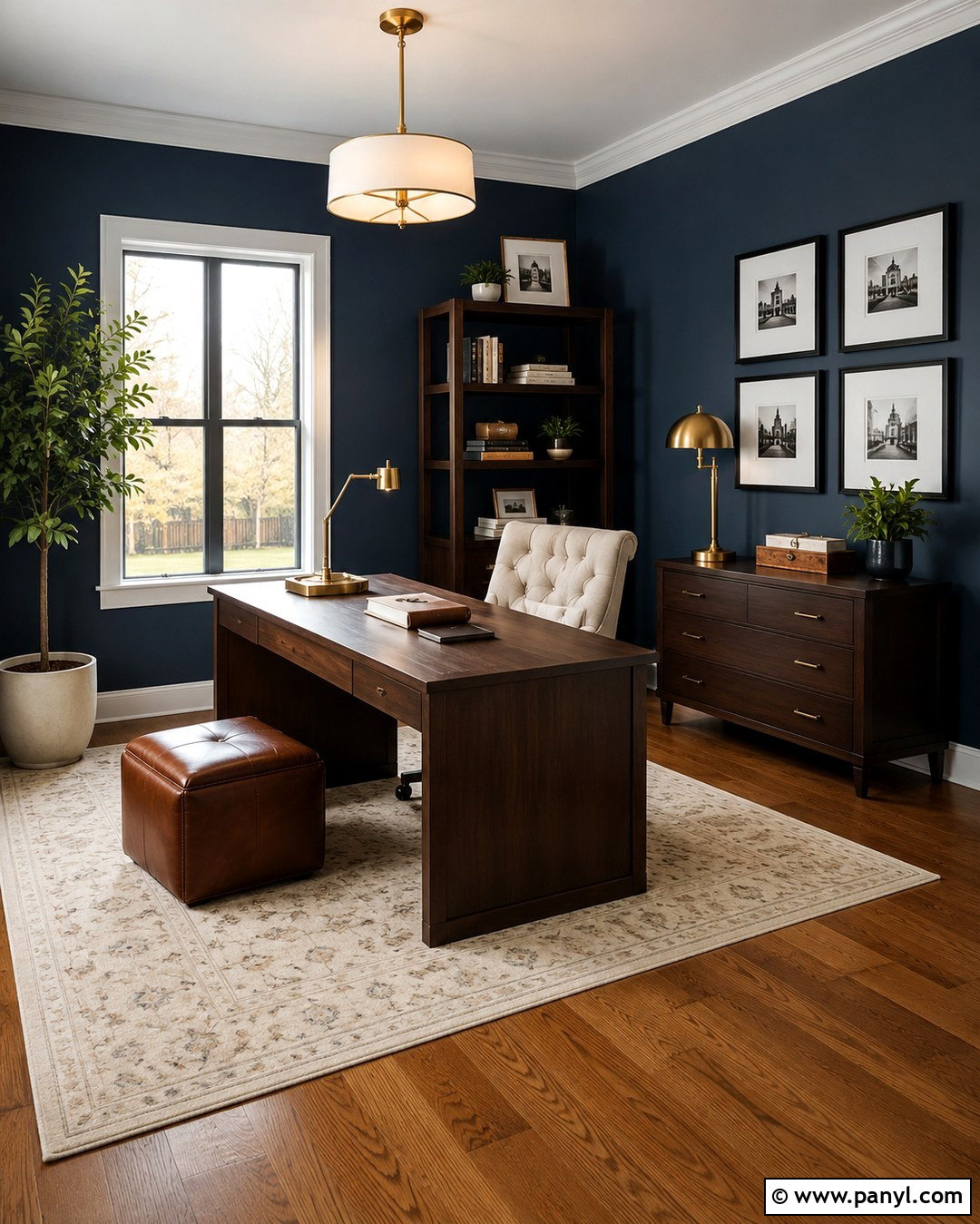
Slate blue creates a strong but refined contrast against golden honey oak floors. This medium-depth color works well in a dining room, library, or office where a more enveloping appearance is welcome. Combine the walls with a dark walnut table or desk, cream upholstered seating, and an ivory patterned rug. Use warm brass lighting to connect the cool blue background with the warm floor. White trim provides a clean outline, while black frames and hardware strengthen the tailored look. Add small touches of rust, cognac, or terracotta through pillows and pottery. Avoid filling the room with additional orange wood furniture. Instead, use painted, metal, or dark-stained pieces. The complete space feels intentional and balanced, with the oak functioning as a warm highlight.
14. Deep Navy Wall Color
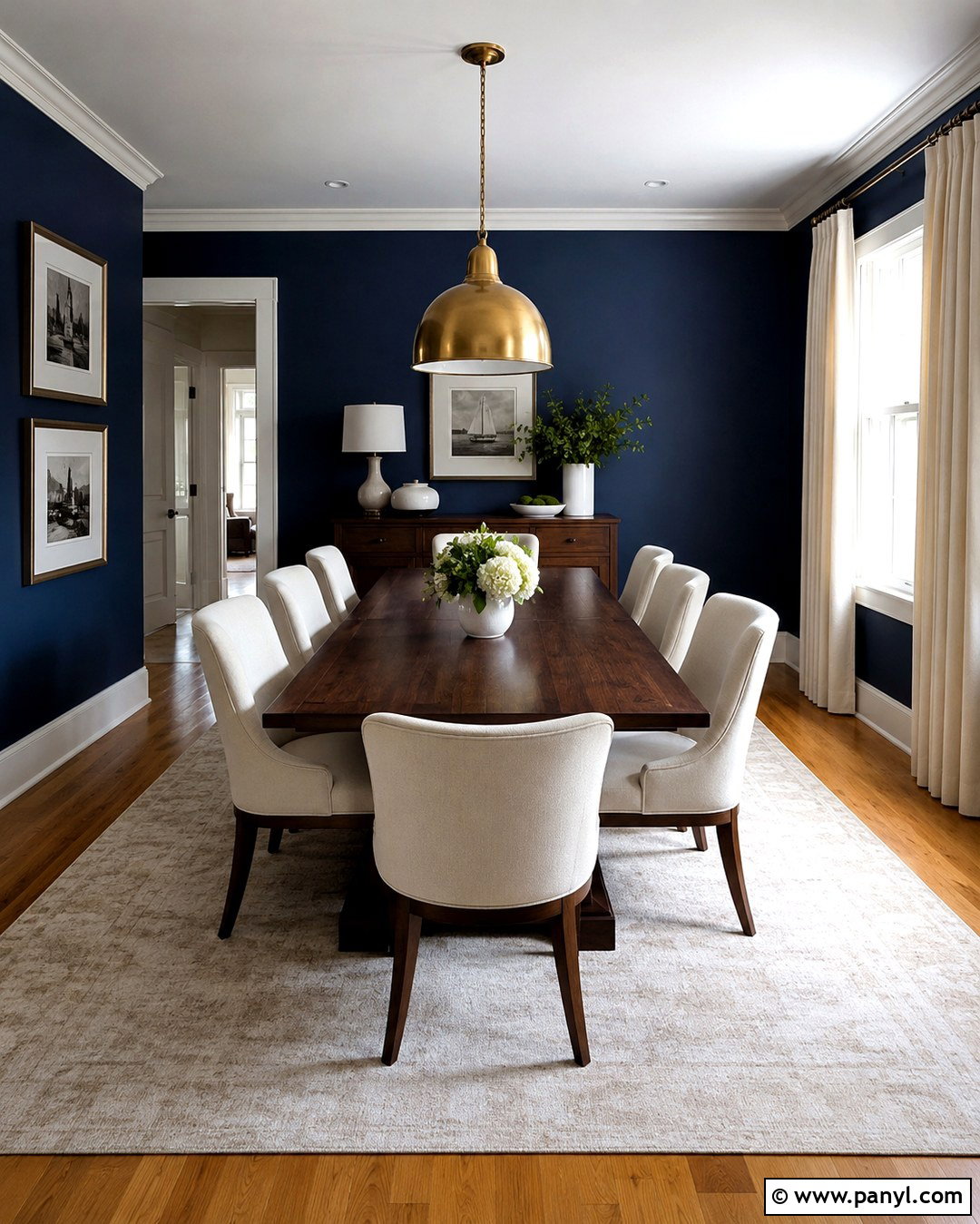
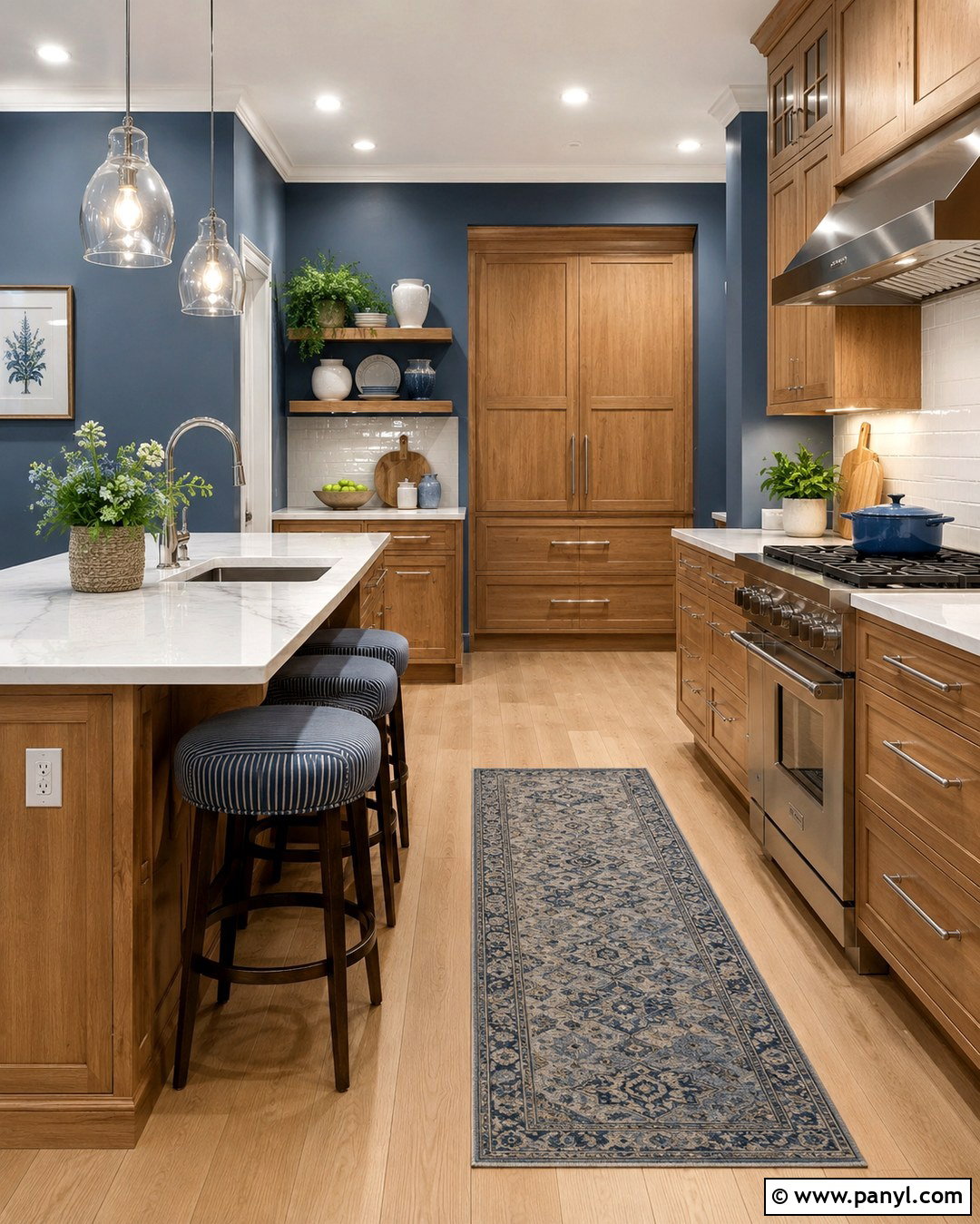
Deep navy walls make honey oak floors appear brighter and more luxurious through bold contrast. This combination is most effective in rooms with good natural light or plenty of layered artificial lighting. Build a dramatic dining room with navy walls, crisp warm white trim, a walnut table, and cream upholstered chairs. Add a large light-colored rug so the dark walls do not meet the golden floor too abruptly. A substantial brass pendant can connect the cool and warm portions of the palette. Keep curtains ivory, and use art with white mats to brighten the vertical surfaces. Small black details add structure without competing with the navy. This finished design treats honey oak as a purposeful golden accent, giving familiar flooring a sharper and more contemporary presence.
15. Muted Teal Wall Color
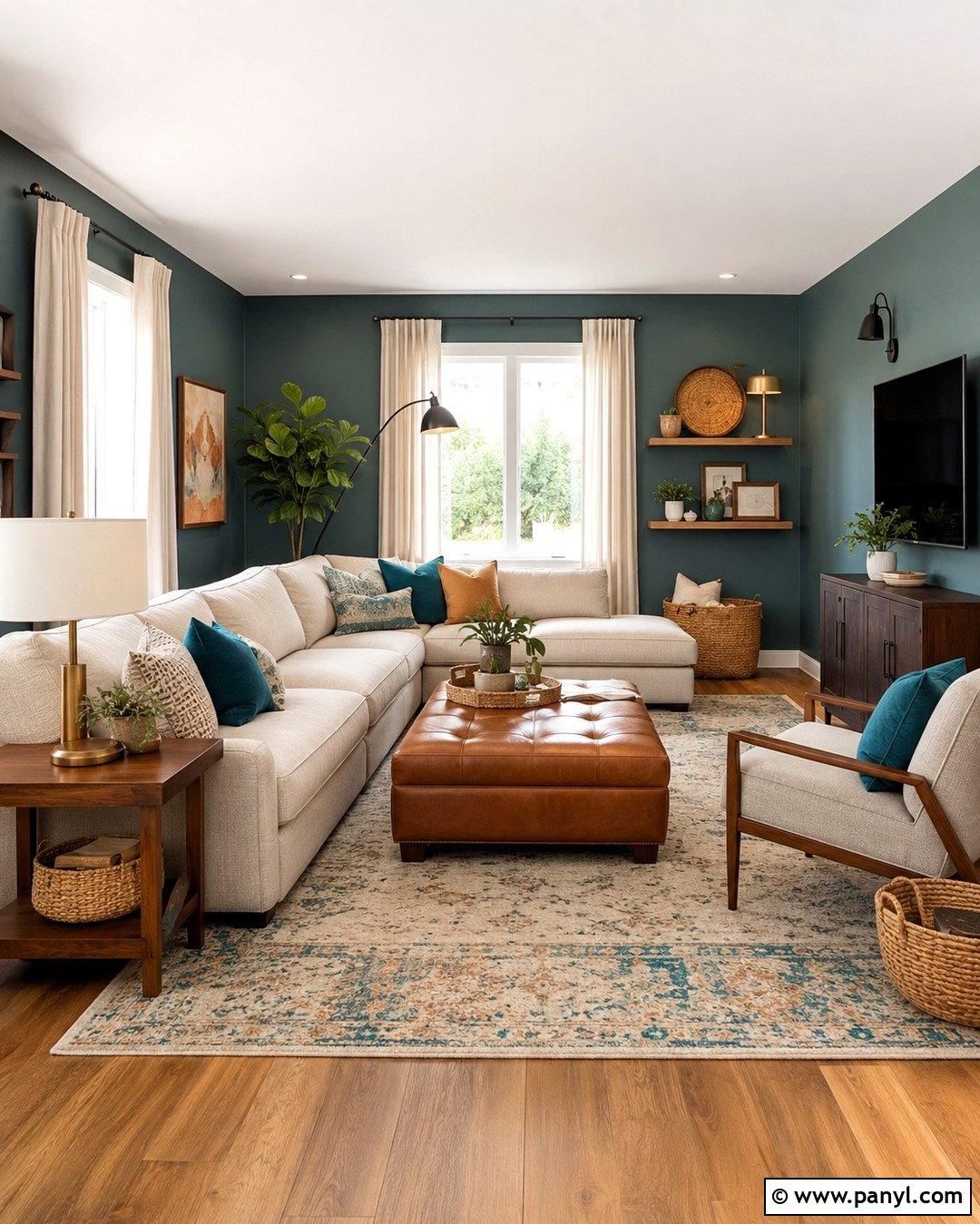
Muted teal combines blue’s cooling effect with green’s natural connection to wood. Choose a grayed teal rather than a bright tropical shade for a more versatile room. In a family room, pair it with a light oatmeal sectional, cognac leather ottoman, and an ivory rug featuring subtle teal and tan patterns. Use medium walnut tables and matte black lighting to anchor the arrangement. Warm white curtains keep the windows bright, while brass accessories lightly repeat the gold in the flooring. Add cream pillows and natural woven baskets to soften the stronger wall color. Because teal can change noticeably under different bulbs, use warm-neutral lighting rather than very yellow light. The completed space feels colorful and updated, yet the honey oak still looks comfortable and appropriately integrated.
16. Forest Green Wall Color
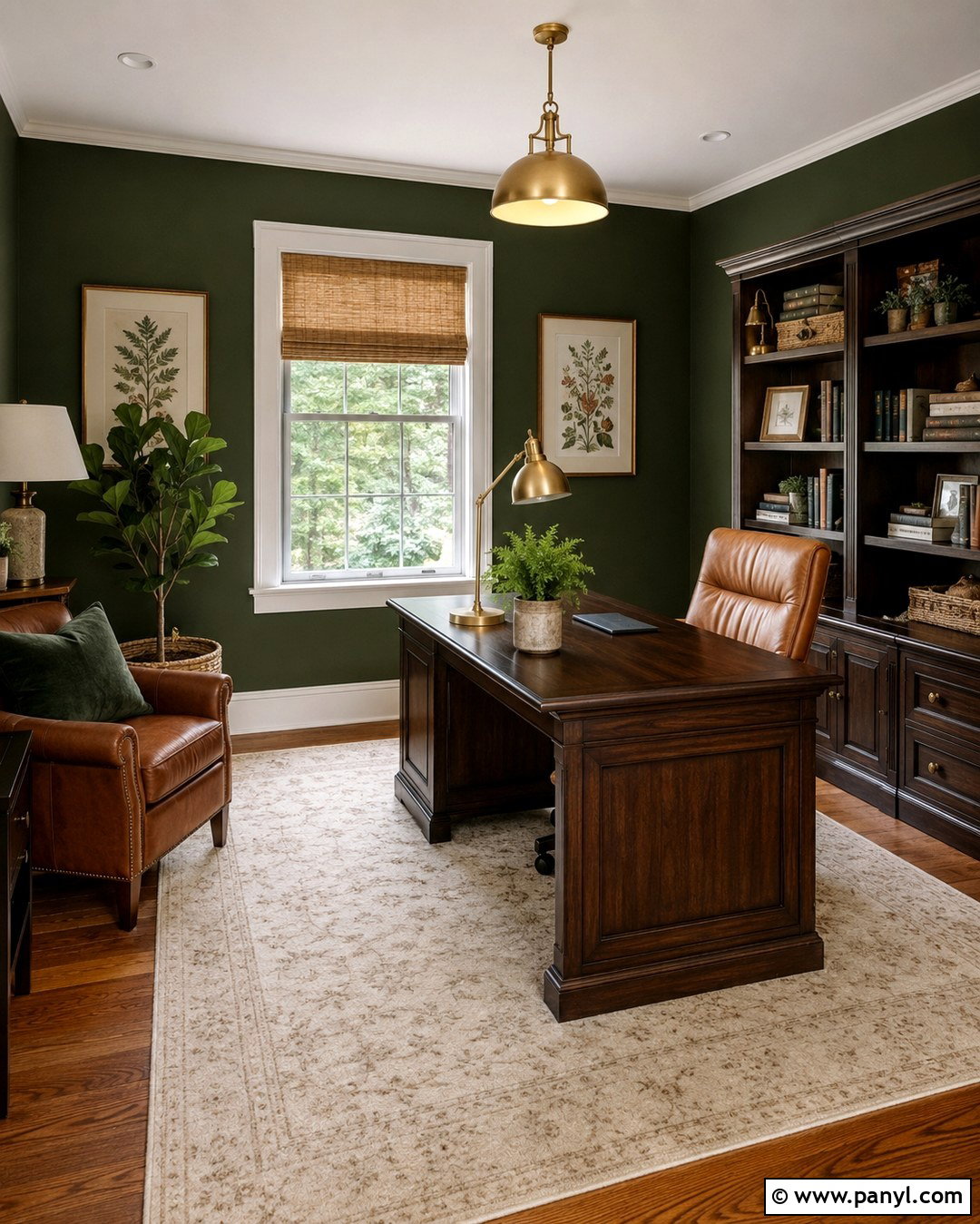
Forest green walls produce an elegant, grounded backdrop for honey oak floors. The deep green makes the flooring’s golden color look deliberate and lively rather than overpowering. Design a cozy office or formal sitting room with forest green walls, a camel leather chair, and a dark walnut desk or bookcase. Place a large cream rug over part of the floor to keep the room visually open. Antique brass lighting adds warmth, while white trim sharpens the edges of the darker color. Include natural linen shades and restrained botanical artwork for texture. Avoid using too many additional green accessories; cream, black, and brown are enough. This layered look works best with balanced lighting and gives an ordinary room a rich, established personality without changing the existing flooring.
17. Warm Gray Wall Color
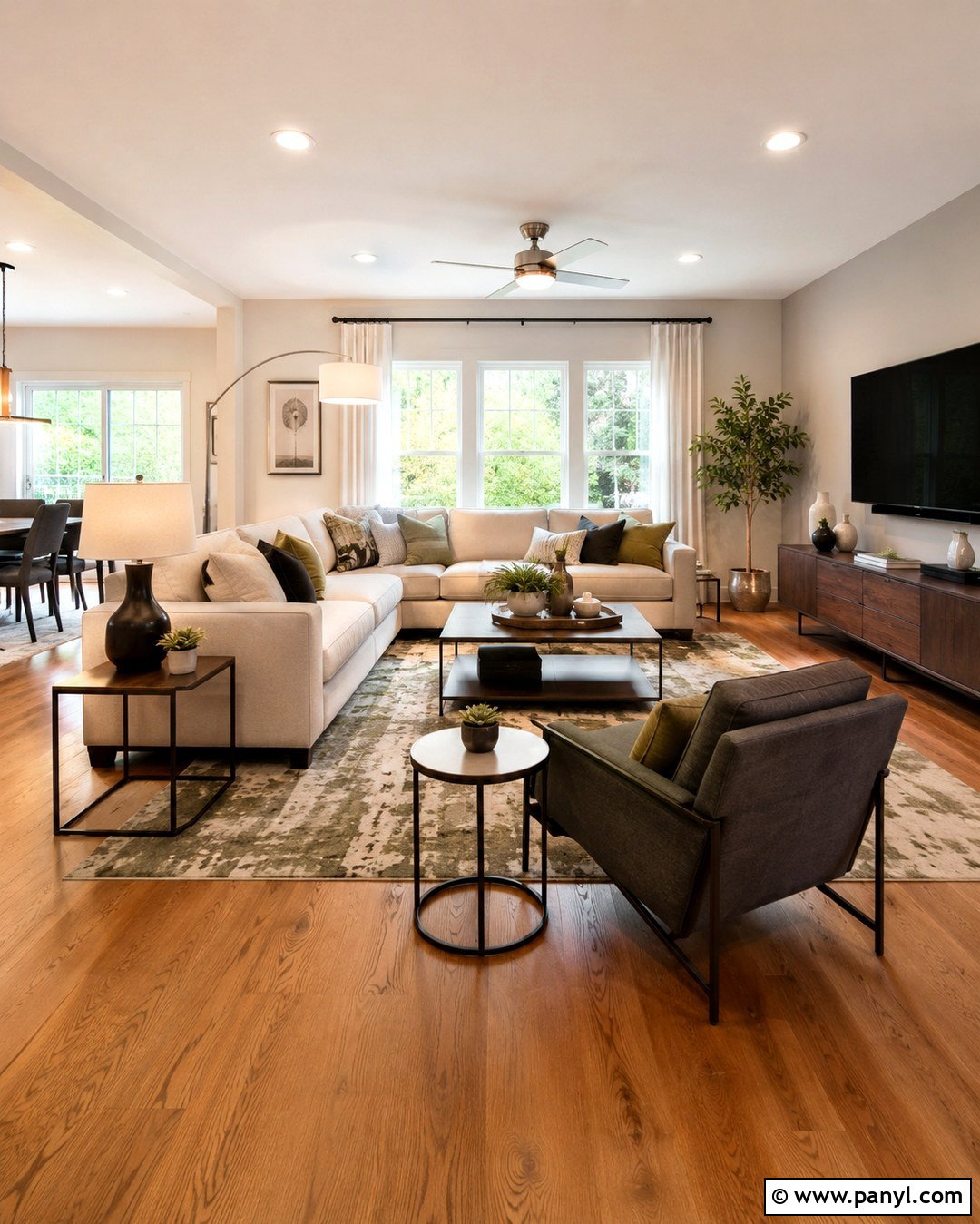
Warm gray can modernize honey oak floors when it contains beige or green undertones rather than blue or violet ones. Create a casual open-plan room with warm gray walls, a cream sectional, and a charcoal accent chair. Use an area rug that combines gray, ivory, muted olive, and touches of tan to connect the different temperatures. A dark walnut media unit and black metal tables add contrast against the golden flooring. Keep curtains warm white and choose simple brushed nickel or matte black fixtures. Because gray is highly sensitive to surrounding colors, test it directly above the floor and beside any oak trim. A carefully chosen warm gray creates a calm backdrop that reduces visual yellow without making the room feel cold, flat, or disconnected from the wood.
18. Soft Clay Wall Color
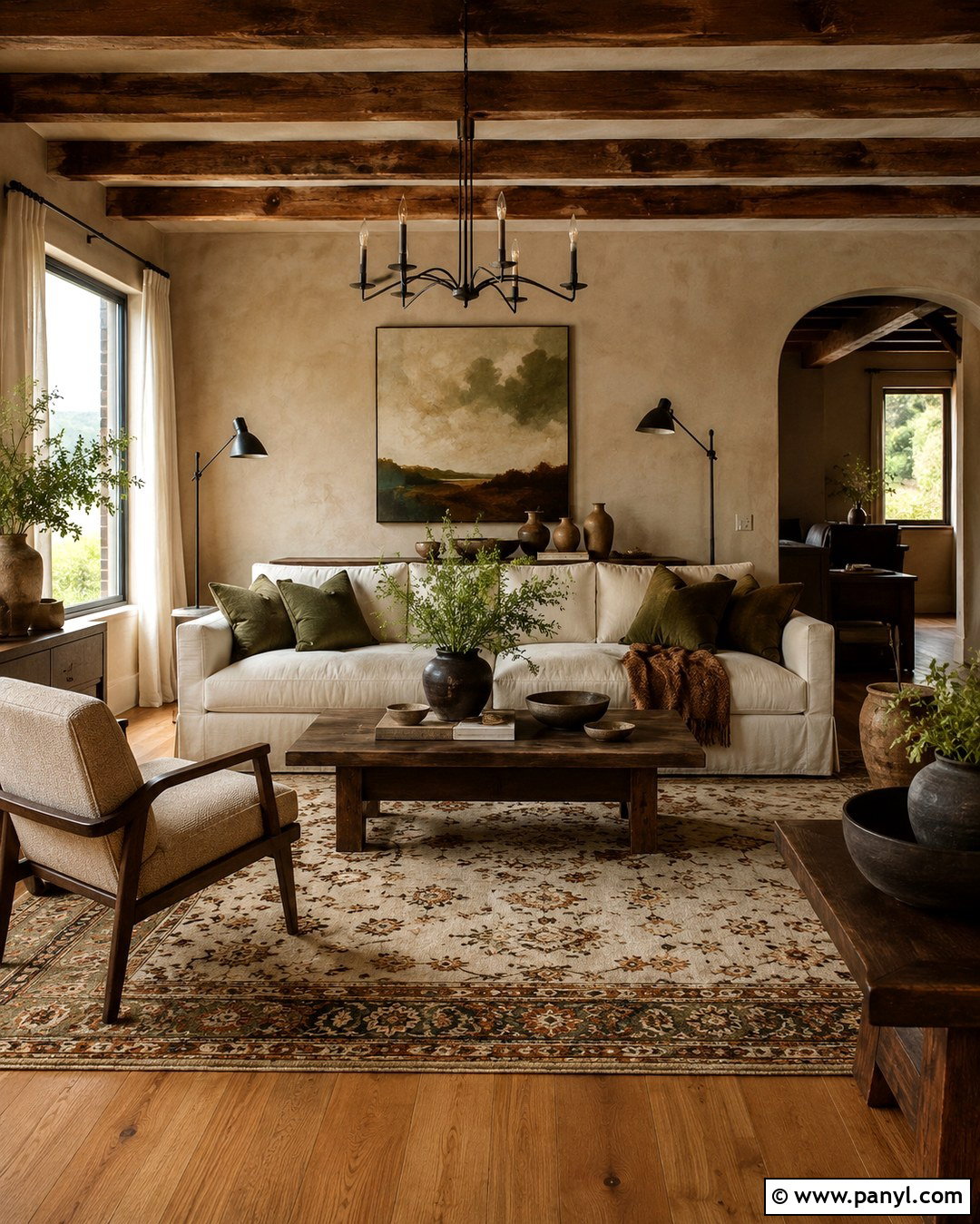
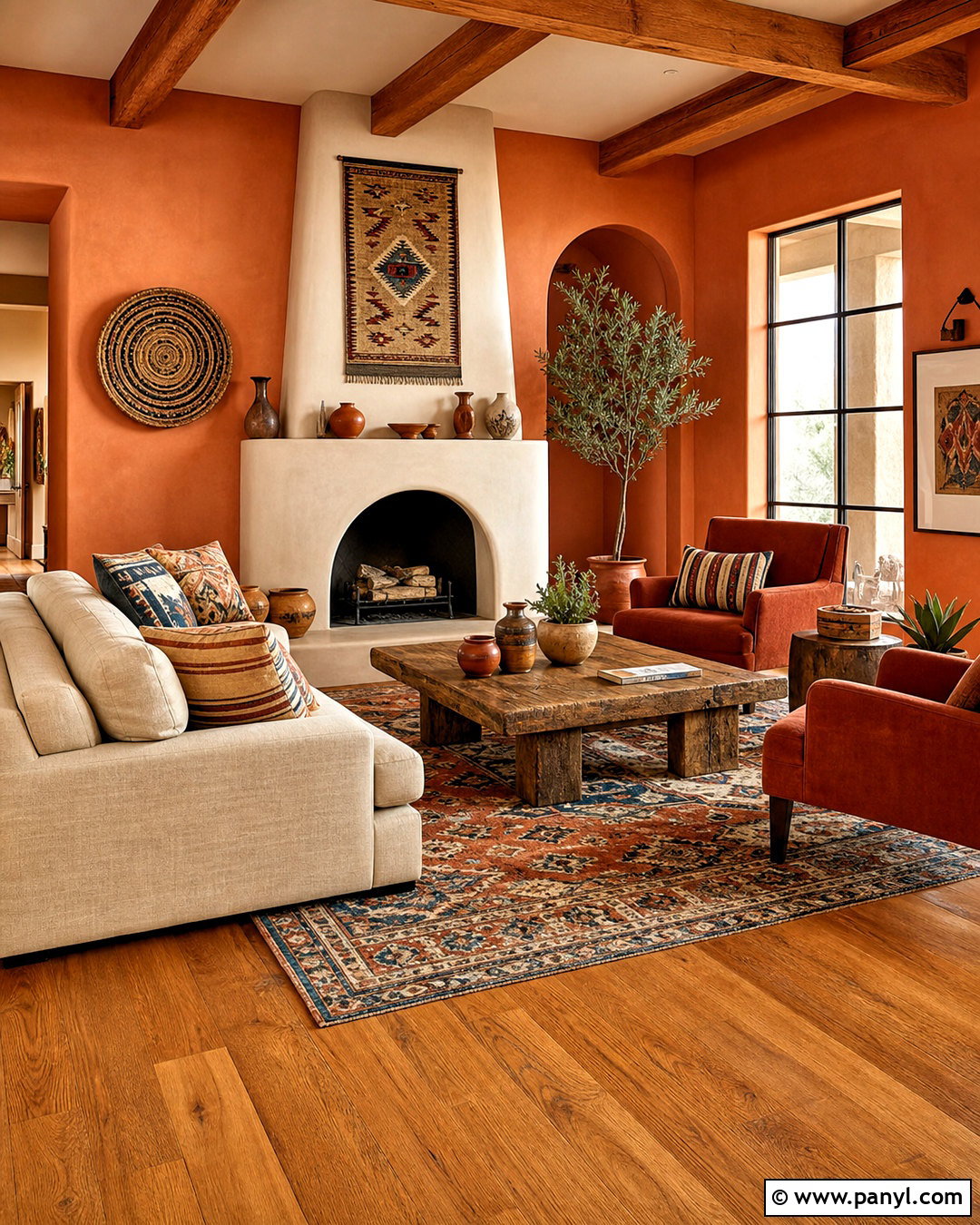
Soft clay walls embrace the earthy warmth of honey oak floors while creating a more distinctive palette than standard beige. Choose a pale, muted clay with brown and pink undertones instead of a bright orange terracotta. Style the room with a cream sofa, dark wood tables, and an ivory rug containing faded olive and rust. Black lighting and curtain rods introduce a modern outline. Use linen drapes, stoneware accessories, and olive green pillows to maintain an organic character. The floor and walls will both feel warm, so include enough light textiles to create breathing room. This scheme works particularly well in a sunny dining room or relaxed living space. The complete look feels warm and handcrafted, with each natural material contributing a slightly different tone.
19. Dusty Rose Wall Color
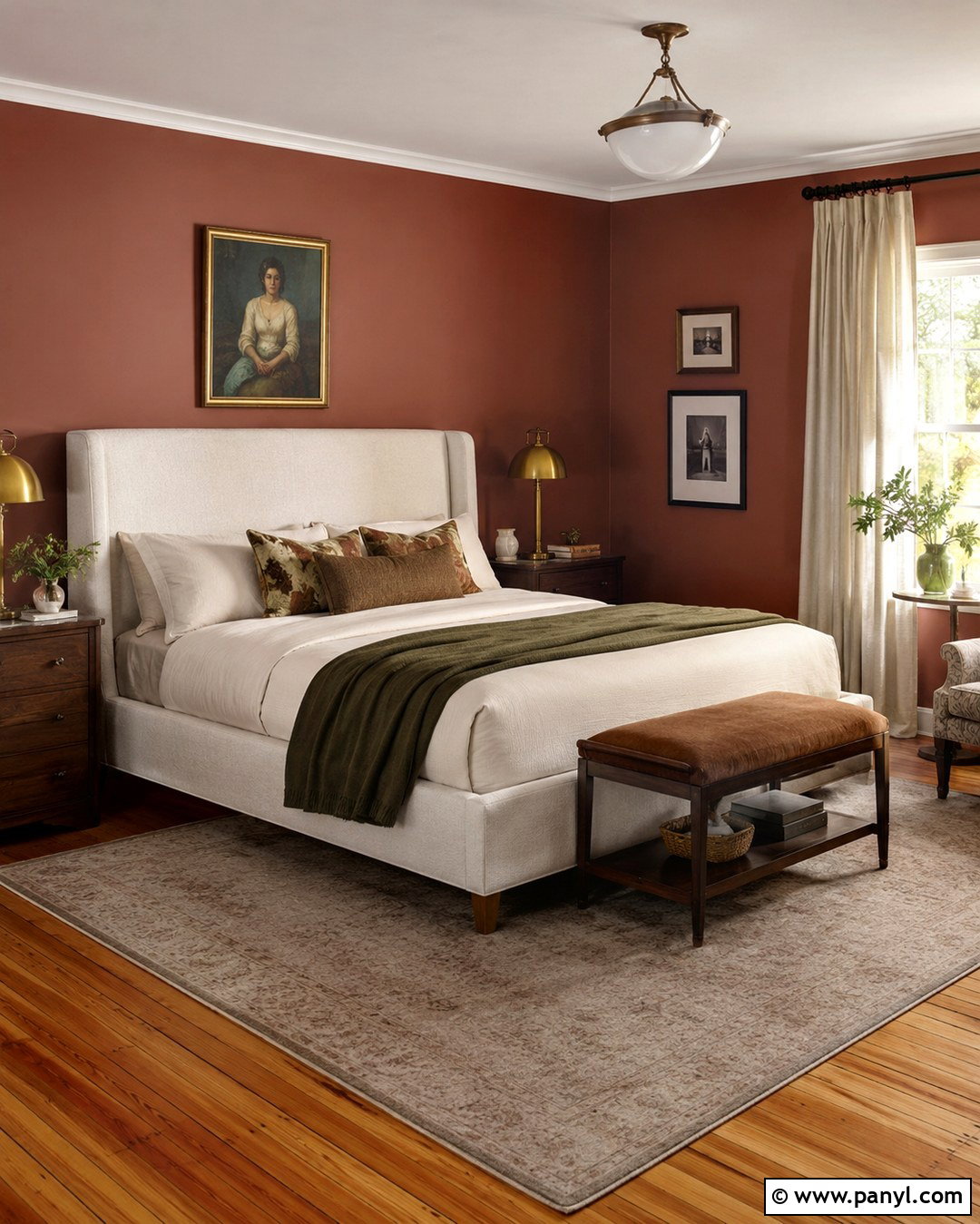
Dusty rose can complement honey oak floors when the color is muted, earthy, and softened with gray or brown. It creates an inviting bedroom or reading room without feeling overly sweet. Pair the walls with an ivory upholstered bed, crisp cream bedding, and a deep olive throw. A large taupe rug separates the rose walls from the golden floor and provides a neutral middle layer. Choose walnut nightstands, aged brass lamps, and black-framed artwork for contrast. Natural linen curtains keep the space casual and filter bright sunlight. Limit additional pink accessories so the wall color remains the main statement. With olive, cream, and dark wood supporting it, dusty rose gives honey oak a warm, collected appearance that feels personal, relaxed, and thoughtfully coordinated.
20. Charcoal Wall Color
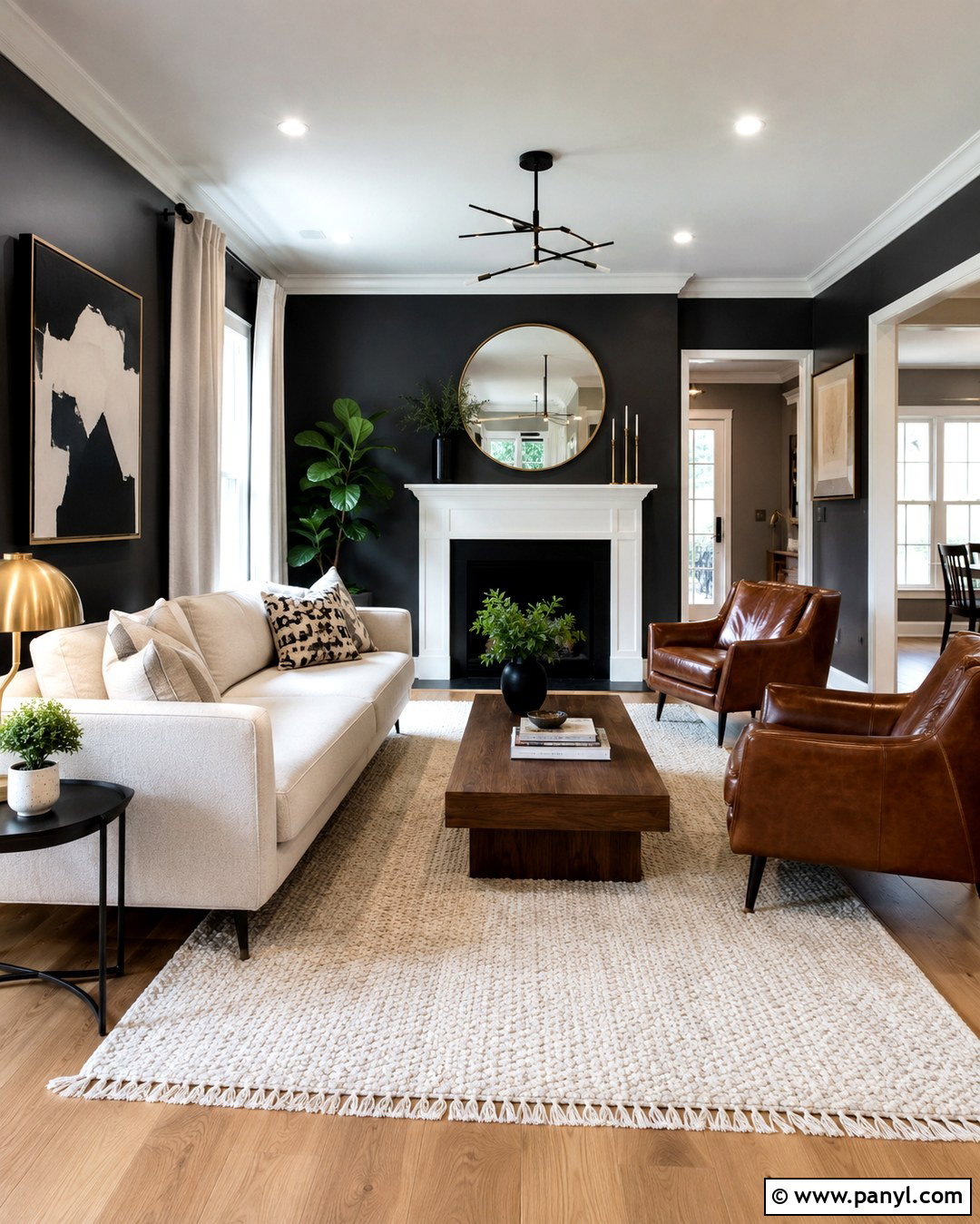
Charcoal walls offer the strongest neutral contrast for honey oak floors, turning their golden color into a striking design feature. Use charcoal in a room with abundant daylight, high-quality lighting, or one carefully selected feature wall. Complete a modern living room with a cream sofa, pale textured rug, and walnut coffee table. Warm white curtains soften the dark background, while cognac leather chairs echo the flooring. Add black fixtures sparingly because the walls already provide significant visual weight. Brushed brass lamps can create a warmer transition between charcoal and oak. Keep the ceiling and trim light to preserve an open feeling. This confident palette gives older honey oak flooring a cleaner architectural context and proves that the wood can work beautifully in a bold contemporary interior.
Conclusion:
Choosing among the **20 Best Wall Color For Honey Oak Floors** begins with deciding whether you want to soften, complement, or emphasize the wood’s golden warmth. Warm whites, cream, beige, and putty create gentle continuity. Sage, eucalyptus, blue-gray, and teal introduce cooling balance. Navy, forest green, and charcoal deliver stronger contrast for a more dramatic room. Complete the palette with rugs, furniture, curtains, lighting, and trim that repeat both warm and cool tones. Most importantly, paint large sample areas beside the flooring and observe them in morning, afternoon, and evening light. A carefully tested color can make honey oak floors feel intentional, attractive, and connected to the rest of your home.

Related Ideas and Inspiration:
Leave a Reply